
DIALOGUE
A Quarterly Publication of the Regional Center of Orange County
IN THE SPOTLIGHT
Gloria, Valerie and Brandon
COORDINATING COMBINED SERVICES AND SUPPORTS HELP THOSE WITH SIGNIFICANT NEEDS
Gloria Caballero
Gloria Caballero, a 56-year-old who has cerebral palsy and uses a wheelchair to get around, has a fulfilling and happy life. It wasn’t always like that. Until her early 20’s, she lived in the family home, and didn’t even know about Regional Center services until she had to be removed from that home. A crisis counselor helped her transition to an Adult Residential Facility.
“It was through Regional Center that I began to think I could make it on my own,” she said.
Though she has significant physical challenges, with a HUD (federal Housing and Urban Development) voucher, she’s able to afford the Anaheim apartment where she’s lived for the past 30 years. A combination of RCOC-funded services such as SLS (supported living services) and transportation, and other complementary State programs such as Medi-Cal and IHSS (In-Home Supportive Services) facilitate her independence, personal care, health and safety.
“I’ve had a lot of caregivers over the years, and each has contributed something to who I am today,” she said.
Among other accomplishments, Gloria has published a book of poetry. She also volunteers
VOLUME 40 NO. 3 • SUMMER 2026 Cont. on Page
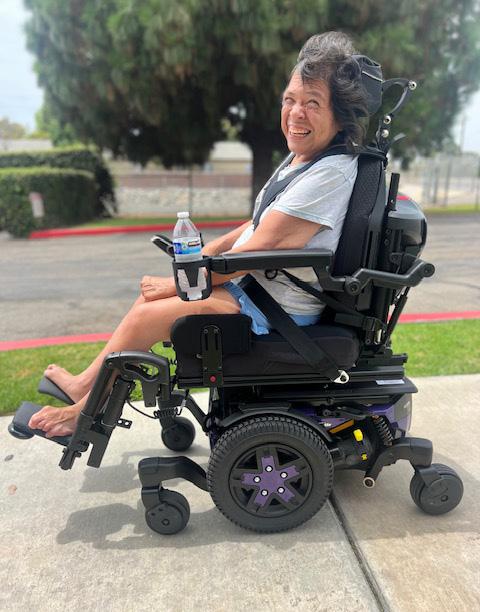
Gloria Caballero
for Project H.A.N.D.S., making magnets and pins that are sold to raise money for the organization’s non-profit work.
DIALOGUE
This newsletter can also be read online at RCOC’s website: www.rcocdd.com
Copyright © 2026
Board of Directors
Sandy Martin, Chair
John “Chip” Wright, Vice Chair
Jacqueline Nguyen, Treasurer
Yvonne Kluttz, Secretary
Marcell Bassett
Pankaj Bedekar
Bruce Hall
Frances M.K. Hernandez
Isabel Ibarra
Amy Jessee
Liza Krassner
Lorena Medina
Hilda Mendez
Chinh Nguyen
Rick Perez
Please check the Monthly Calendar on RCOC’s website for the most up-to-date information regarding Board meeting dates and format.
RCOC Administration
Larry Landauer, Executive Director
Arturo Cazares, Associate Executive Director
Christina Petteruto, General Counsel
Marta Vasquez, Chief Financial Officer
Jerrod Bonner, Chief Information Officer
Ernie Cruz, Director of Community Services
Bonnie Ivers, Psy.D., Clinical Director
Jennifer Montañez, Director of Case Management
Stacy Wong, Human Resources Director
Carmen Gonzalez, Associate Director, Central Area
Rachel Khorana, Associate Director, Intake
Araceli Mendez, Associate Director, Early Start
Carie Otto, Associate Director, West Area
Greg Shimada, Associate Director of Information Technology
Jack Stanton, Associate Director of Housing
Sean Watson, Associate Director, Risk Management
Two New Members Join RCOC Board of Directors
RCOC’S BOARD OF DIRECTORS APPOINTED PANKAJ
BEDEKAR AND ISABEL IBARRA TO EACH SERVE ONE-YEAR TERMS BEGINNING MARCH 6, 2026 AND JUNE 1, 2026, RESPECTIVELY. Both are unpaid volunteer positions.
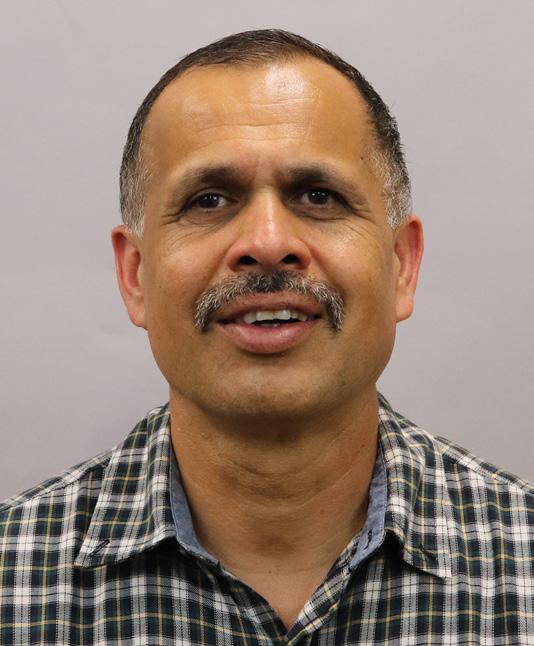
Pankaj Bedekar is the father of a 21-year-old son with Angelman Syndrome, a condition that causes significant developmental and intellectual challenges.
Professionally, he serves as Director of Information Systems at Tseng College and is very involved in the community as a volunteer with the Angelman Syndrome Foundation and Jeena, a parent-led organization supporting families raising children with disabilities. He plans to draw on both his professional expertise and personal journey to advance RCOC’s mission.
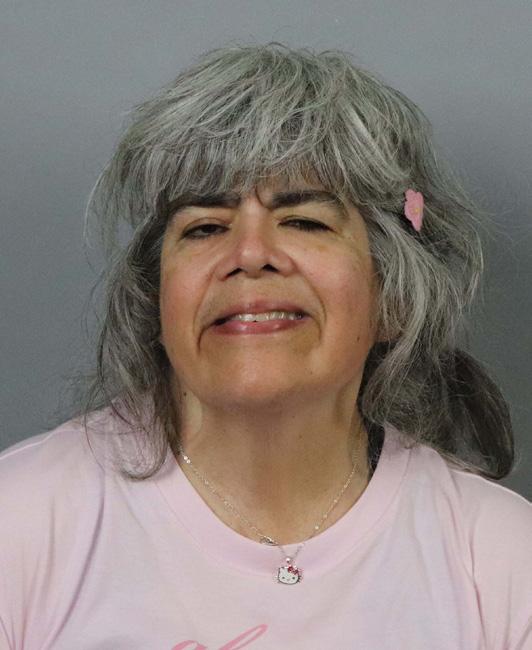
Isabel Ibarra is a person served by RCOC, who has a mild intellectual disability and a physical disability called arthrogryposis, a condition where the person has multiple stiff joints and abnormally developed muscles.
A resident of Anaheim who lives in an Adult Residential Facility, she is looking forward to providing input to RCOC about various issues important to people with developmental disabilities.
We Want Your Feedback
Are there specific disability-related topics or topics related to the regional center system you’d like us to cover in Dialogue? Share your thoughts by emailing ED@rcocdd.com.

Data Sharing to Improve Service Coordination and Reduce Paperwork
By Larry Landauer, Executive Director
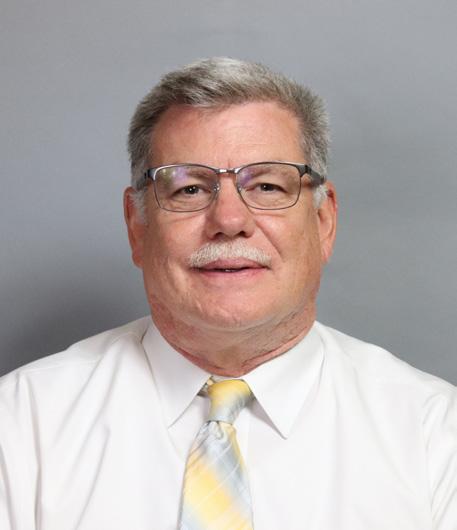
OUR COVER STORY THIS ISSUE INCLUDES SNAPSHOTS OF THREE ADULTS RCOC SERVES WHO HAVE SIGNIFICANT NEEDS THAT ARE MET WITH A COMBINATION OF SERVICES AND SUPPORTS FROM MULTIPLE AGENCIES. We wanted to focus on them, because they are among the individuals who will benefit most from the data-sharing that is now taking place statewide between Regional Centers and other government programs.
With RCOC Service Coordinators having access to individuals’ IHSS usage data, families will no longer have to provide paperwork documenting this information.
As I shared in my last column, the Lanterman Act mandates that Regional Center funds can only be used to meet needs after other available options, including generic resources, have been used. For example, since many people with developmental disabilities require personal assistance for activities of daily life, they often qualify for In-Home Supportive Services (IHSS) and they must get as much of their needs met through that program as possible, before Regional Center service providers can be enlisted to meet needs that exceed IHSS limits.
Now, with RCOC Service Coordinators having access to individuals’ IHSS usage data, families will no longer have to provide paperwork documenting this information. This will enable planning teams to be more efficient in ensuring that persons served are receiving needed services and supports, in the right amounts, from all of the appropriate agencies.
Facilitating Federal Assistance
In addition to IHSS data sharing, California is taking steps to protect persons served from possible interruptions in eligibility for federallyfunded programs such as Medi-Cal and CalFresh.
New federal laws require recipients to prove, every six months, that they are working or doing community service, or are exempt from these requirements due to disability.
Data sharing in connection with these programs will also reduce paperwork associated with this requirement, and prevent those we serve from having to continuously prove eligibility due to the disability exemption. It will also enable timely adjustments to Regional Center services, if needed.
Privacy is Protected
When we talk about data sharing, we recognize some people may be concerned about information security. As such, we want to assure our community that all of your information is protected and is stored and used securely in compliance with all state and federal privacy laws.
California is taking steps to protect persons served from possible interruptions in eligibility for federally-funded programs such as Medi-Cal and CalFresh.
If you have any questions, feel free to reach out to your RCOC Service Coordinator anytime. We’re here to help.

PERSON-TO-PERSON
Agency Coordination Will Improve Services
By Yvonne Kluttz, Peer Advisory Committee Chair (PAC) and Amy Jessee, PAC Co-Chair
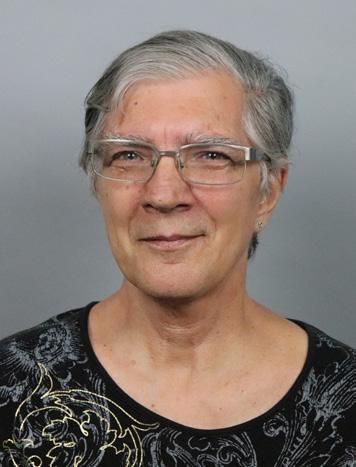
IF, LIKE BOTH OF US, YOU USE SERVICES FROM OTHER AGENCIES IN ADDITION TO RCOC, YOU’LL WELCOME THE NEWS THAT DDS HAS ARRANGED FOR BETTER COORDINATION ACROSS STATE DEPARTMENTS.
RCOC’s Executive Director Larry Landauer shares details in his column (see page 2), but we wanted to share our perspective as persons served.
We both receive IHSS (In-Home Supportive Services) through the California Department of Social Services and ILS (Independent Living Services) through RCOC. The direct care professionals who work with us in these programs support us in different ways, and both are essential for helping us live independently in the community.
Amy recently had an issue with IHSS questioning her eligibility for services. She’s been working through the issue, but the experience was scary as she thought about the possibility of having critical services interrupted.
That’s why we believe DDS is doing the right thing to ensure agencies work together to meet the needs of people with developmental disabilities.
EVERYDAY WELLNESS:
Summer is Ideal for Starting New Wellness Habits
WITH THE LONGER DAYS AND GREAT WEATHER OF SUMMER, IT’S A PERFECT TIME TO GET OUTDOORS AND ESTABLISH SOME NEW WELLNESS HABITS THAT CAN IMPROVE BOTH PHYSICAL AND MENTAL HEALTH. Here are a few ideas to consider:
• Explore a neighborhood or nearby park.
• Check out a new fitness class at your local gym.
• Play a musical instrument at the beach.
• Schedule a weekend hike with friends.
• Visit a public swimming pool.
• Take up a new outdoor sport, like tennis or pickleball.






Habits you initiate now can become an established part of your routine to improve health and wellness, relieve stress, and connect with loved ones year-round.
Workshops & Events

Multicultural Autumn Festival and Resource Fair
Save the date and plan to attend RCOC’s 2nd Multicultural Autumn Festival and Resource Fair at Garden Grove’s Atlantis Play Center. The event will feature information on a variety of community resources for families and persons served, along with entertainment, children’s activities, and refreshments for families served by RCOC. Check the RCOC Events Calendar for additional details, including start time. For more information, contact Derrick Nguyen at dnguyen@rcocdd. com or 714.558.5401.
Saturday, September 19
Atlantis Play Center 13630 Atlantis Way in Garden Grove
Two-Day Person-Centered Thinking Training
Geared toward service providers and SelfDetermination Independent Facilitators, this free workshop takes place over the course of two days and incorporates Person-Centered Thinking (PCT) training materials from The Learning Community for Person-Centered Practices. Those who complete the full two-day training will receive a training certificate. For information and to register, contact RCOC’s Leah Saitz at lsaitz@rcocdd.com or scan the QR code.
Tuesday, August 18 and August 25
9 a.m. – 5 p.m.
RCOC’s Santa Ana Office

Moving On at 3…Transition Workshop
These transition workshops take place virtually and aim to educate and support parents before, during and after their child’s third birthday. Topics include assessment and eligibility determination for school district services, the Individualized Education Program (IEP) meeting, and ongoing eligibility for Regional Center services. Presented in English. Spanish, Vietnamese and Korean translation may be provided when requested in advance. Register online via the Monthly Calendar on RCOC’s website or scan the QR code. For information, contact Patricia Garcia at 714.558.5400 or pgarcia@rcocdd.com.
Thursday, September 17
10 a.m. to Noon
Monday, November 16 6:30-8:30 p.m.


ABC’s of School Services Back to School Tips for Parents
CHILDREN OFTEN LOVE THE IDEA OF GOING BACK TO SCHOOL, BUT MANY CHILDREN WITH DEVELOPMENTAL DISABILITIES ARE CHALLENGED BY THE CHANGES IN ROUTINE, ENVIRONMENT AND PEOPLE A NEW SCHOOL YEAR BRINGS. Here are some quick tips to help ease the transition and make this the best new school year yet for your child!
• Become an expert on your child’s IEP. No one knows your child better than you do, so carefully examine your child’s Individualized Education Program (IEP), evaluations and progress reports, to ensure these documents are still on-target with your child’s current needs. If you don’t have copies of these records, you may request them from the school site or district office.
• Visit the campus before the first day of school. Connect with the principal to see if you can set up a time to tour the school. Locate the playground, eating areas, restrooms, and any other buildings or facilities your child may encounter. This visit will be particularly important if your child will be attending a new school site.
• Create a One-Page Description. Develop a profile that will capture key information about your child and how they need to be supported, to give to your IEP team on the first day of school. Your RCOC Service

Coordinator can help you create this, or visit https://sheffkids.co.uk/resources/ for free templates.
• Gradually move toward the new school schedule. Start the morning routine a few weeks ahead of time to get your child comfortable with the new routine. Also practice your own at-home routine daily for getting up earlier.
• Be involved throughout the year. Find out when Back To School Night will occur at the school and put the date on your calendar; this is an important time to meet the teacher and talk briefly about how your child is adjusting to the classroom. When asked to complete all the enrollment forms, look for an invitation to join the Community Advisory Committee (CAC), which provides parent input on special education programs.

Gloria, Valerie and Brandon, cont.
Valerie Williams
While 30-year-old Valerie Williams has an intellectual disability and epilepsy, and does not have much spoken language, her mother Christine attests to the crucial role RCOCfunded services combined with State programs have had in facilitating her daughter’s wellbeing, since she entered Early Start with RCOC at eight months old.
Friendly and full of life, Valerie is medicallyfragile and lives in the family’s Yorba Linda home, requiring continuous care for all activities of daily life and 24-hour supervision for her own safety. She has limited physical abilities, but several of the social-recreation and day programs she participates in are aimed at helping her engage with others while also keeping her physically healthy to ward off illnesses that tend to bring on seizures.
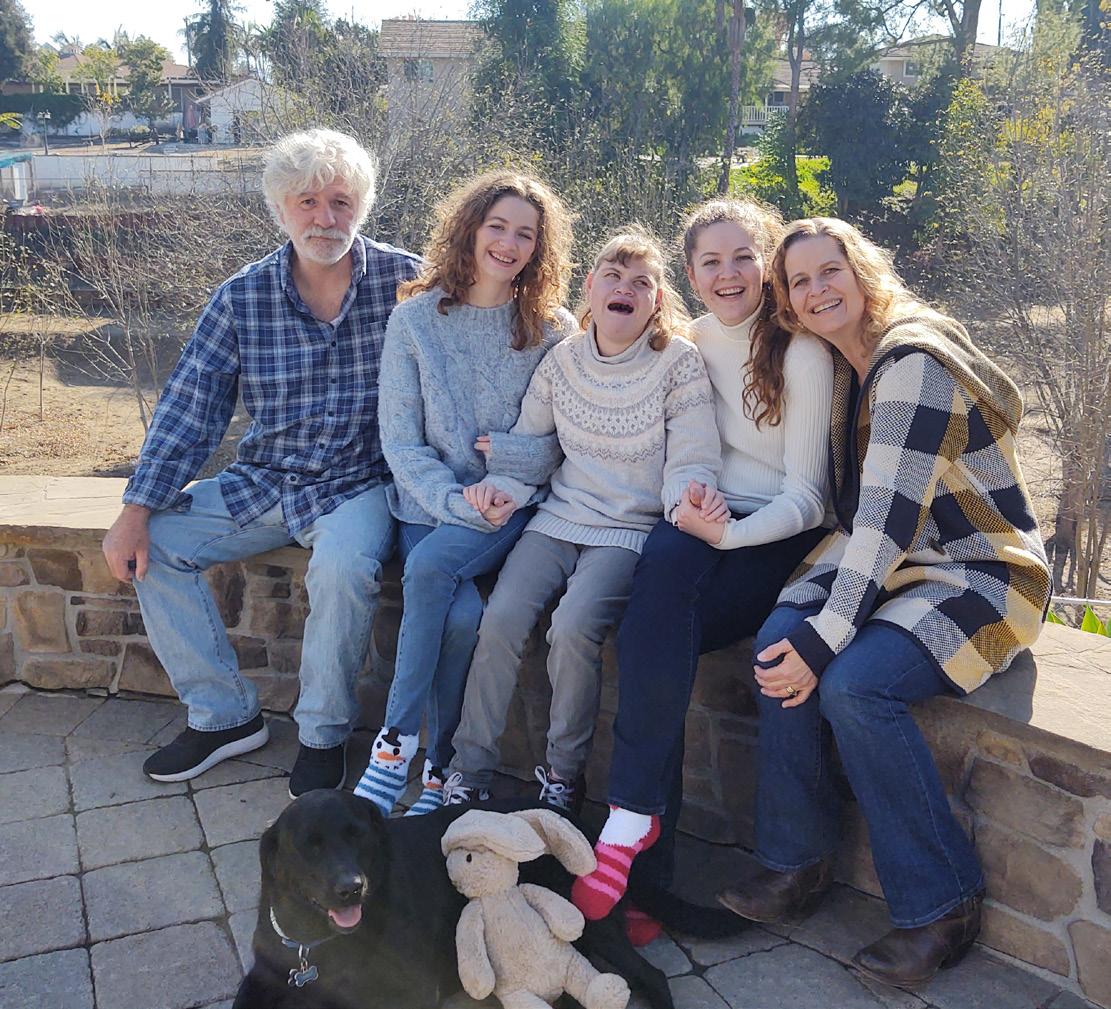
“She has a fun personality and people want to help her,” said Christine, noting that while Valerie’s lack of language and fine motor skills hampers communication, her parents are very sensitive to the clues and hints she does give to communicate her needs, likes and dislikes.
Brandon Estribi
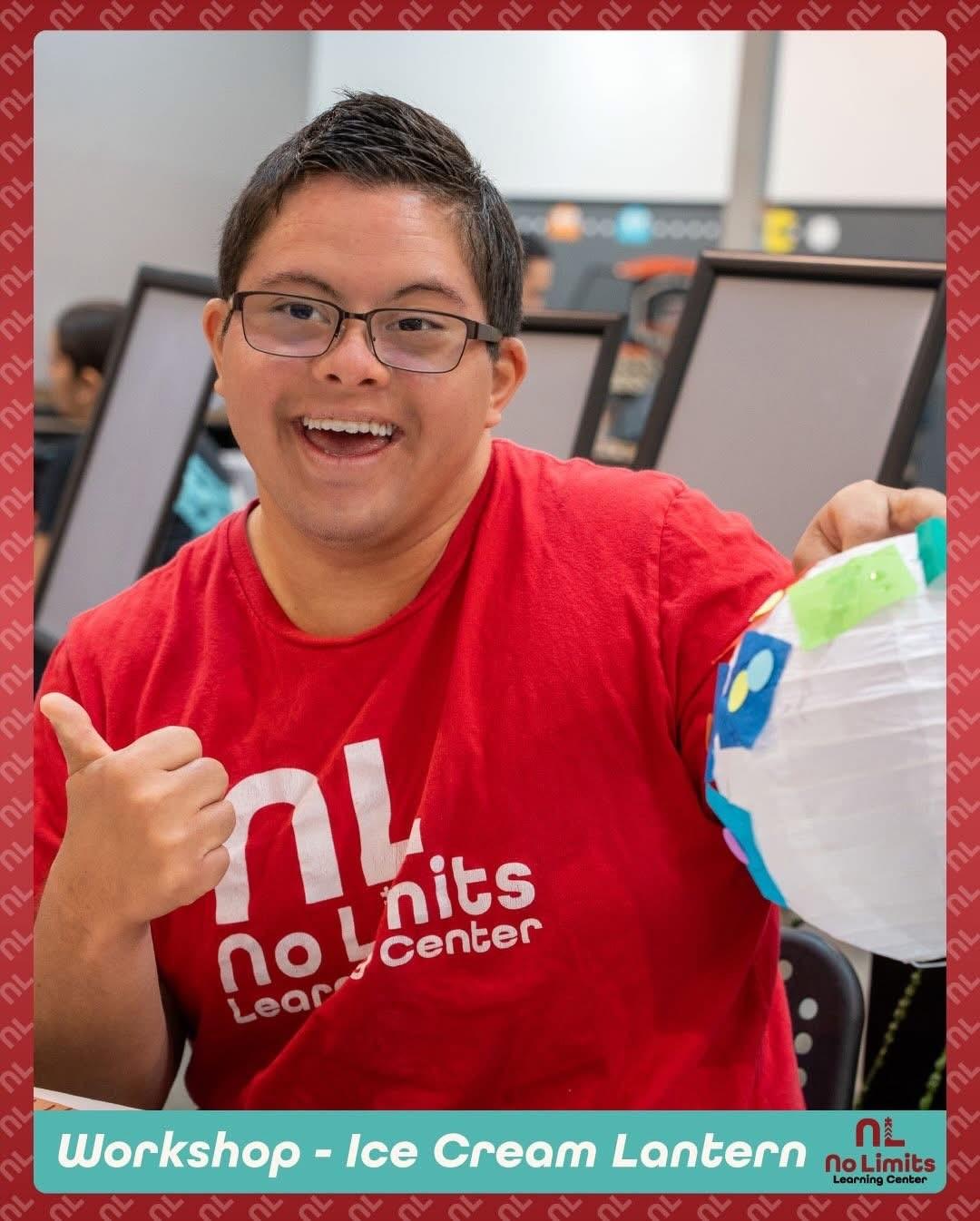
Living at home in Placentia with his mom Andrea Romo, 26-year-old Brandon Estribi’s active life in the community is facilitated by a range of services and supports that nurture his independence, self-advocacy skills, health and well-being.
Since Brandon, who has Down Syndrome, transitioned at age 22 from public school to adult services through RCOC, transportation services have been key. A very social, friendly and caring young man, Brandon loves to dance and participate in other adaptive fitness and sports leagues. However, he requires full-time care for his personal safety. While his mother works remotely from home and is his IHSS caregiver, assisting with all of his activities of daily life, she is not able to get Brandon to and from his daily programs.
“All of the resources have been a blessing,” said Andrea, noting that Brandon also receives ILS (independent living services) and Medi-Cal. “They benefit him and also help me manage both working full time and caring for him.”
Valerie Williams (center) with (L-R) father Jeff, sisters Amanda and Rachel, and mother Christine.
Brandon Estribi
Regional Center of Orange County Locations
How to Become a Wish Tree Sponsor
Are you, your family and friends interested in giving gifts to brighten the holidays for others? Is your organization looking for a meaningful holiday gift-giving project? Please consider participating in RCOC’s Wish Tree program to benefit children and adults with developmental disabilities.
RCOC volunteers wrap and distribute the donated gifts to the selected individuals prior to the holidays, so the deadline to become a sponsor is October 31. To learn how to join the fun, contact Kaitlynn Truong at ktruong@rcocdd.com or 714.558.5405.

Serving Orange County’s Hispanic Community
REGIONAL CENTER OF ORANGE
COUNTY has prepared this insert especially for the individuals and families we serve who are most comfortable communicating in Spanish. These events, programs and activities are presented in Spanish and/or are geared specifically for those in Southern California’s Hispanic community. However, some are not funded or endorsed by RCOC and this information is provided as a courtesy. If you know of other opportunities you would like to share with other Spanish speakers, please contact Jessica Bautista Vidal at 714.558.5406 or jbautistavidal@rcocdd.com.
Mano a Mano
This free reading program for children with Down Syndrome is offered on the second Saturday of the month, and provides support for Spanish-speaking mothers to learn how to use materials to engage children in reading. Children must be able to interact and sit through engagements. For information and to register, contact Alicia at 714.540.5794.
September 12, 2026 through May 8, 2027
Down Syndrome Association of Orange County 151 Kalmus Drive, Suite M-5 in Costa Mesa
Meet Jessica
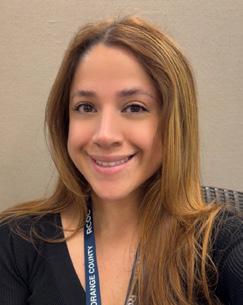
Meet the Comfort Connection Family Resource Center’s new Community Outreach Coordinator Jessica Bautista Vidal, who is working with Spanish-speaking families. She can be reached at jbautistavidal@rcocdd.com or 714.558.5406.
Behavior Management Workshop for Parents
Presented in Spanish by Footprints Behavioral Interventions, this five-session virtual workshop covers basic principles of positive behavior management. The focus is on helping parents of children with developmental disabilities change their own behavior and that of their children. Parents are actively involved and invited to discuss their specific behavioral challenges. To register, contact Rosita Aguilar at 714.796.5223 or raguilar@rcocdd.com.
Thursdays, from 5:30-8 p.m. October 1, October 8, October 15, October 22 and October 29
Learn and Connect Conference
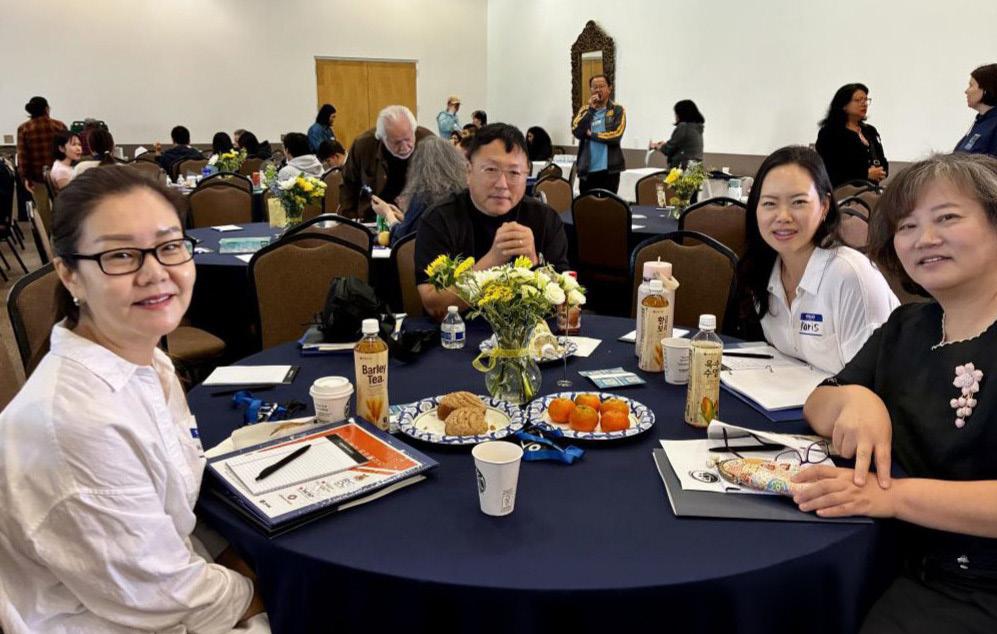
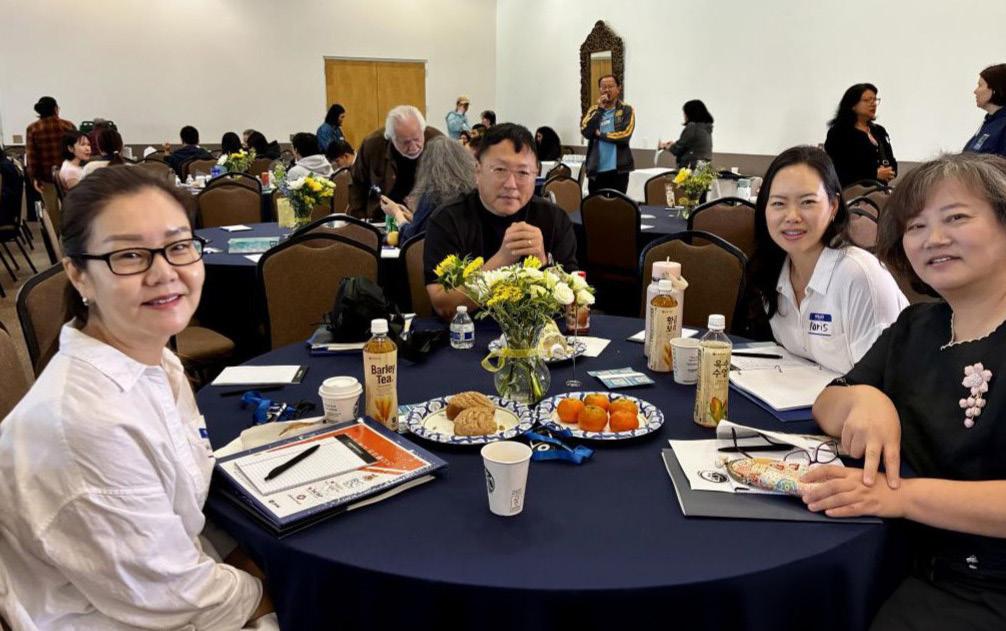
Hosted by the Center for Autism & Neurodevelopmental Disorders (CAND) and RCOC, families we serve from diverse communities across Orange County came together for this free conference at Santa Ana’s Delhi Center. In addition to learning how to access resources, families gained information about parent mentoring, navigating the transition to adult services, and services and supports geared toward young adults and their parents.
Do You Need Respite?
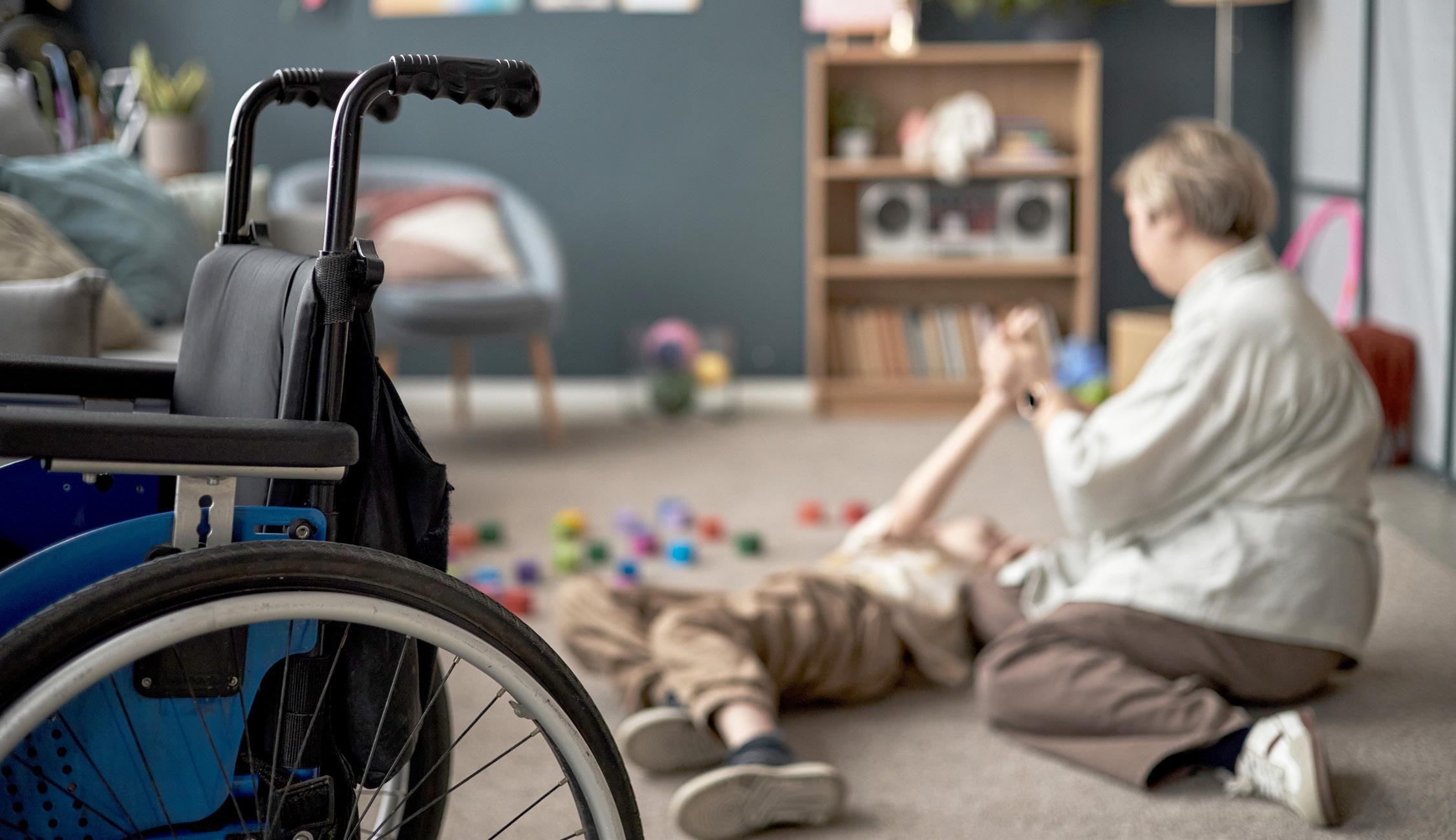
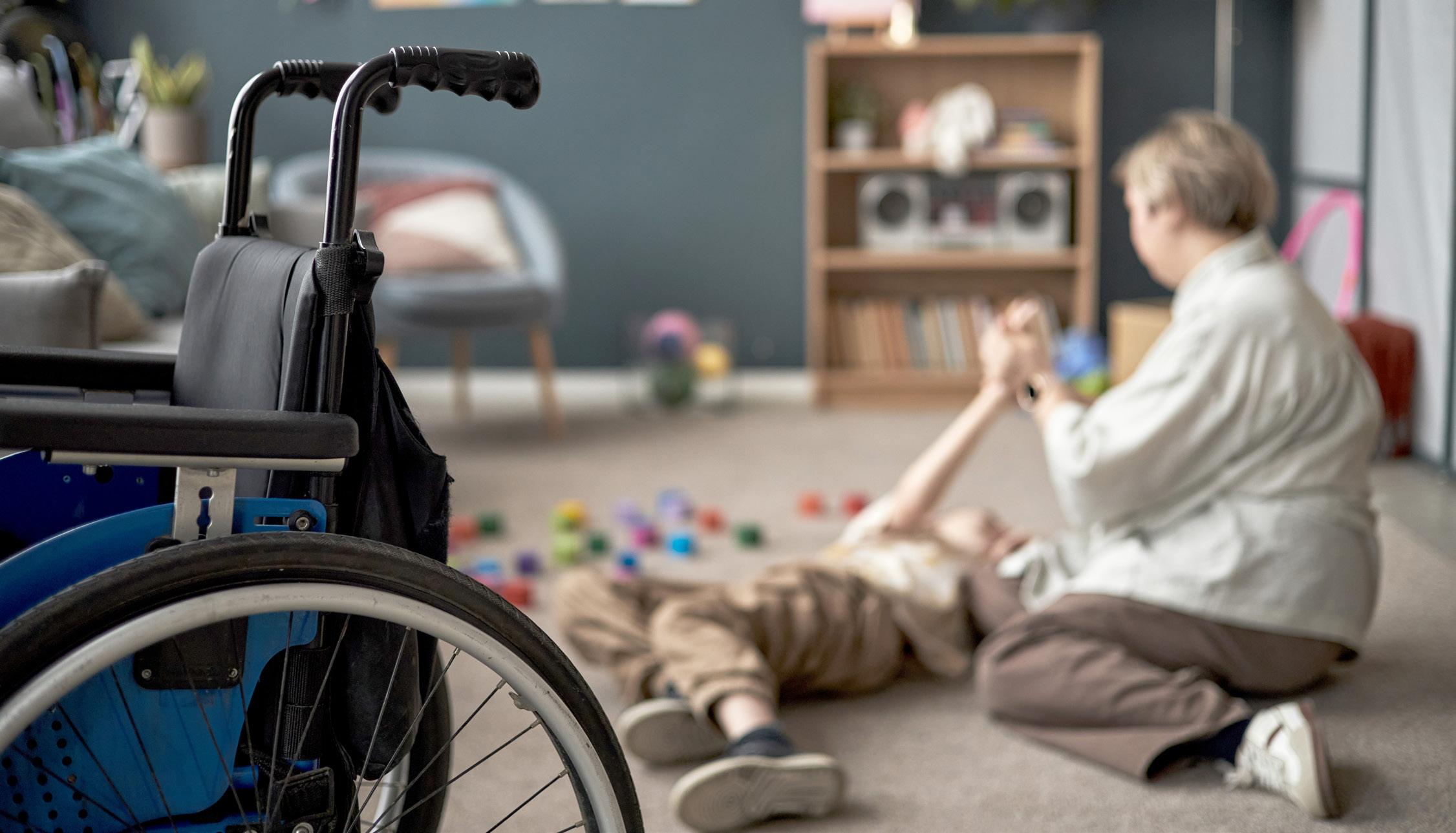
IF YOU HAVE A CHILD WITH SPECIAL NEEDS, OR CARE FOR AN ADULT SON OR DAUGHTER WHO HAS DEVELOPMENTAL DISABILITIES, IT IS VERY LIKELY YOU COULD BENEFIT FROM RESPITE CARE THROUGH RCOC.
Respite can provide parents or other caregivers with the occasional relief they need, when the person’s medical, physical or behavioral needs cannot be met by a regular care provider. Some families use respite to enable out of town travel, while others may use it to cover overtime work or to simply help them handle family obligations. Families also do not have to leave the home when the respite provider is present, which is ideal for parents who work from home or those who simply want to ease into leaving their loved one in another’s care.
About Respite Service Providers
This service may be provided by an individual selected by the family, or through professional respite agencies that have staff trained to work with children or adults with medical needs or challenging behaviors.
Importantly, many RCOC respite service providers employ diverse staff members who are sensitive to cultural differences and fluent
in many of the languages spoken in Orange County. Some non-English speaking families have also found parent support groups in their communities to be excellent resources for locating quality respite workers who speak their language.
Many RCOC respite service providers employ diverse staff members who are sensitive to cultural differences and fluent in many of the languages spoken in Orange County.
Respite providers are also not judgmental about home environments and different family living situations, and are trained to be respectful of families’ private spaces.
How to Get Respite Help
If you’d like to learn more about respite, or think you might benefit from these services, be sure to contact your RCOC service coordinator any time. We’re here to help!
Serving Orange County’s Vietnamese Community
REGIONAL
CENTER OF ORANGE COUNTY has prepared this insert especially for the individuals and families we serve who are most comfortable communicating in the Vietnamese language. These events, programs and activities are presented in Vietnamese and/or are geared specifically for those in Southern California’s Vietnamese community. However, some are not funded or endorsed by RCOC and this information is provided as a courtesy. If you know of other opportunities you would like to share with others in the Vietnamese community, please contact RCOC Cultural Specialist Derrick Nguyen at 714.558.5401 or dnguyen@rcocdd.com.
Halloween Spooktacular
Enjoy an evening of spooky fun at Westminster’s Halloween Spooktacular, featuring a variety of ghoulish activities, games, food, fun, and more. The event kicks off with an exciting Trunk or Treat and closes with a family Movie Night

Friday, October 23
Trunk or Treat at 4:30 p.m.
Movie Night at 6:45 p.m.
Westminster Civic Center 8200 Westminster Blvd. in Westminster
5th Annual Fall Festival
Join the City of Westminster in celebrating the season at its 5th annual Fall Festival. The event features a carnival, live entertainment, delicious food, vendors, fun children’s activities, and more!
Thursday, September 24 to Sunday, September 27
Westminster Civic Center 8200 Westminster Blvd. in Westminster


Learn and Connect Conference
Hosted by the Center for Autism & Neurodevelopmental Disorders (CAND) and RCOC, families we serve from diverse communities across Orange County came together for this free conference at Santa Ana’s Delhi Center. In addition to learning how to access resources, families gained information about parent mentoring, navigating the transition to adult services, and services and supports geared toward young adults and their parents.
Do You Need Respite?
IF YOU HAVE A CHILD WITH SPECIAL NEEDS, OR CARE FOR AN ADULT SON OR DAUGHTER WHO HAS DEVELOPMENTAL DISABILITIES, IT IS VERY LIKELY YOU COULD BENEFIT FROM RESPITE CARE THROUGH RCOC.
Respite can provide parents or other caregivers with the occasional relief they need, when the person’s medical, physical or behavioral needs cannot be met by a regular care provider. Some families use respite to enable out of town travel, while others may use it to cover overtime work or to simply help them handle family obligations. Families also do not have to leave the home when the respite provider is present, which is ideal for parents who work from home or those who simply want to ease into leaving their loved one in another’s care.
About Respite Service Providers
This service may be provided by an individual selected by the family, or through professional respite agencies that have staff trained to work with children or adults with medical needs or challenging behaviors.
Importantly, many RCOC respite service providers employ diverse staff members who are sensitive to cultural differences and fluent
in many of the languages spoken in Orange County. Some non-English speaking families have also found parent support groups in their communities to be excellent resources for locating quality respite workers who speak their language.
Many RCOC respite service providers employ diverse staff members who are sensitive to cultural differences and fluent in many of the languages spoken in Orange County.
Respite providers are also not judgmental about home environments and different family living situations, and are trained to be respectful of families’ private spaces.
How to Get Respite Help
If you’d like to learn more about respite, or think you might benefit from these services, be sure to contact your RCOC service coordinator any time. We’re here to help!
Serving Orange County’s Korean Community
REGIONAL
CENTER OF ORANGE COUNTY has prepared this insert especially for the individuals and families we serve who are most comfortable communicating in the Korean language. These events, programs and activities are presented in Korean and/or are geared specifically for those in Southern California’s Korean community. However, some are not funded or endorsed by RCOC and this information is provided as a courtesy. If you know of other opportunities you would like to share with others in the Korean community, please contact RCOC Cultural Specialist Derrick Nguyen at 714.558.5401 or dnguyen@rcocdd.com.

Cops N’ Goblins
Join this afternoon Halloween event, which is co-hosted by the Buena Park Police Department. There will be plenty of fun activities, costume contests, games and trunk-or-treating opportunities. For more information, call the Community Services Department at 714.562.3860.
Wednesday, October 28, 2-6 p.m.
Buena Park City Hall, 6650 Beach Blvd. in Buena Park
Buena Park Culture Fest 2026
Learn and Connect Conference
Hosted by the Center for Autism & Neurodevelopmental Disorders (CAND) and RCOC, families we serve from diverse communities across Orange County came together for this free conference at Santa Ana’s Delhi Center. In addition to learning how to access resources, families gained information about parent mentoring, navigating the transition to adult services, and services and supports geared toward young adults and their parents.
The Buena Park Culture Fest brings the Buena Park community together to celebrate the rich cultural heritage in the city. Guests can explore different cultures around the world through amazing performances, delicious food, community booths and a variety of familyfriendly activities. The pool will be open and available for free swim and aquatic games! Scan the QR code for more information.
Saturday, September 19, 3-8 p.m., Boisseranc Park, 7520 Dale St. in Buena Park

Do You Need Respite?
IF YOU HAVE A CHILD WITH SPECIAL NEEDS, OR CARE FOR AN ADULT SON OR DAUGHTER WHO HAS DEVELOPMENTAL DISABILITIES, IT IS VERY LIKELY YOU COULD BENEFIT FROM RESPITE CARE THROUGH RCOC.
Respite can provide parents or other caregivers with the occasional relief they need, when the person’s medical, physical or behavioral needs cannot be met by a regular care provider. Some families use respite to enable out of town travel, while others may use it to cover overtime work or to simply help them handle family obligations. Families also do not have to leave the home when the respite provider is present, which is ideal for parents who work from home or those who simply want to ease into leaving their loved one in another’s care.
About Respite Service Providers
This service may be provided by an individual selected by the family, or through professional respite agencies that have staff trained to work with children or adults with medical needs or challenging behaviors.
Importantly, many RCOC respite service providers employ diverse staff members who are sensitive to cultural differences and fluent
in many of the languages spoken in Orange County. Some non-English speaking families have also found parent support groups in their communities to be excellent resources for locating quality respite workers who speak their language.
Many RCOC respite service providers employ diverse staff members who are sensitive to cultural differences and fluent in many of the languages spoken in Orange County.
Respite providers are also not judgmental about home environments and different family living situations, and are trained to be respectful of families’ private spaces.
How to Get Respite Help
If you’d like to learn more about respite, or think you might benefit from these services, be sure to contact your RCOC service coordinator any time. We’re here to help!