CURRICULUM LEARNING AREAS : HEALTH AND PHYSICAL EDUCATION, ENGLISH, MATHS, MEDIA ARTS, SCIENCE CAPABILITIES : PERSONAL AND SOCIAL, CRITICAL AND CREATIVE THINKING AND THE ETHICAL CAPABILITY
Seeing through the haze
A teaching guide that includes teaching and learning information, lesson planning suggestions, curriculum links and answers to the student resource activities




About Seeing through the haze
Seeing through the haze is a resource to equip students with the critical thinking skills and critical knowledge about vaping and its impacts on young people, and build health literacy and health-seeking behaviours. Laid out as a sequence of learning activities across four sections, the resource takes a whole-of-school approach, developing active learners with the capabilities to:
• Understand how vapes work and the health harms of vaping;
• ‘See through the haze’ of misinformation, determinants of health and investigate cessation techniques;
• Create their own campaign for smoke- and vape-free spaces, to apply their critical thinking skills within their school and local community.
Seeing through the haze


The resource was funded by the Cancer Council Victoria, Quit, VicHealth and the Victorian State Government, and developed by a multidisciplinary team led by the Faculty of Education from Monash University working with leading health education teachers and STEM education company Refraction Media.
This teaching guide is designed to be used alongside the student resource.


Facts about vaping
• The number of 14–17-year old Australians who vape has risen almost 12-fold in just four years;
• In 2022, the Victorian Quitline received calls from clients as young as 12 seeking help to stop vaping;
• Aerosol produced by vapes is not water vapour, but a mixture of corrosive chemicals that are harmful to delicate lung tissue;
• 18 billion posts on social media are tagged with vaping-related hashtags;
• Many vapes contain nicotine despite this not being listed in the ingredients;
• Vaping has been linked to anxiety disorders, higher perceived stress levels, depressive symptoms and suicidal ideation in adolescents;
• School-based prevention programs protect and prevent use, and help build health literacies which are positively related to better health outcomes.
To learn more about vaping, visit the Quit website: www.vapingfacts.org.au
A resource to engage students’ critical thinking skills to create change for a smoke- and vape-free future Years 5-6
Teaching and learning sequence
The student resource Years 5-6 is divided into four interconnected sections: Introduction; Part 1 – Getting the facts; Part 2 – Seeing through the haze; and Part 3 – Making change.
Introduction (pp.3-6)
• Provides students with the foundational knowledge to help them understand vaping and the many impacts on health
• Explore the history of vaping, the science behind vaping, who is involved in the vaping discussion and the personal and environmental harms
Part 1 – Getting the facts (pp.7-13)
• Extend knowledge about vaping, with opportunities to develop the skills needed to recognise and interpret information about vapes and the implications of vaping on health
• Investigate what constitutes a vape and consider the impact of vaping in shared spaces
• Conduct research about vaping while thinking critically about trustworthy sources
• Examine statistics about the prevalence of vaping
Part 2 – Seeing through the haze (pp.14-16)
• Understand the factors that can contribute to decisions about vaping
• Examine how the marketing and advertising of vaping purposely targets young people and the tactics they use
• Learn about the vaping cessation supports available
Part 3 – Making change (pp.17-19)
• Bring together students’ knowledge and skills to create a campaign that can be applied within their school and/or local community. Students are supported to consider the choices they make and the influences that can affect these decisions
• Develop a campaign to advocate for a vape-free environment by examining ways to create healthier places.
• Scaffold and enable students to create a campaign to raise awareness about vaping with possible end results including a peer-educator or teach-the-teacher presentation, a slogan with designs for badges and stickers, a persuasive or informative writing piece, a public awareness video or an event plan
While the student resource provides you with a coherent sequence of activities, you can pick and choose which activities you use depending on your students/context. Whatever combination you select, it is important to incorporate assessment and for this reason we have included ideas throughout the resource.
Curriculum links
The resource has been mapped to the Victorian Curriculum 2.0 and the most direct HPE curriculum links are listed below. Learning about vaping, like many Health Education topics, necessarily requires teachers to integrate knowledge and capabilities from multiple learning areas and capabilities. There are also connections to Technology (Design & Technology, Digital Technology); the Arts (Media, Visual, Drama), Humanities (Civics & Citizenship), the Capabilities (Critical & Creative, Ethical, Personal & Social) and Cross-curriculum Priorities (Sustainability).
A Lesson Planning Matrix that includes the curriculum links is provided on page 8
Levels 5 & 6
Health and Physical: VC2HP6P01, VC2HP6P04, VC2HP6P05, VCHP6P06, VC2HP6P08, VC2HP6P09, VC2HP6P10
Science: VC26H01, VC26H02
English: Level 5: VC2E5LY10, Level 6: VC2E6LY09
Maths: Level 5: VC2M5ST01, Level 6: VC2M6ST01, VC2M6ST02
Personal and Social Capability: VC2CP6S01, VC2CP6S02
Background
The following background notes will help you to understand the thinking that underpins the development of this resource. The notes will also help you support students throughout their learning journey.
Determinants of health
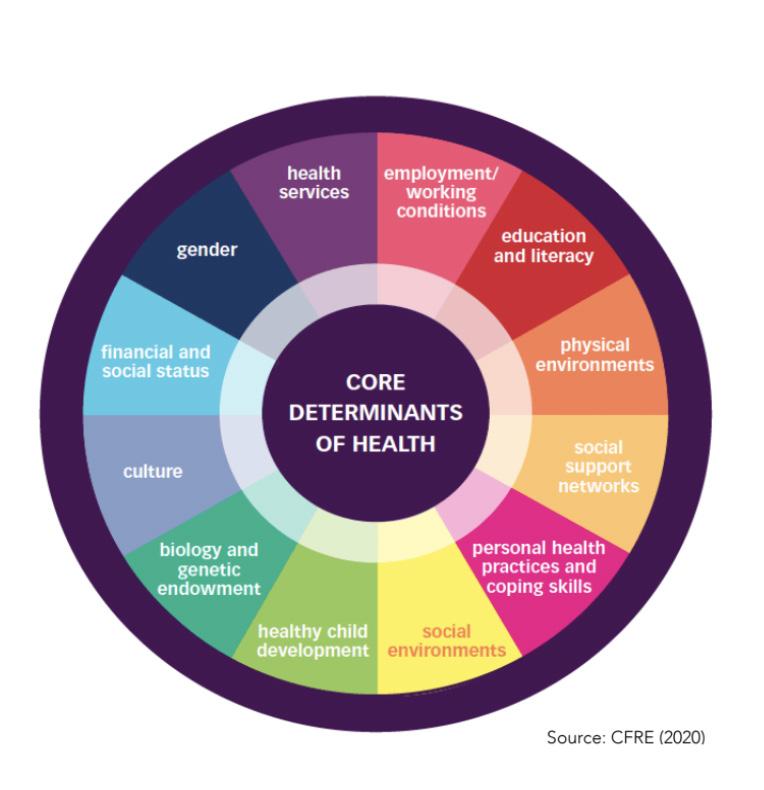
The ‘core determinants of health’ is a key framework that underpins the development of this learning sequence. Insights drawn from the determinants of health can help you and your students better understand vaping and the broader factors that can impact on vaping. They also provide us with insights into how public health campaigns work to bring about change. For example, in the diagram you will see that ‘education and literacy’ is a core determinant of health. We know that levels of educational attainment affect health, as do levels of health literacy. The emphasis on literacy is particularly relevant for schools and teachers as it highlights the importance of offering quality health education as a means to develop students' health literacy. Taking action on the core determinants is key to creating healthier communities. Various changes will be helpful for students as they consider their strategy for making change.
We also know that our physical and social environments are significant determinants of health. It’s why creating supportive and healthier environments is core business in public health efforts to improve community health. Take cigarette smoking, for example. Governments over time have banned advertising, changed packaging rules, introduced point-of-sale bans, included graphic health warnings on packaging and created smoke-free environments (i.e. smoke-free schools, dining, pubs). In the teaching guide you will find information that outlines different actions that have contributed to reducing smoking rates over time. The various changes will be helpful for students as they consider their strategy for vape-free change.
For further information, review the five health promotion action areas of the Ottawa Charter, which are all connected to the core determinants of health. When considering the whole-school approach model, you will once again see that the framework is shaped by the Ottawa Charter and the core determinants of health.
NO SMOKING OR VAPING
Public health researchers have identified an additional layer of determinants that powerfully shape our health – these are the commercial determinants of health. While commercial actors can contribute positively to health and society (and many do), providing essential products and services, a substantial group of commercial actors is contributing to the escalation of avoidable levels of ill health, planetary damage, and inequity. Examples of commercial actors include Big Tobacco, Big Vape, Big Food and Big Pharma.
In our learning sequence, we provide opportunities for students to explore the different determinants and how they impact vaping. Ideally, we want them to use the determinants to help them think through the development of their strategies in their campaign (their main assessment task). We have purposely asked students to design a campaign that can create healthier, vape-free environments. Taking action on the determinants of health is key to their planning.
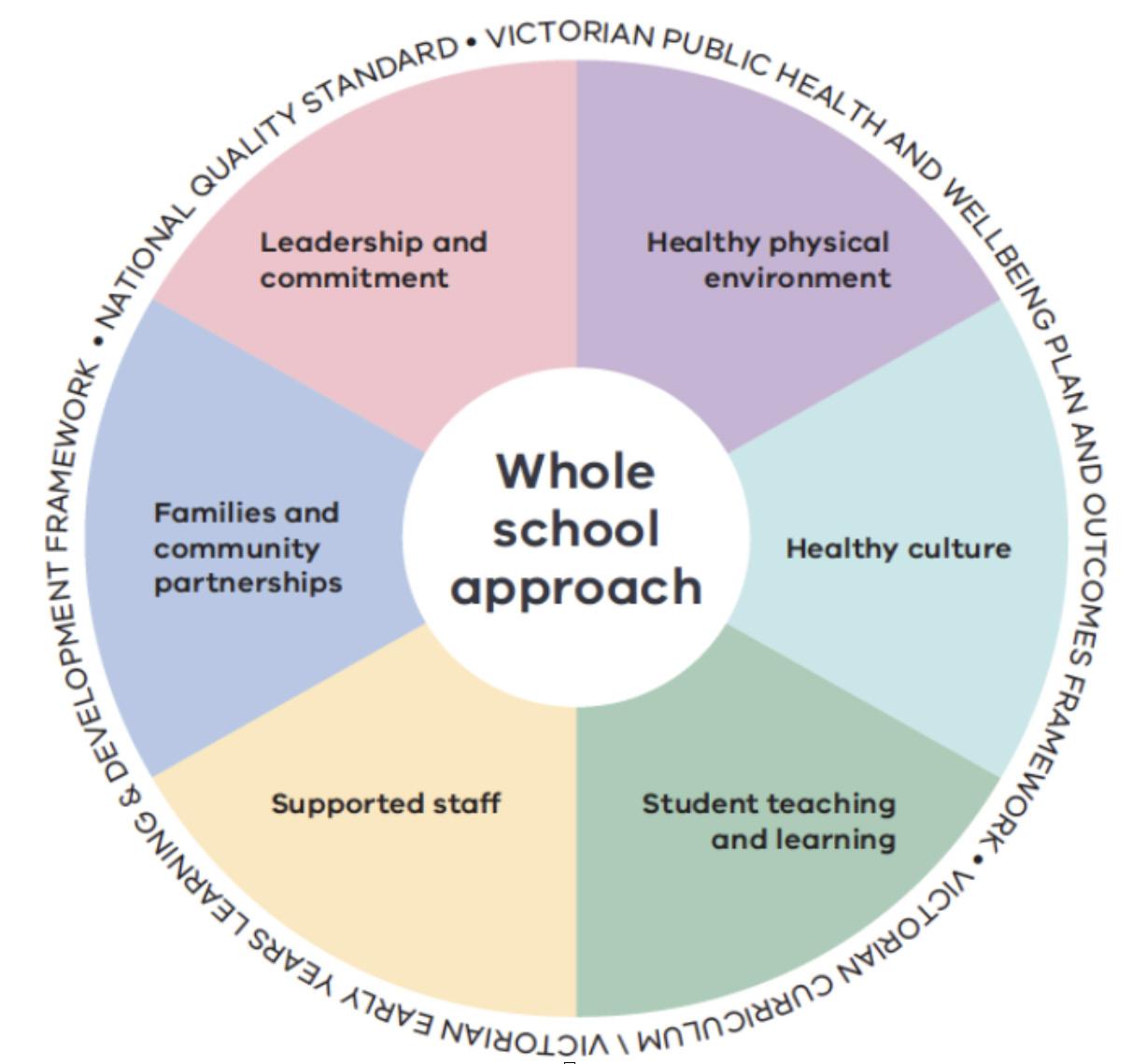
Whole-school approach
When compared to the ‘core determinants of health’ framework and the Ottawa Charter, there are clear connections to the whole-school approach model (see diagram). Each recognises that environments – physical, social and cultural – are key and should collectively create a school climate that is safe, supportive, stimulating and enjoyable. Equally important is student teaching and learning that includes health education and the development of health literacy, both of which connect to curriculum.
To support vaping prevention and cessation in schools, it is important we adopt a whole-school approach. This teaching guide has been developed to predominantly support the student teaching and learning component. When thinking about teaching and learning, be sure to consider ways to forge partnerships so that your classroom is connected to the community. Additionally, consider ways that your classroom could connect with and support the creation of healthy environments and your school's culture.
Source:
Curriculum, teaching and learning
Student teaching and learning is a key platform in wholeschool approach models. Our teaching guide provides you with the necessary tools to help you develop and deliver a comprehensive unit of work for your students that will build their health literacies.
As we begin to plan for teaching and learning, it is important to turn to the curriculum for guidance. While we have already provided links to the curriculum, we need to also consider the key propositions that underpin the health education curriculum.
Health education sits within the HPE learning area. There are five propositions that help us plan for learning in health education classrooms. The four most relevant propositions that have informed the development of the teaching guide are:
1. Focus on educative purposes;
2. Take a strengths-based approach;
3. Develop health literacy;
4. Include a critical inquiry approach.
Find out more about the key propositions that underpin the HPE Victorian Curriculum. As you read through the propositions, consider what each means for how we plan for classroom learning.
We want to draw your attention to the important role health education plays in developing health literacies which are, as we have covered already, a core determinant of health. If our aim is to ensure that our students are health literate, then critical inquiry is an important pedagogical approach that can help achieve this aim. Most of the activities in the resource adopt a critical inquiry approach to support students to build their knowledge, deepen their understanding and learn, practise and consolidate their skills so they can research, apply and assess health information and seek appropriate health services.
We know that to achieve this requires classroom time, so oneoff presentations filled with facts are unlikely to achieve the desired learning ambitions. Rather, providing opportunities for students to get the facts helps them develop critical thinking capabilities over time. We have also adopted a number of High Impact Teaching Strategies in this teaching guide as a means to scaffold and strengthen the different learning activities.
These include:
• Structured learning
• Collaborative learning
• Multiple exposures
• Worked examples

Lesson Planning Matrix
Use the following matrix to better understand the learning intentions, resources and timing of activities. We have also provided you with a range of ideas to help you develop your lesson plans.
You will see this icon (1) throughout the student resource. This indicates the time required to deliver the activity.
Throughout the student resource you will see this (2) . This directs you to additional activity information in the teaching guide.
Lesson Title Victorian
30 mins (1) (2)
See page 18-20 of the teaching guide for additional information on this section.
Lesson outline Resources Suggested additional activities
Introduction (pp.3-6)
Lesson 1 Introduction VC2HP6P09
30 mins
To know what vapes are and the risks of vaping. To understand the effects of vaping on health.
What do you already know about vaping?
As a class, share current understanding of vapes and the risks of vaping and smoking. Prompts to consider might be:
• What is a vape?
• What do you know or think you know about vaping?
KWL chart: Students complete column 1, start column 2. Responses are used to create a master chart with students. As a class, visit websites on page 3 to provide students with an overview of vaping and the issues associated with vaping.
Students revisit own KWL and begin column 3. Update master chart with students to:
• Add new learning to column 3
• Confirm answered questions and create new questions in column 2
• Identify any misconceptions in column 1.
Student resource (p.3)
KWL charts
Butchers' paper and markers
Device or TV for accessing websites
Incorporate reading materials about vapes and vaping into guided reading and literacy rotations. Sub-topics might include:
• Cigarettes and smoking
• Marketing and advertising
• Government regulations
• The effect of vaping on the respiratory system
• The effect of vaping on the body.
Introduction (pp.3-6)
Lesson 2 Introduction Activity 1
To investigate the facts and impacts associated with vaping.
To understand how attitudes towards smoking and vaping have changed over time.
Activity 1
Think-pair-share to activate student prior knowledge. Prompts to consider might be:
• What is a vape?
• How is vaping and smoking similar or different?
• What impact could vaping have on health?
• Who is being targeted by vaping companies and why?
• Why is vaping receiving so much attention at the moment?
As a class, watch first video on page 4 (8 mins). Pause video for students to take notes of key information. New knowledge is shared with class.
1. Write one new thing you have learnt about vaping. Write one thing that surprised you. Write one thing you are wondering about vaping.
• Break students into small groups.
• Each group is assigned one of the additional resources on page 4. Students continue to take notes then complete question 1. The class shares their answers.
2. Link the number to the correct letter.
As a class, read the numbered and alphabetically ordered boxes (page 5). Students complete the task then correct answers with class.
3. Complete the quiz to test your knowledge.
• Break students into small groups.
• Read question 1 and give groups 30 seconds to 1 minute to select an answer.
• Groups share their answer with the class and are then told the correct answer. Repeat for questions 2-10.
Student resource (p.4)
Device or TV for accessing videos and websites
Paper for note taking
Provide students a Venn diagram to note the similarities and differences between cigarettes/ smoking and vapes/vaping.
Student resource (p.4)
Computers, laptops and/or iPads with internet access
Paper for note taking
Student resource (p.5)
Students create a dictionary to record and define topic-specific words and phrases. Students use the answers to the number and letter task (p.5) and quiz (p.6) to begin a fact file about vapes and vaping.
Student resource (p.6)
Lesson Title
Part 1 - Getting the facts (pp.7-13)
Lesson 3 Part 1
Activity 2: Healthy places
To evaluate how vaping can affect places and our health.
To represent, interpret and discuss data.
Activity 2: Healthy Places
As a class, review rooms 1-4 (p.7). Encourage students to consider the type of room and what makes the room a space they would like/not like to spend time in.
Students complete question 1. As a class, tally the first choice of room for every student. Students share reasoning for their choice.
Students complete questions 3-7 (pp.8-9) then report back for class discussion and reflection. Prompts to consider might be:
• What room had the least votes and why do you think this is?
• What room had the most votes and why do you think this is?
• Did any of the results surprise you?
Student resource (pp.7-9)
Students research the respiratory system and the process of breathing. Students then create a diagram of the respiratory system, label each part and annotate to explain the process of breathing.
Title
Part 1 - Getting the facts (pp.7-13)
Lesson 4 Part 1
Activity 3: Science of a vape
Part 1
Activity 4: What do you know about vaping?
VC2HP6P08
VC2HP6P09
VC2S6H02
To develop skills on determining the accuracy and reliability of information.
To conduct independent research for reliable information about vapes and vaping.
To understand the science of a vape and the effects of vaping on our bodies.
Activity 3: Science of a vape
Break students into 4 groups.
Assign each group a table with either question A, B, C or D written on the butchers’ paper (p.10). Give students 3-4 minutes to note their ideas. At next table rotation, groups note new ideas or tick ideas they support. Repeat until groups have visited all tables. Groups return to first table and report back to class.
Use example URLs for students to consider reliability of information from websites (p.11).
Prompts to consider may be (ABCDE):
• Accuracy;
• Bias;
• Currency;
• Depth;
• Evaluate.
Break students into groups of 3.
Each group revisits a source from Activity 1 (page 4).
Students make notes to answer questions A-D (p.10), then complete questions 3 and 4 (p.11).
Students conduct independent research in response to question 4 and note their source of information (p.11).
As a class, revisit questions A-D on butchers’ paper. Confirm or amend initial ideas.
Activity 4: What do you know about vaping?
Groups report independent research findings back to class.
Students complete true-or-false task (p.12)
To correct, as a class:
• allocate 2 sides of the classroom as true or false
• read statement to students
• students move to the true or false sides according to their answer
Student resource (pp.10-11)
Butchers' paper and coloured markers/ textas
Computers, laptops and or iPads with internet access
Paper for research notes
Students investigate how vaping affects the entire body and create an informative booklet using both text and illustrations.
Students outline the body of a classmate on butchers' paper, draw parts of the body that are affected by vaping and provide text bubbles explaining how.
Student resource (p.12)
Students create their own quiz, using true/false and/or multiple choice questions and test their teachers or adults in their home.
Part 1 - Getting the facts (pp.7-13)
Lesson 5 Part 1
Activity 5: Vaping and the community
VC2HP6P09
VC2M5ST01
VC2M6ST01
VC2M6ST02 15-20 mins
To interpret data about secondary school students’ experiences with vapes.
To consider and discuss the impacts of vaping data on the health of young people and the community.
Activity 5: Vaping in the community
As a class, consider what the prevalence of vaping amongst secondary students might be. Prompts to consider might be:
• % who have tried vaping;
• % who have vaped in the past month;
• Likelihood of vaping leading to smoking;
• Increase or decrease of vaping.
Break students into pairs. Pairs examine data on page 13 and answer questions 1-5.
As a class, answer questions and discuss and reflect on the data. Prompts to include might be:
• Did any of the statistics surprise you and why?
• What do the statistics tell us about vaping in the community?
• What other statistics would be useful to further understand vaping in the community?
Student resource (p.13)
Students acquire additional data related to vaping and create an infographic to represent this data with or without the use of digital technology.
Part 2 - Seeing through the haze (pp.14-16)
Lesson 6 Part 2
Activity 6: Catch you out
VC2HP6P01
VC2P6S01
VC2HP6P08 10
Lesson 7 Part 2
Activity 7: Making choices
VC2HP6P06
VC2HP6P08
VC2HP6P10
To understand advertising tricks and techniques targeting young people.
Activity 6: Catch you out
Provide examples of vape advertisements. As a class, consider and discuss potential techniques used to target young people. Prompts to consider might be:
• How do these advertisements grab your attention?
• What are the advertisements trying to tell you about vapes?
• How do these advertisements target young people?
• What is this advertisement trying to tell you about what will happen if you vape?
Students complete activity 6 on page 14. As a class, correct answers and discuss techniques used in posters and how.
To analyse situations where we can make decisions that benefit an individual and other people's health.
To practise how we would respond to situations by responding to a situation that involves vapes and/or vaping.
Activity 7: Making choices
As a class, discuss how we make choices that affect our health and the factors that influence our decisions. Prompt to consider might be:
• Who might we listen to?
• What might influence our decision?
• How do we know we’re making the right decision for our health?
Divide students into five small groups. Groups pull a scenario out of a hat and have 10 minutes to create a 3-minute play. Students use their knowledge of vaping while developing and rehearsing.
After each performance, reflect on the scenarios as a class. Prompts to consider might be:
• How is the topic of vaping used?
• Who is being influenced and how?
• What knowledge of vaping is used in the scenario?
• What action is taken and why?
Helping a friend
As a class, discuss ways to help a friend who has tried vaping. Use examples on page 15 to consider who can help and how.
Students complete activity then share and explain their examples.
Student resource (p.14)
Student resource (p.15)
Students find examples of advertisements and annotate these in relation to the marketing techniques used.
Student resource (p.16)
Students are given a rubric to critique the performances of others.
Students create a script for their performance and are given additional time to practise.
Students write a letter to someone in their life who has tried vaping and consider what they would write to help that person.
Lesson Title
Part 3 - Making Change (pp.17-19)
Lesson 8 Activity 8: Create a campaign
VC2HP6P10
20 mins
To explore ways to advocate for vape-free environments in the school or local community.
To know the physical and social features that influence healthy places.
Activity 8: Create a campaign
As a class, discuss the task and assist students to identify what to consider when creating their campaign. Prompts to consider might be:
• The location of the campaign;
• The target audience;
• The facts to use.
Brainstorm examples of campaigns designed to raise awareness about an important health-related topic. Consider what, why, where, who, how.
Students watch the video ‘Healthy places’ (p.17). In pairs, students use a T-chart to list the physical and social features that affect health and how these can influence decision making.
Create a class T-chart using student responses and discuss how these features could inform the creation of their campaign.
Student resource (p.17)
Device or TV for accessing video
Butchers' paper and markers/textas
T-charts
Students investigate how physical and social features have been used in campaigns to raise awareness about a healthrelated topic, such as cigarettes and the harms associated with smoking.
Lesson 9
VC2HP6P09
VC2HP6P10
VC2E5LY10
VC2E6LY09 20-30 mins
To create a poster to share the facts about vapes and vaping with others.
To promote smoke- and vape-free environments.
1. Know the facts and create a poster to share with others. Create a poster: Students design their poster deciding on the area, audience and message.
Use examples of anti-vaping posters as models to guide students in the creation of their poster.
• Poster example 1: www.health.gov.au
• Poster example 2: www.vapingfacts.org.au
Student resource (p.18)
Resources for creating a poster (e.g. paper, textas, etc).
Students choose a forum to share and/or publish their poster (e.g. school newsletter, website, notice board).
Lesson Title
Part 3 - Making Change (pp.16-19)
Lesson 10
VC2HP6P09
VC2E5LY10
VC2E6LY09
Lesson 11
VC2HP6P08
VC2HP6P09
VC2HP6P10
30 mins
10 mins
To raise awareness about vapes and vaping.
To plan a campaign that encourages our school and/or local community to be a smokeand vape-free environment.
To examine the features of effective campaigns.
To understand how to raise awareness and strive for health and healthy places.
2. Be an activist! Here are some suggestions. Design and develop a campaign: Students choose one of the suggestions provided or use an idea of their own.
Encourage students to consider when creating their campaign: purpose, area, audience, knowledge, facts.
Student resource (p.18)
Resources for creating campaign
Students organise and host an exhibition to showcase their campaigns. The attendees could be fellow students and teachers or the whole school community.
Reflection
Students complete reflection questions (p.19).
Prompts to consider might be:
• The effectiveness of their campaign;
• Who was reached by the campaign?
• The elements that were successful/ unsuccessful and why?
• What they learnt from their campaign about health and vaping prevention.
Student resource (p.19)
Students survey those exposed to their campaign. Survey questions could include:
• What did you like about my campaign?
• What did you learn from my campaign?
• How could I improve my campaign?
Year 5-6 example answers, references and resources
Read through the following page-by-page discussion points and example answers.
Introduction
In Australia, there have been a lot of efforts over many decades to reduce the rate of smoking due to its health effects. As a result, smoking rates have decreased. Smoking, though, is still the main cause of preventable death and disease (see Cancer Council website).
Now there’s a new problem – vapes. Not only is vaping a danger to health, research tells us that people who vape but have never smoked cigarettes are five times more likely to start smoking cigarettes. This means the good results of reducing smoking in Australia could turn around and become a problem again.
The tobacco companies that sell vapes do not care that vaping is dangerous. They sell vapes to young people to make money for themselves. They do this by getting our attention and hiding the dangers of vaping. They use different media platforms to promote vaping.
There are many ways that governments and health organisations are trying to reduce vaping. Governments have created new laws about vapes. Also, schools are educating young people to learn more about vaping.
What can you do? We are so glad you asked! We need you to become a community health researcher. You’ll be asking questions such as how vaping impacts society and how it can affect your health. You'll be finding out about how and why companies target young people.
And the best part? You'll create a plan to help your community stay healthy and smoke- and vape-free.
In the next few lessons, you'll gain an understanding of the issue and use this knowledge to create a campaign.
There are four sections for you to complete:
> Introduction
> Getting the facts
> Seeing through the haze
> Making change
Activity 1
The following activities will help you learn some of the facts about vaping. As you watch the videos and read the articles below, take notes in the space provided.
• What the History of Smoking Can Teach us About Vaping - Behind The News
• The Science of Vaping - Behind The News
See through the haze - Quit Victoria
The impact of vaping on our environment - VicHealth
1. Write one new thing you have learnt about vaping.
Write one thing that surprised you.
Write one thing you are wondering about vaping.
Introductory section
Pages 3-6
In this section, students explore a number of sources to develop their understanding of vapes and the issues associated with vaping. Two of the video sources provided include a transcript of the dialogue and specify Australian Curriculum content descriptors. Links to the sources are as follows:
• What the History of Smoking Can Teach us About Vaping
• The Science of Vaping
Page 4
1. One new thing I have learnt about vaping. One thing that surprised me. One thing I wonder about vaping: Answers will vary but may include:
Introduction text (p.3): dangerous to health; people who vape are more likely to start smoking; companies sell vapes to young people to make money; they hide the dangers of vaping; they use media platforms to promote vaping; governments have made changes to vaping and social media laws.
Possible extension activity: Got any questions? Why don’t you
write a letter to your local Council representative or your local communtiy health service for comment.
What the History of Smoking Can Teach us About Vaping (p.4; 8 mins):
• Vapes come in a variety of different flavours
• Vapes can only be sold in pharmacies, regardless of whether they have nicotine in them or not, to people over 18 years of age (in Victoria)
• Nicotine is an addictive ingredient used in cigarettes and vapes
• Nicotine is a chemical naturally found in the tobacco plant
• Withdrawal can make you feel grumpy, miserable, anxious
• Vapes were created in China in 2003 to help people quit smoking
• Over the last 10 years, big tobacco companies invested billions in vape companies and have created their own brands
• In Victoria, from 1 October 2024, as part of a smoking cessation plan, people 18 years and over can buy vapes with a nicotine concentration of 20 mg/ml or less from participating pharmacies without a prescription, but only after talking with the pharmacist.
2. Over the next few lessons, we’ll be investigating vaping in more detail. Let’s start by looking at who is involved in the vaping discussion. Link the number to the correct letter in the boxes below. You can link to more than one box. We’ve done one for you already. 10 mins
A. A person who uses a vaping device every day or less often
B. Someone who can advise about the medical effects of vaping
3. Public health advocate
6. Person who vapes
7. The government
C. A person who encourages others to vape
D. A health professional that can legally sell vapes
E. Someone who promotes health to people and communities
F. Somebody who researches community health issues such as vaping and collects data about it
G. Makes rules about health issues including vaping
People over 18 years of age who need vapes with a concentration of nicotine higher than 20 mg/ml will need a prescription from a medical or nurse practitioner
• Vapes may contain nicotine, even when it doesn't say so on the label
• Vapes have other chemicals in them to add flavours
• Most people don't know what they're inhaling
• Young people have been sold a lie that vapes just contain harmless water vapour, but they contain lots of mixed chemicals
• No-one really knows what effects vaping may have over five or 10 years
• Some people are getting really sick from vaping-related lung problems
• Vaping brands market their products to young people
• A big vape company was sued by the US government for this marketing. It is illegal to advertise vapes in Australia
The Science of Vaping (4 mins 23 secs):
• Most vapes have the same components and function in the same ways (mouthpiece to inhale, usually activating a battery-powered heating element or coil, liquid or vape juice is in a cartridge or soaked into something spongy or absorbent)
• When the liquid heats, it turns into tiny, airborne droplets or aerosols that are breathed in and out
• Vapes contain fluids called propylene glycol and glycerol
• These chemicals are both colourless, odourless, syrupy
• Used in food additives, cosmetics, cleaning products and medicines
3. Complete the quiz to test your knowledge
1. From 1 July 2024 in Australia, vapes can only be sold legally through a:
a. Tobacconist / vape shop
b. Pharmacy
c. All of the above
2. Vapes work by heating a liquid to make small droplets. This liquid is harmless water vapour. True or false?
a. True, it's just water
b. False, vape liquid isn’t water, it’s a mix of chemicals. Vapes contain many known and unknown chemicals and we don’t know all of the health effects.
3. Vapes contain chemicals also used in nail polish, to kill pests, in plastics manufacturing and chemicals for car engines.
a. True
b. False
4. Nicotine can be found in vapes and is also in tobacco. Nicotine is ________.
a. Often present even if it doesn’t say so on the label
b. Very addictive
c. All of the above
5. Advertising by the companies that manufacture vapes aims to provide information that:
a. Informs people about the harmful effects
b. Makes it more popular
6. Big tobacco companies have invested billions of dollars into vape companies and making their own vapes. a. True b. False
7. Vapes contain a battery and heating coil as well as liquid. Which statement is most correct about the environmental impacts of disposable vapes?
a. Vapes can be be put in the recycling bin
b. Vapes contain many chemicals that pollute the environment. They contain batteries that can explode and leak flammable chemicals that start fires.
8. There’s not much information yet about vape waste in Australia, but there is in the UK. How many vapes are thrown away each week in the UK?
a. 1,000
b. 5,000
c. 500,000
d. 5 million
9. Some of the known harms of vaping are:
a. Risk of lung damage
b. Seizures
c. Anxiety from withdrawals d. All of the above
10. Vapes that are NOT labelled as containing nicotine CAN contain nicotine. a. True b. False
• They’re safe to eat but not to inhale
• Inhaling nicotine triggers the release of dopamine in our brains (a chemical which makes us feel good)
• Our brains start to crave more; nicotine can cause serious health problems including increased heart rate and blood pressure, and are particularly bad for developing brains
Seeing through the haze (30-second video)
The impact on our environment (2 mins read/1 min video):
• Vapes generate electronic waste (e-waste) including circuit boards and batteries
• Improper disposal of vapes can cause fires due to electronic components
• The lithium battery takes hundreds of years to degrade
• Littered vape packaging and devices contribute to plastic pollution
• Disposable vapes are made from non-biodegradable plastics that are hard to recycle
• E-liquids leaking from vapes can harm aquatic life and contaminate water
Page 5
2. Link the number to the correct letter in the boxes below. You can link to more than one box.
2 = D; 3 = E; 4 = C; 5 = F; 6 = A; 7 = G
Page 6
3. Complete the quiz to test your knowledge. 1 = c; 2 = b; 3 = a;
1. Medical doctor
2. Legal vape supplier
4. Vaping influencer
5. Community health researcher







Part 1 - Getting the facts
Pages 7-13
Activity 2: Healthy places
Students examine different scenarios and develop their critical thinking about the impact of aerosols on the lungs.
Page 8
Class discussion:
For discussion – students justify their reasons as to the room they chose to spend half a day in.
1. Which room did you choose and why?
Answers will vary but may include:
• Room 1 The room doesn’t smell; there’s a cloud I can see but it isn’t thick; there’s a couch and books so I could read.
• Room 2 It looks like a bedroom; it would be comfortable; I would sleep so it wouldn’t matter; I can’t see any clouds or smell anything so the room must be okay.
• Room 3 The air is pumped in through a vent; it is fresh mountain air; it comes from a place 200 km from the nearest city so there wouldn’t be any pollution in the air.
• Room 4 The room has been sprayed with something that smells nice; I don’t know what chemicals are in the spray but I like the smell; it looks like a kitchen so I could cook, eat and have something to drink.
2. Ask your class to find out what their first choice of room was. Note how many students chose each room.
Below is an example of how the data could be recorded in the table.
3. Chart everyone’s first choice of room and discuss.
Below is an example of how the data could be charted.
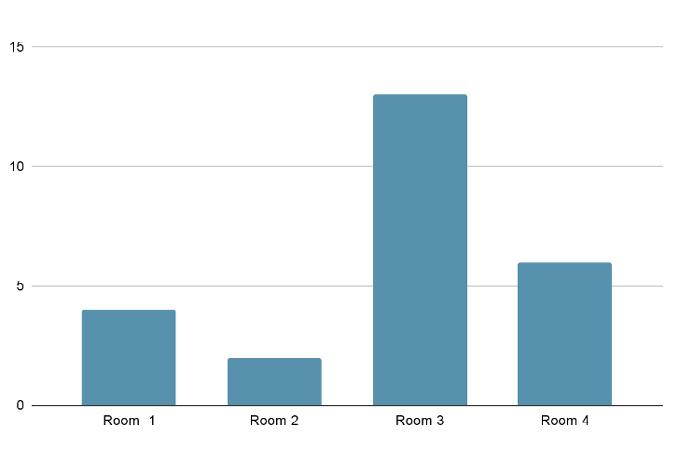
4. After listening to other students’ preferences, would you change your order? If so, why? If no, why not? Answers will vary.
The order of rooms from least harmful to health to most harmful to health are: ROOM 3, ROOM 4, ROOM 1, ROOM 2.
Page 9
5. Were you tempted to go into Room 4 because it smelt nice? What did you consider before you made your decision?
Answers will vary but may include: The aerosol could contain dangerous chemicals; the chemicals are absorbed in the lungs when inhaled.
6. A friend chooses Room 2 saying that they don't care about breathing in poisonous chemicals:
A) What would you say to discourage them?
B) Where could you go for more information to help inform them about poisonous chemicals?
Answers will vary but may include: When you inhale, the poisonous chemicals will be absorbed into your lungs; the chemicals can cause lung disease and cancer. Some students may have chosen to enter Room 4. You may want to acknowledge that it's normal to want things to smell and taste nice. However, what do they think about breathing a high concentration of these smells into their lungs?
7. Which room do you think someone was vaping in and why?
Answers will vary but may include: Room 2 Aerosol filled; contains nicotine; very small metals in the air; a chemical that causes lung disease and cancer. Room 1 Full of a cloud that looks like smoke; the cloud is an aerosol (many small droplets); you can see the the aerosol cloud.
Activity 3: Science of a
2. It is now time to see whether what you know about vapes is true using your own research. As you do your research, make sure the information you find is from trustworthy sources. This is important because we need to be sure that we are getting our information from truthful sources and not from people who are trying to sell us vapes.
The end of a URL usually provides a clue about where the information came from.
• .com = often commercial content, or companies that make money
• .edu = an educational institution, often universities
• .gov = government, usually federal, state, or local agencies
• .org = an organisation, often a non-profit
3. Write down one thing you learnt about what is in a vape.
Activity 3: Science of a vape Pages 10-12
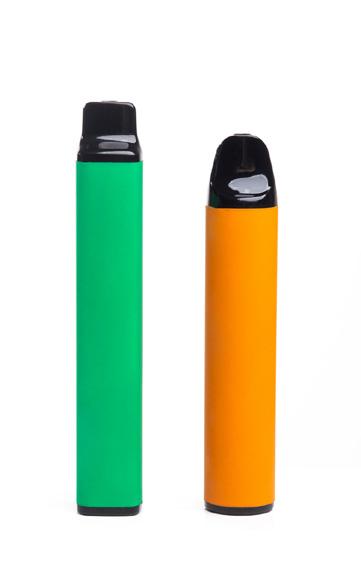
In this section, students use the sources provided to undertake their own research about the science of vapes. They analyse these resources to determine the accuracy and reliability of the information provided. Following, students find sources about the science of vapes and consider these based on the previous analysis. You may want to develop a worksheet for them to complete. You may like to rewatch The Science of Vaping - Behind The News video before starting this activity.
Vapes come in all different shapes and sizes, but mostly have the same components.
E-liquid tank and heating coil: The liquid or vape juice is in a cartridge or soaked into something spongy or absorbent. The liquid is heated using a coil that extends through the tank. When it heats, the liquid turns into tiny, airborne droplets or aerosols which is what's breathed in and out.
Atomiser/Chimney: Activates and heats up when inhaling through mouthpiece. When this heats up, the gas produced moves to the centre of the chimney, then up into the mouthpiece. Mouthpiece: What people inhale through.
4. Write down one thing you learnt about how a vape works.
5. Write down one thing you learnt about what the different parts of a vape do.
6. Write down what the evidence or reasoning is for your findings.
Page 10
1. Use a mind mapping diagram to write down your ideas. Include:
A. What do you think is in a vape?
B. How does it work?
C. What do the different parts do?
D. What is the evidence or reasoning for your findings? Answers will vary.
Page 11
2. Now it’s time to do some research. Some examples of URLs include:
• Information provided by a non-profit .org = vapingfacts.org.au
• Information provided by a government body .gov = vichealth.vic.gov.au
• Information provided by an educational institution .edu = lens.monash.edu
• .com = often information provided by a commercial organisations (vapeworldaustralia.com) however, some credible organisations do use ‘.com’, such as Lung Foundation Australia and Cancer Council NSW
3-6. What did students learn about vapes and what is their evidence or reasoning? Answers will vary.
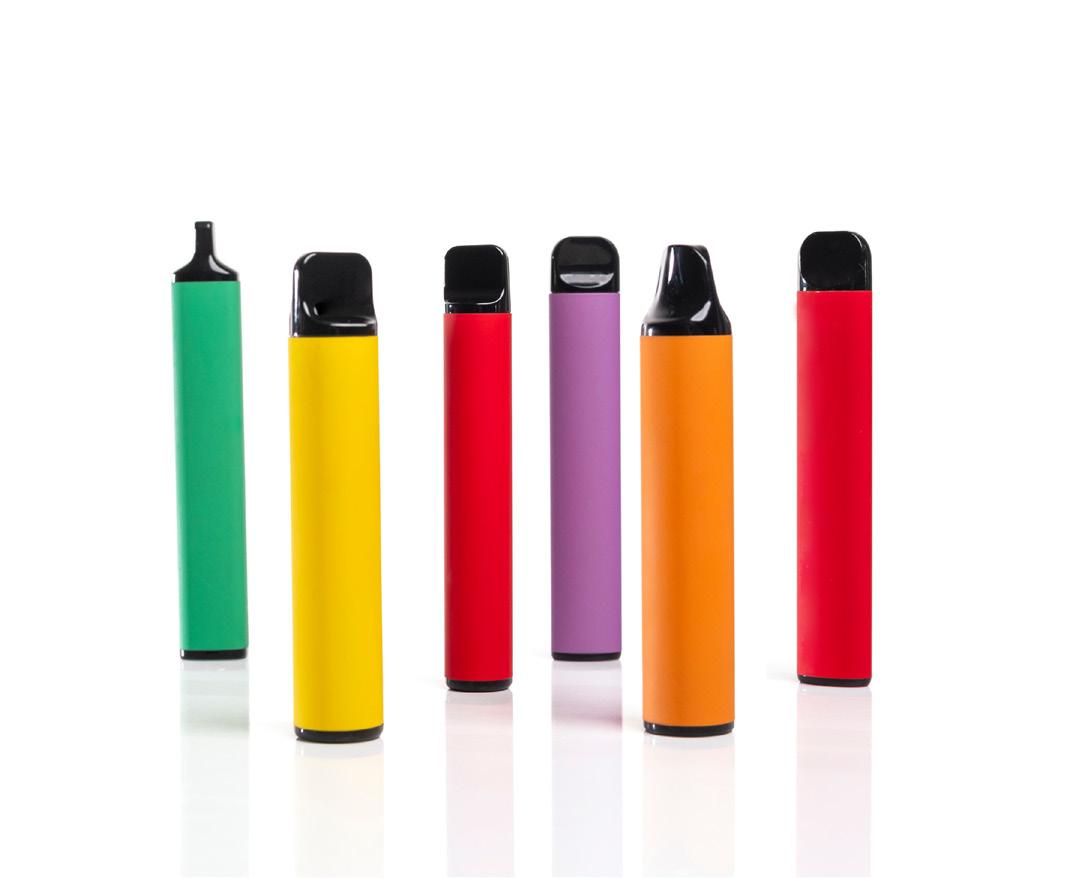
Activity 4: What do you know about
Find the answers in the infographic.
Activity 4: What do you know about vaping?
Page 12
For discussion – students share their understanding of vapes and vaping, and the sources that have informed their knowledge.
1. Read each statement and decide whether it is true or false.
Activity 5: Vaping in the community Page 13
Find the answers in the infographic.
1. 27%
2. False (the % in 2022/23 has doubled from 2017)
3. Approx. 66% (2/3)
4. 20% (almost 1 in 5)
5. Answers will vary but may include: The Cancer Council works across every aspect of cancer, from research to prevention and support; a non-profit organisation; a reliable source.
They publish research about young people over a long period of time; they did this survey more than once, over many years; they tell us how they get money for their work; they tell us how their research is funded; they are not funded by vape suppliers.
Part 2 - Seeing through the haze
Page 14-16
In this section, students examine the advertising tactics used by vaping companies to deliberately target young people. They consider and identify individual and community supports available for vaping cessation. While advertising vapes is generally banned, it can sneak through on social media.
There are a number of examples that you can use to help students understand how advertising techniques can be used to trick consumers. The examples below do not have a vaping focus but can help to introduce concepts that show how advertising influences behaviour:
• Join the Food Fight today! Cancer Council Victoria
• Magda's Big National Health Check, ABC
• Kids designing healthy places
Activity 6: Catch you out.
Page 14
Identify the tactics used by linking the numbers below to the poster.
‘Switch to X Brand’ / 4.
‘Be cool, join the crowd’ / 1.
‘5 new flavours’ / 2.
‘Vaping helps me relax’ / 3.
Some examples of vaping advertisements :
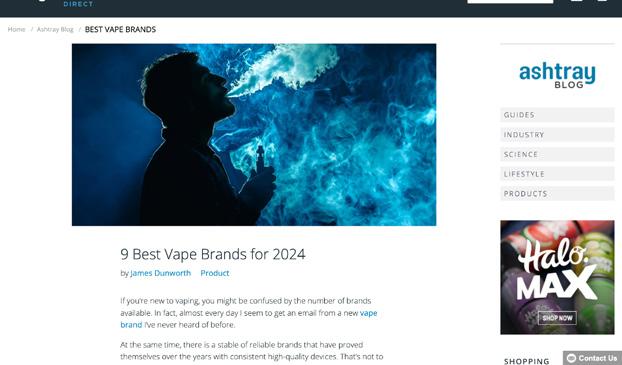
Activity 7: Making choices Page 15
For discussion – students use the prompts provided to consider and share examples of who they may be influenced by and why, and how these influences shape their decision making.
Students use role play to create solutions to real-life situations. They practise situations and develop their knowledge and skills to make informed decisions about their safety and the safety of others.
Page 16
If you're worried about a friend who's tried vaping, here are some ways to help them. Fill in the blanks with your ideas. Answers will vary but may include: Tell them you’re worried and you care about their health; find activities to do with them to take their mind off vaping; ask if they would like to ask a trusted adult for help, together; if your friend refuses help or is not ready for help, reassure them that when they are ready, you will be there for them; help them think of reasons why they shouldn’t vape; call the Kids Helpline or visit kidshelpline.com. au/teens/issues/drugs-and-alcohol
Part 3 - Making change
Pages 17-19
Activity 8: Create a campaign.
Pages 17-18
Students bring together all their learnings and using a scaffolded approach to create their own campaign. The campaign they choose to create might be:
• A persuasive letter to the Principal to outline and justify why the school grounds should have ‘No smoking or vaping’ signage
• A video designed for a media campaign and targeted at young people to inform them about the legalities of vapes and vaping
• A fact sheet for adults about the health implications of vaping distributed through the school newsletter
• A speech given at the school assembly that highlights the dangers associated with second-hand vaping and advocates for vape-free environments
• For examples of student-designed campaigns, please visit www.vapingfacts.org.au/school-challenge
Reflection
Page 19
How did your campaign go? Answers will vary
Lesson planning templates
This resource is delivered as a sequence of work. Your own lesson planning provides opportunities to use the resources in a way that will support your time in the classroom and your students. Use the tables below to help develop your own lesson plans using the resources.
Unit Title:
Content Focus
Targeted Student Outcomes
Duration: _______ weeks
Preparation time required before the class: _______ hours
Class time required to complete the activity: _______ hours
Key Considerations
Assessment
Major Resources
Syllabus utcomes
Skills Knowledge Adjustments Teaching, learning & assessment (including resource links as appropriate)
Student Differentiation (strategies for support and extension)