with STEM™ CAREERS JOB KIT
Create smarter, safer and tastier foods
– from lab bench to lunchbox

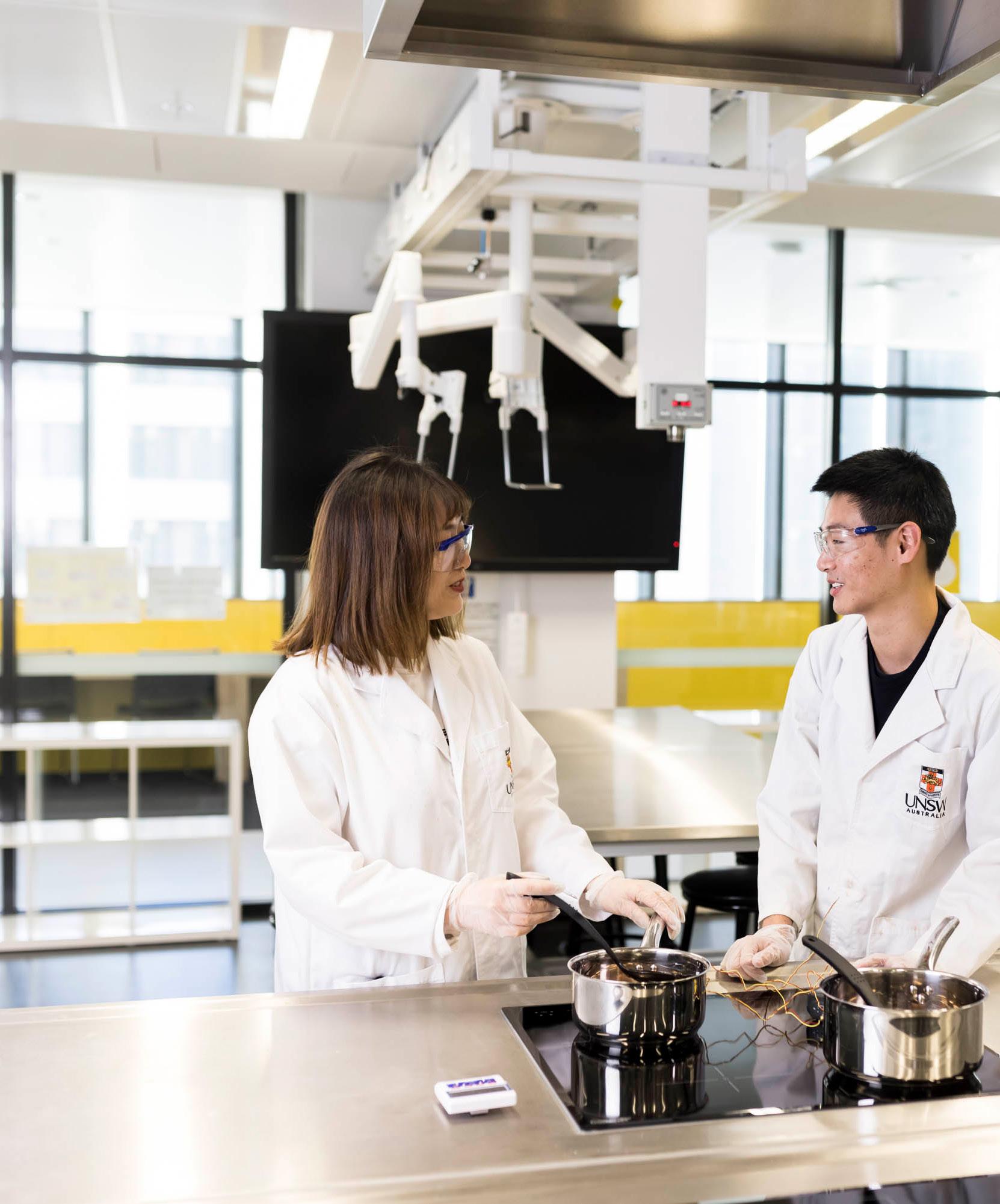



Food science is about more than what’s on your plate – it’s about how the world eats, nourishes itself and sustains the planet. At UNSW, students learn to use science, technology and creativity to understand the physical, chemical and biological properties of food, and design smarter, safer and more sustainable food systems from ‘farm to table’ for everyone. Food scientists combine chemistry, biology and engineering to solve real problems like reducing waste, improving nutrition and creating new technologies to feed a growing global population.
Every meal has a story, and chances are a food scientist played a role, from understanding ingredients at a molecular level to developing how food is processed, preserved and packaged at scale.
What makes Food Science at UNSW stand out is harnessing our students’ problem solving skills through a strong foundation in Science and Engineering. As the only Food Science (Honours) program with two streams in Australia – Food Science and Technology, and Food Science and Nutrition – it equips students to think critically and design solutions at a global scale, whether that’s developing eco-friendly packaging, formulating plant-based foods or building more sustainable manufacturing systems.
Build a global career
UNSW’s Food Science (Honours) program gives graduates a professionally recognised qualification internationally, which opens doors to careers across industries and continents – from research and development to safety and quality assurance,
Professor Jayashree Arcot Specialisation Lead and Academic Advisor, Undergraduate Food Science (Honours) Program, UNSW Sydney Find
nutrition, and technological innovation to also address humanitarian challenges.
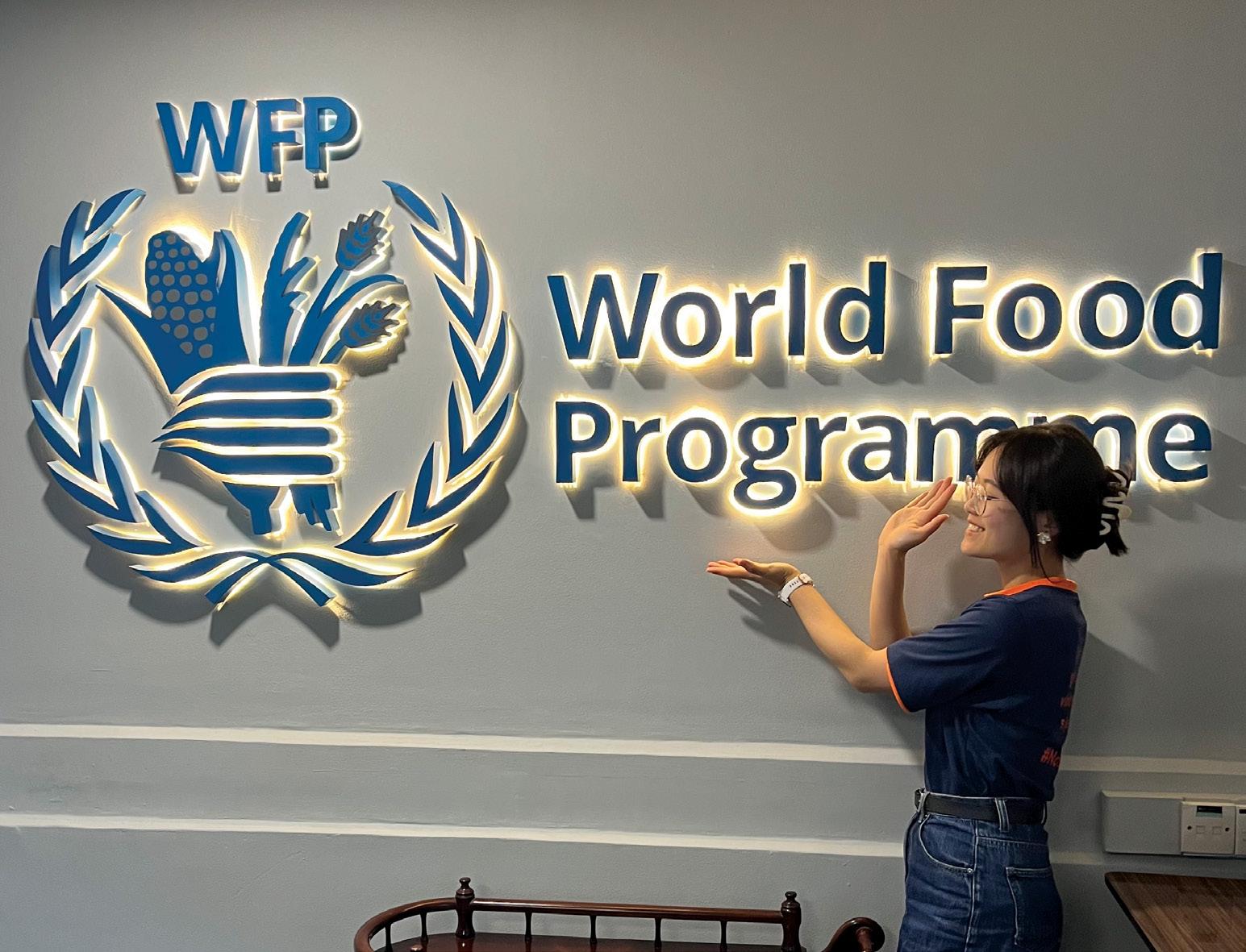
Students can even choose the Humanitarian Science and Technology minor, a world-first program that can lead to internships with global organisations such as the United Nations Food and Agriculture Organization (UN FAO) and the World Food Programme (UN WFP) and other non- governmental organisations. It’s a chance to turn your degree into direct impact by helping communities, supporting global food security and designing products that make healthy, sustainable food more accessible.
If you’re curious about science and passionate about making a difference, Food Science at UNSW offers a path to do both. You’ll graduate ready to feed the future – with the skills, creativity and global mindset to change the way the world eats.
Professor Jayashree Arcot Specialisation Lead and Academic Advisor, Undergraduate Food Science (Honours) Program, UNSW Sydney
Food scientists combine chemistry, biology and big-picture thinking to keep our food safe, nutritious and sustainable.
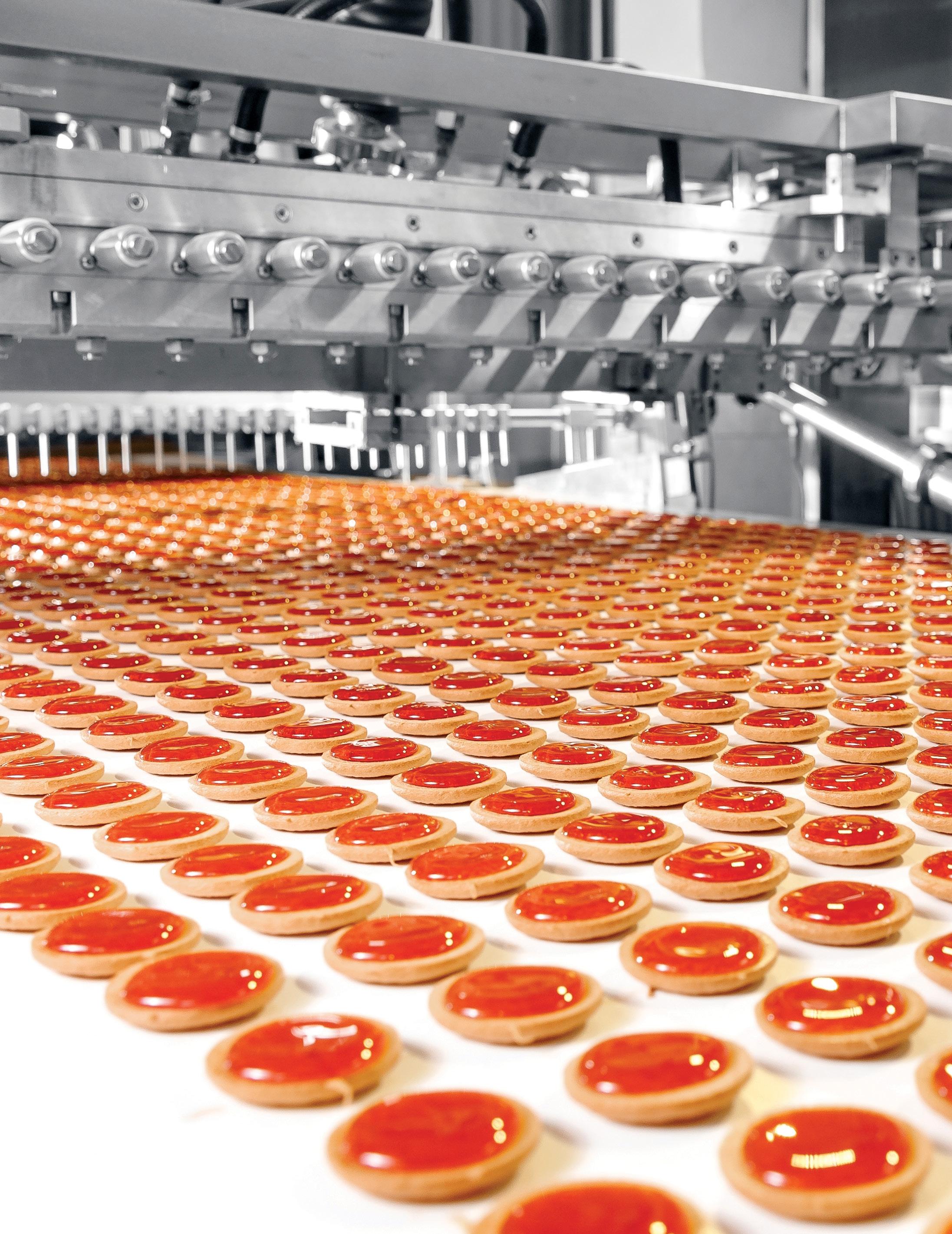
Food scientists don’t just dabble with flavours and ingredients – they engineer better ways to feed the world. From inventing planet-friendly packaging and dairy-free cheese, to making sure school meals in disaster zones are safe to eat, this is a career that blends creativity, chemistry and purpose.
Rooted in science and engineering, food science degrees open doors to global research, humanitarian work, product innovation and sustainable food systems – from farm to factory to fork. With strong industry connections and hands-on lab work, you’ll explore everything from nutrition and safety to packaging and preservation. If you’re curious about food, and hungry to make a difference, this might just be your flavour.
Passionate about the planet?
Food scientists are helping solve some of our biggest global challenges by following these United Nations Sustainable Development Goals (or SDGs).
Goal: No Poverty – Food scientists support local food systems, boost job opportunities and help communities become more resilient.
Goal: Zero Hunger – From creating emergency food for disaster zones to making food safer and more nutritious, food science fights hunger.
UNSW’s Bachelor of Food Science (Honours) is offered through the Faculty of Engineering – which is consistently ranked as the best in Australia. You’ll get practical experience, access to global research, and graduate with a qualification.world-class
Goal: Good Health and Wellbeing – Food science helps people live healthier lives, preventing many diseases. You can develop functional foods and nutraceuticals with extra health benefits.
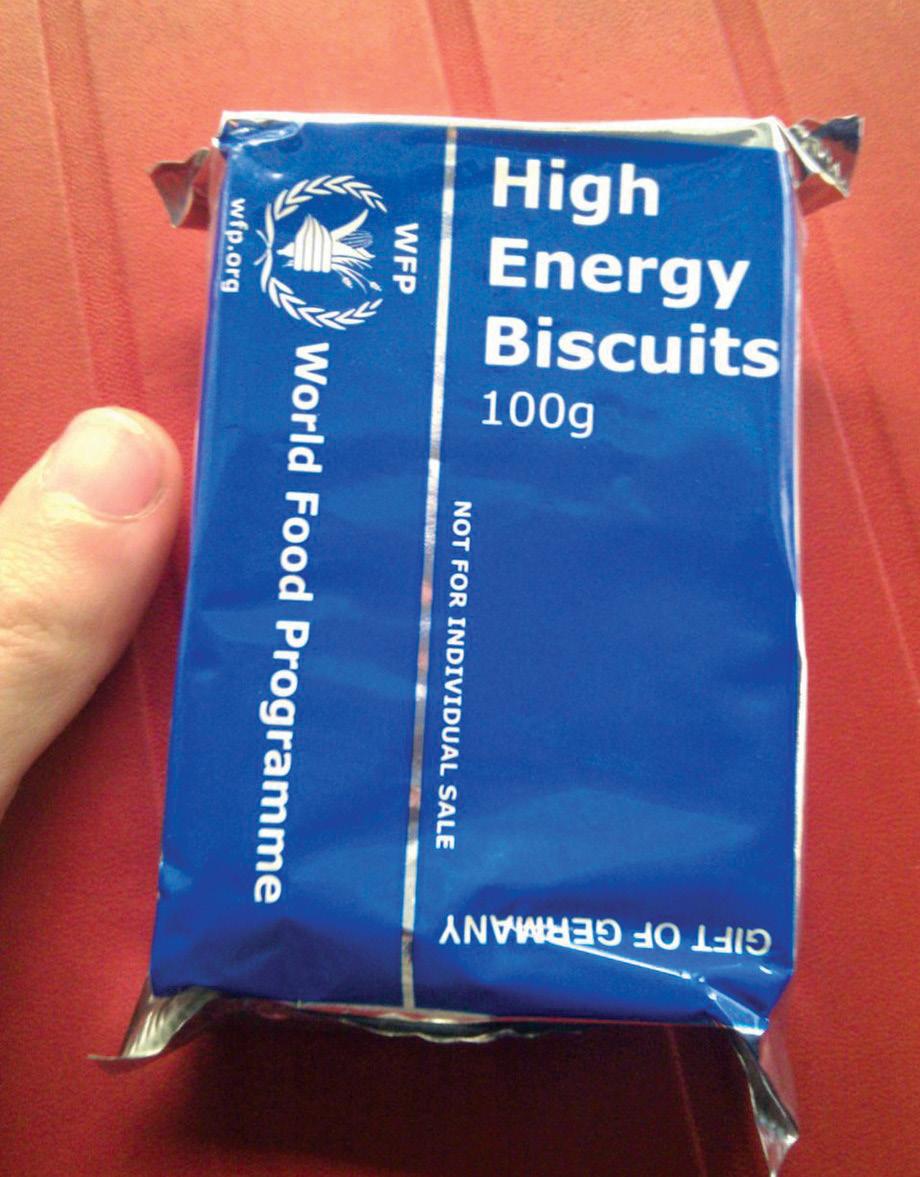
UNSW was the first uni in the world to offer a Humanitarian Science and Technology minor with its Bachelor of Food Science (Honours). You could intern with international organisations like the World Food Programme or UN Food and Agriculture Organization, and go on to work in food security, nutrition policy or emergency food innovation.
At UNSW, you have the option of doing a professional four-year Bachelor of Science (Honours) in Food Science, with either a Food Science and Technology or Food Science and Nutrition specialisation. Both are approved and recognised by the Institute of Food Technologists (IFT) USA and the Food Science and Nutrition degree will enable registration as an Associate Nutritionist by the Nutrition Society of Australia.
What will you earn as a food scientist?
According to payscale.com.au an early-career food scientist might take home around $59K per year, while a senior food scientist or food technologist can end up earning $120K or more.
These UNSW alumni show how to turn curiosity into a career worth savouring.
Coral Colyer, Senior Director Emerging Capabilities – Technical, Innovation & Supply Chain, The Coca-Cola Company in the USA
Anna Lowndes, Head of R&D ANZ, The Arnott’s group
Edwina King, R&D Manager ANZ, Unilever Food Solutions
Jonathan Lim, New Product Development Manager ANZ, ARYZTA
Louise Macan, Regulatory Affairs Manager, Goodman Fielder
Peter Ng, Senior Technical Specialist, Woolworths Limited
Scholarships to watch
• UNSW Women in Engineering Scholarship
• UNSW Engineering Rural Scholarships
• UNSW Equity Scholarships
• UNSW School of Chemical Engineering High Achiever Award
• UNSW Scholarships for International Students

Find out more at scholarships.unsw.edu.au or scan
Here are just a few of the deliciously diverse jobs on offer for food-minded scientists.
Dream up new snacks, meals and drinks – testing how they taste, last, and stay safe to eat. It’s like being a food inventor with a lab coat instead of a chef’s hat.
Study how the brain and senses respond to food – from flavour and texture to smell and mouthfeel – to help create products people enjoy and trust.
Design clever, eco-friendly food packaging using cool materials like banana plants or seaweed, or use nanoscience to create new materials. Cut waste while keeping food fresh and easy to carry.
Functional food and nutraceutical products developer Make foods or supplements with next-level health benefits, using science to support wellbeing beyond basic nutrition.
AI application specialist in food systems
Use artificial intelligence to transform the food and beverages we know and love, for increased productivity, profitability and sustainability.
Use data, statistics and machine learning to detect risks, predict issues and improve the safety and quality of food.
Look at the true environmental impact of what we eat – from farm to fork.
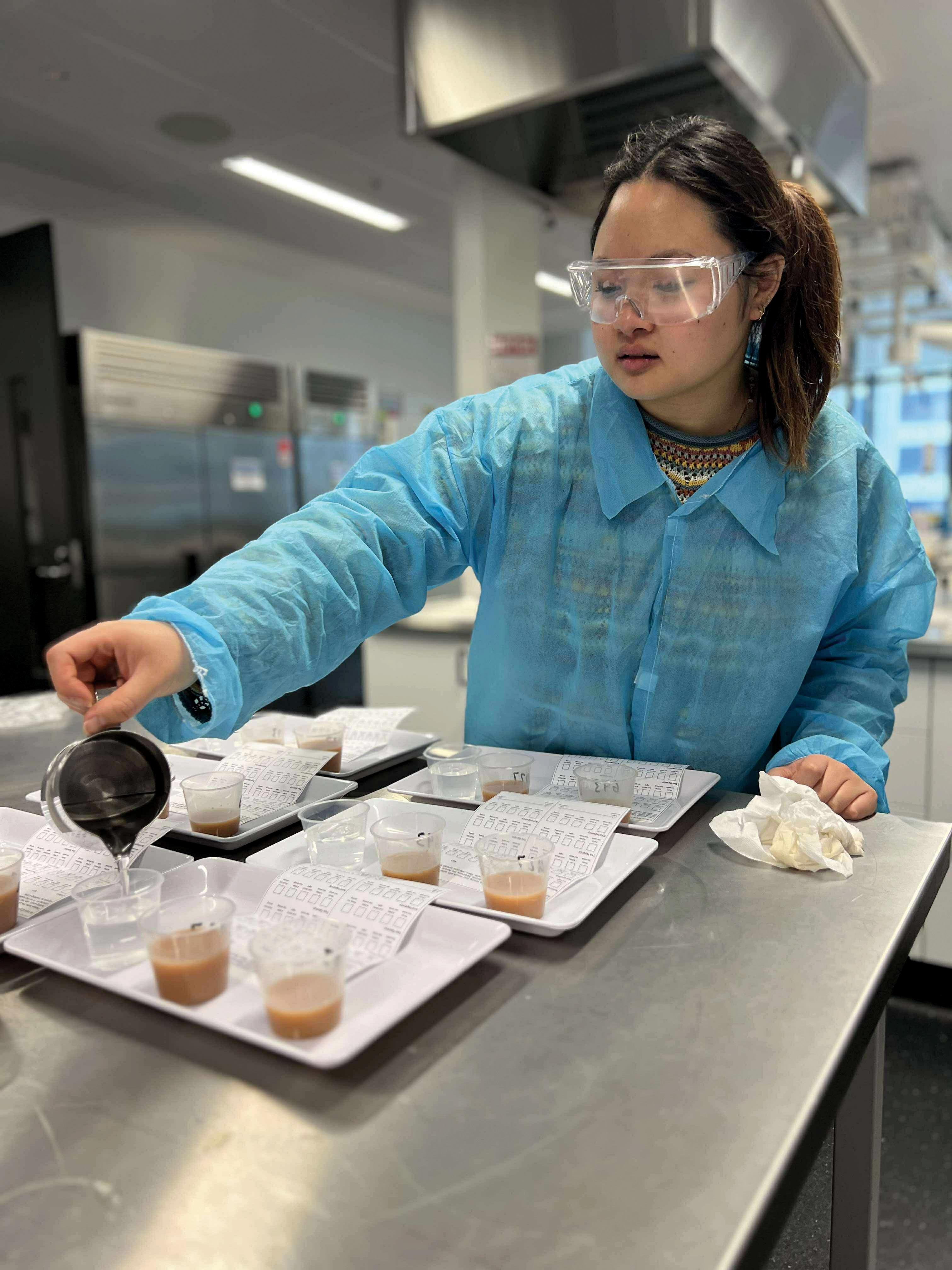
“I always had a curiosity about food and how it works, beyond just cooking and eating,” says Hilary. As a kid, she devoured How It’s Made clips and YouTube tutorials that explored the science behind everyday ingredients. That early fascination with food, paired with a growing love for science in high school, led her straight to UNSW’s Food Science and Technology degree.
“I was intrigued when I found out it was part of the faculty of Engineering,” she says. “To me, this meant a pathway to novelty and innovation in a space that I had already found fascinating.”
Hilary’s favourite part of the program? The labs. “We get to apply all of the theory we’ve been taught and experiment with different ingredients using analytical equipment,” she explains. Highlights include brewing kombucha for a Food Microbiology class and running consumer sensory panels for her Product Design Project. “Even though we can’t eat everything we make or touch, a little bit of sensory analysis is always fun!”
One of Hilary’s most memorable experiences took her learning beyond the lab and into the real world. Signing up for the New Colombo Plan Mobility Program allowed her to join a research project in Sri Lanka with the United Nations World Food
Programme. Her task was to investigate food safety practices among home caterers making school meals.
“It taught me so much,” she says. “I learned about global food security, how research can support communities, and gained a new appreciation for a culture different to my own.”
She’s amazed at how broad the field is – from food chemistry and quality control to creating sustainable plant-based alternatives and tackling malnutrition. “To understand food is to understand how communities grow and thrive,” she says. And for anyone considering the same path? “If you love food and/or science, you’re already more than halfway there!”
To understand food is to understand how communities grow and thrive.”
Ciara Crisanti is helping keep one of the world’s most iconic beverages flowing, and discovering that food science can lead to some seriously sweet opportunities.
As Syrup Room Team Manager at CocaCola Europacific Partners in Sydney, Ciara manages the syrup that goes into millions of bottles and cans of soft drink every day, leading the crew that keeps it all flowing.
After studying Food Science and Technology (Honours) at UNSW, Ciara landed a spot in the company’s graduate program and quickly found her place in the factory – solving problems, helping her team and learning something new every day.
“I genuinely enjoy the dynamic nature of the environment, especially the problem-solving and adaptability skills it requires,” she says.
Working in food manufacturing means working with lots of different people – and Ciara says her time at uni helped her learn how to do that well. “Through the hands-on learning approach at UNSW, I learned how to communicate effectively, adapt to different working styles, and stay focused on shared goals.”
She’s also excited about where the future is headed. “AI has the potential to transform the way we approach everything, from solving complex production challenges to accelerating product development and innovation.”

crisanti
7:00am
Coffee in hand, check the handover notes from the night shift. Then lead a team meeting to make sure everyone is up to date.
7:30am
Provide updates to the site management team on safety, quality and productivity for the day ahead. “I ensure that any potential issues for the day and upcoming week ahead are addressed with appropriate plans in place.”
10:00am
Out on the floor with the team, troubleshooting in real time and keeping operations running smoothly.
No two days are the same, which is part of what I enjoy most.”

12:00pm
Lunch – and a chance to connect with colleagues from other departments and projects. “These collaborations allow us to share insights and tackle key supply chain challenges together, which I find really valuable.”
1:00pm
Work on both local and global initiatives, as well as some continuous improvement projects to make syrup production more efficient and sustainable.
3:00pm
Complete handover with the incoming shift, and plan ahead for tomorrow. “No two days are the same – which is part of what I enjoy most.”
Whether you’re into sustainability, nutrition, food processing, product design or problem- solving, here are some things you can do right now to turn your food science passion into a career:
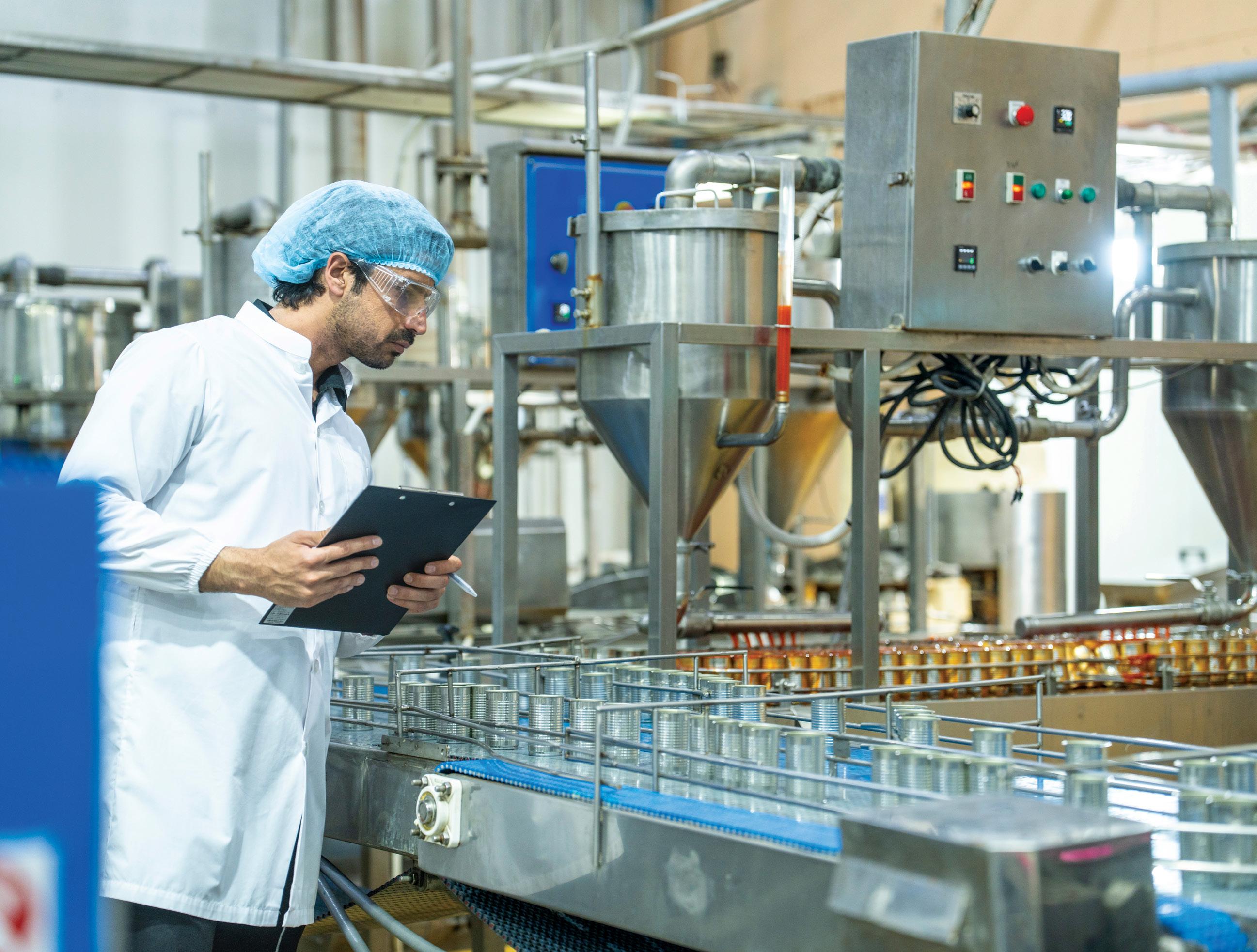
Take advantage of online resources like primezone.edu.au a free platform packed with info on agriculture, food and sustainability. You’ll find activities, videos and real-world challenges to help you explore food systems, science and innovation. Explore the FoodSpan curriculum by Johns Hopkins this free U.S. resource dives into food systems, nutrition and sustainability. foodspan.org

✔ Choose high school subjects like chemistry, biology and food technology to give you a solid science foundation and help you understand what’s in your lunchbox (and why it matters). Maths is also a super important part of the mix for understanding data and processes.
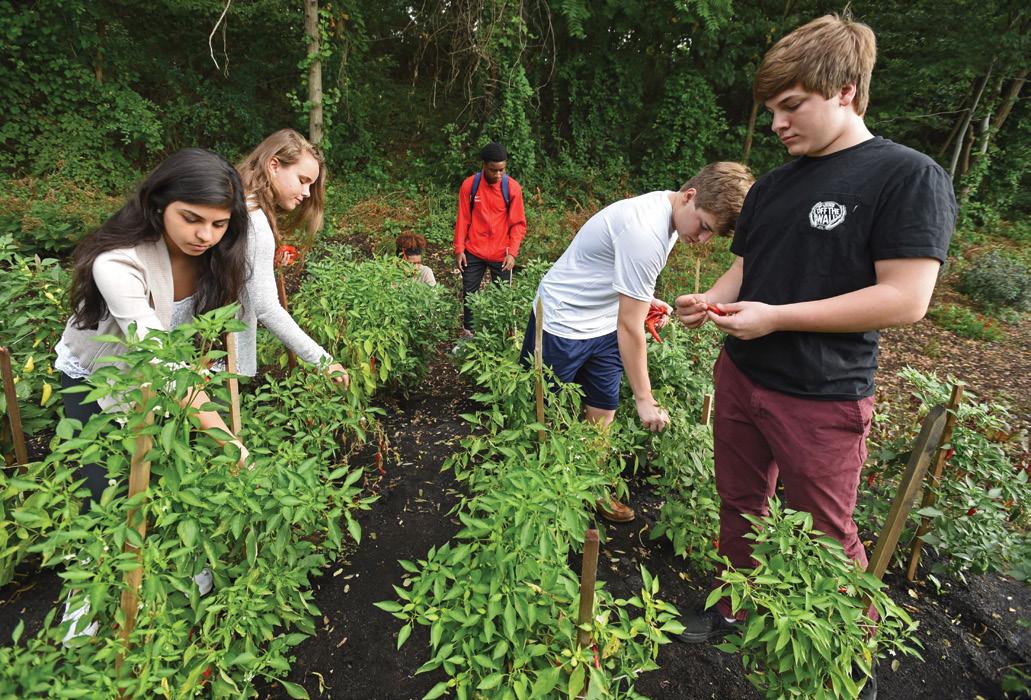
✔ Pay attention to global food challenges, and start asking yourself now how food could be made healthier, more sustainable or more accessible.
Get curious in the kitchen at home (with a parent’s help if necessary!).
You could test new recipes, try baking with alternative flours, or try to decode nutrition labels on the food in your pantry.

Plug into the UNSW Engineering the Future podcast starting with the episode “Insects, Ozempic and the science fiction of all your food in a single pill”. You’ll hear experts unpack global food challenges, from hunger and obesity to the future of farming, and how science and engineering might help solve them.
Watch Abbey the Food Scientist on YouTube with a PhD in food science (and a six-year deep dive into the microstructure of ice cream), she breaks down the science behind everything from instant noodles to your favourite snacks.
Follow the UNSW Food Science Association for upcoming events and to learn more about life as a food science and technology student.