with STEM™ CAREERS JOB KIT
Explore your career options in environmental, earth and climate science

Choose QUT to access hands-on learning, real industry projects and research experiences from your first semester at uni.
QUT Bachelor of Science

Want to help solve some of the big challenges our planet is facing? You should be an eco scientist!
We’d like to begin with something honest. The world you’re growing up in is facing real challenges. Climate change is reshaping ecosystems, species are disappearing, and access to clean water and sustainable food is under pressure. At the same time, improving air quality, protecting oceans, and sourcing critical minerals for clean energy are becoming more urgent than ever.
It’s a lot to take in. But here’s what gives us hope, and why we’ve both chosen this field: these challenges create opportunities for solutions!
Across the world, organisations need people who can understand the environment and act on that knowledge. Governments, energy companies, environmental consultancies, and research teams all rely on experts to guide decisions. Whether it’s planning cities, building renewable energy systems, or protecting ecosystems, environmental insight is essential.
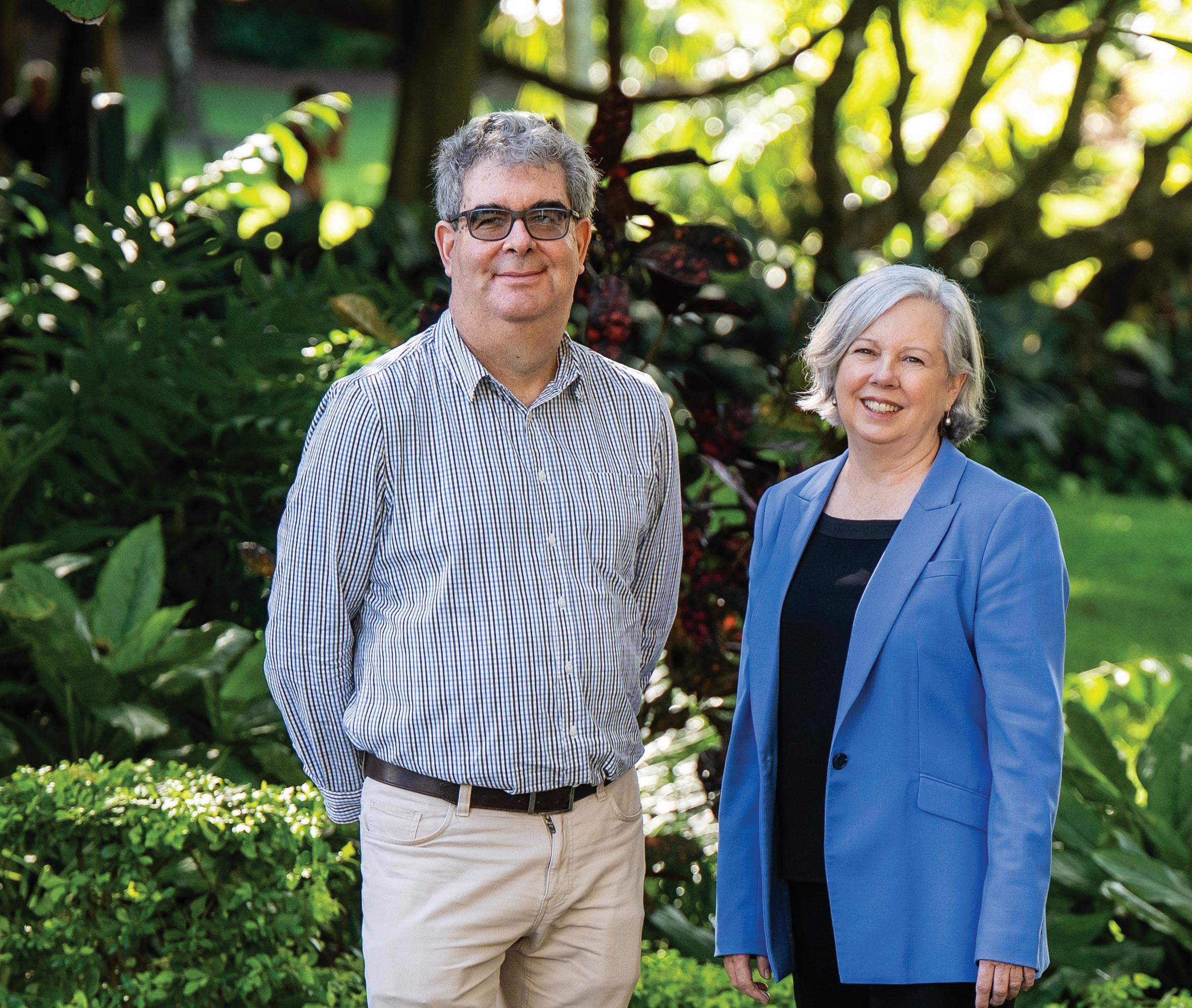
What makes it even more exciting is that no two careers look the same. One of us (Helen) has built a career that blends ecology with food production, travelling from tropical rainforests in the Pacific to farms in Australia. Along the way, this work has involved developing more sustainable food systems and supporting native pollinators, such as bees, that are vital to agriculture.
I (Patrick), examine how landscapes have responded to climate change and human impacts by analysing past environmental changes. By studying how landscapes have changed over
Professor Patrick Moss physicalresearcher,geography
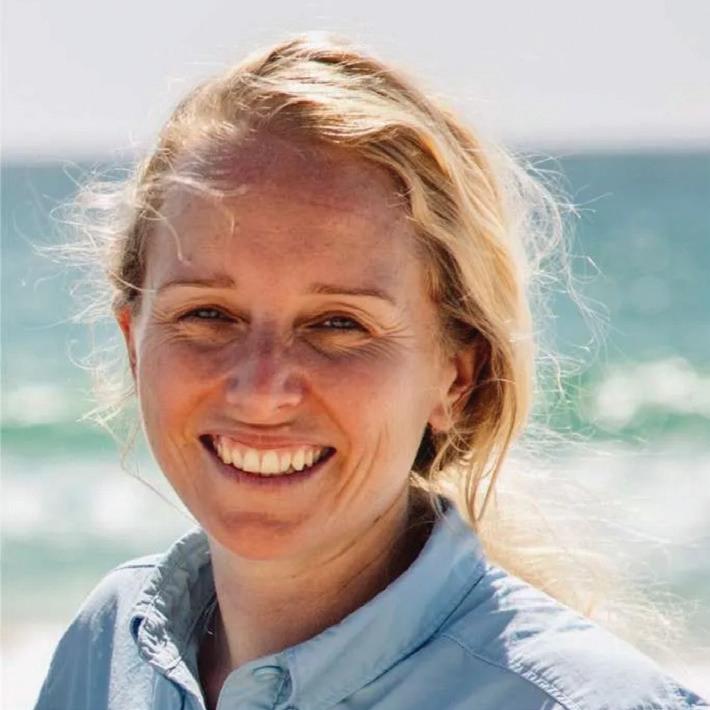
Professor Helen Wallace Agriculture and ecology researcher, QUT
organisations need people who can understand the environment and act on that knowledge”
time, we can better understand how ecosystems and societies adapt, helping us respond to challenges like fire, climate change, and environmental degradation.
The way we do science is changing rapidly too. Tools like AI, satellite data, environmental DNA and drones allow us to study the planet in ways that weren’t possible before. Scientists can now track species, monitor environmental change, and make better decisions using real-time data.
What we’ve both found is that this work is deeply meaningful. It connects ideas with action and gives you the chance to contribute to something bigger than yourself.
Professor Helen Wallace Agriculture and ecology researcher
Professor Patrick Moss Physical geography researcher
Put down the lab coat. There’s a world full of conservation roles out there, and lab time is optional.
Environmental, Earth and climate scientists are arguably some of the most important STEM experts in the world right now. With climate change a very real threat to communities, these folks are at the forefront of protecting the natural world.
Studying, developing, implementing and advising on policies and plans for managing and protecting the world’s resources is all in a day’s work. And the coolest bit? There is a national shortage of both geologists and environmental scientists, which means the opportunities for science grads are epic!
There are so many different pathways and careers to look into — animal and plant ecology, marine science, planetary science, geology, environmental consulting, meteorology, atmospheric science, and conservation are just a few examples — so thinking ahead and getting clued up in a relevant field is important. Year 11 and 12 science is a great foundation for any career as a scientist, but sticking with biology, chemistry, geology, geography, and environmental studies electives is a particular plus for eco careers.
Suss out undergraduate degrees like a straight-up Bachelor of Science with relevant majors like biology, climate science, earth science or environmental science. And if you’re still keen to keep learning? Postgraduate degrees are also another way to knuckle down and soak up your specialisation.
According to SEEK, the average annual salary for environmental scientist jobs in Australia ranges from $90,000 to $110,000
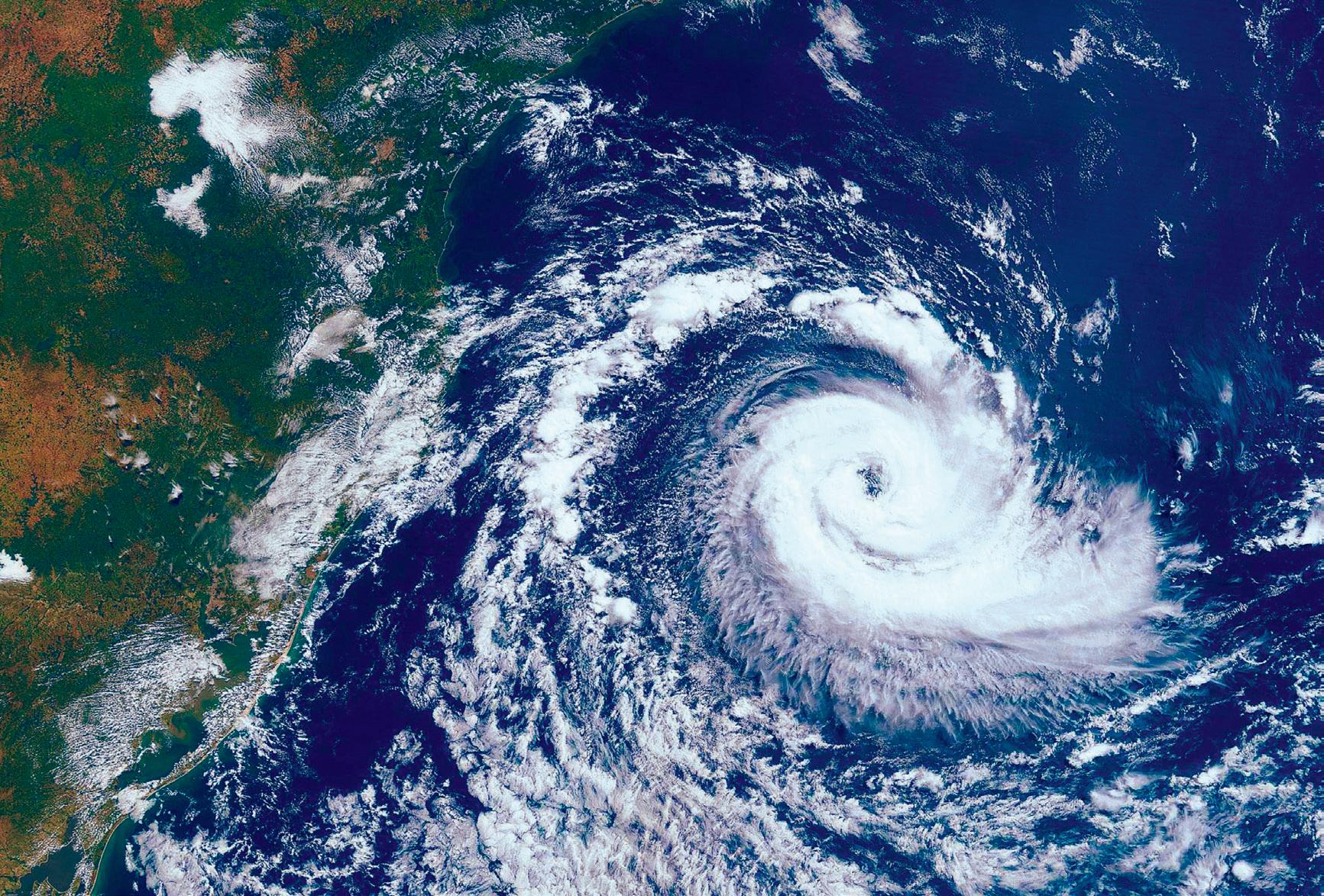
In an eco STEM career, every day on the job is different! Depending on which pathway you head down, you could be spending your 9-to-5 patrolling parks, monitoring plants and animals, digging up samples, studying the ocean or watching the weather. Among the many things you could be responsible for are:
• Reporting on carbon footprints to decision makers
• Educating others about conservation practices and policies
• Undertaking ecological surveys and habitat assessments
• Managing restorationenvironmental projects
• Advising organisations on sustainability initiatives
• Improving air quality
• Exploring other planets
• Responding to natural hazards
• Discovering critical minerals
• Restoring ecosystems
The list of employment opportunities for recent grads is just as long! You could score a job with a uni, a local or overseas industry, a large corporation, or government agencies such as local councils, the Bureau of Meteorology, ANSTO, or CSIRO.
Don’t know loads about eco scientists?
We sort the real from the rumour and bust some eco career myths
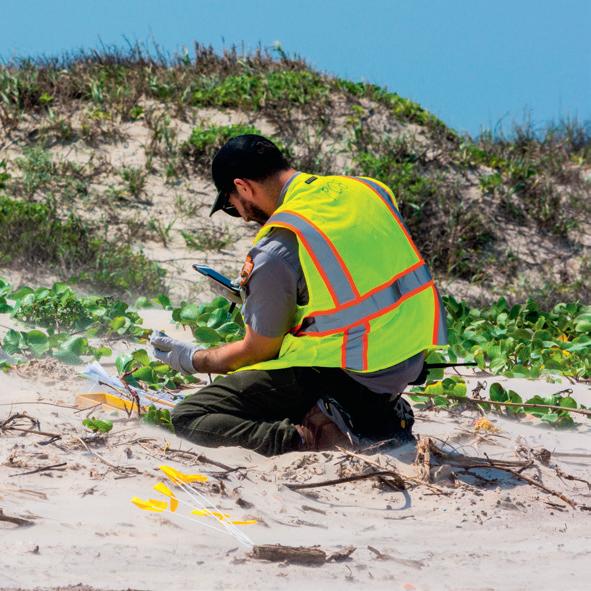
You get to work outside!
Jobs in environmental, Earth and climate science often involve field trips, and so does study!
You have to study Earth or environmental science at high school!
There aren’t any prerequisites for the Bachelor of Science at QUT. English and mathematics are recommended. Adding Biology, Chemistry, Physics or Earth & Environmental Science to your schedule will help, too!

At uni,
you have to decide what

you’re specialising
in right away No pathway is too winding, and you can totally change the trajectory of your career at any stage.
When QUT Environmental Science student Haylee Catania sifted through a tray of sediment on a dig site in outback Queensland, she wasn’t expecting much more than clay and rock fragments. But within half an hour, a tiny 9-millimetre shard caught her eye. Once cleaned and examined under a microscope, the serrated edges revealed she had uncovered a prehistoric crocodile tooth.
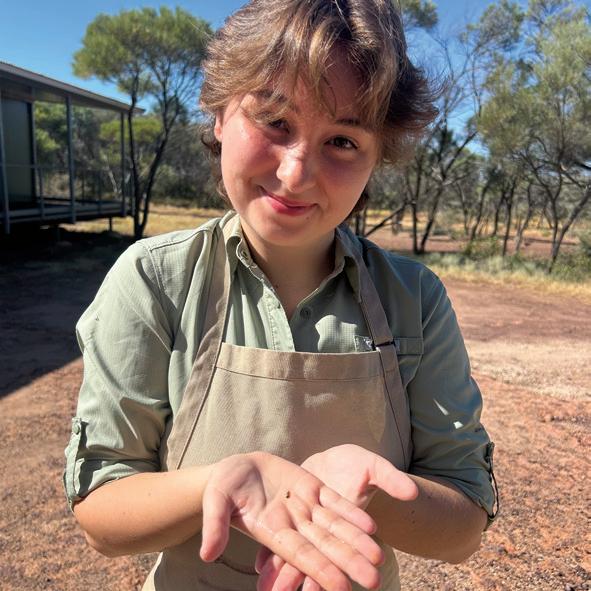
“It was a surreal moment,”Haylee says. “Realising that something so small could tell part of a much bigger story about Australia’s prehistoric environments was incredible.”
That discovery was just one highlight of her internship with the Australian Age of Dinosaurs Museum of Natural History, where she spent time learning fossil preparation techniques, sorting collections, and sieving sediment to ensure even the smallest fossils weren’t overlooked. Read more about her studies helped her: bit.ly/outbackinternship
There is only one career outcome
You could end up doing a bunch of exciting planet-saving gigs.
• Air pollution analysts
• Biodiversity assessment officers
• Botanists
• Ecologists
• Environmental consultants
• Sustainability officers
• Geologists
• Geochemists
• Geophysicists
• Land degradation analysts
• Landcare workers
• Life scientists
• Marine scientists
• Meteorologists
• Planetary scientists
• Vegetation officers
• Volcanologists
• Water quality analyst
• Zoologists
Although not totally equal (yet), we’re stoked to see that women are slowly creeping up in representation in this field – 45% of environmental scientists are women, according to Jobs and Skills Australia.
Erica HEATON was originally unsure about going to uni. Turns out it was just the place to kickstart her dream career!
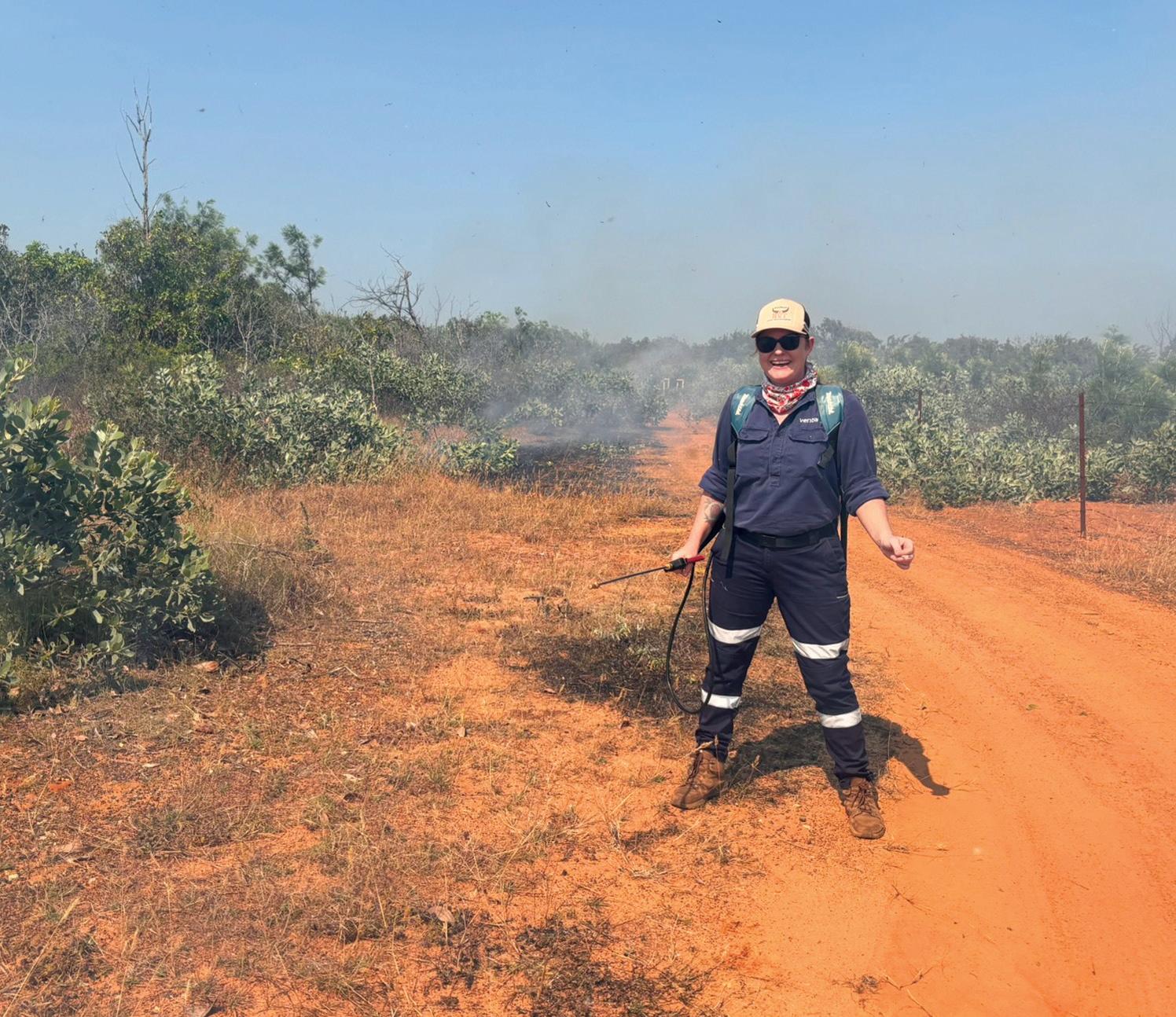
Erica explored a few different career paths before deciding to pursue university.
“I hadn’t performed well in school and thought I didn’t have what it takes to complete a degree,” she says.
“When I enrolled in the Bachelor of Science (Environmental Science) at QUT, I set myself a simple goal: if I gave it everything, I might just scrape through. I still remember the shock of receiving my first assessment result of 100%.”
While at uni, Erica was open to every opportunity available to her. She became involved in a range of volunteer roles, assisted PhD candidates with research, and participated in committees. “I believe this proactive approach played a key role in developing my skills and giving me a competitive edge when entering the workforce,” she explains.
In 2020, Erica relocated to the Northern Territory to take advantage of the strong demand for environmental professionals. After a brief period in construction, she secured a role as an environmental officer. In this position, she coordinated and delivered programs including weed management, bushfire mitigation, water quality monitoring, feral animal control, and threatened species monitoring across Defence properties. She was soon promoted and given responsibility for overseeing these programs across the entire NT Defence estate.
Bachelor
of science (Environmental Science), QUT
Researcher, QUT
I’ve had the opportunity to work in remarkable landscapes”
That role offered a rewarding balance of field and office-based work, along with lots of challenges. “I’ve had the opportunity to work in remarkable landscapes, collaborate with Traditional Owners to incorporate their knowledge and practices, and undertake aerial operations such as weed mapping and aerial incendiary deployment,” Erica says. “While I feel fortunate to have found this role, it reflects the time, effort, and knowledge I developed during my studies at QUT, which ultimately helped me secure the position.”
Occupational
Hygienist, Safe Air environmental Services
senior
Nikki Prater switched from a career in early childhood education to Earth science after watching a docuseries called One Strange Rock!
With a new fascination for the systems nature has in place to sustain life, Nikki decided studying Earth science was the best way to learn more about it.
She enrolled in a Bachelor of Science (Earth Science) at QUT, choosing the uni because it prioritised learning through lots of lab work and field trips.
And now? She works as a hydrogeologist for a consultancy. “We do a lot of work on groundwater management for mining and energy companies,” she explains.
“My role varies from fieldwork to data processing and report writing.”
Working in the outdoors is her favourite part of the job. “I get to visit new places, overcome different challenges, and learn lots of new skills,” Nikki says.
During fieldwork, she supervises drilling and installation of groundwater bores, which includes geological logging of drill chips, overseeing the construction, and collecting groundwater samples.
If this sounds like something you’d like to do one day, Nikki’s advice is soak it all up, be open to opportunities and to network. “The people I’ve met along the way are all so helpful and supportive.”
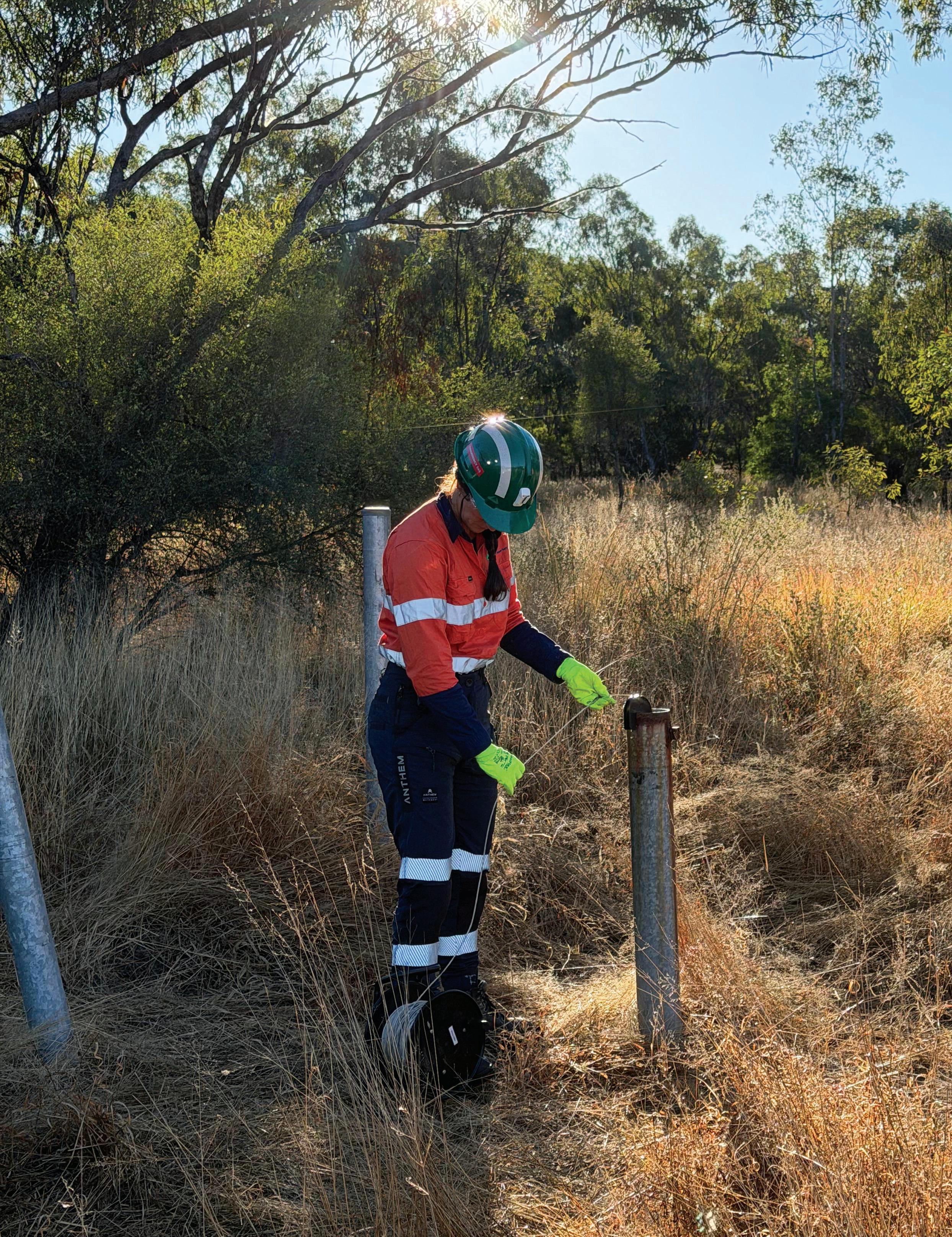
I get to visit new places, overcome different challenges, and learn lots of new skills”

A typical day for Nikki 9am
Weekly team meeting where we plan the week ahead, share things we’ve learned, and give shout-outs to colleagues who have been doing an awesome job. Then it’s time to get stuck into work, whether it be data processing and interpretation, writing reports, or planning upcoming fieldwork.
10:30am
We love our coffee breaks in the office! This is usually around the time where a bunch of us will stretch our legs and try out a new coffee shop.
1pm
Each week someone from the team will put together a little presentation for the team. It could be about a project they’re working on, a challenge they’ve overcome, or a new tech skill they’ve learned.
2pm
Sometimes we’ll have client meetings where we discuss future projects or the progression of current projects.
3pm
The afternoon is spent wrapping up the day’s tasks and touching base with project managers so they’re up to speed with progress made.
Science), QUT
Ready to dig deep into an eco scientist career? Start here
Subscribe to these channels to immerse yourself in Earth or environmental science: Kurzgesagt – In a Nutshell
These animated videos make complex science simple and engaging.
SciShow
Covers environmental science, ecology and climate topics.
Atlas Pro
Great for understanding how Earth works as a system.
OceanX
Real-life ocean exploration missions!
CSIRO
Australian research projects and scientist profiles.
For ultimate mentor goals, look these people up on LinkedIn:


atherine Kim, marine scientist: Currently working on predicting coral rubble generation across the Great Barrier Reef and assessing risks of interventions.
Dr Brett Lewis, coral biologist: Leads research developing a new generation of reef and kelp restoration materials and deployment systems.
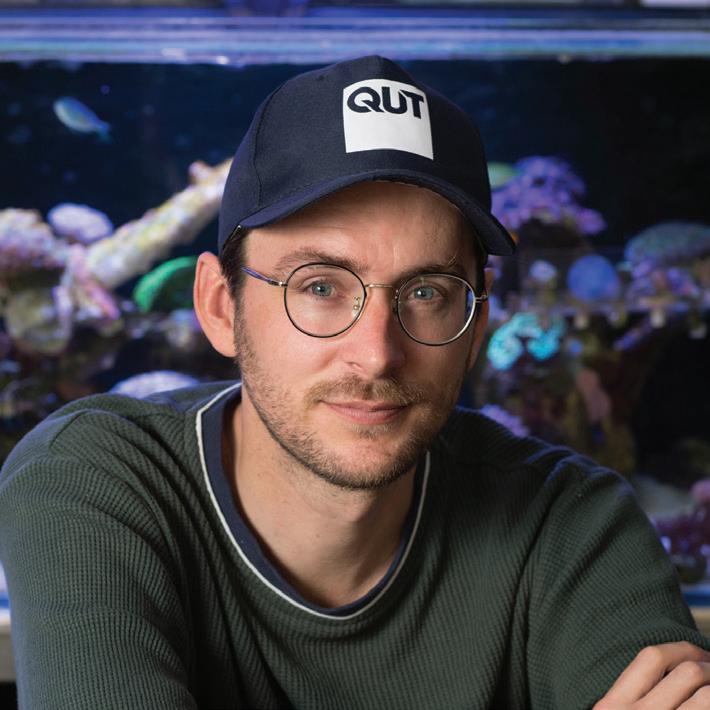
Kate Hofmeister, conservation biologist: Manages wildlife conservation programs for Sunshine Coast Council, connecting science, community, and policy to deliver lasting outcomes for threatened species and wildlife.
Career inspiration in your airpods!
Earth Unscrewed (ABC Science):
This is an Australian-focused series on climate, geology and environmental change. It covers real-world issues like bushfires, reefs, and water systems.
Ocean Calls: Hear stories from marine scientists and ocean explorers.
Future Ecologies: This one explores ecosystems, biodiversity, and conservation through storytelling.
Science Vs (Gimlet/Spotify): Breaks down environmental topics like climate change, food systems, and plastics.
The Climate Question (BBC World Service): Short, sharp episodes explaining climate issues from around the world.
Choosing high school electives?
These subjects will set you up for an eco gig in science.
✔ Maths ✔ Biology
✔ Geology
✔ Environmental studies
✔ Any science subjects