with STEM™ CAREERS JOB KIT


Solve problems in everything from medicine and the environment to food and forensics with this exciting career.
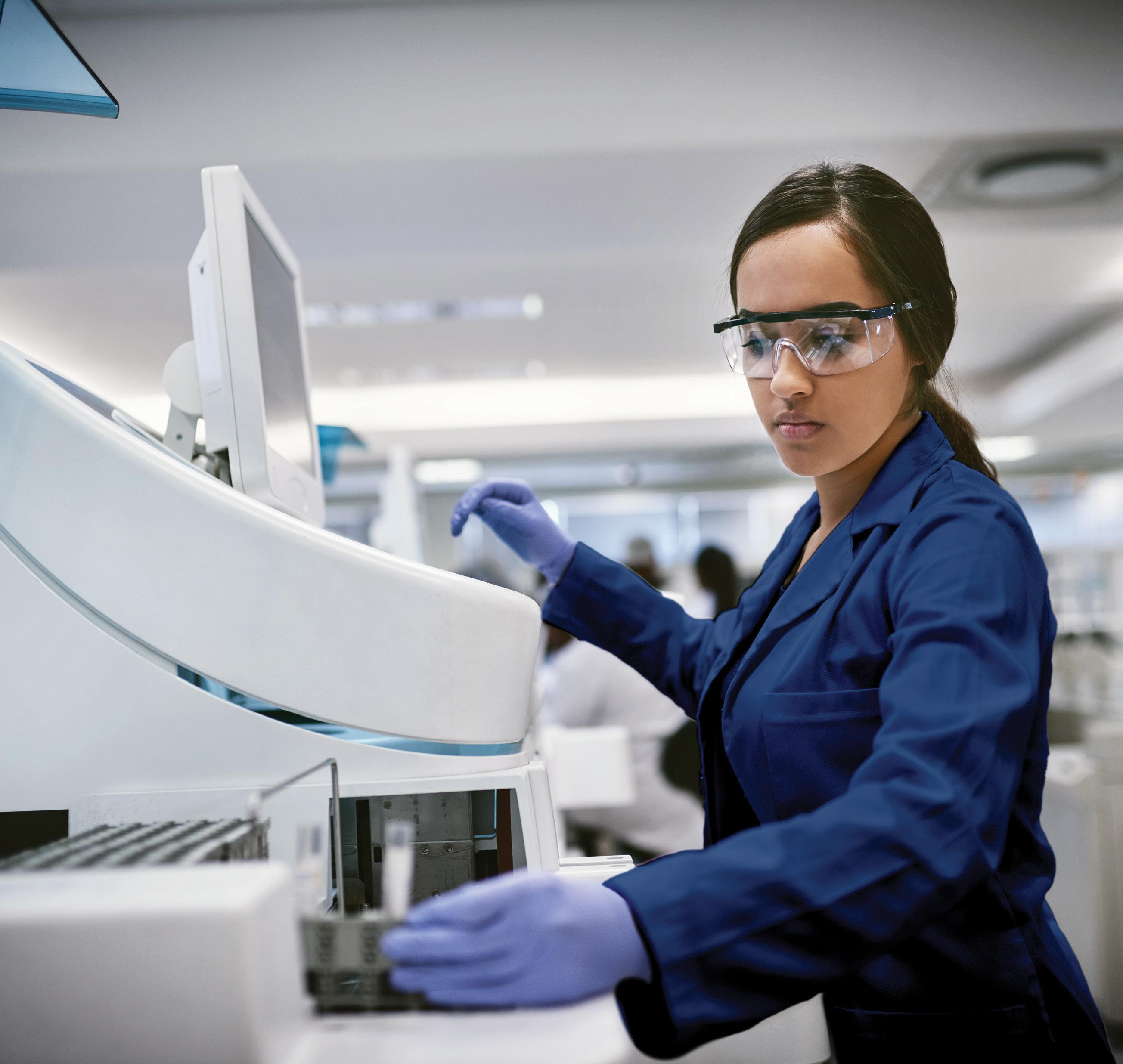
From environmental protection to medical breakthroughs, analytical chemistry opens doors to exciting careers where you can make a difference. Study the Bachelor of Science at Monash and help shape a better tomorrow. Find out more here:
When I was young, I was inspired to follow a path in science by the books I saw at a family friend’s home who was a famous scientist. This started my passion for research and delving in to the unknown. I took up microbiology in university but when I started working in a research lab, I realised how close knit chemistry was to all fields of science and thus transitioned to being an analytical chemist.
Analytical chemistry plays a critical role in understanding basic science around obtaining, processing and communicating information about chemicals, and applying it to a variety of practical applications. It transcends different fields be it medicine, forensic science, the environment, food, pharmaceuticals or industrial processes. It might not be immediately obvious, but you’re surrounded by analytical chemistry daily. From deciding which perfume fragrance you like, to obtaining clean fuel for your car, to identifying crime scene compounds, to food and beverage testing to medical diagnosis – the list is endless! Some analytical chemists focus on exploring the large amounts of data collected as part of the process, and with the advent of AI this is becoming even more useful. The breadth of analytical chemistry means you can find your niche, and make a difference. I enjoyed the opportunity of pursuing my PhD in Analytical Chemistry at Monash University as part of the

it might not be obvious but you’re surrounded by analytical chemistry daily”
Graduate Research Industry partnership - this exposed me to people working in a variety of chemistry fields which also meant I could build a network of professionals that helped me shape my career and transition between industry and academia. During my PhD I also did an internship with BASF, one of the largest chemical manufacturers in the world. This internship further opened my eyes to how much the world of chemistry can make a difference to human, animal and plant lives in multiple fields.
Today, as a senior application scientist and analytical lab manager, my role incorporates a large focus on analytical chemistry principles. Working as an analytical chemist has placed me in a field that connects scientific challenges with technological needs, enabling me to make well-informed decisions that create impact. There’s a continuous sense of fulfillment in solving problems and uncovering answers to questions.
Shezmin Ismail
Love science and want a career that’ll make a difference to people’s lives and the planet? Here’s why you’ll have a
*positive reaction* to studying analytical chemistry!
STEP 1
Enrol in any Bachelor of Science Degree or Honours program and undertake at least eight chemistry units including the Analytical Chemistry Units listed below.
STEP 2
In your first year, choose these prerequisites:
• CHM1011 (Chemistry I) or CHM1051 (Chemistry I Advanced) and
• CHM1022 (Chemistry II) or CHM1052 (Chemistry II Advanced)
STEP 3
In your second year, take:
• CHM2922 (Spectroscopy and Analytical Chemistry)
• And one or two more second year chemistry units
STEP 4
In your third year, take:
• CHM3952 (Advanced Analytical Chemistry)
• And two or three more third year chemistry units
STEP 5
If you’ve completed four units of third-year chemistry and have an average distinction grade, you can then undertake an honours year which includes an advanced research project.
n analytical chemist investigates the chemical composition of substances to work out what they’re made of and how they form, as well as how they interact with other materials and react in different conditions. They do this to make sure products are safe for humans and the environment. “Analytical chemistry can take you into many industries including pharmaceuticals, food quality control, environmental analysis, mining and consulting,” says Professor Perran Cook of Monash University’s School of Chemistry. “In addition to the direct analytical skills you learn, the more generalised problem solving, reporting
and understanding of analytical chemistry will also help underpin careers in diverse fields including the public service, environmental management and NGOs.”
When it comes to the expertise an analytical chemist will need, Perran says, “A good analytical chemist requires a fundamental understanding of how chemicals behave, good attention to detail, an ability to follow standard procedures as well as problem solving skills.”
If analytical chemistry sounds like your dream STEM study path and future gig, dive into this Job Kit. You’ll learn more about the purpose of analytical chemistry, and be able to explore study and career paths in this diverse scientific field.
Professor Philip Marriott from the School of Chemistry at Monash University says there are lots of career options in analytical chemistry.
“Many industries in the chemistry and allied sphere have a need for the skills developed in the analytical chemist; many have their own analytical chemistry lab which provides services to assess incoming raw materials, or products the company produces,” he explains.
“Food industries, materials and minerals production, petrochemicals, essential oil and perfume manufacturers, chemical manufacturers, forensics, clinical labs, environmental, analytical services labs, and instrument suppliers/manufacturers all benefit from analytical chemistry.”
• A strong foundation in chemistry fundamentals
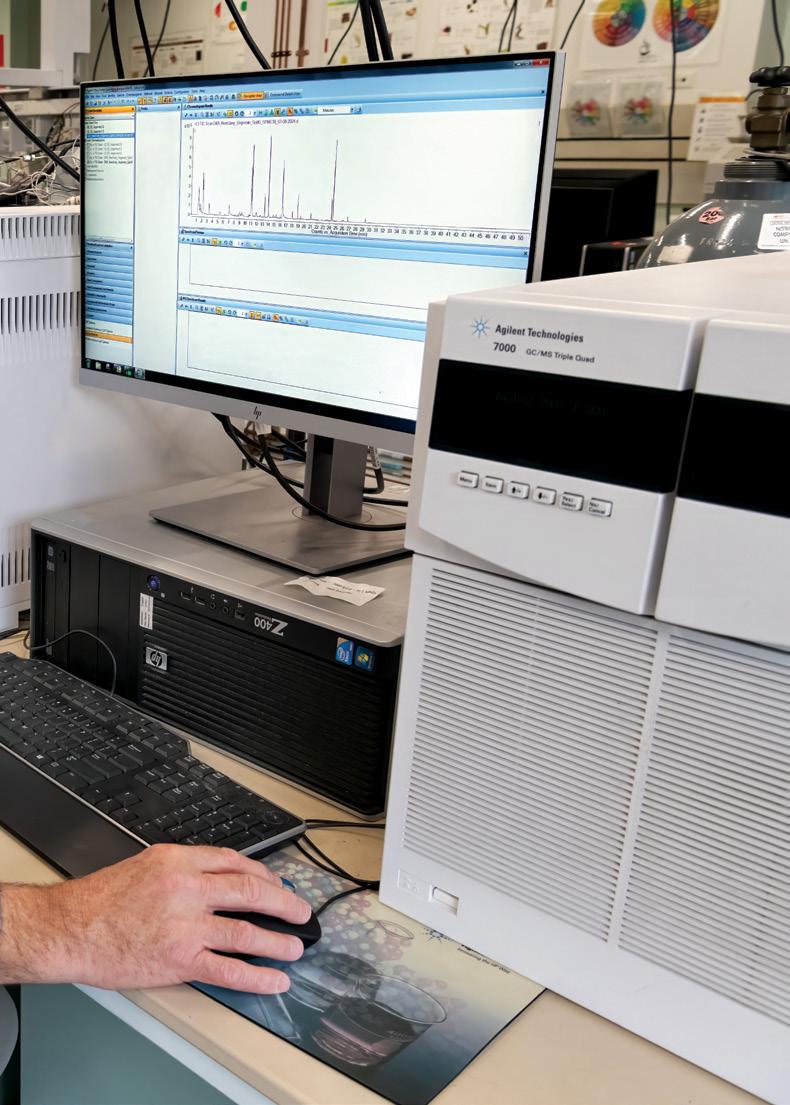
• Proficiency in various analytical techniques (spectroscopy, chromatography, and mass spectrometry)
• Data analysis and interpretation skills
• Understanding of instrument operation and maintenance
• Knowledge of quality control and assurance practices
• Familiarity with relevant software and data management tools
• Problem-solving, critical thinking abilities, and communication skills for reporting results
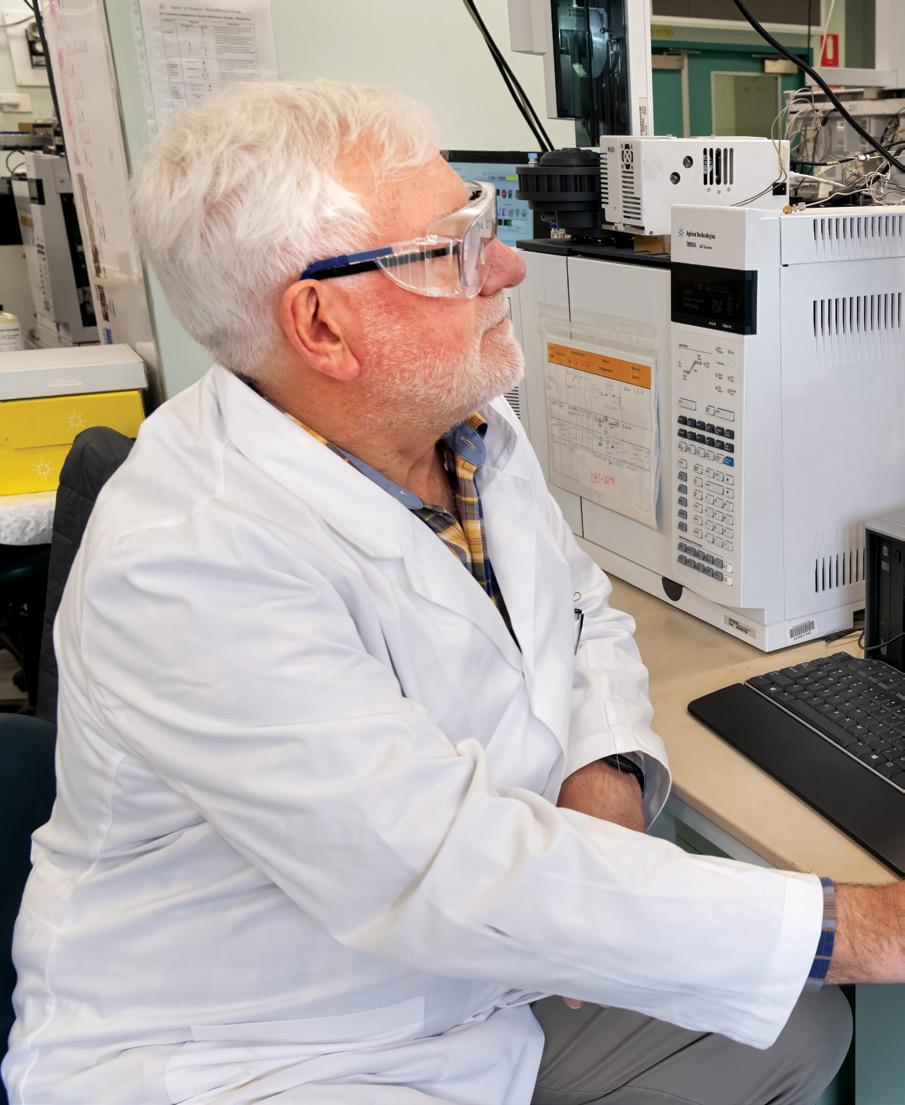
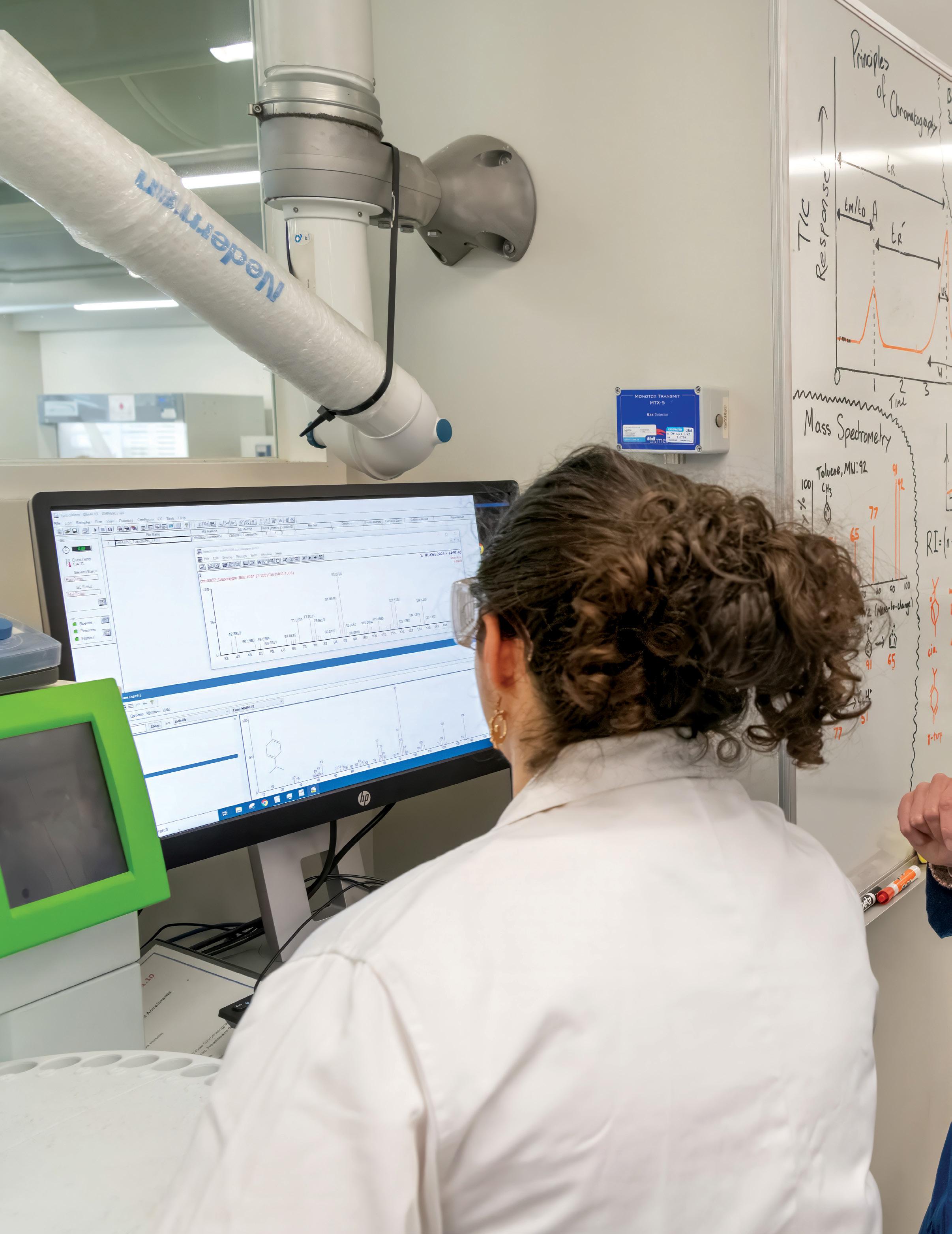
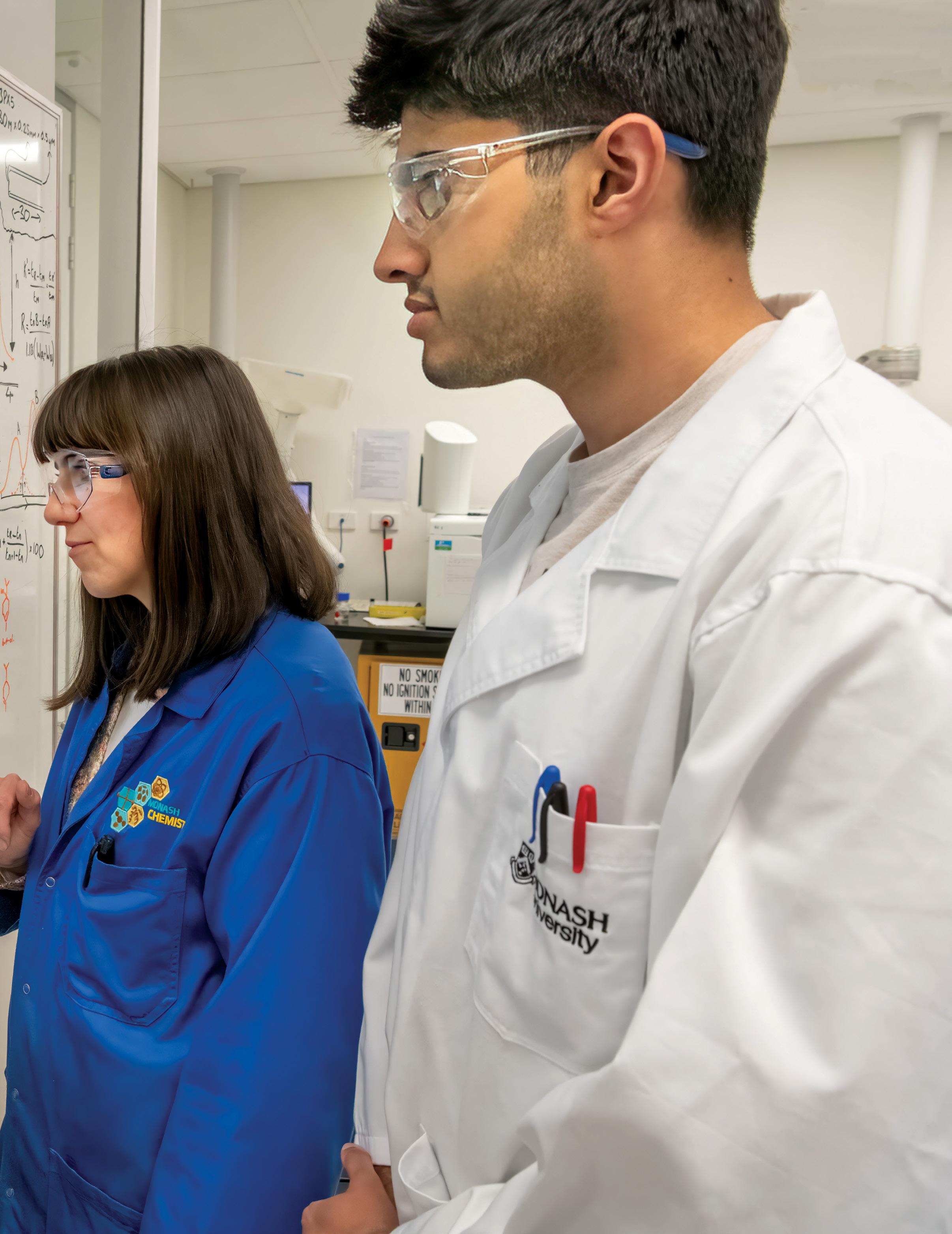
Professor Bayden Wood, Head of Monash Biospectroscopy Group, says a career in analytical chemistry requires a diverse set of skills and knowledge, like in the list to the left. Bayden adds that expertise in artificial intelligence (AI) and machine learning (ML) has also become valuable.
“At Monash University, we cultivate these skills through a comprehensive approach that combines theoretical coursework with practical experience,” he says. “Our program features hands-on laboratory sessions using state-of-the-art instrumentation, research projects that expose students to real-world analytical challenges, industry partnerships providing internship opportunities, workshops on data analysis and scientific writing, and an emphasis on method development and validation in advanced courses. We have integrated AI and ML into our curriculum, offering specialised courses and projects that teach students to apply these powerful tools to analytical chemistry problems.”
Check out three unique career areas in this exciting field of science!
CwS: Tell us about where you work…
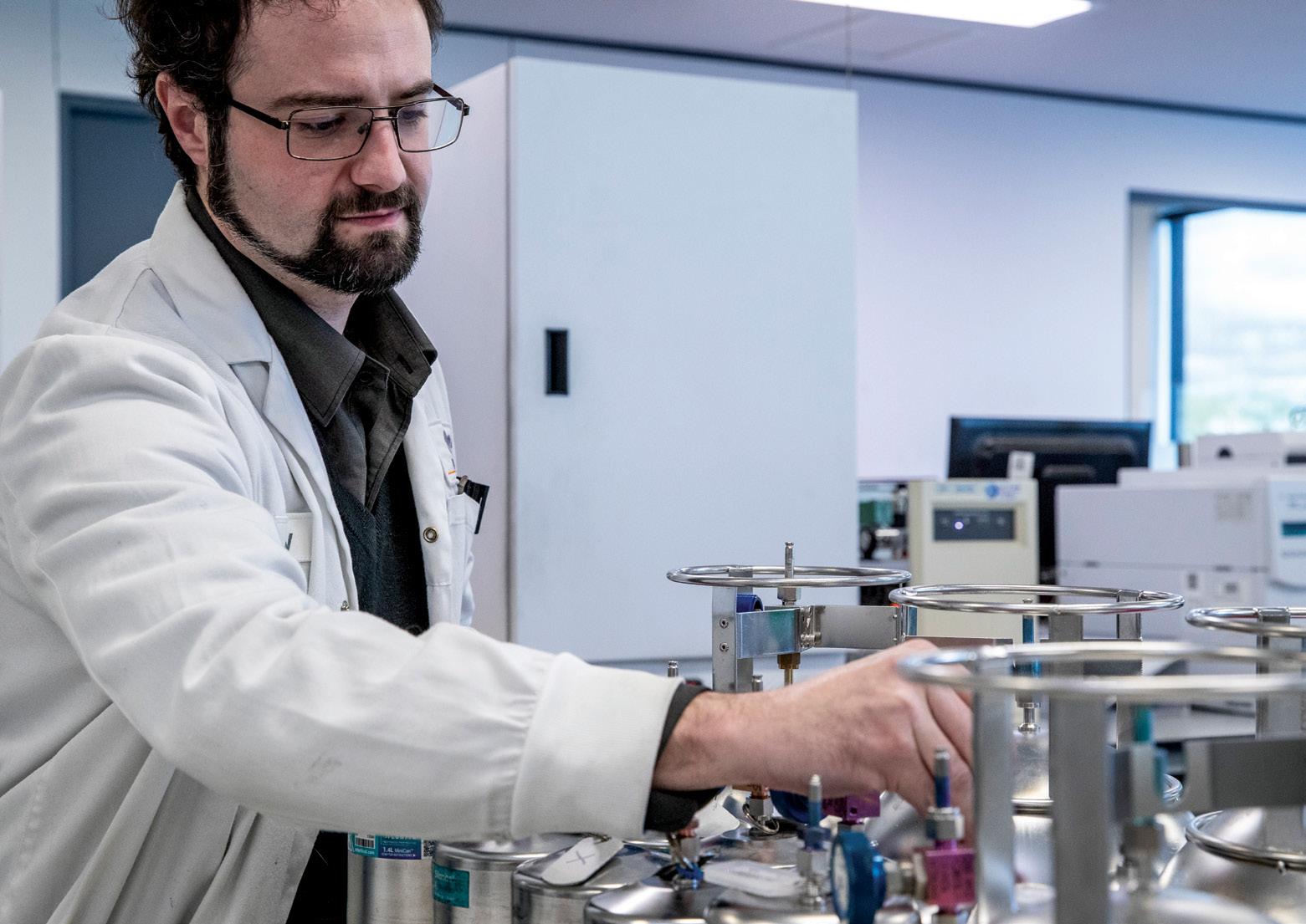
A: I work at SGS Australia, a testing and quality assurance company based in Switzerland. SGS has many different and diverse divisions that all involve some kind of testing – my division mainly conducts environmental testing on soil, water and air samples.
CwS: What does your job involve?
A: Making sure that the LC (liquid chromatography) and VOC (volatile organic compounds) teams can get reports out at the end of the day, sometimes with a same-day turnaround. This can involve coordinating tasks, repairing instruments, troubleshooting methods, training staff, writing reports, responding to client queries and more. I also try to take on as much special project and research and development work as I’m able to.
CwS: What advice do you have for students who want to follow in your footsteps?
A: Exercise your practical skills as much as possible. We need more ‘tinkerers’ in the industry who can fix things and develop new solutions on the fly.
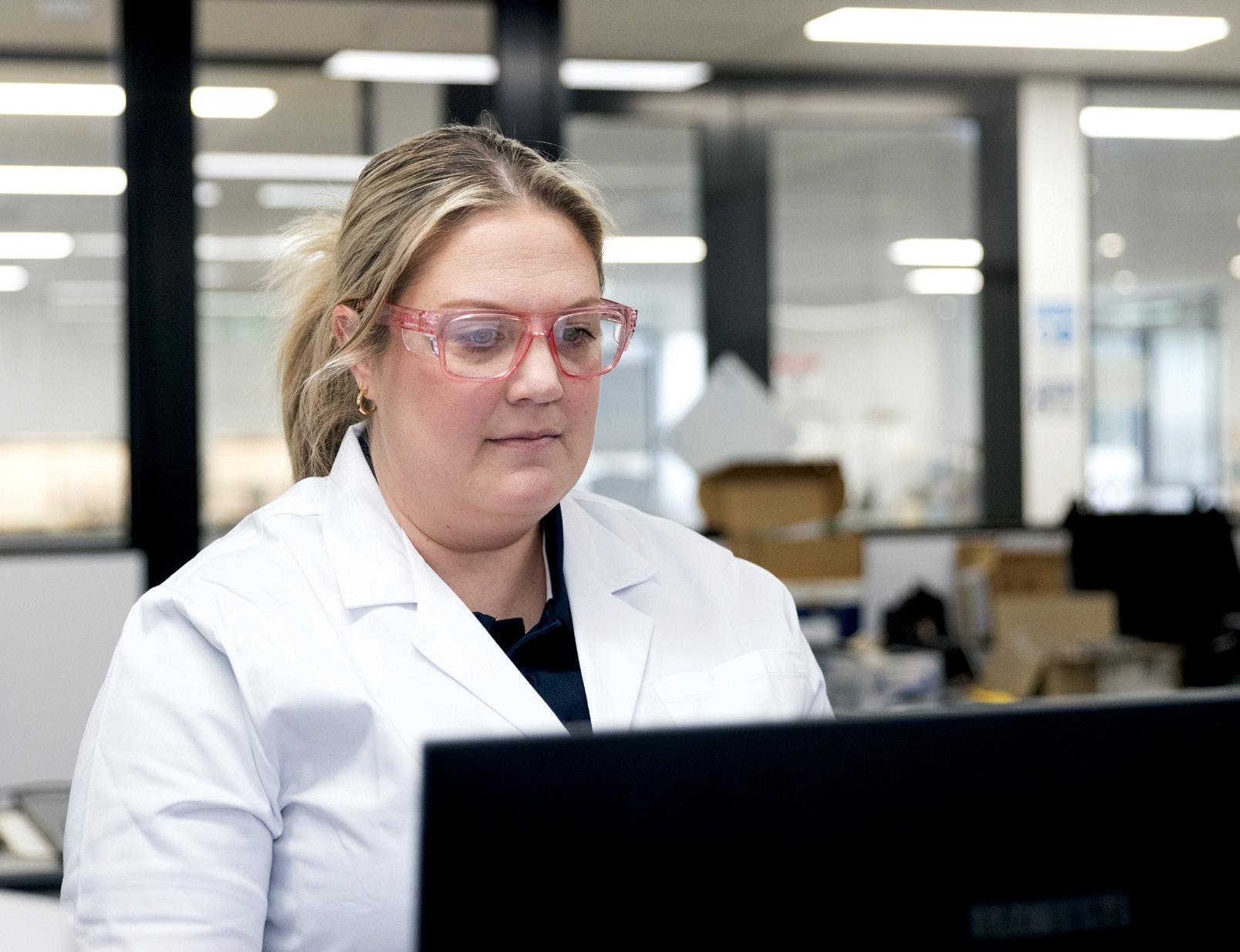
Julia Ellingsen Laboratory Manager + Senior Scientist
Andrew Wright LC/VOC Team Leader
CwS: What drew you to analytical chemistry?
J: Funnily enough I didn’t particularly enjoy chemistry in high school. When I got to university, I decided to do a postgraduate degree in Forensic Science, which required first year Chemistry. After going back to basics, I discovered I actually enjoyed it (particularly the lab side of things) so continued it through second and third year and eventually completing an Honours project at the end of my degree.
CwS: What do you do in your role at Sharp & Howells?
J: We do a lot of work with concrete testing (both site and laboratory) so I coordinate all of the site testing bookings. I also assist with delegating projects, assigning tasks, reviewing staff reports, and getting into the lab and performing varying tests. From food contaminants, identification of foreign matter, concrete testing, synthetic cannabinoids analysis, de-formulations – there are so many different opportunities each day.
CwS: What exciting opportunities do you see coming up in your field?
J: Projects in sustainability – particularly in the concrete industry are becoming a bigger focus every day. Working with customers to assist in developing lower carbon alternatives and increasing the use of recycled materials wherever possible.


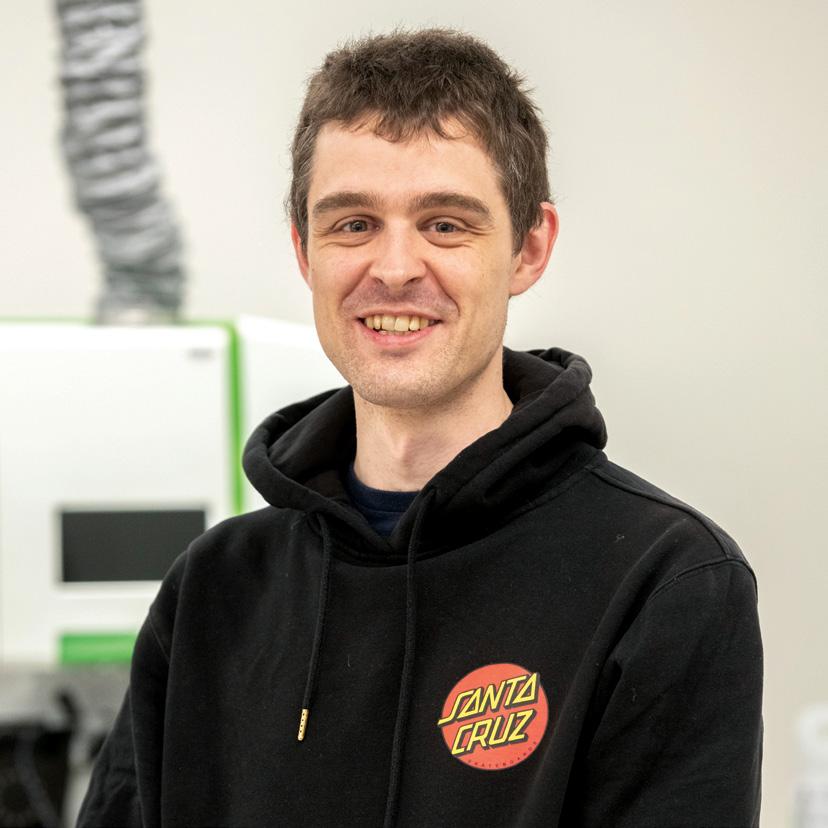
Full circle, much? Callum Gassner’s analytical chemistry skills have taken him back to where his pathway started
After high school Callum kept things broad, enrolling in a Bachelor of Science at Monash University with the mission to eventually narrow down a major. “I never consciously chose to pursue analytical chemistry,” he says. “But it was the opportunity to discover cool things that eventually led me to it!”
Callum went on to find his niche in chemistry. He undertook an honours degree, a handful of research jobs - “studying in everything from carbon storage to mummification practices!” - and then eventually a Doctorate of Philosophy in Analytical Chemistry. In fact, it was the great working relationship he had with his PhD supervisors that led him to his first big postgrad gig as a research assistant at Monash. “They had a couple projects that required someone with my skill set,” he said. “I’m lucky they were keen to keep me around!”
Now Callum works on campus, currently studying ancient materials and helping out on a project researching pelvic organ prolapse treatments, and is just as excited about analytical chemistry as he was during first year. His advice? “Identify the field you think you’d like to work in, find out what techniques they use and get as much exposure to them as possible while you are still studying.”
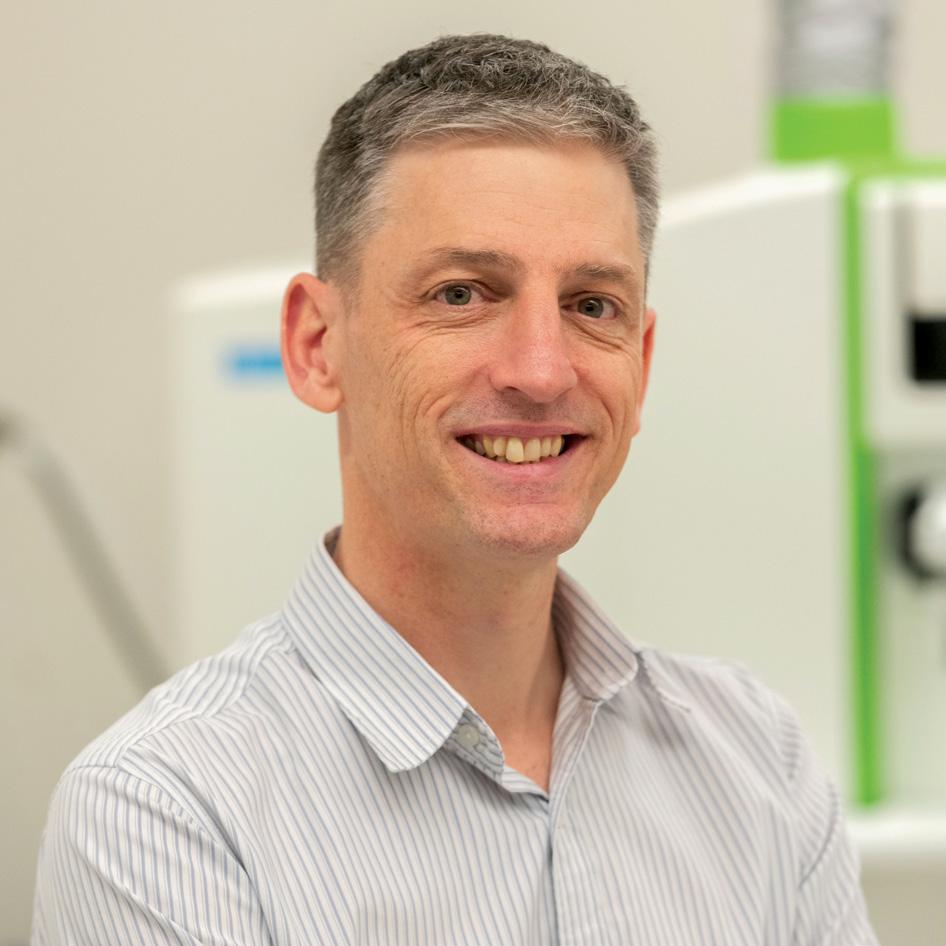
Kai Robinson’s career in analytical chemistry has landed him next-gen gigs all over the world
Kai’s career in analytical chemistry regularly takes him out of the lab and into the field. “The skills are valuable in many workplaces,” he says. “I have worked in chocolate factories, breweries, wineries, mines and PET recycling facilities, you name it.”
Kicking off his pathway with a Masters in Applied Science (Applied Chemistry), Kai’s CV is peppered with impressive product specialist roles in labs around the world. And with expertise in niche areas like thermal analysis, atomic spectroscopy and molecular spectroscopy, we’re not surprised.
With communication at the heart of analytical chemistry, Kai has dedicated his career to supporting some of the world’s top scientific instrumentation manufacturers and their customers, developing applications and training users throughout countries such as Papua New Guinea, Fiji, Malaysia, Thailand, Vietnam, Australia and New Zealand.
Day in the life of a research assistant
• Arrive at uni, sort samples and prepare instruments.
• Check emails and organise discussions with collaborators.
• Begin analysis of samples.
• While waiting for analyses, tackle other tasks - meeting with collaborators, potential collaborators or other research groups, read and write journal articles, look into new options for sample prep, tackle data analysis from previous days and prepare samples for future analysis.
• Finalise sample analysis, transfer data and head home around 6pm.
analytical chemistry skills are valuable in many environments”
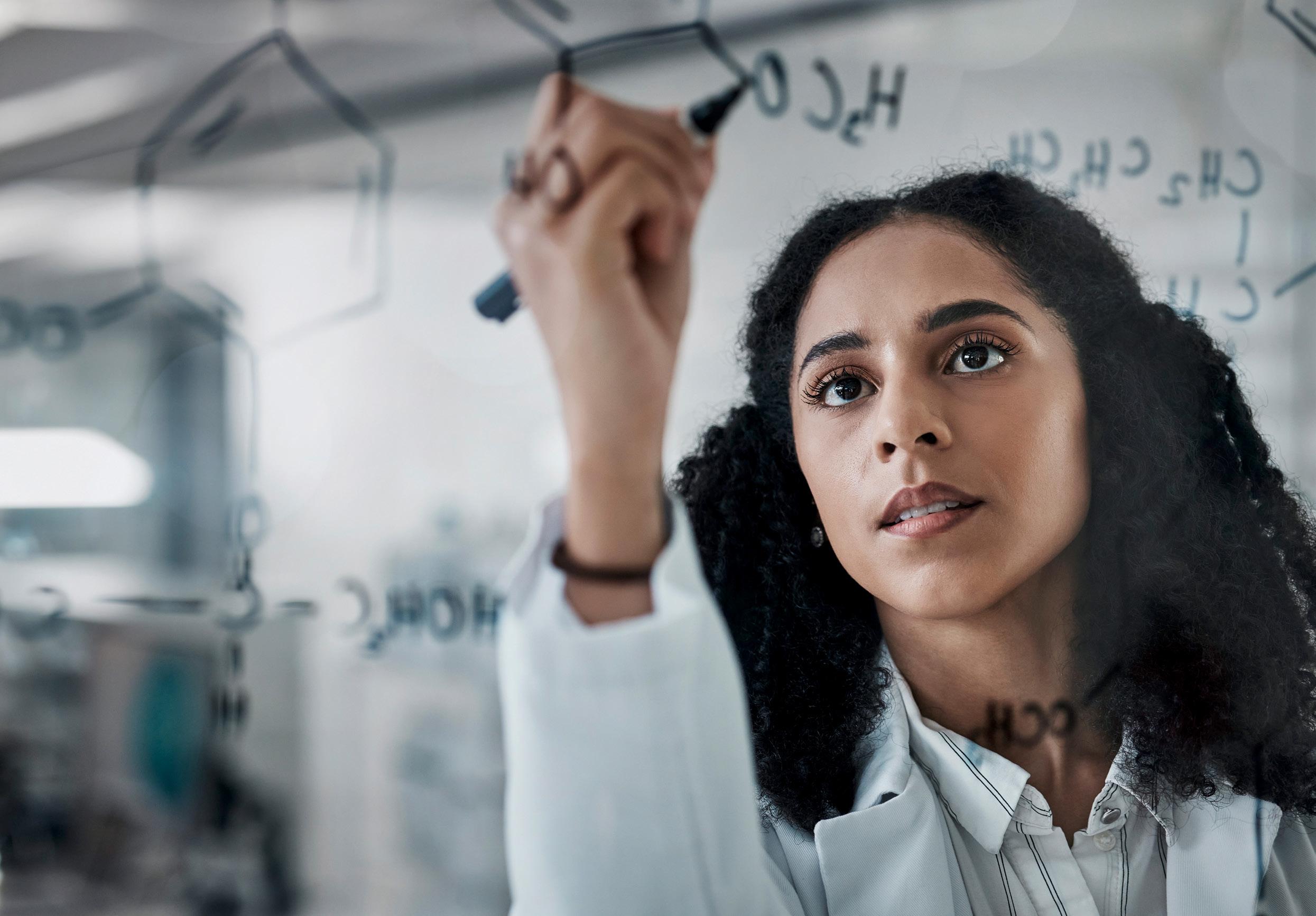
If analytical chemistry is the right pathway for you then you’ll be in your *element* on this page.
Choose this career if you…
✔ Love all things chemistry
✔ Are an analytical thinker
✔ Have good attention to detail
✔ Like a challenge
Finalising high school electives?
These subjects will set you on the right path to a career in analytical chemistry.
✔ Applied Computing ✔ Chemistry ✔ English ✔ Environmental Science ✔ Mathematics
Level up your chemistry knowledge by binge watching these docos.
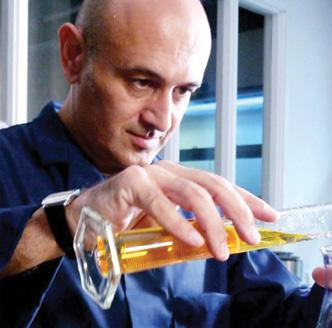
Chemistry: A Volatile History (BBC)
Learn about the history of modern chemistry and how elements were discovered and mapped. This one is presented by theoretical physicist Jim Al-Khalili.

The Chemical World (ABC)
Explores how studying chemistry gives us hope in fighting cancer and other diseases and looks at how scientific breakthroughs can help reverse human damage to the environment.
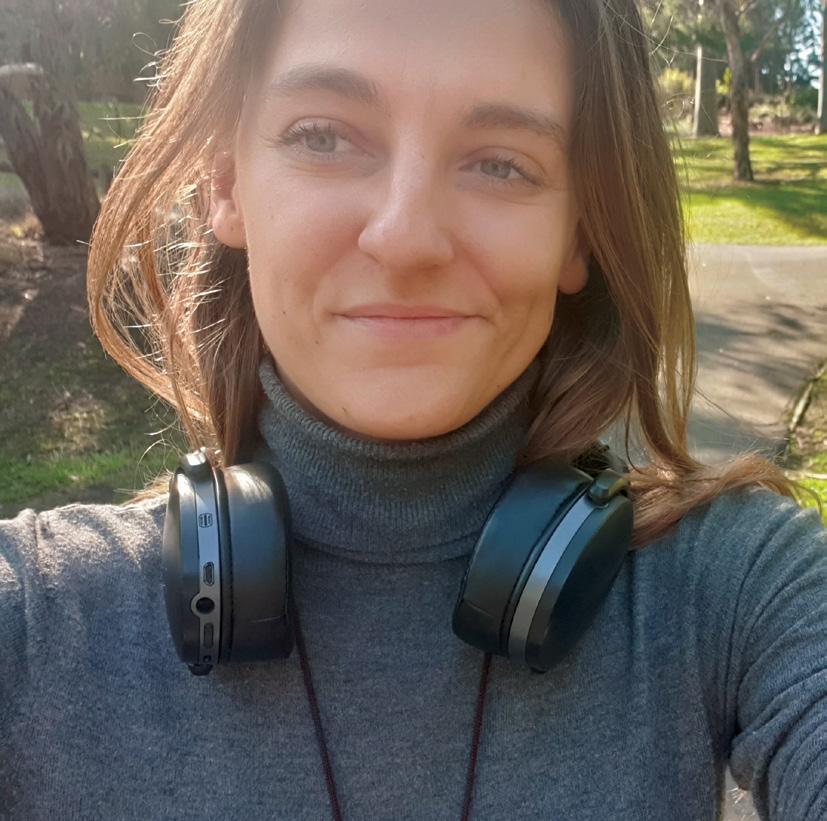
“Analytical chemistry is like detective work for molecules - you get to solve complex problems and uncover what’s hidden in the tiniest of samples. Whether you’re investigating problems in medicine, forensics, or the environment, you’re the one turning data into discoveries. It’s a field where even the smallest details can lead to the biggest breakthroughs. It’s where science meets precision and curiosity, and it’s the backbone of so many scientific advances. Every molecule has a story, and we get to figure out what it’s saying.”
– Dr Kamila Kochan, Lecturer, School of Chemistry at Monash University.

Stay across all things chemistry by following Monash Chemistry on LinkedIn and X. Here you’ll find what current students are up to, get a behind-the-scenes look at their labs and facilities, read about the latest research in this space, hear about upcoming chemistry webinars, and see what student life is like at Monash University! Monash Chemistry @ChemistryMonash
Analytical chemistry podcasts to subscribe to!
Analytically Speaking
This podcast deep dives into separation science and analytical spectroscopy. You’ll hear about new analytical techniques, methods and approaches, how to overcome challenges in data analysis, and all the latest in instrument and software tech. They cover analytical chemistry theory too.
Careers in Analytical Chemistry
Get to know the following workplaces who all need analytical chemists.
Laboratories:
• ALS
• Eurofins
• SGS
• Sharp & Howells
Listen to interviews with people working with or in the field of analytical chemistry. Such good insights into what your workdays could be like in this gig! Check out your
dr kamila kochan lecturer, Monash school of Chemistry
Scientific manufacturers:
• Agilent
• Metrohm
• Mettler Toledo
• PerkinElmer
• Thermo Fisher Scientific
• Trajan Scientific and Medical