CAREERS Science at Adelaide University
Animal welfare
Understandingresearcherhow animals think and feel
Choosing your own pathway
There’s something in science to suit everyone, so find what resonates with you!
Science opens doors to a wide range of careers, but choosing where to start can feel overwhelming. At Adelaide University, we turn your interests into a clear pathway. Adelaide University is home to one of the largest science communities in South Australia. Our graduates will be able to work everywhere: medical tech companies, government, mining companies, even banks. They could go overseas for higher studies and work in labs, or create their own startup businesses.
All science students at Adelaide University can get real-world experience while they study through work integrated learning placements – anything from conservation work in the field, to contributing to research in labs overseas. Students become work-ready with these placements, and they develop professional networks in their chosen area of interest.
I love material science because it’s so multidisciplinary. I’ve experimented at a nuclear reactor, worked at a synchrotron, given keynote talks in Germany. I’ve had this truly wonderful, privileged, career because I went into science.
There’s a skills shortage in all STEM areas, so graduates are well-positioned for great salaries and fulfilling careers. We produce world-leading research in physics, chemistry, biology and earth sciences, and we specialise in
particular with sustainability, animal science, agriculture, data science, AI and space: all areas the Academy of Science has flagged as priorities. If you’re passionate about the science you’re doing, you’ll be able to make a difference. You don’t need the best grades, or even to have taken science at high school – we have pathway programs available to you. At Adelaide University, we will help you turn your interest into a fulfilling career.
Nikki Stanford
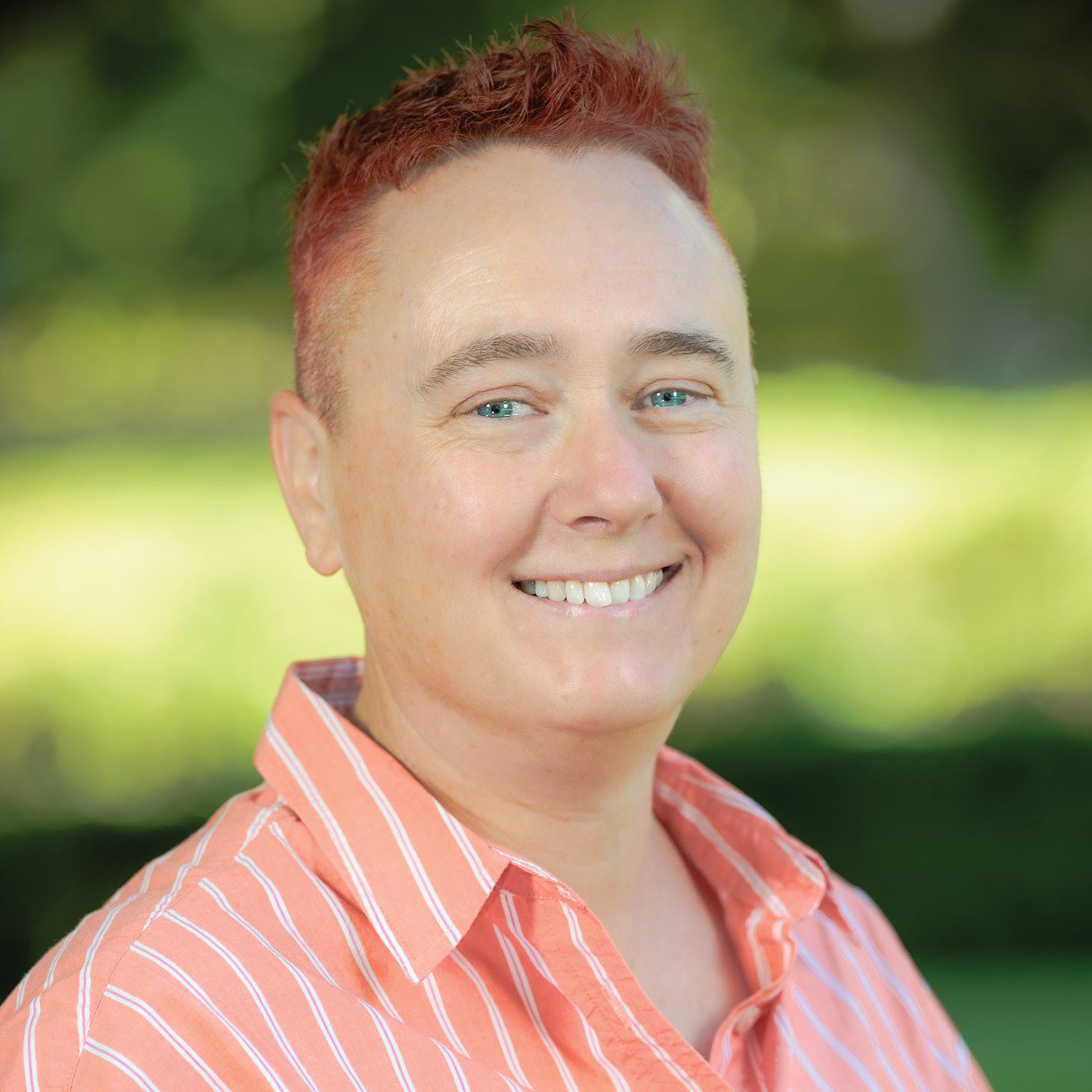
Nikki Stanford Pro Vice Chancellor College of Science
Adelaide University

Pro Vice Chancellor, College of Science
Adelaide
University
Everyone has an aptitude for something in STEM.”
Major opportunities
With more than 30 different majors to choose from, there’s bound to be something that fascinates you! Check out the quiz on page 5 to help you decide.
Want to supercharge your Science?
Choose the 4-year Bachelor of Science (Honours) to build advanced research skills, or fast-track into a Master of Science with just 1–1.25 years of extra study.
A flexible start and an expert finish
With a Bachelor of Science, you can follow your interests and turn them into a job-ready degree
Not sure where science could take you? At Adelaide University, you can explore your interests before specialising in a field that leads to real careers.
The Bachelor of Science is designed for you to start flexibly with core scientific skills, and finish with a specialised degree. You can explore a range of disciplines, then, over three years of study, you’ll build deep expertise in a specialised major, ranging from animal behaviour to theoretical physics.
You’ll also have a thorough grounding in data – the language of science (see page 4 for why this is important!).
Each major also ensures you’ll gain realworld experience through work placements, field trips, industry guest lectures and opportunities to study overseas. You’ll be able to tap into Adelaide University’s deep well of industry connections to kick-start your career,
.
and build research experience with world- leading academics at the top of their fields in areas like gravitational waves or gene editing.
At the end of the degree, you’ll graduate ready to step into a number of areas: you could be a technician in a lab, monitoring the environment in the field, crunching data for a business, with a government agency or striking out on your own as an entrepreneur. You will also be set up to pursue an Honours or Masters degree to go further in research, or qualify in a professional field like teaching.
Get work experience while at uni
All Bachelor of Science students get real-world experience through placements with the Work Integrated Learning program.
TURN DATA INTO DISCOVERY
To succeed in science today, you need to be confident in handling large data sets. At Adelaide University, you’ll learn to make meaning from data
Every scientific breakthrough starts with a question, and data is how we find the answer. As the challenges we ask science to solve have become more complex, so has the data collected.
Genetic diseases are treated by sifting through billions of codes in DNA, weather predictions rely on thousands of monitoring stations, and telescopes collect multiple terabytes of imagery and measurements every night – or even every second!
All of this generates more data than a person could ever manage manually. The real challenge isn’t collecting data, it’s knowing how to use it.
With a science degree at Adelaide University, you’re guaranteed to learn this. Every course has built-in data science skills. You’ll study real-world datasets and dissect them to discover the answers, you’ll learn to use high-power data processing programs like R, and you’ll become highly skilled in statistical thinking and data analysis. Statistics can feel overwhelming, but at Adelaide University, you will be supported to feel confident!
Model data
Touching base(s)
A typical person’s DNA contains about 3 billion base pairs. The GenBank database, which collects DNA information around the world, has more than 30,000 billion base pairs in its archives.
How do we know one region will get warmer, or another will get more rain, as the climate changes? Detailed data-fuelled climate models, which run on computers that can make a quadrillion calculations per second.


IfVaridhi Shrivastava Master of Data Science
Want to dive deeper into data?
Consider a Bachelor of Mathematics with majors in Data Science, Statistics, Applied Mathematics or Pure Mathematics

you think carefully, you’ll find that we make data-driven decisions in our everyday lives all the time. It amused me how beneficial data science could be for literally any field of work or research. Data science is far more accessible than it looks. I’ve seen my peers of non-technical and non-mathematical backgrounds do really well in this course!
Find your path
Not sure which science major suits you?
Our quiz could help you find your perfect match!
1What’s your best strength at school?
A Practical, hands-on projects
B Remembering information
C Talking and presenting
D Working with other students
e Solving puzzles
2Which of these causes matters the most to you?
A Making sustainable materials
B Tackling diseases
C Protecting threatened species
D Tracking climate change
e Improving technology
3Which of these weekend activities would you prefer?
A Baking a cake
B Reading a book
C Gardening or playing with pets outside
D Hiking in a new place
e Stargazing at night

4What sort of space would you like to work in?
A A lab, wearing goggles and a coat
B With complex medical equipment
C Outdoors, as long as the weather’s nice
D Outdoors, even if it’s pouring with rain!
e An office, managing supercomputers
5Which of these classic science activities would you be most excited about?
A An explosion
B A powerful microscope
C A reptile show
D A dinosaur display
e A planetarium

Analytical Chemistry, Pure and Applied Chemistry, Medicinal and Biological Chemistry, Nuclear Chemistry
Careers might include: pharmaceutical scientist, forensics expert, environmental monitor, lab technician
6Which of these do you find most challenging?
A Staying organised
B Taking risks
C Group work
D Keeping focused
e Public speaking
7How would your friends and family describe you?
A Creative

Genetics, Microbiology and Immunology, Biotechnology, Medicinal and Biological Chemistry, Biochemistry
Careers might include: medical researcher, toxicologist, bioinformatician, public health officer
Gotelsesomething in mind?
Head to the Adelaide University website for the full list of majors.
Careers might include: conservationist,
Behaviour, Marine and Wildlife Conservation, Plant Biology, Animal Science, Food Science and Technology
Careers might include: zoologist, marine biologist, science communicator, conservationist, animal trainer
Computational Physics, Nuclear and Radiation Physics, Space Science and Astrophysics, Experimental or Theoretical Physics, Geophysics
Careers might include: space industry worker, quantum physicist, data scientist, lab technician
STOPPING CRIME WITH SCIENCE
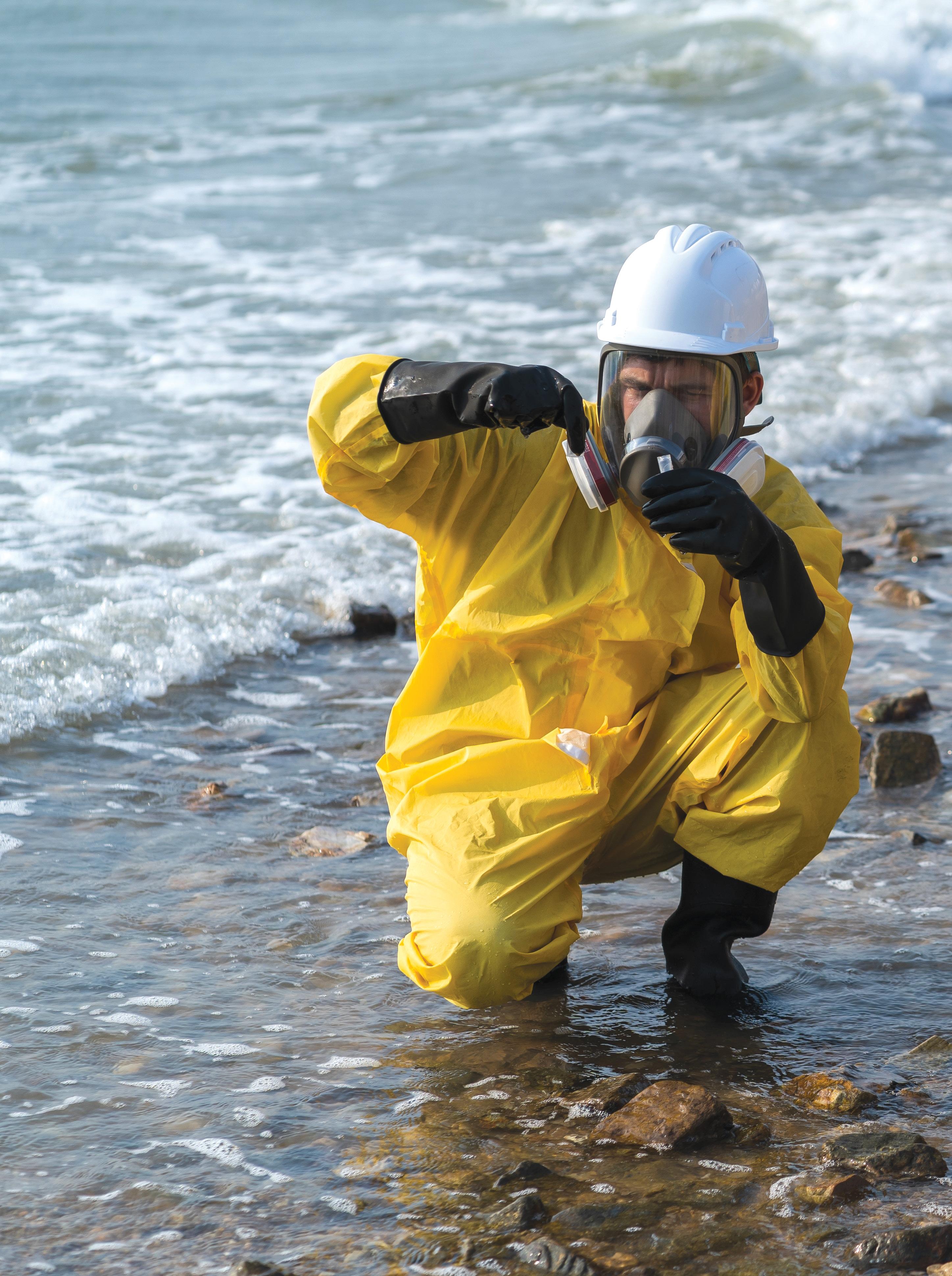
Keen on forensic science, but want to keep your options open? There are so many areas of science that you can use to stop crime, from chemistry to ecology!
If you’re interested in solving real-world problems, you may want to work in the justice system – and scientific evidence is a crucial part of that system.
The need for science here is broader than you might think: animal scientists are vital for stopping illegal wildlife trade, chemists are crucial for spotting contaminants, and soil scientists are key to tracing the location of suspects.
With a science degree from Adelaide University, you’ll develop skills that can lead to careers in environmental protection, forensic analysis, and wildlife crime investigation.
You can start by studying topics that interest you, and craft them into a firm area of expertise by the time your degree is finished. That might be helping to prevent poachers from trafficking endangered Australian animals, or hunting down polluters causing environmental damage.
With key topics in data science, you’ll build skills that apply across industries, from government to environmental consulting.
Preventing wildlife crime
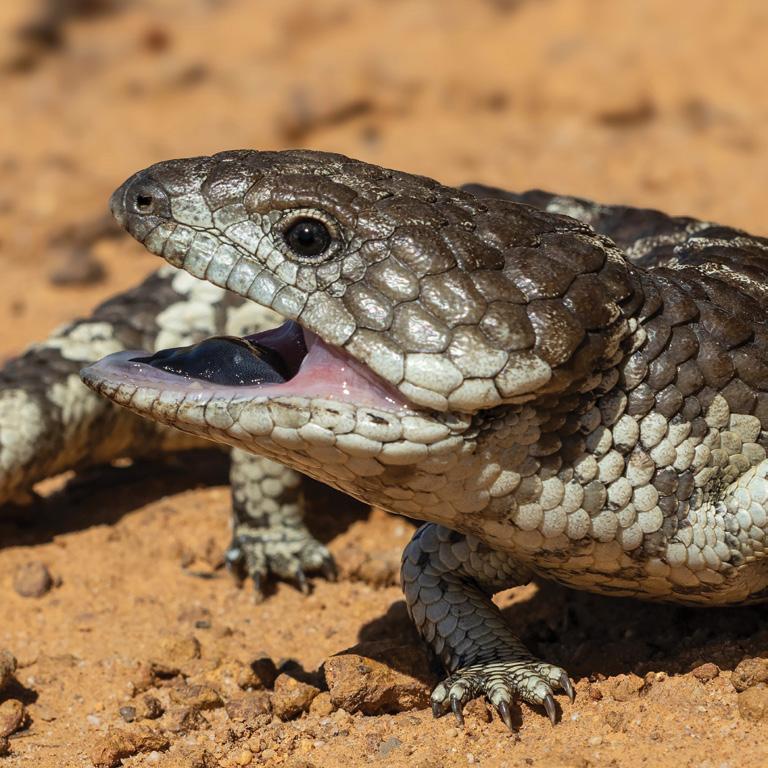
Unfortunately, Australia’s incredible flora and fauna are a prime target for illegal wildlife trade. Poachers transport hundreds of rare plants and live species overseas each year to sell as exotic pets. Reptiles, like SA’s beautiful shingleback lizards, are particularly vulnerable. Plus, illegal habitat clearing makes it even harder for the species to survive. But you could help to prevent this with research.
Adelaide University’s Wildlife Crime Research Hub is at the forefront of stopping these activities. Researchers are developing better tech to spot offences, like satellite imagery to spot illegal clearing, and helping to inform laws so prosecutors can target environmental crime better.
Taking dirt to court
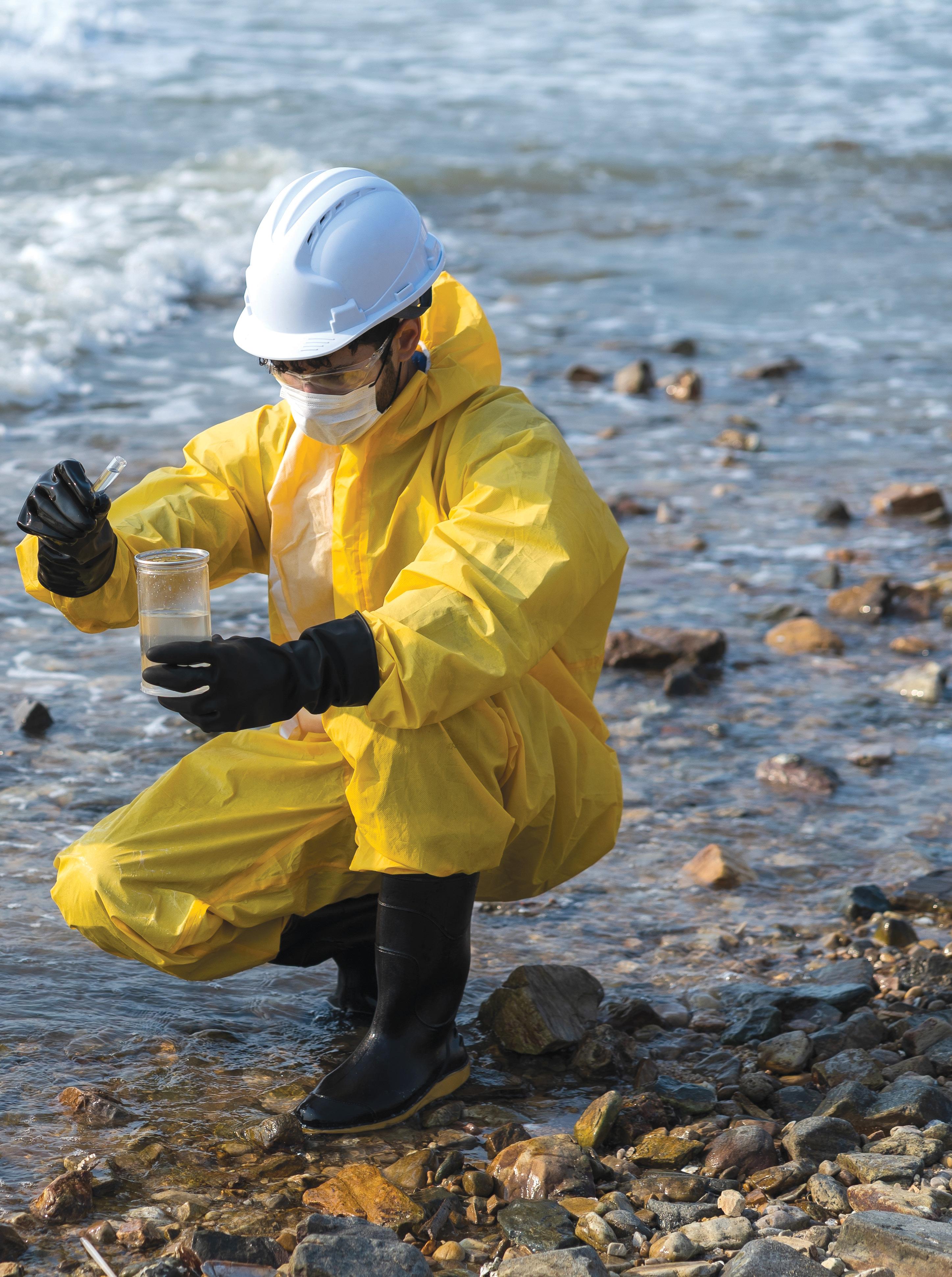
You can even help solve cases with soil science. If there’s soil on a suspect’s belongings or car, law enforcement has consulted with soil scientists at Adelaide University, such as Professor Robert Fitzpatrick, to help identify where it might have come from and where they’ve been travelling.
SKILLS BOOST
You’ll become a pro in these areas:
✔ Analysing evidence
✔ Scientific investigation
✔ Pattern matching
✔ Communicating clearly

Want to follow Jackson’s footsteps into forensics?
Consider starting with a major in Analytical Chemistry
Jackson Tierney Forensic Scientist | Analytical Chemist
Say
police have found a suspicious white powder. How exactly do they figure out what that powder is? That’s Jackson’s job!
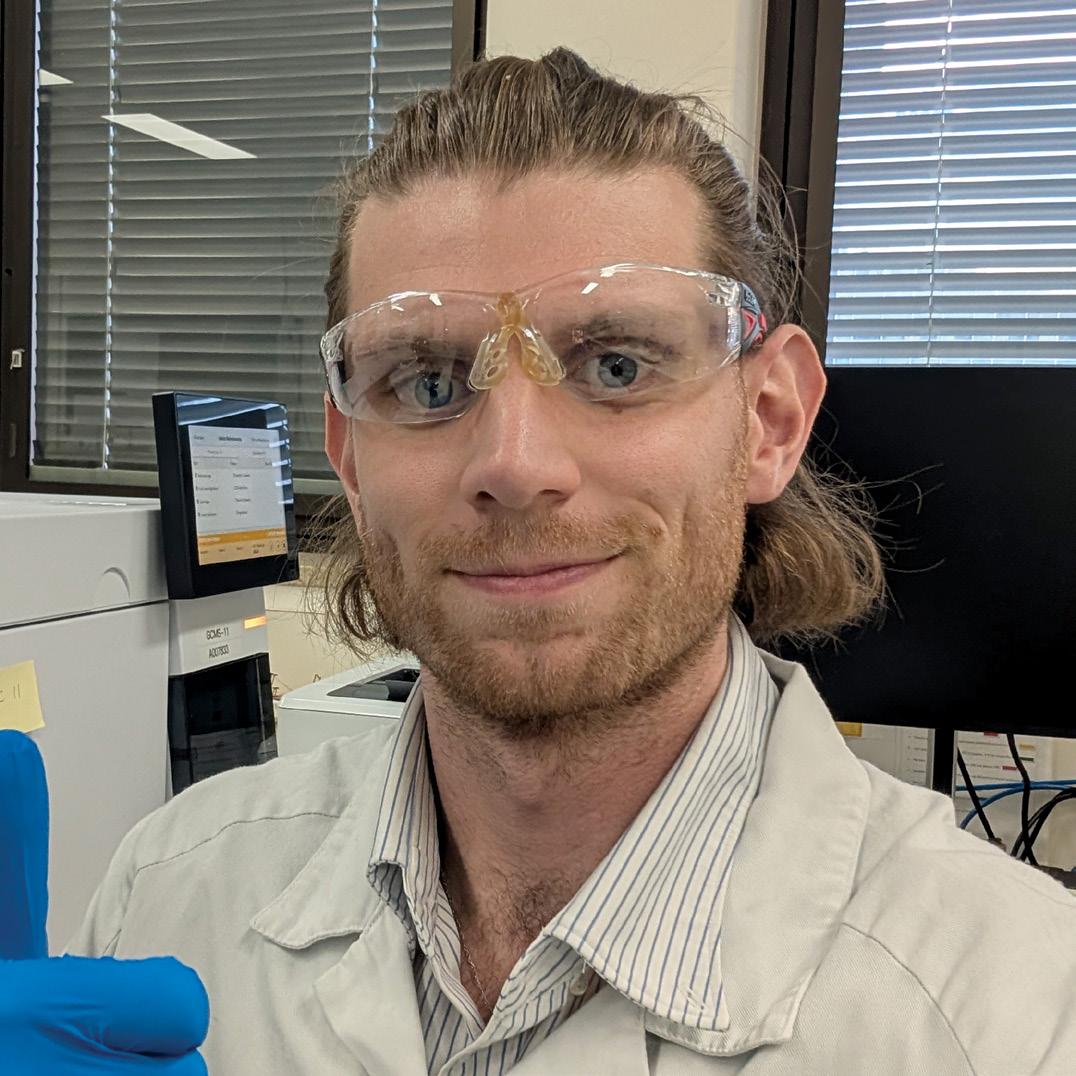
Jackson loved chemistry at school, and was drawn to it at uni because it has a great combination of theory and practical learning.
“This mixture has translated very well to working in both the pharmaceutical and forensic industries.”
Jackson spends a lot of his time in the lab, identifying mysterious substances that have been confiscated from the streets.
He makes extensive use of the lab skills he built up in his degree to work with high-tech equipment, so that the data is as accurate as possible.
“These results are used by the courts as evidence to prosecute criminals and keep the streets safe.”
But these analytical skills can be used for other fields, like environmental monitoring or medicines.
EMPLOYMENT OPPORTUNITIES
Keen to tackle environmental crime?
Study a Bachelor of Science with one of these majors: Analytical Chemistry Marine and Wildlife Conservation Ecology
$80K–$100K
$105K–125K* *SALARIES
Environmental protection officer Environmental consultant Research scientist
Guarding Earth and its residents
Passionate about protecting the world? Join Adelaide University’s trailblazing work
We all know there’s a lot of work to be done in protecting the environment.
As a student at Adelaide University, you’ll have opportunities to work on real-world environmental challenges from your first year. There are programs that improve animal welfare through partnerships with organisations like Zoos SA, where you might do vital research with endangered species that can’t be done in the wild. Or, you can help with ecological recovery from natural disasters, like the harmful algal bloom South Australia has experienced. You can get involved early, building experience that employers will love before you graduate. Adelaide University is leading the change in conservation, and with the flexible Bachelor of Science, you’ll be able to try your hand at many of these opportunities before narrowing in on the area that matters most to you.
Get the job
Major in Marine and Wildlife Conservation
Want science you can taste and grow?
Study Agricultural Science, Food Science and Technology or Winemaking at Adelaide University’s Waite campus.

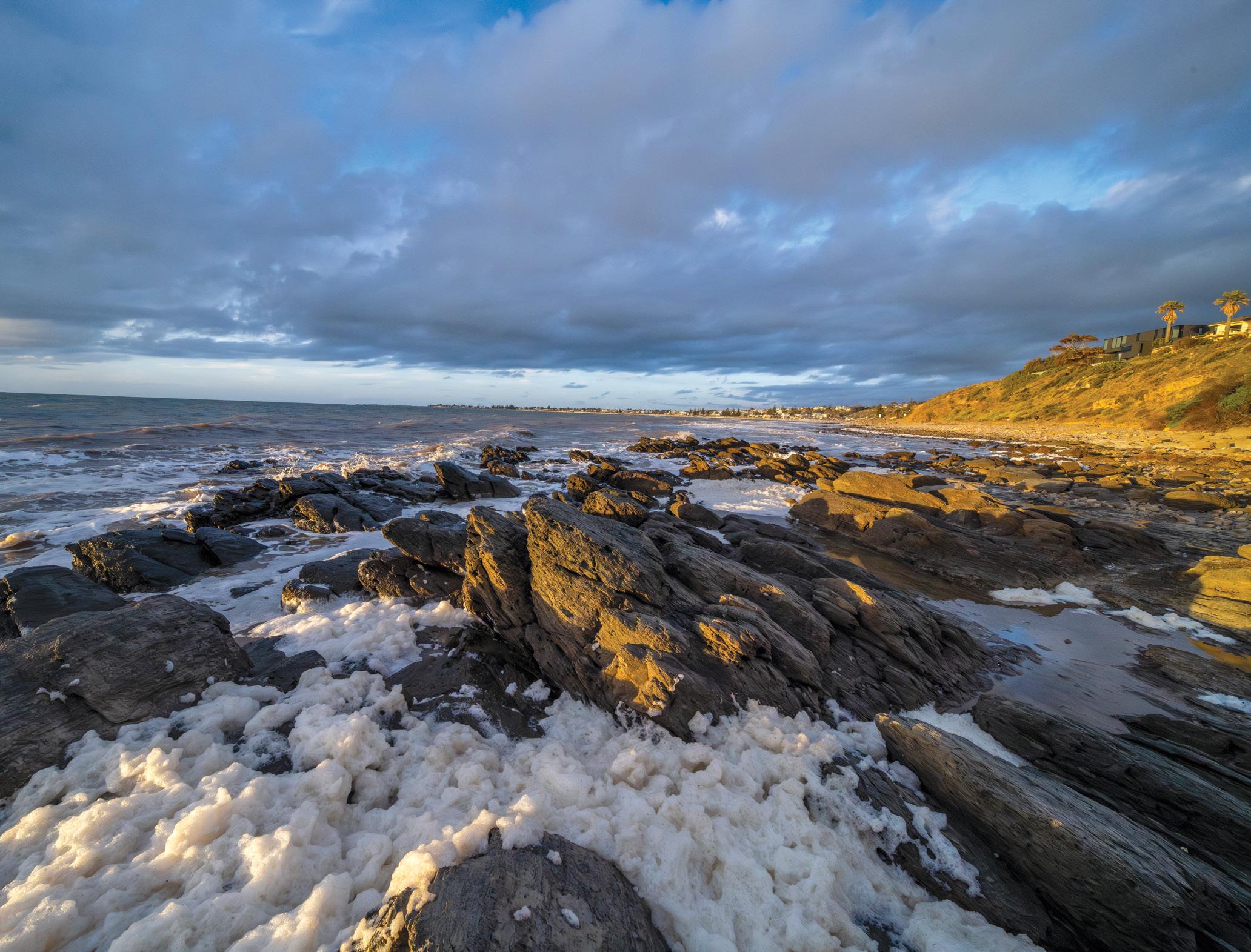
Reef resilience against algal blooms
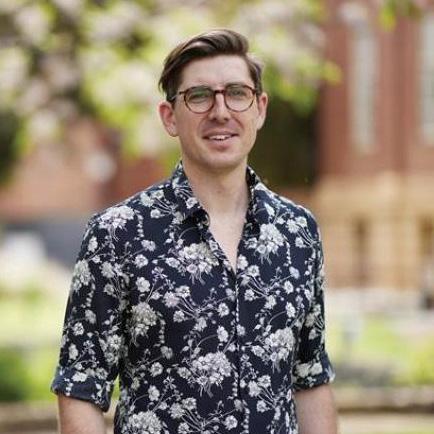
Dr Dominic McAfee Future Making Fellow,
According to Dominic, human-caused environmental degradation contributed to the harmful algal bloom that devastated much of SA’s coastline in 2025. But he wants you to know that you and your community can address it. “We’re not helpless witnesses. We can get involved in making change,” he says.
At Adelaide University, Dominic has been working on a huge reef restoration project to build back historic oyster reefs: natural filters which remove dangerous algae and prevent it from blooming.
Boats of volunteers have been tracking oyster numbers all around South Australia and modifying sea floors to help them grow.
If you’re thinking about marine science, Dominic has one big tip: “Get involved!” There are many different coastal care groups around the state that always need volunteers, and it’s a great taste of conservation work – plus, it’s work experience!
(Honours), Macquarie University
SKILLS BOOST
In these courses, you’ll learn key skills that can be applied elsewhere:
✔ Systems thinking
✔ Fieldwork & data
✔ Long-term analysis PIC
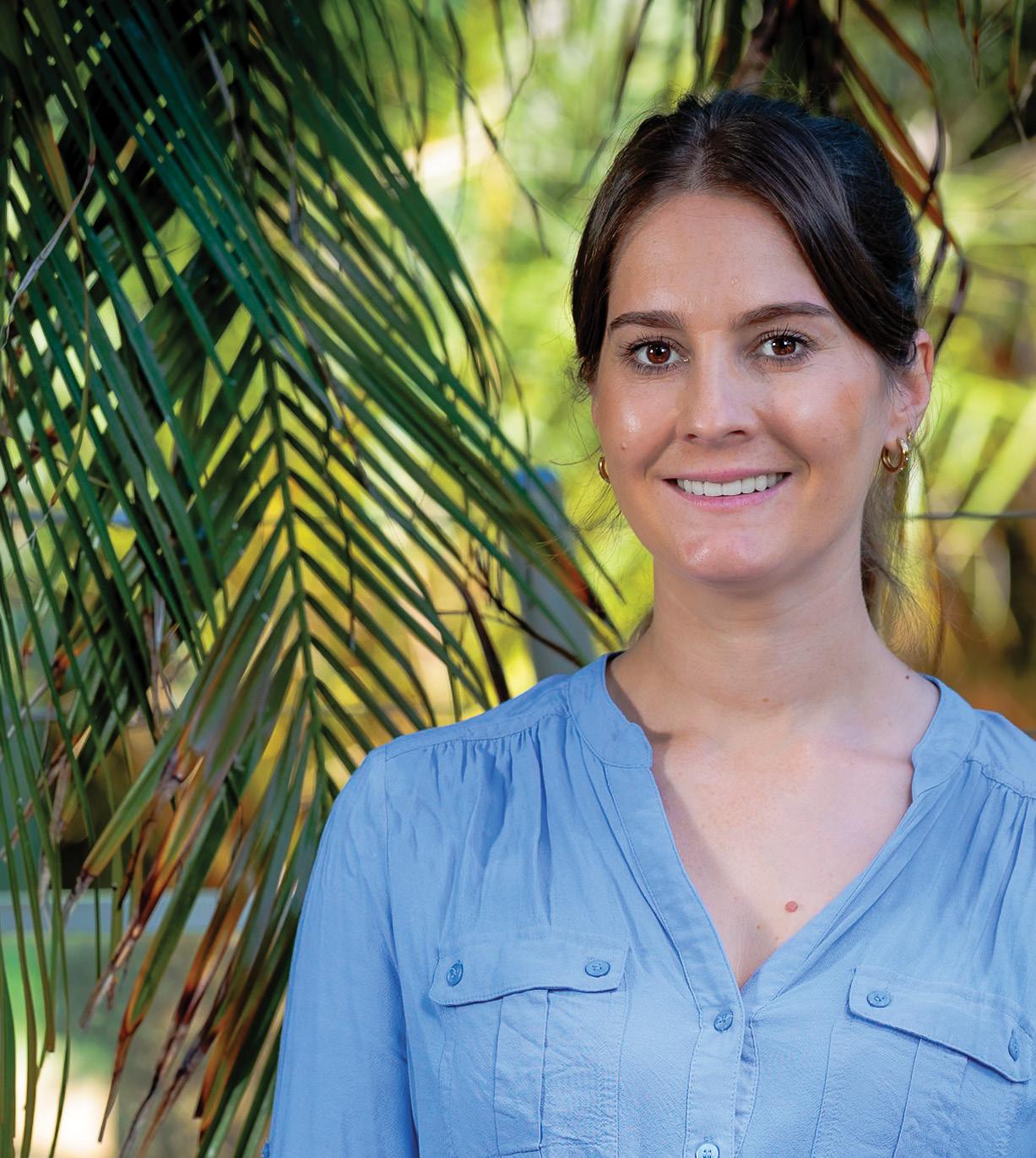
Justine Partoon
PhD candidate in animal welfare / Animal Welfare and Research Manager, ZoosSA
Marine biologist
$65K–$80K
Ecologist
$85K–$105K
Zoologist
$100K–110K*
*SALARIES ACCORDING TO SEEK.COM.AU
EMPLOYMENT OPPORTUNITIES
Research scientist
Animal behaviourist
Animal trainer
Wildlife conservationist
Animal welfare officer
Marine biologist
Zoologist
Science communicator
Government advisor show me the money
Get the job
Major in Animal Behaviour
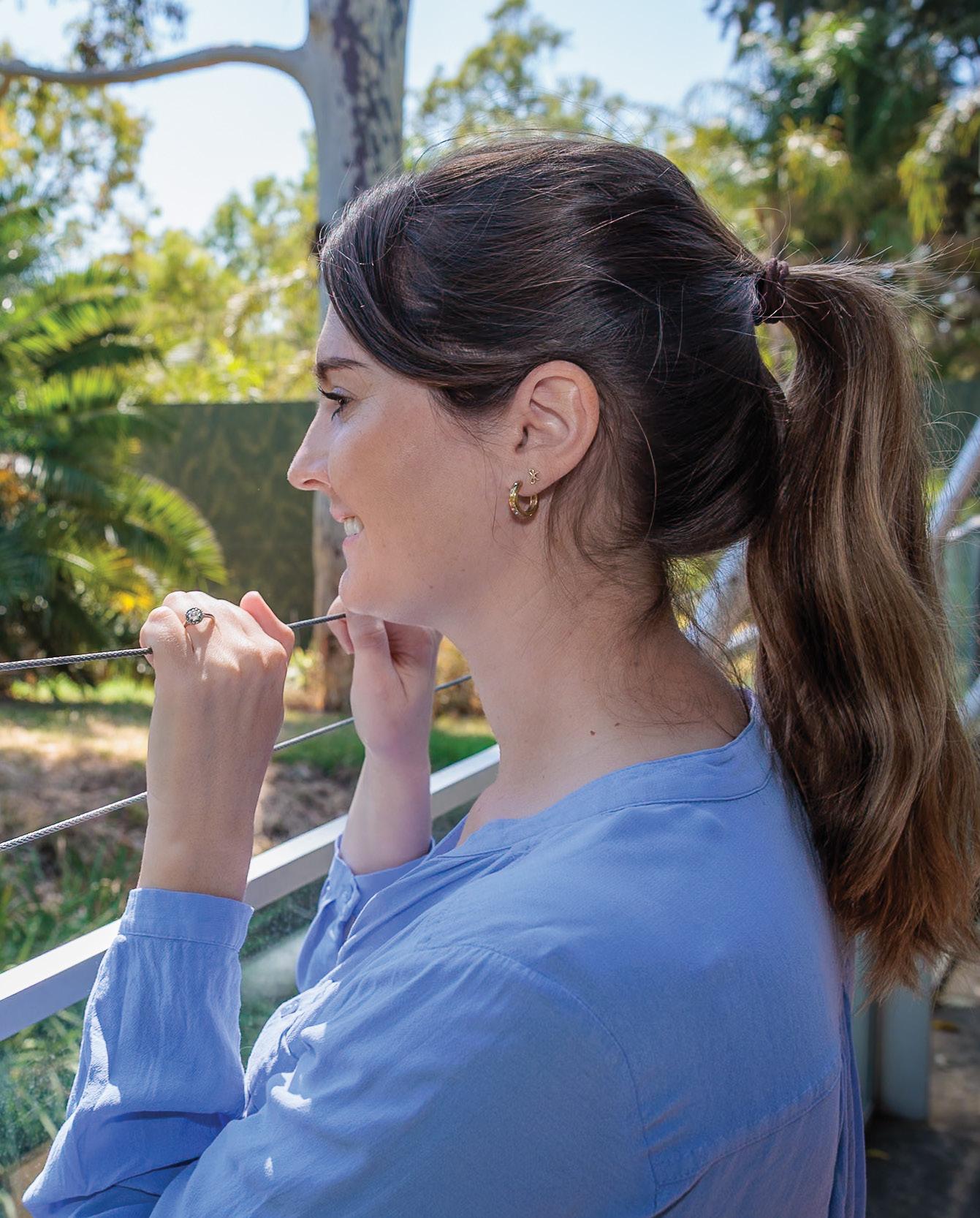
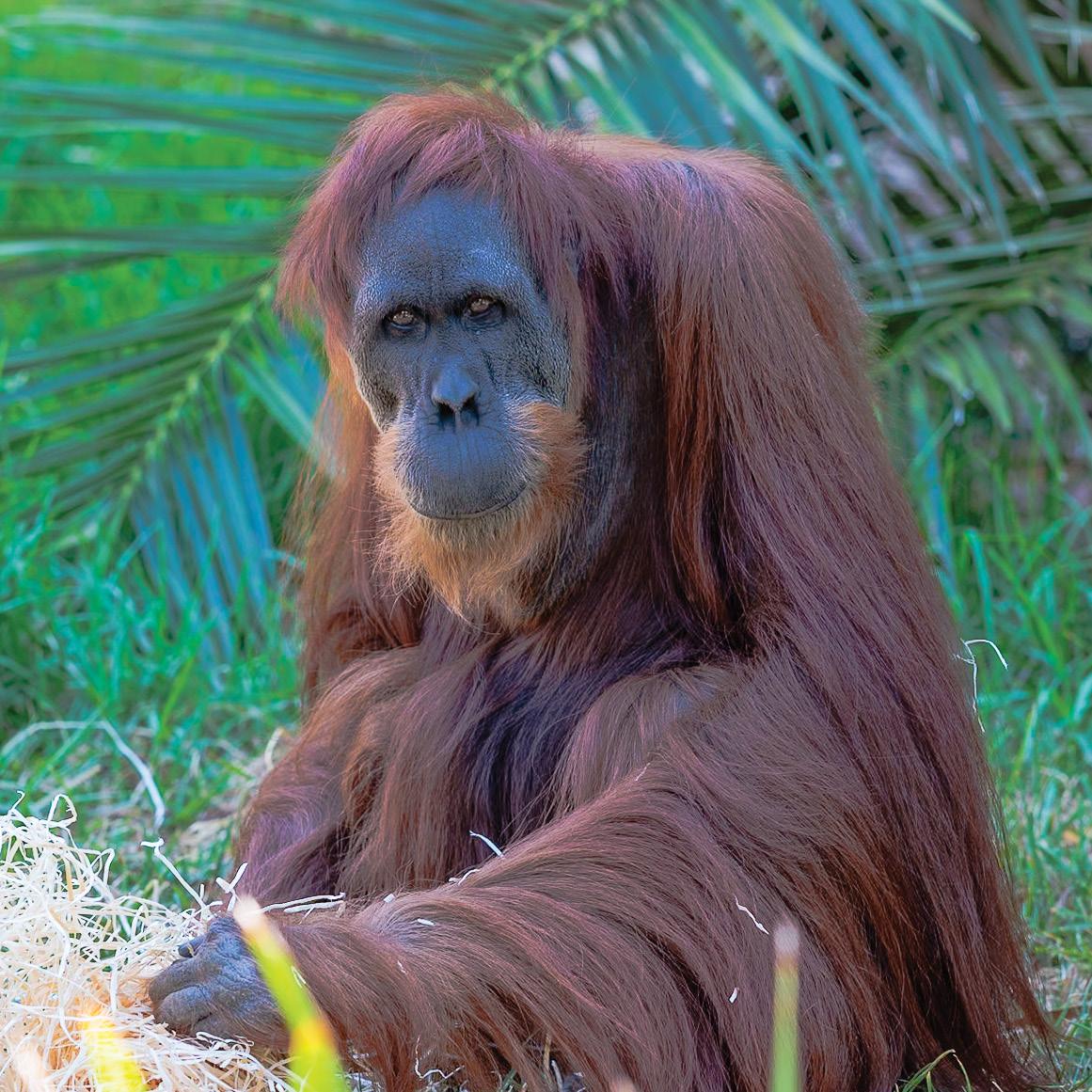
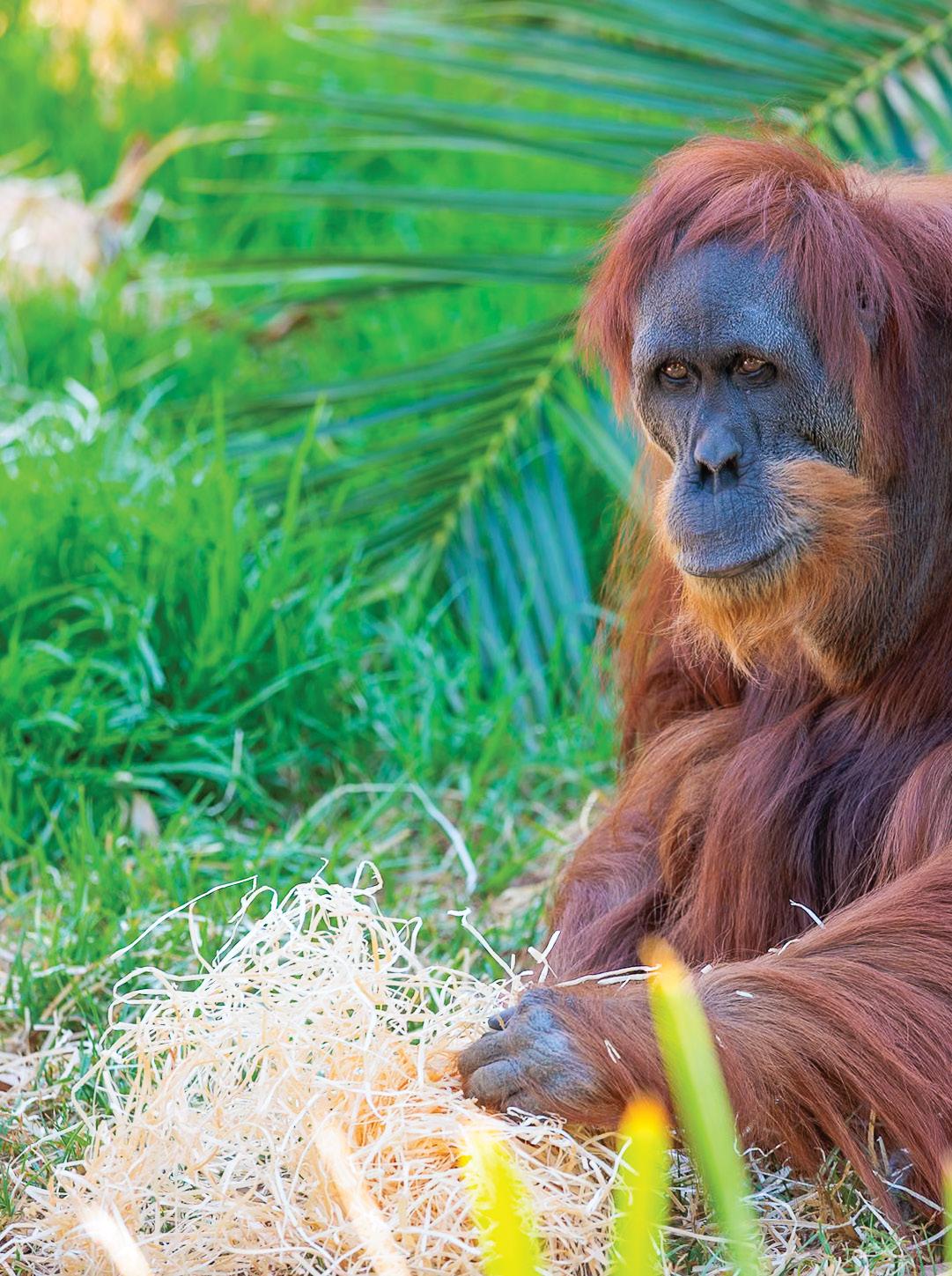
How’s it going, orangutans?
Muchas we might like them to, animals can’t talk! So it can be difficult to fully understand what they’re feeling.
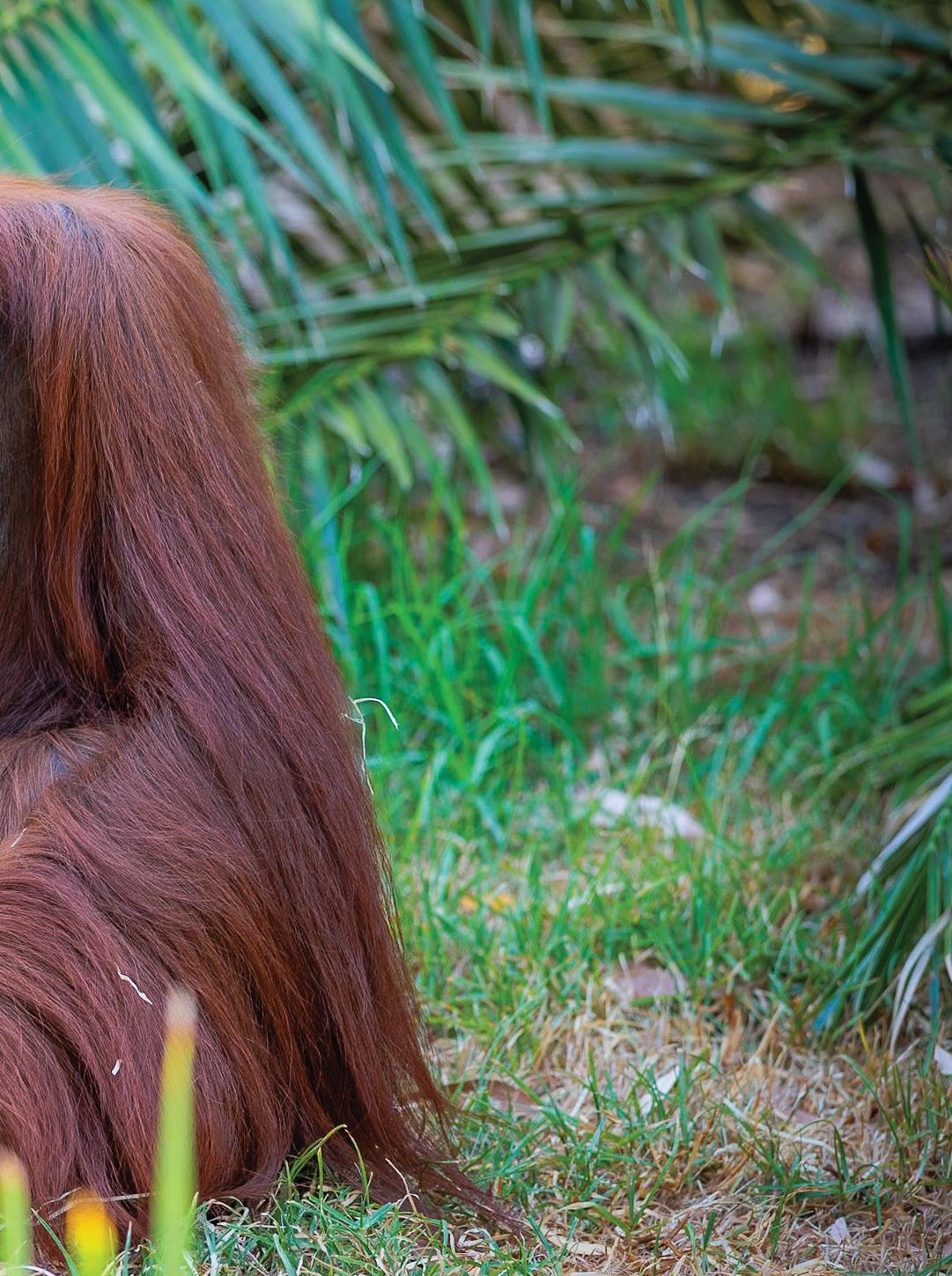
But new technology can help. Adelaide University students are using cameras to record orangutans 24/7, then build computer programs that can analyse their behaviour, movement patterns and facial expressions.
Feel like staying in today?
You don’t need to leave the house to learn about the world!
The university has developed 360° virtual reality experiences through Project LIVE. They’ve developed more than a dozen experiences, from the front line of a bushfire, to the 600-millionyear-old history of the Flinders Ranges!
“Together, these methods aim to provide detailed and objective information about how individual animals behave over time,” says Justine, who is helping organise the project.
“I am passionate about understanding animals, what they are thinking, what they are feeling, and how they experience the world around them,” she says.
The project depends on students from different disciplines – from computer science to animal behaviour.
“The project also allows students to develop valuable skills by working with an industry partner, the zoo, and applying their knowledge to real world animal welfare challenges,” says Justine.
This research could change how we understand animals”
Improving the world’s health, one molecule at a time
Stop disease by going straight to the source: invent brand-new vaccines and treatments
Doctors treat individual patients. But what if you want to treat a whole population at once? If you want to improve human health, science can take you there. At Adelaide’s Research Centre for Infectious Diseases, scientists are finding new ways to beat pathogens like viruses, bacteria and parasites. They’re using cutting-edge technologies to target microbes and make more efficient medicines and vaccines.
Students at Adelaide can build vital skills in medical science and lab work as they study, and gain real-world experience through lab placements.
EMPLOYMENT OPPORTUNITIES
Medical researcher
Public health advisor
Health coordinatorinformatics
Laboratory research assistant
Toxicologist
Medicinal chemist
Gene detectives
Pathogens have weak spots, but finding them is tricky!
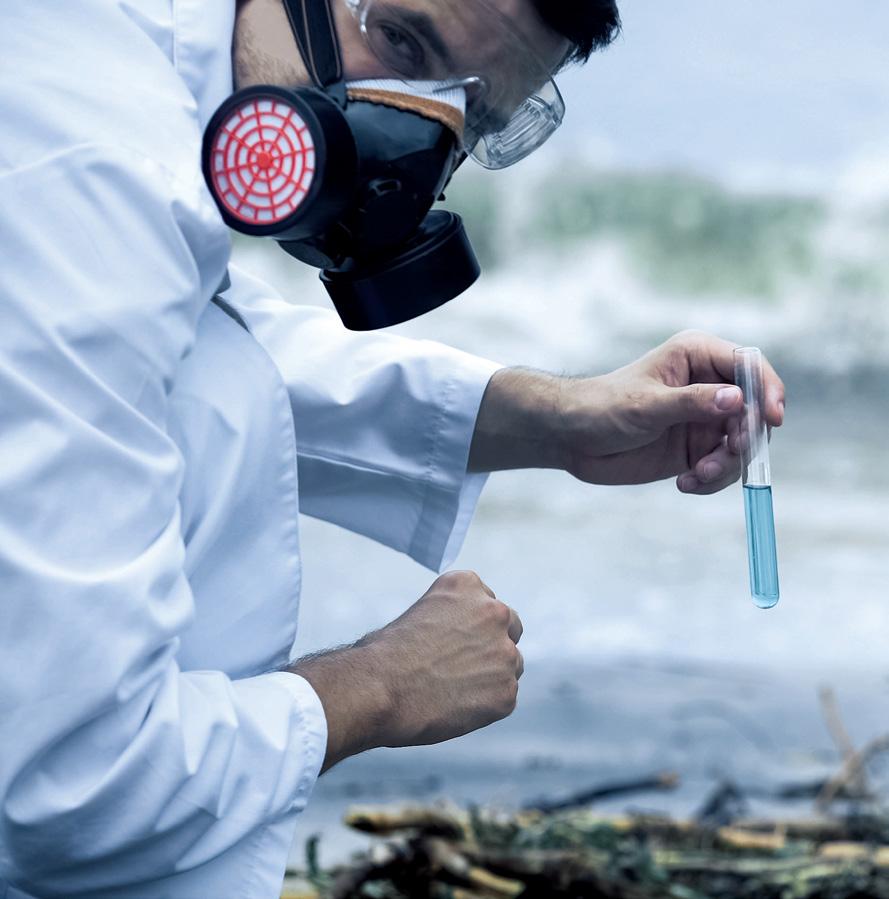
Adelaide University researchers are using CRISPR gene editing techniques to find new targets for treatments by hunting for vulnerable genes.
Boosting crop resilience
Biotechnologists at Adelaide University are using tools like synthetic biology and genetic engineering to understand how plants respond to changes like droughts and extreme weather events. They are even working with NASA to grow plants in space!

SKILLS BOOST
You’ll become a pro in these areas:
✔ Research & experimentation
✔ Understanding human biology
✔ Translating science into healthcare
✔ Collaboration across teams
Try it while you Study
Major in Medicinal and Biological Chemistry, Genetics, Immunology and Microbiology
Work experience… busting malaria
All science students at Adelaide University can get real-world experience with work placements. For Chanelle, a placement in one of the university’s labs set her on the path to becoming a malaria-busting researcher.
“I had enjoyed my time so much during the placement that I’ve decided to further my studies here!” she says.
Chanelle is now studying a PhD at the university. She grows malaria parasites, looking for weak spots on their surface that new vaccines could target.
She says her favourite part of the PhD is finding new ways to set up her lab experiments.
“I spend most of my time in the lab performing experiments for my project.”
Bachelor of Biomedical Science, University of Adelaide

Watching evolving threats

$105K–120K

Adelaide University researchers understand that knowing how a pathogen evolves, can better prepare us to defend against it. Experts in biotechnology and molecular science are studying this to make stronger vaccines and better antiviral drugs.
Bacterial factories
Did you know that bacteria are used to make mRNA vaccines? They can be genetically modified to grow medicine and other useful materials. Researchers at Adelaide University are even working on engineering gut bacteria that could travel to cancer cells in the body and release treatments directly onto them.