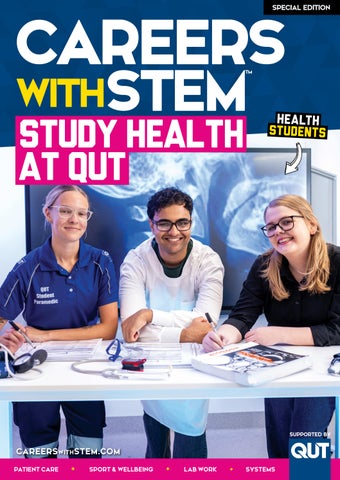
CAREERS health students Study HEALTH AT QUT
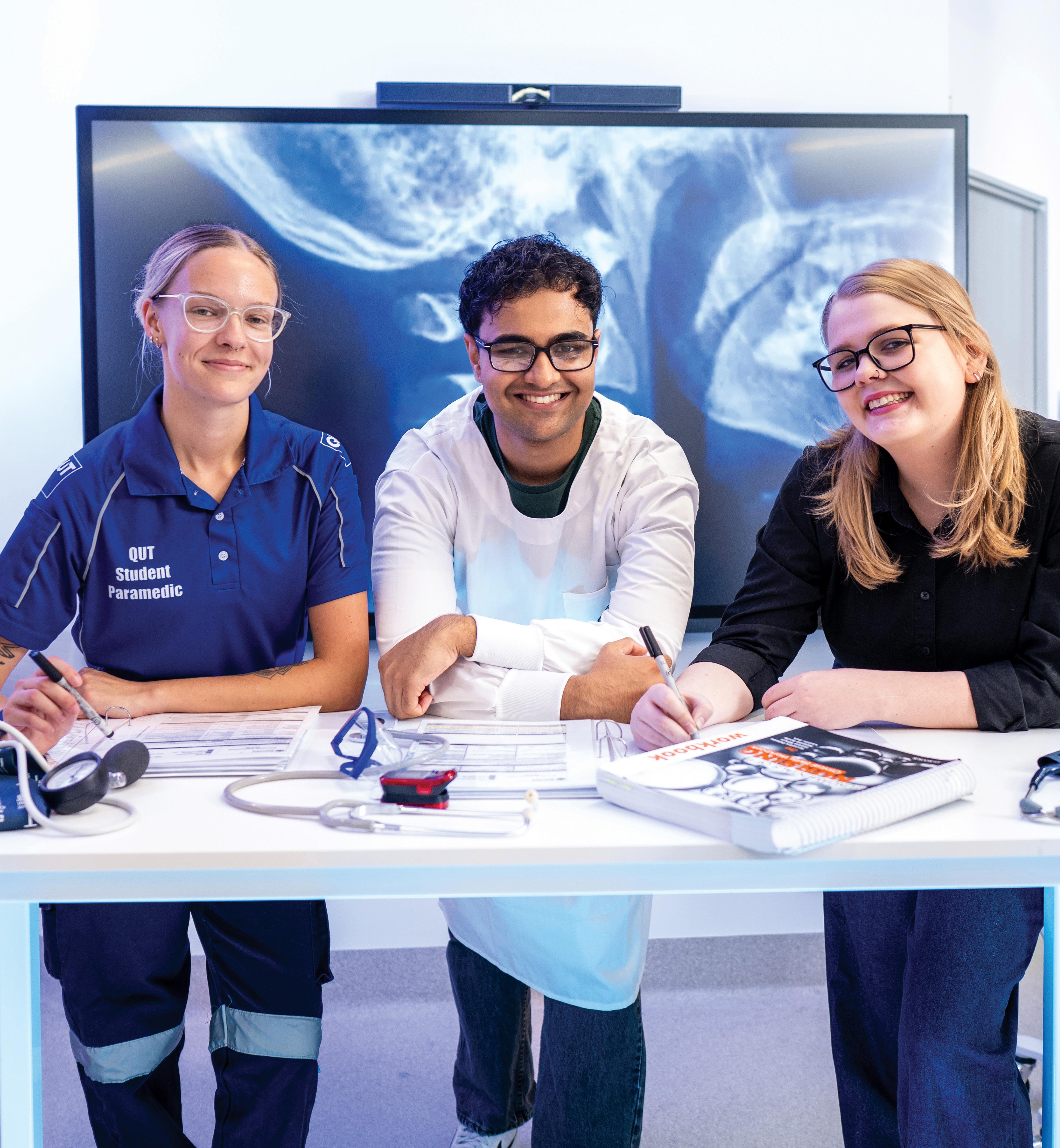
People are the future
Studying health will give you the expertise to improve the lives of individuals and partner with communities
patsyexecutiveyates Dean faculty of health, qut
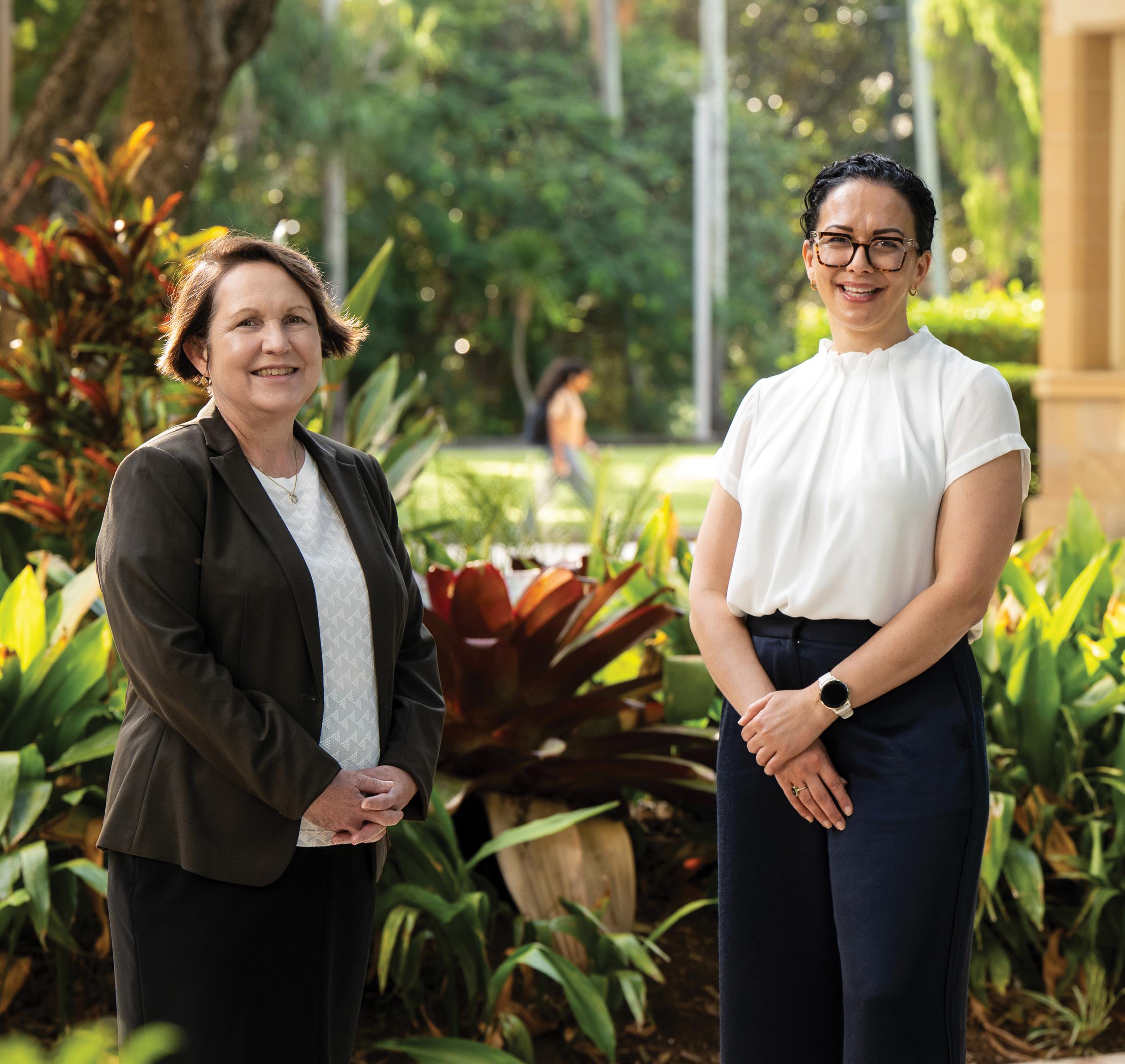
marina reeves deputy Dean faculty of health, qut
Working in health means working with people. You need strong interpersonal and problem-solving skills to create the environments where people can achieve their best health outcomes.
Scientific and technological advances are reshaping how we deliver healthcare. Everyone thinks about clinical roles, working one-on-one with patients, but there are more opportunities than that: you could develop community programs, manage health services, create technologies, contribute to policy improvements, or undertake research.
Health degrees give you transferable skills. We both come from specific disciplines, Marina is a dietitian, and Patsy is a nurse. We have had opportunities to work in a range of clinical education, community and policy roles where we have drawn on the knowledge gained as health professionals.
With the internet and AI, almost everyone can access health information. This empowers people, but it’s not always equitable or accurate. So it’s critical that healthcare providers have clinical judgement skills. That’s at the core of
what we teach at QUT: how you can use the information and technology you have at hand to deliver human-focused care. Our programs also reflect our commitment to social justice, equity and inclusion.
At QUT, we live and breathe our real-world focus. You are embedded in experiences in laboratories, simulation settings and practical classroom activities – as well as in the wider healthcare system, where our partnerships allow us to offer high-quality placements. Our teachers are well recognised leaders in their field, with ongoing connections with the health sector. Many are still practising.
At the Faculty of Health, our job is to help you become that safe, confident practitioner that makes a difference to the health of our communities. If your focus is helping people, and solving problems in an ever-advancing industry, we will support you to succeed.
Distinguished Professor Patsy Yates Executive Dean, Faculty of Health
Professor Marina Reeves Deputy Dean, Faculty of Health
Find your path
1When you wake up in the morning, the first thing you do is ...
a Turn some music on
b Eat a healthy breakfast and get some exercise
c Hit ‘snooze’ and read in bed for a while
d Check the news or social media
2What would your ideal workplace be?
a A fast-paced hospital ward
b A consulting clinic with patient appointments
c A lab with high-tech equipment
d Out in the community
3How would you like to spend your weekend?
a Hanging out with friends
b Playing sport
c Finishing a craft project
d Volunteering for a cause you support
4Friends and family describe you as ...
a Approachable
b Encouraging
c Thoughtful
d Compassionate
5What’s your best strength at school?
a Working in groups
b Staying organised
c Solving puzzles & problems
d Speaking up for your fellow students
Gotelsesomething in mind?
Head to the QUT website for the full list of courses.
Mostly A’s Heart Hero Mostly C’s Lab Legend
You light up when you’re helping people, face to face. You’re calm in crisis, a great listener and the person others naturally turn to.
You might love: Nursing, Paramedic Science, Medical Imaging, Radiation Therapy, Podiatry, Vision Science, Optometry
Your vibe: Compassion + action + real world impact
You’re all about helping people feel strong, confident and at their best. Whether it’s sport, mental health or nutrition, you want to help people prevent problems, build resilience and thrive long term.
You might love: Psychology, Clinical Exercise Physiology, Nutrition Science, Sport and Exercise Science
Your vibe: Energy + encouragement + performance Mostly B’s Wellbeing Coach
You’re curious, analytical and love figuring out how things work. You’re fascinated by what’s happening beneath the surface and you’re driven to uncover answers that can change lives.
You might love: Biomedical Science, Medical Laboratory Science, Pharmacy
Your vibe: Precision + discovery + quiet impact
You see the bigger picture and want to make the system better. You don’t just want to treat problems, you want to redesign how health works for communities.
You might love: Social Work, Human Services
Your vibe: Justice + strategy + community impact Mostly D’s Health Fixer
A HEALTHY START IN LIFE
What does a degree involve, and how do you get there?
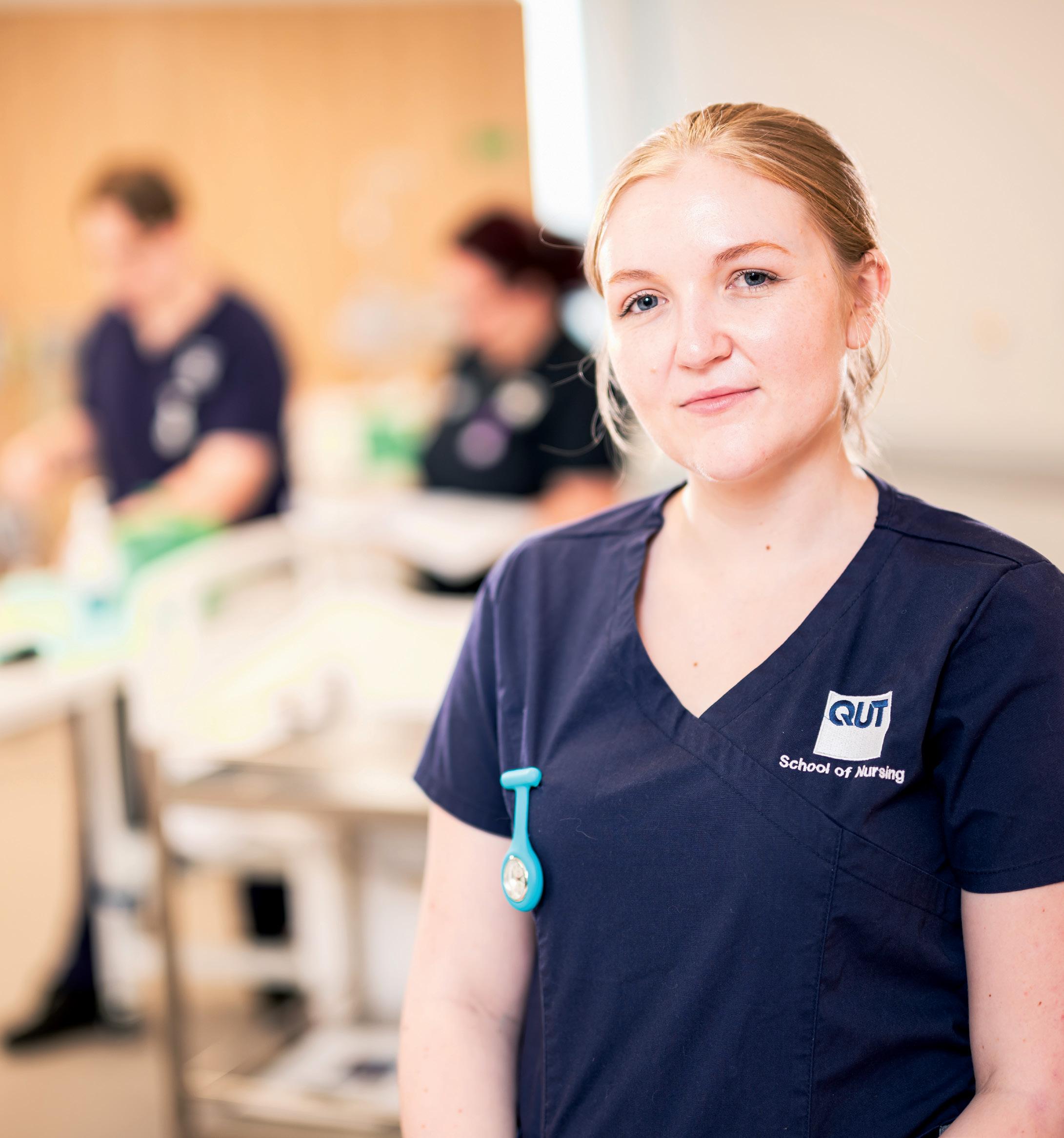
Siobhan Pollard
Bachelor of Nursing & Bachelor of Public Health
Healthcare is Australia’s fastest growing industry, and there’s plenty of demand for professionals in the field. So how do you become one of those professionals?
At QUT, you’ll be learning in the real world. As well as learning theory in lectures and classes, you’ll be able to gain hands-on practical experience through lab workshops, student clinics, industry placements, and research projects with QUT experts.
Whichever course you choose, you’ll always have the opportunity to increase your real-world experience through Work Integrated Learning. These work placements help teach you to operate in a professional environment, and get you experience and contacts that will make you ready to thrive in your career. In health degrees, you’ll rack up hundreds of hours of on-the-job experience through placements.
The further into the degree you get, the shorter the study blocks really become. It’s great because it really allows you to focus on placement or getting a job.”
Not coming straight from high school?
The ATAR isn’t your only way into uni. QUT’s range of pathway options are designed to suit people who are coming from different directions.
Siobhan is one of these students, and she first thought that it was “going to take forever” to get to uni once she decided she was interested in nursing.
“The more I did my research, the more I realised just how many ways there were to get in.”
Siobhan had a Diploma from TAFE which qualified her for entry into the Bachelor of Nursing, and she decided to take a free university prep course as well for extra readiness.
She loves how practical the degree is, and how flexible so she can fit it around the rest of her life.
Your health degree, mapped
What’s involved in studying a degree at QUT? Here are some key terms explained
Units
Subjects you study (and pass) to earn your degree. Most university degrees are composed of core units which you have to study to get the qualification, and elective units where you can chase your interests in other areas. The number of core and elective units you have depends on the degree you’re studying.
double degree
You

Want more detail?
Head to the QUT website and download the study guide.
Majors
The primary area of study in your degree. You can sometimes complete 2 majors in one degree.
Minors and extensions
Secondary areas of study in your degree, taking up fewer units of study.
Semesters
Honours
A higher level of study you can add to your bachelor degree, typically taking an extra year. In some courses, you can complete an honours qualification embedded in your 4-year degree, while in others you can add it as an extra year once you’ve finished your 3-year bachelor degree.
SEEING EYE TO EYE
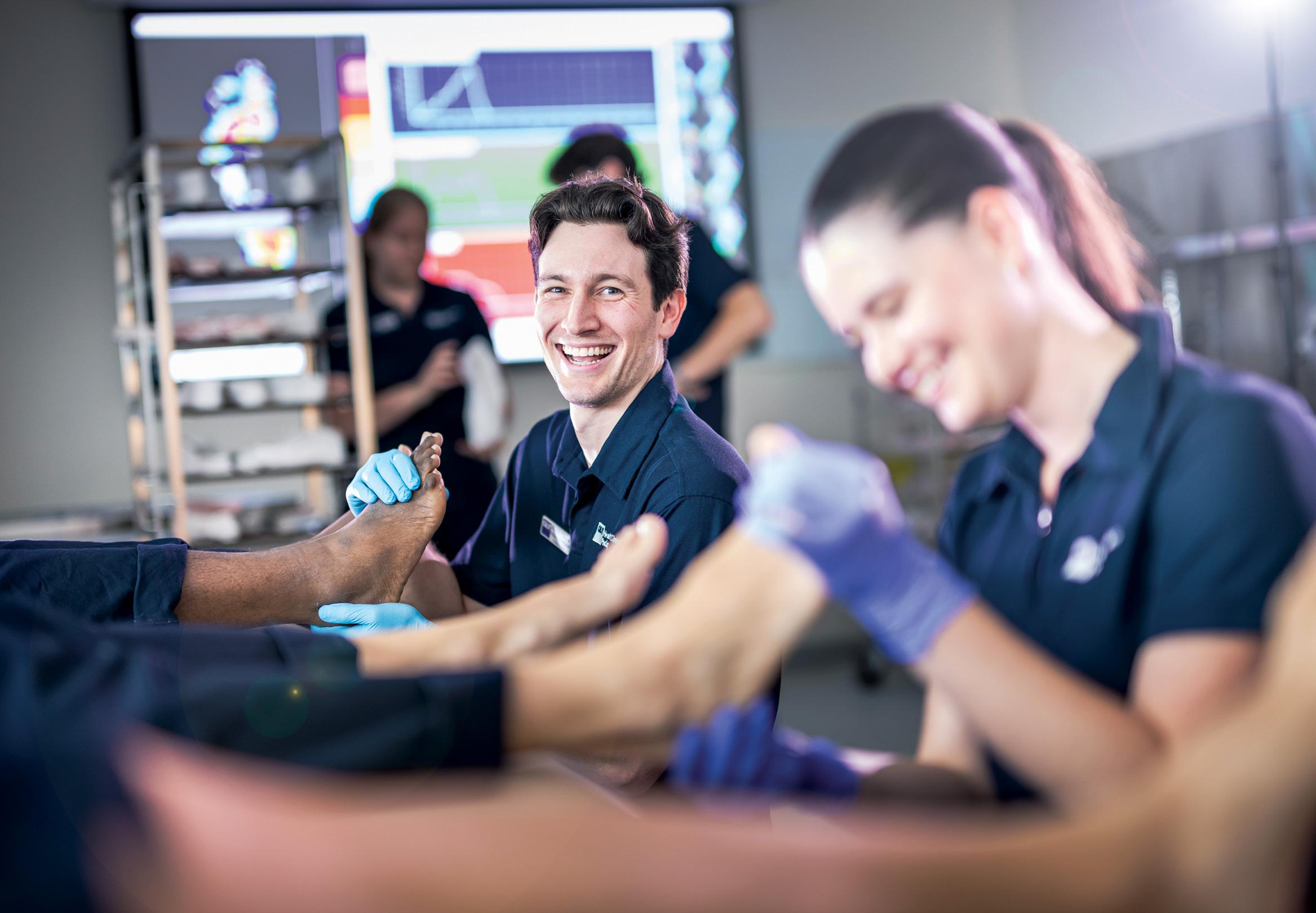
Working in patient care, you get to see the direct results of your efforts. You might be the first attendant at an emergency as a paramedic, or building up long-term relationships with people in podiatry or optometry. Whatever it is, practical placements will help you to hone your skills and find an area of healthcare that excites you.

Grace Hoffmann optometrist
Grace always wanted to work in healthcare. “As a Palawa woman, I was privy to the inequity between Indigenous and non-Indigenous peoples health outcomes and I knew I wanted to contribute to close the gap,” she says.
Optometry caught her eye in high school, when she was working at an optometrist practice.
“Sight is such a valued sense and I think it’s so amazing that sometimes a simple pair of glasses can be so impactful.”
But it’s not always a simple pair of glasses! There are plenty of specialities to consider. Grace was able to get a close look at all of these during her master’s in QUT’s Optometry Clinic, and long work placements which she could tailor to align with her interests.
These days, she’s seeing up to 10 patients a day at Specsavers in Rockhampton.

EMPLOYMENT OPPORTUNITIES
Nurse
Optometrist
Paramedic
Radiation therapist
Pharmacist
Podiatrist
Radiographer

If you’re keen on patient care, you might also be interested in Pharmacy (see page 10).
Courses to study
Bachelor of Nursing
Bachelor of Medical Imaging (Honours)
Bachelor of Paramedic Science
Bachelor of Radiation Therapy
Bachelor of Podiatry
Bachelor of Vision Science
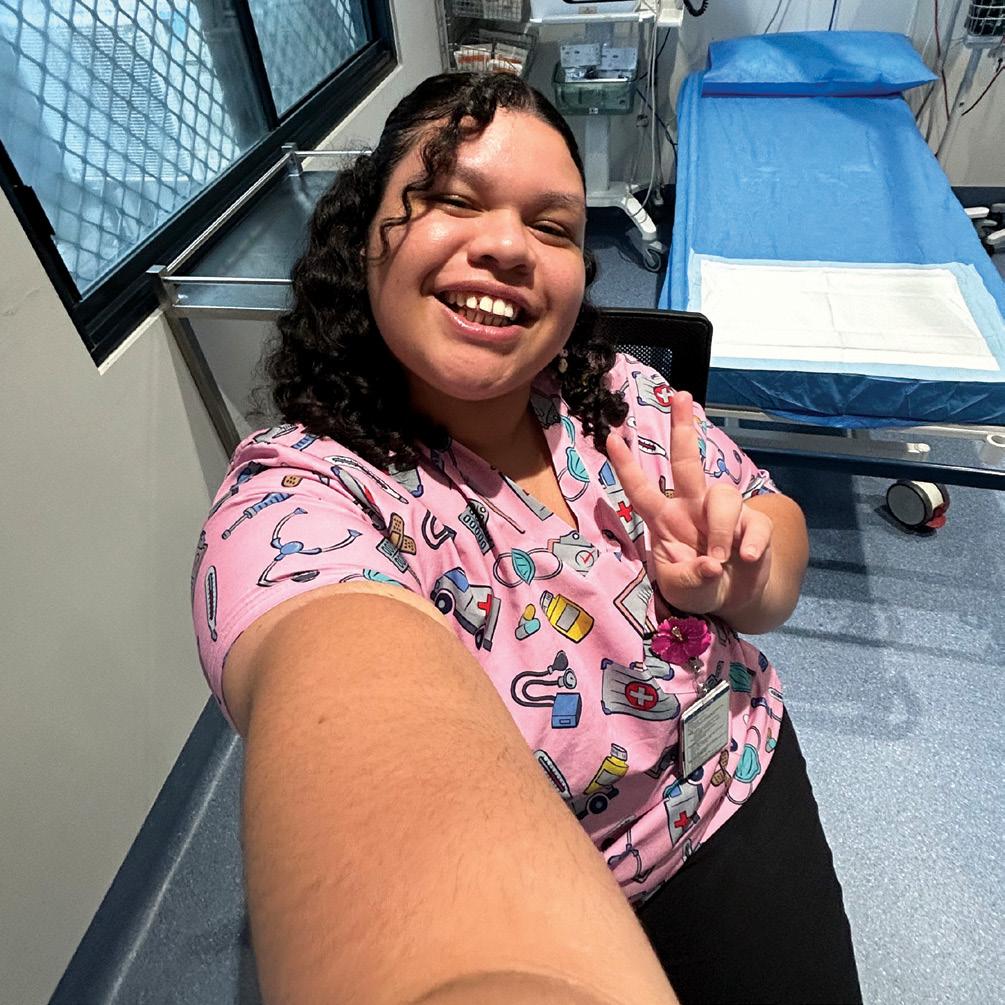
Whenyou picture a nurse, you might imagine someone doing the rounds on a hospital ward. While Gwendolyn’s done this part of the job, she says the profession is way more diverse than that!
Gwendolyn has just spent 18 months on Thursday Island in the Torres Strait, working for the Torres and Cape Hospital and Health Service. She got to experience working shifts on the hospital’s general ward, and spending time with walk-in patients in the primary healthcare centre. Her favourite assignment was the wound room in the primary healthcare centre.
“You can yarn with the patients and you get to see the progress of the wound. When the wound starts looking like it’s getting better – oh, the satisfaction!”
As an Aboriginal and PNG woman, Gwendolyn says QUT’s Oodgeroo unit was a major drawcard, while practical placements were a key part of her degree.
“When I graduated and when I did my first job on the ward, I already had those skills.”
If you’re thinking of doing nursing, just give it a go. You will find out if nursing is for you during the first or the second placement.”
Gwendolyn Gorogo nurse
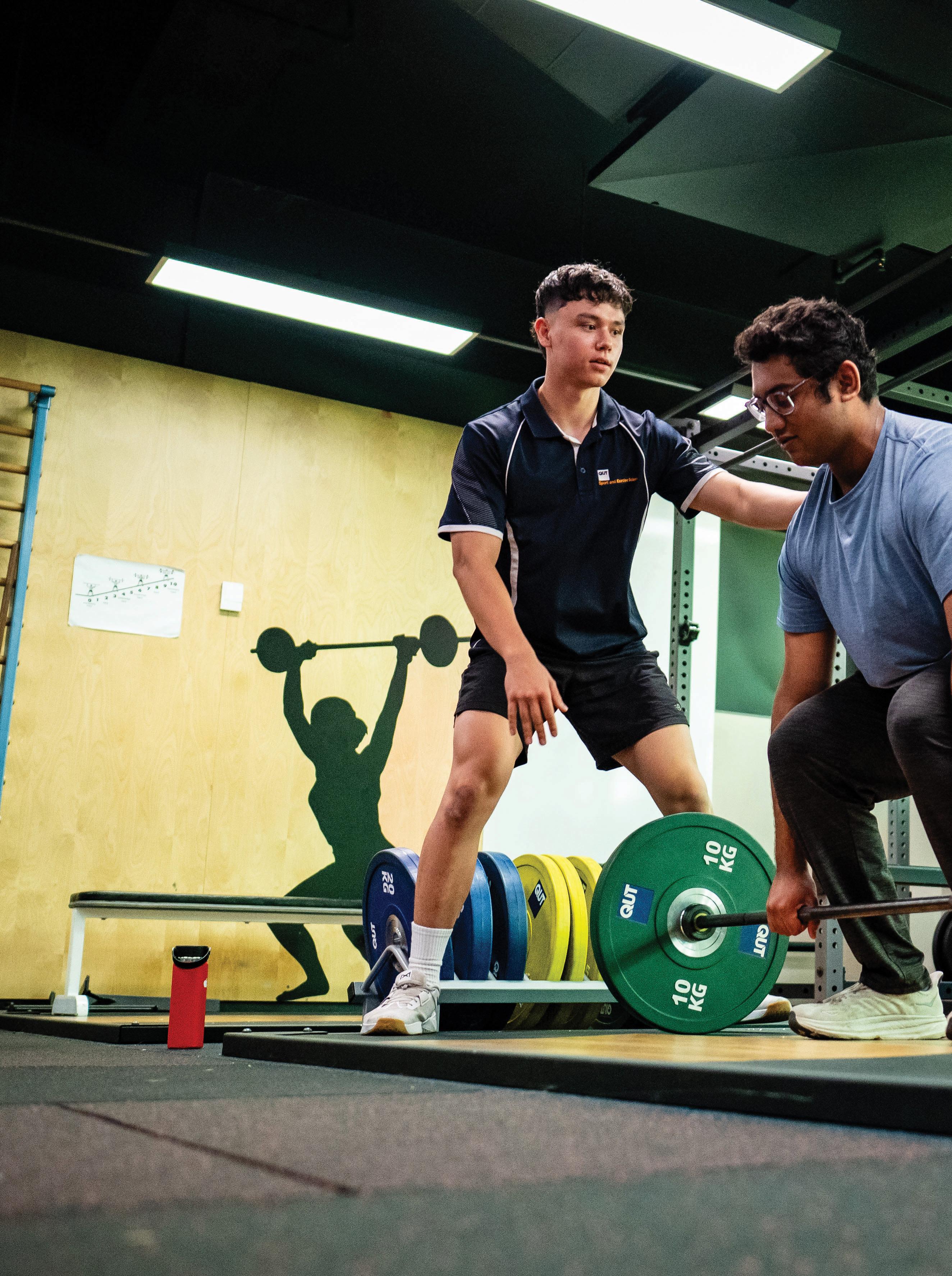
Higher, faster, stronger, healthier
There are plenty of ways you can improve lifestyles with a health career
Obsessed with sport, or food? Sport and wellbeing courses can make a real difference to people’s quality of life.
Whether you’re healing people’s minds with psychology, or their bodies with physiology, working one-on-one with clients or broadly with communities, QUT can help you find your way to your dream career.
SKILLS BOOST
Anatomy
Communication
Data analysis
Critical thinking
Kaine Doblo Strength and Conditioning Coach
Kaine
doesn’t have a typical work day – but since he loves working with sport teams, it’s worth it.
On any given day, he might be meeting clients as a personal trainer, working with the Coorparoo Kings state AFL team as a strength and conditioning coach, with premier league netball teams, in the Brisbane Lions academy, or managing his business.
“I’ve never in a million years thought I’d be running a business for myself and having someone work underneath me,” he says. “But I’ve actually enjoyed that managerial, entrepreneurship role.”
As the first member of his family to go to uni, Kaine found QUT a welcoming place.
“QUT was a place for everyone to go.”
It also provided him with key training in health science and psychology.
“The element of psychology in there is pretty underrated,” he says.
“[Exercises] are important, of course, but if you can’t get someone to buy in to what you’re trying to get them to achieve, it’s all irrelevant.”
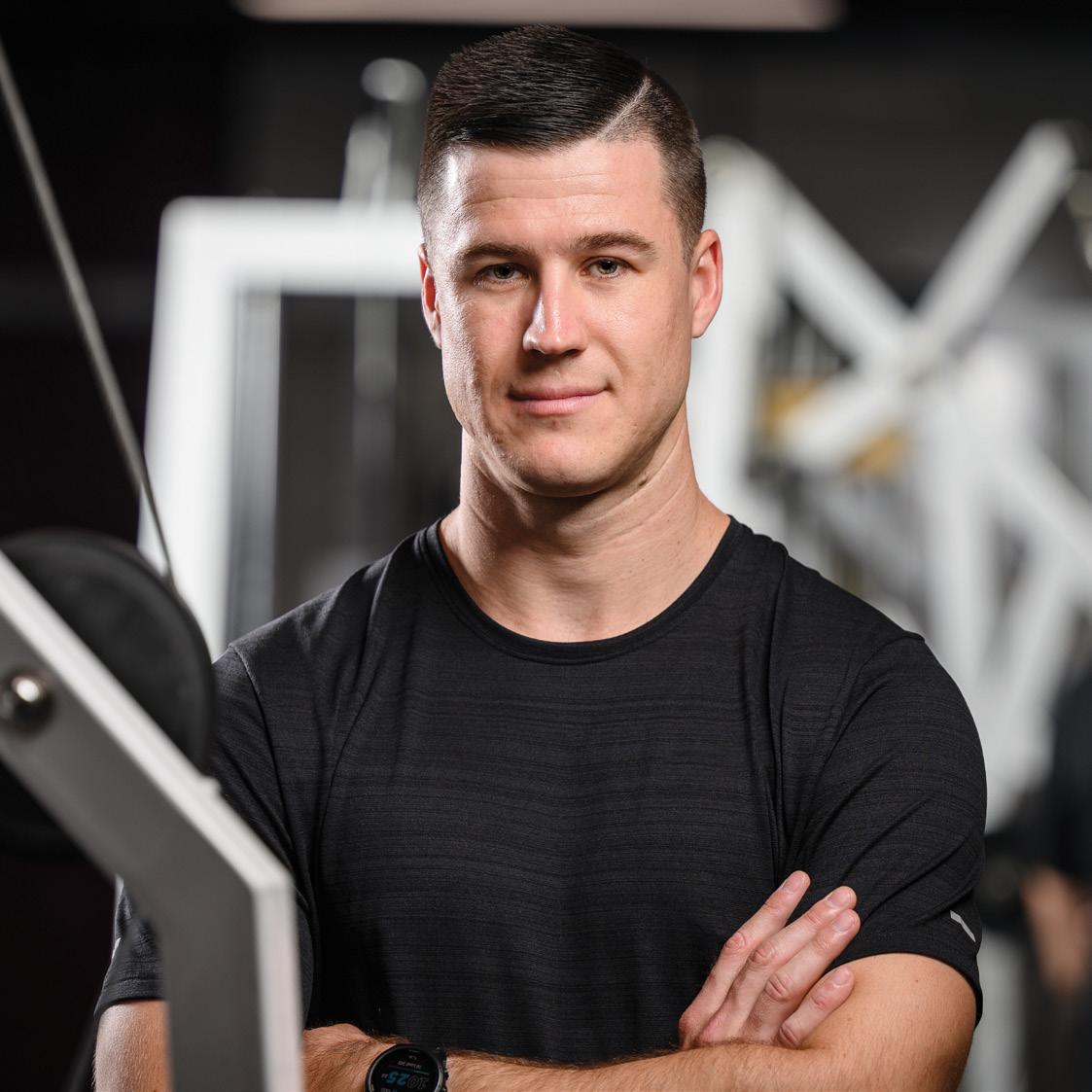
Having your week planned out before it’s begun is non-negotiable.”
Bachelor of Sport and Exercise Science, QUT
Personal Trainer Strength and Conditioning Coach, Coorparoo Kings AFC
Head of Performance, Redland Coast Eagles Netball
Strength and Conditioning Coach, Brisbane Lions Boys Academy
Trent Darbyshire
Clinical Exercise Physiologist, The
Bone
Clinic

HUMAN BEHAVIOUR SPECIALIST
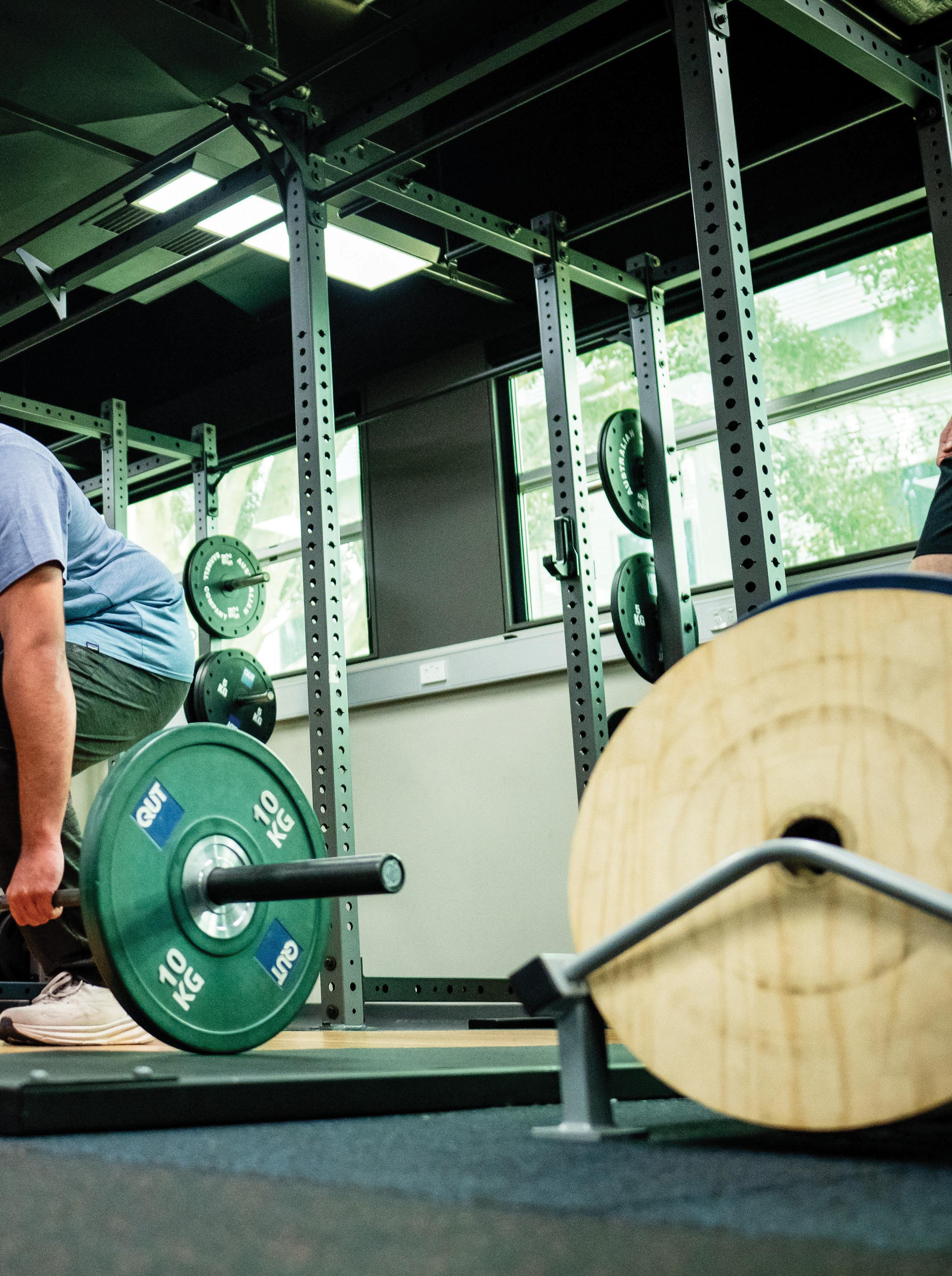
As a keen rugby player and long distance runner, Trent was always interested in sport. But once he was studying exercise science, he started to understand the potential it had to improve the lives of non-athletes too.
“It was really interesting learning about how exercise can help people with chronic conditions and illnesses,” he says.
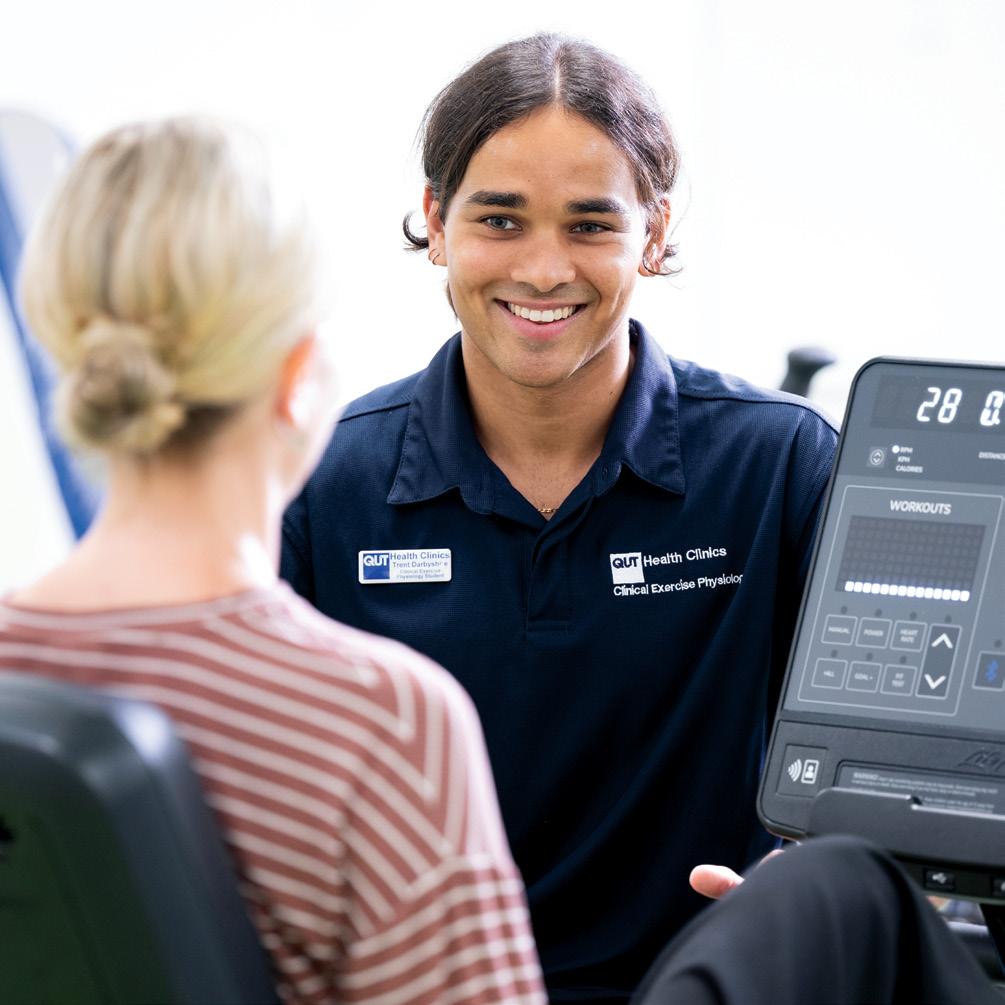
“Anyone can do it, you’ve just got to find a way that suits them.”
His work at the Bone Clinic is focused on doing exercise to improve bone density, often for patients with conditions like osteoporosis.
A typical day includes assessing patients with individual consultation sessions, running bone density scans, group classes, and some admin. Trent’s also been running virtual home exercise programs, which are getting sent around the world.
QUT’s practicals were crucial for preparing him for the world of work, first by allowing him to test the waters in the third year of his degree, then head into full-time placements in his fourth year.
But he stresses that you should be learning a lot on the job, as well.
The learning doesn’t
stop!”
Courses to study
Bachelor of Behavioural Science (Psychology)
Bachelor of Clinical Exercise Physiology
Bachelor of Nutrition Science
Bachelor of Nutrition Science / Master of Nutrition and Dietetics
Bachelor of Sport and Exercise Science
Benefits at the bench
Enjoy solving a puzzle or digging into a new problem? You can make a big difference to health with lab work
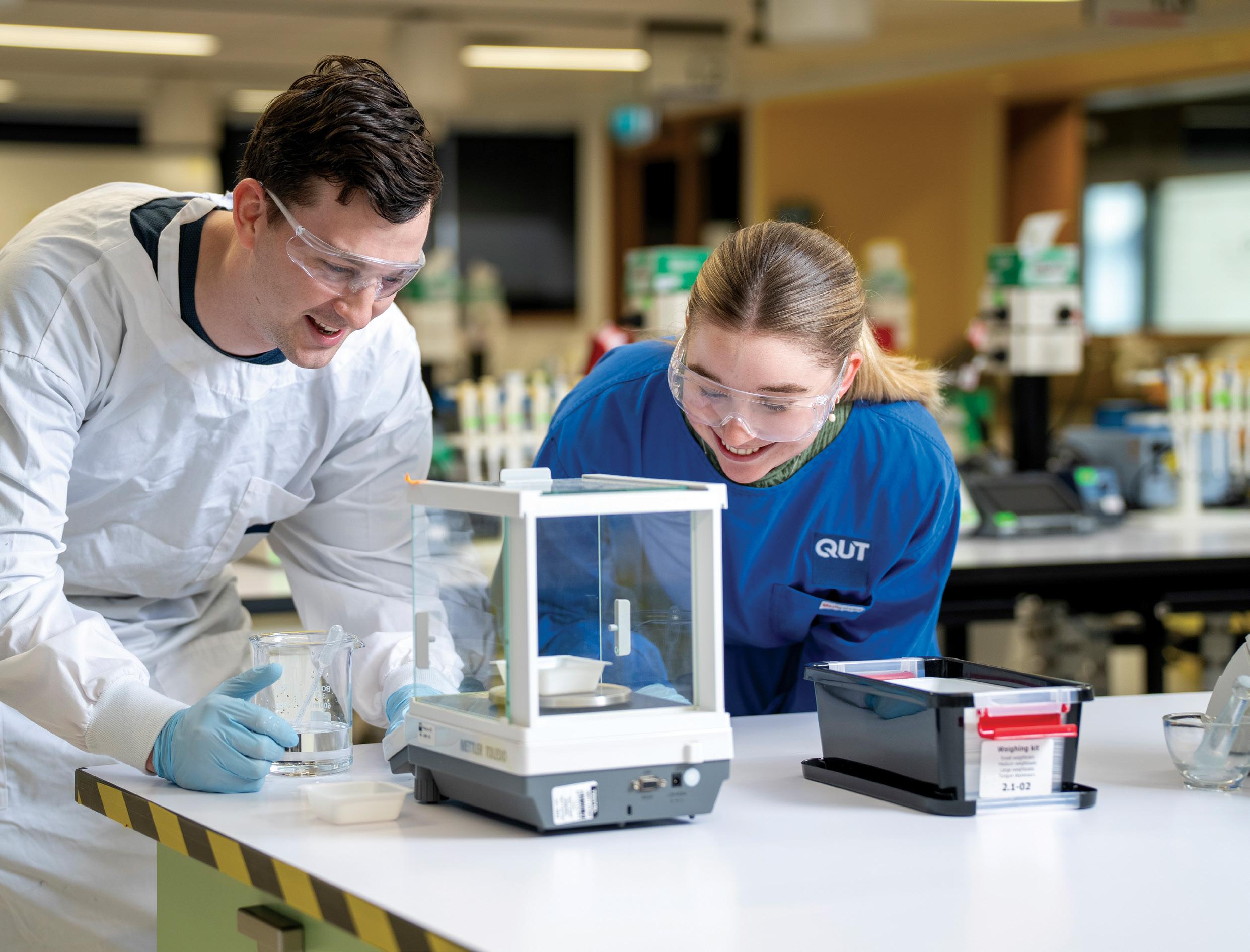
There is a lot of healthcare work that happens behind the scenes – work that patients never see during their appointments! Pathologists help diagnose and monitor diseases, pharmacists mix medicines, while researchers are chasing the next cuttingedge treatments. If you’re fascinated by science and love working out tricky problems, you’re well set up to test out a career in medical lab work.
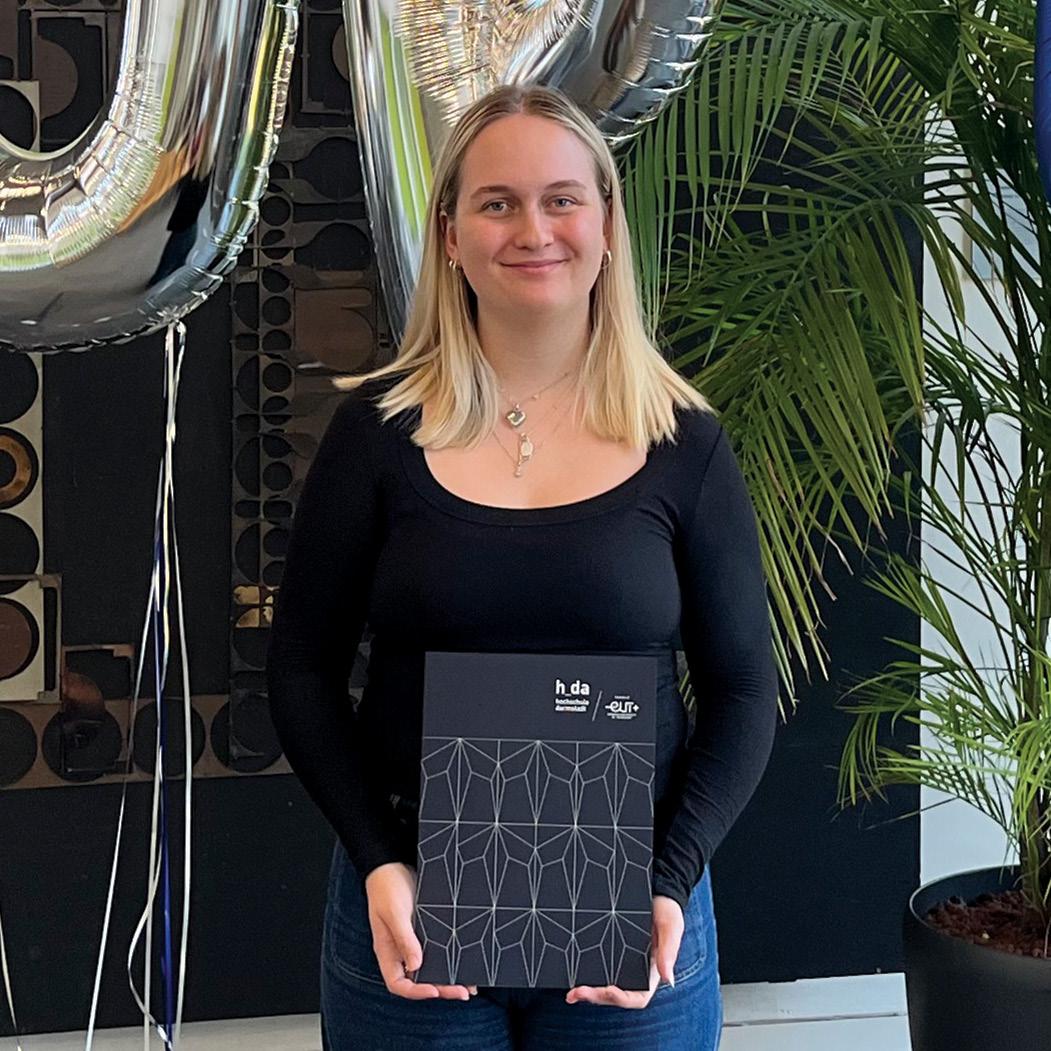
Karli’s
tip for uni
“Enjoy the degree! While it can be challenging, it’s also very broad, and you may discover areas of interest you didn’t expect and develop lifelong friendships along the way.”
EMPLOYMENT OPPORTUNITIES
Biochemist
Health researcher
Compounding pharmacist
Medicine (after further study)
Pathology scientist
Karli Green, Bachelor of Biomedical Science and Bachelor of Mathematics
Karli’s interest in biomedical science is personal.
“When I was 15, I lost my dad to pancreatic cancer, which deeply influenced my decision to pursue a career focused on cancer research.”
Her interest in maths has led her to a double degree in mathematics and biomedical science.
Besides classes, at uni she’s enjoyed working with student societies, and she’s working on publishing a research paper from a project she’s done.
She also got to spend 3 weeks on an exchange in Germany studying molecular biotechnology. “While the academic component was excellent... my favourite part was seeing snow for the first time!”
She’s planning to pursue further study once her bachelor degree is done, and eventually work in cancer genomics research or clinical settings.
Courses to study
Bachelor of Biomedical Science
Bachelor of Pharmacy (Honours)
Bachelor of Medical Laboratory Science
Fascinated by biomedicine? Check out our dedicated Job Kit on Biomedical Science.
Human nature
Want to help people, but not exactly sure how? Social work and human services can give you the perfect launchpad
We often think of health and wellbeing as an individual puzzle. But it is also a function of the world we’re living in: if we change our world, we can change health on a large scale. By taking a systems approach, we can tackle “wicked problems” that feel impossible to solve on their own. At QUT, health experts fight for justice and social equity, and work alongside communities as well as individuals.
Courses to study
Bachelor

EMPLOYMENT OPPORTUNITIES
Counsellor
Social worker
Child protection officer
Corrective services officer Disability services worker
Health policy officer Human services practitioner
Social scientist
Youth worker
Aged services worker
SKILLS BOOST
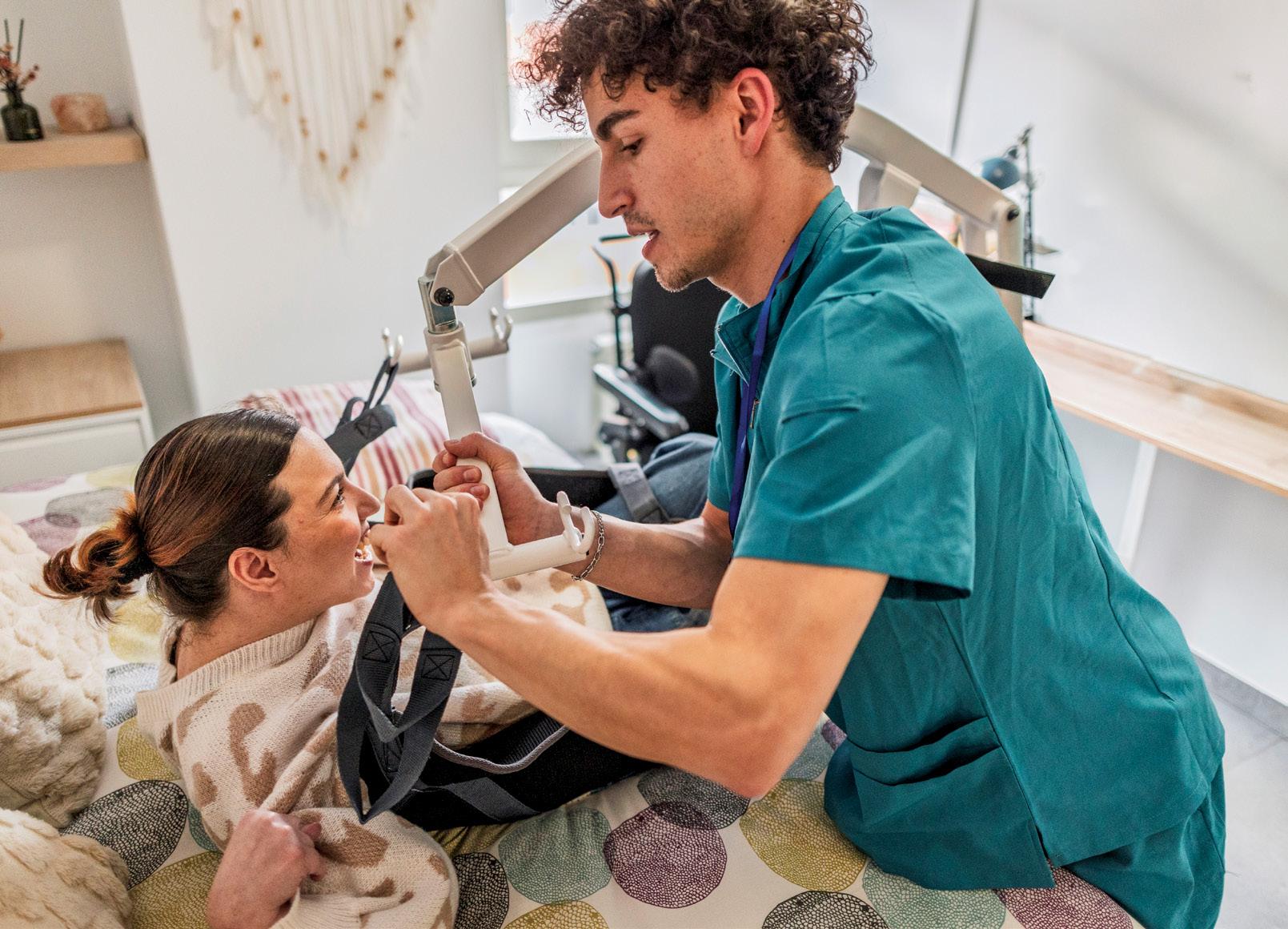
Mea Robles Social Worker, Metro South Health

Mea’sschool counsellor was a valuable support for her during high school. She ended up shaping her career.
“I came from that experience thinking, ‘I want to be what she was for me, but for other people.’ I asked her a bit more about her career, and it turned out she had studied social work at QUT,” Mea says.
Once Mea got to uni, the degree didn’t disappoint, with heaps of practice in things like role-playing or case studies.
“Almost every class, there was some sort of practical element that really applied to what I’d be seeing when I was in the workforce, and I had two placements throughout the degree that really prepared me for where I am now.”
As a hospital social worker, Mea enjoys plenty of variety.
“What it really looks like is often engaging with patients, learning about their stories, what’s going on in their lives, figuring out how I can best support them, being led by their views and their wishes and the loved ones around them.”
She also needs to work with the rest of the hospital support team to figure out how her perspective can gel with theirs’.
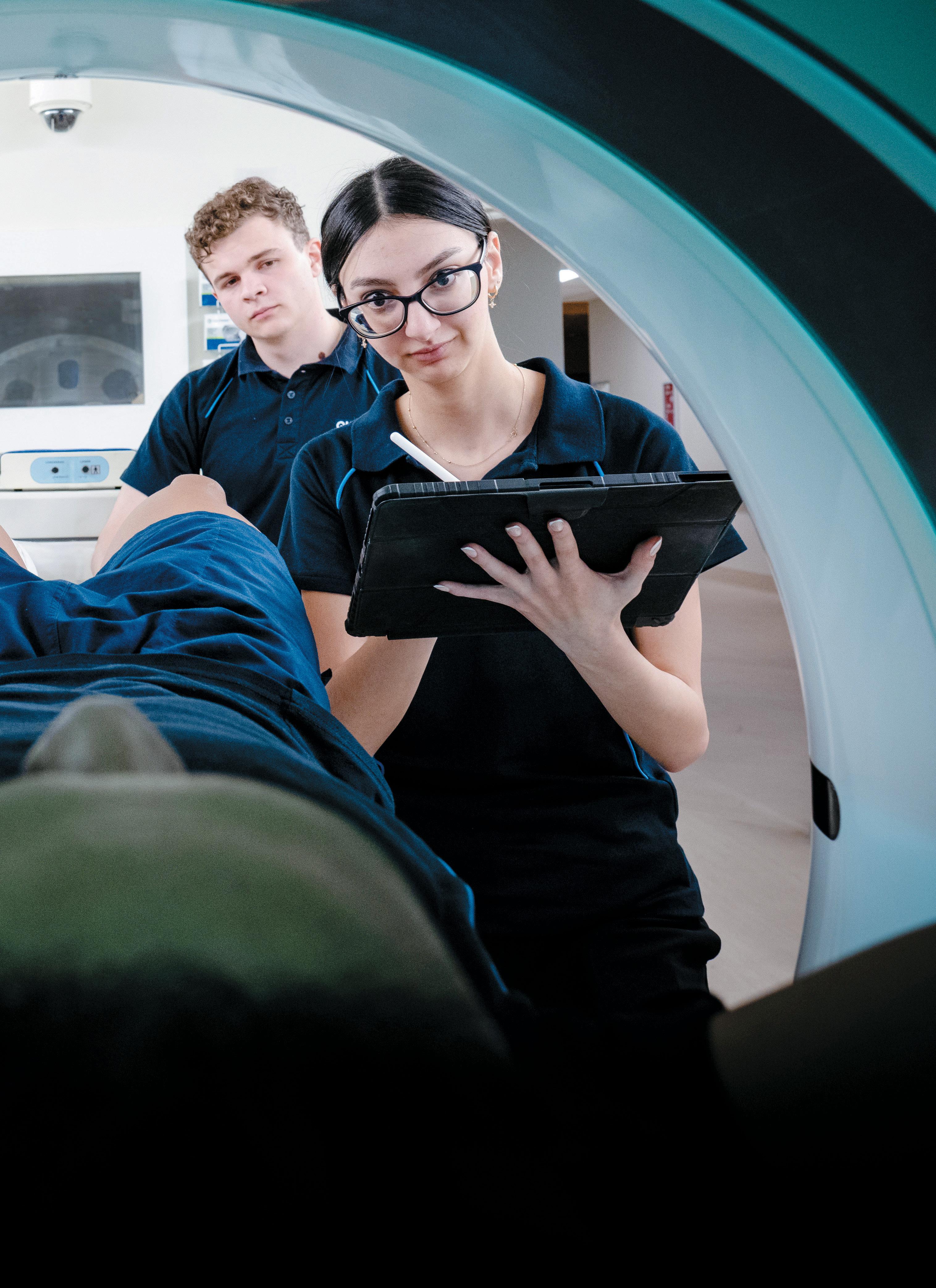
Your real-world health career starts here
Health care is rapidly changing. Technology is allowing us to be more agile while still focused on the most important thing: people. Become an expert in your field. Study health at QUT.