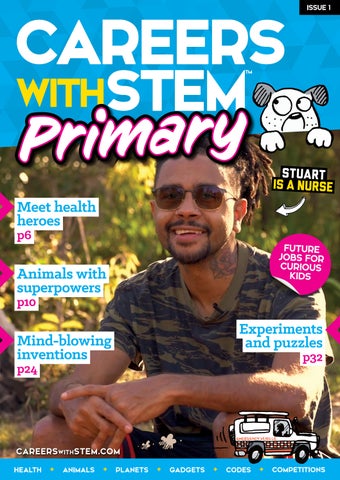
Meet health heroes
p6
Animals with superpowers p10
Mind-blowing inventions
p24



Experiments and puzzles p32
Meet health heroes
p6
Animals with superpowers p10
Mind-blowing inventions
p24
Experiments and puzzles p32


Long before colonisation, our old people lived with Country, not on it, but with it. They listened to the land, observed the skies, followed the lessons of seasons, and knew the rhythms of every essence of the life they shared on Country. The First Scientists – our Elders, our ancestors, the true knowledge holders – walked on Country gently, with wisdom passed down through countless generations. Their science wasn’t written in books, it was etched in the voices of our songlines, their knowledge forged into stone for the future generations to learn their lessons of Country. This knowledge was then
shared around campfires and carried in the hearts of their people forever.
To the First Scientists, Country is family and when you care for your family, your family cares for you.
Welcome to this very special edition of Careers with STEM: Primary, which features people who are using their skills in science, technology, engineering and maths (STEM) to solve important problems.
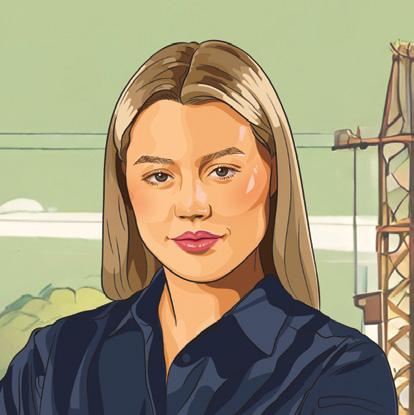
As an astrophysicist (a scientist who studies the stars), science, technology, computing and maths have been really important in my career. Without a good grasp of STEM, as well as the language skills needed to share my work with others, I wouldn’t have had the same amazing experiences – like using some of the world’s largest telescopes to study stars, galaxies and black holes.

Whatever you do in the future, there's a good chance it will involve numbers, counting, coding, designing and logic. These are all STEM skills that can help you navigate the everyday problemsolving that we all need.

says Lisa.
In this magazine, we share stories about people who use STEM in their everyday lives – many with very cool jobs!
You’ll meet Phoebe, a wildlife conservation officer who is helping endangered species. You’ll learn how Stuart helps his community stay healthy, how Bardie designs and builds things, and how Kayta became a software engineer and now shares news stories with millions of people.
I hope this magazine inspires you to imagine how you might use STEM in your future career. Don’t forget to try out our puzzles, word searches, stories and competitions to get your mind whirring with the possibilities of STEM. Enjoy!
AstrophysicistHarvey-Smith Future
Ambassador
Heard of STEM but not sure where to start? These activities will get you hyped to imagine where your future could take you. Grab this toolkit and let’s go!

Let’s get you curious about your STEM future. Are you a practical problem-solver, a creative dreamer or a little bit of both? This online quiz helps you explore what makes you tick – your interests or your favourite subjects – then suggests STEM jobs for you to explore.
Create a 3-minute video about the achievements of an unsung STEM star. Research someone doing science, tech, engineering or maths who inspires you, then tell their story. You could even pick a superstar from the pages of this magazine. Want some inspo? Check out these awardwinning videos about STEM stars. You don’t need any fancy equipment, just creative vision!
And you can enter your film in the Get into STEM competition this year! (See back page.)
These activities are from Get into STEM. Check it out online to expand your options.
This article was created in partnership with Get into STEM, the Diversity in STEM Toolkit.
Wondering if STEM is for you? Short answer: yes! STEM is for everyone.
Did you know 70% of people feel insecure and unworthy of their accomplishments? You’re not alone.
Read these tips on how to deal:
• Feeling insecure is normal. Even doctors, scientists and celebrities feel this way.
• Reframe. Be aware of how you talk to yourself and change it.
• Keep going regardless of how you feel. It will take time and effort to change your thoughts, but you can’t wait until you feel completely confident to take action.
Read Corey’s story on page 12 to see confidence in action!
More tips here:
in STEM can turn your dreams into a job.
STEM apprenticeships are all about turning things that you love doing now, like building, exploring or experimenting, into a real job once you’ve finished school.
When the lights or wi-fi go out in a power outage, electrician apprentices help bring everything back safely.
Your apprenticeship is electrician, if you like:
• LEGO circuits
• snap-together science kits
• redstone contraptions in Minecraft
Sarah at the supermarket
Sarah is a clean energy apprentice. She helps supermarkets save power by installing energy-efficient LEDs and motion sensors so lights turn off when no one’s around.

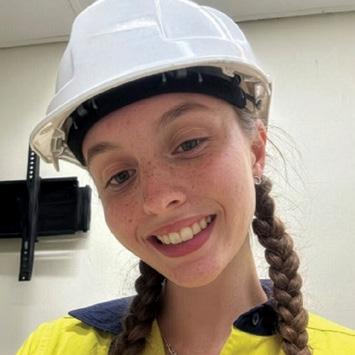
Sarah says, “I would like to inspire other girls to enter a trade.” She knows that when you follow your passion, you can help light up the world!

As an apprentice, you’ll:
• learn on the job
• earn money as you learn
• do interesting projects
Apprentices today are solving real-world problems. That will allow them to become inventors, builders, scientists and technicians who can make the world a better place.
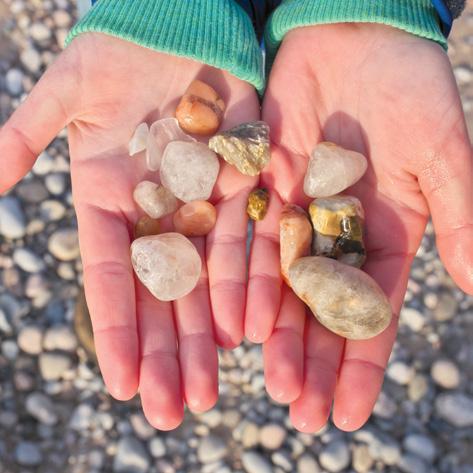
An earth science technician apprentice helps scientists test soil, rocks and water to learn more about our planet.
Your apprenticeship is earth science technician, if you like:
• collecting rocks, shells or crystals
Cars of the future don’t need petrol, they run on batteries just like toys! Electric vehicle technician apprentices learn how to keep these cars charged and ready to go.
Your apprenticeship is electric vehicle technician, if you like:
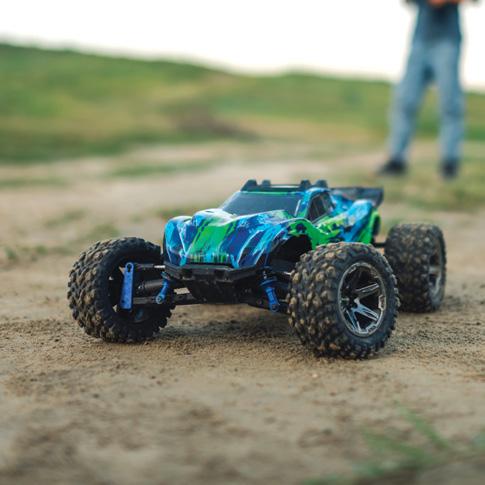
• racing remote-controlled cars
• building LEGO car sets
This article was created in partnership with the Australian Government Department of Employment and Workplace Relations.
Too true
Did you know earth science apprentices help test rocks that are millions of years old?
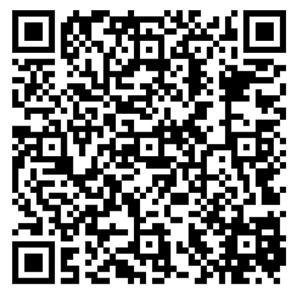
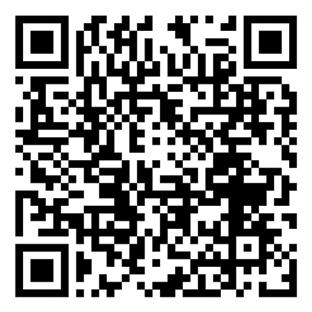
These are just a few of the apprenticeships on offer! Scan the QR code to see how kids like you grow into inventors, builders and explorers with an apprenticeship in STEM.
Add one extra colour to your plate tonight. Try green peas, red capsicum, orange carrot or purple cabbage. Can you think of another food that’s a different colour?
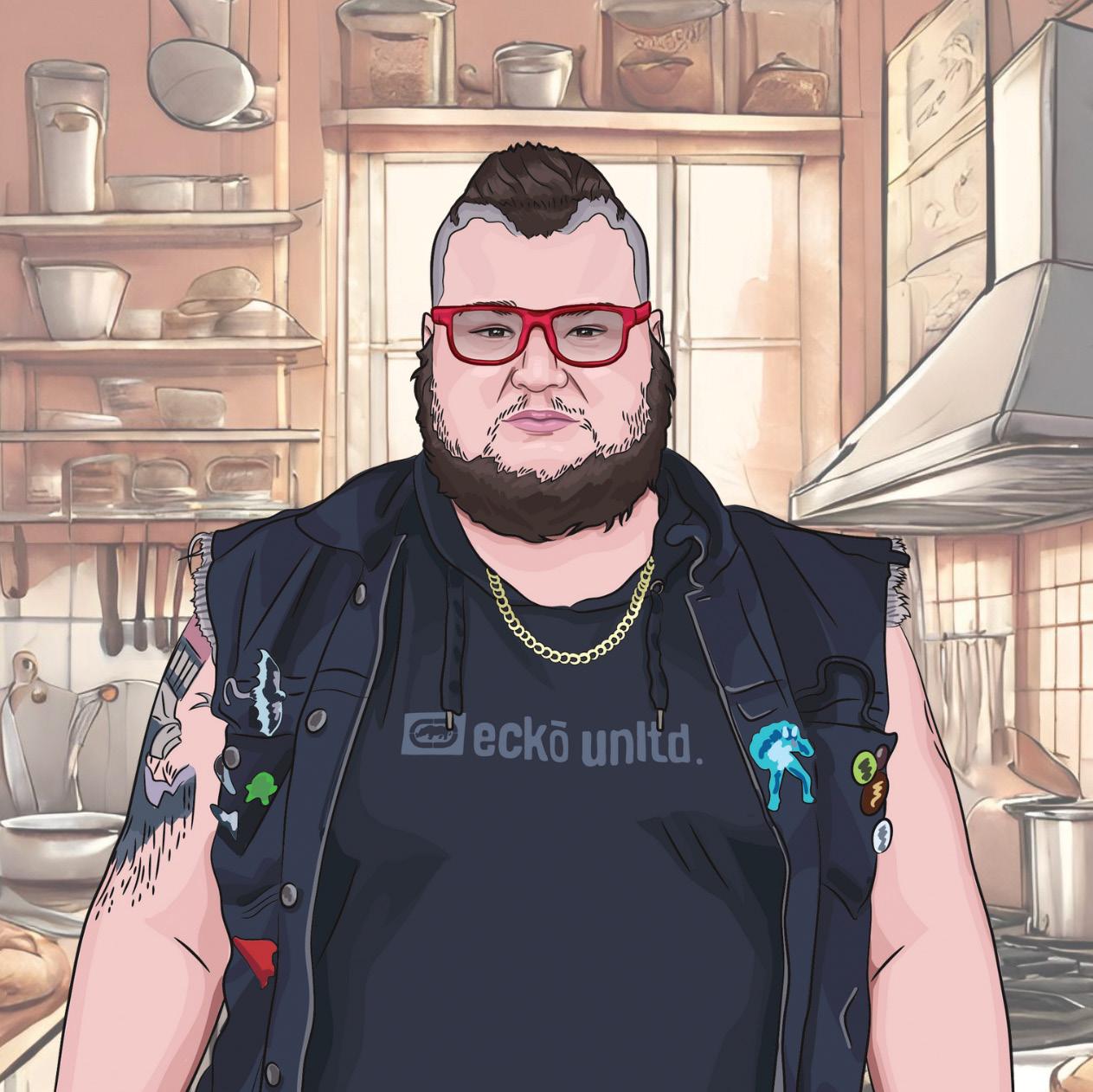
Jamie is on the way to becoming a skilled patisserie chef, which means he specialises in pastries and sweets. Jamie’s ADHD occasionally makes it a bit tough to stay focused, but he excels as a bakery assistant, learning on the job and getting paid while attending TAFE.
Our bodies are our homes. Learn how we can better care for ourselves and others!
Not even close! Only around one in 20 Australian kids eats the recommended amount of vegetables. That means almost all Aussie kids will benefit from an extra serve or 2 of veggies each day.
• Nutritionist
• Farmer
• Food scientist
While you’re 5–17 years old, you need 60 minutes of moderate to vigorous activity every day. Time to get moving!
This article was created in partnership with Future You.
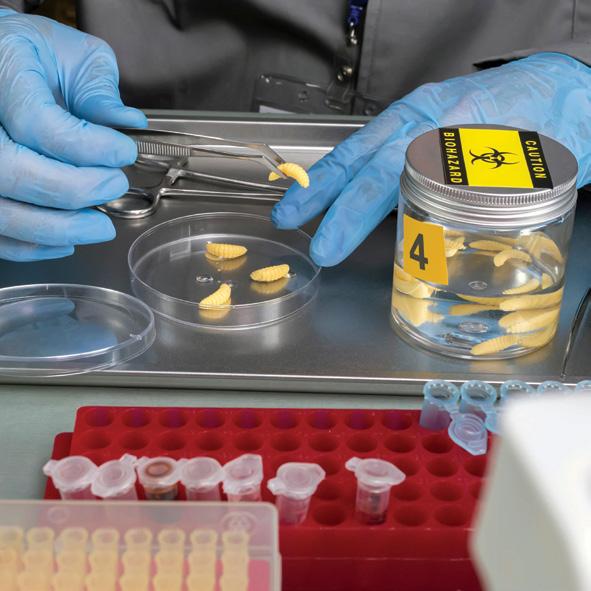
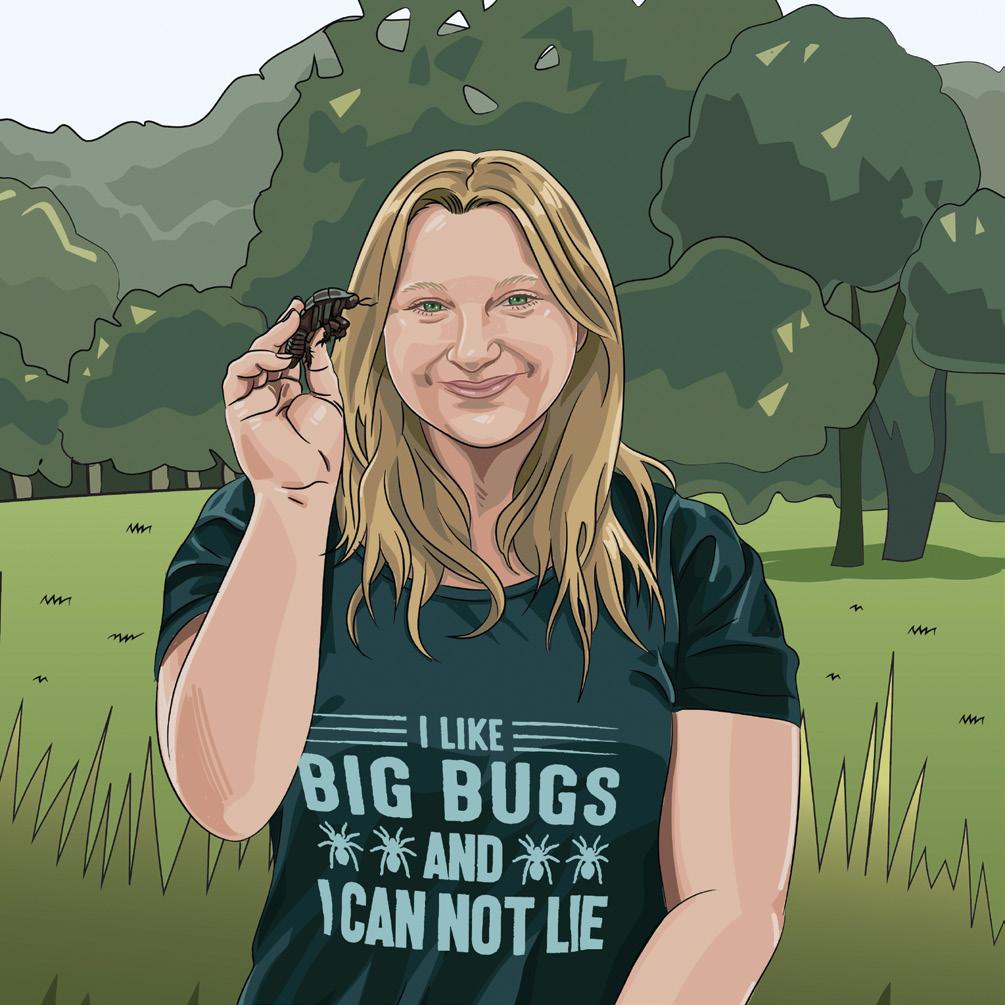
Skye is an entomologist, which means she researches insects – but she’s also a food scientist! To ensure there’s food for everyone in the future, Skye believes that we’ll need to eat alternative proteins like insects.
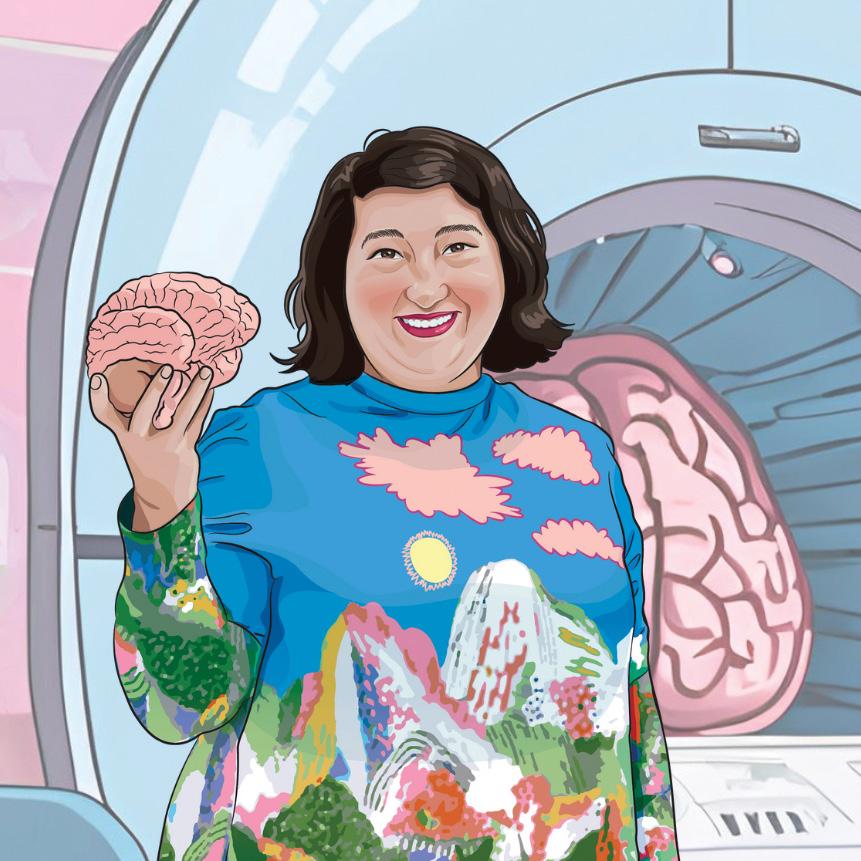
Sharna is a neuroscientist, which means she studies the brain. Sharna first studied maths and computer science, but didn’t enjoy it. Then she discovered she loved psychology – the study of how people think and feel. Now she runs a research lab!
Read more about these health heroes and other inspiring STEM stars
Daisy Shu Optometrist

Most kids need about 9–11 hours of sleep, but many Aussie kids get less. Sleep helps your brain sort memories, remember your school work, and more.
• Coach
• Personal trainer
• Physiotherapist
Find your pulse. Use your index and middle fingers to press gently on the inside of your wrist. The gentle beat is blood pumping around your body! Count your pulse for 15 seconds and multiply by 4. That’s your heart rate in beats per minute. Do an activity that gets you puffing for 30 seconds, then check again. Feel the difference?
Your pulse gets faster as you exercise because your heart is pumping more blood – and oxygen – around your body. It helps release energy to keep muscles pumping!
Wellbeing health heroes

• Psychologist
• Counsellor
• Sleep scientist
The mysteries of the eye
Daisy is an optometrist (a type of doctor who looks after your eyes) and a research scientist at UNSW Sydney. One day, she wants to lead a big team that will find the cure for blindness.
Siobhan has Ménière’s disease, which affects her balance and her hearing. She’s researching ways to prevent hearing injuries in the music industry.
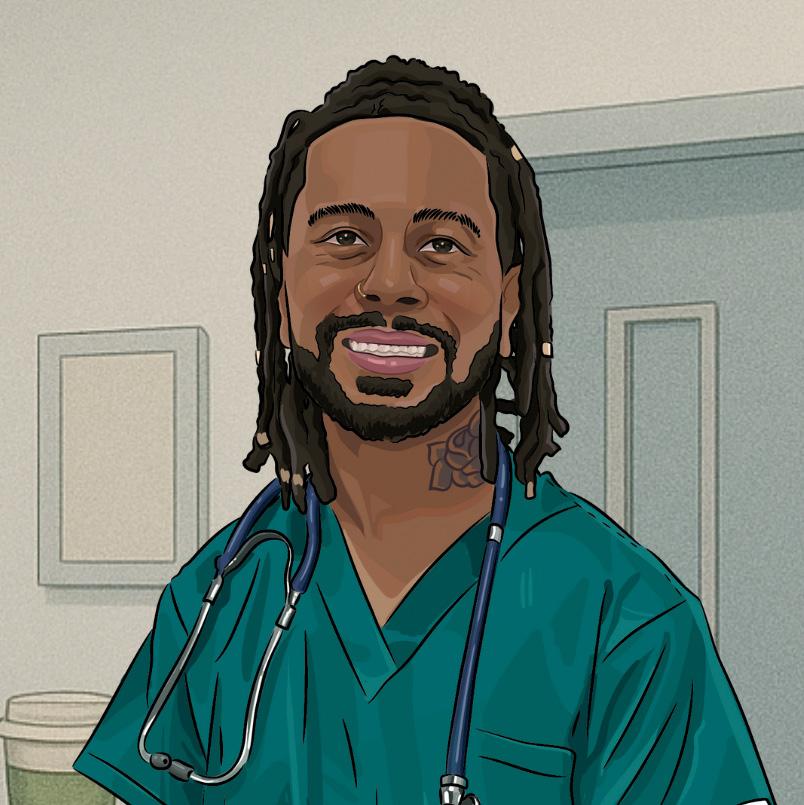
Turn the page…
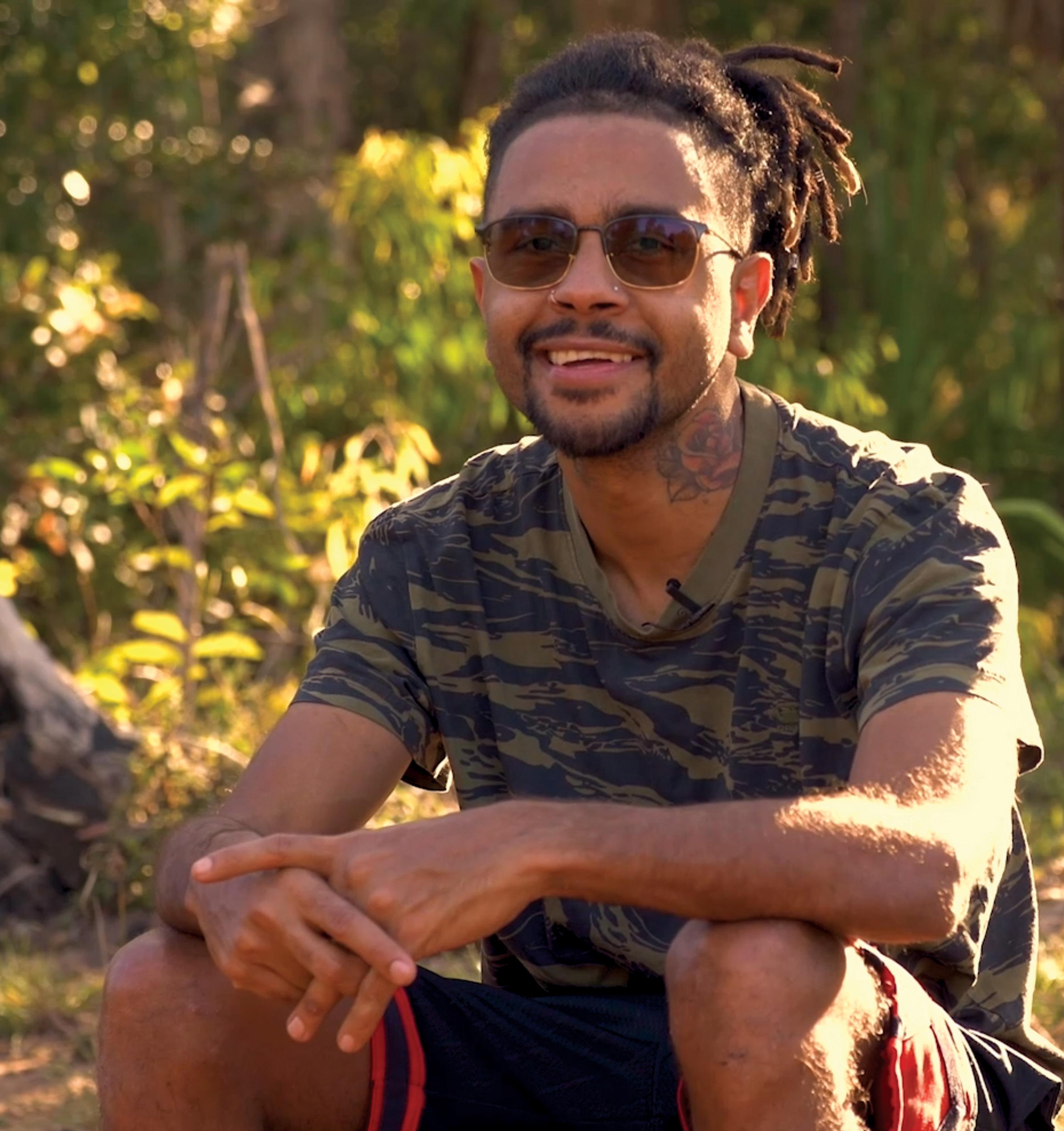
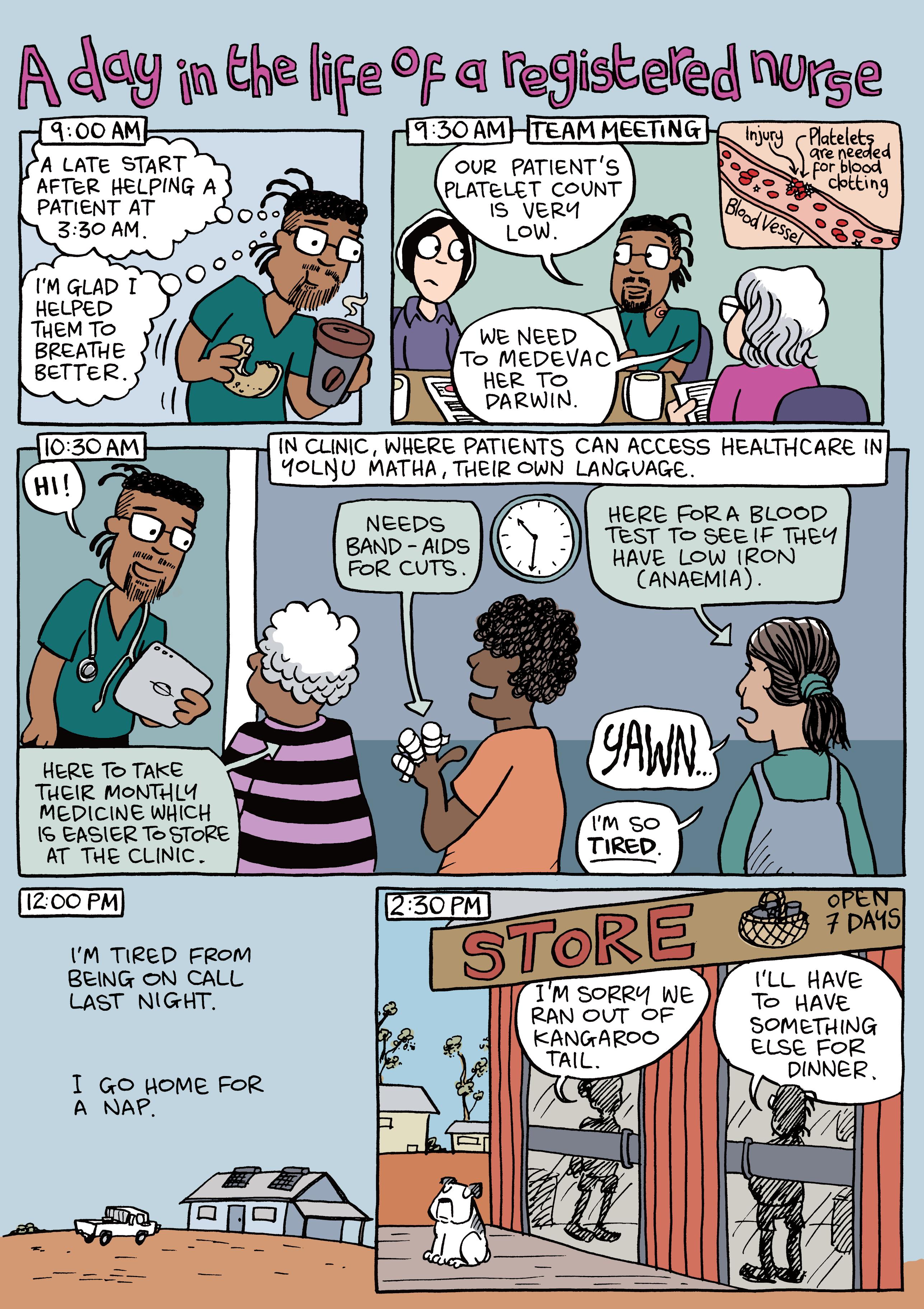
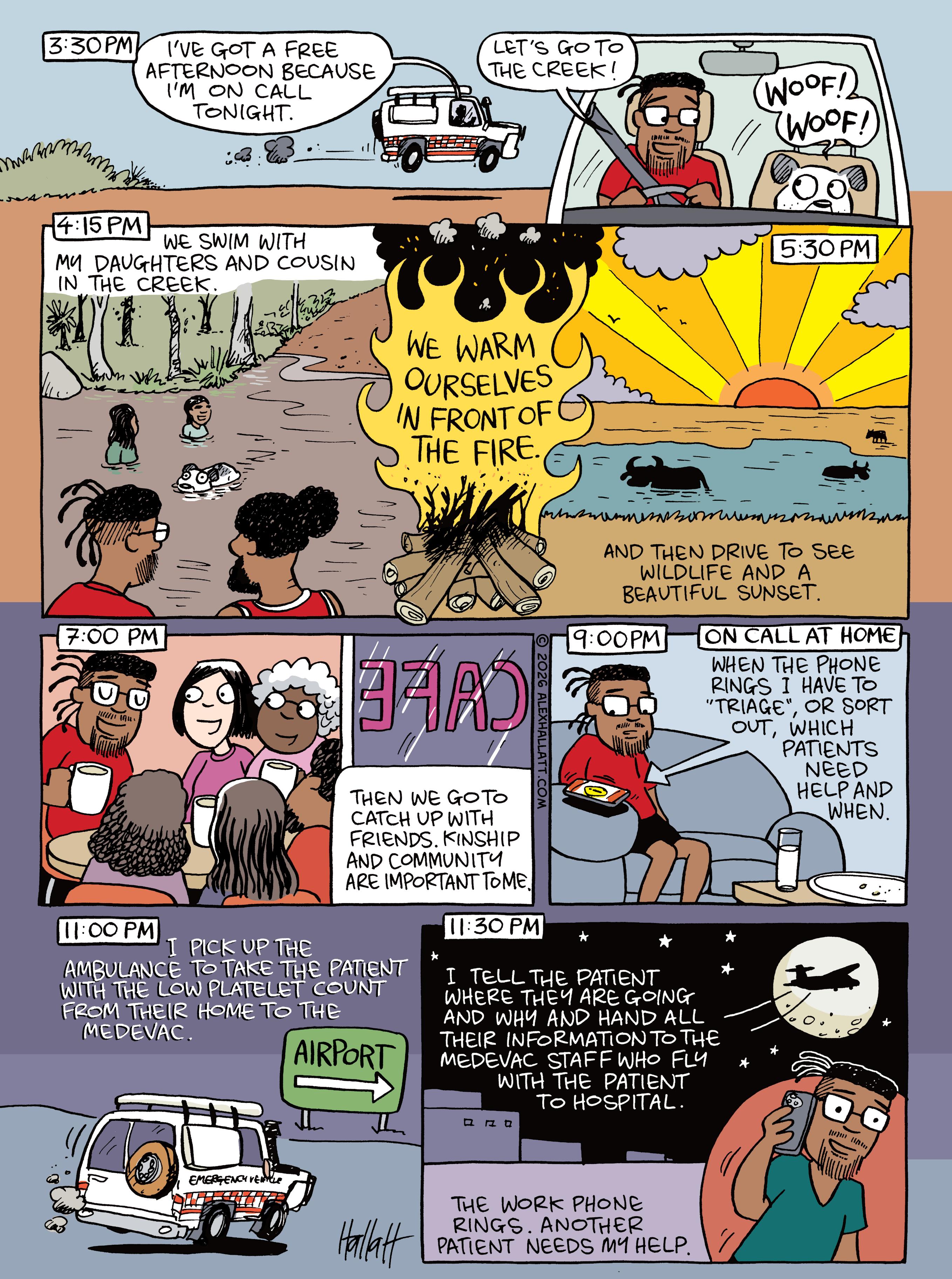
… to read a comic about our cover star, Stuart Yiwarr McGrath. Find out what it’s like to spend a day as a registered nurse among the Yolŋu people of northeast Arnhem Land.
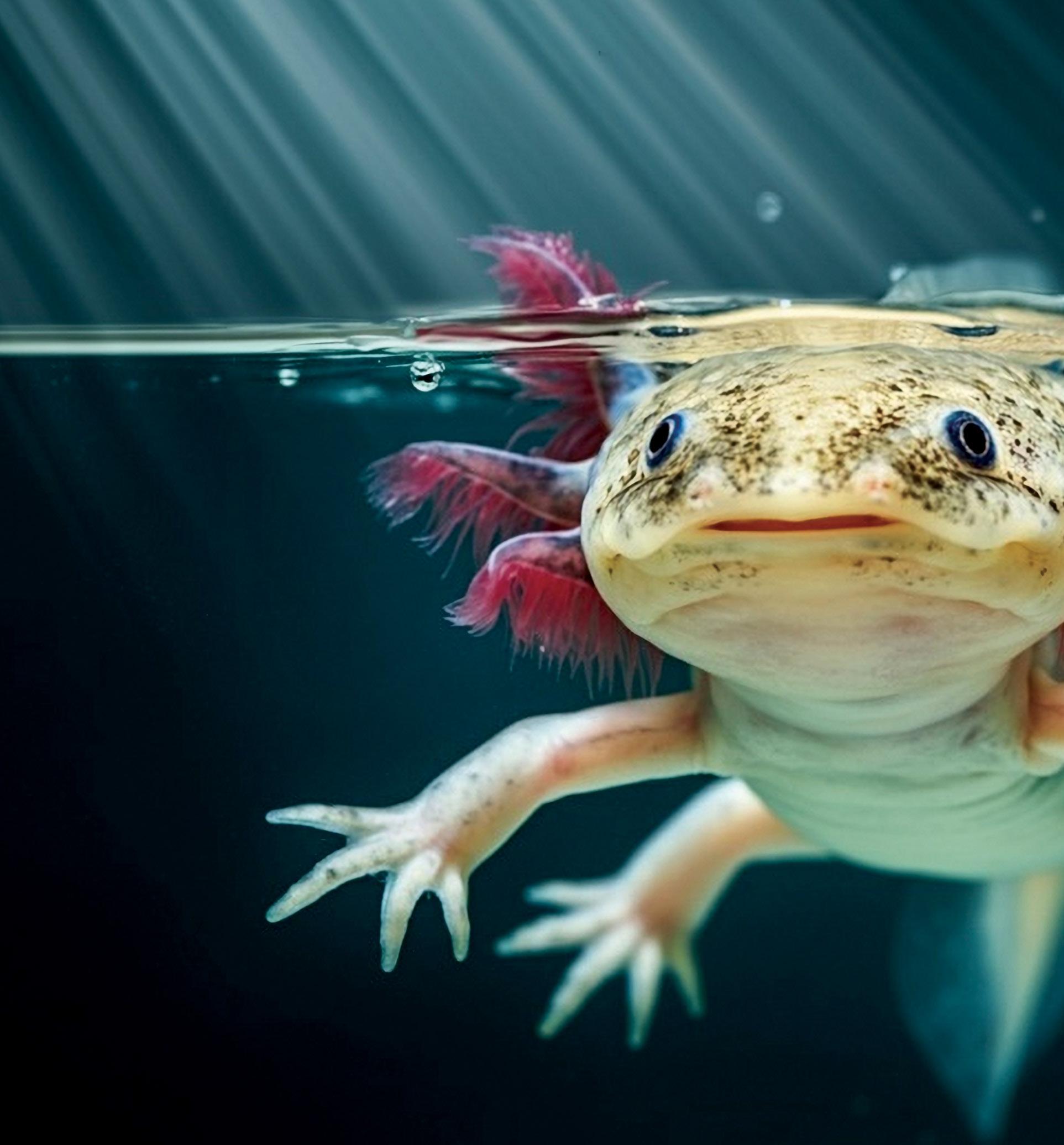
Check out the coolest creatures on the planet, their incredible superpowers and how you could work with them some day.
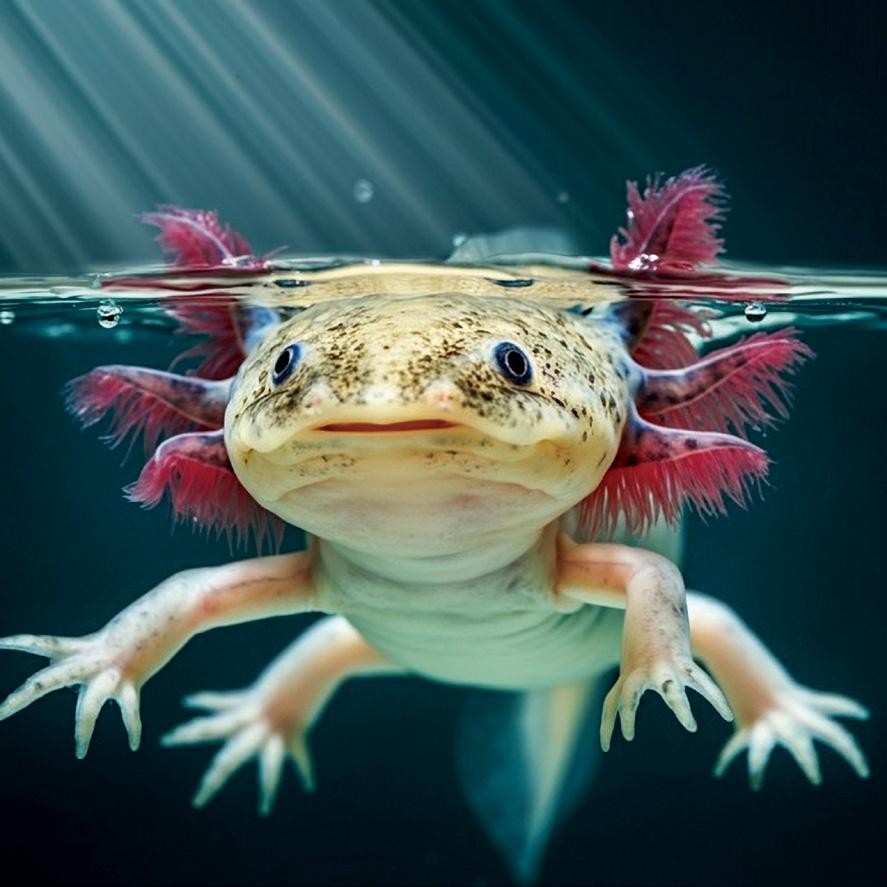
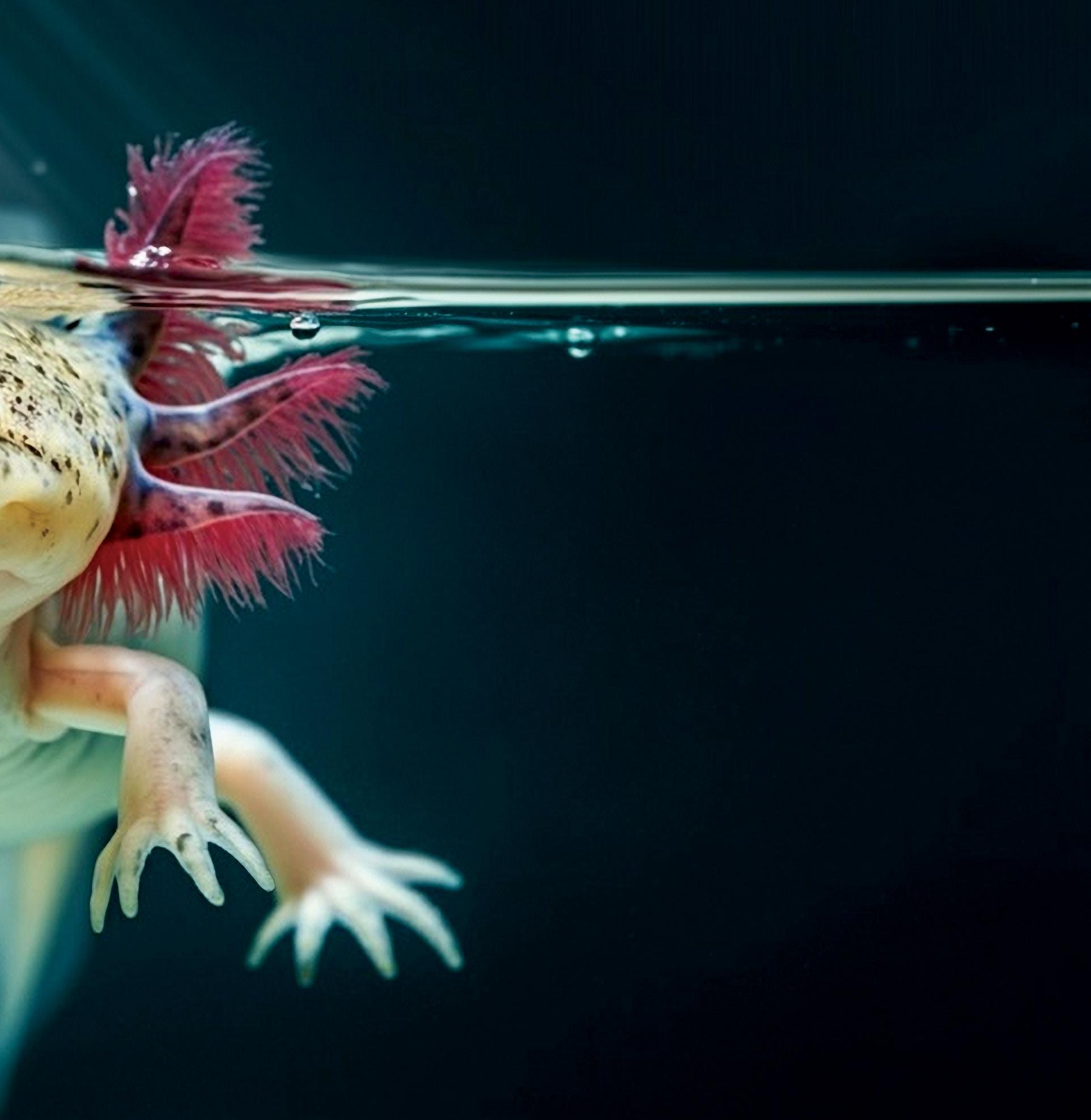
An axolotl can heal itself. It can regrow its limbs and even parts of its brain and spinal cord!
Did you know? Conservationists are helping the critically endangered axolotl by restoring its habitat in Lake Xochimilco, Mexico City.
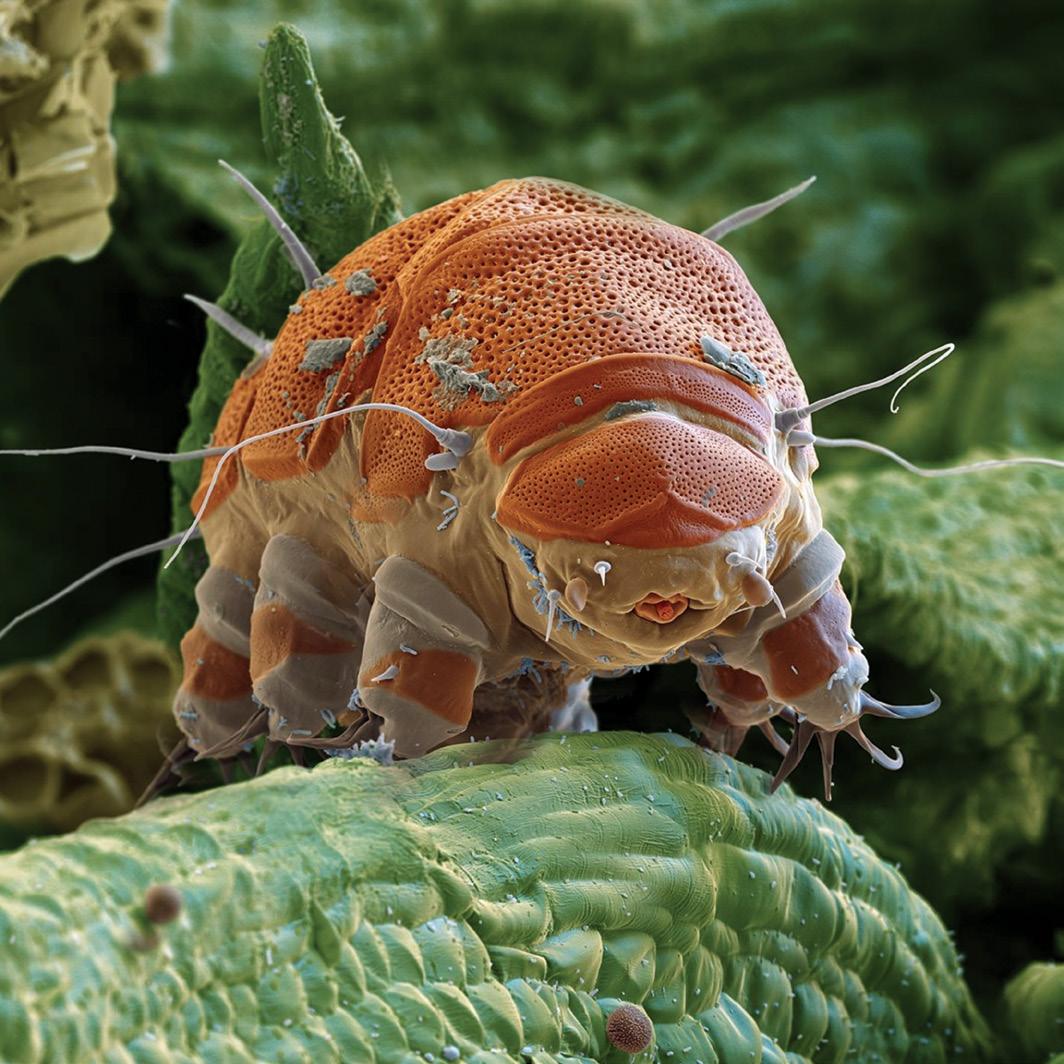
Tardigrades can survive extreme temperatures, dehydration and starvation. They’ve also survived in space!
Fun fact Astrobiologists (who study the possibility of life beyond Earth) are researching tardigrades in space to learn about long-duration space travel and survival on other planets.

The snow leopard is a master of this superpower. Its spotty coat helps it blend into snowy and rocky environments.
Future planning Become a zoologist and you could care for animals at Melbourne Zoo and Taronga Western Plains Zoo.
This article was created in partnership with Future You.

The trophy for the strongest animal goes to the African bush elephant. It can lift a whopping 6,000 kg.
Real-life superheroes
Conservationists are working to protect endangered African bush elephants from poachers, habitat loss and climate change.
The peregrine falcon is the fastest animal on Earth! It can reach speeds of over 320 km/h during hunting dives.
FYI Someone who studies birds is called an ornithologist (say aw·nuh·THOL·uh·juhst).
7 surprising creature careers
These jobs work with our furry, feathery and scaly friends!
2Nutritionist
Works out the food needs of animals in captivity, on farms and for pets in our homes!

Scan here to find out more about Phoebe and her epic career!
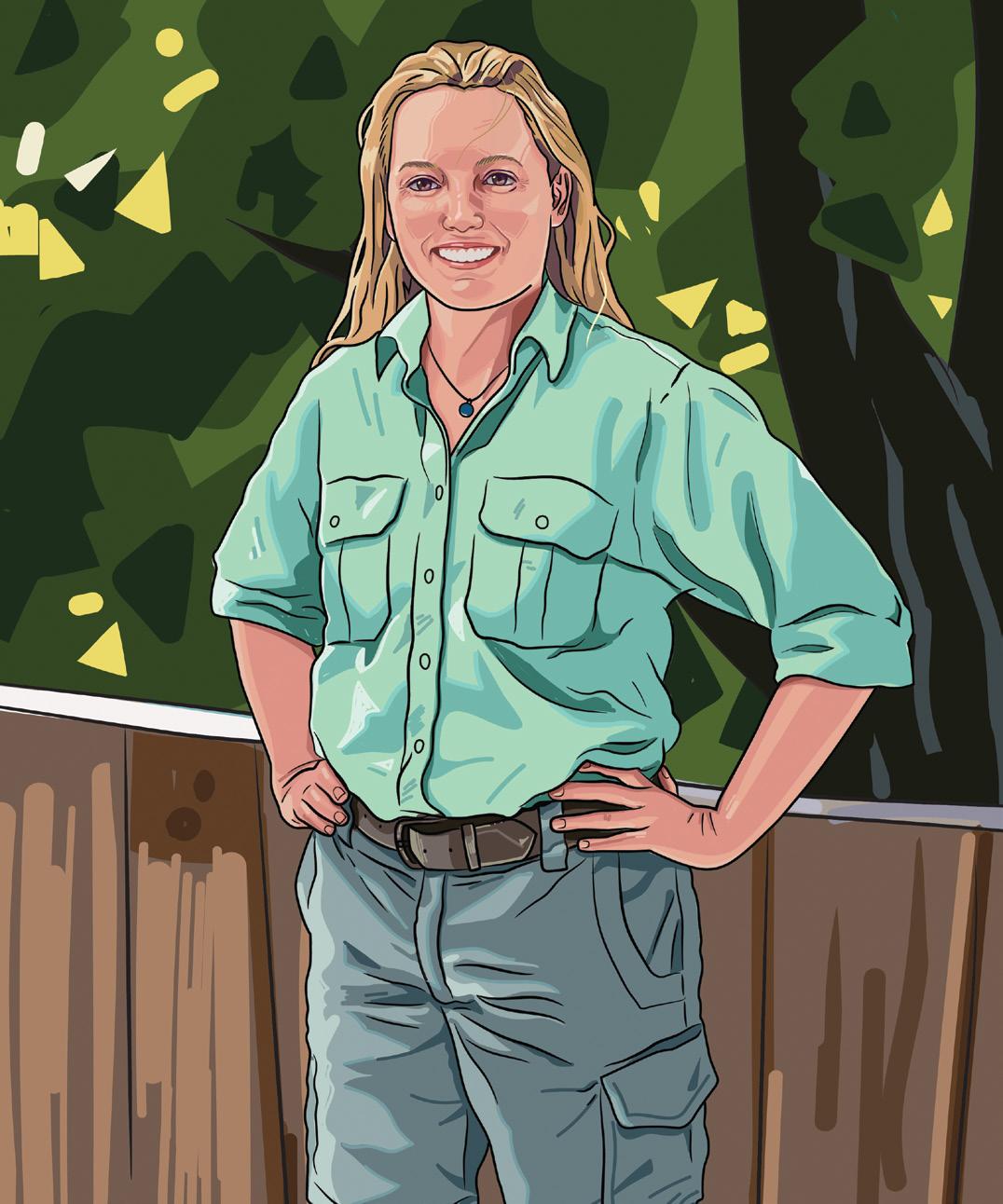
Name: Phoebe Meagher
Job: Wildlife conservation officer at Taronga Conservation Society Australia
Studied: Zoology
Favourite school subject: Biology
On the job: Phoebe releases animals into the wild and actively fights against poachers.
4Agricultural technician
Measures and analyses food products (like grains, fruit and veg), and manages livestock (like cattle, sheep and pigs).
4Occupational therapist
Uses animals to help patients improve their movement, plus social and emotional skills.
5Venomextractor
‘Milks’ spiders, snakes and risky creatures to make medicines and bite treatments with venom.
5Big cat dentist
Cares for the teeth of lions, tigers, cheetahs and leopards in zoos.
6Ophthalmologist
Say opthal·MO·luh· juhst. Studies the structure of the eyes in different animals.
7 Radiographer Takes X-Rays of animals so vets can diagnose and check injuries and diseases.
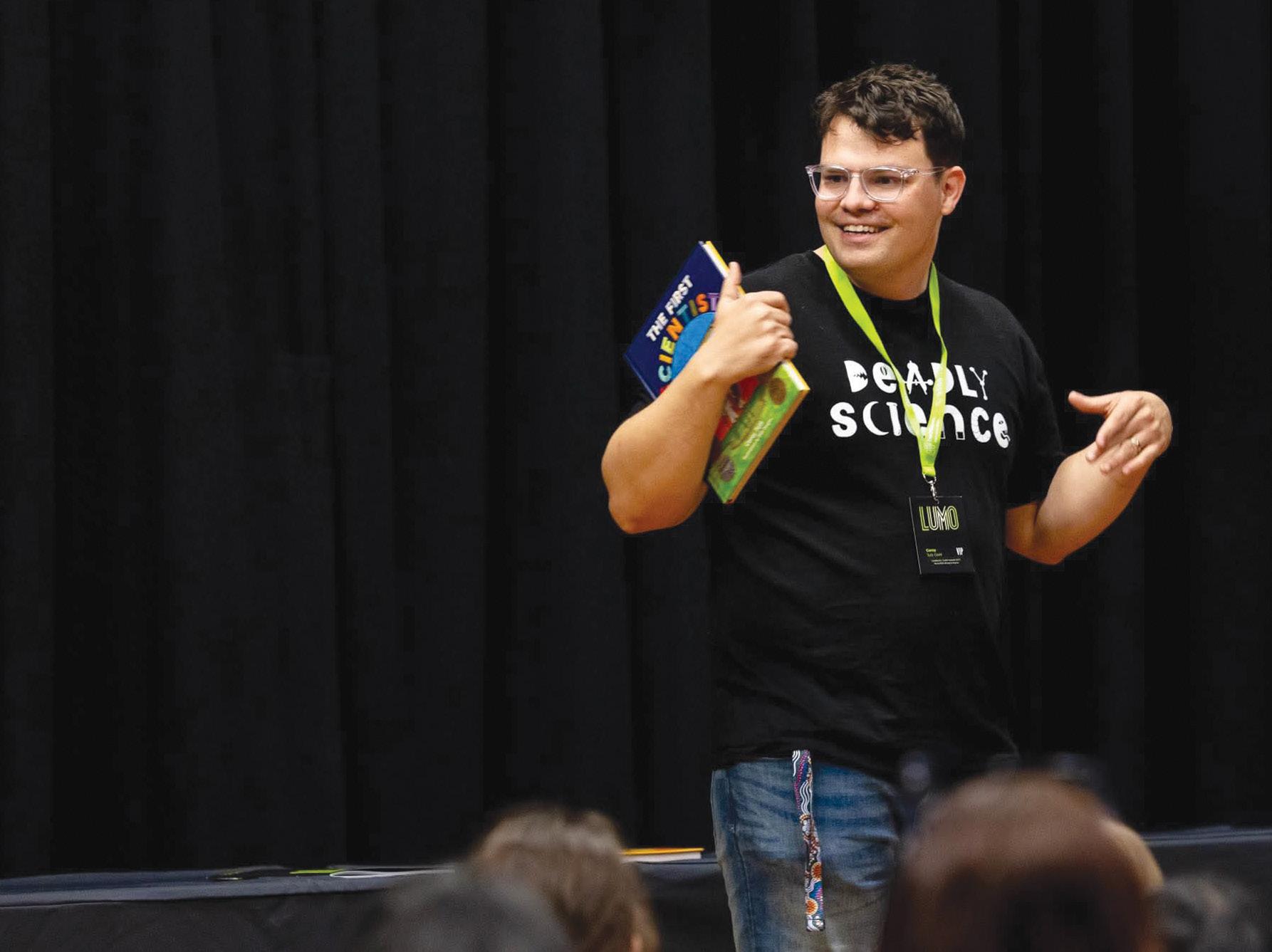
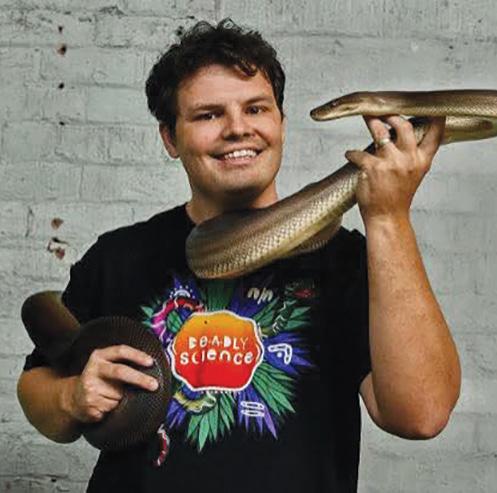
Have you ever dreamed of working in a zoo? Corey Tutt did, but getting there wasn’t easy.
Corey is a proud and deadly Kamilaroi man from Nowra, New South Wales. When he was younger, Corey was told he was never going to be smart enough to work in a zoo. How rude!
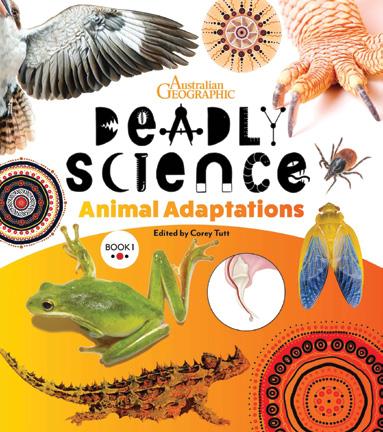
Today, Corey is not only a zookeeper, he's also an author, and the founder and CEO of DeadlyScience, a charity that sends STEM resources and programs to regional and remote schools. That means Aboriginal and Torres Strait Islander youth are supported to dream big too.
Corey loves helping others to believe in themselves. His advice? “Find your passion and purpose. Where the passion is, the purpose will come!”
Ready for more amazing animals? Corey’s deadly books bring science to life!
• Caution! This Book Contains Deadly Reptiles
• Deadly Science – Animal Adaptations
• Deadly Science Life Cycles
Please keep an eye out for Corey’s latest book, Science Before Science!
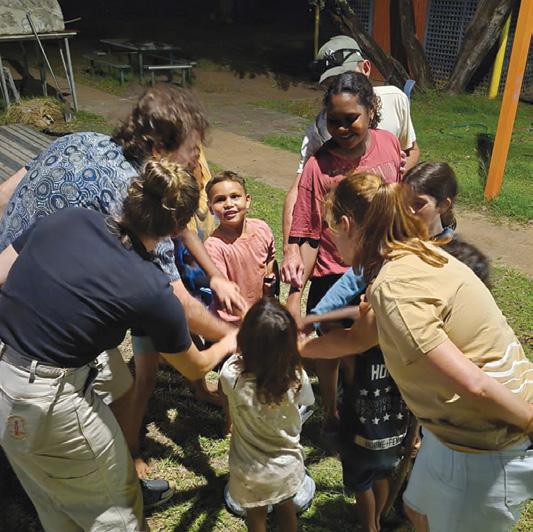
Purnululu School teaches the Gija way. Gija is the traditional language of the area, and it’s thousands of years old. Most lessons in the school focus on Gija stories, language, kinship and connection to TooCountry. Deadly!
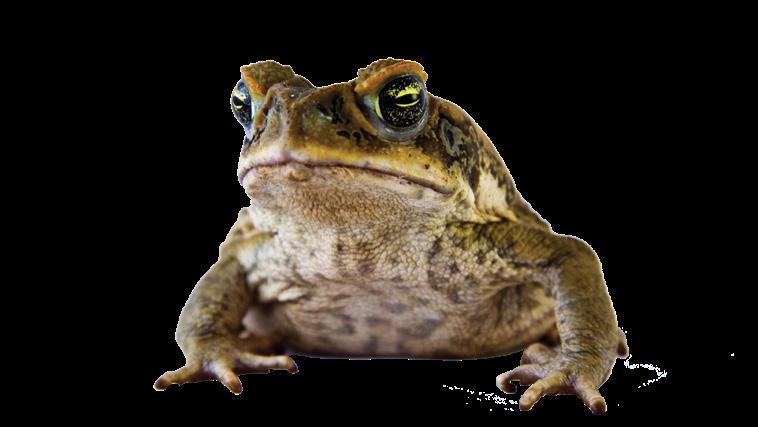
What did you do at school today? At Purnululu School and Woorreranginy Community, they’ve been trapping cane toads! Learners at Purnululu School have created cane toad tadpole traps to control the numbers of this invasive species. They also hunt and humanely kill adult toads before they can breed.
This article was created in partnership with DeadlyScience.
It’s important not to bother wild animals, so scientists have ways to watch from afar.
Scientists today use clever tools like flying robots (drones) and hidden cameras to learn where creatures go, what they eat and how to protect them.
Drones can be equipped with special tech to reveal what animals are up to. Thermal cameras detect body heat at night. Radio-tracking drones can find animals wearing radio tags. There are even drones that film, have lasers or hold sample plates.
Name: Dr Vanessa Pirotta
Role: Wildlife researcher Research: Collects whale snot using drones

Did you know you can help scientists spot animals? Try Seek by iNaturalist to help scientists understand where different species live.
• Point the app’s Seek Camera at living things.
• Spot wildlife, plants and fungi.
• Earn badges for observing different species.
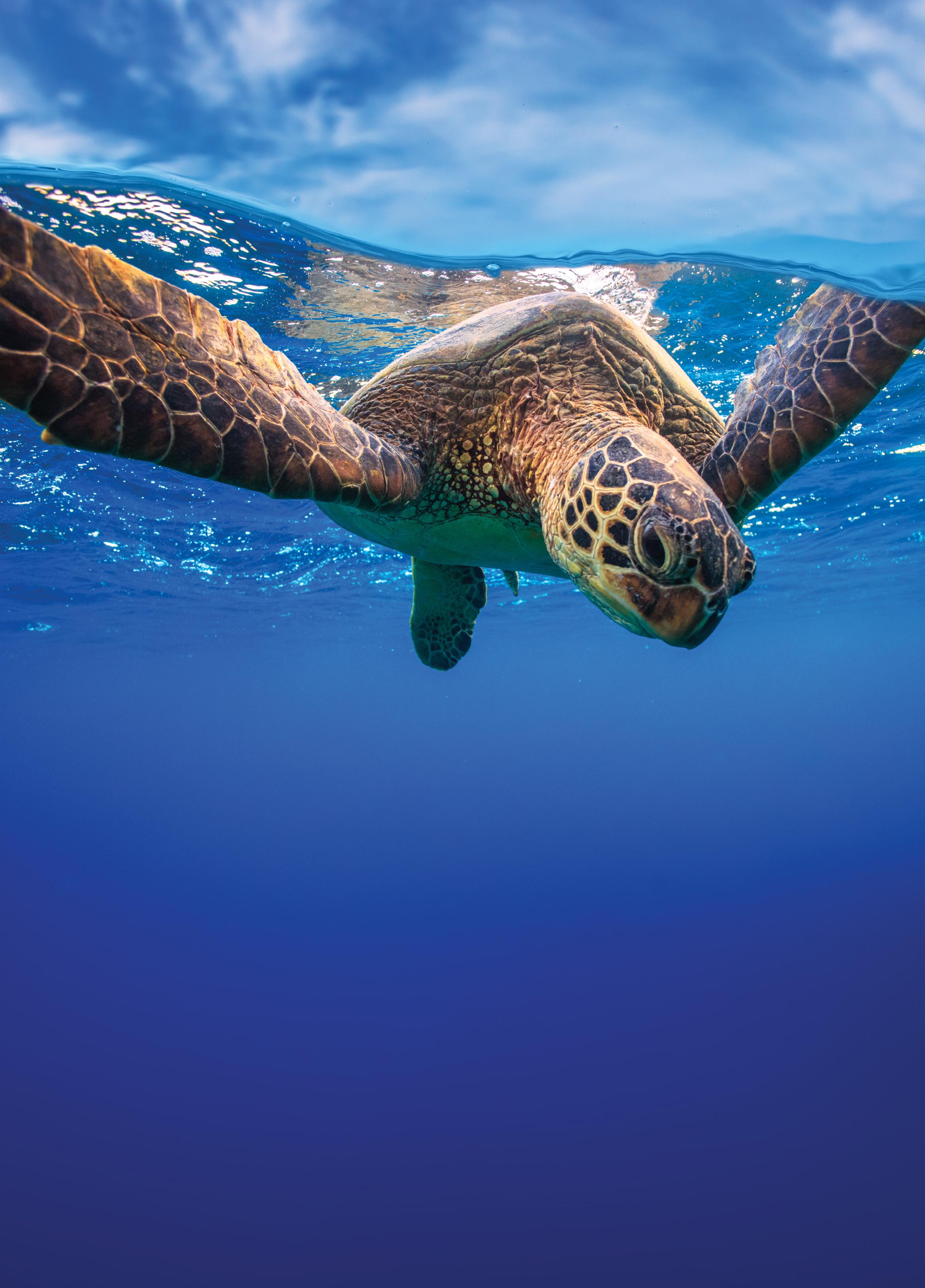
Scientists sometimes attach small radio tags to animals like turtles, sharks and birds. These tags send signals back to the scientist when an animal moves or comes to the surface. This helps scientists map where different species travel, eat and rest so they can protect them better.
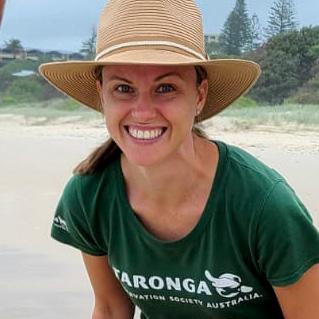
Name: Dr Jo Day
Role: Conservation biologist Research: Marine turtle tracking
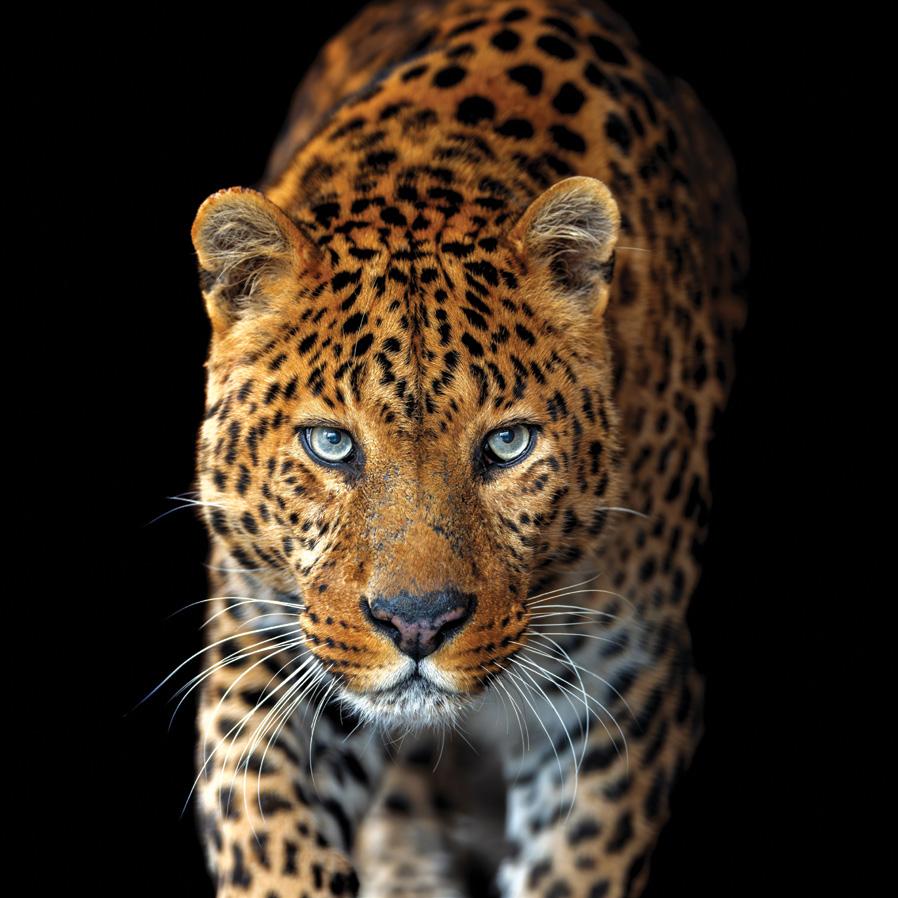
Camera traps are special motion-activated cameras that record images when animals move past them. Researchers use them to find out where animals live.
Name: Declan Morris
Role: Community ecologist
Research: Spotting leopards with camera traps
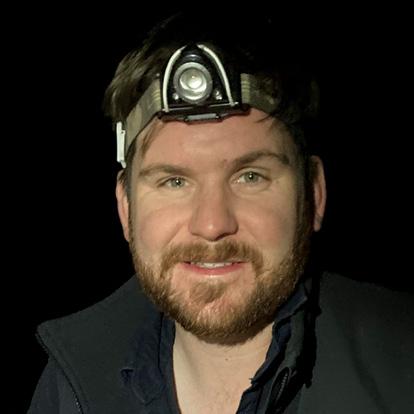
This article was created in partnership with Future You.

Dig into jobs that take people underground, and imagine what future explorers might find on other planets.
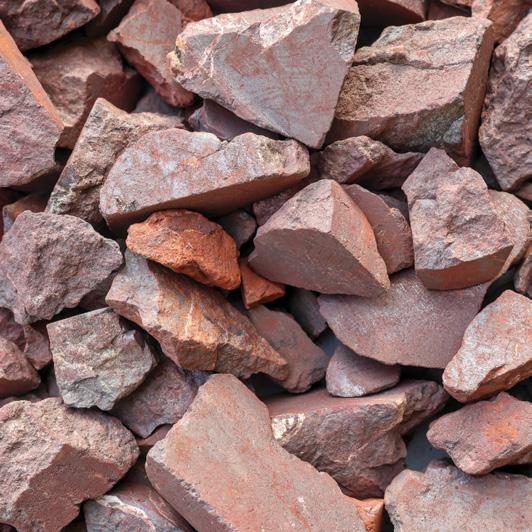
Diamonds. Iron ore. Underground rivers. What comes to mind when you think about the world beneath your feet? And not just our world, but the unexplored nether realms of other planets? Read on to discover the underground careers of today and tomorrow.
Planetary geologists are a bit like space detectives! They study how planets, moons, asteroids and comets formed, and what they are made of.
If you become a planetary geologist, you could work at:
Space agencies
Go on planetary missions and do research with the Australian Space Agency (ASA), National Aeronautics and Space Administration (NASA) or the European Space Agency (ESA).
Aerospace companies
Design spacecraft or plan space exploration missions.
Universities
Why not research planetary science and astrobiology?
Media
As a science communicator, you could get paid to inspire others!
Mining companies
Work out how to mine resources on other planets or on asteroids.
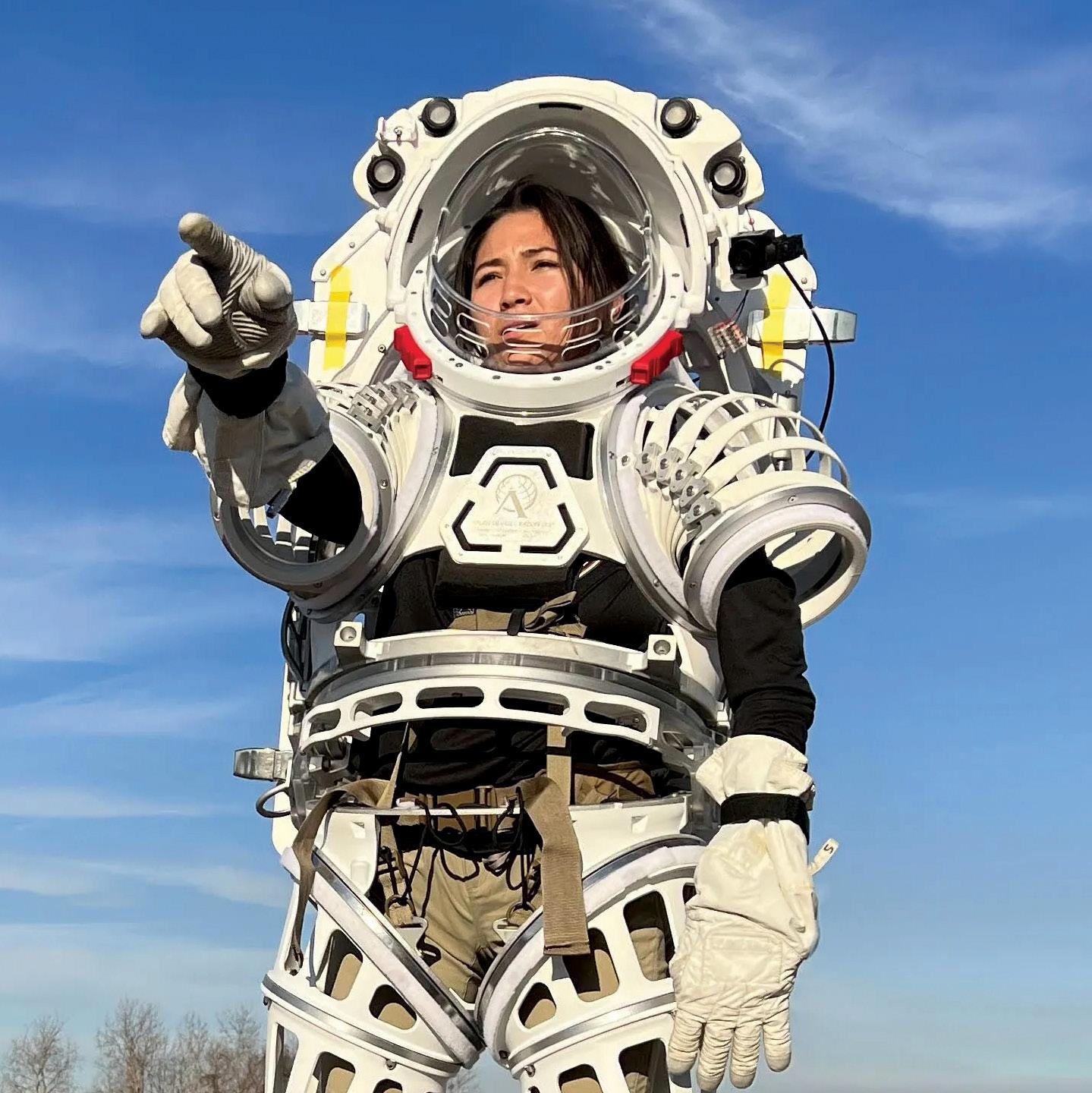
Angela Garcia NASAgeologistexploration
Imagine walking around the desert – in a space suit! Angela Garcia trains the engineers, astronauts and geologists who will be sent on NASA’s Artemis mission to the Moon.
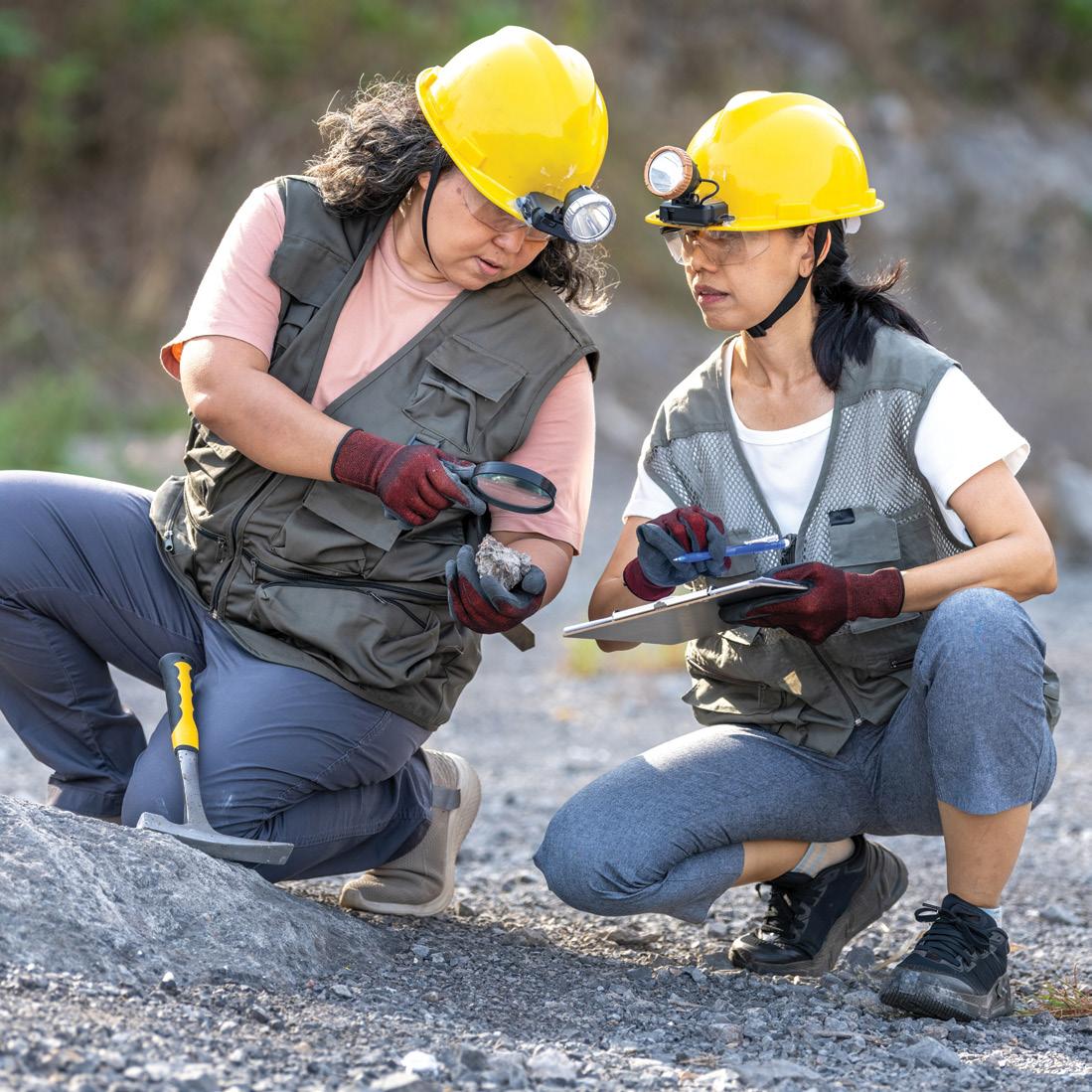
Geologists and geoscientists are the people you want to know when you need to find out what’s way, way beneath your feet. From volcanoes to gold mines and earthquakes to underground water sources, geologists rock!
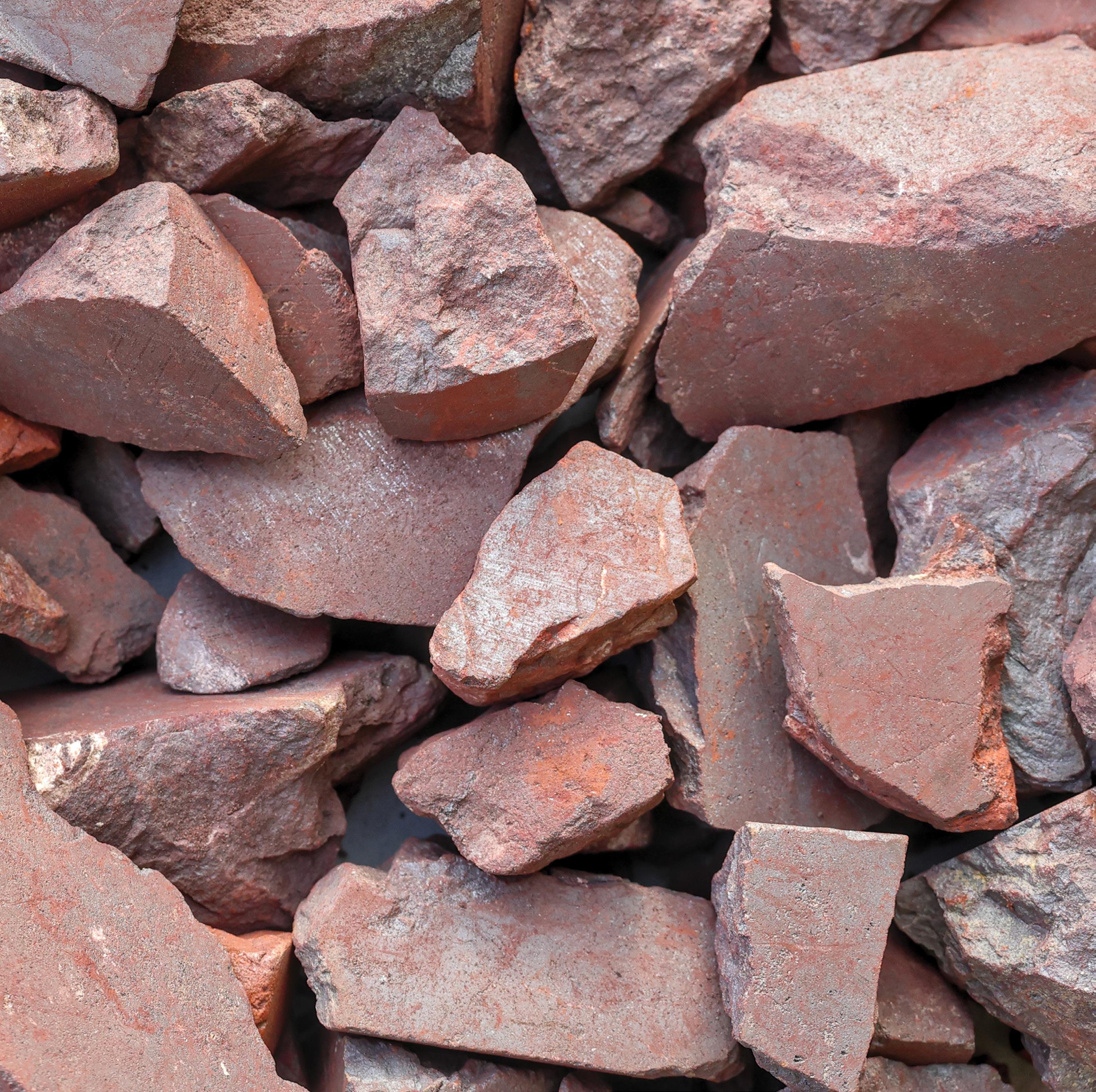
Could there be useful minerals, water, or even life on Jupiter’s remote moons?
Check out this edited extract from Semper, a story of a girl and her robot dog searching for resources on Europa… 780 million kilometres from home.
Shang stared out at Jupiter through the viewport, hanging overhead like their own cold sun. Every time she caught sight of it, she’d get goosebumps. It had taken her 6 years to get here, most of which she’d spent sleeping.
She was eager to get onto Europa, the moon she’d been assigned to explore for resources and critical minerals. She’d sacrificed a lot to be here. Everything, in fact.
But Shang had been assigned the worst robo on the entire base. It looked like a giant terrier puppy, a big useless Drobo that was smooth and silver and needy. The one good thing about Semper, she thought, was that it didn’t drool like Earth dogs did…
Read or listen to Semper here:
Semper | Short story | Future you How many STEM skills can you find in the story?
(In alphabetical order – because they are all ‘ore-some'!)
Arguably the most important, because we always need new geologists!
Decide if the ground is stable enough for large buildings, mine projects, dams or oil drilling.
Study our planet to help us use its resources wisely, and keep it healthy.
Look for minerals like gold, copper or iron ore, and work out the amounts and quality of minerals underground.
Be a volcanologist, earthquake researcher, tectonic plate scientist and more!
Psst! Get this mission marked off in the classroom. Hand your teacher this B&G matrix to show you’ve got schoolwork sorted.
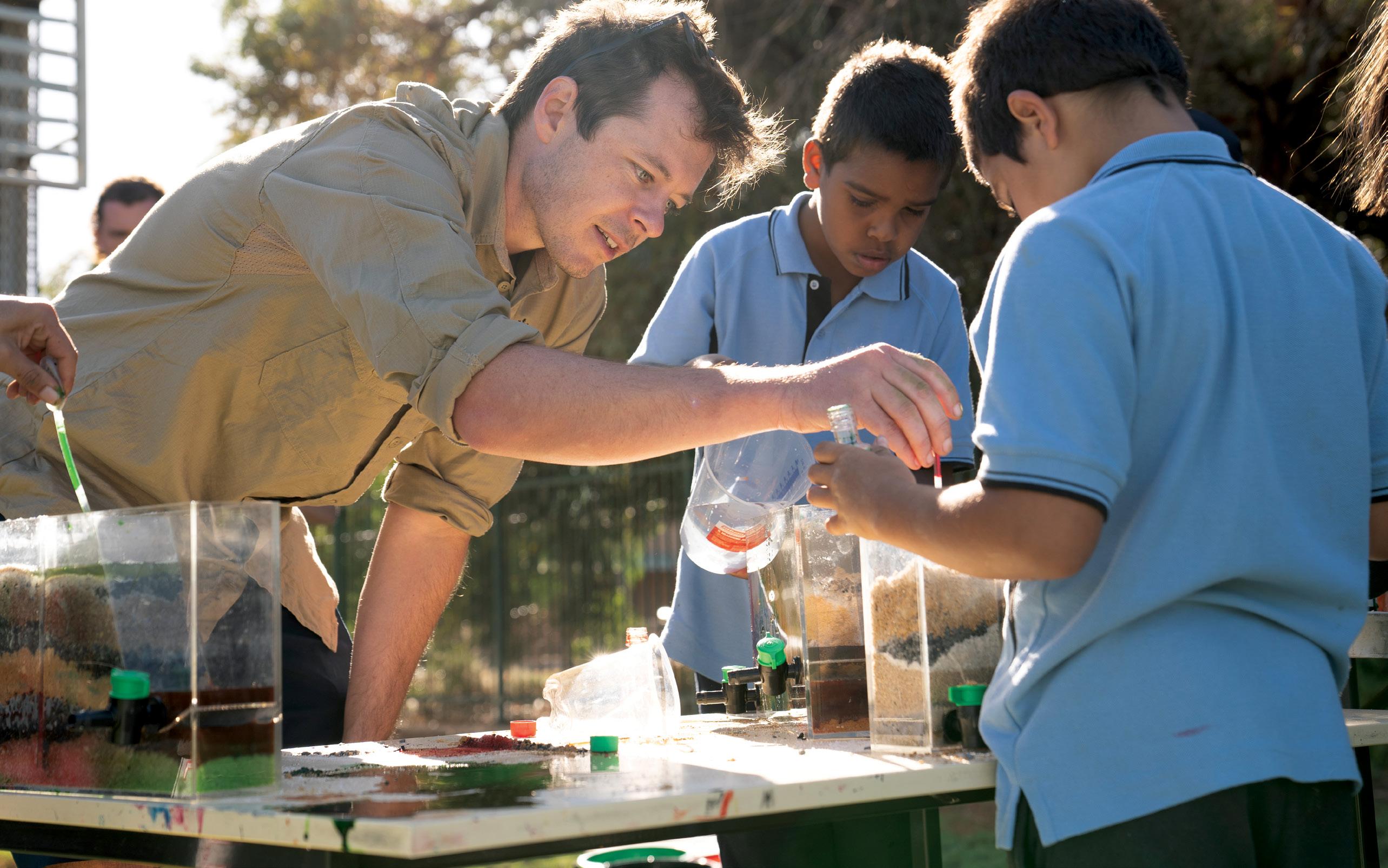
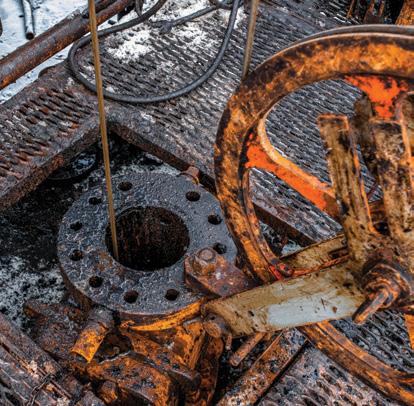
Turn on the tap for a drink of water. Use your phone’s map to find the beach. Open an app to order pizza. Ride your bicycle or catch a bus. Guess what? None of these everyday activities would be possible without the resources that are found, mapped and studied by geoscientists!
Geoscientists study what our Earth is made of and how we can use its minerals, metals, rocks and water.
Match the names of these geoscience jobs with the images. Look for hints in the words! 1 Hydrogeologist
What could you do as a geoscientist?
• Fix some of our biggest challenges.
• Use satellites to keep an eye on changes to our environment.
• Help communities prepare for natural hazards like earthquakes.
• Figure out how everyone in the world can get clean drinking water!
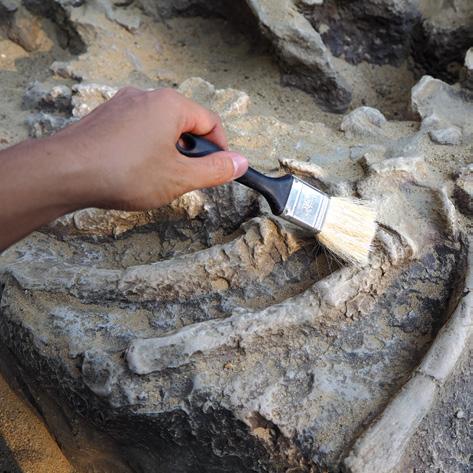

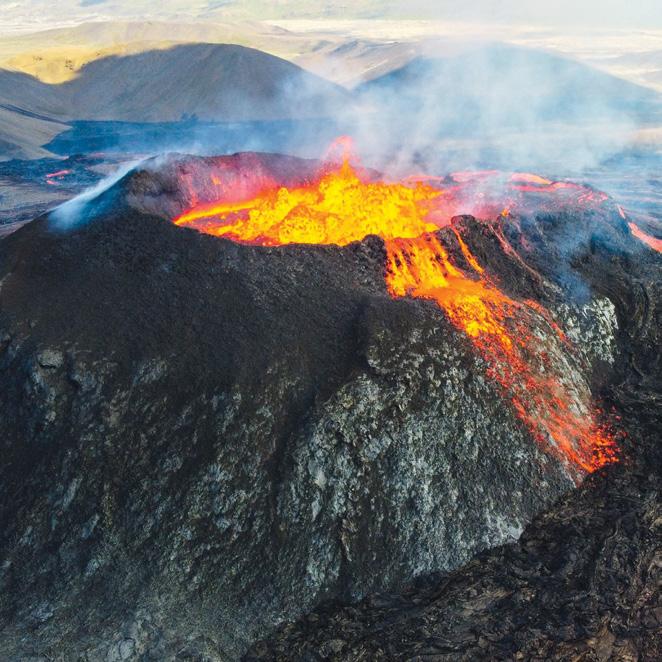
This government entity helps Australia make decisions about geology and geography – from the oceans to the mainland.

Tell your teacher Psst! Let your teacher know that Geoscience Australia has fun and free school resources about rocks and minerals.
Dreaming of exploring other worlds?
Let your imagination take flight!

Harriet Hunt Aerospace systems engineer
Time to invent a new planet! Grab a tray and use sand, slime, playdough and craft supplies to model the planet’s surface. Are there weird mountains, rainbow volcanoes, rock islands, or flowing lava?
Remember to tidy up when you’re done! This article

These profiles are adapted from Get into STEM. Check out the full profiles and more on their website.
In her first year at uni, Harriet failed physics and had to retake it. “It’s ok to fail, and it’s OK to get discouraged,” she says. It may have slowed Harriet down, but it hasn’t held her back. She’s already worked at world- class space companies, including NASA!
One of the secrets to Harriet’s success is volunteering. “It’s a way for me to develop essential skills outside of engineering, such as communication!”
Dr Kirsten Banks
Astrophysicist
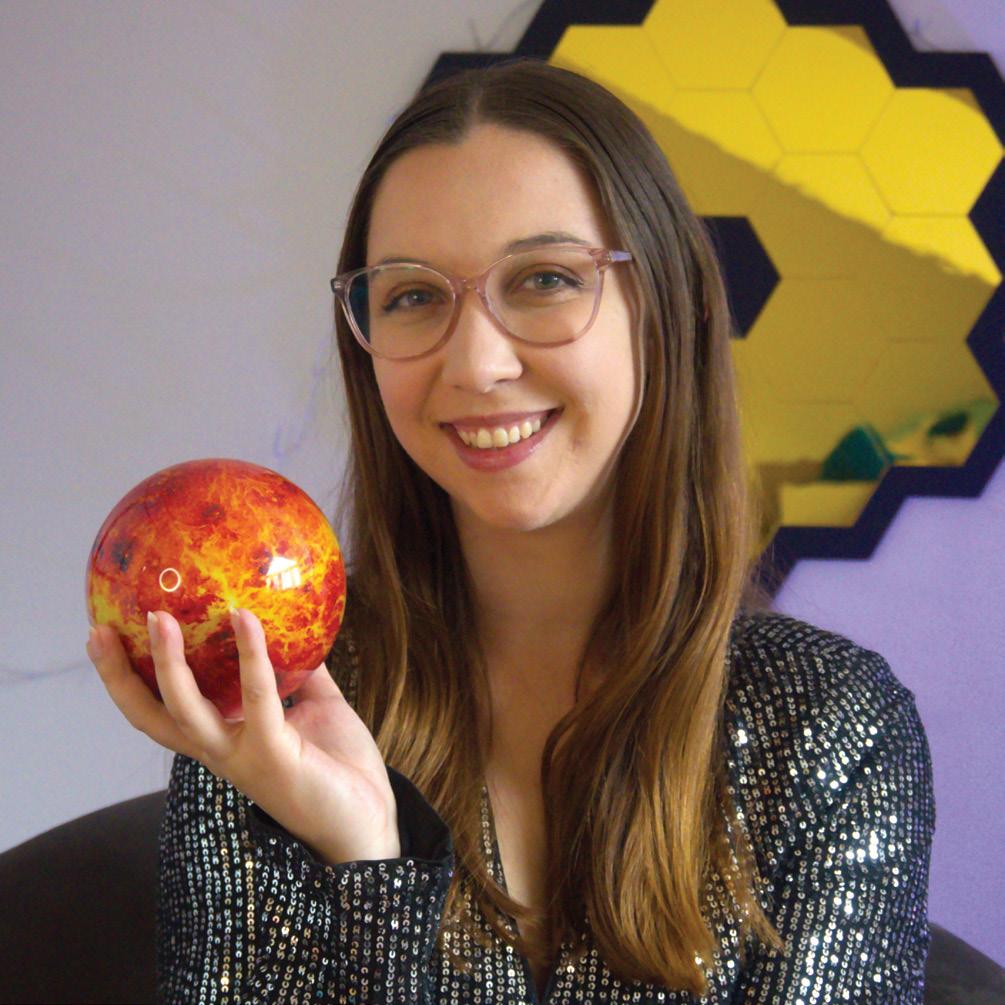
Kirsten has loved science since she was little, but her grades weren’t great in primary school. Then, when she got to high school, everything changed. “Something clicked, and maths and science began to make sense,” she says. Kirsten has just finished studying astrophysics, a type of science that helps us understand stars, planets and galaxies. Now she’s an astrophysicist and a science communicator!
Discover the science, technology, engineering and maths behind these popular hobbies and then tell us about the STEM in your hobby to win.
Science: Chemical reactions make baked goods rise, brown and harden.
Technology: Machines like microwaves and blenders make baking easier.
Engineering: Ovens are designed to heat your creations evenly so they don’t burn.
Maths: Measurements help make sure the right amount of each ingredient is used.
Science: Game developers use physics to make games look realistic.
Technology: Gamers use consoles, TVs, computers and phones to play.
Engineering: Video games are coded by software engineers.
Maths: Graphics are made using geometry (shapes, lines and angles).


Kayta the software engineer likes cooking and baking in her spare time!
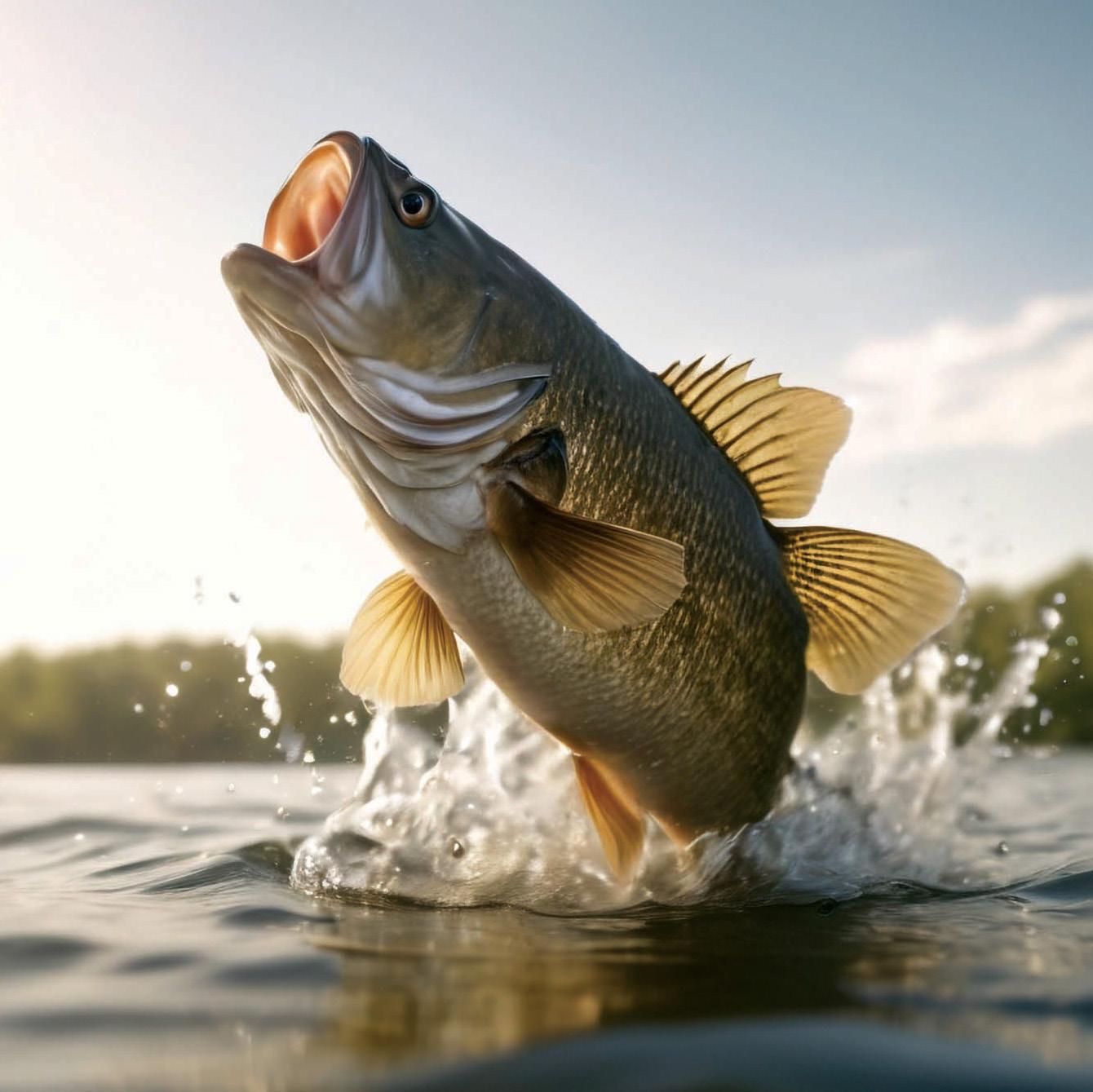
Science: Knowing how water pressure and temperature affect fish behaviour can help you catch them.
Technology: Navigation tools like GPS and sonar help find fish.
Engineering: Different materials help make fishing rods both strong and flexible.
Maths: Calculate the length and weight of the fish you catch!
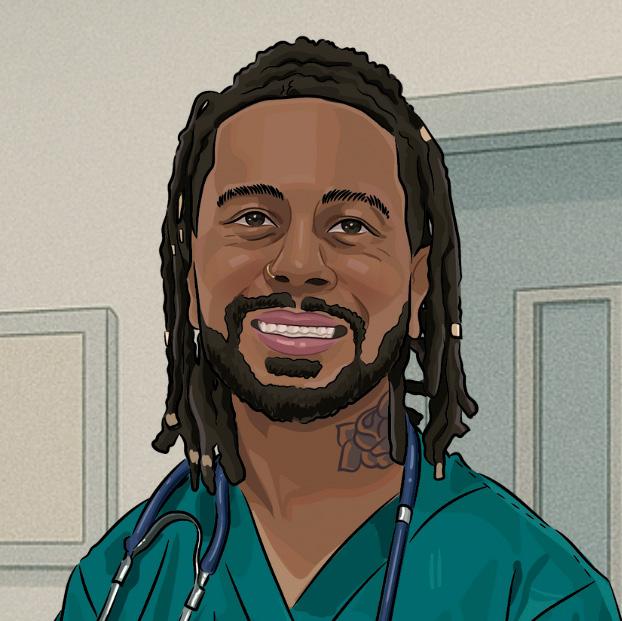
When he’s not saving lives, you’ll find Stuart the registered nurse fishing.


Science: Understanding how fabrics are made and behave is important when sewing items.
Technology: Computer-aided design helps create patterns.

Engineering: Sewing machines move the needle and form stitches.
Maths: Arithmetic helps to measure fabric and geometry is important for pattern design.
Siobhan the clinical audiologist sews her own clothes to help the environment.

Science: Propulsion, resistance, buoyancy and gravity help swimmers move through water.
Technology: Tech-powered watches and goggles can track an athlete’s performance.
Engineering: Water circulation, filtration and chemical balance are considered when designing and building swimming pools.
Maths: Calculating distances and times helps swimmers to track their performance.

Science: Creating music releases chemicals in our bodies that can make us feel good.
Technology: Computer programs can record, edit and enhance music.
Engineering: Microphones convert sound waves into electrical signals to amplify voices or instruments.
Maths: Music involves fractions, counting beats and patterns.
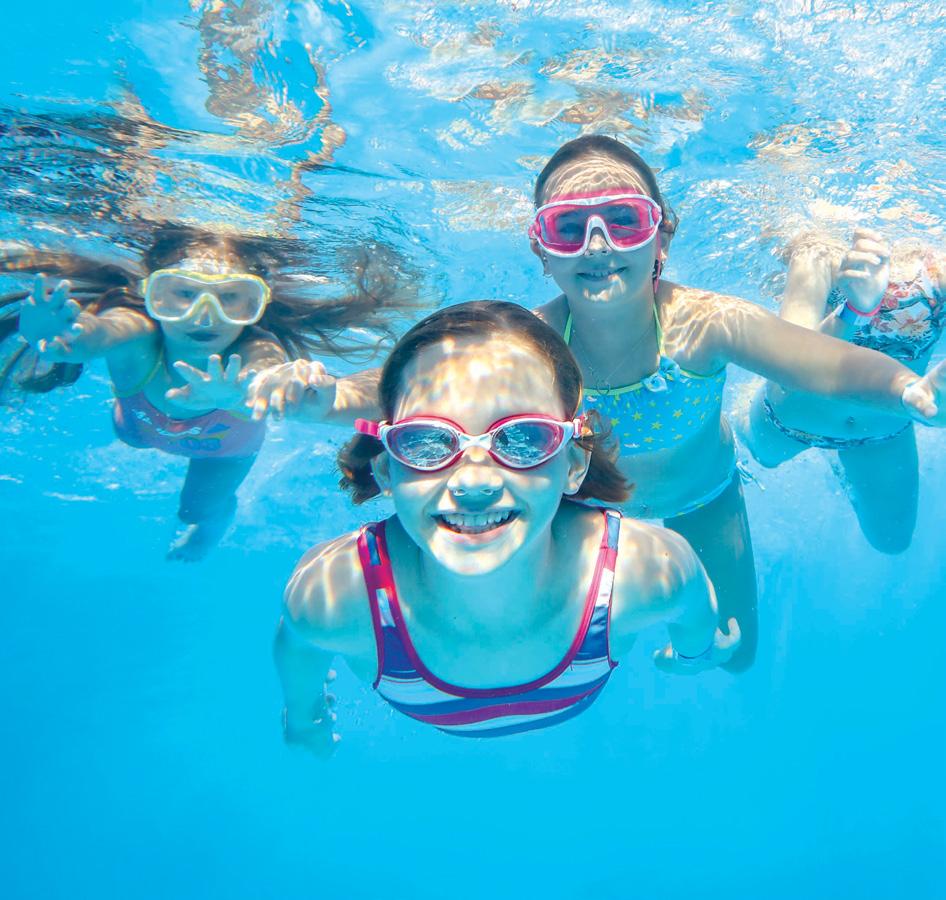
After a long day of problem-solving on the job, Bardie the qualified carpenter loves to go for a swim.
This article was created in partnership with Future You.
My hobby is:
My hobby is:
The science is:
The science is:
The technology is:
The technology is:
The engineering is:
The engineering is:
The maths is:
The maths is:
• Ask an adult to scan the QR code and send us your entry.
• There will be one winner at the end of each school term, until Term 3, 2027.
• Terms and conditions on the Future You website.
How many different human-made things can you see around you?
Have you ever wondered who was involved in creating them?
Pretty much every single one involved an engineer – whether it’s a strong bridge, the delicate electronics in a computer, or the waterproof fabric on your raincoat.
Here are 4 engineering professionals who got there in completely different ways.

Can you imagine a new building or vehicle that would be super helpful? Draw a diagram, plan or blueprint of your creation!
Think like an engineer:
• Include arrows to show how things move.
• Use colour coding for different materials.
• Include a list of the materials you’ll use.
could be for you.
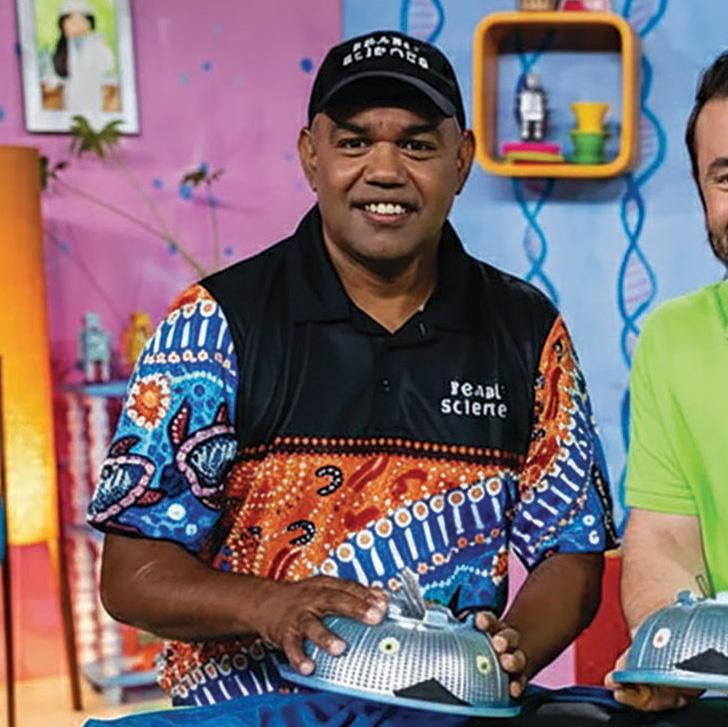
Vincent Scott Head of First Nations and community engagement
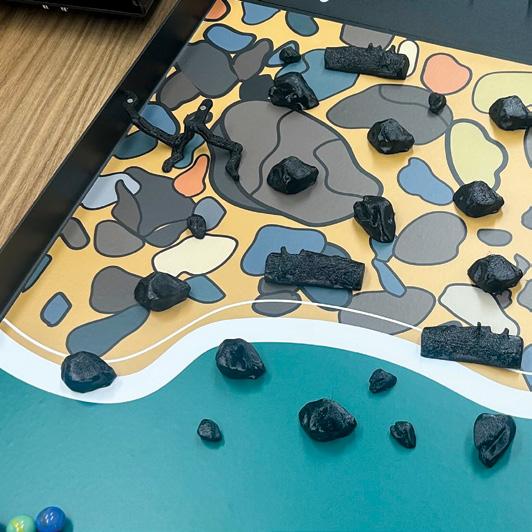
Engineering isn’t new for First Nations peoples of Australia. For thousands of years, they have used smart ideas and deep knowledge to care for land and water. One great example is fish traps, made from stones and natural materials. These traps guide fish but don’t catch them all, helping fish and waterways stay healthy. Fish trap sites were also places where families gathered to share food and stories.
Vince is a Dunghutti man who helps learners explore these designs through DeadlyScience activities that show how science, teamwork, and Caring for Country go together.
This article was created in partnership with Future You and DeadlyScience.

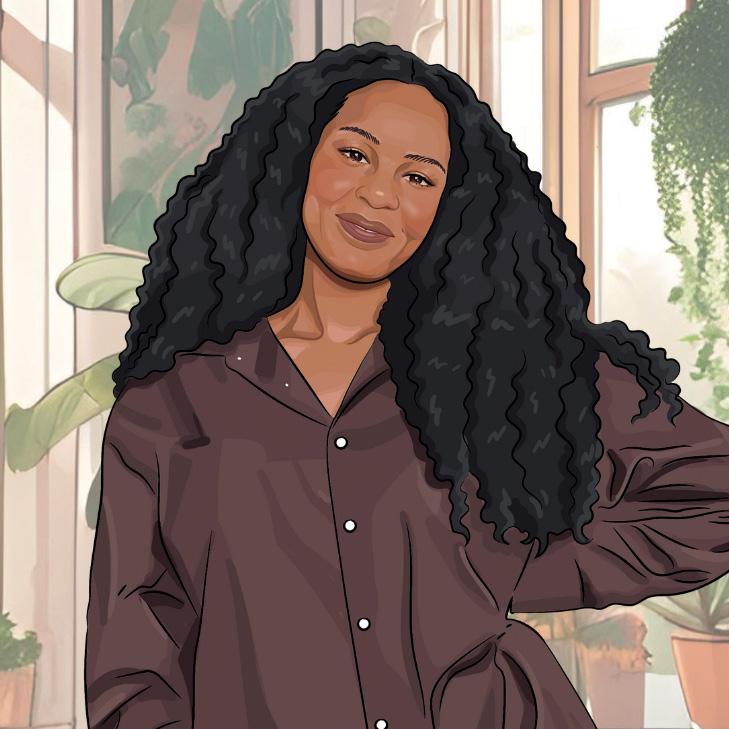
Carpenters, like Bardie, build and repair things made of wood. Carpentry is what’s known as a trade, and tradespeople are an important part of engineering.
“Without trades, the world stops moving,” Bardie says.
Bardie became interested in carpentry when she worked as a labourer. This led her to start an apprenticeship.
“I fired off my first nail gun and that was it,” she says. “I was hooked!”

engineer
Some engineers, like Kayta, work entirely in the virtual world. Kayta builds things out of code, using her computer.
Do your parents listen to the news on their phones, or read articles on an app?
Presenting the news online is complicated, and Kayta helps make it possible!
Kayta started learning how to code while working full-time in a marketing job.
“My curiosity about how things work led me from marketing into software engineering,” she says.
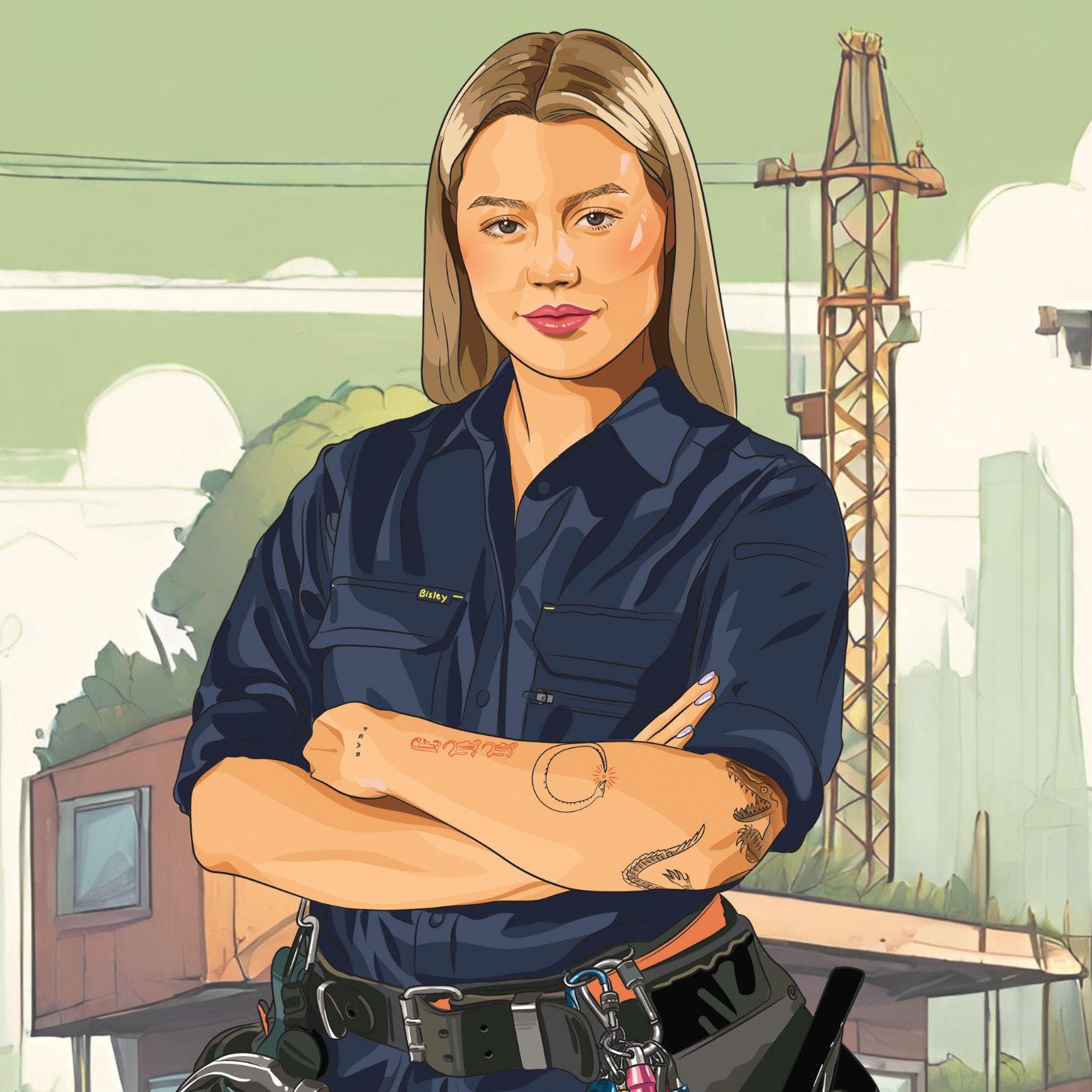
Ever seen a cool fire show or fireworks display? Pyrotechnicians and fire artists design events like these and keep them safe.
Kirra is a proud Bundjalung woman whose company takes fire shows around the world.
“Drawn to the element of fire from childhood, I had a deep fascination with the movement of flames,” she says.
Kirra started training with fire down on the Tasman Peninsula at age 11!
Her advice? “Don’t be afraid to be different even if it doesn’t make sense to others.”
Engineers all use a similar design process, no matter what they’re building! Check it out.
Engineers design solutions to solve problems. They use science and maths to create designs that help people. These designs can be for tiny things like the camera in a phone, or they can be massive, like undersea cables connecting the internet around the world! Engineers even design processes and systems like the factory that makes your favourite pen or football.
Big or small, engineers all use a similar design process.
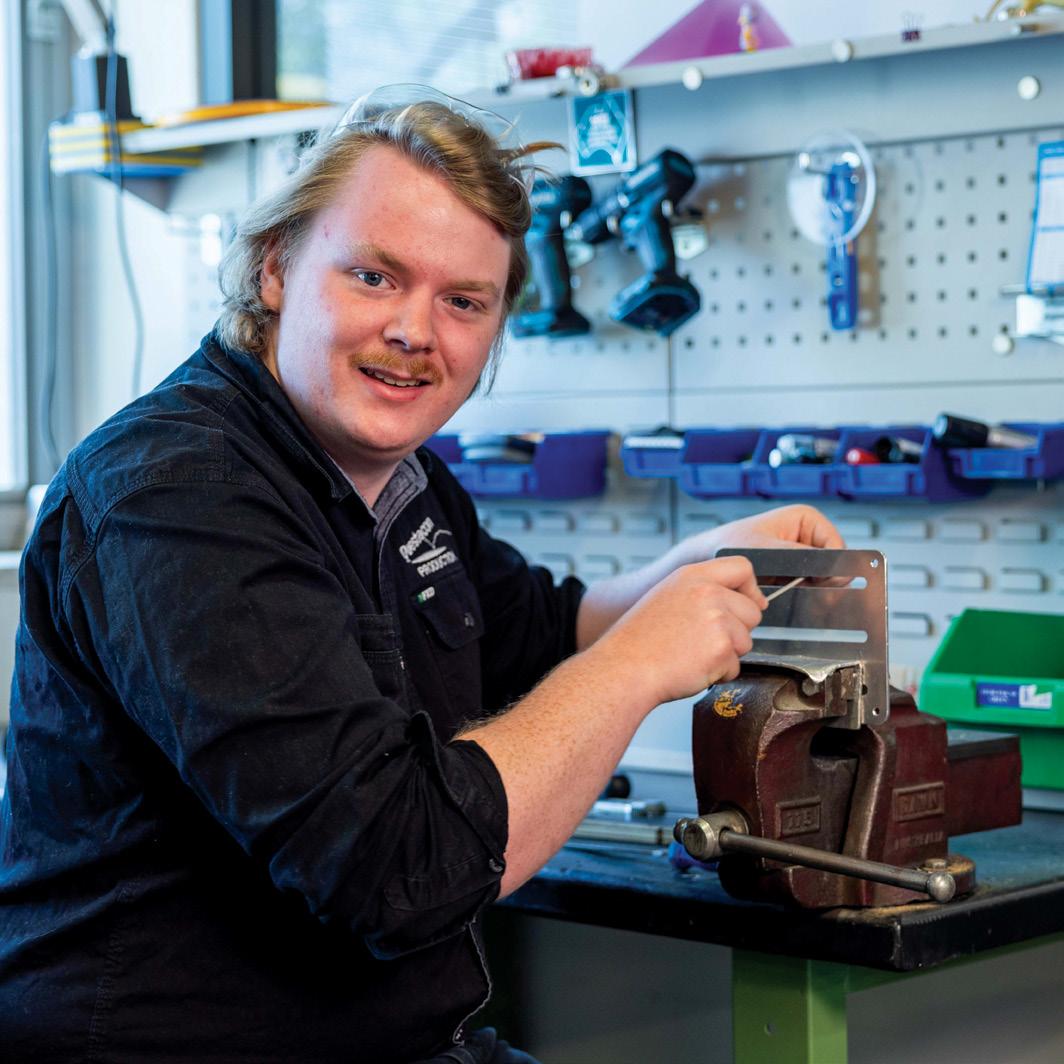
At Questacon – The National Science and Technology Centre – students can try being engineers for a day in The Shed.
You can do it at home as well! Here’s how to think like an engineer…
Once you’ve decided which problem you want to solve, ask as many questions as you can about it! Why does it need fixing? Who is affected by it? What equipment do you have to fix it? How will you know when you’ve solved it?
Check out Questacon’s at-home activities to get inspired. Try an earthquake shake or make cardboard cogs!
“I am incredibly pleased every day that I can come into work and mess about to make cool ‘sciencey’ stuff for the betterment of kids.”

Mess about
For Questacon Workshop Technician Angus Hutchison, Questacon is the most fulfilling way he can use his skills as a machinist.
Now, imagine possible solutions to your problem. The more ideas you come up with, the better. Your ideas can be simple, complicated, silly, cool, cheap, expensive, helpful – whatever you like! You might also want to see how this problem has been solved elsewhere.

Presenter Ro McPhee says Questacon’s tinkering studio, The Shed, has demonstrated that you don’t need to plan your final steps beforesomething.starting
Next, it’s time to narrow down your solutions and choose one you think will work well. Think about the steps involved in testing your idea, how you will make it and any possible safety concerns.
“I’ve embraced thinking like an engineer: testing ideas, gathering feedback and refining programs.”
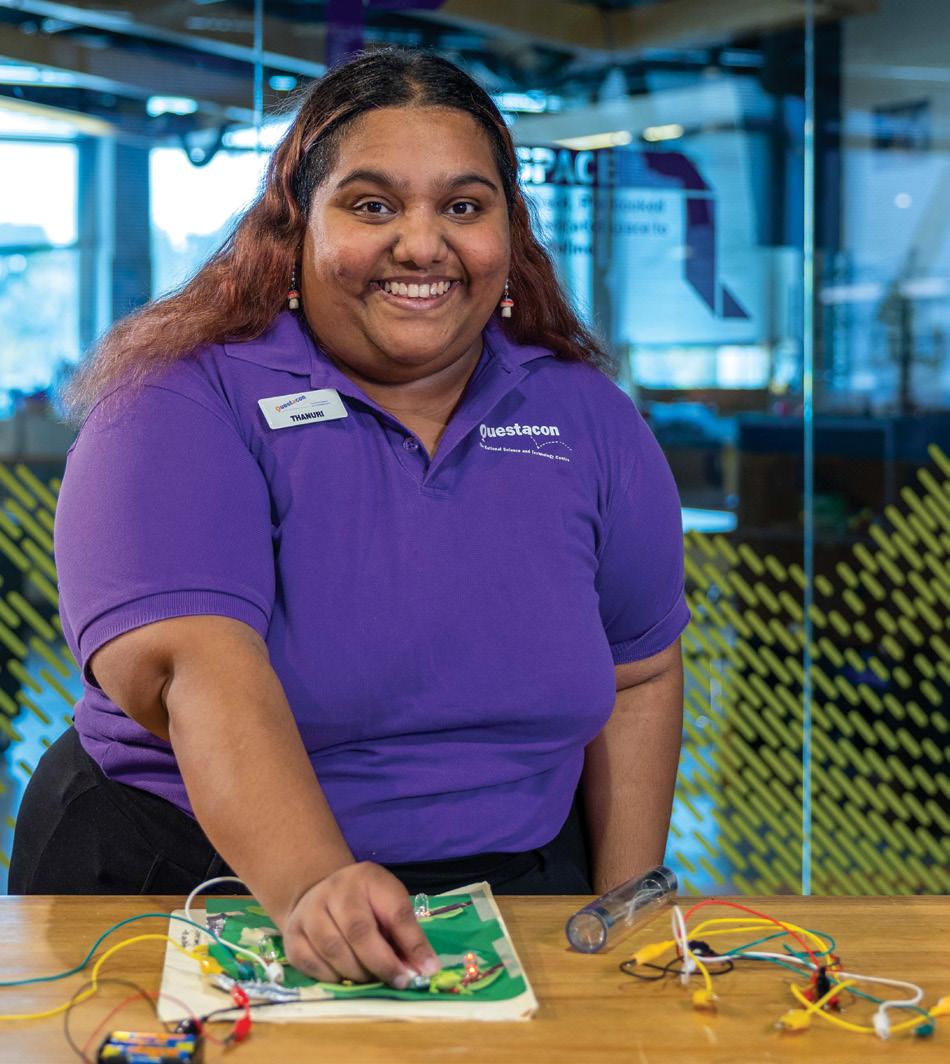
With programs like Engineering is Elementary, teachers can learn to use engineering for all sorts of fun and hands-on projects. Education Programs Officer Thanuri Welaratne loves running Engineering is Elementary workshops for teachers.

“Failure is a necessary part of learning.”
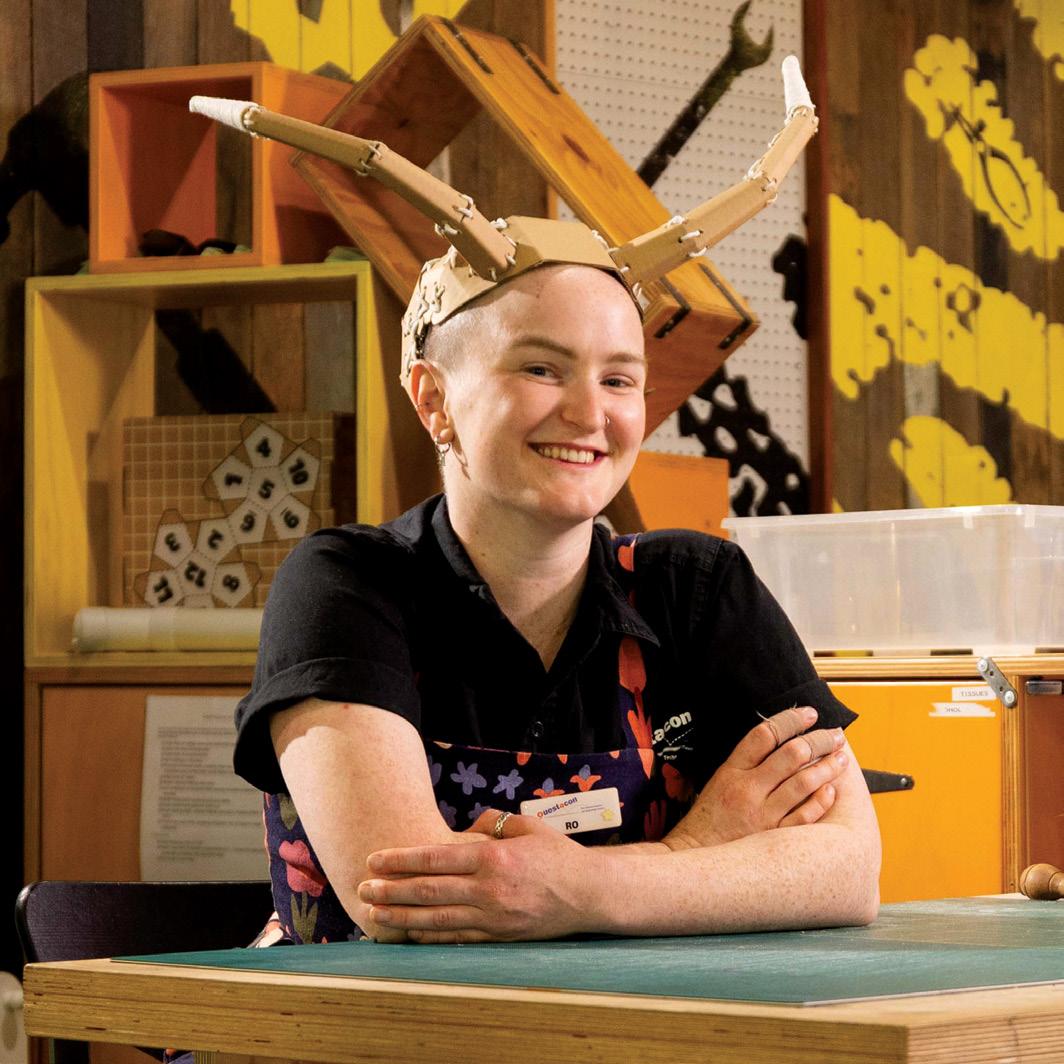

Engineers often make prototypes to test their ideas. These small, early creations let you check if your solution works and help you identify any issues before you dive into making the real thing!

Test your design out! What worked and what didn’t? Did people use it correctly? Can you change anything? Engineers know they don’t always get things right the first time. That’s why they make lots of different versions, and test them!
Whether they’re visiting your school, training your teachers, building exhibits or hosting you in Canberra, Questacon staff know a lot about helping students and teachers learn STEM!

There are plenty of gadgets and gizmos that can make life easier… and way more fun! But how does new tech get invented?
Mikaela founded Australia’s first Indigenous edu-tech company, Indigital. Mik is a proud Cabrogal woman, and her app uses augmented reality to help Indigenous people share extraordinary stories.
True or false?
You have to get straight As to be an inventor = False! You don’t need perfect marks – you just need great ideas, determination and a willingness to try again when something doesn’t work the first time.
Be an inventor! For example…
• Product designer: Create new objects we use every day, from toys to tools.
• Internet-of-Things specialist: Work out systems where gadgets can “talk” to each other. Think: smart lights, doorbells, cameras and other tech that send messages to other devices.
• Environmental engineer: Make inventions that help look after our planet, like water filters or clean energy systems.
Meredith Lane Software engineer
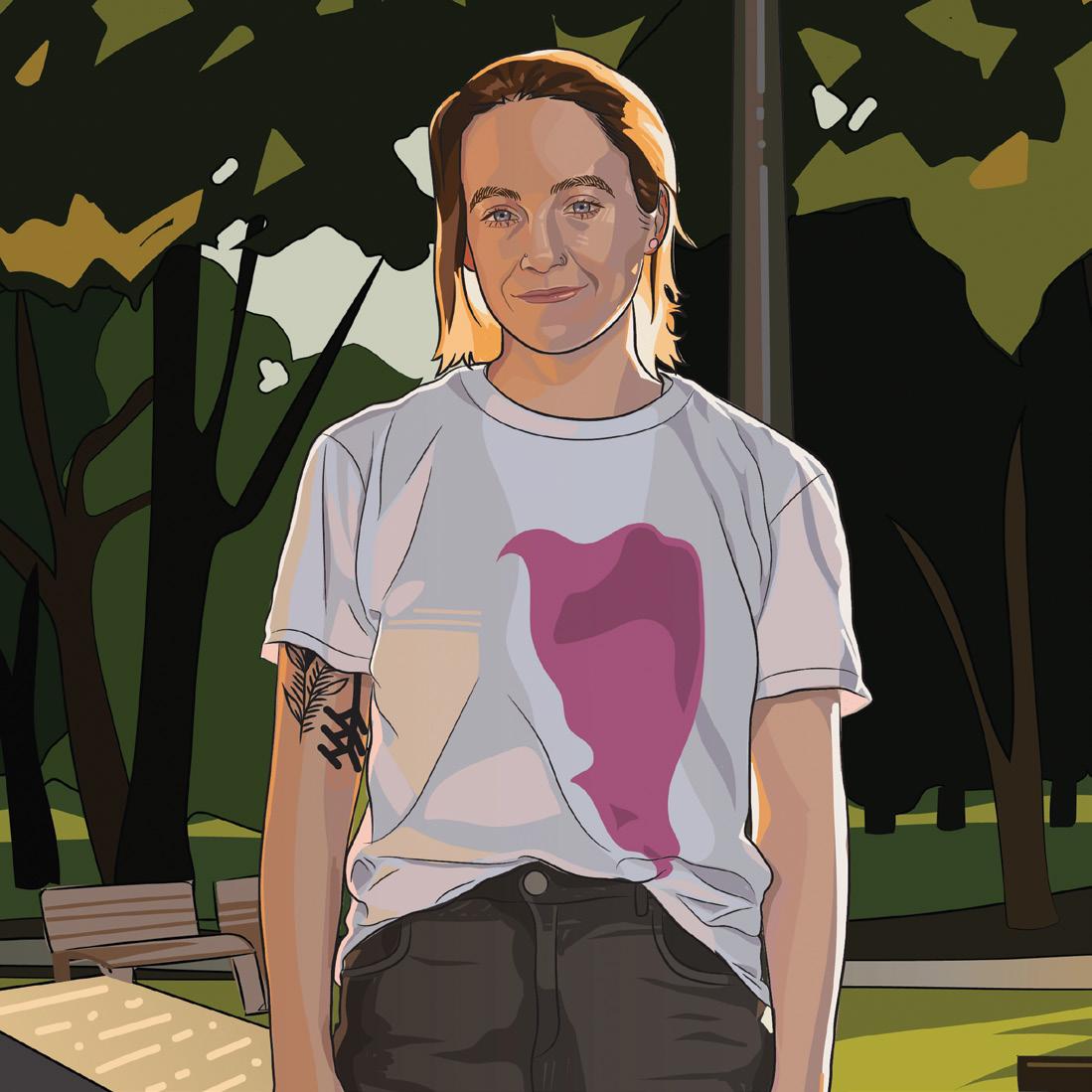
Meredith discovered her love of STEM through music! Now, she’s a software engineer at Google. Working on the Chrome Accessibility team, Meredith adds features to the web platform to ensure people with disabilities can use it well.
This article was created in partnership with Future You.

Renee is a proud Tharawal woman who joined the Australian Air Force Cadets at 15. She studied aerospace engineering at uni to understand more about how planes work.
Today, Renee is working on how to create more sustainable jet fuel and ensuring there’s enough of it.

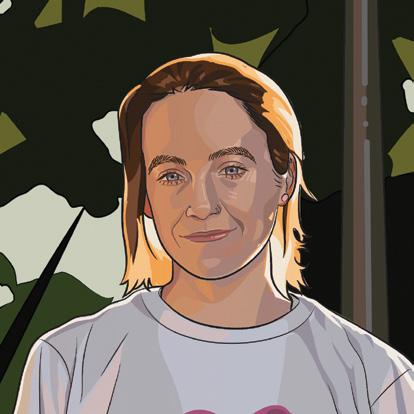
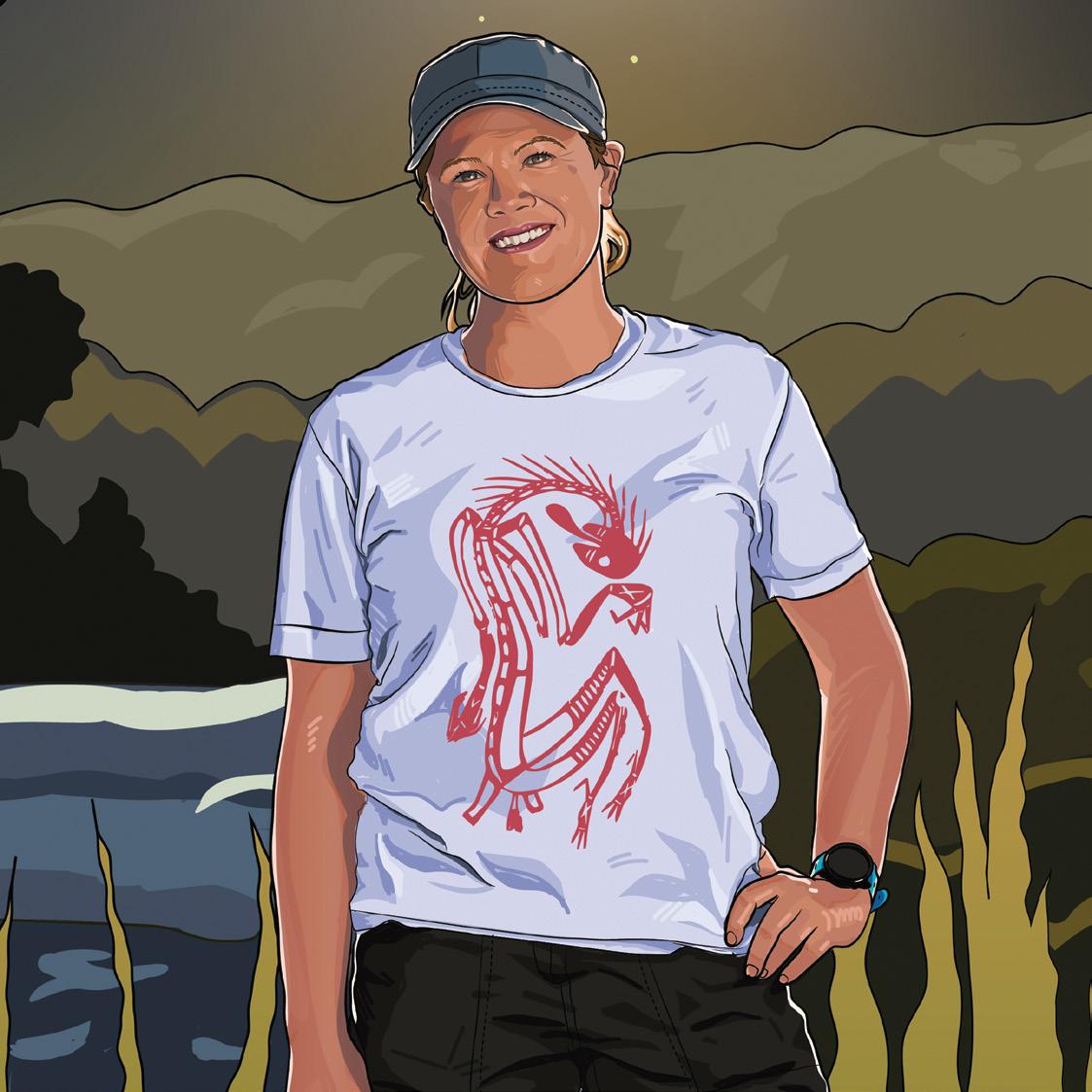
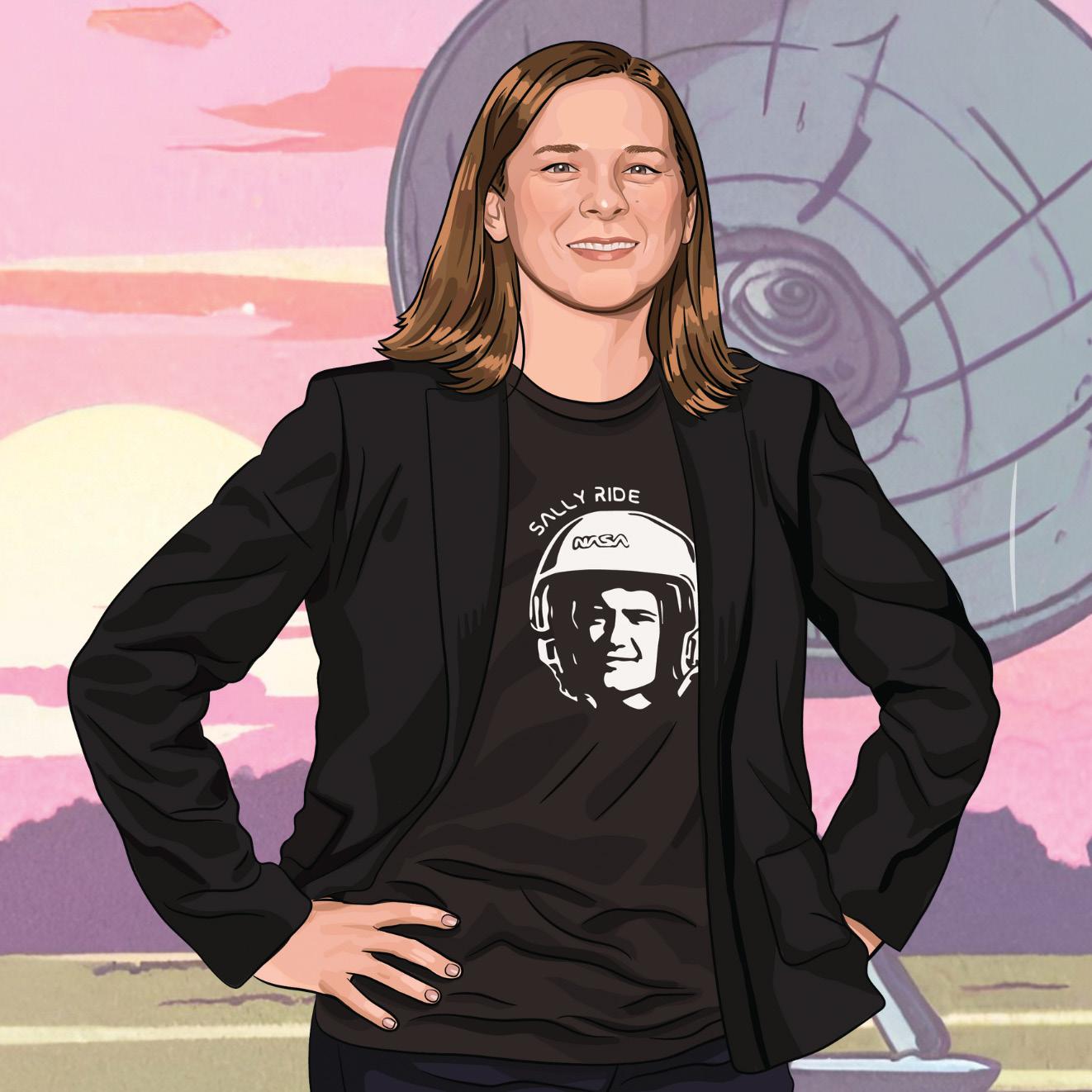
Lisa wants to know the secrets of the universe! She grew up loving the night sky and followed that curiosity all the way to becoming an astronomer. Lisa has worked on massive telescopes that help us understand how stars are born.
Only geniuses work in STEM = False!
STEM careers need all kinds of creative thinkers: storytellers, artists, helpers, adventurers, makers and dreamers. The best teams are made up of people with different strengths.
Be a creative thinker! For example…
• App designer: Plan how an app looks and feels, from colours and buttons, to sounds and style.
• Digital animator: Create animations for movies and games.
• Augmented reality storyteller: Overlay the world with digital labels, pictures and more! Kind of like Pokémon GO or Pikmin Bloom.
Robots will take all the jobs = False!
Fun fact
Lisa left school at 11 and was home-educated before finding her way into science. There’s no single path into a STEM career – just follow what excites you.
Robots and AI help people do tricky, dangerous or boring tasks, but humans still need to design, build, fix and guide them. With humans involved, tech creates new jobs too!
Work with robots! For example…
• Robotics engineer: Build robots to explore space, help with surgery in hospitals, keep people company or go deep underground.
• Automation specialist: Program robots to help factories, farms or warehouses work faster and safer.
• Data scientist: Explore huge piles of info to help AI learn new things.
These profiles are adapted from Future You. There are plenty more people to meet on their website!
Aboriginal and Torres Strait Islander peoples are Australia’s first inventors. From soap to rock art, there are plenty of inventions to explore!
Aboriginal and Torres Strait Islander peoples undertook many of the scientific steps used in chemical labs today. One stand-out invention? Bush soap!
Soap is a fabulous invention because it keeps us healthy. Washing your hands properly with soap and water helps stop the spread of germs that cause disease.
First Nations’ knowledge of ‘pharmacy trees’ – native plants packed with healing properties – comes from centuries of observation, experimentation and storytelling. Healing practices were passed down through generations!

Say yes to opportunities outside your comfort zone,” says Rilee Webber, a proud Kokoberran woman and pharmacy student.
Be curious, ask good questions, and never give up on yourself!” says Josh Waters, a proud Gamilaraay man, PhD candidate and senior research fellow.
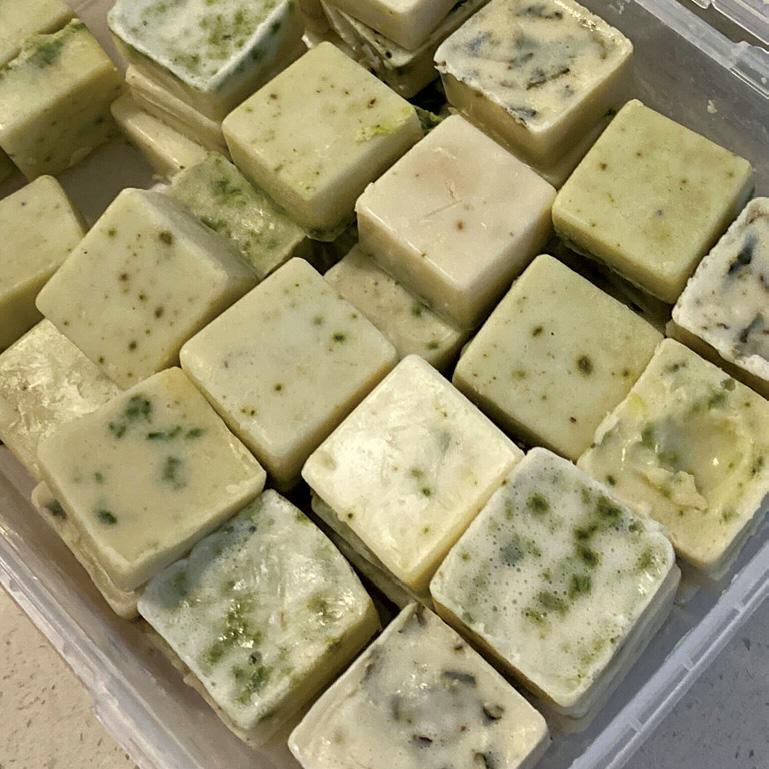
Want to make bush soap?
These classroom instructions were developed with the help of Robinson River School and Community,Mungoorbada in the remote Northern Territory.
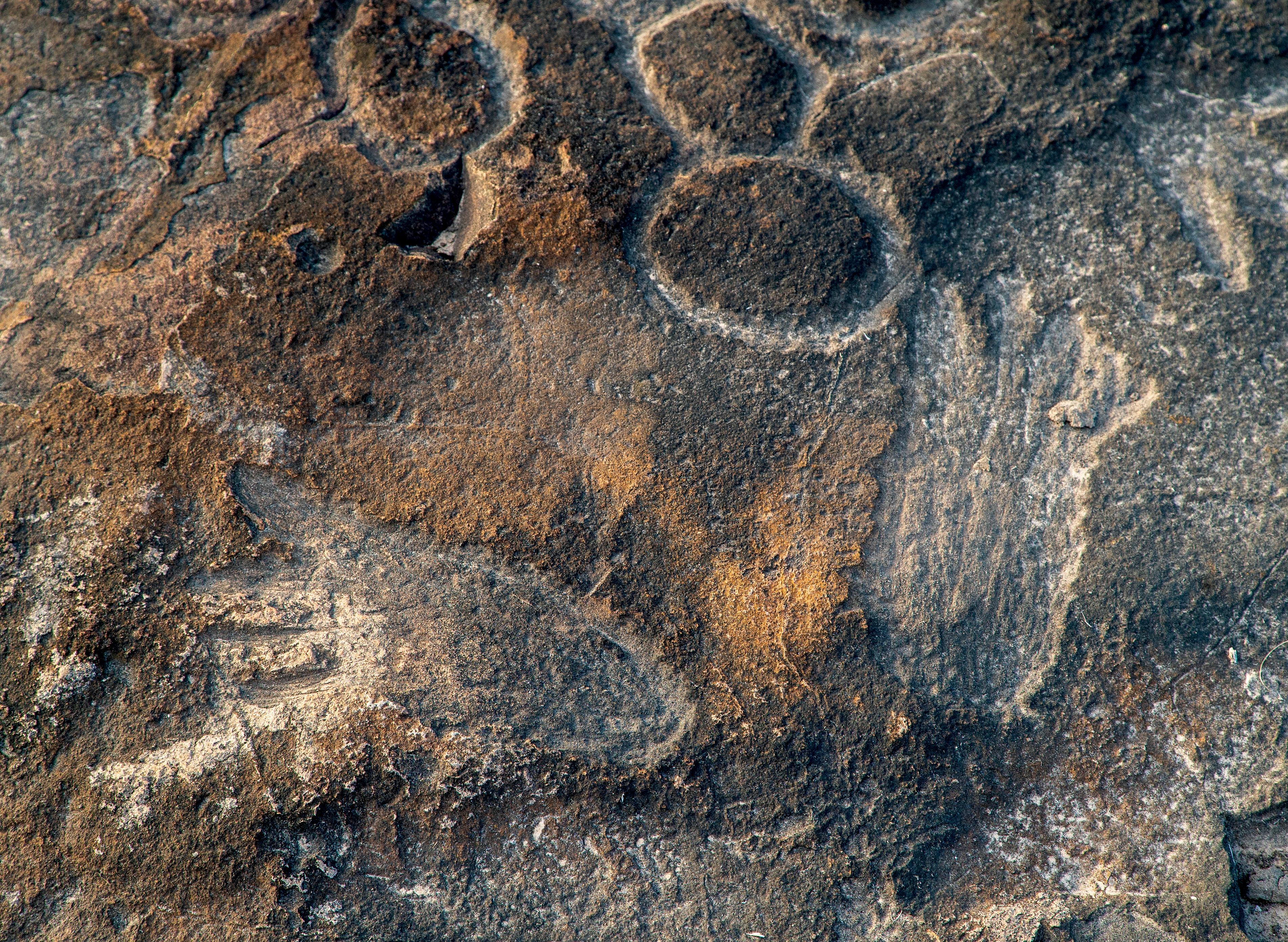
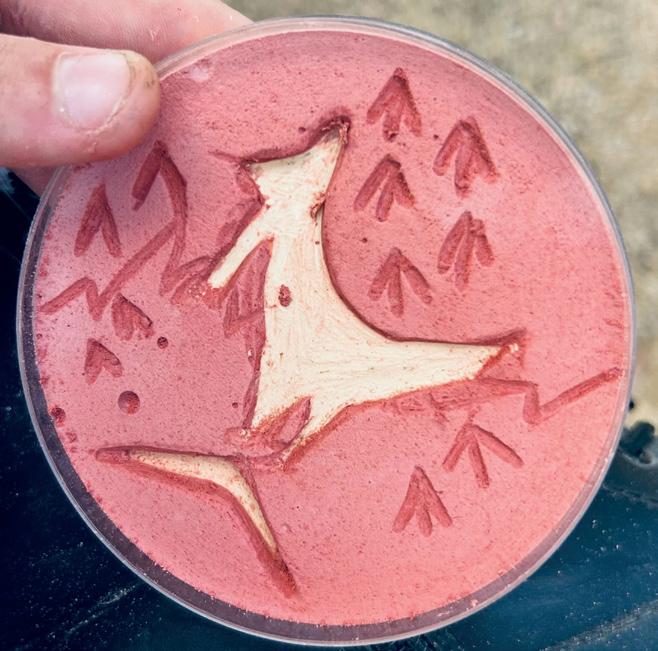
A petroglyph (say PET•roh•gliff) is a carving or symbol. It’s made by scratching a rock’s surface to reveal a different colour beneath. Petroglyphs have been around since prehistoric times and hold deep cultural knowledge. Murujuga National Park in Western Australia’s Pilbara region is home to the world’s largest collection of petroglyphs. The rock art there is up to 50,000 years old. It even includes images of extinct animals and early human faces!
Make your own petroglyph!
The activity in this video is adapted from the DeadlyScience STEM in Schools Program.
This article was created in partnership with DeadlyScience.
Got a creative spark? Discover how it can shine bright in the world of tech.
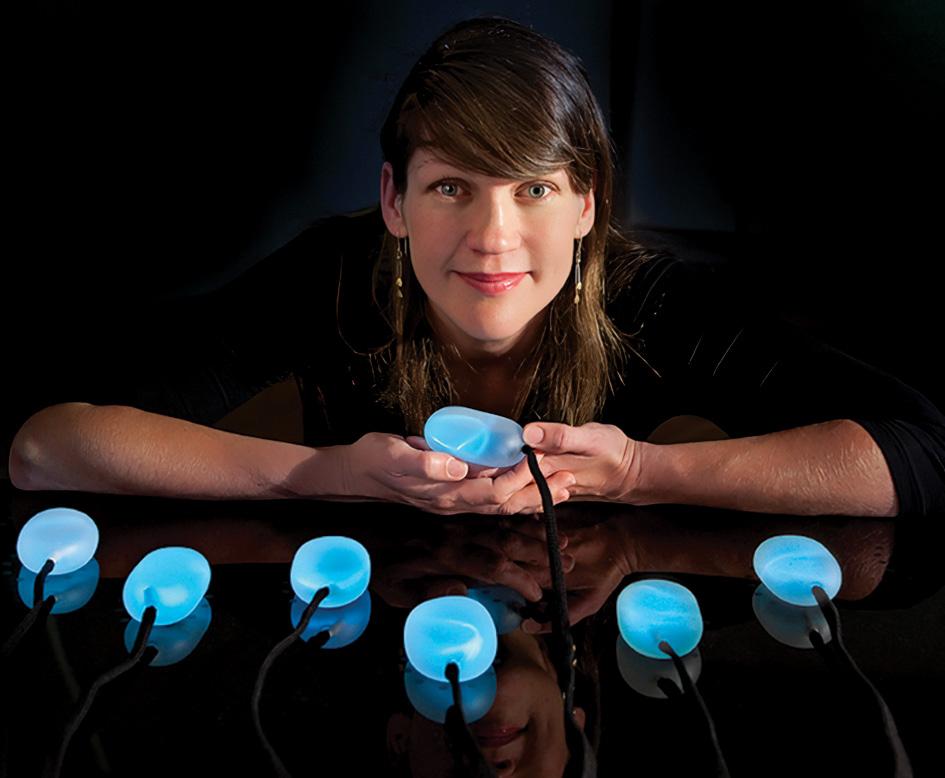
Make sure you don’t leave your creativity at the door!” says Leah.
Try this!
Be like Rae and become a tech journalist for a day! Research a new technology and explain how it impacts young people like you. Pick one of these formats:
• 150-word news article
• 3-minute podcast
• 3-minute video segment

These profiles are adapted from Get into STEM. Check out the full profiles and more on their website.
Leah is super creative! She uses her design powers to solve all sorts of tech challenges.
Leah’s favourite school subjects were English and art, so she decided to study communications at uni. Later on, she went back to uni to explore interior design, and then dived into the world of wearable tech!
Her advice? “Choose things you are passionate about – whether or not these always seem complementary.”

Meet Rae, an award-winning journalist who loves to geek out about tech! Rae is the host of ABC Radio National’s Download This Show , iHeartRadio’s Weird Tech podcast, and more. She also travels the country as a TV host!
“Everything I know about how to do my job, I learnt on the job,” Rae says of her career path.
Rae's advice for landing a job like hers? “Surround yourself with people who support your goals.”
This article was created in partnership with Get into STEM, the Diversity in STEM Toolkit.
Let’s explore how coding and data shape our world and the way we work.
Got a massive puzzle collection? Spend your free time solving Rubik’s cubes and breaking out of escape rooms? A code-cracking STEM career could be perfect for you. Here are 7 awesome jobs to think about:

Makes and breaks codes by using their expert problem-solving skills!
Cyber security specialist
Keeps data safe by making sure computer systems have strong security. They also work out where cyber threats are coming from.
Software engineer
Writes code to solve problems for businesses and customers.
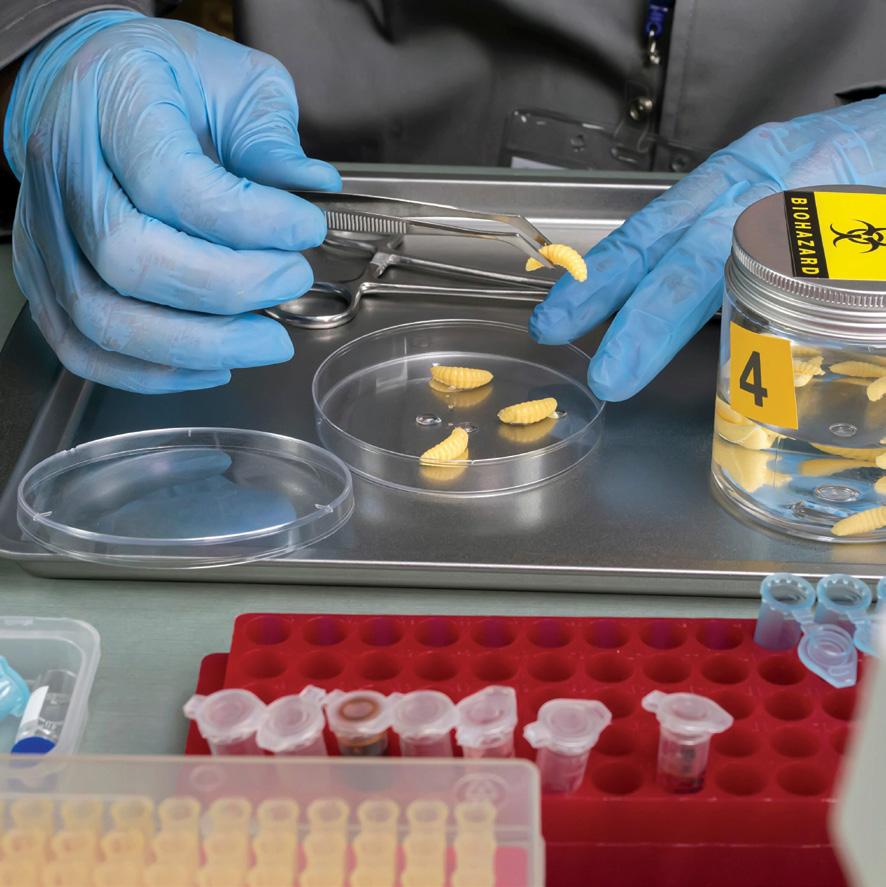
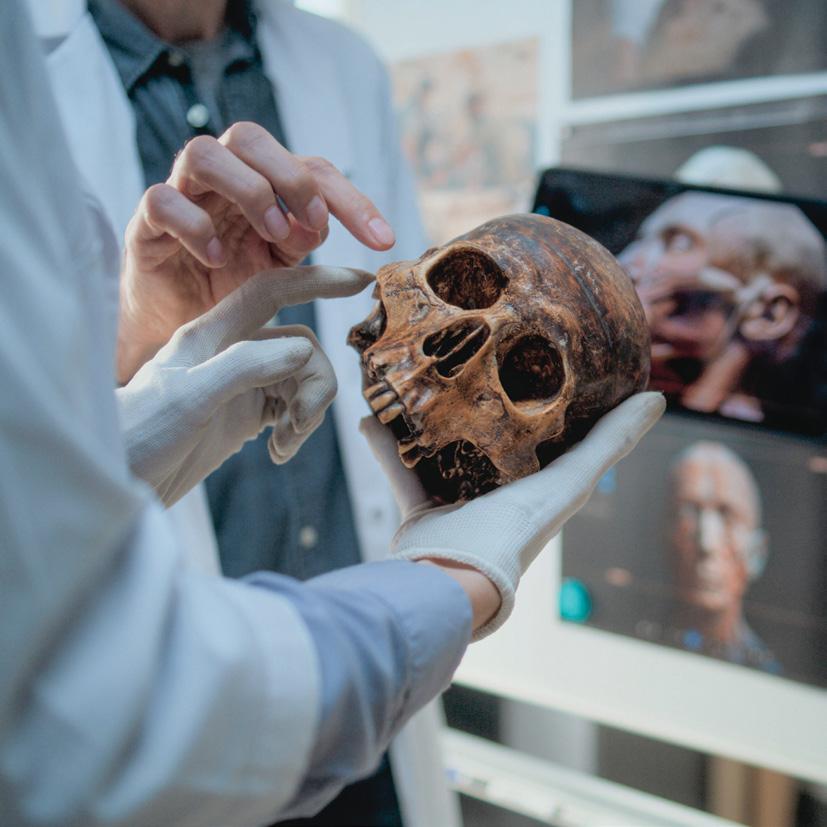
Animal learning researcher
Creates problem-solving tasks and puzzle experiments to learn how animals think.
Forensic scientist
Collects and analyses evidence (a.k.a. data!) from crime scenes to help solve crimes.

Archaeologist
Gathers clues and artefacts from ancient sites to solve mysteries from the past.
Comes up with fun puzzles and challenges for gamers to solve and crack!
Science, technology, engineering and maths can show up in unexpected places and jobs…

STEM meter
How much STEM does this job use?
Science: 30%
Technology: 60%
Engineering: 10%
Maths: 50%
The STEM: Graphs and statistics help to tell non-fiction stories. Content creators also need tech skills to create videos and share their stories through websites and social media.

STEM meter
How much STEM does this job use?
Science: 40%
Technology: 30%
Engineering: 10%
Maths: 50%
The STEM: Pilots are mathematicians! They use speed, altitude and aircraft specifications to calculate angles of climb and descent. They also use geometry to plan routes and stay on course.
The STEM: Understanding the science behind hair growth, as well as the chemistry of shampoos and styling products, is helpful in this career. Also, maths is required to collect payment from customers.
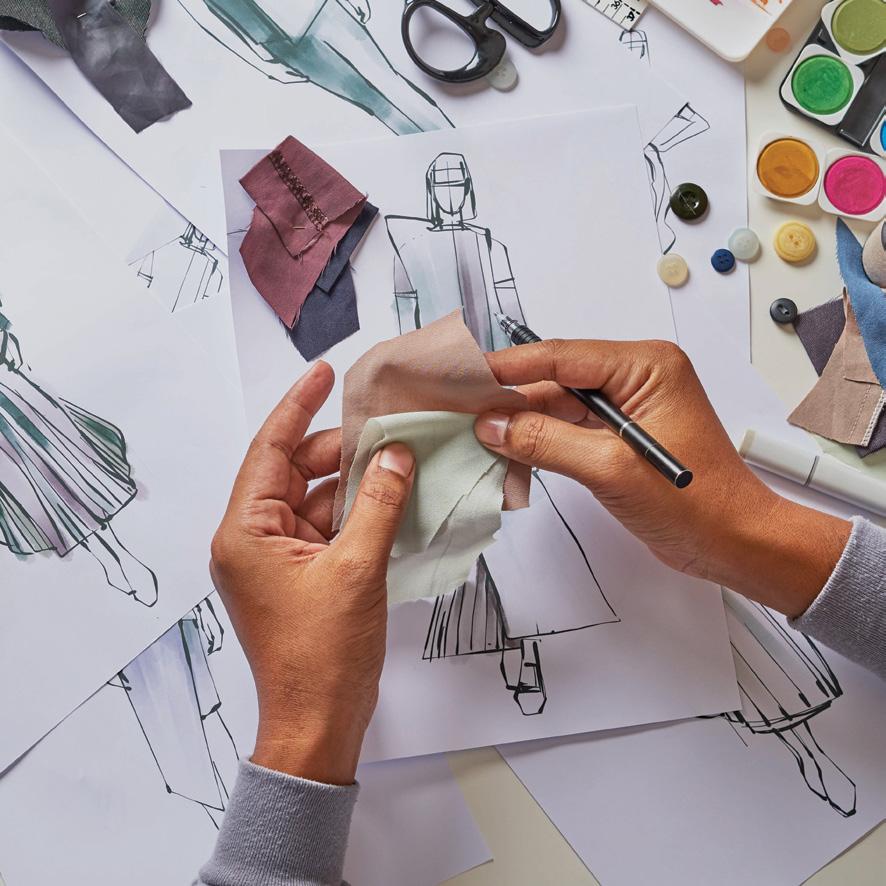
The STEM: Having a good knowledge of maths and tech (like computer-aided design) helps fashion designers create everything from patterns to 3D-printed dresses.
STEM meter
How much STEM does this job use?
Science: 30%
Technology: 60%
Engineering: 40%

STEM meter
How much STEM does this job use?
Science: 20%
Technology: 40%
Engineering: 10%
Maths: 50%

STEM meter
How much STEM does this job use?
Science: 40%
Technology: 60%
Engineering: 40%
Maths: 60%
Maths: 60%
The STEM: A musician should understand patterns, symbols, ratios and fractions so they can read and play music, or mix sounds.
Challenge the Future You team to find the STEM in ANY career! The trickier the better. Head to futureyouaustralia.com.au/ contact-us and leave a message. They’ll create a STEM meter for that job and share it in their next newsletter! To check it out, ask an adult to subscribe using this QR code.
Learn the secret language of computers: binary code!
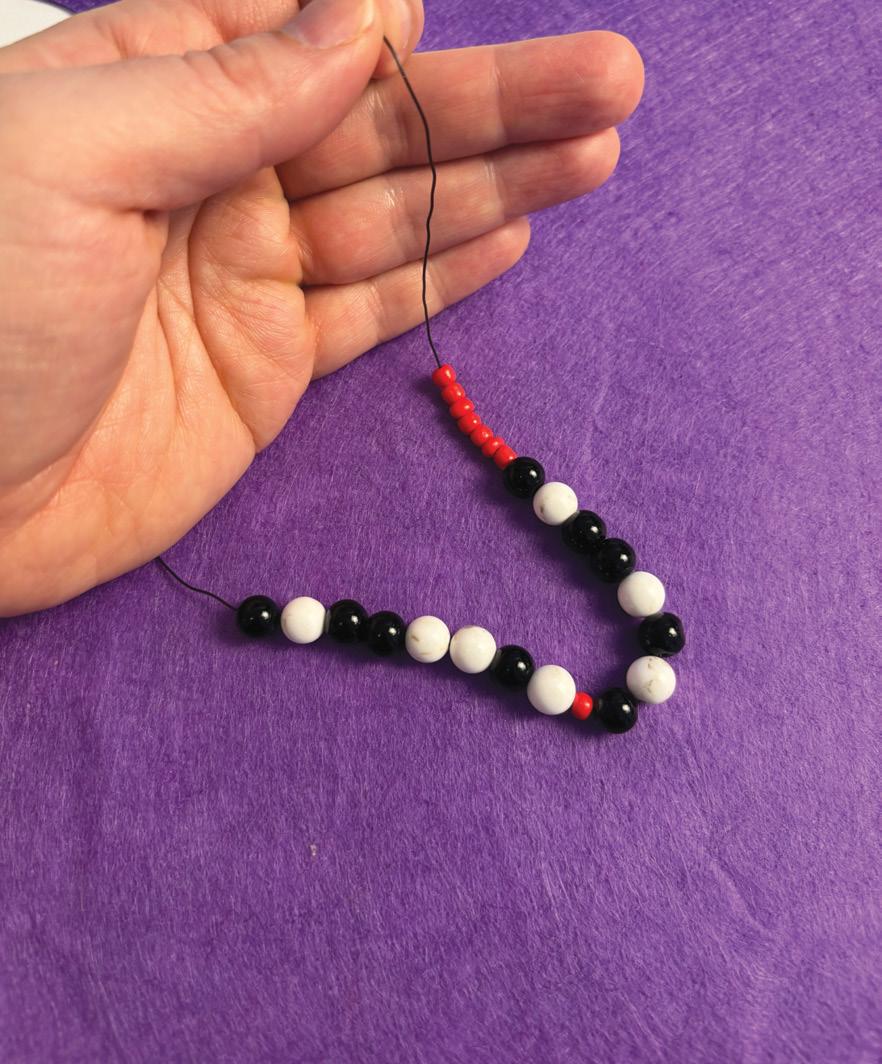
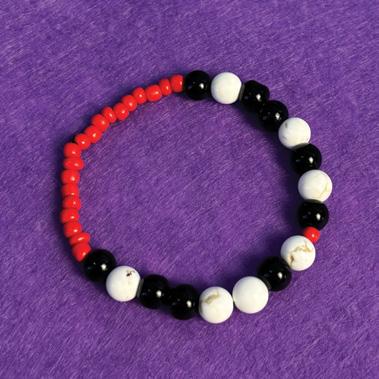
Computers have a secret code made of just 2 things: OFF and ON, like a light switch. It’s called binary. First, learn to read binary. Then, use it to make a bracelet.
Clues in black and white
Here’s your first task. What do you notice? What might the sequence of black and white squares represent?
Hint: each group of 8 squares represents a letter. How many letters are there?
1. Write your initials (e.g. M R).
2. Use the ASCII chart to turn each letter into binary (e.g. M = 01001101, R = 01010010).
3. Now represent your initials using black and white squares. Each letter will be made up of 8 binary digits (0s and 1s).
e.g. M= R=
4. Choose 2 bead types – one for black, one for white – and lay out your beads in order.
5. Then, use a different coloured bead (e.g. red) so you can easily mark the start and finish of each letter, and fill in the rest of the bracelet if needed.
6. Thread your pattern onto elastic, tie it off, and boom, you’re a binary whiz!
English alphabet in ASCII code
Code and create
Pick any word – your name, a pet, a celeb, anything! – and turn it into binary. Draw black and white squares to match each letter’s code.
Gimme more!
This activity was adapted from the Digital Technologies Hub.
Calling all young puzzle lovers! Hunt down hidden shapes, tackle tricky paths and solve fruity mysteries. How many can you conquer?
This shape is practically bursting with triangles – tiny ones, giant ones, sneaky ones hiding in plain sight… Think you’ve got a sharp eye? Count them all!
Ready for a number-crunching adventure? Start at the bottom-left square (5) and wander up, down, left or right, collecting numbers like magical loot. Your quest? Reach the finish square (4) with a grand total of 53. Choose wisely… not all paths lead to glory!
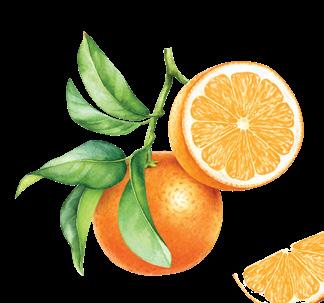
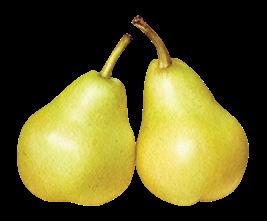
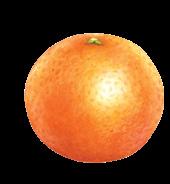
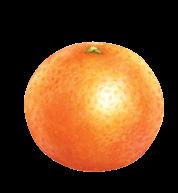
Sam’s in a fruity fiasco! They’ve got 3 boxes: one of pears, one of oranges, and one with a juicy mix of both. But all the labels have fallen off and been slapped back on the wrong boxes.
Luckily, you’re here to help. You get to open exactly one box. You don’t get to look inside, but you pull out a single piece of fruit. With that one clue – and the totally wrong label on the front – you know how to fix all the labels.
Which box did you open, and what fruit did you pull out?

Check out theMathematics Hub for more puzzles just like this!
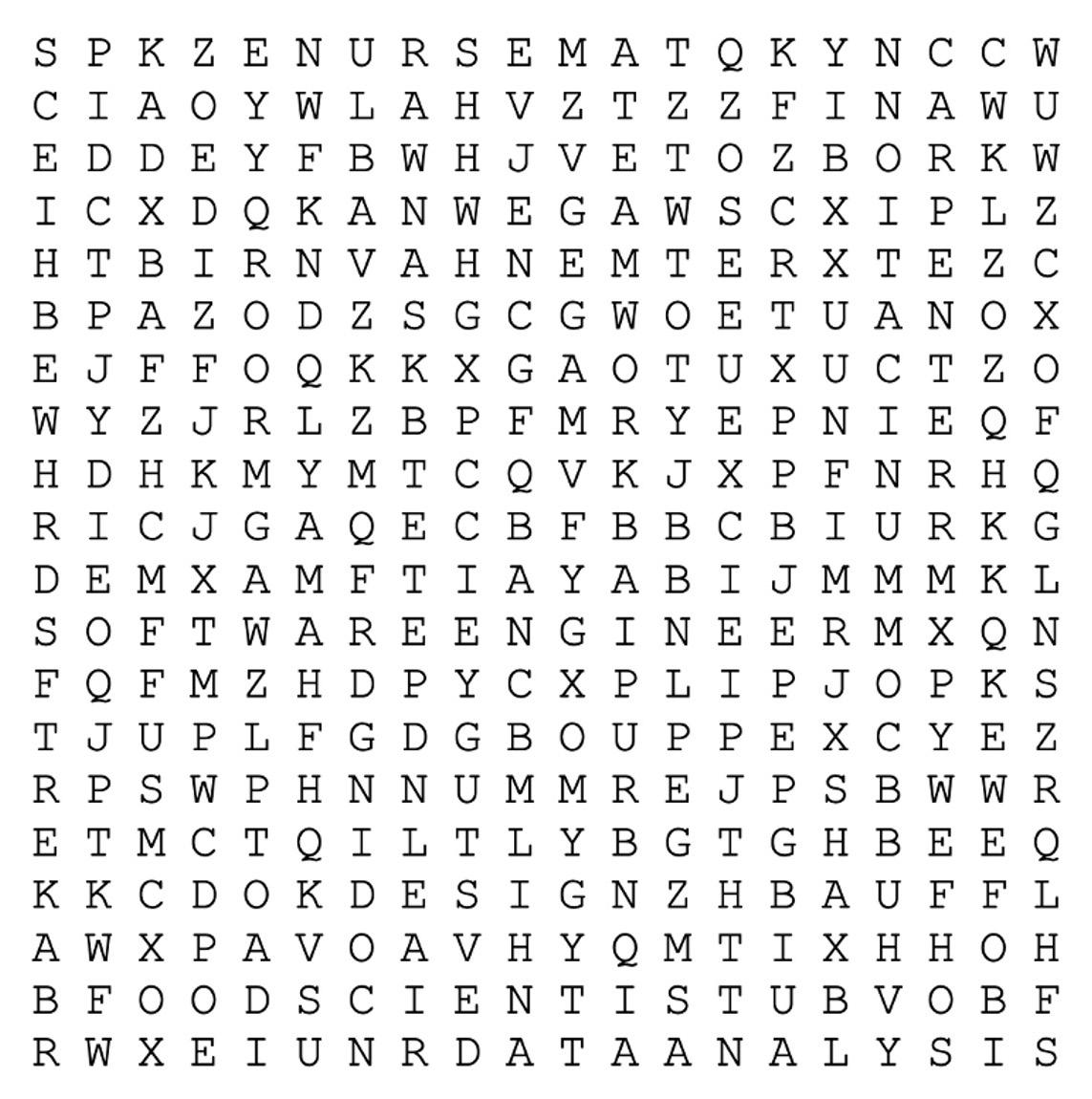
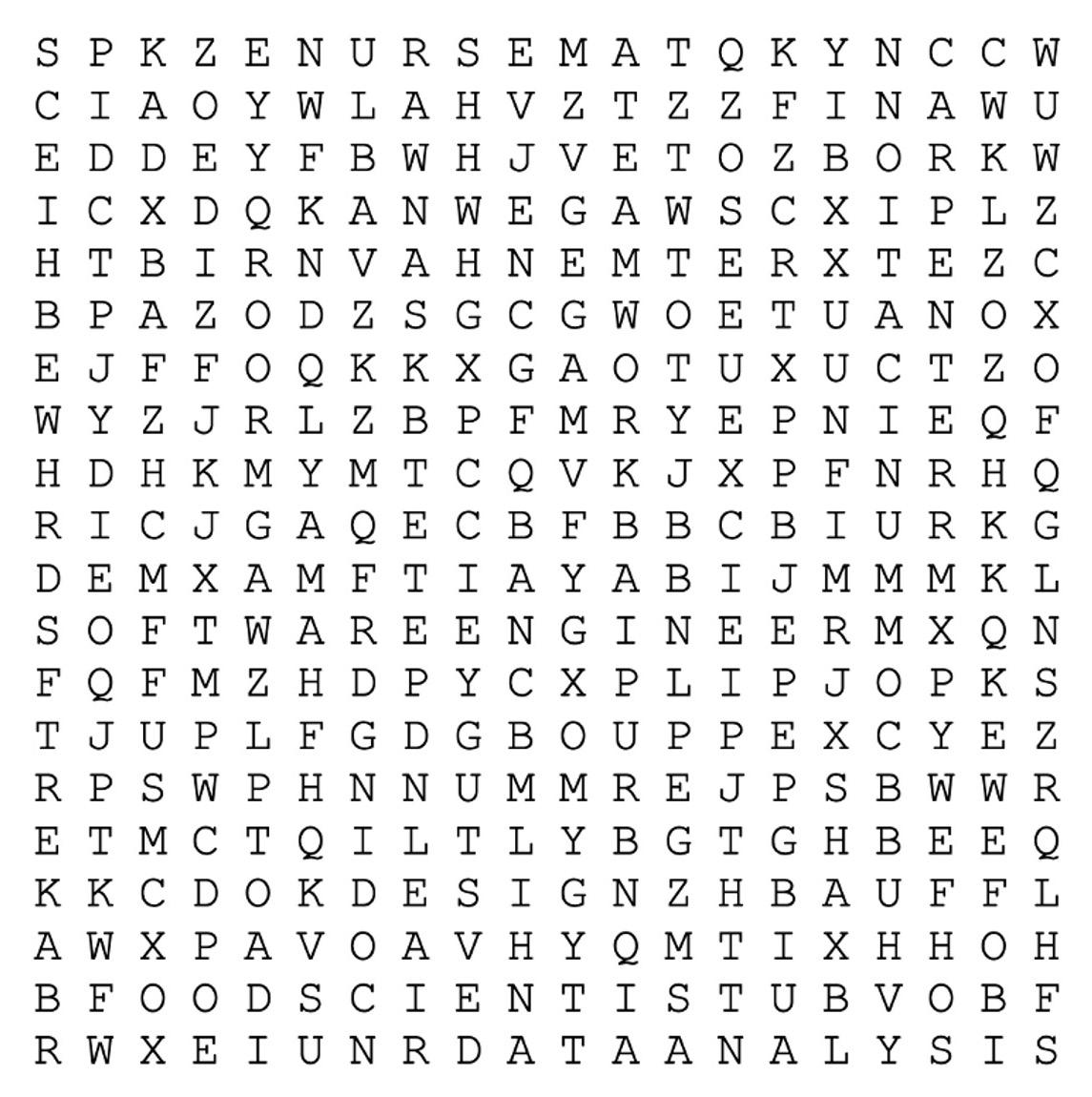
Can you find some of the STEM careers and skills we’ve talked about in this magazine hiding in the puzzle below?
Your hobbies and interests say a lot about you… They even give clues as to what your future job might be!
You love craft and/or science kits
Learn on the job as a:
• Carpenter
• Electrician
• Heavy vehicle mechanic
Helping people is your jam
Put your heart into one of these health roles:
• Audiologist
• Optometrist
• Registered nurse
Your pet is your bestie These careers would be purr-fect for you:
• Marine biologist
• Veterinarian
• Wildlife conservation officer
You love gem collecting and/or Minecraft
You’ll dig being a:
• Environmental scientist
• Geoscientist
• Lab technician
This article was created in partnership with Future You.
Word list
Tip Words can go across, down diagonally!and
Catch these careers:
Baker
Carpenter
Food scientist
Nurse
Software engineer
Sleuth these skills:
Coding
Communication
Data analysis
Design
Teamwork

Tick the box next to the sentence that sounds the most like you. This will reveal exciting STEM career paths you could take.
LEGO is life
Build a career as a:
• Civil engineer
• Robotics engineer
• Structural engineer
New tech excites you
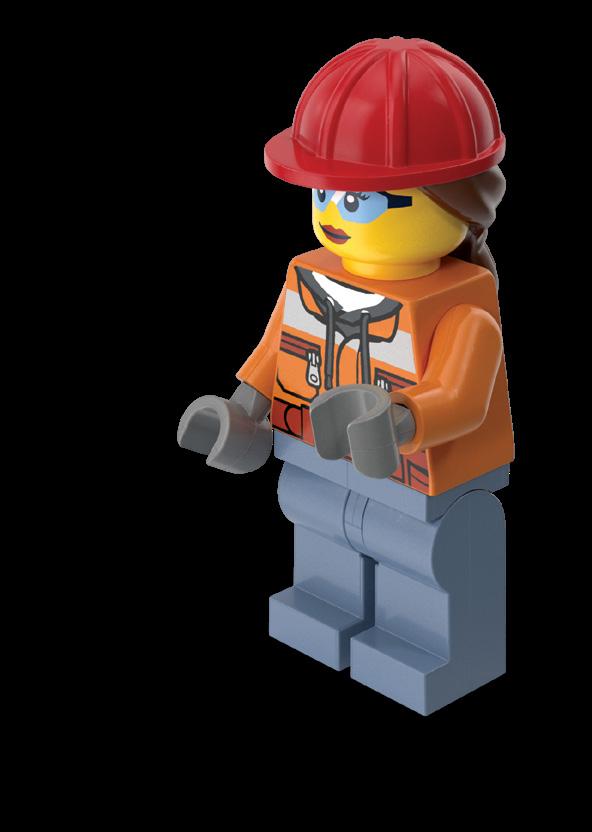
These roles will get you charged up:
• AI researcher
• Machine learning engineer
• Software engineer
Meet CSIRO’s own STEM squad, the Young Future Shapers.
What if you could peek inside a real science lab, visit a university, or advise Australia’s national science agency?
That’s exactly what happens when CSIRO’s Young Future Shapers get together. They’re a national STEM team for students in years 5 to 10.
Every year, Future Shapers score personalised STEM experiences designed just for them. Think: science camps, behind-the-scenes tours, shiny new tech gear and chats with real scientists. It’s a boost for students from under- represented groups in STEM: Aboriginal and/or Torres Strait Islander students, girls, and those from lower opportunity or regional areas. These experiences are exactly what’s needed to build confidence, capability and connection with STEM.
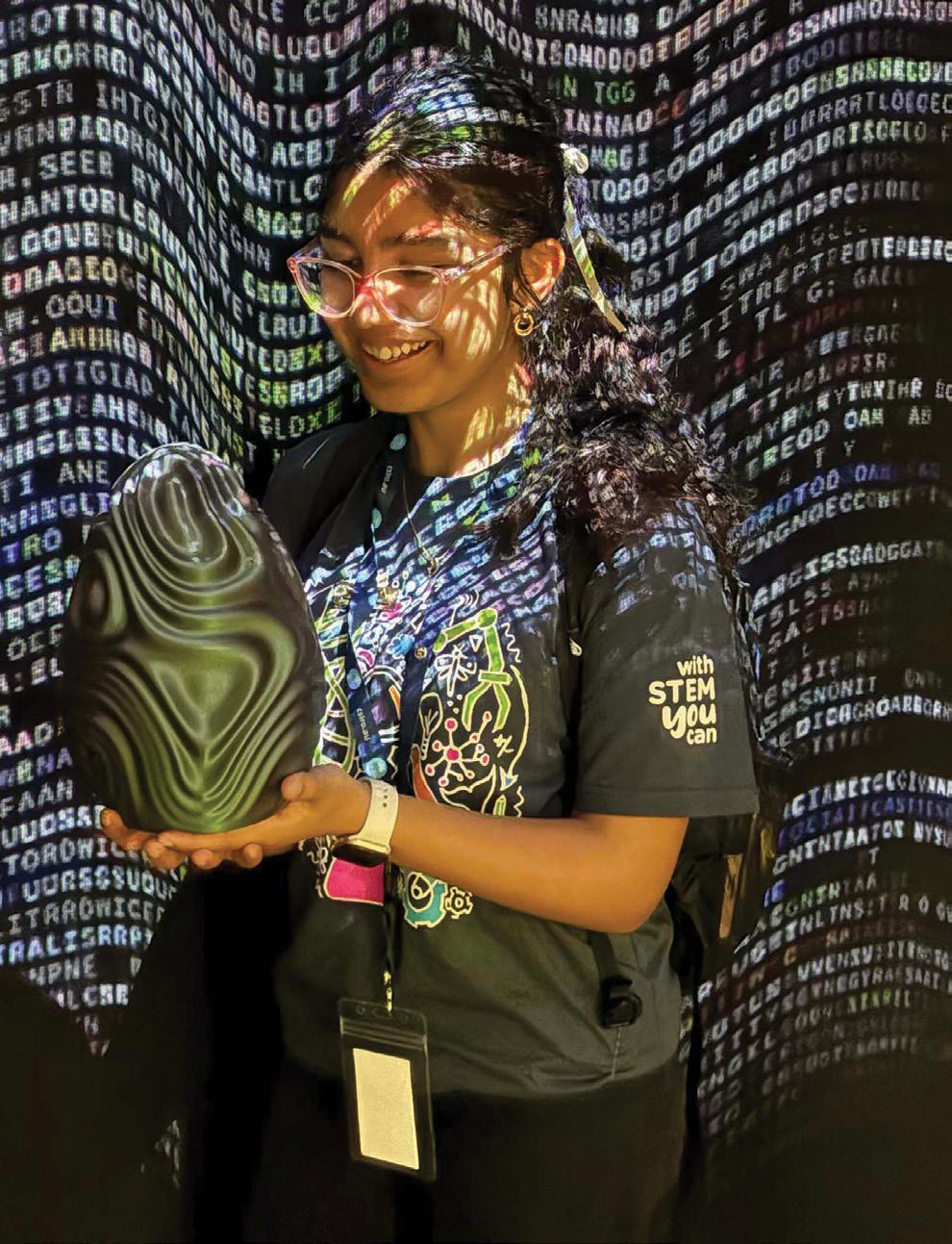
Meet the team!
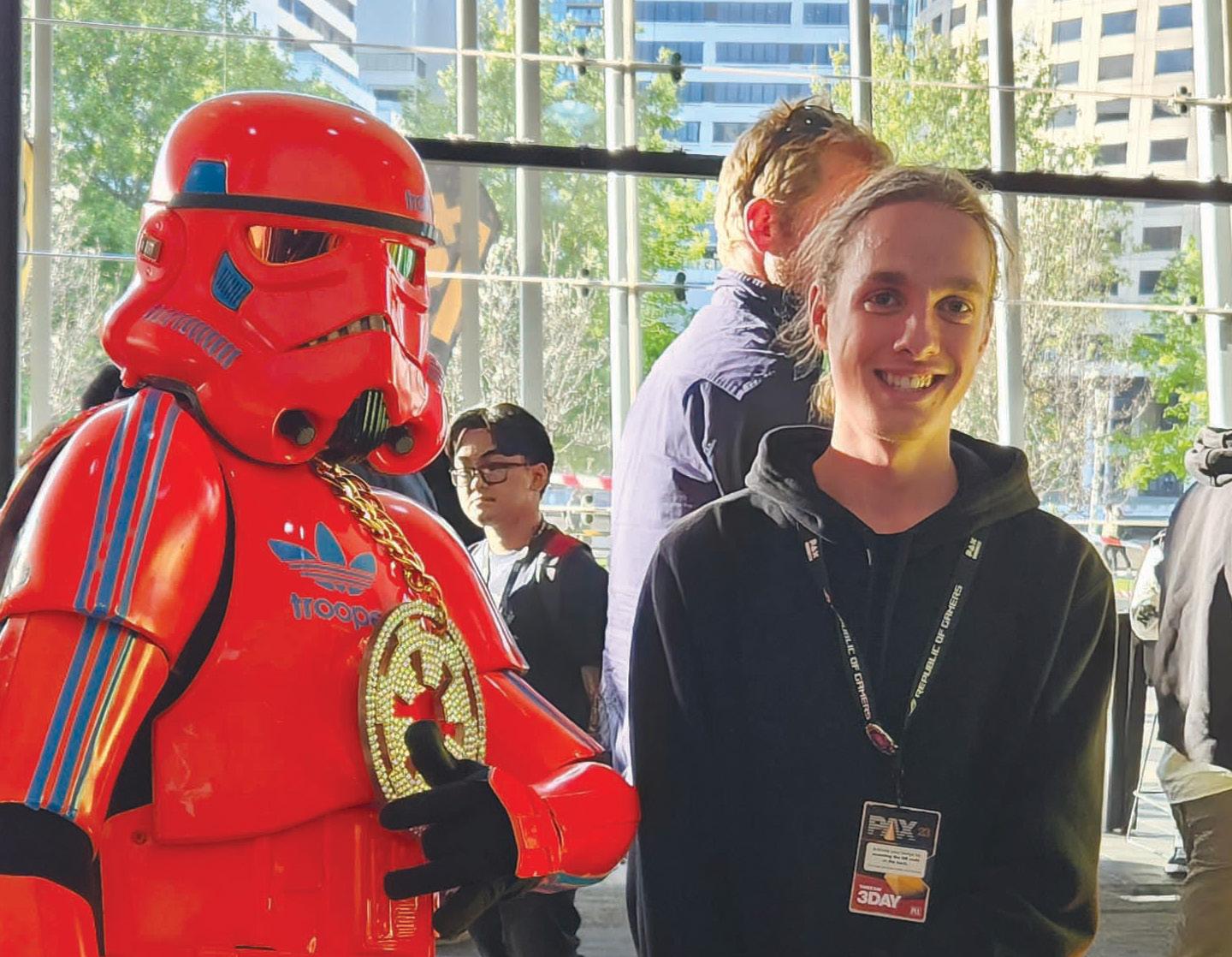
Mathieson creates award-winning video games with family and friends. In 2023, Future Shapers sent his family to PAX Australia, a gaming event in Melbourne, to meet real indie game developers.
Mathieson says, “I met amazing indie developers and realised I could actually do this.” Since then, he’s gone from being a homeschool student, straight into a tech career with Telstra.
Having travelled from Wagga Wagga, Ariba arrived at the Future Shapers camp curious about medicine and left inspired by tech: “Future Shapers helped me realise that STEM and medicine fit together perfectly!”
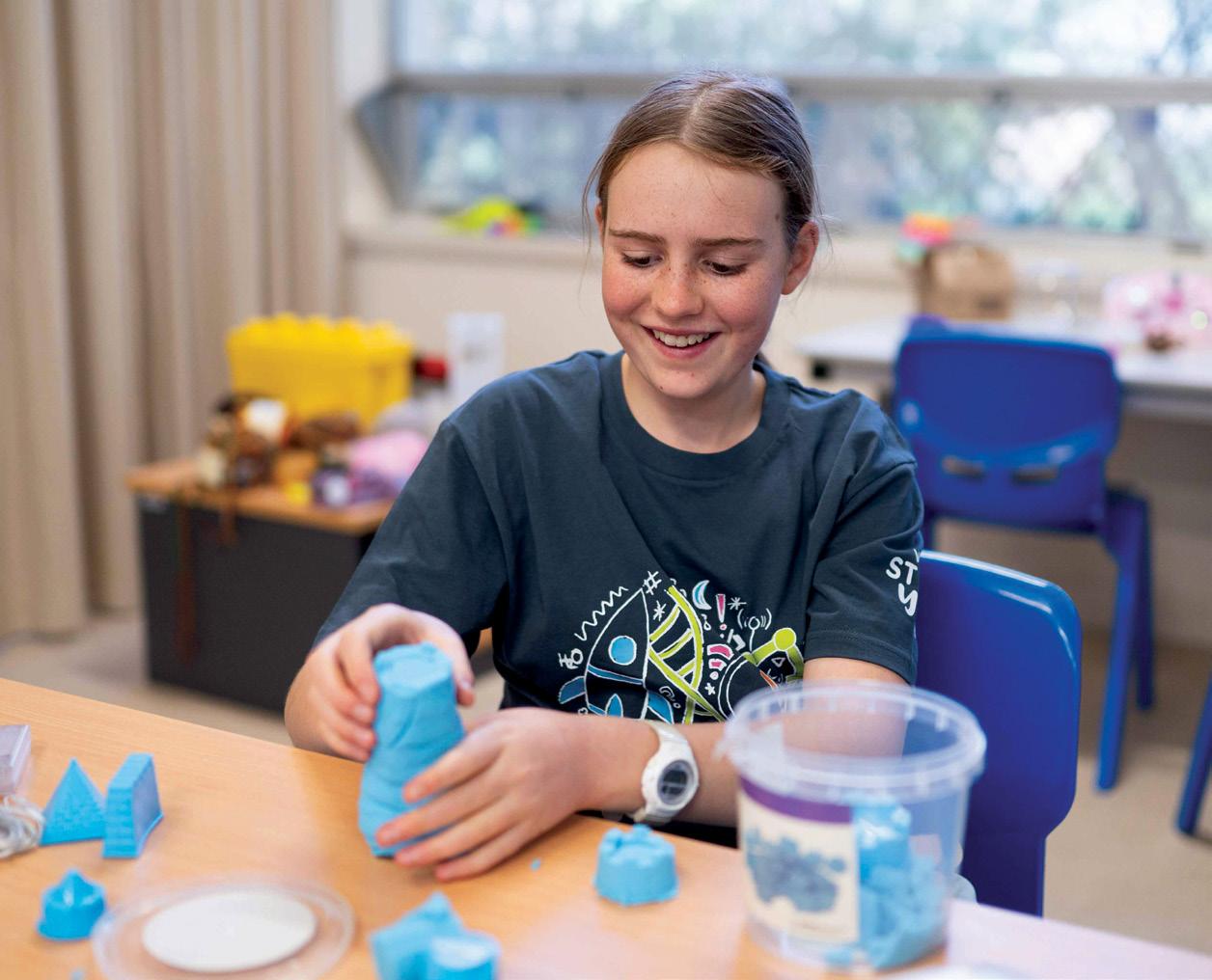
At camp, Ariba learnt about AI, drones and uni life. Her advice? “Give everything a go – you don’t know unless you go!”
Felicity has travelled across Australia as part of Future Shapers. A highlight for her is being part of CSIRO’s Youth Reference Council, a student team that guides the agency’s decisionmaking on youth matters. “Being able to give advice to CSIRO and see it used makes you feel like you’re making a real difference.”
Teachers can:
• Use articles as reading rotations, lesson hooks or STEM exploration prompts
• Select activities as stand alone STEM lessons, warm ups or early finisher challenges
• Adapt tasks for whole class, small group or independent work.
Curriculum connections
• Science Understanding: Biological sciences
• Science Inquiry skills
• Health and Physical Education
Learning outcomes
• Understand how nutrition, exercise and sleep keep the human body healthy.
• Explore how health professionals support people’s physical and mental wellbeing.
• Investigate how everyday choices can improve personal health.
Discussion questions
• Why do you think eating a variety of vegetables is important?
• What can you do to keep your heart and muscles strong?
• What can we learn from the Health Heroes that turned their challenges into strengths?
Scaling and adapting activities
Pulse power: Collect heart-rate data from the whole class before and after physical activity, then create tables or graphs and discuss the observable patterns and changes.
Curriculum connections
• Science Understanding: Biological sciences
• Science Inquiry skills
• Humanities and Social Sciences: Geography
• Cross-curricular Priority: Sustainability
Learning outcomes
• Discover that animals have a range of physical and behavioural adaptations that help them survive.
• Explore why conservation is important for protecting endangered animals and habitats.
• Understand how scientists use animal research to solve problems and develop future careers.
Discussion questions
• How do these adaptations help animals survive in their environments?
• What skills or subjects at school might help you prepare for a career in natural sciences?
Scaling and adapting activities
Animal superpowers: Choose an animal, research an adaptation that gives this animal its superpower, and share how it helps the animal survive.
Curriculum connections
• Science Understanding: Earth and space sciences
• Science Inquiry skills
• HASS: Geography
Learning outcomes
• Investigate how scientists use observations and technologies to study Earth and other planets.
• Explain how Earth and space scientists can use their knowledge and skills to help communities.
Discussion questions
• How does learning about rocks, water and minerals on Earth help us understand space and look after our own planet?
• If you were a scientist, what would you like to explore about planets or Earth?
Scaling and adapting activities
Build an alien planet: Link this to Biological sciences and design an animal that has specially adapted, physically and behaviourly, to survive in this alien environment.
Gadgets and gizmos
Curriculum connections
• Knowledge and Understanding: Technologies and Society
• Processes and production skills: Investigating and defining; Generating and designing
• English: Literacy
• Cross-curriculum Priority: Aboriginal and Torres Strait Islander Histories and Cultures
• General Capabilities: Critical & Creative Thinking
Learning outcomes
• Recognise how inventions are designed to solve problems and help communities.
• Understand inventing involves testing ideas, and learning from failure.
• Explain how creativity and perseverance support innovation.
Discussion question
• First Nations peoples were Australia’s first inventors and scientists. How did observation and experimentation help create inventions like bush soap and petroglyphs?
Scaling and adapting activities
Be an inventor: Identify a problem at your school. Then follow in the steps of the inventors from the article and design a solution to the problem.
Too many triangles! p31
12 small, 6 medium, 2 large = 20 triangles
Path to glory, p31
Did you get the loot? Here is one solution: 5 + 7 + 6 + 6 + 9 + 4 + 5 + 7 + 4 = 53
A juicy mystery, p31
There are two possible solutions. Here is one: You open the box labelled ‘Pears & Oranges’. As all labels are wrong, this box must contain only pears or only oranges. If you pick a pear, you know that the box opened should be labelled ‘Pears’ and the other 2 should be ‘Oranges’ and ‘Pears & Oranges’. The box labelled ‘Oranges’ should be labelled as ‘Pears & Oranges’ and the box labelled ‘Pears’ should be labelled ‘Oranges’.
Confused? Take a look at this table.
Code cracking
Curriculum connections
• Knowledge and Understanding: Technologies and Society
• Processes and production skills: Investigating and defining; Generating and designing; Evaluating
• Mathematics: Number & Algebra
• Mathematics: Statistics & Probability
• General Capabilities: Critical & Creative Thinking
Learning outcomes
• Understand how information can be represented using codes and patterns.
• Apply logical thinking and problem-solving strategies to puzzles.
• Recognise how coding skills are used in a range of careers.
Discussion questions
• Why do you think computers use codes instead of regular letters to send and store information?
• Which puzzles do you find the trickiest, and what helped you solve them?
Scaling and adapting activities
Binary puzzles: Using binary coding, create your own puzzle and share it with your class.
Help us uncover incredible local STEM stories!
Create a 3-minute video about the STEM achievements of an unsung STEM star for your chance to win $300!
First, find a local STEM Star! That’s someone who uses science, technology, engineering and maths to solve tricky problems and make the world a better place.
Your STEM Star could be:
• A clever creator in your local community.
• An Aussie hero using STEM to help people around the world.
• A young whiz who’s doing something amazing with STEM.
Then, create a short video about their incredible work. You can:
• Draw it
• Act it out
• Film an interview
• Add fun facts and creative ideas!
You don’t need fancy equipment, just imagination and a great story.