with STEM™ CAREERS JOB KIT
Channel complex systems to take food from the seed to the plate


Develop business skills that power sustainable agriculture and global food security.
See where a degree in Agribusiness from UQ can take you.

Agribusiness managers play a key role in how food is produced, managed and delivered in a changing world
Every day, decisions are made about food. What is grown, how it is produced, how it is priced, and who can afford it. Those decisions affect families, communities, economies and the environment. Agribusiness is the field where those decisions come together.
That includes planning, technology, markets, trade, sustainability and leadership. In agribusiness, you explore the commercial world behind agriculture - you have a deep understanding of sustainability and supply chain management, finance, human resources and marketing. It’s about how value-added food and fibre products move from farm to consumer. Agribusiness professionals help make sure food systems work now and into the future, even as the world faces challenges like climate change, population growth and changing consumer needs.
I have worked in agribusiness as a researcher, teacher and business owner, and alongside agricultural organisations across Asia. What I see again and again is the need for people who can think clearly, work with others and make smart, informed choices. Agribusiness managers do exactly that. They might work with farmers, develop new technologies, analyse markets, manage teams or help businesses grow responsibly.
This is a career for people who like solving real problems. The work is varied and practical, and no two days look the same. It can involve office-based planning, time in the field, collaboration with
Professor Ammar Abdul Aziz Deputy Head, School of Agriculture and Food Sustainability
different industries, and opportunities to work across regions or countries. As technology and innovation continue to change agriculture, the need for skilled agribusiness graduates is growing quickly.
At The University of Queensland, degrees such as the Bachelor of Agribusiness are designed to prepare students for this kind of work. Students build knowledge of agriculture and business, gain hands-on experience, and develop skills that employers value.
If you want a career that matters, offers variety, and gives you the chance to shape how food systems work in the future, agribusiness is a great place to start. The choices made in this sector affect everyone, and the next generation of leaders will help decide what comes next.
Professor Ammar Abdul Aziz Deputy Head, School of Agriculture and Food Sustainability
The University of Queensland
Agribusiness managers help turn big challenges into practical decisions that keep food moving
Food shows up on our plates every day, but the systems behind it are anything but simple. Australia’s agriculture sector stretches across huge areas of land and connects regional communities with national and global markets. According to the Australian Bureau of Agricultural and Resource Economics and Sciences, agriculture uses around 55% of Australia’s land and supports more than 315,000 jobs, directly and indirectly. It also plays a major role in exports, contributing over $70 billion in goods and services sent overseas each year.
Agribusiness managers work behind the scenes to keep this system running. They help organisations make smart decisions about money, people and the movement of products. Some work close to production, while others focus on areas like processing, trade, finance, technology or consulting. What they have in common is responsibility for keeping complex operations running smoothly and sustainably.
As the sector responds to climate pressures, new technology and changing consumer demands, the need for people who can think clearly and adapt quickly is growing. Agribusiness managers are often the link between what happens on the ground and what happens in boardrooms, markets and supply chains.

While pay will vary by role, location and experience, Australian salary trackers report agribusiness managers earning around $100,000 to $140,000.
(Sources: Jora, Glassdoor)
You’ll find them across a wide range of organisations, including::
• Food and beverage companies
• Grain, meat, dairy and horticulture supply chains
• Agribusiness banking and finance
• Ag-tech and data companies
• Export, trade, logistics and freight
• Retail, procurement and merchandising
• Consulting, policy and industry organisations
• Farms or ranches Salary snapshot
There’s a big gap between what people think agribusiness is and what the job is really like! Let’s separate the myths from the reality.
Myth: You have to be a farmer.
Reality: Many roles focus on business, logistics, finance or technology.
Myth: Agribusiness isn’t an innovative area.
Reality: It’s a hub for data analytics, automation, and sustainable innovation.
Myth: It’s “just agriculture”.
Reality: Nope, it’s way more! Agribusiness connects food production with markets, people and strategy. Think less about tractors, and more about smart, sustainable decisions.
✔ With challenges like climate change and population growth, demand for skilled professionals who can innovate and drive change in the agricultural sector is increasing.
✔ Demand for skilled workers has been described as “unprecedented” – as in, bigger than ever!
✔ Employers across food, farming and supply chains are actively looking for graduates right now.
✔ The shortage means graduates can take on responsibility earlier.
Agribusiness managers don’t have one fixed job description – they wear many hats! They navigate shifting markets, seasonal demands, and organisational needs to drive success across every corner of the food and agriculture sector.. This might include:
• Strategic planning - guiding direction and growth
• Planning budgets and managing costs
• Analysing markets, pricing and demand
• Coordinating supply chains, storage and transport
• Working with growers, suppliers and customers
• Improving efficiency, quality and compliance
• Leading teams and managing projects
• Using data to guide decisions, not just gut feel

The sector supports more than 315,000 jobs across Australia
Source: Australian Bureau of Agricultural and Resource Economics and Sciences, Minister for Agriculture, Fisheries and Forestry
Grace York is studying agribusiness and already working in Australia’s grain supply chain –turning uni learning into real-world experience

Grace York did not grow up on a farm, and in her final years of school she wasn’t sure what career she wanted. The one subject she knew she enjoyed was business studies, but something felt missing.
During Year 11, Grace switched into Agricultural Science and started to see new possibilities. “It didn’t take long to realise that the agriculture industry was very vast and very relevant to our country and societies all over the world,” she says. “When I found out that it was possible to combine business and agriculture, I was sold –it was the piece that was missing from a career in business to me.”
Grace chose to study a Bachelor of Agribusiness at The University of Queensland’s Gatton campus. She says the campus environment and flexible timetables helped her balance study with work. “For me, gaining relevant work experience was always a priority whilst studying.”
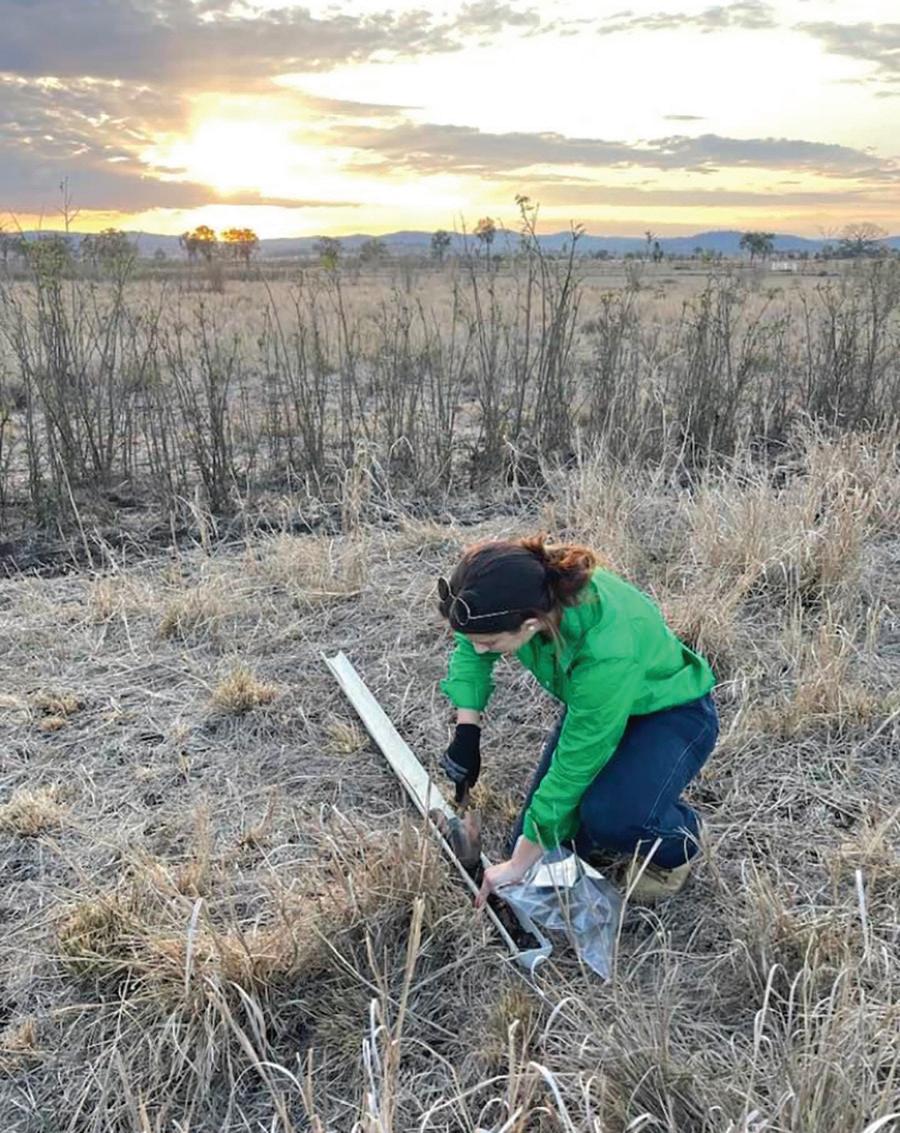
I found out that it was possible to combine business and agriculture I was sold – it was the piece that was missing from a career in business to me.”

Through UQ, Grace has taken part in industry events, joined the UQ Agribusiness Association and worked as a Future Student Ambassador.
“The opportunity to talk to students directly at these expos and answer any questions about attending university, give them the info that I wasn’t aware of when I was in high school, all while promoting my degree and its lesser-known opportunities, has been one of my favourite experiences to date,” she says.
Alongside her studies, Grace now works as an Area Planner with GrainCorp, helping manage grain supply across multiple sites in northern NSW. “The supply chain management that I’ve learnt at university laid a strong foundation and understanding in the sequence of my role,” she says. “It’s been an eye- opening experience seeing how the rest of my studies come into play in different parts of the business.”
Her advice to students is simple: “You can’t expect to know everything at 16, 17 or 18, so give yourself a bit of grace that you’re learning.
Tom Feez helps decide which agricultural products are sold, how they’re priced and how they get to customers
Tom studied a Bachelor of Agribusiness at The University of Queensland, which set him up for a career that blends agriculture with business and decision-making.
“This course gave me a strong grounding in agricultural systems, supply chains, the commercial realities of food and fibre production – but most importantly, the critical thinking skills to thrive in an ever-changing environment,” he says.
Today, Tom works in the Agriculture division at Redox Ltd, one of Australia’s largest chemical importers and distributors. His role focuses on managing agricultural product lines, working with suppliers and customers, overseeing pricing and logistics, finding new business opportunities, and supporting a small sales team.
Tom’s role is varied and no two days look exactly the same. He splits his time between office and field, balancing planning and decision-making with time spent face to face with customers or travelling interstate with colleagues. A few times each year, he also goes overseas to meet suppliers, tour facilities and explore new partnerships.

tom feez senior business manager, redox ltd

Here’s what a typical day in Tom’s job might look like.
9.00am
First thing in the morning, Tom checks what’s changed overnight. He looks at markets, prices and supply updates so he can set priorities for the day ahead.
10.30am
By mid-morning, he’s usually in meetings or on the phone with sales colleagues, suppliers and logistics teams, working through questions and solving problems as they come up.
2.00pm
After lunch, Tom focuses on planning ahead. He reviews forecasts, checks how products are performing and works on new opportunities. This is also when he spends time mentoring and supporting the sales team he supervises.
4.00pm
In the afternoon, Tom might head out on the road to visit a local customer. He talks through their needs, discusses product options and checks in on how things are tracking.
Building trust and long-term relationships is a big part of the role.
Stay commercially minded and learn the language of business early. Understanding how value is created, priced and delivered is just as important as technical knowledge.”
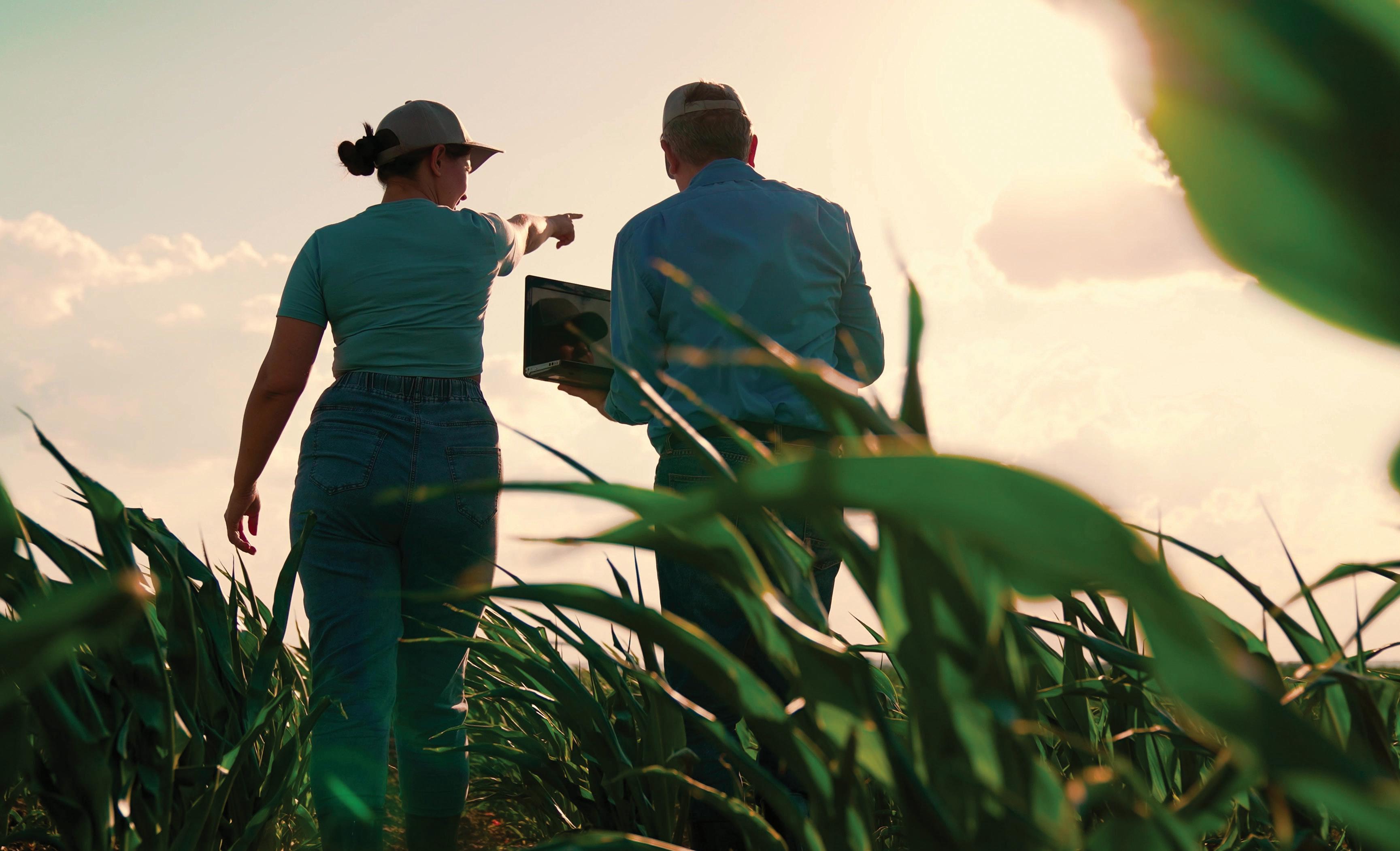
Think of your career like growing a crop – you start by planting good habits, build skills overtime, and then harvest real job opportunities.
You don’t need a farming background to start preparing for a career in agribusiness. What matters most is curiosity – about food, business, people and how big systems work.
Right now, you can start building a strong base by:
✔ Choosing school subjects that build problem-solving and communication skills, such as maths, English, business, economics, science or geography
✔ Picking agriculture-related electives if your school offers them
✔ Paying attention to where our food comes from and how it’s produced, sold and transported
✔ Getting involved in part-time work, volunteering or school projects that build teamwork and responsibility
✔ Following agriculture, food or sustainability topics in the news to understand real-world challenges
After high school, further study is one of the best ways to build the mix of business and industry skills agribusiness managers need.
The Bachelor of Agribusiness at The University of Queensland is designed specifically for this career path. It combines business, economics and supply chains with real-world agriculture, giving you practical experience and strong industry connections while you study.
To keep your skills growing:
✔ Choose a dual degree with agricultural science - 4 years, 2 degrees
✔ Look for internships, cadetships or holiday jobs with companies that work with food, agriculture or logistics
✔ Build confidence in communication through customer-facing roles
✔ Get comfortable using data, spreadsheets and digital tools
✔ Take opportunities to connect with industry through events, projects and placements
✔ Connect with researchers who are working on the future technologies and knowledge the industry will need
Reap the benefits with an awesome career in agribusiness!
With the right skills and experience, agribusiness can lead to roles across food, supply chains and technology – in offices, on farms or even overseas. The exact jobs will change, but the skills you grow now will travel with you.
the Farm Gate
Plug into this podcast for short, real-world stories from people across Australian agriculture – from tech to trade to life on the land. Great for hearing what modern ag careers actually look like. Search for it on your fave podcast platform.
This 2018 doco follows everyday foods from paddock to plate and shows the real people, decisions and supply chains behind what ends up on your dinner table. Check out beforetheplate.com