REPORT TO OUR DONORS 2025

REPORT TO OUR DONORS 2025

As the fundraising partner for all of Alberta’s cancer centres, the Alberta Cancer Foundation acknowledges that our work and initiatives take place, and serve the people, on traditional and ancestral Indigenous lands.
These lands include the territories of Treaty 6, Treaty 7 and Treaty 8, the homeland of the Blackfoot Confederacy — Kainai, Piikani and Siksika — the Cree, Dene, Saulteaux, Nakota Sioux, Stoney Nakoda and the Tsuut’ina Nations, and the Métis Nation of Alberta and eight Métis Settlements.
We acknowledge the many First Nations, Métis and Inuit who have lived on and cared for these lands for generations. We express this acknowledgement as an act of reconciliation and a meaningful gesture of gratitude to those whose territories we reside on or are visiting.



Because of you, discovery is accelerating. Care is more connected. And the future of cancer care in Alberta is brighter than ever.
Together, we are making meaningful progress across Alberta. In 2025, your generosity enabled more than $55 million to be invested into Alberta’s cancer system. You strengthened clinical trials, advanced promising therapies and expanded
programs that support patients and families every day. From immunotherapy to advanced imaging technologies to innovations in treatment options, your support is shaping the next generation of cancer care in Alberta.
This year marked an extraordinary milestone. Since 1985, you and donors like you have helped invest more than $500 million to improve cancer care and research across Alberta. That remarkable total reflects decades of generosity, trust and determination. Every gift has moved us forward, and this past year we saw tremendous progress.
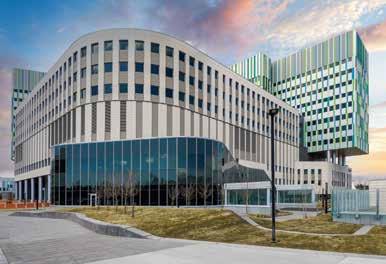
In Calgary, the Arthur J.E. Child Comprehensive Cancer Centre marked its first anniversary, bringing treatment and research together to accelerate discovery and improve patient experience. At the Cross Cancer Institute in Edmonton, expanded spaces are increasing access to clinical trials and systemic therapy. In communities large and small, mobile breast screening, Cancer Patient Navigation and the Patient Financial Assistance Program bring care closer to home.
The Enbridge Tour Alberta for Cancer reached a 17-year high, raising more than $9.4 million. A powerful reminder that when Albertans come together with purpose, the impact is remarkable.
As we look ahead, we continue to ask ourselves: What comes next? What bold steps can we take?
These questions guide how we invest in areas of cancer care with the greatest potential to improve outcomes today and unlock better solutions for tomorrow.
This commitment to progress was further strengthened through the establishment of a historic partnership with Siemens Healthineers and the Government of Alberta to launch the Cancer Partnership for Research and Innovation in Alberta, helping accelerate discovery and bring new solutions to patients sooner.
Amid the progress, milestones and momentum reflected in this report, there is another truth we hold with care. Cancer remains devastating, and loss is a painful reality.
We pause here to remember those we have lost and honour the families and friends who carry their memory forward. We also remember the advocates who pushed us to do better, including our own John Sexsmith, a passionate voice in Alberta’s cancer community. John, and so many others like him, are the reason we keep going. Their courage, generosity and determination continue to shape our resolve.
As we reflect on a year of progress, one thing is clear: every step forward is made possible thanks to our donors and you.
We are deeply grateful for your partnership, your trust and your belief in what can be achieved when a community stands together. This report reflects the progress you have helped make real
As we reflect on the past year, we extend our sincere appreciation to the Board of Trustees. These dedicated volunteers from across Alberta provide essential leadership and expertise in advancing our vision of a cancer-free future.
Max Chan, Chair
Tom Valentine, Interim Vice Chair
Darren Baumgardner
Mark Blackwell
Scott Budau
Kathryn (Kate) Chisholm
Rajko Dodic
Mark Fitzgerald
Joan Forge
Brenda Hubley
Current at time of publication
and our shared responsibility to keep advancing care — working toward a future where every Albertan facing cancer is given more time for the moments that matter most.
Thank you for standing with us and with every Albertan facing cancer.
Shenaz Jeraj
Sandra Lau
Lynn Mandel
Pete Merlo
Shelley Powell
Dr. Dean Ruether
Kiren Singh
Wayne Steinke
Danielle Thorkelsson

Wendy
Beauchesne CEO, Alberta Cancer Foundation

Max Chan Board Chair, Alberta Cancer Foundation
As the fundraising partner for all 17 cancer centres in Alberta, the Alberta Cancer Foundation makes life better for Albertans facing cancer by supporting world-class research and patient care, right here in our own backyard. Donations enable us to capitalize on the latest treatment options available and drive the pace of innovation — rather than wait for it to come from someplace else.
Provincial advancements in cancer prevention, early detection and treatment strategies has led Alberta to have one of the lowest incidences and mortality rates of cancer nationwide.
The Enbridge Tour Alberta for Cancer had a record-breaking year, raising
$9.4 million for programs that directly improve the cancer experience.
Albertans accessed cancer patient navigation services.
new spaces opened at the Cross, reshaping how patients, families and care teams experience cancer care.
regional and community cancer centres across Alberta bring cancer care closer to home.
Albertans participated in a cancer clinical trial last year.
communities across the province received financial support through the Patient Financial Assistance Program last year.
new cancer clinical trials were launched.
The Alberta Cancer Foundation continues to make strategic investments that are shaping the future of cancer care and research across Alberta because of you.
Each year, donor generosity sparks new innovations and gives Albertans facing cancer more time with those that mean the most. Your support helps ensure that patients across the province have access to the highest quality care, no matter where they live or where they are on their journey.
In 2024-2025, over $55 million
was invested in initiatives that continue to advance innovative treatment options, strengthen patient supports and expand leading-edge research.
$8.6M
$1.8M
$1.4M
Our Finance and Audit Committee contributes to ensuring the Alberta Cancer Foundation’s overall integrity, financial credibility and long-term viability. Under their leadership, we provide detailed financial information through our Audited Financial Statements available at albertacancer.ca. Values have been rounded
$35.6M $7.8M
Research and clinical trials
Cancer centre infrastructure and patient care
Cancer Patient Navigation Program
Patient Financial Assistance Program
Patient experience
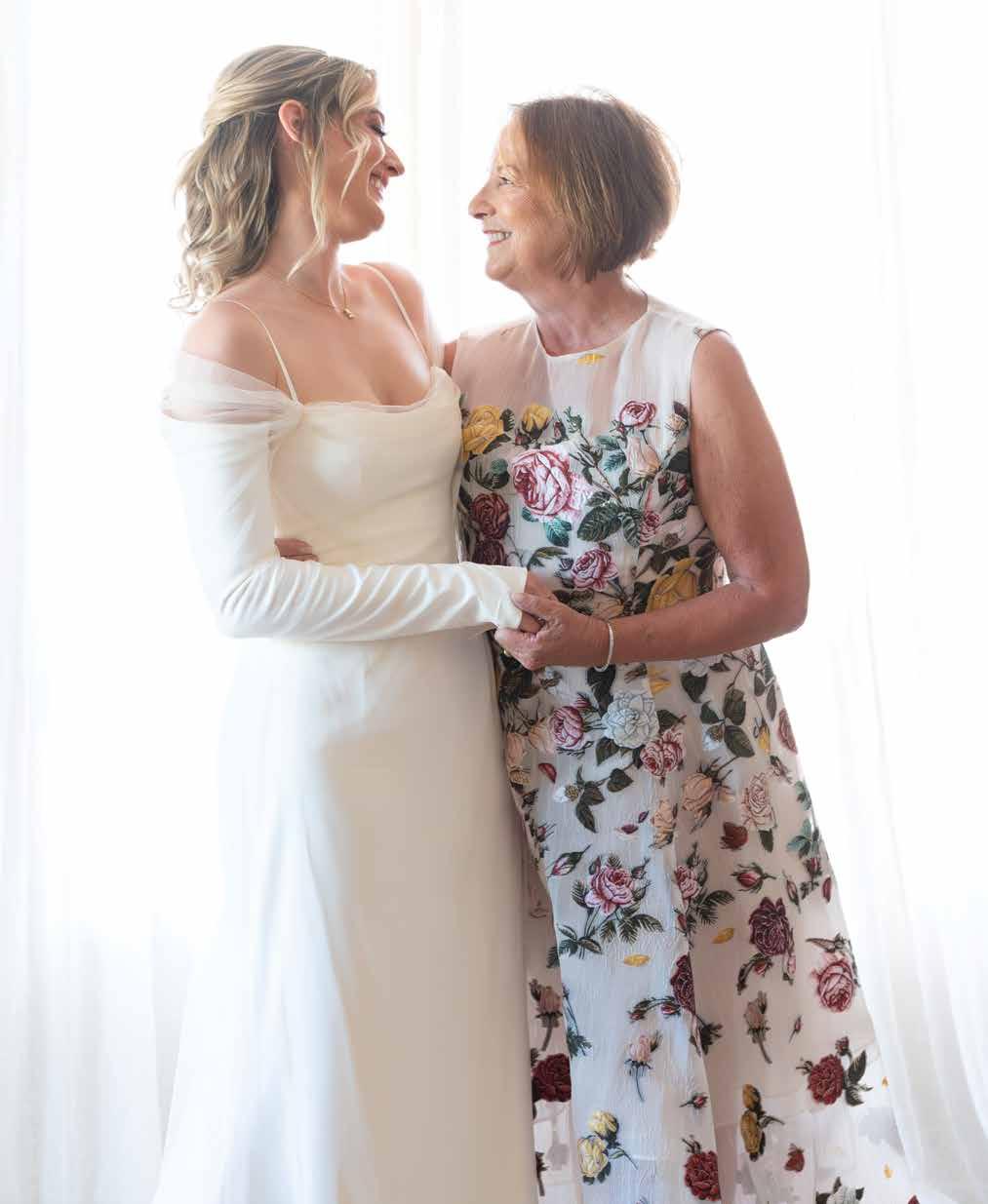
How a mother’s cancer journey helped shape the care her daughter would receive one day.
Days before her 50th birthday, Andrea McManus received a diagnosis that would change everything: bilateral breast cancer. Nearly two decades later, her daughter, Alexandra, would face the same diagnosis, at just 33.
Within two generations, the McManus family has seen first-hand how cancer care has evolved and reshaped not only treatment, but the patient experience itself.
Chemotherapy was largely standardized when Andrea underwent treatment. Patients received similar regimens whether they were part of a clinical trial or not, and supportive care options were limited. The focus was survival – often at the expense of comfort.
During her treatment, Andrea joined the MA41 clinical trial, where she received dosedense chemotherapy, a higher dose of treatment delivered more frequently. The trial would later be deemed successful, helping establish dosedense chemotherapy as the best practice for standard treatment, helping to inform how care is delivered today.
By the time Alexandra began her own treatment years later, cancer care had become far more precise. Her therapy was tailored to her tumour
pathology, supported by advances in symptom management and a growing emphasis on how patients experience care throughout their cancer journey.
That progress did not happen by chance. It was built through decades of research and clinical trials that tested innovative approaches, refined treatments, and steadily improved how care is delivered, often with patients like Andrea helping to move the science forward.
“My chemo treatment was a blanket treatment; everybody would have gotten the same thing [at the time], whether you were in a clinical trial or not,” Andrea recalls. “Alex’s treatment is tailored to her tumour pathology. They know so much more now.”
Alexandra felt those differences first-hand. Advances in symptom control, supportive therapies, and patient-centred options made demanding treatments more manageable.
“Now, there’s a big focus on what’s available with your treatment experience,” Alexandra says. “My nausea was very well controlled, which was huge. I also did cold capping to try to preserve my hair. It’s just amazing that stuff like that is offered for patients.”
For Andrea, witnessing those differences made the value of research deeply personal. Her participation in a clinical trial decades earlier became part of the progress that shaped her daughter’s care, an unexpected but powerful reminder that research gives more than answers. It gives more time.
Cancer has a way of stealing time. Days quickly fill with appointments, travel, and waiting rooms. Hours are lost to coordination and logistics — time that could otherwise be spent resting, healing or simply being with the people who matter most.
In its first year of operation, the Arthur Child has begun to change that experience for Albertans facing cancer. By bringing specialized oncology
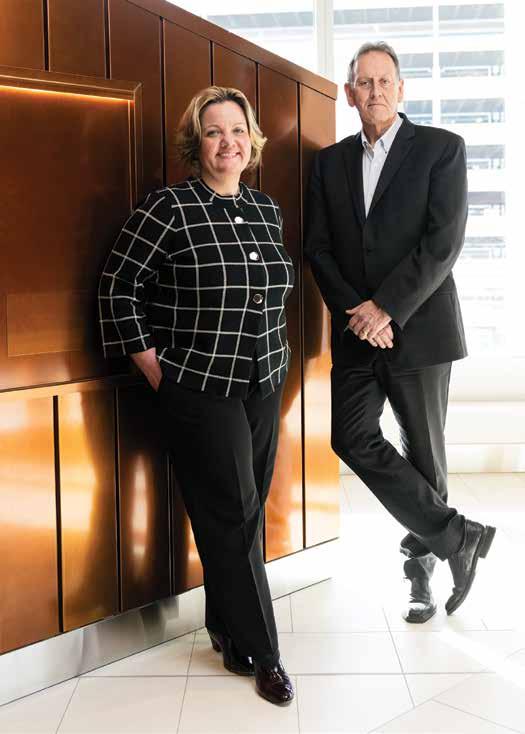
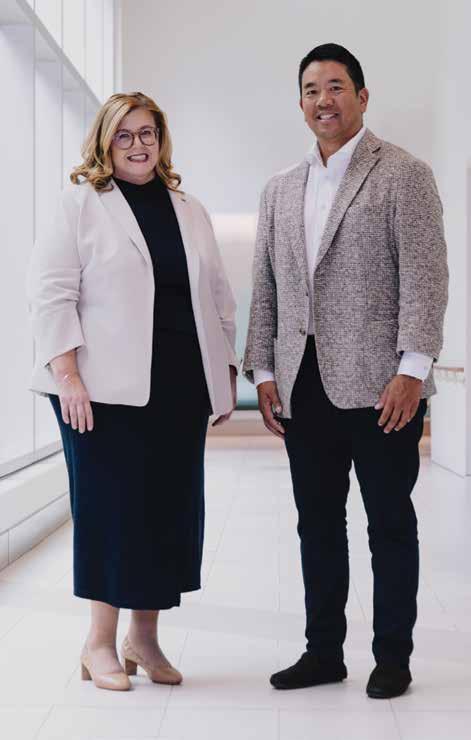
Arthur J. E. Child Comprehensive Cancer Centre executive director Amanda Weiss and medical director Dr. Don Morris
teams and researchers together under one roof, the centre creates an interconnected environment where discovery and care inform one another in real time. Questions from the clinic move quickly to the lab, and new insights return to patient care. The result is a more responsive system designed to turn knowledge into better outcomes, faster.
For patients, this means fewer transitions between teams and clearer conversations about what comes next. For families, it means less time navigating the system and more time being present. For care teams, it means working side by side, sharing insights and advancing research together.
“You can feel the difference,” says Dr. Don Morris, medical director of the Arthur Child. “Having teams together changes how care unfolds, and it allows research to be part of everyday practice.”
That progress is made possible through philanthropy. While public investment built the centre, donor support shapes what happens inside every day. Programs, equipment and services funded through the OWN.CANCER campaign enable clinicians and researchers to work side by side, accelerating new treatments and approaches that begin here in Alberta and have the potential to shape cancer care around the world.
“We are able to dream big and future-proof here because of our donors,” says Amanda Weiss, executive director of the Arthur Child. “Their generosity has created incredible opportunities. We can be the purveyors of hope.”
Breakthroughs in cancer happen when bold ideas are backed, boundaries are pushed and innovation reaches patients faster.
The Arthur J.E. Child Fund is fueling progress across Alberta. Its focus is clear: advancing precision oncology, attracting and retaining world-class talent and accelerating discoveries that improve care.
That momentum led to the creation of the Arthur Child Innovation Catalyst Grant competition. Designed to seize emerging opportunities, the program supports bold, early-stage ideas with the potential to strengthen cancer care. In 2025, more than $1.3 million was awarded to five projects over two years, spanning the cancer care continuum and reflecting the program’s commitment to thoughtful risk-taking and rapid progress.
The fund has also enabled the launch of the Arthur Child Precision Oncology Initiative. This work is strengthening the infrastructure, expertise and collaboration needed to tailor treatment to each patient’s unique biology and diagnosis, helping clinicians make more informed decisions and opening the door to more personalized care.
Together, these investments share a common goal: shortening the distance between discovery and care. When innovation is supported early, research advances sooner, care evolves faster and Albertans benefit earlier.
Dr. Perri Tutelman is creating a digital platform to support the unmet needs of adolescents and young adults living with cancer.
Dr. Jongbok Lee is exploring whether exercise can enhance immune-based T-cell therapy for Albertans with leukemia.
Dr. Sorana Morrissy is advancing a vaccine-based approach to target glioblastoma, an aggressive brain cancer.
Dr. Amir Nezhad is developing a biosensor-based diagnostic tool to predict and monitor treatment response in patients with bladder cancer.
Dr. Rui Fu is building a prediction tool to identify head and neck cancer patients at risk of life-threatening complications.
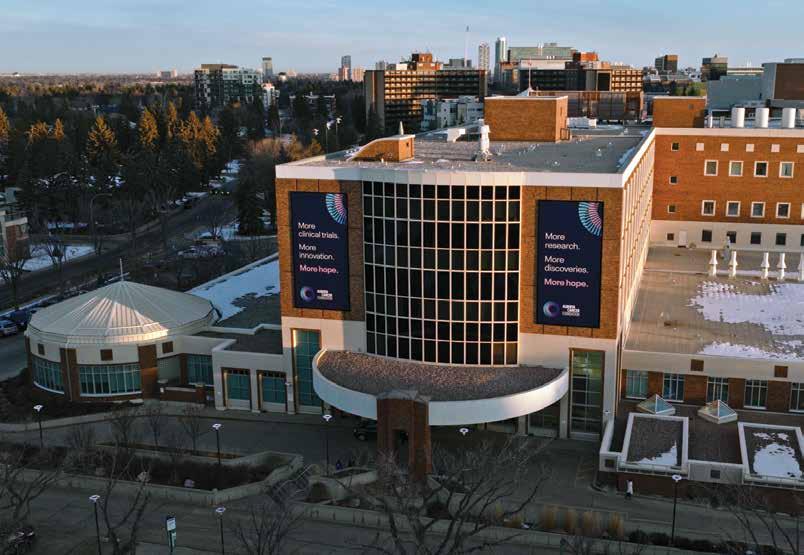
Revitalized spaces designed to support patients, families and care teams.
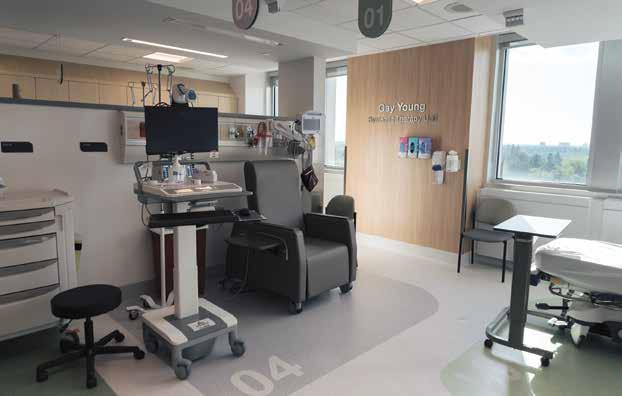
At the Cross, renewed spaces are reshaping how patients, families and care teams experience cancer care.
“The last year at the Cross Cancer Institute was marked by impressive new spaces and continued research,” says David Dyer, executive director of the Cross.
For patients receiving chemotherapy, immunotherapy and other targeted treatments, the new Gay Young Systemic Therapy Unit features expansive windows that fill the space with natural light, creating a brighter, more welcoming environment during long hours of treatment.
That same commitment to a patient-focused design extends throughout the centre. The revitalized Dorothy Triffo Atrium offers a place for patients and families to pause, gather and reflect. The new Triffo Virtual Care Centre is strengthening access to specialized care for Albertans living in rural and remote communities. An expanded clinical trials unit is opening the door to more innovative treatment options and research opportunities.
And, care for patients is strongest when those providing it are supported. Through the We Cross Cancer campaign, the Staff Wellness Space was created as a space for staff members to rest, reset and focus on self-care.
“What’s so powerful is that donors chose to support a space dedicated to caring for those who care for others,” says Dyer.
Research continues to shape what’s possible at the Cross. As the Cross’s medical director, Dr. Helen Steed explains, “Patient care continues to improve year after year because of donorsupported research for investigator-initiated trials and other clinical trials that deliver life-improving and cost-saving treatments.”
Together, these revitalized spaces reflect the province’s generous spirit in action — strengthening teams, improving patient experiences and supporting better outcomes for Albertans.

“Patient care continues to improve year after year because of donor-supported research for investigator-initiated trials and other clinical trials that deliver life-improving and cost-saving treatments.”
— Dr. Helen Steed
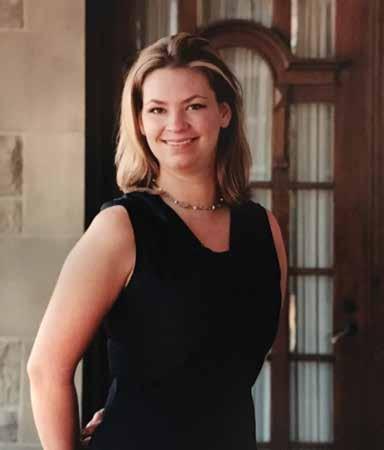
Inspired by Dr. Rachel Mandel, this unit helps blood cancer patients move through one of the most difficult stages of treatment.
For many Albertans facing blood cancer, treatment can mean weeks in hospital, away from home and the everyday moments that bring comfort and normalcy. Advanced therapies such as CAR T-cell and stem cell treatment require close monitoring, often extending a hospital stay even after patients begin to recover.
That stretch of time between hospital and home can be one of the
hardest parts of treatment. Patients can often be well enough to leave inpatient care but still require specialized medical support nearby.
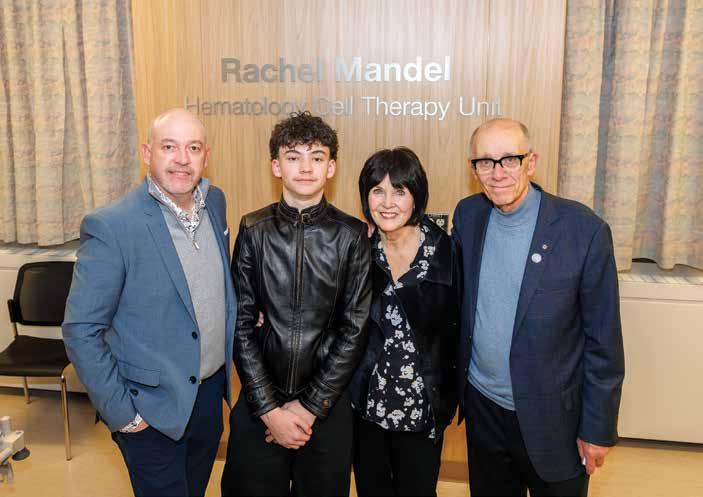
The Rachel Mandel Cell Therapy Unit was created to help ease that transition.
Named in memory of Dr. Rachel Mandel, an Edmonton health care professional whose compassion and dedication touched many lives, the unit reflects what Rachel believed deeply: that compassionate care should always stand alongside scientific excellence. Rachel’s own experience with blood cancer, and the challenges she faced during treatment, inspired her family and friends to help create a space that would make this journey gentler for others.
For Rachel’s parents, Stephen and Lynn Mandel, and for her entire family, seeing this unit created in Rachel’s memory is profoundly meaningful. It is a tribute not only to who Rachel was, but to the care and comfort they hope every family can experience.
“The hardest part of Rachel’s treatment was getting sick in the middle of the night and ending up in the emergency room instead of coming to the Cross. Knowing this unit exists means families can come to a place filled with care. The staff here were phenomenal — truly the most wonderful people in the world. They treated Rachel with such kindness and respect.”
—Stephen and Lynn Mandel
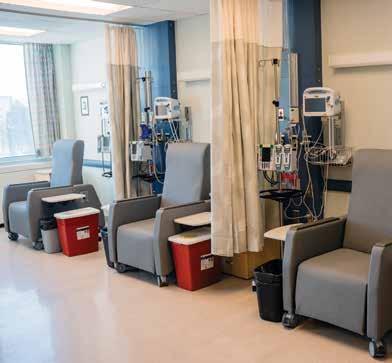
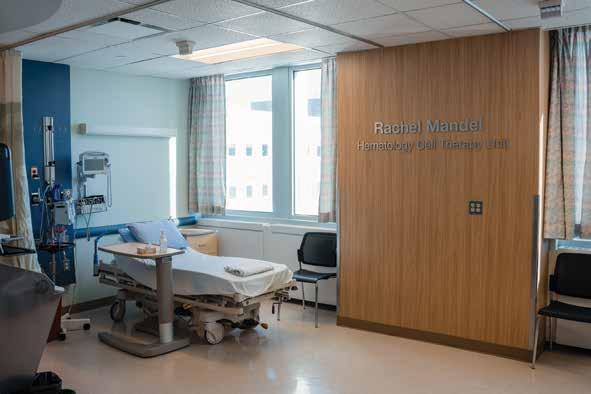
The Rachel Mandel Cell Therapy Unit is a transitional care space for patients who no longer require full inpatient care but still need close medical oversight.
Open seven days a week, 12 hours a day, the unit provides fast-tracked access to clinical support or hospital readmission if needed. With three inpatient beds, three specialized assessment chairs and an interdisciplinary health-care team,
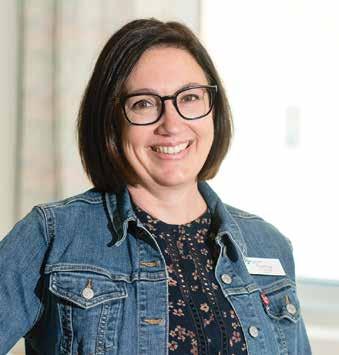
it supports both recovery and independence, giving patients and families greater peace of mind during a critical stage of their journey.
Its impact reaches beyond the individual patient experience. By providing transitional care, the unit helps free up inpatient beds for those who need more intensive treatment during or after therapy, creating greater capacity across Alberta’s cancer system.
“There
are no words to express how much donor dollars are making a difference here. Our patients feel seen and valued. That same value is felt by the team, as we’re supported in doing what we do best: providing patient-centred care.”
—Courtney Ambury, Registered Nurse and Unit Manager
As the fundraising partner for all 17 cancer centres across the province, the Alberta Cancer Foundation is committed to transforming the lives of Albertans facing cancer and their families.
Across Alberta, more patients are receiving cancer care closer to home, surrounded by the people and communities that support them.
Time is often the first thing cancer takes. For many Albertans outside major cities, that loss is compounded by long drives, time away from work and family, overnight stays and difficult choices about whether care is even possible.
Donor investments in rural and regional cancer centres across Alberta are helping give some of that time back. Expanded infrastructure, staffing and programming at the province’s four regional and 11 community cancer sites are reducing the physical, emotional and financial toll of travel, allowing more patients to remain connected to daily life while receiving treatment.
Donors are leading change that patients feel immediately. Additional systemic therapy chairs at community cancer centres in Camrose, Drumheller and Drayton Valley mean fewer people need to travel to Edmonton or Calgary for treatment. More support staff are strengthening oncology education and hands-on care in local communities. In Grande Prairie, a new Indigenous patient navigator role was created to ensure First Nations, Métis and Inuit patients and families
receive culturally informed cancer care that reflects their needs, values and lived experiences.
“Whether through funding meaningful tools, championing education or fostering community partnerships, the Alberta Cancer Foundation’s collaboration elevates our care in ways both big and small,” Shelly Lawrence, director of Cancer Care Teams Community Oncology, says. “It enables us to deliver innovative clinical research and cutting-edge treatments closer to home.”
Care is closer and more time stays where it belongs — with family, work and daily life.
Technology is delivering more targeted treatments, meaning fewer sessions and a gentler recovery.
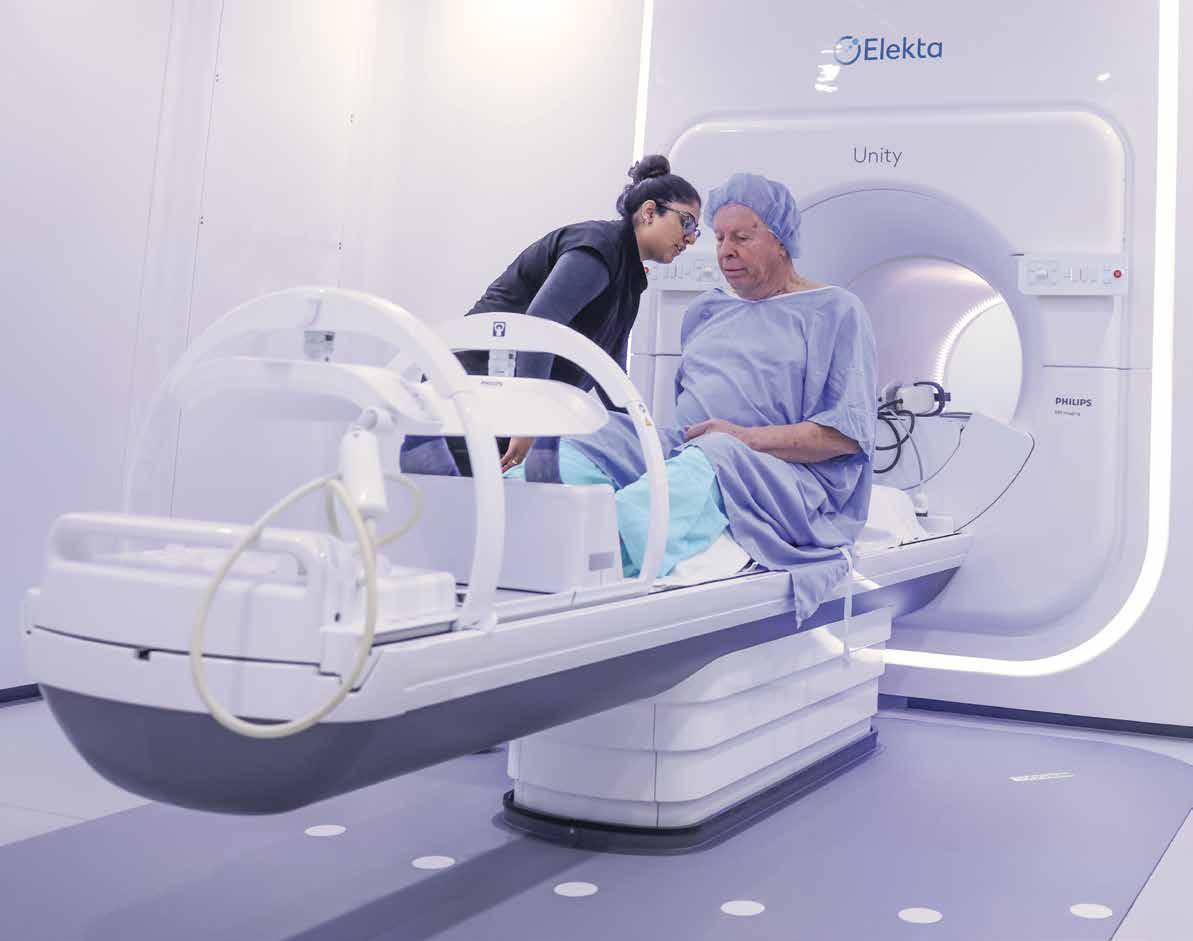
Radiation therapy can quietly take over daily life. Frequent hospital visits, side effects and long recovery periods often leave little room for anything beyond cancer itself. Made possible through donor generosity, MR-Linac technology is changing how radiation therapy is delivered.
By combining radiation therapy with real-time MRI imaging, oncologists can see tumours during treatment and adjust radiation delivery with exceptional accuracy. This targeted approach allows higher doses to be delivered while protecting surrounding healthy tissues, reducing treatment sessions and supporting a gentler recovery.
For Barry Flavelle, who was diagnosed with prostate cancer, the impact was immediate.
Fewer hospital visits and fewer side effects meant he could spend less time recovering and more time doing the things he enjoys.
“This is a really good option,” he says. “Less side effects, less visits, same amount of radiation in total...just administered a little quicker.”
Because donors invested early, the impact continues to grow. While MR-Linac technology has already transformed prostate cancer care, its precision is expanding treatment options for more complex cancers, including those affecting the nervous system.
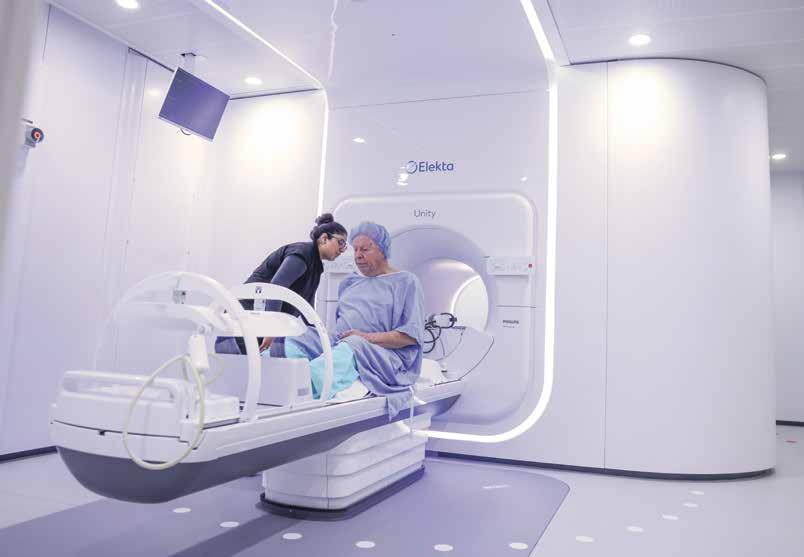
“Enabling a building like [the Arthur Child], full of equipment and top-notch doctors, you have nothing but thanks to those individuals who donated.”
—Barry Flavelle
For rural Albertans facing cancer, virtual care means fewer disruptions to daily life, faster access to support and staying connected to their care team without long-distance travel.
At the Cross, the recently opened Triffo Virtual Care Centre is helping connect patients living outside Edmonton to specialized cancer care.
Allan Black, hematology nurse practitioner
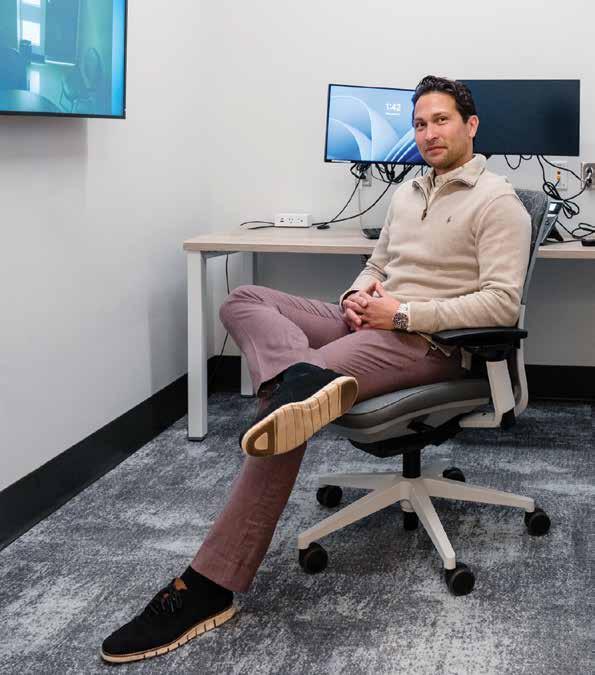
Made possible through a generous gift from Ron Triffo, the centre strengthens the delivery of highquality care through virtual appointments.
Last summer, hematology nurse practitioner Allan Black moved his virtual clinics from a small basement space to the third floor into the purpose-built Triffo Virtual Care Centre. Equipped with modernized technology, the new space streamlines virtual appointments, improves image clarity and helps clinicians assess symptoms, review treatment plans and respond to patients more quickly.
The impact is immediate for patients, particularly in the weeks between appointments when questions or symptoms can arise unexpectedly.
“The virtual clinic made me feel supported between appointments,” says Alex, a patient at the Lloydminster clinic. “I got help with managing my symptoms quickly, asked questions without waiting weeks, and felt reassured knowing my care team was still closely involved, even from home.”
The improved setup also allows clinicians like Black to see more patients virtually, strengthening continuity of care across rural and remote communities.
“The true value is for those who can’t make it here to the city,” he says. “It allows for optimized care that comes with seeing a person face to face.”
With the Triffo Virtual Care Centre’s expanded capacity and smoother processes, donor support is making it possible to extend these services to additional rural centres, helping more Albertans receive specialized cancer care closer to where they live.
New technology at the Arthur Child and the Cross is improving how brachytherapy is delivered across Alberta.
Undergoing brachytherapy can be physically demanding and emotionally difficult. The procedure is uncomfortable and anxietyprovoking, requiring patients to remain awake and still while being transferred between the procedure room and imaging suites.
Advanced technology within the brachytherapy suite at the Arthur Child now includes a mobile ring CT scanner. As one of only two cancer centres in Canada equipped with this technology, imaging, planning and treatment can now take place in a single space, meaning patients no longer need to be transported mid-procedure and can remain under anesthesia throughout the entire process.
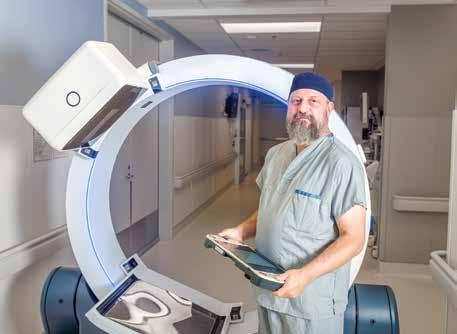
The new setup is expanding what is possible during treatment. These advances are improving coordination across Alberta’s cancer centres while reinforcing the province’s leadership in brachytherapy care. For patients, the changes mean a smoother and more comfortable treatment experience.
“It’s a very gratifying job just to see that a patient gets treated at the appropriate time, recovers
from cancer, and that’s all because you are one of those [links] in that big chain,” says Dr. Geetha Menon, senior medical physicist, at the Cross.
The provincial Brachytherapy Centre of Excellence, led by Dr. Tyler Meyer at the Arthur Child and Dr. Geetha Menon at the Cross, continues to strengthen collaboration, training and research in brachytherapy care.
At the Cross, the Centre of Excellence funding is helping to advance treatments through AI-supported models for planning and advanced 3D printing technology, allowing clinicians to create customized tools that improve precision during brachytherapy procedures.
Donor generosity continues to advance brachytherapy in Alberta, helping bring new technologies into practice and supporting the next generation of innovation.
“With access to these resources,” says Meyer, “there’s nothing holding us back. Donors are making the things we’ve wanted to do for our entire careers possible.”
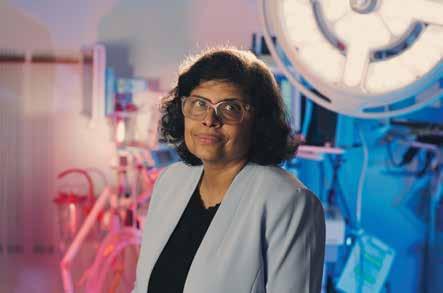
Four researchers. Four bold ideas. One shared goal: transform cancer research.
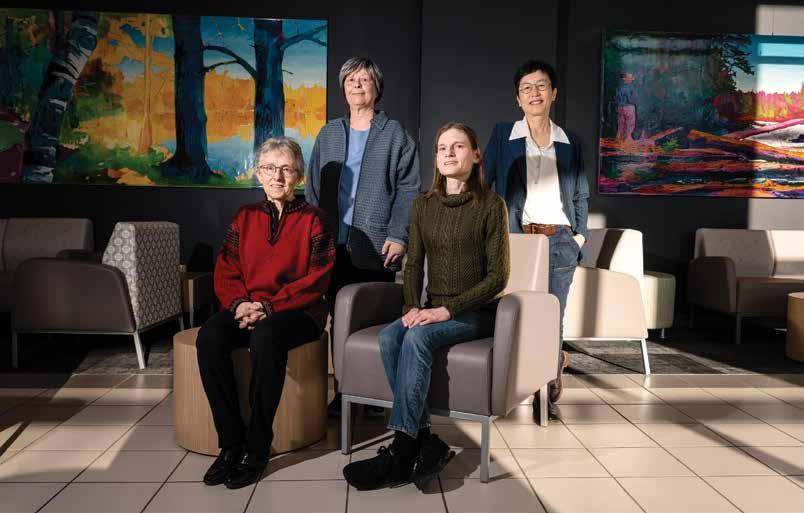
Across Alberta, women researchers are leading innovative work that is reshaping how cancer is understood and treated. Their work spans different diseases and scientific approaches, but each is focused on tackling some of the most complex challenges in cancer.
Through the We Cross Cancer campaign’s Game Changer Fund, early support helps accelerate promising ideas and move discoveries forward. In 2024, four women-led teams received
funding, and their projects are already generating new insights and momentum in cancer research.
What sets these projects apart is not only the science but the momentum building behind them. Each researcher is working at the edge of what is known, tackling questions that could unlock more effective treatments, better quality of life and new options for patients facing advanced or complex disease.
Donors play a pivotal role at this moment. By supporting research at an early, high-impact stage, they help ensure promising ideas do not stall before they can make a difference. This support allows these leaders to move faster, think bigger and translate insight into action sooner.
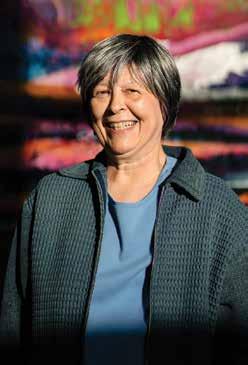
Dr. Vickie Baracos
Exploring new approaches to address cachexia, a condition marked by severe weight and muscle loss in people with advanced cancer. Using advanced imaging and data-driven tools, her team is developing more personalized strategies that could significantly improve quality of life for patients.
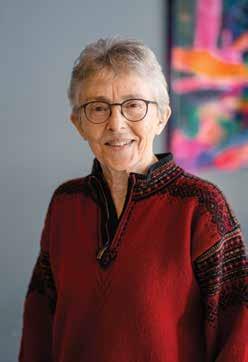
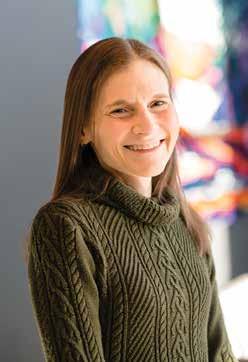
Dr. Roseline Godbout
Examining why certain prostate cancers spread. Her team is creating organoids from tumour biopsies, miniature models that allow researchers to study metastatic disease in new ways. Promising compounds that may interfere with a key protein linked to cancer spread are now moving into testing.
Together, these projects highlight the growing momentum behind cancer research in Alberta. When donors invest in progress, novel approaches to treatment and care move closer to the people who need them most.
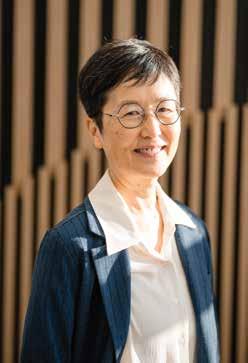
Dr. Kristi Baker
Investigating why some late-stage cancers resist immune-based therapies. With donor support, her team acquired Alberta’s first multiplex imaging instrument, now fully operational and analyzing patient-donated cancer samples. This technology reveals how immune cells behave within tumours and is now available to researchers across Alberta.
Advancing personalized breast cancer treatment through tumour “avatars” that help predict how patients may respond to therapy. Her team is growing patient-derived tumour models and sequencing original and treatmentresistant samples, revealing new insight into how breast cancer evolves.
An Alberta-led CAR T-cell clinical trial is delivering faster, more affordable treatment for Albertans facing blood cancer.
For decades, treatment options for blood cancers such as leukemia and lymphoma have relied on chemotherapy, radiation and stem cell transplants. These approaches can be physically demanding and, for some people, no longer effective. For those whose cancers resist standard treatment, CAR T-cell therapy offers new hope.
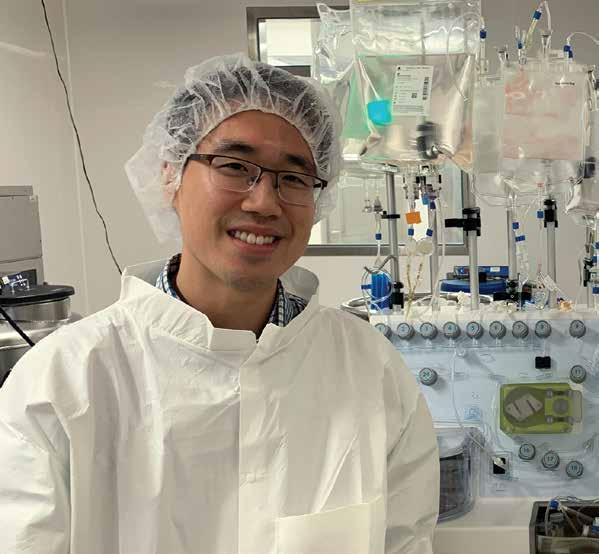
With support from Alberta Cancer Foundation donors and a Government of Alberta grant, Dr. Michael Chu is leading a first-of-its-kind, made-in-Alberta, CAR T-cell therapy clinical trial at the Cross.
For the first time in Alberta, CAR T-cells are being manufactured locally and delivered directly to patients, bringing one of the world’s most advanced cancer therapies closer to home. Instead of waiting weeks for treatment while cells are manufactured elsewhere, patients can begin therapy far sooner.
“We’re talking about patients who are very sick and not doing well,” says Chu. “Being able to produce CAR T-cells quickly, safely and successfully is the biggest thing patients want to hear.”
Rather than relying on traditional drugs, CAR T-cell therapy uses a patient’s own immune system. T-cells are collected from the patient, reprogrammed to recognize cancer cells, and infused back into the body to attack the disease with precision.
For the trial participants, like Mike Zurawell, who received made-in-Alberta CAR T-cell therapy through the clinical trial, the results have been life-changing.
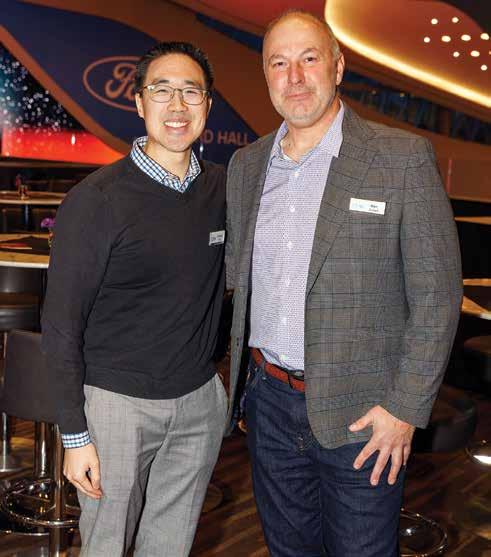
“Seven months after receiving my CAR T-cell treatment, my cancer was in remission. I am alive today because of the donors who helped fund this clinical trial.”
“Behind every piece of equipment or lab result is a donor who supported this work and made a difference. I am living proof of what happens when Albertans invest in cancer care.”
Alberta is not just participating in scientific progress — it is leading it. Local cell manufacturing is building local capacity within the province while giving Albertans facing cancer access to treatment faster when they need it most.
“Realistically, none of this happens without donor support,” says Chu.
27 Albertans treated in the clinical trial. 60% remained in remission for more than six months.
74% participants saw a significant reduction in cancer cells.
The health care system saved
$400,000+ per patient enrolled in the CAR T-cell clinical trial.
LOCAL CELL MANUFACTURING
10 days manufacturing
Treatment begins within ~2 weeks VS
3 – 4 weeks manufacturing
Treatment begins within ~4 – 6 weeks
Donors continue to fuel cutting-edge research and drive new discoveries through world-class clinical trials.
Clinical trials are where tomorrow’s cancer care begins — offering patients access to promising treatments today while helping shape the future standard of care.
Alberta is a national leader in clinical trials, and the Alberta Cancer Foundation supports every
Thanks to the generosity of philanthropists Stan and Marge Owerko, the Owerko Family Centre for Clinical Trials at the Arthur Child is expanding access to early-phase clinical trials in Calgary.
The centre includes inpatient beds for Phase 1 trial participants, specialized staff focused exclusively on early trials and the capacity to support even more groundbreaking research in the years ahead.
For the Owerkos, supporting clinical trials is rooted in a shared hope for families facing cancer.
“Cancer is a frightening disease, and a diagnosis at any age is a crushing blow to the whole family,” they share. “Our hope is that the discoveries made at the Arthur Child will benefit patients not only here in Alberta, but around the world.”
Because of donor support, those discoveries are already opening the door to new treatments and new hope for patients across Alberta.
cancer-focused trial in the province. In 2025, donor generosity helped invest more than $35 million into cancer care and research across Alberta, strengthening clinical trials, accelerating the early adoption of promising therapies and expanding access to new treatment options for patients.
With 72 new trials opening last year and 221 active trials across the province, access to life-saving clinical trials continues to grow across Alberta.
This progress is helping researchers and clinicians move faster, pursue bold ideas and bring promising new therapies to patients sooner.
As Dr. Randeep Sangha, oncologist and director of the Clinical Trials Unit at the Cross, says, “We are humble enough to know we have to do better for our patients, and we are bold enough to believe that we are the ones who will do better through our trials program.”
221 active cancer clinical trials across Alberta
72 new cancer clinical trials opened this year
Across Alberta’s cancer centres, discoveries are increasingly moving from research and clinical trials into real-world patient care. Theranostics is one example of this progress already improving care for Albertans facing prostate cancer.
Theranostics combines advanced imaging with targeted treatment, helping doctors detect cancer and treat it with greater precision. By linking detection and treatment, clinicians can move from diagnosis to treatment with greater confidence.
PSMA PET scans are an essential component of the theranostics treatment approach in action.
These scans use a Prostate Specific Membrane Antigen (PSMA) marker — a target for a radioactive tracer that binds to prostate cancer cells, causing them to light up on imaging — much like turning on a lightbulb. The result is a clearer picture that improves the way prostate cancer is detected, provides better understanding of the extent of the disease and identifies patients who could benefit from a targeted theranostics treatment approach.
The same PSMA marker used to detect prostate cancer can also be targeted to deliver treatment directly to those cancer cells. Patients with advanced prostate cancer and positive PSMA PET scan findings may qualify to receive therapies such as lutetium or Pluvicto. Lutetium delivers radiation directly to cancer cells that overexpress this PSMA marker, while limiting damage to healthy tissues.
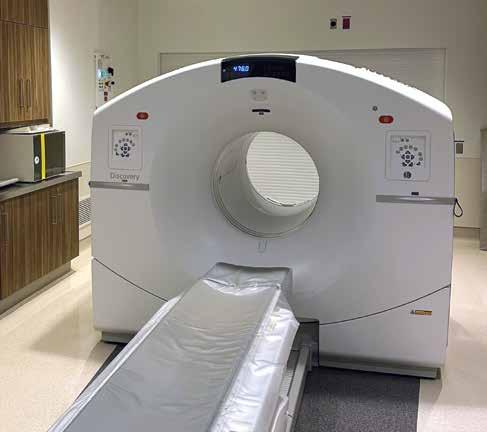
Clinical trials show that PSMA-targeted therapy can extend survival for patients with advanced prostate cancer and limited treatment options.
Donors helped fund the clinical trial that introduced PSMA PET imaging in Alberta and allowed patients to participate in the clinical trials that have supported the use of theranostics in standard of care.
The Foundation matched the Government of Alberta’s $3 million investment, helping make this approach available for Albertans. Before this investment, access to PSMA PET imaging was limited. Today, hundreds of Albertans have received PSMA PET scans — expanding access to precision oncology across the province.
Beyond prostate cancer, theranostics is already advancing a new generation of diagnostic and treatment options, and Alberta is well positioned to lead in helping more patients benefit from such targeted therapies.
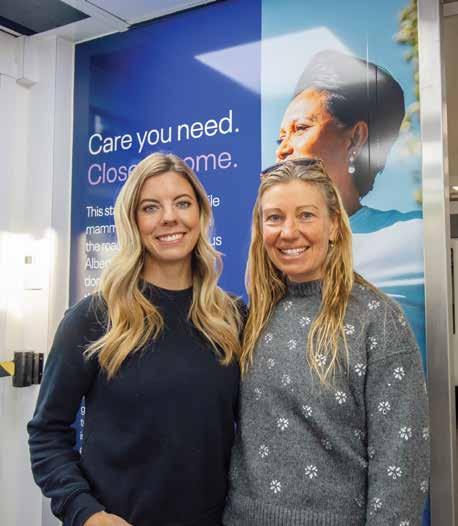
When the screening unit rolls into town, it can save a life.
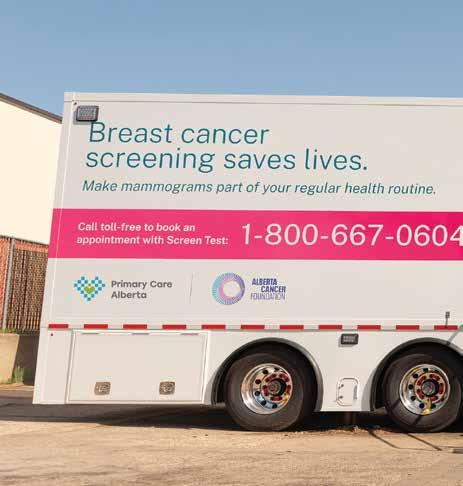
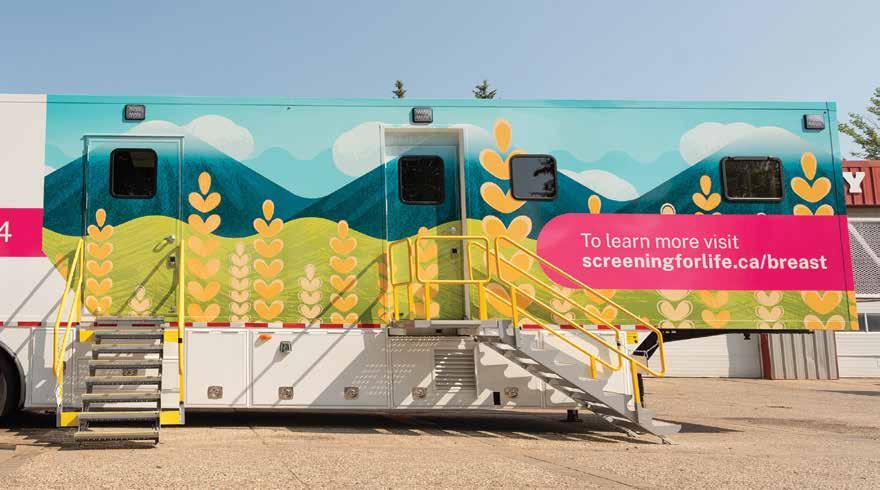
Across Alberta, mobile breast screening units are bringing mammograms directly into communities that might otherwise face long travel times or other barriers to care. From northern communities to the southern border, including rural Indigenous communities, these units are expanding access to one of the most important tools in cancer detection.
Instead of travelling to larger centres, eligible Alberta women can receive mammograms close to home through Screen Test’s mobile screening program.
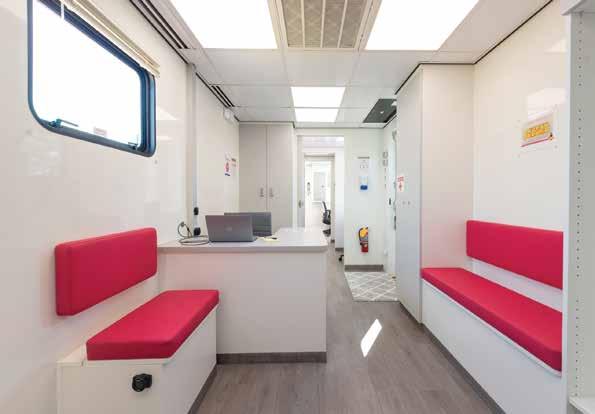
Since its inception, the mobile breast screening program has performed over 500,000 mammograms and detected more that 3,000 breast cancers.
For more than 30 years, the program has delivered over half a million mammograms, helping ensure access to mammography doesn’t depend on where someone lives.
Donor support made it possible to replace mobile screening units that had been in service for more than a decade. The new units are brighter, more spacious and more accessible for individuals with mobility challenges.
Most importantly, they are equipped with upgraded technology. Instead of traditional 2D imaging, the units now offer 3D mammography (tomosynthesis), providing a clearer and more detailed view of breast tissue and helping detect cancer earlier and more accurately.
What began as makeshift clinics in public buildings and vans equipped with darkrooms has
93% five-year survival rate when detected early.
120 + rural and Indigenous communities reached.
evolved into a modern, mobile screening program that continues to expand its reach — supported by donors who understand early detection saves lives.
“We are decreasing people’s mortality from breast cancer,” says Joan Hauber, manager of Screen Test. “Early detection through screening, combined with advances in treatment, leads to better outcomes. Everybody is working together.”
80%+ of breast cancers detected at an early stage.
500,000+ mammograms delivered through Screen Test.
3D mammography now available on mobile units.
2 mobile screening units were upgraded in 2025.
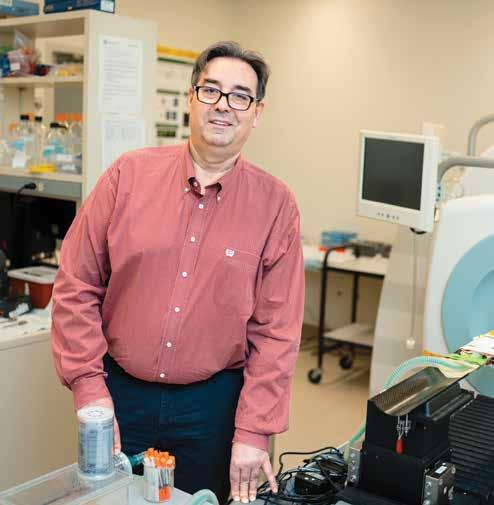
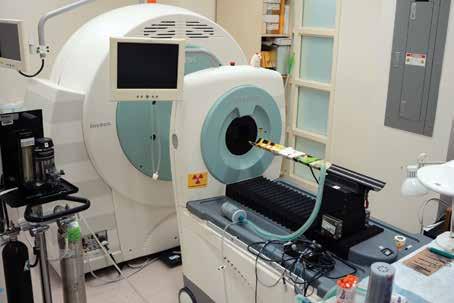
Alberta is emerging as a global leader in theranostics and radiopharmaceutical science, driven by the work of Dr. Frank Wuest at the Cross.
For nearly two decades, Dr. Frank Wuest has led research to develop new medical isotopes and radiopharmaceuticals that strengthen how cancer is diagnosed and treated. His work focuses on theranostics, a field that links diagnostic imaging with targeted therapy to help clinicians see cancer more clearly and treat it more precisely.
“Through our research, we are able to introduce the next generation of targeted therapies,” says Wuest. “Improving patient care by individualizing it.”
In 2025, this work reached a major milestone. Wuest’s team successfully produced new radioisotopes, including Lead-203, strengthening the precision of cancer diagnosis and treatment. These isotopes help researchers and clinicians locate cancer more accurately, supporting earlier detection and more targeted therapies.
The impact of this work now extends far beyond Alberta. These rare research tools are being shared with collaborators across Canada and internationally, supporting studies in the United States, Europe, Asia and Australia.
“We are so proud of this accomplishment,” Wuest reflects. “It puts Edmonton at the forefront of this research.
Dr. Wuest’s leadership in this field is helping establish Alberta as a global hub for theranostics and radiopharmaceutical innovation.
“Donor generosity made it possible to build something truly exceptional. This is an area of science with enormous potential, and that investment is paying dividends for patients worldwide,” says Wuest.
For a few precious days, kids get to be what they are first and foremost: kids.
They laugh, test their bravery, make new friends and feel proud of what they can do, surrounded by others who understand their journey.
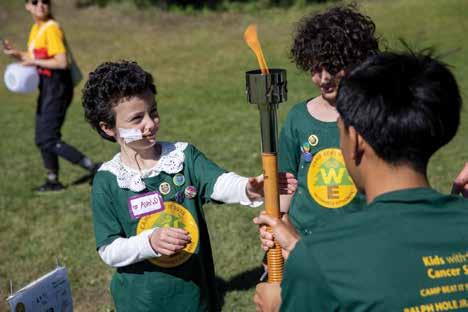
At cancer care camps dedicated to kids, the magic is in the normalcy. Campfires, songs, games and shared adventures create space for joy and confidence. Just as importantly, every child is surrounded by others who understand without explanation. Everyone belongs.
That sense of connection extends to families. Parents and siblings find relief in meeting others who truly understand the life-changing challenges childhood cancer brings. They share stories, support one another and find moments of ease during an otherwise heavy journey.
These experiences exist because of donors.
In 2007, Ralph and Ada Hole established an endowment through the Alberta Cancer Foundation to support Camp Beat It, a program run by Kids with Cancer Society. That enduring
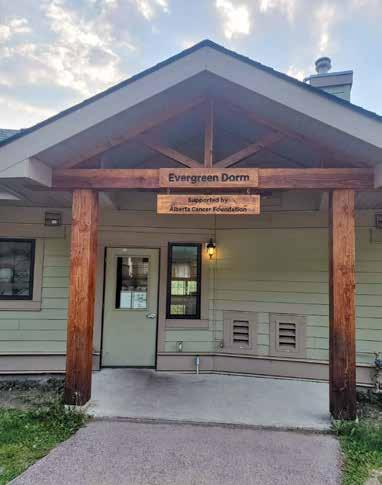
gift continues to fund the four-day camp each year, creating a lasting legacy of joy and stability for children and families affected by cancer.
Donor support also helped expand Camp Kindle in 2025, a program run by Kids Cancer Care. Accessibility upgrades were added as well as new activities such as zip lines, climbing walls, archery and escape rooms so more children can take part fully, building friendships and memories that stay with them long after camp ends.
Here, kids are given something simple but powerful: the chance to just be kids.
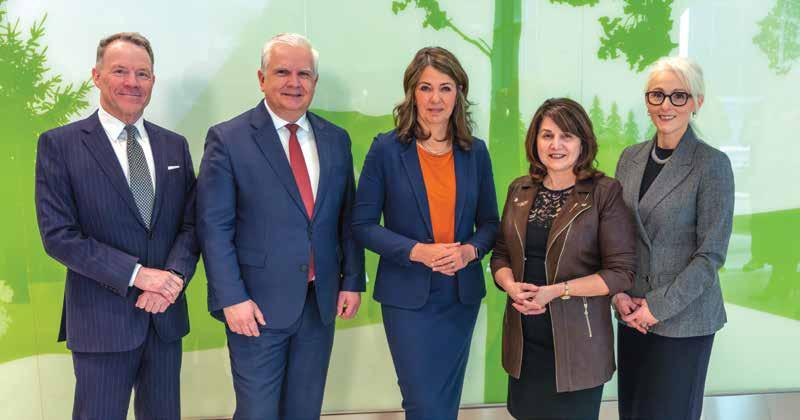
An $800-million, public-private-philanthropic partnership is accelerating excellence in cancer care.
Through the $800-million Cancer Innovation Value Partnership, the Government of Alberta, Siemens Healthineers, Alberta Health Services (Cancer Care Alberta) and the Alberta Cancer Foundation have come together to modernize oncology technology, expand research and improve the experience of patients across the province.
Learning Centre of Excellence in Cancer Care
Based at the Arthur Child, this centre will be Canada’s first global oncology training, learning and reference site.
Artificial Intelligence Centre of Excellence in Cancer Care
An Edmonton-based program advancing AI and machine learning in cancer detection, diagnosis and treatment.
This public-privatephilanthropic partnership brings together government investment, private-sector expertise, the health system and donor support to accelerate innovation and deliver meaningful improvements in cancer care.
“This investment will position our province as a leader in cancer care by
leveraging artificial intelligence, attracting healthcare professionals and supporting researchers in developing innovative cancer care solutions,” says Premier Danielle Smith.
A key component is the Cancer Partnership for Research and Innovation in Alberta, a $72-million research fund supported by donors and matched through partner investment. With the Alberta Cancer Foundation as a lead partner, the fund supports investigator-led research, early-stage discoveries and emerging technologies that could reshape how cancer is detected, diagnosed and treated.
“This is a major leap forward for cancer care,” says Wendy Beauchesne. “Together with our partners and donors, we are bringing more effective, personalized treatments to patients sooner.”
Together, these efforts aim to reduce oncologyrelated emergency visits and cancer care wait times, helping ensure patients receive the care they need, when they need it.
Partners across Alberta are transforming how cancer care is delivered.
At a time when Alberta’s healthcare system is facing growing pressure from rising costs and increasing demand driven by rapid population growth, collaboration is what moves us forward.
Public, private and philanthropic sectors are aligning around a shared goal to improve cancer care in Alberta. Each plays a distinct role, contributing unique expertise, resources and perspectives. Together, this coordinated approach is enabling progress that would not be possible in isolation.
Precision Analytics is one example of this collaboration in action. Supported by Merck, Pfizer, AstraZeneca, Novartis, Roche and Alberta Innovates, this work is turning data into
meaningful change. These insights are enabling care teams to identify efficiencies, reduce barriers, and improve how patients move through the cancer system.
More than 30 industry collaborators are contributing to this shared progress by supporting pilots, education initiatives, and tumour teams across Alberta. Their involvement strengthens clinical knowledge, advances innovation and enhances the experience of care for Albertans and their families.
This is the power of collaboration. It is coordinated, intentional, and deeply impactful. Most importantly, it is made possible by those who continue to invest in better outcomes for Albertans facing cancer.
Together, this collective effort is improving care today while building a stronger, more connected cancer system for the future.
Public Sector
Government of Alberta
Alberta Health Services
(Cancer Care Alberta)
Private Sector
Siemens Healthineers
Philanthropy
Alberta Cancer Foundation and donors
Together, these partners are modernizing cancer technology, advancing research and improving care for patients and families across Alberta.
The Enbridge Tour Alberta for Cancer fuels the More Hope Movement, helping ensure every Albertan facing cancer has access to the care and support they need.
When thousands of people come together on two wheels, something powerful happens. Roads fill with determination. Strangers become teammates. A shared purpose carries everyone forward.
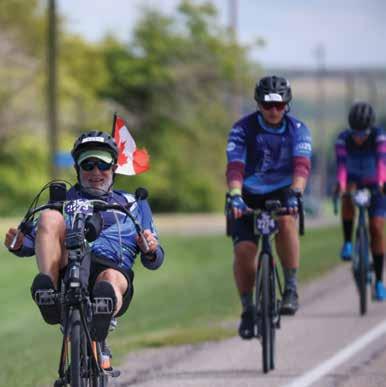
That spirit defined this year’s Enbridge Tour Alberta for Cancer (Tour). Riders showed up not just to cycle, but to stand with those facing cancer. Their collective effort set a new Tour record, raising $9.4 million for the Alberta Cancer
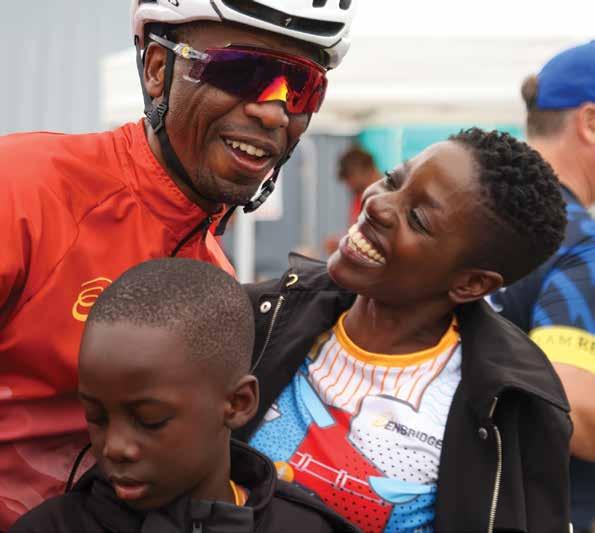
Foundation — the highest total in the event’s 17-year history.
Each rider commits to raising at least $2,500, rallying friends, family and colleagues behind them. But the Tour quickly becomes about more than fundraising. Over two unforgettable days, it transforms into a moving expression of community, filled with encouragement, gratitude and the belief that progress is possible when people show up for one another.
Every pedal stroke helps fuel innovation, strengthen patient support and create more time for the moments that matter most. The Tour is proof that when people move together with purpose, the impact extends far beyond the finish line.

Funds raised through the Tour support programs that directly improve the cancer experience, including the Patient Financial Assistance Program and the Cancer Patient Navigation Program. They also help advance groundbreaking clinical trials and critical improvements at cancer centres across the province.
For many riders, the Tour is deeply personal. Longtime participant Sydney Meier rides in honour of her mom, Leah, who was diagnosed with colon cancer in 2018 and joined the Tour herself in 2019. “I’ll never be able to express my gratitude for this ride and the memories it’s given

me with my mom,” says Meier. “More moments, that’s all we want. That’s all we ride for.”
The Tour is more than the Foundation’s signature fundraising event. It’s a community in motion. “It’s kind of one big team as you’re riding, everyone’s cheering each other on,” says 2025 rider Mike Haig. “We might come from different teams, but out here, we’re all riding as one — Team Alberta.”
These dedicated individuals and groups raised big bucks for the 2025 Enbridge Tour Alberta for Cancer. Thank you to these top fundraisers for their incredible efforts — and thank you to everyone who participated, volunteered or donated last year. Together, we’re making a difference for all Albertans.
Top Individual Fundraisers:
Max Chan $209,250
Vern Yu $173,676
John Davis $134,340
Top Corporate Teams:
Across Alberta, community-led events are turning generosity into meaningful support for cancer care.
2025 marked another extraordinary year of community-led fundraising. Across the province, thousands of people organized and participated in events inspired by a shared commitment to supporting Albertans facing cancer and their families.
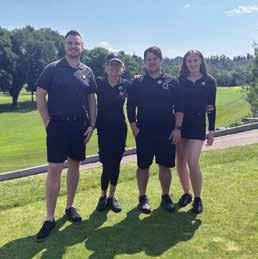
+$45,000
The Sherlock Holmes Hospitality Group hosted its 12th annual golf tournament in memory of Colleen Tomchuk, raising $45,000 this year and reaching a total of $300,000 over 12 tournaments. A portion of sales from Colleen’s Amber Ale also continues to support ovarian cancer research through the Alberta Cancer Foundation.
That collective spirit came to life through more than 90 community events held in over 15 communities across Alberta.
Nearly $1.4 million was raised in support of cancer care, research and patient programs.

+$88,000
The Défi Canderel Challenge brought its nationwide campaign to Alberta through two events in 2025: the Big Dill Pickleball Tournament in Edmonton and the Superhero Dash in Calgary, where families and costumed heroes raced to give Albertans facing cancer more time.
When communities rally around family, friends and neighbours, they send a powerful message: no one faces cancer alone. When donor generosity turns into action, we create more moments, more memories and hope for a future without cancer.
GEDfest events, held across Canada to celebrate the life and legacy of Gordon Edgar Downie and the music of The Tragically Hip, continue to make a powerful impact. As the largest annual fundraiser in Downie’s memory, GEDfest has raised more than $800,000 for cancer charities across Canada. The largest event, hosted in Calgary, raised $134,000 for the Alberta Cancer Foundation last year.
+$134,000
$1,396,055.96 March2026
+$41,000
+$128,000
For 23 years, the St. Albert community has rallied behind students and staff at Bellerose Composite High School through the highly anticipated Bellerose Bikeathon Each year, student teams cycle on stationary bikes for two days straight. Since 2004, the school has raised more than $4 million for cancer support.

+$126,000
In Calgary, The Patrol Foundation hosted its second annual Cold Patrol 10K Run in November, drawing just over 700 participants. Focused on engaging young philanthropists through fun, community-driven fundraising, the Foundation also hosted a second sold-out Moustache Bash gala. Together, both events raised approximately $126,000 to support Albertans facing cancer.
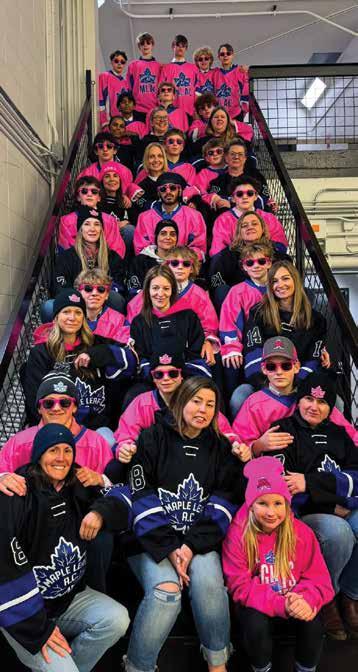
In Edmonton, the Maple Leaf Athletic Club raised more than $41,000 through its annual Pink Games. Since 2014, MLAC teams have dedicated one regular-season game to Hockey Fights Cancer, mobilizing more than 500 players, coaches and families to fundraise together.
Cancer is often measured in scans, treatments and survival rates. But for people living with cancer, the emotional and psychological impact can be just as profound. Anxiety, changes in identity and body image, financial stress and uncertainty about the future all shape the cancer experience.
Psychosocial oncology exists to support the whole person.
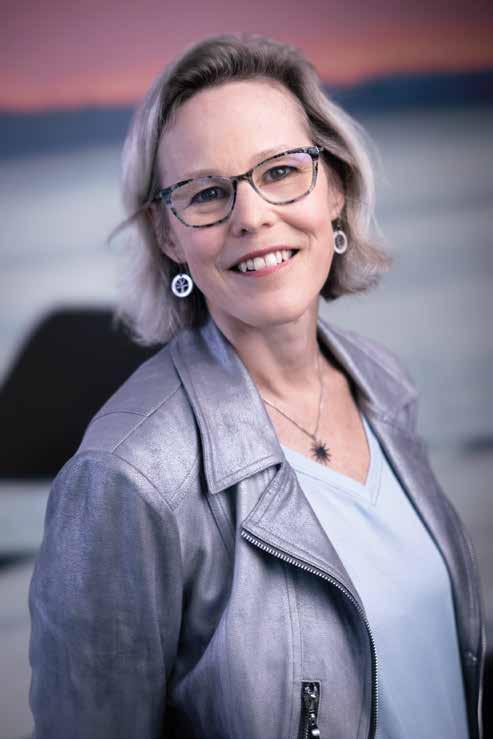
The Enbridge Research Chair in Psychosocial Oncology advances compassionate, wholeperson cancer care. In this role, Dr. Linda Carlson has helped transform how cancer care supports the mental and emotional wellbeing of patients and families.
When Carlson was appointed to the Chair nearly 20 years ago, emotional distress screening was not standard practice. She began by asking newly diagnosed patients a simple question: How distressed were they feeling, and why? This information was used to make appropriate referrals to counselling or social work support.
Supported by Carlson’s research and leadership, this approach became a global standard of care, helping health systems better recognize and respond to the mental health needs of people facing cancer.
Today, Carlson’s work in integrative oncology explores evidence-based therapies that support mental and physical wellbeing alongside treatment.
Donor support for the Enbridge Research Chair in Psychosocial Oncology continues to advance this work, strengthening compassionate care for patients in Alberta and around the world.
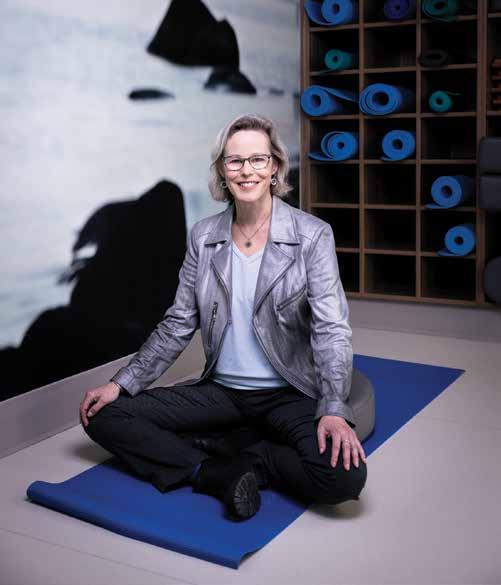
“Patients benefit from this broader perspective because it allows them to be seen as individuals with unique needs and priorities.”
Dr. Linda Carlson’s research explores integrative therapies such as yoga, mindfulness, tai chi, music therapy and acupuncture to help reduce stress, anxiety and pain during cancer treatment.
Donor generosity also supports student-led research into therapies such as reiki, probiotics and nature therapy, expanding the scientific evidence behind integrative cancer care.
Carlson established the Alberta Complementary Therapy and Integrative Oncology Centre at the Arthur Child, where patients can access complementary therapy programs as part of their cancer journey, and find credible information and resources.
Through collaboration with the American Society of Clinical Oncology, she also helped develop international clinical practice guidelines recommending evidencebased integrative therapies for cancer-related anxiety and depression.
When you hear the words, “You have cancer,” patient navigators are there to provide clarity, guidance and support.
A cancer diagnosis can feel overwhelming and isolating. That’s why the Cancer Patient Navigation Program exists: to offer guidance, reassurance and connection to people navigating one of life’s most difficult moments.
At the heart of the program are specialty nurse navigators. These registered nurses walk alongside patients and families, helping them understand their care, connecting them to services and moving through treatment with confidence.
Increasingly, navigators are recognized as essential members of the care team. Oncologists, nurses and family physicians regularly collaborate with them to ensure patients receive coordinated, personalized care.
For Lorilee, a cancer survivor, that support made all the difference.
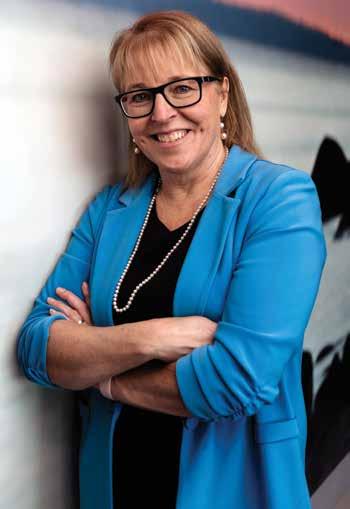
7,619 patients accessed navigation services last year.
25,410 patient navigator visits last year.
“The first time I met my navigator Tammy, I immediately felt that she would be a safety net,” Lorilee says. “She had a calmness about her that made me feel like I could tell her anything. She always knew how to find the answers I needed.”
Donor support makes this compassionate service possible, ensuring Albertans living with cancer have the guidance they need throughout their cancer journey.
“Your support of the Cancer Patient Navigation Program helps bridge the gap between diagnosis and treatment, giving individuals facing cancer the tools and confidence to understand their disease, manage symptoms, access community resources and prepare for their first oncology visit," says Dr. Linda Watson, executive director of Supportive Care Services and Patient Experience at Cancer Care Alberta.
43% of patients reside in rural communities.
35% of patients resided in urban communities.
To support the growth of the program, a new provincial manager joined the team to help guide development of services and ensure consistency across the province.
Two new navigation focus areas were also introduced. These support individuals navigating the complexities of an advanced cancer diagnosis, as well as those living with head and neck cancers. Through donor generosity, the program continues to also serve adolescents and young adults, Indigenous peoples and Albertans living in rural and remote communities, ensuring that no one faces cancer alone.
A cancer diagnosis brings various challenges, and for many Albertans, financial strain is one of the most unexpected.
“How fortunate we are here in Alberta. No one can describe how special it makes us feel knowing that there are people out there that care about you.”
—Arbaiza, recipient of patient financial assistance

Time away from work, travel for appointments, parking fees, meals and overnight stays quickly add up. On average, Albertans living with cancer pay $290 or more out of pocket each month to cover treatment related expenses.
Last year, donors provided
$1,445,537 in financial assistance to Albertans from
141 communities across the province, with more than half of recipients living in rural or remote areas.
For some, these costs become a barrier to care.
The Patient Financial Assistance Program exists to remove that barrier, helping patients continue treatment without the added burden of financial stress.
“There are many patients with early-stage cancers who do not pursue treatment because they cannot afford it,” says Tina, a social worker who supports patients and families navigating the program. “The financial assistance program gives Albertans the chance to pursue treatment they might otherwise have to delay or decline.”
Beyond the dollars, the impact is deeply personal. Donors help ensure financial hardship never stands between Albertans and the life-saving treatment they need.
Monthly donors continue to make a lasting impact.
Their generosity provides a steady lifeline for cancer care, research and essential programs throughout the year. Month after month, these gifts give the Alberta Cancer Foundation the flexibility to respond to evolving needs across the cancer system and support patients and families at every stage of their journey.
Monthly donors are among the Foundation’s most committed partners. Their ongoing support provides the stability that progress depends on, funding patient care, advancing innovative research and sustaining programs that ease the financial and emotional burden of cancer.
6,000 + monthly donors.
241 communities across Alberta. $2 million+ donated by monthly donors last year.
“Our monthly donors’ generosity provides stability, flexibility and hope,” says Wendy Beauchesne, CEO of the Alberta Cancer Foundation. “It allows care and innovation to move forward without pause and creates a powerful, lasting impact for Albertans facing cancer.”
This commitment has real impact. Monthly donors help bring advanced treatments to Albertans sooner, accelerate discovery and strengthen world-leading research across the province.
For many donors, monthly giving is a meaningful way to stand alongside Albertans facing cancer, not just once, but over time. Together, these gifts create stronger care today and a future filled with more hope.
“Our monthly donors’ generosity provides stability, flexibility and hope. It allows care and innovation to move forward without pause and creates a powerful, lasting impact for Albertans facing cancer.”
—Wendy Beauchesne, CEO, Alberta Cancer Foundation
Giving donors the tools to maximize the impact of their generosity.
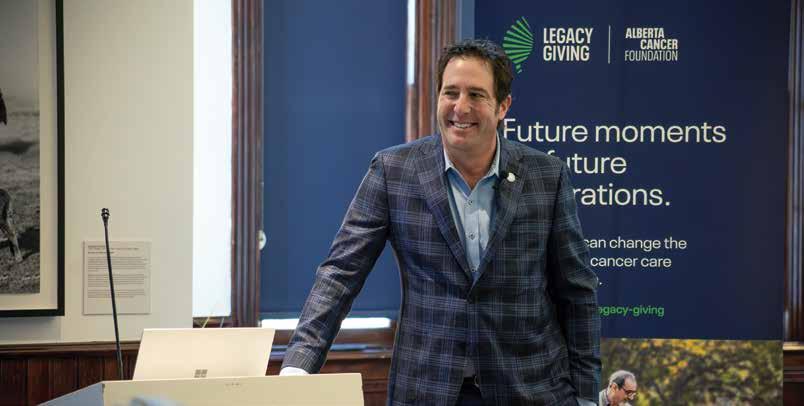
Through thoughtful planning, donors to the Alberta Cancer Foundation can amplify the impact of their generosity while supporting their personal financial goals.
Each spring and fall, the Foundation hosts tax-saving seminars in Calgary and Edmonton, offering donors practical guidance on how charitable giving can align with smart financial planning.
The sessions are led by financial planner Jeff Evans, who helps donors explore strategies that strengthen cancer care while also improving their financial outlook.
“When we’re able to marry tax-effective strategies with the passion and vision that donors have, that’s where things really come together,” Evans says.
Participants often describe the seminars as insightful and empowering. Many leave inspired to rethink their legacy plans, realizing that with the right structure they may be able to give more than they ever thought possible.
The sessions also provide practical guidance on reducing taxes now and on estates, maximizing
charitable impact and exploring options such as donating appreciated investments instead of cash.
“When you pass away, your money is going to go to three places: your family, charity and the Canada Revenue Agency,” Evans explains. “This process gives donors knowledge and more control over where their money goes. The key is planning ahead.”
For Evans, the conversations are deeply meaningful.
“So many of the donors have been personally affected by cancer, either themselves or through someone they love,” he says. “It’s incredibly personal.”
Through thoughtful planning today, donors can create a lasting legacy that strengthens cancer care for generations to come.
To learn more about creating your Legacy of Hope, visit: albertacancer.ca/legacy-giving
We are continually inspired by our donors whose willingness to give help creates more hope and more time for Albertans and their families. In 2024-2025, the Alberta Cancer Foundation was profoundly grateful to receive over $64.1 million from our dedicated community of supporters.
The Alberta Cancer Foundation strives to ensure that every donor — and every dollar — make a difference. As a single community of committed, passionate Albertans focused on a single goal, we are relentless in our pursuit of bringing the best cancer care and research to our province. We ensure meaningful opportunities for our donors to support significant advancements in how we detect, diagnose, treat and live with cancer through our public fundraising campaigns and through personalized fundraising efforts.
Donors who have considered the Alberta Cancer Foundation in their estates have entrusted us with the responsibility of continuing to deliver on our shared promise to ensure Albertans facing cancer have access to the support they need and the very latest treatments, now and in the future.
These lasting gestures of generosity create impact today that will be felt for generations to come.
We are also the recipient of funding from numerous special events across the province including our signature fundraising event, the annual Enbridge Tour Alberta for Cancer. Revenuehasbeensummarizedandfigureshavebeenroundedforpresentationpurposes. Detailed financials are available via our website at albertacancer.ca/reports
The Alberta Cancer Foundation is the sole recipient of funds raised through the Alberta Cancer Foundation Lottery (formerly the Cash & Cars Lottery).
Revenue from our lottery activity is net. The costs associated with our lottery program include prize acquisition, operating expenses and strategic marketing efforts.
We regularly assess the impact and return on investment of our lottery program to ensure it continues to deliver the best value for Albertans facing cancer.
Albertans have always been willing to go the distance, challenge convention and ask, “What comes next?”
We are at a pivotal moment in cancer care. The advances described in this report carry the weight of real lives and real urgency, along with a shared responsibility to keep pushing forward until better outcomes are possible for everyone. Innovations like precision analytics, immunotherapy and personalized treatments are reshaping what patients can expect from their care.
Because of your commitment, Alberta is positioned not only to keep pace with this change, but to help lead what comes next.
Hope becomes action through your philanthropy. It creates the freedom to explore new ideas, adopt promising treatments earlier, and continually improve care. It also brings together the clinicians, researchers and communities working to ensure patients and families never face cancer alone.
Building on this foundation, the years ahead hold immense promise. Your support will help deliver more innovation, more moments and more time for patients and families throughout Alberta, as we shape the future of cancer care together.
Years from now, Albertans will experience something better because of the progress you are helping build today – more support, more hope and more progress.
Thank you.
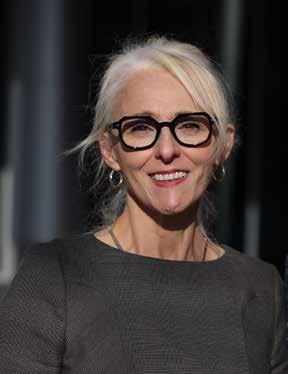
Brenda Hubley Managing Director Cancer Care Alberta
Since 1985, together we have invested more than $500 million back into Alberta’s cancer system to improve care and accelerate research across the province. This milestone reflects decades of generosity and trust — thousands of people choosing, year after year, to invest in progress and in the belief that better is always possible.
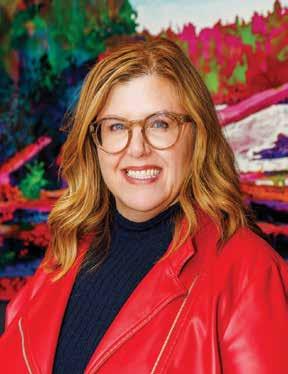
Wendy Beauchesne CEO Alberta Cancer Foundation