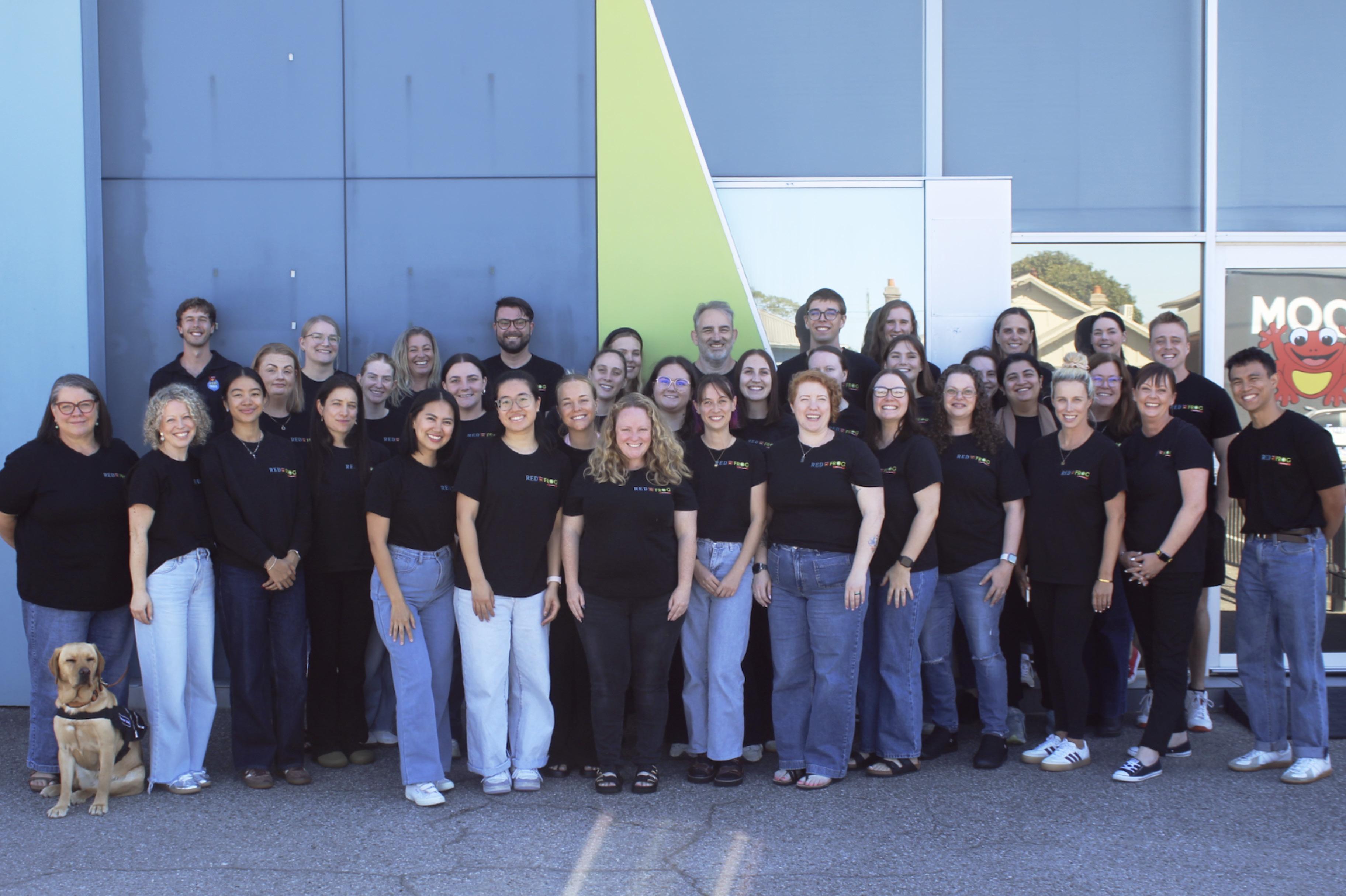
CONSISTENCY, CONNECTION AND CONFIDENCE for families over Autumn.
CONSISTENCY, CONNECTION AND CONFIDENCE for families over Autumn.
As we welcome the Autumn season, it feels like the perfect moment to reflect on growth, change, and the evolving needs of the people we support. This edition highlights something fundamental to who we are: we are not just a paediatric clinic; we proudly support individuals across the entire lifespan.
Over the past year, we’ve listened closely to the goals, aspirations, and challenges of our teenagers, young adults, and older participants. In response, we’ve made significant investments to ensure our services evolve right alongside them. This includes the creation of two new purpose-built spaces designed to provide both comfort and capability.
The first is a quiet, inclusive environment that offers privacy, calm, and the right sensory balance for those who need a gentler space. The second is an expansive functional capacity and lifeskills development area, crafted specifically for participants preparing to take their next steps toward independence. Here, individuals can build real-world confidence learning essential skills like cooking, cleaning, washing, organising, and managing daily routines. These aren’t just tasks; they’re life-enabling skills that open doors to personal growth and the possibility of living in one’s own space.
In this edition, we also introduce our newly created Head of Community Engagement role, designed
to deepen our connection with the community and ensure participants, families, and partners feel genuinely supported. You’ll also meet our new Head of Operations, who is helping guide our growth and strengthen the quality and consistency of the services we deliver.
Autumn is a season of transition, and for many of our older participants, it marks an exciting period of change, planning futures, building independence, and shaping the lives they want. This edition showcases exactly how we’re walking that journey with them.
We hope you enjoy exploring the new developments, stories, and opportunities in this Autumn issue. As always, thank you for being part of our community.
Warm regards,
Rochelle & David
This Autumn marks an exciting chapter in our journey: the introduction of two new therapy environments that extend and strengthen the way we support participants across all ages. But what truly sets this evolution apart is not the addition of new spaces alone, it is how every space across our therapy hub now works together, forming a therapeutic ecosystem that nurtures regulation, builds capacity, and prepares individuals for meaningful, real-world independence.
Just a step inside Red Frog Cottage, and the tone shifts: soft lighting, gentle textures, a peaceful stillness. Designed intentionally as a low-stimulation retreat, the Cottage gives participants a place to regulate, decompress, and settle into a state where deeper therapeutic work becomes possible.
For some, this space acts as a respite before entering more stimulating environments.
For others, it’s a sanctuary during moments when emotional overwhelm or sensory overload require a quieter, more 1 on 1 style support in a grounding setting.
Red Frog Cottage is the starting point of the support pathway a place were calm fuels connection.
Where the Cottage offers quiet, Red Frog House offers action.
This vibrant, home-style environment invites participants to practise the skills that power everyday independence: preparing meals, organising spaces, doing laundry, following routines, and managing tasks that mirror daily living.
Here, therapy expands beyond the clinic and into real-world readiness. Whether the goal is supported living, independent living, or simply building confidence in day-to-day tasks, Red Frog House provides the bridge between practice and practical life.
Together, the Cottage and the House form a powerful pairing; regulation that supports participation, and participation that builds independence.
The main clinic ties everything together. It begins with a warm, welcoming reception area that provides a gentle transition into the day. Adjacent sits our parent retreat a quiet, comfortable space for families to pause, unwind, or be supported while therapy is underway.
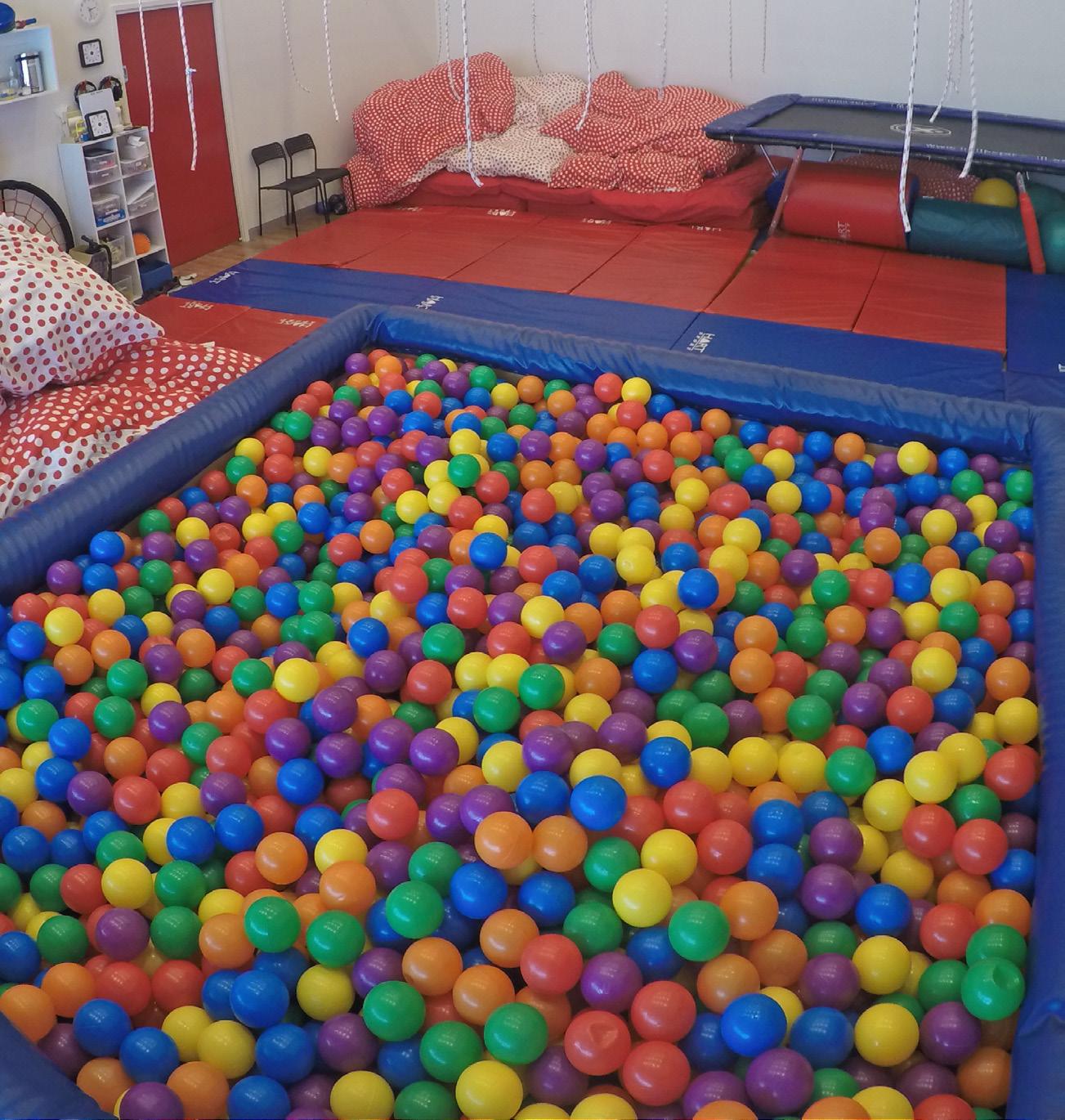
Beyond these front-of-house spaces lies the Red Room, our largest therapy studio. With its array of sensory swings, climbing structures, crash mats, and movement-based equipment, the room bursts with possibilities for motor development, sensory integration, and active therapeutic play. It is the energetic powerhouse of our hub a place where bodies learn, experiment, and grow.
Balancing this energy are our smaller therapy rooms. These cosy, contained spaces are ideal for focused, individualised work sessions that require attention, structured goals, and fewer distractions.
Our functional kitchen and organised equipment space round out the clinic, giving therapists the tools to help participants build practical skills and expand what they can achieve in everyday settings.
Individually, each room has its own strengths. Together, they form a therapeutic flow that supports participants through every step of their journey:
• Calm → Readiness: Red Frog Cottage helps participants regulate, making it easier to engage in movement, learning, or daily living tasks.
• Practice → Independence: Red Frog House transforms therapeutic goals into real-life competence.
• Activation → Balance: The sensory-rich Red Room energises and engages, while quieter therapy rooms re-centre focus.
• Family → Participant Support: The parent retreat strengthens the support network surrounding each participant.
Each space complements the next connecting emotional regulation, sensory readiness, skill development, and real-world application into a unified therapeutic experience.
Why don’t you take a look inside…
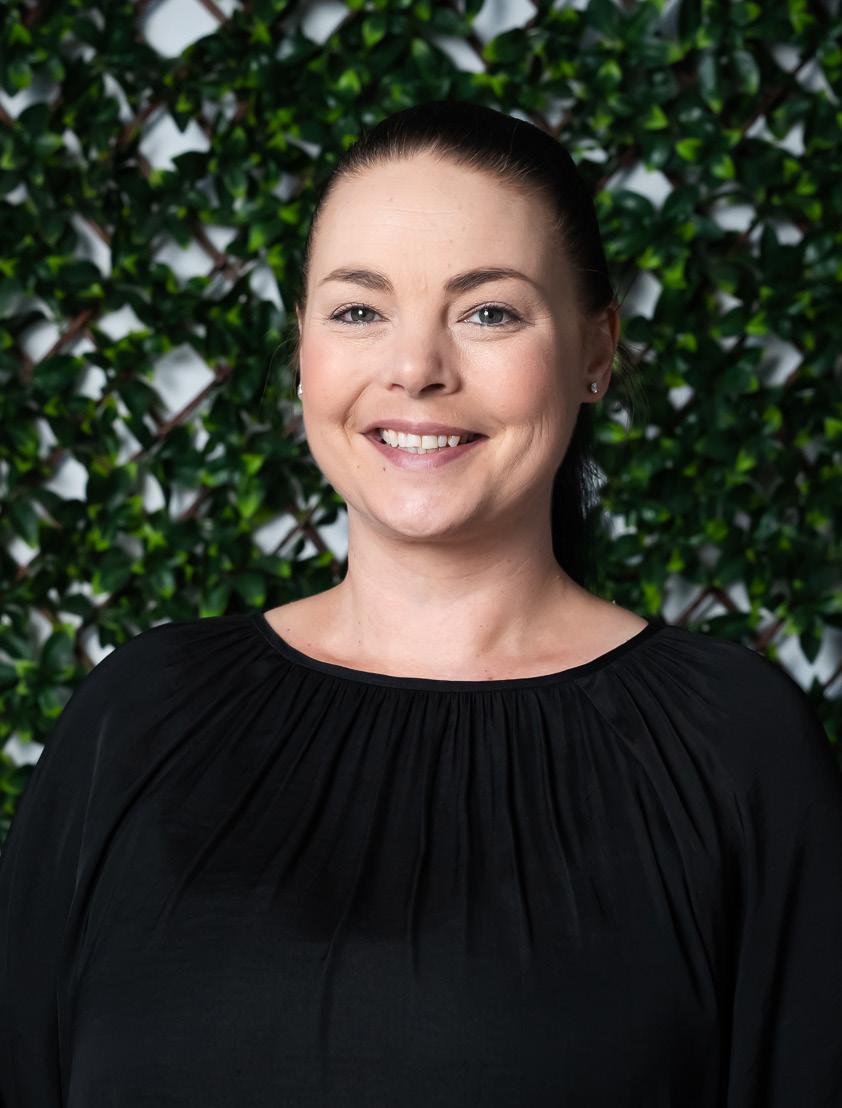
At Red Frog for Families, we've always believed that meaningful support begins with meaningful relationships. As our services have grown and the needs of our community have evolved, we recognised a powerful opportunity to connect more deeply with the people we serve. This new role marks an exciting chapter, one focused on strengthening trust, broadening awareness of our lifespan-wide supports, and ensuring every individual and family feels seen, heard, and guided. It reflects our commitment to show up with heart, build genuine partnerships, and create a network of care that truly holds the community.
We recognised that while we’re a diverse service supporting people across the entire lifespan, many in the community still only see us through a paediatric lens. The industry is changing, and families are craving genuine, human connection. We wanted someone dedicated to building those relationships, strengthening our presence, and helping people understand the full scope of what we offer.
Because trust is everything. You can’t get a true sense of who we are from a website or a social post. People want real contact, real conversations, real reassurance. After COVID especially, the world shifted — and people want to feel seen and supported again. That human touch matters more than ever.
Honestly, honoured. I felt like I was already living parts of this role, so it was a natural transition. I’ve always been driven by supporting people and making sure they feel cared for, so having the opportunity to extend that out into the wider community feels incredibly meaningful.
My goal is for people to feel comfortable opening up about what they need; whether they’re families, carers, or other services. When someone feels safe and respected, the conversation becomes honest. And those honest conversations help us understand how to support them best. Every interaction shape someone’s experience, and I take that responsibility seriously.
I’m so proud of our team. We have extraordinary humans doing extraordinary work, and I get to go out and share that with the community. It’s not just about the supports we deliver it’s about the heart behind them. I also love that we can offer so much professional training to schools, GPs, counsellors, and other providers. Strengthening our collective knowledge only strengthens the community.
Absolutely. When someone reaches out needing help, the worst thing they can experience is “Sorry, we can’t help,” and then silence. We don’t ever want people to feel lost. If we can’t meet the need directly, we want to confidently guide them to someone who can — and we want other providers to feel just as confident sending families to us. Community care is a team effort.
It’s really important. We’re here for life we don’t age people out. We grow with them. Knowing that we provide holistic, lifespan-wide support opens the door for people who may not have realised we can walk alongside them well beyond childhood.
To start with people meeting them, reconnecting, deepening trust. We already have wonderful relationships, and strengthening those will naturally open new doors. Ultimately, my goal is to help create a community network where families feel guided, supported, and never alone in navigating the system.
We’re here to work with you and beside not above you. Collaboration is everything. When we work together, we create stronger outcomes for the individuals who need our support the most.
Simply reach out to our Participant Support Team, they’ll link you directly with me. Whether it’s a clinic tour, a visit to your workplace, or a coffee catch-up, I’m more than happy to meet you wherever is easiest. We also have resources, video tours, and training information ready to share.
At its core, this new chapter is all about people. Real conversations. Real connection. Real impact. With community engagement now front and centre, we’re stepping boldly into a future where no one slips through the cracks, and every interaction has the power to change a life. By building stronger partnerships, championing trust, and showing up where it matters, we’re not just growing our network we’re strengthening the heartbeat of the Red Frog for Families community. And this is only the beginning.

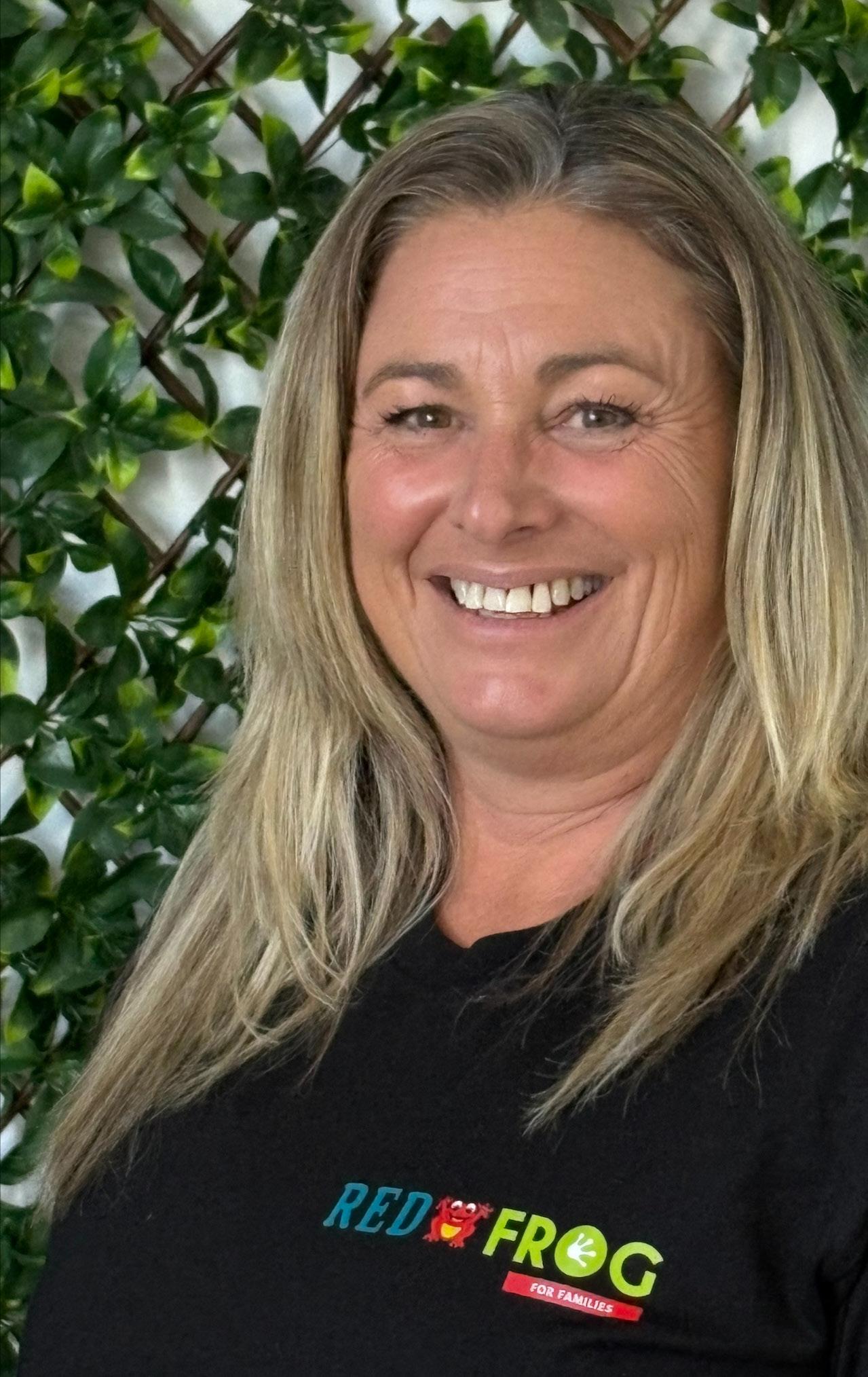
If you’ve spent any time in the disability and allied health space, chances are you’ve come across Chantelle’s voice. Steady, informed, and fiercely committed to better outcomes for participants, families and the clinicians supporting them.
With more than 30 years’ experience as a speech therapist and a long-standing reputation as a straight-talking advocate (including through her community platform The Accident Advocate), Chantelle has spent years translating complex change into practical information people can actually use.
Now, as she steps into her role with Red Frog for Families, we sat down for a candid conversation about career pivots, leadership, why advocacy still matters, and what keeps her going on the hard days.
You started as a speech therapist. What drew you in?
It wasn’t glamorous! I loved teaching, loved anything to do with health, and speech pathology happened to be the course my marks got me into. I actually planned to transfer to physio — I was a lifelong athlete — but once I began studying speech, I fell in love with the mix of science, psychology and working with children. I’ve stayed for more than 30 years.
How did your advocacy journey begin?
Honestly, by accident. During the NDIS trial in the Hunter, I set up a small Facebook group so local therapists could stay in touch. It exploded as people across Australia tried to understand what was happening. Then the NDIS payment system crashed for three months, leaving providers unable to pay staff. I wasn’t directly affected, so I stepped up, spoke to media, and became “the noisy person” pushing for answers. That experience cemented my role in advocacy, and I’ve been doing it ever since.
Do you still advocate now?
Yes, but differently. I don’t lobby government anymore — that’s a specific skill set. My strength is educating breaking down complex reforms, gathering reliable information, and sharing it in ways busy clinicians and families can actually use. I write, post, and lately, create videos — even if they aren’t polished!

What sets Red Frog for Families apart from other providers?
The facilities are exceptional, the clinicians are talented, but the standout is the culture: a laser focus on excellence and constant improvement. Even when things get tough — and reform will make it tough — everyone is looking for solutions, not excuses. That matters.
What’s your focus for the year ahead?
Reducing complexity so our team can spend more time doing what they do best; help people. Making processes smoother, exploring ways to diversify services, and positioning us strongly as a provider of choice. There’s so much potential here.
You’re not responsible for the reactions of other people. It helped me grow as a leader and have hard conversations without carrying guilt. And another one: I don’t ask anyone to do something I wouldn’t do myself
You’ve now joined Red Frog for Families. How do these worlds fit together?
They overlap naturally because we’re working in the exact space I advocate about. The difference now is that Red Frog for Families helps ground me. Instead of reacting emotionally to policy decisions, I can focus on outcomes — what our clients need and how our team can keep delivering excellence. It keeps my advocacy purposeful, not just passionate.
What made you want to work here?
Right timing, right people. My youngest kids are older, I’d been working from home for years, and I was ready for something different. After chatting with Dave at a forum, the opportunity appeared — and it felt easy. I already knew the business, the values, and the team. It didn’t feel like a leap; it felt like coming home.
How would you describe your leadership style?
Collaborative, consultative, and very team focused. I’m goal-driven and deadline-driven, so sometimes that means tough conversations, but always with respect. My favourite part of leadership is supporting people to grow, some I’ve mentored have overtaken me career-wise, which I love.
What fills your cup outside of work?
Exercise. If I’m not moving, I’m not okay! I do CrossFit most days, play touch footy when my body cooperates, and escape to the beach whenever I can. And of course, I spend lots of time with my kids — often driving them somewhere!
What do you wish more people understood about disability support?
Two things:
1. How expensive and complex it is to run an allied health business — much more than people realise.
2. That allied health is essential for building longterm skills and independence. Making access harder will lead to poorer outcomes.
Warm, driven, and fiercely committed, Chantelle brings both heart and hard-earned wisdom to Red Frog for Families. Her focus is clear: support excellence, back the team, and keep advocating for better – always!
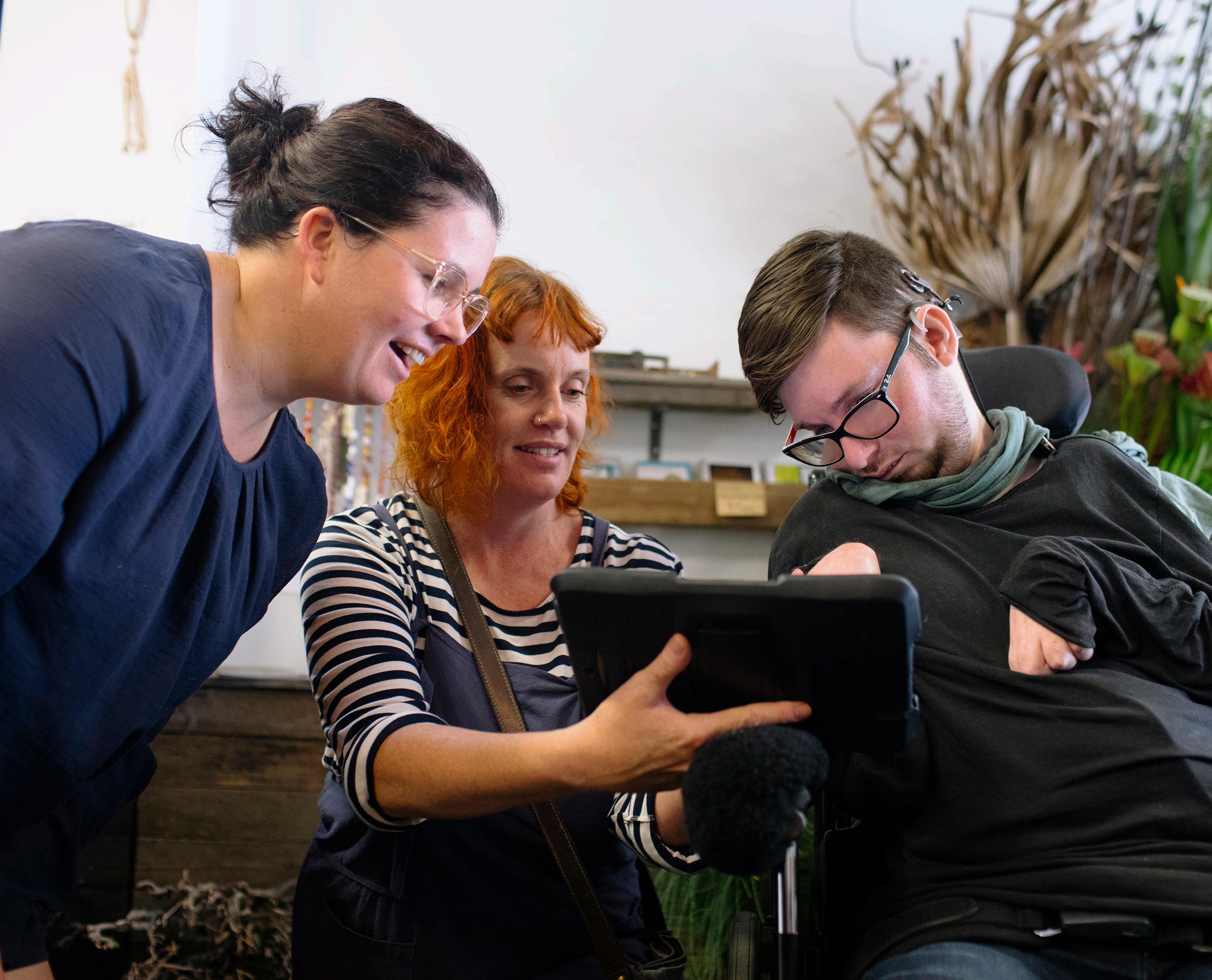
When families begin thinking about a person with disability moving out of the family home, the conversation often starts with accommodation vacancies, placements, and inevitably availability.
But a house is not the same as a home. Individualised living arrangements invite a different starting point. Instead of asking what’s available, they ask: What would a good life look like? What would it mean to feel safe, known, connected and truly at home?
We spoke with Linda Hughes from Resourcing Inclusive Communities — who has supported many families through this journey and lived it herself with her son Jacob — about what individualised living really means, where families begin, and why vision is so powerful.
Q: Linda, what first showed you that individualised living was possible?
Years ago, I met a family whose son was moving from a group home to a home in the community, sharing with housemates who didn’t have a disability. It wasn’t labelled anything special — it was just his home. But that idea stayed with me.
Later, I met more people living in homes of their own, with support shaped around them rather than fitting into a pre-existing model. By the time my son Jacob was an adult, I already knew many people living that way. It helped me realise that what the standard of for people with disability isn’t necessarily what you have to accept.
Q: When families come to you, where do they usually begin?
Often with what they don’t want. “I don’t want my son in a group home.” That’s completely valid. But then we gently ask: what do you want? That’s where the shift happens. When families begin describing what makes a home feel right: staying connected to their community, choosing who they live with, having privacy and control, the focus moves from fear to possibility.
Q: You describe vision as a compass. What does that mean in practice?
When you’ve taken the time to describe what you want life to look like, you can measure opportunities against it.
If someone offers a placement far from your community, you can ask: does this bring us closer to our vision, or further away?
You might not know yet how everything will come together. But having clarity about what matters most makes decision-making stronger. And when you talk openly about your vision, people often become interested. Innovative ideas and connections can emerge from those conversations.
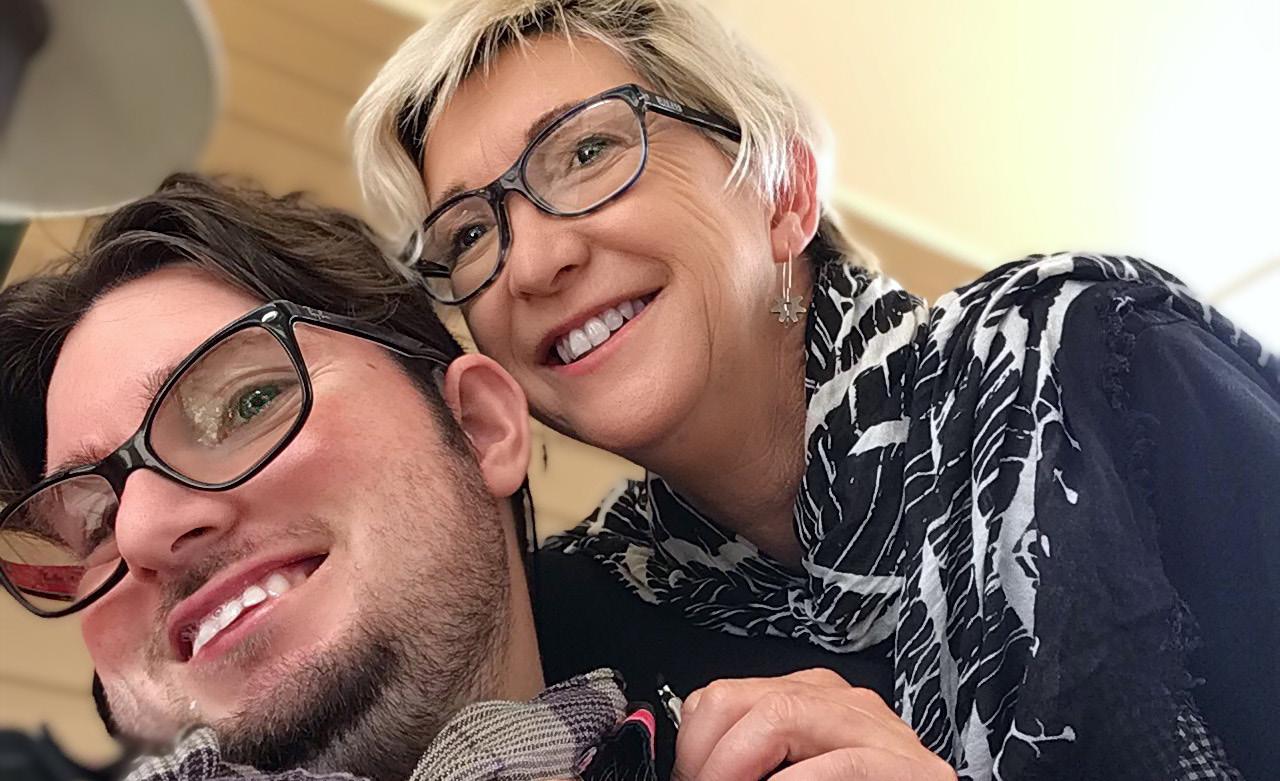
Q: How do you define individualised living?
It’s person-centred, one person at a time, and it’s planned. It doesn’t exist until you create it.
And it’s more than housing and support hours. It includes belonging, safeguards, daily choice, relationships, and contribution. Because someone can have a roof over their head and still not feel at home. We’re aiming for a good life not just accommodation.
Q: Housing can feel like the biggest barrier. Have you seen creative solutions work?
Absolutely. I’ve seen families transition accessible family homes into their son or daughter’s home. I’ve seen people carefully choose neighbourhoods based on community or safe roads before even beginning the property search. I’ve seen longterm friends share homes and adapt as life changes.
Two women I know, who’ve been friends for years, took out a mortgage together and bought their own place. Often, opportunities come through relationships. When you talk about what you’re trying to create, doors can open in unexpected ways.
Q: It must be emotional for families letting go. How do you support them through that?
There are always “what ifs.” When Jacob moved out, I wrote a list of over 150 of them. Everything from burst pipes to worstcase scenarios. And then, of course, a global pandemic happened which wasn’t even on my list. Once you have written down you what ifs you can work strategies and solutions.
What helped was building a Circle of Support trusted people intentionally involved in his life. Family members, friends, people who know him well.
At the end of the day, it’s relationships that keep people safe. When families realise, they don’t have to carry everything alone, the fear becomes more manageable.
Q: What’s the biggest misconception about individualised living?
That it’s just another vacancy you move into. It isn’t. It requires intention and planning. But families don’t have to do it by themselves there are resources, workshops, and advocacy support to walk alongside them.
Q: Looking ahead, what would you most like to see change?
I’d love to see more secure, accessible housing pathways for people with disability more long-term stability. But culturally, I’d love to see people with disability simply expected as neighbours. Living in ordinary streets. Being part of everyday community life.
That’s what home really means
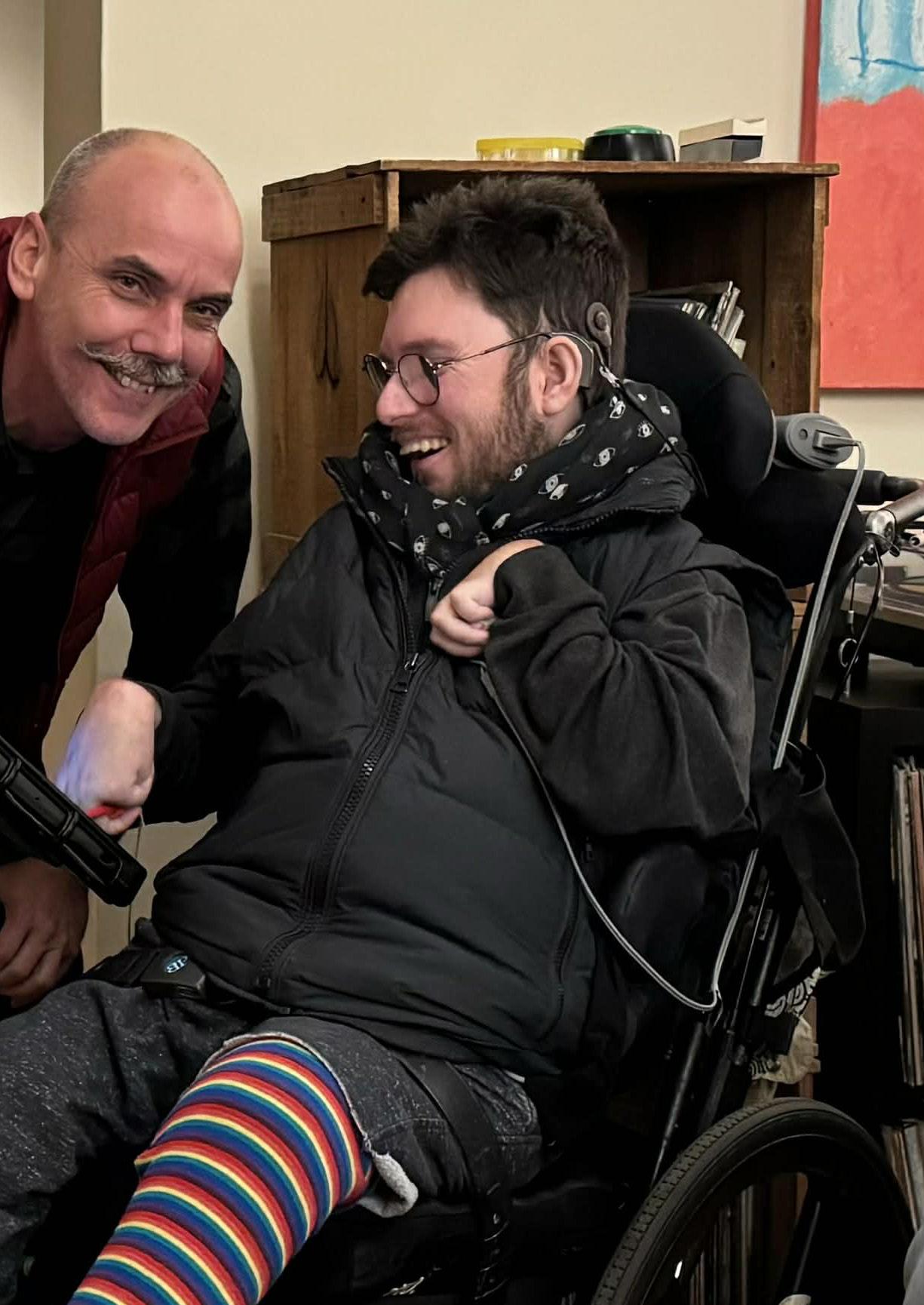
A house can be assigned. A home is built. Individualised living starts with a simple but powerful shift from asking what’s available to asking what matters.
From there, vision becomes a guide. Relationships become safeguards. And possibility starts to feel real. For families beginning this journey, the first step may not be finding the right property, it may be daring to imagine what home could truly look like.
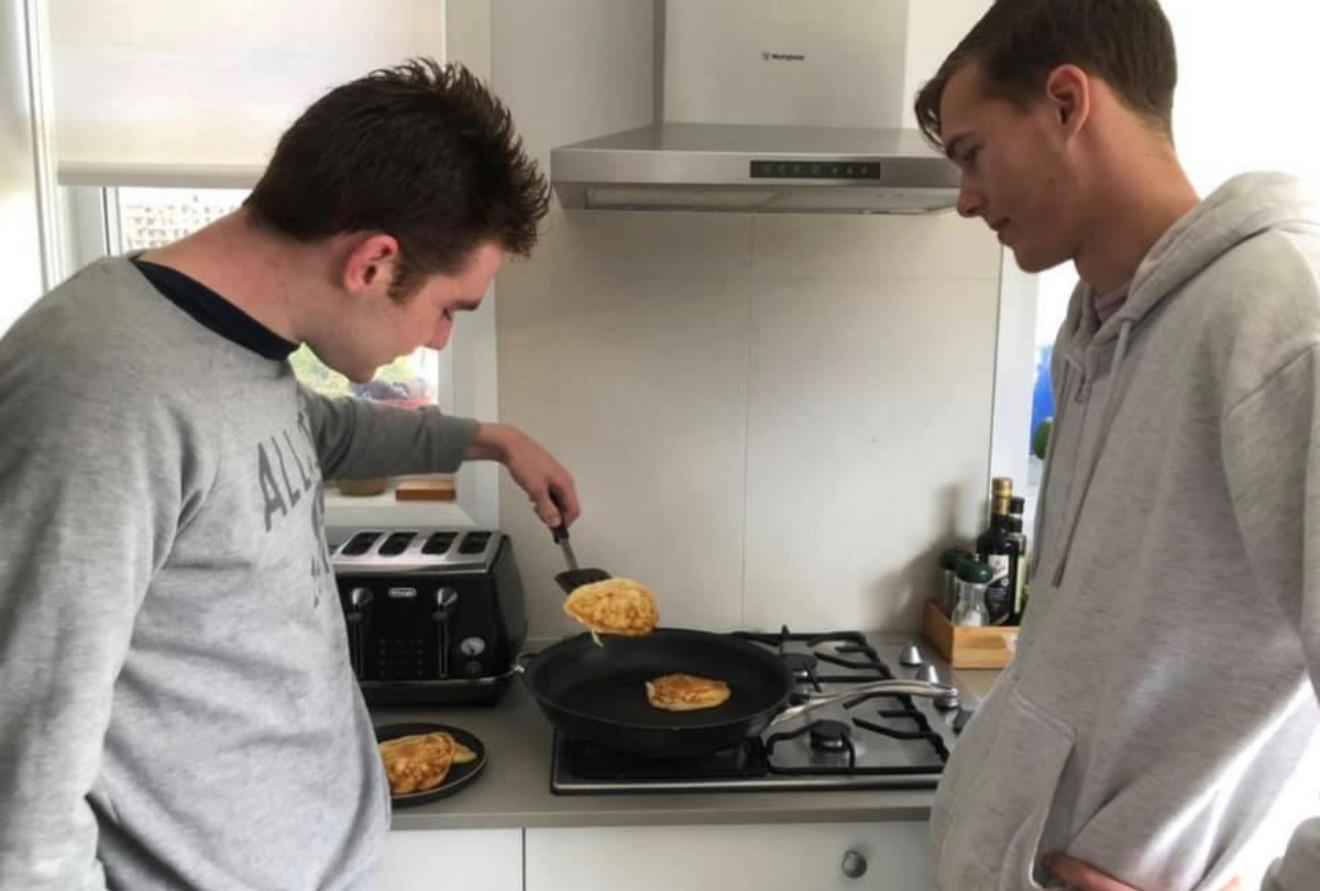
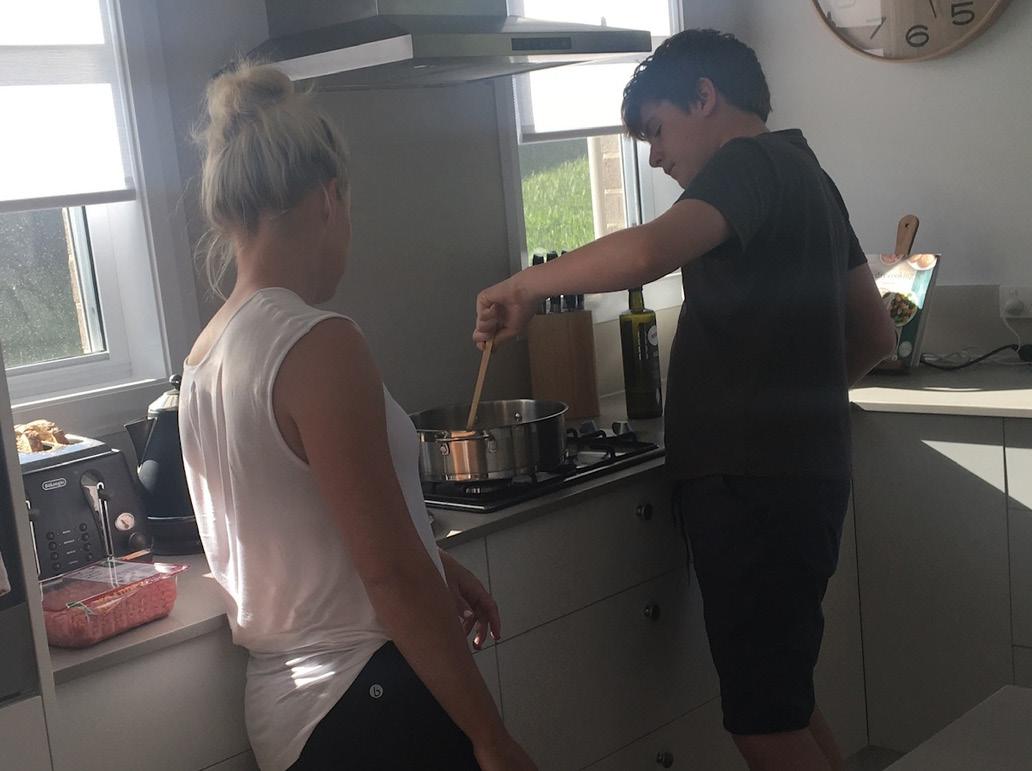
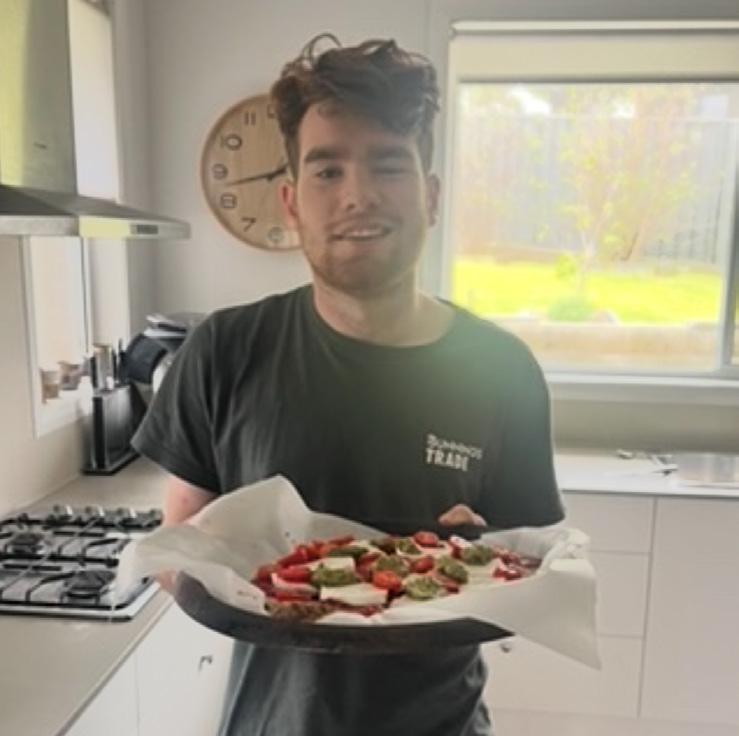
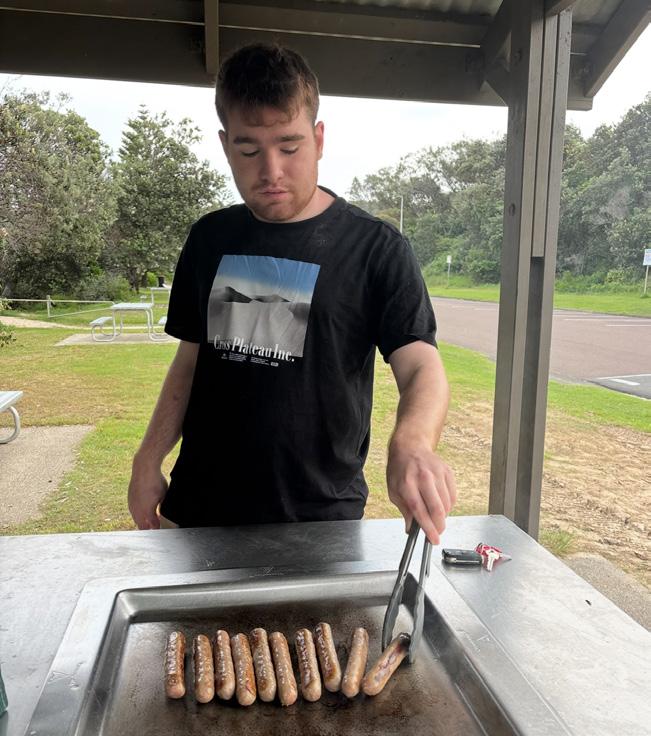
Simple recipes, big confidence, and lots of fun
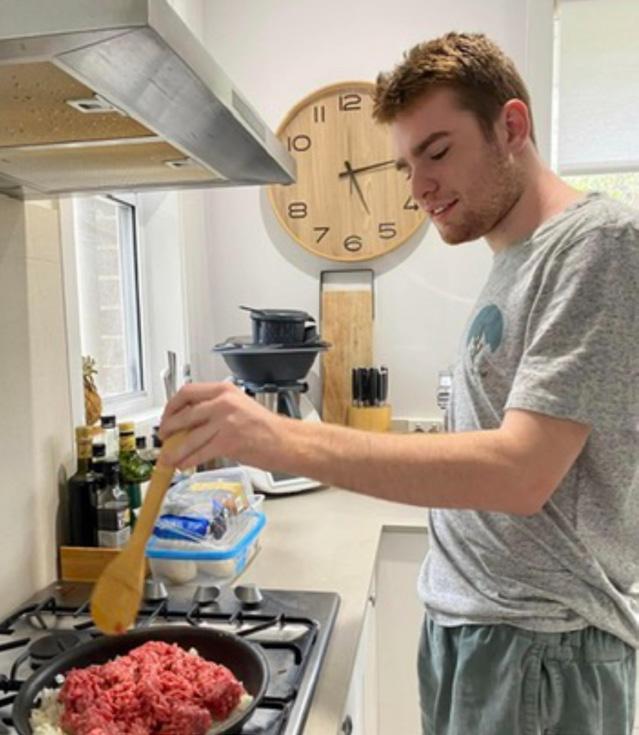

If there’s one place I love exploring, it’s the kitchen.
Cooking is where I get to play, taste, experiment, and sometimes make a hilarious mess all part of the fun. The best part? You can’t really go wrong. If something tastes weird, you just tweak it. If something burns, you learn from it. If something tastes amazing… well, that’s a high-five moment.
These are some of my favourite go-to recipes, the ones I make when I want something tasty, simple, and confidence-boosting.
Let’s get cooking Alex style.
Taste everything
Cooking is basically snacking with steps. Taste your food as you go so you know exactly what it needs.
Mistakes make great stories.
Burnt toast? Too much pepper? Wrap fell apart?
Guess what you’re cooking! Keep going, have fun with it.
Use tools that help you win.
• Easy-grip spoons
• Rocker knife
• Non-slip chopping board.
• Lightweight pan
• Electric tin opener
These make life easier, especially with physical challenges.
Prep before heat.
Do your chopping and measuring first. It makes the cooking bit simple.
No rush, no pressure
Take breaks. Sit down. Go slow.
Cooking should feel good not stressful.
Adjust, don’t panic.
Even professional chefs taste and adjust constantly.
If your food tastes…
Bland → add:
• Salt (brings out the flavour)
• Pepper (adds warmth)
• Herbs like basil or oregano
Too salty → add:
• A little sugar
• More pasta, rice, or veg to dilute.
• A squeeze of lemon
Too sweet → add:
• A pinch of salt
• Lemon juice
• Vinegar
Too spicy → add:
• Cream, milk, yogurt.
• A little sugar
• Extra pasta/rice
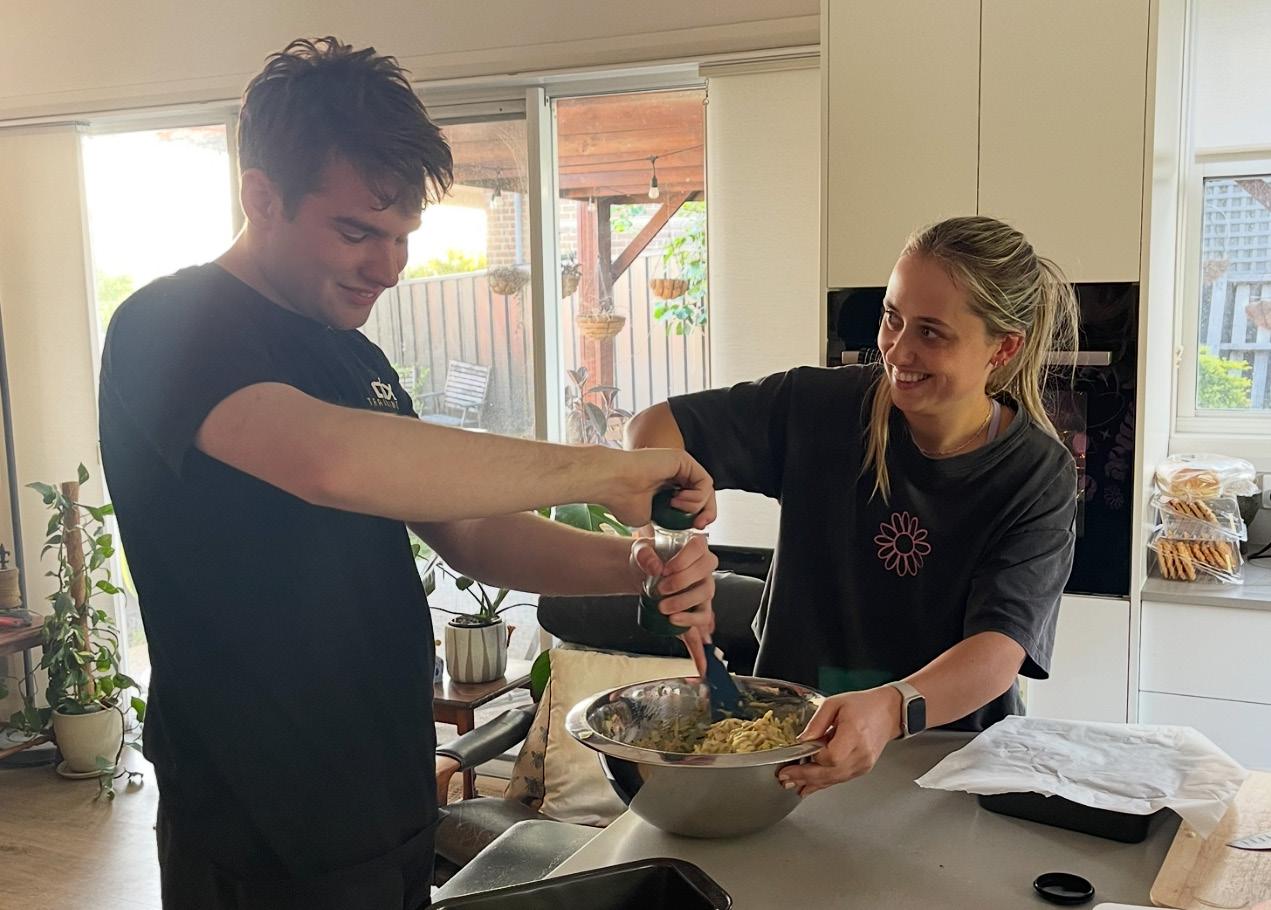
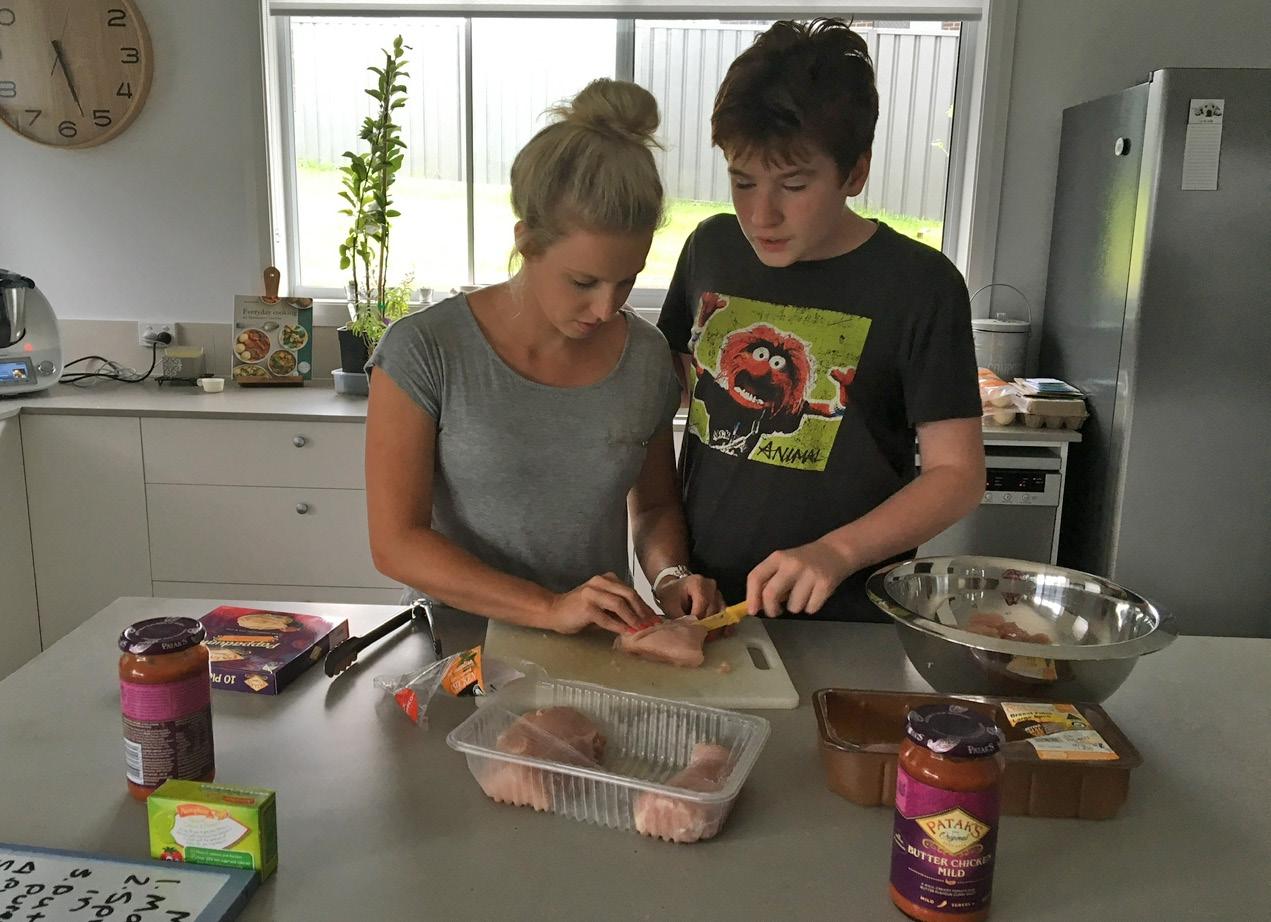
Add a small amount → taste → repeat. It’s like tuning guitar tiny adjustments make magic.
Alex’s Chill, No-Stress Kitchen Kit
• Non-stick pan
• Medium pot
• Non-slip chopping board.
• Rocker or easy-grip knife
• Wooden spoon
• Heat-proof spatula
• Mixing bowl
• Tin opener
• Baking tray
• Measuring cups
Optional but awesome:
• Microwave
• Electric kettle

You’ll need:
Bread, eggs, butter, salt, pepper.
Steps:
1. Toast bread.
2. Melt a bit of butter in a pan.
3. Crack eggs into a small bowl.
4. Slide eggs into pan.
5. Cook until whites are firm.
6. Butter toast, add eggs, season, enjoy!
Alex tip: Add a tiny pinch of salt while cooking for extra yum.

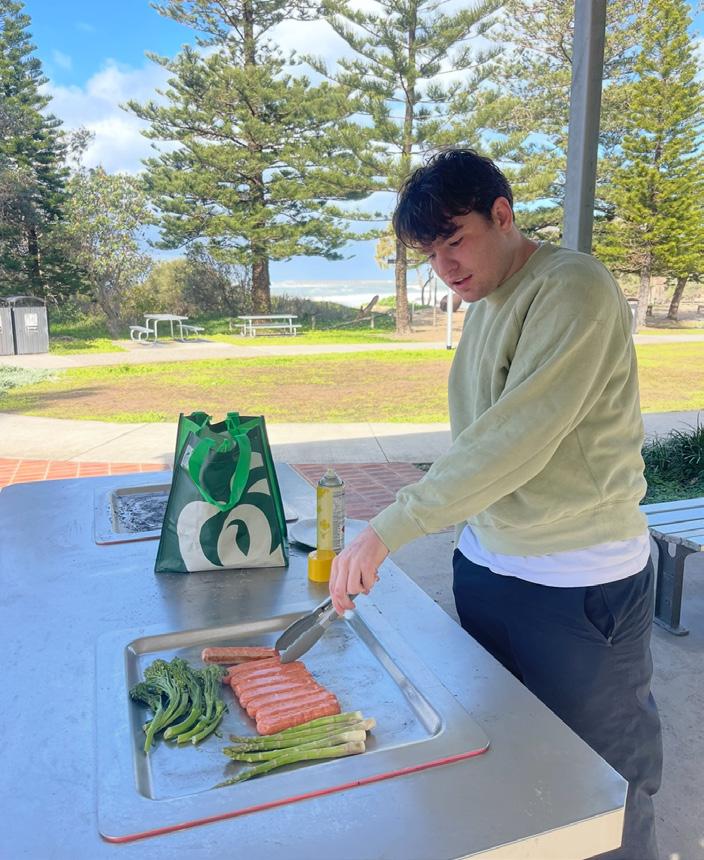
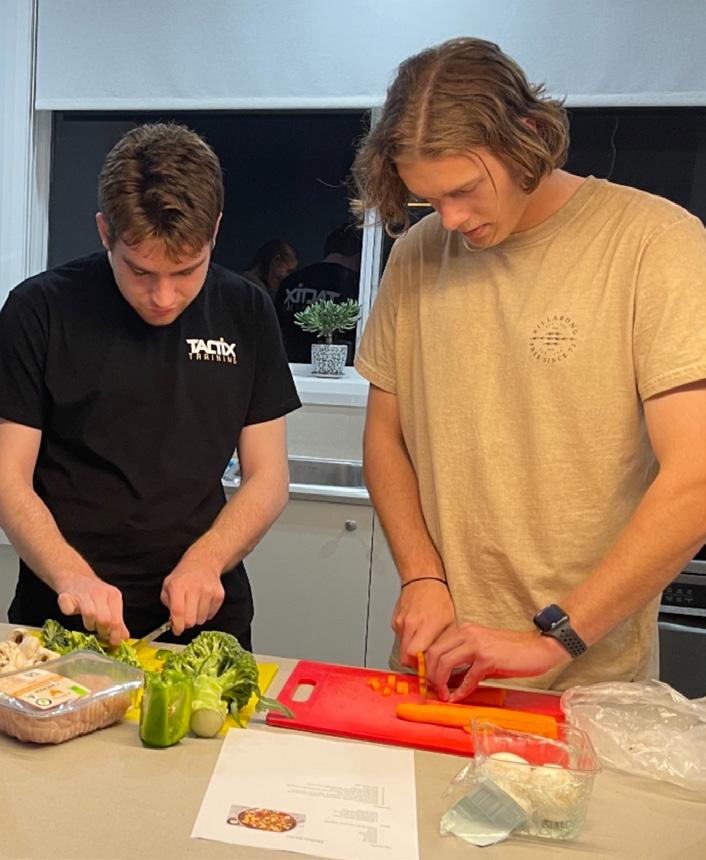
You’ll need:
Wrap, pre-cooked BBQ chicken, spinach, cheese, mayo/ranch/hummus.
Steps:
1. Microwave wrap for 10 seconds.
2. Spread sauce.
3. Add a line of BBQ chicken.
4. Add spinach + cheese.
5. Fold bottom up, roll it, done.
6. Slice or don’t your choice.
Alex tip: If it’s messy, it’s usually delicious.
You’ll need:
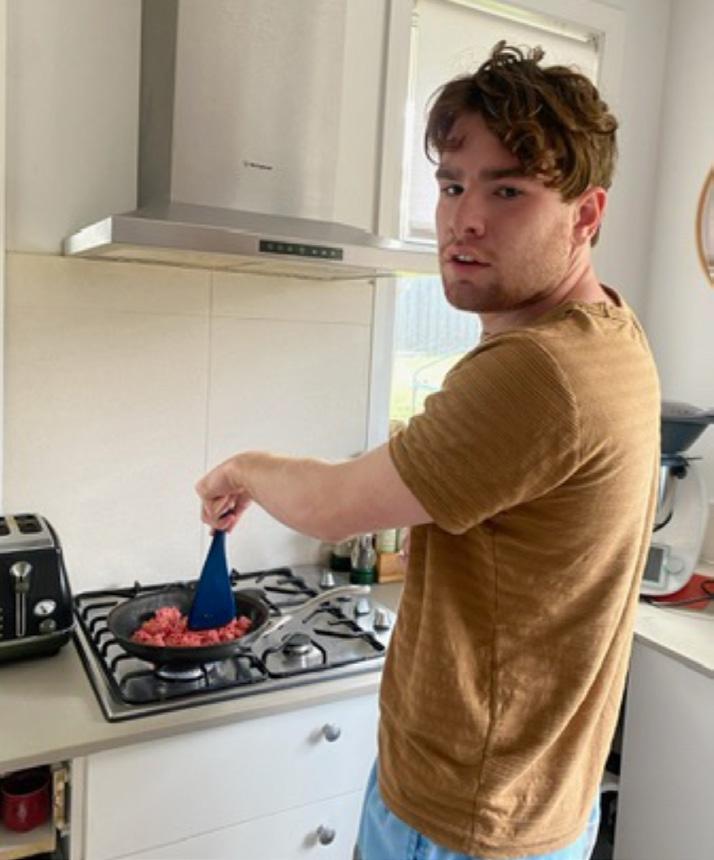
Spaghetti, mince (or veg mince), pasta sauce, onion (optional), oil.
Steps:
1. Cook spaghetti 10–12 minutes.
2. In a pan, cook mince in a little oil.
3. Add onion if you like.
4. Pour in the pasta sauce.
5. Taste → adjust seasoning.
6. Drain spaghetti and serve.
Alex tip: If sauce tastes too sweet, add a pinch of salt. If too salty, add sugar or more sauce.
You’ll need:
Butter, sugar, egg, self-raising flour, choc chips.
Steps:
1. Heat oven to 180°C (350°F).
2. Mix butter + sugar.
3. Add egg.
4. Add flour.
5. Add chocolate chips.
6. Scoop blobs onto tray.
7. Bake 10–12 minutes.
Alex tip: Cookies are even better when they’re not perfect circles.
Cooking should make you smile. Taste things. Try things. Experiment. Have fun. There’s no “wrong” way to learn only your way.
And every recipe you make is one more step toward independence, confidence, and discovering what you love to eat.
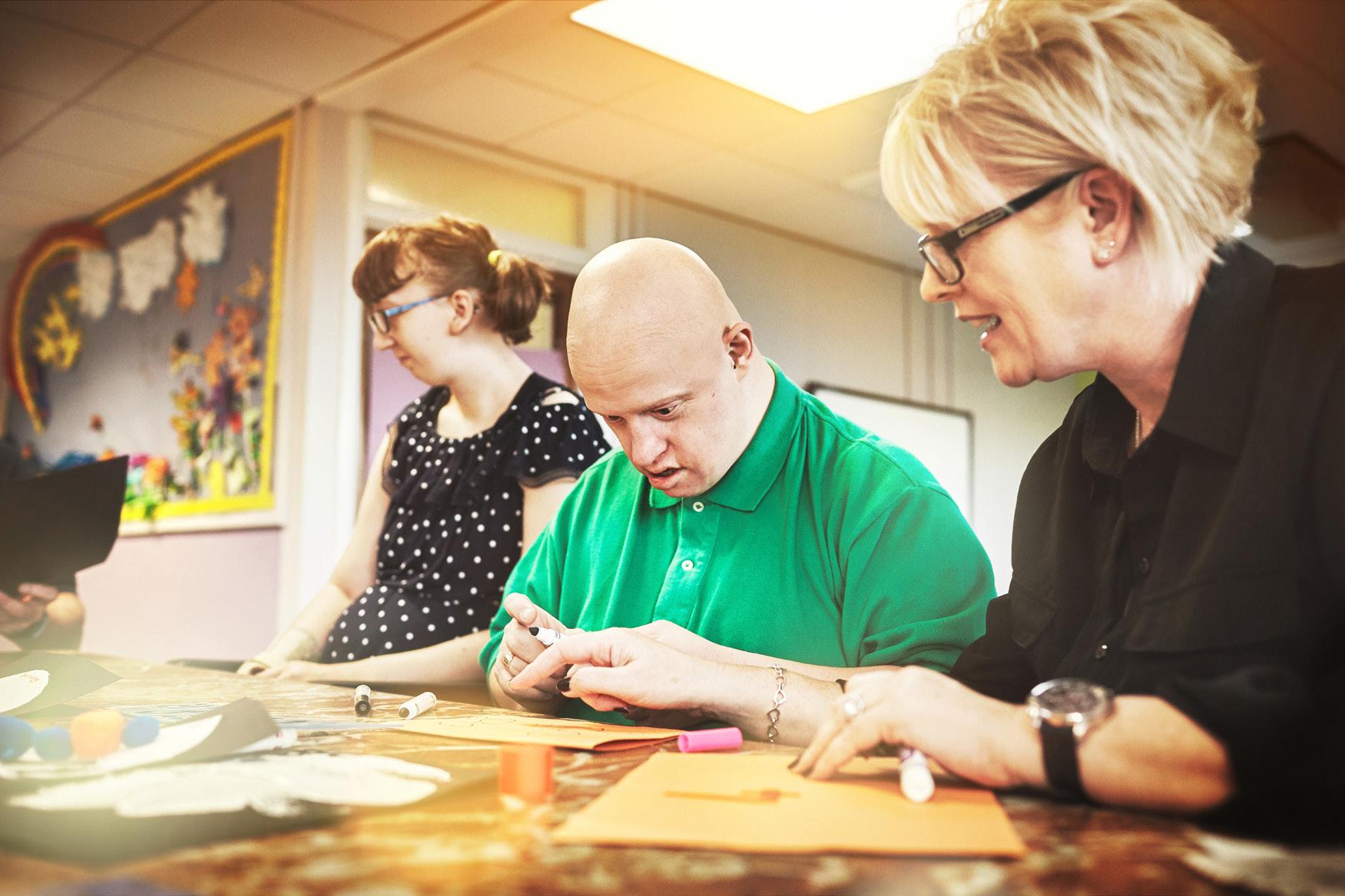
For many of our older participants, Autumn marks a season of transition a time to explore identity, independence, and future goals. Historically Red Frog for Families has been looked upon as paediatric clinic, while we have a formidable team with expertise in this area, we have an amazing team that supports across the life span. We offer bespoke services specifically designed for individual needs across all areas including Occupational Therapy, Speech Therapy, Psychology, Behaviour Support and Community Access and walk alongside your family on every step of your unique journey.
In addition to our key therapies, we offer additional programs designed to support independence and life-skills including:
• Functional capacity assessments tailored to adult goals.
• Independent living skills – cooking, cleaning, washing.
• Behaviour Support Assessments
• Support with preparing for semi-independent or independent living through providing independent living skills – learn to cook, clean, wash.
• Goal-setting sessions for education, work, volunteering, or personal growth
• Help to access the local community
• Assistance with daily living skills in participant homes
By offering age-appropriate, future-focused pathways, we help participants build confidence and take meaningful steps toward a life that feels authentically theirs.
Throughout our upcoming editions we will be putting the spotlight on some great complimentary services across Newcastle and the Hunter that offer specific support and services for 16+ participants, kicking off with our Q&A with the amazing Linda Hughes from Resource Inclusive Communities
Based in Broadmeadow, NSW, we are a team of allied health professionals, aiming to empower people with disabilities to gain independence in every day living.
Our multidisciplinary team of therapists work with people of all ages and disabilities, from paediatrics to adolescents and young adults with developmental, behavioural, and learning disabilities.
Our occupational therapists engage participants in activities to develop essential skills for everyday function in a fun and motivating way. For children, we primarily engage in the occupation of play.
Our teens and adults engage in personally meaningful occupations including functional activities and leisure.
Disability support workers provide the link between high intensity therapeutic interventions and relaxed, real-world practice. Disability support workers facilitate participant access to their community and activities of choice.
Supports also include transport assistance and in-home support.
We are delighted to announce that psychology has joined the Red Frog for Families clinic! This new service will help us provide even more holistic support for families in Newcastle.
Advanced bookings are now open, and we’re so excited to begin this next chapter together with you.
Our speech therapists work on more than just speech. We also work on language, augmentative alternative communication, social communication and literacy skills..
Our clinic spaces support therapy focusing on relationships and developmental frameworks in a playful manner.
Behaviour support at Red Frog for Families focuses on understanding that behaviour is a form of communication. Together with the participant’s support team we identify common triggers and focus on strategies to implement consistently across settings and support people. Behaviour support includes implementation of strategies and training for carers and the individual’s support team.