stag@reddamhouse.com.au
EDITORS NOTE
7.8.2023

stag@reddamhouse.com.au
7.8.2023
It's been a long time coming, but The Stag is now officially back up and running! Due to a change of management, your favourite school newspaper has had a brief intermission while we made preparations for a grand first release. Over the course of the last month, we ' ve worked hard to rework the Stag you know and love, keeping some core features, and touching up a few of the rusty ones. On behalf of the Stag team, we are proud to launch into a new era of Reddam House media history. Get comfortable, strap yourself down, and enjoy the first edition of the new and improved Stag newspaper.
- Hugo BendeichTHIS WEEK: ANCIENT WORMS, PAKISTAN RALLY AND MORE!
Want to share your ideas? Contact us!
stag@reddamhouse.com.au
hugo.bendeich@reddamhouse.com.au
kayson.hu@reddamhouse.com.au
Xray of worm : The New York Times
Is it possible to stop and restart life?: New scientific revelations seem to suggest so. In the past, cryogenic freezing has been a concept reserved for science fiction writers, doomsday preppers and ambitious billionaires. But with recent scientific discoveries, it seems like an ever-more imminent possibility. In 2018, new studies were released after researcher Anastasia Shatilovich thawed two female worms from a fossilised burrow dug by gophers in the Arctic. The worms, after millennia buried deep in the permafrost, were revived simply after contact with water
While the species live no longer than a few days, they were able to successfully reproduce in lab conditions, a testament to their health and stability. Using radiocarbon dating, researchers determined the specimens were first frozen roughly 46,000 years ago. To survive the Ice Age at the time, the worms entered a dormant state called cryptobiosis, a process researchers at the institute are still trying to understand. With time, there is promise that someday we could recreate this process, and preserve humans for centuries to come. Would you expect cryogenic freezing to develop in our lifetime? It might be more realistic than we think

At least 63 people were killed this week in Pakistan's northwestern Bajaur District when an explosion was set off by a suicide bomber at a political rally, the latest sign of the deteriorating security situation. The death toll is only expected to rise, with 200 wounded

While officials suspect that the attack was been orchestrated by an Islamic State affiliate active near the border with Afghanistan, no one has yet claimed responsibility. The group has previously targeted members of Jamiat Ulema-e-IslamFazl, the Islamist political party that organised the rally. A local party leader was killed.
Since the third of May this year, ethnic violence between the Metei and Kuki people in Manipur, India has killed more than 150 people and displaced 60,000 others. For the last few months, the northeastern state has all but partitioned along ethnic lines in what residents are describing as a racial civil war
National security forces 10,000 strong have struggled to restore calm, stretching military resources thin Analysts say many come from a division primarily responsible for security at the border with China, where the two sides have remained in a standoff for more than two years.
In the face of the crisis, Indian Prime Minister Narendra Modi has almost entirely avoided addressing the conflict. Last week, opposition parties attempted to force a motion that would have him resign but failed to pass it For the foreseeable future, it seems Modi’s government faces little risk of eviction
Gaurav Gogoi, the opposition leader who initiated the vote, said he had hoped that the motion would “force” Modi to speak about the violence Citing a range of national security concerns such as potential “ripple effects” in other states, and the displacement of over 5000 weapons, he urges the President to act, but Modi remains stalwart in his refusal to speak.

Militant groups — including the Pakistani Taliban, known as Tehreek-e-Taliban Pakistan, or T T P have become more active in recent years. This year, the T.T.P. attacked a mosque in Peshawar, killing more than 100 people, and waged an hour-long assault on Karachi.
The rise of militant violence in Pakistan could dampen campaigning before the next general election, expected this autumn, and dissuade voters from coming to the polls.
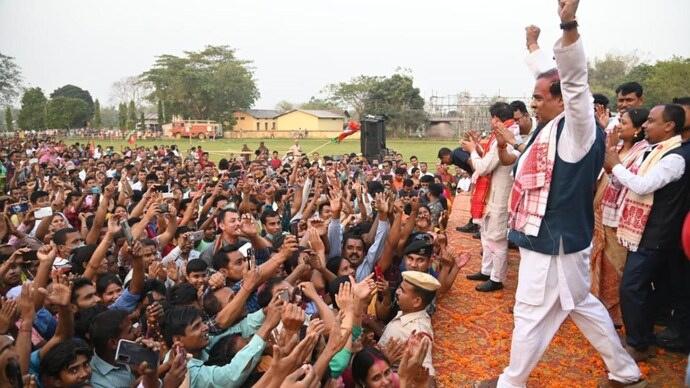
Opposition leader Gogoi rallies against Modi Emily Moore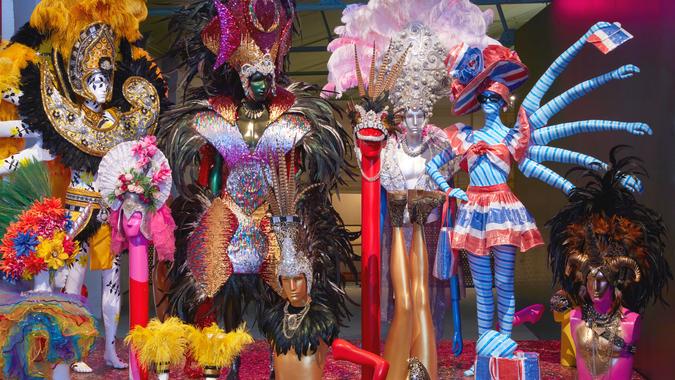
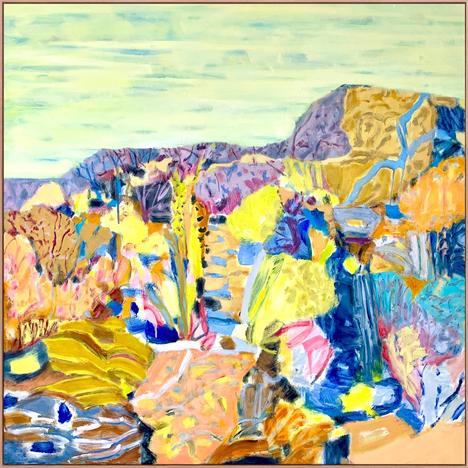
Chinese & Australian Artists Joint Exhibition: A must-see for those interested in timeless art, this exhibition is as cultural as it is artistic An exploration of the crossover between Chinese and Australian styles, the display is sure to captivate anyone with an interest in AsianAustralian ties.
Absolutely Queer: Taking place from Tuesday 1st of August this week, the LGBTQIA+ themed event brings costumes, design, artwork, fashion, activism and multimedia These exhibits are determined to reshape attitudes towards queer spaces, where Pride ceases to be a slogan, and becomes a tangible community presence
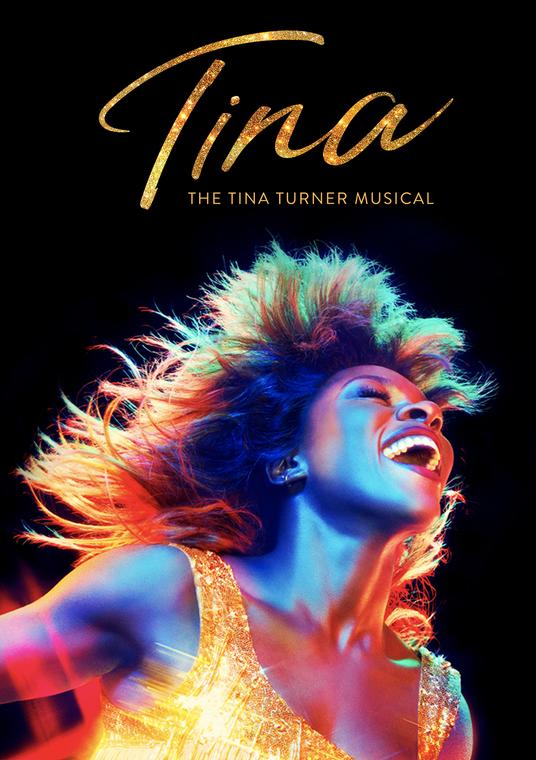
The Tina Turner Musical: Experience the life story of Tina Turner, the Queen of Rock 'n’ Roll, whose career took the world by storm Featuring more than 20 of her iconic songs, including “Simply the Best”, “What’s Love Got to Do with It” and “Proud Mary”, this smash-hit musical is not to be missed Check out the Theatre Royal Sydney website for tickets and more.
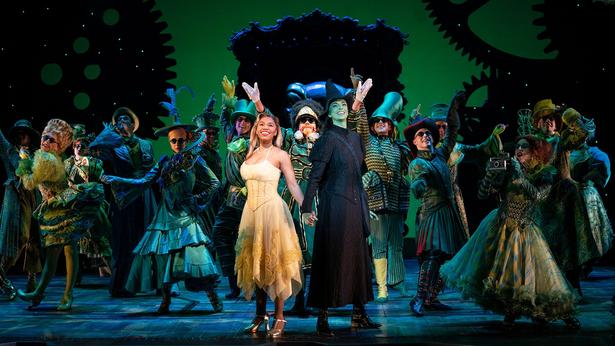
The Wicked Musical: Flying into Sydney this week, the Broadway marvel Wicked is visiting the Sydney Lyric Theatre Tickets are bound to sell out fast so if you ’ re ready to return to Oz to discover a world-famous story of friendship and rivalry head to the Sydney Lyric Theatre’s website to secure your tickets
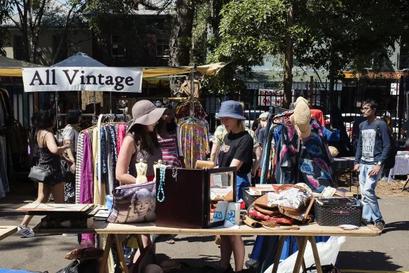
Glebe Markets: After a rebrand, the markets at Glebe are now open every Saturday from 10 am to 4 pm. Head down to 46-56 GLEBE POINT RD to find a tantalizing range of stalls and shops. With fresh fruit to personalised art frames or second-hand clothes to cake stalls, you ’ re guaranteed to have a great time.
Disney’s Beauty and the Beast: If you haven’t caught it yet, here’s your reminder to see Beauty and The Beast at the Capitol Theatre. Its original spin on the classic fairy-tale with large-scale musical numbers and exceptional choreography will leave you amazed!

Chen and Friends Big Show: If you tune into Channel 10 as regularly as my family does, or just generally like laughing, make sure you grab tickets for Friday 28th of August at Enmore Theatre to join Aaron Chen and his friends for a night of laughs Chen’s dry comedy style, talent for clever misdirection, whimsical perspective and genuine delivery will have you cackling

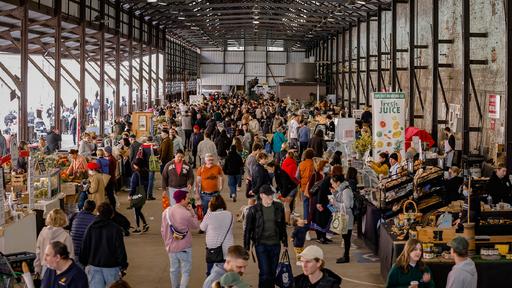
Carriageworks Farmers Markets: The weekly Carriageworks Farmers Market provides the freshest seasonal produce from the best growers and producers from around NSW Talk to farmers first-hand and learn the stories behind your food Find organic and biodynamic produce, artisan bread, boutique wines, single-origin coffee, herbal teas, meat and so much more!

Starting out, I must admit that I wasn’t expecting much - I admittedly do carry a slight bias against Travis Scott (Jacques Bermon Webster II) for no reason other than I haven’t enjoyed his music as much as I have some of his peers However, for the sake of The Stag, I patiently waited for UTOPIA to drop, got seated, and pressed play.
In checking the production credits, a few recognisable names in the music industry caught my eye - most notably, Kanye West Now, I have my own opinions on Kanye, as someone who thinks the man is batshit insane But this isn’t about him as a personit’s about him as a producer And the fact of the matter is that Kanye West is an absolute maestro in creative direction and intertwining samples to give them new, glorious life
Gentle Giants Proclamation (worth a listen!) creates a sharp, stilted introduction that creates such intense excitement for the rest of the album It was a promising indication of artistic continuation and evolution for Jacques, whose last album - ASTROWORLDdropped half a decade ago with similar psychedelic and futuristic influences. In my quest to figure out if it was a harpsichord underlying the beat (results inconclusive), I discovered that a large majority of it was sampled from Michel Corringe’s 1969 ‘Cigarettes sur Cigarettes’ Not even a minute in, and this album is shaping up to be amazing. The first verse is what lost me While Travis Scott may boast a stylistically diverse discography, he harshly lacks talent in lyricism - and unfortunately, this album is no exception
Now, dear readers, where I may lose a bit of my credibility is that I’m unfortunately pretentious and terrible and snobby, and tend to believe that good rap comes from pre2010s, the UK, or from Lil Uzi Vert. However, I do completely think that there is justification in saying Travis Scott fails to do his tracks justice when it comes to rhyme, lyric and sophistication. The funky, minimalist beat of MODERN JAM is overlayed by lyrics such as ‘I like a bi girl on a bicycle’ and ‘hey, guy-man, brought him home from France’ (???). While it fits the Travis Scott style and feels like a welcome home, it’s overwhelmingly underwhelming. What a shame.
As much as I could talk about each track on the album in such a lengthy manner, my editor has me at gunpoint and I truly do fear for my life. Each other track on the album follows the same pattern Stunning soundscape Futuristic, twisted sampling and arrangement. Dynamic, forwardveering motion in which nearly every movement almost stumbles over its own feet in its excitement to deliver you to the next. Incredibly shallow, boring lyricism.
As I write this, the features are still hidden. By the time of publication, they won’t be. But this album boasts an artful usage of the familiar timbres of Carti, Drake, Yung Lean, and … is that Beyoncé? The star-studded cast of this production each complements their tracks beautifully - dare I say more than Travis Scott himself. Each feature track is a unique experience in and of itself. DELRESTO (feat. Beyoncé) is an ethereal journey through synths, harmonies and cowbells, while conversely, LOOOVE (feat. Kid Cudi) is an upbeat run through self-confidence and rhythm
This album is characterised - at least to me - by its stylistic versatility and return to the iconic futuristic sound of Travis Scott. Its downfall, however, lies in the fact that out of the entire team of songwriters, not one person managed to do a single track justice with interesting lyricism UTOPIA is beautifully constructed but ultimately would be a far easier listen if it had been given some substance to complement. Overall? 2.5 Stags out of 5.
I plugged in my good headphones for this.
What subjects did you do in the later part of high school?
“For my A-levels, which are equivalent to the HSE, I took geography, English language, economics, general studies, and computer studies ”
I would also like to do more music, that seems like the coolest class
I get full FOMO when I walk past your music class ”
We’re doing handbells, can you hear them?
Who are the most memorable students you’ve had while teaching? What made them so memorable?
Massive thanks to Ms Dignan for this awesome contribution (she’s really cool guys) For those Year 10s who are already thinking about subject selection, and where that selection is going to take them in life, some much-needed wisdom may be in order. Ms Dignan, who you all know and love, is just the right person to go to
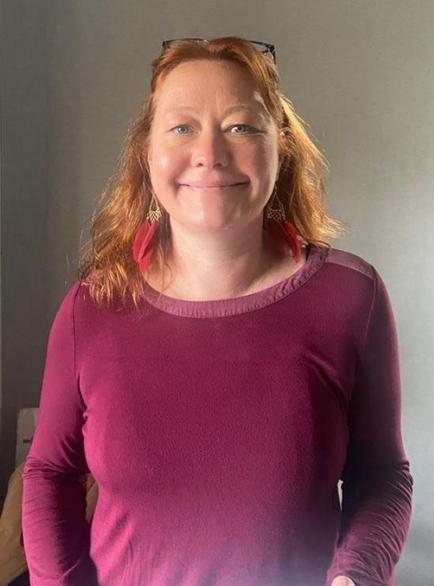
Towards the end, we'll also chat about some general life advice and sentiments that Diggy wants to share. Without further ado, let's get into it.
What’s that?
“In England, you have to take this A-level called general studies, where basically it’s everything - so there’s a bit of environmental science, how the world works, and politics.
At the beginning of Year 11, they give you the exam for the end of Year 12, and I got an ‘A’ on it, so for two years for general studies I went rock-climbing for four hours a week, for two whole years It was wonderful!”
What’s your personal favourite/least favourite subject out of the ones Year 11 and 12s can choose? Why?
“I loved history at school, but we had to choose in Year 9, history or geography, we couldn’t do both. So I had to drop history to take geography, I wanted to do both So that’s the bit that I’m sad about, that I didn’t get what you guys get, where you get to do them both all the way through
“I saw! I thought somebody had the xylophones out, I went past the window to look actually. You probably saw me outside, and then I saw Ms Wood and thought, I better run away before I get in trouble for disrupting your lesson!”
What’s your honest opinion of the way the HSE works? Could they do a better job?
“I think it’s weird the way the person that goes in with the top mark gets the top mark of the other people

But that’s also why we do so well at HSE, because the person at the bottom scales everybody up Everybody shares all their resources and specifically helps those people at the tail end and that brings everybody’s marks up.
And actually, that’s one of the reasons why kids at Reddam are so incredibly successful, I think that teaches you to be a real team player when you go to work, doesn't it - instead of, like, ‘sod that bugger, they’re not doing their work’, we need to help that person to help ourselves.”
“I probably shouldn’t say this but, my favourite students are the ones who are a bit naughty and funny… the ones who make me laugh That’s what I love about Reddam! You’re really challenging. We teach you to think for yourselves, at other schools the kinds wouldn’t challenge the teachers in the same way
What is the funniest thing a student has said to you?
“You look really nice today Ms Dignan, I didn’t recognise you!” She tried to take it back but I knew what she meant ”
If you could go back in time to talk to yourself and give yourself some advice, what time in your life would you go back to and what would you say?
“I'd go back to your age and just say, have some more fun Kiss some more people. Live a bit more! And just be kind. If people are mean to you it’s their problem, not yours. So yeah, be kind to people Especially mean people ‘ cause they need it more. “
Anything else you would like to say?
“I’ll tell you what my grandad said, ‘Be nice to people on the way up, because they’ll kick you on the way back down’ ”
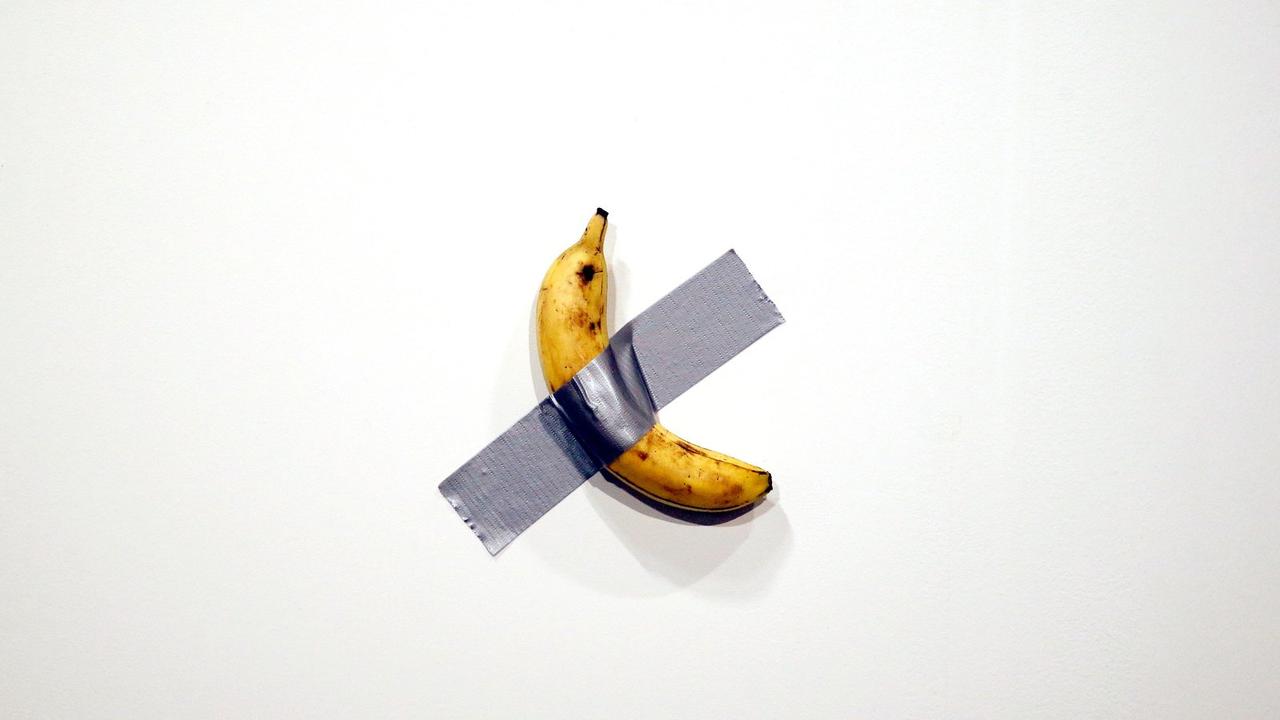
Welcome back, my precious unborn fawns. It’s been a long several months, but like all separations, absence makes the ‘art grow fonder. (I apologise for that one I’ll retire now.) Seeing as we’ve been AWOL for so many moons, I’m gonna make the executive decision to discuss a particular incident that occurred way way back in May, when we were all younger and wiser. See here’s the thing guys A dude ate a banana How could I possibly ignore that???? Now this was no regular banana. This was a proper schmancy weiner. It was also the world’s most loaded, cashing in at a grand $120K (Only surpassed by the infamous 8km long banana split, resident of Queensland.)
So we agree, this was one hell of a schlong. But alas, at its core it was nothing but a regular banana, prey to the weaknesses of humanity. When Maurizio Cattelan stuck an ordinary banana to a showroom wall with a piece of duct tape, he ought to have predicted a hungry breakfastskipping college student was destined to waltz in one morning, and unknowingly tuck into hundreds of K’s worth of potassium I could wax poetic about the essentially fallible nature of humanity, and the decay of appreciation for the fine arts in our post-capitalist society, but at the end of the day, some dude got his vitamins, and I'll never complain about spontaneous fruity encounters in museums.