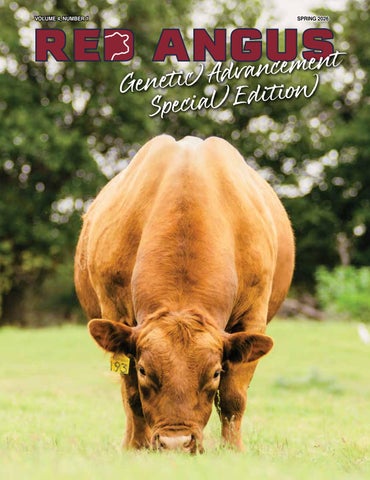
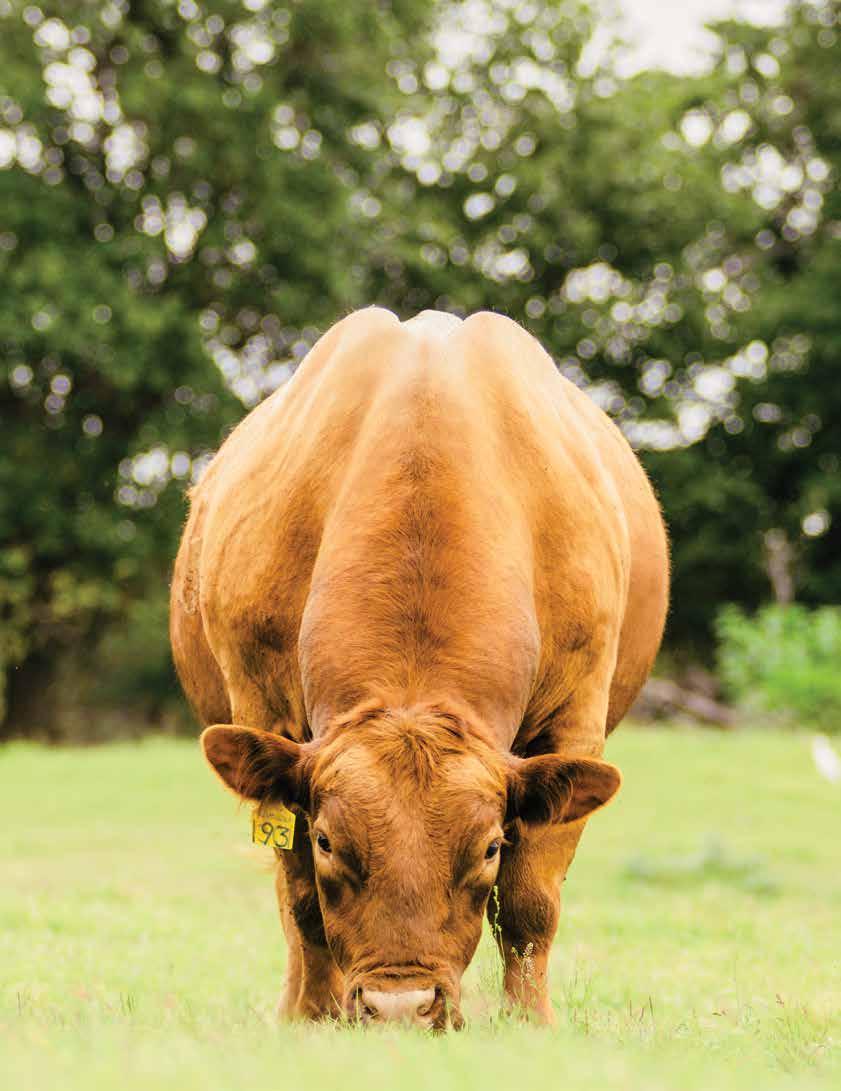
Genetic Advancement Special Edition


$92,000 Breed Record-Selling Black/Red Sire
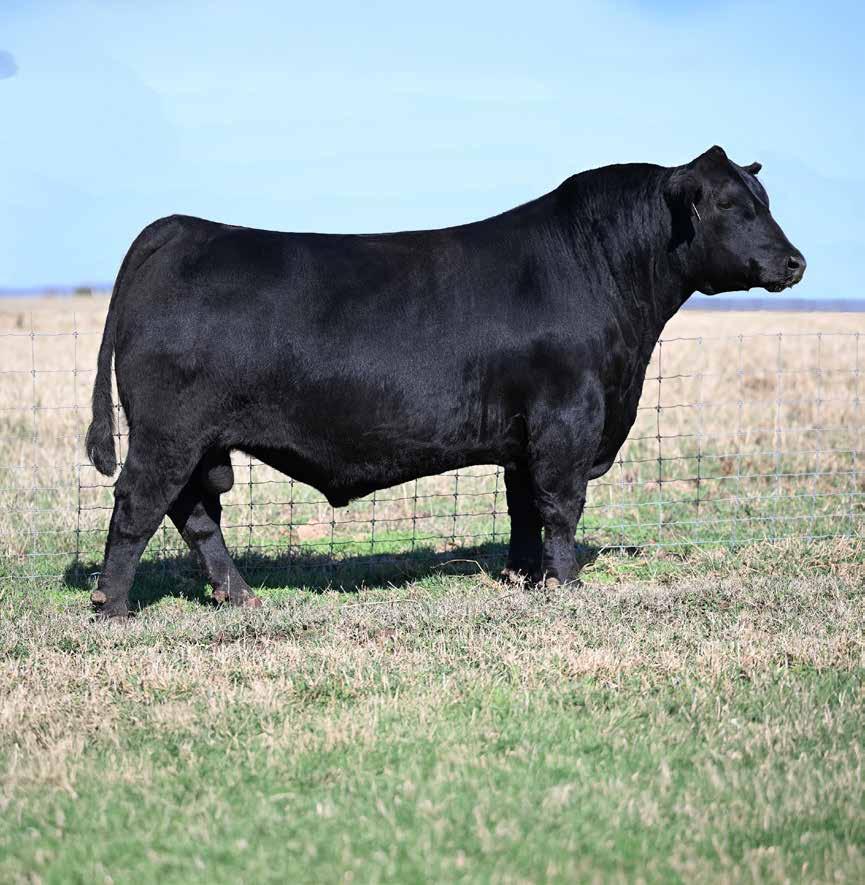
Brown Stump Locked & Loaded
Owned By: R.A. BROWN RANCH, Throckmorton, TX
STUMPTOWN CATTLE, PLATTEVILLE, WI
BEREND LAND & CATTLE, Henrietta, TX
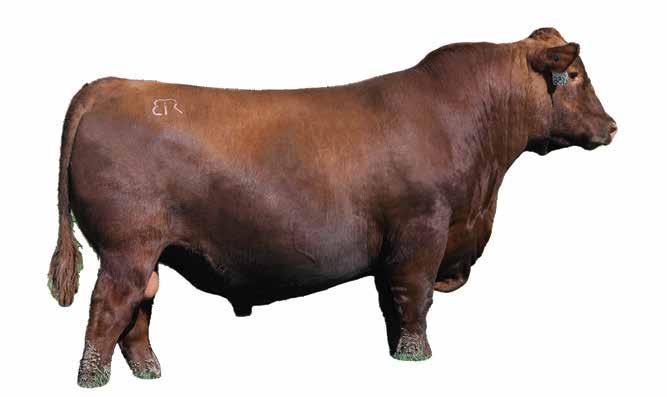
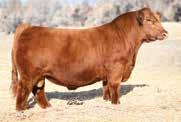
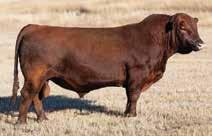
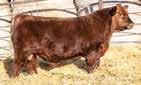
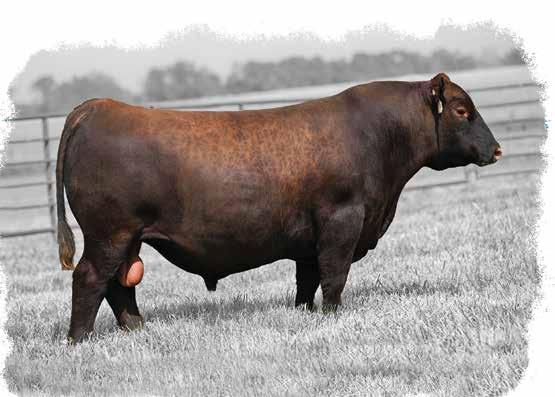
Locked & Loaded shattered the breed record price for a Black/Red Angus bull when he fetched $92,000 in March 2025. But, that’s no surprise since he shatters the Top 1% for Marbling and for $Profit, and does it with “sleep-all-night” calving ease, breed leading fertility, amazing phentoype and an outcross pedigree.
- Incredible Herd Building Opportunity -
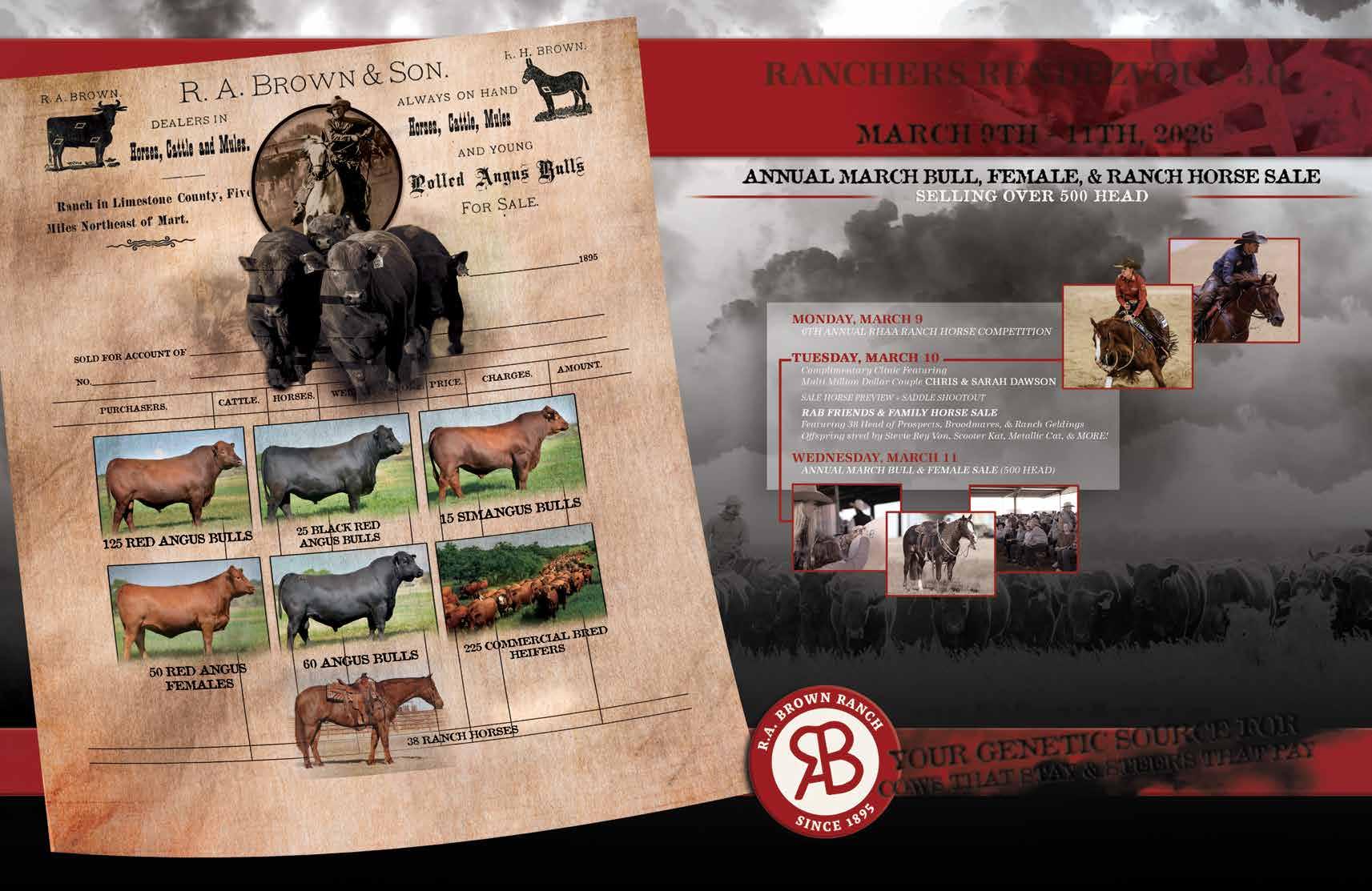
Brown Ms Stockmarket J789, the dam of Locked & Loaded sells on March 11th as the leadoff Red Angus female at Rancher’s Rendezvous 3.0 - one year after her son became the breed record-selling Black/Red bull.
Locked & Loaded - Initial Public Offering
R.A. Brown Ranch’s 11th Annual March Sale will mark the first time Locked & Loaded semen has been made available outside of the R.A. Brown Ranch Cooperator System. Scan the barcode on the opposite page for the R.A. Brown Ranch Semen Online Order Form. Orders placed prior to sale day will be honored at the sale for those who bring a tank, or released the following week to online bidders, and all will receive the 10% sale day discount.
When Profit is Job One...
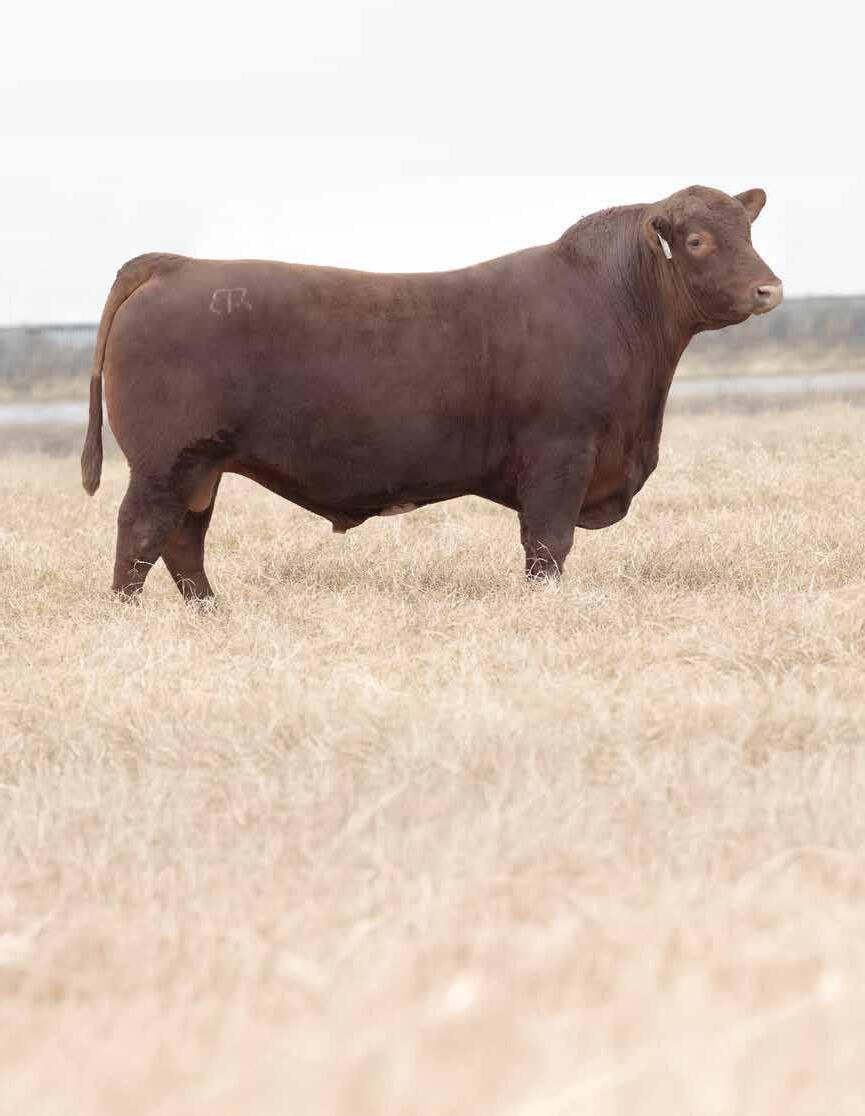
Brown Sure Thing K122
Owned By: R.A. BROWN RANCH, Throckmorton, TX SCHUSTER FARMS, San Juan, TX LEACHMAN CATTLE of COLORADO, Meriden,WY
Sure Thing is the bull to use when Profit matters most! He is the #1 active sire for $Profit in the entire Red Angus breed. No trait impacts cow/calf profitability like fertility and Sure Thing is as good as it gets ranking in the top 1/100 of 1%. He adds payweight without increasing mature size or decreasing calving ease, and has the marbling necessary to ensure those extra pounds will be earning PRIME premiums. He has tremendous mating flexibility with his outcross pedigree.
High
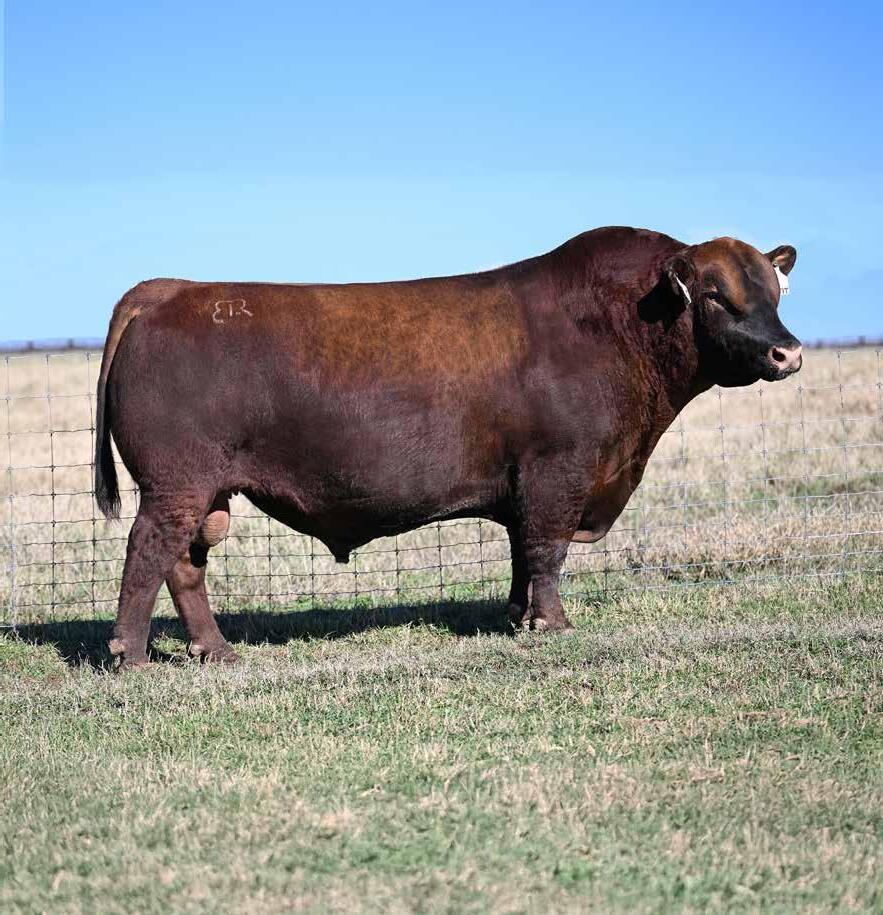
Titus is moderate framed, easy fleshing, loaded with natural thickness and moves like a cat. Titus provides big time spread from CED to YW, and you won’t find a better combinations of Fertility, Feed Efficiency and Profitability across all segments of the Beef Supply Chain! His $30,000 dam maintains an amazing 127 MPPA. Owned By: R.A. BROWN RANCH, Throckmorton, TX

The best way to infuse superior and proven outcross genetics into your Red Angus program is to incorporate the very best, high accuracy Angus genetics. This powerfully made Black/Red Tahoe son out of a 103 MPPA full-sister to Oracle. has over 300 registered progeny that have proven him to be a proven source of calving ease, pay-weight, fertility & stayability and carcass value. Ideal combines 10 traits in the top 10% of Red Angus,and does it in a long hipped, wide-based, deep ribbed, slick haired package. Just imagine the Value of his RED 1A sons and daughters!
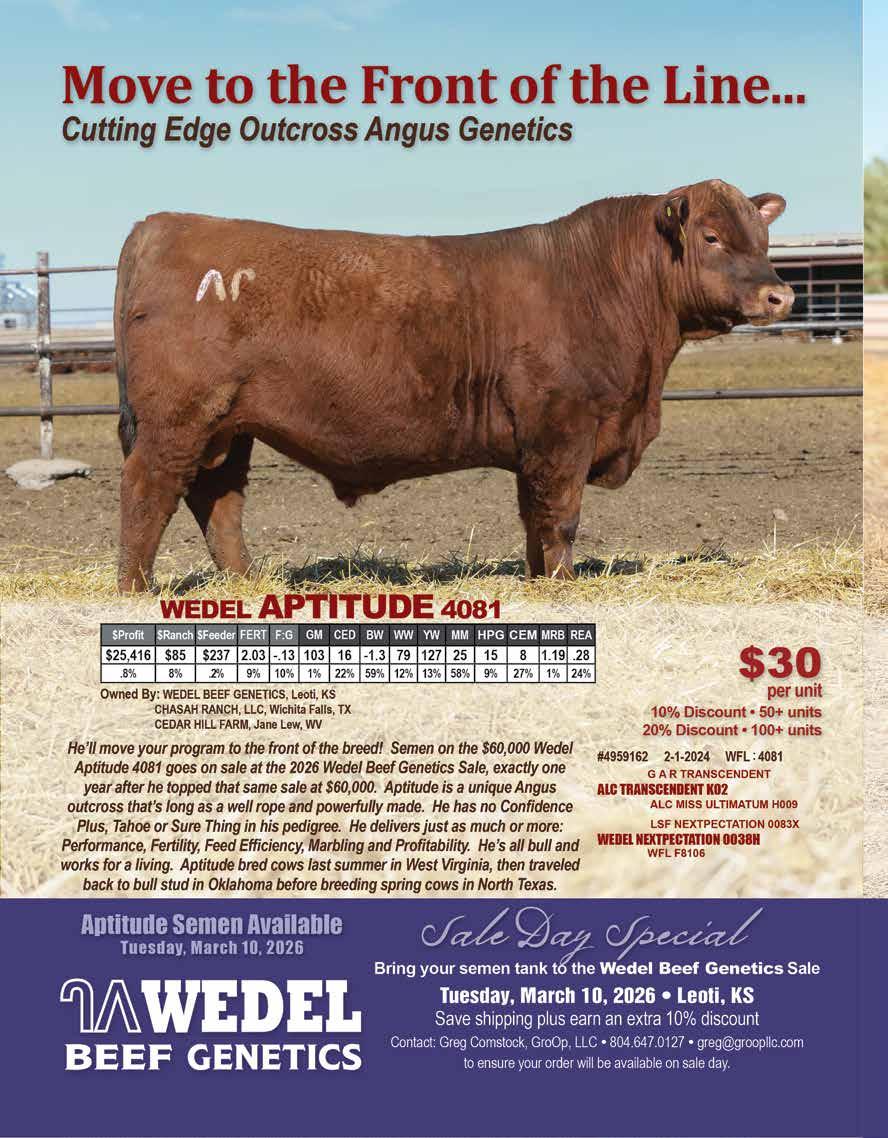
Amplify Your Bottom Line
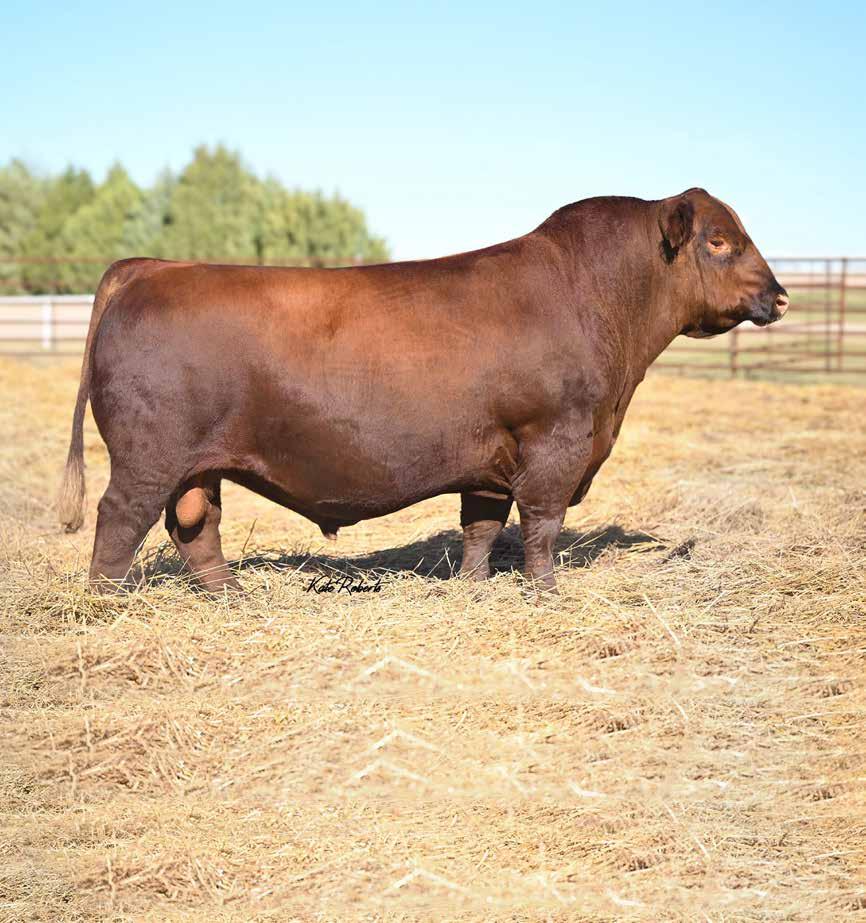
PRA AMPLIFY K6842
Amplify combines amazing phenotype with multi-trait excellence across the economically relevant traits that improve profitability for cow/calf operations and cattle feeders alike. Amplify is a unicorn that predicts better than 1% profitabity for $Profit, $Ranch and $Feeder, and cowherds built on fertility and longevity with single-digit ranks for both Stayability and Fertility. If you’ve grown weary of bulls that dominate the economic indices, but don’t measure up phenotypically, let Amplify refresh your faith! He is backed by 7 generations of donor dams who’ve work in Texas, Kansas, Florida, West Virginia & Oklahoma.

Wedel Prime-Time 0007
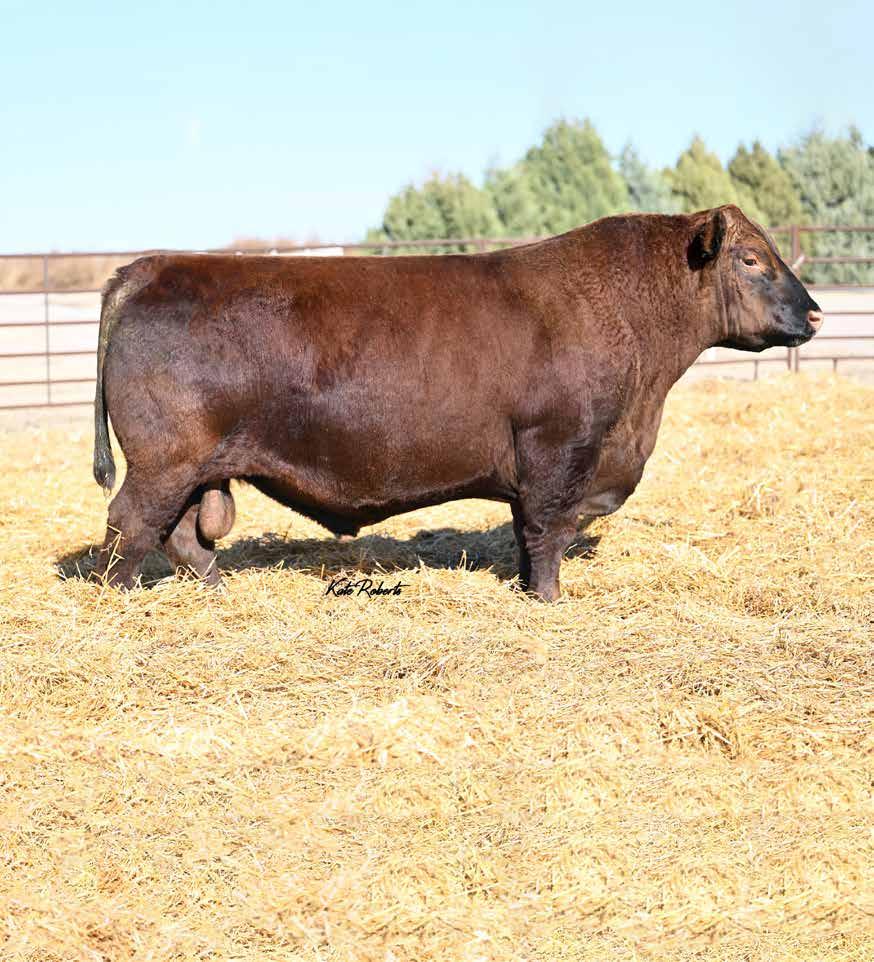
You’ll earn more PRIME premiums and buy less feed thanks to Prime-Time’s unique combination of marbling and feed efficiency. Prime-Time has become Red Angus’ PROVEN calving ease sire to add pounds, convert feed more efficiently, earn carcass premiums and beautifully uddered daughters. Prime-Time has proven to be one of the breed’s best semen investments:
• Yearling sons averaged over $12,000 at Schuler’s last Spring.
• Age-advantaged sons averaged over $15,000 at R.A. Brown Ranch last October. Wait till you see the ones that sell in Leoti, KS on March 10th!
Swing for the Fences!
Grand Slam’s First Sons and two Maternal Brothers Sell on March 10th at Wedel Beef Genetics
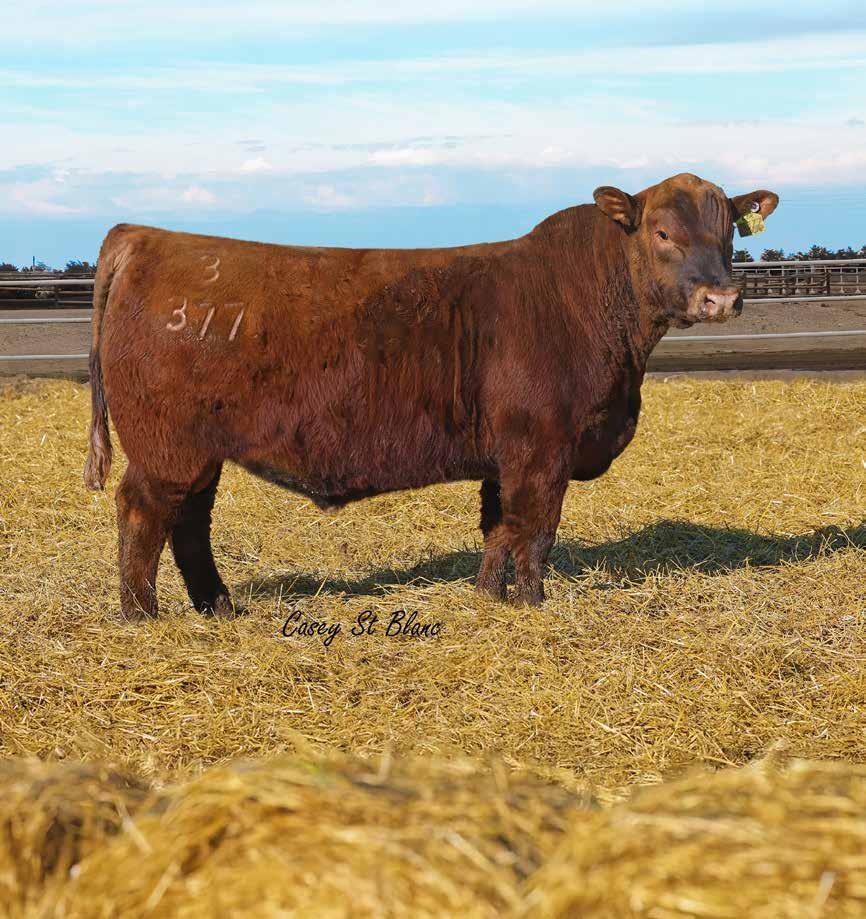
The $37,000 high-selling bull from the 2024 Wedel Beef Genetic’s Sale, Grand Slam represents the next generation of high profit Red Angus sires that stack outstanding spread from CED to YW with exceptional marblng and superior Fertility. His dam generated nearly $100,000 in 2024 at her first Wedel Bull Sale. Her maternal grandam, 6094 is the high producing female in the Wedel herd with a 116 MPPA as a 10-yr-old.
tank
the
Owned By: Wedel Beef Genetics, Leoti, KS
Anderson Land & Cattle, Oberlin, KS
Stumptown Cattle, Platteville, WI
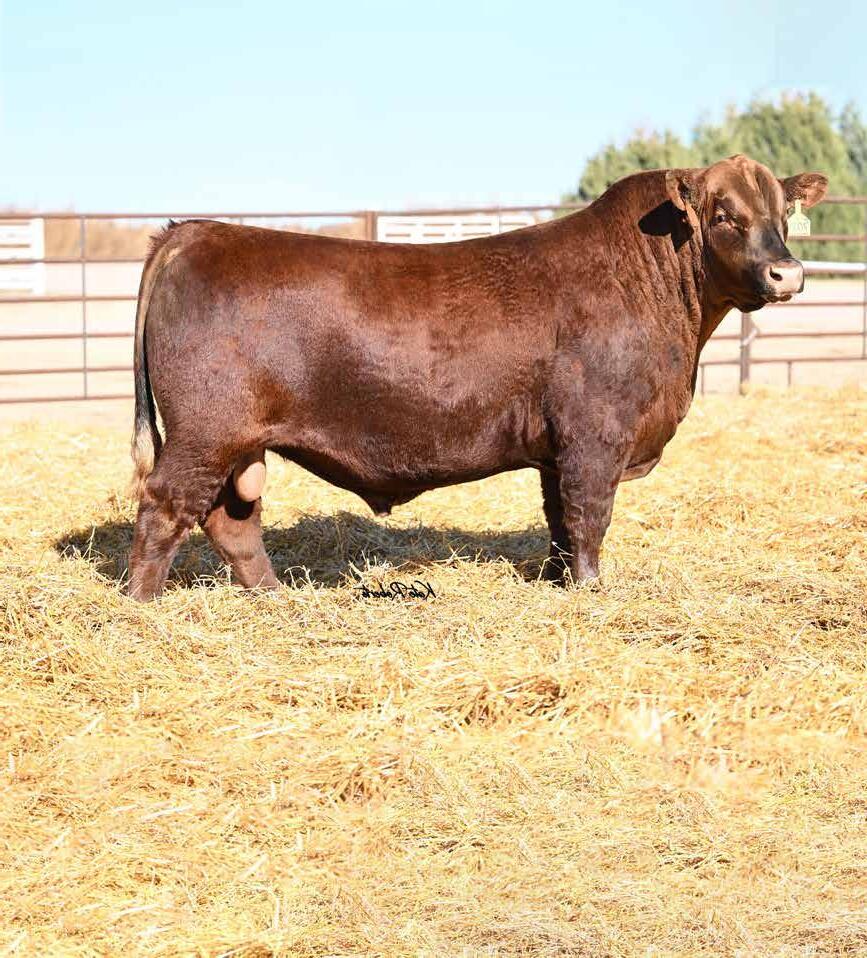
Remedy is the cure for YG 4 discounts, and excells for soundness, muscularity and eye appeal. His cow family is steeped in fertility, longevity and udder quality. His 12-year-old maternal grandam, 9266W, had an udder that any three-year-old would have been pround of.










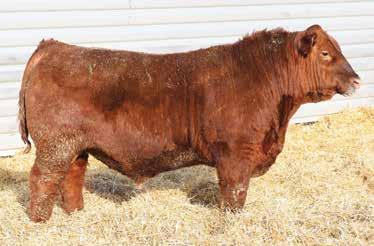




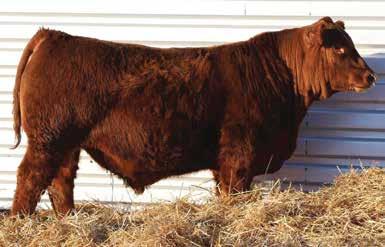


The 2026 Sandhill Red Angus sale features the last set of calves from SRJJ Kick-Start 2189. Kick Start 2189 was lost at the end of his second breeding season. 2189 was one of the best breeding bulls we have ever been arouind and a true breeding masterpiece. His sons are wide based, thick, and have that angus look. His daughters are the females you want to build a herd around!

















Maximizing the Value of Your Genetic Investment
From value-added programs to management practices that pay dividends, RAAA staff and commercial producer, Paige Burian, weigh in on connecting the dots between genetic potential and added dollars on the sale check.
by Laura Handke for the Red Angus Genetic Advancement Edition
Commercial cattle producers spend years stacking genetics into their cow herds, yet too often the performance conversation stops at weaning. The reality is that a calf’s genetic performance potential is shaped long before it ever hits the ground, and the information that feeds into that potential depends on data collected throughout the entire value chain.
When that data is fed back, centralized, analyzed and correlated, it sharpens the picture of what those cattle are truly capable of delivering. Today’s cattle are more docile, fertile and offer more red meat yield than ever before. Better cattle – doing more with less – and driving progress with clear goals and intentional data collection.
According to RAAA Director of Breed Improvement, A.J. Knowles, profitability starts with clarity. He shares with producers he works with – genetics aren’t about chasing trends or topping out on a single trait. Genetics are about understanding what a herd does well, where the struggles lie and how traits translate into dollars.
Without that understanding, even good cattle can leave money on the table.
“If you’re not using EPDs – start,” Knowles said. “Figure out what your herd does well, what could be done better and what actually makes your bottom line pay.”


Reliable advice. Especially for smaller commercial herds that do not generate large volumes of performance data each year. Knowles explains that genomically enhanced EPDs can help shorten the feedback loop, allowing producers to make informed decisions sooner instead of waiting years to see how genetics play out.
“For smaller producers, genomics is like adding a bunch of progeny records,” he added. “You can get a real good look at what’s going on in your herd, regardless of size, when you begin to use GE-EPDs.”
Once producers understand their genetic strengths and limitations, the next challenge is carrying those decisions forward. Too often, breeding decisions and marketing decisions operate in separate silos, even though they are tied to the same outcomes.
Taylor Ohlde
Paige Burian A.J. Knowles
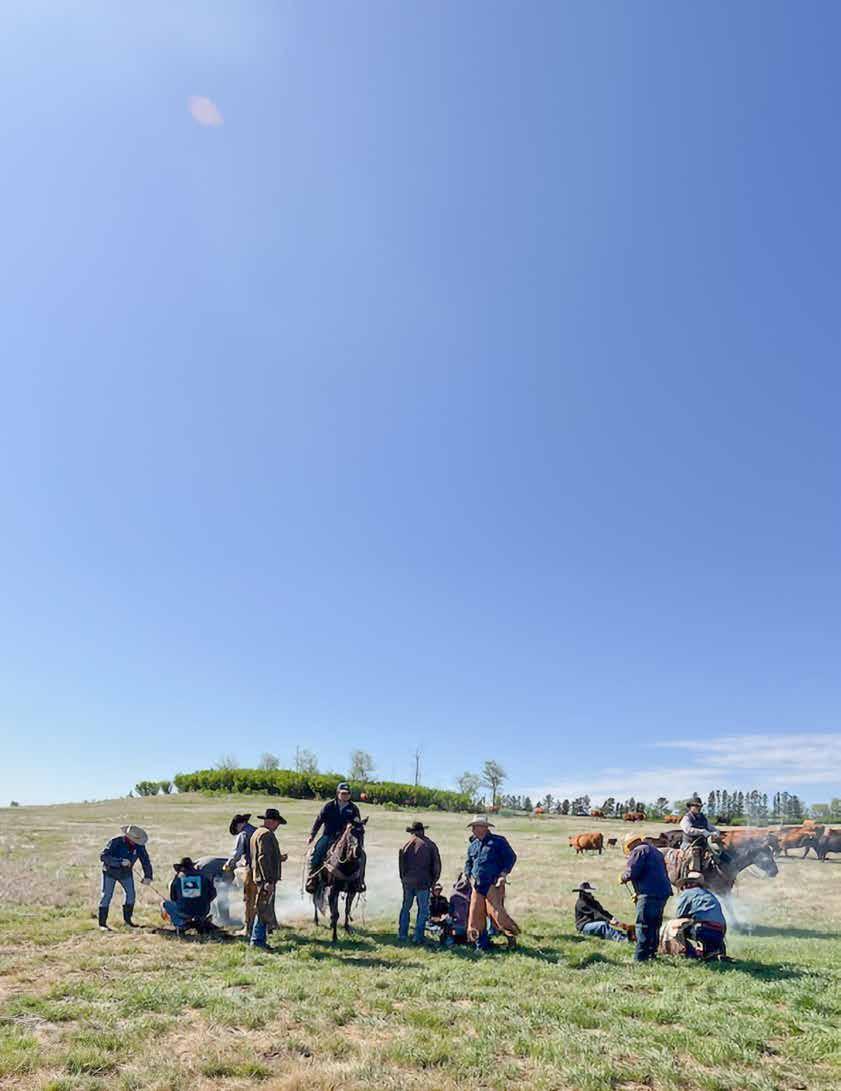
In the unforgiving country of Manning, North Dakota, the Lazy 77 works to develop cattle that meet environmental conditions head on to gain and deliver profitability.


Maximizing the Value of Your Genetic Investment
The most profitable operations align selection, management and long-term goals instead of treating each phase as a standalone event.
For commercial producers, the question is not whether genetic potential exists in the calf crop. It’s whether that potential is being recognized, managed and captured over time. That conversation starts with genetics, but doesn’t end there.
Identifying Long-Term Herd Goals
Calf crop profitability begins with identifying long-term herd goals, and that’s where an annual production analysis finds its value. One of the most underutilized tools in commercial cow-calf operations, an annual production analysis often separates the operations that are just raising calves from those intentionally building a herd.
What your cows are doing year over year in your environment – what could be more telling of future successes or challenges?
“Every operation has to start with knowing their cows. Which ones stay sound through tough winters, breed back consistently without falling later in the calving season, which ones raise calves that fit your marketing plans? These should all be questions, a producer can answer,” Knowles said.


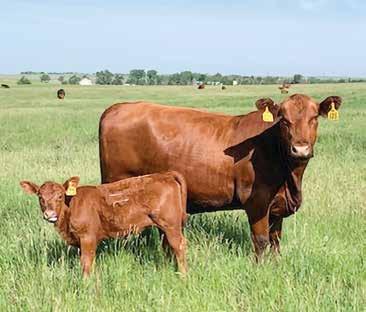
Developing heifers that stay in the herd: both their own and their customer’s, is the ultimate goal when mating decisions are being determined.
“These are all questions that can erode profitability if they aren’t answered every year. Genetics are about long-term fundamentals. Fertility, longevity, efficiency – those are traits that don’t lose relevance when markets soften. Those are the traits that save your operation when we hit a downturn.”














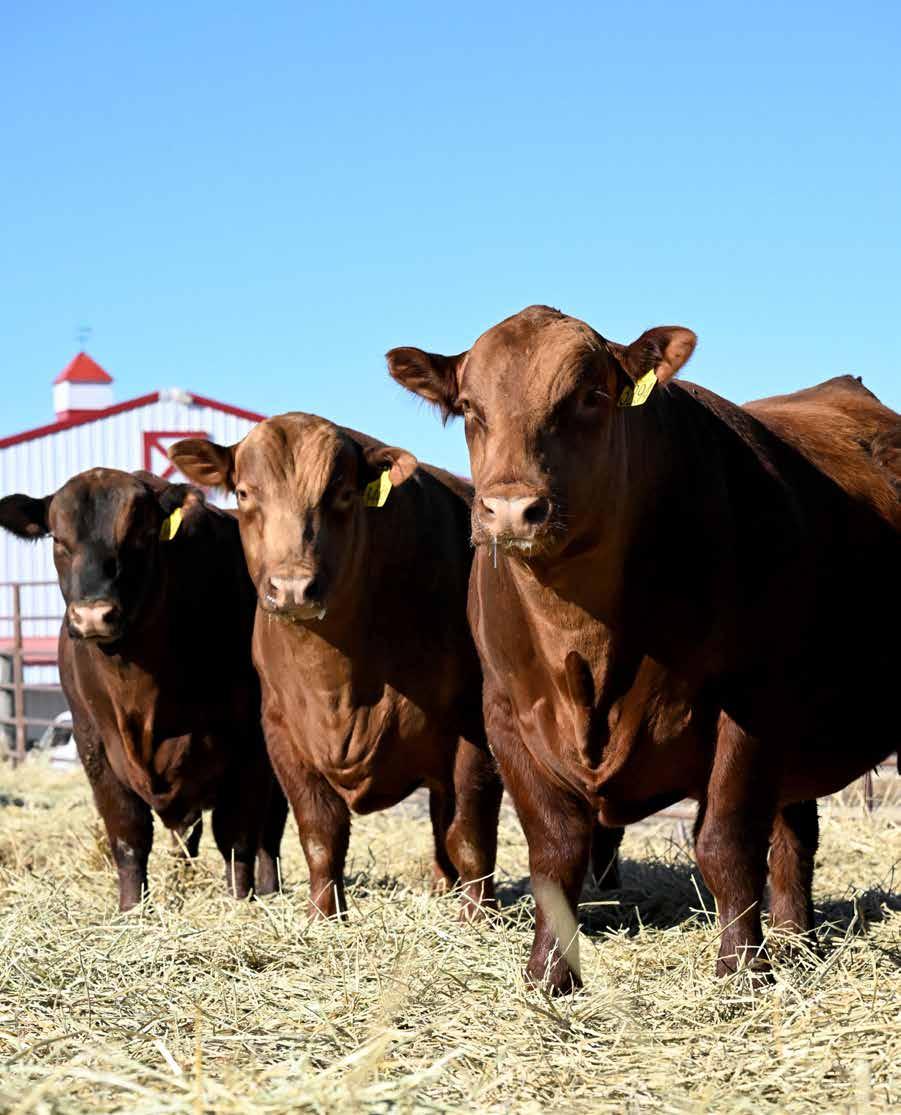

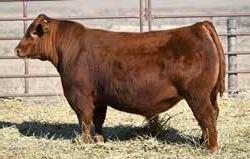
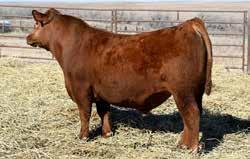

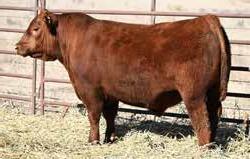
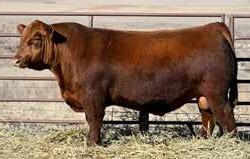
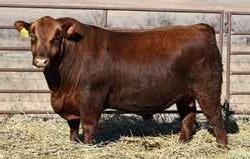
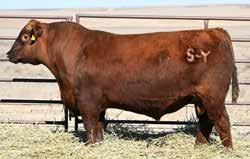
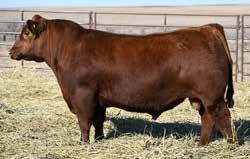
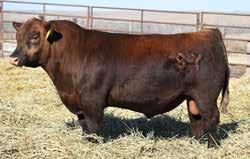
You don’t have to visit longer than about three minutes with Paige Burian about his cow herd to know that those traits are never far from the commercial Red Angus producer’s mind.
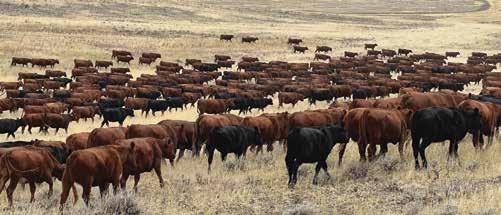
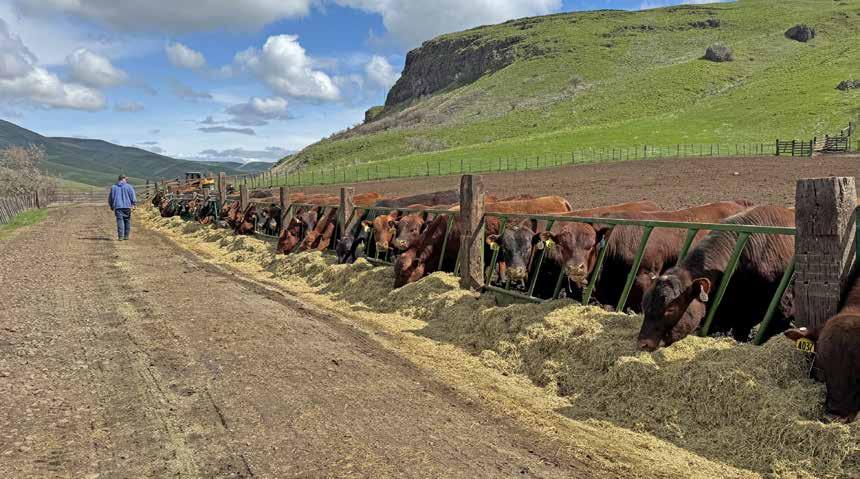
The cow herd built the Lazy 77 Ranch, just outside of Manning, North Dakota, and has sustained three – going on four – generations of the Burian family. They know a thing or two about what works in their environment and how to maximize not only the genetic potential but the value of every calf the operation produces. Today, the operation runs around 300 cows in a part of the country that demands efficient, fertile and adaptable cattle. Like many agricultural operations, Lazy 77’s biggest challenges lie in its operational environment – limited infrastructure and labor.
Annual production analysis at Lazy 77 is less about spreadsheets and more about observation and knowing the cow herd. North Dakota winters, spring calving without barns and limited labor have a way of exposing cattle that look good on paper but struggle to stay productive when conditions turn against them.
Annual production analysis, paired with genomic and performance data, helps Burian pinpoint those weak links sooner rather than later.
“If there’s a trend where they’re really falling out of the system fast, we want to know why. Are they too hard doing? Did we miss maintenance energy? Is there something in that sire group that just doesn’t fit here,” he shared. “We can identify sire groups if we notice trends like poor disposition, foot quality or udders and we can address the issues before they become bigger. We’re not trying to blame the
cow; we’re trying to understand if we missed something in the genetics that doesn’t match our environment.”
Like every cow-calf producer, maternal strength matters for the Lazy 77 and those traits command the selection emphasis.
For Burian, watching how different sire groups and cow families perform once they’re asked to live in the Lazy 77 environment year after year, is the management practice that has not only sustained nearly four generations, but helped to grow neighboring ranches with replacement heifers that become herd builders; he doesn’t take the responsibility lightly.
“We keep carcass in mind, but we select for the maternal side of things. We’re selling the heifers that we don’t retain ourselves, and I want those people who buy them to have a foundation,” he explained.
“A good female they can use in a crossbreeding program, that has the fundamentals of feet, structure, fertility, femininity – all the things we can deliver with a Red Angus cow.”
The Value-Added Advantage
Telling the story of four generations and the cattle that built the Lazy 77 is something Paige is proud to do. The story is what producers, feeders, packers and consumers all want to hear. Value-added programs create a platform for every ranch to tell its story and leverage genetic investments.
For Taylor Ohlde, commercial marketing specialist for RAAA, value-added programs answer the question every producer should be asking: “How do I get paid for what I’m already doing right?”
Management decisions in cow-calf production connect genetics and long-term goals, turning genetic investment into reliable, repeatable profitability.







































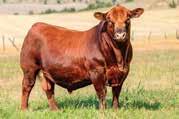





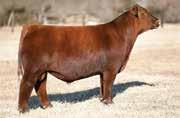



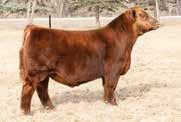



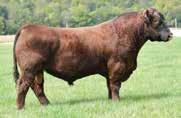





Maximizing the Value of Your Genetic Investment
Traveling throughout his territory, Ohlde sees adoption growing not because of a single premium, but because of a broader shift toward transparency and storytelling in the beef supply chain.
“I think it’s becoming the new normal,” Ohlde said. “There are a lot of value-added programs a producer can review and enroll in to help document and tell their story because, at the end of the day, buyers and consumers both want a story – and that’s exactly what value-added programs provide.”
The story of a value-added program ties genetics, health and management together with data and foundation to build trust through verifiable information. And verification, Ohlde said, is no longer optional in the beef industry.
Burian agrees.
The value of value-added programs isn’t theoretical on the Lazy 77. Burian says that value-added programs have helped to create the consistency and confidence that has led to repeat demand from buyers who know exactly what they are getting.
“They want our cattle back every year,” Burian says, pointing to the long-term relationships that value-added participation has helped build.
“Verification is no longer optional in the beef industry.”
Health protocols, EID tags, preconditioning and backgrounding have never been extra steps on the Lazy 77 and value-added programs like Angus Access are helping to monetize that perspective.
Value-added programs have also changed how Burian markets the ranch’s heifers. There’s no shortage of demand for quality Red Angus and Red Angus-influenced heifers, with national herd rebuild on the mind of many producers. With Angus Access and Igenity Beef genomic testing, Burian can provide buyers with documentation that backs what a potential buyer sees with the data that proves an animal will be an investment, not an expense.
Igenity Beef is a DNA test designed for use on commercial females. Results for tested females include sire verification and trait ranking. For Burian, that information is invaluable in evaluating an animal.
“We use the DNA program on heifers to get an idea of where our EPDs are sitting and which EPDs we need to strive for.


















Nearly 30,000 prescribed matings in 2025 with a growing list of satis ed commercial customers in addition to seedstock producers. RightMate is the industry standard for precision genomic mating since 2019.
Simple genomic solutions. Add genomic con dence and make bull/female purchasing easier with less risk and greater ultimate success. Just nd the logo that ts the purpose of your selection, then choose the ones you like from the group carrying that RightChoice shield.
With a genomic snap-shot of your commercial cow herd, it is possible to sort a group of sale bulls or AI candidates to best match your particular situation and wishes. RightBull provides substantially more insurance of success than just paging through a catalog or walking from pen to pen.
Precision, genomic matings, not just a simple planned mating. Select the bulls you want to use. RightMate makes sure they are assigned to cows genotypically best suited for them. Accelerated genetic improvement for the goals you set, increased calf crop uniformity and managed genomic inbreeding.
All genotypes are absolutely secure and con dential with Top Genomics. Your genomic information will never be shared with any entity without your written permission.
RightMate technology is now available for all Red Angus breeders.


Maximizing the Value of Your Genetic Investment
We’re always after maintenance energy, HerdBuilder and sustainability,” he said.
Like Burian, Ohlde believes value-added programs will continue to evolve from premium-driven opportunities into standard operating practices for producers who want to maximize their genetic investment.
“Pick up the phone and let’s have a conversation. If producers aren’t enrolled, it’s hard for us to know where their cattle need to go and what kind of opportunities exist for them,” Ohlde said.
“Enrollment gives us the ability to help, and that’s becoming more and more important as buyer expectations contin

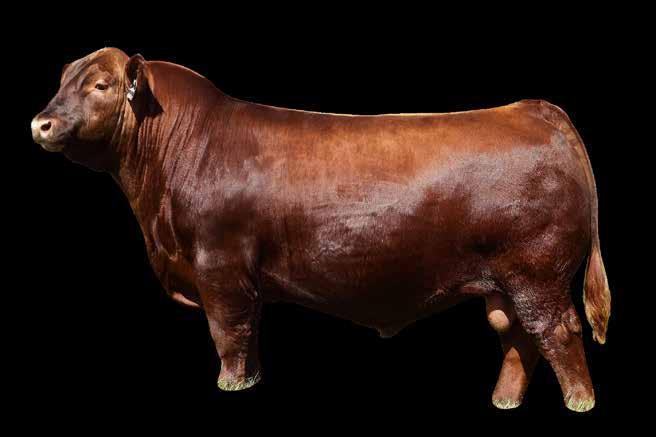


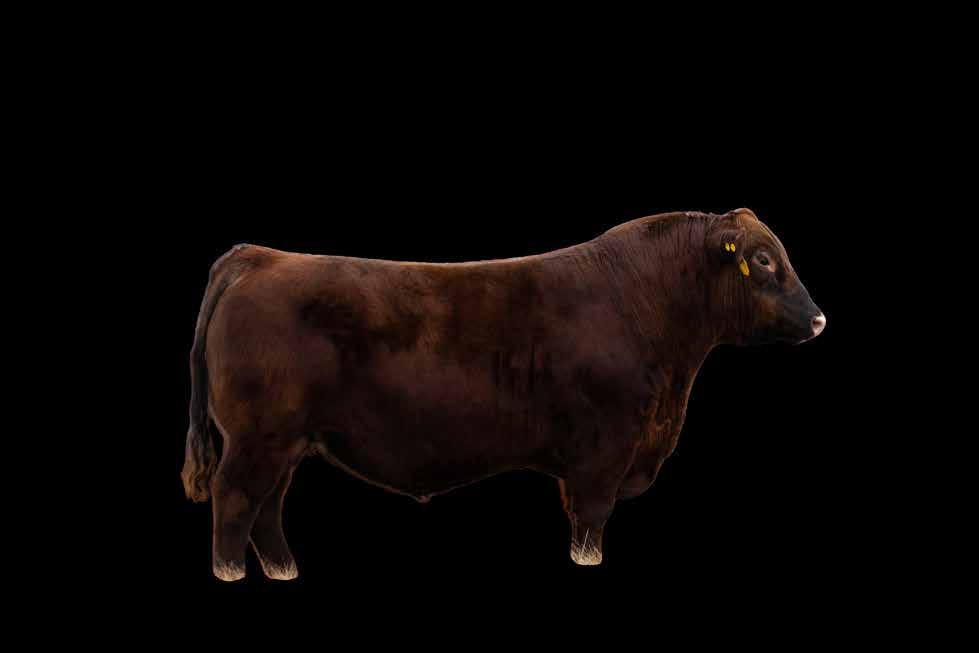


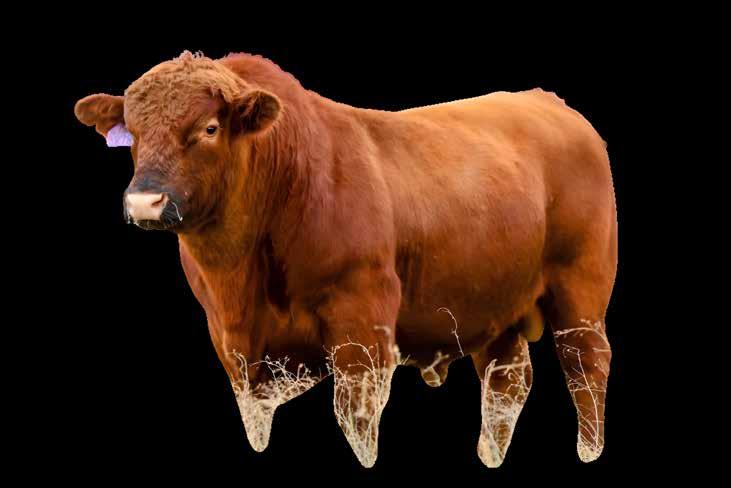



The first and anticipatedhighlycalves
... to sell out of the high-selling heifer from Berwalds in 2024.
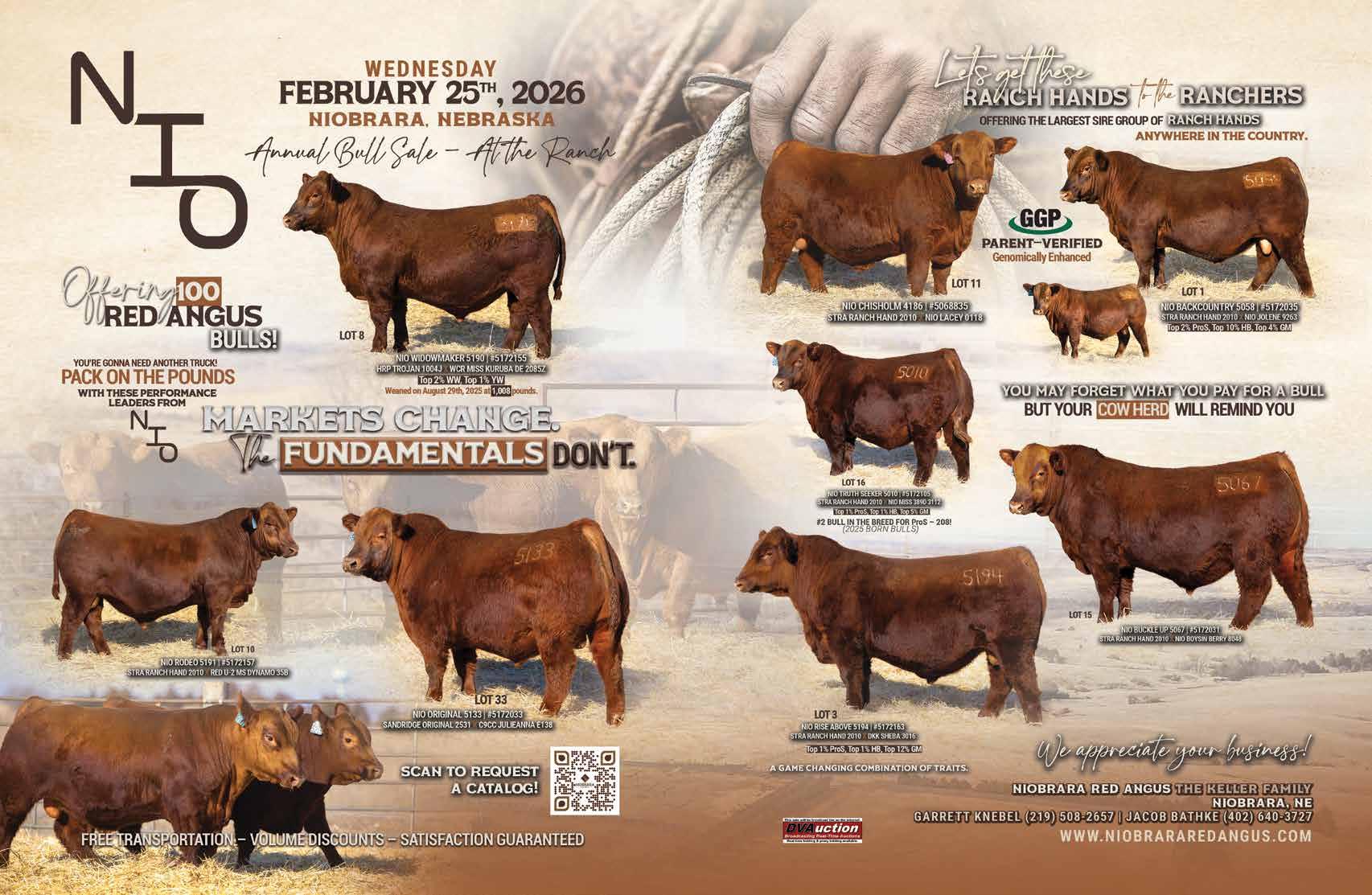
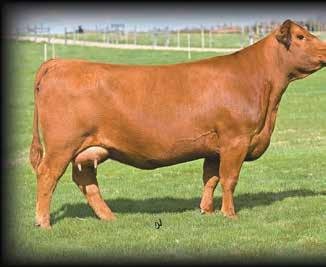
BERWALD BONNE BEL 3115 “SWANK” – (#4873550)


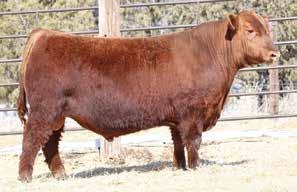
CENTERFIRE 2064 (#4702331)

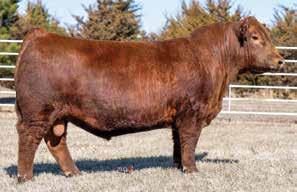
HOLLYWOOD 222 (#4702973)
Bulls that not only “talk the talk” but “walk the walk!”

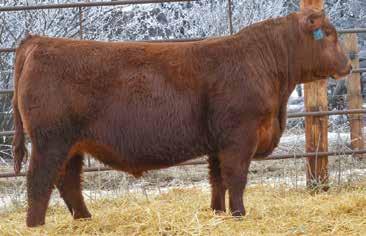
BHR SAUNTER 531 (#5111099)
PIE CENTERFIRE 2064 X BERWALD BONNE BEL 3115
ProS
Broken Heart Ranch

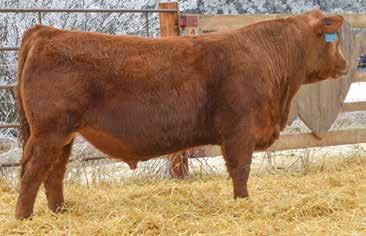
BHR STRUT 567 (#5111095)
PIE HOLLYWOOD 222 X BERWALD BONNE BEL 3115
... is a proven, four-generation Red Angus legacy. Built on sound-made, high-performance, profitable cattle. Backed by our integrity and hand shake for over 60 years.

PIE
PIE

















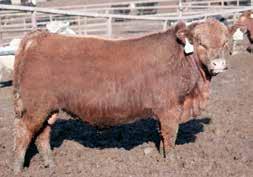
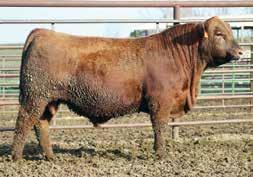
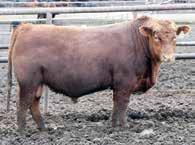

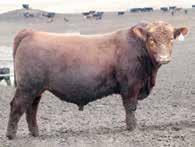
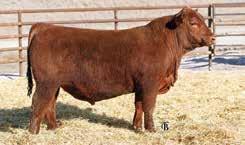
Reg. #
FEDDES HOLLYWOOD 806-5276
WR YR IMF-R REA-R 5115765 76 ET 611 ET ET 139 91
PIE HOLLYWOOD 222 X BIEBER ROMERO 9136
ProS
YW ADG DMI M 113 28 85 11 -2.7 93 157 0.40 1.76
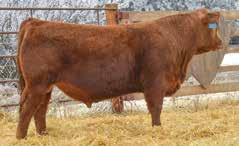
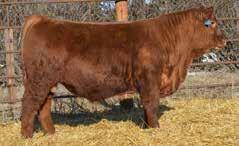
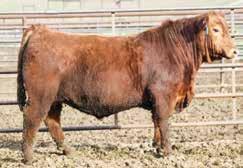
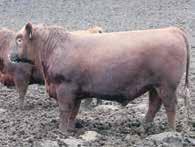
15 10 6 12 0.63 0.16 55 0.25 0.02 5276 is as stout and powerful as you can make one. His dam, 806, was one of the top donor cows we’ve had – she produced until she was 16. Hollywood son with a IMF ratio 139, Gain ratio 123.
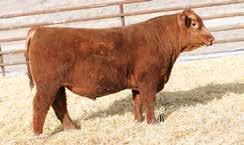
FEDDES HOLLYWOOD 300-5205
REA-R 5115905 75 105 692 104 110 120 109
PIE HOLLYWOOD
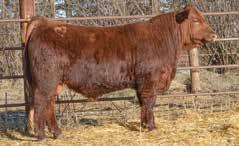
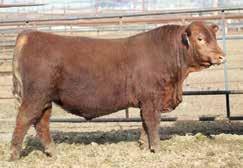
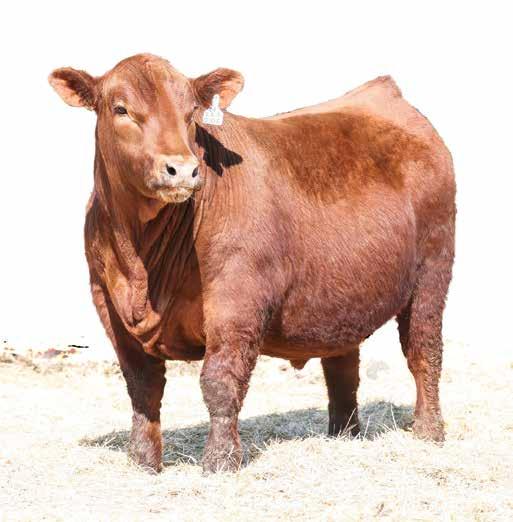
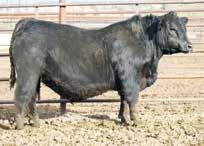
0.10 39 0.23 0.02 Hollywood out of a 2-year-old Drifter daughter. Powerful ratios across the board. He covers a lot of bases, calving ease, growth, maternal and carcass. He is an outcross for many in the Red Angus breed.
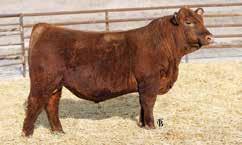
C-T DRIFTER 5031

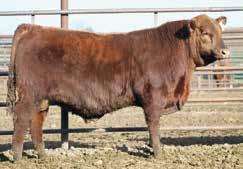
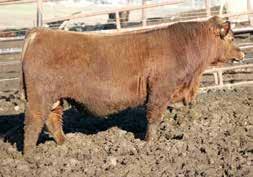
A Drifter son that covers all the bases; calving ease, performance and carcass. Stemming from one of our Great Donor cows C-T Blockana 8017. He comes with a little extra frame and loads of muscle with a wide base!
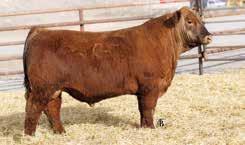
C-T PAYDAY 5013
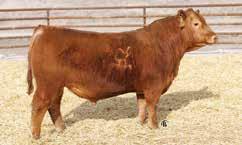
FEDDES COMPLETE C31-5258
Reg. # BW BR 205-Wt. WR YR IMF-R REA-R 5115801 92 ET 693 ET ET 92 115
KJL/CLZB COMPLETE 7000E X BROWN JYJ REDEMPTION Y1334 ProS HB GM CED
WW YW
DMI M 143 58 84 9 -0.1 84 143 0.37 1.53 20 ME HPG
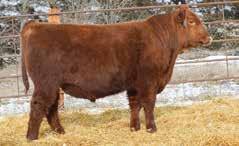
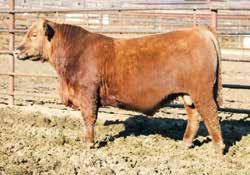
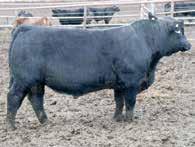
This is a powerful Complete son out of the C31 donor cow. He is long, deep and thick, with a gain ratio of 144. C31 breeds extra power, and it shows. We plan to use this bull in our program.
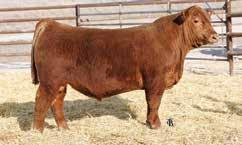
FEDDES
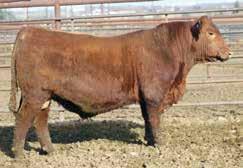
A PayDay son with big-time performance: 113 WR and a 109 YR, also a 113 REA ratio. He is a phenotypically correct bull with a solid foot and leg set! Dam’s MPPA: 105
A full brother to Pieper Commander 0100, Hollywood’s dam, the 0019 donor at Hansine and the 0018 donor at Berwalds. It’s safe to say this bull will produce donor cows. He is a phenotypic standout with a top yearling weight, 128 gain ratio, 107 IMF ratio and 118 REAR. This maybe one of the best and most proven pedigrees to sell this year. We plan to use this bull in our herd. He has 3 full brothers selling in the sale as well.






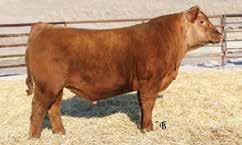
FEDDES PAYDAY 389-5224

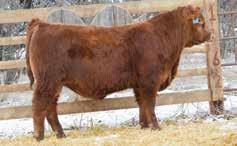
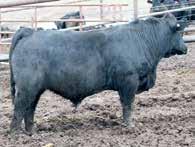
15 11 4 13 0.65 0.12 49 0.35 0.03 5224 is a Payday son from the elite maternal Blockana cow family. He has the look to go with his powerful growth and carcass data. We’re calving our first Payday daughters now and are very happy with them.
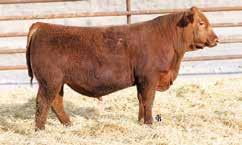
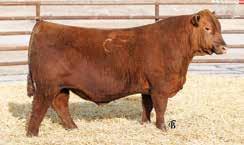
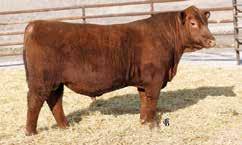
C-T REPUTATION 5080
This Reputation son is one to watch for with incredible personal performance; 113 WR, 114 YR, 112 IMF, 109 REA ratio all with a 77 lb. birthweight. He stands correct on his feet with a wide stance, big top and extra volume. Dam’s MPPA: 105
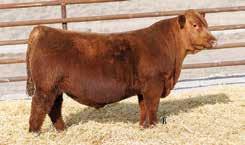
C-T CADILLAC 5129
Reg.
You will stop and look at this Cadillac! He has extra muscle and volume, along with a wide back and stance! Dam C-T Linsey 8119 is also the Dam to the C-T Reputation 0094 bull and one of the top cows in our donor pen! Dam’s MPPA: 105


This is one of several sons of Feddes Lakina Y17 cow in this sale. She just keeps producing some of the best every year, she earned a MPPA of 111, and has 57 progeny registered to her. He has extra frame and length.
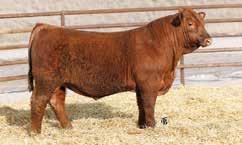
FEDDES DRIFTER Y17-5203
This is a larger frame Drifter son that pushes down the scale. His dam Y17 has been a mainstay in our herd for many years. The Drifter daughters have done a really good job for us, and crossed with Y17, should be outstanding.





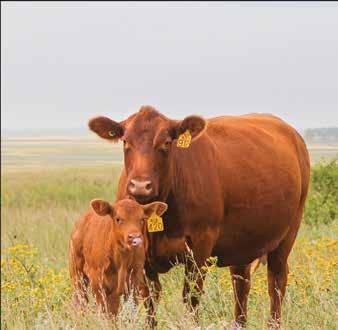
Powered by Genetics ...

Koester Red Angus combines over 20 years of genomic DNA testing with practical, hands-on selection to deliver bulls that perform both on paper and in the pasture. While advanced data drives our decisions, we never compromise structure, muscle and phenotype. Our bulls are built to produce efficient, high-performing cattle and long-lasting females – ensuring commercial cattlemen get results that are as reliable as they are profitable.
Proven Genetics. Reliable, Profitable Results.
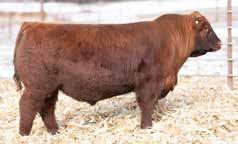
KOESTER CHARTER 425 (#5086009)


Calving ease plus performance, 425 offers a rock-solid EPD profile that blends growth, maternal strength and carcass merit without sacrificing balance. Backed by a powerful 9917 x Domain dam, he’sll sire market-ready steer calves and high-producing replacement heifers.
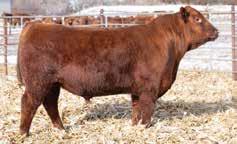
KOESTER WARRANT 4104 (#5086155)
Maternal brother to last year’s lead-off bull, 4104’s Warrant x E119 mating is backed by a proven, high-producing dam. He offers exceptional balance in both his phenotype and EPD profile, with a gentle disposition.
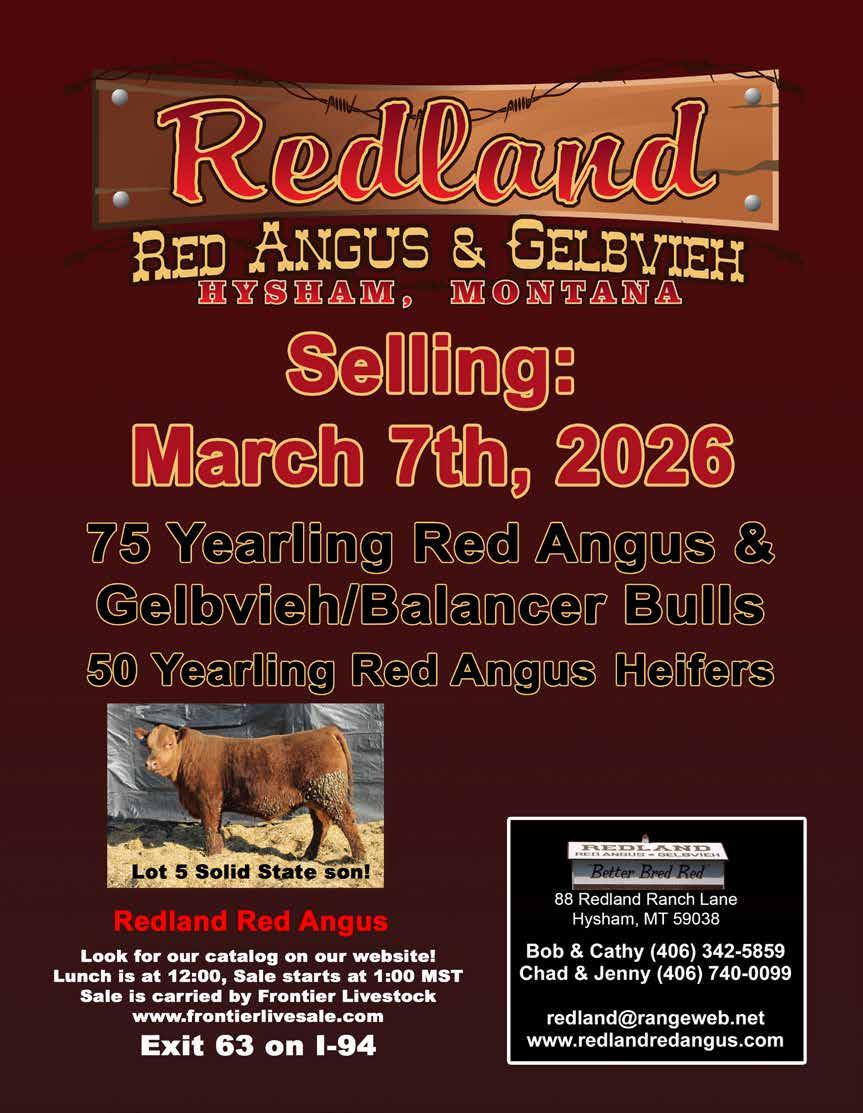
Selling 60 age-advantaged bulls in conjunction with

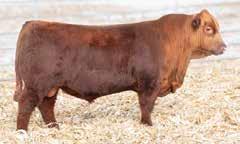
KOESTER WARRANT 466 (#5086083)
Backed by a ranch-favorite dam, 466 combines proven production with a strong Warrant x Marksman mating. He’s a low-birth, long-sided bull chock-full of muscle with an impressive phenotype that stands out in the bull pen. Built to sire calves that tip the scale on weaning day.

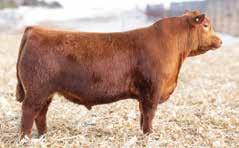
KOESTER CHANCELLOR 4111 (#5086169)
Long profiling and super attractive, 4111 is a thick-made Chancellor son with eye appeal that draws attention. His dam is quickly rising to the top of our favorites, posting near-perfect udder and foot scores. Built right and easy to like.



p.m.
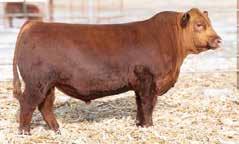
KOESTER INSIGHT 479 (#5086109)
Backed by a stacked 9917 x E119 pedigree, 479 is supported by generations of proven females with growth and carcass strength. He brings a powerful phenotype with muscle, length and volume, built to sire calves that perform and females that excel in production.
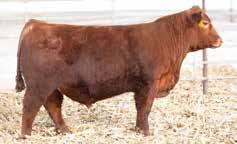
KOESTER JEFFERSON 4119 (#5086181)
Big-time growth and carcass with an outcross pedigree, 4119 is built for today’s top-value market. He’s backed by a high-performing dam that consistently brings in a good one. He’ll sire heavy, high-demand calves that fit the market.

Steve & Tracey Koester Steele, ND (701) 400-1611 cell KoesterRedAngus.com koesterredangus@gmail.com Request a catalog: Leland Red Angus Friday, March 13, 2026






Made Easy – Leland Red Angus
Trusted





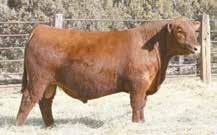




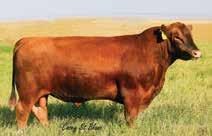
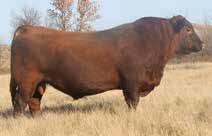











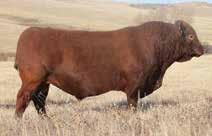

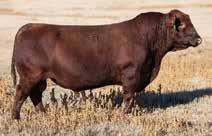








KOESTER PROPEL 261 #4773529
LELAND BRUNSWICK 1047
#4474365
#4558533
PIE HONKY TONK 4280
#5027481
Calves coming in 2026
LSF SRR PATENT 1083J
#4455723
The Genetics Behind Cow Longevity
by Melissa Hart for the Red Angus Genetic Advancement Edition
Profitability and sustainability in beef cattle production depend on many factors, and cow longevity is certainly one of them. In today’s economic climate, cow health and longevity have never been more important as producers work to rebuild national cow herd numbers.
Matt Spangler, Ph.D., professor and Extension beef genetics specialist at the University of Nebraska-Lincoln, outlines several genetic drivers that increase maternal longevity and the priorities producers should consider.
The No. 1 reason cows are culled from the herd is fertility.
“The fact that they simply don’t conceive would be the No. 1 reason for culling,” Spangler said. “I also think that’s why, when producers think about traits to emphasize in retaining replacements, they think of fertility – particularly fertility at advanced stages.”
Stayability
While stayability encompasses numerous factors, Spangler explained its economic importance.
“If a cow leaves the herd prematurely, she needs to be replaced. Consequently, heifer development costs go into the value of stayability,” he said. “Another factor that may be overlooked is cow depreciation cost. If a cow leaves the
herd early, that certainly impacts cow depreciation cost.”
As cows reach 5 or 6 years of age, they approach peak productivity.
“On average, cows tend to wean calves that weigh more, as opposed to younger females. It’s really all of those bits together that drive the economic importance of something like stayability.”
Heifer Pregnancy

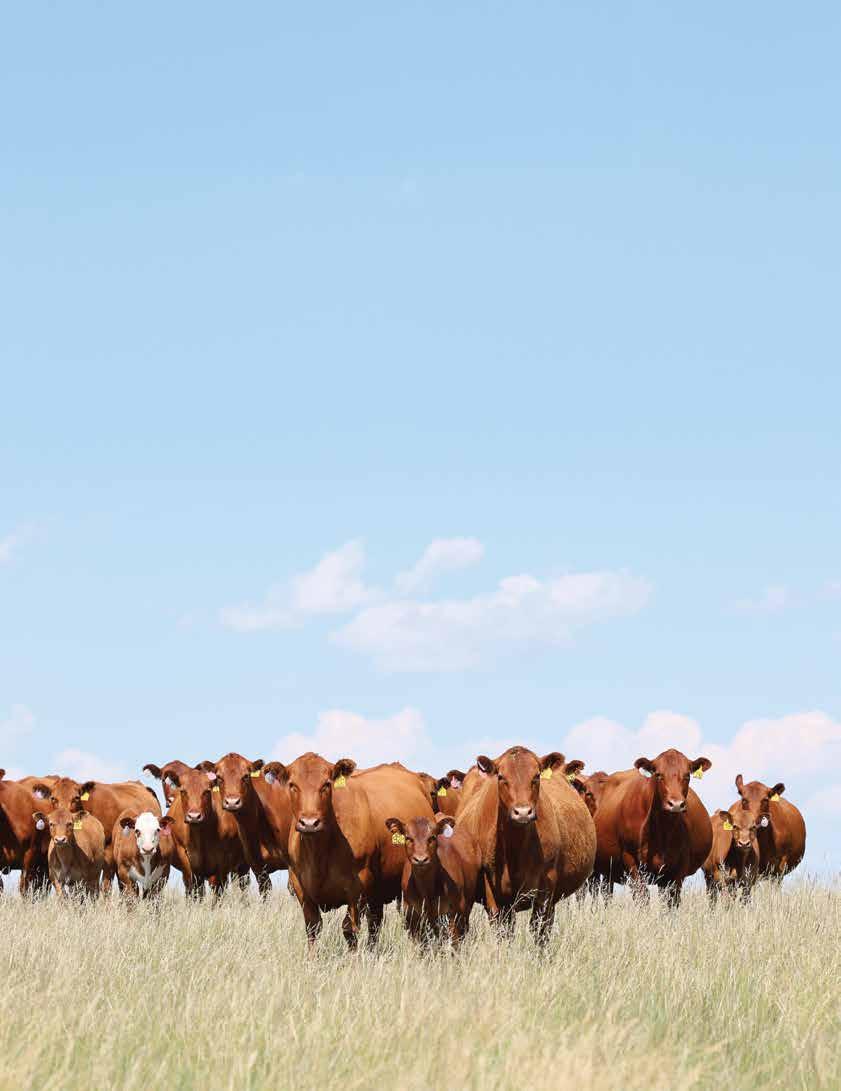
Genetic selection for fertility, stayability, efficiency and structure drives cow longevity – reducing replacement costs while improving profitability, sustainability and lifetime productivity in commercial beef herds.
“Economically speaking, heifer pregnancy for the majority of herds is not as important as fertility later in life,” Spangler explained. “That’s because pregnancy rates tend to be relatively high for most herds. As a consequence, there’s not necessarily a heavy demand for replacement females.”
Another factor is cull value.
“An open heifer has considerable cull value compared to an open mature cow,” he said. “If I have a system whereby, I can take open heifers and place them on feed and finish them, there’s a lot of value there.”
That contrasts sharply with a mature cow that fails to conceive. While heifer pregnancy is important to ensure adequate replacement numbers, it’s generally not the primary economic driver compared to fertility at older ages. It’s also a lowly heritable trait.
Matt Spangler, Ph.D.

The Genetics Behind Cow Longevity
“I think producers often attribute low heritability to mean ‘can’t change it through genetics,’ and that’s not true,” Spangler said. “Even with lowly heritable traits, we can make progress through genetic selection. That doesn’t mean you can ignore it – it just means it takes longer.”
The ability of a heifer to conceive and calve early in life is important, but Spangler noted clear evidence that females born earlier in calving season tend to be more fertile throughout their lives.
For commercial producers, even roughly tracking birth dates can serve as an effective management tool, since earlier-born heifers often have a reproductive advantage.
With defined calving and weaning schedules, older animals at breeding gain further advantage. When AI programs are used, early-born females are also more likely to be sired by genetically superior bulls, compounding the benefit. Identifying and managing these females can lead to significant reproductive gains.
Fertility
“Fertility is kind of this all-encompassing term,” Spangler said. “It could include early-in-life fertility like heifer pregnancy, but probably more important, it includes later-in-life fertility. We often think about the selection tool for that being the Stayability EPD in the Red Angus breed.”
Both early- and later-life fertility matter, but from an economic standpoint, fertility in mature cows becomes increasingly important. Older cows have less cull value, and cow depreciation costs are higher. While fertility is not highly heritable, it is more heritable than heifer pregnancy.
Substantial progress can be made through genetic selection, but Spangler cautioned against confusing genetic improvement with management decisions.
“The culling of open cows is a management – and an economic-based decision, not a genetics decision,” he explained. “The genetics decision says, ‘I’m going to go out and seek sires, either natural service sires or AI sires, that excel in areas of fertility, be it heifer pregnancy or stayability. Those are different things, and I think that’s really important to understand.”
Selecting bulls based on fertility-related EPDs, he added, will drive far more long-term progress than culling open cows alone.
While the focus is often on female fertility, bull fertility also matters.
“The problem is, we don’t have great selection tools – really any selection tools – that focus on male fertility,” Spangler
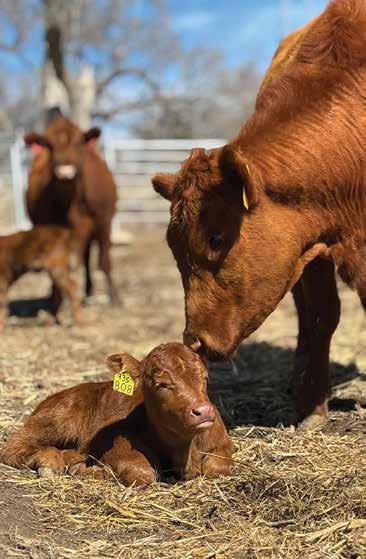
Later-life fertility drives cow longevity, reducing depreciation costs and improving herd profitability through genetic selection rather than culling decisions.
said. “In beef cattle, it’s a lot harder to quantify. We just don’t have great data flowing to the beef breed associations to measure differences among sires in terms of fertility. A lot of research is ongoing, but at least to date, there are no real selection tools that focus on that.”
Basic Efficiency
When considering efficiency in a cow herd, the emphasis shifts from growth to maintenance and reproduction. Unlike growing animals, where efficiency is measured by feed intake relative to weight gain, mature cows are evaluated on how well they maintain themselves and reproduce.
“One way producers can select for basic efficiency using current tools, is by decreasing maintenance energy costs through a proxy like mature cow weight,” Spangler explained. “Although it’s an imperfect predictor, in general, larger cows tend to eat more.”
The Genetics Behind Cow Longevity
The added revenue from larger cows – through cull value or heavier calves – may not offset increased annual feed costs or reduced stocking capacity. On a fixed land base, larger cows mean fewer total animals, while moderate females may allow for more calves and greater total sale weight.
Efficiency, Spangler noted, must be evaluated both biologically and economically.
“A big challenge in thinking about cow efficiency is we really don’t know how much they eat,” he said. “We assume intake scales directly with body weight. On average, that may be true, but there are differences. If I think about high-hanging fruit from a research perspective, it’s getting a better idea of how much cows eat when they’re out on range.”
From a research standpoint, a better understanding of forage intake on pasture is a major opportunity. Spangler also sees potential in using methane emissions as an indicator of energetic efficiency.
“If I have an idea of how much methane an animal emits and how much they weigh, I can get a much better prediction about how much forage they’re eating,” he said.
Structural soundness supports cow longevity, reducing losses from mobility issues and reinforcing fertility, efficiency and lifetime productivity.
“Knowing or at least having a good estimate of how much cows are actually eating, I think, would allow us to do a much better job at understanding how we genetically select for reducing cow cost and improving overall biological efficiency, as well as economic efficiency.”
Structural Soundness
Structural soundness also contributes to longevity and is moderately heritable. Both seedstock and commercial producers aim to avoid losing cows early due to poor claw shape or mobility issues.
“I believe many of these problems can be addressed by making sure your seedstock supplier has already selected for good structural traits,” Spangler said. “If you feel the need to personally inspect bulls’ feet and legs at a sale, it may indicate you’re working with the wrong seedstock vendor.”
“For commercial producers, the No. 1 reason females leave the herd is because they’re open,” he said.
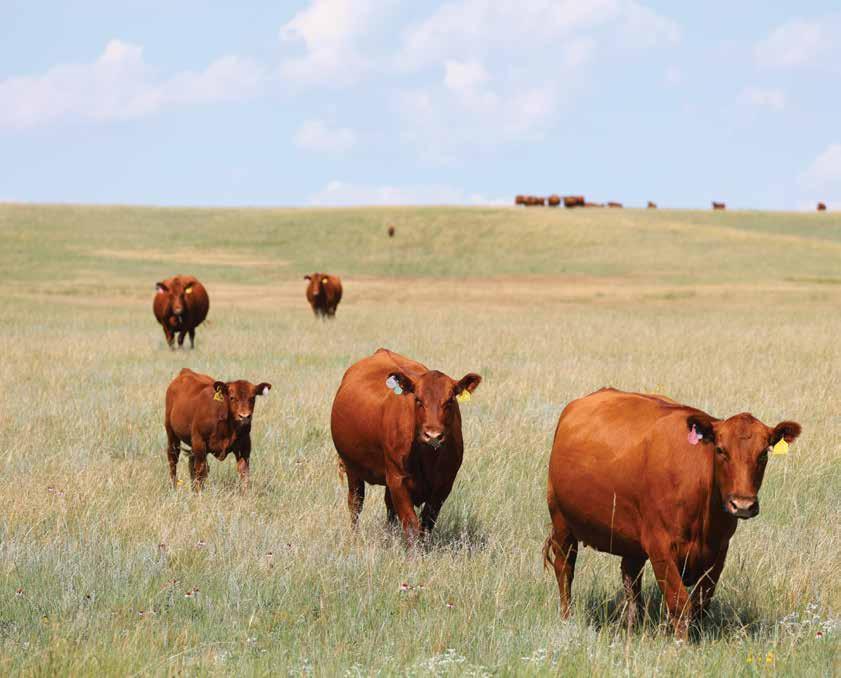
“That deserves the majority of attention, as opposed to thinking about the much smaller fraction of commercial cows that leave due to feet and leg structure whilst pregnant.”
7AR116 MUSHRUSH
TOP SECRET
4926528 | Top Tier x Forager
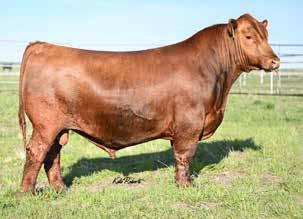
New for 2026, TOP SECRET is the outcross sire we have been searching for! His pedigree offers unlimited mating possibilities and he has the data and phenotype to back it up. He is a top-ranking sire for all three major indexes and offers longevity with breed-leading STAY. Physically, he is moderately framed with added body depth, muscle shape and is extremely fluid on the move. He is no longer one of the best-kept secrets in the breed!
7AR115 LSF JLM
LEVERAGE
4886000 | Confidence x Premier
A highly sought-after, high-selling bull from the 2025 spring Ludvigson sale, LEVERAGE offers elite EPDs in a high phenotype package. He offers breed-leading CE, growth and carcass. LEVERAGE is moderate and super stout hipped with added bone and extra eye appeal. LEVERAGE offers plenty of mating flexibility to most pedigrees, especially to popular Select Sires bulls 7AR100 JUMPSTART, 7AR94 BLUE CHIP, 7AR86 STOCKMARKET, 7AR89 GRINDSTONE and 7AR107 CHECKMATE.

From Bieber Red Angus, SD; Bottomley Cattle Company, NC; Ludvigson Stock Farm, MT and JL Morris Farm, GA
From Mushrush Red Angus, KS
The Genetics Behind Cow Longevity Age Matters
According to Spangler, evaluating fertility differs between heifers and mature cows. Heifer fertility measures whether females calve at 2 years of age after being bred as yearlings. Cow fertility reflects sustained reproductive success through roughly 6years of age, particularly in Red Angus cattle.
In other words, heifer fertility looks at a single breeding event, while cow fertility considers cumulative outcomes over several periods.
While fertility and efficiency are important in selecting for longevity, Spangler stressed they are not the only traits producers should consider.
“Even if producers are retaining their own replacements and focusing on maternal traits, the reality is their cull heifers and steer mates are eventually sold,” he said. “There’s always a revenue component.”
Red Angus producers have access to three economic selection indices, two of which assume producers retain replacement females. Spangler emphasized that while fertility, mature cow size, heifer pregnancy and stayability are crucial traits for building a productive and sustainable cow herd, producers should not overlook the economic selection indices.
“Seedstock
weighing
cows,
body condition scores and submitting that to the breed association,otherwise, the whole thing doesn’t work.”
Focusing solely on maternal traits could result in a herd that excels in longevity and reproduction, but the performance of their cattle is subpar.
Collecting Data
“To have reliable, mature cow weight EPDs for commercial producers to use, seedstock producers need to be weighing mature cows, collecting body condition scores and submitting that to the breed association,” Spangler said. “Otherwise, the whole thing doesn’t work.”
Spangler encouraged seedstock producers to do their part in collecting and reporting the data to RAAA, to strengthen EPD development and help commercial producers make long-term genetic progress. //


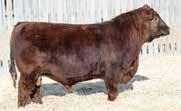

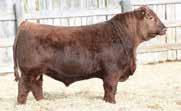
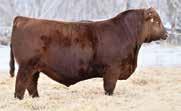



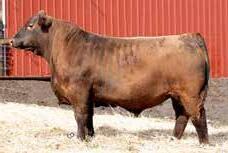
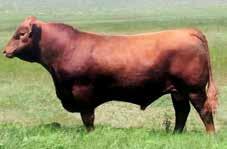
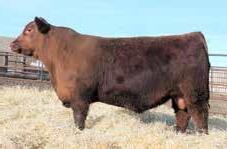
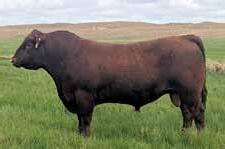

FLRA Long Haul RK07 *4614391 Feddes Treadstone x (Independence x Deep End)
Stout, thick and dark red and a top prospect for genetic advancement and worthy of your consideration. the top 33% for birthweight and in the top 5% for weaning and top 21% for yearling. IMF scan with an impressive score of 5.05 and a marbling EPD that is in the top 2% of the breed.
Bieber CL Stockman E116 *3751653 PIE Stockman 4051 x Pararinga Iron Ore
A top replacement for the deceased AI sire Stockmarket. Light birth, breed leading growth, carcass and maternal traits. A great choice for heifer projects and producing replacement females. Unmatched soundness and longevity. Progeny have great dispositions
Golden Oscar x Anvil
Unmatched maternal genetics. A true power bull transmitting growth and performance. Massive and smooth in his make-up. Limited semen available. VGW Top End 021 *4272811 Lasso Foundation x VGW Mercy- Mercy 412 Fritz Monument 618G *4169568
Stout, thick, long spined, sound made bull that is easy on the eye. The do-it-all Red Angus sire with top 3% Pro S, top 7% Herdbuilder and top 14% Gridmaster. His 1st progeny are outstanding.




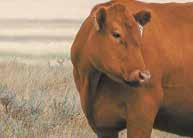







We practice selection and culling for traits that support efficiency and longevity within our environmental constraints of the Badlands in North Dakota. Cattle that excel in this setting can flourish just about anywhere else!
to producing quality p f mance ca le is




Annual Producti Sale


Wednesday, March 11, 2026
The Feedlot • Belfield, ND
Lunch: 11:30 a.m. MT
Sale: 1 p.m. MT
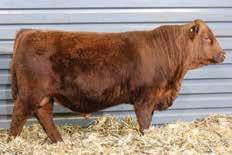



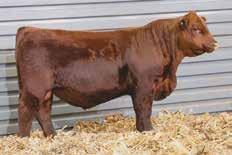



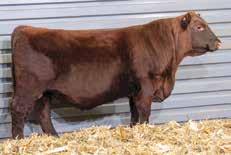



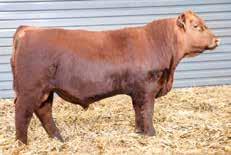

Selling:
60 Red Angus Yearling Bulls
30 Open Heifers


10 Bred Heifers (Guest Consigner) Including a good selection of heifer-bull prospects. Red Angus Heifers and Semen Available by Private Treaty

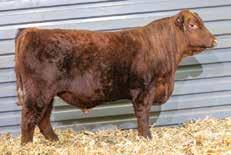

Buy with c fidence –Our bulls are genomic tested, parent verified, carcass ultrasounded and fertility tested.


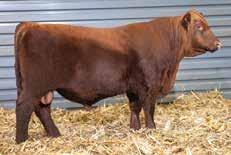



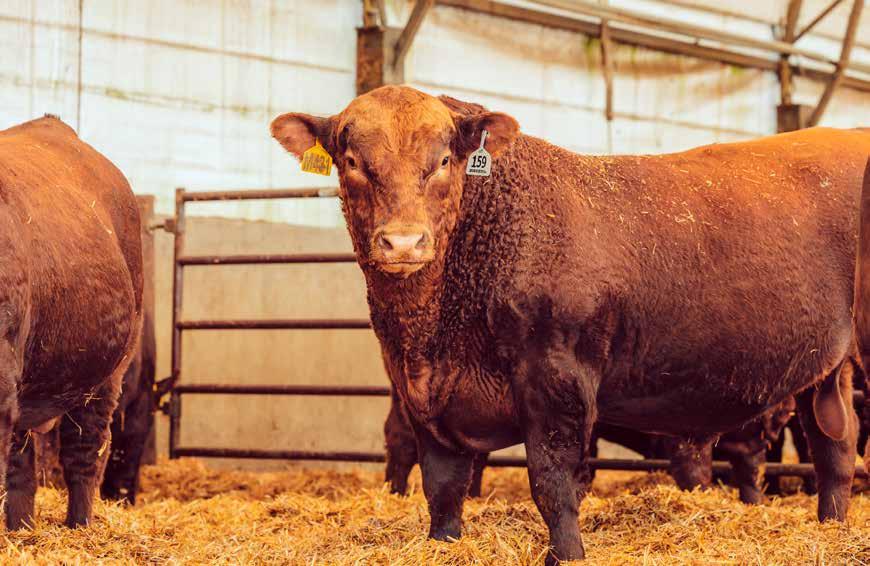

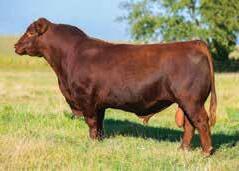
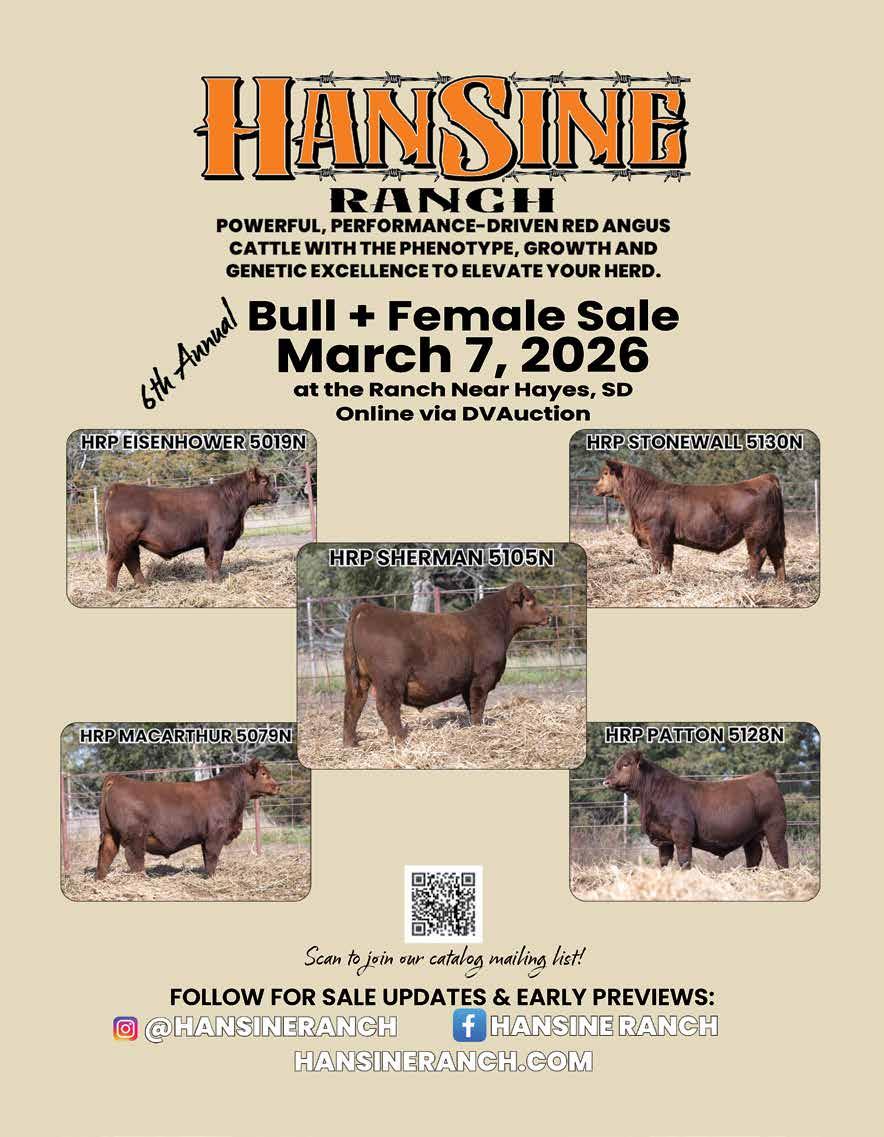







#5165499
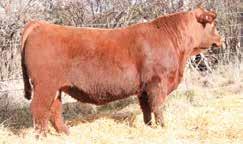

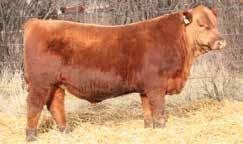
#5165529 – SIMANGUS™ LONE TREE COMPLETE N101


Selling: 75 Bulls
Red Angus, Black Angus & SimAngus™
20 Bred Females Red Angus & Black Angus

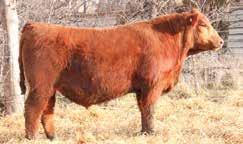
LONE TREE HOLLYWOOD N124 PIE






#3751161 – BRED COW
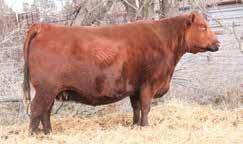



• Free keep until midApril with free delivery to surrounding states. OR free keep until June 1 if picked up from the ranch!
• We produce athletes! Bulls are developed in a 25-acre pasture that allows for plenty of exercise and muscle development.
• Bulls are backed by a two-year breeding guarantee!







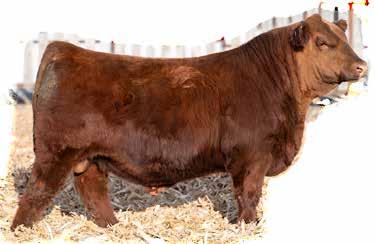
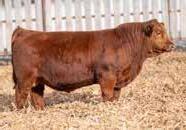
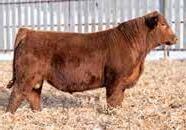
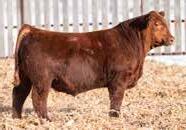
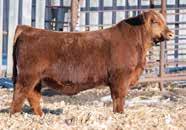
















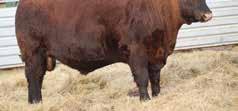
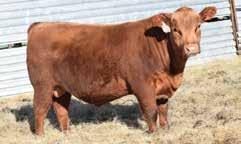
RUSCH PROPULSION 530 – #5186307

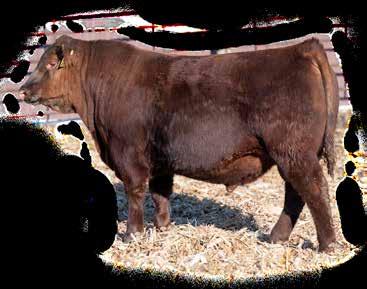
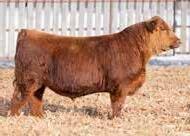
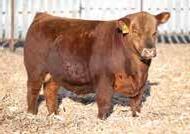
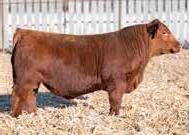
BB PROPULSION 9096 x COLLIER FINISHED PRODUCT
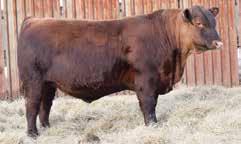

RUSCH PROPULSION 561 – #5186149

BB PROPULSION 9096 x JACOBSON MTN TOP 4080

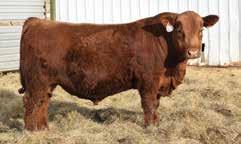

RUSCH START UP 578 – #5186223 DK STARTUP L011 x LOOSLI RELEVANT 819

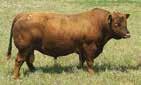







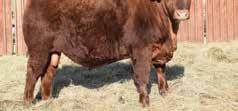
RUSCH CHECKMATE 541 – #5186165

BIEBER CHECKMATE K126 x GMRA TRILOGY 0226







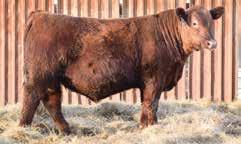
RUSCH PROPULSION 562 – #5186159 BB PROPULSION 9096 x JACOBSON FEEDOM 6027




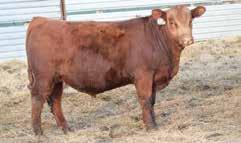


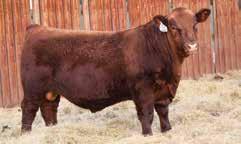































McCann
Office: 208-743-5517
Jason: 208-790-0646


Using Genomics to Reduce Risk and Improve Herd Performance
by Heather Smith Thomas for the Red Angus Genetic Advancement Edition
Genetic testing has proven useful for seedstock breeders over the past two decades and is increasingly becoming a practical tool for commercial producers as well.
Jared E. Decker, Ph.D., associate professor of animal science at the University of Missouri, has spent years studying genomics and its application in beef cattle. He’s currently working with Jamie Courter, Ph.D., assistant professor and state beef Extension specialist, and graduate student Clint Bailey, to evaluate the accuracy of genetic tests used on commercial heifers.
“We previously studied tests designed to work within a specific breed, and those tests were shown to be accurate and predictive,” Decker explained. “The commercial cow’s DNA tests predicted her progeny’s performance. Our current work analyzes commercial tests, working with Neogen Igenity Beef tests and Simmental commercial options.”
Predicting genetic performance in a crossbred setting is more difficult than in single-breed populations.


“Even in crossbred settings, for most traits we see a strong relationship between DNA test results and progeny performance,” Decker said. “Some traits are less precise; overall, these tests work to predict the cow’s value as a dam for the next generation, with positive results. We keep learning more, and now have more tools to help us breed cattle for profitability.”
Tools for Strategic Breeding Decisions
Genomic tests should be viewed as another decision-making tool, Decker emphasized – one that seedstock producers have used for more than a decade, and commercial cattlemen can now leverage to move their herd beyond commodity production.
Jamie Courter, Ph.D.
Jared E. Decker, Ph.D.
Genomic testing reduces risk and improves herd performance by strengthening selection accuracy and long-term genetic progress.
Using Genomics to Reduce Risk and Improve Herd Performance
“Producers can focus their herds in different directions,” he said. “That may mean identifying cows with strong maternal efficiency, those that consistently produce calves that earn premiums on the rail, or females that offer a balanced set of traits across the entire production system.”
Courter said genomic testing serves different but equally important roles for seedstock and commercial operations.
“At the seedstock level, adding genomic information increases the accuracy of genetic evaluations, especially for low-heritability traits,” she said. “We can often know more about a yearling bull through genomics than we could by waiting for 10 to 25 progeny records.”
Genomic testing has been widely adopted in bulls, but interest is growing in applying it to cow herds as well.
“The cow provides 50% of the genetics in every calf,” Courter said. “Genomic testing adds valuable information that we would never otherwise get, because very few cows ever have enough progeny to fully prove themselves.”
Managing Risk and Increasing Accuracy
Genomic-enhanced EPDs help both seedstock and commercial producers manage risk by providing more accurate information earlier in an animal’s life.
Genomic-enhanced EPDs reduce risk by delivering more accurate genetic information earlier in an animal’s life.
“For seedstock producers, genomic testing helps ensure they are flushing the right cows and putting bulls in the right order in their sale,” Courter said. “That matters to them, but it also serves as insurance for commercial producers buying bulls, especially those looking for a bull to do specific things in their own environment.”


Using Genomics to Reduce Risk and Improve Herd Performance
Courter said adding genomic information strengthens the EPDs buyers rely on when making purchasing decisions.
“The EPDs they’re using have increased accuracy,” she said. “It gives confidence that as the young bull matures and more records are reported on him and his relatives, those EPDs won’t shift dramatically.”
That stability helps ensure the bull is accurately represented in the sale catalog, reducing surprises later for both the seedstock breeder selling the bull and the commercial producer depending on him.
“I like to use words like risk assessment or insurance when I talk about genomic testing,” Courter said. “It provides that assurance for both the seedstock producer and the commercial bull buyer.”
Why Variation Matters
Commercial producers are increasingly interested in genomic testing because it reveals genetic variation that can be hard to see with traditional selection alone.
“It’s easy to assume the practices we’ve used in the past are identifying the best females, but there’s tremendous genetic variation in our cattle population,” Decker said. “People often assume full siblings are very similar, but we now know a significant amount of genetic potential differences in the entire population can be expressed in full siblings.”
That’s because each egg and each sperm carries a different combination of genes from the animal’s ancestors. Even within the same calf crop – whether produced through AI or natural service – genetic differences can be substantial.
“Whether you AI or use herd bulls, there’s a lot of genetic variation within every calf crop,” Courter said. “There are countless genetic possibilities every time an egg and sperm meet.”
Decker said DNA testing helps identify how that “random shuffle” of genes and chromosomes plays out between generations.
“The DNA test allows us to track that shuffle and identify heifers that received a poorer combination and those that received a better one,” he said. “Even among full or half siblings, there can be meaningful genetic differences, and the test helps identify them.”
He compared it to a poker hand: every shuffle produces a different set of cards.
“It’s completely random,” Decker said. “In livestock production, we’re always dealing with randomness and uncertainty, but genetic tools help us understand how the deck has been stacked and which cards we want to play.”
Both Decker and Courter emphasized that today’s tests generally perform well and are appropriate for use in commercial herds.
“The DNA tests for seedstock producers work really well,” Decker said. “Commercial female tests still have a few holes, but for the most part they work well, and there’s nothing that would make us hesitant to recommend them.”
Rather than searching for one “perfect” bull or cow, Decker encouraged producers to think in terms of steady, measurable progress across the herd.
“A better approach is moving the average of the herd in the direction you want to go,” he said. “That’s what these tools are meant to do.”
Genetic tools can also support value-added marketing strategies, helping producers document genetic merit and qualify for programs that reward targeted production.
DNA testing identify the genetic shuffle, helping producers manage randomness and make better selections.
Using Genomics to Reduce Risk and Improve Herd Performance
“We don’t have to be at the mercy of a commodity market,” Decker said. “DNA tests can help us get our foot in the door of value-added programs or stay competitive within one, while ensuring the operation keeps progressing.”
That, he added, requires asking strategic questions about fit and return.
“Does this make sense for my operation?” Decker said. “To be successful long term and build something to pass to the next generation, we need to think strategically about how we’ll use these tools.”
Selecting Replacement Heifers
Genomic testing can be especially useful when selecting replacement heifers because it helps producers understand the DNA a heifer inherited from both parents.
“What those commercial genomic tests offer, especially for the replacement heifer candidate, is the ability to understand the DNA she inherited from mom and dad,” Courter said. “It’s a way to make sure the heifers you keep as replacements inherited the DNA from the sire you paid for.”
Genomic information can help ensure the heifers retained best match a herd’s breeding objective, which can increase the rate of genetic progress over time.
“We can ensure the heifers we keep are the ones that best match our objective,” Courter said. “That can increase the amount of genetic gain we’re able to make because we’re making more informed decisions.”
Courter recommends genomic testing on most heifers that could realistically be considered as replacements, then using those results to guide the final cut.
“There are always some you know you won’t keep – born late, out of cows you don’t like, or for other reasons,” she said. “Don’t DNA test the ones you already consider culls.”
Instead, she suggests testing the heifers that remain viable candidates, then narrowing the group at key decision points.
“It’s important that you consider the rest as potential replacement candidates and DNA test them, then make your final selection decision at weaning – or at preg-check time, if you’re able to retain more than you need,” she said. “Use both the genetics and pregnancy status of a heifer to make that final selection.”
Genomics can also serve as a useful tie-breaker when two heifers appear similar on paper and in the pasture.
“If you’re looking at two half-siblings born within a few days of each other that look similar – from the same sire – genomic testing can help break that tie,” Courter said.
“It can help determine which heifer received better genetics for traits like weaning weight, milk, longevity and other economically relevant traits.”
Courter stressed that genomic results should not replace good management and phenotype-based evaluation.
“I tell people these tests are not the only thing to go by,” she said. “You still need good conformation and temperament, and a heifer has to be properly developed before you breed her. There are phenotypic and environmental factors that matter, but genomic test information is another tool to help you make the best decision.”
A Tool for Long-Term Progress
Advances in genomic technology over the past 10 to 15 years have improved test accuracy and usefulness.
“When these first came out, we were still in the infancy of understanding the bovine genome,” Courter said. “Early tests had some flaws, but we’ve come a long way. We have far more DNA samples coming in daily on seedstock cattle, and that data helps train the tests and improve predictions.”
Good conformation, temperament and management still matter, with genomic information serving as one more decision-making tool.








RIDGE
Using Genomics to Reduce Risk and Improve Herd Performance
For seedstock producers not already using genomic testing, Courter said it deserves serious consideration because it strengthens evaluations and adds value for customers.
“It provides strength to the evaluation and is a service you can provide to commercial bull buyers,” she said.
For commercial producers, Courter emphasized that genomic testing pays only if it’s used to guide selection decisions.
“If you select your replacements and then run the test, you have no return on that investment because you didn’t make decisions based on genomic information,” she said. “To reap the full benefit, you have to use it to make the decisions.”
Courter recommends testing the candidate pool and making final replacement selections after results are in.
“The real power is in replacement heifer selection,” she said.
Genomic information can also create marketing opportunities.
“A lot of those tests today come with marketing options,” Courter said. “If you have genomic information on the heif-
“To reap the full benefit, you have to use it to make the decisions.”
ers, you may be able to market their steer contemporaries based on that information.”
That can help buyers understand the genetic merit of a group.
She added that some programs use genetic verification to sort cattle for value-added marketing, and premiums may help offset testing costs.
“Often the premium you receive will pay for the tests,” she said. “Everything beyond that, like improving replacement selection, is a bonus.”
Decker said producers should view genomic tools as a way to steadily improve the herd.
“A better approach is moving the average of the herd in the direction you want to go,” he said. “That’s what these tools are meant to do.” //
Beef is the first genomic profile designed for crossbred commercial cattle. This tool utilizes DNA to rank cattle on traits with high impact to productivity to predict genetic merit in both heifers and steers.
Igenity Beef results provide a 1-10 ranking on 17 maternal, performance and carcass traits along with parentage. Cow-calf producers with this tool can make confident decisions about the heifers they retain and develop for their breeding herd.
Take your herd to the next level:
1. Contact RAAA to order testing kits.
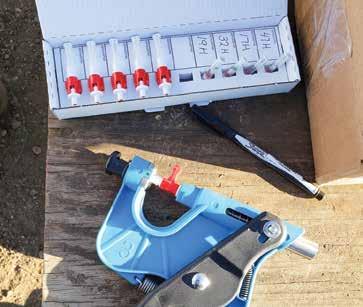
2. Collect samples: Blood or tissue samples required for testing. Hair samples will not be accepted.
3. Submit DNA samples, completed order form and payment to RAAA.
4. The RAAA DNA department will email out your results at the completion of testing.
5L’s latest closeout:
• 44 Steers harvested October 2025
• Live Weight = 1726 lbs. (after 4% shrink)
• ADG = 4.4lbs/day (over last 78 days)





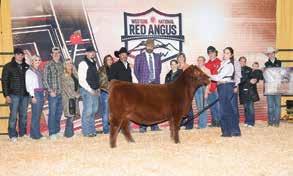


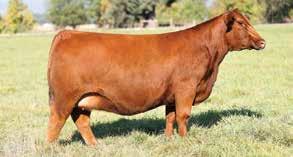



















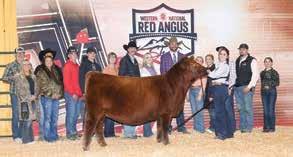





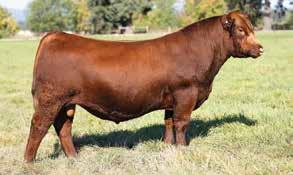


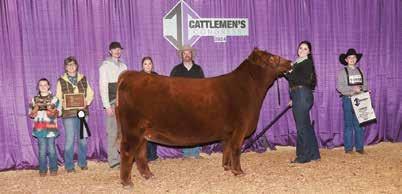














Maren 205K – #4631389
RED ANGUS MARKETING PROGRAMS
How to Enroll in Angus Access & Allied Access
1. Contact the Red Angus valueadded department at 940-477-4593 and complete a short supplier enrollment questionnaire over the phone. RAAA staff will ask general management, animal identification and breeding questions. If needed, the producer may be asked to supply additional documentation on breeding such as semen receipt, lease agreements or information on purchased females.
2. After all documentation is recorded, staff will ship the tags directly to the producer who must tag the calves before they leave the ranch of origin – birth, branding, preconditioning, weaning or before loading on the semi.
3. The producer will receive a customer enrollment agreement to fill out and return to RAAA with a copy of their calving records.
4. Staff will issue the USDAapproved Certificate of Compliance upon receiving the customer enrollment agreement and calving record.
EID Tags are required for program identification. Outside-purchased EIDs can be brought in for $1 per tag.
• Traceability to at least 50% registered Angus bloodlines
• Source verified to ranch of origin
• Group age verified

processverified.usda.gov


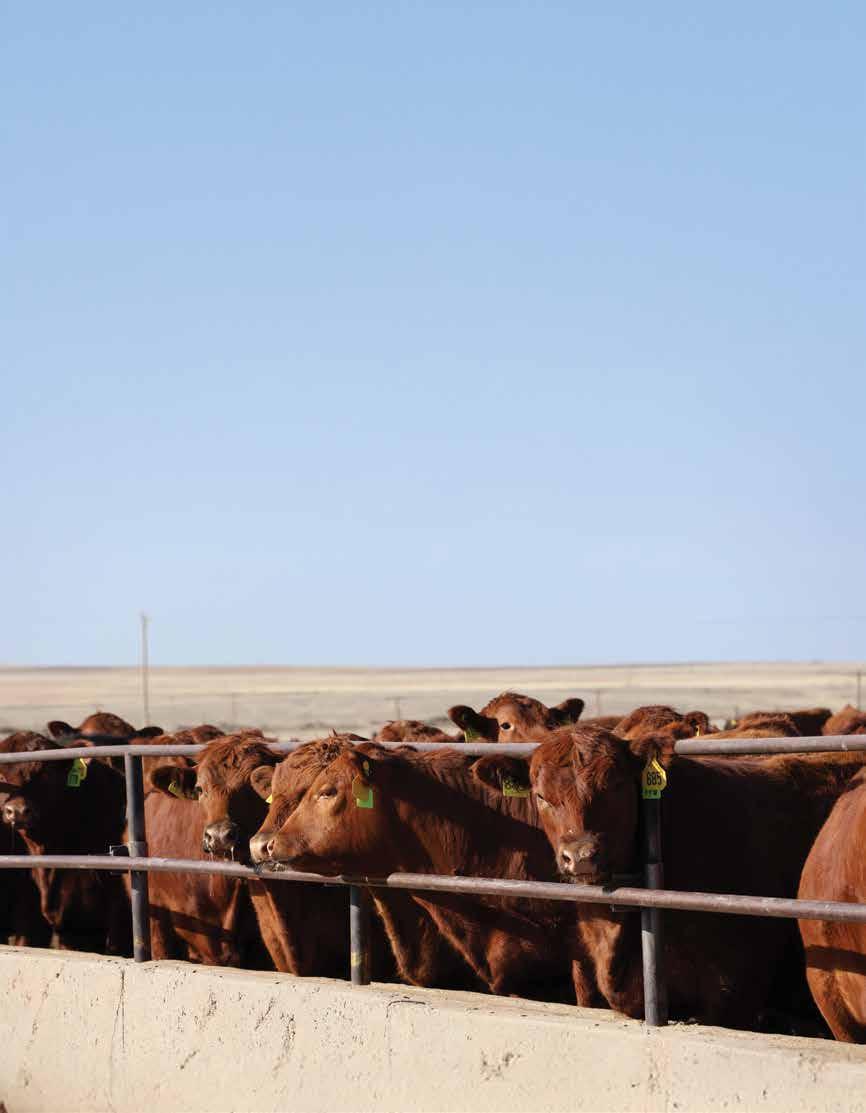
Angus Access is the first step in differentiating your cattle to buyers, feedlots and packers. Experience industry-leading return on investment for just the cost of an EID tag when purchased through RAAA. Dangle tags are optional but may be purchased for management purposes.




GENETICS
• Source verified to ranch of origin
• Group age verified
processverified.usda.gov

The Red Angus Association of America marketing team offers assistance to Red Angus bull customers at no charge.
Visit RedAngus.org for contact information.
Red Angus
Marketing Assistance
• Angus Access
• Allied Access
• Premium Red Baldy
• American Red











• Feeder/Fat Cattle Show List
• Stockyard
• Calendar of Events
• Red Angus FeederFax
• Red Angus FeM@il

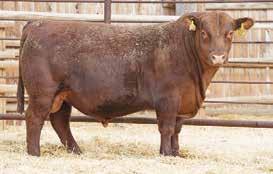
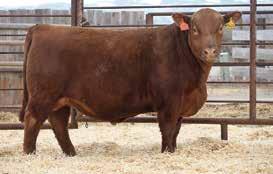
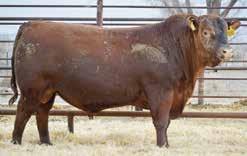
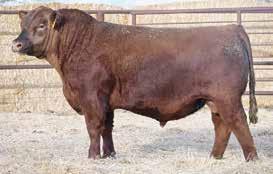
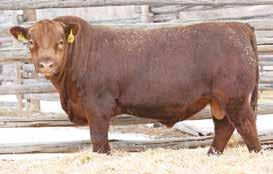
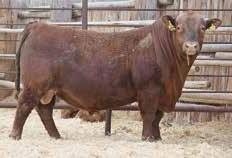
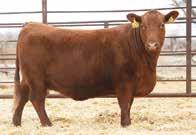

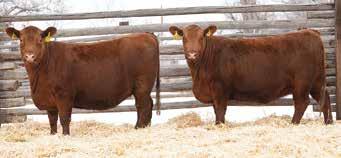
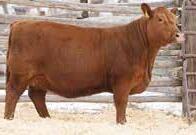

Calvo
Calvo Rose 664M
Calvo Forager 57E x Calvo Blockade

CATTLE THATlast!

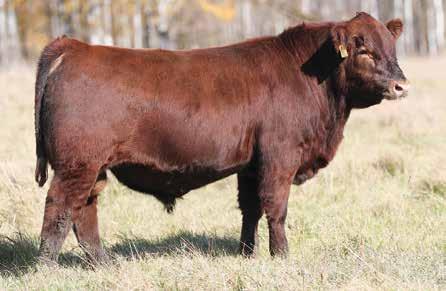
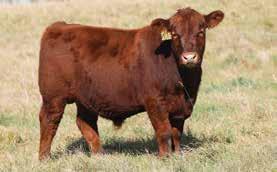


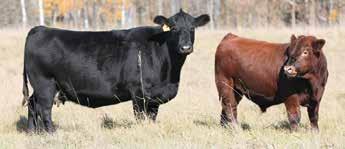

Sired
PLEASE
All photos taken prior to weaning. Keep an eye out for updated photos this month!


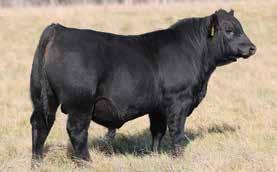

Sired by Ellingson Elite 2123 1% CW, 1% REA, 2%ProS, 8% HB, 6%GM CED: 14 BW: -0.4 WW: 106 YW: 173


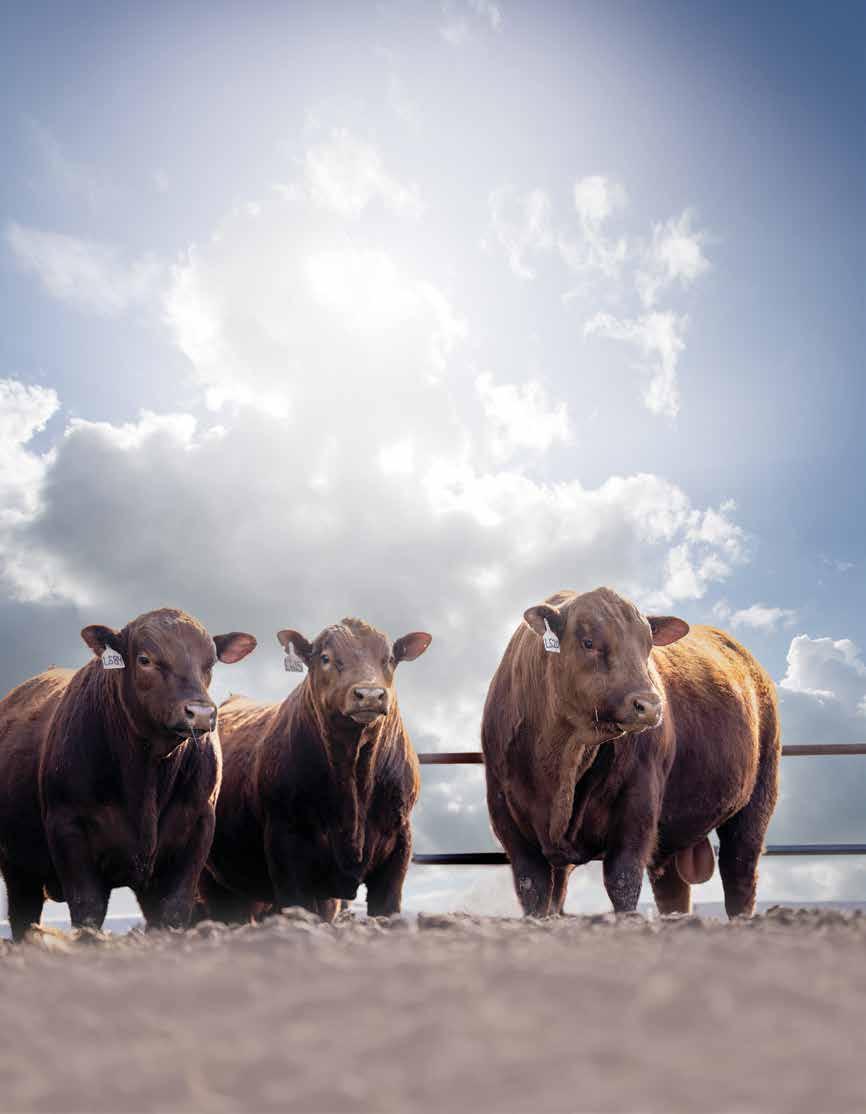
PROFIT-FOCUSED RANCH-READY
GENETICS DEVELOPED FOR PRACTICAL APPLICATION
BUILT ON PROFIT DRIVEN TRAITS
EFFICIENCY - FERTILITY - LONGEVITY - DOCILITY
Over half of the bull offering ranks in the Top 5% for $Ranch and Top 10% for $Profit 75+ calving ease specialists with a CED of 16 or higher
JOIN US FOR OUR ANNUAL SPRING SALE FRIDAY, MARCH 20, 2026 At the Ranch near Elmdale, KS
150 18-month-old feed efficiency tested bulls - our largest offering of age advantaged bulls ever! 150 Commercial Red Angus bred fall calving heifers.
10 U’Pick’em Registered Open Heifers - right from the heart of our replacements. Visit our website for catalog, videos and more!
Lehr, ND
14 Ludvigson Stock Farms “The All American Bull Sale,” Meriden, WY 15 The Right Choice Sale, Aberdeen, SD 16 Frank Cattle Co., Chappell, NE 16-18 Lazy D Red Angus, Williston, ND
18 Barenthsen-Bullinger Red Angus Ranch, Powers Lake, ND
19 Olson’s Red Power Performance Bull & Female Sale, Argusville, ND
Wasem Red Angus, Richardton, ND 21 The Right Choice – Schnabel Ranch, Lazy J Bar Ranch, Aberdeen, SD 21 Nordlund Stock Farm, Clearbrook, MN
21 Overmiller Red Angus & Gelbvieh, Smith Center, KS 21-22 Turtle River Cattle Co. Online Bull Sale, DVAuction.com 22 Namken Red Angus, Lake Norden, SD
23 Lone Tree Red Angus, Meadow, SD 24 L83 Ranch, Mandan, ND
25 Murdock-Price Sale, Stanfield, OR 25 Niobrara Red Angus, Niobrara, NE
26 McCann Red Angus, Lewiston, ID
27 Brenner Angus, Kist Livestock, Mandan, ND
27-28 Mathias Ranch Online Frozen Genetics Sale, DVAuction.com
28 Larson’s Lost River, Clearbrook, MN
28 Valnes Ranch Red Angus Private Treaty Open House, Eden, SD
Lake Benton, MN
Green Mountain Red Angus, Logan, MT
Jacobson Red Angus, Hitterdal, MN
Martin Red Angus, Glasgow, MT
Sandridge Land & Cattle, Perkins, OK
Laubach Red Angus Production Sale, Big Timber, MT
Mushrush Ranches, Strong City, KS
Schweitzer Red Angus, Beatrice, NE
Scott Stock Farm, Crossfield, Alberta, Canada
A&R Red Angus, Holdingford, MN, Online Sale, DVAuction.com
Iron Lorenzen Cattle Co., Madras, OR
Milk Creek Reds, Plevna, MT 21 Red Hill Farms More Than a Bull Sale, Lafayette, TN
21 Red Reckoning, Douds, IA
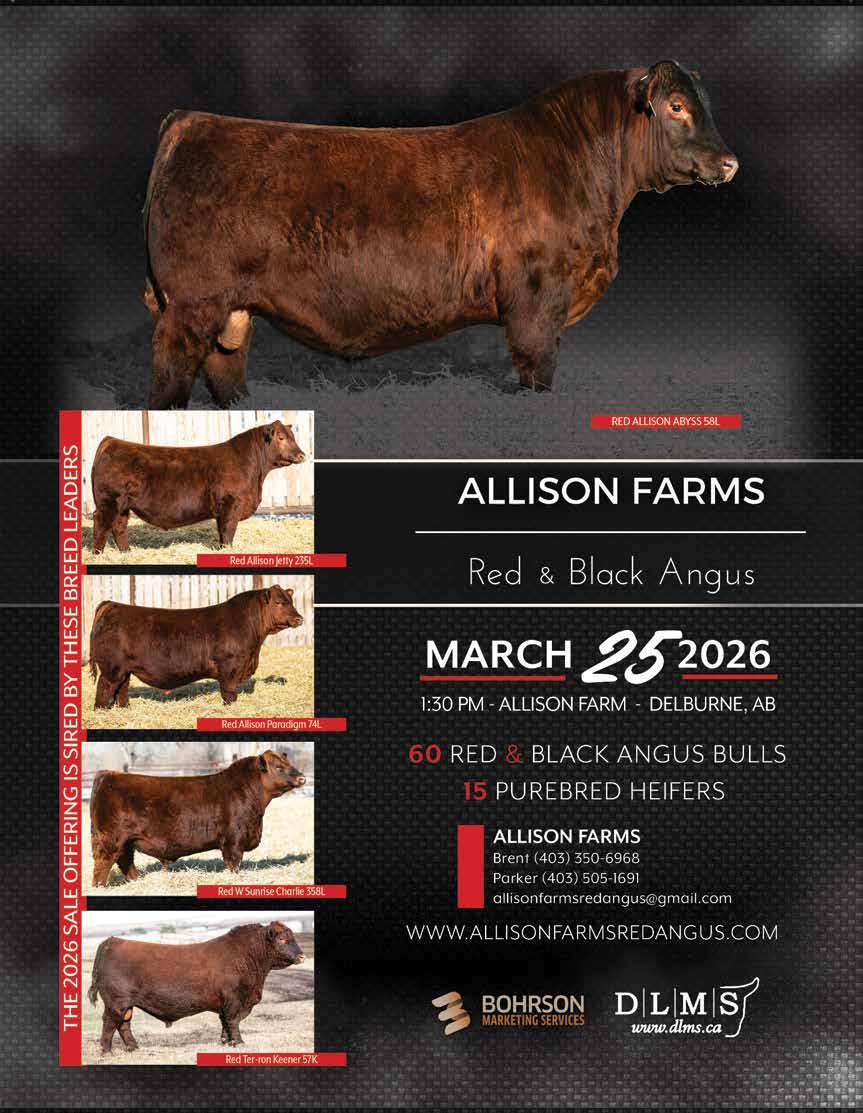
22 Dahlke Red Angus, Bagley, MN 25 Allison Farms, Delburne, AB 25 Diamond H Red Angus, Victoria, KS 25 Kirwan Red Angus, Bassett, NE 25 Westphal Red Angus, Grass Range, MT 26 Gibbs Red Angus, Glasgow, MT 26 PVF Red Angus Bull & Female Sale, Somers, CT
Schuler Red Angus, Bridgeport, NE
Fischer Red Angus, Harlowton, MT
Hoffer Red Angus Reds in the Rockies, Bosler, WY
Rogers & Lile Red Angus, Strafford, MO
Axtell Cattle Co., Sterling, CO
McEntire Red Angus, Sweetwater, OK
Red Angus Photography Contest Deadline
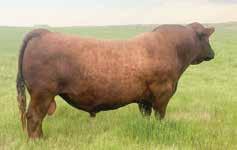

PIE ABSOLUTE 2415 #4704275
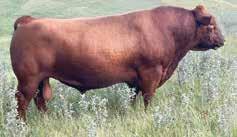

KJL/CLZB COMPLETE 7000E x PIE ONE OF A KIND 352 NIO START-UP 1294 #4520443 RED U2 DOMINION x RED U-2 STRIKE FORCE 24Y
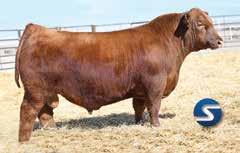

LEM INVASION 2016 ET #4653529
PELTON WIDELOAD 78B x PIE ONE OF A KIND 352



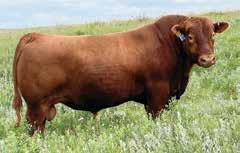

PIE MIDAS 154 #4543927 PIE QUARTERBACK 789 x PELTON WIDELOAD 78B

PIE QUARTERBACK 2195 – #4704031
PIE CAPTAIN 057 – #4388923
WILLOW TOP PICK 750-1919 – #4205558
DK IMPECCABLE H819 – #4318945
DK RESOURCE J316 – #4490335
RED WILBAR TANNERITE 605L – #5025503
SCHULER PROFESSIONAL 3387 – #4842270
SNOW F121 ENERGIZE E7313 15L – #4799048
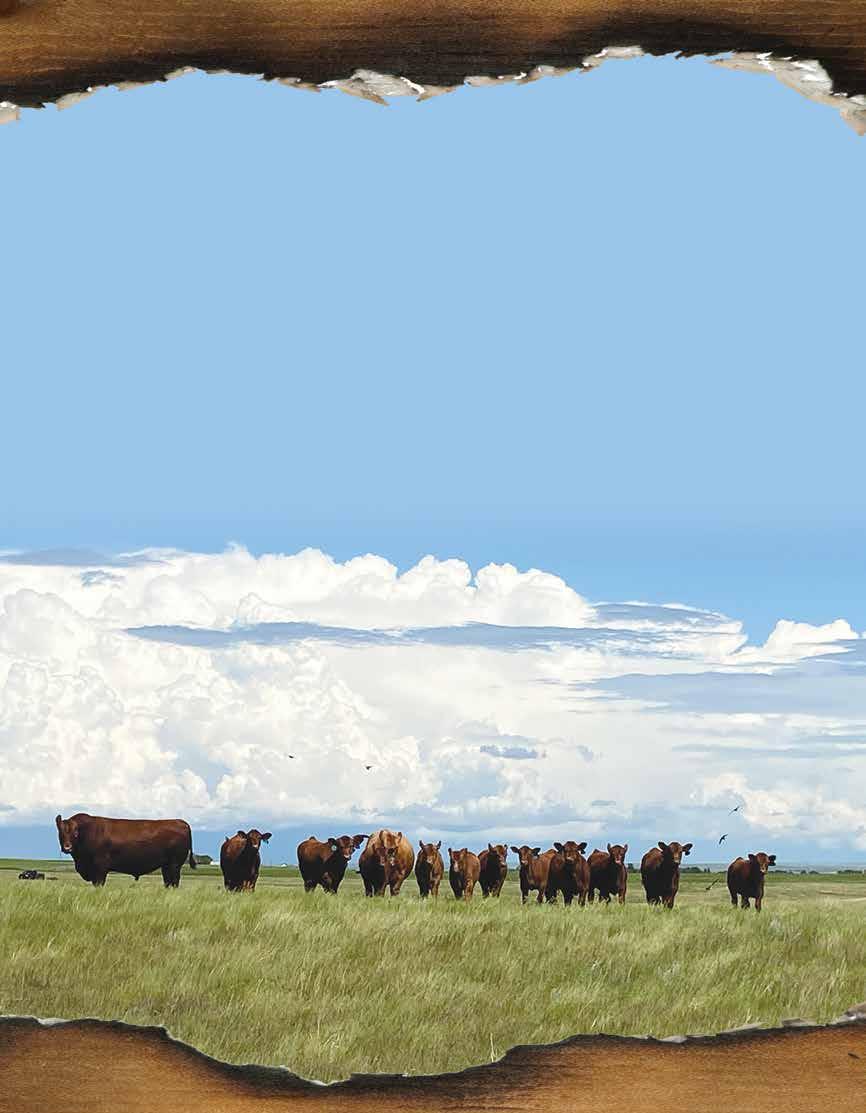
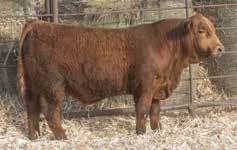
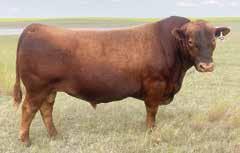

QUARTERBACK 2195 #4704031




CONNEALY CRAFTSMAN – 20132505
HOFFMAN RISEABOVE – 20516965







Advertiser
5L Red Angus ................................ 63
7K Cattle Co. 48
Allied Genetic Resources 25
Allison Farms ................................. 65
Anderson Land & Cattle 11
Bieber Red Angus 27, 47
Bottomley Farms ............................ 27
Bullis Creek Ranch 45
Calvo Family Red Angus 67
Cattle Visions ................................. 23
Cross Diamond
Cattle Co. Inside Front Cover, 27
C-T Red Angus 34, 35
Dahlke Red Angus 68
Dille Red Angus 39
Red Angus 71
DV Auction 56
Feddes Red Angus34, 35 Genex 19
River Ranch 46
Beef 62
Lorenzen Cattle Co............ 32, 33
JYJ Red Angus Back Cover Koester Red Angus 36 L83 Lodoen Cattle Co. .................... 51 Leland Red Angus 37 Lone Tree Ranch 50
Lytle’s Red Angus .......................... 26
Mathias Ranch 1
McCann Red Angus 53
Murray Hay and Cattle.................... 64
Mushrush Red Angus 69
Niobrara Red Angus 27, 28, 29
Northern Lites Ranch ..................... 20
Pederson’s Broken Heart Ranch 30, 31
Pope Cattle ..................................... 24
R.A. Brown Ranch 4, 5, 6, 7, 8, 9
Red Angus Marketing Programs 66 Red Angus Remarks 72 Red Choice 72
Redland Red Angus 55 Reds in the Green Hills 26
Rogers Ranch Red Angus 61
S Diamond Angus 41
Sandhill Red Angus 16, 17
Sandridge Land & Cattle ................ 59
Schuler Red Angus 15
Seeger & Rusch Red Angus 52
Select Sires .................................... 43
Shoal Creek Land & Cattle 57
Smoky Y Ranch 21
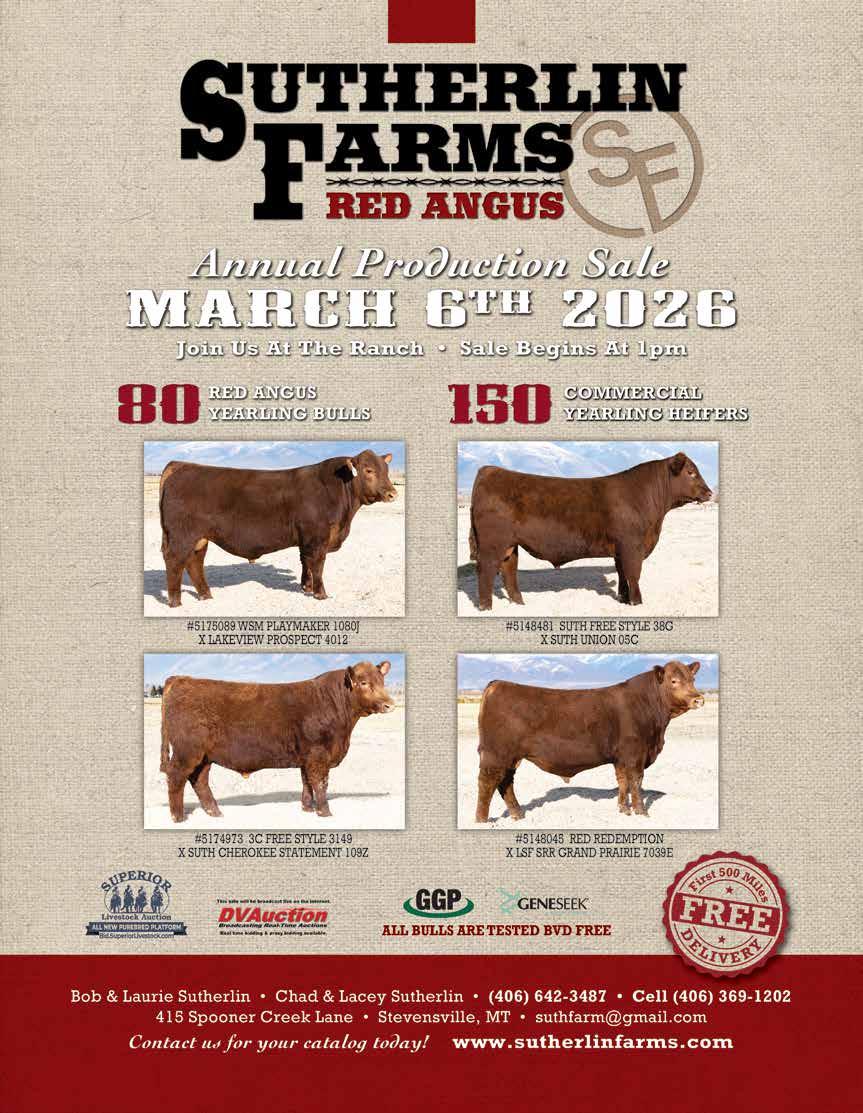
Sutherlin Farms...... Inside Back Cover
Valnes Ranch Red Angus 44
Wedel Beef Genetics 10, 12, 13, 14


Red Angus Association of America
18335 E. 103rd Ave., Suite 202 Commerce City, CO 80022
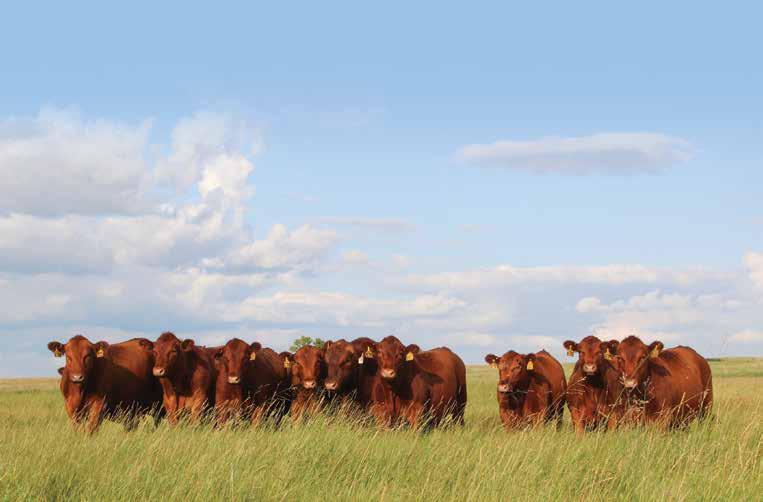
Reaching over 10,000 Red Angus Buyers every issue!

Custom Development Tailored to Your Goals


JYJ Red Angus offers custom development for weaned calves, young bulls and yearling heifers, all managed on our southeastern Alabama ranch. Each program is tailored to your goals, your cattle and your timeline, with hands-on oversight from start to finish. Scan the QR code to share your details, and Jim Yance will be in touch to design a development plan that works for your program.