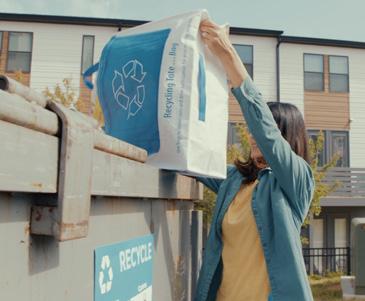
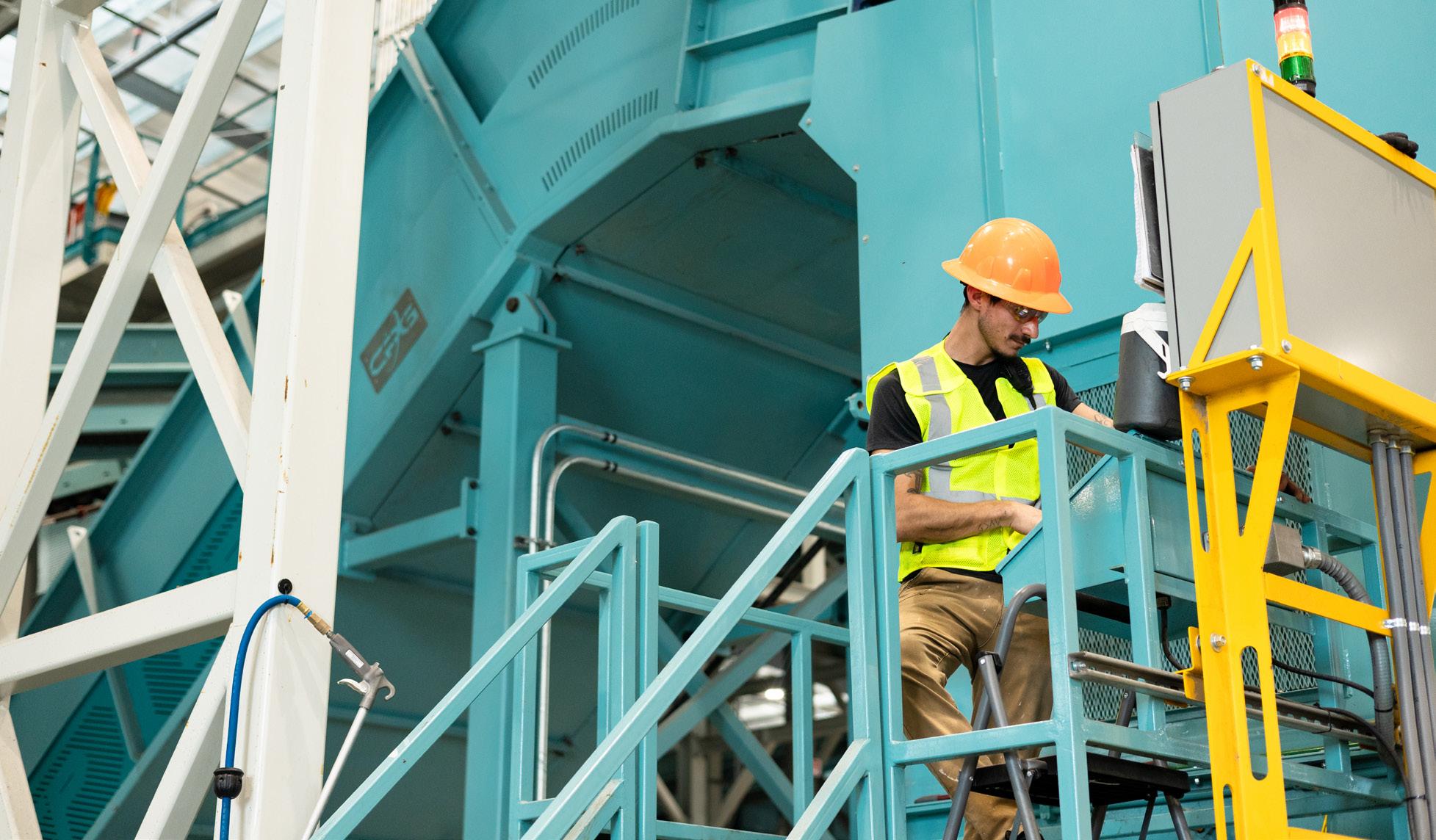
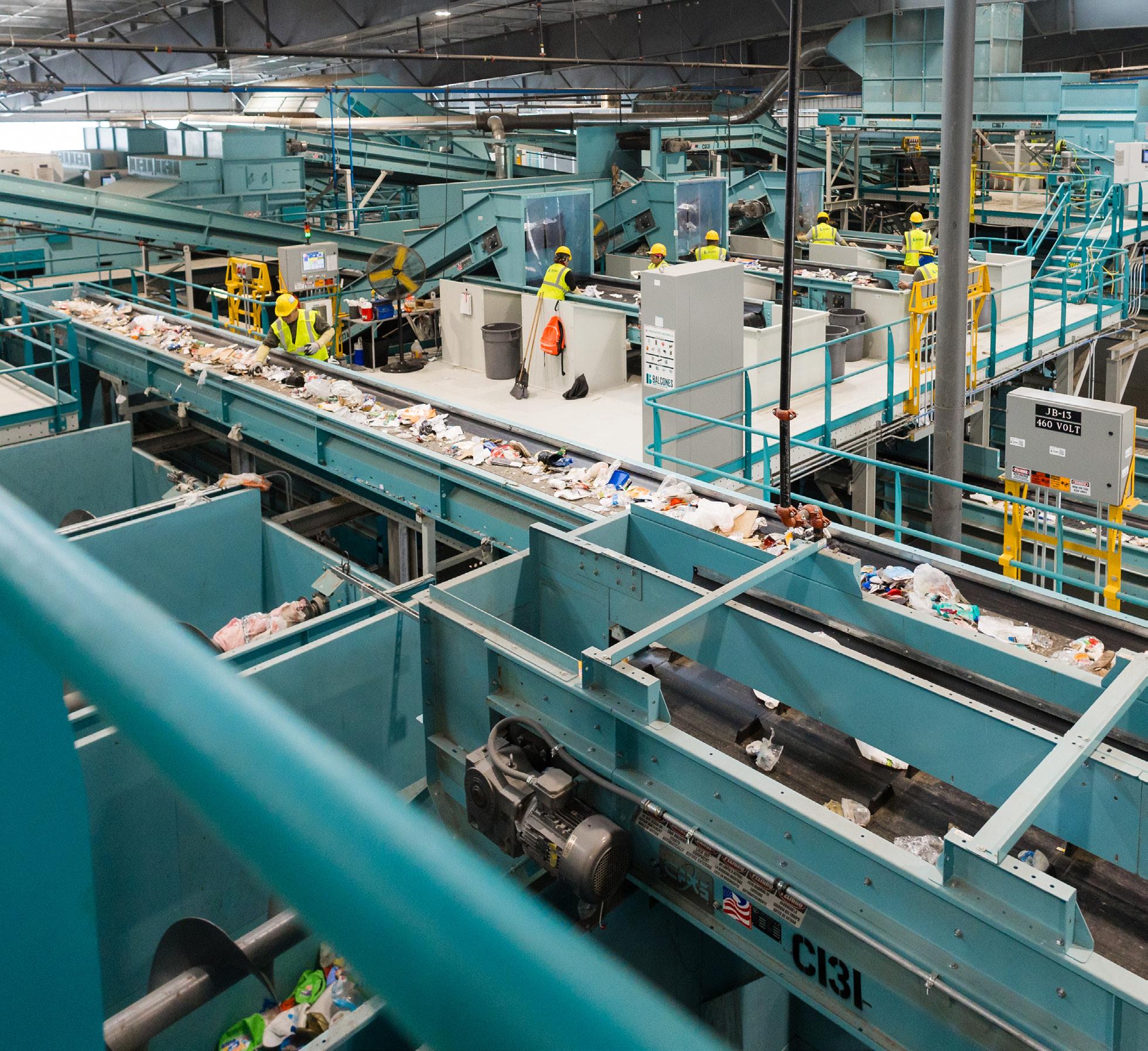
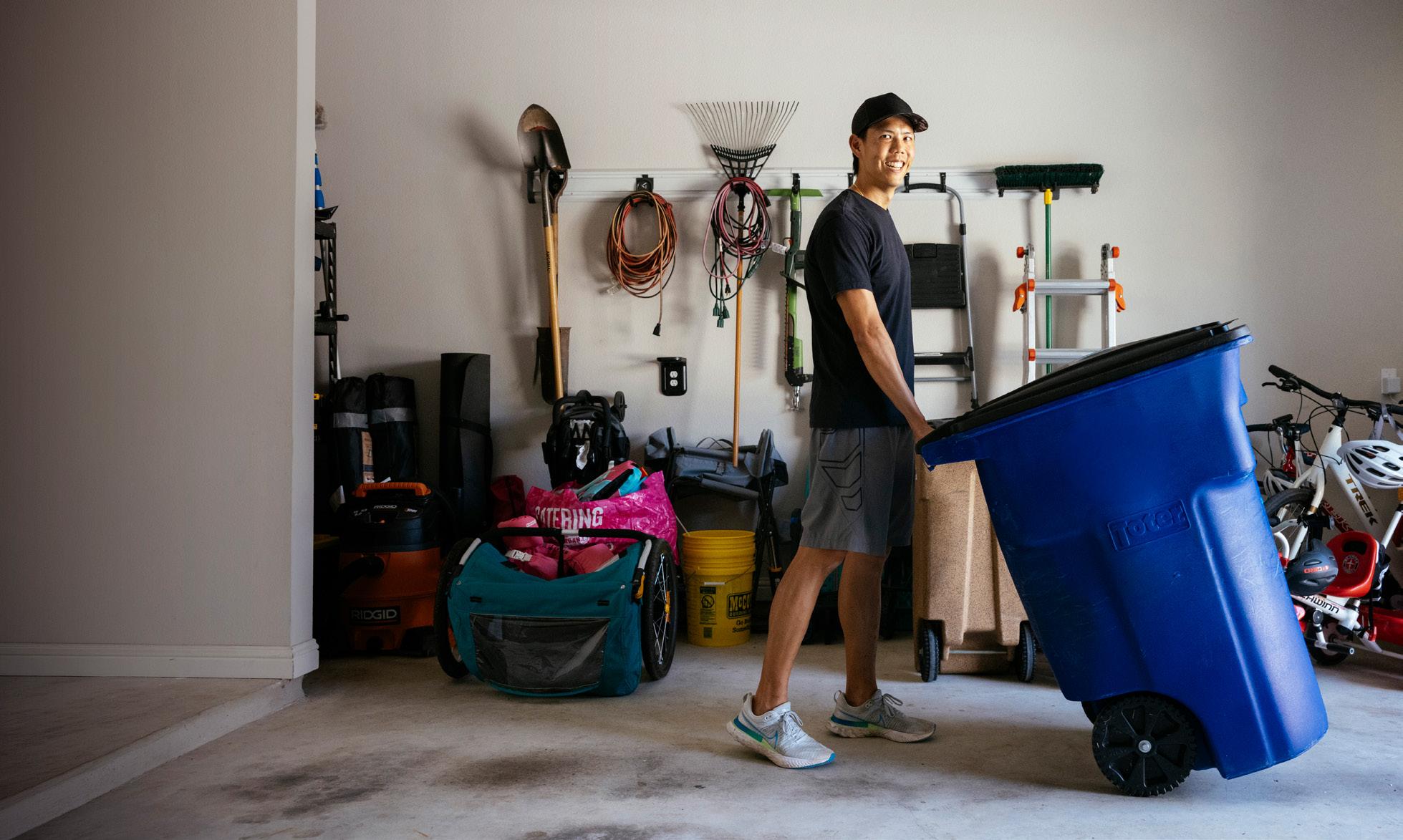
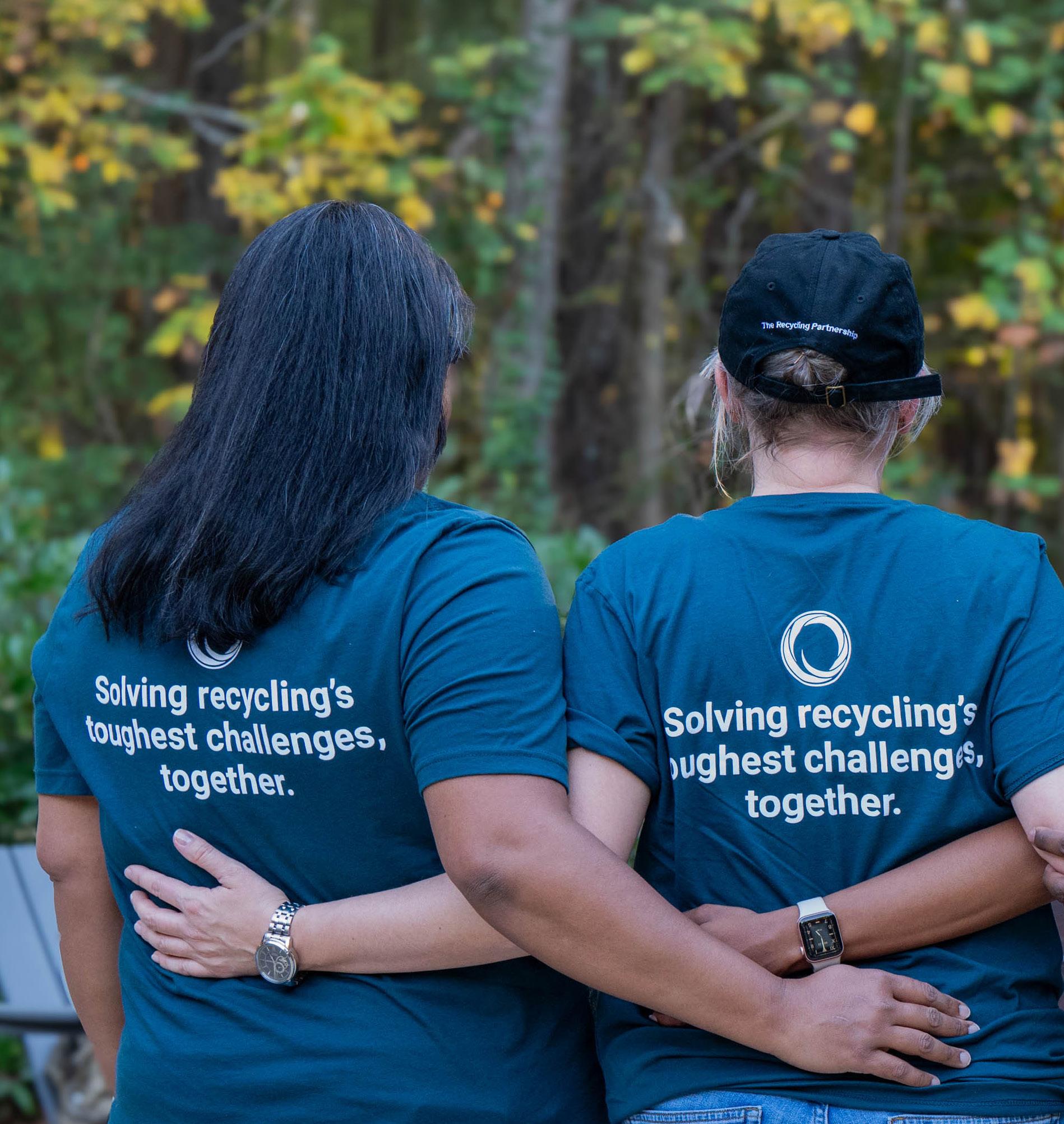
We’ve recovered more than 2 billion pounds of new recyclables, delivered more than 2 million carts to communities, and helped catalyze $658 million in system improvements.
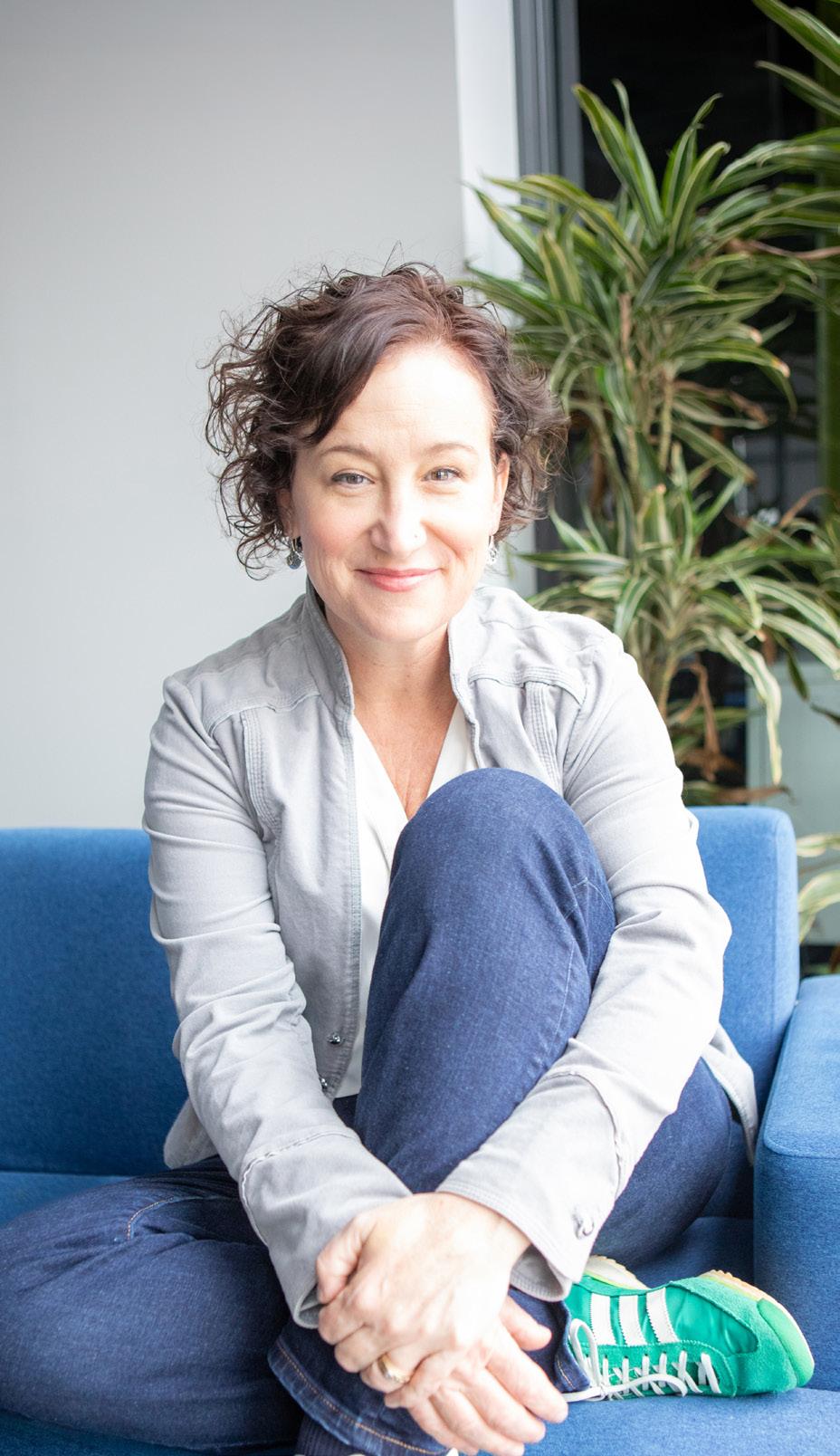
Keefe Harrison Chief Executive Officer
From the beginning, we built The Recycling Partnership to take on the toughest problems in recycling — and to do it by bringing everyone to the table: red and blue, eco and industry, public and private. For 12 years, we’ve been honest about where recycling stands, clear about what it takes to fix it, and relentless in driving positive change.
That’s how we’ve recovered more than 2 billion pounds of new recyclables, delivered more than 2 million carts to communities, and helped catalyze $658 million in system improvements. Behind every number and every story in this report are families served, communities strengthened, natural resources protected, and a team of passionate changemakers who stayed focused and deliver, time and again.
We exist to serve the entire recycling system — taking on challenges no single company, community, or policy can solve alone. Our role as an advocate across the value chain is something we take seriously, bringing communities, companies, recyclers, and policymakers together to work on real solutions. It’s core to what got us here, and fundamental to what we’ll deliver next.
Onward!
Letter from
The Recycling Partnership
Michigan’s Rising Recycling Rate Shows Change Is Possible
Michigan’s recycling rate didn’t jump from 14% to 25% by chance. It improved because the state committed to sustained, statewide work with The Recycling Partnership (The Partnership) as a partner. Since 2019, we’ve invested $9 million in grants supporting 200+ communities to strengthen facilities, get carts to more homes, cut contamination, and build education that changes behavior. Because capture only counts if material can be sold and used, this work focuses on quality as much as quantity, reducing contamination and strengthening sorting so that bales of paper, metals, glass, and plastic meet end market specifications. Michigan’s recycling rate target is now 30% by 2029.
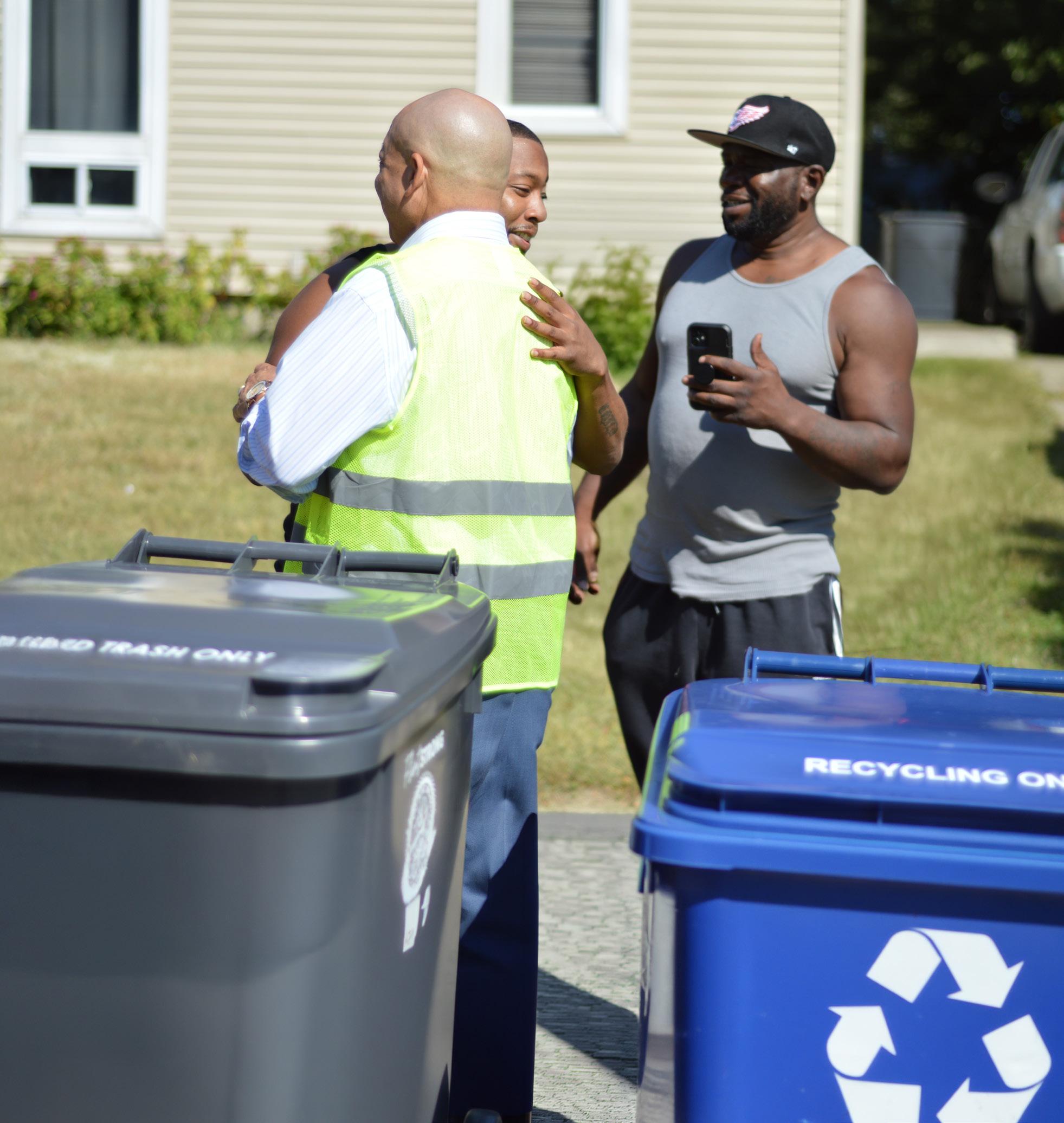
Flint is where the work gets personal. “Flint’s new recycling campaign is like going from a horse and buggy to a spaceship in terms of improvement,” State Rep. Cynthia Neeley (D-Michigan) said, and it took years to get carts across the line. In 2024, a grant from The Partnership helped deliver carts to 34,000 households.
A cart at the curb won’t fix everything. It does prove something important: progress is possible when communities get tools, investment, and steady support.
FLINT’S NEW RECYCLING CAMPAIGN IS LIKE GOING FROM A HORSE AND BUGGY TO A SPACESHIP IN TERMS OF IMPROVEMENT.
State Rep. Cynthia Neeley, D-Michigan
Statewide Impacts
$9M Invested Since 2019 Communities Supported 200+
Mayor Sheldon Neeley delivering carts and interacting with residents.
The Materials Pathway for EPR:
CalFFlex, System
Readiness, and What Comes Next
1in 5 Americans
live in a state with EPR passed
EPR IS COMPLEX. THE DIFFERENCE BETWEEN RISK AND READINESS IS KNOWING THE DEADLINES, THE PROOF POINTS, AND THE LEVERS AVAILABLE, THEN INVESTING EARLY ENOUGH TO MOVE THE NUMBERS. THAT’S WHAT OUR PRE-INVESTMENT AND INTERVENTIONS DO.”
Kate Davenport, Chief Impact Officer The Recycling Partnership
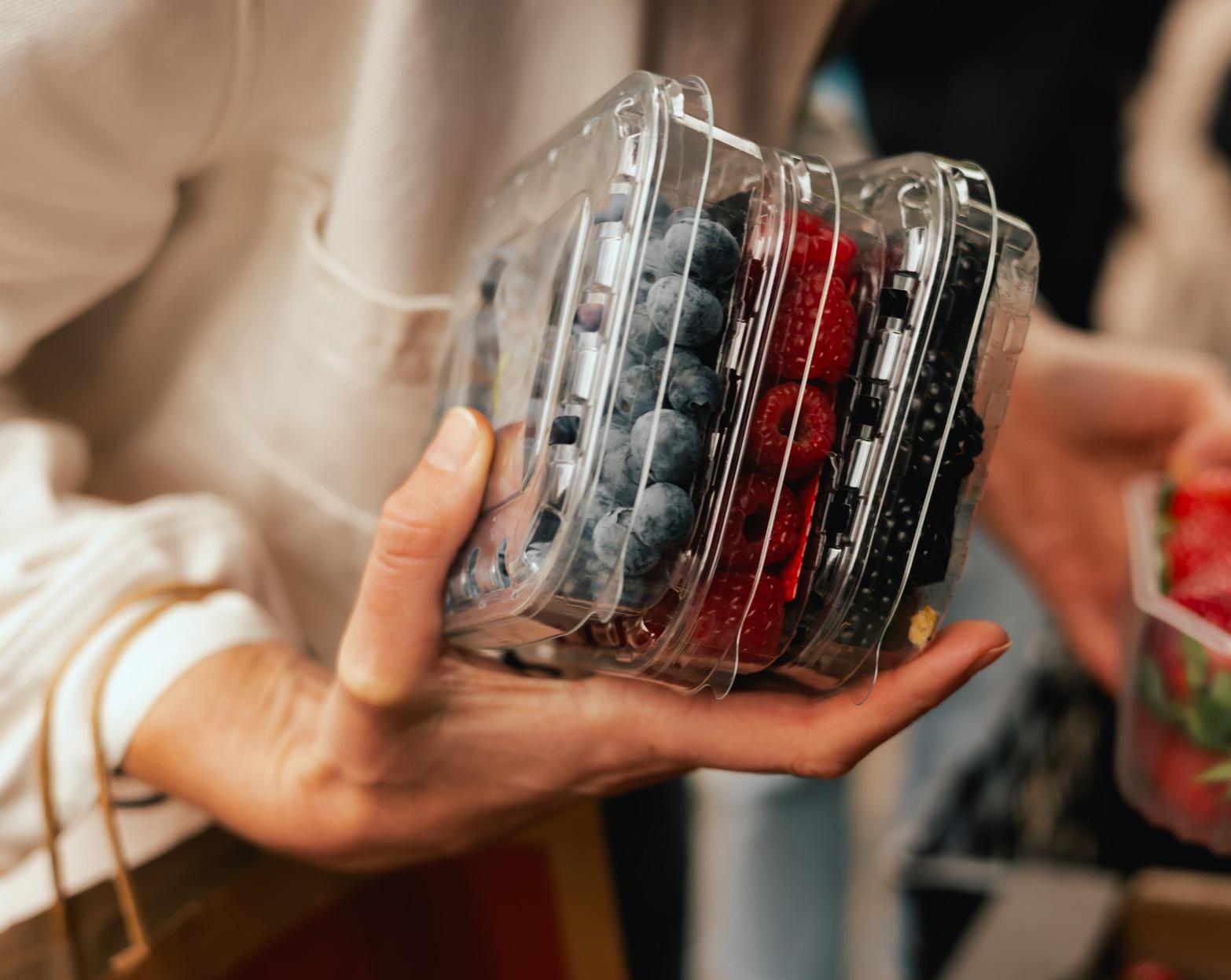
Extended Producer Responsibility (EPR) is no longer a future conversation. Today, 1 in 5 Americans live in a state with EPR passed: California, Colorado, Maine, Maryland, Minnesota, Oregon, and Washington. Implementation is already revealing major system challenges, especially for film and flexible packaging. Only 2% of U.S. households can recycle these materials curbside, even though they account for 34% of domestic plastic packaging. EPR makes the gaps urgent. By 2032, California’s SB 54 requires covered packaging to be recyclable or compostable, achieve a 65% recycling rate, and meet additional source reduction targets.
This is the kind of system challenge facing film and flexibles, as well as other packaging, that no single company, community, or policy can fix alone. It’s also where The Partnership plays a unique role: we translate complex requirements into a practical pathway, then help build the capacity to make that pathway real.
Track 1
Chart the materials pathway.
We translate regulatory timelines and requirements into clear next steps, especially when a material is highly challenged today.
Track 2
Prove system readiness through pre-investment.
Recyclability requires collection, sortation, and end markets with demand for recycled content. It also requires products that can utilize recycled content at scale. That is why we focus on early investments that deliver measurable progress and reduce risk against future requirements.
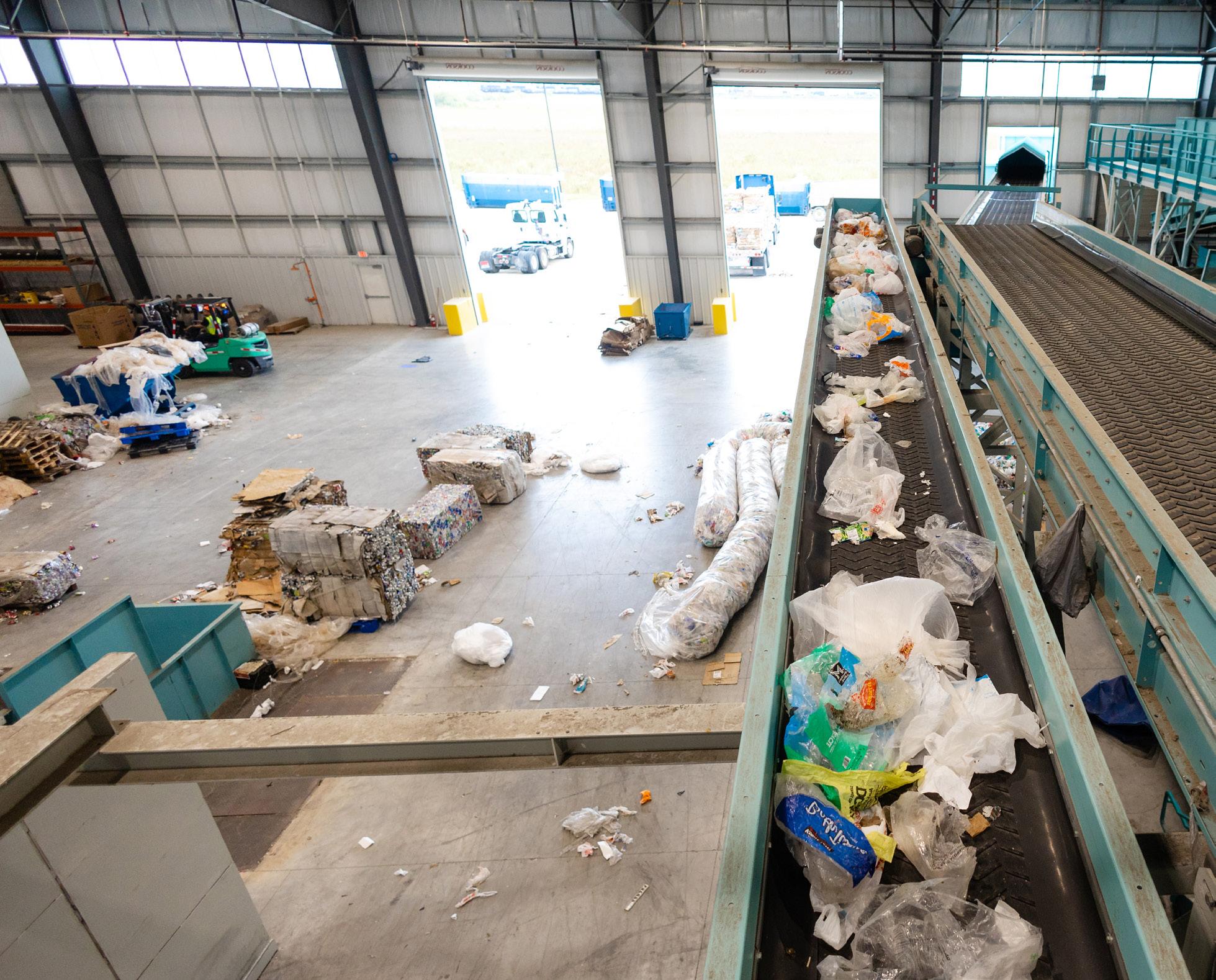
For materials with major gaps, like film and flexibles, we’re building the pathway to show recyclability is possible. Through our Film & Flexibles Recycling Coalition and its CalFFlex initiative, we developed a multiyear blueprint, are mobilizing an initial $5 million system investment focused on end markets, and are funding projects at GreenWaste and Valemi that pair infrastructure upgrades with critical preinvestment intelligence. By analyzing capture, quality, and capacity, including secondary sort data needed to produce higher-quality material for end markets, this work is helping make film and flexibles recycling real and informing what comes next under EPR regulations. With SB 54’s 25% source reduction target, and up to 8% achievable through post-consumer recycled content, improving quality is work that needs to start now.
The message to producers is straightforward: It will take hard work, but “challenged” doesn’t mean “no pathway” for every material. With the right plan, the right proof, and sustained investment in the recycling system, challenged materials can move from risk toward readiness.
IT WILL TAKE HARD WORK, BUT “CHALLENGED” DOESN’T MEAN “NO PATHWAY” FOR EVERY MATERIAL.
We’re building the materials pathways to show what is possible.
Since SB 54 was signed, The Partnership’s Film & Flexibles Recycling Coalition and CalFFlex initiative have supported nearly 20% of mechanical film end markets in North America.
Our Impacts
12 Years of Continuous Year-Over-Year Growth
Driving recycling progress through
ACTIVE GRANTS
2.6M METRIC TONS of CO2e avoided
That’s equivalent to driving a gasoline car 6.5 billion miles, or 260,000 laps around Earth.
Behind every number and every story in this report are families served, communities strengthened, natural resources protected...”
Keefe Harrison, CEO The Recycling Partnership
Scaled Impact Over Time
Pounds Diverted
2.1B
Carts Delivered Across the U.S. 2.1M
Grant Dollars Awarded
$95M
Leveraged Funds* $563M
Project costs covered by sources other than The Partnership grants.
Turning Recycling’s Toughest Challenges into Real Progress
EPR Implementation, Built for Real Life
As an EPR implementation partner, we turn producer investment into results by pairing proven contamination-reduction strategies with hands-on support and clear guidance so Oregon communities can improve recycling quality and participation.
Equipping Communities to Deliver EPR Results
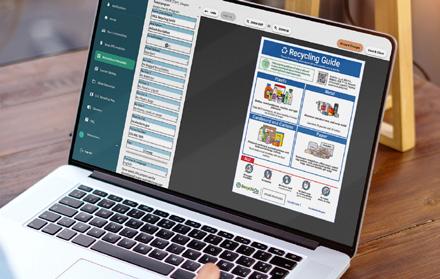
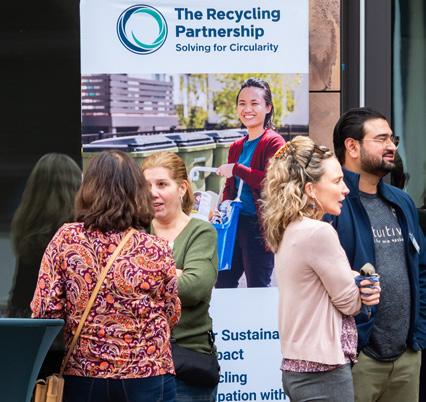
Through workshops across four states, we equip communities with behavior change strategies, proven tools, and practical guidance to turn EPR funding into measurable gains in
and stronger recycling results.
With support from The Partnership, Michigan has jumped from a 14% recycling rate in 2019 to over 25% in 2025, surpassing the national average. Michigan: 444 Projects
Ohio: 172 Projects
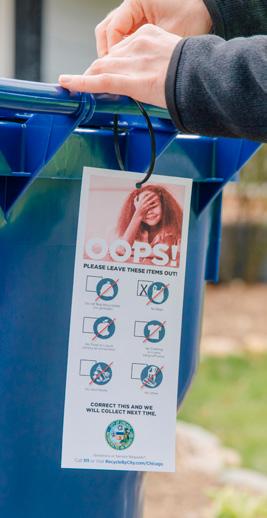
The Partnership and Ohio EPA have worked together to cut contamination in singlefamily and drop-off recycling.
How to Increase Recycling of Specific Materials
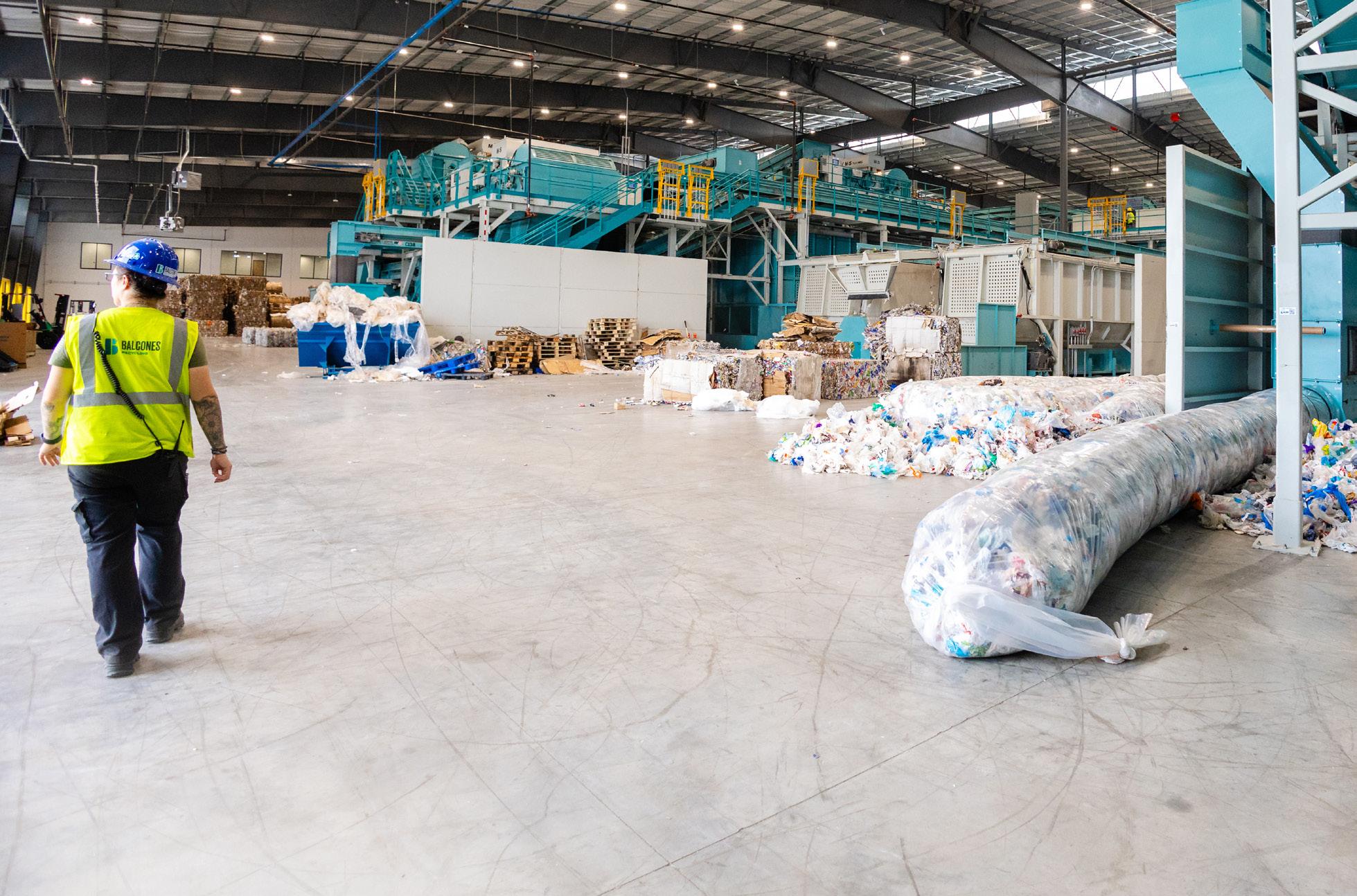
In Missouri, we’re testing message design and delivery to increase capture of materials. What works becomes a playbook to raise recycling rates and turn producer investments into measurable recovery. In California, polypropylene capture must increase 250% + to meet mandates.
A Proven Multifamily Model
We turn policy into performance. In Orlando, multifamily recycling expanded access, strengthened engagement, and cut contamination. We’re now scaling this proven approach through EPR to increase recovery and recycled content.
The CIRCLE Act: A National Fix for Addressing Cost
Recycling doesn’t fail in theory — it fails on Tuesday morning when a sorter jams and the trucks keep coming. The supply chain feels that first. In most states, communities and taxpayers carry the cost of packaging waste, while more than 74 billion pounds of household recyclables are lost each year.
That’s why The Partnership developed the Cultivating Investment in Recycling and Circular Local Economies, or CIRCLE Act, to lay the groundwork for innovative recycling policy. The CIRCLE Act uses tax credits to unlock investment in the infrastructure that communities, the domestic recycling supply chain, and manufacturers need. It creates a 30% Recycling Infrastructure Investment Tax Credit, phasing down over 10 years, with a rebate option so municipalities can benefit, too. That kind of capital can support the equipment and upgrades that improve bale quality and make recycled material more competitive, strengthening end market demand alongside collection
and processing. “Investing in American recycling infrastructure means investing in a prosperous American economy,” said Anthony Tusino, Senior Director of Public Policy & Government Affairs of The Partnership.
More than 65 organizations have endorsed it so far, and while it is still moving through Congress, it has bipartisan support. Pair that momentum with strong state action already advancing across the country, and recycling is poised to deliver the real economic and environmental benefits we can all get behind.
Anthony Tusino Senior Director of Public Policy & Government Affairs
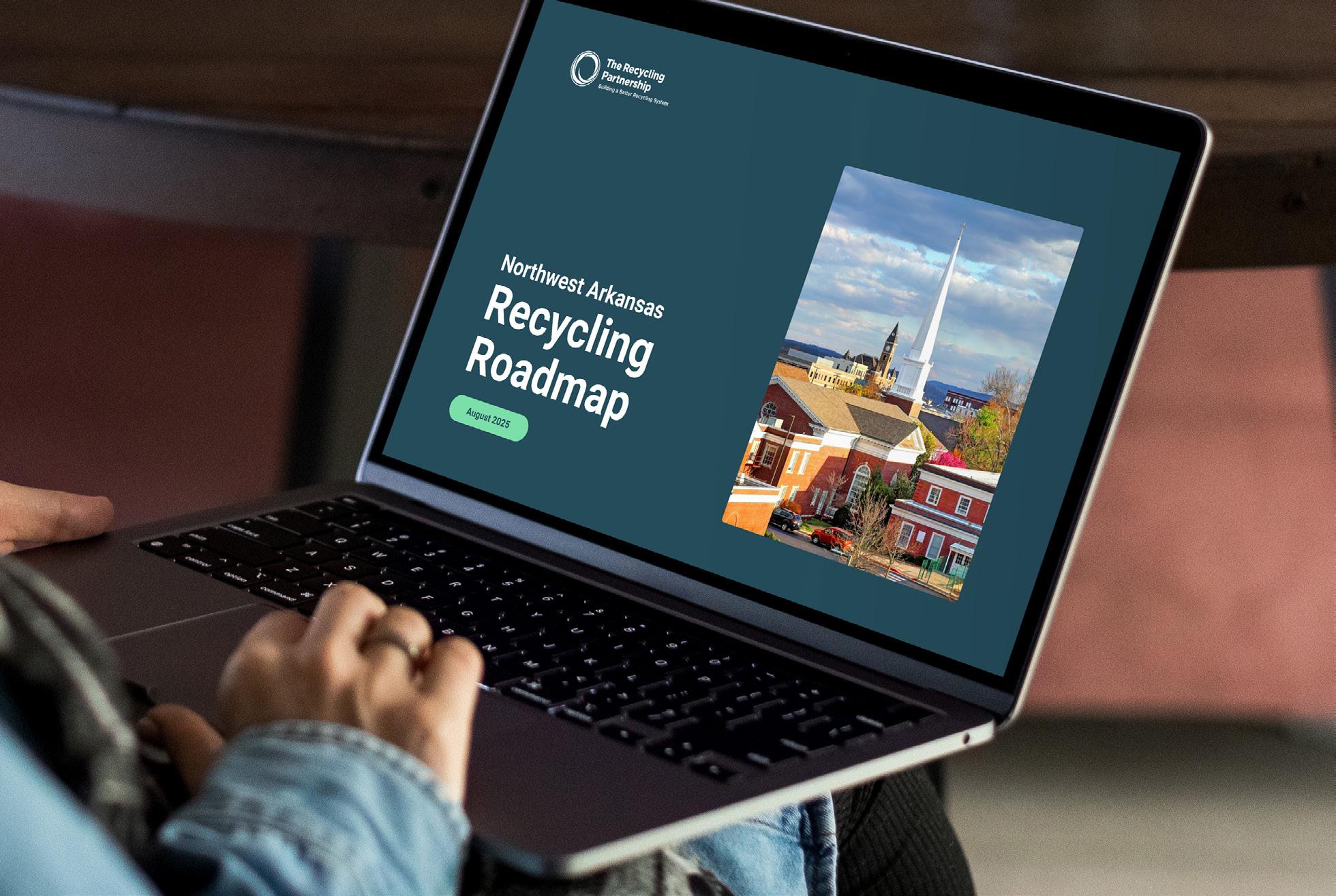
Northwest Arkansas Recycling Roadmap: Nine Projects, Real Change
Of single-family households have curbside access Only
Northwest Arkansas is booming, and the landfill is filling with every new driveway. Across 45 communities and 570,000+ people, recycling service is uneven. Only about 60% of single-family households have curbside access, and an estimated 234,000,000 pounds of recyclables still end up in landfills each year. Residents notice. Just 52% are satisfied with local recycling service, far below the national average of 74%. “Things were stagnant,” The Partnership Vice President of Community
Development Charlotte Pitt said. “They needed something to move the needle.”
To help, we didn’t write a nice-to-have plan. We built a Recycling Roadmap: nine projects, one goal — boost participation and pounds collected by 25% by 2030. “These communities wanted to move forward. They just didn’t know how to get over that hump. The Recycling Roadmap charted a clear path forward.” she said.
THESE COMMUNITIES WANTED TO MOVE FORWARD. THEY JUST DIDN’T KNOW HOW TO GET OVER THAT HUMP. THE RECYCLING ROADMAP CHARTED A CLEAR PATH FORWARD.”
Charlotte Pitt Vice President of Community Development
The Recycling Partnership
The work starts where it’s messiest: routes built for bins, not carts, and budgets that can’t absorb the switch overnight. It is designed to improve service and participation while reducing contamination, so more of what’s collected is marketable and worth recycling. The Roadmap lays out what it will take to move funding, political buy-in, collaboration, and better data. It’s a plan communities can run, with partners behind them, even when the work is hard.
You’ve Seen the Impact. This Team Made It Happen.
Thank you for reading this report — and if you’re a funder, thank you for investing in work that is hard, technical, and deeply human. Your support helped drive real progress.
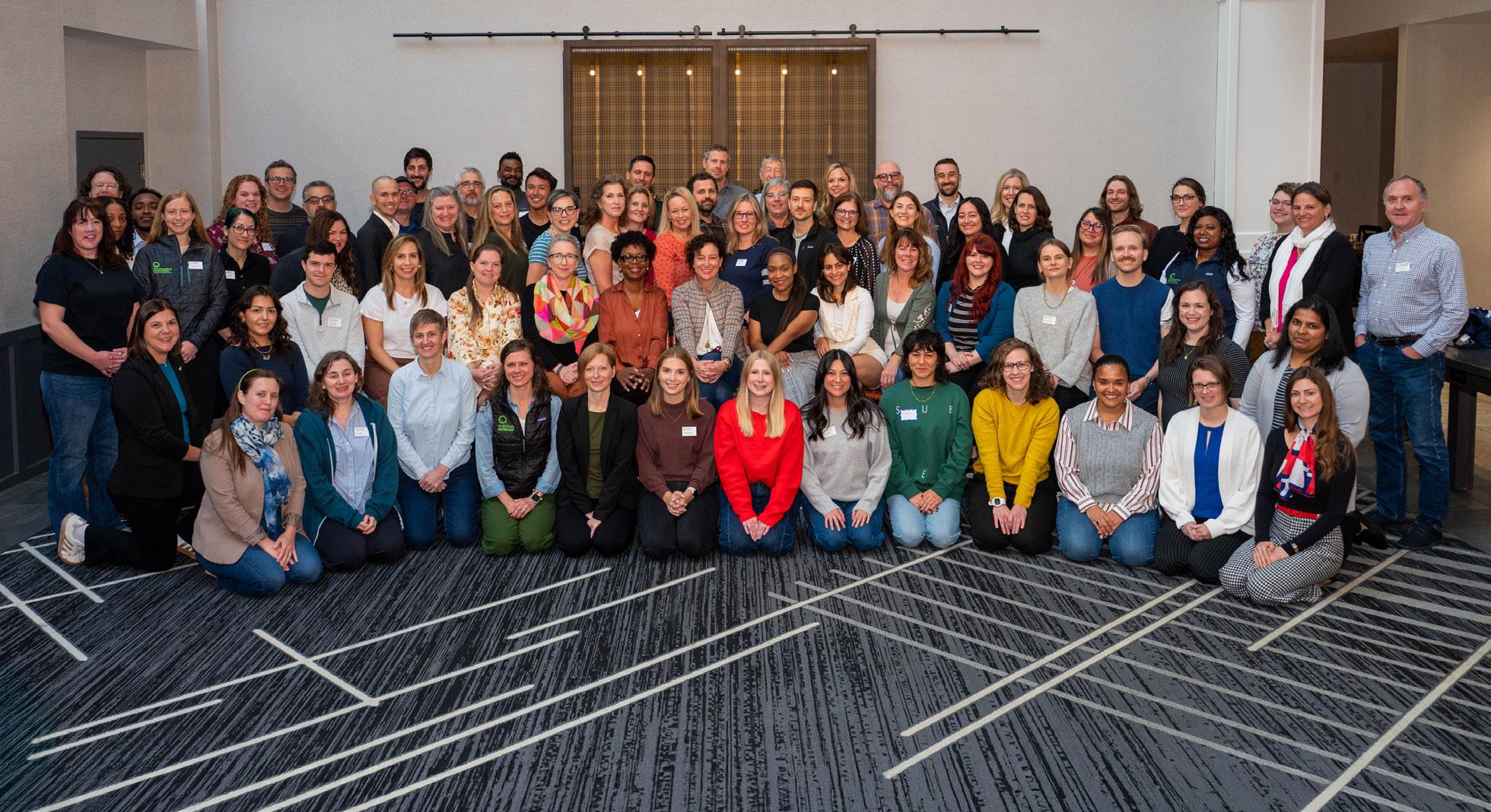
From the board’s vantage point, it’s clear that this team is built for the complexity of today’s recycling landscape. With new EPR laws, higher expectations, and scrutiny on what real change looks like, we need partners who can translate policy into performance and tackle challenges no single company, community, or policy can solve alone.
As chair, I look for focus, discipline, and follow-through. I see it every day. Others do too — we were pleased when Forbes named Keefe one of its 50 Global Sustainability Leaders of 2025, and she was recently recognized on the 2026 Inc. Female Founders 500 list. The momentum is real, and this team is more than ready for what comes next.
If you’re looking for the right partner for the next chapter of recycling, this is it. Let’s keep tackling the toughest challenges, together.
Letter from Chair of the Board
The Recycling Partnership
Scott Breen
Scott Breen, Chair of the Board The Recycling Partnership