Special BCF Career Event
Special BCF Career Event
Turning Dutch scientific strength into real solutions for cancer patients P13
Quantum sensing maakt zichtbaar wat cellen normaal verborgen houden P20
A first-rate knowledge economy needs a first-rate access model P27
How AI is streamlining legal workflows in Life Sciences & Healthcare P45
Wavefront Therapeutics wins Innovation for Health 2026 Start-up Pitch Contest P54


From a bold idea to a thriving biotech: a conversation with Tim Van Hauwermeiren P14
Column Eline van Beest: “Zie je wel ... het kan wel in Europa.” P24
Curiosity, Courage, and Teamwork: Sanne Weijzen on Building a Meaningful Career P29
Leadership without noise. Barbara Brunnhuber on principles, thin skin and the kind of leadership biotech needs P48
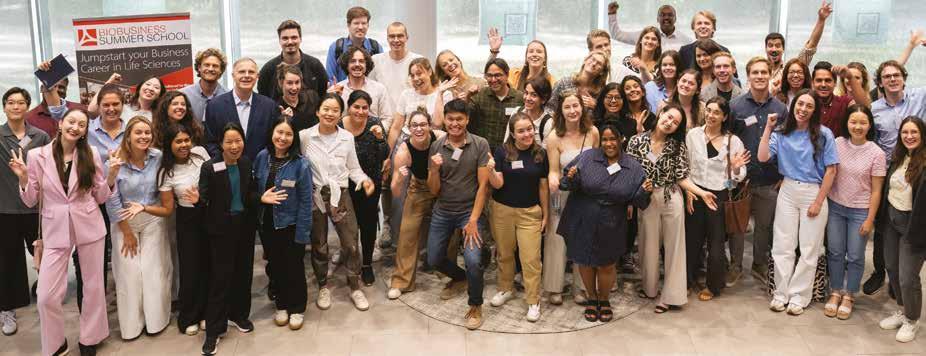
Are you ready to make the move from the lab to industry? Join the renowned BioBusiness Summer School 2026 – a five-day intensive programme designed to give you a real-world edge in the life sciences sector. Held in Amsterdam , Utrecht and Leiden from 22–26 June 2026, this immersive experience is ideal for PhD candidates, post-docs and early-stage professionals.
Subjects tailored to the Life Sciences industry:
» Business Models in Life Sciences
» Entrepreneurship
» Finance
» Intellectual Property
» Harvard-style Business Case
» Patents & Licenses
» Personal Development
» Product Development
» Regulatory Affairs
» Transition from academia to industry
» Business Development
» Alliance Management
Who Should Attend:
» PhD candidates and post-docs exploring a career outside academia
» Young professionals in life sciences seeking business skills
» Scientists, technologists and innovators ready to expand impact
Sponsored by

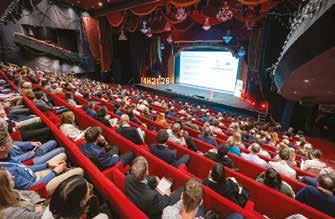
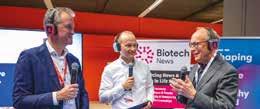
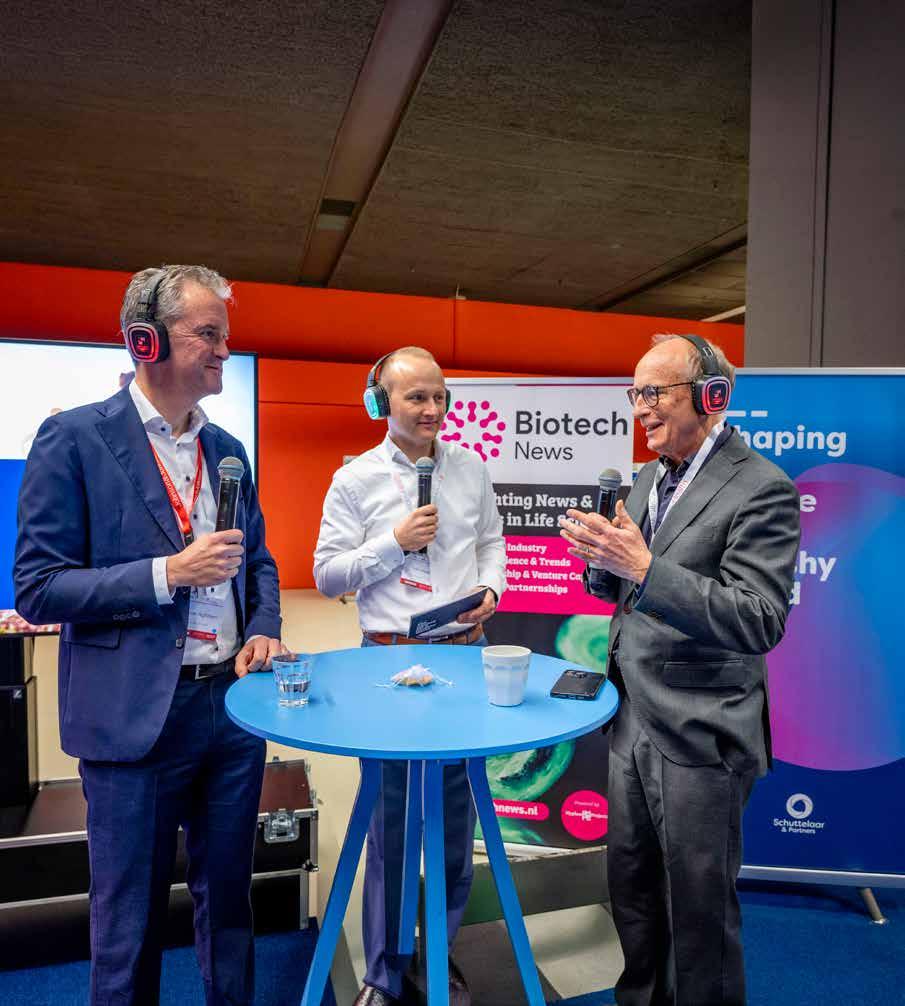
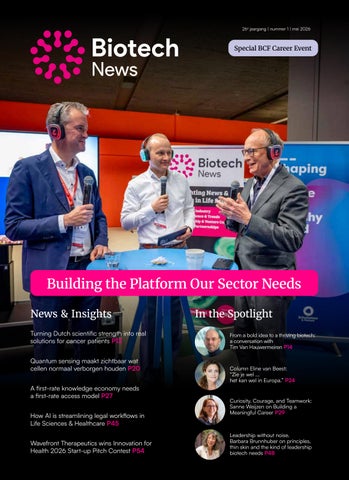
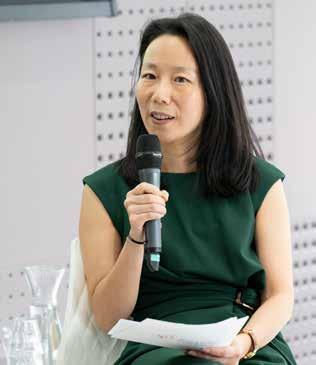
This spring marks an important milestone for BiotechNews. Alongside this print edition, we proudly launched our completely renewed website, transforming BiotechNews into a truly multi-media platform for the Dutch and Belgian life sciences sector. The launch took place during Innovation for Health, where we hosted live interviews on the BiotechNews stage with key players from across the ecosystem. It was an energising moment - one that reflects our ambition to connect, inform, and give a voice to the people shaping our sector, both in print and online.
This edition’s cover story (page 7) builds directly on one of those live conversations. In “We have all the right ingredients. Why let patients wait?”, Hans Schikan and Michel van Agthoven address a critical challenge: despite world-class science and a vibrant startup ecosystem, innovative therapies are still not reaching patients fast enough. Their message is clear - if the Netherlands wants to remain competitive, more coordinated action is needed to bridge the gap between innovation and access.
That urgency is felt across the sector. While fundraising conditions remain challenging, there are also clear signs of resilience and progress. The successful Nasdaq listing of Agomab Therapeutics, raising approximately
$200 million, is a powerful reminder that European biotech can succeed on the global stage (see also the column of Eline van Beest, page 24). As highlighted in the coverage of Venture Challenge (page 22), whose alumni have collectively raised over €1 billion, the pipeline of innovation remains strong.
This issue also features in-depth conversations with leaders who exemplify what it takes to build and lead in biotech today. In our interview with Tim Van Hauwermeiren (pages 14-15), we explore the journey from bold idea to global biotech success. In Leadership Without Noise (pages 48-49), Barbara Brunnhuber offers a refreshing perspective on leadership rooted in principles, trust, and authenticity. Together, these stories reflect a sector in transition - facing headwinds, yet rich in talent, ambition, and opportunity. With our new platform, we look forward to continuing to share these stories, connecting the community, and contributing to the future of life sciences.
Haifen Hu
Publisher, BiotechNews & Director, Hyphen Projects
Your news in BiotechNEWS?
BiotechNews is the leading media platform that provides the Dutch and Belgium Life Sciences sector with sector news and keeps you informed of the latest developments and interesting trends.
Do you have interesting company news, product launches, or leadership stories to share with the Life Sciences ecosystem?
BiotechNews is published by
Hyphen Projects BV
Veerstraat 37, 1211 HJ Hilversum KvK: 32110979, BTW nr : NL8184.34.491.B01 ING NL26INGB0007452062
Telefoon: 035 623 07 81 www.hyphenprojects.nl/biotechnews
Publisher
Haifen Hu, Owner and Director
Editorial and Text
Ilse Kuiper
Erwin Gevers
Alex Cloherty
Karen De Ceunynck
Sarah Opitz
E-mail: biotechnews@hyphenprojects.nl
Sales
Haifen Hu, Sales General Inge Bommezijn, Sales & Customer Support
Ferdinand Oldemaat, Sales Strategic Advisor
Graphic Design
Reclamemakers.nl, Inge Folkert-Hegteler
Photography O.a. Joshua Quicken
Printer Senefelder Misset ISSN 2666-1012
MAGAZINE BiotechNews publishes twice a year a printed magazine with the latest background stories, news and industry highlights. The first edition traditionally comes out in May and the second edition in November. You can sign-up for a subscription via the website https://biotechnews.nl/newsletter.
Through our printed magazine, online news platform, newsletter, podcasts, and events coverage, we offer targeted visibility within a highly specialized and engaged community.
Check out the options via www.biotechnews.nl/advertise or contact our editorial board via biotechnews@hyphenprojects.nl
WEBSITE AND NEWSLETTER Do you want to stay updated on the latest news and developments in the Life Sciences industry? Visit our website www.biotechnews.nl and subscribe to receive the (free) digital newsletter of BiotechNews.
Regeneratieve Regeneratieve & Cellulaire & Cellulaire
Industrie Industrie
Herbruikbare cleanroom oplossingen voor 1 productiebatch, 1 leven. Ondersteuning van deze industrie in hun levensreddende missie.
Wij hebben de kledingoplossing die u nodig hebt!

Door te kiezen voor Elis Cleanroom investeert u niet alleen in de juiste Cleanroomkleding, maar kiest u ook voor een partner in herbruikbare wasoplossingen die zich inzet voor de toekomst met duurzame, kosteneffectieve en innovatieve diensten.
KuiperCompagnons
KuiperCompagnons staan sinds zo’n 25 jaar garant voor complexe utiliteitsgebouwen als laboratoria, ziekenhuizen en cleanrooms. Naam en faam door kennis en expertise doen vervolgens hun ding en zo werd KuiperCompagnons gevraagd voor één van de meest prestigieuze en langdurige projecten in Nederland: de verbouwing van het topklinisch opleidingsziekenhuis Albert Schweitzer. Betty Aarts, architect/programma manager Healthcare & Lifesciences en Rob Kanbier, directeur/architect Healthcare & Lifesciences, vertellen hoe kostenefficiënt puzzelen met gebruikers ook hier als een rode draad door het immense project loopt.
Twee CAR-T faciliteiten. De verbouw van het Sanquin hoofdgebouw tot hooggespecialiseerd lab. De Bbio Cleanroom in Bilthoven. Het zijn maar enkele van de hoogstandjes die KuiperCompagnons de afgelopen jaren heeft uitgevoerd. Dit naast de grootschalige verbouw van het Albert Schweitzer ziekenhuis (ASz), want dat loopt al sinds 2010. ‘Het is een eervolle uitdaging waarvoor je vertrouwen moet genieten, ‘stelt Rob Kanbier. ‘Om verantwoordelijk te zijn voor alle projectmatige (verbouw) activiteiten die bijdragen aan instandhouding, continuïteit en optimalisatie in het ASz (gevestigd in Dordrecht, Zwijndrecht, Sliedrecht en 1 buitenlocatie). Het is een opdracht die KuiperCompagnons samen met partners ULC en Constructif al sinds jaren uitvoeren.’ Wat een mooie en uitdagende basis voor de partijen om langdurig samen te werken aan optimale zorglocaties voor patiënten, werknemers en bezoekers!
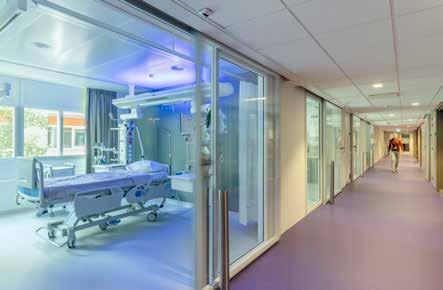
Ondertussen is er de afgelopen jaren al het nodige werk verzet. De afdelingen die inmiddels zijn verbouwd of nieuw gebouwd omvatten het OK complex op de Dordrecht en Zwijndrecht locaties, radiologie, nucleaire geneeskunde, MDL scopie, kinder- en KNO afdeling, grootbereidingsapotheek, verlos- en kraamafdeling dagbehandeling oncologie en dialyse, psychiatrie, geriatrie, centrale keuken, hartkatherisatie en diverse poliklinieken. We zoomen in op de nieuwe afdeling voor hartbewaking (CCU) die vorig jaar officieel in gebruik werd genomen. ‘Ruimte, licht en technologie vormen de kern van het ontwerp, ‘legt Rob Kanbier uit. ‘De ruime suites zijn

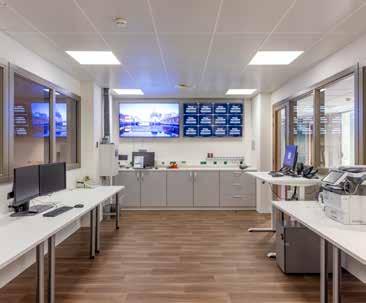
uitgerust met geavanceerde medische apparatuur en profiteren van overvloedig daglicht. Glazen puien verbinden de kamers met de gang en zorgen voor een open, transparante omgeving die zowel patiënten als zorgprofessionals ondersteunt.’
Op welke wijze is deze ingrijpende renovatie binnen een 24/7 operationeel ziekenhuis uitgevoerd? ‘Tijdens de realisatie van de CCU bleven de naast-, boven- en onderliggende afdelingen volledig in bedrijf, ‘vertelt Betty Aarts. ‘Ook de verbouwing van de ICU (die naar verwachting dit jaar wordt opgeleverd), wordt uitgevoerd terwijl de zorg ononderbroken doorgaat. Om dit mogelijk te maken, wordt een uitgebreid fasering- en schuifplan opgesteld. Zodat alle afdelingen en omliggende functies continue doorfunctioneren en de materiaalstromen en bouwlogistiek efficiënt worden georganiseerd.’
Chronisch geldgebrek als permanente uitdaging Naast daglicht toetreding, is één van de fingerprints van KuiperCompagnons bij ieder project het streven naar een perfecte symbiose tussen functionaliteit en beleving. Die beleving is hier grondig aangepakt op een wijze die overal lof oogst. Betty: ‘Het koele, zakelijke ‘nummertjes trekken’ voor patiënten, is passé. We zien het ziekenhuis als dorp met een eigen gezicht. Het zijn vooral de iconen die niet alleen het karakter, maar ook de identiteit en herkenningspunten vormen. Zoek je de afdeling radiologie? Deze bevindt zich in het Huis Van Gijn, en terwijl je daar wacht, kan je niet alleen genieten van het prachtige fotobehang van het Museum Van Gijn, maar kom je ook meer te weten over bankier en verzamelaar Simon van Gijn. Fotobehang is niet alleen een hooggewaardeerde, maar ook budgetvriendelijke oplossing in een tijd dat chronisch geldgebrek een voortdurende uitdaging is.’
IGLO: intelligent verwerken van gebruikersinformatie
De enorme kennis en expertise in het flexibel en toekomstbestendig opzetten van deze complexe gebouwen heeft KuiperCompagnons samengevat in de IGLO (Intelligente Generieke Laboratorium Optimalisatie) methode waarmee oplossingen duurzaam, flexibel en kostenefficiënt zijn. ‘De methode is gebaseerd op het intelligent verwerken van gebruikersinformatie en het ontwerpen van flexibele, uitwisselbare generieke modules. Want nieuwe regelgeving, verbeterde apparatuur of nieuwe methoden vragen voortdurend om aanpassingen in het proces. Door vanaf het begin rekening te houden met toekomstige mogelijkheden, hoeft dit geen invloed te hebben op de indeling.’
‘Door samen met gebruikers kritisch te kijken naar processen, installaties en ruimtegebruik ontstaan flexibele en modulaire omgevingen die niet alleen meegroeien met veranderende behoeften, maar ook een aangename sfeer en een perfecte symbiose tussen functionaliteit en beleving creëren, ‘ besluiten de beide gepassioneerde architecten.
PHC Europe, renowned for its evergreen product lines of refrigerators, freezers, and cell culture incubators, is expanding its innovation portfolio with a novel product line supporting research and development in the Cell & Gene Therapy (CGT) field and Cell-based R&D.
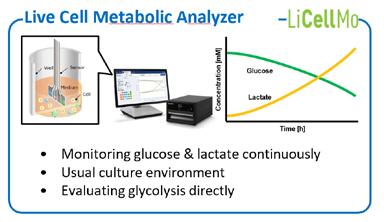
The flagship product of PHCbi’s CGT line is the Live Cell Metabolic Analyzer (LiCellMo), an innovation that enables long-term, continuous, manual sampling-free measurement of glucose and lactate in natural cell culture environments. LiCellMo visualizes real-time changes in glycolysis-based cellular metabolism, providing precise information about in vitro metabolism shifts and cellular statuses.
At the heart of LiCellMo is PHCbi’s proprietary sensor technology, developed in-house by PHC’s engineering team in Japan. This electrochemical sensor, where glucose dehydrogenase and lactate dehydrogenase are conjugated, detects and records mild currents released during dehydrogenation reactions in the cell culture medium. To date, eight patents covering the sensing technology, its manufacturing, and the LiCellMo system have been issued in various countries, highlighting its uniqueness and originality.
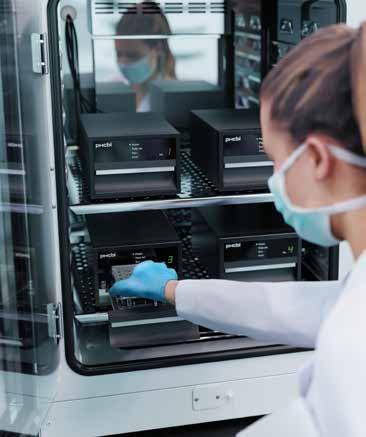
LiCellMo’s real-time measurement of glucose and lactate can sustain up to 10 days without manual sampling, creating a labor-free working environment for researchers and scientists, thereby increasing R&D efficiency. Measurements are taken once per minute, with data smoothed and output every 15 minutes. Additionally, the metabolic rate based on glucose and lactate is calculated automatically. Furthermore, the LiCellMo system is housed in a standard CO2 incubator, ensuring cells remain in their natural growth environment and can be used for further experiments, evaluations, or cell expansion after metabolic data collection.
LiCellMo is a versatile tool for monitoring:
1. Shifts in metabolism pathways (glycolysis VS mitochondrial respiration)
2. Long-term changes in cellular statuses
3. Cell differentiation and activation
Its applications span various fields, including but not limited to metabolism-related research (e.g., diabetes, liver, cardiovascular), oncology and tumor microenvironment studies, immunology, primary cell and stem cell cultivation and differentiation, cell culture medium optimization and testing, process development (e.g., upscaling to bioreactors, pharmaceutical component screening, and mode of action determination), and sports medicine.
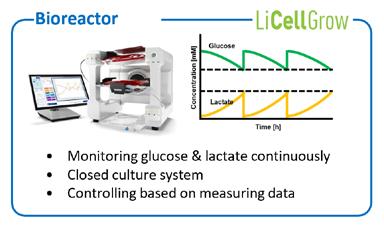
Building on this, PHCbi’s engineering team has developed LiCellGrow, an automatic bioreactor controlled via the real-time glucose and lactate measurements mediated by the same sensing technology as LiCellMo. LiCellGrow offers various approaches to control the bioreactor system, such as via the threshold value or the range value of the glucose and lactate measurement, and when necessary replacing the old cell culture medium with the new one. It also allows users to monitor cell conditions based on four critical elements: glucose, lactate, pH, and oxygen concentration.
PHCbi’s new CGT product line, grounded in proprietary technology, is poised to provide

biomedical scientists with a paradigm-shifting solution for monitoring cell statuses and controlling cell culture growth. While LiCellMo is currently available, LiCellGrow is scheduled for launch in October 2025. We look forward to collaborating with academic and industry partners dedicated to biomedical research and development, with LiCellMo and LiCellGrow efficiently supporting your efforts to advance innovation.
Connect with us for an in-depth discussion and a demo on location: Ashley Shih, Application Specialist, CGT department (ashley.shih@eu.phchd.com) www.phchd.com
By Schuttelaar & Partners
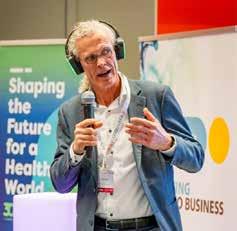
With world-class research institutes, internationally respected universities, and a vibrant biotech startup ecosystem, the Netherlands has every ingredient needed to become a global leader in life sciences. Yet despite these strengths, innovative therapies do not reach Dutch patients quickly—or not at all. This discrepancy—the gap between innovation and patient access— was the central theme of a recent live interview held at Innovation for Health with Michel van Agthoven (Johnson & Johnson) and Hans Schikan (former Top Team member Health-Holland).
Their joint conclusion: the Netherlands must urgently take coordinated action to remain competitive and deliver the benefits of innovation to patients.
Are we holding ourselves back?
Science is not the problem - systems are. Hans Schikan expressed this clearly: “We have all the right ingredients - excellent science, talented people, strong facilities - yet, patients wait too long.” Michel van Agthoven agrees, adding: “Our processes are too slow. It simply takes too long to start clinical trials or provide access to new therapies.”
Van Agthoven recalled the extraordinary acceleration during the COVID-19 crisis, when bureaucracy gave way to collaboration and urgency. “During COVID we built a manufacturing facility in Leiden
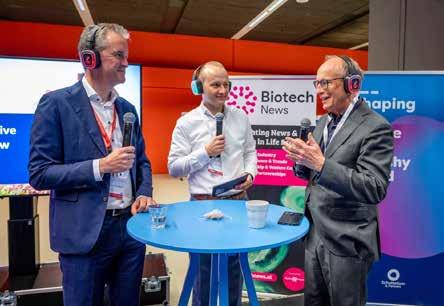
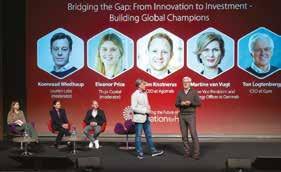
In the session “Bridging the Gap between Innovation and Market Access” at Innovation for Health, Michel van Agthoven and Hans Schikan sat down with three panellists from different parts of the healthcare ecosystem: Hans Gelderblom, Professor of Medical Oncology LUMC, Mirjam Vollenbroek, Professor Biomedical Signs & Signals University Twente & Board Member Medisch Spectrum Twente, and Anke Hövels, Lead Spearhead Medicines KWF. In this discussion, they landed on five key actions: 1) Act on the strategic recommendations of the Wennink Report; 2) Streamline regulatory and access processes; 3) Break down institutional silos; 4) Set up more public–private partnerships; 5) Embrace proven European examples such as Germany’s early access model. These actions formed the starting point for this interview.
within a year and a day thanks to fantastic collaboration with all parties involved - something that normally takes several years. We know we can move faster when we choose to.” The speakers agreed that if the Netherlands wants to compete internationally, regulatory processes must become more agile and predictable, and that all stakeholders must join forces to keep the country attractive for clinical trials—for the benefit of patients, researchers, and companies.
The steps forward are clear
The recent economic report led by Peter Wennink, former CEO of ASML, is clear: it identifies life sciences and biotech as a crucial and highly promising strategic sector for the Netherlands. Van Agthoven stressed that this provides a good roadmap: “We don’t need new reports. The steps are crystal clear. We need to start implementing the recommendations now to shape the necessary preconditions, before we fall behind other countries that are moving much faster.”
Hans Schikan reinforced the urgency from a societal angle: “It’s not only about economic potential. If we invest in life sciences and biotech, people stay healthy. This is something the Prime Minister should champion at the highest level—this cannot sit only with individual ministries. It should be ‘Chefssache’.”
The Netherlands has much to learn from European neighbours already combining innovation with rapid access. Germany stands out, according to both Schikan and van Agthoven. Schikan explained: “In Germany, as soon as a new innovative drug is approved by EMA, physicians can prescribe it immediately. After a year, they evaluate the real-world evidence and companies negotiate a price with the government. That is a much better way than making patients wait for years.” Van Agthoven agreed, reminding ourselves that we are not talking about untested products here: “New medicines that enter the market are safe, approved options, as confirmed by EMA. Early access with real-world evaluation is an approach we should seriously consider for the Netherlands. Instead of focusing on the upfront evaluation only, we should target our efforts to what we can learn from the use of medicines in daily practice.”
Adopting elements of such a successful European system could significantly reduce delays, position the Netherlands as a more attractive environment for innovation, and—most importantly—ensure that patients gain swift access to the latest new medicines.
Another major barrier identified is the siloed Dutch policy landscape. Hospitals, insurers, and regulators each operate under narrow mandates. Van Agthoven highlights the issue: “We can’t blame decision makers for watching their budgetary siloes, wouldn’t you do the same? But innovation has a much wider societal value.” He calls for real-world evaluation models that include labour participation, productivity, and the wider economic and societal benefit of medicines. Schikan adds: “Innovation is only real when it reaches patients. Without a shift in mindset toward long-term value and societal impact”, he warns, “the country risks losing the payoff from decades of investment in research.”
Both speakers conclude that with decisive action, the Netherlands can ensure that its scientific breakthroughs deliver real and timely impact where it matters most: at the level of patients, their families and caregivers.
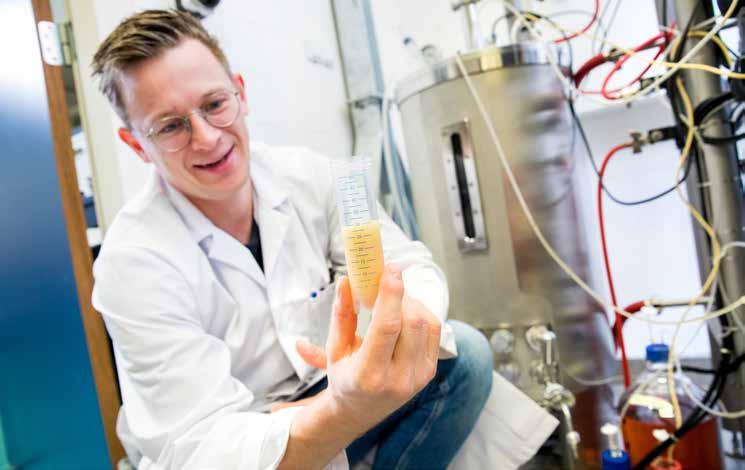
Schimmels die op gras groeien kunnen in de toekomst een deel van het werk van koeien overnemen bij de productie van dierlijke eiwitten. Als partner binnen Cellulaire Agricultuur Nederland (CAN) richt het HAN BioCentre zich daarom op de ontwikkeling van precisiefermentatie in zowel onderwijs als onderzoek.
Sinds begin dit jaar is de HAN, via het expertisecentrum HAN BioCentre, officieel aangesloten bij CAN. Dit Nationaal Groeifondsproject stimuleert de snelgroeiende sector rondom precisiefermentatie en kweekvlees. Met behulp van dierlijke cellen of micro-organismen kunnen voedingsmiddelen zoals zuivel, vlees en vis worden geproduceerd zonder dat er dieren nodig zijn.
Het HAN BioCentre focust zich binnen CAN op precisiefermentatie: een biotechnologische methode waarbij micro-organismen via fermentatie hoogwaardige eiwitten en andere voedselingrediënten produceren. Deze techniek maakt het mogelijk om dierlijke eiwitten duurzaam en efficiënt te vervaardigen zonder inzet van dieren.
Studenten kunnen zich verdiepen in precisiefermentatie via de HAN biotechnologie specialisatie binnen de opleidingen Biologie en Medisch Laboratoriumonderzoek en Life Sciences. Daarnaast is er een praktijkcursus ontwikkeld voor professionals uit het werkveld die zich verder willen specialiseren in dit thema.

Binnenkort starten het HAN BioCentre en het Lectoraat Biobased Innovations in het project FungCows, dat recent door NWO is gehonoreerd met een subsidie van 1,3 miljoen euro. Arthur Ram, hoogleraar Schimmelgenetica en Biotechnologie bij de Universiteit Leiden is hoofdaanvrager van het project. Het project ontwikkelt een nieuw biotechnologisch proces waarbij een niet modelschimmel melk¬eiwitten produceert uit gras. HAN BioCentre, BioscienZ en het Biotechnologie Fermentation Factory (BFF) gaan samenwerken aan de ontwikkeling en opschaling van het fermentatieproces. Those Vegan Cowboys zal uiteindelijk de vegan kaas via het nieuwe proces op de markt brengen.
Als Centre of Expertise werkt het HAN BioCentre samen met het werkveld en studenten aan een duurzame en gezonde samenleving. Het Lectoraat Biobased Innovations richt zich daarbij op sleuteltechnologieën die de grondstoffentransitie ondersteunen, binnen de thema’s biotechnologie, bioraffinage, analytische chemie en data science.
Meer informatie over de praktijkcursus Precisiefermentatie voor Alternatieve Eiwitproductie is beschikbaar via de HAN: https://www.han.nl/opleidingen/cursus/precisiefermentatie-vooralternatieve-eiwitproductie/.
Leiden University
Door wetenschappelijke kennis om te zetten in impactvolle toepassingen speelt de Universiteit Leiden een centrale rol in de oprichting en groei van start-ups. Dankzij een sterke samenwerkingscultuur verbindt de universiteit onderzoekers met belangrijke partners in het ecosysteem, zoals het Leids Universitair Medisch Centrum (LUMC), het Leids Bio Science Park, durfkapitaalpartners en bedrijven.
Joel van Omivera: ‘Een goed idee is niet genoeg’ Omivera is een spin-off van de Universiteit Leiden op het gebied van chemische proteomics, gericht op een van de belangrijkste uitdagingen in de geneesmiddelenontwikkeling: het gebrek aan data over de interactie van een geneesmiddel met het doeleiwit in een biologisch relevant systeem, vertelt CEO Joel Rüegger. ‘Ons CellEKT platform, dat gebruikt maakt van een set chemische probes, maakt een diepgaander inzicht mogelijk in de interactie van kinaseremmers in cellulaire modellen. Het CellEKT platform levert een nauwkeurig en biologisch relevant selectiviteitsprofiel van de geteste kinaseremmer op. Hierdoor is CellEKT een tool voor geneesmiddelontwikkelaars om in een vroeg stadium het meest veelbelovende molecuul voor verdere geneesmiddelenontwikkeling te selecteren. Zo draagt Omivera bij aan een snellere, veiligere en efficiëntere geneesmiddelenontwikkeling.’
Het CellEKT platform is uitgevonden tijdens wetenschappelijk onderzoek aan de Universiteit Leiden, in samenwerking met Roche. De KTO van de Universiteit Leiden (LURIS) en Oncode Instituut speelde daarna een sleutelrol in de vertaling van het onderzoek naar een commerciële setting en hielp bij het bouwen van duurzame samenwerkingen. Verdere valorisatie van het CellEKt platform werd versneld door de unieke wisselwerking tussen Oncode Institute en Oncode Accelerator, die academische innovatie en industriële toepassing laten samenkomen. Daarnaast won Joel een reeks van awards zoals de PhD competition op het Leiden Academic Centre for Drug Research Spring Symposium, de NWO Take off Phase 1 grant (co-awarded) en een award op de First International Kinomics Meeting in Hamburg.
Joel: ‘Enkel een goed idee is niet genoeg, zichtbaarheid is essentieel, maar het allerbelangrijkste is dat het idee een impact heeft in de praktijk.’
Elmer van iProtics: ‘Heeft het marktpotentie?’ Proteasoom-remmers, zoals Bortezomib en Carfilzomib, worden tegenwoordig actief ingezet in de behandeling van de ziekte van Kahler. Helaas kunnen deze klinische remmers geen onderscheid maken tussen de verschillende proteasomen. Dit leidt ertoe dat alle proteasomen -dus ook gezonde–geremt worden, waardoor deze behandeling vaak ernstige bijwerkingen heeft, zoals hartfalen. iProtics ontwikkelt, samen met Universiteit Leiden een immunoproteasoom-remmer die selectiever is en daardoor alleen bloedkankercellen aanpakt in plaats van gezonde lichaamseigen cellen.
‘iProtics, opgericht 2024, vloeit voort uit decennia aan onderzoek van hoogleraar Hermen Overkleeft en de Bioorganic synthesis-groep,’ vertelt iProtics CEO Elmer Maurits. ‘De onderzoeksgroep, in samenwerking met wetenschappelijke partners, ontdekten dat in bloedkankercellen voornamelijk het immunoproteasoom aanwezig en actief is en niet zozeer het constitutieve proteasoom. Daarnaast ontwikkelde een promovendus eerder al een molecuul dat zich voornamelijk richt op het immunoproteasoom. Dit was het startschot voor mijn promotieonderzoek, waar Patrick Dekker (medeoprichter iProtics), zich later bij aansloot.’
‘Na mijn promotieonderzoek ontstond de vraag of de ontwikkeling van een remmer die zich alleen richt op het immunoproteasoom, marktpotentie zou hebben. Toen besloten we te gaan praten met Luris, de technology transfer office: ‘Kunnen we dit middel (Lead compound IP071) naar de patiënt krijgen?’ De universiteit ondersteunde onze deelname aan de Venture Challenge en de Faculty of Impact programma wat van grote waarde bleek voor de vroege ontwikkeling van het idee. In dezelfde periode, van 2021 tot 2023, voerden we marktonderzoek uit en dienden een patent in wat uiteindelijk leidde tot de oprichting van iProtics. Binnen het faciliterend ecosysteem van de Universiteit Leiden speelde ondersteuning voor het oprichten van start-ups en kennisvalorisatie een belangrijke rol. Ook het winnen van de NWO Venture Challenge bevestigde het potentieel van het concept. Naarmate het bedrijf zich ontwikkelde, met name tijdens latere licentiebesprekingen, evolueerde de aard van de samenwerking op natuurlijke wijze, waarbij de onderneming zich van academische wetenschap naar commercialisering bewoog.’
Mirjam van Myriagon: ‘Domino effect’ Myriagon is een spin-off van de Universiteit Leiden en het Oncode Instituut. Het team bestaat uit dr. Mirjam Huizenga (CEO en medeoprichter), Wouter Driever (CSO en medeoprichter) en dr. Alexander Turkin (Business Developer vanuit Oncode instituut), ondersteund door prof. dr. Mario van der Stelt (KOL op het gebied van endocannabinoïde-onderzoek en medicinale chemie) en prof. dr. Andrea Hohmann (KOL op het gebied van preklinische pijnmodellen). ‘Myriagon ontwikkelt orale medicatie voor neuropathische pijn, ‘legt Mirjam uit.’ ‘We ontdekten een nieuwe mogelijke pijnstiller -MAGL-remmer- voor chemotherapiegeïnduceerde perifere neuropathie (CIPN); de belangrijkste reden voor dosisverlaging en stopzetting van chemotherapie. De monoacylglycerol lipase (MAGL)-remmers benutten een natuurlijk pijnverlichtingsmechanisme en de remmers kunnen mogelijk ook worden ingezet voor andere vormen van (neuropathische en inflammatie) pijn. De werkzaamheid hiervan is aangetoond in vier andere pijnmodellen en in een model voor inflammatoire leverbeschadiging.’
‘Toen we ons oriënteerden op de oprichting van een onderneming, kregen we support van het ‘Leidse ecosysteem’ waaronder Elmer en Patrick van iProtics, maar ook Joel (Omivera). Ik nam deel aan de PLNT Venture Academy waar ik veel aan heb gehad, en met de deelnemers aan de Venture Academy deel ik nog steeds hoogte- en dieptepunten, maar ook advies. Vooral heeft het Leidse ecosysteem gezorgd voor een domino effect van lokaal naar nationaal. Mede door hun support wonnen we recent de NWOVenture Challenge en de Academic Start Up Competition van Tech Leap en werden ze toegelaten tot Faculty of Impact.’




De wetenschap staat niet stil. Steeds komen er nieuwe technologieën, ook op het gebied van de ontwikkeling van nieuwe medicijnen.
Het beoordelen van de veiligheid en werking van nieuwe medicijnen wordt voor een medicijnautoriteit als het CBG dan ook complexer.
Zelf blijven we innoveren en doen we wetenschappelijk onderzoek om onze processen te verbeteren. Marjon Pasmooij en Aimad Torqui vertellen over het belang van wetenschappelijk onderzoek binnen het CBG.
Wetenschap is een van de kernwaarden van het CBG (zie kadertekst). En dat is niet voor niets. “Onze belangrijkste taak is om te bepalen of de balans tussen de werkzaamheid en bijwerkingen van medicijnen positief is. Alleen al daarom is wetenschap onlosmakelijk verbonden met ons werk. Het is ook niet voor niets een van de kernwaardes van de organisatie”, vertelt Marjon Pasmooij, hoofd
van de afdeling Wetenschap. “Het vergaren van kennis door middel van wetenschappelijk onderzoek helpt ons beter te beoordelen en daarmee ons werk beter te doen.”
In 2025 hebben we ons nieuwe wetenschapsbeleid gepresenteerd. Daarin richten we ons hoofdzakelijk op 4 thema’s:
1. Vervanging, vermindering en verfijning van dierproeven (3V’s)
2. Data gedreven beoordeling
3. Personalised medicine
4. Nieuwe farmaceutische wetgeving
Dit wetenschapsbeleid helpt het CBG inspelen op nieuwe ontwikkelingen. “Technologische vernieuwingen en maatschappelijke ontwikkelingen volgen elkaar snel op. Daarom is het essentieel dat we als organisatie blijven leren, innoveren en reflecteren”, aldus Marjon. Hoofdthema’s als datagedreven beoordelen en personalised medicine sluiten daar uiteraard ook goed op aan.
EMRD
Een mooi voorbeeld dat aansluit op het thema data gedreven beoordelen is de EMRD (European Medicines Regulatory Database) die het CBG heeft ontwikkeld samen met de Universiteit Utrecht. Een database en dashboard met een enorme set data over in Europa toegelaten medicijnen. Informatie die voorheen gefragmenteerd was, is nu beter beschikbaar, voor onderzoekers, patiënten en andere stakeholders. De data is beschikbaar via het FAIR-principe (Findable, Accessible, Interoperable, Resuable, oftewel vindbaar, toegankelijk, uitwisselbaar en herbruikbaar). Tijdens de jaarljkse CBG-CCMO Wetenschapsdag op 20 mei 2026 wordt de EMRD gelanceerd.
Nieuwe farmaceutische wetgeving
“We hebben de wetgeving heel bewust opgenomen in ons wetenschapsbeleid. Want het gaat veel betekenen voor de manier waarop we werken en hoe de processen binnen het CBG en de andere Europese medicijnautoriteiten en het EMA gaan verlopen”, legt Aimad Torqui uit. Hij is divisiedirecteur Europa, Geneesmiddelgebruik en Veterinair en vanuit die rol nauw betrokken bij alle internationale ontwikkelingen, waaronder ook de nieuwe Europese farmaceutische wetgeving.
“Door de wetgeving gaan er veel regulatoire processen veranderen”, vervolgt Aimad. “Dat vraagt dus ook dat we kritisch kijken naar het systeem en hoe we mensen en middelen inzetten om het uitvoerbaar te houden. Momenteel staat het netwerk in Europa steeds meer onder druk. Dossiers worden steeds complexer en ingewikkelder. Dat vergt steeds meer van de medicijnautoriteiten en de beoordelaars, waardoor het alleen maar zinvoller wordt om te kijken hoe we processen kunnen verbeteren.”
Belang van samenwerking
Alle veranderingen op het gebied van wetgeving en processen overstijgen de landsgrenzen. Dat maakt samenwerking in Europa misschien nog wel veel belangrijker dan het al was. “En er is al veel samenwerking”, vertelt Marjon. “Denk aan de samenwerking met
het EMA en de andere agentschappen en met de verschillende ketenpartners. Waar we dubbel werk kunnen voorkomen, moeten we dat doen.”
Bijblijven
Kennis opdoen is ook van groot belang om bij te blijven bij alle ontwikkelingen. Daarom is samenwerking ook zo belangrijk. Aimad:
“We moeten laten zie dat we een relevante kennispartner zijn. Zowel naar academische partners, als naar de industrie en naar patiënten. Het is belangrijk om in een netwerk te opereren, zodat we over goede kennis kunnen blijven beschikken om ons werk zo efficiënt en goed mogelijk te doen.”
Waarom wetenschap zo belangrijk is, licht Marjon toe met een concreet voorbeeld. “Kijk naar de ontwikkelingen in het terugdringen van het aantal dierproeven, waar we inzetten op onderzoek naar vervanging, vermindering en verfijning, de 3V’s. Dat was al een van onze thema’s, en dat blijft. We vragen er in Europa veel aandacht

voor en dat heeft in het verleden er al toe geleid dat nieuwe inzichten in internationale richtlijnen zijn opgenomen. Met onze strategie voor 2025-2029 willen we op een dergelijke manier impact blijven maken in de komende jaren.”
Wie zijn wij?
Iedereen die een medicijn gebruikt, moet daarop kunnen vertrouwen. Dat is waar ruim 500 medewerkers van het College ter Beoordeling van Geneesmiddelen (CBG) elke dag aan werken. We beoordelen medicijnen voor mens en dier om te bepalen of ze op de markt mogen komen. Daarnaast houden we, na toelating, ook alle risico’s en bijwerkingen van een medicijn scherp in de gaten. En we stimuleren goed gebruik van medicijnen:
Goede medicijnen, goed gebruikt.
Dit doen we door midden in de samenleving te staan, in alle openheid en in directe samenwerking met patiënten, artsen, apothekers en wetenschappers. Waarbij het CBG het delen van kennis - van wetenschappelijk onderzoek tot gebruikersinformatieinitieert en stimuleert.
Onze taken rond het beoordelen en bewaken van de werkzaamheid, veiligheid en kwaliteit van medicijnen voor mens en dier voeren we uit op basis van onze kernwaarden:
Wetenschappelijk, Waakzaam en In Verbinding.
Vervanging, vermindering en verfijning van dierproeven (3 V’s) Ontwikkeling van medicijnen gaat gepaard met proefdieronderzoek. We zijn kritisch op de onderbouwende waarde daarvan. Het is namelijk gebleken dat dierstudies niet altijd nodig zijn, of niet goed te vertalen zijn naar de mens.
Daarom doen we onderzoek naar de toepasbaarheid van alternatieve modellen om de werkzaamheid en veiligheid van medicijnen te onderzoeken. En we evalueren de noodzaak van dierstudies die beschreven zijn in internationale richtlijnen. Ook onderzoeken we wat de meest efficiënte methodes zijn om de veiligheid van nieuwe klassen medicijnen te beoordelen.
Al met al werken we toe naar een scenario, waarin dierproeven alleen uitgevoerd worden als ze aantoonbare meerwaarde hebben.
Wat wij doen is uniek in Nederland: er is maar één autoriteit die mag beoordelen of een medicijn voldoende werkzaam en veilig genoeg is en dus op de markt mag komen. Onze medewerkers nemen hun taak uiterst serieus, vanuit wetenschappelijk perspectief. Tegelijkertijd staan ze in de voorhoede als het gaat om nieuwe, soms baanbrekende ontwikkelingen op het gebied van de samenstelling, werking of productie van geneesmiddelen.
Natuurlijk zijn er ook spannende uitdagingen waar we naar uitkijken en waar we soms nerveus van worden. Onze omgeving is continu in beweging. Denk bijvoorbeeld aan internationalisering, kunstmatige intelligentie of (internationale) wetgeving over medicijnen, die volop aan het veranderen is. Ook staan we op het punt om de hele software waar onze processen op draaien te vervangen voor een moderne en toekomstbestendigere variant.
Met z’n allen gaan we dagelijks de kleine en grote uitdagingen aan op de manier die ons kenmerkt: deskundig, samen, met geduld waar nodig en met haast waar het kan en vooral met respect voor elkaar.


1
2
3
4
5
Je werkt met experts, in een internationale omgeving en in de voorhoede bij nieuwe of zelfs baanbrekende ontwikkelingen.
Je werkt voor patiëntveiligheid. Het vertrouwen in medicijnen is hoog in Nederland, dat willen we graag zo houden.
De Rijksoverheid staat al zes jaar op rij bovenaan de lijst van meest favoriete werkgevers, met goede arbeidsvoorwaarden.
Je werkt in een organisatie die sterk gericht is op samenwerking, respect, kennisdeling en jouw ontwikkeling.
Je krijgt de ruimte en de tools om hybride te werken, jouw eigen werk/privé balans vinden we belangrijk.
Onafhankelijk oordeel sinds 1963
Eind jaren ‘50 kregen zwangere vrouwen het medicijn Softenon (thalidomide) voorgeschreven tegen ochtendmisselijkheid. Pas later werd bekend dat dit schade kon aanrichten bij het ongeboren kind. Wereldwijd werden tienduizenden baby’s geboren met ernstige afwijkingen.
Deze zaak maakte ook voor Nederland duidelijk dat een onafhankelijke en deskundige autoriteit nodig was om de kwaliteit en de veiligheid van medicijnen te beoordelen. In 1963 is daarom het College ter Beoordeling van Geneesmiddelen opgericht. Om te zorgen dat er nooit meer zoiets als de ‘Softenon-affaire’ gebeurt.
Meer weten?
Kijk op werkenbijcbg.nl voor meer informatie en de meest recente vacatures.

By Schuttelaar & Partners
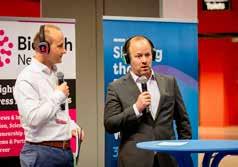
Innovations like organoids, advanced human tissue models, and organ-ona-chip platforms are a testament to the Netherlands being a leading player in high-end oncology research. How can we leverage those scientific advancements into better outcomes for cancer patients? That question was at the centre of a conversation between Friso Smit, COO of the Oncode Accelerator Foundation, and Bas Trietsch, CTO and cofounder of Mimetas, during a Biotech News live onstage interview.
Strong technology, slow systems Trietsch is unmistakenly proud of the scientific momentum in the Dutch oncology field. Technologies like organoids, advanced human tissue models, and organ-ona-chip platforms are rapidly reshaping drug development. “We have all the key technologies,” Trietsch says. “Whether it’s organoid and organ-on-a-chip technology or programs like Oncode Accelerator — the Netherlands is in a position to lead global oncology innovation.” Yet this leadership could be further strengthened through supportive innovation policies and a more enabling regulatory framework. According to Trietsch, Europe doesn’t lack permissions or guidance for innovative drug discovery, but clarity on opportunities and vocal support for innovation. “What we need is explicitness,” he stressed. “When regulators speak clearly, innovation accelerates.”
World-class science struggling to reach patients
Music to the ears of Friso Smit, who strives to accelerate oncology drug development through the Oncode Accelerator programme. He emphasises that the challenge is not a scientific one, as Dutch oncology research ranks among the best in the world. This strength is exemplified by Oncode Accelerator’s ecosystem of 40 partner organizations working on drug development across industry and academia, in addition to Oncode Institute’s network of more than 60 research groups. “The weak link is translation,” says Smit. “We have terrific science, but moving from discovery to manufacturing, scaling it up, and implementing it — that’s where we’re falling behind.”
The Dutch ecosystem faces several challenges across the complete value chain according to Smit. “First of all, we

see a pattern of short-term funding cycles in the innovation landscape. The National Growth Fund provided a major boost for Oncode Accelerator, for which we are very grateful, but the reliance on impulse funding creates instability.” This further underlines the need for long-term, consistent policy and innovation funding. Another factor holding us back is the slow adoption of new diagnostics and innovative therapies. “Take whole genome sequencing for example,” Smit says. “It has been available for more than a decade, yet the uptake in patient care remains limited and inconsistent.” Delays are also seen in clinical trials. On average, approval of a clinical trial in The Netherlands takes 2-3 times longer than in Germany, with the UK being even faster. “That delay harms innovation and makes us less attractive for trials, which are often run on a global scale,” Smit warns. And finally, the implementation of approved innovative medicines in clinical practice is often delayed because of lengthy reimbursement discussions. “All these barriers together make it challenging to bring the Netherlands to a level where it is attractive for industry partners to do oncology research and for Dutch patients to benefit from it,” concludes Smit.
How do we turn it around?
When asked how the Netherlands compares internationally, Trietsch stresses that the Netherlands has produced world-leading companies that successfully commercialized transformative innovations — such as Mimetas and HUB. “We excel at early innovation but support often falters when companies begin to grow,” he says. “Current policies in the EU limit financial support once startups move from R&D to commercial scale-up, while in other regions there is continuous support for growing companies.” Similarly, he highlights the difficulty of using patient material for commercial research - a critical requirement for building predictive human-relevant disease models like Mimetas does. “If we want innovative in vitro models to reach beyond the university walls into
patient-relevant settings, we need to embrace the role of both commercial and academic parties in our ethical, regulatory and funding guidelines.”
And it is possible, according to Smit. There are international examples of long-term collaborations, such as the Flandersbased VIB, which has funded innovation consistently for decades, and Cancer Research Horizons in the UK, which aligns academia and industry at national scale. “Within the Netherlands and Europe, we can achieve much more by working together — and by being more vocal in Brussels and The Hague about the barriers that prevent innovation from reaching patients.”
Human-relevant technologies are placing the Netherlands at the forefront
Both Smit and Trietsch see that humanrelevant technologies place the Netherlands at the forefront of global innovation. “The Netherlands has a unique opportunity,” says Smit. “The combination of organoid and organ on a chip technologies with rich
patient cohorts in preclinical development is where we can make a real leap.”
Smit’s closing remark is no coincidence. It captures the core of Oncode Accelerator’s mission: accelerating cancer drug development by integrating AI, organoids, and patient cohorts into the preclinical pipeline to reduce risk, cost, and time to develop new therapies. Yet, as both Smit and Trietsch emphasize, technology alone is not enough. Real impact comes from embedding innovation within a supportive ecosystem. That means designing policies that actively stimulate development and translation. The potential is clearly there. Now it’s time to make it count.

By Karen De Ceunynck
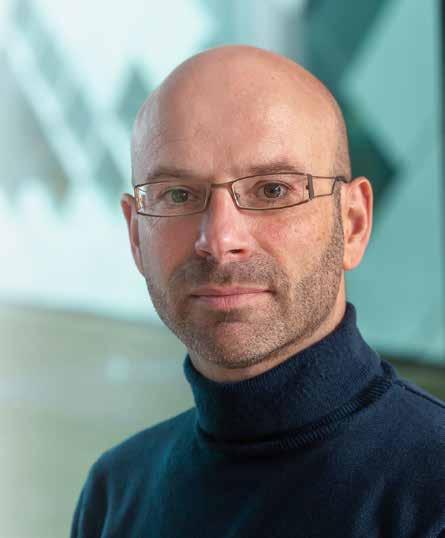
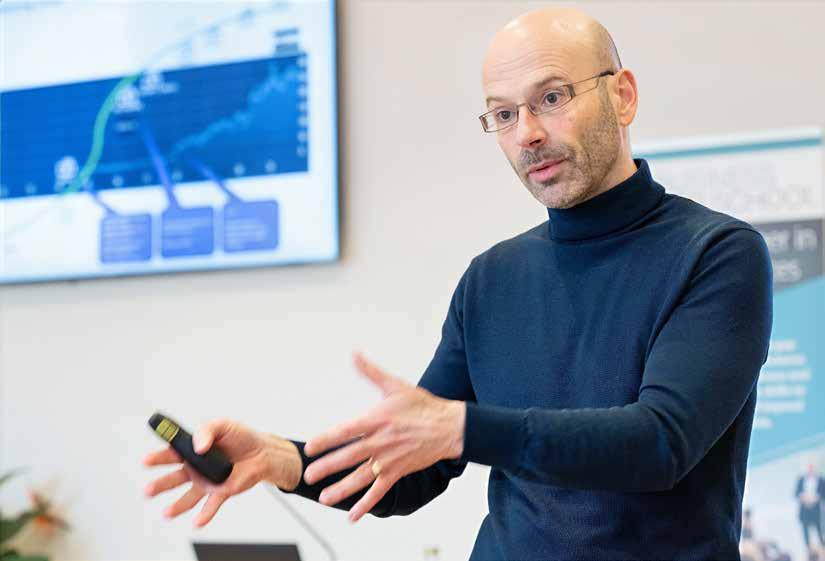
Behind one of Europe’s most successful biotech companies stands a story of perseverance and relentless belief in impact. As co-founder and CEO of Argenx, Tim Van Hauwermeiren has navigated the company from a bold idea with no data to global success. We asked him some questions about his career path, the realities of building a biotech company, and the lessons he believes are essential for scientists looking to move beyond academia.
To start, could you tell us a bit about the person behind the CEO of Argenx? How do you relax outside of work?
First, there is very limited time outside the role. When you try to run a company like Argenx, and you want to do it well, it’s all-consuming. That said, one thing I learned, and advice I received from other CEOs, is that it’s extremely important to stay fit. With the limited time you have, of course you invest in your family and friends, but it is also crucial to remain fit. In my case, I’m an avid cyclist. I really enjoy cycling, either alone or in a team, on a race road bike. Staying physically fit is important, but so is staying mentally fit. You need to be able to re-energize, refresh, and maintain clarity amid all the daily noise.
Can you briefly share your career path before Argenx? Was there a pivotal decision that shaped your trajectory more than you realized at the time?
I’m not a big believer in planning career paths. If you look at my career, it actually zigzags quite a bit, which has given me a broad foundation to lean on. Reflecting on my career, there is however a clear pattern. I consistently made decisions based on people, specifically whom I could learn from.
I studied Bioengineering at Ghent University and had a close relationship with Professor Willy Verstraete. He was an entrepreneur, innovator, and incredibly energizing person. Subsequently, I undertook several internships with the intention of transitioning into industry. I chose Procter & Gamble (P&G) as my first employer, primarily because I wanted to be close to Jean Wevers, an entrepreneur there who was an innovator and builder of new businesses.
Upon leaving P&G, I was determined to establish my own company and return to the biotechnology sector. This ambition led me to join Ablynx, where I worked alongside its founding CEO, Mark Vaeck, who was also a true entrepreneur.
You co-founded argenx in 2008 with Hans de Haard and Torsten Dreier, whom you worked with at Ablynx. When did the idea first take shape, and what convinced you the science and business were strong enough?
The idea for the company emerged at a very early stage. In 2007, while still employed at Ablynx, I completed an Executive MBA driven by a clear ambition to establish my own company. The program allowed me to address gaps in my knowledge, particularly in the areas of accounting and finance. At that time, I had been working closely with Hans and Torsten for more than five years at Ablynx and was actively looking for a business idea. Hans had been developing an idea for some time, although it had not yet generated much interest.
That is where the magic happened. At a certain point, Hans and I decided to join forces, invite Torsten, and jump into business together. Bringing three people together who knew each other extremely well proved to be crucial. One of the main reasons early-stage ventures fail is founder misalignment. Having already worked with Hans and Torsten during very challenging times at Ablynx, I knew how they performed under pressure. Their skills were complementary to mine, and that gave me a high degree of confidence. The idea itself was very early. In fact, we raised seed financing in 2008 without a single data point. Looking back, that was probably a bit bold.
What were the biggest challenges in the early days? Were there moments when you thought the company might not make it? Absolutely, there were many such moments of uncertainty. And that
is an important message to share. Hindsight is nice, but when you’re in the middle of it, it takes enormous persistence and perseverance. Whether you like it or not, as a CEO of an early-stage company you are in a financing rat race. You may carry the title of CEO, but all you are doing is looking for money. In the beginning, it was extremely tough. We relied on borrowed equipment and persistent appeals for support. It was pure survival mode. The company was constantly racing to secure sufficient funding.
Although our initial public offering (IPO) on Euronext in 2014 provided temporary relief, it ironically became even more difficult to raise capital after the IPO. In 2016, the company was on the verge of ceasing operations. I remember being on my last business trip to New York. After a full week of meeting investors with zero traction, I was ready to go home and call it a day. However, one investor still wanted to meet and invited me for dinner on a Friday evening. Despite my reluctance, as I really wanted to go home, I accepted the invitation. By the end of dinner, he asked whether it would be possible to invest in the company. That investment ultimately saved Argenx. Had I chosen to take an earlier flight home and thrown in the towel, Argenx would not exist today. He invested and took a 10% stake in the company at a share price of €10.79. His name is Tom Brakel and he still holds all his shares and became a long-term investor. Without meeting him that day, Argenx probably wouldn’t exist.
This underscores how incredibly thin the line between success and failure is. And it is the reason humility is one of our core culture pillars. We remember where we came from. We know the value of every dollar/euro. That history keeps us grounded and humble.
Many PhDs and postdocs will attend the BioBusiness Winter School. What should they understand about industry that isn’t taught in academia? Which skills and mindset shifts are essential for them to thrive in industry?
An academic career path is extremely narrow, but it’s also not an easy path, especially given today’s funding environment and uncertainty. Maintaining long-term strategy and financing in a lab is very difficult. In contrast, there are countless career paths and possibilities outside academia. And if you want to make a real impact, industry is where it happens. Many people joined Argenx from universities or hospitals because they wanted to be closer to the impact is created.
One critical mindset shift is realizing that industry is a team sport. Today, more than ever in this complex biotech ecosystem, success depends on collaboration and teamwork. That is not always something an academic environment prepares you for. So focus on developing your social and interpersonal skills, and on how to contribute most effectively within a complementary team.
Do you have any final advice or thoughts for people looking for a career in industry or interested in starting their own company? I often speak with young people who struggle to imagine what their career path could look like. My advice is to triangulate by the people you admire, want to be close to, and want to learn from. When I applied to work with Mark Vaeck, I told him he could give me any job he wanted. I even said I would clean the toilets if that is what it took, as long as I could be close to him and observe how he built a company, how he thought, and how he worked. So again, as mentioned in the beginning of the interview, my advice would be to move close to people you want to learn from and the rest will follow.
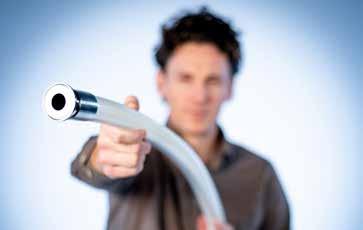
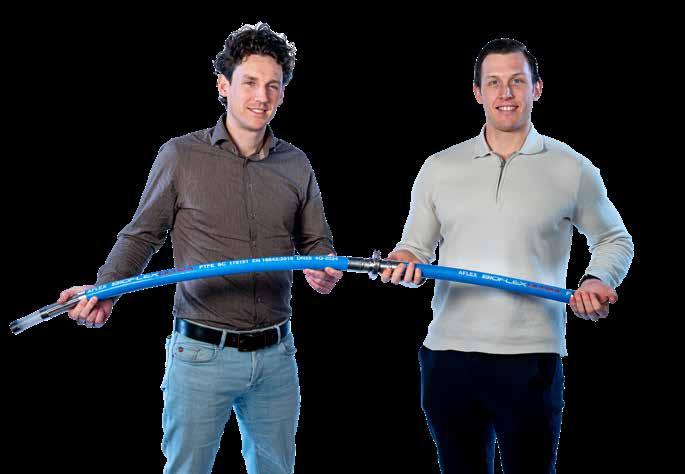
Met trots kondigen wij onze samenwerking aan met Aflex Hose, wereldleider in hoogwaardige, flexibele PTFE-slangen. Dankzij deze samenwerking is Hitma de officiële distributeur van de geavanceerde technologie van Aflex Hose in de Benelux. Deze samenwerking sluit perfect aan bij onze missie om klanten te ondersteunen bij het verbeteren van zowel de veiligheid als de efficiëntie van hun kritieke processen.
Unieke PTFE-voering verbetert veiligheid en efficiëntie Dankzij het gepatenteerde ontwerp van de PTFE-voering van Aflex Hose kunnen we klanten nu nog beter ondersteunen bij het verbeteren van hun veiligheid en efficiëntie. Deze innovatieve technologie zorgt ervoor dat de slang over de gehele lengte een gladde, ronde binnenwand behoudt, zonder vervorming. Onze specialisten kunnen je helpen bij het kiezen of creëren van de perfecte oplossing voor jouw specifieke proces.
Voordelen van Aflex hose assemblies
Aflex hoses zijn bekleed met polytetrafluorethyleen (PTFE) en bieden daardoor een uitstekende chemische bestendigheid. De structuur zorgt voor een gladde binnenwand, wat een schone en snelle werking garandeert, bestand tegen hoge drukken en temperaturen.
Over Hitma
Hitma is een technische handels-maatschappij. Sinds 1926 biedt het bedrijf producten en service voor de proces- en maakindustrie, farmacie, voedingsmiddelenbranche, energiebedrijven, high tech-sector, laboratoria, ziekenhuizen, utiliteitsbouw en de installatiebranche. Bij Hitma werken technische specialisten die bedrijfsprocessen en knelpunten begrijpen en hiervoor maatoplossingen verzorgen.
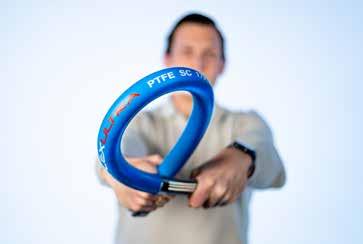
De unieke PTFE-voering die in Aflex hoses wordt gebruikt, resulteert in:
• Zeer flexibele en knikbestendige hoses
• Minimale turbulentie, wat een snelle doorstroming betekent
• Hoses verkrijgbaar met een natuurlijke of antistatische gepatenteerde PTFE-voering
• Geëlimineerd risico op verontreiniging omdat er geen lijm wordt gebruikt bij de productie
Een belangrijke stap
Salesmanager Rob Mijnsbergen van Hitma ziet de samenwerking met Aflex als een belangrijke stap: “Waar we al siliconenslangen konden leveren, stelt deze samenwerking ons in staat om ook PTFEslangen van de hoogste kwaliteit te leveren. Hierdoor kunnen we totaaloplossingen bieden voor processen met agressieve chemicaliën, hoge temperaturen, herhaalde CIP/SIP-processen en toepassingen die een zeer lage permeatie vereisen. De technologie sluit naadloos aan op onze missie om klanten hoogwaardige en betrouwbare

CryoReliance is de uitdaging aangegaan om de grote stap te maken naar een full scale facility die pharma en biosciencebedrijven kan ondersteunen met tal van hoogwaardige diensten. Dat betekent ook dat CryoReliance in-en ompak activiteiten kan uitvoeren voor pharmaceutische producten en grondstoffen. Het past niet alleen in de visie van CryoReliance maar sluit aan op de marktvraag aldus John van Moerkerken. “Het is een logische stap.”
Voor veel bedrijven is de route die een geneesmiddel aflegt van lab tot patiënt een lastig proces. De complexiteit wordt uiteraard met name veroorzaakt door onderzoek en testen, wetgeving en goedkeuring. Maar daarnaast zijn er nog tal van andere factoren; van QC tot opslag, labeling en packaging en distributie. Met name voor de kleinere of startende bedrijven in pharma en bioscience kan het remmend werken op de introductie en toepassing van een veelbelovend medicijn.
Voor CryoReliance, met vestigingen in Moordrecht en Leiden, heeft de opslag van medicijnen geen geheim meer. Onder GMP-eisen worden producten opgeslagen tot -196 graden Celsius. Ook GMPetikettering en secundaire verpakking alsmede logistiek management behoren tot de diensten. John van Moerkerken van CryoReliance: “In de achterliggende jaren hebben we een rustige en organische groei doorgemaakt en dat allemaal zelf kunnen financieren. We zijn een sterk bedrijf waardoor we ook kunnen inspelen op de ontwikkelingen en vragen vanuit de markt.”
Onder andere doelt hij daarmee op verzoeken voor secundaire labeling en packaging van onderzoeksgeneesmiddelen, waaronder IMP’s. “Het is een logische stap”, zegt Van Moerkerken: “Je wilt als full scale facility een breed palet diensten aan de klanten leveren. Dat is nu een struggle voor veel bedrijven. Het hele proces van ontwikkeling, testen en labelen, opslag en distributie kunnen wij voor de producenten coördineren. Met uiteraard een goede communicatie en vanzelfsprekend conform internationale regels.”
In de afgelopen tien jaar heeft CryoReliance een goede trackrecord opgebouwd. Dat geeft vertrouwen, zegt Van Moerkerken: “We zijn geen startup meer maar hebben de beschikbare mensen en faciliteiten. Dat is ook nodig want de sector vraagt steeds meer. Denk aan de opslag: we bieden al alle temperaturen; niet alleen de standaard temperaturen maar ook temperaturen die daar van afwijken. Bijvoorbeeld om stabiliteitsstudies te doen.”
Daarbij speelt nog een andere factor, vervolgt hij: “We zijn een relatief kleine organisatie met een flexibel team en korte lijnen. Maar wel met ervaring in alle facetten en met de kennis en mogelijkheden om onze klanten volledig te ontzorgen als het gaat om logistieke coördinatie van klinische producten.”
Door het aanbod aan diensten te vergroten wordt het voor ontwikkelaars eenvoudiger: immers moet in veel gevallen een beroep worden gedaan op meerdere bedrijven om de hele keten aan diensten uit te kunnen voeren. CryoReliance brengt dat onder één dak hetgeen een soepel en herleidbaar proces mogelijk maakt. En, zo voegt Van Moerkerken eraan toe: “Bij ons geen lange wachtrijen tot je aan de beurt bent.”
Wat vergunningen betreft beschikt CryoReliance over de importvergunning voor producten van buiten de EU. Maar dat is vooralsnog niet voldoende want ook wil het bedrijf naast QC-testen ook QP Releases uitvoeren. “Dat is weer de volgende stap. We realiseren daarom ook extra ruimte zodat we grotere batches

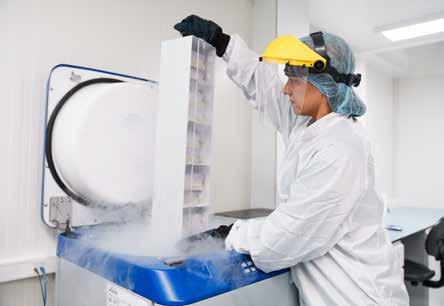
CryoReliance in het kort CryoReliance biedt een complete ketenoplossing voor temperatuurgevoelige (bio)farmaceutische producten. Met een GMP-gekwalificeerd magazijn en een deskundig team wordt maximale zorg, naleving van de regelgeving en snelheid gegarandeerd.
De vestigingen in Moordrecht en Leiden beschikken over meerdere temperatuurzones:
• Omgevingstemperatuur (+15°C tot +25°C)
• Gekoeld bewaren (+2°C tot +8°C)
• Bevroren (-15°C en -25°C)
• Ultra lage temperaturen (<-65°C)
• Vloeibare stikstof Dampfase (<-150°C)
• Vloeibare stikstof (-196°C)
Verdere diensten zijn:
• Verpakking op maat met gecertificeerd materialen.
• Levering op droogijs en met temperatuurloggers
• Distributie binnen de Benelux en internationaal.
• Etikettering en secundaire verpakking onder GMP
• Kwaliteitscontrole (QC)
• QP-vrijgave voor batchgoedkeuring
• Realtime temperatuurbewaking
• 24/7 ondersteuning voor kritieke zendingen
• Validatie en kwalificatie volgens GMP
kunnen doen. We zijn op zoek naar bedrijven die met ons willen samenwerken op deze terreinen.“
Van Moerkerken ziet inmiddels ook de groei van specifieke geneesmiddelen zoals voor celtherapie; gevoelige producten die hogere eisen stellen aan handeling en opslag. John van Moerkerken is er van overtuigd dat CryoReliance kan voldoen aan de vraag naar hoogwaardige diensten en kwaliteit. “Toen we begonnen met het bedrijf hadden we nooit gedacht dat het deze richting op zou gaan. Maar we zijn er klaar voor. Nogmaals, het is een logische volgende stap.”
De Life Sciences & Health (LSH) sector in Noord-Nederland groeit hard. Harder dan het landelijk gemiddelde. Maar die groei legt ook een kwetsbaarheid bloot: waar haal je voldoende én goed geschoold talent vandaan? Met LIFE Capital - move people forward kiest de LIFE Cooperative voor een gezamenlijke, structurele aanpak.
“De sector groeit in Noord-Nederland met zo’n zeven procent per jaar, sneller dan het landelijk gemiddelde,” zegt Sven Stielstra, programmamanager van LIFE Capital. “Maar tegelijkertijd zien we de instroom vanuit opleidingen dalen en neemt de vergrijzing toe. De mismatch tussen vraag en aanbod wordt steeds groter.”
Die mismatch zit niet alleen in aantallen, maar ook in inhoud. Technologie ontwikkelt zich razendsnel en vraagt om andere kennis en vaardigheden dan een paar jaar geleden. “We hebben méér nodig dan alleen nieuwe instroom,” vult Melloney Dröge aan, bestuurslid van de LIFE Cooperative. “Je moet ook blijven investeren in de mensen die er al zijn. Anders verlies je als sector je voorsprong.”
Structurele aanpak
De uitdaging is niet nieuw. Binnen de LIFE Cooperative, een netwerk van zo’n zestig bedrijven, wordt al ruim tien jaar samengewerkt op het thema human capital. In eerste instantie vooral pragmatisch: samen trainingen inkopen, events organiseren, kennis delen. “Dat werkte goed,” zegt Stielstra. “Maar het bleef versnipperd. We deden veel op gevoel, zonder zeker te weten of we het probleem oplosten.”
Ondertussen groeide de sector door en werd de kloof op de arbeidsmarkt groter. Wat eerst voldoende was, bleek niet meer te werken. Die omslag leidde tot LIFE Capital: het HRsamenwerkingsplatform waar alle lijntjes samenkomen.
Met een investeringsambitie van 50 miljoen euro voor de komende tien jaar wordt er nu gericht gebouwd aan oplossingen.
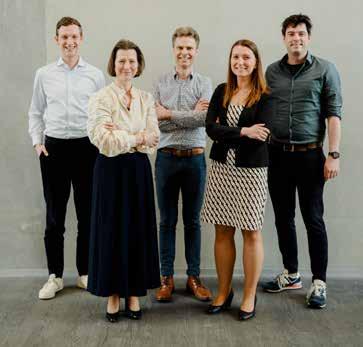
Hans van der Aa (COO, PolyVation):
“Human Capital in life sciences vraagt om een regionaal ecosysteem, niet om onderlinge concurrentie”
Een strategisch HR-dashboard geeft inzicht in trends rondom in- en uitstroom. “Als je weet waar de gaten zitten, kun je veel gerichter handelen,” zegt Stielstra. “En belangrijker: je kunt ook meten of wat je doet daadwerkelijk werkt.”
Van, voor en door bedrijven
Waar veel initiatieven rondom onderwijs en arbeidsmarkt ontstaan vanuit kennisinstellingen, ligt hier het initiatief bij het bedrijfsleven. En precies dát maakt de aanpak van Life Cooperative zo succesvol. “Wij draaien het om,” zegt Stielstra. “De bedrijven bepalen waar de behoefte zit. Het eindstation zit bij ons ook aan het begin.”
Dat betekent dat opleidingen en trainingen niet meer worden
Anita Knapper (Head of HR Netherlands, Ardena): “Goede mensen voor life sciences vind je niet alleen; die ontwikkel je samen in de regio”
bedacht, maar gebouwd op basis van concrete vragen uit de praktijk. Kennisinstellingen denken daarbij actief mee.
Dröge noemt een voorbeeld uit haar eigen ervaring. “We kregen stagiairs binnen die slim en gemotiveerd waren, maar niet direct inzetbaar. Samen met andere bedrijven en de Hanzehogeschool hebben we het curriculum aangepast en een gerichte leerroute opgezet. Nu sluiten studenten veel beter aan op wat er nodig is.”
Om de vraag scherp te houden, werkt LIFE Capital met zogeheten HR Captains: ervaren HR-professionals uit de aangesloten bedrijven die helpen prioriteren, richting geven en het netwerk activeren. Zo blijft de aanpak geworteld in de praktijk.
Samen sneller vooruit
De noodzaak van deze aanpak blijkt momenteel uit de ambitie van een noordelijk polymeerbedrijf dat wil opschalen van onderzoek naar productie. De benodigde praktisch geschoolde vakmensen zijn in de regio moeilijk te vinden. “Dan heb je het doel om te groeien, maar niet de mensen om het uit te voeren,” zegt Stielstra. “Als je daar niets mee doet, loop je het risico dat bedrijven die stap ergens anders zetten. Buiten de regio of zelfs in het buitenland.”
Dit soort vraagstukken vraagt om een gezamenlijke aanpak. Daarnaast versterkt samenwerking bedrijven ook op andere vlakken. “Het begint bij human capital,” zegt Dröge, “maar uiteindelijk versterk je de hele sector.” Dat maakt de regio aantrekkelijker en toekomstbestendiger.
Rik de Jong (HR Manager, QPS Netherlands): “Een team van HR-captains zorgt voor impact door effectief en efficiënt de capaciteiten van organisaties in life sciences te bundelen en samen te werken aan de uitdagingen op de arbeidsmarkt.”
We zijn altijd bescheiden geweest”, zegt Dröge. ‘Te bescheiden misschien. Maar we durven steeds meer de rol van regionale expert op te eisen. Dat zijn we per slot van rekening ook gewoon”. Stielstra: “We zijn de spin in het web die talent, bedrijven en kennis verbindt tot een krachtig Life Sciences & Health-ecosysteem. Daar profiteren we allemaal van.”

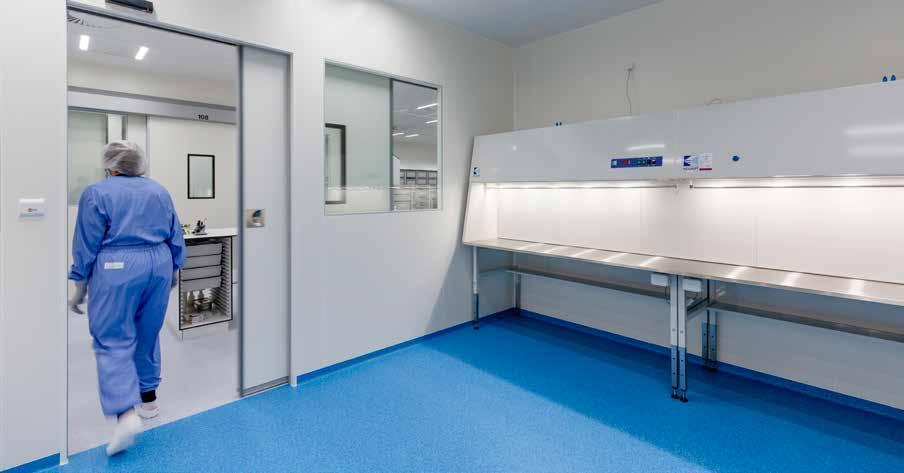
Nog te weinig wordt in de cleanroom-sector onderzocht of nieuwe materialen en technieken kunnen leiden tot meer efficiency in de uitvoering, kostenbesparingen en niet in de laatste plaats duurzaamheid. Met andere woorden: innovatie is soms ver te zoeken en uiteindelijk is de eindgebruiker daarvan de dupe. Brecon Cleanroom Systems pakt de handschoen op om tradities te doorbreken. “Laten we de koppen nou eens bij elkaar steken”, vindt Tijs Teepen van het Tilburgse bedrijf.
Brecon Cleanroom Systems is geen onbekende aanbieder van cleanrooms. De onderneming heeft in dertig jaar een uitstekend trackrecord opgebouwd in de hightech, met aansprekende referenties waaronder J&J . De laatste tien jaren manifesteert Brecon Cleanroom Systems zich ook nadrukkelijk in de pharma en bioscience., Business development manager Tijs Teepen over de historie: “In de hightech hebben we veel ervaring opgebouwd en van daaruit de overstap gemaakt naar cleanrooms voor pharma en lifescience. We hebben stevige ambities voor de komende jaren, die we ook kunnen waarmaken.”
Tegelijkertijd realiseert hij zich dat het niet de weg van de minste weerstand is. “De markt is wereldwijd verdeeld in een aantal grote spelers. Er zijn veel ontwikkelingen en innovaties in de cleanroomsector. Ik denk aan het door ons ontwikkelde BCPS systeem. Dat is state of the art, kan snel worden verwerkt; is een modulair bouwsysteem en is duurzaam. Vaak wordt nog voor traditionele oplossingen gekozen omdat dat vertrouwd is. De requirements zijn soms dezelfde als tien jaar geleden.”
Daarmee wordt voorbij gegaan aan de talrijke innovaties die Brecon kan bieden. Als het om wandpanelen gaat is er voor de opdrachtgevers keuze uit meerdere innovatieve oplossingen en materialen. Dat geldt ook voor plafonds en deuren. “Niet alleen innovatief wat betreft materialen, maar ook qua duurzaamheid en circulariteit”, zegt Tijs Teepen: “Alleen is het moeilijk om de eindgebruiker daarvan te overtuigen. Een voorbeeld? De toepassing van panelen van gips en HPL. Dat is weliswaar goedkoop maar wel handwerk. En manuren zijn schaars en dus kostbaar. Ons BCPSsysteem is sneller te verwerken en daardoor uiteindelijk goedkoper. En duurzaam en circulair. Maar zo wordt er nog te weinig gedacht. En neem de toepassing van kit. Waarom wordt er niet gekeken naar alternatieven? Die mogelijkheden zijn er.”

“Het vreemde is dat we allemaal werken voor een hele innovatieve industrie waarin baanbrekende ontwikkelingen plaatsvinden op het gebied van nieuwe medicijnen en stoffen. Dat is een discrepantie met hoe er nog over cleanrooms wordt gedacht. Dus laten we nou eens de koppen bij elkaar steken en als sector streven naar een hoger niveau. Naar duurzaamheid, naar energiebesparing, lagere kosten en circulariteit. Dat is de uitdaging voor ons, onze bouwpartners en de eindgebruikers.”
Het pleidooi klinkt op het moment dat Brecon Cleanroom Systems internationaal stevig aan de weg timmert. ”In de VS hebben we een vestiging met focus op Controlled Environment en General Construction. Dichter bij huis, in Europa, kan Brecon Cleanroom Systems inmiddels ook bogen op een groeiend portfolio van opdrachtgevers in uiteenlopende markten”, zegt Teepen: “Met als onderscheidend vermogen dat we internationaal willen samenwerken als lokale partner. Dat maakt ons niet alleen tot een interessante gesprekspartner maar we kunnen ook onze expertise en kwaliteit bewijzen. Deze ambitie wordt vormgegeven door een duidelijke internationale groeistrategie. Zo werken we gestaag aan de versterking van onze naam en onze visie, ook daar waar het gaat om duurzaamheid, energiebesparing en circulariteit. Die facetten zullen in de komende jaren steeds meer van doorslaggevend belang zijn.”
De ambities moeten in 2030 zijn gerealiseerd. Brecon moet dan op de internationale markt een voorbeeld zijn met het be- en verwerken van duurzame en circulaire productsystemen in een omgeving met gecertificeerde zorgsystemen in kwaliteit, milieu en veiligheid. Dat is niet alleen voor Tijs Teepen een vanzelfsprekendheid, zegt hij tot slot: “Het elan en enthousiasme binnen onze club is groot. Iedereen sluit daar op aan en werkt hard om de wereld naar de volgende fase te brengen!”
Brecon Group
Brecon Cleanroom Systems maakt deel uit van de Brecon Group. Daarnaast zijn er de andere divisies als Brecon Cleanroom Cleaning, Brecon Design en Engineering en Cleanroom Onderhoud & Herkwalificatie. Daarnaast is er de Brecon Cleanroom Academy dat een pakket scholingsmogelijkheden biedt voor de cleanroom gebruiker. De korte opleidingen worden op locatie verzorgd door ervaringsdeskundigen in cleanroom techniek.
Quantum sensing kan onderzoekers helpen eerder te zien wat er in een levende cel gebeurt, juist op de momenten die in drug discovery vaak onzichtbaar blijven. En precies daar kan veel winst worden geboekt: in sneller begrip, betere keuzes en mogelijk minder verspilling in de ontwikkeling van nieuwe medicijnen.
In drug discovery gaat namelijk veel verloren in de uren tussen toedienen en meten. Onderzoekers brengen een kandidaat-medicijn in een cel, wachten en lezen later de uitkomst af. Maar juist in die tussentijd spelen de processen die bepalen hoe een cel reageert. Een stressreactie komt op gang, afweermechanismen worden geactiveerd, een biologisch proces kantelt. Tegen de tijd dat de meting volgt, is dat vroege verloop vaak nog maar beperkt zichtbaar.
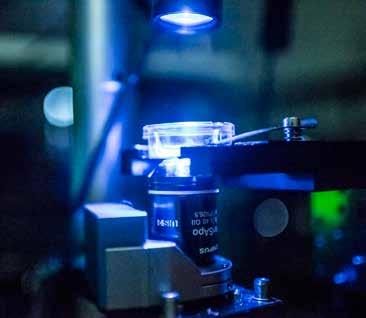
Tijdens Innovation for Health 2026 in Utrecht kreeg de rol van quantum sensing extra aandacht in een sessie met onder anderen Romana Schirhagl, verbonden aan het UMCG en medeoprichter van QT Sense, en Philippe Bouyer van QDNL.
QT Sense werd in februari 2024 opgericht als spin-out van het Universitair Medisch Centrum Groningen. Prof. dr. Romana Schirhagl, expert in quantum sensing op single-cell niveau en chief scientific officer van het bedrijf, richtte de onderneming mede op samen met dr. Deepak Veeregowda en Hoang Nguyen, chief operating officer.
De technologie van het bedrijf is gebaseerd op de interactie tussen speciaal geprepareerde nanodiamanten en individuele cellen. Door de helderheid te volgen van het licht dat deze nanodiamanten uitzenden, kunnen onderzoekers cellulaire activiteit in real time meten, op het niveau van afzonderlijke cellen. Dat is vooral waardevol voor het begrijpen van oxidatieve stress, die een belangrijke rol speelt bij uiteenlopende ziekten, van kanker tot ontstekingsziekten.
“Wij willen niet alleen zien óf een cel reageert, maar ook wanneer dat gebeurt, waar in de cel het begint en hoe die reactie zich ontwikkelt,” zegt Schirhagl.
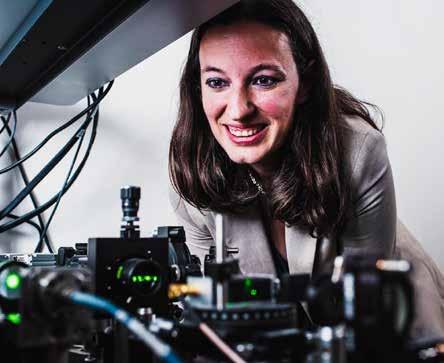
Daarmee verandert ook het soort vragen dat onderzoekers kunnen stellen. Niet alleen: heeft deze verbinding effect? Maar ook: wat doet zij precies, waar grijpt zij aan en reageert elke cel hetzelfde? Zeker bij complexe ziekten is dat relevant. Cellen binnen één populatie kunnen sterk verschillen, terwijl een gemiddelde meting zulke verschillen juist kan afvlakken.
Volgens QT Sense kan dit type meting helpen om werkingsmechanismen beter te onderzoeken, stressreacties te lokaliseren en kandidaat-middelen gerichter te vergelijken. Dat betekent niet dat al is aangetoond dat quantum sensing ontwikkeltrajecten in de farmaceutische industrie breed versnelt of goedkoper maakt. Wel wordt de techniek nadrukkelijk gepresenteerd als een extra meetlaag die bestaande assays kan aanvullen en onderzoekers eerder inzicht kan geven in cellulaire respons.
Philippe Bouyer, directeur van QDNL, ziet in QT Sense een mooie voorbeeld hoe quantumtechnologie nu al zijn weg naar de praktijk vindt. QDNL ondersteunt die ontwikkeling door in Nederland te investeren in een sterk quantum-ecosysteem: van fundamenteel onderzoek en talentontwikkeling tot startups, samenwerking en concrete toepassingen. Daarbij draait het niet alleen om technologische vooruitgang, maar ook om de vraag hoe quantum kan bijdragen aan oplossingen voor maatschappelijke uitdagingen.
Juist daarom past een bedrijf als QT Sense goed binnen die ambitie. Het laat zien hoe kennis uit de Nederlandse quantumwereld kan doorstromen naar een toepassing in de life sciences, een sector waarin betere metingen direct bijdragen aan beter onderzoek, snellere inzichten en uiteindelijk ook betere behandelingen. Voor QDNL is dat belangrijk: niet alleen bouwen aan de technologie van morgen, maar ook zichtbaar maken waar quantum vandaag al verschil kan maken. Bouyer “Bij QT Sense zie je quantum op zijn sterkst: niet als belofte voor later, maar als hulpmiddel om vandaag beter te meten en beter te begrijpen.”
Early development has never been more important—or more challenging. Biotechs are under pressure to generate high quality human data earlier, with fewer resources, tighter timelines, and greater expectations from investors and partners. At the same time, clinical programmes are becoming more complex, regulatory standards are rising, and traditional early phase models often rely on fragmented vendors and inconsistent data.
The newly unified hVIVO was built to solve these challenges. By bringing Venn Life Sciences, CRS and hVIVO together under one organisation, we have created a fully integrated early phase partner— combining consulting, clinical trials, human challenge trials, and specialist laboratories into a single, coherent pathway from preclinical strategy to clinical proof of concept.
For biotechs, this means a faster, clearer, and more capital efficient route to the clinic.
An integrated accelerator to clinic model
Early development succeeds when strategy, science, and execution are aligned from the outset. Our model connects these elements under one accountable partner, reducing disruptive handoffs, shortening timelines, and improving the quality of decision enabling data.
This integrated approach spans:
• Preclinical and clinical consulting to shape the right development strategy
• CMC, non-clinical and regulatory support to prepare assets for first in human studies and alongside further clinical development
Katsuhiro Mihara
Katsuhiro Mihara, RPh, PhD is a registered pharmacist and with a PhD in pharmaceutical sciences from the University of Tokushima. He joined Venn in 2016 to lead the Clinical Development department and is currently also leading Venn’s business in the Netherlands.
Before joining Venn, he held leadership and senior scientist positions in clinical development and pharmacology at Abbott, Merck Sharp and Dohme, Schering Plough and Organon, giving him over 25 years of experience in preclinical/early clinical drug development in big pharma, biotech and provider alike.
He has been involved in numerous drug development projects as project leader, clinical trial manger and/or study director in multiple therapeutic areas, including, but not limited to, oncology, immunology, dermatology, urology, gynaecology and CNS from early discovery to marketing.
His experiences also include due diligence of various drug development projects with primary focus on risk assessments including evaluation of regulatory documents at major milestones (e.g. pre-IND, End of Phase I/II meetings) for investors.

• Phase I/II clinical trial delivery across our European sites
• Human challenge trials (HCTs) for rapid, controlled efficacy readouts
• Specialist laboratories providing biomarker solution, real time virology and immunology analysis
By combining these capabilities, we help biotechs move from discovery to first in human and onward to proof of concept with greater speed and confidence.
Decision enabling data, delivered earlier
In early development, clarity is everything. Investors, partners, and internal teams all need decisive CMC, non-clinical and human data to determine whether an asset should progress, pivot, or pause.
Our model is designed to generate that clarity sooner.
Human challenge trials (HCT)—an area where hVIVO is the global leader—provide controlled, high fidelity efficacy data months or even years earlier than traditional field studies. With 15 characterised challenge models and more than 50 studies completed, we offer a proven route to early efficacy insights that strengthen regulatory packages and support investor ready milestones.
Beyond HCTs, our owned Phase I/II clinical sites and specialist laboratories ensure consistent execution, predictable timelines, and high quality data across all early phase studies.
Recruitment certainty and operational reliability
Recruitment remains the single biggest cause of delays in clinical development. Our proprietary recruitment platform, FluCamp, and our continuously screened volunteer database give biotechs a level of recruitment certainty that traditional sites cannot match.
This infrastructure enables:
• Faster study start up
• Reliable timelines
• Access to niche or hard to find populations
• Higher retention and data completeness
For biotechs managing tight budgets and investor expectations, this reliability is a strategic advantage.
Built for the next generation of biotech
The unification of Venn Life Sciences, CRS and hVIVO strengthens our ability to support biotechs across therapeutic areas including infectious disease, respiratory, cardiometabolic, immunology, and dermatology. It also brings together decades of scientific leadership with industry-leading Key Opinion Leaders, operational expertise, and regulatory insight under one organisation.
The result is a purpose built early phase partner designed for today’s development environment—one that helps biotechs generate the evidence they need, when they need it, with greater speed, clarity, and confidence.
As the industry continues to evolve, our mission remains simple: accelerate the path from discovery to the clinic and help bring important new therapies to patients faster.
To find out more please visit www.hvivo.com

Venture Challenge alumni have collectively raised over €1 billion in funding, marking a major milestone for the Dutch programme and highlighting the growing ability of Life Sciences & Health research to translate into investable companies. Since its launch in 2008, the Venture Challenge has supported more than 250 teams in transforming scientific ideas into viable business propositions. Over time, the programme has become a key instrument in bridging the gap between academic research and company creation.
Venture Challenge, is the foundation of cell therapy manufacturing presence in the Netherlands, which led to a 19,000m2 facility in Hoofddorp, 900+ high-skilled jobs and up to 4000 cell therapy treatments per year.
Sirius Medical, a medtech company based in Eindhoven, raised €25+ million in funding and employs over 50 people while commercialising its Pintuition system globally, now used in more than 26 countries, from New Zealand to the USA to improve precision in cancer surgery.
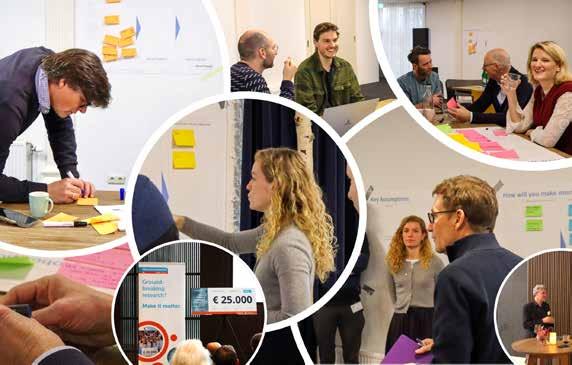
Turning scientific excellence into successful companies remains a persistent challenge. While Dutch research ranks among the best globally, translating that knowledge into ventures that attract investment, create jobs and deliver real-world impact is far less straightforward. The Venture Challenge has shown that this gap can be bridged.
This becomes tangible in the companies that have grown out of the Venture Challenge, such as:
T-Cell Factory, acquired by Kite Pharma only two years after competing in the
Ncardia, formerly Pluriomics, grew into a Leiden-based iPSC platform company with a global footprint, raising ~$75 million and employing over 50 high skilled people while scaling its drug discovery and cell therapy capabilities from the Netherlands.
About the Venture Challenge
Beyond these examples, more than 175 companies have emerged from the Venture Challenge pipeline, forming a broad and continuously evolving base of Dutch life sciences ventures across medtech, drug development, enabling technologies that improve the drug development process, and diagnostics.
Many of these companies remain closely connected to the programme, with mentors supporting teams well beyond the initial
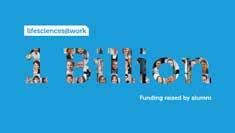
training phase. Increasingly, alumni founders take on this mentoring role themselves, sharing their experience with new Venture Challenge teams. This continued support is embedded within the LifeSciences@ Work programme, further strengthening the pipeline from research to entrepreneurship in the Netherlands.
What drives this success? Not one single ingredient, but a combination of elements: sustained government support, a highly experienced coaching duo that has been involved from the very beginning, and strong follow-up that continues to support teams in the critical first years after participation.
Curious to experience it for yourself, and to contribute to this growing impact? More information is available via the website www.lifesciencesatwork.nl.
Through intensive coaching, validation and follow-up, the Venture Challenge equips first-time entrepreneurs with the knowledge, skills and network needed to build successful ventures within life sciences and medtech. It is a nationwide programme that runs twice per year through NWO and is one of the innovation instruments of the Ministry of Economic Affairs.
As part of its continued global growth strategy, Xerimis recently expanded its European operations with the development of a new cleanroom facility near Schiphol Airport in the Netherlands. Designed to support the evolving needs of the pharmaceutical and biotech industries, the facility strengthens Xerimis’ ability to deliver harmonized clinical supply, packaging, and distribution services to customers across Europe and around the world.
The project was completed in partnership with CleanSpace Cleanrooms, working alongside construction management firm Area, to transform existing warehouse space into a highly specialized cleanroom environment tailored to the demands of modern clinical supply operations.
Xerimis supports pharmaceutical and biotech companies through Phase I, II, and III clinical trials, providing services that include clinical packaging, labeling, storage, distribution, and Clinical Supply Management (CSM). As therapies become increasingly personalized and patient populations more targeted, the industry continues to shift toward smaller batch production and more agile supply chain models, increasing the need for flexible, high-performance cleanroom environments.
The Netherlands facility represents an important milestone for Xerimis, establishing a stronger EU-first operational presence that enables the company to better serve its global customer base while maintaining consistent quality and service standards across regions. Strategically located near Schiphol Airport, the site enhances connectivity, speed, and operational efficiency for international clinical programs.
Originally planned as a 100-squaremeter cleanroom, the scope of the project expanded significantly during development to approximately 360 square meters in response to growing operational requirements and a desire to future-proof the space for what Xerimis knew would be additional demand in the months and years to come. The expansion introduced new technical and environmental challenges, particularly around climate control, airflow, and employee comfort within the cleanroom environment.
“To support the expanded footprint and increased occupancy, the original engineering approach had to be reworked,” said Alex Jansen, Director of CleanSpace Cleanrooms. “The project evolved quickly, requiring a new climate strategy and the integration of additional outside air systems, all within an accelerated timeline.”
CleanSpace delivered the revised solution through a fully integrated approach, managing both structural and installation engineering in-house. This flexibility allowed the team to adapt rapidly while maintaining the technical precision required for pharmaceutical cleanroom environments.
As Jansen noted: “We may be a relatively small player among cleanroom providers, but we have everything in-house to deliver a complete project under our own management. We don’t need to bring in other partners or outsource work. That makes us special.”
Beyond meeting strict cleanliness and regulatory standards, the facility was designed to create a high-quality working environment for employees operating within the space. Temperature stability, airflow, humidity control, and occupant comfort were all prioritized as part of the overall cleanroom strategy, reflecting the increasing importance of workforce experience within highly technical production environments.
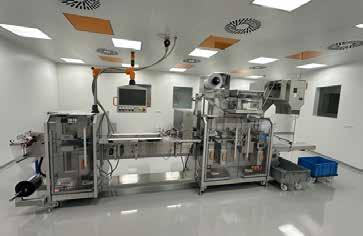

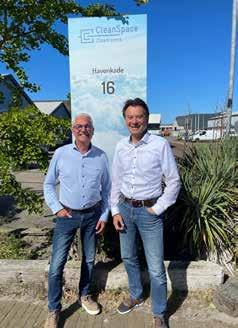
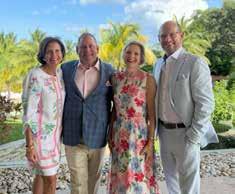
“There are always a number of fixed values: a cleanroom must be clean and free of dust,” Jansen said. “But it is also important that employees work in a pleasant, comfortable environment. As far as we’re concerned, that deserves more attention.”
The completed facility provides Xerimis with a modern, scalable cleanroom operation capable of supporting future growth and increasingly complex clinical supply requirements. Together with its operations in the United Kingdom and the United States, the Netherlands facility further strengthens Xerimis’ ability to provide globally aligned solutions for pharmaceutical and biotech clients operating across international markets.
That’s what Tim Knotnerus would say about listing his company Agomab on the NASDAQ in February this year. When I say he is brave taking such a step, he frames it as strategic and logic. And while many say Europe lacks that strength, he showed that you can build it yourself. Here are a few of the many ways I’ve seen him build that strength in the past years.
Preparing for multiple futures
Biotech outcomes are unpredictable, even with excellent science. Tim plans for every scenario; good, bad, and unlikely, so nothing catches him unprepared.
Optionality as the foundation of confidence.
Agomab has built real alternatives for all the core elements like
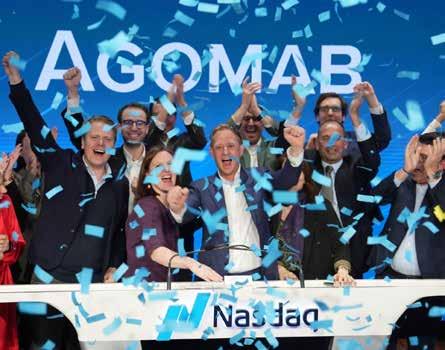
About Eline van Beest
Eline founded the TU-Delft spin-off and MedTech scale-up NightBalance in 2009 with a new therapy for sleep apnea. NightBalance was acquired by Philips in 2018. She went on to spin out Hybridize Therapeutics from the LUMC, developing an RNA therapeutic for BK Virus, now outlicensed to AiCuris and currently progressing towards Phase II clinical trial.
Currently, she is Operating Partner at Thuja Capital and Professor of Practice at the Delft University of Technology. Besides that, she is part of the Investment Committee of the Deep Tech Fund of EZ & InvestNL, the VGZ Voorop in Zorg Fonds and the Graduate Ventures Pre Seed Fund and is a member of the Supervisory Board of Yes! Delft (a leading tech incubator in Europe supporting 280 startups).

pipeline, team, strategy, syndicate, so they do not depend on a single outcome. When you create real alternatives across all core elements, that creates genuine confidence. People feel that.
Anticipating roadblocks long before they might appear. Raising before results, shifting stakeholders before potential misalignment, investing in the next asset before the lead might fail. Strength comes from acting early.
Truly taking time for reflection
There are so many details that show how Tim reflects. Where I fill my long flights with work, he just thinks and reflects. Where I fill every gap in my agenda, he takes a bike ride or calls a friend to reflect. It shows in the clarity of his decisions.
Honesty about uncertainty builds more momentum than false certainty ever will.
Tim doesn’t pretend to know the outcome but he is great about laying out the opportunity: if it works, you’ll want to have been part of it, and if you don’t join, your competitors will.
Put these together and the outcome looks bold. I still think it is. But there is also a lot of structure, discipline, and operating from strength.
Now more than ever I feel that Europe needs to grow from our own strength. And news like this remind us: we absolutely can.
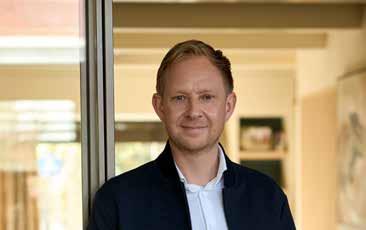
About Tim Knotnerus and Agomab
Tim Knotnerus is the (Dutch) CEO of the Belgian biotech company Agomab Therapeutics, developing therapies that aim to preserve and restore organ function in fibrotic disease. The company was the first European company in five years to go public on the Nasdaq and Tim is the first Dutch CEO in ten years bringing a company to the Nasdaq stock exchange.
Agomab is translating a deep expertise in growth factor biology to pioneer and develop novel treatments that aim to resolve fibrosis, repair tissue structure and restore organ function. Combining new scientific insights with robust drug development and a long-term corporate vision, Agomab is building a broad clinical pipeline of differentiated programs with disease modifying potential in severe organ failure and fibrotic diseases.
Interested to learn more? Listen to Leaders in Life Sciences podcast episode with Tim Knotnerus via www.biotechnews.nl.
By Schuttelaar & Partners
With internationally recognised cancer centres, a strong academic base, and a growing early stage biotech landscape, the Netherlands is well positioned to lead in the delivery of next generation cancer therapies. Yet despite this scientific strength, promising discoveries take long to reach patients. That disconnect—the persistent gap between excellent oncology science and impact on patients’ lives—was the central theme of a recent conversation between Shobhit Dhawan (Oncode Bridge Fund, Ligase BioPartners) and Bertholt Leeftink (Oncode Institute, Oncode Accelerator) during a live, on-stage interview with Biotech News. Their shared message was optimistic: the Netherlands has everything required to lead in oncology innovation – but we should smoothen the pathway from discovery to clinic. With the launch of the second Oncode Bridge Fund, they hope to help in closing that gap.
Strong science, weak translation
The problem is not the science. That’s one thing Dhawan and Leeftink can quickly agree on. In fact, Dutch oncology research is among the strongest in Europe. “We have excellent research groups, incredible scientific output, and a highly collaborative community”, says Leeftink, “but translating that into patient benefit remains too slow. We refer to it as the knowledge paradox: scientific insights do not reach patients well enough.” Dhawan agrees, noting that oncology is uniquely well positioned to bridge this gap. “Oncology is the one field where we have the models, the tools, the data, the organoids—everything needed to move quickly. We have no excuse for not translating our knowledge into the clinic.”
Take an example of our neighbours
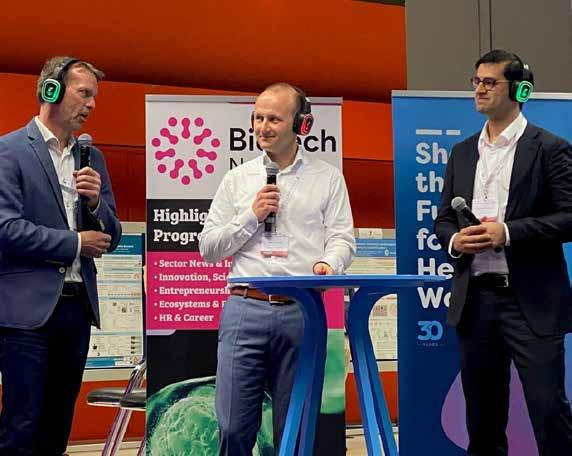
between Oncode Institute and Ligase BioPartners. At the same time, they see the need for larger seed capital to become available in the Netherlands. Dhawan: “We need both – one can’t go without the other. Pre seed funding - for example through the Oncology Bridge Fund - has a clear role: it reduces risk, keeps innovation local, and helps promising ideas grow into viable ventures.” At the same time, we do need sufficient seed capital. “Without reliable seed capital, young scientific ventures often move abroad—taking knowledge, IP, and economic value with them,” Leeftink adds, “A national, dedicated seed fund would be necessary to provide sufficient capital.”
There are ecosystems close to home as good examples of how to make true on the promise of scientific advancement. In Belgium, the UK, and even the Dutch high tech sector long term continuity prevails over short term funding cycles as the foundation of success. “Those ecosystems didn’t emerge overnight,” Dhawan says. “They were built over 20 or 30 years with stable policy, public co-investment, and long-term vision.” Leeftink adds that long-term industry–university collaborations, common in engineering and chip technology, should become standard in life sciences as well. “We don’t need to copy others. But we do need to adopt that mindset.”
“We should commit to funding instruments that work,” Dhawan points out, “and stick with them long enough for the results to show. Instead of creating a new instrument every four years, underfunding it, and giving it a short runway that cannot produce meaningful results.”
Keeping innovation in the Netherlands
One of the key bottlenecks for innovation to reach patients is earlystage financing. That’s why Leeftink and Dhawan are excited about launching the second Oncology Bridge Fund, as a collaboration


Short-term political cycles affect long-term biotech investments, however. When funds must show quick returns, they shift away from early, high impact innovation. “Early stage biotech invests on timelines of 12–15 years, while our political system operates in four year bursts,” says Dhawan. “It would be great if the Netherlands can close this gap.”
The newly launched second Oncology Bridge Fund can play a pivotal role in stimulating early-stage oncology innovation. The first fund, launched in 2019, shows that the model works. Since its inception, roughly 15 spinouts were supported, and multiple innovations were developed towards the clinical. The new fund aims to scale that success—backing ventures at their earliest and riskiest stage.
For Dhawan and Leeftink the message is simple: innovation only matters if patients feel the impact. The Netherlands has the science. Now it needs the commitment and consistency to let that science become therapies that can help cancer patients.
Provast. De Haagse projectontwikkelaar mag zich na decennia met ontwikkelingen als de HQ van Galapagos, Batavia Biosciences en de toekomstige ontwikkeling van een nieuwe 3de plot, scharen onder de meest toonaangevende op Leiden Bio Science Park (LBSP). Na een (inter)nationale speurtocht voelen Provast partners Martijn Dirks en Boudewijn Hellingman zich in deze ‘vooraanstaande biotoop voor life sciences’ het beste thuis.
Maatwerk. Het staat gebeiteld in de lijfspreuk van Provast, want ‘Leading from the front gives a clear view of the road ahead’. En dat bereik je volgens Boudewijn en Martijn alleen als je afwijkt van gebaande paden. ‘Als je het geijkte loslaat en echt luistert naar je klant. Waardoor maatwerk ontstaat in plaats van platgetreden wegen en je een voorloper wordt in plaats van een volger.’ Dat is de Provast filosofie in hart en nieren.
Galapagos
De relatie tussen de Haagse ontwikkelaar en LBSP begon in 2016 met een goed gesprek met de grondeigenaar, de Leidse Universiteit, over de bouw van het nieuwe kantoor van Galapagos. Op 31 maart 2022 werd het gebouw opgeleverd. 17.000 m2 kantoor- en laboratoriumruimte met een BREEAM-NL Excellent en WELL Gold certificaat en een absoluut onderscheidend kwaliteit van materiaal, maar ook van flexibiliteit en multifunctionaliteit. ‘Bedrijven groeien en krimpen, hoe fijn is het als je op iedere m2 kan kiezen wat je doet. Als overbodige ruimte makkelijk te verhuren is, of omgekeerd een te krappe ruimte makkelijk is uit te breiden. En dan hebben we het nog niet eens gehad over de spectaculaire uitstraling als marketingtool voor Galapagos, ‘aldus Martijn Dirks die in 2021 werd gekozen tot Vastgoedman van het jaar.
Batavia Biosciences
En zo werd Galapagos het visitekaartje op Leiden Bio Science Park, en al snel gevolgd door Batavia Biosciences in 2021. Boudewijn Hellingman: ‘Een kantoor, laboratoriumruimte en een faciliteit ten behoeve van de productie van vaccins en geneesmiddelen tegen diverse infectieziekten. Batavia Biosciences heeft eenzelfde soort klank als Galapagos. Ook hier was maatwerk leidend. Het uitgebreide wensenen eisenpakket werd
Maatwerk in plaats van platgetreden wegen


vertaald in een esthetisch ontwerp (12.000m2), en werd niet alleen een flexibele, maar ook een fijne plek om te verblijven. Een plek waar bovendien rekening is gehouden met duurzame toepassingen zoals PV-panelen, gasloos en andere duurzaamheidsrichtlijnen van BREEAM. Het gebouw is met de aluminium panelen, horizontale lamellen en de verdiepingshoogte van 6,5 meter geworden tot een echte eyecatcher die zich nadrukkelijk presenteert op een prachtige zichtlocatie aan de A44. Maar bovenal zal Batavia Biosciences met deze high tech GMP faciliteit de door haar ontwikkelde innovatieve HIP-Vax technologie toepassen voor de productie van nieuwe cruciale geneesmiddelen, waaronder betaalbare vaccins, gentherapie en virotherapie behandelingen. Het is een eer om als ontwikkelaar hieraan mee te werken.’
Leiden Bio Science Park: laatste zichtlocatie
Op het LBSP, het grootste Life Sciences & Health kenniscluster van Nederland dat hoogwaardig onderwijs, onderzoek, zorg en bedrijfsleven combineert en studenten, wetenschappers en ondernemers vanuit de hele wereld trekt, heeft Provast sinds kort een nieuwe locatie weten te bemachtigen.
‘Op deze concrete plot tegenover Batavia, is plaats voor een mooie toevoeging van 12.000 m2, 50% lab 50% kantoor, met royale parkeervoorzieningen, en zowel geschikt voor single tenant als meerdere gebruikers. Uniek, want het is de laatste zichtlocatie aan A44,’ aldus de enthousiaste Provast partners die reeds in gesprek zijn met een grote farmaceut.
Voor meer informatie gaat u naar www.provast.nl

By Schuttelaar & Partners
With an ageing society, the Netherlands faces a growing challenge: how to keep healthcare sustainable and future-proof. With a thriving life sciences and biotech sector, we have the right cards in hand to solve these major challenges for the future. Whether the Netherlands turns this advantage into long-term progress was the central theme in a conversation with Andrew Plank, General Manager of Roche Netherlands held on stage during Innovation for Health. Plank, who brings more than 25 years of international experience from Canada, Switzerland and the United States, offers a clear analysis of where the Netherlands stands today, where it risks falling behind, and how it can seize the opportunity to strengthen its position.
A strong foundation, but not yet fully leveraged Plank emphasizes that the Netherlands has much to be proud of. A major 2025 international benchmark ranked the Dutch life sciences and biotech sector sixth out of 32 countries. Few nations combine academic excellence, scientific talent and logistical strength as effectively as the Netherlands. But this strong starting point also comes with a strategic question: What will the Netherlands do with this advantage?
“The country has everything needed to be an innovation leader,” Plank notes. “The real question is which choices we are prepared to make, especially now that we have a major healthcare burden to solve.”
View healthcare as an investment, not a cost Across the world, health systems struggle to stay resilient as populations age and live longer. In these discussions, Plank sees a recurring and misleading assumption: that innovation is too expensive. In reality, he argues, not investing is what ultimately drives up costs. “You cannot save your way to prosperity,” he said. “If we continue to focus on cost, we’ll hit short-term budgets, but we’ll trade off longterm economical and societal value.”
Seeing healthcare as a strategic investment rather than a financial burden changes the conversation. Healthier citizens participate more in society, contribute to the economy, and strengthen national resilience and autonomy. This requires courage and long term thinking, but doing nothing, Plank stresses, is far riskier.
A market access model unfit for a knowledge leader
For Plank this discussion can be summarized in a single statement: a first-rate knowledge economy cannot function with a second-rate access system for new medicines. He argues that innovative treatments are too often viewed solely through a cost lens rather than a value lens. Access procedures are strict, unpredictable and slow, hindering not only patient access but also the attractiveness of the Netherlands as a location for innovation.

This also affects clinical trials. “Clinical trials are a clear barometer for innovation,” says Plank. He points to global trends: Europe’s share of worldwide clinical trials fell from 22% to 12% between 2013 and 2022, while China doubled its share. “If a country is no longer attracting clinical trials, it cannot claim to be an innovation leader. And in the end, it’s patients who feel that loss most.”
Other European countries are showing the way forward. Systems that allow early access immediately after EMA approval, followed by real world evaluation and later negotiation, enable faster care, shared risk and greater physician trust. “We should trust physicians, they know what is best for their patients,” Plank emphasizes.
Trust and collaboration: the ecosystem’s missing pieces
Throughout the conversation, Plank returns to one theme also central in the Wennink report: effective innovation requires a collaborative ecosystem based on trust. It requires deeper cooperation between government, insurers, hospitals, regulators, academia and industry, not through fragmented discussions, but by bringing everyone into the same room and keeping them there until solutions emerge.
“When parties meet face-to-face, the common ground is usually far larger than the differences. Trust grows quickly once you talk about solutions rather than positions.” For its part, Roche aims to contribute by ensuring reliable medicine supply, investing in clinical research, and participating in public–private partnerships that strengthen the Dutch innovation landscape. Because the time to act is now.
The Netherlands has the strengths to lead in life sciences, but leadership requires action. Only a first-rate access model can support a first-rate knowledge economy. And only then can innovation truly fulfil its purpose: delivering faster, better and more equitable care to every patient.
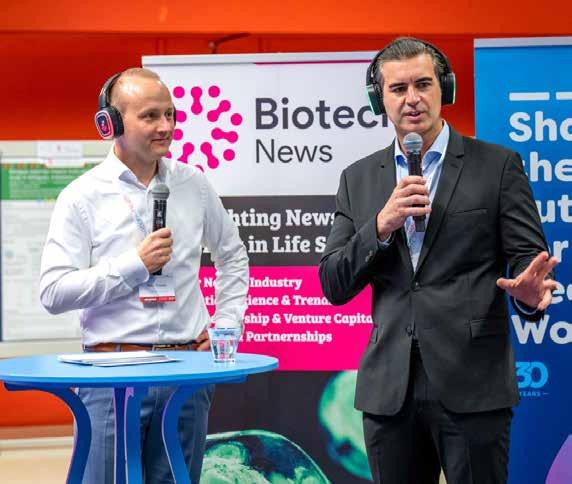



7 Intensive Modules Over 7 Weeks from October 30th to December 11th, 2026 AN IN-DEPTH, FAST-PACED COURSE IN FINANCE & VALUATION IN LIFE SCIENCES & HEALTH

Understanding nancial concepts and business valuation is critically important in Life Sciences & Health industry. Whether you are an entrepreneur seeking funding for your start-ups, a tech transfer o cer, a business analyst, a consultant, policy advisor evaluaing business proposals and business cases, or PhD or Post Docs looking to kickstart a career in nance, this in-depth crash course will increase your understanding and expand your knowledge on valuating companies in Life Sciences & Health sector. This course is organized by Vrije Universiteit Amsterdam. Dive into real-world case studies from the Life Sciences & Health sector and master the essentials of strategic nancing, valuation, and the incorporation.
• Biotech & Medtech Founders
• Tech Transfer O cers
• Investment Analysts
• Policy makers
• Consultants
• Business Analysts
• PhD Students & Post Docs
• Alliance Managers

ECTS CREDITED

The course has a study load of 6 ECTS (168 hours). You will receive a certi cate of attendance after completing the course.


PROGRAMME COVERING:


• Financial statement analysis
• Making a convincing business case
• Financial feasibility: calculations & valuation
• Negotiating & VC deal terms
• The time value of money and capital budgeting
• Scaling up: nancial requirements and best practice
• Securing an exit: the role of investment bankers



By: Michaela Lipkin for TOPX Network
Earlier this year TOPX member Michaela Lipkin sat down with TOPX ambassador Sanne Weijzen, Head of Cell Therapy Business and Portfolio Strategy at AstraZeneca for an exclusive TOPX Leading Ladies in Life Sciences interview, to explore her career journey, her perspective on leadership, and how inclusive teams drive innovation in biotech.
Non-linear careers are often talked about in theory, but less often seen in practice. In an industry like biotech — where expertise and specialization are highly valued — stepping off a defined path can feel like a risk.
For Sanne, this is exactly how she has built her career. Rather than following a set path, she has consistently chosen roles that challenge her and expand her scope — from academia to venture capital, entrepreneurship, scale ups, and now global leadership. What connects these moves is curiosity and a focus on work she genuinely enjoys.
“As long as I’m not put into a box,” she reflects, “I feel like I can move around freely, stay challenged, and have an impact.”
Early on, Sanne knew she wanted to build a career in the medical field. Curious about how things work, she studied biomedical science and went on to complete a PhD in the US and postdoctoral work in oncology research at UMC Utrecht. But working in discovery alone didn’t feel like the right fit.
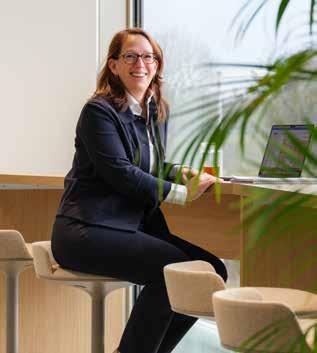
She wanted to see her work applied beyond the lab.
“In academic research, you often work more independently,” she explains, “whereas in industry, you’re part of a bigger team accomplishing things together”.
That insight led to her first major pivot from academia to industry. She worked for eight years at Aglaia BioMedical Ventures, a venture capital firm specialized in oncology. The move into industry was far from comfortable. “I didn’t yet know what my value was,” she admits.
But what began as uncertainty quickly became an excellent learning environment. She started as a Business Analyst, and over the course of eight years, she developed into a Partner, gaining experience across a broad portfolio of biotech companies. After a while, Sanne felt ready for a new challenge.
Seeking a more hands-on role with the scientists behind these companies, Sanne started her own consultancy to support smaller, mostly oncology-focused companies with business strategy, intellectual property, financing and growth.
Through that work, Scenic Biotech, one of the companies she advised, asked her to become their Chief Operating Officer. This time, the transition felt different. “I knew my value and what I would bring to the table,” she says.
Over time, you learn what you do best, and that not every role or company is the right match. Finding the teams and environments that fit is key. And whenever self-doubt creeps in, as it does for all of us, she recalls advice from one of her early career coaches: “Is the world best served by you keeping yourself small, or by stepping outside your comfort zone and embracing what you can do?”
After working for Scenic Biotech for four years, she became VP and Head of Corporate Strategy and EU Operations at Neogene Therapeutics, a clinical-stage biotechnology company pioneering the discovery, development, and manufacturing of next-generation engineered T cell receptor (TCR) therapies targeting a broad spectrum of solid cancers.
Today, following Neogene Therapeutics’ acquisition, Sanne is one of the leaders in AstraZeneca’s Cell Therapy Discovery organization — a role that blends long-term strategy with day-to-day execution.
“That’s really the sweet spot for me,” she explains. “Being practical on one hand, but also very goal-oriented on the other.”
Empowered, Inclusive Teams Lead to Stronger
What comes through clearly is Sanne’s enthusiasm for building strong teams. Her leadership approach is straightforward: effective leaders set a clear direction, then create the conditions for others to succeed.
“As a great leader, you should bring out the best in people,” she says, “giving them the autonomy to do what they do best.”
And when that leads to the team achieving ambitious goals, she adds, that’s the most rewarding part.
Sanne also sees diversity as essential to strong team performance, especially in biotech where innovation depends on different perspectives.
“Everybody brings something different to the table, and that diversity is what drives the best innovations,” she notes. Being challenged by different viewpoints isn’t always comfortable — but it consistently leads to better decisions and stronger results.
Sanne’s journey reflects a series of thoughtful choices — often made without full certainty but guided by curiosity and a willingness to step beyond her comfort zone. Her advice, particularly to younger women, reflects that experience.
“If you want something, speak up. If you want to go somewhere, you have to let your network know,” she says. Good work alone won’t make people notice.
For Sanne, meaningful careers are built, not given. And they’re rarely built alone. As she puts it:
“My work is never the result of doing things on my own. It’s always the result of working in a team and that can bring great joy!”

Eén van de unieke aspecten van Biotech Booster is dat er niet alleen geld wordt verstrekt om kennis te valoriseren, maar het biedt ook begeleiding bij startend ondernemerschap in de complexe Biotech wereld. Naast het enthousiaste Biotech Booster team is één van de hoekstenen van het programma de Biotech Booster ondernemerspool die bestaat uit meer dan 160 ervaren en behulpzame ondernemers en experts. Waarom kiest Biotech Booster voor een nauwe betrokkenheid van ondernemers? En wat brengt het de onderzoekers? CBO Marco de Boer over in een vroeg stadium knelpunten selecteren en oplossen.
Met decennia aan biotech kennis en expertise weet Biotech Booster CBO Marco de Boer als co-founder en CEO van Predica Diagnostics (2019) en NTrans Technologies (2015) uit eigen ervaring alles over
De ronde voor 2026 is gesloten (Level 1 max € 200.000 en Level 2 € 1,9 miljoen), maar via onze nieuwsbrief blijf je op de hoogte van de start van nieuwe rondes.
Willemijn Vader, CEO van VitroScan in Leiden, is een exemplarisch voorbeeld van een entrepreneurial journey in combinatie met unieke innovaties. Na 13 jaar Sanofi waar zij verschillende rollen vervulde binnen de business unit oncologie, startte Willemijn in 2016 met VitroScan. VitroScan meet de gevoeligheid van tumorweefsel van patiënten voor geneesmiddelen om te kunnen voorspellen wat de meest effectieve therapie is voor de individuele patiënt (met name eierstok-, long- en blaaskanker).
VitroScan wist de afgelopen jaren de nodige grants te verwerven, waaronder een Eureka Eurostars grant die werd gevolgd door een Trial Booster van MIT R&D-Samenwerkingsproject door de provincie Zuid-Holland. Daarnaast werd ze geselecteerd als Level 2-project binnen het Biotech Booster programma. ‘Maar nog waardevoller dan geld’, stelt Willemijn, ‘is de begeleiding van het PSC (Project Steering Committee). De PSC bestaat uit 4 door ons eigen team geselecteerde, zeer ervaren ondernemers waaronder in geval van VitroScan, Joris Schuurmans als chair, professor medische oncologie Judith Kroep, maar ook Michelle Meijer die meer dan 20 jaar ervaring heeft in vrouwengezondheid en het vermarkten van moleculaire diagnostiek. De PSC begeleidt 2 jaar zowel formeel (4 bijeenkomsten per jaar) als informeel (je kan altijd bellen). ‘In Nederland is veel waardevolle kennis en ervaring, maar probeer daar als early stage onderneming maar eens mee in contact te komen. In normale situaties is zo’n rijke ervaring in je Advisory Board niet haalbaar.’
‘Binnen het Biotech Booster programma wordt nadrukkelijk gekeken naar ondernemerschap om een commerciële entiteit te ontwikkelen. Primair willen we onze dienst daadwerkelijk naar (in ons geval) de dokter en de patiënt brengen. Het geld uit de
de ‘haken en ogen’ van het zelfstandig ondernemerschap in de biotech en lifesciences. ‘Om te weten wat ondernemers bezighoudt, is het handig als je er zelf één bent.’ Waar eerder de inmiddels gepensioneerde Rein Strijker de positie van CBO binnen Biotech Booster bekleedde, mag per november 2025 Marco zich Biotech Booster BruggenBouwer noemen en maakt hij, samen met het team, als geen ander de connectie tussen vele groepen, maar primair tussen
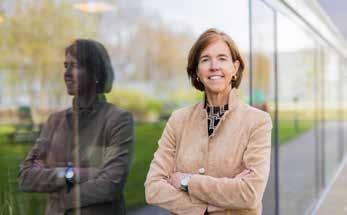
Biotech Booster Level 1 en Level 2 helpt stappen te financieren die normaal gesproken moeilijk te financieren zijn, zoals de kwaliteit van je testing. We zijn nu in het 2de jaar van het PSC traject, en VitroScan heeft daar het afgelopen jaar al enorm veel baat bij gehad. Zo heeft Michelle Meijer begeleid met een marktonderzoek en VitroScan in contact gebracht met een waardevol netwerk van betrokkenen. Judith Kroep heeft een schat aan ervaring in de klinische praktijk, ze levert weefsel aan ons lab en analyseert de data. Recent nog twijfelde ze aan de effectiviteit van chemo bij een ovariumcarcinoom. Toen uit onze test chemoresistentie bleek, kon dat haar keuze voor een andere behandeling ondersteunen.’
‘Advies van de PSC heeft daadwerkelijk geleid tot concrete wijzigingen die hebben bijgedragen aan versnelling en efficiency. Zo dachten we in eerste instantie om een CE gemarkeerde test naar de markt te brengen, maar bleek een certificering als medisch diagnostisch lab veel belangrijker. We bieden nu een dienst als zelfstandig gevestigde en gecertificeerd testing lab. Die vernieuwde insteek was voor ons van grote waarde.’
‘Iedereen heeft een andere mening over je bedrijf en over wat je doet’, besluit Willemijn. ‘Biotech Booster brengt daar structuur in, en daar kan je concreet iets mee in het valorisatie traject. Als ondernemer moet je flexibel zijn en bereid om knelpunten in een zo vroeg mogelijk stadium op te lossen. Wie te star is, gaat niet ver komen.’

Sinds de operationele start in mei 2024 is Biotech Booster al gekomen tot 71 projecten, 22,2 miljoen euro aan financiering, 160+ experts en ondernemers, 32 kennisinstituten en onderzoekorganisatie en vele kennispartners. Dat stevige fundament in combinatie met 329 aanmeldingen voor de meest recente subsidieronde in 2026 bewijst binnen 2 jaar de behoefte.
Eén van de key takeaways uit Jo Bury’s (Director Emeritus VIB) lessons learned presentatie tijdens het annual event afgelopen 10 maart: ‘Close collaboration between academia and industry is essential to successfully translate research into applications.’
academie en industrie voor succesvolle valorisatie van kennis. ‘Positief is dat de cultuurkloof tussen beide sectoren de afgelopen jaren minder is geworden; ‘bridging the gap’ geeft resultaten. Er is meer wederzijds begrip, onderzoekers, investeerders en bedrijven vinden elkaar sneller en makkelijker. We werken nauwer samen en zien meer het gemeenschappelijk doel.’
Expertise ondernemer koppelen aan onderzoeker ‘Uniek aan Biotech Booster is dat het niet alleen financiële middelen biedt, maar ook begeleiding, mentorschap en toegang tot een breed netwerk van ervaren biotech experts en ondernemers. Die nauwe betrokkenheid van ondernemers uit zich in de PSC (Project Steering Committee), IAP (Impact Assesment Panel) en PoE (Panel of Entrepreneurs), allen samengesteld uit een team van ondernemers, die betrokken zijn bij de selectie van onze level 1 en level 2 projecten. Early stage projecten worden persoonlijk gekoppeld aan ervaren ondernemers en experts. We zoeken daarbij specifiek naar expertise

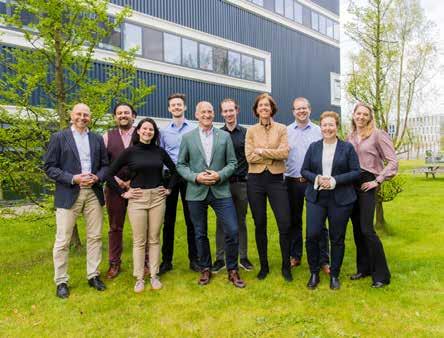
Product naar patiënt. Het
De chair van VitroScan’s PSC, Joris Schuurmans, beschikt over decennia biotech en life science ervaring, onder meer als deel van een team dat de beursgang van Biocartis begeleidde en Cergentis verkocht aan een Zwitsers bedrijf. Als CEO van Delta Life Science en adviseur, zowel zelfstandig als aangesloten bij Biotech Booster, zet hij dagelijks zijn kennis en expertise in voor zijn missie: het versnellen en verbeteren van het product naar patiënt.
‘Willemijn Vader van VitroScan ken ik van een pitch in het kader van een training voor beginnende biotech entrepreneurs. Ik zat in de jury, en de visie van VitroScan sprak aan. Sindsdien hielden we contact. Toen Willemijn binnen Biotech Booster haar PSC samenstelde, vroeg ze mij voor de functie van chair, een enorme eer, en sindsdien staan we met vier ervaren ondernemers Willemijn met raad en daad bij, we helpen bij de vormgeving van de strategie en sturen bij waar nodig.’
‘De begeleiding die Biotech Booster biedt, onder meer in de vorm van een PSC heeft een enorme meerwaarde. Het is een versneller voor het volwassen maken van de strategie en heeft veel impact op R&D activiteiten, maar vooral verandert het, in het geval van VitroScan, daadwerkelijk patiëntenzorg. En dat is een ultiem doel.’
‘Anders dan in eerste instantie gedacht, hebben we als PSC aangeraden om de test van VitroScan te vermarkten als een service. De kwaliteit van de test staat of valt namelijk met de juiste techniek en die kan het beste worden uitgevoerd in het VitroScan lab. Samen met Michelle Meijer uit ons PSC is een gedetailleerde marktverkenning uitgevoerd die het advies ondersteunde.’
‘Maar de belangrijkste milestone die we binnen een jaar begeleiding wisten te bewerkstelligen, is de beschikbaarheid van deze dienst voor patiënten. Het wordt inmiddels door artsen voorgeschreven en we zijn druk bezig om het bekendheid te geven niet alleen op gespecialiseerde congressen, maar ook door middel van studies.’
Joris Schuurmans

Connec ting leading employers with life science talents from all levels


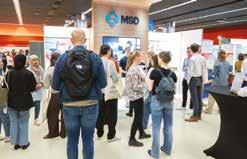

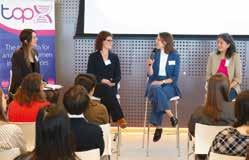

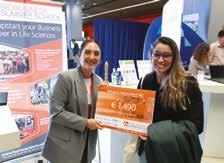
BCF Career Event Netherlands – 20 May 2027
BCF Career Event Belgium – 26 November 2026
For your employer branding & talent recruitment!
BCF Career is the largest Life Sciences career event in the Netherlands since 2005, o ering an unparalleled oppor tunit y to connec t with thousands of highly sk illed job seek ers. Our event attrac ts a diverse range of students and professionals in the eld of Life Sciences (Bio, Chemistr y, Food, Pharma). Exhibiting at BCF Career Event gives companies the chance to showcase their brand, net work with potential candidates and promote job oppor tunities


“BCF Career Event is a great oppor tunity to meet talented candidates from multiple horizons!“ 2025, ECCRT


“ This Wednesday, we were at the largest Life Sciences event in the Europe – BCF Career Event. With an enticing oppor tunity for students from MBO to Postdoc in Life Sciences and Chemistr y to interact with organisations who could assist them in their professional development, it was refreshing to hear their queries and provide the insights accordingly While the current rst-year students remain involved in their business cases and the second-year students toiling in their internships, we remain excited to welcome the next batch of students to our program.“ 2026, MSc Water Technology ( Wetsus Academy)
Since April 2026, CLS Services and MY Recruitment joined forces to strengthen market position in (inter)national recruitment, selection, and secondment within Life Sciences and more.
Specialists partner up
For over 20 years, CLS Services has been a leading specialist in secondment and recruitment of highly educated (Bachelor+ level) professionals across all areas of Life Sciences. MY Recruitment focuses on recruitment and selection of specialists within Life Sciences, including Quality Assurance, Technical Sales & Marketing, Operations, Supply Chain, Regulatory Affairs, and Management within the Benelux market.
Combined expertise, quality, and a personal approach
This new partnership further strengthens CLS Services’ position in the Dutch market within recruitment, selection, and secondment across these sectors. René Kemps and Jan Paul Favier, both owners and Managing Directors of CLS Services, state: “With the addition of MY Recruitment, we are now able to offer an even broader range of services to more clients. Both organizations stand for expertise and quality, with personal contact as the foundation for creating the perfect match between client and candidate. We look beyond the résumé, focusing on the individual behind the talent and ambition to create the perfect match.”
Life Sciences market expansion
Marga Hekstra and Yvette de Kok, both owners and Managing Directors of MY Recruitment, are enthusiastic about this partnership: “This is a deliberate and strategic choice as this allows us to serve our clients more comprehensively. Since founding MY Recruitment in 2014, we have built a strong organization delivering quality and professionalism, always combined with a personal approach, because that reflects who we are. We recognize a shared mindset and ambition in the people behind CLS Services. An additional advantage for us is an extra office in Foodvalley Wageningen, the innovative heart of the food market.”
Moving Forward with Confidence
While MY Recruitment traditionally focused on SMEs and CLS primarily on corporates and large enterprises, they are now combining

knowledge, experience, and client portfolios. René and Jan Paul add: “For our clients and candidates, little will change, except that they will benefit from our combined expertise. We will continue to invest in improving and expanding our services. Through this collaboration, we remain committed to our core values: a personal approach and high-quality service delivery. Together, we look to the future with confidence and a strong sense of shared purpose.”
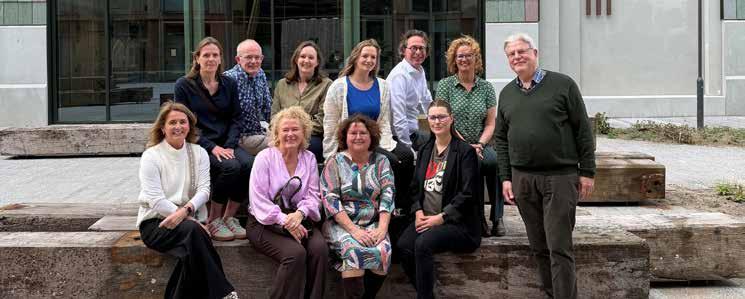



Enza Zaden
Grow vegetables that feed the world. Grow a career that fits you.
What if your work didn’t just stay in the lab, but reached dinner plates around the world? That is exactly what happens at Enza Zaden. Every day, around 480 million people eat vegetables grown from our seeds. It is the kind of impact that is easy to overlook, until you realize how many meals, families and futures your work can reach.
That impact starts with science. Through plant breeding, biotechnology, seed technology, data science and laboratory research, we develop vegetable varieties with better taste, higher yields and stronger natural resistance. It is complex, purposeful work in an international environment where expertise, curiosity and collaboration come together.
But growth at Enza Zaden is not just about crops. It is also about people. We believe careers do not have to follow a fixed or linear path. Whether you want to deepen your expertise, broaden your experience or explore a new direction, you get the trust, responsibility and opportunities to keep developing in a way that fits you.
As a family-owned company with global reach, we combine meaningful innovation with a culture that gives people room to grow. So if you are looking for work that contributes to the future of food and for a workplace where your own growth matters too, Enza Zaden might be the next step in your career.
During BCF Career Event on May 21st in Utrecht, our colleague Janita Romers, will share how exploring different roles helped shape her career at Enza Zaden.
The future of food needs curious minds. Meet Enza Zaden at BCF Career Event on May 21st in Utrecht or visit enzazaden.com/careers
Leyden Labs
Leyden Labs is a clinical-stage biotechnology company based in the Netherlands with a bold mission: free people from the threat of respiratory viruses.
Respiratory viruses enter through the nose and mouth—yet most vaccines generate protection systemically. That’s a problem we seek to solve. We’re building protection where infection begins: the respiratory mucosa.
Using our Mucosal Protection Platform, we are developing broadly protective nasal sprays that deliver antibodies directly to the site of infection.
Our candidates are designed to:
• Protect against entire viral families—even as they mutate
• Provide immediate, localized defense
• Offer a solution that can be used instead of or in addition to vaccines
Breakthrough science. Real-world impact. Join an ambitious team advancing a firstin-class approach to respiratory virus prevention.
If you’re motivated by breakthrough science, translational impact, and the opportunity to change how the world prevents respiratory infections, we’d love to connect.
To learn more about Leyden Labs, including how to join our mission, please visit www.leydenlabs.com.
GenDx
At GenDx, part of the Eurobio Scientific Group, we are driven by one clear mission: improving the quality of life and survival chances of transplant patients. From our facility at Utrecht Science Park, we develop and deliver innovative diagnostic solutions that enable diagnostic laboratories and hospitals to perform both pre- and post-transplant diagnostics.
We combine cutting-edge software and reagents for sequencing-based HLA typing and Chimerism monitoring with excellent customer support and education –empowering clinicians to make vital decisions with confidence.
Sharing is embedded in everything we do. It is not only one of our core values; sharing is also deeply rooted in transplantation itself, where a donor shares something life-saving with a patient. Inspired by this principle, we actively contribute to advancing the field through close collaboration, hands-on support, and knowledge exchange.
But technology alone is not what sets us apart. Our people are!
We foster a collaborative, multidisciplinary, and international environment where curiosity, creativity, and knowledge sharing fuel innovation and real-world impact.
As we continue to grow, we are always looking for new talent for roles ranging from lab technicians and software developers to technical support specialists and project managers.
Want to work on innovations that truly matter?
Join the experts in transplant diagnostics and help shape the future of patient care!
Explore career opportunities at GenDx.com/Careers.


Genmab is transforming into a fully integrated biotech with a wholly owned, diversified pipeline.
Positioned to Achieve Long-Term, Sustainable Growth
2025 was a pivotal year in Genmab’s evolution. We advanced our late-stage pipeline, strengthened our model to bring medicines to patients across geographies and continued building a scalable biotech with strong momentum and a diversified growth profile.
We grew operating profit while investing in long-term growth — demonstrating disciplined execution and commitment to sustained growth.
Today, Genmab enters 2026 with a diversified revenue base and a late-stage portfolio positioned to drive sustainable growth well into the 2030s.
Advancing our late-stage pipeline
Genmab has proven to be an excellent evaluator of innovation — and a company that delivers on its development commitments.
“Genmab has strong momentum and a diversified growth profile, with multiple key clinical catalysts ahead.” -Jan van de Winkel (co-founder, President and CEO of Genmab.)
Our focus remains on translating our world-class antibody science and development expertise into impact for patients and long-term value for stakeholders.
Expanding our presence in key geographies
We are taking a thoughtful approach to expanding capabilities to

bring medicines to patients across geographies. Having established a clear track record of success in the U.S. and Japan, we established operations in France, the U.K. and Germany.
Our expansion strategy is centered on geographies where we believe we can make a difference in the treatment landscape.
Disciplined capital allocation
We executed fully in line with our capital allocation framework in 2025, prioritizing high-impact investments while strengthening operating leverage.
“Anchored by high-quality revenue growth and disciplined capital allocation, we are confident that we have the building blocks in place to continue our strong track record through the 2030s.” -Anthony Pagano (Executive Vice President and Chief Financial Officer of Genmab.)
Our disciplined approach guides strategic decisions, and we remain focused on balancing innovation and growth to deliver long-term value.
Genmab is now a scaled oncology biotech with multiple catalysts ahead and a clear path to sustainable growth.
As we begin 2026, our focus remains unchanged: translating our antibody science to transform the lives of people with cancer and other serious diseases.
In gesprekken met lab-managers, in kalibratie, in milieu, in agrofood, keert hetzelfde patroon terug. Twee maanden zoeken naar een goede analist, een geslaagde plaatsing, certificering, inwerktijd. En dan, ergens tussen maand zes en maand twaalf, vertrekt diegene weer. “Niet wat ik dacht,” zegt de medewerker bij vertrek. De werkgever herkent dat gevoel.
De gebruikelijke conclusie is dat de markt krap is. En dat is zo. Maar als we eerlijk kijken, is het tweede probleem vaak groter dan het eerste. Niet het werven, maar het vasthouden. En dat is zelden een kwestie van salaris alleen.
Werkwaarden-fit voorbij de functietitel
In een eerdere bijdrage aan deze nieuwsbrief schreven we over toegevoegde waarde. Wat werknemer en werkgever elkaar geven, en wat ze samen creëren. Werkwaarden-fit is daar de praktische vertaling van. De mate waarin iemands persoonlijke werkwaarden aansluiten op wat de organisatie biedt en uitdraagt.


Voor de ene laborant betekent dat autonomie en ruimte om eigen methoden te verfijnen. Voor de andere juist heldere protocollen en een team dat samen pieken bij deadlines. Beide zijn legitiem, beide leveren goede analisten op. Maar als je een autonomiezoeker plaatst in een strikt SOP-gestuurde omgeving, of een teamspeler in een solofunctie waar hij maandenlang zelfstandig werkt, dan creëer je verloop nog vóór iemand goed en wel begonnen is.
Groeimentaliteit als tweede laag
Werkwaarden-fit alleen is niet genoeg. Wat erbij komt, en wat we in onze whitepaper Meer prestaties, productiviteit en plezier dankzij gedeelde werkwaarden uitwerken, is groeimentaliteit. De overtuiging, bij medewerker én organisatie, dat vaardigheden niet vaststaan maar zich ontwikkelen.
Voor labwerk is dat geen luxe maar noodzaak. Regelgeving verandert, technieken verschuiven, AI-ondersteuning doet haar intrede in dataverwerking en patroonherkenning. Wie ervan uitgaat dat een nieuwe analist “klaar” is na inwerken en certificering, mist de helft van de winst die in dezelfde medewerker zit.
Wat het concreet oplevert
Dit klinkt zacht, maar de uitkomsten zijn dat niet. In gesprekken met werkgevers die werkwaarden-fit en groeimentaliteit serieus inbouwen, horen we drie effecten terug die elkaar versterken.
Lager verloop in het eerste jaar, niet omdat mensen “het nog wel even uitzitten”, maar omdat de match daadwerkelijk klopt. Stabielere prestaties rond audits, want een team dat zich gezien voelt en mag groeien, draagt minder kennis weg bij vertrek en bouwt sneller op bij nieuwe instroom. En sterkere overdracht tussen senior en junior, omdat werkwaarden-fit maakt dat ervaren analisten hun kennis liever delen, niet uit plichtsbesef maar omdat ze zien dat de junior past.
En in de praktijk
De stap die werkgevers vaak overslaan, is het gesprek aangaan over werkwaarden vóór de match wordt gemaakt. Niet als afvinklijstje, maar als wezenlijke kennismaking. Dat geldt voor sollicitanten, maar evengoed voor zittende medewerkers die wellicht op de verkeerde plek zitten en dat zelf nog niet helder hebben.
Voor wie hier concreet mee wil beginnen, hebben we een gratis online instrument ontwikkeld, de Zit-je-op-je-plek-Check. Zeventien vragen, drie minuten, en je hebt een eerste beeld van waar werkwaarden-fit wel of niet aanwezig is. Beschikbaar voor werknemers en voor werkgevers.
De whitepaper Meer prestaties, productiviteit en plezier dankzij gedeelde werkwaarden gaat dieper in op hoe organisaties dit strategisch inbouwen, en waarom plezier en prestatie geen tegenstellingen zijn maar elkaar voortbrengen.
Een artikel van Balans, gespecialiseerd in arbeidsbemiddeling voor de laboratoriumsector.
Al meer dan 130 jaar investeert MSD in de grote medische vraagstukken van deze tijd. Ook vandaag de dag willen we het meest vooraanstaande onderzoeksintensieve biofarmaceutische bedrijf ter wereld zijn. We lopen voorop in onderzoek naar innovatieve gezondheidsoplossingen om ziekten bij mens en dier te voorkomen en te genezen. Met een divers en inclusief personeelsbestand werken we elke dag op verantwoorde wijze aan een veilige, duurzame en gezonde toekomst voor iedereen.
MSD in Nederland: het grootste en meest veelzijdige geneesmiddelenbedrijf
Als Nederlands geneesmiddelenbedrijf staan we midden in de samenleving. We zijn niet alleen een belangrijke en goede werkgever, maar door onze innovatie- en productiekracht zijn we ook een economische speler van formaat. Lokaal, nationaal en internationaal. Vanuit Nederland hebben we wereldwijde impact met onze biofarmaceutische innovaties. Ontwikkelen en klinisch onderzoek doen, produceren en verpakken. Dat gebeurt allemaal hier. En vervolgens exporteren we onze geneesmiddelen naar meer dan 140 landen. Daarin zijn we uniek en daar zijn we trots op.
We tonen onze toewijding aan de gezondheid van patiënten en de bevolking door de toegang tot gezondheidszorg te verbeteren door middel van verstrekkende beleidsmaatregelen, programma’s en partnerschappen. Wij geloven dat bedrijven een verantwoordelijkheid hebben om onze milieu-impact zoveel mogelijk te beperken. Daarom werken we aan innovaties die ten goede komen aan de gezondheid van patiënten en beschermen we tegelijkertijd de omgeving waarin we leven en werken.
We lopen voorop in het onderzoek naar de preventie en behandeling van ziekten die mensen en dieren bedreigen, waaronder kanker, infectieziekten zoals hiv en ebola, en opkomende dierziekten.
Onze aandachtsgebieden Al sinds onze oprichting werkt MSD mee aan de ontwikkeling van geneesmiddelen en vaccins. In de 20ste eeuw droeg ons bedrijf onder meer bij aan de ontwikkeling van levensreddende antibiotica en geneesmiddelen tegen hart- en vaatziekten en hiv/ aids. Nu is ons werk met name gericht op oncologie (kanker), vaccins, chronische ziekten, infectieziekten en diergezondheid.
Werken bij MSD Nederland
In Nederland werken we met 4.000 collega’s aan oplossingen voor de meest uitdagende ziekten van onze tijd. Zoek jij ook een baan met impact op het redden en verbeteren van levens? Bekijk dan onze vacatures: www.werkenbijmsd.nl.

While many life sciences campuses cover a broad spectrum of activities, Pivot Park is exclusively focused on biopharma drug discovery, drug development, manufacturing and everything that supports and strengthens this process.
What makes Pivot Park unique is its integrated ‘bench-to-batch ecosystem’. Within a single location, fully under its own management, high-quality R&D facilities, preclinical development expertise, manufacturing capabilities and an active community come together. This creates a cohesive development environment in which pharmaceutical companies can develop therapies faster, more efficiently, and in a more cost-effective and lower-risk manner.
• A clear focus on biopharma
• An integrated CRO, CDMO and professional supporting biopharma services ecosystem
• Plug-and-play laboratory infrastructure and offices
• Seamless scalability from early R&D to clinical manufacturing
• Deep-rooted biopharmaceutical expertise in Oss
• Premium facilities within a cost-efficient and flexible operational structure
All this together offers companies a practical development journey from discovery and proof-of-concept through IND, CMC, clinical development and manufacturing. As a result, companies benefit from direct communication, with close collaboration, reduced complexity and faster decisionmaking during critical phases of development. With all facilities in one place and under a single management, companies can scale quickly without relocating. Teams can grow from a single lab bench to full production capacity: from bench to batch.
For start-ups, our Pivot Incubator offers turnkey laboratories, flexible workspaces, an open-access lab and shared facilities. This enables biopharma companies to start without high upfront investment. Startups benefit from business support, access to mentors within the campus, a strong ecosystem, and guidance in fundraising and regulatory pathways. This makes Pivot Park an ideal launch environment for emerging biopharmaceutical companies.
At Hays, we understand that finding the right career opportunity is essential for your success. Life Sciences is one of the most future-oriented sectors, with a significant impact on our economy, society, and science.
What sets Hays apart is our personal approach. We see our relationships as longterm partnerships, not just transactional. We take the time to understand your ambitions, listen to your career goals, and offer opportunities that truly align with your skills and future plans. Our goal is to guide you toward the right next step in your career.
With our extensive network and deep knowledge of the Life Sciences industry, we connect you with opportunities that will not only challenge you but also help you grow. Our consultants have proven expertise in recruiting across various Life Sciences fields.
Whether you’re seeking a new challenge or the next step in your career, we’re here to help you find the right fit.
At Hays, we are more than just recruiters –we are your partner in career development, working with you to shape your future. Want to know more? Visit us at www.hays.nl.
Nouryon
Nouryon is a global leader in specialty chemicals, with Kromasil® as an integral part of its advanced range of chromatography media. With over 35 years of experience in manufacturing and packing stationary phases, Kromasil® provides high-performance products to various industries, including pharmaceuticals, clinical, environmental, food, and beverage sectors.
Kromasil® chromatography media are designed for high-performance liquid chromatography (HPLC) and supercritical fluid chromatography (SFC). Our silicabased stationary phases meet international standards, ensuring durability and load capacity. These products are essential for the purification of active pharmaceutical ingredients (APIs), aiding in the development of drugs with improved efficacy.
Specifically, Kromasil® plays a vital role in the purification of GLP-1 receptor agonists used in treating type 2 diabetes and obesity, as well as in the purification of insulin for diabetes management. These applications highlight the importance of Kromasil® in ensuring the purity and effectiveness of these key medications.
Beyond pharmaceuticals, Kromasil® is important in various analytical applications, including the screening and quality control of pharmaceutical ingredients, food, and beverages. Our Kromasil® chromatography media, made of spherical silica particles, provide flexible solutions for different purification processes, ensuring high purity standards are met.
Kromasil® is available in bulk and highpressure slurry-packed columns. This technology supports chromatographers in achieving better separations and analyses, backed by our patented silica technology and years of expertise in silica chemistry.
As part of Nouryon’s mission, Kromasil® continues to advance the field of chromatography, offering innovative solutions that support progress in pharmaceuticals and related industries. Our extensive experience and expertise make us a reliable partner in developing chromatography technology, ensuring high-quality results that meet the demanding needs of healthcare and scientific research.



Pivot Park
Ben je op zoek naar de ideale plek om jouw biofarma onderneming te laten groeien? Pivot Park richt zich exclusief op biofarmaceutische geneesmiddelenontdekking, -ontwikkeling, productie en alles wat dit proces ondersteunt en versterkt. Van startups tot gevestigde bedrijven: hier vind je direct inzetbare laboratoria, kantoorruimtes en GMP-faciliteiten.
Voor elke fase een passende werkplek
Pivot Park beschikt over geavanceerde biologische en chemische labs, GMP-gecertificeerde pilotfaciliteiten, compleet ingerichte kantoren en diverse vergaderruimtes. Speciaal voor startende bedrijven is er de Pivot Incubator, met onder andere een eigen lab werkplek, celkweekfaciliteiten, gedeelde apparatuur en toegang tot vergaderruimtes.
Hoogstaande R&D infrastructuur
Pivot Park beschikt over een hoogwaardige en volledig geïntegreerde infrastructuur die is ingericht op de eisen van moderne biofarmaceutische R&D. Van centrale faciliteiten zoals spoelkeukens voor het reinigen van glaswerk en gevalideerde sterilisatieprocessen tot veilige opslagoplossingen zoals cryobanken. Daarnaast zijn essentiële utilities zoals gassen, perslucht, vacuüm en geconditioneerde lucht centraal geregeld. De campus biedt bovendien uitgebreide ondersteuning op het gebied van veiligheid, vergunningen en monitoring van kritische apparatuur, waardoor continuïteit van onderzoek en productie optimaal gewaarborgd is.
Een netwerk dat je verder brengt
Wat Pivot Park uniek maakt, is de sterke community van biofarmaceutische bedrijven en experts. Door samen te werken,
kennis te delen en apparatuur en technologieën te benutten, ontstaan er waardevolle verbindingen. Daarnaast zijn op de campus diverse ondersteunende bedrijven gevestigd, variërend van accounting en juridische dienstverlening tot advies op het gebied van compliance en ondernemerschap. Hierdoor heb je alle benodigde expertise binnen handbereik om je organisatie verder te ontwikkelen.
In een toonaangevende farmaregio met rijke historie
Pivot Park bevindt zich in het hart van een van de belangrijkste farmaceutische regio’s van Nederland en heeft zich ontwikkeld tot een imposant en toonaangevend science park. De locatie in Oss kent al ruim 100 jaar een rijke historie in geneesmiddelenontwikkeling en -productie, teruggaand tot de oprichting van Organon in 1923. Dit heeft geleid tot een sterke concentratie van kennis, talent en bedrijvigheid, waar bedrijven vandaag de dag direct van profiteren.
Beschikbaar voor jouw ambities
Op zoek naar een plek waar je vandaag nog kunt starten?
Er zijn momenteel diverse lab ruimtes, kantoren en incubatorplekken beschikbaar. Met eerlijke prijzen, uitstekende voorzieningen en een inspirerende omgeving is Pivot Park dé locatie voor elke biofarmaceutische onderneming met ambitie.
Meer weten?
Bekijk de beschikbare ruimtes of neem contact op met onze Business Development Manager via donna.algra@pivotpark.com
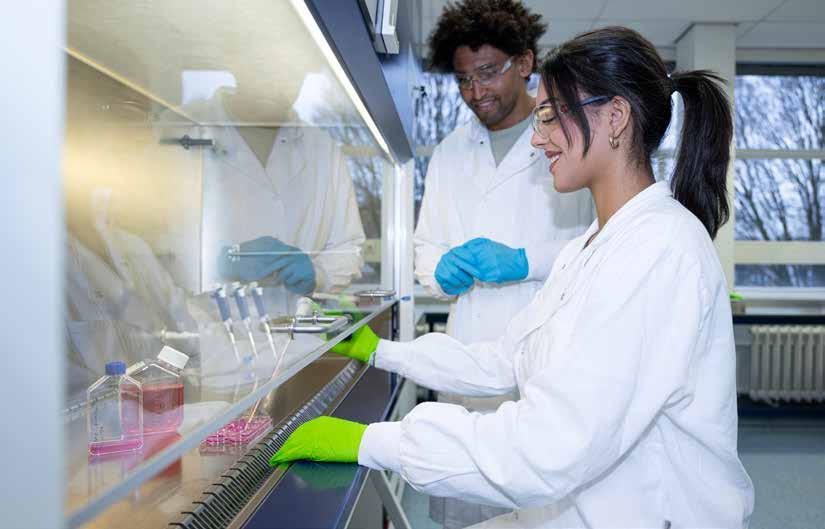
The founder of PEI, Herjan Coelingh Bennink, is a driven man. For decades, he and his team have been convinced of the positive power of estrogen. His major messages at this moment: “Breast cancer is caused by progesterone, not by estrogens” and “estrogens including the new natural estrogen Estetrol (E4) can be used for the treatment of breast cancer.” Estetrol is now marketed as the estrogen component of an oral contraceptive pill and will become available for postmenopausal estrogen therapy later this year. Also this year, PEI is getting a new management team that is steering the proven course of the company with a vital portfolio.
In 2000 and 2014, respectively, the former Director of R&D WH at Organon, endocrinologist and gynecologist Prof. Herjan Coelingh Bennink (HCB), founded Pantarhei Bioscience and Pantarhei Oncology; Dutch biopharmaceutical companies developing unique innovative treatment concepts in the fields of “Women’s Health” (WH) and “Reproductive Endocrine Oncology” (REO). Pantarhei Bioscience for the development of E4 for combined oral contraceptives (COCs) and menopausal hormone therapy (MHT), and Pantarhei Oncology for estrogen treatment of advanced breast and prostate cancer. Finally, in 2019, PEI (Pandora Endocrine Innovation) was established. The companies have since filed more than 220 patents worldwide. HCB’s focus is now primarily on PEI.
RE4W contraceptive pill
The common thread in the Pantarhei and PEI companies is the fetal estrogen Estetrol (E4). For instance, Herjan and his team are convinced that the PEI-patented RE4W contraceptive pill will replace the current pill, which consists mostly of synthetic estrogens and in all cases synthetic progestogens, in the future with the GnRH antagonist Relugolix and the fetal estrogen Estetrol (E4). A publication on this topic recently appeared in AOGS, among others. (A concept for a new approach to combined oral contraception from adolescence to perimenopause: continuous use of the oral GnRH antagonist Relugolix and the fetal estrogen Estetrol)
HCB: ‘It is expected that the relugolix estetrol combination RE4W will enable women to control their fertility and prevent menstrual cycle-
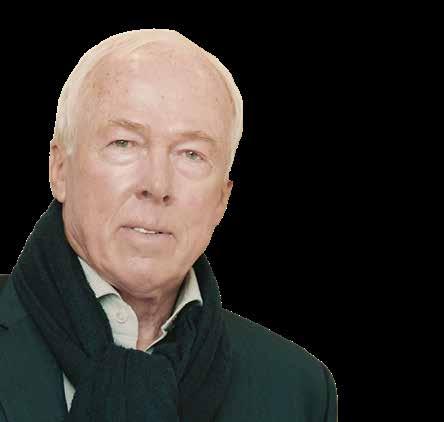
PEI is currently seeking a financier for the development of RE4W. Even if you have been living and working with it for decades, eventually the time comes to hand things over or at least make ‘future-proof changes’. For PEI, this will happen during the E4 symposium on July 5, 2026, in Bergen (NH); see the opposite page of this spread for the agenda. On that date, Herjan Coelingh Bennink will hand over active responsibilities for his company PEI, to a number of successors, including Chief Office Manager Karlijn Sistermans, who previously held this position at Pantarhei for approximately 15 years, and PEI’s new CEO, the Swedish Dr. Karolina Afors.
Karolina Afors is a consultant Obstetrician & Gynaecologist with over 15 years of experience working in the NHS and a strong track record in research and development. Karolina:‘As an internationallyrecognised consultant gynaecologist, health educator, and advisor with extensive knowledge of chronic pelvic pain and endometriosis, I’m passionate about developing transformative solutions blending pharmaceutical, medical and lifestyle interventions.
I aim to drive innovation in women’s healthcare, addressing the historic underfunding of research in this sector.
With almost 20 years of experience as a women’s health specialist, working across both clinical and corporate pharmaceutical settings, my unique perspective takes into consideration biological, social, and psychological factor.’
A new R&D Director from Sweden—where have we encountered that country before? We dig back into history and land in 1965. In that year, the natural estrogen Estetrol was discovered at the Swedish Karolinska Institute (Stockholm). HCB: ‘Estetrol is produced by the human fetus during pregnancy. Such a hormone, already present during pregnancy, should be a safe hormone, and we have demonstrated this in clinical studies over the past 25 years. In 2022, Estetrol in a contraceptive pill reached the primary endpoint: market authorization. Canada was the first, followed by the EMA and FDA.’
Change, but do not stop. In this way, Coelingh Bennink remains involved with PEI as Chairman of the Supervisory Board. He was also invited in 2025 to affiliate with the Karolinska Institute in Stockholm. From these positions, he will continue his quest together with a new, passionate team.
Portfolio PEI
1) Women’s Health
• Hormonal Contraception,
• Menopausal Hormone Therapy,
• Infertility,
• Pregnancy
2) Endocrine treatment of COVID-19
3) Reproductive Endocrine Oncology (REO)
* Advanced breast cancer
* Advanced prostate cancer
Zie www.pandoranova.com/portfolio voor het volledige portfolio.
This is an invitation of the Karolinska Institutet in Stockholm to participate in a symposium on Sunday July 5, 2026 from 10.30 – 18.00 with the title
Location: Het Hof, Eeuwigelaan 1, 1861 CL, Bergen, the Netherlands. Since there is limited space, attendance is on invitation only, but without any costs. In case you are interested to participate please send your request and CV to: Herjan.Coelingh.Bennink@ki.se The Proceedings of the symposium will be published in Endocrine Reviews.
Sunday July 5, 2026 / 10:30 - 18:00
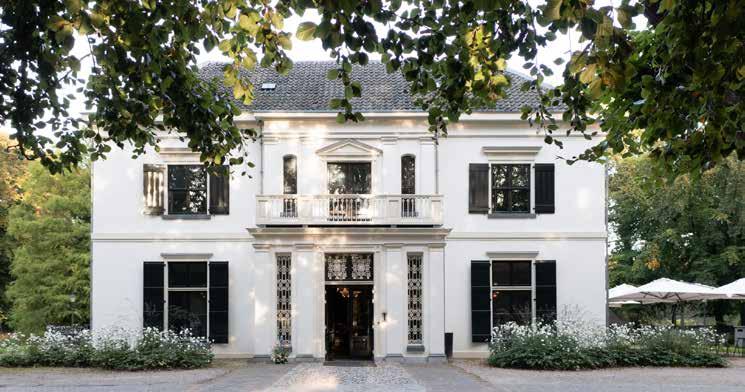
Program:
10.30: Alessandra Graziottin and Giuseppe Benagiano the History of Estetrol Dept of ObGyn, University of Verona, Verona, Italy and Faculty of Medicine and Dentistry, Sapienza, University of Rome, Rome, Italy and Geneva Foundation for Medical Education and Research, Geneva, Switzerland
11.00: Frank Stanczyk the Biochemistry of Estetrol Dept of Obstetrics & Gynecology, University of Southern California, Keck School of Medicine, Los Angeles, CA, USA
11.30: Jonathan Douxfils the Pharmacology and Safety of Estetrol Clinical Pharmacology and Toxicology Research Unit, Namur Research Institute for Life Sciences (NARILIS), Faculty of Medicine, University of Namur, Belgium
12.00 – 12.30 Discussion
12.30 – 14.00 Lunch
14.00: Carolyn Westhoff Estetrol as the Estrogen in Oral Contraceptives Columbia University Irving Medical Center, New York, NY, USA
14.30: Kristina Gemzell-Danielsson (Chair) Estetrol for Postmenopausal Estrogen Replacement Division for Gynaecology and Reproductive medicine, Karolinska University Hospital, Stockholm, Sweden
15.00: Karolina Afors Estetrol/Relugolix (RE4W) for the Perimenopausal Transition University College Hospital, NHS Foundation Trust, London, UK
15.30: Herjan Coelingh Bennink (Chair) the Future of Estetrol Karolinska Institutet, Stockholm, Sweden and Pandora Endocrine Innovation (PEI), Bergen, the Netherlands
16.00 – 17.00 General Discussion 17.00 – 18.00 Drinks
When you imagine the next step in your career, what do you think of first: scientific excellence, meaningful public impact, international collaboration, or opportunities to grow?
At the European Medicines Agency (EMA), you don’t have to choose. Here, all these elements come together to create a career that is both professionally rewarding and personally meaningful.
EMA is at the heart of public health in the European Union. Our mission is clear and compelling: to evaluate and supervise medicines for human and veterinary use to ensure they are safe and effective for people and animals across Europe. The outcome of your work has the potential to influence the lives of millions of people. For talented professionals driven by purpose, EMA offers a uniquely impactful place to build a career.
A multidisciplinary agency with opportunities across the scientific spectrum
EMA brings together experts from many fields: regulatory science, pharmacology, biology, chemistry, epidemiology, data science, veterinary science, clinical research and more. We work closely with national authorities, researchers, industry and patient organisations, providing a dynamic environment where scientific debate and collaborative thinking thrive.
Roles at EMA cover many aspects in the lifecycle of medicines, including
• Scientific assessment and product evaluation
• Safety monitoring and risk management
• Advanced therapies and innovation support
• Data analytics and regulatory science
• Veterinary medicines and One Health initiatives
• Digital transformation and AI-driven regulatory approaches
For early career scientists, EMA offers exposure to advanced methodologies, diverse therapeutic areas and complex scientific questions. For experienced
professionals, EMA provides the opportunity to shape regulatory science at European level and contribute to decisions with public health impact.
Work that matters: making a difference every day
Working at EMA means contributing directly to public trust in medicines. Our scientific committees and multidisciplinary teams assess evidence rigorously, make informed recommendations and act quickly in the interest of patients.
Whether it is advancing treatments for rare diseases, supporting innovation in advanced therapies, reinforcing preparedness for health emergencies, or ensuring access to high quality medicines across Europe, our staff know that their work matters. This sense of purpose is one of the most valued aspects of EMA’s culture, consistently highlighted by employees across the Agency.
EMA is headquartered in Amsterdam, one of Europe’s most vibrant and international cities. Our staff represent all EU and EEA countries and bring diverse cultural and professional backgrounds. English is our working language, and collaboration is at the core of how we operate.
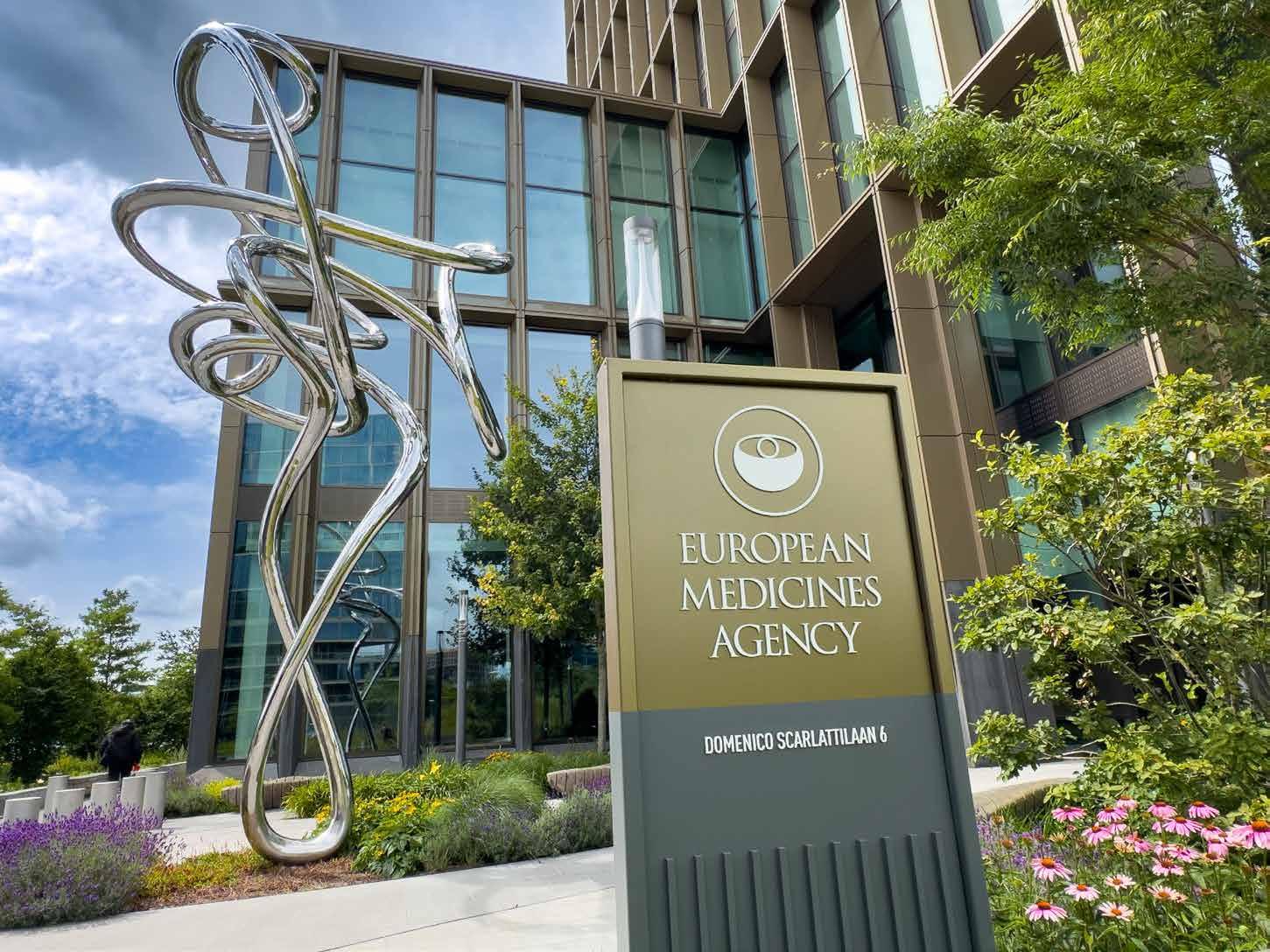
lifelong learning
At EMA, your development is a priority. We provide:
Working at EMA means collaborating with colleagues across the Agency, but also with:
• EU national competent authorities,
• academic experts,
• international regulators,
• patient and healthcare professional organisations,
• global scientific networks.
This creates a stimulating, intellectually rich workplace where learning never stops and every project broadens your perspective.
• Structured learning programmes tailored to scientific, regulatory, and transversal competencies.
• Support for continuous professional development, conferences, and specialist training.
• Opportunities for mobility within the Agency and across EU institutions.
• Mentoring schemes, interagency exchanges, and job shadowing opportunities.
expertise, broaden your skills and knowledge or develop new skills in regulatory science or digital innovation, EMA supports your path.
A workplace designed for people
We understand that meaningful work must be balanced with wellbeing. EMA promotes a culture of respect, flexibility, and inclusion.
We offer:
• Hybrid working arrangements
• Attractive benefits and competitive European institution conditions
A supportive environment for families relocating to the Netherlands

• Strong emphasis on mental health and work–life balance
Working at EMA, you can make a difference in protecting the health of every individual and animal in the European Union.
We believe that people thrive when they feel supported - not only as professionals, but also as individuals.
With your expertise, you are part of a diverse, multicultural, and supportive team of over 1000 talented and highly committed colleagues.
Join a mission that shapes healthcare in Europe
citizens have access to safe and effective medicines.
At EMA, you won’t just find a job. You’ll find a mission of working for every patient in Europe
Working at EMA, you can make a difference in protecting the health of every individual and animal in the European Union.
You work at the heart of medicines evaluation and regulation within Europe, while enjoying attractive benefits, a healthy work-life balance and opportunities for professional growth and development.
Whether you are a scientist, a regulatory professional, or an IT, communications, HR or project management professional eager to contribute to public health, EMA offers a career where your expertise has real significance. You will engage with cutting edge science, collaborate with leading
With your expertise, you are part of a diverse, multicultural, and Working for every patient in Europe
If you want to work where science meets purpose, where your contribution has Europe-wide impact, and where your professional growth is supported every step of the way, come meet us at the BCF Career Event. We look forward to speaking with you about how you can shape the future of public health with us.
Gerard van Beynum
Binnenkort komt een boek over de 37 jarige geschiedenis van het Leidse Pharming uit, opgetekend door Gerard van Beynum en zijn ghostwriter Alida Meursing.
De achterflap van het boek vertelt het volgende.
Dit is het verhaal van Pharming Group BV, kortweg Pharming, het Nederlandse biotechbedrijf, opgericht in 1988, dat in 1990 furore maakte met Herman, de eerste genetisch gemodificeerde stier ter wereld. Dit icoon van de biotechnologie, dat zoveel tongen losmaakte, staat sinds 2006 als indrukwekkende proeve van vakkundige taxidermie in natuurhistorisch museum Naturalis.
Met het nodige vallen en opstaan sinds de ontdekking en toepassing van de genetische modificatie in de mid- jaren ’70 is Pharming thans de enige nog zelfstandige Nederlandse biotech die tenslotte groot is geworden door genetische modificatie. Inmiddels heeft de voormalige start up uit de vorige eeuw een beurswaarde van een miljard dollar en gaat
zo als de mythische Unicorn door het leven, de eenhoorn die zelden voorkomt, zeker in Nederland. Daar is het nodige aan vooraf gegaan. Waar jarenlang werd getwijfeld aan het bestaansrecht van de pionier, heeft die nu tenslotte zijn voortrekkersrol bevestigd.
Wie zich waagt in de wereld van de biotech, biofarmacie en Life Sciences belandt in een wereld die zijn weerga niet kent. Een wereld van spectaculaire levensreddende ontdekkingen. Van grote wetenschappelijke successen, maar ook van faliekant falen. Een wereld van gigantische financiële klappers en van ten dode opgeschreven ondernemingen. Van rucksichtslose rivaliteit in een kleine wereld waarin ons ons kent. Van het schuren tussen wetenschap en handel. Een wereld waarin Universiteiten, onderzoeksinstellingen, patiëntenverenigingen, startups en gevestigde ondernemingen, financiers, aandeelhouders en durfkapitaal, de politiek en de publieke opinie elkaar tegen komen. Van belangenverstrengeling en van tegengestelde belangen. Van geknakte reputaties en ambities. Van lovenswaardige bedoelingen en manipulatie en vals spel. Van ethiek die ver te zoeken is.
Aan de hand van aantekeningen van en gesprekken met oud bestuurder Gerard van Beynum en andere betrokkenen, diverse publicaties, Pharmings persberichten en berichtgeving in de media wordt het verhaal van Pharming en zijn speelveld verteld.
Het boek is vanaf juni verkrijgbaar via de boekwinkel en via verschillende digitale media.
Phosphoenix
Phosphoenix is developing a nextgeneration neuroprosthetic system designed to enable functional vision in people with profound blindness — a large and underserved patient population. For many, vision loss means reduced autonomy, limited mobility, and reliance on assistive tools that do not restore sight itself.
Instead of focusing on the eye, Phosphoenix targets the lateral geniculate nucleus (LGN), a key relay in the brain’s visual pathway. By bypassing damaged parts of the visual system, this approach offers a potential new route to vision restoration that is largely independent of the underlying cause of blindness.
At the core of the system is the Fountain Probe™, a high-density neural implant featuring more than 1,000 electrodes arranged to stimulate a three-dimensional volume. This enables precise stimulation of the brain, with the aim of generating visual percepts that could support essential functions such as navigation, obstacle detection, and social interactions - ultimately enabling more independent living.
The technology is designed around established neurosurgical techniques, similar to those used in deep brain stimulation, allowing integration into existing clinical practice. This may support a feasible pathway toward clinical adoption, with wellunderstood procedures and infrastructure already in place.
Preclinical studies have demonstrated the ability to stimulate the visual pathway in a controlled manner and generate responses consistent with visual perception. Based on these results, Phosphoenix is advancing toward first-in-human clinical studies. By combining advances in neuroscience and engineering, Phosphoenix is working toward expanding treatment options beyond assistive tools, including technologies aimed at restoring a meaningful level of vision.

An interview with Tom van Helmond, by Alex Cloherty.
The life sciences industry has evolved into a multidisciplinary ecosystem driven by data. To manage this complexity, AI is increasingly used across discovery and development pipelines. Purpose-built tools like the Nobel Prize-winning AlphaFold technology effectively address specific challenges in life sciences and healthcare (LSH), saving time and years of effort. But what about commercialization and compliance in LSH, where legal questions arise?
Currently, in-house legal teams at hospitals, pharmaceutical companies, and biotech organizations face substantial workloads and often rely on manual processes. While high-stakes matters are outsourced to top-tier law firms, the bulk of the legal workload lies in mid-complexity questions where speed matters as much as accuracy. Delays or errors can stall product launches or partnerships, or create compliance risks.
As for many scientific applications, generic AI tools are insufficient for the complexities of the LSH legal environment. Just as ChatGPT is not the best AI tool for screening libraries of small molecules or optimizing antibodies, it is also not ideal for legal decision-making in LSH. The risk of hallucinations and oversimplification is too high.
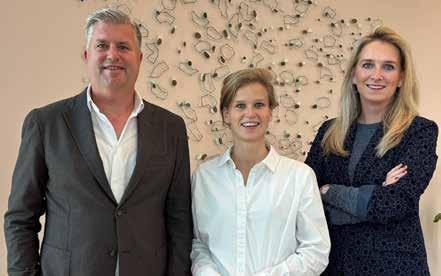
These are precisely the challenges that MedLex AI addresses.
MedLex AI: A Streamlined Workflow Built on a Foundation of Experience
MedLex AI emerged from a simple idea. “As a top-tier law firm, we have assembled an extensive database of over thirty thousand documents from high-complexity legal work over the last twenty years,” explains Tom van Helmond, managing partner of the Dutch home market of Loyens & Loeff N.V. and chairman of their Life Sciences & Healthcare team. “That’s an excellent dataset for training an AI model.”
Built on this foundation, MedLex AI is a hybrid system that enables Loyens & Loeff to deliver rapid, structured legal advice at valuebased pricing. After receiving a question from a client, the lawyers on ‘MedLex duty’ clarify and frame the query, input it into the AI tool,
and validate the output, all within two days. Since all resulting memos are reviewed by multiple lawyers, they are insured to Loyens & Loeff standards.
For clients, the experience remains fully human-facing. “You still send an email to a human, receive an email back from a human, and can pick up the phone and call a human expert,” says van Helmond. “We still integrate human expertise to provide tailored advice. The memos clients receive are composed of 30 to 50% human work, with the rest being AI output.”
The first client to test the system was a large healthcare insurance company facing capacity constraints and in need of flexible support. MedLex AI enabled outsourcing of mid-complexity work with fast turnaround times and cost control. “MedLex AI invoices are based on estimated value added, not hours spent,” explains van Helmond.
MedLex AI is now used to draft memos and clauses, and support minor litigation. Following positive client feedback, Loyens & Loeff extended the MedLex AI suite with MedLex CGR, a tool specifically focused on compliance.
Consider a typical scenario: a pharmaceutical company prepares a slide deck for a congress. Each claim must be substantiated, and every statement must be compliant with strict advertising and scientific communication rules. Typically, this triggers a timeconsuming review process with multiple iterations between legal and commercial teams.
MedLex CGR changes that dynamic. Co-developed with a major pharma client, the tool analyzes slide decks and other promotional materials using Loyens & Loeff’s in-house database, jurisprudence, and the client’s own past compliance decisions. Clients then receive a structured report indicating what is compliant, what is not, where risks lie, and proposed solutions.
With MedLex CGR, what previously took days is compressed into a fast, human-friendly workflow, reducing friction between legal and commercial teams while providing high-quality, insured advice. Unexpected benefits also emerged: “Clients have given very positive feedback about the readability of MedLex memos. AI language models are excellent at creating memos that are accessible to nonlawyers,” reflects van Helmond. “After receiving compliments on MedLex memo clarity, we’re learning from our AI tools to make other work even more readable.”
For clients, the impact of MedLex AI and MedLex CGR is immediate: in-house legal teams can offload a portion of their workload without sacrificing quality or budget, freeing resources for strategic priorities. For biomedical companies, where legal expertise is essential but not their core business, this approach ensures speed, scalability, predictable pricing, and clear communication.
Crucially, the hybrid human-AI workflows of the MedLex products preserve what matters most: trust. Since all output is reviewed by experienced lawyers, AI augments, but does not replace, human judgment. As in drug discovery and development, future workflows will likely not rely on AI alone, but built-for-purpose tools guided by expert oversight.
For many biologics, the next major bottleneck is no longer the drug target: it is the cell’s ability to make the therapy efficiently, consistently, and at commercial scale.
A major engineering opportunity is the cell’s secretory pathway, which governs protein folding, post-translational modification, and export. Although most biologics depend on this pathway, it remains one of the least predictable and least engineered stages of bioprocessing.
As biologics become more structurally complex, this pathway is moving from background biology to a core determinant of whether promising therapies ever reach patients.
The secretory pathway, and the key role of signal peptides in modulating its efficiency, is often invisible in early R&D discussions. However, the choice of a signal peptide for a given protein can govern critical outcomes: yield, quality, stability, and ultimately cost of goods.
This challenge is becoming more acute as pipelines shift toward harder-to-manufacture formats such as bispecific antibodies, fusion proteins, engineered cytokines, next-generation vaccines, and AI-designed proteins with novel architectures.
Greater therapeutic sophistication often comes with greater manufacturing complexity.
The industry has historically addressed expression problems through familiar levers: media optimization, vector design, clone selection, process tuning, and incremental sequence changes. These methods remain valuable, but they do not always solve constraints rooted in intracellular trafficking and protein biogenesis.
The gamechanger for complex molecules is signal peptide engineering. Signal peptides are short amino acid sequences that direct nascent proteins into the secretory pathway. Although removed from the final mature protein, they can strongly influence how efficiently a protein enters cellular processing routes and how successfully it is produced.
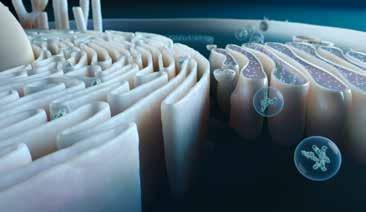
In many organizations, secretory pathway engineering has been underexplored because available tools were limited. In fact, the current industry standard is analyzing a handful of signal peptides –even though thousands could be analyzed and engineered, resulting in significant increases in protein production.
The industry typically relies on a narrow set of conventional signal peptides or trial-and-error approaches. This approach was workable when pipelines were dominated by relatively standardized monoclonal antibodies. It is less sufficient in an era where each new modality may interact differently with the host cell’s folding and secretion systems. High-throughput screening and machine learning now make it possible to test thousands of naturally occurring and engineered signal peptide variants against specific protein targets, replacing guesswork with data-driven optimization.
• Higher expression can reduce manufacturing footprint and lower costs
• Better intracellular processing can improve consistency and reduce downstream purification burden
• Earlier identification of manufacturability issues can prevent expensive late-stage setbacks
• Improve manufacturability is achieved without altering the therapeutic mechanism of action or final target structure
The molecule still matters. But increasingly, so does the machinery that makes it.


A new kind of medicine and a new kind of challenge
What if your manufacturing process must evolve at the same pace as your scientific understanding and both are moving faster than the frameworks designed to govern them?
That is, in essence, the defining challenge of vesicle-based therapeutics. These complex biological structures: including outer membrane vesicles (OMVs) and related nanoparticle systems, do not fit neatly into existing development templates. Their quality attributes are not always apparent early on, and their mechanisms of action are often still being uncovered as clinical work begins. The result is a field where learning is not a precursor to development, it is part of it.
At Innovation for Health 2026, this reality was front and centre. The conversation was candid: the frameworks are not yet fully established, expectations are shifting, and the organisations navigating this space need both scientific depth and considerable adaptability.
Scale-up: where complexity stops hiding
Moving from a laboratory bench to GMP-grade manufacturing rarely goes as expected but with vesicle-based products, the gap can be particularly stark. Variables that seem manageable at small scale, such as media composition, temperature, and purification approach, can produce meaningful shifts in vesicle size, composition, and biological activity when conditions change.
Purification is where many teams first encounter the hard reality of this complexity. Vesicles do not separate cleanly from biological debris, lipoproteins, or aggregates; impurities that can share similar physical properties. Standard lab methods rarely scale without redesign, often requiring a shift to approaches such as tangential flow filtration or chromatography. And when the process changes, the analytics must follow.
Analytics: building the instrument as you play it
Perhaps the most striking message from the conference was the degree to which analytical science for vesicle-based therapeutics is still being written. There is no universally accepted framework. Standardisation across organisations, let alone across borders, remains limited.
For anyone responsible for quality and compliance, this demands a different mindset. A single metric (protein concentration, for instance) tells only a fraction of the story. Building a meaningful picture requires layering particle characterisation, compositional analysis, and functional assays. In practice, this means moving towards multiattribute quality fingerprints, and accepting that in early development phases, demonstrating consistency may be a more honest and valuable goal than chasing absolute numbers.
Development as a learning loop
In most development programmes, manufacturing is a downstream concern: something you build once the science is settled. In the vesicle space, this distinction largely disappears. As products move into clinical stages, new data continuously reshapes how processes are designed, controlled, and interpreted.
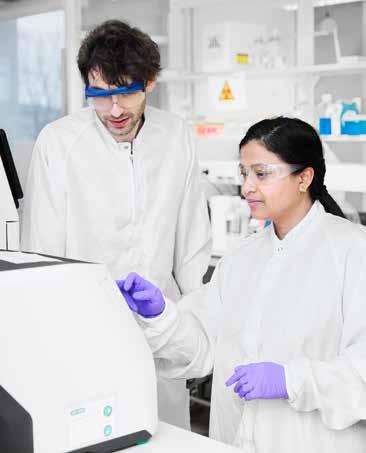
“In early phases, consistency is the target”
For vesicle-based products, defining quality is not a one-time exercise. Critical quality attributes are rarely fully understood at the start of development, and analytical methods must evolve in parallel with the product. Multi-attribute fingerprinting; combining particle characterisation, compositional analysis, and functional assays, is emerging as the standard approach. In early phases, demonstrating batch-to-batch consistency is often a more meaningful and achievable goal than pursuing absolute quantitative targets. The framework is still being built, but it is being built deliberately.
For a GMP manufacturing partner, this calls for more than technical capability. It requires the kind of close collaboration where emerging scientific insight can be translated quickly into process decisions and where the control strategy, the analytical methods, and even the product definition can all adapt as understanding grows. Early alignment on an analytical target profile, combined with open regulatory dialogue, is proving to be one of the most effective ways to reduce risk further down the line.
The clearest takeaway from Innovation for Health 2026 was also the most human one: nobody has all the answers yet, and the organisations making the most progress are the ones who have accepted that, and built accordingly. This is a field where manufacturing, analytics, and biology must genuinely co-evolve. That demands flexibility, cross-disciplinary collaboration, and a readiness to keep learning.
Barbara Brunnhuber on principles, thin skin, and the kind of leadership biotech actually needs. By: Sarah Opitz for TOPX Network.
Barbara Brunnhuber has spent more than two decades at the crossroads of science, biotech, and business— without ever subscribing to conventional leadership formulas. As Executive in Residence at BioPartner and CEO of Mireca, she believes leadership is less about performance and more about responsibility, trust, and empowering authenticity. In this edition of Leading Ladies in Life Sciences, she reflects on honesty, entrepreneurship, and why biotech may need to add another kind of success story.
Barbara Brunnhuber says people often think she’s very nice.
Until she isn’t.
“If something goes against my principles— egoism, unfairness, people taking from others—I can’t not say something,” she says. “First, it shows in my face. A colleague once told me: when you get angry, I can already hear your pocketknife click.”
She pauses, amused. She doesn’t, she clarifies, actually carry a knife. But the image fits.

Barbara is direct, protective, and constitutionally unable to stay quiet when she believes something is genuinely wrong. “I don’t allow people to wipe the floor with me,” she says. “Or to damage people I’m very fond of.” That tells you more about how she works than any title ever could.
After more than two decades at the interface of science and business in the life sciences, Barbara has come to a clear view of leadership: it isn’t about polish, performance, or knowing better. It’s about judgment, and resisting the pressure to harden into someone you are not.
She learned that the hard way.
Don’t grow a thicker skin
“I don’t have a vision,” she says cheerfully of her career. “It’s always been a mess.”
She doesn’t mean chaos so much as refusal. She never mapped out some grand trajectory. She moved section by section, according to what felt right and what she could no longer, in good conscience, keep doing. Management consultancy came first, and with it an education in how industries think, how goals are set, and how people learn to perform inside systems not of their own making. She performed too, for a while. “It was very energy-consuming,” she says. “You’re fulfilling other people’s wishes.”
Eventually the cost became visible: two burnouts, and a company collapse under venture-capital pressure so corrosive she still pulls founders aside to warn them. By the time the second burnout came, the choice had become stark. Continue down the same road—elbowing, pleasing, performing for people she neither respected nor trusted— or refuse.
“The turning point was realizing that if I continue like this, I have to become someone I’m not. And I hate that.”
So she made the kind of decision many professionals would consider reckless: she decided not to grow a thicker skin.
In some workplaces, toughness is treated as professional progress. Barbara came to the opposite conclusion. A thicker skin, she realized, would cost her the very thing that made her useful: the ability to read people, to connect, and to sense when something is off before anyone says it out loud.
Instead, she chose people she trusted and places where she could work in her own way, even if that meant a smaller world. “I thought, this is going to be a very small pond to fish in,” she remembers.
“But once you find it, even the smallest pond can be a big ocean.”
That choice eventually led her to the teams where she now feels most at home, including Mireca and BioPartner, where she has, as she puts it with obvious joy, “the freedom of the
idiot” to come up with ideas and run with them.
What leadership looks like when nobody’s performing
Ask Barbara what leadership looks like on an ordinary Tuesday, and she doesn’t reach for abstractions. She talks instead about preparation, responsiveness, and respect for other people’s time.
On the day of our interview, she’d prepared carefully because, she puts it, “You sat down to talk to me, you do the work after, and I wanted to honor that.” Later that day she’d clear emails so others could keep moving, then head to the closing session of a year-long startup cohort—not to take the spotlight, but to applaud what the founders had figured out for themselves. “The cheering part,” she says, smiling, “is always enjoyable.”
Her decision-making style is equally practical. When there’s no clear answer, she sounds it out with two or three people she trusts so she can sharpen her own judgment. Then, as she says, “you cook your own decision.”
What she protects most carefully isn’t efficiency or prestige, but atmosphere. “That people are honestly nice to each other.” It sounds almost old-fashioned when she says it, but she means it. She can’t stand what she calls the “look-at-me performance,” especially when it comes at someone else’s expense. She’s deliberate about whom she recommends, whom she gives space to, and whom she amplifies.
What mattered most in Barbara’s own career was trust with freedom. “Real trust is: I believe you can do this, and you can do it your way. Not my way.” She’s had that with Pieter Gaillard, her long-time collaborator at Mireca. And the difference, she says, is practical: the work becomes energizing instead of draining. You stop secondguessing, stop defending yourself, and simply get on with it.
What women still have to navigate
Barbara is careful about how she talks about being a woman in life sciences. She doesn’t frame her story around personal mistreatment. In fact, she recalls being actively supported as one of very few girls in a chemistry high school. “I was the beloved best horse in the stable,” she says, laughing. “That worked absolutely in my favor.”
What she points to is subtler. Female entrepreneurial energy, she says, is often immediately communal and societal—more oriented around people, relationships,
Three years in management consultancy, followed by 23 years at the interface of science and business in biotech, life sciences, and health. Known for principled leadership, frank advice to founders, and a clear-eyed critique of how biotech is funded and grown.
and what something contributes beyond itself. The corporate and investment worlds she moved through rewarded something narrower: performance, shareholder value, speed.
“We’re constantly adjusting,” she says. “The standard male doesn’t even have to think about it; for him, the water isn’t alien. Women just do it anyway, because we’re so strong.”
Where biotech gets stuck
Her sharper critique, though, is broader than gender. It’s about biotech itself, and the model of success the sector still treats as normal.
Venture capital is still presented as the default route in life sciences, even though biotech’s timelines, attrition rates, and capital demands make it a poor fit. What it tends to reward is a certain kind of founder and a certain kind of company: visible, fast-growing, exit-oriented, built to satisfy investors on a timeline that often has little to do with scientific reality.
Who is overlooked are the people building more organically: companies that grow alongside families, products that reach patients quietly, businesses that may never become unicorns but may actually last.
And she says this out loud, even when the room would rather she didn’t. She doesn’t expect to win everyone over. But if one founder realizes there’s another way to build,
that can be enough.
Silence
For all her fierceness, what steadies Barbara isn’t force at all. It’s silence.
She’s spent years learning how to find it in practical ways. When stress rises, she tells her mind—literally—to stop. “Shut up and breathe.” Then she repeats it until the noise begins to settle. In the mornings she protects a stretch of silence before speaking to anyone. She returns to a small book of daily ideas and tries to find, as she puts it, “the theme of today” before the day takes over.
“It’s like an old radio,” she explains. “The more you do that, the better you get at finding the right frequency. And when you find it, it feels like relief.” Reading, breathing, yoga, gardening, time with her family—it’s all part of how she returns to herself.
A different definition of success
Her definition of success has changed accordingly. It’s now harder to fake. “How close have I come to my inner home? And have I helped others get closer to theirs?”
She knows it when she sees it: a startup finding its own color box, a team moving from searching to becoming. “That’s when I think: I’m going to get a hug. This is it.”
Her own life, meanwhile, has become less
compartmentalized than it once was. Work and home are no longer separate boxes; they’re more like a nature garden, with weeds and flowers growing together. She’s learned to find that beautiful rather than untidy.
The hardest part, she says, is being honest with herself about what she actually feels, rather than what she’s been trained to feel. But that, too, is a practice. “If you keep repeating what’s easy,” she says, “you’re not growing.”
Some of that steadiness, she says, also comes from family. Her partner of twenty-five years—eighteen years older, English, part of a patchwork family, no conventional story— is, in her words, “a rock in the water.” What she values most is that he can make her laugh at herself without making her feel bad.
“That is a gift,” she says. “To be seen completely, and still made to laugh.”
For the ones coming next
She doesn’t want younger women to follow her path. “Please don’t,” she says. “Forge your own.”
She has two things she wants them to know. First: don’t feel sorry for yourself. Recognize that you are immensely creative and powerful, and use that. Second: don’t spend your life fighting what’s already there. Build something new, in uncharted land.
It’s what she tries to do herself: create the space for others to find their own way. “It’s not about knowing better,” she says. “Leadership is the art of bringing out the best in everyone and everything.”

29-30 October 2026 | InTouch Learning Lab in Woerden
2-Day Immersive Personal Leadership Bootcamp

Understand the Game
Unwritten rules in academia vs. industry. Power dynamics. Why expertise alone doesn't lead to leadership.

Know Your Archetype
Behavioural profiling: how others perceive you in meetings, negotiations & collaborations.

Negotiate to Win



From salary to funding to promotions: live role-play with professional actors and real-time feedback. Female Career Academy
29-30 October 2026
2-Day Immersive Bootcamp in Woerden
Science expertise meets strategic leadership in one room.

Dr. Ing. Mira Vasic
Strategic Leadership & Negotiation

10,000+ professionals trained globally

Expert in gender dynamics & negotiation
Bridges behavioural science & business strategy




"The biggest career shift in life sciences is not technical. It's strategic."
Dr. Linda van de Burgwal



Life Sciences & Innovation Strategy

For more info and registration: www.hyphenprojects.nl/topx/bootcamp

Associate Professor in Life Sciences &
Deep expertise in biotech & pharma ecosystems

Academic leadership & research strategy





A different kind of skills gap
This is not a story about women lacking confidence, or men holding doors closed. It is a story about a skills gap that scientific training, by design, does not address. Biotech, pharma, and life sciences academia develop extraordinary analytical minds. They reward precision, depth, and domain expertise - genuine and valuable skills.
But leadership operates on a different set of competencies, ones that are rarely taught and almost never assessed in a PhD program or a lab environment. The shift is subtle but significant: from content to context, from execution to influence, and from being right to being strategic. It requires understanding not just what the right answer is, but when and how to bring it forward, and how to move others in the process.

Unequal access to unwritten rules
Participants first learn to map the informal structures in their own environment, including power dynamics, influence networks, and behavioural patterns that shape how decisions actually get made. Then they brings these insights into practice through realistic simulations, including negotiations, stakeholder conversations and positioning strategies, supported by professional actors.
From insight to action
The goal is not to change who someone is, but to make visible what has always been invisible, and to provide the tools to navigate it with intention. Participants leave with a clearer understanding of how influence works and a personalised strategy for their next career step.
A question worth asking
This transition is challenging for many professionals, regardless of gender. Yet data consistently shows that women are less likely to have been exposed to the informal networks, sponsorship relationships, and unwritten career guidance that make this shift easier to navigate. Not because they are less capable, but because access to those invisible pathways has historically been uneven.
Bridging the gap in life sciences
To address this, Intouch and TOPX Network developed the Stratego for Women® – Life Sciences Bootcamp. This is not a confidence training or a generic leadership theoretical course, but a focused two-day immersive program designed specifically for the realities of biotech, pharma, and life sciences academia - where the distance between scientific excellence and strategic visibility tends to be particularly wide.


The life sciences industry is investing heavily in diversity and inclusion, and that investment matters. But if it is to translate into real change at leadership level, it must go one step further - beyond awareness and into the practical skills that help talented people actually to move forward.
Because the question is not whether brilliant women exist in this industry. They clearly do.
The question is whether they have access to the same unwritten playbook that others are already using.
Interested in taking the next step? Learn more and register for the Bootcamp Stratego for Women® in Life Sciences taking place on 29-30 October in Woerden via https://www.hyphenprojects.nl/topx/bootcamp.
Laboratories increasingly rely on label-free technologies to study biomolecular interactions, but high costs, complexity, and limited throughput still restrict widespread adoption.
Delta Life Science addresses this challenge by developing accessible biosensing solutions that combine ease of use with reliable interaction analysis. The inQuiQ platform leverages integrated photonics to simplify system design and operation, enabling researchers to generate binding data without extensive training.
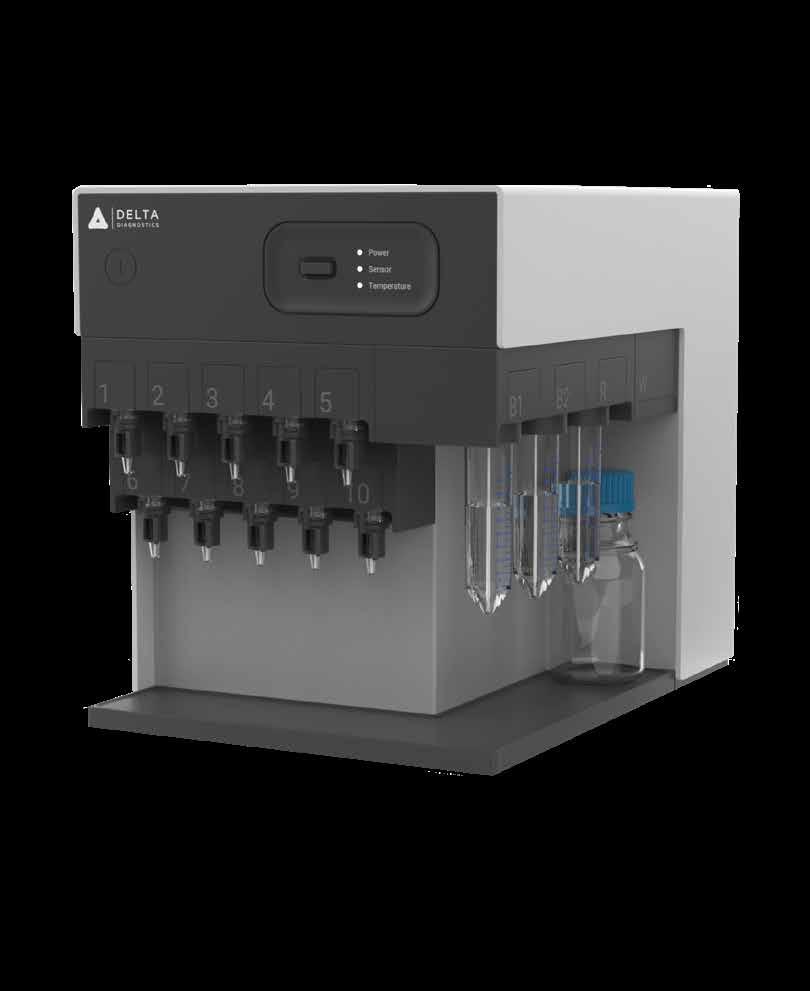
The system supports a wide range of applications, including antibody development, fragment-based screening, nucleic acid interactions, and membrane protein research. In these areas, the ability to rapidly generate and compare binding data is critical for decision-making. By reducing barriers to entry, inQuiQ allows more laboratories to integrate label-free analysis into earlier stages of their workflows.

Already adopted by a growing number of research institutions and industrial laboratories, inQuiQ supports faster decision-making and broadens access to advanced biomolecular interaction analysis.
Duurzaamheid en gebruik van hernieuwbare materialen zijn belangrijke overwegingen in de keuze voor producten; ook in de pharma, life sciences en zorg. Met name in cleanrooms is het verbruik aan disposable materiaal groot. Afgezien van de economische component is het vanuit milieuoogpunt niet altijd meer de beste keuze. Elis onderbouwt met innovatieve herbruikbare producten de keuze voor duurzaamheid en milieu met harde cijfers en feiten.
Elis is specialist als het gaat om reusable producten. Op basis van de jarenlange ervaring met eigen wasserijen in Nederland en 18 andere landen, heeft de multinational een breed scala aan diensten en herbruikbare producten ontwikkeld. De focus ligt daarbij voor een groot deel op de cleanroom-omgeving maar gaat verder dan alleen kleding.
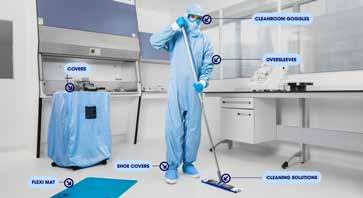
Daarvoor is onder andere Arthur Lettinga als product manager West-Europa verantwoordelijk. Hij constateert dat er meer wordt gelet op het verbruik van disposables: “Er wordt binnen de farma en life sciences kritisch naar de kosten gekeken. Dat geldt ook voor het portfolio van disposables die worden verbruikt: en niet alleen om de kosten maar ook qua sustainability.”
Pepijn de Groot, directeur Business Development, sluit daarop aan: “Wat we zien is dat door de wereldwijde onzekerheid de prijzen en de importtarieven stijgen. Bovendien maakt de actualiteit duidelijk dat je niet zeker meer bent van de logistiek van producten. De covidperiode is voorbij, er is nu meer tijd en aandacht voor optimalisatie en de kosten. Als er groei is zijn er andere prioriteiten. Nu zijn er triggers voor verandering.”
Die verandering kan Elis faciliteren met producten die essentieel zijn in elke cleanroom maar als voordeel hebben dat ze duurzamer en kostenefficiënter zijn dan disposables. De Groot: “Wij hebben reusable producten voor de meest strenge cleanroom-omgevingen. Producten die comfort bieden en bescherming, maar ook unieke eigenschappen kunnen hebben, zoals een waterafstotende laag of bescherming bieden tegen chemische stoffen.”
Beiden realiseren zich dat er meer argumenten nodig zijn dan alleen duurzame wapenfeiten. Of zoals Lettinga het beschrijft: “Als het goed gaat, waarom zou je veranderen. Toch is nu de tijd rijp om over die verandering na te denken.”
Zoals al beargumenteerd is er de economische component waar nu meer aandacht naar uitgaat. Met de introductie van de Elis CleanFlow, een systeem op basis van een volledig herbruikbare mop en gemaakt van 76% gerecycled materiaal, toont Elis ook het bewijs

aan voor kostenbesparing en sustainability. Daarvoor heeft Elis een onafhankelijk onderzoeksbureau ingeschakeld dat een Life Cycle Assesment heeft uitgevoerd. Oftewel een nuchtere vergelijking tussen de traditionele single use-mop en de innovatieve, herbruikbare Elis CleanFlow-mop. De uitkomst liegt er niet om en maakt duidelijk dat in de cleanroom en andere ruimtes de disposable mop minder van deze tijd is. De kringloop van single use is altijd kort: van productie en gebruik rechtstreeks naar het afval. De Elis CleanFlow heeft een beduidend langere bruikbaarheid. Dat begint al bij de productie waarbij er gerecyclede textielvezels worden verwerkt tot een mop.
Deze kan, mede dankzij het logistieke systeem van Elis, meerdere keren worden gewassen en weer gebruikt. Daarbij moeten overige voordelen van dit nieuwe type mop niet worden vergeten: zo hoeft bij het gebruik en het reinigen van de vloer de mop niet te worden aangeraakt. Een andere positief punt is dat de Elis CleanFlow een zeer hoge vochtopname heeft. Uit de LCA-assessment blijkt voorts dat een Elis CleanFlow een levensduur heeft die vergelijkbaar is met 100 single-use moppen. Dan de cijfers met betrekking tot duurzaamheid en milieu die duidelijk maken dat reusable het wint van single use. Wat Co2 betreft stoot de Elis CleanFlow over de volledige gebruiksduur 75 procent minder Co2 uit. De fossiele energie die nodig is ligt maar liefst 70 procent lager in vergelijking met single-use. Op waterverbruik wordt met de Elis CleanFlow 55 procent besparing gerealiseerd (ook een disposable mop moet namelijk tijdens de productie gewassen worden) en tot slot daalt het aandeel kilogramrestafval met 80 procent.
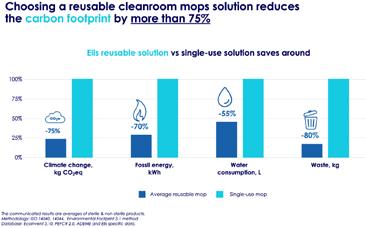
Het rapport met deze cijfers is in februari gepresenteerd en is voor Lettinga en De Groot de aanleiding om bij klanten en potentiële klanten nog eens te onderstrepen hoe groot het belang is van herbruikbare materialen. Dat geldt niet alleen voor de mop, maar ook voor de nieuwe producten die in het assortiment zijn opgenomen zoals herbruikbare sleeves en covers voor de opslag van kostbare apparatuur. Lettinga: “Die worden na gebruik meteen weggegooid. Wij hebben een herbruikbaar alternatief ontwikkeld met als bijzonderheid dat deze helemaal op maat voor het type apparaat wordt gemaakt.”
Met innovatieve producten, diepgaande cleanroomkennis, effectieve supply chain beheersing en ondersteuning bij documentatie (zoals SOP’s) levert Elis Cleanroom een complete oplossing. Maar missiewerk blijft nodig, zegt Arthur Lettinga tot slot: “Ik sprak een cleanroom-operator uit de biotech en na de presentatie erkende hij dat hij niet wist dat er zoveel innovatie is binnen reusable producten. We hebben dus nog wat te doen.”
Wavefront Therapeutics has won the startup pitch competition at Innovation for Health, with its peptide-based therapeutic platform for acute cardiac injury standing out in a finalist field of nine biotech and medtech companies.
The final took place on 26 March at Jaarbeurs Utrecht, one day after 27 companies first presented to investor panels during the Health~Holland Global Investor Forum at Kadans Accelerator in Utrecht. From that group, nine ventures were selected to advance to the Innovation for Health stage.
The award, sponsored by AXON Lawyers and F.INSTITUTE, was accepted by Koen Vanderschuren, Chief of Staff of Wavefront Therapeutics, who delivered the winning pitch, and presented by Max Luijkx of AXON Lawyers and Lars Ottevanger of F.Institute.
A peptide approach to one of cardiology’s toughest treatment gaps Wavefront Therapeutics is developing intracellularly targeted peptides for acute manifestations of myocardial ischemia, focusing on two moments where treatment options remain limited despite high mortality and long-term morbidity.
Its lead asset, Peptide A-301, is designed for administration alongside epinephrine during advanced cardiac life support in cardiac arrest, aiming to improve survival while reducing neurological injury caused by prolonged oxygen deprivation.
A second program, built around peptides B-201 and B-301, targets ischemia-reperfusion injury during primary percutaneous coronary intervention in patients with ST-elevation myocardial infarction — a major contributor to irreversible myocardial damage even after successful reopening of blocked coronary arteries. The company has already generated preclinical validation in porcine models, an important translational benchmark in cardiovascular drug development. Lead optimisation is scheduled for completion in 2026, with first-in-human studies targeted for 2028 and a potential market launch in 2031.
For Saif Rathore, CEO of Wavefront Therapeutics, the conference also reflects the strategic value of the Dutch biotech ecosystem.
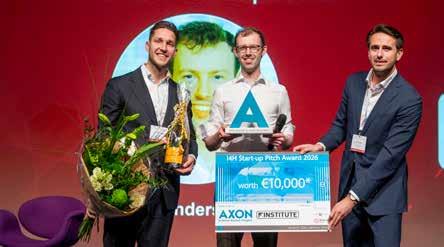
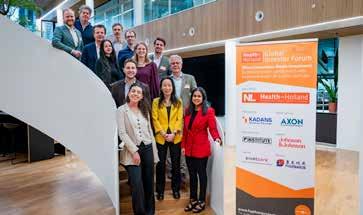
“The best way to meet the full Dutch biotech ecosystem, startups through scale ups, government, investors, and fellow entrepreneurs,” Rathore said about Innovation for Health.
Broad field of finalists across biotech and medtech
The eight other finalists reflected the breadth of innovation currently emerging across European health technology.
• Genase Therapeutics presented a next-generation DHODH inhibitor program advancing toward IND-enabling studies.
• Gilbert showcased its Smart Precision Inhaler for highly controlled pulmonary drug delivery.
• JAMA Therapeutics pitched a nanoparticle platform for targeted cardiac gene delivery.
• Juvant Medical focused on real-time tumour margin detection in breast cancer surgery.
• Myriagon presented a non-addictive oral candidate for chemotherapy-induced peripheral neuropathy.
• OncoInv highlighted OncoSeek, a validated screening platform covering nine cancer types.
• Revividal introduced an ingestible gastric device designed to trigger satiety.
• SLAM Orthopedic demonstrated sensor-guided surgical tools for fracture fixation.
Next edition scheduled for March 2027
The next editions of Health~Holland Global Investor Forum and Innovation for Health will take place on 10–11 March 2027 in Utrecht.
Are you an entrepreneur developing a disruptive healthcare solution with real-world impact? Looking to gain visibility, connect with investors and experts, and accelerate your path to market?
Then don’t miss your chance. Apply for the Innovation for Health 2027 Start-up Pitch, taking place on 10–11 March 2027 in Utrecht, alongside the Health~Holland Global Investor Forum. For more info: www.hyphenprojects.nl/i4h
Whether you’re bridging the gap between lab and market, technology and care, or vision and execution—Innovation for Health is your platform.
Confo Therapeutics Announces Phase 2 Clinical Trial Initiation by Lilly for Peripheral Pain Candidate
Coultreon Biopharma Raised $125 Million in Series A Financing to Advance Immunology Pipeline
Afrigen Biologics Announced RSV mRNA Vaccine Collaboration with RespIP BV
PamDx Secured €13 Million Series A Funding to Advance Deployment of Diagnostic Blood Tests for Cancer Patients Treated with Immunotherapy
Gilead to Acquire Tubulis Adding Potentially Best-In-Class Antibody-Drug Conjugate and Next Generation Platform to Further Strengthen Oncology Pipeline
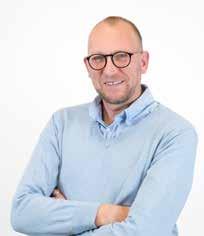
TargED Biopharmaceuticals secured €21.5M Series A Extension, bringing the total Series A financing to more than €60M.
“This investment marks an important inflection point for TargED. We are thrilled to welcome BioGeneration Ventures to our strong syndicate and grateful for the continued confidence of all our existing investors,” said Kristof Vercruysse, Chief Executive Officer of TargED Biopharmaceuticals. “The momentum behind TGD001 continues to build — from compelling preclinical data to encouraging first clinical use — and this financing enables us to move decisively into the next stage of development. We believe TGD001 has the potential to fundamentally reshape the treatment of thrombosis, offering a novel approach to universally dissolving clots across multiple life-threatening indications.”
ProQR Announced Partnership with Ginkgo Bioworks and Formation of AI Advisory Board
simAbs and Ardent Biopharma Announced Exclusive Strategic Partnership to Advance Next-Generation Biosimilar Manufacturing
Cannovex and PureIMS Announced Strategic Co-Development Agreement for Inhaled Cannabinoid Pharmaceuticals
TIBEAY Biosciences raised EUR 35 million for a Phase 3b trial of Ronopterin in traumatic brain injury
Agomab Therapeutics closed its initial public offering (IPO) at Nasdaq and raised about $200 million.
ShanX Medtech successfully closed a seed round securing €24 million in newly raised total funding to develop a user-friendly antibiotic susceptibility testing device for use in point-of-care settings
“We founded ShanX Medtech because of a single patient story, one that revealed how much is at stake when diagnostic results arrive too late,” said Dr. Sophia E. Shanko, Founder and CEO of ShanX Medtech. “Our vision is to equip every clinician with the ability to act decisively, guided by diagnostic evidence in real-time. This funding brings us significantly closer to delivering ultra-rapid AST directly to both laboratory and point-of-care environments; faster, simpler, and more accessible than ever before.”
Laigo Bio completed final close of oversubscribed seed financing of €17 million co-led by Biovance Capital and Kurma Partners to advance oncology and autoimmunity programs
Scinus Secured €3 Million Strategic Investment to Accelerate Global Roll-Out of the Osilaris™ Cell Expansion Platform
Amsterdam UMC, Erasmus MC, the Pancreatic Cancer Survival Foundation, RARE-NL and Orfenix have jointly established Pepper Therapeutics with the social mission to redevelop the diabetes drug phenformin as a promising therapy for patients with pancreatic cancer.
Allegria Therapeutics secured $5.1M seed extension financing.
Khondrion Announced First Patient Dosed in Pivotal Phase 3 KHENERFIN Study of Sonlicromanol in Mitochondrial DNA 3243A>G Primary Mitochondrial Disease
“The initiation of patient dosing in our Phase 3 KHENERFIN study marks an important milestone in the development of a potential treatment for patients with m.3243A>G primary mitochondrial disease,” said Jasper Levink, CEO of Khondrion. “This trial is designed to rigorously evaluate the safety and efficacy of sonlicromanol in a larger, randomized setting, with endpoints reflecting key aspects of disease burden, building on the signals observed in our earlier clinical program.”

At this year’s Innovation for Health, held on 26 March at Jaarbeurs Utrecht, ten young researchers and innovators presented innovative healthcare solutions and competed for the I4H Young Innovator Award, powered by Genmab. After a series of live pitches on the BiotechNews stage, the jury composed of Liana Steeghs (Genmab), Nettie Buitelaar (Biotech Booster) and Laura Heitman (FIGON) selected Tim Sakkers, an entrepreneurial postdoctoral researcher from UMC Utrecht, as winner of the I4H Young Innovator Award 2026.
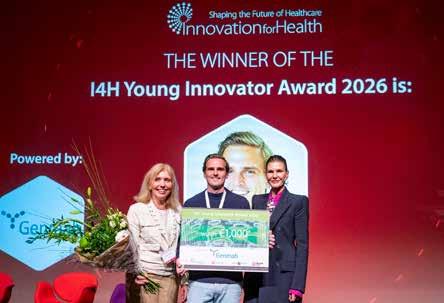
Sakkers received the award from Martine van Vugt, Executive VP and Chief Strategy Officer, Genmab, for his presentation, ReveltaDx – Transforming Heart Disease Diagnosis in Women, in which he introduced a novel blood-based diagnostic approach for Angina with No Obstructive Coronary Arteries (ANOCA), a frequently overlooked cardiovascular disorder that disproportionately affects women.
A hidden cardiovascular disease affecting millions of women
Although heart disease remains the leading cause of death worldwide, many patients with persistent chest pain still leave hospitals without a clear diagnosis. In up to 50% of patients presenting with ischemic symptoms, no obstructive coronary artery disease is found. A large proportion of these patients are now classified as having ANOCA.
The condition affects an estimated three to four million people in the United States, with similar prevalence expected across Europe. Women represent the vast majority of diagnosed cases: among patients referred for definitive ANOCA testing, around 90% are diagnosed with the disease, and approximately 90% are female.
For decades, many women with ANOCA symptoms were told their complaints were stress-related, hormone-related, or unrelated to heart disease. Yet the condition is increasingly recognised in current European Society of Cardiology guidelines as a serious cardiovascular disorder requiring dedicated diagnostics and treatment.
From invasive catheterisation to a simple blood draw
Unlike classic coronary artery disease caused by arterial blockages, ANOCA results from dysfunction in the coronary microvasculature or abnormal vessel spasms. These mechanisms are invisible on standard imaging and can currently only be diagnosed through coronary function testing, an invasive catheter-based procedure available in limited specialised centres.
Sakkers’ innovation, developed under the name ReveltaDx, aims to replace that pathway with the first minimally invasive blood-based test for ANOCA.
The platform combines targeted sequencing with artificial intelligence to identify disease-specific molecular signatures in blood and determine the underlying pathology behind a patient’s symptoms.
This could shorten the diagnostic journey from as long as four years to less than two weeks, while avoiding invasive procedures and inconclusive repeat imaging.
Major cost reduction and faster treatment decisions
The economic impact could also be substantial. Current ANOCA diagnostic pathways often involve repeated consultations, hospital admissions, imaging procedures, and invasive catheterisation, with costs reaching up to €35,000 per patient.
ReveltaDx aims to reduce those costs to approximately €500 per patient through scalable molecular diagnostics.
Earlier diagnosis could also improve long-term outcomes by enabling timely treatment and reducing progression to complications such as heart failure.
Translating academic science into clinical innovation
The project is led by Sakkers together with Dr. Ernest Diez Benavente as Lead Developer, while Prof. Hester den Ruijter serves as Scientific Advisor.
According to the jury, ReveltaDx stood out for combining scientific originality, a clear unmet medical need, and a realistic route toward implementation in healthcare systems.
The award signals growing momentum for innovations that specifically address historical blind spots in women’s cardiovascular health — an area increasingly recognised as one of medicine’s most urgent unmet needs.
Young innovators aiming to present their innovation with a pitch and a poster can take the stage at the next edition of Innovation for Health on 11 March 2027 in Utrecht
Utrecht Region
When Innovation for Health arrives in Utrecht for the first time in March 2026, it marks more than a new location on the calendar. It reflects a trend years in the making: Utrecht has evolved into one of the Netherlands’ most concentrated and competitive biotech ecosystems.
The region’s strength lies in the convergence of leading research institutions, clinical infrastructure, startups and established life sciences companies, many located within a single campus environment. Ranked Europe’s most competitive region in the EU Competitiveness Index, Utrecht produces a level of scientific output, patents and economic activity that exceeds expectations for its size. This is particularly visible in Regenerative Medicine and MedTech, where progress depends on close alignment between science, capital and clinical validation.
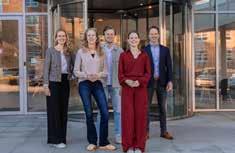
Utrecht Science Park (USP), the largest science park in the Netherlands, forms the core of this ecosystem. It brings together more than 31,000 employees, 55,000 students and over 150 organizations and R&D-driven companies. Startup incubator UtrechtInc and platforms such as the U-Forward Life Sciences BreakFast strengthen collaboration between entrepreneurs, researchers and investors, accelerating pilot projects and partnerships. Global biotech leaders such as Genmab and Merus further anchor Utrecht internationally.
ROM Utrecht Region actively reinforces this momentum. Through its investment fund, it supports 57 portfolio companies and participates in many regional venture capital transactions. Biotech is a strategic pillar within the Life Sciences & Health portfolio, accounting for one-third of LSH investments.
The ecosystem’s strength is reflected in scaling companies such as Laigo Bio, Preimure, Summa Biotech, Cleara Biotech, Phlox Therapeutics, RougeTx and Dripel.
Innovation for Health’s arrival signals a clear next step: Utrecht is ready to translate ideas into patient impact at speed.
We read the immune system; ImmuneWatch explains it
The human immune system is the world’s most advanced diagnostic and therapeutic tool. Every infection, vaccine, and tumor leaves a unique molecular fingerprint in our T-cell repertoire. For years, the biotech industry has focused on “reading” these fingerprints. Thanks to massive leaps in sequencing technology, we can now capture the sequences of millions of T-cell receptors (TCRs) with unprecedented ease.
But there is a catch: reading the code is not the same as understanding it.
The industry is currently facing the “T-cell specificity problem”. We have the data, but we often don’t know what these cells are actually targeting. Is it a virus, a bacterium, or a specific tumor neo-antigen? Without this functional link, the true therapeutic and diagnostic potential of T-cell repertoires remains locked.
At ImmuneWatch, our mission is to provide that key: making the T-cell repertoire fully interpretable. By leveraging our best-in-class machine learning models and the world’s largest curated TCR-epitope database, we bridge the gap between sequence and function.
We don’t work in isolation. We are proud to already collaborate with the world’s leading technology providers who are masters of the “read.” From the Dutch Single Cell Discoveries and German Singleron Biotechnologies to the American iRepertoire and global player Qiagen, these industry leaders see ImmuneWatch as the crucial addition to their technology, making their data interpretable and actionable.
Our goal is to move the field from trialand-error to predictive immunology. By turning raw data into deep biological insights, we help our partners accelerate the development of safer, more effective vaccines and therapies.
The era of reading the immune system is here. With ImmuneWatch, the era of understanding it has finally begun.

Where you live should not determine whether your cancer is found in time
Early detection is not about defeating death. It’s about giving people a chance to fight. In low and middle income countries, around 70% of cancer cases are diagnosed too late for curative treatment. That is not a clinical failure. It is a structural one.
According to the World Health Organization, 7 to 8 million people in LMICs learn their cancer is beyond curative treatment every year. That gap compared to high-income countries is not closing. It is widening.
OncoInv was founded to address this. The company is a multi-cancer detection technology provider, built on the belief that detection only creates real value when embedded in a structured program with defined target populations, clinical followup pathways, and integration into existing healthcare settings.
Its technology, OncoSeek®, analyses proteins, tumor markers and circulating tumor DNA from a single blood draw. An AI model interprets the relationships between these biomarkers to generate a probability of cancer score and, where possible, an indication of tissue of origin across nine cancer types. The platform builds on laboratory infrastructure and biomarkers already in clinical use, making it deployable in healthcare settings where resources are limited.
OncoInv is already active across multiple markets through authorised distribution and implementation partners. A test alone does not create impact. What matters is how detection technology is embedded in local healthcare settings, how clinical adoption is driven, and how real-world evidence is generated over time.
Our mission is straightforward: to ensure that where you live does not determine whether cancer is found in time.

Rotterdam Square sits at the center of a growing LSH ecosystem in Rotterdam. As the campus organization of the Erasmus MC Campus, it connects research, startups, scale-ups, and established companies, supporting the progression of innovations toward clinical and commercial application across the region.
By linking research, business, education, and government, scientific output is translated into patient-relevant solutions that can move more effectively toward real-world use.
“We see our role as connecting stakeholders across the ecosystem and supporting progression from idea to implementation,” says Ellen Smit of Rotterdam Square.
Within this environment, Veya Medical and LentiCure illustrate distinct routes from scientific insight to real-world impact.
Veya Medical: shifting cervical cancer prevention
Veya Medical is a MedTech startup developing a hyperthermic therapy to treat high-risk HPV infections of the cervix and prevent cervical cancer. The company originated from a collaboration between Spark design & innovation and Produvation and is led by Louise Rahardjo and Fleur Rikken.
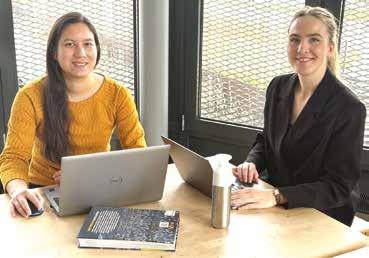

“Every 2 minutes, a woman dies from cervical cancer, caused by an untreated HPV infection. We believe in early treatment of precancerous cervical conditions that will change the future of women, globally,” says Louise Rahardjo.
The company is developing a treatment for persistent high-risk HPV infections, based on a clinical and user-centered approach focused on earlier intervention.
Current clinical care focuses on treating cervical intraepithelial neoplasia (CIN) once epithelial changes occur. “The approach of Veya Medical is the first to therapeutically target persistent high-risk HPV infections, enabling earlier intervention before epithelial changes occur and reducing the need for invasive treatment later,” says Fleur Rikken.
Unlike excisional or ablative therapies, the treatment is non-invasive, causes no tissue damage, and has no known side effects, offering a potential alternative that is particularly relevant for fertility preservation and longer-term patient wellbeing. “The treatment is designed for



home use under medical supervision, allowing for greater autonomy and flexibility for patients without compromising safety,” Fleur says.
“We hope to accelerate our business soon to get closer to our goal: eliminate HPV around the world,” says Louise.
LentiCure: advancing translational innovation
LentiCure is a social enterprise developing and manufacturing gene therapies for rare diseases, with a focus on ensuring accessibility at a socially acceptable price for healthcare systems and patients.
“Its first major goal is to deliver a lentiviral gene therapy that could halt the progression of Pompe disease for life with a single treatment,” says Dirk van Asseldonk, CEO. “Pompe is a severe condition; even with current therapies, patients with the most severe form often live only 15 to 25 years. Like many of the 140 patients in the Netherlands, and thousands worldwide, Tessa [ref to picture] has placed her hopes in this approach.”
Lentiviral gene therapies for other diseases have reached prices of up to €3 million per patient, creating increasing pressure on healthcare systems as more high-cost treatments enter the market globally.
LentiCure is advancing a lentiviral platform developed at Erasmus MC toward clinical application. To support future affordability, development and manufacturing costs must remain as low as possible, while financing costs are minimized.
“Strong support from the innovation ecosystem in and around Erasmus MC is essential to achieving these goals,” says Dirk.
Connecting innovation in Rotterdam Together, these examples reflect the range of life sciences innovation emerging in Rotterdam.
Rotterdam Square operates at the intersection of academic research, entrepreneurship, and clinical validation, contributing to the city’s position as a growing European hub for Biotech and MedTech innovation.
“We act as entry point into the ecosystem, connecting organizations to relevant partners and infrastructure by events and matchmaking,” says Sharon Mullen of Rotterdam Square.
For collaboration or ecosystem participation, visit rotterdamsquare.nl.
Innovate. Translate. Cure.
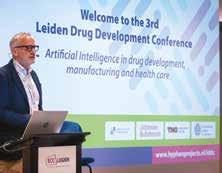


FIGON Dutch Medicines Days and Leiden Drug Development Conference (LDDC) join forces in 2026!
On 7–8 October 2026, these two established platforms in pharmaceutical science and drug development will come together at the CORPUS Congress Centre in Leiden for a single, integrated event, reflecting a shared commitment to advancing science and improving healthcare. This year’s edition, themed “Innovate. Translate. Cure.”, will bring together professionals from academia, industry, and policy to explore the latest developments in drug innovation and healthcare.





Put Your Company in the Spotlight
Companies are invited to take part in the programme and gain visibility across the pharmaceutical sciences. Present your work with an Industry Innovation Speaking Slots, or showcase your brand with our variety of exhibition and sponsorship opportunities.
Are you involved in research in the field of drug development and drug use? Present your research, projects, and findings to a large audience of your peers and further stakeholders at the FIGON-LDDC Dutch Medicines Days! We invite you to submit an abstract for consideration for the next edition via our website.

Prizes and Awards
Jan van de Winkel (Genmab) has been awarded the prestigious CEO of the Year title by DANISH BIO - DANSK BIOTEK
Rosa Rademakers, scientific director at the VIB-UAntwerp Center for Molecular Neurology, was awarded the 2026 Breakthrough Prize in Life Sciences
Arno Bisschop (Genewity) and Shana Wang (PathCision Medicine) are named a 2026 Transatlantic Connections Award Honorees by the Termeer Institute
René Kuijten (EQT Life Sciences) received the Frans Banninck Cocqpenning from the municipality of Amsterdam
Tim Sakkers (UMC Utrecht) won the I4H Young Innovator Award 2026 powered by Genmab
Dr Karlheinz Samenjo of
New Job
Karen Massey CEO at argenx (May 2026)
Luc Brunsveld
Scientific Director of the ICMS - Institute for Complex Molecular Systems (May 2026)
Christoph Korpus
Chief Executive Officer at Byondis (April 2026)
Edwin Moses
Chair of the Boards of Directors at Greywolf Therapeutics (April 2026)
Margarida Martins
Senior Manager, Global Alliance Management at Genmab (April 2026)
Ingrid de Visser – Kamerling
Chief Operating Officer at INFECTA (March 2026)
Djamel Deken
Sr Director Business Development at NorthX Biologics (March 2026)
Ellen Jansen
Head of Clinical Operations at Agomab (March 2026)
Liana Steeghs
VP, Head of Global Alliance Management at Genmab (January 2026)
Bas Cuppens
CEO Pie Medical Imaging (January 2026)
Clarissa Koch
Chief Scientific Officer at Leyden Labs (January 2026)
Suzanne van Gerwen
Director Business Development at Peregrion (January 2026)
Eveline Simons
Teamlead Marketing & Communications (January 2026)
Norimasa Morita
Director of Business Development at InnoSyn (January 2026)
Christa Hooijer
Chief Scientist at TNO (January 2026)
Chloe Innovations won the Women’s Health Pitch Session organized by Innovation for Health in collaboration with Health~Holland and IDE Group
Do you also have a new job or won an award? Let us know via biotechnews@ hyphenprojects.nl
Wavefront Therapeutics won the Innovation for Health 2026 Start-up Pitch Contest powered by AXON Lawyers and F.Institute
Syntric Medical won the Venture Challenge Medtech Winter 2026 edition at Innovation for Health 2026
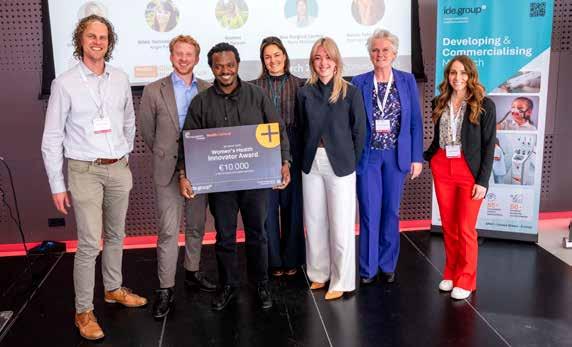
From an early fascination with building things to leading a biotech spinout in precision cardiology, Nazma Ilahibaks’ journey reflects determination, scientific curiosity, and a clear sense of purpose. As CEO of JAMA Therapeutics, she is working to develop a new class of precision medicines for the heart, while navigating the realities of early-stage biotech entrepreneurship. In this edition of TOPX’ Leading Ladies in Life Sciences, she shares the decisions, mindset shifts, and lessons that shaped her path.
Could you tell us a bit about the person behind the job title? How is your home situation? And how do you relax outside of work?
At four years old, on my first day of school, I was the only girl in the building corner, using building blocks to build a tower and make things with my hands. That same year at a family gathering, I watched my father collapse from his second heart attack and get taken away in an ambulance.
Growing up in a small village, I was born and raised in the Netherlands as the child of first-generation migrant parents. In high school, I was told VMBO was probably my ceiling. Being stubborn enough not to listen to the limits teachers imposed on me, I found my way to VWO. The only subjects I cared for in high school were biology and
chemistry, barely graduating with a 5.5/10. Nevertheless, I later graduated with honors and cum laude from Utrecht University with a Master’s in Drug Innovation. On that note, I never planned to do a PhD either, but when the chance came to help build something with real potential for patients, I took it. After completing a three-year PhD in Regenerative Medicine, two of them during COVID lockdowns, I earned the two letters in front of my name: Doctor/Dr.
From a young age until now, I have been fascinated by the building blocks life has to offer and by how we can use biomedical innovations to create long-term solutions for patients by addressing disease at its root cause. I am extremely optimistic about the future of CRISPR-based gene therapy for patients, because it can enable disease correction rather than symptomatic treatment. And I am determined to keep going, even when others doubt what can be done. Home, for me, is where family gathers around a big table filled with food.
Can you briefly share your career path before your current role?
As business developer at the largest cardiology center in the Netherlands, the Amsterdam UMC Heart Center, I worked as a dedicated business developer negotiating industry deals with medtech and big pharma for interventional cardiology clinical trials. Around that time, I received the news that a patent would be filed from my research, which I wanted to co-develop as a spinout from University Medical Center Utrecht. Building a business as a business developer is not exactly a traditional path. Although I was offered a permanent position, I also received another job offer that allowed me to pursue this part-time on the side. That led me to work for the largest regenerative medicine ecosystem in Holland and Flanders, where I scouted academic projects for valorization toward spinout creation under the Thematic Technology Transfer Program together with the Dutch CardioVascular Alliance and FIRST Fund. Since then, I have been able to fund myself while building out the spinout from
UMC Utrecht. Together with the team, we have now expanded the patent portfolio to three patents and secured more than €1.3 million to support early validation. Now, as CEO, or rather chief everything officer, we are spinning out of the University Medical Center Utrecht and raising our first investor round.
Was there a pivotal decision that shaped your trajectory more than you realized at the time?
A pivotal decision was leaving a steady, cushy permanent job offer to pursue entrepreneurship. It meant taking the jump into uncertainty, into the unknown. It also meant moving from my three-room apartment in Amsterdam to a much smaller place near the lab, so I could keep doing experiments in the evenings and weekend to solidify the patent claims, while working a full-time job somewhere else.
Can you tell us more about current role and company, what are your main responsibilities and main challenges?
As co-founder & CEO at JAMA Therapeutics, we’re paving a new path in precision cardiology. Our vision is to create a new class of precision medicines for the heart that meaningfully improves the lives of people affected by cardiac disease.
Titles aside, the role in reality closer to being a chief everything officer for managing the uncertainties that come with a biotech company. The day-to-day consist of guiding the team, raising capital, and keeping science, manufacturing, regulatory strategy, business development, and execution pointed in the same direction.
In contrast to tech startups, biotech entrepreneurship follows a very different logic. In tech, the familiar cycle of build>ship>learn>iterate works, because products can be adjusted and redeployed quickly in response to the market. However, biotech is not just a tech company with a lab attached. The moment you bring biology and business together, you are building a
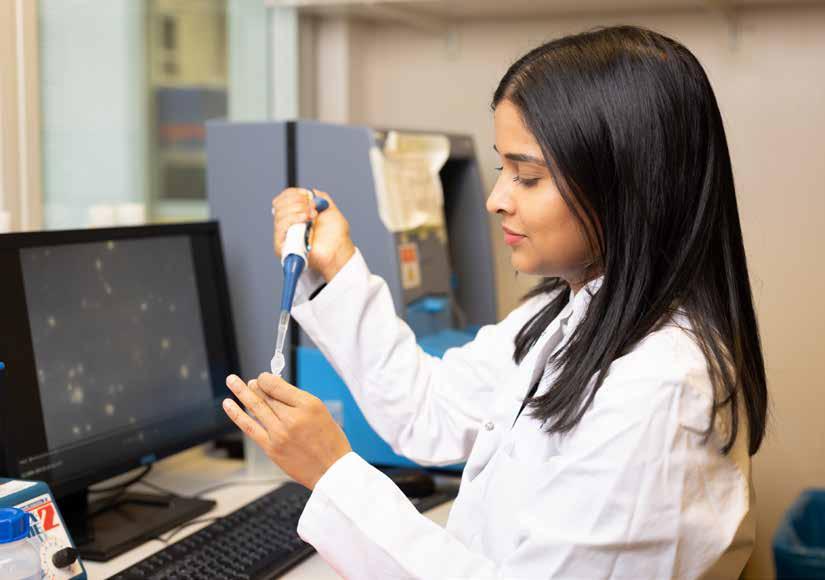
company around uncertainty. You cannot fail fast when a single experiment can take five months and cost five figures. And you cannot simply pivot away from a core biological hypothesis without wiping out years of work and prior investment. Biology does not move on demand, and every decision has to respect that reality.
A large part of that role is also translation. Scientists, investors, and partners do not naturally look at the company in the same way, so I spend time making sure we are all aligned on what the data mean, what the risks are, and what matters most right now. It also means proactively reducing unknownsunknowns, meaning asking the right questions early, findings the rights advisors, and spotting blind spots before they become costly mistakes.
I also think biotech teaches you very quickly that being active is not the same as making progress. Progress only matters when it reduces real risk. That is what moves the company forward.
What are some of the key skills or mindset shifts that brought you where you are now today?
What brought me here is a combination of thinking with the end in mind, following my curiosity, and continuing to bet on what I know is true for me. At the end of my life, I want to be able to say I helped create a real solution for heart disease patients. That gives me a strong inner compass.
Something else I had to get comfortable with was making decisions without having all the answers. In biotech, you rarely get that luxury. So, I learned to move forward with incomplete information while staying open to change, being honest about the biological and business risks in front of us and thinking carefully about how to reduce them.
What also changed for me was how I think about risk. Specifically asymmetric risk. In every field, there are assumptions people repeat so often that they start to sound like facts. People often exaggerate what can go wrong and underestimate how much can change when a few key pieces fall into place. That taught me to look for the real bottleneck. Once those puzzle pieces come together, things can move much faster than people expect.
On top of that, I had to learn to think like an integrator. In biotech, science, development, regulation, fundraising, manufacturing, and business strategy are all connected, so you cannot treat them as separate tracks. Part of growing into this role has been knowing where my strengths are, working with people with complementary strengths, and keeping all those pieces moving in one direction.
What would you have done differently in your career if you could do it over? If I could do it over, I would be much more selective about the people I bring onto a team from the very beginning. One mediocre hire who does not raise the standard, can
lower the standard for everyone. Also, I also would have been far more careful about whose advice I listened to. Looking back, I spent too much time trying to understand insights from entrepreneurship from people who are teaching it, but who had never actually built a business themselves. Never take advice from someone who hasn’t been where you want to go. I am glad I did my PhD, and I am proud of the inventions that came out of it. But if I could start again, I would have spent more time learning from and working under top biotech CEOs. Being close to people who had already built life changing companies would have helped me learn faster, make better decisions, and avoid some mistakes.
What advice would you give to women who would like to follow in your footsteps? I would say, do not chase titles or prestige. Personally, I think following your passion is not the best advice. Follow the thing you are willing to get exceptionally good at, because passion usually comes after competence, not before. What matters more is paying attention to the work that keeps pulling you in intellectually, the kind of work that gives you energy instead of draining it. I also think that if your why is strong enough, you can get through a lot of obstacles. What has helped me most is going into rooms with the mindset that I can learn from anyone. And maybe most importantly, other people’s opinions of you do not have to become your reality.