
The Role of Biodegradable Coffee Cup
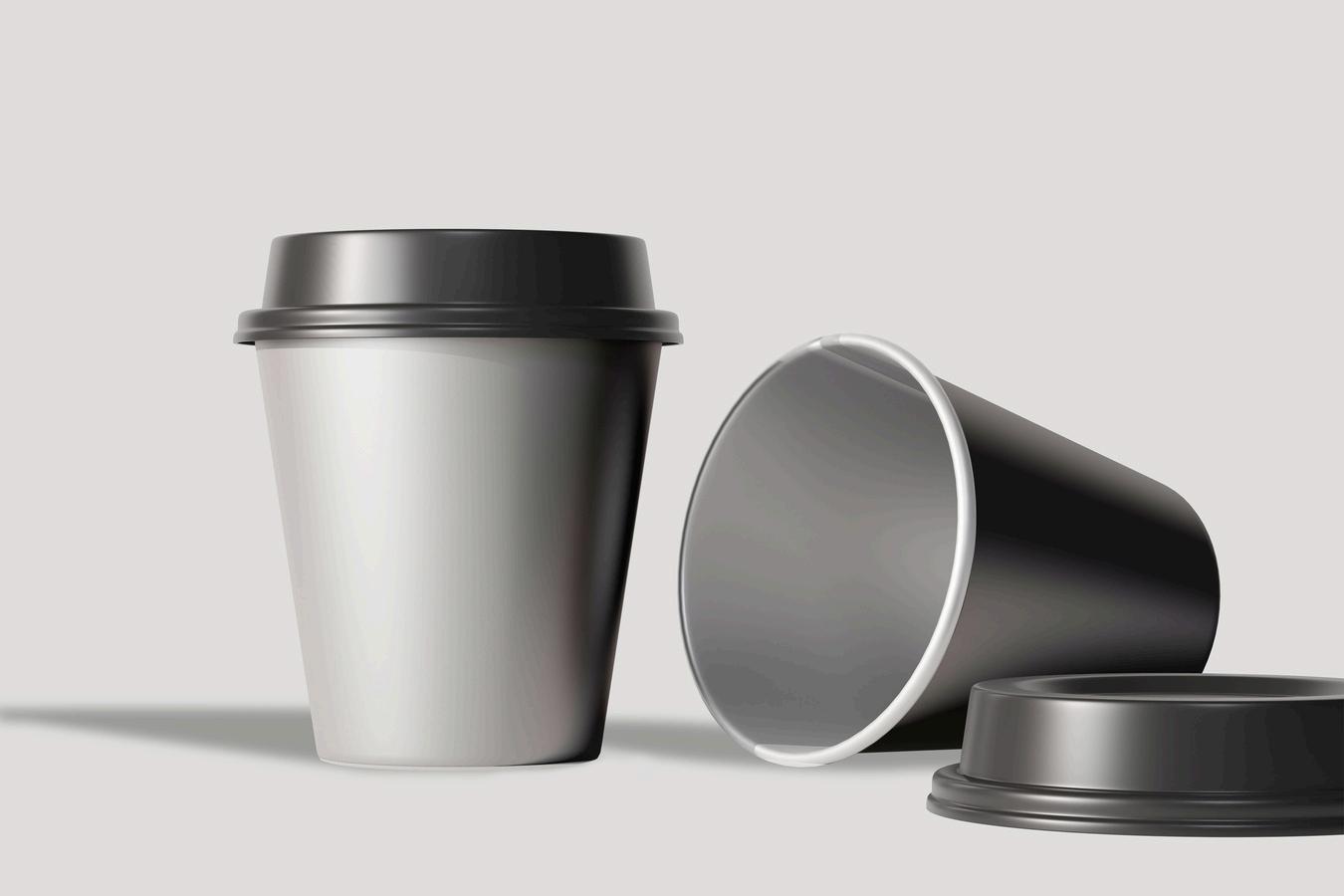
The global reliance on takeaway beverages has significantly increased the use of disposable packaging, particularly plastic lids that are often overlooked in sustainability discussions. porta. Suspendisse ac dignissim felis, vitae rhoncus metus.
The Hidden Impact of Plastic Coffee Cup Lids
While much attention is given to disposable cups, plastic lids represent a substantial source of pollution. These small items are rarely recycled due to their size, mixed materials, and contamination from food and drink residues.

LAs a result, they frequently end up in landfills or natural environments, where they can persist for decades. Wildlife ingestion, microplastic pollution, and long-term environmental damage are all consequences of conventional plastic lid usage.
How Biodegradable Lids Support Sustainability
Biodegradable coffee cup lids are typically produced using renewable or plant-based materials designed to break down naturally over time under appropriate conditions. Unlike traditional plastic lids, which remain intact for years, biodegradable alternatives decompose into non-toxic elements, reducing their environmental footprint. This shift plays a crucial role in minimizing waste accumulation and supporting broader sustainability initiatives within the food and beverage sector.
Performance Withou
A common misconce biodegradable products lack durability. In rea biodegradable lids are e perform just as effective versions. They are h secure-fitting, and maintaining beverage while preventing spills.
Encouraging Responsible Consumer Behavior
The visible use of biodegradable lids sends a strong message about environmental responsibility. Customers are increasingly aware of the impact of single-use plastics and appreciate businesses that take proactive steps toward sustainability. Providing eco-friendly alternatives helps educate consumers, encouraging more mindful disposal habits positive environmental values at point of purchase.

Regulatory Compliance and Industry Trends
A Governments around the world are introducing stricter regulations to limit or ban certain single-use plastic items. Coffee cup lids are often included in these policies due to their widespread use and low recycling rates. By adopting biodegradable alternatives, businesses can stay ahead of regulatory changes and demonstrate compliance with evolving environmental standards, reducing operational risks and future costs.

Conclusion
Reducing single-use plastic waste requires attention to every component of disposable packaging, including often-neglected items like coffee cup lids. Biodegradable alternatives offer a functional, environmentally responsible solution that aligns with consumer expectations and regulatory demands. By integrating sustainable packaging options into daily operations, businesses can play an active role in protecting the environment. Providers such as Reborn Packaging help support this transition by supplying reliable, eco-conscious packaging solutions designed for modern food and beverage services.