


Interview with Ms. Chanda Karen Chalwe
Interview with Dr. Maria Nelago Kanyama
Interview with Ms. Petlong Dakhling
Interview with Ms. Josephina Lotho
Interview with Mr. Andy Lokadi
Interview with Mr. Tjizomundu Kavetu
Mr. Kevin Kevanhu



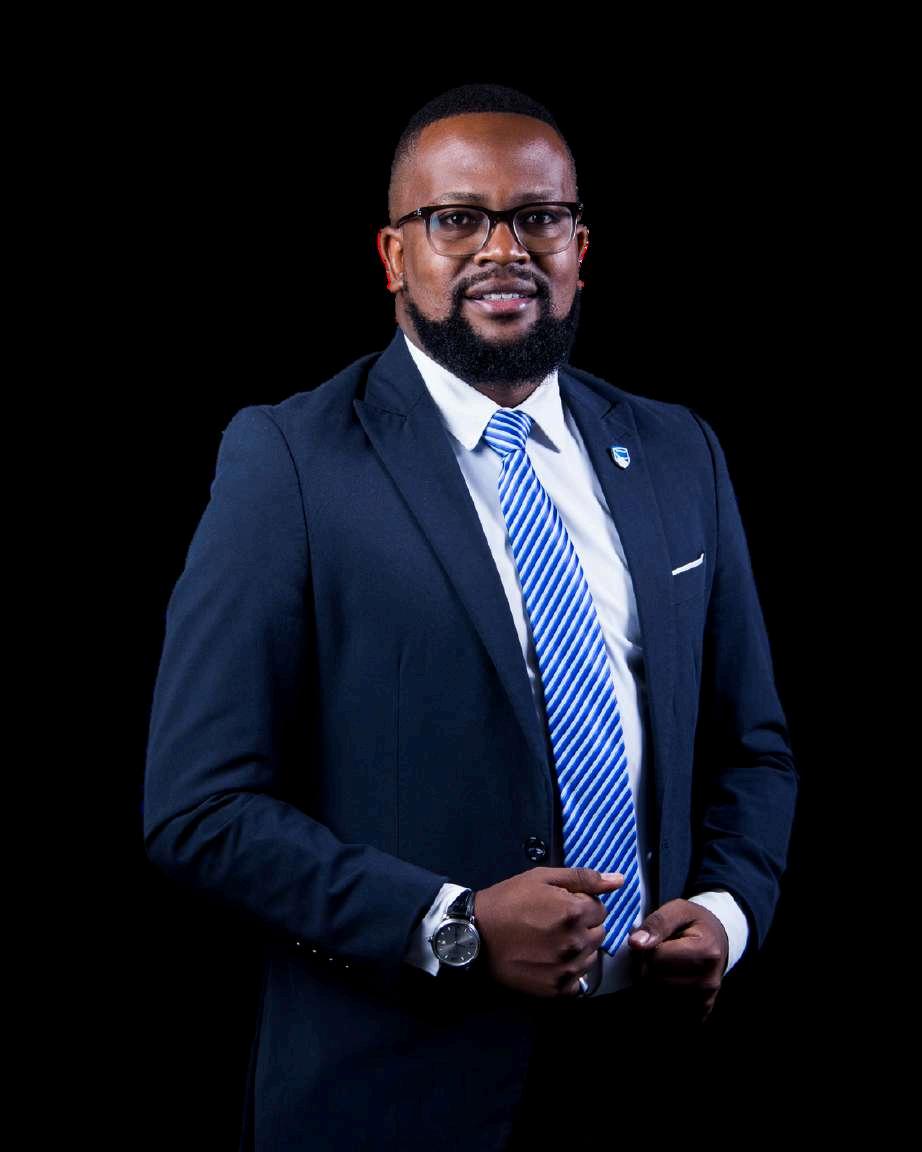
Developing countries face unique energy challenges. Africa, for example, is richly endowed with energy resources, but still struggles to meet the demand
-Ms. Chanda Karen Chalwe
The global energy landscape is rapidly evolving, with sustainability, innovation, and resilience at the forefront of discussions. In this exclusive
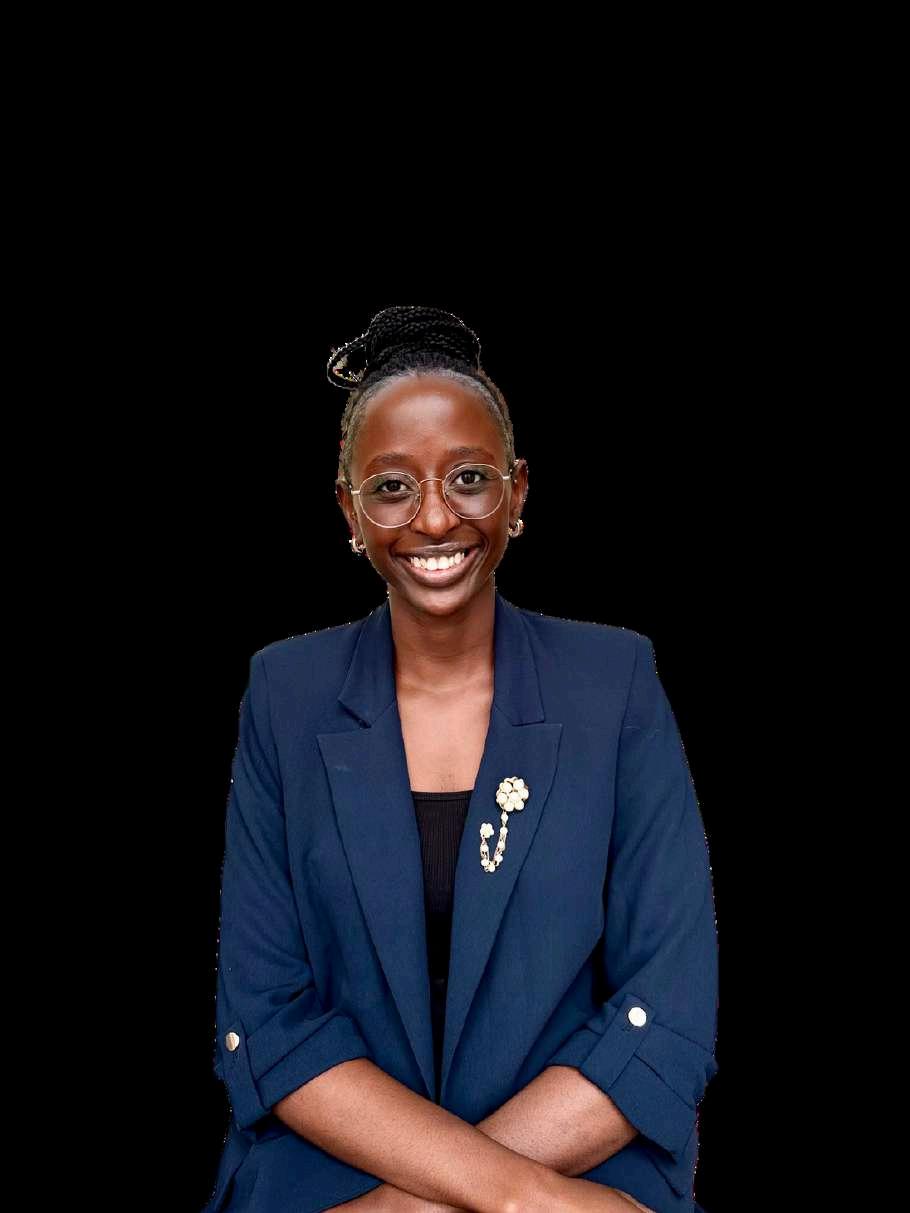
episode, we are joined by Ms Chanda Karen Chalwe, a leading expert in energy policy/renewable energy/energy systems With a Master’s in Energy Policy, Ms Chalwe brings extensive experience in shaping energy policies that drive sustainability and long-term growth.
Ms. Chalwe provides valuable insights into Zambia's promising renewable energy technologies, the biggest barriers faced by developing countries, how Zambia can optimize its existing energy resources while transitioning to more sustainable solutions, and one major policy or innovation she would implement in the renewable energy transition.
Chanda Karen Chalwe is an accomplished electrical engineer with a strong background in Energy Policy. Originally from Lusaka, Zambia, she earned her engineering degree from the University of Tlemcen and later pursued a Master’s in Energy Policy at the Pan African University Institute of Water and Energy Sciences, both in Algeria. A unique aspect of her academic journey is that she completed her engineering studies in French, with a touch of Arabic.
One of Chanda’s most significant career milestones so far is her contribution to the Integrated Resource Plan (IRP), Zambia’s long-term electricity strategy This comprehensive plan outlines the roadmap for expanding the country’s electricity sector to meet growing energy demands, ensuring sustainable and efficient energy development
1.What inspired you to pursue a career in the energy sector.
Ms Chalwe said, “My inspiration to be part of the energy industry primarily came from the decision to pursue a career in electrical engineering. This laid a great foundation for me to get involved in solving complex challenges in this industry, and over the years, through interactions with peers, experts and resources available, I have gained better understanding of the complexities of the energy industry I have only been in the energy industry for about four years (and counting), I must admit that there’s still so much to do”.
2.What are the most promising renewable energy technologies for addressing energy security and sustainability?
“Each renewable energy technology comes with its own
challenges and limitations but ensuring that these technologies work complimentary with each other can reap greater benefits. Other than solar and wind, geothermal and hydro are among the promising renewable energy technologies including bioenergy. However, I must mention that each country’s energy resource endowment is different It is essential to develop energy systems that will be reliable, affordable and sustainable in the long run ”
Ms Chalwe responded
3 What are the biggest barriers to achieving 100% renewable energy in developing countries?
“Developing countries face unique energy challenges. Africa, for example, is richly endowed with energy resources, but still struggles to meet the demand Challenges with the slow pace of implementation could range from finance, government policies and poor sector coordination, limited transmission infrastructure, and bankability of the energy sector among others.” Ms Chalwe emphasised.
4.How can Zambia optimize its existing energy resources while transitioning to more sustainable solutions?
“Zambia’s electricity supply largely depends on hydropower, although in recent times the country has struggled with seasonal droughts. The hydro resources remain a critical source of power generation to provide baseload but perhaps could be better managed if investments in other energy technologies continue The opportunities remain immense even as the country opens its electricity market”. Ms. Chalwe explained.
5.If you had the opportunity to implement one major policy or innovation to accelerate the renewable energy transition, what would it be and why?
“If I had the opportunity to implement one major policy innovation to accelerate the uptake of RETs it would be developing innovative financing mechanisms for energy projects for example, the pooling of remittances for energy projects, and obviously designed to ensure a return on every investment made” Ms Chalwe responded
6 In conclusion, what advice would you give to young professionals looking to shape Africa’s energy transition?
“For young professionals looking forward to shaping the energy industry, I would say get involved in the conversations – it can be through research, advocacy or through the implementation of actual energy projects, and this is not limited to engineering only.” Ms. Chalwe concludes
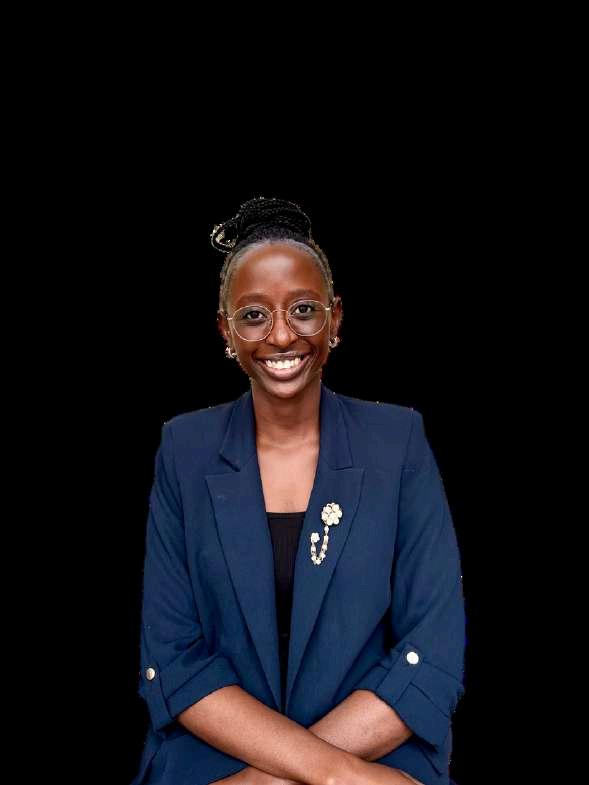
Dr. Maria Nelago Kanyama
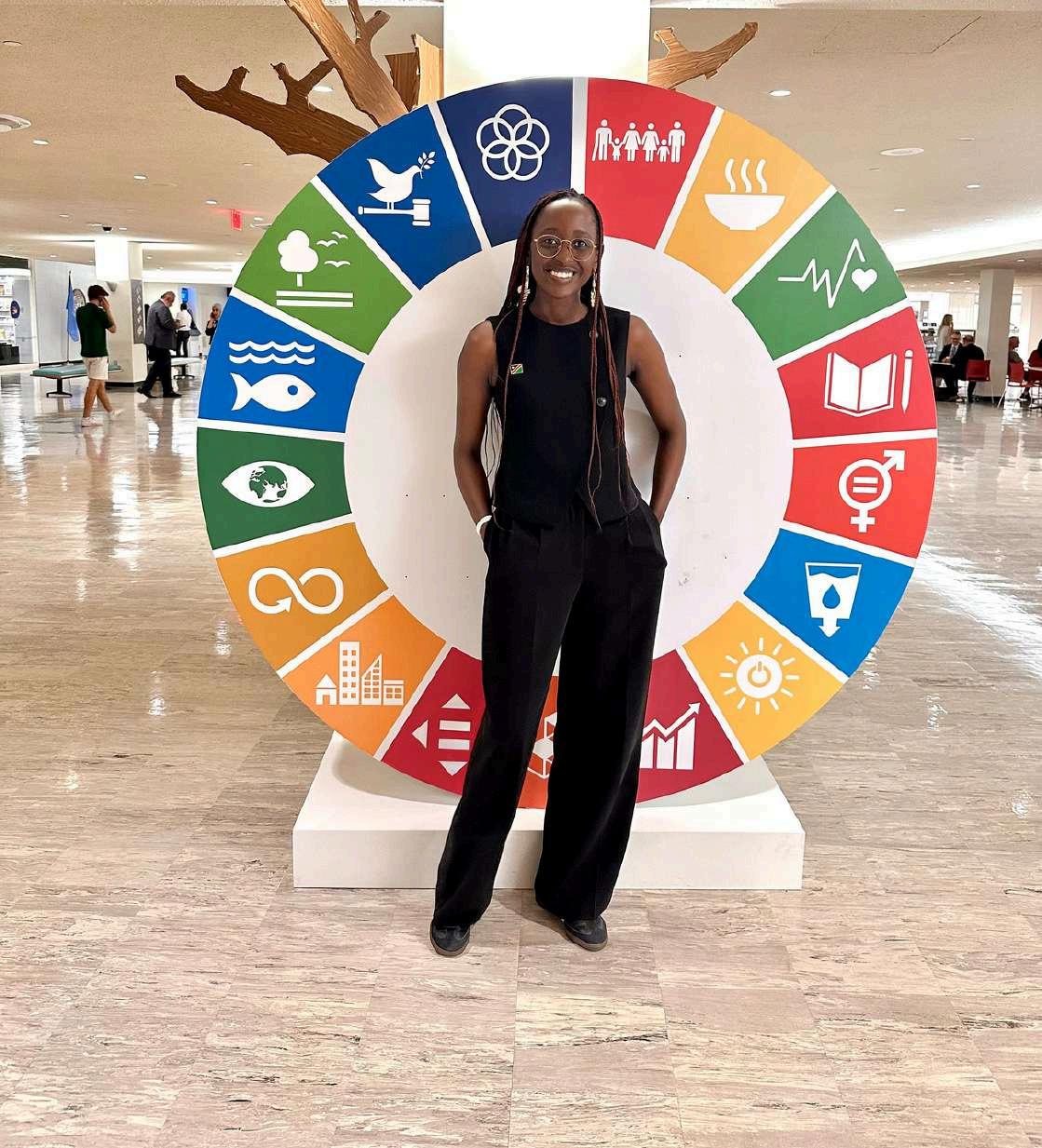
As the global population continues to grow and climate change intensifies, ensuring food security has become one of the most pressing challenges of our time. Artificial Intelligence (AI) is emerging as a powerful tool to transform how we produce, distribute, and consume food In this edition, we speak to Dr Maria Nelago Kanyama, a Post-Doctoral researcher who has been exploring how AI can shape the future of food science She shares how emerging technologies are contributing to more efficient, datadriven, and sustainable food systems.
Dr. Maria Nelago Kanyama is a Post-Doctoral researcher specialising in the intersection of artificial intelligence (AI), water, and food, addressing challenges that are central to Africa’s future She holds a PhD in Computer Science with a focus on Artificial Intelligence and Blockchain from the Namibia University of Science and Technology, following her initial training as an electronics engineer. Dr. Kanyama's work has earned international recognition, including the L'Oréal-UNESCO For Women in Science Young Talent Award and the DHL Young SDG Leader Award In addition to her research, she serves as a youth representative for the World Food Forum (WFF) and mentors young innovators across Africa who are applying AI to solve pressing community problems. Her vision is to connect technology with local wisdom to build sustainable solutions that improve lives
1. In your view, what are some of the most promising applications of AI in food science today?
Dr Kanyama said, “Some of the most promising applications of AI in food science are those that make farming more efficient and resilient. In Namibia, where nearly 70 percent of water goes to agriculture, AI combined with satellite data and soil sensors can guide irrigation with precision Across the region, farmers are beginning to use computer vision and predictive analytics to monitor plant health, forecast yields, and optimise harvests Globally, AI quality control systems are cutting post-harvest losses, which in sub-Saharan Africa can reach 30 percent. These technologies, when scaled, can play a vital role in strengthening food security ”
2. How can AI help optimise agricultural productivity and reduce food waste?
“Africa loses about 37 percent of its food at harvest, in storage, or in markets (UNEP, 2021). AI can change this. By making farming more precise, it removes guesswork around water and fertiliser use In dry countries like Namibia, where rainfall is scarce, precision irrigation powered by AI is critical AI can also forecast the best harvest time, detect pests and diseases early, and reduce yield losses that reach up to 40 percent in crops like maize. On the consumption side, demand forecasting aligns production with markets, cutting waste after harvest. In short, AI helps us produce more with fewer resources and ensures less food is lost along the way ” She responded
3. Are there any specific AI technologies that you are currently exploring that could improve food security in Africa?
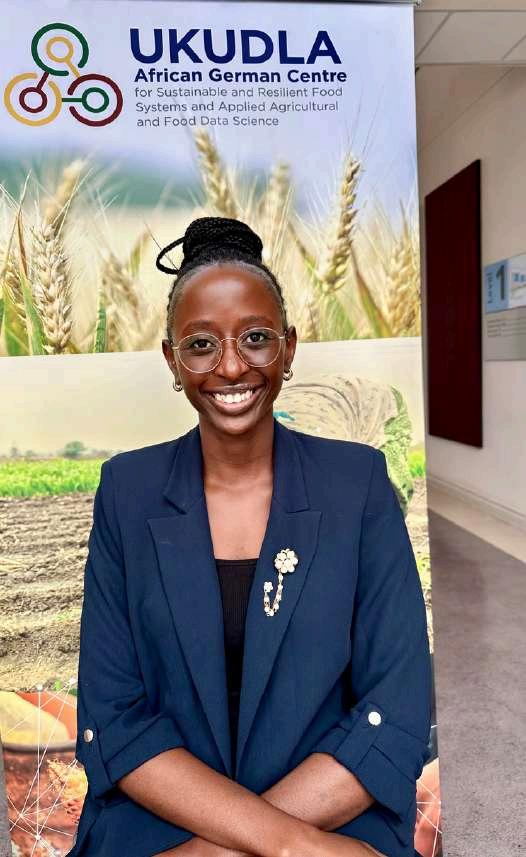
“Yes. My post-doctoral project, HYDRA, supported by UKUDLA, the African German Centre for Sustainable and Resilient Food Systems and Applied Agricultural and Food Data Science and its partners, is developing a hybrid deep learning framework that brings together Earth Observation data, remote sensing, and IoT sensor networks to optimise water use in agriculture. By combining climate variables, soil moisture indices, and crop health indicators, I aim to deliver real-time irrigation insights that help farmers use every drop of water wisely ” Dr Kanyama explained
She added “Alongside this, I am exploring the ethical use of AI and Blockchain for water diplomacy with the Geneva Water Hub, since food security is impossible without water security. I am also working on explainable AI, which makes model outputs more transparent and trustworthy, and transfer learning, which allows models to be adapted from one crop or region to another These technologies can only make an impact if they are built with farmers and policymakers at the table.”
4. In what ways can AI contribute to building a more resilient and sustainable food systems?
“Resilient food systems call for both innovation and tradition For generations, African farmers have relied on
seasonal rains and drought-resistant seeds AI can build on this wisdom by predicting rainfall shifts and monitoring soil health to prevent degradation. When technology is combined with local knowledge, food systems become modern yet rooted in community, able to withstand climate shocks while protecting both livelihoods and culture ” She replied
5.What are some of the risks or ethical concerns involved in applying AI in food systems?
“One risk is exclusion If AI tools are accessible only to large-scale farmers, smallholders who produce most of the food in Sub-Saharan Africa could be left behind. Data ownership is another concern, since farmers generate valuable information that is often captured and monetised by outside companies Trust is equally important because without explainable models farmers and policymakers may not rely on AI recommendations For AI to be ethical in African food systems, it must be inclusive, transparent, and developed with farmers as co-creators.” She emphasized.
6. How do you envision AI transforming food systems over the next five to ten years, especially in water-scarce or energy-challenged regions?
“The World Bank warns that by 2030 water scarcity could displace up to 700 million people AI can help prevent this by managing water use down to the last litre, forecasting harvests with precision, and supporting climate-smart choices in real time. In the next decade, I envision lightweight AI models running on mobile phones or solarpowered devices, accessible even in off-grid communities where electricity is scarce AI can also amplify indigenous knowledge: farmers already know which seeds withstand drought, and AI can scale that wisdom into early-warning systems for entire regions The coming years will be decisive. Built inclusively, AI can bridge gaps in food security, but if not, it could deepen them.” She explained
7. What advice would you give to young people who want to pursue computer science but are unsure of how to connect AI with water and waste technologies?
“When we dig a well, we do not strike water at once We dig with patience, guided by the signs of the land The journey into computer science is much the same You begin with the simplest tools, you keep digging, and in time you discover how AI can turn scarcity into opportunity and shape a more resilient Africa.” Dr. Kanyama advised.
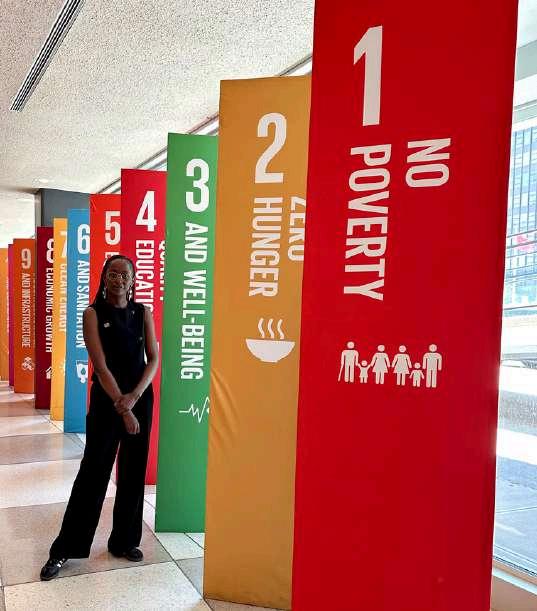
In the climate and energy space, it’s easy to get swept up in technology, funding figures, and policy headlines. However, Ms. Petlong Dakhling, a Climate Change and Energy Analyst, brings the focus back to people She sits at the intersection of sustainability research, energy policy, and ESG assessments - championing an approach to development that is inclusive, equitable, and community driven. Her reflections draw from lived experience and on-the-ground engagement, offering a powerful reminder that a climate-secure future must be socially inclusive or it is not sustainable at all Her insights add a much-needed human depth to the clean energy conversation
Petlong Dakhling is a Climate Change and Energy Analyst at the African Energy Council, where she focuses on sustainability research, energy policy, and ESG assessments She holds a degree in International Relations and a master’s in International Law With a background in International Relations and a master’s degree in International Law, she brings a strong understanding of governance, social impact, and global climate frameworks to her work. She also serves as a Technical Consultant to the Bauchi State Commissioner of Humanitarian Affairs Nigeria, contributing to recovery and resilience efforts of flood-affected communities across the state Her work reflects a commitment to community-centered climate action, energy access, and elevating the role of women and vulnerable groups in building long-term resilience.
1. Could you briefly share your journey into international development and what drew you to climate change, energy, and ESG work?
“My university path began in Economics, but I realized early on that numbers alone couldn’t capture the kind of change I wanted to contribute to That realization pushed me to pivot to International Relations, where courses like Peace Studies and Environmental Politics helped me find my purpose As a native of Plateau State, Nigeria, I have witnessed how advancing desertification continues to strain communities The conflicts it fuels affect many families These experiences strengthened my commitment to sustainability and climate action, driving my focus on climate awareness, socially inclusive initiatives that empower women, youth, and vulnerable communities, and energy access ” Ms. Dakhling said.
2. In your view, why is social inclusion essential in the energy transition to clean and sustainable energy sources?
“Personally, I believe social inclusion matters in the energy transition because real progress only happens when people’s everyday realities shape the solutions Clean energy systems do not succeed simply because they are modern or efficient. They succeed when communities can actually use them, afford them, and see themselves reflected in the decisions being made In many places, especially where climate impacts and weak
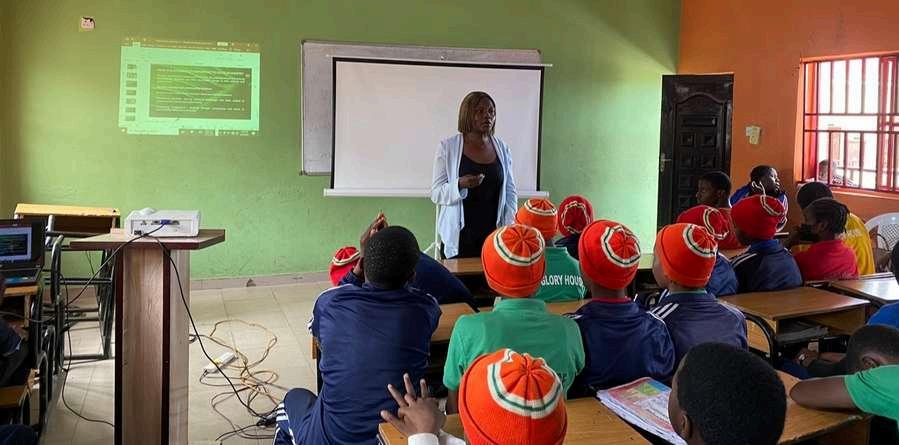
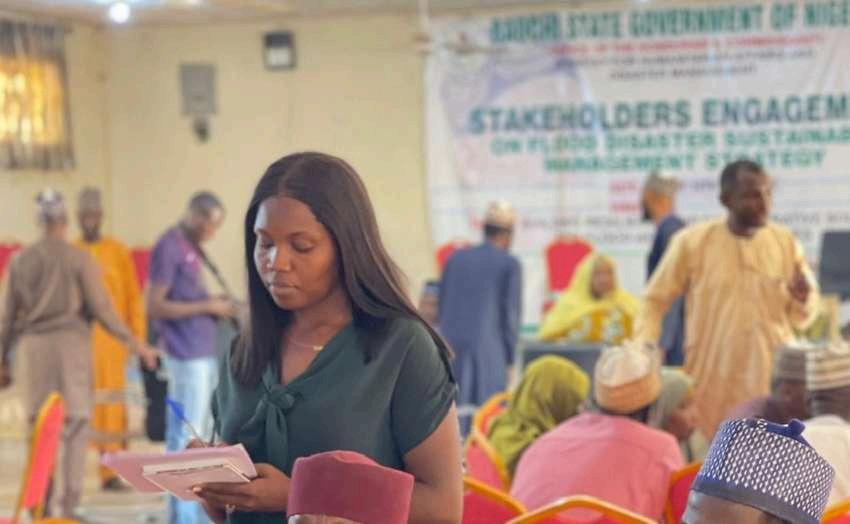
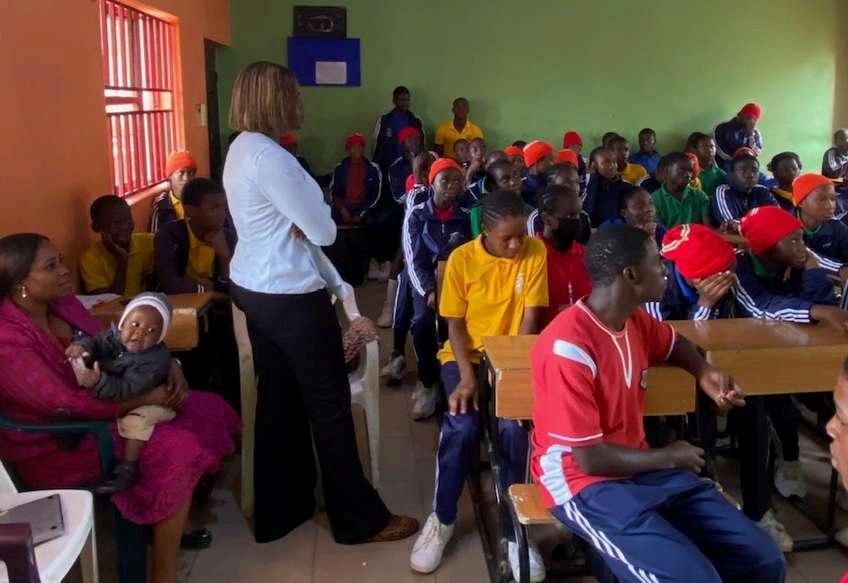
infrastructure already create pressure, ignoring people’s lived experiences can make new systems feel distant or even exclusionary. Making room for women, youth, and other often-overlooked groups helps ensure the transition closes gaps instead of widening them and builds a stronger sense of ownership that makes clean energy efforts more sustainable in the long run ” Ms Dakhling emphasised
3.In what ways can renewable energy initiatives better accommodate the needs and realies of the vulnerable groups including womens, youth and those residing in remote or underserved regions across the continent?
“Working closely with communities has taught me that renewable energy becomes powerful when it solves real, everyday obstacles One example is Solar Sister’s work in rural Nigeria, where women are trained to distribute solar lanterns and clean cookstoves This simple model increases household energy access, reduces reliance on kerosene, and creates steady income for women who often have limited economic opportunities It also supports youth who are trained as local technicians, ensuring that systems are maintained and remain reliable over time Without initiatives like this, families remain dependent on expensive, polluting fuels, women lose out on financial independence, and communities continue to face energy insecurity that limits education, safety, and productivity ” Ms. Dakhling explained.
4.What role can women and youth play in shaping socially inclusive climate and energy related programmes?
“I find that women and youth do far more than participate in climate and energy programmes; they often reshape them in ways that make the work more honest and relatable Women understand the daily realities of energy use in ways that make solutions practical and grounded Youth bring creativity, digital skill, and a willingness to test new ideas When both groups are included in leadership spaces, community
dialogues, or technical teams, programmes become more trusted and far more responsive to local needs Their perspectives help ensure that climate and energy initiatives are not only effective but genuinely inclusive.” Ms. Dakhling said.
5.What key lessons have you drawn from working in cross-cultural and multistakeholder environments?
“One lesson that stands out for me is that making people feel seen is just as important as technical expertise In my work, I have noticed how quickly conversations shift when people realize their experiences are genuinely valued Working across cultures means recognizing that communities operate within different systems, expectations, and historical experiences, which shape how they engage Collaboration is strongest when people feel respected and heard I have also learned that progress requires patience, as multi-stakeholder spaces balance competing priorities and timelines Truly inclusive processes, however, create solutions that are resilient, widely accepted, and grounded in people’s realities.” Ms. Dakhling shared.
6.In conclusion, what advice would you offer to women professionals who are passionate about starting or advancing careers within the international development field?
“Confidence grows the moment you stop assuming the room knows better than you I used to hold back in meetings, thinking others were more qualified, until I realized my perspective could actually shift conversations My advice is for women to take up space early, trust the value they bring, and not wait for perfect readiness to contribute Women often enter spaces shaped long before they arrived, but that shouldn’t make them shrink Your insight, intuition, and leadership are assets. Seek challenges, ask questions others overlook, and claim the tables where your contributions can make a difference ” Ms. Dakhling concludes.

The mining industry is evolving, and young professionals are at the forefront of this transformation In this interview, we sit down with
Josephina Lotho, a passionate Mining Engineer, to discuss her experiences, challenges, and aspirations in the industry She shares insights on navigating the field, the importance of mentorship, and her vision for the future of mining.
Josephina Lotho is a dedicated Mining Engineer with a passion for excellence and innovation in the mining sector She earned her Bachelor's degree in Mining Engineering from the Namibia University of Science and Technology in 2023 and is currently gaining valuable industry experience as a Mining Engineer Intern at Namdeb Diamond Corporation.
Committed to both personal and professional growth, Josephina takes pride in making meaningful strides in her field while serving as an inspiration to aspiring engineers She is deeply invested in youth mentorship, professional development, and the empowerment of young talent particularly in STEM fields. Her dedication to uplifting others reflects her belief in fostering a more inclusive and progressive mining industry.
1.What inspired you to pursue a career in the mining industry?
“My initial inspiration for being part of the mining industry was drawn from my elder cousin who was a geologist at the time Her intelligence, the way she led and carried herself was a true inspiration for me as an eleven-year-old girl Mid 2018, I was conducting my research in preparation for the Model United Nations (MUN) Namibia as a delegate for Saudi Arabia. It was during this time that my passion to study engineering became certain. I felt a great sense of self awareness that I wanted to be part of a community that will design systems for a better livelihood locally and globally After further research, mining engineering aligned more closely to the field of study I envisioned for myself – a combination of earth sciences and engineering ” Ms. Lotho replied.
2. How do you ensure safety and environmental sustainability in your engineering practices?
Ms. Lotho said, “I am proud to be part of an organization which prioritizes safety, health and wellbeing, while
equally ensuring sustainable environmental practices and systems On a personal level, I do my work in accordance with our organization’s values of ‘Safety and Sustainability’. At the same time, I support initiatives which promote sustainable engineering practices and positively influence the younger generation to take part in programmes of a similar nature ”
3. Can you discuss a challenging project you have worked on during your training and how you overcame the challenges?
Ms. Lotho said, “Due to the fact that all my projects were or are a part of the company’ work, at this stage I am unfortunately not able to share that feedback publicly However, if I have learnt anything from all these projects is the importance of stakeholder engagement and working with people. Technical skills without soft skills effort would not suffice on their own. I was and continue to learn from different teams daily. All my projects were mostly based on process optimization, which included data collection, analysis and implementation by working with people It sometimes gets challenging to get everyone’s buy in on a certain project at the initiation stage, but overtime majority of the impacted stakeholders become your biggest supporters as they get to understand the objectives.”
4. You are a Women in Mining UK (WIMUK) volunteer and a Women in Engineering
Southern Africa Alumni. What leadership skills have you developed through your volunteer work and how have they influenced your career?
“Indeed, I am a WomEng fellowship alumni, and I currently serve on the WIM UK Global Outreach Committee as a volunteer. Being a fellow was a great tool in shaping my leadership, entrepreneurial and career development skills. I used the learnings on leading, decision making and mental health care during my tenure as an SRC for Gender, Health and Development at NUST in 2022 and I continue to apply them in my work and personal life today ” Ms Lotho replied
She further emphasised, “Equally, being part of WIM UK has been nothing short of growth. I have acquired great collaboration and communication skills by working with a diverse group of colleagues and partners from Africa, Europe, Americas and other parts of the world This experience continues to be of great value in my career – I got to appreciate that people are at the heart of everything one does and creating psychological safety always goes a long way for the success of an organization.”
5. What impact do you hope to have on the mining industry and the broader community through your work?
“I look forward to making impactful contributions in the mining industry by being part of innovators and changemakers through my work, leadership and influence I am the happiest when my actions and experiences “inspire others to dream more, learn more, do more and become more”, Quincy Adams. One of my dreams is to proudly represent women in mining and overall engineering spaces I seek to show the good that the mining industry does, while appreciating opportunities for improvement across different spheres from safety advancement, social impact, sustainability and support of female leaders, founders and innovators in STEM.” Ms. Lotho responded.
6. In conclusion, what advice would you give to young women who are considering a career in mining engineering?
“For those just transitioning into the mining industry from university, I would say be authentic, work smart and never stop learning Continuously seek in -demand skills which align with the advancements in the mining industry For young women who are considering a career in mining, find your path, endlessly water your dreams and get out of your comfort zone. There are plenty of specializations one can go into, ranging from engineering, human resources, finance, equipment manufacturing, sales, data and technology, entrepreneurship etc Therefore, be proactive about your professional and personal development I would like to leave any young person with the following quote by Mark Twain: "Continuous improvement is better than delayed perfection.” Ms. Lotho concluded.
I believe that if we continue learning, engaging in realworld projects, and seeking out innovation, we’ll be part of shaping a cleaner, more reliable energy future
– Andy Lokadi
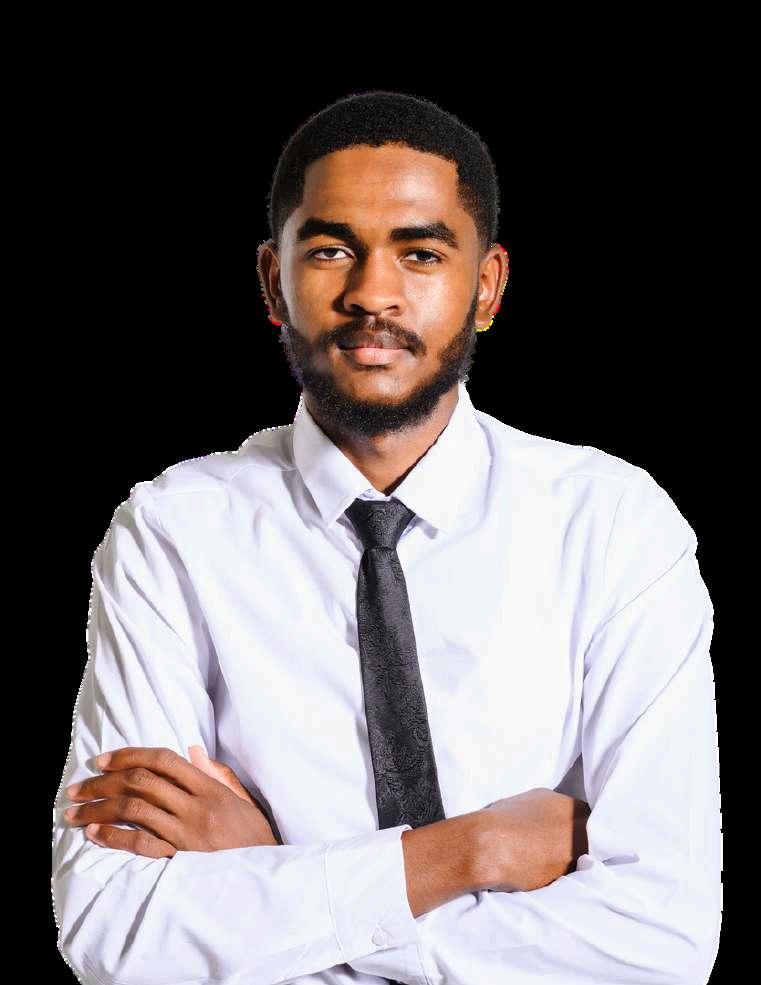
Welcome to another edition of Youth in Action In this edition we meet Mr Andy Lokadi, a fourthyear Electrical Power Engineering student at the
Namibia University of Science and Technology (NUST) Mr Lokadi tells us his story of how he has grown a strong passion for renewable energy and sustainability Andy has developed skills in electrical systems, solar PV design, and power system analysis. He is currently a lab technician intern at NUST in the Electrical Engineering Department and a part-time intern at Namibian Drone Services, where he assist with RPAS (Remotely Piloted Aircraft Systems) maintenance and repairs
1. What inspired your journey into the field of Renewable Energy?
“Growing up in communities where reliable access to electricity was inconsistent, I witnessed first-hand how the lack of energy limited education, health services, and development This experience ignited my passion for renewable energy, especially solar power, as a means to bring sustainable change. The potential of renewable energy to transform lives sustainably motivated me to pursue electrical engineering with a focus on renewable technologies that are both accessible and impactful ” Mr Lokadi said
2. How has your academic experience shaped your understanding of energy systems and sustainability?
Mr. Lokadi says, “NUST has equipped me with a deep understanding of both technical systems and the broader implications of energy use Courses like Solar Energy PV Design and Renewable Energy taught me how to size, analyze, and optimize power systems Beyond theory, hands-on labs and design projects have shown me the importance of efficiency, innovation, and sustainability in real-world applications.”
3. What are some of key challenges that the energy sector is still facing in terms of sustainability, and how do you think engineers can help solve them?
“One major challenge is balancing growing energy demands with the need to reduce carbon emissions. Many regions still rely heavily on fossil fuels due to cost and availability Engineers can drive the transition by designing affordable, scalable renewable energy systems, integrating smart grids, and advancing energy storage solutions We must also promote circular economy practices to minimize waste and environmental impact. ” Mr. Lokadi said.
4. With the growing integration of renewables, how do you see the future of grid stability and energy storage evolving?
“The future of grid stability will depend on the deployment of more flexible and decentralized energy systems. As more variable sources like solar and wind are integrated, energy storage especially battery-based solutions will be key to balancing supply and demand Additionally, engineers will need to design systems that can adapt to changes in load and generation patterns in real time to maintain stability and reliability.” Mr. Lokadi responded.
5. How important is it for young engineers to understand both the technical and environmental implications of their work?
“It’s absolutely critical We are not just solving technical problems, but we’re shaping the future of our planet. Every design decision has an environmental footprint. Understanding that link helps engineers prioritize sustainable choices, consider long-term impacts, and innovate responsibly It also prepares us to communicate effectively with policymakers and communities ” Mr Lokadi replied
6. As a part-time intern at a Namibian Drone Services, what has been the most exciting or eye-opening experience for you so far, and how has it shaped your perspective on the role of drones in renewable energy electrification projects?
Mr Lokadi says, “My experience at Namibian Drone Services has been truly fascinating What really sparked my curiosity was the energy storage capacity of drones, specifically, how long they can fly and how energy efficiency is balanced with the size and weight of the drone itself I was particularly interested in how the demand for power is met without compromising performance or mobility
Namibian Drone Services uses DJI drones, and through my involvement in maintenance and repair tasks, I’ve gained a deeper understanding of their energy systems. DJI's commercial drones can last up to 55 minutes, while consumer models typically offer 20 to 40 minutes of flight time, depending on conditions This hands-on experience gave me insight into the technical limits and advancements in drone battery technology.
In terms of renewable energy, drones play a vital role in solar farm maintenance One of the most impressive applications is using drones equipped with infrared cameras to detect defective solar cells through a method known as electroluminescence testing This helps improve solar farm efficiency by identifying issues early, reducing downtime, and supporting proactive maintenance strategies.”
7. In Conclusion, what guidance would you offer to aspiring engineers seeking a career in the energy sector?
“As a fourth-year Electrical Engineering student, I consider myself an aspiring engineer in the energy sector as well So rather than giving advice from a position of authority, I’ll share what I’m personally committed to: staying curious and dedicated to finding sustainable solutions in the renewable energy space. I believe that if we continue learning, engaging in real-world projects, and seeking out innovation, we’ll be part of shaping a cleaner, more reliable energy future ” Mr Lokadi concludes
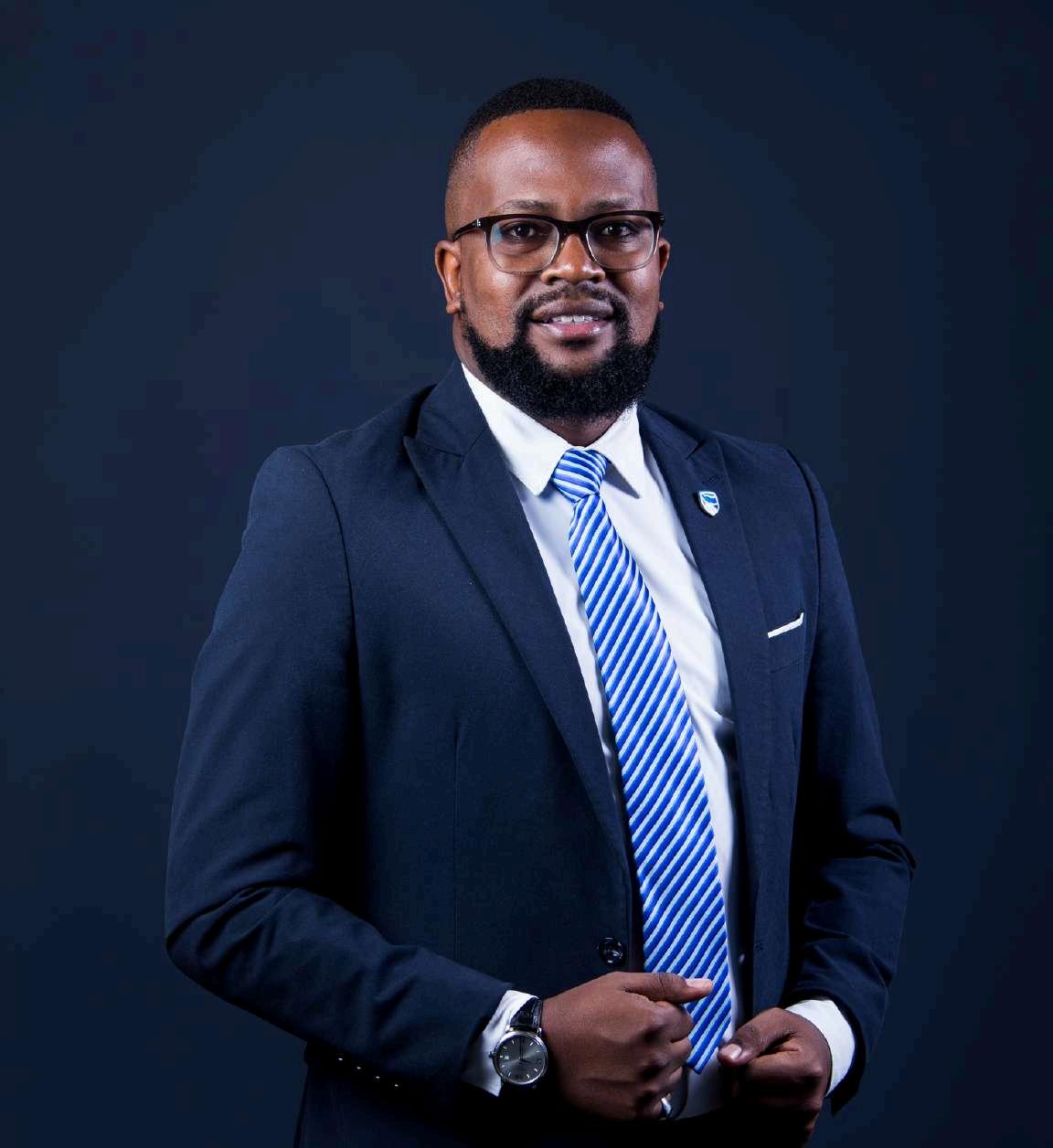
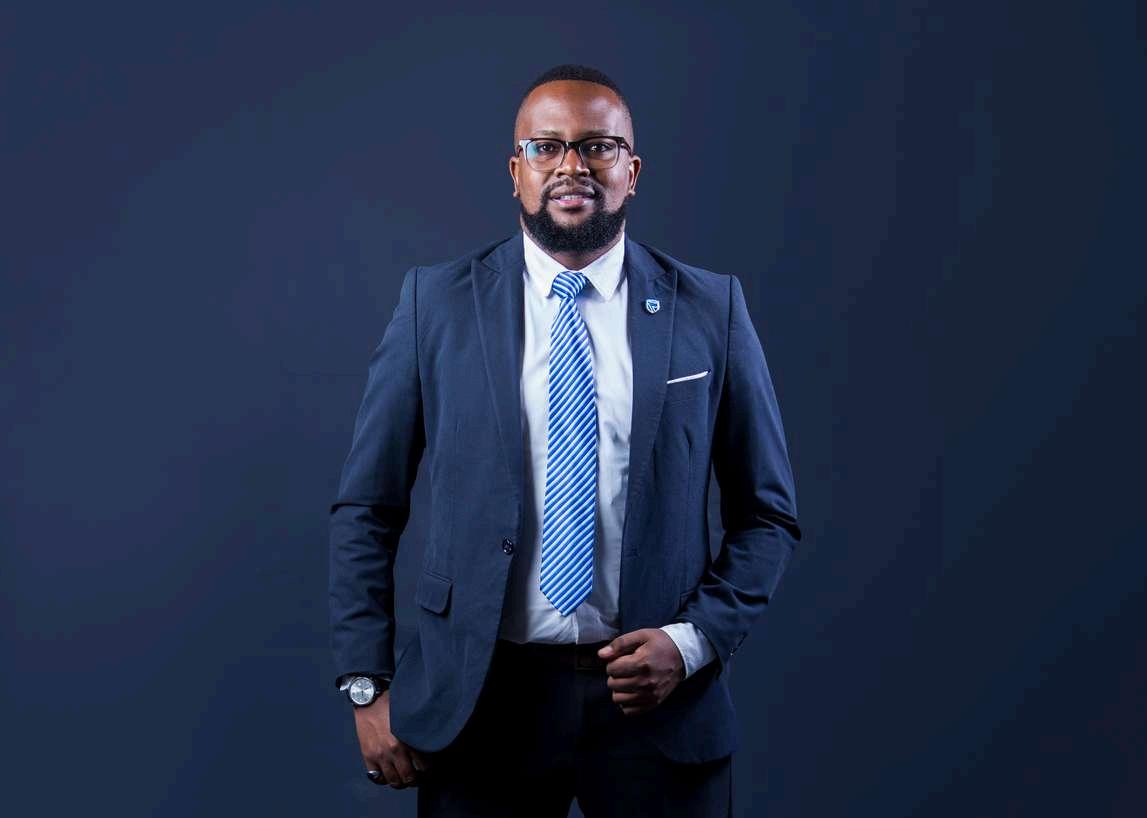
Tjizomundu Kavetu
Youth skills are the foundation for building resilient careers and driving economic growth, especially in a rapidly changing world.
Equipping young people with practical, adaptable skills opens doors to opportunities and long-term success Tjizomundu Kavetu’s journey, from call center consultant to Investment Banker, illustrates the power of continuous learning and development. His story is a testament to what is possible when youth are empowered with the right tools and support
Tjizomundu Kavetu is an Investment Banker with Standard Bank Namibia (SBN), currently responsible for Energy and Infrastructure Finance. His professional journey began in 2012 when he joined SBN as a Customer Care Consultant at the call centre, while completing his Honours Degree in Accounting at the University of Namibia After two years in the call centre, he transitioned to the International Business Centre within SBN, where he took on the role of Inward Officer In this position, he was responsible for processing inward foreign exchange transactions and managing salary payments for companies funded by parent organizations based outside Namibia Following this, he was selected to join the Corporate and Investment Banking Operations (CIB Ops) Learnership Programme As part of the programme, he spent three months at Standard Bank’s Johannesburg offices, gaining valuable exposure to the bank’s operations and the integration of various business units.
Upon returning to Namibia, he assumed the role of Change and Enablement Officer within the CIB Ops unit for a 12-month period In 2017, he went on to establish the Transaction Management Unit (TMU) within CIB Ops, a function dedicated to managing investment banking assets from the time they are booked onto the balance sheet through to maturity or repayment In 2021, his scope expanded to include supporting TMU functions for the Investment Banking teams in Botswana and Eswatini, where these units had not been established locally. In 2023, he moved to Johannesburg to join the Structured Trade and Commodity Finance Team in the TMU space, where he spent 12 months before returning to Namibia
1.What motivated you to pursue a career in investment banking, and how did you find your way into the energy and infrastructure finance space?
“I believe from the above, it is evident how I managed to wiggle myself into the Investment Banking (IB) Business
Motivation, this was driven predominantly by the impact the IB business has in changing economies and ultimately way of life, especially in our continent where we are still playing catch-up. Most notably and bringing it back home to the business I support which is Energy and Infrastructure, Namibia imports over 50 percent of its electricity usage, we lack sufficient infrastructure in the form of roads, hospitals and more to be able to cater to our growing population What we do in our space, is to leverage our balance sheet and finance projects that breach this gaps, in the form of renewable energy forms of producing electricity (Solar Plants and Wind Farms), partnering with the public sector via Public Private Partnerships to raise capital and funding these required projects to ensure we reach our aspirations as a country and moreover, as a continent ” Mr Kavetu Said
2. How do you see the future of investment banking intersecting with youth-driven innovation, particularly in green infrastructure and energy projects?
“It’s a natural fit, IB is driven by raising the most cost effective capital and driving that towards projects that require and/or need this capital the most, driven by a desire of development and ultimately improving standards of living in the economies we do business As is the fact, the world, especially Africa, has the most youthful population we have ever had, with this in mind, IB would rely on innovative to raise this capital, most importantly, cheap capital, noting that Africa has an inherent risk element which increases cost of capital which requires solving for, and most importantly, how do we deliver this required projects in the most effective and speedy manner, the answer in short is through innovation and AI, which is currently being driven by the Youth ” Mr Kavetu Responded
3. Many young people are eager to contribute to Africa’s energy transition. What barriers do you think they face when entering investment or financerelated roles, and how can those be addressed?
“Knowledge gap, understanding what is truly required from these roles. Education is the one part to it, however there is more required, not only experience, which in my opinion is not a must have, especially for the youth, but more the right behaviour; seek mentors that have or doing the roles you wish to take up one day, this helps significantly as you get first hand insight from individuals that are doing or have done what you aspire to do ” Mr Kavetu elaborated.
4.From your perspective, what key skills do young people need to thrive in the evolving energy and infrastructure finance landscape?
“Depending on the interest, could be both from a financing side, i.e. learning how to raise capital for these key projects that are required to meet our gaps, either by joining banks; asset management firms; private equity firms or venture capital firms On the other side, if interest lies in execution, they can learn engineering (be it electrical, mechanical or civil and or any other), project management, quantity surveyor and or Geo science. This are key in managing these projects and bringing them to fruition, we do have these skills in Namibia, but i believe we still need more ” Mr. Kavetu said
5 How do you think we can bridge the gap between academic training and the actual skills demanded in the finance and energy sectors?
“Mentorships, Graduate Programmes, Learnership Programmes, these all speak to firsthand experience pertaining to on-the-job related experience ” Mr Kavetu stated
6.In conclusion, what advice can you give to the youth who dream of pursuing a career in investment banking?
“Have Tenacity, A clear mind, most importantly, be purpose driven. It’s a very rewarding space in that you get to see tangible results in the projects you finance, be it a road; solar plant and or wind farm providing electricity to a community, enabling kids to study at night and become a doctor/lawyer and change the family dynamics in a povertystricken household All this would not be possible without the work we do, in collaboration with the government. Moreover, you need to be willing to put in the hours, even though at times the goal seems far, however once reached, the results and outcomes far out way the silent and late sacrifices ” Mr Kavetu Concluded
Mr. Kevin Kevanhu
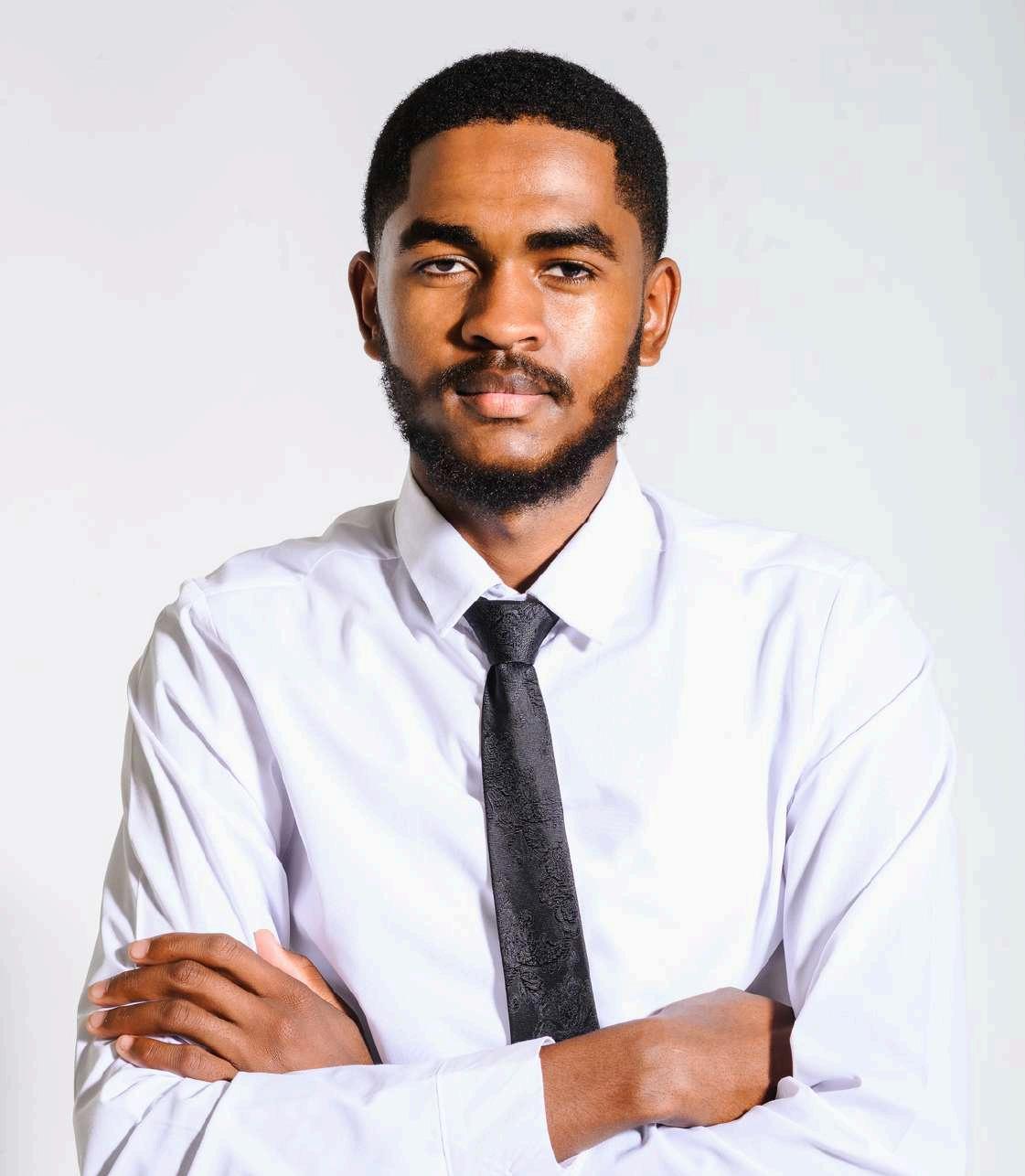
In today’s rapidly evolving energy landscape, young professionals are playing a vital role in shaping Africa’s sustainable future. Among them are emerging voices who are passionate about renewable energy, innovation, and community impact, individuals who see opportunity in advancing green technologies and promoting technical skills development. In this conversation, we speak with Mr. Kevin Kevanhu, a dynamic young professional contributing to the continent’s growing renewable energy movement
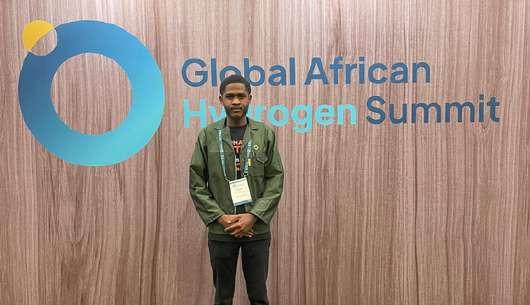
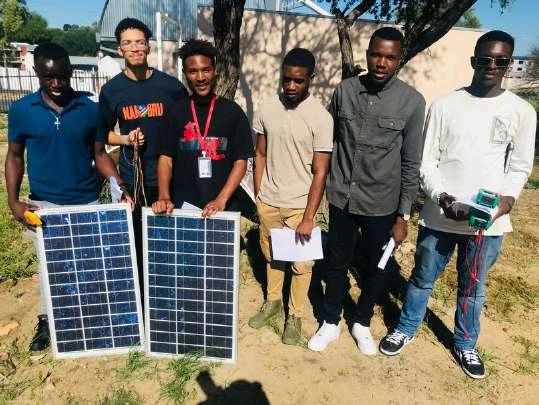
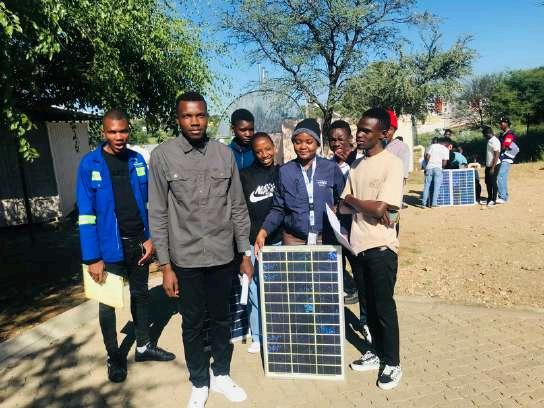
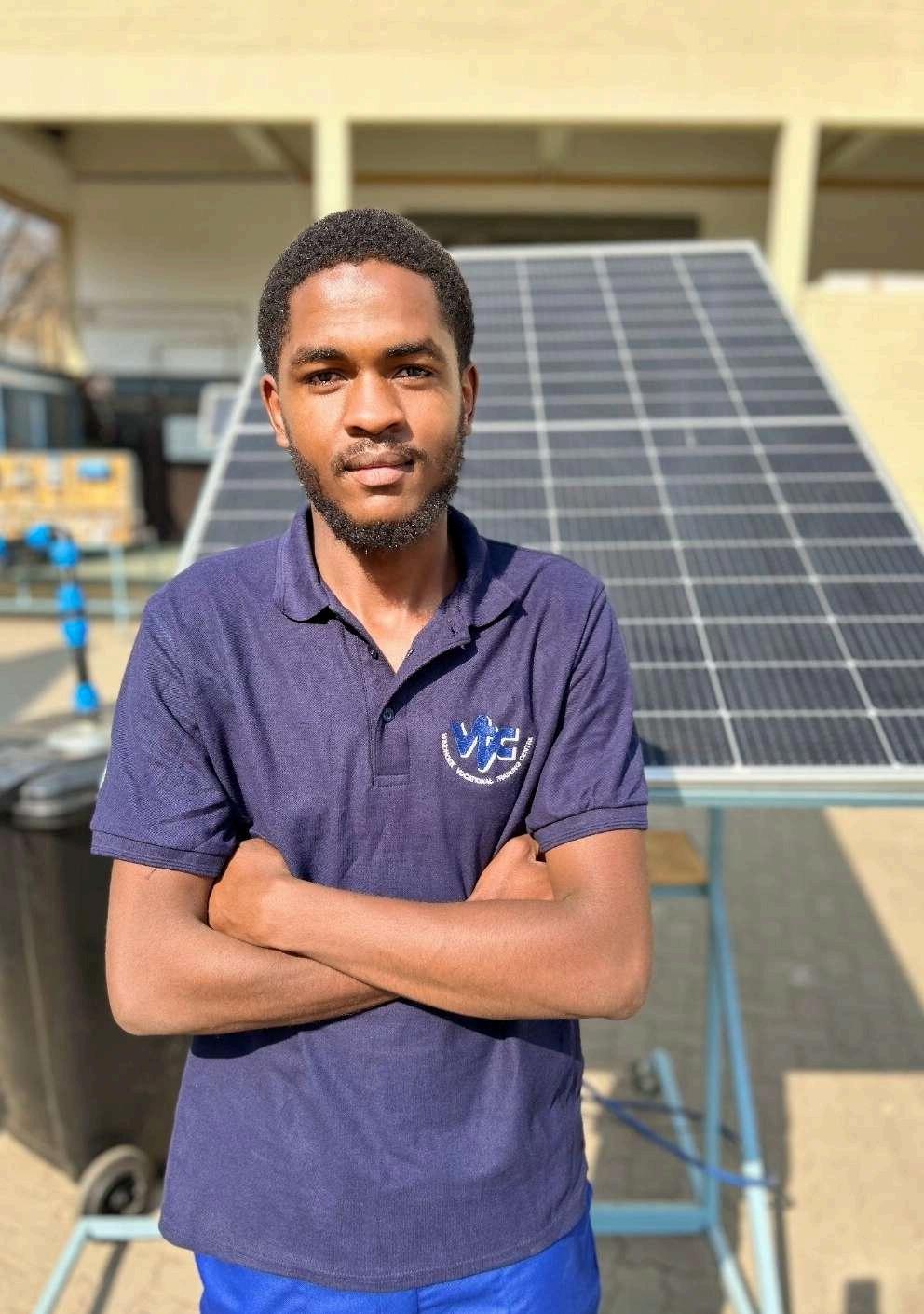
Mr Kevin Kevanhu is a Solar Technician in Training at the Windhoek Vocational Training Centre, specializing in solar installation and maintenance He is passionate about sustainable development, renewable energy, and youth empowerment. His work centers on community development, renewable energy education, and advocating for greater youth participation in the energy sector
Driven by a strong interest in green technology and innovation, Kevin is dedicated to exploring the transformative role of Technical and Vocational Education and Training (TVET) in advancing Africa’s sustainable growth
1. What sparked your interest in solar technology and sustainability, and how has that shaped your career goals?
“My interest began when I saw how rural communities struggled without electricity and by witnessing the severe energy poverty that continues to affect rural Africa, particularly in Namibia Many communities remain underdeveloped because they lack access to electricity, a basic need for progress For me, solar energy represented a clear, decentralized and practical solution to this challenge.
I came to understand that energy access is not just a technical issue, but a matter of social justice Around the time I was deciding on a career path, discussions around Green Hydrogen and renewable energy were gaining momentum I chose the TVET route because I strongly believe that practical skills are key to Africa’s sustainable transformation. My goal is to help drive Africa’s just transition to renewable energy, ensuring that no one is left behind and to drive initiatives that drives us to achieving local and continental energy security ” Mr Kevanhu, responded
2. From your perspective, what role does solar energy play in achieving energy access and sustainability across Africa?
Mr Kevanhu said “Solar energy is the backbone of Africa’s sustainable future It eliminates the need for expensive grid expansion by providing off-grid and mini-grid solutions that can electrify rural communities within months. These systems power essential services such as schools, clinics, and water pumps, directly improving livelihoods
Africa receives some of the highest solar irradiance in the world, around 300 days of sunshine annually, making solar power the most viable path toward energy independence. By scaling both large-scale and decentralized systems, we can enhance energy access, reduce carbon emissions, create green jobs, and build a resilient, clean energy future for our people ”
3. From your experience, how can solar energy solutions contribute to climate resilience and adaptation efforts on the African continent?
“Africa contributes only about three to four percent of global carbon emissions, yet it bears the harshest impacts of climate change, from prolonged droughts to extreme heat. Solar energy plays a vital role in both mitigation and adaptation.
By replacing fossil fuels such as diesel and kerosene, solar systems directly reduce greenhouse gas emissions They also strengthen community resilience through decentralized power generation, which reduces the risk of widespread outages.
Solar powered irrigation enhances food security by enabling year round farming even when rainfall patterns shift In disaster sensitive regions, solar systems ensure that communication networks, health facilities and early warning systems remain operational Reliable, locally managed solar solutions empower communities to adapt, thrive and remain self reliant in the face of climate challenges.” Mr Kevanhu emphasised.
4. In your view, what policy or infrastructure changes are needed to scale up renewable energy adoption across Africa?
“To scale renewable energy, Africa needs a holistic approach involving both policy reform and infrastructure investment. Governments should simplify power purchase agreements, licensing and approval processes for renewable projects. Incentives such as tax relief and low interest financing can encourage innovation and private sector participation
Equally, investment in TVET training and technical education is critical, without skilled Engineers and Technicians, projects struggle to last. Infrastructure priorities should include Grid reform, smart grids construction, energy storage systems and local manufacturing of solar components to reduce import costs I believe renewable energy should not only be viewed as an environmental goal but also as a development and employment strategy.” Mr Kevanhu said.
5. How do your advocacy efforts align with the African Union’s Agenda 2063 and the UN Sustainable Development Goals (SDGs)?
“My advocacy directly supports Agenda 2063: the Africa we want vision of “a prosperous Africa based on inclusive growth and sustainable development ” It aligns with SDG 7 (Affordable and Clean Energy) and SDG 13 (Climate Action) by promoting renewable energy access and awareness.
Additionally, my efforts contribute to SDG 4 (Quality Education) through capacity-building programs and SDG 9 (Industry, Innovation, and Infrastructure) by encouraging renewable innovation
I aim to contribute to the implementation and full realisation of NDP6, which prioritizes sustainable economic growth, energy security and job creation By promoting clean energy access and technical training, my work supports the AU’s vision of a prosperous, inclusive and climate resilient Africa
And by my active participation in conferences, youth forums and civil society engagements to raise awareness and share practical solutions on sustainability These platforms allow me to connect with other young leaders, policymakers and innovators who share the vision of a prosperous and climate resilient Africa
Through continuous learning and public engagement, I aim to strengthen community participation, expand renewable energy literacy, and help Africa move closer to achieving the Africa we want by 2063
I see renewable energy as the foundation for achieving inclusive growth and for realizing the Africa we want COP30 reinforces these commitments by calling on young people and policymakers to act together in delivering a just and sustainable energy transition.
One of my recent commitments is to contribute to the Green Hydrogen and renewable energy sector at large through my technical expertise, policy analysis and reform, consultative dialogues and community outreach and engagement initiatives. Through these efforts, I aim to help strengthen Namibia’s role in advancing a just, inclusive and sustainable energy transition for Africa ” Mr Kevanhu explains
6. In conclusion, what is your vision for Africa’s renewable energy landscape by 2030, and how does it tie into the global climate agenda?
“By 2030, I envision an Africa that leads the world in renewable innovation, where at least 90 percent of households have access to clean and affordable energy. I envision decentralized Mini grids powering rural areas, while largescale solar farms energize industrial hubs Every school, clinics and business should have access to reliable, clean power
Beyond consumption, I envision an Africa that manufactures and develops its own renewable technologies, utilizing its vast mineral resources to build homegrown energy solutions
A balanced energy mix, combining renewable energy sources with sustainable industrial development, will ensure job creation, economic stability and long term energy security. Ultimately, Africa’s renewable transition is not just key to its development but also vital to the global climate agenda, demonstrating that sustainable growth and climate action can coexist ” Mr Kevanhu concludes