RDJ Publishing (Pty) Ltd is the publishing home of the Energy and Sustainability Africa, written and authored through the collaboration with RDJ Consulting Services CC (www rdjconsulting co za)
DearReader,
RDJ Consulting Services CC is an advisory consultancy to the Energy, Water and Transport Sectors with a focus on sustainable operations and renewable energy
Editorial
2025 IN REVIEW: STRATEGIC REFLECTIONS, DRIVING THE VISION
Welcome,andwearedelightedtosharewithyouourfirsteditionof Energy and Sustainability Africa (ESA) for2026,proudlyresearchedand,asyouknow,producedinNamibia.
Aswestepintoanewyear,itisclearthattheconversationmustevolve Whilethelastquarterof2025 mighthavecentredaroundplanning,vision-setting,andstrategydevelopmentformany,thefocusfor 2026 must decisively shift toward implementation, action, and measurable results Against this backdrop,wetakeamomentinthiseditiontorevisitseveralcriticalenergytransitiondiscussionsthat continuetodemanddeeperreflection,strongercoordination,andsustainedcommitmentacrossthe Africancontinent.
Before doing so, however, it is worth acknowledging a milestone year that many may have already heard about, but which deserves repeating The year 2025 was an exceptional and defining year for RDJ Publishing (Pty) Ltd As highlighted in our InFocus Namibia - January 2026 Edition, where we maintainedstrongmomentumasapublishinghouse,consistentlydeliveringinformative,factual,and thought-provokingcontentthroughbothofourflagshippublications,despiteachallengingoperating environment. Nevertheless, through our supporting arm, RDJ Consulting Services (RDJ Consulting) ourcommitmenttoquality,relevance,andimpactremainedfirm ThisispertinentasRDJConsulting preparestocelebrateits16 yearofoperations th
In this January 2026 edition, we proudly acknowledge the writers and contributors whose work shaped last year’s discourse. These stories explored a wide range of pressing and emerging issues fromAfrica’sevolvingaquaeconomyandinnovationpathwaystodevelopmentswithintheaviation and automotive sectors, among many others that continue to influence policy, investment, and practice
Finally, we also wish to note that the ‘November/December 2025’ dual publication was a targeted festive season edition, and with this issue, we are officially returning to our regular monthly publicationcycle.
Innovation: the process of bringing about new ideas, methods, products, services, or solutions that have a significant positive impact and value
The Aquatic Economy
-June 2025
Africa, often referred to as the "Island Continent" due to its extensive coastal borders, is endowed with vast and largely untapped
marine resources. Bordered by the Atlantic and Indian Oceans as well as the Mediterranean and Red Seas, the continent boasts over 20 million square kilometres of maritime zones including Territorial Seas (TS), Exclusive Economic Zones (EEZ), and extended Continental Shelves This aquatic endowment offers a wealth of opportunities to fuel economic transformation, yet Africa’s marine sector remains underutilized and undervalued while poverty levels continue to rise.
Of the 54 African nations, 38 are coastal or island states, making marine and aquatic resources pivotal to the continent’s economic blueprint However, despite this geographical advantage, Africa accounts for only 1 2 percent of global shipping by number of vessels, and less than 1 percent by gross tonnage. Its ports handle just 6 percent of global maritime cargo traffic, and a mere 3 percent of worldwide container traffic This is particularly disheartening given that over 90 percent of Africa’s imports and exports are transported by sea
The maritime sector, if properly harnessed, could be a powerhouse for economic development, job creation, food security, and regional integration With sectors such as the Fisheries and Aquaculture providing millions of Africans, especially those in coastal communities with nutritional food and revenue generation opportunities. While the marine transport underpins international trade and opens pathways for economic integration under agreements like the African Continental Free Trade Area
Offshore energy resources, including oil, gas, and renewables, also offer possibilities for economic diversification and energy security. Coastal and marine tourism is another growth sector, with the potential to boost African economies and create jobs, particularly when built on the foundation of environmental conservation Healthy marine ecosystems also provide crucial services like carbon sequestration, flood control, and coastline stabilization, which are essential to building resilience against climate change. With these type of benefits, African coastal states will be able to cut some cost of things like decarbonization efforts, flood prevention mechanisms and the likes
The African Union has acknowledged the significance of the maritime area through various strategic frameworks One of the most prominent is the 2050 Africa’s Integrated Maritime Strategy (2050 AIM Strategy) which was adopted in 2015. This strategy aims to foster increased wealth creation from Africa’s oceans and seas through the development of a sustainable, thriving blue economy Its vision is anchored in the sustainable use of marine resources, environmental protection, maritime security, and economic development
Complementing the 2050 AIM Strategy is the Africa Blue Economy Strategy, adopted in 2018, which provides practical guidance for the sustainable utilization of marine and aquatic resources This strategy underscore inclusivity, particularly the empowerment of women and youth in marine related sectors such as fisheries and aquaculture. It also prioritizes climate resilience, recognizing the vulnerability of coastal communities to rising sea levels, extreme weather events, and other impacts of climate change
Africa’s aquatic economy can become a cornerstone of the continent’s future which supports wealth above and below the waterline
Furthermore, Agenda 2063 which includes the African Union’s long-term development vision, identifies the blue economy as a key driver to accelerate economic growth It advocates for the development of Africa’s marine resources and energy, ports operations and marine transport, sustainable natural resource management and biodiversity conservation, and sustainable consumption.
While the opportunities are massive, the road to a thriving aquatic economy is not without challenges Many coastal ecosystems in Africa are threatened by unregulated human activities, pollution, and overexploitation of resources. Illegal fishing, marine piracy, human and drug trafficking, and maritime insecurity remain persistent issues in several Africa regions These are some of the factors that hinder Africa from maximizing the economic benefits of its blue economy Moreover, climate change presents additional threats through sea level rise, storm surges, and the
Farming at Sea
As the world faces challenges with climate change, food insecurity, and the degradation of natural resources, the search for sustainable solutions is
becoming increasingly urgent. One of the most promising developments in this effort is ocean farming, a key component of the blue economy which is an approach to cultivating food and resources at sea that aligns economic growth with environmental stewardship
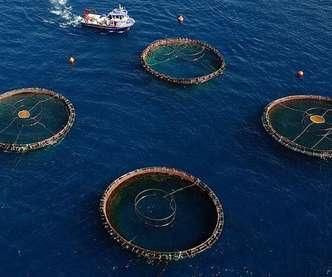
Ocean farming, also known as marine aquaculture, involves cultivating marine organisms such as shellfish, fin fish, and seaweed in controlled marine environments. Africa’s extensive coastline, stretching over 30,000 kilometres and bordering the Atlantic and Indian Oceans as well as the Mediterranean Sea, presents immense untapped potential for ocean farming
Among the African countries, 38 of them are coastal countries, with marine ecosystems which are diverse and rich in biodiversity, creating ideal conditions for cultivating seaweed, kelp, mussels, oysters, and other low-impact species Seaweed farming has multiple value chains, from food and pharmaceuticals to cosmetics and bio fertilizers, while mussels and oysters offer a sustainable protein source with minimal feed input and high export potential
Over the last 30 years, aquaculture has rapidly expanded to meet global demand, but despite this expansion, the aquaculture industry in Africa only accounts for about 3 percent of global aquaculture production. Seaweed leads marine aquaculture production across the continent with over 2,200 recorded species, including red, green, and
brown algae Although seemingly small, Excluding Asia, Africa has significantly outperformed other continents since 2002, particularly with the production of the carrageen producing red algae.
Seaweed has a long history of use in many parts of the world, notably as fertilizer in northern Europe and as a dietary staple in East Asia, especially China, South Korea, and Japan It provides essential nutrients like iodine and bioactive compounds with health benefits Recently, seaweed-derived hydrocolloids such as agar, alginates, carrageenan have gained importance as thickeners and stabilizers in food, cosmetics, and pharmaceutical They are also present in many household, industrial, cosmetic and pharmaceutical products
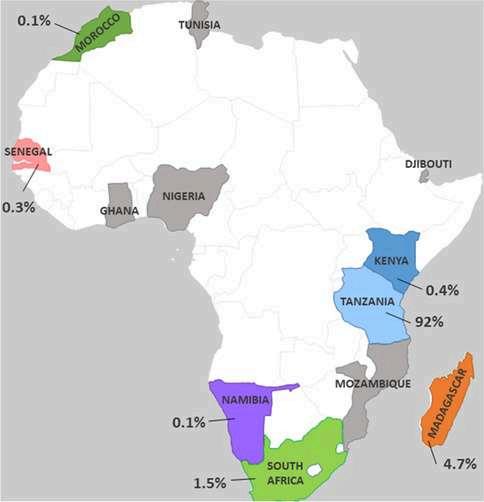
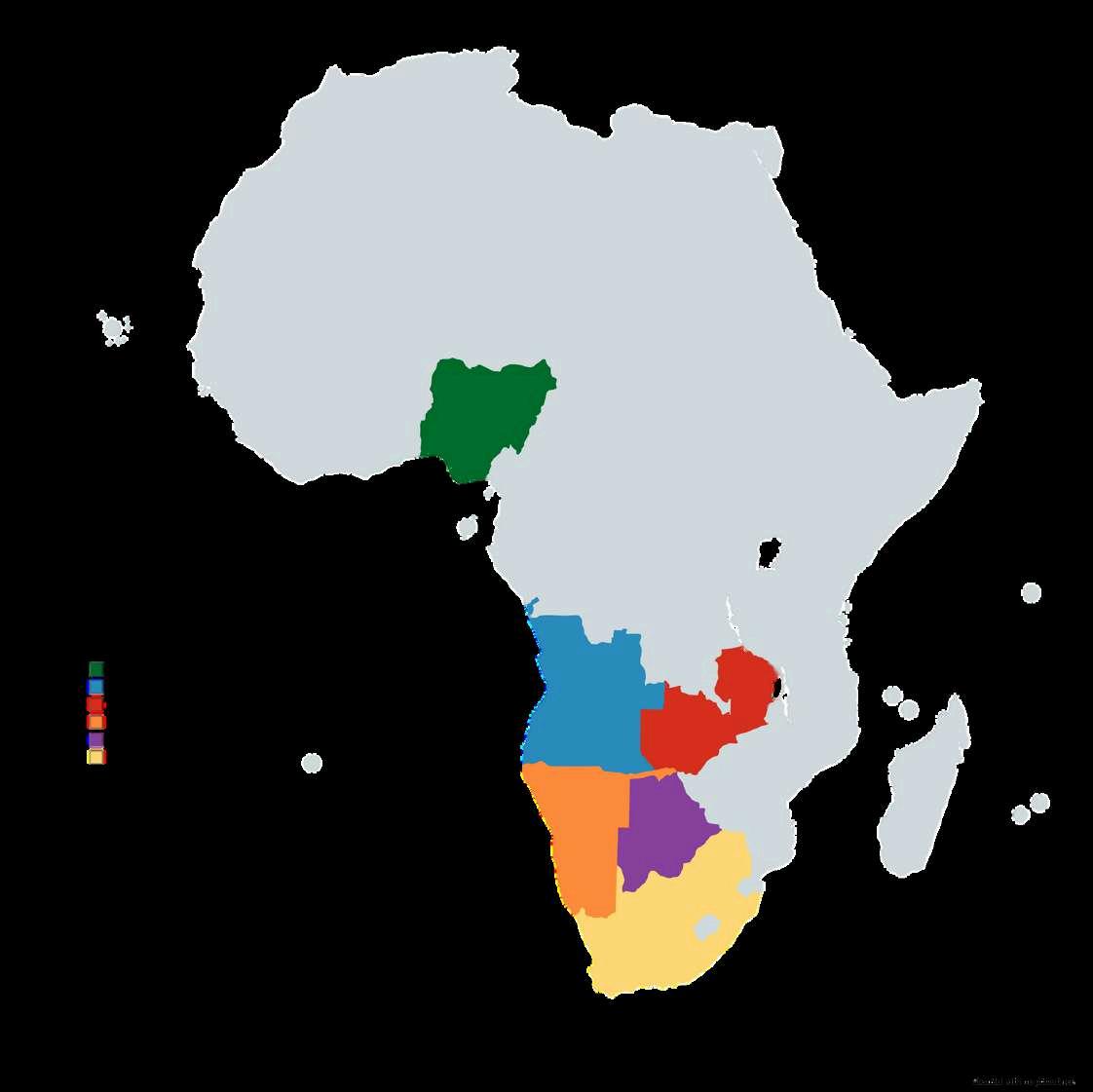
The production of marine aquatic plants in Africa is currently concentrated in Zanzibar, Tanzania, which is widely recognized as Africa’s most efficient and productive seaweed farming nation, followed by Madagascar and South Africa Other countries, however, including Kenya, Morocco, Mozambique, Namibia and Senegal, are all still either currently producing or have previously produced seaweeds in the past few years.The map below shows the countries involved in seaweed farming:
Case Studies
Zanzibar Archipelago
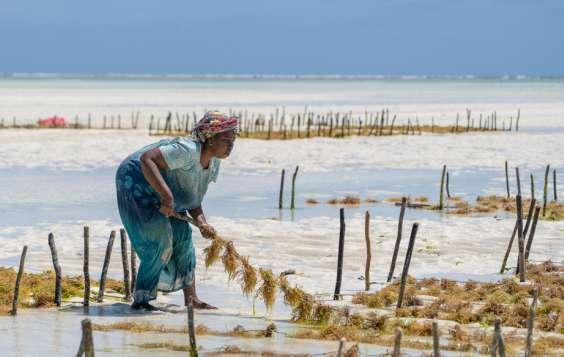
Seaweed farming in Tanzania, particularly in the Zanzibar Archipelago, has been a cornerstone of the local economy since its introduction in the late 1980s Initially, the cultivation of Eucheuma species was promoted to boost income for coastal communities. Over time, this practice expanded, and by 2012, Tanzania was producing over 15,000 tons of dried seaweed annually, making it the third-largest marine export after tourism and cloves The industry now employs around 30,000 farmers, 88 percent of whom are women The farming activities are usually small-scale and carried out in the intertidal zones largely in marine conservation areas, near mangroves and coral reefs.
Despite its position as Africa’s most successful seaweed producer, Tanzania’s seaweed farming industry in Zanzibar, faces growing challenges such as declining productivity linked to climate induced warming of shallow waters. Other challenges include the spread of bacterial infections affecting imported Eucheuma strains, and limited access to scientific support and resilient local species To sustain and grow the industry, Tanzania would have to invest in research and development of climate-resilient native seaweed strains, adopt deeperwater or floating farming systems to counter rising temperatures, and enhance value addition locally through processing and innovation.
As Africa’s marine aquaculture sector matures, there is growing interest in expanding beyond seaweed and shellfish to include marine fauna, particularly fin fish, crustaceans, and bivalves to diversify blue economy outputs and boost food security. Countries like South Africa, Namibia, and Mauritania are beginning to explore or expand the farming of species such as cobia, sea bass, abalone, and prawns, using both land-based and offshore systems These species are well suited to local waters and offer high market value both domestically and internationally. Abalone farming in South Africa, for example, has become a major export industry, supplying Asian markets and creating jobs in coastal communities.
Farming Fauna: South Africa
South Africa boasts the most developed marine aquaculture industry in Africa, and is particularly known for its cultivation of high-value species such as abalone, mussels, oysters, and finfish like yellowtail kingfish and cobia These species are farmed through a mix of landbased and ocean-based systems, supported by scientific research and public-private partnerships that have positioned South Africa as a model for marine aquaculture innovation in Africa.
The Western Cape Province is home to many operational mariculture farms due to its suitable environmental conditions and established infrastructure The success of this sector is driven by strong demand from international markets, government support, and efficient aquaculture technologies. The industry is small, but the country is nevertheless the third-largest producer worldwide, after China and South Korea, with Abalone farming stands out as a high-value niche industry, earning the nickname “white gold” due to its lucrative export potential
In addition to abalone, South Africa has made notable strides in farming Pacific oysters (Crassostrea gigas) and Mediterranean mussels (Mytilus galloprovincialis). These bivalves are typically cultivated using longline systems in sheltered bays such as Saldanha Bay, where nutrient-rich waters and minimal freshwater inflow create ideal growth conditions Mussels and oysters are environmentally friendly to farm, requiring no feed and contributing to water filtration. Their short production cycles, typically 12 to 18 months also make them attractive from a sustainability and investment perspective.
However, despite its strengths, South Africa’s aquaculture industry faces significant challenges, including limited overall production volumes, climate change pressures, and regulatory constraints. Moving forward, the country can expand its impact by scaling up production, diversifying cultivated species, improving access to aquaculture technologies, and ensuring environmental sustainability Strengthening partnerships between government, industry, and research institutions will be key to maintaining its lead in marine aquaculture innovation in Africa.
Youth in Aviation
Aviation is one of the most critical sectors underpinning global connectivity and economic development Beyond its direct contributions
to GDP, the industry creates multiplier effects by enabling trade, tourism, and commerce. Every job in aviation globally supports multiple indirect jobs elsewhere in the economy (Aviation Benefits Beyond Borders, 2023)
Worldwide, aviation is undergoing a transformation driven by technological innovation, increasing global trade, workforce evolution, and sustainability imperatives As such, artificial intelligence (AI), automation, augmented reality (AR), and digitised training tools are restructuring how aviation professionals develop skills and competencies (Kaliyeva et al., 2022). The Boeing 2025 Pilot and Technical Outlook projects strong growth in passenger demand, requiring millions of new professionals across flight
operations, maintenance, and customer service by 2044 (Boeing Pilot and Technical Outlook, 2025)
Globally, between 2025 and 2044, the industry is projected to demand approximately 660,000 new pilots, 710,000 new maintenance technicians and 1,000,000 new cabin crew (Boeing PTO, 2025). Although Africa’s portion of the global demand, totalling around 74,000 professionals (23,000 pilots, 24,000 technicians, 27,000 cabin crew), might not seem as high as some of its counterparts, such as Eurasia and Northeast Asia, with each projected to demand a total of 550,000 and 92,000 personnel respectively, it is quite significant. This does not only represent a workforce challenge, but a youth employment opportunity
In 2023, the African aviation sector reportedly employed an estimated 360,000 people (direct jobs), with the majority in airlines, ground handling, airport
operations, and on-site services The breakdown of this direct employment analysis revealed that approximately 200,000 personnel were employed by airlines or handling agents; 53,000 personnel were employed in airport management, maintenance and security, 75,000 personnel worked on-site in airports, 17,000 personnel were employed in civil manufacturing, and 13,000 personnel were employed for air navigation service providers in jobs like air traffic control and engineering This highlights a significant gap in specialised technical roles such as pilots, maintenance engineers, and air traffic controllers, areas where Africa remains heavily reliant on external expertise.
Although Africa’s aviation sector is smaller compared to other regions like China and others, it plays a vital economic role across the continent In 2023, not only did it provide direct jobs (approx. 360,000), it also supported approximately 8.1 million associated jobs and contributed over $75 billion to the continent’s GDP, representing 1 6 percent of employment and 2 6 percent of GDP, respectively (Aviation Benefits Beyond Borders, 2023)
Notably, Africa’s aviation market is expected to at least double by 2043, reaching 345 million passengers annually with a growth rate of 3.7 percent per year (Airspace Africa, 2024) Despite potential offered by the anticipated growth, some African countries' aviation sectors are still faced with challenges of a technical ageing workforce; however, this is also noted to be a challenge globally.
Additionally, Africa Pilot in 2025 also took note of some of the issues that continue to pose a threat to Africa’s aviation, such as a limited training infrastructure, regulatory and institutional gaps, workforce shortages, lack of visibility and career pathways. Despite all these issues, Africa’s demographic advantage still positions it uniquely With a youth population projected to rise from 849 million in 2024 to 1 56 billion by 2050, Africa stands to account for approximately 85 percent of global workforce growth (United Nations, 2024) Harnessing this youth bulge can help close the skills gap in Africa’s aviation sector and overcome the issues of an ageing workforce.
Case study
Research by Olaniyi, Yahaya, Uhuegho and Bakare conducted in 2014 highlighted Nigeria’s aviation sector challenge of an ageing Aircraft Maintenance Engineers (AME) workforce and the lack of a national succession strategy. While foreign AMEs were present, reliance on them exposed gaps in developing indigenous expertise. To address this, the authors re-modified the ADR model and proposed the GORDLAR framework, which includes Gap analysis, Organisation’s policy, Recruitment, Development, Leakages, Attract and Retention as a Strategic Human Resource Development (SHRD) model The authors stressed the importance of training, workplace design, reward, recognition and retention alongside structured mentorship from foreign AMEs to Nigerians The study concluded that Nigerian airlines
must adopt proactive succession and capacity-building strategies.
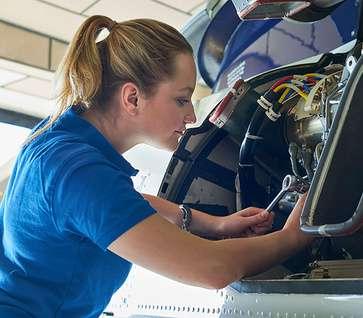
To date, several initiatives are highlighting progress in training in preparing the African youth to take up careers in aviation (Africa Pilot, 2025) This includes: Ethiopian Aviation Academy and 43 Air Schools in South Africa offer structured pilot and maintenance training, increasingly recognised across Africa. Air Traffic Navigation Services (ATNS) and ASECNA support training for air traffic management in Southern and Western Africa Partnerships with global OEMs (Original Equipment Manufacturers) also provide simulators, technical training, and scholarships Digital Training Tools, such as augmented and virtual reality, are being introduced for cabin crew and technical training, lowering entry barriers (Boeing PTO, 2025)
However, to fully prepare the African youth, training pathways must address three key needs, such as modernised curricula, funding mechanisms and career awareness programs. These will provide the youth with the industry-relevant knowledge and skills, while easing the financial burden on aspiring aviation professionals Career awareness programs are necessary to expose the youth to specialised career options within the sector
In summary, Africa’s aviation sector stands at an important junction. One where the continent faces pressing challenges which range from talent shortages and regulatory gaps to high sustainability costs On the positive side, the growing air transport demand together with its unmatched youth demographic provides Africa with a historic opportunity to transform aviation into a powerful driver of economic growth, sustainable mobility, and youth employment.
Automotive Training: Are the Youth in Africa Moving forward?
An effective transport infrastructure is the backbone of a vibrant economy Transport plays a vital role in Africa’s economic development,
connecting people, goods, and services across vast and diverse landscapes As the continent continues to modernise, the automotive industry is becoming increasingly important and not just for mobility, but also for job creation and industrial growth.
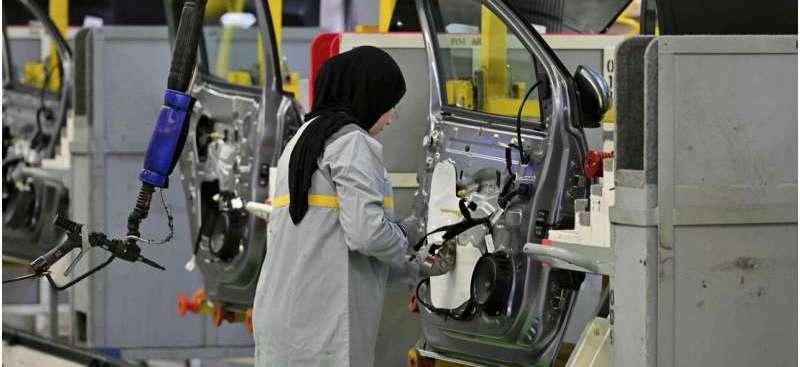
Publicly available data reveals that Africa imports four times more automotive products than it exports, with automotive imports estimated at US$52 billion in 2020 while exports were estimated to be only US$13 billion in 2020 Despite this gap, progress is underway In 2024, Africa's automotive sector witnessed notable progress, primarily spurred by increased local production and advantageous trade policies. The continent is seemly attracting a variety of automakers, both international and local This interest has led to a rise in automotive
manufacturing plants across multiple African countries, reflecting a deliberate move towards regional production Countries like South Africa, Nigeria, and especially Morocco are building strong automotive sectors through strategic investments, trade agreements, and growing partnerships with global manufacturers, including a surge in Chinese electric vehicle (EV) companies This evolving landscape presents a major opportunity for Africa’s automotive industry
As more growth is expected, seizing this opportunity will require more than modern factories and favourable trade policies. It calls for a skilled workforce ready to propel the industry forward and the heart of this effort lies in Africa’s greatest asset which is its people Africa is home to the world’s youngest population, with over 60 percent of its people under the age of 25 This growing youth demographic is full of creativity, resilience, and potential to drive innovation across industries. However, many
young Africans face a harsh reality as they are faced with high unemployment rates and limited access to quality education and training, making it critical to connect them with future focused opportunities
The automotive sector offers a promising pathway, especially with its shift towards electric vehicles, automation, and digital technologies By investing in skills development, vocational training, and technical education, Africa can equip its youth with the tools they need to thrive, transforming them from job seekers into industry leaders and innovators.
A growing number of initiatives are emerging across Africa to bridge the gap between youth potential and opportunities, especially in the automotive industry Governments, private companies, and development institutions are partnering to create hands-on training programs, technical colleges, and innovation hubs focused on automotive skills. In many African countries, apprenticeship and vocational programs are being tailored to meet the demands of modern automotive production, including electric vehicle assembly, automation, and digital diagnostics Most Countries are also making strides with youth led auto repair startups and skills academies that encourage entrepreneurship.
One of the many institutions at the forefront of these initiatives is the African Export-Import Bank (Afreximbank), a Pan-African multilateral financial institution with the mandate of financing and promoting intra, and extra African trade The bank in collaboration with the African Association of Automotive Manufacturers (AAAM), entered a
Memorandum of Understanding (MoU) in February 2021, for the financing and promotion of the automotive industry in Africa This formalised the basis for a partnership aimed at boosting regional automotive value chains and financing for the automotive industry.
Under the terms of the MoU, Afreximbank and AAAM agreed to work together to foster the emergence of regional value chains with a focus on value-added manufacturing created through partnerships between global Original Equipment Manufacturers (OEM), suppliers, and local partners. The two organizations planned to undertake comprehensive studies which will allow them to map out potential regional automotive value chains on the continent in regional economic clusters to enable the manufacture of automotive components for supply to hub assemblers
To further support the emergence of the African automotive industry, they intend to collaborate and provide financing to industry players along the whole automotive value chain The potential interventions include lines of credit, direct financing, project financing, supply chain financing, guarantees, and equity financing, among others The signed MoU also provided for them to support, in conjunction with the African Union Commission and the AfCFTA Secretariat, the development of coherent national, regional and continental automotive policies, and strategies
One of the most visible recent outcomes of this collaboration is the launch of the inaugural Industrial Policy Executive Short Course at the Toyota Wessels Institute for Manufacturing Studies (TWIMS) in KwaZulu-
COP30: Amazon’s Make or Break Moment
In November 2025, the city of Belém in northern Brazil will host one of the most important global gatherings of the decade: the 30th Conference of
the Parties to the United Nations Framework Convention on Climate Change (UNFCCC), known as COP30 Each year, this meeting draws together nearly 200 nations to deliberate on how the world can respond to the growing crisis of climate change. For many, COP30 represents a hopeful turning point, a moment not just to talk about climate ambition but to demonstrate concrete progress toward the goals set under the Paris Agreement of 2015
Since the first COP in Berlin in 1995, these conferences have served as the main negotiating platform for international climate policy. COP30, to be held from 10 to 21 November 2025, will mark three decades of collective effort to limit global warming, reduce greenhouse gas emissions, and adapt to environmental changes that are already reshaping lives and economies around the world
Belém, the chosen host city, sits at the gateway to the Amazon rainforest, a region often described as the lungs
of the planet Its selection is deeply symbolic, reminding the world of the Amazon’s critical role in global carbon cycles and biodiversity, as well as the challenges Brazil faces in balancing economic development with forest preservation.
COP30 will take place under the procedural framework of the UNFCCC and will attract tens of thousands of participants, including heads of state, government ministers, negotiators, scientists, civil society groups, youth movements, journalists, and private sector representatives. The event will be divided into two primary zones: the Blue Zone, where formal negotiations between governments and United Nations bodies occur, and the Green Zone, which welcomes the public, civil society organisations, and innovators to showcase projects, host discussions, and engage with the broader themes of sustainability. Together, these spaces form the heart of global climate diplomacy: where scientific data meets political decision-making, making and where the future direction of climate policy is debated and shaped
The timing of COP30 makes it particularly significant The Paris Agreement established a global framework for keeping the rise in average global temperatures “well below” 2°C above pre-industrial levels, while pursuing efforts to limit it to 1.5°C. Each signatory country committed to submitting and periodically updating its Nationally Determined Contribution, or NDC, its specific national plan to reduce emissions and adapt to climate impacts By 2025, all countries are expected to present updated and more ambitious NDCs COP30 will therefore act as a global checkpoint, the moment when the world takes stock of progress made, identifies gaps, and sets the tone for climate action through the 2030s. Many experts view it as a “show me the results” summit, where rhetoric must finally translate into measurable outcomes
Beyond emissions targets, the conference will continue to confront deeper structural questions about fairness, finance, and global cooperation. Developing nations, many of which face the most severe climate impacts despite contributing least to the problem, continue to call for meaningful financial support from industrialised countries
Climate finance remains one of the most contentious issues in these negotiations. Wealthier nations have pledged to mobilise at least USD 100 billion annually to support mitigation and adaptation efforts in the developing world, yet actual disbursements have fallen short COP30 will need to clarify not only how these funds will be delivered but also how new financial mechanisms, such as the Loss and Damage Fund, can help vulnerable countries recover from climate-induced disasters
Hosting COP30 offers Brazil an opportunity to showcase its environmental leadership and to highlight the Amazon’s central role in global climate stability It also allows the country to present its progress in renewable energy, biofuels, and forest management while confronting the challenges of illegal deforestation and sustainable development in the Amazon basin For local communities, the conference is expected to bring both logistical challenges and opportunities for economic growth, cultural exchange, and international visibility The Brazilian government has pledged to make COP30 the most sustainable and inclusive climate conference to date. Plans include low-emission transport for delegates, bike-sharing and electric buses, waste reduction measures, and catering focused on local, organic, and plant-based foods Accommodation options will extend beyond hotels to include short-term rentals and even cruise ships docked along the Amazon River to handle the expected influx of participants.
The logistics of hosting such an event are immense The Hangar Convention and Fair Centre of the Amazon will serve as the main venue, with extensive upgrades planned to ensure accessibility, safety, and digital connectivity. Health and emergency services will be reinforced, and special visa arrangements will facilitate delegate entry. Virtual participation options will also be available to broaden access, particularly for smaller delegations and organisations unable to travel These practical details underscore the scale of coordination required for global cooperation, a reflection of the broader challenge of climate governance itself. As the conference approaches, expectations are rising. Many scientists warn that the world is running out of time to meet the 1 5°C target The past few years have
seen record-breaking heatwaves, floods, and droughts, intensifying pressure on governments to act faster and more decisively. For countries like Namibia and others in Africa, where climate impacts are already shaping water availability, agriculture, and infrastructure, COP30 will be closely watched for its outcomes on adaptation and finance These nations are likely to emphasise climate justice, the idea that those who have contributed least to climate change should not bear its greatest burdens.
COP30, then, should not simply be another diplomatic gathering, as it should highlight and represent the crossroads that the world faces The decisions made in Belém should influence how countries align their economic systems with sustainability goals and how they support each other in navigating the transition to low-carbon development Whether it leads to bold commitments or incremental progress will depend on the political will of leaders and the collective voice of global citizens demanding change For the host nation, the conference is a chance to reaffirm that the Amazon’s fate is intertwined with that of the planet. For the world, it is a reminder that climate action requires not only agreements signed in conference halls but also tangible steps taken in factories, fields, and communities everywhere
Investing in Biodiversity is Investing in Our Future
In an age marked by climate uncertainty, economic volatility, and public health challenges, one truth stands clear, the preservation of biodiversity is not a
luxury but a necessity The world must act urgently to invest in biodiversity or face the consequences of ecological and economic collapse. The rapid loss of biodiversity threatens the foundation of life on Earth, with far reaching consequences for climate stability, food security, global health, and economic resilience Investing in nature is not only essential for mitigating environmental shocks but also for enabling societies to thrive (World Economic Forum, 2023)
Biodiversity, defined as the variety of life on Earth, is essential for a functioning planet Without it, ecosystems collapse, and with them the natural systems that support human existence It underpins vital ecological processes, producing the goods and services upon which all societies depend. A healthy environment is a prerequisite for a stable, thriving economy. Biodiversity is silently eroding under the pressure of human activities. Yet, despite its critical role, it often remains on the periphery of policy priorities and investment strategies
Global Commitments to Conservation
The United Nations Convention on Biological Diversity (UNCBD), ratified by most countries including Namibia, is a legally binding agreement committing signatories to conserve biodiversity, use its components sustainably, and equitably share the benefits of genetic resources. The Kunming-Montreal Global Biodiversity Framework (GBF) builds on this, setting a bold target: to protect 30 percent of terrestrial, inland water, and marine areas by 2030 However, achieving this goal requires closing a staggering US$700 billion annual biodiversity finance gap (UNEP, 2025). Current investments remain insufficient despite the accelerating crisis. The GBF emphasizes mobilizing funding from all sectors including governments, the private sector, philanthropy, and multilateral banks and including indigenous peoples, local communities, women, and youth in the affiliated governance processes
The GBF provides a clear roadmap, calling for at least US$20 billion per year in biodiversity-related international finance to developing countries by 2025, increasing to US$30 billion by 2030. The specific targets for biodiversity finance are:
Target 18: Phasing out or reforming at least US$500 billion per year in subsidies harmful to biodiversity
Target 19: Mobilizing US$200 billion annually by 2030 from all sources to promote conservation and sustainable use
Biodiversity in Crisis
The world is losing biodiversity at an unprecedented rate. Over 47,000 species are currently threatened with extinction, according to the IUCN (2025), representing only 28 percent of all assessed species In Namibia, critically endangered species include the cave catfish, Otjikoto tilapia, stingray, several vulture species, the black rhino, Pearson’s aloe, and the giant quiver tree
Biodiversity loss is intertwined with climate change. Resilient ecosystems, forests, oceans, wetlands are essential for carbon sequestration and climate adaptation Their degradation accelerates global warming, reduces water availability, increases pathogen outbreaks, and weakens food systems Unsustainable agricultural practices contribute to biodiversity loss, pollution, and greenhouse gas emissions. A lack of agrobiodiversity also limits the health benefits of improved food production, especially for vulnerable populations (IPBES, 2024)
Biodiversity supports human well-being by regulating climate and water cycles, providing medicine, improving mental and physical health, and reinforcing cultural identity. These “nature’s contributions to people” are irreplaceable and must be safeguarded (IPBES, 2024)
Biodiversity Finance: A Growing Opportunity
Investing in biodiversity is, fundamentally, investing in our collective future Countries like Namibia, with vast and unique ecosystems, offer a compelling example of the potential for biodiversity to drive sustainable development. Proper investment in conservation efforts, eco-tourism, community-based natural resource management, and green jobs can transform biodiversity into an engine for inclusive growth Moreover, integrating nature-based solutions into urban planning, agriculture, and climate strategies can help mitigate risks while enhancing socio-economic resilience (MET, 2021).
Biodiversity finance involves mobilizing capital and incentives to support conservation It spans public and private investments, market-based instruments, and policies that redirect harmful subsidies Despite increasing awareness, tracking biodiversity finance remains difficult due to opaque transactions and inconsistent definitions (BIOFIN, 2024). However, mobilizing the necessary financing requires bold partnerships between governments, private sector actors, and development institutions Mechanisms such as biodiversity trust funds, green bonds, and payment for ecosystem services must be scaled up and supported by strong governance frameworks.
To help navigate this universe, the Biodiversity Finance (BIOFIN) Global Programme was initiated by UNDP and the European Union in 2012 and currently has 133 participating countries, including Namibia The BIOFIN workbook (2024) outlines six categories of financial instruments, which can often be combined into multiple instruments and often interact in the design of a single finance solution. These are:
Grants: Non-repayable funds, often used for conservation projects
Debt/Equity Instruments: Including green bonds and equity investments in biodiversity-positive businesses
Risk Management Tools: Insurance schemes and guarantees for green investments.
Fiscal Instruments: Taxes on natural resource use and the removal of harmful subsidies
Market-Based Mechanisms: Payments for ecosystem services, habitat banking, and emerging biodiversity and wildlife credit markets
Regulatory Approaches: Stronger environmental laws, penalties, and enforcement mechanisms.
The government invested more than N$ 50 billion between 2006 and 2024 across three key ministries i e the Ministry of Environment, Forestry and Tourism; the Ministry of Agriculture, Water and Land Reform, and the Ministry of Fisheries and Marine Resources, to cover
Courtesy: Pixabay
development and operational budgets A decline of up to 3 3 percent in biodiversity expenditure was observed between 2015/16 and 2020/21, which further contributed to the pressing urgency to mobilize resources that would fill the deficit. With Namibia having been classified as an upper middle-income country the government has understandably targeted public expenditure towards other sectors and services suggesting that biodiversity is becoming a lower priority for Namibian public funds
Namibia: A Conservation Leader
Namibia is a global example of conservation success
Since independence in 1990, nearly half of the country’s land has come under some form of conservation management, including state-protected areas, communal conservancies, community forests and private reserves Local and indigenous communities play a pivotal role in this success Yet, more can be done to empower these communities to manage and benefit from natural resources.
Inequality is a major driver of biodiversity loss. Many rural communities rely on extractive livelihoods due to a lack of alternatives Wealth must be redistributed to the stewards of nature who live closest to it Environmental recovery depends on addressing this imbalance Equitable wealth distribution can empower communities to adopt sustainable practices and reduce overexploitation of resources.
The environmental movement must also overcome a growing crisis of trust Misinformation and greenwashing undermine public confidence and limit funding for community-led initiatives. Companies need tools to trace supply chains and report environmental impacts transparently. Advances in geospatial technology offer ways to track biodiversity outcomes and direct investment in nature-positive projects
A Call to Action
Nature is our life support system, but it is under extraordinary pressure Human activity, particularly over the last century, has driven biodiversity loss to crisis levels. If we fail to act, we risk reinforcing global threats from climate change, pandemics, and food insecurity. The costs of inaction are mounting But the returns of a healthy planet clean air, fertile soil, abundant water, and a stable climate are priceless
Nature doesn’t send invoices, but it will deliver consequences. The time to act is now. By aligning financial systems, public policy, and community action with biodiversity goals, we can create a future where people and nature thrive together
About the Author:
Bernadette Shalumbu-Shivute is an environmentalist by profession with 18 years of working experience. Prior to joining UNDP she was the Manager responsible for Programming and Project Management at the Environmental Investment Fund of Namibia (EIF) Prior to this, she has been employed at the Climate Change Unit within the Ministry of Environment, Forestry and Tourism (MEFT) as the National Designated Authority (NDA); spearheading and coordinating access to climate finance. Bernadette spent a significant amount of her professional career (10 years) in the non-governmental (NGO) sector providing project management services to projects within the environmental sector at the Desert Research Foundation of Namibia (DRFN)
She holds a master’s degree in environmental management from the University of the Free State, an Honours degree from the University of Pretoria and an undergraduate degree in natural resources from the University of Namibia
She is currently the project lead for BIOFIN Namibia
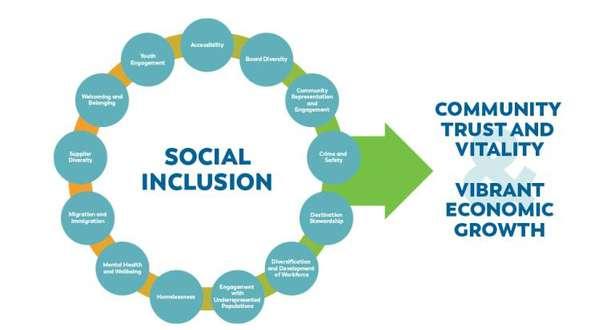
Can True Sustainability Exist Without Social Inclusion?
-November/December 2025
Social inclusion is a term that appears frequently in global conversations, from international conferences to regional development meetings and
programme design sessions Yet, the true meaning of social inclusion and its application in our daily lives, governance, community development and/or across different industries is not fully appreciated in practice.
improving the terms on which individuals and groups take part in society
At its core, social inclusion refers to a society’s efforts to ensure that all individuals, regardless of who they are or where they come from, have the ability, opportunity and dignity to fully participate in all areas of life. According to the World Bank Group, social inclusion is the process
of improving the terms on which individuals and groups take part in society to improve the ability, opportunity, and dignity of those disadvantaged based on their identity.
The United Nations also describes it as a commitment to ensuring equal opportunities for everyone so that each person can achieve their full potential In principle, this means building systems, policies and environments that guarantee fairness and uplift livelihoods so that no one is left behind or treated differently because of their associations or differences.
Unfortunately, the reality in many communities and regions remains far from this ideal described scenario Around the world, people continue to face barriers that prevent them from participating fully in the political, economic and social spheres. These barriers often arise
from discriminatory attitudes, cultural beliefs, social norms and perceptions that label and marginalise certain groups As a result, some individuals find themselves excluded from essential services such as land ownership processes, legal systems, labour markets, education and healthcare, crucial services that others can access with ease
Social exclusion can stem from differences in gender, age, race, ethnicity, religion, citizenship status, geographic location, disability, or sexual orientation and gender identity (SOGI). The effects of exclusion can be deeply personal and devastating to those affected. It can strip away these individuals’ joy, distort their sense of worth, undermine their dignity and security, and limit their chances of living a better and more fulfilling life
These challenges are further intensified by global and regional transformations such as economic and social crises, shifting political landscapes and the accelerating impacts of climate change, which continues to widen existing inequalities Climate change disproportionally affects the vulnerable communities, causing them to experience these hardships the most, often bearing the brunt of challenges they played no role in creating.
To remedy the effects of social exclusions, various institutions, programmes and initiatives are now tailored to drive social inclusion For example, the 2030
Agenda for Sustainable Development envisions a world that is fair, peaceful and inclusive, one where every individual can live with dignity and equality However, achieving this vision remains a challenge. To promote inclusion and equality, one cannot shy away from tackling one of Africa’s biggest hurdles, poverty, protecting the planet and fostering sustainable economic growth Furthermore, the Sustainable Development Goals (SDGs) such as SDG 5 and SDG 10, are clear and highlight global commitment to inclusion, which underscore reducing inequalities within and among countries, and promoting gender equality, respectively. However, the progress is uneven, and a lot of work is still underway
a
world that is fair, peaceful and inclusive
The 2025 United Nations ‘Sustainable Development Goals Report’ notes that, despite the continued progress, discriminatory laws and gender-based norms continue to hinder gender equality. Women are still underrepresented in leadership, often lack control over key resources like land rights and technology access, and face barriers to economic participation Data from 131 countries in 2024 revealed that no country has achieved full equity across the areas measured, including legal frameworks and public life, violence
against women, employment and economic benefit, and marriage and family This calls for an urgent need for more purposeful strategies and initiatives to close these existing gaps.
Beyond the moral imperative, social inclusion yields profound economic benefits The World Bank emphasises that inclusion is not only the right thing to do, but it is also economically smart When individuals are excluded, the costs accumulate at both personal and national levels. On a micro or personal level, exclusion leads to lower or loss of wages, reduced lifetime earnings, limited education and employment outcomes and increased physical and mental health challenges
And at a macro level, these individual burdens translate into reduced productivity, lower human capital, slower economic growth and missed national development opportunities. Globally, the numbers are staggering over US$160 2 trillion in human capital wealth lost due to gender inequality alone, Afro-descendant communities in Latin America continue to live in poverty at rates 2 5 times higher than others, and around 90 percent of children with disabilities in developing countries are not attending school. These losses affect not only the economic and social welfare of countries but also represent missed opportunities and constraints that hold entire societies back
Over time, the accumulation of exclusion can escalate into broader social challenges. When people feel consistently marginalised or devalued, social tensions grow. This can manifest in unrest, conflict and division, all of which carry long-term consequences for national stability and economic performance Recognising this reality, international institutions such as the World Bank have placed social inclusion at the centre of their development strategies.
The Monetary Impact
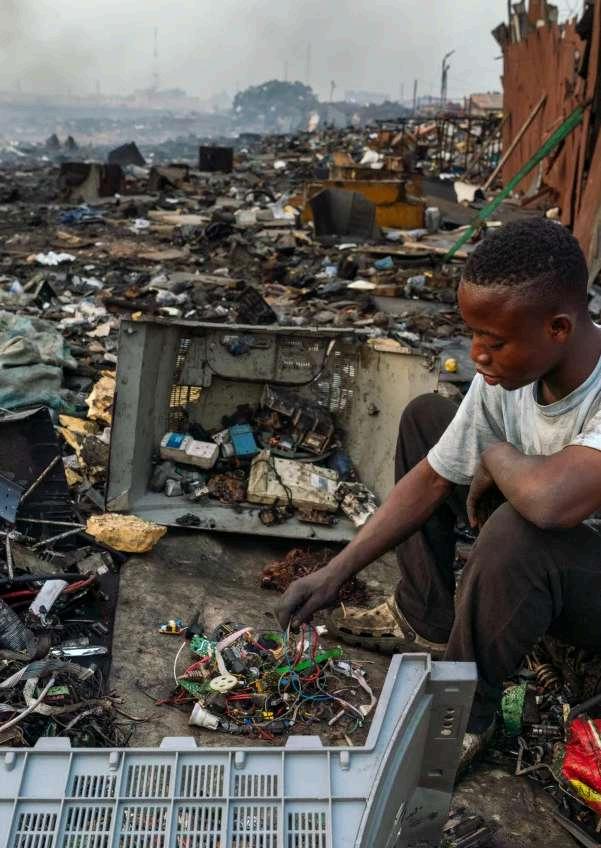
Quite often when most people think of electrical and electronic waste (e-waste), what comes to mind is the image of pollution, health risks, and
increasing environmental damage. This perception is not a crazy one. When improperly handled, e-waste tends to release toxic substances into the air, soil, and water, posing significant risks to both the environment and human health
Beyond being a global concern, e-waste tells an undeniable African narrative. One that prioritizes hard work and survival despite the risks available. As such in many Africa cities e-waste is often considered as main source of income and employment for thousands and even millions of people, especially in countries where formal job opportunities are scarce
Dating back as far as in 2019, the world generated approximately 53.6 million metric tons (Mt) of e-waste and Africa contributed the lowest with approximated a total of 2 9 Mt Alarmingly, three years later the global e-waste pile grew to an estimated 62 million tonnes in 2022 Despite the surge, this only represent only a 22 3 percent of the total e-waste mass that was properly collected and recycled. Projections indicates that this figure may fall to around 20 percent by 2030, even when the demand for electrical and electronic appliances continues to grow globally This will be driven by various contributing factors including higher consumption of electrical and electronic appliances, limited repair options, shorter product life cycles, society’s growing electronification, design shortcomings, and inadequate e-waste management infrastructure
Although African countries generally lack formal ewaste recycling infrastructure majorities of its population are engaging in e-waste recycling activities daily. These activities led to large functional informal economies around e-waste. A good example is one of Ghana In 2010, Ghana employed between 10,000 to 15,000 people in repairing old and second-hand computers while another 20,300 to 33,600 were said to be working in recycling and e-waste management Furthermore, during the same period a total of approximately 201,600 people in Ghana were also reported to be making a living from e-waste recycling and management
Similarly, South Africa’s informal sector handled around a quarter of the country’s e-waste recycling in 2013 Over 10,000 people were part of the e-wate workforce and 2000 people had regular employment. While these jobs are risky to those involved and the surrounding communities, it also underscores the economic necessity and entrepreneurial willingness that can potentially fuel this industry
To be fair, e-waste is not just about microeconomic level benefit, it also contributes to the overall economic growth of many countries. In Ghana, e-waste activities generated between US$105 million and US$268 million in 2014 alone and created employment for at least over 200,000 people locally Interestingly, this is a considerable economic contribution from an industry built mostly from informal activities or in some cases without formal investment injections.
Sadly, a significant portion of Africa’s e-waste still goes undocumented and improperly recycled In 2022, only less than 1 percent of Africa’s e-waste was formally recycled, compared to over 42 percent in Europe This gap indicates an untapped economic value and missed opportunities to recover valuable materials such as gold, copper, and rare earth elements.
According to the Global E-Waste Monitor 2024, if global efforts could increase the e-waste collection and recycling efforts to a minimum of 60 percent by 2030, the economic benefits could reach as much as US$38 billion. These gains would stem from materials recovery, reduced health-related costs, and the creation of green jobs.
In 2023, the African Union Commission released “Electronic Waste (E-Waste) Management Plan and Guidelines” under the banner, “Building Institutions and Systems to Harness and Realize Agenda (BIASHARA) 2063 (P180117)” . Although this E-Waste Management Plan (EWMP) does not include the setting up of an E-Waste recycling infrastructure, it provides guidelines on ewaste strategies and resulting potential benefits Some of suggested benefits include job Creation, cost savings, resource recovery, land use nad optimization and environmental cost reduction.
Across Africa, entrepreneurs are finding innovative ways to turn e-waste into viable businesses Small enterprises focused on e-waste collection, repair, and the resale of second-hand electronics are growing, particularly in low-income communities These ventures reduce waste,
The Job Impact of Food Security
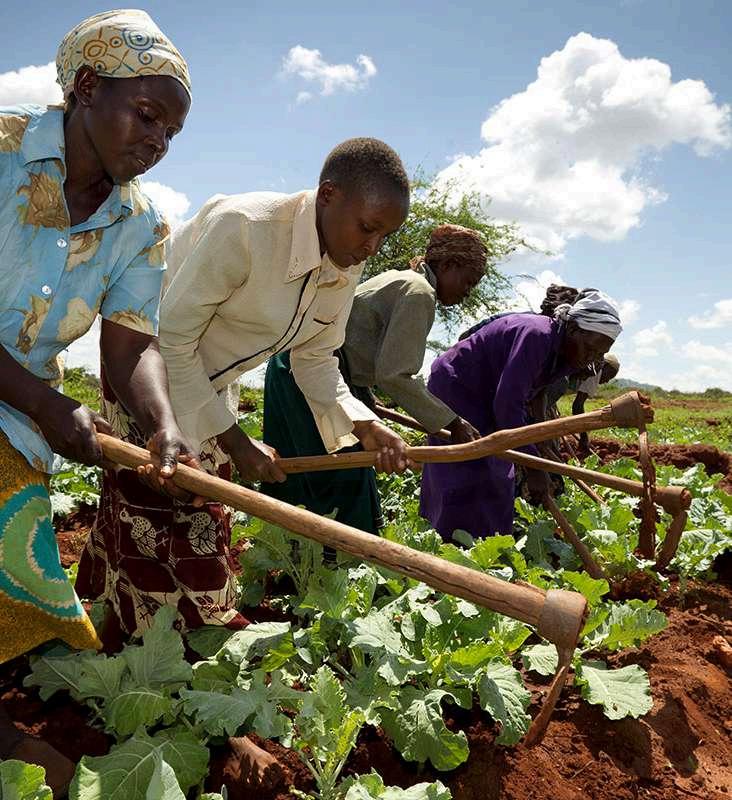
Agriculture serves as Africa's crucial starting point for food security and job creation by directly impacting the availability of nutritious
food and employing a large portion of the population, particularly in rural areas
As the backbone of Africa’s economy, the sector employs between 60 - 70 percent of the workforce, with women and youth making up the majority It offers not only a pathway to feeding the continent but also an opportunity to generate millions of jobs Growing urban food demand in cities such as Lagos, Accra, Abidjan, and Douala is expected to create further opportunities along downstream value chains. While agriculture provides the foundation through food production, transport acts as the critical enabling factor that links production to markets and multiplies employment across sectors In fact, publicly available data indicates that every US$1 million invested in agribusiness creates more jobs than an equivalent investment in manufacturing or services, making agriculture a key driver of inclusive growth.
Africa’s food needs are growing rapidly Research by others indicates that Africa’s population is expected to nearly double from 1 5 billion to 2 5 billion people by 2050 Meeting the needs of the growth requires a substantial increase in its food supply to avoid shortages and insecurity. Yet, per capita food production has declined since the 1970s and an estimated 40 percent of the total population of Sub-Saharan Africa (SSA) is said to go hungry The rising food demand opens employment opportunities, but without investments and policy reform, shortages and insecurity remain risks
In 2013, the World Bank Group (WBG) estimated that farmers and agribusinesses in Africa were worth about US$313 billion annually Further, they projected that the figures could triple in value to reach a trillion-dollar
market by 2030 if governments and business leaders strengthened policies and support for the sector Unlocking this potential will require targeted investments in access to capital, reliable electricity, modern technologies, and expanded irrigated land to produce high-value, nutritious foods Such growth would not only enhance food availability but also create millions of jobs across Africa’s food system value chains
The agricultural value chain stretches from the farmer’s field to the consumer’s plate. The farmers grow crops and raise animals, and the consumers eat, drink, wear, and use the final products In the middle are many thousands of men and women, and small and large businesses Each person and each business perform one small step in the chain, and each adds value along the way by growing, buying, selling, processing, transporting, storing, checking, and packaging.
Food security is not only about having enough to eat; it is also about sustaining livelihoods Strong food systems generate jobs across the entire value chain, from planting and harvesting to transport, processing, and retail. When these systems are weak, however, opportunities disappear, poor harvests, inefficient logistics, and inadequate storage result in the loss of both food and employment For millions of smallholder farmers who rely heavily on family labour, agriculture is more than just a source of food; it is the foundation of food systems and the engine of rural economic survival.
Moreover, at the production stage, farming provides work for millions, ranging from smallholder family labour and seasonal workers to increasingly technical roles such as machine operators, irrigation specialists, and extension officers Rising productivity is gradually
shifting agriculture away from subsistence and toward more skilled, higher-value employment. Beyond the farm, input supply and services also generate jobs, with agro-dealers, seed distributors, fertilizer providers, and digital agriculture platforms creating new opportunities in rural towns and peri-urban centres
Furthermore, in post-harvest handling and storage, demand is growing for warehouse operators, pack house staff, and cold-chain technicians as investment expands into silos, refrigerated storage, and modern handling facilities These roles not only reduce food losses but also create stable, year-round employment Processing and value addition extend job creation further by transforming raw produce into higher-value goods. Examples such as cocoa processing in Ghana, dairy industries in Kenya, and fisheries in Morocco highlight how agribusiness generates better-paid, more secure jobs while supporting both upstream farmers and downstream retailers
Like in many parts of the world, food security in Africa cannot depend solely on local production. Many countries rely on imports from regions with a comparative advantage in producing specific foods, since no nation can grow everything it needs due to climatic and economic constraints As a result, agricultural value chains are deeply connected to both trade and domestic cultivation. Africa has, in fact, been a net importer of food and agricultural products since the mid-1970s, with the annual food import bill now estimated at US$50 billion (African Export-Import Bank, 2024) While imports can help stabilise supply and create employment in exporting countries, they often undermine local economies by shifting jobs and income opportunities abroad rather than retaining them within domestic markets. Thus, it is equally crucial to stimulate local production.
It is important to note that food needs vary dramatically from region to region and among countries within regions of the world This means that approaches to food security have to be tailored to each situation. However, in Africa, population growth, poverty and agricultural production capabilities are critical factors
Not Just the Resource Beneath Us: The Youth Among Us Are the Nation’s Greatest Reserve
The World Bank warned that despite a sevenfold increase in public education spending over the past 30 years, Sub-Saharan Africa still holds the
least skilled workforce globally (World Bank, 2023). Without radical intervention, it could take another century to close the skills gap, a timeline incompatible with the velocity of energy innovation, financial engineering, and policy reform sweeping across the continent Namibia, with youth population of over 60 percent (World Economic Forum, 2019), sits at the intersection of urgency and opportunity.
The energy sector is crucial but is no longer just about electrons, it’s about economic sovereignty, technological fluency, and global competitiveness If youth skilling is
not embedded into the national energy strategy, the promise of making energy poverty, history by 2030 (African Energy Week, 2025) risks becoming rhetoric
Since the 2010s, Technical and Vocational Education and Training (TVET) has gained traction in Namibia Yet, according to the Namibia Training Authority (NTA), the system still faces a shortfall of over 70,000 students due to limited infrastructure, funding, and program diversity (NTA, 2021) Fragmented curricula, under-resourced institutions, and a lack of articulation pathways continue to hinder progress
TVET is not just a skills pipeline, it’s a national productivity engine. But without expansion, reform, and
strategic investment, it risks becoming a stalled vehicle in Namibia’s industrialization journey
Namibia’s Local Content Policy also lacks a youth succession framework. Internships are often short-term, entry-level, and siloed Bursaries remain conditional, leaving disadvantaged populations behind If Namibia wants to drive the entire energy value chain, youth must be equipped to operate across upstream, midstream, and downstream sectors.
“We risk building an energy economy without energy economists, engineers without ESG fluency, and financiers without governance literacy”
This requires a one-size-fits-all strategy that blends technical training, policy exposure, and cross-sector mobility. Without it, we risk building an energy economy without energy economists, engineers without ESG fluency, and financiers without governance literacy Youth skilling must also be gender intentional Namibia must move beyond tokenism and build gendered pathways into energy leadership, technical roles, and policy design.
Youth skills directly influence foreign direct investment (FDI) and final investment decisions (FID) A skilled workforce signals national maturity and global readiness Investors don’t just look at resources, they look at human capital If Namibia wants to attract infrastructure funds, green bonds, and sovereign partnerships, it must build a skills ecosystem that speaks the language of capital (PwC CEO Survey, 2019).
Namibian entities like Petrofund, NSFAF, and Exploration and Production companies must collaborate to create a national skills database This should map:
Skills required across the energy value chain
Skills currently available
Funding gaps and training pathways
Scholarship initiatives must be de-risked, decentralised,
and data driven International certifications should be embedded into local programs to ensure global professional readiness by 2029.
But skilling alone is not enough. The ecosystem must be ready That means:
Upgrading telecommunications infrastructure
Digitising company operational systems
Building globally recognised energy platforms
Youth must enter environments that are competitive, compliant, and delivery focused.
Namibia’s energy future will not be built by chance It will be built by youth, if we engineer the systems to make them central, not peripheral
Power the minds, wire the land - when youth rise, the vision lands.
Readings:
World Bank Group (2023). Tackling Africa’s Skills Gap to Build More Robust and Diversified Economieshttps://www worldbank org/en/region/afr/p ublication/tackling-africas-skills-gap-to-build-morerobust-and-diversified-economies
World Economic Forum (2019) Why the Skills Gap Remains Wider in Africa https://www.weforum.org/stories/2019/09/why-theskills-gap-remains-wider-in-africa/
Namibia Training Authority (2021) National TVET Policy https://www nta com na/wpcontent/uploads/2021/09/TVET POLICY pdf
African Energy Week (2025) Energy Poverty Must End by 2030 – AEW Conference Briefing https://aecweek.com/ PwC (2019). 22nd Annual Global CEO Survey https://www.pwc.com/gx/en/ceosurvey/2019/report/pwc-22nd-annual-global-ceosurvey pdf
INFOCUS NAMIBIA (2024) Not Just the Resource Beneath Us The Youth Among Us Are the Nation’s Greatest Reserve https://efficacynews.africa/2025/07/14/why-impactinvesting-must-reshape-ma-strategy-in-africas-energylandscape/
Regulators Gear Up for a Just Energy Transition
Courtesy:Canva
In pursuit of its mandate “to facilitate harmonization of regulatory policies, legislation, standards and practices and to be a platform for
effective cooperation among energy regulators within the SADC region,” the Regional Energy Regulators Association of Southern Africa (RERA) convened its 2025 Annual Conference and General Meeting in Swakopmund, Namibia, from 07–10 April, 2025
Held under the theme “The Regulator’s Readiness
Towards a Just Energy Transition,” the event brought together regulatory bodies, utilities, financial institutions, technical experts and development partners to align regional efforts for an inclusive, sustainable, and integrated energy future
Central to the conference was the shared understanding that a just energy transition in Southern Africa must prioritise equity, affordability, and development alongside climate goals. Speakers underscored the importance of protecting vulnerable populations and creating economic opportunities in the shift to
bold leadership to ensure the region’s transition is not only green, but just.
renewables. High-level discussions focused on the regulator’s evolving role, ensuring stable and predictable frameworks for investment, while enabling new business models such as prosumers and mini-grids
A highlight was the presentation of the Mega Solar –Regional Market Study by the African Development Bank (AfDB). The study assessed off-take opportunities for 2–5 GW of solar power generated in Botswana and Namibia. While challenges such as insufficient transmission capacity and financing barriers were noted, the study revealed promising opportunities in regional power trade These include new intermediary off-taker models, phased access to contestable customers, and the importance of harmonising grid codes and wheeling frameworks.
Key recommendations focused on:
Strengthening cross-border transmission
Deploying battery energy storage for reliability
Supporting financial risk instruments for exportoriented IPPs
The Electricity Regulatory Index (ERI), was presented as a diagnostic tool to benchmark regulatory performance across Africa Plans for a revised ERI methodology, launching in September 2025, will sharpen focus for the regulators on renewable integration and customer-centric outcomes. As associated with the ERI, the rollout of a regional Energy Information and Database Management System (EIDBMS) was also announced which is aiming to enhance data collection, access, and analysis for regulators across member states
From harmonising regulations to unlocking private finance and deploying digital tools, RERA members
reaffirmed their role as architects of the energy transition The event concluded with a call for stronger institutional collaboration, capacity building, and bold leadership to ensure the region’s transition is not only green, but just.
As Africa advances towards energy equity and climate resilience, the Swakopmund meeting served as a reminder: regulators are central to shaping a future that leaves no one behind
The US$ equivalent refers to current exchange rates (28 January 2026)
Information available at the time of publication. Reliance on this information is not advised
Data Source:Namibia: www.mme.gov.na, Botswana: www.bera.co.bw, Zambia: www.erb.org.zm, Others: theglobaleconomy.com
The Promise and Dangers of AI and Robotics
As we look to increase food security and meet our economic objectives, water insecurity and food system stresses are accelerating due to several
In the quest for water management systems, operators are increasingly turning to AI-powered predictive models to improve operational efficiency that allows anticipation of rainfall variability, reservoir levels, aligned with consumer demand. factors but not limited to, population growth, climate change, and land use incompatibility. These pressures are driving a shift in how societies need to manage natural resources The fields of artificial intelligence (AI) and now robotics are being applied to reshape the future of agriculture and by extension, water management
Although still emerging in many parts of the Global South, particularly sub-Saharan Africa, early deployments suggest that these technologies could become critical tools in ensuring efficient use of resources, improving much needed food security, and providing helpful mitigating climate risk strategies But these tools as expected with all things, they also come with consequential barriers of economic, ethical, and logistical considerations that must be acknowledged and addressed
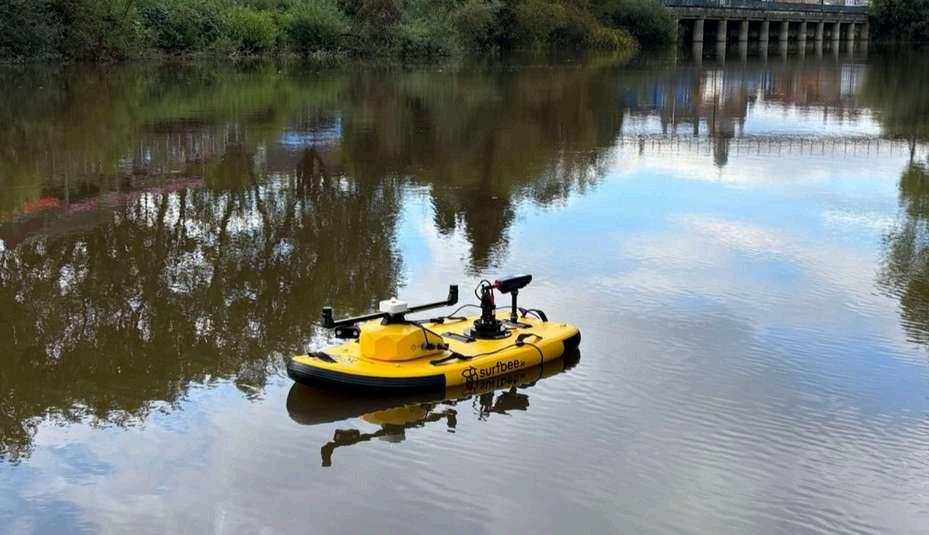
In Morocco, for instance, AI systems are used to monitor hydrological patterns in real time, enabling officials to make proactive decisions around reservoir operations and irrigation scheduling. Elsewhere in Africa, robotic devices, such as self-operating drones and submersible robots, are inspecting critical water infrastructure. These machines can help to detect leaks in pipelines, clear debris in reservoirs, and even analyze water quality in real time In South Africa (Western Cape), smart water meters and leak detectors are being piloted to stem losses in urban systems that traditionally lose 30 – 40 percent of their water to inefficiencies, (Department of Water and Sanitation, 2022).
Africa has the resources to both feed itself and export to the world The continent boasts vast fertile land, abundant solar energy, and a young
labour force, positioning it as a potential agricultural powerhouse However, the reality is stark: millions of Africans continue to go hungry, and food prices remain stubbornly high
The United Nations defines food security as a condition in which all people have access to sufficient, safe, and nutritious food that meets their dietary needs for an active and healthy lifestyle By this standard, Africa faces a significant shortfall This situation has led to what many experts refer to as the affordabilityproductivity conundrum. On one side lies the urgent need to increase agricultural productivity; on the other is the equally pressing challenge of making food affordable and accessible to everyone Addressing one issue without tackling the other will not resolve the crisis
Agricultural productivity is crucial for ensuring food availability It refers to the ability to produce more output using the same inputs of land, water, and energy For example, this could involve increasing maize yields through improved seed varieties in Zambia, expanding solar-powered irrigation systems in the drylands of Kenya, or utilising digital applications in Nigeria that provide farmers with guidance on soil health Boosting productivity is not just about meeting market demands; it also plays a vital role in building resilience More efficient production helps reduce vulnerability to climate shocks and can lead to lower long-term food prices. In Sub-Saharan Africa, cereal yields average less than 2 tons per hectare, compared to a global average of nearly 4 tons per hectare Closing even half of this yield gap could significantly enhance food availability and lessen dependence on imports However, increased productivity alone does not ensure food security Food may be plentiful in one area of a country, but if people lack the purchasing power or if market systems fail, hunger can persist. According to the Food and Agriculture
Organisation (FAO) of the United Nations estimates that over 280 million people in Africa are undernourished Moreover, in many urban regions, households may spend up to 60 percent of their income on food. As such, even a small increase in food prices can push families into food insecurity. This highlights why affordability is now seen as a key factor in achieving food security Without it, higher agricultural yields may exacerbate inequalities where commercial farmers may benefit while low-income consumers continue to struggle This type of inequality can also occur between producers (commercial vs. smallholder) as well as between consumers (wealthier households vs. low-income ones). Essentially, food can become more plentiful, but hunger and malnutrition persist among the poorest
The affordability-productivity gap is sustained by several deep-rooted issues. Poor roads, limited storage facilities, and weak distribution systems result in food spoiling before it reaches markets. Consequently, surpluses in one region often fail to lower prices in another In Nigeria alone, post-harvest losses account for up to 40 percent of perishable crops like tomatoes and peppers Many economies continue to rely on cash crops such as cocoa, coffee, and flowers, which generate foreign exchange but do little to ensure that staple foods like rice and sorghum are available on household tables For example, Ghana is one of the world’s top cocoa exporters; yet it still imports large quantities of staples such as rice Ethiopia, meanwhile, remains heavily reliant on wheat imports, about 1 6 million tonnes annually in recent years, costing some USD 700 million; even as it works to boost local grain production. These patterns show how export crops may generate income but do little by themselves to ensure that staples like rice, sorghum, or wheat are reliably available and affordable on household tables Climate change exacerbates the problem
In the Horn of Africa, five consecutive failed rainy seasons between 2020 and 2023 displaced millions of people and caused food prices to rise by as much as 60 percent. Additionally, conflict contributes to the disruption. Another example worth noting is that of Sudan, where the recent crisis has cut off grain supplies for millions of people As a result, the continent produces more food than ever before but still imports over USD50 billion per year worth of food annually, while many households struggle to afford even basic staples.
The energy and sustainability frameworks are providing powerful tools to reshape the narrative around food production Productivity gains must come from sustainable practices that allow for increased output without depleting soils, water, and ecosystems The affordability of food cannot be disconnected from the cost and reliability of energy. For instance, renewablepowered irrigation is already stabilising crop yields in parts of Senegal, where solar pumps provide farmers with a dependable water supply without the financial burden of diesel fuel In East Africa, solar cold chains are minimising post-harvest losses, helping to keep food fresher and prices lower. In Rwanda, clean cooking programs are enhancing food utilisation while reducing household energy expenses.
Moreover, decentralised mini-grids in Tanzania are energising agro-processing hubs that convert cassava into flour closer to rural markets This shortens supply chains and helps maintain competitive prices for consumers. These examples demonstrate that integrating sustainability and energy innovation into food systems can both enhance productivity and lower costs for consumers
Addressing the twin challenges of affordability and productivity in Africa’s food security strategies could consider pursuing two approaches in parallel. One promising direction lies in enhancing sustainable productivity, which might mean investing in climatesmart agriculture, exploring renewable-powered irrigation, or encouraging the use of digital tools that support farmers Taken together, these shifts could help build a more resilient and inclusive food system This can also include scaling up extension services and training programs for smallholder farmers, as well as fostering innovation in drought-resistant crops and regenerative practices Second, it is equally important to ensure the affordability and accessibility of food This can be achieved by expanding rural infrastructure such as roads, storage facilities, and cold chains to reduce losses and stabilise price fluctuations. Implementing effective social protection measures, including cash transfers, food subsidies, and school feeding programs is crucial Additionally, strengthening farmer cooperatives and local markets will enable smallholder farmers to capture more value while ensuring that consumers pay fair prices The third essential component is building resilience to external shocks. This includes establishing early-warning systems for climate and market disruptions, diversifying food sources to decrease dependence on imports, and enhancing regional trade integration so that countries with surpluses can efficiently supply their deficit neighbours
Africa’s food systems are at a critical turning point. With the right investments, the continent has the potential to transition from being a net food importer to becoming a
Smart Harvesting: Reimagined Rain
In Africa, where water scarcity is intensifying and rainfall patterns are becoming increasingly unpredictable, an ancient tradition is being revived
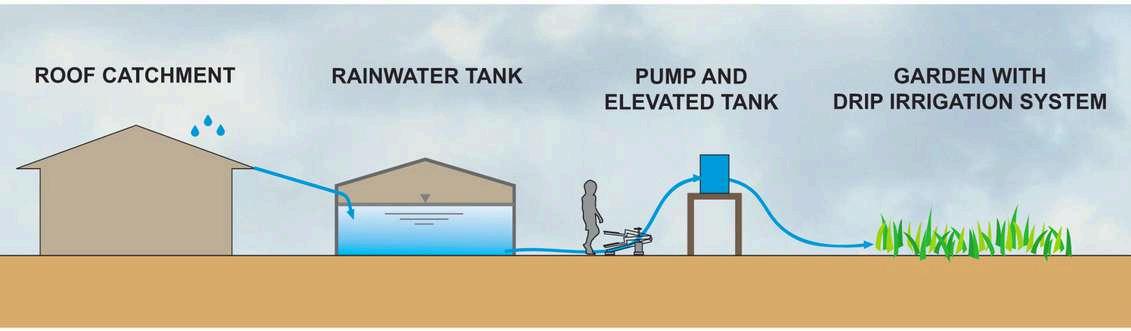
with a high-tech twist Rainwater harvesting, once confined to clay pots and improvised gutters, is being modernised with digital sensors, smart filtration systems and mobile data. From the rooftops of Nairobi to subsistence plots in Namibia, smart rainwater harvesting is not just a climate solution; it's a symbol of a new kind of resilience
Gone are the days when harvesting rain meant leaving a barrel under the eaves Across the continent, a new generation of smart water systems is emerging. These setups feature filtration units, water-level sensors and digital monitors that offer real-time feedback. According
to Zabidi et al (2020), such systems not only enhance performance but are more user-friendly and adaptable to local needs. In short, they’re making rainwater harvesting smarter, safer and more sustainable.
Water quality has long been a thorny issue Dust, bird droppings and debris often render harvested rainwater unfit for consumption But affordable filtration is changing the game. In Kenya and South Africa, basic sand and charcoal filters, costing as little as USD20 to USD50, are ensuring cleaner storage. Meanwhile, solar-powered UV and reverse osmosis units, priced between USD300 and USD1,200, are being installed in rural schools and clinics, allowing off-grid communities access to potable water year-round
It’s not just about clean water, it’s about control Devices such as the smart water meter are coming on board and are increasingly seen in urban hubs like Nairobi and Lagos. They track household water use, detect leaks and transmit data via SMS. With an estimated cost ranging between USD100 and USD300, these devices are already slashing water loss by up to 30 percent in pilot areas such as Kibera, where informal settlements struggle with equitable distribution
Urban landscapes are also evolving. In Cape Town, Dar es Salaam and Accra, city planners and developers are adopting sleek, space-efficient systems. Rooftop catchment units equipped with digital overflow sensors and underground tanks are becoming the norm Although installation costs can range as high as from USD2,000 to USD7,000, studies show that users typically recover these expenses within three to five years through lower water bills and fewer interruptions in municipal supply.
Meanwhile, on Africa’s farms, smart harvesting is quietly revolutionising productivity In Kenya’s arid regions like Turkana and Kitui, farmers are integrating smart tracking devices with traditional ponds to better manage irrigation. According to CGIAR, these tech-assisted setups are boosting crop yields by 15-25 percent, a lifeline in drought-prone areas.
Namibia offers a particularly compelling case study Research by Woltersdorf, Liehr and Döll (2015) examined rainwater harvesting systems for smallholder horticulture and found that combining rooftop collection with microcatchments and lined storage ponds significantly improved soil moisture by up to 30 percent. Implemented through the CuveWaters project, these innovations allowed Namibian families to grow vegetables yearround, enhancing food security even in semi-arid conditions Designs included mulched garden beds to reduce evaporation and gravity-fed irrigation to minimise labour.
However, smart harvesting isn’t limited to farms In Somalia, rainwater tanks in IDP camps are now equipped with digital sensors that send alerts when maintenance is required, or when the water levels drop too low. These SMS-based systems cost under USD500 and are proving critical in regions where every water drop counts.
Then there are sand dams, brilliantly simple structures that store water underground Built across seasonal rivers, these reinforced concrete walls cost 3 to 100 times less than traditional reservoirs. Sand dams can last over 50 years and provide a reliable supply to more than 1,000 people per site. It’s low-cost engineering with long-term impact
Africa isn’t just catching rain, it’s capturing a smarter, more resilient future.
Although most rainwater harvesting innovations involve high-tech tools, it’s important to note that innovation doesn’t always mean digital In Zimbabwe, traditional practices like basin tillage and tied ridges have boosted grain yields by 50-200 percent since the 2007-2008 season. Yet uptake waned when NGO support faded. The solution? Blend the old with the new, integrating solar pumps, automated valves and digital moisture sensors to reduce labour and keep systems running sustainably
From small-scale interventions to continent-wide initiatives, momentum is building. UNDP’s Climate Resilient Livelihoods programme in southern Zimbabwe, CGIAR’s smart agriculture efforts and the AU-backed TerrAfrica initiative, all investing in sustainable land management, are helping communities scale innovation and adapt to climate change
Looking ahead, Africa’s future in water security lies in hybrid systems, melding ancestral know-how with
E-ViSA in Africa
Tourism is now the fastest developing sector in Africa and has become an important sector towards contributing to overall development in
many countries, both in terms of foreign exchange earnings, employment generation and growth in the region’s gross domestic product (GDP) The industry has shown a record growth rate of 6 percent over the last decade, receiving 4.8 percent of all tourist arrivals globally and accounting for 3.3 percent of international tourism receipts. However, unlocking the full potential of tourism in Africa requires addressing barriers to travel, with one of the most critical being visa restrictions
African countries, in many cases, remain closed off to each other, making travel within the continent difficult for Africans and non-Africans alike. Africa is noted as one of the regions in the world with the highest visa
requirements This situation is even more restricted for Africans traveling within Africa Visa restrictions are notably pronounced in Northern and Central Africa, as compared to that for Europeans and North Americans. This is despite the fact that the number of arrivals to the continent’s destinations and especially intra-African flight has shown the highest growth globally over the years It is also notable that business visas are often more difficult to obtain than tourist visas Only five African countries (Seychelles, Mozambique, Rwanda, Comoros and Madagascar) offer visa-free access or visas on arrival to citizens of all African countries.
Africa is making significant strides in improving its visa requirements to boost tourism and facilitate easier travel
To combat these difficulties, Africa is making significant strides in improving its visa requirements to boost tourism and facilitate easier travel across the continent Many countries have adopted more open and flexible visa policies, including expanding visa-on-arrival options, waiving fees for certain nationalities, and introducing electronic visa (e-visa) systems to streamline the application process According to the Africa Visa Openness Index 2023, a growing number of countries are granting visa-free or simplified access to fellow African nationals, reflecting a broader push toward regional integration and increased mobility. These reforms aim to attract more international and intra-African tourists by removing bureaucratic barriers and making travel more convenient, secure, and predictable
The introduction and growing adoption of e-visa systems promises a steady digital transformation in the continent. These digital platforms allow travelers to apply for visas online, reducing the need for physical paperwork and long embassy queues E-visas have the potential to simplify travel procedures, improve border security, and enhance economic prospects across the continent There are different classes of visas: (transit visas, tourist visas, work visas, etc.) and countries use different procedures to issue them. In the past, travellers were almost always required to obtain a visa before travelling to their country of destination Nowadays, e-visas are reducing the administrative burden associated with travelling abroad For governments, E-visa systems provide enhanced security through pre-screening and better data collection, allowing for better risk management and border security.
The number of African countries to have adopted an evisa system more than doubled between 2016 and 2019, when it rose from 9 to 21 countries The number rose
again in 2020, to 24 countries Of these 24 countries that offered e-visas in 2023, 8 are top 20 on the Africa Visa Openness Index These leading countries are: Djibouti, Ethiopia, Uganda, Kenya, Rwanda, Tanzania, Malawi, Mozambique, Zimbabwe, Madagascar, Morocco, Nigeria, Benin, Sierra Leone, Guinea, Côte d'Ivoire, Cameroon, Egypt, Zambia, Lesotho, Gabon, São Tomé and Principe, Angola and South Africa
The move toward e-visas is deeply linked to the African Union’s long-term vision for integration, as outlined in Agenda 2063. A major component of this vision is the African Continental Free Trade Area (AfCFTA), which aims to unite the continent into a single economic zone, as well as The Economic Community of West African States (ECOWAS ), which has taken a progressive stance on visa openness for decades, formalising it in 1979 with a protocol on the free movement of persons, residence and establishment. Free movement of people is essential to this goal. As such, visa reform, including the expansion of e-visa systems, is not just a tourism strategy but a a vital pillar of continental development
E-visas represent a powerful tool in Africa’s journey toward open borders, economic integration and honouring the continental ratification which envisions a united and seamlessly connected Africa. Although digital transformation progress is uneven, the momentum is clear More countries are moving away from tedious paperwork and toward smart, accessible travel solutions If supported by the right policies, infrastructure, and partnerships, the implementation of e-visas could transform how Africa connects with itself and the world. E-visas offer convenience as travellers can apply for their visas from anywhere with internet access, avoiding long waits and physical visits to embassies Countries that
have adopted e-visas early, such as Kenya, Rwanda, and Ethiopia, have seen noticeable increases in tourism, business travel, and international events
As of mid-2025, more than 30 African countries have implemented some form of e-visa, with Rwanda standing out as a continental leader, offering a seamless digital visa experience and championing the African Union epassport Kenya and Ethiopia follow closely, both having rolled out efficient e-visa platforms that are well-received by international visitors. Ghana, Nigeria, Morocco, and South Africa have also launched e-visa systems, though often for select nationalities or traveler categories. Countries such as Namibia, Botswana, and Senegal are actively developing their platforms, signaling broader continental momentum Still, some states remain reliant on paper-based systems, often due to budgetary limitations, lack of infrastructure, or policy inertia.
Case study: Rwanda
Rwanda emerged as a new champion in 2023, following a progressively more liberal visa regime pursued over 8 years. In 2016, Rwanda allowed the citizens of nearly 90 percent of African countries to obtain a visa on arrival; with citizens of the remaining countries being able to enter the country without a visa It later abolished visa fees for African citizens, and in 2023, Rwanda dropped visa requirements for the citizens of the entire continent which eased the burden of travel for the citizens of 35 African countries that had until then, still required a visa on arrival.
e-visas is not just about technology
Today, Rwanda has the continent’s most liberal migration policy. In an attempt to consolidate regional integration and trade as well as boost business and tourism, Rwanda has, as of January 1, 2013, allowed entry-visas for all African citizens arriving at its borders Furthermore, Rwanda offers online visa requests and biometric border management through registration of facial image and finger prints This has led to a 24 per cent rise in tourism from African countries and has also given effect to the country’s commitment to the African Union’s Protocol on the Free Movement of Persons, Right of Residence and Right of Establishment Rwanda is one of only four countries that have signed and ratified it
The move toward e-visas is not just about technology, it is deeply tied to Africa’s regional integration goals. Shared visa models such as the East African Tourist Visa, jointly used by Kenya, Rwanda, and Uganda, demonstrate how regional collaboration can reduce barriers and enhance
Cybersecurity in Mining
In the vast landscape of the global economy, very few industries can claim to play as pivotal a role as mining. Universally known for its provision of
critical minerals, Africa is a central hub for various mining activities Countries on the continent such as South Africa, the Democratic Republic of Congo (DRC), and Ghana playing a key role
Traditionally, the mining industry was labour-intensive, but digital technologies have rapidly become integral to its operations. Automation, Internet of Things (IoT) devices, big data analytics, and artificial intelligence (AI) and a host of other features are now embedded in mining practices, making operations more efficient and productive However, this digital shift as with all interventions and creative approaches, opens up new avenues for threats such as cyberattacks.
Cybersecurity is therefore the needed response and crucial in the mining industry because cyberattacks can disrupt operations A successful cyberattack can slow down or halt mining operations, leading to production losses, delays in delivery, and ultimately financial losses. During these attacks, cybercriminals can steal proprietary data, including exploration data, geological maps, and patents, which can have long-term implications They can further compromise sensitive data, as a breach can lead to identity theft, financial fraud, or reputational damage
Cyberattacks on safety-critical systems like those controlling ventilation or conveyor belts can further endanger lives Yet, the true devastation would unfold beyond the immediate blast radius of these initial disruptions Modern supply chains, depend on the uninterrupted flow of raw materials from mines A global cyberattacks would sever these threads, causing shortages and price hikes rippling through the entire economic tapestry.
Proactively addressing cybersecurity risks is no longer a luxury but a necessity for the mining sector, particularly in Africa, where the digitalization of mining operations is accelerating
The different types of Cybersecurity Threats that can affect Mining Operations:
Phishing and social engineering
Ransomware
Ransomware: Data breach
Advanced Persistent Threats (APTs)
Industrial Control Systems (ICS) vulnerabilities
These are common attack vectors where employees are tricked into revealing login credentials or downloading malicious software
Attackers lock critical data or systems, demanding a ransom to release them.
Hackers may infiltrate networks to steal sensitive data For example, they might target geospatial data used for exploration, which can have enormous value on the black market.
Cybercriminals or state-sponsored actors may use sophisticated methods to gain long-term access to a company’s network, silently ex-filtrating data or damaging systems
Mines increasingly use ICS for monitoring and controlling physical systems. If these systems are compromised, they can cause equipment damage, production halts, and even worker injuries
Case Studies: Rio Tinto
A notable incident involving Rio Tinto, a major global mining company, which has significant operations and projects in Africa, notably the Simandou iron ore project in Guinea and Richards Bay Minerals in South Africa, highlights the risks and calls for better cybersecurity practices across the mining industry
In April 2020, Rio Tinto announced it had been hit by a cyberattack. The attack, believed to be ransomware, exploited weaknesses in Rio Tinto’s computer systems The attack allowed hackers to leak employees’ family information on to the ‘dark web’, as well as a wealth of company data According to Rio Tinto, the stolen data was the result of an attack on GoAnywhere, a piece of third-party file transfer software. This is offered by the cyber security firm Fortra, which is used by Rio Tinto. In addition to the employees’ family and financial information being leaked online, payroll information, including pay slips and over payment letters, were also seized
The attack led to delays in production and shipping, resulting in financial losses and potential penalties, while also affecting the company’s ability to meet customer demands and maintain supply chain integrity This disruption harmed Rio Tinto’s reputation, raising concerns among customers, investors, and stakeholders about the company’s ability to protect data and maintain smooth operations. As a result, regulators intensified their scrutiny of Rio Tinto’s cybersecurity practices to ensure compliance with data protection regulations, placing pressure on the company to improve its security measures and demonstrate its commitment to safeguarding sensitive information
In response to the cyberattack, Rio Tinto has taken significant measures to strengthen its cybersecurity and safeguard its operations Recognizing cybersecurity as a critical operational risk, the company has established a Cyber Security Steering Committee (CSSC) to oversee its cybersecurity strategy and initiatives. The company also worked to improve cybersecurity standards, monitoring, and compliance, as well as strengthening its IT asset management with oversight from the CSSC Additionally, Rio Tinto has implemented new technology solutions to detect and respond to cyber threats, particularly concerning critical assets, and has matured its third-party risk management through better compliance assessments.
To reinforce its defense, the company has bolstered its business resilience plans for cyber breaches across its critical assets Rio Tinto has also placed an emphasis on
increasing cybersecurity awareness within its workforce through enhanced training, targeted campaigns, and ongoing executive briefings Furthermore, the company’s business units maintain comprehensive resilience management plans, including specific plans for Information Services and Technology, which are tested annually to ensure effective response and recovery in the event of a cybersecurity breach
AngloGold Ashanti
While there are no publicly reported instances of cyberattacks directly targeting AngloGold Ashanti, the organization acknowledges the growing threat of cybercrime in the mining sector. AngloGold Ashanti has implemented a number of proactive measures to enhance its cybersecurity infrastructure, focusing on preventing, detecting, responding to, and recovering from cyber incidents by enhancing its cybersecurity infrastructure, particularly focusing on its industrial control systems (ICS). AngloGold Ashanti invested in cybersecurity technologies such as advanced firewalls, intrusion detection systems, and backup solutions
The organization conducted comprehensive reviews of its Operational Technology (OT) systems across Latin America, Australia, and Africa, identifying and prioritizing embedded cyber risks. This led to the development of detailed risk profiles and the expansion of mitigation programs tailored to address newly identified vulnerabilities Additionally, the integration of a global real-time monitoring platform with its 24/7 Cyber Security Operations Center (SOC) significantly enhanced its ability to detect and respond to threats swiftly.
Employee awareness was also a key focus, with the launch of the Human Firewall campaign and regular cyber safety training, including phishing simulations and threat exercises, to empower staff to recognize and mitigate cyber risks These efforts are complemented by annual external penetration tests and monthly internal assessments, ensuring a robust and proactive cybersecurity posture.
Barrick Gold Corporation
Barrick Gold Corporation, headquartered in Toronto, Canada, is a leading gold and copper mining company with operations spanning multiple continents. In Africa, Barrick operates several key mining assets, notably the Loulo-Gounkoto complex in Mali and the Kibali mine in the Democratic Republic of Congo (DRC), both recognized as Tier One gold assets Barrick has been a leader in adopting cutting-edge cybersecurity measures across its
operations, particularly in regions like Africa, Canada, and the U S The company’s commitment to cybersecurity became particularly evident after several significant attacks targeting the broader mining industry.
Barrick Gold conducted a comprehensive cybersecurity maturity assessment to evaluate its existing cybersecurity infrastructure This assessment allowed them to identify vulnerabilities early on and allocate resources to address the most critical weaknesses Barrick Gold has been part of industry-wide initiatives to improve cybersecurity standards in mining, particularly in collaboration with the World Economic Forum’s (WEF) “Centre for the Fourth Industrial Revolution” This collaboration has helped Barrick stay ahead of cyber threats by adopting best practices and participating in sector-specific cybersecurity knowledge-sharing
The company implemented a comprehensive cyber risk management program that includes a combination of preventive measures, such as continuous network monitoring, regular patch management, and securing operational technology used in mining The company also established strict access control measures and a detailed incident response protocol. Barrick Gold's proactive cybersecurity measures have allowed the company to avoid significant cyberattacks. Their early focus on integrating cybersecurity into the organization’s culture and operations has paid off, helping them defend against evolving threats that have targeted other mining companies
These case studies highlight how proactive cybersecurity measures are not just about avoiding attacks but also about building a resilient, competitive edge Mining
TENDERS
Botswana Energy Regulatory Authority (BERA)
Description: Procurement, Supply, Installation and Commissioning of a Gas Chromatography Mass Spectrometry Analyser and Liquefied Petroleum Gas Testing Equipment for the Botswana Energy Regulatory Authority (BERA) Fuel Testing Laboratory.
Bid Closing date: 13 February 2025 at 11h00 https://www.bera.co.bw/tenders-careers.php
Ministry Of Agriculture Irrigation and Water Development (MoAIWD) – Malawi Government
Description: Construction of Nazombe Irrigation Scheme in Chiradzulu District
Bid Closing date: 13 February 2026 at 14h00 Local Time https://ppda.mw/storage/documents/opentenders/IFB%20Nazombe%20irrigation%20scheme%20in%20Chiradzulu% 20Tender%20Advertisement%202026%20FINAL.pdf
African Union - Algeria
Description: Conducting a Three-Tiered Capacity Enhancement in Methane Emissions Detection and Mitigation in African Oil and Gas Sector
Bid Closing date: 22 February 2026 at 15h00 Addis Ababa Time https://au.int/sites/default/files/bids/45874-REQUEST FOR PROPOSALS Conducting a ThreeTiered Capacity Enhancement .pdf
Ministry of Trade, Industry and Cooperatives - Uganda
Description: Supply and Delivery of (38) Motor Cycles Full-Time Off Road for District Commercial Officers
Bid Closing date: 24 February 2026 https://egpuganda.go.ug/index/335831786 egp
Electricity Control Board (ECB) - Namibia
Description: Request for Invitation for Pre-Qualification of Law Firms to Supply Legal Services to the ECB.
Lower Niger River Basin Development Authority (LNRBDA) - Nigeria
Description: LOT A30 - CONSTRUCTION OF BOREHOLES AT VARIOUS LOCATIONS IN KWARA STATE; LOT A31REHABILITATION OF SOME EXISTING SOLAR BOREHOLES IN ABEOKUTA SOUTH AND ABEOKUTA NORTH LGAs IN OGUN STATE; LOT A32 - CONSTRUCTION OF 500-SEATER ICT SKILL DEVELOPMENT AND CBT CENTRE FOR SURULERE I FEDERAL CONSTITUENCY OF LAGOS STATE
Bid Closing date: 26 February 2026 at 12h00 Noon
https://lnrbda.gov.ng/tender.php
DAVID JARRETT
EDITORAND CHIEFEXECUTIVEOFFICER @RDJGROUP
NICOLE FELIX CHIEFDESIGNER (LAYOUTANDDESIGN) @RDJPUBLISHING