CONNECTIONS
CONTRIBUTORS
Editor-in-Chief
Aimee Brown
Managing Editor Carl Smith
Associate Editor ���������������� Patrice Guilfoyle
Editor
Designer
Writers
Heather Tucker
Amanda Gronewold
Heather Tucker
Brice Fortinberry
Will Graves
Amanda Gronewold
Carl Smith
Brock Turnipseed
All photos submitted by their respective districts unless otherwise noted.
ON THE COVER
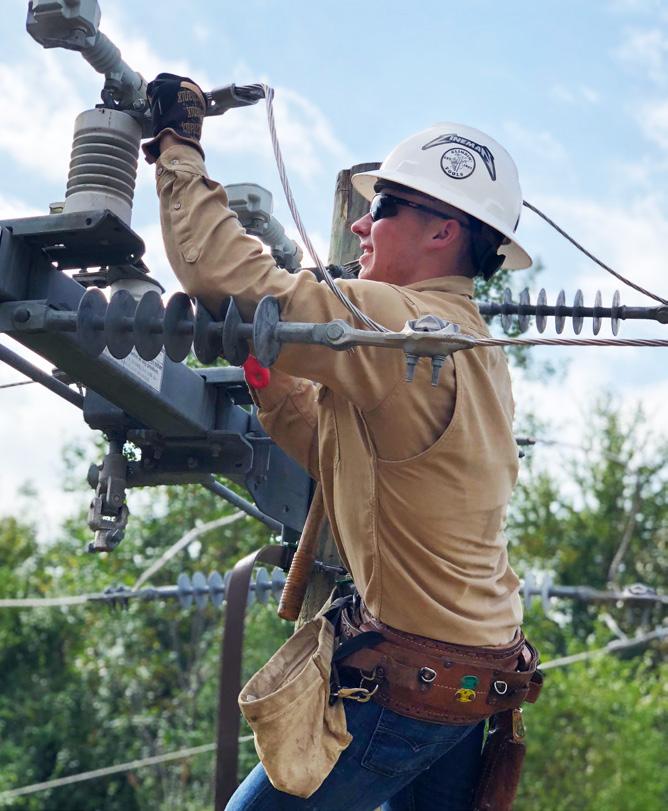
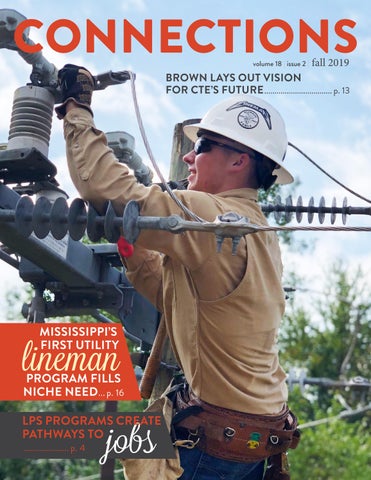
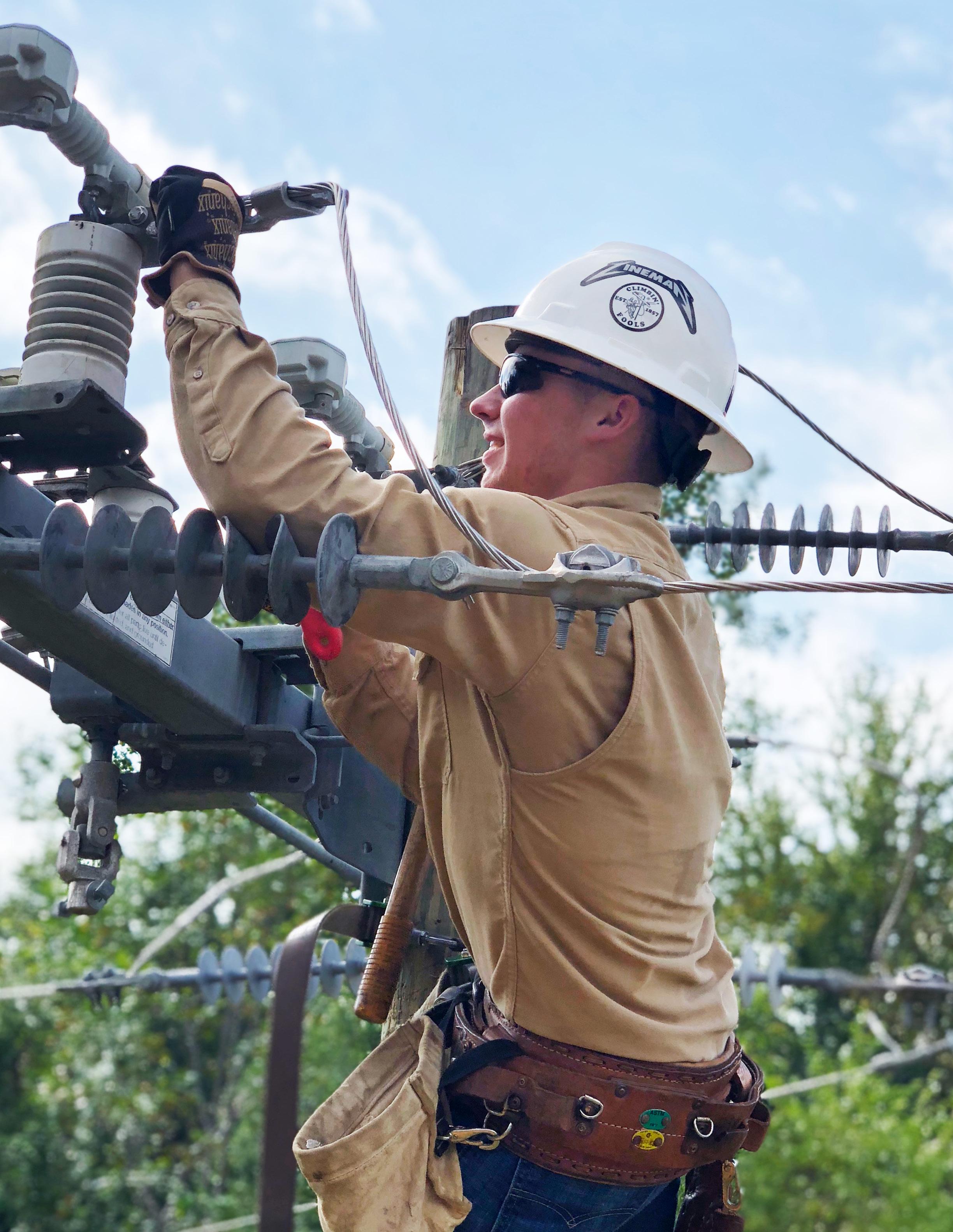
Bowen Knight, a member of Petal School District’s first utility lineman class, works on a pole installed by students. To learn more, read Sparking the Next Generation on p. 16.
The 2019-2020 academic year is here, and our career and technical students are gaining invaluable experience and instruction that will put them on the right path for a successful future.
This issue of Connections specifically features new and creative ways our educators are providing first-hand knowledge and hands-on learning opportunities to students as they work toward graduation. Our ability to link classroom instruction to real-world application provides practical skills graduates will carry with them for their entire lives.
Our cover story details Petal High School’s innovative utility lineman program (p. 16). Born from a partnership with local industry, the first-of-its-kind program in Mississippi fast-tracks students for niche employment by providing college credits to its participants.
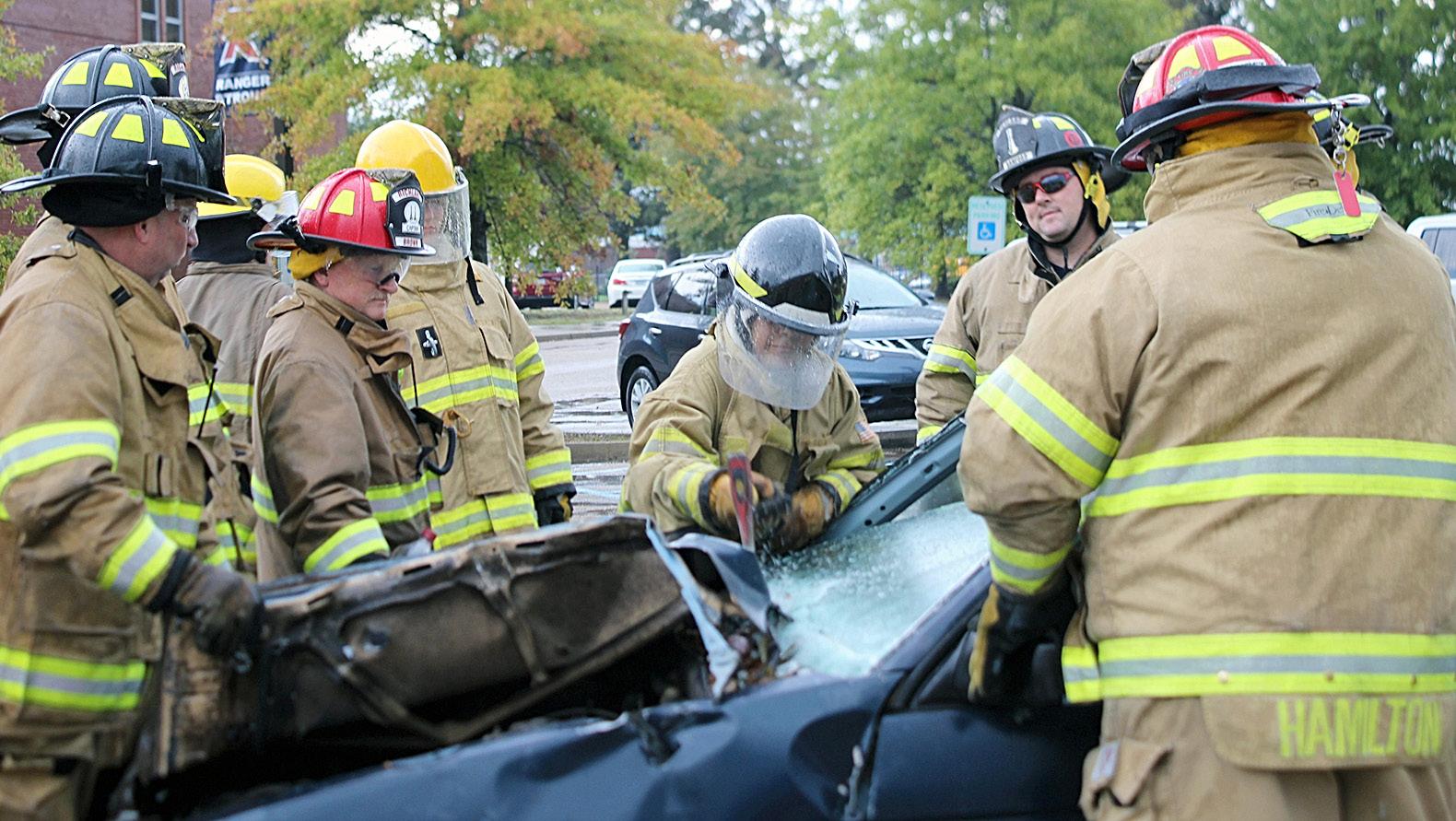
Another program providing unique, in-demand skills to students is Richland High School’s Fire Science class (p. 4). There, students are learning how to save lives and give back to their communities as part of the Mississippi Department of Education’s effort to offer more diverse law and public safety classes.
Calhoun County School District students are also finding ways to turn classroom projects into community-serving initiatives (p. 26). There, construction students partner with a local civic group to build and provide beds for underserved children and families.
Our other features include spotlights on Noxubee County Career and Technical Center Construction teacher John Bankhead, SkillsUSA 2019 State Champion CNC Turning Specialist Wesley Ballard (Vicksburg-Warren School District) and 2018-2019 Jackson County School District Teacher of the Year Gena Heffner.
In an effort to promote CTE, we ask that you share this magazine with friends, colleagues, local economic developers and elected officials in your community. Follow Connections on social media — ConnectionsMS on Facebook and @ ConnectionsMS on Twitter. Also, bookmark and visit our website (www.rcu. msstate.edu/connections) to read and share stories.
We love featuring the innovative work of students, teachers and administrators from across the state and hope to tell your story soon.
Aimee Brown
Director, Office of Career and Technical Education
Mississippi Department of Education
WANT YOUR SCHOOL FEATURED IN CONNECTIONS?
We want to hear about your success stories, awards and program accomplishments. Please submit your story ideas at www.rcu.msstate.edu/connections/shareyourstoryideas.
MEETINGGrowing
Richland Fire Science Class Provides Pipeline of Potential First Responders
Brice Fortinberry
An array of innovative and content-specific law and public safety (LPS) pathway courses will offer students many opportunities to give back to their communities in the future.
A growing job market awaits students in the LPS pathway. The Mississippi Department of Employment Security reported that
protective service careers and occupations — correctional officers, firefighters and police officers, for example — are expected to have a 3.5% growth rate by 2026.
Retired U.S. Air Force Maj. Edwin Butler, the Mississippi Department of Education (MDE) bureau director who oversees the state’s 55 LPS programs and its overall JROTC initiative, said
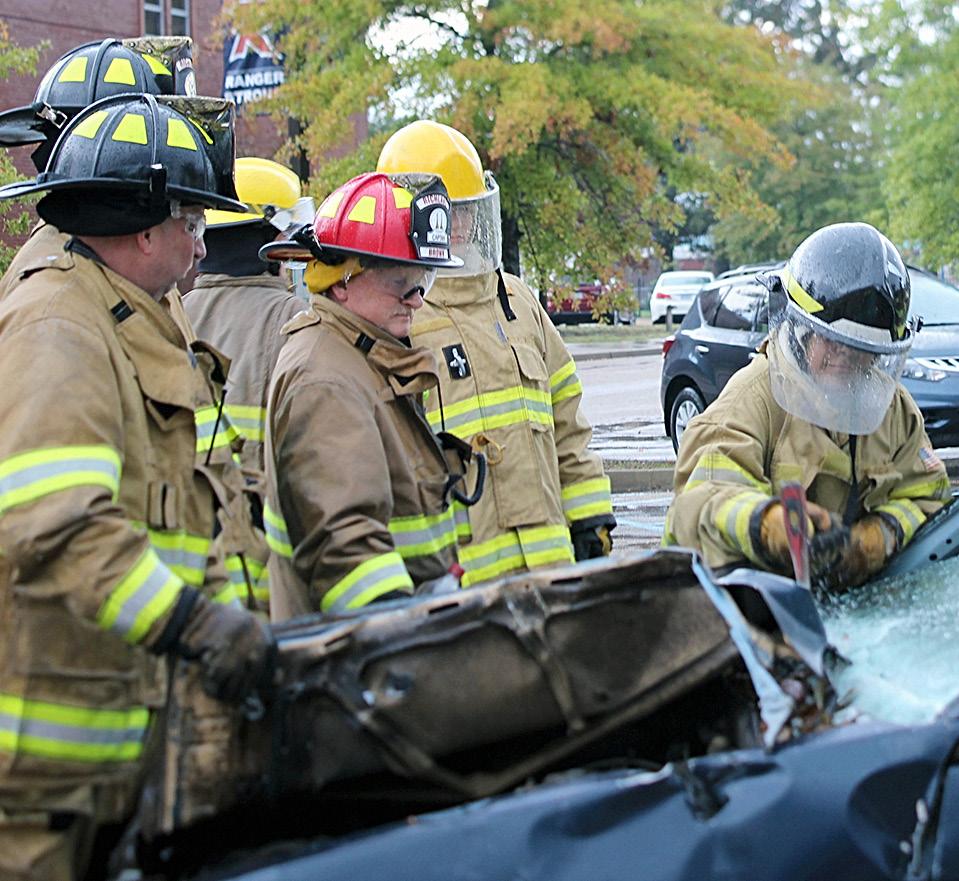
A Richland High School Fire Science student smashes through a wrecked car’s windshield with an ax. Students in the program are learning unique skills that will help them serve their communities in the future. The program is part of the Mississippi Department of Education’s effort to diversify the instruction offered through its law and public safety pathway.
increasing and improving partnerships between local school districts, civic institutions and institutions of higher learning provides students with a pipeline to these growing public service opportunities within their communities.
Educators across the state are excited about expanding these partnerships and preparing their students for service careers. John Glass, an LPS instructor
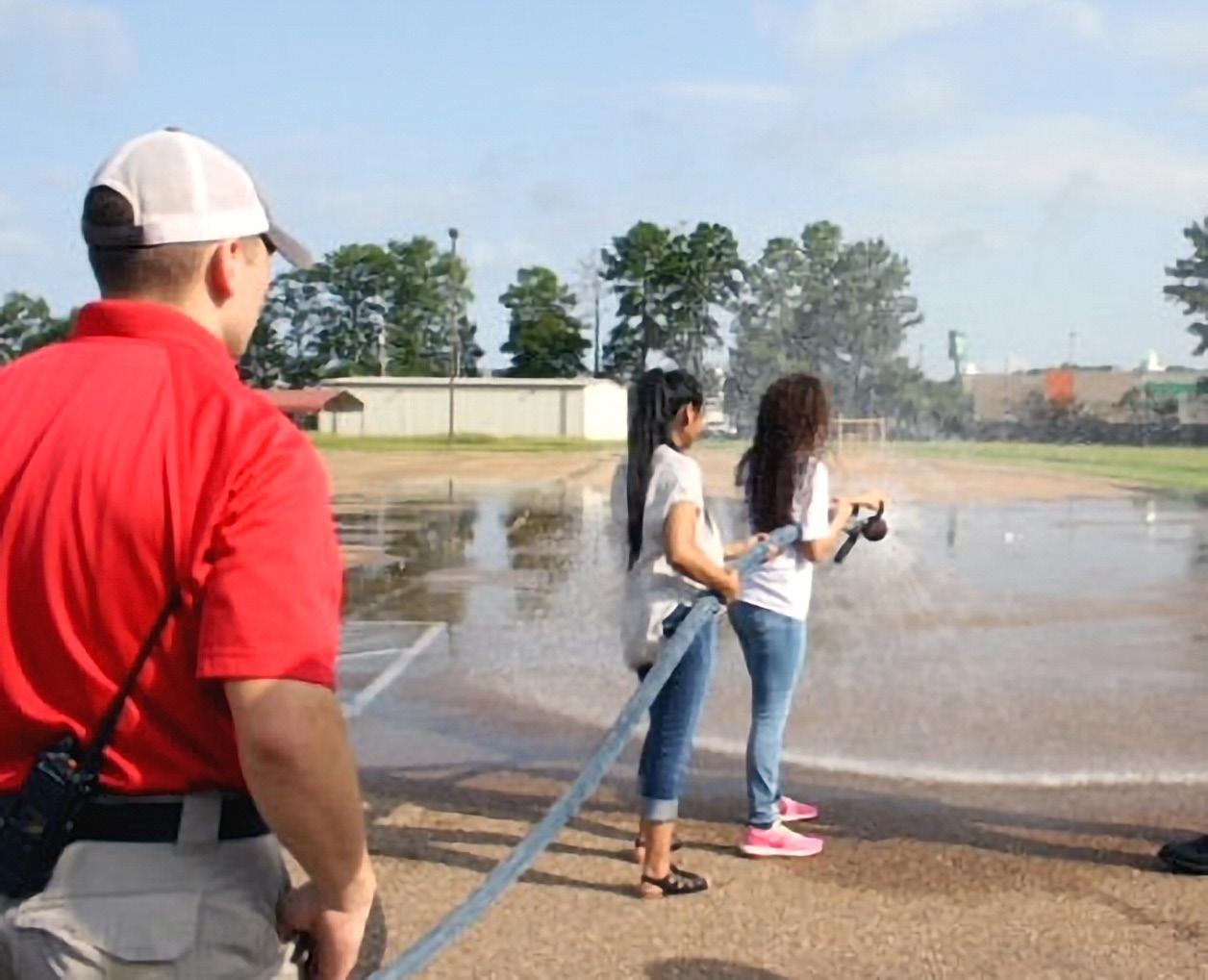
Top: Two Richland High School Fire Science students practice spraying water through a fire hose.
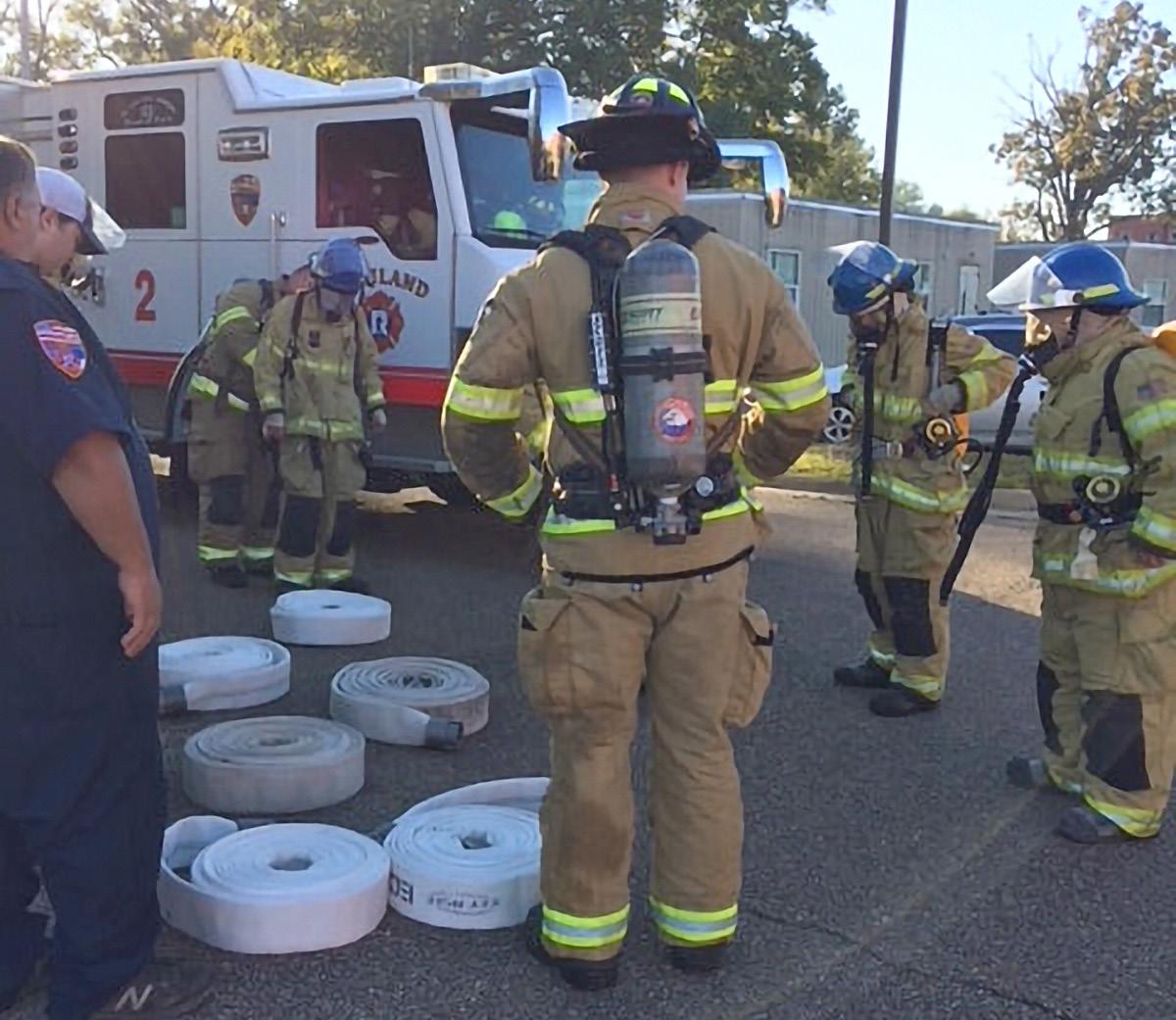
Bottom: Students don fire turnout gear and breathing apparatuses before a training exercise.
I didn’t have a teacher that could tell me anything about the fire service, so I look at this as a great honor to be able to help young people on their way into emergency services � ”
- Micah Sanford, Richland High School Fire Science teacher
at George County High School, said he is looking forward to new ways of engaging students in the coming years.
“I am passionate about interacting with students, investing in students and watching them get excited about the many professions related to law and public safety,” Glass said.
Richland Fire Science
The MDE, with assistance from the Mississippi State University Research and Curriculum Unit (RCU), piloted a new class — Fire Science — at Richland High School (RHS) in 2018 to prepare students to enter the workforce as firefighters or serve in fire-related occupations.
Richland was chosen for the pilot program, Butler said, after city officials asked for a way to support future workforce requirements.
“It’s a win-win for the community and for our students,” he said.
To prepare his students for such important roles, RHS Fire Science teacher Micah Sanford provides a foundational learning experience that will equip them with the skills they need to be successful.
While students learn the basics of firefighting and fire safety, Sanford also integrates lessons and activities to improve the soft skills — communication, timeliness and other important traits, for example — employers search for in potential workers.
“I didn’t have a teacher that could tell me anything about the fire service, so I look at this as a great honor to be able to help young people on their way into emergency services,” he said.
His two primary goals are simple: Students should develop a sense of service for their community and obtain skills that allow them to achieve their personal goals.
“The biggest thing I’ve noticed our students pick up on as far as soft skills are concerned is interpersonal communication,” Sanford said. “They may enter the class feeling shy and like they don’t have any friends, but they are more outgoing and willing to help anyone in need by the end of the course. I’m always very proud to see students break out of their shells and interact with the public, because communicating with the general public was the most undertaught skill in the fire service.”
First-year Fire Science student Chloe Knippers described the course as one that will prepare her for the future and develop her into a well-equipped, generous and productive member of society.
“I chose to take Fire Science because I wanted to do something in life where I could learn, help people and know
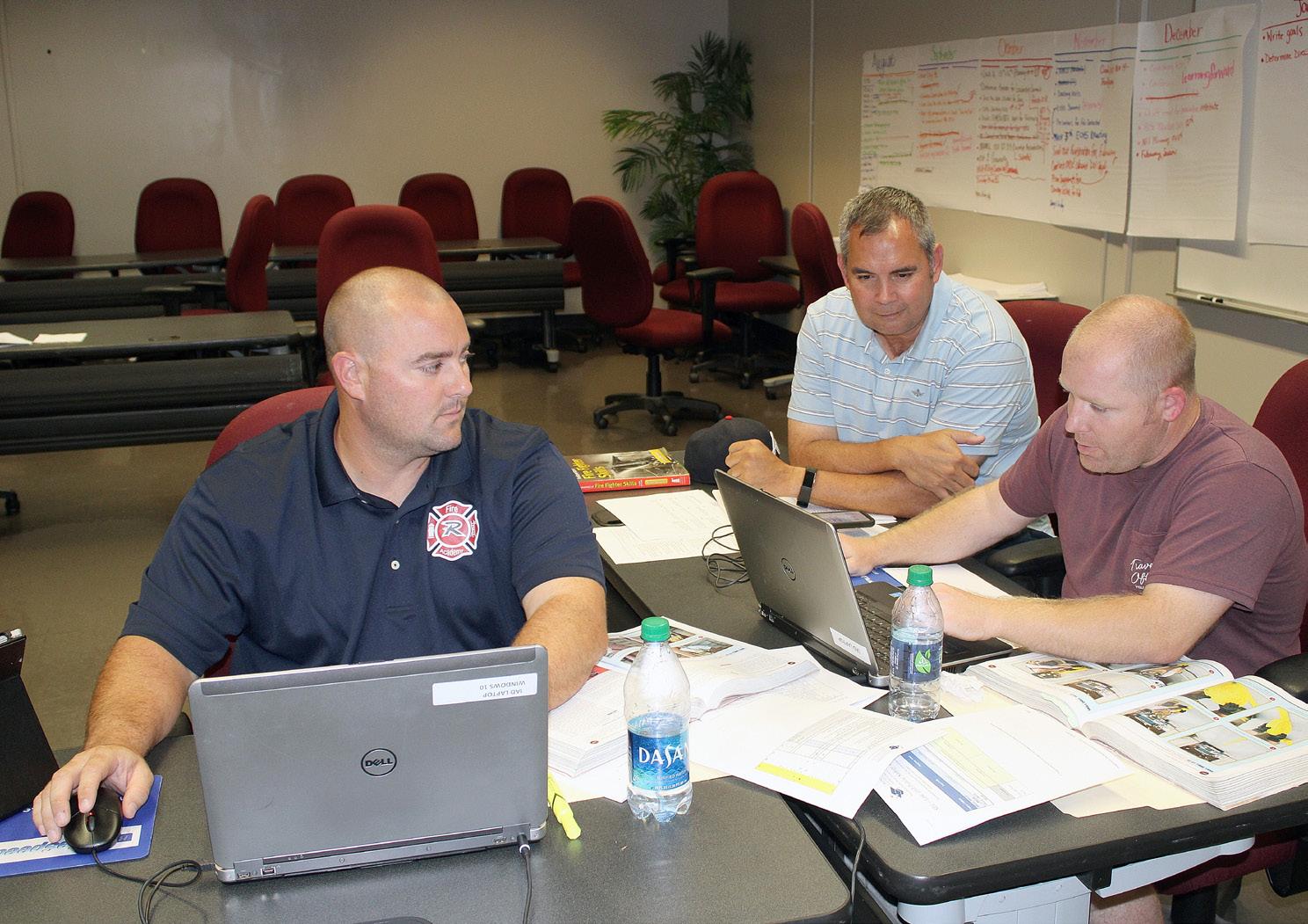
Richland High School Fire
teachers Micah Sanford
and William Adams
discuss the future of firefighter education with retired U.S. Air Force Maj. Edwin Butler during a curriculum meeting at the Mississippi State University Research and Curriculum Unit.
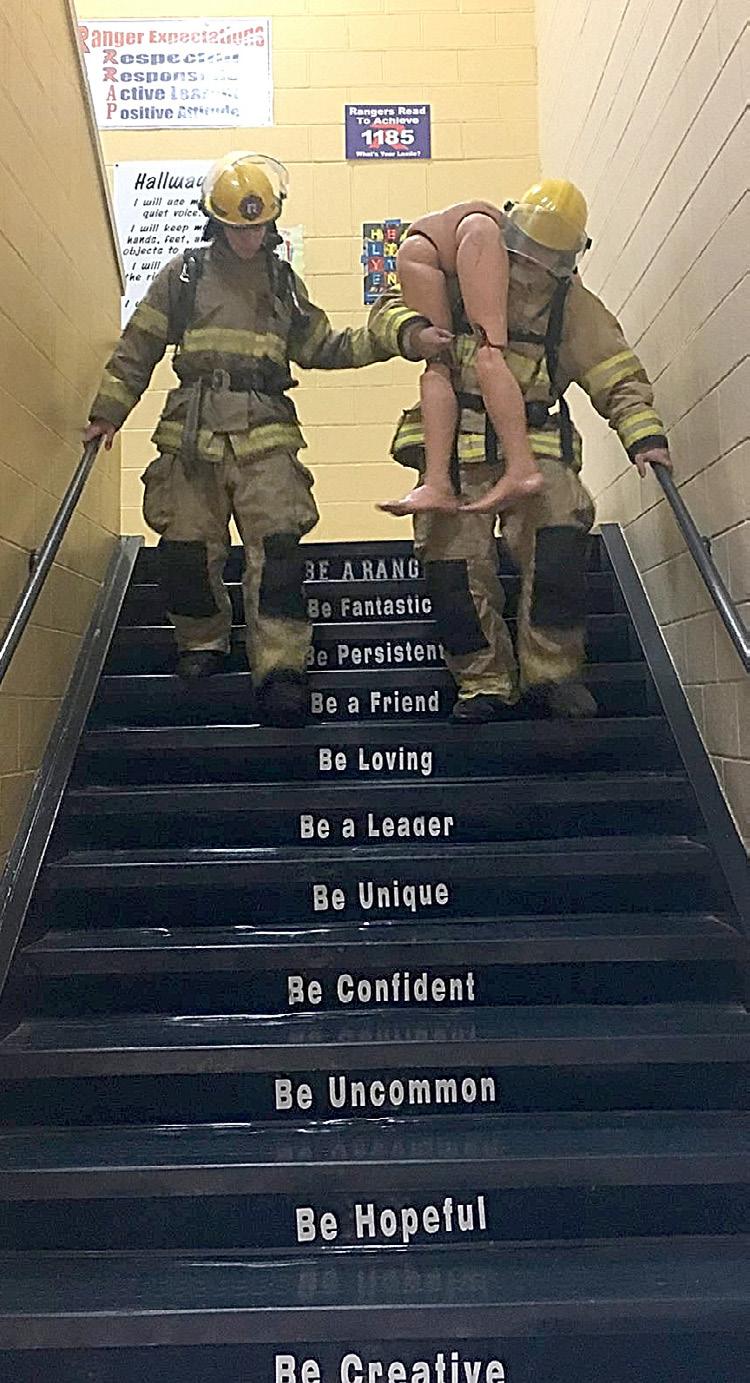
Right: Two Richland High School Fire Science students practice retrieving a rescue dummy during a training exercise.
that I am making a difference in my community and in the country,” she said.
Additional Specialized Curricula
Four additional classes will expand LPS offerings for students in the future.
The MDE will finalize and launch Law Enforcement, Emergency Management, Forensics and Corrections by the 2023 academic year.
LPS teachers believe specialized curricula will provide a better education for their students. Previously, these classes included a wide variety of information from varying fields — information from both law enforcement
and firefighting was taught in a single course, for example. By offering specialized classes, RCU Instructional Design Specialist Melissa Luckett said, students will receive unique educational experiences.
Above:
Science
(left)
(right)
Lawrence County Teacher Academy Students Gain Experience in Local Classrooms
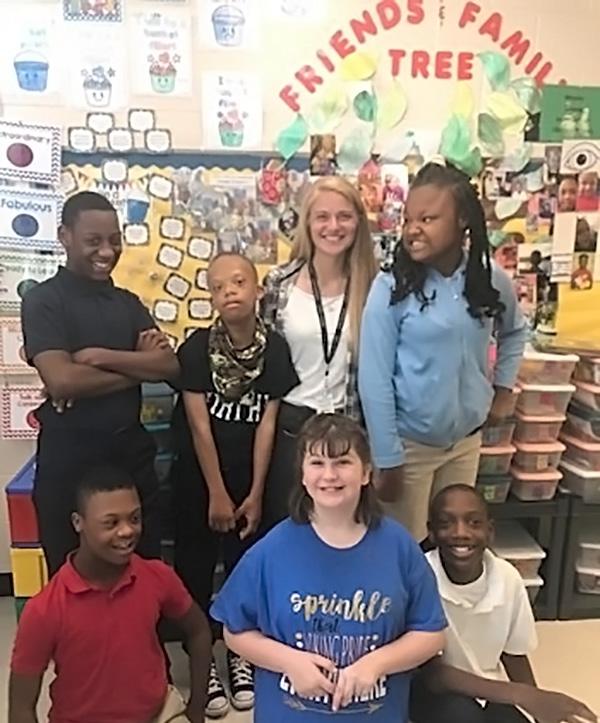
Lawrence County High School Teacher Academy student D’Ann Turnage (back row, third from left) poses with Rod Paige Middle School students last academic year. While shadowing under educator supervision, Turnage, then a junior, led group activities, read the adapted version of The Jungle Book to students and worked one-on-one with young learners.
Lawrence County Teacher Academy students gained hands-on experience working each week in local classrooms last academic year.
Teacher Academy I students worked at Monticello Elementary School, while Teacher Academy II students served at Rod Paige Middle School. Time spent in the classroom under the guidance of mentor teachers gave students a deeper understanding of elementary and middle school classroom settings and the requirements of teaching in Mississippi. The mentor teachers at these locations are valuable to the Teacher Academy program; they demonstrate instructional strategies for meeting state curriculum goals, model classroom management practices and positive behavior motivators students can use in their future classrooms.
As students completed observations, they reflected on their time in the classrooms. They reported what objectives the teacher covered; instructional strategies used; what they did in the classroom, from tutoring and working on bulletin boards to reading aloud with students and working in centers; occurrences during their visits; and what they would do differently if they oversaw the classroom.
Following each written reflection, students shared with their peers what they gained from the week’s observation. Sharing what they observed in classrooms gave them a wealth of knowledge that will shape who they want to be in their future classrooms.
Peyton Lindsay, a first-year Teacher Academy student in the 20182019 academic year, spent several weeks under the guidance of Anna Wilson and said she really enjoyed working with her students.
“It will be my goal to help young minds succeed. My teaching strategies will be a lot like Mrs. Wilson’s. She did a lot of things to help students excel in their work,” Lindsay said. “One thing I would do like her would be to reward students by giving them fake cash, making them earn their way up and letting them choose a reward when they got enough cash to buy something.”
Janna Spencer, another first-year Teacher Academy student in 2018-2019, said she would make sure her future students all have classroom jobs.
“I want to be a proactive teacher. My lessons will be highly interactive, and my students will stay engaged,” she said. “The activities will be varied to meet the needs of all learners.”
“I feel like I have gathered more knowledge about the diversity of different classrooms, teachers and the way that the educational field works,” said Haley Perrien, a second-year Teacher Academy student who shadowed Beverly Draughdrill in a gifted setting and Carolyn Smith in an English Language Arts classroom.
Perrien said she would use both classroom experiences to build her own personal teaching methods and educational philosophy.
Mentor teachers welcomed their Teacher Academy students with open arms. They enjoyed having extra help and sharing their own experiences. These hands-on experiences in the classroom give students a head start on teacher education programs they will see later in college and will make them better teachers for Mississippi’s classrooms.

International Conference
This June, Forrest County Agricultural High School HOSA Future Health Professionals members attended and competed at the 2019 HOSA International Leadership Conference at Walt Disney World in Orlando, Florida. Senior Jenna Myers placed in the top 25 percentile in the home health aide skills competition. The conference was an exceptional learning experience for the students.
Graddy Brings Years of Experience to South Tippah LPS Program
Submitted Story
Mo Graddy, a former law enforcement officer with more than 30 years of professional experience, now teaches Law and Public Safety I and II for the South Tippah School District.
A native of Kentucky, Graddy brings a wealth of real-world knowledge and first-hand experience to the school district after a long career in public service. After earning a degree in criminal justice from Eastern Kentucky University in 1980, Graddy served with the Mississippi Highway Patrol for almost 29 years. In 2007, he was elected police chief of Ripley.
Local residents are supporting Graddy’s classroom with private donations. These funds helped purchase a demonstration radio system and health and safety equipment, as well as other necessary teaching implements. Future donations will purchase a golf cart for students to use in mock traffic stops.
“I would personally like to thank members of the community for the generous donations to our law and public safety classes. One of our main focuses this year in our LPS program is re-establishing much-deserved respect for not only our law enforcement, but all of our public servants,” said Tippah Career and Technology Center Director Tony Elliot. “These donations go a long way in providing equipment to increase students’ knowledge of how important law enforcement is to our society.”
Sitting, from left to right: Forrest County Agricultural High School Health Sciences instructor Judy Grice and senior Jenna Myers. Standing, from left to right: graduate Tanner Graham and seniors Abbie Graham, Kylee Kearley and Ethan Watts.
Teaching CTE TEACHERS
RCU Trains Record NTI Cohort
Will Graves
Photos by RCU Staff
After an intense, year-long training, 104 teachers graduated from the Mississippi State University Research and Curriculum Unit’s (RCU’s) New Teacher Induction (NTI) program this summer — a record for the largest cohort since the fast-track career and technical education (CTE) teaching certification program began.
NTI is designed to certify industry professionals to teach in a specified area of CTE based on their previous careers. Members of the 2018-2019 cohort came from a variety of different backgrounds, including agriculture, construction, culinary arts, health care, information technology and public safety.
A National Research Center for CTE grant awarded to the Southern Regional Education Board (SREB) in 2009 helped launch NTI. After receiving the funding, the SREB spent the 2009-2011 academic
Unit Project
years researching and developing a program to increase teacher retention in CTE. Mississippi began its pilot program during the 2012-2013 academic year and has grown it significantly to provide numerous learning opportunities for industry professionals transitioning into the classroom.
This year, the cohort worked together to learn best practices for teaching their areas of expertise and utilized valuable resources for building engaging learning environments for their students. Because the new teachers are entering the classroom from an alternative, non-academic career route, NTI focuses on preparing them for their new careers as educators.
Shelley Johnson, a Madison County School District Health Science teacher who graduated with this year’s record cohort, said she is now better equipped
and Assistant
Opposite page: Mississippi State University Research and Curriculum
Manager Suzanne Bean (left)
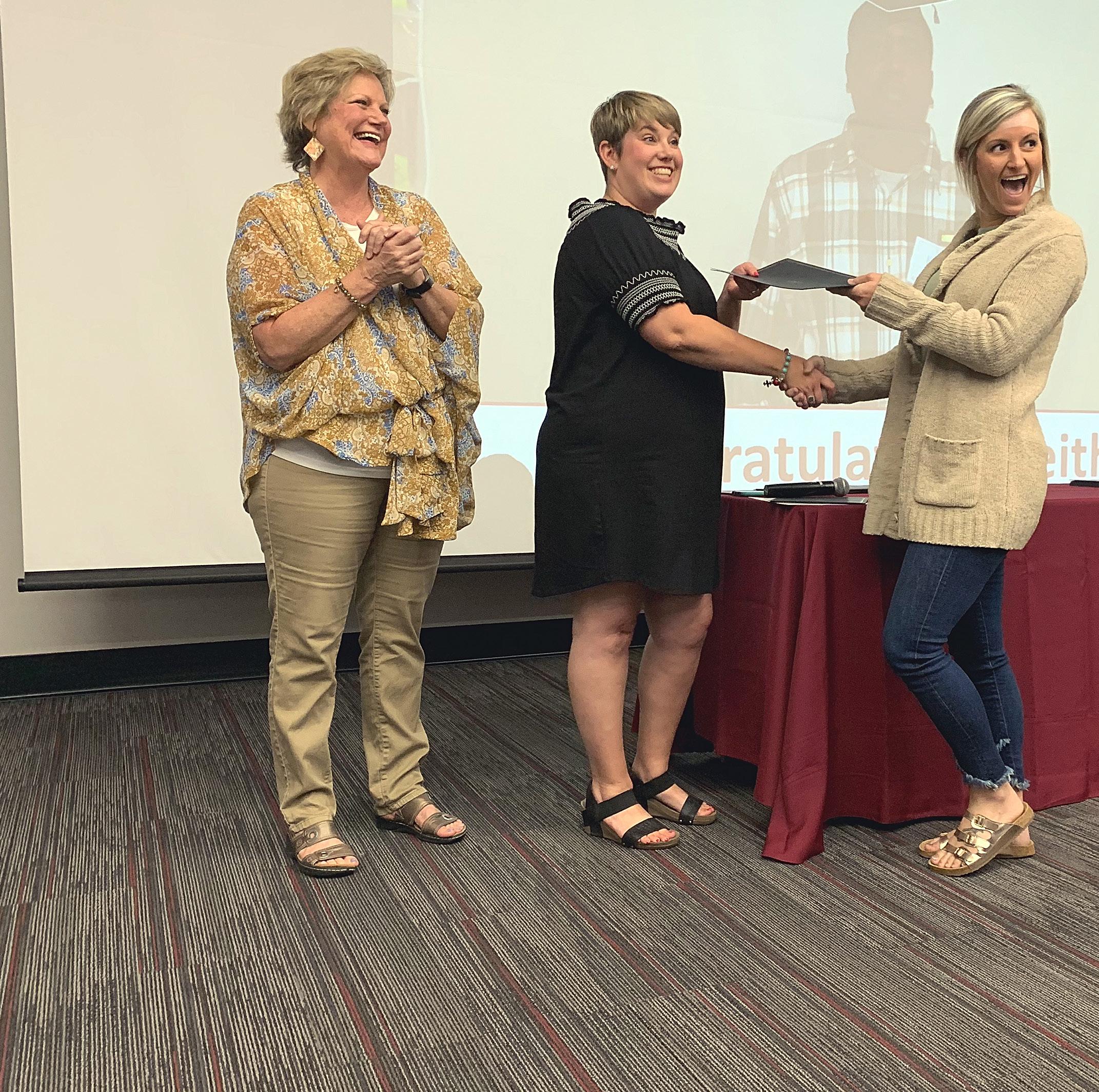
Research Professor Leanne Long (center) present a diploma to Haley Parker, a Family and Consumer Science teacher at Tupelo High School (Tupelo Public School District).
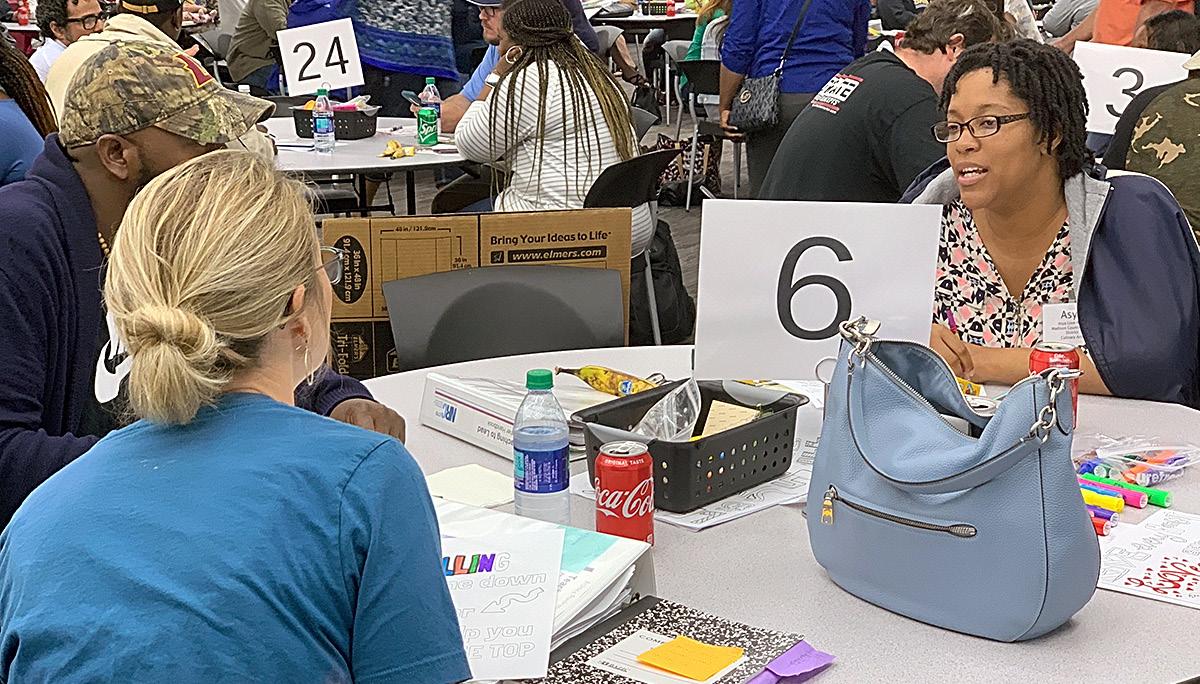
Asya Love-Wynn, a culinary arts teacher at Ridgeland High School (Madison County School District), works with other teachers during a group New Teacher Induction project.
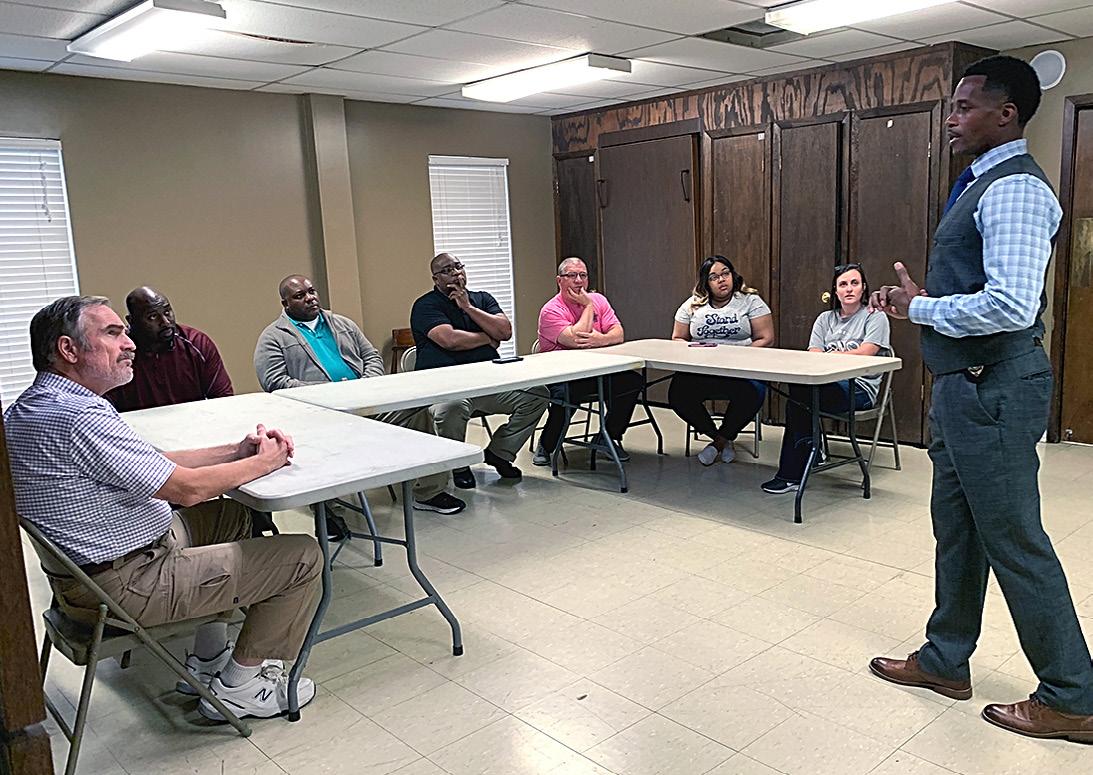
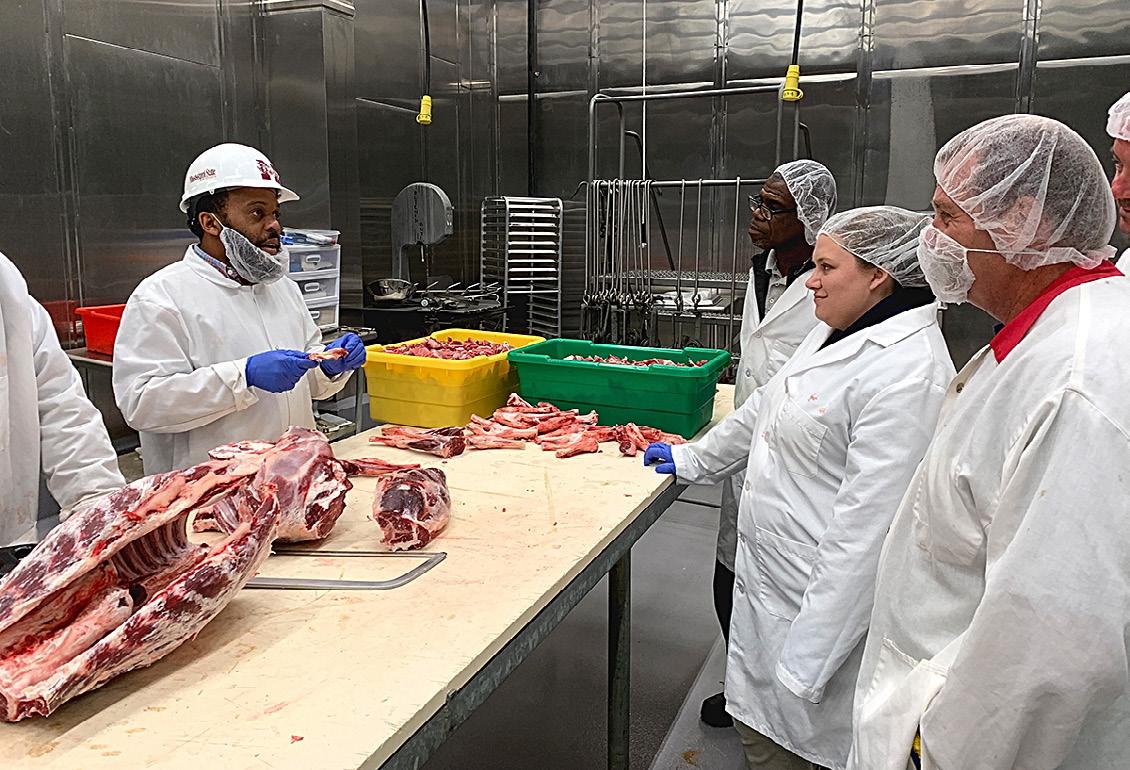
• Starkville Fire Department Chief Charles Yarbrough (standing) discusses firefighting techniques with members of the New Teacher Induction Class of 2019 this summer.
• Teachers listen to a presentation by Mississippi State University Animal and Dairy Science Assistant Professor Derris Devost-Burnett (left) at the MSU Meat Science and Muscle Biology Laboratory.
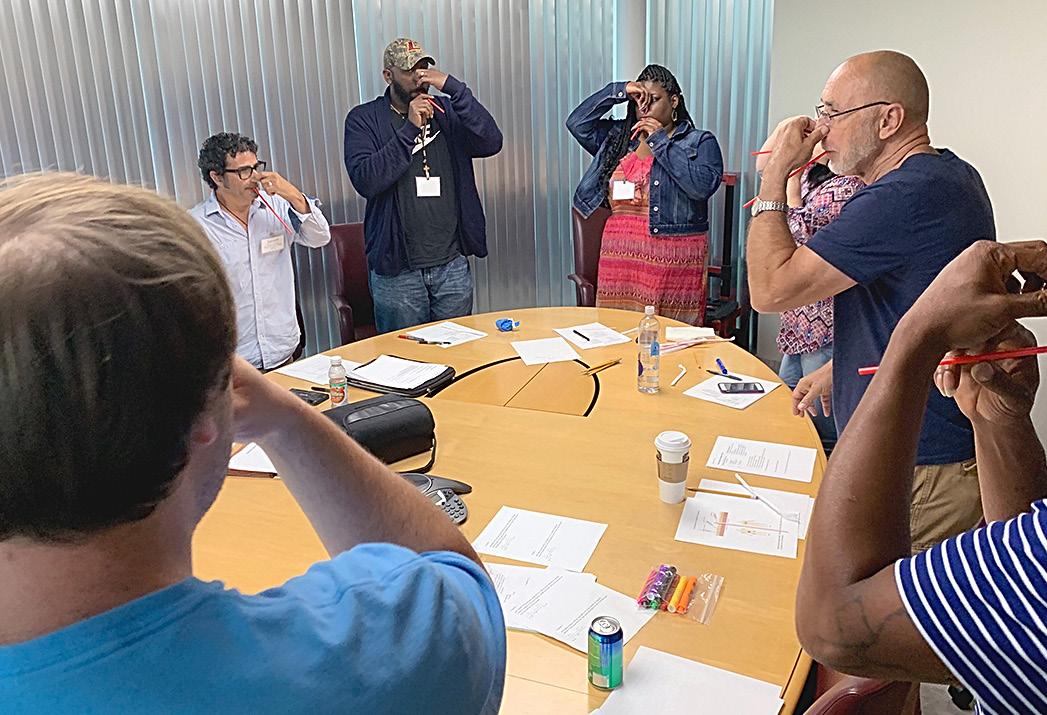
• Educators practice breathing through straws during an NTI activity.
to teach her students and manage her classroom.
“I thought NTI was a great way for someone coming straight out of industry to get their feet wet as far as teaching is concerned,” she said. “The content we received was amazing. Everything, from classroom management to project-based learning, was very important. They provided me with so many little nuggets of information from their own experiences that will help me as I start my second year as a teacher.”
One way the program helps teachers is by providing a collaborative environment in which they learn about their individual strengths and weaknesses in the classroom. On-site coaching visits allow the new teachers to be observed in their own classroom by a
professional, and they then receive real-time, personalized feedback on their performance.
Aside from honing their instructional skills, this year’s cohort studied research on the functioning of the teenage brain, thus allowing teachers to become more in tune with how students think. They also spent time learning about the Mississippi Department of Education’s Access for All Guide and how they can create a better learning environment for students with special needs or learning disabilities.
RCU professional development specialists are now working with the 20192020 cohort. Leanne Long, an assistant research professor and project manager at the organization, said there are plans to expand the use of teenage brain research, and the cohort will also be able
to connect with veteran CTE teachers to ease the transition from industry to the classroom.
“We’ve received a lot of feedback from previous cohorts requesting to interact more with CTE teachers in the field,” she said. “We will have our past cohort graduates or our methods trainers participate at our regional trainings to help our new teachers transition better. We also had great feedback from the teenage brain research, so we want to enhance that training to provide more information for the cohort. We are always working to provide the best training based on teacher needs and what we see through coaching observations in the field.”
Clockwise, from top left:
LEGACY BROWN SEES
DRAFTING PERKINS V moment WITH
Mississippi’s New CTE Director Emphasizes Providing Tangible, Value-Added Certifications, Designations and Experiences to All Students
Carl Smith
Aimee Brown’s desire to make a positive difference in the world is what motivated her to become an educator. As the state’s newest director of career and technical education (CTE), she is poised to help shape how the next generation of Mississippi students graduate with college- and career-ready skills.
Brown is leading the Mississippi Department of Education’s (MDE’s) effort to write and implement the Perkins V state plan, the document that will guide how CTE is delivered and measured here in Mississippi, after federal lawmakers approved the Strengthening Career and Technical Education for the 21st Century Act that re-authorized the Carl D. Perkins Act of 2006 — also known as Perkins V — in 2018.
The magnitude of shaping such an important piece of educational policy is not lost upon Brown, who said she hopes the new guide will leave a strong legacy for leaders to build upon in the future.
“We’re at a great point with CTE in Mississippi: We’re writing our new Perkins V plan that will drive our work for at least the next five years, and we’re pairing that with a strategic plan for the entire state. To me, it’s an exciting time to renew our efforts and show how
we’re making a positive difference for Mississippi’s workforce.”
Her main goal for CTE in the future is simple: ensure students graduate with tangible, value-added designations — national certifications and work-based learning experience, for
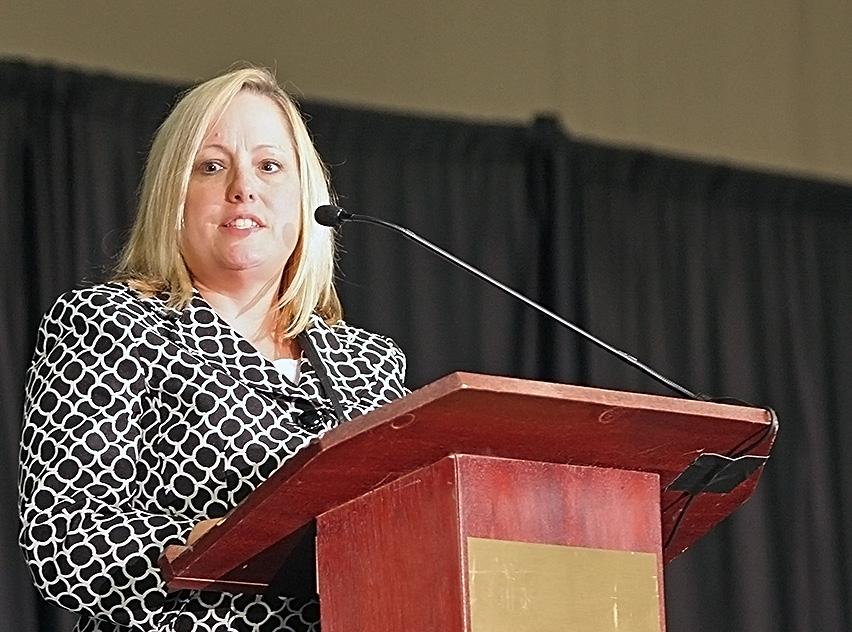
Aimee Brown, the Mississippi Department of Education’s bureau director for career and technical education, speaks at the 2019 MS ACTE Summer Conference in Jackson.
example — that signal their readiness for life after high school, whether the young adults enter the workforce immediately or attend one of the state’s community colleges or universities.
By providing these options and others, including dual-credit opportunities and assistance toward earning a Silver designation on the ACT WorkKeys assessment, Brown said administrators can provide educational pathways more in line with individual students’ needs.
“There are so many great choices that have unique benefits for students. There are students that will benefit from work-based learning and moving from an apprenticeship to a job; how-
not extra-curricular. A lot of teachers do that well, but I want to aid those who need a little help,” she said. “I want to see a majority of our CTE students in these student organizations so they can build experience and leadership skills, compete with their peers and be ready for the real world.”
Before joining the MDE this summer, Brown previously spent 20 years in a variety of education-related jobs, ranging from teaching business and computer technology in Leake County to serving as a community college instructor.
Most recently, she served 12 years as the CTE director and Career Academy coordinator for the Madison County
Leaders of America-Phi Betta Lambda Professional Division; and president of the Mississippi Educational Computing Association.
Reflecting on her career, Brown said she is rewarded when she encounters former high school students who have grown up to become “great employees, great parents and all-around great people.” As an administrator, Brown said she hopes to inspire other teachers to return to the classroom and inspire their own students.
“A guidance counselor in Hattiesburg that’s part of the new Administrator’s Academy for CTE
��� it’s an exciting time to renew our efforts and show how we’re making a positive difference for Mississippi’s workforce � ”
- Aimee Brown
ever, there are others who might benefit more from receiving an industry credential first,” she said. “I want every student to leave with something tangible in their hands, whether it’s a certificate for finishing an apprenticeship or an industry certification, that shows they have skills for their next phase of life.”
Increasing support for CTE teachers and student organizations and continuing to integrate curricula that improves students’ soft skills will also ensure learners are successful in their lives outside of the classroom, Brown said.
“I want to see all program areas and student organizations work better together and to see us promote these two student opportunities as co-curricular,
School District (MCSD), where CTE programs expanded, relationships between CTE and district high schools grew stronger and two career academies received national model academy designation through the National Career Academy Coalition under her leadership.
Brown is also a former Mississippi Association for Career and Technical Education president and earned numerous awards and honors throughout her career, including the association’s Member of the Year in 2015. Additionally, she was named MCSD’s Administrator of the Year in 2009. She also served as president, webmaster and treasurer of the Mississippi Business Education Association; national vice president of the Future Business
came up to me and said, ‘You might not remember this, but I went to one of your trainings in 2010. That inspired me to get my specialist and doctoral degrees and to do what I’m doing now.’ We don’t do this for a pat on the back, but I hope she will carry that on in her life and inspire someone else,” Brown said. “It’s a great feeling to see that your work impacts others and helps them be better in their own lives.
“I think we, as educators, should ask ourselves, ‘What kind of legacy are we leaving behind that makes things better for the future?’ I hope it’s one that the next generation can carry on and improve once we’re gone,” she added.
Submitted
Story
Stone County Students Attend SkillsUSA’s Leadership Training Institute
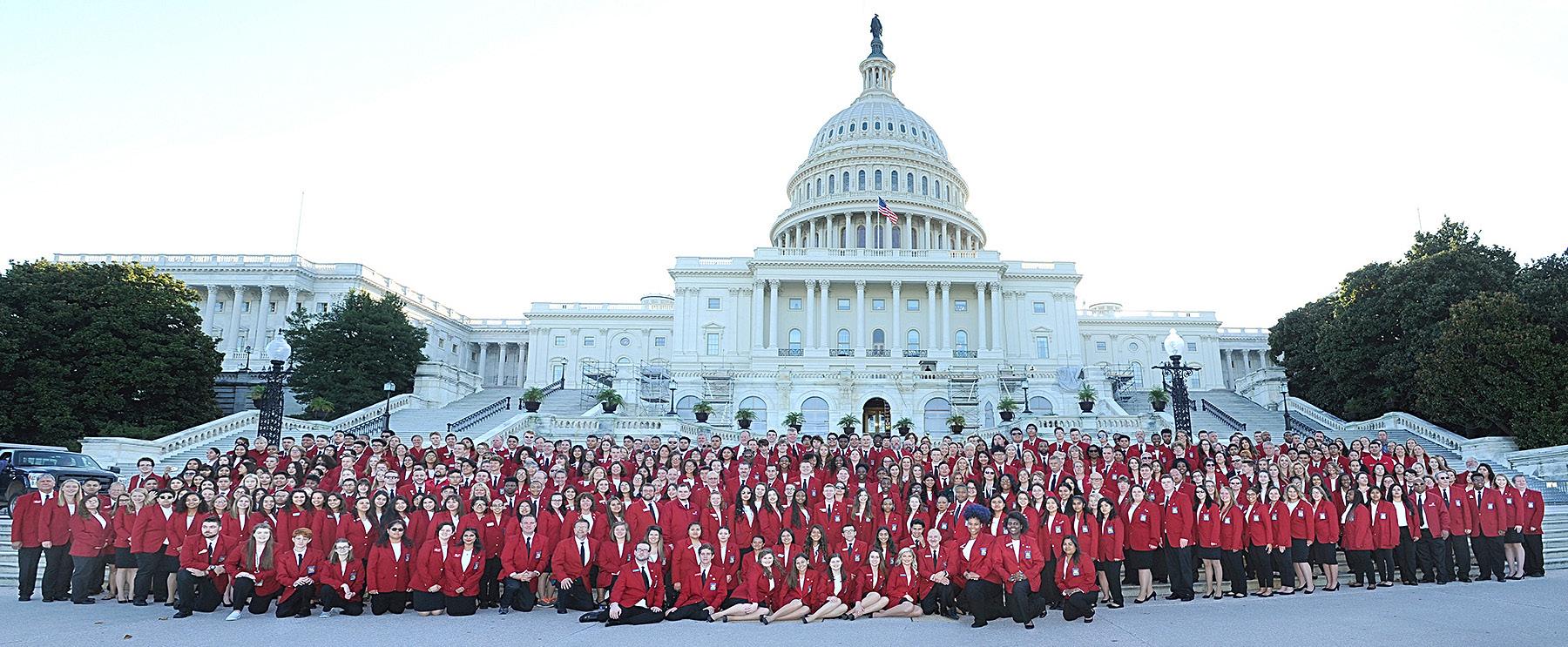
A delegation of students and instructors from Mississippi, including a cohort from Stone County High School’s culinary arts program, met with Washington, D.C., lawmakers in September and discussed how career and technical education (CTE) programs prepare students for college and careers.
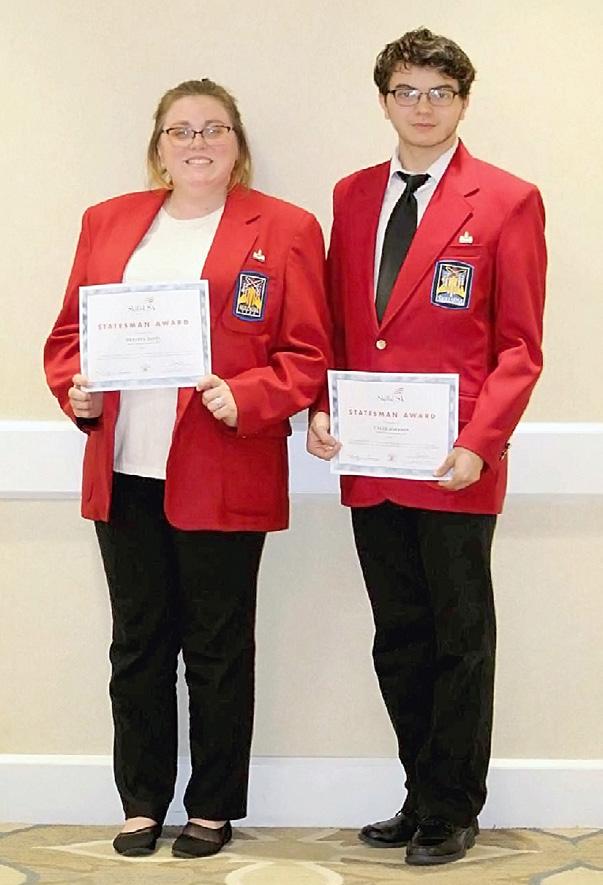
SkillsUSA state officers Destiny Davis and Caleb Johnson joined SHS culinary arts teacher Jaclyn Parker as part of Mississippi’s delegation. Both students received the National SkillsUSA Statesman Award at the conference.
The four-day SkillsUSA Washington Leadership Training Institute conference provided students an opportunity to grow their professional and leadership skills, which they applied during their visits to Congress. Mississippi’s delegation talked to staff members of Rep. Steven Palazzo and Sen. Cindy Hyde-Smith about their education paths and CTE training programs, the value of CTE and the benefits of their SkillsUSA participation. They explained how today’s workplace requires employees with career readiness skills and that SkillsUSA develops these skills in students of all ages and backgrounds.
The conference focused on advanced communications skills, including the development of a SkillsUSA framework story to share during their visits with elected officials. It also included training for students and advisors on personal and workplace skills; a panel discussion about effective legislative visits with experts from the U.S. House of Representatives and the U.S. Senate; a tour of monuments and museums; and a wreath-laying ceremony at the Tomb of the Unknowns at Arlington National Cemetery.
SkillsUSA is one of the nation’s largest individual membership organizations for CTE students, and its programs are integrated into CTE curricula. According to the U.S. Department of Education, the average high school graduation rate for students concentrating in CTE programs is 94% compared to an average national freshman graduation rate of 86%. CTE also helps create a trained pipeline of future workers to support a strong American economy and global competitiveness.
Top: Students, including a cohort from Mississippi, pose in front of the U.S. Capitol during September’s SkillsUSA Washington Leadership Training Institute.
Bottom: Mississippi’s SkillsUSA state officers Destiny Davis (left) and Caleb Johnson earned the National SkillsUSA Statesman Award at the conference.
Industry Collaboration Creates State’s First Utility Lineman Program in Petal
Instructor
We’ve all experienced the frustration of a power outage while enjoying the comfort of our air-conditioned home on a hot summer day. Those frustrations turn to relief when the electricity is restored by utility linemen. Their job isn’t as simple as flipping a switch: Few people know linemen spend hours each day up poles 40 feet or higher in their own communities and many weeks far from home helping areas affected by natural disasters.
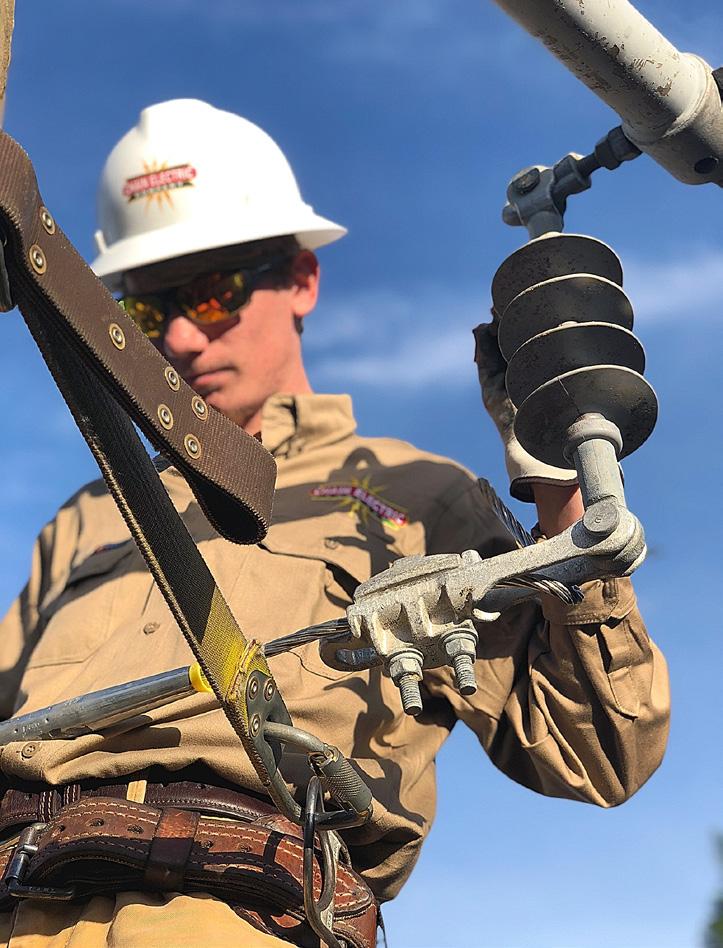
in the repair
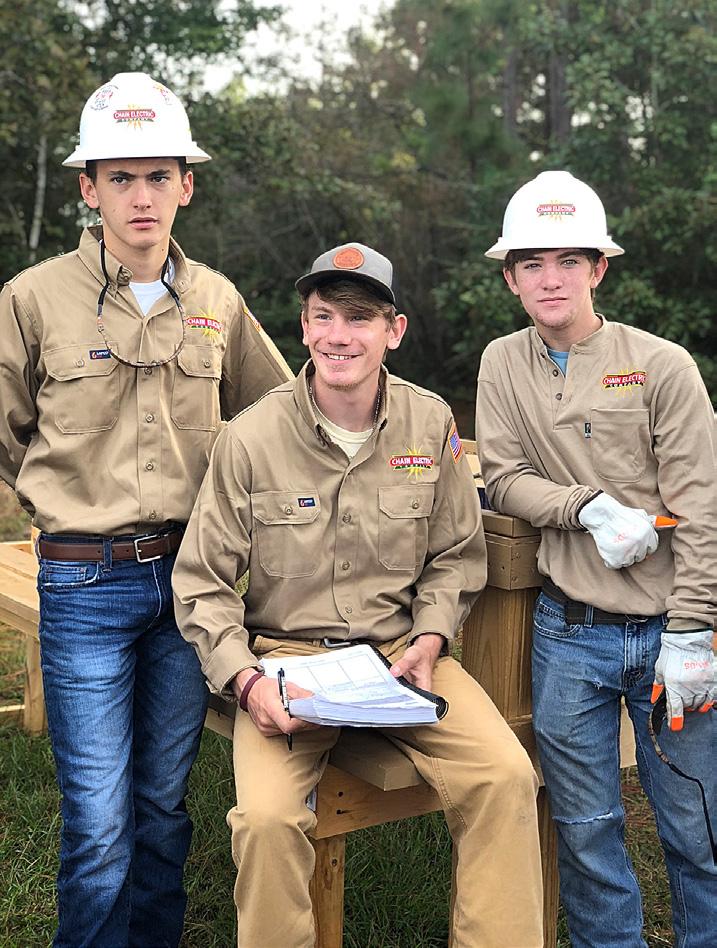
Bottom left: Seniors Justin Cedatol (left), Cole Saulters (center) and Hunter Alford watch classmates while completing the job safety analysis (JSA) for that day’s task. The JSA assesses and documents potential safety hazards affiliated with the job.
Bottom right: Saulters demonstrates the process for sagging wire.
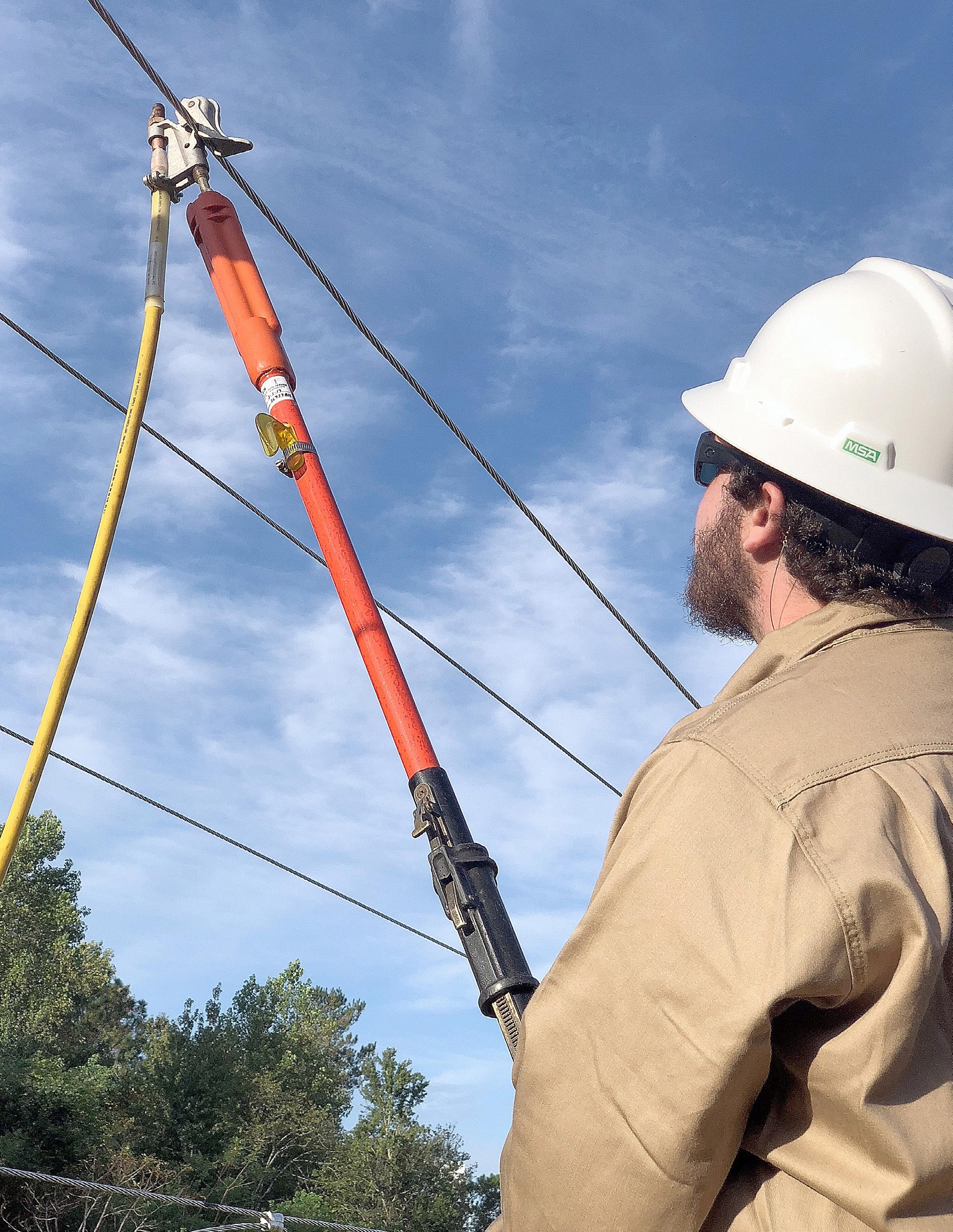
To cultivate the next generation of linemen, a collaboration between Mississippi industry and Petal High School (PHS) created the state’s first high school-level utility lineman program. Organizers witnessed the lineman program’s positive effects during its pilot year in 2018-2019 and already see much to celebrate concerning its successful preparation of students for the field.
Now in its second year, the one-year program provides students with 14 hours of college credit through Pearl River Community College (PRCC). This allows for a faster track to the workforce, as high schoolers can now complete the postsecondary program offered by PRCC in 10 months instead of two years.
Sparked by a Conversation
The initial idea for the program evolved from a friendly conversation between Superintendent Matthew Dillon and Chain Electric Chief Financial Officer Jarred King.
Chain Electric’s leaders saw potential in the program and provided resources needed to train students. Not only did they donate essential supplies for building power poles, leaders also allowed foreman Blake Jones to instruct the two-hour course.
Because this is the first program of its kind in the state, Jones’ experience proved beneficial in developing the new curriculum. He was initially asked by company leaders to sit in on a meeting with PHS, but that was not the end of his involvement. His 20 years of experience as a lineman made him the natural choice to be an instructor.
“I enjoy working with the younger students and training people, so here I am,” Jones said.
Opposite page: Petal School District senior Keith Booker holds a shotgun stick to ground the power line prior to completing work on the line.
Top:
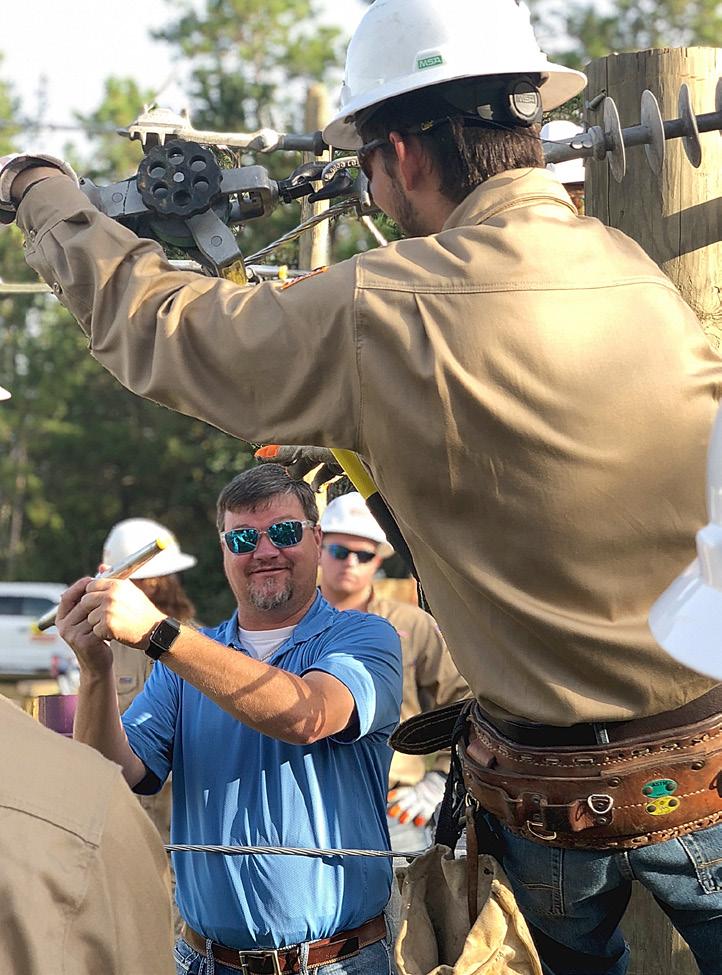
Blake Jones demonstrates an automatic sleeve, used
of broken wire, to students.
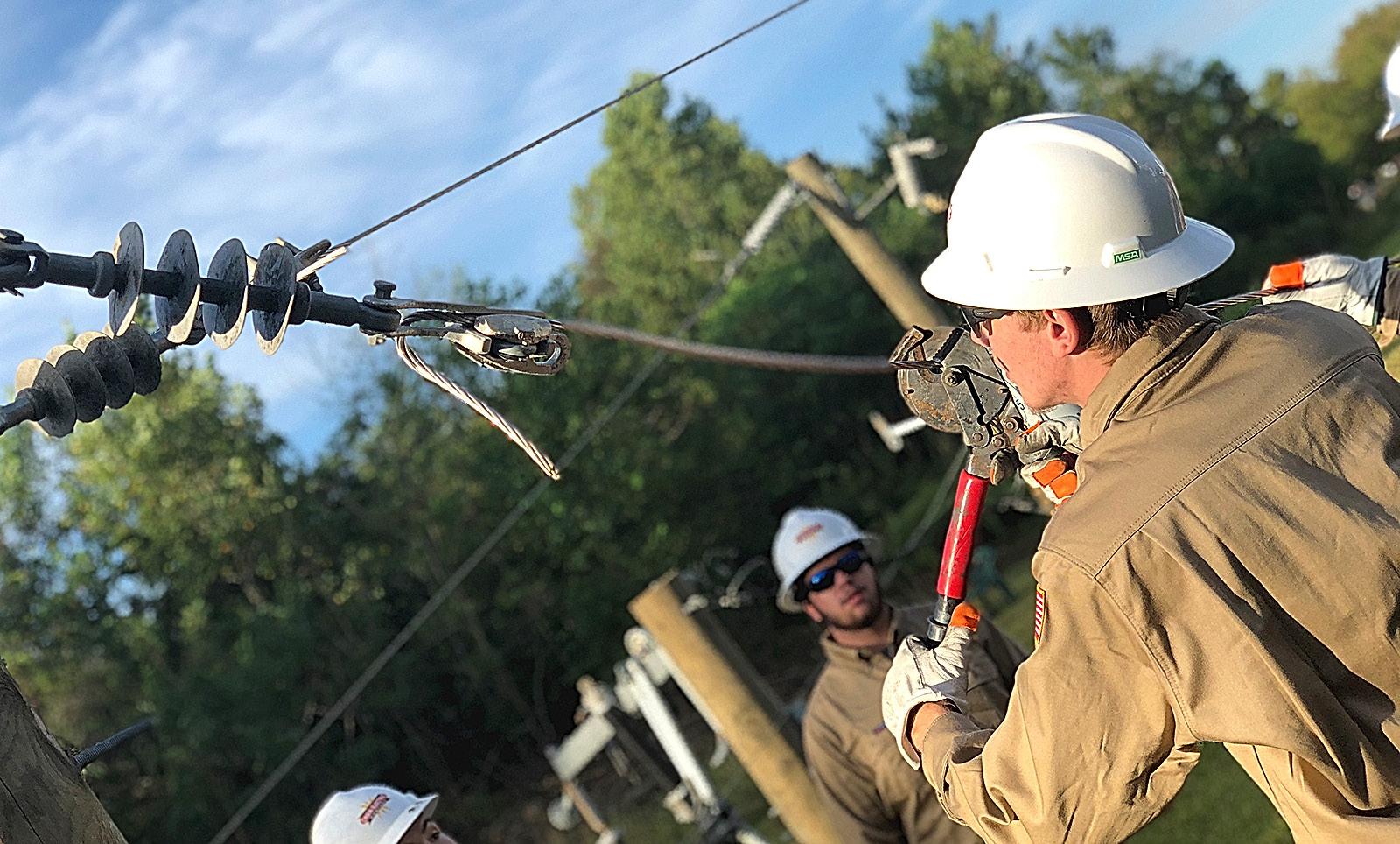
Jones, who went through Mississippi Gulf Coast Community College’s lineman program, said Chain Electric’s four-year apprenticeship program helped lay the foundation for Petal’s undertaking. He kept his industry experience in mind when helping develop the new curriculum. Jones asked himself, “What would help students if they decide to further their career, either by going to college or coming directly into the field?”
Creating a program that provides students soft skills in areas like leadership and teamwork was the answer to Jones’ question.
“Whether it was going to the workforce or college, I wanted to give [PHS students] a good product and have them prepared for any direction they decided to go,” he said.
Knowledgeable Linemen, Prepared Workforce
Excitement around this new program is truly electric. PHS CTE Counselor Brooke Walter said many students asked how they could be part of the new endeavor.
Ten students joined the first class in 2018. Lane Cawthon and Bowen Knight, 2019 graduates who were part of that inaugural class, said the depth of a lineman’s work surprised them once the class began.
“There’s so much I learned that I didn’t know, including the different things you have to do with safety and sagging wires,” Knight said. “I always knew you had to climb poles, but I didn’t realize all the different steps you had to take to climb correctly and be safe.”
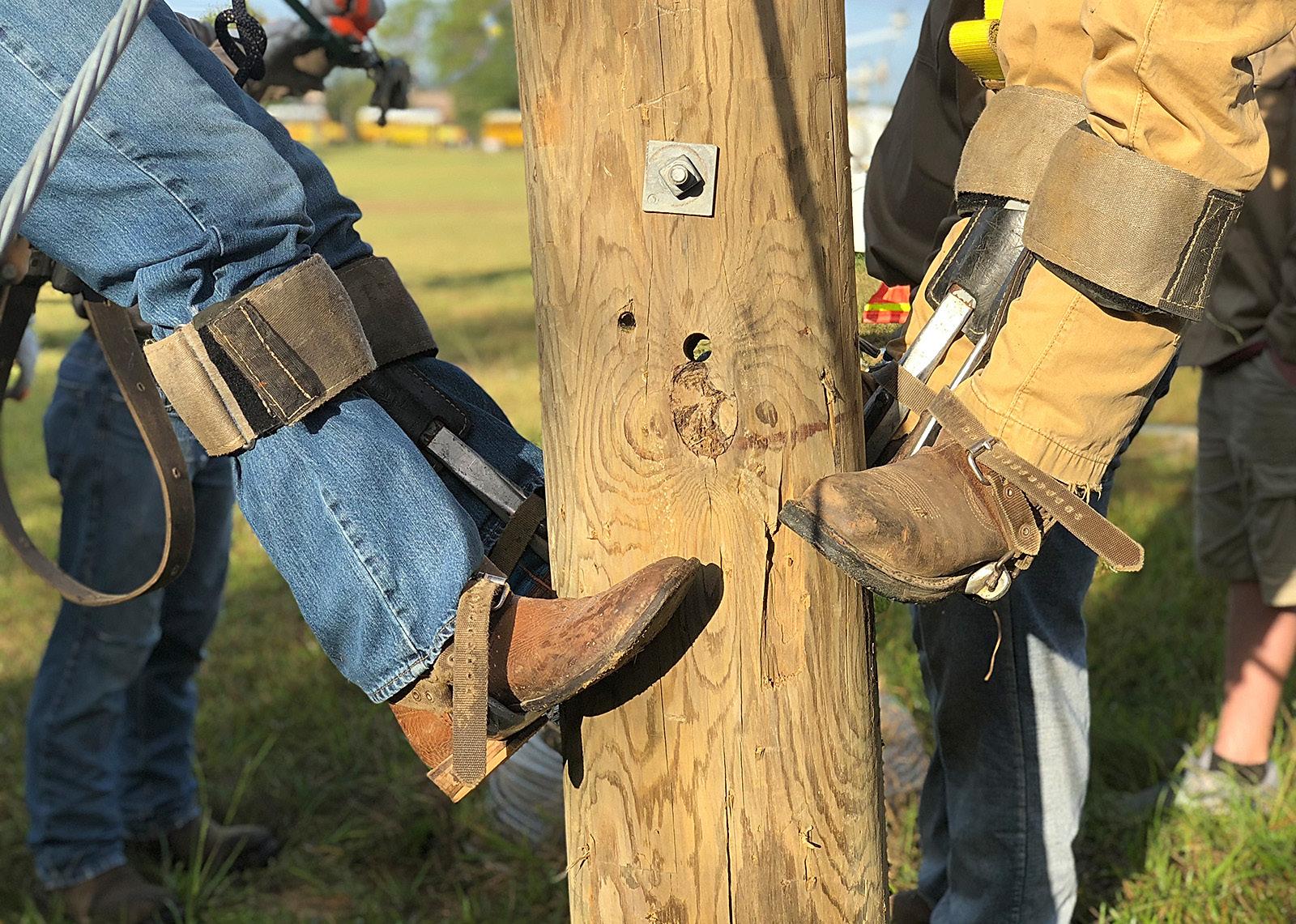
Students usually spend one day each week in the classroom working on computer modules, but most of the class is taught in the field. Students install their first pole the opening week of the year, then assemble and wire about 10 poles before taking them down at the end of the year.
Cawthon and Knight said the technical knowledge and experience they gained in the program gave them a significant head start when they entered the program at PRCC. Jones also said he saw fellow classmates gain confidence as a sense of camaraderie developed.
“Some catch on to climbing really fast; some catch on to pulling wire really fast. Everybody progresses in different areas faster than others,” Jones said. “They can use their strengths to help
Saulters uses a ratchet cutter to cut wire in preparation to use an automatic sleeve.
the others out. They started coaching each other. I was really proud to see how they helped each other.”
Through Jones’ guidance and with the help of classmates, students who were unsure of their capabilities quickly realized they could exceed their own expectations.
“I learned I’m capable of more than what I thought I was,” Cawthon said. “So far, I’m doing great and surprising myself.”
As Cawthon, Knight and their classmates embark on new endeavors, a new crop of 12 students already sees the benefits of the program.
“I thought it would be more of an individual job, but I was proven wrong the first day out there,” said senior Justin Cedotal, who plans to continue training to become a lineman after graduation.
“It has helped me grow as an individual working with a team,” he said. “I can influence them, and they can influence me.”
For fellow senior Parker Evans, the lessons learned from the utility lineman program will aid him on a different type of team when he joins the military following graduation.
“You have to work as a team. If one person doesn’t know what they’re
doing and they don’t ask, it could end in a casualty,” Evans said. “I didn’t know much about power lines, but I’ve learned so much along the way.”
Ben Wade, the first-year CTE director for PHS, said he receives first-hand testimonials from students that reinforce how valuable CTE is in preparing them for the workforce.
“You’re really able to see that CTE truly is the first line of workforce development and that relationships are the way we can foster that,” he said. “The creation of the program was birthed out of collaborative conversation between a school district, community college and industry. With everyone getting involved, we are better together.”
Two students work together on a pole to successfully pull wire.

until you tell us your story We can’t tell your CTE story
We Can’t Tell Your CTE Story Until You















IDENTIFY
a new CTE activity, community service project or cutting-edge method of delivering instruction in your own classroom, school or district you feel should be shared across the state.











Want to have your students, program or career and technical center spotlighted in Connections ? Here’s how: 1 2 4 3




SHARE
the release and photos with us via helpdesk@rcu.msstate.edu. Be sure to Include “Connections” and your school district’s/CTC’s name in the subject line, and contact information for yourself or the class/program teacher and links to your district’s and school’s Facebook, Twitter and Instagram accounts in the body of the email.


















DOCUMENT
what’s happening in the classroom with pictures of teachers, students and professionals working together. Be sure to only photograph students who have returned signed photo release forms to the school district.








COMPOSE
a press release with information about the activity or event. Well-written press releases and photo information blurbs answer the five Ws of communication: who, what, when, where and why.



From there, our sta will reach out to possibly develop and publish your story!
There is no deadline for submissions, as our sta can publish your work on our Connections website and to social media at any time.








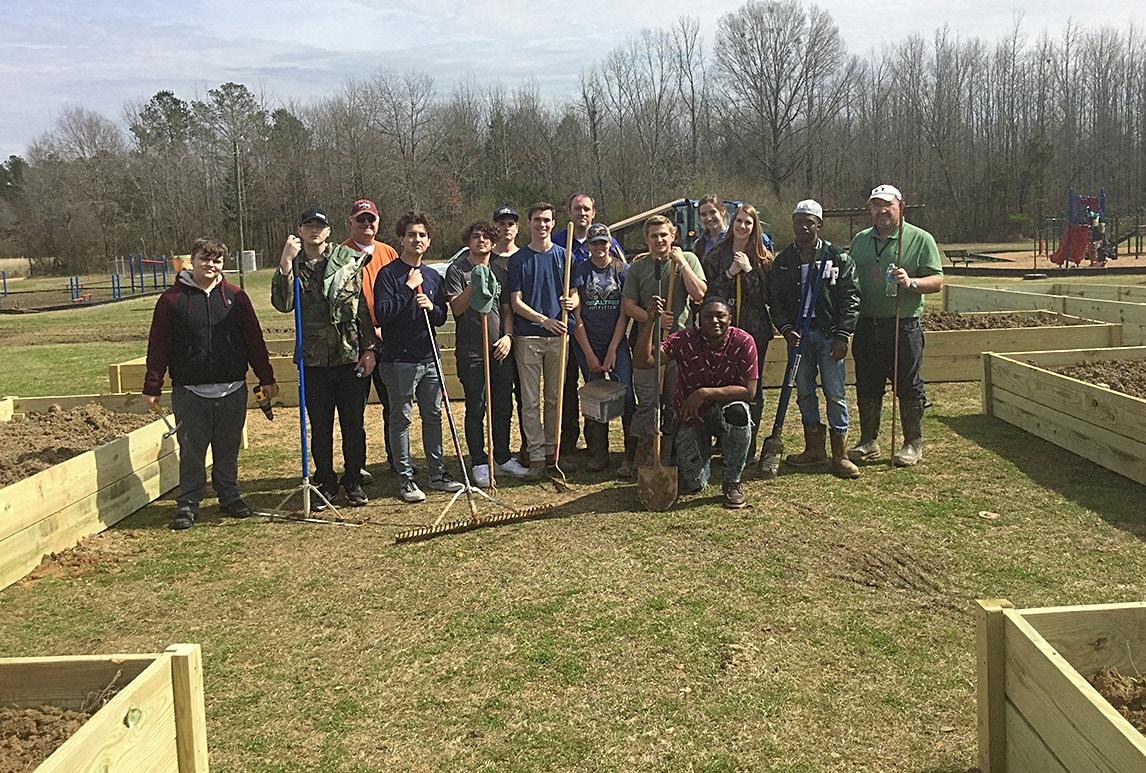
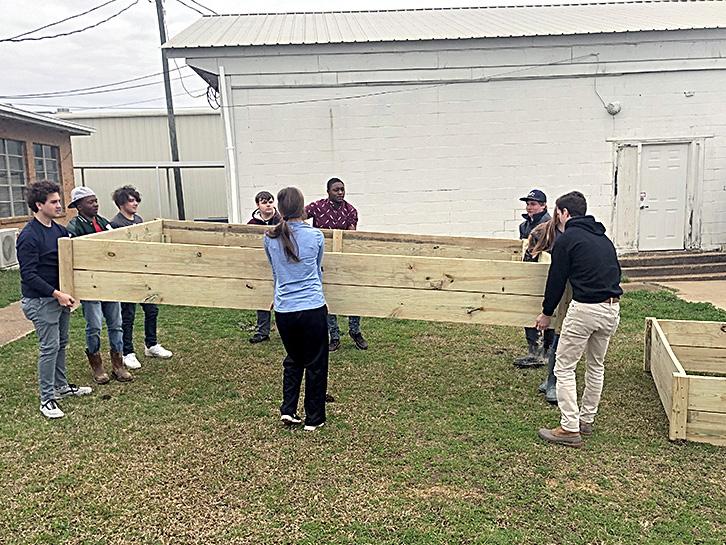
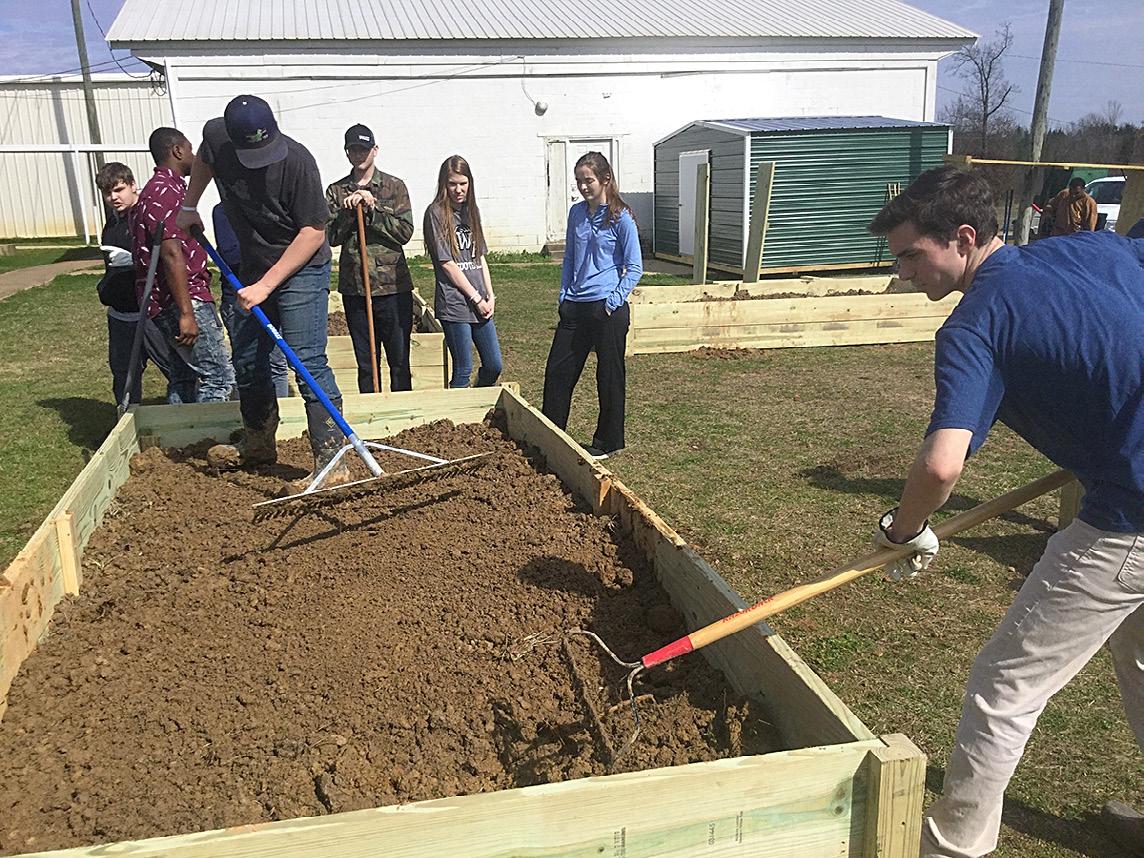
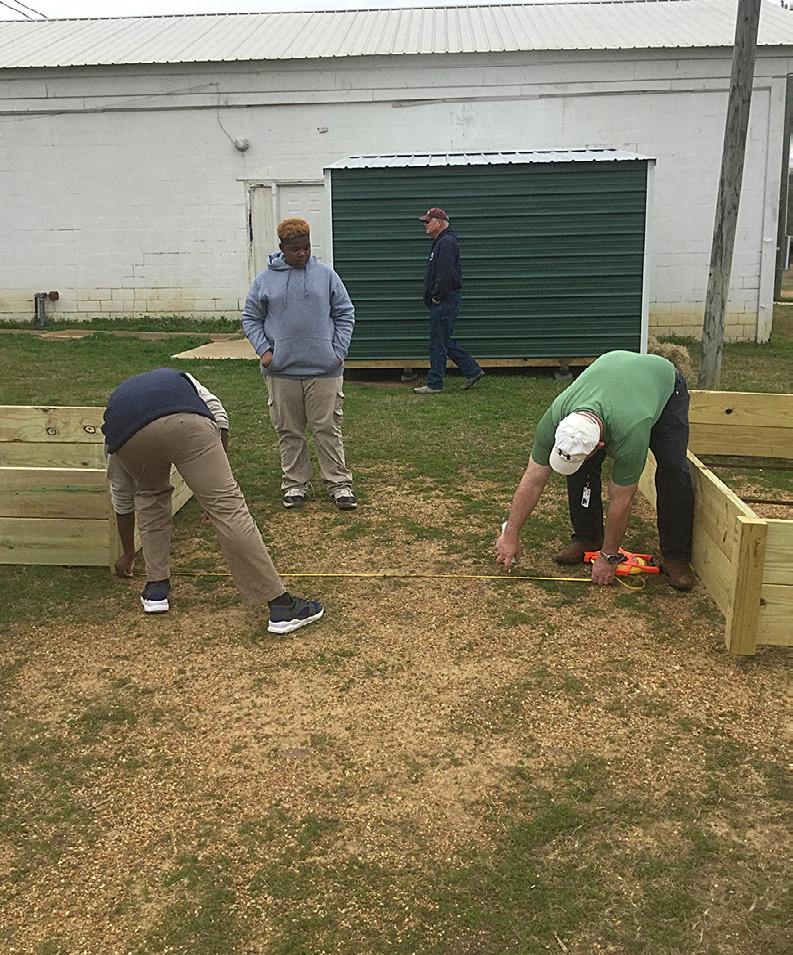
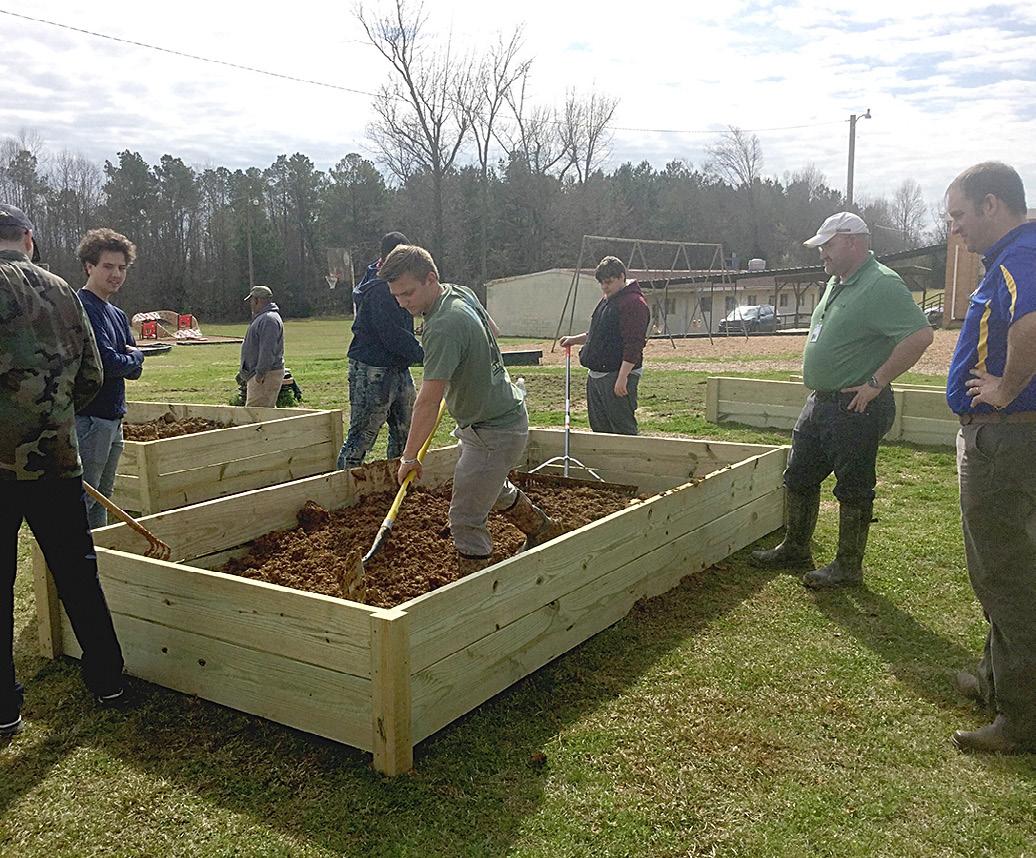
WPCTC Students Install Raised Garden Beds at Elementary School
Students in the West Point Career and Technical Center’s Animal and Environmental Science Technology class installed raised beds at West Clay Elementary this spring so students there could plant flowers, fruits and vegetables. A Blue Cross & Blue Shield of Mississippi grant helped fund the project.

TMS ACTE
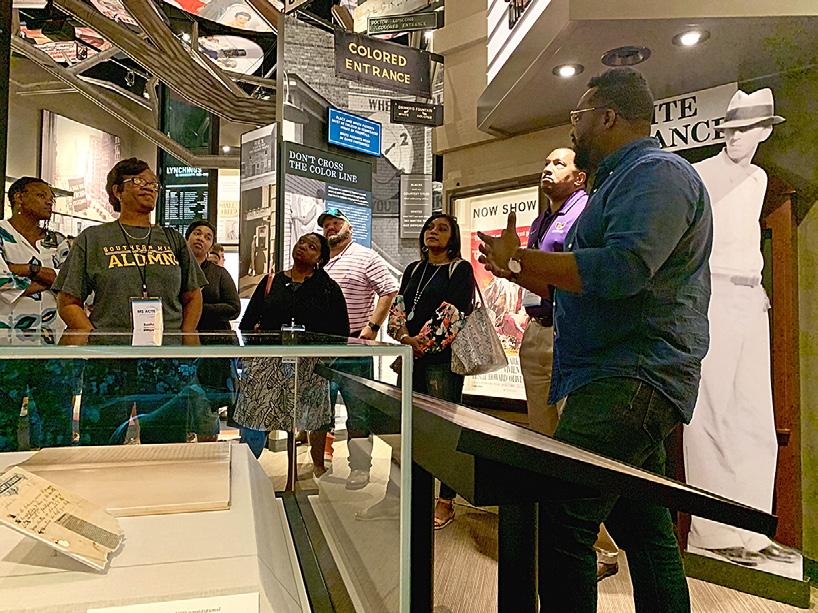
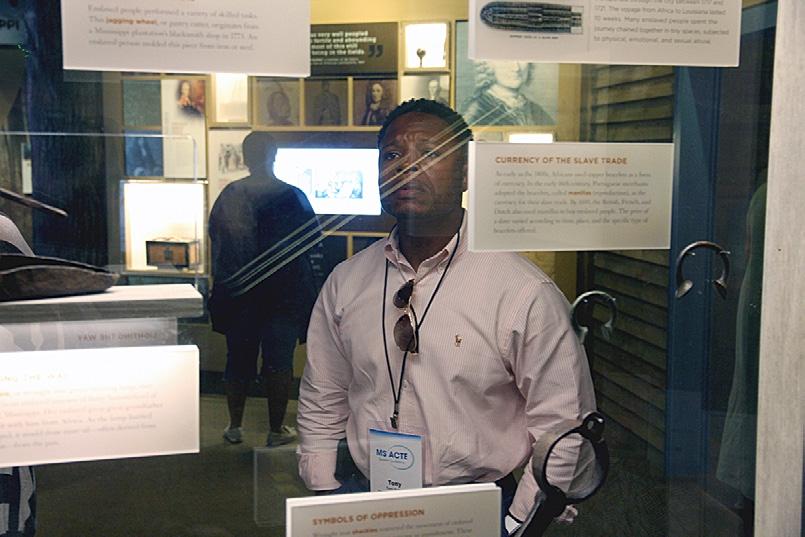
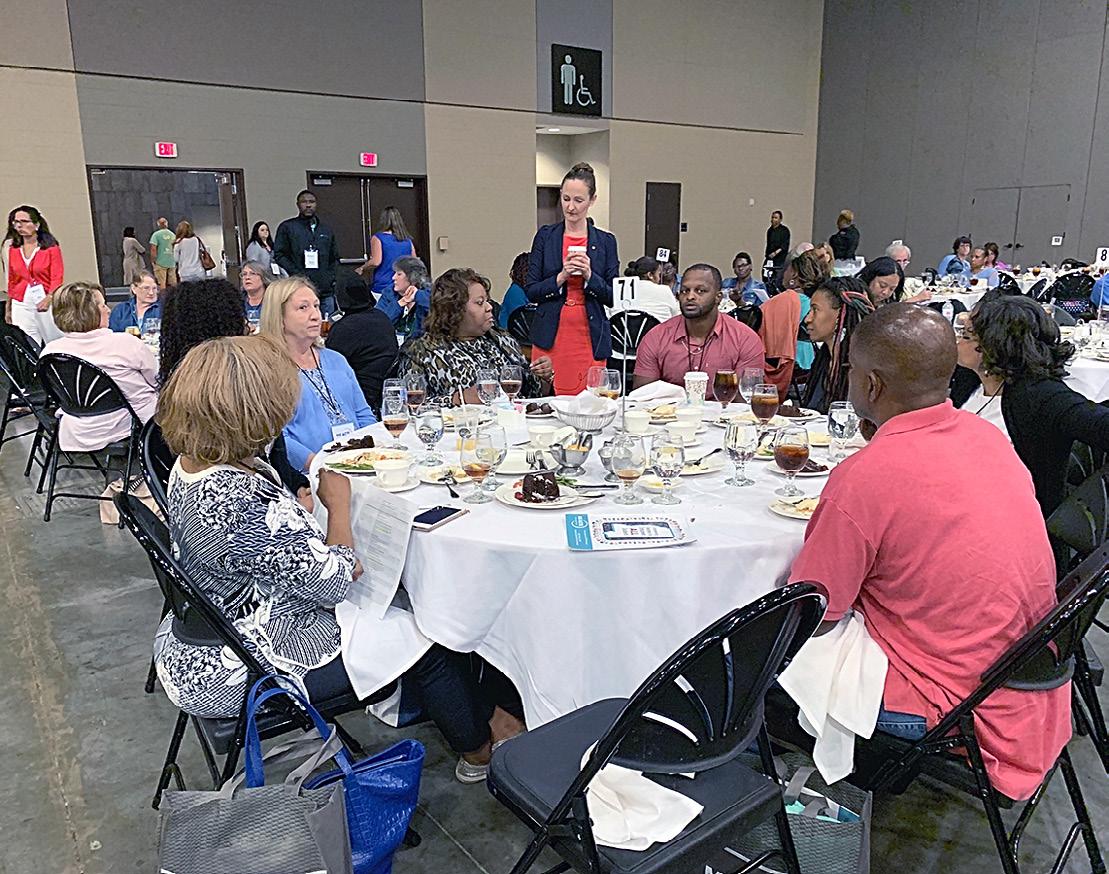
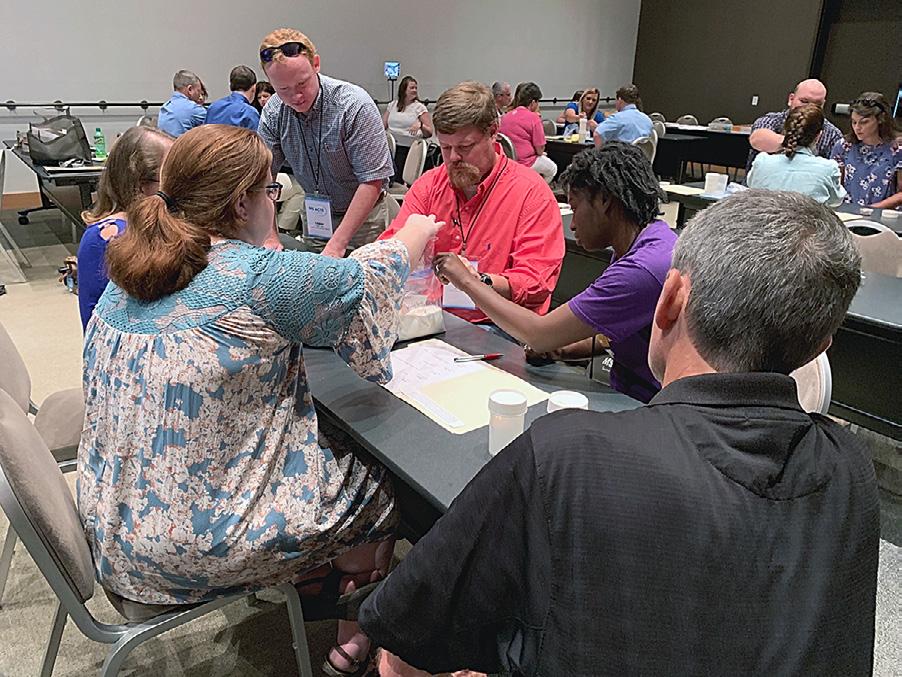
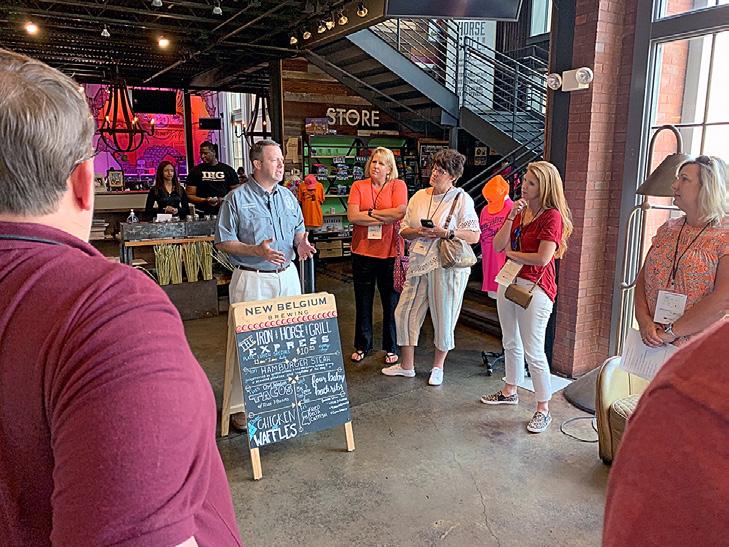
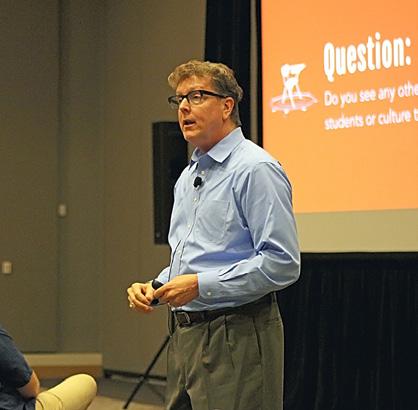
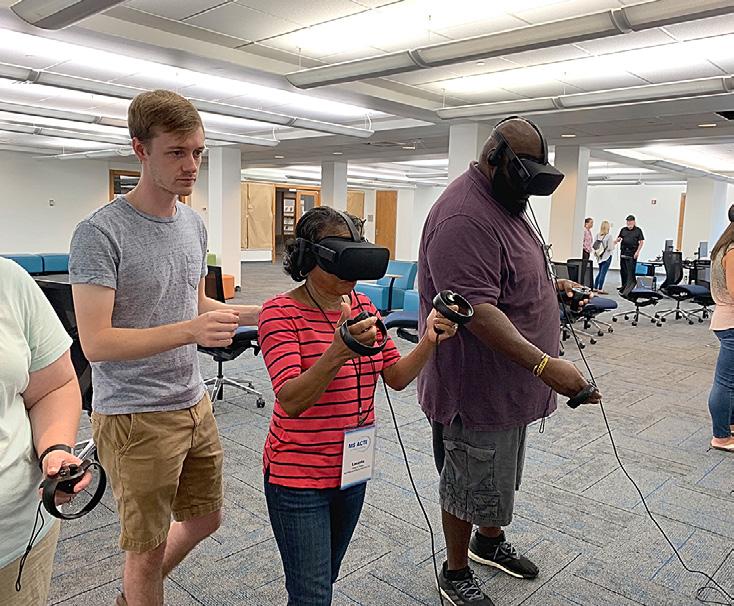
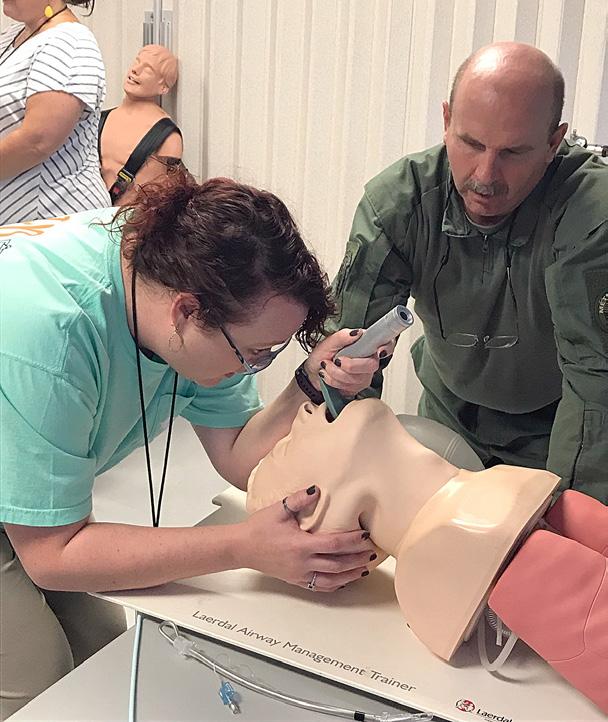
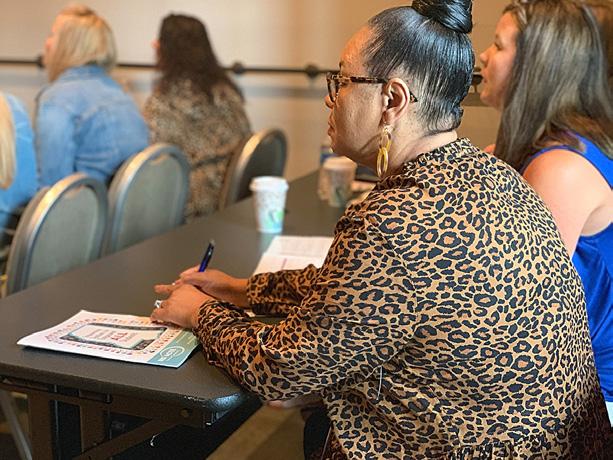
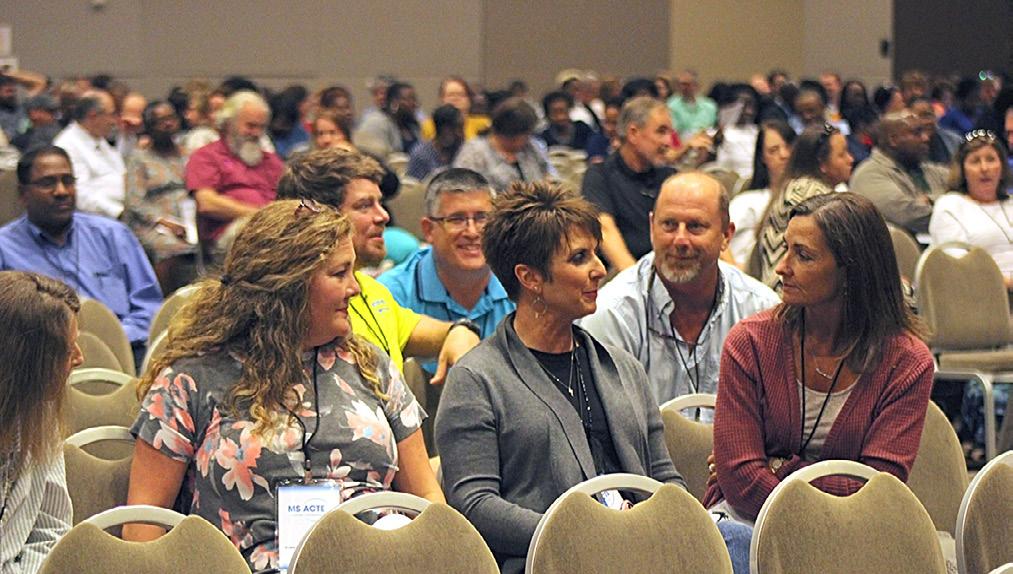
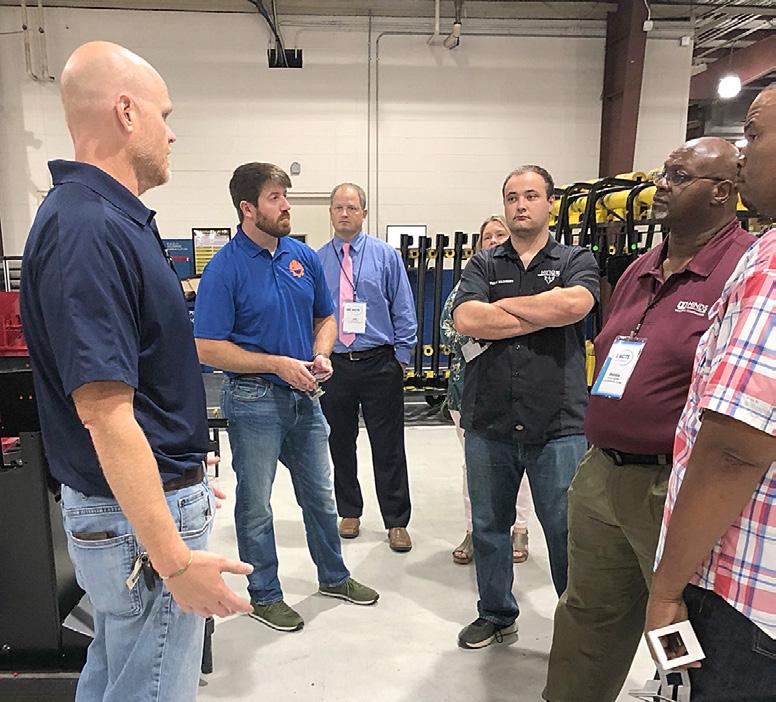
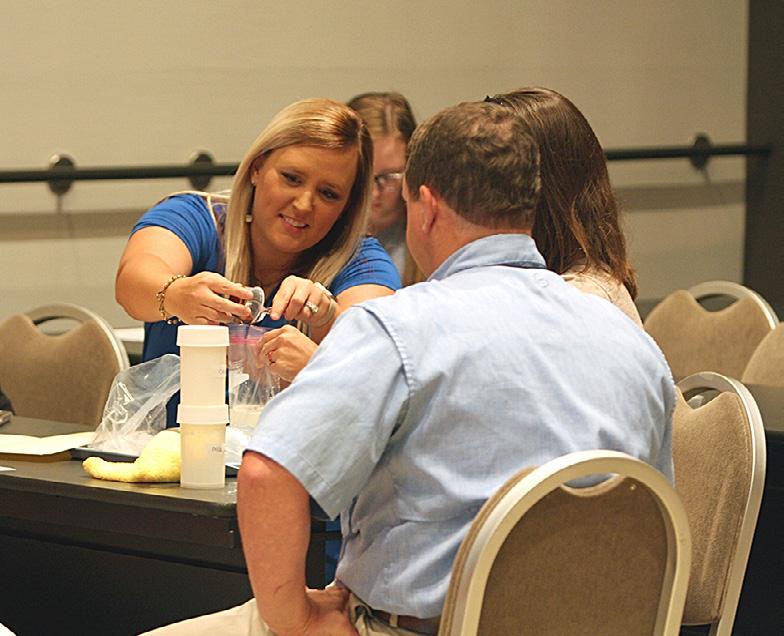
his summer featured another successful, informative and well-attended Mississippi Association for Career and Technical Education (MS ACTE) conference at the Jackson Convention Complex. Approximately 1,113 career and technical educators from across the state took part in 198 sessions and 26 off-campus field trips, tours and exhibitions. Keynote speaker Tim Elmore, the founder of the non-profit organization Growing Leaders, provided strategies and insight for connecting with students, and Casey Sacks, the U.S. Department of Education Office of Career, Technical and Adult Education deputy assistant secretary, updated attendees on the status of CTE from the national level. We look forward to seeing you at MS ACTE 2020!
2019
KEEPING IT
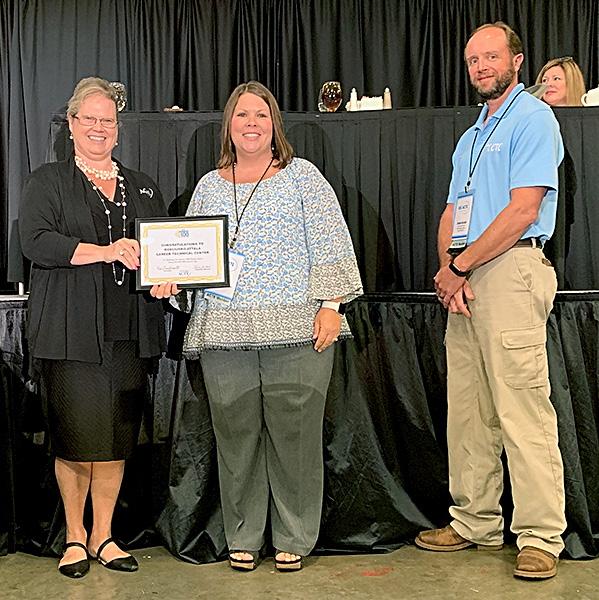
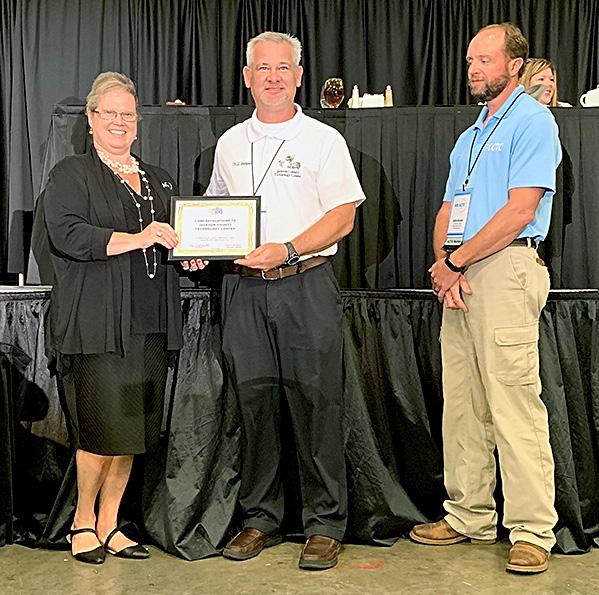
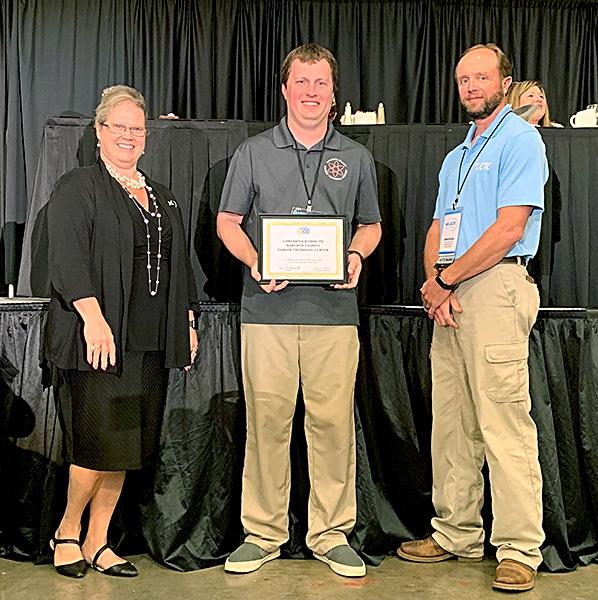
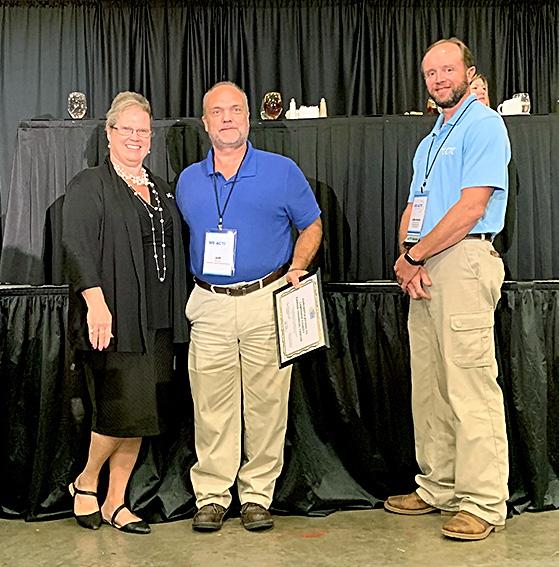
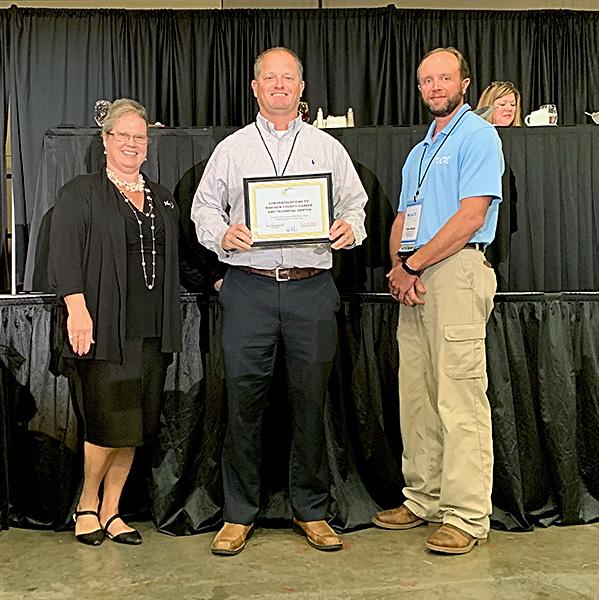
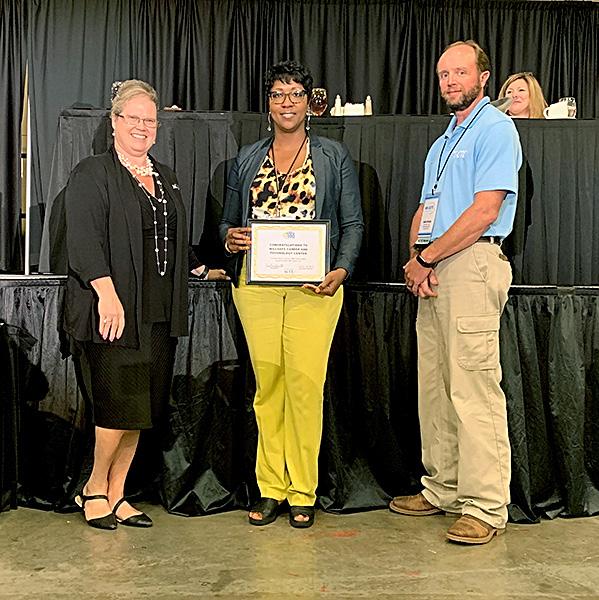
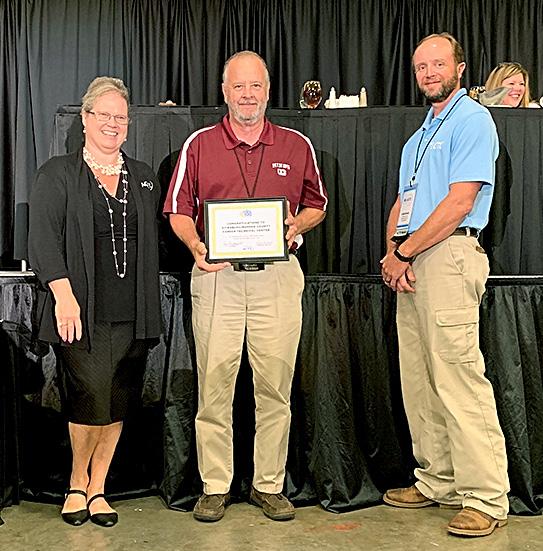
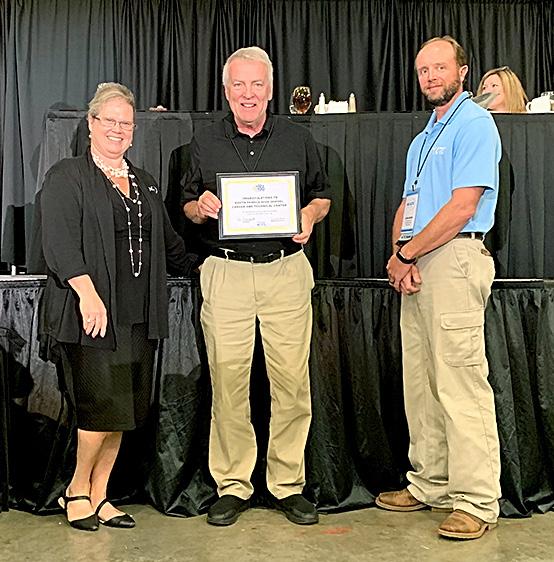
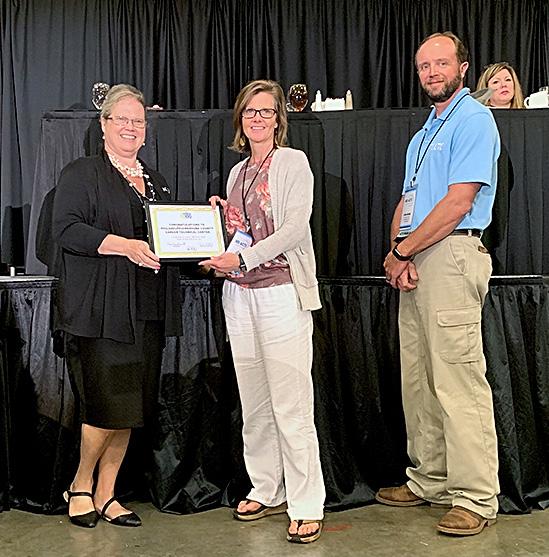
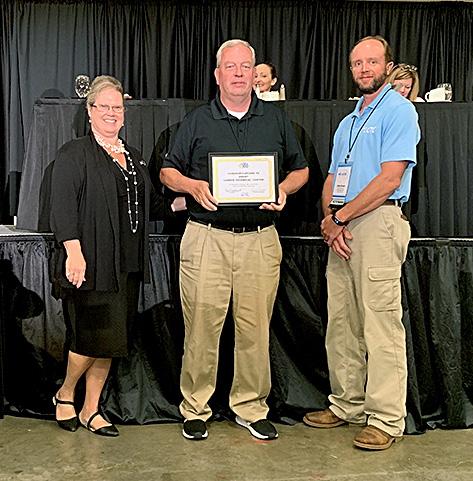
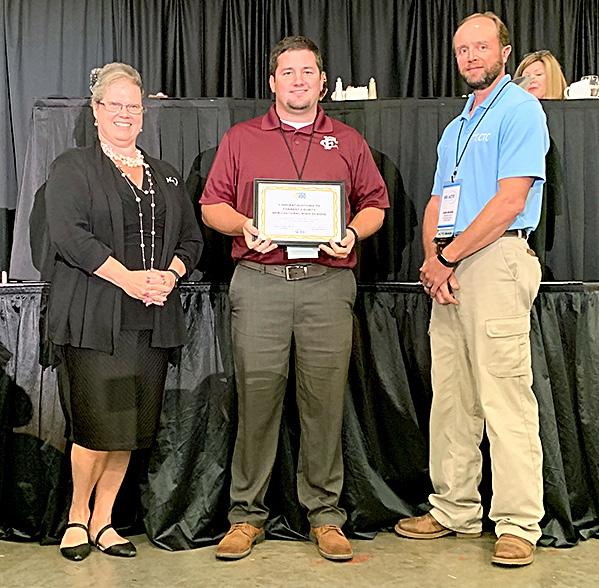
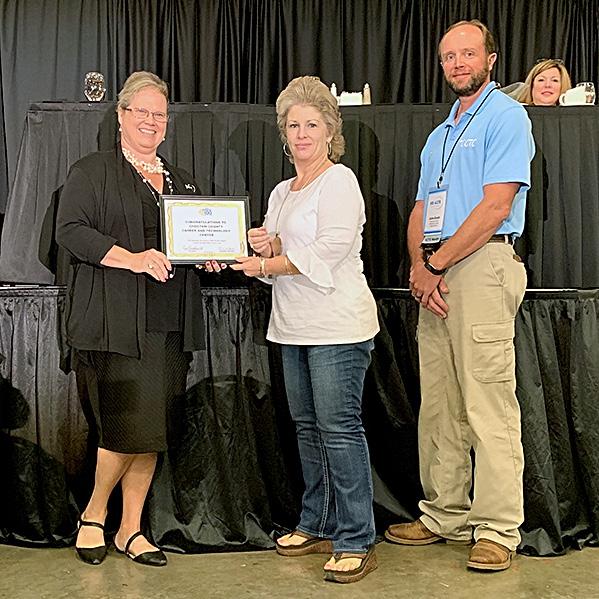
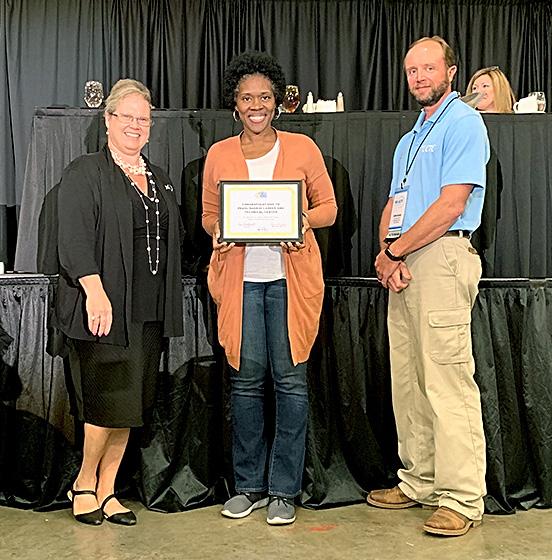
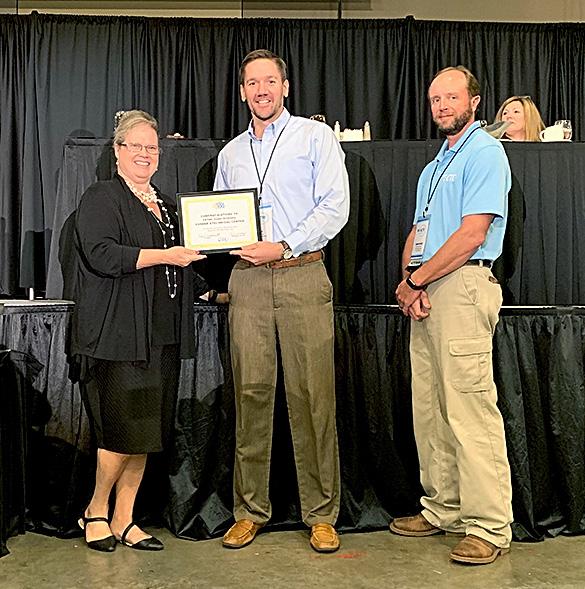
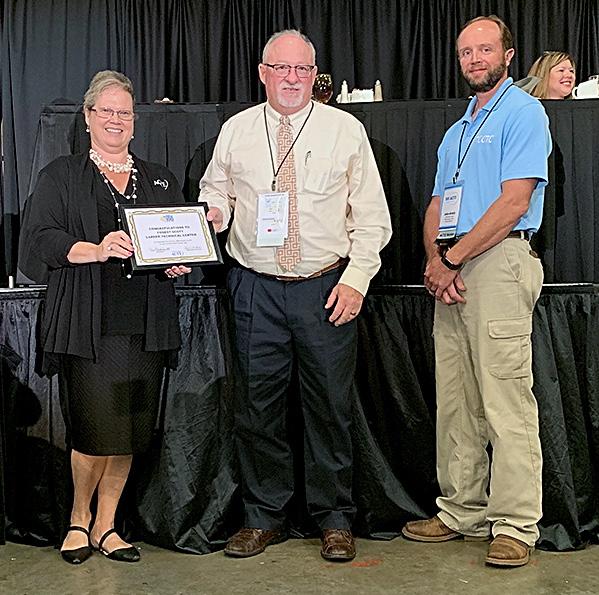
Sixteen Mississippi career and technical centers received the Achieve 100% Award for the 2018-2019 school year this summer at the annual Mississippi Association for Career and Technical Education (MS ACTE) conference in Jackson.
To receive the award, all administrators, teachers and counselors of a school must be members of the national ACTE group.
Recipients included: Amite County Career and Technical Complex, Amory Career Technical Center, Choctaw County Career and Technical Center, Forest-Scott Career Technical Center, Forrest County Agricultural High School, Hancock County Career Technical Center, Jackson County Technology Center, Kosciusko-Attala Career Technical Center, Lawrence County Career Technical Center, Madison Career and Technical Center, Millsaps Career and Technology Center, Pearl-Rankin Career and Technical Center, Petal High School Career and Technical Education Center, Philadelphia-Neshoba County Career Technical Center, South Panola High School and Vicksburg-Warren County Career and Technical Center.
100%
Calhoun Construction Students Build Beds for Children
Brice Fortinberry
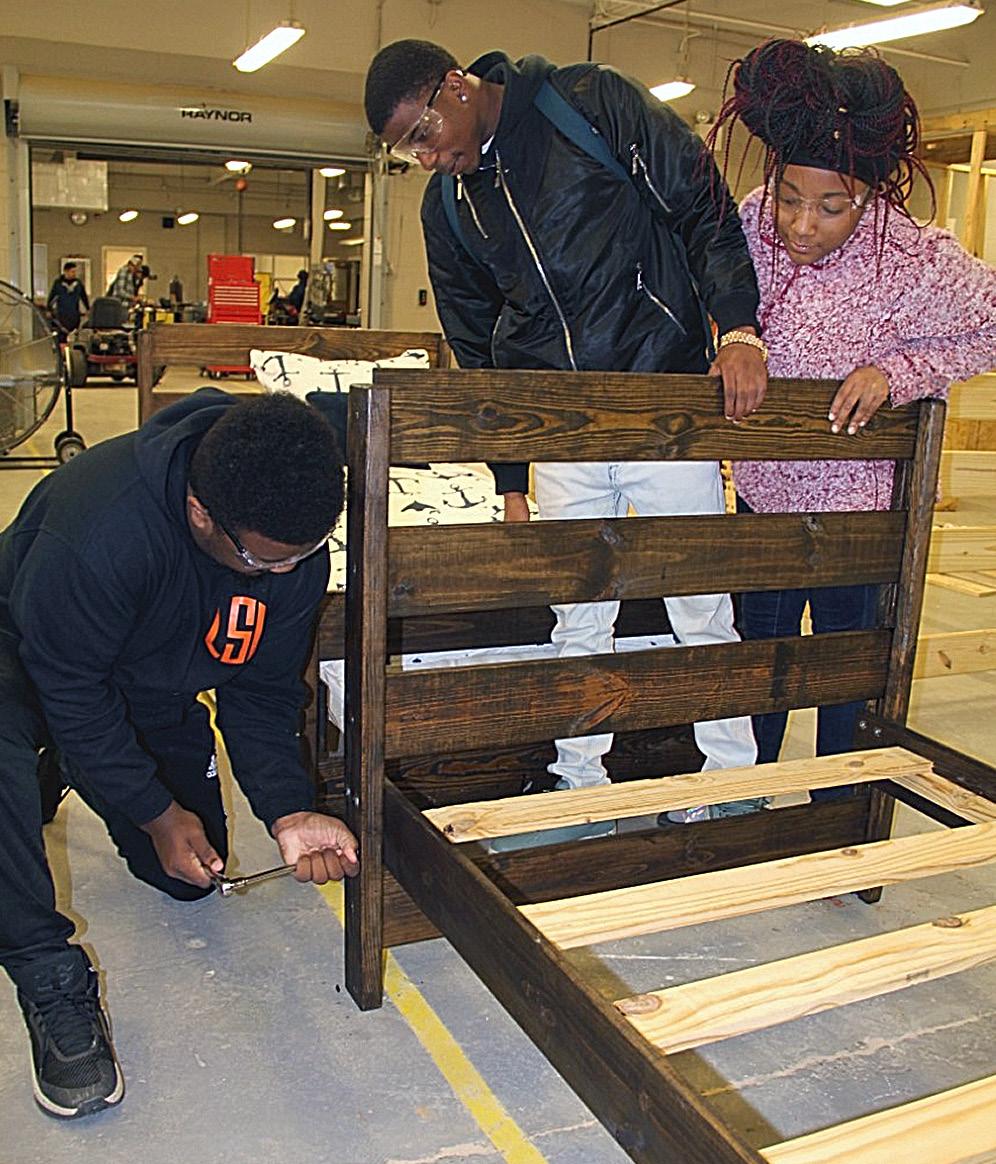
Calhoun County Career and Technical Center’s (CCCTC’s) Construction students create change in their community by building beds for underprivileged children.
Beds for Kids is a program that was started by Families First for Mississippi (FFFM) and is led by coordinator Stanley Huddleston. The initiative provides families in need across Mississippi with beds and other critical resources.
CCCTC Director Kyle Clark said his school started the program in the 2018-2019 academic year after discussing the potential partnership with Huddleston. Career and technical education (CTE) students wanted a way to give back to their communities, he said, and Huddleston’s organization provided resources — wood and other materials — to jump-start the program.
“We saw opportunity there and decided the program was a good fit,” Clark said. “That spring, our class built 10 beds for Families First and the families they serve.”
The process for obtaining a bed is simple. In the beginning, families come to FFFM and report that they have or know a child that needs a bed. Next, parents must attend parenting classes to qualify for a bed. Finally, CCCTC students build the beds, and FFFM members, along with local church volunteers, deliver the beds to the families that qualify.
Construction teacher Nick Doles said Beds for Kids is a unique way of teaching construction concepts. It allows students to get their hands dirty and gives them an idea of what it will be like to work in the construction industry.
“We use all the equipment that would be used in the construction industry, including routers, band saws, table saws and hand tools,” he said. “[These] are experiences that can’t be taught out of a textbook.”
Through the Beds for Kids program, students are learning valuable skills that enable them to engage in public service. Twenty-five students participated in Beds for Kids last spring. Junior Tyasia Kimble said the program helped her take concepts learned in the classroom and apply them to help others in her community.
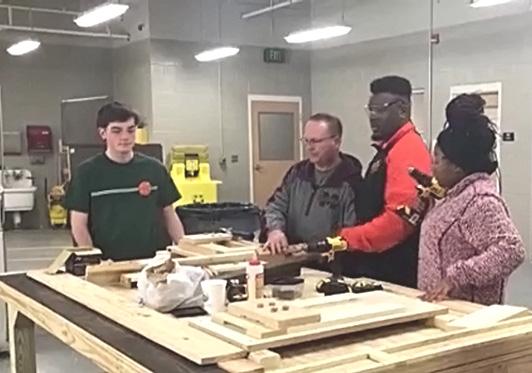
Calhoun County Career and Technical Center
students assemble a bed for Families First.
Bottom: Construction teacher Nick Doles (second from left) and three students begin preparing wood that will become parts of an assembled bed.
“The most rewarding thing about the program was being able to bless each individual family with a bed,” she said, “and being able to learn construction skills from hands on experiences taught by my teachers was pretty cool, too.”
Top:
Construction
Leland CTE Students Participate in National FBLA Conference
Submitted Story
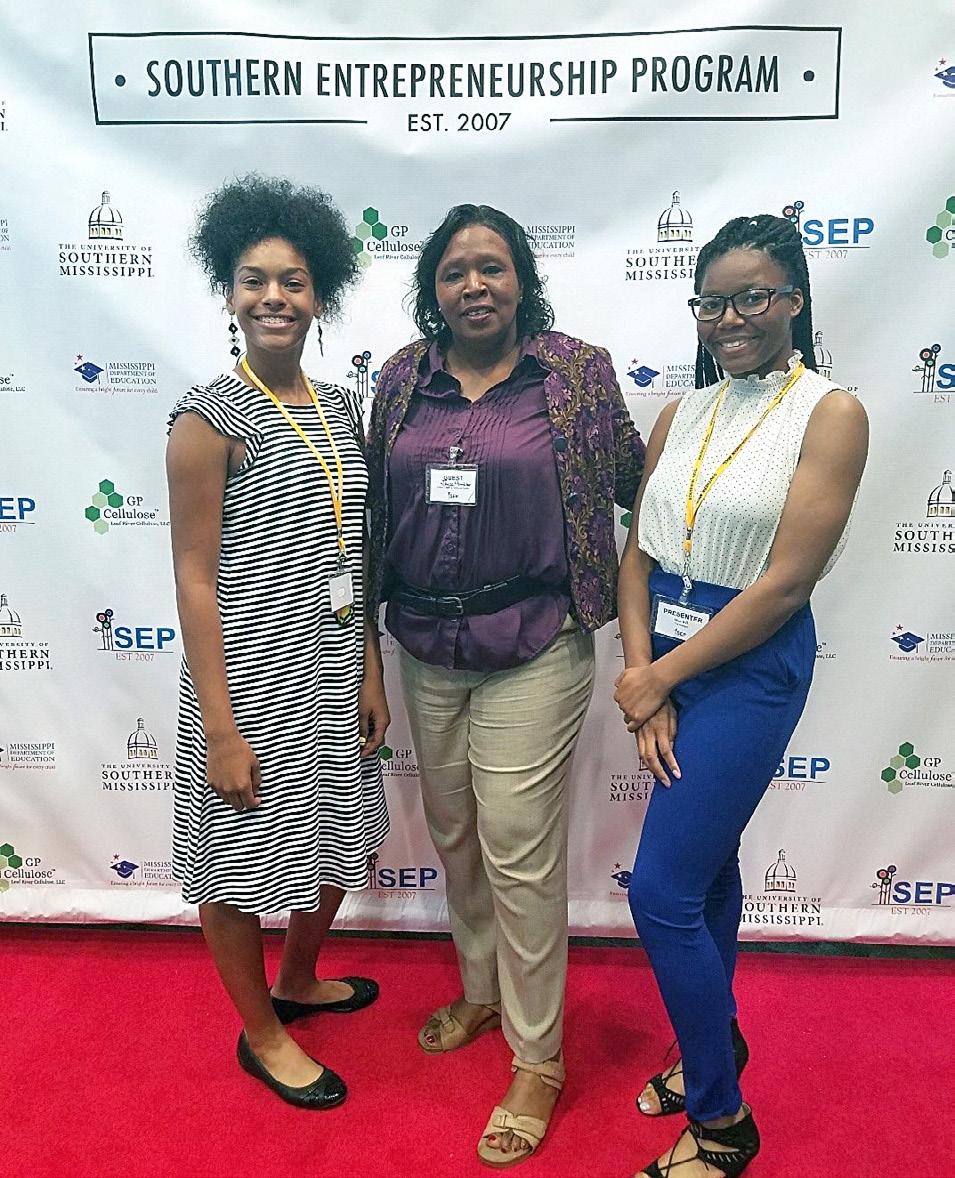
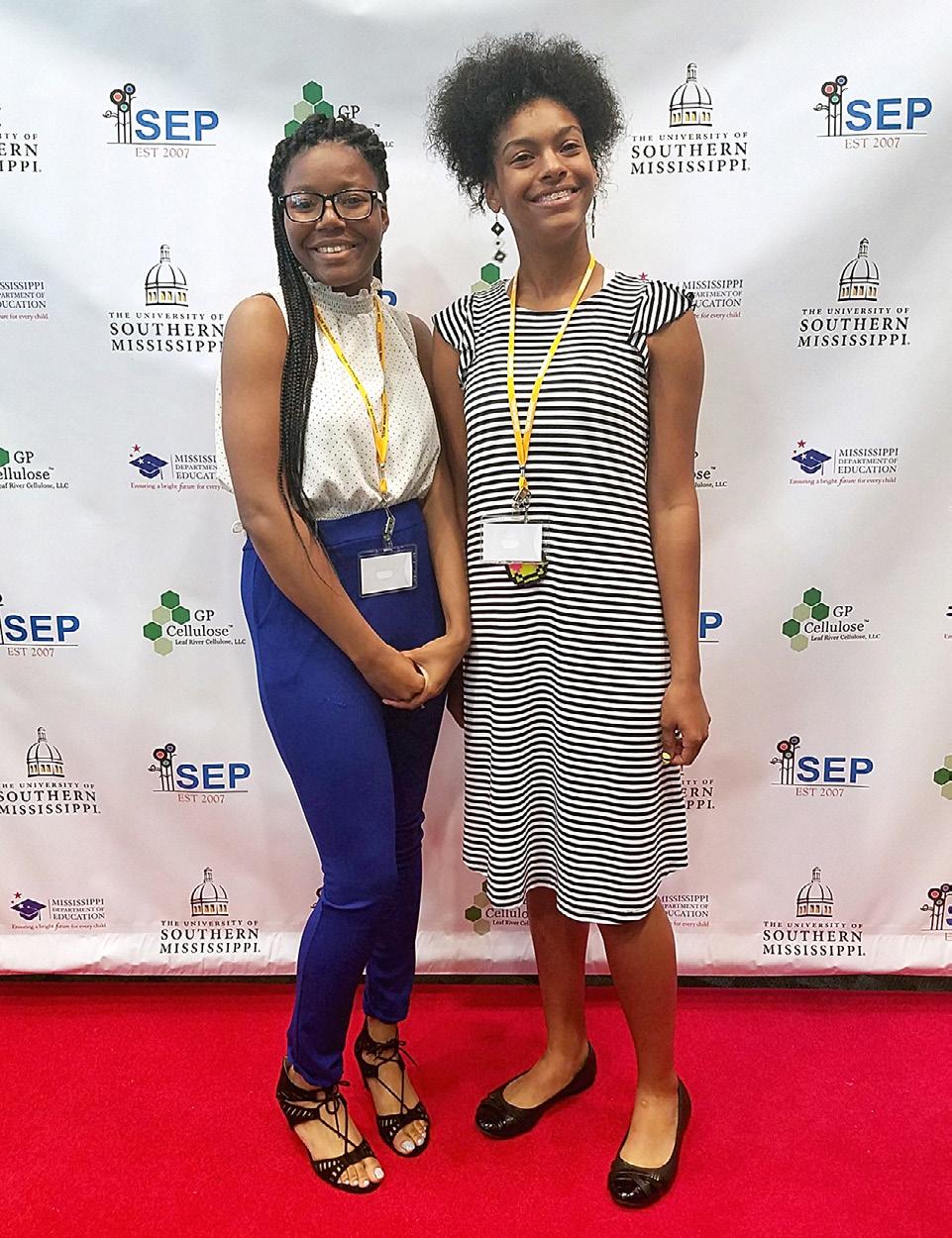
Two Leland School District Business Fundamentals and Marketing students traveled to Texas this summer and competed at the Future Business Leaders of America national conference.
Juniors Meara Brown and Yasmin Colon, along with instructor and sponsor Joyce Hackler, visited San Antonio from June 29 to July 2 after previously competing in schoolwide, regional and state events as first-year students. Their accomplishments include winning Mississippi’s Southern Entrepreneurship Program and placing first in their category for business ethics in the state. Brown was also elected an FBLA state officer for Mississippi’s chapter.
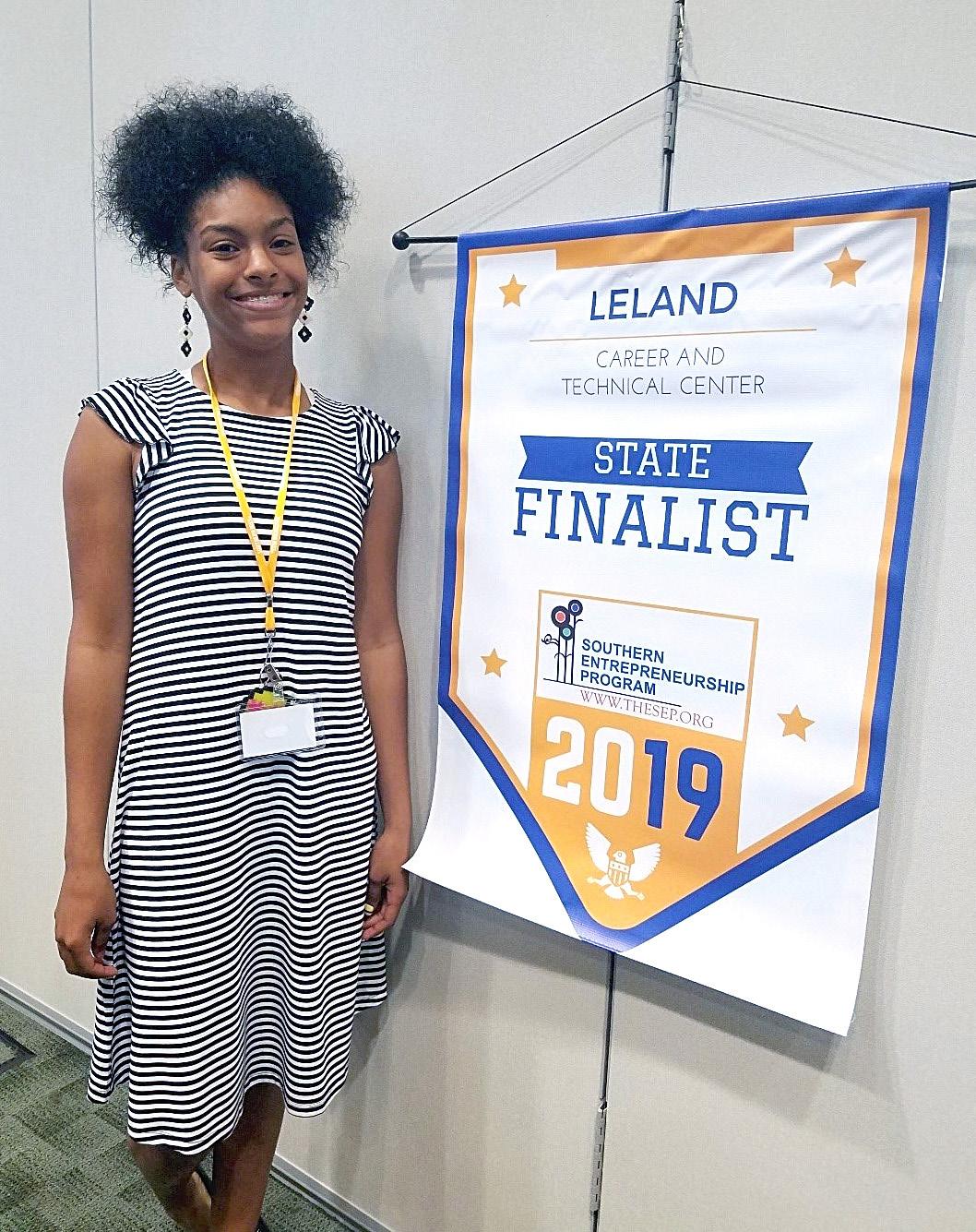
Bottom left: Leland School District Junior Yasmin Colon, a state finalist for the Southern Entrepreneurship Program, poses at the Future Business Leaders of America national conference in San Antonio, Texas, this summer.
Top right, left to right: Colon, Marketing instructor Joyce Hackler and junior Meara Brown.
Bottom right, left to right: Brown and Colon.
INSIDE THE
Classroom
Top-Notch Equipment and Multi-Generational Experience Are Noxubee Construction Teacher’s Tools of Choice
Amanda Gronewold
Photos by Amanda Gronewold
For John Bankhead, construction is a family affair.
Bankhead’s father taught the Construction class in Noxubee County for about 20 years until the son replaced his mentor in 1997. Together, they operate a construction business.
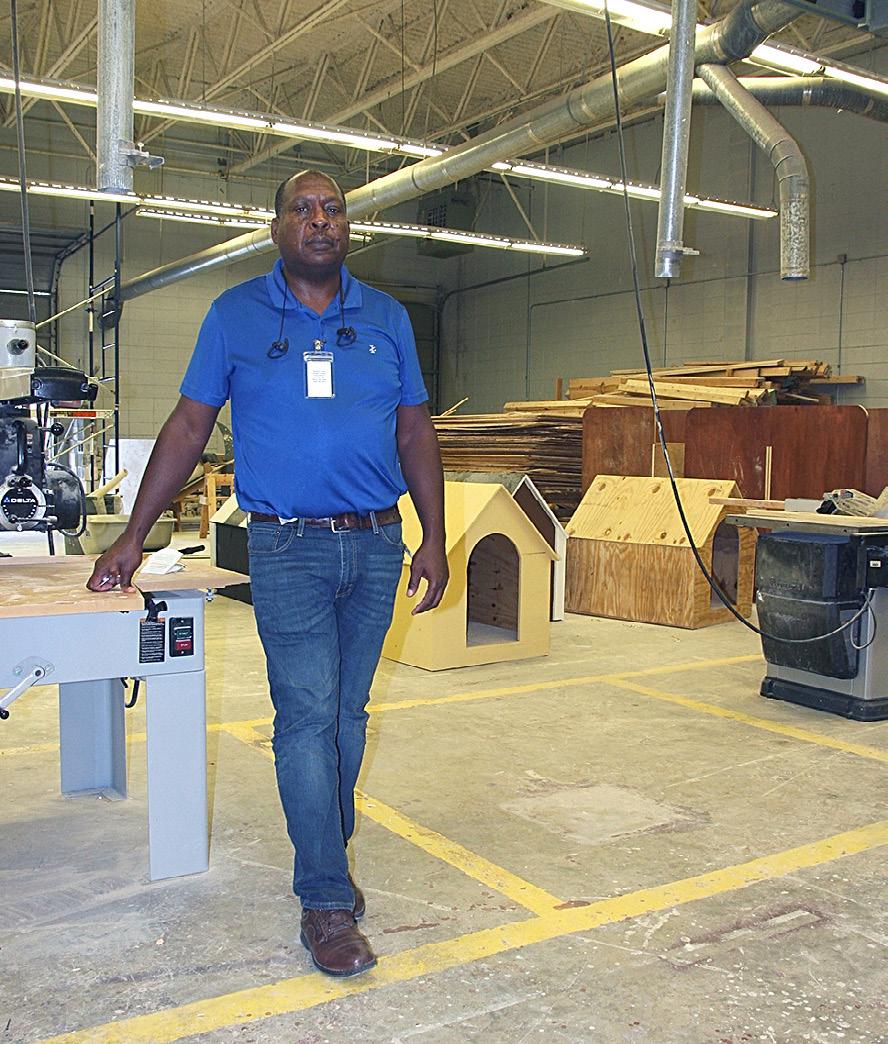
“We build houses, churches — different things,” Bankhead, who currently teaches at the Noxubee County Career and Technical Center, said. “My whole life has been building trade or construction.”
Bankhead shares his combined business and construction experiences with his students, leading them in building dog houses, storage houses and similar projects to raise money for the class. He designs his classroom and workshop to reflect the ever-changing world of construction technology. Moving away from the stereotypical world of hammers and nails, he provides his students with experiences that closely resemble working on modern job sites.
Saws
The variety of saws — both in size and function — in Bankhead’s shop may surprise those without construction experience.
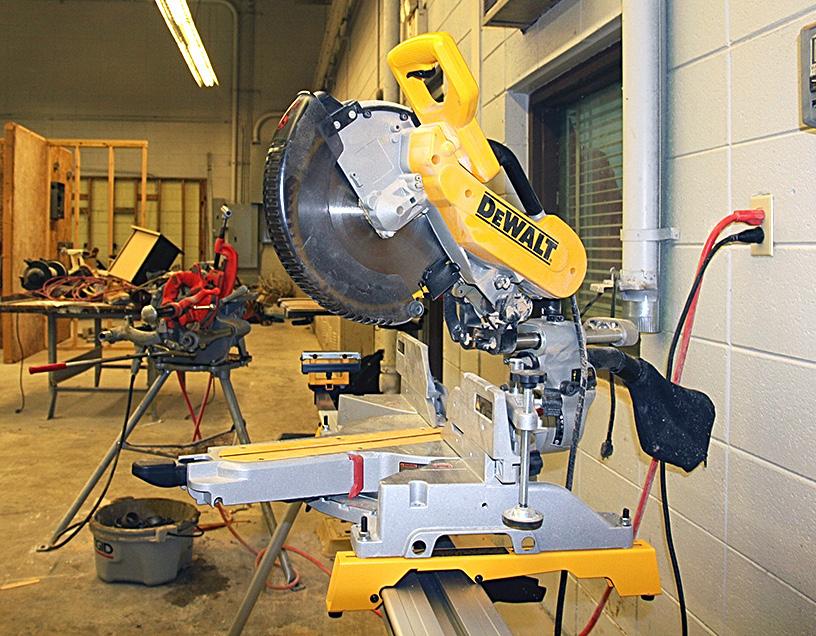
Miter, radiant arm, table and band saws are available for students to cut wood, along with a masonry saw for other materials, including brick and ceramic.
“The miter saw is one of the saws that we stress the most, because this is the saw that you could do a lot of
Left: John Bankhead poses in his Construction class shop in the Noxubee County Career and Technical Center.
Right: A miter saw is pictured at the shop.
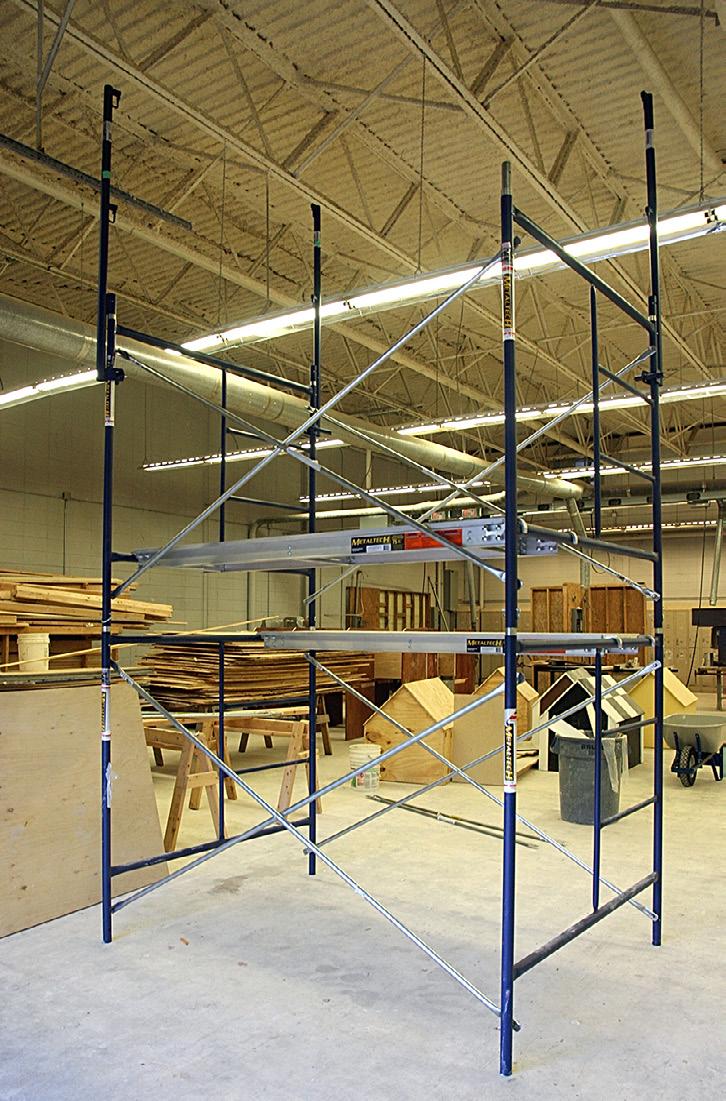
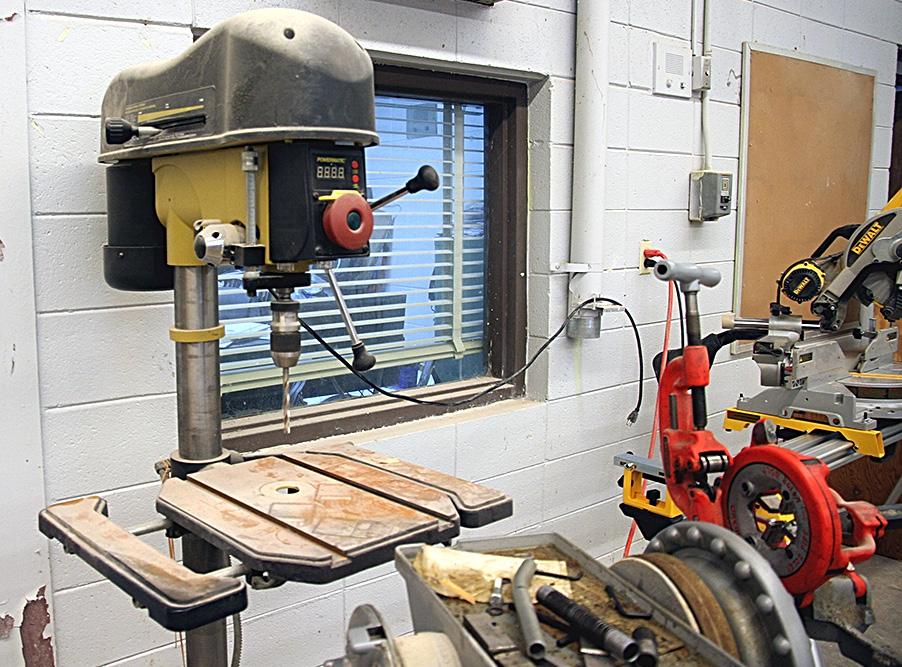
Noxubee County Career and Technical Center students use (clockwise from top left) scaffolding, a drill press and power mixer in construction and carpentry classes.
different things with on the job site,” he said. “We teach the students how to cut to different degrees. This one is compound, so you can actually make two cuts at one time.”
Power Threader
Bankhead’s students learn to cut metal pipes and use a power threader to carve thread — grooves like the ones on a screw — into them.
“Students get a chance to cut, put the die on, put the threads on, deburr and learn how to run the flip pedal back and forth,” he said. “[They] have to learn how to use the oil to keep it from messing up the pipes on there.”
Drill Press
A drill press is used to cut holes through wood, metal and other materials.
“Say you’re making something and you want to put some dials in there — the drill press would be the tool to use to do that,” Bankhead said.
Scaffolding
Two stories of scaffolding tower over the other equipment in Bankhead’s shop. He instructs his students on how to erect these temporary structures for use at multi-story job sites.
“We do all the bracing, all the toe boards, mid rails, top rails, platforms — everything,” he said.
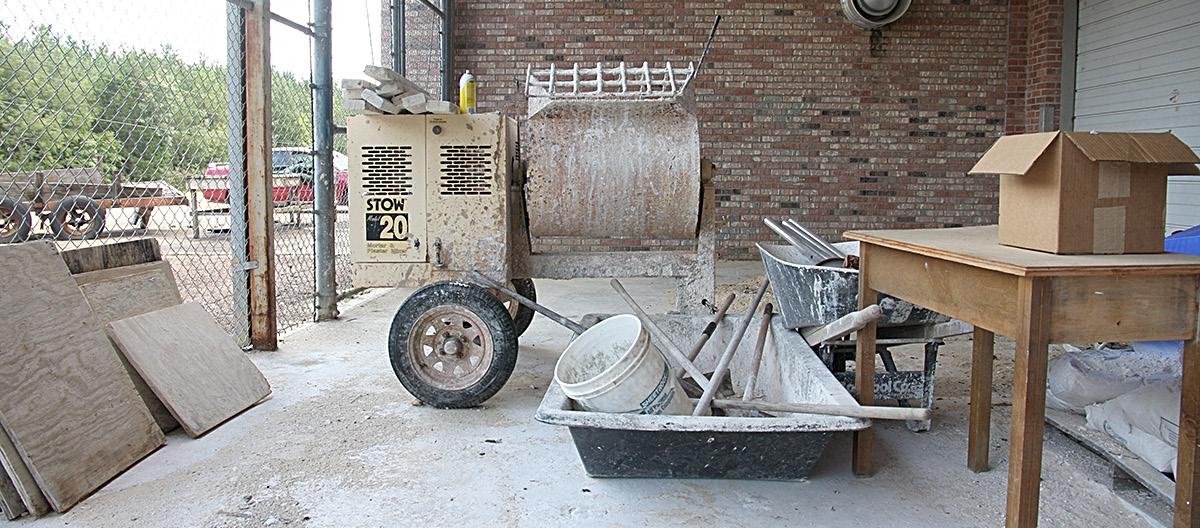
Power Mixer
When learning the art of masonry, students need a lot of mortar. Bankhead’s gasoline-powered mixer delivers it efficiently.
“You put all your water, sand and mortar mix in, and it’ll actually mix it up like a big cake batter mixer,” he said.
Dust Collector
A construction shop can get very dusty, so the dust collection system provides extra ventilation to improve the air quality.
“It’s one of the things that you have to have in the shop,” Bankhead said.
STUDENTSpotlight
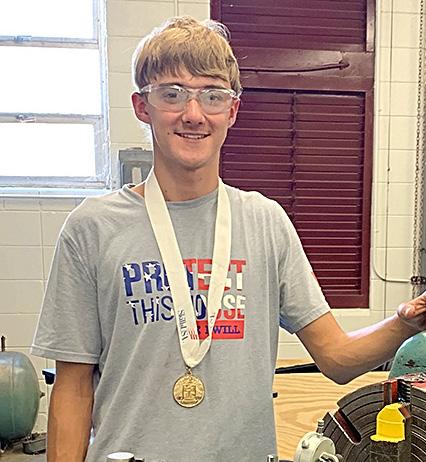
What is your favorite subject?
English, because it comes naturally to me. I like the stories we read in class, and I enjoy reading outside of school.
Who is your favorite teacher or school employee?
Precision Machining instructor Kody Britt. He is a really good teacher and explains things in detail. Also, he is very patient with me.
What accomplishment as a student are you most proud of?
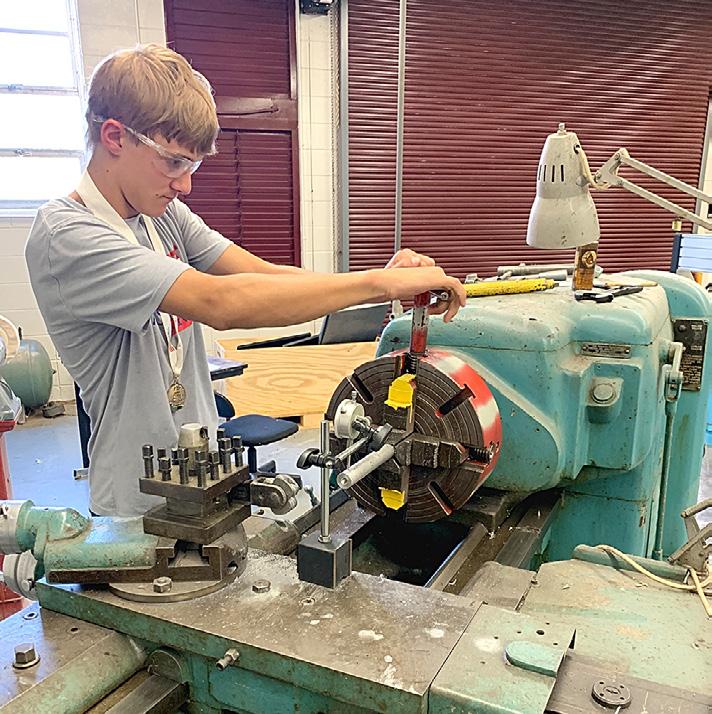
I am proud of placing first in the state competition for machining.
What club, organization or sport do you enjoy participating in most?
I enjoy my CTE program the most. I enjoy precision machining, because it is my passion.
What jobs or careers interest you the most?
I’m unclear as to what profession I want to pursue, but I do want to stay on the career path with precision machining.

EDUCATORSpotlight
Why did you become a teacher?
The most influential people in my life were teachers who taught me more than just the curriculum — they taught me life lessons. I vividly remember my high school English teacher, Pam Halbrook, taking a Polaroid picture of me holding a copy of To Kill a Mockingbird to put on a bulletin board titled “Everybody Reads!” I think it was the first time in my life that I saw every single student included. I will never forget that feeling, and I hope I continue her legacy of making my students feel valued, accepted and driven.
How do you motivate your students?
I motivate my students by being on their side. I understand they often carry a heavy load; I do not compromise high expectations, but I also consider the whole child — every part. Many of my students have part-time jobs, extracurricular activities, church and [family obligations]. My students, both past and present, know I’m there to help them in every way.
What advice would you give first-year teachers?
My advice to first-year teachers would be to enjoy the ride. You’ll make mistakes and won’t know the perfect answer to every situation because you’re human. Take time for yourself, arrive early, leave on time, work harder during your planning period than any other time and don’t sign up for more than you can handle. I have asked myself the same question for 25 years:
What is in the best interest of the student? Do that!
What has been your greatest success as a teacher?
My greatest success as a teacher is seeing my former students pay it forward. They are parents, biochemists, military service members, road workers, farmers, lawyers and teachers. They are all the faces that keep this world moving. I continually help my students, regardless of how long ago I’ve taught them. Every time I get paid, I buy supper for a former student, be it the parent who has a child in a neonatal intensive care unit or the person who is facing eviction. In my 25 years of teaching, that equates to 300 adults who have received help when they needed it most. I’m pretty sure some of them have paid it forward.

GENA HEFFNER
Jackson County District 2018-2019 Teacher of the Year
Teacher Academy instructor
Jackson County Technology Center
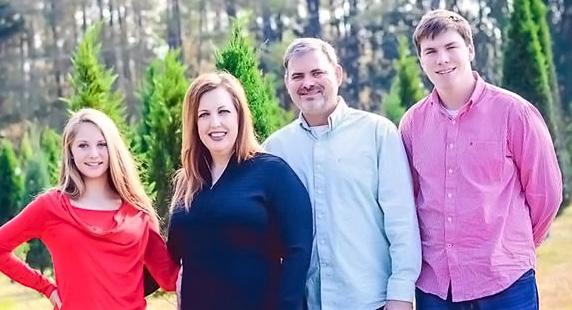
Left to right: Hannah, Gena, Ashley and Reid Heffner