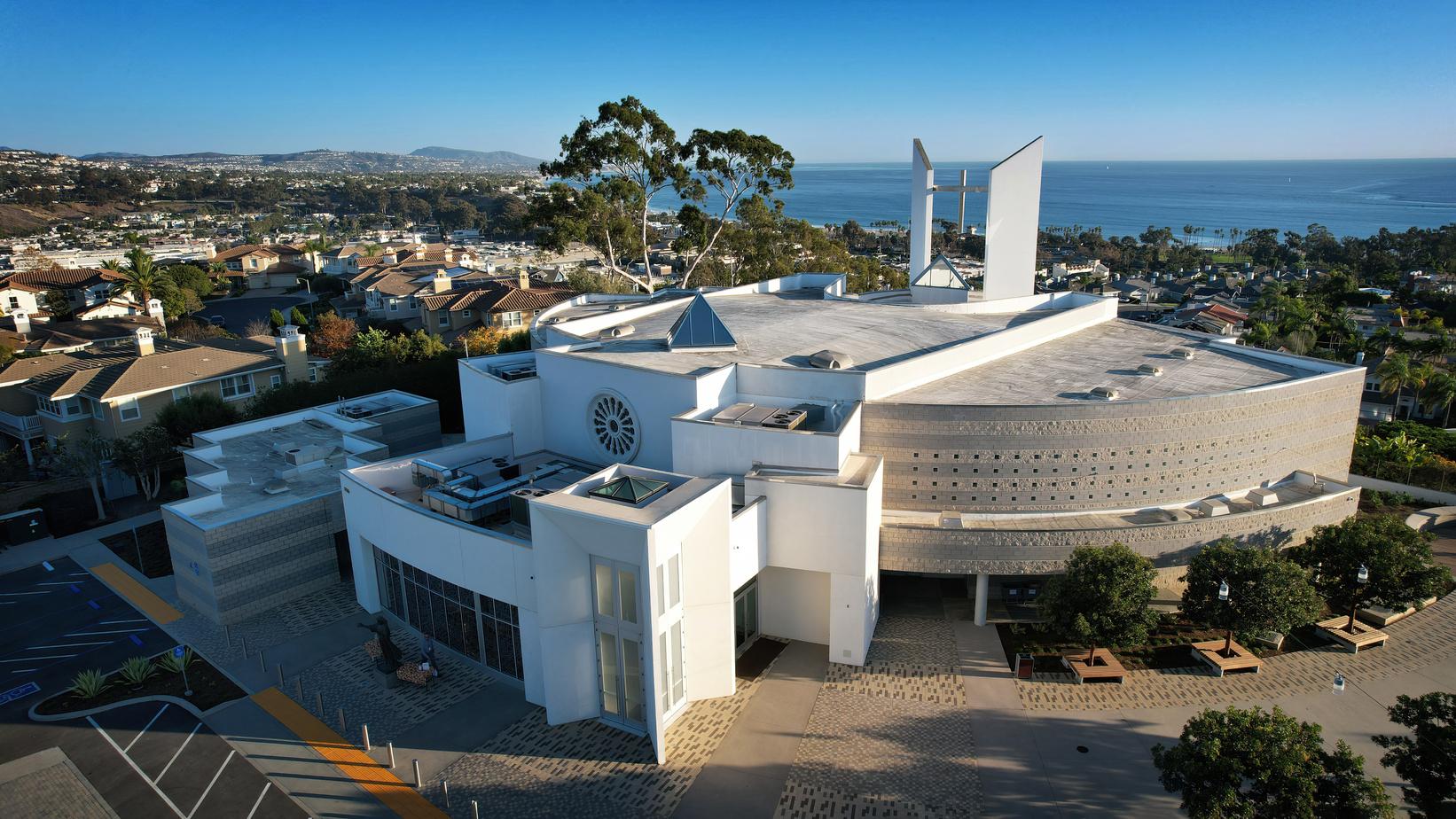
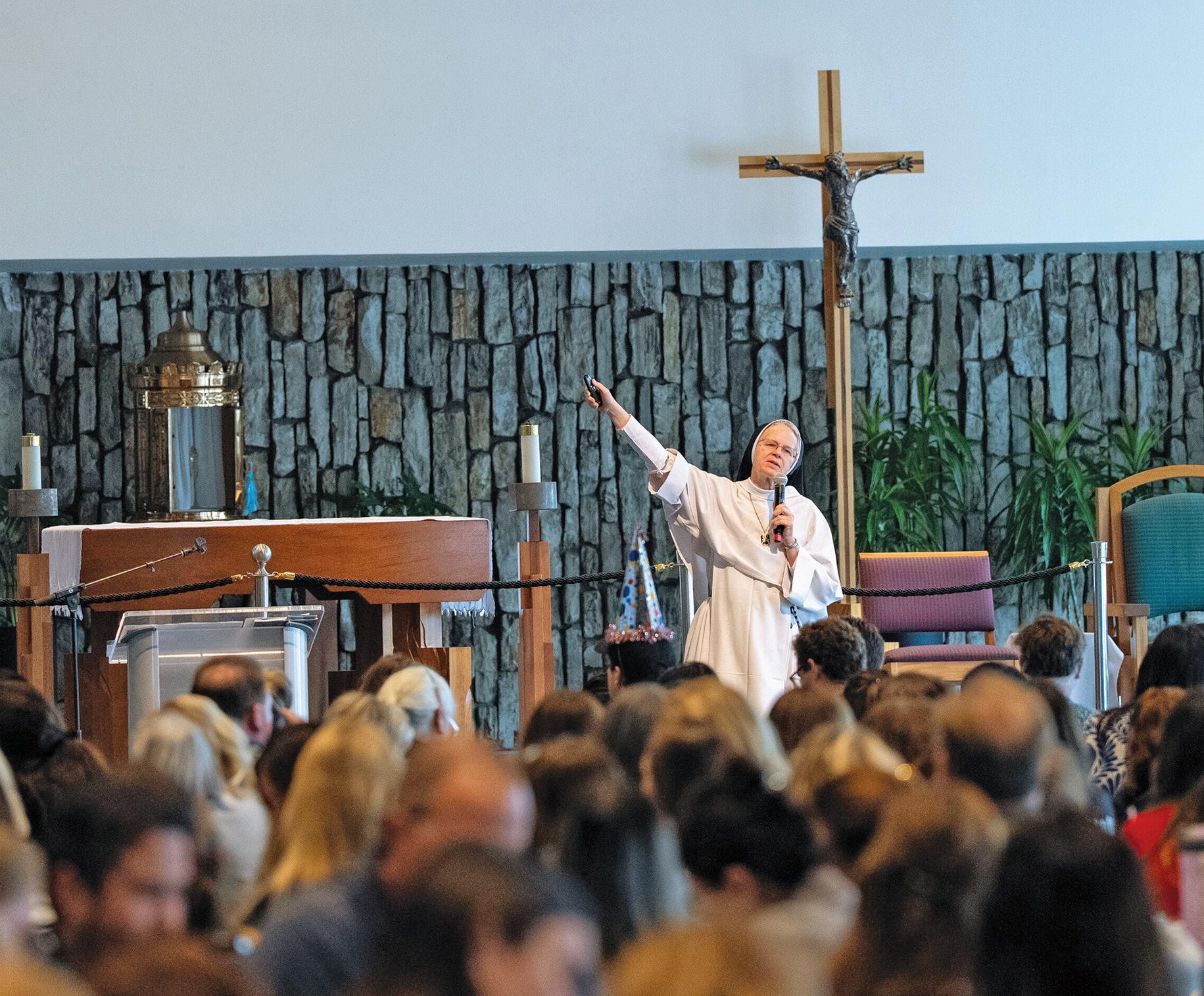
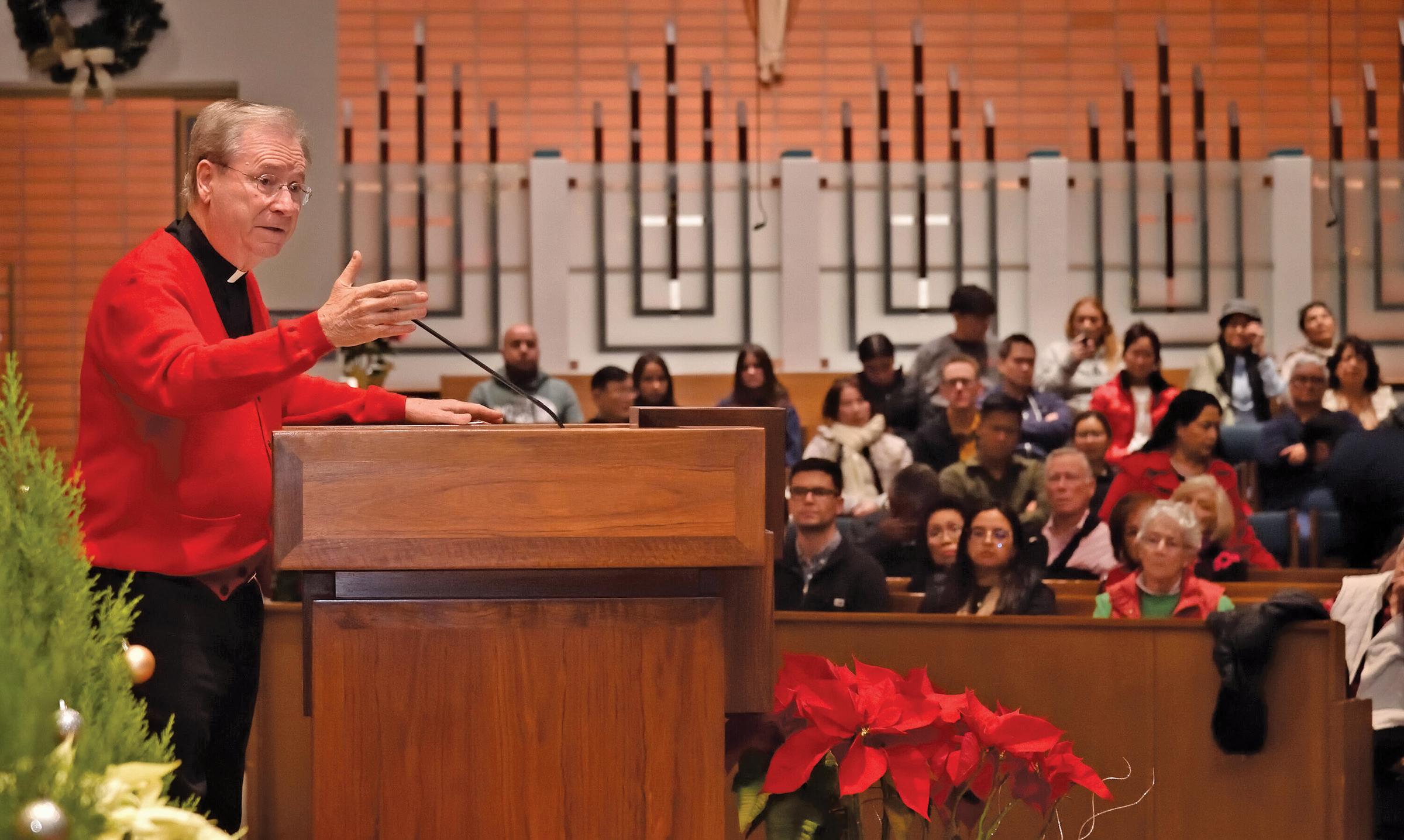
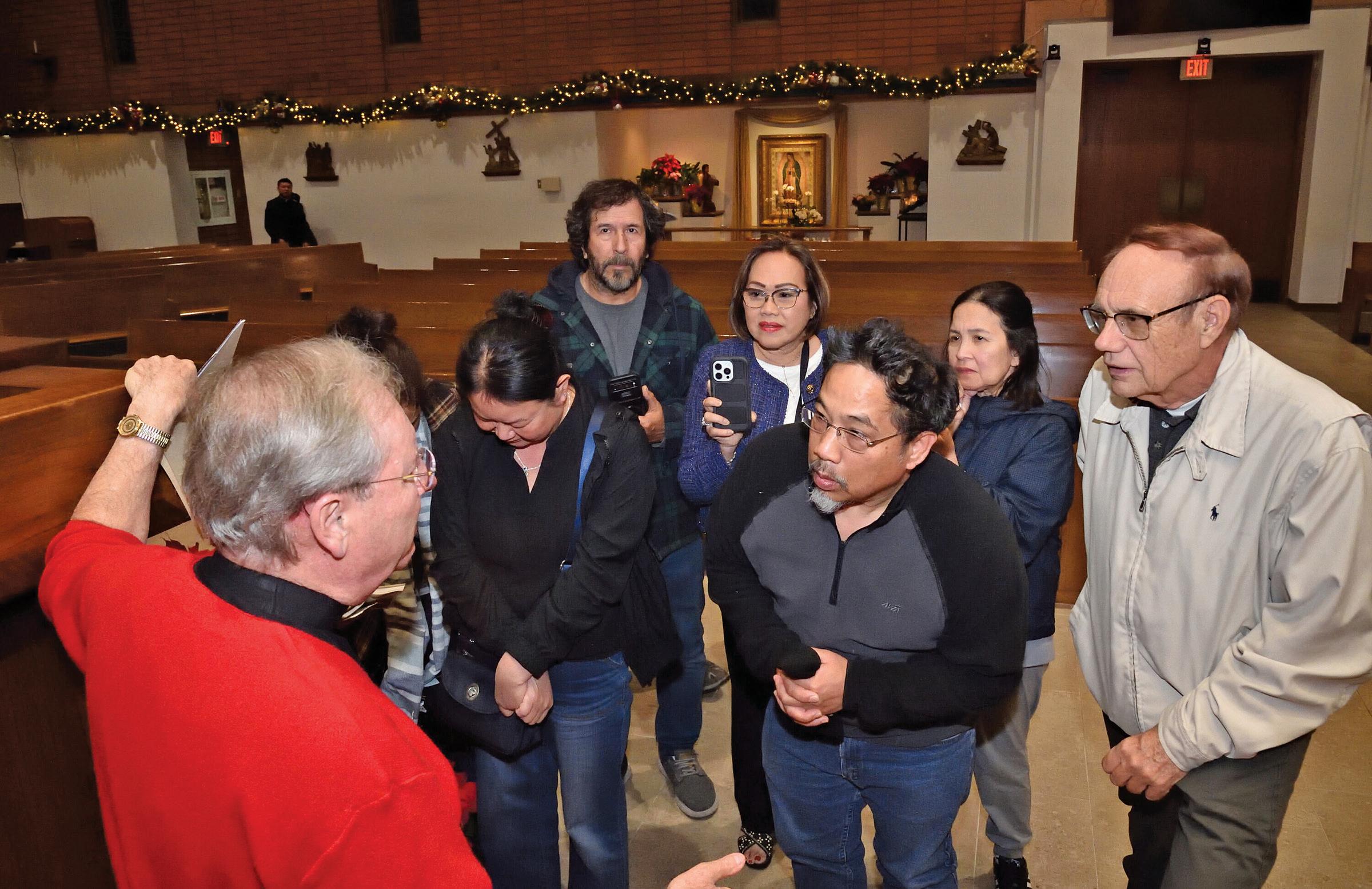
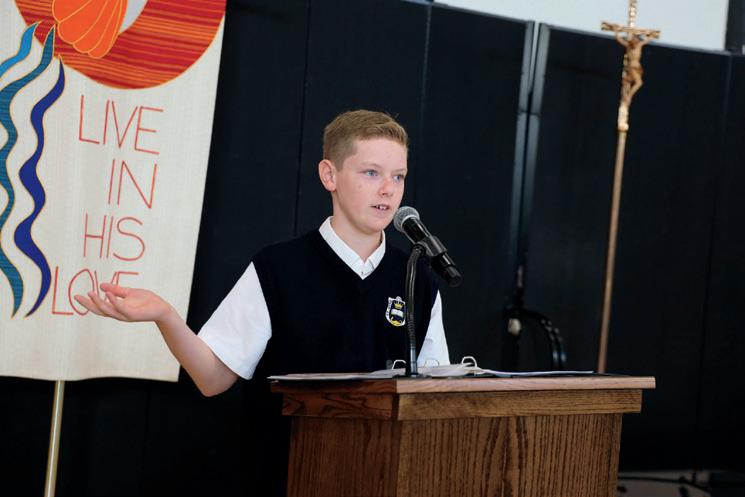
Fr. Gary Thomas presented a talk on the subject at St. Cecilia Catholic Church.
CELEBRATING CATHOLIC SCHOOLS WEEK
As the first month of 2026 concludes, Dr. Erin Barisano reflects on the Catholic model of education.
“AN UNEXPECTED CALLING”
Vanessa Halliday shares her experience as a music teacher at St. Angela Merici School.
WHY I TEACH AT A CATHOLIC SCHOOL
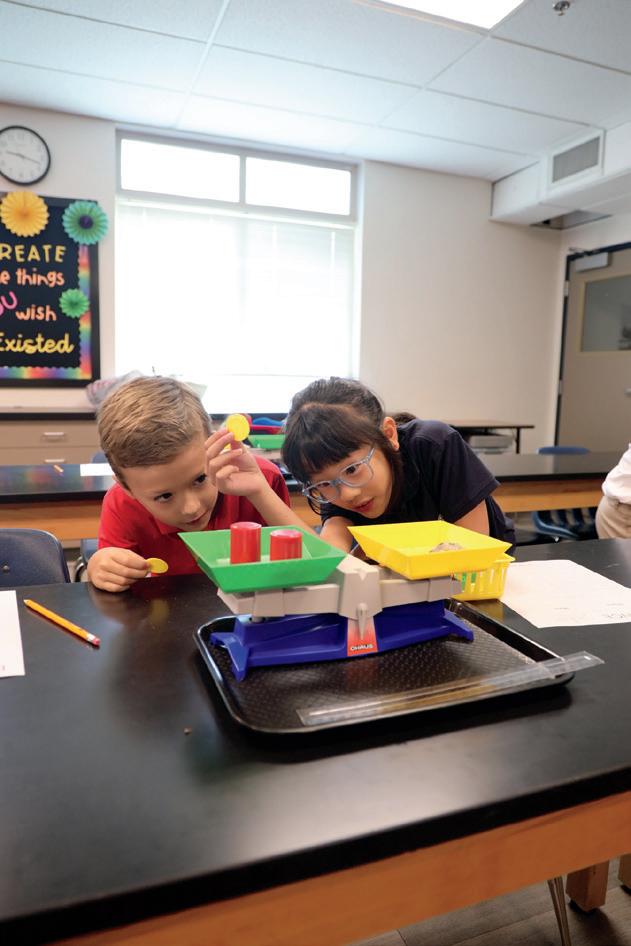
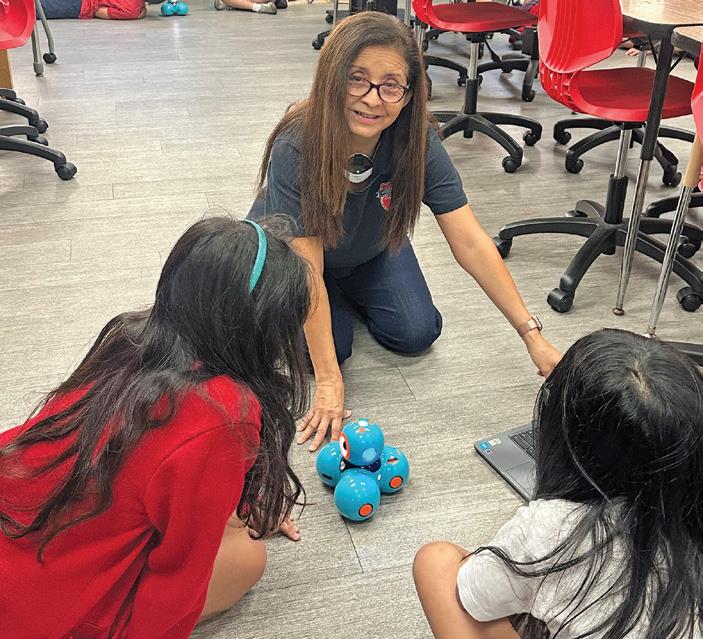
STEM teacher Teresa Garcia reflects on her work at Holy Family Catholic School.
17 A CALL TO TEACH
18
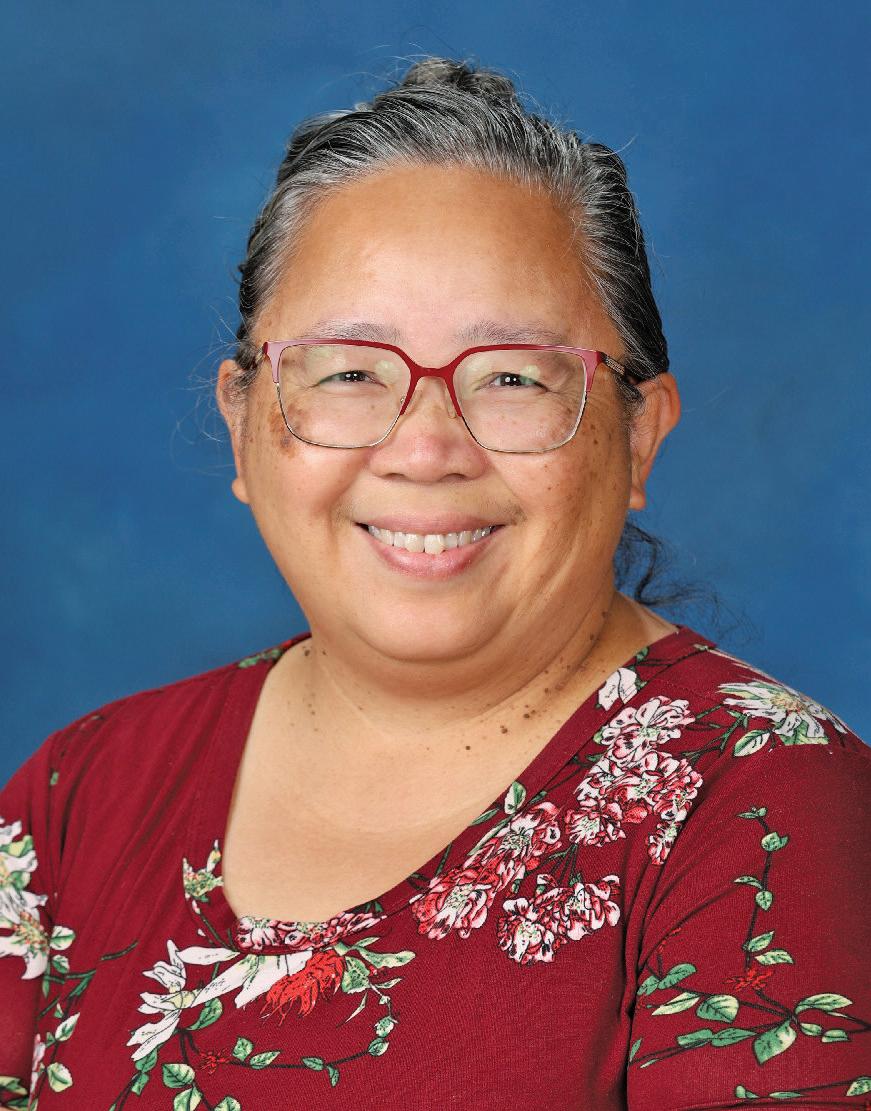
R. Roselyn Purugganan Quileza teaches at St. Cecilia Catholic School.
THE CALL TO DO SOMETHING BIGGER AND BETTER Repentance opens doors within ourselves to know God more fully.
ORANGE COUNTY CATHOLIC MISSION STATEMENT
The Orange County Catholic Newspaper seeks to illuminate and animate the journey of faith for Catholics within the Roman Catholic Diocese of Orange – building solidarity among the faithful and inviting a deeper understanding and involvement in the mission of Christ – through the timely sharing of news, commentary and feature content in an engaging, accessible and compelling format.
ORANGE COUNTY CATHOLIC
The Official Newspaper of the Roman Catholic Diocese of Orange Diocese of Orange Pastoral Center, 13280 Chapman Ave., Garden Grove 92840
Publisher: The Most Reverend Kevin W. Vann, Bishop of Orange Executive Editor: Jarryd Gonzales
Director of Custom Content: Caroline Wong, cawong@scng.com
SCNG CUSTOM CONTENT
Managing Editor: Caitlin Adams Art Director: Ryann Beveridge
Delivered weekly to parishes and homes throughout Orange County, Calif., Orange County Catholic is published by SCNG Custom Content, a division of Southern California News Group that offers content development and design expertise to businesses and nonprofit institutions. The Orange County Catholic editorial staff and editorial council are responsible for the content contained herein. Events and products advertised in Orange County Catholic do not carry the implicit endorsement of the Diocese of Orange or SCNG Custom Content.
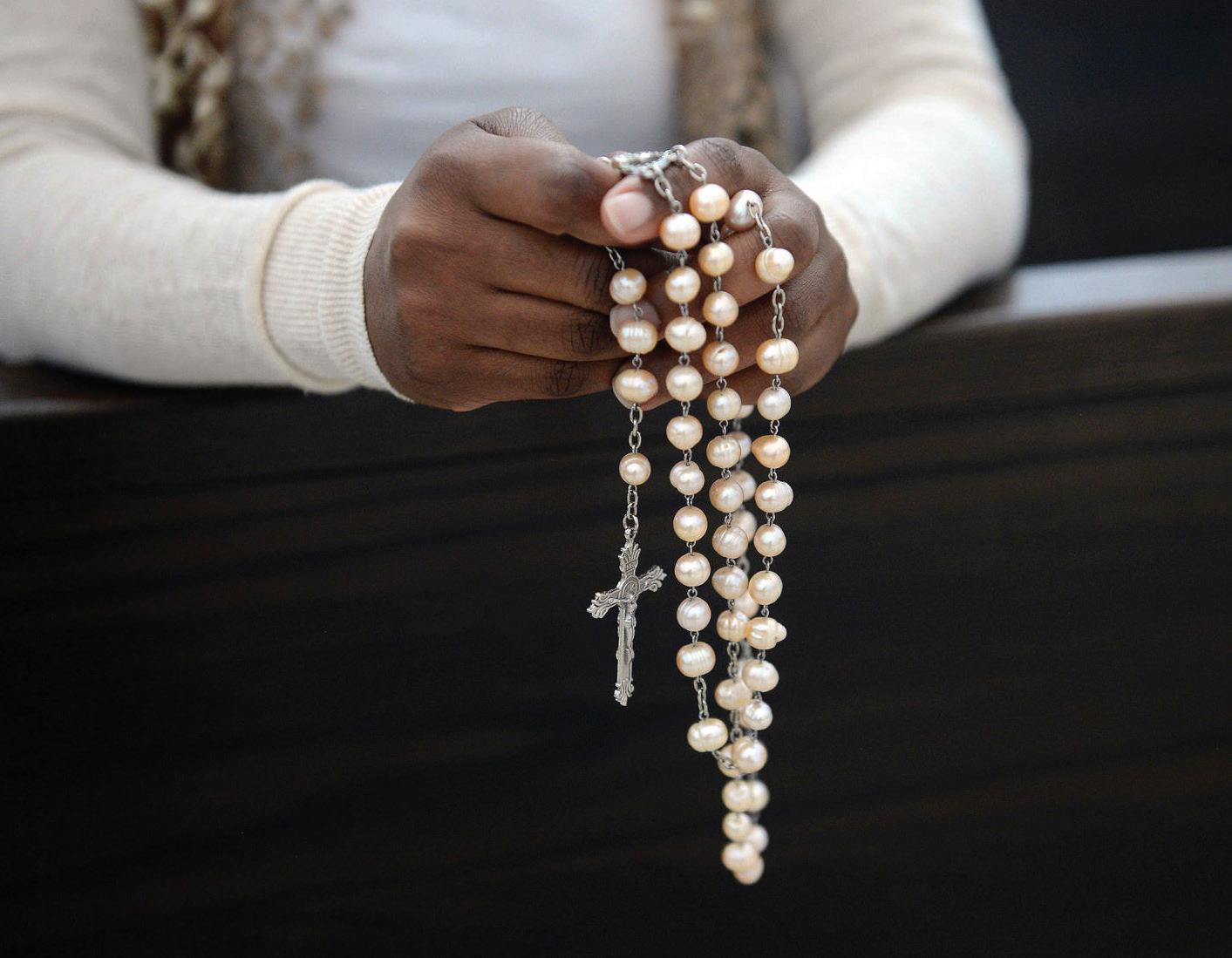
ROSARY BEADS
READER CALL-OUT
I got this Rosary from a woman on my bus going to work. She saw me praying the Rosary and gave me this new blue one. The day was Sept. 8, 2021, which is Mama Mary’s birthday (Sept. 8)! She told me she got it from the Vatican, and that it was blessed by the pope. I keep it preciously because Mary’s love is true and she hears us.
—Fhebie Nave, St. Polycarp Catholic Church in Stanton.
If you would like to share a photo of your Rosary Beads with our readers, please send a photo and brief description (include your name and parish) to: Editor@occatholic.com C
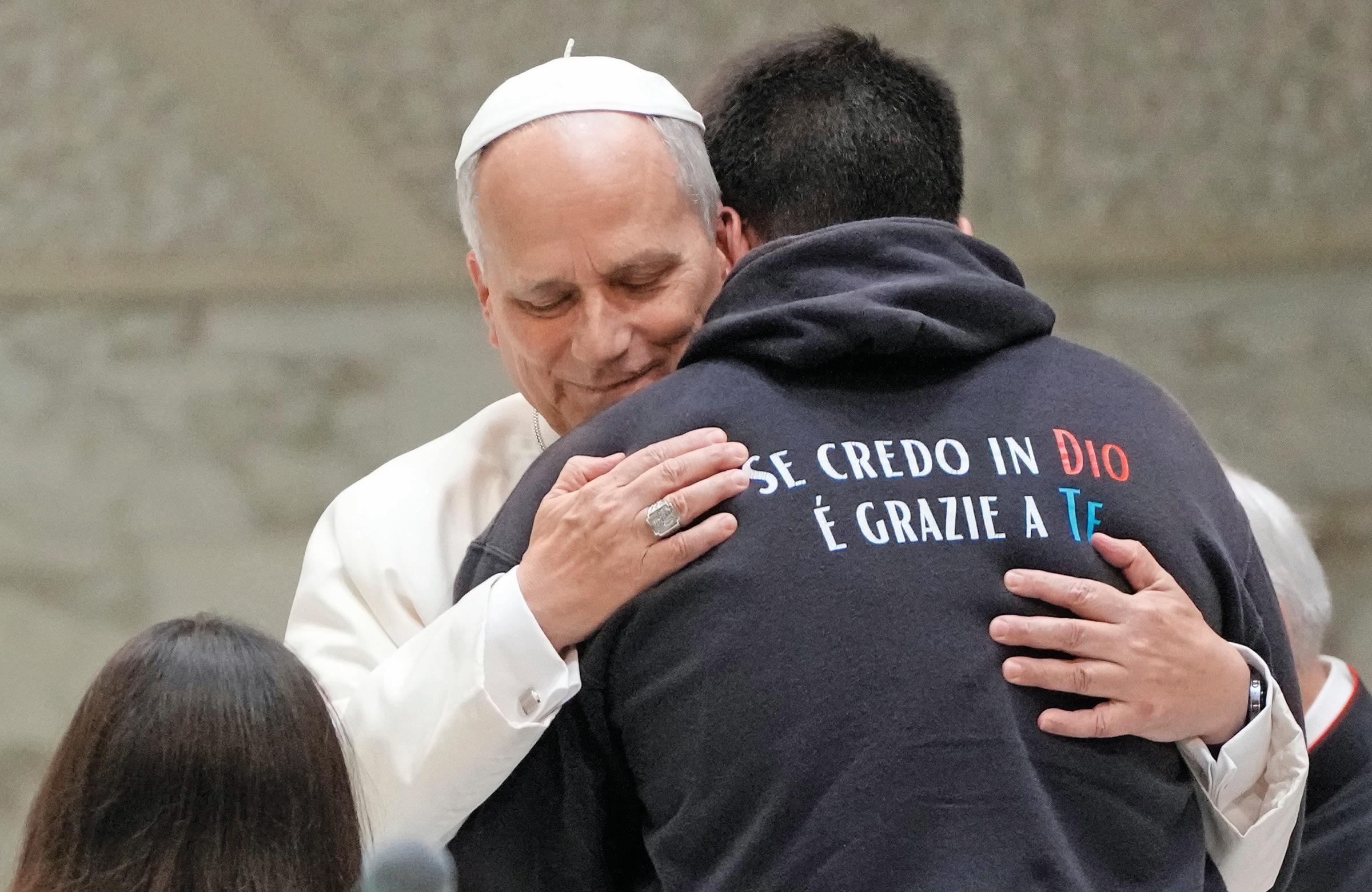
“ We need an extensive 'covenant of humanity.”
— Pope Leo XIV
SAINT PROFILE
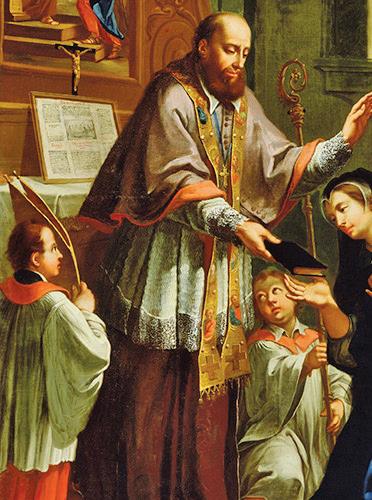
FRANCIS DE SALES 1567-1622
BORN IN THE DUCHY of Savoy (now France), Francis studied at Annecy, Paris and Padua, and was ordained in 1593. He spent four years reconverting Catholics who had become Calvinists, writing many tracts to explain basic tenets of the faith. In 1602 he became bishop of Geneva, which he reorganized and reformed. He also famously preached in Paris and wrote two devotional books that are still widely read. A 20-year friendship with St. Jane Frances de Chantal led to their founding the Order of the Visitation. Canonized in 1665 and declared a doctor of the church in 1877, Francis is the patron saint of journalists, authors and the deaf.C
READINGS FOR THE WEEK PHOTOS: CATHOLIC NEWS SERVICE,
MONDAY
2 TIMOTHY 1:1-8 OR TITUS 1:1-5; PSALM 96:1-2A, 2B-3, 7-8A, 10; MARK 3:22-30
TUESDAY
2 SAMUEL 6:12B-15, 17-19; PSALM 24:7, 8, 9, 10; MARK 3:31-35
WEDNESDAY
2 SAMUEL 7:4-17; PSALM 89:4-5, 27-28, 29-30; MARK 4:1-20
THURSDAY
2 SAMUEL 7:1819, 24-29; PSALM 132:1-2, 3-5, 11, 12, 13-14; MARK 4:21-25
FRIDAY
2 SAMUEL 11:14A, 5-10A, 13-17; PSALM 51:3-4, 5-6A, 6BCD-7, 1011; MARK 4:26-34
SATURDAY
2 SAMUEL 12:1-7A, 10-17; PSALM 51:1213, 14-15, 16-17; MARK 4:35-41
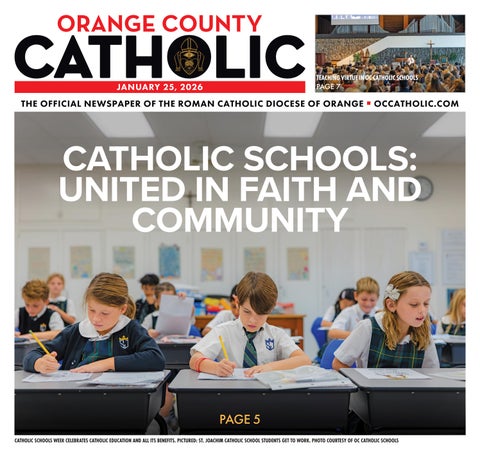
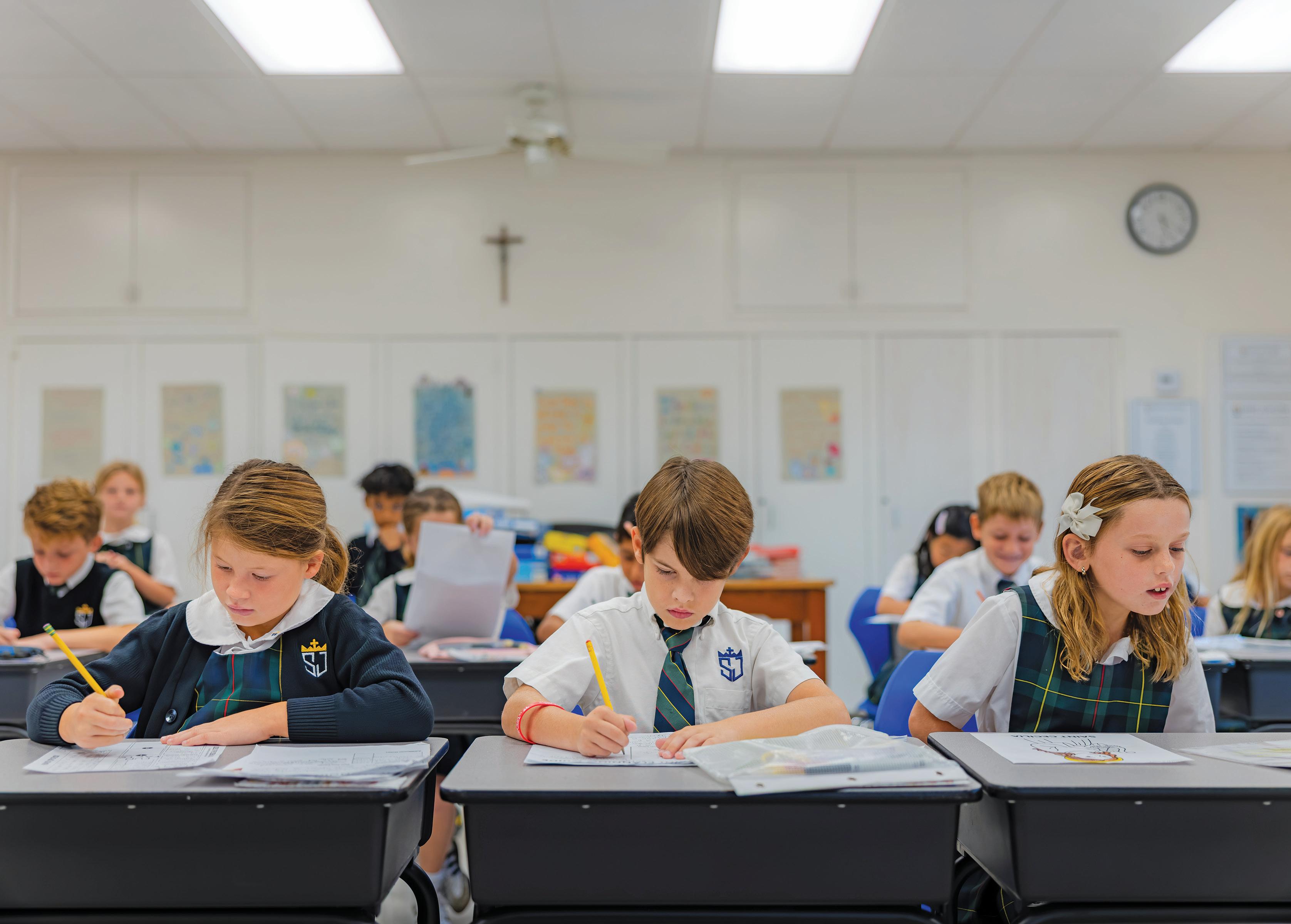
CATHOLIC SCHOOLS around Orange County and the country will celebrate what it means to be educating students not just in reading, writing and math, but in how to make a difference in the world.
Catholic Schools Week, a schedule of events to celebrate what makes Catholic education unique, kicks off on Sunday, Jan. 25–31 at each of the diocese’s 37 schools.
“We’re excited as we always are each year,” said Dr. Denise Valadez, associate superintendent of curriculum, spirituality and accreditation. “It’s a special week to highlight all the good things that are going on in our Catholic schools, and it’s really something that everyone looks
forward to: kids, staff members, parents, community and grandparents. It’s a good opportunity to not only continue to strengthen and build community in our Catholic schools but to celebrate all the great things that are happening in our schools.”
Catholic Schools Week is a celebration of Catholic education throughout the country’s 5,852 Catholic schools.
Created by the National Catholic Educational Association (NCEA) in 1974, it always starts on the last Sunday in January. This year is centered around the theme “Catholic Schools: United in Faith and Community.”
“I think any chance you get to celebrate success, celebrate community and celebrate your commitment to your faith, you need to take advantage
of that,” said Dr. Brad Snyder, associate superintendent of educational programs.
“It’s a real time to reconnect with why we do what we do, reconnect all the stakeholders together and then welcome new members to our schools.”
Nationally, Catholic schools have the highest high school graduation rate in the country at 98.7%, which is even higher than what other private religious schools see, according to the NCEA. Nationally, student graduation rates are 87% at public schools.
Nationally, Catholic schools also have a significantly higher percentage of high school graduates who go on to a fouryear university: 83.7% compared to 60% at other religious schools and 45% at
public schools, according to the NCEA. Based on the Diocese of Orange’s STAR testing data, its schools on average outperform the national average for Catholic schools, noted Dr. Snyder. That academic success reflects what is happening in the classroom. Campuses have implemented strong academic programs as well as learning support programs for students who need additional help, added Dr. Valadez.
Because the diocesan schools are part of a system versus a school district, each school is given flexibility to train its teachers and staff based on what aspects they need additional support in, said Dr. Snyder.
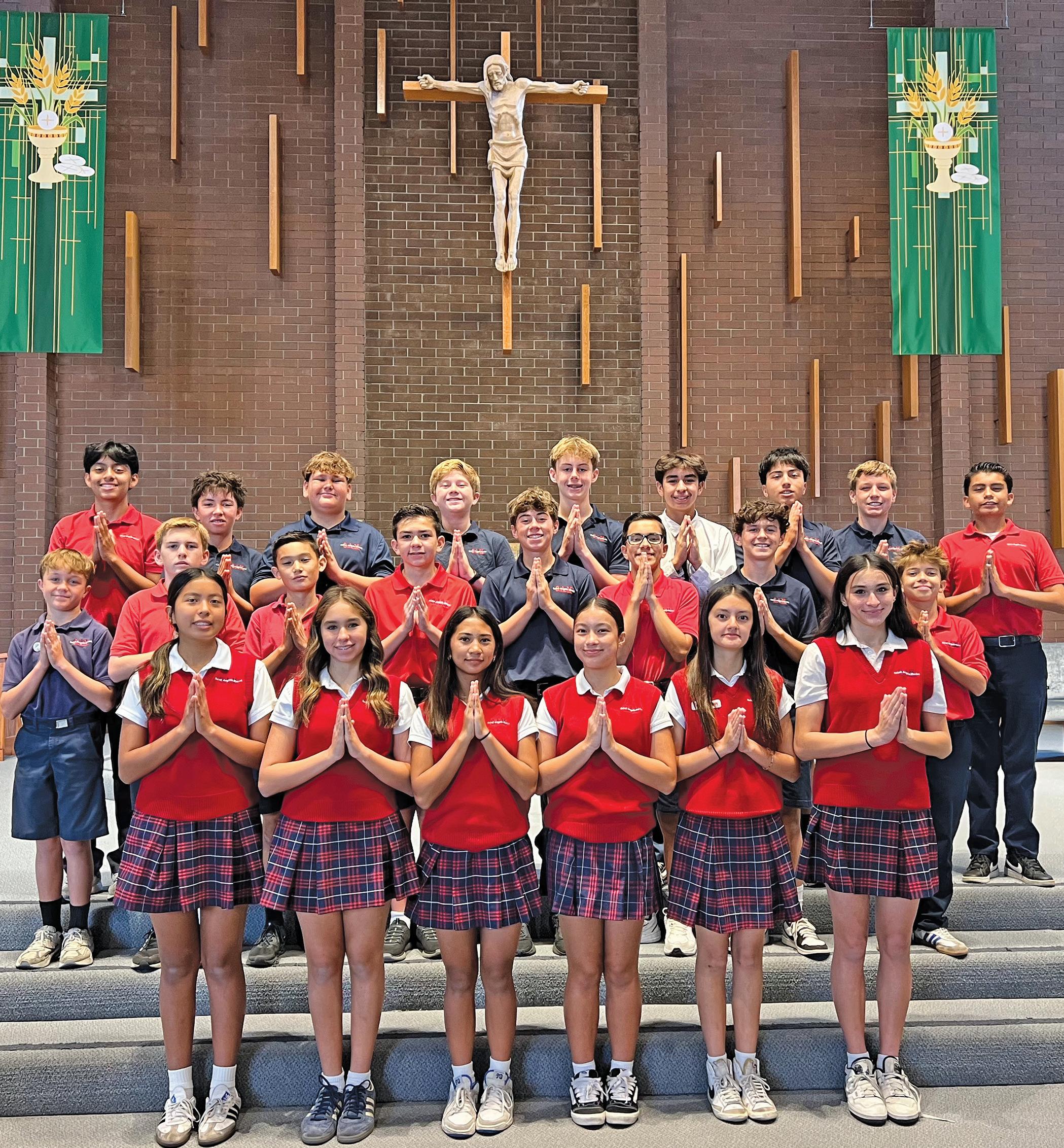
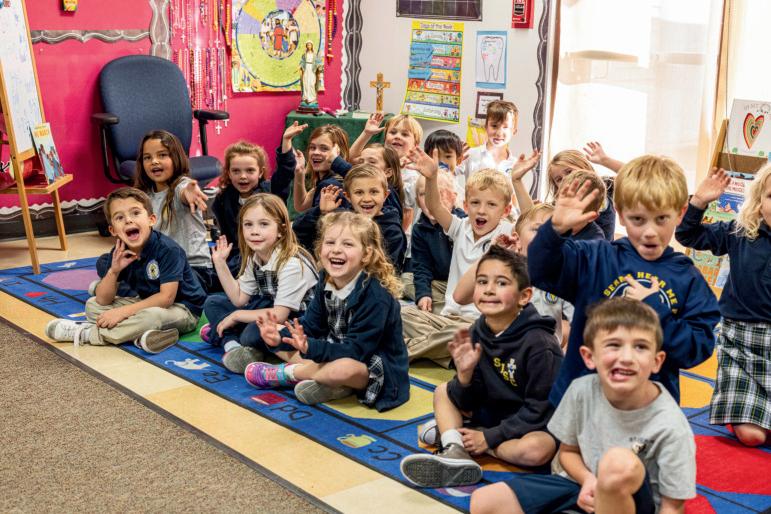
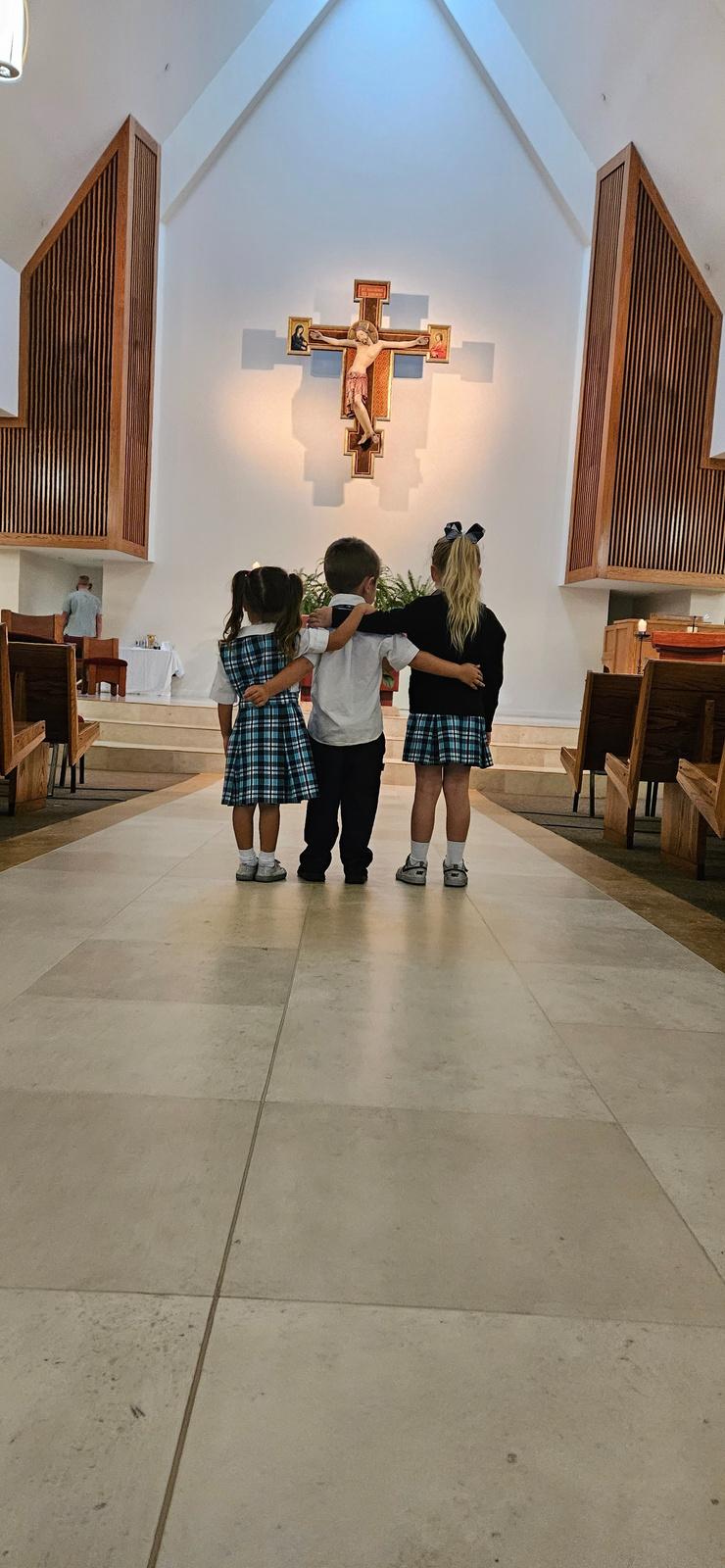
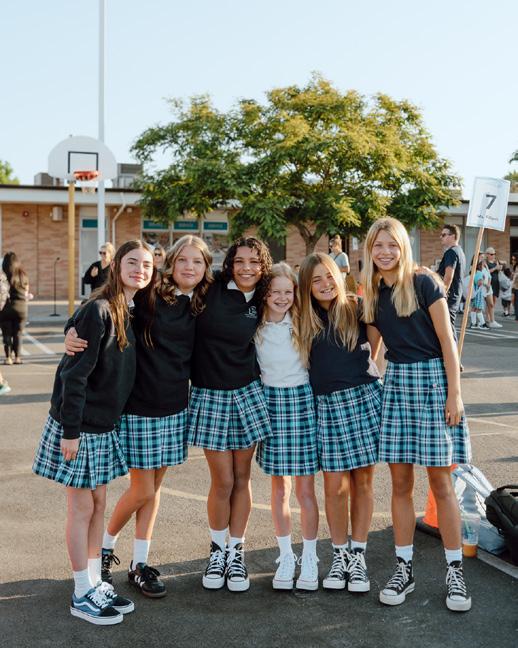
ST. ANGELA MERICI CATHOLIC SCHOOL STUDENTS ARE PICTURED AT CHURCH. PHOTO COURTESY OF ST. ANGELA MERICI CATHOLIC SCHOOL
DR. BRAD SNYDER, ASSOCIATE SUPERINTENDENT OF EDUCATIONAL PROGRAMS FOR ORANGE COUNTY CATHOLIC SCHOOLS. PHOTOS BY OC CATHOLIC SCHOOLS
DR. DENISE VALADEZ, ASSOCIATE SUPERINTENDENT OF CURRICULUM, SPIRITUALITY AND ACCREDITATION FOR ORANGE COUNTY CATHOLIC SCHOOLS.
CONTINUED FROM PAGE 5
CONTINUED FROM PAGE 7
To report sexual abuse by clergy or church personnel please call: 1 (800) 364-3064
Healing and Hope After Abortion: 1 (800) 722-4356
New Hope Peer-to-Peer Support Line | Mon - Fri 7:30 AM - 9:30 PM | Sat - Sun 8:00 AM - 6:00 PM: 1 (714) NEW-HOPE or 1 (714) 639-4673
BÁO CÁO LẠM DỤNG TÌNH DỤC
Nếu bạn là nạn nhân bị lạm dụng tình dục bởi một linh mục/ tu sĩ hay một thành viên trong Giáo Hội gây ra, xin hãy gọi và báo cáo cho Giáo phận ở số điện thoại miễn phí sau đây: 1-800-364-3064, và đồng thời báo cáo cho nhà chức trách địa phương.
본당내의 성적학대 신고
성직자나
교구청의
전화 번호, 1-800-364-3064 및 관할
Beyond academic best practices, everyone at the schools — principals, teachers and staff — are dedicated to the calling of Catholic education.
“We want to make sure that everyone is in this for the mission,” Dr. Valadez. “We want to make sure that who we hire are mission fit and that our teachers are truly dedicated to their vocation of Catholic school educators. I think that speaks volumes, and that comes across in the classroom.”
The Catholic identity that binds everyone together is what makes the diocesan schools so unique, said Dr. Snyder. Each school has its own charism that is weaved throughout each class, every morning announcement and every interaction, he added.
“It’s what we believe, so we expect to see that infused in all of our schools from the moment students step on campus to the moment they leave — and beyond that,” said Dr. Valadez.
Considering that each school has its own charism, each school brings something different to the table. To embrace that, schools were given flexibility to interpret this year’s theme and devise their own schedule of events that showcases their strengths and diverse communities, said Dr. Snyder.
Each day has a different focus, such as Vocations Awareness Day or Special Persons Day or a day to celebrate teachers. Each school also has its own signature event.
“There’s a sense of pride that is instilled and rekindled during that week,” said Dr. Valadez. “It just reminds them how amazing their Catholic school is. I would say it just kind of fuels that fire and it really ignites that sense of school pride.”
She continued, “It’s just so wonderful to hear them talking about all these great events that are going on throughout the week, being so excited and so amped up for Catholic education.” C
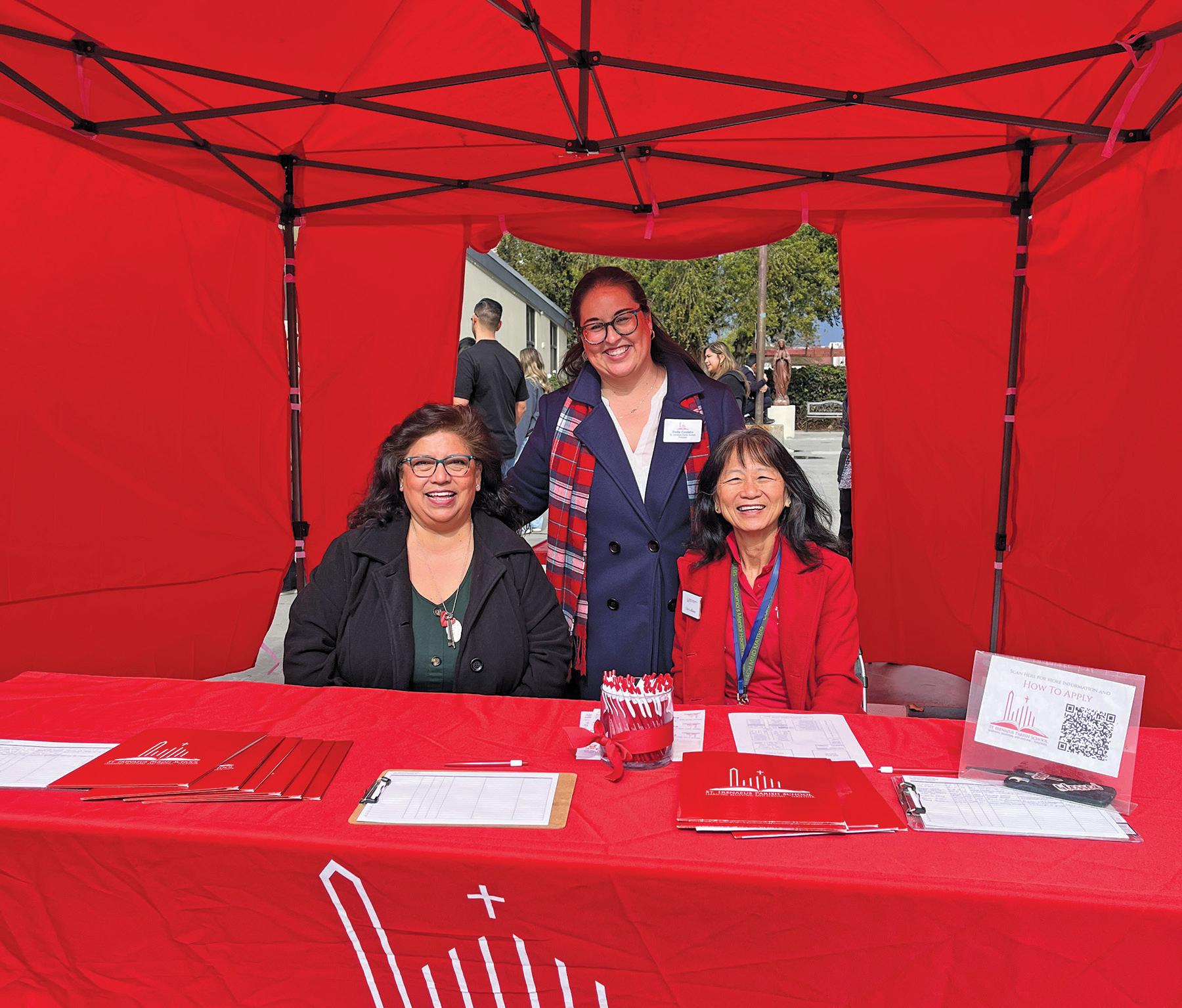
STAFF MEMBERS ARE AT AN OPEN HOUSE AT ST. IRENAEUS CATHOLIC SCHOOL IN 2025. PICTURED: CLAUDIA VAUGHN, STELLA COSTELLO, LILI LOBASSO. PHOTO BY OC CATHOLIC SCHOOLS
TEACHING VIRTUE IN OC CATHOLIC SCHOOLS
BY BRITNEY ZINT
DIOCESAN ELEMENTARY schools will be rolling out a new program in the 2026-27 school year that focuses on teaching virtues across the curriculum.
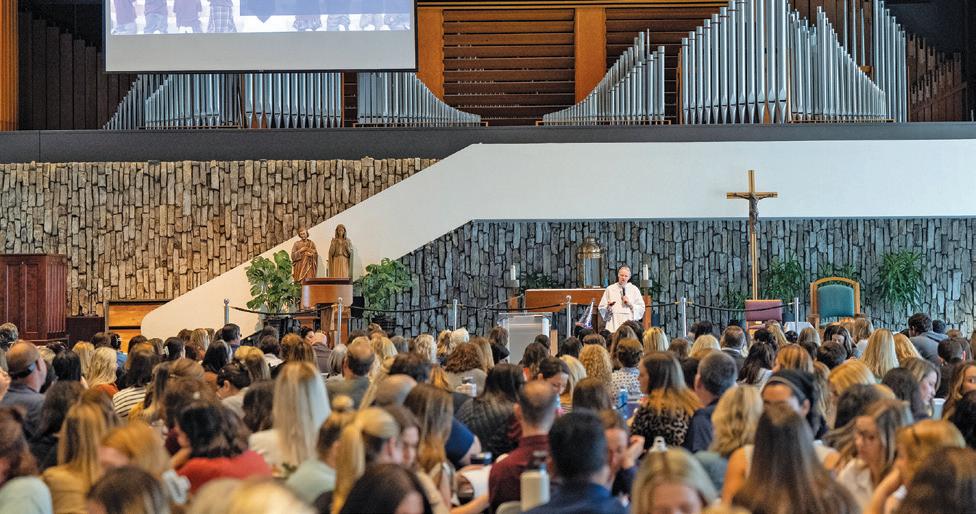
Nearly 600 TK- through eighth-grade schoolteachers and principals packed the Arboretum at the Christ Cathedral campus in the fall for a sneak peek at this new curriculum during Elementary School Formation Day: Education in Virtue. The event was a full day of professional development to prepare teachers on how to implement a new curriculum, Education in Virtue, by Openlight Media. Openlight Media is an education company founded by the Dominican Sisters of Mary, Mother of the Eucharist.
“Today is a day to bring us all onboard to learn the beauty of our virtues, to be reminded of this beautiful gift we’ve been given in our Catholic tradition and how we can bring that to our school communities in a very real way,” said Dr. Erin Barisano, superintendent of Catholic Schools for the Diocese of Orange.
The training built on the previous learning from the annual Educators Convocation in September, which featured keynote speaker Brett Salkeld, Ph.D., on real-world ways to integrate Catholic teachings in every subject matter, including math and science. They also learned why it is important that it is taught everywhere, not just in religion class.
“This is really, then, the next step for elementary schools, about infusing our schools with that Catholic identity, with that Catholic sense,” Dr. Barisano told the crowd. “That is aligned with that first goal of our strategic plan: increasing the
Catholic identity of our schools so that we can create disciples of Christ, just as our vision statement tells us. And really, we are in the business of creating saints, and there’s no better way to do that than to make sure our virtues are being taught and lived at our school, day in and day out.”
Education in Virtue will allow teachers to embed virtues across the curriculum, said Dr. Denise Valadez, associate superintendent of curriculum, spirituality and accreditation. The program will replace other virtue-based curriculum that schools might have been using; this will create a commonality across the diocesean schools, she noted.
“We’ve been talking about it for a couple of years, and really we want to make sure that these virtues are part of our schools’ culture and become part of the language that we are using in the schools across the board,” Dr. Valadez said.
The professional development was hosted by Sr. John Dominic Rasmussen, O.P., a founder of the Dominican Sisters of Mary, Mother of the Eucharist in Ann Arbor, Michigan. She holds a bachelor’s degree in education, a master’s degree in theology and has more than 40 years of experience in education as a teacher and administrator.
Sr. John focused on the theological virtues of faith, hope and love, and the cardinal virtues of justice, temperance, fortitude and prudence. There was also a focus on how they can be modeled and taught in a classroom of young learners. The virtues are what it looks like, and sounds like to be a disciple of Christ, said Sr. John. The virtues are a means and a way to become like God, she added.
“If we are living these, then we know,” said Sr. John. “It’s kind of like a test, a way of knowing I am living as a disciple.” Four schools — Christ Cathedral Academy in Garden Grove, St. Irenaeus in Cypress, St. John the Baptist in Costa Mesa and St. Hedwig in Los Alamitos
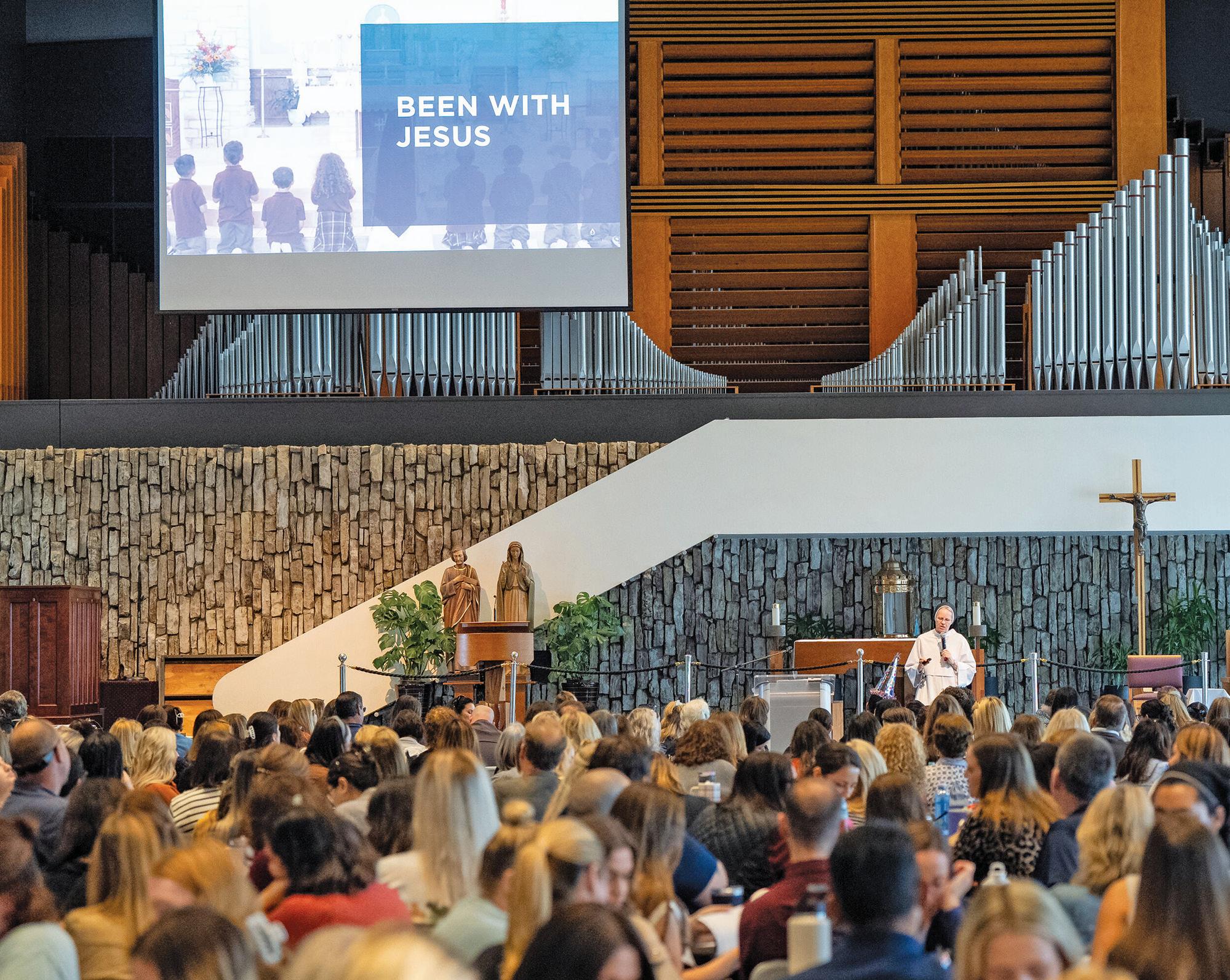
SR. JOHN DOMINIC SPEAKS DURING THE ELEMENTARY SCHOOL FORMATION DAY HELD ON NOV. 3, 2025. PHOTOS BY SCOTT SMELTZER/DIOCESE OF ORANGE
SR. JOHN DOMINIC SPEAKS TO A LARGE CROWD DURING THE ELEMENTARY SCHOOL FORMATION DAY PROGRAM TITLED EDUCATION IN VIRTUE AT CHRIST CATHEDRAL’S ARBORETUM.
— have been piloting the Education in Virtue curriculum this year and given positive feedback, said Dr. Valadez.
St. John the Baptist has been implementing the program by teaching one virtue a week, having students read daily virtue announcements, using the videos and materials, and reinforcing virtuous
FEATURE
behavior with tickets so they can enter into a drawing, said St. John’s vice principal, Chris Reilly.
“Not everything just comes automatically to the kids,” Reilly said. “I feel like as teachers we always expect them to just know, but they don’t just know. You need to teach them what the virtues look like, what they sound like, good examples of
them, and we need to notice it in them and reward them for it until it becomes a habit.”
The campus started teaching a virtue-based program four years ago and has seen a positive culture shift since then, added St. John the Baptist Principal Paula Viles. Although it was a good program, the school was ready for more,
and the Education in Virtue program is very extensive, Viles explained.
Although the program won’t officially launch until the next school year, the diocese has purchased a starter kit for all schools, said Dr. Valadez.
“We’re hoping that it will gain traction so that other schools will want to jump into the pilot phase this year,” she said. C
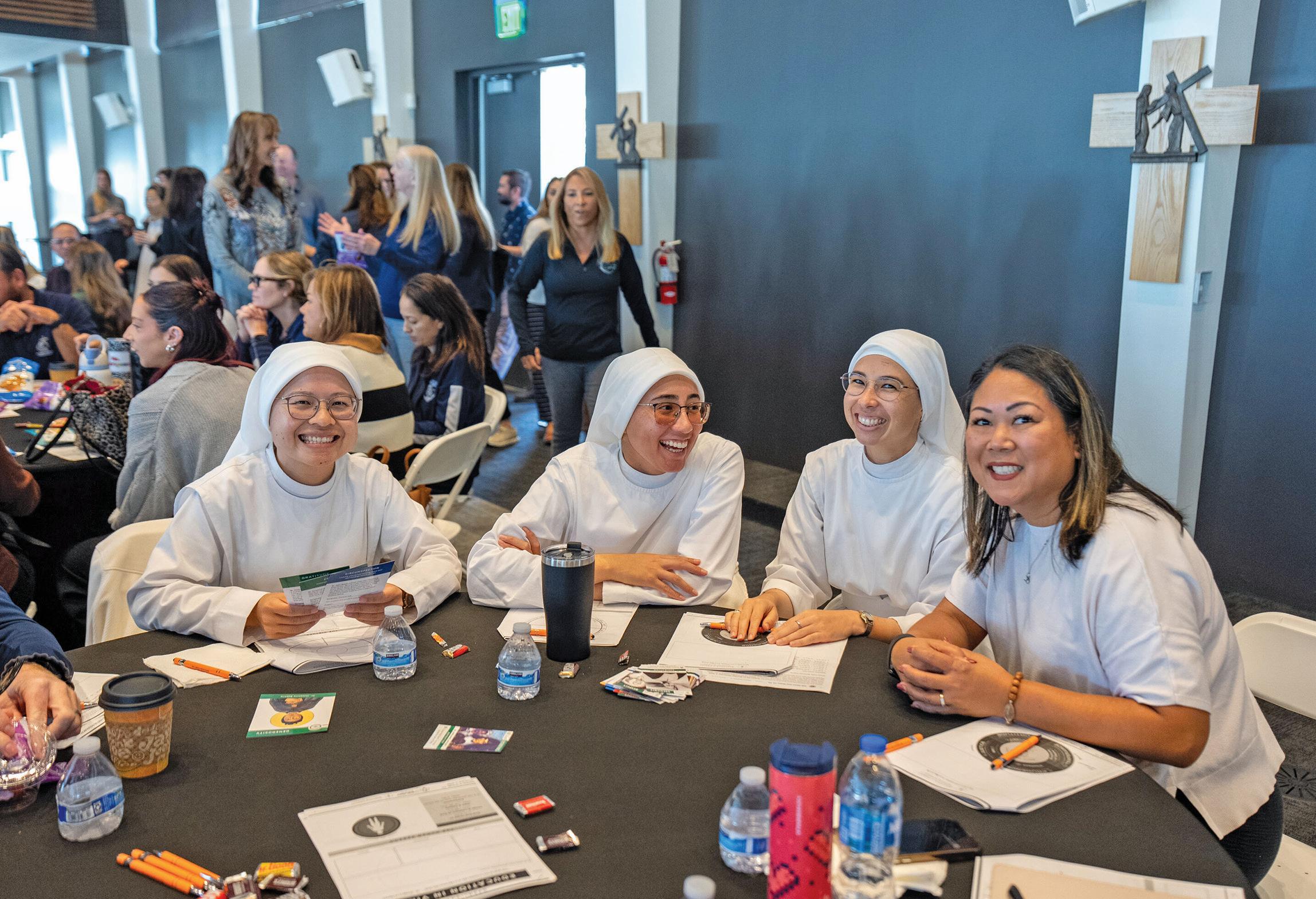
SR. JOSEPHINE DINH, LEFT, SR. THERESE FALCON, SR. GEMMA HUGOBOOM AND MARGIE KELLY ATTEND THE ELEMENTARY SCHOOL FORMATION DAY PROGRAM TITLED EDUCATION IN VIRTUE AT THE CHRIST CATHEDRAL ARBORETUM ON NOV. 3, 2025. PHOTO BY SCOTT SMELTZER/DIOCESE OF ORANGE
THE MINISTRY OF EXORCISM
BY MIKE ZINN
ACROWD OF approximately
200 greeted renowned exorcism expert, Fr. Gary Thomas, at St. Cecilia Catholic Church on the evening of Jan. 9. This much-anticipated talk was titled, Understanding Exorcism in the Catholic Church.
Born and raised in San Francisco, Fr. Thomas was ordained in 1983 and
served in the Diocese of San Jose. After his first 22 years in the priesthood, he requested a sabbatical from the diocese's bishop. He had plans to study spirituality in Rome, but as fate would have it, the bishop was also looking to fill a role as exorcist for the diocese.
“It was providential that the opportunity was made available to me to offer myself to this ministry,” said Fr. Thomas.
Fr. Thomas took the course on exorcism and deliverance and participated in extended tutelage for three and a half months under a well-known exorcist and observed the rite first-hand in his office.
Exorcism became an official rite of the Church in 1614. Prior to that date, laypeople handled these duties. The rite remained intact until 1998, when significant changes were introduced under Pope John Paul II. Smaller revisions took place in 2002 and 2003. In 2004, Pope John Paul II issued a mandate that every bishop in the world select a priest and train them to become an exorcist. At this time, occult activity was on the rise and necessitated preparations by the Church to both understand and prepare for this cultural change.
“It's no secret that our society is hun-
gry for spirituality, often seeking it in the wrong places,” shared Fr. Thomas. “Many times, those wrong places are artificial ways to discover God.”
A process for handling inquiries about exorcism was implemented in the Church. The appointed exorcist and his team must handle inquiries, evaluate the information and develop a plan.
“We do not perform exorcisms on request,” Fr. Thomas said.
The team—typically composed of laypeople, including psychologists, physicians, psychiatrists, and individ-
FR. GARY THOMAS GIVES A LECTURE, UNDERSTANDING EXORCISM IN THE CATHOLIC CHURCH, AT ST. CECILIA CATHOLIC CHURCH IN TUSTIN. PHOTO BY STEVEN GEORGES/DIOCESE OF ORANGE
DIOCESAN NEWS
uals dedicated to prayer—lends their expertise. All team members must be practicing Catholics. During this initial stage, Fr. Thomas focuses on determining whether any “doorways” indicate occult involvement. Prayers of Deliverance are used as a diagnostic tool to determine if there is a reaction to any type of prayer. During interview sessions the exorcist pays attention to the six signs of demonic
affliction:
■ A burning sensation when consuming the Eucharist.
■ Speaking in a language in which the person has no competency.
■ Exhibiting inordinate strength.
■ Having knowledge of hidden things.
■ Foaming at the mouth.
■ An epileptic reaction.
Out of 350 interviews, Fr. Thomas has only performed the solemn rite of
exorcism on 12 people. This indicates the thoroughness of the process, with actual exorcism being the last recourse.
Fr. Thomas withdrew from the ministry in 2021 but still occasionally gives talks and provides referrals based on requests he receives for help. He also was involved in the 2012 movie, The Rite, where he served as a consultant.
Currently, Fr. Thomas is the inaugural director of the Propaedeutic Year at St.
Patrick’s Seminary in Menlo Park, Calif. The Propaedeutic Year is the foundational first year of priestly formation in the Catholic Church.
Fr. Thomas summed up his work in the Ministry of Exorcism with these words:
“Just because there are those who deny the existence of Satan and his legions does not mean Satan does not exist.” C
FR. GARY THOMAS TAKES ADDITIONAL QUESTIONS AFTER HIS LECTURE, UNDERSTANDING EXORCISM IN THE CATHOLIC CHURCH, AT ST. CECILIA CATHOLIC CHURCH IN TUSTIN. PHOTO BY STEVEN GEORGES/DIOCESE OF ORANGE
Rosary Beads
If you would like to share a photo of your Rosary Beads with our readers, please send a photo and brief description. Include your name and parish to: editor@occatholic.com
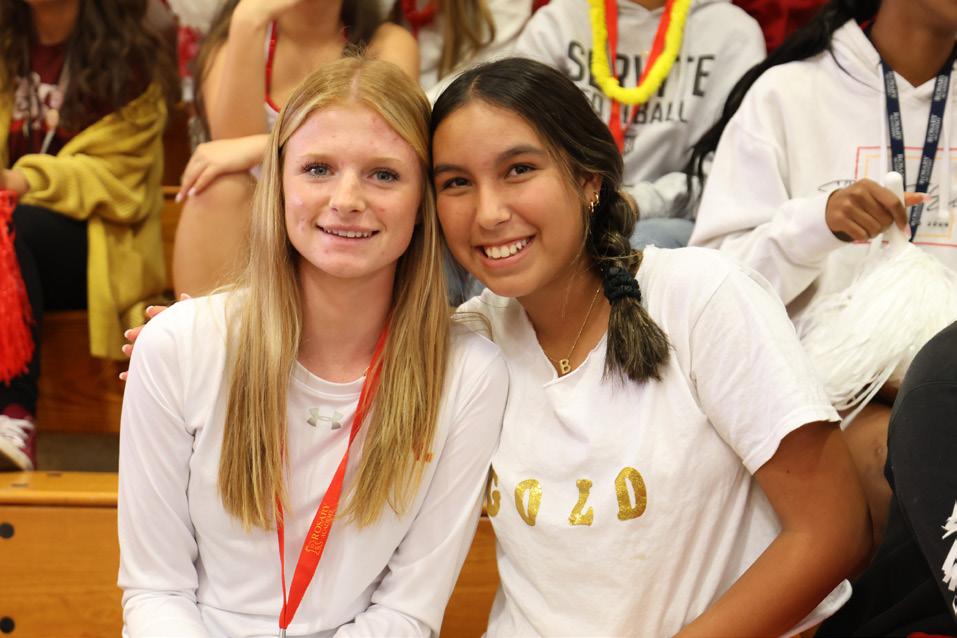
Experience Rosary. Become a Royal.
Rosary Academy forms young women in mind, body, and spirit rooted in faith and inspired to lead with purpose Students grow as critical thinkers, confident communicators, and compassionate leaders.
Upcoming Shadow Dates: February 11 March 18
ANCHORED IN CHRIST’S LOVE: CELEBRATING CATHOLIC SCHOOLS WEEK
BY DR. ERIN BARISANO, SUPERINTENDENT OF CATHOLIC SCHOOLS IN THE DIOCESE OF ORANGE
AS THE CALENDAR TURNS
toward late January, a unique sense of joy and purpose begins to fill our hallways. Here in the Diocese of Orange, we are preparing to celebrate Catholic Schools Week (Jan. 25-31). It is a time when we open our doors to the community to showcase the vibrant life within our schools—a life that is, above all, Anchored in Christ’s Love.
St. John Bosco once shared a profound truth for all educators: If your students know you love them, they will follow you anywhere.
This week, as we celebrate with Masses, open houses and special assemblies, we are really celebrating that love. It is the foundation of an educational model that offers stability and hope in an era of
uncertainty and digital distraction.
At the heart of our success is a profound debt of gratitude to our parents, teachers and staff. The formation of a child is a sacred trust, and it is only through the mutual support of our families and our educators that our mission flourishes.
■ To our parents: Your trust and sacrifice allow our schools to thrive. By choosing a Catholic education, you are ensuring that the values you cherish at home are echoed in the classroom.
■ To our teachers and staff: You are the heart of this mission. Your dedication to your students’ growth—spiritually, academically and emotionally—is a living witness of Christ’s presence in our world.
This “communion of saints” in our daily lives provides the stability our children need to navigate an often-unsteady world.
In our 37 schools across Orange
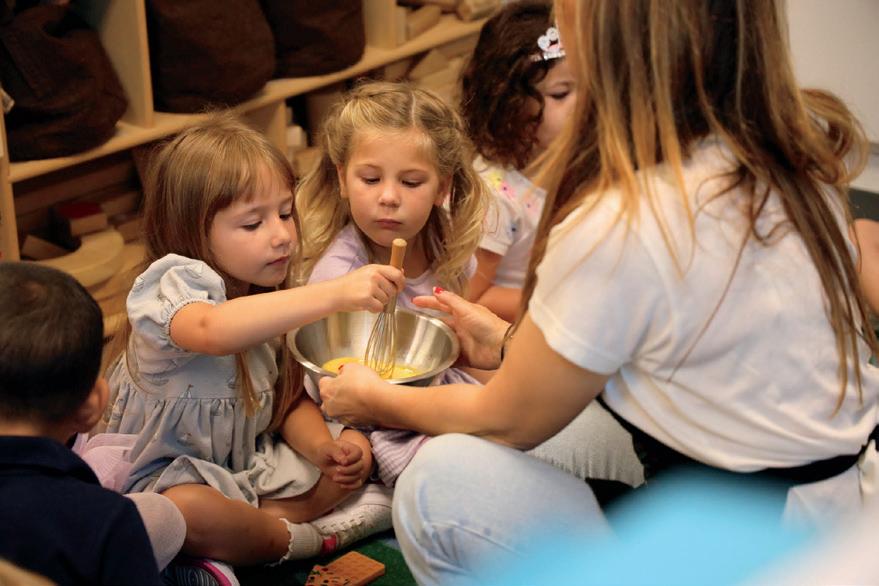
County, being “Anchored” means providing an environment where every student can flourish. Because our schools prioritize small class sizes, our teachers can provide personalized learning that honors the unique gifts of every student. This intimacy allows for a virtues-based education where character is built in the small moments—learning to lead with humility, listen with empathy and act with integrity. Across the diocese, faith is integrated throughout the curriculum. From the science lab to the basketball court, faith
is not a separate subject but the lens through which we view the world. Our students learn that academic excellence is always anchored in the pursuit of Truth.
Throughout this week, you will see our students engaging in service projects for the local community, honoring our veterans and celebrating the “Village” of grandparents and families that support them. We invite you to visit our campuses, attend our liturgies and experience firsthand the “Catholic school difference.”
Catholic schools offer a deep sense of community that is rare in today’s world. When a student knows they are a beloved child of God—and when that identity is reinforced by their teachers and peers—they develop an unshakable sense of worth. This divine love is their anchor, providing clarity during life’s storms and the courage to follow their unique calling. This is what Catholic schools are about.
As we kick off this Catholic Schools Week, I invite the entire Diocese of Orange to join us in prayer and celebration. Together, let us remain deeply rooted in Christ, forming the saints and leaders our world so greatly needs. C
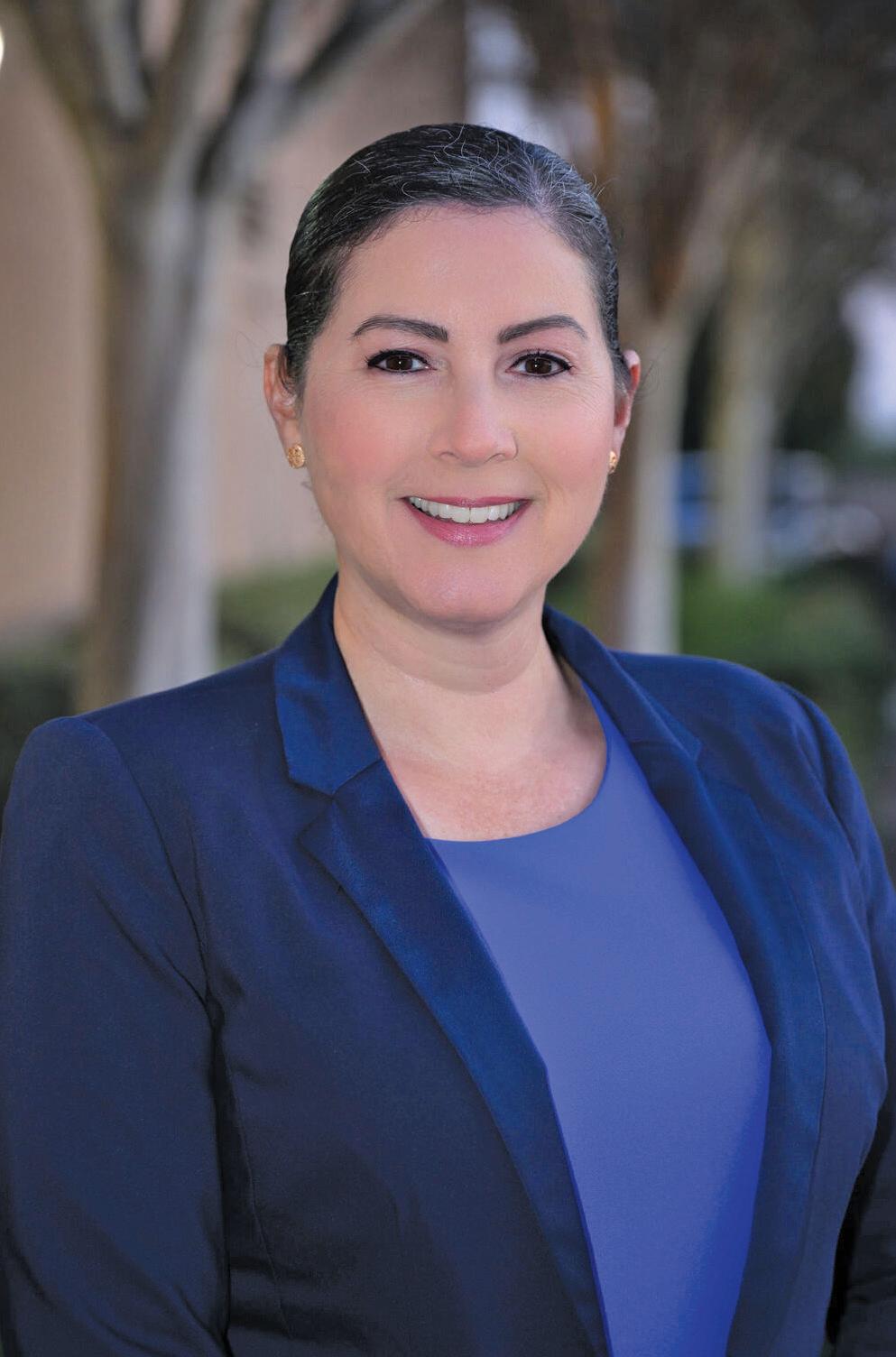
DR. ERIN BARISANO, SUPERINTENDENT OF CATHOLIC SCHOOLS IN THE DIOCESE OF ORANGE. PHOTO BY THE DIOCESE OF ORANGE
Serving
Inspiring a deep faith,
mind, and caring heart through Christ ... Siempre Adelante!
99%
SAINTS SIMON & JUDE
TK - 5th - 20 students per class
6th - 8th - 25 students per class
Tours offered daily for all grades. Schedule your tour, today!
BY VANESSA HALLIDAY, TK-8TH MUSIC TEACHER, ST. ANGELA MERICI SCHOOL, BREA
INEVER PLANNED ON BECOMING a private Catholic school teacher. I was a product of public schools and began working in public education. My Catholic faith was important to me, but I never imagined it would become part of my professional life. Yet, God had other plans.
After earning my degree and teaching credential, I worked in public schools for a couple of years. During that time, several people encouraged me to apply for a position at St. Angela Merici Parish School, just down the street from my home. I had attended Mass there since I was young, but private school had never crossed my mind.
I applied, hopeful, but I did not get the job I wanted. Then, not long after, the principal called me back about a new opening that turned out to be an even better fit. I stepped into the classroom as an advanced math teacher and immediately noticed something different about the Catholic school campus. A lesson that would typically take an hour in a public school took just 10 minutes, thanks to the strong academic culture, supportive parents and faith-centered foundation. I began to see clearly that this was where God intended me to be. Teaching became more than a career; it became a ministry where my faith and my work were beautifully intertwined.
A few years later, my husband and I were blessed with two children. Although we lived in an excellent school district, I knew in my heart that Catholic education was where my children belonged. Working in a Catholic school changed my faith and my life, and I wanted that same blessing for my children. Today, St. Angela Merici truly feels like an extension of our home. After 10 years of having my children at the same school where I work, our son will now move on to Servite High School in the fall, and our daughter will follow to Rosary High School next year to continue their Catholic school education.
After teaching advanced math, God continued to open new doors. I was invited to serve as assistant principal, an opportunity that felt daunting but ultimately became a season of learning and growth. During that time, the music teacher discovered that I played piano and repeatedly asked me to play at school Masses. I always declined, convinced I was not good enough. One day, during a homily, Father asked us to look at our hands and consider how we were using them for Christ. I knew then that God was inviting me to say “yes” once again. That simple yes led to more opportunities, and eventually I became the TK–8 music teacher to over 260 students.
Teaching music has been my most joyful calling. I love singing, dancing, playing instruments and worshiping with my students. Catholic education was never part of my plan, but God’s plan was far better. By trusting Him and saying yes, I’ve found a vocation richer than I ever imagined. I am forever grateful for the nearly 20 years I have spent in Catholic education and look forward to seeing where God will lead me in the years to come.C
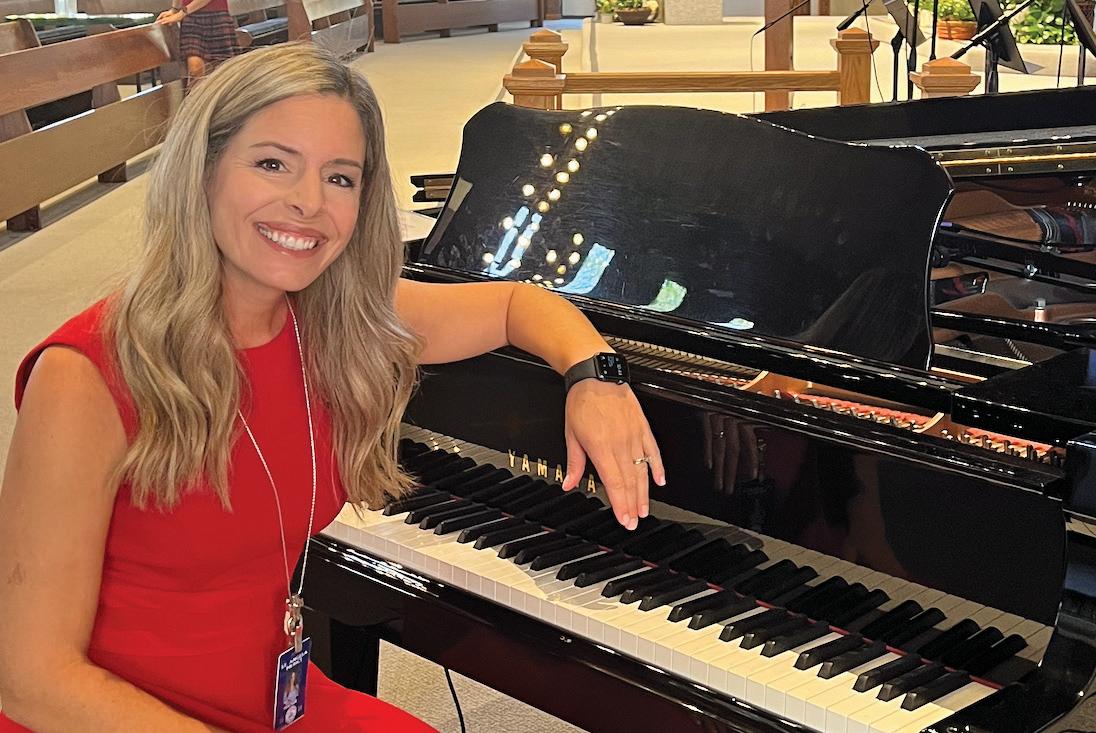
VANESSA HALLIDAY CALLS HER CAREER AS A MUSIC TEACHER A JOYFUL CALLING.
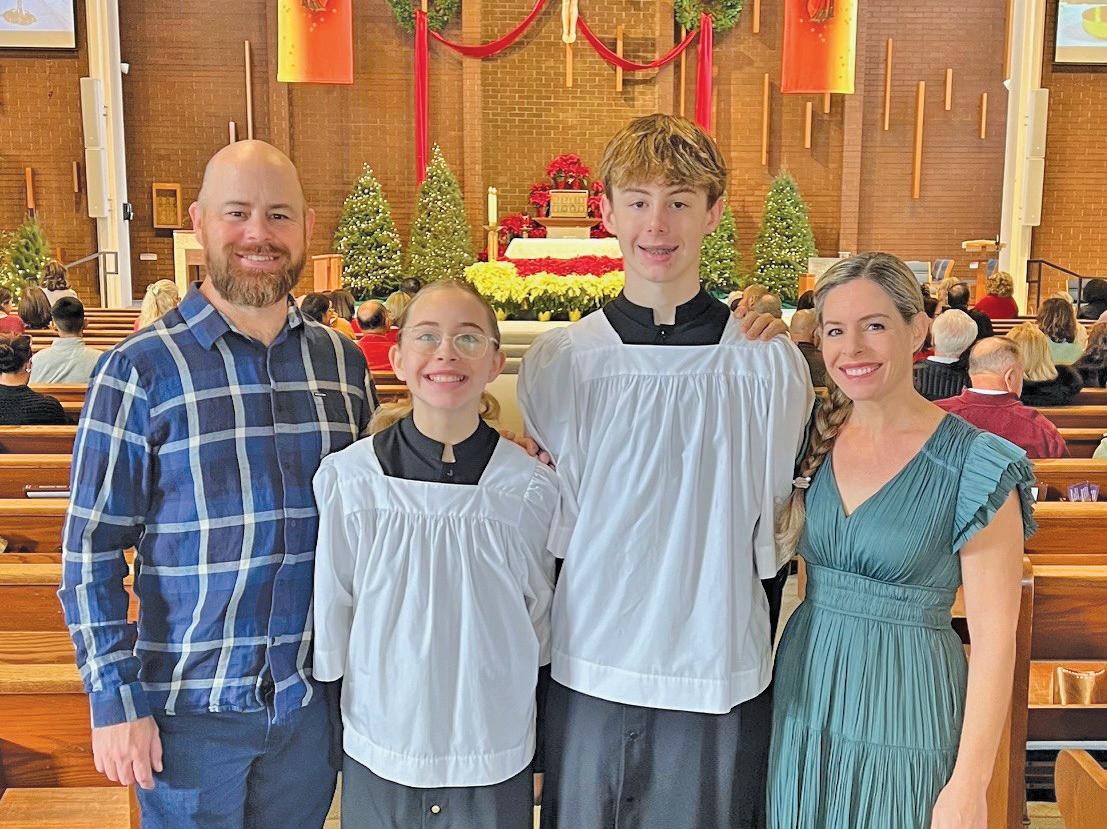
ST. ANGELA MERICI CATHOLIC SCHOOL'S VANESSA HALLIDAY IS PICTURED WITH HER HUSBAND AND CHILDREN. PHOTOS COURTESY OF VANESSA HALLIDAY
WHY I TEACH AT A CATHOLIC SCHOOL
BY TERESA GARCIA, STEM TEACHER AT HOLY FAMILY CATHOLIC SCHOOL, ORANGE
TO BE A CATHOLIC SCHOOL
teacher is more than a profession—it’s a calling. It’s where my faith and my passion for education come together in a way that feels both purposeful and fulfilling. Every day, I have the privilege of shaping my students academically and spiritually, helping them grow into the people God has called them to be.
My journey in education began years ago as a catechist. I had the joy of guiding young minds in their faith, helping them discover the love of God and the beauty of our beliefs. Those years taught me how powerful it can be to nurture both the heart and the mind. Later, I expanded my career as a teacher in the public school system. While I valued my time in public education, I always felt that something was missing—the opportunity to openly share my faith and connect it to learning.
Faith has always been my anchor, especially during life’s most challenging moments. In 2007, when my husband was diagnosed with cancer, my family faced years of uncertainty and sorrow.
We had been together for 28 years, and his passing in 2014 left a profound void in my life. I struggled to find my footing, unsure of how to move forward. Yet, even in those darkest times, I felt God’s presence—a quiet strength that reminded me of the hope and peace that faith brings.
In the years that followed, I reflected deeply on where I wanted to focus my energy and purpose. I realized how much I missed the unique environment of Catholic education, where faith could be an integral part of the classroom experience. In 2018, I returned to this world, accepting a position at Our Lady of Guadalupe. Though the school closed shortly after, the experience reaffirmed my commitment to Catholic schools and their transformative power. At Holy Family Catholic School, I am grateful for the opportunity to integrate my faith into my teaching. One of my favorite ways to do this is by incorporating Bible verses into the learning objectives. This approach helps students see how faith and academics are interconnected, enriching their understanding of the subject matter and their spiritual lives. Whether we’re tackling individual STEM challenges or collaborating on group projects, I strive to show my students that God’s principles can be applied to all areas of learning.
What I cherish most about teaching in this environment is the opportunity to guide students in a faith-centered setting. It’s about nurturing their academic growth while also helping them build a strong moral foundation rooted in compassion, resilience, and integrity. By weaving faith into their daily learning experiences, I aim to prepare them not just for success in school but for a life grounded in values that will guide them through life’s challenges. C
TERESA GARCIA IS A STEM TEACHER AT HOLY FAMILY CATHOLIC SCHOOL IN ORANGE. PHOTO COURTESY OF HOLY FAMILY CATHOLIC SCHOOL
A CALL TO TEACH
BY R. ROSELYN PURUGGANAN QUILEZA, ST. CECILIA CATHOLIC SCHOOL, TUSTIN
IAM THE PRODUCT of 12 years of Catholic education. Each of my children has attended Catholic school from preschool through university. Yet none of this is why I choose to teach at a Catholic school. My choice is the product of two things: a calling and a community joined by faith.
A little over a decade ago, I found myself at a crossroads, the casualty of corporate restructuring. But as I updated my resume and prepared for interviews, I realized I wanted more. More than an
8-to-5 chained to a desk and a predictable grind. That’s when I found myself discussing my situation with my children’s school principal, Mrs. Mary Alvarado. That fall, I was in a classroom as an English Language Arts paraprofessional with the flexibility to explore whether this was where God was guiding me.
I had genuinely not understood what it meant to have a career vocation until I stepped into the classroom as part of the teaching staff. Moreover, I was blessed to answer that vocation within a community built on Catholic tenets. At a Catholic school, I am able to fulfill this calling in an environment that encourages the expression of my faith with others who share my core values.
As a parent, I always knew that the community we enjoyed at St. Cecilia was special. Through the years, we’ve come together in celebration and mourning, joy and grief, and every milestone in between. Now, as a teacher, I can be there during the little moments that lay the foundation of our community, from guiding students in remembering that we are all God’s children to celebrating weekly Mass with the whole school. As teachers in a Catholic school, we have the dual privilege of educating students’ minds as well as fostering persons of character and virtue.
Each day teaching at a Catholic school is a blessing. Each day, I learn something new from my students and colleagues. And most importantly, each day I learn a little more about myself and my relationship with God. C
R. ROSELYN PURUGGANAN QUILEZA TEACHES AT ST. CECILIA CATHOLIC SCHOOL IN TUSTIN. PHOTO COURTESY OF ST. CECILIA CATHOLIC SCHOOL
REPENT: THE CALL TO DO SOMETHING BIGGER AND BETTER
BY DEACON KEAVIN DUTHOY
TODAY’S GOSPEL (Mt. 4:1223), the “calling of the disciples,” is much more than a story of recruitment, not only the beginning of Jesus’ public ministry, but a microcosm of the Good News itself: Repent; Follow me; Be healed. This is the Gospel embodied in Jesus Christ.
Commentator Peter Kreeft once observed that deep down, everyone desires what God is — perfect truth, goodness and beauty. We are programmed for love, joy and happiness. Only Jesus fulfills this longing for God. Repent. Follow me. The Kingdom of Heaven is near.
We see this longing for God in countless ways, often paired with unfulfilled lives. Most of us are good people who work hard and live responsibly, yet we can feel restless or spiritually adrift. Some have reached milestones in their lives, only to discover that their “arrival” did not close the hole in their hearts. They feel more lost than found. Successful, faithful people, yet unsettled. Why?
Many of us live like ducks on a pond — appearing serene above the surface while anxiously paddling below just to stay afloat. There is a disconnect between head and heart: we know what we believe yet struggle to live it. Hope, faith and love always require choice, never certainty.
Jesus’ first command is succinct: Repent. Do we truly understand what that means? Repentance is not merely the absence of sin or the correction of bad behavior. We often associate repentance with guilt or shame, assuming it is only about our past mistakes. These views can be constraining — and incomplete. Changing behavior for the better is only the beginning. By itself, it does not grow the spirit or call us to something larger. The Gospel records no sinful behavior by the fishermen Jesus calls. They are responsible men doing honest
work—yet Jesus still calls them to repent, to follow. Why? Because repentance is about renewal; becoming more in the how and why of our lives; following, living in the imitation of Jesus.
Jesus proclaims, “Behold, I make all things new (Rev. 21:5).” Repentance shifts our focus from bad versus good to something greater still; a purpose larger than ourselves. It calls us to become more authentically who God created us to be, amplifying our goodness for the sake of family, friends, neighbors and the world God loves. We are called not to fit Jesus into our way of living, but
to fit ourselves into Jesus’ plan for our lives.
Psychiatrist Carl Jung once said we suffer because we walk through life wearing shoes too small for our feet. We cling to familiar ways of thinking and acting, even when they limit us. We choose what is known —even when it hurts —because change feels risky. Instead, we settle for the familiar and give up on the possible.
Jesus invited the disciples to let go of their nets—not because fishing was bad, but because it was not the fullness God desired for them. To follow, they
had to release what constrained them. So must we.
What are our “nets” — practices, expectations, fears — that keep us in the same boats? Do our jobs, routines, or environments define us more than God’s call? Can we align our heads with transformed hearts?
Repentance requires letting go of what prevents deeper communion with God and one another. Jesus calls us not simply to improve behavior, but because we can be so much more, actually joining in His work of salvation.
Like the Magi, who encountered Christ, were changed, and returned home by another way; we are invited to travel in a radically changed direction. Jesus is that Way: “The way, the truth and the life (Jn. 14:6).” Repent; Follow; Be healed. C
PHOTO BY MARIAN JENIS ON UNSPLASH
OC Catholic Afar
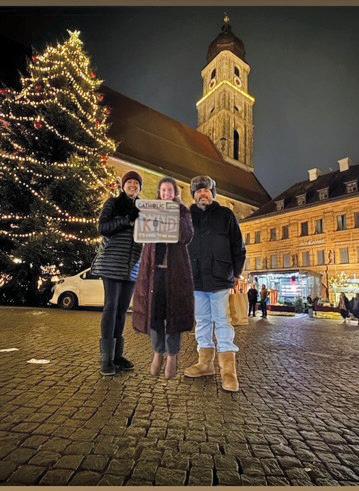
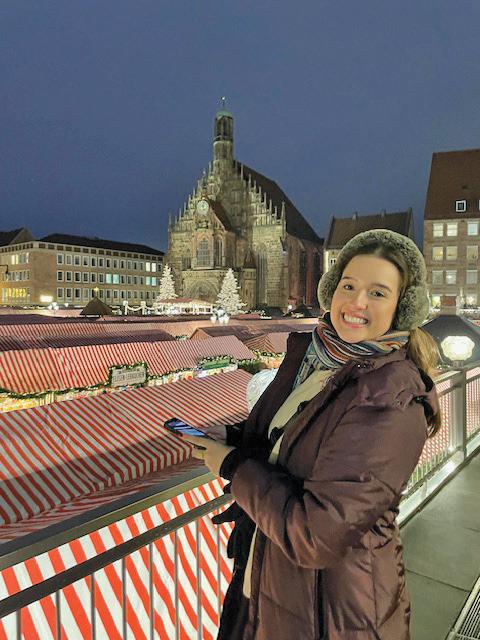
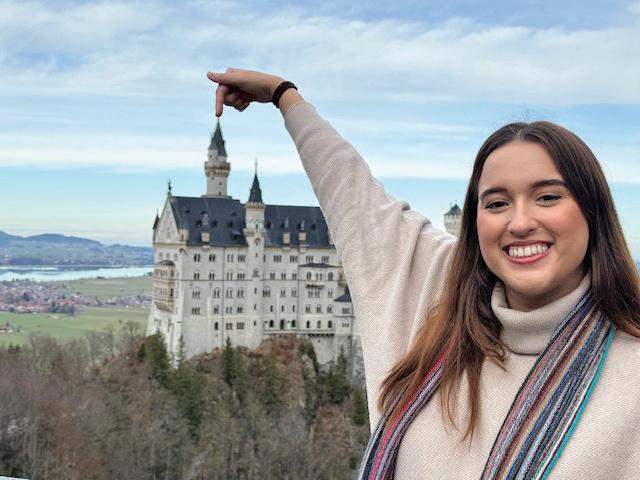
Attached are some photos from the Christmas markets we visited in Germany, the Czech Republic and Poland.
The photo in which we are holding the periodical is from St. Martin’s Basilica in Amberg, Germany.
From left to right are Jana Gonzalez, Abby Gonzalez and Sergio Gonzalez.
The photo of my daughter pointing toward the top of the castle is at Neuschwanstein Castle, the inspiration for Disneyland’s Sleeping Beauty Castle.
The striped awnings are from the Nuremberg Christmas market. Nuremberg is the gingerbread capital of the world.
—The Gonzalez family attends Santa Clara de Asís parish in Yorba Linda.
We want your photos! Send your pictures of “OC Catholic Afar” — of you, family or friends visiting Catholic churches and other interesting places — to editor@occatholic.com. Please include a brief description of the photo, the name of the person(s) featured in the photo and their home parish.
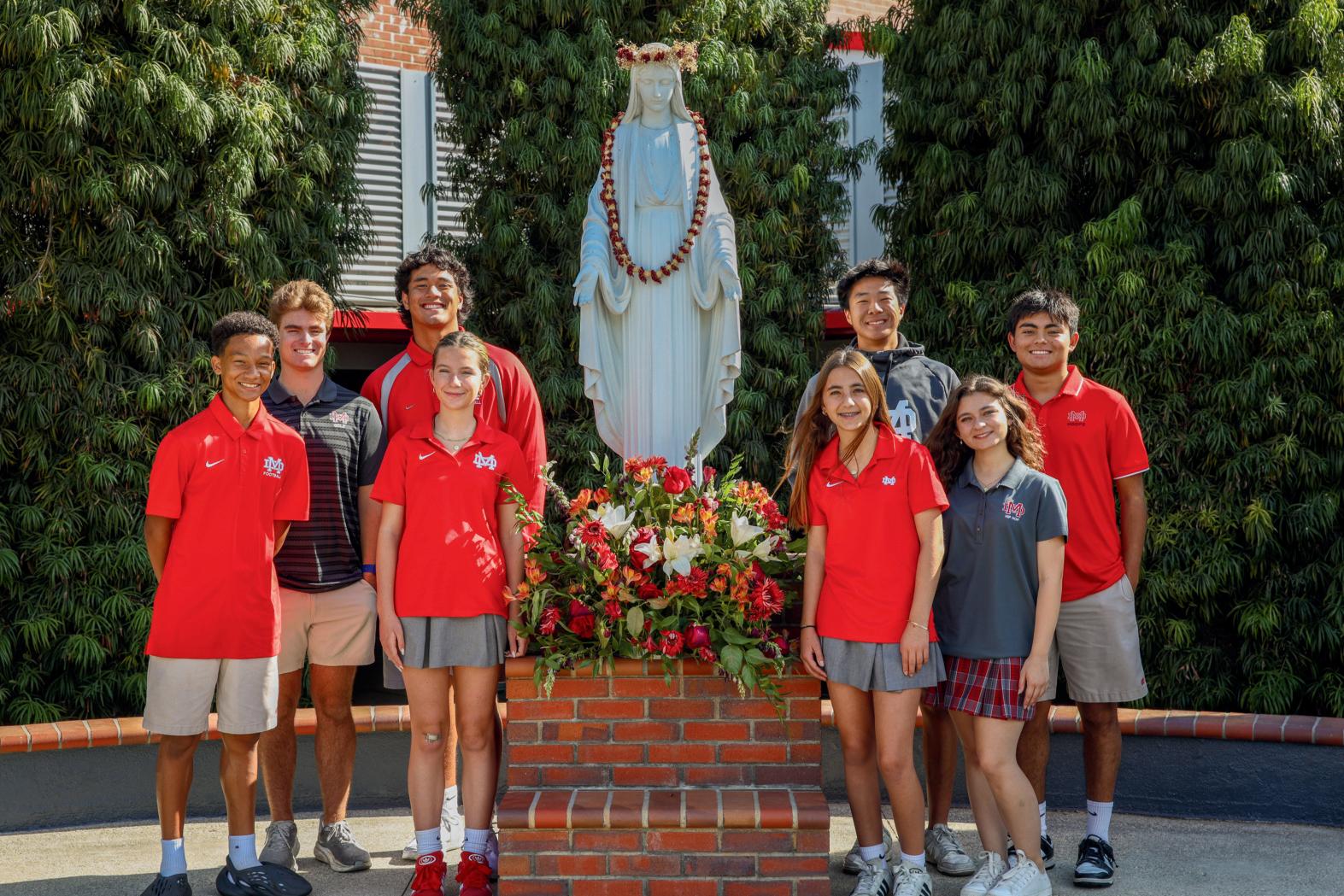
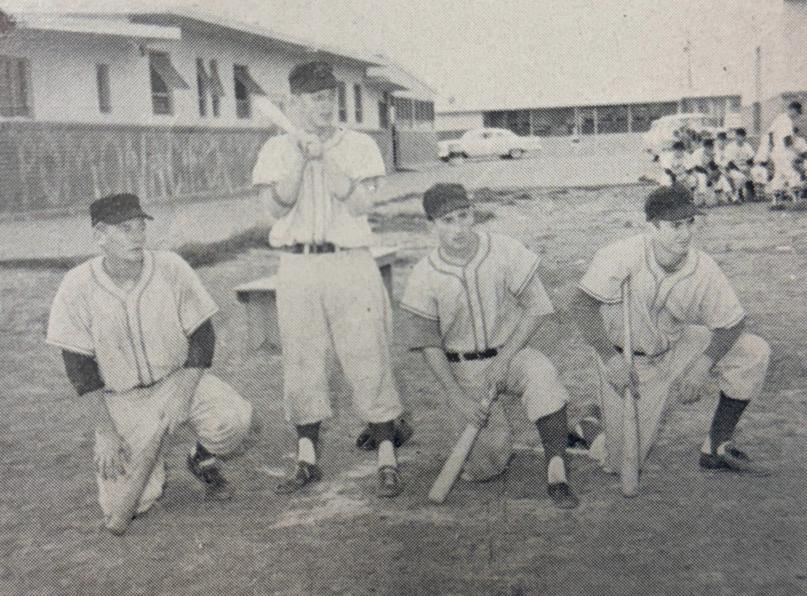
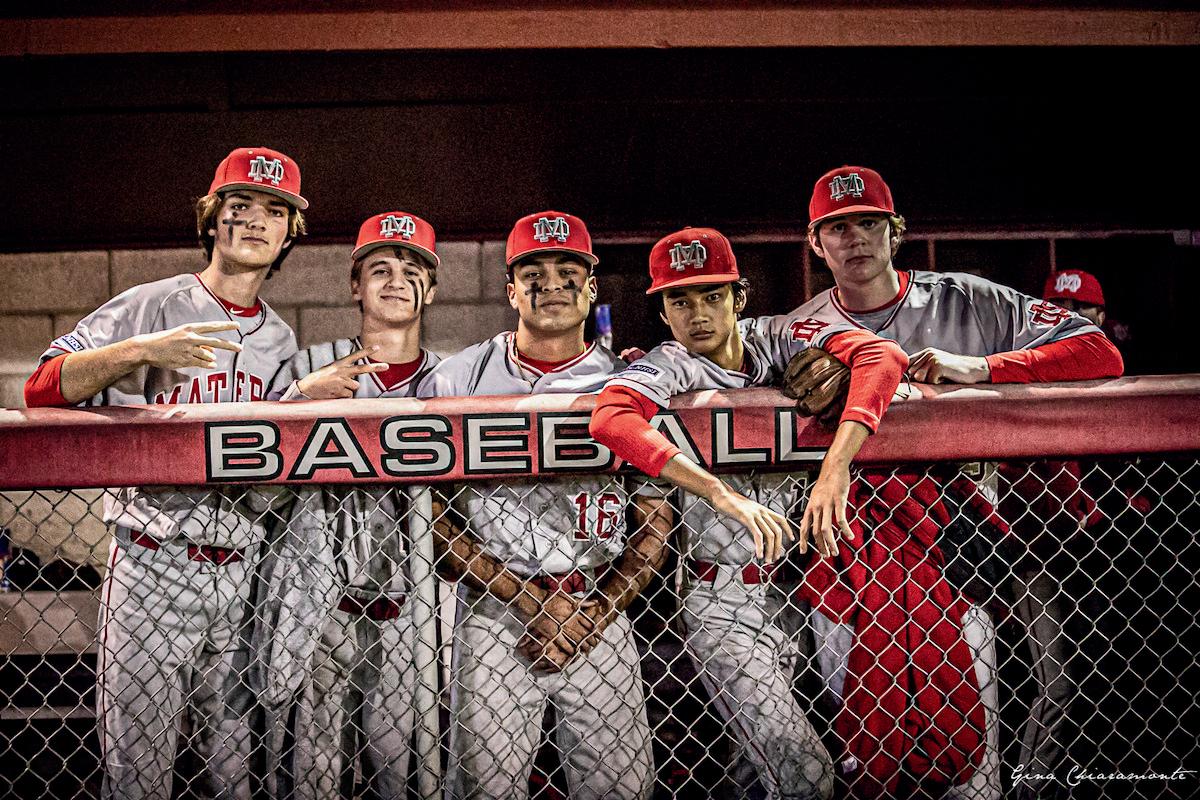
Since 1950, Mater Dei High School has set the standard for excellence in Catholic education by preparing students for college, leadership, and life. Be a part of our legacy! Admissions and tuition assistance applications are available now for the Class of 2030. Come experience the Monarch spirit for yourself through our open houses, shadow program, and campus tours.
apply applytour tour Shadow Shadow
Discover why generations of families have chosen Mater Dei to form their children in HONOR, GLORY, and LOVE.