Please note that OC Catholic will not be printing a paper edition on the following Sundays: Aug. 23, Aug. 30, Sept. 6, Sept. 13
The print edition will return weekly starting September 20. In the meantime, go to occatholic.com for important news and updates from the Diocese of Orange and stories of faith and community.
The Sunday OC Catholic newspaper is a FREE addition available to all Sunday Orange County Register print subscribers and is also available at parishes across Orange County, thanks to the Diocese of Orange and valued OC Catholic advertisers.

7
8
10
14
9, 2026
CONCERT BENEFITS IMPOVERISHED FILIPINO YOUTH
The Diocese of Orange San Jose Filipino Ministry presents a fundraiser night of music.
THE CATECHISM IN GLASS
The windows of St. Boniface Catholic Church in Anaheim tell a story.
YOU ARE A MISSIONARY!
Discipleship, by word and deed, is a missionary act.
HOW TO HEAR GOD’S VOICE
Like Elijah, we seek the voice of God in tiny whispers.
The Orange County Catholic Newspaper seeks to illuminate and animate the journey of faith for Catholics within the Roman Catholic Diocese of Orange – building solidarity among the faithful and inviting a deeper understanding and involvement in the mission of Christ – through the timely sharing of news, commentary and feature content in an engaging, accessible and compelling format.
The Official Newspaper of the Roman Catholic Diocese of Orange Diocese of Orange Pastoral Center, 13280 Chapman Ave., Garden Grove 92840
Publisher: The Most Reverend Kevin W. Vann, Bishop of Orange
Executive Editor: Jarryd Gonzales
Managing Editor: Patricia Mahoney, editor@occatholic.com
News Ideas: editor@occatholic.com
Delivery Problems: occatholicsupport@occatholic.com
ADVERTISING
Sr. Director of Marketing: Caroline Wong, cawong@scng.com
Managing Editor: Caitlin Adams Art Director: Ryann Beveridge
Delivered weekly to parishes and homes throughout Orange County, Calif., Orange County Catholic is published by SCNG Custom Content, a division of Southern California News Group that offers content development and design expertise to businesses and nonprofit institutions. The Orange County Catholic editorial staff and editorial council are responsible for the content contained herein. Events and products advertised in Orange County Catholic do not carry the implicit endorsement of the Diocese of Orange or SCNG Custom Content.

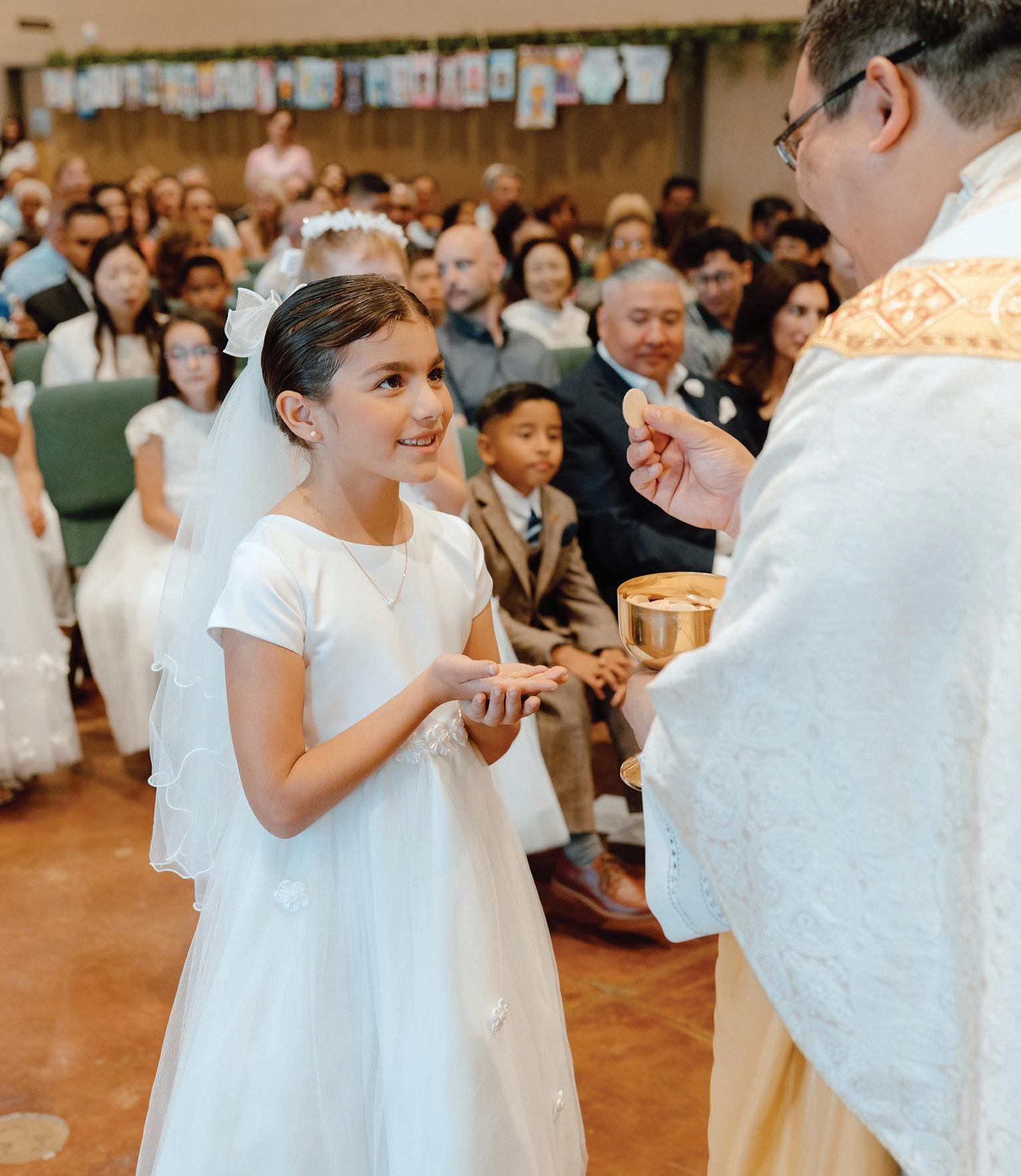
Lyla Valencia received her First Communion at Santa Clara de Asis on April 19, 2026. It was a blessed day for her family, filled with celebration and gratitude.
Submitted by Lucy Aguilar.
OC Catholic is looking for photos of our readers receiving their Holy Sacraments. Baptisms, First Communions, Weddings — we want to see your special day! Please include a brief description of the photo and why it is special to you. Include your name and home parish, and send to: editor@occatholic.com
READINGS FOR THE WEEK
MONDAY
2 CORINTHIANS
9:6-10; PSALM 112:1-2, 5-6, 7-8, 9; JOHN 12:24-26
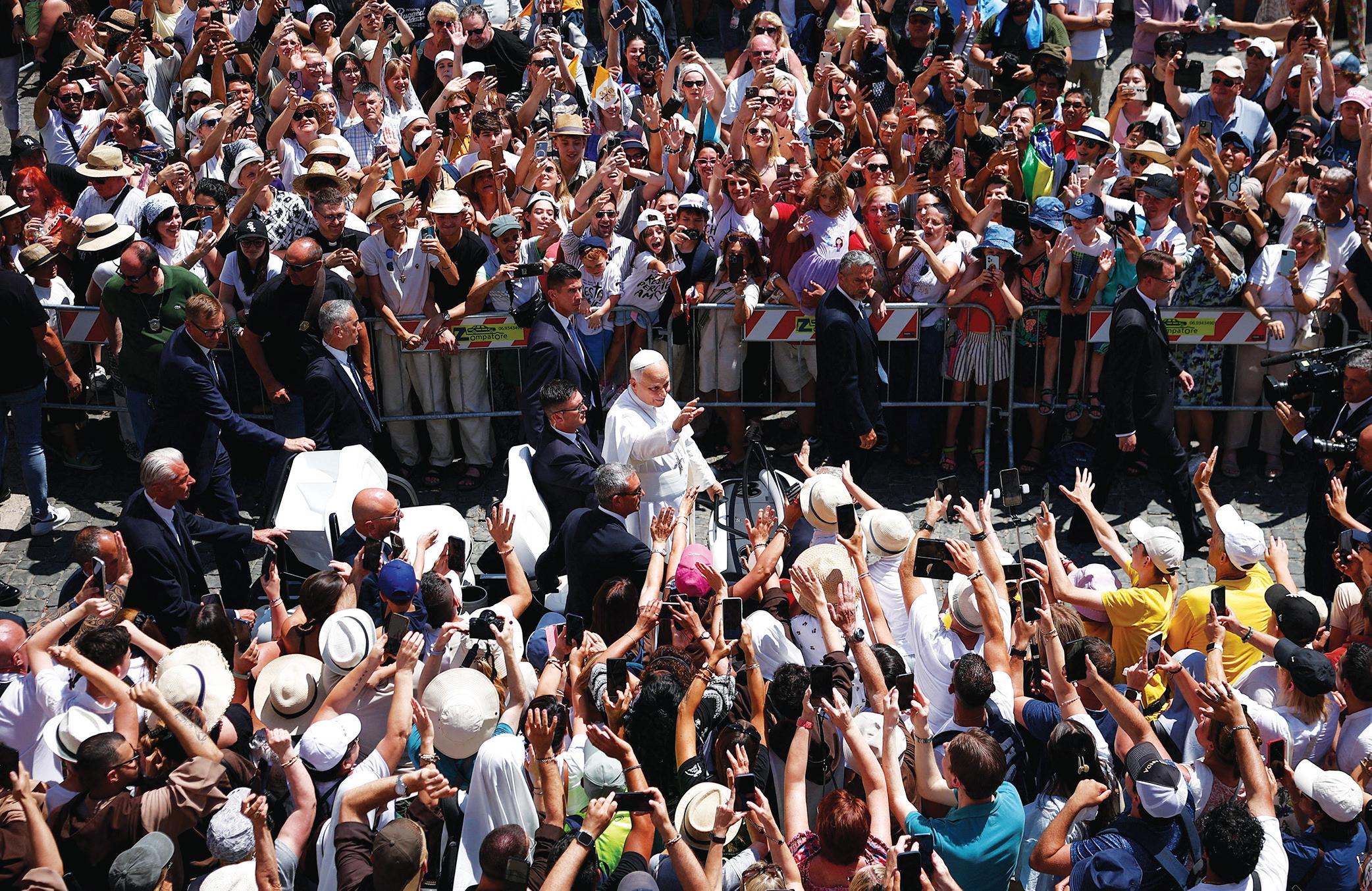
“ May you have the courage to say ‘yes’ to the Lord!” — Pope Leo XIV
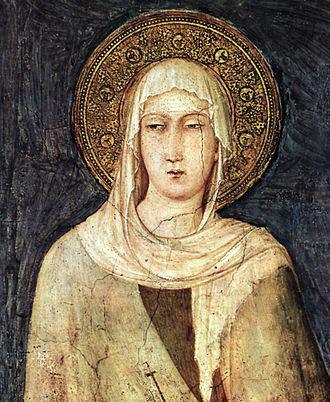
THOUGH 10 YEARS younger than her townsman, Francis of Assisi, Clare was drawn to his radical message of serving God in abject poverty. Despite objections from her aristocratic family, who wanted her to marry, she gave up the world with Francis' help and founded the Second Order of St. Francis, known worldwide as the Poor Clares. For 40 years, she guided the San Damiano community, whose nuns included her sister and widowed mother. She served the other nuns who went out to beg, was often sick because of their hard life, and was proclaimed a saint just two years after she died. C
TUESDAY
EZEKIEL 2:8—3:4; PSALM 119:14, 24, 72, 103, 111, 131; MATTHEW 18:1-5, 10, 12-14
WEDNESDAY
EZEKIEL 9:1-7; 10:1822; PSALM 113:1-2, 3-4, 5-6; MATTHEW 18:15-20
THURSDAY
EZEKIEL 12:1-12; PSALM 78:5657, 58-59, 6162; MATTHEW 18:21—19:1
FRIDAY
EZEKIEL 16:1-15, 60, 63; ISAIAH 12:2-3, 4BCD, 5-6; MATTHEW 19:3-12
PHOTOS: CATHOLIC NEWS SERVICE, SHUTTERSTOCK
SATURDAY
REVELATION 11:19A; 12:1-6A, 10AB; PSALM 45:10, 11, 12, 16; 1 CORINTHIANS 15:2027; LUKE 1:39-56
SUNDAY
ISAIAH 56:1, 6-7; PSALM 67:2-3, 5, 6, 8; ROMANS 11:13-15, 2932; MATTHEW 15:21-28
BY GREG MELLEN
WHEN ONE THINKS OF Jamaica, it is often of the plush resorts on Montego Bay, the dynamic Rastafarian religion, the reggae music and culture scene or the unique spicy cuisine.
However, while tourism bustles and is credited with broad economic gain to portions of the population, far from the glitzy north coast resorts, residents in the slums of the capital city of Kingston live in a vastly different reality.
These are the people the Catholic Missionaries of the Poor, formerly Brothers of the Poor, have served since their founding in 1981 by Fr. Richard Ho Lung.
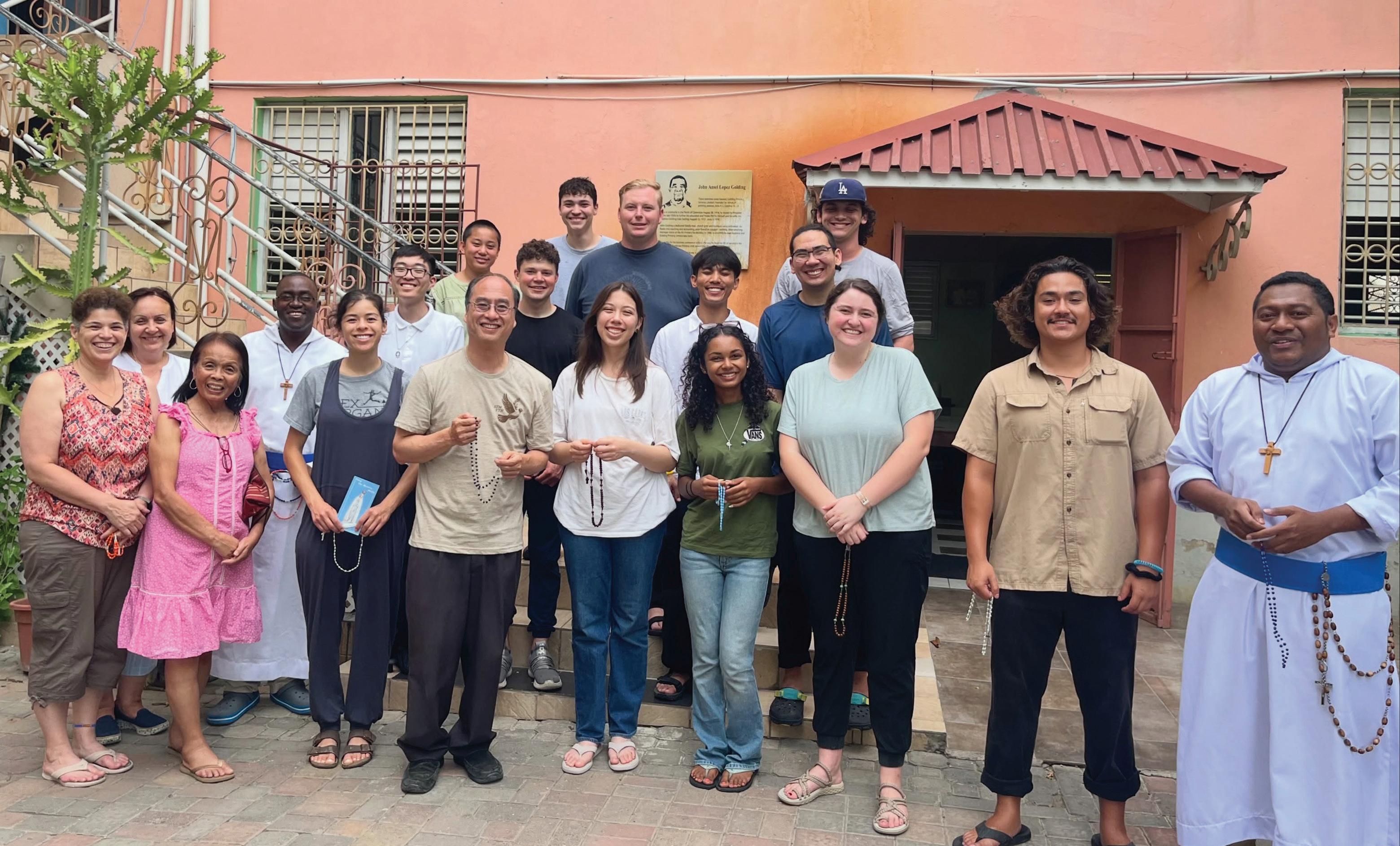
Since 2006, when not interrupted by the pandemic, congregants from the Diocese of Orange have been traveling to Jamaica with Fr. Eugene Lee, pastor of St. Thomas More Catholic Church in Irvine, for an annual summer ministry and pilgrimage.
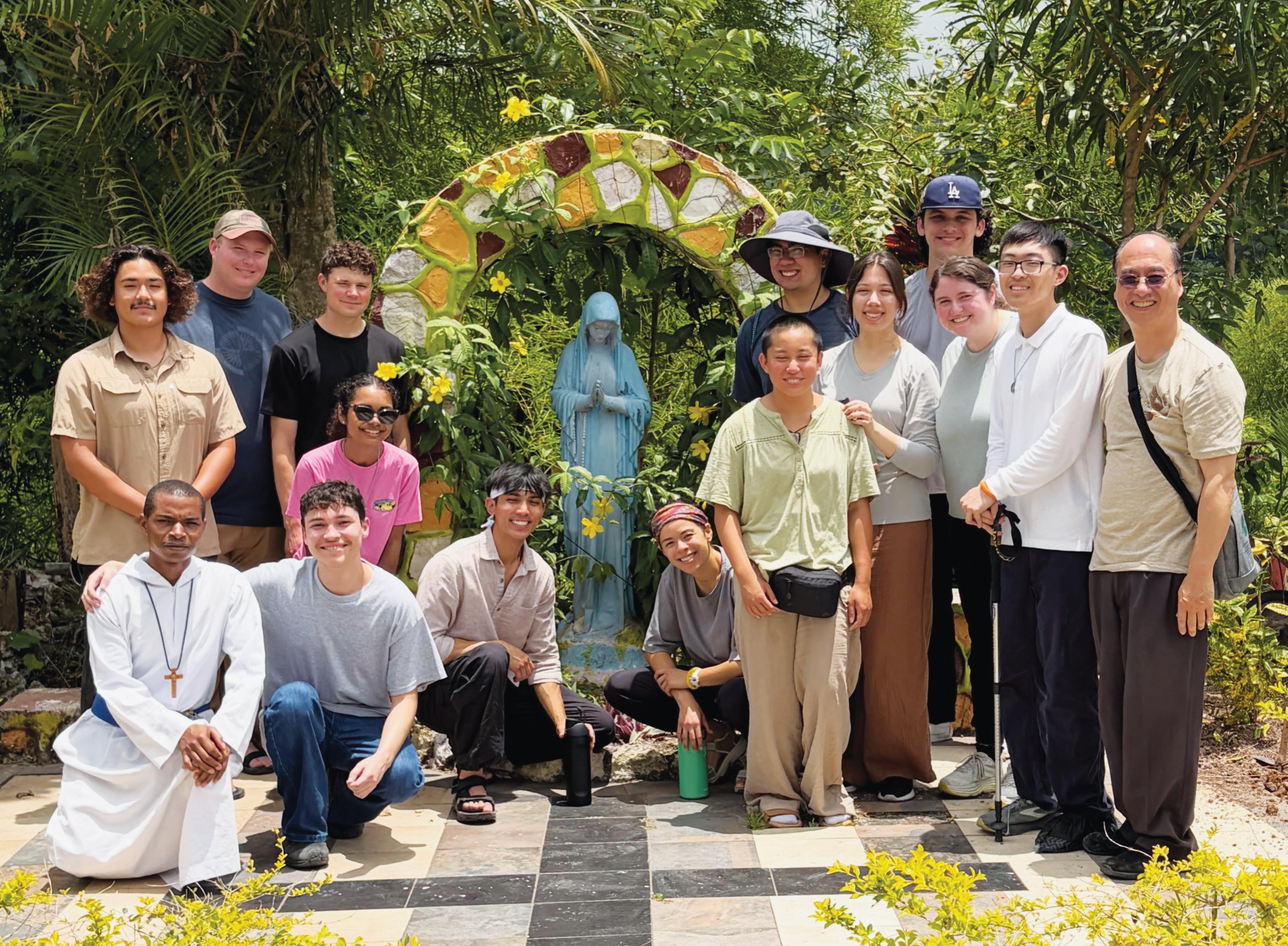
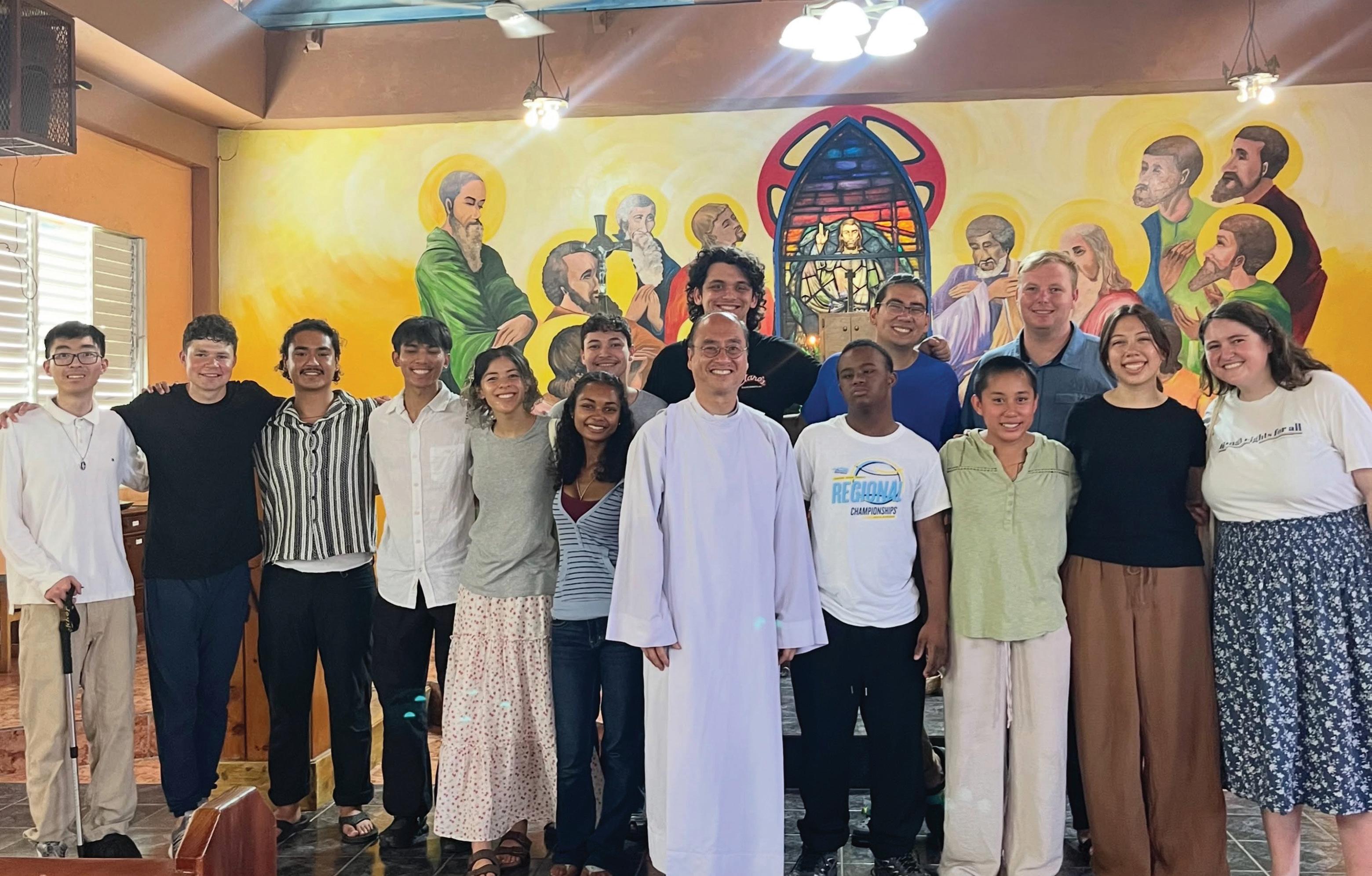
This year, a contingent of 14 young adults made the journey with Fr. Thomas Tran, parochial vicar at St. Thomas More, after Fr. Eugene had a scheduling conflict.
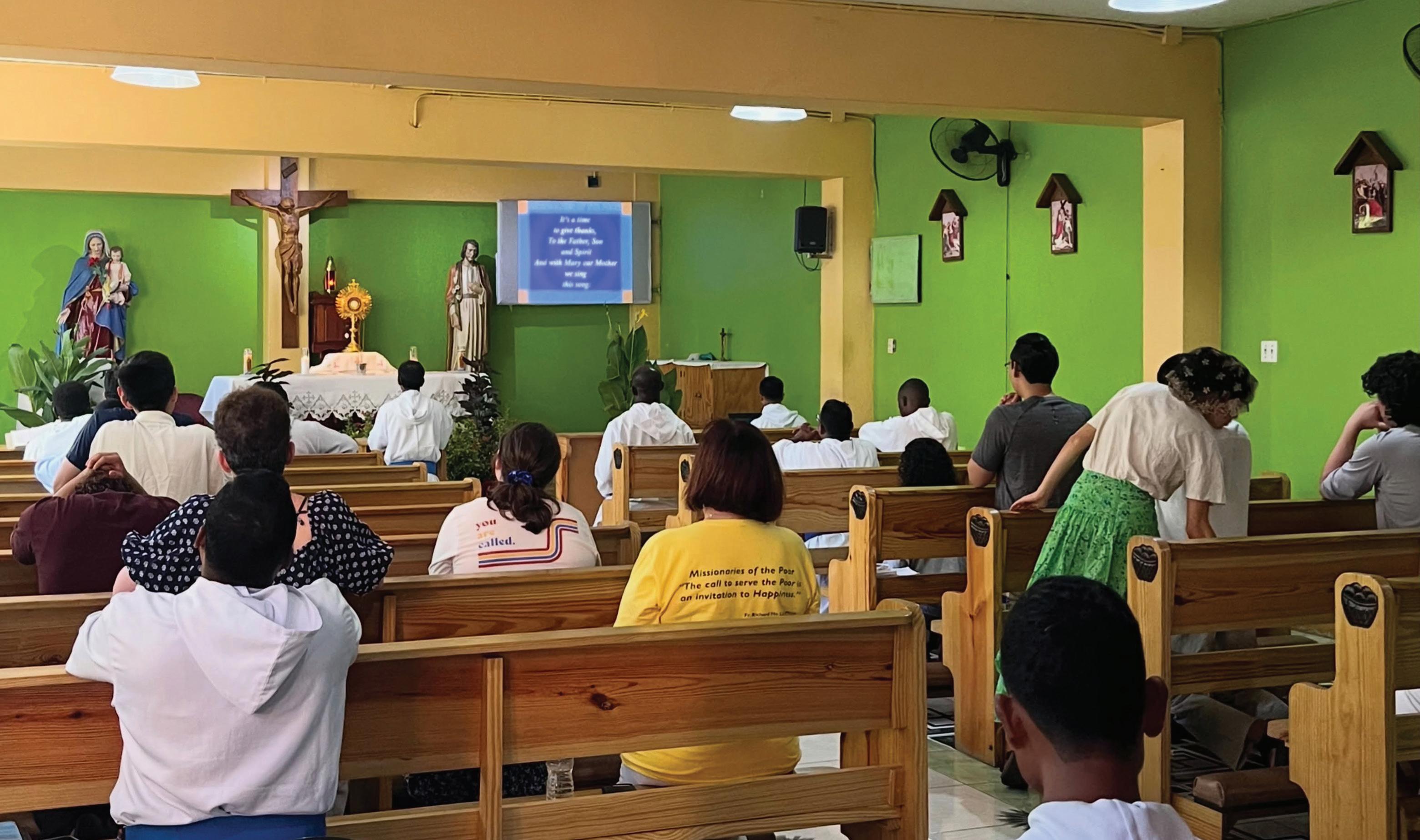
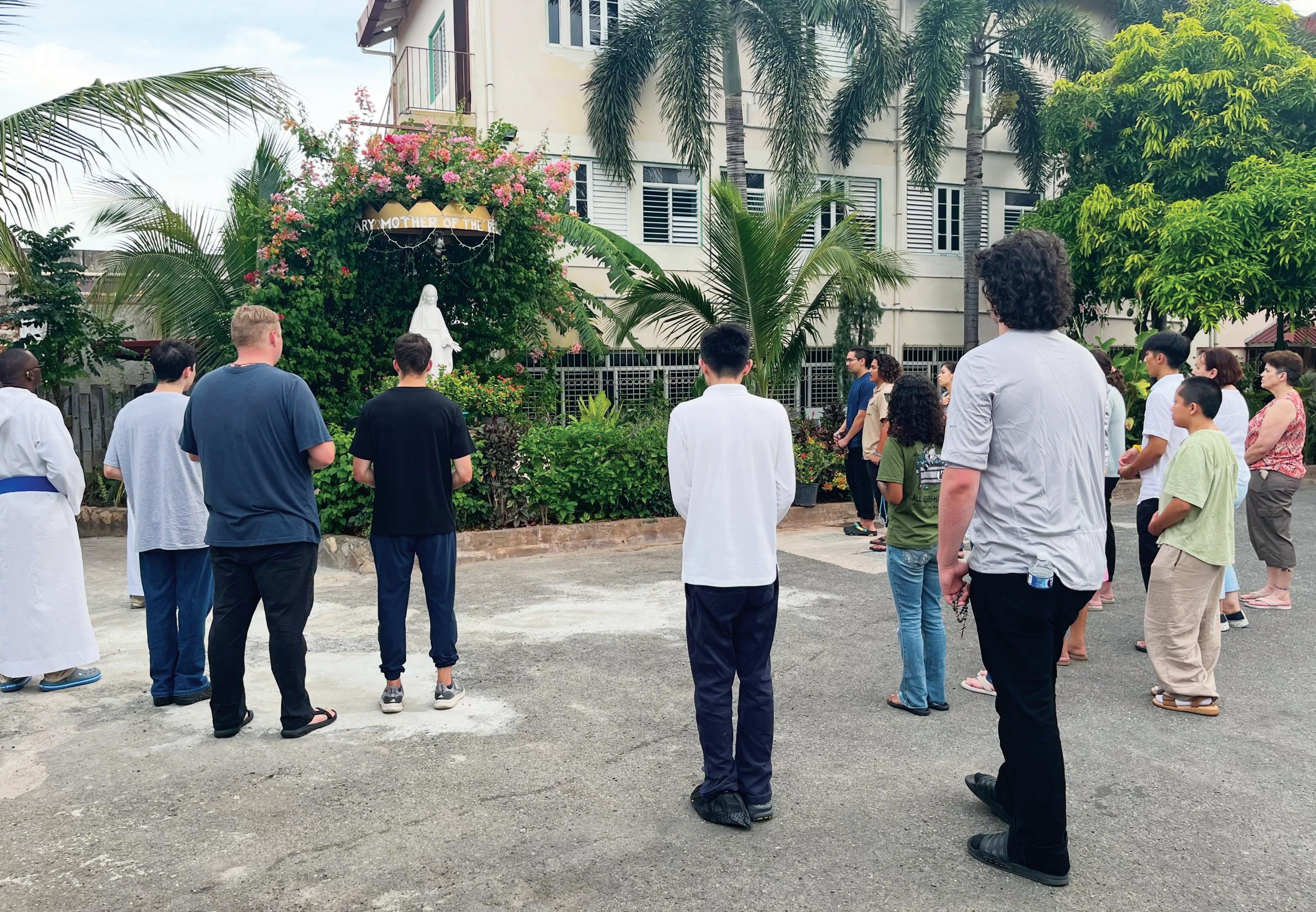
During the nine days in Jamaica, the young adults lived and worked among the missionaries at the Jesus the Redeemer monastery. Their days consisted of 6 a.m. Mass and Adoration, six to eight hours a day working at centers operated by the brothers, daily chores, praying and time for reflection and sharing.
The centers serve elderly residents, many of whom suffer from severe disabilities, homeless women, infants, children and adolescents who have been abandoned or can’t be supported by their families. Some are Catholic, most are not. All are welcomed but not required to worship and pray with the brothers. The air is swelter-
ing, stagnant and ripe with the smell of human waste.
“It was definitely fulfilling, but it wasn’t pleasant,” said Brandon Clark, 29, who made his first visit. “But it was exciting, like being the hands and feet of Jesus.”
Clark recalled spoon-feeding a man who had lost his limbs.
“This is what Jesus would do, what He did do and more,” he said.
Rather than recoil, Clark said he learned to embrace the physical discomfort and was better able to connect with his spirituality and deepen his faith.
“Going through discomfort really makes you lock in and focus and be fully
there,” he said.
Andrew Romo, 22, said he has seen poverty and impoverished communities, particularly in his parents’ hometown in Mexico. To experience it and to live a monastic life and hear stories firsthand from residents and clerics was something else altogether.
For him it meant being “more present” and taking everything in.
“Every now and then we have to realign ourselves with them,” he said.
Romo remembers an adolescent boy who attached himself to the Californian one day, helping him with chores and sharing time together.
“He wouldn’t leave my side,” Romo said. “Things like that will stick with me the rest of my life.”
Although most of Jamaicans are Christian, only about 3% are Catholics. The religion was suppressed after the English conquest in 1655 over the Spanish and subsequent colonization and institution of Protestant denominations.
Protestantism along with evangelical and interdenominational Christianity remain the dominant religion in the country.
Rastafari, a religious, social and cultural movement formed in the 1930s, also
CONTINUED FROM PAGE 5
maintains a strong identity and connection to Jamaica, although its numbers are widely debated.
Despite the small Catholic population, the works and ministry of Missionaries of the Poor are widespread. Based in Kingston's Trench Town neighborhood and working in the poorest neighborhoods, the brothers operate seven service centers for different populations.
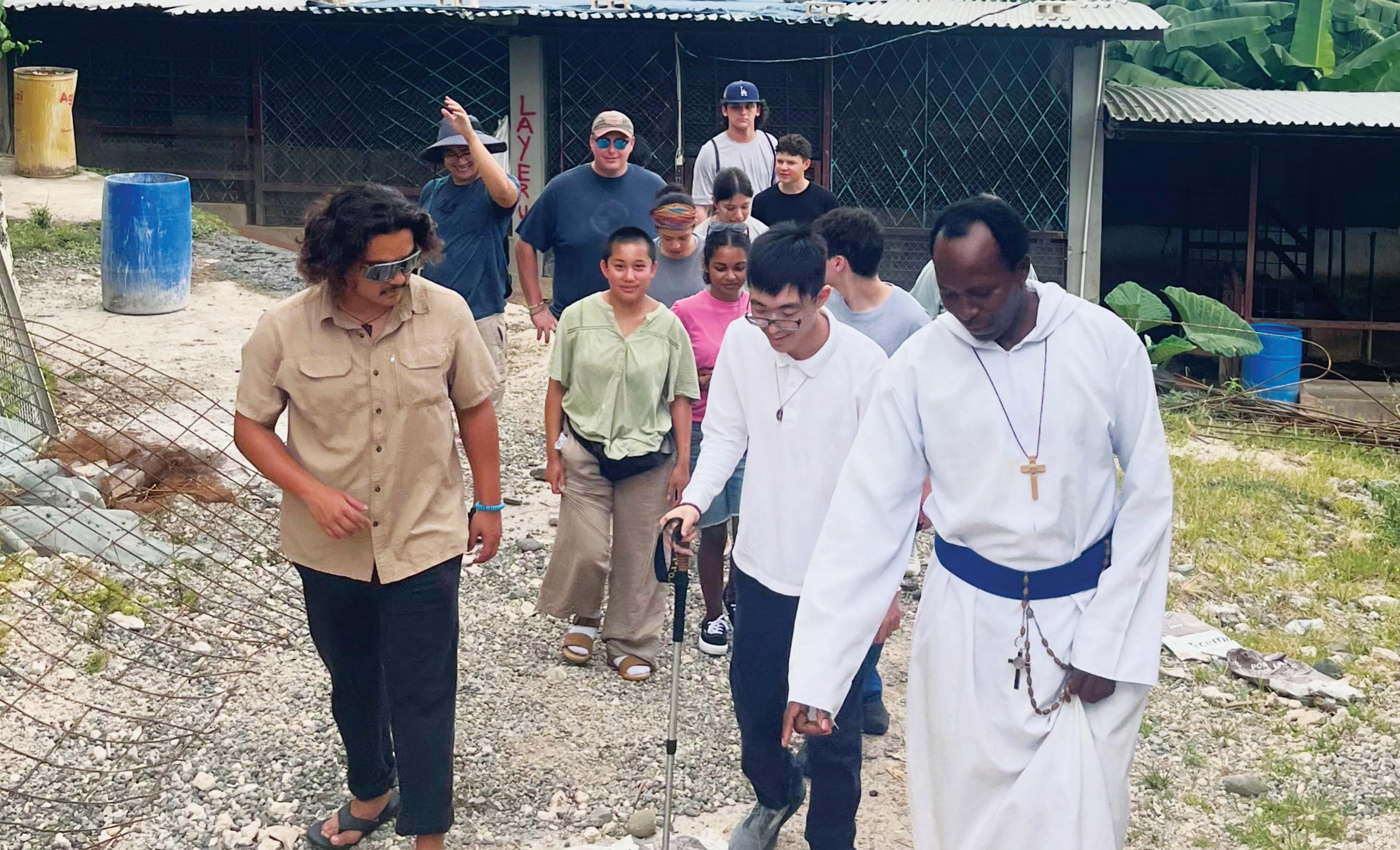
In addition to Jamaica, Missionaries of the Poor operate 13 missions in 10 countries.
Fr. Thomas, ordained a priest for the Divine Word Missionaries in 2000, eventually made his way to the Diocese of Orange, where he has been serving for many years and in which he is now incardinated. He said he was happy to be “back in the trenches,” if only briefly.
“It was a joy to get back to being the
priest I was when I was a missionary,” he said, adding “It was truly missionary outreach to the poorest of the poor.”
Plans are to hold another mission from St. Thomas More next year with Fr. Eugene, although this time the plan is to include older adults.
Fr. Eugene said while other pilgrimages to poorer countries and religious orders are beneficial, most don’t go this deep. He sees a particular value in a true
immersive experience with the missionaries and the chance to “live their lives.”
“It’s a spectacular environment of spirituality, steeped in Catholic life,” he said.
“This is an opportunity for our own growth in humility and respect,” Fr. Eugene continued. “We’re not going in to rescue them, they're rescuing us. It’s a chance to meet Christ in the poorest of the poor. It’s spiritually intense every time.” C
BY SEAN LE VAN
DEEP IN THE Cordillera mountains of northern Luzon and in the Visayan region of Samar-Leyte— among the poorest regions in the Philippines—indigenous children from subsistence farming families are too often
denied access to education, with poverty driving high rates of school dropout.
This August, Catholics in Orange County have a chance to change that.
The Diocese of Orange San Jose Filipino Ministry (DOSJFM, a 501(c)(3) nonprofit) is hosting a benefit concert for the Sandiwaan Center for Learning in the Philippines. The concert brings together
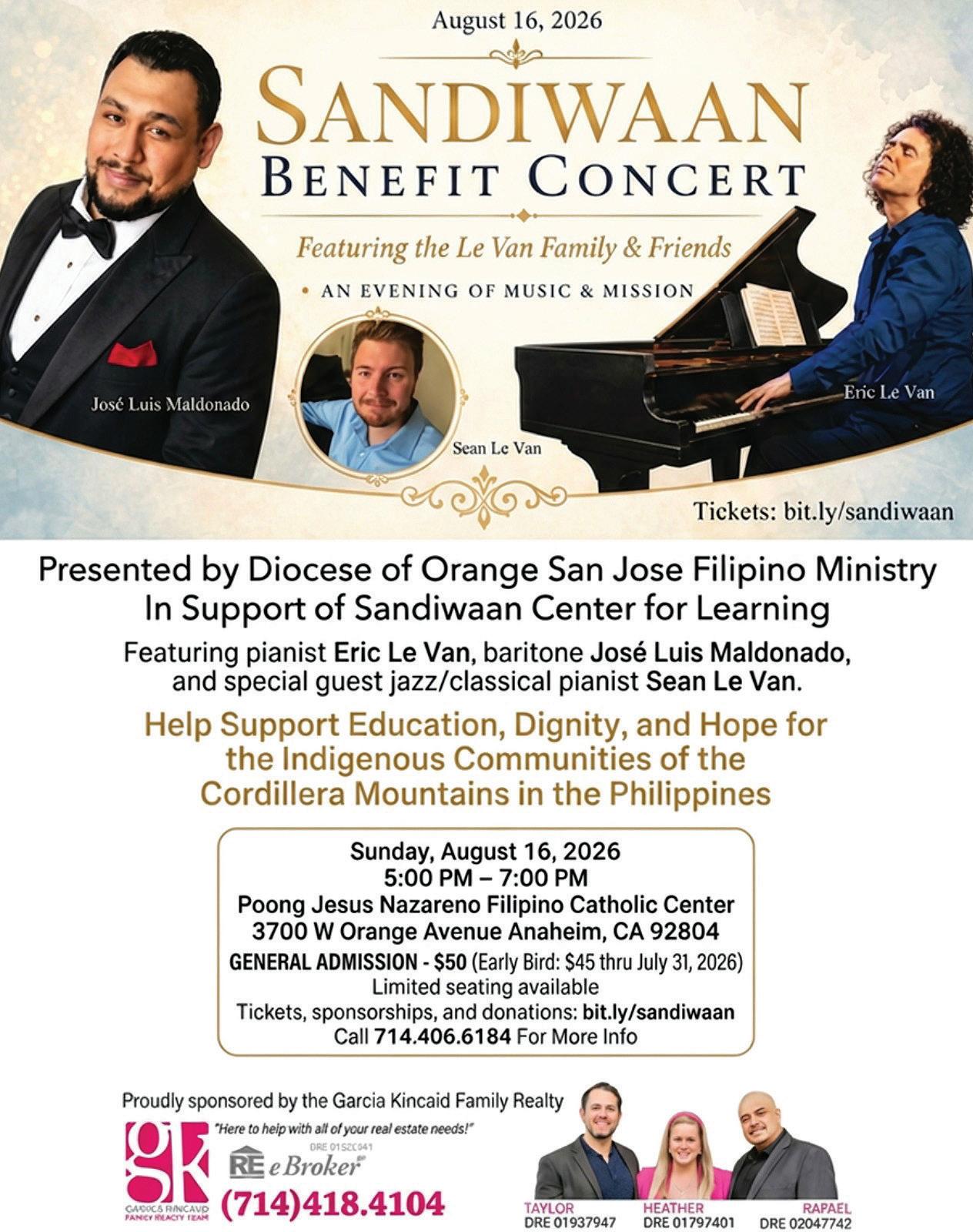
internationally acclaimed musicians to fill the evening of Aug. 16, with music and fellowship in order to raise at least $25,000. The funds raised will be used for the installation of six AI learning innovation hubs in one of the Philippines’ most impoverished communities —a project approved by the Department of Education of the Philippines for 23 DepEd divisions.
The hubs will bring 3D learning boards, virtual- and augmented-reality educational technology, alongside an AI learning platform, to six schools serving an estimated 5,000 to 6,000 Alternative Learning System students in Cordillera’s indigenous communities. This platform, the prototype matches instruction to each student’s specific gaps in schooling, reducing the burden of costly textbooks and easing the load on teachers. Philippine Education Secretary Sonny Angara has approved the DepEd IT Division’s decision to provide Starlink connectivity for the project, keeping the remote schools online. Under the supervision of trained teachers, students can access educational resources without relying on costly textbooks by using the online AI learning platform.
Established in 1986, the Sandiwaan Center for Learning has served more than 15,000 students in the Philippines’ poorest communities for 39 years, under
the leadership of Fr. Benigno Beltran, a missionary priest of the Society of the Divine Word, whose ministry has included the scavenger communities of the Smoky Mountain dumpsite. Charity lies at the heart of Catholic teachings incorporated in the educational program, and Fr. Beltran’s lifelong commitment to restoring hope through education makes this concert a natural extension of this mission.
Titled “Sandiwaan Benefit Concert,” the event takes place Sunday, Aug. 16, at 5 p.m. at the Poong Jesus Nazareno Filipino Catholic Center (PJNFCC) in the Birheng Maria Fellowship Hall. The PJNFCC, located at 3700 W. Orange Ave. in Anaheim, is the only active Filipino Catholic center in the United States. The event’s program celebrates Filipino culture through folk songs, original Filipino music (OPM), ballads, classical selections and jazz standards, classical and jazz piano selections, internationally acclaimed baritone Dr. José Maldonado, and Eric Le Van, classical pianist and recording artist who has performed at the Kennedy Center and the Library of Congress. Seating is limited. For tickets, donations and sponsorships, visit bit.ly/sandiwaan C
Editor's Note: The author will also be performing in the Sandiwaan Benefit Concert.

BY MEG WATERS
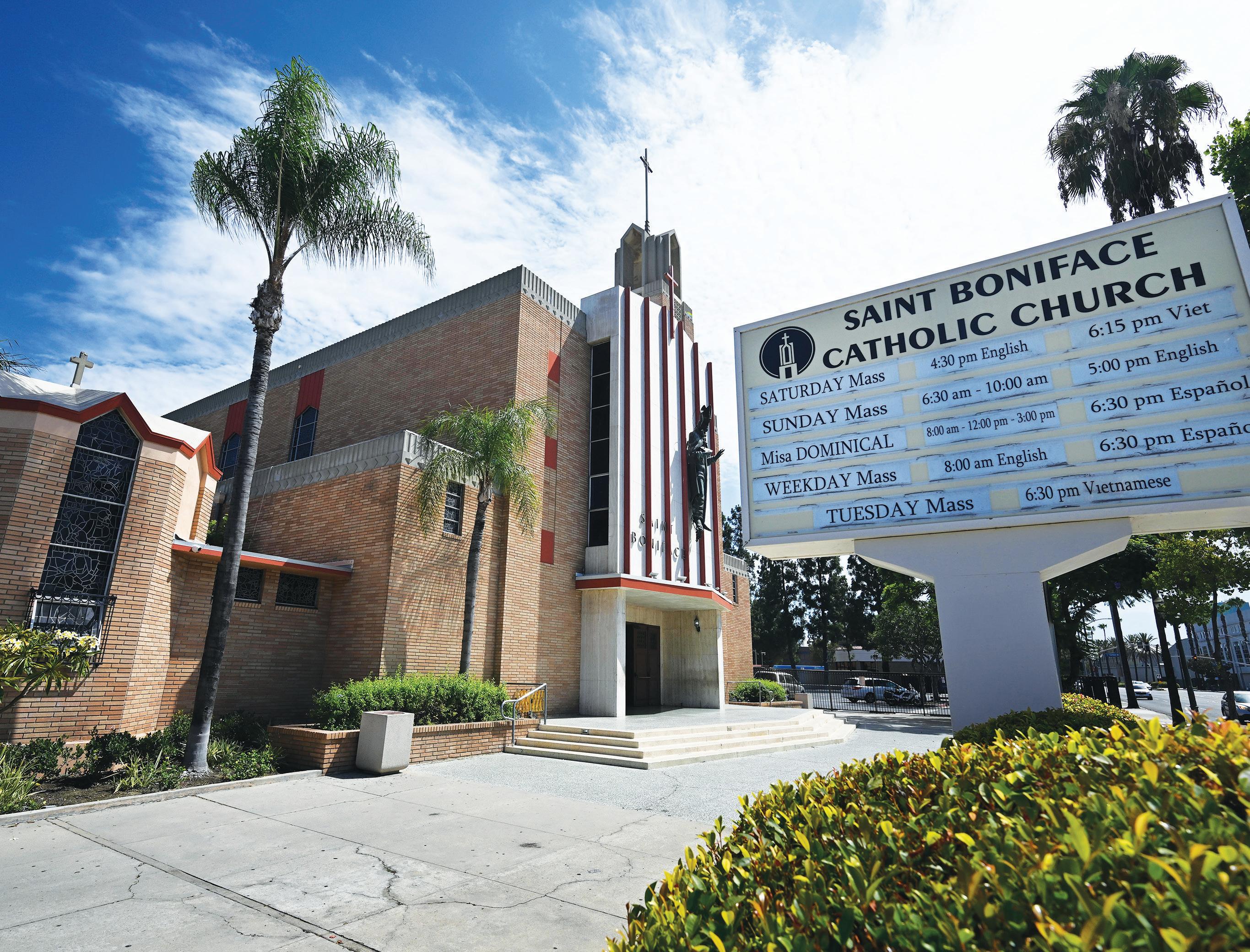
THERE IS A LITTLE-KNOWN pilgrimage site right in the heart of Orange County: St. Boniface Catholic Church, the first continuously owned Catholic church in the area (the Mexican government owned Mission San Juan Capistrano after the earthquake of 1812 until President Abraham Lincoln gave the property back to the Catholics in 1865).
The seeds of St. Boniface first took root in the early 1800s, when the original Spanish families—the Yorbas, Peraltas and Rimpaus— met for Mass and sacraments in local homes. The city of Anaheim was founded by German immigrants in 1857, and by 1869, it was time to build a permanent church. St. Boniface was named in honor of the English-born Benedictine monk, saint and martyr who evangelized the raucous Germanic tribes of Eastern Europe.
By the late 1950s, the church had grown well beyond the small church established a century before, so under the leadership of the Belgian-born pastor, Fr. John Quatannens, the congregation built a cathedral-like church interior with elements of the spectacular Gothic cathedrals of Belgium and elsewhere in Europe, with an exterior that captured the mid-century modernist aesthetic of the day.
The result is a church where the catechism is written in light and color. According to the pastor, Fr. Ed Poettgen, “Although the exterior of St. Boniface is decidedly mid-century—totally 1962— the interior feels far older, more in line with a European church from an earlier time. That is no accident. Fr. Quatannens intended to create something with cathedral-like dignity. While diocesan
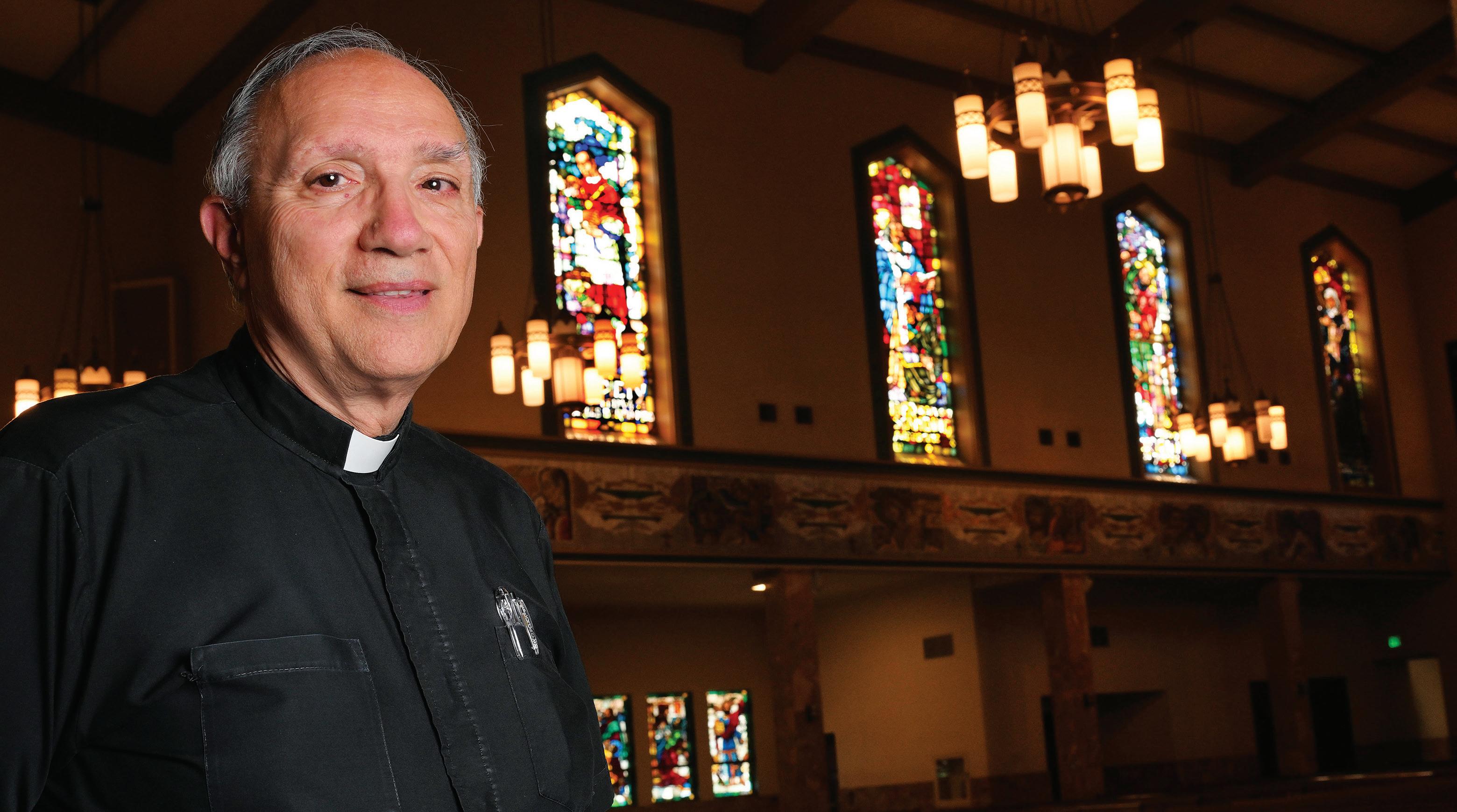
leadership required a more contemporary exterior, inside he realized his original vision: a space where light, color and symbol draw worshippers into mystery.”
Fr. Poettgen explained that the windows themselves were planned with unusual intentionality. Rather than a random assortment of favorite saints, the designer chose a structured program: the gifts of the Holy Spirit on one side and the Sacraments on the other. In this, the church returns to a medieval instinct—the building as catechism for the faithful, many of whom once could not read, but all of whom could “read” images.
Each window pairs a biblical text with an image of a saint, sometimes in
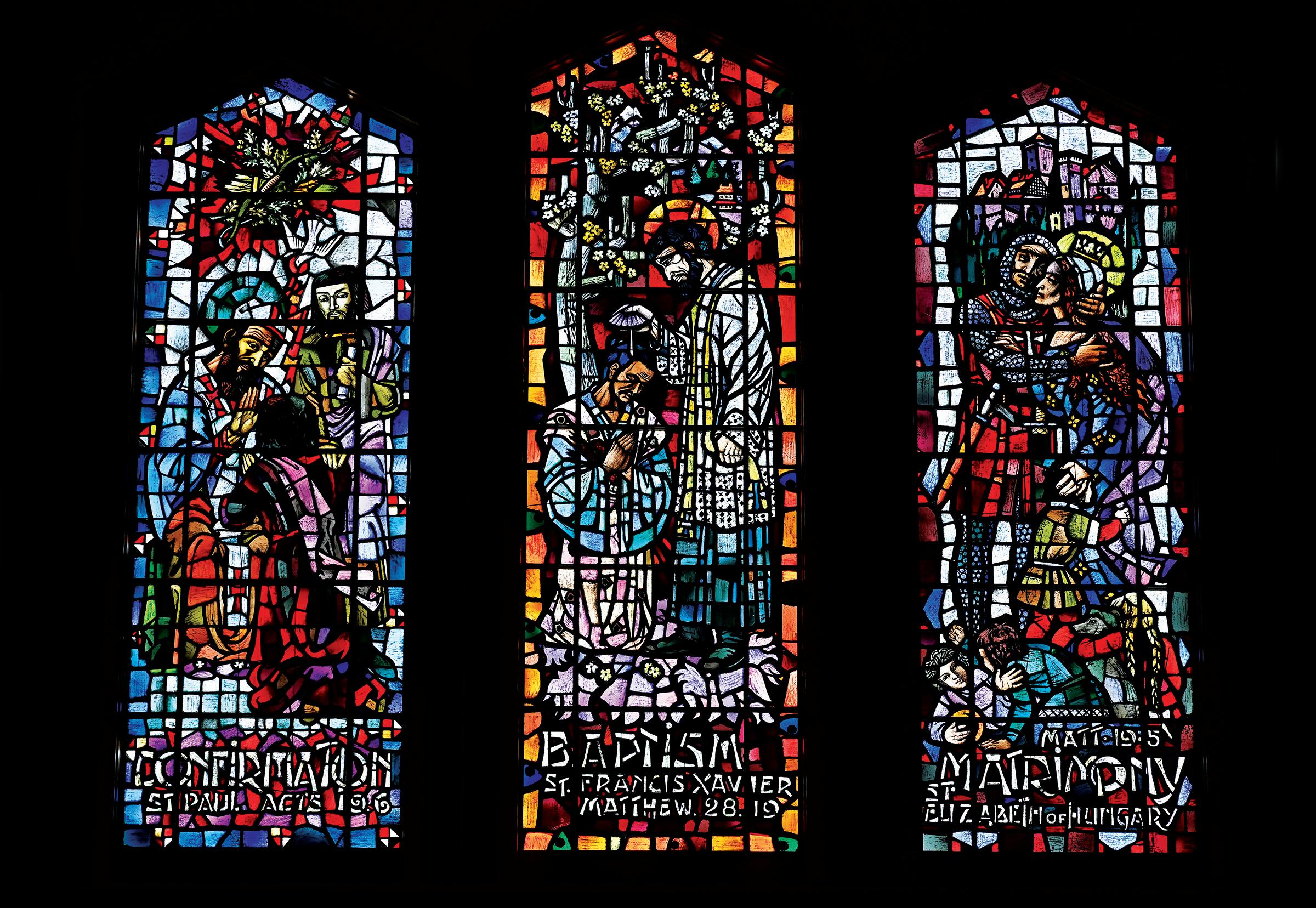
ways that raise as many questions as they answer. For example, the window representing the Anointing of the Sick
STAINED-GLASS WINDOWS DEPICTING THE SACRAMENTS OF CONFIRMATION, BAPTISM AND MATRIMONY LINE A WALL AT ST.
cites the Letter of James: “Is there any sick among you? Let them call upon the CONTINUES ON PAGE 9
Theologically, this text belongs to James the Less, patron of the sick, yet the figure in the window appears to be James the Greater, the apostle of Compostela, patron of pilgrims, Spain and people suffering from arthritis. The apparent mismatch has become part of the local lore: a reminder that iconography is as human and fallible as it is beautiful and inspired.
Similarly, the window for Matrimony depicts St. Elizabeth of Hungary. She was married, widowed young and then lived a life marked more by asceticism and radical charity than domestic stability.
Fr. Ed observed, “If you were choosing a couple to embody Christian marriage today, you might reach instead for Saints Louis and Zélie Martin, the parents of Thérèse of Lisieux who were canonized as patrons of married couples. Yet Elizabeth’s presence links the vocation of marriage to sacrificial love for the poor, suggesting that Christian family life, too, is ordered outward in charity.”
Other choices reflect the missionary horizons of the Church. The Baptism window does not show Christ in the Jordan, but St. Francis Xavier, apostle to Asia who baptized thousands into the faith; Confirmation is represented not by a classic Pentecost scene but by St. Paul in Acts, underscoring the Spirit’s power to drive mission outward. These decisions mirror the theological currents of the pre- and post-conciliar era, when the Church was reimagining herself less as a fortress and more as a people sent.
Like the teaching role of medieval churches that were built to teach theological truths to mostly illiterate people before printed Bibles were widely available, St. Boniface invites more than just artistic appreciation; it calls the viewer to think about what is being represented, meditate on the Scripture verse in each window while witnessing how the Church, through the actions of saints,
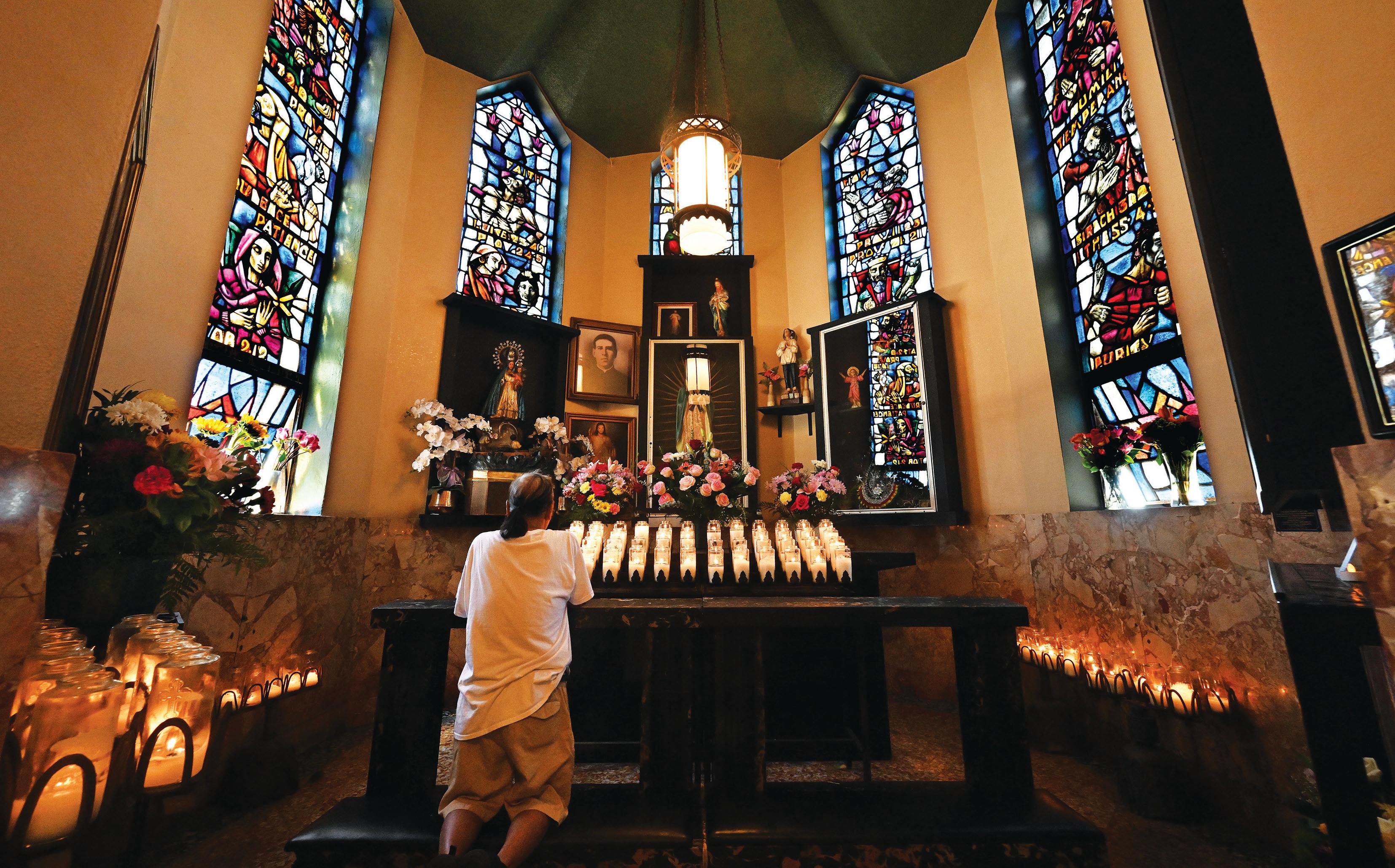
has lived out biblical teaching over the centuries.
Visitors often remark on the intensity of the colors and the way the windows instantly “make it feel like a church.”
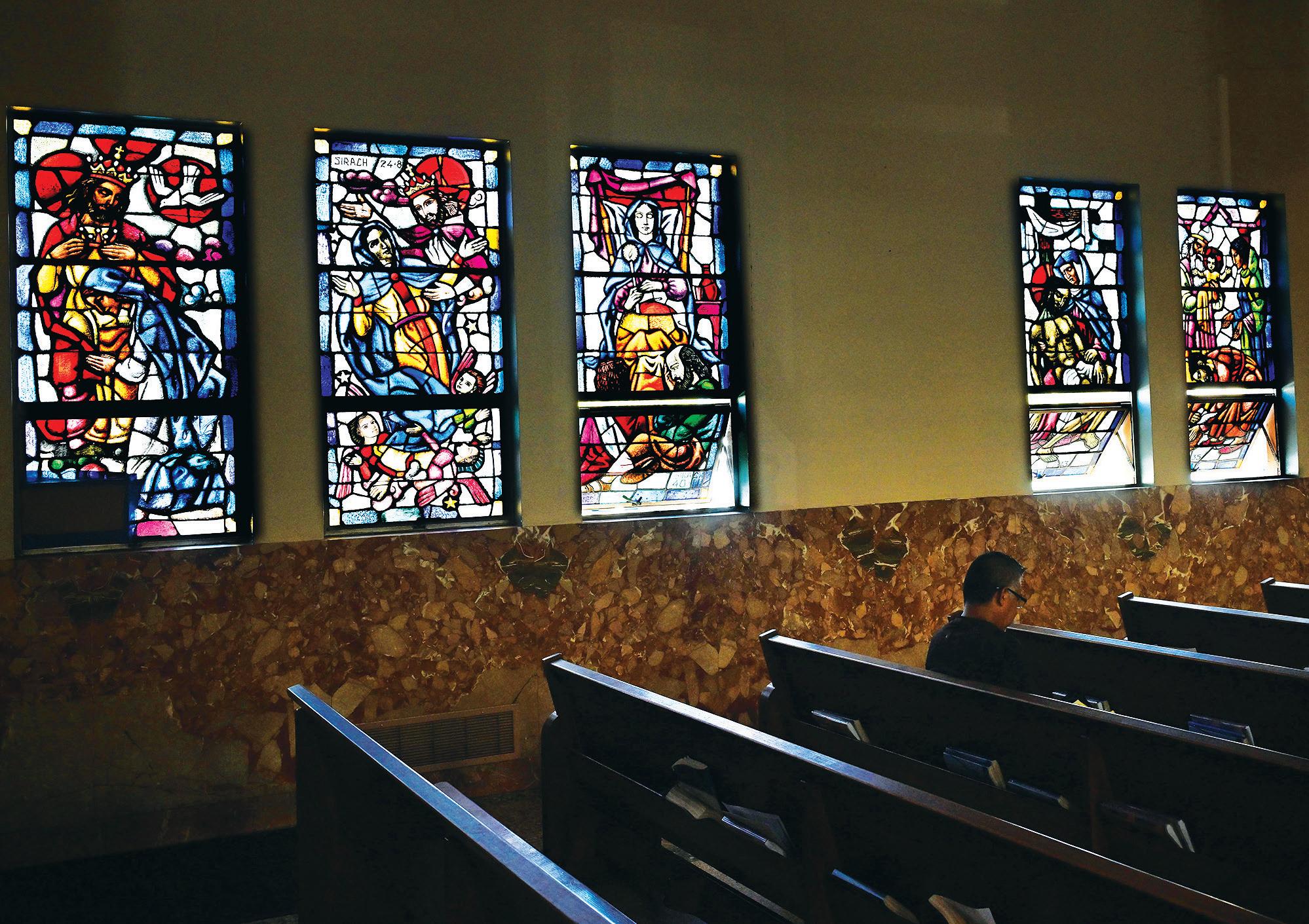
In an age when many Catholics—and especially younger ones—are seeking a renewed sense of the sacred, St. Boniface’s stained glass quietly offers what the best church art has always promised: a glimpse of heaven, rendered in the language of earth.
A description of each window is available on the St. Boniface website at stbonifaceonline.org. C
BY FR. CHRISTOPHER HEATH, DIRECTOR OF DIOCESAN ARCHIVES, DIRECTOR OF MISSION OFFICE
THIS MAY COME AS a surprise, but you who are reading this article right now, you are a missionary! How can that be, you ask? I thought missionaries were priests or nuns who went to far-off places on other continents to teach people who have never heard of Jesus that He died and rose for them?
True, this is one definition of a missionary. In recent years, though, there’s been a lot of talk about us Catholics being “missionary disciples,” people delegated on God’s behalf, as baptized members of the Church, to reveal God in the world in the Person of Christ in the midst of His Church! You, my friend, are given a great responsibility to show that God is active in this world, that Heaven is for real, that Jesus is present in His followers, and that you as one of those followers (disciples), by your words and deeds can in fact further the reach of Christ and His Church! Pope Francis made this idea popular during his pontificate and his writings (see Joy of the Gospel (Evangelii Gaudium), 2013). It’s not that you’re tasked with doing something extraordinary or supernatural — all Christ wants is that you live your life in such a way that others can see that your faith in Christ gives your life meaning; that your faith informs your actions; that your daily life, with all its normal activities, is exactly that place Christ wants to encounter you doing good and drawing others to Him. Your mission field isn’t some far-off place; it’s your own home, family, coworkers, classmates, friends, even strangers you encounter in your daily routines.
It is also true that there are people who have been called to a special vocation of missionary activity. Priests, religious and lay people, too, who were born and raised in mission lands, or who have traveled to
territories that are too young, poor, fragile or persecuted to be self-sufficient. Right now, there are 1,130 mission territories around the world asking for the support of the whole Church. They want to do the same things we do in our parishes and dioceses: build churches, grow their congregations, teach their adults and children, serve the poor and live their faith in the midst of cultures and lifestyles we would have a hard time understanding, let alone experiencing them ourselves. How then can you be a missionary? There is a popular quote that sums it up, although its author is unknown: “Some give by going to the missions. Some go by giving to the missions. Without both there are no missions.” Your intentional daily prayer for those who work in
mission lands is essential: never underestimate the power of your prayer. Also, there are some who are called to work in the missions and join a missionary religious order or society and leave the comforts of home to work in the missions. But for most of us (I include myself, as a diocesan priest), the way we “go” to the missions is by our charitable and sacrificial giving. You do this whenever your parish has a second collection specifying a mission outreach: World Mission Sunday (the next-to-last weekend of October); collections for Latin America, central and eastern Europe, and Africa; Catholic home missions; Catholic Relief Services; Peter’s Pence; Good Friday collection for the Holy Land; summertime missionary in your parish (Mission
Cooperative Plan); and occasional collections for disaster relief.
As you can see, there are many second collections in our parishes directed to missionary efforts around the world. I underline two of them as they directly relate to my work as the Director of the Mission Office of the Diocese of Orange: World Mission Sunday 2026, Oct. 17 and 18, and Mission Cooperative Plan (MCP) happening in our parishes during the summer. These two are of particular importance as they are organized by this Office. My hope is that as a missionary speaks to you of a specific need in his or her mission, you will respond with a worthy sacrifice to help make that need a reality.
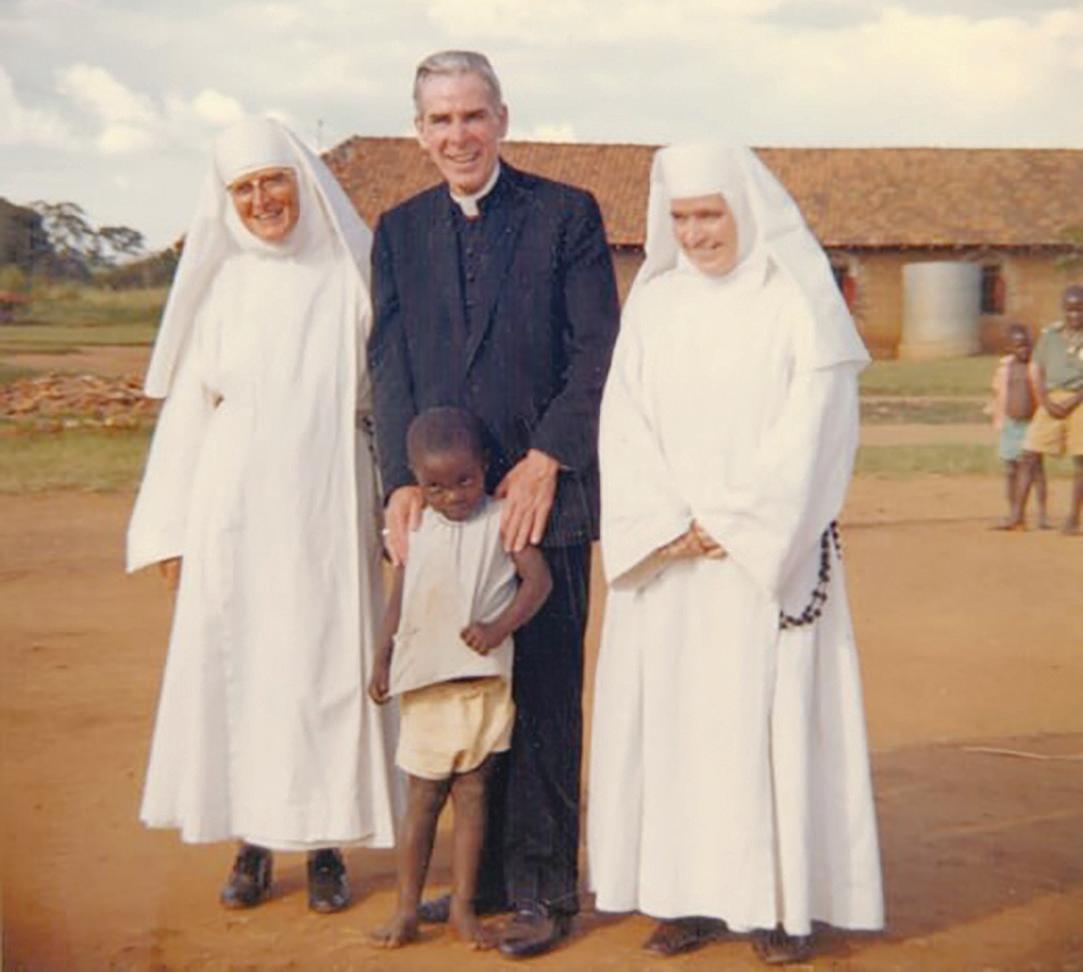
World Mission Sunday this Oct. 17 and 18 is my other focus. This year is a special time for this collection. It is the 100th anniversary of World Mission Sunday! We’ve been taking up this collection since 1826 back when the United States was still mission territory. And it is the only collection mandated by Canon Law, the law that governs the Church’s activity. This 100th anniversary is happening during the pontificate of a man who spent most of his priestly life as a missionary in Peru, having been born and raised in Chicago: he has a true missionary heart! And this Sept. 24, the Church will beatify Archbishop Fulton Sheen who was the Director of the Pontifical Mission Societies in the United States from 1950 to 1966. His radio and television programs gave him a means to evangelize not only in the U.S., but he directed many people to give to the mission Church and personally gave from his own resources. That makes this year an opportunity to really step up. So much good can come from our giving to the missions, to practice our own missionary discipleship through prayer and sacrificial giving. I pray you will join me in making this year’s World Mission Sunday a greater success than ever. Bishop Sheen: pray for us! C
Follow the Diocese of Orange on social media
facebook.com/orangediocese
instagram.com/orangediocese
twitter.com/orangediocese
youtube.com/dioceseorange
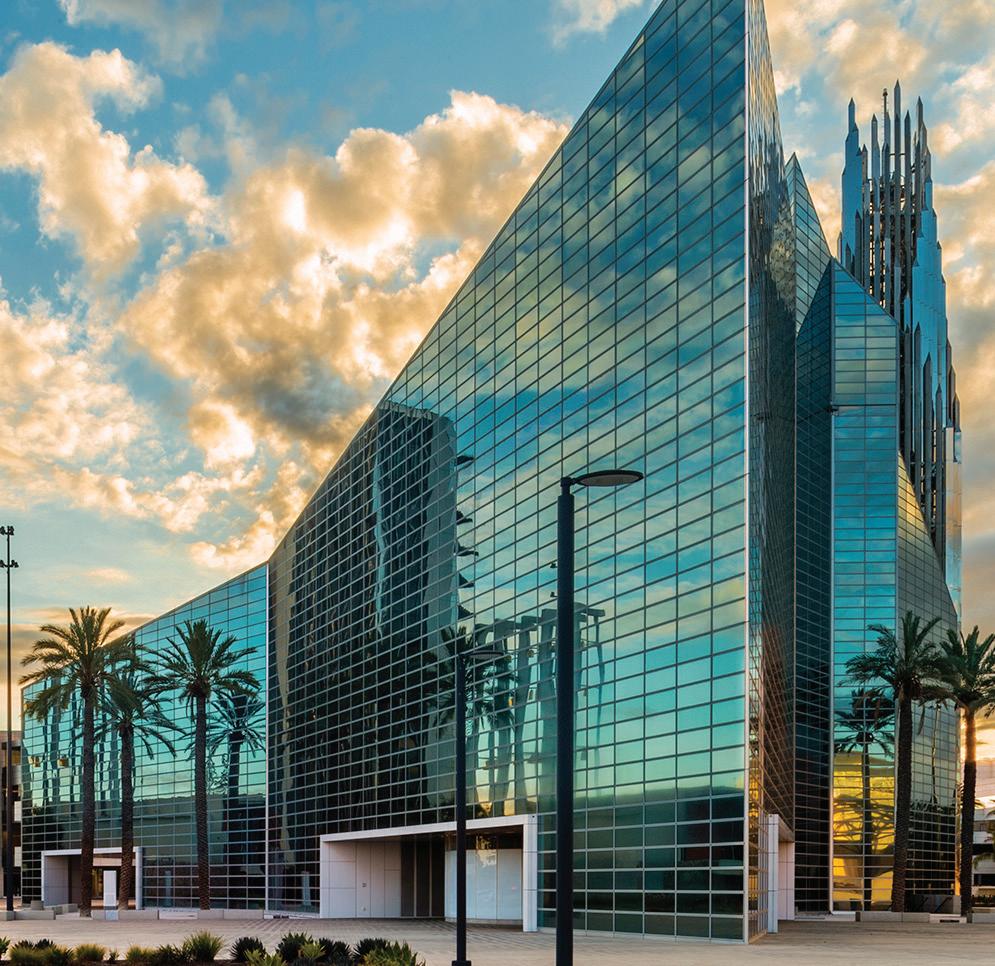
And stay informed of news and events at Christ Cathedral
facebook.com/christcathedralca
instagram.com/christcathedralca
To report sexual abuse by clergy or church personnel please call: 1 (800) 364-3064 Healing and Hope After Abortion: 1 (800) 722-4356 New Hope Peer-to-Peer Support Line | Mon - Fri 7:30 AM - 9:30 PM | Sat - Sun 8:00 AM - 6:00 PM: 1 (714) NEW-HOPE or 1 (714) 639-4673
BÁO CÁO LẠM DỤNG TÌNH DỤC
Nếu bạn là nạn nhân bị lạm dụng tình dục bởi một linh mục/ tu
sĩ hay một thành viên trong Giáo Hội gây ra, xin hãy gọi và báo cáo cho Giáo phận ở số điện thoại miễn phí sau đây: 1-800-364-3064, và đồng thời báo cáo cho nhà chức trách địa phương.


BY LOU PONSI
ONE YEAR AGO, Bishop Kevin Vann blessed the opening of the Poong Jesus Nazareno Filipino Catholic Center in Anaheim — the only Filipino Catholic center currently operating in the United States.
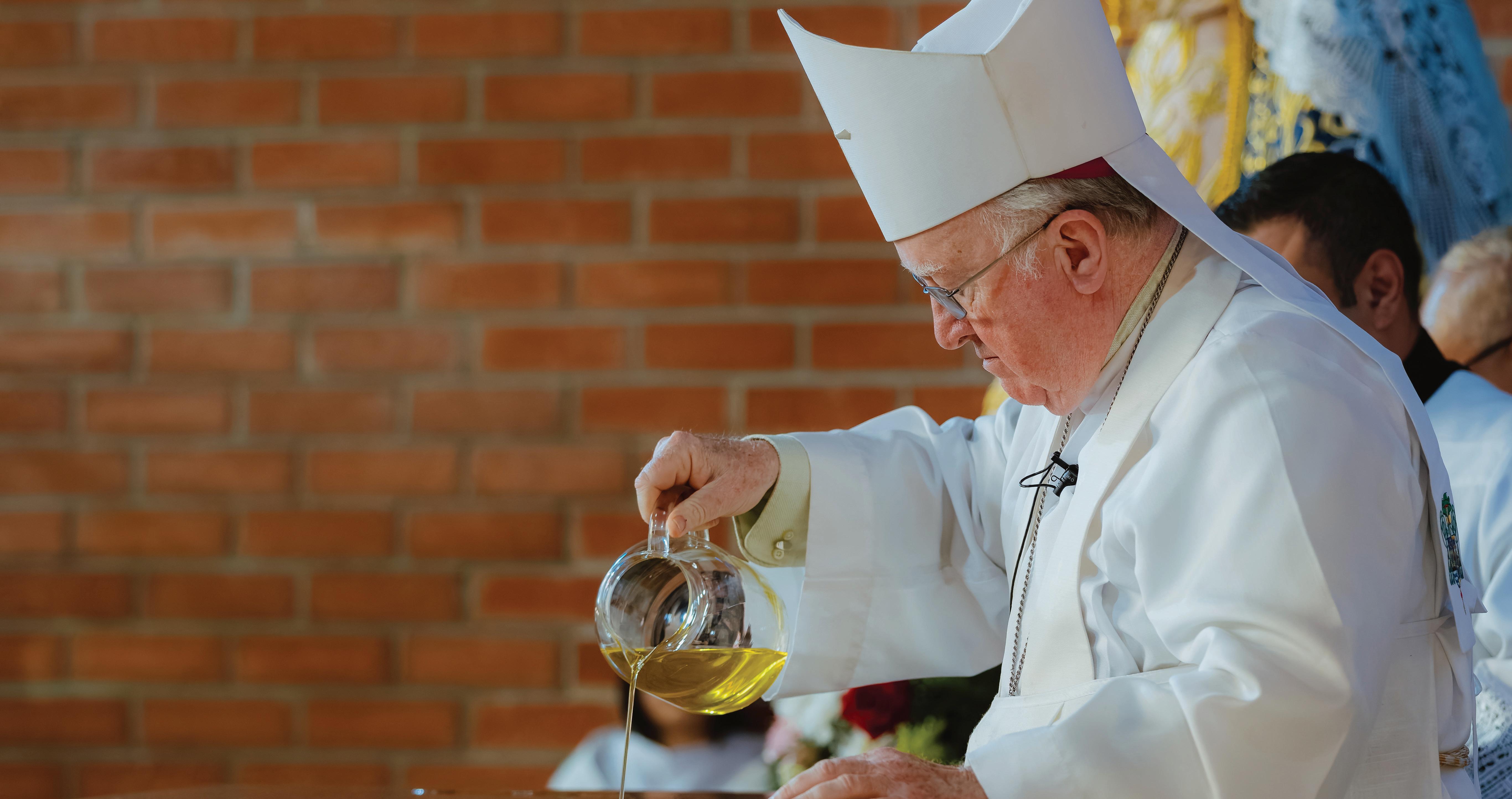
One year later, on July 21, 2026, Bishop Vann returned to perform the sacred liturgical rite of consecrating the altar in the center’s chapel and serving as the main celebrant for the first Mass in the newly dedicated space.
The dedication of churches and altars is one of the earliest liturgical traditions of the Catholic Church and is a requirement for newly built altars and places of worship.
The 180-seat chapel at 3700 W. Orange Ave. in Anaheim was filled to capacity, with several more parishioners watching on a large screen on the outdoor patio.
Bishop Vann began by anointing the altar with sacred chrism — a blend of olive oil and balsam used for sacraments and dedications.
The bishop rubbed the oil onto the altar, thus setting the altar apart permanently for the Eucharistic sacrifice.
Assisting priests walked throughout the chapel, anointing the walls and making the sign of the cross with the oil at designated points, marking the chapel as a sacred space for God’s people.
After incense was burned directly on the newly consecrated altar, priests walked through the chapel, lightly swinging thuribles to release incense throughout the congregation.
During his homily, Bishop Vann welcomed those gathered, expressing gratitude for his long relationship with Filipino Catholics.
"I'm grateful for all the years I've spent in the Philippines, and I'm grateful to be
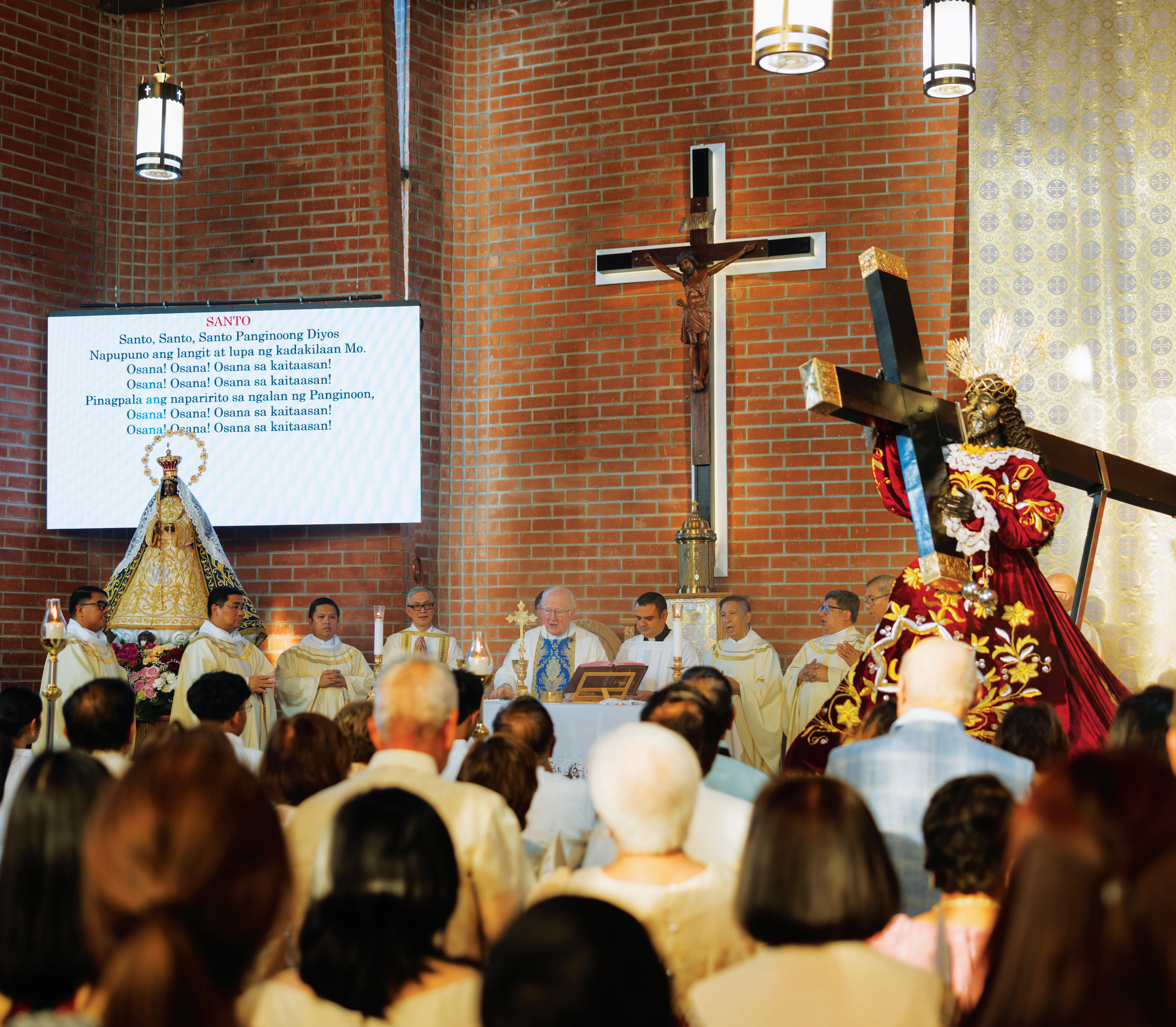
here with all of you today," the bishop said.
Bishop Vann also connected the dedication of the center to a deeper identity of the community.
“We are the temple of God, which is holy,” Bishop Vann said. “We are God’s
building. We now officially have this chapter in this house. Remember, the Lord builds a house for us this evening and always.”
Bishop Vann also referenced the Book of Nehemiah, reminding worshipers of their call to be empowered by God’s
presence.
“Rejoicing in the Lord must be your strength,” he said.
The property serving as the Poong Jesus Nazareno Filipino Catholic Center was purchased by the Alagad ni Maria
(Philippine Disciples of Mary) with help from the Diocese of Orange San Jose Filipino Ministry in February 2025.
The two groups hoped to create a place where younger Filipino Catholics could experience their culture while deepening their faith.
Formed with the support of the Alagad ni Maria, the San Jose Filipino Ministry became part of the Diocese’s Ethnic Ministries in 2021.
In March 2024, the Alagad ni Maria priests obtained a replica of the Poong Jesus Nazareno — the Black Nazarene — from Quiapo.
The image was placed temporarily in the community’s chapel on Magnolia Street and went on to visit several parishes across Southern California.
As devotion to the Poong Jesus Nazareno grew, so did the desire to find a permanent home for the image and a place where Filipino cultural and devotional programs could form.
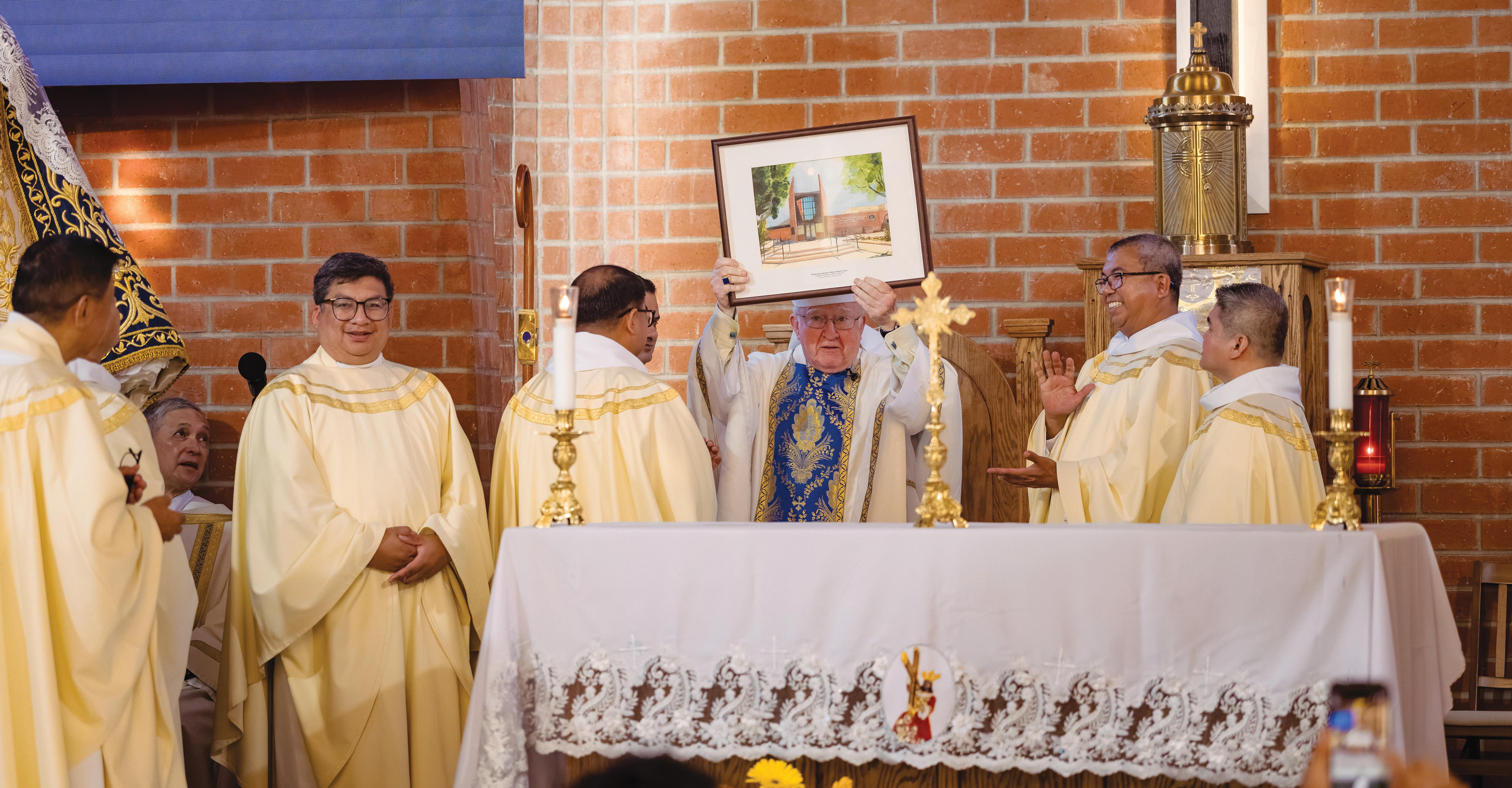
At the conclusion of the Mass, Fr. Peter Lavin, AM, director of the center, presented Bishop Vann with a framed watercolor painting of the Poong Jesus Nazareno Filipino Catholic Center.
On the back of the frame was a handwritten message from the Alagad ni Maria community, which Fr. Lavin read aloud.
“From the bottom of our hearts, we offer our deepest gratitude for your fatherly guidance, encouragement and generous support in establishing the Poong Jesus Nazareno Filipino Catholic Center in the Diocese of Orange,” he read. The message described the center as “a place of faith, hope and devotion for the Filipino Catholic community,” and expressed the hope that the painting would serve as “a lasting reminder of your love, your kindness, your vision and steadfast support for this ministry.”
“May Poon Jesus Nazareno guide, protect and bless you always,” Fr. Lavin continued, closing with “Maraming maraming salamat po, Bishop (Thank you very much, Bishop).” C
BY REBEKAH VALDERRAMA
IN TODAY'S FIRST READING, Elijah is searching for the presence of God. This wise prophet knows his creator, so he's not distracted by the strong, heavy wind, or by the earthquake, or by the fire. He's heard the voice of the Lord before. It's when he hears "a tiny whispering sound" that he hides his face and worships.
There's a lot we can learn from Elijah when we're looking to hear the voice of God speaking over our own lives.
So many times, even when our prayers are the most desperate, we can be frustrated to find that God's voice is not the clear, powerful words that Moses heard at the burning bush, or that Saul heard on the road to Damascus. Yes, God can, and does, speak like that. But his presence is usually much more subtle.
One of the most useful pieces of advice I've ever received about discernment is that God speaks to everyone in a different way. Just like you probably communicate slightly differently with each of your friends, the Lord has a unique relationship with each of us and speaks to us in a way particular to each of our hearts.
belong to God" is especially important here. I must carefully consider whether the voice I'm experiencing is speaking of truth and wisdom or is just wishful thinking on my own sinful part.
Of course, to really listen to God, you need to be giving him your attention. (I think when people say they wish God would just speak audibly; they mean that they don't want to put the work in to listen.) However, I've given myself more grace
lately when I'm trying to "clear my mind". This doesn't have to mean literally thinking of nothing. Maybe some people can do that, but I don't believe that's what our brains were created for, and it's futile to try to attempt it. Simply sit in the presence of God, and at some point, during your prayers of petition, just stop talking and listen. You will certainly be rewarded and blessed for your openness to God's movements. Especially among the noise
and bustle of 21st-century life, deliberately setting all that aside for a moment takes a kind of heroism. Though it does get easier with time.
Maybe you'll be able to "hear" God speak to your heart or to your mind. Or maybe you'll receive an emotion that feels like it originates outside of yourself, like a hug. Or maybe God will speak to you in mental images. Maybe you will be blessed with an audible voice; some people are. Or maybe God speaks to you in a truly unique way that no one else can experience.
Whatever you hear, evaluate through the lens of a well-formed conscience, then be grateful that we have a God who loves us each in such an individual, personal way. He knows you intimately, better than you know yourself, and desires to "teach [you] wisdom in [your] secret heart (Psalm 51:6)." C
It's taken me years to become more comfortable with the way God speaks to me. I usually experience his words as a fully formed thought entering my mind when I'm in prayer. My younger, skeptical self had trouble distinguishing my own thoughts from God's, worrying that I was simply talking to myself. But I've come to embrace the reality that God created my mind, and he can use it to communicate with me just like he could use a burning bush or a voice from the sky. St. John's advice in 1 John 4:1 to "test the spirits to see whether they
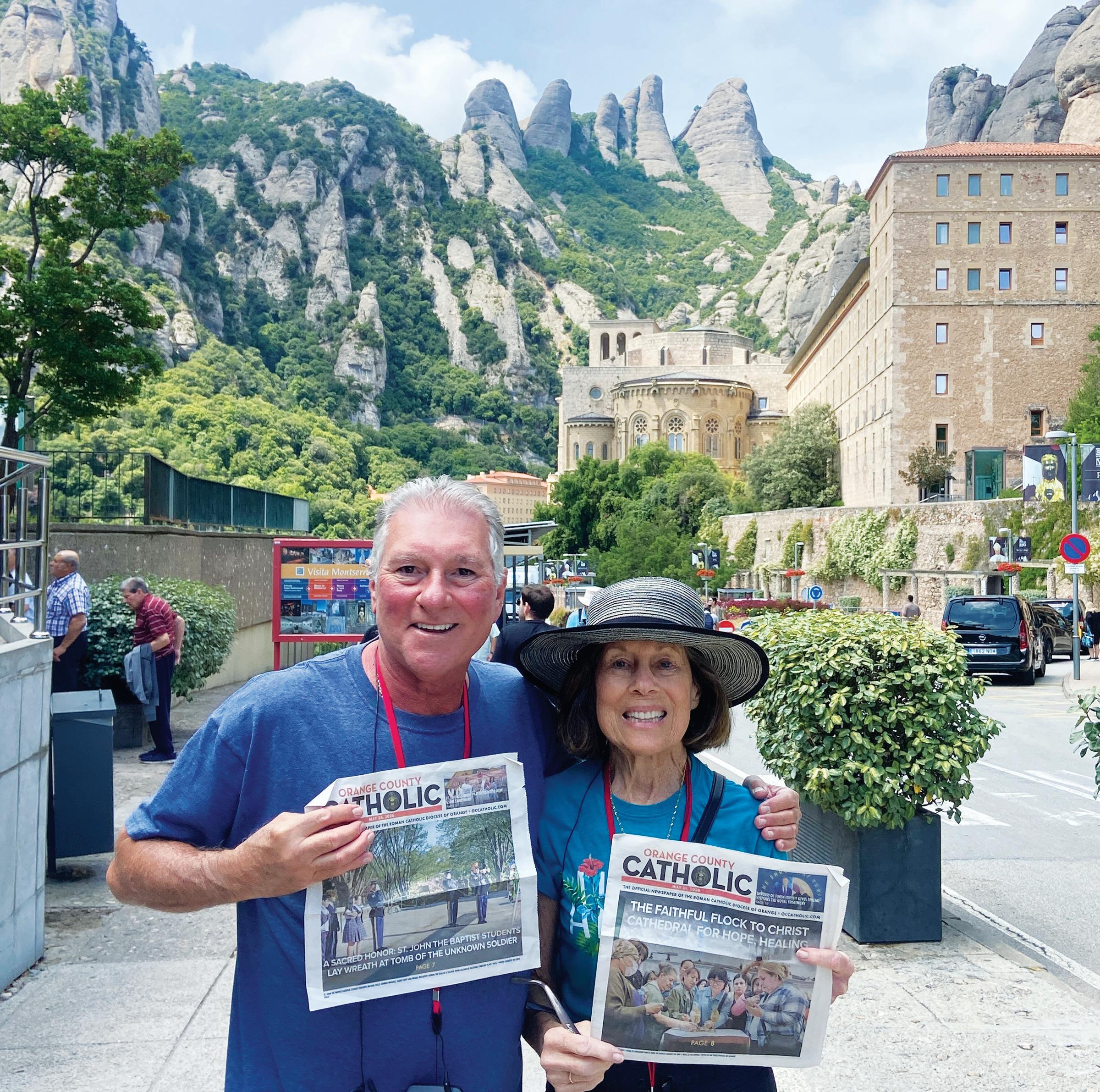
Joe and Barbara Baldo recently returned from a vacation that included a visit to Santa Maria de Montserrat in Catalonia, Spain, about an hour outside Barcelona. The monastery is home to the revered wooden statue of Our Lady of Montserrat and the Christ Child. Our Lady of Montserrat is the patron saint of Catalonia, an honor she shares with St. George.
Many miracles have been attributed to the statue. Adding to the significance of their visit, Pope Leo celebrated Mass at the monastery the day before the Baldos arrived.
—Joe and Barbara are parishioners of St. Martin de Porres Catholic Church in Yorba Linda.
We want your photos! Send your pictures of “OC Catholic Afar” — of you, family or friends visiting Catholic churches and other interesting places — to editor@occatholic.com. Please include a brief description of the photo, the name of the person(s) featured in the photo and their home parish.

St. John’s Seminary has fully-funded fellowships for Hispanic lay ministers interested in being formed to minister in parishes, Newman centers, Catholic K-12 schools, or campus ministries.
We offer fellowships for our new online M.A. in Pastoral Ministry that allows you to receive your entire education from the comfort of your home.
This program will help lay ministers, increase their knowledge of the Catholic intellectual tradition and improve their ministerial skills for the life of the Church. Students will be prepared to work in different areas of ministry and make professional and personal connections with others of the same mind and spirit.
A studio with professional video, audio, and lighting equipment has been built to allow our students to have an enjoyable technological experience.
We prepare our program to serve our students with the highest quality of education. For more information, please contact us.
Watch a brief video about the program.