Research Consultancy Project
Description
Precious Plastic Lancaster (PPL) is a young organization that seeks to educate the local community on the issues surrounding plastic through hands-on experiences. They give a second life to some of the plastic waste in the region by recycling it into new products as part of a collaborative alliance between university and community. In this project, a series of marketing and design research to identify ways to add value to the organisation’s offerings.
Year: Oct 2019 - May 2020 Location: Lancaster, UK
Project: Design Consultancy Project with Precious Plastic Lancaster
Contributors: Mika Liu, Marianna Dente, Petya Stoyanova, Kent Tam, Hillary Wong
Responsibilities: Design Research 80%, Comminication 100%, Strategy proposal 70%, Design outcome 40%.
Design Research and Strategy
Read more
From our understanding of the issues that the company faces, developed after several conversations with theclients, a research question was formulated: How can we, as design researchers, help PPL enhance their productofferings? Through this question, two of the key issues were addressed at once – adding value to the recycledproducts and raising people’s awareness regarding plastic waste and pollution.
PROJECT TIMELINE
INTERVIEW WITH CLIENTS

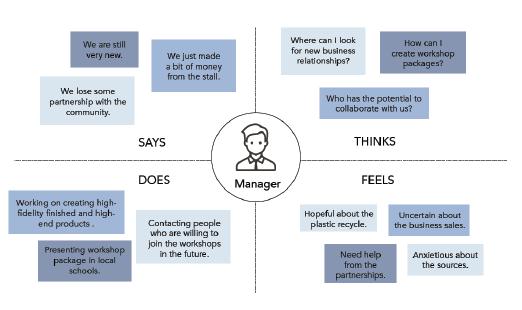
PAINS
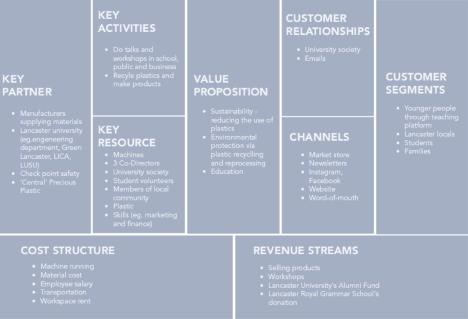
BUSINESS MODEL CANVAS
Initial insights and findings
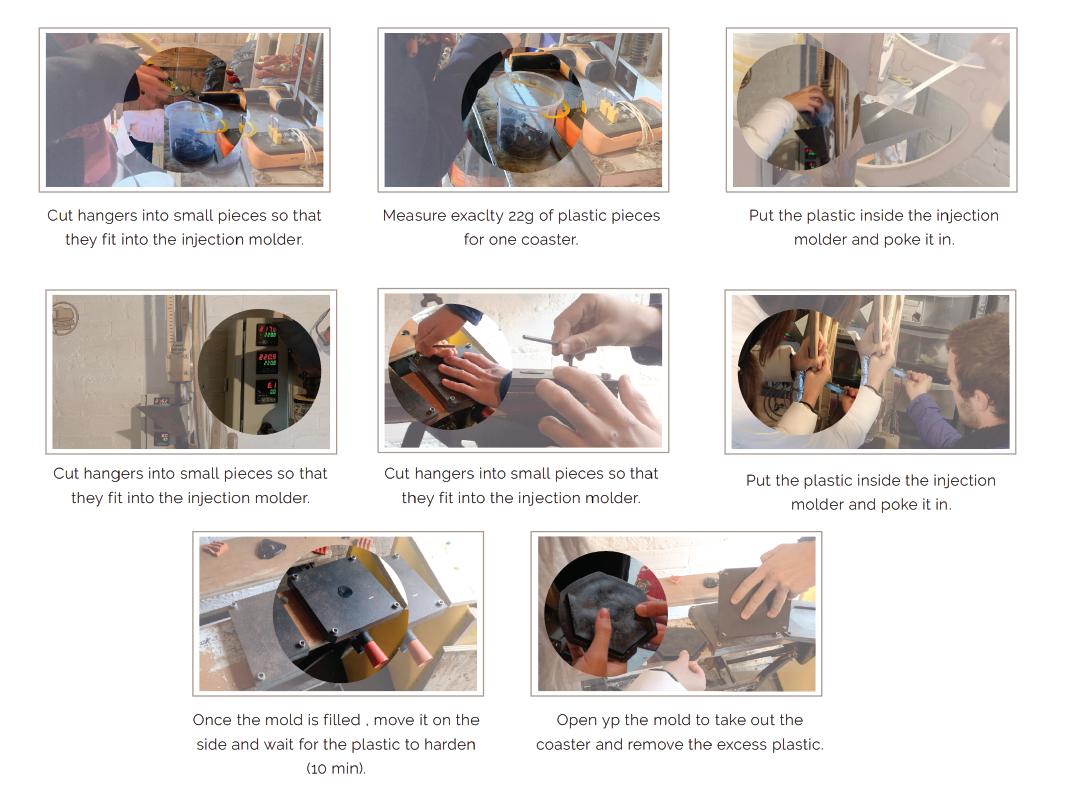
To better understand the business and the production, we visited the client’s workshop. We enjoyed the process because it felt rewarding to make something yourself. This might potentially be a selling point for sonsumers. In fact, even the long waiting time in between steps was utilised by Martin as he was educating us on different types of plastic.
1)
2)
3)
Constraints of creating different products;
Lack of workshop pacjages;
Loosing partnerships with the community.
1)
2)
3)
ff
4)
October Skype Focus group1 with Focus group November December Data organisation, January February Data analysis, March Data analysis, April Design solu-Solution testing, Presentation prepaclient report End May P R O J E C T - T I M E L I N E-
Products as an impactful outreach;
Creating valuable products by getting to know audiences’ perceptions;
O
ering high-end and high-fidelity products;
Gaining new business relationships. GAINS
RESEARCH
Definition of research goal
QUESTION
WORKSHOP VISIT
The core moulds and machines involved in the production process include plastic sheet mould and an injection moulder, the soap dish mould and the coaster mould. Each mould has to be custom made.
OTHER OBSERVATIONS
LOCATION
The workshop is not in the city centre and is not very spacious and warm. These might be potential barriers to organising workshop visits for clients.
PRICE
When pricing the product, PPL considers what is sensible for the market. A pack of four coasters is sold for £15. It takes roughly an hour to make and labour costs are £9 per hour, which means that they are only making a small profit considering additional costs.
MIXING PLASTICS
It is possible for PPL to create products that combine with other materials. For example, wood, metal or even electrical components. Composite material is considered as less desirable, because the end products would be non-recyclable.
COLOURS
PPL has dif ferent colours of plastic in their workshop. We saw this as a potential selling point - customers can come in and choose the colour of their product as a way of customisation.
ITERATIONS
When developing a new product, the owners go through a process of iteration. Introducing a new product is challenging, as they need to find or create a mold and then go through this iteration process before the product can go to market.
FIELDWORK
CHIRSTMAS MARKET RESEARCH
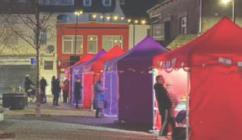
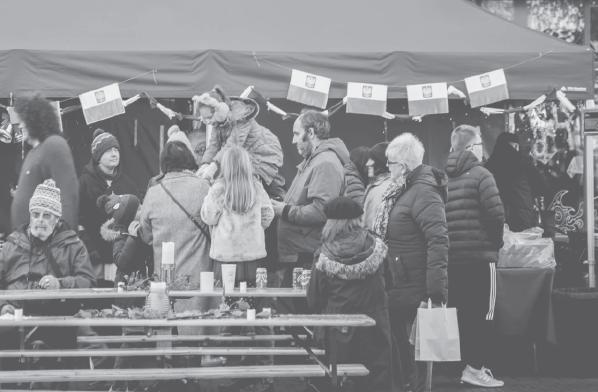
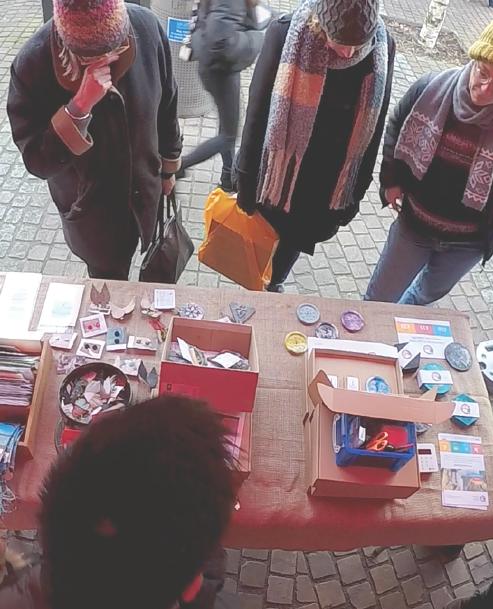
PPL participated in the Creative West End Market - a two-day Christmas event in Morecambe. We attended the market to conduct some initial research. This was a good opportunity for us to meet PPL’s potnetial clients and understand their feelings and attitudes.
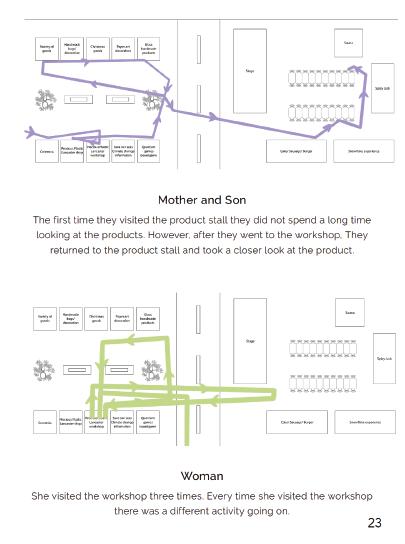
BEHAVIOURAL MAPPING
FINDINGS
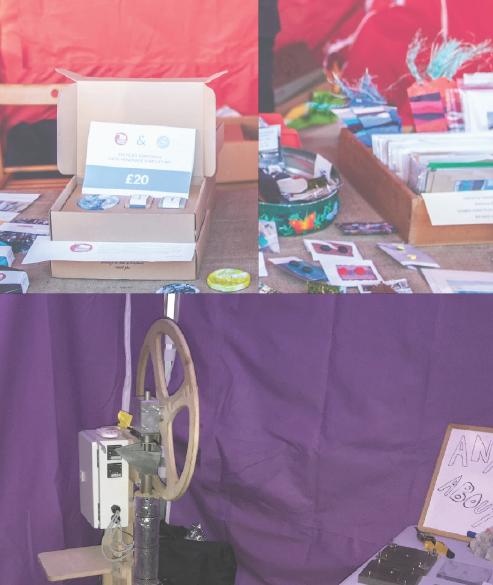
PPL had two stalls at the market - one was dedicated to show their products range and the other was used to conduct workshops to engage the visitors with the process of producing plastic coasters.
RATIONALE
We wanted to understand the setting of the market before conducting our interviews. This would allow us to understand how not to disturb the market too much. Ethnography methods allowed us to record the atmosphere, the competitor’s offerings, as well as customer behaviours.
• The workshop activity was very popular with family groups.
• Many customers showed interest in the company and wanted to engage further.
• The price was the main reason for not purchasing the products.
TIMELAPSE VIDEO
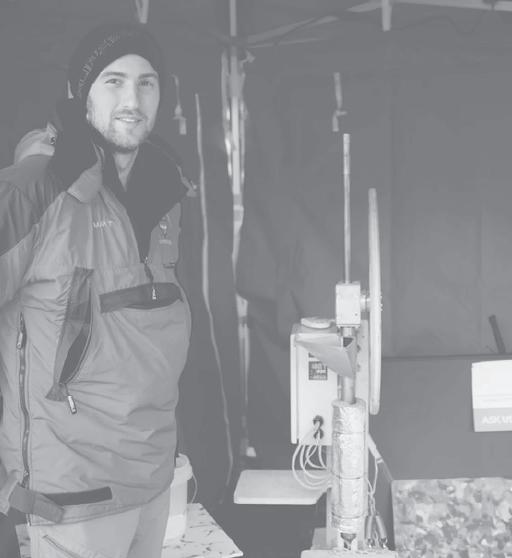
The timelapse video delivers visually rich quantitative data, allowing us to gain detailed insight into customers’ preferences through their actions.
Timelapse video: https://www.youtube.com/watch?v=C97lcF6M JfU&t=21s
DATA VISUALISATION
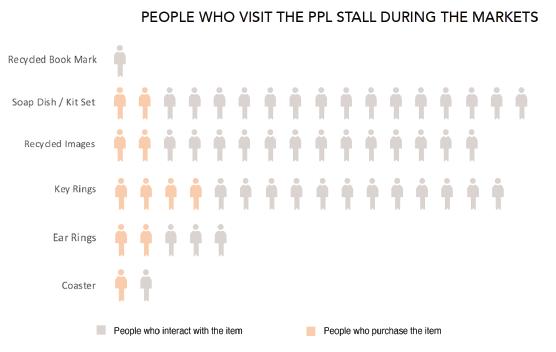
After recording, we reviewed the video and estimated the number of people who approached the stall and the number of purchases. We then created a graph to visualise this.
INTERVIEWS
We conducted 13 semi-structured interviews. They were short 10-minute discussions. We aimed to understand the visitors’ brand awareness, attitude towards PPL, and their level of knowledge on plastics.
We coded our interview notes into different themes to identify emerging patterns and reducted the number of categories by creating aggregate themes. We identified ten initial themes that we later condensed into eight second-order themes. Finally, we classified these into two main insight areas .
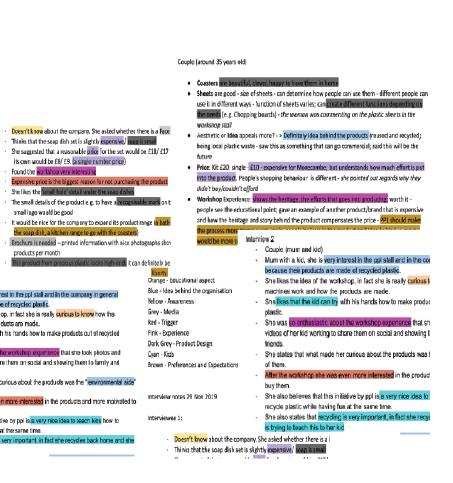
Product design Price Idea behind Kids education Expanding knowledge Interactive experience CODING 1. Trigger to buy/ not to buy 2. Customer value
FOCUS GROUPS
RESEARCH QUESTION
Definition of research goal
From our understanding of the issues that the company faces, developed after several conversations with theclients, a research question was formulated: How can we, as design researchers, help PPL enhance their productofferings? Through this question, two of the key issues were addressed at once – adding value to the recycledproducts and raising people’s awareness regarding plastic waste and pollution.
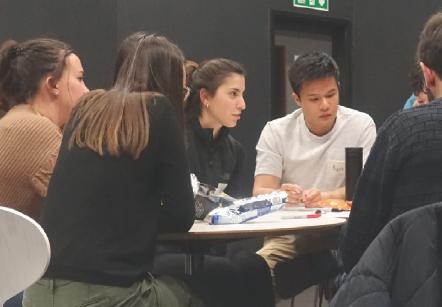
After engaging with Morecambe citizens and understanding their opinions, we wanted to gain information from a Lancaster audience. we invited two groups of students to participate in separate focus groups. The first group invovled three members of the PPL society who are already familar with sustainability in general. We ran a second focus group with young people who are less knowledgable on sustainability to ensure diversified and unbiased data.
FIRST AND SECOND FOCUS GROUPS
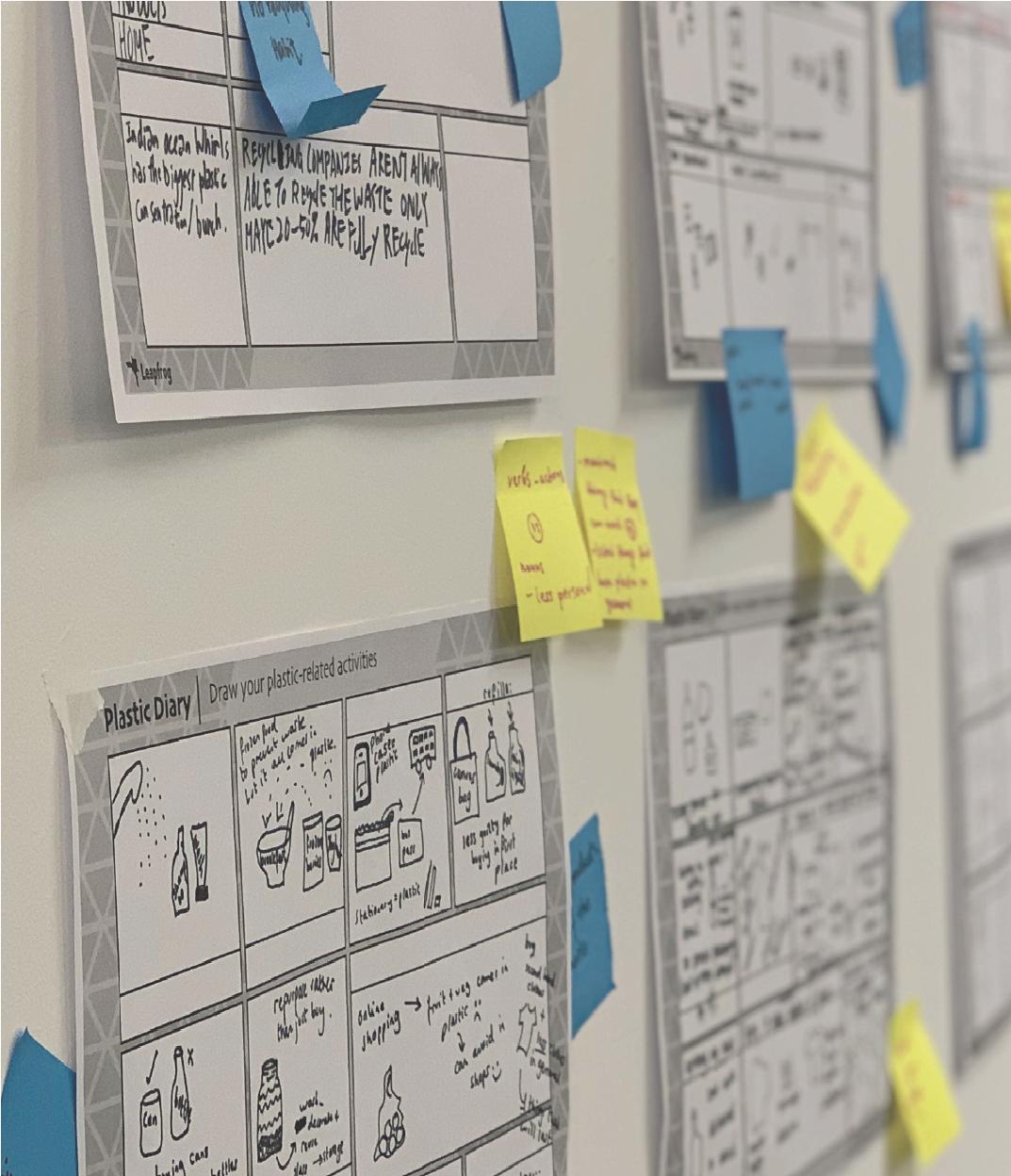
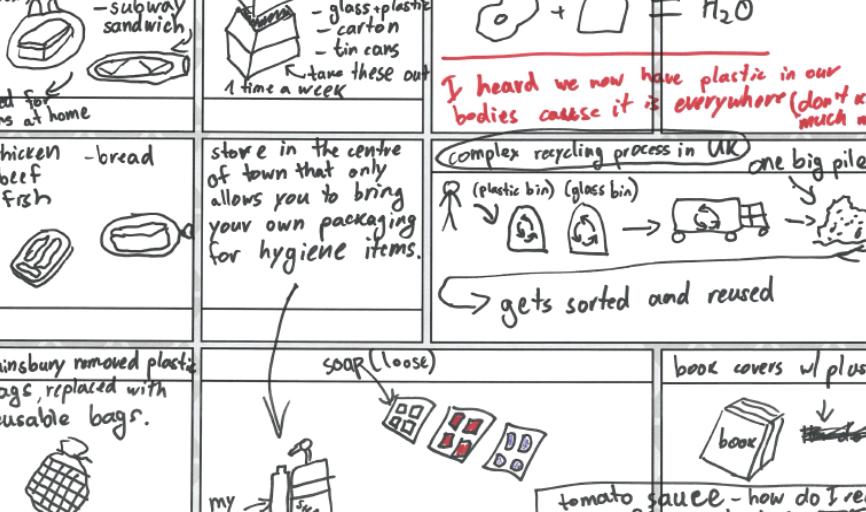
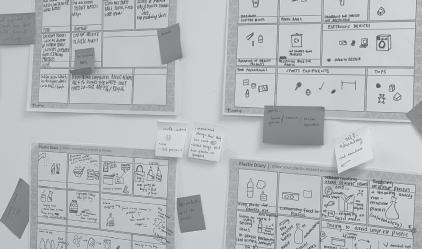
For the first activity, we invited participants to draw or write their plastic-related activities. This could include something they have done, seen or read related to plastic.
AIM
FIRST ACTIVITY ANALYSIS OF VISUAL DATA
• To understand what kind of audience the participants are
• To explore what are their plastic-related habits
• To identify a knowledge gap that PPL can fill
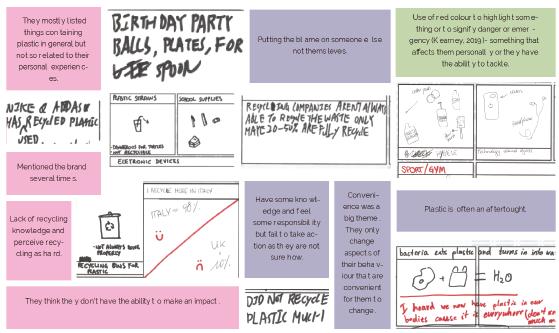
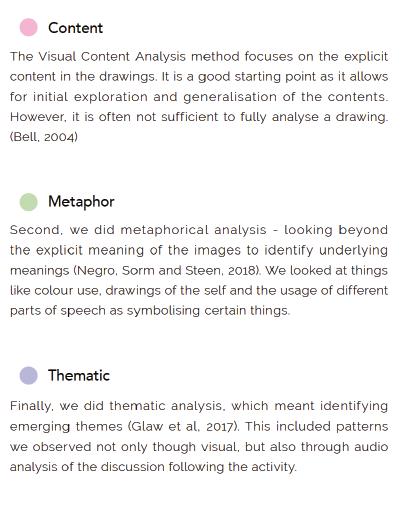
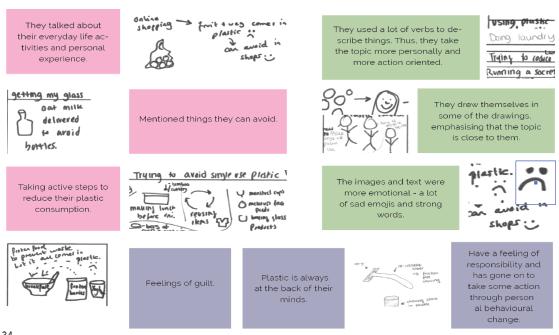
We compared the drawings of the two focus groups before conducting Metaphor, Thematic and Content analysis of the boards.
KEY
SECOND ACTIVITY
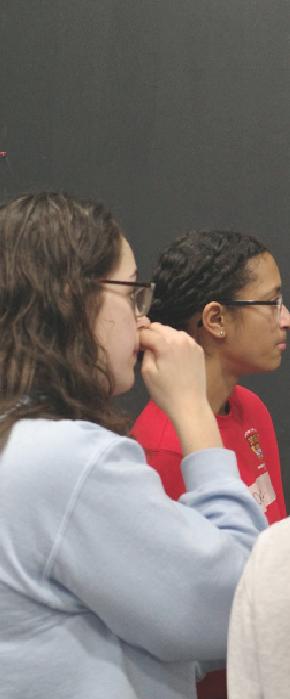
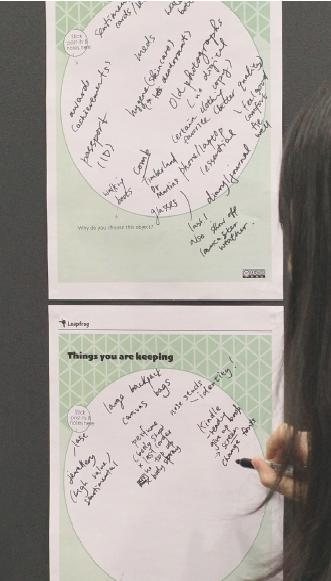
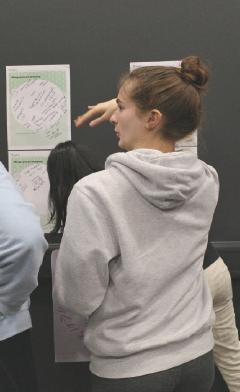
The aim of this activity is to identify what values contribute to a product’s disposability. We created a scenario to invite participants to imaging adopting a minimalist lifestyle and decide which possessions to keep. We aimed to gain deeping understanding of what qualities of objects our paticipants value the most.
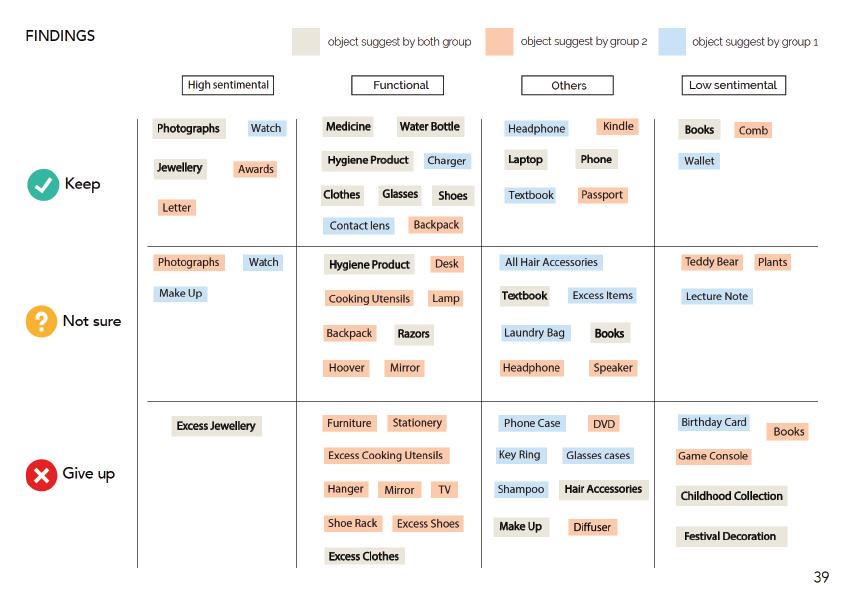
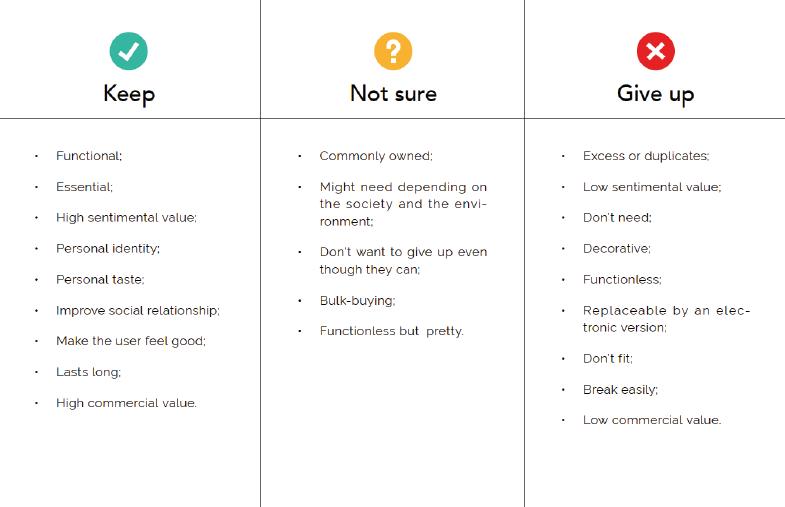
FINDINGS
ANALYSIS
THIRD ACTIVITY
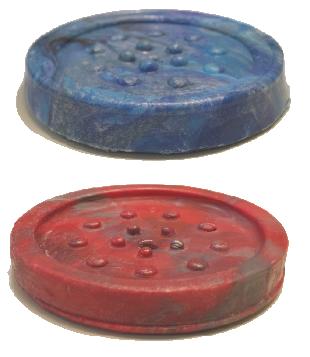
The third activity was product testing. We borrowed the main products from our clients and showed them to participants to understand their preferences. In this activity we aim to find out what is appreciated by the users and explore the possible aspects that can be improved in the future.
PPL soap dishes
• The design details such as the hole in the middle;
• The weight of the soap dish suggest quality.
PPL packaging
• The minimal and sustainable aesthetic is refreshing ;
• The emphasis on the place of origin is good;
• Informs users how to recycle.
PPL coasters
• The natural pattern reminds the users of environmental care and sustainability;
• The matte grey looks luxurious;
• The shape of the soap dish limits the choice of soap;
• The size of the soap dish is too small and this makes users feel it is too expensice and it is not worth buying it as it is not functional.
• They may consider to have branding and make it more recognizable;
• They may consider to put a website like to some QR code where people can get more information about the story of the products.
• The hexagon coaster provides novelty and playfulness whereas the round one is more classic.
• The limited colour choice may not match users’ house interior;
• It is hard to tell the black coaster is made of plastic because of the colour.
FORTH ACTIVITY
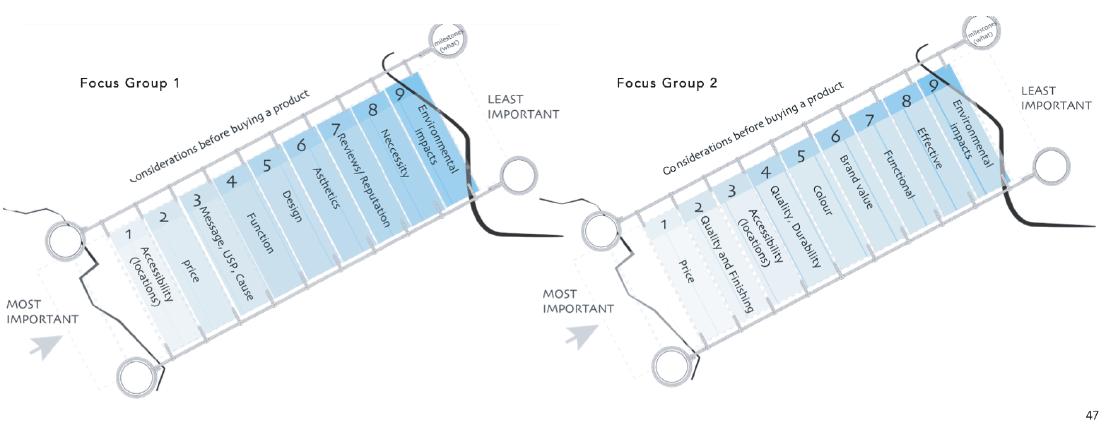
This acitivity explores the participant’s considerations before purchasing a product from the most to the least important factors.
ANALYSIS
In both focus groups, Price and Accessibility appear to be at the top 3 considerations. Participants claimed that the more visible the shop is the more likely they are to make a purchse. Both focus groups placed environmental impacts as the last consideration
THIRD FOCUS GROUP
Agenda
We conducted a third focus group to gain feedback on the initial ideas we generated. We decided to invite a more knowledgeable audience from a different demographic. Having a completely different age group with different backgrounds in the same geographic area can help improve our final propositions.
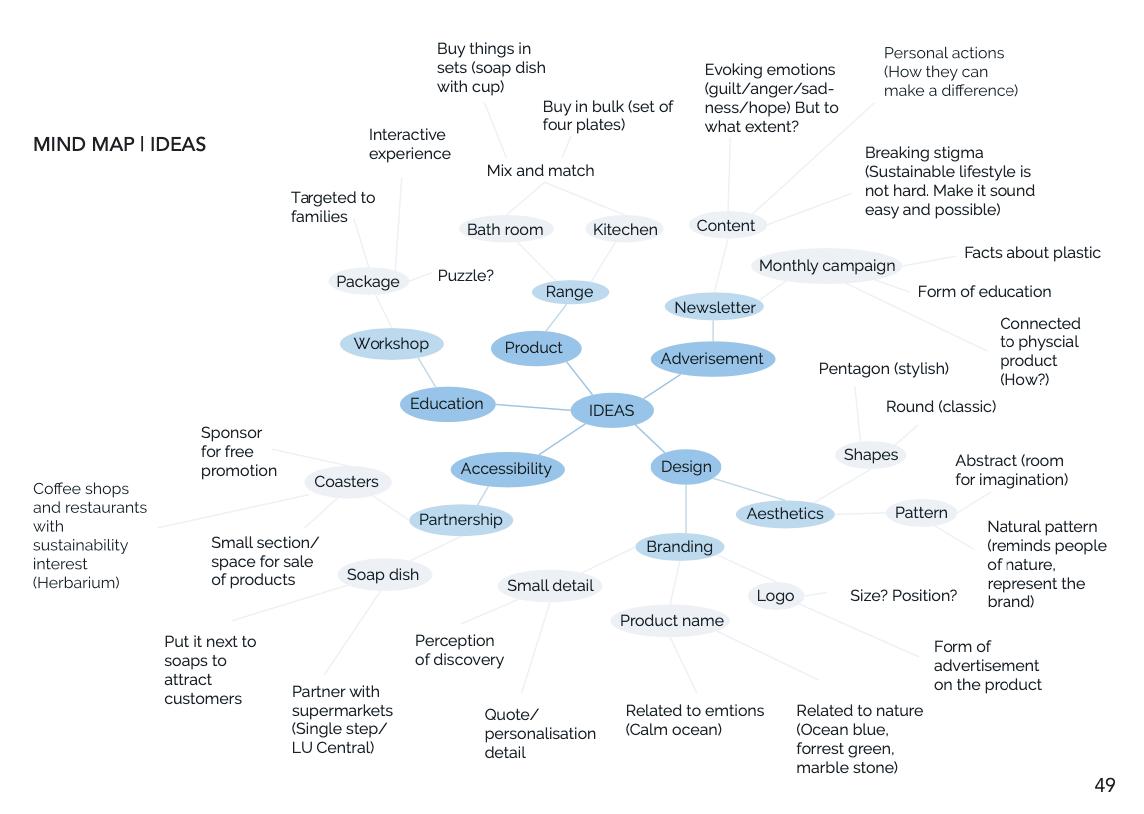
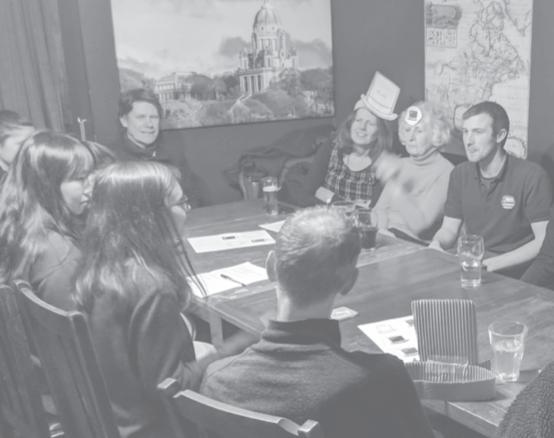
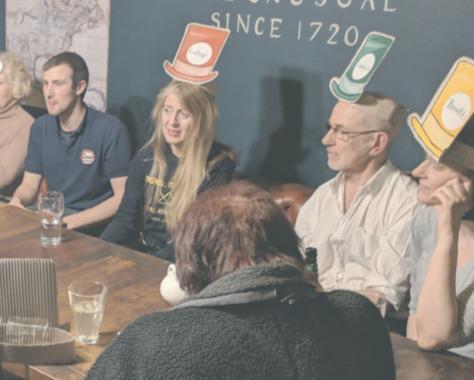
We conducted the focus group with the local Green Party at their Green Drinks event. We used the thinking hats techniques to generate a range of opinions and make the experience more interactive.
Participants profile
BRAINSTORMING
Knowledge abour PPL Age : 35 -60 Sustainability interests
Product aesthetics - natural patterns
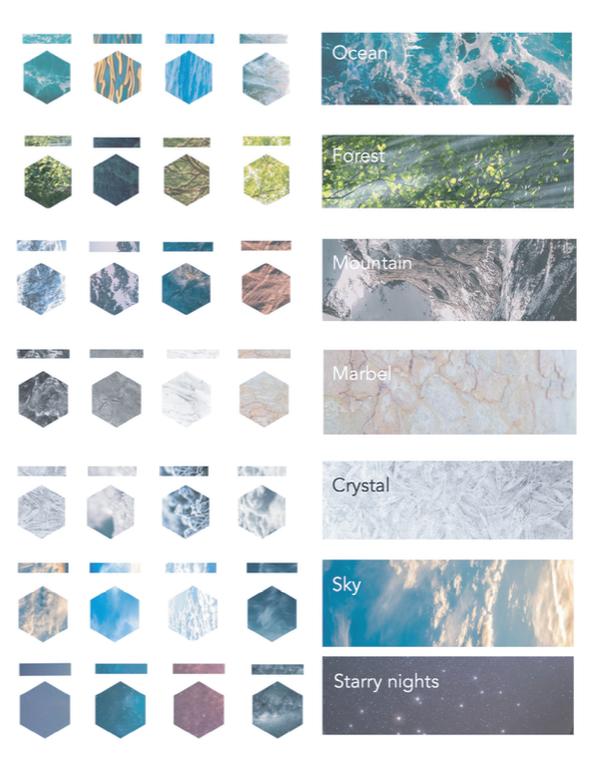
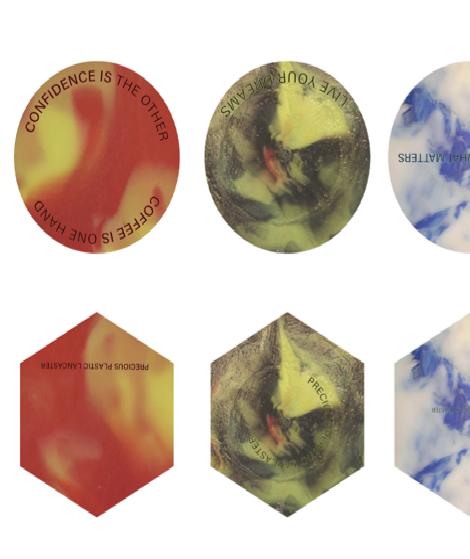
We found that previous focus group participants appreciate the pattern of the products which reminded them of nautre. To examin customers’ views on the product aesthetic we researched some natural patterns and asked the focus group to analyse through the ‘thinking hats’ method.
Marketing and promotion - news letter
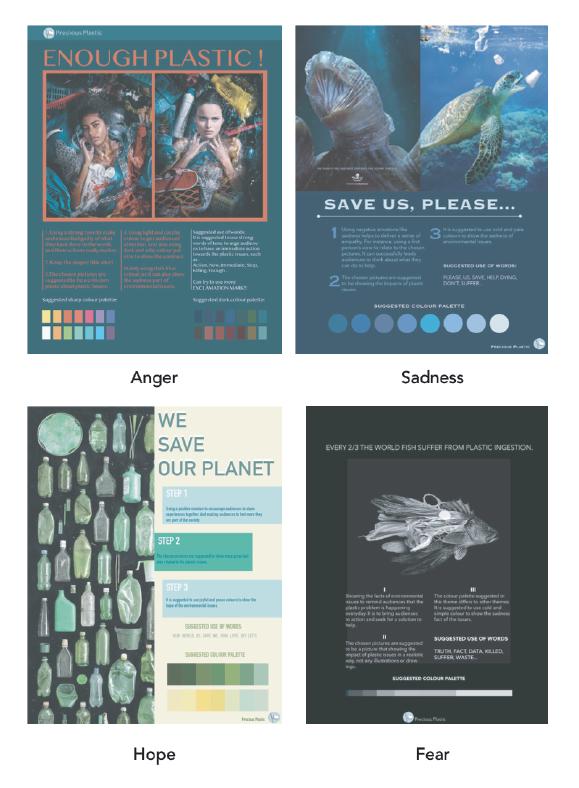
We wanted to understand the audiences’ preferences and emotions towards brand communication language. Thus, we created several news letter themes based on different emotions.
Partnership - return scheme with university

From the previous focus group, participants mentioned that the accessibility of the PPL products is limited, causing low brand awareness. Therefore, our team proposed a possible partnership with Lancaster University.
USER PERSONAS

Based on previous research activities, we defined three target groups for PPL. The personas were then used as a guideline to develop business strategies and approaches. It aims to ensure that PPL has a good targeting strategy and an effecgive product offering. PPL can later use the personas to test their product designs in devleopment and facilitate more constructive user-focused discussions. User
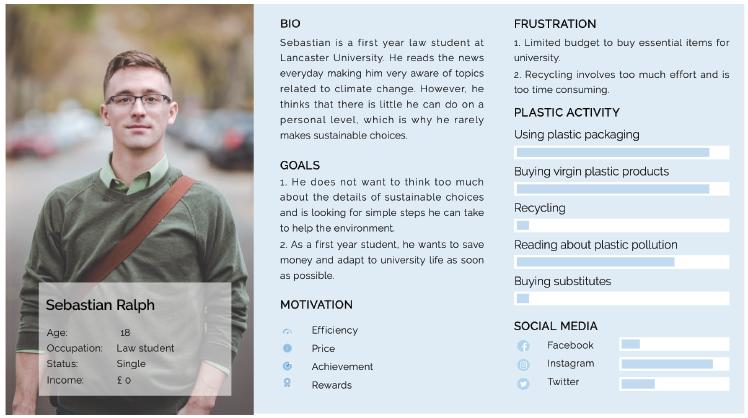
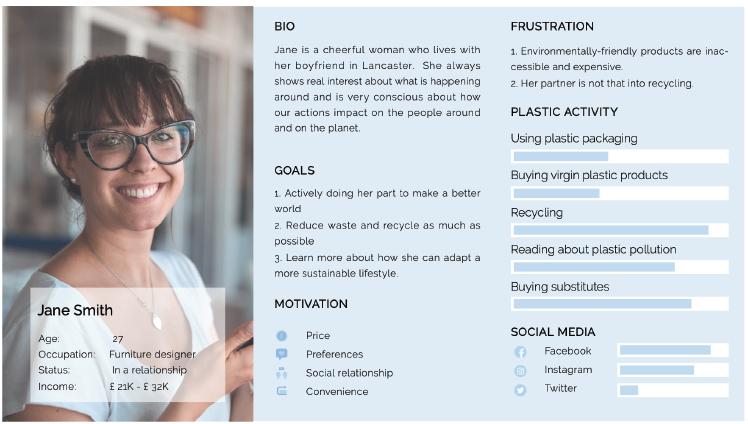
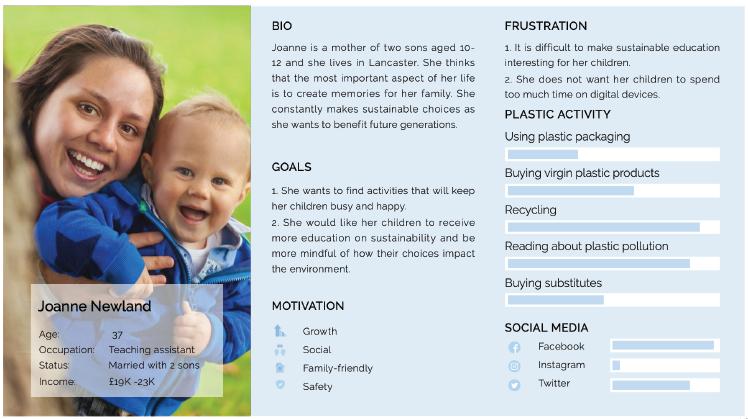
User Persona 3
Persona 1
User Persona 2
