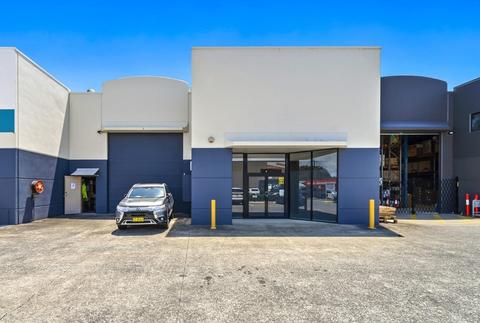
Market Insights South Murwillumbah - Commercial Q1 2026
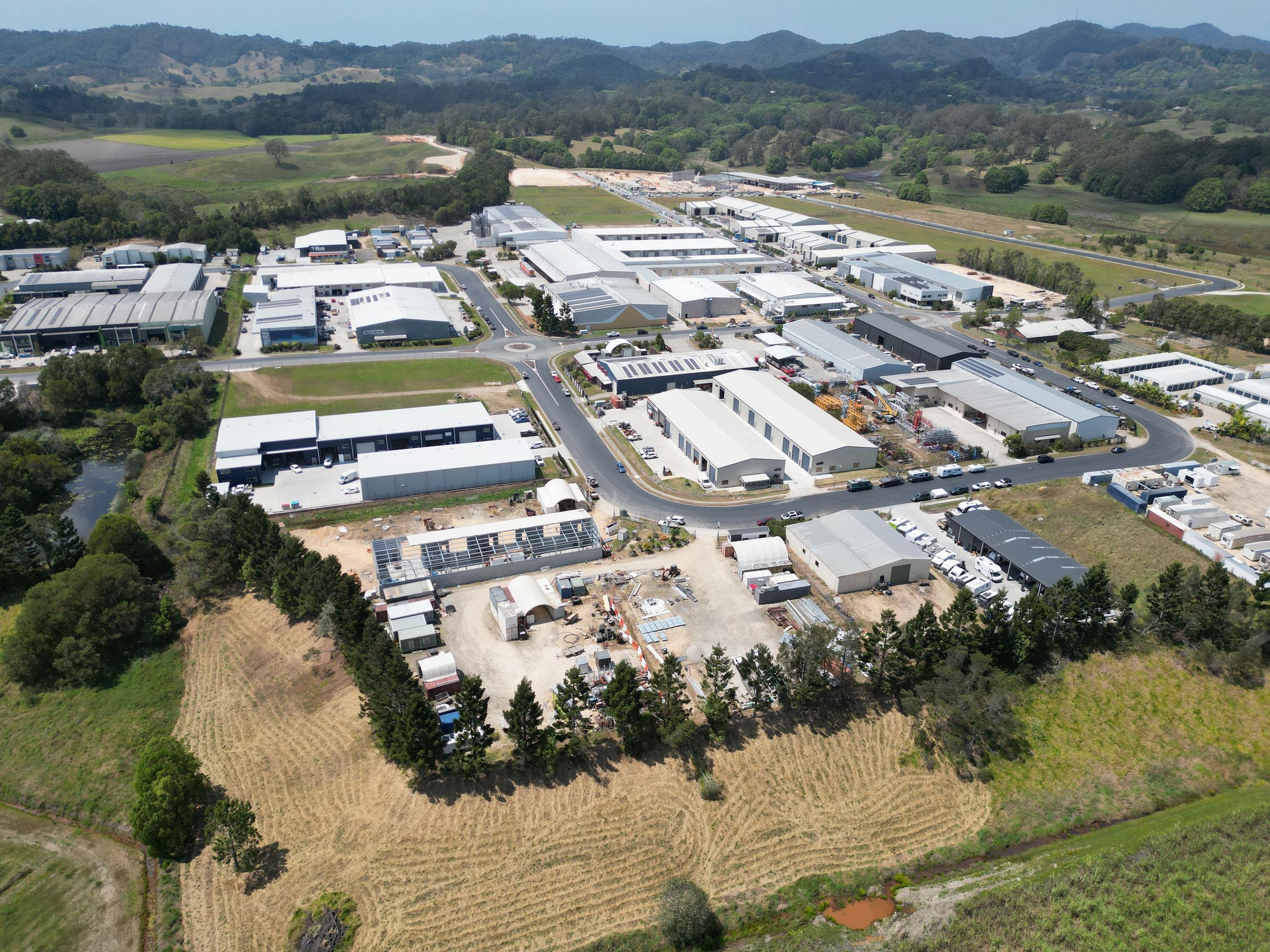
As we move through 2026, the South Murwillumbah commercial property market continues to demonstrate resilience, adaptability, and long-term growth potential. Investor confidence remains steady across key sectors, supported by ongoing infrastructure investment, improving flood-resilience planning, and the region’s strong economic fundamentals within the broader Northern Rivers and Tweed Shire economy
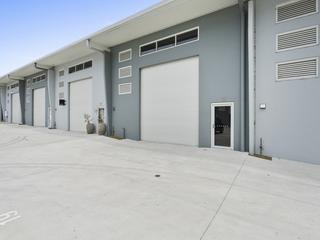
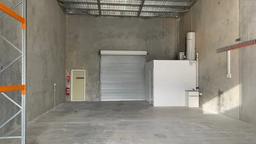
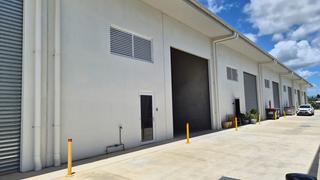
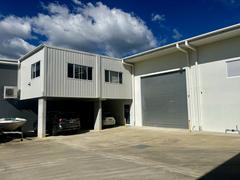
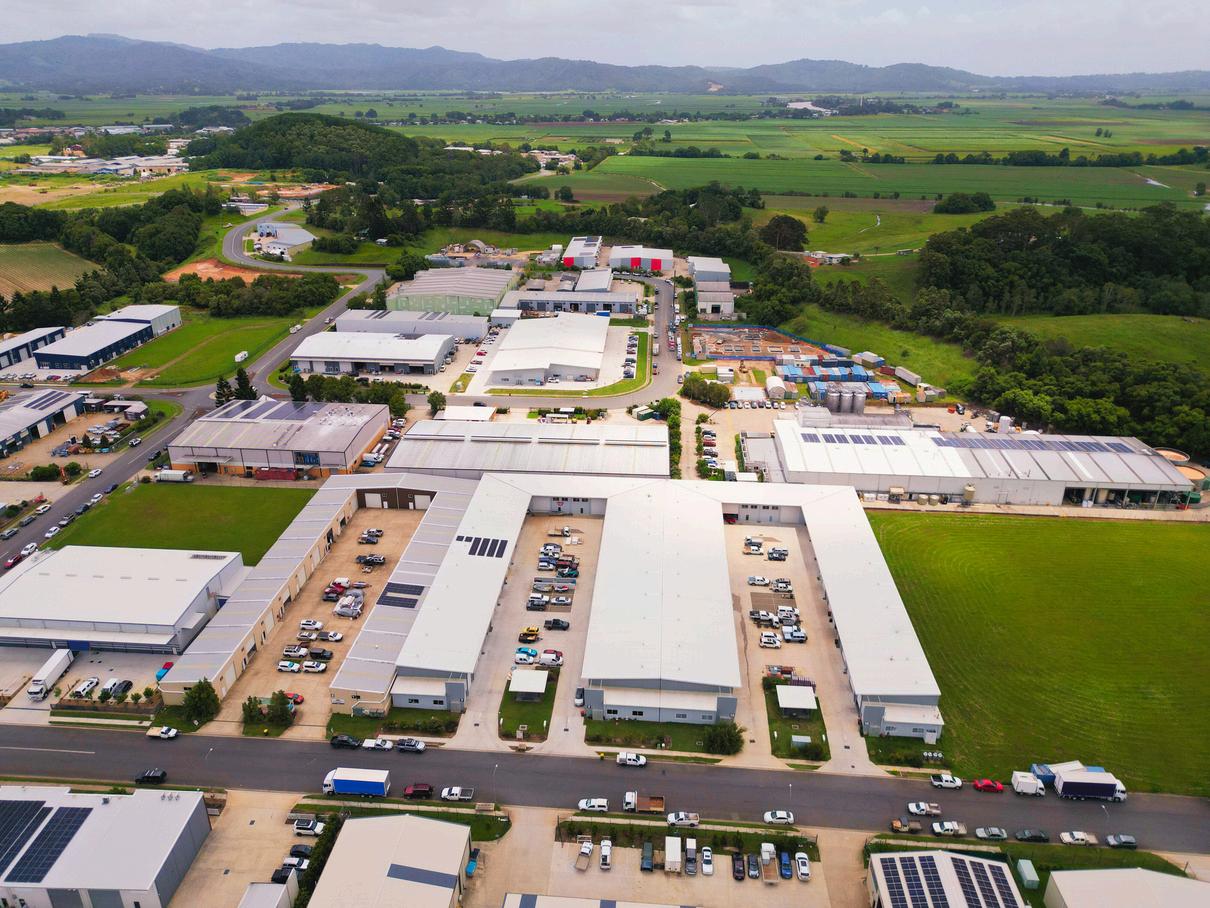
The industrial sector remains a key driver of activity, with demand from manufacturing, logistics, construction and trade-based businesses continuing to outpace the supply of modern industrial facilities. South Murwillumbah’s strategic position near the Queensland border and its relative affordability compared with the southern Gold Coast continue to attract both owner-occupiers and investors
Retail and service-based commercial activity across Murwillumbah and surrounding centres also remains stable, supported by population growth throughout the Tweed region and continued tourism throughout the Northern Rivers. This is translating into consistent demand for neighbourhood retail premises, professional services and small commercial investments, particularly within established town-centre locations that benefit from strong local patronage
More broadly, the commercial property market continues to be strengthened by significant infrastructure and resilience initiatives across the region Projects linked to flood mitigation, employment land planning and the ongoing implementation of the South Murwillumbah Master Plan are helping guide the long-term development of the precinct. Collectively, these initiatives are improving accessibility, increasing business confidence and positioning South Murwillumbah as an increasingly important industrial and employment hub within the Northern Rivers economy
MURWILLUMBAH COMMERCIAL: A MARKET ON THE RISE Jacob
Ray White Tugun Commercial: South Murwillumbah Market Insights
MEET THE COMMERCIAL TEAM
Ray White Tugun Commercial: South Murwillumbah Market Insights
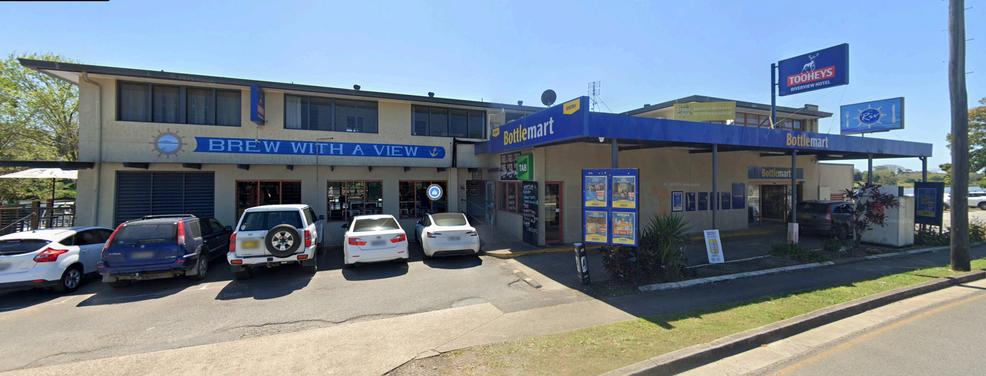
South Murwillumbah Relevant Sales
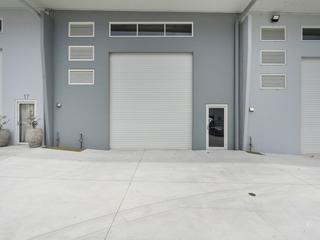
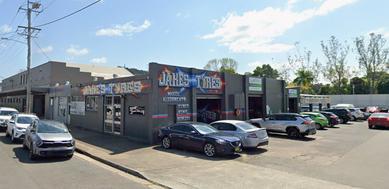
South Murwillumbah Relevant Leases
Ray White Tugun Commercial: South Murwillumbah Market Insights
RWT Commercial Case Studies
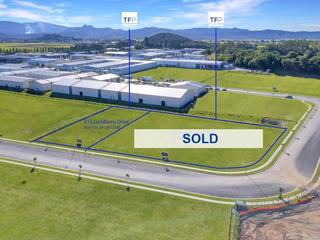
SOLD by Ray White Tugun
LEASED by Ray White Tugun
INDUSTRIAL
TWEED HEADS
LEASED by Ray White Tugun
INDUSTRIAL
TWEED HEADS
INDUSTRIAL
TWEED HEADS
Industrial MarketNorthern NSW
NorthernNSWsawthebiggeststructuralshiftin2025.
Totalsalesvalue: 149M (-18% YOY)
Numberof transactions: 75 deals (+74% YOY)
This confirms a repricedmarket, not a distressed one.
DealSizeTrends
The sub-@2M segment was dominant
Interpretation:
This reflects investor preference for liquid, manageable asset sizes - especially strata industrial and neighbourhood retail Transaction Value vsVolume
Figure 3: The Influx of Deals < $2M Between 2023-2025
Figure 4: Southern Gold Coast & Northern New South Wales Buyer Composition
Ray White
Outlooks for 2026
An overview of retail, rent, and investment expectations for 2026, considering2025'sreview.
Industrial
Rents likely to have modest increases but remain high
Vacancy to stay very tight
Construction costs limit new supply → ongoing landlord advantage
Office
Modest rent growth expected
Suburban office to outperform CBD-style formats
Retail
Essential-service retail remains strong
Tourism-lead retial to recover significatnly in second half of 2026
Investment
Yield stabilisation now largely complete
Expect Higher deal volume in 2026
Sub-$2M assets to remain most liquid
Increased interest in development sites if infrastructure timelines progress
From the RWC Corporate Desk
Topfivecommercialpropertypredictionsfor2026
Livingsectorsbecomethenewinstitutionaldarling
Build-to-rent will enter the institutional mainstream in 2026 as investors seek residential exposure with defensive, inflation-linked income Student accommodation, co-living and modern boarding houses will gain traction amid housing undersupply, while government support accelerates capital deployment. As commercial and residential lines blur, major super funds and offshore investors will validate the sector’s maturity.
Retailsresurgencecontinuestosurprise
Retail is set to sustain its recovery through 2026, supported by limited new supply and stabilising consumer spending. Neighbourhood, supermarket-anchored, and experience-led centres will outperform, benefiting from essential retail demand and experiential trends. Improving foot traffic, rental growth, and renewed investor confidence are expected to drive increased transactions and yield compression, positioning retail as a strong performer in 2026
After an extended construction slowdown driven by high costs and funding constraints, development activity is expected to cautiously resume in 2026 as feasibility conditions improve. Stabilising construction costs, easing labour pressures and stronger occupier pre-commitments will support selective projects across industrial, premium office and retail sectors While not a boom, this signals a disciplined normalisation of development activity, underpinned by renewed lender confidence
From 2026, the Sustainable Finance Taxonomy will reshape commercial property finance and valuation. Access to capital will increasingly depend on NABERS ratings, net zero pathways, or proven sustainability improvements Assets with weak ESG credentials will face higher borrowing costs, reduced investor demand, and widening value gaps. Sustainability will become a core pricing driver, with properties that fail to meet evolving standards facing structural devaluation.
Thegreatofficeseperationcontinues
In 2026, the gap between premium and secondary office assets will widen Premium buildings with strong ESG credentials, modern amenities, and prime locations will continue to attract tenants and maintain low vacancies. Well-located, high-quality B-grade assets may benefit from affordability-driven demand, while lower-quality secondary stock risks obsolescence. Vacancy and capital value gaps will grow, amplified by rising sustainability requirements and tenant demand for NABERS-rated spaces, creating a nuanced market beyond a simple A-grade versus secondary divide.