



Ray
White Tugun Commercial: Tweed Heads & Tweed Heads South Market Insights
As we move through 2026, the industrial property market in Tweed Heads and Tweed Heads South continues to perform strongly, underpinned by tight supply, growing local demand, and the region’s strategic position on the New South Wales / Queensland border These suburbs are increasingly viewed as key logistics and service nodes for operators servicing both the Northern Rivers region and the southern Gold Coast
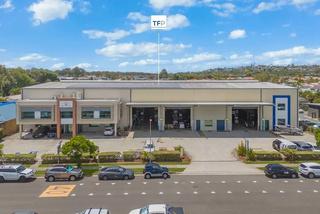
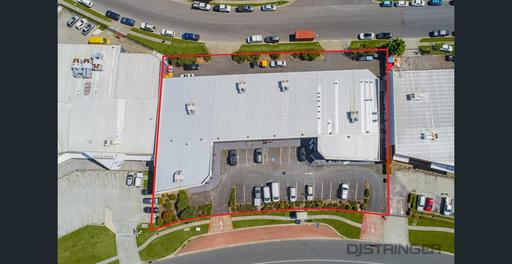
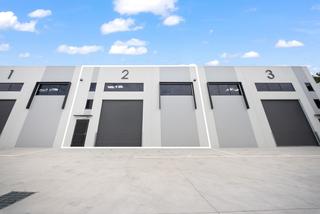
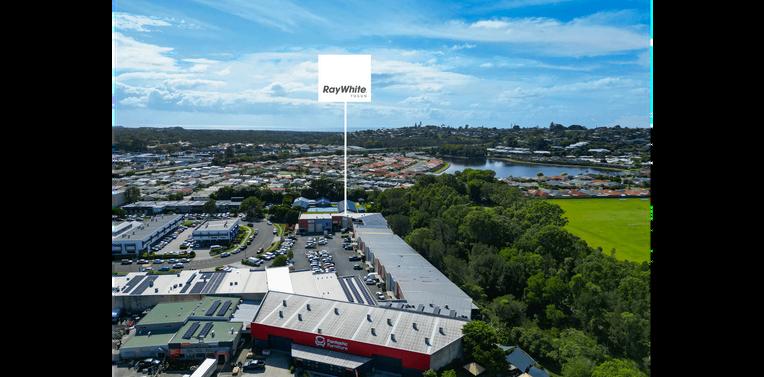
Tweed Heads South, in particular, remains a major industrial hub, with activity centred around the Greenway Drive, Machinery Drive, and Industry Drive precincts Demand for warehouse, trade supply, and service-industrial space continues to exceed available stock, pushing vacancy rates to historic lows and supporting rental growth across small to midsized tenancies
Across the broader Tweed region, constrained supply remains a key factor influencing the market. Industrial land values across coastal New South Wales increased by approximately 4 7% in the latest valuation cycle, with the Tweed Local Government Area recording one of the strongest increases at approximately 19 4%, reflecting ongoing demand for industrial land and limited available development opportunities.
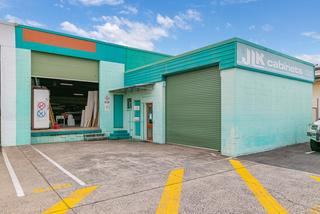
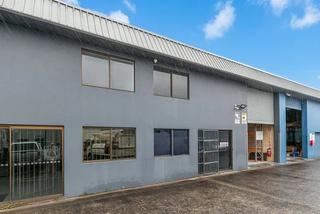
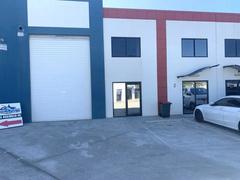
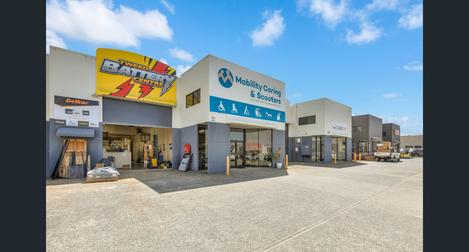
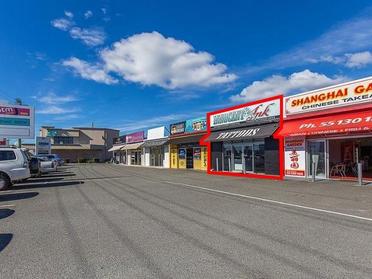
In Tweed Heads, smaller industrial holdings and hybrid commercial-industrial spaces near South Tweed and the riverside precincts remain in demand, particularly among light manufacturers, marine services, and trade-based businesses seeking flexible-use facilities
The market is further supported by infrastructure upgrades, including arterial road improvements along Minjungbal Drive and the Pacific Motorway access points that continue to enhance long-term asset resilience
Ray White Tugun Commercial: Tweed Heads & Tweed Heads South Market Insights
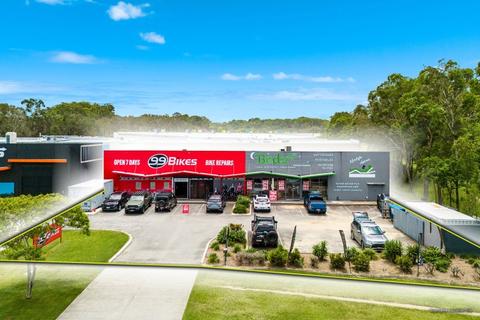
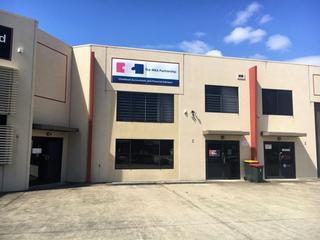
Ray White Tugun Commercial: Tweed Heads & Tweed Heads South Market Insights
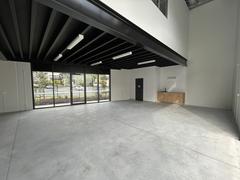
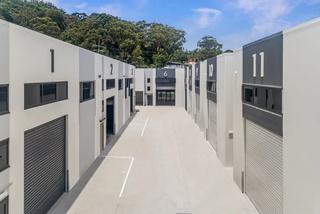
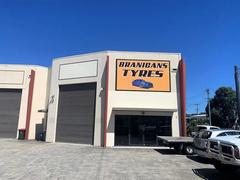
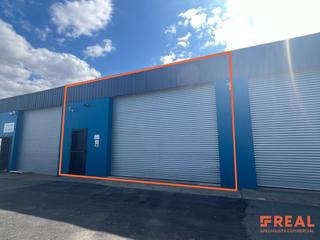
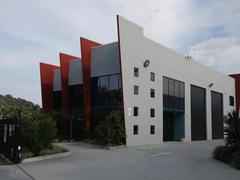
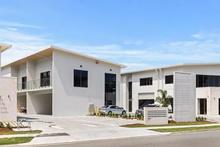
Ray White Tugun Commercial: Tweed Heads & Tweed Heads South Market Insights
INDUSTRIAL

UTH
INDUSTRIAL
LEASED by Ray White Tugun
TWEED HEADS
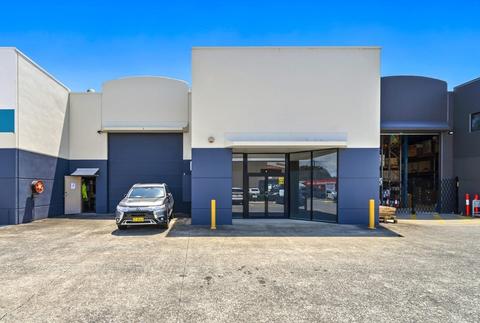
INDUSTRIAL
TWEED HEADS

NorthernNSWsawthebiggeststructuralshiftin2025.

Totalsalesvalue: 149M (-18% YOY)
Numberof transactions: 75 deals (+74% YOY)
This confirms a repricedmarket, not a distressed one.
The sub-@2M segment was dominant
Interpretation:
This reflects investor preference for liquid, manageable asset sizes - especially strata industrial and neighbourhood retail Transaction Value vsVolume

An overview of retail, rent, and investment expectations for 2026, considering2025'sreview.
Rents likely to have modest increases but remain high
Vacancy to stay very tight
Construction costs limit new supply → ongoing landlord advantage
Modest rent growth expected
Suburban office to outperform CBD-style formats
Essential-service retail remains strong
Tourism-lead retail to recover significantly in second half of 2026
Investment
Yield stabilisation now largely complete
Expect Higher deal volume in 2026
Sub-$2M assets to remain most liquid
Increased interest in development sites if infrastructure timelines progress
Build-to-rent will enter the institutional mainstream in 2026 as investors seek residential exposure with defensive, inflation-linked income Student accommodation, co-living and modern boarding houses will gain traction amid housing undersupply, while government support accelerates capital deployment. As commercial and residential lines blur, major super funds and offshore investors will validate the sector’s maturity.
Retail is set to sustain its recovery through 2026, supported by limited new supply and stabilising consumer spending. Neighbourhood, supermarket-anchored, and experience-led centres will outperform, benefiting from essential retail demand and experiential trends. Improving foot traffic, rental growth, and renewed investor confidence are expected to drive increased transactions and yield compression, positioning retail as a strong performer in 2026
After an extended construction slowdown driven by high costs and funding constraints, development activity is expected to cautiously resume in 2026 as feasibility conditions improve. Stabilising construction costs, easing labour pressures and stronger occupier pre-commitments will support selective projects across industrial, premium office and retail sectors While not a boom, this signals a disciplined normalisation of development activity, underpinned by renewed lender confidence
From 2026, the Sustainable Finance Taxonomy will reshape commercial property finance and valuation. Access to capital will increasingly depend on NABERS ratings, net zero pathways, or proven sustainability improvements Assets with weak ESG credentials will face higher borrowing costs, reduced investor demand, and widening value gaps. Sustainability will become a core pricing driver, with properties that fail to meet evolving standards facing structural devaluation.
In 2026, the gap between premium and secondary office assets will widen Premium buildings with strong ESG credentials, modern amenities, and prime locations will continue to attract tenants and maintain low vacancies. Well-located, high-quality B-grade assets may benefit from affordability-driven demand, while lower-quality secondary stock risks obsolescence. Vacancy and capital value gaps will grow, amplified by rising sustainability requirements and tenant demand for NABERS-rated spaces, creating a nuanced market beyond a simple A-grade versus secondary divide.
87 1,500+ 448 $102,079,000 $3,191,000 RWT ONLINE AUCTION SUMMARY - 25/26 FY SO FAR...


ScantheQRcodetovisitourcommercialhub&for moreinformation

ScantheQRcodeforanobligationfreeappraisal