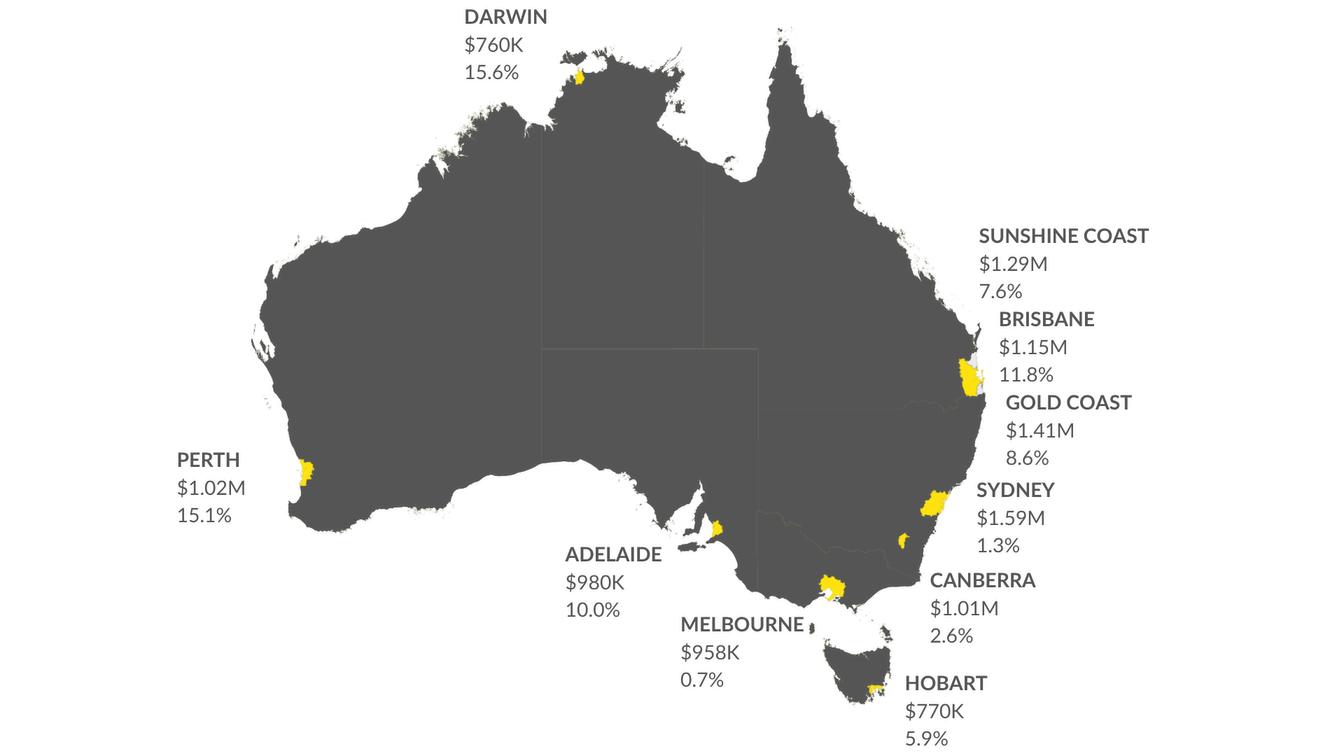
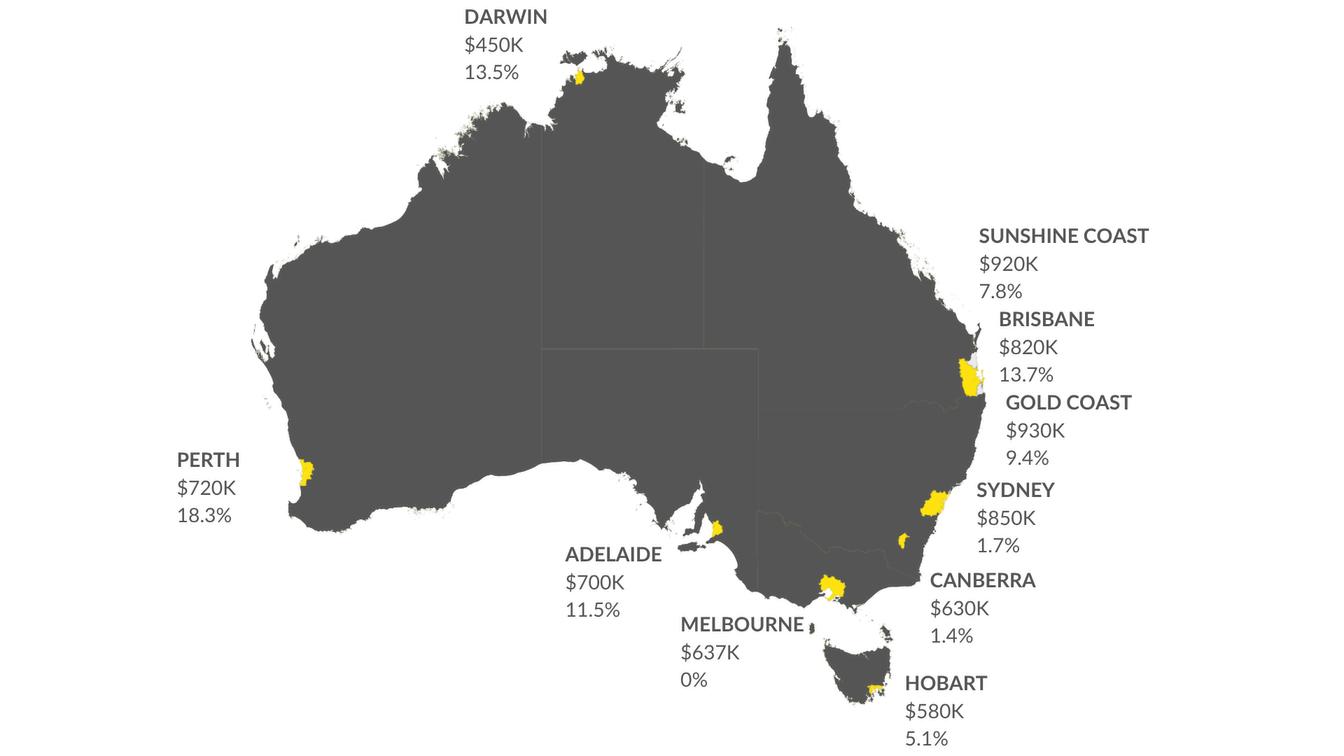
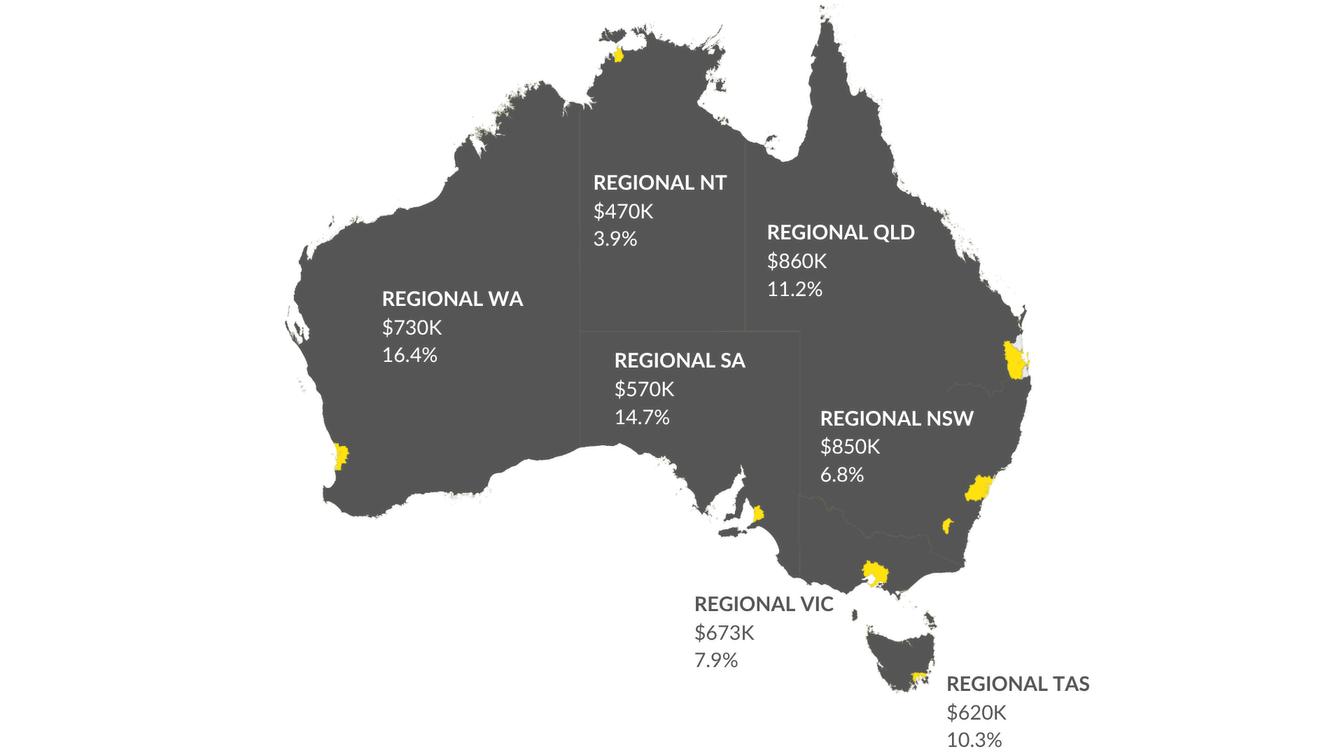
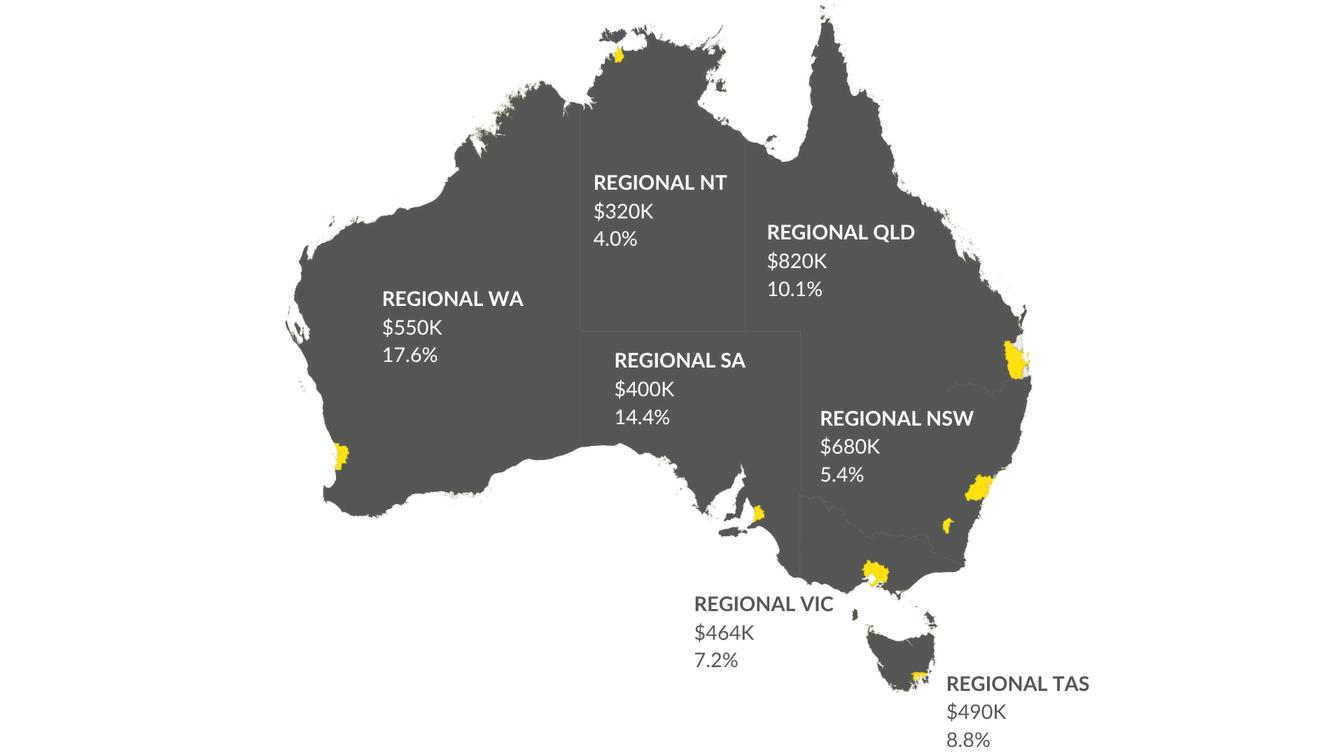
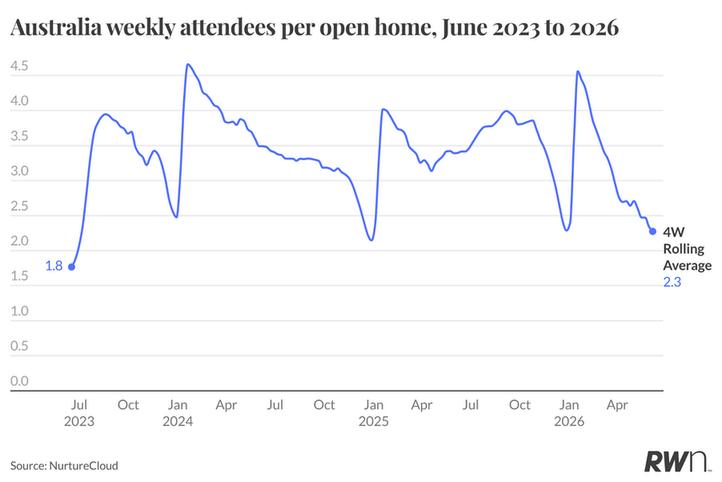
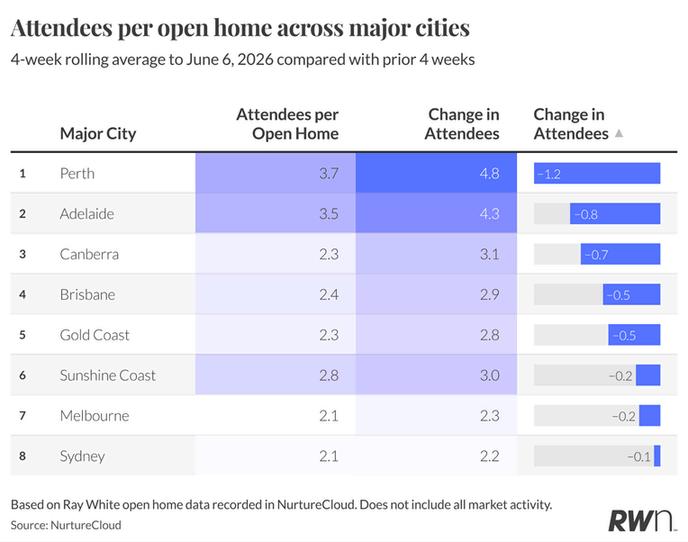
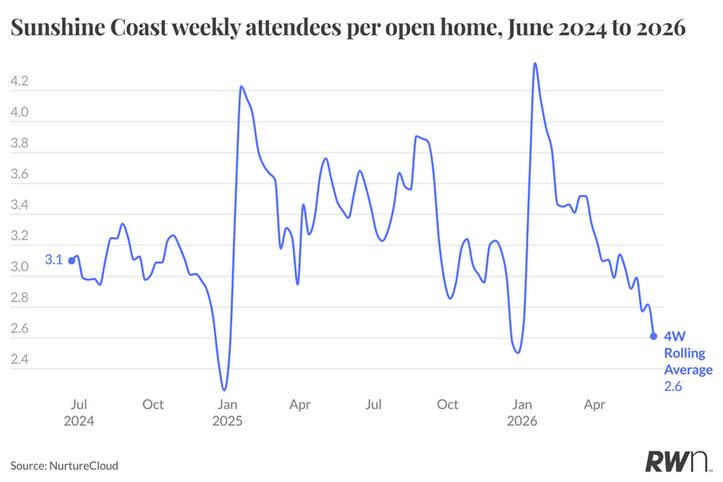
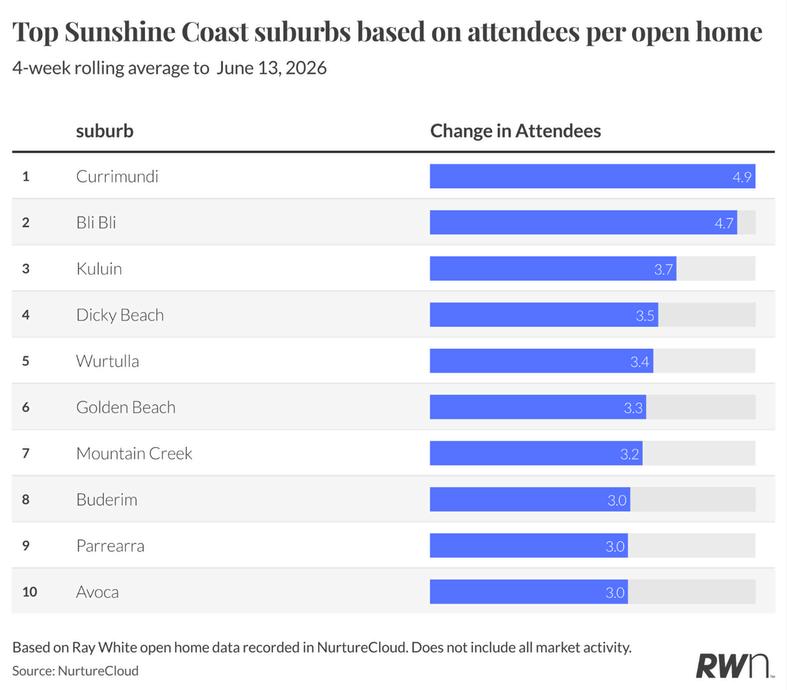
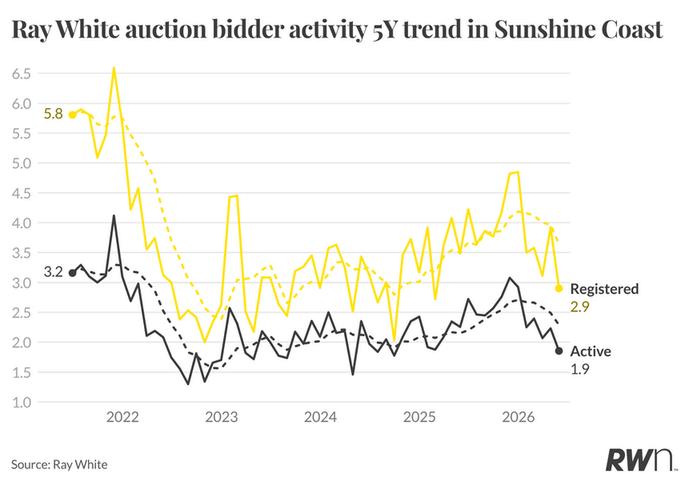
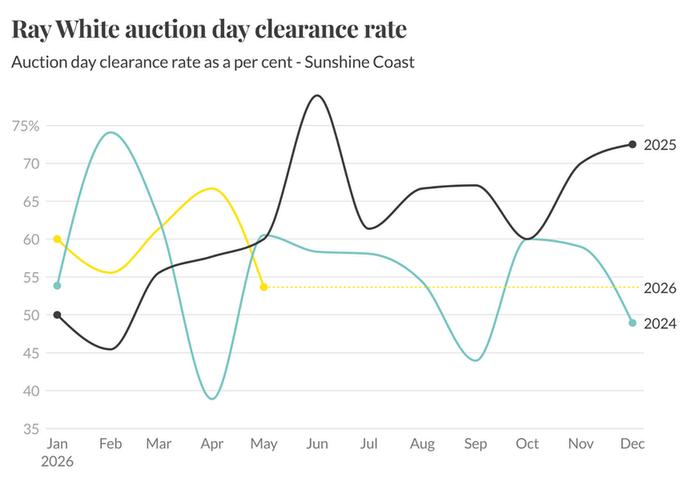
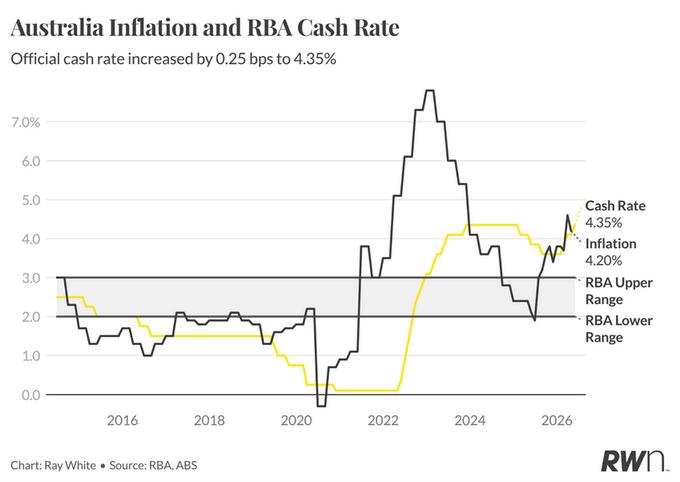
Three rate rises this year as inflation remains problematic
Federal Govt. Budget Changes
What this means for Investors & Owner Occupiers
INVESTMENT PROPERTY SNAPSHOT
Households are renters (31% of all households)
Rent from private landlords
Are negatively geared
Negative Gearing - what will change?
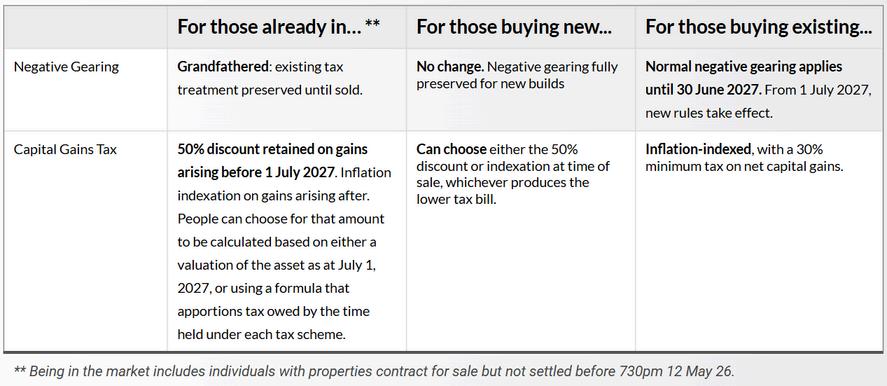
Properties purchased before 7:30PM AEST on 12 May 2026 are fully grandfathered negative gearing continues unchanged for as long as you hold the property
Properties purchased after 7:30PM AEST on 12 May 2026 are subject to the new rules, but normal negative gearing applies until 30 June 2027
From 1 July 2027, losses on established properties can no longer be deducted against salary or other income they can only be offset against rental income or future capital gains from residential property. Excess losses can be carried forward.
New builds - no negative gearing changes nor capital gains changes.
Negative gearing has been a feature of the Australian tax system since 1936. It was briefly restricted under Hawke/Keating between 1985-1987, but reversed after just two years as rents rose sharply in Sydney & Perth
Capital Gains Tax - what will change?
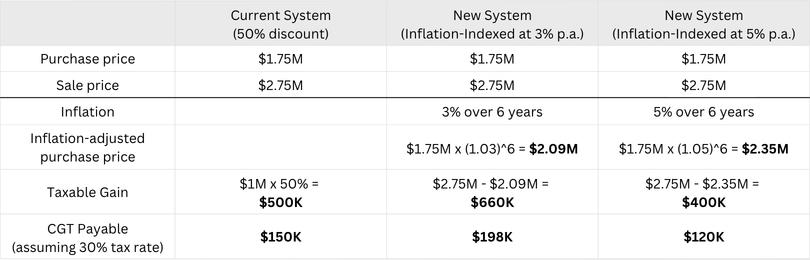
The 50% CGT discount introduced in 1999 will be replaced with inflation indexation (a return to the pre-1999 system). Changes apply to gains arising after 1 July 2027. Gains on holdings before that date still get the 50% discount.
Investors in new builds can choose whichever method produces the lower tax bill: 50% discount or indexation
What is a “New Build”?
Off-the-Plan: Apartments or townhouses purchased before or during construction
Vacant Land Construction: A brand-new dwelling built on land that was previously empty.
Increased Density (The "1-for-2" Rule): If an existing property is demolished, it only counts as a "new build" if it is replaced by a greater number of dwellings (e.g. knocking down one house to build two or more townhouses).
Must be sold for the first time as residential premises, plus cannot have been previously occupied for more than 12 months if it was first owned by the builder or developer.
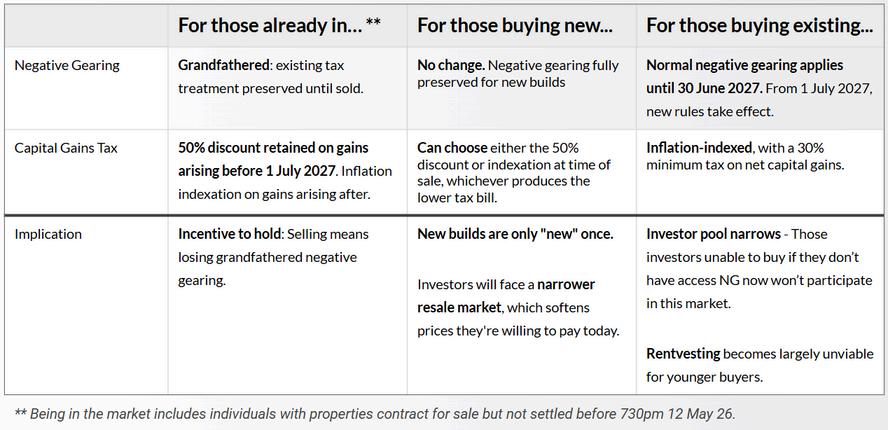
What it means for investors
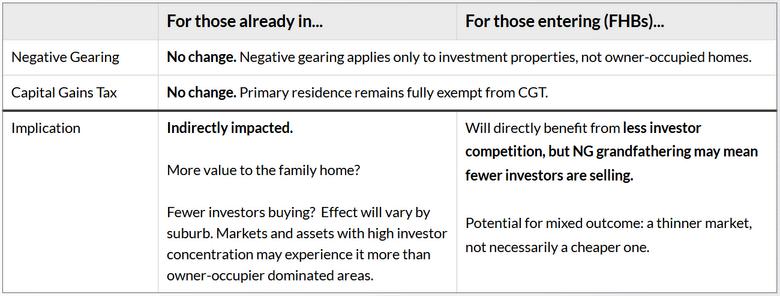
What it means for owner-occupiers
Ifyou want to know more about the Sunshine Coast property outlook, reach out today.