
Archdeacons’ Visitation News
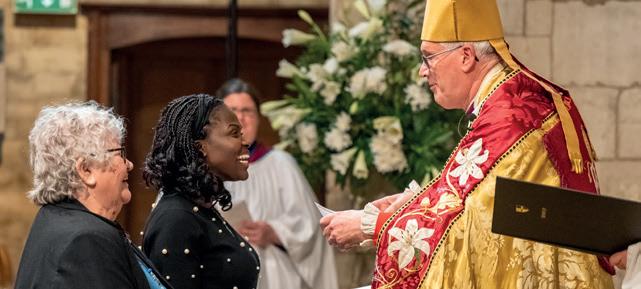
Vocations to lay and ordained ministry
We are each called to serve God and God’s people, what that service looks like is as unique as each one of us. Some of us are called to serve as lay ministers, while others are called to ordination. Whatever our calling is, it is an expression of our discipleship, our hope in the Vocations team is that by exploring vocation this discipleship is enriched and deepened.
Ministries
There are a number of lay ministry options, affirmed ministries, which are publicly recognised in the parish such as Children and Youth leaders or pastoral visitors, and many other ministries that keep parish communities thriving. However, it is commissioned and licensed lay ministries that are selected and trained through the Diocesan lay discernment process.
The Diocesan discernment process also works with those who are exploring ordained ministry as a Priest or as a Distinctive Deacon. Information about each of the Diocesan discernment processes and each of these ministries is available on the Exploring your Call pages of the Diocesan website, which includes contact details for further information.
We encourage all Incumbents and Churchwardens to consider who in the congregation has the potential to be either a lay minister or to be ordained as a Deacon or Priest. Lay ministers might be exercising their ministry already, whether in a pastoral role, as a home group leader, working with young people involved in a Fresh Expression or in many other ways. The discernment process could encourage them in their ministry and unlock their potential further through fully funded lay ministry training, leading to a formally recognised ministry. For those who are called to ordained ministry, the Diocesan process leads to the national selection panels.
The Vocations Team
Aside from the full-time members of the Diocesan Vocations and Lay Ministries teams, we have a fantastic team of Vocations Advisers (VAs). These VAs walk alongside those who are exploring licensed ministries (both lay and ordained ministries) and are key members of the wider Vocations team.
Our VAs themselves are both lay and ordained. What draws them together is their commitment to encouraging those who are stepping forward to explore ministry in the Church. The feedback I receive so often from VAs is how much they enjoy their role and what a privilege it is. If you know of anyone who might be interested in becoming a Vocations Adviser I would be very glad to hear from them.
For more information, please contact Raymond Baudon, Assistant DDO and Deputy Director of Vocations raymond.baudon@southwark.anglican.org
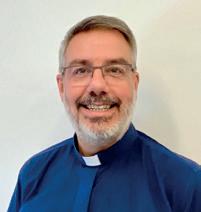
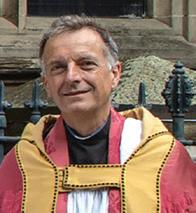
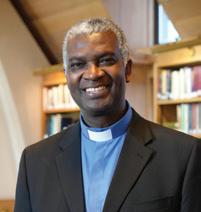
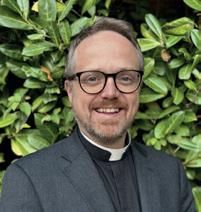
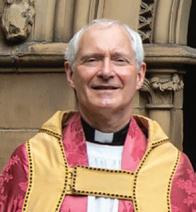
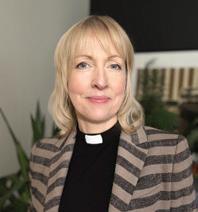
The Ven Dr Geoff Dumbreck Archdeacon of Reigate
The Ven Greg Prior Archdeacon of Croydon
The Ven Simon Gates Archdeacon of Lambeth
The Ven Jonathan Sedgwick Archdeacon of Southwark
The Ven Bridget Shepherd Archdeacon of Wandsworth
The Ven Dr Chigor Chike Archdeacon of Lewisham & Greenwich
Parish Dashboards
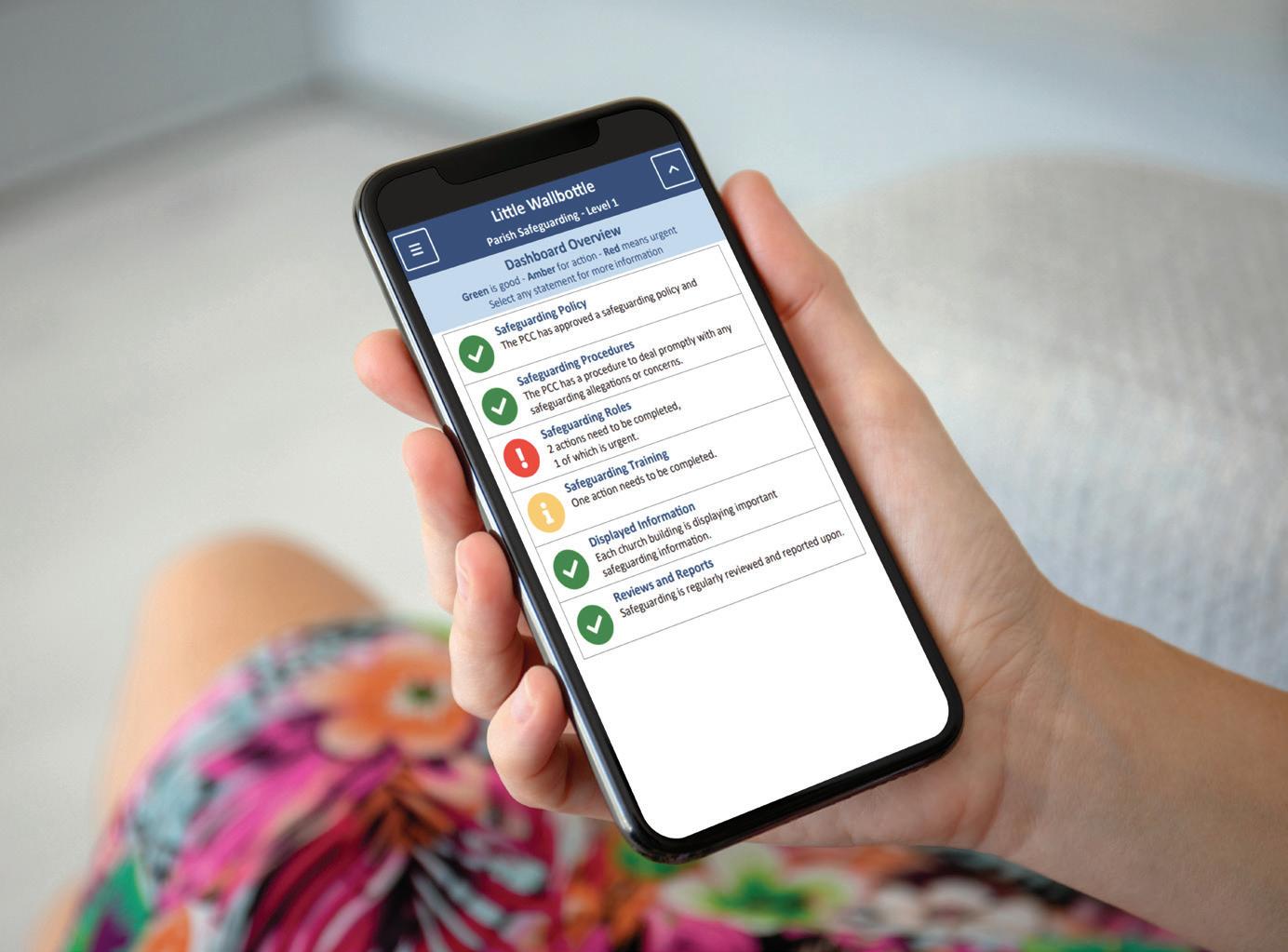
The Parish Dashboards were rolled out across the diocese in October 2025, so much hard work has taken place with a total of 247 parishes registering to use the dashboards.
The dashboards are a tool that supports good safeguarding governance within parishes enabling them to be at a standard that meets the National Safeguarding Standards which are:
• Culture, Leadership and Capacity; Ensuring safe and healthy cultures, effective leadership, and necessary resources and scrutiny arrangements.
• Prevention; Implementing a planned range of measures to prevent abuse.
• Recognising, Assessing and Managing Risk; Conducting high-quality risk assessments and managing risk effectively.
• Victims and Survivors; Ensuring timely and quality responses to disclosures and support for victims and survivors.
• Learning, Supervision and Support; Providing the necessary learning and professional development support, and supervision for those involved in safeguarding activities.
To help your parish prioritise your safeguarding work, the Safeguarding Dashboard has three levels:
Level 1 – Safer Foundations
Level 2 – Safer Activities
Level 3 – Safer Practices
After completing a level, the dashboard is automatically promoted to a higher level when most of the lights on a lower level have turned green.
The dashboards can really support PCCs to prioritise safeguarding within the parish enabling them to fully understand requirements and assess progress against action plans built into the system.
The dashboards are updated by the developer annually after speaking to parishes. This year has seen lights added which relate to risks within buildings, which means you will need to ensure all staff and volunteers are aware of safeguarding risks associated with the layout of the church and how to support people in safeguarding roles. You will find these new lights when you get to level 3.
As always the Diocesan Safeguarding team is here to help, so if you find you need support with anything in the dashboard please email: parishdashboards@southwark.anglican.org
or view the Parish Safeguarding Dashboard page on the diocese website: https://southwark.anglican.org/safeguarding/parishsafeguarding-dashboards/
Trees in Churchyards
Works to trees, or works involving trees, are among the most common queries received by the Diocesan Advisory Committee (DAC) team.
A key shared aim is to ensure that our church buildings and churchyards remain fit for purpose while also being a legacy for future generations. Trees are an important part of this stewardship, and as Churchwardens, you play a vital role in caring for them.
Biodiversity and the Environment
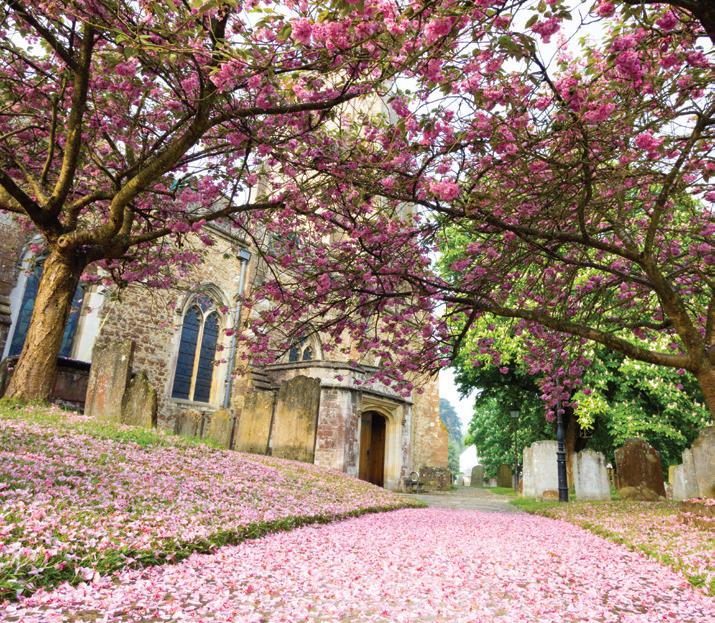
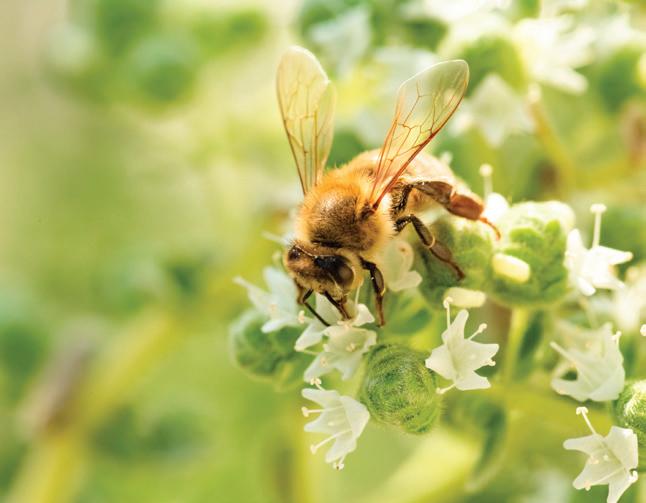
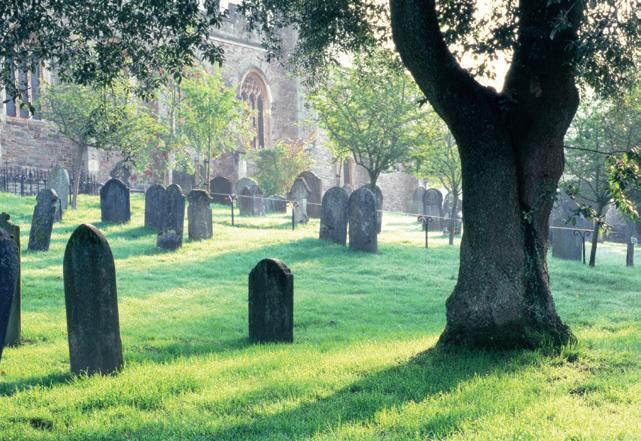
Churchyards are not only sacred spaces for worship and mission, they are also havens for nature and biodiversity. Trees in English churchyards are often described as the “Noah’s Arks” of the natural world.
In the Diocese of Southwark, where many parishes are in urban settings, trees contribute to the “urban forest”. They improve air quality, help manage heavy rainfall, provide shade, and support a wide range of wildlife – plants, insects, birds, and even bats.
Church and glebe land are unique in having long-standing legal protections, which means many trees have been preserved over centuries, creating rare and distinctive habitats.
Historic and Community Significance
Trees add character, depth, and identity to our churchyards. Their significance is often historical and emotional, independent of the church building itself. Recent public reactions to the illegal felling of the Sycamore Gap tree in Northumberland, or the loss of the Hardy Tree at Old St Pancras, illustrate how deeply people connect with trees of local or national importance.
You may wish to consider the trees under your care that hold similar meaning for your own community.
Ancient and veteran trees require particular attention. It is estimated that the UK is home to over two million such specimens – many still unrecorded. These trees are invaluable for biodiversity: the older the tree, the richer the ecosystem it supports.
The Diocese of Southwark contains several ancient trees, including notable yew trees – some predating the church buildings beside them.
Be Informed and Be Prepared
Understanding your trees enables you to anticipate potential issues and care for them proactively. Some practical steps include:
Consult guidance. The Diocese of Southwark’s DAC webpage on Trees in Churchyards is a helpful starting point:
https://southwark.anglican.org/support/for-our-churches/ buildings-dac/churchyards-memorials/trees-in-churchyards/
• Commission a Tree Survey. A professional arboricultural survey creates a baseline record and can be updated as a “live” document.
• Carry out a yearly tree audit. Conduct this annually and after extreme weather. ChurchCare provides guidance that can be adapted into a practical checklist.
• Speak with your Quinquennial Inspector.
• Explore online resources such as the Woodland Trust, the Ancient Yew Group, the Ancient Tree Forum, and Caring for God’s Acre.
Engaging with the DAC
There will be times when trees need intervention or specialist care. In such cases, works will often need to be processed through the DAC.
Whether you are submitting a Faculty request or a List B application, clear and thorough documentation will support a smooth process. Prepare materials as though introducing your churchyard to someone who has never visited; include site plans, clear photographs, and any relevant reports. If you are unsure what is needed, the DAC team is always happy to assist. Please email:
dac@southwark.anglican.org
To Conclude
Maintaining your church building and the wider churchyard is a significant responsibility. Don’t feel overwhelmed, you are not expected to be an expert in every area. Many resources are available to support you – published guidance, DAC staff and advisors, your Quinquennial Inspector, and your Archdeacon.
By caring for your trees, you help create spaces of calm, beauty, and biodiversity. For many churches, churchyards are places of worship, community gatherings, outdoor services, children’s activities, and quiet reflection.
Trees are not only part of the landscape; they are part of your mission –living reminders of history, providers of habitats, and green sanctuaries in our communities.