
Hello,
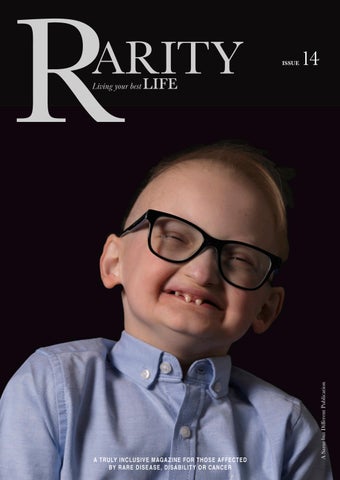
We are delighted to share our fourteenth issue of Rarity Life magazine with you to mark #RareDiseaseDay.
Over the last four years we’ve had the opportunity to speak to some brilliant individuals and organisations, and we remain hugely grateful to everyone who entrusts us with their story. It has become ever more clear to us that alongside our magazine it would be wonderful to be able to share stories with you across the year, and so we were excited to launch #RarityLifewithFOCUS in December 2025.
Rarity Life offers those affected by rare disease, disability and cancer the opportunity to create content that is truly inclusive, with two online platforms celebrating and sharing the voices, experiences and insights of our communities. While our experiences might be individually rare, together we have the opportunity to make our voices loud enough to be heard.
As ever we’re so thankful to everyone who contributes their time, effort and stories to this magazine and to Same but Different. Together Rarity Life and Rarity Life with FOCUS, truly share and amplify your voices with the world.
Happy reading,
MEET THE TEAM
Raising
In conversation with Athlete & Paralympian Ilaria Brugnoli Your Condition Doesn’t Define
In conversation with Oliver Bromley
Regaining my Independence
In conversation with Helen, Financial Wellbeing & Benefits Officer for Vison Support
In
In
Bill
Yvonne
Advocacy for Patients in Singapore
Using AI to Support Your Rare Disease Journey
An introduction to healthcare apps with the Co-Founder & CEO of Advoca Health, Dr Michael Trueman, MBChB
Taking it a Day at a Time In conversation with Keisha and Laura
Meet the Professional
In conversation with Rick Davis, Founder and Board Member of AnCan, and peer support group moderator
Explore the island nation where modern energy meets timeless charm
Is Anyone Else out There?
In conversation with Vanessa O’Rourke, Community Engagement Manager at the National Adrenal Diseases Foundation (NADF)
Same but Different works to ensure that people living with rare diseases are truly seen, understood, and valued. Rare conditions often bring isolation, misunderstanding, and a painful lack of visibility. Through powerful storytelling and thoughtful imagery, we work to change that narrative, shining a light on lives that deserve recognition, compassion, and respect.
For a child living with a rare disease, the world can feel confusing and lonely. Too often, they grow up having to explain themselves; why their body works differently, why they miss school, why they can’t always join in. Same but Different is passionate about making sure that no child feels invisible because of their diagnosis. Awareness is not only compassionate, but it is essential to ensuring no one is left in the shadows.
Stories like the three we are sharing below are why Same but Different exists; to remind the world that rare is not something to fear, and difference is something to be understood, embraced, and celebrated.
Meet Tyler:
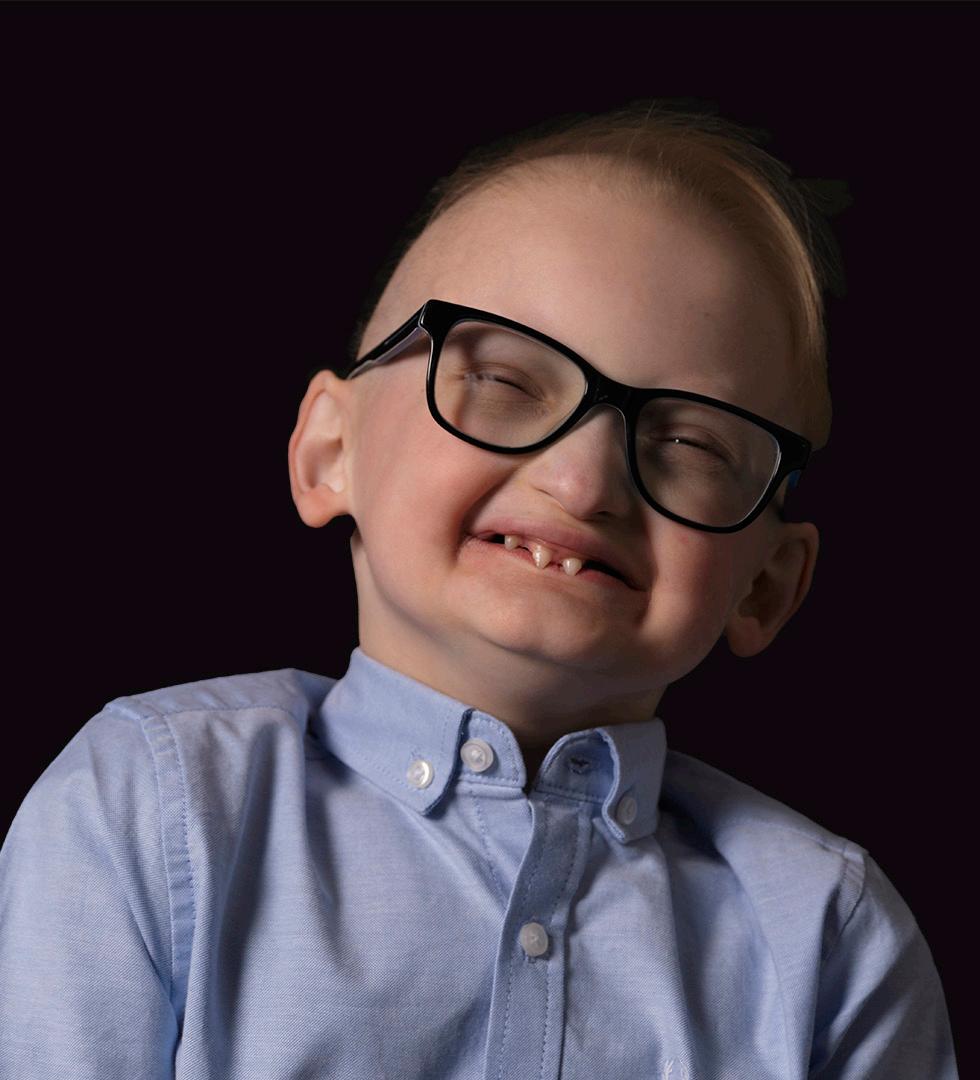
One of the children we met as part of our ‘Care for Rare’ project was Tyler, a joyful and confident little boy. Bubbly and warm, he meets the world with a smile, untroubled by the fact that he looks different. When others notice, Tyler simply carries on, happy, curious, and full of life. At just 16 months old, concerns raised during a dermatology appointment led to a diagnosis of Ectodermal Dysplasia, a rare genetic condition affecting his teeth, skin, hair, and ability to regulate body temperature. For his family, the diagnosis was devastating, bringing fear and uncertainty about what the future might hold.
Tyler’s condition affects him every day. He struggles in both heat and cold, must remain constantly hydrated, and has been hospitalised multiple times with infections, and has gone on to develop asthma. Eating can be dangerous due to having only three front teeth. His skin and eyes are sensitive, and daily life requires careful planning and constant vigilance. Yet to Tyler, this is simply normal.
As he grows, his family worries about how the world will treat him, but they hope his confidence will endure. His mum Chantelle says “It’s just normal for Tyler. He just goes along in life, but I’m worrying that when he gets older, he’ll realise that people may be making fun of him and I’m worried that that’s going to knock his confidence down. But I’m hoping that he’ll just be like ‘I don’t care what you’re saying, I love me’ because that’s what he’s like now, and I’m hoping he carries on with that.” Right now, Tyler loves who he is. Stronger than most, he moves through life with a resilience that continues to inspire everyone around him.
Read more about Tyler here
To find out more about Ectodermal Dysplasia (ED) visit the ED Society here: www.edsociety.co.uk
Photography by Ceridwen Hughes


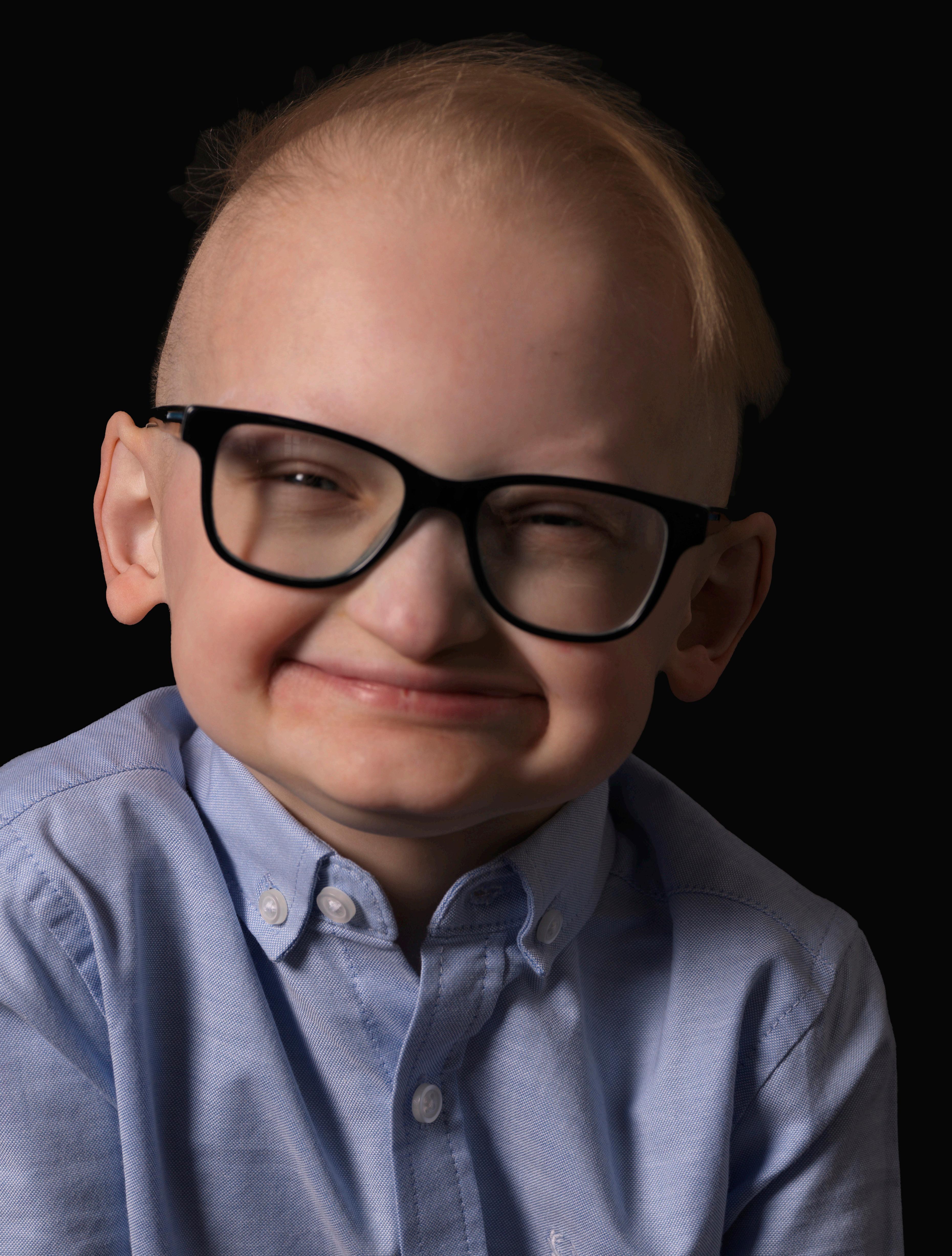
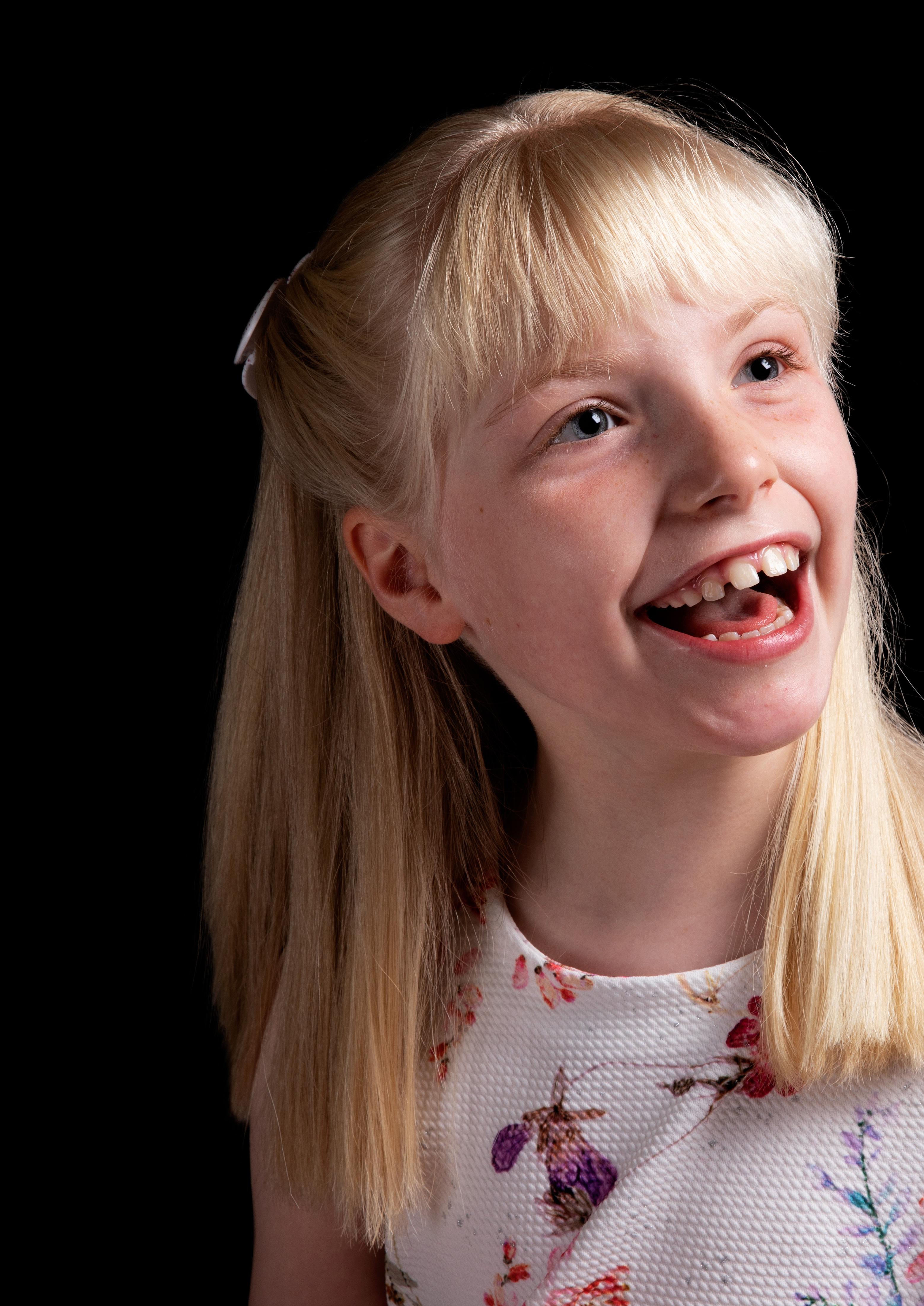
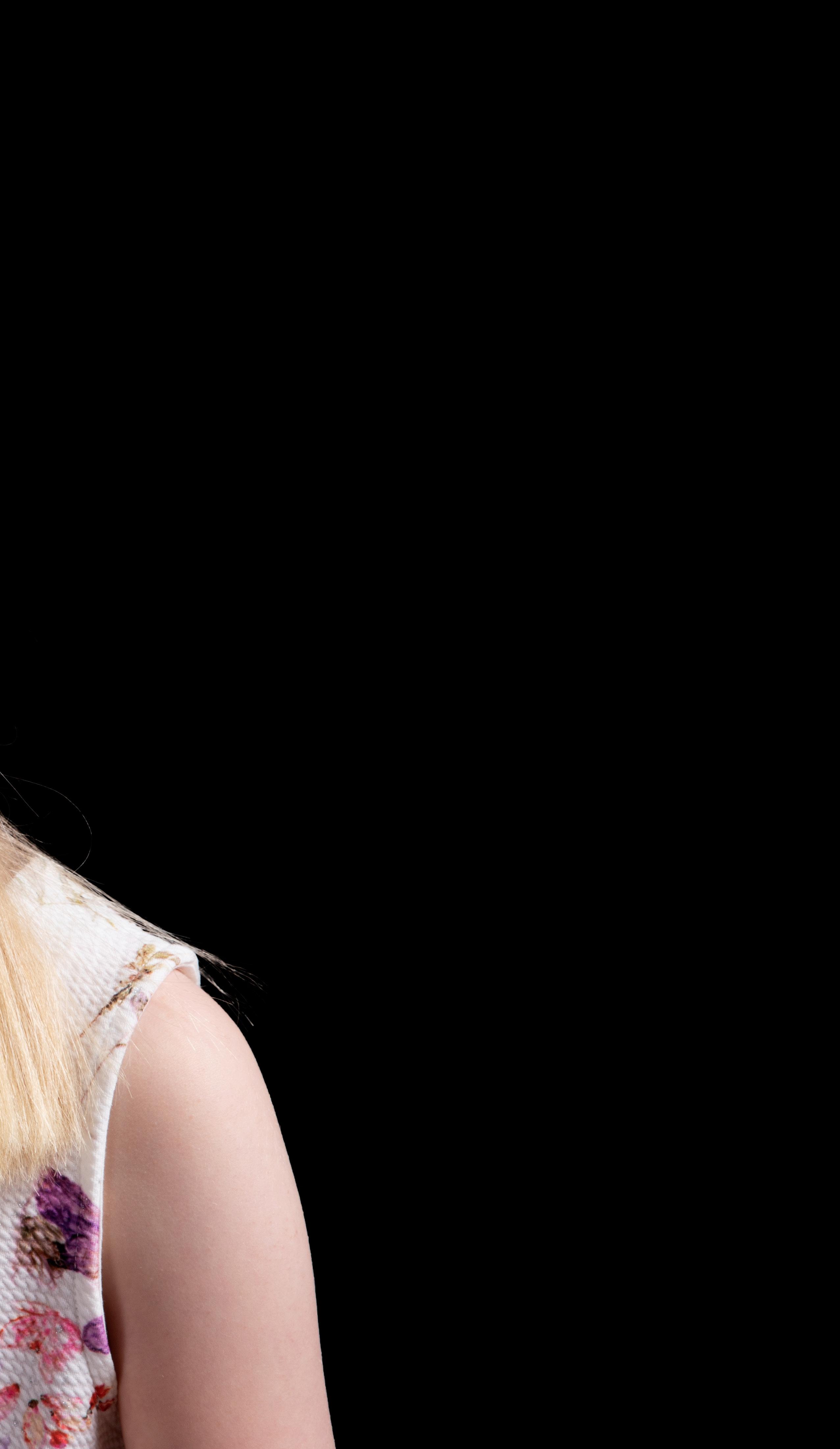
Izzy was diagnosed with Pitt–Hopkins syndrome just before her second birthday, after her parents noticed she wasn’t developing in the same way as her older brother had. What began as subtle signs eventually led to a diagnosis of a rare genetic condition associated with global developmental delay, limited speech, balance difficulties and, for many children, seizures or breathing irregularities. With testing for Pitt–Hopkins only available since 2007, the number of diagnosed children remains small, leaving families like Izzy’s navigating a world with few specialists and even fewer answers.
Despite the challenges she faces Izzy is a beautiful, happy child who embraces life with a sense of joy and innocence. Communication remains her biggest hurdle, but her family has learned to understand her needs and celebrate her unique way of experiencing the world. With support from Pitt Hopkins UK and a determination to make each day meaningful, the family continues to navigate the complexities of an ultrarare condition with resilience, honesty and love.
Read more about Izzy here
To find out more about Pitt Hopkins Syndrome (PTHS) visit Pitt Hopkins UK here: www.pitthopkins.org.uk

Meet Nina:
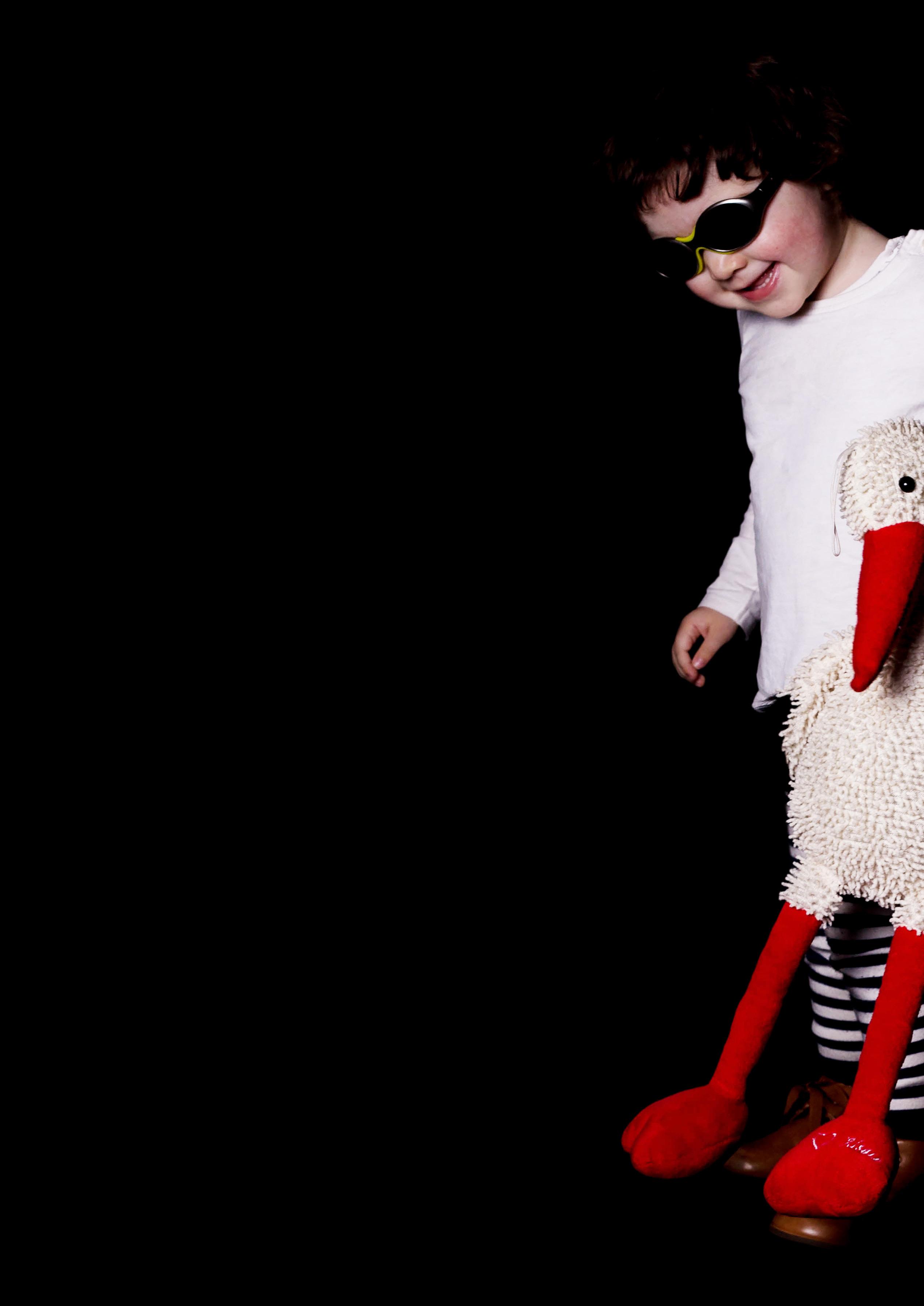
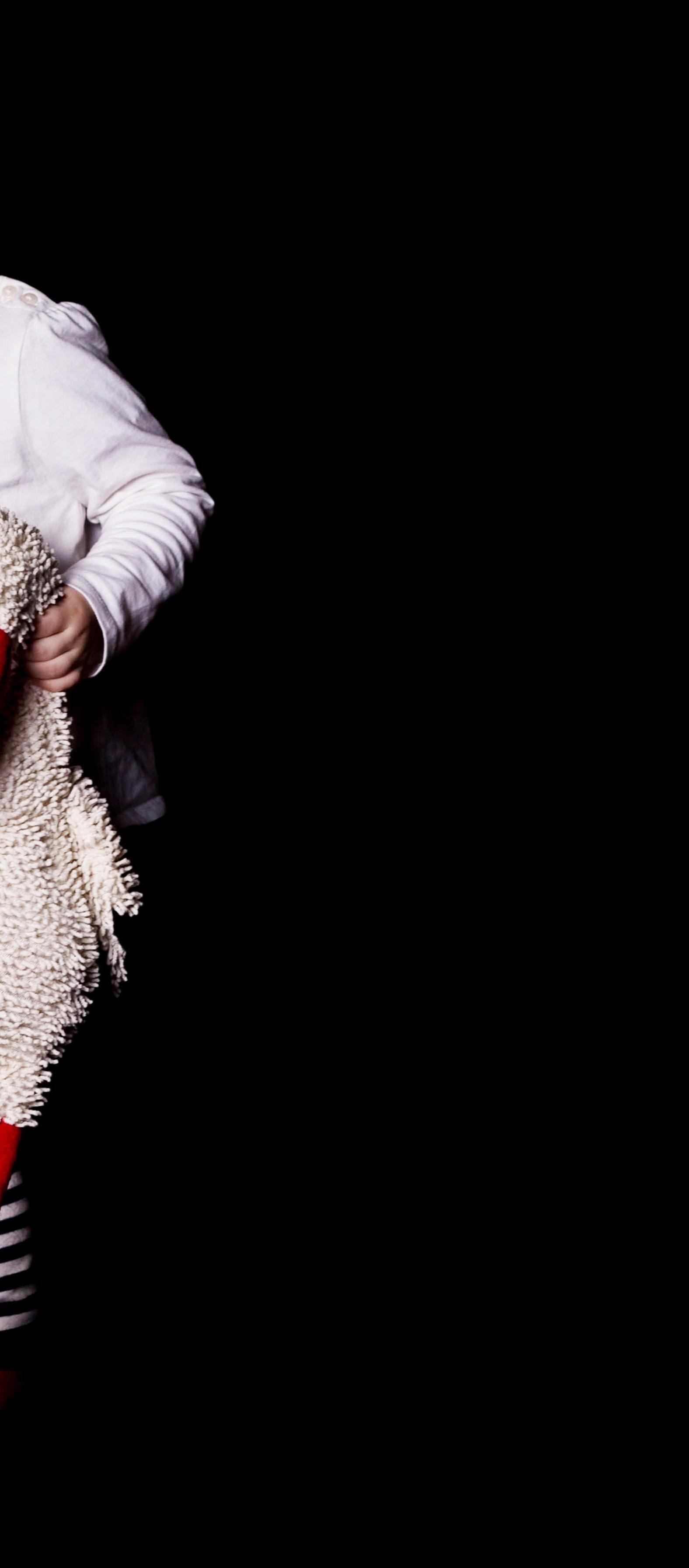
Nina is a bright, imaginative child with a deep fascination for birds and a love of storytelling, she often slips into pretend worlds with the people she trusts most. But behind her creativity lies a rare and complex medical path. She lives with extreme photophobia, developmental delay, visual impairment and significant gastrointestinal difficulties. For years, her symptoms have remained largely unexplained, until specialists at Great Ormond Street Hospital discovered an abnormality in her ADAM17 gene—an anomaly so rare that Nina is the only known case in medical literature. Even so, the diagnosis remains uncertain, and further genetic testing is underway to better understand her condition.
Her symptoms shape every part of daily life. Bright light, even indoors, causes her severe pain, so she wears sunglasses at all times. Eating is a slow, carefully managed process due to the discomfort it brings, so she follows a strict routine of small, frequent meals. She also requires daily injections, multiple medications and so travel is difficult, and her social world is limited by the environments she can safely tolerate. Her parents often face misunderstanding from the public, especially when strangers joke about her wearing sunglasses, leaving them worried about how she’ll be treated when they’re not there to protect her. For them, raising awareness of rare conditions is essential. They believe that greater understanding would foster empathy, reduce stigma and help ensure that children like Nina are met with the compassion and the accommodations that they deserve.
Read more about Nina here
To find out more about photophobia visit: www.rnib.org.uk

We are delighted to announce that we have once again opened our studio doors to children with rare diseases, and will be running a number of studio days at our head offices in Mold, North Wales.
If your child has a rare disease and you can travel to our studio in Mold, please do contact us via social media or on enquiries@samebutdifferentcic.org.uk to find out about availability. Together we can make a difference.
You can see more of our work on www.samebutdifferentcic.org.uk
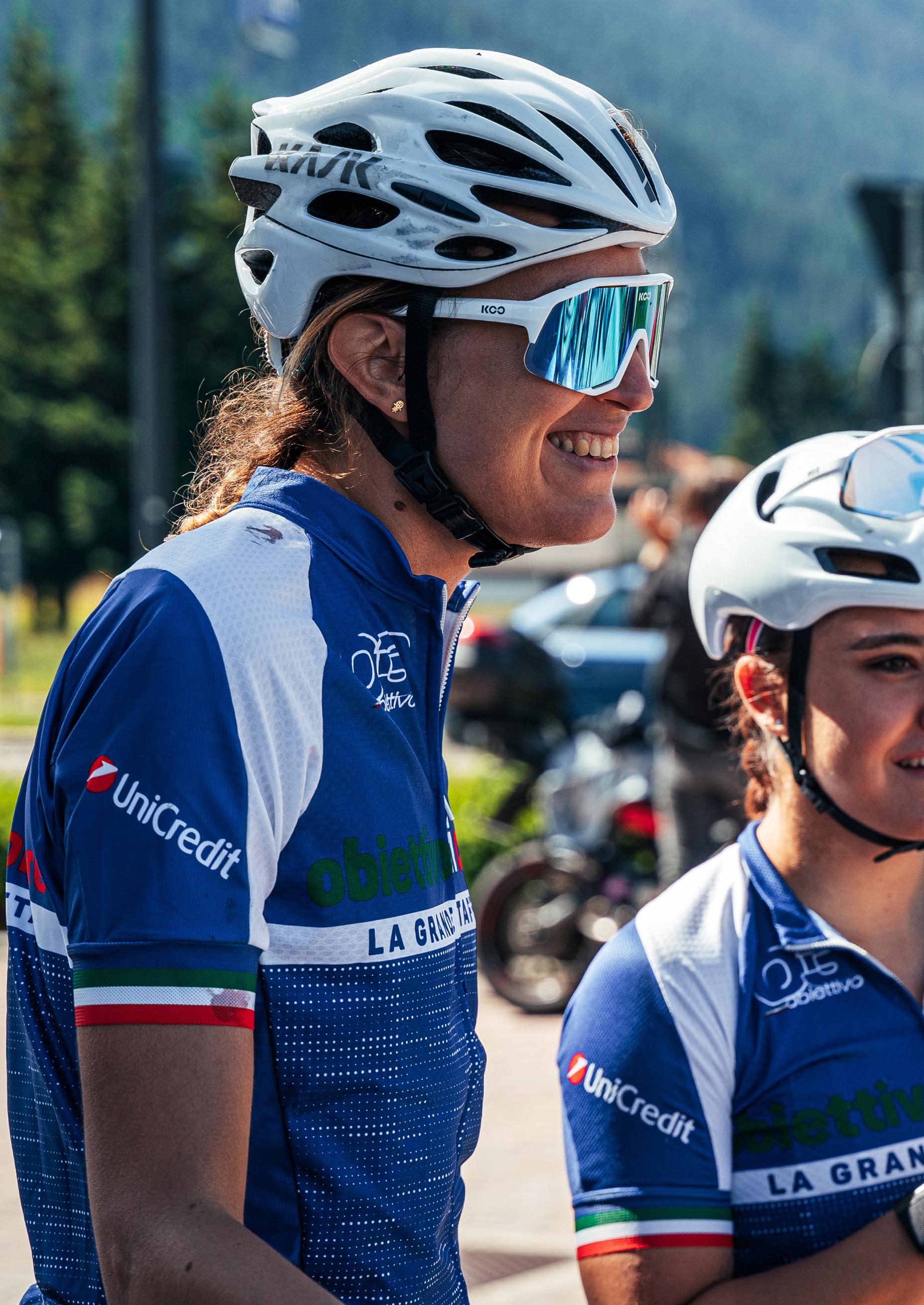
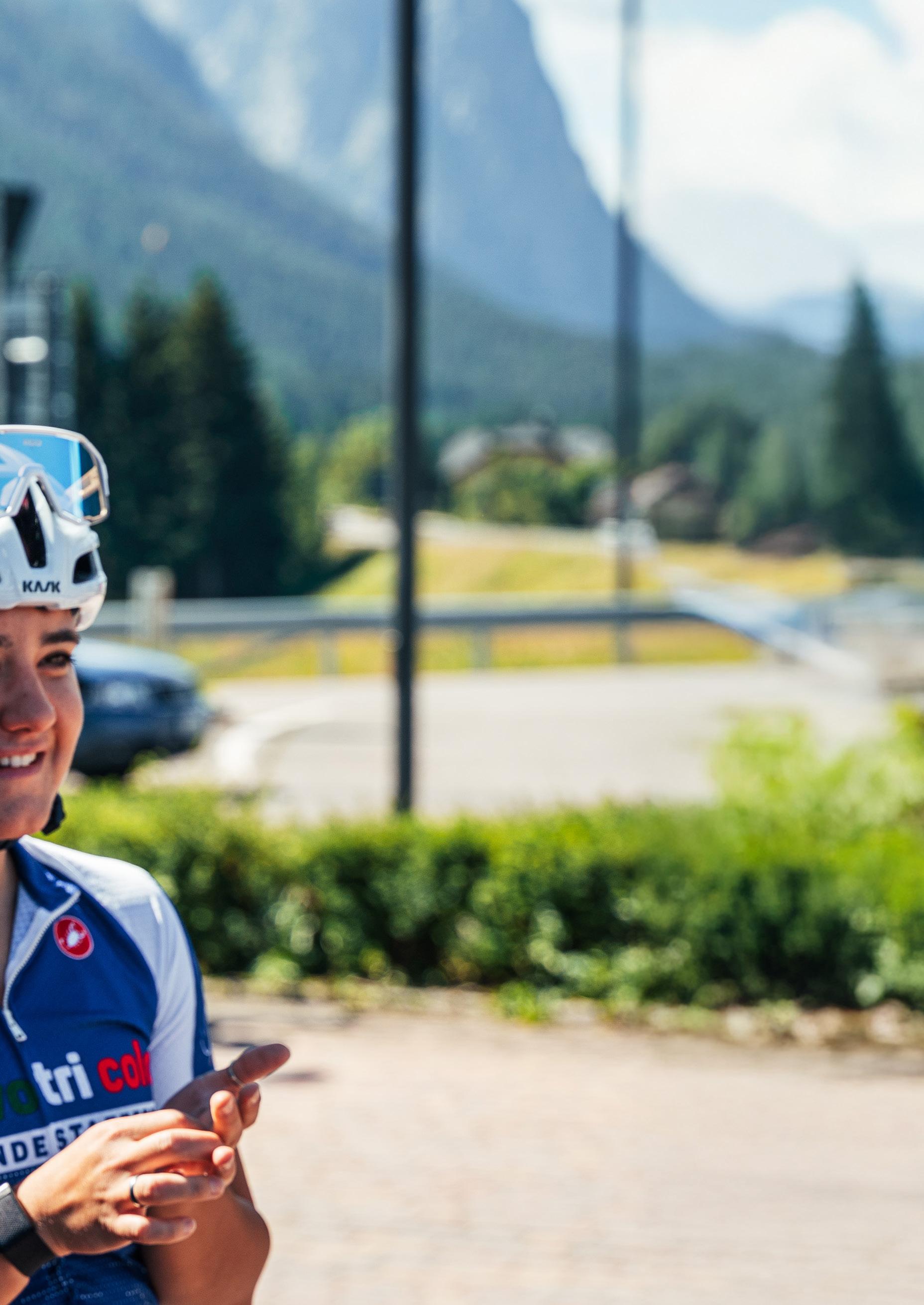
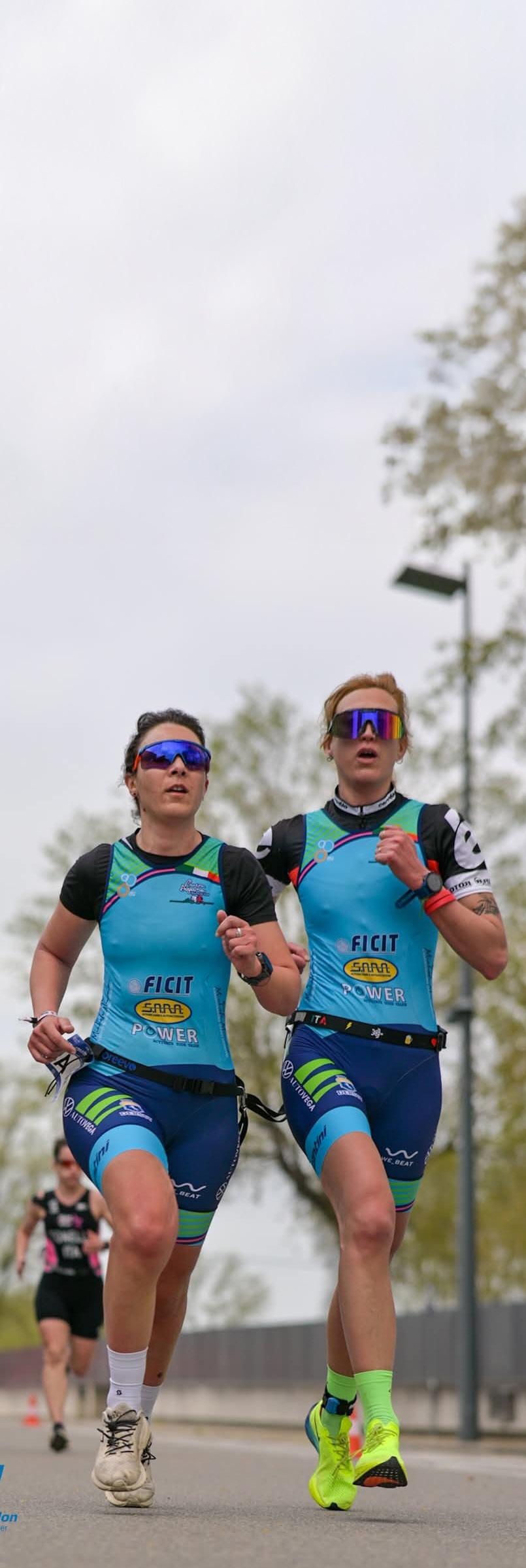
In conversation with Athlete & Paralympian Ilaria Brugnoli
“I love trail running, and being out in the hills and mountains is just wonderful. When you are blind, everything becomes amplified, all of your other senses become heightened, and you can truly hear and smell nature, the wood, the grass, and even the air around you.”
Ilaria Brugnoli was born in Italy in 1987. She splits her time now between Santo Stefano al Mare and Reggio Emilia, moving with the seasons to support her health, along with her two dogs, Saten and Teo. She has always had an active and adventurous soul, and spent much of her free time enjoying “endurance mountain sports such as trail running, hiking, climbing and skiing, as well as taking on competitive events like triathlons.” She is also a lifelong learner, curious to learn across a number of disciplines. With a degree in philosophy from the University of Bologna, she is now studying for her second degree at the University of Modena and Reggio Emilia, this time in chemistry because, as she explains quietly, “I just love the study of different subjects.”
In her early thirties Ilaria began to experience some autoimmune related health issues, and went on to be diagnosed with optic neuritis in May 2018. A diagnosis of myasthenia gravis followed in July 2018, and a further condition, Sjögren’s syndrome (also known as Sjögren’s disease), was diagnosed in February 2019. Devastatingly, she lost the sight in her left eye in November 2018, and then the sight in her right eye in December of the same year. Adjusting to such a swift and profound loss of sight was incredibly hard, and when she reflects on those early days, she states simply that “the first few months were terrible. Really very terrible. I was deeply depressed.”
Ilaria’s lifelong passion for the mountains had given her the core values that all athletes need, namely determination, belief and courage. Despite the devastating loss of both her sight and her health, she recalls how “after maybe two or three months I looked at my life and I told myself ‘Ilaria, come on, you can do this’ and I started to try some Paralympic sports, first cycling and then triathlons.” Because she had always been so fit and active, regaining her strength after a year of countless hospital stays was a challenge she was equal to. Having spent so many years taking on a range of difficult and demanding sports and events her ability to learn new sports such as tandem
cycling and paracycling was likewise something she was well equipped to do. Instead, her biggest challenge came from having to learn to both trust and rely on other people to guide and support her.
“My character was always more solitary, and I liked to be alone. I loved being up in the mountains, running free with just my thoughts, so to now always needing people is, for me, very, very difficult.”
Over the years, Ilaria has learnt how to work with her guides to maximise her results and has had some incredible experiences and successes with both professional guides, and friends who have learnt how to guide her.
She notes that although there are some wonderful professional guides, “for me I need a personal relationship with my guide, because when you can’t see, your guide is a very, very important figure.”
Initially she began by running on roads, as this meant that her guides were able to run alongside her, but the lure of the trails proved far too strong, and eventually she began heading back out trail running with her guides.
“Being guided on a trail is much more difficult than on a road, so you must have a lot of trust in your guide. The guide has to be very precise, they need to tell me about my surroundings, what’s coming up, what’s underfoot and where I need to tread. They need to be more fit than me,
because they have to be able to run whilst talking to me about the road or the trail, and about the competition and our strategy if we are doing a competition.”
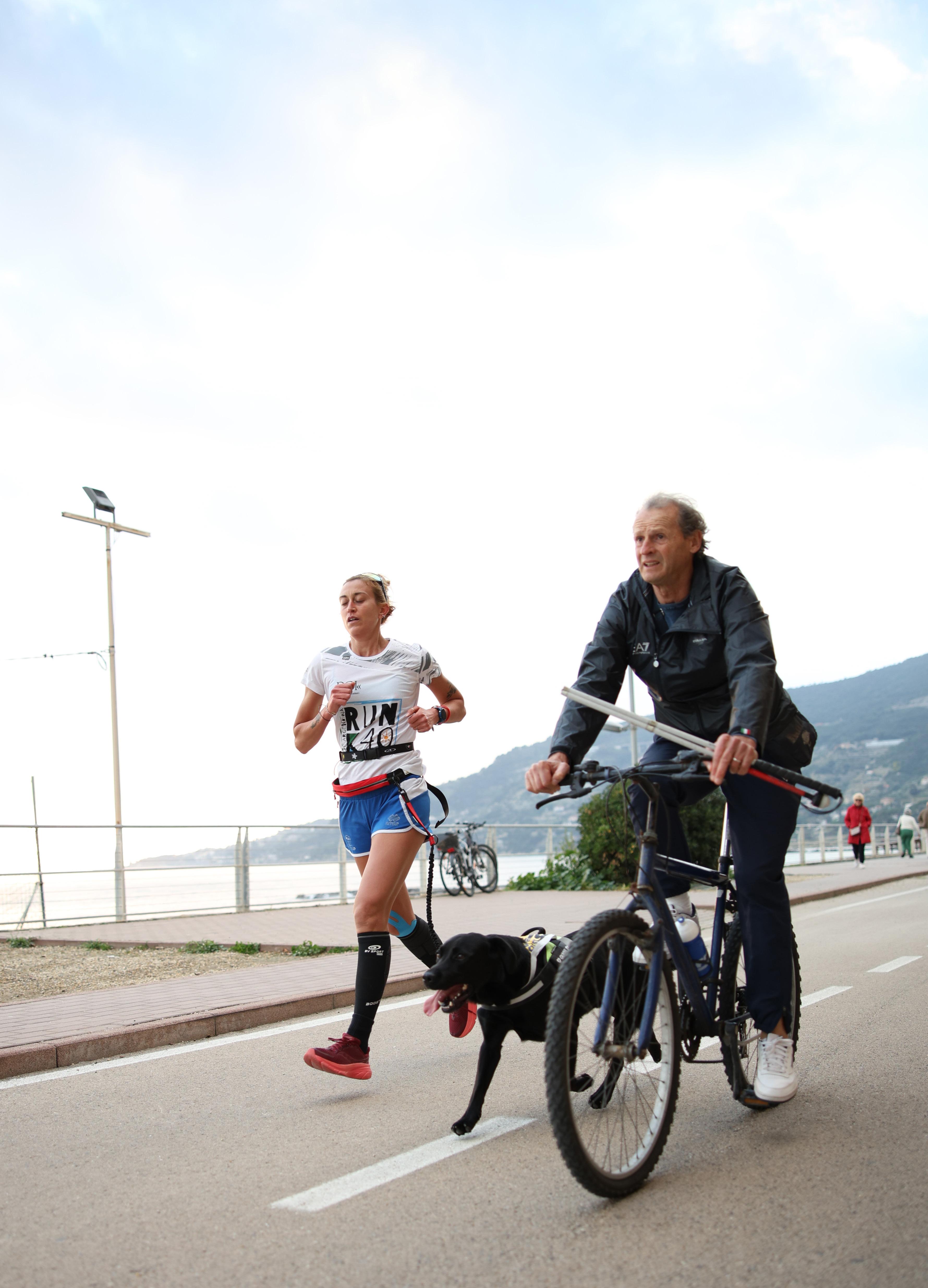
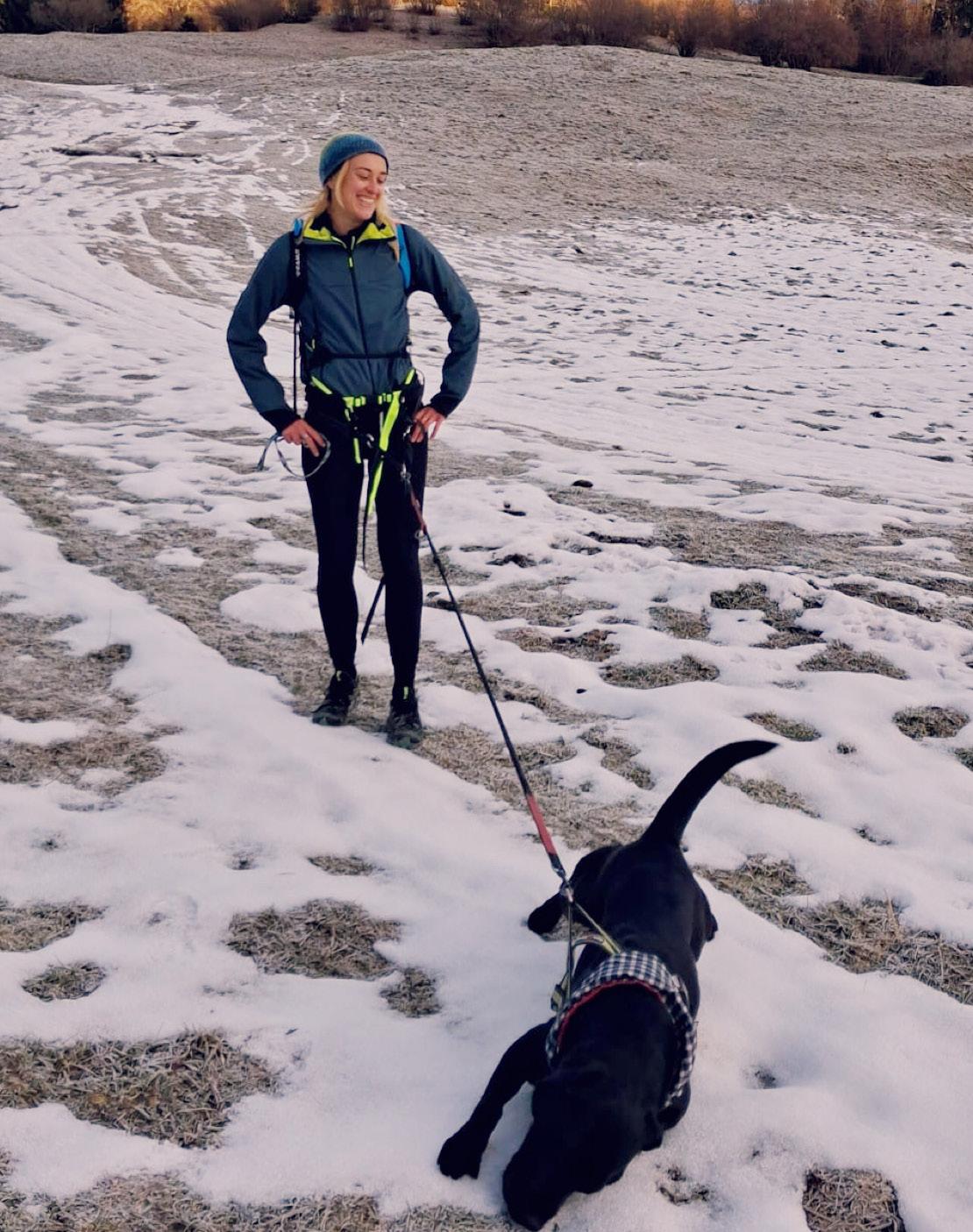
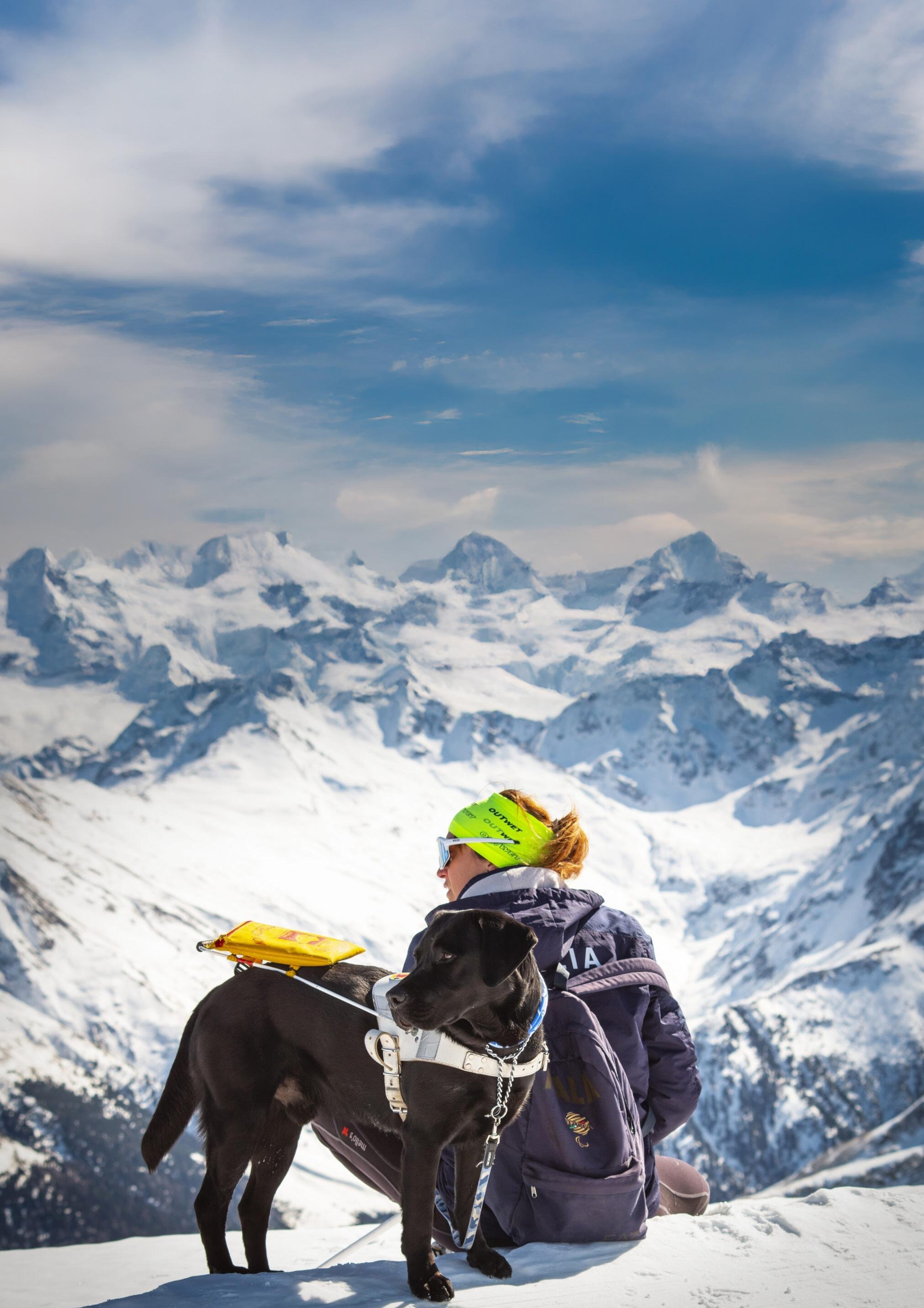
Over the years Ilaria has worked with different guides, from professional guides with whom she might not share a common language, through to her closest friend, also called Ilaria, with whom she has achieved many of her incredible sporting successes. But the guide who has brought her the most joy, and the most freedom and independence, is her guide dog Saten. A beautiful black labrador retriever, he was professionally trained as a guide dog before he came to live with her and so is able to not only guide her
out on the trails that she so loves, but also in her daily life. In August of this year she decided to rehome an older retired guide dog called Teo, giving him a loving home after his years of service elsewhere. Not one to sit still however, by December Ilaria, Saten and Teo were taking on the Blackstones 2025 trail race in Italy!
On the morning that we speak Ilaria had just received the exciting news that she had qualified for the UTMB (Ultra-Trail du Mont-Blanc) finals at the end of August 2026 in Chamonix, France. Qualifying as an elite athlete for this hugely prestigious and highly
competitive mountain ultramarathon is impressive by any standard, not least because it ‘circumnavigates the Mont Blanc massif, passing through France, Italy, and Switzerland, and follows the route of the Tour du Mont Blanc.’ But for Ilaria, the achievement is truly huge because as she explains, “until November I was in the national Italian Para triathlon squad and that was my main focus. But I prefer trail running to triathlons, I’m the first athlete in the world to do trail running with my guide dog. So I am just so happy because the UTMB final is the most important event in the world of trail running.”
The future looks bright, with the promise of new and exciting adventures, challenges and incredible achievements ahead. But this future is one Ilaria will have to work hard for, both physically and emotionally. During those early months after her sudden and near total sight loss she turned to meditation and breath work to help her cope. She explains how “I did meditation, along with breathing exercises which became very, very important to me at the time. When you suddenly become blind, you have to relearn how to do everything, how to eat, how to drink, how to navigate the space around you and even things like how to use the telephone. So, at that time, it was impossible to do any sport, and that was a very difficult thing for me to accept. With meditation I could sometimes bypass those difficult moments.”
At this point in our conversation Ilaria takes a deep breath, and thinks carefully about how to find the right words in English before she continues, clearly struggling at times to speak about those hardest of days and times, moments which still echo in her life today. “It is not often now, not on as many days, where I find it difficult to accept. But I do still want and need to be independent, because for me independence is very, very important. So for me at times this new disability is a bit like a cube around me, a prison of sorts. On those days when I feel that way I still meditate, and do my breath work, but most of all I go and I run with my dogs. When I am outside running free with Saten and Teo I think - and feel, that yes, I am alive, and that is more important than not having my sight, or full independence. I am alive, and I am running.”
Myasthenia Gravis (sometimes abbreviated to MG) is a chronic autoimmune condition that causes neuromuscular disorders, primarily characterised by muscle weakness and muscle fatigue. That means it affects the involuntary muscles in the body. These muscles can be anywhere from the eyes to those we use for breathing, walking and lifting. It is rare, affecting about 15 in
every 100,000 people in the UK, and although the disorder usually becomes apparent during adulthood, symptom onset may occur at any age. The condition can vary in severity between individuals, and in an individual, the symptoms can also fluctuate with relapses and remissions. Myasthenia gravis presents in two main forms, ocular myasthenia gravis, and generalised myasthenia gravis.
Find out more about myaware:
Myaware provide expert support and advice for people affected by myasthenia
Find out more by visiting their website: www.myaware.org
“Wake up, make your bed, look in the mirror, know who you are, and carry on. What other people think about us is none of our business.”
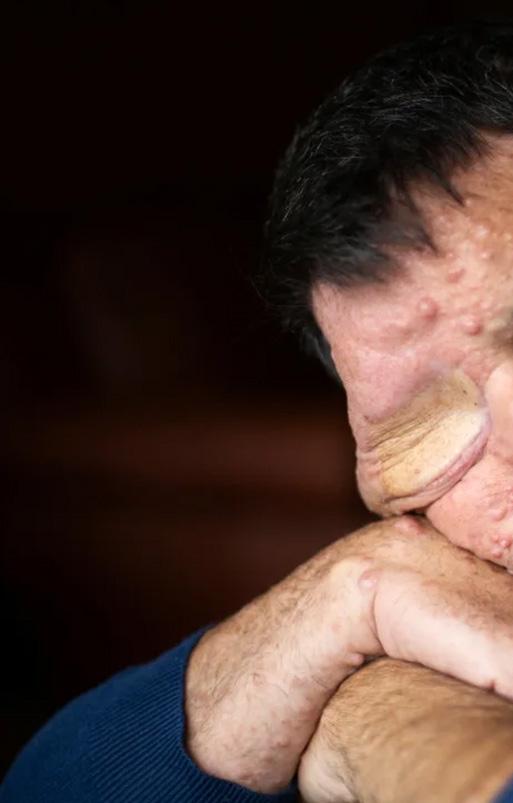
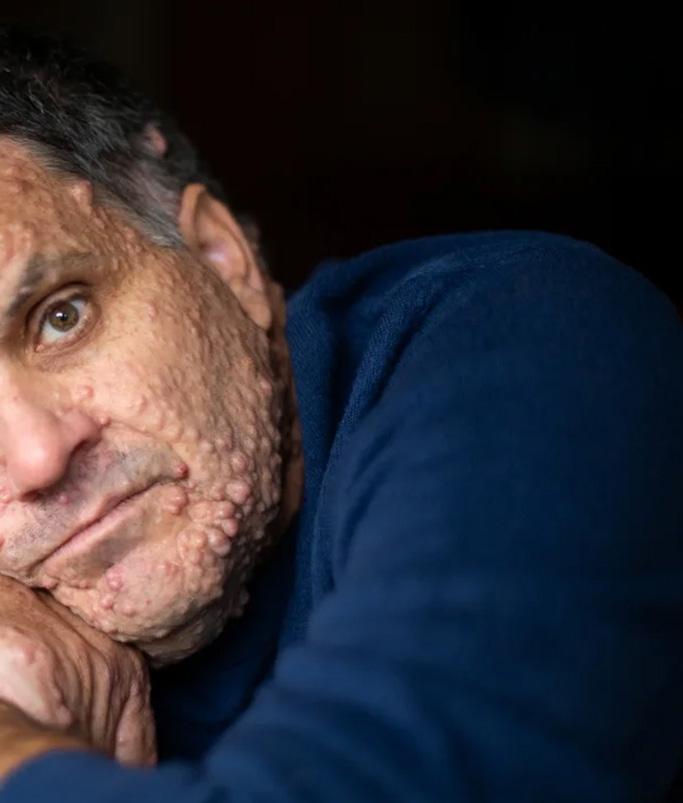
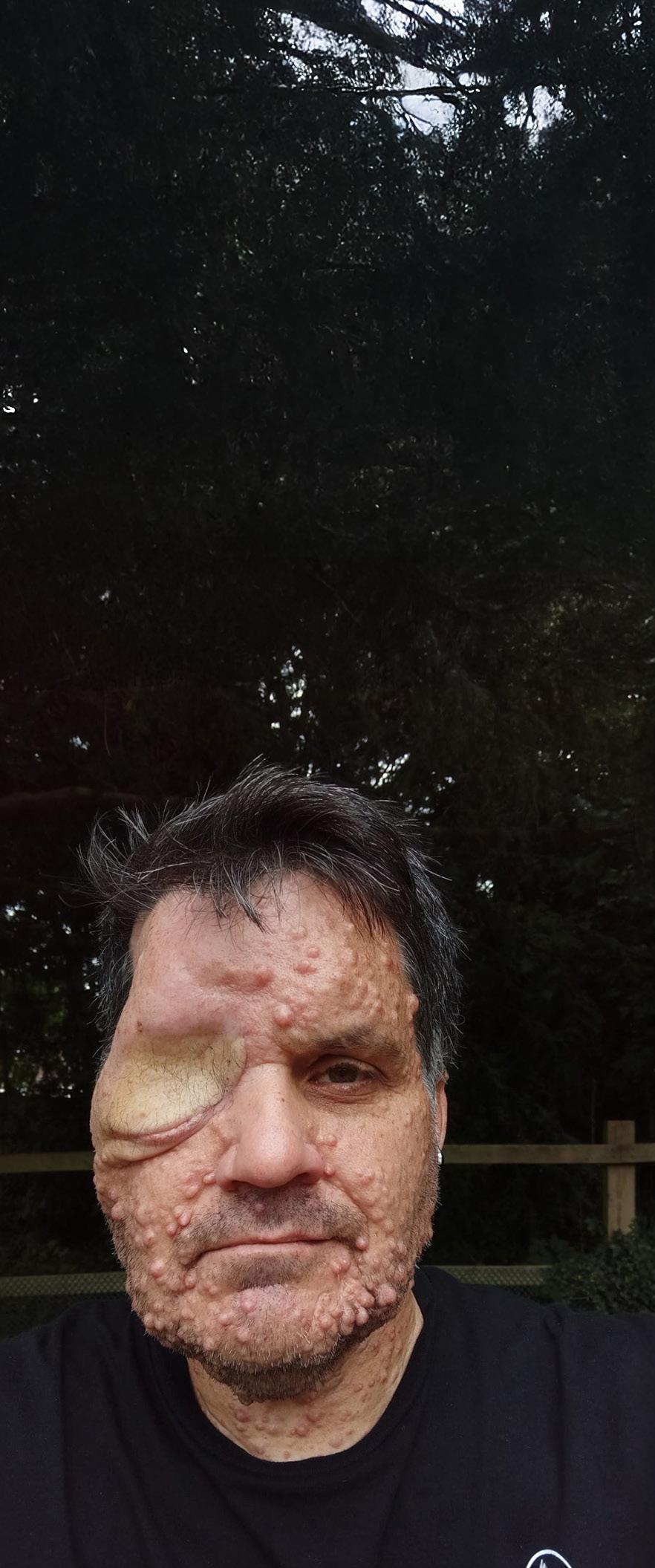
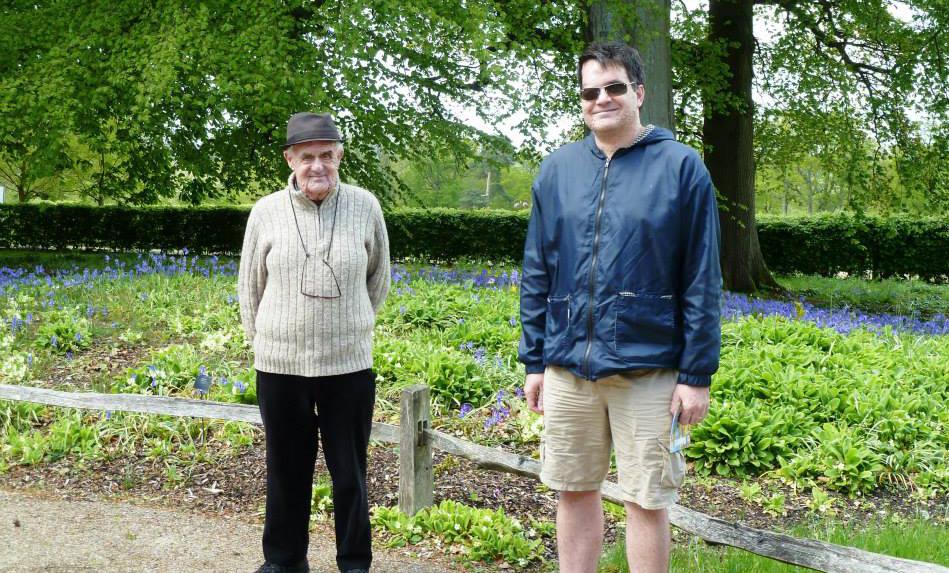
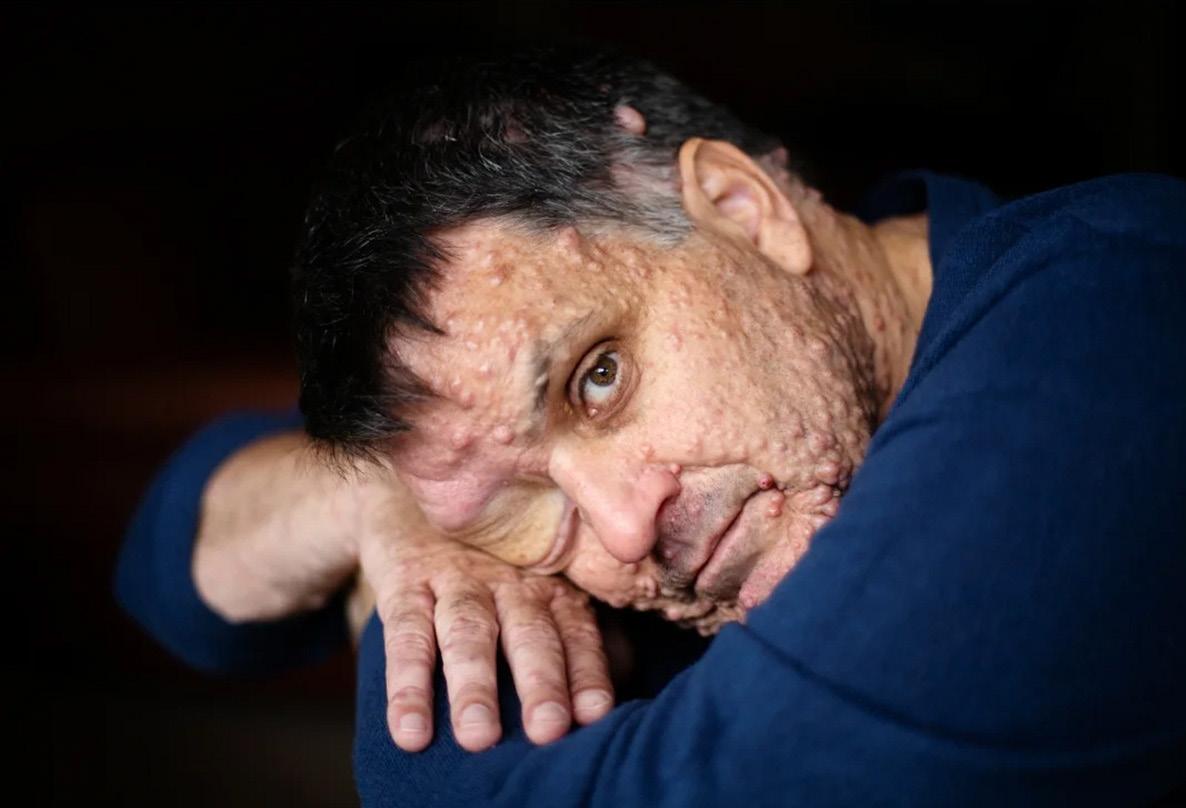
Oliver Bromley was born in Cape Town in South Africa in the early 1980’s and was diagnosed with Neurofibromatosis type 1 (NF1) at birth. Around half of those living with NF1 have inherited the condition, and this was the case for Oliver, with both his father and his younger brother sharing the same diagnosis.
Oliver grew up in Johannesburg, in a closeknit, supportive and loving family, but still life was not always easy. He reflects how “school was particularly difficult because of how we look; neurofibromatosis presents as little tumours occurring at the nerve endings, which create visible bumps and lumps under the skin. And I also had a large right eye plexiform, which is a big neurofibroma on the right-hand side of my face, which caused some damage and changed the shape of my face.” His parents tried their best to prepare him, and to equip him with a framework of responses to give when others pointed out his differences. “I’d reply by saying things like ‘this is the way I was born’, or ‘this is how God made me.’”
This strong sense of his own worth is one of the most important things that Oliver’s family gave him. To this day he carries the saying that his grandmother shared with him close
to his heart, a daily reminder about how to keep on keeping on, even when things get hard. “Wake up, make your bed, look in the

mirror, know who you are, and carry on. What other people think about us is none of our business.”
And yet today Oliver has begun to engage more actively with what other people might think, to use
his experiences, his life and his whole self to try to change the narrative. It says a great deal about who Oliver is that this change, this decision to become an advocate not only for himself, but for anyone living with a visible facial difference, came about after a very distressing incident in the summer of 2024.
It was late August and Oliver was in London, where he was receiving treatment at King’s College Hospital as an inpatient.
Tired of hospital food he decided to go to a nearby restaurant for a takeaway. On seeing the ‘cash only’ sign he left to go to the nearby cashpoint machine, but was back within moments ready to order. Devastatingly however, he was told that he was unwelcome, that he was ‘scaring the customers’, and that there ‘had been complaints’ about him. He left immediately, too shocked and upset to challenge them. His subsequent complaint to the restaurant was ignored, and although the police

did visit the premises following his report of a hate crime, no further action was taken.
The hospital was appalled, and encouraged Oliver to speak out about what had happened, and within days his story was being shared widely across both local and national press. Over the coming months he was invited to be on both TV and radio to speak about his experiences. The fact that he has never publicly named and shamed the restaurant, once again speaks to who he is, and the principled man his parents raised him to
be. “It helps when you remember that people are acting from a place of ignorance, and that it’s not a reflection on me. If people are uninformed, and they’re operating from a place of ignorance then you can turn those moments into teaching moments.”
Of course, as Oliver notes wryly, you must be in the right place emotionally to choose to meet ignorance with patience and kindness, and there are absolutely days where he is tired, and just wants to be left to his own thoughts. “We are all only human, and if I’ve had a hard day then the last thing I feel like when I’m standing in the queue
at the supermarket, is being reminded that I look different, and that this warrants some kind of interaction with me. But, more often than not, I realised that I’ve been able to engage positively, and most of the time I don’t mind anymore. Humour can be very disarming, so if someone is staring at my face saying something like ‘is there something wrong with me?’ or ‘do I have something on my face?’ can be a good way to break the moment. Maybe it’s a mark of maturity now that I don’t react as often as I used to, and that I would rather that we create a discussion and have a conversation so I can talk about neurofibromatosis. That way I can turn those interactions into a positive one, and I find that quite affirming.”
Having begun to speak publicly Oliver was asked to appear on some podcasts, attend conferences and other events as a guest speaker, and he also began to work in collaboration with some national charities, most notably Changing Faces, whose mission reflects his own. He also decided with this new platform to engage more broadly through social media, and over the past six months his Instagram following has grown significantly. He is enjoying sharing short, daily inspirational talks, and overall has found it a really powerful way to
share his voice.
“At this point the online trolls have mostly fallen away, and I don’t get as many nasty comments as I used to, although they didn’t really bother me. Mostly my interactions are very affirming, and people have really reached out to me, and asked me loads of questions about NF so they can prepare for their own journey. Also, lots of people who have lost or are losing loved ones to illness have mentioned how some of these talks have really touched and encouraged them. So, it’s very gratifying. It’s very fulfilling.”
Reflecting on the unexpected turn his life has taken over the last year or so, Oliver muses that although it was deeply traumatic at the time, he no longer wishes “to change that incident. I think overall it was good that it happened, and in many ways I’m quite grateful because it’s given me a bit of a voice. Or perhaps it helped me to find my voice, and so I don’t regret that it happened. But of course, I’m still sad that it happens, because it happens to a lot of people.” This is not to say that the past year has always been easy, indeed he has had to navigate the death of his beloved father, along with some other things, and is currently signed off
from work, but here too he feels fortunate, because he works for the NHS running a mental health crisis helpline, and his employers are both understanding and supportive of their team’s mental health.
“I’ve always believed, like my grandmother taught me, that you get up every day and you start again, but I’m absolutely depleted at the moment, both because I’ve had a couple of hard years of really hard life stuff, and dealing with some delayed grief reaction. In many ways my NF diagnosis has never really bothered me, apart from the surgeries that I had, because I’ve lived a full life and it’s not really stopped me from doing anything, just at the moment, I’m exhausted.”
Embracing the chance to share his journey has given Oliver something positive to build on. “It’s given me a bit of a purpose outside of my work, and it’s given me opportunities. Becoming an advocate and being able to contribute to the conversation, to be able to educate and inform people about neurofibromatosis has been really good. Just creating a bit of an awareness in that space is hugely edifying and gratifying,
and it’s been really good to have something different to do, it’s perhaps allowed me to think about what I might do in the future.”
Over time Oliver has worked hard on they key messages that he shares, because as he explains, by and large those people who are out there trying to create the change that they want, and need, to see are “just normal people. People who have decided that just because we look different, we’re not going to let that continue to define us or stop us.”
“My overarching message that I give every day, and what I always end
my videos with is simple. ‘Fill the world with love and be kind.’ If you’re a person living with a rare diagnosis realise that people are acting from a place of ignorance, and that it’s within your power to change that, and to turn those moments into a teaching moment. Don’t take it too personally, because when we know better, we do better. People don’t know what they’re doing half the time - I don’t know what I’m doing half the time. Remember what other people think about you is not your business, so get over it and move on, because in the main
people won’t have given you a second thought after they’ve been unkind to you, so don’t allow them to rob you of your peace, or to take up too much rent in your head. I say all of this as a person who can say it and has lived it so I do know that it’s easy to say, and much, much harder to do. But, just do it, because it’ll make your life easier, and it will give you so much peace. Your condition does not have to define you, but it will shape you into the incredible person that you are.”
You can follow Oliver on Instagram here: @bromleyo
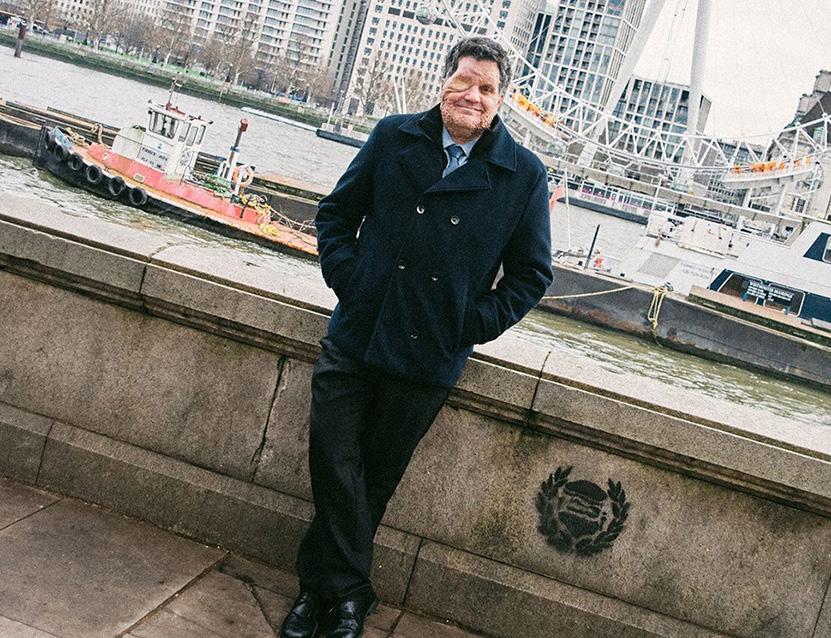
Photograph by Joshua Tarn
Neurofibromatosis (NF) is the group name for Neurofibromatosis Type 1 (NF1), NF2-relatedSchwannomatosis (NF2) and Schwannomatosis (SWN). NF conditions are rare, autosomal-dominant genetic conditions which are characterised by a number of distinctive features. All of the conditions cause nerve tumours, and although these tumours are usually non-cancerous (benign) they can be internal or external, and they can be big or small. Depending on location and size they can cause no harm, but they can cause complicated medical issues.
NF1 is one of the most common neuro genetic conditions, despite this it is rare, and currently there are only approximately 25,000 people in the UK diagnosed with NF1.
The main symptoms of NF1 can include:
• tumours which grow on the nerves and skin
• light brown patches of skin (café-au-lait spots) – these may be harder to see on brown and black skin
• eye problems, such as a squint, reduced vision, or a bulging eye - which can sometimes cause further symptoms
For more information visit:
www.nhs.uk

For more information about visible differences visit:

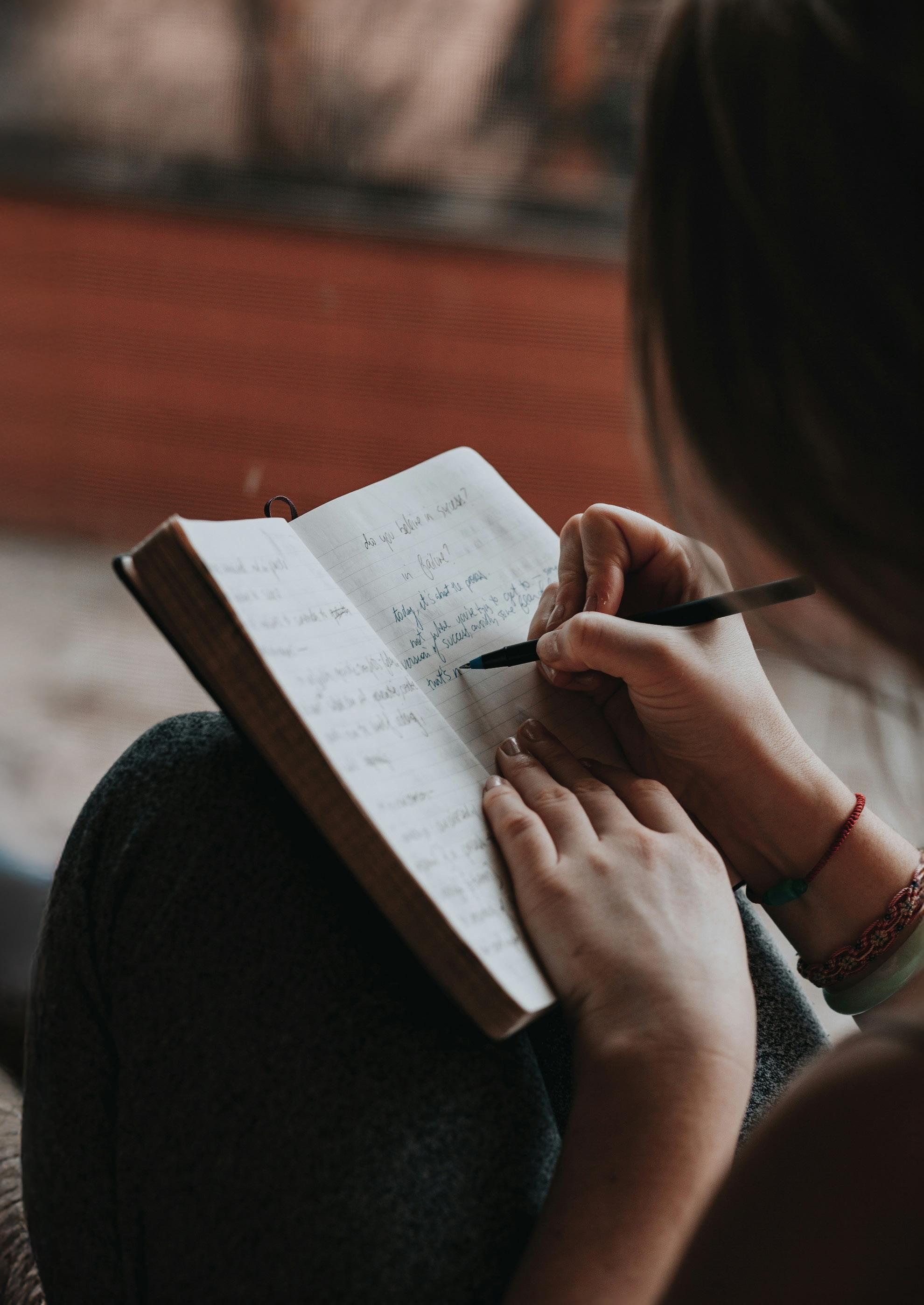
In recent years, creative writing has emerged not only as a form of artistic expression, but also as a valuable tool for enhancing mental health. Writing, be that journalling, poetry, or storytelling, can help to foster emotional clarity, reduce stress and build resilience, offering the possibility of both healing and joy.
The process and act of writing can offer many benefits, and best of all it is broadly accessible. Finding a way to share the thoughts and words in your mind, be that using a pen and paper, notes or voice notes on your mobile phone, a laptop or another form of assistive technology, is key. It is a personal choice as to how you write and what you share - if you share it at all. Writing empowers individuals to transform inner experiences into meaningful expression. Whether practiced privately or shared with others, creative writing can offer a pathway to healing, connection, and joy.
To help you get started, we have looked at some different types of writing, and written a few introductory prompts to get you on your way.
• Journalling
Purpose: To process emotions and promote mindfulness.
How it helps: Journalling allows individuals to reflect on daily experiences, reduce stress, and gain clarity.
Prompt ideas: Write about one moment today that made you feel calm or grateful. Write about something you want to focus on in the next 24 hours.
• Expressive Writing
Purpose: To release emotional tension by exploring personal experiences.
How it helps: Encourages confronting and processing difficult emotions, often leading to reduced anxiety.
Prompt ideas: Describe a challenge you faced recently, and how it made you feel. Write about a strong emotion you have had, and how you navigated your way around it, positive or negative.
• Reflective Writing
Purpose: To examine life events and extract meaning.
How it helps: Builds resilience and selfawareness by reframing experiences.
Prompt ideas: Think of a time you overcame a setback. What did you learn about yourself? Think of an event in your childhood and contrast how you as an adult would deal with a similar situation.
• Poetry
Purpose: To express complex emotions creatively.
How it helps: Provides symbolic or metaphorical outlets for feelings, fostering emotional release.
Prompt ideas: Write a short poem using nature imagery to describe your current mood. Pick a dream place to visit and create a poem about how you would feel when you got there.

• Storytelling / Narrative Writing
Purpose: To transform personal experiences into structured narratives.
How it helps: Offers perspective, helps reframe challenges, and strengthens resilience.
Prompt ideas: Write a short story where the main character overcomes a fear you once had. Pick three key themes relevant to your day and create a story weaving your choices into the story.
• Automatic Writing
Purpose: To uncover subconscious thoughts.
How it helps: Encourages free-flow expression without self-censorship, often revealing hidden emotions.
Prompt ideas: Set a timer for 10 minutes and write continuously without stopping or editing. Pick a word to start with and write whatever comes following that one word.
• Letter Writing (Unsent Letters)
Purpose: To provide closure or emotional release.
How it helps: Writing letters to oneself or others (without sending them) can reduce unresolved tension.
Prompt ideas: Write a letter to someone you miss, expressing what you wish you could say. Write a letter to your past self of an age you choose and tell them what makes you proud of them today.

• Creative Prompts and Short Fiction
Purpose: To spark imagination and encourage playfulness.
How it helps: Distracts from stress, boosts creativity, and provides joy.
Prompt ideas: Imagine a world where everyone’s emotions are colours. Write about a day in that world. Pick an animal you like and create a story about a day in their life from dawn to dusk and the adventures they could have.
Creative writing is more than words on a page; it is a practice of self-discovery, healing, and growth. Whatever form of writing you choose, each one offers unique insights into understanding ourselves and the world around us. By embracing these prompts and approaches, anyone can begin to cultivate clarity, resilience, and joy in their daily lives. The beauty of writing lies in its accessibility, and its power to transform even the simplest thoughts into meaningful expression. So, pick up your metaphorical pen, open a blank page, and allow your creativity to guide you toward greater wellbeing and connection.
Benefits of Creative Writing
• The Therapeutic Value of Creative Writing
Creative writing engages both the imaginative and analytical parts of the brain, offering a unique balance between creativity and reflection. This dual engagement fosters mindfulness, encouraging individuals to remain present while exploring their inner world.
• Emotional Clarity and Stress Reduction
One of the most significant benefits of creative writing is its ability to bring clarity to complex emotions. By translating thoughts into words, individuals often find it easier to understand and manage their feelings.
Furthermore, expressive writing has been linked to reduced stress and anxiety, providing a healthy coping mechanism during challenging times.
• Building Self-Esteem and Resilience
Completing a piece of writing—whether a short poem or a longer narrative—can instil a sense of accomplishment and boost self-esteem. Beyond this, transforming personal struggles into stories allows individuals to gain perspective, fostering resilience and emotional strength.
• Cognitive and Social Benefits
Regular writing practice can enhance memory, focus, and problemsolving skills. Additionally, sharing creative work in groups or workshops can reduce feelings of isolation, creating opportunities for social connection and support.
• Positivity Beyond Therapy
While creative writing is often discussed in therapeutic contexts, its benefits extend further. It stimulates creativity, improves communication skills, and provides a sense of purpose through personal projects.
Importantly, writing is largely accessible to all, making it a broadly inclusive practice.
Why do we write? Perhaps we write as a way to connect to one another in the real world, and to give our lives meaning. And for people whose lives are following a less welltrodden path, perhaps writing

“If there’s a book that you want to read but it hasn’t been written yet, then you must write it.”
- Toni Morrison
can be both a practice of self-discovery, healing and growth, as well as a way to claim space in the world. There are undoubtedly many answers to these questions, so we asked two cancer
survivors who were not previously writers, to reflect on why it is that they have chosen to write, and to share their lives and their cancer journeys with us through their wonderful memoirs.
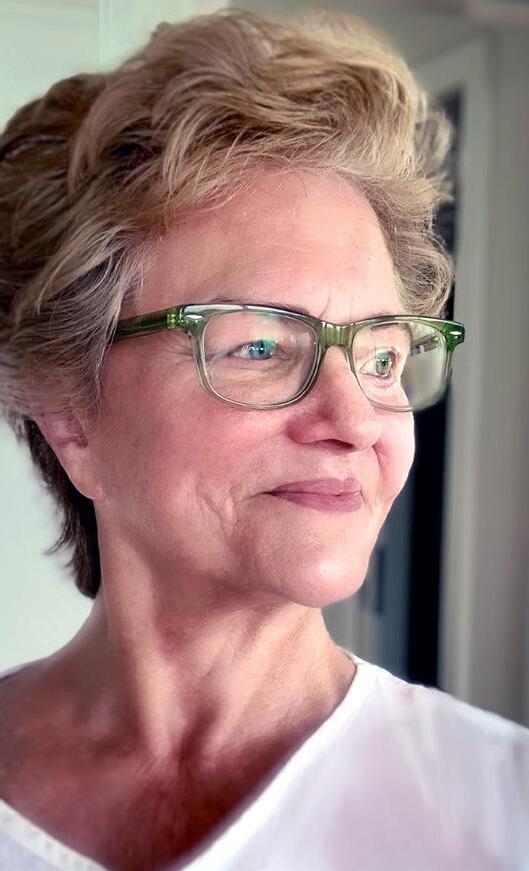
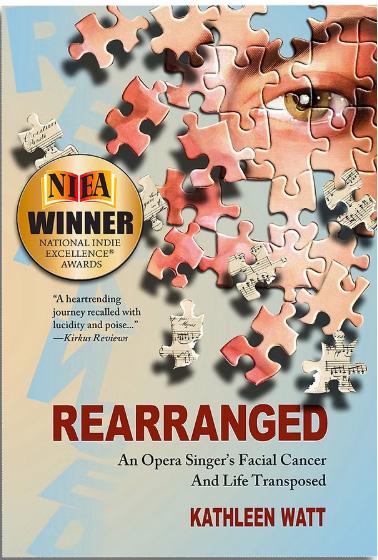
A trained illustrator and painter, professional opera singer and feature writer.
I haven’t always been a writer. Along various ways and byways, including a stint in graphics and illustration, I came to believe my future would be on the operatic stage. I’d made it as far as the chorus of New York’s Metropolitan Opera when bone cancer in my face blew all that to smithereens, along with my face. As time went on and I drifted further and further from contention as a professional singer, one dear colleague came to my rescue with an invitation to write, first program notes, then profiles and features for operatic publications.
More than just a port in a terrible storm, I found the writing unexpectedly satisfying. I’ve missed singing, it’s true, the physicality of it, the camaraderie and complex joy of music-making with others. But I’ve also discovered deep pleasure in making sentences, stringing the right words together in the right order, with the right rhythm, at the right time. I’ve realized what I feel is very like the swell of pleasure I experienced in shaping a musical line, or while drawing or painting—as though from a common fount—a core lyricism that is not unique to any of the arts, but the well-spring of each. Painting with a palette of words satisfies much of the same impulse to colour a musical expression with instrumental harmonies or vocal virtuosity. As a one-time singer, rather than defined by deprivation, I feel requited in writing.
And I’m enormously gratified to lift my writer-voice as inspiration, encouragement, and living proof, for anyone facing the battle of a lifetime, in any form.
REARRANGED by Kathleen Watt
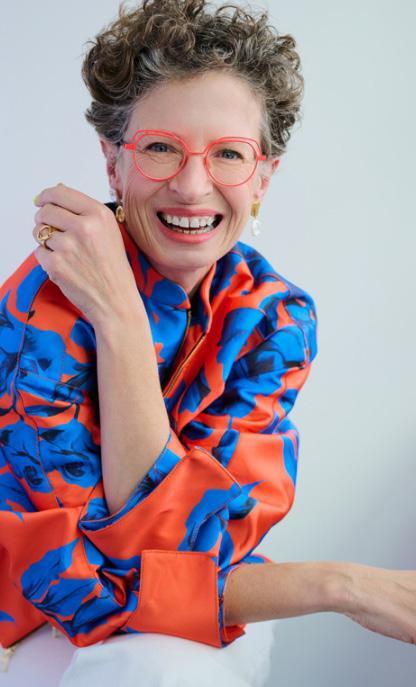
Author, Speaker, breast surgeon with breast cancer
My writing career began as an academic when I did a PhD during my surgical training. I learnt the fine art of writing long sentences and even longer paragraphs. It was only when I was diagnosed with breast cancer that I started writing for the general public.
It began with a blog. At first it was a way to let my friends know what was happening to me, but doctors, nurses and patients started to read it too. I discovered I could still help people with my writing, even though I wasn’t operating.
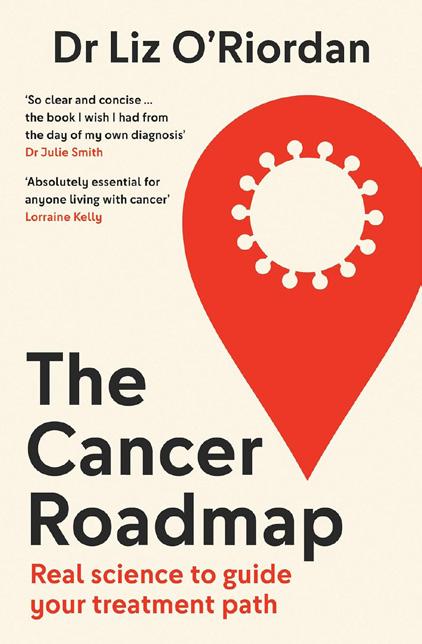
As I looked for cancer information online, I was shocked and frightened by the misinformation I saw. I took it upon myself to correct what I was reading, by presenting the actual evidence interlaced with my own experiences. It gave me a purpose when I was forced to quit my job due to a cancer recurrence. I love the research and going down rabbit holes and then turning that into something that is easy to understand.
I miss the challenge of writing my memoir, and the creative structure of telling a story that is hard to replicate in an educational book. There are a few ideas for novels lurking in the back of my brain that may eventually reach the page.
Even though I’m working on my fifth non-fiction book, I still don’t think of myself as a writer. It’s just something I do to help people, and to keep my brain occupied during the day.
Visit Liz’s website Visit Liz’s Instagram

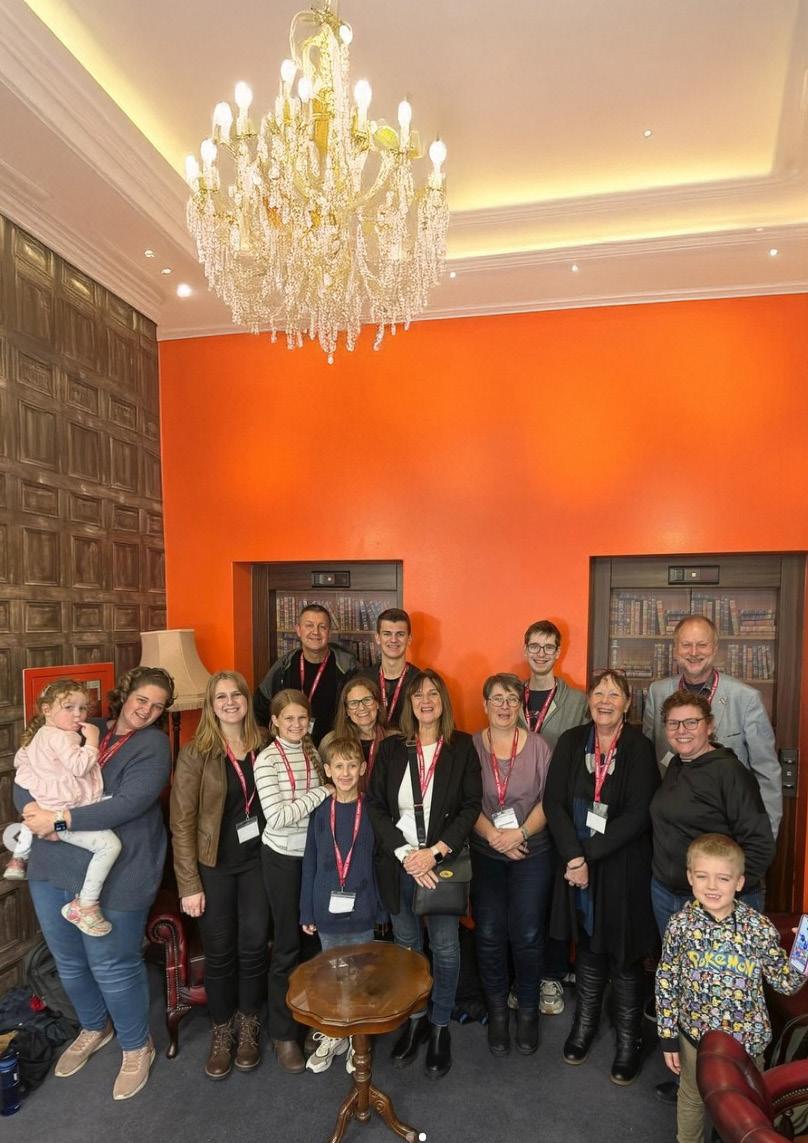
In conversation with Dannie Edwards and Bill Armstrong of HFI UK.
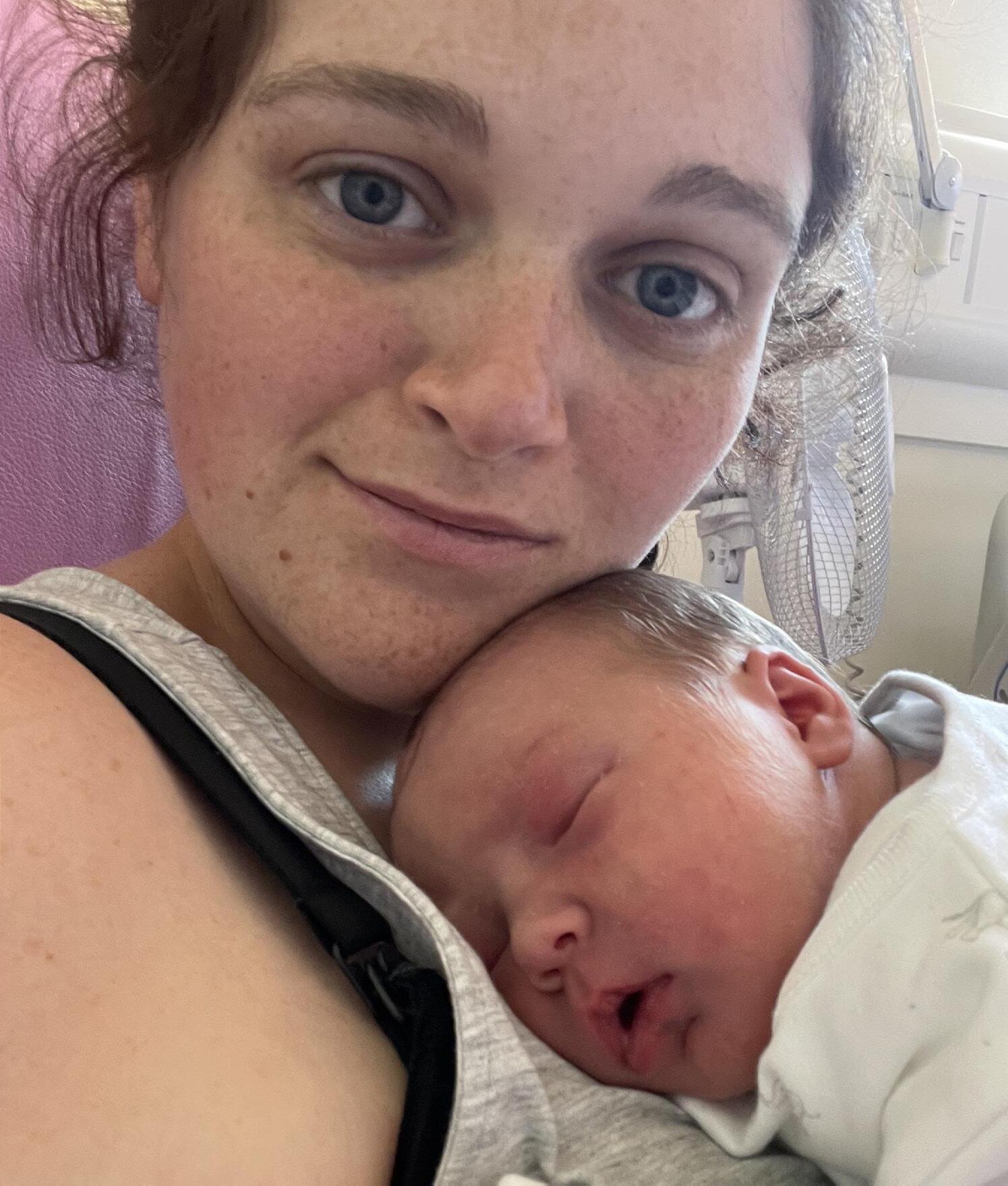
“I had a phone call when the results came back from the genetics test, and the consultant simply explained to me that ‘we’ve got a diagnosis, and the genetics test has come back as positive for Hereditary Fructose Intolerance (HFI).’ She continued by saying it was easy to manage, but that she’d let the news settle in and call again
tomorrow, so we could have a conversation about how to manage it. I can still so clearly remember that after I put the phone down, I asked the staff who were in the room if I could step outside for a minute. I went out into the garden and just sobbed and sobbed, because there was an answer and it wasn’t me.”
The story Dannie shares with us about her daughter Freya’s first few years is a deeply harrowing one, a story of a mother’s fight not only for a diagnosis for her child, but to be believed, and not blamed. It is, quite frankly, the sort of story we
would all like to imagine could never happen to us, but it can, and does happen, as it did to Dannie and her family.
In 2021, Dannie, a secondary school teacher, and her partner were already the proud parents of a little boy and were very much looking forward to the birth of their second child, a little girl they called Freya. But within just hours of her birth Dannie could see that something was wrong, “for the first 24 to maybe 48 hours she was what I’d expect of a normal baby, and then she wasn’t, and she went downhill from there on.” As her son
had had some allergies as an infant, she felt it was likely this that was the issue once again, but when she mentioned it to her midwife she was told it was ‘very unlikely’ and to ‘wait and see.’ But over the coming days and weeks Freya continued to struggle, and Dannie continued to raise it, with the midwives, health visitor and the GP, and before long with the hospital. She was repeatedly told it was likely ‘just reflux,’ or ‘just colic,’ and sent away with advice and treatments such as Gaviscon or omeprazole. Freya was eventually referred to the infant feeding team when she failed to regain her birth weight, but once again Dannie’s concerns were not taken seriously.
“At this point she was vomiting five or six times after each feed, and she was feeding every couple of hours so it was constant. She was clearly starving because she could be desperate to drink, and take a few mouthfuls, and then all hell would break loose, she’d arch her back and start vomiting before the bottle even finished. What was going in was coming straight back out, and she had never had a solid bowel movement. She didn’t look well and was on the cusp of jaundice. She simply wasn’t thriving, she wasn’t gaining weight, she wasn’t growing or sleeping. But when I told the infant feeding team they said ‘she can’t be vomiting so many times a day’ or ‘she’d be sleeping if she was poorly.’ Instead, they began to ask if I was a first time mum, and implied that I was ‘an anxious mum,’ and asked about my mental health.”
When Freya was eight weeks old, she stopped making any noise. Dannie, who had spent the last eight weeks trying to soothe her whilst she screamed day and night, took her to the GP, once again being largely ignored. So she took her to A&E where they were immediately admitted, and Freya put on IV antibiotics because she was found to have a urine infection (UTI). Over the following months life remained very difficult, there were countless trips to the GP, to A&E and regular admissions onto the children’s ward, indeed Freya was admitted from A&E onto the ward on an almost monthly basis. When Freya was around ten months old, and still desperately struggling, instead of Dannie’s concerns about Freya being taken seriously, concerns were instead raised about her, and the very fact that she had presented with Freya so often began to ring alarm bells for the professionals involved. She was questioned about their hygiene routines, ‘are you keeping her clean mum?’ About what medications she might have access to that she was giving to her daughter, ‘are you giving her laxatives mum?’ Throughout that time she had chronic diarrhoea, projectile vomiting, feeding issues, poor growth, and elevated liver numbers. Yet each time, when tests for common conditions came back normal, the focus shifted back to Dannie, and instead of considering investigating if there might be other, rare, underlying conditions causing these issues the professionals began questioning whether she was doing something to make Freya so ill.
Despite these difficult conversations, Dannie trusted her instincts that something was very wrong and kept seeking help, including begging the doctors to carry out genetic tests. Devastatingly however, the medical teams began to ask serious questions about ‘what mum is doing to cause these symptoms’ and eventually she was formally accused of Fabricated or Induced Illness (FII). FII is a rare form of child abuse which occurs when a parent (or carer) ‘exaggerates or deliberately causes symptoms of illness in a child.’ Dannie found herself in court, and their lives were truly changed forever. The court ordered that the family be monitored 24/7 at home, and Dannie was not allowed to be alone with either of her children. Every decision she made was scrutinised, every meal had to be documented, every conversation and appointment with a doctor or health visitor had to be witnessed by two people and verified, and only prescribed medications could be used.
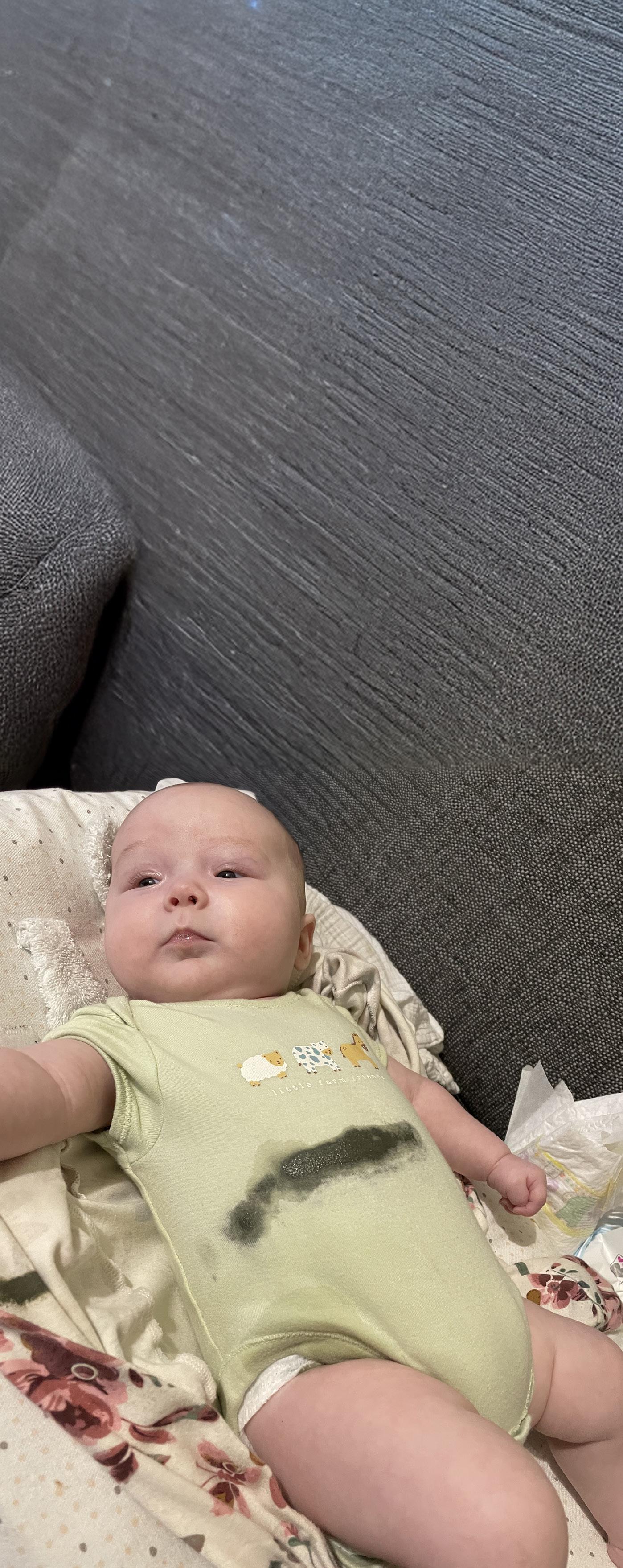
“Christmas Eve arrived, by the afternoon Freya’s near-constant screaming turned to a constant whimper which set alarm bells off in my head. I called 111 who said a clinician would call back, but when she did, she didn’t see any immediate concerns, and advised us to stay at home. But I knew something was seriously wrong, so I made the decision to ‘ignore’ the advice of 111 and drive to A&E, I knew full well that this decision would count against me in court, but my instincts told me to do it regardless. On arrival to A&E she was triaged immediately, the very last check required was a blood sugar reading. I’m still not completely sure what happened after that, as within seconds of the number flashing up we were whisked to resus, cannulas were put in both of her tiny hands and doctors and nurses were working to correct her serious hypoglycaemia. Once she stabilised, I was advised to keep her topped up with apple juice and moved to the ward. Throughout the night, whilst on IV dextrose supplemented with apple juice and flavoured yoghurt, Freya’s blood sugars kept dropping which just couldn’t be explained.”
The following weeks were incredibly difficult, and no one could seem to make sense of Freya’s symptoms, and so the suspicion continued to grow that it must be Dannie doing something to cause them. Looking back now, Dannie recalls that before that Christmas Freya was put on a daily treatment plan which included antihistamines and antibiotics, both dispensed as sweet sugary syrups to make them more palatable for a baby, and she immediately she became much more poorly,
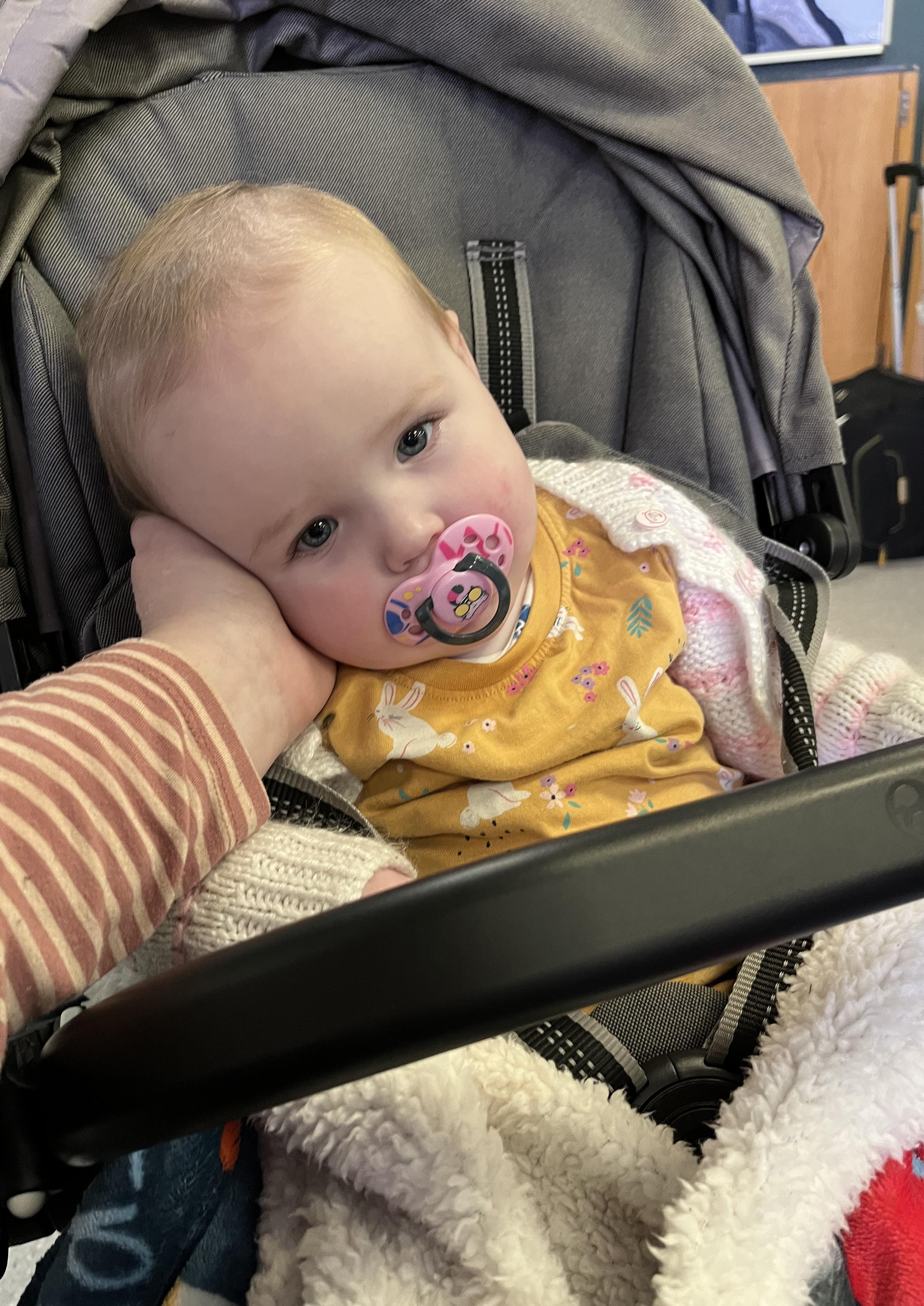
and tried to refuse them. “Every time I tried to give it to her she acted like I was poisoning her.” Devastatingly, this crisis also did not result in more thorough investigations into any possible underlying causes, but instead Dannie and her children were placed in a Parenting Assessment Unit over 200 miles away from their home, so that she “could be observed by both a person and CCTV, because it was felt that as Freya wasn’t improving, I must still be finding ways to make her so poorly. That time was utterly terrifying, isolating, and devastating.”
As part of the ongoing court case however Dannie’s solicitor had requested full medical testing be carried out, including genetics testing. And this was why, when she finally heard the words ‘your daughter has Hereditary Fructose Intolerance (HFI)’ the emotion Dannie felt was one of overwhelming relief, because after “so many months of fighting to be heard, we finally had an answer.” Within a week on the correct diet Freya was a different child, she slept better, she stopped screaming in pain, she began growing, and she transformed into the happy, energetic little girl she always should have been. Finally, she was able to grow, to develop, and to slowly begin to thrive.
In that time, however, so much damage had been done which could not be undone, and Dannie had lost her home, her job and even her relationship. Today she has slowly rebuilt her life, and is now passionate about helping other families. As she explains, “sadly our experience isn’t unique. Many families facing unexplained medical problems find themselves accused instead of supported, and I am not the only parent accused of FII, so if our story can help just one child and one family, then at least something positive will come out of what has otherwise been absolute utter hell for my little family. I am very lucky that I had people around me, including one truly amazing health visitor who, like me, could see that something was desperately wrong, and told me to keep trusting my instincts, and to keep advocating for Freya. Tragically many babies like her become desperately ill, or do not survive infancy due to HFI remaining undiagnosed.”
“What Dannie and Freya have gone through is absolutely terrible, and it’s a large part of why we have set up the charity, to try to stop anybody else going through this.”
Bill Armstrong has learnt how to live with Hereditary Fructose Intolerance (HFI) over the course of his life, in late 2019 he founded the HFI UK charity, and was soon joined by co-founder Carol Westwood, who like Bill also lives with HFI. The mission at the heart of the charity is simple, but all the more urgent for it; to provide and share accessible information about HFI, and to raise awareness of HFI to prevent the unnecessary
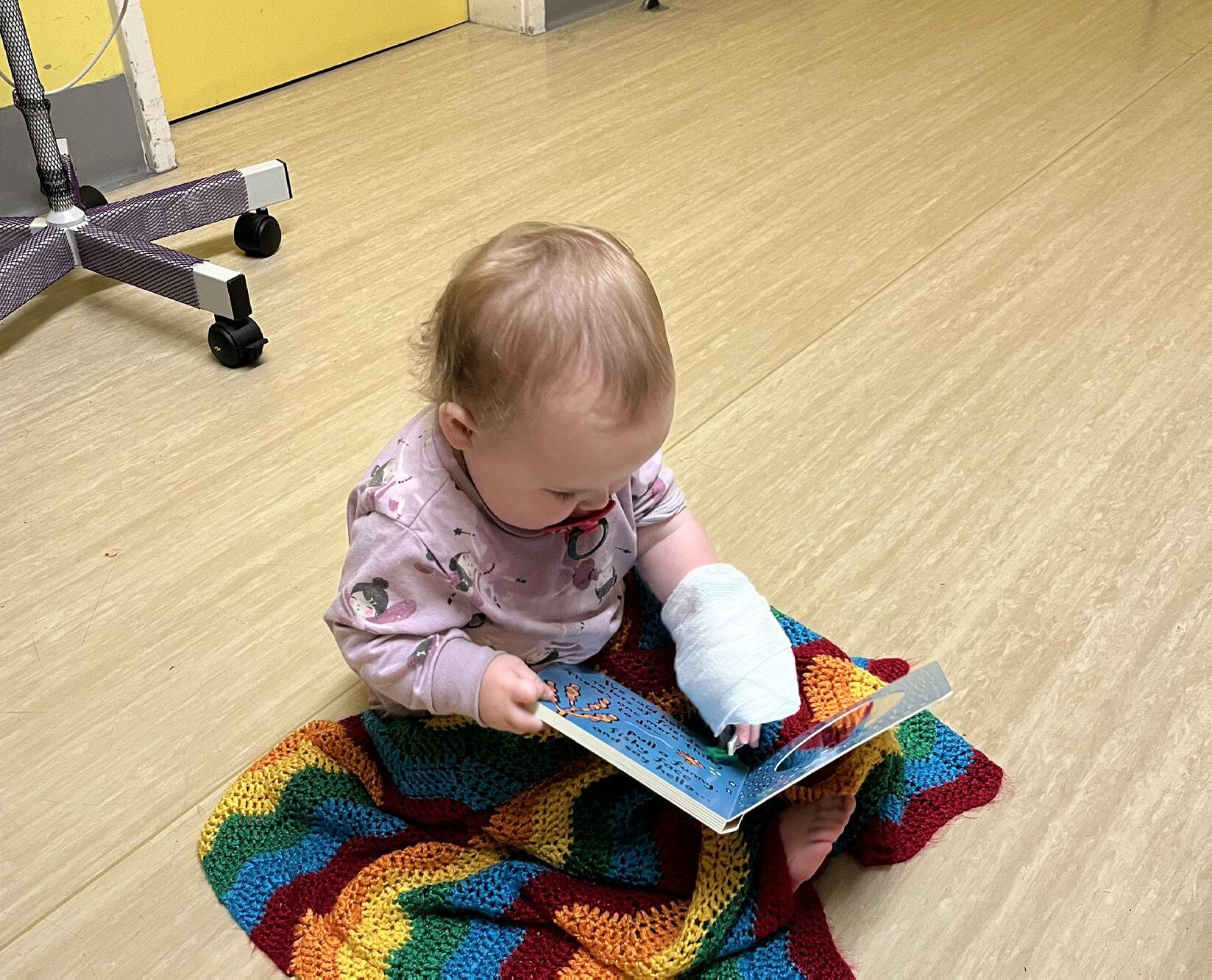
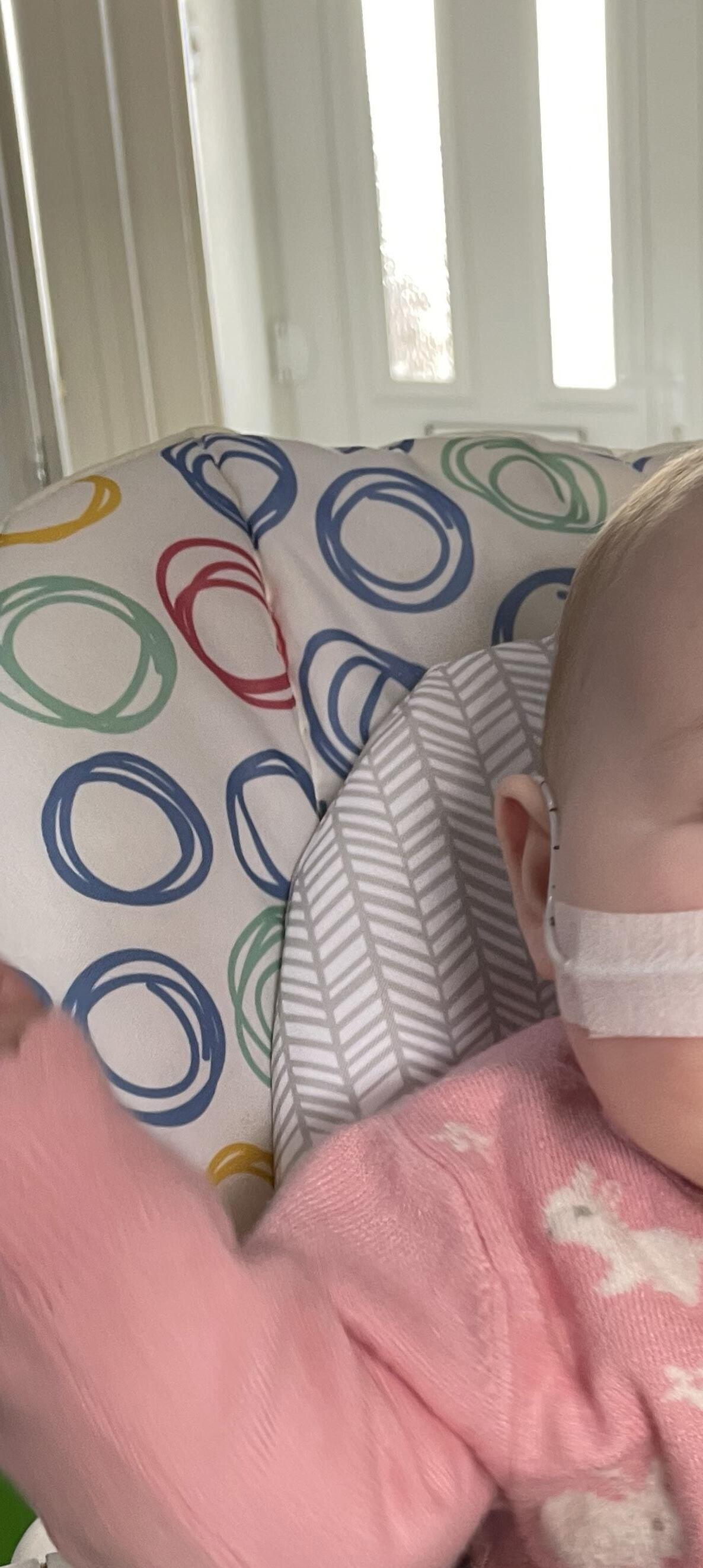
suffering which is caused by misdiagnosis, or a missed diagnosis, and crucially, to help save lives.
HFI is a rare genetic condition that is present from birth and affects how the body manages the sugar fructose. Although clinically HFI is the same, some individuals are able to ‘tolerate’ fructose better and so there can be a variation in how symptoms are experienced, although the underlying damage being caused will be the same. The symptoms of HFI can vary from mild to severe, and in babies and young children symptoms may include vomiting, unusual sleepiness or irritability,
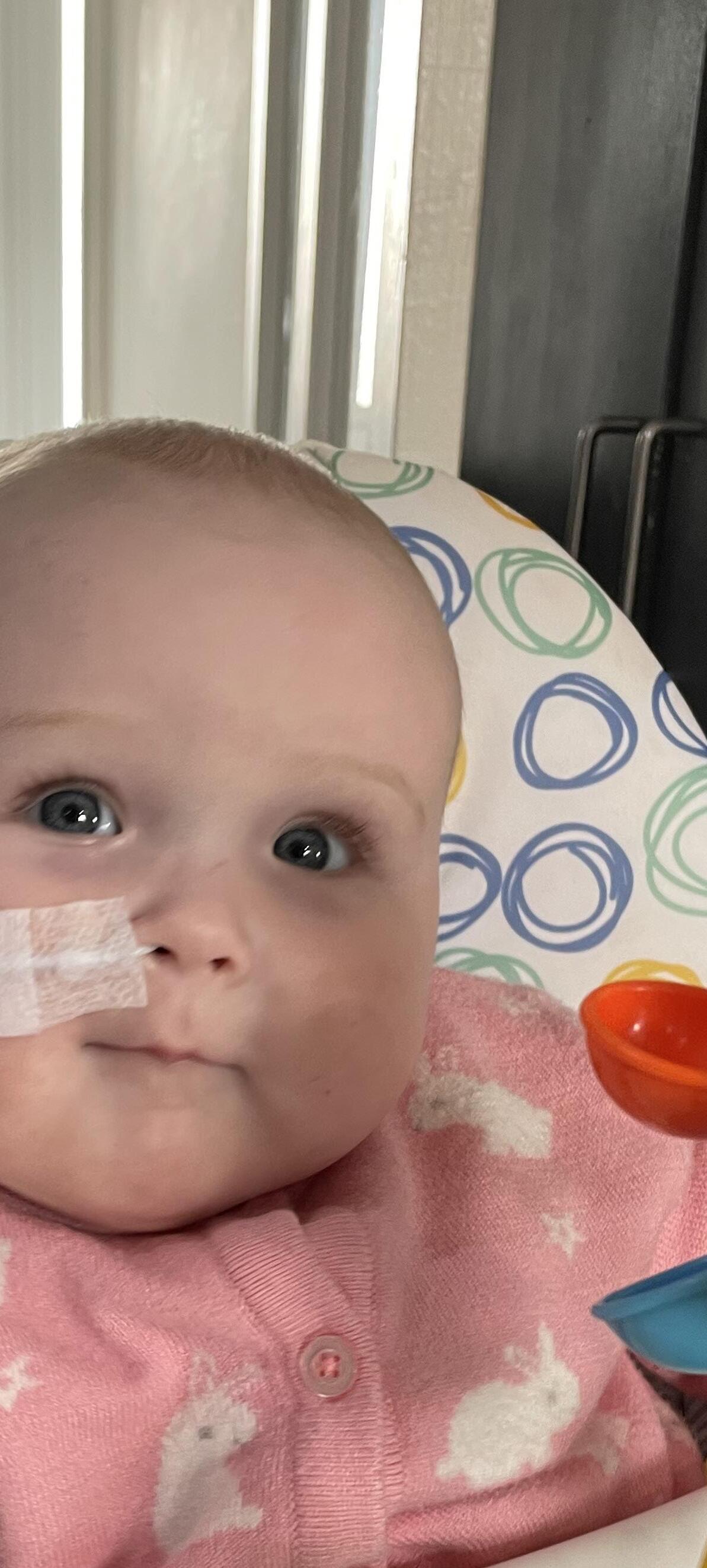
food refusal and failure to gain weight. Individuals with HFI often show a natural aversion to fruit, vegetables and sweetened foods, and so sometimes inadvertently circumvent some of the symptoms they would otherwise experience. This can mean that in some cases the condition remains undiagnosed until later in childhood or adulthood. For the majority of those living with HFI the diagnosis has followed years of poor health, and as there is no cure currently the condition can only be managed by following a strict diet and avoiding all fructose, sucrose and sorbitol. But as these are to be found
in a huge range of items, including things like baby formula, medications, and countless everyday items, the careful reading of labels becomes essential.
If left untreated HFI can cause serious complications, including seizures, coma, liver and kidney failure and even death. Perhaps surprisingly it is relatively simple to diagnose using genetic testing, but as so many of the early symptoms experienced by babies are common ones, which echo so many other illnesses, it is all too often initially misdiagnosed or not diagnosed at all. In early childhood, so from newborn
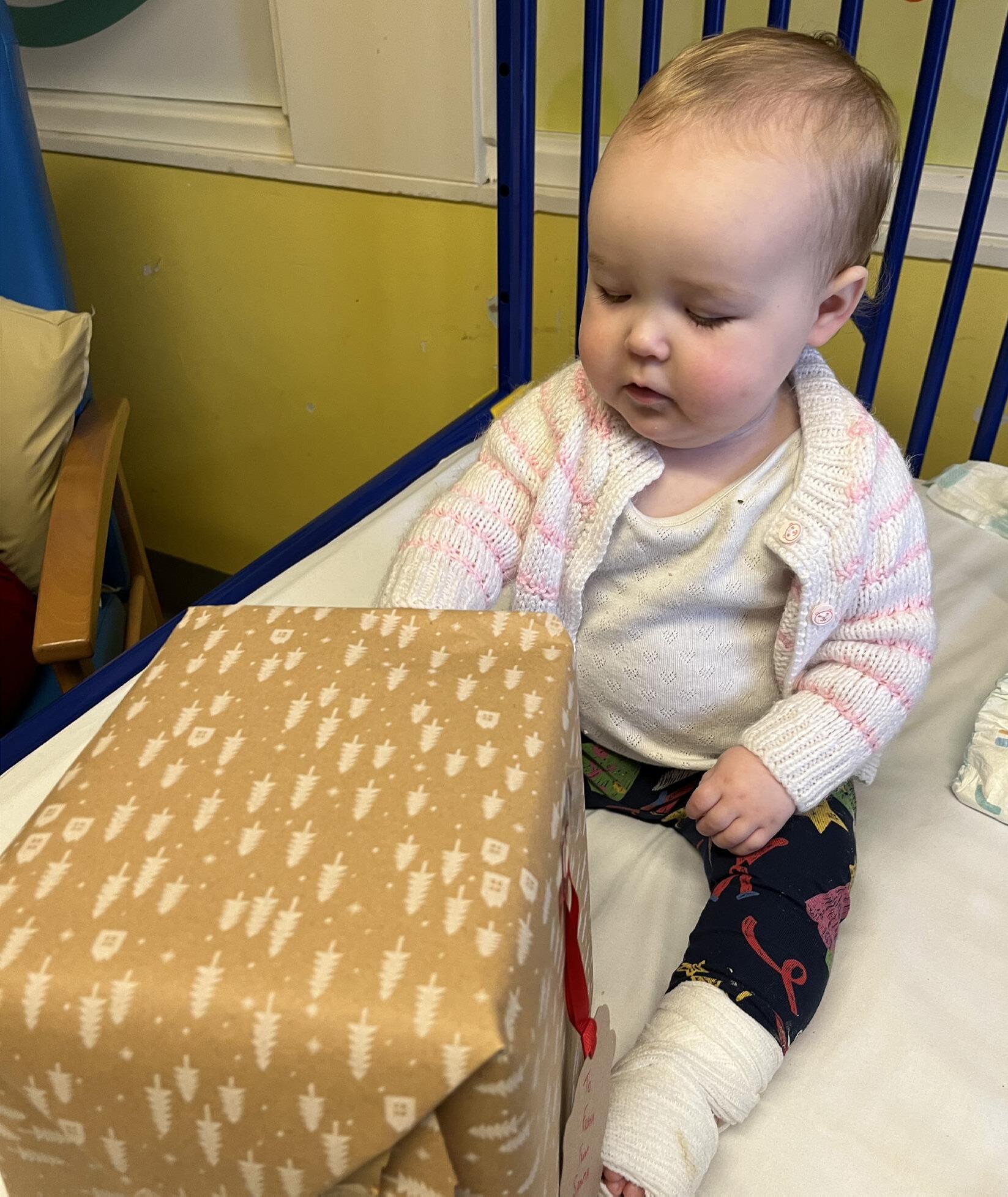
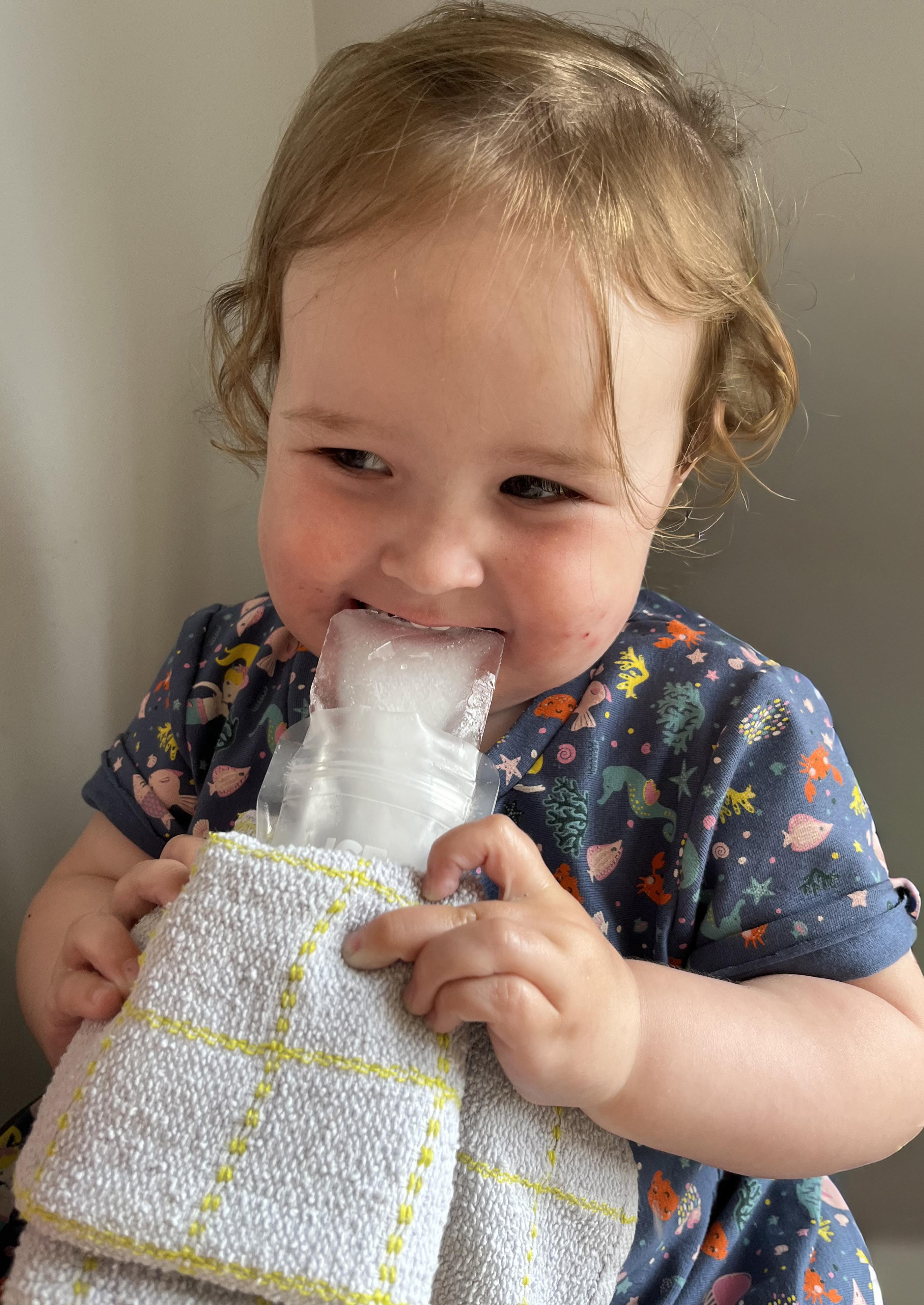

through to toddlerhood, the continued consumption of fructose (in all forms) causes hypoglycaemia (abnormally low blood glucose levels), as well as a range of other symptoms which can cause ‘failure to thrive (or Faltering Growth).’
The accumulated fructose in the body will act as a toxin (poison) and if left untreated will cause lasting damage to the liver, kidney and small intestine, and can ultimately result in death. It is highly unlikely that a coroner would test for rare conditions such as HFI, and so both in life and in death the child would remain undiagnosed.
HFI is very rare, and so it is all too often not tested for. But as Bill explains, it is perhaps less rare than the current statistics indicate. He describes “statistically we generally say the incidence of HFI is about 1 in 15,000, however Professor Tim Cox found that the number was actually closer to 1 in 10,000. If 1 in 10,000 babies are born with HFI in the UK, then today we might expect there would or should be between 6000 to 9000 people living with the condition, and yet the numbers are far, far, far lower than that.” Professor Cox was given permission to retrospectively test a large batch of blood spot samples that had been taken from children at birth for screening and were due to be destroyed. When he tested the samples for HFI he found the incidence to be higher than anticipated, in addition, these findings did not correlate to the numbers of people diagnosed with, and living with HFI, in the UK. As the samples were anonymised it was impossible to retroactively chart what had happened to those children whose blood spot samples had tested positive for HFI, but for Bill and Dannie the answer is clear, they likely did not survive.
This is why the team at HFI UK are determined to raise as much awareness as possible, because for those with severe HFI the early detection and treatment is critical. Because as Dannie reflects, “I’m lucky and I still have my Freya, but there are other people whose children didn’t make it out of infancy because they simply didn’t know that they had HFI.”
Hereditary Fructose Intolerance (HFI) is a rare genetic condition; it is estimated that around 1 in 15,000 children are born with HFI. It is an inherited condition, caused by the mutation of a recessive gene, which only occurs if both parents are carriers.
HFI is caused by the absence of an important enzyme (Aldolase B), which should be in the liver, kidneys, and small intestine. Without this enzyme the body cannot process fructose, sucrose, or sorbitol. Although HFI is present from birth it is often misdiagnosed as it is similar to a number of other, more common, issues. For example, a baby with HFI will likely become extremely unsettled, cry frequently, and is often felt to simply have colic. Once weaning begins, or if a baby is on formula that contains fructose, symptoms often become worse as solid foods such as fruits, vegetables, or sweet foods are introduced, including vomiting, constant diarrhoea, stomach pain, pallor, drowsiness, and low blood sugar.
Ongoing ingestion of restricted sugars can cause severe hypoglycaemia and long - term damage to the liver, kidneys, and small intestine. Without diagnosis and treatment, it can be life - threatening.
For more information and support please visit the HFI UK website here:
In conversation with Yvonne Diaz, Co-founder and Chair of Oncogene Cancer Research
“I’m alive! And yes, it’s not perfect, but in the beginning, I feared that I wouldn’t be there to support the kids through their GCSEs and now here we are, celebrating their A-levels.”
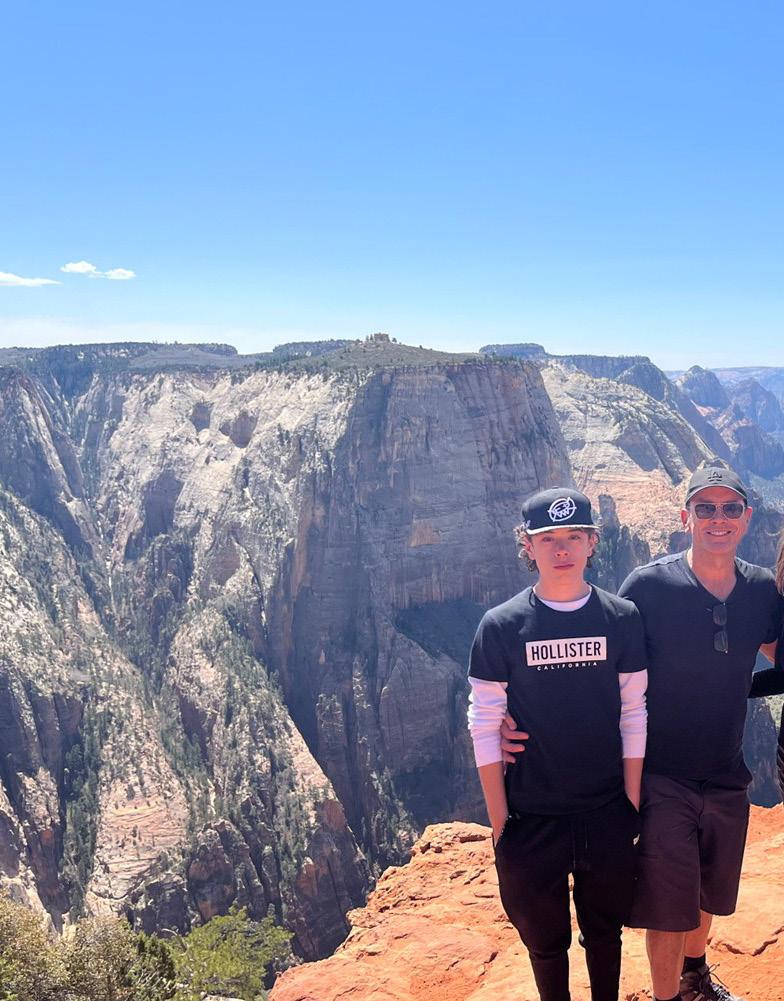
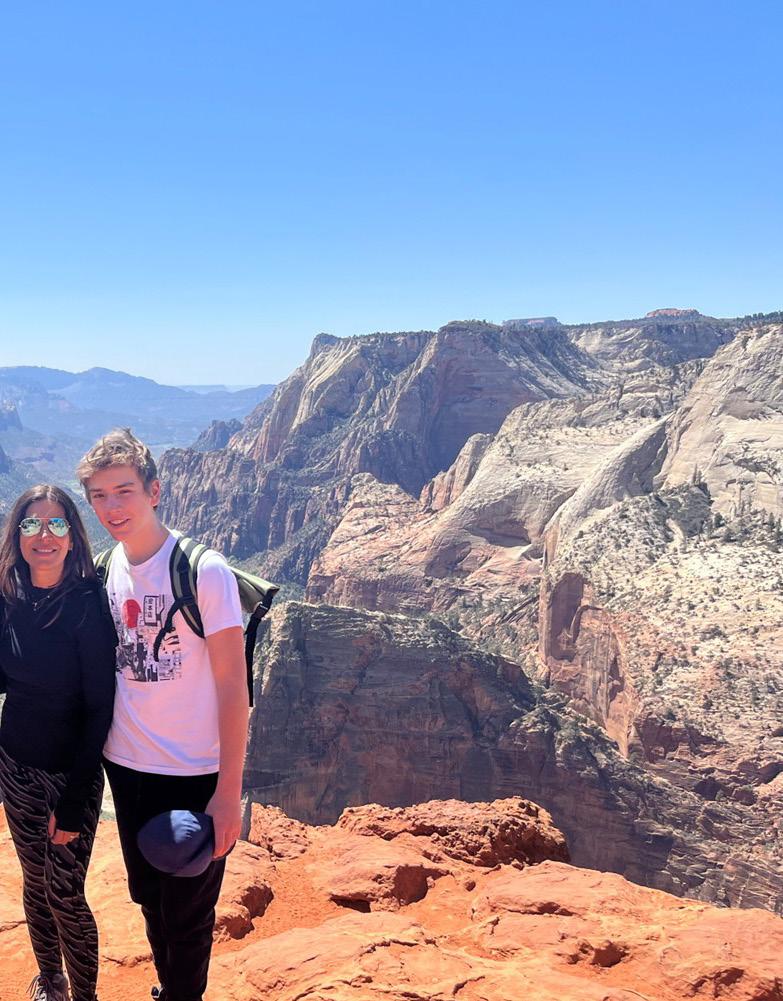
When we talk, Yvonne is sitting inside a cool, shady holiday home in August, whilst her twins and husband relax outside. The family are away celebrating the end of school and enjoying their last summer together before the boys venture off to university. Over the course of our conversation it becomes apparent that, even without our call, being inside is where she would be, precisely because it is a beautiful sunny day outside. But it hasn’t always been this way, far from it in fact, as the family have always been very active with family holidays
often including adventures like white-water rafting, challenging mountain hikes, or days spent skiing.
“It was in early 2021, when the UK was still in and out of lockdown, that I started noticing a cough. At that point we were allowed to walk outside with one person, I remember thinking one day when I was walking my dog with a friend ‘gosh, I have terrible allergies.’ I’d never had them before, but I just thought that must be what I have because by that point it was becoming difficult to hold conversations. By June I couldn’t even hold conversations indoors, so I thought I had better see my doctor.” When Yvonne saw her GP she recounts how she explained to her that she had a terrible cough, and was feeling this huge pressure in her chest, but was sure it was down to ‘work-related stress, or allergies.’ Her GP listened, and as well as gently agreeing that she was likely right, and prescribing some medication and inhalers she also suggested sending her for an x-ray, ‘just to make sure everything’s OK.’ Looking back at that moment Yvonne notes how lucky she was that “although I was helping to misdiagnose myself by telling her I was stressed, and that I had had this kind of feeling in my chest before” her GP decided to investigate further.
The route to diagnosis is often not an easy one, and this proved to be the case in Yvonne’s experience too.
Over the coming months she had numerous tests, and often felt increasingly unwell, at times coughing to the point of vomiting. But she also had periods of feeling well and even took a trip back home to the US to spend time with her extended family. A number of tests needed to be repeated, as the results were unclear, and she recalls how during a call regarding her PET scan (a PET scan, or positron emission tomography scan, is an imaging test that helps detect disease) the consultant reassured her that although they could see ‘something cloudy in my chest’ it was ‘probably nothing.’ But a week later, a week after her 53rd birthday and the day before her scheduled appointment her consultant rang again. “I’m afraid to tell you it is lung cancer, and it’s in your lungs, your nodules, in your liver and it might be in your adrenals. We need further scans. I know you’re coming in tomorrow with your husband, I just thought I have the information now so why not call you and tell you, and that way when you come in tomorrow, you can ask all the questions you need to ask.”
With the benefit of time Yvonne feels that although being given such lifechanging news in such a way was profoundly shocking, there is, in reality, no way to truly soften such a blow. In the moment however she was left reeling, and unsure how to respond. She recalls not wanting to disturb her
husband, a dentist with a busy workload, nor being able to face her boys when they came home from school that afternoon. Instead, she shut herself into her room and tried to carry on as normal. “I had this whole stacked day, and the next scheduled zoom meeting was an important one, and so I joined it after that call. I think I was just clearly in shock, and midway through presenting to the whole global team I started crying, I remember going off camera and putting a note in the chat that I needed to drop out. I called my boss and told her, and it was just one of those surreal moments where she started crying hysterically while I was trying to be composed.”
Yvonne and her husband attended the appointment the next day, and as the complexity of getting a complete diagnosis became clear they initially decided to hold off from telling the twins, as well as their wider family. The following weeks were incredibly tough, as alongside a battery of scans, often painful tests and examinations she started to feel progressively worse. Eventually, in August 2021 she was diagnosed with stage IV, ALK+ lung cancer. Anaplastic lymphoma kinase, which is more typically referred to as ALK-positive lung cancer, is a very rare type of nonsmall cell lung cancer (NSCLC) which only affects 2-5% of people with lung cancer. Stage 4 cancer, which is also known as
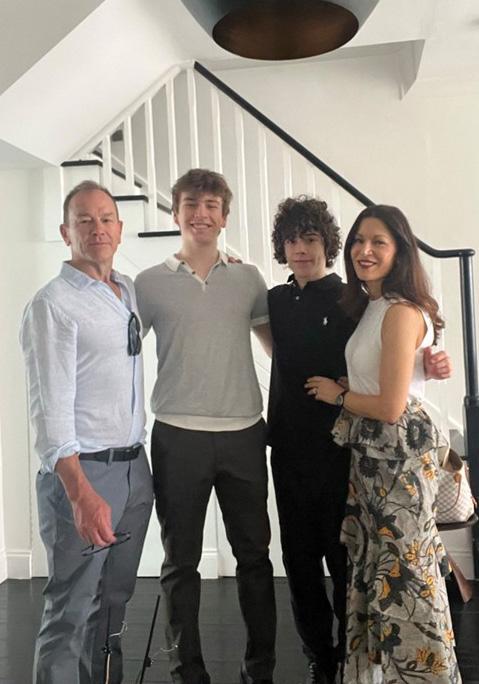
metastatic cancer, refers to the most advanced stage of cancer, and as such it is usually not curable, only treatable. What became increasingly clear to them over the weeks following diagnosis is how it actually “takes a while from knowing that you have lung cancer, to figuring out what type of cancer it is. It’s so technical, and there are 200+ different types of lung cancer and you’re not meant to receive any treatment until they have confirmed your
specific biomarker with lung cancers. Because for example if you were to have immunotherapy, it can prove to be very toxic for certain kinds of biomarker driven lung cancers, and even cause organ failure, once you take your targeted therapy.”
In her professional life Yvonne had spent over thirty years heading up communications at various leading global corporate organisations. She explains how whilst “I’m not a
scientist, I think through my work in corporate communications I’ve been used to looking at very complicated information that I don’t necessarily initially understand, and then thinking about how to break that information down to a lay person. What is the key message being shared?” This skillset meant Yvonne felt able to ask key questions, to do her own research, and to call on the social and professional networks she and her husband had built
up over the years to ask them for their help. It was during a meeting with an oncologist who she’d been put in touch with that she learnt about a clinical trial that he was conducting, and which she could, if she were found to have the specified biomarkers in her blood, perhaps join. She agreed, and the day before she was due to start chemotherapy she received the news that she was to be included in the trial.
“The consultant explained, ’You start your tablets on Monday, and as it is an oral therapy you take it should be so much easier on your body.’ I asked ‘what about the chemo?’ and he explained that I didn’t need that anymore as they knew what I had, which was amazing.” By the time she started treatment Yvonne was in a bad place and had gone from feeling mostly well to spending much of her time in bed, exhausted, weak, in pain and increasingly unable
to eat. Seeing her like this was undoubtedly hard on her boys, and she couldn’t help but worry about how her life-changing illness might change their lives forever. “But it was quite remarkable, really, because within a week of starting treatment I was able to get out of bed a little bit more, and to start to stay up a little later, to slowly rejoin them at the dinner table in the evenings and then, not long after that, get back to walking the dog.”
Today Yvonne is still doing well, and her treatment protocol is helping her to live a life she could scarcely imagine in those first dark, difficult weeks. She also looks incredibly well, something that can be at odds with the expectations others have of a cancer patient. “Because I have an oncogene-driven lung cancer, I take a very specific, targeted therapy, and so I don’t struggle with many of the symptoms or side effects people expect when they hear cancer. I am back to feeling maybe 80% of how I used to be. It was hard to accept initially, but when my doctor explained
that this might actually be my new 100% it really helped me. It helped me to accept that my health won’t ever be fully restored. There are side effects, including a severe toxicity to the sun so I can’t easily be outside with my family during the day anymore. Although my treatment is holding back my cancer, it’s an inhibitor, and not curative. Eventually the pills will stop working, but there are other treatments that I can try, and they will have their own, often nasty, side effects. But you know what, I’m alive! And yes, it’s not perfect, but in the beginning, I feared that I wouldn’t be there to support the kids through their GCSEs and now here we are, celebrating their A-levels.”
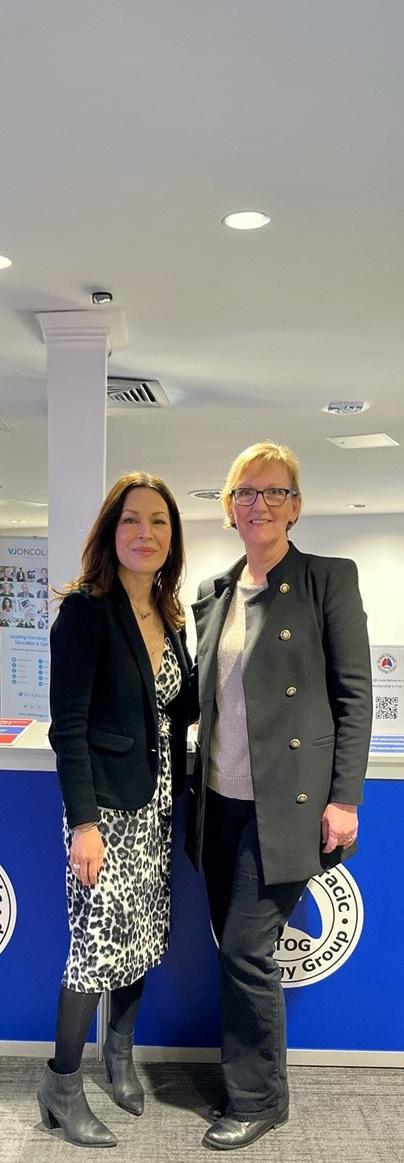
What is truly remarkable about Yvonne’s cancer journey is not only hearing about her personal pathway to acceptance but seeing how her determination to use her experiences and knowledge to get involved in patient advocacy, particularly in research activism and funding, that has moved the conversations around lung cancer forward. Over the past few years she has founded, alongside her cofounder Jan Clark, the charity Oncogene Cancer Research. Their primary focus is ‘on increasing the life expectancy for people with oncogenedriven cancers that originate in the lungs,’ through education, cutting-edge research and patient advocacy and support. She also sits on the Board of Directors of ALK Positive Inc, is a member of Lung Cancer Europe and she also serves as a patient representative on the CRUK/NIHfunded Cancer Grand Challenge’s Team CANCAN. When asked why, she explains simply how “the support that I had at the start of my journey gave me courage to advocate for myself, so now I help other people to learn
how to advocate for themselves, because it’s not always easy. We don’t give medical advice, but we encourage and guide people to have important conversations with their medical teams, to ask questions, to get the information and treatment that could make all the difference.”
Lung cancer is the UK’s third most common cancer. Symptoms can include: a persistent cough that lasts three weeks or more, shortness of breath, repeated chest infections, coughing up blood, fatigue, unexpected weight loss or loss of appetite or shoulder pain or back pain amongst others.
Stage IV
ALK-positive lung cancer is a very rare type of non-small cell lung cancer characterised by an abnormal fusion of the
has spread, and they can include a chronic cough and bloody sputum. Stage IV
ALK-positive lung cancer can be very challenging to treat, but in some cases targeted therapies can help improve both quality of life and survival outcomes.
To find out more visit: Roy Castle Lung Cancer Foundation
To find out more about the work that Yvonne does visit:
Oncogene Cancer Research
ALK+ Positive
Lung Cancer Europe
Cancer Grand Challenges
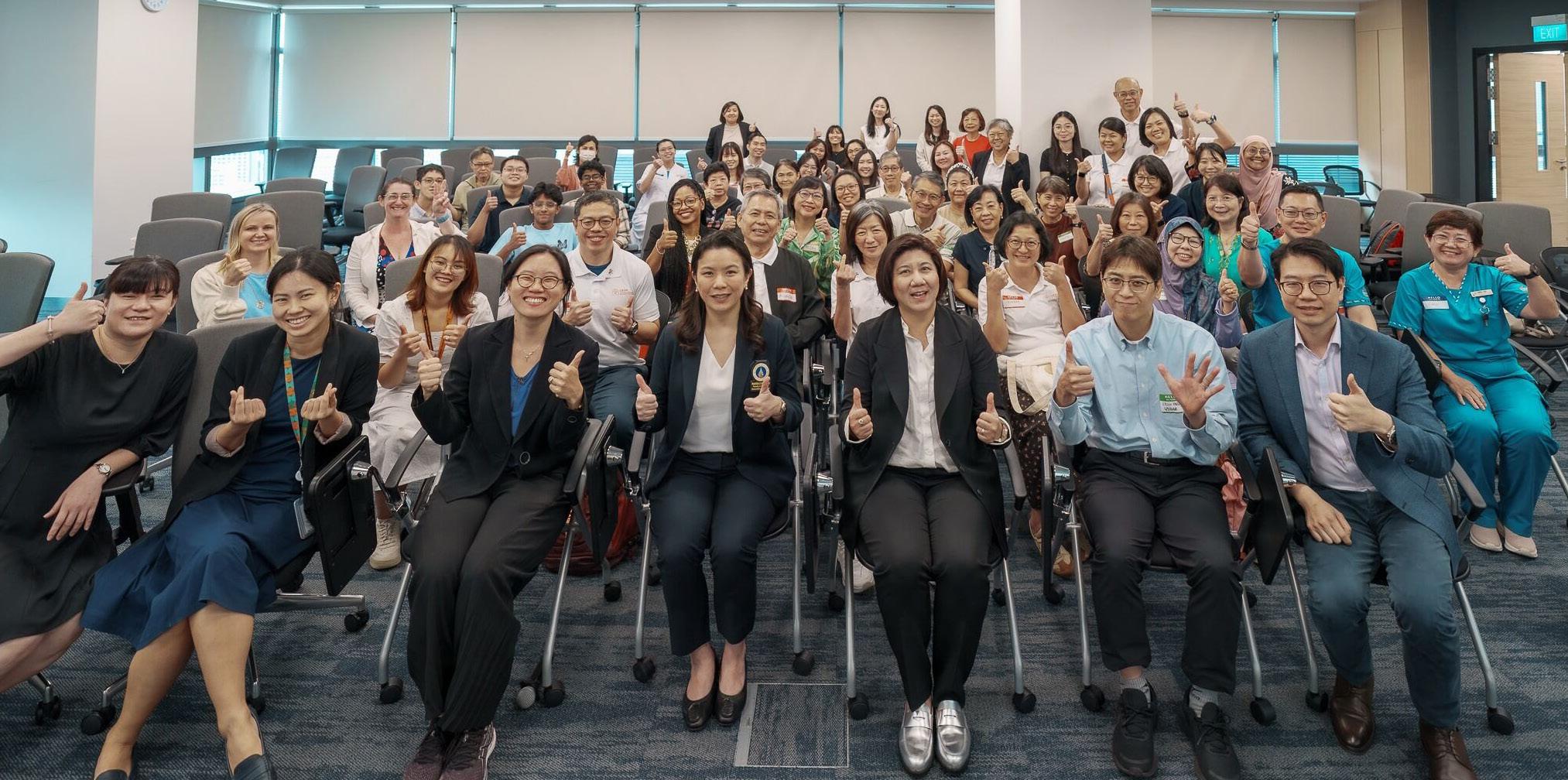
Lung Cancer Education and Advocacy for Patients in Singapore
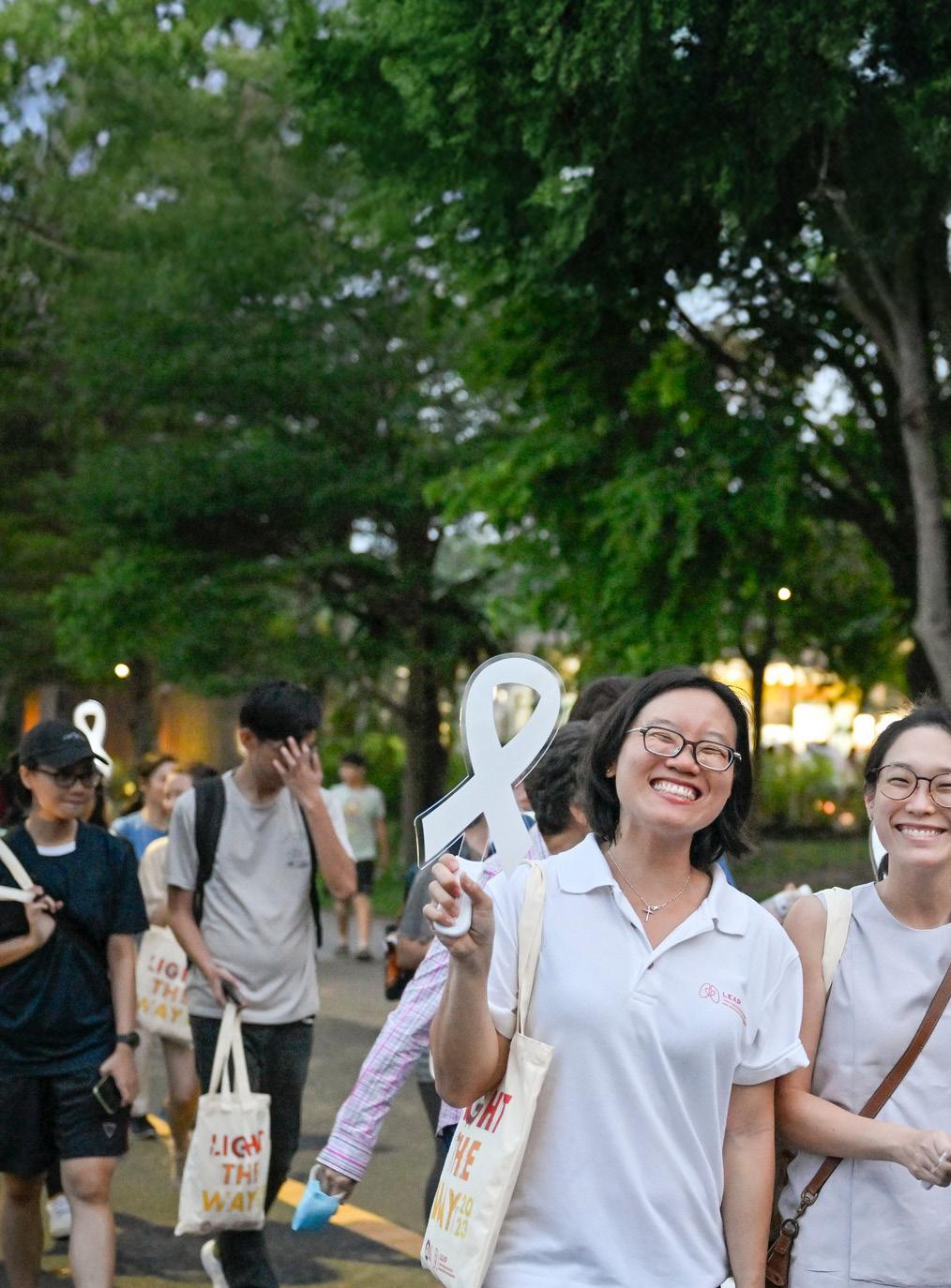
All too often when someone hears the words “you have lung cancer,” the diagnosis can feel isolating, overwhelming, and frightening. Yet in Singapore, a growing community is redefining what hope looks like for those facing the disease—through connection, education, and the power of lived experience.
The Lung Cancer Education and Advocacy for Patients (LEAP) was founded in 2019 by Dr Teh Yi Lin, a medical oncologist at the National Cancer Centre Singapore. In her work, she had seen that there was so much beyond their treatment that her patients had to manage; from learning about their cancer, understanding treatments or treatment options, managing side effects, coordinating appointments, navigating the practical and financial concerns that can come with prolonged periods
of treatment and recovery, through to coming to terms with their illness and supporting loved ones to do the same. Today, LEAP supports lung cancer patients in Singapore in several key ways by providing educational resources on the disease, providing support to navigate the complex medical system, creating awareness through their patient advocacy group and empowering patients. For patients, LEAP provides a space built by healthcare professionals, patients, caregivers, and survivors who believe deeply in one idea: that no one should face lung cancer alone. “Each patient’s journey is unique,” Dr Teh often reminds her team.
“Our role is to walk with them—to guide, support, and empower.” And walk with them they do. LEAP supports over 500 patients a year, building a model of care centred not only on treatment, but on well - being, dignity, and community.
At the heart of LEAP’s mission is education, because being informed is vital to improving access to innovative diagnostics and treatments. By providing patients with robust, evidence - based education through workshops, media initiatives, outreach programmes, and online engagement, LEAP helps to give patients and families a solid basis of knowledge from which they can navigate their lung
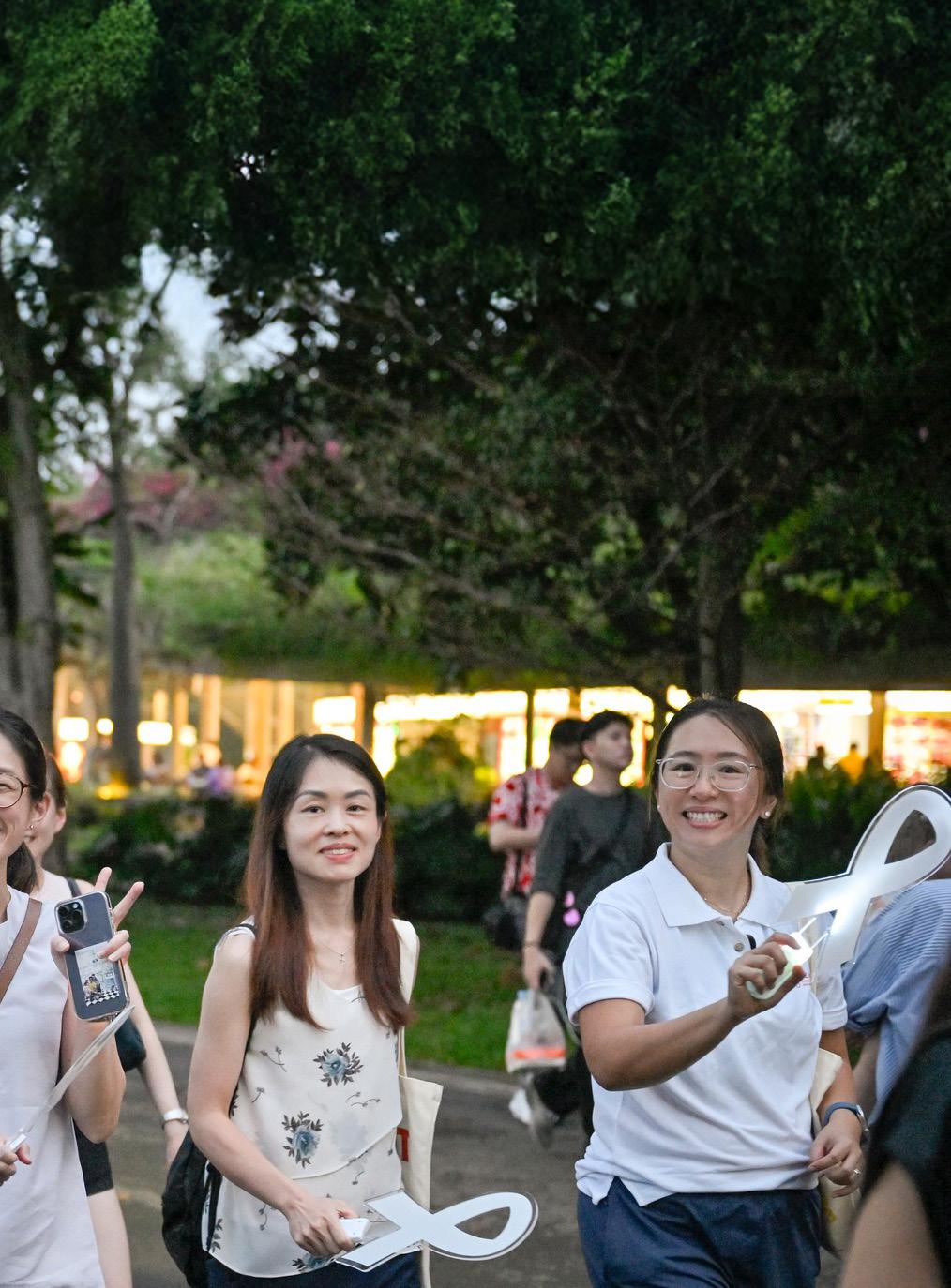
cancer journey. Having a broad understanding of the disease is especially important in the treatment of lung cancer, and so LEAP’s goal is to ensure patients are kept updated and informed about latest research and clinical trials to advance the diagnosis and management of lung cancer.
Another key area of LEAP’s work is their innovative Patient Navigation Programme, a service that has become essential for newly diagnosed patients in Singapore. Trained navigators, supported by a team of lung cancer nurses and oncologists, guide patients through their entire cancer journey. The support the navigators offer includes orientation for
newly diagnosed patients and families, coordination of appointments and treatment schedules, access to educational materials, emotional and psychosocial support, community care and rehabilitation referrals, side effect management and counselling conducted by nurses. For many of the patients who LEAP has supported, it was the care and guidance of the navigators which truly helped to make what might otherwise have felt like an overwhelming cancer journey feel less isolating.
The LEAP Lung Cancer Support and Advocacy Group was set up for patients, survivors and caregivers to engage and support each other, with the guidance of the medical social workers and lung cancer oncologists. Through a range of therapeutic and social activities LEAP provides a safe, supportive and
nurturing space for the lung cancer community to come together, and to connect through shared activities which might include educational talks, art therapy sessions, exercise meetups, and even coffee mornings. Over the years they have seen that for so many people these gatherings become so much more than social activities; they are lifelines which remind patients that they are not alone, and that there are other people on this journey with them.
Globally, lung cancer remains the most frequently diagnosed cancer and the leading cause of cancer- related death. In Singapore it is the third
most common cancer, but early detection, timely treatment, and patient support can help to change outcomes, making advocacy truly vital. For the past three years, LEAP has also organized an annual Hopeful Voices patient advocacy event. The inaugural meeting convened patient advocates from around the world for discussions which culminated in a white paper. “Empowering Asian Lung Cancer Advocates” presented actionable recommendations to strengthen lung cancer advocacy in Singapore. The second Hopeful Voices 2024 brought together patient advocacy groups
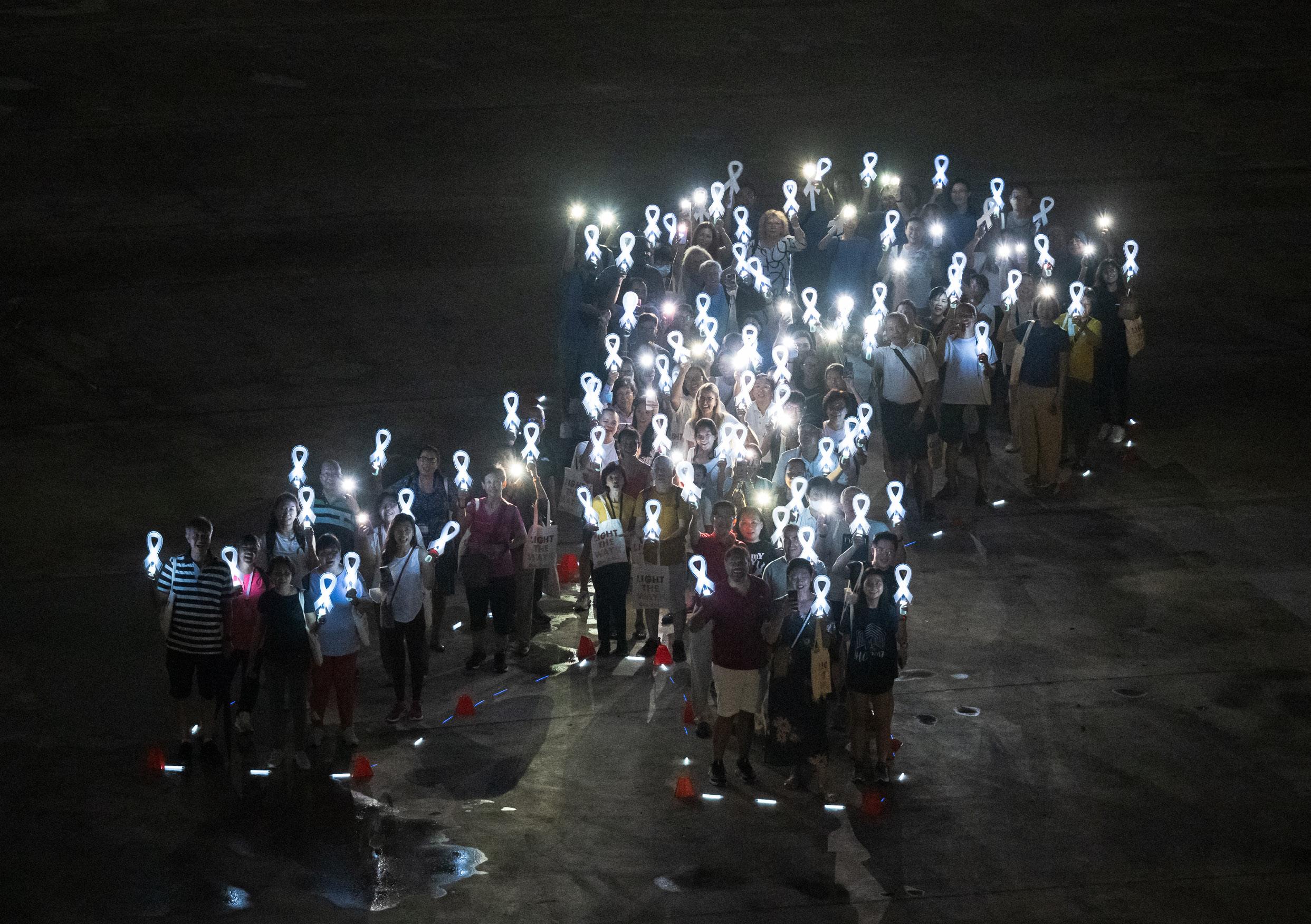
across the Asia-Pacific to explore the meaning of advocacy and examine how it can transform lung cancer care by reshaping societal perceptions. The emphasis was that not all lung cancer patients smoke and the importance of early detection through a national lung cancer screening programme was highlighted. The most recent Hopeful Voices 2025 spotlighted powerful personal journeys of patient advocates across the Asia-Pacific to inspire and recruit patients and caregivers to become advocates. This event also featured results of a survey on patients’ priorities in clinical trials and treatment access, quality of life and affordability of treatment – further grounding efforts in patient-centred needs. LEAP’s Patient Advocate Council gives survivors and caregivers a platform to influence
policy discussions and healthcare service development by amplifying the lived experience that is too often missing from formal decision - making tables. Greater involvement of patient advocates is key in shaping healthcare services, their voices matter, not just for themselves, but in Singapore’s future of cancer care.
What LEAP represents is far more than a support organisation. It is a movement reshaping how Singapore understands and responds to lung cancer. It brings compassion into clinical care, amplifies patient voices often overlooked, and creates a community where hope feels real and reachable. One of LEAP’s most inspiring members is Ms Lee, who first joined them when she was newly diagnosed
with lung cancer. Today, she is proud to be able to stand on the other side, as a LEAP Patient Advocate, supporting others embarking on the very journey she once dreaded.
“I want to share my journey and show them there’s hope,” she says. “When you’re first diagnosed, it can feel like a death sentence. But it’s not.” Through advocacy, education, navigation, support and connection, LEAP is building a future where every patient, newly diagnosed or long - term survivor, can feel supported, informed, and never alone.
To find out more about LEAP Singapore: Lung Cancer Education and Advocacy for Patients in Singapore Click here

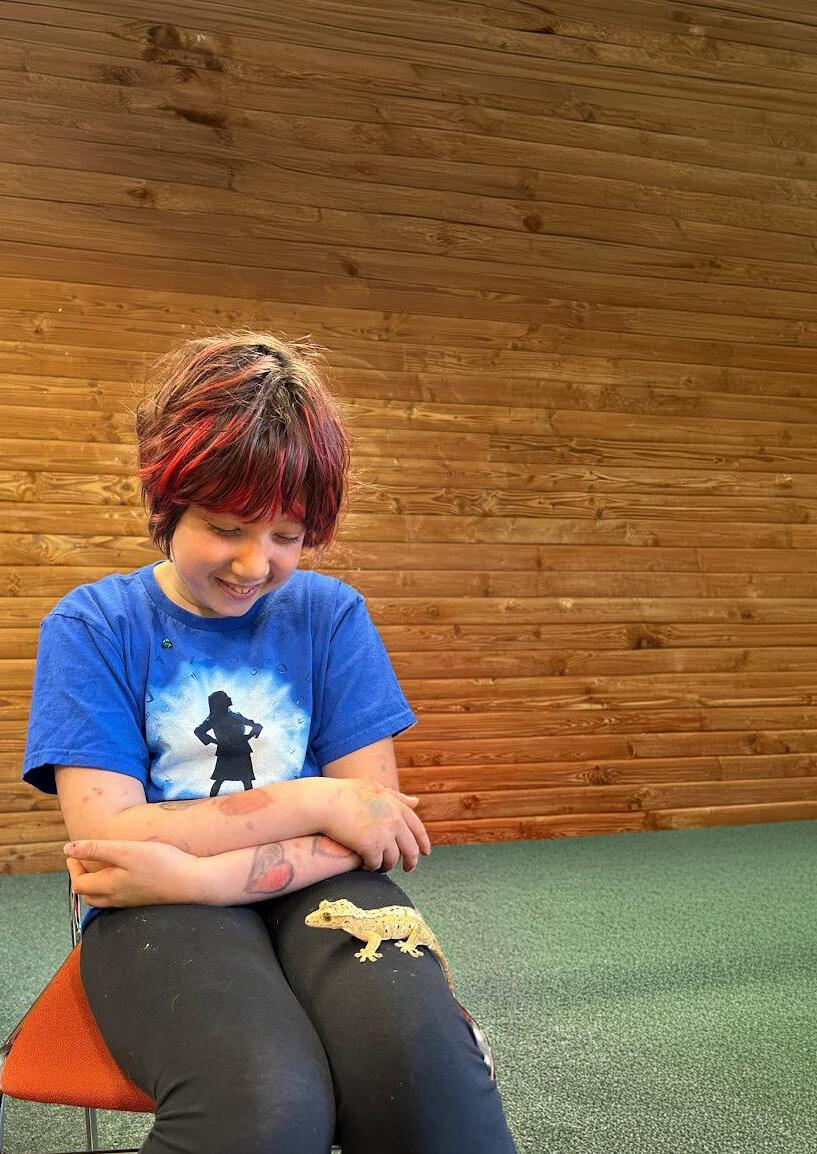
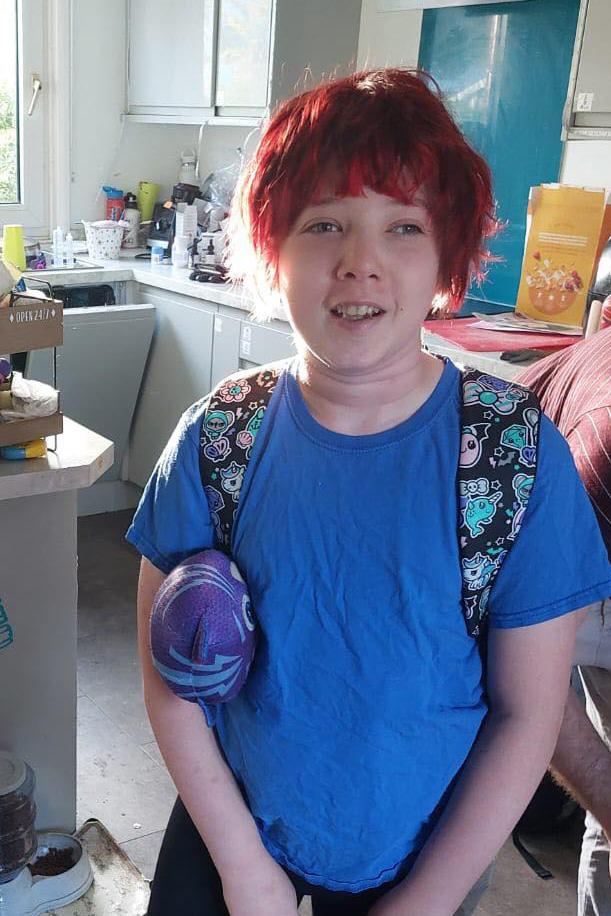
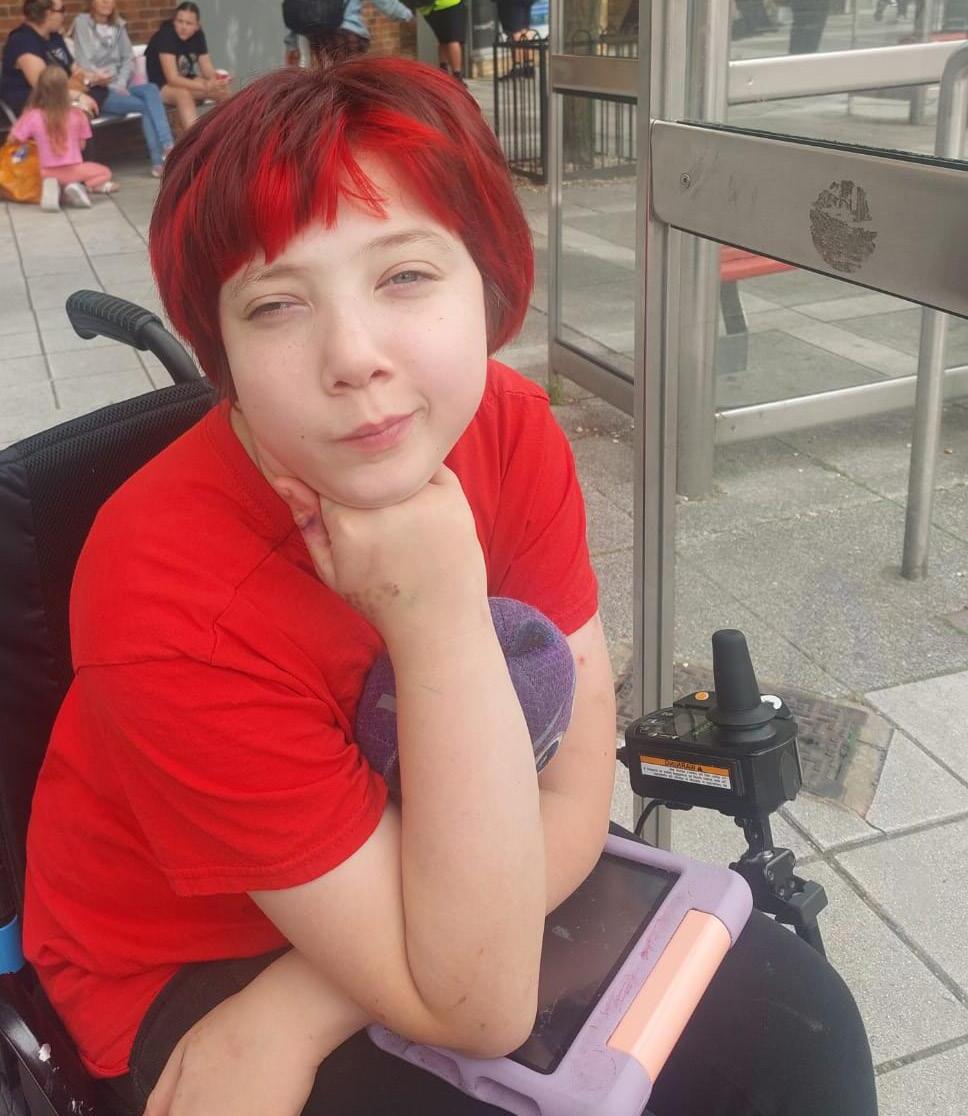
“My daughter, Tabby, has two rare conditions, 22q11.2 deletion and TANGO2 deficiency disorder. Her medical team often comment that her conditions are very rare and ultra rare respectively.”
Tabby’s arrival into the world was perhaps a foreshadowing of what
was to come, but as is so often the case in the rare disease world, it did not make her family’s journey to a diagnosis an easier one. Hannah, Tabby’s mum, explains, “I was quite poorly, and Tabby wasn’t doing so well either, she lost a lot of weight in those first few days and weeks because she couldn’t feed properly. We now know that she has a submucous cleft palate, but that was only diagnosed when she was five, and honestly, I’m still a bit annoyed about that. Anyway, she lost a lot of weight, and she wasn’t hitting any of her milestones and so I was worried.” She pauses, takes a deep breath and continues, describing how despite raising her concerns with the professionals involved at the time no one took her seriously. She recalls being told things like ‘you’ve had a traumatic birth,’ and that it was best to ‘watch and wait’ as Tabby would catch up when she was ready. But Hannah could see that all of her daughter’s peers were “beginning to sit up, to roll, to crawl, and Tabby was simply miles behind.”
Hannah and her partner made the decision to move to Basingstoke to be nearer to family, because “it was becoming more clear to me that she was going to have long term needs, even though I wasn’t being told that by the professionals. I could see that something wasn’t right,
and I wanted to be closer to my family.” One day Tabby choked at home, a truly terrifying experience for them all, including their new neighbours who were able to resuscitate her. However, this horrific experience finally shifted the conversations around Tabby, “from there, the doctors and the health visitors agreed that ‘something’s really not right here.’ The health visitor came to see us, and during the appointment she ended up referring us to all of the different teams, speech and language, physiotherapy and occupational therapy, the paediatrician and to genetics.”
The paediatrician began screening tests for several conditions, and after initial tests came back negative further tests were booked, eventually Tabby was diagnosed with a 22q11.2 deletion. Hannah remembers the feeling of relief that came with finally having an answer, “you know, it’s not great, but at least we know what we’re dealing with now.” But then, as Hannah explains wryly, “Tabby, being Tabby, she began throwing other stuff into the mix, just to keep us all on our toes. She started to have episodes where she would randomly lose all her muscle tone, and she would go completely floppy, like a rag doll. Or the opposite would occur, and she would go totally stiff, almost like you could have planked her between two chairs.” What followed will resonate with many rare disease parents, because
no one could tell them what was wrong. Initially epilepsy was suspected, but the EEGs came back clear. Then Niemann–Pick disease was suggested, but again tests were negative. It was suggested it might be behavioural, or possibly narcolepsy or even cataplexy. Devastatingly it was even inferred that Hannah might be making it up, but when Tabby experienced an attack in front of the professionals, they had to take action.
“During that hospital visit, Tabby very kindly decided to do it right in front of the nurse’s station, so that kind of ruled out that it was ‘all in my head.’ But this was all going on for ages, and she was having test after test after test, and in the end I kind of lost my temper in a meeting with a doctor and basically demanded that she get put on the 100,000 Genomes Project.” It can feel so incredibly hard to constantly need to advocate for a rare child, but as Hannah explains “it had become ridiculous. I reminded them that my child is not a pincushion, and we cannot keep doing this to her because, by this point Tabby was totally traumatised, and I was pretty traumatised as well. They
eventually agreed, but they made sure to explain to me that ‘we were not going to find anything.’” Sure enough, two and a half years later the family received a letter saying they hadn’t found anything.
And so, life continued, Tabby was eight years old by this point, and the world was heading into the first of a series of global lockdowns as the COVID-19 pandemic spread. It was therefore a complete shock when the family received a phone call requesting that they attend Southampton General Hospital. Unbeknownst to them Tabby’s samples had been retested, and the family were told that they had discovered that she had an ultra-rare genetic condition called TANGO2 deficiency disorder. It naturally came as a huge shock
to them all, not least because they had been told repeatedly that it was hugely unlikely that Tabby would have two different rare diseases. But it was a relief also, because suddenly things made so much more sense medically. “For a long time, the doctors were trying to fit what she was doing into the framework of her 22q11.2 deletion. But it just didn’t, and no amount of trying to make it
fit worked, because it’s not part of the symptoms that kids with a 22q11.2 deletion experience.”
For Hannah, the TANGO2 diagnosis helped to broaden their understanding of Tabby’s needs, both medically and developmentally. This has been crucial in helping her to coordinate and manage all the appointments, meetings and everything
else that comes with having a very rare and complex child. Especially as Tabby is now under the care of four different hospitals, and at least 21 different professionals, the coordination and management of which inevitably falls to her parents. Although each of her rare diseases has its own symptomatology, there are also shared symptoms, for example both can cause developmental delays and/or learning disabilities. From a medical perspective however “the TANGO2 overrules the 22q11.2 deletion in terms of management, as it has a much more significant medical impact on Tabby as she is at risk of serious metabolic crises, and sudden heart attacks and/or changes in cardiac rhythm.” But knowing these risks exist is crucial, and means that emergency protocols and treatment plans can be put in place.
Sometimes the not knowing is as hard as knowing, and so although Tabby’s TANGO2 diagnosis changed her overall prognosis it was still a relief in many ways for her family. “To actually get a second diagnosis
was such relief, and when we finally got the diagnosis, it was just so reassuring to know that I wasn’t going mad! When we first met some other parents and families whose kids were experiencing the same symptoms and episodes as Tabby was, they all said the same thing – that they had thought they were going mad because the episodes were so intermittent, and they changed so much each time that it was hard to understand what was happening.”
Finding your community, and your own rare disease family, can be very hard when the condition is ultra rare, however in our globally connected world it is now at least possible that you just might. “I don’t think I would have coped without the internet and social media at the very
beginning. But as it was, within just three hours of getting her diagnosis I’d found the American TANGO2 support group and linked in with them (the UK group was only set up about a year ago). Within twenty four hours I was talking to somebody in America who was able to support us and point us in the right direction of next steps. I really think that without that I’d have felt so lost. Of course everyone’s journey is different, but when there are those similarities, it’s just really good to feel like you’re not alone.”
Today Hannah is using the knowledge and experiences gained through her rare disease journey with Tabby to support others. She is a volunteer for the TANGO2
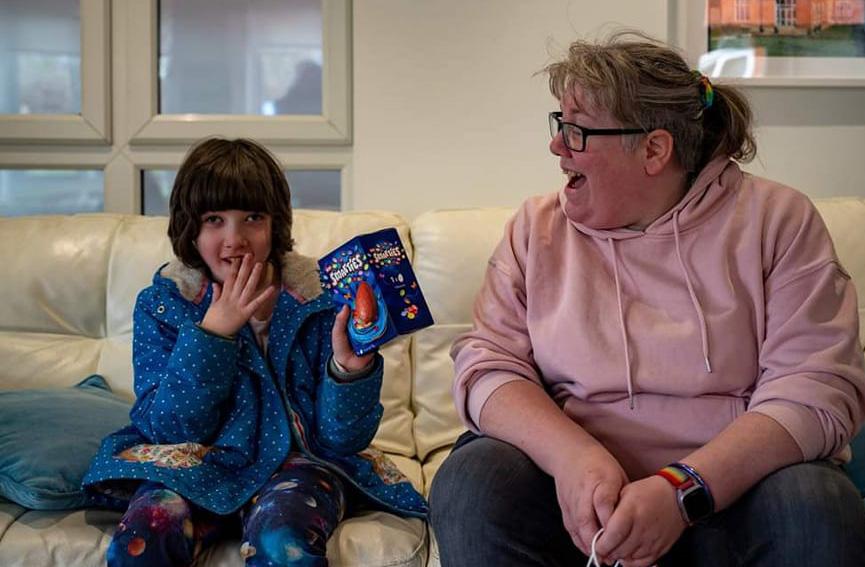
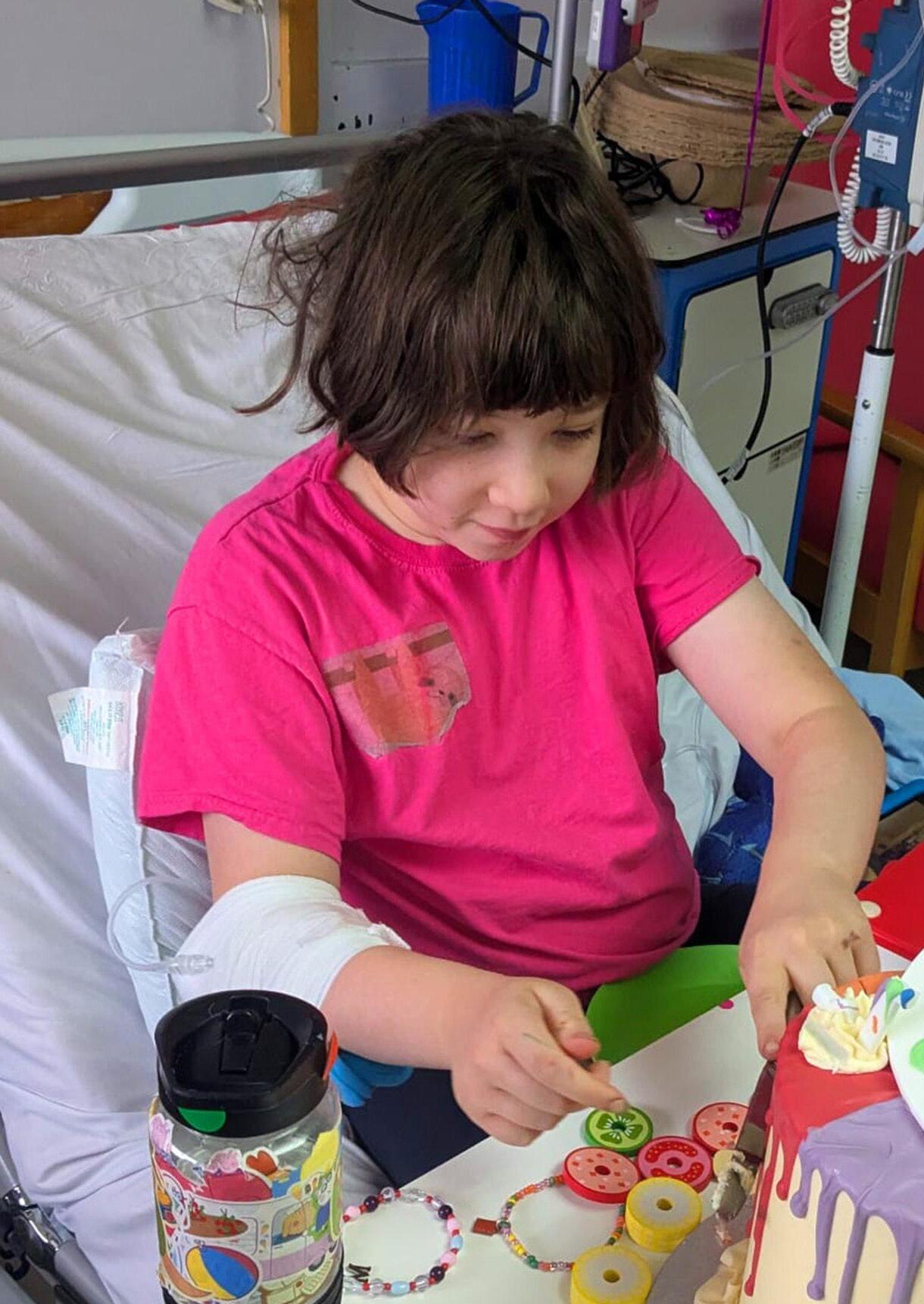
UK charity, which was set up in 2024, she also sits on the Participation Panel for Genomics England, the Patient and Family Experience Panel for Great Ormond Street Children’s Hospital and volunteers for the Rare Disease Research Network. Tabby, Hannah shares, is just “ridiculously cheeky. She attends a special needs school where she’s in the choir because she absolutely loves singing. She goes to Guides with support, a special needs dance group and she likes to swim. She also loves arts and crafts and is always colouring and enjoys cooking. But most of all right now she loves K-pop demon hunters, she wants to dress like Rumi, she is very much in her ‘K-pop era!’”
TANGO2 deficiency disorder is also referred to as TANGO2 disease, TANGO2-related disorder, TANGO2-related deficiency disorder, TANGO2-Related Metabolic Encephalopathy and Arrhythmia.
TANGO2 deficiency disorder is an incredibly rare genetic disorder and can be a very serious and life limiting condition. It is estimated that 1 in 566 carry a defective TANGO2 gene, but TANGO2 deficiency disorder only occurs when an individual has two genes that do not work.
TANGO2 deficiency disorder is typically characterised by global developmental delay, intellectual disability, gait and balance issues, speech difficulties, hypothyroidism and in some cases, seizures. In some cases, individuals can experience life-threatening acute metabolic crises, which can cause complications including rhabdomyolysis, hypoglycaemia, ventricular arrhythmias, and/ or cardiomyopathy and encephalopathy.
For more information visit: www.tango2uk.org
To find out more about Tango2UK visit: www.tango2uk.org
About 22q11.2 deletion
22q11.2 deletion syndrome is a rare genetic disorder which is caused by missing or duplicated genes on chromosome 22, and it can cause a range of symptoms, and will affect each individual differently. Broadly speaking the most common features are heart defects, variable immunodeficiency, mild behavioural problems, speech and language issues, severe learning disabilities and facial characteristics. It is a multi-system disorder and the greatest known generic risk factor to schizophrenia.
For more information visit: www.nhs.uk
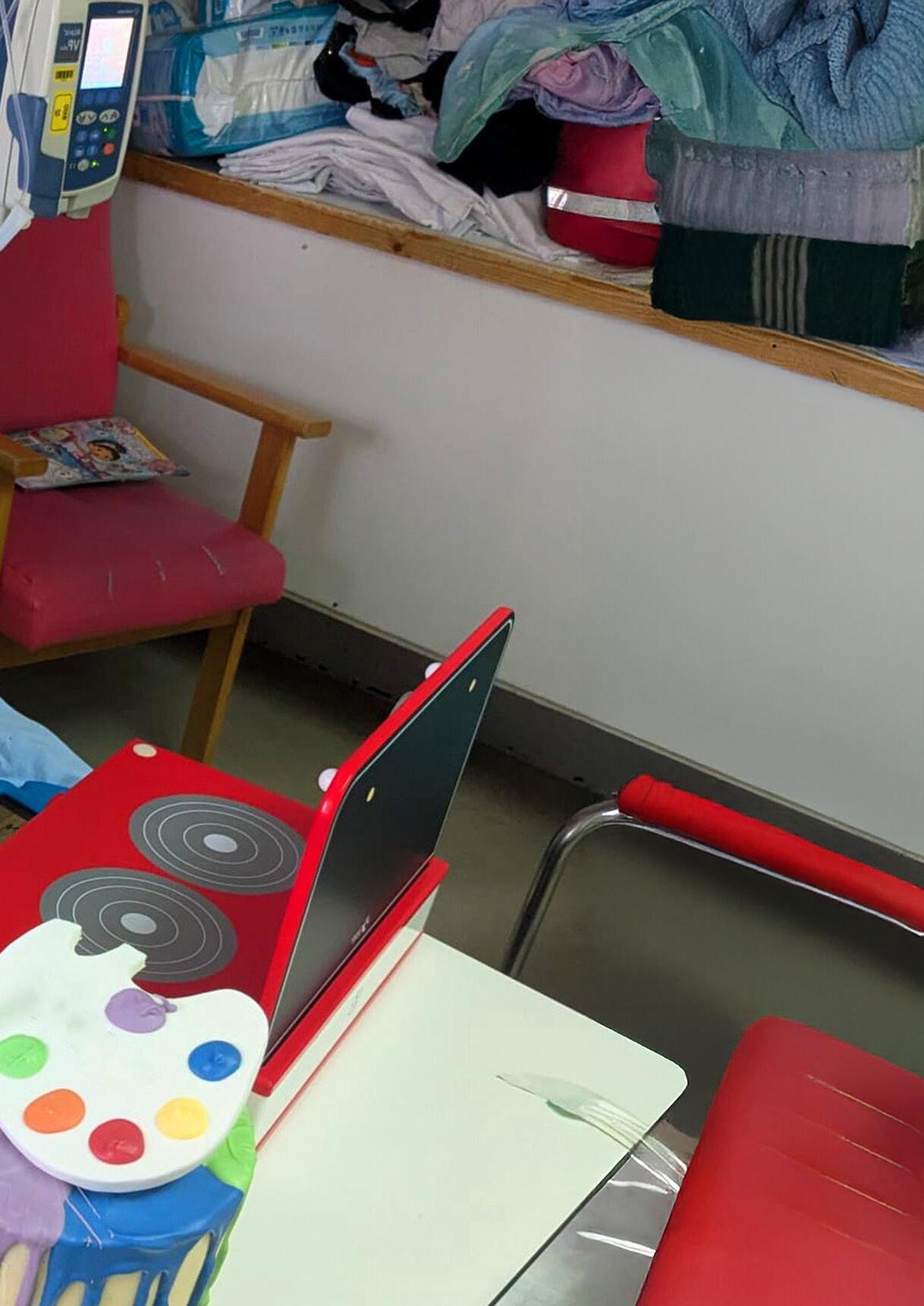
To find out more about Max Appeal visit: www.maxappeal.org.uk
Before the Coffee Gets Cold by Toshikazu Kawaguchi , translated by Geoffrey Trousselot
“If I return to the past, I might be able to set things right.”
Originally published in 2015, Before the Coffee Gets Cold has since gone on to become a millioncopy bestseller all around the world. Its success was such that the author went on to write further books, turning it into a hugely successful and much loved series.
Although the book does not directly tie into the themes that we tend to explore in Rarity Life, it grapples with the age-old question, ‘what would you do if you could go back in time,’ a question so many of us ask ourselves at times. Grief, illness and loss are also explored, and as such we felt it would still resonate with many in our communities.
I really wanted to love this book, after all millions of people do, but I didn’t. I absolutely enjoyed it, and as the story progressed, I became more invested in the four central characters and the ways in which their stories were interwoven, but I didn’t fall in love with any of them. At it’s heart the book explores the idea that whilst the past cannot be changed, the future can be open and full of possibilities if we allow it to be.
Available from all good booksellers
Sitting Pretty by Rebekah Taussig , published by HarperOne
“The goal is not to avoid falling or needing help. The goal is to be seen, asked, heard, believed, valued as we are, allowed to exist in these exact bodies, invited to the party, and encouraged to dance however we want to.”
SITTING PRETTY: The view from my ordinary resilient disabled body is described as a memoir-in-essays, and it is, quite simply, absolutely brilliant. I was immediately drawn in because Rebekah writes in an absorbing, engaging, and accessible way. In sharing her story, and her voice, she adds both new ideas and much needed nuance to the important conversations that we, as a society, need to have around disability.
Although it is written as a series of connected essays, the book mostly follows the trajectory of Rebekah’s life and refers back to earlier experiences and important relationships in a way that makes it effortless and inviting to read. Throughout she comes across as a warm, funny and strong, and so her story is easy to become invested in. Through sharing her own experiences, she helps us to think about some really important, and at times uncomfortable, themes. It makes you ask yourself questions, and it opened my eyes to things that I hadn’t really thought about before, yet which seemed entirely obvious and reasonable once I did.
I wanted to keep reading, I wanted to know more, and most of all I wanted to carry on with what felt almost like a conversation we’d been having. One of those conversations with a friend whose ideas and insights you really value, but who also makes you laugh. A definite must read if you are interested in being able to both understand and become part of ‘changing the cultural narratives we need to have around disability, and what it means to live in a human body.’
You can find Rebekah’s website here:
www.rebekahtaussig.com
The book is available from all good booksellers.
My Brain: After the Rupture
“There’s an incredible loneliness and isolation if you can’t communicate.”
Clemency Burton-Hill was born in London, and has lived and worked both in the UK and the US over the years and is currently living in Washington DC. She is an absolute powerhouse, best known for her work as a broadcaster, author, novelist, journalist, and violinist, and in her earlier career she also worked as an actress.
In January 2020, when she was living in New York she suffered a devastating brain haemorrhage, which was caused by a cerebral arteriovenous malformation (AVMs). She needed emergency surgery and was in a coma for 17 days. It was far from clear how this catastrophic event would impact her, and initially she was unable to speak or to walk. In this brilliant BBC Arts documentary, My Brain: After the Rupture, she allows us to follow her incredible recovery journey, but watching someone for whom communication, in its very broadest sense, has been so central now struggling to find and form words is both hard and beautiful.
I won’t give too much away, but instead simply urge you to watch it if you can, because above all this is a journey of hope, and that is always inspiring to see.
My Brain: After the Rupture is available now on #iPlayer.
You can watch it here:
Watch on BBC iPlayer
An introduction to healthcare apps with the Co-Founder & CEO of Advoca

Health, Dr Michael Trueman, MBChB
“Advoca is a simple tool to help patients with their encounter with healthcare professionals, and it simply captures everything that’s been discussed and then puts it into a really easyto-understand format, so patients have got a record of every encounter just freely available in their pocket.”
In September 2025 we attended an appointment at Alder Hey Children’s Hospital, and were advised by the Consultant that they planned to use an app to record the meeting. This was, he explained, a simple and effective way to improve operational efficiency and patient care through the use of AI technology, as it would support them in writing up their appointment notes and scheduling any next steps. A quick google search once home confirmed that ‘Alder Hey Children’s NHS Foundation Trust has partnered with Lyrebird Health, a leading innovator in artificial intelligence (AI), to help bring cutting-edge AI Medical Scribe technology into the Trust.’
Their website explains that ‘Lyrebird listens to your consultation, transcribes it, and generates structured clinical notes and documents like referral letters or medical certificates. As such it enables clinicians to really be able to ‘Focus on patients, not paperwork.’ Looking at the website, it seemed clear that this was something that patients could also hugely benefit from, which was also as it turned out, a conclusion that Dr Michael Trueman had reached whilst still in medical school.
“Dr Shyam Dhokia and I met during our Foundation training in 2022, we have always believed in the ability of AI to level the playing field for patients managing their health. We made Advoca, a free AI appointment assistant, for people and families affected by rare and serious diseases, and to make this technology accessible to the 500 million people worldwide who need it most.” Simply put, Advoca is an easily navigable app that can be downloaded onto a device, and used to record medical
appointments. The app will then use the recording to create a clear and concise summary of the meeting. It can also be used to search the internet for more information, or answers even, from trusted patient resources using key terms and definitions used during the appointment. Before its launch in November 2025, the team collaborated with some charities in the rare disease space, and as they note from “speaking to charities, patient advocates and research organisations the message was clear - there is a critical need for this.”
But where did it all begin? “I’m a medical doctor by background, and I spent a lot of time during my medical training thinking about different ways of approaching some of the problems I could see when it came to healthcare. I thought about how interesting it would be to make a product that is used by patients, because I’d seen that it can be really hard for patients to keep on top of everything that they discuss with their doctors. When you add in the complexity of a rare disease, where there isn’t always a well-defined treatment pathway, or there is a diagnostic odyssey before treatment can even be considered, and where there’s lots of complex terminology, it can be really difficult for patients to understand and remember everything. Which can leave patients and families in a position where they don’t really take much away from their appointments, and then when they receive the clinic letter it might be written using medical language and references which are not necessarily easy to understand. And what that leads to is fundamentally a reduction in empowerment for patients and their families. They’re not able to make the best decisions for themselves, they’re not able to go out and find the support that they need, and they’re not able to advocate for the best available care. And that’s where
Advoca comes in, and it’s a safe and simple tool to help patients with that process.”
The use of Artificial intelligence (AI) has increased significantly over the last few years. And whilst there have been many important debates about when, how and even why it should be used, AI tools have undoubtedly become an integral part of daily life for many, both within their working and personal lives. But for many people the idea of using technology, and AI perhaps more specifically, is still a concern, with issues around the security and management of their health and other personal data often cited. These concerns form an important part of what Michael and Shyam gave careful consideration to, alongside ease of use for patients, as well as the restricted use of reliable and verified resources within the app itself. Michael explains that they have included key guidance in the app, both on its use and how you might introduce it to your clinical team.
“The app features a green button that will start
recording, but prior to doing that it has prompts advising that you should make sure to inform the clinician that you intend to record the conversation, to help with your memory and understanding”
The app will create an easy-to-read summary of everything that was discussed, and if there are any key points or next steps in the meeting the app can help signpost the user to the best available online resources. Michael is keen to stress here that the app only uses resources which have been carefully vetted by the team at Advoca, and includes information from websites such as the NHS website.
“There’s a huge amount of information online, but we can do a really tremendous job in immediately getting the best information to the patients when they need it, especially directly after their consultation.”
Currently the app is programmed to only reference a certain set of resources, but the team are working hard on building in a system where each online resource is routinely checked and refreshed to ensure that the app can include any new or additional content.
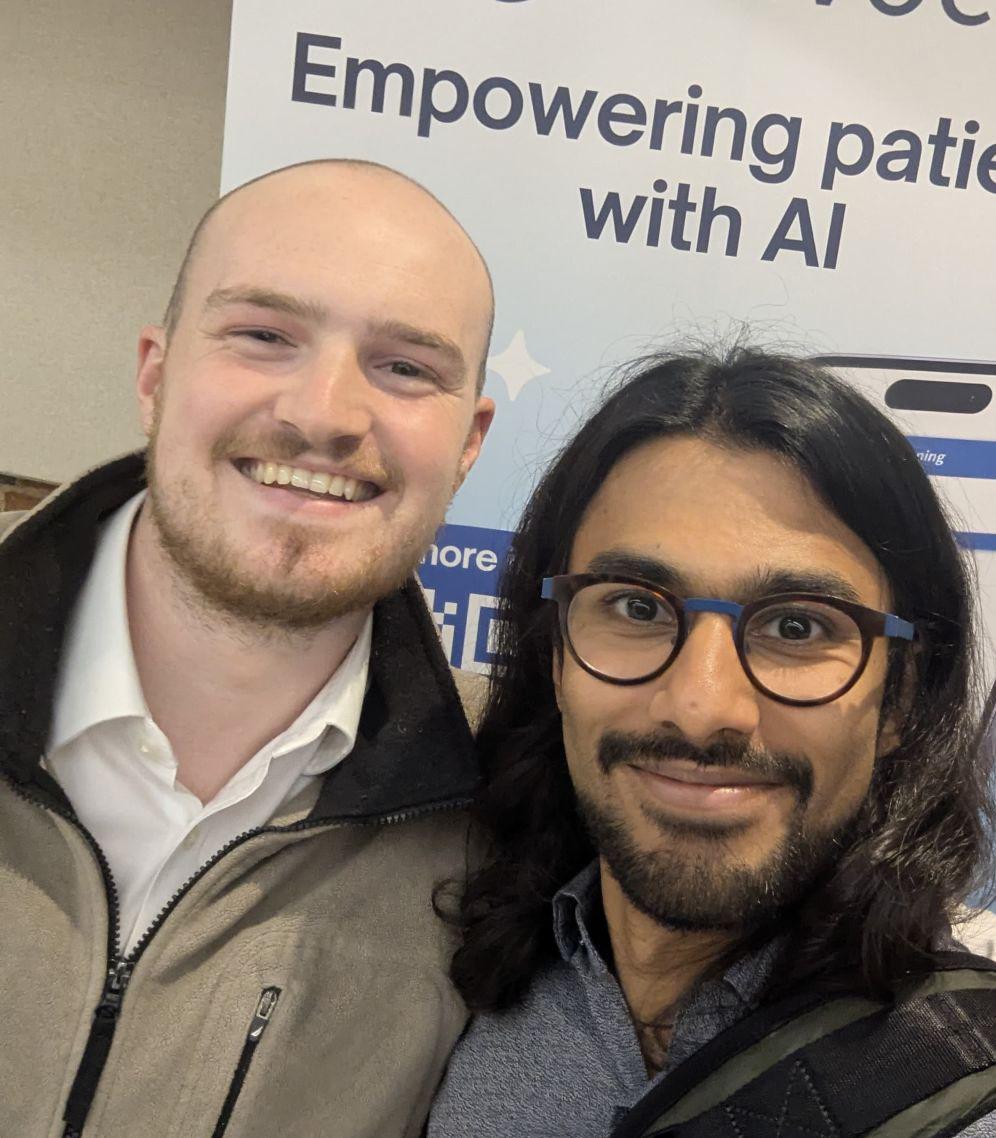

Looking to the future, Michael is keen to continue to develop the app and is working closely with the rare disease community and their user base to identify new features and functions which would further support their aim for Advoca to become an invaluable “companion for patients on their journey.” One key function users have requested is access to a chatbot he explains, providing them with a way in which to ask specific questions. “The idea is that you’ve gone to your appointment, you’ve got your summary, you’ve got your signposting, but you’ve still got a quick question about what a specific component of the conversation means. So in the future you’d be able to type a question in, and then our AI, which will be guardrailed in a way that common AI tools like chat GPT and Gemini aren’t, will only reference the specific resources that we program. It is fairly complicated, and it requires medical device classification to be able to perform this function, but once live we would have a really useful AI tool that is safe for use by patients to ask about their health.”
The ability to use AI to help support, navigate and manage our health is hugely promising, indeed a large proportion of people already use technology to better manage their health, including opting to use various applications and tools such as smart watches, fitness trackers as well as a wide range of apps they are using on their phones. Used correctly, advancements in AI technology can help make it easier for us all to manage our health and well-being. And it is this which lies at the very heart of what Michael and Shyam set out to do. “As we know rare disease has that title, but it isn’t actually very rare at all. Statistically it is estimated that 1 in 17 people have a rare disease. What we both saw in our time, especially amongst families with a child with a rare disease, was that parents and carers often struggled to keep on top of everything. So we thought that they especially could really benefit from a tool like this that can help to document, collate, organise and manage everything, which in turn would help empower them on their rare disease journey.”
Helen,
“My cane gives me my freedom, and it gives me the independence that I should be able to have at nearly forty years old, but it also makes you more visible and opens you up to discrimination.”
Helen works for a brilliant regional charity called Vision Support as their Financial Wellbeing & Benefits Officer, and when we speak, she is sitting in her shared offices in Chester on a sunny afternoon. It would be easy to assume that there is nothing all that remarkable about this fact, but as she shares her story it becomes apparent just what an incredible achievement this is, and how hard the road to get to where she is today has been.
In 2017 Helen was living what to many might have looked like a fairytale life, having moved abroad to live on a military base in Cyprus with her new husband, as well as her young son. Life looked so promising, but the reality soon became very different, with the shadow of domestic abuse clouding her days. “I was madly in love, and I didn’t want to ruin my family home, as my son was already from a broken home” she explains, and so she stayed, determined to make the best of it. One day, she was in front of the mirror and realised that she couldn’t see clearly out of her right eye. Having never had any issues with her vision before she was naturally concerned and decided to visit the optician’s back at home in the UK.
The optician referred Helen to the hospital’s eye clinic for further tests. There, the consultant told her, “We don’t know what it is, but there’s a mass behind your eye. We don’t know why. It might be macular degeneration, although this is very rare in someone of your age.” With no clear diagnosis, Helen returned to Cyprus, still in the dark. Her migraines worsened, and eventually the military agreed to fund private care. She was quickly referred to a specialist who suspected she had ocular melanoma. “I was shocked. How had it changed from being possible macular degeneration to this?”
“I immediately packed my bags and was put on a medevac flight home, which was really, really stressful. I was examined by a professor in Liverpool, and I had scans and all sorts of tests. The professor went through the results, he said ‘you haven’t got melanoma; that’s the good thing. However, you’ve got significant scar tissue
on the back of your eye because you’ve had a bleed on the brain, it’s leaked in behind the eye and burst.’ I’d had a macular haemorrhage, and this was why I’d lost the sight in my right eye. He asked me if I’d had any ‘bangs to the head’ and I said no. But I knew exactly how I’d lost my sight. I knew what had happened, and I knew when it had happened.”
It was a realisation Helen has never forgotten — understanding that the violence she had endured had taken something from her that she could never get back. Losing her sight was more than a physical injury; it became a reminder of how deep the impact of abuse can go, and how those moments can stay with a person long after they are over.
Back in Cyprus and reunited with her son, she now understood the cause of her vision loss, but had received no guidance on what to expect, or how to adapt to this life-changing diagnosis. In 2018 with her eyesight still deteriorating, Helen and her son finally moved back to the UK to start rebuilding their lives, initially moving in with her brother as she began to adjust to her new reality. The first year back in the UK was one of both highs and lows. “We received some help from the Armed Forces charity (SSAFA) to move into our own home, it was great. But for all that was positive in my life I had my sight loss looming over me. I knew my whole world was changing around me, and yet I knew nothing about how to live with it. I knew nothing about sight loss or about the pathways to find support, and there seemed to be nothing out there to help.” Over the course of that year Helen had multiple appointments, but her sight continued to deteriorate until she had lost all vision. This was a lot for her to deal with, and during this time she often felt lost, scared and alone, with no idea how to navigate through such a difficult diagnosis. During her next appointment once again, no help was offered.
“The hospital confirmed that yes, you’ve lost your sight, but there’s nothing we can do so we will see you in six months’ time. Nothing more. No support. No referrals. Nothing. I remember coming out of there and I was absolutely sobbing my heart out because it was all too much. I’d left my marriage and moved back to this country. I’d left everything I’d known behind and now I’m losing my sight. I had an eleven year old boy who needed me. With no job I just kept thinking what am I going to do? How will we manage?”
through it. I’ll be forever grateful to them for walking that journey with me.”
Their support gave her the courage to keep going — a reminder that even when life takes so much away, love and friendship can help rebuild what’s been broken.
As she left her appointment, visibly distressed, she quite literally bumped straight into someone, and that proved to be the turning point for her. “The man I bumped into was called John, he was an Eye Care Liaison Officer, or ECLO. They provide information, emotional support and advice if you have a condition which affects your sight, and after he stopped me to ask if I was OK, I just blurted out that ‘they’ve just told me that there’s nothing that they can do, and I don’t know what to do.’ He invited me into his office, and he put me in touch with lots of different people, including Vision Support, the charity I now work for.”
But even in those darkest days, Helen wasn’t completely alone. Her sister and close friends became her lifeline. “They didn’t know anything about sight loss either, but they stood by me through it all. They listened when I cried, they helped me when I couldn’t see a way forward, and they never once judged me. They learned alongside me, and they loved me
With John’s support, Helen discovered what should have happened when she was told that she had permanently lost her sight, and what steps were still needed. She should have been supported to register her sight loss with her local council, who are then able to issue a Certificate of Visual Impairment (CVI). This in turn should trigger an automatic referral to the local authority to provide advice, support and training. “What should happen then is that the
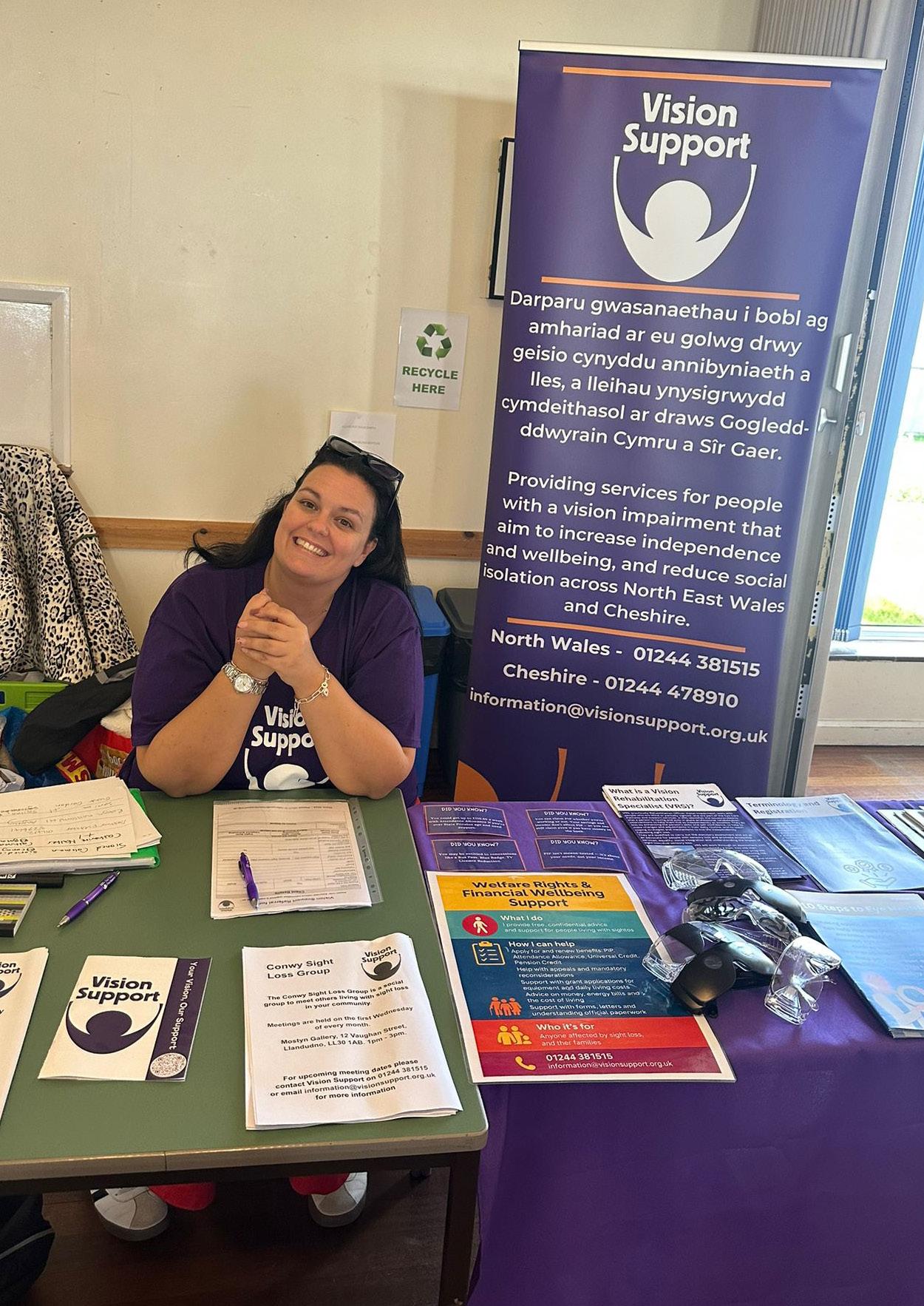
local authority should get in touch with you, and they should offer you independent living or cane training, or anything else like that you might need.”
Helen slowly began to rebuild her life, she found part-time work and began to regain her independence, feeling much more hopeful about the future than she had done in a while. Unfortunately though, she soon lost her job due to them being unable to accommodate reasonable adjustments for her. Around the same time, she caught pneumonia, her mental health suffered, and she slipped into depression.
It was during these difficult days that Helen met Nia, who works for Vision Support. The charity offered her some digital skills training which proved invaluable, as it helped to unlock the world for her once again. The emotional support that she offered proved to be as
important as the training. “When Nia reached out to me everything changed. Often, she was just that positive voice that I needed, and to know that there was someone who cared. She’s also had sight loss, she understood what I was going through.”
Another key turning point for her came when Nia asked her if she might consider being a case study for the Wales Council of the Blind as part of a presentation at the annual Wales Eyecare Conference. Being given the opportunity to share her story, and how the lack of timely access to a VRS (a vision rehabilitation specialist) had negatively impacted her, was a powerful experience. She recalls how “at this point, although I felt so low in how I felt about myself and my situation, I knew that I wanted to be able to make the sight loss pathway better for everybody.”
“I spoke about how losing my sight overnight really felt, what I could do before, what I can and can’t do now, and how everything changed so suddenly for me and my whole family. I spoke about how it had affected me, affected my friends, my family and especially my son. Overnight he became my carer, and I didn’t want that for him. I just wanted him to be my son, I’m the one who should protect him. I was only thirty-four, and I should be living my own life, not relying on him to hold mine together. It was great, I loved it speaking and sharing my story, and I knew then that this was something I’d really like to do.”
Standing there, nervous yet determined, and sharing her story, Helen realised something important. Despite the fear and uncertainty, she loved it. In that moment she knew that this was what she wanted to do — to support others living with sight loss. To make sure that they received the

right information, the right guidance, and to reassure them that they were never alone.
Over the coming years, and through the friendship and support offered to her, Helen was able to not only regain her independence and rebuild her life, she seized every opportunity with both hands, determined to make the most out of it. Her sister Deby, her son, her closest friends and later her colleagues, became a constant source of strength. They understood her from the very beginning, without judgement, and they stood beside her through every difficult chapter. Her partner, gentle and patient, offered her the kind of stability and kindness she had not always known — a reminder that love does not have to hurt, and that she deserved safety, warmth and respect.
Today she is employed as a Financial Wellbeing & Benefits Officer for Vision Support, her son is fifteen years
old and thriving, and she is surrounded by people who truly see her, not just her sight loss. Having finally received her cane training, she is able to once again safely navigate the world on her own terms, without needing someone by her side. Her sight loss however continues to progress, and she has now been certified as ‘severely sight impaired’ (blind). The specialists believe that she had a stroke behind her left eye, although they are still not clear why. They do know that what functional vision she still has left will also eventually be lost.
Helen reflects “I think I’ve reached a place of acceptance now. Of course, it is sad to think that one day I won’t be able to see my son anymore, but I can’t live in fear. Instead, we make the best memories, we laugh, and we keep
going, I always try and take a positive from what happened to me. I can see how much I’ve grown, how much strength I’ve found, and how far I’ve come in reclaiming my independence. Right now, my life is the happiest it has ever been, and I’m the strongest I’ve ever beenwith or without sight.”
For anyone reading this that is struggling with sight loss themselves, or knows someone who is, Helen hopes that they know this: “you are not on your own. Please reach out to a charity like Vision Support — there is help, there is guidance, and there are people who truly understand”.
When we refer to ‘Acquired blindness’ it describes a loss in vision that has occurred after birth, and as such is different from congenital blindness, which is present at birth. There can be a number of reasons why someone might end up with acquired blindness, including trauma, environmental influences or diseases and/or degenerative conditions.
A loss of or reduction in our vision can occur naturally as we age, this again differs from acquired blindness. The definition of which specifies a ‘significant loss of vision that occurs due to factors encountered after birth’, and the severity of the vision loss experienced can range from a partial impairment to complete blindness.
To find out more visit: www.battleforblindness.org
Vision Support are proud to provide vital services across North Wales and Cheshire for people living with vision impairments. Every day, we work to help people feel confident, connected, and capable—because living with a vision impairment should never mean facing it alone.
They’ve been part of the community for nearly 150 years, and throughout that time, they’ve supported countless individuals and families as they adjust to sight loss. From those first moments of uncertainty to rediscovering independence, Vision Support are there—offering practical help, emotional support, and opportunities to connect with others who understand.
Every penny Vision Support receive through donations truly makes a difference. Your support helps fund counselling, digital skills sessions, welfare rights advice, rehabilitation, home visiting services, and a wide range of social activities that bring people together. These services help people regain confidence, rebuild their lives, and find joy in new experiences.
Beyond the day-to-day support, Vision Support are also passionate about raising
awareness of vision impairment. They want to build a more inclusive and understanding society, where people with vision impairments are empowered to live full and independent lives.
As Vision Support look ahead to their 150th anniversary in 2026, they are preparing a busy schedule of events and celebrations that reflect their long history and the communities they serve. It’s a milestone they’re proud
to share with everyone who’s been part of the journey.
Together, we can continue to make a lasting difference for people with vision impairments.
To find out more visit: www.visionsupport.org.uk
In conversation with Keisha and Laura
“We are kind of at the point where we can’t not do things, just in case, now it’s more a case of taking it a day at a time, because you only live once”
When the video connects for our call Keisha is snuggled in bed next to her mum Laura. Like most teens she has slept in, but for her it is more important than most, as she is still recovering from a hugely difficult few years. Keisha is seventeen years old, and lives at home along with her younger sister Lili-Mai, who is almost fifteen, her mum and dad and her dogs. They are a close-knit family, who have loved and supported each other through some difficult times.
In December 2023, having been diagnosed with a rare immune condition called T-cell deficiency, Keisha needed a bone marrow transplant. She was transferred from Liverpool’s Alder Hey Children’s Hospital to the Great North Children’s Hospital in Newcastle where she would spend the next six
months as anin-patient. She was hours away from her home in Flint, her mum by her side, splitting the family in two for months on end. However as is often the case with rare conditions this is not really where her story started.
“She had chicken pox when she was three, which was really bad and she ended up hospitalised and suffering with pneumonia. Then she just had every single childhood illness you can think of, they were always ten times worse than expected. She also had loads of ENT issues; constant ear infections, sinus infections, chest infections etc.”
But it was when Keisha was eight or nine years old and developed a growth on one of her feet, known as a granuloma, that things really began to change. It was also, arguably, the first time it perhaps ought to have been “picked up that maybe there was something more going on with her health.” Four years later a second growth appeared on her other foot, and this time it ulcerated, leaving a hole which reached to the
bone. “That’s when things started to be taken more seriously, and doctors began to question what was actually going on. We were sent to Glan Clwyd Hospital, they referred us to Gobowen Hospital (The Robert Jones and Agnes Hunt Orthopaedic Hospital) who in turn transferred us to Alder Hey. We were seen by dermatology, then rheumatology, and finally immunology in the April of 2023” says Laura.
It was during a follow-up appointment to discuss their findings at Alder Hey that a bone marrow transplant was first mentioned, but that this would need to be done in Newcastle. By the time Keisha saw the team of specialists there it was August, and the detailed tests that they’d done as part of their assessment process had found that she had a problem with her lungs. Keisha explains “I’d been told I had asthma for the last ten years, we even went to our local hospital three months beforehand because I was struggling but they said it was just mild asthma and allergies.” But in fact she was found to have a lung function of 47%, and was diagnosed with bronchiectasis, which is similar to cystic fibrosis. Devastatingly this not only meant that she was not well enough to have the bone marrow transplant; it also meant she needed urgent treatment. Laura continues, “her lungs were just full of fluid, and it was full on panic stations from the doctors then, because she was not well enough to have a bone marrow transplant, but as they explained if she didn’t have a bone marrow transplant then everything’s going to get worse. Her lungs were going to get worse, and she would keep getting infections.”
A week later Keisha was admitted for treatment, where further tests found that she had pneumococcal infections, which are caused by the Streptococcus pneumoniae bacteria, in her face and in the sinuses. They also discovered that she had Epstein-Barr virus as well. By this time it was early September, and she was incredibly poorly, and Laura recalls how a few doctors seemed shocked, explaining that they hadn’t realised how bad it was and that she should have been seen earlier. This confirmed to the family that the link between all of Keisha’s different issues had been missed for years between all the hospitals, with no one seeing the broader picture.
In November a stem cell transplant donor was found by the Anthony Nolan Trust, and because of her
ongoing poor lung function, as well as the various viruses her body was still fighting she needed to be admitted for a month prior to the transplant for treatments, which included intensive chemotherapy. Keisha had to spend not only Christmas but also her sixteenth birthday in hospital, including a month spent in isolation. This time, which would be incredibly hard on anyone, was made a little easier for Keisha through the support of the Bubble Foundation, a local charity which supports children with lifethreatening immune conditions whilst on the ward at the Great North Children’s Hospital. Her family too received invaluable support from the Sick Children’s Trust, which supports families to stay together when they have a seriously ill child in hospital by providing them with a ‘home from home.’ A room at Crawford House, one of ten houses the trust manage, became Laura’s home for the duration of Keisha’s in-patient stay. As well as giving her a base, the shared kitchen facilities meant that she could eventually cook her daughter some of her favourite meals, something that might not seem like much, but which was hugely important to her recovery.
Unfortunately, Laura explains, “Keisha had lots of complications from both the transplant and from the chemo. She developed something called gastroparesis, which is basically where the stomach stops working. She was constantly vomiting, in chronic pain and suffering from constant fatigue. At her worst she couldn’t get out of bed for around six weeks, and slept most of the day. She barely ate and eventually needed to be fed via a TPN (TPN refers to total parenteral nutrition, which is an alternative way of providing a patient with nutrition when the gut does not work or is inaccessible).” So, instead of revising for her GCSEs, and planning her dress for prom Keisha found herself living hundreds of miles away from her family, friends and really her own life. This was incredibly hard on her, but she found comfort in music, in books, and in films.
It was her love of music which held the key to getting her to eat again. They explain that when you don’t eat orally for a long time it is really hard to readjust to it, and to eat enough to provide enough nutrition. But the team at the hospital agreed with Keisha that if she got to the point where she was able to
eat enough to stop the TPN they would let her leave the hospital to go to Anfield for Taylor Swift’s Eras tour concert that they’d booked long before her health deteriorated. Laura laughs, teasing Keisha that going to the concert was ‘the only thing that got you eating again.’ Keisha nods, noting that “getting to see Taylor Swift after everything I’d been through felt like a dream. I knew I still had a lot of challenges ahead, but just being able to leave hospital, to be with my whole family, and to just do something so normal but also so special made such a difference.” The Sunday after the Taylor Swift concert Laura was able to watch her daughter eat a homecooked roast that she’d made in the kitchen at Crawford House, a moment that will never leave her.
Keisha was eventually able to come home in the summer of 2024, and a year later the family are still in the early days of rebuilding after such a long and difficult time.
Keisha still has a range of challenges to face, including coming to terms with her loss of mobility, which is due to axonal neuropathy, and the prospect of surgeries on her lower limbs to try to improve their function. She is still immunocompromised, having undergone the bone marrow transplant she will need to wait until
she has recompleted all of the routine childhood immunisations before she will no longer be classed as being ‘at risk.’ But, beyond these challenges her overall prognosis is hopeful, as the bone marrow transplant was deemed a success.
Laura explains that “for now she still has monthly blood tests so that they can monitor everything, and we’re still in the early stages but the hope is that her T-cell deficiency is cured as she’s now got healthy T-cells that are working.”
Keisha is gearing up to start college in September. Until then, she spends her time immersed in books, films, and dreaming up her next adventures.
Over the past year, she’s attended some unforgettable events, and her enthusiasm is infectious as she looks ahead to more concerts with her favourite artists.
Laura reflects on their approach: “When you’re in wheelchair seats, you’re not fully in the crowd, there’s a bit of space, so you’re not getting breathed on or coughed over! So we figured, as long as we’re sensible with the basics, we’ve reached a point where we can’t keep avoiding things ‘just in case.’ Now it’s more about taking each day as it comes because you only live once.”
T cell immunodeficiency is a rare immune condition which can both present as one of a number of different primary disorders, or it can develop as a secondary outcome of chronic infection, illness or at times drug therapy.
T cell deficiency is a deficiency of the T cells, and it is caused by a decreased function of the individual T cells. As the T cells’ main function is to help with the human body’s immunity a deficiency can cause an immunodeficiency in the individual.
The occurrence of a primary T cell disorder is rare, and would generally be present in infancy or early childhood. In these cases an early diagnosis is hugely important, as it is likely that the individual will need a bone marrow transplant before, or to mitigate, the onset of a severe infection or other complications. The presentation can vary, but often the T cell insufficiency will manifest as unusually severe common viral infections, diarrhoea, and eczema rashes.
Axonal neuropathy is described as a complex disorder of the peripheral nervous system, which is typically characterised by damage to the axons (part of the nerve cells). Common causes include autoimmune conditions, and the symptoms often include motor and sensory losses and/or disturbances, starting in the limbs.
A granuloma is a cluster of immune cells that forms in response to an infection, inflammation, or foreign substances in the body. They typically present as new lumps on the skin, or within the body, and are generally not cancerous.
To find out more about the Sick Children’s Trust you can visit their website here:
www.sickchildrenstrust.org
To find out more about the Anthony Nolan Trust you can visit their website here:
www.anthonynolan.org
To find out more about the Bubble Foundation you can visit their website here:
www.bubblefoundation.org.uk
In conversation with Rick Davis, Founder and Board Member of AnCan, and peer support group moderator
For our ‘Meet the Professional’ feature we talked to Rick Davis to find out more about his role as a cancer peer group support moderator, as well as learning more about the incredible work that AnCan, the charity he co-founded, does.
Rick Davis was born and raised in the United Kingdom, and after graduating from the University of Manchester in 1973, he headed to the United States, where he has now lived for most of his adult life. Life in America suited him well, a lifelong, regional-class
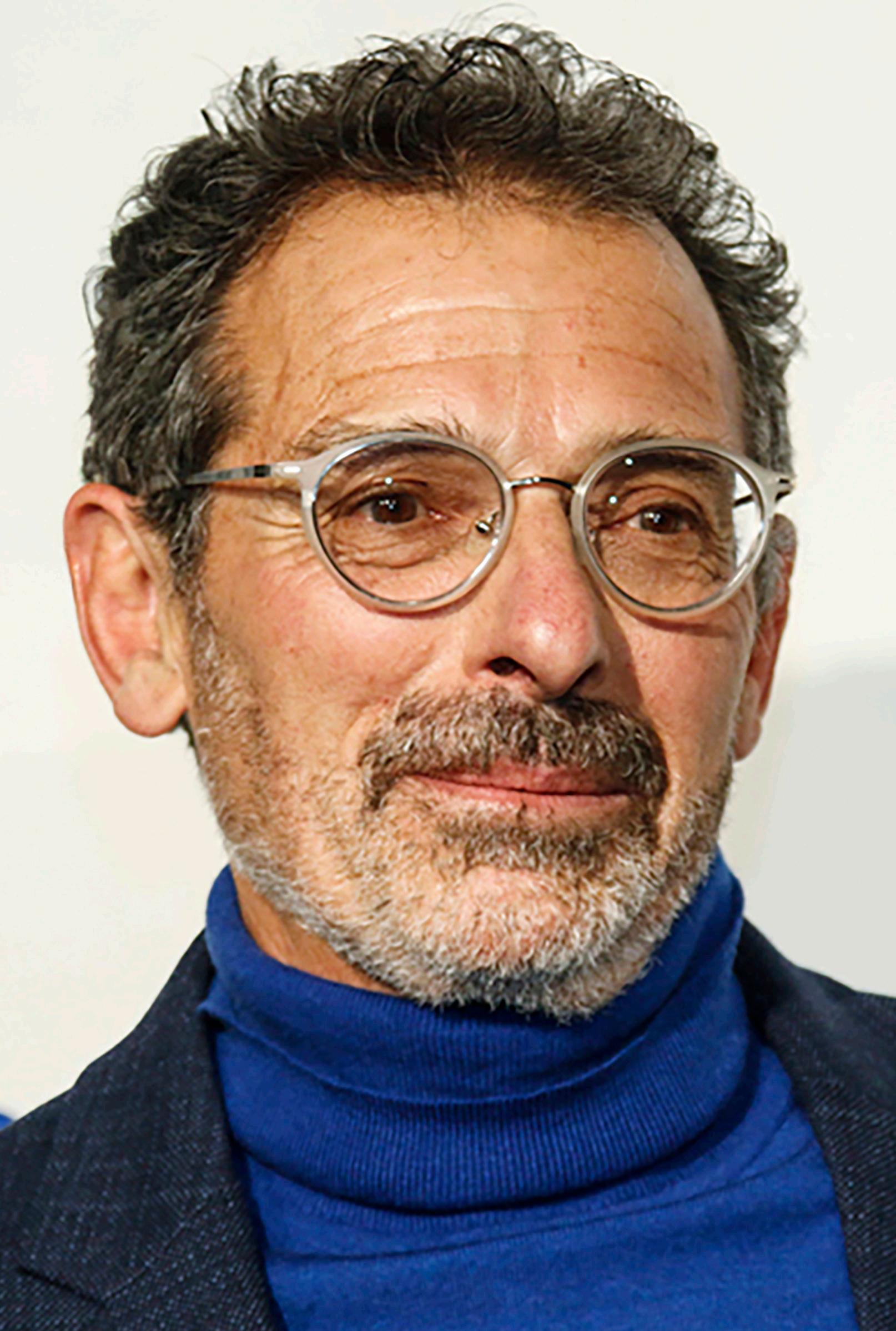
endurance athlete, he enjoyed the recreational opportunities provided by the US Great Outdoors. His work life was busy and rewarding also, initially working in finance and real estate until 1995 “when I moved out of the commercial space into nonprofit work.” This change in his career took him abroad, and so he spent a few years in the late 1990s living in Romania and then also back in the UK, before returning to settle permanently in the US in 2002.
Rick was diagnosed with stage three, locally advanced prostate cancer in 2007, a diagnosis that would be life-changing for anyone, but which he decided to turn into a positive. He explains that “I am a social entrepreneur, that’s how I’d describe myself, and I’m always looking for situations that I can develop, that can help to create social profit. So when I got diagnosed it was a perfect opportunity to move into that space, because I could see that there was something that was clearly needed.” He became actively involved in the local prostate cancer community, attending prostate cancer support groups, before becoming involved in advocacy work also.
It was clear to Rick that the value of a good peer support group was huge, and that it has the potential to be truly impactful and beneficial to someone going through cancer. “If you can talk to peers, then they can and will tell you things that your medical team can’t. Lived peer experience is something you just cannot buy, and it is so valuable. You can learn things from peers that you’ll never learn from your medical team.” Rick’s conviction is one that is supported by research. In her bestselling book, ‘Kitchen Table Wisdom,’ Doctor Remen, a Clinical Professor Emeritus of Family and Community Medicine at the UCSF School of
Medicine, writes about the important role that support groups can play in helping us to heal. The healing that she describes is an emotional healing, which is not necessarily about getting better, but about learning to navigate and live with chronic illness and disease. “The places in which we are seen and heard are holy places. They remind us of our value as human beings. They give us the strength to go on.”
In the book Dr Remen also cites the groundbreaking research carried out by Dr David Spiegel in 1989 and a team of researchers from Stanford University and UC Berkeley which concluded that ‘cancer patients who get emotional and social support through group therapy may survive up to twice as long as patients on medical treatment alone’ (‘Study Says Cancer
Survival Rises With Group Therapy’ by Janny Scott in the Los Angeles Times). Whilst later research by Dr Spiegel went on to conclude that support groups did not necessarily improve survival rates, the finding that they could have a profoundly positive impact on people’s experiences of navigating their own health battles remained. In her book Dr Remen describes how “I asked David what went on in those groups and he said that people just cared about each other. Nothing big, no deep psychological stuff, people just cared about each other. The reality is that healing happens between people.”
It was exactly this that Rick had instinctively understood in the early days of his own cancer journey, but more crucially he could also see that there were a great many
barriers in place that might limit an individual’s ability to join a support group. He recalls how “over the course of my initial treatment I realised that there were a lot of people who could use support groups, but that they often couldn’t get to them. Either perhaps because of a physical disability, a ‘geographical disability’ (being constrained by location), or if they had a ‘social disability’ (could not or did not want to be in a room with a whole bunch of other people). Which is why I thought ‘Why can’t we do this remotely?’ We started by arranging support groups using telephone conference calls.”
Rick knew that in order for the peer support groups to be both valuable to the community, and sustainable, that they would need to be run not only with due care and
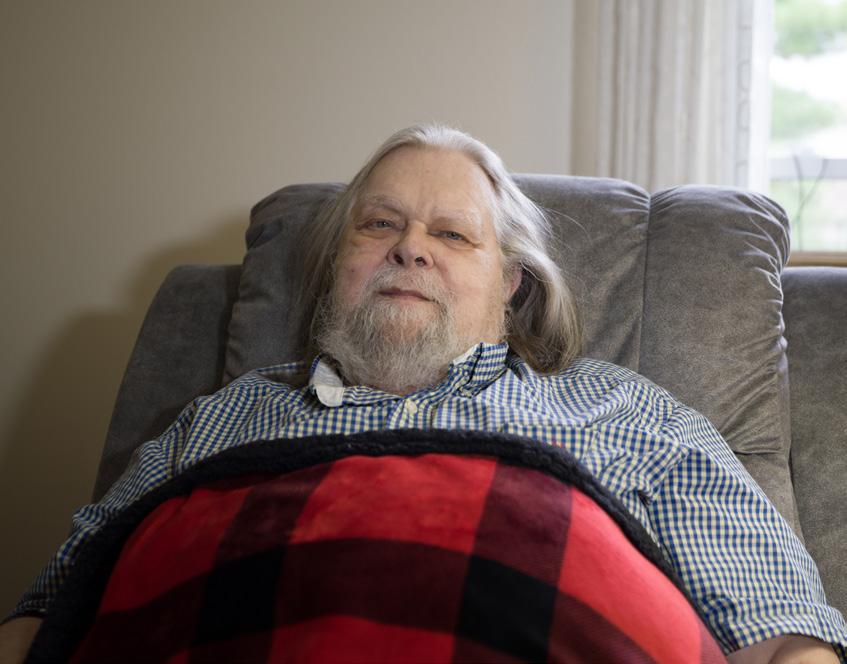
“It’s a wonderful peer-to-peer support system which started off helping men with prostate cancer, but has spread out to helping people with all sorts of cancers. They just do a fantastic job in helping to introduce knowledge to patients. My local cancer support community has also been so supportive, and I go to the support group every week online for that. That’s a huge help for me, without that I don’t think I would be navigating this nearly as well as I have.” - Victor, AnCan Prostate Cancer support group member.
consideration, but always with AnCan’s model of ‘best practice’ kept firmly at the heart of each group. Today each peer group moderator receives both the AnCan manual, and in-depth training to enable them to both understand and meet the guiding principles that underpin the way in which each session is run. As he explains “AnCan is about people helping people, peer-topeer, and we do this both collectively and individually by providing answers, advocacy, education, support and navigation to empower people living with serious and chronic conditions to ‘ Be Your Own Best Advocate. ’ When we started these groups,
it was really important to us that we had credibility, that we were technically reliable, and that we were also providing real emotional support. We can’t give medical advice, so as a moderator you need to make sure that what is shared is solid information. This is really important because a lot of peer information is not necessarily good information, especially today with ease of access to the internet.”
In the post-Covid world of today we are of course all well used to communicating remotely, but at the time the idea of offering support in this way was truly innovative
and groundbreaking. Over the next few years Rick worked on developing the way in which they offered their support groups, which included looking into the option of developing an early online platform to host the groups, but as he notes “I didn’t want to be in the platform business. I wanted to be in the support business, so I let that go, and we decided to use the GoToMeeting platform, and in 2015 we held our first online video chat. And I think I’m pretty sure we were the first people ever to do that.” Today AnCan hosts over thirtyfive peer support groups monthly, working in close partnerships with a number of different organisations and charities.
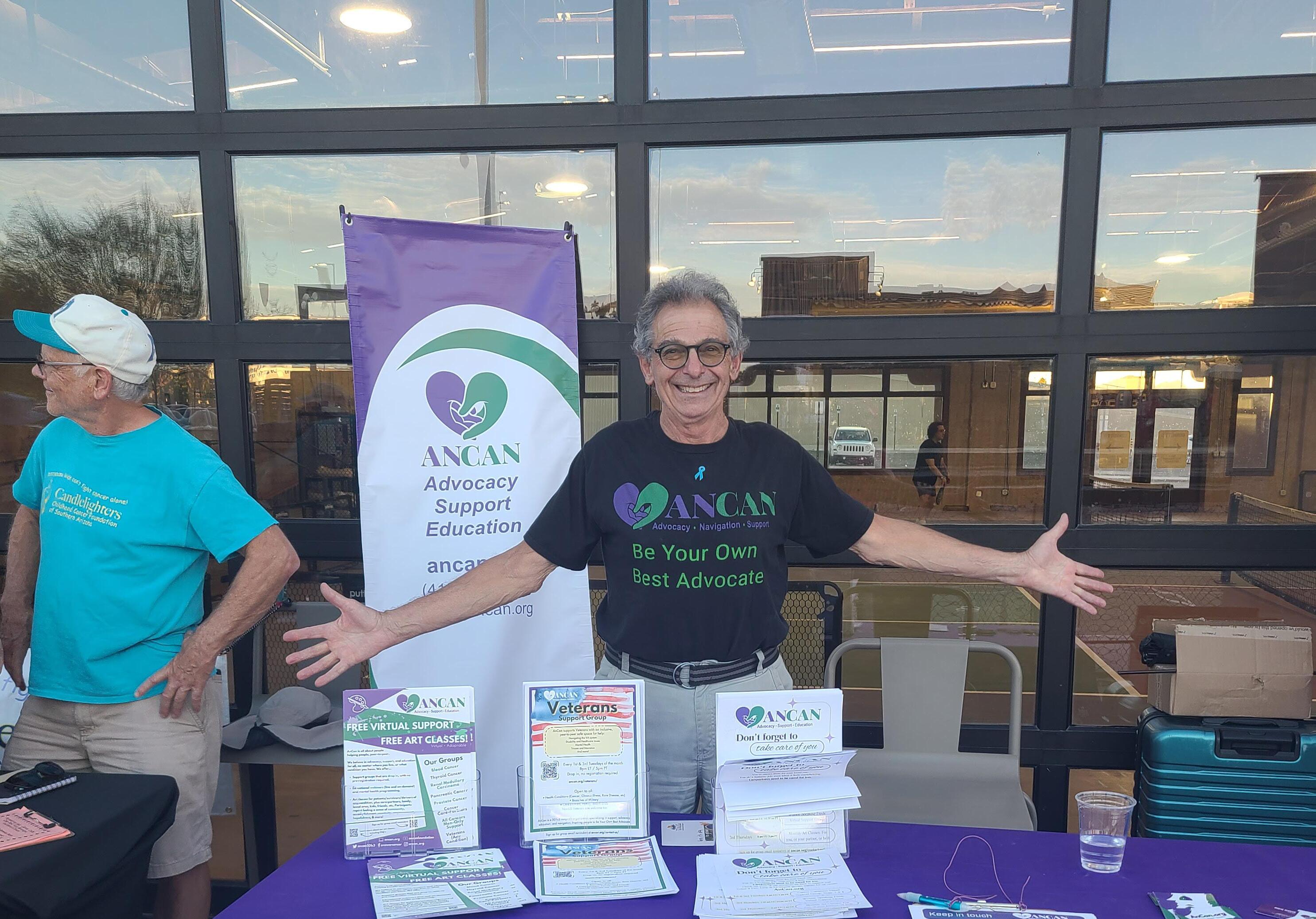

It is clear just how important his work as a peer group moderator is to Rick, and how it underpins his ongoing and profound commitment to continue to grow the reach of AnCan. “We want to provide easily accessible, inclusive virtual peer support for every serious disease and condition allowing widespread participation, especially to those geographically, physically or socially disadvantaged. With each peer support group we run what we are trying to do is to create family, we want people to connect with each other. We ran a survey in 2021, and
again in 2024, While we still haven’t finished doing all of the analysis from it, the first tranche is about to be presented at GU ASCO26 in San Francisco. We know that 46% of the respondents reached out to someone outside of the group, and 39% of them made some permanent friends from the group which is very powerful. Because meeting somebody that has experienced something similar, if not the
same, is huge. And if you can build on that relationship so that you can always pick up the phone and know that someone is there, so that you have a buddy, then that means that the support group isn’t just once a week, or once a month, or whenever it is, it’s always there.”
To find out more about AnCan visit their website here:
Explore the island nation where modern energy meets timeless charm

Photograph by Ceridwen Hughes
Singapore is a city where cutting edge innovation blends effortlessly with centuries of cultural heritage. Its compact size makes it wonderfully easy to explore, yet every neighbourhood reveals something distinct, from the lantern lined streets of Chinatown to the colourful bustle of Little India and the artistic flair of Kampong Glam. Add in the city’s reputation for safety, cleanliness and smooth efficiency, and it’s easy to see why travellers find Singapore so inviting. What truly sets the city apart is its remarkable commitment to accessibility. The MRT and bus networks are designed
for seamless, barrier free travel, with stations, platforms and vehicles built to accommodate mobility needs. Attractions, public spaces and hotels follow the same thoughtful approach, offering ramps, elevators and inclusive layouts that make navigating the city straightforward for all visitors. This level of consideration has earned Singapore a reputation as one of the world’s most accessible destinations.

Combine this with a vibrant multicultural food scene, world class attractions and an infrastructure that keeps everything running effortlessly, and you have a destination that feels both exciting and stress free. Whether you’re a first time visitor or returning to uncover new corners of the city, Singapore offers an experience that is welcoming, diverse and refreshingly easy to enjoy.
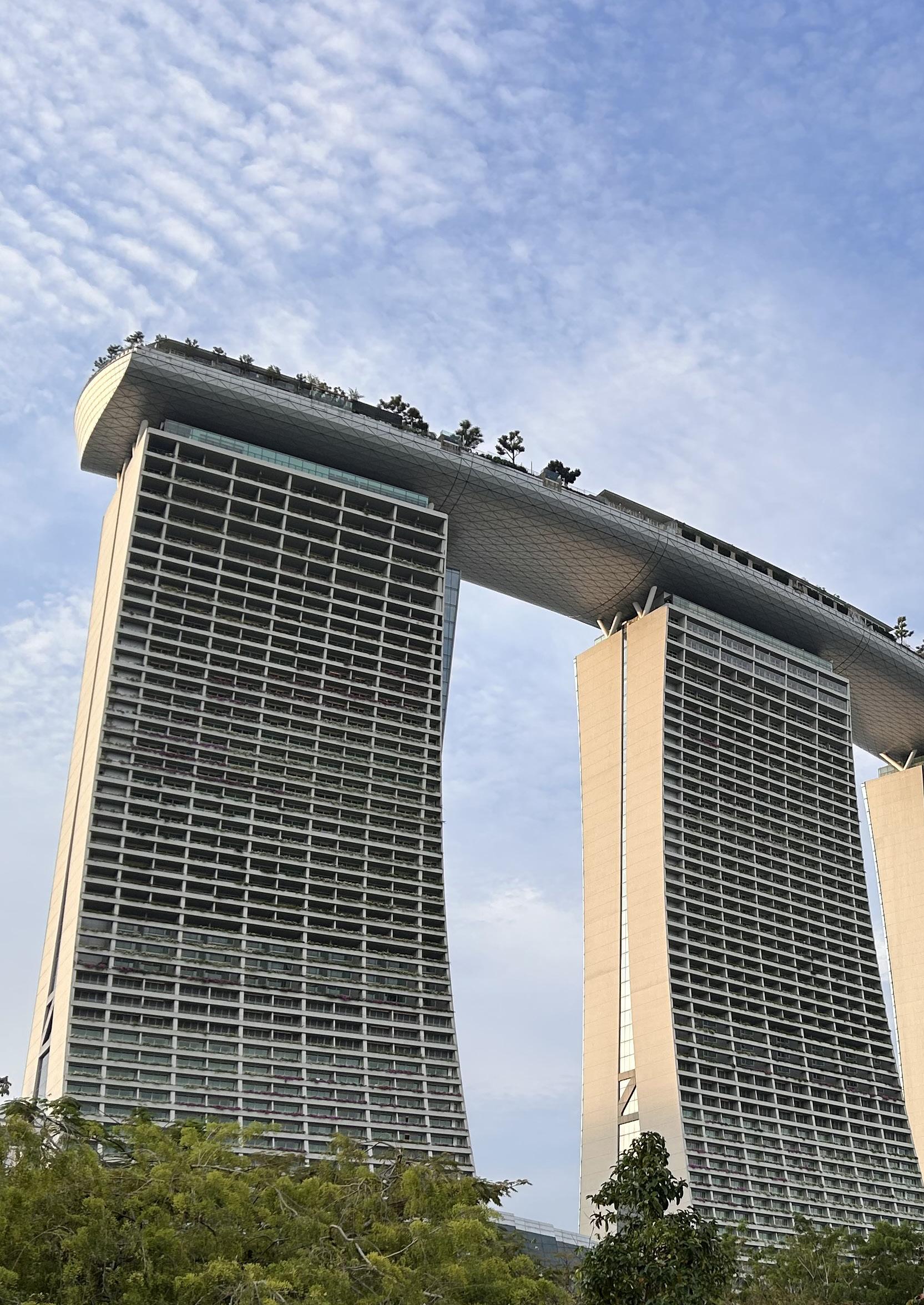
Singapore boasts an incredible mix of experiences to suit every traveller, with attractions, neighbourhoods and activities that cater to all interests and budgets. Whether you’re drawn to its futuristic skyline, lush gardens or rich cultural districts, the city is packed with things to see and do. Visit the webstie Visitng Singapore as a starting point; it’s a great website to help inspire you, and to plan your stay. We’ve picked out our favourites below, which we feel capture the energy, flavour and charm that make Singapore such a memorable destination.
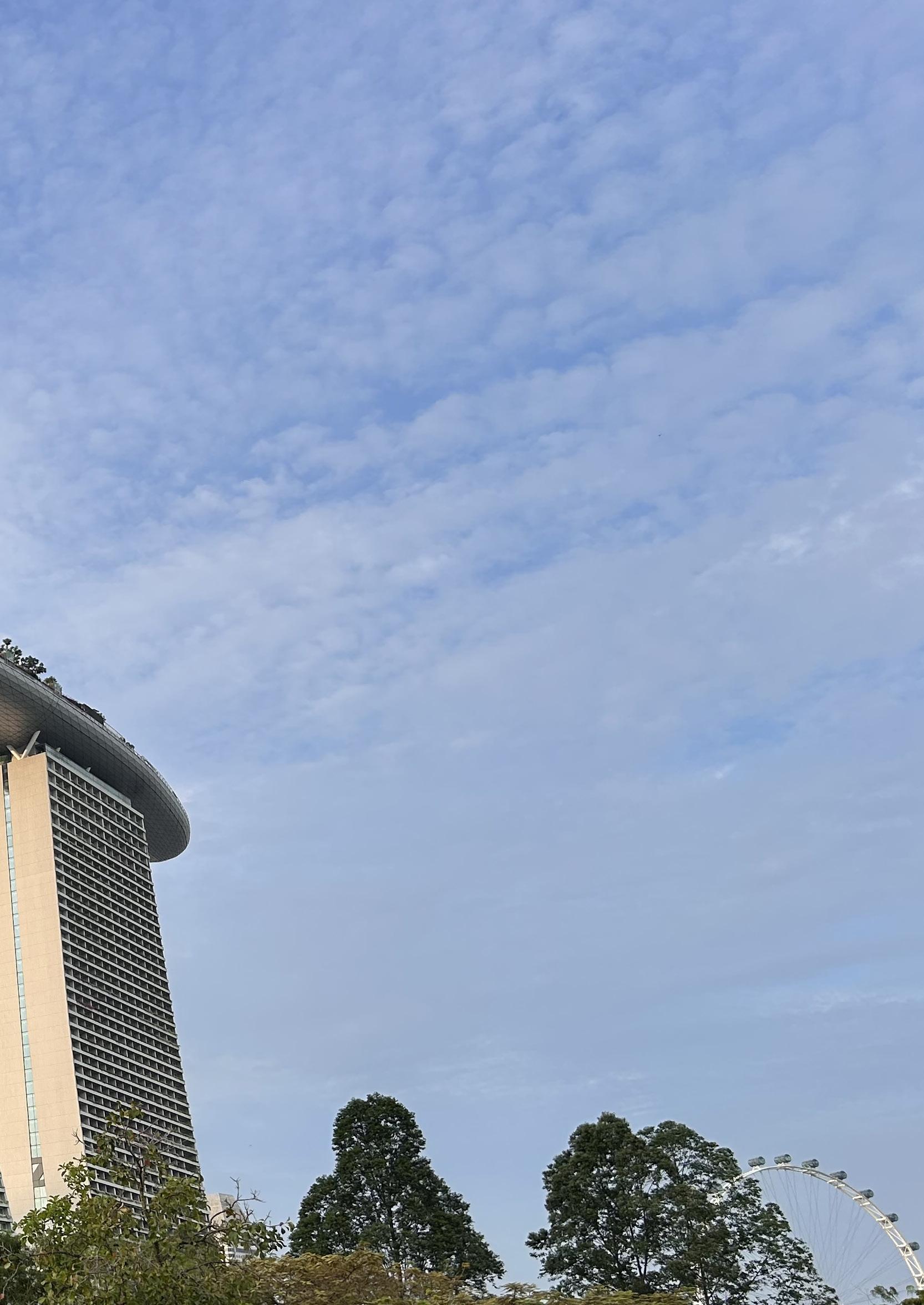
The Night Safari.
The Night Safari is one of Singapore’s most unique and unforgettable attractions, offering visitors the chance to explore the world’s first nocturnal wildlife park under the magic of moonlit skies. Set within lush rainforest, and starting at dusk the experience takes you on a guided tram ride and on walking trails where you can see more than 900 animals, from majestic Asian elephants to elusive clouded leopards. Soft lighting mimics the glow of the moon, creating an atmosphere that feels both immersive and respectful of the animals’ natural rhythms. It’s an adventure that blends conservation, education and a touch of theatre, making the Night Safari a must do for travellers looking to see wildlife in a completely different way.
www.mandai.com
Island
Sentosa Island is Singapore’s ultimate playground, offering a sun soaked escape packed with attractions, beaches and entertainment. Just minutes from the city centre, this resort island feels like a world of its own, with everything from theme parks and aquariums to luxury spas, golf courses and family friendly adventures. Visitors can unwind on
golden beaches, explore nature trails, or dive into the excitement of places like Universal Studios Singapore and S.E.A. Aquarium. With easy access via cable car, monorail or even a scenic boardwalk, Sentosa is a vibrant, all in one destination that brings together relaxation, fun and a touch of island magic.
www.sentosa.com.sg
Singapore Slings in the Long Bar at Raffles Hotel
Sipping a Singapore Sling at the Long Bar in Raffles Hotel is one of the city’s most iconic experiences, blending colonial era charm with a touch of theatrical flair. This is the birthplace of the famous pink cocktail, first created in 1915, and today visitors still gather beneath the bar’s vintage fans to enjoy the classic drink while cracking open complimentary peanuts and tossing the shells on the floor, a quirky tradition that adds to the atmosphere. While the Singapore Sling is strictly for adults, the Long Bar also caters to younger guests with a selection of alcohol free mocktails and refreshing juices, so children can enjoy a special drink of their own while soaking up the historic setting.
www.raffles.com
MUST SEE
Gardens by the Bay Gardens by the Bay is one of Singapore’s most spectacular highlights and an absolute must see for any visitor. Spanning over 100 hectares of waterfront land, it blends nature, art and innovation in a way that feels almost otherworldly. The towering Supertrees, vertical gardens that light up in a dazzling nightly
show, create a skyline unlike anywhere else, while the cooled conservatories offer immersive escapes into lush cloud forests and vibrant floral worlds. Whether you’re wandering along the elevated walkways, exploring the themed gardens or simply taking in the sweeping views of Marina Bay, the experience
is both calming and awe inspiring. It’s a place that captures the essence of Singapore’s vision: futuristic, green and endlessly captivating.
www.gardensbythebay.com.sg


Singapore offers an impressive range of hotels, making it easy for every traveller to find a stay that suits their style. From sleek skyscrapers overlooking Marina Bay to lush, garden inspired retreats and beautifully restored heritage buildings, the city blends luxury, character and convenience in equal measure. Excellent public transport links mean you’re never far from major attractions, while world class service is a hallmark across all categories. Whether you’re seeking
five star indulgence, boutique charm or a budget friendly base, Singapore’s hotel scene delivers a standout experience at every level. Some of our recommendations are as follows.
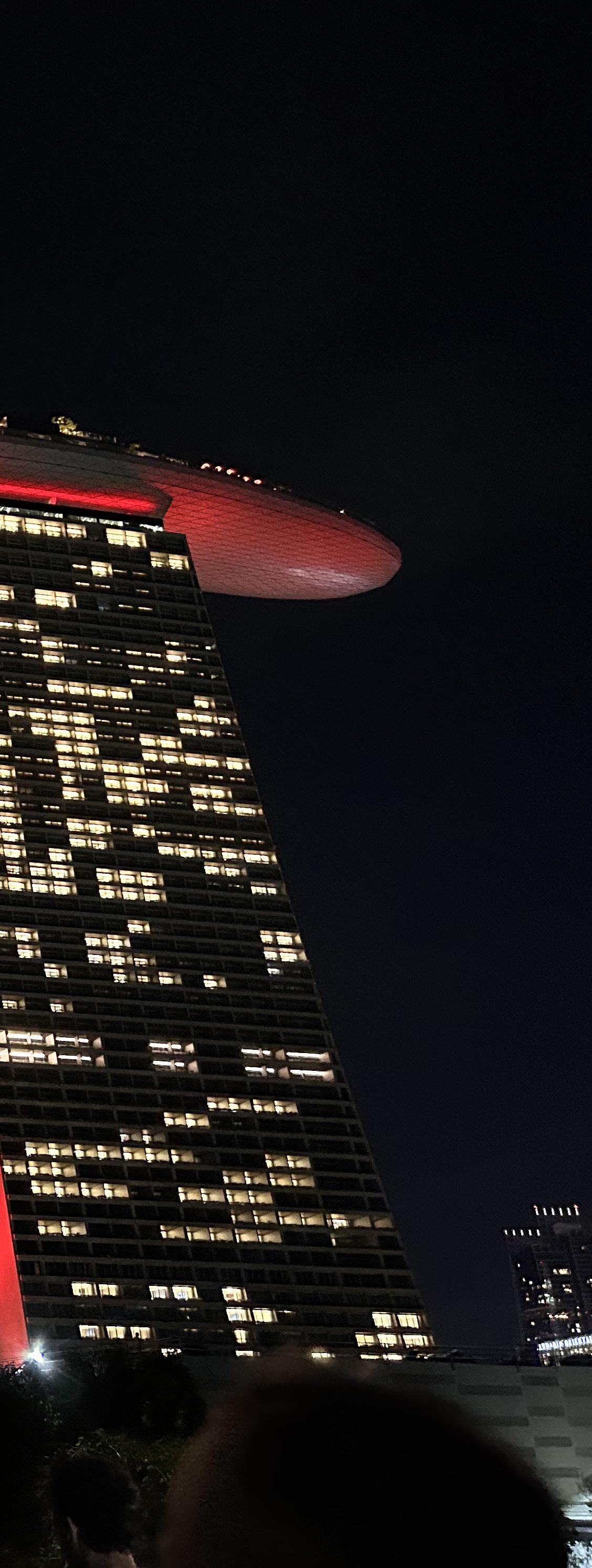
Park Royal Collection, Marina Bay
Park Royal Collection Marina Bay sits right in the heart of Singapore’s Marina Bay district, placing guests within easy reach of major attractions such as Gardens by the Bay, the Singapore Flyer, the Esplanade and the Asian Civilisations Museum. The hotel blends luxury with sustainability, featuring a striking “garden in a hotel” design anchored by Southeast Asia’s largest indoor atrium filled with more than 2,400 plants. With direct access to nearby malls, excellent public transport links and convenient options for airport transfers, it’s an accessible base for travellers who want to explore the city while enjoying a calm, nature inspired retreat.
www.panpacific.com
Furama River Front Hotel
Furama RiverFront enjoys a convenient location between Singapore’s vibrant Clarke Quay and the culturally rich Chinatown district, giving guests easy access to dining, shopping and riverside strolls. The hotel is designed with comfort and accessibility in mind, offering features such as elevators, spacious public
areas and a variety of room types suited to different mobility needs. The hotel boasts a community focused lobby with co working spaces, well appointed rooms overlooking the city or greenery, and diverse dining options like the halal certified Kintamani Indonesian Restaurant and the relaxing Waterfall Lounge. With its blend of practicality, warm hospitality and thoughtful amenities, Furama RiverFront serves as a welcoming base for exploring Singapore.
www.furama.com
Village Hotel Sentosa
Village Hotel Sentosa is a bright, family friendly base on Singapore’s resort island of Sentosa, perfectly positioned for easy access to major attractions and the island’s beaches. The hotel is designed with convenience and accessibility in mind, offering spacious pathways, lift access throughout and thoughtfully planned family rooms. One of its standout features is the impressive pool deck, which includes multiple themed pools and plenty of space to unwind after a day of exploring. With its relaxed atmosphere, excellent transport links via monorail and bus, and a location that puts fun right on your doorstep, Village Hotel Sentosa is an ideal choice for travellers looking to enjoy the best of the island in comfort.
www.villagehotels.asia

Singapore’s food scene is a vibrant tapestry woven from Malay, Chinese, Indian, and Peranakan influences, creating a culinary culture that feels both deeply rooted and endlessly inventive. From the aromatic richness of Hainanese chicken rice to the fiery punch of chilli crab, and the comforting warmth of laksa, the city’s national dishes reflect its multicultural heartbeat.
Hawker centres are woven into the fabric of Singaporean life, and you’ll find them scattered across the city, each with its own personality and irresistible mix of food stalls. The moment you step inside, the air fills with inviting aromas, the chatter of locals, and an atmosphere you simply won’t experience anywhere else. These bustling communal spaces serve some of the country’s most delicious dishes at wallet friendly prices, and sharing a table with strangers quickly becomes part of the charm. Many centres are known for specific specialities, so if you’re craving something iconic like a tasty satay, it’s worth doing a little homework. Otherwise, dive in and explore, and know that Hawkers Markets are perfect for celebrating Singapore’s love of food. One insider tip: follow the queues, a long line is almost always a sign you’ve found a standout vendor.
Rise Restaurant
RISE at Marina Bay Sands brings together the flavours of the world in a setting that feels unmistakably Singaporean. Set in the Marina Bay Sands Hotel’s airy lobby, the restaurant is known for its lavish international buffet, where you can move from fresh sashimi and seafood to European classics and local favourites like Singapore Chilli Crab in one seamless culinary journey. The atmosphere is relaxed yet polished, making it a popular stop for travellers who want to sample a wide range of dishes without leaving the comfort of the bayfront. With its generous spreads, Southeast Asia inspired cocktails, and warm service praised by visitors, RISE offers a vibrant snapshot of the city’s multicultural dining scene. www.marinabaysands.com
Candlenut
Candlenut offers a sophisticated, modern introduction to Peranakan cuisine while staying true to its heritage. As the world’s first Michelin starred Peranakan restaurant, it showcases chef Malcolm Lee’s take on traditional family recipes, using fresh, seasonal ingredients to elevate classic flavours. Set in the leafy calm of Dempsey Hill, the restaurant’s warm, contemporary design creates an inviting backdrop for sharing dishes that celebrate Singapore’s Chinese culture. It’s an elegant yet approachable way for travellers to experience one of the city’s most distinctive culinary traditions.
www.comodempsey.sg

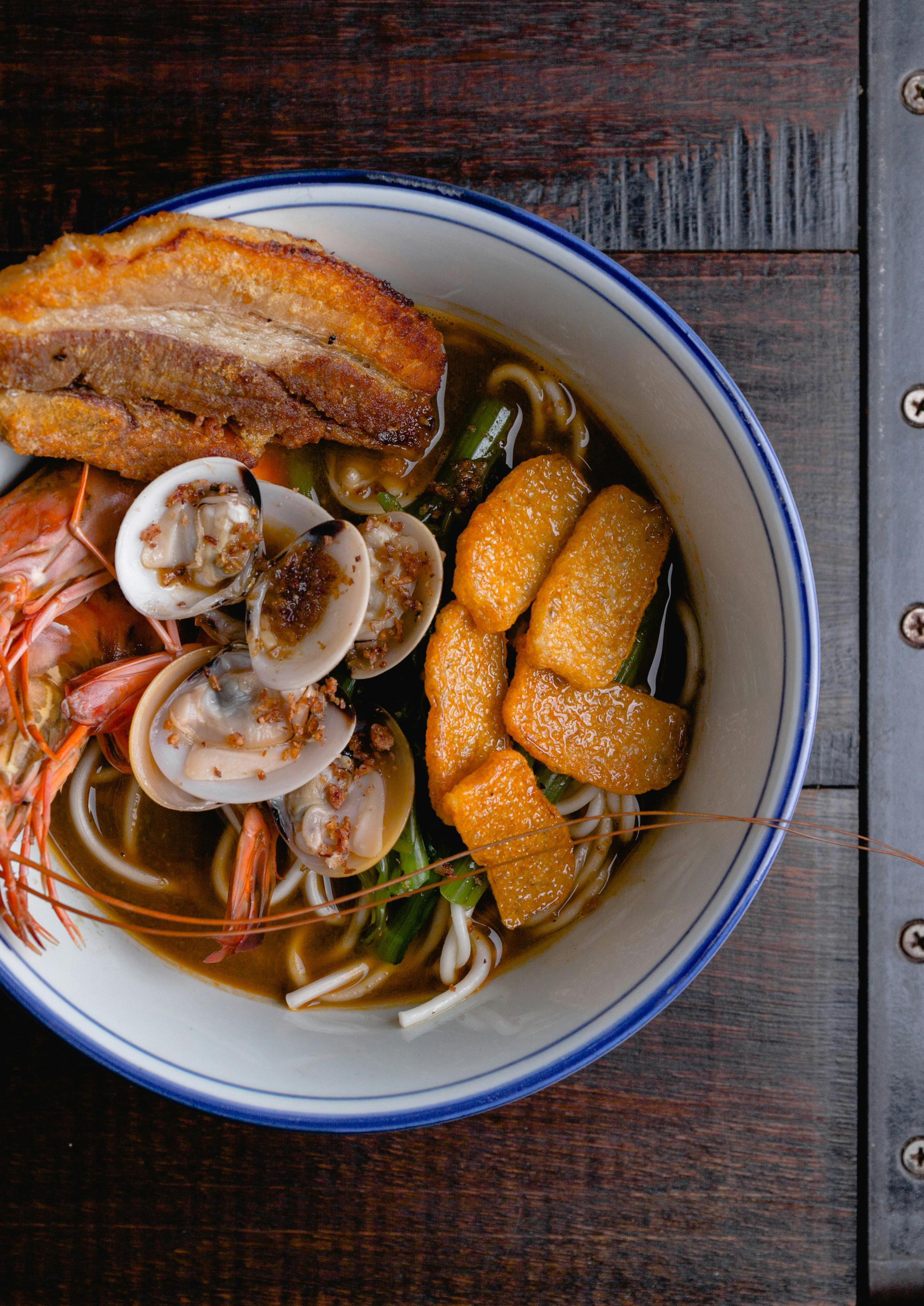
In conversation with Vanessa O’Rourke, Community Engagement Manager at the National Adrenal Diseases Foundation (NADF)
“My entire life I kind of always felt unwell, but I had nothing to compare it to so I never really thought anything of it. I just thought that I was for some reason weaker, more tired, or maybe more emotional than other people.”
In the rare disease community it’s well known that doctors are taught to look for common conditions first, “When you hear hoofbeats, think horses, not zebras.” With symptoms often overlapping in multiple illnesses, it’s no surprise that diagnosis can be slow and complex. What stood out however in Vanessa’s story was how, despite feeling unwell throughout much of her childhood and teens, her symptoms were repeatedly missed, or perhaps dismissed as something else. “When I was a kid, we had PE after lunch and I’d always be sick. I couldn’t
go to recess, I’d lie down in the nurse’s office. Eventually, they thought I didn’t have friends and just wanted to sit in there. But I really didn’t feel well, I just didn’t know how to explain it.” Throughout her high school years she struggled, and her symptoms increased, including irregular sleep, hormone issues causing severe acne all over her face and back, and episodes of passing out.
Vanessa’s health really began to spiral during college. “I just didn’t feel well, and things kept getting worse, fainting episodes, weight changes, rising anxiety. It all snowballed,” she says. After graduating and moving to Austin with her boyfriend (now husband) her symptoms intensified. “I really, really didn’t feel well, and I kept telling him, ‘I feel like a piece of me is missing, like there’s a hole in my body, and if I don’t figure it out, I’m going to die.’”
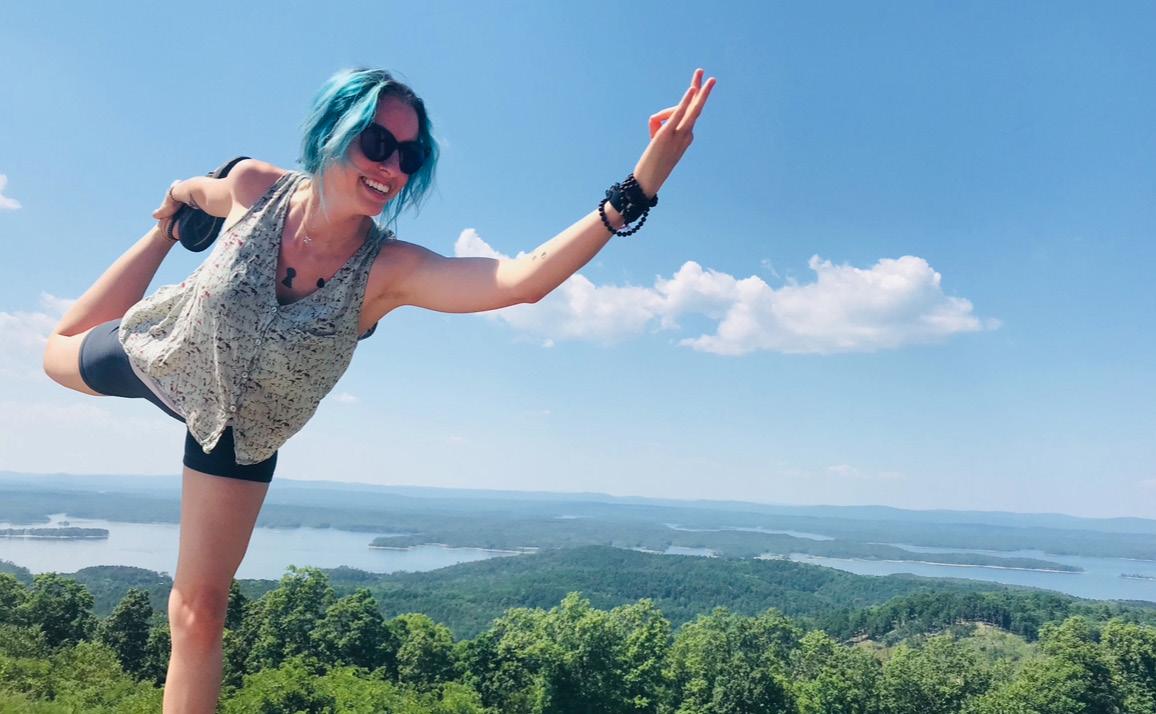
Despite seeing multiple doctors, Vanessa felt increasingly helpless. No one seemed to grasp what was happening—or show much urgency in finding out what might be going on.
The turning point finally came when Vanessa saw a gynaecologist after nearly two years without a period.
“She checked my hormone levels, and the first thing she said was ‘Your DHEA is very low—you need to see an endocrinologist.’”
Vanessa recalls, “I didn’t know anything about dehydroepiandrosterone, but she explained it’s a hormone from the adrenal glands that helps produce testosterone and estrogen. It was only when I was telling my mom about my appointment that she remembered that my great grandma had had a ‘really weird’ rare endocrine disease. She offered to look through our family history, where she found the name for Addison’s disease, also known as Primary Adrenal Insufficiency.”
Despite her partner’s advice not to, Vanessa began researching the disease and what she found felt alarmingly familiar. “All of the symptoms matched what I was going through: my skin was bright orange, I was losing loads of weight, constantly nauseous, couldn’t digest food, and the brain fog and severe fatigue hit me like clockwork every day. I’d get home from work completely catatonic
unable to speak, drooling, and was just resting until I had to go back again.” Yet when she saw the endocrinologist, he dismissed her concerns. “Although yes, you are kind of orange, it’s really rare, so I doubt that you have it,” he told her. Still, Vanessa pushed for answers—and eventually, he agreed to run the tests.
The next day at work, Vanessa received a voicemail from the nurse urging her to call back immediately—it was an emergency. But no one answered all day, so she and her partner drove to the doctor’s office, anxious and afraid. Before going in, he reassured
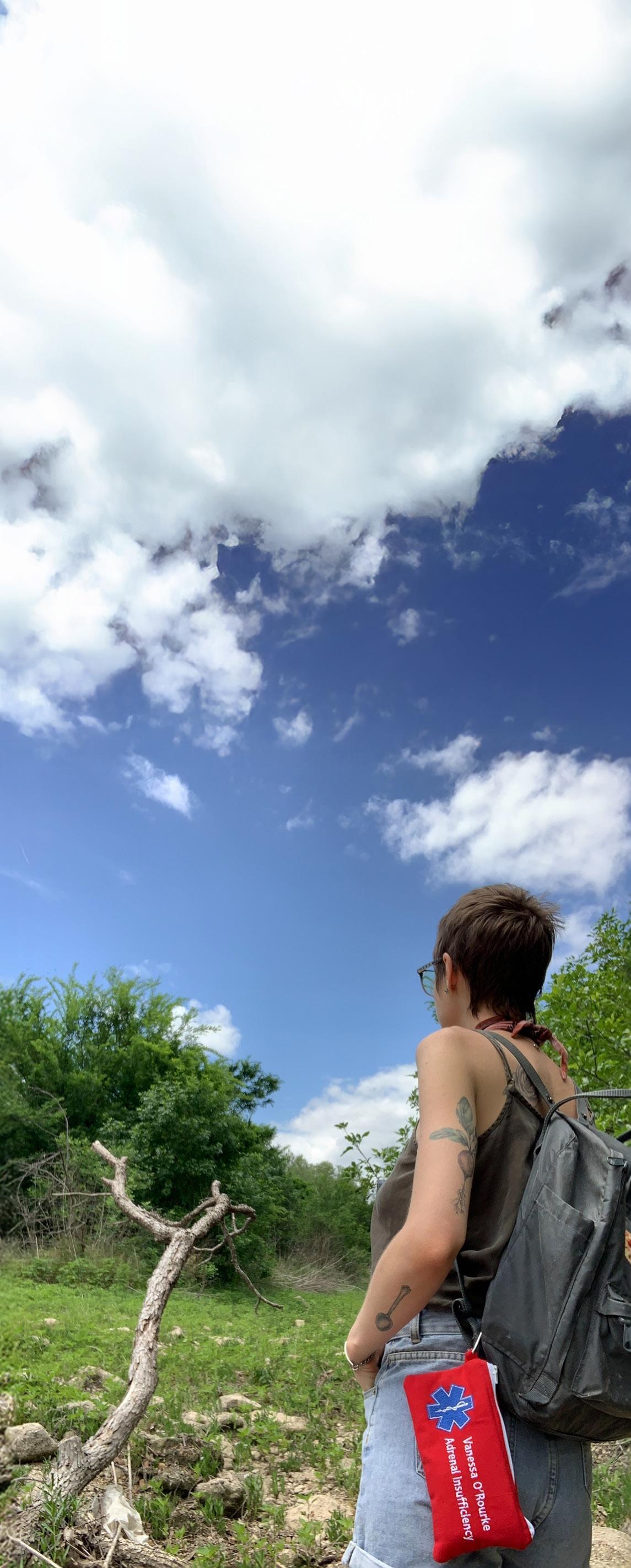
her: “Whatever information we get, it’ll be ok. Things might change, and we may have to adjust, but we’ll figure it out.” Inside, the consultant confirmed she had Addison’s disease and told her she needed to begin steroid treatment right away. Vanessa laughs, recalling how—despite the seriousness of the moment—she felt almost relieved.
“I remember being so emotional, happy even. People who haven’t dealt with rare diseases might not understand, but I was happy because I had an answer. It was real. It wasn’t all in my head. And I was going to be okay—this diagnosis would help me.”
Though she’d done some research, she knew little about Addison’s and assumed it was simply an adrenal condition. As a yoga instructor living a holistic-lifestyle she was concerned about taking steroids and asked if there was an alternative. The doctor’s reply was blunt and immediate: without steroids, she would die. As is often the case, Vanessa’s diagnosis and the start of treatment brought both clarity and heartbreak. “I had a bit of ‘steroid guilt’—once you start, you can’t stop,” she says. “I didn’t fully grasp how urgently I needed them, and I remember crying in the pharmacy, holding the pills, knowing I’d be dependent for life. I kept thinking, ‘What does that look like?’ There are so many side effects, so many other medical issues that come with it.”
But then came a shift in perspective. “What I really want is to have a life while I’m alive. Yes, the treatment will bring complications later—but I want to have a later. In the rare disease community, there’s always something, and you just manage what’s in front of you. Whatever symptoms are loudest, you nurture them—and try to keep the others quiet.” Vanessa began treatment, but was crushed when her symptoms didn’t improve, and her medical team offered little support beyond the prescriptions. “I didn’t know much about my disease, and even though I was taking all these pills twice a day, I still felt awful. I kept wondering, ‘What am I missing? What am I doing wrong?’ But I couldn’t find anything online, and no one seemed to be talking about it. I thought, ‘Is anyone else out there? Is anyone else feeling this?’”
That was eight years ago, and in search of connection she started a YouTube channel. “I wasn’t into social media—I didn’t even have Instagram. But this was all I had. I began sharing my experiences, talking about what was happening.” She continued blogging, hoping her story might reach others. Eventually, her search led her to the National Adrenal Disease Foundation (NADF) and a local support group. “The first meeting was a couple of months
after my diagnosis, and I learned more in that hour and a half than from anything online or any doctor I’d seen.”
With the support and insight she gained from the NADF community, Vanessa began to feel hopeful about managing her diagnosis. But by November— months after being diagnosed—her health had deteriorated even further. Desperate, she turned to the Mayo Clinic, renowned for its world-class care.
There, doctors uncovered a critical error, Vanessa’s prescription for low DHEA levels had been drastically miscalculated. “Instead of taking 10mg every couple of days, I was taking 100mg every single day,” she explains.
“This hormone boosts energy, which is fine in the right dose, but not when it’s so much you can’t sleep. I was only sleeping about 20 minutes a night and felt like I was losing my mind.” Still battling pain, nausea, and unable to eat properly, her weight had dropped to just 109lbs (49 kg), and her skin remained bright orange. This discovery marked another turning point in her journey, as things finally began to slowly improve.
Vanessa began adjusting to life with Addison’s disease, learning to listen to her body and manage both symptoms and treatment. Unlike a fixed daily routine, living with Addison’s requires constant vigilance and flexibility.
“Addison’s disease dictates everything, and navigating the current conditions and symptoms is vital,” she explains.
Steroid doses must be tailored not only to measurable factors like weight or coexisting conditions, but also to external influences—stress, illness, fatigue, even warm weather. Any drop in cortisol can trigger an adrenal crisis, making daily life a careful balancing act. This constant need to adapt is one of the greatest challenges of living with the condition.
Vanessa’s health, and how she can both deal with and navigate the world can change not only daily, but by the hour. This can at times be hard for people to understand, and so she has found a way to describe her condition
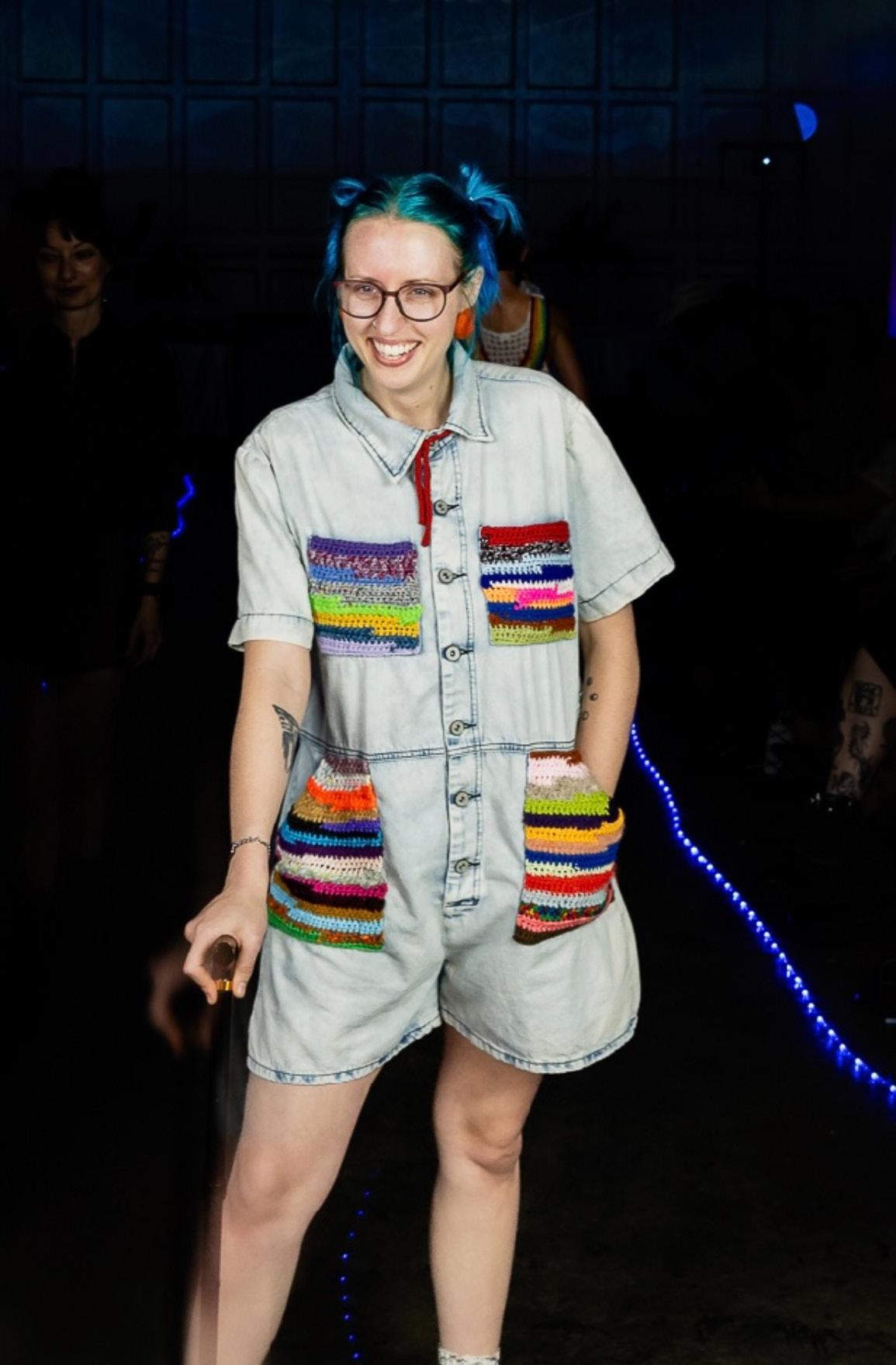
that is both simple, and utterly effective. “Imagine a car that has a hole in the gas tank, you must keep putting in gas, knowing that it will keep running out but without knowing exactly when. This is because at any time you will be using different amounts of gas, depending for example on the speed that you’re driving, or the road conditions at the time. As the amount of time it takes for the tank to empty varies, you must constantly monitor and pre-empt it. My adrenal glands are no longer producing the two essential hormones, cortisol and aldosterone, that the body needs to live, so I must constantly take similar steroids to replace them. Not only do they help to keep me alive, and
to function, if I don’t take an adequate amount, or if my body uses more than expected (for example if I’m ill or stressed) then the outcome can be catastrophic.”
Her early decision to share her journey on YouTube helped her connect with a wider community, and through those connections, she became a passionate advocate. After years of volunteering with the National Adrenal Disease Foundation (NADF), she now serves as their Community Engagement Manager, a role that perfectly channels her gift for communication, education, and support.
“I know how hard it is in the beginning, how overwhelming it is,” Vanessa says. “And I love being able to support people through that, to tell them, ‘you’re not alone.’ I will always hold space for people, because I know how valuable that is. And although our stories might be different, they’re also the same.”
Today, Vanessa is thriving, not because she’s symptom-free or has all the answers, but because she’s adapted, grown, and embraced her reality. By reshaping her life around the demands of Addison’s disease, she’s found a way to truly live.
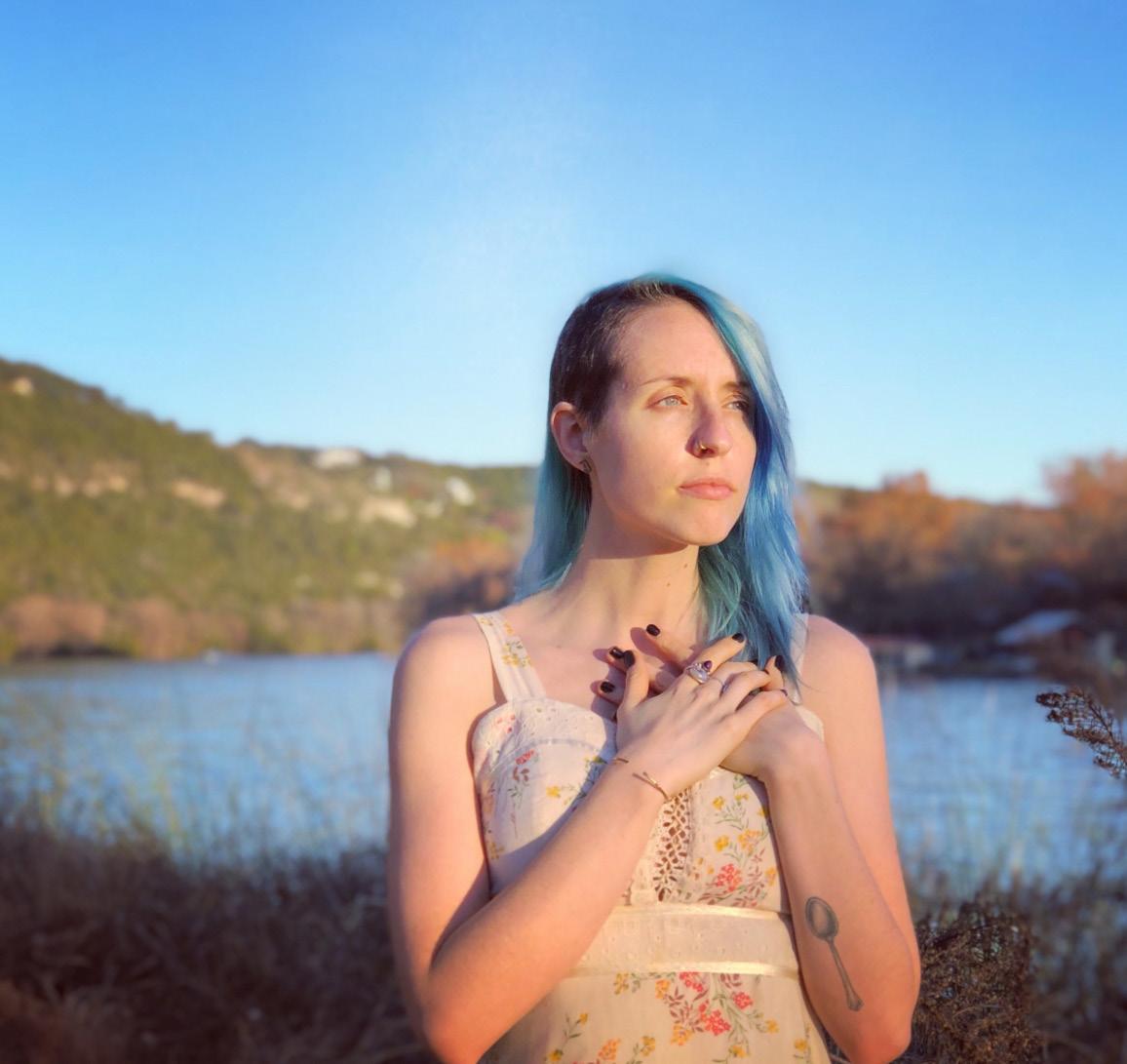
Adrenal diseases describes a group of different conditions that all affect the adrenal glands. The adrenal glands are small endocrine glands, which are found on top of each kidney. Their role is to produce a variety of hormones, including adrenaline, steroid hormones such as androgens, mineralocorticoids and corticosteroids. These hormones play a crucial role in the body, regulating metabolism, blood pressure, immune system, and stress response so when the adrenal glands do not work as they should it can lead to various endocrine conditions.
Put simply, adrenal gland disorders occur when your adrenal glands make too much, or not enough, of the hormones needed. There are a number of different types of adrenal gland disorders, the most common of which include Addison’s disease, Cushing’s syndrome, congenital adrenal hyperplasia, and primary aldosteronism. Symptoms can vary widely depending on the specific condition and the hormones affected. Early diagnosis and treatment are essential for managing these potentially life-threatening disorders. People with an Adrenal Insufficiency are steroid dependent for the rest of their lives, and will have to take Cotisol and aldosterone steroid replacements, typically Hydrocortisone and Fludrocortisone, on a daily basis.
To find out more visit: www.my.clevelandclinic.org
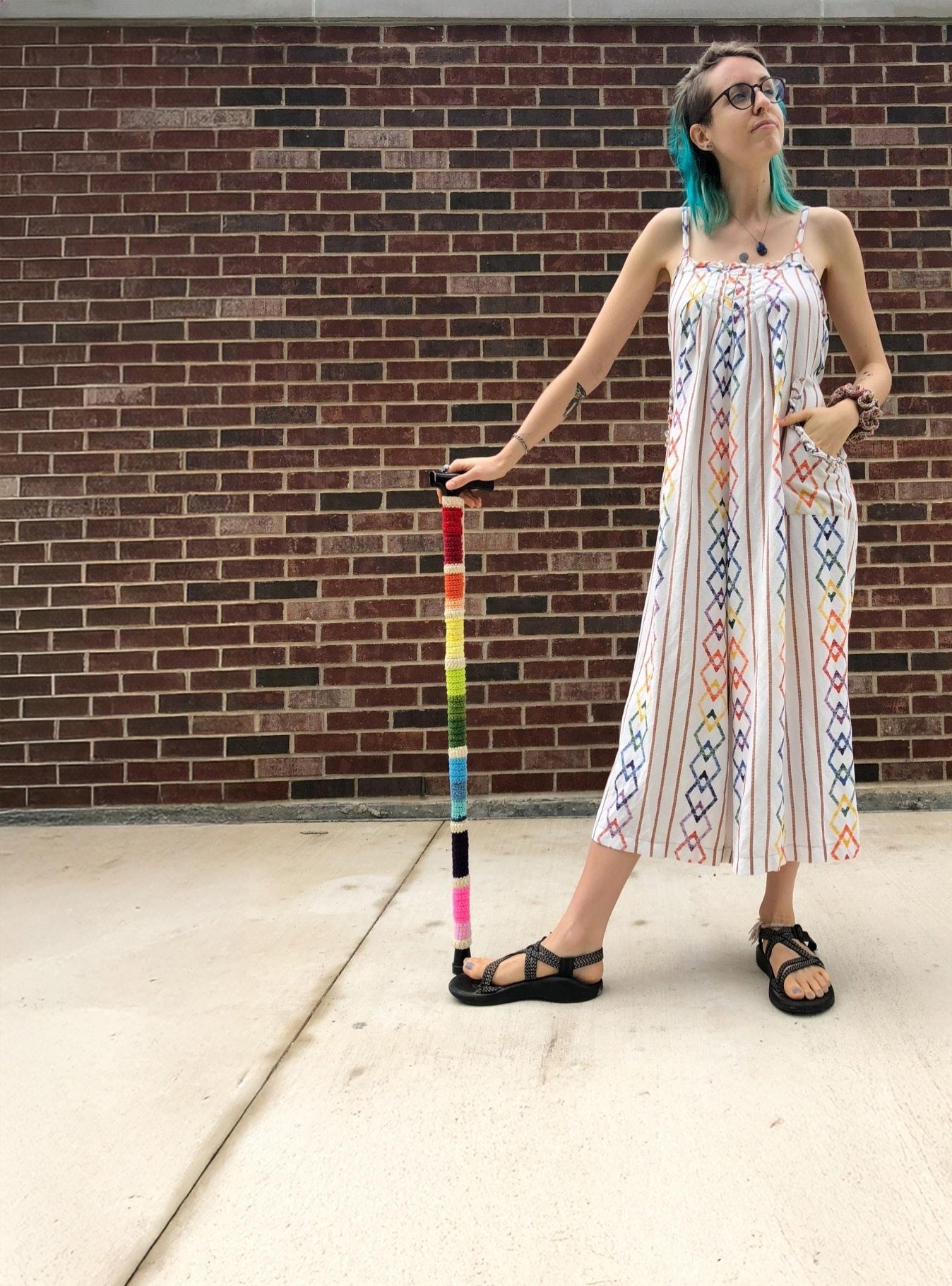
To find out more about the National Adrenal Diseases Foundation (NADF) visit:
www.nadf.us

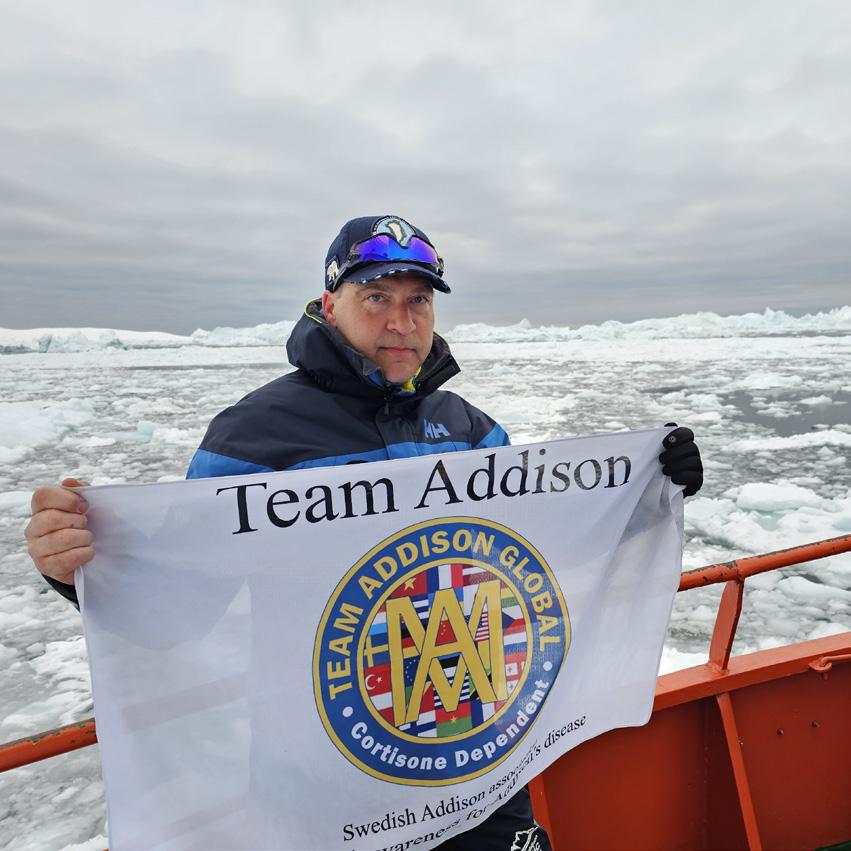
with Martin Norrman
Founder of Team
Addison Global.
Martin Norrman is a Swedish educator and the founder of Team Addison Global, an international network with active teams in 23 countries. In many places where no formal patient association exists, these teams serve as vital meeting points for people living with Addison’s disease—offering support, connection, and shared knowledge.
Martin is currently preparing for two extraordinary expeditions to the edges of the Earth—Svalbard in May 2026 and Antarctica the following year, as part of his wider mission to raise global awareness of Addison’s disease and other autoimmune conditions.
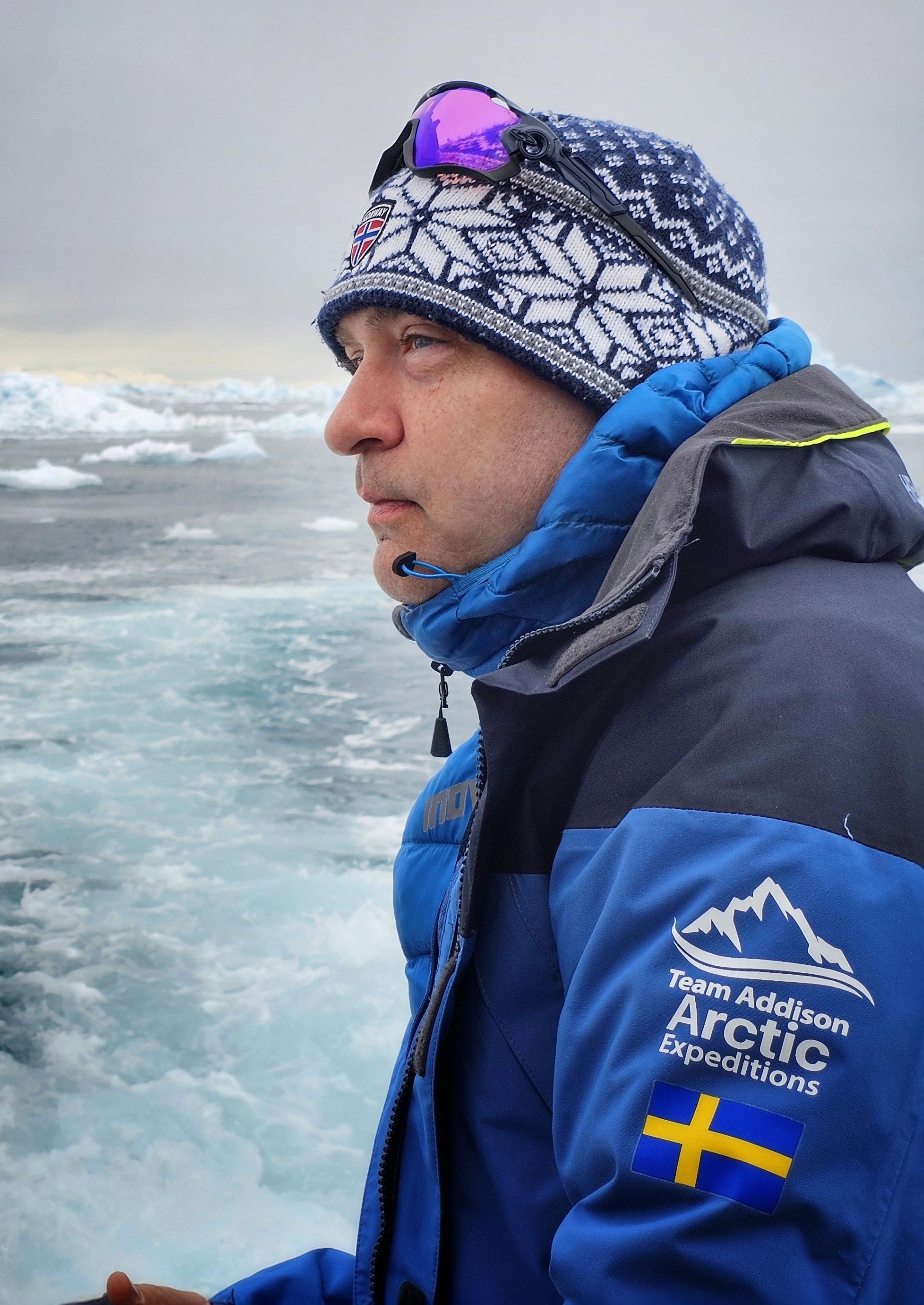

Please share some background about your journey with rare diseases with us:
Life with a chronic diagnosis started back in 1984, when I was diagnosed with type 1 diabetes. When I was 27, I was also diagnosed with Addison’s disease, and then with toxic goiter and asthma. Addison’s disease is serious and potentially life-threatening, and there have been many trips to hospitals over the years. But it has also shaped me into a humble person, and made me realise just how precious our time is. Now I try to be efficient with my time, and to work on living my dreams.
What first inspired you to set yourself the incredible challenges that you have undertaken / are planning next?
I know just how quickly you can lose your life, because I was in a coma after I had had an Addison’s crisis, and the doctors didn’t know what it was. Their ignorance of my condition, and how to treat it, nearly cost me my life. To live well with Addison’s, you must know your body intimately, and understand your diagnosis completely. That’s why I work so hard now to do everything I dream of, and at the same time try to show the world that you can still live the dream despite your diagnoses.
In May 2026 I am going on an expedition to Svalbard in the Arctic. These expeditions require
meticulous planning— medications, emergency doses, rest, nutrition, and tailored activities. But it’s worth it. Standing in these spectacular, remote places with the Addison’s flag is more than symbolic. It’s a message to say to the world that ‘We exist. We fight. And we deserve to be seen.’
Beyond the expeditions, my greatest dream is to work fulltime in advocacy—spreading knowledge, building awareness, and helping Addison’s disease become more widely recognised across the world.
You document your life and your journey through blog posts, social media, international articles and the documentaries you have made. Have you always been creative or is this a way you have found to support your own journey with your rare diseases?
I have always been creative, and have so much more I would like to do to make Addison’s disease more known. I am funding the expeditions myself, and will be documenting them through blog posts, social media and articles. I take all of my own photographs, write the texts and shoot the films myself for our social media pages. Our main platform is Facebook - you can find the page here: @teamaddison1.
I would also really like to put on a big arena concert or make a documentary for TV. I have already co-created two powerful documentaries that shed light on life with Addison’s disease and are linked below.
Unfortunately, because the people I ask for help from often need to be paid, and we simply don’t have funds for that, I have to do most of it myself, with the means and skills that I have.
If you could give any advice to other individuals or families on their own rare trips, what would it be?
The most basic thing is to have money, a passport and your medication with you. Then beyond that your will and determination go a long way!
I always check if what I want to do is possible from my medical point of view, and then I always research the safety and healthcare where I am going. The fact that I have dared to take on a lot of challenges is
probably because I know myself well, and I’ve tested myself a lot too. So overall I think that the trips that you take on will depend a lot on how well you know yourself.
What are your greatest travel memories?
A trip to Greenland and seeing the floating glaciers in the Arctic Ocean and the whales really sticks out! But at the same time, I often think about the dives

I have done, especially in Thailand, where I got to see just how small the seahorses really are. Another favourite memory is when I was at MSA University in Egypt and got the opportunity to do what I want to do, namely travel and lecture. On that occasion I presented in front of the World Health Organisation (WHO), the Egyptian Ministry of Health and other notable organisations.
What I am looking forward to most in the future is my trip to Antarctica, and I’m really hoping that I get to camp there for a night!
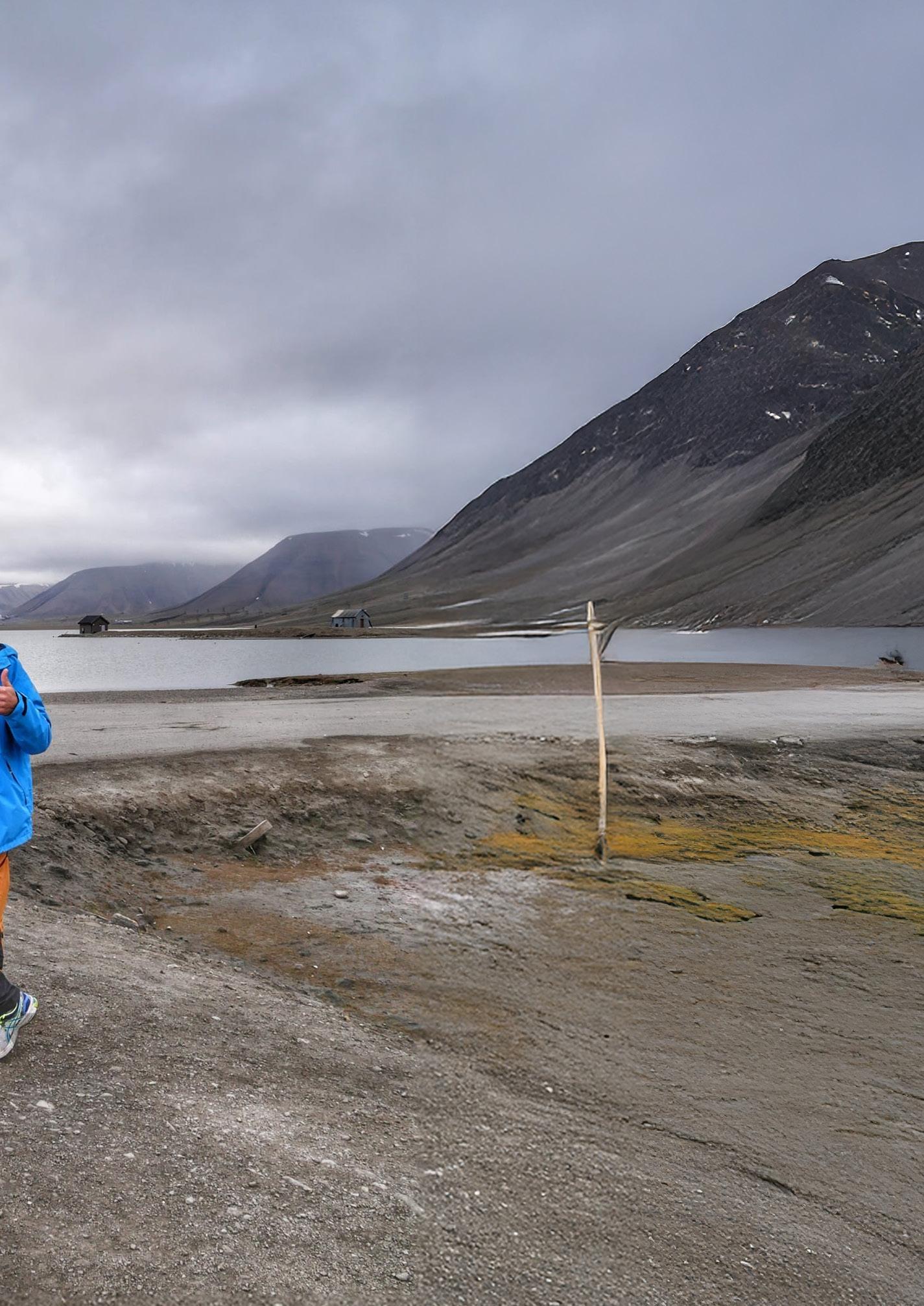
Addison’s disease is a rare and life-threatening hormonal disorder caused by adrenal insufficiency. It requires daily medication and constant vigilance. Due to its rarity and vague symptoms, it is often misdiagnosed—sometimes with fatal consequences.
You can find the Team Addison Global website here: www.teamaddison.se
You
website
A call for those at the end stages of life to share their journeys and experiences.
‘Dying to be Heard’ is an evocative and thought provoking project dedicated to exploring and amplifying the voices of those receiving palliative and end-of-life care. Recognising the unique experiences that accompany the final stages of life, we want to highlight the personal experiences during this time.
Each account will be transformed into powerful visual creative narratives and presented in an exhibition aimed at influencing improvement in healthcare policy and practice.
By taking part we hope it will provide a deeper understanding of what truly matters to individuals at the end of life and the narratives used are aimed at designing more empathetic and effective services for future generations.
Participants will engage in a heartfelt conversation about their lived experiences, cherished memories, and the decisions they face as they approach the end of life. These dialogues will be captured through film, written narratives and creative photography, ensuring that each story is honoured and preserved with dignity.
Your experiences really can help make a difference. We are happy to answer any questions you might have. If you or a loved one are navigating the final chapters of life and would like to take part please do contact enquiries@samebutdifferentcic.org.uk
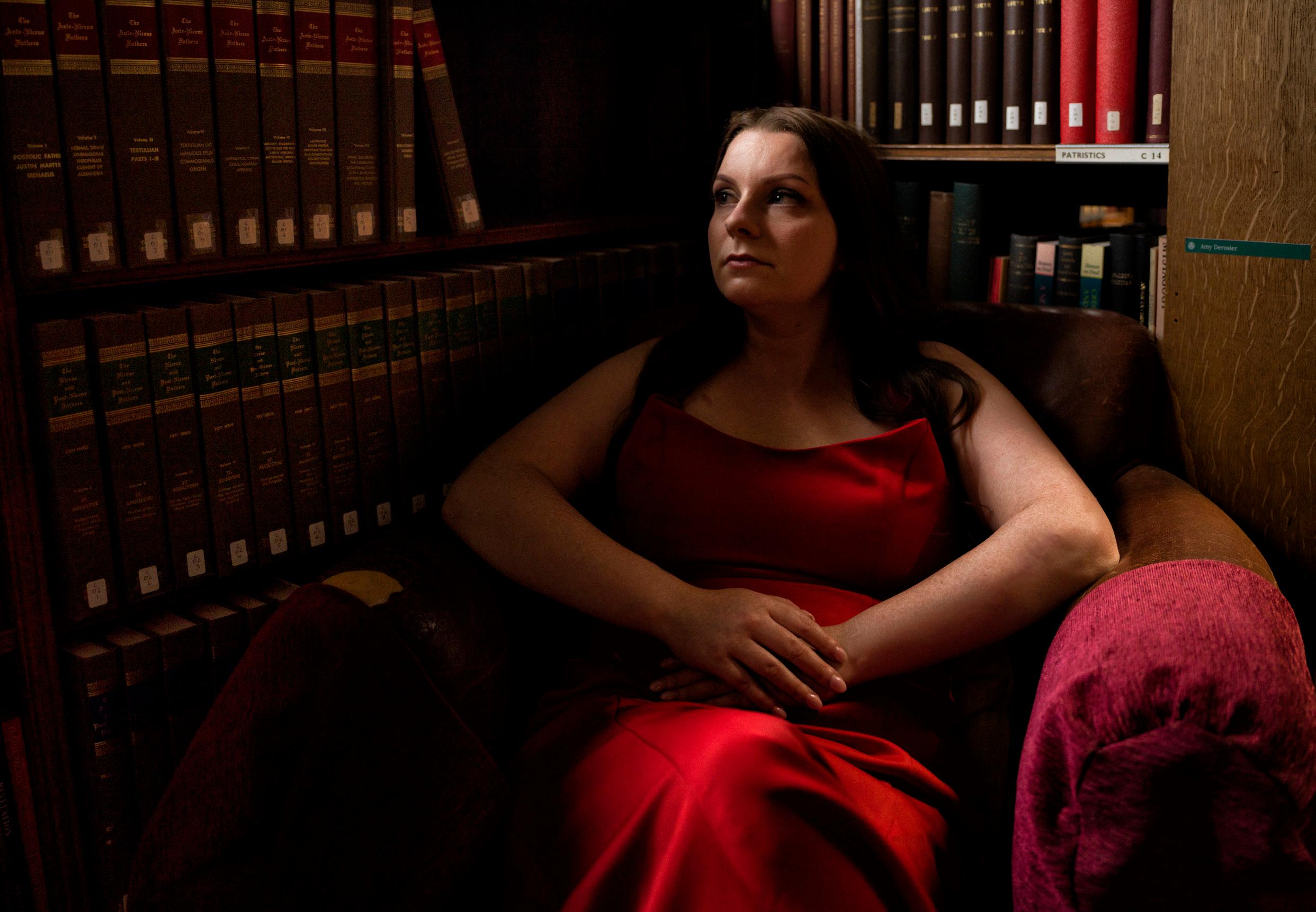
www.samebutdifferentcic.org.uk/whatmattersmost
A TIMELY DIAGNOSIS
www.hfisupport.org.uk
DOUBLY RARE www.maxappeal.org.uk www.nhs.uk www.tango2uk.org
EVERY STORY MATTERS www.edsociety.co.uk www.pitthopkins.org.uk www.rnib.org.uk www.samebutdifferentcic.org.uk
IS ANYONE ELSE OUT THERE? www.my.clevelandclinic.org www.nadf.us
IT’S NOT PERFECT www.alkpositive.org www.cancergrandchallenges.org www.lungcancereurope.eu www.oncogeneresearch.org www.roycastle.org
LEAP SINGAPORE: REWRITING THE LUNG CANCER JOURNEY www.lccs.com.sg
MEET THE PROFESSIONAL www.ancan.org
REGAINING MY INDEPENDENCE www.battleforblindness.org www.visionsupport.org.uk
RUNNING FREE www.myaware.org
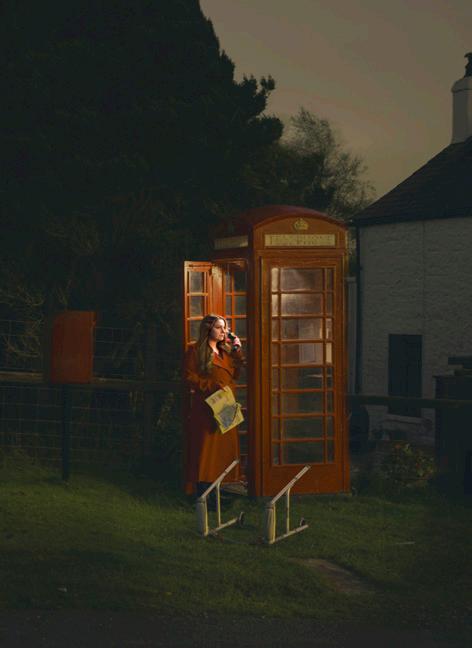
SINGAPORE SPLENDOUR www.comodempsey.sg www.furama.com www.gardensbythebay.com.sg www.mandai.com www.marinabaysands.com www.panpacific.com www.raffles.com www.sentosa.com www.villagehotels.asia
TAKING IT A DAY AT A TIME www.anthonynolan.org www.bubblefoundation.org.uk www.sickchildrenstrust.org
USING AI TO SUPPORT YOUR RARE DISEASE JOURNEY www.advocahealth.com
WHAT WE’RE INTO www.bbc.co.uk/iplayer www.rebekahtaussig.com
WHY I WRITE www.instagram.com/kathlwatt www.instagram.com/oriordanliz www.kathleenwatt.com www.www.liz.oriordan.co.uk
YOUR CONDITION DOESN’T DEFINE YOU, BUT IT WILL SHAPE YOU www.changingfaces.org.uk www.instagram.com/bromleyo www.nhs.uk
5 QUESTIONS WITH www.avantyr.se www.teamaddison.se www.vimeo.com www.youtube.com
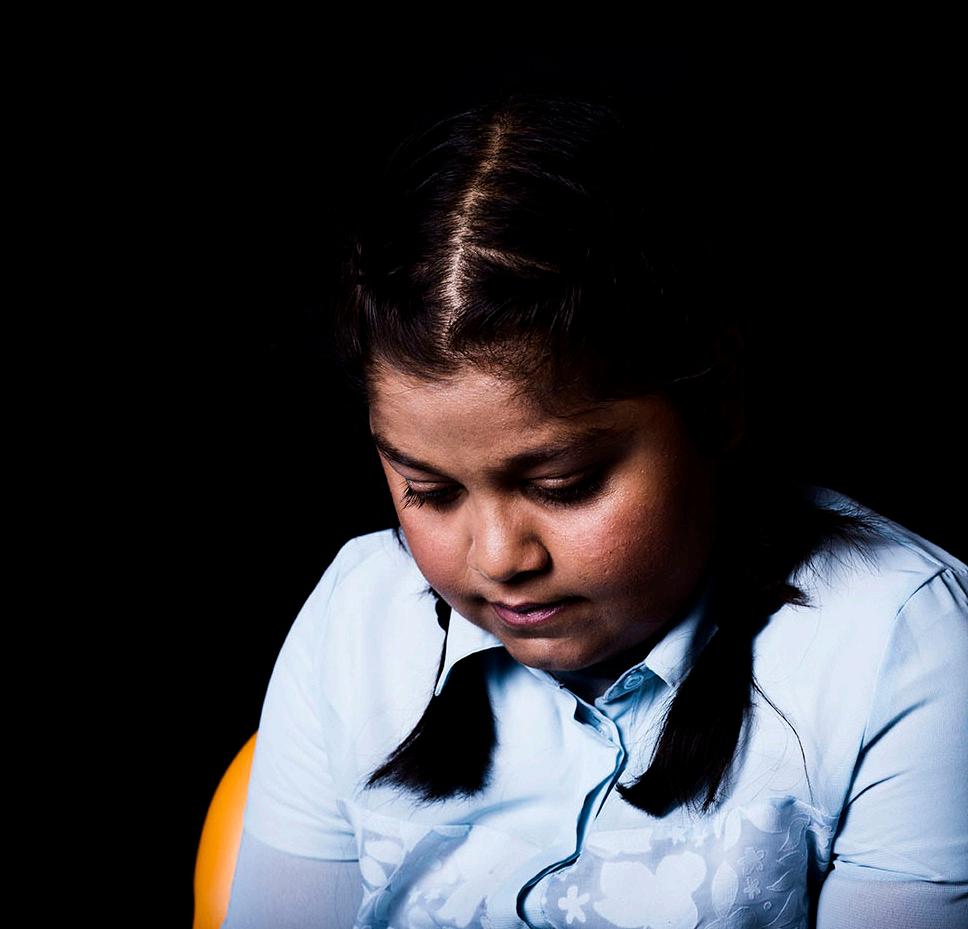
We produce powerful films, strong imagery & compelling narrative; creating a visual storytelling experience that allows you to connect more closely with your audience.
We work with organisations, agencies and publications that love to make an impact. We can join as a creative partner and help shape the creative direction into an impactful photography campaign or film, or we can work to your brief.
Helping you connect to your audience with integrity.
Creativity. Collaboration. Empowerment.
Find out more by visiting: www.sbdcreative.co.uk