Living your best LIFE
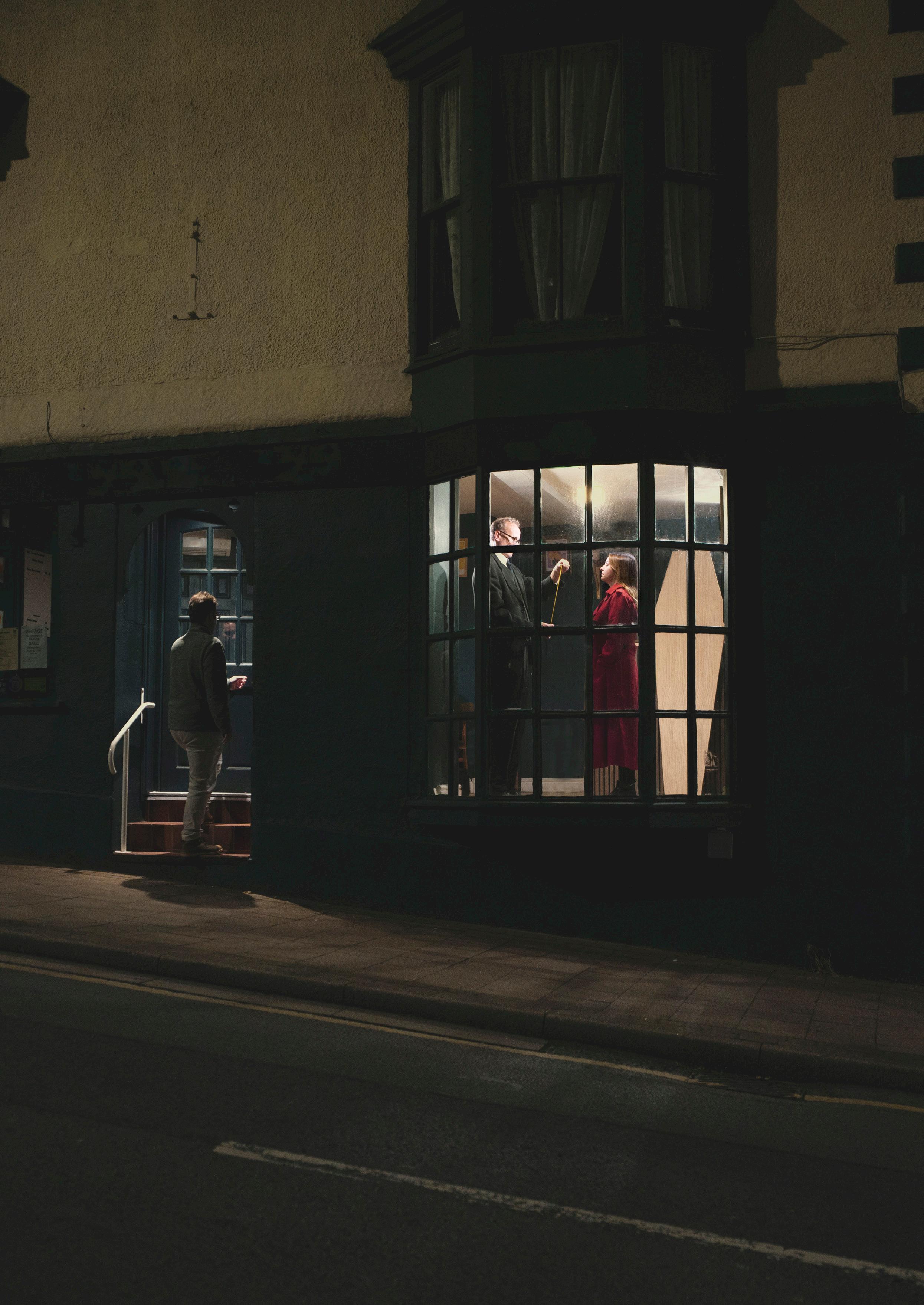
DYING TO BE HEARD SPECIAL EDITION
Living your best LIFE
DYING TO BE HEARD SPECIAL EDITION
Welcome to this special edition of Rarity Life magazine, thoughtfully curated to mark Dying Matters Week - a time dedicated to opening up conversations about death, dying, and what truly matters at the end of life.
In these pages you’ll find a collection of powerful, compassionate, and thought-provoking articles that explore the many dimensions of living well while facing mortality. From personal stories that reflect courage and connection, to expert insights on end-of-life care, grief, and planning ahead, this edition aims to break down stigma and encourage honest dialogue.
Dying Matters Week reminds us that talking about death isn’t about loss alone - it’s about celebrating life, relationships, and the values we hold closest. By sharing experiences and knowledge, we can empower individuals, families, and communities to approach these conversations with greater confidence and care.
This special issue has been carefully assembled to inspire reflection, foster understanding, and support meaningful discussions. Whether you are beginning to think about these topics or are already navigating them, we hope these articles offer comfort, clarity, and a sense of connection.
Because in talking about dying, we ultimately learn more about how to live.
Same but Different
Dr
Engaging Men in cancer support services at Maggie’s Manchester
Exploring the essential stages that define modern palliative care
Guide to Supporting Bereaved Children
In
with Bev Walley, Cheshire Community Nurse for Hope
of
with Daniel Defabio
Rare treatment, fragile hope and the practical work of planning ahead
conversation with Ben Buddy Slack, Founder & Creative Director of the Swan Song Project
Dr Dan Muckle-Jones reflects on General Practice, Community and Compassion
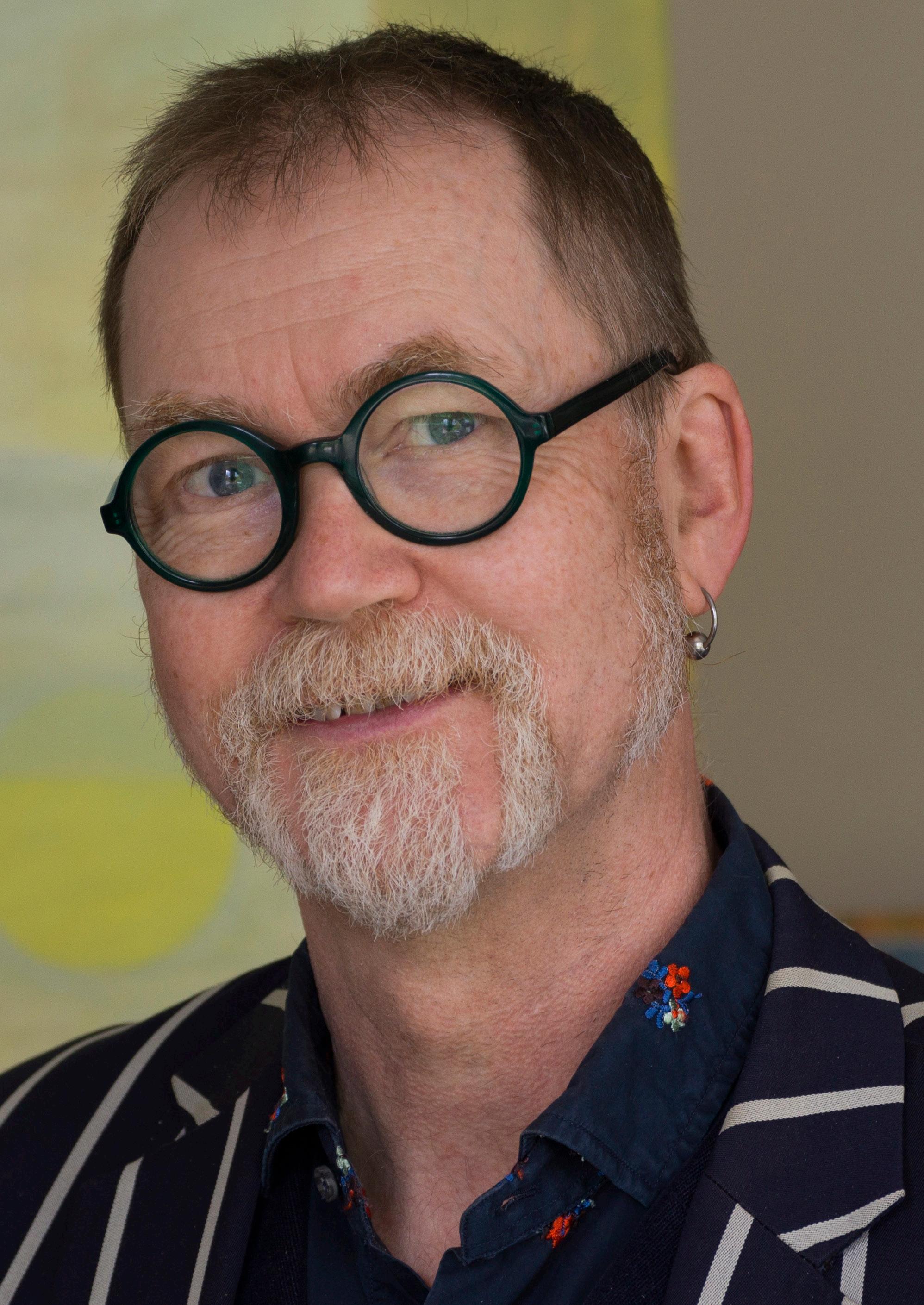
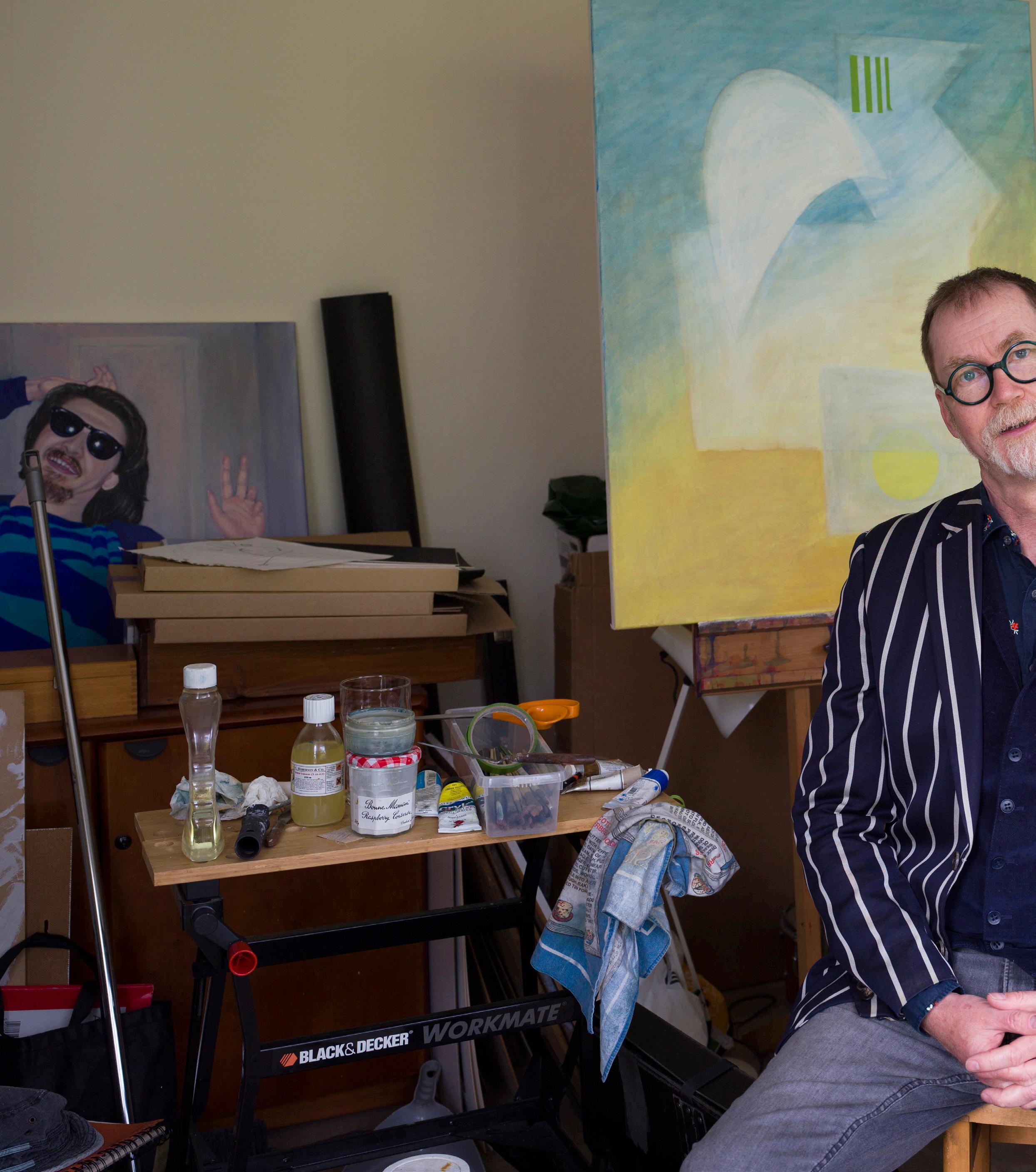
Dr Dan Muckle Jones worked as a general practitioner in Mold for nearly 30 years. He has devoted his life to medicine and the care of others. Over the course of his career, he became deeply embedded in the life of the local community, caring for multiple generations of families and forging relationships that extended far beyond the consulting room. He retired almost a decade ago, a decision that came with mixed emotions. “The truth is, I miss it. I don’t miss all the pressure, but I really miss the people,” he says.
“I do often have feelings of guilt about leaving the profession, because I sometimes think that I have more to give. Interestingly, I think I still have that caring need in me and I’m glad I retired, because that caring role has been fulfilled to a large degree by my family. My mother-in-law has Alzheimer’s and we’ve been supporting my brother who has mental health issues; plus now, we have a seven-month-old little rescue dog, who takes up a lot of my energy at times.”
Caring for others runs deep in Dan’s family. His mother was a nurse, his father a doctor, and his ‘Nain’ (Grandmother in Welsh) was a district midwife who cycled across much of Caernarfonshire to attend births. With medicine woven into their everyday life, Dan went on to study at Cambridge and then St Thomas’ Hospital in London, where he particularly enjoyed the clinical aspects of his training. “As a child growing up with my father as a GP in Harrogate in the 1960s, we would have people knocking on the back door with nails stuck in their fingers and all sorts of minor injuries and traumas,” he recalls. “My father would be getting up in the middle of the night to drive off to Pateley Bridge to see patients. I think if my father had a fault, it was caring too much.”
His example shaped Dan’s own approach to medicine. “As my medical career progressed, I became far more interested in people rather than diseases. I became interested in the whole holistic sense of caring which led me to be drawn to training in general practice.” Yet, the very closeness that defines general practice also carries an emotional cost. Over time, Dan realised that the deeper the connection, the more pain a doctor absorbs, particularly when patients are also friends. “I can say that general practice did, to some degree, chew me up and spit me out in that it became all-consuming, because that relationship with the patient was so fundamental, it could be overwhelming. It led to something of a paradox, because I realised that unless you get close to people, you don’t get near their problems.”
Trust, he explains, was built consultation by consultation. “Every consultation was a building block in my relationship with that person. They were all important because that’s where the trust was built. Patients would come with something relatively minor and have their hand on the door handle about to leave when they would suddenly turn around and say, ‘Whilst I’m here, doctor, what do you think about this?’ and a great number of times that was actually the most important thing.” Dan prided himself on sincerity and honesty, often encouraging patients to write lists of concerns so they could work through them together.
This practical approach frequently helped patients relax and open up about what truly worried them. Above all, his daily priority was trust.
With a list of around 2,000 patients, Dan learned quickly that time and resources were finite. He also spent many years supporting patients at the end of their lives, work he found both emotionally demanding and profoundly meaningful.
“Every individual and every terminal care situation is going to be different,” he says. “We need to approach palliative care recognising that not only is every person different, but every terminal illness is different. In palliative care, the focus, I think, must move towards anticipatory care.” Dan also experienced palliative care as a family member when his mother died from pancreatic cancer. “Pancreatic cancer is a rotten disease. We talk a lot about managing symptoms, morphine is a fantastic drug but that’s not the only available thing, there are other treatment modalities that not everybody’s always aware of.” One such option, he notes, is a coeliac plexus nerve block, an intervention he believes should be more widely accessible.
Teamwork, he believes, is essential in end of life care. “GPs are not consultants, we’re not specialists, we must recognise the limits of our competence.

The local district nurses are absolutely invaluable, as are the palliative care nurses. They are highly skilled people. I tried to get them involved early on.” Clear communication, shared information and trust between professionals were central to his approach.
He also saw general practice as vital in supporting families through bereavement. “General practitioners have an incredibly important role to play in helping people with bereavement. My experience was that patients who had some structured belief system often coped with bereavement better.” In palliative care, Dan saw his role as that of a coordinator. “I think that the role of a general practitioner is like a conductor. You have an orchestra at your command, but you need to know what instruments are at your disposal and how to get the best out of them.”
Despite the emotional toll, he considers it a privilege. “It’s an incredible honour that someone would be willing to put their trust in you to be with them on that journey,” he says. “You need to keep your emotion in check, inevitably, it’s at a personal cost. For me, the most important thing was getting all the people who could make that death better and somehow more palatable for all involved. That the patient’s wishes had to have been respected.”
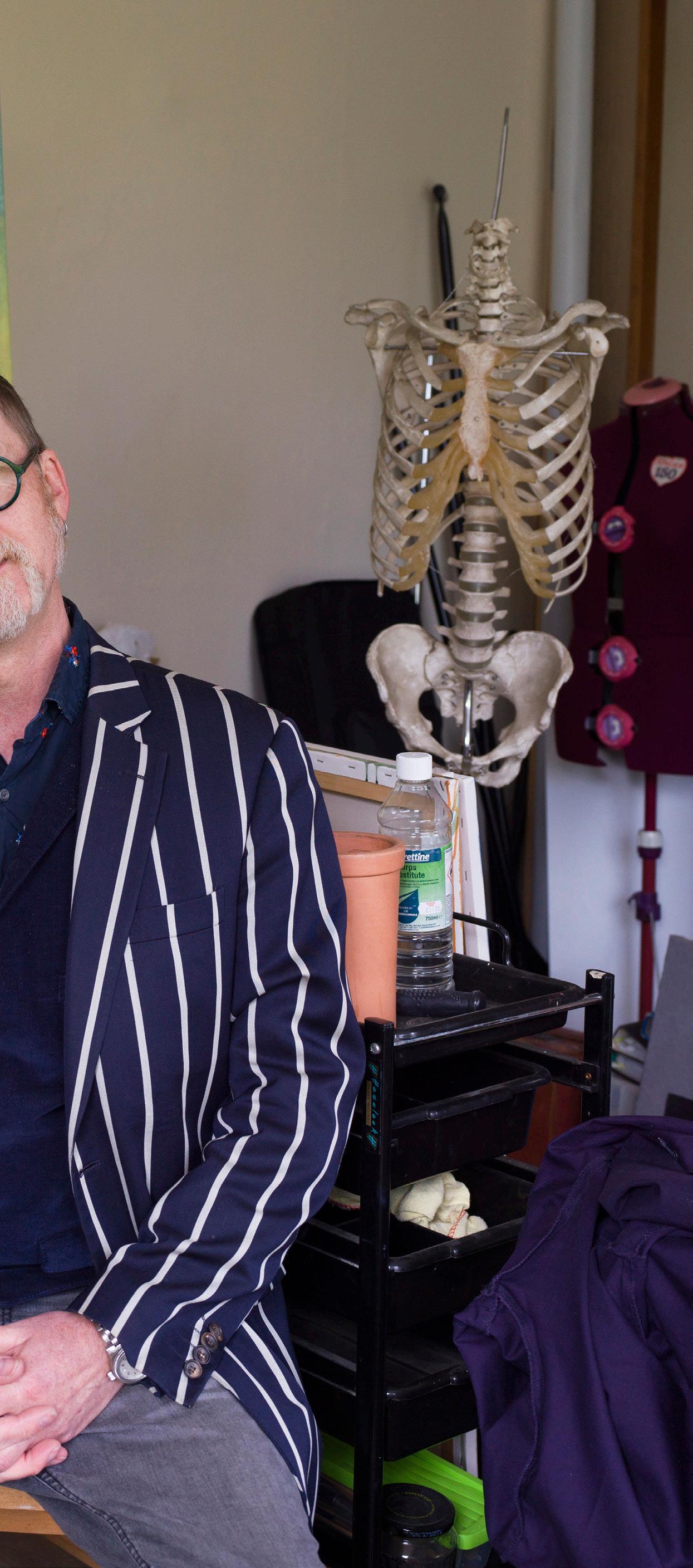
Now retired, Dan enjoys life with his wife of more than 40 years, Sandra. Their home is busy with family, friends and their young dog, and he devotes his spate time to photography, art and music. Though he has left medicine behind, the instinct to care remains. It is, he says, “something that will never retire.”


The death of a child is so awful that no word can encompass the horrific and gut-wrenching pain that is felt by a parent. Children become orphans, and spouses become widows, but what do we parents become? It is unnatural to lose a child, they should be outliving you. If you know your child’s condition is terminal or not, there is absolutely nothing that can make it easier, and no matter how prepared you are or think you are, you will never ever be ready. The fallout will last your entire life – but that’s not to say you can’t still have a full and happy life.
I think of life now as covered with a dust of sadness, I will dust and it will go away but it always settles back down again, waiting for me to dust once more.
Arlo died at 20 days old, he had Trisomy 18, also known as Edwards Syndrome. 20 days, that is it. It wasn’t enough time! I could have had him with me for a lifetime and it still would never have been enough time. Our time together was filled with love; that is all our boy ever knew. Love from us, from friends and family and the wonderful hospice staff at Claire House. That was four years ago. It’s only now that I feel brave enough and a little stronger to handle my grief better. Do not misunderstand, the pain – never going anywhere, the loss and the utter helplessness are constant companions. My life is being rebuilt around my grief, but it is no longer all encompassing.
I often re live our short time as a family of four, and feel guilty about some choices and wish I could change them. Sometimes, the wave of grief comes out of nowhere and I am floored for a while. The ‘what ifs’ and ‘if onlys’ help spur on the grief and longing, and I am now an expert at finding ways to feel guilty. Guilty for not making certain choices, guilty for losing myself in the grief, guilty for being cross with my son or husband, guilty for feeling happy and enjoying life!
I am learning to be kinder to myself. To accept that there are days when I won’t want to face the world. They are less and less as time goes on, but I doubt they will clear completely. Whatever we do we carry Arlo with us. We live now for him also. He is gone from us physically but never, ever from our lives. We celebrate his birthday with cake and presents, we talk of him often and he is included in everything we do in life.
So how can you be there for a grieving parent? Sadly, there is no handbook and grief hits everyone personally and differently. I know from my experience, and after speaking to other grieving parents, that the number one thing you can do is talk about a child that has died. Say their name. Remember them together. Mistakenly people think that they will upset grieving parents by bringing up the child or causing them to remember the pain of losing them, but this is so far from the truth. Honestly, a parent knows their child has died, that pain is there constantly, you don’t remind them because I guarantee the parent will have the child in their mind all the time. What you are doing is giving the parent space to talk about their child. By talking about
the child and their life, you are acknowledging the grief and the love that is still there. As a parent knowing that you are there and will not shy away from the grief or in fact from them is so important. DO NOT act like the child didn’t exist.
That leads us on to the next thing you can do to support a parent –be there! Personally we found so many people faded from our lives. This can be for many reasons I think; the inability to deal with the grief and emotion from a parent, the inability to deal with their own emotions, not knowing what to do or say etc. Even a simple text, such as just ‘thinking about you today; or ‘do you want to grab a coffee’, can help. There were times when I would sit in front of a TV box set, so as not to have to think, and if I did get a text to go for a coffee etc., 99% of the time I wouldn’t take up the invitation, but knowing that someone had thought about me, my grief and the place I was in, was a little light in my day. I remembered. I appreciated it so much despite me not wanting me to get dressed or face the world.
It seems a little clichéd but the next thing is a meal, especially in the first month or two. The ability of a grieving parent to function fully can be difficult. The daily grind of life, the housework, the shopping, the cooking, it all can become overwhelming fast. Not having to think about what to sort out for dinner, especially if there are other children in the home, will be a blessing.

According to the Kübler Ross grief model, there are 5 stages to grief. These stages can last years. Some people can skip stages and others get stuck on stages. No two people grieve alike, and each of the stages and reactions of the bereaved will be individual to them.
Parents grieving the loss of a child will grieve individually to them, despite it being a joint bereavement of a shared child.
The stages are:
Denial shock, disbelief and numbness. The unwillingness to accept the person has died. It’s our body’s way of dealing with the initial wave of emotions.
Anger looking for blame, angry at doctors or clinicians, anger even at the person for dying. Anger can also manifest in other ways as a focus to direct the grief such as getting angry for little things like the way a person will look at you. It is not always rational.
Bargaining feelings of guilt of choices made, feelings of being punished, dealing in ‘what if’s’ and ‘if only’s!’ Praying and wishing for different outcomes, despite there being no other way.
Depression this is the stage when loss is really felt. The knowing that the person is not coming back and missing them truly starts.
Feeling unable to focus, making decisions are difficult and feelings of hopelessness are common. Changes in well being such as over or under eating and disruptive sleep patterns also are normal during this time.
Acceptance this is not the end of grief or a sudden switch where a person ‘gets over’ the loss in any shape or form. Acceptance is more the realisation of a new reality in which the person is no longer there. Of starting to move forward with this knowledge.
So how can you be there for a grieving parent? Sadly, there is no handbook and grief hits everyone personally and differently.
Listen. That’s a huge one. Listen, but do not offer advice or try to ‘fix’ anything. It CAN NOT be fixed, nothing you can do will give the parent their child back or make things different in any way. For me hearing the words ‘I don’t know what to say but I can listen’ was one of the most honest and helpful things. Hearing things like ‘well at least you still have your other child’ infuriated me, and I had to stop myself from asking a parent of two children ‘which child they could live without?’ Others would say ‘time is a healer’ or ‘God only takes the good ones’ The thing for me is that looking back I understand that these things were said from a place of goodness, not meant to be hurtful or malicious but at the time it brings little comfort. If a parent gets upset with you for saying the wrong thing, also know that is from grief and if they need to rant let them. I assure you that it will be another thing they will add to the list to beat themselves up over so be kind, do not judge. You don’t have to imagine what the parent is going through as it’s so horrific to contemplate, but do try to understand the grief and reactions.
Photographs and videos that you have of the child will be much appreciated, especially over time. I found it difficult to look at any photos and videos for a long time, whereas my husband would sit for hours looking over them and always wanting to see more, so send any you have over. It may not be immediately acknowledged but they will be wanted.
Take other children in the home out, even just to a local pizza restaurant for dinner or to run around a park. The children are grieving too, and as a grieving parent, feeling like you are failing the child or children that are here can exacerbate your feelings of grief, guilt, and failure. It may be hard to do the ‘normal’ family
things for a while so offering the parents a lifeline for the other child or children will be a little weight lifted from their shoulders for a while.
Don’t leave things with ‘if you need me just give me a call,’ I never ever once reached out to anyone. I never wanted to bring others down or make them carry my grief and pain with me, but having someone reach out to me gave me the opportunity to take that step if I felt I could. That was a gift.
Gather information and share it with the parents. For example, a good grief counsellor or details of a bereaved parent’s group. It may not be that it is right for the parent just yet – or even ever, but you are giving them options that may help them and they may not be in a place to seek out the information themselves just yet.
Lastly, do not stop the invites. It may be years before a parent wants to accept to do anything again, so just because you have invited them numerous times before and they never attended, to know the option of joining in with friends and family is always there, that you still want their company is meaningful. One day they may be ready to take that step and having the invitation can be immeasurably important to them.
As time moves on, do not fade away or stop talking about the child. Involve the families in everything. Even now four years into our grief, hearing people talk about Arlo, share things about him, and even fundraise in his name is priceless to us. Not having him remembered is the worst feeling and still hurts so much for us all.

Remember that everyone reacts to grief differently. There isn’t a time-limited period, or a one size fits all grief. Take the lead from the parents as much as you can. Ultimately, be there and don’t ever think over time that they should now be done with the grief or over the loss. They never will be.
Links: www.childbereavementuk.org www.careforthefamily.org.uk www.tcf.org.uk
www.thegoodgrieftrust.org
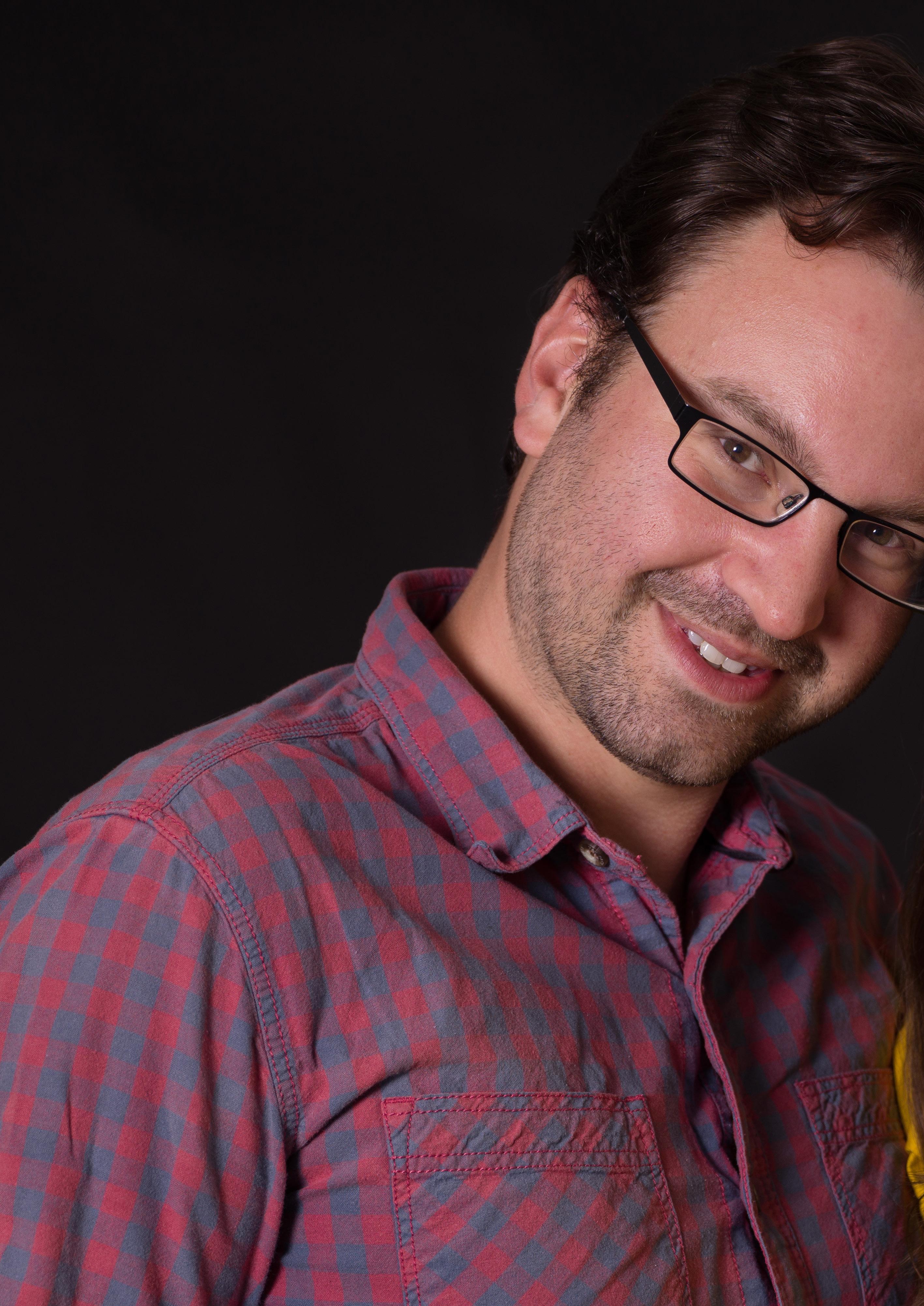
Contributed by Dimitar Kashchiev
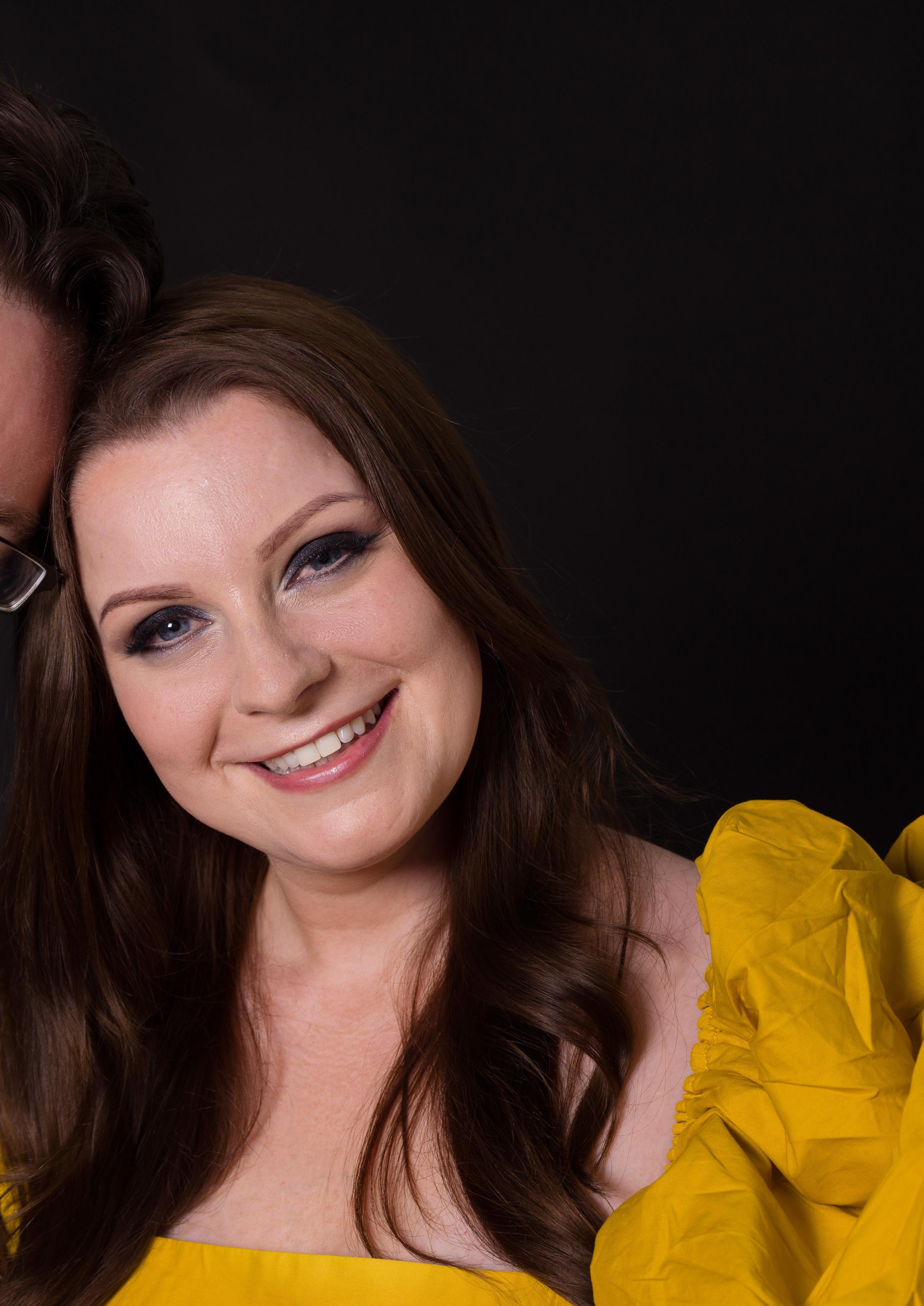
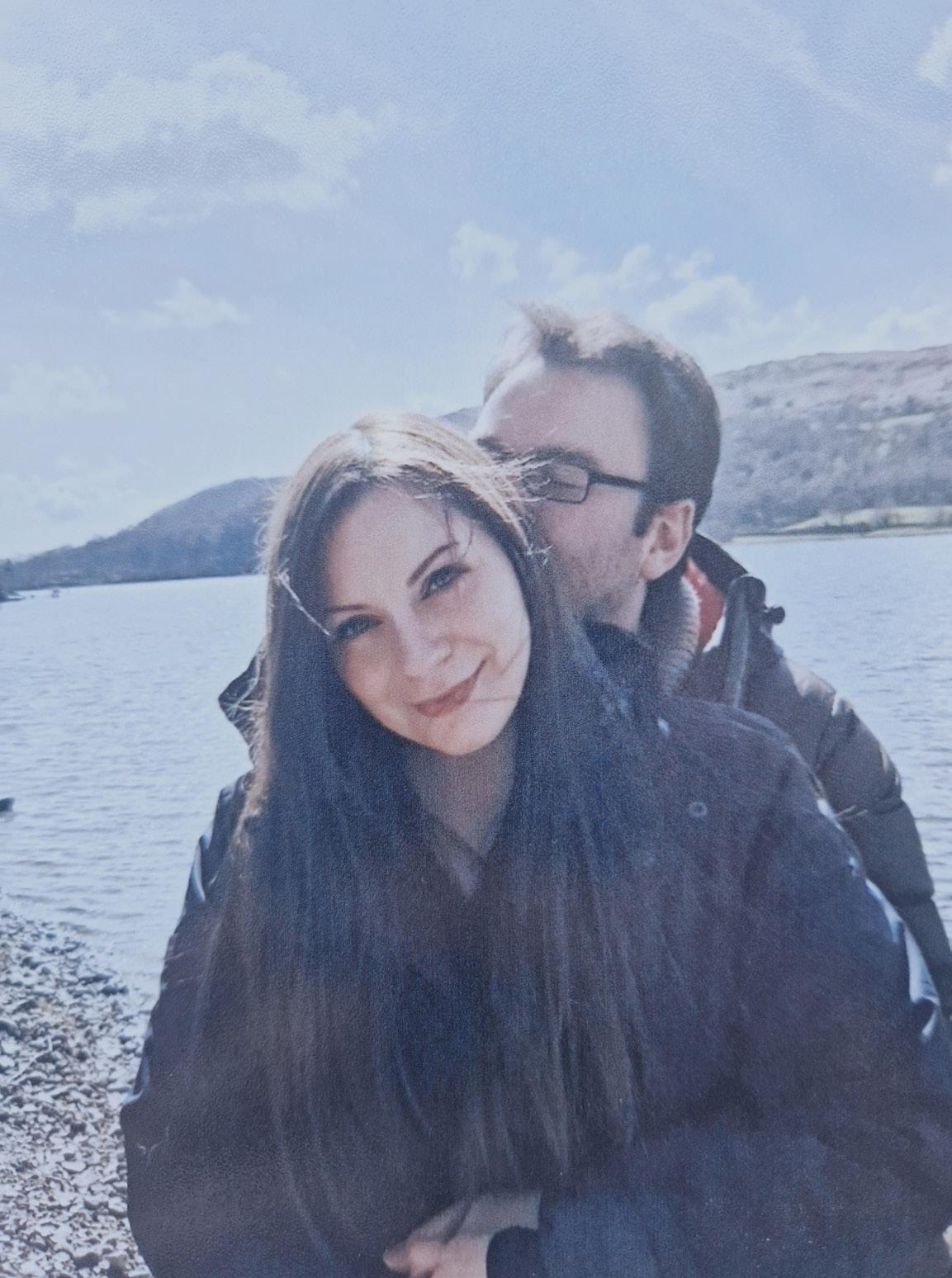
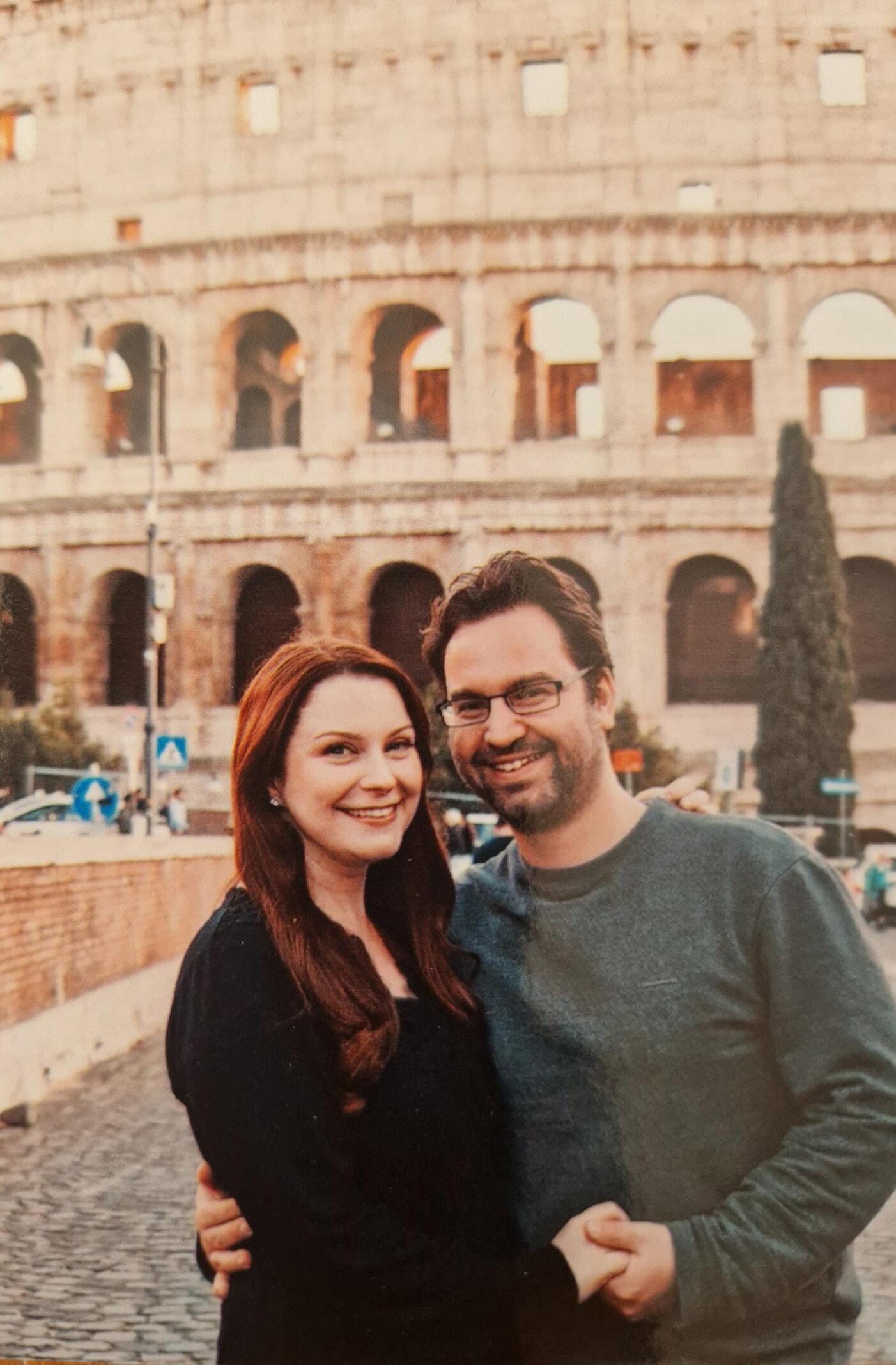
Megan’s diagnosis with ocular melanoma transformed private grief into public purpose. Alongside Dimi, she opened up conversations about death and end of life care with courage, clarity, and an urgency that changed how many of us think about what matters most. Though Megan died seven months ago, her voice continues to shape the work she and Dimi began together.
Megan and Dimi brought their passion to Same but Different, collaborating on projects that put patients’ priorities at the centre of care, most notably through our What Matters Most project. Always enthusiastic and ready to go the extra mile, they raised awareness not only about ocular melanoma but about the dignity and choices people deserve at the end of life.
Since Megan’s passing, Dimi has started work with us here at Same but Different and he has carried her spirit with him, letting her memory guide his advocacy and his work. The following article is contributed by Dimi, who writes to keep Megan’s legacy alive and to continue the conversation she began.
I believe there are no aspects of human grief and loss that are immutable – the doors in one’s emotional and psychological palace that creak at night, colourless, privy only in those gripping times when sadness, anger, despair and longing shape themselves like keyholes for access. Deeper still pain, fear and a profound feeling of loneliness shape the contents behind those doors, a gramophone playing chaotic mixes of the sounds of the one you lost, bouquets of their perfumes and natural odours, fabrics of touch memories of how they felt in your arms, or perhaps a projector rolling looping film reels of them dancing, crying, laughing, living everyday life.
Paint the picture?
Everyone populates their rooms uniquely and inherently privately, after all, no one in the world can truly know the nature of the love you shared, the connection
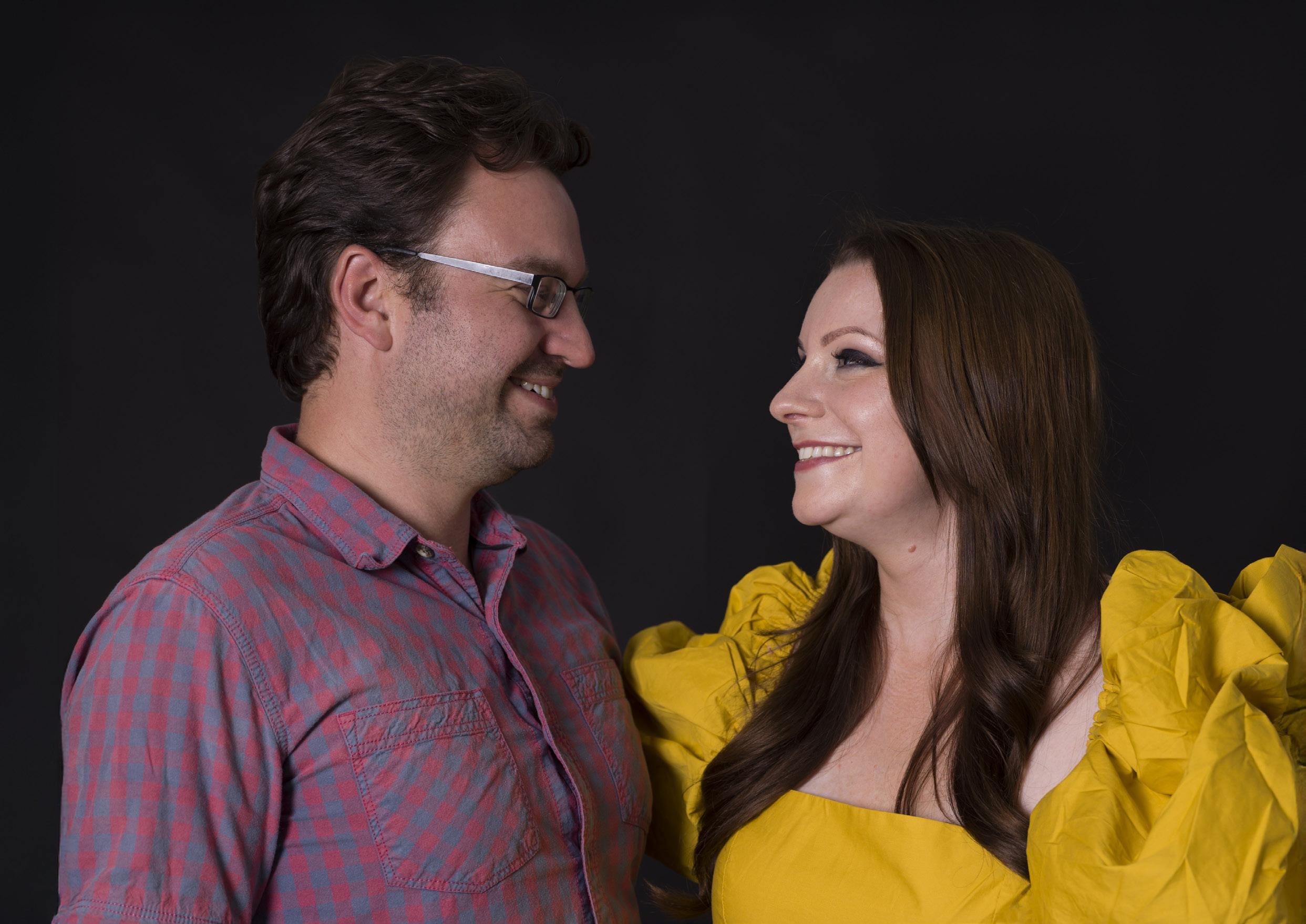
you felt, the relationship you built, the intimacy that infused and bonded your shared lives. In this context, I can only speak to my own experiences and grief following my wife’s death almost seven months ago to the day. Within those experiences and grief are shining quartz of joy, powerfully windswept across the riven beaches of life after her.
My path of joy after her death is not straight, not maintained, you won’t find it on a map, it is not cobbled or readily visible. It is often a labyrinth, twirled and swirled in haphazard fashion. You build it as you walk, taking your steps with self compassion as your mortar, with honesty as your compass. You have to make a daily deliberate choice to search for it, because you may lose it for hours, days or weeks at a time. My path is subject to the weather of my emotions, and the roots and brambles of my abject separation from her physically. The physical realm, however, is the only one where we are truly separated, the one we are all most attached to, the most rooted in. Make no mistake we are very much together in the mental and spiritual realms.
In our life together, we had the opportunity to talk to each other about death, our wishes and hopes, our deepest fears and anxieties. We understood each other, and were each other’s mental and spiritual partners, guides and guardians. We fought tooth and nail together to gain the time, as little as it was, to create our own shared reality, to allow ourselves to be truly bare with each other to the best of our imperfect selves. This freedom and intimacy created for us beautiful times of joy, happiness, playfulness, sanctuary and trust in self expression and experimentation. I’d like to think that I know her elements of soul, if you will, and I inherited her grace, compassion, courage – all snugly cloaked with her joy and love for life. Joy is the warmth and presence of my wife within me, her values and ethics, beliefs and passions amalgamated with mine.
I find joy and positivity in the things that I do, because I know deeply that she approves and is proud of my desire and conviction to bring forth and share our combined light, to propagate her legacy of kindness, service, compassion and authenticity to others – all of you. I trust my pure moments of joy as I do not feel any shame, self blame, regret or anger in their purity, as I have sanctuary and trust, through her, in my self expression.
One can speak to a therapist, best friend, parent, or support group and can truly gain strength, guided structure, encouragement, and shared understanding. Relationships with others can be a source of belonging, of broader connections with filaments of shared joy and grief. One of my favourite characters, Rustin Cohle, from the TV series True Detective said: “The body is not one member, but many. Now are they many, but of one body.” Through his grief, and the whirlwind of suddenly losing his child and witnessing the disintegration of his marriage, he was just trying to stay part of the body. As am I.
For some, sharing their grief and loss with others that have lost their loved one can dispel feelings of isolation, offer a sense of camaraderie and unity in a world where your loved one is physically absent.
All of these support pillars may instil in you the natural perspective of existence, that you and your loved one are not victims of a divine personal vendetta, that you have not been ill chosen or called to a higher cosmic test. We ascribe and characterise reality with negative or positive human elements through the lens of our personal journey, marred or coloured, to help us make sense of the world, to help us survive the death of the person we love the most.
Life and death are universal laws and powers where our only choice is to discover how to exist within their interplay, where to bring meaning and purpose within their combined thresher. You must remember that nothing is ever lost or destroyed, but rather converted, transformed, indestructible in ways we can harness. Joy is no different, it is ever at a minimum, discrete presence at our lowest, a fountain at our highest.
We have to nurture it as you would a seedling, patient in your personal
resolve, assured in its transience and growth, and committed to its needs; soil, sun, water. You allow yourself to learn, slowly and deliberately, that no joy and light can exist in a human life story in continuum, they cannot be felt or appreciated without chapters of our very own contrasting sadness and darkness.
We can embody service to others, and combine this with your loved one’s legacy. It can be as simple as supporting their favourite local artist, volunteering for their favourite charity or empowering others in your community who are going through their own, raw difficulties. My ethics of compassion, however, begin with self-care and self-service. If I find discipline in taking care of my body through diet and exercise, do the hard mental work during my therapy, then I may find unexpected joy in seeing results for myself, with myself, by myself. She would want me to try everything within my power to live a holistic, healthy life, as she invested and maintained dedication in hers long after she was diagnosed.
Those grey, creaking doors and grief shaped contents found within the rooms they keep, joy and hope may coalesce themselves inside and be let in, a part here and a part there. The wallpapers may be flushed with colour, hues of the love I have for her iridescent in those spaces. I think of a brush that we both share and use with joyous patterns streaked across the walls, a vibrant warmth carpeting the floors in Persian style, a graceful joy in weaving fairy lights through wooden beams, in placing floor lamps and salt lamps scattered with their unison of oranges, reds and yellows.
A core truth I understand for myself is that I feel I have the privilege to live double, the honour to take her with me wherever I go, the time given to me to cherish and hold precious. I strive to exercise compassion, to listen to others and offer a strong voice of support to those that may feel unheard. Thus, I bring her azure ocean closer to my sandy, tidal beaches joy found speckled and glittering as quartz.
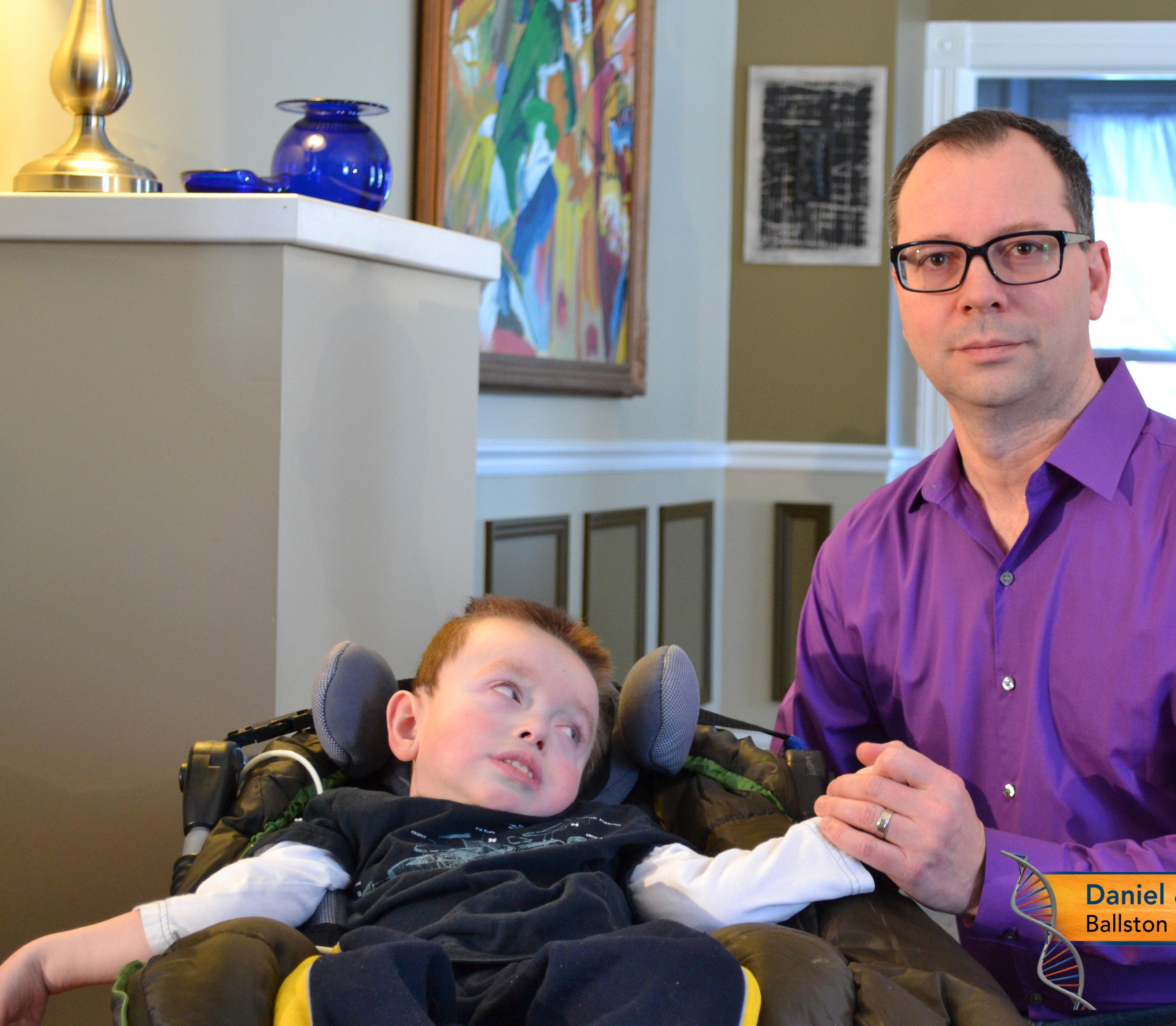
Filmmaker Daniel DeFabio and his son Lucas in a scene from the documentary “Menkes Disease: Finding Help & Hope” www.defabiodesign.com
“Eventually we got through the worst of the shock and moved on with building the best life for him. He was a very happy smiley guy, and he showed us a different way.”
When you become parents to a child with a rare disease or condition, especially if there are related complex medical needs, life is forever changed. As part of coming to terms with their new family life parents often go through a period of grief and mourning for how they had imagined their life would be, until they find some kind of weary peace with the rhythm and routines of their new normal.
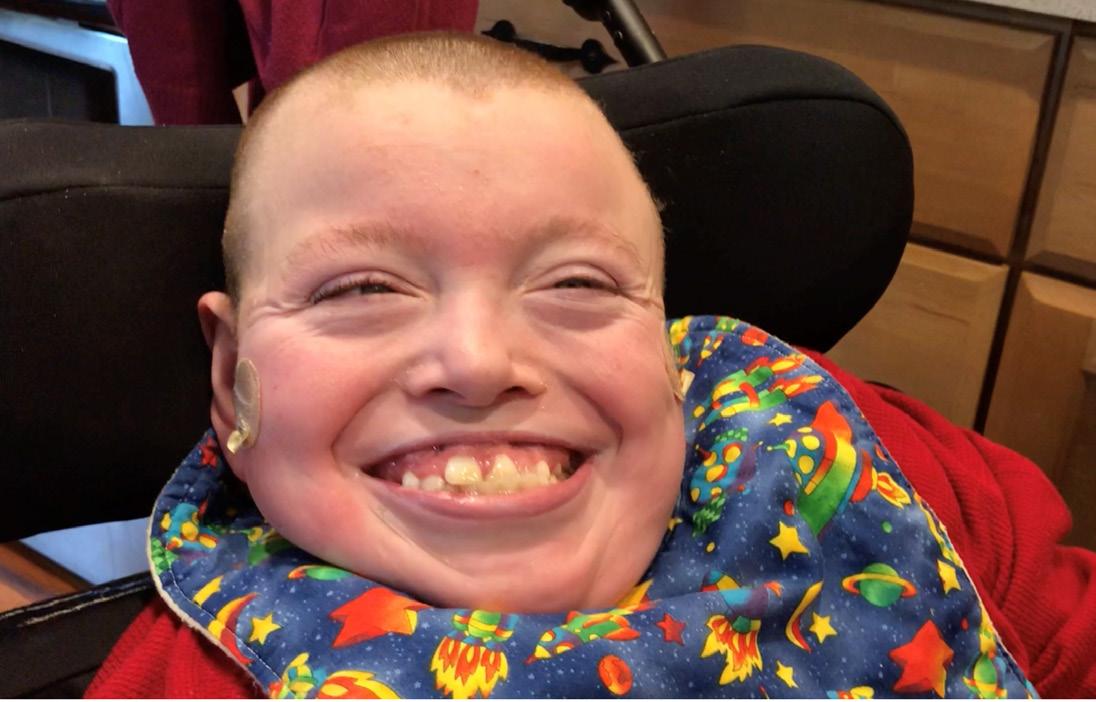
When Daniel and Tina’s first child, a son they named Lucas, was born two weeks early he had a fractured skull and was also jaundiced, so he spent the first ten days of his life in the NICU (neonatal intensive care unit) before he was able to come home. In the first few months of his life his parents could see that he was perhaps a little behind on some developmental milestones, but the doctors reassured them that he may well still be catching up, and healing from his skull fracture.
Daniel recalls that “for a while there was a way to dismiss the warning signs, but at nine months not only was he behind on milestones, he actually regressed, and lost the ability to flip from his stomach to his back, and that was the most clear sign that we had.”
The geneticist they visited had seen two other children with Menkes disease in his time, and so it only took a few months for Lucas to receive his diagnosis, which was, he explained, unusually quick. “And yet, as good as it is to get a quick diagnosis, it was a bit cruel in this case, because my son Lucas had spent the first 10 days of his life in a NICU, and Menkes disease is one of the few rare diseases that has a treatment, but only if it is given in the first 10 days of life. So, for him to be diagnosed at age one was not as helpful as it could have been.”
Over the following months, and indeed years, Daniel and Tina began to adjust, though “there was a very clear recalibration that my wife and I had to go through, to accept that this changes everything. What you tend to grieve is what you expected to happen, and those expectations are out the window [because] maybe none of those things are going to happen. And you can grieve for every one of them… it probably took two years to really adjust, but that is probably the biggest shift and change that allows you to manage this at all. Otherwise, I think you’re just in constant despair and sadness, and probably a dark spiral.”
As is often the case in families, they both moved forward in the way in which they needed to, finding their focus and strength in different ways. Tina was, he explains, much more inward facing, and focused on what would benefit Lucas
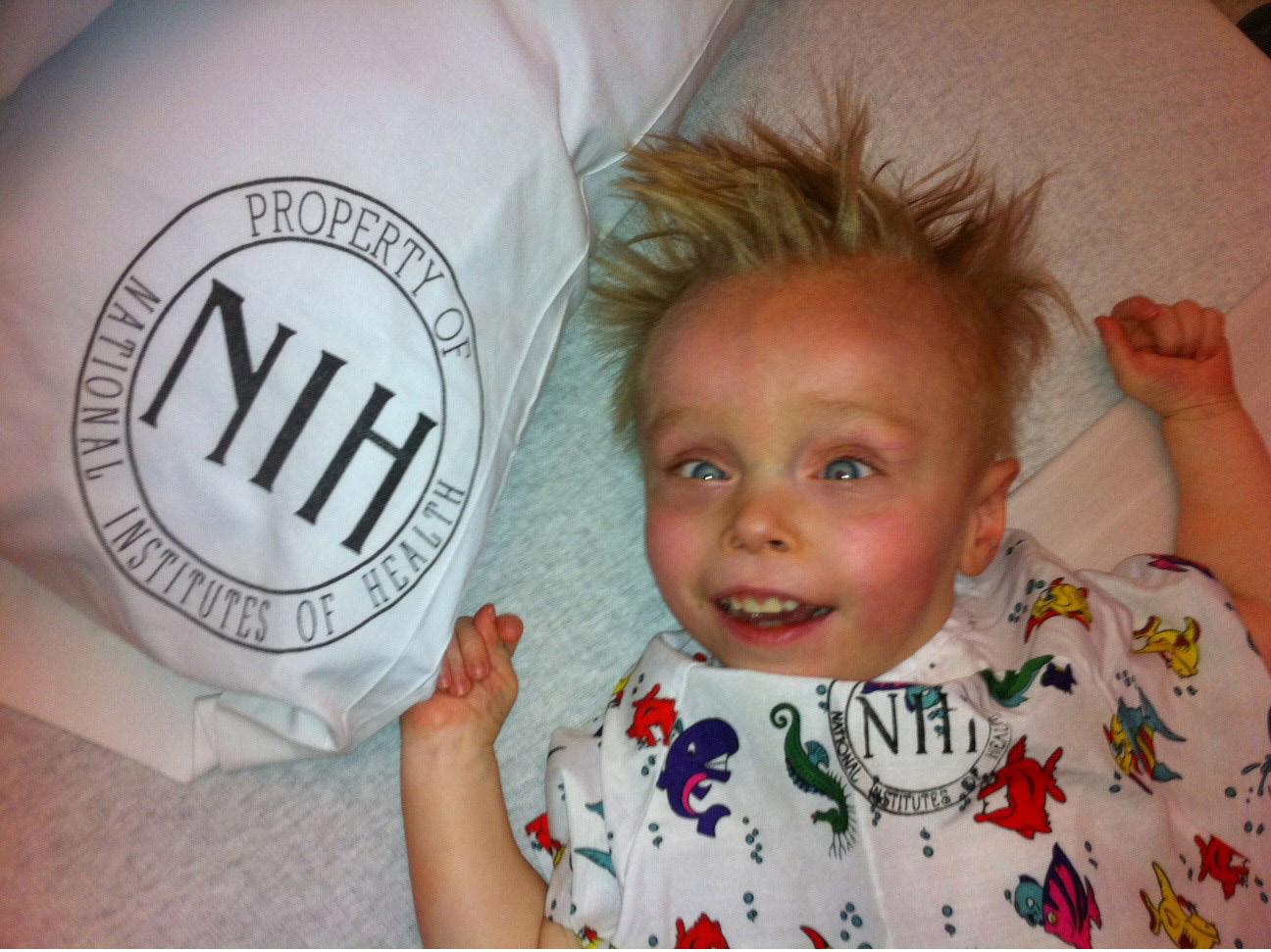
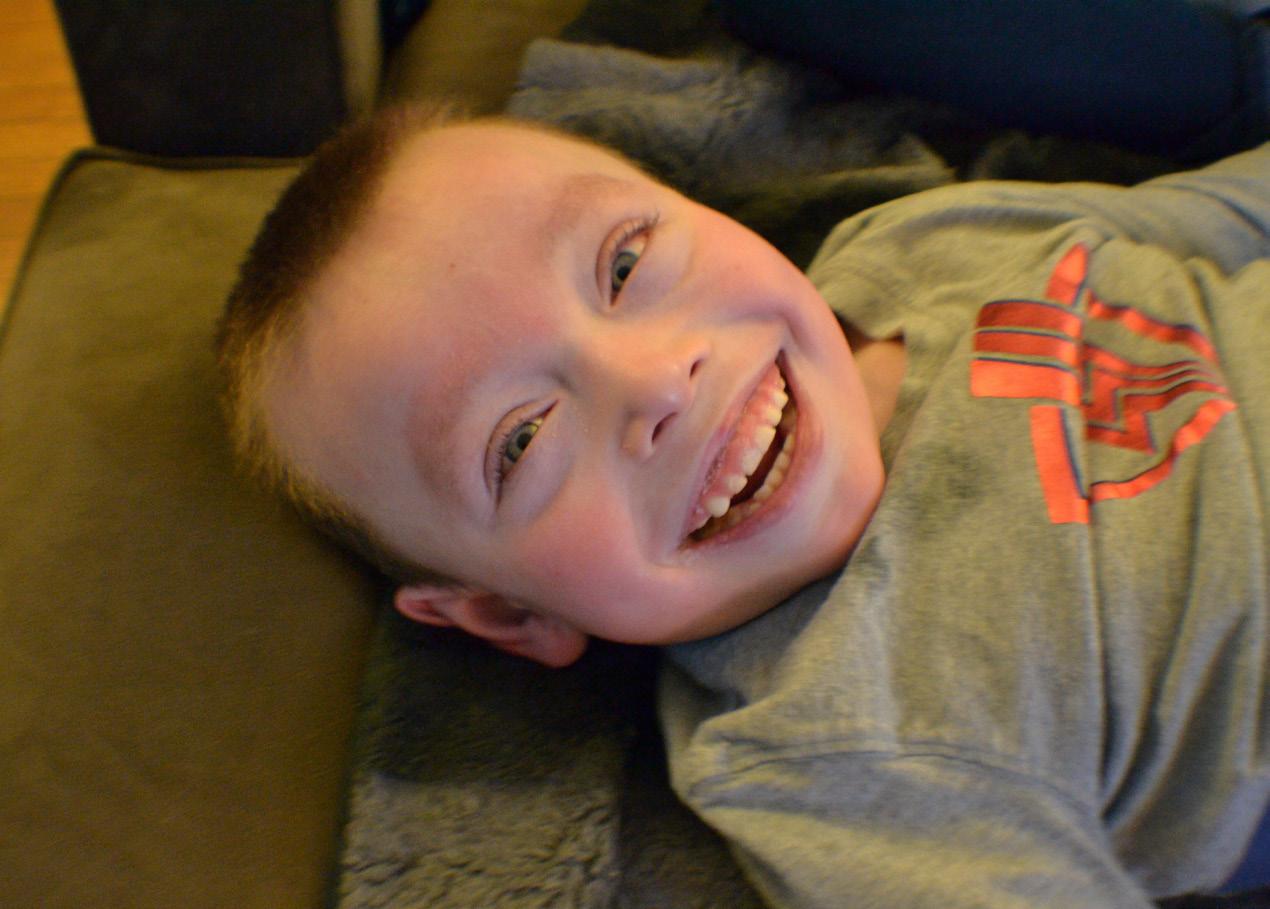
Lucas DeFabio as seen in the short film “Menkes Disease: Finding Help & Hope” directed by Daniel DeFabio, co founder of D:RDFF
and what he needed to thrive. Whilst Daniel shared this focus, he also felt a strong need to reach out, and to connect with others who were going through something similar.
“I had a background in film, and so I began to tell his story as a blog post. As that seemed to resonate with people, I thought that maybe the story should be a film too, and that sort of put a whole bunch of things into motion.” In trying to find suitable places to screen his film, ‘Menkes Disease: Finding Help and Hope’ Daniel realised that there were no festivals that he could easily access, as typically independently produced short films are screened at local, national, or international film festivals which have specific eligibility genres or categories for submission.
Whilst attending a conference, hosted by the organisation Global Genes, he met a man called Bo Bigelow whose daughter also had a rare condition, and who shared Daniel’s determination and drive to shine a light on rare diseases. “We realised maybe if the perfect place to show rare disease films didn’t exist, that we should create that place. So, we did, we created ‘DISORDER: The Rare Disease Film Festival.’”
DISORDER: The Rare Disease Film Festival was an innovative new event, with the specific aim of showcasing short films submitted from across the world, centred on aspects of life with a rare disease.
Lucas and Daniel DeFabio as seen in the program
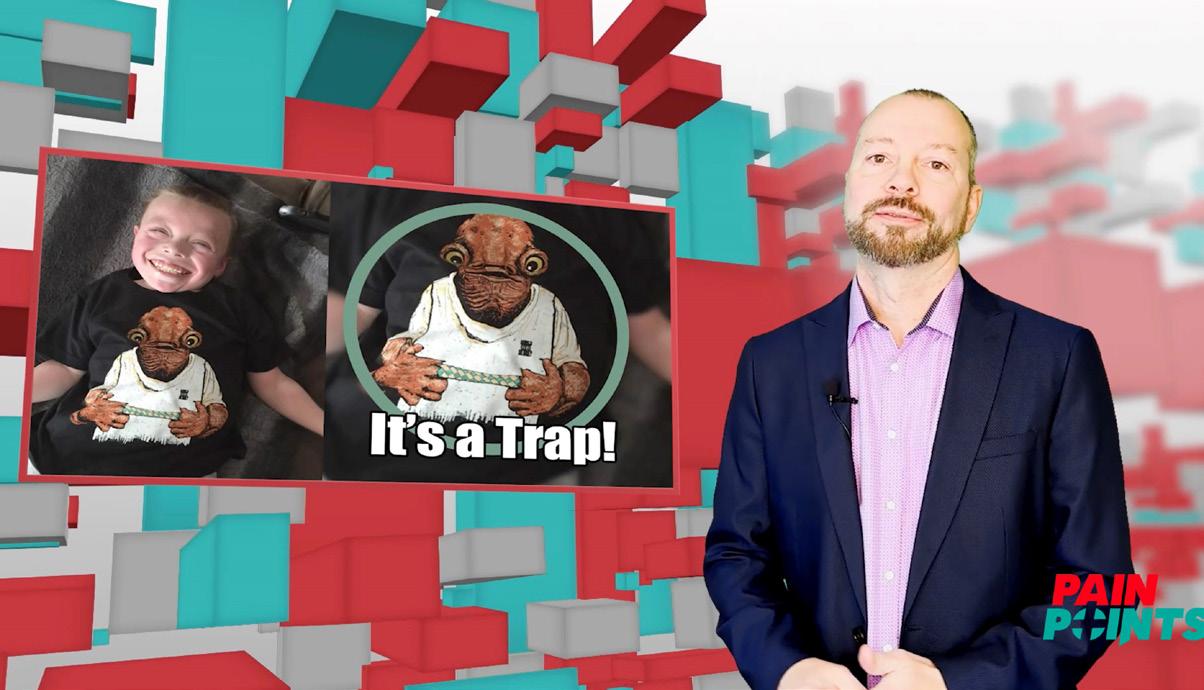
“Pain Points” on The DISORDER Channel
The inaugural festival was held in October 2017 in Boston, with the second festival taking place in San Francisco in 2019. However, the onset of the COVID-19 pandemic meant that plans for the third festival needed to be reconsidered, and with successive lockdowns becoming a reality in many countries, it began to look as though in person events might not be an option for an unknown period.
It was then, Daniel explains, that “we realised we could launch a streaming channel, which became The DISORDER Channel instead which you can get on Roku or Amazon Fire TV devices for free. Although we certainly missed aspects of the in-person screenings that were so important to get people together, and to make those connections, the channel offered different opportunities. For example, at a film festival we might need to limit how many films we could show. Certainly, if we already had one film about mitochondrial disease, we might not want two or three more, but with a
channel the inventory can be almost infinite.”
Today there are almost 250 films and videos available to watch. In addition, the channel features several series, where there are a number of films about an individual rare disease, giving a real breadth of insight, experience and knowledge about that disease. The team also select some of the films to be featured on their YouTube channel (linked here), meaning these are available to watch for anyone with access to the internet.
The DISORDER Channel was due to launch in a week that became the most difficult week for the DeFabio family, as their beautiful Lucas deteriorated after undergoing four vital surgeries over six days. For families whose child or children live with a complex, degenerative, life limiting condition, losing their child is made no easier by knowing it will happen. The
circumstances in which a child passes away matter so much, and for Daniel, Tina and Lucas’s younger brother the timing of his death was particularly hard.
“It was the worst. We live a little bit north of New York city, and in May 2020 it was at the epicentre of the pandemic for America. So, it had a huge impact in that they were only letting one guardian into the hospital at the time. I was in hospital with Lucas, as we chose that it would be me and not my wife, but that of course had its own challenges.”
After Lucas had died the family didn’t feel able to have a funeral for him, or to ask people to gather to remember him. However, they still found a way to remember and honour Lucas. “It was actually my younger son, who at the age of nine is wise beyond his years; he decided what our memorial for Lucas should be. It was to plant trees in our backyard…. [it] was going to be a little ceremony, and I asked him if we were just gathering, or if we were speaking and everybody said ‘no, let’s just be silently here.’ And then, after a little while, he looked at my wife and I, and said ‘can you guys go away? I want to sing him a song.’ I’ll never know what the song is.”
“I called my first film on Menkes disease ‘Menkes Disease: finding Help and Hope’ because at the timeand this is still true for so many rare diseases, if you go on WebMD or Google you only read really bad news… and yet, some good things will still happen.”

Although grief is universal and will almost certainly impact most of us in our lifetimes, the death of our children is a grief that most of us simply cannot, and do not want to have to imagine. Despite the grief many parents go through when their child receives a life changing diagnosis, when your child dies the cycle of a new, and very different grief starts again.
In her internationally acclaimed book, ‘On Death and Dying’ which was first published in 1969, the psychiatrist Elisabeth Kübler Ross introduced her theory of the five stages of grief, stages which are broadly experienced by the grieving, although not necessarily in a particular order or within a certain timeframe. Indeed, people may often move between stages, or even experience elements of the different stages at the same time.
More recently however, David Kessler, a grief expert who had worked closely with Kübler Ross, added an important sixth stage, which he called ‘Making Meaning’, and in part describes the experience of, or desire to create something of meaning for others. It is this sixth stage which shapes Daniel’s life today, of finding (new) purpose. “If you know about the stages of grief then we think of them as five stages of grief, but there’s been a sixth stage added somewhat recently, which is purpose, or meaning making, and I kind of feel like that’s where I’m at with rare disease advocacy work.”
“I had a background in film, and so I began to tell his story as a blog post. As that seemed to resonate with people, I thought that maybe the story should be a film too, and that sort of put a whole bunch of things into motion.”
Around six months after Lucas passed away Daniel took on the role of Director Of Community Engagement for Global Genes, a role about which he is passionate, and to which he can bring both a depth of personal experience and a broad breadth of knowledge.
As part of his role he works with families, or patients themselves, that are dealing with a rare disease. He explains that for him there were several reasons that this role felt like it was the right fit at the time. The first, quite simply, was that he could now offer to give the role his time and focus in a way he couldn’t have before. “The sad, practical reality of losing Lucas and the caregiver responsibilities I had meant I now had time. Previously I needed to be my own boss, I needed to keep my schedule, and to be flexible. Without that caregiver role, I realised I could be available for a working week, and the possible travel that a role with Global Genes comes with, for conferences and things like that.”

Menkes disease (abbreviated to both MD or MNK) is also commonly known as Menkes Syndrome, Steely Hair Disease or Kinky Hair Disease. MD is a rare, inherited, neurodegenerative genetic disorder caused by mutations in the ATP7A gene which regulates the metabolism of copper in the body. The mutation impacts the way in which the body can absorb and process copper, meaning that copper accumulates at abnormally low levels in the liver and brain, but at higher than normal levels in the kidney and intestinal lining. MD typically affects more males than females, and presents soon after birth, although babies will often have appeared to be healthy for the first weeks of life. Children with MD often have distinctive sparse, kinky hair, with a ‘steel’ colour giving rise to some of the names used. However, the main symptoms can include seizures, low muscle tone (hypotonia), growth failure, developmental and learning disabilities and an overall poor quality of life. The disease is both progressive and life limiting. The current average life expectancy is around 3 years without early treatment. Current treatment focuses on treating the symptoms of the disease, as there is no cure, and to be effective treatment should begin within the first 28 days of life.
There is a secondary, less severe form of MD that begins in early to middle childhood which is called Occipital Horn Syndrome.
The Menkes Foundation socials:
Deciding to work with the rare community was a conscious choice, made predominantly due to his related experience, and the opportunity to work in a supportive, positive, and affirming way. “I made a choice about that, it felt right. I know that it sometimes occurs to people that it may be overwhelming for me, for someone in my situation. Instead, I think I find encouragement in it, or comfort in a way. It’s a little bit of Lucas’s legacy. It’s a little bit of what comforts me.”
Over the last year he has found himself making a shift towards working in a more direct way with grief and grieving. From setting up a panel at the 2022 Global Genes summit that discussed the ways in which we can come together as a community to grieve, to leading a panel discussion on grieving, either a death
or a diagnosis, at the 2023 summit. He also hosts a regular zoom call for those who have lost a child, whether recently or many years ago, and who want to have a space to be with those who truly understand. “There’s no agenda, there’s no topics, it’s just whatever people want to talk about… I tell people that ‘Step 1 - you have to find your people.’ And when it’s a rare disease, for example, then you want to find other families dealing with that syndrome, as they are probably your best guides and community. Then, after losing Lucas, I realised my community is now a subset within the rare disease community, it’s the people with rare disease who have lost a child.”
As well as his work with Global Genes, the DISORDER Channel means that Daniel can continue to work on
Global Genes socials:
raising awareness of rare disease, something which he, along with his family and his partner in the channel Bo, remain utterly committed to. They feel strongly that through documenting and sharing real life experiences in films they can provide a platform for individuals and communities to be represented, to be seen and heard, to advocate, to innovate and to take action. “Not everyone is comfortable telling their story publicly, but if you are it will not only benefit you, it will benefit others. Those benefits can be unexpected, you never know who finds you and might suggest ‘oh, this might be something we could work on together’ or ‘this might be of help.’ Without that you are more likely to be alone, and that’s one of the worst ways to try to deal with this life.”
For all of us truly understanding the reality of someone else’s experience is hard, but if we can share our story it can at least allow people the opportunity to try to
learn, and to gain a better understanding. Also, as Daniel explains, in doing so we can give people some hope.
“I called my first film on Menkes disease ‘Menkes Disease: finding Help and Hope’ because at the time - and this is still true for so many rare diseases, if you go on WebMD or Google you only read really bad news… and yet, some good things will still happen. I didn’t want to sugarcoat anything, but I did want to provide the context. I had to slowly learn that as bad as this situation seems to be, or the prognosis is, there’s still going to be joy in this life. I wanted to put some of that on screen, so that when you searched for Menkes disease you didn’t just find the bad news on WebMD, you also found the context of real families going through it and saying ‘we get to live this life, and you know some of it is really hard and terrible, and some of it is amazing and full of unexpected joys.’”


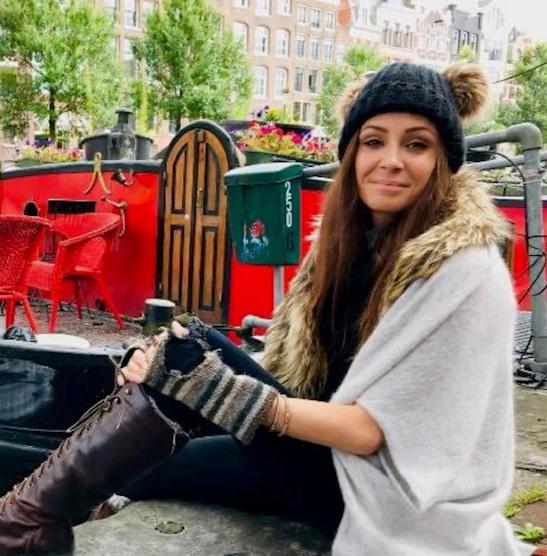
The ability to share our experiences, and to create a broader and louder voice is very important, so we are delighted that Claudia has shared her private thoughts with us through this article.
The attempts to return to sleep were futile. I was now participating in a mental disagreement with myself over whether it was necessary to pair socks or not. My mental quandary was finally resolved when I worked out that the average person looses two weeks of their life pairing socks, assuming they do so for 5 minutes a week until they are 70 years old. I would definitely trade the social judgment in receipt of these two weeks. I looked down to the socks I had thrown on my floor from the previous day, to my delight they were odd. They were so odd in fact that one had animals on it and the other was fluffy.
Unfortunately though, the level of oddness did not qualify for additional time added onto life. That would be a world I would trade to live in. A world where you choose your length of life. Where we are all masters of our own fates, decided by our choice in socks. We could all be known as the sock puppeteers. This is definitely a world I would like to live in.
My reality however was very different. I knew the reason that I could not get back to sleep, but I did not want to think about it, I wanted to stay in this world for as long as I could. My thoughts however demanded attention, and my awareness was brought back to reality. I started to write how I was feeling and before long I had consolidated my thoughts into a letter. I addressed it to the reason I could not sleep. My acquaintance.

Dear old acquaintance,
Do you remember when we first met? I remember it so vividly. I had heard a lot about you, your reputation proceeded you. I saw how much regard people gave you when they spoke your name. You demanded attention. You demanded to be seen. It’s fair to say that you were unforgettable. We met in the hospital; can you recall it? I was only nineteen years old. I remember feeling resilient, seeing you as a mere inconvenience. Little did I know that you weren’t finished with me back then. You turned up 5 years later, and this time you took more. I was studying at the time and had surgery and chemo in my summer break. When I returned to uni no one knew. That’s how insignificant you still were to me. But nine years later you greeted me yet again. Half my bowel, stomach, gall bladder, spleen, reproductive system, were just some of the parts you claimed and were no longer a part of me. I departed with them freely though in the hope that you would finally leave for good. That hope became a reality. I was given the all clear, and you were becoming a distant memory. I was concentrating on life. I wanted to explore. Expand. To fill my surroundings and re-enter into the world from which I had known.
I was forming my new life matrix. All those difficult times I had endured just shattered amongst the reality of my new future, forming the building blocks to rest my feet on as I walked towards my new life. I felt hopeful. Optimistic. A part of something bigger and exciting that I couldn’t wait to explore. My future was a canvas and I were the brushstrokes, ready to make my mark on the world.
This celebration however would last less than a year. You came back for a 4th time, but this was different. You were different. You refused to leave. You were indiscriminately cruel showing up two weeks before my dad died. You didn’t even give me a choice to say what I wanted. But that’s what you’re good at, removing choice. Choice of life, choice of being able to create life, choice of how I go to the toilet even. You made it so I had to go in a bag. Well fuck you I called my bag Gizmo and we became friends. You prick!
Is that what you want? ANGER? ………PAIN? FEAR? SADNESS? Psychologically you are all consuming to me. You have taken so much away from me already, but it is not what you have taken that I fear, It is what you are going to take.
I do not accept you. I want you to change. I want a world where you do not exist.
Yours Sincerely,
The Self
I thought that writing the letter would feel cathartic but instead I was left feeling angry and fearful. I had six months left to live, my world had significantly shrunk, and I was not the person I once knew. I desperately wanted to connect to my resilience, but I wasn’t sure where she was anymore. I think we’re playing an epic game of hide and seek, except I’m not looking for her, I’m running away from her instead. How do you find something you’re not even looking for? I needed to become an active participant in this game. I needed to become a seeker and stop hiding. I didn’t want to get rid of anger or fear. I valued them but they are not the whole journey, they are a sum of the parts, and my quest is to find the other parts.
I sat at the end of the bed thinking about the last time I was resilient. The visual imagery was so vivid that I started to see the mental image reflected back within the glass in my mirror. The colors were so vibrant, I could hear the sounds vibrating all around me, the smell of the room changed, and I could hear every sound as if I were there. I was transformed into a world of strength and compassion. It was vibrant and dynamic. Full of joy and meaning. My eyes transfixed on a reflection that was so familiar to me yet was part of a memory. The thought of our distance gave rise to sadness, but she acknowledged the thought and gave space for something else. It felt different. I felt different. But I didn’t know why. I asked her to show me.

Dear Self,
You describe a world where choice has been taken away from you, but have you thought that your old acquaintance will never be able to remove the choice you have in how you deal with this. This is your choice. How do you choose to respond?
Cancer is like a boat on a body of water; you can not change the size of the boat, like you can not change the fact that you have cancer, but a boat in a lake would appear bigger than a boat in the ocean. What choices will you make to expand your body of water? What gives you meaning? Purpose? Joy? Follow those as guides.
You have created a world where cancer has become bigger than you. You are living in your metaphorical ocean, but instead of allowing the waves to support you, you are being drowned by them. I know you feel scared and I am not here to tell you it will be ok, because I do not know, but what I do know is that there is a part of you that transcends this fear. It is connected, curious, creative and compassionate. Her greatest gift to you is that she lives in the here and now. She is not confined by time because time simply does not exist to her, she lives in the present moment. There is no past or future in her awareness. Your fear of dying is future orientated and removes you from being present. This part wants to show you how to let go of this fear. Imagine that your thoughts are on a conveyor belt, you are simply watching them go by with no emotional attachment to their origin or purpose. They just are. Acknowledge your thought, and bring your awareness back. This part does not want to change you, she wants to show you another way. A path of acceptance and love not fear.
In connecting you to her I wonder how you choose to stay afloat in your ocean, instead of being controlled by it. Will you be guided by your creativity and choose a whimsical boat, with mushroom shaped turrets and bold colorful sails. Or perhaps by your curiosity and instead of concentrating on the vastness, instead you see a playground of water, ready to be explored.
You have the power to choose which lens you look at this through. You have an infinite array of choice and I am gifting you this insight. There is hope, there is possibility and there is courage.
Stay curious, love always
Self
I looked down at the words my resilient part had written. I felt like I had gone on an epic quest that led me through the fires of anger, and the swamps of loss and sadness arriving at a song which rhythm was manifested into the rocking back and forth of the boat I was being supported by. My symbolic emotional container holding all my reunited fragmented parts. I felt hope. I felt empowered, and along the way had found myself. I was ready to let go. All my parts were unified once again and together they wrote one last letter.


Dear old acquaintance,
I will not give you the power that your name demands.
You have many aliases, cancer, tumor, Pseudomyxoma peritonei, but I know you as Bert.
You’ve been in my life for 17 years now, a shadow to my soul. Shaping how I see myself, and move through this world.
Together we have learned SO much. You have given me the opportunity to get in touch with my strength, to be able to see this as a gift, a gift of insight into what truly matters, and for that I am thankful, but you will not make me a victim to my own life. IT’S TIME TO LET GO.
Although our fate is bound, and I grieve my mortality, I will not give you the attention you so crave. For I am now on my whimsical boat, looking at your destruction, and I choose to expand my body of water. You will feel so small in comparison.
For now, you have claimed my body, my fear has been named, but you will never claim my spirit. That is beyond your reach.
We will not meet like this again, for I am different.
Today I am THE WARRIOR . I stand still, I stand tall, and say farewell to you my old acquaintance.
Written by Claudia Brown
With gratitude and in memory of Claudia Brown
We always love to hear from our readers, especially when they share their stories. If you’d like to contribute your story email us on the link below.
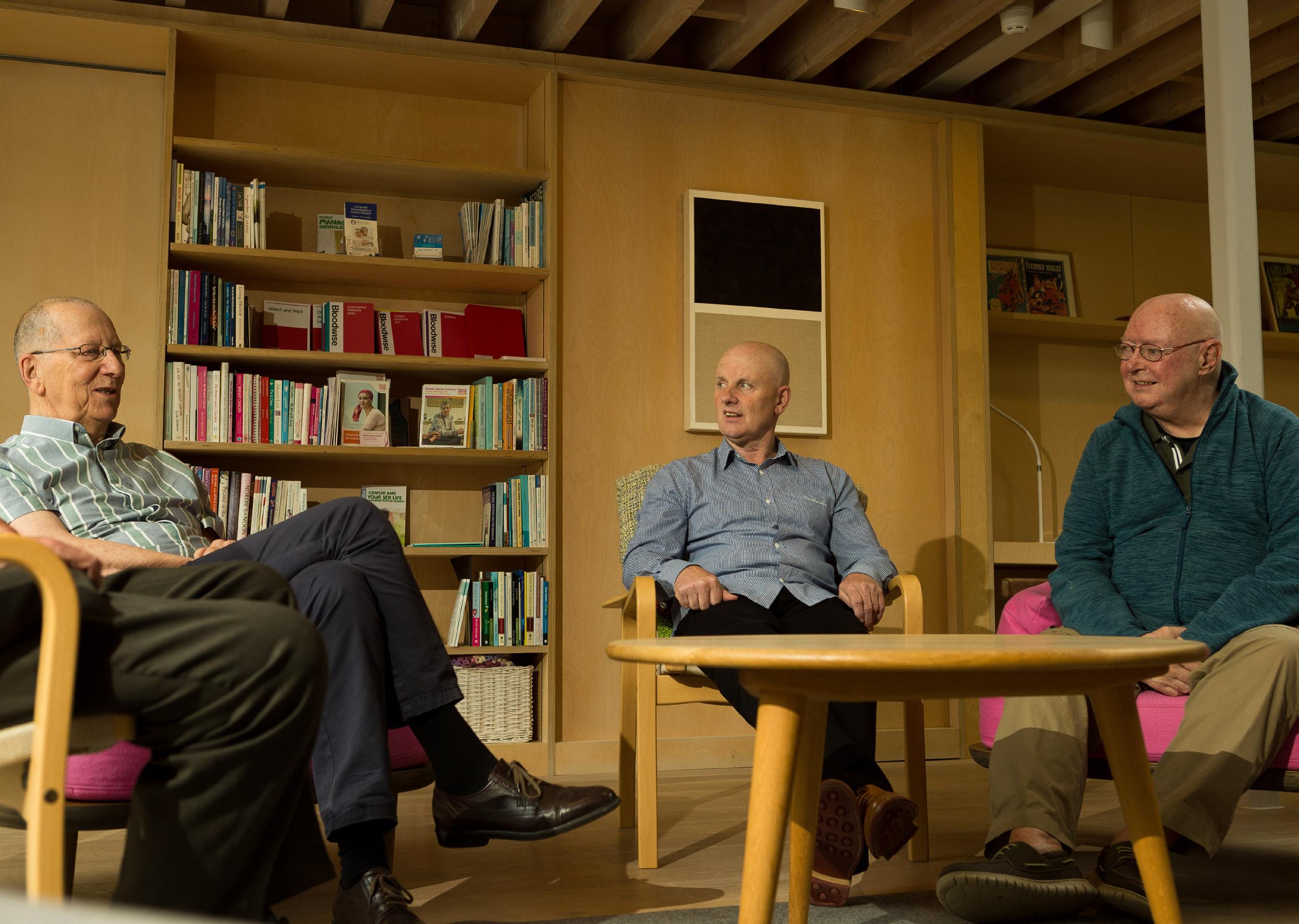
The first Maggie’s Centre was opened in Edinburgh in 1996, and today the charity has a network of centres across the UK, and even some abroad. When the founder, Maggie Keswick Jencks, was diagnosed with cancer for a second time she felt strongly that there needed to be new and different ways to offer additional support to those living with cancer. Along with her husband, Charles, Maggie worked tirelessly to bring her idea to life. Together they sought to create a centre that would be a welcoming space, independent of, but
adjacent to an NHS treatment centre. A place where people could talk freely about their emotions and experiences as well as accessing practical support.
We spoke with Robin Muir, the Centre Head at Maggie’s Manchester, about the centre and the services it offers to the local community, focussing on how it seeks to engage with and support men whose lives are affected by cancer.
“What we’ve seen recently is that, partly because of the pandemic, and partly
because of how population developments affect staffing issues within healthcare, the needs of people with cancer have increased dramatically. From the initial diagnosis being delayed to treatment delays, alongside the cost of living crisis, increased isolation and anxiety because of covid, the need for support has really increased. The context in which we deliver it has become more complex, people may be a little bit more reluctant to just come through the door, because they’re worried about infections in a way that they weren’t before the pandemic.”
Reflecting on how men access support Robin is acutely aware, based on his professional observations from his time at Maggie’s, that the centres have always been more readily accessed by women than by men.
“Across our centres, we generally see around a 60/40% split in terms of female/male. What we’re likely to see is that women within the centre are more likely to be seeking psychological support, and men might be more likely to be seeking practical support. Women, I think, are happier to be more explicit in talking about their emotions, and their psychological wellbeing. My feeling is that men often are very fearful about seeking support. That’s probably due to many, many different reasons, from the gender stereotypes that we grow up with through to the continued generational impacts.”
The pandemic also had a noticeable negative impact in terms of men accessing the centre, and although the restrictions have now been removed, it has required a focused effort over the last two years to try to increase engagement with men once again. The team has established that the best way to engage them is to ensure that there is a good range of practical advice as well as support on offer. For example; sessions based around the disease itself, as well as providing financial information, offer a better pathway into working on providing emotional support and guidance.
Robin reflects that the approach that they had taken previously had assumed that if you offer a service, people will access it easily and appropriately, but that was not necessarily the case. A good example of this is the prostate cancer support group that they have run
over the years. At times the sessions would be used by the men participating to talk largely about very concrete and practical issues around their illness, such as loss of income, benefits, treatment protocols etc. But the team at Maggie’s were acutely aware that there were many things the men were not discussing, for example the very real issues and fears around some of the more personal consequences of prostate cancer, such as erectile dysfunction or incontinence.
Gradually this has changed through their focus on carefully building relationships with the men who came along. The conversations may start around the use of hormones, and then gently move into the impact of the hormones, the side effects, and the dysfunction they might cause.
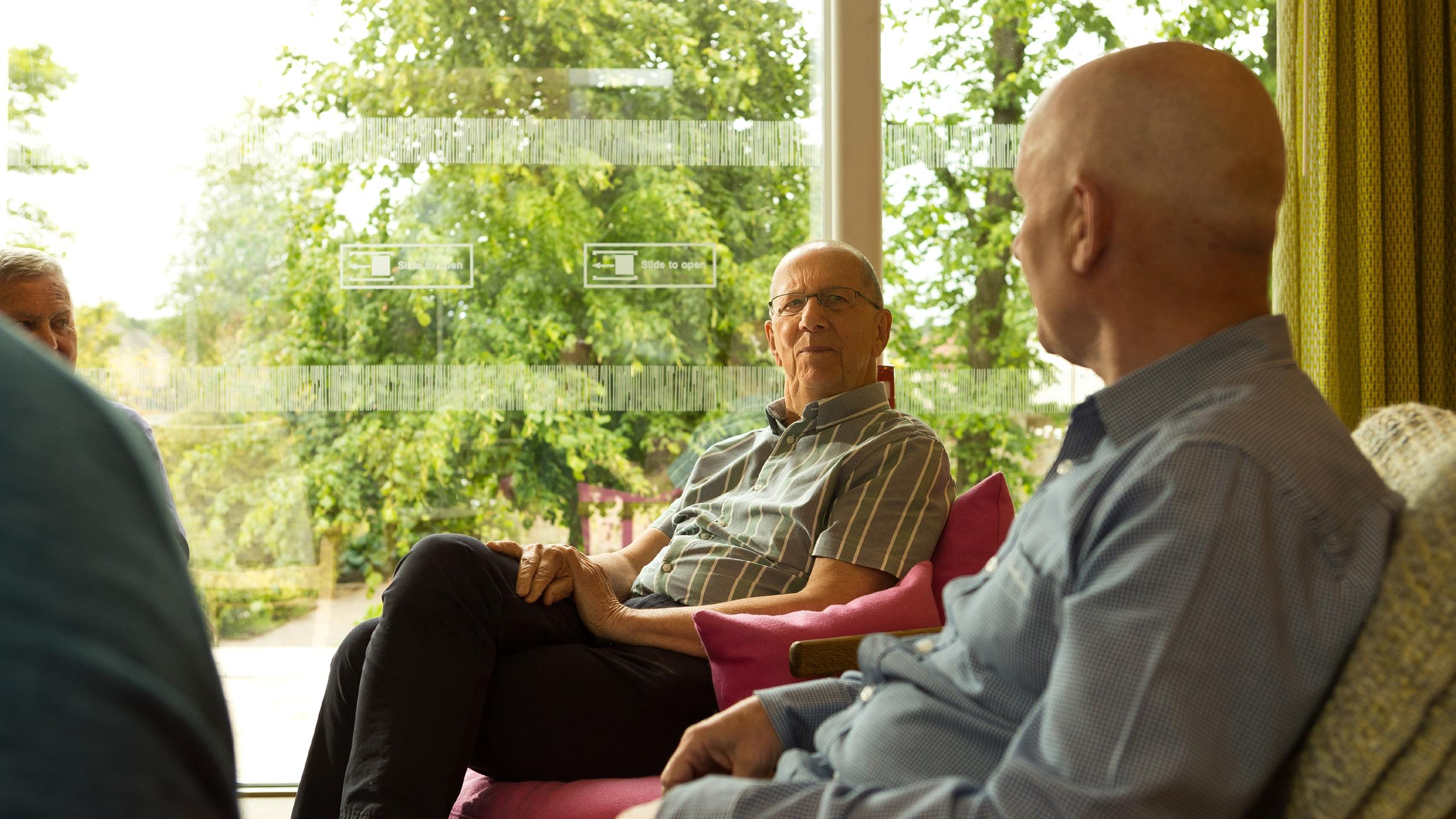

As the group is more established there are long standing members who are able to be open and honest about their struggles, this in turn allows newer members to see that this is a safe space in which they can talk if they wish to. A vital insight for the team was to understand that many of the men they supported had not previously had the experience of having the opportunity to be vulnerable before.
“I think that at the heart of it is that a lot of men may not have had experiences of having had trusting adult relationships where emotions are part of these relationships. So, talking about how they feel, the thoughts that they have - with a professional, it’s a very intense thing to do.”
“What you see in those men is actually a kind of discomfort with their own vulnerability, and perhaps that’s not something that they are used to, to feeling vulnerable. Perhaps they have had positions of authority and power within their own lives, and they felt confident within those roles. Or within their family they might have been the breadwinner, the sort of person in the family that looks after other people. They may never have been ill before and so then to find themselves in a position where they’re feeling vulnerable; physically, socially, occupationally, in many ways it feels more uncomfortable to them. Therefore to come and seek support highlights that to them, it makes them much more aware of that vulnerability.”
Lived experience has also illustrated to the team at Maggie’s that often a group setting provides an easier way for men to access support initially. Robin explains that the group format offers those attending the chance to be able to be a listener first, which can be helpful if somebody is feeling nervous, or particularly vulnerable. The group space and dynamic enable them to sit back, to listen to other people talk about issues which are relevant to them, to face the others within the circle but not have to look directly at any one person.
Whereas in a one to one setting, you’d typically sit opposite one another, which can at times not only feel quite intense and uncomfortable but brings with it the possibility of ‘perhaps a feeling of confrontation.’ Instead it is sometimes useful he suggests, to borrow from the advice often given to the parents of teenagers, namely to ‘sit them in the car, that way you don’t look at each other but can both look at something else.’ This can be translated into many shared activities, from walking through to creative processes, which is where art therapy might be utilised for example.
It is important though, Robin notes, to also listen to what a man is telling you through not talking. Whilst there is a really positive and important public narrative at the moment around the fact that men need to talk, that it is ‘OK not to be OK’, and that mental health matters,
this can at times almost silence the importance of recognising that if we want to understand what our loved ones are going through, what they are feeling, then we need to allow them to share this in a way that works for them.
“Sometimes what we see in the centre is that people will bring their male loved ones in and say ‘He’s not talking about it.’ There will definitely be an element of that, that the person is not talking about it, but is there also another side to it?
Are we really willing to listen to these men? To hear what they are saying by not talking? Because what we’re really talking about is a conversation, and we need two people within that. I think that’s sometimes a hard thing for the people immediately around those men to actually do.”
The social and cultural differences with which boys and girls have typically been treated through their formative years can also play a part Robin explains.
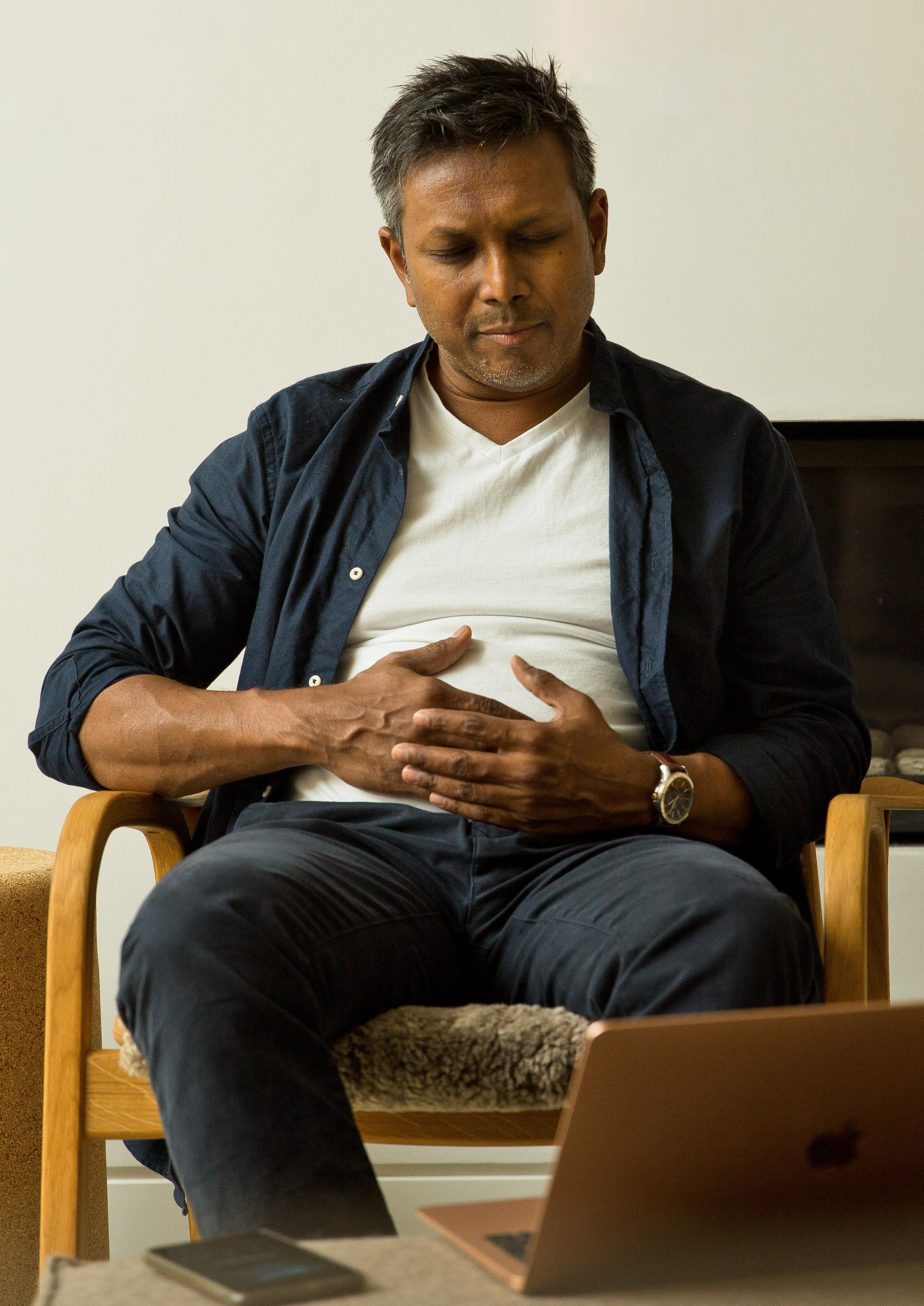
“When you look at men, often their social relationships tend to be quite different from women. They tend to have fewer friends and less good-quality contact with people. The statement that ‘men need to talk about their mental health’ probably also raises the question of ‘do they actually have people within their life that they could have those conversations with?’ I don’t know if it’s a minority or a majority, but there would be a lot of men where you might find that they just didn’t have somebody within their life that fit the bill in the same way that a woman might, who might have nurtured relationships and trust over previous important life events.”
Through offering several ways to access support, Maggie’s centres around the country are working hard to reach those in our community, like men, who are traditionally less inclined to seek out support. The best way is to provide a welcoming, supportive, safe and nurturing space where different ways of exploring often difficult subjects will enable a trusting relationship to be built. What may begin as an initial group session, attended perhaps unwillingly, might grow into an important and meaningful interaction, and the chance to change the belief that there is no real value in talking.
“We can use a group in a way that allows people to be a participant, and then allow them to build confidence to go on to join in with the group because the group allows informality in a way that perhaps one-to-one doesn’t. Although it is important we offer facilitation in the group session I’m very keen within our centre that we do allow or enable a soft ending for the groups. So just because the group has pencilled in to finish at a certain time, it doesn’t mean it has to absolutely finish at that point. The counsellor might need to leave because of a prior commitment, but we will often say to people to please ‘stay, take your time, go and get another cup of tea, sit at the kitchen table.’ I think that informality allows people to build trust.”
That is why, at the heart of every Maggie’s you will find a big, welcoming kitchen table.
Robin Muir is the Centre Head at Maggie’s Manchester, having started work there when the centre first opened in 2016 as one of the team’s psychologists. Before training as a clinical psychologist, Robin worked with people living with chronic pain, cardiac diseases and epilepsy, and during the years he spent studying for his doctorate at the University of Liverpool he specialised in working with people with physical health problems. Once qualified he spent several years working in the NHS, primarily within cancer services, before leaving to join Maggie’s when they opened their new centre. In the first few years, he worked on setting up the support programme, before agreeing to step in as the acting head of the centre, a role which was made permanent in November 2020.

Maggie’s Manchester, The Robert Parfett Building, The Christie Hospital NHS Foundation Trust, 15 Kinnaird Road, Manchester, M20 4QL
manchester@maggies.org
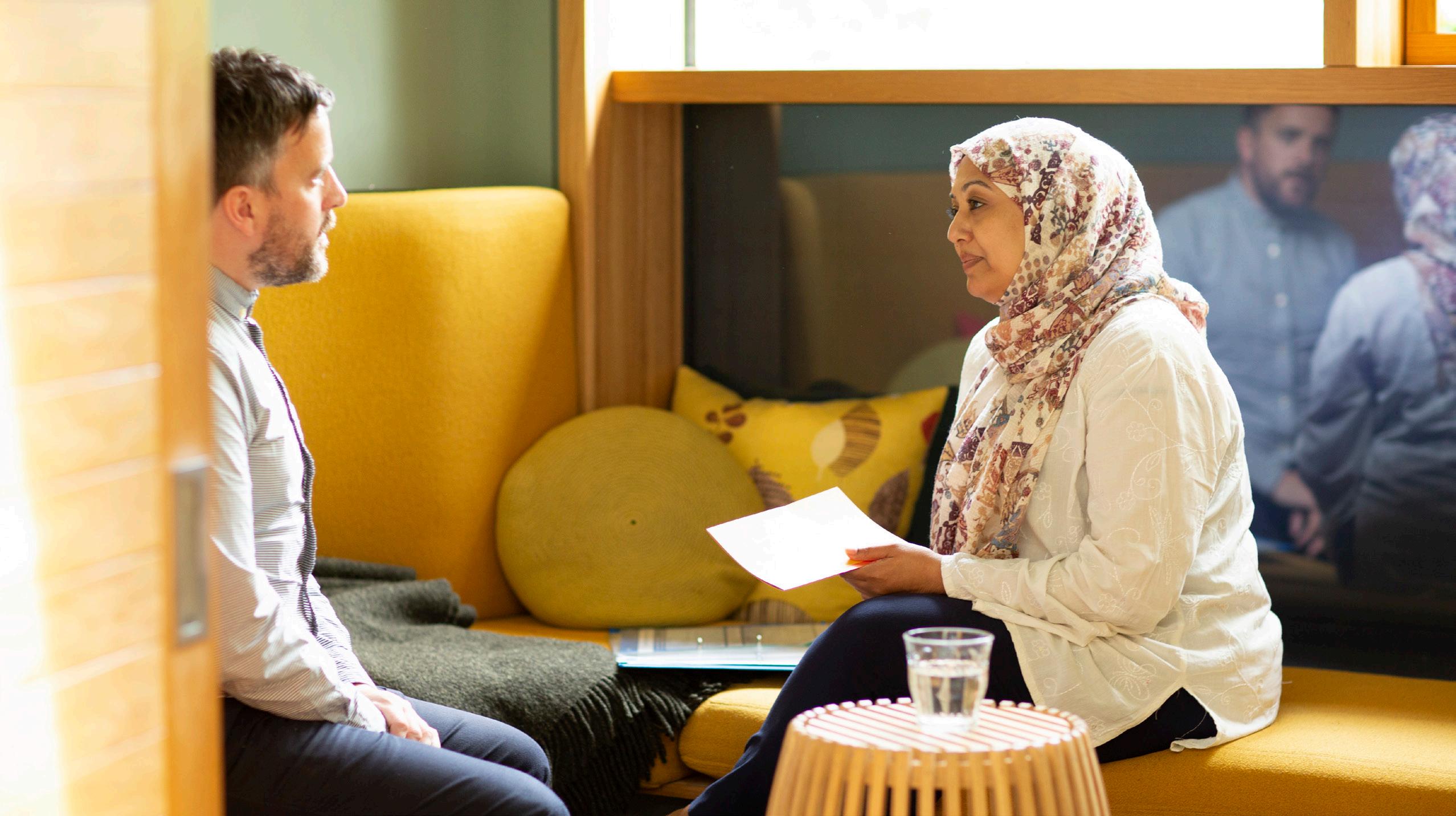
Maggie’s offers practical, psychological, and emotional support to anyone with cancer and their families. You can walk into any of our centres and get the support you need. Our expert staff will support you after any cancer diagnosis, through treatment and beyond.
Just come in, you don’t need an appointment and all our support is free. We’re here Monday to Friday, 9am–5pm.

Rare treatment, fragile hope and the practical work of planning ahead.
At the age of just 26 years old, while building a career in pensions and retirement at Aviva, Megan noticed “a little flashing light in the corner of my eye.” What she first dismissed as a migraine quickly became an urgent referral, resulting in a life changing diagnosis: ocular melanoma. “I first knew about my ocular melanoma as a little flashing light in the corner of my eye, which I ignored for around two weeks, I thought it might just be a migraine. Then I called an optician who told me to go straight to A&E,” she recalls, describing the shock of being fast tracked to specialists.
Treatment began with photodynamic therapy that initially made the tumour shrink, but which later failed, so she underwent stereotactic radiotherapy that left her blind in her left eye. “Originally, they were almost certain that it was ocular melanoma based on the characteristics that it was showing, but they weren’t 100% sure. We were in limbo for a while,” she says, capturing the uncertainty that followed diagnosis.

Coming to terms with stage one cancer proved harder than she imagined. “In the very beginning I didn’t understand the severity of the diagnosis at all. I was naive, very naive,”
As the reality of her diagnosis began to sink in, she discovered there was more to ocular melanoma than she had first realised. “They kept telling me initially ‘we found it really early’ and kept reiterating how small it was. So I wasn’t aware for a long time what it really meant for me,” she says, describing how the reassurance from clinicians left her unprepared for the wider implications of her diagnosis.
It was only after she started researching that she found the charity OcuMel (who have now changed their name to Ocular Melanoma UK), and through their patient led information and support that she learned more. “Through them I learned I had around a 50% chance of this spreading to my liver. I learned that if it does, it immediately becomes terminal cancer.
In that moment I was like ‘okay, this is much more serious than I had initially imagined’” Megan recalls, capturing the shock of discovering the true challenges that she faced.
A year later, scans confirmed the worst: the melanoma had advanced to stage four and spread to her liver. “The MRI
started showing little dots in the liver but they weren’t able to confirm the severity, because they were so small. So again, it was living in uncertainty of not knowing what you had to deal with. Eventually, they were able to order a biopsy, which confirmed that it had spread to my liver.”
Because ocular melanoma is rare, her treatment options have been limited and contingent on eligibility criteria such as blood type. She receives her current therapy through a compassionate use programme, a situation she describes as precarious: “The difficulty is it’s given on compassionate use. At any point that can change.”
Rather than dwell on that uncertainty, she focuses on immediate steps: “If they come to me tomorrow and say ‘you can no longer have this treatment’, I’ll just focus on ‘okay, what do I do next?’ I can’t focus on the uncertainty of tomorrow, I can just focus on what next steps I will do now.”
Her immunotherapy is administered weekly and, while not curative, has stabilised the disease. She is candid about the toll of treatment: “I’ve been on this treatment for a year now and in the beginning, for a long time, I was very poorly. It’s only very recently that I have started to feel more normal again, my main symptom is just fatigue.” She explains how the therapy targets pigment in the skin and tumours, leaving visible changes.
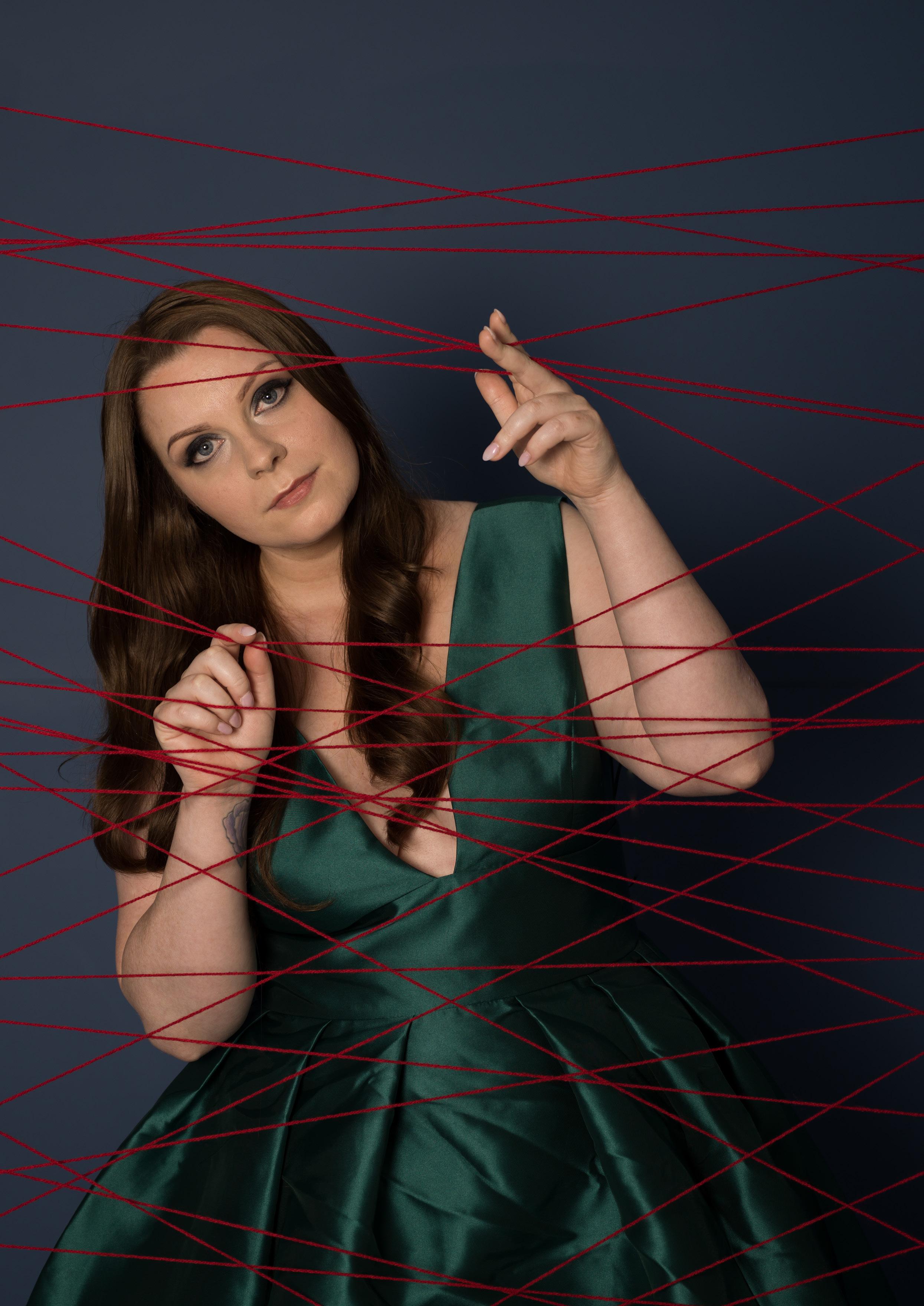
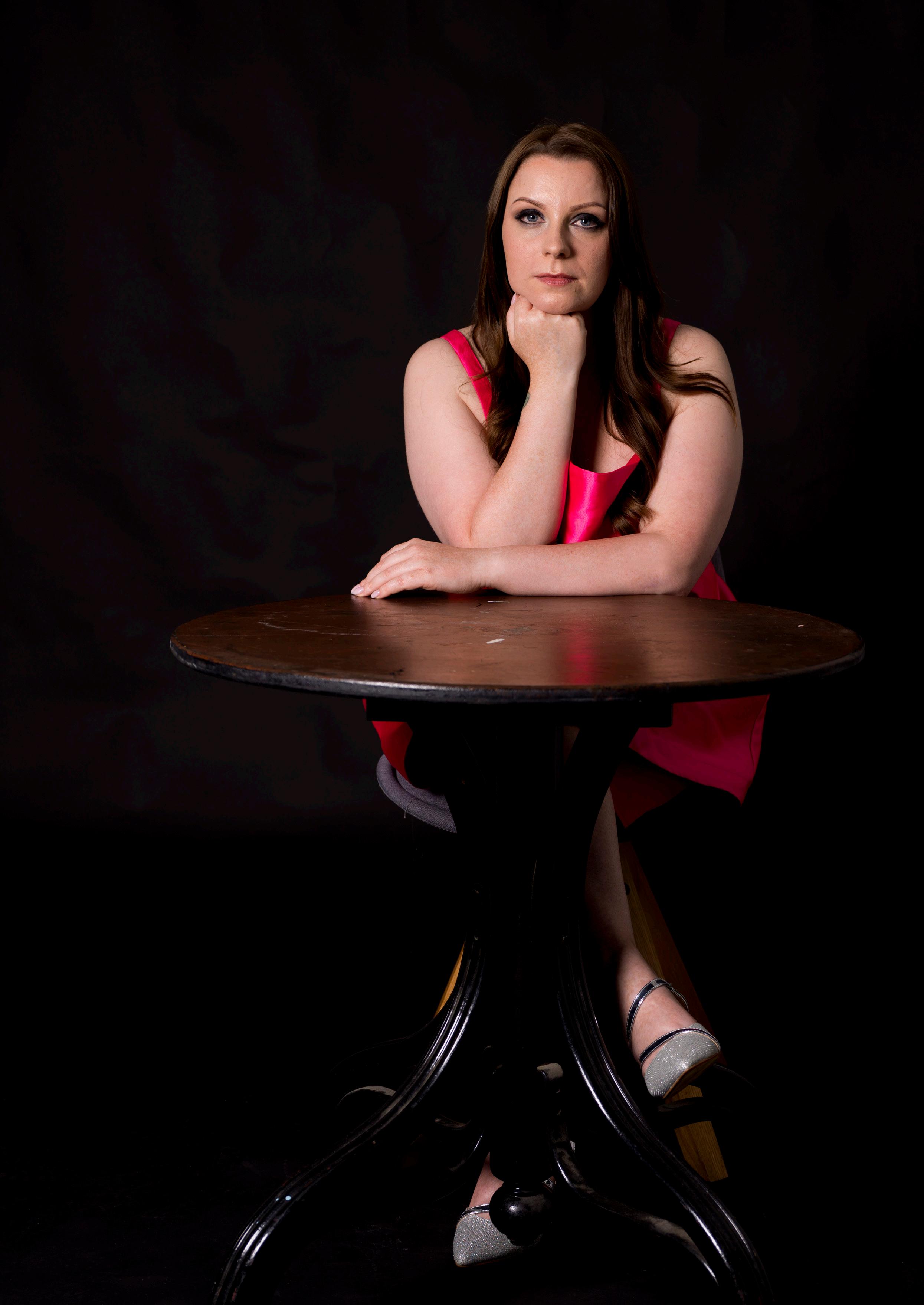

Breaking the news to loved ones has been emotionally complex. At first, Megan found it hard even to name the illness: “I really struggled with telling people at first when it was primary cancer before it was terminal. I didn’t actually know the words to say.” When the diagnosis became terminal she adopted a more matter of fact approach and aimed to reduce others’ uncertainty: “When I tell people the news I say ‘yes, this is happening but these things are in place’ and I can tell them the plan. I try not to leave them with uncertainty.”
She recognises that people process the news at different speeds and that being open about her feelings can make others more comfortable. “When others see that I’m comfortable talking about it, it makes them a bit more comfortable talking about it,” she says, while also acknowledging that not everyone will be ready to speak in the same way.
Despite the grim statistics she has seen in the ocular melanoma community, Megan looks for positives where she can. “The biggest positive is that I’m alive, which is something that a lot of people don’t get to say,” she says, noting that some patients are defying expectations and living years beyond diagnosis. The illness has reshaped her priorities: she values time with family, being present with her partner, and appreciating small moments she once took for granted.
Practical limitations are constant: fatigue can make everyday tasks exhausting, and hospital stays, especially during the COVID pandemic, were isolating and traumatic. “I was alone because of the regulations at the time. I was on a ward where a lot of the people there were receiving end of life treatment.” Those experiences have reinforced her desire to make the most of the time she has.
Megan has begun formal end of life planning with her local hospice and community services. Although confronting her own mortality was intimidating, she found clarity and comfort in knowing what will happen and who will provide care. “If you don’t understand, you paint an image in your
mind and that is a lot worse than the reality of it,” she says. Having plans in place has eased the burden on her loved ones, and given her a sense of control.
She is also thinking about how she wants to be remembered and hopes her experience will prompt others to slow down and appreciate what they have: “I want people to think ‘Hey, Megan has told me I need to slow down and look at what is around me’.” Above all, she wants to spend her remaining time living life on her own terms: “What matters most to me when facing death is to spend the time that you have in the ways that you want to and not in the ways that you think you should be.”
Megan’s story is a study in resilience, practical courage, and the quiet recalibration that serious illness forces on a life. Faced with a rare and unpredictable cancer, she has navigated medical uncertainty, brutal treatments, and the delicate work of telling those she loves. Yet she has also found agency in planning, community in patient advocacy, and perspective in the small, ordinary moments that now feel precious.
Her message is simple and urgent: seek information, involve the people who matter, and make choices that reflect your own definition of a life well lived. As Megan puts it, “You are still you. You are still the person you were before.”
With gratitude and in memory of Megan McClay
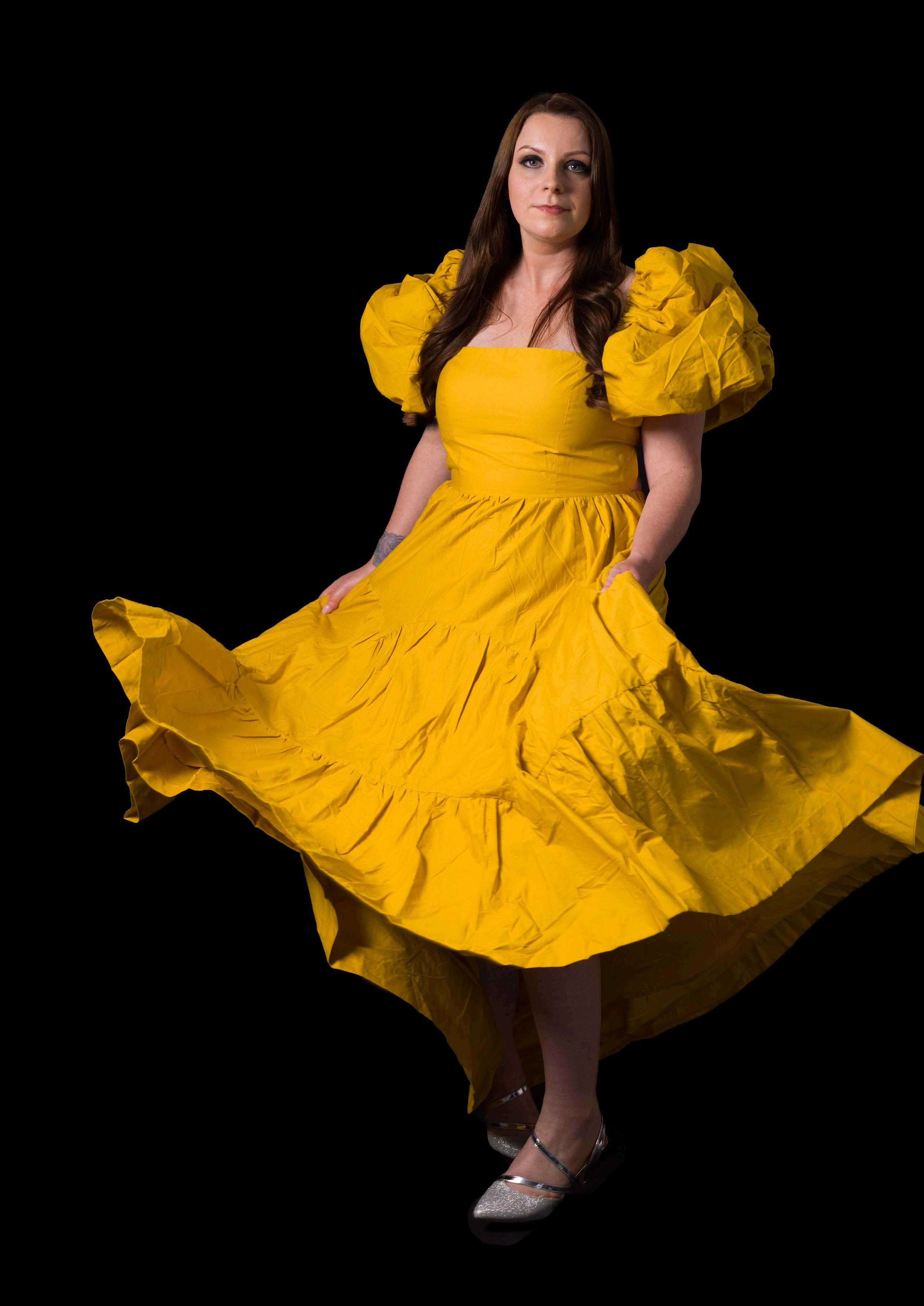
Ocular or uveal melanoma is a cancer of the eye. It arises from structures in the middle layer of the eye, the iris, choroid or ciliary body. There are approximately 600 new cases of ocular melanoma in the UK each year, making it a rare cancer. Unfortunately, around half of all patients with ocular melanoma go on to develop tumours in other organs, particularly the liver.
To learn more about ocular or uveal melanoma:
Click here
Ocular Melanoma UK
Ocular Melanoma UKis a registered charity supporting those affected by ocular melanoma. They help patients and families by providing current and accurate information and emotional support via the website, helpline and online forums.
To learn more visit: www.omuk.org
In conversation with Ben
Buddy Slack, Founder & Creative Director of the Swan Song Project
“People very rarely write a sad song. I always say that while the context of our work might be sad, generally the songs are about the things people are most proud of, the things people most enjoyed about their lives.
A lot of the time our sessions are very inspiring and uplifting, because generally people are telling you about the things that made them most happy, and the things they wish for their loved ones, so the content of what we’re doing is about the best things in life really.”
All photograps courtesy of Swan Song and Ben Buddy
Established in 2017 by Founder and Creative Director Ben Buddy Slack, the Swan Song Project gives people who are living with terminal illnesses, are planning their end of life stages, of life, or are dealing with bereavement, an incredible opportunity to write and record their own original song. The author and journalist Matt Haig wrote in his book, How to Stop Time, that the people you love never die completely because ‘they live on in your mind, the way they always lived inside you, you keep their light alive.’ And what better way to live on than through a song? On their website the team at the Swan Song Project explain that they ‘believe everyone has a song and these can live forever.’
Ben grew up in Leeds, and whilst his immediate family are not musicians, he explains that his mother is from a large, traditional Irish family and so within the broader family there were many musicians who inspired him. Most notably his uncle, who taught him how to play the guitar during visits to his grandmother’s house. Reflecting back on those early days, the powerful and positive impact that music could have was clear to Ben even then.
“My grandma wasn’t a musician herself, but she used to love when we had the guitars out at her house, she’d sit in the corner and sing along.
She had Alzheimer’s, and had lost a lot of her memory, but she could always remember the words to old songs.“
Years later it was the memory of his grandmother that both gave Ben the idea and the passion to set up the Swan Song Project.
“I have lots of really nice memories of singing with grandma, and particularly at the end of her life.” He continues, explaining that “after she died I was thinking back on it, and thinking that I should have recorded her singing, that would’ve been a really nice thing to have had. Being a songwriter I could have written a song with her, and that would have been even better. I wondered what she would have said if we’d written one, and I remember thinking that the family would probably still play that song when we get together now, and that it’d be a really nice way to feel like she was still with us. Then it kind of dawned on me that I’ve got quite a lot of experience writing songs with people who don’t normally write songs.”
As with so many things that happen in life, the song writing experience that Ben built up over the years before he founded The Swan Song Project happened fairly organically. As a child he had loved writing stories, and once he began to play the guitar and fell in love with music it simply “felt very natural to me, I thought ‘well, I can write stories that we can put to music.’” As a teenager Ben began playing gigs with his uncle, mostly playing traditional Irish songs. A few years later he joined a local covers band, before going on to set up his own band where they were able to perform their own music. Over the years he became well known in the local music scene, which eventually led to him being asked to become involved in some community music work.
“There was a community music workshop for one day that I went to, they were starting a project with the Youth Offending Team working on a music Arts Award qualification which they asked me to work on.”
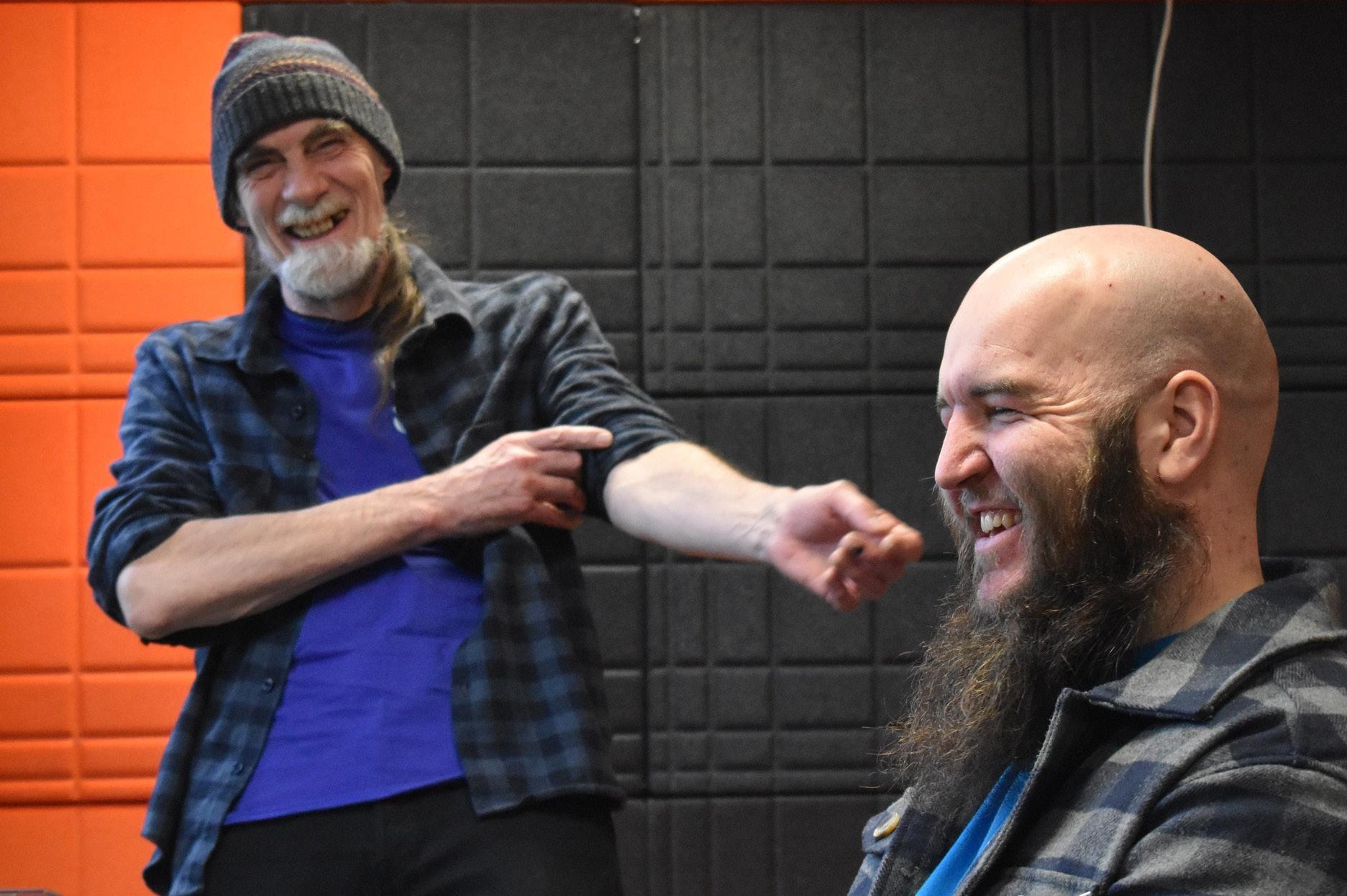
After this another charity that knew Ben asked him to be involved in a project they were working on, and things built from there. By 2017 Ben had worked across a range of projects with young offenders, as well as in adult prisons. The work with young offenders naturally overlapped with “various mental health projects, likewise at the prison, so in some ways I fell quite naturally into building this mental health and prison experience. So, while I didn’t have as much community musical experience as lots of other people I had lots more mental health and prison experience, so I got some really good opportunities based on that.”
The idea of The Swan Song Project sat with Ben for a while before he began to seriously consider trying to make it a reality. When asked how he knew it was a good idea Ben explains that the way he can tell if an idea, or indeed a song, is a good one is when it does not leave him.
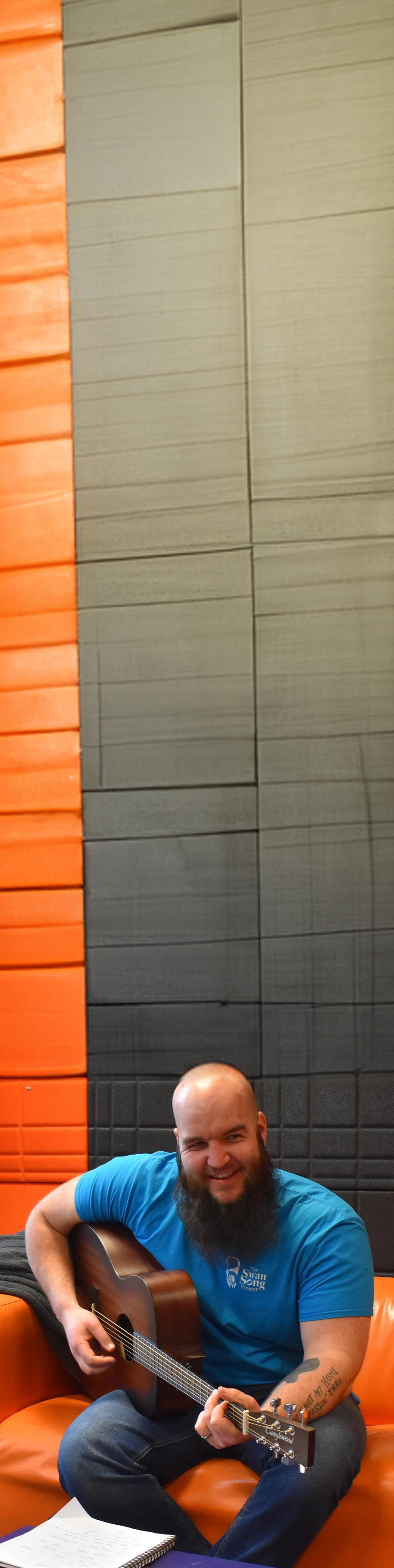
“I felt like it was a good idea, and one that wouldn’t leave me. There is a similar thing with writing songs, a lot of times you might have an idea, and one of the ways of judging if it is a good idea is if sticks with you. I have ideas all the time, so one day I’ll be thinking about something but then I might forget about it by the next day, but the idea for The Swan Song Project just stuck with me for a long time.”
It was, he explains, hugely intimidating, because whilst he had a huge breadth of relevant experience, he had always worked with or for other organisations or projects. “I had never set up a project before so it was very daunting. I didn’t know, just how do you actually start doing something yourself?”
He started by asking somebody that was really close to him for their opinion, and gradually he started to tell more and more people about it. He recalls that “I kept expecting that at some point somebody would tell me why I couldn’t do it, but everyone seemed to think it was a great idea and that I should do it. No one said no, and so that felt like I had to keep taking these next little steps.
I had quite a long period where I kind of built up my confidence, and eventually I wrote to some of the local hospices. I expected them to come back to say ‘no, you can’t do that’ but then they said ‘yes’, this sounds great and so I started at the Marie Curie Hospice in Bradford.”
Before he began The Swan Song Project most of Ben’s work had been in group settings, a dynamic he was confident and comfortable with. He knew that for this project what he needed was to be able to work one on one with the person who wished to write their own swan song. The Swan Song project website puts it beautifully when they state that ‘no previous musical experience or abilities are required. You don’t have to be a singer or a poet, you just have to be you. Your life and experiences are unique and so your song will be too.’
Initially Ben worked alone and was primarily based at the Marie Curie Hospice that was local to him, but over the years the team, and the area that they cover, has grown. Today there are eight songwriters including Ben, and several affiliate artists who they also work with. But the way in which they work has remained fundamentally the same. Once the team begin working with someone to write their song they are partnered with a songwriter who will work closely with them, both in person or online, over a number of sessions until their song has come to life.
“A lot of time the sessions are based primarily around lyric writing. To create the music we ask people about their musical influences, we will talk about the songs they like, we might listen to them together.” Using these influences and the lyrics as a starting point the songwriter will begin work on the music, or ask another musician to do so if they are a better fit. But whilst for most people the main focus will be on writing the song lyrics, others may even write some of the music themselves. Likewise, whilst some individuals choose to sing their song, or ask family or friends to do so, others prefer to have one of the Swan Song Project team perform their song on their behalf.
It is perhaps surprising initially to learn that the majority of the songs are uplifting, and positive, but on reflection it is anything but. As Ben explains, whilst the context which leads to these songs being written might be difficult or sad, for example the loss of a loved one, or the recognition that it is their own lives which are nearing an end, the content is not. The songs that people want to write typically reflect on “the best things about life, telling the story of people’s biggest joys, and of their hopes.”
There have been many people and songs that have stayed with Ben over the years, but none perhaps more so than Alan, who he met on the first day he visited the hospice.
“Alan wrote a song for his wife called ‘Song for Ginny.’ He had motor neuron disease, and he’d lost the use of his body, but he still had his voice, which is very important to him.” The song took a long time to write, and in that time Ben grew close to Alan, “we just got along really well, I enjoyed spending time with him, one-on-one.” And by the time Alan was ready to record his song it was clear to Ben just how important this whole process had been for him, how much it gave him, and the peace that it brought him knowing he was creating something meaningful to leave for his beloved wife of thirty-five years. “That really gave me the confidence I needed in the project.”
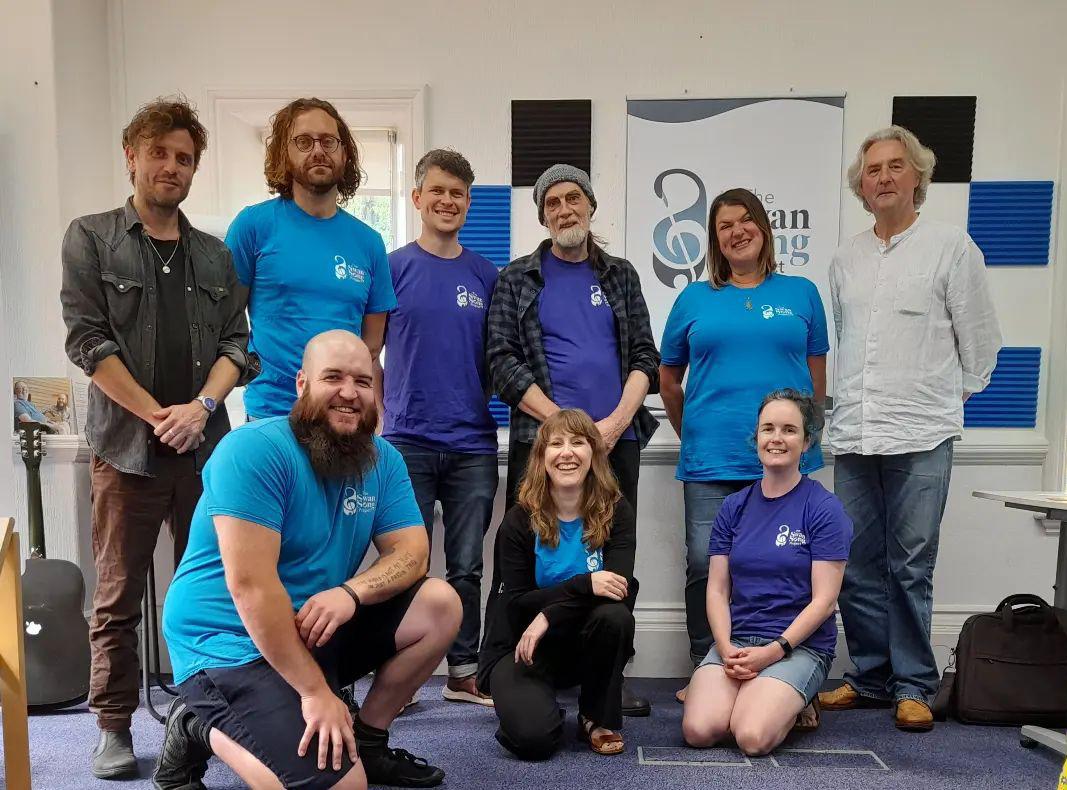
The early years of The Swan Song Project represented a steep learning curve for Ben, because whilst he had a wealth of relevant experience, he didn’t he explains, “have a lot of experience with people with really complex conditions, or people who were at the end of life.” Over time he recognised that he didn’t always have the tools he needed to work so closely with people that are living with a terminal illness, planning their end stages of life or dealing with a bereavement. Reflecting on that time he explains that one of the key things he learnt to recognise was that it was OK to ask people questions, to be open to their circumstances, and to be willing to try to understand. “Whilst I don’t know anything about what it’s like to be in their situation, just being accepting of that, and being willing to ask people and not having any kind of assumed knowledge was really important.”
A number of years ago Ben worked with a father whose son had committed suicide, when Ben asked him who the song was for, and who it was that he imagined listening to it, he replied explaining that
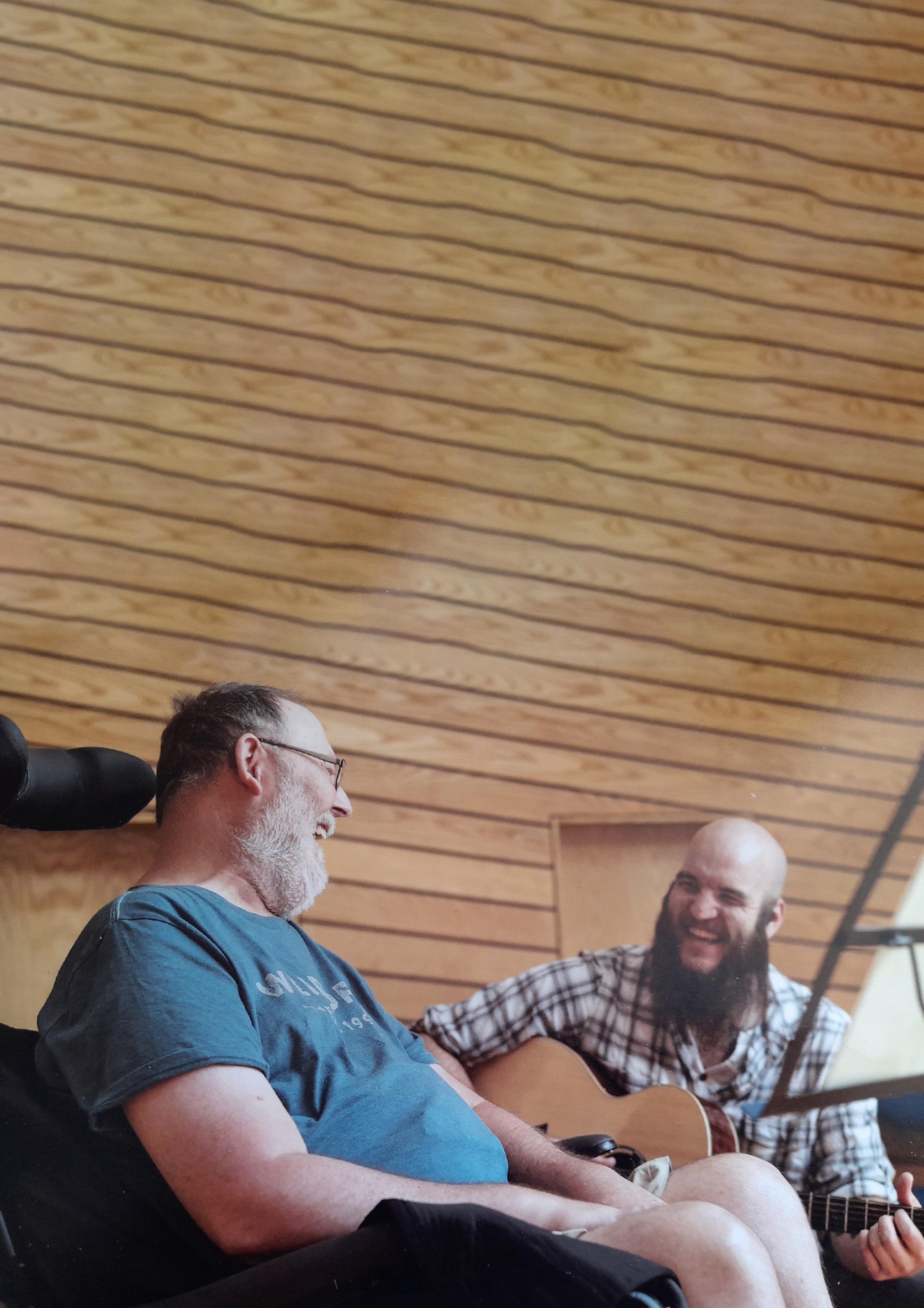
“I’m not worried about anyone else hearing it, it’s just for me to have something that I can sing whenever I want to feel connected to my son again.” For Ben this was a powerful confirmation of what he already knew, that “you can be anywhere, and if you can hear it in your head, or sing it to yourself, then you can always feel that connection.” Over the years the early confidence that Ben had in the power of songwriting to heal, to bring hope, and to create a lasting legacy has been carefully built into this utterly brilliant, life-affirming project.
Today Ben makes sure that his team are well supported, and The Swan Song project has five core values that form the foundation from which they work: optimism, creativity, trust, compassion and authenticity. The work they do is incredibly important to the people with whom they work, not just the individuals who choose to write their very own swan song, but their family, their friends, and the community around them. It is with them, and for them, that their memories and their “songs can last forever.”
Visit the Swan Song website
Visit Ben’s website
The Swan Song Project can help anyone living with a terminal illness, dealing with or anticipating a bereavement to celebrate life in a song. Sessions can be done over Zoom or in Person across Yorkshire.

Visit our website to find out more.
Listen to our podcast Available on all podcast platforms. Donate to The Swan Song Project
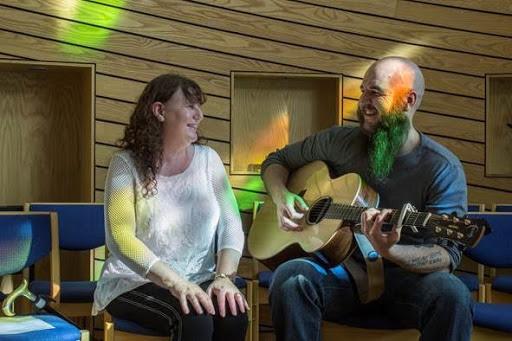
All donations help more people leave their legacy in song. There are many safe ways to donate through our website.




In early 2020 I was diagnosed with the bad kind of prostate cancer, the kind you die of, rather than with. I was told that it had metastasised into my bones, and nothing could be done except courses of hormone blockers, which might hold the lesions in my bones in check for a while, but would strip away my sexuality. I found my inner stoic agreeing with Spike Milligan, like it says on his headstone; I told you I was ill.
Prior to 2020 I am being unfair on myself if I say I did not have a real illness. It was real but some would call it hypochondria. Health anxiety disorder, they call it now. Nor, I’m certain, are doctors allowed any longer to refer to ‘problem patients’. But that’s what I was. In fact, my GP at the time was doing a PhD on the subject of problem patients, and I became ‘Patient M’. He told me this on my last visit, the one where I told him I thought I was through the worst.
When this happened though, or how long it lasted, I’m no longer entirely sure. I lived in Lancaster, I know that at least. I lost somewhere in the order of four or five years of my life to terror, utter screaming shaking nightmarish terror. A ‘real’ illness, no matter how gloomy the prognosis, simply can’t match the horror of my life in those lost years.
I remember its beginnings, 1992, maybe? I was in the car, with my second wife and two children (aged 11 and 2). We had spent a few days with some friends in West Wales, and now we were driving home to Lancaster.
We had stopped at the old Little Chef beside the A483 outside Wrexham; it’s a Starbucks now, but I never feel inclined to stop. Without warning, my arms went numb, my chest tightened, my breathing came in gasps, and my head spun. I was hollowed out by fear. I said to my wife, ‘I think I’m having a heart attack. I am, I know I am.’
She’s a nurse, and I’m not sure she was as worried as I was, but the Little Chef staff may have been, because I insisted they call 999. In the ambulance on my way to Wrexham General, the paramedics worked to calm me down. I think I was seen quite quickly; I remember an ECG printout, and a consultant being kind enough to show me my results next to those of a normal readout and talking me through the results.
‘As you can see, Mr Marchant, they map exactly on one another. It’s almost a textbook example of a normal ECG’. ‘But what was it?’ I asked. ‘Have you been playing golf?’ I had played pitch and putt with my wife and pals the day before.
‘Sometimes you get shoulder pain from playing golf; that can feel like a heart issue.’ He was very kind; we all laughed.
Then, it happened again, maybe six months later. By this time, I had split up with my second wife, and I was home alone with two kids. I had never been so terrified.
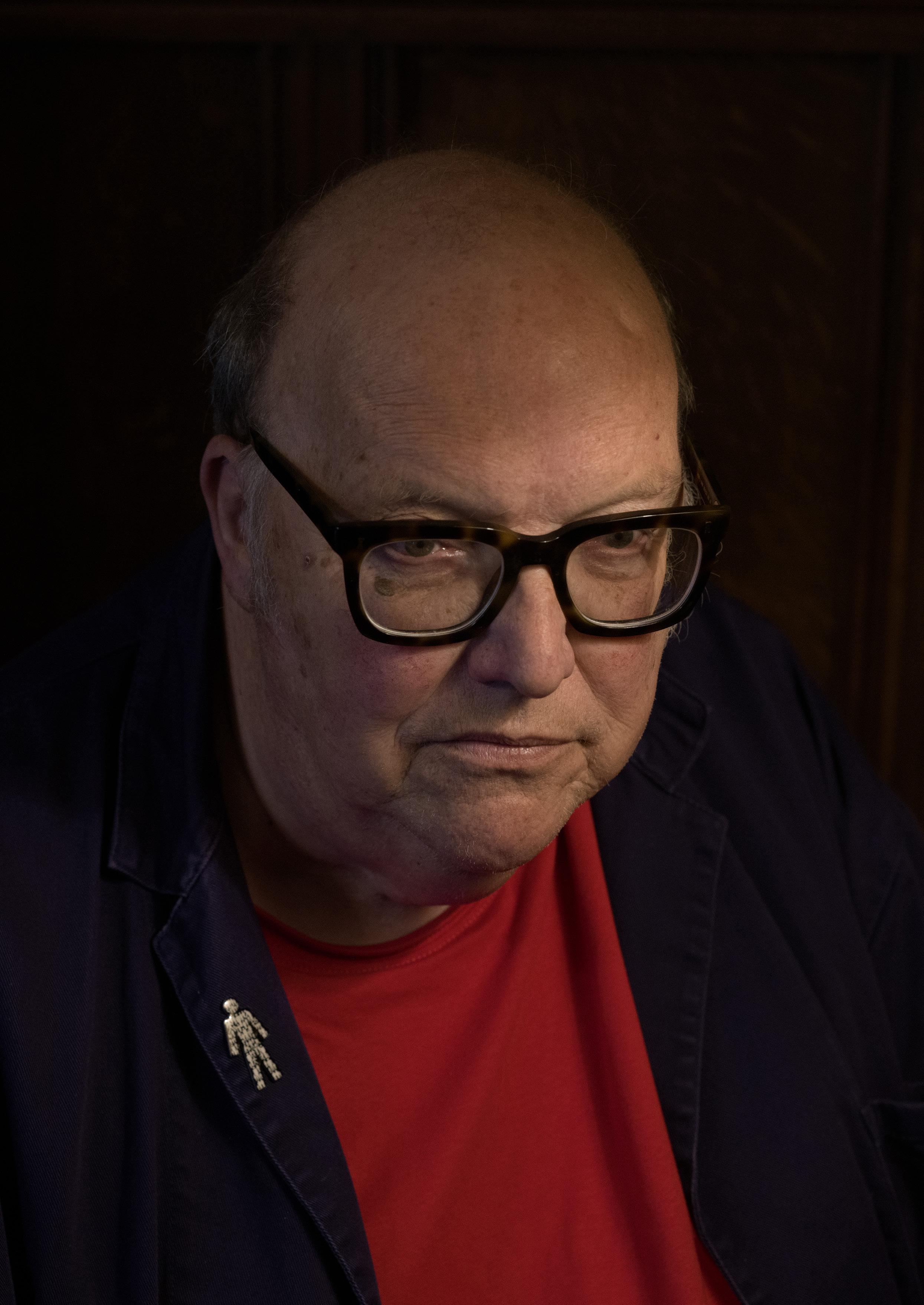
I called my soon-to-be ex-wife; she reminded me of Wrexham, but I didn’t believe it. This time, it was real. Did she come round? I can’t remember. Somehow, once again, I came out of it.
She told me about panic attacks, I know that. And, when I wasn’t in the grip of one, I knew that was what was happening. Then it happened three months later, then a month later, then a fortnight later, then every week, then twice every week.
I started visiting the doctor. He sent me to see a consultant, who ran the tests, and, once again, mapped my ECGs onto a normal example. My doctor didn’t think there was anything wrong with my heart. He just hoped a cardiologist could persuade me of the fact.
Then, one night, I had been somewhere – the pub, perhaps? Or the recording studio where I had been recording an album? I don’t know. What I do know was that it started again; the symptoms of a heart attack, the shaking, the terror, the numbness. I was outside a pal’s house; I knocked on the door and begged for help, and they booked me a taxi and got me home. After that, it didn’t really stop for three or four or five years. A permanent panic attack.
I visited my doctor three or four times a week, weeping, begging for help. He was helping as much as he could. He was determined to prove to me that I was wrong. I prayed, night after night, please God, don’t let me go like this. Don’t let my daughter wake up and find me dead, or gone.
This prayer was based on a previous experience as one night in 1987, my daughter had woken up and found her mother gone, and me, unexpectedly there. As, a few nights later, I had to tell her that her Mummy had died. She was seven. Her mother had collapsed and died from a brain haemorrhage.
You see, the doctor was wrong. I had a heart problem, a deep and serious one from which there was no escape. I had a broken heart.
Time, being a healer, did its work, but I really have no idea of how long it took. Three things happened to mend me. Mend me, but like a Japanese bowl which has been treated to kintsugi, the art of mending which leaves the breaks visible. I am clearly not who I once was.
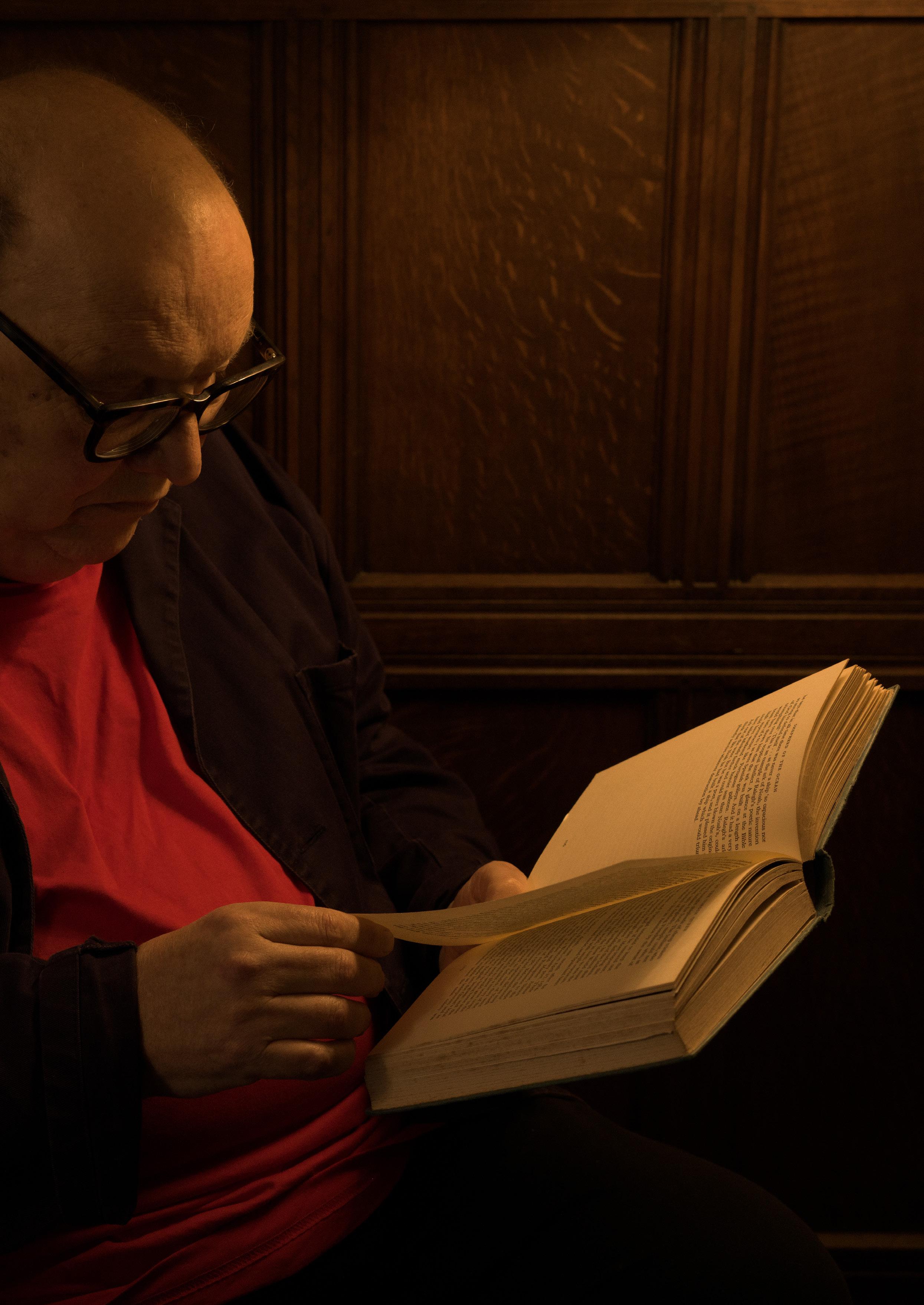
My three mends; first, I took my antidepressants. Previously, I’d taken them for a month or two, grown tired of them, and stopped, plunging me back into my nightly hell. I also started taking sleeping tablets. I took them exactly as prescribed – two nights out of three, therefore, I was knocked unconscious, and one night out of three I lay awake in the dark, scared beyond belief. It is little wonder, perhaps, that I don’t like horror films; I lived in one.
Second mend – I found a therapist, in my case a Gestalt therapist. She helped me understand what had gone wrong in the far reaches of my childhood to prime me to go off like a bomb. I had childhood convulsions. From the age of 12 weeks, my parents would drop me into a bath of cold water. They were only young; they were terrified that I would die. Those days, the treatment for convulsions was to loosen the baby’s clothing, and perhaps mop his head with a cool flannel. I asked my dear doctor for my records I had been prescribed barbiturates from the age of 8 months. No one meant for me to become convinced I was about to die; it’s just that my parents were, and showed it. My mother never recovered from these episodes; I did, but not until I was in my forties.
The third mend? I discovered that I was loved, by God, and that everything was going to be OK. I hate to embarrass a secular society which no longer believes… but what can I do? God picked me up, shook me down, and let me get on with things.
I can remember the year 1999. Things started going right. After that, slowly, I could live again.
The places where I was mended will always be my weak spots; I will always feel a tickle of fear from time to time when I have indigestion or if I get breathless.
But, as I began by saying, when I was diagnosed with incurable cancer, I was prepared, somehow. Symptoms which I had noticed over a few weeks, rather than filling me with fear, prepared me for what was to come. This old pot, broken, and mended, feels ready to hold the inevitable future.
With gratitude and in memory of Ian Marchant
Health anxiety, which was previously called hypochondria and sometimes hypochondriasis, is an often debilitating anxiety condition that sits within the Obsessive Compulsive Disorder (OCD) spectrum of disorders
Those affected by health anxiety live with the conviction, and preoccupation that they have a serious illness, or they have the fear of developing a serious illness. The person experiencing health anxiety may fixate on any type of illness; a common example is fear they have/will get cancer.
For support visit:


About prostate cancer (from the Prostate Cancer UK website)
The prostate is a gland which sits underneath the bladder and surrounds the urethra. The prostate’s main job is to help make semen. The most common prostate problems are an enlarged prostate, prostatitis and prostate cancer.
Prostate cancer can develop when cells in the prostate start to grow in an uncontrolled way. Some prostate cancer grows too slowly to cause any problems or affect how long you live, because of this, many men with prostate cancer will never need any treatment.
But some prostate cancer grows quickly and is more likely to spread. This is more likely to cause problems and needs treatment to stop it spreading.
For support visit:
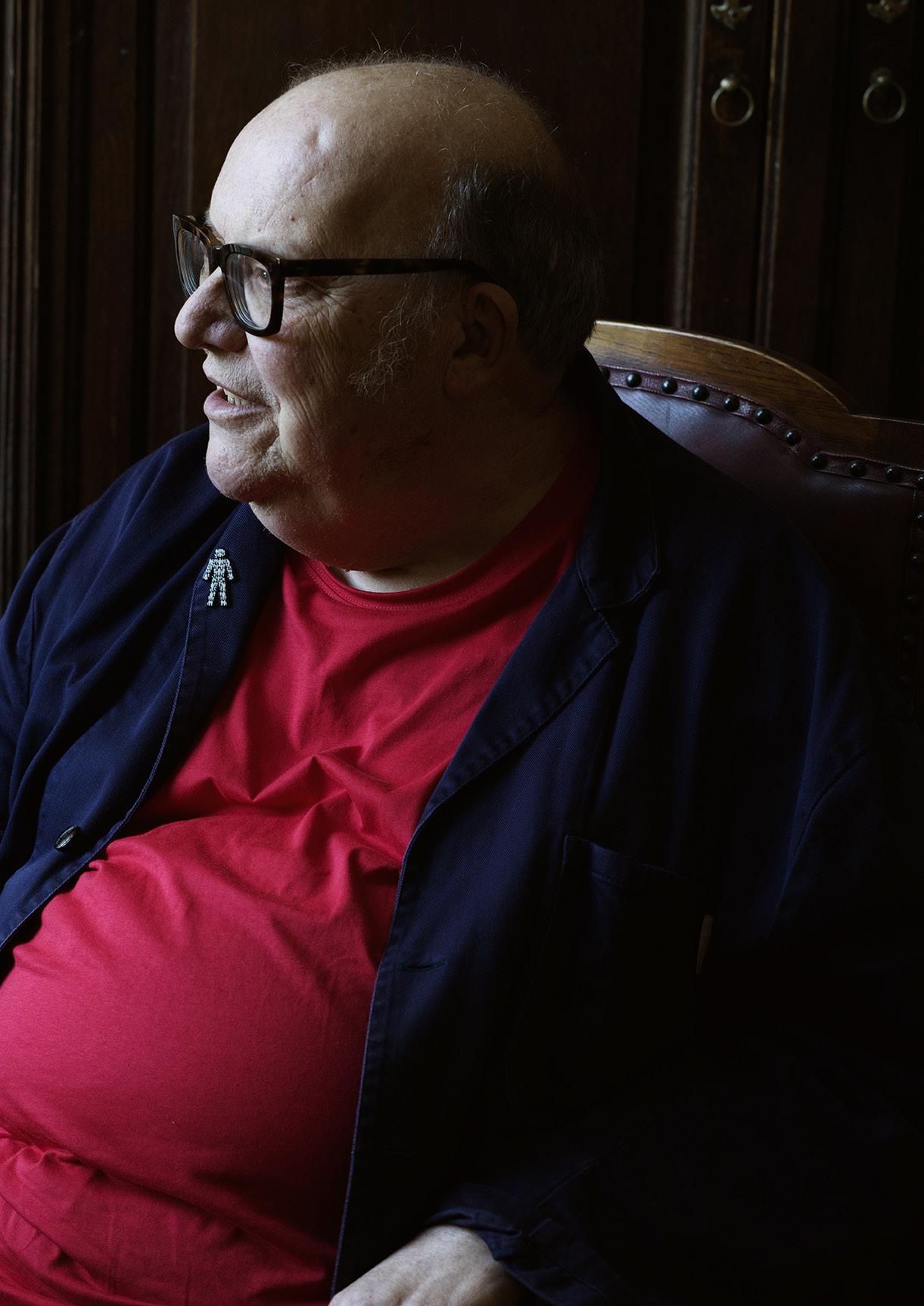
Angie’s people first approach to Marie Curie nursing
Angie has worked for Marie Curie for nearly six years, a role she describes simply and without hesitation as her dream job. Before joining the charity, she spent 14 years working for the NHS in community spinal injuries and high dependency nursing teams. Caring, in one form or another, has always defined her working life. It took a decade of waiting to secure her role with Marie Curie, but for her, it was worth every year.
“It’s the best job ever. I have always wanted to work for Marie Curie. I love it! People think that Marie Curie is just about cancer care but we’re not, we do all kinds of care. My mum always said to me that I could be in a room full of people and by the end of it I’d know everybody’s life story. That’s just the kind of person I am, and I think that’s why I’m able to do this job. I get on with all my patients, and I love it.”
Caring for people at the end of their lives is not something to shy away from for Angie, it is something to honour. Her role is about easing fear, offering comfort, and restoring calm at a time when emotions often feel overwhelming. “If I told people that I was a midwife everyone would say ‘oh what a lovely job, you’re bringing someone into the world,’” she reflects, “but I feel honoured to be with someone who is going out of the world. Everybody must die, and so many people don’t talk about it. You don’t need to fear it. A good death comes down to the person telling you just before they pass that they have had a fantastic life. You are only here for a short while so go out and enjoy life. That’s it really.”
Angie works nights, providing overnight care in patients’ homes across Anglesey and North Wales. Her presence allows families to rest, knowing that their loved one is not alone. “I work from 10 o’clock in the night until 7 o’clock in the morning. If we have a new patient I will go in and usually introduce myself to the family first, as they are often the ones that answer the door. After that, I will introduce myself to the patient. The family will do a handover on the care and tell you what they expect of you.”
Once the practicalities are covered, families are encouraged to sleep. “That is why we are there. If the patient is awake, we will chat about day-to-day things.
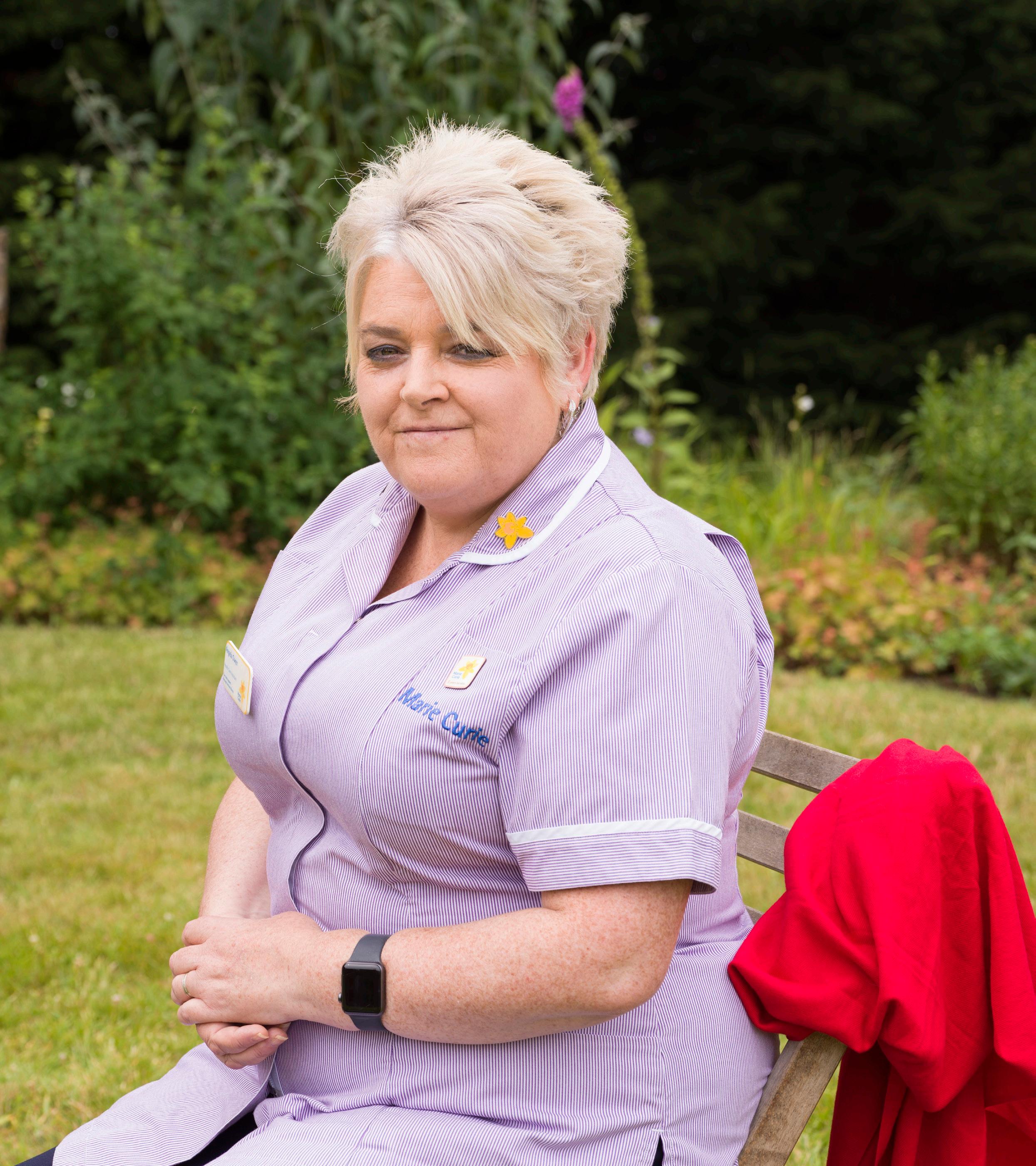
I really like to hear their life stories and if they’ve got photos around that’s even better because we can chat about the photos. It’s nice to know about the life they lived before they were ill.” The reassurance that this support provides is often immediate and profound for their loved ones. “You’ll be surprised how many times they come down in the morning and say, ‘we’ve had a fantastic sleep,’ because they know that somebody’s there and they’re safe in the knowledge that their loved isn’t alone and if any help is needed, they will be notified straight away.”
Yet providing palliative care at home is not without its challenges. One of the most difficult aspects of night work is medication management. “As a healthcare practitioner, I can’t give all medication. Sometimes I’ve got to phone out-of-hours and wait for them to come out to administer medication. They’re very good, but there is only so much they can do. If people want to die at home through their own choice, they can and we just try to make it as comfortable as possible.”
Choice is central to her philosophy of care. She strongly believes that people should be supported to die at home if that is their wish, something that remains challenging in an overstretched healthcare system. “A lot of people want to die at home. Many that I have seen lately have previously been in hospital and the staff there
are so busy that getting to spend time with the patients is difficult. More carers are needed to help fulfil these wishes.” Despite the emotional intensity of the work, Angie finds it deeply rewarding. “I find I get more satisfaction from my job than finding it to be simply financially rewarding,” she says honestly, while acknowledging that better pay is essential to try to attract and retain the right people into much needed care roles.
The relationships she builds with patients and families can last days, months, or even years, and when someone dies, the impact can linger. “Sometimes it can be quite hard, I go into work mode to ensure everything is done, but once I finish being in work mode it can hit me like a freight train. I know every layby on Anglesey; sometimes I will sit in the layby and cry or catch my breath.” Working in a rural Welsh setting adds further pressures. Limited phone signal, single track roads, long distances, and small teams are all part of daily life. “Our hub is in South Wales, and they just look at a map and say it’s 25 miles so that will take 30 minutes to travel, but up here on the Island it’s not like that.” On Anglesey, there may be just one nurse and one healthcare assistant covering a vast area overnight. Though she often works alone, she feels constantly supported by her colleagues.
Despite these challenges, Angie is fiercely proud of
her work and of Marie Curie.
“To me, what matters most is that they don’t die alone. Death is a huge part of life and something we all must do; I don’t like the thought of anyone dying on their own or that the patient is stressed at the end. Having someone there holding their hand is priceless.”
In an ideal world, she believes, everyone would die peacefully, pain free, and surrounded by love. As she puts it simply and beautifully: “We come into the world with support, we should leave it with the same level of love and care.”
Marie Curie
Marie Curie helps people to talk, plan and prepare for end of life care. Their frontline nurses, hospices and free support line help people through their final years, months, days and hours of life. They also offer a bereavement service for the people who you leave behind after you die. Their researches, policy experts and campaigners constantly fight for a society where everyone gets the best experience possible at the end of their lives.
To learn more about Marie Curie, click here.
www.mariecurie.org.uk
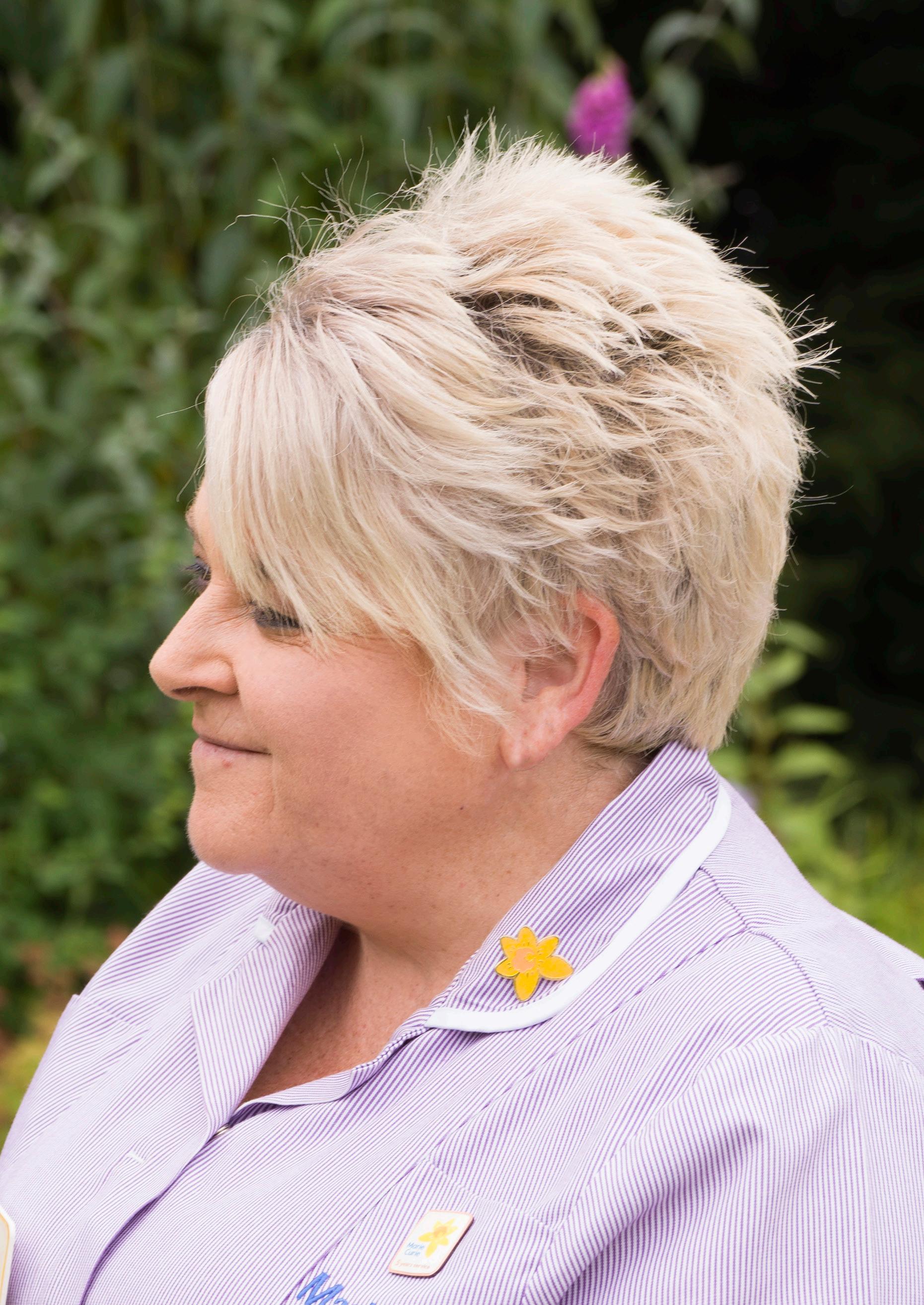
Palliative care is often misunderstood as something that is only offered at the very end of life, but in reality, it’s a holistic approach that supports people and their families long before those final days. It’s about dignity, comfort, and living as fully as possible at every stage of a serious illness.
The journey typically includes five key stages:
• Creating a personalised care plan
• Emotional and psychological support
• Early stage symptom management
• End of life care
• Bereavement support for families
Together, these stages ensure that care is compassionate, coordinated, and centred on what matters most to each person.
Stage 1: Creating a Care Plan
“You matter because you are you, and you matter to the last moment of your life.”
~ Dame Cicely Saunders
Palliative care begins with listening. A multidisciplinary team that often includes doctors, nurses, social workers, and other specialists will work closely with the patient and their family to design a personalised, flexible plan.
This plan should reflect not only medical needs, but personal values such as independence, comfort, spiritual support, home based care, or respite for carers. It guides decisions around symptom management, home visits, hospice stays, and details practical support. As circumstances change, the plan can evolve too.
Creating a care plan lays the foundation for compassionate, person centred care, ensuring that every individual’s final chapter is shaped with dignity and choice.
Stage 2: Emotional Support
“People will forget what you said, people will forget what you did, but people will never forget how you made them feel.”
~ Maya Angelou
Palliative care is about caring for the whole person, not just the illness. Emotional, psychological, and spiritual support are essential at this stage.
Patients and families are offered space to talk, to reflect, to grieve, and to find strength, be that through professional counselling, spiritual care, or simply the presence of someone who listens without judgement. This support helps ease fear, reduces anxiety, and brings comfort during uncertain times. It also extends to carers, who often carry a heavy emotional load.


Emotional support is at the heart of palliative care, a reminder that compassion can heal in ways medicine alone cannot.
Stage 3: Early Stage Support
“Support is not what we do for people; it’s what we help people do for themselves.”
~ Dr. Kenneth H. Blanchard
In the earlier phases of a serious or terminal illness, palliative care focuses on maintaining quality of life. This includes managing symptoms such as pain, fatigue, nausea, or cognitive changes, while helping people retain independence and dignity.
Support may involve nursing within the home, respite care, equipment loans, or practical help with daily tasks. For those living with dementia or other chronic conditions, early palliative support can be especially valuable, allowing care to take place in familiar surroundings and reducing the need for hospital stays.
Early stage support ensures that individuals and families feel guided and supported from the very beginning.


“Dying is a part of life. We are all terminal, but not all of us are cared for with dignity.”
~ Dr. Atul Gawande
As illness progresses, palliative care becomes more intensive and deeply personal. Care plans may shift to include hospice care, increased home support, or round the clock assistance, depending on what feels right for the patient and their loved ones.
The focus is always on comfort: managing pain, easing distressing symptoms, and supporting emotional and spiritual needs. End of life care is a collaborative effort involving medical professionals, caregivers, volunteers, and family members, all working together to honour the person’s wishes.
This stage is about more than medicine, it’s about ensuring dignity, respect, and compassion in life’s final chapter.
“Death ends a life, not a relationship.”
~ Mitch Albom
After a loved one dies, families often face overwhelming grief. Good palliative care doesn’t end at the moment of death, it continues with bereavement support.
This may include counselling, support groups, telephone check ins, or practical guidance for navigating life after the loss of a loved one. For many this support becomes a lifeline, helping them feel less alone as they adjust to their new reality.
Bereavement care ensures that families are held with compassion and understanding long after the final goodbye.

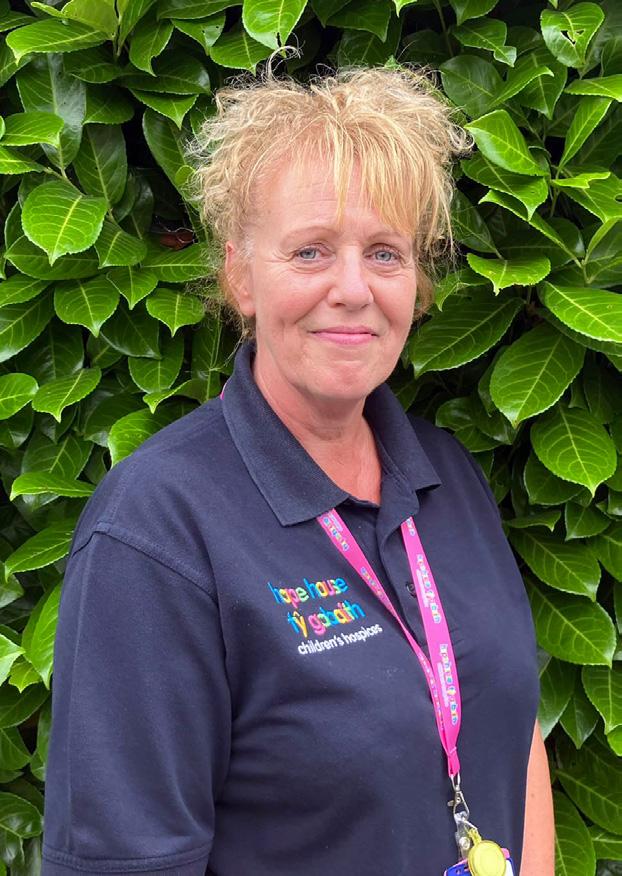
conversation
“Our purpose is to reach all the local children with a life-limiting or lifethreatening condition from the point of diagnosis, so that we can offer them our help as soon as possible. Our experience has shown that the majority of families we consult say ‘We wish we’d come to you earlier.”
For many people the mere thought that their child might need palliative care is a deeply distressing one, perhaps in large part because there is a widespread belief that palliative care is always associated with dying. This is not the case, however, and palliative care can also describe the care and support offered to a child throughout their life to improve the quality of their lives. Palliative care aims to prevent and relieve physical, social, and emotional distress. While it does not only refer to care provided in the latter stages of life, it also encompasses this. This misconception can
sometimes mean that when a child is first offered a referral to their local children’s hospice their family might instinctively refuse it, because as Bev explains, “Some families think that I’ve been referred to a hospice, so therefore my child’s going to die.”
“There’s not a great understanding initially about what palliative care means with a lot of our families, that it’s
about creating happy memories, and offering respite, support and the other support services that we can offer families.” Part of the misperception around the role of children’s hospices might stem from the fact that they are still relatively new.
Glossary
Chronic: Describes a condition or illness that cannot be cured, but which is not progressive or life threatening
Palliative Care (children):
Describes the care offered to a child which aims to meet all their care needs. Palliative care can, or might be, offered from the point of diagnosis, throughout the child’s life, to their death, and does not only refer to care provided in the latter stages of life. Primarily focused on the enhancement of quality of life for the child or young person it might include pain management, management of symptoms, as well all the meeting any regular medical and personal care needs they might have.
Prognosis: Describes the expected or likely trajectory of an illness or medical condition
Life-limiting: Describes conditions or illnesses for which there is no known cure, and from which the child will (eventually) die.
Life-threatening: Generally describes any illness that will due to lack of effective treatments, severity or a progressive nature, put the child’s life in danger. Also refers to treatments where a cure might be possible, but in this case has not been successful (for example cancer)
Respite Care: In this context used to describe the temporary care of a child in hospice, offered to provide both the child and their regular care givers a break
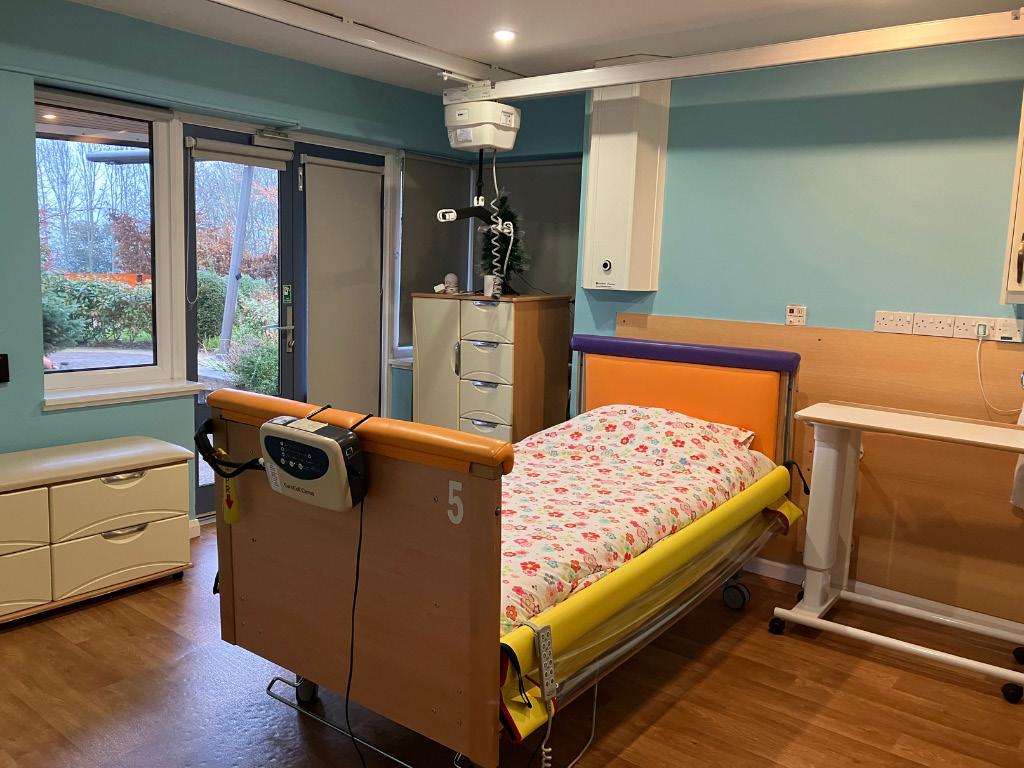
It was only in November 1982 that Sister Frances Dominica opened the doors to Helen House, which is widely recognised as being the first children’s hospice, not only in the UK, but in the whole world. It was ‘the first building to be conceived, funded, designed and built entirely with the needs of the families of children with life limiting conditions in mind.’ 1 Today there are 54 children’s hospices across the UK, with the demand for them growing over the years, as the number of children living with life limiting conditions has also grown.
As part of our regular ‘Meet the Professional’ series we knew we wanted to focus on the vital work that is done within the framework of children’s hospices, as the role which they can play in the lives of those who access their services cannot be understated. When we approached the
wonderful team at Hope House Children’s Hospices, they suggested we feature their newly created Cheshire Community Nurse role, as it was created in large part to help improve the understanding of the support hospices can offer. “Having community nurses who are based in hospitals, and in the different clinics, will mean that they’re more visible. This means they will be more able to let families know about the range of support that’s available to them, and to encourage them to come and have a look around, to see what we do.”
“A typical day for me is looking at the visits I’ve got booked in for the day, and I’ll contact the families that are due for visits. Then I will look at the new referrals and make an initial assessment to see if the children fulfil the criteria for a hospice referral. There’s a significant number of children in the community who don’t quite
1 Taken from the introduction to Hospices and palliative care for children: converging stories, linked here: www.academic.oup.com/bmb/article/130/1/81/5435787
meet the criteria, so if I feel that they are likely to be able to access a hospice I ring the families up and suggest I come out for a chat. I usually plan one or two visits into my diary because for most of those initial appointments I’m usually at the house for an hour and a half, or even two hours. It’s not a quick visit which is why I don’t do very many visits a day.”
During an initial visit Bev carefully explains “who I am, where I work, what I do, and the reason for my visit. I will gently establish what their awareness is of their child’s condition. Then of course we talk about all the different support that Hope House can offer.”
Hope House Children’s Hospices run two hospices; Hope House in Oswestry which opened in October 1995 and was the tenth children’s hospice in the world, and Tŷ Gobaith, situated just outside Conwy in North Wales. The setting supports families from North Wales and is able to offer support to those whose first language is Welsh. Today the charity supports ‘more than 750 local families who are either caring for a terminally ill child, or whose child has died.’ Over the years the services that they provide have developed to reflect the changing needs of children and families.
Bev explains how important it is that families understand that “our support is tailor made to the families, and once they’ve been through panel and they’ve been accepted at the hospice the support for every family is different.”
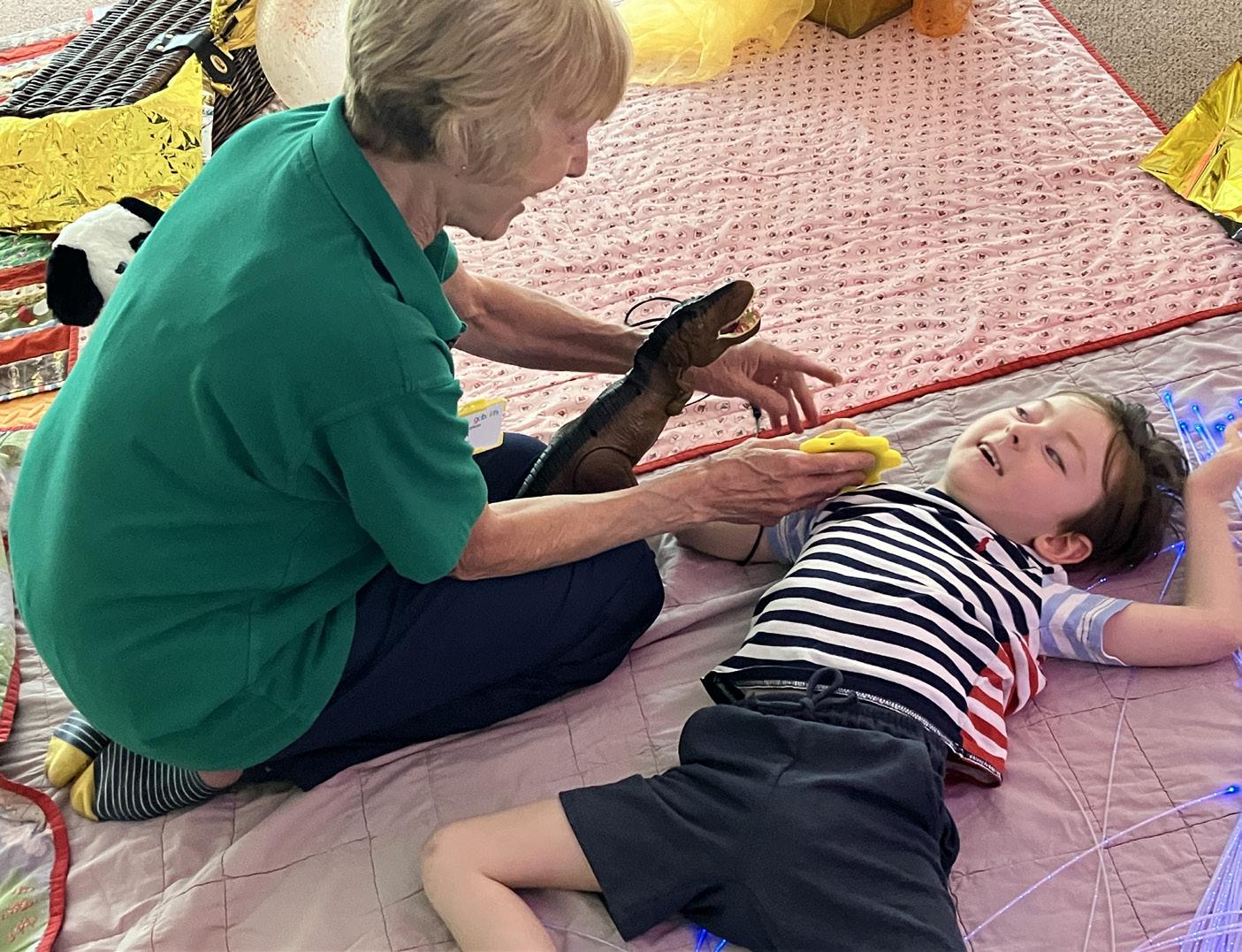
In order to access hospice support a family will need to go through the referral process. If the family she’s visiting are interested in receiving hospice support, then she explains both the referral and the panel process to them. Each family is asked to give permission for Hope House to contact their child’s medical team to request any relevant medical information be shared with them, this information is then collated and discussed at a meeting of professionals. The panel is made up of the hospice medical officer, senior nurses and social work staff who decide whether a referral is accepted.’ Once a decision has been made the family can decide what support they feel ready to access.
“Some of our families, especially those who have been referred from the neonatal unit, don’t want respite support because they don’t yet really understand fully what their child’s needs are going to be. Very often parents are being quite brave, saying ‘it’s okay, we’ll manage.’ I’ll explain that there are other services that we offer. Some families might just want my support in the community and might not want to come to Hope House initially, but once they’ve been accepted by the panel, I’ll explain to them that they can have my support as a starting point, and I’ll often work with some of them for a few months. Then I might try to arrange to meet at the hospice, just to have a coffee. Then the next time I might suggest arranging for our family support worker to meet them and show them
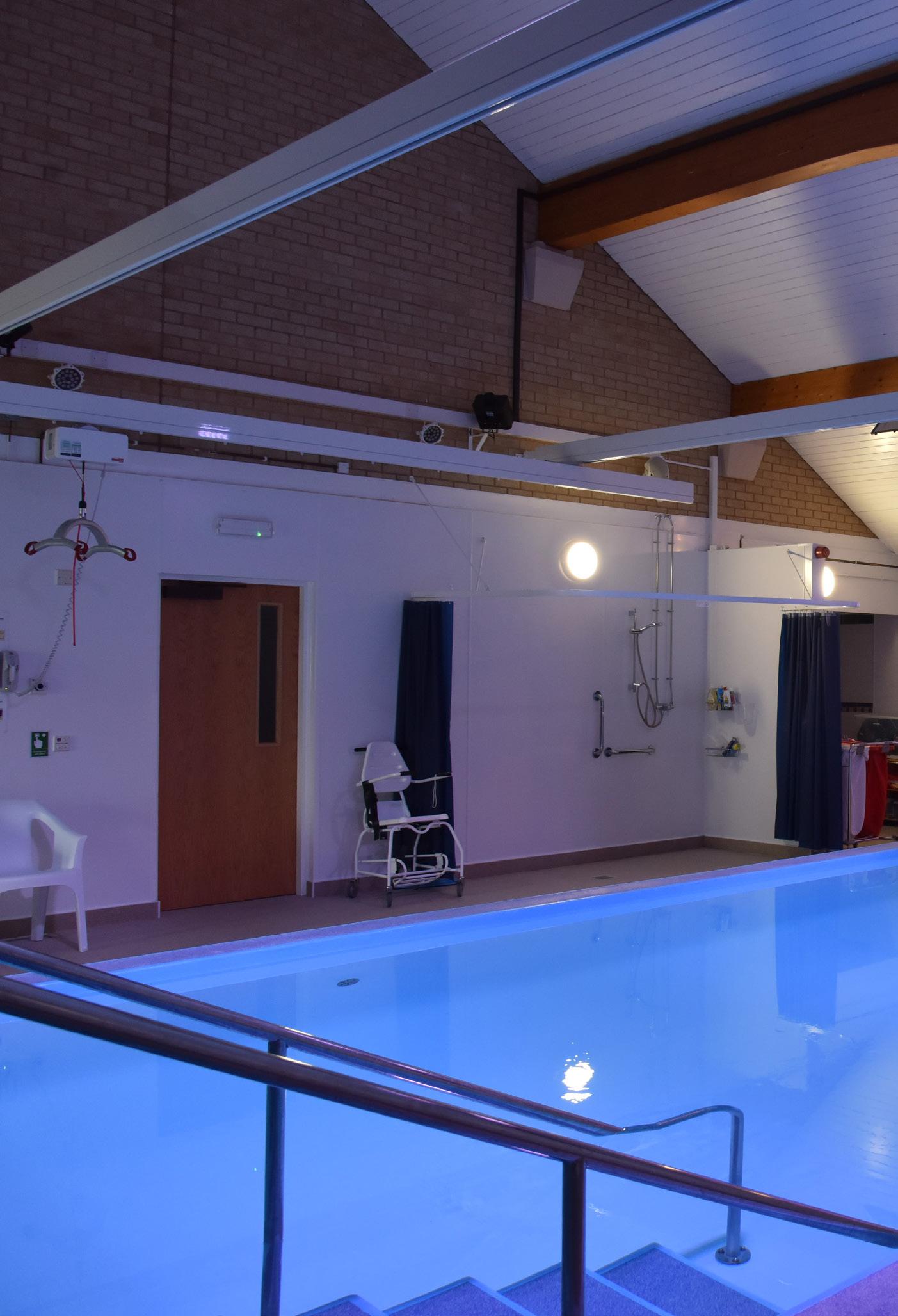
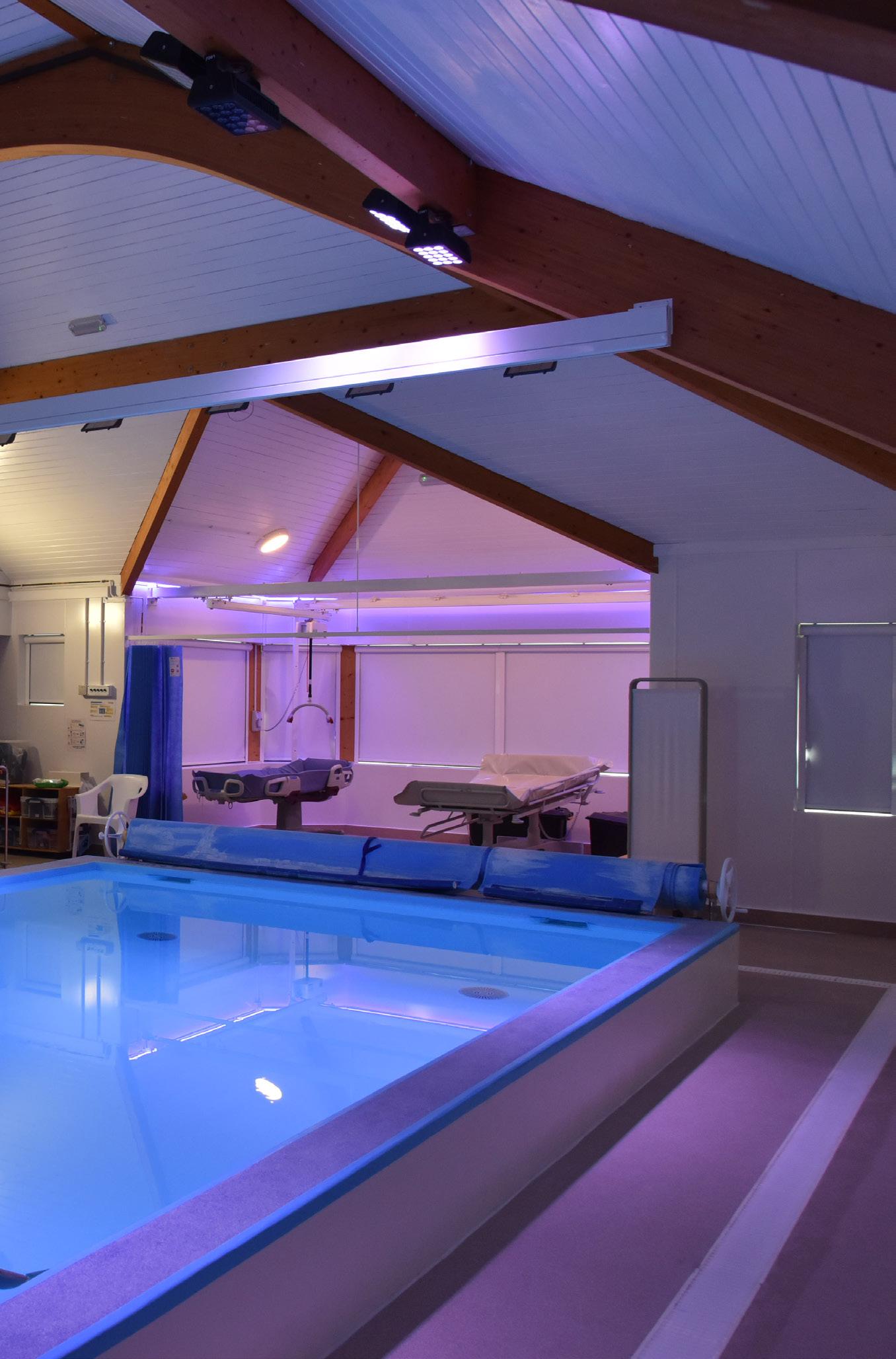
around, and they might stay for an hour. They may then decide to try our weekly Sunshine support group. There they might get to know other families whose children also have complex needs. If, once they’ve been home for a couple of weeks or even months, it sometimes becomes clear they can’t manage twentyfour-hour care, seven days a week then they might decide to stay overnight with their baby to see what respite feels like.”
The hesitation to access hospice support is occasionally shared by families with older children too. “Sometimes I’ll go out and do a visit and have a chat about what the hospice can offer. Some families – particularly those with teens and young adults who have not previously been involved in a hospice – will say, ‘Actually, no, it’s not for me.’ However, I always leave it very open ended and explain that they can reach out to us at any time.”
In the cases where a family does not want hospice care, or where they do not currently meet the criteria to be offered care, then Bev will still work with the family to identify any other ways in which they can be supported at home and in the community. For example, she might look at a “referral to the local social service Children with Disabilities for a child in need of assessment (which is different to a child in need of protection assessment) as it might well be that they are entitled to some social care.”
Before joining Hope House, Bev had already worked within community paediatric nursing in a number of roles, including as the matron for the Children’s Community Nursing Team in Cheshire. “I’ve got lots of experience with children with significantly complex medical needs. We supported the children and their families for many years, both at home and in the community. We have also offered endof-life care over many years, but more on a voluntary basis, rather than as part of a commissioned service. I was the palliative care nurse over in Crewe for quite a long time which significantly developed my interest in families whose children have had a palliative diagnosis.” So, when she saw the Hope House role, created as “part of a two-year pilot project to look at service provision in Cheshire for the children and young people that have a palliative diagnosis,” she felt it represented an exciting opportunity to be able to use her experience and her skills to help shape and deliver a better route into palliative care.
Over the years the team at Hope House saw time and again that for so many of the new families the referral for hospice support had been made far too late, and it is this that they are most determined to change. One of the key areas of Bev’s role is to help share the message that children’s hospices are not only for end of life care, but that they offer a wide range of services which support children and families throughout their lifetimes, as well as during the latter stages of their lives if needed. As Bev had already worked within Cheshire for so long, she was able to utilise these connections to introduce her role with Hope House, and to work on coordinating a more uniform approach to the signposting and/or referrals of families who might benefit from hospice support at the earliest opportunity.
“By the time I meet a lot of the families now they are in crisis, they get to the point where they’re burnt out, or they can’t cope. I am finding a lot of families are like that, and that’s why when they can start coming to the hospice for support, they are so grateful, because they never, ever thought anybody was going to give them the help that they get here. It has the potential to be life-changing for people and we want them to reach us before they break.”
As with many areas of healthcare there will be differences in both the language that is used, and also the provision and nature of support that is available within a national, and also local, context. In short, when we refer to a children’s hospice we are describing ones based in the UK, and it might be that such settings operate differently in other countries.
Myles loves ‘army crawling’ in the soft play room, photography courtesy of Hope House Tŷ Gobaith
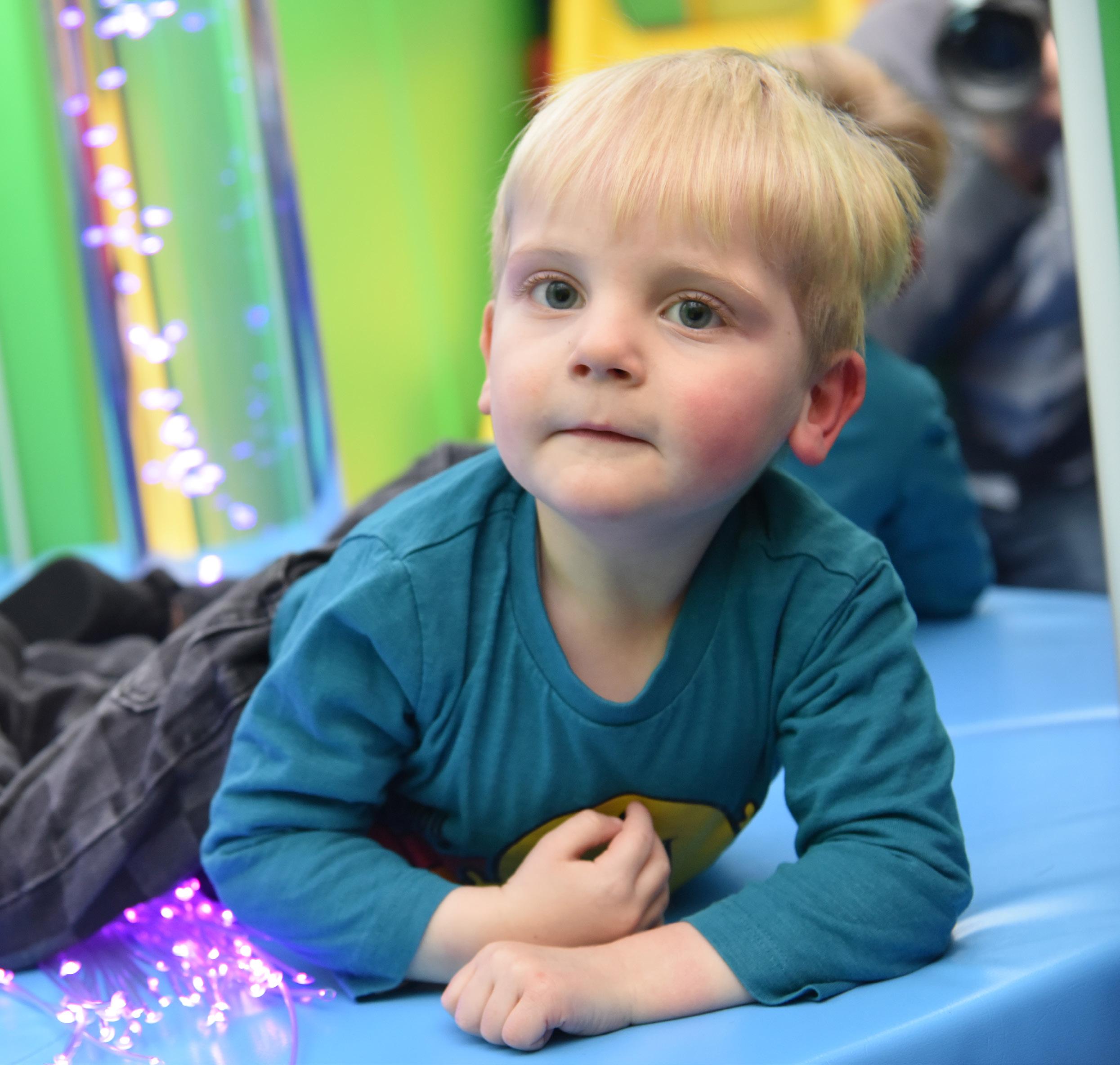
There are currently 54 children’s hospices in the UK, the majority of hospices are established as charities and are run independently. In the main they rely on charitable donations to operate, but they do also receive some statutory funding from the NHS and central Government.
Children’s hospices provide support to local children with life limiting or life threatening conditions, and although the
services that each hospice offer may well be different, most will offer support to their families at the hospice, at home and in the community. Children’s hospice care is life long supportive care for children with life limiting conditions, and not just end of life care which is often what it is assumed to be.
For more information visit the charity Together for Short Lives here:
Visit the website
About Hope House
Hope House and Ty Gobaith hospices support seriously ill children in Shropshire, Cheshire, Powys and North Wales.
Find out more:
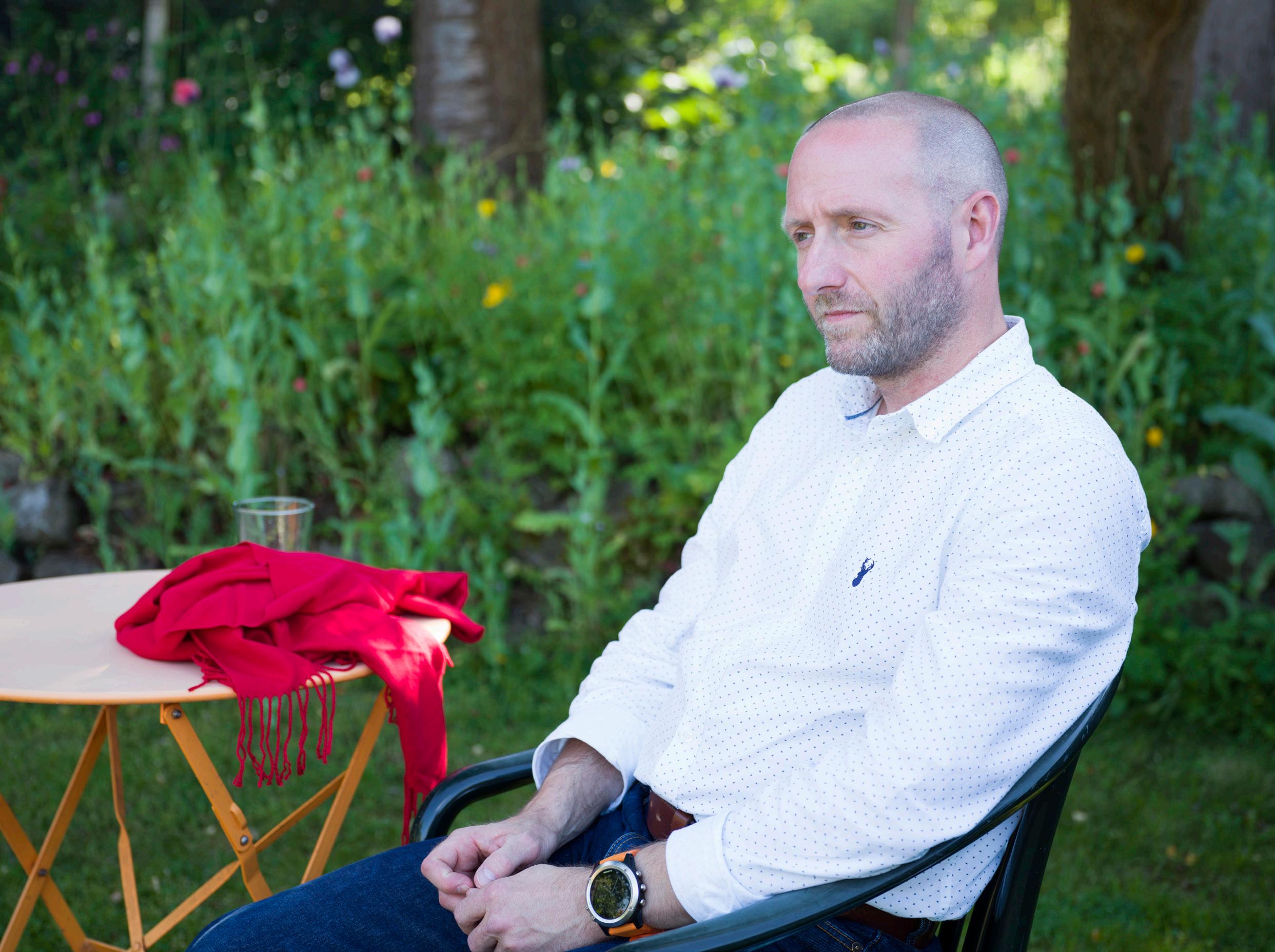
A paramedic’s perspective on dignity, planning, and the human heart of end of life care
Ever since Martin was a teenager he had wanted to work in the medical field. He first joined the ambulance service 11 years ago as a high dependency operative, before doing his emergency medical technician course and becoming a paramedic. He has been a paramedic for over five years and is currently progressing with his advanced practice. “There is no common day to day for a paramedic, every day is different. You could be going to an old people’s home or to a car crash, anything you can think of. We attend a wide variety of situations on a daily
basis, from the most minor to the most serious. I get great job satisfaction from my role as a paramedic and from helping people.”
Dealing with so many different situations can often be tough, but for Martin it is his colleagues who offer the most support. “I think our colleagues are probably the most important aspect of our psychological support. There are formal processes in place to help deal with things, but personally I’ve always spoken to my immediate colleagues, because they’re normally the only people that can really understand what you’ve seen or done. Most other people can’t comprehend the things that you have to do.”
He often finds himself being called out to situations where a person is nearing the end of life. “What matters most to me, especially in end-of-life care, is the patient or more specifically the person
that I am helping. I think it is key to remember that they are a person. They are somebody’s mother, father, sister or brother. We always need to regard them as a person rather than a patient, because it’s all about them. They are the most important thing in that situation and their outcomes are essential, every choice made must be patient-centered decision making. It’s not what we want for them, but whatever the patient regards as being in their own best interest. It is about putting everything in place to make the person comfortable.”
“A recent example was we went to an elderly lady who had been told that she’d got end stage heart failure. She had been informed at a previous hospital admission that she was not suitable for any aggressive treatments, because she wouldn’t survive. She had a very caring family and very involved daughters who were both with her, but she didn’t have any of the appropriate paperwork or care planning in place. It was up to my colleague and I to initiate the process of gaining the relevant paperwork with the unsuitability of aggressive treatments in mind. We contacted the GP out of house service because we couldn’t put in place the various pieces of paperwork that needed to be done. The out of hours GP attended and put a Do Not Resuscitate (DNR) order in place, and also started to formulate an advanced care plan with the appropriate end of life medications for the patient.”
Martin believes that as the NHS becomes more stretched paramedics are taking on more roles, particularly at weekends or out of hours, as there can be limited services available for patients. The most important thing in his eyes is ensuring that there is forward care planning in place so there is no ambiguity around care, especially in an emergency. Even when paramedics engage with the GP out of hours service it’s not the same as liaising with the patient’s own GP, because there isn’t that continuity of care. Often it has been proven that

without care planning being in place, patients can very often be admitted to hospital inappropriately, or receive inappropriate care.
There is a great need to involve the families of patients with the care plan as well. “The patient is key to the planning because everything revolves around the patient, but it is important to involve families as well. As an example, if the patient loses mental capacity and isn’t able to make decisions for themselves, if there is no official lasting power of attorney or close family members, we have to rely on substitute decision makers. This could include carers or other relatives, they then become a key part of that decision making team.” It is important for people to look to the future and think of a plan for their eventual care as the end of life approaches. A lot of individuals look at this as unnecessary as they are in good health, but situations can change in a second.
There are situations when an individual is nearing the end of life which can be used constructively. For example, Martin believes that “sometimes time waiting for a phone call from an out of hours GP can be used to educate family members. It can allow them into the process of preparing for end-of-life care and help them to become involved.

Death is a taboo subject, particularly in the UK, but you need to have these conversations sometimes. You might need to make people aware that their relative may actually be starting that dying process. Recognised research has shown that the earlier you can have these conversations, the better the eventual outcome is. That doesn’t mean a care plan has to be fixed, it can be adapted as the patient’s wishes change or the situation develops.”
Sometimes, despite an individual’s desires to stay at home for end of life care, the situation may change and this can become unachievable. That is why having early discussions to put a flexible care plan in place is so important. Families must be involved in these discussions. “We see quite regularly that the patients have accepted their situation, and they know that they’re going to die sooner rather than later. But family members can be very reluctant to accept that diagnosis, and the fact that in this day and age that nothing more can be done to prolong somebody’s life. This is why it’s very important to engage with the family as well to assist in the process.”
Internal discussions must also be forthcoming to achieve the best result for the patient. End of life care is very much a multidisciplinary team approach to care as there are so many different elements of the patient’s care that must be addressed. It is vital that holistic all around care is given by all members of the team.
“If there is a plan in place, then we as paramedics are able to administer the ‘just in case’ medications, as long as they’ve been prescribed by the doctor. We would normally make a call to the patient’s GP or the out of hours GP just to ascertain whether it’s appropriate for us to give them medications. If everything is correct, we can give the medications to make the patient more comfortable, to ease their respiratory pain, or if they are having secretions towards the end of life we can administer medication to help reduce this. The combination of medications can make the patient more comfortable. This is the ideal situation really, as long as they are in a comfortable and familiar setting they wish to be in with loved ones around them, that’s a good end-of-life situation.”
End of life care is an essential part of paramedic training, and there are relatively new guidelines for palliative and end of life care now in place. There are currently some palliative care

paramedics active in South Wales who are embedded with the specialist palliative care teams to carry out the full range of activities of the nurses on the team. They will be involved during the initial patient assessments, with care planning, with the patients throughout their care, and even with discharge planning, and to provide symptom management support.
No two cases are the same when end of life care is involved. “Every patient, every person, and every illness has a different trajectory towards the end-of-life. Prehospital admission, it can be very difficult to determine when people get to that point. There are certain little pointers that you may look out for, such as a reduction in diet, general reduction in function, mental state deterioration, but even those are not a definitive way of assessing whether somebody’s approaching death.”
Speaking to us with passion about how he enjoys and feels a great reward from his work, he also highlights that there are pressures at times, “With end-of-life care, you don’t get another chance to do it. I think that’s the pressure I feel as a paramedic, when I go to these patients. I’m very much aware that we’re not going to get this opportunity to do it right again, so we need to try and make sure that we do what we can to make the patient comfortable.”
Often there can be tough times for paramedics as they realise a situation they have arrived at is going to be the end of somebody’s life. Situations can also seem severe and have very different outcomes from what is expected, nothing is 100% predictable. “I’ve seen a number of times where a patient is supposedly at the end-of-life, and you think that they are going to die imminently, and they don’t, they just seem to pick up and carry on. It’s a very difficult thing to try and predict when somebody’s at the end of their life. From my point of view, when there is a lack of care planning it muddies the waters even further, because you’re trying to make the decision as to ‘is this person at that stage yet where they need things implemented? Or is this just a minor hiccup, and they’re going to recover from it?’ Rare diseases can add another layer of complexity because you don’t necessarily understand the illness.”
The importance of planning for end of life care will likely continue to grow in the coming years. “We have an increasingly elderly population. I think as modern medicine improves, even if we’re not able to treat patients, I think we’re identifying illnesses in a far better way. End-of-life care planning becomes even more important as time moves on, because we’re going to be dealing with more end-oflife patients. People are living longer and we can’t take everyone to hospital, we need to look at advanced care planning as a means of maintaining people’s quality of life in the community, rather than admitting them to a hospital.”
In conversation with Janet Granville, Butterfly Volunteer at the Princess Alexandra Hospital.
‘No-one
deserves to die alone’
For our ‘Meet the Professional’ feature we talked to Janet, a Butterfly Volunteer at the Princess Alexandra Hospital in Essex. The very first team of Butterfly Volunteers was launched in June 2017 at the hospital in partnership with the Anne Robson Trust.
The Anne Robson Trust received charity status in 2018, but the story that led to this milestone began in 2010, when Anne was admitted to hospital following a series of falls. The hospital was hugely overstretched, and the under resourced NHS staff ‘failed to deliver the care Anne needed.’
In addition, there was a norovirus outbreak at the time and so her family were not allowed to visit.
The hospital also failed to ‘communicate sufficiently with her family,’ further adding to the enormous difficulty of that time.
Anne died just hours after she was discharged, and the serious lack of appropriate care that she received was felt to have contributed to her death. Her devastated daughter, Liz Pryor, was determined that no other family should go through such
a challenging experience, and over the coming years she went on to work with numerous charities in and around the NHS.
The Anne Robson Trust works alongside 25 partner healthcare organisations to provide companionship and support through a network of trained end of life volunteers. Their work is driven by the belief that no one should have to face their final days alone. And it is the wonderful volunteers like Janet who help turn this mission into action, and whilst the motivation that each volunteer brings with them will doubtless vary, for Janet it was also her experiences with her mum in her final days that have led her on this Butterfly volunteer journey. She explains that when her beloved mum was 93, and living in a care home that supported people living with dementia, she had had a fall. She was admitted to hospital, where it was established that she would need to have an operation on her hip which was broken. Unfortunately she became immobile after the surgery, and her health rapidly deteriorated.
“When she went downhill, they put her in a side room, and me and my daughter stopped with her the whole
week, and by then we realised that she was dying, and it was beautiful because we were with her on that journey. The hospital staff were fantastic, and their Butterfly volunteers came in and saw to us, but at the time I didn’t know what they did, and we didn’t need their assistance.”
“When I used to walk into the ward, I saw lots of people who were in the same situation as my mum, but they didn’t have anybody with them, and nobody came to see them. I used to just sit by their bed, hold their hand and talk to them. I think it taught me something about myself, and I really enjoyed being with these other people. Mum was there for a week before she died, and it was a beautiful death, peaceful. But I’d cared for her for so long and I was left thinking ‘what am I going to do now? My life is empty.’ It was almost like a lightbulb moment because I realised that this is what I needed to do. I needed to be with people who need help, who just need the company, and the empathy that my mum had had.”
Over the course of her career Janet had always worked with people, first as a hairdresser, then teaching hairdressing before setting up and
managing her own busy salon. After a period of ill health, during which she had briefly stopped working Janet knew she needed to be back out in the world. She began working in a dental practice where she stayed for many years, before eventually leaving to care for her mum. She has always “Loved being with people, as I love having conversations about all sorts of different things with all sorts of people.” After her mum had passed away, and she had learnt about the work of the Butterfly volunteers she knew that it was the right fit for her. She describes how she wrote to the hospital explaining
that she was interested in volunteering, however the global Covid 19 pandemic hit and her plans were put on hold whilst the world, and the NHS especially, was turned upside down. But, once the hospital was able to begin training volunteers again, and had done all of the necessary background checks, she was finally able to begin her Butterfly volunteer journey.
Janet explains that each hospital setting manages their own volunteer teams, with the core training provided by the trust.
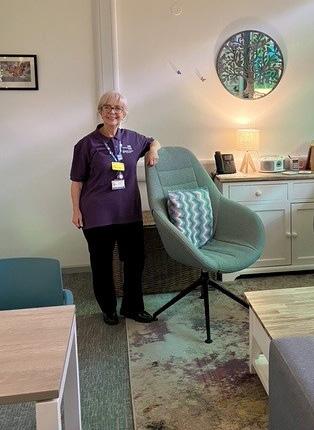
The Princess Alexandra hospital website outlines that ‘the role of the Butterfly volunteer is to provide support and companionship to our patients in the last days and hours of their life. They also provide respite and comfort to family members and relatives as they face the loss of their loved one… This is a particularly emotional role, yet very rewarding. Our Butterfly Volunteers are provided with bespoke training and support before being able to volunteer.’
It is vital that volunteers feel ready and able to meet the demands of the role, and as such the time it takes to train will vary for each volunteer, to be sure that when they begin their own visits they are confident and comfortable in offering the support that each individual patient might need. Janet describes how “After I’d had all my initial meetings and interviews, I began my training. Much of the initial learning process was online, and then I began by shadowing a lovely mentor who I was with for a month. We went onto the wards, and we saw people, and then over time as I gathered more knowledge and felt comfortable I took the lead with the patients we visited. After that month I worked with another mentor, learning so much from her as well, because we all work slightly differently. I was in my element, I loved being part of it, and it was just lovely to know that I was being able to do something to help other people.”
When a volunteer arrives for their shift they will go to the Butterfly hub, where they will have a chat with the Butterfly coordinator and discuss the patients that they will be visiting. Each patient will have been referred into the service by the palliative care team, and where applicable this will have been discussed with them and their loved ones so they will be expecting the volunteer’s visit. If the visit is to be the first one that a new patient receives then the Butterfly will take a lovely care package with them as a comforting gift. In it there will be a number of different items, which will include a beautiful, crocheted blanket made with love by volunteers, as well as essentials such as a toothbrush, toothpaste, comb, notepad and other small items.


Janet explains how the way a visit unfolds will vary depending on the situation, for example if a patient is conscious or not, or if they are alone or with family and friends, but she always begins by introducing herself, and explaining who she is.
“You assess the situation as it comes to you, on a first visit I could be there for ten minutes, or I could be there for an hour. If the patient is responsive, maybe talking to their relatives, then after I’d introduced myself I check if they are comfortable and have everything they need. Typically I’d then offer them all teas and coffees, and to answer any questions they might have. We will also make sure that families have parking permits for the hospital car parks. We have a beautiful hub which we are very proud of, so I encourage the family and friends of the patients to take respite breaks there. It means that they are able to relax, make themselves hot drinks and also use the bathroom facilities if needed. I explain that I’m more than happy to sit with the patients whilst family are using the hub, for however long they might need.”
Janet continues, noting that there are times when “Some people,
some relatives, are so agitated they don’t want you there, so we simply offer that should they need any help we can call back later. Or they might ask that I help them with something, perhaps even to advocate on their behalf with the hospital, as we get to know the nursing teams quite well.”
As Janet explains there are of course, also times when patients are alone. “If when I go into a room and there’s a patient on their own, and if they are unresponsive perhaps, I will still introduce myself, and then I will sit with them. If it feels right I will gently touch them, maybe their hand, or by resting my hand on their shoulder, just to let them know that I’m there. If they don’t want to be touched I will know as they will shift, or stiffen. I’ll talk about the weather, and make other conversation, and then I’ll maybe just sit quietly with my hand on theirs until I feel that they’re comfortable, and it’s time for me to leave. I know when it is the right time to go, and actually it’s the same when you’re with relatives, you just sense when it’s time to go.”
The main purpose of the Butterfly role is to be there, to offer compassion, empathy and support to individuals and families who are facing death, and the grief that this brings with it. Although it is undoubtedly true that death and dying are part of life they are not often talked about, and it is perhaps this very separateness with which we treat death, that makes the Butterfly volunteer role so incredibly special. To have someone who will sit with you and be there with you and your loved ones in those final weeks, days or even hours of life is a true gift. “There are times when I’ve been with patients, and they’ve died. If they’ve been on their own then I’ve just sat with them, I’ll hold their hand and I’ll wait with them until a doctor has come and certified the death. I won’t leave a patient on their own until I know that someone is with them, and it’s the same with patients who have their relatives or loved ones with them. After a patient has died I encourage the families to use the hub to take respite, to pause a little longer before they go back out into the world.”
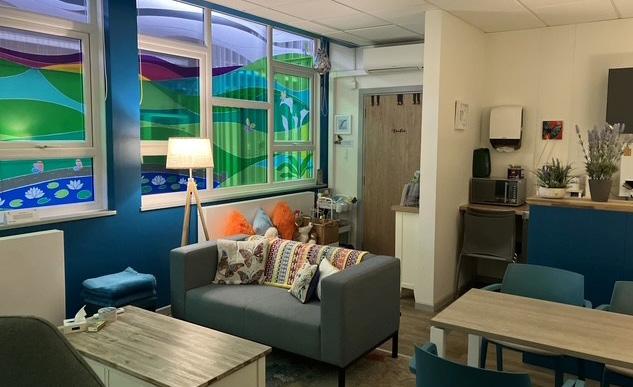
For the Anne Robson Trust it is this which lies at the very heart of their work; ‘We believe that everyone should have the comfort and companionship they deserve at the end of life. They should also have the support to feel more prepared, whether they’re facing their own death or supporting someone close to them. We work with healthcare organisations to help make this possible.’ There can be no doubt that for volunteers such as Janet being a Butterfly is an honour, and so much more than a role, and their commitment to their patients speaks to the people that they are, and the values that they hold. “I’ve now been a Butterfly for three years, and I love being involved. It is such an honour to be allowed to be part of a patients journey into death. I love going to the hub, I love what we do, and I love being part of the Butterfly team.”
For more information please visit the Anne Robson Trust here: www.annerobsontrust.org.uk
You can visit the Princess Alexandra Hospital Butterfly team here: www.pah.nhs.uk/our-volunteers
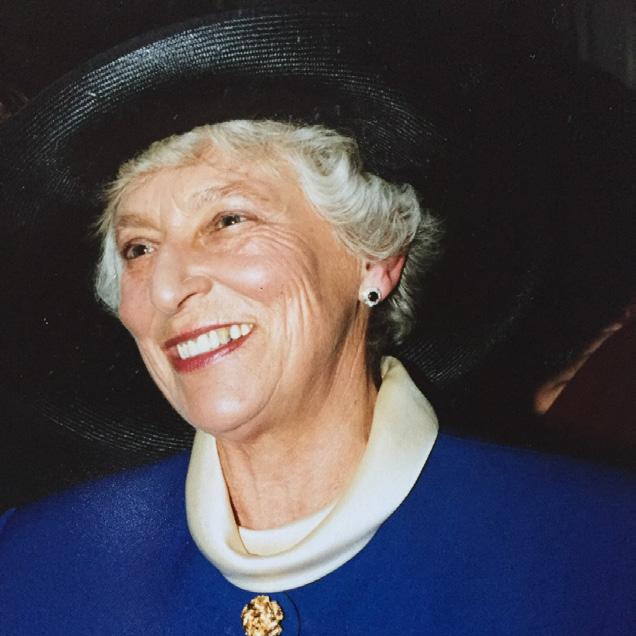
Maggie’s Southampton © Hufton & Crow
Anyone who has spent time anxiously waiting in a tired, old and drab NHS hospital corridor, a windowless treatment room, or even in a harshly lit onsite café could be forgiven for thinking that the physical building has no role to play in the treatment of the ill health that goes on within it. And yet we do not need to go too far back in time to revisit the beautifully light and airy sanatoriums, or the 19th century mental asylums that were designed with staggered wings and extensive landscaping, to see that there was a time when the building, the actual physical environment, was viewed as being absolutely central to the medical treatments within.
At Maggie’s, the architecture of a building is central to their philosophy everyone’s home for cancer care! As a charity whose mission is to provide free cancer support and information in centres across the UK, they are passionate about the importance that good design plays in wellbeing. Each centre is based on an NHS hospital site, and are built in partnership with the clinical cancer teams within the hospital who see, and want to support, the need for broader, holistic and far reaching cancer care strategies that go beyond that which the NHS can offer.
Maggie Keswick Jencks was a garden designer, writer and artist, and was married to Charles Jencks, an American cultural theorist, landscape designer and architectural historian. They were in Scotland in 1993 when Maggie, at the age of fifty two, was told that the cancer from which she had recovered five years earlier had returned, and was terminal. Maggie was given this news by an overworked doctor, one we all might recognise if we’ve spent time within our wonderful, yet historically hugely under funded hospitals, and was left to process the enormity of it in a windowless corridor. It is absolutely telling that despite the shock of the news they’d been given Maggie and Charles, found themselves talking about the ‘need for somewhere ‘better’ for people with cancer to go, outside of but nearby to the hospital’, and so the idea behind the Maggie’s Centres was born.

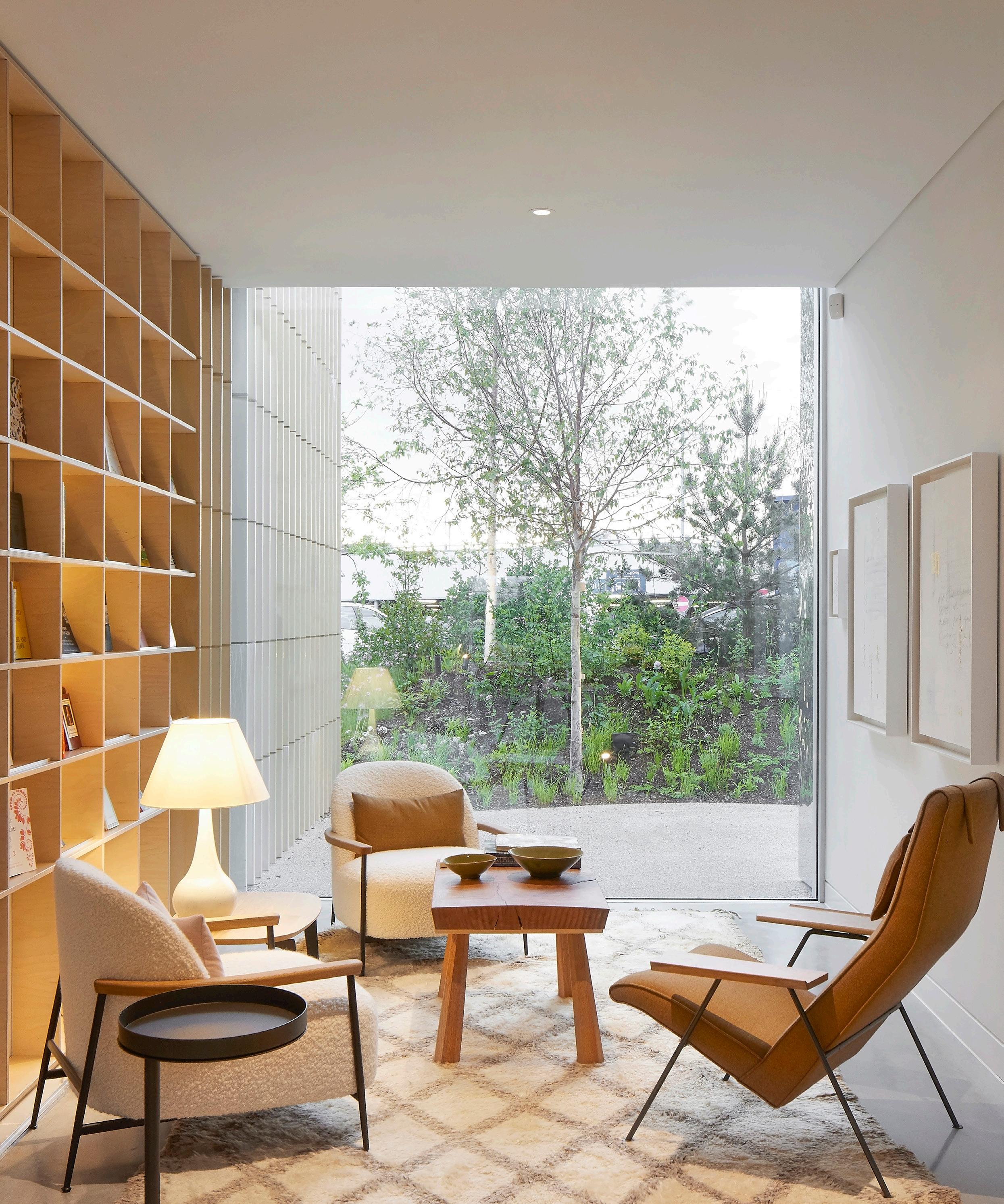
Dame Laura Lee DBE, the Chief Executive of Maggie’s has been an integral part of Maggie’s since the beginning. “My background is nursing and I was a clinical nurse specialist, and Maggie was my patient. She came to our hospital with advanced breast cancer having been told she had three months to live. And I gave her her chemotherapy, and was part of her clinical team. Maggie’s grew out of her experience of being treated on the NHS. Whilst the NHS was fantastic in aspects of what it did, there was stuff missing for her in terms of going through her cancer experience, which led her to have the idea for Maggie’s.”
Maggie fought hard to stay well, and went on to live for another 18 months, precious time in which she and Charles designed the blueprint for the centres together, and also enlisted the help of some of their friends, including architects who’d go on to help design the centres. Maggie felt strongly that what was
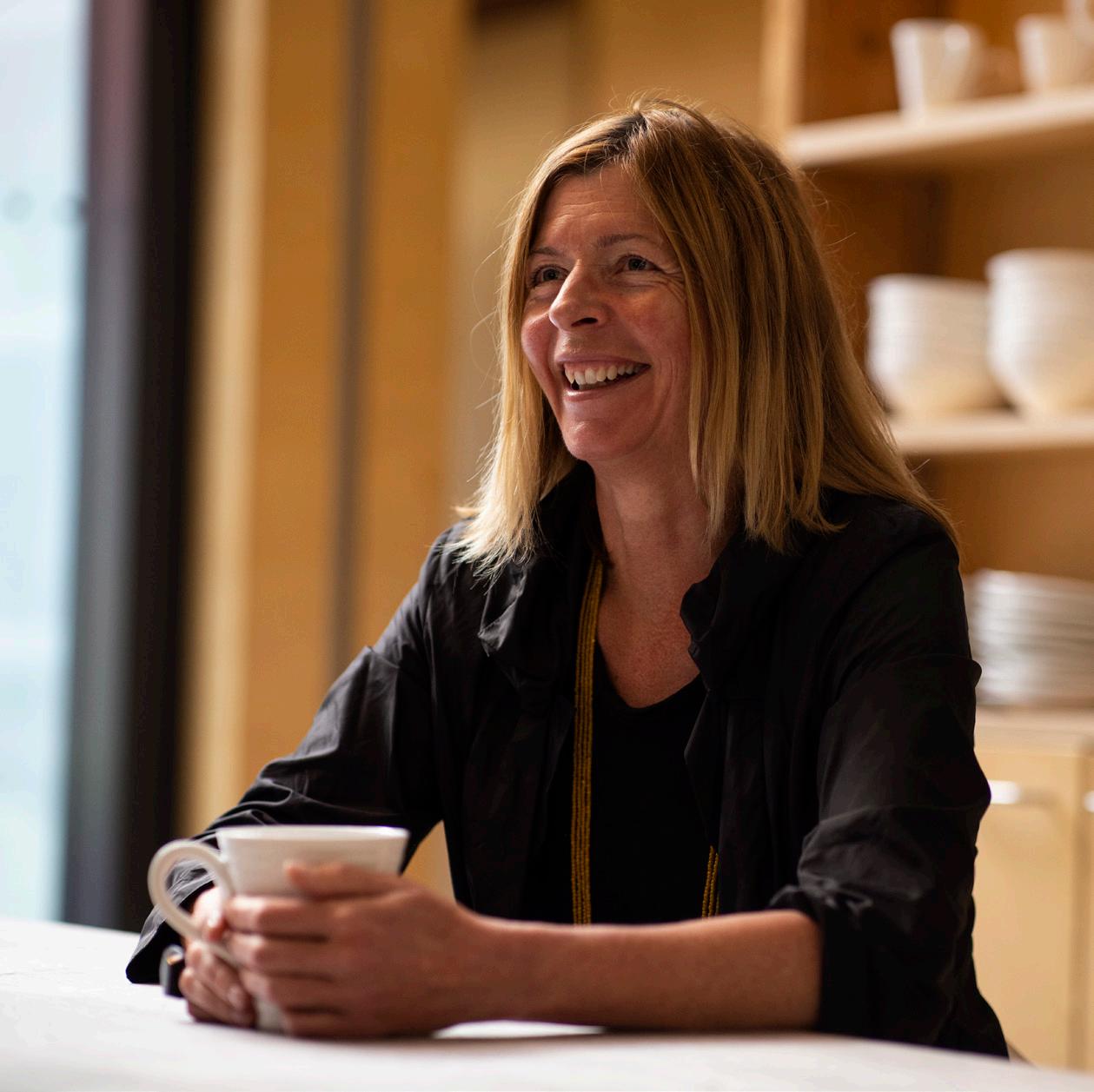
important was that she, that we, should “not to lose the joy of living in the fear of dying.”
She believed strongly that beyond the medical treatment for cancer that the NHS offered, there needed to be a holistic approach to providing support,
understanding and indeed space to those living with cancer. That the centres which provided this needed to be beautiful, thoughtful buildings with welcoming outdoor spaces that offer a home from home, spaces that are designed to feel nothing like a hospital.
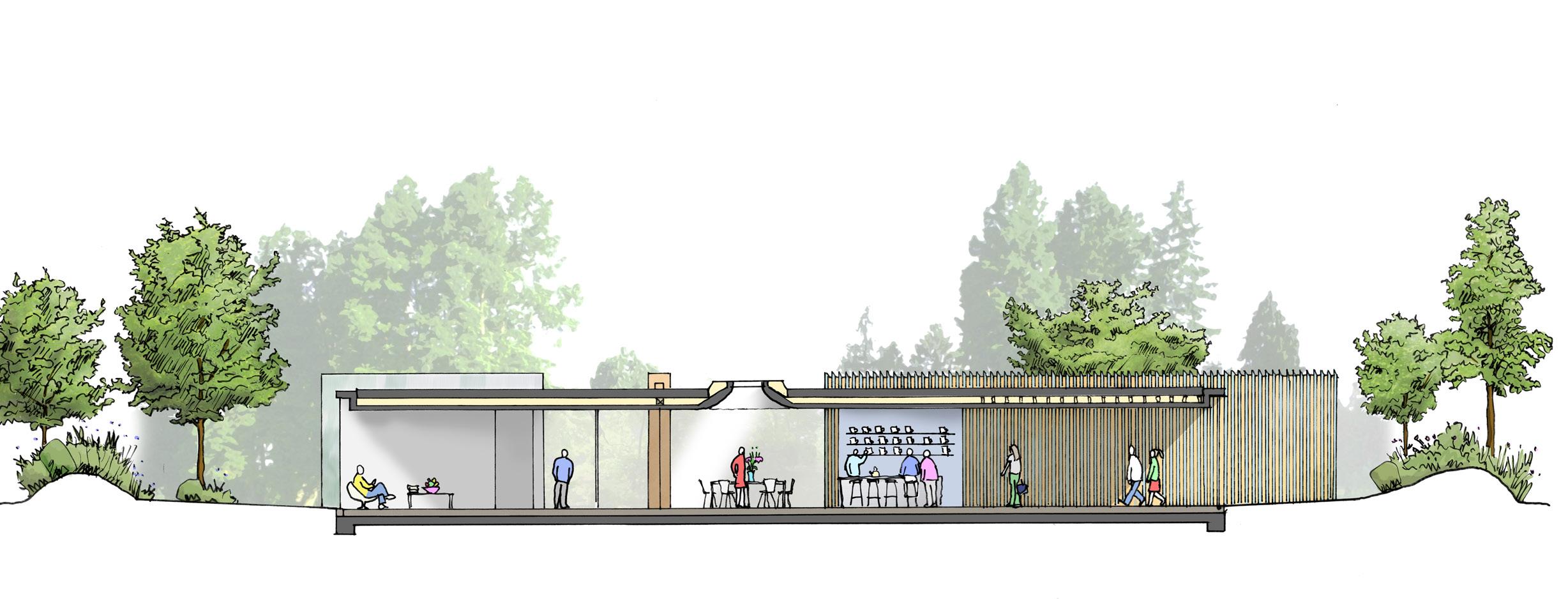
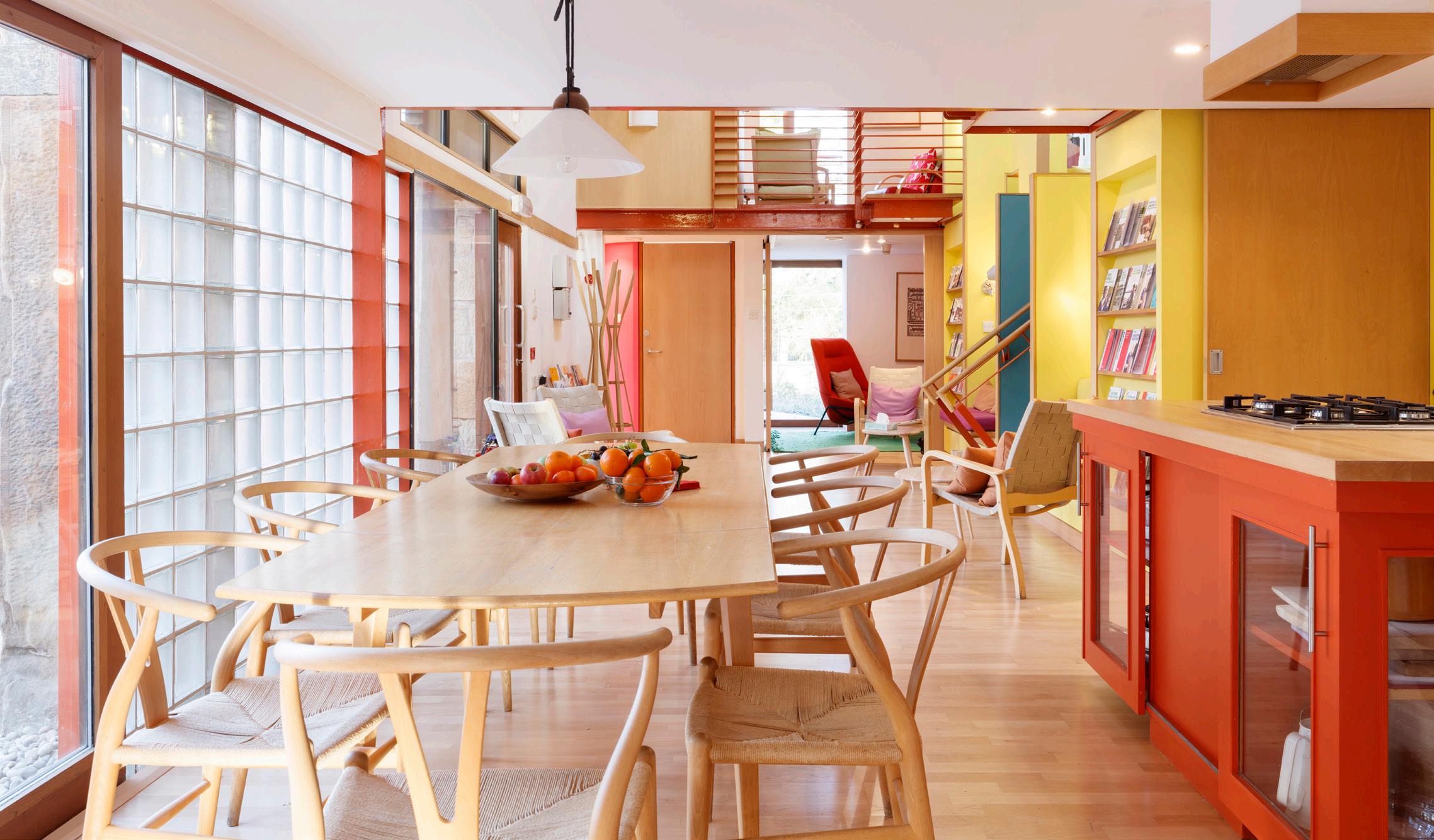
There’s a kitchen table, a cup of tea and that sense of COMMUNITY, that sense of NOT BEING ALONE.”
LAURA LEE
The first Maggie’s opened in Edinburgh in 1996, and although there are now a number of centres, including overseas, they each feel connected. Each centre is designed with the original blueprint as its starting point, and although each centre is unique and sits comfortably within the landscape in which it lives they all share an underlying feeling. They are designed to be ‘calm, friendly and welcoming places, full of light and warmth, offering glimpses and views of the nature that surrounds them.’ Each centre has a table situated at the heart of the building, so that when you walk into Maggie’s, ‘there’s a kitchen table, a cup of tea and a sense of community, that sense of not being alone.’ The carefully curated and always thoughtful centres also offer spaces to find privacy as well as places to come together as a group.
Maggie’s centres are open for people to just drop in and no referral is needed. For Laura and her team the ability to welcome, to support and to accompany individuals and their families or loved ones as they are on their cancer journey is what sets Maggie’s apart, and it is at the centre of the way in which each Maggie’s is structured. This ethos is a reflection of the reason Laura chose to become a cancer nurse.
While I was going through my cancer and through my nursing training I spent some of my placements in cancer wards. My first job as a staff nurse was working in a cancer ward and I think what I particularly was drawn to was the capacity to have, and to build, a relationship with the person and the family, which is very different from working on a surgical unit where people come in for their operation before leaving, and then you don’t see them again. That’s one of the things that I value about what our centres are able to do, is to build long term, meaningful relationships.”
Put simply, Maggie’s centres are a true reflection of what can be achieved when there is a meaningful conversation between architecture and health, between primary and secondary care.
Maggie’s Edinburgh © 2019 Philip Durrant
READ MORE
• The Architecture of Hope, written by Maggie’s Co Founder Charles Jencks.
• The Architecture and Landscape of Health: A Historical Perspective on Therapeutic Places 1790 1940
• Healing Spaces, Modern Architecture, and the Body by Sarah Schrank
You can listen to Dame Laura Lee’s full interview with Ilmarie Braun, Same but Different Project Manager on our podcast, Rarity Life Heard
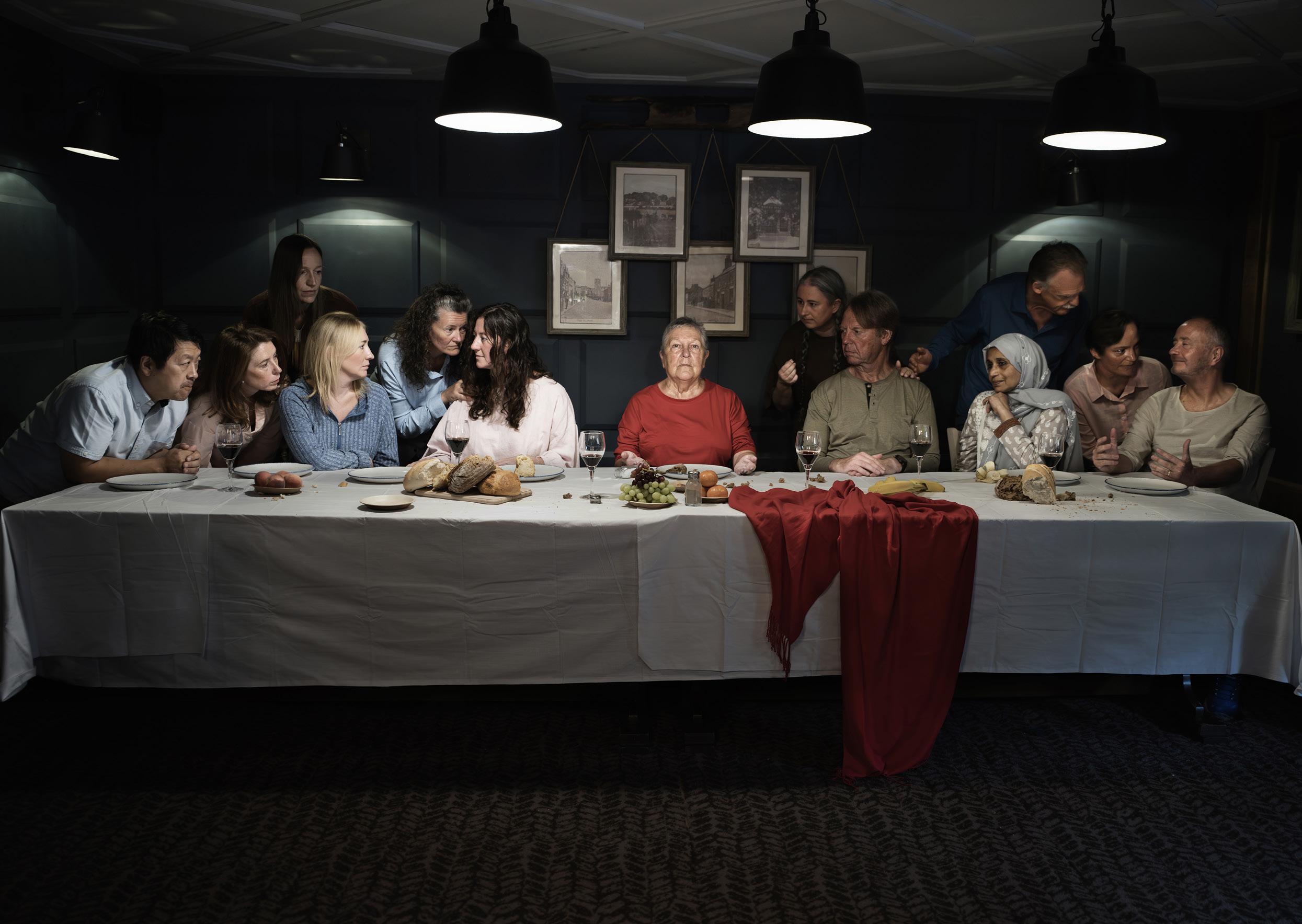
Dying to Be Heard is a moving and immersive multimedia exhibition that brings visibility and humanity to the experiences of people facing end of life care.
Created by award winning photographer Ceridwen Hughes , internationally recognised as a Hasselblad Heroine (2023) and founder of the social impact organisation Same but Different, the exhibition blends Mis en place–style photography, audio recordings, and short films to present a deeply personal and sensitively crafted narrative.
Each photographic work is informed by key themes derived from interviews with individuals living with terminal diagnoses and health care professionals. Importantly, the exhibition features the recorded voices of some of the interviewees , along with short films documenting the creation of the images , offering visitors intimate insights into the process and the people at its heart. The participants from the interviews also appear within the photographs themselves, making their presence central and meaningful.
Supported by: View Dying to be Heard by scanning here
www.samebutdifferentcic.org.uk/whatmattersmost


Grief is difficult for adults, so imagine how much more challenging it is, or can be, for children. When a child loses a loved one, they will often struggle to process their complex emotions without having the life experience and maturity to understand what they are going through. Supporting grieving children requires patience, understanding, and a few key strategies. We have compiled some of the most important ones below.
Open and honest communication and reassurance Firstly provide a safe space for a child to talk if they want to. Not everyone grieves alike, and it’s the same for children. Let them know that it’s ok to talk about the person who has died. Share memories and stories. Answer their questions honestly, and in an age appropriate way, avoiding euphemisms about their loved one “going to sleep” or “passing on” as this can cause confusion and sometimes fears that they themselves will go to sleep and not wake up again. Don’t tell a child not to cry, or that they must be the adult now. Avoid putting them under more stress by adding a worry that they have to take care of anyone else,
or they have to assume responsibility for the wellbeing of their siblings or other family members. Some children will seek to blame themselves for being ‘naughty’ or ‘cheeky’ or other things, trying to find reasons for why they are experiencing this loss. If they are angry sometimes it is important to allow them to be. It is unfair and it is hard, and anger can be a healthy emotion at times. Overall, the reassurance you offer a child now is truly invaluable, make sure they know they are not to blame.
Stay in a routine – Grief can easily isolate children so it’s crucial to keep the child engaged in school and extracurricular activities as much as possible. Routine can bring comfort to a child as it is familiar when life can feel so out of sync. There needs to be open and honest communication channels established with any care or teaching providers about how the young one is doing, ensuring that the support will be wrapped around the child. Arrange play dates with friends and family to avoid any feelings of isolation or loneliness.
Memory activities –
Creating something that a child can turn to such as a memory box is a good way of letting a child express themselves. A memory box can hold whatever has an attachment between the child and their loved
one who has died, such as photographs, perfume, ticket stubs, toys etc, it will likely be a unique and personal thing. Another idea is to create a photo book of images of them together, as it will help and provide a tangible way to remember and express their feelings.
Do something fun –Set a time to do something fun; trip to the beach or a fun fair for example. Involve the child in what they would like to do, as distractions are healthy and let the child briefly focus on something enjoyable Counselling can

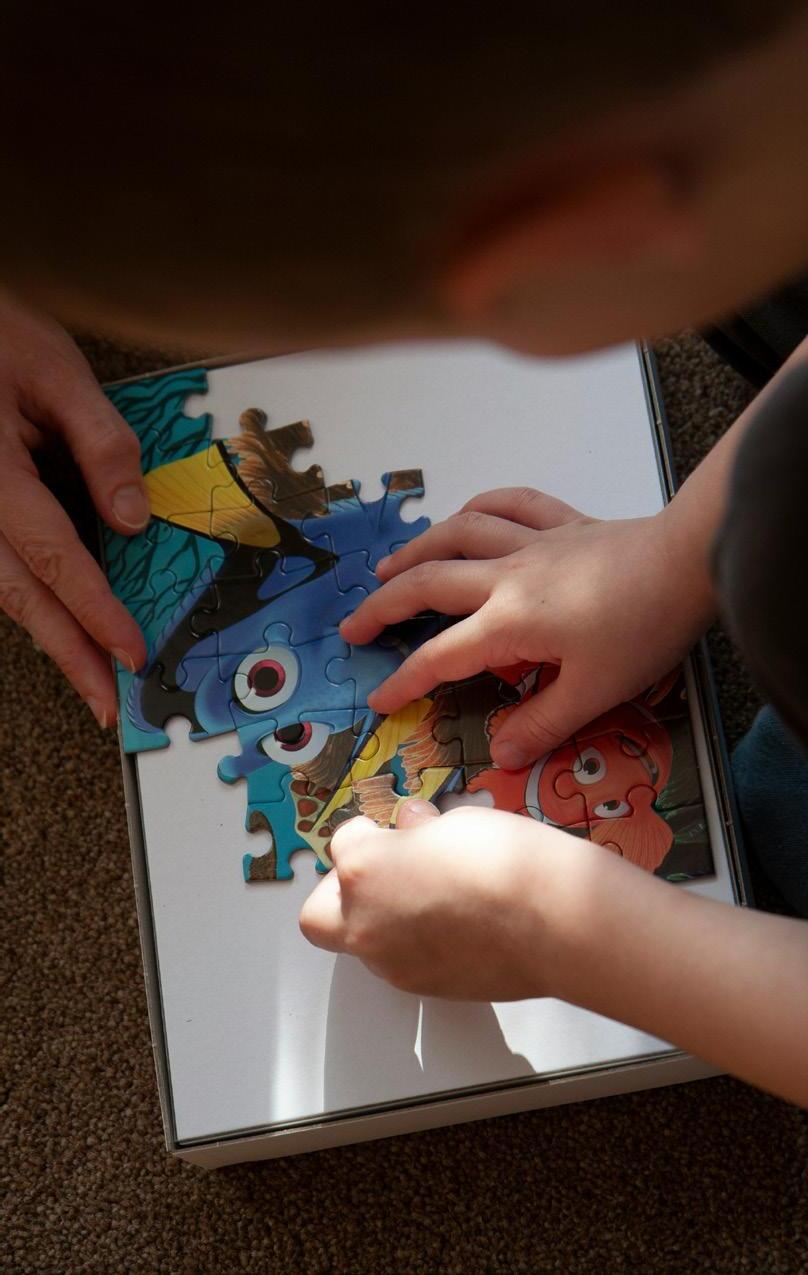
Counselling, help and support – can be incredibly beneficial for a grieving child, as it provides a safe space for them to discuss their feelings. If they are reluctant to talk maybe look at different types of counselling such as art therapy, play therapy, movement therapy or animal therapy, as these can encourage children to open up by engaging in other activities as they talk. There are also numerous books and resources available to help children understand their grief and feeling. Reach out to support organisations and consult with your GP who can also help with
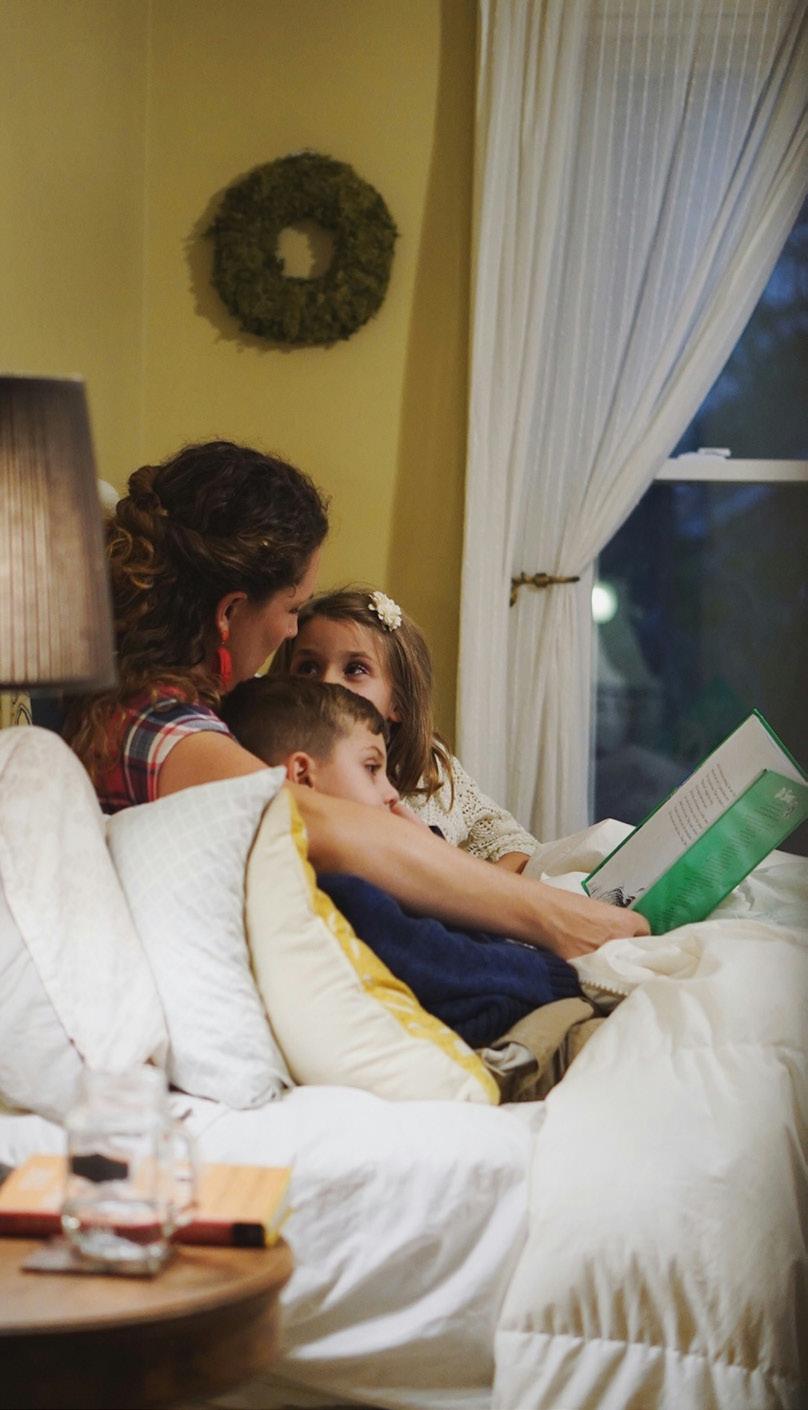
counselling referrals.
Reading Reading can be so helpful, from reading stories to younger children through to giving older children some books to look through as and when they feel able to. Reading offers a truly unique way to provide insight, comfort and even peace during emotionally difficult times. We have curated a list of some brilliant younger children’s books below, there are some great books for older children out there too, including some with the option to journal as they read. But it is also worth noting that any book has the power to help a child. Indeed, revisiting favourite books or stories can trigger feelings of familiarity, providing emotional comfort and support.
The key is providing patient, compassionate support to help grieving children through an incredibly difficult experience. Your presence and understanding makes a huge difference.

Books that can help



The Magical Wood by Mark Lemon
The Sad Book by Micheal Rosen
The Lonely Tree by Nicholas Halliday
The Invisible String by Patrice Karst
Ida Always by Caron Levis
Death is Stupid by Anastasia Higginbotham
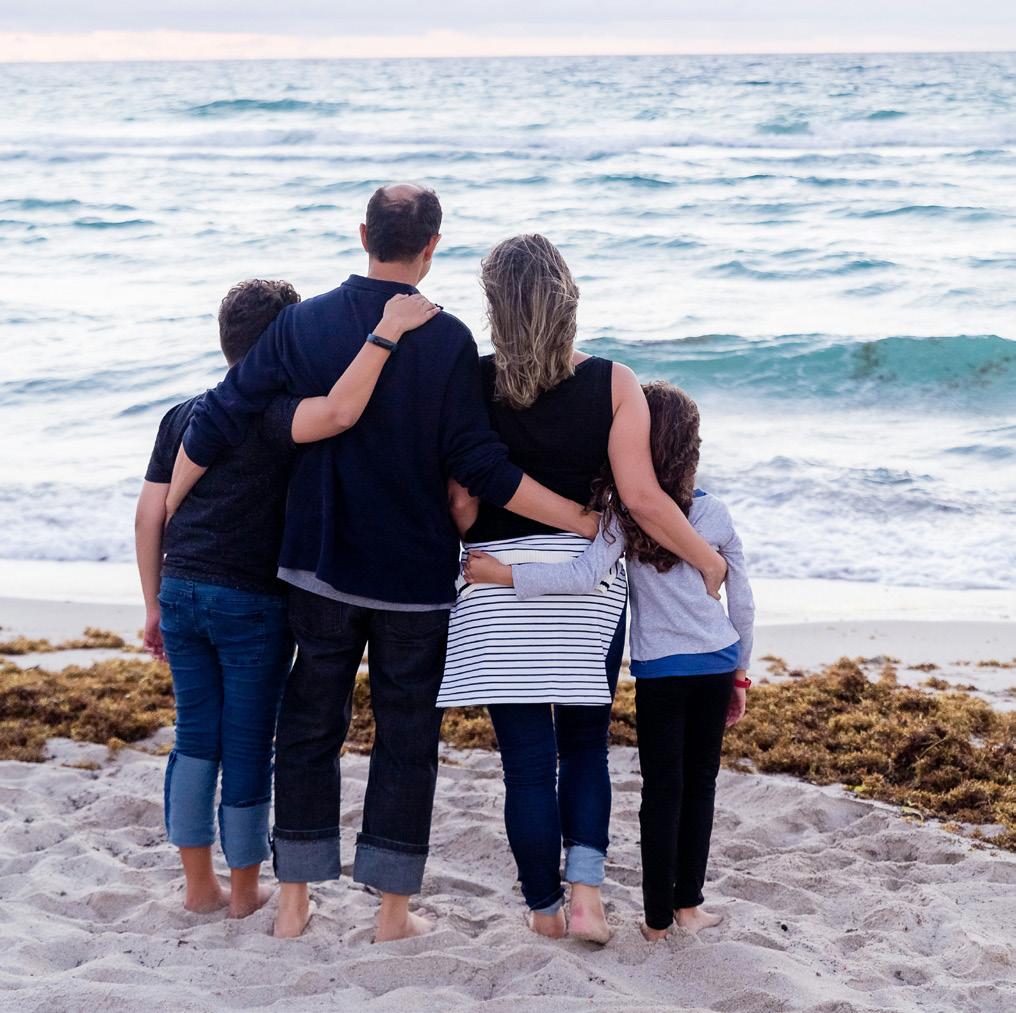
A SPACE TO TALK
www.maggies.org
BUTTERFLY VOULUNTEER
www.annerobsontrust.org.uk www.pah.nhs.uk/our volunteers
HONOURING LIFE’S FINAL CHAPTER www.mariecurie.org.uk
HOPE HOUSE www.hopehouse.org.uk www.togetherforshortlives.org.uk
NOTHING CAN PREPARE YOU FOR A REAL INCURABLE ILLNESS QUITE LIKE AN IMAGINARY ONE www.bigdudeclothing.co.uk www.maggies.org www.ocduk.org www.orchardocd.org www.prostatecanceruk.org www.yarmo.co.uk

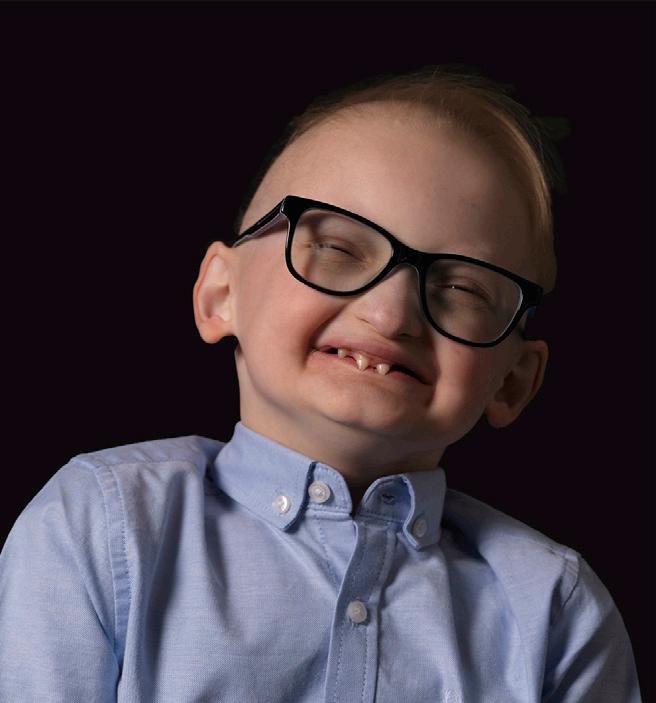
SAY THEIR NAME, REFLECTIONS OF A BEREAVED MOTHER www.careforthefamily.org.uk www.childbereavementuk.org www.tcf.org.uk www.thegoodgrieftrust.org
STILL ME www.omuk.org
SONGS CAN LIVE FOREVER www.benbuddyslack.co.uk www.swansongproject.co.uk
TEARS, ANGER AND HEARTBREAK www.childbereavementuk.org www.childhoodbereavementnetwork.org.uk www.griefencounter.org.uk www.winstonswish.org
THE ARCHITECTURE OF HEALTH www.samebutdifferentcic.org.uk/raritylifeheardlauralee
THE SPACE TO TALK www.maggies.org
6TH STAGE OF GRIEF www.globalgenes.org www.menkesfoundation.org.uk www.rarediseasefilmfestival.com www.thedisordercollection.com www.themenkesfoundation.org www.youtube.com/@disorderrarediseasefilms6583

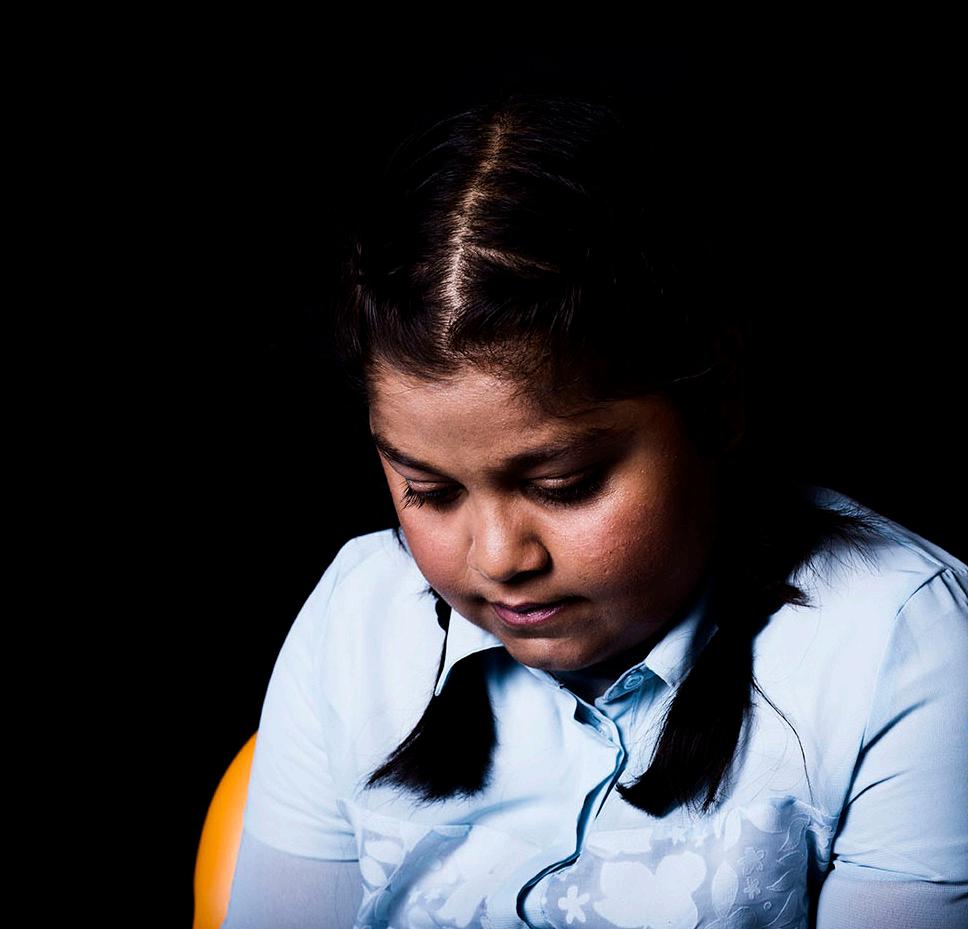
We produce powerful films, strong imagery & compelling narrative; creating a visual storytelling experience that allows you to connect more closely with your audience.
We work with organisations, agencies and publications that love to make an impact. We can join as a creative partner and help shape the creative direction into an impactful photography campaign or film, or we can work to your brief.
Helping you connect to your audience with integrity.
Creativity. Collaboration. Empowerment.
Find out more by visiting: www.sbdcreative.co.uk