portfolio
kaylin ramsey interior design

nesting house museum of emotions
fall 2024 • advanced design fall 2023 • design V residential exhibition
kaylin ramsey interior design
nesting house museum of emotions
fall 2024 • advanced design fall 2023 • design V residential exhibition
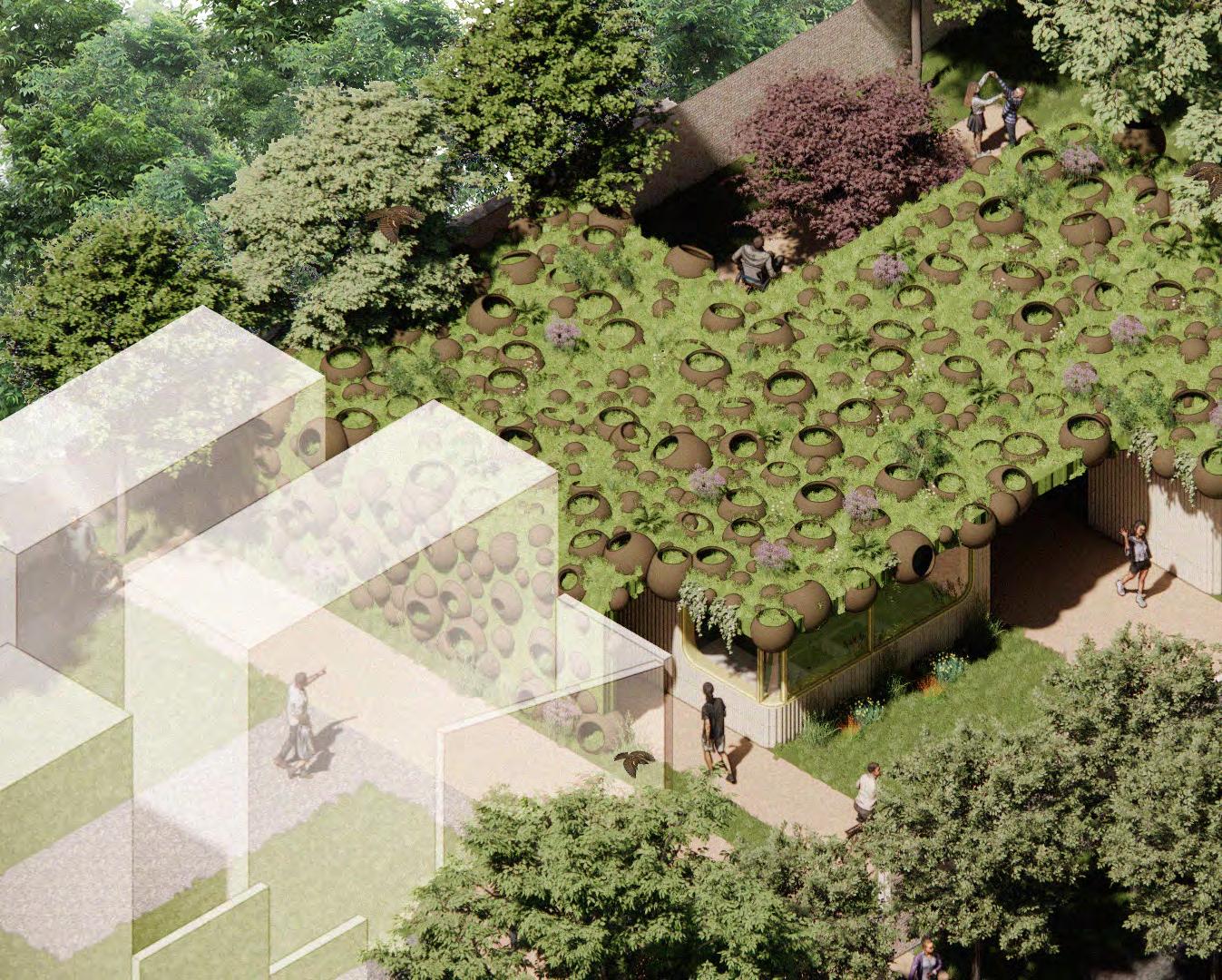
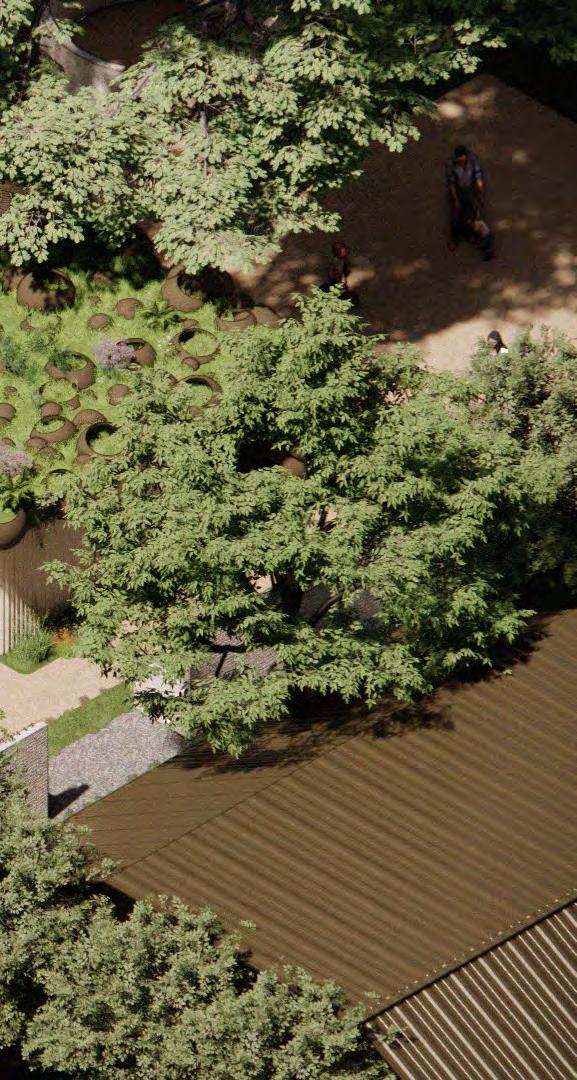
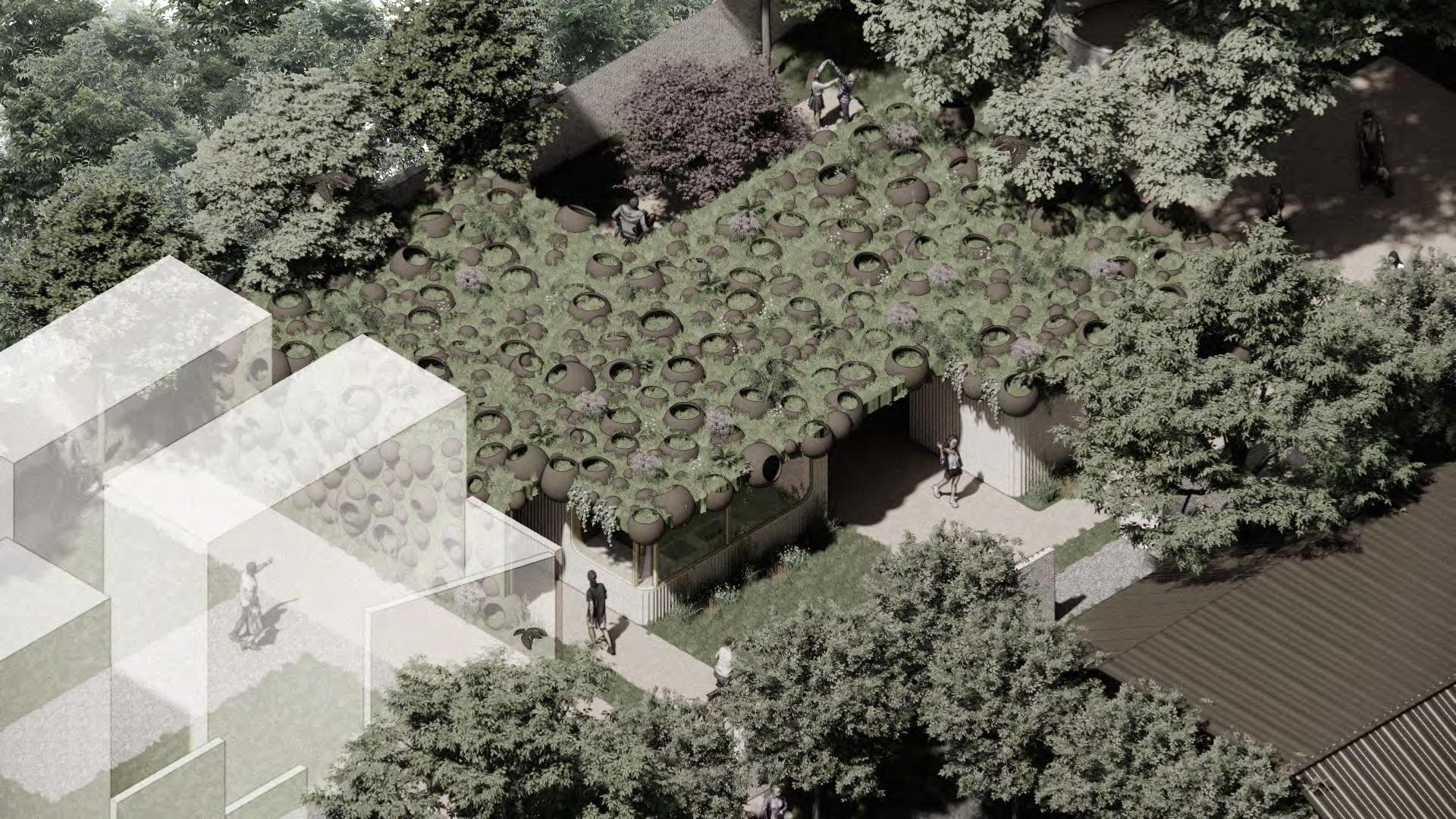
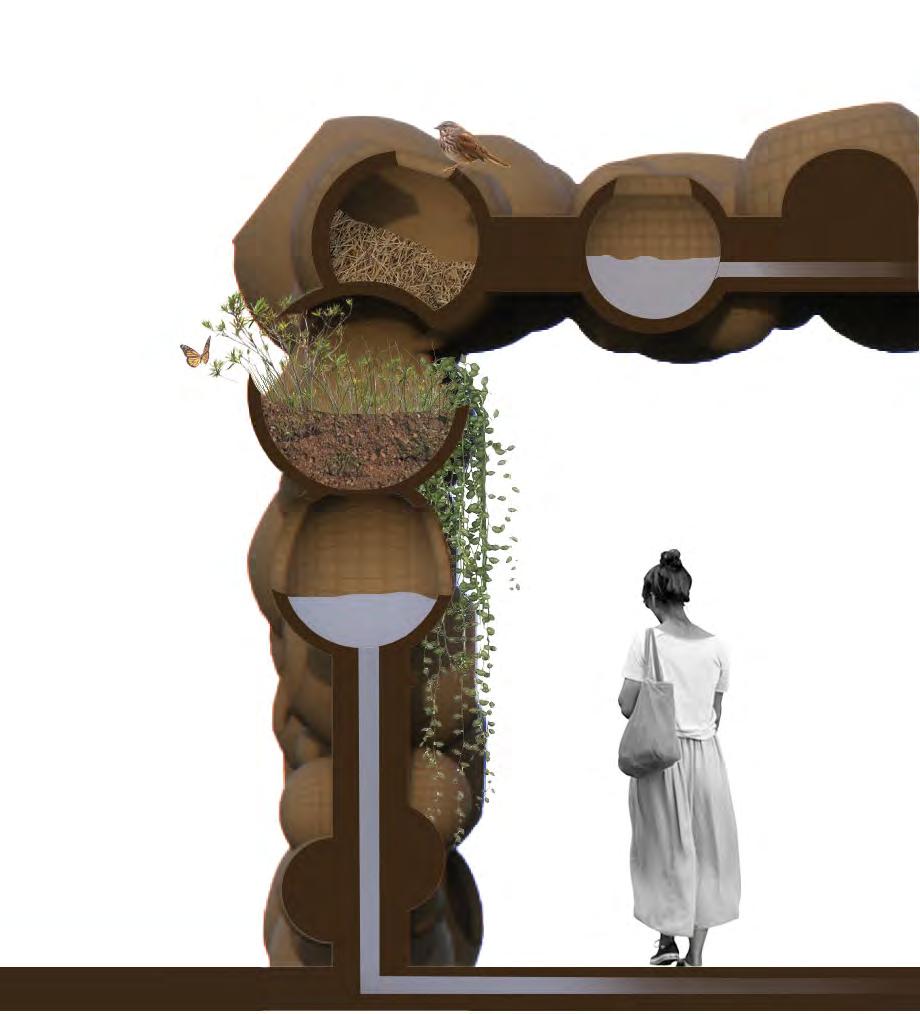
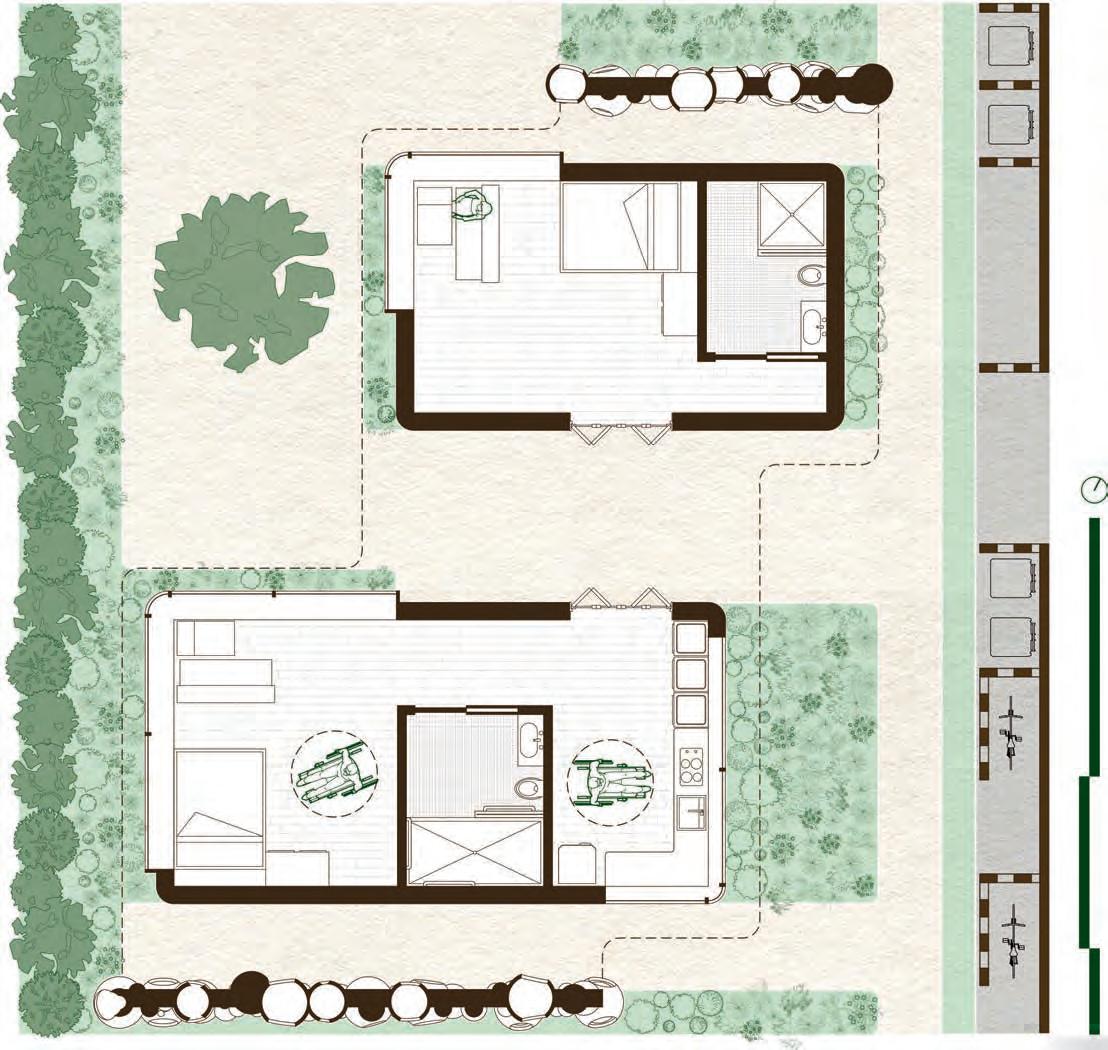
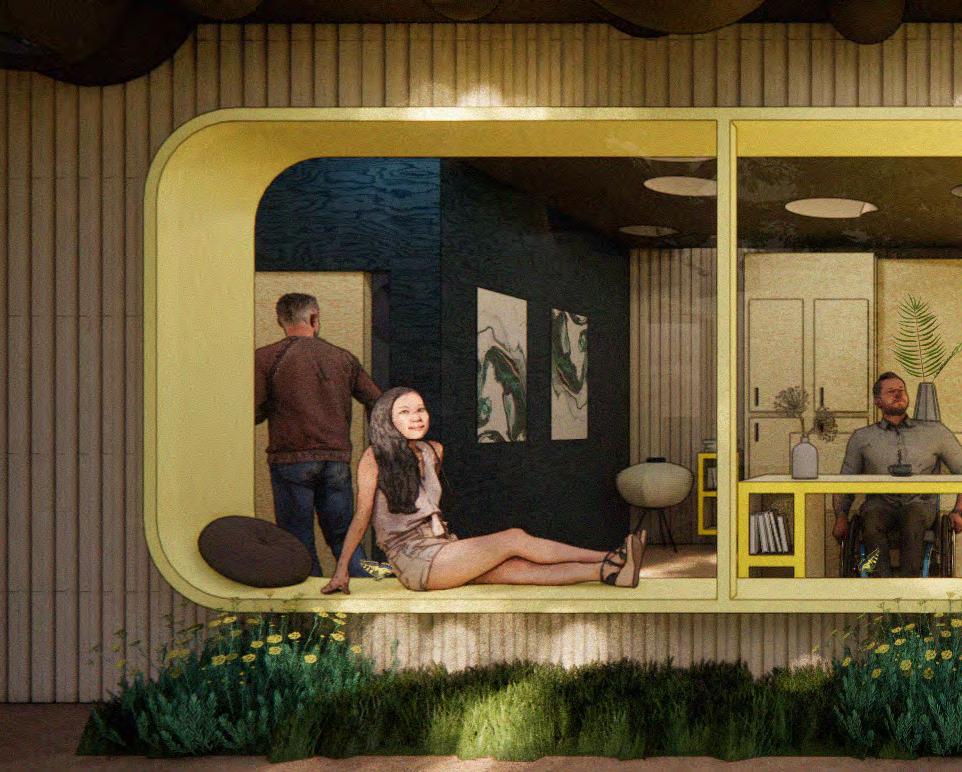
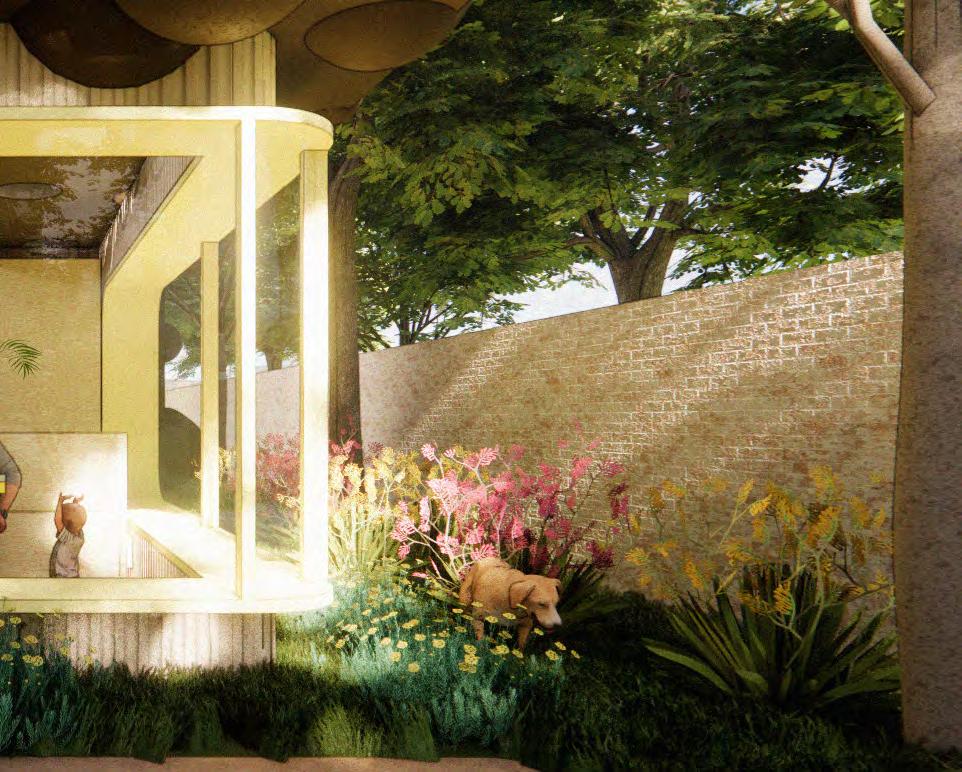
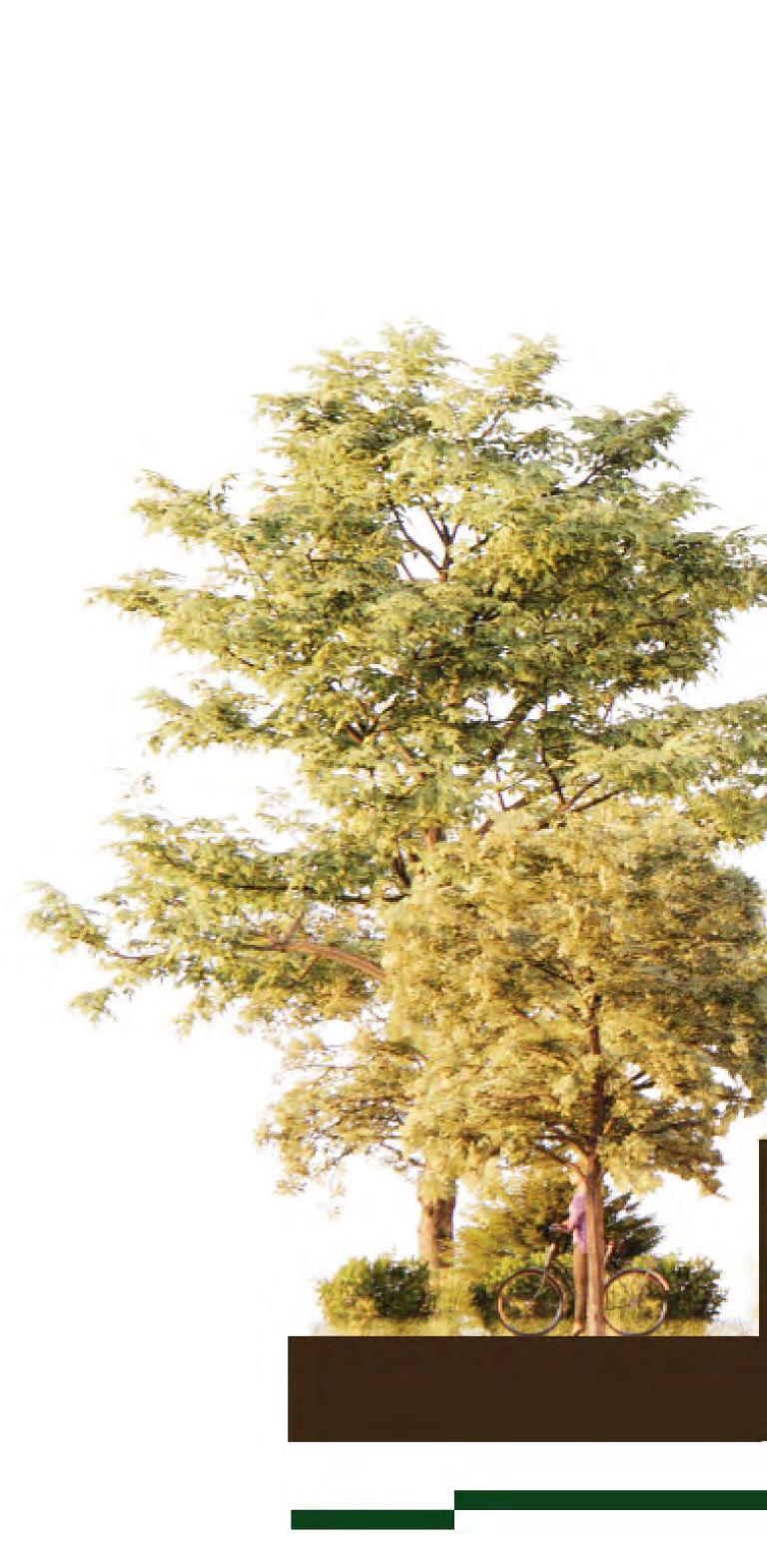
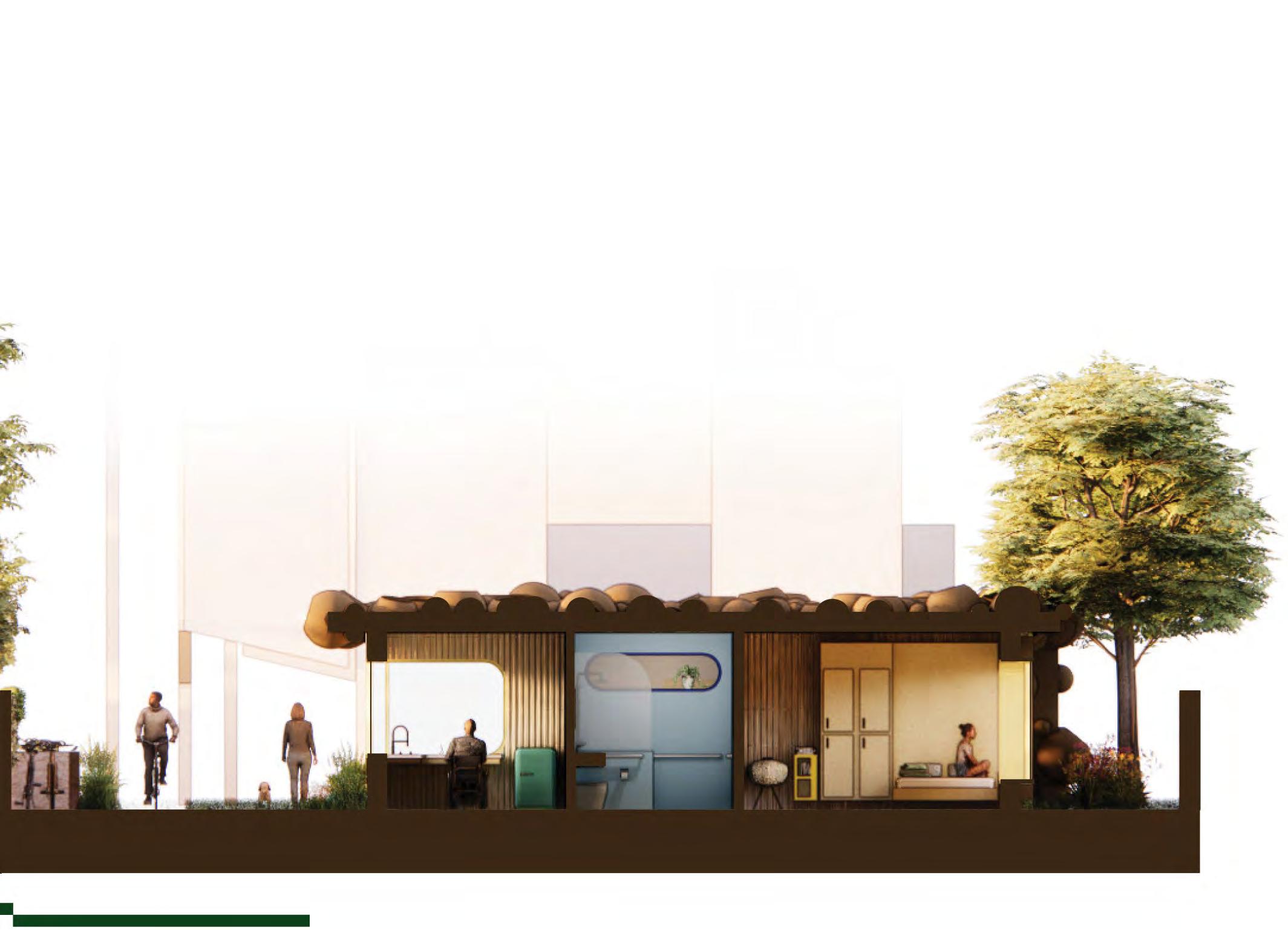
Nesting House is an affordable housing scheme that follows the HOME2 ordinance. Situated on a long, narrow site, Nesting House works to bring the small neighborhood together by opening up to the large pecan tree on site. The home features a green roof that was designed after the bowl-shaped nests of the song sparrow. The spherical shape allows for water collection and planting to occur within it, cooling home as the climate becomes warmer over time.
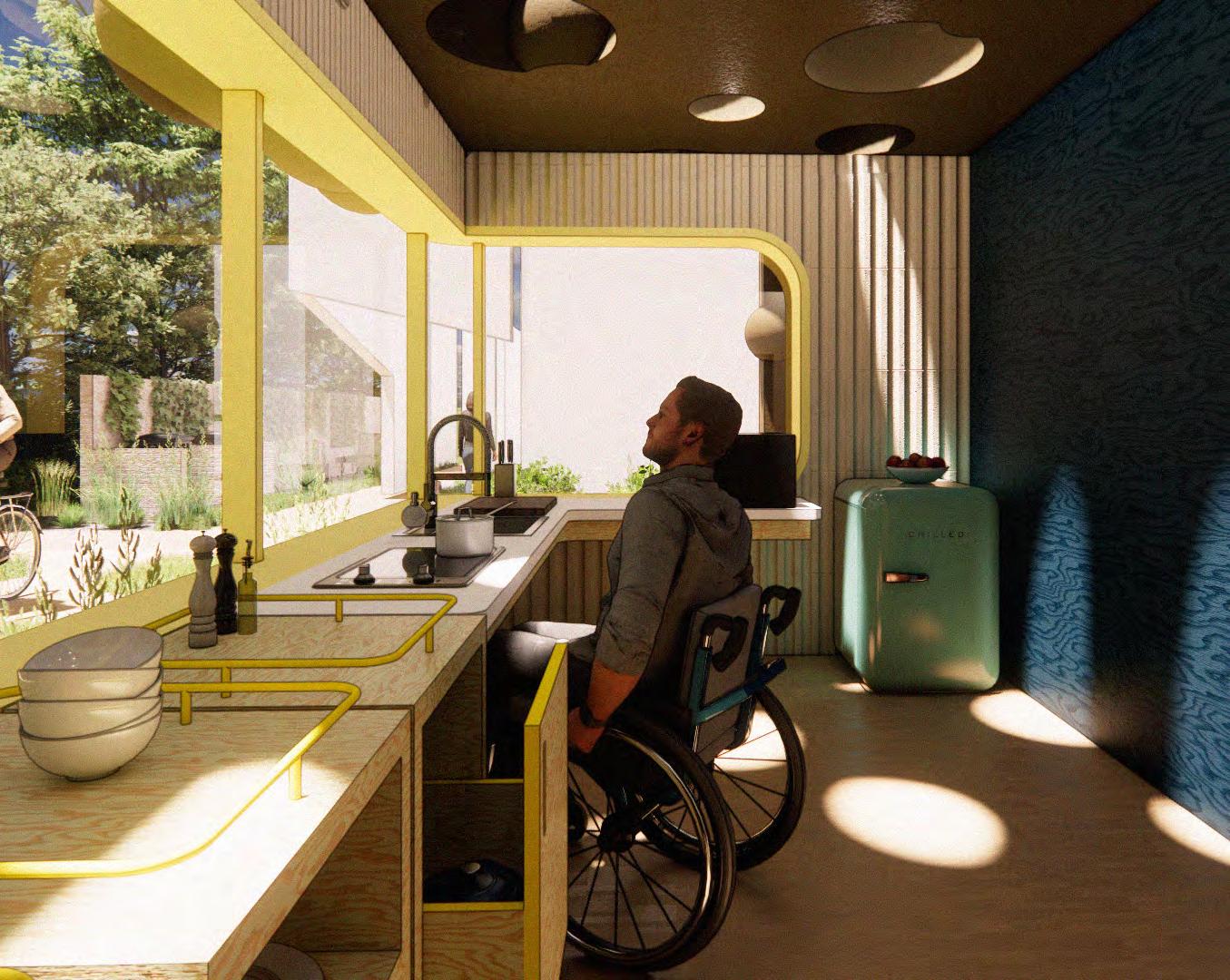
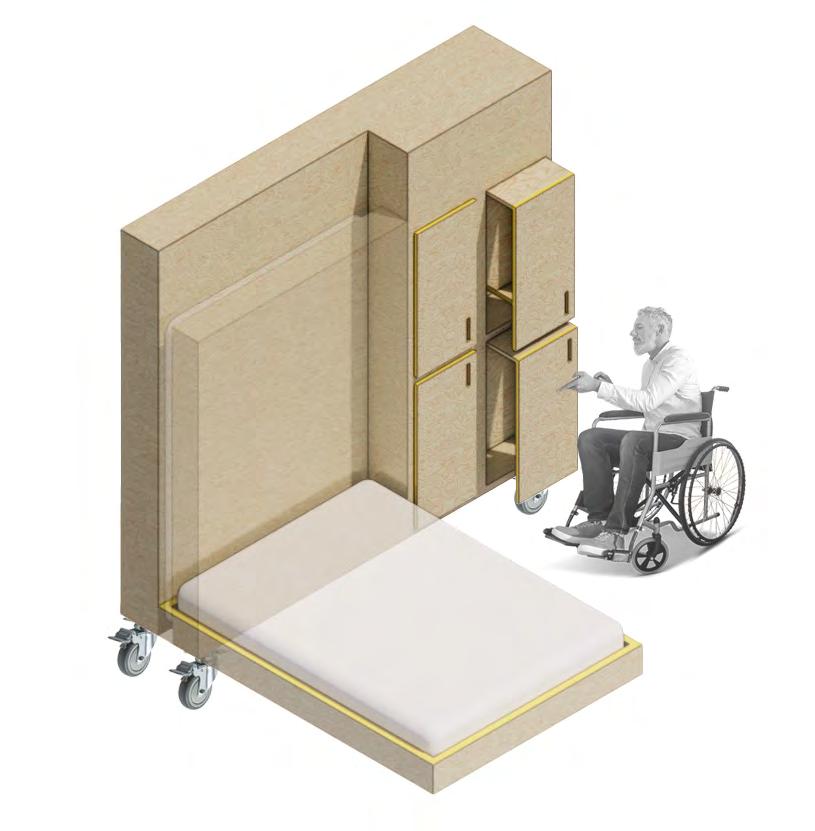
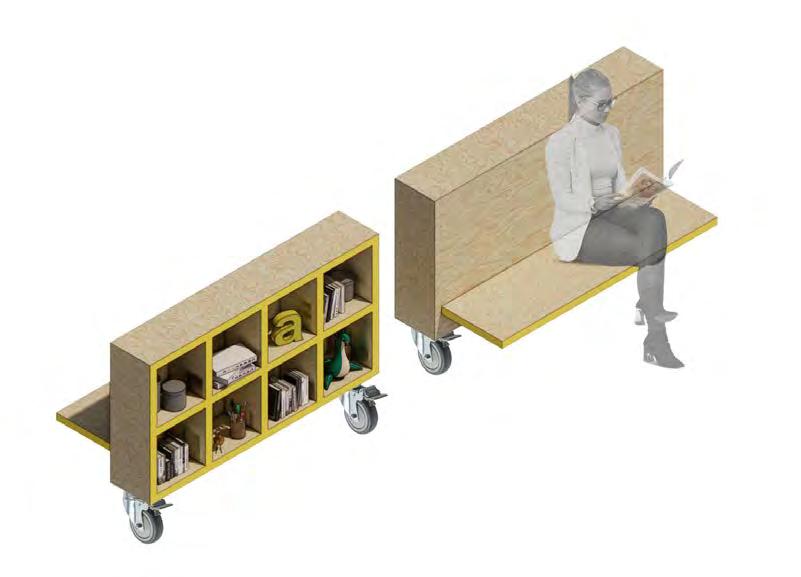
This abode is designed to be inhabited by a wheelchair user and their caretaker and contains multi-functional furniture. These furniture pieces can be moved throughout the homes to allow for hosting large gatherings and small parties while still maintaining the home’s small footprint.
Nesting House is a home for the future that provides a safe and pleasant experience for all, enhancing the affordable housing market in Austin.
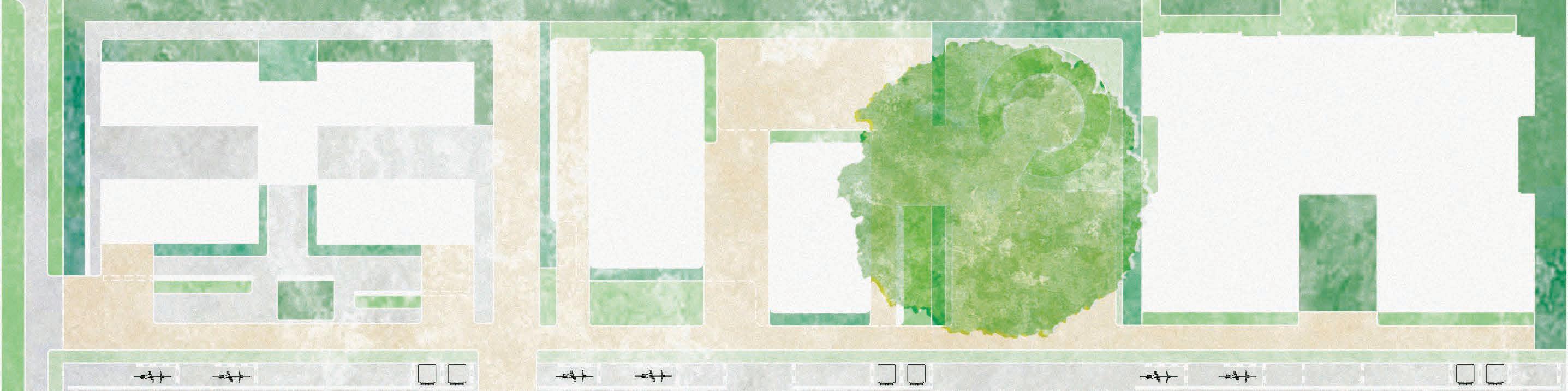
trees bushes grass
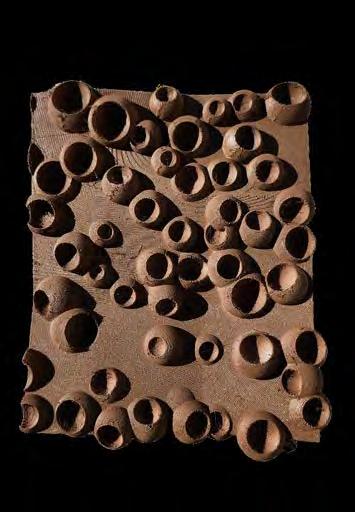
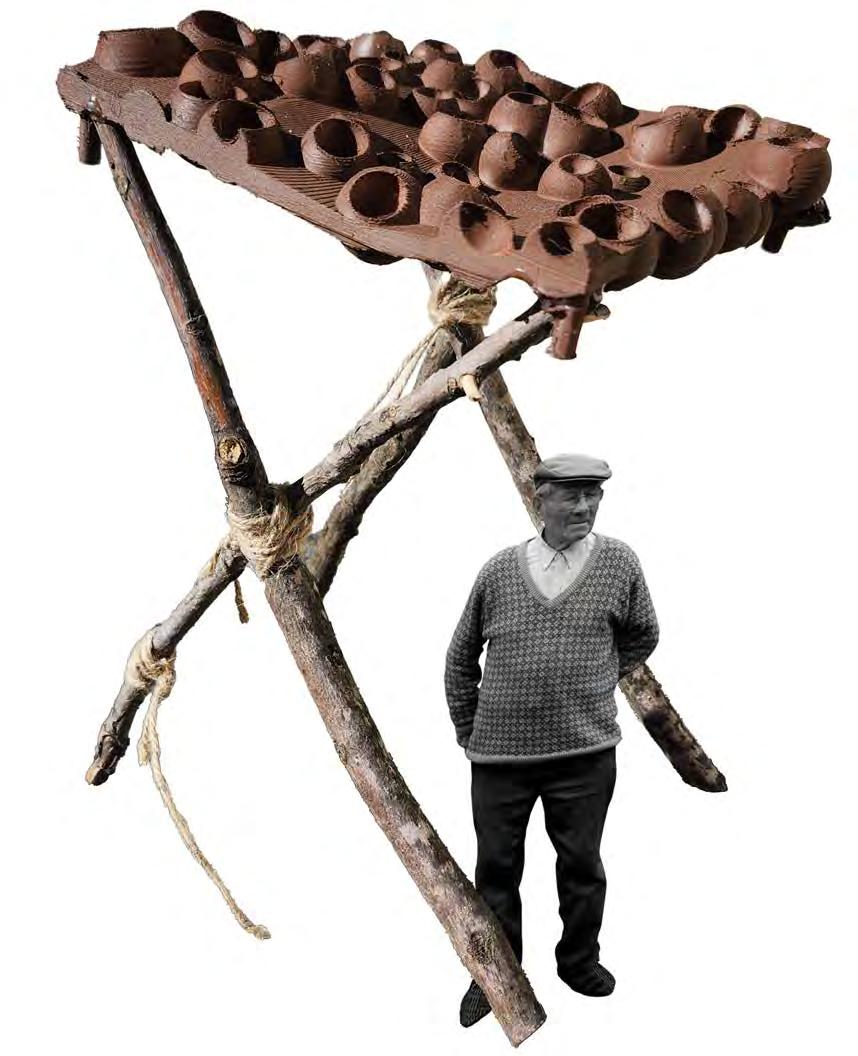
water collection


in collaboration with megan knight
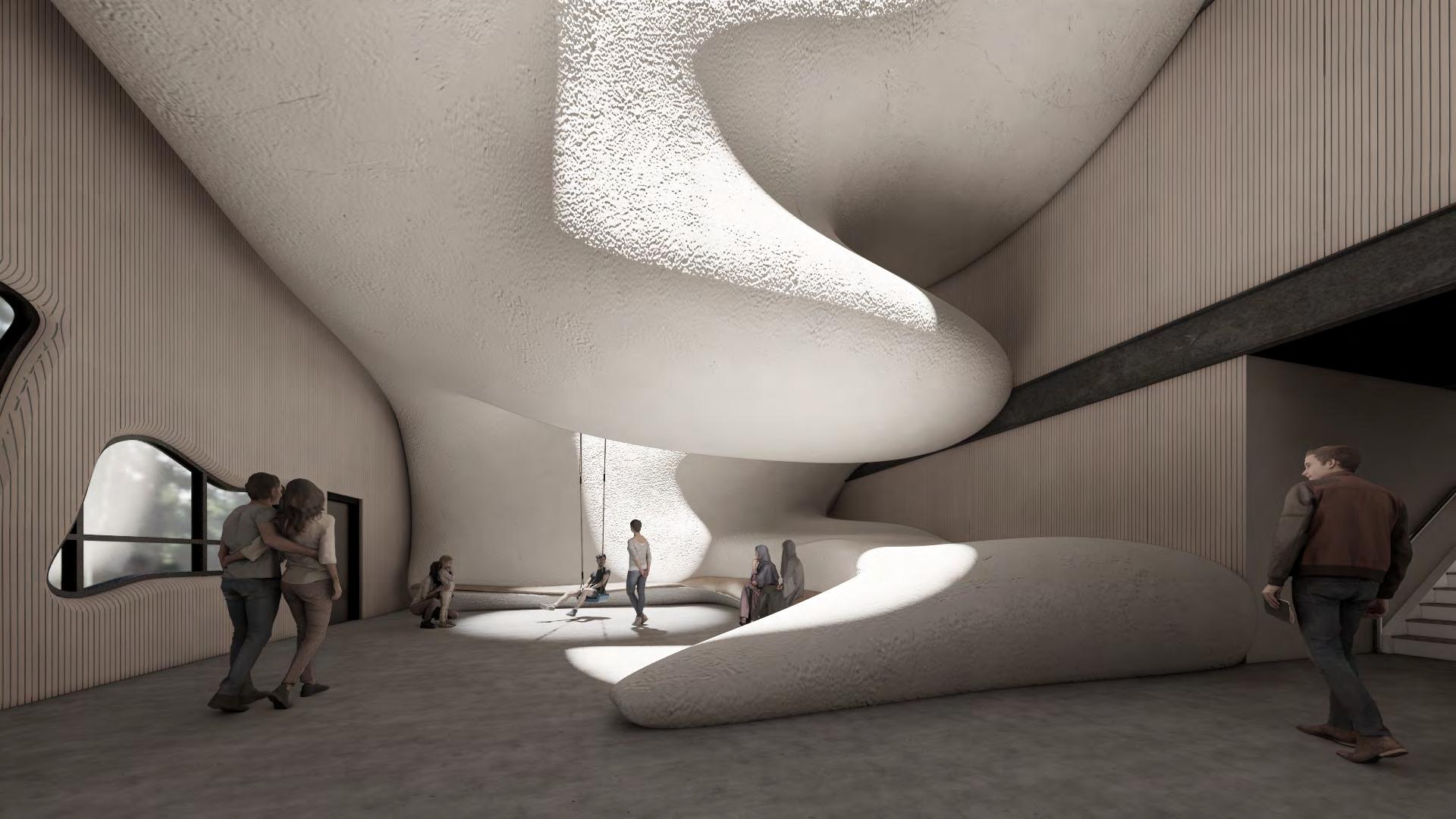
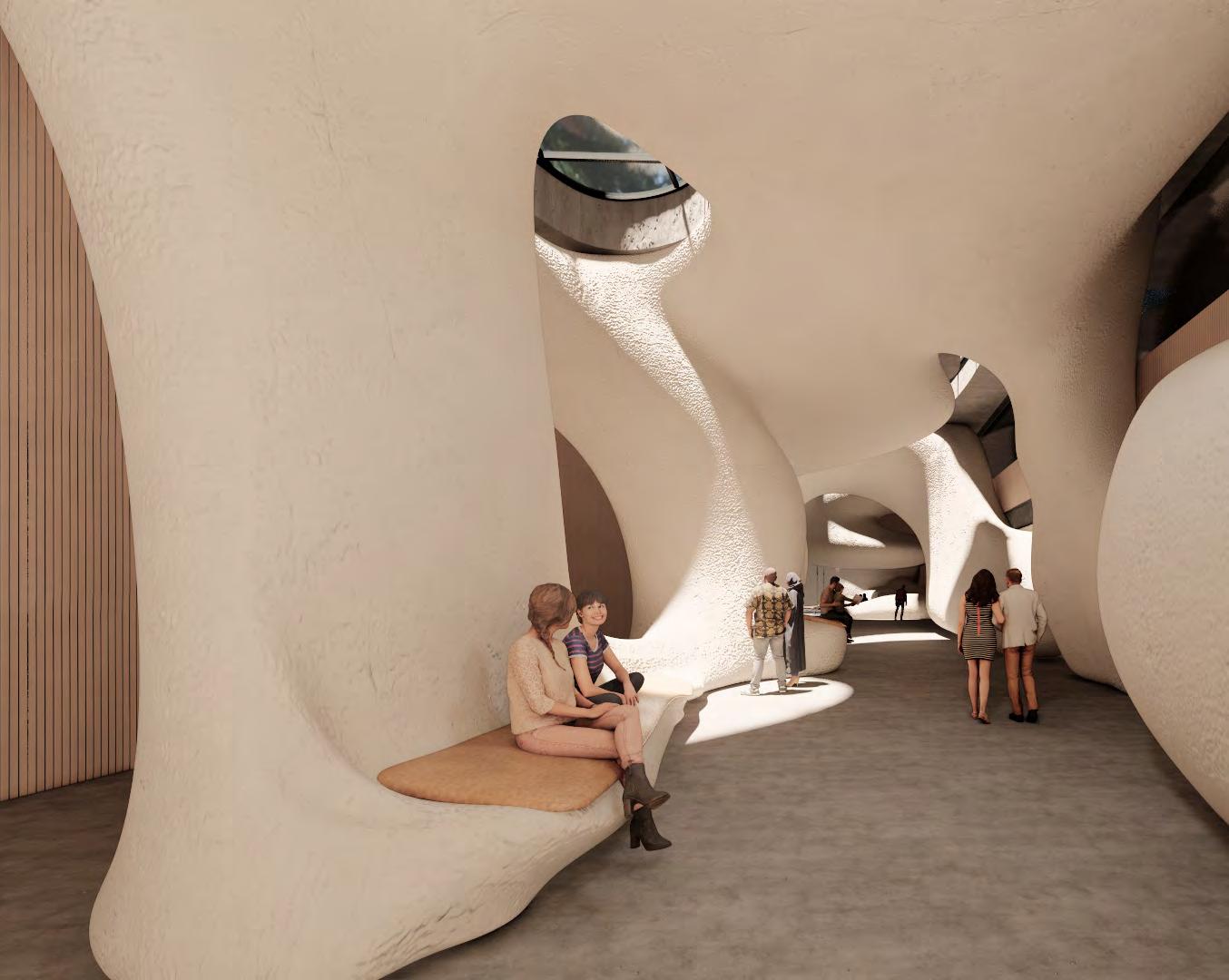
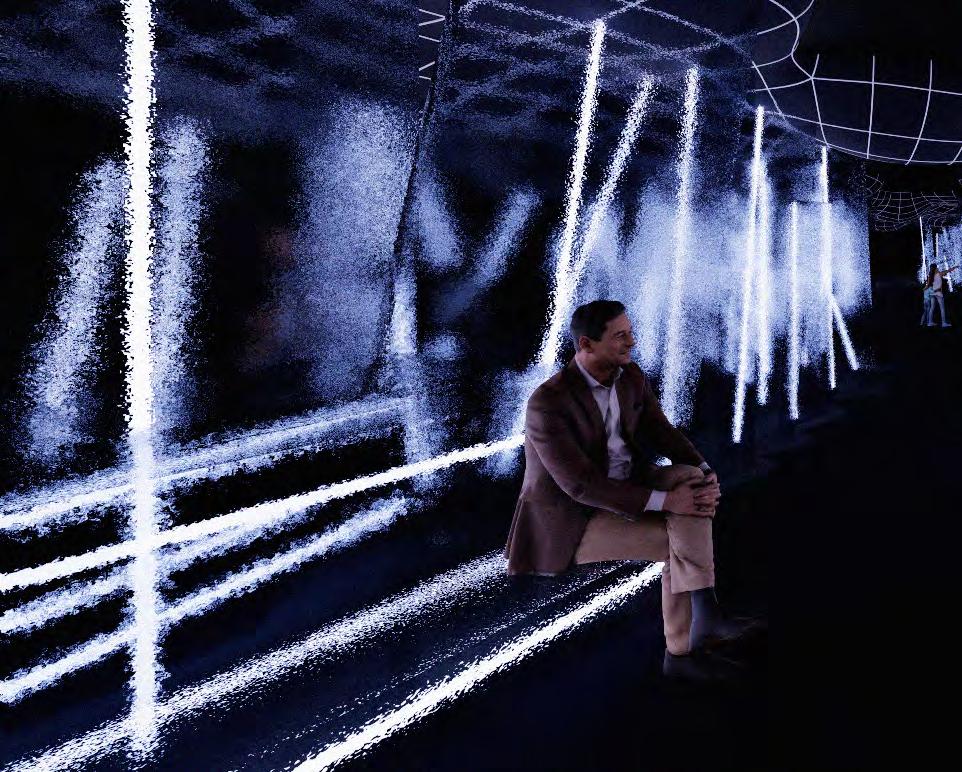
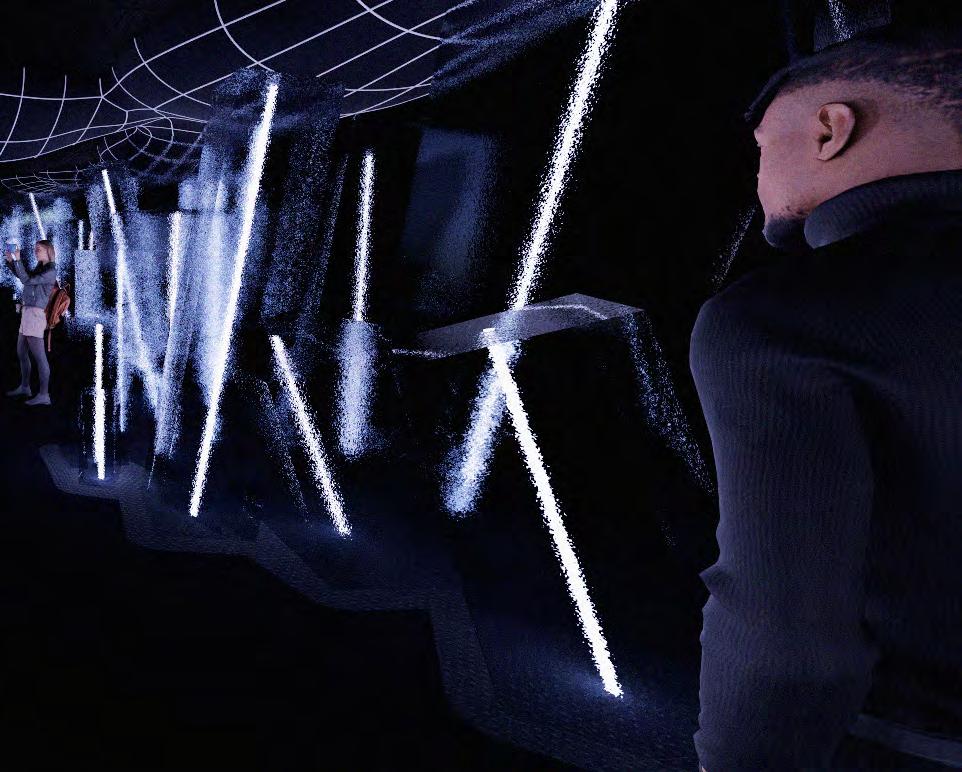
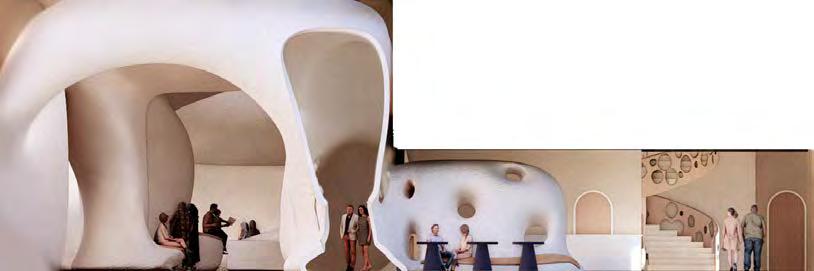
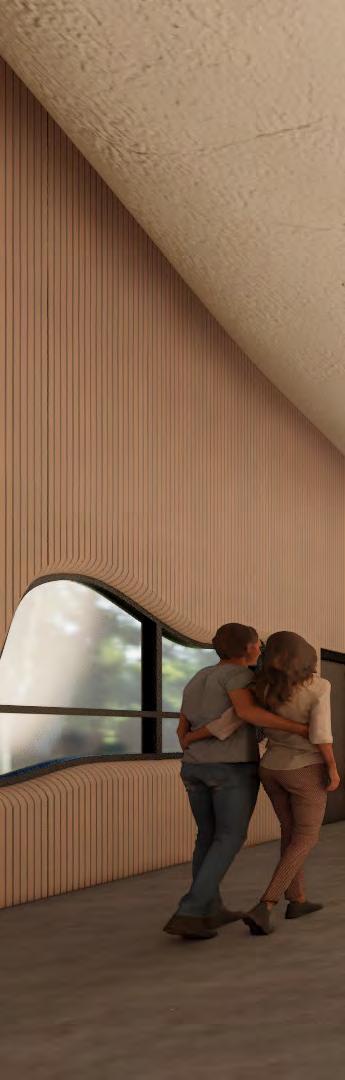
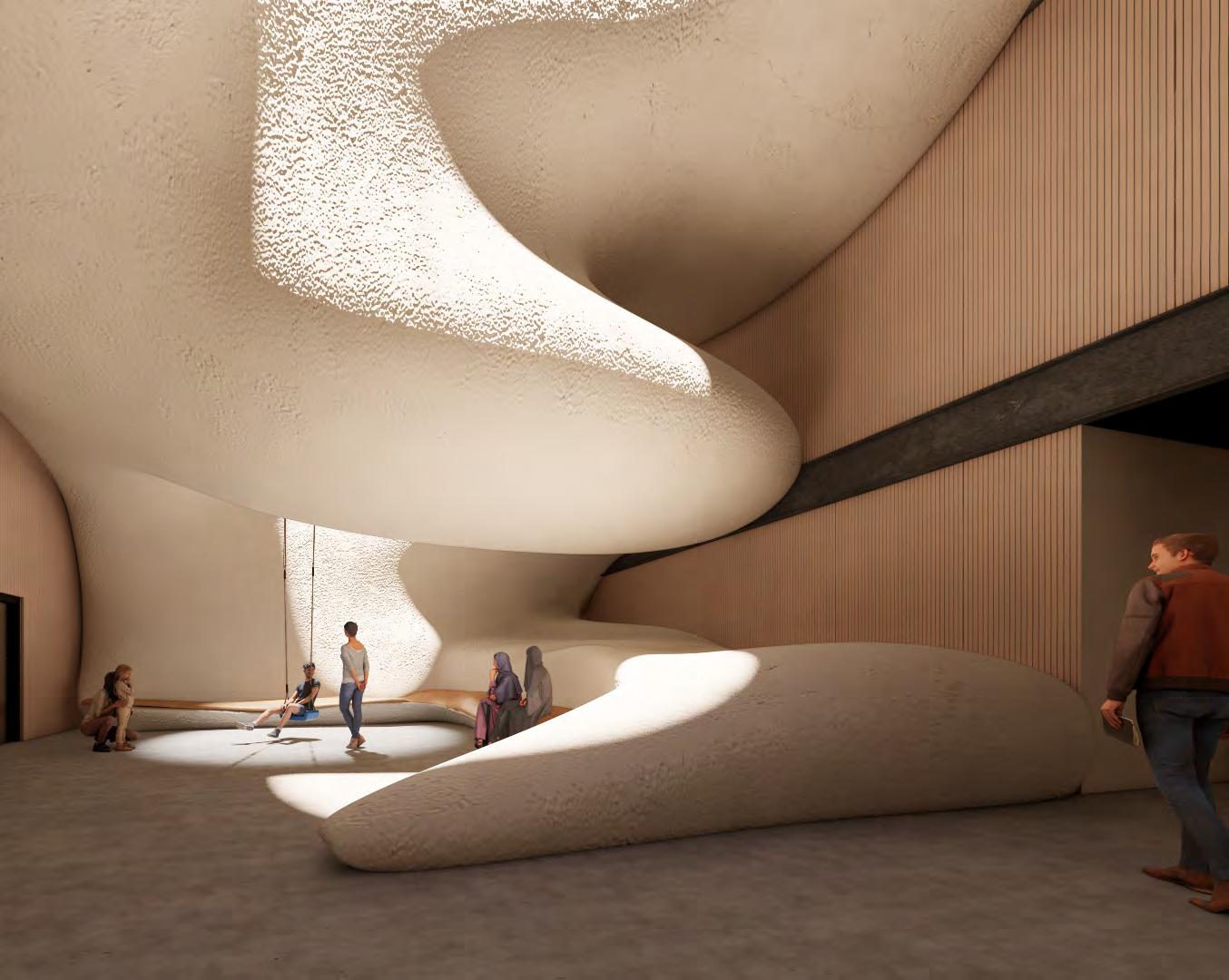
The Museum of Emotions is an art gallery that explores how positive and negative emotions can be conveyed in interiors through the stimulation of the five senses. The museum consists of a positive and negative hall, sensory galleries that serve as more intimate spaces that engage the senses, a coffee bar and seating area, bathrooms, and employee back of house and storage. To create the most impact on the inhabitant, a combination of natural and artificial light, tactile materials, forced circulation, and acoustic design were used. Universal and human centered design are key to the project as everyone in the space needed to traverse through the museum in ways that created an equal effect for all.
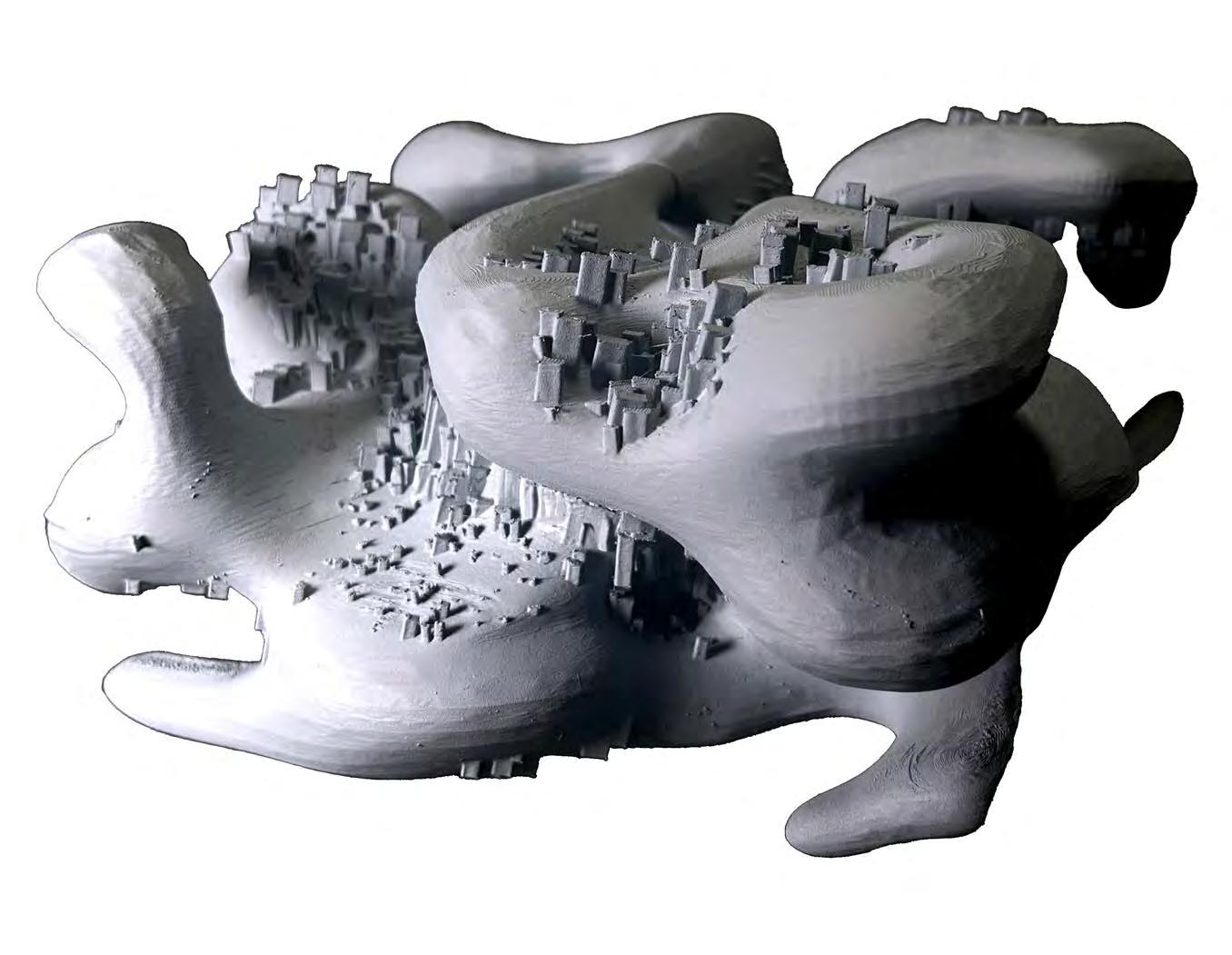
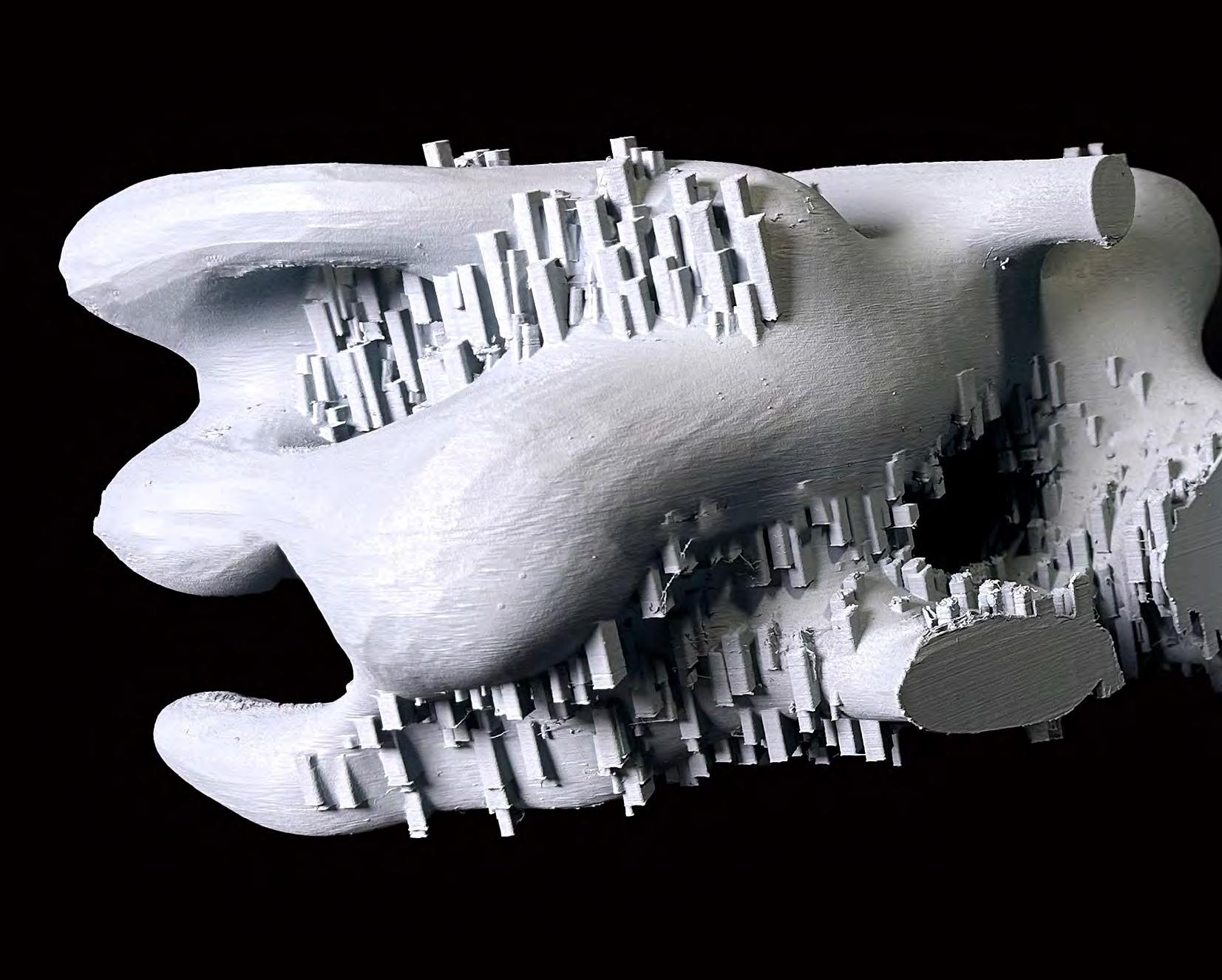
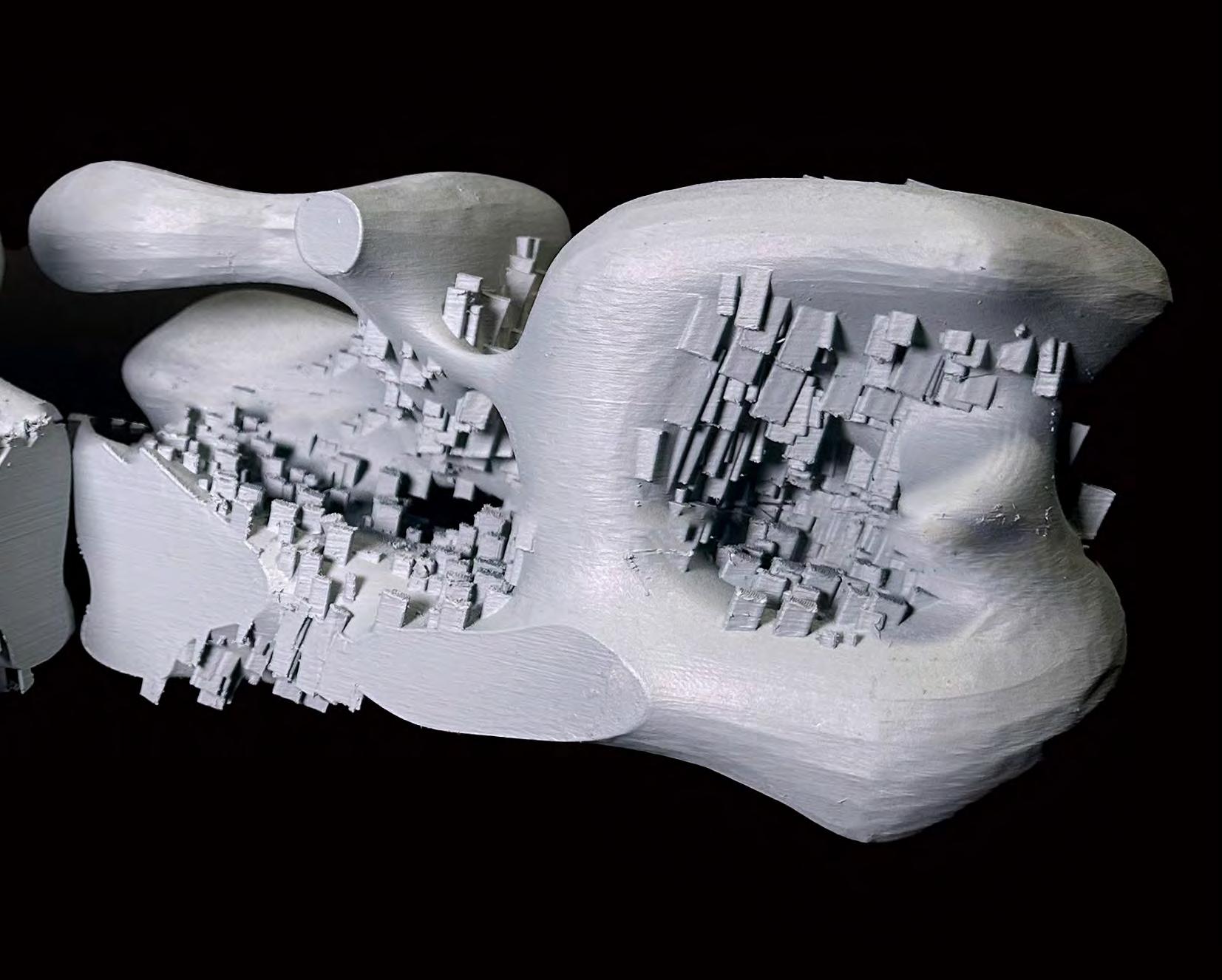
In the preliminary design stages, a conceptual model was created to help visualize a “sensory space” in three dimensions. The two geometries in the shape are representative of positive and negative emotions and how both feelings are necessary to create harmony. The interiority that resulted from this experiment can be seen in small glimpses throughout the final product. fall 2023
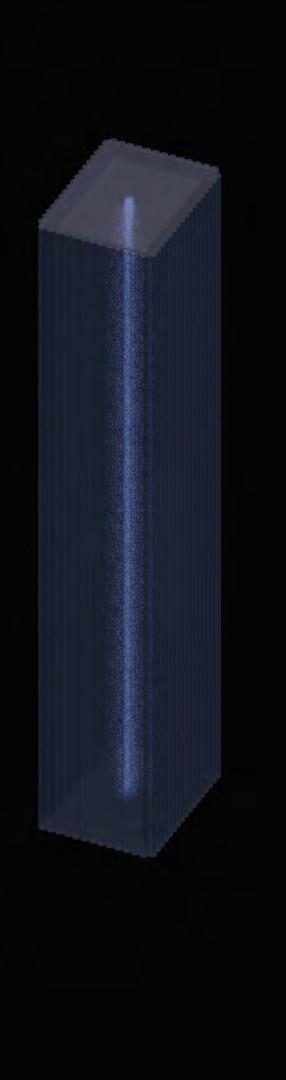
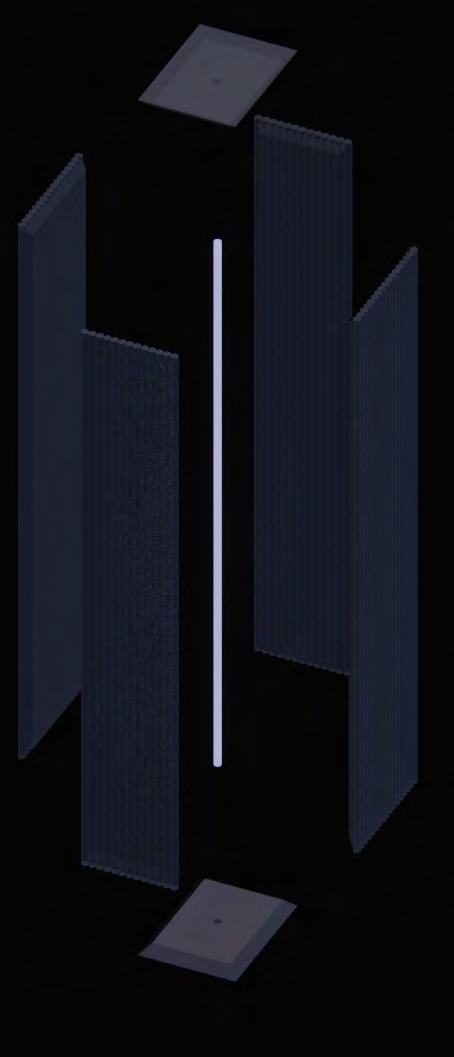
top & bottom pieces with lighting attachments
pieces glued on mitered edges
ribbed plexiglass
LED tube light
5’ wide walkway ribbed blocks for the visually impaired
6” tactile indication for the visually impared integrated seating blocks at varying heights space for comfortable head movement

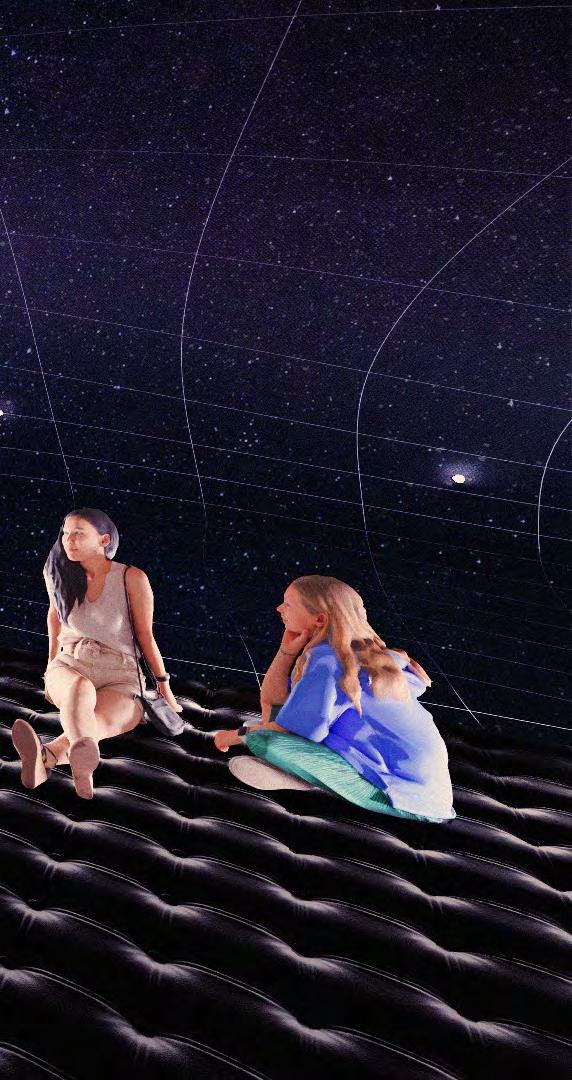



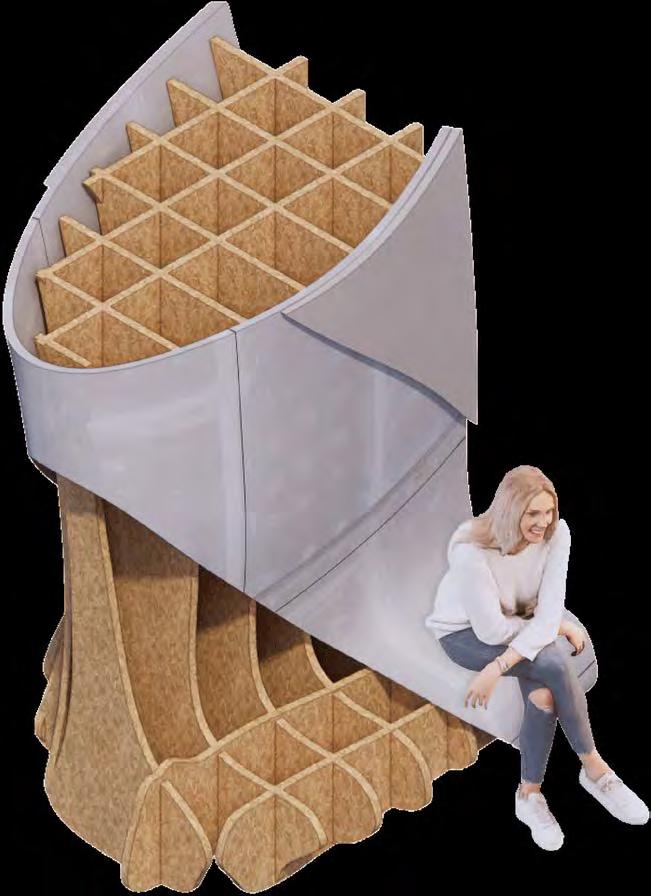
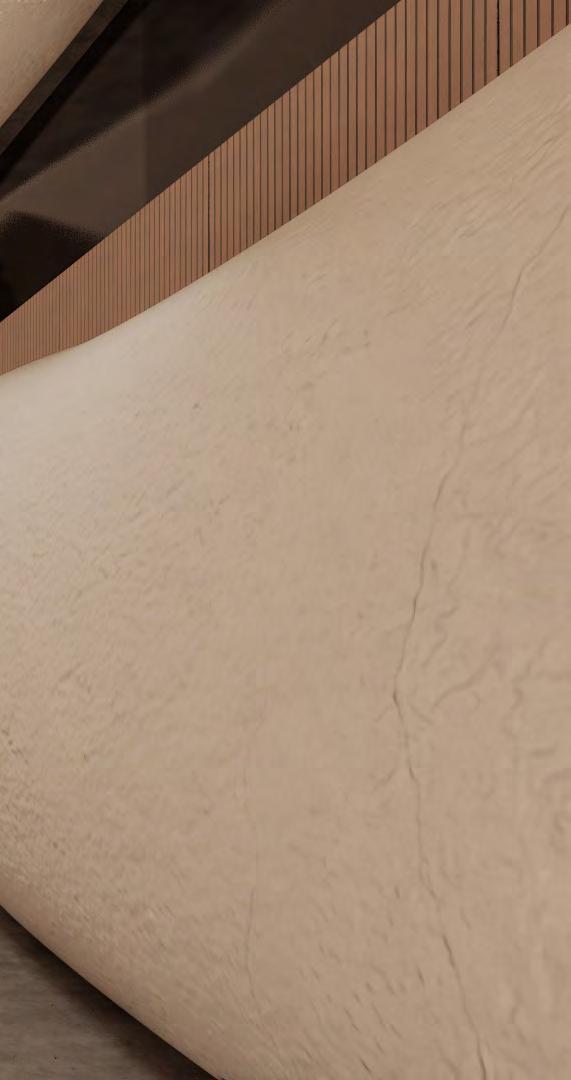
beige colored lime plaster
7/16” OSB plywood forming an interlocking waffle frame
scored 1/2” gypsum board with joint tape and compound
built in seating within sculptural curvilinear forms, ranging from 15” - 18” in height and 15” - 20” in depth
Submitted to Buildner’s Kinderspaces Competition
in collaboration with xavier todd, ryan kunu, and andrew blanco
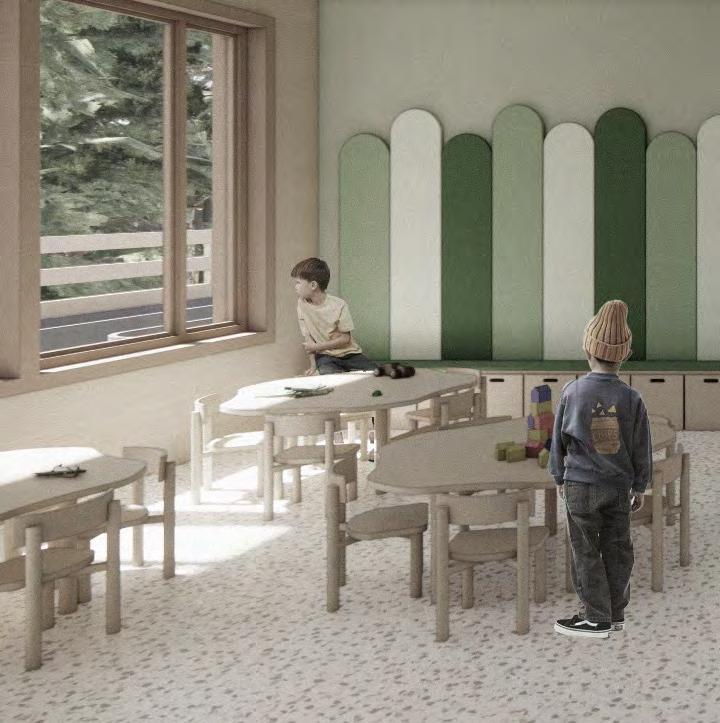
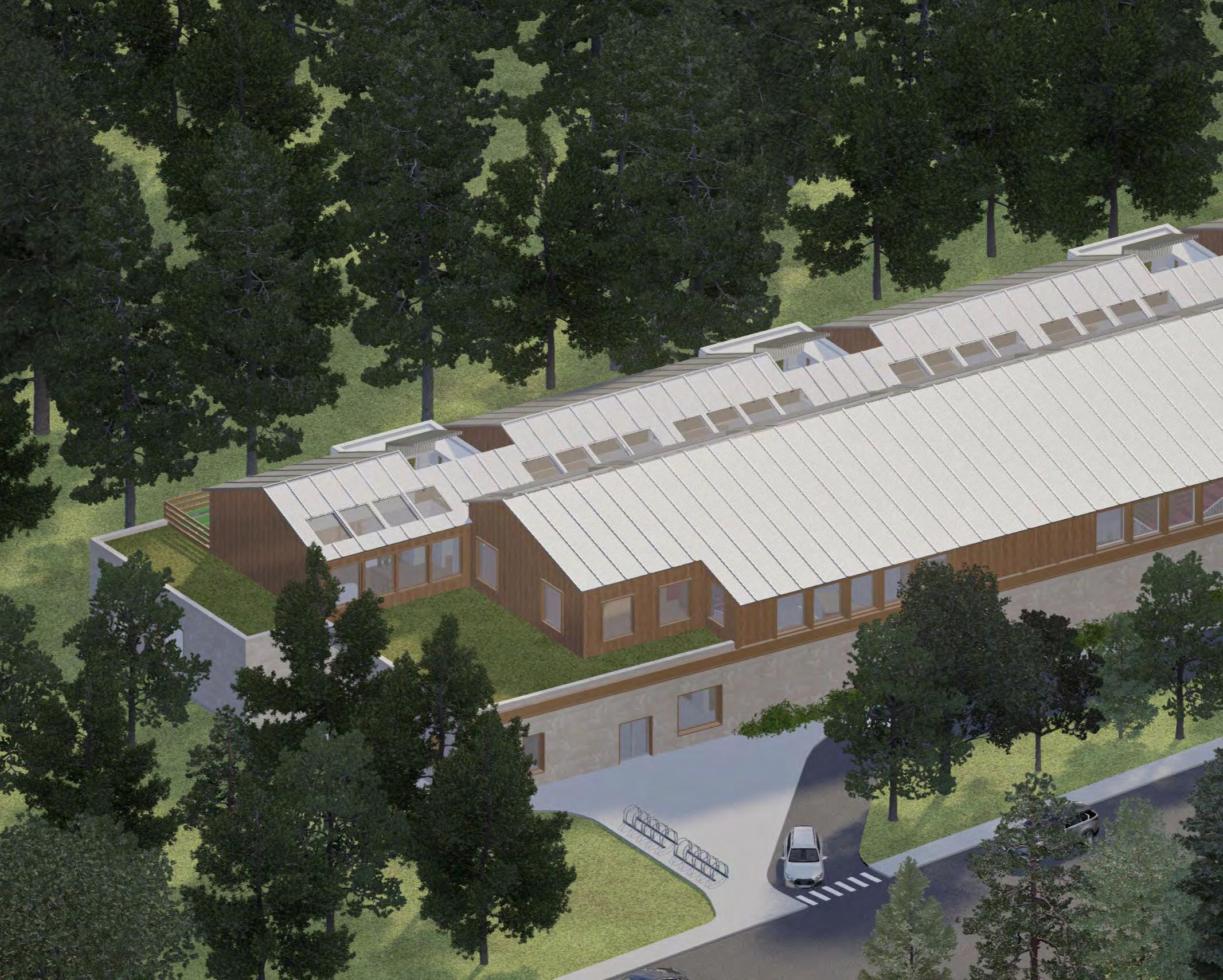
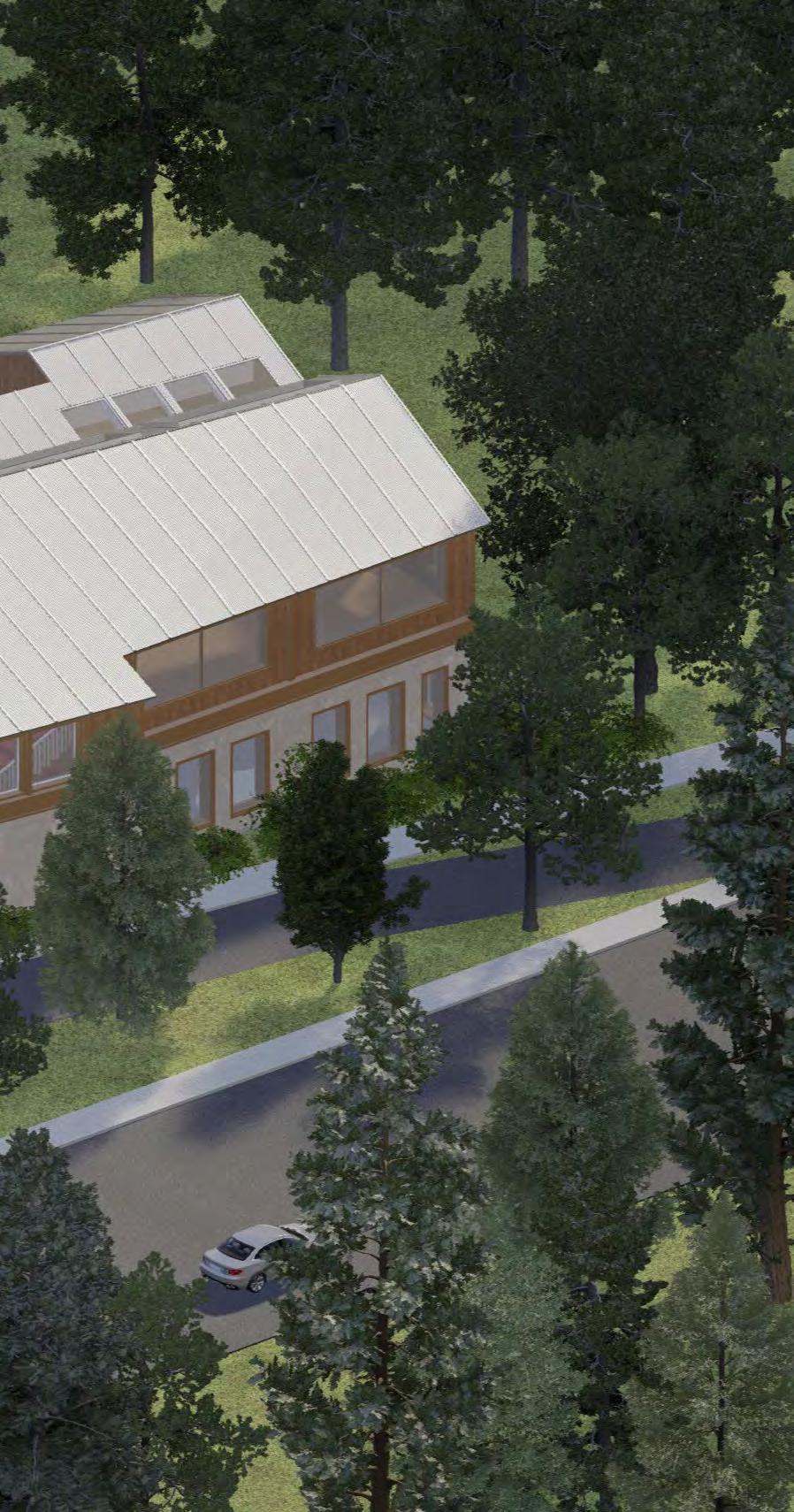
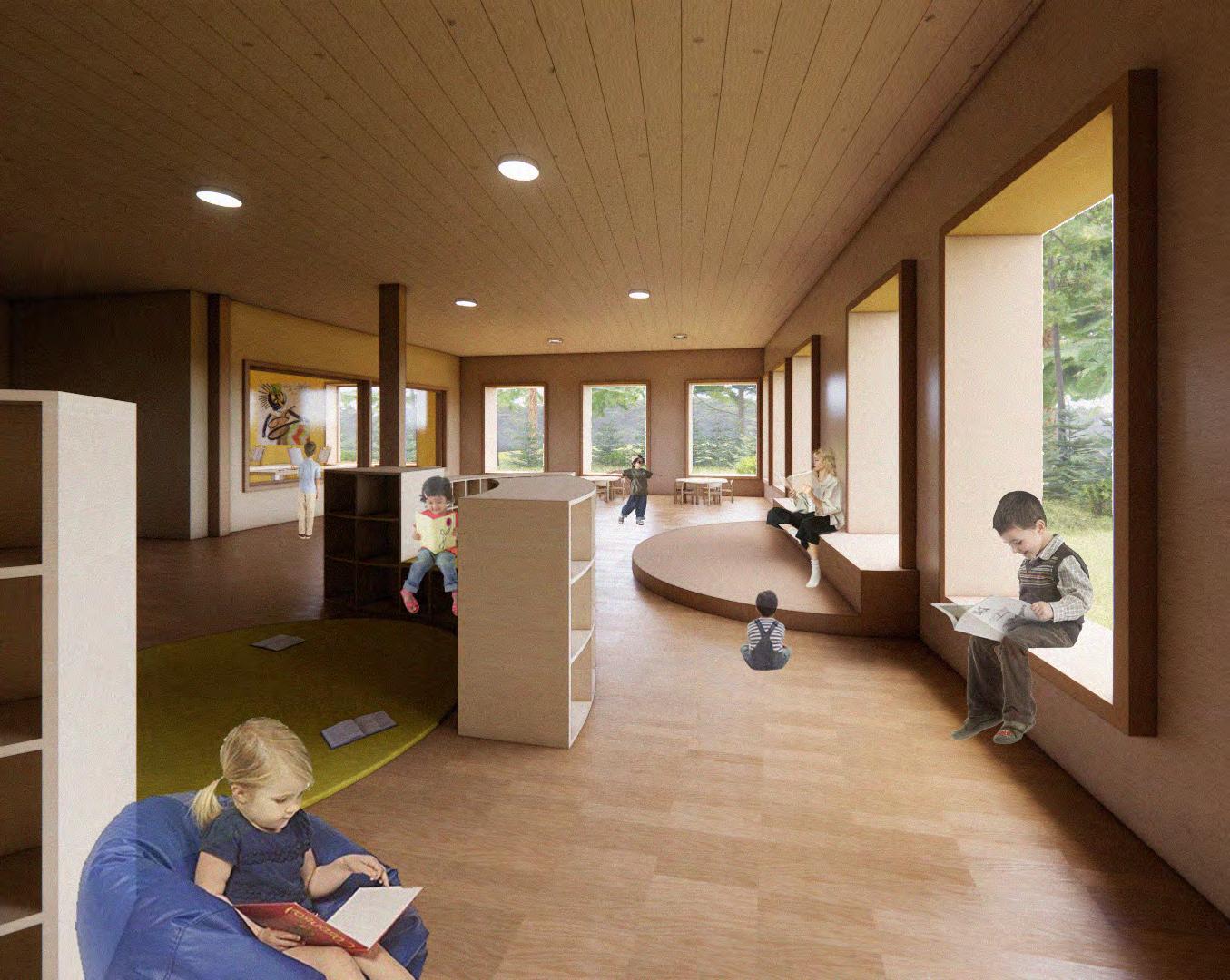
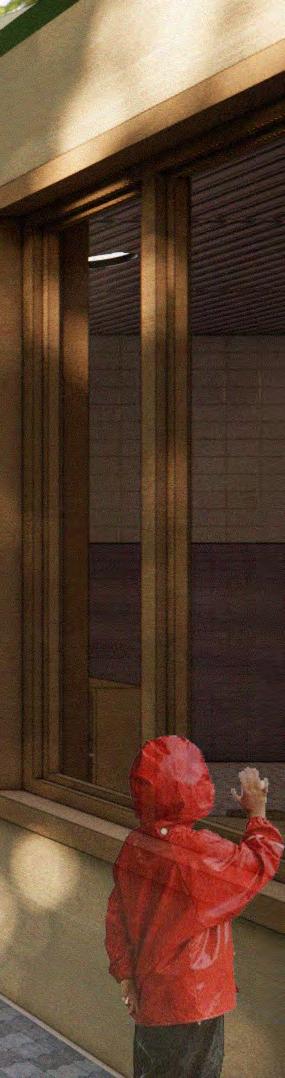
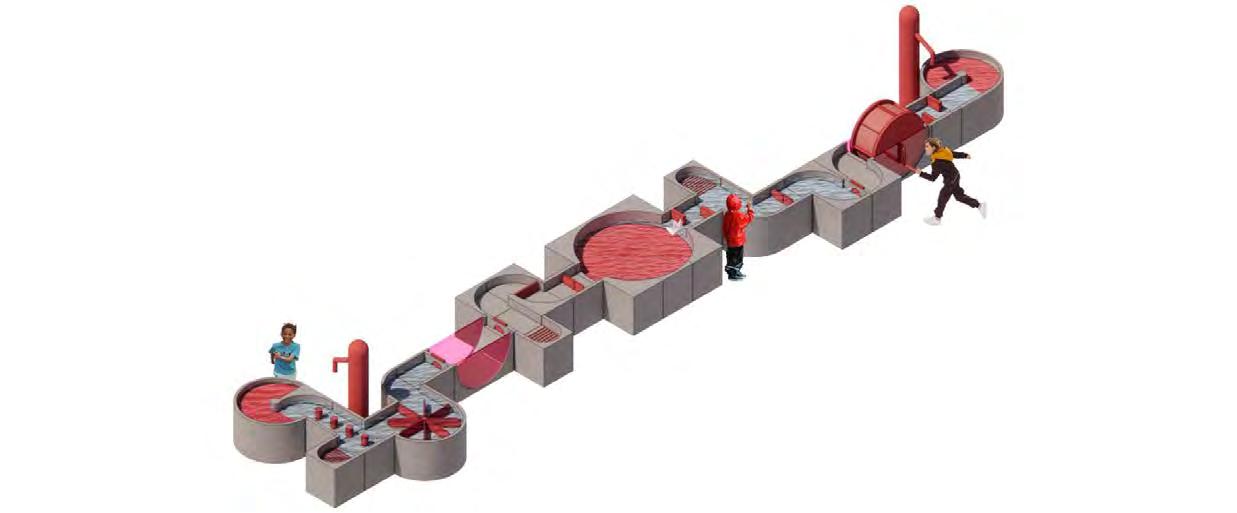
In climates where outdoor play is seasonally limited, childhood interaction with space is often reduced rather than reimagined. In Beaverton, Oregon, where rain and cold define much of the year, this project reframes play not as an exterior condition, but as a spatial one. Rather than resisting climate, the kindergarten absorbs it. Rain becomes material, vertical volume becomes terrain, and circulation becomes an opportunity for exploration. Play is distributed throughout the building, embedded within daily movement and routine, allowing children to remain actively engaged with their environment regardless of weather. This project proposes a kindergarten where play persists; even in spaces traditionally considered unwelcoming to it.
The proximity of forested landscape informs both material and spatial decisions, positioning the building as a threshold between urban life and natural systems. Rather than competing with the scale of the surrounding park, the architecture compresses and expands, creating child-scaled environments that echo the rhythms of the forest beyond.
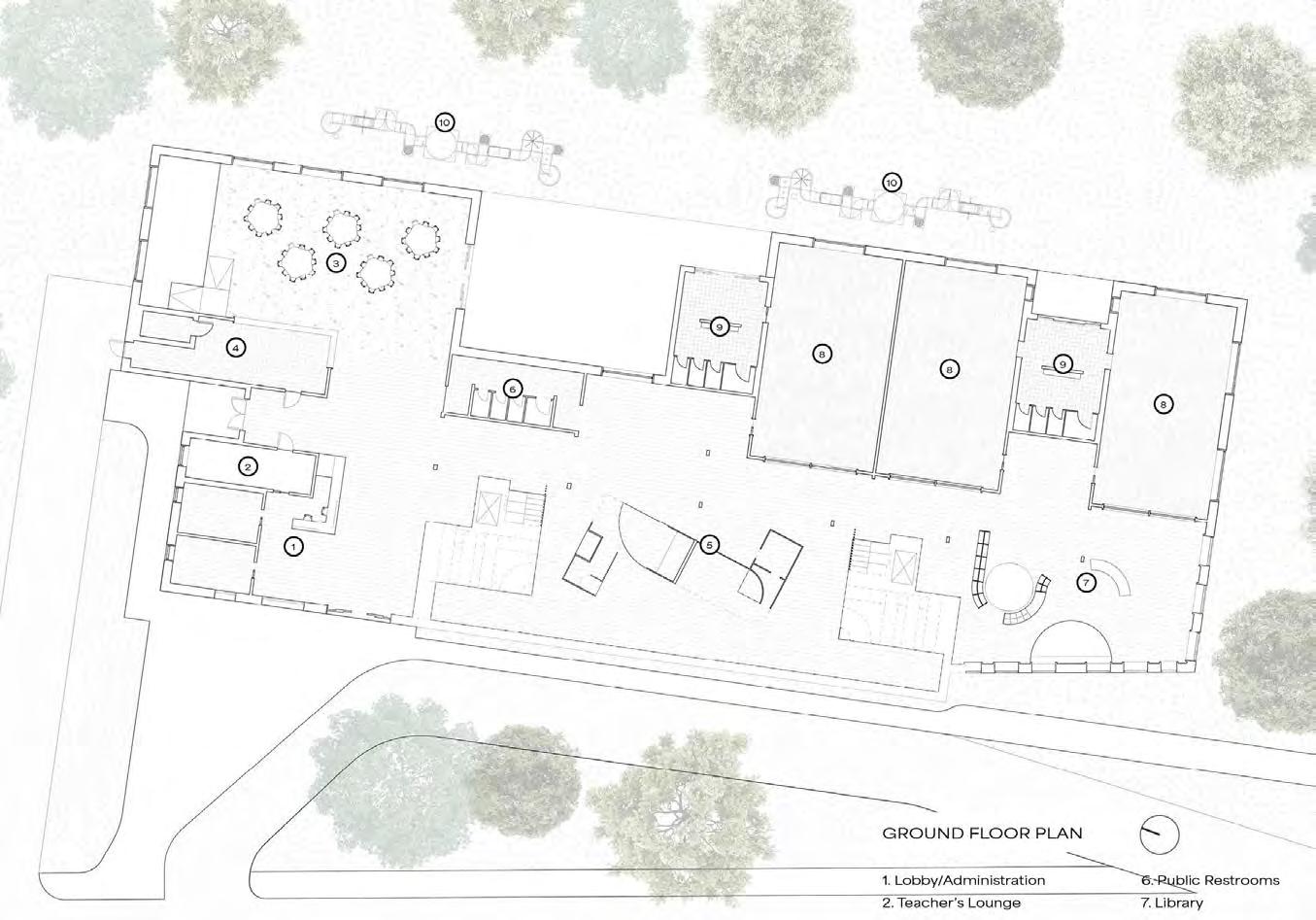
ground floor
(a) lobby/administration
(b) teacher’s lounge
(c) cafeteria
(d) kitchen
(e) playspace
(f) public restrooms
(g) library
(h) activity rooms
(i) classroom restrooms/mudrooms
(j) interactive water playscape

(o) flexible activity space
(p) classroom restrooms/mudrooms
(q) gardens
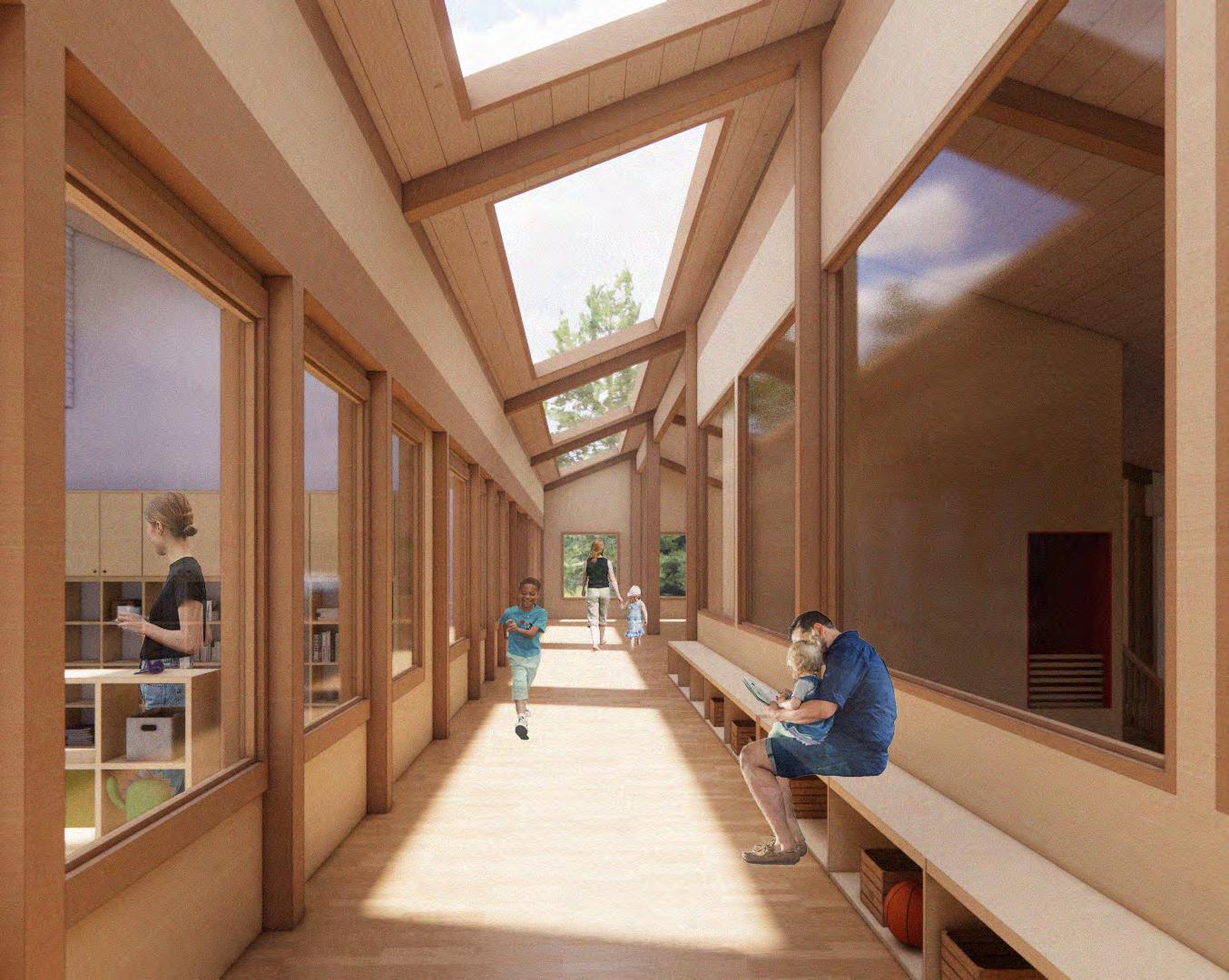
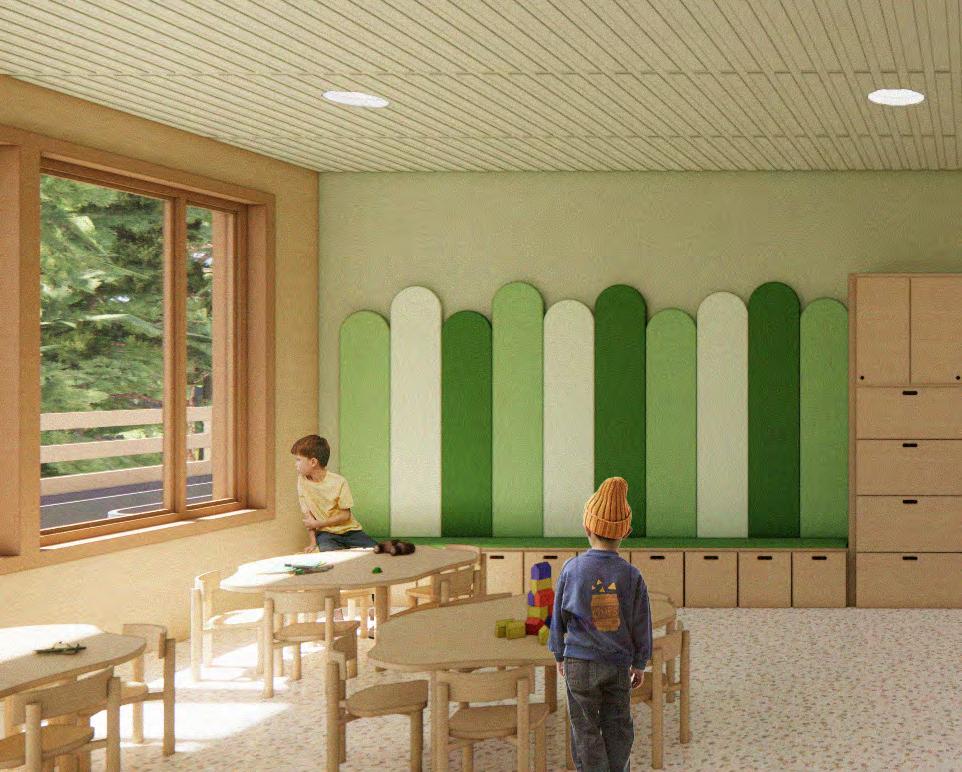
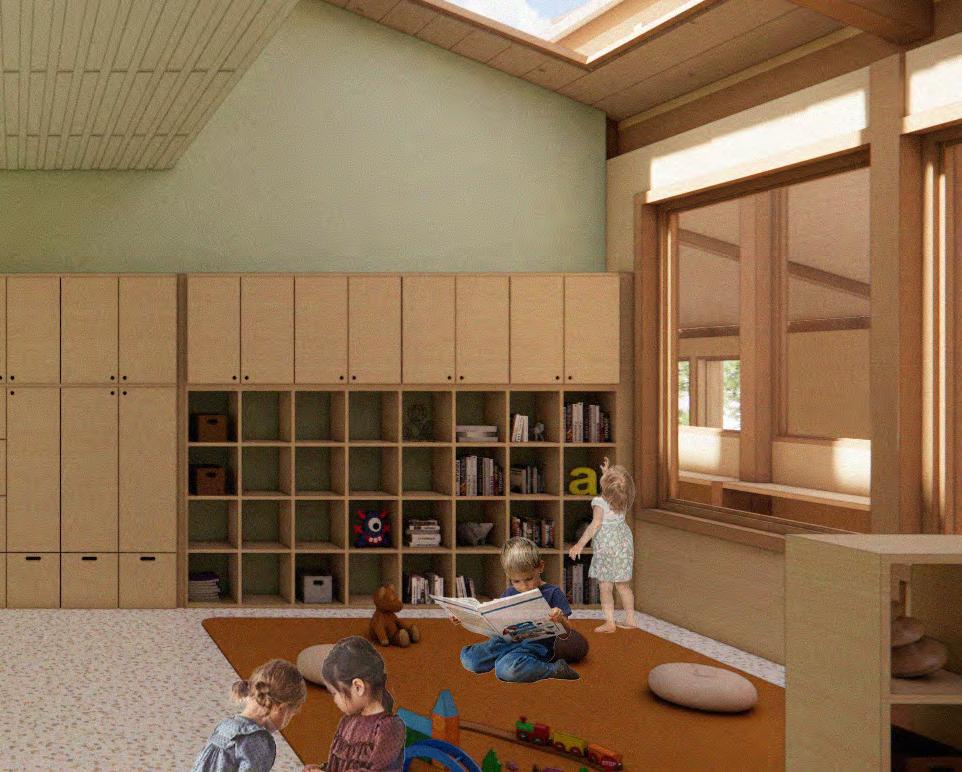
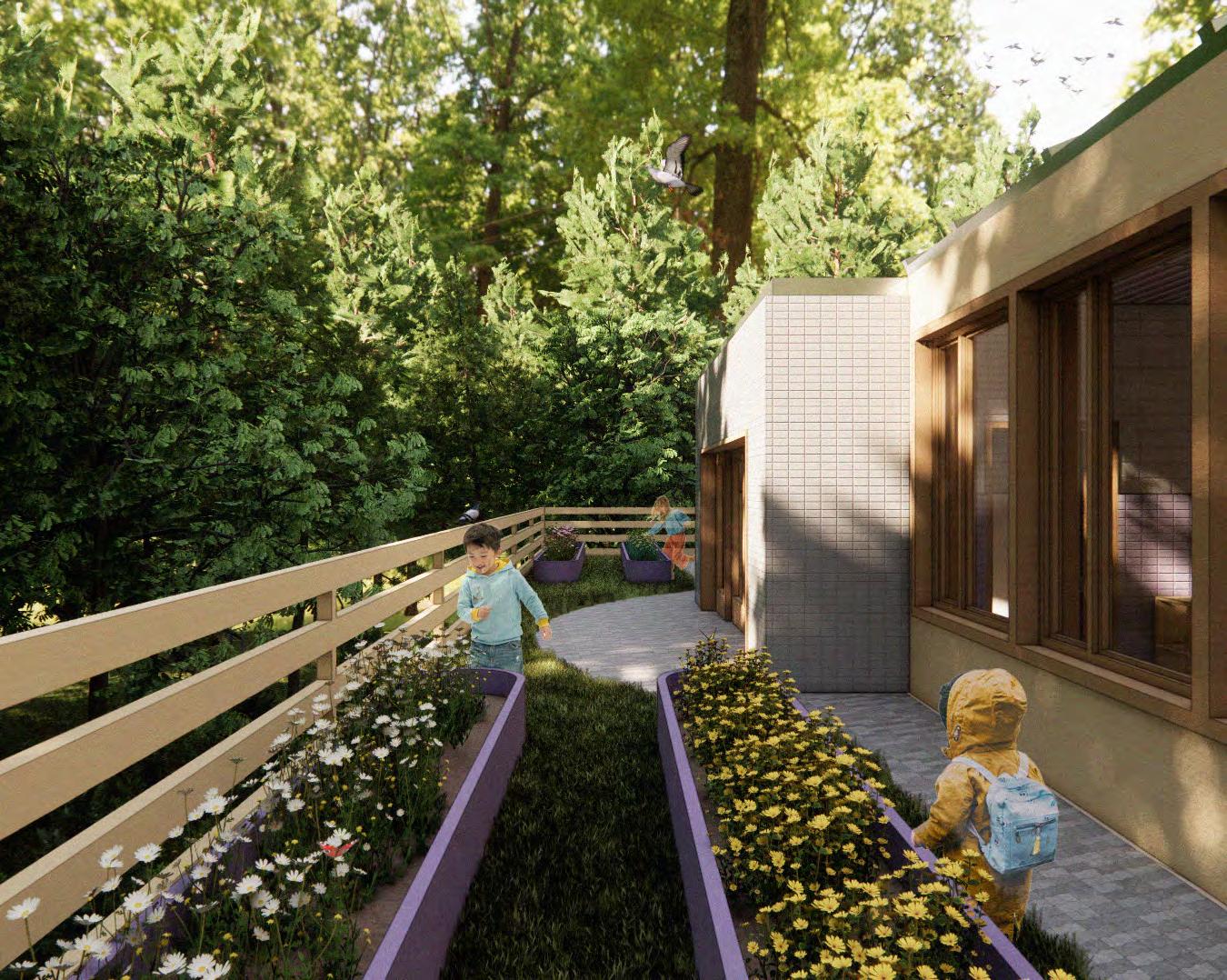

Design Excellence Student Commercial Winner
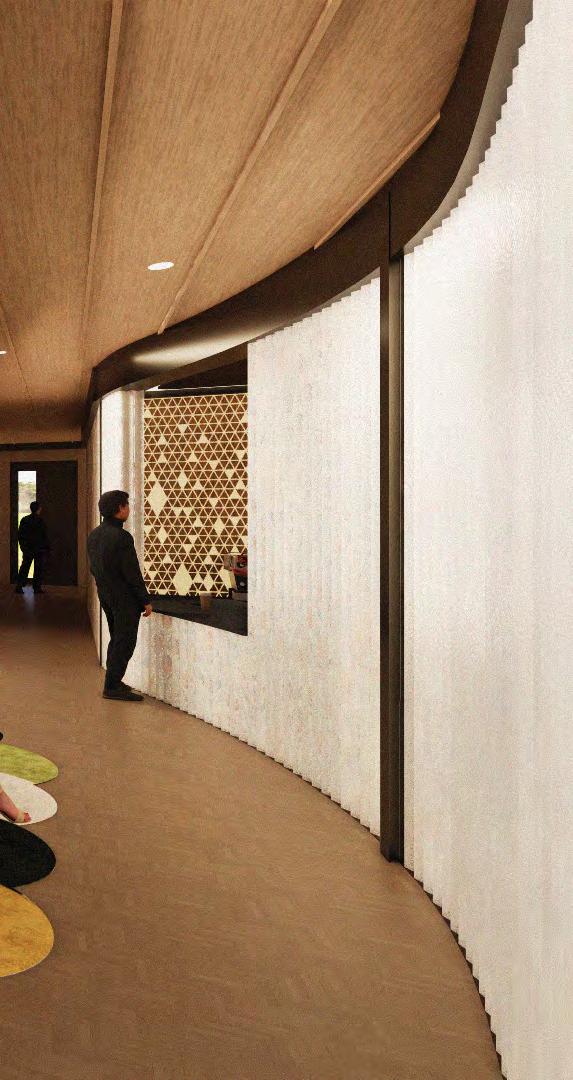
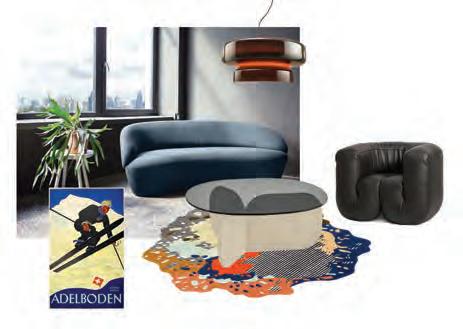
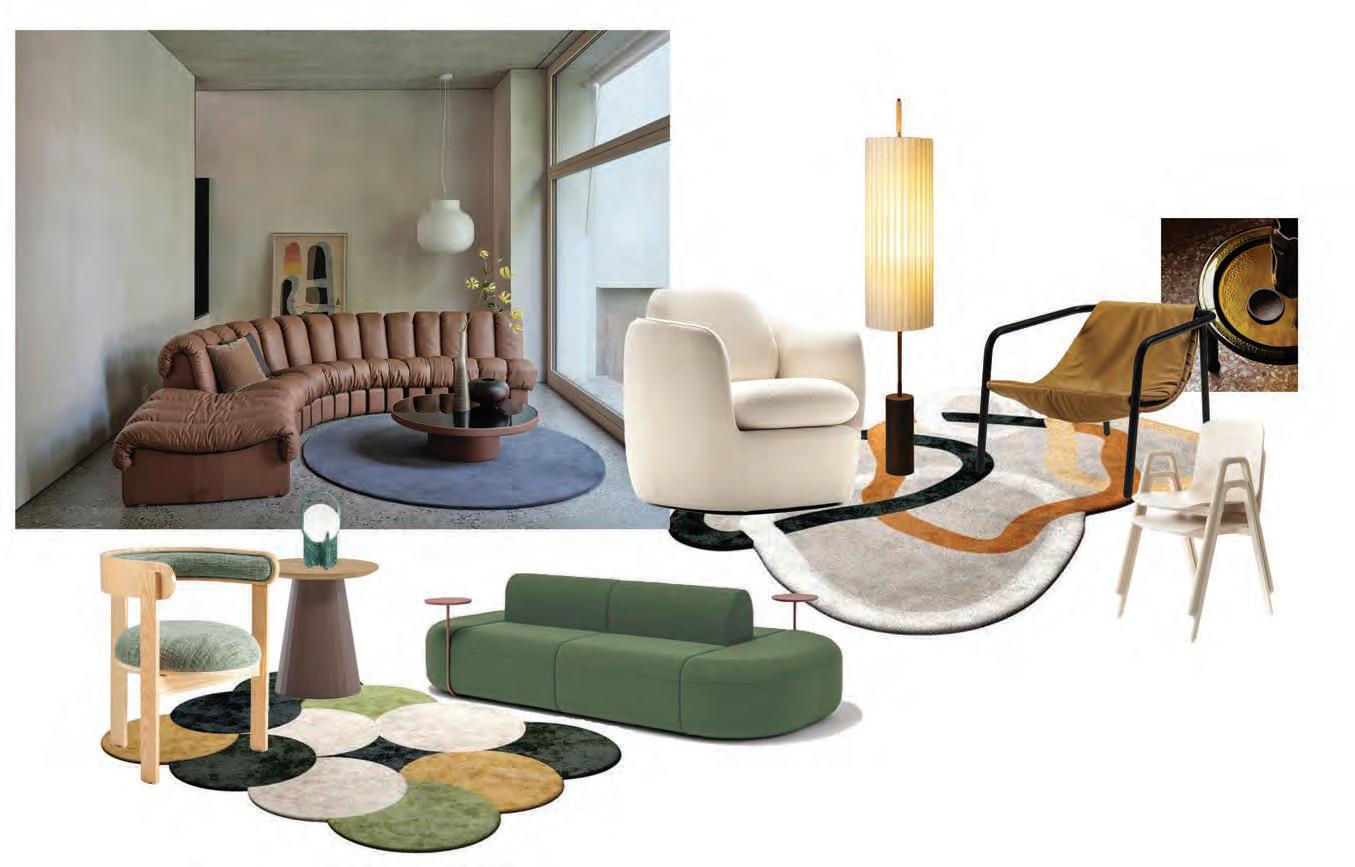
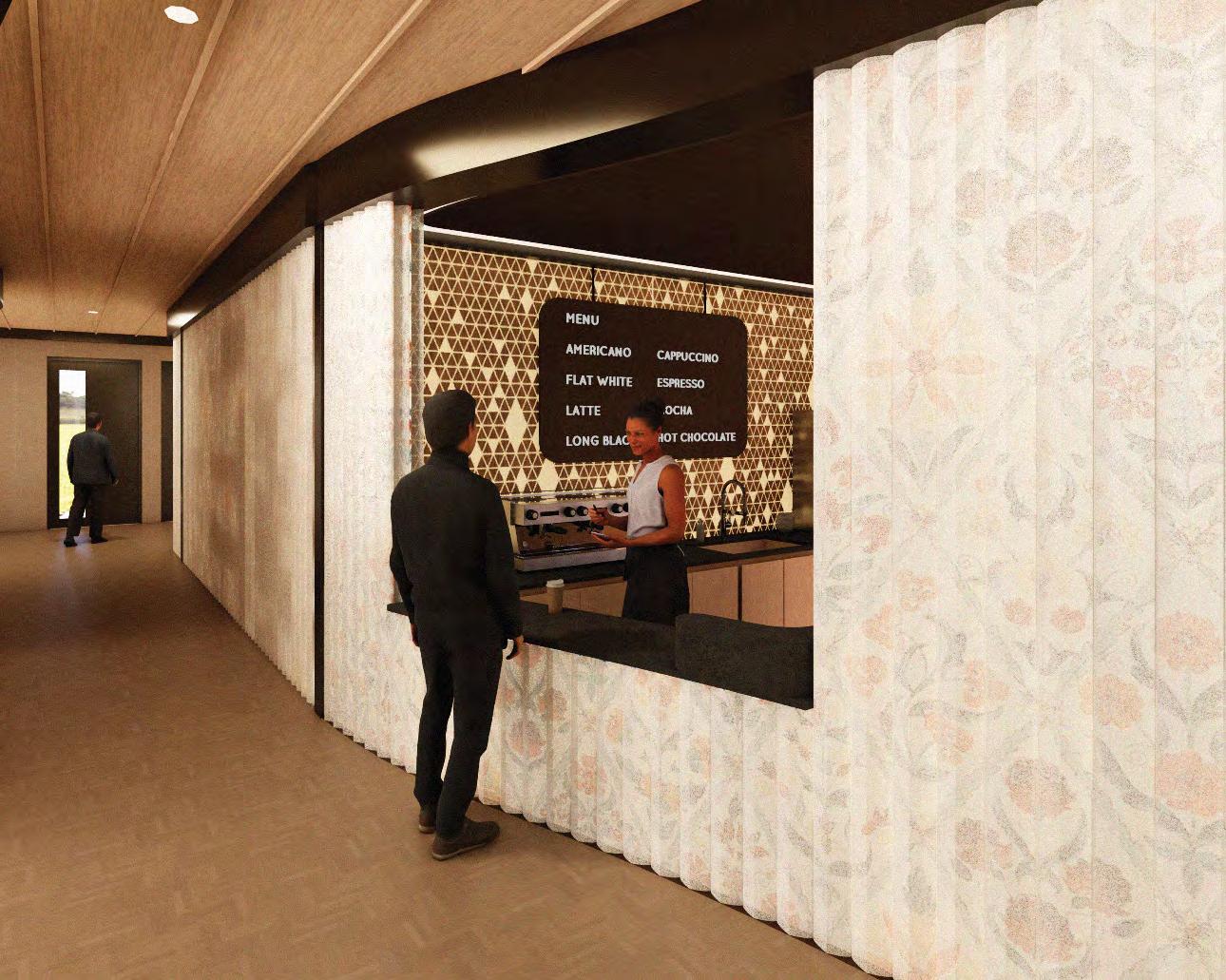
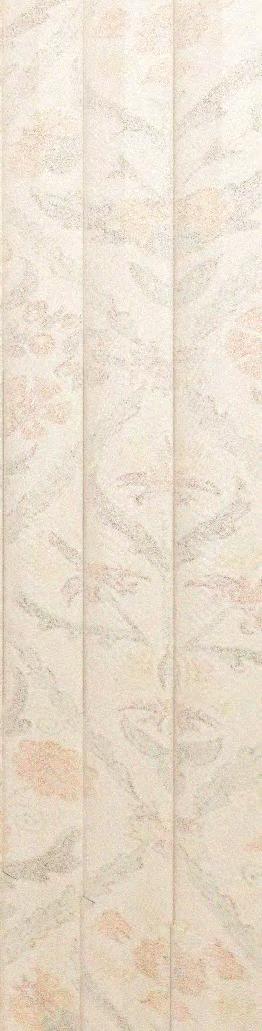
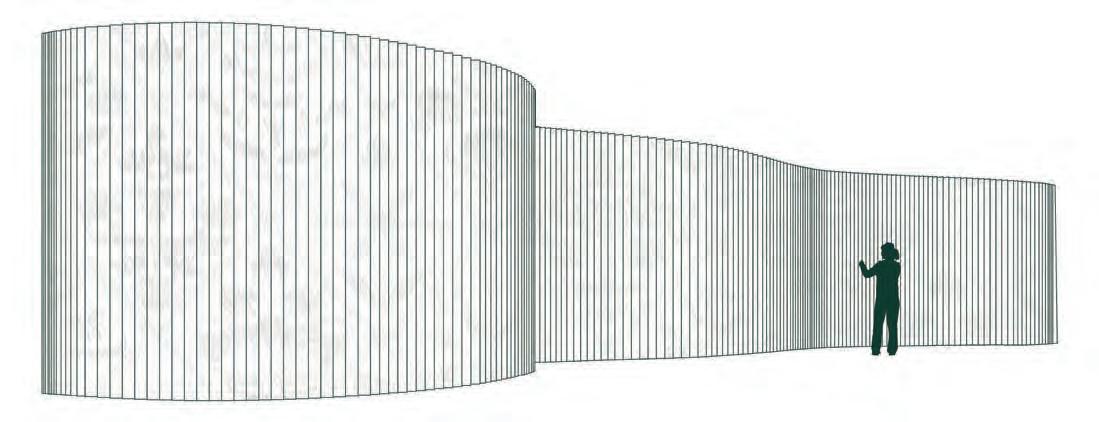
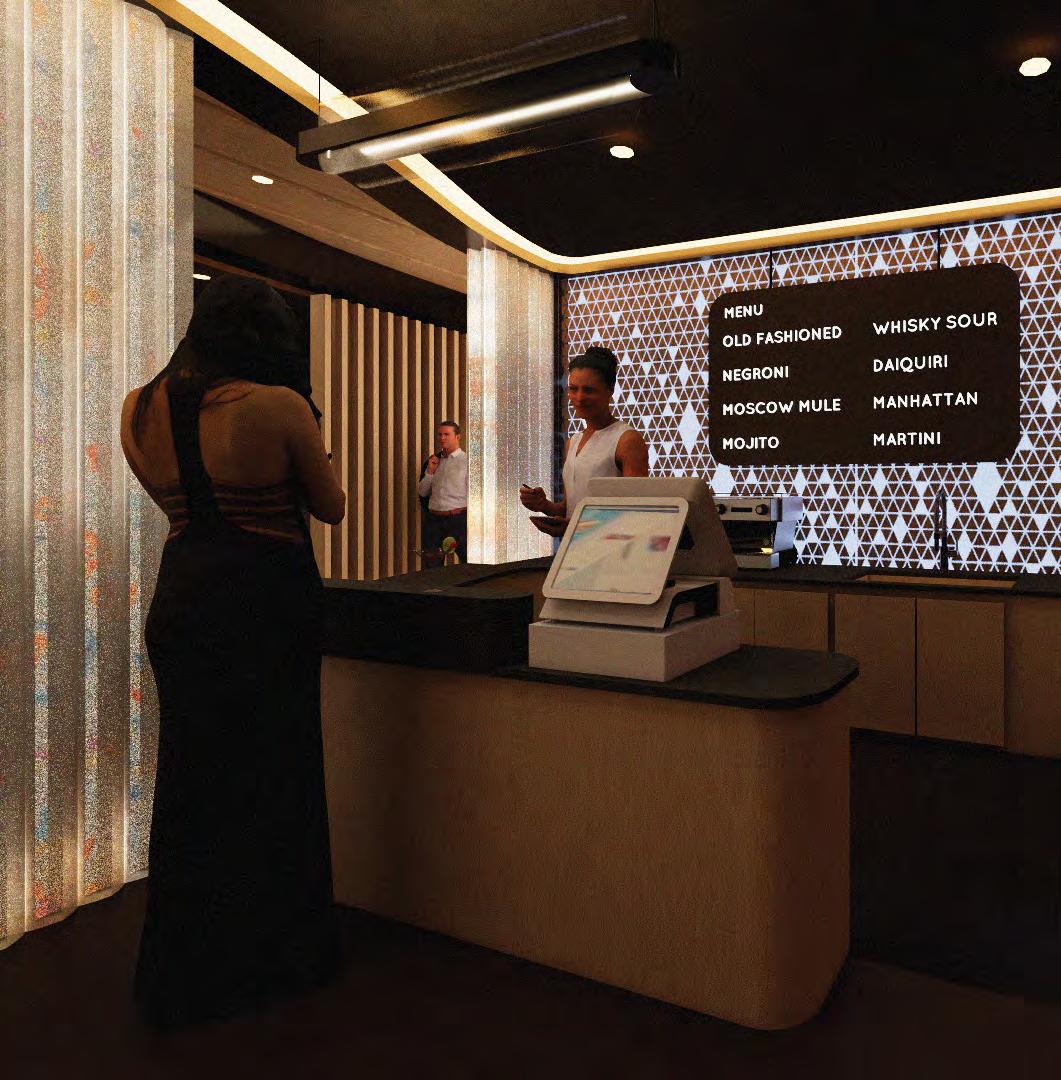
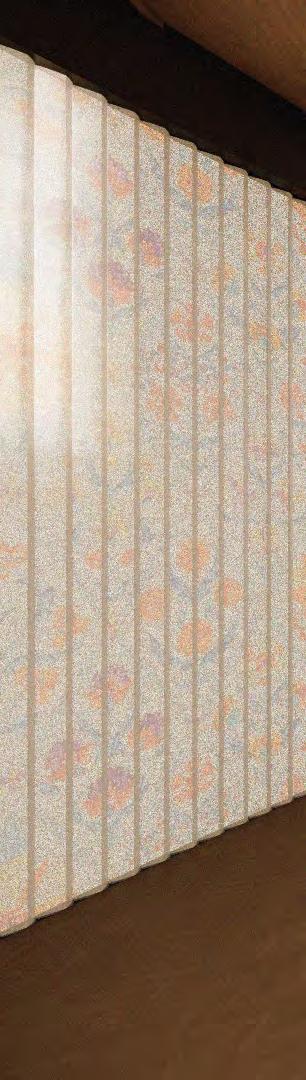
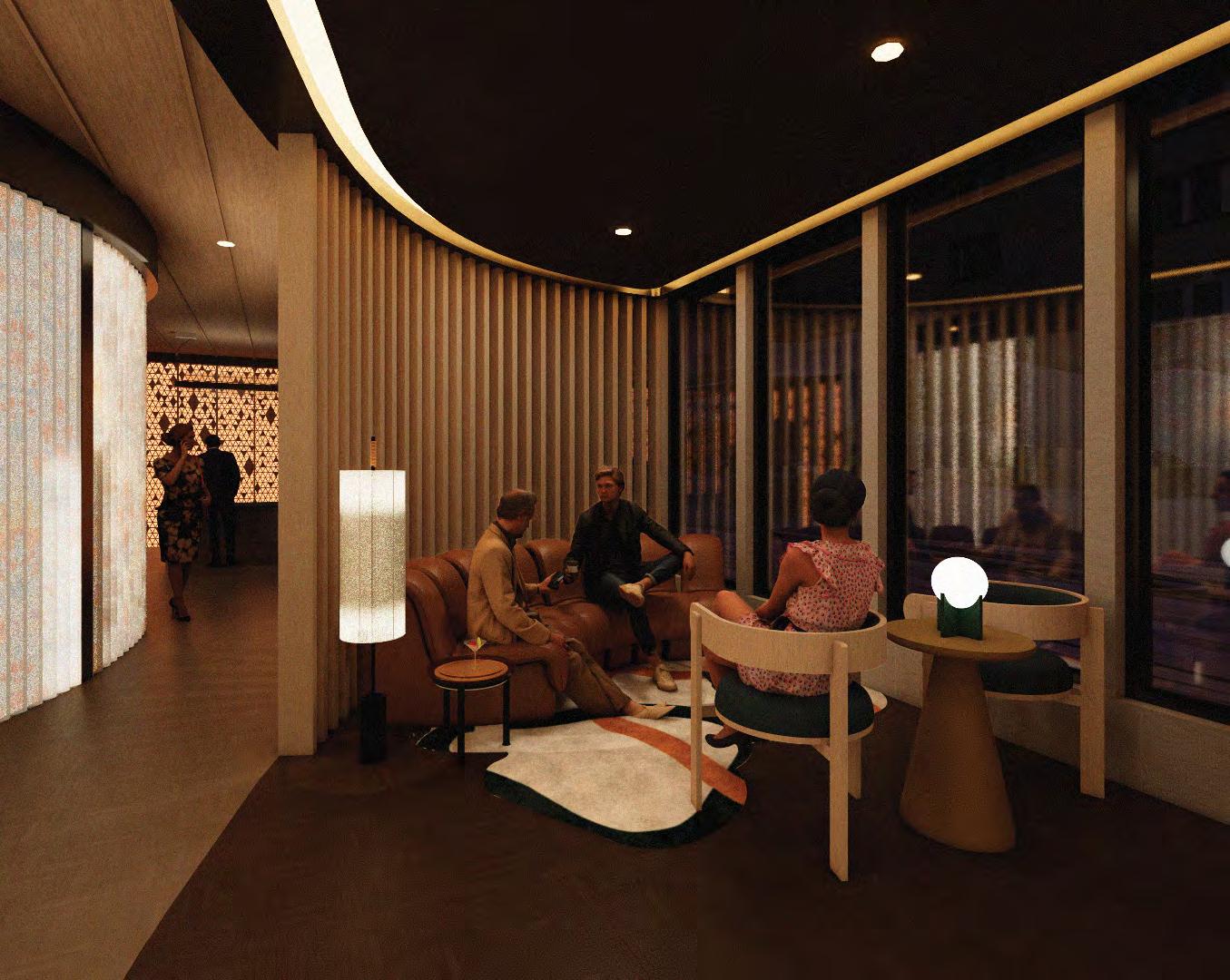
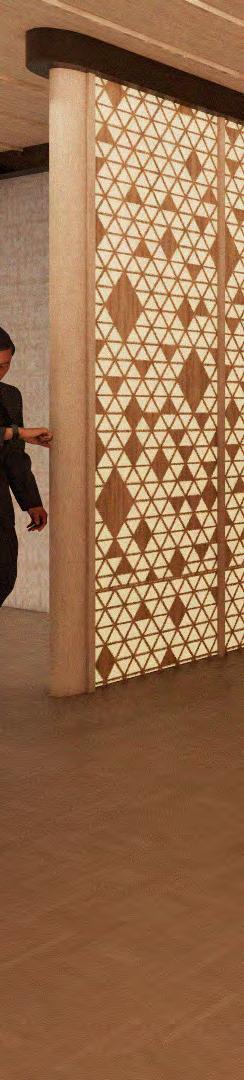
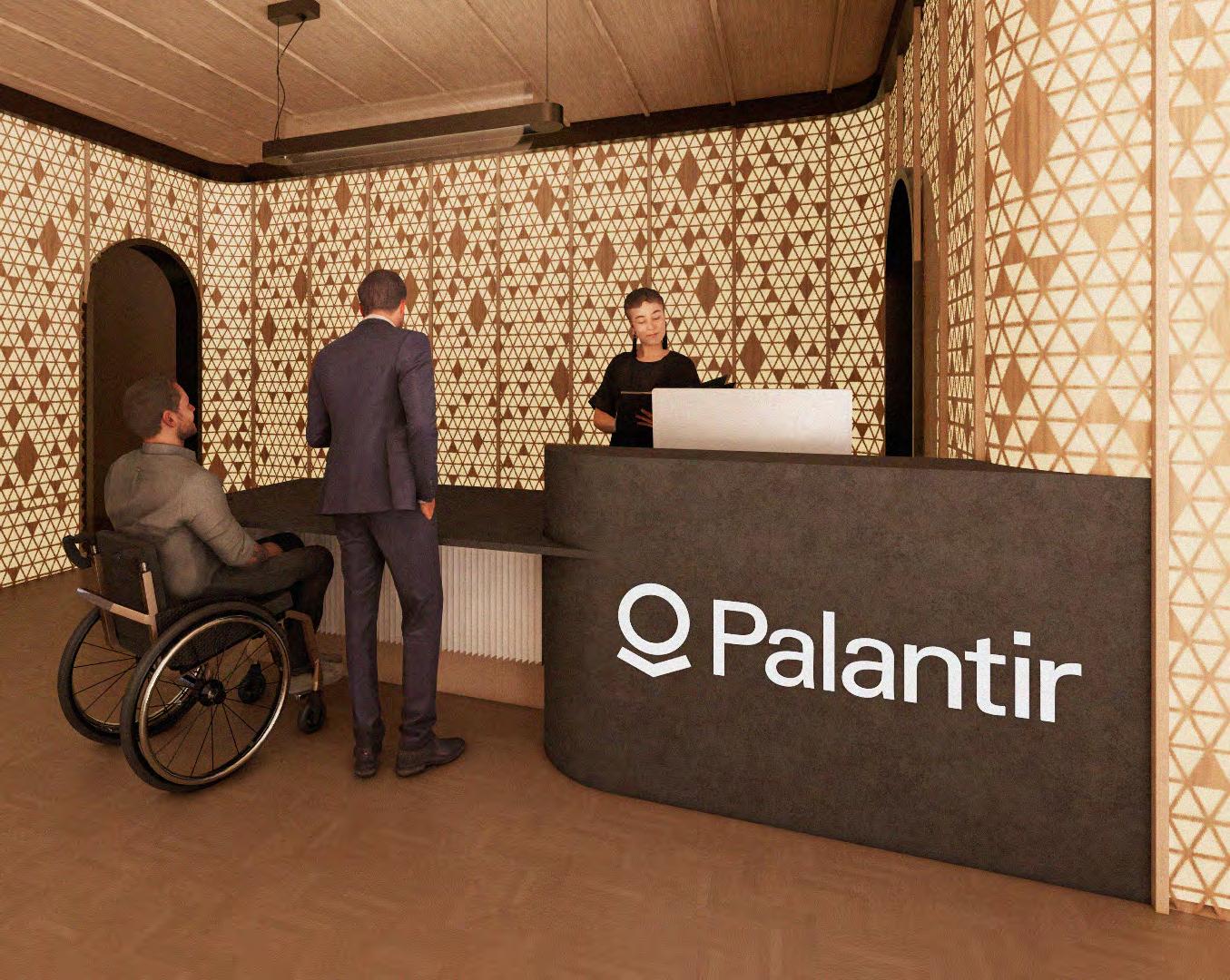
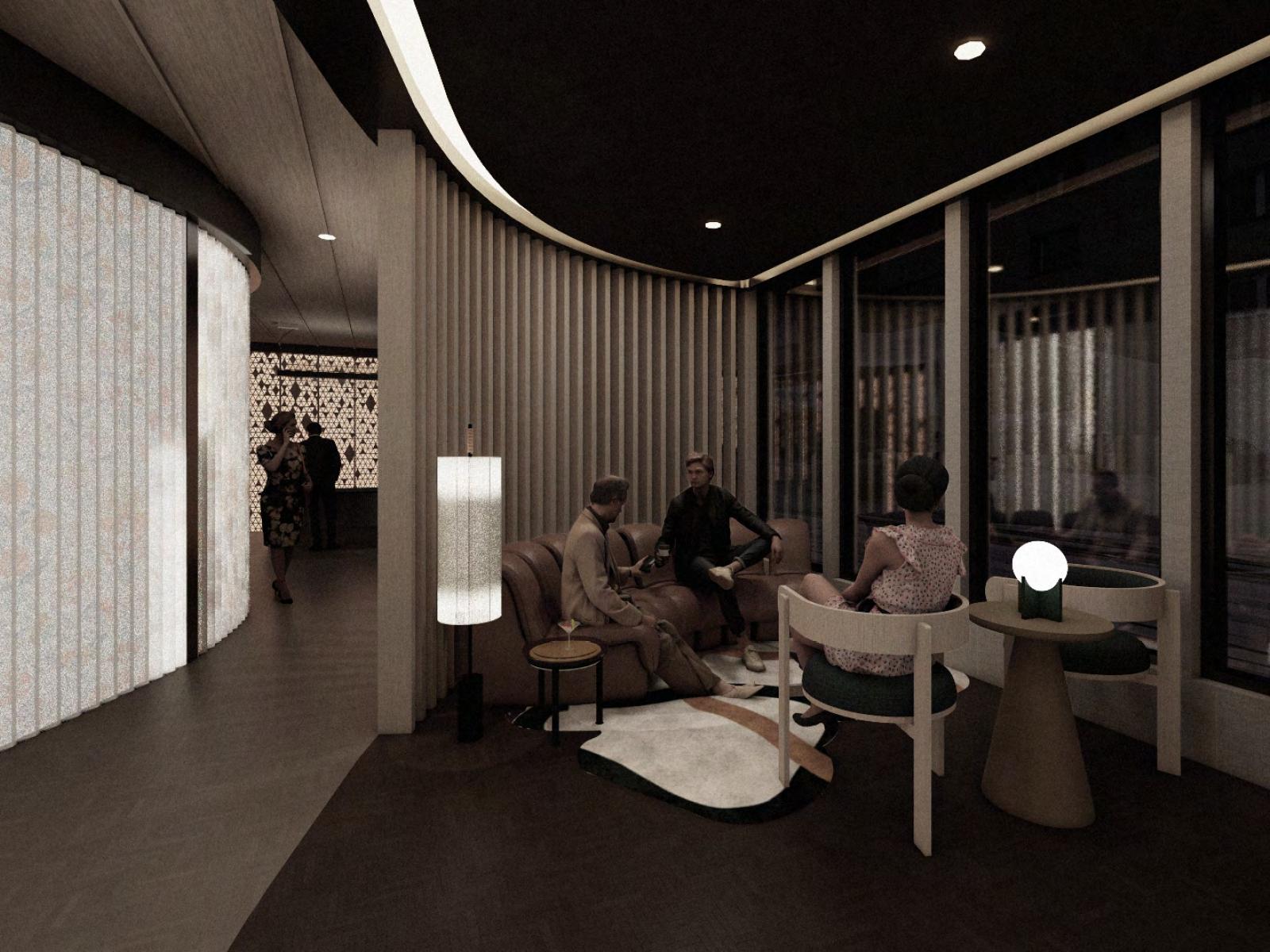
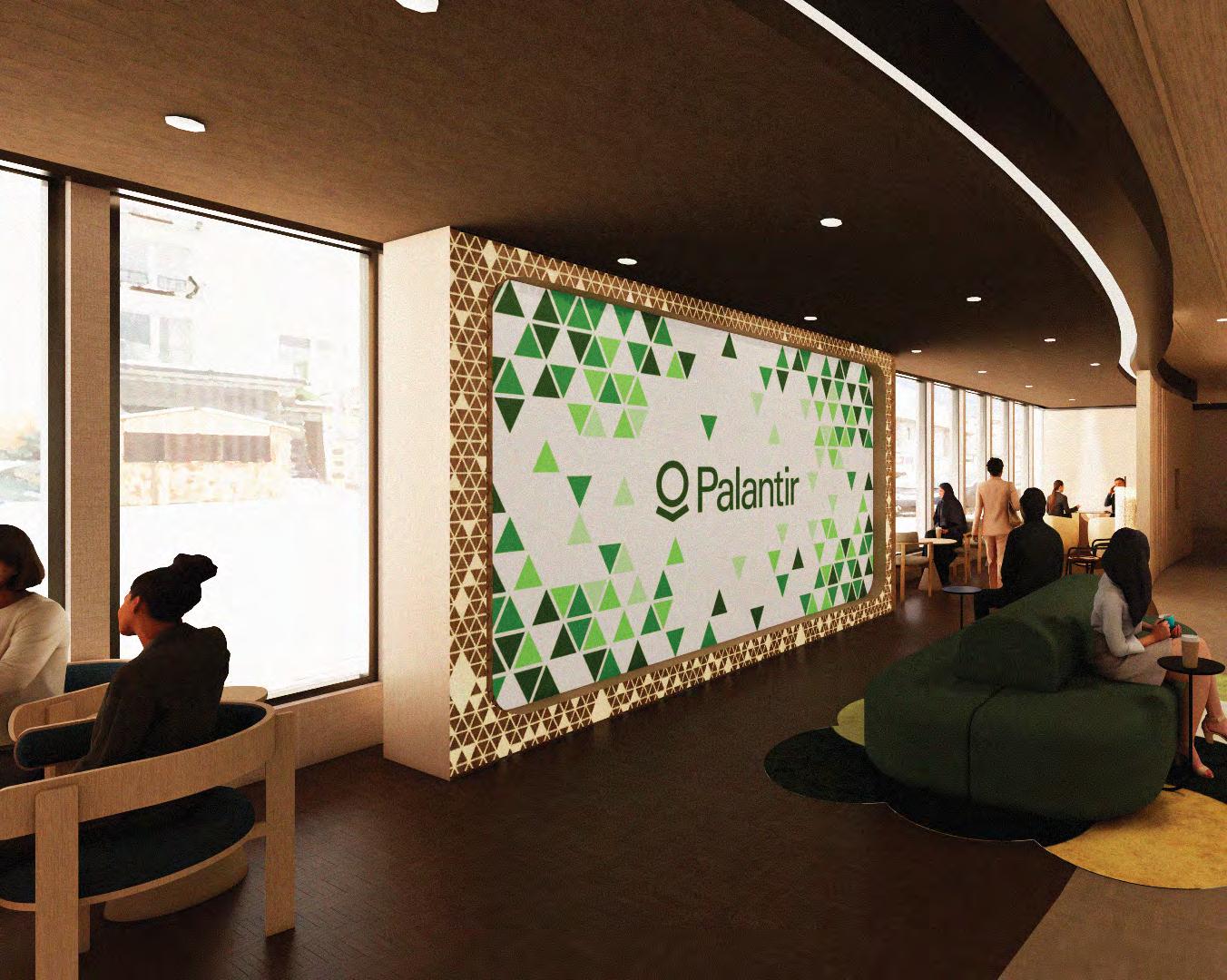
Inspired by a sustainable urban development project, Modul’art was created to provide a gathering space for people of multiple statuses attending the World Economic Forum. Situated in Davos, Switzerland the pavilion reshapes traditional Swiss art and construction by merging it with technology. With modularity taking priority in this space, materials and methods were chosen based on their ability to adapt. This effort is highlighted in the use of movable walls that feature Lüftlmalerei, a dying form of Swiss ornament painted onto interior and exterior walls, this motif shines brightest at night where LED lights inset in the softwall showcase the artwork. This feature wall is used to divide public and private interiors and also serves as a means of redefining spaces as the forum ensues.
(a) reception
(b) public lounge
(c) private lounge
(d) coffee bar
(e) conference room
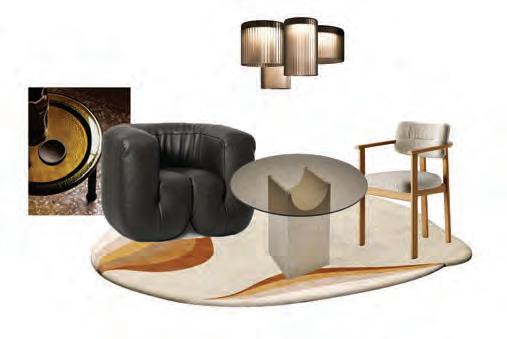
(f) ceo lounge
(g) ceo waiting area
(h) private bathroom
(i) public bathroom
(j) coat closet