


BASIS Charter Schools is now enrolling for the 2026-27 school year, but spots are limited. Apply now at any of our 20+ Arizona locations. Enroll at the top-ranked public school network in the U.S.

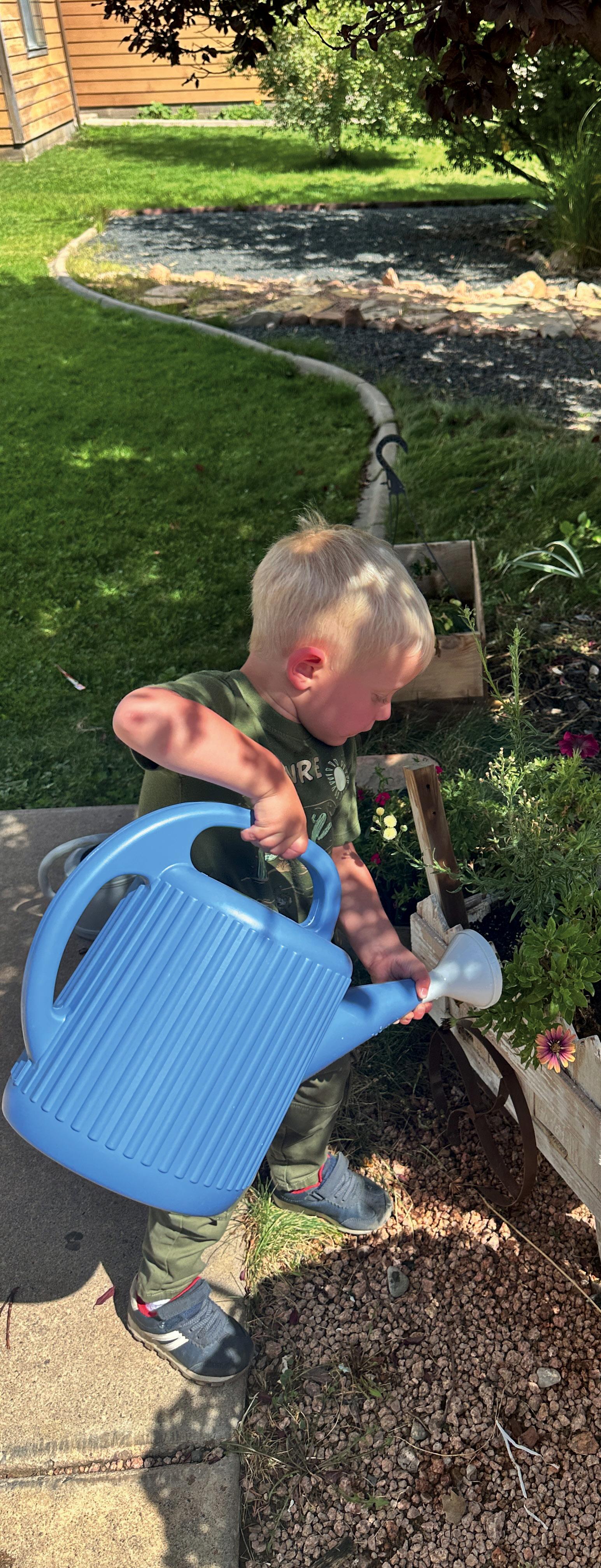
BASIS Charter Schools is now enrolling for the 2026-27 school year, but spots are limited. Apply now at any of our 20+ Arizona locations. Enroll at the top-ranked public school network in the U.S.
THERE’S SOMETHING about spring in Arizona—the longer days, the smell of sunscreen in the air, damp towels draped over every chair, and that familiar soundtrack of exhausted, happy kids collapsing into bed. It’s a season of fresh starts, fast growth, and calendars filling up quicker than we expect.
Summer camp prep is officially underway (no “I’m bored” allowed), and we’re leaning into the season with a sunlight-inspired craft, fresh book picks, spring break fun, and those golden memorymaking days before triple digits roll in. Be sure to explore our FREE DIGITAL SUMMER CAMP GUIDE and expanded online camp resources—designed to help you compare options, watch videos, and confidently plan a summer your kids will never forget. Whether you’re mapping out specialty camps, full-day adventures, or something in between, we’ve gathered it all in one easy place.
If you have a little one entering kindergarten this fall—like our third son—this season might feel especially tender. There’s that quiet awareness that late sleep-in mornings, spontaneous ice cream dates, and slow walks to the park won’t look quite the same when August arrives. The rhythm of your home is about to shift. Over here, we’re practicing what a full school day might feel like—building stamina, adjusting routines, and gently preparing hearts for that big transition. I also share a personal piece on navigating this season with perspective and grace, along with guidance on what to look for in a preschool—because those early years truly matter.
As pools reopen and lake days return, water becomes familiar— and familiarity can lead to lowered guard. In this issue, we tackle common water safety myths, what drowning really looks like, and practical ways to budget for swim lessons so families can head into summer prepared and confident.
You’ll also find Foster Care Month resources, Earth Day ideas, teen parenting support, Dad Talk encouragement, and plenty of cool indoor adventures to beat the heat.
Spring is busy. It’s loud. It’s full of new growth.
And Raising Arizona Kids is here for all of it—with you.
Kate Reed, Publisher
Email us at publisher@rakmagazine.com with topics you would love us to write about.

• 10 What to Ask When Taking a Preschool Tour
• 11 Preschool vs. Daycare
• 12 Preschool Learning at Home
Kindergarten
• 14 Kindergarten Prep with Financial Literacy
• 15 How We’re Preparing for Kindergarten the Third Time Around
• 16 Preparing Neurodivergent Children for Kindergarten
• 18 Skills Kindergarten Teachers Are Really Looking for When Kids Start School
• 19 Grief and Loss After Reunification
• 20 How Family, Friends and Neighbors Can Support Foster Families
• 21 The Unexpected Challenge of Fostering
Spring
• 24 Sunlit Sketches
• 25 Spring-Themed DIY Sensory Play Ideas
• 26 Lessons Learned From Gardening with Kids
• 28 6 Places Across Arizona to Spend Earth Day Museums
• 30 Small-Town Museums Worth the Drive
• 36 Pool Parties & Water Safety
• 37 How to Afford Swim Lessons on a Budget
• 38 Choosing the Right Swim School for Your Child
• 39 Your Child’s Swim Suit Might Be Sabotaging Their Swim Lessons
• 40 5 Common Water Safety Myths
• 41 What Drowning Really Looks Like
• 42 How to Choose the Right Camp for Your Child
• 44 Featured Summer Camps
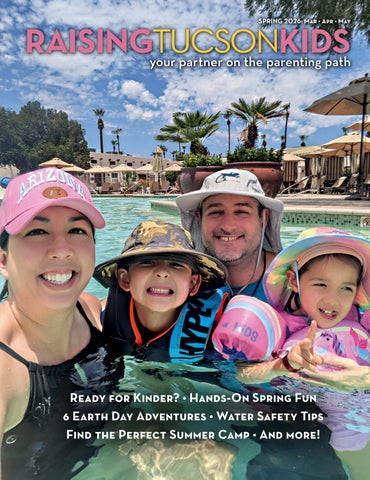
ABOUT THE COVER: Raising Arizona Kids' Contributior and Tucson native, Ben Mills of Avondale with his wife Allison, son Oliver (age 8) and daugther, Violet (5) at the Wigwam Resort pool in Litchfield Park, Arizona.
Tucson • Catalina Foothills • Marana Oro Valley • and the Surrounding Areas
Spring 2026: March • April •May
Vol 3 : No 2
PUBLISHER
Kate Reed
EDITOR
Monique Seleen
CONTRIBUTORS
Ben Mills • Chris Seleen • Elaina Verhoff
Emily Lorah • Jackie Follmuth • Jamie Humphrey
Jesslyn Weaver • JoEllen Johnson • Jonathan Elley
Kayrn Miller • Lori Stauffer • Mary Teresa Marshall
Matt Lipan • Rachael Mitchell • Rachel Galvez
Rachel Ober • Rodrigo Mendoza • Tom Dolan
Aqua-Tots Swim School • Pima County Libraries
ART DIRECTOR
Michèlle-Renée Adams
COVER PHOTOGRAPHY
Courtesy of Ben Mills
MARKETING CONSULTANT
Tina Gerami-Bynum • Jamie Morrison
Raising Arizona Kids magazine (ISSN 1051-4295) was created to connect Valley families to local resources and share real-life stories about the challenges and joys of raising children. Copy right © 2026 by Raising Arizona Kids , Inc. All rights reserved. Reproduction in whole or part without written permission is prohibited. Content guide lines are available at raisingarizonakids.com


@RAKmagazine on Twitter; RaisingArizonaKids on Facebook, Instagram and Linkedin; RAKmagazine Pinterest and Youtube.
CONTACT US
editorial@RAKmagazine.com • familytime@RAKmagazine.com advertising@RAKmagazine.com • subscriptions@RAKmagazine.com
932 South Hunters Run, Show Low, AZ 85901 480–991–KIDS (5437) • raisingarizonakids.com IN PARTNERSHIP WITH

By Pima County Libraries
THERE’S NOTHING QUITE like the smell of sunscreen, the sound of splashing water, and a good book after swim time. This roundup of children’s swimming books from Pima County Libraries captures the joy, nerves, and triumphs that come with learning to swim—whether it’s a first dip in the pool or a big leap off the diving board. These stories are perfect for inspiring confidence and keeping swimming vibes going long after the towels are dry.
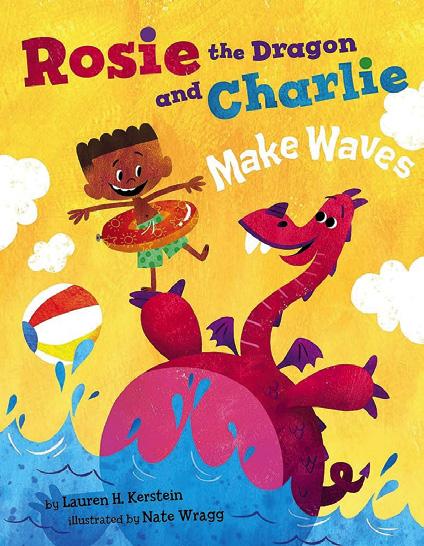
Rosie the Dragon and Charlie Make Waves by Lauren H. Kerstein
It’s summertime, and you’re invited for a rollicking day at the pool with Charlie and his pet dragon (and best friend!), Rosie. But be careful—swimming with a dragon can be, um, challenging. As Rosie and Charlie blow bubbles (don’t forget your umbrella!), practice flutter kicks (watch out for tidal waves!), and offer shoulder rides (hang on tight!), Rosie proves that dragons make the most fun pets ever. Now if only Charlie can keep Rosie’s attention focused on the rules at the pool and NOT on her gummy snacks (you know, the ones that cause stinky dragon breath!)…Grab your towels and sunscreen and join Rosie and Charlie for a fun-filled summer adventure!
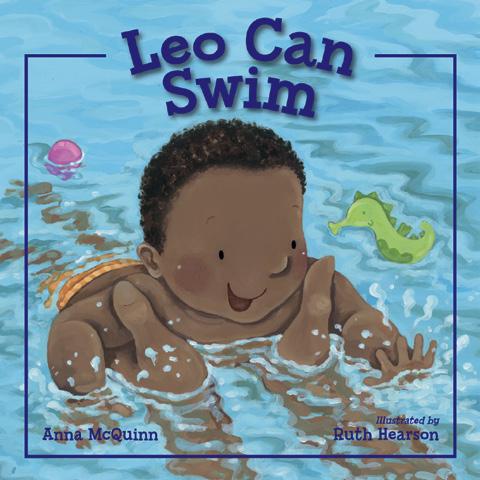
Leo Can Swim by Anna McQuinn
Leo and Daddy go to swim class where they kick, bounce, splash around, and dive like little fish. Joining other babies and their caretakers in the pool is a guarantee for unforgettable fun. This sweet story full of action and sound effects is a gentle introduction to pool facilities and parent-child swim lessons with a cast of diverse families who love to splash and play together. Keep an eye out for Leo’s other adventures!

My First Swim Class by Alyssa Satin Capucilli
It’s the first day of swim class in this early reader by Biscuit creator Alyssa Satin Capucilli. What will it be like? In swim class, students learn to blow bubbles, float on their backs, kick their legs, and to only swim when an adult or lifeguard is watching. Young readers will love seeing kids their age practice swimming in this adorable introduction to the sport!
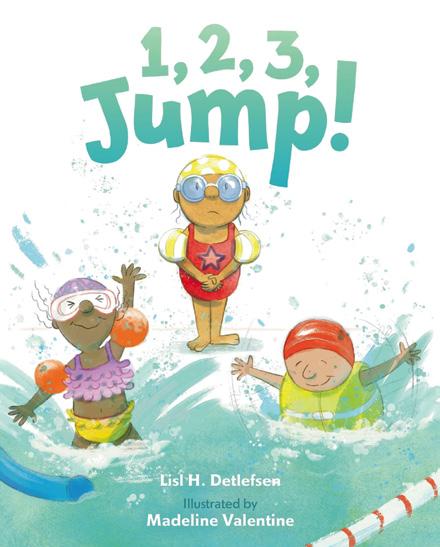
1, 2, 3, Jump! by Lisl H. Detlefsen
From what to wear (a bathing suit, of course!) to what to expect (no, your teacher will not be a mermaid), 1, 2, 3, Jump! covers the what-if’s and how-to’s of getting in the pool for the first time. There’s a lot to worry about (can I be sucked in the filter?) and even more to be excited about (when can I wear flippers?), and our narrator has thought of everything. By the time she’s ready, you too will want to jump in!
4 – 8 YEARS
Aquatics by Mari Bolte

Water sports at the Summer Games are amazing to watch! From swimming to diving and even water polo, elementary readers will discover the power and grace it takes to win gold in these aquatic events. Action photos and straightforward text introduce swimming’s Olympic history, equipment, and individual or team modes of play. A biographical story spotlights American Katie Ledecky, the most decorated female Olympic swimmer.
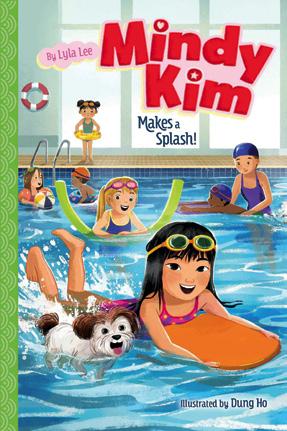
Mindy Kim Makes a Splash! by Lyla Lee
This adorable chapter book series follows Mindy Kim, a young Asian American girl as she learns to swim. Mindy Kim can’t wait to learn how to swim with her best friend, Sally! But during her first swim lesson, Mindy isn’t so sure she can keep up. With a little help from Sally and Theodore the Mutt, can Mindy learn how to make a splash?
Synopses Provided from Publisher


by Libby Ward (Releases
April 16)
IN HONEST MOTHERHOOD, Libby candidly shares her journey of unlearning the myth of the ideal mother. She dives headfirst into the experiences many mothers have but few feel safe enough to say out loud—the lack of support, the guilt, the invisibility, the cycles they’re breaking, and the fantasies about a hospital stay just to get a flippin’ break. Equal parts memoir and manifesto, flush with refreshing takeaways, Honest Motherhood is a rallying cry for moms to let go of perfection, choose themselves, and give their kids what they need most—a mother who is present and whole.
IN MEN’S WORK, ManTalks founder Connor Beaton offers the tactical, self-led guide men have been looking for. Through real-life stories from men he’s worked with and guidance in practical, accessible exercises, he takes you on a three-part journey to uncover and free yourself from the thoughts, emotions, and patterns that hold you back. Men’s Work focuses on the unique challenges that men with psychological and emotional wounds so often grapple with while giving you the tools to heal and return to society in a way that is both empowering personally and beneficial for all.
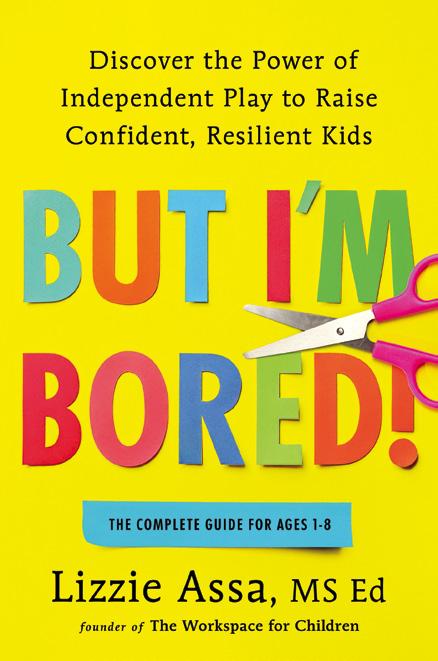
“BUT I’M BORED.” Parents constantly hear these three dreaded words from their kids, and it’s no secret why—our kids don’t know how to play by themselves anymore and make their own fun. Busy schedules, on-demand screens, and safety concerns have transformed the landscape of play for children today, and parents have been unfairly expected to fill in the gap. We love our kids, but we don’t need to play with them 24/7 to be a good parent!
In “But I’m Bored!”, Assa shows how parents can create play pockets in their home, choose open-ended toys that spark imagination, set play boundaries (and stick to them), and enforce the wonders of quiet time.
By Rachael E. Mitchell
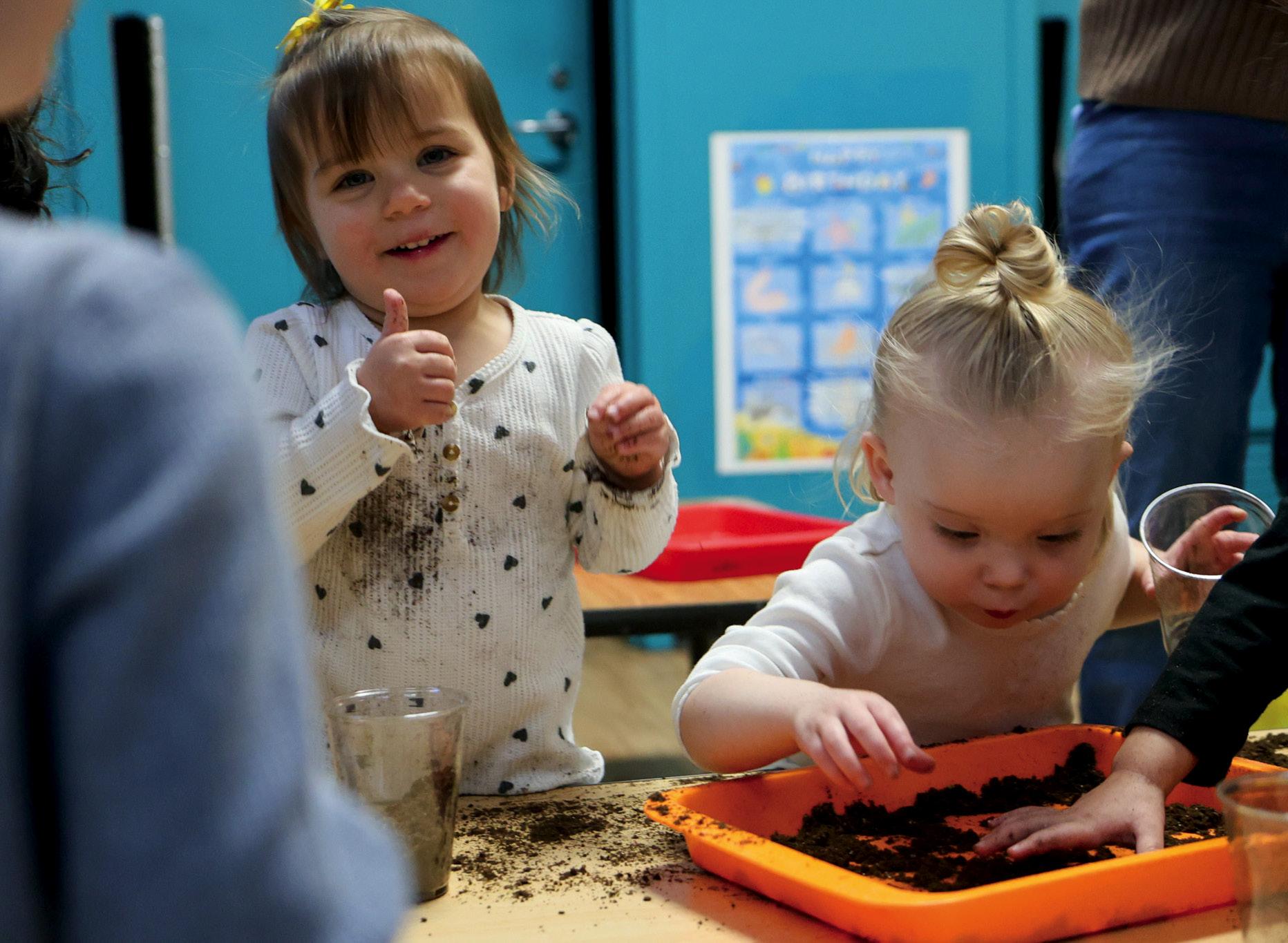
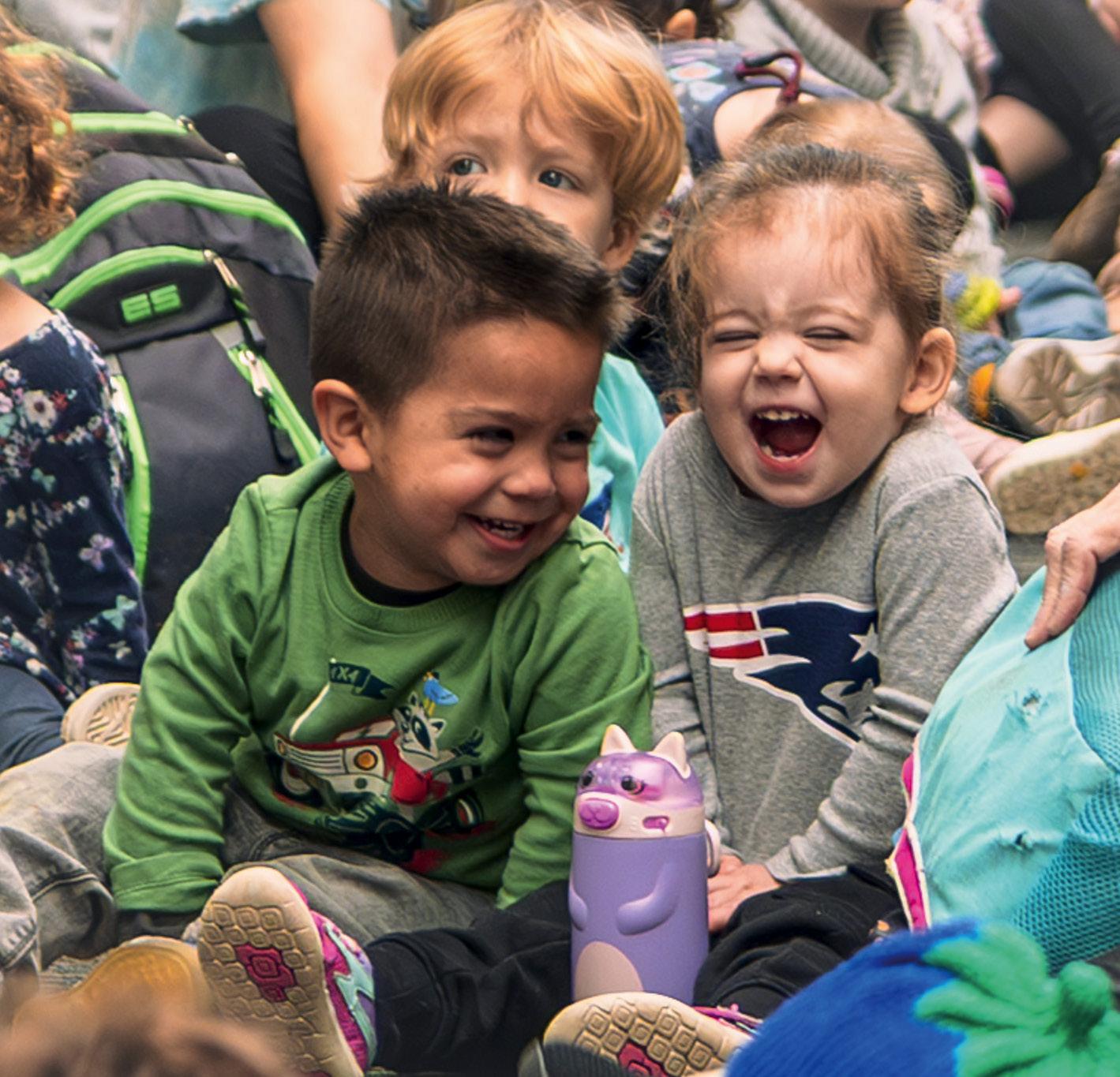
THE TUCSON J’S Early Childhood Education (ECE) program was recently named the 2025 Best of Tucson’s Best Daycare. Offering year-round learning for infants and children ages 6-weeks to pre-k in a state-ofthe-art facility surrounded by a supportive community both inside and outside the classroom, it is no wonder it’s consistently ranked among the best early childcare programs in Tucson! ECE at the J goes beyond your typical daycare or preschool — here’s why!
How many preschools are led by soonto-be Ph.D. graduates? Director, Joline, and assistant director, Tiffany, are both currently pursuing Ph.D.s in education. Their advanced academic work brings an exceptional depth of knowledge in child development, evidencebased practice, and early learning theory directly into the J’s classrooms.
And it’s not just the leadership team who are childcare experts. Early childhood teachers participate in ongoing professional development, including workshops and national conferences, to stay current in best practices. This commitment to continued
learning allows students to benefit from the most current research in child development.
At the Tucson J, “care” and “education are inseparable. The curriculum is intentionally designed to nurture the whole child — socially, emotionally, physically, intellectually, and creatively. The program is play-based and rooted in the Sheva Framework, a philosophy developed by the Jewish Community Center Association that reflects the belief that each child is unique, capable, and full of potential. Through play, inquiry, problem-solving, and discovery, children develop critical thinking skills, positive self-esteem, and a strong foundation for future academic success.
While the ECE program has all the typical amenities of a high-quality preschool, it also offers something truly special: access to the full Tucson J campus! Throughout the day, students enjoy the indoor PlaySpace, gymnasium, art gallery, a wheelchair-accessible outdoor playground, Sculpture Garden, and,

during the summer months, the pool and SplashPad. These experiences support physical development, confidence-building, and healthy movement in ways that go far beyond a traditional preschool or daycare setting.
Flexible Options with a True Family Focus
Every family’s schedule looks different — and childcare should support, not complicate family life. ECE is open 7am to 6pm, with 7, 9, and 11-hour options for care as well as 10 (pre-k only) or 12-month contracts, to meet a wide range of needs. And, while your preschooler is learning and playing, older children can attend a sports clinic, parents can enjoy a workout in the Fitness Center, and grandparents can find community in Healthy Aging programs!
Experience the Tucson J’s award-winning Early Childhood Education program firsthand. Schedule a tour and meet the passionate educators ready to help your child grow with confidence, curiosity, and joy.
Questions? Contact Joline Riddle at jriddle@tucsonjcc.org







By Jesslyn Weaver

LEGACY TRADITIONAL SCHOOLS is a network of highly rated tuition-free charter schools across Arizona, offering a back-tobasics education designed to prepare students for high school and beyond. Legacy offers a well-rounded curriculum, complete with strong academics led by our qualified teachers.
The Legacy journey starts with our fullday, affordable Pre-K program, available at most of our Arizona campuses! Pre-K students get introduced to important subjects like reading and math, preparing them with a strong foundation in academics and life lessons through age-appropriate activities. Pre-K registration for 2026-27 is now open!
Our Pre-K program leads perfectly into our tuition-free K-8 education! Our education includes arts, music, foreign language, and physical education in addition to the core subjects. We also offer specialized learning opportunities, like our programs available to students grades 3-6.
These programs, like our Momentum
Fitness and Mozart Performing Arts, allow students to choose which subject they want to spend time learning about during the week, feeding their passions and interests.
Legacy offers a well-rounded education experience, complete with extracurricular activities! We offer clubs, music ensembles, and even sports for our middle school students. Legacy knows that offering a fantastic education is the minimum for schools, so we pride ourselves on offering a full experience.
The best part is that our public charter schools are tuition-free and accept any applicants if we have the space! There are no admission requirements nor school boundaries, making it easy for anyone in Arizona to attend a Legacy Traditional School. We even offer fully online schooling through Legacy Online Academy, letting you learn from anywhere in the state.
We are currently accepting applications for all grade levels, for both the current school
year and for 2026-27! Students enrolled at Legacy can also participate in our summer break camp, an affordable childcare program available exclusively to Legacy students. Students enrolled in our summer break camp can enjoy fun-themed weeks, like Dino Discovery Days and Rainforest Explorers, designed to be both educational and fun! Registration opens on March 30 for Legacy Summer Break Camp!
If you think Legacy might be the right fit for you, come take a tour to see for yourself. Tours can be scheduled on our website for any of our campuses, so you can see the Legacy life first-hand. Seats are limited, so enroll today!
Legacy Traditional Schools is a tuition-free K-8 public charter school. Our network of schools across Arizona, Nevada, Texas, and South Carolina are highly rated, offering an accelerated curriculum designed to give students the knowledge and skills for High School and beyond.




By Monique Seleen
THIS FALL, my son will be starting Pre-K— and it will be his very first time attending any kind of preschool. No daycare drop-offs, no classroom routines, no circle time. Just the two of us stepping into something completely new. Walking into our first preschool tour, I realized quickly that I wasn’t just choosing a school; I was choosing the place where my child would learn to trust adults outside our family, make his first real friends, and build confidence in a brand-new environment.
To calm my nerves (and make sure I didn’t freeze up during tours), I brought a list of questions with me. These questions helped me move past the shiny classrooms and cute artwork and really understand how each school would support my child. If you’re touring preschools—especially if this is your child’s first school experience—here are some of the questions I used during my tour:
What does a typical day look like?
Schedules matter, especially for young kids. I wanted to know how much of the day was structured versus free play, how long activities lasted, and whether there was a predictable rhythm. Hearing how teachers transition
between activities gave me insight into whether my son would feel secure or overwhelmed.
How do you support children who are new to school?
This question was huge for us. Since my son has never been in a classroom before, I asked how teachers help kids who struggle with separation, transitions, or simply being away from home for the first time. Schools that talked about gradual drop-offs, comfort strategies, and communication with parents immediately stood out.
What is your approach to behavior and discipline?
Every child has big feelings—especially in new environments. I asked how teachers handle conflict, tantrums, or challenging moments. I was looking for responses that emphasized guidance, emotional regulation, and teaching skills rather than punishment.
How do teachers communicate with parents?
As a parent, I wanted to feel connected and informed. I asked how often teachers share
updates, whether they use apps, newsletters, or daily reports, and how they handle concerns. Knowing I’d be kept in the loop made the idea of letting go a little easier.
How do you encourage social and emotional development?
Academics are important, but at this age, learning how to share, communicate, and build friendships feels just as critical. I asked how teachers help kids navigate social situations and build confidence in group settings.
What safety and health measures are in place?
From drop-off procedures to illness policies, this question gave me peace of mind. I wanted to know how seriously each school took safety and how they balanced it with creating a welcoming environment.
Taking preschool tours can feel emotional, especially when it’s your child’s first big step into independence. Bringing thoughtful questions helped me feel more grounded and empowered—and reminded me that it’s okay to trust my instincts. After all, no one knows your child better than you do.
CHOOSING EARLY CARE for your child can feel overwhelming, especially when terms like daycare and preschool are often used interchangeably. While both options provide care for young children, they serve different purposes and offer distinct experiences. To help you better understand those differences, we spoke with JoEllen Johnson, co-owner of The Goddard School locations in Goodyear, Buckeye-Verrado, and Peoria, about what sets preschool apart, how learning is approached, and what families should look for when choosing a program.
Q: Parents often use the terms daycare and preschool interchangeably. How do you define the difference?
“This is a great question as people often use the words preschool and daycare interchangeably; however, there are differences between the two.” In a traditional sense, daycare is a place where children are watched by an employee who meets their basic needs while parents are away. “There is not the expectation of reaching educational milestones, but rather the focus is on the care and concern for the child’s physical wellbeing.”
Preschool, on the other hand, takes a more intentional approach. “Quality early learning centers, or preschools, focus not only on meeting a child’s physical needs, but also on providing education, both academic and social emotional.”
Q: What is the primary goal of daycare versus preschool?
“The primary goal of daycare is to keep children safe and nurtured with some fundamental elements of learning while their parents are at work.” While children may engage in free play, crafts, or music, daycare settings may not use a formal curriculum to promote learning.
“The goal of quality early education, or preschool, is to build social emotional and academic skills that set children up for success
in elementary school and beyond.” Preschool embraces holistic learning and incorporates skills like critical thinking, creativity, collaboration, and communication through a comprehensive, vetted curriculum.
Q: How does a child’s daily experience differ between the two settings?
Over the years, parents have shared daycare experiences that included “higher student to teacher ratios, teachers with little to no formal education, absent leadership, and little to no formal curriculum.”
In contrast, “in a high-quality preschool setting, children can expect a rich environment with engaging materials that meet diverse learning styles, celebrate different cultures, and welcome students with varying needs.” Teachers are formally educated, experienced, and skilled in adapting curriculum to individual learners.

Q: What differences would parents notice in the structure of the day?
Both daycare and preschool include snacks, lunch, and recess, but “it is the core of the day that you will spot the difference.” In daycare, there may be more free play, arts and crafts, and possible screen time.
“In preschool, students gather for a morning meeting that introduces the materials and curriculum of the day.” Children participate in guided small-group activities, explore interest centers tailored to them, and benefit from meaningful interactions with peers and teachers. “Children’s natural curiosity is cherished,” and their development is measured using a high-quality assessment system.
Q: When should parents consider transitioning from daycare to preschool?
“Quality learning experiences begin at birth.” Johnson notes that 90 percent of
the brain develops by age five, and many licensed preschools offer care and curriculum starting in infancy. Parents should look for language-rich environments with “serve and return interactions” and ask about enrichment programs such as STEM, yoga, sign language, or foreign language exposure.
Q: Can a program successfully offer both daycare and preschool elements?
Preschools do meet children’s core care needs, but “the difference is that quality preschools provide curriculum and enrichment that support social emotional and academic skills tailored to the individual needs of children as they grow and mature.”
JoEllen Johnson is co-owner of The Goddard School locations in Goodyear, Buckeye - Verrado, and Peoria. She is a mom to three amazing children and has a passion for serving families and her community. JoEllen has served on the Southwest Maricopa Regional Partnership Council for First Things First since 2016 and represents the West Region on Goddard Systems Leadership Advisory Council. She has earned an MBA from Grand Canyon University and a Certificate in Early Education Leadership from the Harvard Graduate School of Education.
By Monique Seleen
THE PRESCHOOL YEARS are filled with curiosity, imagination, and rapid development. While classroom learning is valuable, there’s so much growth that can happen right at home through intentional play.
As a former teacher, I’ve been trying to build in learning and teachable moments to our everyday routine at home with my 4-year-old son. Here are some of my favorite products, kits, and brands that I’ve been using to facilitate learning that feels fun and playful:
➊ Building Foundations with Hadley Designs
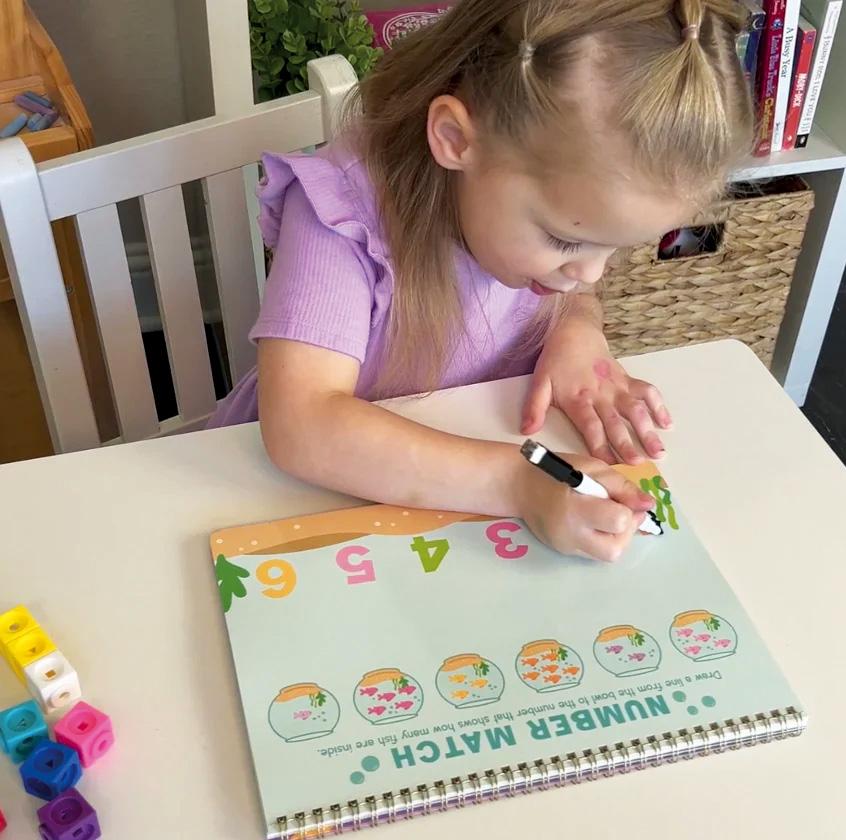
If you’re looking for open-and-go activities that feel inviting for little learners, Hadley’s Designs offers two simple yet impactful tools: their Busy Book and ABC Tracing Book (both available on Amazon).
• Busy Book: Ideal for reinforcing early concepts like colors, shapes, numbers, matching, and basic problem-solving. Because it’s hands-on, children practice fine motor skills as they lift, place, match, and manipulate pieces. Perfect for independent learning time, quiet time, or throwing in your bag as something to do while waiting for food at a restaurant.
• ABC Tracing Book: Supports early handwriting in a developmentally appropriate way. Preschoolers begin by tracing large, guided letters, building pencil control and muscle memory. You can extend this activity by saying letter
sounds aloud, identifying words that begin with each letter, or practicing name recognition. It’s an easy way to weave phonics into everyday routines. hadleydesigns.com
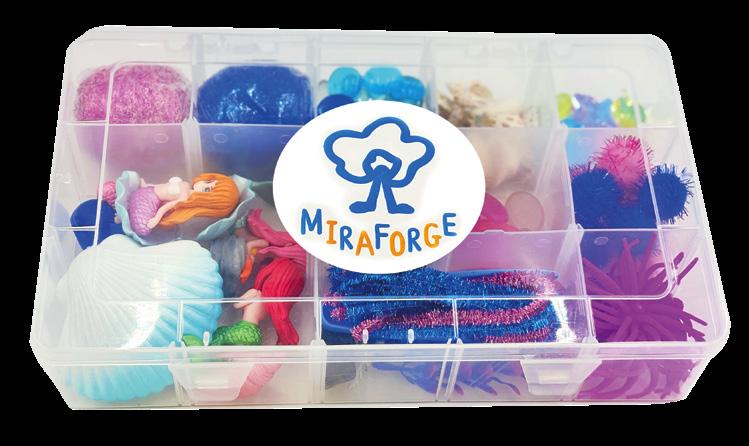
➋ Sparking Curiosity with Mira Forge
• For children who thrive on imagination, Mira Forge Pro Sensory Play turns learning into an adventure. The hands-on sets invite kids to explore fun themes such as planets, dinosaurs, mermaids, unicorns and more while engaging in creative sensory play.
• You can layer in learning by asking openended questions like:
• “How many dinosaurs can you count?”
• “What do astronauts need to travel to space?”
• This kind of guided conversation builds vocabulary and comprehension while keeping the experience playful and interactive. mira-forge.com
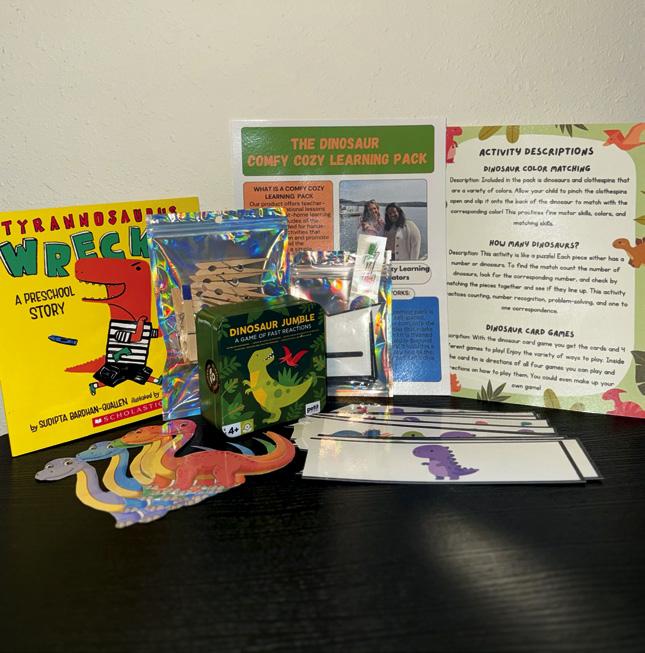
➌ Making Learning Cozy and Engaging With Comfy Cozy Learning resources, education feels approachable and inviting. Created by two certified educators, these learning packs include everything you need for hands-on, reusable activities that spark curiosity and support learning beyond the classroom. You’ll find a high-quality children’s book, themed activities, and all the materials required for learning and crafts.
With rotating and popular themes such as dinosaurs, pizza, numbers, and even Taylor Swift, you’ll find something suitable for the current season, upcoming holidays, or unique interests of your child. comfycozylearning. myshopify.com
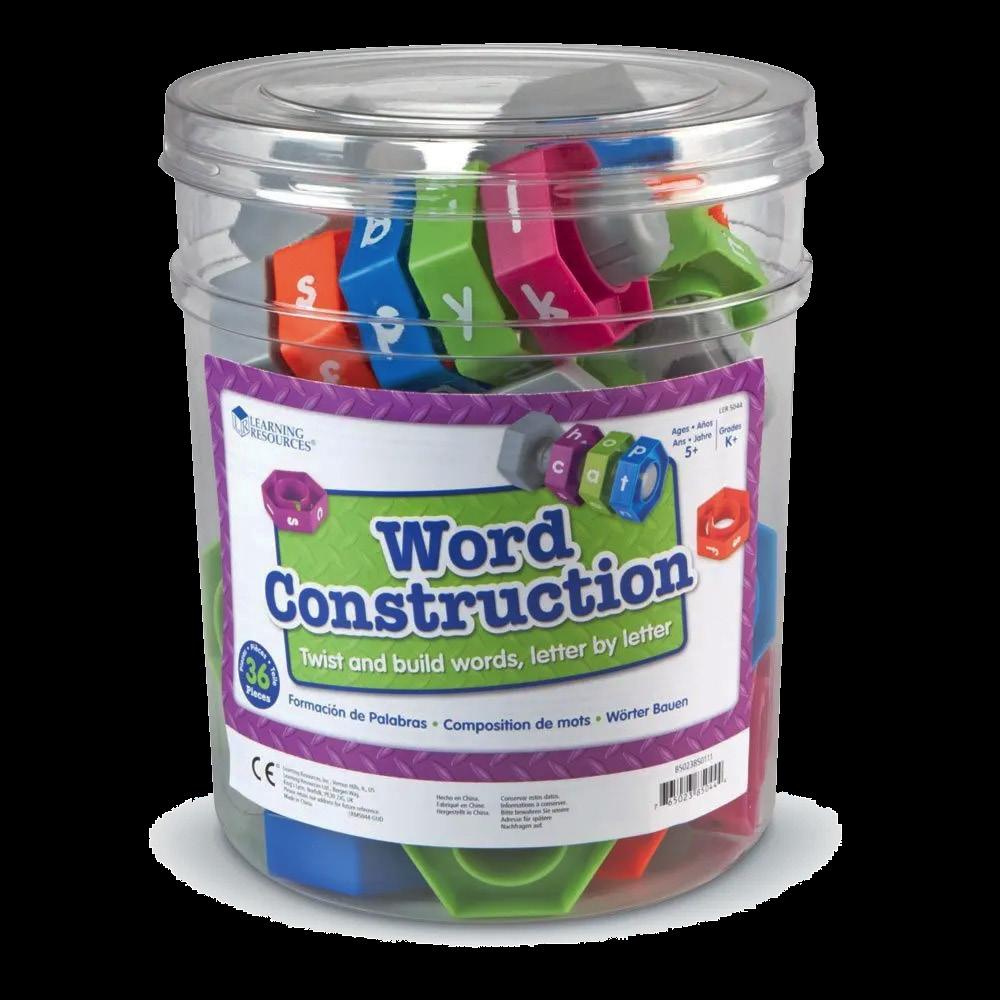
➍ Reinforcing Skills with Learning Resources
Learning Resources offers a wide range of hands-on toys that bring abstract concepts to life in a way that feels fun and playful. Counting bears, letter tiles, sorting sets, and early science kits allow preschoolers to physically interact with what they’re learning.
Manipulatives are especially powerful because they make learning concrete. Instead of simply hearing about numbers, children see and touch quantities. Instead of memorizing letters, they build and arrange them. This tactile approach strengthens retention and deepens understanding. learningresources.com
Preschool learning at home doesn’t require elaborate lesson plans. With tools like Hadley’s Designs books, Mira Forge’s imaginative sets, hands-on materials from Comfy Cozy Learning, and educational toys from Learning Resources, you can create meaningful learning moments through play. The key is consistency, curiosity, and connection—because in the preschool years, learning is most powerful when it feels like fun.



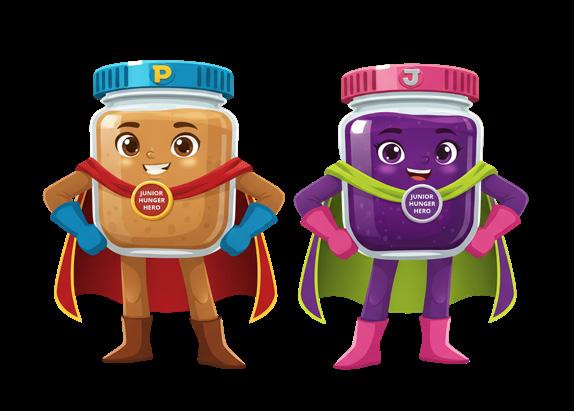

By Rachel Galvez
KINDERGARTEN PREP often starts quietly, maybe with conversations about the year ahead, a school tour on the calendar, or wondering whether a child feels ready for that next big step. With so much else on families’ minds, financial lessons probably aren’t top of the list.
And that’s okay. The goal isn’t to add pressure or another task; it’s to notice everyday moments families already have and use them to build confidence, decision-making, and independence.
These early lessons matter because they give kids practice with real-world skills they’ll use in and out of the classroom – decisionmaking, patience, goal-setting, and confidence when something feels new. These are skills I often see families working to build through my work with Arizona Financial.
Research shows that many money habits begin forming in early childhood, often before age seven. That doesn’t mean preschoolers need to understand compound interest – it simply means they can start practicing ideas like saving,
making choices, and waiting for something they really want.
Think of it the same way you teach manners or routines: through repetition, modeling, and gentle guidance.
One of the simplest lessons for young kids is understanding the difference between what we need and what we want. Everyday errands make perfect teaching moments.
Try this:
• At the grocery store, talk through which items are essentials and which are treats.
• When back-to-school shopping, compare two fun notebooks and explain why you’re choosing one over the other.
• Let kids help decide between two small options when both fit the budget. These low-pressure conversations build awareness without making money feel stressful.
Money games can double as kindergarten-ready math skills. Easy ideas include:
• Sorting coins by size or color
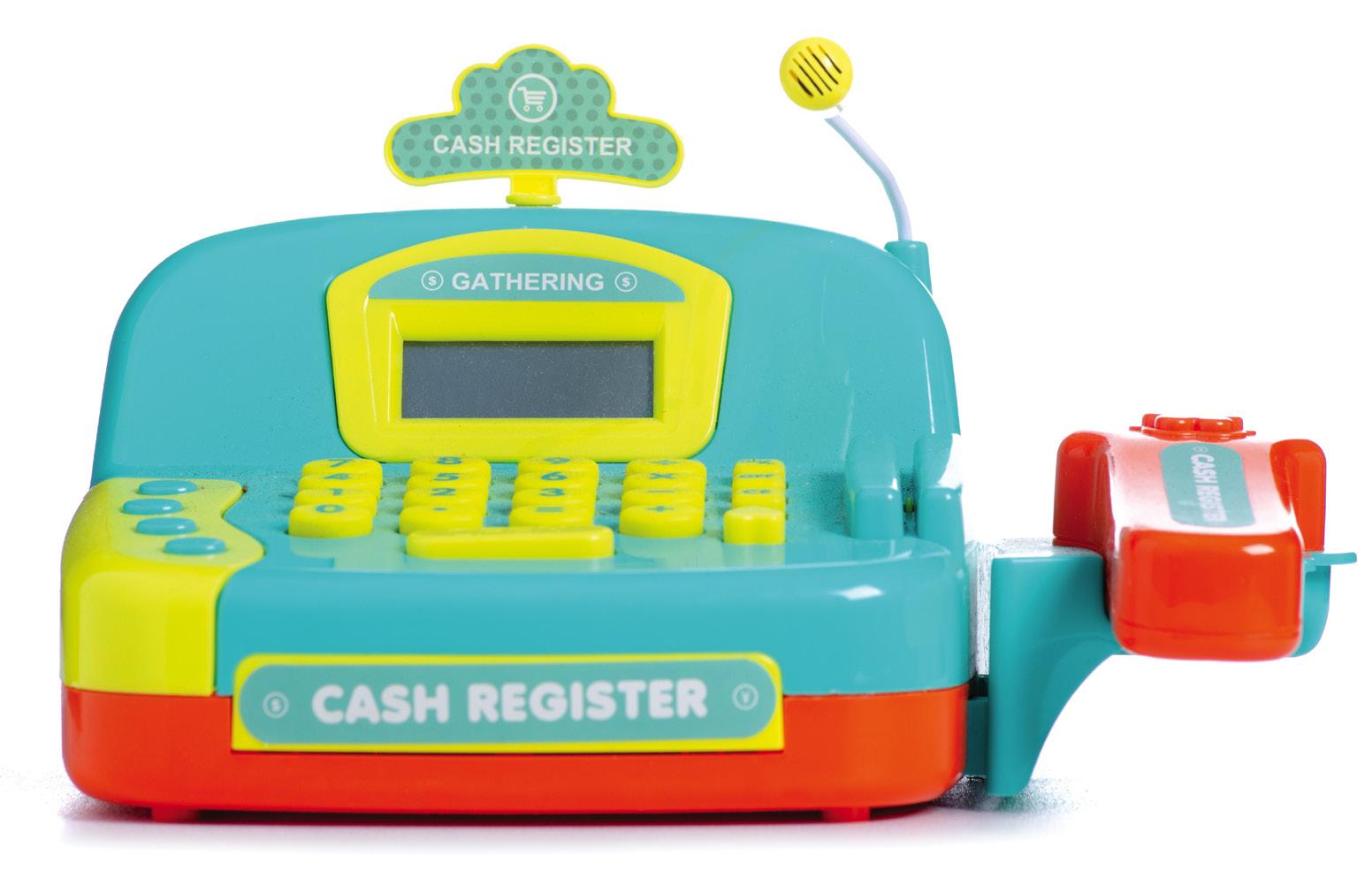
• Playing “store” with pretend price tags
• Counting change into piles of five or ten
• Letting kids hand cash to the cashier and wait for the receipt
Kids get comfortable seeing and touching money while practicing numbers and problemsolving.
Saving can feel abstract to little ones, so making it visible helps.
Some families use:
• Clear jars labeled “Save,” “Spend,” and “Share”
• A picture taped to a jar showing what a child is saving for
• A short-term goal, like a new book or pool toy
Watching coins pile up gives kids a sense of progress and pride and teaches patience along the way.
Before kindergarten starts, children benefit from having a little independence. Money is a great way to practice.
Consider:
• Giving them a small allowance for chores
• Letting them choose how to spend a few dollars at the store
• Asking them to help plan a low-cost family outing
Those early habits don’t just help during the school year; they lay the groundwork for lifelong confidence with money, from saving for goals to navigating bigger decisions down the road.
Rachel Galvez is the Executive Director of Arizona Financial Foundation. A wife and mom of two, Rachel is committed to empowering families with the information they need to make smart financial decisions now and set their children on the path to financial success in the future.
By Kate Reed
KINDERGARTEN looks different when you’ve already done it a couple of times.
With our oldest boys, I thought I knew what to expect. I assumed I had kindergarten figured out because it was a breeze with our now 13-year-old. Then our second son started school and reminded me—very clearly—that every child experiences it differently.
The longer days hit him hard. Emotionally. Physically. Mentally. He came home exhausted in a way that went beyond being “a little tired.” Kindergarten just wasn’t the right fit yet.
Making the decision to pull him out was hard. It felt heavy. But it was also necessary. We homeschooled for most of that year, giving him time to grow without the pressure of long days and constant stimulation. The following year, we placed him in first grade when he was a little older. He wasn’t thrilled at first—but the difference was night and day.
He adapted. He matured. He found his footing.
And now? He’s thriving. He’s reading double the words per minute he’s expected to at his grade level. The child who struggled with the length and emotional weight of kindergarten simply needed time.
That experience changed me as a parent.
Now, as we prepare for our third son to enter kindergarten this fall, I’m walking into this season with so much more perspective— and a whole lot more grace.
What We’re Doing at Home to Prepare
• Focusing on routines, not academics. Yes, reading matters. Letter recognition helps.
But the biggest predictor of a smoother transition for us has been predictability. Consistent bedtimes, regular wake-ups, eating breakfast at the same time, making lunches, and practicing being ready when it’s time to leave the house. (We still struggle with this one). Kindergarten runs on structure, and kids do better when it doesn’t feel brand new.
• Reading together—without pressure.
We read daily, but without drilling or testing. We talk about stories, ask simple questions, and let curiosity lead. A love of books goes a long way, even if they aren’t reading independently yet.
• Practicing independence in small ways. Opening lunch containers. Putting on shoes. Cleaning up after themselves. Asking for help. These little life skills build confidence in a classroom setting where one teacher is supporting many kids.
• Talking openly about school. We talk about what a school day looks like— where they’ll eat, play, rest, and learn. We talk about feelings they might have, not just the excitement. Nervous, tired, unsure—all normal.
What to Expect Emotionally (Especially with Long Days)
This is the part I wish more parents talked about.
Kindergarten is a long day for little bodies and big feelings. Even kids who seem fine at pickup can unravel at home. You may see:
• Emotional meltdowns after school
• Increased clinginess
• Irritability or silence
• Regression at home
• Saying they dislike school (even if it’s not true)
This isn’t a sign something is wrong. It’s decompression.
Lowering expectations in the afternoons made a huge difference for us. Immediate snack time. Fewer activities. More quiet time. Earlier
bedtimes. Kids are holding it together all day— home is where they finally let it out.
Every Child’s Timeline Is Different—and That’s Okay
Our experience with our last son changed everything for me. Pulling him from kindergarten wasn’t failure. It wasn’t giving up. It was meeting his needs at that time.
When we put him back into first grade later, he was more emotionally ready—even if he wasn’t initially excited about it. And that mattered far more than staying on a traditional timeline.
If there’s one thing I’ve learned, it’s this: There is no prize for pushing through when a child isn’t ready.
Going Into This Season with More Trust
This time around, I’m less focused on checking boxes and more focused on watching my child. How he responds. How he feels. What he needs.
Kindergarten is a big step—but it doesn’t have to be rushed or rigid. With routines at home, open conversations, and permission to adjust if needed, kids can grow into school at their own pace.
And sometimes, the best preparation isn’t academic at all—it’s knowing that if something doesn’t work, you’re allowed to pivot.
We’ve done it before.
And we’re walking into this next kindergarten season with confidence, flexibility, and a whole lot of empathy—for our kids and ourselves.
By Emily Lorah



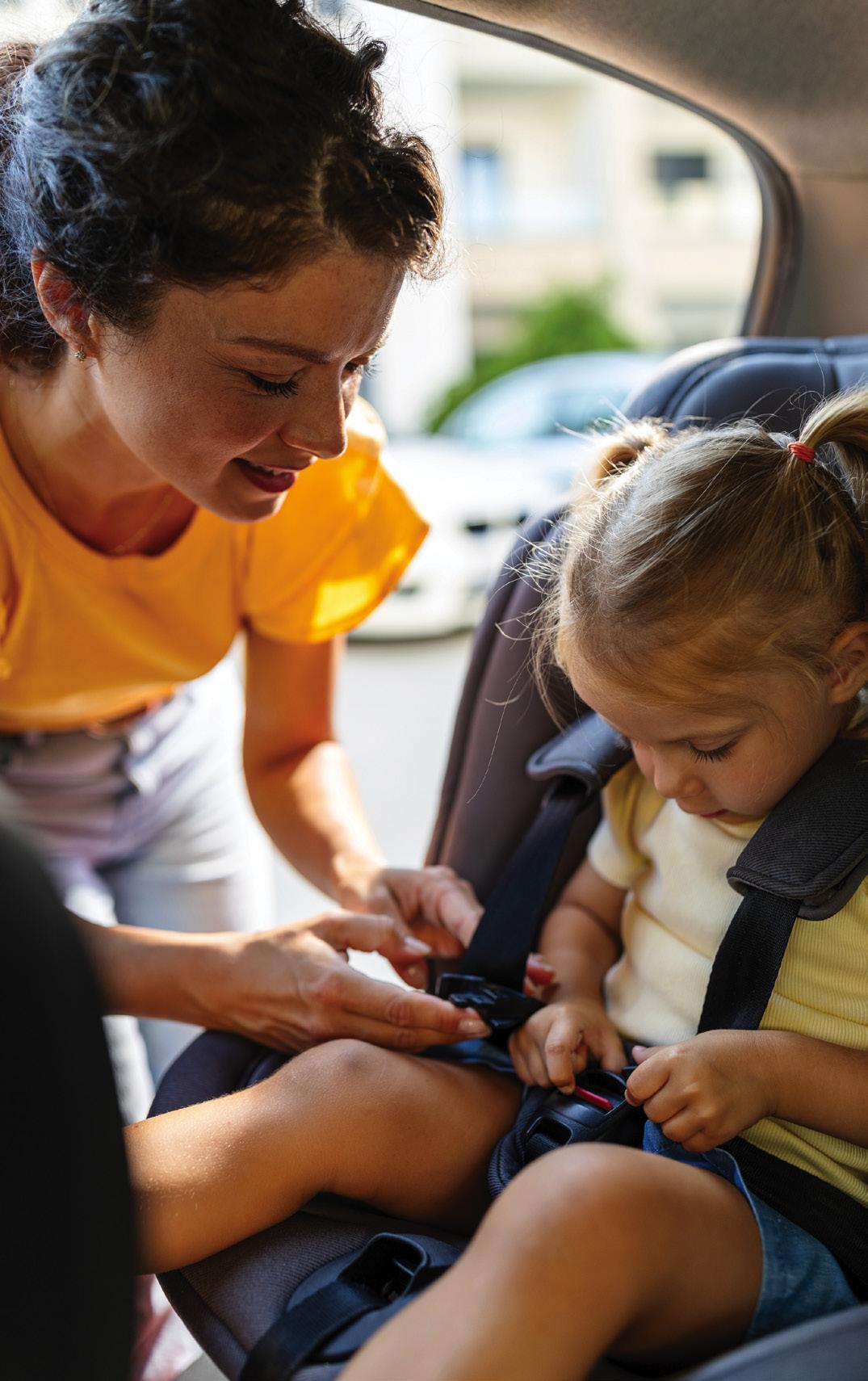
THE TRANSITION INTO preschool or kindergarten is a major milestone for any child, and for families of neurodivergent children, it can come with additional layers of preparation, emotion, and uncertainty. While excitement often mixes with nerves for all parents, neurodivergent children may experience unique challenges related to emotional regulation, communication, sensory sensitivities, or social interactions.
The good news is that with early planning, collaboration, and advocacy, parents can help set their child up for a smoother and more confident start to school.
When neurodivergent children enter preschool or kindergarten, readiness gaps may look different than traditional academic concerns.
Rather than letter recognition or counting skills, families often notice challenges in areas such as:
• Emotional regulation and managing big feelings
• Social interaction and peer engagement
• Sensory sensitivities to noise, light, or textures
• Communication differences, including expressive or receptive language
• Behavioral responses to transitions or new environments
These differences do not reflect a child’s potential. Instead, they highlight the importance of early intervention. The first few years of life are critical for building functional skills that support long-term success. Early services can strengthen emotional awareness, coping strategies, communication skills, and
independence, creating a solid foundation before a child ever steps into a classroom.
For neurodivergent children, change can be especially overwhelming. A new classroom, unfamiliar adults, and full school days can feel intimidating without thoughtful preparation. That is why the months leading up to school are an ideal time to start building predictability and confidence.
Creating routines and gradually introducing school-related concepts helps children feel safe and prepared rather than surprised or anxious. Preparation also allows parents to identify potential challenges early and collaborate with schools proactively.
Parents do not need to do everything at once, but small and intentional steps can make a big difference. In the months leading up to preschool or kindergarten, consider focusing on these strategies:
• Establish a consistent routine. Begin aligning wake-up times, mealtimes, and bedtime routines with the school schedule. Familiar rhythms help children adjust more smoothly once school begins.
• Use visual supports. Visual schedules or charts showing the daily routine can help children understand what to expect. Seeing the order of activities reduces anxiety and supports independence.
• Introduce social stories. Social stories are simple narratives that walk children through what school will look like, including arriving at class, meeting teachers, playing with peers, and going home. These stories help children process new experiences and manage fears.
• Visit the school environment. If possible, schedule a classroom visit, tour the school, or meet the teacher before the first day. Familiarity with the space can ease sensory overload and reduce first-day stress.
• Practice social and emotional skills at home. Role-play taking turns, asking for help, or transitioning between activities. These low-pressure practice moments can build confidence.
Preparation does not eliminate challenges, but it empowers children with tools to navigate them.
One of the most important roles a parent plays is advocate. Effective advocacy starts with openness and honesty with yourself, your child, and the school.
Before the school year begins, parents should reach out to administrators and teachers to discuss their child’s needs and identify available supports. These conversations help ensure everyone starts the year aligned and informed.
Key advocacy steps include:

• Reviewing your child’s IEP or 504 Plan, if applicable, to ensure services and accommodations reflect their current needs
• Asking what additional supports or classroom accommodations the school can provide
• Sharing insight into what strategies work best for your child at home or in therapy
• Communicating openly about sensory needs, communication styles, or emotional triggers
If something does not feel right, it is okay to ask questions or request changes. Advocacy is not confrontation. It is a collaboration. Parents are their child’s strongest voice, and continuing to advocate ensures children receive the support they deserve.
Starting school is not about perfection. It is about progress. When families focus on early intervention, thoughtful preparation, and proactive advocacy, neurodivergent children are better equipped to feel confident, supported, and understood in their learning environments.
Every child’s journey is different. By honoring those differences and planning ahead, parents can help transform the transition into school from overwhelming to empowering, laying the groundwork for long-term growth, independence, and success.
Roman Empire Agency provides individualized services to clients aged 1.5 and older, specializing in supporting individuals with developmental disabilities, including but not limited to Developmental Disabilities, Down Syndrome, Autism, and Epilepsy. Committed to fostering personal growth and well-being, Roman Empire Agency provides multilingual and culturally diverse educators who take pride in delivering high-quality services. Learn more at https://www.romanempireagency.com





By Monique Seleen
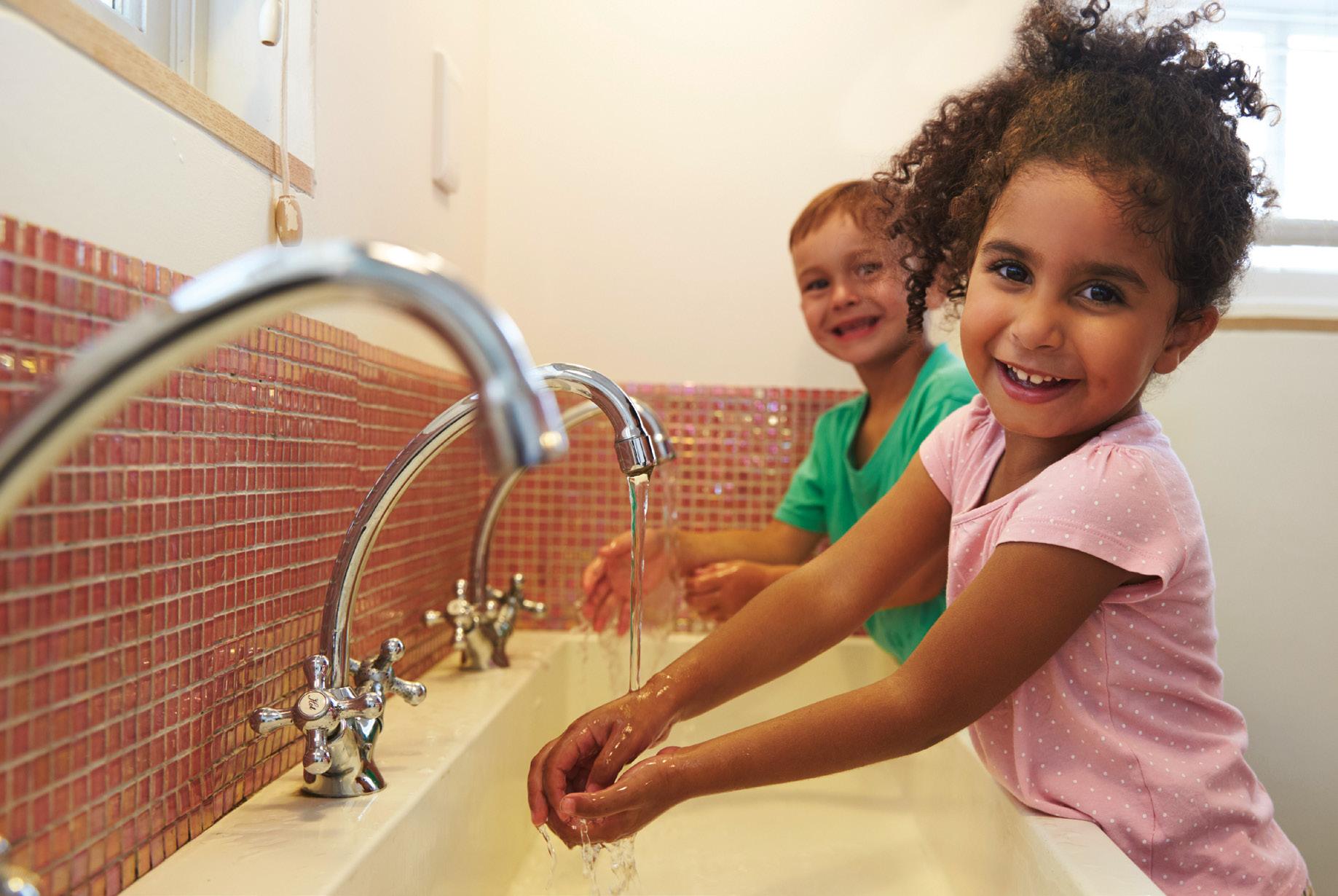
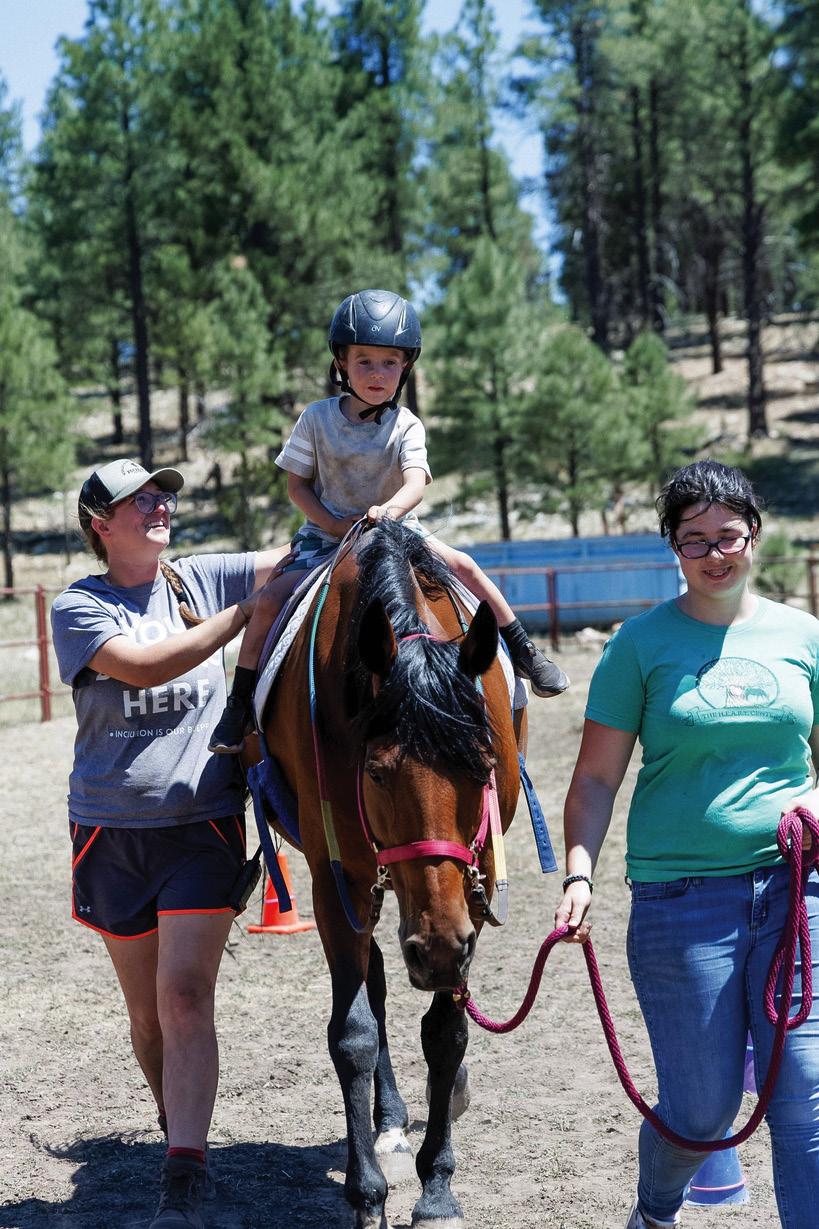
WHEN PARENTS THINK about kindergarten readiness, academics often take center stage. But according to Rebecca Sanders, an 11-year kindergarten teacher in the Queen Creek School District, what matters most when children walk through the classroom doors has far less to do with worksheets—and much more to do with everyday life skills.
Here is a breakdown of what Sanders says really matters when it comes to a child being ready for kindergarten (and helps the teachers out, too!):
The Most Important Skills in the First Few Weeks
• Separation skills: Children should be able to separate from a parent without prolonged crying and feel comfortable with another trusted adult for a full school day. Practicing separation through preschool, playdates, or short drop-offs with relatives can make a big difference.
• Attention span: Kindergarteners don’t need to sit perfectly still, but they should be able to sit and listen to a story for about 10–15 minutes. Using a small fidget at first is fine, with the goal of gradually building focused attention and eye contact.
• Eating independently: Children should know how to open their lunchbox and containers, eat independently, and put items away properly. Sanders recommends practicing lunch routines at home two to
three weeks before school starts.
• Bathroom independence: Kindergarten teachers cannot help with bathroom needs. Children need to be able to wipe themselves, manage clothing, and use the restroom appropriately. She recommends that parents consider simple clothing as outfits with complicated fasteners, like overalls, can make this harder during the school day.
Academics: Helpful, but not the Priority
One of the biggest misconceptions
Sanders sees is that parents think that children need to be academically advanced before kindergarten.
Parents often worry about reading or writing, but teachers are more focused on:
• Social-emotional skills and manners, such as:
• No hitting, screaming, or running around the classroom
• Following basic rules and boundaries
• Responding appropriately when corrected That said, having some familiarity with early academic concepts can be helpful, including:
• Singing the ABCs
• Writing or recognizing their name visually (all capital letters are okay)
• Counting to 10
• Knowing the difference between letters and numbers
Teachers meet children where they are, starting at the base level and use small groups
to support different learning needs.
Communication Skills That Make a Big Difference
Teachers look for children who can:
• Initiate play with peers (e.g., “Do you want to play with me?”)
• Wait for a response before moving on
• Speak to adults who are not their parents
• Ask for help or respond to simple questions
• Families can support this at home by modeling phrases, having children repeat them, and using picture books or visual cards to encourage storytelling and conversation.
For parents worried their child isn’t ready, Sanders’ advice is simple: If your child is ageeligible, enroll them and trust the process. Kindergarten teachers expect a wide range of abilities and are trained to help children adjust.
If families focus on just a few things the summer before kindergarten, Sanders recommends:
• Reading to your child every night
• Practicing writing or tracing their name
• Working on manners like eye contact, lining up, and pushing in chairs
Kindergarten isn’t about being ahead—it’s about building confidence, routines, and a love of learning that will last well beyond the first day of school.
By Monique Seleen

REUNIFICATION IS THE goal of foster care—but that doesn’t mean it’s easy. For many foster families, reunification brings a complicated mix of hope, heartbreak, and grief that often goes unseen or unspoken. Ashlyn and Spencer Leyba of Mesa, have been foster parents for over two years and are currently caring for their sixth foster child. Ashlyn describes reunification as one of the most emotionally challenging parts of the journey.
“There’s no universal answer for anything in foster care,” Ashlyn shares. Some reunifications come with weeks of preparation after court hearings, while others happen suddenly. “One was less than a 24-hour notice,” she recalls. That uncertainty alone can feel destabilizing, especially when bonds have already formed.
For the Leyba family, grief doesn’t just belong to the adults—it deeply affects their eight-year-old biological daughter as well. From the beginning, they’ve been honest with her about fostering, explaining it as kind of like helping someone who is injured and needs someone to take care of them. Still, when a
child leaves, the loss is real. “She definitely goes through a grieving period—it’s like losing a sibling for her,” says Ashlyn.
That permission to feel—to be sad, angry, or confused—has become a cornerstone of how the family copes. “The biggest thing we tell our daughter is just make sure you feel it,” she says.
“It’s okay to think it’s unfair. It’s okay to be sad.”
When a reunification approaches, Ashlyn creates a small photo book documenting their time together. “I make one for my daughter as well,” she explains. “Then we spend some quality family time grieving.” Even with intention and preparation, the pain can be overwhelming. “For us, it’s a lot of anger at first… knowing you’re handing them off and not having a single ounce of power in it.”
Support systems play a critical role in helping families weather that grief. Ashlyn emphasizes that they couldn’t do foster care without their extended family, church, and community. “Every time we get a new foster kid I post in the community Facebook group—and our community shows up.” In one instance, when a child was arriving
unexpectedly on her birthday, Ashlyn shared about it with their online Facebook community, and the next day they had wrapped presents waiting for the child on their doorstep.
Despite the losses, Ashlyn remains grounded in the purpose behind fostering. She encourages foster parents facing their first reunification to model positivity for the child. “They’re going to treat it how you treat it. If you’re happy for them, they will be happy. Have a good attitude for them.”
And even though reunification often means goodbye forever, Ashlyn holds tight to the small rewards of it. “One little tiny win makes everything else totally worth it.” Whether it’s teaching a child how to pray for the first time or hearing, “I just love being in this family,” those moments have left lasting imprints on Ashlyn and her family.
“It’s been hard,” Ashlyn reflects, “but it’s honestly been awesome.”
In foster care, grief and hope coexist—and for families like the Leybas, making space for both is what makes the journey possible.

By Matt Lipan
FOSTER FAMILIES PROVIDE vital care for children in need, but the challenges they face are not always visible. Beyond the day-to-day logistics of raising children, foster parents often manage financial strain, emotional stress, and the complexities of helping kids navigate trauma. For these families, support from community members - including family, friends, and neighbors - can make a meaningful difference.
Foster families often experience significant financial pressure. Adding one, two, or even three children into a home can strain budgets, increasing costs for food, housing, utilities, and other essentials. While foster parents work to meet these needs, the support of the community can provide critical relief.
Many foster children are also dealing with emotional trauma, and foster parents dedicate themselves to helping them process grief, loss, or other challenges. Community support lets foster families know they’re not alone, can give
them a little break when they need it, and can also help through donations - including using tax credits to make an even bigger impact.
Support doesn’t have to be complicated. There are everyday ways that family, friends, and neighbors can help without overstepping boundaries:
• Be present and listen. Foster families often just need someone to hear them, without offering solutions or advice.
• Provide meals. Delivering a meal can ease the stress of busy days and free up time for caregivers to focus on the children.
• Offer transportation. Helping with rides to school events, medical appointments, or extracurricular activities can make a meaningful difference.
• Organize playdates. Giving foster children the opportunity to socialize provides normalcy for them and offers brief relief for caregivers.
These small, practical gestures can have a lasting impact on both the children and the families who care for them.
Emotional support is another essential way to help, but it’s important to respect the privacy and complexity of foster care. Supportive actions include:
• Listening without judgment and allowing foster parents to share their experiences on their terms.
• Offering encouragement rather than advice.
• Asking how you can help, and following through on what the family requests. Being present, empathetic, and willing to help in meaningful ways fosters a sense of community and strengthens the support network around foster families.
How
Donations of new clothing, school supplies, or other essentials are another impactful way to support foster families. The Foster Alliance, for example, provides a boutique where families can access items they need at no cost. Community members can also leverage Arizona’s tax credit program to make contributions that have an even bigger impact, directly supporting children and families in care.
Even small gestures, combined with financial support, make daily life easier for foster parents and help create a more resilient foster care community.
Foster families play a vital role in providing stability for children during some of life’s most challenging moments. By understanding the unique challenges these families face and offering practical help, emotional encouragement, and donations, family, friends, neighbors, and the broader community can ensure foster families feel supported, equipped, and never alone as they care for children navigating trauma and transition.
The Foster Alliance is a nonprofit organization dedicated to supporting the foster care community by providing essential resources to children and families. As Arizona’s largest provider of basic needs for foster families - we supply critical items such as beds, cribs, clothing, diapers, personal care products, backpacks with school supplies, and birthday gifts that remind each child they are valued. To learn more, visit thefosteralliance.org
opening your home can test your partnership
By Mary Teresa Marshall
WHEN CONSIDERING THE challenges of embarking on a foster care journey, the list can be long. Do we have the time? The space? The finances? All these questions are important and take some soul searching and ‘real talk’ by couples when making this decision. The question that often falls to the bottom of the list for couples: Is our relationship strong enough for this?
Agencies like Arizona’s Children Association are challenged with this each time they interview potential foster parents. Agencies can collect all the concrete data – the pay stubs, the health forms, the background checks- but no form helps you see the health of the couple. We ask questions about communication, conflict, support, and strengths, but it’s nearly impossible to really KNOW a couple before that licensing application is sent off.

Amanda and Ryan are long-term foster parents. They have been fostering for 8 years and have adopted 5 children, with three more adoptions pending. At our early meetings with Amanda and Ryan, it was evident that this was a couple who ‘understood the assignment’ – they were truly approaching fostering as a team. They existed in the chaos that comes with children and appointments and DCS and trauma- but instead of falling victim to the system and the stress, they were modeling how to foster with love and compassion. As we discussed their license and their fostering journey, it was clear that there is a genuine support and love between them that does more for the children they care for than anything else we, as an agency, could provide.
When asked to share what the most important thing they’ve learned that helps keep them connected, Amanda shared that she discovered early that “time does not belong to you anymore. You’re at the mercy of the system.” Ryan added that they must be “more intentional on making sure we set times to get together; don’t let it get too busy to make time for your partner.”
When discussing any advice they might have for couples considering fostering, Amanda shared that “for those considering fostering – there are challenges, but it is the greatest, most rewarding and most beautiful thing we could have chosen to do with our married life.” Ryan agreed, adding that you need to “realize that you can stretch what you think are your limitations. Have a good, balanced view of when to say no, but don’t let (the challenges) scare you from stretching.”
If you are considering fostering, please reach out for more information at azdcs.gov or arizonaschildren.org
Mary Teresa Marshall is a Program Administrator for Arizona’s Children Association permanency department. She oversees foster care, adoption and kinship services for several counties in Arizona.
By Rodrigo Mendoza
ADOLESCENCE IS A time of significant physical, emotional, and social growth. As teens experience these changes, parents may sometimes feel confused or concerned. While every teen is unique, many behavioral patterns are developmentally normal. Parents who understand what to expect and know when to seek additional support can navigate these years with greater confidence.
What Behavioral Changes Are Developmentally Normal?
A wide range of behaviors emerge during the teen years, many of which are partly tied to brain development. Mood swings are especially common as teens experience hormonal fluctuations, increased academic load, and evolving social dynamics. Parents may notice irritability, rapid emotional shifts, or heightened sensitivity. It is also typical for teens to challenge rules or question family expectations. Although this behavior may feel like defiance and can be frustrating for parents it is often part of a teen’s process of shaping their own social behavior.
Withdrawal from family is another typical shift. Teens often prefer spending more time with friends or alone in their rooms. Additionally, changes in interests, dress, or social groups are common and usually reflect emerging behaviors that are presented to be shaped by society.
How Long Should Certain Behaviors Last Before Parents Worry?
While moodiness, withdrawal, or perceived oppositional behavior can fall within typical development, duration and intensity matter. Brief episodes lasting hours or a few days are usually normal. However, if behaviors persist for several weeks without improvement, or

significantly interfere with daily functioning, parents should take a closer look.
Signs that may require professional support or additional parent involvement include:
• Persistent sadness or hopelessness
• Severe irritability
• Major changes in sleep or appetite
• Strong social isolation
• Declining school performance
• Risk-taking behaviors that escalate over time
• Expressions of worthlessness or talk of self-harm
How Should Parents Expect Teens’ Emotions to Shift?
Emotional fluctuation is a hallmark of adolescence. Teens may feel intensely joyful one minute and deeply frustrated the next. These emotional swings are often amplified by:
• Hormonal changes
• Increased responsibilities
• Peer relationships and social pressure
• Lack of problem-solving skills
• Temporal academic load
Parents can expect their teen to become more sensitive to criticism and more reactive during conflicts. In many cases, these behaviors reflect teens’ weak emotional regulation—skills they are still developing.
Daily Habits and Family Practices That Support Teen Well-Being
Family routines and supportive focus can help teens develop appropriate social skills. Helpful
strategies include:
• Regular, short, nonjudgmental, teenled conversations to sustain appropriate emerging problem-solving skills.
• Predictable schedules for sleep, meals, and activities.
• Clear, context-based expectations and responsibilities that create frames of reference for appropriate collaborative behaviors.
• Contrived choices and responsibilities that support their ability to self-manage.
• Family meals, walks, or game nights which provide opportunities to shape cognitive abilities while the teen is engaged in preferred activities. Teens may learn emotional regulation by observing their parents during these activities.
Adolescents often lack the ability to fully recognize their own physiological and cognitive changes. However, this is an important opportunity to teach teens a systematic approach to identifying and solving everyday challenges. As you do so, your parent–teen relationship gains practical value, becoming a preferred source of support and increasing your teen’s motivation to seek your guidance.
Rodrigo Mendoza holds a doctorate from The Chicago School of Professional Psychology and currently serves as the ABA Department Lead at T.E.A.M. 4 Kids Pediatric Therapy. As a licensed and Board-Certified Behavior Analyst (BCBA), Rodrigo views behaviorism as a catalyst for global change.
By Jamie Humphrey
FOR TODAY’S TEENS, social media isn’t just something they use, it’s woven into how they connect, communicate, and see themselves. It’s where friendships play out, where moments are shared, and where a lot of quiet comparison happens. And for a generation still figuring out who they are, that comparison can carry a very heavy weight.
Teen years are already full of questions: “Do I fit in? Am I enough? Where do I belong?”
Social media adds a constant visual answer and it’s often one that isn’t real. Filtered photos, highlight reels, carefully chosen moments that leave out the harder parts. Even when teens know this logically, it still affects them emotionally. When everyone else looks happier, more confident, or more “put-together”, it’s easy to feel like you’re falling short.
Over time, that comparison can start to shape how teens see themselves. Likes and comments can quietly turn into proof of worth. Not getting engagement can start to feel personal. For teens already struggling with anxiety, depression, or self-doubt, social media can make those feelings even louder and harder to escape.
One of the biggest signs is how a teen feels after spending time online. Do they start to
become more critical of themselves? More withdrawn? More focused on their appearance or approval? Some teens delete posts if they don’t get enough likes, or constantly compare themselves to friends or influencers. When social media consistently leaves them feeling worse instead of more connected, it’s worth paying attention.
Helping Teens Build Self-Worth
• Encourage things that help them feel capable and grounded such as sports, art, music, volunteering, and time with friends in real life. Even boredom has value. These experiences remind teens that who they are matters beyond a screen.
• Have honest conversations. Not lectures, but just real talk. Helping teens understand how social media works: how images are edited, how algorithms push certain content, and how comparison is often built into the system. Awareness gives them more control than rules alone ever will.
• Don’t ever underestimate your own example. Teens notice how adults talk about their bodies, their success, and how much time they are spending on their phones. Modeling balance and selfacceptance goes further than any app limit.
Healthy social media use looks different
at different ages. Younger teens usually need more boundaries and involvement. Older teens benefit from learning to check in with themselves. “How does this account make me feel? Do I need a break?” Social media should support connection and creativity, not constant pressure and comparison.
Social media isn’t going away. But when teens build confidence through real relationships, real experiences, and real strengths, comparison loses its grip, and selfesteem has room to grow.
At Horizon Recovery, we see how much pressure teens are carrying, both online and off. Our work focuses on helping adolescents and families slow things down, strengthen identity, and build a sense of self that isn’t defined by comparison or validation. When teens feel valued, supported, and understood, the noise of social media loses its volume, and their worth becomes the loudest voice in the room.
Horizon Recovery, located throughout the Phoenix metro area, is committed to helping adolescents and teens reclaim their childhoods and cultivate dignity, strength, and hope as they recover from co-occurring mental health and substance abuse disorders. Through family therapy, independent living skills training, neuroplasticity, education services, and self-care workshops, teens can heal and find guidance on their journey to mental wellness and a healthy, productive, and meaningful life.

By Rachel Ober
SPRING HAS A way of quietly changing how we see the world. This art experience invites kids to slow down and use one of the most overlooked creative tools of all: sunlight. By tracing shadows made by flowers, toys, and everyday objects, children turn fleeting moments into thoughtful, layered artwork.
• White cardstock, butcher paper, or printer paper
• Pencils, markers, or crayons
• Small objects to cast shadows such as flowers, leaves, toys, blocks, or kitchen tools
• Tape (optional) to keep objects from moving
• Clipboards or cardboard backing for outdoor work
• Optional materials such as watercolor paints, pastels, or metallic markers
Step-by-Step Guide
1. Follow the Sun. Start outdoors or near a bright window. Take a moment to notice where the light falls. Watch how shadows stretch across the ground or table. Talk about what you see. Are the shadows sharp or soft? Long or short? How do they change when an object moves?
2. Set the Scene. Place paper where shadows are clearly visible. Arrange objects on top, experimenting with spacing and direction. Flowers and leaves create beautiful organic shapes, but everyday items can be just as interesting. Use tape if needed to keep things steady.
3. Trace What You See. Using a pencil or marker, trace the outline of the shadow rather than the object itself. Encourage kids to shift items slightly and trace again. Overlapping lines create depth and show how quickly light can transform a shape.
4. Let the Drawing Evolve. Remove the objects and study the outlines left behind. Children can decide what those shapes become. Some may turn them into recognizable images like plants or insects, while others may see patterns, movement, or abstract designs. There is no wrong interpretation.
5. Add Color and Personality. Use crayons, markers, or watercolor to fill in the shapes. Light washes feel airy and springlike, while bold colors bring contrast and energy. Let kids decide when their piece feels complete rather than working toward a specific outcome.
• Toddlers (18 months to 3 years): Focus on watching shadows move. Allow free scribbling inside traced shapes using large crayons. Hands and favorite toys are especially engaging at this age.
• Preschool (3 to 5 years): Invite children to turn shadow outlines into simple pictures such as flowers or animals. Talk about how shadows grow or shrink depending on where objects are placed.
• Early Elementary (6 to 8 years): Create a full scene by layering multiple traced shapes. Try tracing the same object in different locations and comparing the results.
• Older Kids (8 to 10 years): Use shadow outlines as the starting point for imaginative designs. Encourage written reflections or labels explaining how light affected the artwork.
This sunlight-inspired art experience shows children that creativity does not always begin with paint or glue. Sometimes it starts by paying attention. With a few simple supplies and a sunny spring afternoon, kids can explore, experiment, and turn ordinary light into something meaningful, one sketch at a time.
By Monique Seleen
ONE OF MY favorite ways to keep my 4-yearold son happily engaged is through sensory play. It’s become such a simple but powerful tool in our home—especially on days when I need to tackle chores or squeeze in a little work. Setting up a sensory bin the night before buys me focused time in the morning while giving him something that feels exciting and new. Instead of staring at a screen, he’s scooping, sorting, digging, and imagining. Here are three spring-inspired DIY sensory bin ideas that we’ll be doing this season, that are easy to set up, don’t cost much, and incorporate great learning opportunities.
Base: Green-dyed rice (to resemble grass) or green crinkled paper shreds (found at the Dollar Store)
Add-ins: Plastic Easter eggs, edible candy robin’s eggs (for older kids), mini baskets, plastic chicks or bunnies, letter or number cards
To make green rice, simply mix uncooked rice with a few drops of green food coloring and a splash of vinegar, then let dry completely. Pour into a large bin and hide plastic eggs throughout.
Learning Component:
• Letter Match: Place uppercase letters inside eggs and scatter matching lowercase letters in the rice. Children crack open the eggs and find the match.
• Number Hunt: Write numbers on plastic eggs and have kids count out small robin’s eggs or pom-poms to match.
• Fine Motor Practice: Opening eggs and using mini tongs or tweezers to transfer candy or small objects strengthens hand muscles for writing.
Earth Day Recycling Sensory Bin
Base: Dried green lentils, split peas, or dyed blue rice (to represent Earth’s colors)
Add-ins: Mini recycling bins (or labeled cups), clean recyclables (bottle caps, cardboard pieces, small boxes), tweezers, small trash cans,
printable recycling symbols
This sustainable bin uses mostly repurposed materials, making it perfect for Earth Day discussions.
Learning Component:
• Sorting & Categorizing: Label bins “Paper,” “Plastic,” and “Metal.” Kids sort items into the correct category, building critical thinking skills.
• Fine Motor Skills: Using tweezers to pick up small items strengthens pincer grasp.
• Environmental Awareness: Talk about why recycling matters and what happens to trash versus recycled materials.
For an added literacy boost, include simple picture cards showing items that can or cannot be recycled. Children can match objects to the correct card.
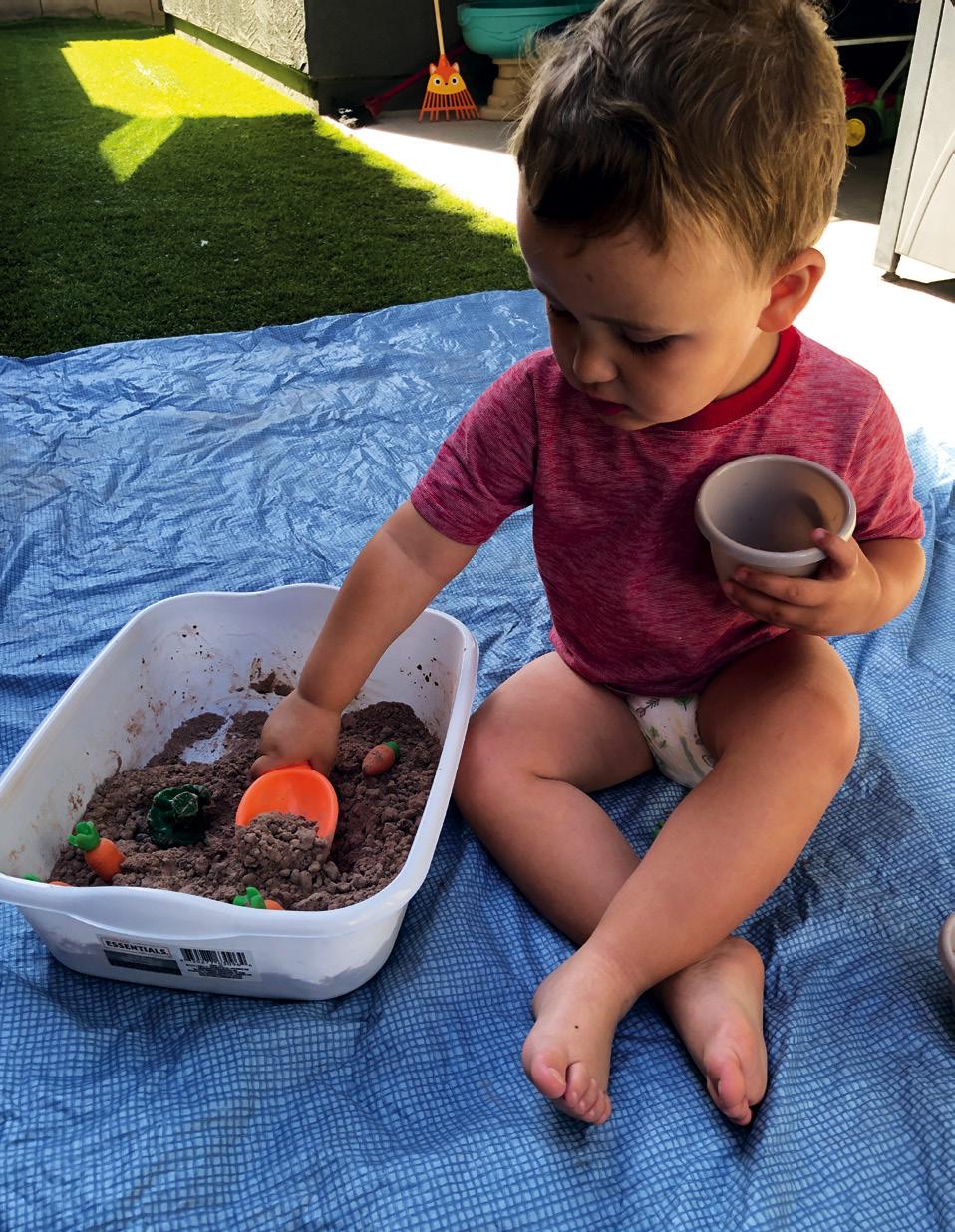
Spring Garden Sensory Bin
Base Options: Black beans (soil), dried lentils, or taste-safe option of cocoa powder mixed with cornstarch and vegetable oil to create “soil”
Add-ins: Plastic or wooden toy vegetables, small pots, scoops, fake flowers, seed packets, mini watering cans
A gardening-themed bin celebrates the season of growth. Black beans make a fantastic “soil” base, while cocoa powder offers a tastesafe option for younger toddlers.
Learning Component:
• Planting Pretend Play: Children “plant” vegetables and flowers, encouraging imaginative storytelling and vocabulary development.
• Counting & Measuring: Add measuring cups or spoons for scooping and pouring practice. Have kids count how many “seeds” go into each pot.
• Life Cycle Learning: Include simple picture cards showing the stages of plant growth (seed / sprout / flower). Kids can sequence the cards while they play.
You can even hide letter beads in the “soil” and have children dig them up to spell simple spring-themed words like “sun,” “rain,” or “seed.”
Spring sensory bins are a beautiful way to combine seasonal fun with meaningful learning. Whether you’re cracking open Easter eggs, sorting recyclables for Earth Day, or planting a pretend garden, these hands-on setups encourage curiosity, creativity, and foundational skills—all through play.
By Kate Reed
WHEN WE MOVED from the heat of Phoenix to the cooler temperatures of the White Mountains, one of the first things we wanted to do was start a garden. It took a few years of trial and error to figure out what worked in different light, soil, and temperatures—but it’s become a hobby we truly love.
Gardening with kids rarely looks like the peaceful, Pinterest-worthy scenes we imagine. It’s messy. The baby wants to eat the dirt. Soil gets spilled in the house. Plants get overwatered—or forgotten entirely. A late freeze sneaks in at the end of May. Our dog happily “helps” by digging where he shouldn’t, elk wander through and snack on our plants like it’s their personal buffet, kids pick things too early trying to be helpful, and bugs always seem to show up uninvited.
And yet—gardening with kids has become one of our favorite things to do together from spring through fall. Here are five lessons our kids have learned along the way.
1. Patience. In a fast-paced world where kids are used to instant results, the garden teaches patience in a very tangible way. You can’t rush a seed. You can water it, give it sunlight, and check on it daily—but growth happens on its own timeline. At first, this can be frustrating. Over time, kids learn that good things take time and consistency, even when progress isn’t immediately visible.
2. Responsibility. Gardening also builds responsibility and accountability. When a child is given “their” plant, something shifts. They remember to water it. They notice when the leaves droop. They feel proud when a sprout finally pushes through the soil. Plants depend on them—and kids often rise to that responsibility in ways that might surprise you.
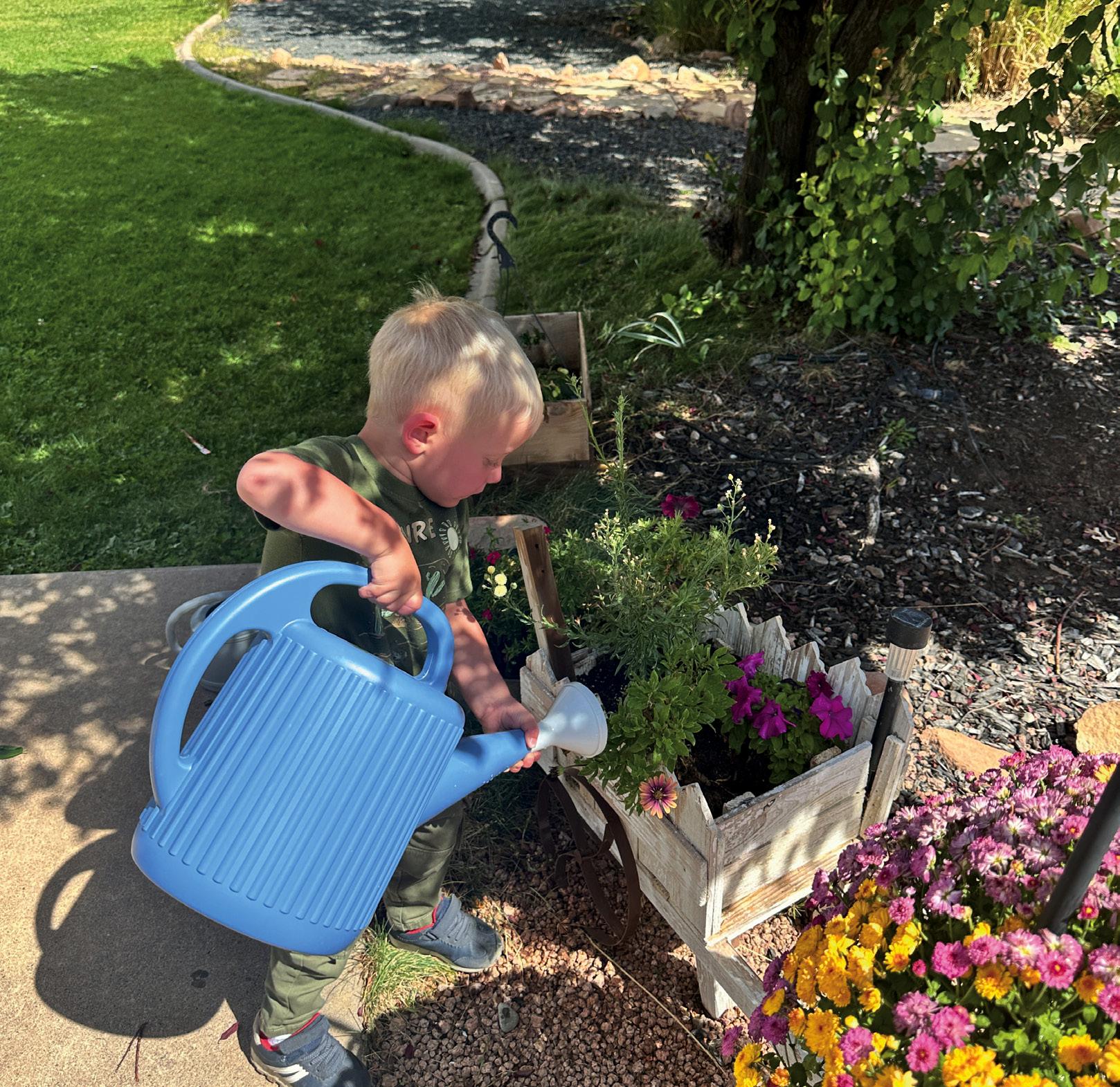
3. Not Giving Up (and Learning From Failure). Of course, there’s also garden flops. Not every plant survives. Bugs can be relentless. Birds pick off berries. Weather is unpredictable. Sometimes the elk win. Gardening gives kids a space to experience disappointment and build resilience—to problem-solve, adapt, and try again. Instead of giving up, they learn that setbacks are part of life, not the end of the story.
4. Accomplishment. There’s a huge confidence boost that comes from growing something successfully. Watching kids harvest food they planted themselves gives them a deep sense of accomplishment. Gardening may be hard work, but it shows them that effort matters—and they love telling anyone who will listen about the fruits and vegetables they grew themselves.
5. Connection to Food. One of the most unexpected benefits has been the connection to food. When kids help grow what ends up on their plates, vegetables suddenly feel less intimidating. Gardening has made our
kids far more curious about what we eat and eager to help with menu planning and cooking—because food grown in our own backyard feels different.
In addition to all of that, gardening naturally sparks curiosity and learning. Kids ask questions we don’t always have answers to: Why do bugs like certain plants? How do roots know to grow downward? Why does soil matter so much? Without realizing it, they’re learning about biology, life cycles, ecosystems, and even math—counting seeds, spacing plants, measuring growth. It’s science and sensory play wrapped into one messy, dirt-covered experience.
This summer, we’re planning tomatoes, peppers, strawberries, zucchini, asparagus, artichoke, onions, leafy greens, herbs—and whatever else we can manage. It won’t be perfect. Something will fail. Something will thrive. And that’s exactly the point.
Gardening with kids isn’t about perfect rows or big harvests. It’s about dirt under fingernails, lessons learned slowly, and the confidence that comes from nurturing something from seed to table—together.





By Monique Seleen
EARTH DAY IS the perfect excuse to get outside, slow down, and help your kids fall in love with the natural world around them. Arizona is full of places where learning about conservation doesn’t feel like a lesson—it feels like an adventure. Whether your kids love animals, wide open spaces, or hands-on exploration, these Arizona destinations make celebrating Earth Day meaningful and fun.

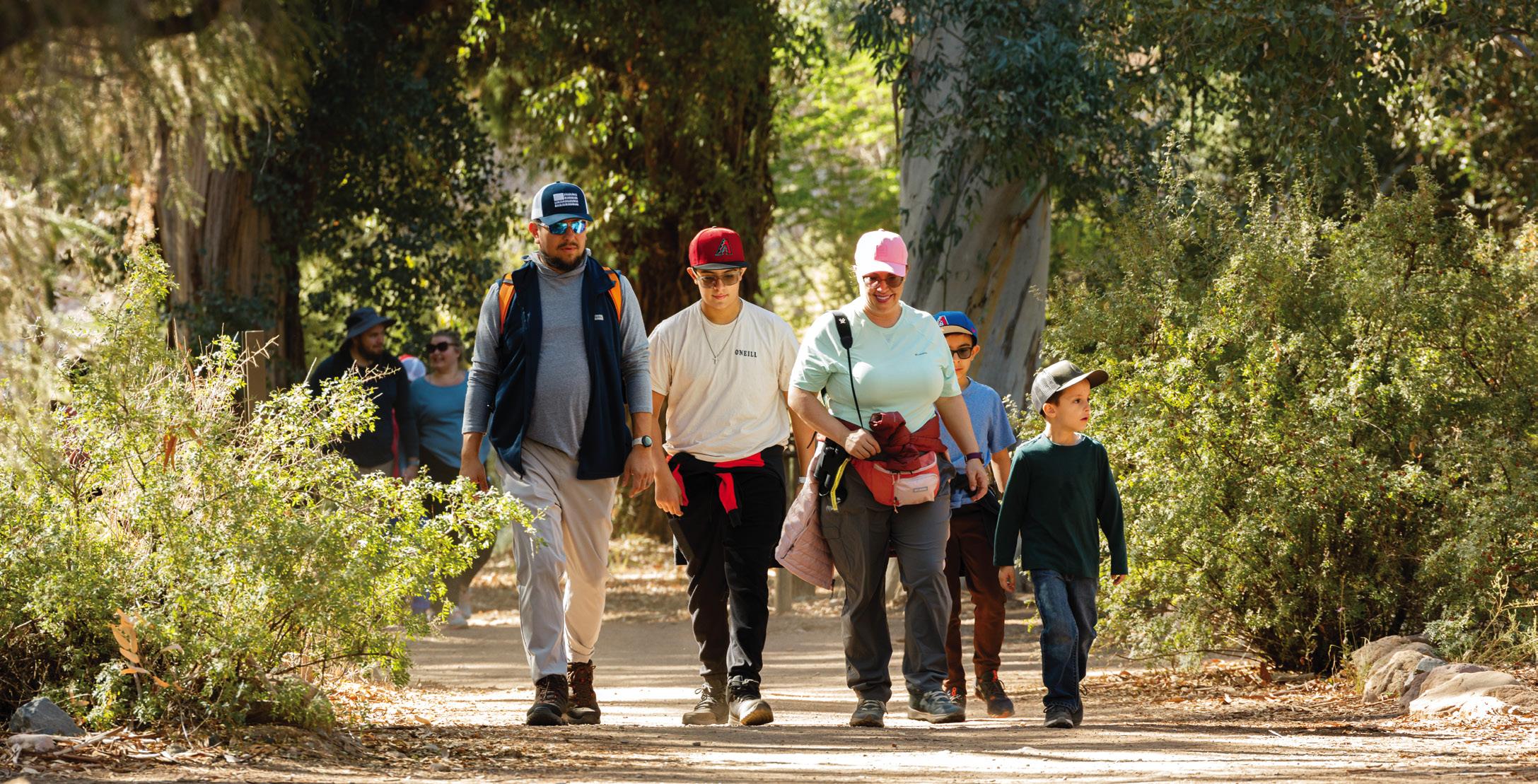
1. DESERT BOTANICAL GARDEN. The Desert Botanical Garden is a stunning introduction to the beauty and resilience of desert plants. Kids can wander winding paths filled with towering cacti, colorful wildflowers, and desert trees while learning how plants survive in extreme heat. The garden often hosts family programs, seasonal exhibits, and interactive activities that help kids understand water conservation and native ecosystems. Little ones especially love spotting butterflies, lizards, and birds along the trails. Pack water, sun hats, and let kids take the lead—it’s a gentle way to practice observation and respect for nature.
2. RIPARIAN PRESERVE AT WATER RANCH. If your kids love animals, the Riparian Preserve is a must. This peaceful wetland habitat is home to hundreds of bird species, turtles, fish, and rabbits. Bring binoculars and turn your walk into a bird-watching scavenger hunt. The flat, stroller-friendly paths make it accessible for all ages, and the shady areas offer a welcome break from the sun. Earth Day here is about noticing small details—ripples in the water, birds nesting, and how vital water is to desert life.
3. BOYCE THOMPSON ARBORETUM. Boyce Thompson Arboretum feels like stepping into a storybook. With towering cliffs, shaded canyons, and plants from deserts around the world, it’s ideal for curious kids who love to explore. Trails range from easy strolls to slightly more adventurous hikes, and kids can compare how plants from different climates adapt and thrive. Bring a nature journal or encourage kids to sketch what they see; it’s a beautiful way to connect creativity with environmental learning.
4. ARIZONA-SONORA DESERT MUSEUM. Part zoo, part botanical garden, and part natural history museum, this outdoor experience is endlessly engaging for kids. Children can see desert animals up close, walk through aviaries, and explore
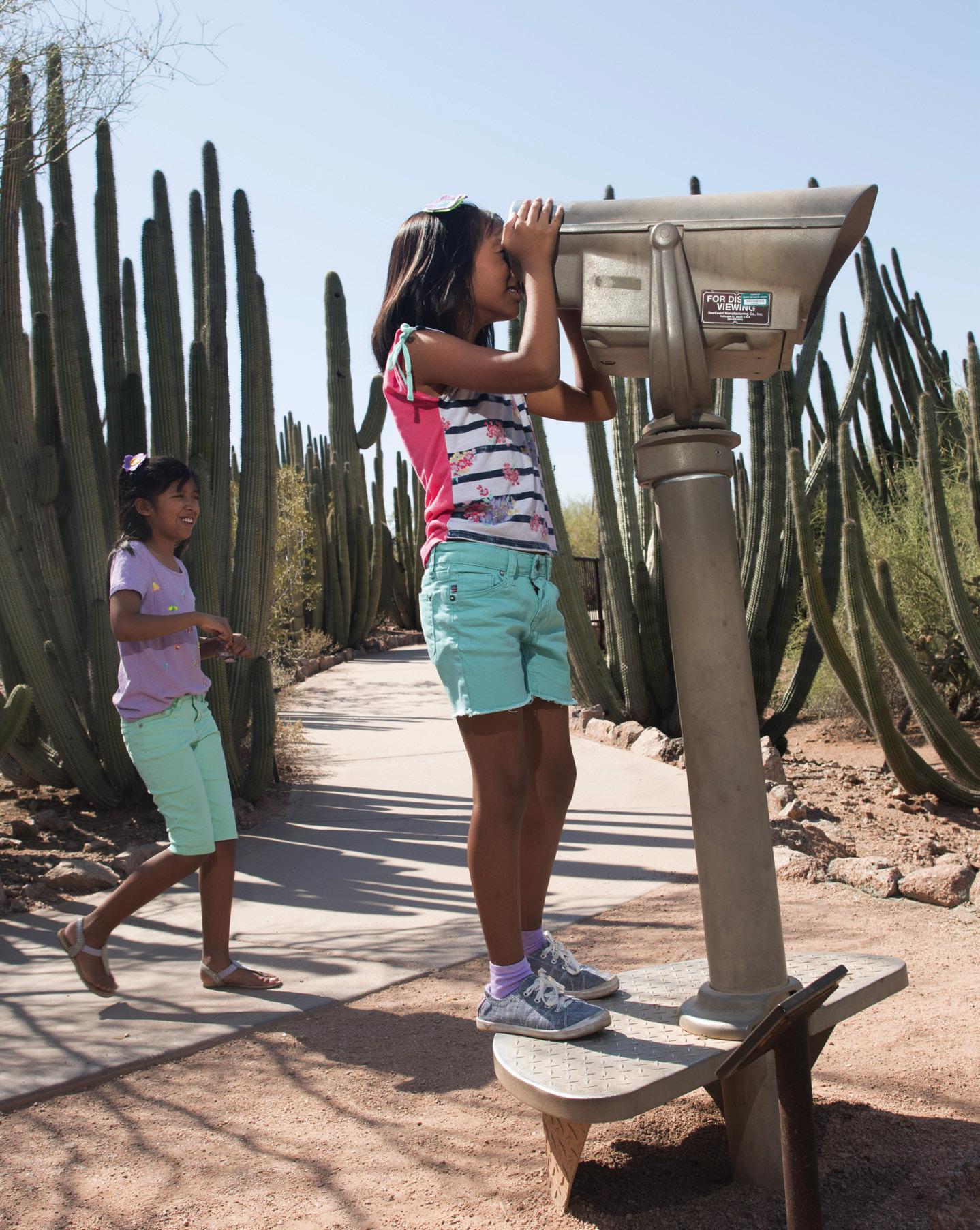
interactive exhibits that explain how plants, animals, and people coexist in the Sonoran Desert. Earth Day here naturally opens conversations about wildlife protection, habitats, and caring for the land we live on.
5. TOHONO CHUL. Tohono Chul offers a quieter, more relaxed Earth Day experience— perfect for younger kids or families looking to slow down. The gardens feature native plants, shaded paths, and peaceful spaces to explore at an unhurried pace. Kids can look for insects, smell herbs, and learn how traditional desert plants are used for food and medicine. There’s even the Children’s Museum Oro Valley at Tohono Chul offering hands-on desert play with indoor/outdoor exhibits, story times, and clay activities.
6. THE ARBORETUM AT FLAGSTAFF. For families in northern Arizona, The Arboretum at Flagstaff provides a coolclimate contrast to desert landscapes. Kids can explore forest and meadow trails, learn about high-elevation ecosystems, and enjoy seasonal family programs. It’s a great reminder that Arizona’s natural beauty comes in many forms.
Wherever you go, Earth Day doesn’t have to be complicated. A walk, a conversation, and time outside are often all it takes to plant the seeds of environmental stewardship—right where kids can see them grow.

By Monique Seleen
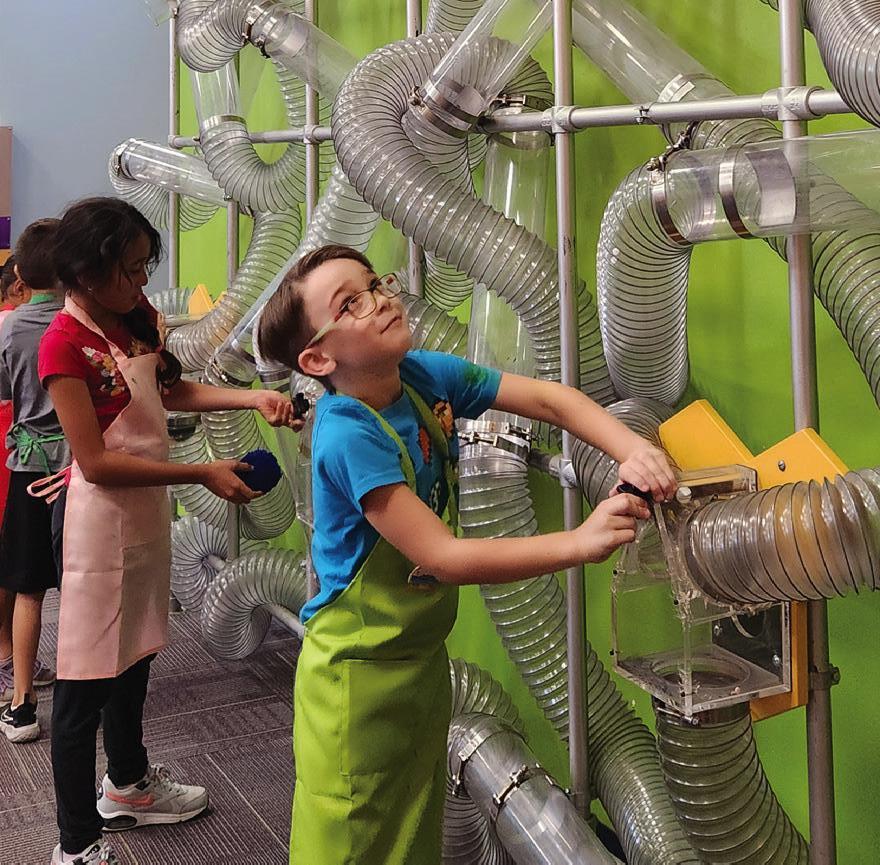
WHEN YOU’RE PLANNING a family outing, it’s easy to default to the big, wellknown attractions. But some of Arizona’s most memorable learning experiences are tucked away in small towns—where museums feel personal, approachable, and perfect for curious kids. These small-town museums offer hands-on history, outdoor exploration, and plenty of opportunities to slow down and connect as a family. If you’re ready for a road trip that blends education and adventure, these museums are well worth the drive.
Goldfield Ghost Town Museum . Part museum, part immersive experience, Goldfield Ghost Town is a hit with families. Kids can explore reconstructed buildings, mining exhibits, and historic artifacts while parents enjoy the dramatic desert backdrop. It’s an engaging way to learn about Arizona’s mining history—and the perfect spot for kids who prefer learning by exploring rather than reading signs.
Arizona Railway Museum . Train-loving kids (and parents) won’t want to miss this hidden gem. The Arizona Railway Museum showcases restored locomotives, railcars, and artifacts that tell the story of how railroads shaped the Southwest. Kids can step inside train cars and imagine life on the rails, while parents appreciate the knowledgeable volunteers who are eager to share stories and answer questions.



Gilbert Historical Museum . Housed in a former elementary school, the Gilbert Historical Museum blends local history with kid-friendly exhibits. Families can explore agriculture, early settlement, and cultural growth in the East Valley, all in a space that encourages questions and conversation.
Sharlot Hall Museum. Set on a beautiful campus just off Prescott’s historic downtown, Sharlot Hall Museum brings Arizona’s territorial days to life. Families can explore historic buildings, old schoolhouses, and pioneer-era exhibits that make history tangible for kids. The open-air layout allows children to move freely, making it an especially good stop for younger learners who struggle with traditional museum settings.

Show Low Historical Museum. Located in a historic house, this museum highlights White Mountain history through artifacts, photos, and rotating exhibits. It’s manageable in size, making it ideal for families who want an educational stop without museum fatigue. The local focus helps kids connect history to real places they can still visit today.
Strawberry Schoolhouse Museum. This one-room schoolhouse turned museum offers a glimpse into early education in Arizona. Families can see original desks, chalkboards, and teaching tools, sparking conversations about how school has changed over time. It’s a simple but meaningful stop, especially when paired with Strawberry’s charming mountain-town atmosphere.
O.K. Corral Exhibit. History lessons don’t get much more iconic than the Wild West. The O.K. Corral Exhibit in Tombstone introduces families to the legendary shootout and the characters who shaped frontier lore. It’s a great opportunity to discuss fact versus legend, helping older kids understand how history is remembered and retold. Pair it with a stroll through Tombstone for a full step-back-intime experience.
These small-town museums remind us that learning doesn’t have to be overwhelming. With shorter crowds, welcoming staff, and stories rooted in local communities, they offer meaningful adventures that feel just as special as any big-city attraction.
By Elaina Verhoff
IN 2024, Charlie Ray, owner of The Green Room Landscape Architecture, attended an industry conference in Sweden. It was there that a serendipitous meeting with Niels Hofstee and Michael Vrijhof, founders of Netherlands-based nonprofit Office for the New Earth (ONE), led to an international partnership and the idea to develop a special project in Arizona. Inspired by the work and vision of Hofstee and Vrijhof, who have created therapeutic spaces for children at refugee camps in The Netherlands, Cyprus, and Greece, Ray offered to host the founders in his studio to jointly design a healing children’s play space for an Arizona nonprofit.
After an extensive vetting process of dozens of potential nonprofits, Tucson’s Second Sky was selected as the partner for the project. A community hub serving families in South Tucson with afterschool programming, Second Sky had a 12,000-square-foot community center with a small café, two rooms for activities, and an acre of undeveloped land perfectly suited for a healing play space to serve the community.
“When we connected with Joseph at Second Sky, it was clear we had found our partner,” said Ray. “Second Sky had an undeveloped parcel that was a blank canvas for creating a nature-inspired social space that could bring a true resource to southeast Tucson. And equally important was the nonprofit’s mission to use the latest research in social and economic mobility to support vulnerable communities.”
Dubbed Oasis for the Senses, the project’s design, inspired by the desert landscaping at Ray’s childhood home, features playful rolling dunes with shade trees, water features, and fragrant shrubs and colorful flowers, creating a natural backdrop for play and exploration.
Vrijhof says that while most playgrounds are designed for stimulation, psychology actually shows that children benefit most from environments that provide 80% peace and calm, and 20% thrill.
“We envision a sensory garden where Tucson children can come together to rediscover peace and fascination, stillness and

adventure… a botanical oasis reconnecting children with nature, and finally with themselves, so they can embrace a spirit of light and joy, and grow into the visionaries of tomorrow.”
Over the past several months, the Green Room team has donated their time, expertise, and studio space, and ONE has been working with Second Sky to actively fundraise for the project.
Second Sky Director Joseph O’Connell says thanks to generous donations from Arizona Wholesale Growers, KW Stone Group, Hunter, and Native Resources, plus monetary donations from the Rockstad Foundation and others, the project is on track for Phase One to be completed by late spring. Phases Two and Three will follow in late 2026 and early 2027.
With the site grading complete, and neardaily donations of mulch coming in from Tucson Electric Power, Oasis for the Senses is starting to take shape. Some of the trees, donated by Native Resources, have arrived on site and will be planted once the irrigation
system is installed, with hundreds of trees, shrubs, ground covers and grasses still to come from Arizona Wholesale Growers.
The project team is currently seeking contributions for construction, irrigation, lighting, electricity, fencing, plantings, water features, soft and hardscape materials, along with monetary donations. Those interested in supporting the project can learn more at newearth.one/oasisforthesenses
“Throughout the creation of this true oasis in the desert, we are continuing to serve hundreds of families every week,” said O’Connell. “Second Sky is thriving and growing, and we can’t wait to see Oasis for the Senses come to life!”
Second Sky is a community hub with an adventure playground, event space, food and beverage destination, family fitness and sports coaching, and STEAM support center for after-school and microschool students. This initiative grew as the need for a creative social space in southeast Tucson and to support vulnerable communities following the latest research in social and economic mobility.w
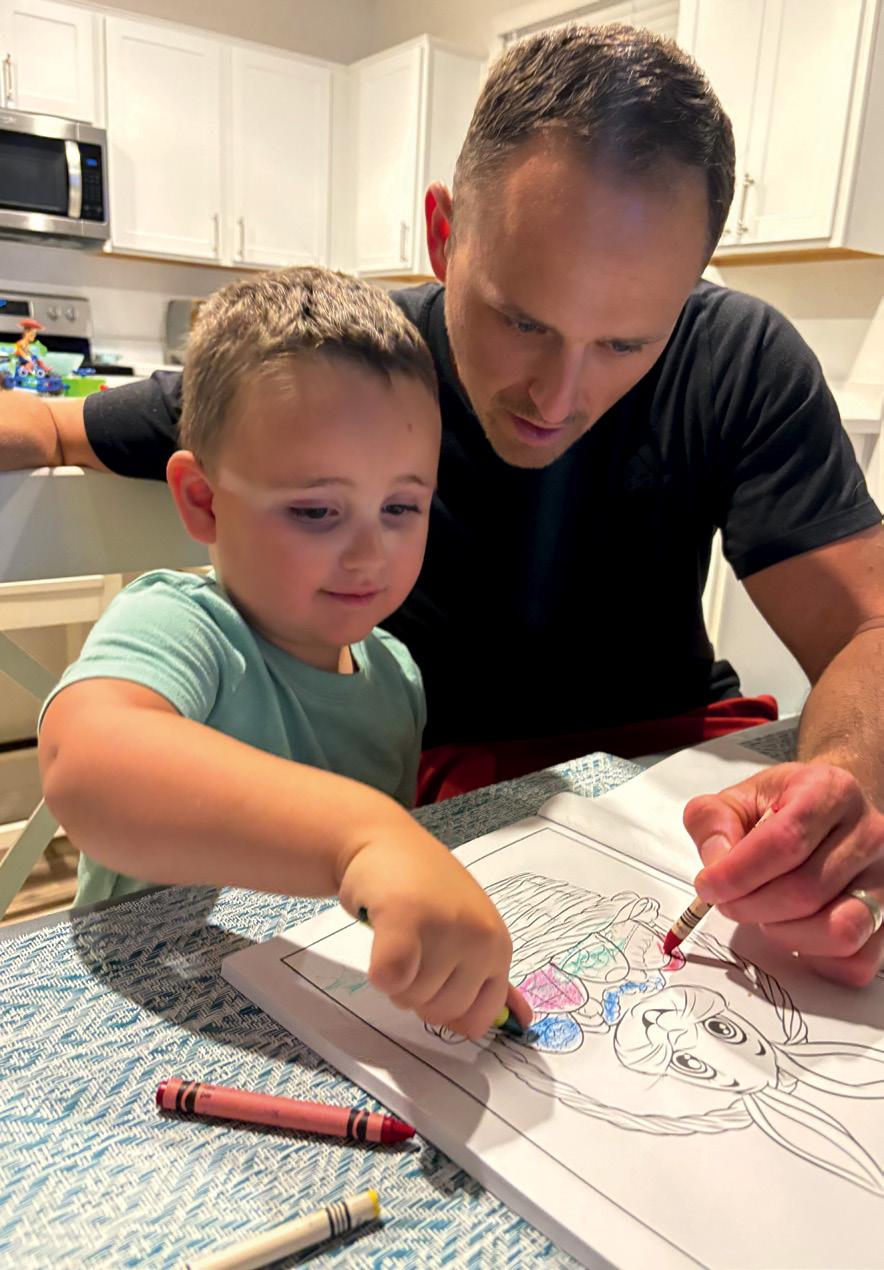
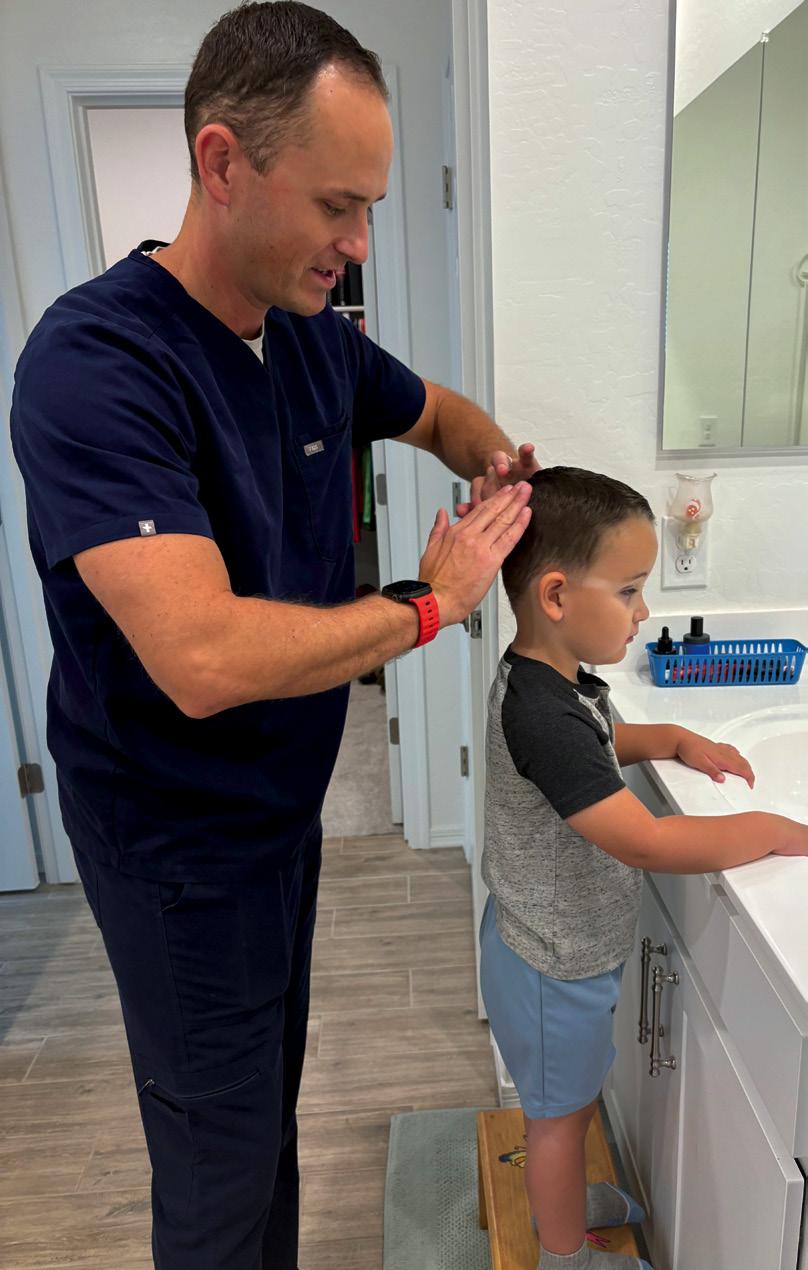
By Chris Seleen
Becoming a father while working full time has been one of the most challenging and meaningful transitions of my life.
During my son’s first year, I learned quickly that providing for a family involves far more than financial stability—it requires presence, intentionality, and difficult choices. Balancing the demands of my career with my desire to be an engaged father forced me to re-evaluate what success truly meant for me and my family.
During my son’s first year of life, I worked as an oncology nurse in a hospital setting, scheduled for three twelve-hour shifts each week. While this schedule offered full-time hours in fewer days, the reality was far more demanding than it appeared on paper. I often left for work before my son woke up and returned home after he was already asleep. On the days I worked, I missed milestones, bedtime routines, and the quiet moments that help form a bond between parent and child. Although I knew I was providing for my family, I felt the emotional weight of being
physically absent during such a formative time in my son’s life.
That schedule also placed significant strain on my wife. While I cared for patients facing serious illness, she carried the majority of the responsibilities at home—often alone.
The long hours, emotional exhaustion, and unpredictability of hospital work followed me home, making it difficult to be fully present even on my days off. Over time, it became clear that although the job aligned with my professional skills, it was not aligned with the kind of father and husband I wanted to be.
Recognizing this, I made the decision to transition from hospital nursing to an outpatient clinic. This change provided a steady schedule, predictable hours, and holidays off—benefits that extended far beyond convenience. For the first time, I was able to wake up with my son, participate in daily routines, and share responsibilities more equally with my wife. Being home in the evenings allowed me to be present for bath time, bedtime stories, and the small moments
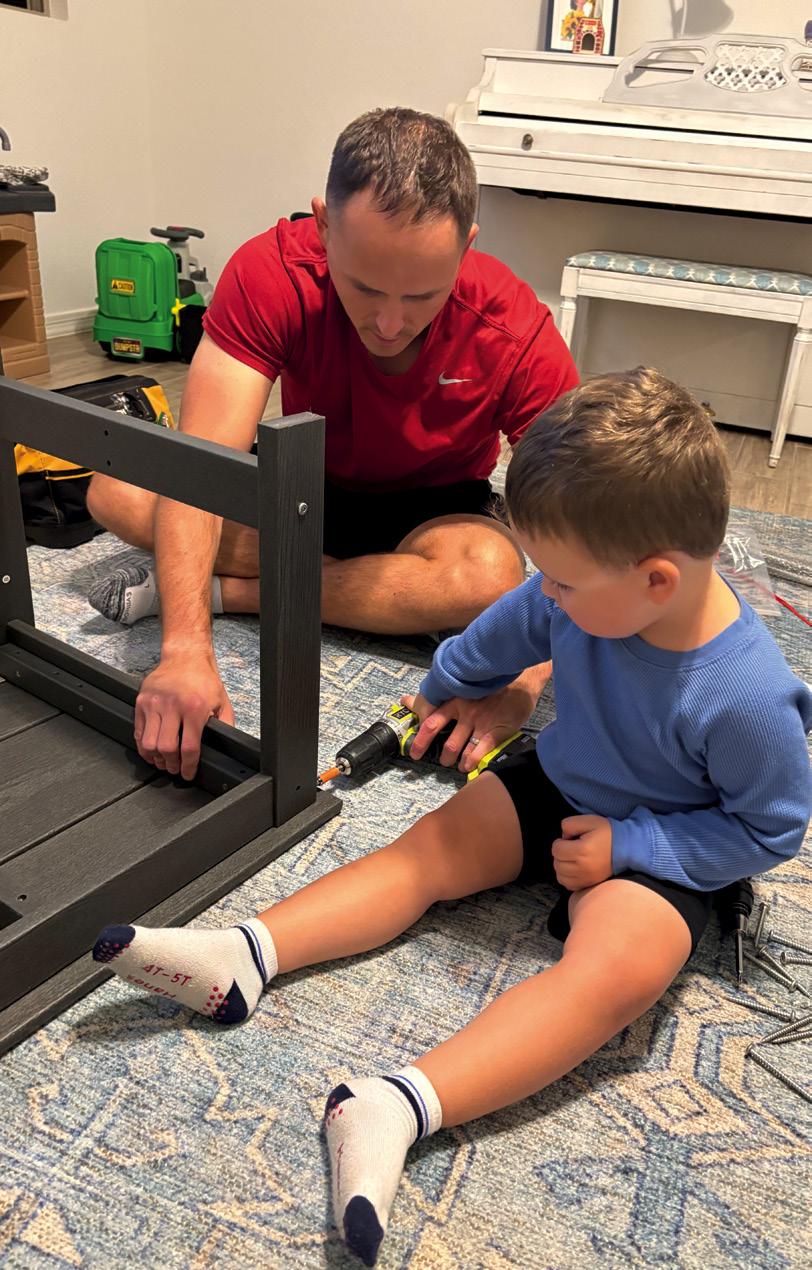

that build trust and connection.
Working full time while remaining actively involved in my son’s life has taught me that presence is not accidental—it is intentional. It requires sacrifice, selfreflection, and sometimes stepping away from what is familiar in order to prioritize what matters most. My career remains important to me, but fatherhood has reshaped how I define fulfillment and success.
Ultimately, choosing a path that allowed me to be present during my son’s early years has been one of the most meaningful decisions I have made. It reinforced the belief that while work is an important part of life, the opportunity to actively participate in my child’s growth and support my family is irreplaceable.
Chris Seleen is an Arizona native, oncology nurse at Banner Gateway MD Anderson Cancer Center, husband to RAK’s Editor, Monique Seleen, and dad to their four-year-old son, Carter and a baby girl on the way. They live together in Mesa.
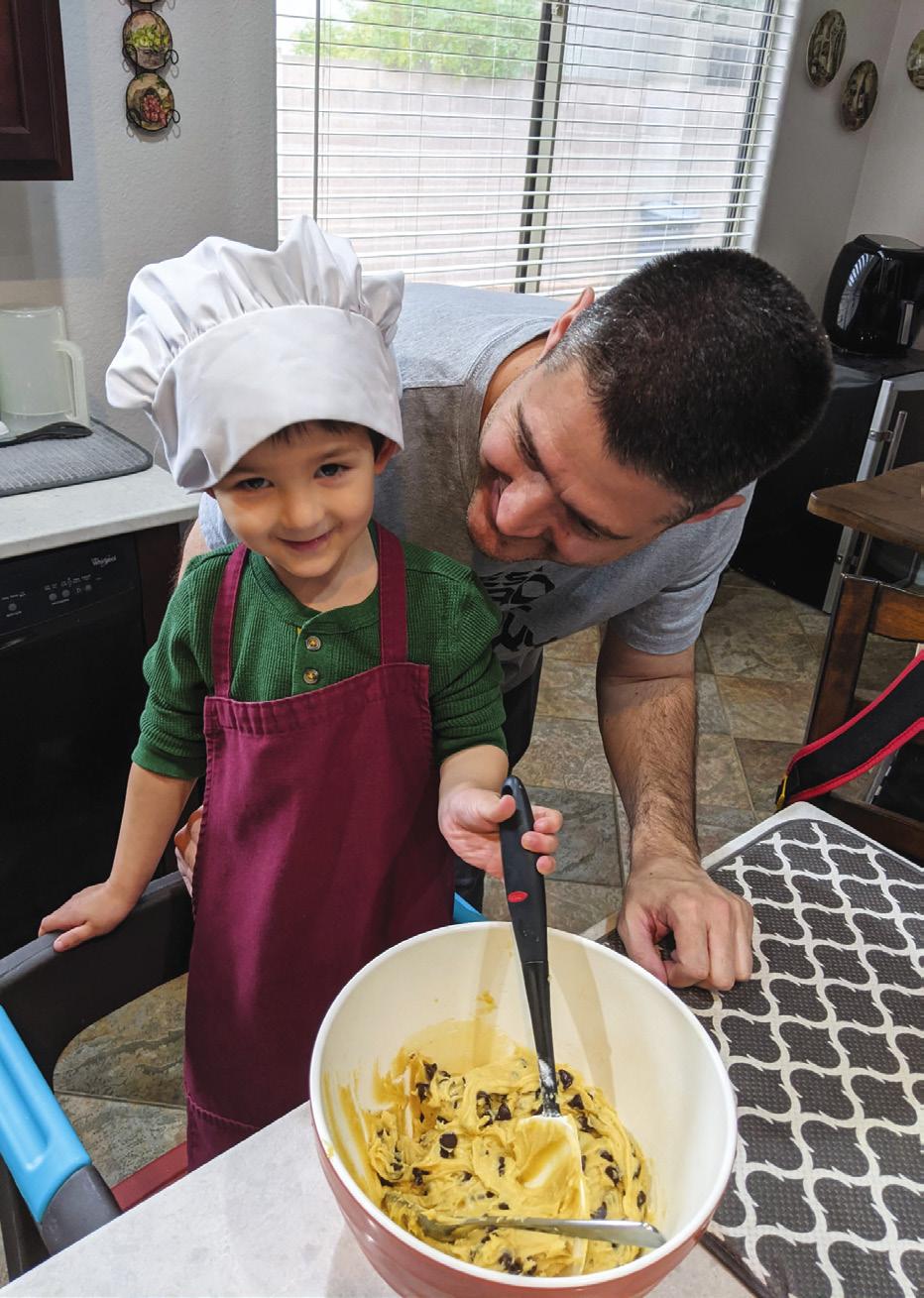
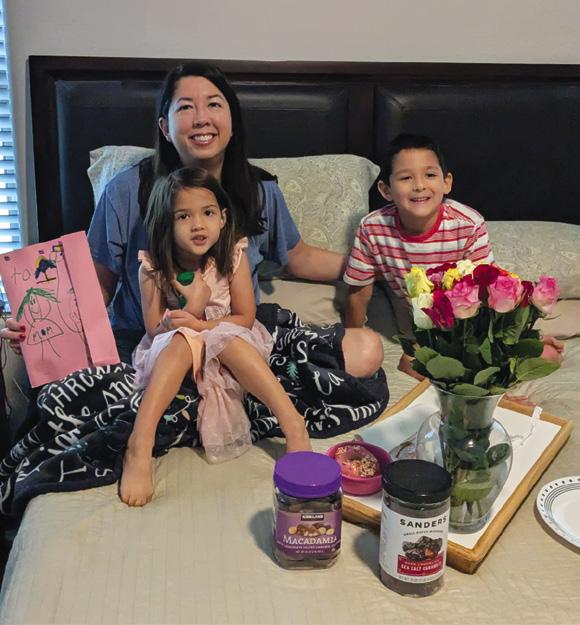
By Ben Mills
ROSES ARE RED.
Violets are blue.
Moms are super awesome. It’s time to celebrate YOU!
HEY DADS, Mother’s Day is right around the corner, and it’s time to start planning. I’ve gathered a few ideas to celebrate her hard work this year, whether she’s looking to spend the day with the family or on her own. And trust me, don’t take it personally if she wants a day of self-care – she’s earned it! Remember, you’re a Super Dad, so take time with your kids today and show them how superheroes care for others!
1. Day off from cooking and chores: You and the kids take care of all the meals today. Make sure to include some of her favorite foods. You’re in charge of the dishes, too! Spend the rest of the day doing at-home activities like playing board games or making
a family photo collage. Or, if she wants to go out, set up an early morning hike or check your local library for their Culture Pass, which includes free admission to local museums and points of interest around our state.
2. Dinner and a movie: Well, maybe more like lunch and a movie depending on the age of your kids. Buy tickets in advance and make a reservation at her favorite restaurant. With a little advanced planning, you could see a theatrical play or musical instead.
3. Staycation at a local resort: This is a great time of year to look at summer rates for local resorts. If the budget allows, book her a massage or manicure at the resort.
1. Spa trip: Check with her on her favorite place to pamper herself and get her a gift card for a service. Make a reservation so she can just go without the mental load of trying to book the day of. Also, make sure to include a nice tip
for the staff to enhance her experience.
2. Home alone: Take the kids out for a good portion of the day and give her the house to herself. Give her a DoorDash gift card so she doesn’t have to cook. You and the kids can hit the zoo, movie theater or go on a hike.
3. Shopping spree: Believe it or not, a solo shopping trip to her favorite store can be a treat. My wife is always asking to go to Target by herself, which is a rare occurrence as our kids love Target, too! Additionally, during the time that she’s gone, you and the kids can cook her a meal for when she returns. The less she has to do, the better!
I wish you all well in your preparations for Mother’s Day. It’s an important time of year to pause and celebrate those special mothers in your life, as it shows both them and your kids the importance of giving back to the ones we love.
Until next time… Up, up, and away!

By Jonathan Elley
BEFORE BECOMING A dad, I had ideas, goals, and aspirations about what fatherhood would look like. I had heard the stories— sleepless nights, exhaustion, and the strain that can be placed on a marriage while navigating those challenges. Many of those stories were true, but they failed to paint the full picture of what being a dad really is.
Becoming a dad starts the moment you hear the words, “We’re pregnant.” I wish someone had told me just how much those two words would change my life. I searched high and low for books that explained how to support your spouse and prepare for pregnancy, but the guidance felt few and far between. Along the way, I figured out some things through trial and error that I wish I had known from the start.
• Be present for appointments, especially early on, when everything feels new and intimidating.
• Take the burden off your spouse or partner by handling grocery shopping, cleaning, and laundry.
• Buy all the pillows (yes, we somehow ended
up with about ten pregnancy pillows).
• Create a safe, supportive space for her.
• Take time for yourself to process the change.
• Prepare for baby needs early—from diapers and bottles to learning how to clean and organize everything.
• Go to birth classes.
The biggest lesson I learned during this preparation period was the importance of staying present and engaged throughout the entire process. Our daughter tried to arrive two months early, and my wife was placed on bed rest. Because I had already stepped into these responsibilities, I was better prepared to care for both my wife and the baby during that unexpected season.
Then came the birth—and the incredible gift of becoming a dad. My wife was a superhero during delivery, and I made sure she knew it. When my baby wrapped her fingers around mine as she was being measured and weighed, the realization hit me: I am responsible for this little human.
The first few weeks were a steep learning
curve, but these things made a difference:
• Change every diaper you can.
• Learn about perineal care and how to support your partner through recovery.
• Prioritize cleaning, bath time, and establishing a routine.
• Enjoy the quiet moments at two in the morning with your baby and a bottle.
• Stay present, even when you feel overwhelmed—and when you are overwhelmed, communicate it.
This list only scratches the surface, but if there is one thing to remember, it’s this: Fatherhood is the greatest blessing. Stay present, enjoy the moments, and always support your partner.
Jonathan Elley is an Arizona native and Doctor of Physical Therapy practicing in Mesa, Arizona. A husband and father of one, he is grounded in his Christian faith and committed to living with intention, integrity, and presence. His work reflects a deep respect for family, responsibility, and being fully engaged in both work and life. He has recently authored a book titled The Beginning: A Guide for New Dads.
By Tom Dolan

FOR COMMUNITIES ACROSS Arizona, pools are part of everyday life. They are present in backyards and community centers, which means you can expect to see a pool at nearly any local party or family gathering.
While pool parties are meant to be fun – kids are excited, adults are catching up, and everyone’s enjoying the moment – the combination of energy, distraction and laxity makes for a higher-risk environment.
Because Arizona residents are around water so often, it can be easy to let guards down during pool parties, which is exactly why pool safety deserves extra attention in these spaces.
One of the biggest misconceptions I’ve seen, in my experience, is the idea that supervision is a shared responsibility. At pool parties, adults often assume someone else is watching, but in practice, effective supervision means assigning that responsibility very clearly.
A designated water watcher should be:
• Focused solely on the pool
• Free from distractions (such as phones or conversations)
• Rotated every 15–20 minutes to stay alert
Even the strongest swimmers need
supervision. Drowning is often silent and happens quickly, sometimes without splashing or calls for help. During pool parties, crowded spaces, noise, and activity can make it harder to notice subtle signs of trouble. This is why it is imperative that all attendees, not just those in the water, are aligned on the pool rules and the supervision plan.
Before anyone jumps in, it’s important to establish pool rules. This doesn’t have to be formal or intimidating, but it should be clear and consistent to everyone.
Key rules should always include:
• No running on the pool deck
• No diving unless permitted and supervised
• Stay within designated swim areas
• Always tell an adult before entering or leaving the pool
Taking just a few minutes to set expectations during a pool party can make all the difference, and establishing these rules helps kids understand boundaries and reduces risky behavior before it happens.
Pool parties change the dynamic around water. Not only are children often exhibiting a lot of energy while in the pool, but they are also likely to participate in games or attempt a new water trick while playing with friends and loved ones.
Another important reminder is that confidence doesn’t equal capability. Even children who are comfortable and adventurous in the water can misjudge their limits, especially when energy levels are high.
From my experience as a competitive swimmer, Olympic medalist, and now President of Corporate Pools at Big Blue Swim School, I encourage families to remember our SAFER approach to water safety:
Swim with a buddy and make sure there is always a Water Watcher on duty
A cquire first aid and CPR training so you know how to respond in an emergency
Find and reduce water hazards, including removing toys from the pool when not in use
Enroll children in swimming lessons to build skills, confidence, and awareness
• Respond fast and call 911 in an emergency
Living in a region where pools and bodies of water are commonly found requires water safety to be part of everyday parenting. Pool parties are a good reminder that safety is built over time, through awareness, preparation, and confidence in the water.
When kids understand their abilities and limits, they make safer choices. And when adults are intentional about supervision and preparation, pool parties can stay what they’re meant to be: joyful, memorable and safe.
Tom Dolan is a former competitive swimmer, three-time Olympic medalist, and former world record holder. He currently serves as the President of Corporate Pools for Big Blue Swim School, one of the nation’s fastest-growing swim school franchises. Founded in 2009 by competitive swimmer Chris DeJong and backed by Level 5 Capital Partners, the brand offers best-in-class swim lessons for children ages three months to 12 years, combining strong consumer demand with robust franchisee support. With 52 pools open nationwide and more than 250 units in development, Big Blue supports franchise partners at every stage, from real estate selection to marketing and operations, to drive long-term success.
By Rachel Galvez
IN ARIZONA, water is part of everyday life, from neighborhood pools to weekend trips that involve a splash pad or hotel stay. As temperatures start to climb in the spring, many families begin thinking ahead about swim safety and summer plans.
Most parents know lessons aren’t just another activity; they’re a safety priority. Still, that doesn’t make the price tag any easier. When calendars start filling up and budgets are already stretched, adding one more expense can feel daunting. The good news? With a little planning and flexibility, many families can find quality options that fit their budget.
One of the first places families can check is right in their own neighborhoods, especially when budgets are tight and schedules are full.
City parks and recreation departments, community aquatic centers, public school pools, and YMCA or nonprofit swim programs often keep costs lower by offering group classes or shorter sessions. For families, that can mean paying less while still getting structured, professional instruction.
Many programs run lessons in short blocks, which can make the overall cost feel easier to manage.
When comparing options, it helps to watch for things like:
• Early registration discounts
• Multi-child pricing
• Session-based packages
• Intro or trial classes
Signing up earlier in the season can also help families avoid peak-season pricing.
Instead of letting swim lessons sneak up on you financially, try building them into
your spring planning the same way you would camps or vacations.
A few simple ideas:
• Set aside a little money each month
• Create a “water safety” savings goal
• Talk through why lessons take priority over some extras
Through my work with Arizona Financial, I see how planning ahead for seasonal costs can make activities like swim lessons feel far less stressful for families.
Small steps now can make a big difference later.
This is one of those moments where a quick question can go a long way.
Many community programs offer scholarships, sliding-scale fees, payment plans, or sponsored spots, but families don’t always realize these options exist. A short phone call or email can help clarify what’s available.
You usually don’t need much to get started, often just a swimsuit and goggles.
Borrowing gear when possible, buying secondhand swimwear for fast-growing kids, and skipping extras unless required are easy ways to keep costs down without cutting corners on safety.
Swimming is a life skill, and access shouldn’t feel out of reach. With a little research, early planning, and flexibility, families can often find lessons that fit their schedules and budgets, so kids can head into the warmer months feeling confident and prepared.
Rachel Galvez is the Executive Director of Arizona Financial Foundation. A wife and mom of two, Rachel is committed to empowering families with the information they need to make smart financial decisions now and set their children on the path to financial success in the future.


Expert-backed tips for finding a program that fits your family
By Aqua-Tots Swim School
SWIMMING IS MORE than a fun, summer activity. It’s a foundational life skill that builds confidence and comfort around water for parents, caregivers, and children. For many parents, choosing a swim school may feel like an overwhelming decision. Understanding what you’re getting out of a swim program helps you feel confident you are setting your child up for success.
Here are eight key things parents should consider when evaluating swim schools.
1. Safety Is the Top Priority. Lessons should focus on building confidence and awareness in and around water. Search for programs that integrate safety into every stage of instruction, helping children learn boundaries and develop skills they can rely on as they grow.
2. Smaller Class Sizes . Smaller class sizes of four students or less allow instructors to understand each child’s pace, comfort level, and learning style. Programs with smaller class sizes create a supportive environment where children can gain confidence and make new friends.
3. A Curriculum That Grows with Your Child. A well-designed swim curriculum follows a clear progression, starting with basic water comfort and advancing
toward strong, independent swimming skills. Look for a program that moves at your child’s pace and offers personalized feedback in every lesson.
4. Trusted Instructors. A good swim school program will ensure their instructors are certified in proven methods. Beyond certifications, it’s important that instructors create a welcoming environment and help children feel safe, supported, and excited to come to class.
5. Flexibility That Works for Your Schedule. Life is busy, and swim lessons should fit seamlessly into your schedule. Evening and weekend classes, along with clear make-up policies, allow families to maintain consistency even when life gets busy.
6. Transparent and Hassle-Free Pricing. Understanding tuition structure helps eliminate surprises. Some schools charge more when a month has five weeks, while others charge the same amount every month. Look for monthly pricing that offers consistency and transparency. This makes it easier to budget for ongoing le ssons while supporting future progress throughout the year.
7. Experience and Reputation. Reviews, word-of-mouth recommendations, and repeat families can help provide a peek behind the curtain on the program’s impact. Swim schools with years of experience bring refined teaching methods, established safety practices, and a strong understanding of how children learn in the water.
8. Commitment to Community and Family Success. Choosing the right swim school supports safety, confidence, and growth. Locally rooted programs often build lasting relationships with families and communities, creating trust and shared accountability. For Arizona families, Aqua-Tots Swim School has served the Valley for more than 35 years. Founded locally and designed for children of all abilities, Aqua-Tots is globally trusted while remaining deeply connected to the Phoenix area through eleven neighborhood locations.
When families research, observe classes and ask thoughtful questions, they gain clarity and confidence in their choice. A supportive swim environment encourages skill development, resilience and lifelong respect for water—benefits that extend far beyond the pool and into everyday life.
By Jackie Follmuth
WHEN IT COMES to kids’ clothing, many parents are used to sizing up. Children grow quickly, clothing costs add up, and getting an extra season out of an outfit can feel like a smart win.
Swimwear, however, is one category where sizing up can create unintended problems— especially during swim lessons.
This isn’t about fashion or appearances. It’s about safety, comfort, and helping children get the most out of their time in the water.
Swim lessons are hands-on by nature. Instructors support children as they float, kick, glide, and learn proper body positioning. When swimwear doesn’t fit securely, it can create challenges that parents may not notice from the pool deck.
Common issues instructors see include:
• Swim bottoms that constantly need adjusting
• Straps that slip off shoulders
• Fabric that sags, shifts, or exposes private areas
• Children becoming distracted or uncomfortable
For kids, this can feel awkward and frustrating. For instructors, it adds an unnecessary layer of concern during lessons that are meant to focus on safety and skill development.
A swimsuit that seems “a little loose but okay” when dry can behave very differently once it’s in the pool.
Water affects swimwear by:
• Stretching fabric when wet
• Adding weight that pulls suits downward
• Creating drag during movement
• Breaking down elasticity over time, especially in chlorinated pools
What looks like “room to grow” on land can quickly turn into slipping straps and sagging bottoms once swimming begins.
Loose swimwear doesn’t just affect comfort—it can impact how well a child learns to swim.
Extra fabric creates drag in the water, making movement more difficult. Children may focus more on keeping their suit in place than on learning essential skills like breathing, floating, kicking, or coordinating arm movements.
Swim lessons are an investment in a child’s safety. Properly fitting swimwear helps ensure that time and money are spent on progress— not distractions.
Proper fit does not mean tight or restrictive. It means secure.
A well-fitting swimsuit should:
• Stay in place during movement
• Allow full range of motion
• Feel comfortable without constant adjusting
• Keep children focused on the lesson, not their clothing
In many cases, this may mean choosing a size that fits snugly rather than one with extra room to grow.
For swim lessons, many instructors recommend:
• A snug-fitting rash guard (short or long sleeve)
• Secure, well-fitting swim shorts or bottoms
This combination offers several benefits:
• Better warmth in indoor pools
• Added sun protection outdoors
• Fewer wardrobe distractions
• Improved comfort and focus during lessons

When clothing stays in place, everyone benefits—children feel confident, and instructors can focus entirely on teaching.
A Simple Rule to Remember
Swim lessons aren’t about style or trends. They’re about:
• Safety
• Confidence in the water
• Building lifelong skills
Sizing up makes sense for everyday clothes like pajamas, sweatshirts, and leggings. But when it comes to swim lessons, a secure fit matters more than extra room. And a wellfitting swimsuit helps children focus on what really matters—learning to swim.
Jackie Follmuth is the owner of Arizona Mobile Swim and a mother of two children with unique learning and educational needs. With more than 15 years of experience in swim instruction and water safety, she specializes in infant and toddler water acclimation using an educationcentered, developmentally appropriate approach. Jackie’s work prioritizes confidence, trust, and individualized pacing to create an inclusive, family-centered path to lifelong water safety.
By Aqua-Tots Swim School

FROM BATH TIME to swim lessons and sunny days at the pool, water is part of everyday family life. Parents often rely on commonly shared ideas about water safety to guide supervision and skill-building. But which of these ideas reflect best practices, and which are myths passed along over time?
According to the Centers for Disease Control and Prevention, drowning is the leading cause of injury-related death for children ages one to four. Even when parents are careful, operating under myths instead of proven safety practices can leave gaps in protection. Understanding the realities of water safety helps families make informed
choices and build habits that support confidence, independence, and lifelong skills in and around water.
Myth 1: My Child Can Swim, So They’re Always Safe Around Water
Swim skills provide an important foundation, but they work best when paired with additional layers of protection, such as adult supervision, barriers, swim lessons, and US Coast Guard approved life jackets on open water. Relying on ability alone can create a false sense of security, especially in new environments or around distractions.
Myth 2: I Will Hear My Child If They Need Help
Movies often portray water emergencies as loud and dramatic, but real-life incidents are frequently quiet and subtle. Any water that can cover the mouth and nose (from a pool, bathtub, or bucket) requires active supervision. When the body focuses on breathing, speech becomes secondary, making visual attention essential. Sudden quiet can be a cue to check in.
Myth 3: Pool Toys or Other Inflatable Devices Will Keep My Children Safe Inflatable devices can add fun and boost
confidence, but they are not a substitute for foundational swim skills. When children rely on pool toys (inflatable wings, tubes, noodles, etc.) they may not fully develop the strength and awareness needed to respond independently. Practicing floating and treading water without assistance help children pause, breathe, and plan their next move.
Myth 4:
Lifeguards are trained to monitor the overall aquatic environment, watching for signs of distress, enforcing safety rules, and responding to emergencies across many swimmers at once. Parents and caregivers remain a child’s first line of defense and should actively watch their children, stay within arm’s reach of young or inexperienced swimmers, and limit distractions. When adults and lifeguards work together, water safety is stronger and responses are faster.
Myth 5: Swimsuit Color Doesn’t Matter
Light, muted colors and green or blue hues blend into the water, making it harder to spot a struggling swimmer. Bright, neoncolored swimwear, especially red, orange, and yellow, improve visibility and can aid quick recognition in an emergency.
Understanding water safety myths and using proven practices empowers parents to keep children safer around the water. Swim lessons are a key part of this layered approach, complementing vigilant supervision and secure barriers. In fact, the National Institutes of Health found that swim lessons can reduce drowning risk by up to 88% for children aged one to four.
Founded in 1991 and headquartered in the Phoenix area, Aqua-Tots Swim School is making waves as the largest international provider of year-round, indoor swim instruction, community outreach and drowning prevention education. Its trusted program is dedicated to children of all abilities from four months to 12 years old and features a proven curriculum used to teach more than five million swim lessons each year. AquaTots has more than 180 locations across 14 countries and is rapidly expanding, with 90 locations in development. For more information about Aqua-Tots or to sign up for lessons near you, visit aqua-tots.com and follow Aqua-Tots on Facebook and Instagram
By Lori Stauffer


MOST PEOPLE THINK that drowning is a dramatic event involving splashing and screaming. But drowning is silent. It is critical to understand the signs of drowning to save lives.
What to look for:
A drowning person may be vertical in the water, with their head tilted back and their arms outstretched, and trying to climb an invisible ladder. They may gasp for air or may even hyperventilate.
As the process goes on, their energy depletes. They may make weak movements or not move at all. The person may have a glassy look, appearing to stare off into the distance, if their eyes are open at all. Their skin may turn blue or gray due to the lack of oxygen.
How to Respond to Drowning:
If you suspect someone is drowning, act quickly. Call 911 and call out for help if others are around.
Get the person out of the water and check for responsiveness. (A sternal rub is a fast way to check this.) If the person is not responsive, immediately start CPR with rescue breaths. Even if the person appears to be OK, they should get checked out to ensure there are no underlying injuries or complications.
Preventing Drowning
Knowing how to identify a drowning is great, but it’s much better to prevent it in the first place.
1. Never Swim Alone. It doesn’t matter how old a person is, it’s best to swim with
a partner. Children should always have an adult watching them around water – even if they are strong swimmers.
2. Learn to Swim. These skills will be helpful throughout a person’s life. However, no one is ever drown proof. (Refer back to tip No. 1).
3. Wear a Life Jacket. Life jackets are essential in open water. They can also be helpful in a pool when a person’s skills are developing.
4. Know Personal Limits. Overestimating abilities in water can be a killer. Staying in areas that meet the individual’s skill level is critical.
5. Stay Hydrated. Dehydration can increase the risk of drowning, so staying hydrated is important. Adults should be mindful of their own beverages. Alcohol and drug use impairs judgement and coordination.
6. Barriers are Life Savers. Ensure pools and spas are blocked off with a selflocking gate or secured covers to prevent young children from accessing it.
Being educated about how to stay safe around water can help reduce the risks of drowning. Get information and resources by connecting with the Drowning Prevention Coalition of Arizona (preventdrownings.org) and your local fire department.
Lori Stauffer manages community relations at Scottsdale Fire Department and is on the Advisory Council of the Drowning Prevention Coalition of Arizona.
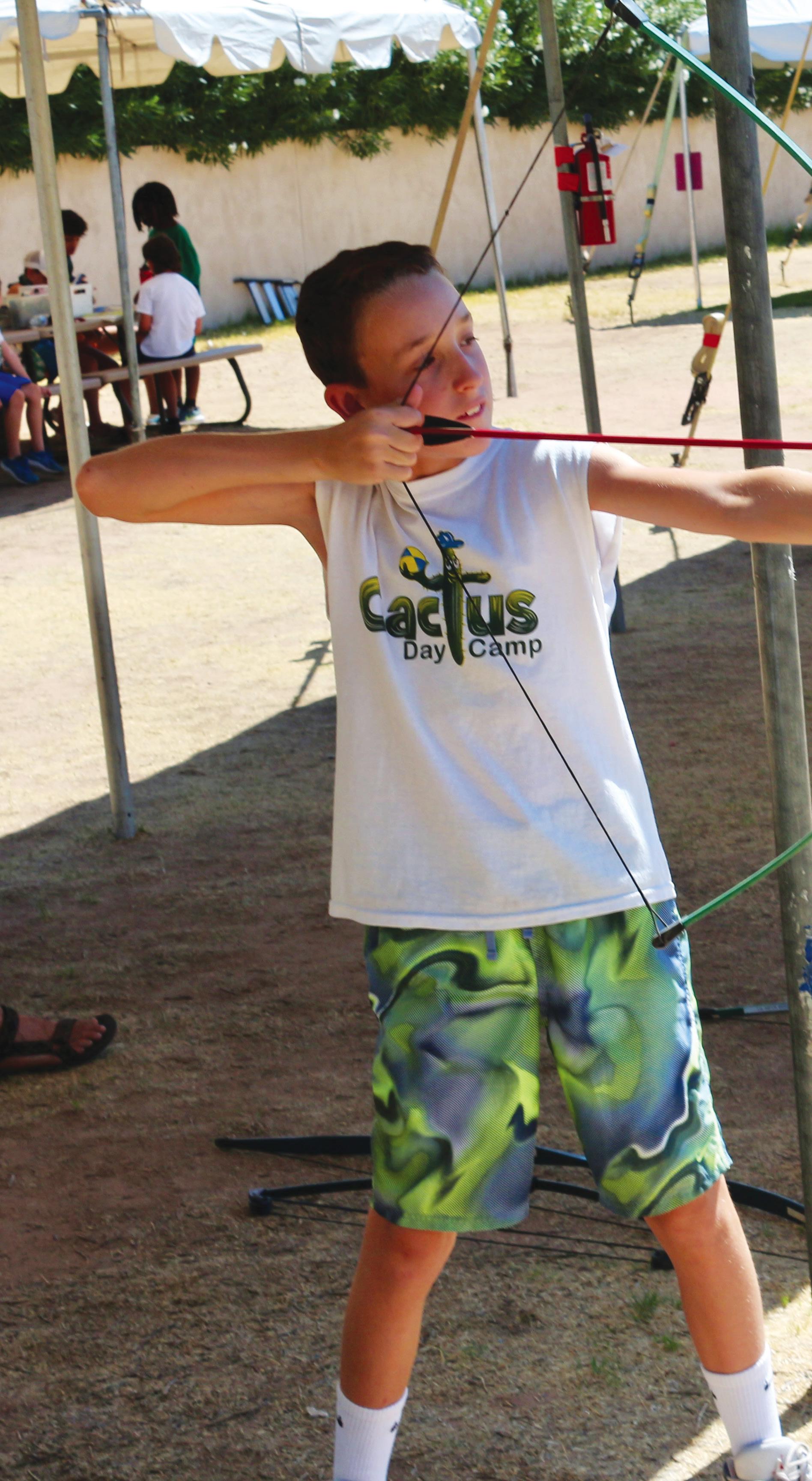
By Karyn Miller
IF YOU’RE FEELING overwhelmed about choosing a summer camp, you’re not alone. Every year, many parents feel nervous about sending their child to camp—especially if they didn’t attend camp themselves growing up.
That stress is understandable. Summer camp feels like a big decision because it is one. You’re trusting someone else with your child’s safety, emotional well-being, and daily experience for hours at a time.
One thing I wish more parents knew is this: you should never feel bad about asking questions.
More often than not, families register for camp entirely online without ever speaking to someone at the program. While online registration is convenient, it skips an important part of the process—the conversation. If parents don’t call or ask questions, camps don’t have the chance to share their passion for what they do, explain what sets their program apart, or help families understand the value of the experience.
Camp is not daycare, though it is often grouped that way. A well-run camp is a thoughtfully designed program built around child development, safety, staff training, and community. Asking questions helps parents see that difference and decide whether a camp’s approach truly aligns with their child and family.
Most camp directors don’t see their role as selling camp. The goal is to help families determine whether a program is the right fit for their child—and sometimes that means
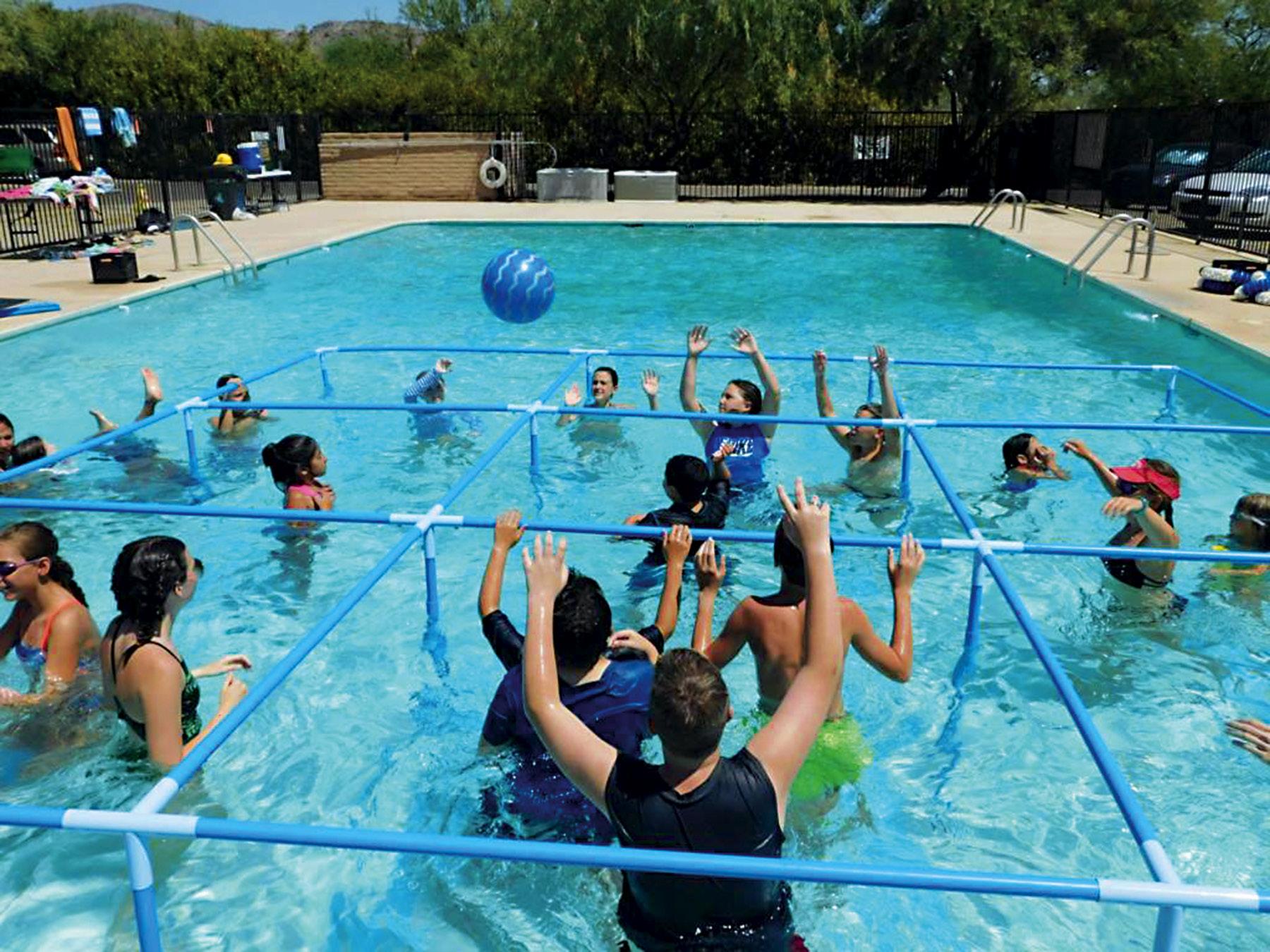
saying, “This may not be the best match, but here’s another program you should consider.” There is no camp anywhere that can be the perfect fit for every child.
Think of the process less like shopping and more like a conversation.
Before comparing programs, start with your child.
• Do they enjoy group activities?
• How do they handle new environments and transitions?
• Are they comfortable following routines with adults outside the family?
• Do they need a lot of one-on-one attention, or do they thrive with peers?
Some children jump right in. Others need reassurance, a shorter session, or simply more time. Nervousness is normal; strong resistance may be a sign to explore different formats or wait another year. Camp readiness isn’t about independence—it’s about emotional comfort and readiness.
Including your child in the conversation (in an age-appropriate way) can also help. Ask what they’re excited about and what worries them. Feeling heard goes a long way.
When speaking with a camp, consider asking:
• What is the counselor-to-camper ratio?
• Who provides medical care during the day?
• What safety and emergency training do staff receive?
• How are counselors hired and trained?
• What experience do they have working with children?
• Is there a consistent leadership team overseeing daily operations?
• What does a typical day look like?
• How are campers grouped by age?
• How does the camp support children who are struggling socially or emotionally?
• How does the camp communicate with parents?
• How are concerns handled if something comes up during camp?
• What is the cancellation or refund policy?
• How are waitlists managed?
• What should families know before the first day?
Talking with families who have previously attended a camp can be incredibly helpful. Ask how their child adjusted, how communication felt, and how challenges were handled.
Many camps are also open to parent observations—especially for programs like swimming or for families new to camp. With security in mind, it’s best to arrange this in advance through the camp office, but seeing a program in action can ease a lot of uncertainty.
Sometimes the best decision is waiting. Not every child is ready for camp at the same age, and sending a child before they’re emotionally ready can turn camp into a negative experience. In some cases, pushing through “just to get used to it” can backfire, making a child resistant to camp altogether. Waiting a year can make all the difference. With a little more maturity, that same child may thrive—forming friendships, building confidence, and wanting to return year after year.
It’s also important to think about why you’re choosing camp. Camp works best when it’s chosen for the child—not simply because parents need coverage for the workday. Framing camp as something they “have to do” because they can’t stay home all day can set the wrong tone from the start. When a child is truly ready, camp often becomes more than an activity. Many campers and staff describe it as their home away from home—a place they look forward to returning to year after year.
Choosing a camp isn’t about finding the most popular program or the one that fills the fastest. It’s about finding a place where your child feels safe, supported, and able to grow. Ask questions, have conversations, and trust your instincts. The right camp director will see you as a partner, not a transaction.
Karyn Miller is a longtime camp director and youth program leader with more than three decades of experience working with children and families. She focuses on helping parents make informed, thoughtful decisions about summer camp so it can be a positive, confidence-building experience
By RAK Staff
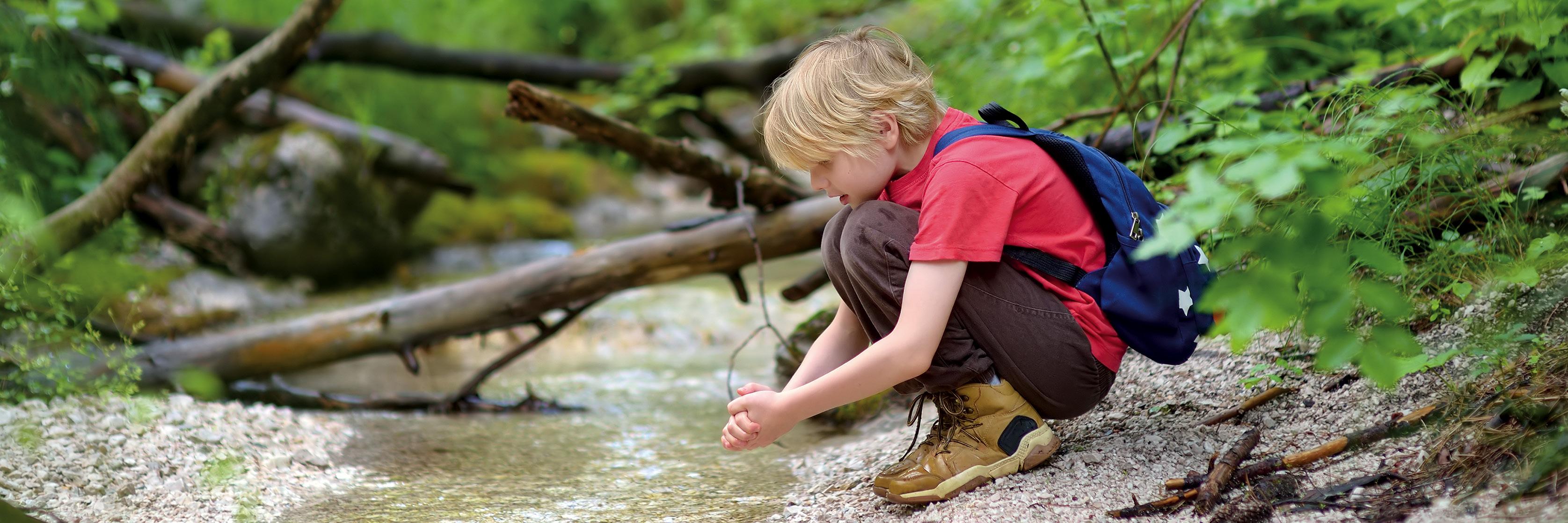


Ben's Bells Project: Camp Kind
40 W. Broadway Blvd., Tucson • 520-622-1379 • bensbells.org/camp
Kind campers explore the practice of intentional kindness through hands-on creativity, meaningful connection, and joyful learning. Each day includes engaging crafts, collaborative games, and time in the Ben’s Bells ceramic studio where campers create mosaic art that brightens shared spaces. Guided by our experienced team, kids build confidence, empathy, and real-life kindness skills they can carry into school, friendships, and family life. Camp Kind is where creativity meets purpose.
200 S. 6th Ave., Tucson • 520-792-9985 • childrensmuseumtucson.org
Full day camp for ages 5-6 or 7-8 from 9 a.m. to 3 p.m. all June and July. CMT Summer Play Camps harness the power of play to grow a lifelong love of learning! These full-day adventures for ages 5-8 blend hands-on, minds-on exploration. From desert detectives to cardboard engineers, campers explore the world around them with abundant free play throughout the Museum. Campers develop creativity, curiosity, and essential skills while discovering the wonders of science, technology, engineering, and art with our experienced Education Guides. $295: Non-Members; $265: Members; discounts for siblings.
Camp Whispering Pines: E. Organization Ridge Rd., Mt Lemmon
Hacienda Day Camp: 3101 N. Sabino Canyon Rd., Tucson Central Arizona College: 8470 N. Overfield Rd., Coolidge girlscoutssoaz.org/camp
Camp is for every girl, whether she’s a Girl Scout or not! Our trained and caring staff members support Girl Scouts in discovering and embracing who they are and what they can truly become. Our engaging, experiential programs are designed with camper age in mind, as campers are empowered to choose what activities they are interested in, where passions can be grown, and where healthy, age-appropriate risks can be taken in a supportive, safe environment. Prices range from FREE-$650, depending on which camp you attend. May 26th-July 21st. Camps available for all age ranges, including Family Camp at Camp Whispering Pines this July!
Tucson Jewish Community Center: Camp J
3800 E. River Rd., Tucson •520-299-3000 • tucsonjcc.org/programs-events/camp-j
Ages 3-10th grade. Camp J is an award-winning and ACA-accredited camp where kids of all ages and abilities learn, play, and grow. From the pool to the playground and art to athletics – plus so much more! – we build community, foster creativity, and make memories that last a lifetime! Centrally located at the Tucson J’s state-of-the-art facility, Camp J runs for 10 weeks with options for 3-year-olds through 10th graders. We can’t wait to see you this summer! Session Dates: 10 weeks – May 26-29, June 1-5, June 8-12, June 15-19, June 22-26, June 29-July 2, July 6-10, July 13-17, July 20-24, July 27-29 (week 10 is not offered for 3 + 4 year olds).
YMCA of Southern Arizona
Multiple locations throughout the Tucson Area. TucsonYMCA.org
Ages 5-12. Join us for eight weeks packed with boundless excitement, perfect for kids seeking endless fun! Our themed weeks led by vibrant, skilled teams promise an adventure-filled experience. 7am-6pm.