


Now’s the time to enroll for the 2026-27 school year! BASIS Charter Schools feature advanced academics that build confidence and academic readiness.
Tuition-Free K–12 Education
Accelerated Academics Caring and Supportive Teachers Before- and After-School Programs
scholarship amount earned per graduate Graduates accepted to a Top 100 college
BASIS Charter Schools are a network of high-performing, tuition-free public charter schools, offering an advanced college preparatory K-12 curriculum. For over 25 years, the BASIS Charter School network has educated students at the highest international levels.
20+ Arizona Locations
Ahwatukee • Chandler • Chandler Primary North • Chandler Primary South Flagstaff • Goodyear Primary • Goodyear • Mesa • Oro Valley • Oro Valley Primary
Peoria • Peoria Primary • Phoenix Central • Phoenix North • Phoenix Primary Phoenix South • Phoenix • Prescott • Scottsdale • Scottsdale Primary East Scottsdale Primary West • Tucson North • Tucson Primary APPLY NOW! 94.5% $125k 63% Average AP Exam pass rate

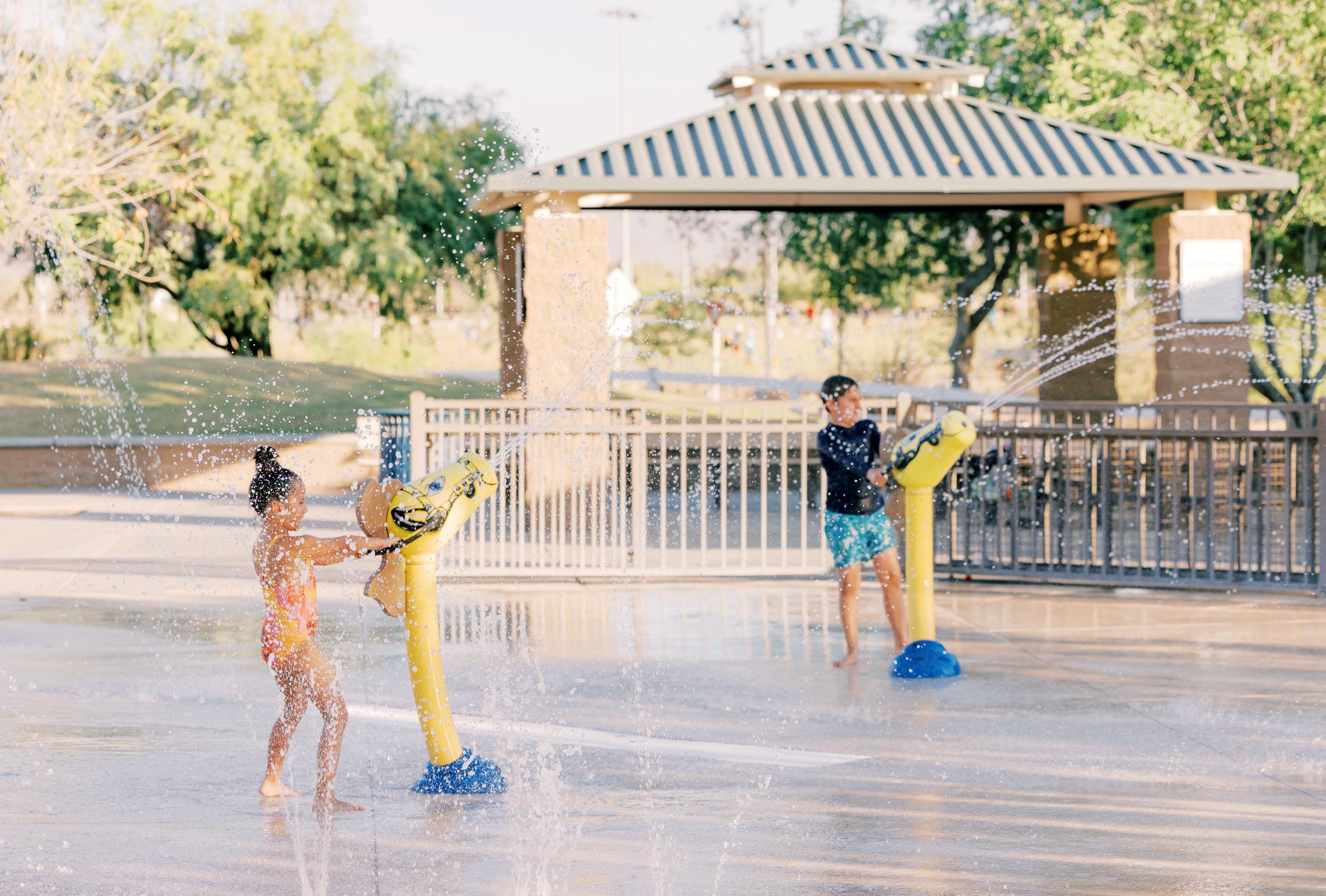
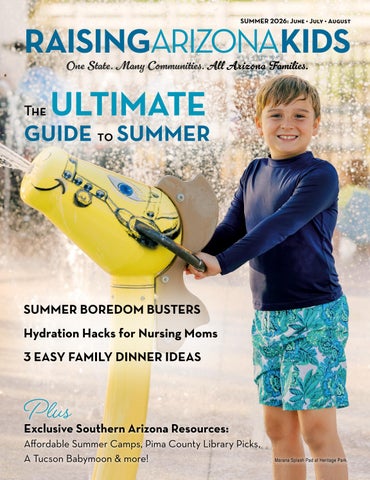
EVERY YEAR, summer arrives with a mix of excitement and pressure.
We tell ourselves this will be the summer. The summer of adventures, memory-making, family road trips, pool days, educational activities, organized schedules, and perfectly curated fun.
Then reality shows up. It's 108 degrees before second breakfast. Your Costco supply of snacks is already dwindling. Someone is bored. Someone is fighting. Someone is tracking mud from the sprinkler through the house. And suddenly that picture-perfect summer doesn't feel quite so perfect.
As a mom of five, I've learned something important: the summers my children remember most aren't the ones packed with expensive vacations or elaborate plans. They're the simple ones. Popsicles in the backyard. Running through the sprinkler. Spontaneous
ice cream runs. Family movie nights. Camping trips. Long afternoons at the pool.
That's why this year I'm focusing on a simple summer bucket list—one that's realistic, affordable, and built around making the most of the long days without driving myself crazy in the process. Because our kids don't need a perfect summer…they need opportunities to explore, play, create, get bored, solve problems, laugh, and make memories they'll carry with them long after they've grown up and started raising families of their own.
If you're looking for ideas, we've spent months gathering resources for Arizona families. Visit RaisingArizonaKids.com for summer camps, Fourth of July celebrations, hiking and camping destinations, family travel ideas, local events, and our biggest Summer Survival Guide yet.
Inside this issue, you'll find boredom busters, easy family dinners, book
recommendations, breastfeeding resources, mental health support for families and teens, travel tips, and practical advice for navigating all the joys and challenges that come with summer.
So here's your reminder: you don't have to do everything. Pick a few things. Make a few memories. Let the kids stay up a little too late. Say yes to the splash pad. Watch the sunset. Eat the ice cream.
The days are long, but the years really are short.
Wishing you a safe, fun, and memoryfilled Arizona summer.
Kate Reed, Publisher
Email us at publisher@rakmagazine.com with topics you would love us to write about.

Babies
• 12 What You Need to Know About Breastfeeding While Pregnant
• 14 Breastfeeding on the Go
• 16 Early Warning Sings of Overheating Travel
• 22 Mom-Tested Tips for Beating Car Sickness This Summer
• 24 3 Places to Consider Taking Your Kids for Summer Vacation
• 25 Super Dad’s Summer Guide to Legoland California
Summer Survival
• 26 Navigating Summer Loneliness
• 28 3 Low-Prep, At-Home Boredom Busters for Summer Days
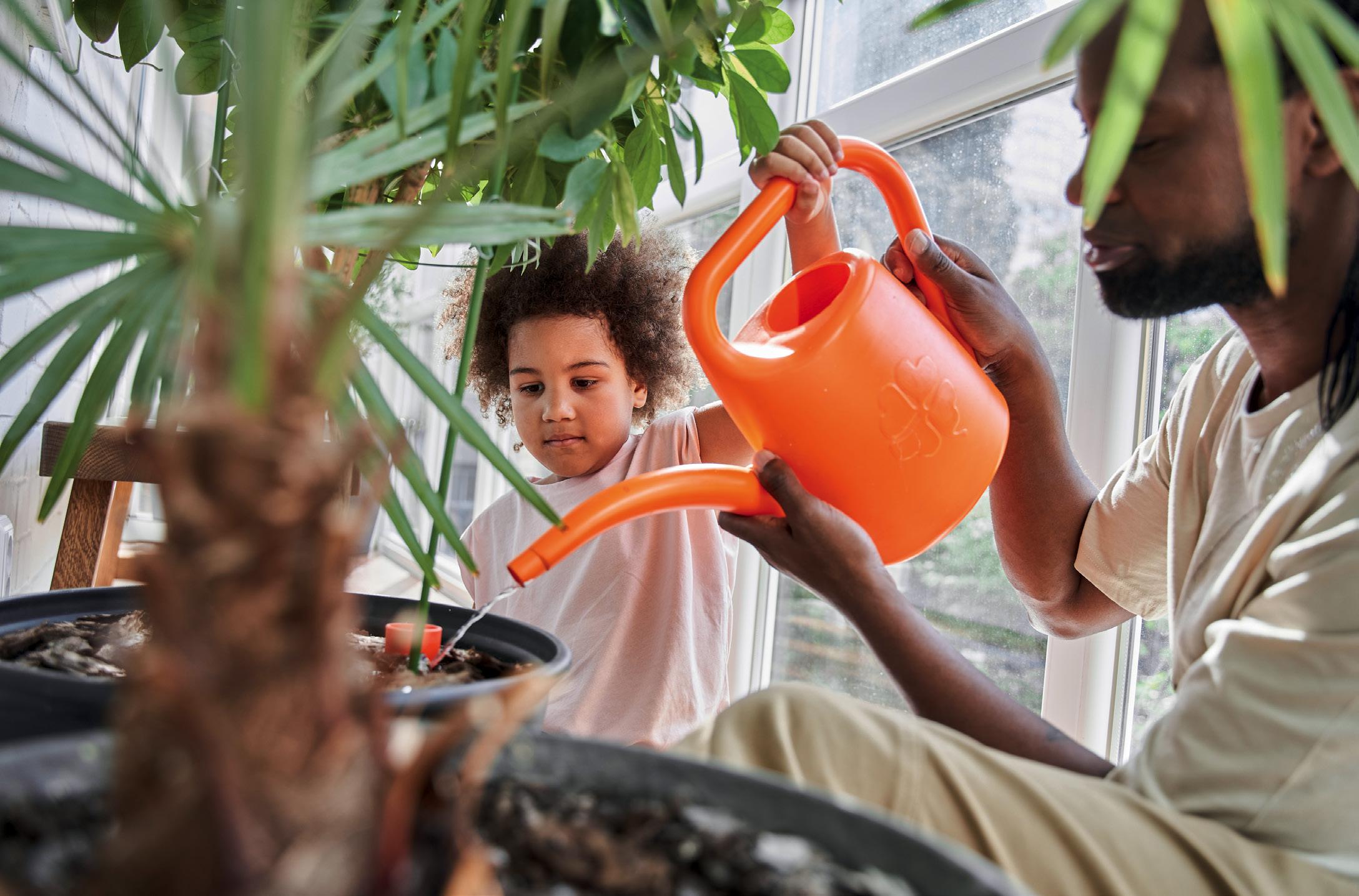
• 30 Garden Time Before Screen Time
• 31 3 Easy Summer Dinner Ideas
• 32 Mental Health Tips for Valley Families
• 33 5 Picnic Ideas for Hot Summer Days
• 34 How to Help Children Thrive When Summer Disrupts Their Routine

1 Dialogue: The Magic of Ordinary Summers
4 Books
• 4 Unearth a Story at the Library
• 6 Book Recommendations for Parents
8 Sponsored Content
• 8 Where Faith & Excellence Meet
• 10 A Safe Place to Begin Again
18 Teens
• 18 Ways for Teens to Avoid the Summer Slide
• 20 What Parents Should Know About the PostGraduation Slump
• 21 Fun Summer Activities for Teens That Support Mental Health
36 Tucson
• 36 Turn the Page, Take a Trip
• 38 Affordable Summer Camp Options for Tucson Families
• 40 A Relaxed Tucson Babymoon Itinerary for Expecting Couples
44 Dad Talk: The Benefits of Rough-And-Tumble-Play with Dad
Summer 2026: June • July • August Vol 37: No 2
PUBLISHER
Kate Reed
EDITOR
Monique Seleen
CONTRIBUTORS
Angela Judd • Ben Mills • Bethany Smith
Dr. Jennie Clausen • Dr. Jonathan Elley • Dr. Russel Horton
Jamie Humphrey • Joanna Kowalik • Michele Thorne
Nathaniel Bush • Stephanie Nguyen • Tamara Lidbom
Dream City Christian School • Living Hope Dream Centers
Maricopa County Library District • Pima County Libraries
The Salvation Army Tucson • Maricopa County Library District
ART DIRECTOR
Michèlle-Renée Adams
COVER PHOTOGRAPHY
Melissa Fritzsche Photography
MARKETING CONSULTANTS
Tina Gerami-Bynum • Jamie Morrison
Raising Arizona Kids magazine (ISSN 1051-4295) was created to connect Valley families to local resources and share real-life stories about the challenges and joys of raising children. Copy right © 2026 by Raising Arizona Kids , Inc. All rights reserved. Reproduction in whole or part without written permission is prohibited. Content guide lines are available at raisingarizonakids.com


@RAKmagazine on Twitter; RaisingArizonaKids on Facebook, Instagram and Linkedin; RAKmagazine Pinterest and Youtube.
CONTACT US editorial@RAKmagazine.com • familytime@RAKmagazine.com advertising@RAKmagazine.com • subscriptions@RAKmagazine.com
932 South Hunters Run, Show Low, AZ 85901 480–991–KIDS (5437) • raisingarizonakids.com IN PARTNERSHIP WITH


Every Wednesday June 3 through July 15
9 a.m. to 1 p.m. 809 E. Southern Ave.
Kids and their grownups will learn and discover with crafts, stories, activities and live demonstrations. Tempe Time Machine 2026 is inspired by the museum’s newest featured exhibit, Ranfla Vida: Local Lowrider History.

BOOKS: Maricopa County Library District
By Maricopa County Library District
Stomp into a dino-sized summer with your library! This year, Maricopa County’s Summer Reading Program celebrates dinosaurs, prehistoric discoveries, and hidden treasures. Dive into great stories, join exciting library events, and complete fun challenges to earn points toward awesome prizes. It’s free, fun, and easy to participate. Visit MaricopaCountyReads. org or stop by your local public library to get started.


There’s a Dinosaur in Your Book by Tom Fletcher
Join Little Dino as he makes friends with other little dinosaurs while doing his best not to wake up Big Dino. Tom Fletcher is known for his highly engaging picture books and this is no exception.
WHY YOU’LL LOVE IT: Full of fun invitations to interact with the book and the story, you and your little one will have great fun humming, counting, roaring, dancing, and enjoying this book together! – Davina N., Librarian
Peekaboo Rex! by Sandra Boynton
Play peekaboo with T. Rex as he tries to hide from his smaller dinosaur friend behind things that just aren’t quite big enough.
YOU’LL LOVE IT: Sandra Boynton adds an additional layer of humor to this already engaging game and her simple illustrations makes it very easy for your little one to be in on the joke. - Jennifer B., Library Administration
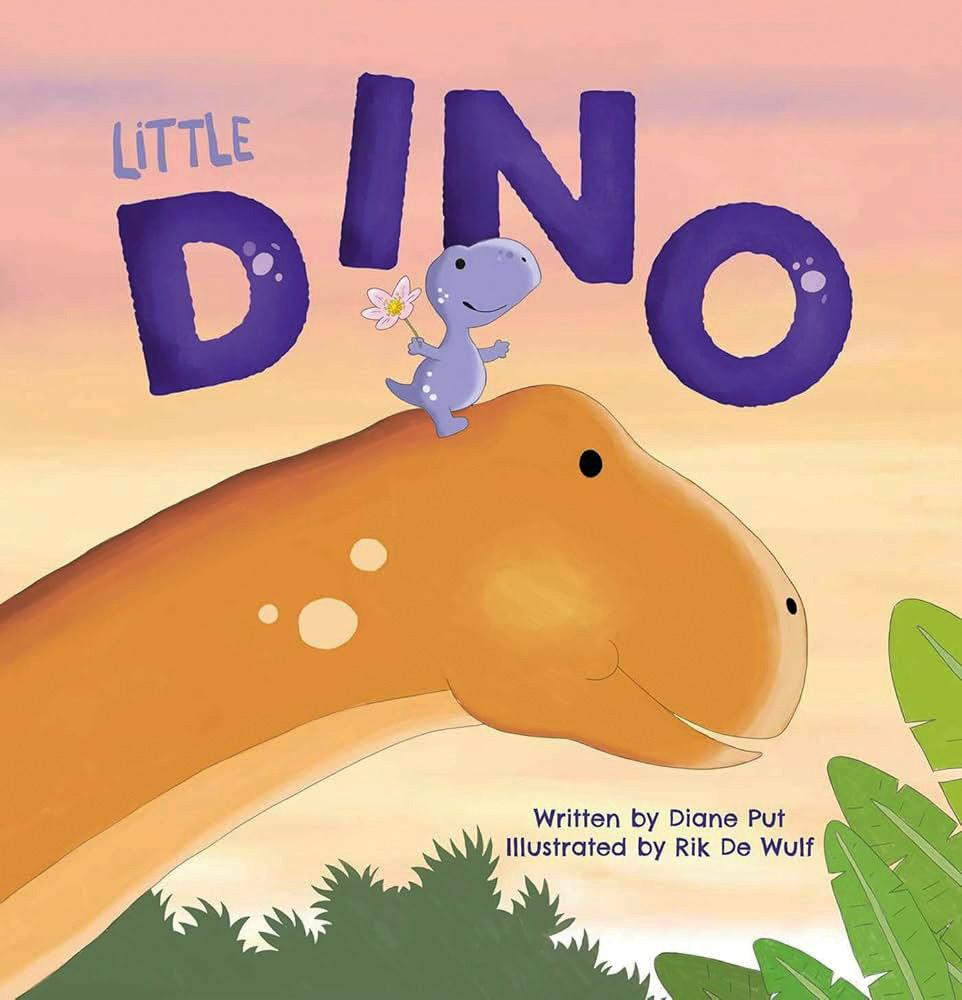

Little Dino by Diane Put
Little Dino hatches without his mama around, and he doesn’t know what kind of dinosaur he is. He goes around asking other dinosaurs if they’re his mom until all the dinosaurs get together to help him find his mom.
WHY YOU’LL LOVE IT: This book is silly and informative. The illustrations are great, and kids will learn different names and characteristics of different dinosaurs as the story progresses.Dannelle C., Librarian
The T-Rex Who Lost His Specs by Jeanne Willis
A dinosaur loses his glasses and struggles to get through his normal daily routine. Will his friends help him find his way?
WHY YOU’LL LOVE IT: This rhyming picture book is a blast to read out loud with little ones. Have them try to guess what the rhyming word will be and watch them laugh out loud at what T-Rex endures on this unfortunate day! - Lexis H., Librarian


Do You Really Want to Meet a Diplodocus? by Annette Bay Pimentel
Jump into your time machine to take a trip back in time to learn about the Diplodocus. You’ll get to see first-hand what this dinosaur looked like, what it ate, and what life would have been like for them before they went extinct.
WHY YOU’LL LOVE IT: Non-fiction books are a great way to learn about dinosaurs while still being engaged in a fun story. This book in particular is part of a series, so readers can learn about more than just the Diplodocus! - Dannelle C., Librarian
Dinosaur Lady: The Daring Discoveries of Mary Anning, the First Paleontologist by Linda Skeers, pictures by Marta Álvarez Miguéns
As a young girl, Mary Anning earned money searching for “curiosities,” or fossils, that she sold to tourists to pay for her family’s food and rent. Mary was very curious and in 1823, when she was only 24 years old, she discovered a complete skeleton of a Plesiosaurus, the first ever discovered, changing the course of science, beliefs about the history of the earth and founding the field of paleontology.
WHY YOU’LL LOVE IT This beautiful picture book with simple, yet engaging illustrations, explains the discovery of dinosaurs and the importance of women scientists whose persistence, in spite of discrimination, changed the course of scientific discovery. - Jennifer G., Branch manager

Pablo and Splash by Sheena Dempsey

Pablo and Splash are two little penguins living a regular penguin life in freezing Antarctica. However, Splash has had just about enough of all the cold and is ready for a sunny beach vacation. Pablo is less convinced, but willing to join Splash on this adventure. When an unlikely turn of events sends them back in time, they have to work together to get out of a prehistoric pickle.
WHY YOU’LL LOVE IT: This graphic novel will have you laughing out loud at the silly hijinks and penguin-themed word play. I think you’ll krill-y like it! - Davina N., Librarian
Lessons from our Ancestors: Uncovering Ancient World Wisdom by Raksha Dave Learn about little known or misrepresented histories through exploring dozens of objects excavated during archeological digs, and what they teach us about the past.
WHY YOU’LL LOVE IT: Written by an actual archeologist, this book will be interesting for both history buffs and novices alike providing new perspectives on ancient civilizations. There are also illustrations to keep the content clear and engaging.Jennifer B., Library Administration
What the River Knows by Isabel Ibañez


Inez Olivera, living in the vibrant city of Buenos Aires, is devastated to learn of her parents’ death in Egypt where they are archaeologists. Defying 19th century societal expectations, she travels to Cairo, where she relies on ancient magic to discover the truth about her parents’ deaths and find closure while discovering the history of ancient Egypt.
WHY YOU’LL LOVE IT:: Set in 19th century Egypt, this book is a page-turner, full of magic, mystery, suspense, plot twists and romance, as well as Egyptian history, mythology and ancient artifacts. - Jennifer G., Branch Manager
Every Hidden Thing by Kenneth Oppel
Samuel and Rachel’s fathers are rival archeologists looking to uncover the next big thing in dinosaur fossils. As the two cross paths, they start to develop feelings that could cause Jurassic rifts among their families.
WHY YOU’LL LOVE IT: The story alternates between Samuel and Rachel’s perspectives so there is never a dull moment. Readers get to witness the teens’ relationship develop more and more each time they cross paths on their adventures. - Lexis H., Librarian
Synopses Provided from Publisher
By Mary Van Geffen
TIRED OF NEGOTIATING with a tiny tyrant? Feeling drained by extreme emotions and unpredictable outbursts—including your own? Do you fear you might be raising a menace but also want to avoid dimming their sparkly light? Does "gentle parenting" advice make you chuckle bitterly because it doesn't work on your kid?
Welcome to parenting a Spicy One—a child more loyal to their own soul than to your agenda. Parenting coach and adult Spicy One Mary Van Geffen knows raising these future world changers requires courage and compassion. Based on her experience guiding thousands of parents through her program, she offers a transformative approach to staying calm during five-alarm tantrums; choosing connection over control; maintaining boundaries without crushing their spirit; finding joy and confidence in parenting this prickly creature; being okay when they are not; and parenting with a tenderness you never experienced as a child.


By Dr. Danielle Dowling
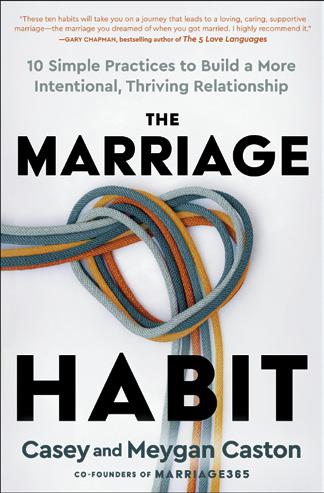
By Casey and Meygan Caston
GET READY to upgrade your marriage and life. In this candid and relatable guide, Casey and Meygan Caston show you how to implement simple habits that create massive results, such as:
• The power of offering a daily “60-second blessing” to affirm your spouse
• Taking regular “awareness inventories” to appreciate how your partner’s preferences, opinions, and differences are evolving
• Offering an unsolicited apology can break down walls of resentment and disconnection
• Removing assumptions and being clearer about the specific ways you want to be loved
Focused on action and practicality, and filled with advice from a relatable couple who’s been there themselves, The Marriage Habit takes readers from striving to thriving, offering hope for couples in any circumstances to solve their own problems as they work to create the relationship of their dreams.
IF YOU’VE EVER felt overwhelmed, resentful, touched out, ragey, guilty, invisible, or quietly unsure of where you went in all of this, this book is for you.
Good Girl, Bad Mom is a raw, deeply compassionate look at modern Motherhood and the emotional toll of trying to be a good Mom inside a system that asks too much and names too little. It gives language to the invisible labor, identity loss, pressure, and self-doubt so many Mothers carry, often in silence, and helps explain why so many capable women end up blaming themselves for something that is not their fault.

Written with warmth, humor, and honesty, this book reads like sitting down with your smartest, funniest best friend, the one who tells the truth, makes you laugh, and helps you feel less alone. It is emotionally resonant without being heavy to read, insightful without being clinical, and easy to move through even while tackling deeply real parts of Motherhood.



By Dream City Christian School
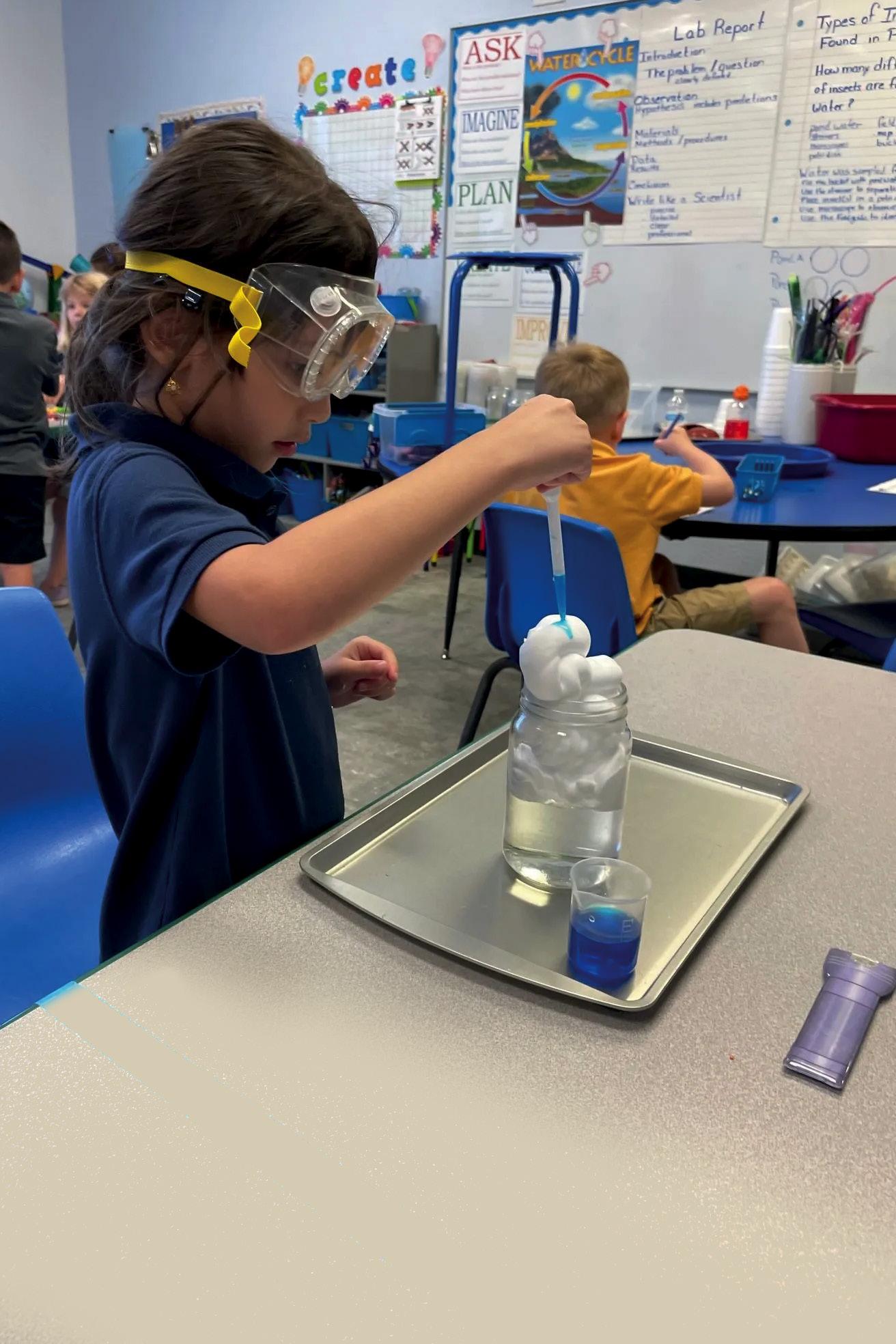
EVERY PARENT WANTS to know their child is safe, valued, encouraged, and growing into the person they were created to be. The truth is, children spend thousands of hours in school throughout their lives, and those hours help shape their confidence, character, friendships, worldview, and future. For many families, choosing a school is about far more than academics. It is about finding a place where their child can truly thrive.
At Dream City Christian School, we believe education is about developing the whole child academically, spiritually, socially, and emotionally. Families often choose DCCS because they are looking for a safe and supportive environment where students are known by name, encouraged in their faith, and challenged to grow with purpose and confidence.
From preschool through 12th grade, our teachers and staff are committed to partnering with families to help students discover their
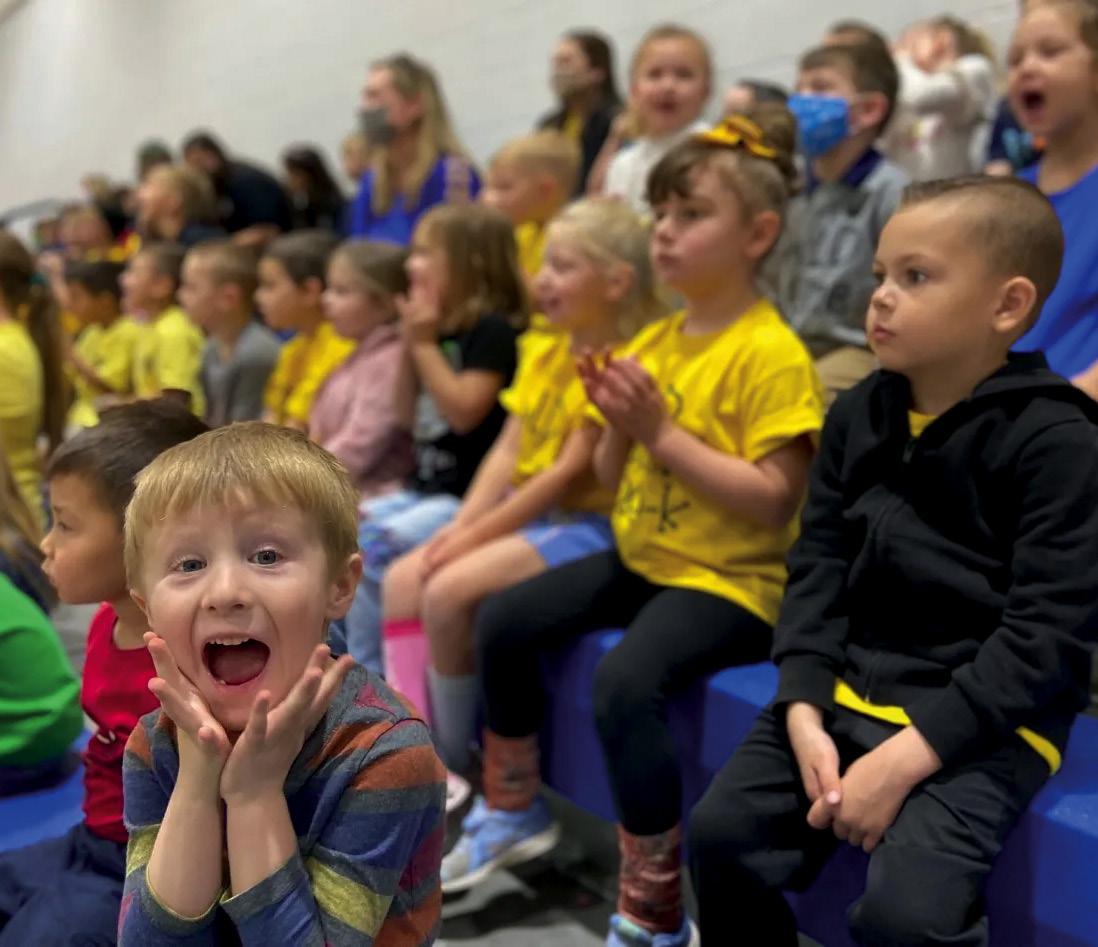

God-given potential. We strive to create classrooms where students are encouraged to think critically, lead courageously, serve compassionately, and pursue excellence in every area of life. Faith is not separated from learning at DCCS. It is woven into everyday experiences, relationships, and conversations, helping students build strong foundations rooted in biblical truth and character.
Families also appreciate the strong sense of community found at Dream City Christian School. Parents often share how meaningful it is to know their children are surrounded by caring teachers, supportive friendships, and shared values that reinforce what is being taught at home. In a rapidly changing world, many families are searching for a school that not only prepares students academically, but also equips them to navigate life with wisdom, integrity, and purpose.
Many families are surprised to learn that
private Christian education may be more accessible than they expected. Dream City Christian School accepts ESA funding and offers additional tuition funding opportunities for qualifying families. Our team is committed to helping families explore the options available to them as they consider the best educational fit for their child.
We invite families to schedule a tour and come experience the difference for themselves.
Learn more at dreamcityschools.org
Dream City Christian School is a premier Christcentered community delivering academic excellence and spiritual discipleship. Partnering with parents, we nurture each child’s unique giftings in small classrooms. Our Bible-based curriculum equips students to reject immoral ideologies, stand firm in faith, and confidently Learn, Lead, and Serve in a changing world.

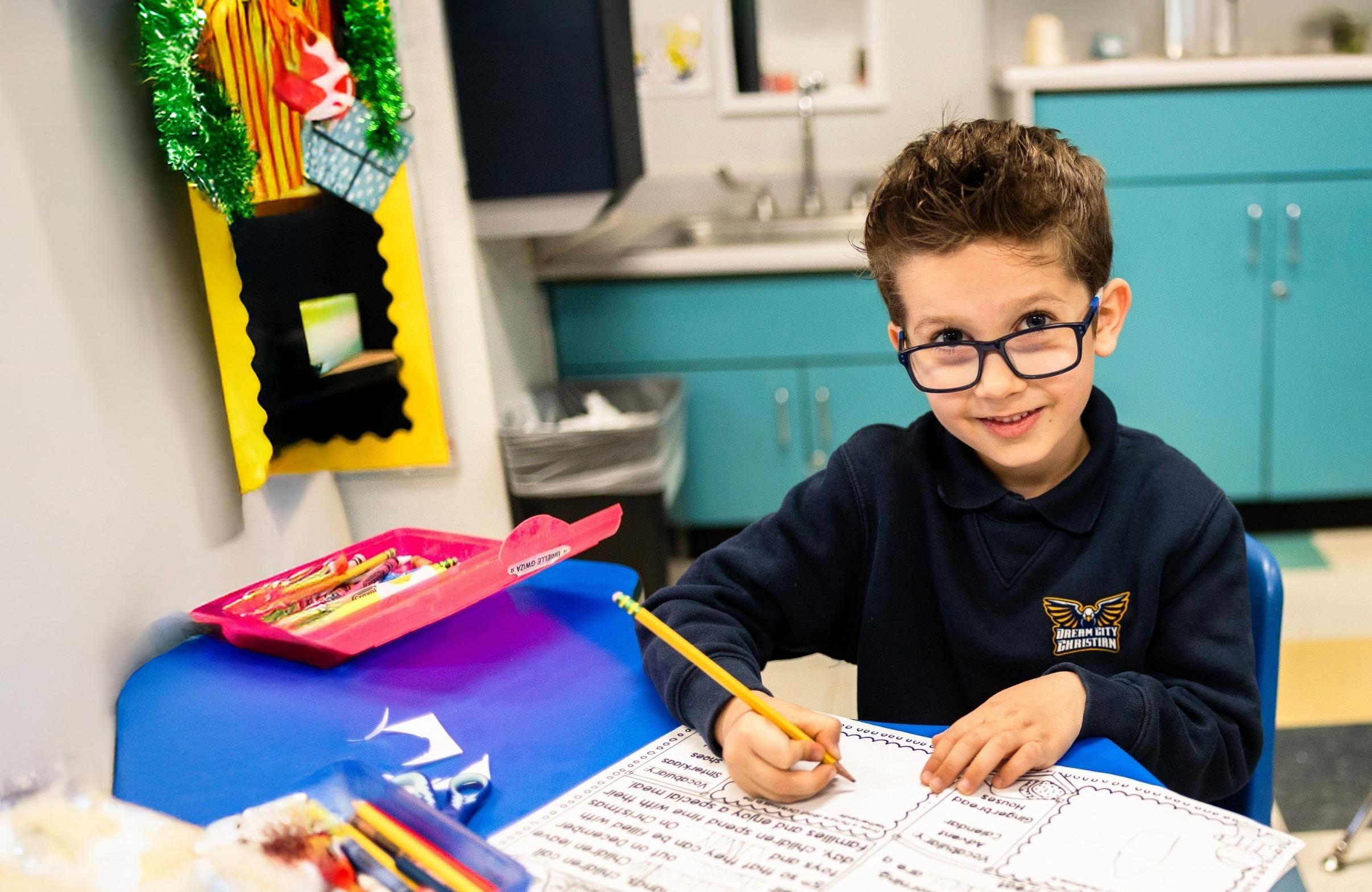


ACADEMIC EXCELLENCE
Students are challenged to grow, think critically, and lead with confidence.

Give your child a Christ-centered education that builds faith, character, and a strong future. Our kids didn’t just grow academically. Their confidence and faith grew too. — DCCS Parent

BIBLICAL TRUTH

Biblical truth is woven into everyday learning and student life. SAFE & SUPPORTIVE COMMUNITY
A place where your child is known, valued, and encouraged to thrive.





TUITION FUNDING OPTIONS
ESA Accepted or additional tuition funding options may be available.






By Living Hope Dream Centers
THERE ARE MOMENTS in life when everything changes. A mother trying to keep her children safe. A woman facing a crisis pregnancy with nowhere to turn. A family navigating homelessness, trauma, or uncertainty while simply trying to hold life together.
In those moments, having a safe place can change everything.
Living Hope Dream Centers exists to provide hope, healing, and support for women, children, and families facing crisis throughout Arizona. More than just housing, we create safe, healing-centered environments where individuals and families can begin again with dignity, compassion, and the support they need to move forward.
Every person who comes through our doors has a story, and every story matters. Some are single mothers rebuilding stability for their children. Some are women overcoming difficult circumstances or experiencing homelessness. Some are expecting mothers searching for safety and support during an overwhelming season of life. Others come from underserved and reservation communities looking for care, guidance, and hope for the future.
Through emergency and transitional housing, parenting support, life-skills development, mentorship, and trauma-informed care, we walk alongside families as they rebuild their lives one step at a time.
Today, 90% of residents who enter our program successfully complete it, taking meaningful steps toward stability, healing, and a brighter future.
One of the newest expansions of this mission is Victory Village, a healing-centered community designed to provide safe homes and supportive resources for women and children rebuilding their lives. Victory Village represents more than housing. It represents a fresh start, a supportive community, and the belief that every family deserves the opportunity to heal and thrive.
At Living Hope Dream Centers, we believe every woman deserves dignity, every child deserves stability, and every family deserves the chance to feel safe, supported, and hopeful again.
Learn more, get involved, or help support families in need at livinghopecenters.org
Living Hope is a 501(c)(3) faith-based nonprofit, sustained by the generosity of individuals and local businesses. Through this support, we provide pregnant women and families with the resources they need to thrive—both during and after pregnancy.


Safe housing and support for women, children, and families in crisis.
Trauma-informed care.
Parenting support. A path forward.


SAFE HOUSING
Emergency and transitional housing for women and children.

TRAUMA-INFORMED CARE
Compassionate, healing support for individuals and children.

PARENTING & LIFE SKILLS
Curriculum and practical tools to build confidence and independence.

STRONGER FUTURES
Helping families rebuild stable lives and create brighter tomorrows.
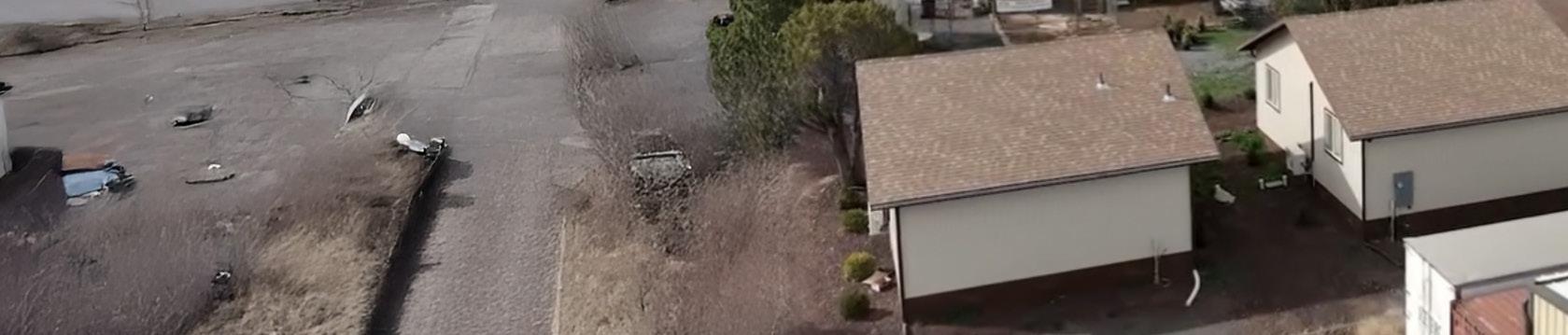
Victory Village is more than a place to live. It’s a healingcentered community where women and children rebuild their lives through safety, support, life skills, and long-term stability.

NEED SUPPORT?
We’re here to listen and help. info@livinghopedreamcenter.org


livinghopecenters.org
Show Low, Arizona
SCAN TO LEARN MORE
Every woman desrves a future filled with hope


By Stephanie Nguyen
IF YOU’RE BREASTFEEDING and find out you’re pregnant or you’re considering feeding two little ones at once, you may be getting a lot of mixed messages. The good news? In most cases, both breastfeeding during pregnancy and tandem feeding can be safe, manageable, and even really special experiences with the right support.
What is Tandem Feeding?
Tandem feeding simply means breastfeeding two children of different ages, typically a newborn and an older sibling. This often happens when a parent continues nursing through pregnancy and welcomes a new baby. Every family’s situation looks a little different:
• Some toddlers naturally wean during pregnancy
• Some continue nursing throughout pregnancy and after the baby arrives
• Some parents choose to set limits or partially wean
There’s no one “right” path, just what works best for your body, your baby, and your family.
Is It Safe to Breastfeed While Pregnant?
For most healthy pregnancies, yes!
Breastfeeding does release oxytocin (the hormone that can cause uterine contractions), but research shows these contractions are typically mild and not enough to trigger preterm labor in a low-risk pregnancy. That said, you’ll want to check with your provider if you have:
• A history of preterm labor
• Uterine pain or bleeding
• A high-risk pregnancy
What Happens to Milk Supply?
This is where things can change. Around mid-pregnancy, your milk supply can start to decrease due to hormonal changes and the composition of breastmilk usually changes back to colostrum later in pregnancy.
What this means:
• Your older child may nurse less or self-wean
• You cannot boost supply during pregnancy the same way you normally would
• After birth, your body will prioritize making milk/colostrum for your newborn
Tips for Navigating This Season
1. Prioritize nutrition and hydration. You’re supporting your body, a pregnancy, and possibly two nurslings. Aim for:
• Adequate calories (often an additional
300–500+)
• Protein, healthy fats, and iron-rich foods.
• Staying well hydrated.
2. Expect some discomfort. Nipple tenderness is very common in pregnancy. You can:
• Adjust positioning.
• Set gentle limits with the older child.
• Shorten sessions if needed.
3. Set boundaries if needed. It’s okay to:
• Limit the frequency or duration of toddler feeds.
• Choose certain times of day for nursing.
• Night wean if that feels right for you.
4. After the baby arrives, the newborn comes first. In tandem feeding:
• Always feed the newborn first in the early weeks.
• This protects milk supply and ensures adequate intake.
• Toddlers can help with engorgement if the supply feels abundant.
Common Myths Surrounding Tandem Nursing
• “Breastfeeding will cause a miscarriage.” Not in a healthy, low-risk pregnancy.
• “Your body can’t support two.” Your body is incredibly capable; nutrition and support are key.
• “Tandem feeding will ruin your milk supply.” Milk production works on supply and demand; your body will adjust.
When to Seek Support (or Consider Weaning)
Reach out to an IBCLC or provider if:
• You’re experiencing pain beyond normal sensitivity.
• Your toddler becomes frustrated with low supply.
• You’re feeling physically depleted or overwhelmed.
• There are concerns about your pregnancy.
Stephanie Nguyen is a Women’s Health Nurse Practitioner and International Board Certified Lactation Consultant (IBCLC), and the founder of Modern Milk, a maternal wellness center offering lactation support, education, and fitness for moms. With over 20 years of experience supporting families, she is passionate about providing evidence-based, judgment-free guidance to help parents feel confident in their feeding parenting journey - whatever that may look like.
Session A: July 6-July 17
Session B: July 20-July 31
Session C: Aug 3-Aug 14








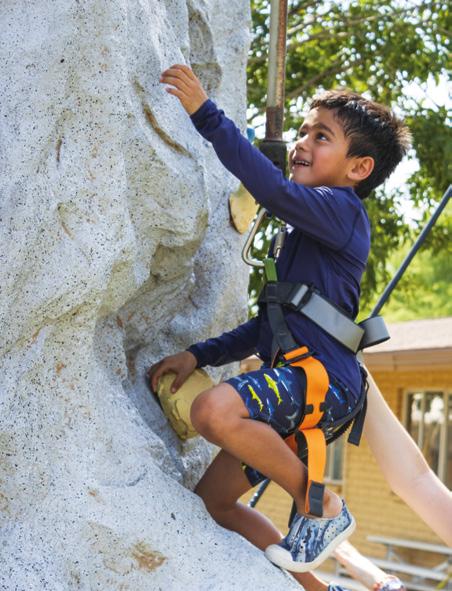
By Kate Reed
BREASTFEEDING on the go gets a lot easier with practice—and by the time you’ve done it with multiple kids, it becomes second nature. With five kids, I’ve nursed just about everywhere: in the car, at parks, in the middle of busy events, sitting on the floor of a museum, you name it. It’s not always glamorous, but it is doable—and honestly, it’s one of the most freeing things once you find your rhythm.
If I’m out with the baby and my older kids, I don’t always have the luxury of stepping away for privacy or corralling everyone up to head back to the car. Sometimes it’s just easier—and more realistic—to nurse right where we are and keep things moving.
If I had waited until everything felt “perfect” or convenient, we would’ve missed out on a lot. Sometimes you just have to go, figure it out as you go, and trust that it’ll get easier—because it does.
Here are the tips that have made nursing on the go feel simple (or at least simpler):
The Two-Shirt Method
This is my go-to. Wear a nursing tank or camisole under a regular shirt. When baby needs to eat, you lift the top shirt up and pull the tank down—keeping your midsection covered while giving baby access. It’s easy, discreet, and works almost anywhere.
Not everything needs to be labeled “nursing wear,” but certain styles make life easier:
• Button-down tops
• Wrap dresses
• Loose, flowy shirts
• Stretchy necklines you can easily pull down
You’ll quickly learn what works for your body and comfort level.
If you’re feeling unsure, practice nursing in different outfits or positions at home. It helps build confidence so you’re not fumbling when you’re out.

A good carrier can make nursing on the go even easier. Once you get the hang of it, you can nurse hands-free while walking, shopping, or keeping up with other kids. Just make sure to readjust it to a safe position when you’re done.
Skip the Cover (If You Want To)
Some moms love nursing covers—others (myself included) find them more hassle than help. Babies pull them off, they get hot, and sometimes they just draw more attention. The two-shirt method often feels more natural and low-key for me.
Over time, you’ll figure out your go-to places—your car, a quiet bench, a corner at the park. But don’t be afraid to just nurse wherever you are when needed. The more you do it, the less intimidating it feels.
Keep It Simple
You don’t need a ton of gear for breastfeeding on the go. I like to make sure I
have a burp rag, water, and extra nursing pads in the diaper bag.
Give Yourself Grace
There might be awkward moments. A distracted baby. A toddler asking loud questions at the worst possible time. It happens. Most people aren’t paying nearly as much attention as it feels like they are.
Breastfeeding on the go is one of those things that feels intimidating—until it doesn’t. And then one day you realize you’ve fed your baby in the car, at the park, mid-chaos with your other kids running around… and it just becomes part of your normal.
It might feel awkward at first. You might overthink it. That’s okay. Give it a few tries, and it gets easier every time.
At this point, I don’t really think twice about it—I just feed my baby and keep moving. And it’s worth remembering you’re allowed to. In every state, breastfeeding in public is legally protected, so you have the right to feed your baby wherever you’re both allowed to be. No special space required.
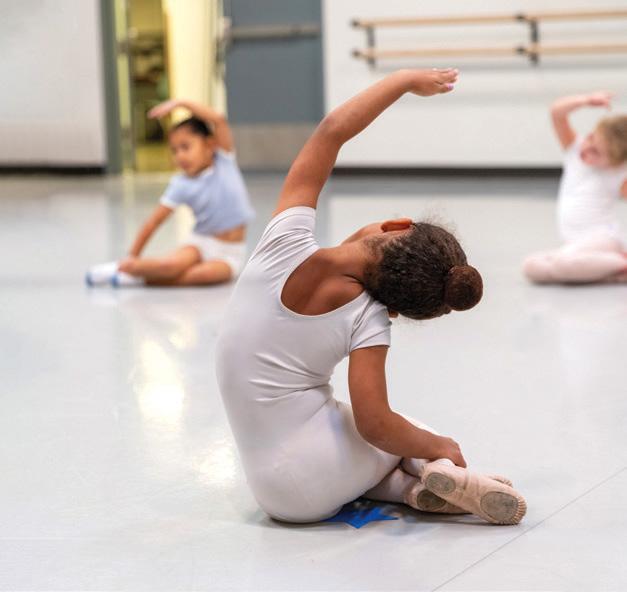
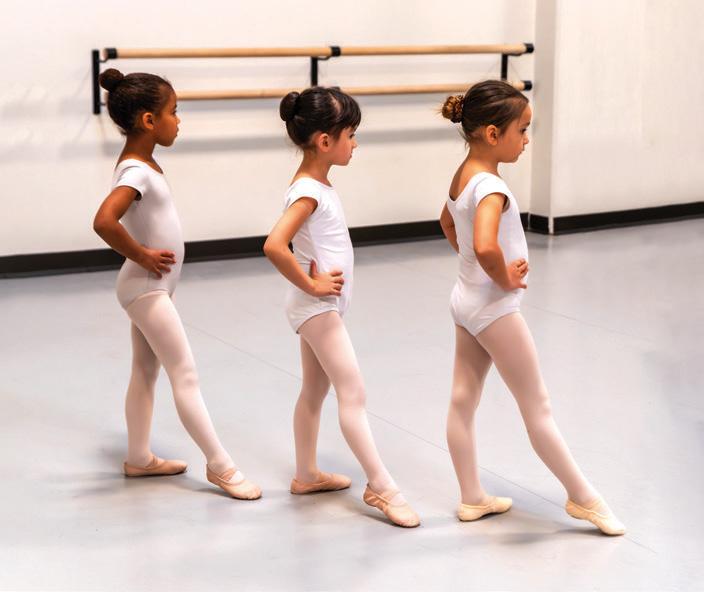
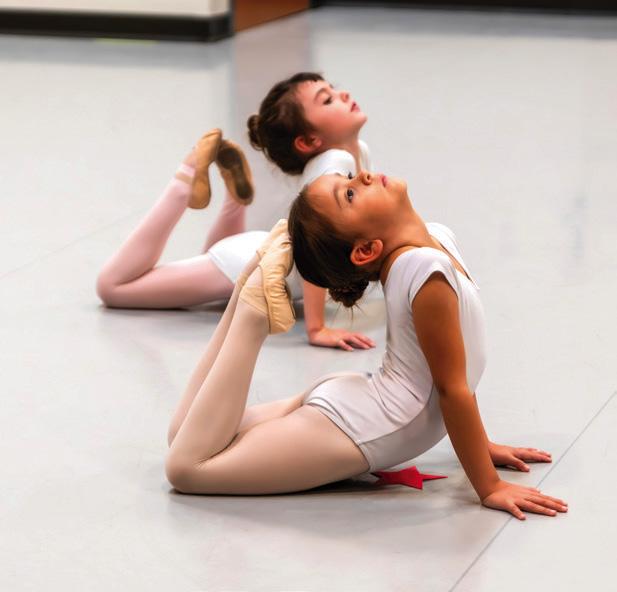
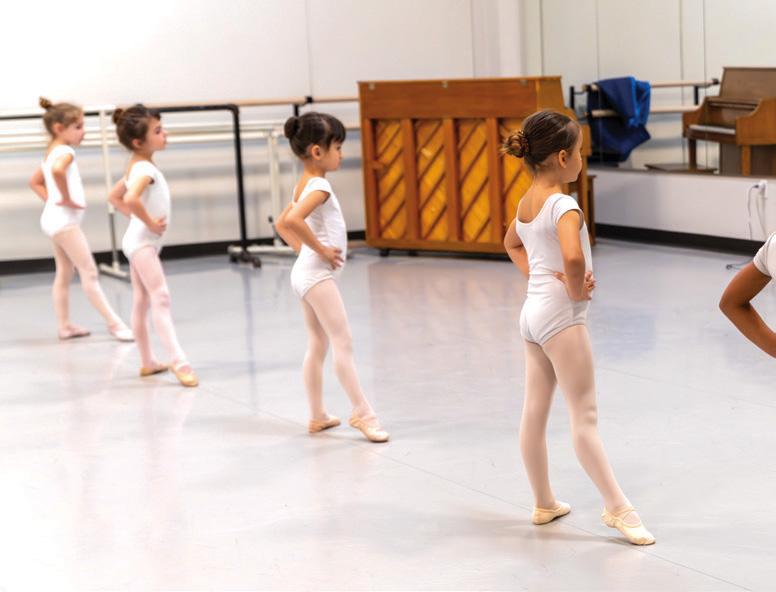
Make summer magical with The School of Ballet
Young dancers will step into storytelling, movement, music, and creativity as they build their own ballet inspired by beloved classics!
June 22 – 25 | 9 – 11:30 am
Theme: The Sleeping Beauty
July 13 – 16 | 9 – 11:30 am
Theme: The Nutcracker
Recommended for ages 4 – 7*
All experience levels are welcome! *Camp attendees must be fully potty trained to attend.
Price: $200 per week 10% off for siblings after the first sibling | 10% off second week if attending both sessions
Learn more and register at balletaz.org/school/dance-camp



SIGNS OF OVERHEATING that parents should monitor include sweating, flushed skin, or the infant’s chest feeling hot to the touch. The baby may also seem to be fussier or eat less, but these are less specific symptoms.
Generaly infants should wear one more layer than the adults in the home at whatever preferred temperature the home is. Excessive clothing or blankets are associated with increased SIDS risk. In hot weather, this may mean a lightweight sleep sack or even just a onesie.
There is no hard and fast rule, but fans can be used to help cool but should not be blowing directly on the baby. Air conditioning (if available) can be helpful when kept at a comfortable temperature.
When Baby-Wearing

decreased responsiveness.
Dress the infant appropriately for the environment with no more than one layer more than an adult would wear. If you are using an infant sling and/or cloth carriers, ensure the infant’s head is upright and above the fabric, the face is visible, and the nose and mouth are clear of obstructions. In hot weather, remember that the carrier itself adds a layer, and body-to-body contact generates additional heat.
While Baby-Wearing
Check for sweating, flushed skin, or if the infant’s chest feels hot to the touch. Parents should periodically check the baby’s temperature by feeling the back of the neck or chest (not hands or feet, which are often cooler). Additional warning signs could include excessive fussiness, lethargy, or
Exclusively breastfed infants do not need supplemental water to maintain hydration, even in hot weather. For formula-fed infants, continue regular formula feeding. Breastfed infants should continue nursing throughout periods of heat exposure.
Feeding frequency may need to increase during hot weather. Parents should offer feeds more often and watch for signs of adequate hydration (like normal amounts of wet diapers).
Sunscreen is safe to use starting at 6 months of age. The AAP and CDC recommend physical (mineral) sunscreens containing titanium dioxide or zinc oxide
for children over 6 months, as these are less irritating to sensitive skin than chemical sunscreens.
For babies under 6 months, sunscreen should be avoided as the primary protection method. However, a small amount of sunscreen can be applied to small, exposed areas including the infant’s face and hands when other protection is insufficient. Severe sunburn in young infants is a medical emergency.
Use broad-spectrum sunscreen with SPF 30 or higher, apply 15 minutes before sun exposure (for chemical sunscreens; physical sunscreens don’t require this delay), and reapply every 1-2 hours.
For infants under 6 months:
• Keep in the shade as the primary protection
• Dress in lightweight, long-sleeved shirts, long pants, and wide-brimmed hats
• Use covered strollers, umbrellas, or portable shade shelters
• Limit direct sunlight exposure, especially at midday
For all infants:
• Sun-protective clothing (UPF-rated swim shirts) is highly effective
• Wide-brimmed hats and sunglasses reduce skin and eye injury
• Seek shade, especially between 10 AM and 4 PM when there is the most UV exposure.
Infants should be removed from car seats as soon as they arrive at their destination and should not be left to sleep in car seats outside of the vehicle. Car seats can become extremely hot in vehicles, so checking the seat temperature before placing the infant and using window shades are safer approaches than adding products. It is important to remember that anything added to a car seat is outside of its design and safety testing and could affect the proper functioning of the car seat.
Avoid inclined sleepers and any sleep surface that is not firm, flat, and noninclined. While not specifically about cooling, the AAP warns against commercial devices inconsistent

with safe sleep recommendations. Be cautious of any cooling products that:
• Add soft materials to the sleep surface
• Could cover the infant’s face
• Create gaps or entrapment hazards
• Have not been safety tested
To cool a mildly overheated infant:
• Move to a cool environment immediately
• Remove excess clothing
• Offer fluids (breast milk or formula)
• Use room temperature water sponging (not cold or ice water for mild overheating)
• Use fans to promote air circulation
For signs of heat exhaustion or heat stroke (altered mental status, core temperature >104°F/40°C, seizures):
• Call 911 immediately
• Move to cool environment
• Remove clothing
Heat stroke in infants is a medical emergency requiring immediate professional care.


By Dr. Jennie Clausen
SUMMER BREAK OFFERS students a well-earned pause from the school year, but it can also lead to the “summer slide”. A time when a loss of academic skills occurs due to lack of practice. According to Junior Achievement of Arizona, families can play an important role in preventing this decline by weaving light, engaging academic review into everyday summer routines. The key is balance: reinforcing learning without turning summer into an extension of the classroom.
Tutoring or informal academic reviews can be highly effective when approached thoughtfully. Short, consistent sessions, rather than long, intensive ones, help students retain knowledge without feeling overwhelmed. For example, reviewing math concepts through games, practicing reading with books that match a child’s interests, or incorporating writing into journaling or storytelling can keep skills sharp. The goal is to make learning feel natural and even enjoyable, not like a chore. Giving students some control over what and how they review also reduces burnout and builds motivation.
Beyond traditional academics, internships, volunteering, and service learning provide powerful opportunities for teens to grow intellectually while exploring future career paths. These experiences allow students to apply what they’ve learned in real-world contexts, helping them build problem-solving,
communication, and teamwork skills. A summer internship might introduce a teen to a potential career field, while volunteering at a local nonprofit can foster a sense of responsibility and community awareness. Service learning connects meaningful work with reflection, helping students better understand how their efforts make an impact.
There are also many creative ways for teens to stay academically engaged without simply “studying” all summer. Serving as a tutor for younger students reinforces their own knowledge while building leadership skills. Counselor-in-training programs at camps teach responsibility, organization, and mentorship. Summer jobs, whether babysitting, working in retail, or helping with neighborhood tasks, offer valuable lessons in time management and accountability.
Financial literacy is another practical and engaging focus area. Families can introduce concepts like budgeting, saving, and investing through real-life scenarios. Older teens who earn money from part-time work can learn how to allocate their income, set savings goals, and understand the basics of managing expenses. These lessons not only reinforce math skills but also prepare students for financial independence.
The Junior Achievement model emphasizes experiential learning, hands-on,
interactive activities that connect education to real life. By making summer learning relevant and fun, families can help students stay motivated and curious. Rather than worksheets, think of simulations, challenges, and projects that encourage creativity and critical thinking.
In addition, Junior Achievement of Arizona offers a wide range of online resources for students in grades K–12. These ageappropriate activities focus on career readiness, entrepreneurship, and financial literacy, all accessible from any device. Programs like JA Inspire provide virtual career exploration opportunities for middle and high school students, allowing them to connect with local employers, explore industries, and participate in interactive experiences.
With the right approach, summer can be both a break and a bridge. A time to help students retain what they’ve learned while discovering new interests and skills that prepare them for the future.
To find more free online resources for your child, visit jaaz.org/our-programs/ resource-repository
Dr. Jennie Clausen has over 20 years of experience as a K-12 classroom teacher and post-secondary education professor. She oversees JA Inspire’s career readiness platform where she is responsible for curriculum writing, product innovation, strategic implementation plans, and works closely with the development team to improve student experiences.



































What Parents Should Know About the
By Nathaniel Bush, LCSW and Clinical Director at Cornerstone Healing Center
GRADUATION IS A MAJOR milestone but for many teens, what follows does not always feel as exciting as expected. Instead of immediately stepping into “what’s next,” some find themselves in an uncomfortable in-between period.
At Cornerstone Healing Center, we often see teens and families navigating what is commonly referred to as the “post-graduation slump.” During this time, teens may feel unmotivated, uncertain about what comes next, or off-track as they adjust to life without a consistent routine. Teens may experience changes in sleep, increased anxiety, and pulling back from social activities as they work through this transition.
For parents, this shift can be confusing. A teen who was once busy every day may now seem unmotivated. In most cases, this is not a red flag. It is a normal adjustment as teens begin learning how to function with more
independence. Supporting a teen through this period is less about pushing decisions and more about creating the right environment for them to regain direction.
Here are our tips for helping your teen during this challenging transition:
• Reintroduce Structure Gradually: Teens do best with some level of routine, but it does not need to be rigid. Part-time jobs, volunteering, classes, or regular commitments can help create a sense of purpose without overwhelming pressure. Encourage your child to get involved.
• Focus on Small, Consistent Habits: Simple routines like waking up at a consistent time, exercising, spending time outside, or sharing meals can help bring stability back into daily life.
• Allow Space Without Losing Connection: Teens may not have clear answers right away. Giving them room to explore interests while staying present and engaged helps them feel supported without feeling pushed.
• Keep Communication Open: Check in regularly without turning every conversation into a discussion about the future. Creating a low-pressure space makes it more likely they will open up.
• Encourage Progress Without Urgency: It is okay for teens to slow down after a demanding period. At the same time, small steps like applying for a job, signing up for a class, or committing to a routine can help them rebuild momentum.
This phase takes time. For many teens, it is their first experience managing daily life without a built-in structure. With patience, consistency, and support, most teens begin to re-engage and find their footing. What matters most is not how quickly they figure things out, but that they feel supported as they do.
Since its inception in 2017, Cornerstone Healing Center has established a reputation as Arizona’s premier mental health and substance abuse treatment center. With multiple state-of-the-art treatment facilities in Scottsdale and Phoenix and 8 different addiction and mental health programs with customizable treatment plans, Cornerstone Healing Center is a leader in both addiction recovery and mental health. To learn more, please visit https:// cornerstonehealingcenter.com
By Jamie Humphrey

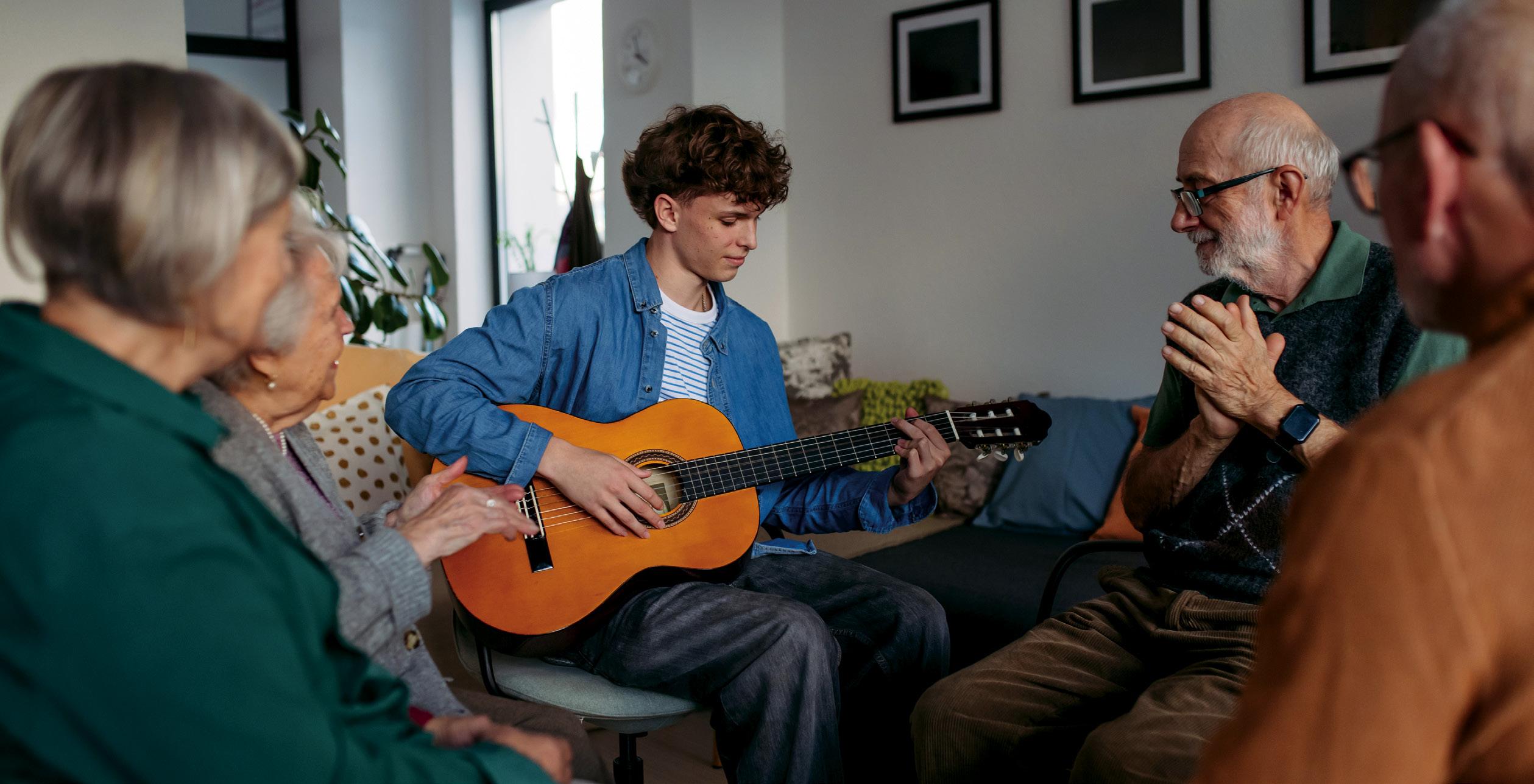
SUMMER CAN BE a welcome break for teens, especially after a demanding school year. But for many, too much unstructured time can quickly shift from feeling freeing to feeling overwhelming. Without the routine of school, extracurriculars, and regular peer interaction, some teens experience more boredom, isolation, irritability, disrupted sleep, or increased screen time.
That does not mean summer is a problem. It means teens often do better with some level of structure, intention, and support, even during a season meant for rest.
Adolescence is a stage of development where consistency, connection, and identitybuilding all matter. During the summer, teens may have more freedom, but they also have fewer built-in anchors to their day; for some, that can affect mood, motivation, and emotional regulation.
At the same time, summer can create space for rest, creativity, and personal growth. When teens are encouraged to engage in activities that genuinely support their wellbeing, the season can become restorative rather than dysregulating.
What Actually Feels Good
Social media can make summer look
exciting, busy, and effortless. But what looks fun online is not always what leaves a teen feeling mentally and emotionally well.
One of the most helpful things parents can do is encourage teens to pay attention to how they feel after certain activities. Do they feel calmer, more connected, more confident, more energized, or more like themselves? That kind of awareness can help teens make choices that support their mental health, rather than simply filling time.
Not every activity needs to be highly structured or expensive to be meaningful. Often, simple and consistent experiences can have the greatest impact.
Helpful activities may include:
• Creative outlets such as journaling, drawing, painting, music, or photography
• Physical activity such as walking, swimming, biking, hiking, or yoga
• Time outdoors to reduce stress and support emotional regulation
• Volunteering to build purpose, confidence, and connection
• Low-pressure hobbies, such as attending a local sporting event, going for ice cream, or visiting a community function, can help teens feel connected without too much pressure
• Healthy social time with friends, balanced
with enough quiet time to reset
Teens need connection, but they also need downtime. Too much social stimulation can be draining, while too much isolation can contribute to withdrawal or low mood. Supporting a healthy balance between time with others and time alone can make a meaningful difference in how teens feel throughout the summer.
At Horizon Recovery, we work closely with adolescents and families navigating mental health and substance use challenges, and we see every day how important rhythm, connection, and meaningful activity are for emotional well-being. Summer does not need to be packed or picture-perfect to be healthy. Often, the most supportive experiences are the ones that help teens feel grounded, capable, and connected to themselves.
Jamie Humphrey is the Head of Culture and Brand Integrity at Horizon Recovery, where she helps shape the organization’s voice, culture, and community presence. With 14 years of experience in the behavioral health field, she is a passionate advocate for teens and families seeking support, healing, and hope. Her work focuses on storytelling, outreach, and mental health awareness, and she also spends time volunteering with teens in foster care and families navigating infant loss. Jamie is a published author and blogger who writes about healing, recovery, and resilience.
By Kate Reed
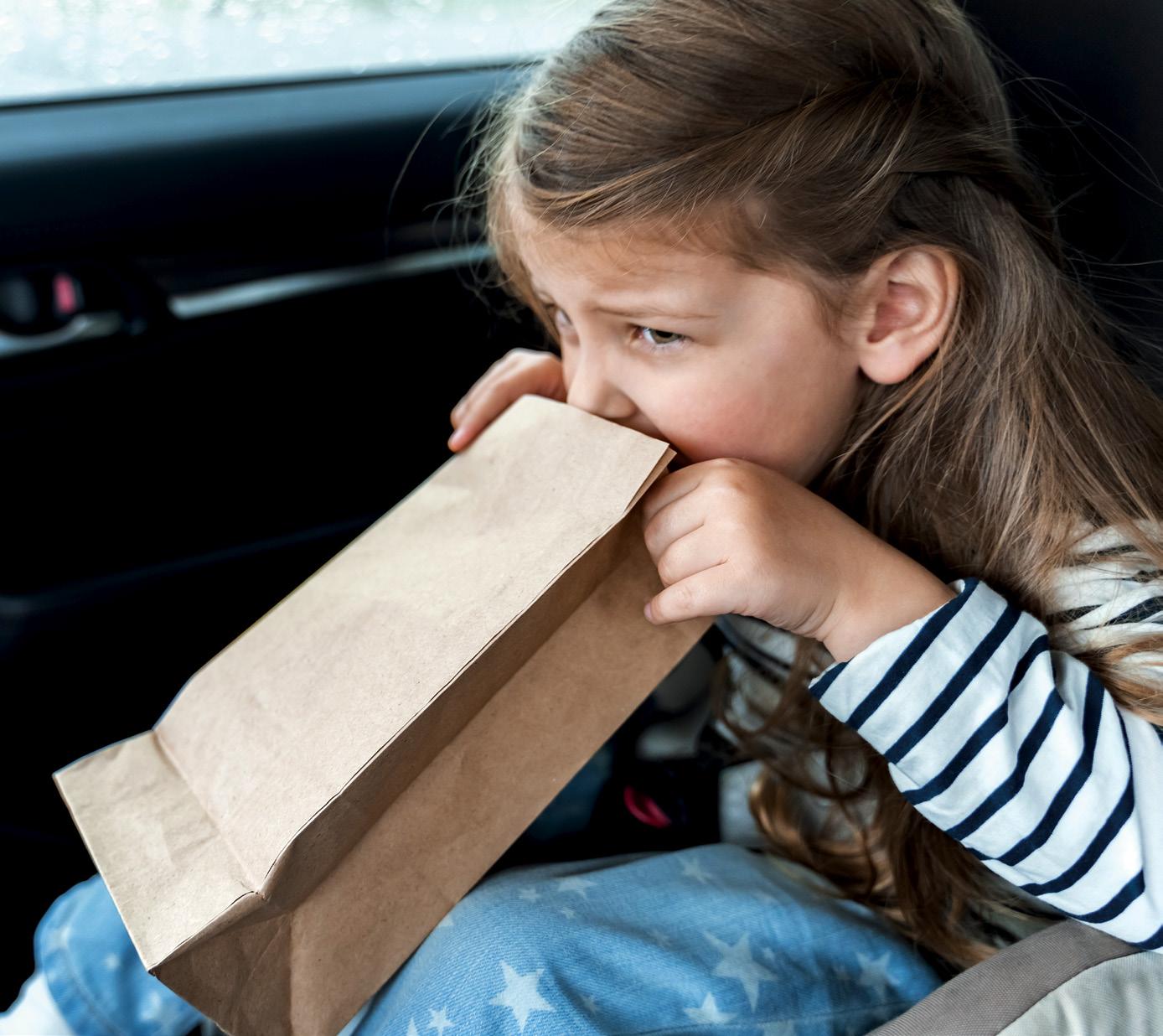
IF YOUR SUMMER plans include road trips, day drives, or even just bouncing between activities, there’s a good chance someone in your car is going to say it: “My stomach hurts.”
As a mom of five who lives a few hours from Phoenix, we do a lot of driving—and car sickness is just part of our reality. I’ve had kids make it 10 minutes before it hits, and I’ve learned (sometimes the hard way) that being prepared makes all the difference. It doesn’t mean we skip the trips—it just means we plan a little smarter.
Here’s how to help kids (and honestly, some adults) handle motion sickness this summer:
Start with Seat Position
Where your child sits matters more than you’d think. The middle seat in the back (where they can look straight out the windshield) is often the best spot. Older kids may do better in the front seat—but only if they meet safety guidelines. Being able to see the road helps the brain match what the body is feeling.
Keep Eyes Forward (Not Down)
Reading books, watching shows, or looking down at devices can make symptoms worse. Encourage kids to look out the window, play “I spy,” or listen to audiobooks
instead. If screens are a must, try to limit them or save them for when the car is stopped.
Fresh Air Helps
Crack a window or adjust the air vents so cool air is circulating. A stuffy car can make nausea feel worse quickly. Even a small breeze can make a big difference.
Watch the Snacks
Heavy, greasy, or overly sugary foods before a drive can trigger symptoms. Opt for light snacks like crackers, apples, or pretzels. Staying hydrated is important too—but avoid chugging large amounts right before hitting the road.
If possible, plan drives around nap time. Sleeping kids don’t get car sick. Early morning or evening drives can also help when the sun and heat are less intense.
Try Natural Remedies
Some families swear by ginger chews, peppermint oil, or acupressure wristbands. They’re simple, low-risk options that can be worth trying before turning to medication.
Be Ready for Quick Stops
Sometimes, the best solution is just
pulling over. Let kids get out, walk around, and reset. Even five minutes can make a big difference.
Keep a “Just in Case” Kit
It’s not glamorous, but it’s smart: a small bag with wipes, a change of clothes (for the adults, too), plastic bags, and paper towels can save your sanity if things go south quickly. (Ask me how I know.)
Consider Medication (When Needed)
For frequent or severe motion sickness, talk to your pediatrician about options. Some over-the-counter medications can help, but they’re not always ideal for every child.
Car sickness happens because the brain gets mixed signals—your body feels motion, but your eyes don’t always see it. Kids are especially prone to it, but many grow out of it over time.
In the meantime, give yourself some grace. We’ve pulled over more times than I can count, driven with windows down in 100-degree heat, and celebrated the small wins (like making it the whole way without an incident).
Road trips don’t have to be perfect to be meaningful. A little preparation, a lot of patience, and a flexible mindset go a long way.

By Tamara Lidbom
SUMMER IS HERE, which means for many it’s time to round up the family for a well-deserved vacation. Planning a summer trip can be stressful, especially when there are kids involved. Summer travel works best when the destination takes care of some of the entertainment for you.
Thankfully, there are a few beautiful destinations that offer strong kid-friendly activities that are simultaneously interesting for adults.
Costa Rica is one of the best destinations for families because it easily mixes adventure with comfort. You can split the trip between the Arenal and La Fortuna areas, known for volcano views, hot springs, and beautiful rainforest. You can also visit the beach region in Guanacaste or Manuel Antonio. The country is compact, tourism is family-friendly, and the experiences are hands-on.
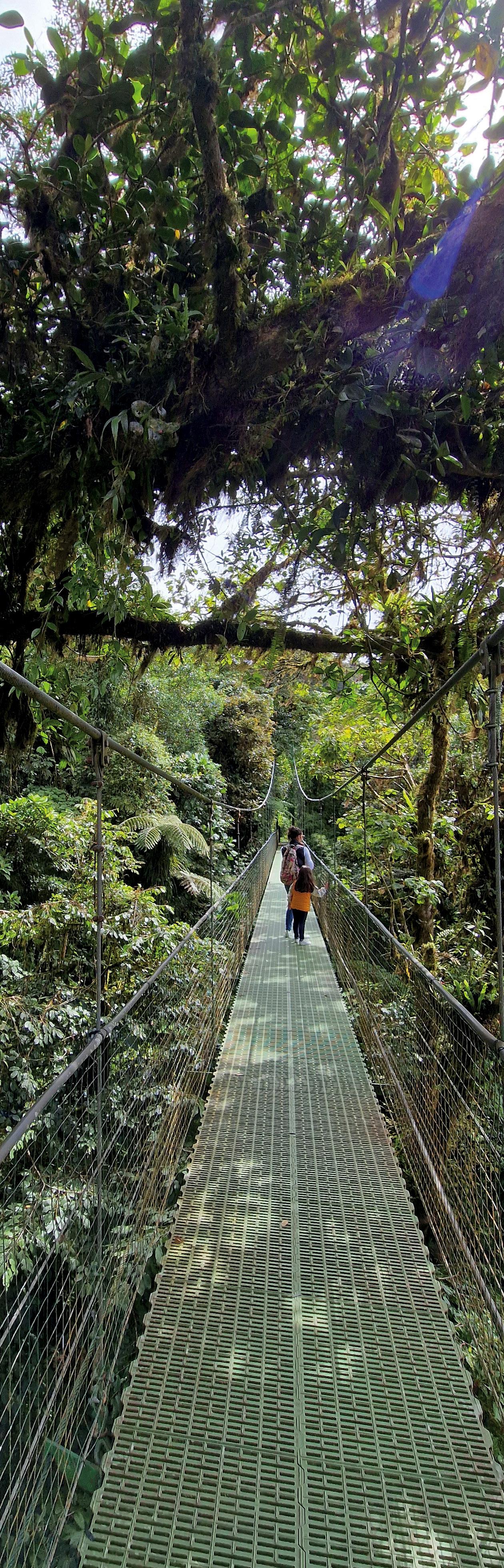
The area offers hanging bridges through treetops, butterfly gardens, nightly frog-spotting, and guided wildlife walks where the family can learn how to look for and listen to numerous types of wildlife, such as sloths, monkeys, and iguanas. Kids love being hands-on in nature, and parents love the variety.
Yellowstone is a dream for kids who love animals, rocks, and anything that bubbles, steams, or erupts. Yellowstone also naturally encourages bite-sized adventure, which is exactly what many families need in summer. This includes short walks, scenic overlooks, and easy picnic breaks before heading back to the car for the next wonder.
Yellowstone is one of the best big-impact trips in the U.S. because the “attractions” are the park itself. A 7-day pass for one private vehicle costs $35 and covers everyone riding in the car.
It may sound a bit exotic, but this is a once-in-a-lifetime wildlife trip that’s more doable than many families expect. For families with older kids, the Galápagos can be the trip that changes how children see the natural world. The wildlife encounters are unusually close, featuring iguanas, sea lions, and more.
Your days will revolve around active learning- a short hike with a naturalist guide, snorkeling in clear water, a beach stop, and time to process the experience. For kids who love animals, it can feel like a real-life nature documentary where they are a part of the story.
Families generally choose between a cruise-based trip, often higher cost but very streamlined, and a land-based “island hopping” style, which can sometimes offer more control over hotel choices and pacing. If affordability is a priority, timing matters. Better deals may appear in the fall, particularly September through November, even though wildlife viewing is strong year-round.
There are several destinations to choose from that the whole family can enjoy. Make sure to plan and book as soon as possible. This will give you more options and is often more affordable.
By Ben Mills
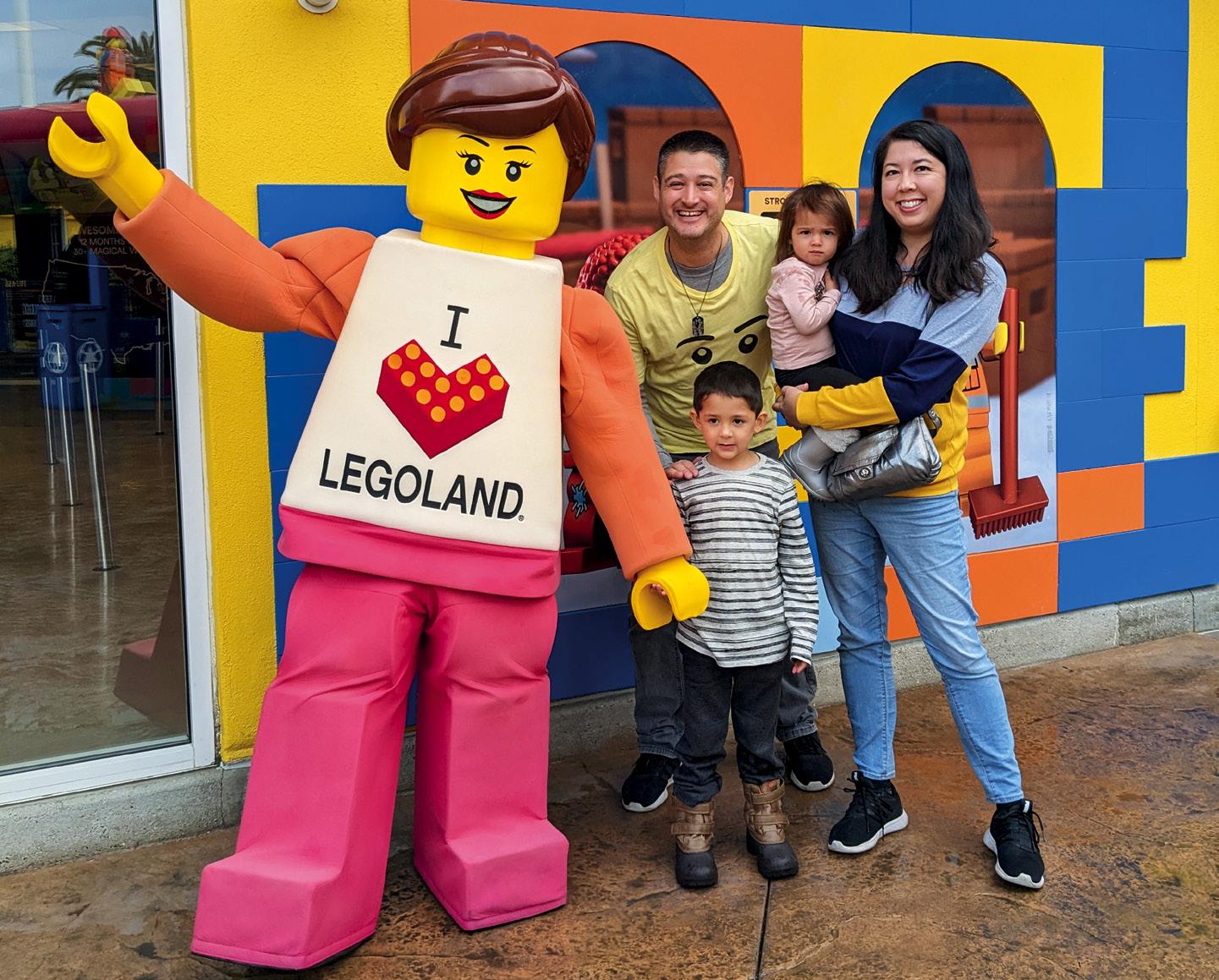
HEY SUPER DADS, summer is just about here, and it’s time to start making plans if you haven’t already! Our household is a Disney family, but the past couple of years we’ve added Legoland California to our rotation, even picking up an annual membership. In our experience, Legoland is a sweet spot for kids ages 2 to 10, which is perfect for our 5- and 8-year-old. Here are my top four tips for getting the most out of Legoland and the surrounding Carlsbad area.
1 . Research tickets and membership options. Legoland offers sales on tickets and memberships throughout the year, including buy 3, get 1 free. If you pick up an annual pass, depending on the level you choose, you’ll get access to special events like Halloween Brick or Treat (with trick or treating in the park!) and New Year’s party (with an early evening countdown and fireworks for young ones). Some memberships also work at Legoland parks, Legoland Discovery Centers, and Sea Life Aquariums across the U.S., including Arizona Mills!
2 . Legoland California offers three parks. Legoland California includes the
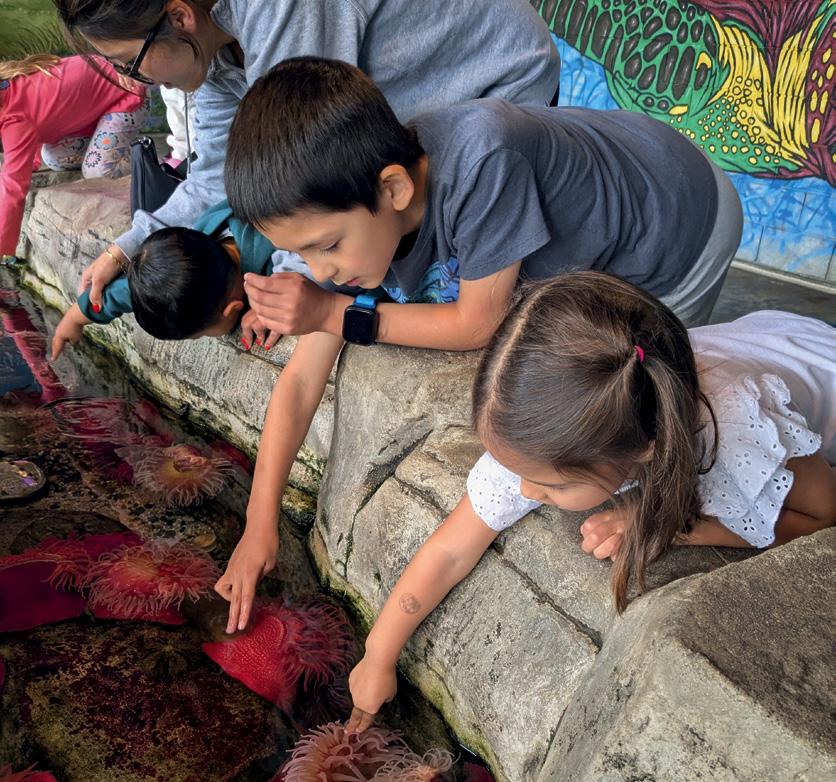
amusement park, Sea Life Aquarium, and water park. A hand stamp gets you unlimited re-entry throughout the day. You can also bring in water and snacks, and some ride queues have built-in Lego play areas, which is a lifesaver while you wait.
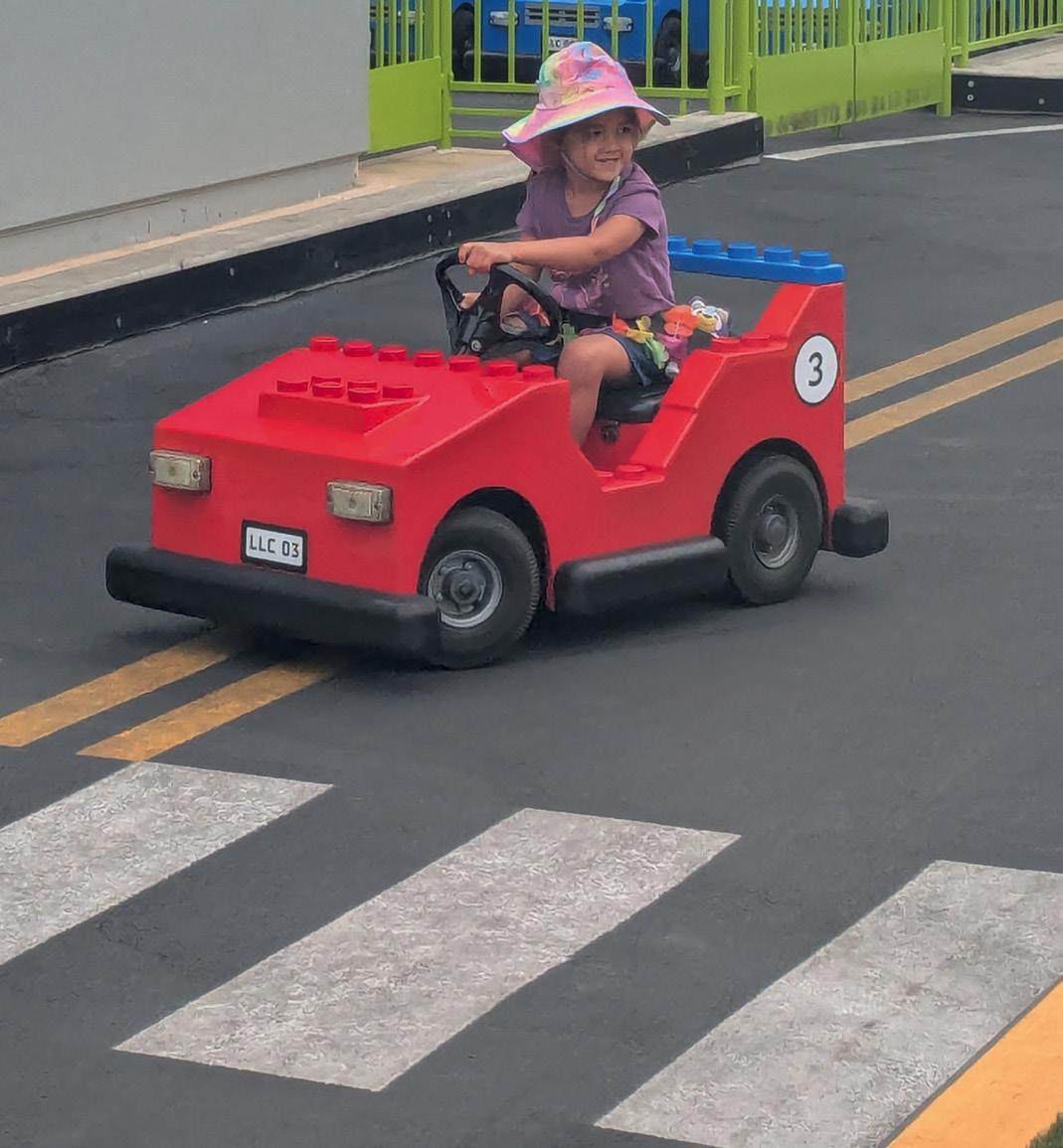
Our kids love Legoland California because in addition to plenty of rides that are just their size, the park is filled with tons of interactive play structures and plenty of Lego building stations. It’s super hands-on fun and the perfect place to burn energy all day long!
3
. Consider staying on property. If your budget allows, both Legoland hotels (Legoland Hotel and Legoland Castle Hotel) are right at the park entrance. This is huge when little ones need a nap or a breather from the crowds! Both hotels also have pools with mega floating Legos, which entertained our kids for hours. Life guards and life vests were onsite at the pool (and at the waterpark!).
If you’re staying on property and looking to stretch your budget or just want more variety in your dining, order takeout and enjoy it on the patio near the Castle Hotel’s outdoor play structures. Lego characters also
make appearances nearby, which is super fun!
4 . Get to know Carlsbad beyond the park. Carlsbad is filled with local restaurants, shopping, and beaches (plus a Costco and a Starbucks right down the street from Legoland itself). For local eats, the Windmill Food Hall nearby is amazing. It offers a food court atmosphere with local vendors that the whole family will enjoy. If you need a break from the parks, the nearby beaches are also family-friendly, with easy parking, short walks to the sand, and quickservice food options close by.
Wishing you all a safe and super fun summer with your families. Whether you decide to travel out of town or stay at home, I hope you find the adventure that’s right for you!
Until next time… up, up, and away!
Ben Mills is a full-time at-home dad, who, together with his wife, has two kids, ages 8 and 5. He is a Tucson native who now resides in Avondale. Ben currently serves as the Co-Organizer of Phoenix Dads Group: a dynamic, diverse and inclusive community of fathers dedicated to being active in their children’s lives and, by example, redefining what it means to be a dad in the 21st century.
By Bethany Smith, MC, LPC
SUMMER VACATION CONJURES images of carefree days with a welcome change in pace. Parents may dream of breaks from pickup and drop off lines, homework, and tightly packed schedules. As the temperatures warm, we look forward to catching up on sleep, spending more time with friends and family, and planning vacations. The surprising reality is that for many kids, summer can quietly become one of the loneliest times of the year.
The school year provides a structure with clear expectations that positively challenge children cognitively, behaviorally, and socially. Kids have daily peer interactions, structured routines, and access to sports and clubs for special interests. Saying goodbye at the end of the school year can create a mix of emotions. Parents might expect a mix of excitement, relief, and even some sadness. An emotion that is often missed is loneliness. Tweens and teens are especially at risk for increases in loneliness due to social connection being a central part of healthy social and emotional development. Parents often balance caring for children while working and managing other responsibilities. Feelings of isolation can creep in quickly with long stretches of unstructured time.
In my work as a therapist at Denova Collaborative Health, I see how shifts in routine can affect children’s mood and overall confidence. The good news is that parents can take simple steps to help kids stay connected and increase emotional support during the break.
Contributing Factors to Loneliness:
• Loss of structure and routine. School provides much more than academics. It offers daily peer interaction, predictable routines, and a sense of belonging. When those elements disappear for two or three months, some kids can feel disconnected from their social world.
• Disconnection from friendships. Social relationships are a key part of identity. Especially for teens and tweens that need consistent social interaction for their development. Without regular peer interaction, they may develop worries about being left out or concerns of where they fit socially.

• Changes in nutrition. It can be difficult for parents to provide balanced nutrition over the summer without the support of school resources. The school day provides consistent access to balanced meals throughout the day.
• Changes in sleep. Although one of the perks of summer is staying up late and sleeping in, changes to sleep routines can have a negative impact. Especially if your child is sleeping too little or too much over breaks.
Loneliness does not always show up as we might expect.
• Look for small behavior changes. Spending more time alone, withdrawing from activities your child usually enjoys or lacking motivation.
• How your child is using technology. A warning sign of loneliness can be relying heavily on phones and social media for connection.
• Change in mood. Increases in irritability, boredom, or sudden ups and downs in mood can also signal that a child is missing meaningful interaction with peers.
Kids often don’t know the signs and can feel embarrassed admitting when they do experience loneliness. Changes in mood and behavior can be mistaken for being moody or acting out.
Do not feel pressure to schedule every moment of the summer. Instead, focus on building small consistent structure to help prevent long stretches of isolation.
Ways to help:
• Label emotions. Don’t be afraid to have open conversations with your child about loneliness. Knowing what being lonely can look like and how it can feel is an important part of building their communication around emotions. This fosters open communication between kids and parents.
• Schedule consistent events. Meeting a friend at the park, planning a video call, attending a community program, or engaging in a sport or hobby. Events to look forward to can go a long way.
• Look for resources. Utilize free meals provided by your child’s school district, check out culture passes from your local library for local museums and events. Search for discounted camps and sports through your city.
• Offer to help make connections. Sometimes kids simply need help making the first plan. Offer to help your child invite a friend over, schedule a call, or arrange a group activity. This can reduce pressure your child may feel initiating meetups.
• Prioritize family connections. Simple rituals like cooking dinner together, going for evening walks, or playing a game together create regular opportunities for conversation and emotional support.
Summer is a great time for kids to build independence and social confidence. Trying a new activity such as volunteering or joining a local group helps kids practice peer interactions and communication skills over summer.
These experiences can make transitioning back to school easier and help kids feel more confident about reconnecting with classmates.
Your mental health matters, too. Increases in parental stress can occur in summertime as you balance caregiver and other responsibilities. Model for your children taking breaks, practicing a hobby, or engaging in selfcare. Staying in tune with your own emotions can help you catch subtle changes in your child’s behavior. It also fosters opportunities to connect and prevent loneliness before it takes hold.
With a little planning, summer can be a time for rest as well as building friendships, confidence and resilience that will support your child throughout their lifetime. If you notice your child is not showing improvement once loneliness has set in, please consult with your child’s doctor to determine if more specialized support is needed through behavioral health agencies like Denova Collaborative Health.
Bethany Smith, MC, LPC is an independently licensed counselor at Denova Collaborative Health. She has a master’s in counseling from Arizona State University. Bethany provides individual, family, and group therapy targeted at supporting kids and their families. Common modalities used to foster change are family systems, motivational interviewing, cognitive behavioral therapy, and acceptance and commitment therapy. Outside of work, Bethany enjoys being outdoors, and spending time with family in Montana.


By Monique Seleen
THIS SUMMER, we are welcoming a new baby, and I’ve been planning all kinds of ways to keep my 4-year-old occupied and having fun, even when we’re spending most of our days at home. Whether you’re having a new baby, figuring out how to keep kids entertained who are home for summer break, or just need to get a few things done around the house without hearing “I’m bored”, here are a few smart, ready-to-go options that can buy you time while still giving kids something fun, creative, and even a little educational to do.
1
. Turn Snack Time into an Activity with Sample It Box
Snack time is already part of your day—so why not make it an experience? Sample It Box takes the guesswork (and waste) out of buying new snacks by letting kids try a variety of better-for-you options in sample sizes before you commit to full-sized packages. Created by a mom who understands the struggle of picky eating and wasted groceries, this subscription box includes a mix of bars, chips, crackers, fruit snacks, and more.
What makes it especially engaging for summer days is that it’s more than just food—it’s an activity. Each box comes with a scorecard, stickers, challenges, and even prizes that turn taste-testing into a game. Kids can rate their favorites, compare flavors, and feel involved in choosing future snacks. It’s a simple, no-prep way to keep them occupied while also helping you discover what they’ll actually eat. sampleitbox.com
2. Keep It Screen-Free with KeKe Kid Activity Bags
If you’re looking to cut back on screen time without constantly playing cruise director, KeKe Kid offers a practical solution. These grab-and-go activity pouches are designed to
keep kids entertained anywhere—at home, in the car, at a sibling’s practice, or even during errands.
Each pouch is packed with a mix of educational and fun activities, all thoughtfully curated to engage kids without requiring adult setup. Think puzzles, crafts, and hands-on learning tools that encourage creativity and independent play. The subscription ships automatically every 12 weeks—Spring, Summer, Fall, and Winter—so you always have something fresh ready to go right when you need it.
It’s the kind of boredom buster you can hand over in seconds, with zero prep and no cleanup stress, which is exactly what summer days call for. kekekid.com
3. Spark Creativity with For the Love of Dough
There’s something timeless about play dough—but For the Love of Dough takes it to another level. These themed play dough jars turn a simple activity into an imaginative experience. With themes like Firemen, Butterflies, Outer Space, Spiderman, Construction, and more, kids aren’t just playing—they’re building worlds, telling stories, and exploring ideas.
Each jar is designed to inspire open-ended play, which means kids can come back to it again and again without it feeling repetitive. And for parents, it checks all the boxes: minimal setup, easy cleanup, and plenty of independent playtime. fortheloveofdoughco.com
Summer doesn’t have to mean constant planning or Pinterest-level activities to keep kids happy. With a few thoughtfully designed options like these, you can keep boredom at bay without adding more to your plate. Because sometimes, the best summer moments come from the simplest setups.











By Angela Judd
IF YOU WANT a place where kids can learn life lessons without a lecture, step into the garden. You get to see natural consequences in action. Forget to water a plant and it struggles. Plant a seed and give it what it needs, and it sprouts. Proper care leads to growth and, eventually, a harvest.
Organic gardening teaches even more. You can watch beneficial insect life cycles unfold as they show up to help with pest problems. Ladybugs and lacewings, for example, often arrive after aphids do. Kids get to see that the garden is connected, and that patience, observation, and consistency matter.
As with most parenting teaching moments, it’s the small daily actions that add up. Let your children work alongside you each morning before it gets too hot, and work together to keep the garden healthy. A simple daily routine benefits kids and the garden. As their capacity increases, they’ll build skills and confidence, and you’ll start relying on their help in a real way.
Here’s a morning routine to do each day that takes about 10 to 15 minutes:
Check leaves and stems. Do you see pests, holes, wilting, or yellowing? Does anything need extra help today?
Test the soil. Poke 1 to 2 inches deep. If your finger comes out damp with soil clinging to it, there’s still moisture. If it comes out dry, it’s time to water.
Give kids one focused area to water. Use a shower attachment that won’t disturb the soil and show them how to water the soil at the base of the plant. Teach them to count to 20 slowly as they water, so they water deeply enough to reach the roots.
Pick what’s ready, and notice what will be ready soon. Heat lovers like okra, black-eyed peas, sunflowers, and sweet potatoes usually give you something to look forward to, even
when summer is hot. Got weeds? Make it fun: “Who can pull 10 weeds first?” Help them get in the habit of putting gardening tools away when they’re done.
If your kids ask questions, stop and really listen. Give them a thoughtful answer, ask them what they think, or look it up together. Let their curiosity spark a moment of connection between you.
Beat the heat by getting outside early, wearing sun protection, and staying hydrated. Keep it fun and light, and let a morning in the garden become part of your routine. Over time, you’ll all look forward to the time together and the lessons the garden keeps teaching.
Angela Judd is a mom of five, desert gardener, educator, and creator of Growing in the Garden , a platform that helps people grow food and flowers in hot climates. Based in Mesa, Arizona, she teaches gardening classes, shares seasonal tips online, and believes gardening with kids is one of the best ways to cultivate curiosity, patience, and a love for nature.

WHEN TEMPERATURES CLIMB, the last thing most of us want to do is turn on the oven and heat up the house. Luckily, summer meals can be just as satisfying—if not more so—when they’re fresh, simple, and require little to no cooking. Whether you’re juggling a busy schedule, managing kids at home, or just trying to stay cool, these three easy meal ideas keep things delicious without ever touching the oven.
1. Thistle: Fresh, Ready-to-Eat Meals
If convenience combined with nutritious meals is at the top of your list, Thistle is a standout option. This meal delivery service focuses on whole, nutrient-dense foods designed to support both personal health and a lower environmental footprint. Their menu is plant-forward, with the option to add meat if you prefer, and everything is dairy-free, made without gluten ingredients, and organic whenever possible.
What makes Thistle especially appealing in the summer is how many of their meals require zero heating. Think crisp, refreshing salads packed with seasonal produce, chia seed breakfast puddings, overnight oats, smoothies, and nourishing energy bites. It’s the kind of food that feels light but still keeps you full
By Monique Seleen
and energized throughout the day.
For meals that do require warming, a quick spin in the microwave or a few minutes in a skillet gets the job done—no oven necessary. With options spanning breakfast through dessert, Thistle makes it easy to eat well without adding extra heat (or stress) to your day.
2 . Nature’s Purpose: Local, No-Fuss Meal Prep Delivery
For those in Phoenix-Metro area, Nature’s Purpose offers a local, flexible solution to summer meal planning. This meal prep delivery service focuses on fresh, made-fromscratch dishes using quality ingredients. One of its biggest perks? There are no subscriptions or long-term commitments. You simply choose the meals you want, and they’re delivered straight to your doorstep on Sundays or Mondays (within delivery radius).
Each meal is designed for ultimate ease— just pop it in the microwave, and in about two minutes, you’ve got a hot, satisfying dish ready to go. Portions come in three sizes, and every item includes a full ingredient list and macro breakdown, making it easy to align with your nutrition goals.
Menu favorites like the Bacon Breakfast
Burrito, Backyard BBQ entrée, and Chicken Eggroll Bowl offer hearty, flavorful options, while à la carte sides like potato wedges, mac & cheese, or tofu let you mix and match. It’s a practical, no-oven-needed way to keep meals both exciting and effortless.
3. DIY Summer Boards and Bowls
If you prefer a more hands-on (but still ovenfree) approach, assembling your own summer boards or bowls is a versatile and family-friendly option. Start with a base—like mixed greens, quinoa, or even hummus—and build from there using fresh, seasonal ingredients. Sliced fruits, raw veggies, pre-cooked proteins (like rotisserie chicken or marinated tofu), nuts, seeds, and simple dressings can all come together in minutes.
Another fun idea is a “snack board” dinner: arrange items like cheese (or dairy-free alternatives), crackers, sliced veggies, dips, olives, and fruit on a platter and let everyone graze. It’s customizable, visually appealing, and perfect for warm evenings when no one wants a heavy meal. Plus, there’s zero cooking involved—just assembling and enjoying.
With options like these, summer meals can be cool, convenient, and full of flavor— no oven required.
By Joanna Kowalik, M.D., M.P.H
WHEN PEOPLE THINK of seasonal depression, they often picture dark winter days. But in places like Arizona, the opposite can be true. For some individuals and families, the intense heat and long stretches indoors during the summer months can trigger what’s known as reverse seasonal affective disorder, or summerpattern seasonal affective disorder (SAD).
Understanding how this condition shows up, and how to manage it, can make a meaningful difference for both parents and children.
It can be difficult to tell the difference between feeling physically drained from the heat and experiencing something more emotional.
Summer-pattern SAD often includes persistent irritability, trouble sleeping, low appetite, anxiety or a sense of restlessness. Children may seem more withdrawn, lose interest in activities they usually enjoy, or become unusually frustrated. Adults may notice a lack of motivation, difficulty concentrating or feeling “on edge” for extended periods.
The key difference is duration and impact. If these feelings linger beyond a few days or begin to interfere with daily life, it may be more than just heat fatigue.
The Emotional Impact of Staying Indoors
Summers in the Valley naturally push families inside. While air conditioning offers relief, prolonged indoor time can quietly affect emotional well-being.
Children lose access to spontaneous outdoor play and social interaction, especially as school is out. Teens, who rely heavily on peer connection, may feel especially isolated. For parents, juggling work, childcare, and limited activity options can increase stress and fatigue.
Over time, this combination can lead to feelings of disconnection or “cabin fever.” Without the structure of school or regular routines, days can start to feel unstructured and monotonous, which can contribute to low mood.
Daily Habits That Support Mental Health
Small, consistent habits can help stabilize mood during extreme heat:
• Create structure: Keep a loose daily
routine with regular wake times, meals and activities.
• Prioritize movement: Even short bursts of physical activity indoors, like stretching, dancing or active games, can boost mood.
• Seek early or late outdoor time: When possible, step outside in the early morning or after sunset for fresh air and light exposure.
• Limit excessive screen time: Balance digital activities with interactive or creative options.
• Stay connected: Schedule playdates, family visits or check-ins to maintain social interaction.
For both kids and adults, predictability and connection are powerful tools in maintaining emotional balance.
One of the most helpful strategies is reframing how we think about the hot weather. Instead of focusing on what the heat takes away, consider what it creates space for. Summer can be an opportunity to slow down, spend intentional time together, and explore indoor experiences that might otherwise be overlooked — from library visits to creative projects at home.
It’s also important to adjust expectations. Not every day needs to be packed with activities. Allowing for rest, flexibility and lower pressure can reduce frustration for both parents and children.
If symptoms persist for several weeks, worsen or begin to affect sleep, relationships, or daily functioning, it may be time to seek professional support. Early intervention can help prevent symptoms from escalating and provide families with practical coping strategies.
Summer in Arizona presents unique challenges, but with awareness and small adjustments, families can navigate the season in a way that supports both physical comfort and emotional well-being.
Joanna Kowalik, M.D., M.P.H., is a child and adolescent psychiatrist and medical educator dedicated to training the next generation of physicians while advancing mental health care in the Valley. She serves as Director of the Psychiatry Clerkship and M4 Specialty at Creighton University School of Medicine and Director of Medical Student Education in Psychiatry at Valleywise Health, where she works closely with students and residents.
By Monique Seleen
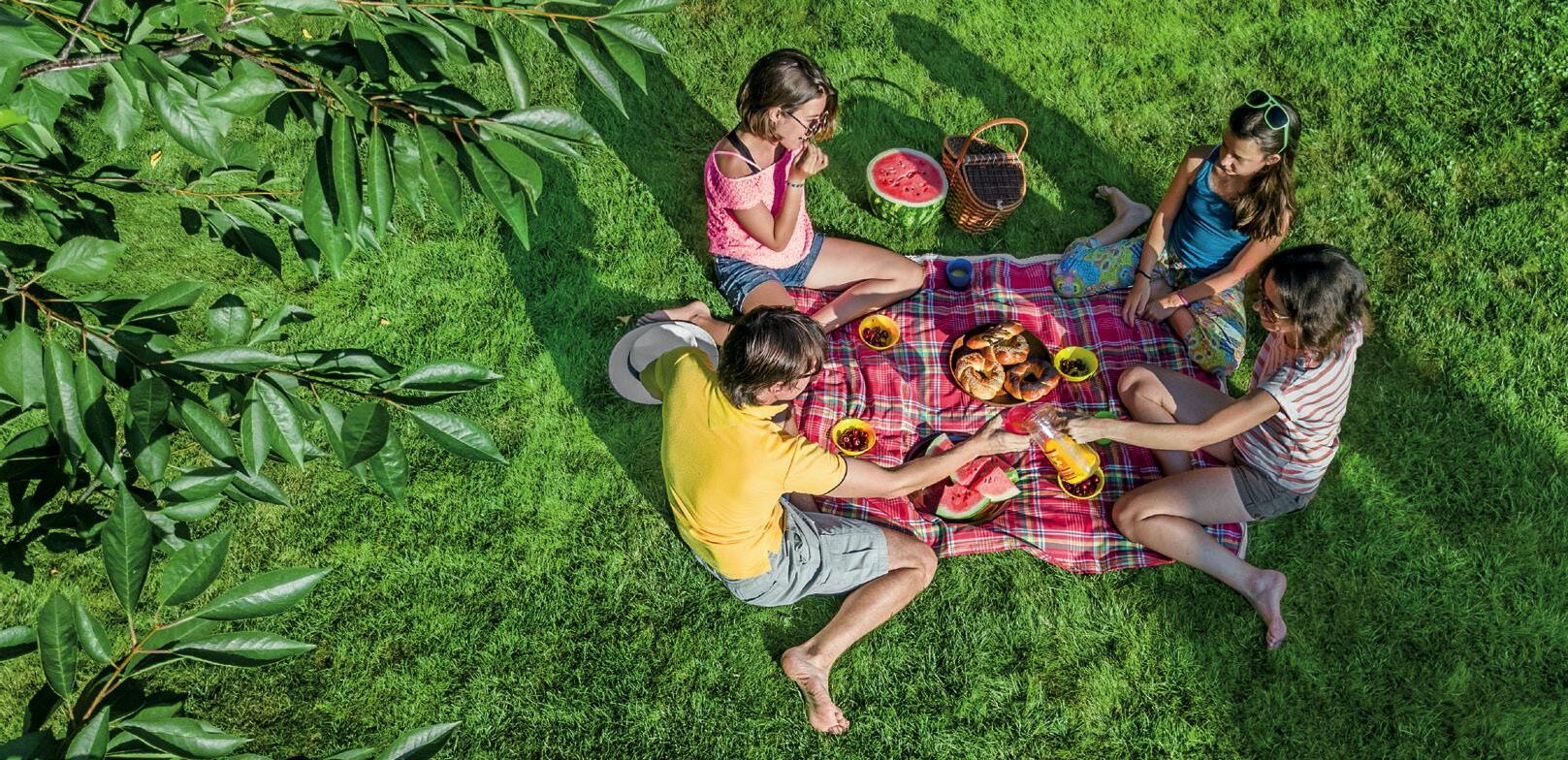
AUGUST IS NATIONAL Picnic Month, and while the idea of eating outdoors sounds dreamy, the summer heat can make traditional midday picnics feel more like a chore than a treat. The good news? With a little creativity, you can still enjoy all the charm of a picnic— without melting in the process. Here are five picnic ideas that keep you staying cool while making memories:
1 . Make a Splash with a Splash Pad Picnic
Combine playtime and mealtime by planning a picnic around a local splash pad. Let the kids burn off energy in the water first, then settle down for lunch once everyone is happily tired and cooled off. Pack easy, refreshing foods like cut fruit, wraps, pasta salad, and plenty of cold drinks in an insulated cooler. Bonus: you won’t have to worry about keeping little ones entertained—they’ll already be having a blast.
2 . Turn Your Car into a Cool Picnic Spot When it’s simply too hot to sit outside, bring the picnic indoors—your car, that is. Grab takeout or swing through your favorite fast-food spot, then park somewhere scenic (or even just shady), crank up the AC, and enjoy a relaxed, mess-free meal. It’s especially fun for kids and feels like a mini adventure without the heat exposure. Think of it as a modern twist on the classic picnic.
3. Embrace the Magic of a Twilight Picnic
The evenings can offer a much-needed break from the sun, making nighttime picnics a perfect option. Head to a local park or set
up in your backyard just after sunset. As temperatures drop, lay out a blanket, string up some lights, and enjoy dinner under the stars. Think mini sandwiches (PB&J, turkey and cheese, or ham sliders), pinwheels, or even cut-up quesadillas. These are easy to prep ahead and don’t need utensils. Don’t forget a lantern or flashlight for when it gets dark.
4 . Take a Day Trip to Cooler Weather
If you’re craving a true outdoor picnic experience, consider heading north. Prescott and Payson are both just a short drive from the Valley and offer noticeably cooler temperatures. Pack a picnic and set up near a lake—Watson Lake in Prescott or Woods Canyon Lake near Payson are great options. With pine trees, fresh air, and scenic views, it’s a refreshing escape that turns a simple picnic into a full day adventure.
5. Start Early with a Breakfast Picnic
Beat the heat by heading out first thing in the morning for a breakfast picnic. Early hours bring cooler temperatures and quieter parks, making it an ideal time to enjoy the outdoors. Keep it simple with foods like muffins, granola bars, fresh fruit, hard-boiled eggs, and breakfast burritos. Add iced coffee or juice, and you’ve got a low-effort, high-reward outing to start the day.
Picnicking in the summer may look a little different in the desert, but with these heatsmart ideas, you can still celebrate National Picnic Month in a way that’s both fun and comfortable.
By Michele Thorne
FOR MANY ARIZONA families, summer break arrives with relief: no packed lunches, no morning drop-offs and a slower pace dictated by long days and warm nights. But for some children—and especially for children with autism—the sudden loss of daily structure can feel less like freedom and more like freefall.
Routines are not just habits; they are anchors. They help children understand what comes next, regulate their emotions and feel safe in an unpredictable world. When school ends, that predictability disappears overnight. Understanding how to prepare children for that shift can make the difference between a summer filled with joy or one marked by stress, meltdowns and exhaustion for the whole family.
Autistic children often rely more heavily on routine and predictability to navigate their days and school provides a built-in rhythm: consistent wake times, familiar transitions and clear expectations. When you remove that structure, children may experience heightened anxiety, sensory overload, sleep disruptions or behavioral regression.
However, discomfort with change is not exclusive to autism and all children benefit from structure. The strategies that support autistic children during summer transitions are often the same strategies that help every child feel more secure and confident during times of change.
A common misconception is that summer should be completely unstructured, but most
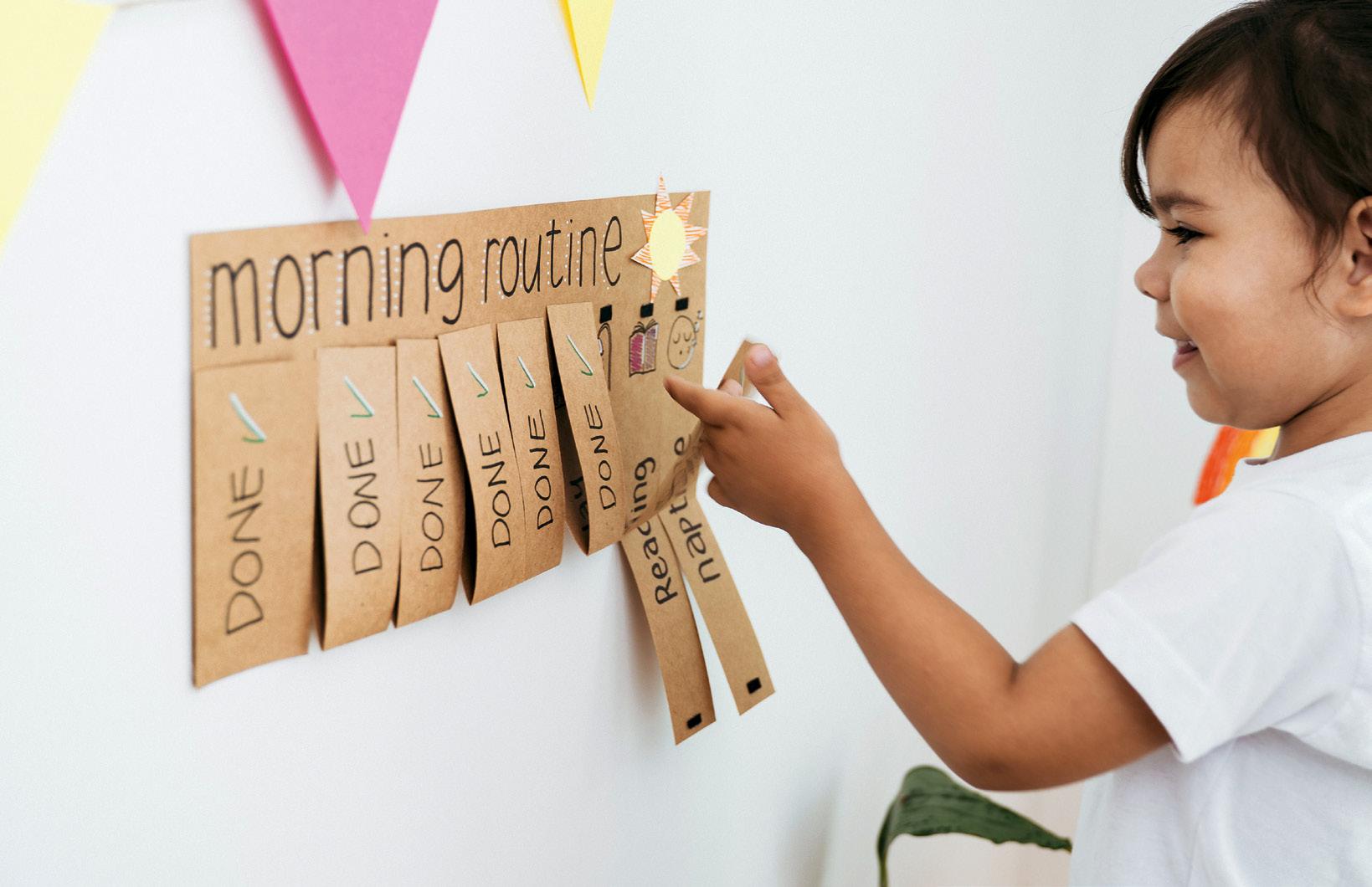
children thrive when some structure remains, even if it looks different from the school year.
This doesn’t mean you need to create a rigid classroom schedule at home. Maintaining consistent anchors throughout the day is enough to create structure, including regular morning and bedtime routines, designated times for meals and snacks and predictable transitions between activities.
For autistic children, knowing when things happen often matters more than what happens. A simple daily rhythm including a simple morning routine, activity time, lunch, rest and then an afternoon activity can offer stability while still allowing for flexibility and fun.
Schedule changes can feel especially hard when children feel powerless, so offering choices is an effective way to restore a sense of control, and the choices you offer don’t have to be big.
For autistic children, choices should be clear and limited to avoid overwhelm, such as “would you rather go to the library in the morning or after lunch?”
Visual choice boards or two-option questions work especially well. Feeling heard and involved helps children approach change with more confidence and less resistance.
Even with preparation, transitions can be hard. Emotional outbursts, withdrawal, or increased rigidity are forms of communication, not signs of failure.
Parents can help children regulate by staying calm and consistent, acknowledging emotions and offering sensory regulation tools such as quiet time, movement breaks or
calming activities like playing with a sensory bin, building with LEGOs or blocks and coloring.
Summer heat in Arizona adds another layer. Sensory sensitivities can be intensified by high temperatures, in addition to noise and crowds. Planning indoor breaks, hydration routines and downtime can help prevent overload.
Routine Isn’t the Enemy of Fun
Above all, children need to know that their caregivers are steady, even when schedules are not. Whether it’s a daily check-in, a bedtime routine that stays the same all year, or a shared summer ritual like evening walks or weekly game nights, these moments of connection signal safety.
For parents of children with autism, it’s also important to extend that compassion inward. Supporting a child through transitions is demanding work. Seeking community, respite and support is essential.
With thoughtful preparation, maintained routines and realistic expectations, summer doesn’t have to be a season of chaos. When we plan for change instead of reacting to it, we teach children a lifelong skill: that even when life shifts, they are supported, understood, and capable of adapting.
Following her son’s autism diagnosis, Michele Thorne founded Phoenix-based nonprofit Care 4 the Caregivers to provide resources and community for families raising children with disabilities. A former geneticist at TGen and educator at Arizona State University, Michele brings scientific expertise to her work. She has authored research and children’s STEM books and leads initiatives that strengthen policy, education and caregiver support statewide.










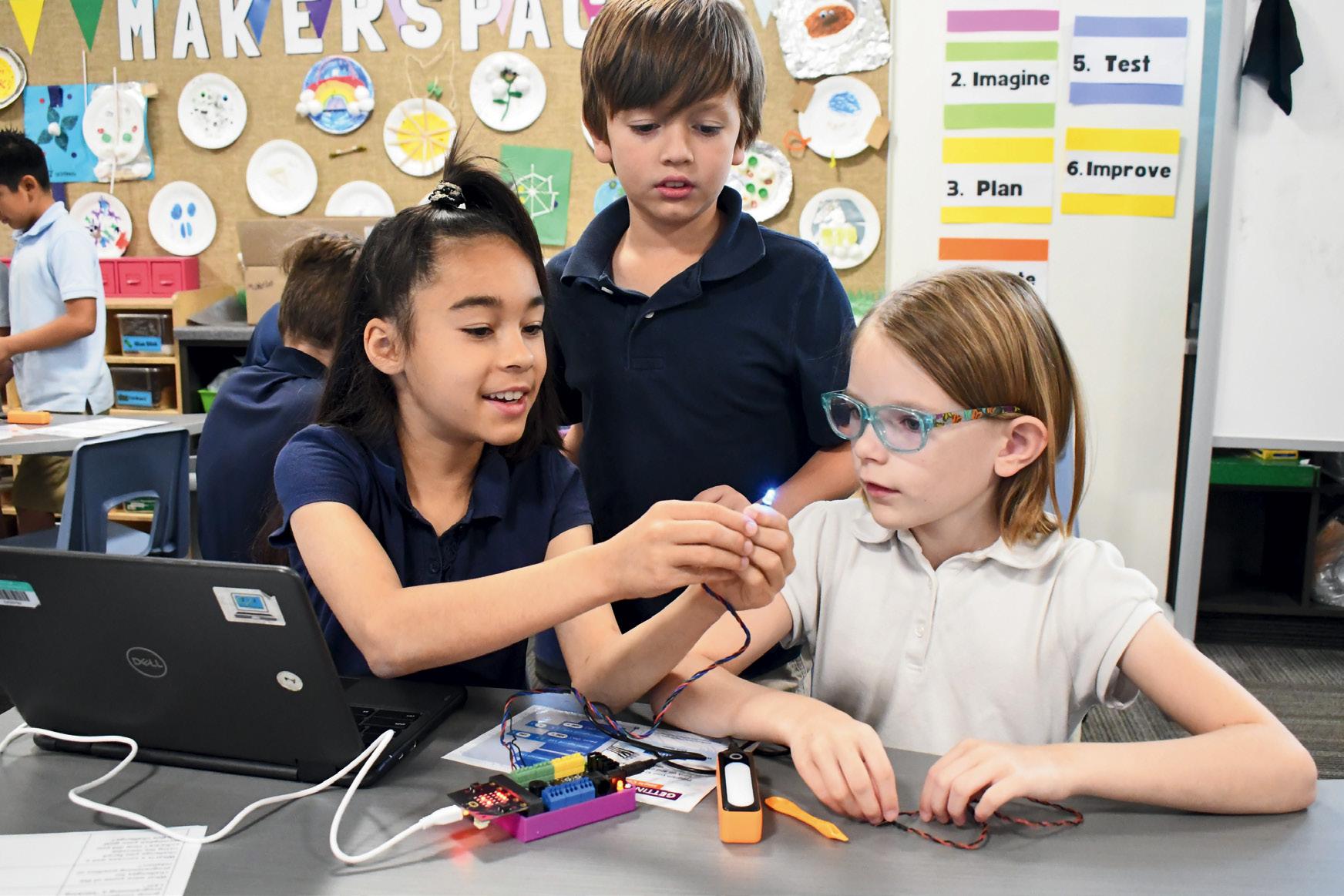

By Pima County Libraries




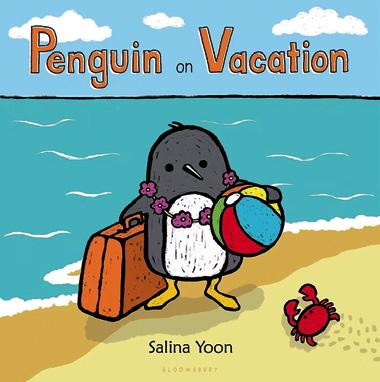
Vacation for Dexter by Lindsay Ward
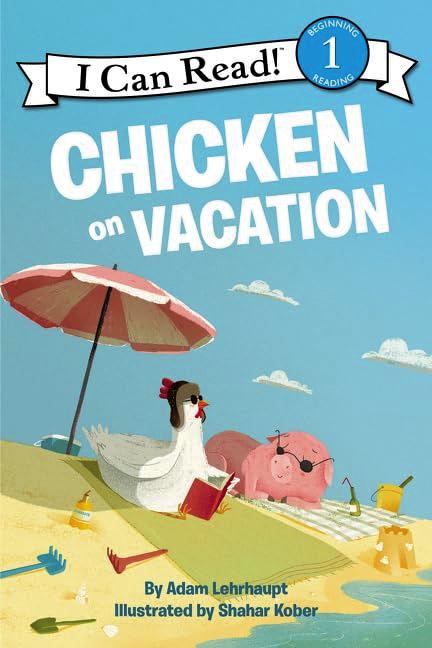
Dexter T. Rexter is on a plane–for the very first time. Dexter can’t wait to go on vacation with his best friend, Jack. Supercool orange sunglasses? Check. Nifty travel hat? Check. Plane tickets? Uh, what? Dexter may be the toughest, coolest dinosaur around, but everyone knows T. rexes don’t fly! If anyone could do it, he could. It’s just that he’s suddenly feeling a little hot. And maybe a little nervous. But just as he starts to melt down, he notices Jack looks upset. Dexter realizes he has to be brave enough for both of them. And maybe, just maybe, he’ll start to have a bit of fun in the air.
Carl’s Summer Vacation by Alexandra Day
SUMMER VACATION is the perfect time for kids to slow down, soak up the sunshine, and dive into stories that feel like an adventure of their own. Whether you’re packing for a family trip, heading to the pool, or just looking for a quiet moment in the shade, these books capture all the fun of summer—think beach days, road trips, plane rides, and unforgettable memories. From laugh-out-loud tales to heartwarming journeys, each pick invites young readers to explore, imagine, and “travel” far beyond their backyard, one page at a time.
Where Do Diggers Take Vacation?
By Brianna Caplan Sayres
Where do you go on vacation? Do you visit family? Go to the beach? How about a road trip? For sure! Follow diggers, fire trucks, fork-lifts—and more—on their vacation travels. Hard working trucks need to get away, relax, and play, just like you do! This charming, rhyming board book about going on vacation is perfect for spring break, summer vacation, or any time of year.
Penguin on Vacation by Salina Yoon
Penguin is tired of the snow and cold—so he decides to visit the beach! But when his favorite activities like skiing and skating don’t work so well on sand, can a new friend help Penguin learn how to have fun in the sun? Salina Yoon’s beloved character Penguin hits the beach in Penguin on Vacation —a charming board book that’s perfect for summer vacation.
Carl and Madeleine are supposed to be napping while Mom and Dad get the summer cabin ready for company, but this lovable canine and his charge have better things to do. They escape from the hammock to do some canoeing, pick blackberries, and enjoy a picnic. Carl even plays a little baseball! That night, Mom and Dad wonder why the two are so tired – little do they know that Carl and Madeleine have been busy exploring all that a summer vacation on the lake has to offer.
Chicken on Vacation by Adam Lehrhaupt
Zoey the chicken needs a vacation! Zoey knows you don’t need to go to the shore to have the perfect beach day...but you do need a great imagination and a treasure map! Will Zoey lead her barnyard pals to buried treasure? This Level One I Can Read book makes it perfect for children learning to sound out words and sentences.
Vampire Vacation by Laura Lavoie
The last thing Fang wants is another vacation in Transylvania. He’s toured Dracula’s castle and the coffin museum enough for an eternal lifetime. Why can’t he spend the summer swimming and surfing like his other friends? When his parents refuse, Fang decides to convince them that fun at the beach is possible, even for a family of vampires. Laura Lavoie’s clever text and Micah Player’s devilishly fun illustrations are the perfect pairing for this hilarious picture book that captures the joy of having new adventures and staying true to yourself.




By The Salvation Army Tucson
AS SUMMER APPROACHES, many parents are facing the same annual challenge: finding ways to keep kids active, engaged, and cared for while school is out — without stretching the family budget even further.
In Tucson, where triple-digit temperatures can make outdoor play difficult for much of the day, structured summer programs often become more than just entertainment. For many families, they provide routine, social connection, physical activity, and a safe place for children to spend their summer days.
That’s one reason community-based summer camps continue to play an important role for local families.
This summer, The Salvation Army Amphi Corps Community Center is once again offering its Summer Day Camp program.
The Summer Day Camp will run June 22 through July 24, Monday through Friday from 9 a.m. to 5 p.m. at the Amphi Corps Community Center on Prince Road. The camp is designed for children ages 5–13.
Designed to balance fun with structure, the program includes a mix of hands-on activities, outdoor play, creative projects, and social opportunities that help kids stay engaged during the summer months.
For just $75 per week, campers will enjoy:
• Arts & crafts
• Games and chapel time
• Sports and park play
• Nutritious lunches and snacks
• Splash pad water activities
• Exciting field trips included at no extra cost
For many parents, programs like this offer something increasingly valuable during summer break: consistency.
Summer schedules can quickly become difficult to manage, especially for working parents or families juggling childcare for multiple children. Camps that provide fullday programming can help create stability while also giving children opportunities to build friendships, try new activities, and stay active away from screens.
Affordability is another major factor.
With the cost of childcare and summer programming continuing to rise, many families are searching for lower-cost options that still offer enriching experiences. At $75 per week, the Salvation Army’s camp aims to provide an accessible option for Tucson families, with financial assistance available for qualifying households.
Captain Victoria Mercer of The Salvation Army Amphi Corps Community Center says the goal is to create an environment where children feel supported while enjoying a memorable summer experience.
“Our summer day camp provides children with a place to learn, grow, and have fun in a supportive and safe space,” Mercer shared. “It’s an opportunity for kids to stay active, meet life-long friends, and create lasting memories throughout the summer.”
Each week features themed activities designed to encourage creativity, build friendships, and promote personal growth in a structured, faith-based environment. Staff members focus on creating a positive experience where children feel welcomed, supported, and engaged throughout the summer.
Beyond keeping children busy, programs like these can also help prevent the “summer slide” many families worry about during long school breaks. Structured activities, social interaction, and opportunities for creativity all contribute to helping children maintain confidence and connection throughout the summer months.
Families interested in the Salvation Army Amphi Corps Community Center Summer Day Camp are encouraged to register early, as space is limited. For more information, contact the center at 520-888-1299 or visit TucsonAmphi.Salvation.org.
The Salvation Army ranks 6 on Forbes’ list of America’s Top 100 Charities and helped over 27,000 Tucson-area neighbors last year. By providing food for the hungry, safe shelter and clothing for people experiencing homelessness, rent and utilities assistance, disaster relief, respite from extreme weather conditions, senior activity and outreach, opportunities for under- resourced children, holiday assistance, and emotional and spiritual support,





TUCSON: Babymoon
By Monique Seleen
THERE’S SOMETHING about the stretch of weeks just before a baby arrives—equal parts anticipation, tenderness, and a quiet urgency to savor the last moments of “just us.” This past April, at 32 weeks pregnant, my husband and I slipped away to Tucson for a babymoon that turned out to be exactly what we needed: restful, a little indulgent, and filled with simple, meaningful moments.
I’ve done the planning for you – all you have to do is book the trip! Here are my best recommendations on where to stay, what to do, and where to eat – so you can have the most enjoyable and relaxing babymoon, too!

We based ourselves at the El Conquistador Tucson, A Hilton Resort, tucked into the foothills of the Santa Catalina Mountains in Oro Valley.
This felt like the perfect home-base for our trip. The relaxing desert scenery, array of pools throughout the resort, live music at the lounge on weekends, and the on-site breakfasts were some of the many highlights for us. It’s so nice to have a place where you can spend most of your time with plenty to do and not have to leave the property if you don’t want to!
For breakfast, we kept it easy and consistent at the El Conquistador’s Sundance Café. You can order from the full menu, but the breakfast buffet is also worth considering—especially when you want variety without overthinking it. Sitting outside each morning on their scenic patio enjoying the fresh air felt like a small luxury and something we savored each morning.
Seis Kitchen is a must-visit destination for us whenever we’re in Tucson. Their menu is inspired by regional Mexican cuisine, and everything tastes fresh and vibrant without being overly heavy—ideal when you’re navigating pregnancy cravings and aversions.
For a more elevated, romantic dinner, we booked a table at BATA and I couldn’t recommend it enough. The atmosphere alone makes it feel special—warm, modern, and intimate—but the food is what really stands out. It’s the kind of place where you slow down, share plates, and savor each bite. It ended up being one of our favorite meals of the trip and a perfect reminder of why date nights matter, especially before your world shifts.
Our Tucson babymoon wasn’t about checking off a long list of attractions. It was about creating space—to rest, to connect, to laugh, and to quietly prepare for what’s ahead. At 32 weeks pregnant, I was aware that this chapter was nearing its end, and this trip gave us the chance to honor it.
If you’re considering a babymoon, Tucson surly fits the bill: beautiful desert scenery, a relaxed pace, great food, and just enough to do without ever feeling like you have to do it all. For us, it was the perfect pause before everything changes—and exactly the kind of memory I know we’ll come back to often.











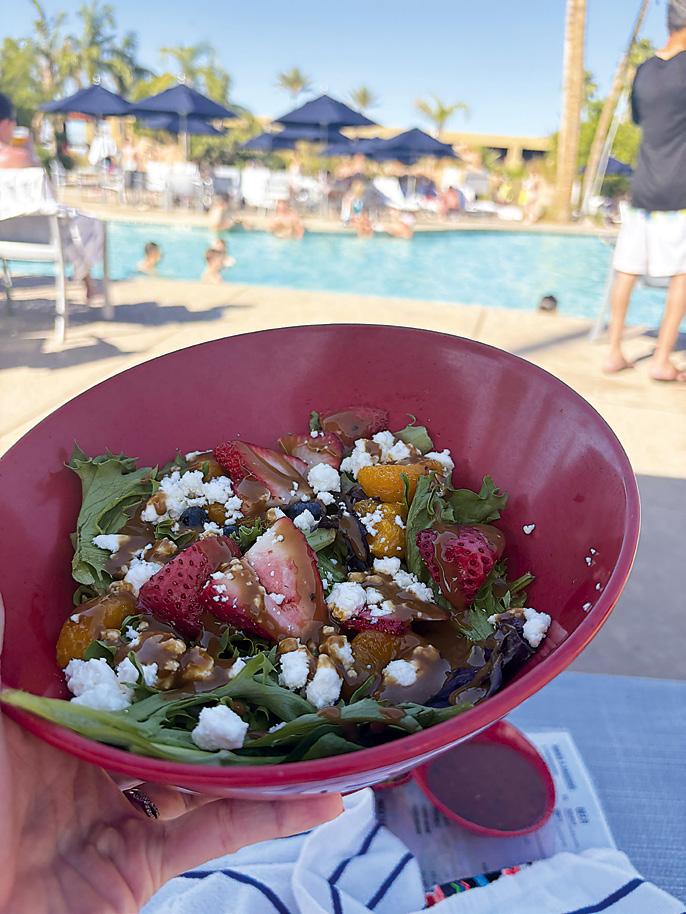

If there’s one thing I’d recommend for a babymoon, it’s this: build in space to do very little without guilt. The first day we arrived, we napped and it felt glorious. Pregnancy has a way of reminding you that rest isn’t optional, and I’m so glad we took the time to get in some sleep—since I know our days of getting some solid zzz’s are numbered.
We spent a good chunk of time by the pool, rotating between reading, dipping in the water, and ordering lunch without ever having to leave the lounge chair. There’s something deeply satisfying about a pool day when you’re pregnant—it’s one of the few times your body feels light again.
One evening, we ventured out to Laffs Comedy Café for dinner and a stand-up show. It was a fun change of pace—laughing until my cheeks hurt, munching on some great food during the show, and enjoying some refreshing drinks. I’d highly recommend a night of comedy to remind you how important it is to keep laughter at the front and center!
We also carved out time for a little thrifting—specifically for baby clothes, which
turned into one of the most unexpectedly fun parts of the trip. We stopped by Twice As Nice Thrift—one of Tucson’s original thrift stores, and the Goodwill Boutique in Oro Valley, both of which had an impressive selection of gently used baby items. There was something sweet about picking out tiny outfits together, imagining the little person who would soon be wearing them.
Back at the resort, we stumbled upon live music in the hotel lobby (which is pretty much every weekend when staying at the El Conquistador Resort) and ended up lingering longer than planned. It was low-key and intimate, the kind of experience you don’t schedule but remember long after.
And then there were the massages. My husband and I got to indulge in a spa day and in my opinion, it’s a must-do on a babymoon! I booked a “mother-to-be” prenatal massage at the Westin La Paloma Spa and my husband got a deep-tissue massage (much needed after all the baby furniture building he’s been doing at home!). It’s hard to overstate how incredible a massage feels while pregnant—every ache softened, every bit of tension released. It wasn’t just relaxing; it felt restorative in a way I didn’t realize I needed.
• Bring/drink lots of water especially if traveling during the warmer months
• Plan for leisure activities – such as laying by the pool, reading, napping, massages, shows/performances, dining experiences
• Pack a pregnancy pillow (if driving) or ask the hotel for extra pillows to make side-lying more comfortable
• End nights early to be back at the hotel for ample rest (especially in a new sleeping environment)
• Bring a pill box/organizer for any prenatal/supplements/vitamins you need to take
• Pack different layer options – you never know whether pregnancy will have you feeling hot or cold, so pack a variety of clothing options
• Don’t travel too far from home – just in case

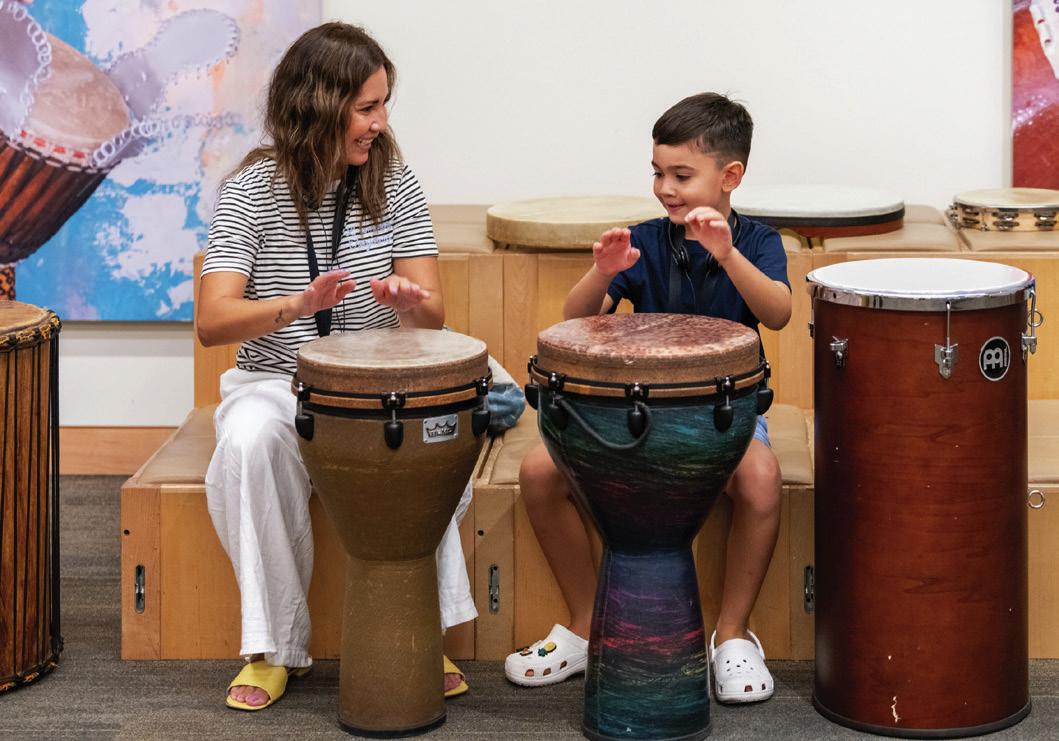
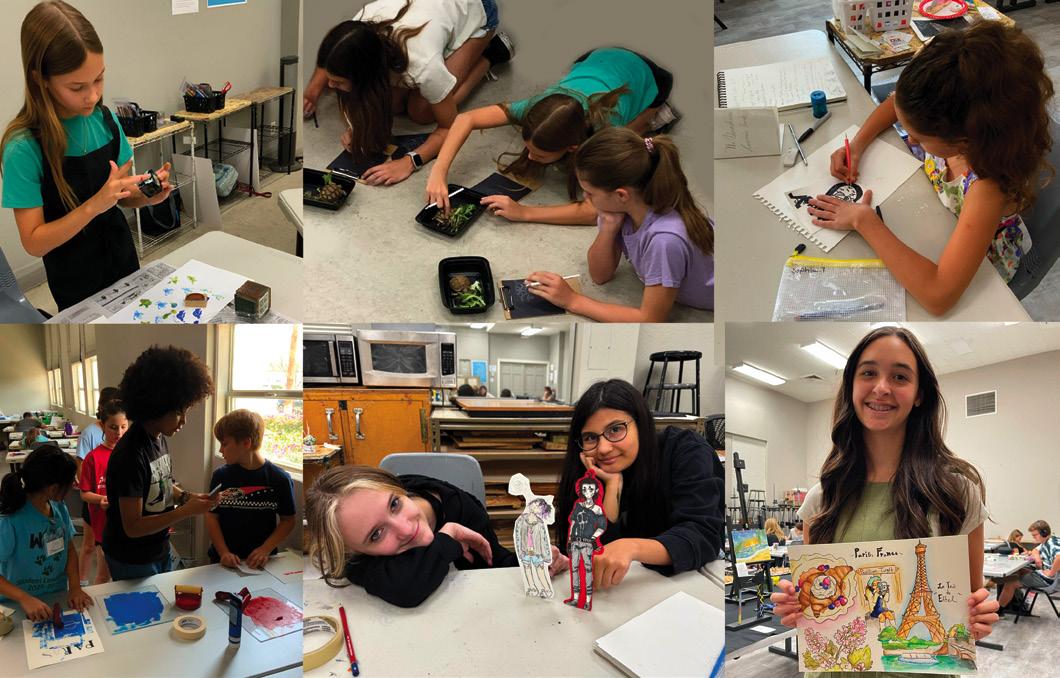



SCHOLARSHIPS


By Dr. Jonathan Elley
ROUGH-AND-TUMBLE play, wrestling, and other physical interactions have often been misunderstood and are frequently associated with dads simply winding kids up before bed. However, research increasingly demonstrates that this style of play is a critical and healthy component of childhood development. Emphasis on movement is not only essential for physical health but also for cognitive, emotional, and relational growth. Playful wrestling, chasing, and mock fighting— when practiced within safe, responsive relationships—offer a unique integration of these domains. Here are some ways that this kind of play supports the whole child while strengthening parent-child bonds, particularly with fathers.
Rough-and-tumble play creates a dynamic environment that challenges children’s neuromuscular systems in ways structured exercise cannot. It enhances coordination, balance, and proprioception while also providing a healthy outlet for excess energy. In addition, it also:
• Improves strength, coordination, and motor planning
• Supports energy regulation and reduces restlessness
• Encourages adaptability through spontaneous movement
This form of play also engages higherlevel cognitive processes. Research has shown a positive relationship between father-child rough-and-tumble play and children’s working memory. The fast-paced, interactive nature of play requires attention, anticipation, and quick responses. It can:
• Strengthen working memory and attention
• Promote problem-solving and rapid decision-making
• Reinforce learning through active engagement
Through playful physical challenges, children explore limits and develop resilience in a supportive setting. They learn to regulate emotions and distinguish between play and aggression. Some benefits include:
• Building confidence through physical mastery
• Developing emotional regulation and boundary awareness
• Encouraging resilience and appropriate risk-taking
Rough-and-tumble play is particularly valuable in fostering connection between children and their fathers. It can:
• Deepen emotional connection through physical engagement
• Enhance communication via nonverbal cues
• Support secure attachment and relational trust
• Create a shared memory for bonding and sense of trust
Rough-and-tumble play, particularly between fathers and children, represents far more than momentary entertainment—it is a meaningful investment in a child’s development. When guided by clear boundaries and responsive interaction, these playful exchanges support physical competence, strengthen cognitive processes such as working memory, and foster emotional regulation and confidence. Just as importantly, they create opportunities for connection that reinforce trust and secure attachment. What may appear as simple horseplay is, in reality, a powerful and evidence-informed way for fathers to actively contribute to their child’s growth across multiple domains.
Jonathan Elley is an Arizona native and Doctor of Physical Therapy practicing in Arizona. A husband and father of one, he is grounded in his Christian faith and committed to living with intention, integrity, and presence. His work reflects a deep respect for family, responsibility, and being fully engaged in both work and life. He recently authored a book titled Becoming Dad: A Practical Guide to the Beginning.