The Editor welcomes any contributions of articles, shorter items or photographs for inclusion in future issues. All material submitted is voluntary and payment cannot be made for any material published.
The opinions expressed in the magazine, with the exception of Club announcements, are those of the contributors and do not indicate the views of the Club as a whole. All items are held copyright by the contributor and the NTET. The Editor reserves the right to amend or refuse contributions. The magazine is normally published during January, April, July and October. The Club accepts no liability for failure to meet intended publication dates.
The Steam Apprentice Club is a section of the National Traction Engine Trust. NTET is a Registered Charity, No. 291578. Registered in England No. 1302197.
Registered Office: 4 Church Green East, Redditch, Worcestershire B98 8BT.
www.ntet.co.uk general.secretary@ntet.co.uk
Have you got an image or story you’d like to share? Why not send it to sac.raisingsteam@ntet.co.uk!
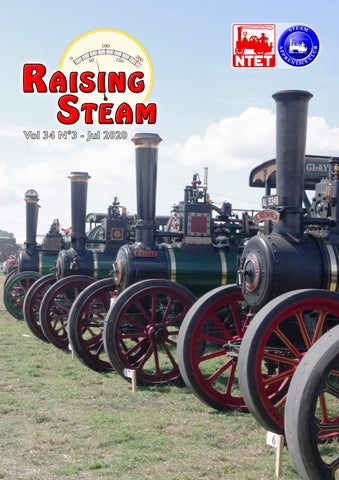
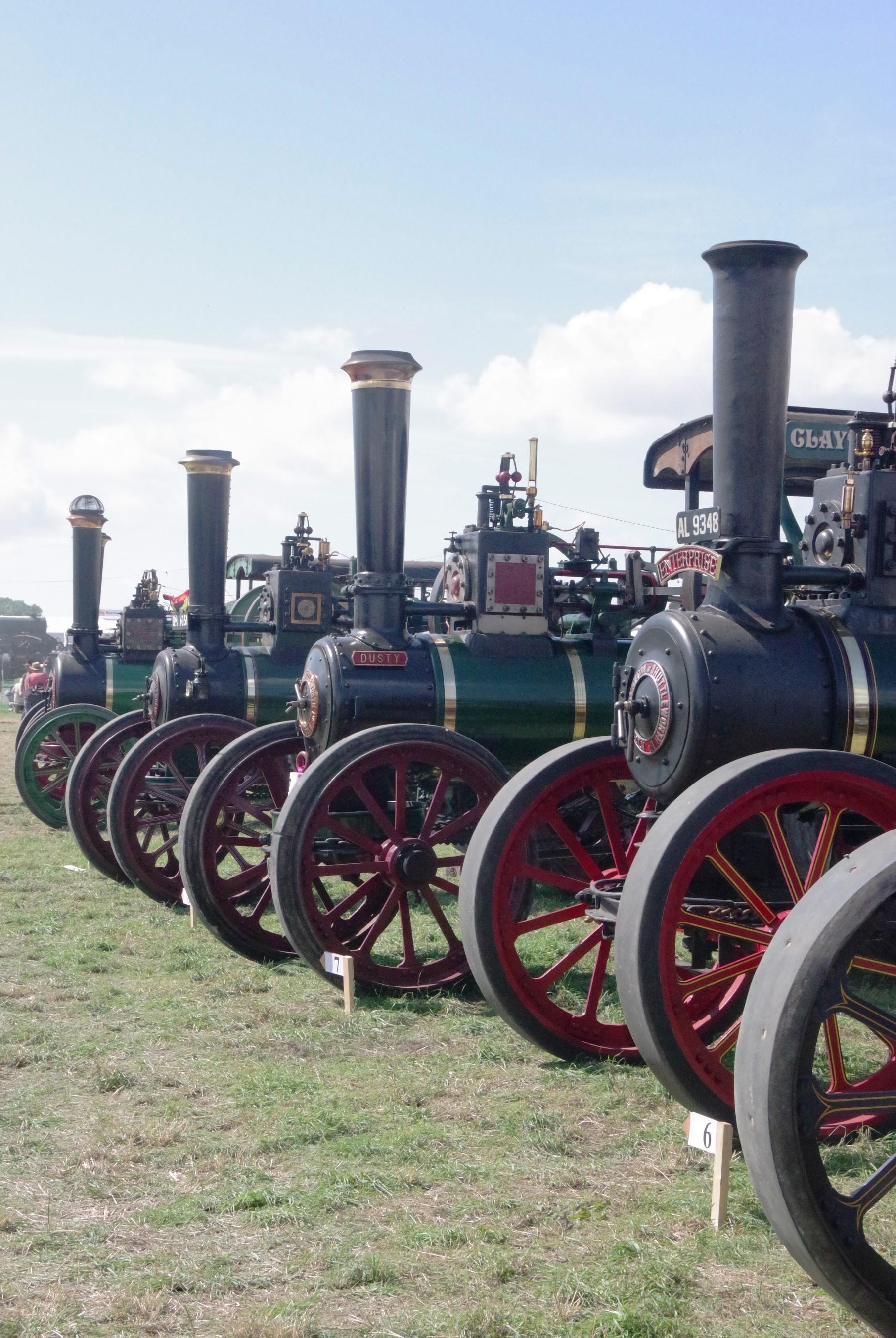
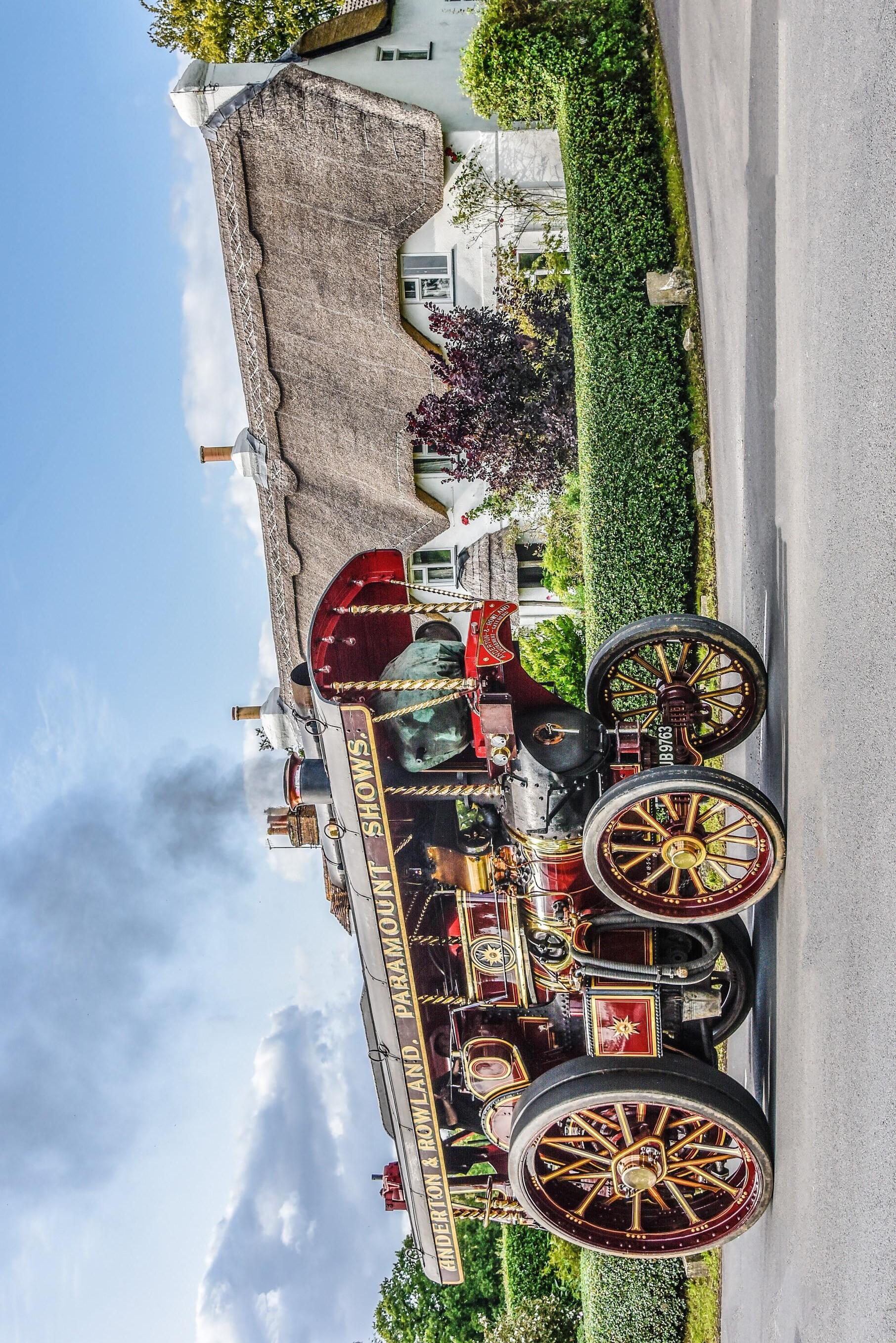
Front cover: A line up of Clayton and Shuttleworth engines at GDSF 2019. Photo: Steve Cockram. Rear cover: Fowler Showmans Road Locomotive ‘The Lion’. A timeless scene. Photo: Paul Fisher.
Find us on Facebook www.facebook.com/SteamApprenticeClub
Follow us on Instagram www.instagram.com/SteamApprenticeClub
Follow us on Twitter @SteamTeamSAC
Thoughts from the Chairman
Nick Bosworth (Acting Chair)
Welcome to the July edition of Raising Steam. I hope that you've all managed to keep steaming in Lockdown.
To begin on a positive note, I hope you all managed to take part in the Twitter Steam Rally. It was fantastic to see everyone's contributions on their Facebook page. The online Twitter Steam Rally was the idea of one of our very own apprentices, Charlotte Coulls. As I write this there are nearly 8500 members of the Facebook group.
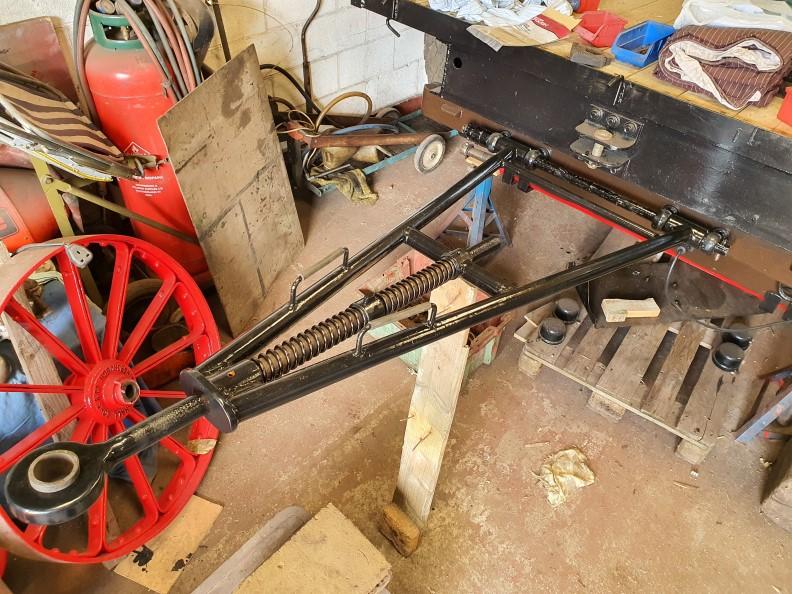
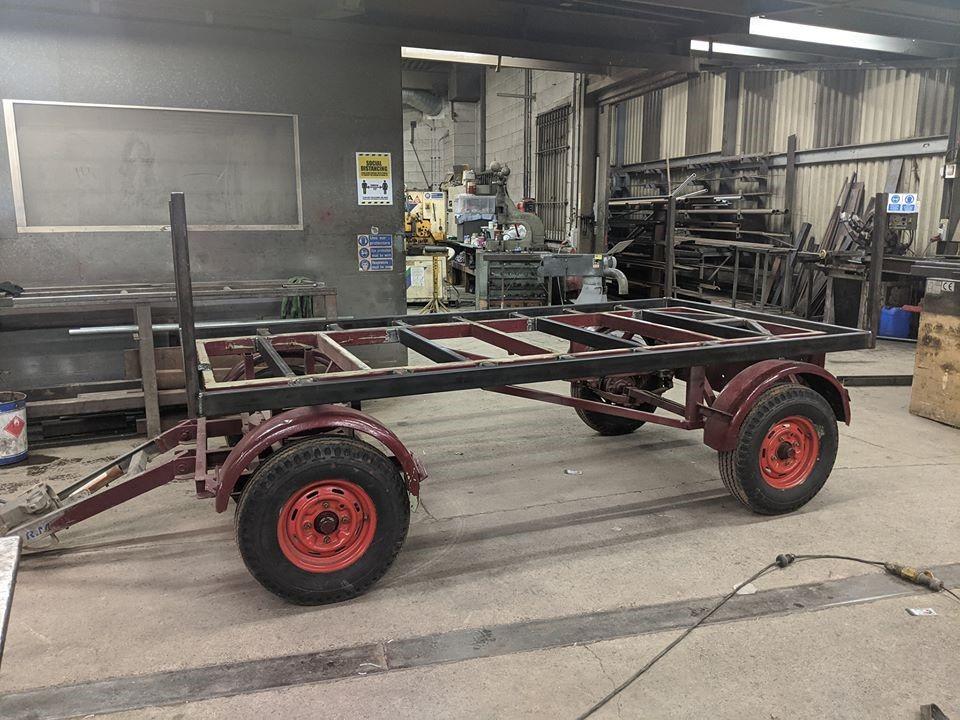
In the Bosworth workshop, lockdown has meant I've been able to do all those little 'one-day' jobs that never seemed to get done. We've been refurbishing our traction wagon, giving it a re-paint, new floorboards, etc. It's existing drawbar has had a few repairs, so I took the opportunity to build a new sprung drawbar for it.
Another job that's been 'on the list' for a while is fitting sheets to my cousin's Garrett tractor, but to do that we needed hooks to hang them on! After scouring the internet, we couldn't find the right sort of hooks, so I thought I'd make some. Starting with a coil of wire to make the
hoop, attached to another piece that would eventually be bent to form the hook! It was a nice little project that involved making jigs and formers to make sure all the hooks came out the same as each other.
Unfortunately the Great Dorset Steam Fair is one of the many events that have been cancelled this summer, but we're still running our usual Photo, Model and Colouring competitions. Check out the details elsewhere in the magazine. The County of Salop Driving day, due to be held on the 29th of August has had to be cancelled, due to the Shrewsbury rally itself being cancelled. Everyone who applies to attend should have received their refund by now. Currently the Tinker's park driving day should still be going ahead, but we will be reviewing this later in the summer to ensure it can be run in accordance with government guidelines on Covid.
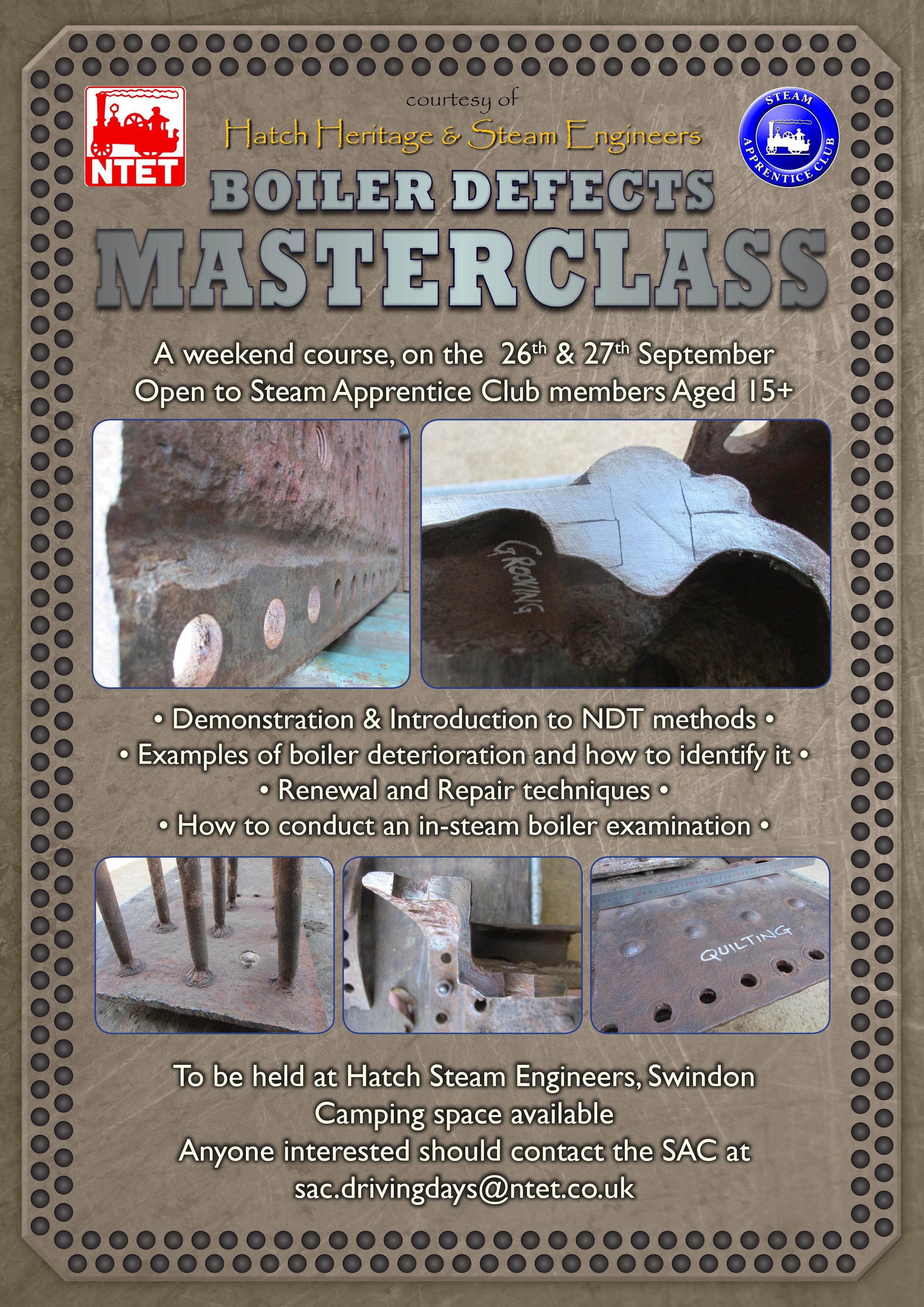
In the last edition of this magazine, you may have seen the Boiler Defects Masterclass. If you think you might be interested in taking part, please contact us on sac.drivingdays@ntet.co.uk. Check out our website for more information about the course. It’s a fantastic opportunity for anyone considering a career in boiler maintenance or inspection.
Looking forward into the summer, please do let us know what steamy activities you get up to! We'd love to see a few words and pictures of what you’re doing. Happy Steaming!
Thoughts from the Editor
Jim Huntley
Welcome to the July edition of Raising Steam, the second edition in lockdown! I hope you’re all keeping well, haven’t been missing school too much, and have been managing to keep on steaming in whichever way you can!
This time of year we’d normally be gearing up for The Great Dorset Steam Fair with the various SAC activities planned but as I’m sure you’re aware that too has been cancelled. However, we are still planning to run the various GDSF competitions, the details of which you’ll find in this edition so please make sure to get involved in those - we love seeing the effort you all put in for those!
We’ve had some brilliant photos and written contributions for this edition from both members and ex members of the SAC, including a brilliant ‘How To’ article on model making. I’d love to get more contributions from members for Raising Steam as it’s far more interesting seeing what you’re up to than me waffling on! So whatever you’ve been up to, please send us a message or write in!
Normally, a lot of members renew their membership at the GDSF, obviously without us being there you won’t be able to do that, so if you want to stay in touch and keep updated with SAC activities then make sure to renew your membership either online or by contacting Clara (see inside front cover).
I’ve been keeping myself busy with one of those ‘one day the trailer I use with my roller when on the road. What started as a quick and simple project has grown somewhat. Still, once it’s finished I’ll have a handy trailer, complete with brakes on all wheels, which with a steam roller is not to be sniffed at! Something of a theme seems to be occurring with rebuilding trailers looking at what Nick has been up to! I’ve also been keeping myself busy tinkering with my Mamods. I’ve built a couple of accessories for them which I plan to write up for the SAC website and may give you some inspiration for the modelling competition…
Finally, can I recommend that you take a look at the advert for the Boiler Defects Masterclass on Page 10. With rallies and driving days being cancelled this would be the perfect opportunity to get out and see your friends in the SAC this year, as well as learning a lot at the same time!
NOTHING TO
DO, NO RALLIES TO
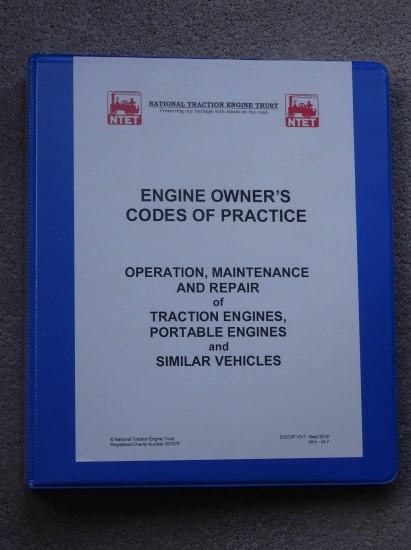
GO TO, WHY NOT READ THE Engine Owners’ Code of Practice
The NTET Code of Practice; “The Management of Traction Engines and Similar Devices” has for a long time been widely accepted in the Insurance and Boiler Repair and Steam Engineering communities as a 'de facto' reference manual.
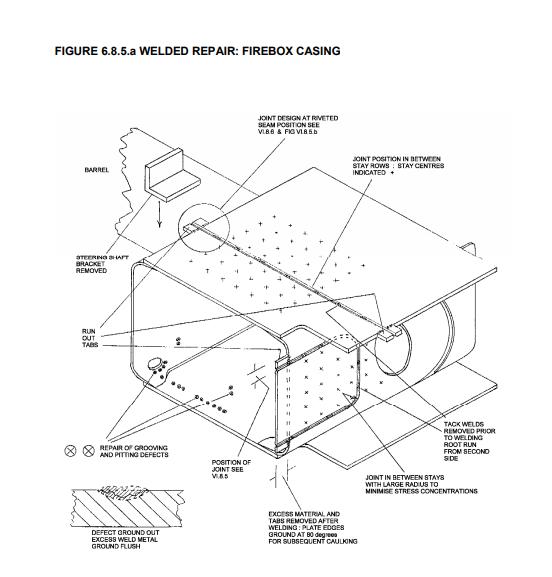
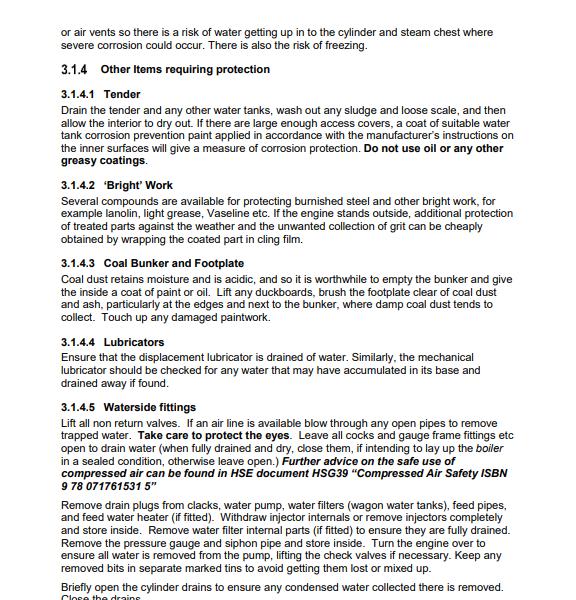
The CoP is 200 pages of practical advice on every aspect of engine usage, including Operation and Maintenance, Driving on the Road and in Public Places, Transport, Laying up and Storage, the NTET Written Scheme of Examination, Mechanical Inspection, Repairs, Appeals and Arbitration, and Records and Reports.
Your Steam Apprentice logbooks have been developed based on the information in the CoP to give you a good grounding with steam vehicles, and the CoP provides an excellent addition to further develop your understanding of the usage of steam vehicles.
The Code of Practice can be downloaded free as a PDF from the NTET website (www.ntet.co.uk). Alternatively, you can purchase a hard copy in a loose-leaf folder, with pages in plastic wallets, by sending a cheque for £35 inc. p&p payable to the NTET to the Chairman of the Engine Owners Section (address below). The hard copy includes relevant extracts from British Standards which are NOT available to download.
Bob Siddall
Stud Farm House
Castle Hill
Carlton-on-Trent
Nottinghamshire
NG23 6NX
A Lockdown Project!
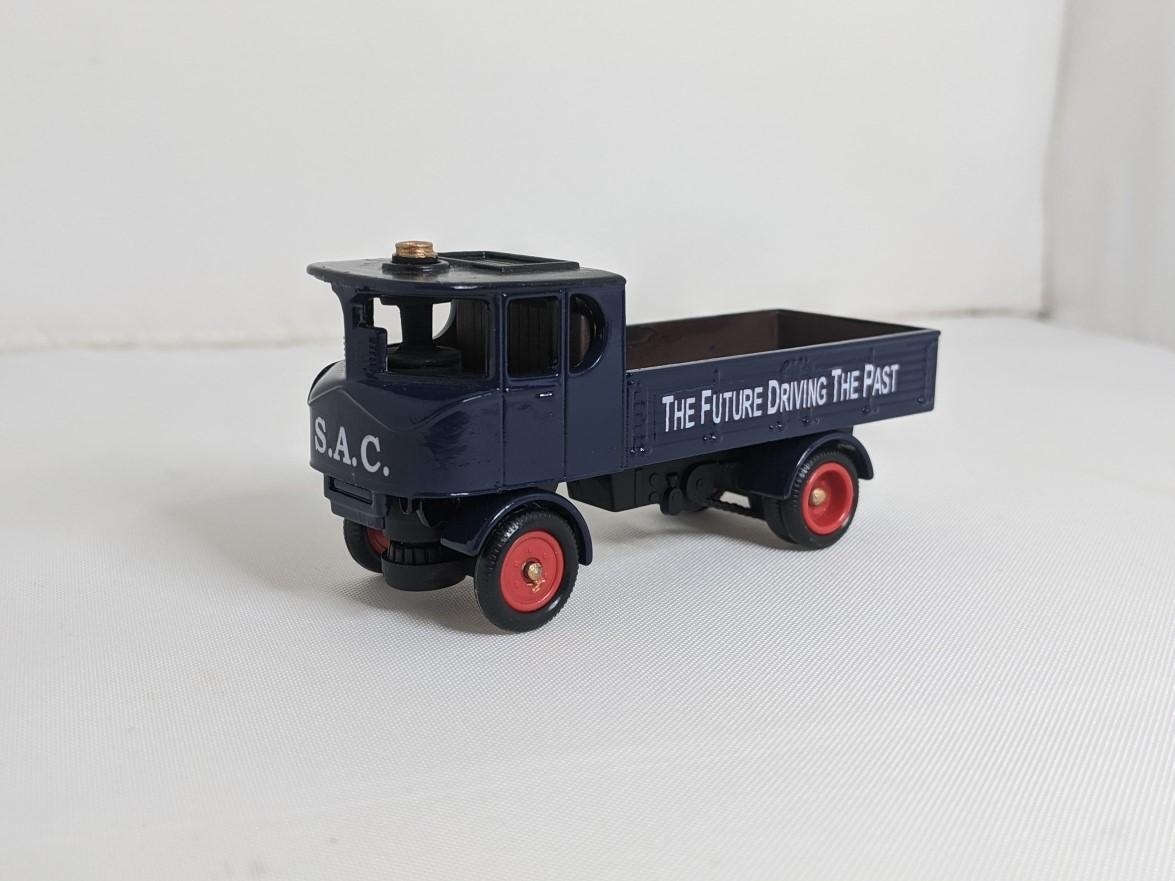
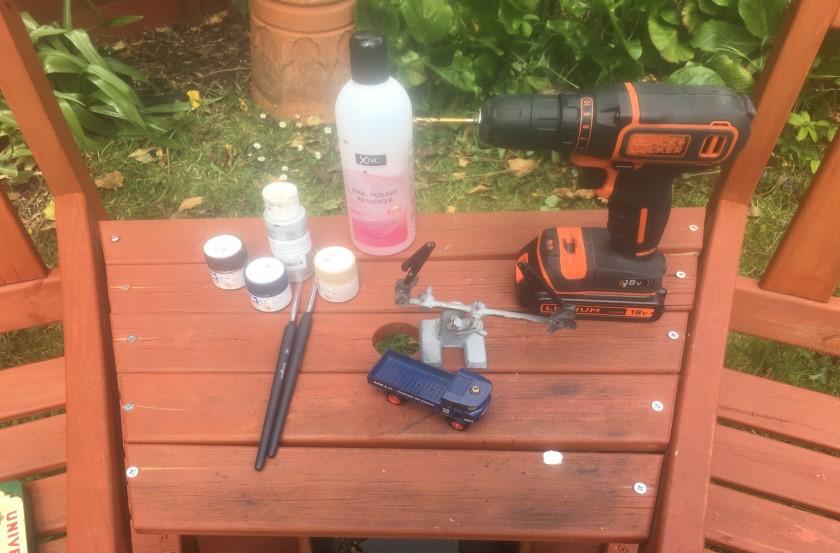
This article should give you a guide to creating your own custom miniature Sentinel Steam Waggon. It is easy to do with basic tools, although some stages will require adult help. The equipment and basic model shouldn’t cost more than
Optional, but might be handy!
0.5mm Drill Bit.
0.5mm Self Tapping Screws.
Flat headed screw driver.
Set of ‘helping hands’. Be sure to wear PPE, and follow any safety recommendations when building the model. Ask an adult if necessary!
Lledo Sentinel DG Waggon.
A battery/cord hand drill.
4mm Drill Bit.
Acetone Nail Polish Remover.
Aerosol Spray Primer.
A few modelling paints.
A couple of brushes, one large and one small for detail work.
Access to a computer with Microsoft Word or similar.
White Decal Paper (Bought on eBay.)
Clear Lacquer Spray.
Bowl, Sponge.
Tissue Paper/Cotton Buds.
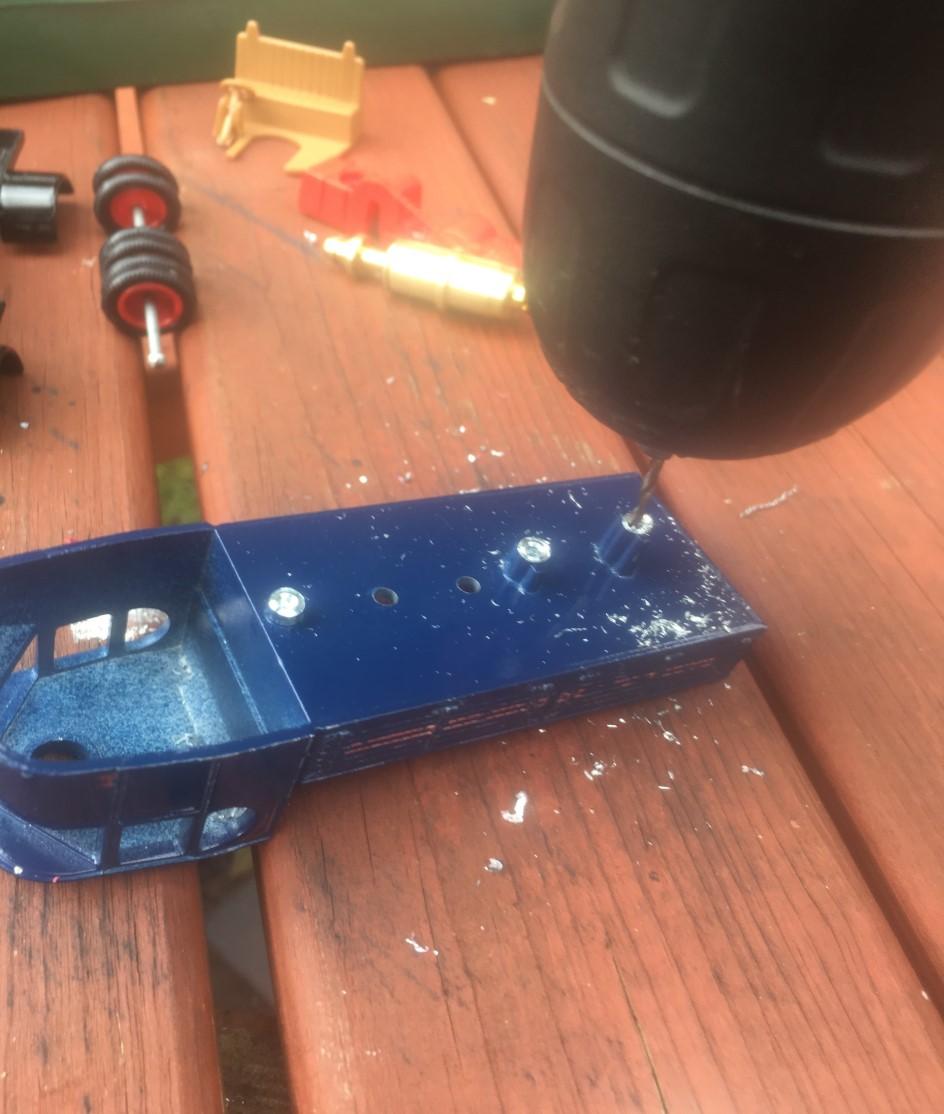
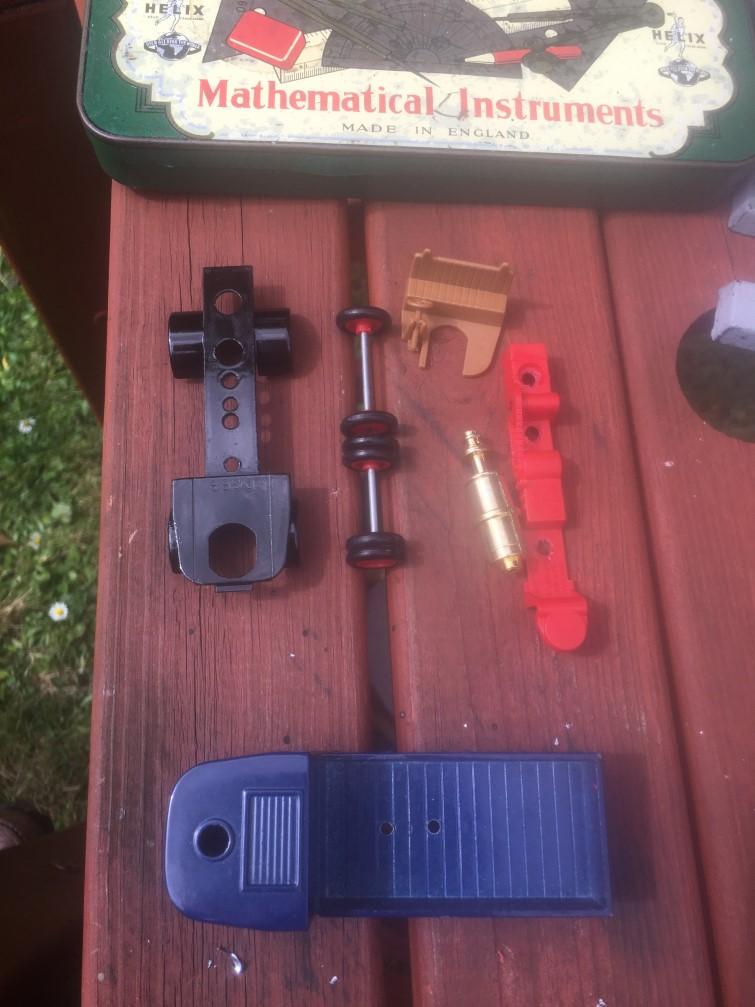
these rivets to allow the body to separate from the chassis. Using the 4mm Drill Bit in the handheld drill, gently drill down to remove the edges of the posts. There is no need to apply any pressure as the diecast metal is quite soft. Make sure you wear safety goggles when drilling. Once you have removed the edges the chassis should be loose from the body. You might find a flat headed screwdriver useful for prying them apart. This will allow the wheels, boiler and cab interior to be removed.
Once dismantled put the pieces in a tray to keep them together. At this stage you may want to drill out the chassis posts with the 0.5mm drill, which will allow you to screw the model back together – this is my preferred method as it is clean and fastens the model together securely. A quicker method which works equally well is just to use super glue in these posts to attach everything together at the end.
Step 2: Preparing for Paint
We are going to use the original paint as an undercoat so we don’t need to use chemicals to strip off the old paint. However, to stop the original livery showing through, it is good to remove the
lettering by rubbing Nail Polish Remover on the surfaces of the model until the lettering rubs away. It doesn’t matter if you don’t get it all off, just the main designs. After you have done this, rinse the model with water to remove any traces of the remover. It is sensible to wear gloves during the removal process.
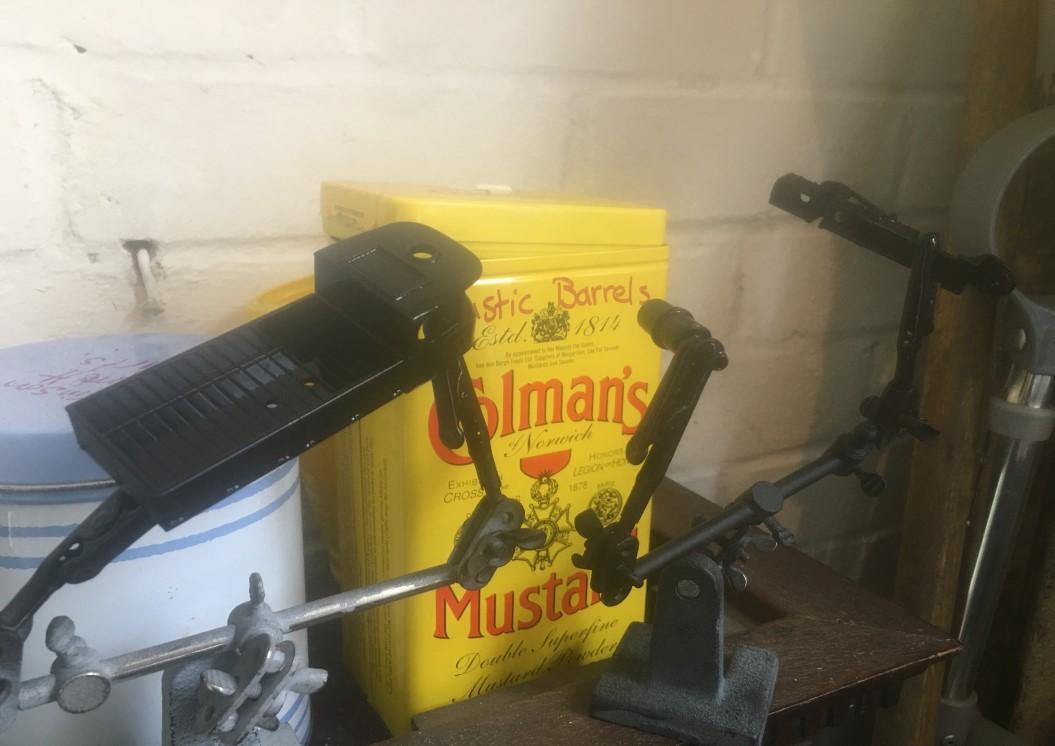
After the body has dried you are ready to prime to give a nice uniform surface to paint over. It doesn’t really matter what colour of primer, grey or black is probably best,. As well as the body I prime the chassis , mudguard section, and the boiler. This stage is where a ‘Helping Hand’ with crocodile clips is helpful to hold the model while spraying. Keep the model moving as you paint and build up light coats to avoid putting the primer on too thickly. Leave the parts to dry for 30
Step Three: Designing Your Decals
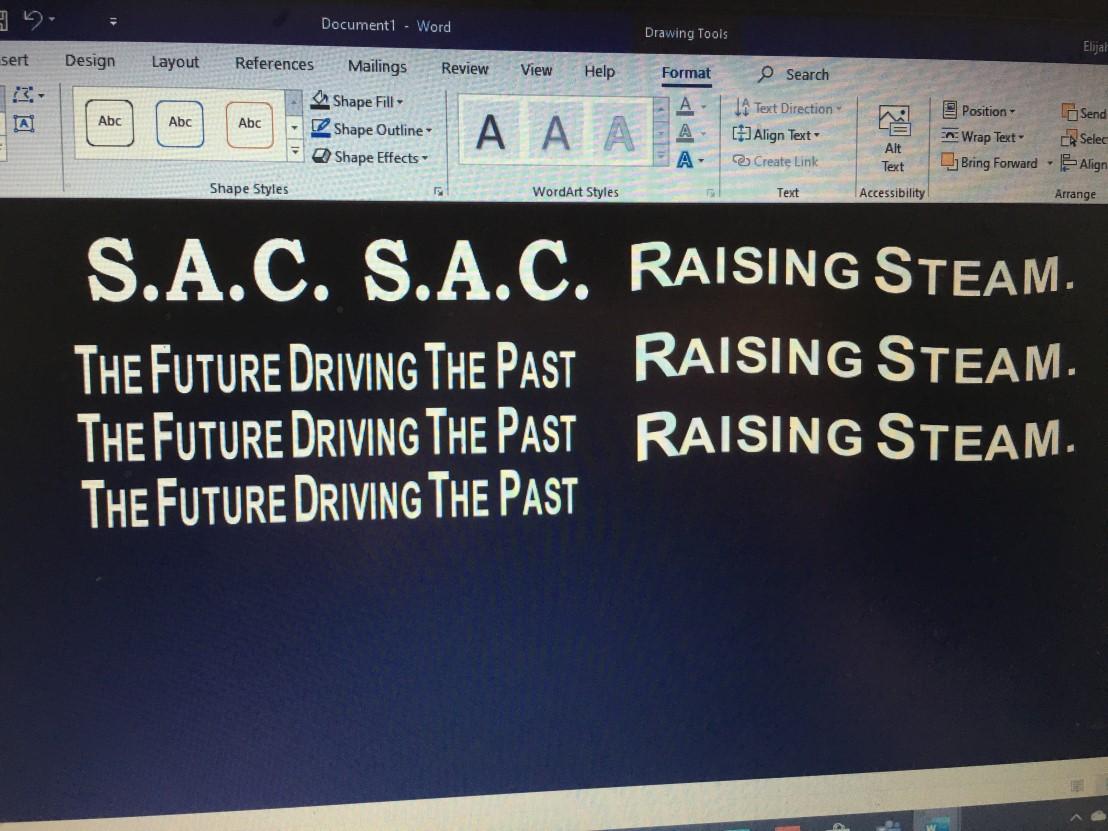
While the primer is drying you can design some new lettering for your waggon. This is much easier than it sounds! Using Microsoft Word on a PC you will be able to design all sorts of lettering in ‘Text Boxes’ in different styles and colours.
Step Four: Painting Your Model
To paint your model, you can either use brushes, or spray cans. I prefer to use brushes as you can then paint lots of different colours in interiors etc. If you use spray can, use this in the same way as the primer – several light coats, and moving as you spray to avoid runs.
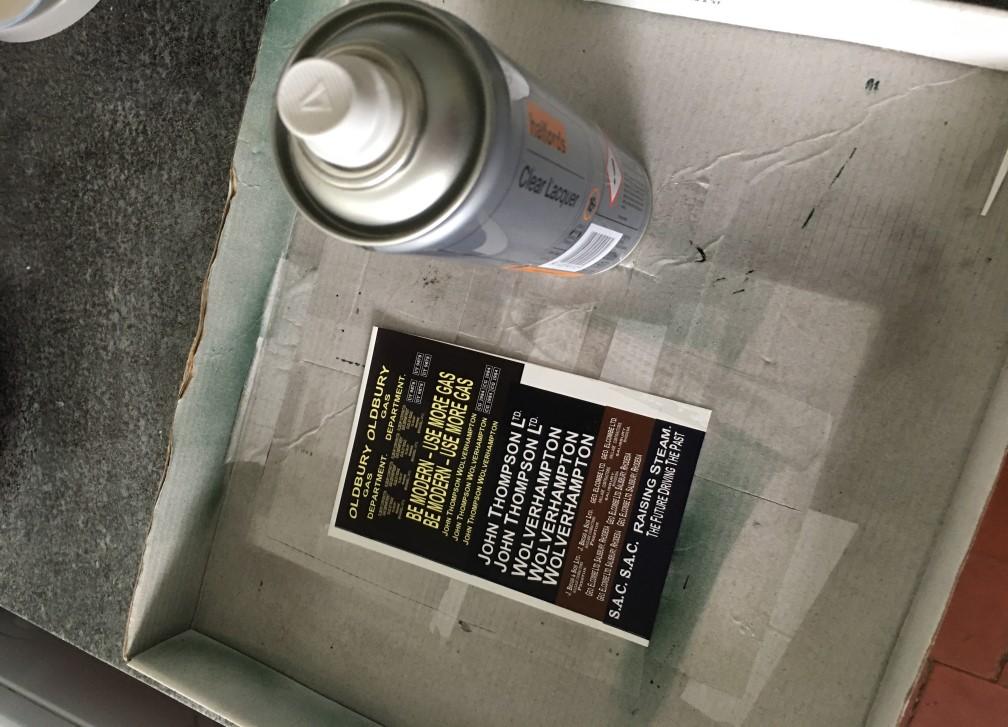
When you are finished designing, print your designs onto paper, and check the sizes are correct against the waggon. Once you are happy , print them on White Backed Decal Paper. To seal the decals, Sellotape the printed decals onto some scrap cardboard, and spray with a coat of
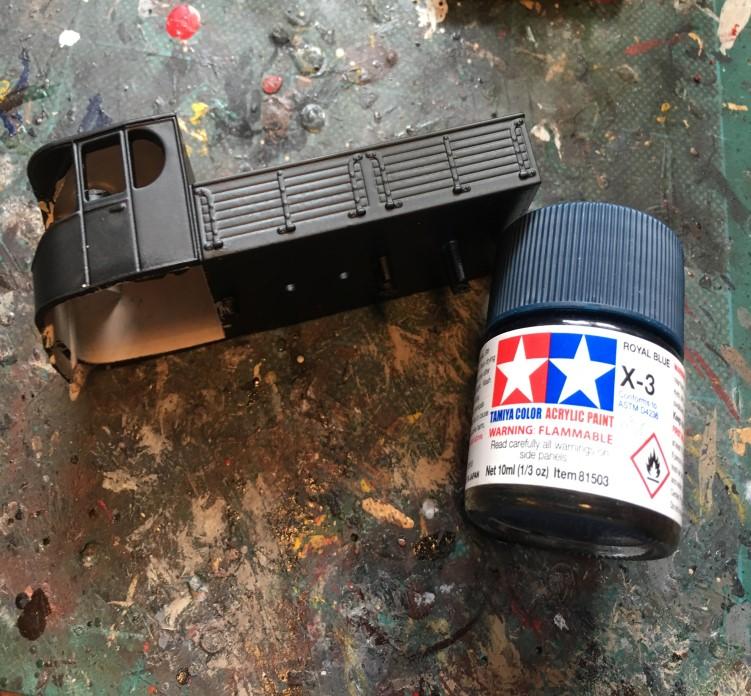
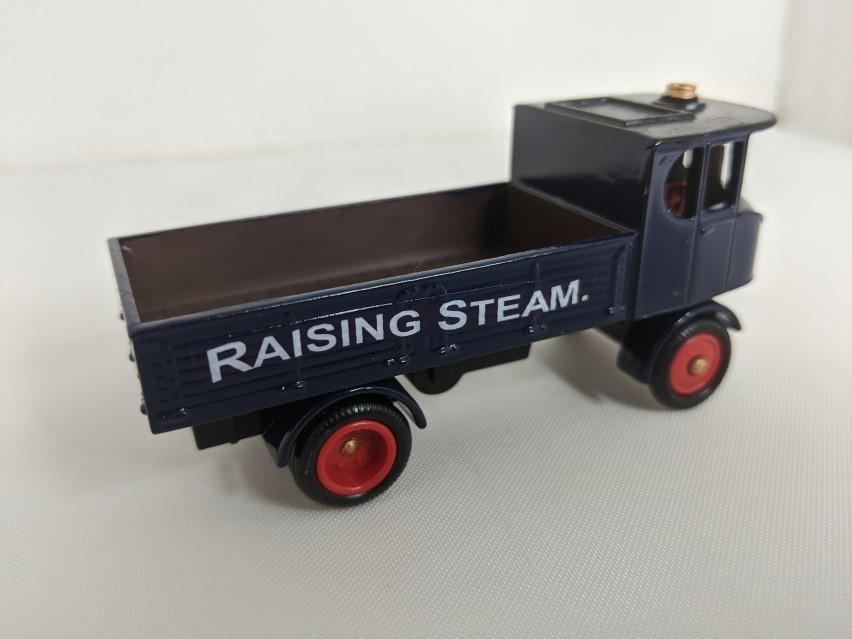
For brush painting I prefer to use acrylic modelling paints such as Tamiya or Citadel as these dry quickly and have good coverage. You will find they come in a large range of colours, and in gloss and matte varieties. The colours you choose is up to you! My advice would be to choose a deep gloss colour such as dark green, blue, or maroon for the body, and pick out the interior and load bed in lighter matte colours. I have chosen to paint the cab interior a light tan, the load bed and cab seats a flat brown, the roof and boiler matte black, and the cab, body and mudguards a deep gloss blue. I have also picked out the steering wheel in a gloss red. Usually the different painted areas will need two coats, leaving an hour or so between coats to let them dry.
Step Five – Applying Your Decals
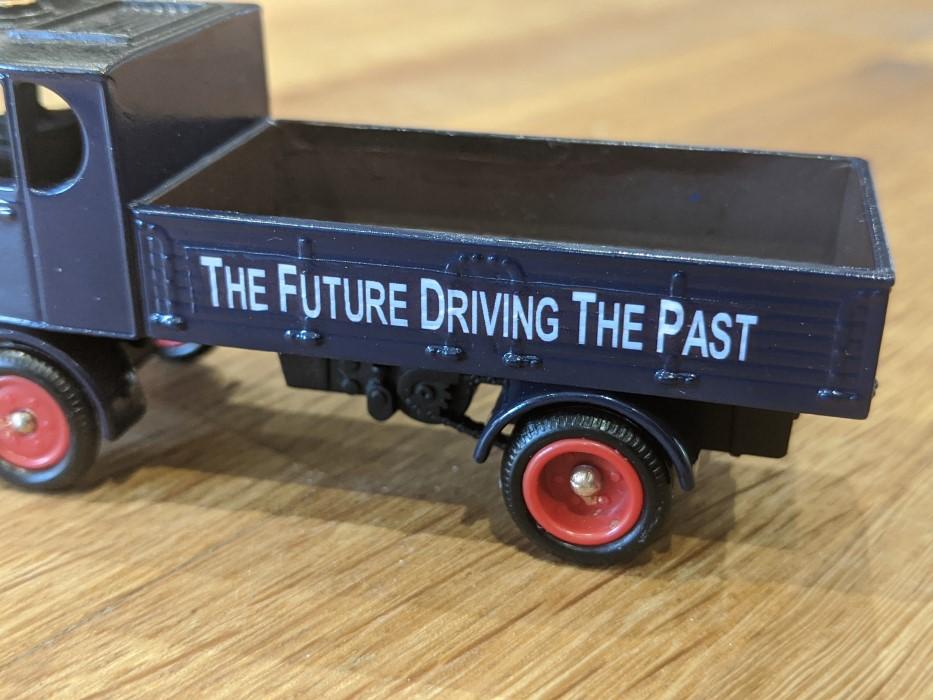
Once the paintwork is dry (I would suggest leaving the final coat over night to dry) it is time to put your decals on the model! You will need a bowl of lukewarm water, a kitchen sponge, some tissue paper and a couple of cotton buds. Cut around your decals quite close to the lettering, and one at a time place them in the water, and place them on top of the sponge (which should be in the bowl and kept moist) after 30 seconds pick them out (tweezers sometimes help). Dampen the area of the model you are applying them to and place the decal down. Carefully slide the backing paper away, which will allow the transfer to settle on to the model. While everything is wet you will be able to make minor adjustments to the position of the transfer with a cotton bud or carefully with a toothpick. When you are happy with the position, use the cotton bud and tissue paper to gently remove excess moisture.
When all the decals are in place, use the Clear Lacquer spray from earlier to seal them in place with a light coat all over.
Step Six – Reassembly
Now the components are finished it is just a case of putting all the parts back together and securing them either with screws or glue on the rivet posts. Take extra care when doing this as it is all too easy to spoil your model at this stage!
Now you should have a unique steam waggon in a custom livery! But this is just the tip of the iceberg the possibilities are endless! What will your wagon haul? How about adding a load of timber using some cut up coffee stirrers? Or a make a sheeted canvas load by draping cling film over some cardboard lumps, and painting it a matt brown or green? Photographs of real wagons will give you lots of ideas! Why not build your own fleet!
How To’ article. I’ve removed some of the detail to fit it into Raising Steam but am happy to share the write up via email if any of our members want to read it. Ed.
Can any of the members tell me why Elijah has spelt ‘waggon’ with two ‘g’s in this article? Answers to: sac.raisingsteam@ntet.co.uk
2020 Model Competition
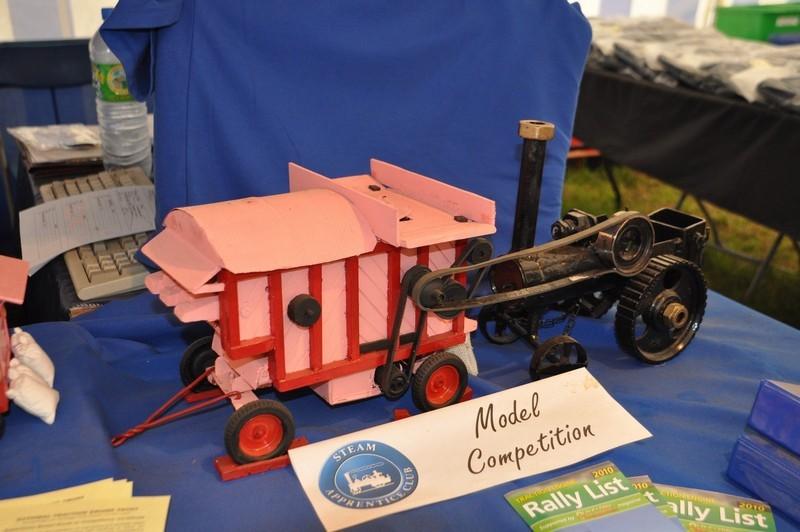
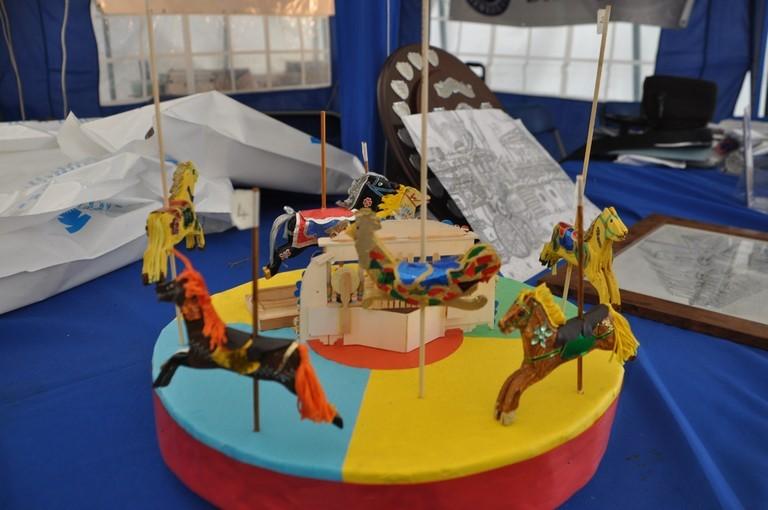
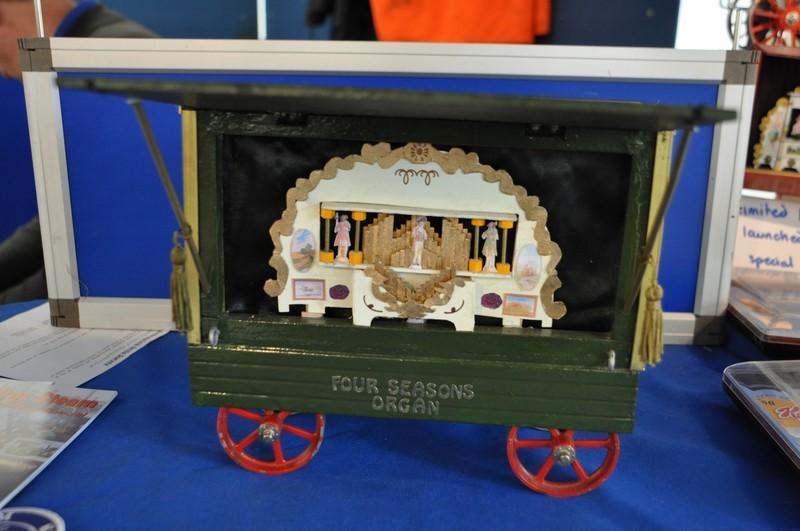
Last year’s model competition was a roaring success, and we saw a wide variety of your creations! So this year we would like you to do the same, build a model of something steam related that you’d see on the rally field, this could be an engine, a living van, a threshing machine, a trailer, or anything else you can think of! You can make your model out of anything you can find, but here are some suggestions…
Lego Meccano Metal Card Paper Wood Plastic Recyclables 3D Printed
You might want to chose a real thing to copy or you could come up with your own ideas - wherever your imagination takes you!
The judges will be looking for attention to detail and creativity.
Obviously with GDSF cancelled we’re going to have to run it slightly differently this year. Please send us up to 10 photos of your model, making sure to include at least 3 photos of the finished model. The judges will be interested to see photos of the model during the build to see how you made it. If you feel like it a few words
describing the build, and any special features you would like the judges to take a specific look at would be good too!
We will put a photo of each entry up on the SAC website and Facebook page during the week that would have been GDSF, and all judging will take place over this week. The winners will then be announced on the SAC website, Facebook page and in Raising Steam.
Entries should be emailed to: sac.publicity@ntet.co.uk
Please ensure all entries are received by: Friday 21st August
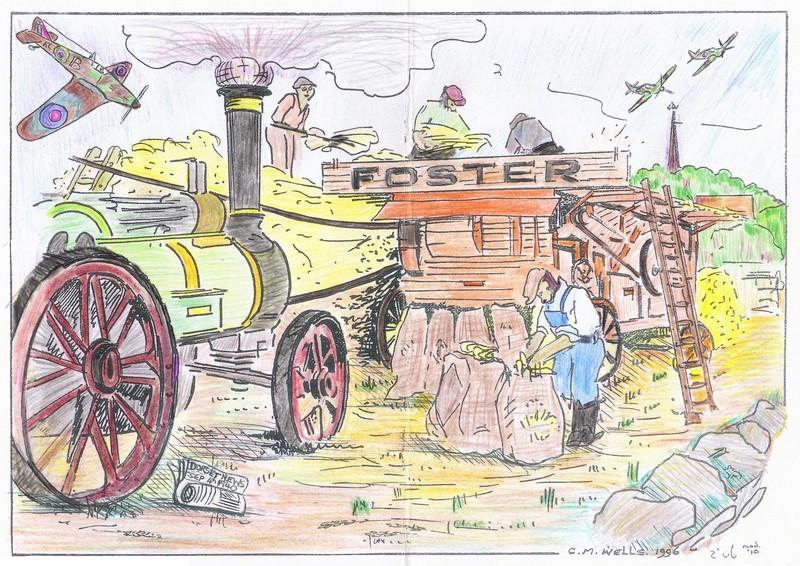
2020 Colouring Competition
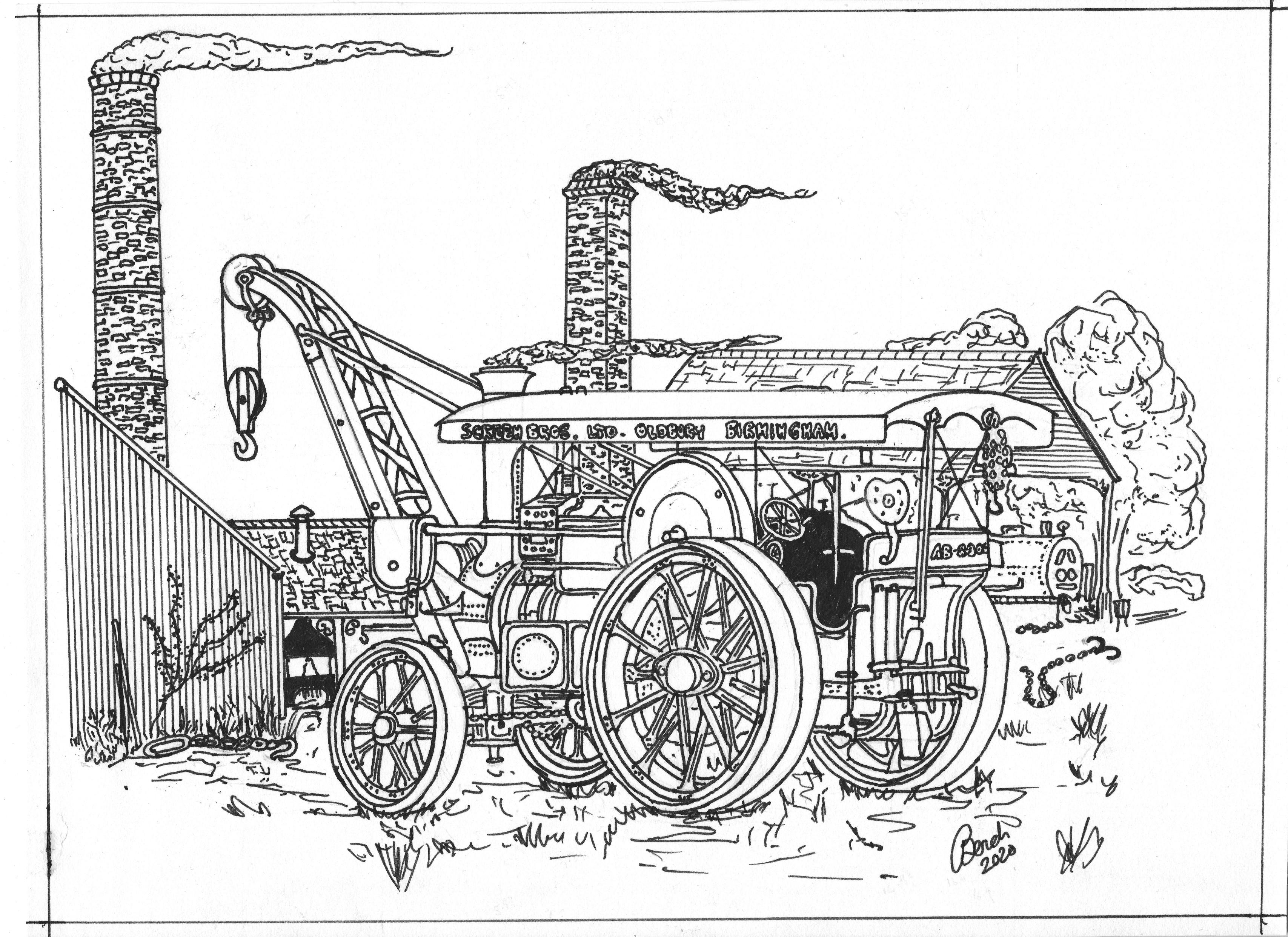
CAREFULLY remove this page from the magazine (or photocopy it). It is also available to download from our websitewww.ntet.co.uk/sac
COLOUR the picture using pencils, crayons, paints or felt pens. WRITE your name, age, address and membership number in the spaceprovided
Name:
Address:
POST your entry in a large envelope, to avoid folding it too much. ENCLOSE a large stamped addressed envelope if you want your entry returned. REMEMBER to send your entry to arrive by Friday 21st August. This competition is open to all apprentices up to the age of 14.
Membership No :……………………………
ADDRESS for entries is: (SAC Colouring Competition) Rebecca Hurley, 76a Main Road, Smalley, Derbyshire, DE7 6EF.
2020 Photography Competition
As in previous years, we are running a photography competition, to be judged over the week that would have been the Great Dorset Steam Fair. We’ve some fantastic prizes for the winners!
Rules
1. Entry to this competition is restricted to fully subscribed members of the SAC.
2. Each entry will consist of 1 photograph taken by the apprentice. Due to the quiet rally season this year, the photograph may have been taken at any time (providing that you have not entered the photograph in a previous year).
3. We prefer entries to be digital photos sent in by email or on a disk, but prints are also welcome. Please DO NOT mount prints for display.
4. Entries must be emailed to sac.publicity@ntet.co.uk, or sent to Rebecca Hurley (SAC), 76a Main Road, Smalley, Derbyshire, DE7 6EF.
5. Entries should arrive by Friday 21st August.
6. If you would like your entry returned, please include an SAE.
7. All entries must include: Name, age, address and SAC membership number; place, date and details of the engine or subject.
8. Copyright of all entries will remain with the SAC member and the Steam Apprentice Club.
Judging
The judges will be looking for originality, composition and technical ability. Photographs do not have ben of traction engines, but other subjects must clearly be related to the traction engine movement.
The judges’ decision on all entries will be final and members are asked to accept them in a spirit that will bring credit to themselves and the Steam Apprentice Club.
Twitter Steam Rally Roundup
#twittersteamrally organiser, and SAC member Charlie Coulls’ dad, Anthony has written to us with a roundup of the #twittersteamrally held on the 9th May.
Well, where has the time gone? It's five weeks since the Twitter Steam Rally, and I hope that some of you managed to join in with the day somehow, wherever you were. 9th May was an amazing day. We were so lucky with the weather and the response from everyone. The forecast had been wet, but mercifully the cold and wind held off just one day and long enough that our fires didn't blow out.
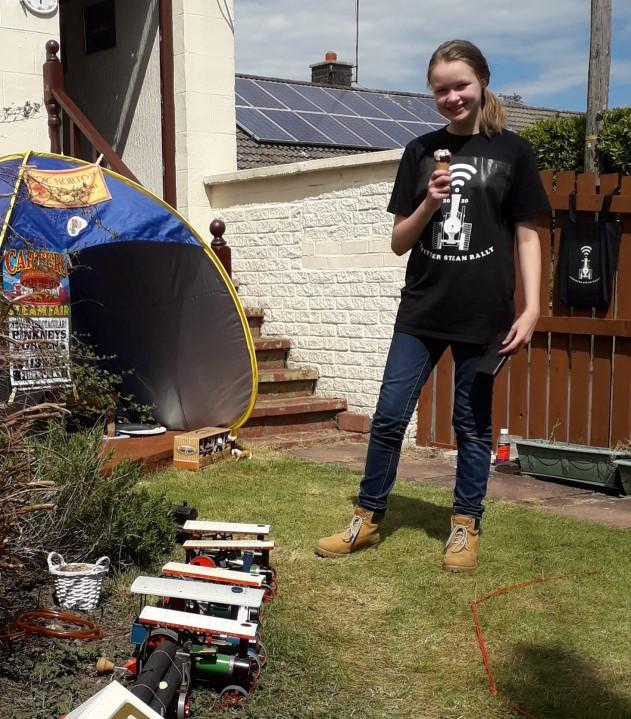
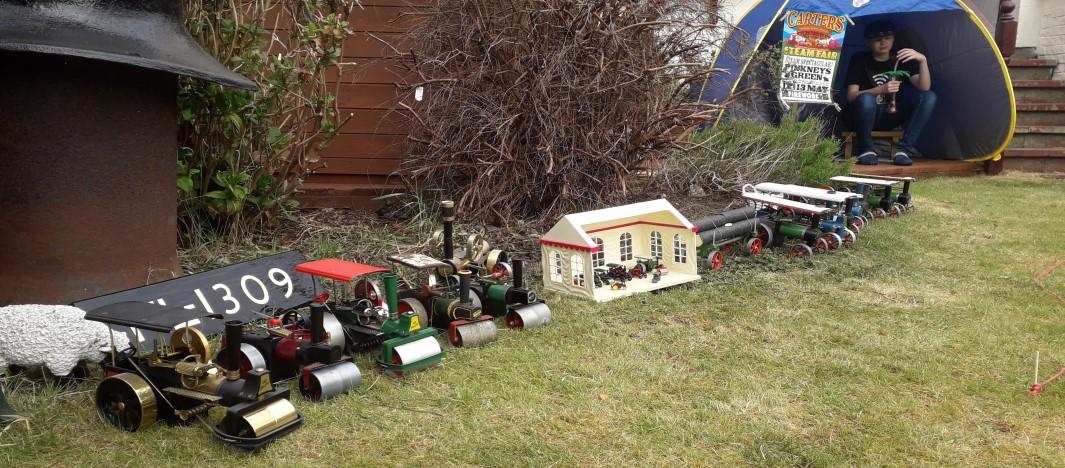
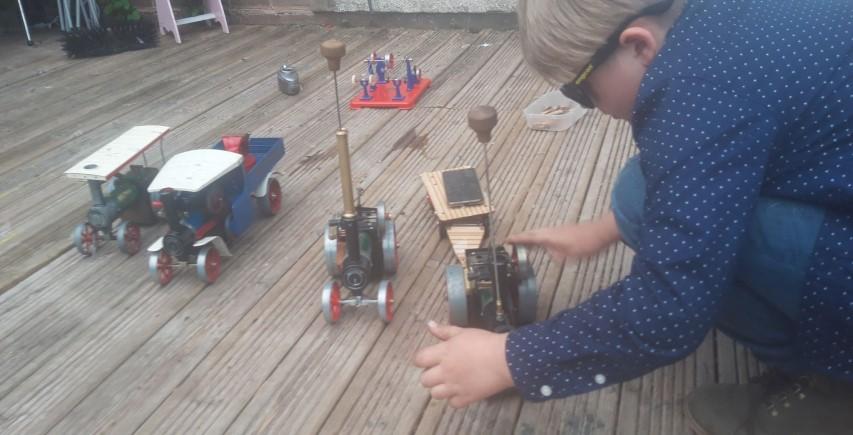
Had we made it a two day event, it wouldn't have worked half as well. In our garden, the whole family worked hard - we mowed the grass, painted the fence, moved an elder bush and generally tidied up so our rally ground was ready. Apprentice Charlotte learned a lot restoring the old Mamod traction engine she had been given, though no postal delivery on the Saturday meant it
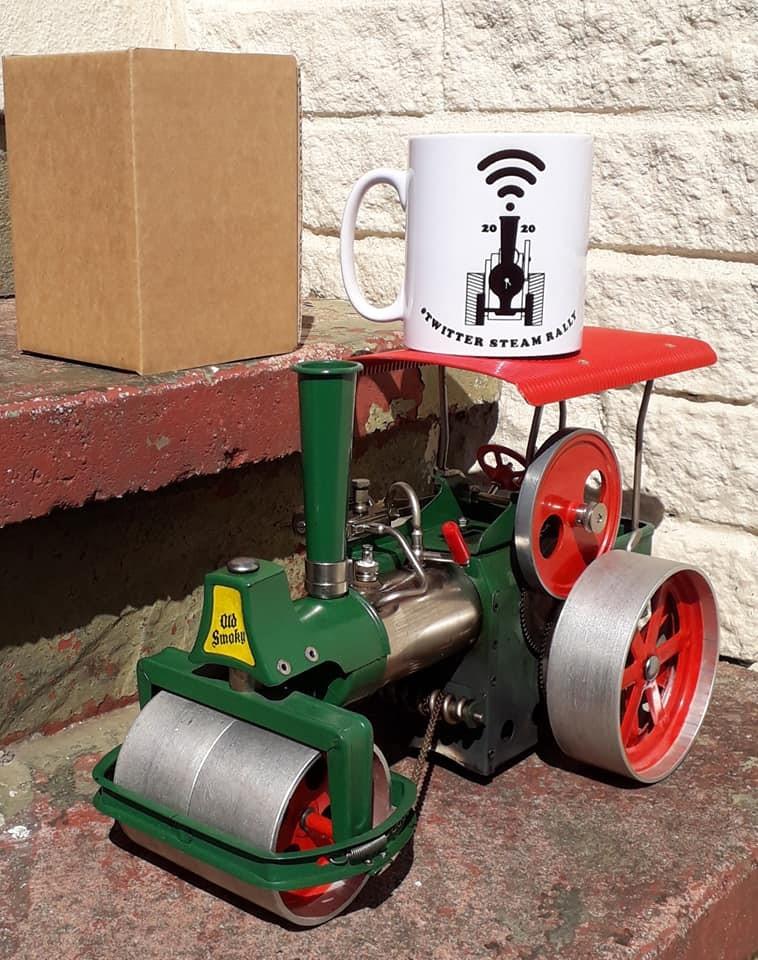
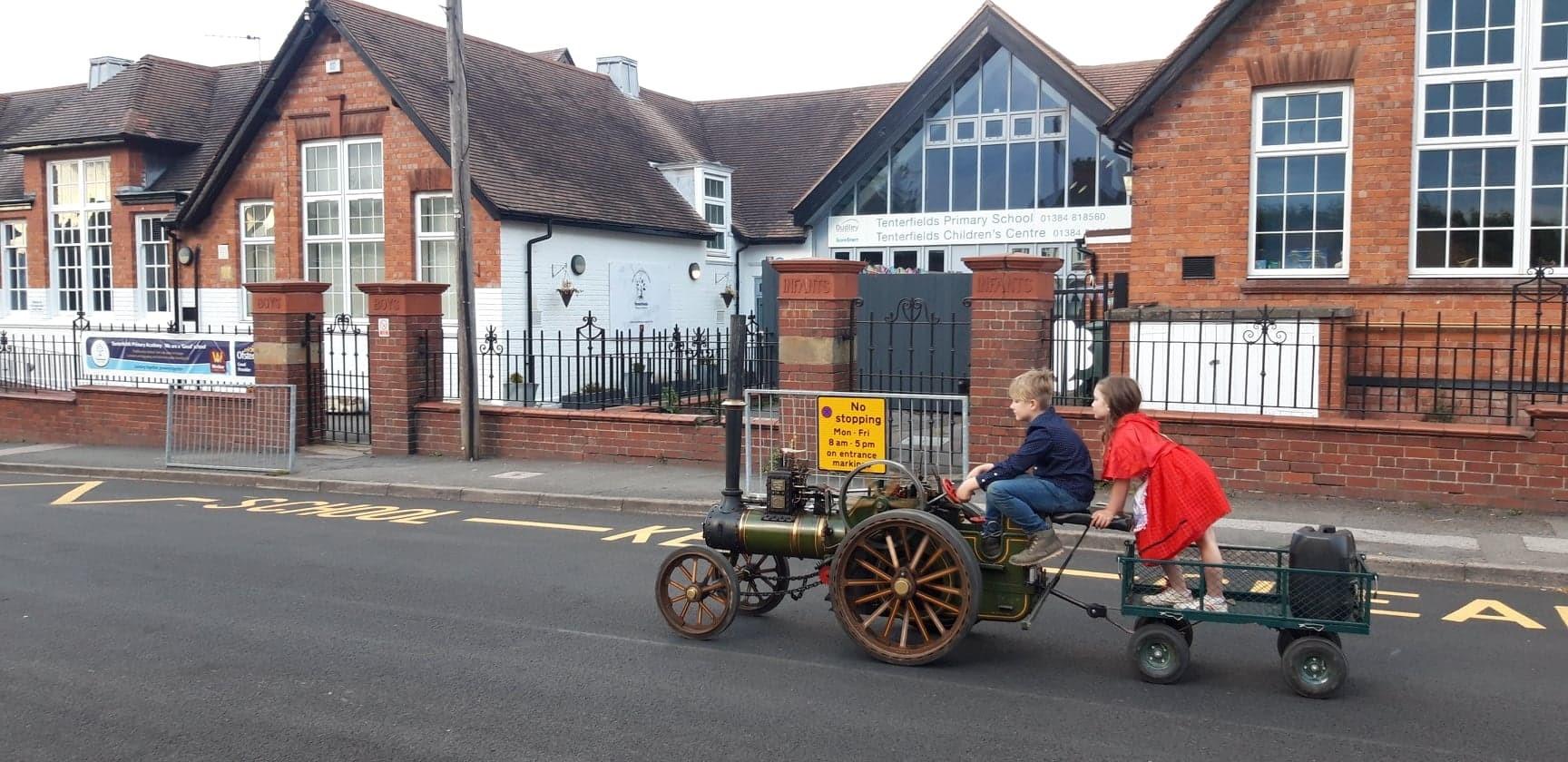
couldn't make the rally in steam. We had a beer tent, a hook a duck stall and Mechanical Music Radio playing all day to give us the rally atmosphere. Between us and neighbours, we managed to show 22 engines in our garden, steam 7 of them and used my Wilesco traction engine to make steam for an old mill engine model I had bought last year. Rally food was made, starting with a cooked breakfast, then bacon rolls and chips and ice cream throughout the day. We had 12 neighbours come for a look over our fence, and even sold four rally mugs for charity. At the end of the day, we played the special Dr Busker songs on the internet and took some of my Matchbox engines for a walk round town in place of
Across the world, over 10000 people took part, Australia and New Zealand were in steam whilst we slept, whilst as we went to bed, the Americans and Canadians were raising steam. People from Greece, ,
Germany, France and Denmark joined in the fun and we loved seeing the mixture of exhibits large and small during the day. Really well done everyone who steamed their engines specially, from models to miniatures and full size, that was brilliant. Alex Steele played his full size fair organ in the evening too and broadcast it live, which was brilliant. The three charities will each receive over £1000, and we're still selling souvenirs of the day through www.twittersteamrally.co.uk. What's even more fun is that it didn't matter where you took part or what internet media you used, the rally was on Facebook, Twitter, YouTube and Instagram, and the content was different in each place! We had rallies on canal boats, in gardens and in yards all over the world - let's hope the Guinness Book of Records do recognise us as the largest online vintage Rally!
Will there be another one? We hope not. We're very much looking forward to going back to real events, where we can see our friends and favourite engines again. However, the event will be remembered for all time, and if you missed it, there's loads of online content to see, just search #TwitterSteamRally. Thanks for being part of it!
2020 Driving Days
Unfortunately due to the COVID situation, the County of Salop (Shrewsbury) driving day due to be held on the 29th of August has now had to be cancelled. At the moment, the Tinkers Park driving day due to be held on the 19th of September is still going ahead, however this driving day is currently fully booked. We’ll keep members booked in for this driving day aware of any changes with regards to the COVID situation.
However, we do have a new event planned for the end of summer 2020, courtesy of Hatch Heritage & Steam Engineers, offering members aged 15-21 the opportunity to take part in a Boiler Defects course. The course will be held over the weekend of the 26th & 27th of September at the Hatch Engineering premises near Swindon. It will teach how to recognise boiler defects, proper use of NDT methods, and involve practical boiler inspection tasks.
This is an ideal introduction for any of our members who may want to take up a career in the heritage sector, whether it be repairs, or inspection. Take a look at the advert on Page 10 for further details if you think you might be interested!
Steam in Quarantine
Up and down the country, SAC members, engine owners and enthusiasts are still steaming in quarantine and have been letting us know what they’ve been up to.
ups, or anything ve been up to featured in the next edition then please send some photos, and perhaps a few
Unusual Engines Pt 2 - Hornsby Chain Tractor
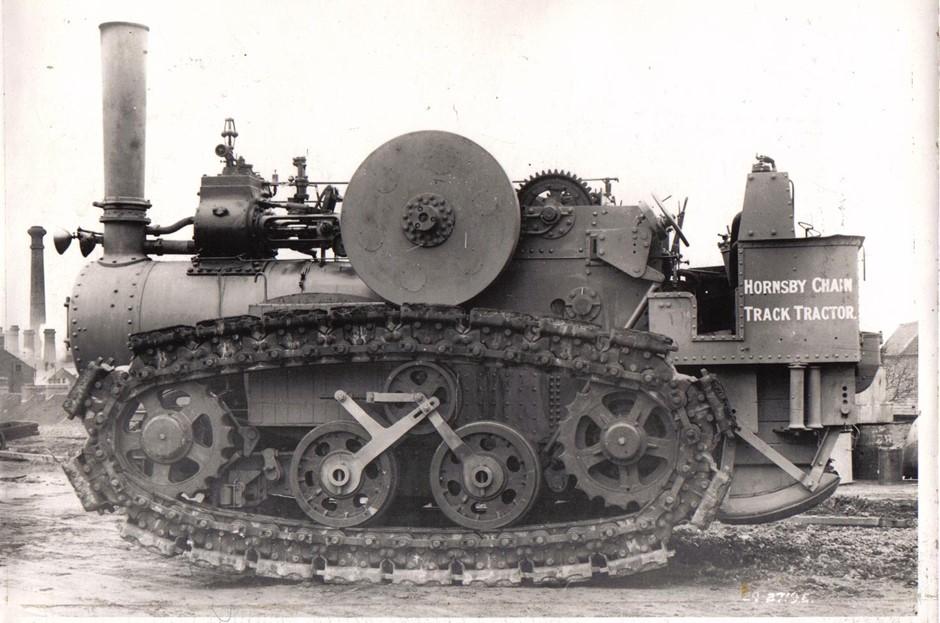
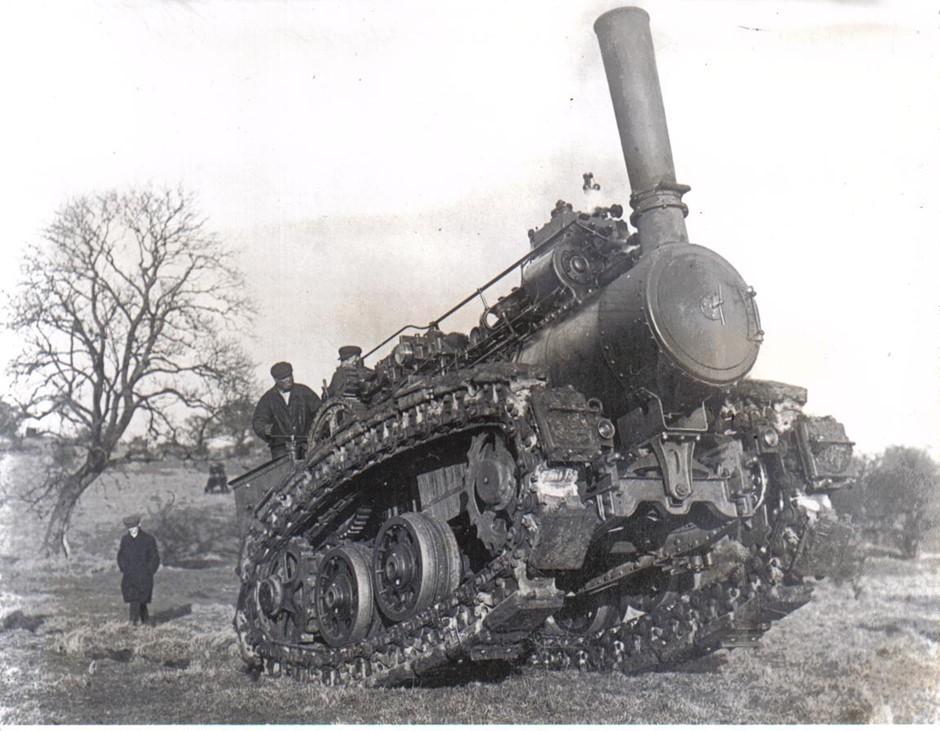
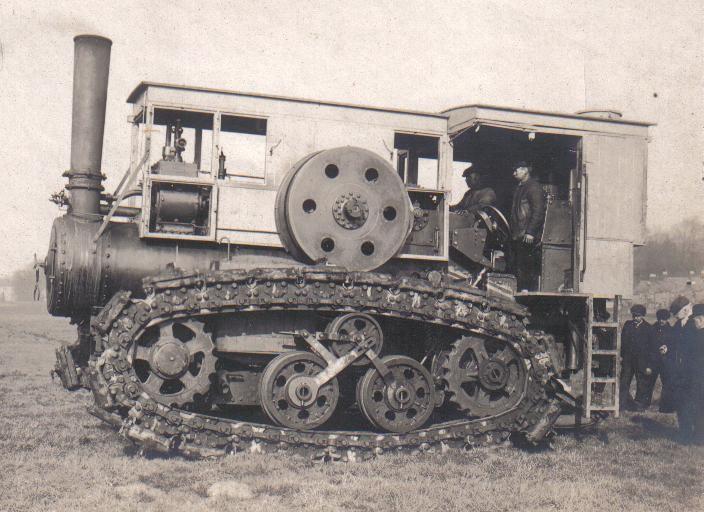
For this edition’s unusual engine, we’re going to take a look at what must be one of the most impressive traction engines ever built, the Hornsby Chain Track Tractor. Caterpillar tracks are widely used in modern vehicles, from farm machinery through to tanks, but did you know that their development is firmly rooted in the steam age?
Around the turn of the century, Hornsby had developed petrol powered caterpillar track vehicles for military gun haulage on rough ground. After seeing the performance of these vehicles, an order was placed with Hornsby in 1910 for a steam powered crawler by the Northern Light, Power & Coal Company to haul coal in the Klondyke gold fields in the Yukon, Canada. By 1910, Hornsby had
abandoned the manufacture of steam engines, focusing on internal combustion engines only, so an engine was ordered from Fosters, while Hornsby manufactured the tracks.
The completed engine was a monster, weighing in at 25 tons, and was rated at 80bhp. The engine was supplied with a set of eight huge traction wagons for the haulage of coal and would haul a load of 100 tons a distance of 40 miles each way over rough ground. With no front wheels to steer it, steering was achieved by slowing down one of the sets of tracks by applying the brake. As you can see from the photos, it clearly handled rough ground well! Due to the extreme weather conditions, the engine was later fitted with a totally enclosed cab.
Although the crawler was successful, remaining in use until 1927, no further orders came from it. Hornsby had little success with their caterpillar tracks and sold the idea to Holt in America who successfully developed them. It is interesting to note that Fosters who supplied the engine to Hornsby were heavily involved in the development of the tracked tank in WW1, no doubt taking inspiration from the work they had done with Hornsby.
The remains of the chain tractor are still in Canada in a derelict condition, but we are fortunate that several working models have been built in the UK; including a stunning 4” scale model,
complete with a set of traction wagons. Search Hornsby Steam Crawler on YouTube to see some videos, it really is a sight to see in operation!
Member Mail - #TSR Best in Steam!
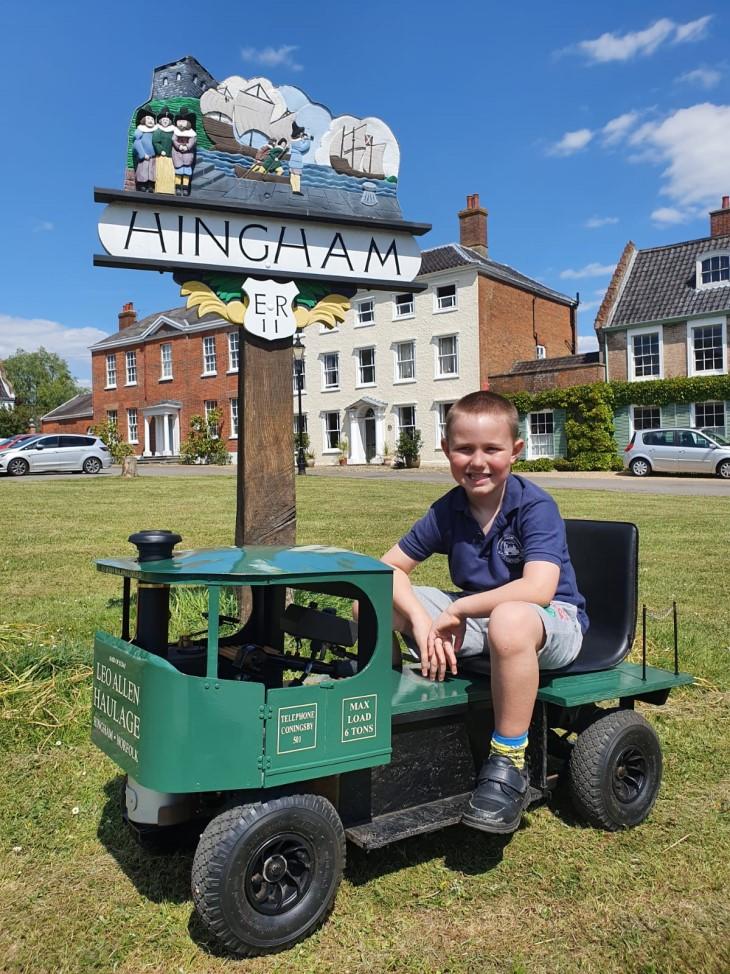
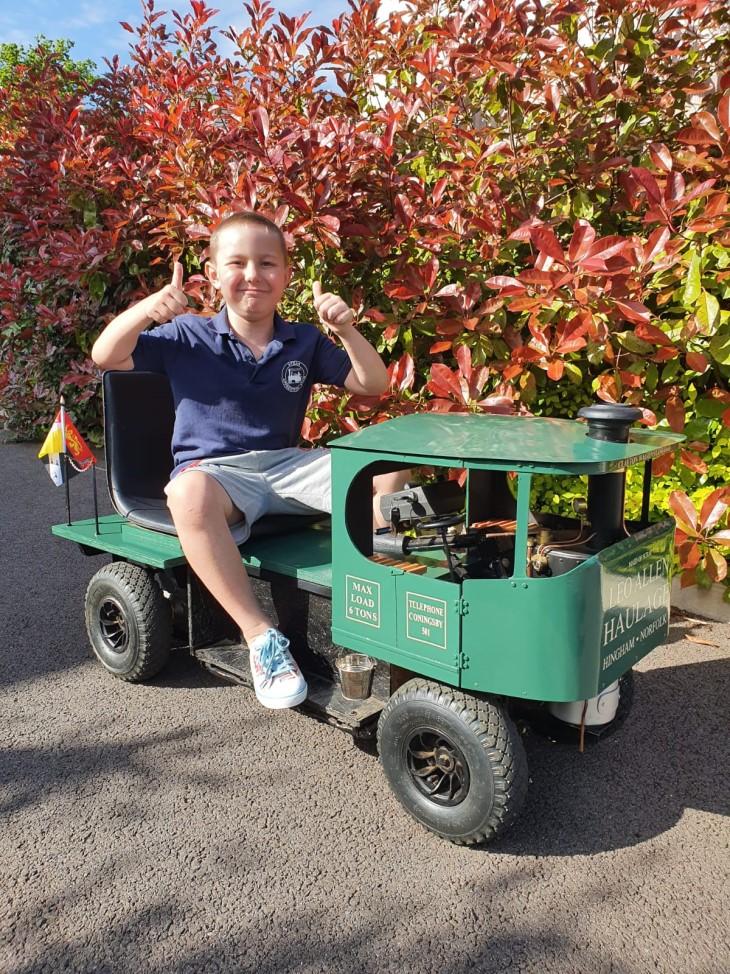
SAC Member Leo Allen took part in the #twittersteamrally on the 9th May 2020. Leo’s dad wrote in to tell us about his day…
Leo Allen was out on his Clayton steam wagon throughout the day and getting his parents to post pictures on the social media page. Leo went on to be selected for the Top 10 finalists on 9th May 2020 and with the help and support from his family and friends and the brilliant Hingham community, he went on to win the Best in Steam award. Which he is very proud to have achieved and will be able to keep as a brilliant memory for years to come.
The Best in Steam award was sponsored by Legacy Vehicles, the fastest growing dealer of steam and vintage vehicles.
Leo donated £200 which he decided to split between the 3 charities which was one of the prizes for the Best in Steam winner to be able to do.
Young At Heart:
It offers help and support to families of babies and children diagnosed with heart defects.
Butterwick Hospice Care: Offers care to children and adults suffering life limiting illnesses.
The NHS Foundation: Supporting NHS staff and volunteers caring for covid-19 patients: NHS staff, volunteers and patients impacted by the COVID-19 crisis.
Competition - What are these for?
Thankyou to those who got in touch to guess what the object was last month, we had correct answers from Matilda Burbury, Jack Potter, and Joshua Ashworth. It was a Barford and Perkins trailed scarifier that was pulled behind a steam roller to rip the surface of the road up ready to be relayed.
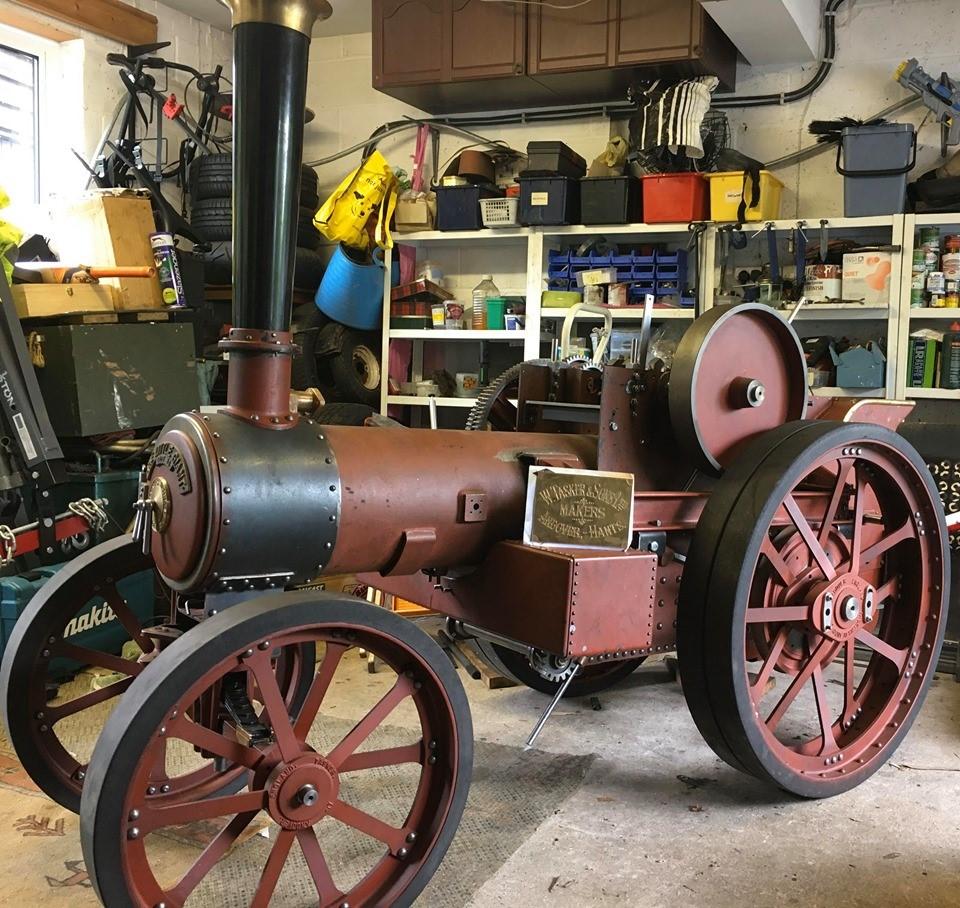
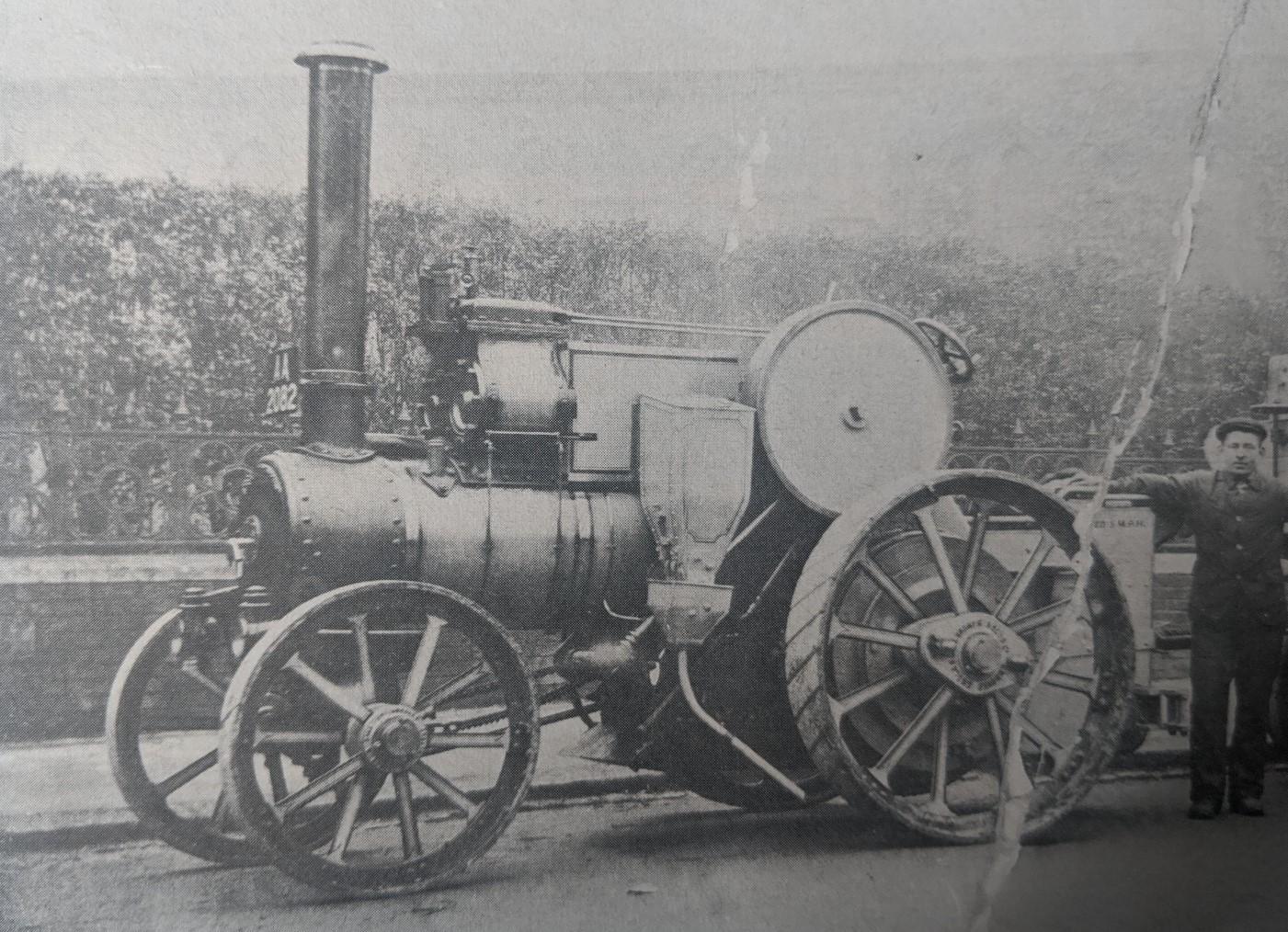
Here’s another one for you to ponder over—what are the boxes and pipes in front of the rear wheels for on this lovely little Tasker steam tractor and what are they used for?
A bit of a hint, they’re not often seen on road steam, but you usually see them on another type of steam engine.
Send in your guesses or answers to sac.raisingsteam@ntet.co.uk and we’ll publish the correct answer in the next edition of Raising Steam.