NTET Membership, PO BOX 5937 Sheffield, S25 9FB membership@ntet.co.uk
Membership fee £15 per annum
Driving Days 2020
Nick Bosworth
sac.drivingdays@ntet.co.uk
SAC Committee
Matthew Lund (Southampton)
Glen Prince (Essex)
Andy Rimell (West Midlands)
Dee Searle (Horsham)
The Editor welcomes any contributions of articles, shorter items or photographs for inclusion in future issues. All material submitted is voluntary and payment cannot be made for any material published.
The opinions expressed in the magazine, with the exception of Club announcements, are those of the contributors and do not indicate the views of the Club as a whole. All items are held copyright by the contributor and the NTET. The Editor reserves the right to amend or refuse contributions. The magazine is normally published during January, April, July and October. The Club accepts no liability for failure to meet intended publication dates.
The Steam Apprentice Club is a section of the National Traction Engine Trust. NTET is a Registered Charity, No. 291578. Registered in England No. 1302197.
Registered Office: 4 Church Green East, Redditch, Worcestershire B98 8BT.
www.ntet.co.uk general.secretary@ntet.co.uk
Have you got an image or story you’d like to share? Why not send it to sac.raisingsteam@ntet.co.uk!
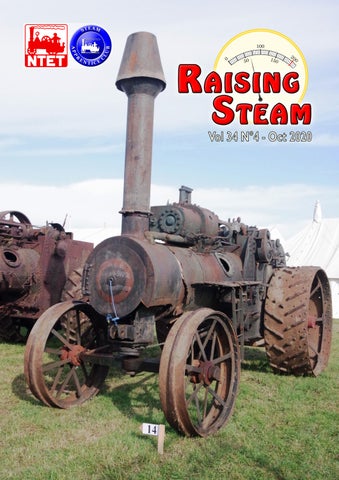
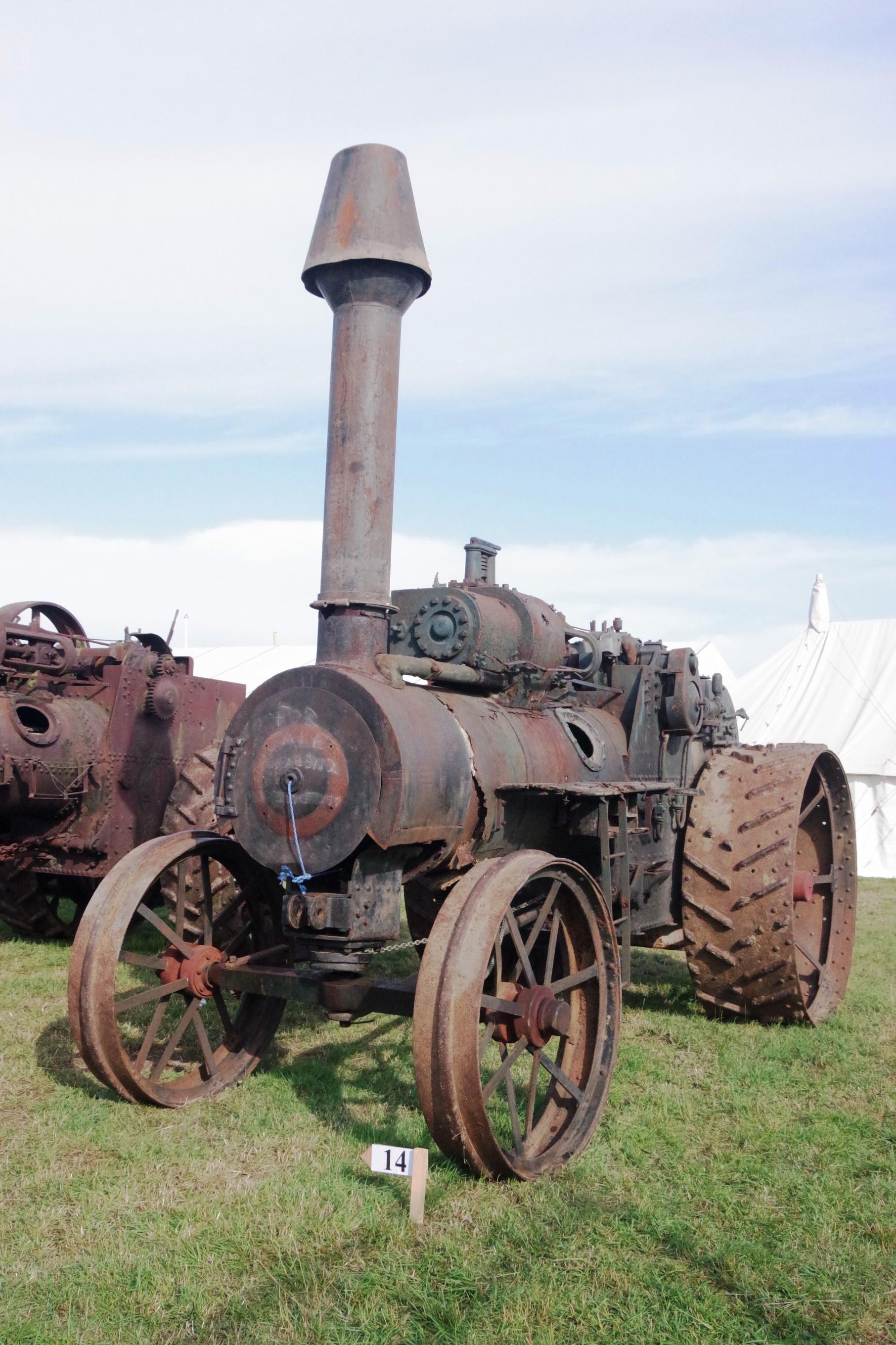
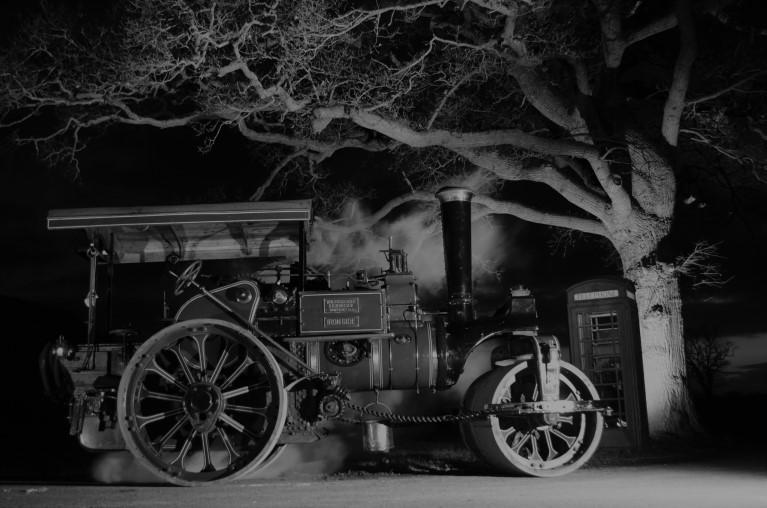
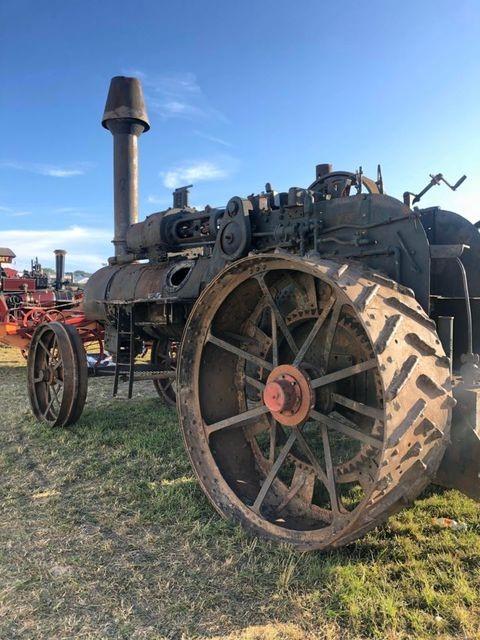
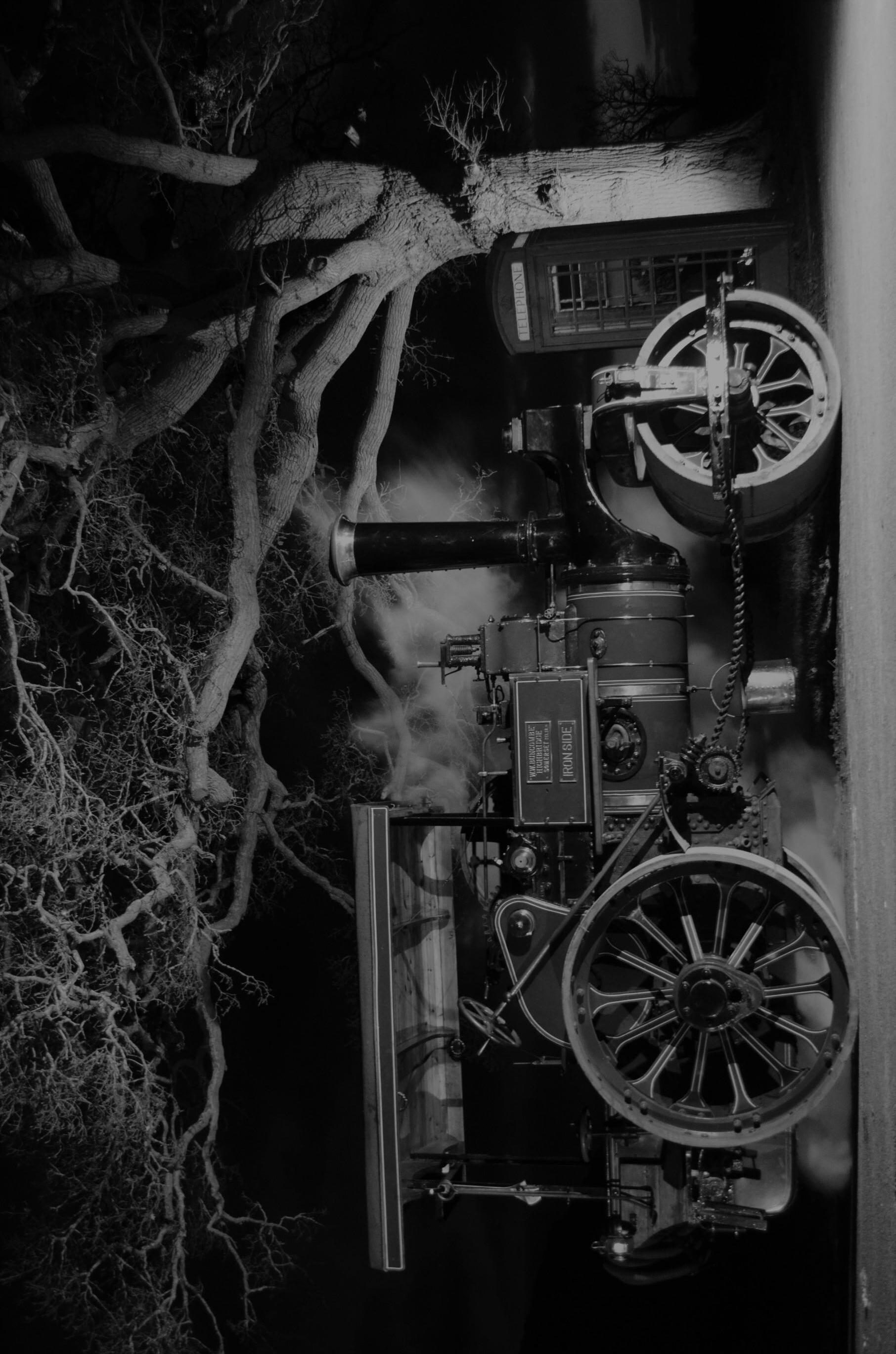
Front cover: A Clayton and Shuttleworth colonial direct ploughing engine. Photo: Steve Cockram. Rear cover: Clayton and Shuttleworth roller ‘Ironside’ - First place in the SAC photography competition.
Follow us on Instagram www.instagram.com/SteamApprenticeClub Find us on Facebook www.facebook.com/SteamApprenticeClub
Follow us on Twitter @SteamTeamSAC
Follow us on TikTok @steamapprenticeclub
Thoughts from the Chairman
Nick Bosworth (Acting Chair)
Nearly 7 months since lockdown began, and we unfortunately have very little SAC activities to report on. The season would normally be coming to an end, and this report would be filled with details of our time at the Dorset Steam Fair.
This year we were able to run our Dorset competitions with online entries instead. We received some fantastic entries. See elsewhere in this edition for the winning entries!
Some of the benefits of being a member of the SAC are free entry to most NTET authorised rallies, and being able to take part in our driving days. These are benefits that our members sadly haven’t been able to take advantage of this year. Therefore as a gift to our members the NTET have made the decision to give a free 6 month membership extension. All current SAC members as of the 16th of August should have already received a replacement membership card. We hope 2021 will be a better year.
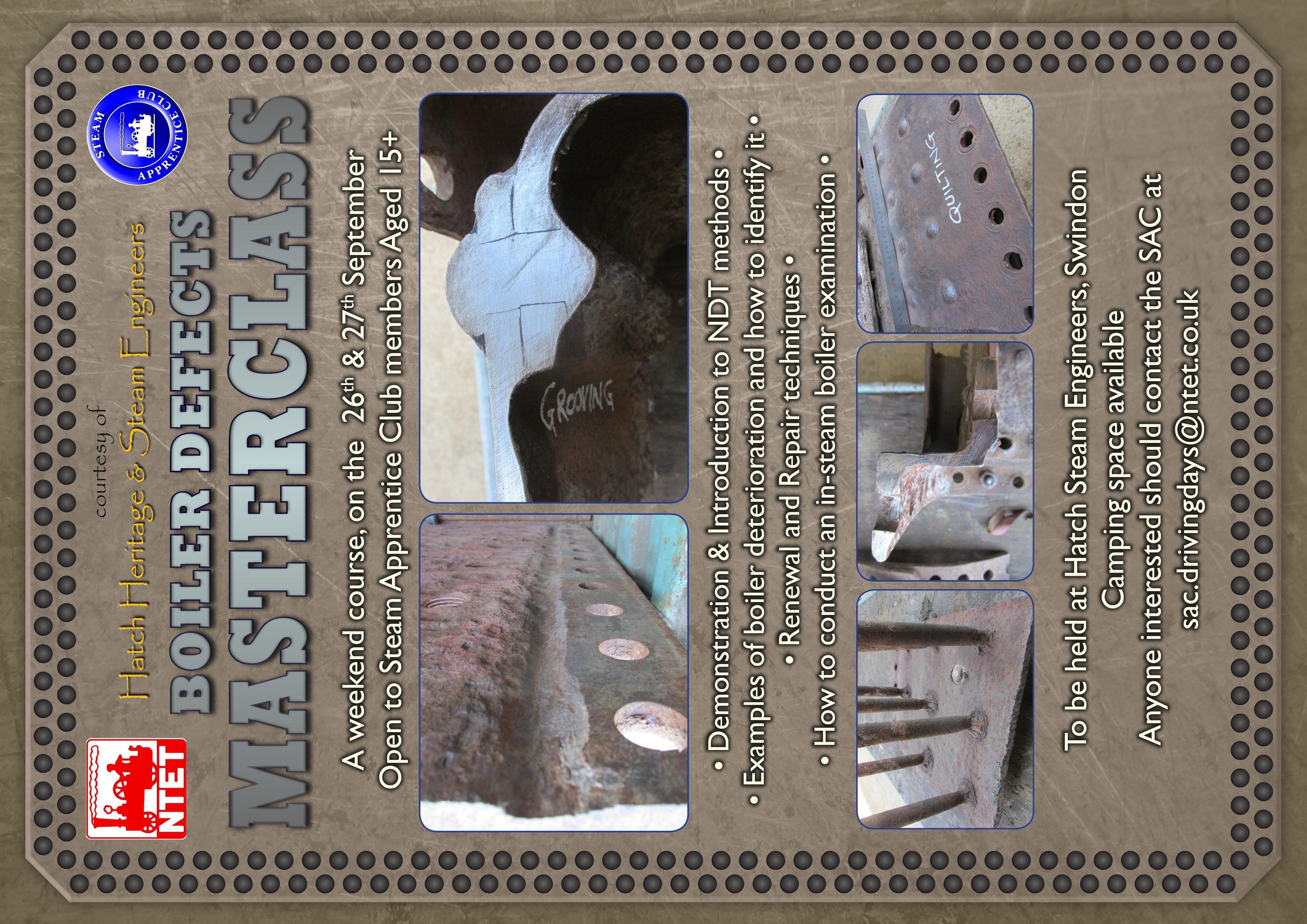
In the past two editions of the magazine we have advertised the Boiler Defects Masterclass, which was due to happen in late September. Unfortunately this event has been postponed until the spring. We would not have been able to keep everyone sufficiently distanced, and the event would have gathered too many people in one place. No new date has been set yet, but I hope to have more news in the January edition of the magazine. The NTET has a new online
membership system. We are now able to provide proper family and group memberships, where multiple NTET and SAC members can be grouped together. The system also gives a discount where more than one member of a club lives at the same address. For example, two SAC members in the same household can now pay a combined £22.50 membership fee, instead of £30 as two separate subscriptions. Please see the NTET website for details.
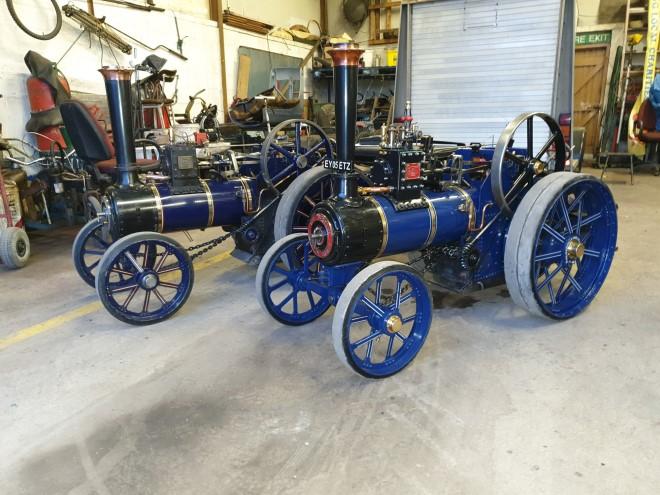
On a personal note, I have been getting on with more jobs in the workshop, such as making a new slide valve for a miniature traction engine. See my article elsewhere in this magazine. I have also refurbished the blowdown valve of my cousin’s Garrett tractor. It has been leaking a little, so a new centre spindle was made, followed by a hydraulic test to make sure everything worked correctly. Happy Steaming, Nick.
Thoughts from the Editor
Hello and welcome to the October edition of Raising Steam. Normally we’d be winding down from the last events of the season and would be reporting to you about what went on at the Great Dorset Steam Fair but sadly that was not to be. Instead of that we’ve had reports from some of our members who’ve been holding their own steam rallies over the summer so I hope you enjoy reading about those just as much as I’ve done. Perhaps they’ll inspire you to do something similar?
Fortunately we were able to hold the normal Dorset competitions online this year and you'll see the winners of the competitions later on. All of the entries were fantastic and were the topic of much deliberation amongst the NTET & SAC committees to choose the winners.
Since the last edition a TikTok account for the Steam Apprentice Club has been set up. It’s still early days yet but we plan to continue posting videos of steam related things to keep you entertained so give us a follow @steamapprenticeclub and see what you think.
This edition contains an article on bursaries that are available to SAC members which may be of interest to members who are looking to start a career in the heritage engineering sector. It’s all part of our commitment to preserving steam on the road so please do consider the scheme if you feel it may suit you.
My plea for articles from members seems to have been heard and I thank all of the members who’ve made contact with pictures or submitted articles to include. I’ve a few ready for inclusion in the next magazine but as ever I’d like more. It’s far more interesting to hear what you’ve been up to than for you to read what I think you’ll find interesting... It’s been lovely to see a few events happening since lockdown was eased and people taking their engines out on the road to keep some steam alive as best they can in these times and I hope you’ve had a chance to see an engine or two!
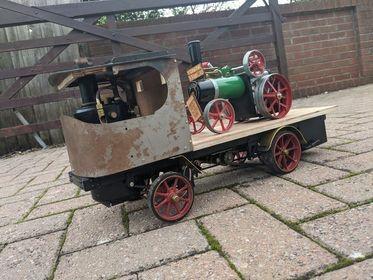
As much as I’ve missed the rallies I have rather enjoyed working on projects that don’t get done when I’m off rallying. I finally got a chance to rebuild this little steam wagon which I used to go and collect my shopping the other day, but you’ll have to have a look on our TikTok if you want to see it running!
Summer Competitions - The Winners
We were delighted not only to receive so many entries to our competitions which were judged during the week that we should have been at the Great Dorset Steam Fair, but that each and every one
of you showed such talent and skill that our judges had a VERY hard time deciding who should be the overall winners.
And here they are...
The Photographic Competition
An atmospheric shot of a Clayton and Shuttleworth road roller.
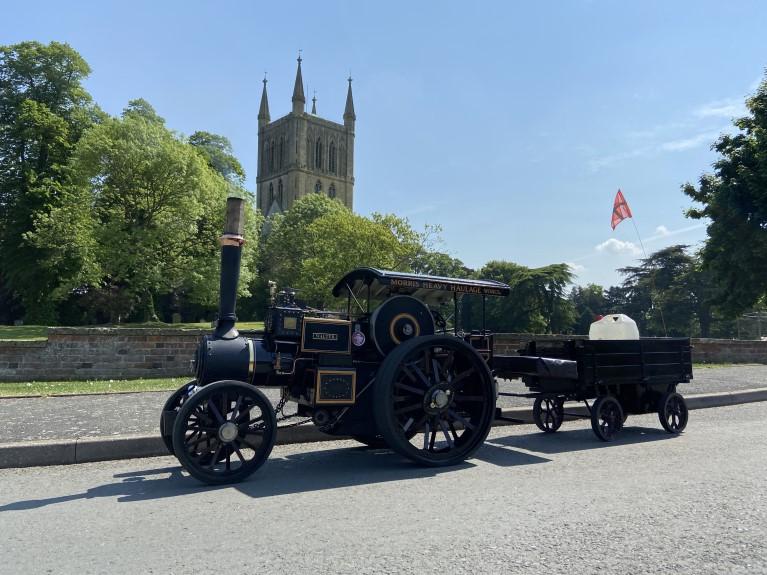
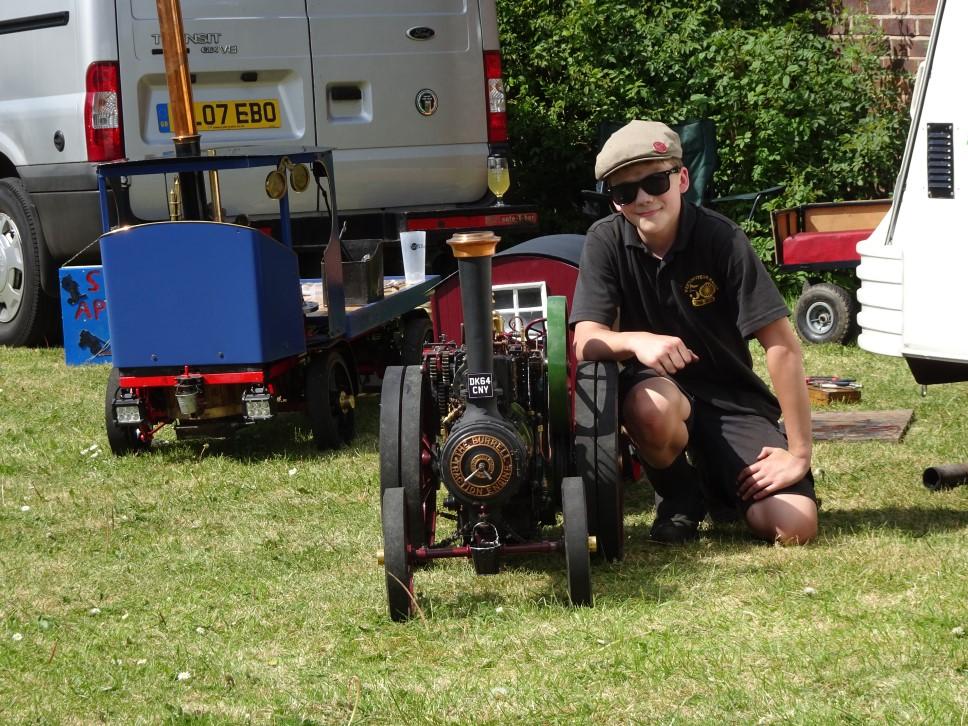
A lovely countryside scene with a miniature Burrell road locomotive.
An imposing view of a Clayton and Shuttleworth colonial engine.
Tristan
Ellis
Ralph
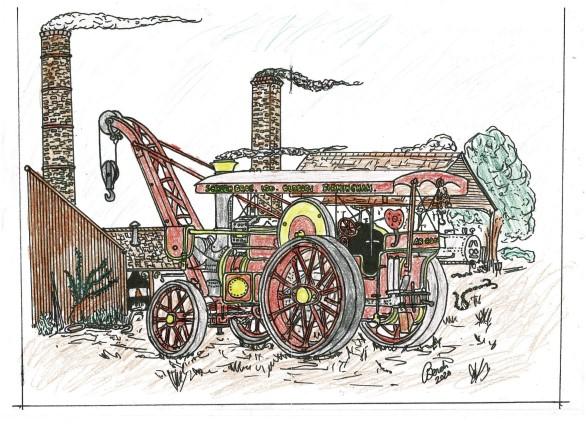
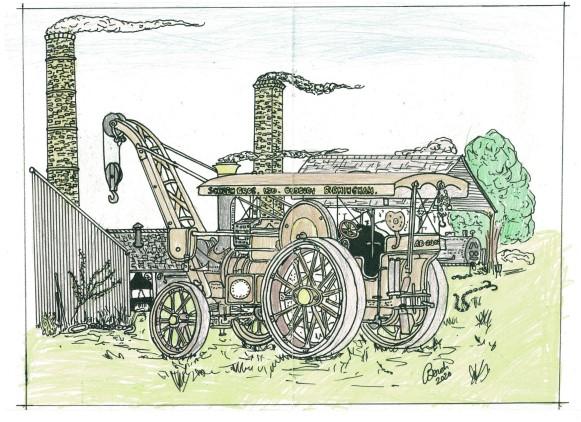
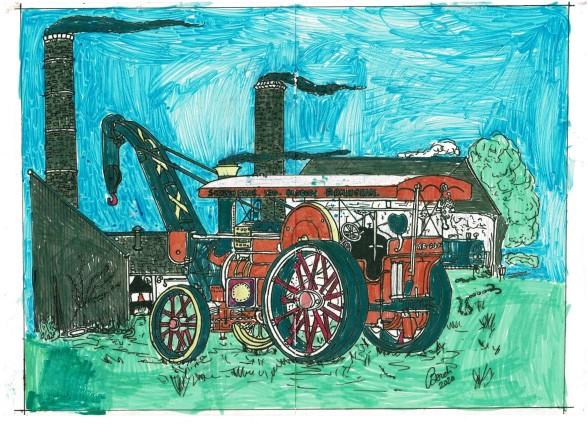
The Colouring Competition
First Second Third
Harvey
A lovely, realistic view of an engine at rest in a yard.
Very well detailed!
Rowan
A subtle, well executed view of the old Burrell in its working clothes.
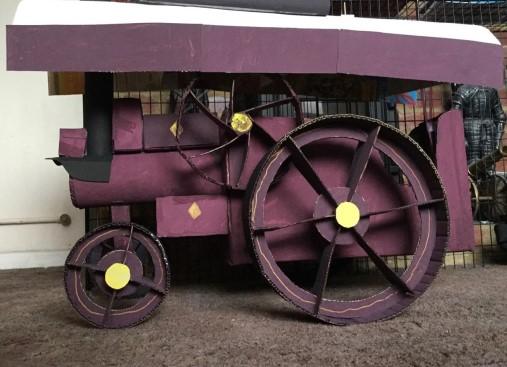
The Model Competition
Alice
A bright and colourful scene of an engine gleaming on a sunny day.
First Second Third
Emily
A colourful showman's engine. Brilliant detailing and I love the gold lining!
Stanley
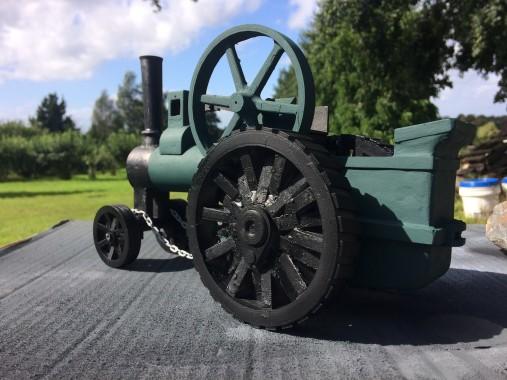
A brilliant 3D printed agricultural engine, complete with steering chains.
Henry
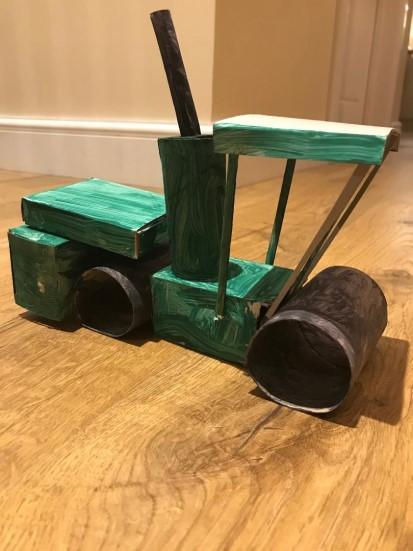
An accurate Marshall roller made from carboardexcellent recycling!
Member Mail - Henry’s Show
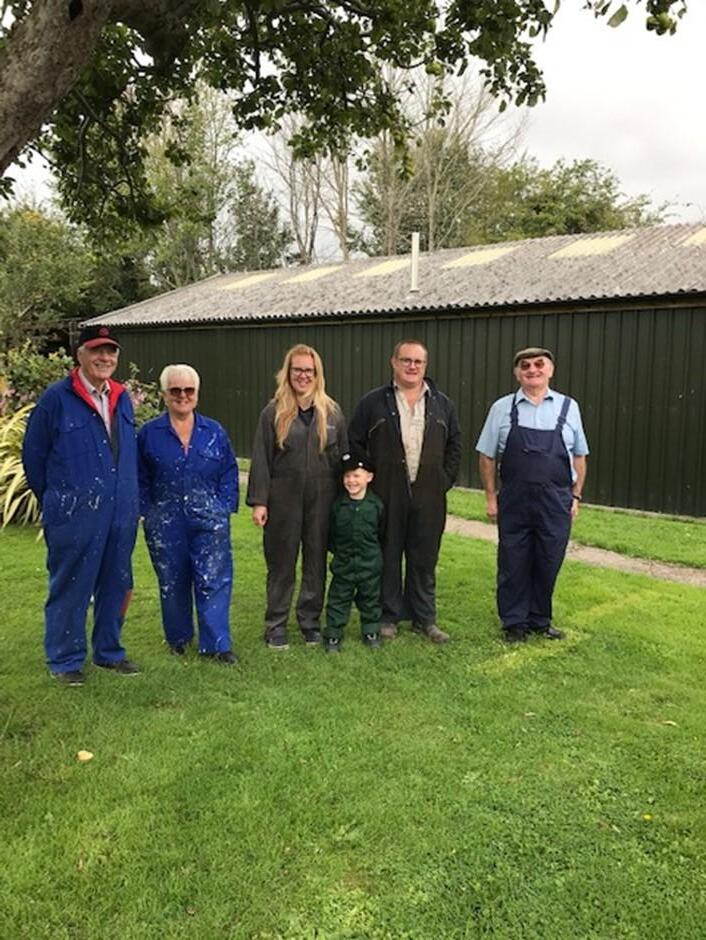
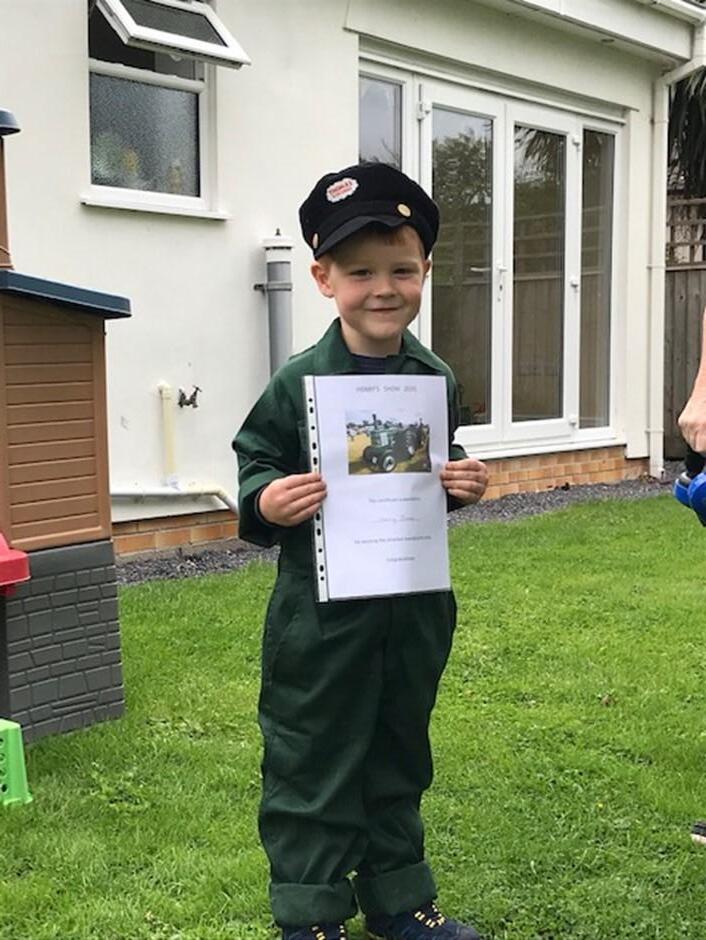
SAC member Henry Jones’ mum has written in with a report of a fantastic rally organised by Henry in their back garden!
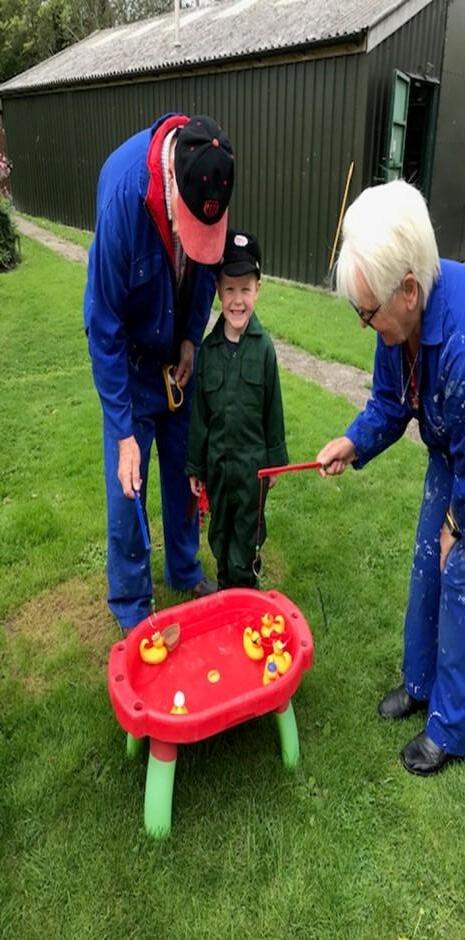
Every year we go to the Great Dorset Steam fair and obviously this year we couldn’t. As Henry had to celebrate his birthday during lockdown at home we decided that we would put on our own show and have a special day, named Henry’s show.
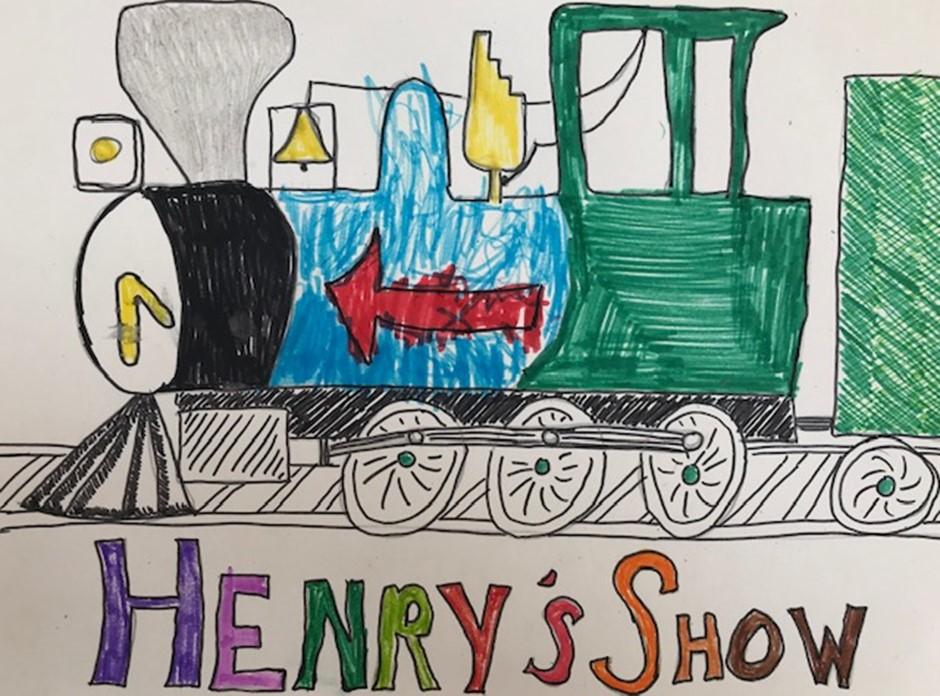
We decided that we would make a poster so that the grandparents who were invited knew where to come. We decided that we would have some stands like they do at the fair so we had hook a duck.
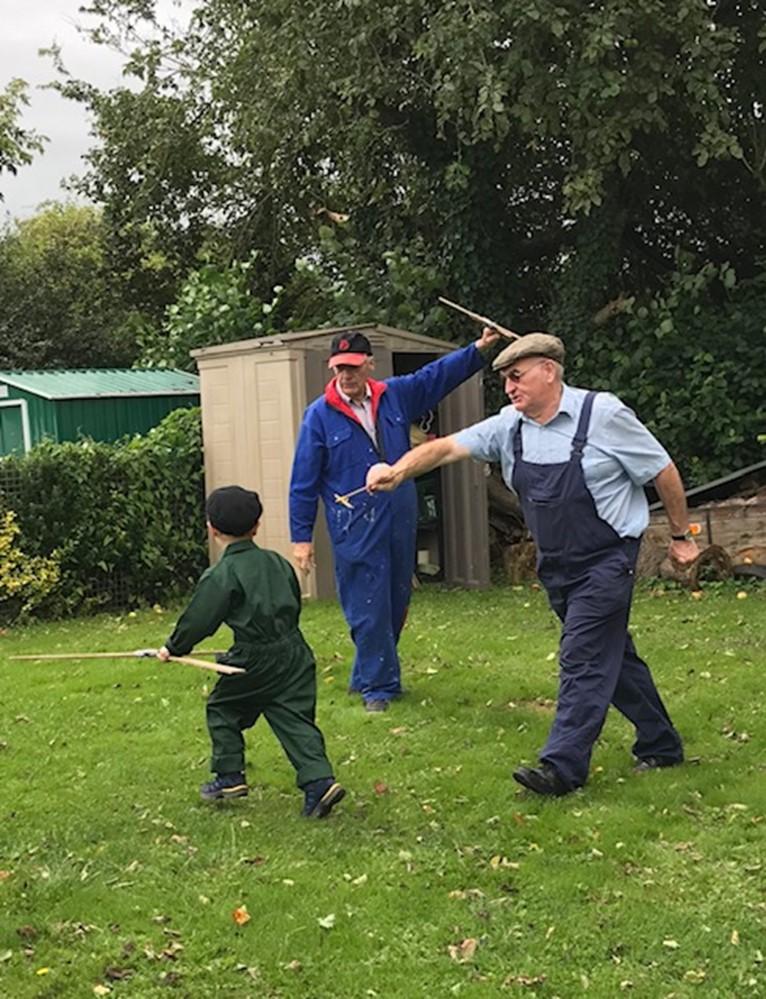
Then we had a short air show with a red arrow, a B52 and a spitfire. All made from 2 bits of wood and some gaffa tape.
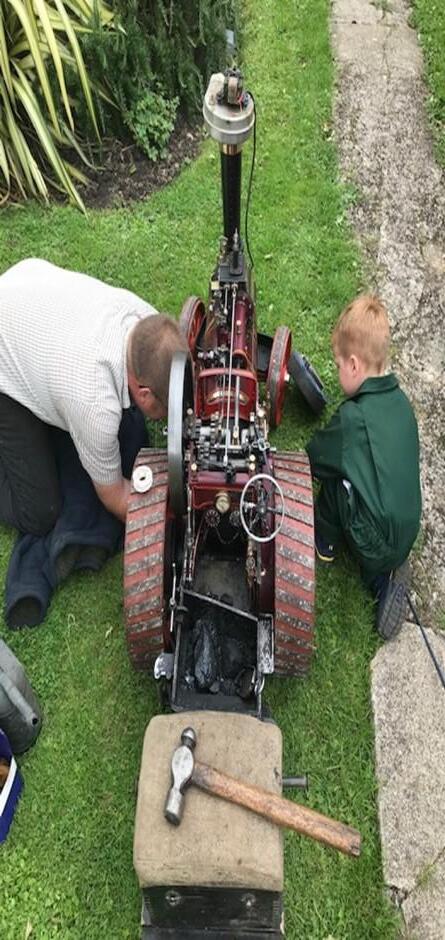
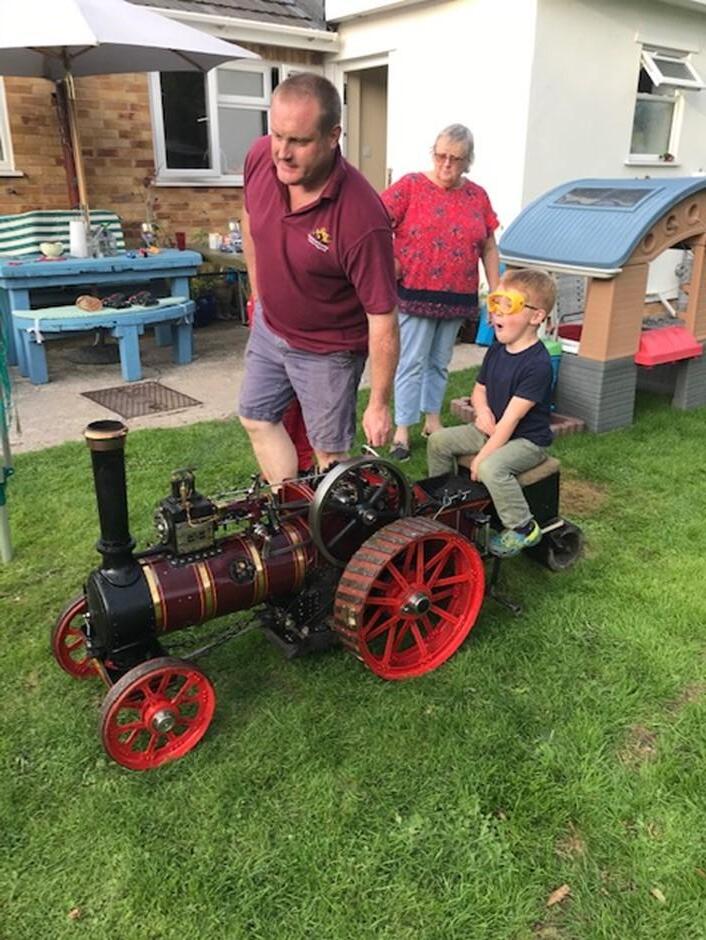
We are custodians of a small Marshall traction engine. The day before the show Henry swept the tubes and helped clean the brass. Henry and his daddy emptied the ash pan and then lit the fire. In no time at all it was time to go for a ride around the garden.
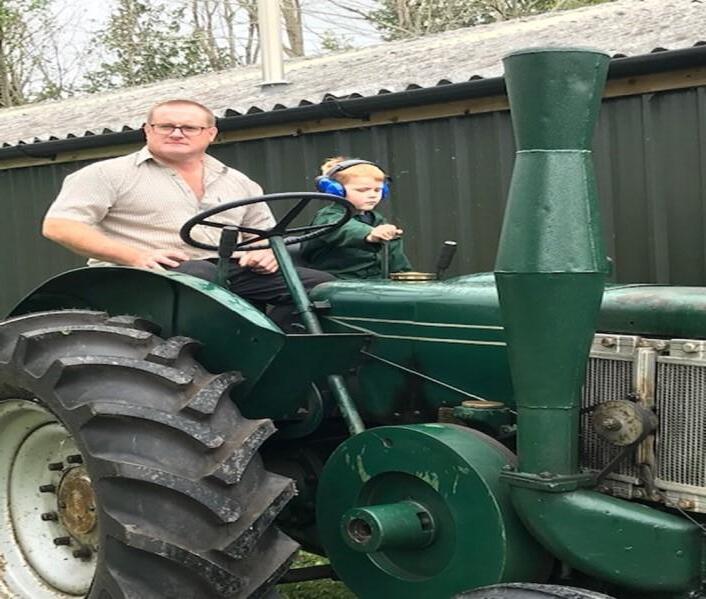
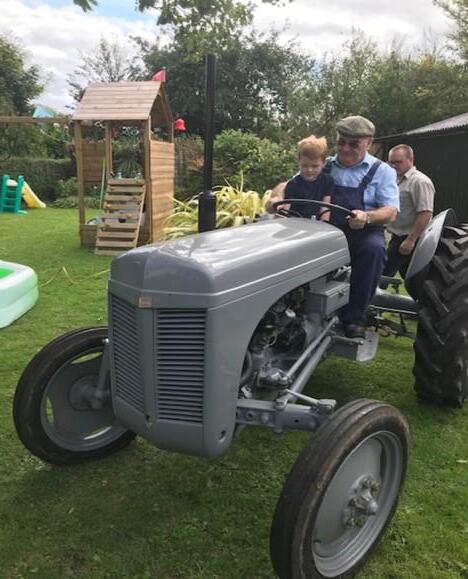
Then it was time for the tractor parade so we started the Marshall and grandads Fergie. It was great fun going around the garden.
After the tractors it was time for the steam engine to go again. Henry was busy being the whistle as the engine doesn’t have one. And he found a way to keep the smuts out of his eyes!
We had a lovely day and all enjoyed the show. Henry is already busy planning the next event.
What a fantastic show, looks like you all had a brilliant time! I love the engine driving goggles Henry! Hopefully we’ll all be back at the GDSF next year, but I’m looking forward to seeing what Henry has planned for next years event! Ed.
Member Mail
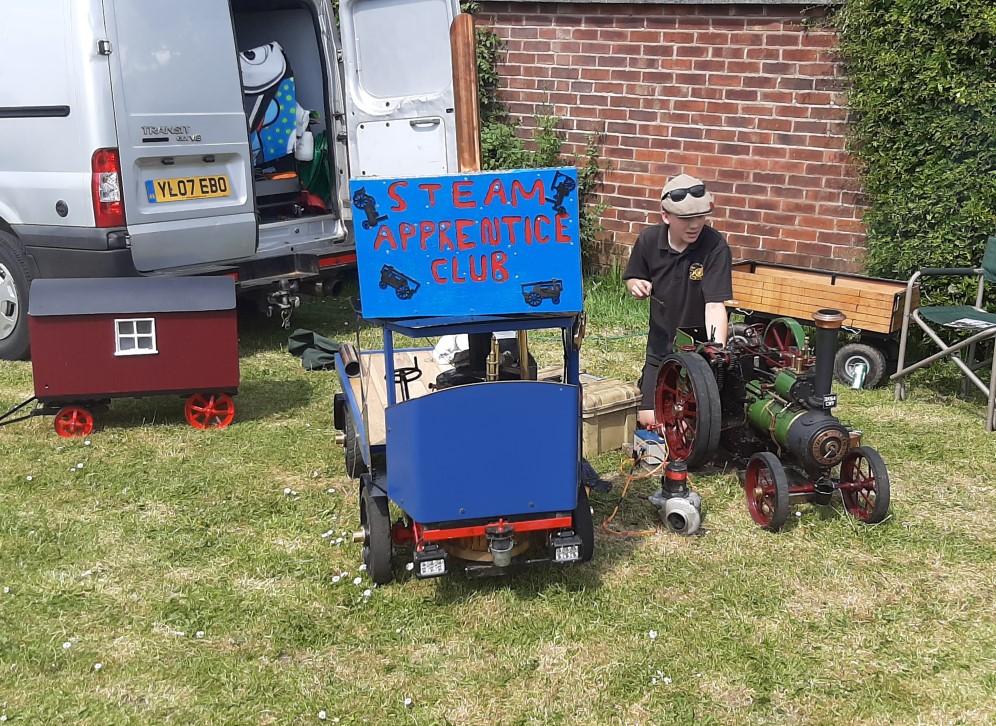
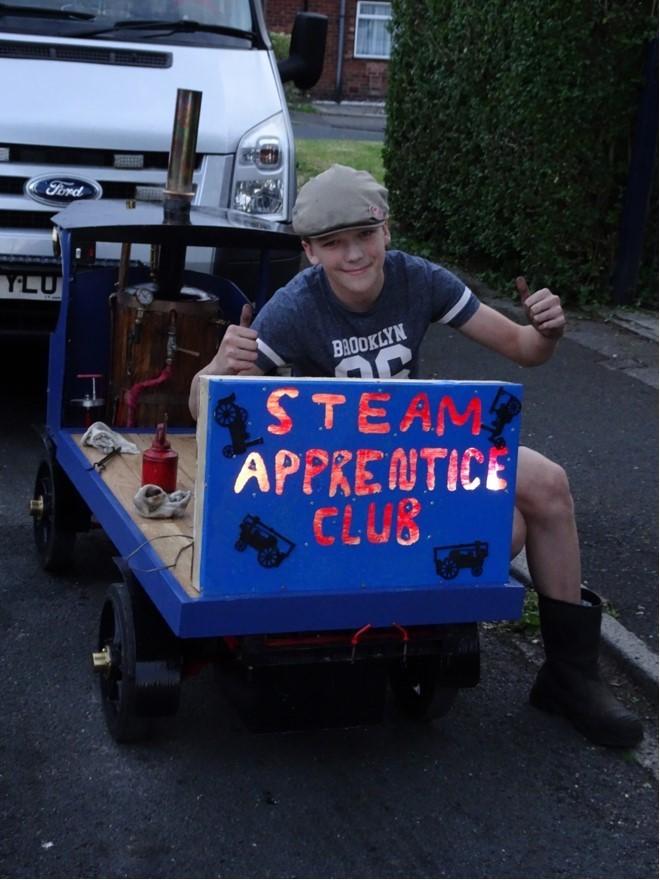
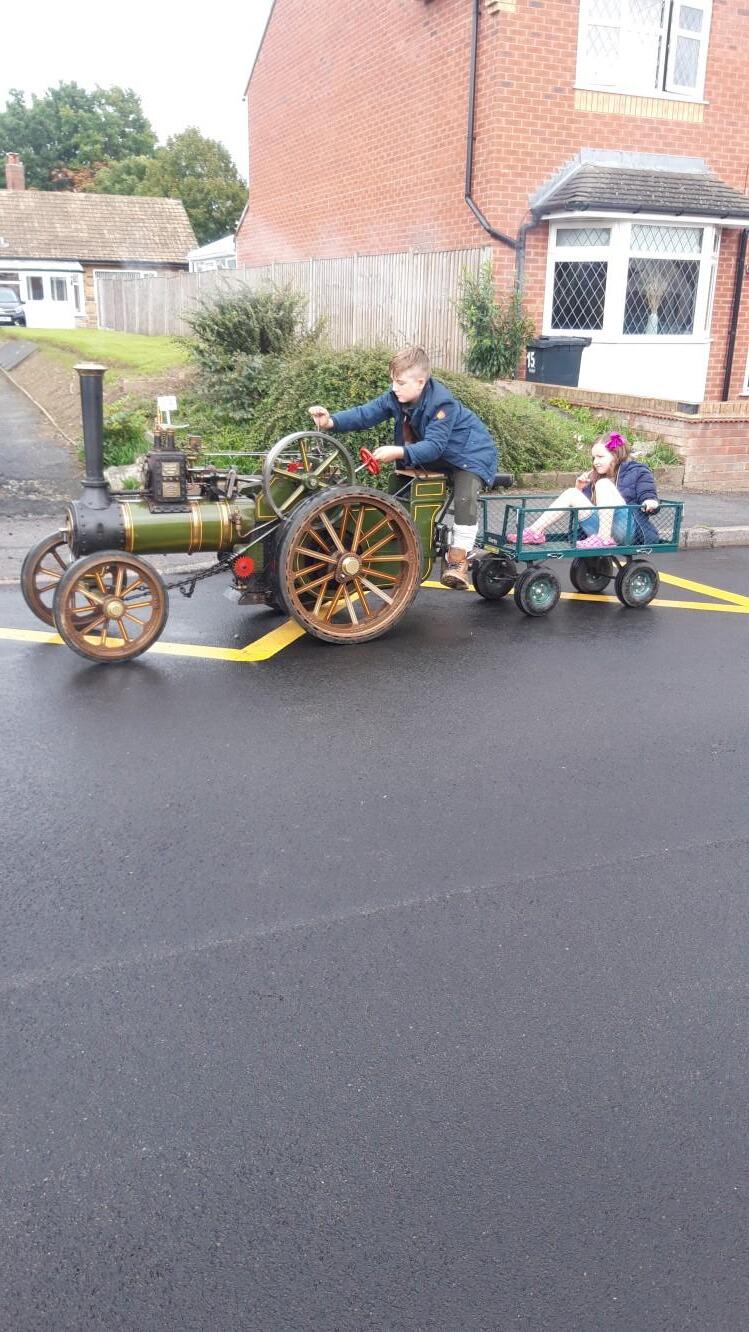
SAC member Nathan has been flying the flag for the Steam Apprentice Club around his town by holding his own steam rally on the land next to his house. Nathan had plenty of visitors and spent the day talking to them about his engines. I love the glowing sign on the back of the steam wagon Nathan!
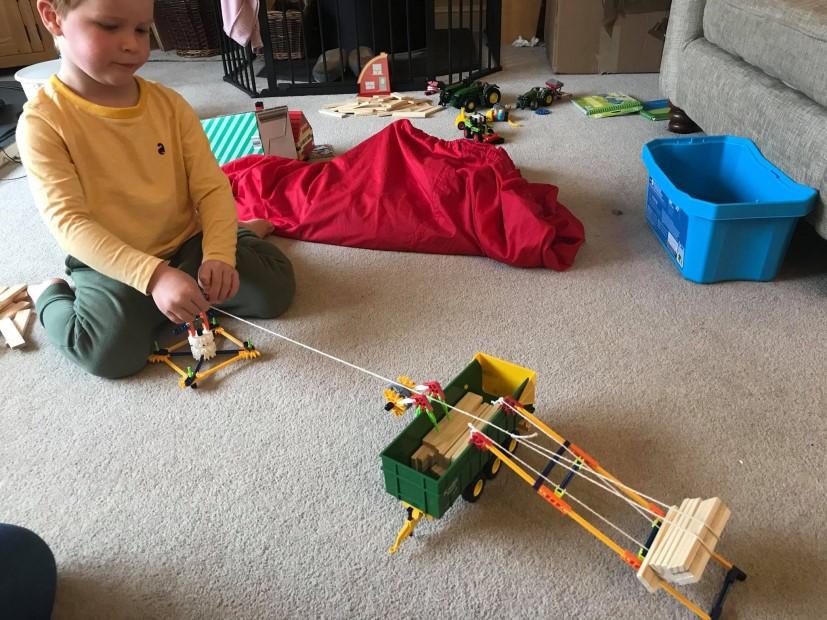
We love when something in the Raising Steam inspires one of you to have a go at something, and even more so when you write in to tell us! Henry Jones saw my attempt at timber loading with a Mamod in Raising Steam and thought he’d have a go. A very smart set up but I think Henry needs to persuade his parents to let
Can you spot the SAC badge on new member Bertie Chiverton’ pedal car!?
editor to see what is going on over the winter months and will be sure to keep you all updated with what he’s been up to!
Member Mail - In The Workshop
SAC member Albie Fox writes to tell us what he’s been up to this summer with his 4” scale Burrell agricultural engine.
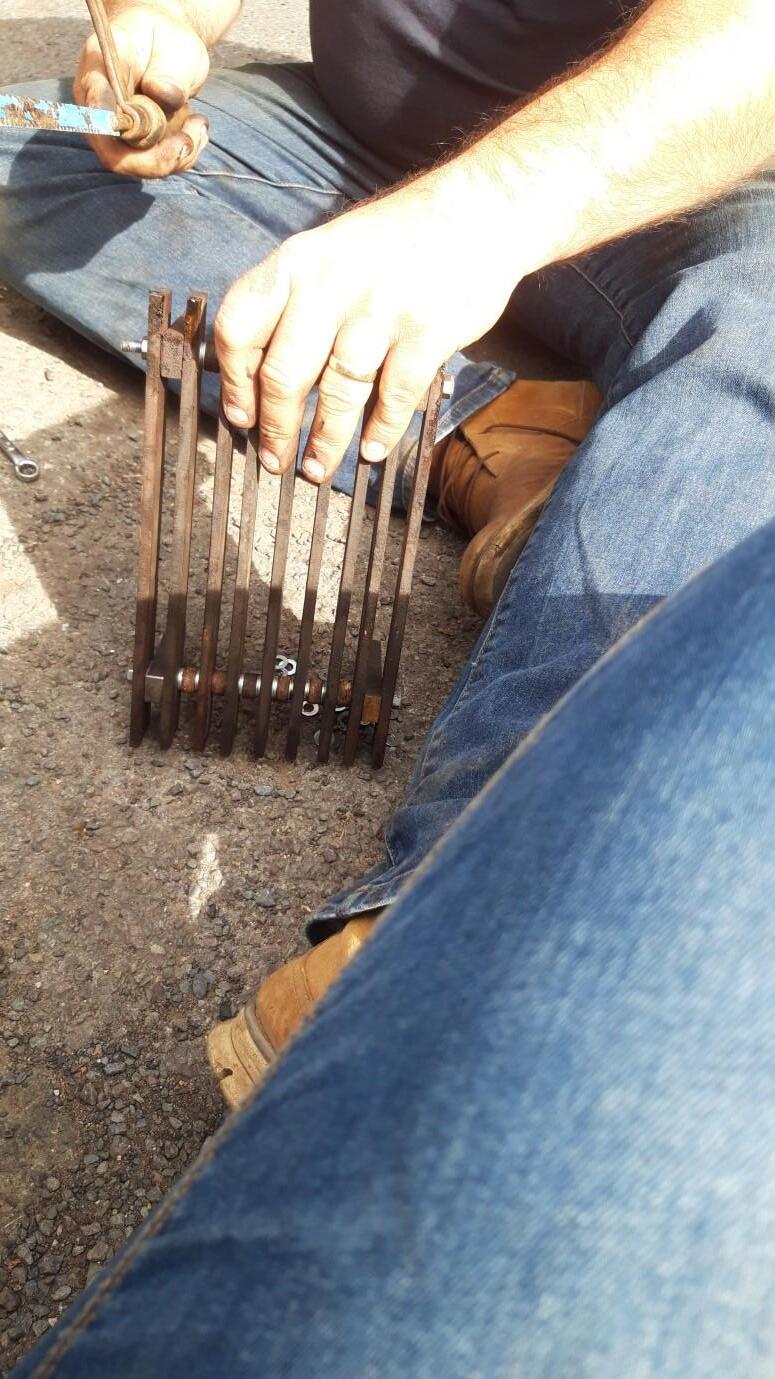
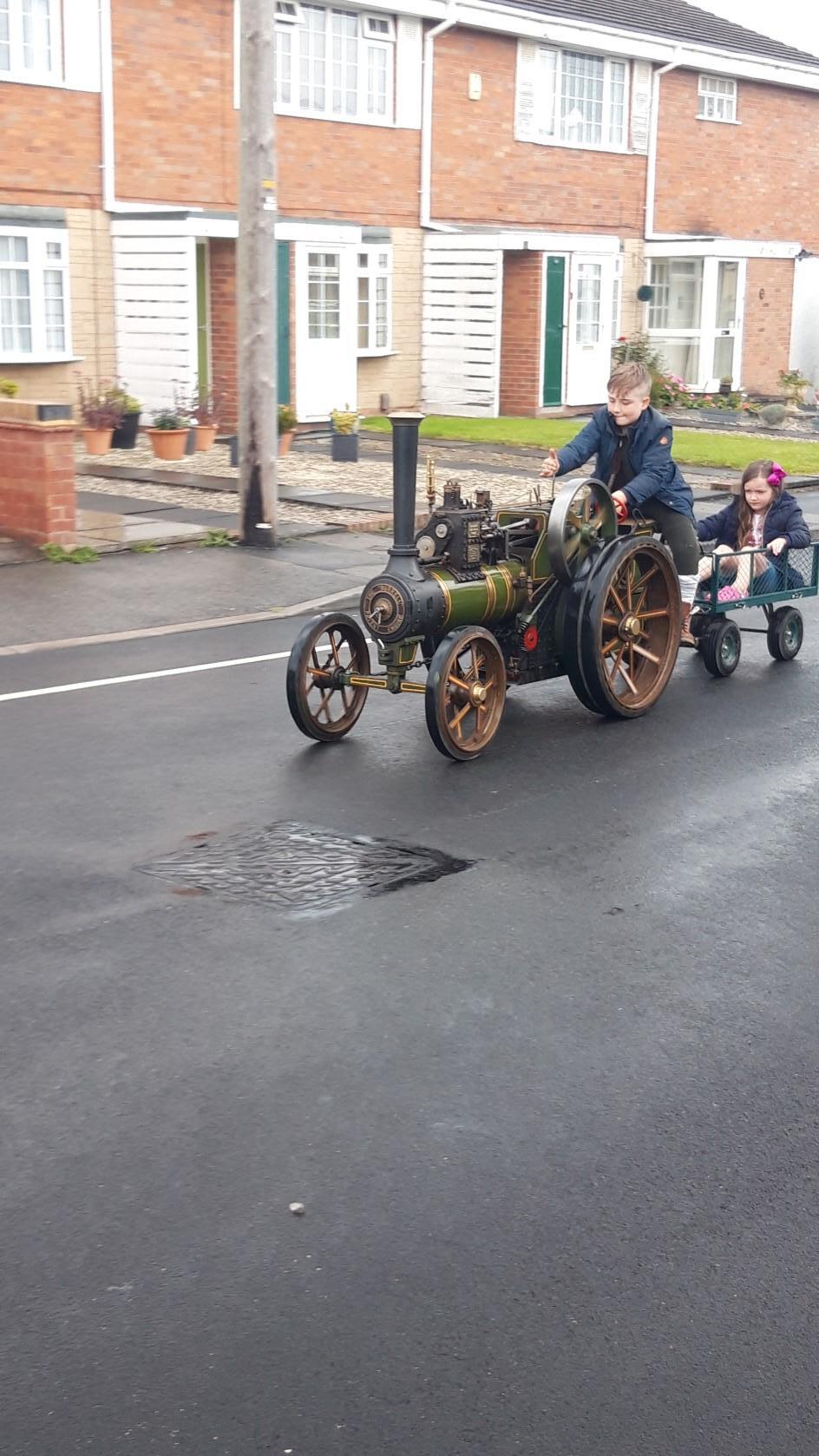
On VE day we had a street party in our cul -de-sac to celebrate. We decided we were going to get our 4" Burrell miniature steam engine out too because the streets had no cars going up and down because of the Covid lockdown. It took us hours to get the engine up to pressure and when it was up to pressure it was a struggle to keep it at full pressure. Me and dad remembered someone telling us at a steam rally last year that our grate was too small and to close together.
got some metal and I didn't know if it was going to be heat proof so we used the original metal from the grate and put extra spacing between and changed what held it together for threaded rod so we could put bolts on each side so we could adjust if needed.
We also added an extra leg support so instead of it being on 3 we balanced it out with 4 in each corner instead.
It was a good job we did make it so we could take pieces of bar out and spacers because it was too wide to go back in the firebox! We had to take it back to pieces and take some bits back out. Then after spacing out we took another bar out to make the frame narrower but the same amount of spacing between the bars.
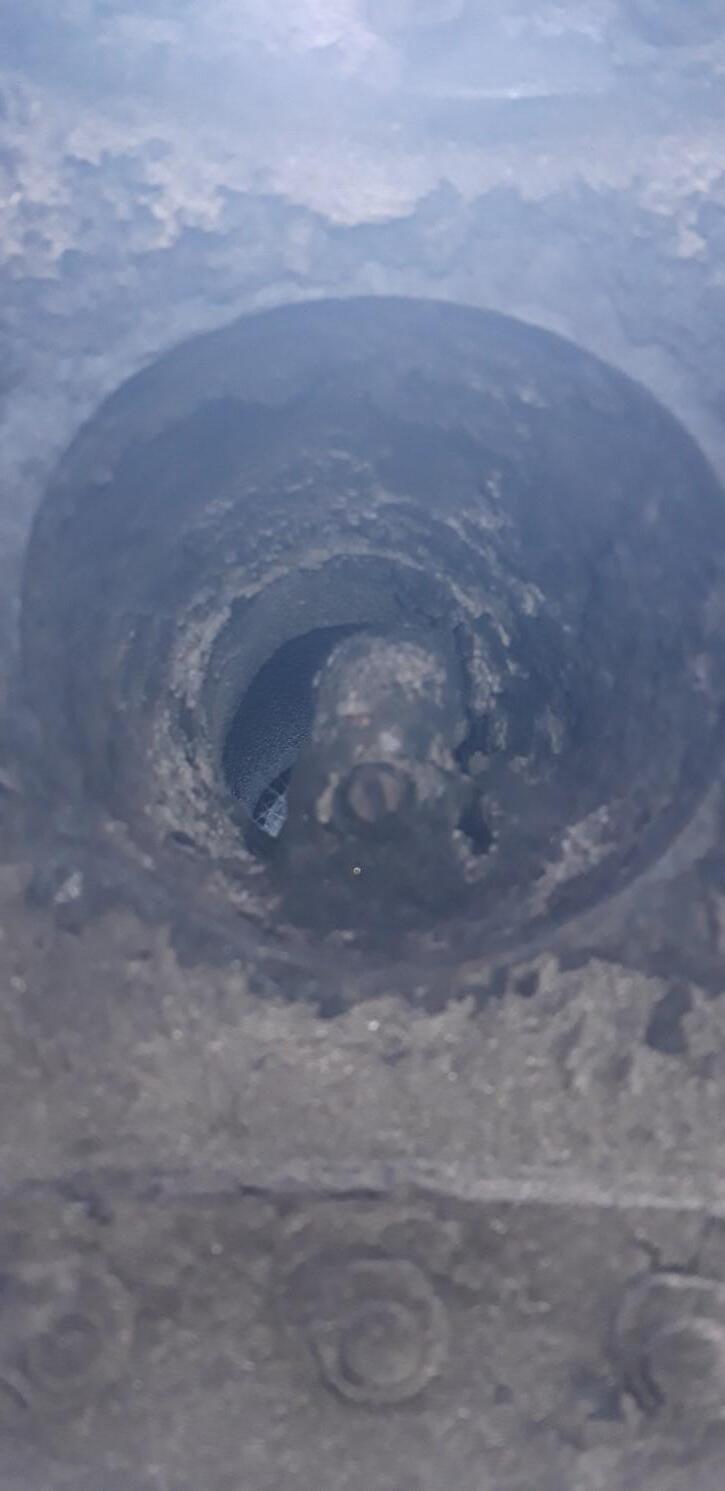
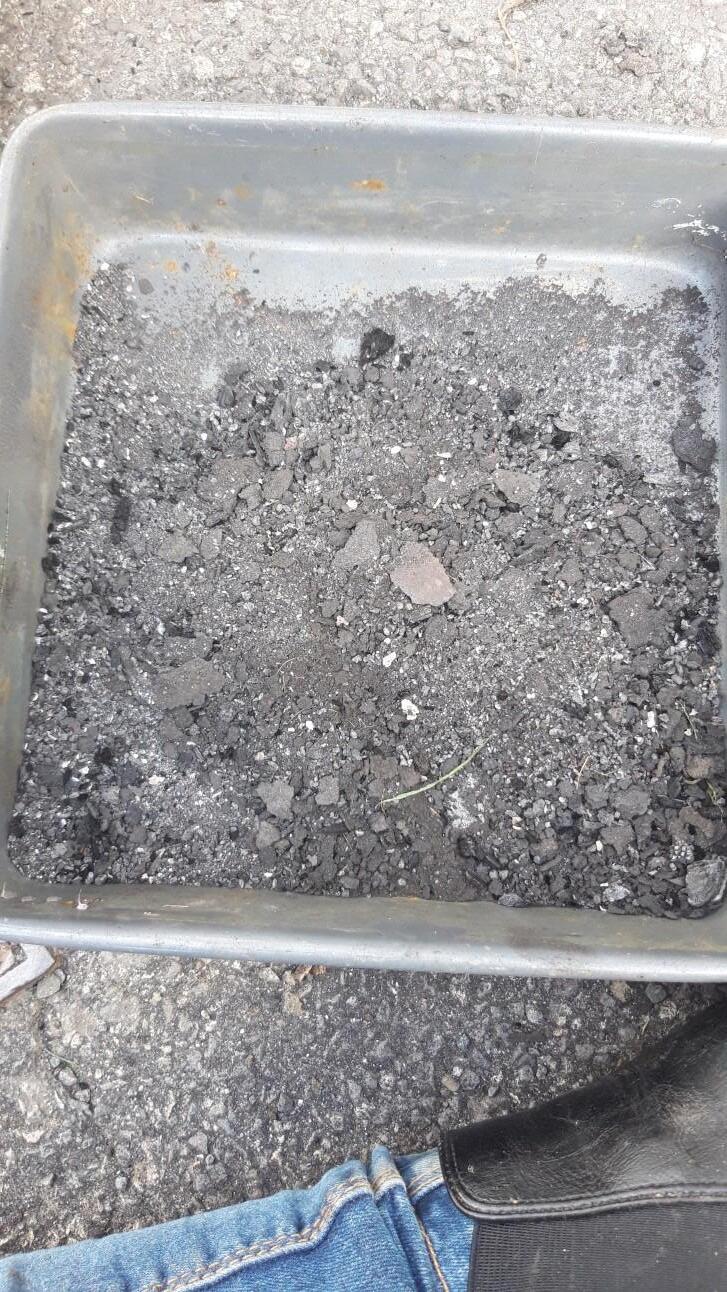
I also helped my mum clean the tubes and clean around the bottom of the chimney. The chimney was clogged with
When we had given everything a good clean we put the ash pan and grate back in place to start the fire. While the fire was getting going I polished the paintwork, gave the brass a clean and topped up the oil lubricators.
I was really pleased with what we had done because we had got our engine up to full pressure in an hour and not 3 hours like on VE day! Hopefully we will get our engine out again soon. I have really missed not going to rallies this season and seeing my friends. I am really looking forward to next season taking our engine to different shows. Hopefully I will get to a steam apprentice driving day too. I know which one I want to go to so
Appleford 70
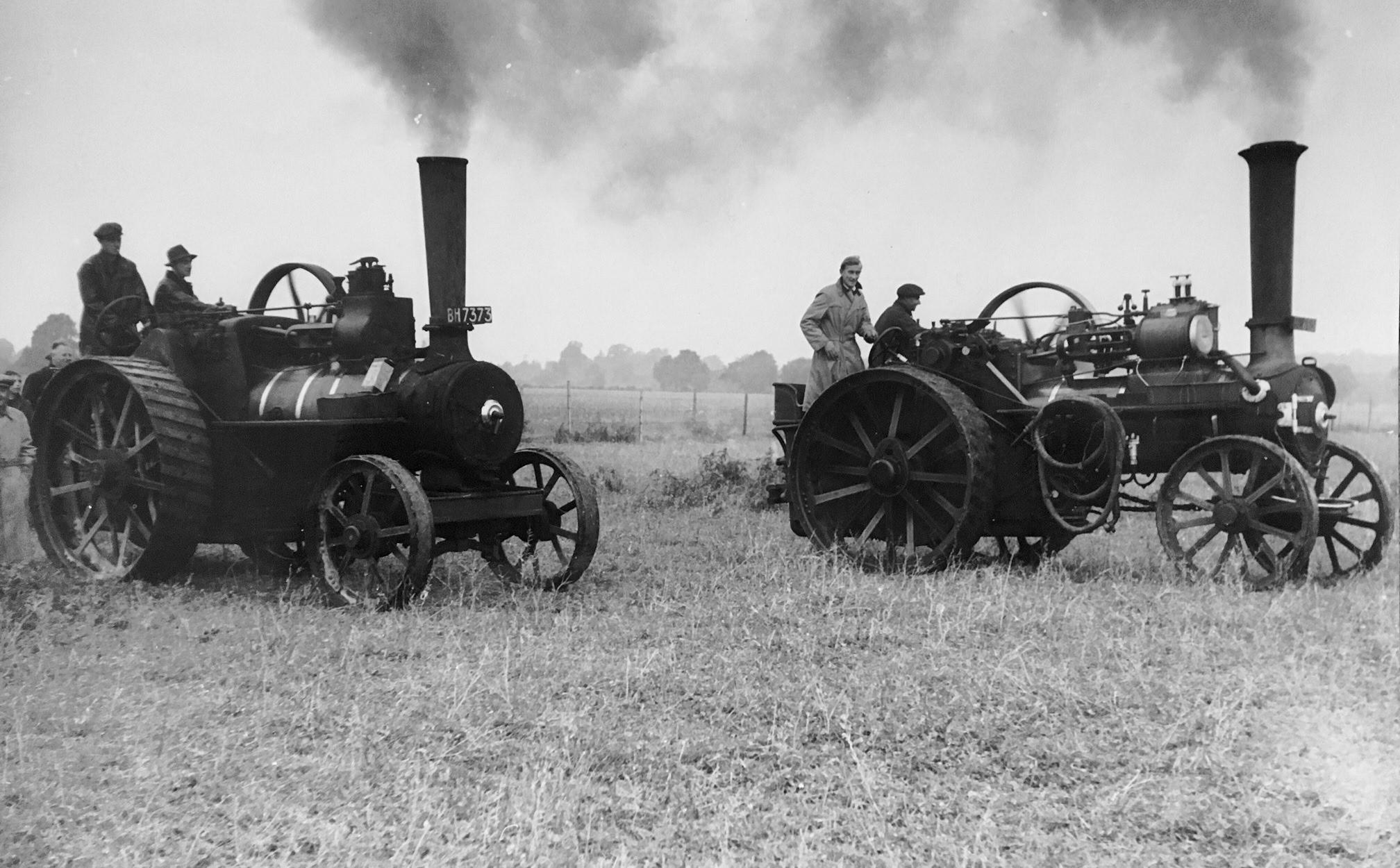
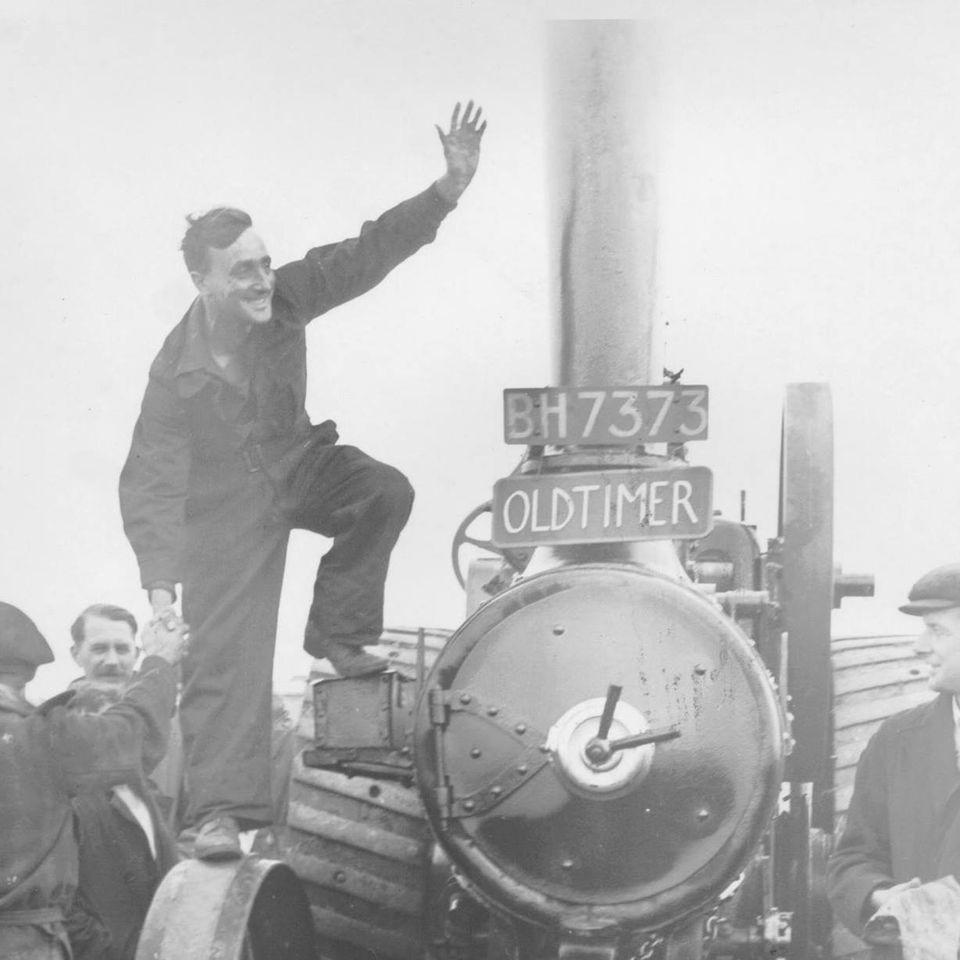
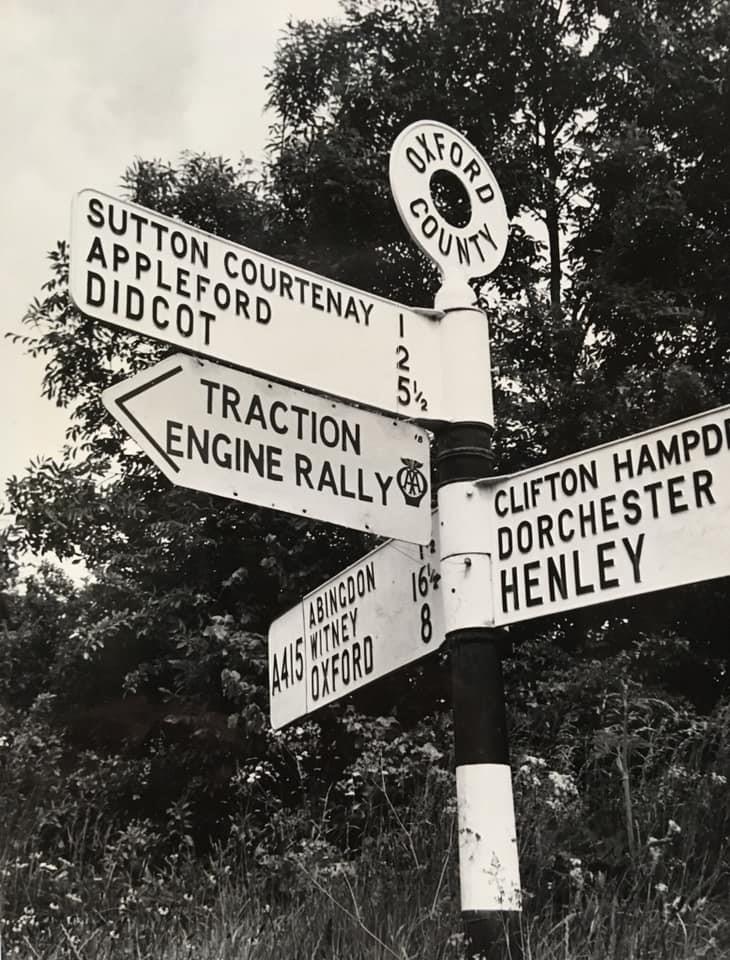
disappointed was cancelled due to Covid was Appleford 70, an event to celebrate the 70th anniversary of the first traction engine race between Arthur Napper and ’Old Timer’, and Miles ChetwyndStapleton and ‘Ladygrove’. This first race went on to kick-start the preservation of road steam engines.
Although the event was cancelled, it was fantastic to see what people got up to over the Appleford 70 weekend to celebrate the founding of our hobby! Engines were
show photos of the weekends activities as well as old photos from previous Appleford events. It was especially lovely to see Arthur’s old engine, Old Timer out and about on the day!
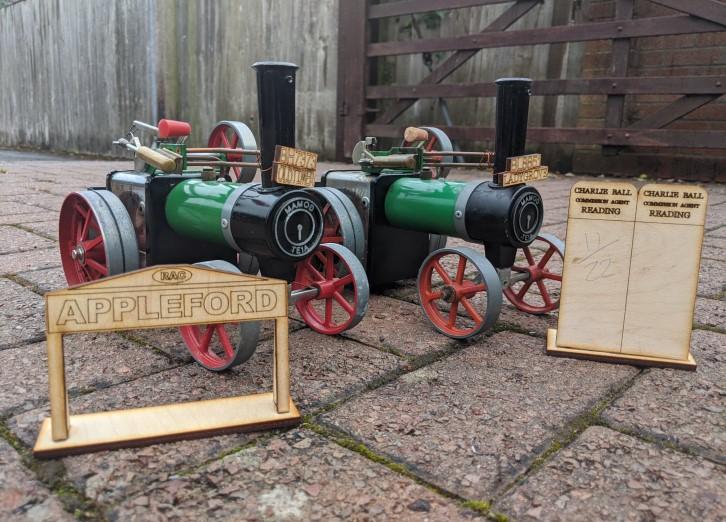
My little contribution was a race between two Mamods dressed up as Old Timer and Ladygrove - the Mamod Old Timer won the race just like the real one did 70 years ago! We’d love to know what you got up to over the weekend!
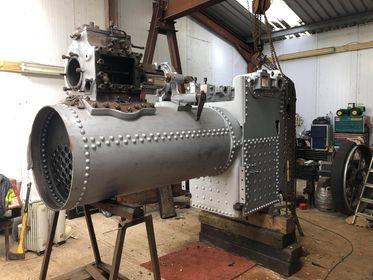
Given the significance of the event, engine owners were working flat out to restore engines such as the Fowler ‘Endurance’, below, that have been exhibited at Appleford over the years, and one advantage of the delay is to give them an extra year to get their engines ready so they can join in the celebrations!
If you’d like to read more about the early years of our hobby, in particular the Appleford events and the contribution of pioneers such as Arthur and Miles then I’d suggest getting hold of a copy of ‘A Wager for Ale’ by Chris Edmonds.
Looking forward to seeing you all there next year - all roads lead to Appleford...
A Slide Valve Modification
A friend of mine, Peter, owns a 4” scale Burrell traction engine, originally supplied by Modelworks, the predecessors of Steam Traction World, so is almost identical to our own Lady Sylvia.
Peter bought the engine a couple of years ago, and whilst it’s a great model, it had one quirk that he wanted to fix. The engine would run, even with the reversing lever in the centre-notch!
The engine is completely manageable like this, and in fact some full-size Burrells will run in centre-notch too, Peter wanted to try to stop this from happening. Being a miniature, the regulator would be in reach of small children, and it’s a lot safer knowing that when the reverser in centre, the engine won’t run even if the regulator is opened.
The details of a steam engine’s valve gear can be very complicated, so I hope I have explained this well enough...
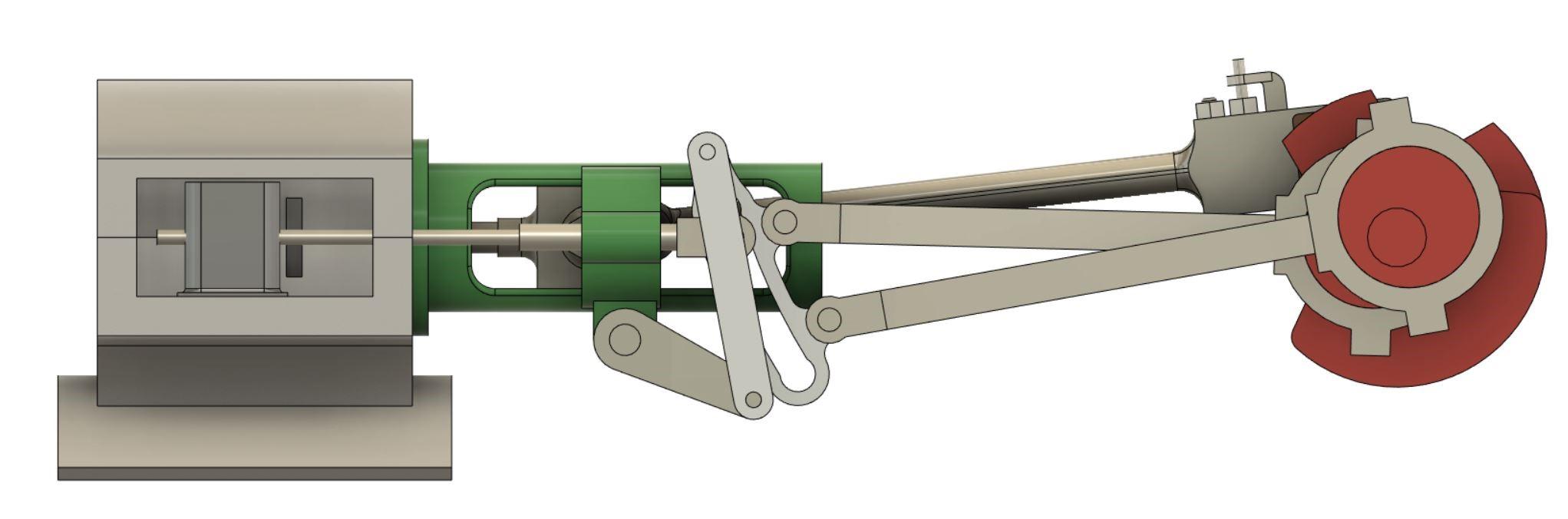
There are two eccentrics on the crankshaft. Each eccentric is set at a certain angle from the crank, with one timed for forward motion, and the other is timed for reverse. When the reversing lever is moved into forward or reverse, the Stephenson’s valve gear aligns the appropriate connecting rod with the main valve rod, so that the slide valve moves in the correct way for the direction you are travelling.
Reverser in forward position
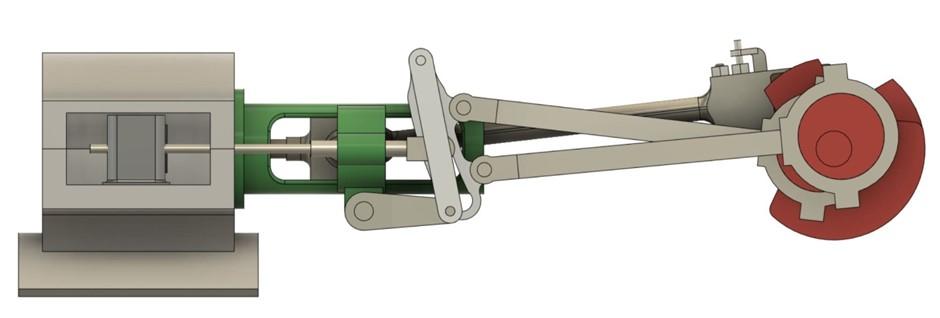
When the reverser is in the centre notch, neither of the connecting rods are aligned, and their movement almost cancels each other out (but not quite). This small amount of valve movement was enough to let steam through and run the engine. With the valve chest cover taken off the engine, we were able to see the ports opening slightly.
Reverser in centre position
After some head-scratching and discussing several options, we decided that the slide valve inside the cylinder block was a little too narrow, and that making a new one that was slightly wider would be a reasonably simple solution.
To do this, we needed to know how much wider the valve needed to be, so I found a couple of bits of scrap brass metal, and fashioned a temporary valve that was wider. We then fitted this, and were able to make it gradually narrower until we were happy with it. A quick test steaming confirmed that a new wider valve would solve the issue. (Brass isn’t the correct material for a valve like this, but it was sufficient to use temporarily whilst we were taking measurements).
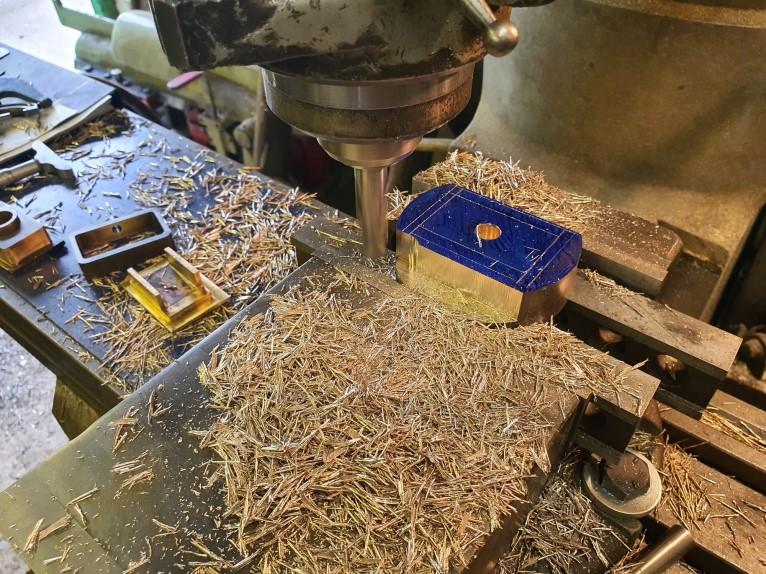
So a piece of leaded bronze was bought, and I spent an hour on my milling machine making the new valve, using the measurement from the temporary valve as a guide. Here are a few pictures of the process, starting with marking out the shape, then cutting the metal away, and finally the new valve in place inside the cylinder block
Altering the valve did have a slight effect on the timing and how the engine ran normally. A wider valve means that in normal running, the ports in the cylinder block open slightly later than they did before, but in this case it is only a tiny bit, and the engine still ran well
Nick Bosworth SAC Chairman
NTET Bursaries
The National Traction Engine Trust encourages and supports road steam by offering financial assistance and bursaries (maximum £500) for those who would like to improve their knowledge and skills in order that they can help and take part in maintaining Steam on the Road.
The following list of skills is not exhaustive and any application will be considered which shows that it informs and educates about road steam as described in the NTET mission statement: Preserving our Heritage with Steam on the Road.
Boiler maintenance
Boiler management
Boiler inspection
Sign writing
Welding
Fabrication
Lathe and millwork
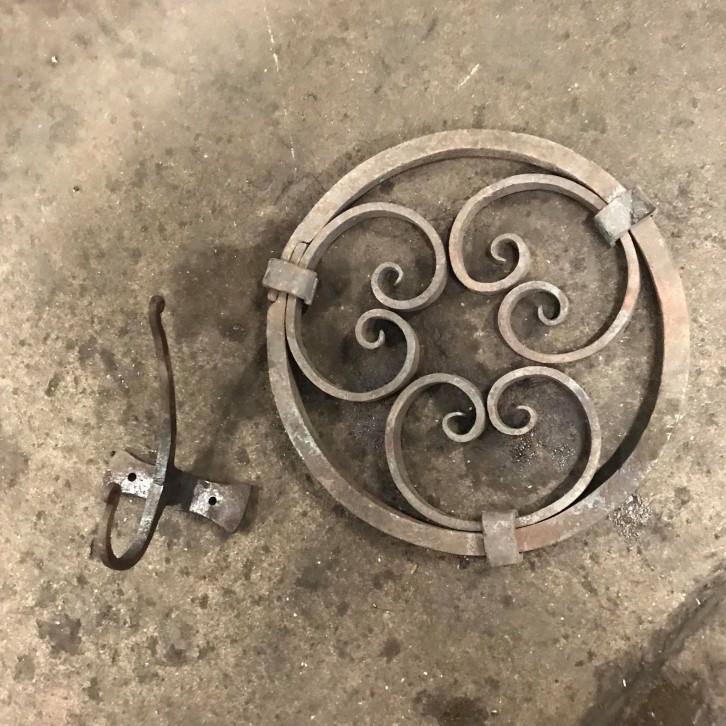
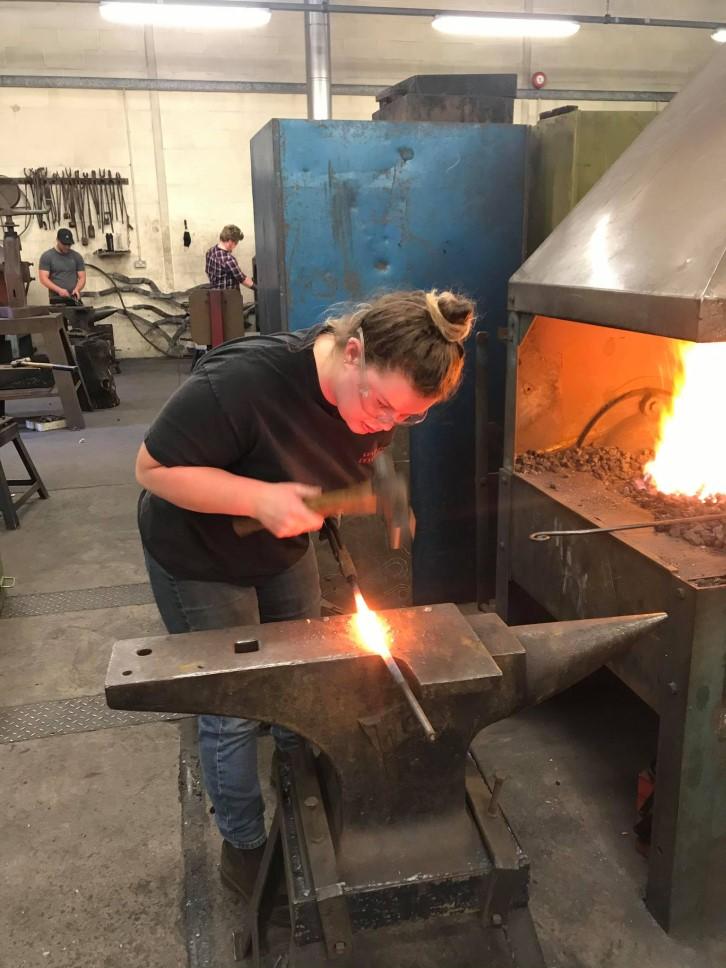
The NTET recently received an application from a young lady named Emily, who asked for a bursary to help cover the costs of her level 3 Diploma Course in Blacksmithing and Metalwork at the National School of Blacksmithing. Emily is a member of the Steam Apprentice Club, and has grown up with steam, her family owns an Aveling & Porter steam roller which Emily has helped to restore, and along with her brother, owns a 4” Burrell traction engine. Emily writes...
“I enrolled myself onto the Level 3 Sub-diploma Course, this course will teach me many more skills that I will need to know to then have the knowledge to take my idea of becoming a boilersmith to the next level. This first year will teach me more technical methods of blacksmithing, such as forging specialist tools including hammers, tongs, chisels, and riveting tools. In addition, I’ll be learning various techniques that would have been used in the original manufacturing of the engines. Along with this I will also learn both welding (MIG, stick and gas) and fabrication which is essential for carrying out preservation work. Furthermore, in the course I will be taught a great deal of illustration techniques including, technical drawing and mixed media art, which will help me understand the engineering aspects and the decorative painting of restored engines.
The NTET are pleased to award Emily the full £500 she has applied for. It is fantastic to see someone of the next generation wanting to learn traditional skills.
Unusual Engines 3 - Darby Digging Engine
One of my favourite sights at a rally is watching a pair of Fowler ploughing engines working together to winch a plough across a field, but back in the early days of the traction engine, that wasn’t the only way to do it!
For centuries, labourers manually dug the land ready for planting seeds and it was often argued that digging with fork produced a better quality seed bed than ploughing. However, digging is very labour intensive and therefore expensive for the farmer.
Over the years several engineers have turned their attention to applying steam power to cultivation by digging, and we’re going to take a look at the most well known of these experiments, as well as possibly the weirdest looking traction engine, of all time, The Darby Broadside Digger.
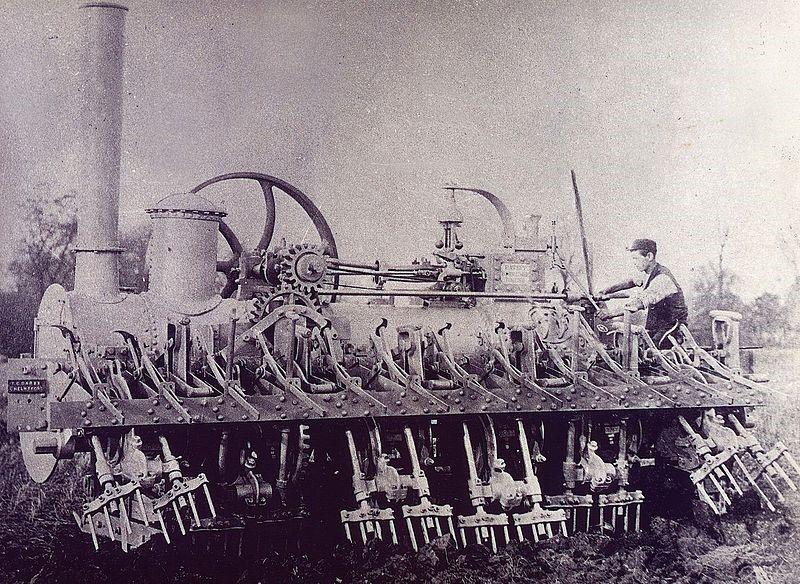
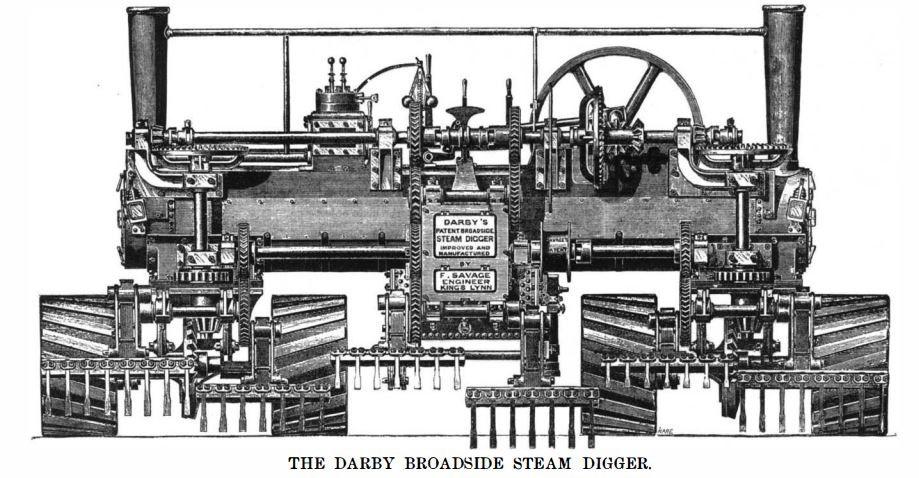
Thomas Darby designed and built his first digging engine in 1877, which as you can see below is a truly bizarre machine! The engine drives via a series of gears, a set of cranks linked to the line of forks set across the front of the engine which replicates the digging motion of a fork. Unlike most traction engines it moved sideways across the field, hence the term ‘broadside’. To top it all off, Darby did not use wheels to move the engine, but he fitted it with six mechanical legs which through a series of levers and cranks walked the engine across the field! Quite how the engine walked down the narrow roads of the time we can only guess!
What a sight it must’ve been swaying as it plodded around the field on its feet, with the forks flailing around out in front of it, and no doubt a cloud of soil coming up from the forks!
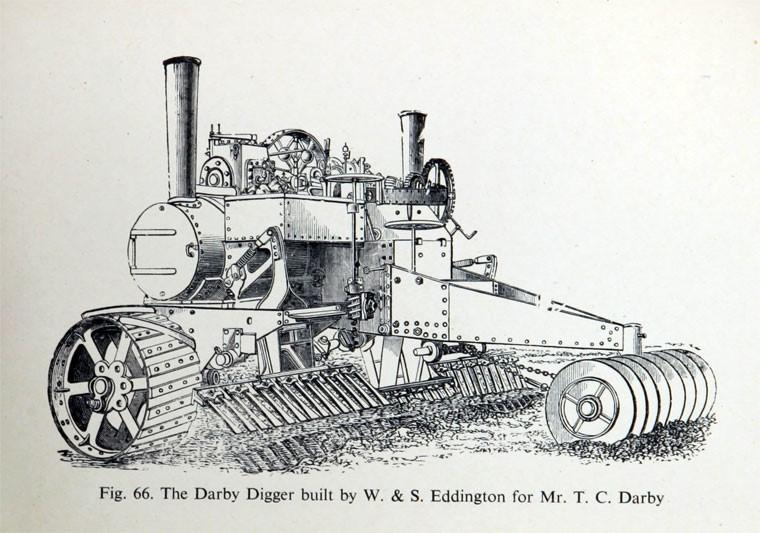
As I’m sure you can imagine, this fantastic piece of machinery was not a success, but Darby was undeterred and went on to construct a series of improved digging engines. The next engines were similar with forks mounted on the front but were mounted on wheels rather than legs to improve its mobility as seen in the illustrations overleaf.
Darby had obviously considered the difficulty in getting the engine down a narrow road, as the wheels could now be turned to be inline with the chimney(s!) and travel in that direction. When working in the field, a set of stabilising wheels were fitted to the engine as shown below. This must’ve been a real pain to fit before starting work! The engine was also fitted with an unusual double ended boiler with one firebox in the middle and a chimney at each end, like the double Fairlie locomotives on the Ffestiniog railway. In the end, the machine was still too cumbersome, complicated and expensive and was not a success.
Digging by steam never caught on, largely due to complication and the use of cable ploughing engines becoming the preferred method of
cultivation. Unfortunately, no Darby digging engine survives, although a full set of patterns and drawings survive if you fancy building one! A small scale model has been built however which can be found online with a quick google search and there are a couple of videos on YouTube of it in operation - search ’Tyler Darby Digger’. Darby wasn’t the only engineer to experiment with digging engines, and if you fancy finding out more about them I suggest reading Digging by Steam by Colin Tyler.
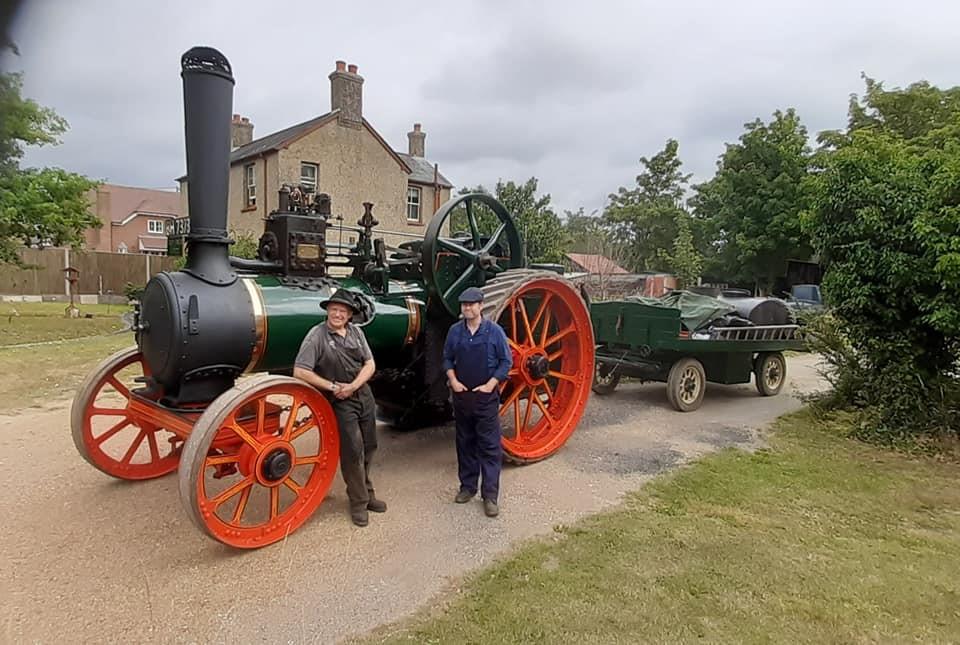
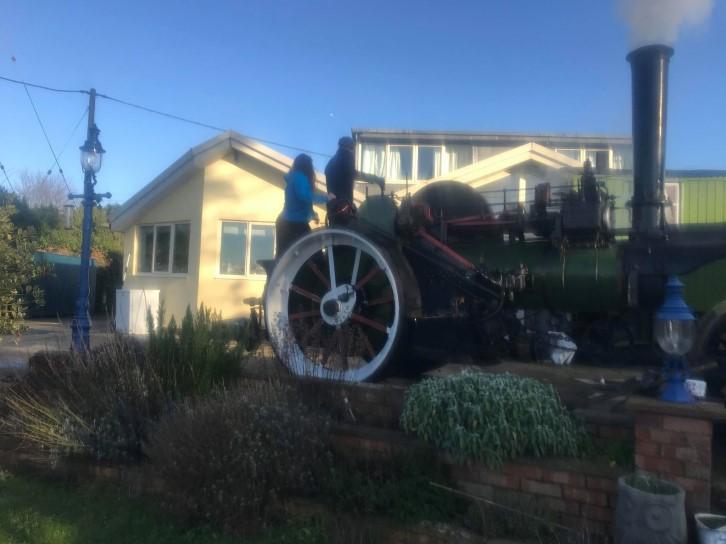
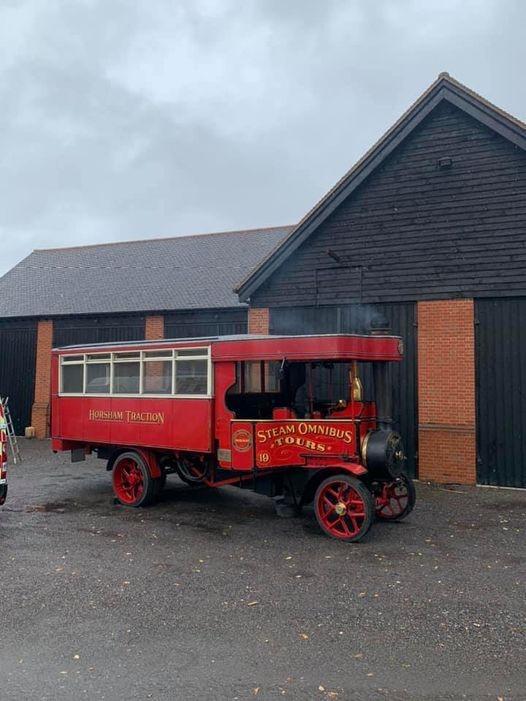
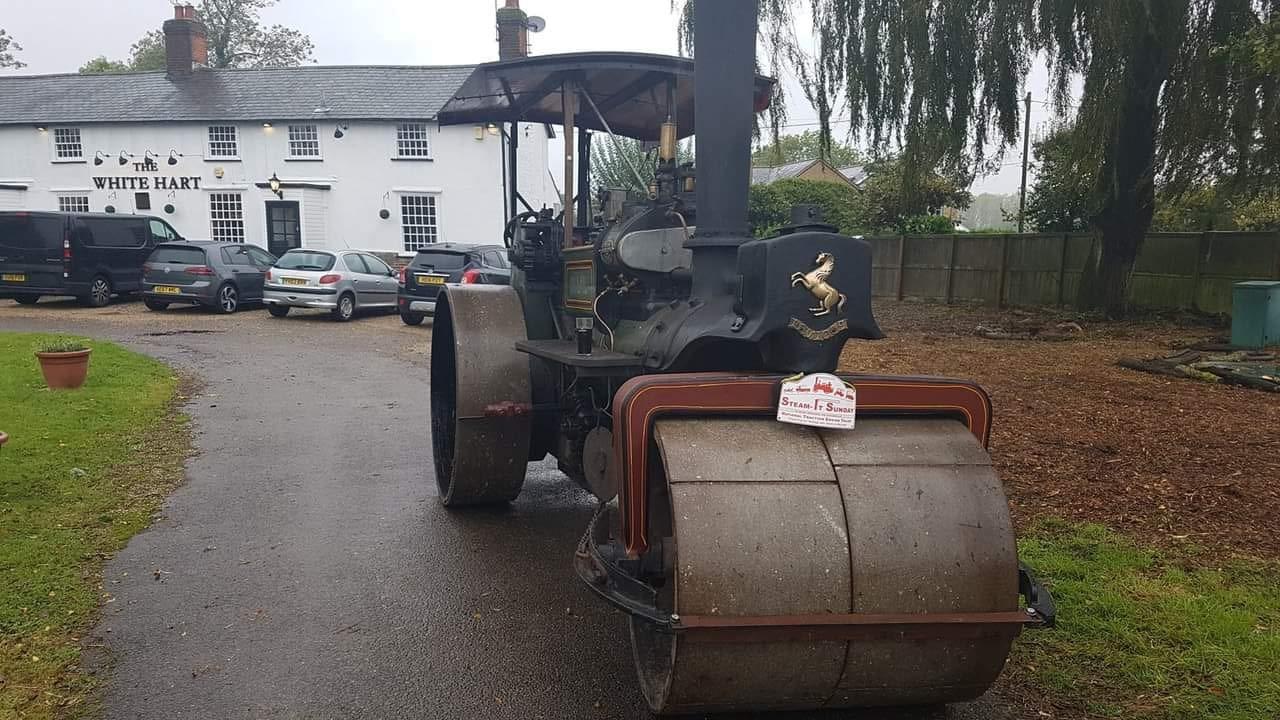
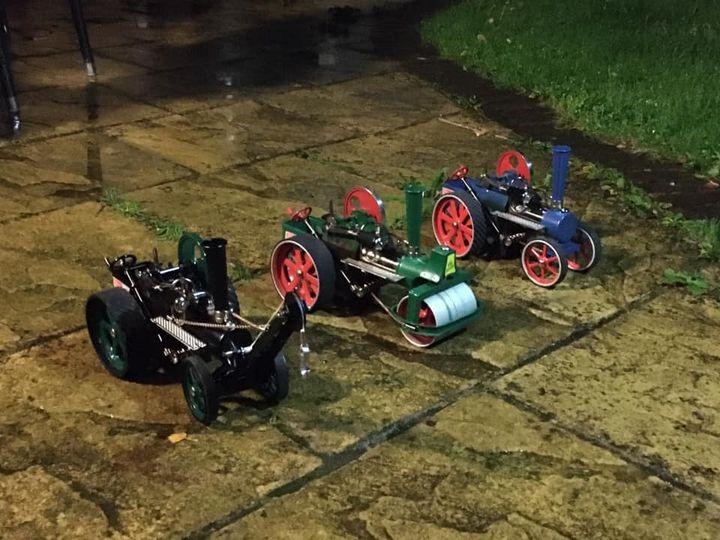
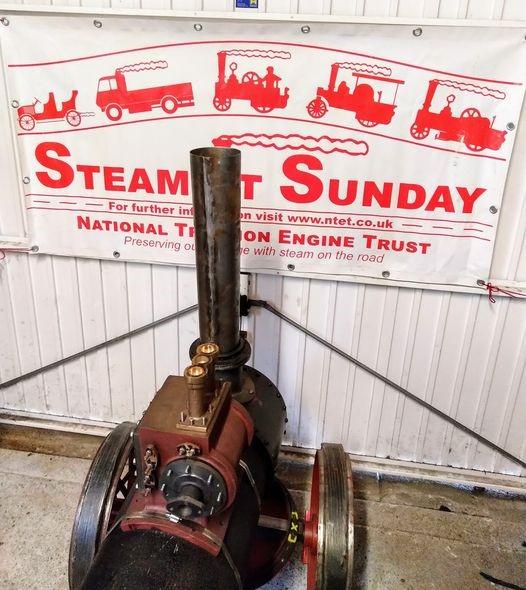
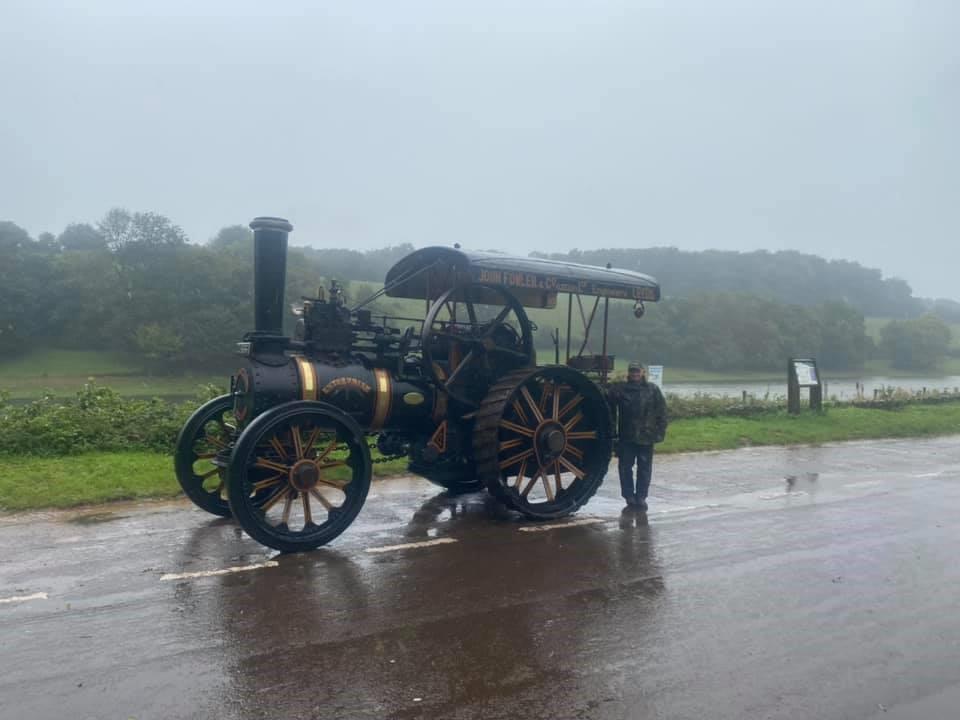
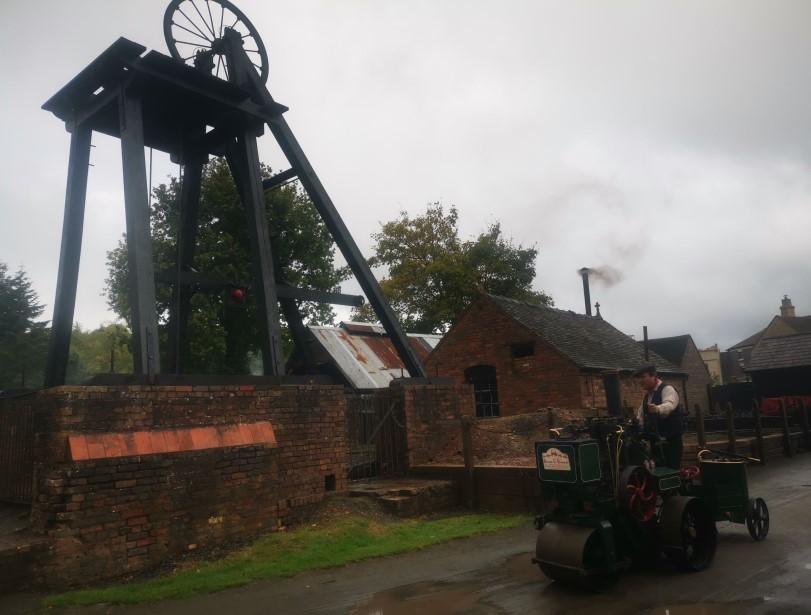
Just as this edition went to press we were sent some pictures of what people have been getting up to for Steam It Sunday, an event organised by the NTET to encourage people to get out and enjoy their engines at the end of the rally season. Unfortunately the weather this year was awful so it was good to see some brave crews out and about!
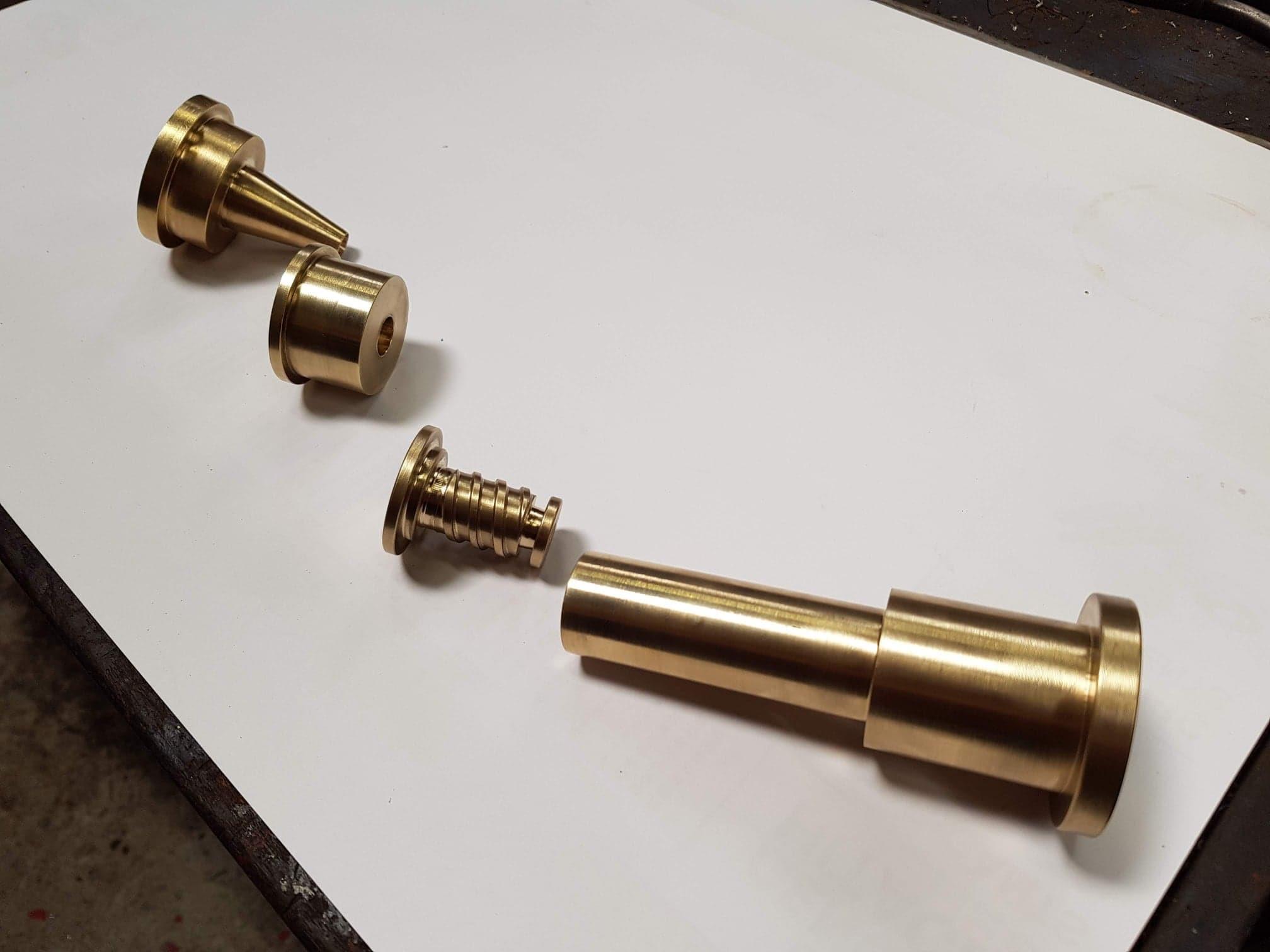
Competition - What are these for?
Thankyou to those who got in touch to guess what the engine parts were last month, we had correct answers from Isaac Trendell-Carr and Jack Potter. The little Tasker tractor was fitted with a very unusual set of sanding gear that would drop sand in front of the rear wheels to provide extra grip, much like the standers on a steam locomotive.
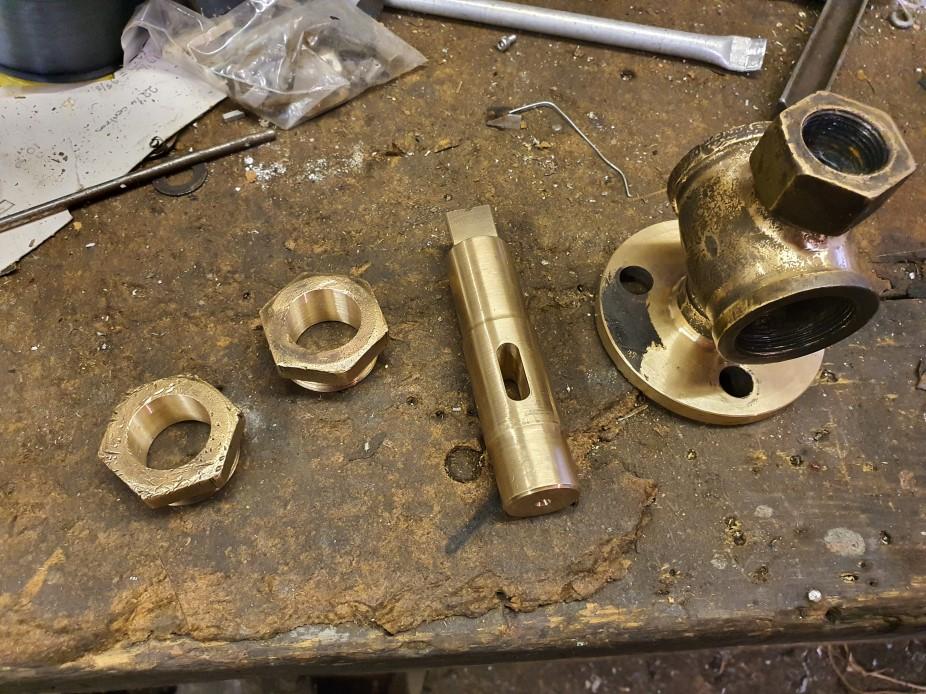
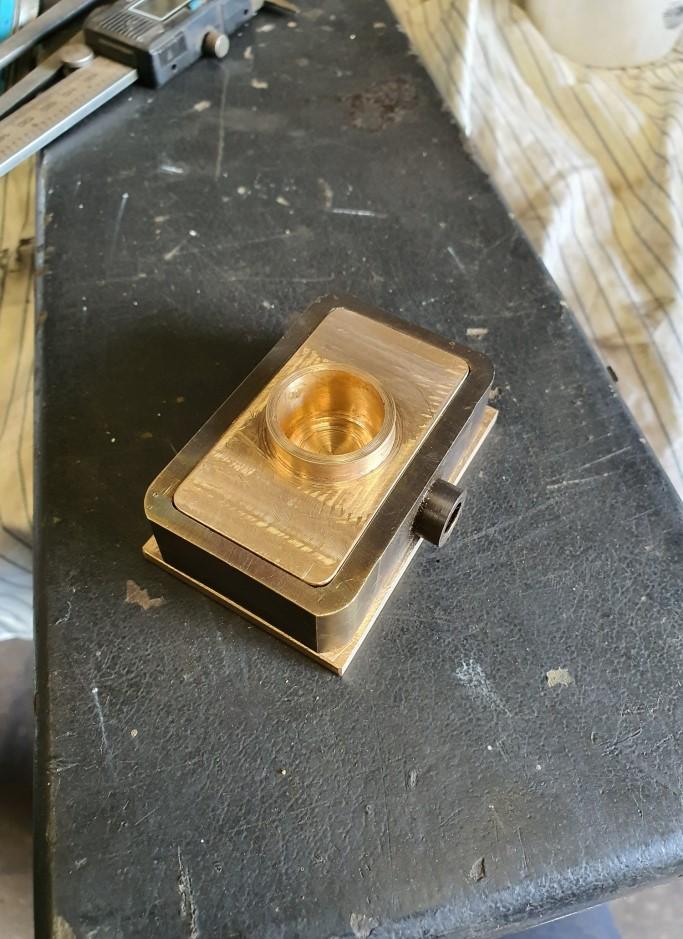
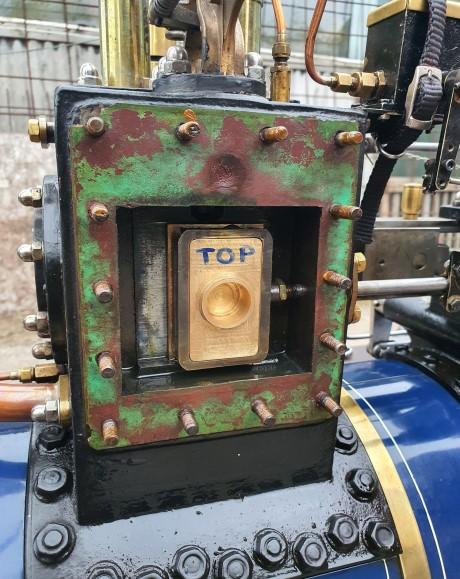
Here’s another one for you to ponder over—what is the purpose of this set of beautifully machined components?
A bit of a hint, they’re crucial to getting water into the boiler but they’re a part you can’t see when they’re on the engine.
Send in your guesses or answers to sac.raisingsteam@ntet.co.uk and we’ll publish the correct answer in the next edition of Raising Steam.