REPORT
BACK
BACK
SUMMARY FINDINGS ON ROUNDTABLE #2 OF THE QUEER FORCED DISPLACEMENT INITIATIVE PRETORIA, SOUTH AFRICA
NOVEMBER 5-6, 2024

ASYLUM SEEKER
CITIZEN
CSO
DHA
HRD
IDP
IOM
ILO
LGBTQI+ NO LEGAL STATUS
An asylum seeker is a person who has left their country and is seeking protection from persecution and serious human rights violations in another country, but hasn’t yet been legally recognized as a refugee.
A citizen is a person who, by place of birth, nationality of one or both parents, or naturalization is granted full rights and responsibilities as a member of a State.
Civil Society Organization
Department of Home Affairs: Government department responsible for the registration of asylum seekers and refugees in South Africa
Human Rights Defender
Internally Displaced Person
International Organization for Migration
International Labor Organization
Lesbian, Gay, Bisexual, Transgender, Queer, Intersex, other identities not specifically listed, such as asexual, pansexual, nonbinary, two-spirit, and more.
Someone without any legal immigration status (either temporary or permanent) in their country of residence. This is sometimes also referred to as someone who is “undocumented” or “non-status”.
PERMANENT RESIDENT
A person who has been granted the right to reside permanently in a certain country, but is not a citizen. Permanent residents are often afforded basic rights similar to those of citizens, with some limitations and restrictions.
REFUGEE
RRO RLO
RSD
SOGIESC
STATELESS PERSON
TEMPORARY RESIDENT
UNHCR
A refugee is someone who, owing to well-founded fear of being persecuted for reasons of race, religion, nationality, membership of a particular social group or political opinion, is outside the country of their nationality and is unable or, owing to such fear, is unwilling to avail themself of the protection of that country; or who, not having a nationality and being outside the country of their former habitual residence, is unable or, owing to such fear, is unwilling to return to it.. The legal definition that applies to a given refugee varies between countries based on the applicable national legal framework, regional declarations and conventions, complementary protection policy frameworks, and international law. The broad definition offered here is derived from the 1951 Convention Relating to the Status of Refugees and its 1967 Protocol. Some refugees are registered by UNHCR under their mandate.
Refugee Reception Offices: Offices where individuals must go to apply for asylum in South Africa
Refugee Led Organization
Refugee Status Determination
Sexual Orientation, Gender Identity and Expression, and Sex Characteristics
A person is “stateless” if no State considers them a citizen. States have specific obligations towards their citizens and grant citizens significantly more rights than non-citizens. Since no State recognizes them, stateless persons are deprived of many basic rights and have no State to protect them.
A foreign national who is legally authorized to enter and live in a certain country for temporary purposes (work, studies, etc.).
United Nations High Commissioner for Refugees
This report summarizes key insights from the Queer Forced Displacement Initiative (QFDI) roundtable consultation held in Pretoria, South Africa, on November 5-6, 2024. The South Africa roundtable was the second in a series of global consultations convened to understand the challenges facing LGBTQI+ refugees and migrants in transit country contexts, and to gather expert input on the creation and design of a coordinated, multi-stakeholder global network on queer forced displacement.
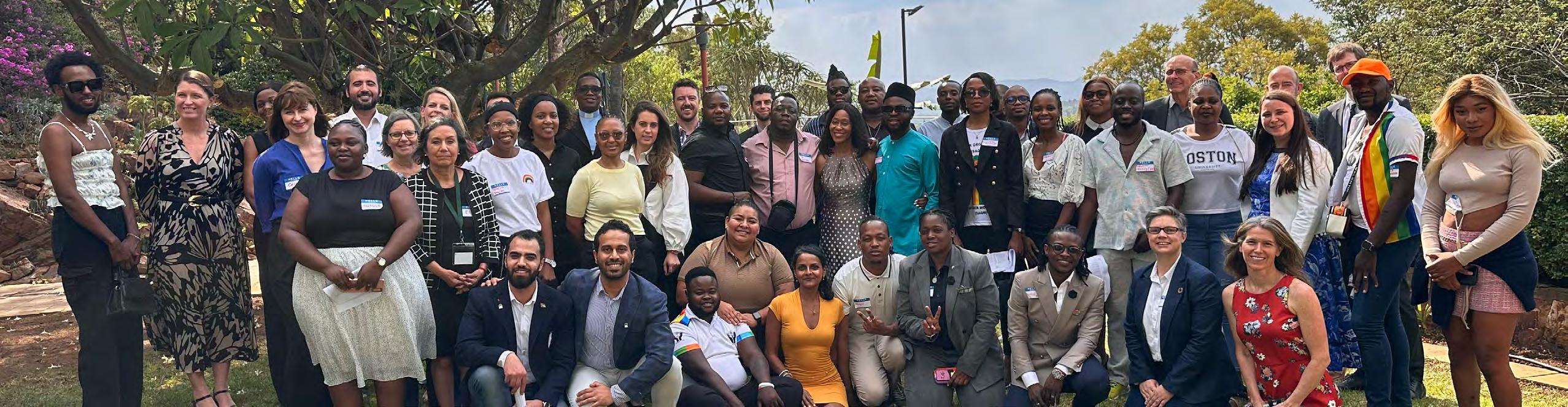
Day one of the roundtable convened LGBTQI+ civil society organizations (CSO), refugee-led organizations (RLO), individuals with lived experience, and human rights defenders. Day two expanded to include representatives from diplomatic missions, UN agencies, and international nongovernmental organizations. Both days provided an opportunity to identify priority concerns, examine systemic and structural drivers of queer forced displacement, and to explore the value and feasibility of establishing a global network to strengthen protection, knowledge sharing, and advocacy. South Africa occupies a unique position on the African continent. It is the only country in Africa to have legalized same-sex marriage and one of the very few countries in the region offering formal refugee protection on the basis of sexual orientation, gender identity, expression, and sex characteristics (SOGIESC). For nearly three decades, South Africa’s post-apartheid Constitution has provided groundbreaking protections against discrimination based on sexual orientation, making it a key destination for LGBTQI+ individuals fleeing persecution from across the continent.
However, roundtable participants emphasized a stark disconnect between these progressive legal protections and the realities on the ground, in particular for refugees and asylees. Despite constitutional safeguards, LGBTQI+ forcibly displaced people face systemic barriers in accessing documentation, discrimination within the asylum system, and pervasive xenophobic violence that has been exacerbated by anti-migrant political rhetoric and socioeconomic challenges. As participants described, the promise of safety and protection that draws many to South Africa often remains out of reach for those navigating both their LGBTQI+ identity and their status as migrants.
This report distills the core issues surfaced through the consultation process, and contextualizes them with publicly available evidence on South Africa’s migration landscape, legal and policy environment, and challenges facing LGBTQI+ forcibly displaced people. It concludes with listing the recommendations that came out of the roundtable to policy makers and participants’ critical input on the design of a queer forced displacement network. The collective data and findings emerging from South Africa, alongside insights from all other regional consultative roundtables, will be integrated into the design, focus, and function of the multi-stakeholder network on LGBTQI+ forced displacement, which will be officially launched in 2026.
The following recommendations emerged from participant testimony regarding the urgent need for policy reform to address systemic barriers facing LGBTQI+ forcibly displaced persons in South Africa and globally:
• Streamline asylum processing and extend document validity periods to reduce precarity for LGBTQI+ asylum seekers. The current system’s severe backlogs and short permit durations (sometimes as brief as five days) force migrants into years-long cycles of uncertainty requiring frequent, costly returns to RROs for renewal.
• Standardize documentation procedures and provide clear, consistent information across all agencies. Asylum seekers receive conflicting guidance from different authorities, with permit validity periods determined inconsistently at individual officials’ discretion rather than through clear policy directives.
• Implement mandatory training on SOGIESC issues for all asylum adjudicators and Department of Home Affairs officials to eliminate bias-driven decisions. Participants described officials subjecting them to religious preaching during asylum interviews and rejecting claims based on stereotypical assumptions.
• Establish accountability mechanisms to eliminate corruption and discrimination within asylum and legal systems. LGBTQI+ migrants cited exploitation including demands by foreign officials for bribes and legal aid providers refusing cases based on personal beliefs—operating in stark contrast to South Africa’s progressive constitutional framework.
• Fully implement and resource the National Action Plan to Combat Racism, Racial Discrimination, Xenophobia and Related Intolerance. Participants emphasized that South Africa’s human rights framework must be wielded collectively to hold government and institutions accountable, particularly given the country’s leadership role on the continent.
• Remove documentation barriers to accessing healthcare, education, housing, and employment for asylum seekers. Without valid documentation, LGBTQI+ migrants are systematically denied medical treatment, blocked from educational opportunities, excluded from formal employment, and unable to secure safe housing, even from government departments tasked with providing social support.
• Increase funding and coordination support for civil society organizations, particularly refugee-led organizations, while centering refugee leadership in service provision. Participants emphasized that resource scarcity severely hampers support capacity, while the fundamental disconnect created when “we are being led by people that never went through the struggle” undermines effectiveness.
Drawing from participant input on network design and governance, the following recommendations provide guidance for establishing and sustaining an effective global platform
• Anchor the network in a human rights based approach that avoids political agendas and remains accountable to LGBTQI+ forcibly displaced communities. The network must explicitly recognize refugee rights under international law and ensure that those with lived experience remain at the heart of all decision-making and action.
• Design multi-stakeholder membership that balances inclusion with security while empowering grassroots organizations as entry points. Engage diverse actors beyond traditional civil society while establishing verification procedures to prevent destabilization and allowing anonymous membership options for those working in high-risk contexts.
• Formalize bidirectional communication channels connecting grassroots organizations with global structures. Participants emphasized that the network should be structured in a way that enables local organizations to channel community voices and priorities to the network platform.
• Establish transparent, participatory governance with community members holding greater decisionmaking power than governments. Implement models such as rotating chairs, co-leadership structures, and term limits to prevent institutional dominance, with “the leadership chosen by participants and community members getting more voting power than governments.”
• Build conflict resolution mechanisms and accountability frameworks tailored to each stakeholder type. Include formalized processes for managing disagreements productively and clear protocols with consequences when leaders or organizations fail to meet standards, enabling less powerful actors to hold more powerful ones accountable.
• Create regional hubs and issue-specific working groups while maintaining coordinated global advocacy. Regional structures should address locally focused challenges but remain accountable to the centralized platform with clear channels for communication and resource sharing, while being mindful of global power imbalances.
• Facilitate cross-border knowledge sharing, evidence building, and capacity strengthening that challenges existing biases. Enable learning from successes and failures across contexts, collect robust global data to inform advocacy, and develop counternarratives to combat hostile messaging—while ensuring research processes are not North America-based or extractive.
• Leverage the network to strengthen diplomatic engagement, expand UN process access, and provide direct protection support. Connect diplomatic actors to grassroots realities, facilitate participation in Universal Periodic Reviews (UPR) for organizations without ECOSOC status, advocate for gender marker documentation reforms and educational pathways, and establish emergency support mechanisms for those facing acute threats.
• Develop diversified, independent funding sources with clear frameworks protecting network autonomy. Financial sustainability requires diversification across multiple funding sources to reduce vulnerability to any single funder’s shifting priorities, and establishing clear boundaries for what government funding can and cannot dictate to preserve the freedom to challenge state policies without constraint.
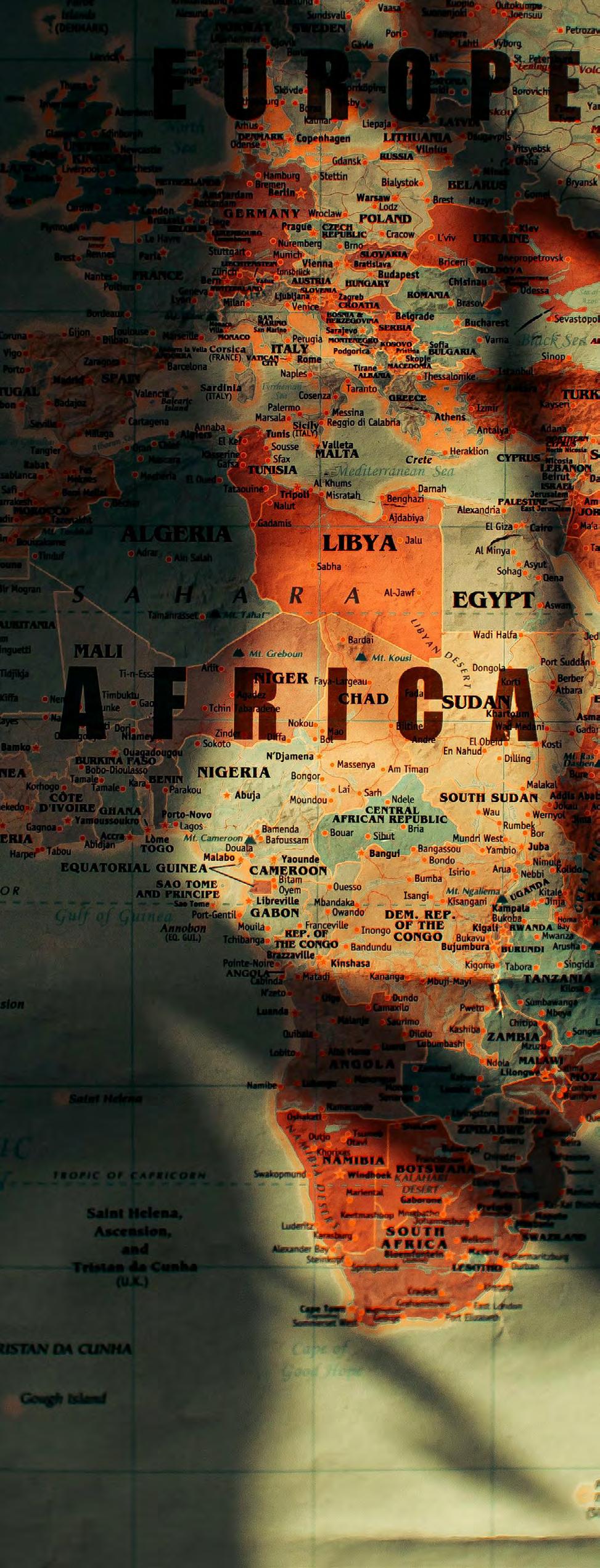
For nearly three decades, South Africa has been a global leader in LGBTQI+ rights, offering comprehensive legal protections that extend far beyond decriminalization. South Africa’s post-apartheid Constitution (1996) was the first in the world to outlaw discrimination based on sexual orientation ( The Constiution of South Africa, 1996), enshrining specific legal protections against discrimination based on SOGIESC. These constitutional guarantees paved the way for landmark legislation, including the Civil Union Act of 2006, which legalized same-sex marriage and made South Africa the fifth country in the world and first in Africa to do so and the Alteration of Sex Description and Sex Status Act of 2003, which allows individuals to change their legal sex/ gender marker (Government of South Africa, 2006; 2003). This progressive legal framework stands in stark contrast to the broader African continent, where 31 out of 54 countries criminalize consensual same-sex relations between adults, with severe punishment including life imprisonment and, in some cases, the death penalty (Amnesty International, 2024).
In addition to its constitutional protections for LGBTQI+ people, South Africa is signatory to the 1951 Geneva Convention and the 1967 Protocol. It is also one of only 37 countries worldwide that formally grants asylum to persons who have experienced persecution based on SOGIESC identity (UN Women, 2024; Wits University, 2023). The country has a domestically enshrined national asylum system, administered by the Department of Home Affairs (DHA), which explicitly recognizes persecution based on sexual orientation as grounds for seeking asylum (Human Rights Watch, 2021). Unlike many neighboring countries, South Africa does not implement a camp policy, and most refugees live within urban communities (UNHCR, 2024). .
This model, combined with the country’s progressive legal framework, positions South Africa as a major hub for LGBTQI+ forcibly displaced persons from across the continent.
In spite of this, the protection environment remains fragile (UNHCR, 2024), with severe impacts on LGBTQI+ forcibly displaced persons caught at the intersection of multiple crises. LGBTQI+ individuals continue to face discrimination, harassment, and violence, particularly in townships, rural areas, and economically marginalized communities (Outright International, 2024). High rates of homophobic and transphobic violence, including so-called corrective rape and targeted murders, persist across the country (IRR, 2021). The scale and geographic reach of this crisis became clearer through the African LGBTQI+ Migration Research Network’s 2022 Vulnerability Amplified study— the first quantitative baseline data on this population in South Africa. Documenting 381 LGBTQI+ migrants across the country, the research revealed that this population is far more geographically dispersed than previously assumed, extending well beyond major urban centers into areas where support systems and protections are even more limited (Camminga, B. et al. 2022).
For LGBTQI+ migrants and asylum seekers, these challenges are compounded by severe dysfunctions within the refugee system itself. The asylum system is plagued by extremely long backlogs, leaving migrants unable to access documentation for years, creating conditions of extreme precarity and vulnerability to arbitrary arrest, detention, and deportation (Lawyers for Human Rights, 2022). Research has documented widespread discriminatory decision-making in LGBTQI+ asylum claims, with refugee status determination officers frequently acting on personal biases and lack of understanding of SOGIESC issues (LRC, 2021). Roundtable participants described being asked to prove their sexual orientation or gender identity during refugee status determination, enduring humiliating interrogations that violate their rights to dignity and privacy, and facing homophobic abuse or corruption demands from DHA officials.
South Africa’s socioeconomic challenges have fueled widespread anti-migrant and xenophobic sentiment, with migrants scapegoated for unemployment, crime, and inadequate service delivery. Between 1994 and 2024, xenophobic violence resulted in hundreds of deaths and
tens of thousands of displacements (HIAS, 2024). The 2024 election period saw intensified anti-immigrant rhetoric, with political candidates openly calling for mass deportations and stoking xenophobic sentiment (Human Rights Watch, 2024). This political environment has stoked violence: Operation Dudula (a vigilante movement whose name means “to force out” in isiZulu) was founded in Soweto in 2021 and has since spread nationwide, conducting violent attacks on migrant-owned homes and businesses, forcibly closing shops, and blocking foreign nationals’ access to healthcare facilities and schools (Human Rights Watch, 2023). In November 2025, the Gauteng High Court issued an order forbidding Operation Dudula from intimidating foreign nationals, blocking access to healthcare and schools, and making public statements constituting hate speech on grounds of nationality (Kopanang Africa Against Xenophobia v Operation Dudula, 2025).
This vigilante violence operates alongside institutional xenophobia. Between November 2023 and early 2024, police unlawfully arrested asylum seekers at Refugee Reception Offices (RRO), with some facing detention and deportation without full access to asylum procedures (Human Rights Watch, 2025). The recent “White Paper on Refugee Protection has raised significant concerns, with UNHCR urging South Africa not to withdraw from the 1951 Refugee Convention (UNHCR, 2024). These policy-level shifts signal an erosion of South Africa’s historically progressive refugee protection framework.
Taken together, these dynamics underscore the paradox of South Africa’s position as both a beacon of LGBTQI+ rights and a site of profound insecurity for LGBTQI+ forcibly displaced persons. The country’s progressive legal framework has created expectations of safety and protection that remain largely unfulfilled for those navigating the intersections of queerness, migration, and poverty. This gap between law and lived reality highlights the urgent need for coordinated, multi-stakeholder approaches to strengthen protection mechanisms, address systemic barriers within the asylum system, combat xenophobia, and ensure that LGBTQI+ migrants and refugees can access the safety and dignity that South Africa’s Constitution promises.
To effectively capture local expertise and context-specific insights on LGBTQI+ forced displacement in South Africa, Rainbow Railroad partnered with two local organizations: the QTRAN Queer Trans Refugee Advocacy Network (QTRAN), an alliance of refugee-led organizations providing advocacy, humanitarian aid, and legal assistance to queer migrants and asylum seekers; and Access Chapter 2 (AC2), which focuses on promoting the human rights and empowerment of LGBTQI+ people. Both organizations provided extensive support throughout the consultation process, including participant outreach and selection, logistics coordination, security planning, and facilitation during the sessions. This collaborative approach ensured that the roundtable accurately represented diverse lived experiences, particularly from communities directly affected by forced displacement and systemic discrimination. Additional support came from Canadian diplomatic staff in Pretoria, who assisted in inviting other diplomatic missions and international organizations for the second day of consultations, and generously hosted the Day 2 meeting at the Official Residence of the Canadian High Commissioner in Pretoria.
The South Africa consultation took place over two days on November 5-6, 2024, in Pretoria. The roundtable utilized an inclusive, participatory approach that combined open discussions with focused breakout sessions to explore both the challenges facing LGBTQI+ forcibly displaced persons in South Africa and the design of a global network to address these issues.
Day one convened LGBTQI+ civil society organizations, migrant-led groups, individuals with lived experience, and human rights defenders. Participants were carefully selected to reflect geographic and demographic diversity, thematic expertise, and commitment to advancing LGBTQI+ protections. The day focused on identifying systemic barriers, sharing personal experiences, and proposing practical solutions grounded in lived realities. Day two expanded to include representatives from diplomatic missions, UN agencies, and international non-governmental organizations. This structure allowed state actors and international stakeholders to respond to insights
from day one, discuss best practices and current policy initiatives, and engage in collaborative problem-solving about systemic change and network design. The multi-stakeholder dialogue emphasized the importance of bridging grassroots experiences with high-level policy interventions.
The roundtable engaged 24 attendees on day one. Pre-event surveys indicated that most day one participants were citizens of Zimbabwe, with others from South Africa, Uganda, Malawi, Nigeria, Lesotho, Somalia, and Zambia. The vast majority of participants (18) reside in South Africa. Participants included civil society representatives, activists, human rights defenders, individuals with lived experience of forced displacement, they were joined on day two by government stakeholders, diplomatic mission representatives, and staff from UN agencies and international organizations.
Ethical considerations were prioritized throughout the consultation. Clearly communicated informed consent procedures ensured participants understood how their contributions would be used and anonymized. Session recordings were transcribed and systematically analyzed thematically to identify recurring issues and recommendations while protecting sensitive data. Local partner organizations had the opportunity to review and provide feedback on draft reports before finalization.
While the South Africa roundtable provided critical insights, several limitations influenced the comprehensiveness of findings. The relatively small and targeted participant group with 24 participants attended Day 1 expanding to 37 on Day 2, selected for expertise and experience, limits broader generalizations. Many participants did not speak English as a first language, and the complexity of some discussions may have limited their contributions. The consultations primarily reflected urban experiences, potentially overlooking unique challenges faced by LGBTQI+ forcibly displaced persons in rural areas or detention settings. Demographic data collection through optional surveys introduced variability due to privacy and safety considerations, with some
participants opting out of providing detailed personal information.
Additionally, it is important to note that the protection landscape has shifted significantly since this consultation took place. In early 2025, UNHCR announced the closure of its South Africa country office (UNHCR, 2025), a development that will have profound implications for refugee protection in the region and underscores the urgency of the systemic challenges identified by participants. The findings and recommendations in this report reflect the context as it existed at the time of the consultation, but the closure of UNHCR’s office amplifies concerns about the fragility of the protection environment and the critical need for coordinated, multi-stakeholder responses to support LGBTQI+ forcibly displaced persons in South Africa.
Despite these constraints, the consultations successfully highlighted crucial systemic challenges and informed concrete recommendations, laying a strong foundation for future advocacy and network-building efforts addressing LGBTQI+ forced displacement in South Africa and beyond. We extend our deepest gratitude to all participants who shared their time, experiences, and invaluable expertise in contributing to this consultation. Their voices and commitment are essential to building a network that can truly make a difference in the lives of LGBTQI+ migrants and refugees.
contributions would be used and anonymized. Session recordings were transcribed and systematically analyzed thematically to identify recurring issues and recommendations while protecting sensitive data. Local partner organizations had the opportunity to review and provide feedback on draft reports before finalization.
In this vein, panelists recognized that those forced to navigate humanitarian systems understand their challenges better than anyone else. The Pact of the Future states “the importance of meeting the needs and aspiration of
all young persons, including those in vulnerable situations and those facing multiple and intersecting forms of discrimination.” Richard Wilson, a human rights defender and activist originally from Jamaica, supported by Rainbow Railroad in resettling, shared their lived expertise on this issue. They expressed how these crises consist of real people seeking safety when their governments are failing to protect them. Richard described the challenges they faced settling as an immigrant in a new country, and how those living at the intersection of race, status, and SOGIE continue to be subjugated to anti-LGBTQI+ and anti-migrant sentiments. Richard particularly noted the additional barriers Black LGBTQI+ refugees face during resettlement.
Reflecting on this aspect of the conversation, Richard Wilson shared:
“Having the opportunity to share my story and listen to the proposed policies aimed at supporting displaced individuals, especially those in the LGBTQI+ community, gave me hope. I felt that the voices of people like me were not just being heard but also integrated into solutions that could make a tangible difference. Seeing global leaders take our concerns seriously and commit to taking action was incredibly powerful.”
Speaking to state support for LGBTQI+ issues and opportunities to leverage international institutions, H.E. Ms.
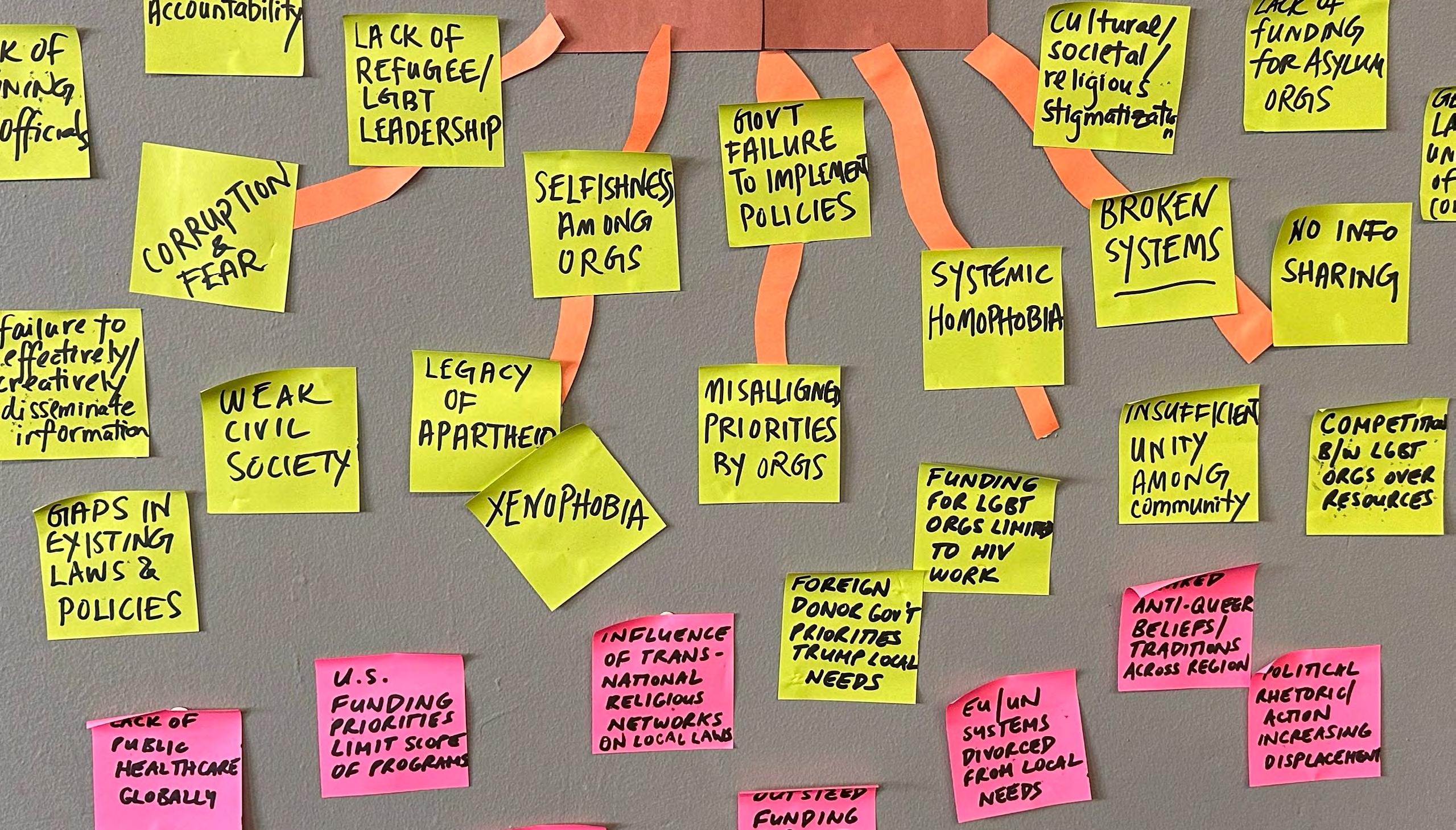
The following section examines the lived realities of LGBTQI+ forcibly displaced persons in South Africa through participant testimony from the November 2024 consultation. Despite South Africa’s progressive constitutional framework, displaced LGBTQI+ people face three intersecting crises: a dysfunctional asylum system, institutional discrimination, and escalating xenophobia. These challenges compound one another, creating conditions of profound vulnerability for those seeking refuge on the basis of their SOGIESC identity.
Although South Africa has an established domestic asylum system that recognizes persecution on the basis of SOGIESC identity, roundtable participants repeatedly identified their inability to access legal documentation and asylum status in South Africa as a core challenge—one that fundamentally shapes the ability of LGBTQI+ migrants to survive and build dignified lives in their host country.
Participants described a severely backlogged migration and asylum system, plagued by complex, bureaucratic processes and long, protracted wait times. It was reported that asylum determination and appeal processes take several years to work their way through the system, leaving many asylum seekers in prolonged states of uncertainty and precarity.
These conditions of uncertainty are intensified by complex, demanding requirements for maintaining valid immigration status—whether through asylum applications, work permits, or study visas—forcing LGBTQI+ displaced persons to navigate multiple, often unconventional pathways to secure even temporary protection while their longterm status remains unresolved. Participants highlighted that permits are often valid for very short durations, requiring frequent return visits to the applicable Refugee Reception Office (RRO) for renewal. For instance, one participant shared the example of Section 23 “Asylum Transit Visas” which are issued for only five days to individuals claiming asylum at the port of entry, while others described having to renew their asylum seeker permits every three months over the course of multiple years. Participants further noted that the validity periods for permits can vary greatly, appearing to be determined at the discretion of individual officials rather than through any consistent policy directive. The requirement to repeatedly travel to the RRO to renew documents presents serious, practical barriers for LGBTQI+ asylum seekers, with participants reporting that they often cannot afford transportation costs to even reach the refugee office. Frustratingly, participants shared that even when asylum seekers do manage to travel to the RRO, they are frequently turned away by immigration authorities or given yet another date in the future to return, creating a protracted, endless cycle of bureaucratic obstruction, wasted resources, and mounting desperation.
These challenges are further compounded by a lack of clear, consistent information about documentation processes and requirements. Participants described receiving conflicting guidance from different organizations and authorities, leaving them unable to navigate the system effectively. One participant who has been in South Africa for 15 years captured this sense of paralysis: “You go to this organization, you hear something. You go to this organization, it’s something else...It’s so confusing. We don’t even know what to do at this moment.” The absence of reliable information ultimately pushes many asylum seekers to abandon their efforts to maintain documentation altogether.
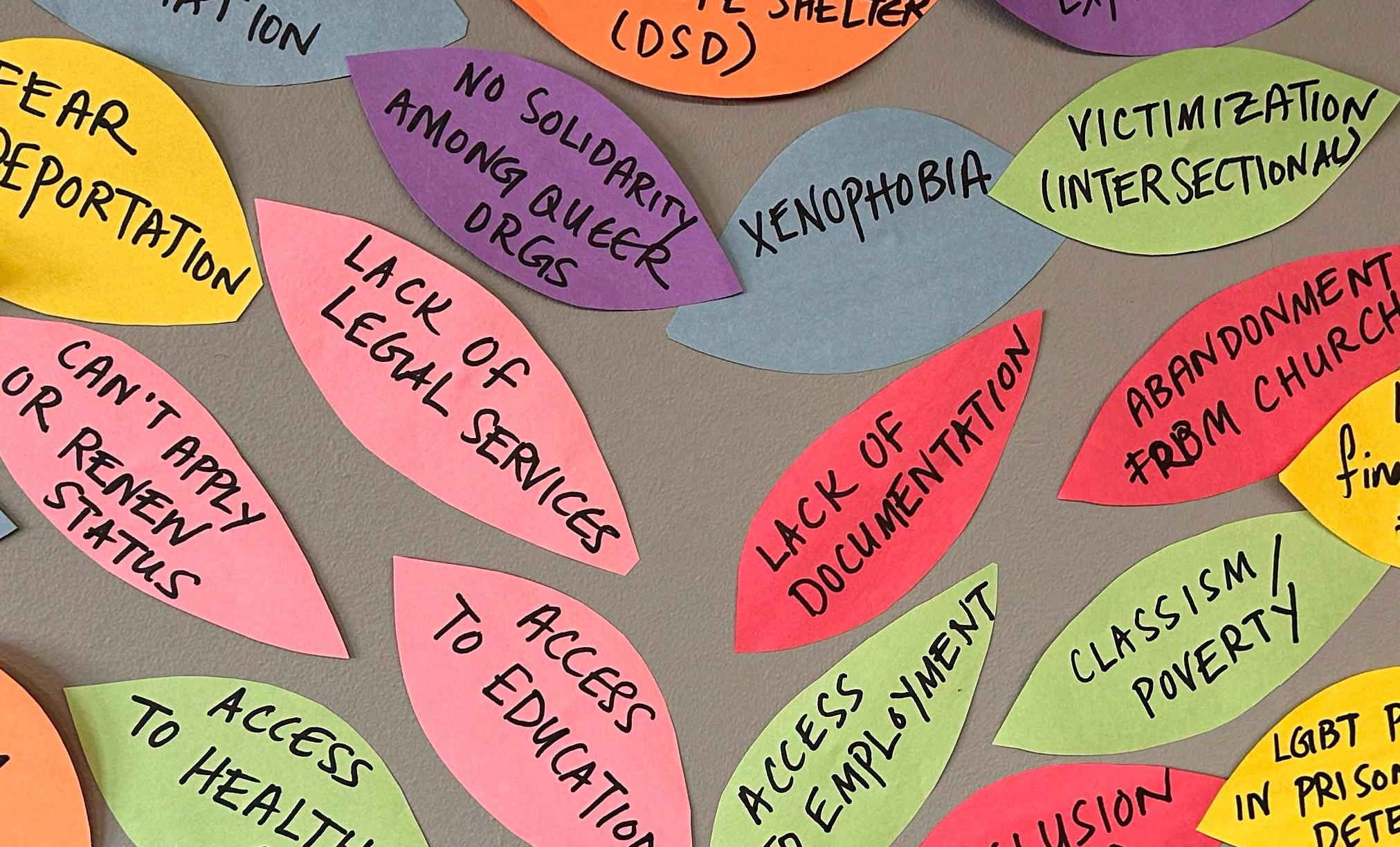
Without legal documentation, participants universally reported facing intersecting barriers that manifest concretely across every domain of daily life. Shelter becomes immediately inaccessible, with participants describing how even government departments tasked with social housing support turn them away. One participant explained: “I found it very difficult to find shelter for queer refugees and asylum seekers. Even DSD [Department of Social Development] – they don’t support you unless you are documented.”
Healthcare facilities were described to be routinely denying treatment to individuals without proper documentation. Participants reported being turned away from hospitals and clinics when seeking medical care due to not having the required documents, further inhibiting access to health for refugees.
Undocumented LGBTQI+ migrants also reported barriers to educational opportunities due to a lack of legal documentation, blocking them from potential pathways to economic stability and integration. One participant explained: “Some people feel like they want to still continue with going further with education, but they don’t have access to that because of documentation.” This exclusion from advancing education compounds the consequences of undocumented status, limiting opportunities for growth, skill development, and long-term prospects for LGBTQI+ migrants.
The employment landscape proves equally hostile, with undocumented individuals facing both exclusion from formal work and exploitation in informal sectors. As shared by one participant, “Sometimes to get a job is a problem,
and the ones that are going to commit you to work without this documentation are going to rip you off at some point.”
Perhaps most critically, when migrants and asylum seekers are undocumented, they become vulnerable to arrest, detention and deportation. LGBTQI+ migrants in carceral settings face particularly grave risks; one participant who regularly visits prisons reported witnessing systematic mistreatment of LGBTQI+ individuals behind bars: “There’s no support for migrants and refugees who are currently incarcerated. They are seriously ill treated because of their sexuality.” Moreover, LGBTQI+ asylum seekers who fail to renew permits in time may have their claims deemed abandoned, exposing them to potential refoulement.
Participants described pervasive homophobic and transphobic discrimination embedded within South African institutions, from the asylum determination system to legal services and beyond. This systemic bias operates in stark contrast to South Africa’s progressive constitutional framework, further widening what participants identified as a profound gap between legal protections on paper and the discriminatory reality LGBTQI+ migrants face in practice.
Beyond bureaucratic barriers, multiple participants recounted experiences of prejudice and differential treatment by DHA officials, whose personal beliefs directly influenced decisions on asylum claims. One transgender participant described such an encounter during their asylum interview: “When I got to DHA, instead of him asking me about my issue, he started to preach the bible. ‘Why are you trans? You have to accept the lord.’ I spent two days having to listen to this preaching. Then he said, ‘I’m not going to approve, I’m going to reject.’”
Participants further highlighted how decision-makers apply stereotypical and uninformed criteria to the assessment of SOGIESC-based claims. In one striking example of this practice, one LGBTQI+ participant shared that their claim was denied on the grounds that they had a child, with officials using this fact alone to contest the credibility of the individual’s SOGIESC identity. Another, reflecting on 21 years of activism for refugees, stated: “I’ve never seen one queer refugee getting refugee status.” Similarly, anti-LGBTQI+ prejudice permeates legal institu -
tions. One participant described their struggle to find legal aid representation within the court system for a lesbian couple, being told that, “It’s against my beliefs so I can’t defend you.” Even within non-governmental spaces ostensibly designed to support asylum seekers, such as university run refugee centres, participants shared experiences of exclusion and differential treatment due to their SOGIESC identities, both from service providers and within the broader migrant community.
Participants also articulated a clear understanding of how race, LGBTQI+ identity, and migration status converge to create heightened vulnerability to exclusion, contributing to a sense of deep disillusionment and despair. As one participant observed: “The most pressing issue for a lot of Black migrants and refugees is the victimization that they face when trying to access services, be it trying to review documentation, trying to enroll in a school, or trying to get access to healthcare...I think it’s doubled for the fact that they are both queer and refugees or migrants...Most of them just end up losing faith in the country, in the system.”
Compounding factors of marginalization also expose LGBTQI+ migrants to exploitation and extortion by authorities. Participants described experiencing low-level corruption from officials who leverage the precarious status of asylum seekers and take advantage of their lack of recourse. As one participant explained: “The authorities sometimes need extras. You are an asylum seeker, you don’t even have a good paying job, and now someone wants you to pay them ridiculous amounts just to get that thing done.”
When reflecting on their experiences, participants consistently returned to a fundamental tension: South Africa’s progressive constitutional framework stands in stark contrast to the discriminatory practices that characterize lived realities for LGBTQI+ migrants. As one diplomatic participant observed: “South Africa is an interesting country to be in, because there is a very robust human rights regime in place, but the reality is very different.”
Despite the disconnect between laws and practice, participants emphasized that South Africa’s existing human rights framework remains a powerful tool that must be wielded
collectively to compel institutions to respect rights. “South Africa should be the leader of this continent, because we have this constitution of human rights,” one participant urged. “Our people have been killed, sent to jail, and all their human rights have been infringed because they’re not accountable. We need to hold our government as well as these institutions accountable.”
Participants identified xenophobia as a defining feature within the South African landscape that dramatically intensifies the risks and vulnerabilities LGBTQI+ migrants already face. This pervasive anti-migrant hostility emanates from community members, service providers, media outlets, and government officials alike, operating as a dangerous force that compounds discrimination, fuels violence, and creates a climate of intense fear.
This hostile environment affects LGBTQI+ migrants’ ability to work, conduct business, or move through public spaces without scrutiny. One participant from Nigeria explained the constant surveillance and judgment they face as a foreigner: “Almost everyone has an opinion about me or what I have to do in the country, even if I do everything by the books, everybody has something to say.” Another described being stopped by police for a random identity check, and then being arbitrarily detained over the weekend, while the police “verified” the validity of his documentation. The perpetual targeting and harassment based on foreign national status compounds the discrimination LGBTQI+ migrants already face, creating conditions of extreme precarity.
The weaponization of anti-migrant rhetoric escalates sharply during election cycles, with politicians across parties openly scapegoating foreign nationals. Media coverage amplifies these narratives, further stoking public hostility with devastating and dangerous consequences. One participant described how during the 2024 election period, intensifying anti-migrant rhetoric from political parties created a climate of fear that compelled some LGBTQI+ migrants to return to their countries of origin: “In the last months before the elections, there were politicians from different parties saying that foreigners have to leave. Most people went back to Zimbabwe, because they
were scared of being arrested. [They] had violence at the border...they go back, they face further discrimination and arrests.” While participants did not elaborate on the specific policy contexts driving these decisions, this testimony suggests that election-period xenophobic mobilization can create conditions where LGBTQI+ refugees feel safer risking return to countries where they face persecution than remaining in South Africa, a troubling dynamic that undermines South Africa’s stated commitment to refugee protection and LGBTQI+ rights.
Xenophobia extends even into LGBTQI+ communities, where migrants might hope to find support. Participants described experiencing xenophobic violence from fellow queer South Africans, with one explaining that “the same person on the [Pride] flag with you” can attack you because “it’s not all about sexuality now.” This exclusion from the very communities that might otherwise offer solidarity underscores the entrenched and widespread nature of anti-migrant sentiment in the South African context.
Participants also discussed the direct connections between contemporary xenophobia and the enduring legacies of apartheid and systemic racism particular to South Africa. In a country where local populations remain deeply disenfranchised due to institutionalized racism and historical exclusion, migrants become convenient scapegoats for structural inequalities and displaced economic frustration. One participant described the resentment they face as a foreigner when their business succeeds: “Some people have problems with the fact that my business is doing well. Like, ‘You are taking our money.’”
Beyond specific incidents of discrimination or violence, participants described an intangible, pervasive sense of fear that infiltrates and defines every moment of their lives. The constant looming threat of violence, arrest and deportation operates as an insidious, paralyzing force that pushes LGBTQI+ migrants further into isolation and invisibility. “The struggle as refugees is very big,” said one participant. “I don’t feel like I’m in a safe space, especially in this country.”
LGBTQI+ migrants described experiencing profound social isolation at the community level, driven by their intersecting marginalized identities. This manifests in social spaces, faith communities, and even within CSOs meant to provide assistance. This exclusion has particularly severe consequences because it removes critical foundations for resilience and a sense of belonging that come from less tangible supports such as social connections, spiritual community, and networks of solidarity.
For many LGBTQI+ migrants, faith-based institutions represent another primary site of abandonment. One religious leader shared their experience: “Most LGBTQI+ people with strong faith are being left behind. I came to South Africa and expected to be accepted in the Anglican Church. But it is totally different. The abandonment by these religious institutions is an exceptional challenge.”
Exclusion from LGBTQI+ Spaces and the Leadership Gap
Additionally, even where LGBTQI+ leadership exists, rejection occurs within LGBTQI+ spaces themselves, where shared queer identities may be overshadowed by xenophobia and prejudice against non-citizens. One participant described feeling unable to “fit in” anywhere, linking this to a failure within LGBTQI+ movement to stand in solidarity and carve out spaces of inclusion for migrants. This leaves LGBTQI+ migrants without safe environments for authentic connection and community. As another participant explained: “You can express yourself, but [there is] no freedom after the expression. They need to create safe spaces for people to be able to express what they really want.”
Another concern raised by participants was the lack of LGBTQI+ migrant representation in leadership positions within organizations tasked with serving this population. One participant emphasized the distance “being led by people” who lack such experience creates: “You cannot be led by someone who is a citizen, then you don’t know the struggle of a refugee.”
This absence of lived experience in leadership contributes to insufficient and sometimes ineffective support. Many organizations, LGBTQI+ or not, are found to lack specialized knowledge, skills and resources required to aid this specific population. In part, this is the result of the civil society landscape being severely hampered by resource scarcity and competition among service organizations for a restrictive, shrinking pool of funding. Some participants emphasized that even established South African LGBTQI+ organizations lack adequate funding for refugee-specific work, with available resources concentrated primarily in HIV-related programming. Even when refugee-designated funding exists, participants reported that resources are often inappropriately allocated, failing to reach the intended communities. One participant described how what began as a grassroots effort to create a dedicated refugees-only safe space was appropriated by a larger organization that secured refugee-designated funding, yet the community saw little impact: “Who are the refugees benefiting? Where are the funds going? You are now running big offices over people’s ideas. It doesn’t work.”
Beyond resource competition, the lack of coordination among CSOs impedes effective service delivery. Participants described organizations working in silos rather than together, duplicating efforts and undermining impact. As one participant observed: “[Organizations] run parallel. They outshine one another. At the end of the day, it’s not helping your community.” This example illustrates how fragmentation and lack of coordination fundamentally weakens the sector’s ability to meet the urgent needs of LGBTQI+ migrants and refugees.
These systemic failures, including documentation backlogs, discriminatory practices within Refugee Reception Offices, the prolonged closure of urban RROs, and the reduced presence of international protection actors, effectively transfer primary responsibility for LGBTQI+ refugee protection onto refugee-led and civil society organizations. Operating with limited resources and often at personal risk, these community-based actors provide emergency assistance, legal support, psychosocial services, and advocacy that should be delivered through formal protection mechanisms. This structural gap underscores why coordi-
nated, resourced initiatives such as a global queer forced displacement network are not supplementary but necessary responses to protection failures at national and international levels.
Despite these challenges, participants articulated a clear vision for change grounded in collaboration across organizations, pooling resources and expertise, and centering refugee leadership. One individual stated: “In this day and age, we should be preaching about solidarity and collaboration. You cannot do it alone. The organization may be big or small, but [they] should collaborate, be together.” Another emphasized the importance of identifying and leveraging collective power: “If you bring your idea, we discover each other’s strength to see where there is total strength. If we are united enough, we can come up with something.”
In response to the systemic barriers documented above, participants articulated recommendations for establishing a global network on LGBTQI+ forced displacement. The following section captures their vision for a multi-stakeholder platform designed to bridge protection gaps, amplify marginalized voices, and coordinate advocacy across regions. Participants emphasized that such a network must be grounded in human rights principles, led by those with lived experience, and structured to balance inclusion with accountability.
Participants articulated a grounding vision for the emerging QFDI network: a transformative platform uniting governments, international agencies, CSOs, refugee-led organizations, and people with lived experience to collectively address LGBTQI+ forced displacement. This vision rests on two guiding questions: how will it address the root causes of LGBTQI+ forced migration, and how will it center and elevate the lived experiences of LGBTQI+ migrants and refugees?
Participants stressed that the network must adopt a human-rights-based approach and avoid being driven by political agendas or opportunistic goals. This means explicitly recognizing the rights of all refugees under international law and affirming that LGBTQI+ people possess the same fundamental rights as everyone else. Above all, the network must remain accountable to the individuals and communities whose safety, dignity, and well-being depend on its effectiveness, ensuring that those with lived experience remain at the heart of all decision-making and action.
Questions about who should be permitted to join the network, and how participation is structured, emerged as one of the most consequential design considerations, with implications for the platform’s legitimacy, security, and ability to remain grounded in the realities facing LGBTQI+ forcibly displaced persons. Membership decisions shape not only who has a seat at the table, but whose voices carry weight in decision-making and which issues receive priority attention. Many of these questions remain open for ongoing deliberation as the network evolves.
A defining feature of the proposed network is its multi-stakeholder composition. Participants strongly advocated for the involvement of a wide range of perspectives, including nontraditional civil society actors, to address the multifaceted issues facing LGBTQI+ migrants. “Let’s bring in law experts and business people,” said one participant. “We should not assume that only CSOs and governments are the only ones which impact LGBTQI+ rights, but think broadly.”
Within this diverse ecosystem, participants highlighted the essential role of CSOs, particularly RLOs, in establishing the network’s legitimacy and meaningful impact. Grassroots actors possess frontline expertise and established trust within affected LGBTQI+ communities, positioning them as critical conduits between the local and the global. Participants emphasized that CSOs must be empowered to act as entry points and communication channels for the network, ensuring it reaches rural and remote areas where LGBTQI+ migrants may be particularly isolated. To facili -
tate this, bidirectional channels should be formalized within network design: “[The] network should be structured in a way that there shouldn’t be a disconnect between people at the top and at the bottom. The one thing that is needed is having grassroots organizations have access to working on national levels.”
A primary question centered on establishing criteria for joining the network. While some participants advocated for membership open to both organizations and individuals, others suggested limiting membership to registered entities, with individuals accessing the network through those entry points. Each option carries distinct implications for access and participation.
Questions around representation and decision-making power proved equally complex: Should every stakeholder group have an equal voice? Should individuals have voting power, or should votes be allocated to organizations or blocs? How should the network balance participation of well-resourced international actors against community-based organizations with limited capacity? One participant suggested strategic representation based on contribution: “Representation is important but there should be criteria on what people bring to the table. You have to check the roles and see who needs more attention.”
Although open access would maximize inclusion, this must be balanced against security concerns and ensuring genuine commitment to the network’s mission. Participants worried about malicious actors, politicians who might destabilize the network, and corporate entities that might push misaligned agendas. To mitigate these risks, participants proposed creating verification procedures and building the network from the ground up with trusted grassroots actors.
Participants also recognized that in repressive or antiLGBTQI+ environments, grassroots organizations cannot legally register and activists face significant personal risk. Anonymous or informal membership options could enable people in high-risk settings to engage more safely. The question of state involvement presented particular
complexities. While government participation is essential given their role in creating policies affecting LGBTQI+ migrants, there is risk that governments may not join due to reputational concerns or restrictive laws. The question of engaging governments with actively hostile anti-LGBTQI+ laws sparked debate: while some viewed this as too risky, others argued it was essential because, “It gives a message to communities that the network is trying to advance change and an effort has been made. [Even if] there is an attempt to engage that fails, the message will be sent and it will give confidence to people.” The emerging consensus favored attempting engagement with hostile states while maintaining awareness of potential risks, particularly regarding safety of vulnerable LGBTQI+ members.
Participants also emphasized ensuring meaningful access to the network for the most vulnerable and marginalized within LGBTQI+ migrant populations. Many individuals experiencing forced displacement are in transit countries or temporary shelters with limited access to information or resources. Participants stressed that supporting these populations must be at the core of the network’s work: “We should try and identify people in the camps, people who need assistance and help information dissemination to reach everyone.” True accessibility requires intentional strategies such as multilingual communication materials and partnerships with grassroots organizations that can facilitate access to hard-to-reach populations.
Participants recognized that establishing clear, transparent, and equitable governance structures would determine whether the network could sustain itself over time and remain accountable to LGBTQI+ forcibly displaced communities.
Participants called for well-documented governance frameworks that remain stable rather than shifting arbitrarily. One participant stated: “Everything needs to be transparent. Having everything in black and white, clearly written and accessible.” This includes transparency in decision-making processes, financial flows, leadership selection criteria, and strategic priorities. Clear governance structures provide
predictability and build trust while laying groundwork for stronger accountability.
Rather than leadership imposed from above or dominated by well-resourced institutions, participants recommended models that center the input and leadership of LGBTQI+ forcibly displaced persons. One participant articulated: “The leadership needs to be chosen by participants and community members must get more voting power than governments. Governments need to know they have a voice in the network.” This represents a deliberate rebalancing of power, allowing those most directly impacted to hold primary authority in shaping the network’s direction.
To operationalize power sharing, participants shared examples of governance structures that prevent institutional dominance, such as civil society forums on HIV issues that utilize rotating chairs with provincial leaders representing different sectors. Participants also advocated for shared or co-leadership models and term limits to prevent power consolidation and ensure regular leadership renewal.
The network should actively cultivate next generation leaders and democratize skill sharing to support resilience and longevity. One participant shared: “Mentoring is very important. If you put me as a leader, I should be willing to lift her, and she should uplift the other person. This kind of leadership.”
Anticipating that diverse actors will inevitably bring conflicting perspectives, participants stressed the need for structures to manage disagreement productively. As one participant observed: “We need clear communication! Building community, having conflict resolution mechanisms—every stakeholder is going to have their own objectives, we need to have a formalized way of resolving conflicts.”
These frameworks must also include protocols and consequences for when network leaders or member organizations fail to meet established standards. Participants proposed creating accountability frameworks tailored to each stakeholder type, enabling less powerful actors to hold more powerful ones to account and ensuring that the network remains grounded in its core mission.
The network’s international scope represents both a defining strength and a significant operational challenge, requiring intentional design to balance local priorities with global solidarity.
Participants acknowledged that LGBTQI+ migrants across continents face vastly different challenges shaped by distinct legal frameworks, political climates, and resource levels. For example, participants contrasted South Africa, where documentation barriers represent a primary obstacle, with contexts like Germany where social integration may present greater challenges. This raises the central question: How can a single global network meaningfully address vastly different regional priorities?
To address this complexity, participants suggested establishing regional hubs within the network that address locally focused issues, allowing members facing similar challenges to develop targeted strategies and pool regional expertise. Issue-specific working groups could also operate within and across regions to address particular priority themes or populations.
Participants cautioned that regional structures should not operate in silos, but rather function as part of a larger coordinated global effort. Regional hubs must remain accountable to the centralized platform, with clear channels for communication, resource sharing, and collective advocacy on issues that transcend boundaries. Participants highlighted technology’s critical role in making this coordination feasible while recognizing the need to ensure technology does not exclude those with limited access or heightened security concerns.
The unequal distribution of wealth across regions raised questions about whose priorities will shape the network’s agenda. Participants emphasized that the network should be mindful of global power imbalances and work to ensure that regions facing acute crises are not overshadowed
by those with more wealth, infrastructure, and access to power.
Despite these structural complexities, participants emphasized that the potential for the network to facilitate cross-border knowledge sharing, coordinate advocacy across multiple jurisdictions, and build solidarity among LGBTQI+ and migrant communities worldwide offers unprecedented opportunities worth exploring.
The network’s international scope represents both a definDespite the significant challenges in establishing and sustaining the network, participants articulated substantial potential value that could justify the investment and effort required.
Participants expressed considerable optimism about the network’s potential to accelerate learning and strengthen advocacy globally. As one participant emphasized, “The network could present opportunities to learn from each other, and share best practices. We may not have all the solutions here in South Africa, but it could help to accelerate and energize the movement [to support LGBTQ+ refugees].”
The network could facilitate knowledge sharing across borders, enabling organizations and governments to learn from successes and failures in different contexts. This includes sharing best practices for inclusive policies, cultivating expertise among state actors on how migration and asylum systems can better serve LGBTQI+ populations, and building technical capacity for protection work.
While some network members may come from organizations without specific refugee expertise, participants noted this could be advantageous. The network could maintain connections with diverse CSOs and establish clear referral channels tailored to different areas of expertise, ensuring that LGBTQI+ migrants receive specialized support responsive to their actual needs.
Research, data collection, and evidence building emerged as a major opportunity. Participants emphasized developing robust data to inform advocacy, create demand signals for development partners, and counter harmful narratives. One diplomatic participant shared best practices from Mexico, where the government collects national statistics on LGBTQI+ refugees and maps their locations to support protection efforts. Within the network, such data collection should extend beyond individual countries to create a comprehensive global picture informing coordinated protection strategies and advocacy agendas across borders.
The network could also develop effective counternarratives to combat hostile messaging. One participant noted: “Some narratives and counternarratives are frequently surfacing in one region where ‘family values’ were made the dominant narrative. How can we counter that, and what are some effective messages?” The network could develop and test messaging strategies that resonate across different cultural and political contexts, grounded in evidence and community voices.
However, participants cautioned against reproducing existing biases in research and knowledge production. They noted that research on LGBTQI+ migrants is often North America-based and emphasized the critical importance of shifting this geographic bias and ensuring that research processes within the network are not extractive.
Participants identified significant potential for the network to serve as a crucial access point for diplomatic engagement, particularly in sensitive political contexts. One government participant explained how the network could strengthen state-led advocacy by connecting diplomatic actors to grassroots realities and evidence. Using the example of meetings with government officials regarding proposed anti-LGBTQI+ legislation in Ghana, the participant noted that a network could have enabled diplomats to bring perspectives from affected communities into negotiations, making advocacy more informed and credible. Grassroots voices could thus influence high-level policy discussions that might otherwise exclude them.
The network could also facilitate engagement in UN processes such as the Universal Periodic Review and treaty body reporting, where organizations without ECOSOC (UN’s Economic and Social Council) status currently struggle to participate. This would allow the network to elevate issues affecting LGBTQI+ migrants onto agendas where they are currently absent or marginalized.
Participants identified concrete ways the network could facilitate practical support for LGBTQI+ migrants, including pushing for changes to gender marker documentation requirements that create barriers for transgender and gender non-conforming asylum seekers, advocating for fellowships and educational pathways currently inaccessible to forcibly displaced persons, and creating mechanisms for emergency support and relocation when individuals face acute threats. Practical interventions could provide immediate relief for vulnerable queer migrants while longerterm systemic advocacy continues in tandem.
The question of funding generated considerable discussion about how the network can maintain independence while securing necessary resources, a challenge made more acute by the current global funding landscape. Participants recognized that funding for LGBTQI+ rights work, particularly at the intersection with migration and forced displacement, has become increasingly scarce, even as the well-resourced anti-gender movement continues to gain ground. Multiple participants described how funding shortages have forced their organizations to reduce core activities. As one participant emphasized, accessing funding for this work is extremely difficult unless it can be connected to other issues such as HIV/AIDS programming. This precarious financial environment was identified as a fundamental threat to the network’s long-term viability and effectiveness.
Within this context, participants stressed that the network must develop independent funding sources and a comprehensive funding strategy that protects its autonomy and principles. Financial sustainability is closely connected to network independence, as who funds the network will inev-
itably shape its priorities and focus. While governments may bring resources, this carries substantial risks. “With government there are usually strings attached,” one participant noted, and governments differ substantially in their willingness to support programs for migrants and refugees. More critically, political winds can shift quickly, with participants noting that a government championing progressive LGBTQI+ policies one day can become regressive the next following electoral changes. This points to a tension between accessing needed resources and maintaining the network’s freedom to challenge state policies or advocate without constraint.
To insulate the network from these risks, participants emphasized the need for clear frameworks establishing what government funding can and cannot dictate, and where the network must draw firm lines to preserve independence and integrity. Diversifying funding across multiple sources emerged as critical to reducing vulnerability to any single funder’s shifting priorities or political pressures.
Beyond financial sustainability, participants identified the challenge of sustaining active engagement beyond the initial launch phase. The risk of opposition from other networks viewing the new network as competition was noted as a potential obstacle to collaboration. Participants suggested mitigation strategies to maintain momentum, including holding regular events and periodic newsletter updates, partnering with local organizations to identify shared advocacy opportunities, and creating paid positions within the network to incentivize ongoing participation.
The recommendations captured in this consultation reflect participants’ deep understanding of both the urgent challenges facing LGBTQI+ forcibly displaced persons in South Africa, and the structural changes needed to address them. The systemic failures documented herein demand coordinated, multi-stakeholder responses that center the voices and leadership of those most affected. Participants articulated a clear vision for such a platform, grounded in human rights principles, transparent governance, and meaningful accountability—one that bridges local realities with global solidarity while remaining firmly rooted in the lived experiences of LGBTQI+ migrants and refugees. The path forward requires sustained commitment, adequate resourcing, and the political will to transform these recommendations into concrete action.