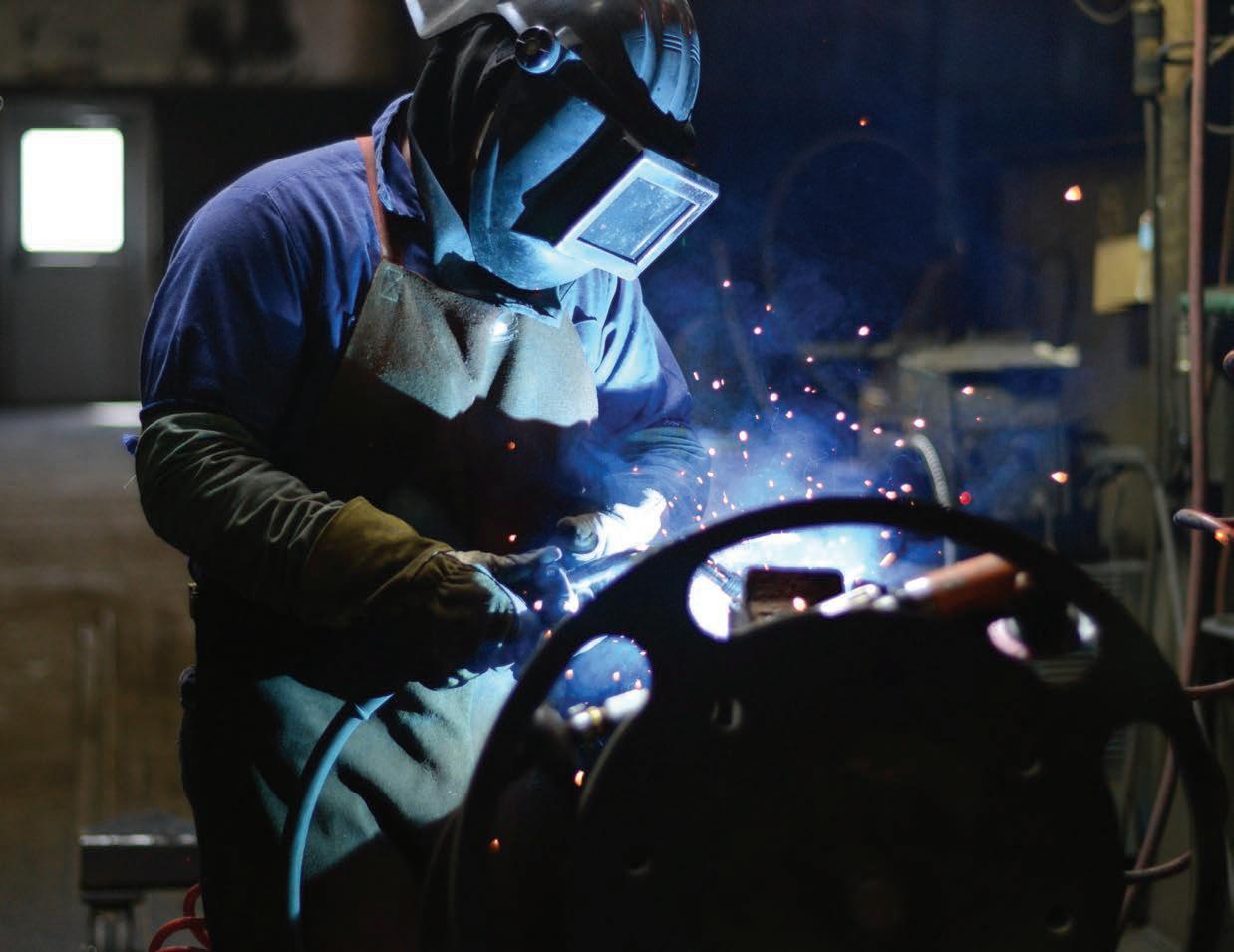
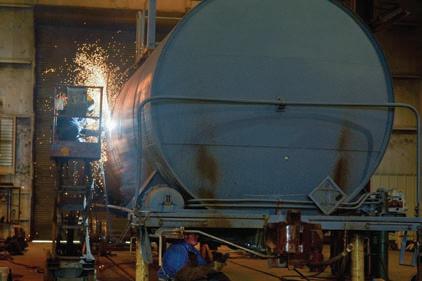
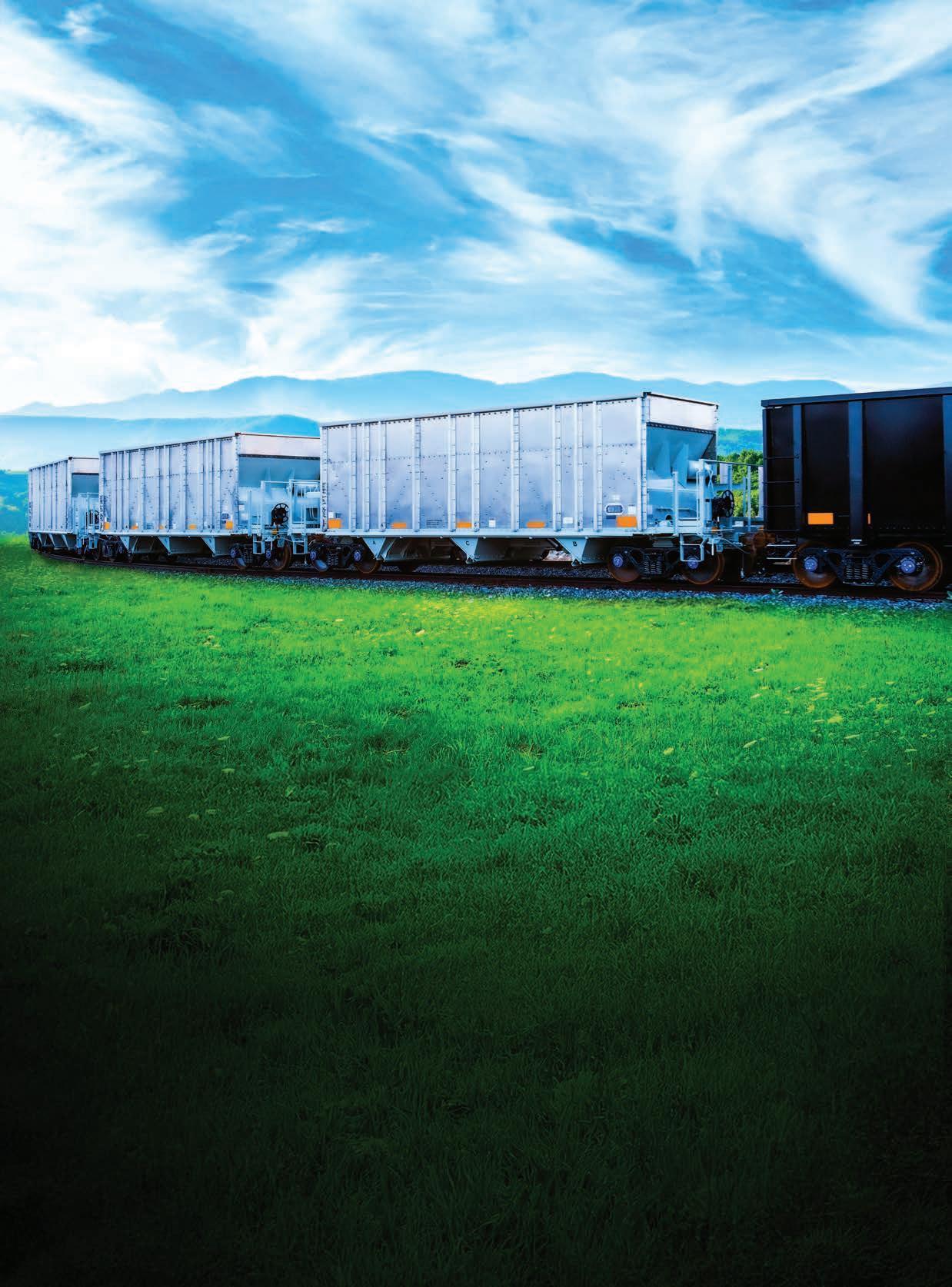
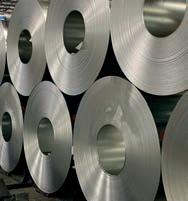
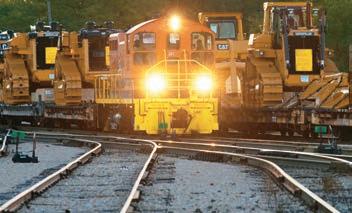
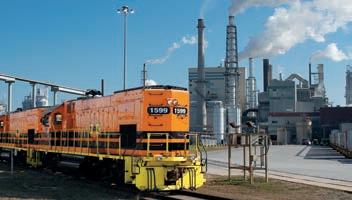
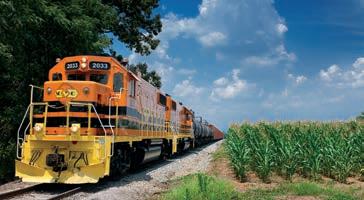
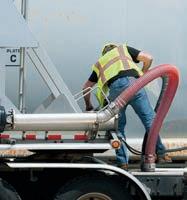
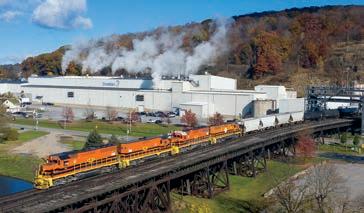
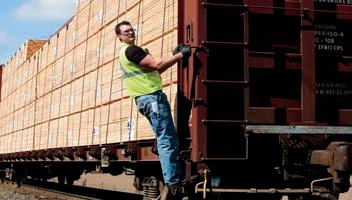
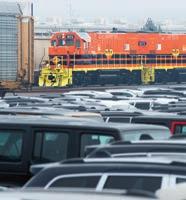
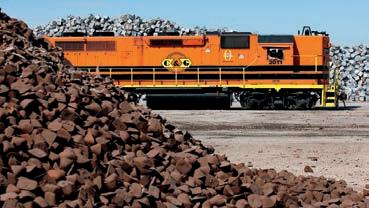
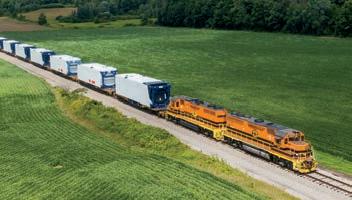
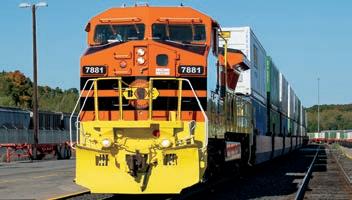
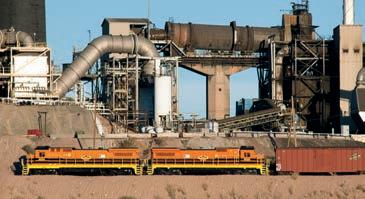
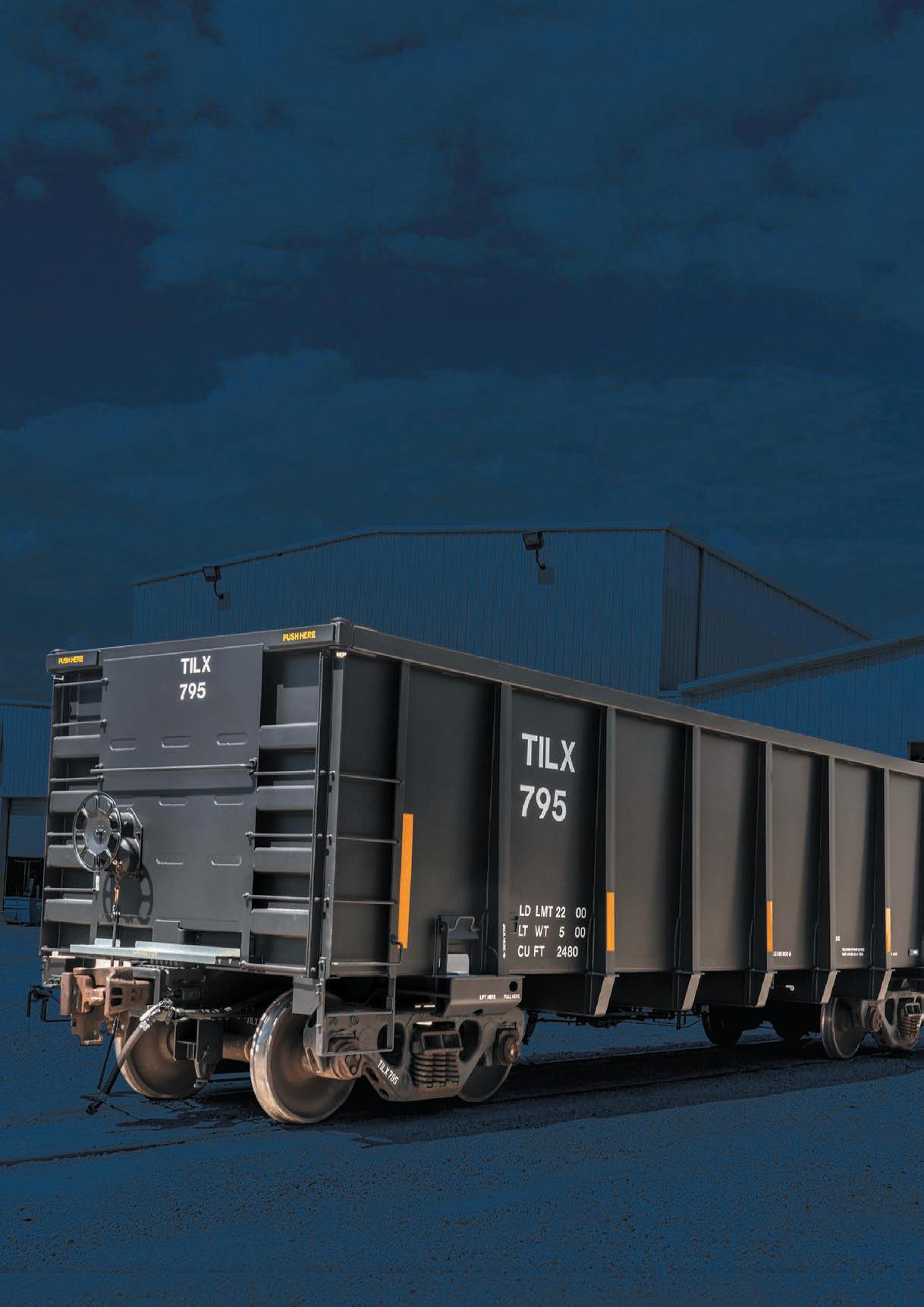
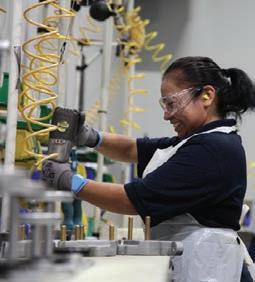
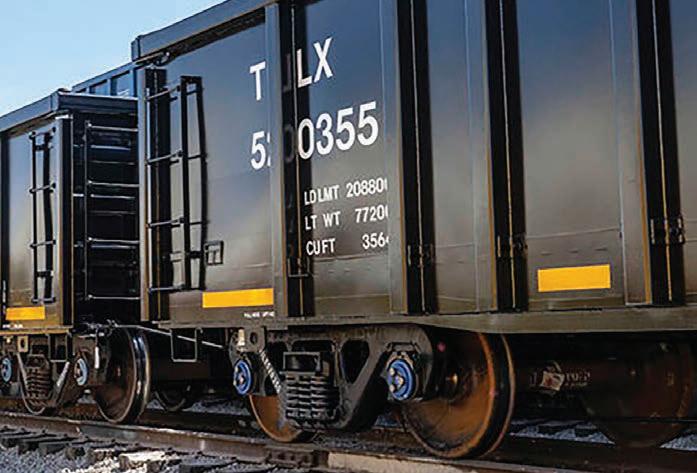
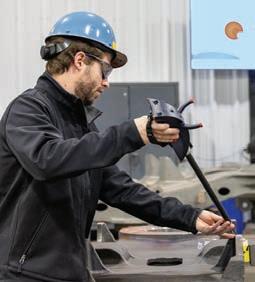
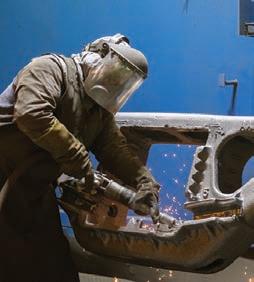
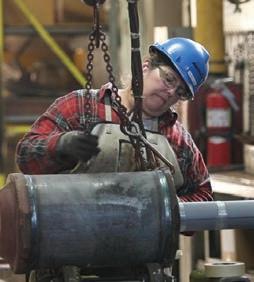
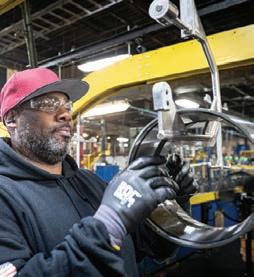
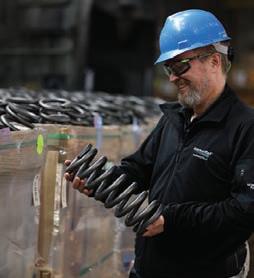
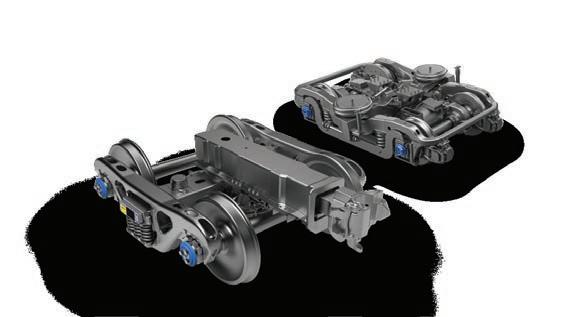
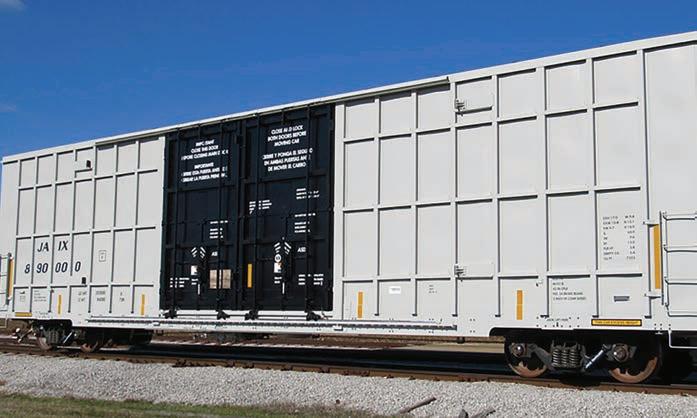
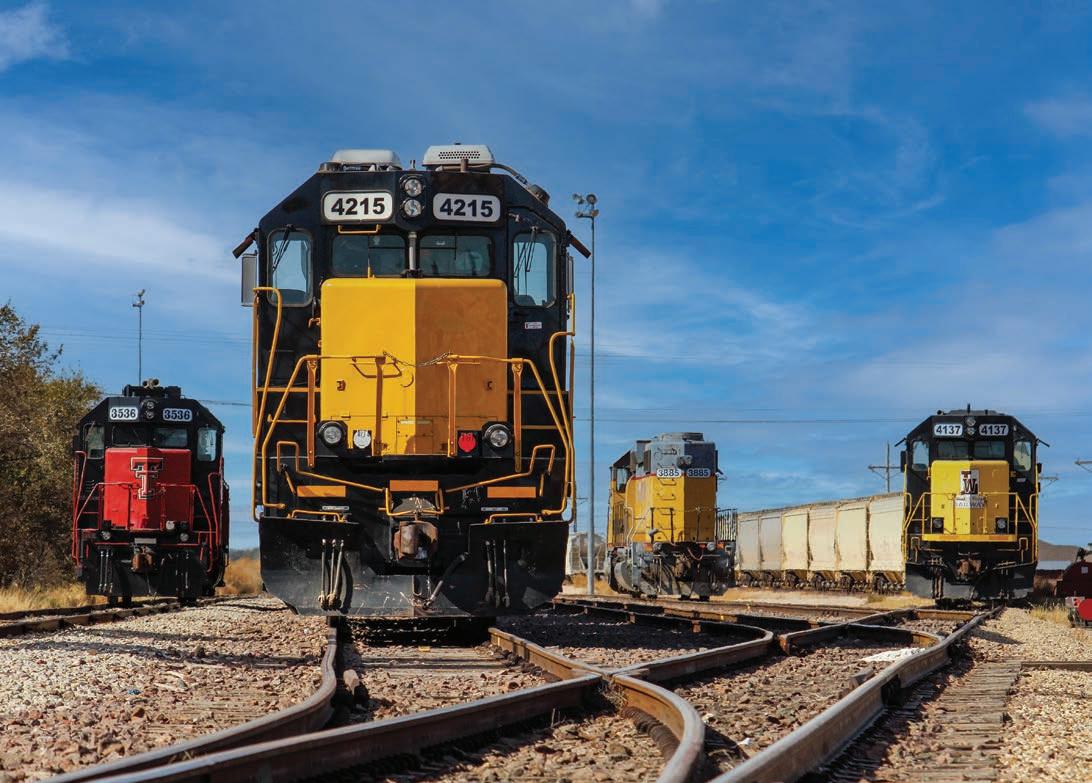
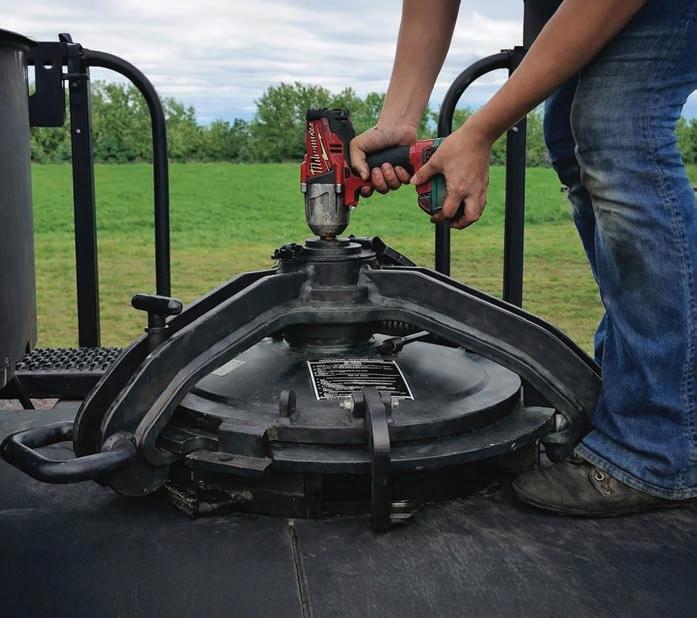
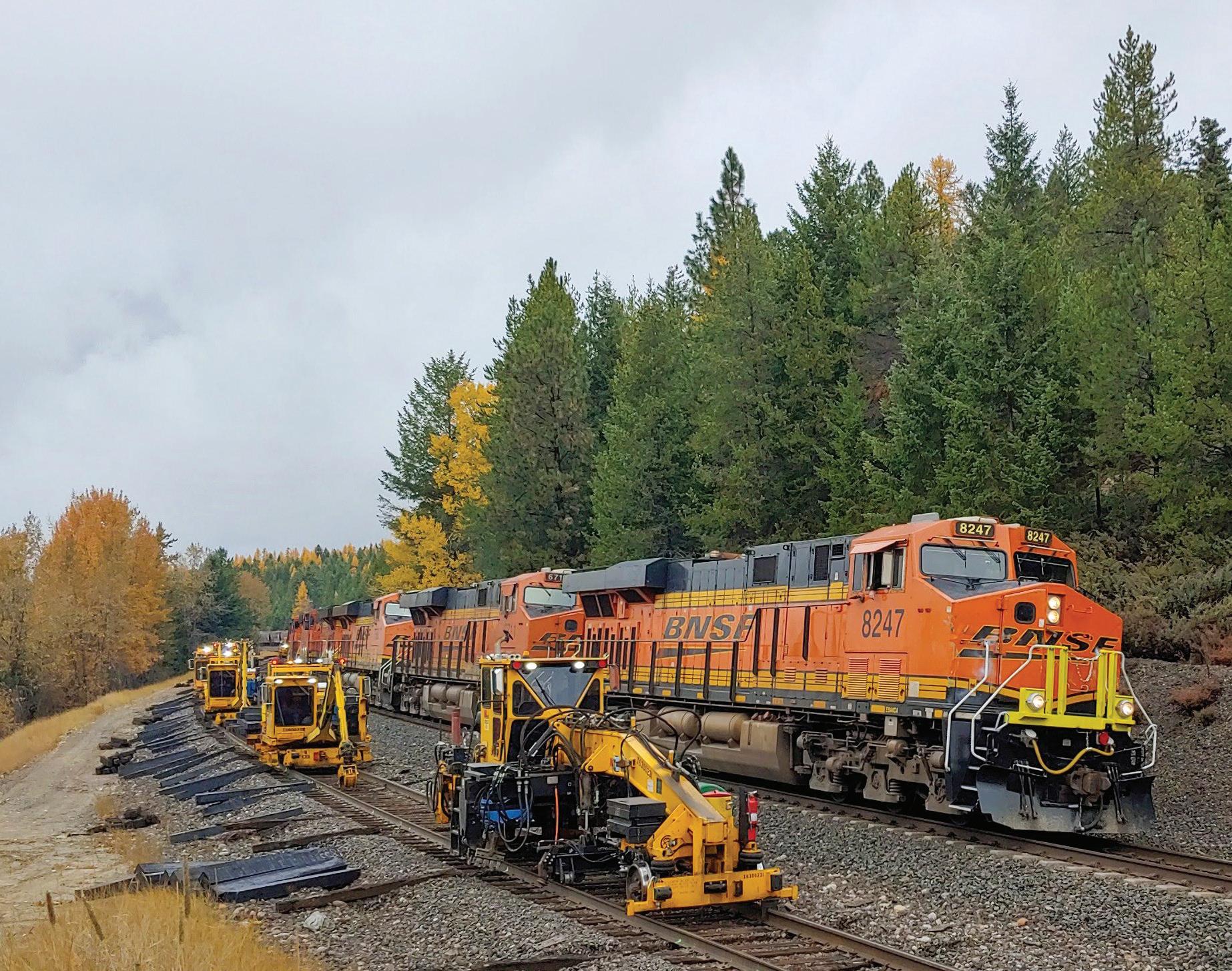
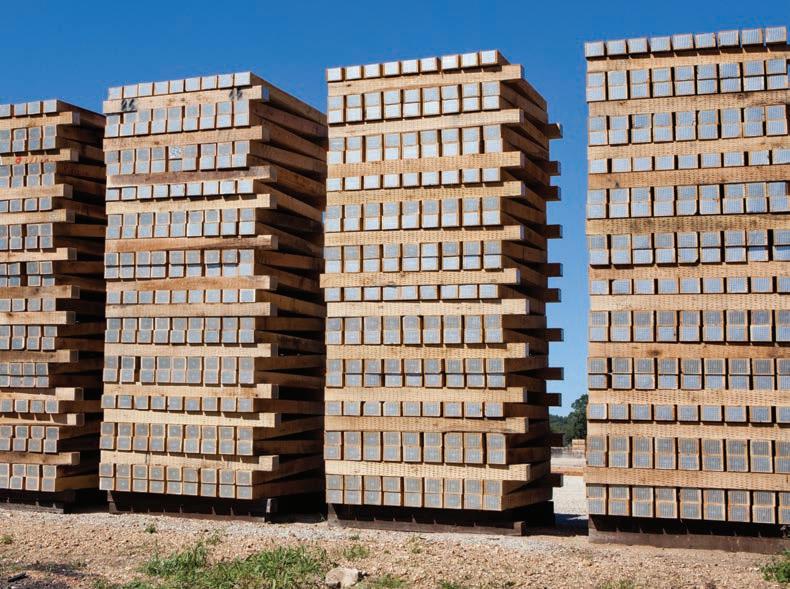
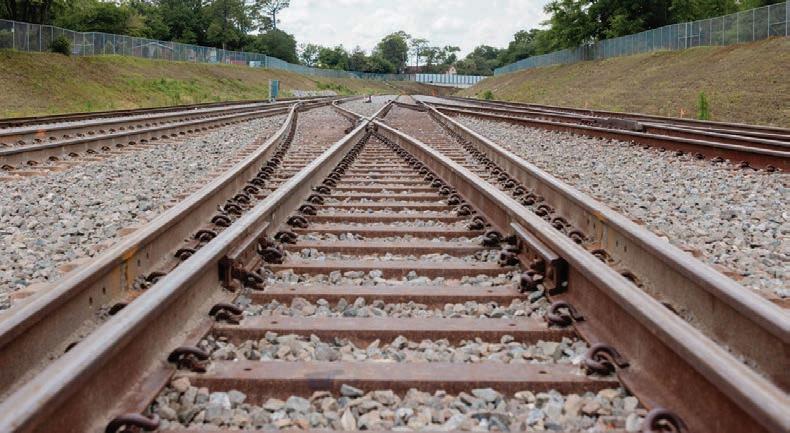
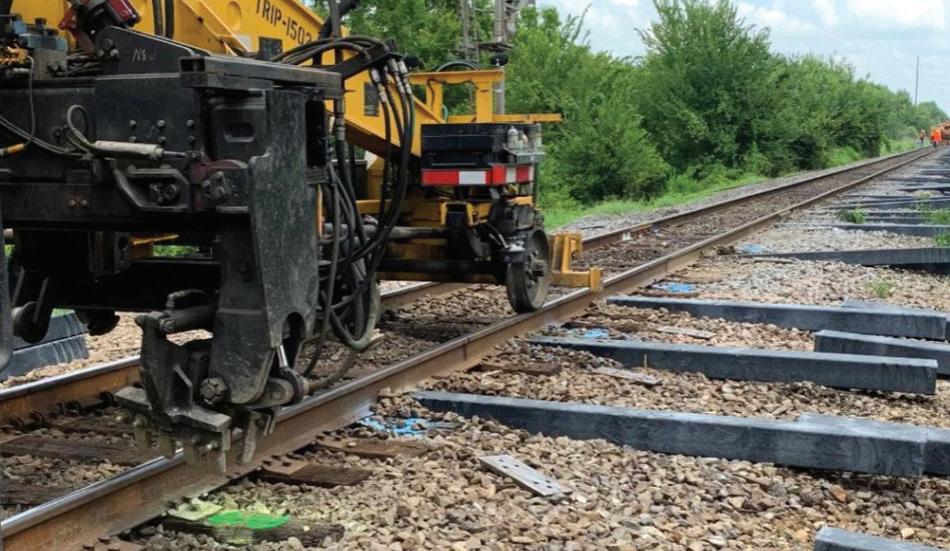
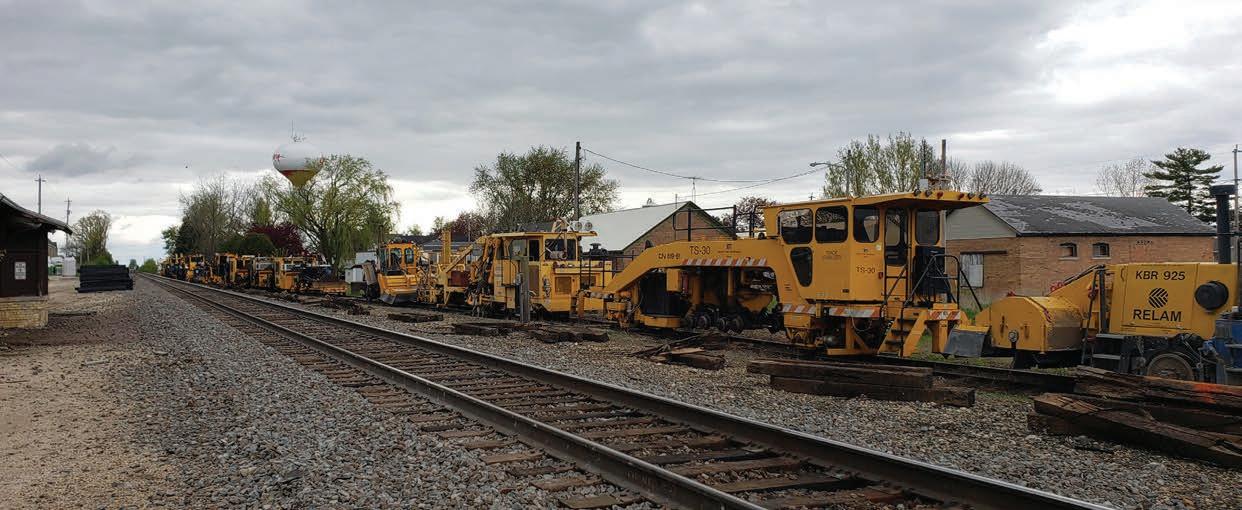
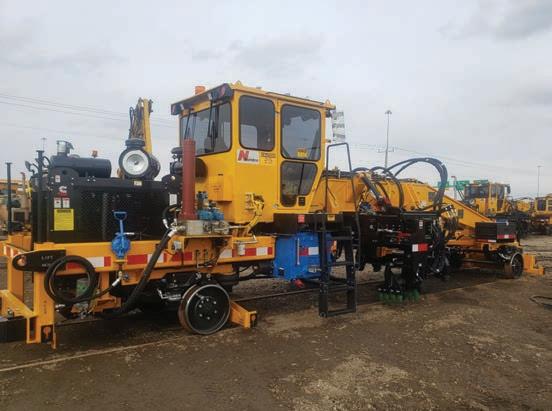
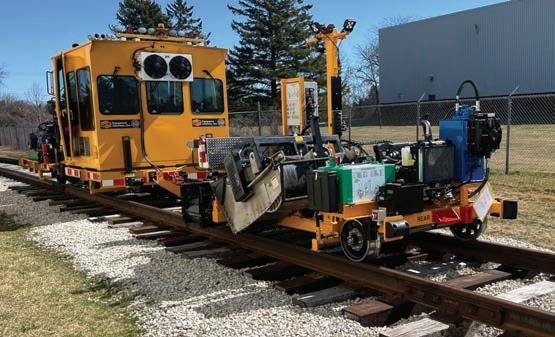
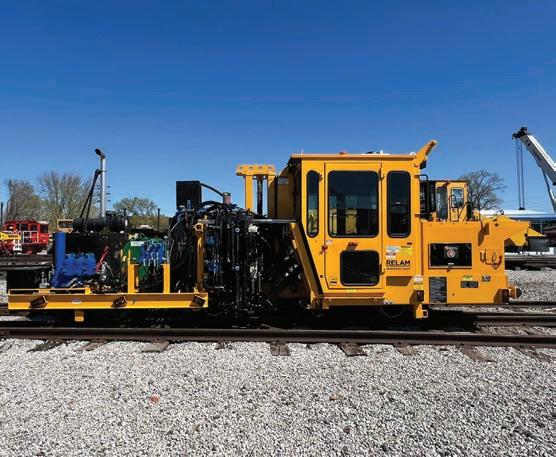
At Progress Rail, we keep you moving with comprehensive services—from inspections and routine maintenance to complete rebuilds and repairs.
Our ISO-certified facilities, strategically located across the U.S., deliver the turnaround times you need to stay on schedule. When reliability matters, trust the team that keeps you rolling.
Inspections to Rebuilds –We’ve Got You Covered
Rail Suppliers: $127 Billion (With a B) Toward U.S. GDP
Where would the rail industry be without its suppliers?
Well, let me tell you: Nowhere. Lost. Behind the eight ball. Stuck in the mud. Drowning in quicksand. Up the river. Over the cliff. Down in the dumps. Down for the count. Flat on its face. Shafted. Dazed and confused. I’m serious, folks!
Of course, this is a generalization, perhaps even an exaggeration. Our rail industry is certainly full of examples of railroad/ supplier cooperation, ranging from R&D to testing new technology (think MxV Rail and TTC Operated by ENSCO). And all the Class I’s as well as many smaller carriers are staffed with brilliant people who “get things done in-house.” Yet, at least to some degree, they still need suppliers for their success.
So, just how important are rail suppliers?
The 2026 Economic Impact Report for the rail supply industry, produced in partnership with Oxford Economics and supported by primary sponsor Railway Supply Institute (RSI), the Railway Tie Association (RTA), the Railway Engineering-Maintenance Suppliers Association (REMSA) and Amtrak, measured the activity that takes place within supplier firms, supported through their domestic supply chains and by the wages they pay. The report says the rail supply industry contributes $127 billion annually to U.S. GDP (gross domestic product) and directly employs an estimated 338,000 workers. Accounting for “indirect and induced effects throughout the broader economy,” total rail supply industrysupported employment rises to approximately 906,000 jobs.
Nice, eh?
And if you think Amtrak is “a waste of taxpayer dollars,” as some politicians who probably never boarded a passenger train like to spout, think again. According to the report, Amtrak’s procurement and capital investment activity “supported approximately 45,800 jobs and generated $6.5 billion in U.S. GDP in 2024, along with $3.8 billion in labor income and $1.4 billion in tax revenue across federal, state and local levels. These impacts, driven by a nationwide network of manufacturers, engineering firms, and construction and service providers, underscore how Amtrak’s investments sustain domestic supply chains, support high-quality jobs and drive economic activity in communities across the country.”
Finally, according to our own research, North American railways, freight and passenger, sustain a market annually worth about $275 billion, accounting for all funding sources, private and public. Adding that number to the $127 billion in supplierdriven dollars yields $402 billion.
I’ve attended too many industry trade shows that wind up as a bunch of suppliers standing around talking to each other, wondering if the money they invested in setting up and staffing a display with some of the brightest minds in the business was worth it. That’s unacceptable. To those railroads who can’t be bothered sending representatives to big trade shows like Railway Interchange 2026 (Omaha, June 2-4), don’t let your suppliers down, OK? Union Pacific calls Omaha home. You people need to pack the place!
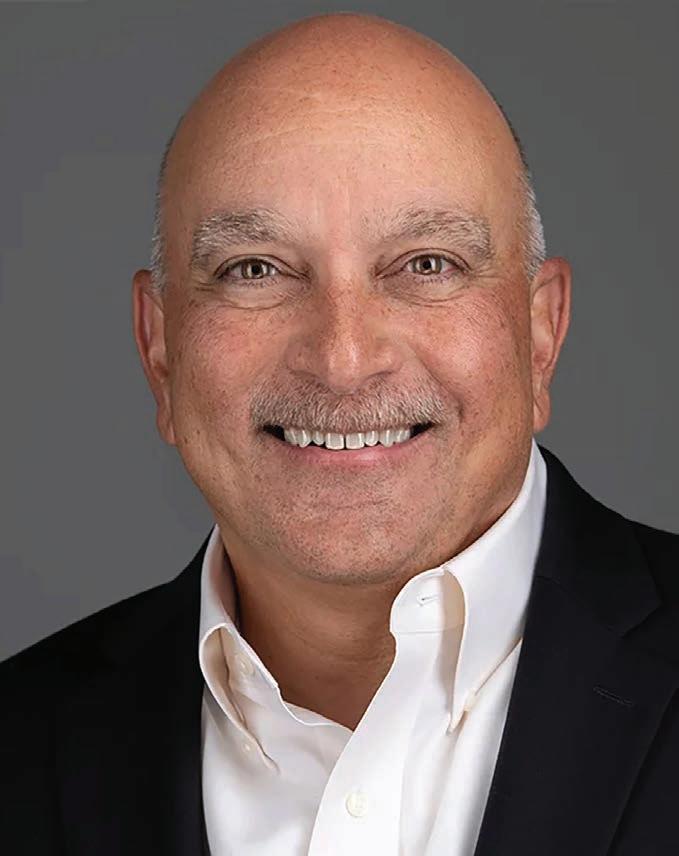
WILLIAM C. VANTUONO Editor-in-Chief
Railway Age, USPS 449-130 (ISSN 0033-8826), is published monthly with a special C&S Buyers Guide issue in December by the Simmons-Boardman Publishing Corporation, 1809 Capitol Avenue, Omaha, NE 68102-4905. Tel. (212) 620-7200. Periodicals postage paid at Omaha NE and additional mailing offices.
Subscriptions: Qualified individuals in the railway industry may request a complimentary subscription. All other subscriptions: US/Canada/Mexico; $100.00 per year. Rest of World $139.00 per year. Single copies $36.00 per issue.
For Subscriptions & address changes, please call (US, Canada & International) +1-847-559-7372, Fax +1 (847) 291-4816, e-mail railwayage@omeda.com or write to: PO Box 239, Lincolnshire IL 60069-0239 USA.
Ports and Intermodal Editor/Marine Log Editor-in-Chief hervin@sbpub.com
Contributing
Editors
David Peter Alan, Jim Blaze, Nick Blenkey, Sonia Bot, Bob Cantwell, Dan Cupper, Alfred E. Fazio, Justin Franz, Gary Fry, John Hankey, Michael Iden, Don Itzkoff, Bruce Kelly, Pauline Lipkewich, Joanna Marsh, David Nahass, Jason Seidl, Ron Sucik, David Thomas, Frank N. Wilner
Art Director: Nicole D’Antona
Graphic Designer: Hillary Coleman
Corporate Production Director: Mary Conyers
Production Director: Eduardo Castaner
Marketing Director: Erica Hayes
Conference Director: Michelle Zolkos
Circulation Director: Joann Binz
INTERNATIONAL OFFICES
46 Killigrew Street, Falmouth, Cornwall TR11 3PP, United Kingdom 011-44-1326-313945
International Editors
Kevin Smith
ks@railjournal.com
David Briginshaw
db@railjournal.com
Robert Preston
rp@railjournal.com
Mark Simmons
msimmons@railjournal.com
CUSTOMER SERVICE: RAILWAYAGE@OMEDA.COM , OR CALL 847-559-7372
Reprints: PARS International Corp. 253 West 35th Street 7th Floor New York, NY 10001 212-221-9595; fax 212-221-9195 curt.ciesinski@parsintl.com
Powering the economy
Creating opportunities to grow with our customers and supply chain partners across North America.
www.cn.ca
Industry Indicators
‘RAIL VOLUMES POINT TO A FIRMER ECONOMIC BACKDROP’
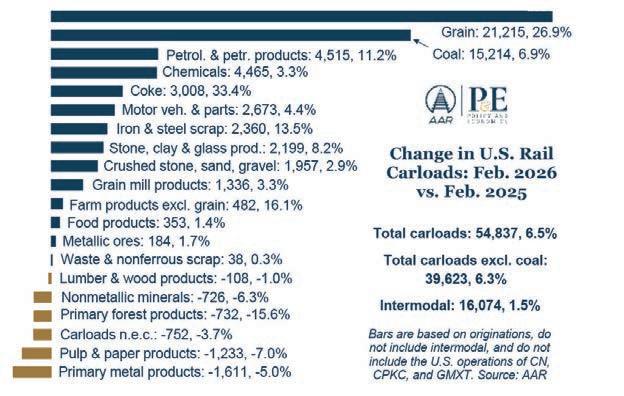
“In February, we noted it was not hard to find economic indicators pointing to slower growth,” the Association of American Railroads reported last month. “Many of those concerns remain, especially in the labor market: Net new jobs fell by 92,000 in February, and the unemployment rate rose to 4.4%. But this month’s data also offers a more encouraging counterpoint. Recent readings on rail volumes, inflation, and manufacturing suggest the economy may still be on track for a soft landing, with inflation easing toward target without a significant slowdown in economic growth. Significant uncertainty remains. But for railroads, the latest data points to a more supportive backdrop for freight demand in the months ahead.
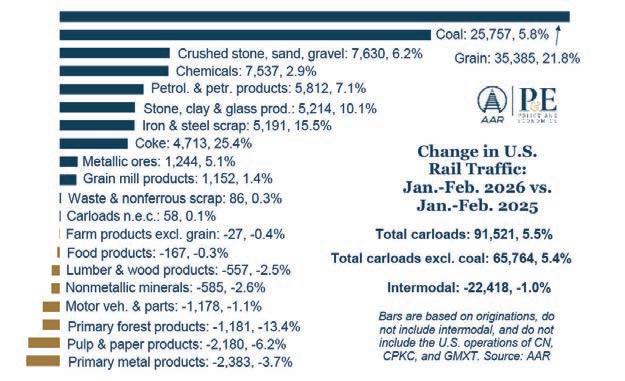
“U.S. freight railroads started 2026 strong despite severe weather in some areas. Total U.S. carloads averaged 224,737 per week in February 2026, the most for February since 2019 and up 6.5% over February 2025. Carloads for the first two months of 2026 totaled 1.76 million, up 5.5% (92,000 carloads) over last year.
“In February 2026, 14 of the 20 major carload categories saw year-over-year gains, led by grain, coal, chemicals and petroleum products. Broad-based gains across carload categories suggest industrial activity and goods movement demand are firming. That matters because many carload sectors tend to move closely with underlying real-economy activity, making rail volumes a clear real-time signal of changing freight demand.
“U.S. rail intermodal shipments averaged 280,687 units per week in February, the most ever for February and up 1.5% over last year. It was the first year-over-year gain for intermodal in six months. For the first two months of 2026, intermodal volume totaled 2.19 million containers and trailers, down 1.0% from last year but still the second-highest total ever for the first two months of a year. The combination of modest year-over-year softness and still-elevated absolute volume suggests underlying goods demand has cooled but not collapsed.
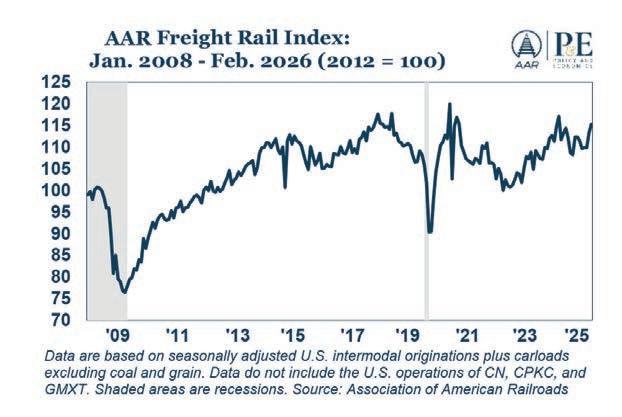
“The AAR Freight Rail Index (FRI) tracks seasonally adjusted intermodal shipments and carloads excluding coal and grain, which together capture the rail traffic segments most sensitive to shifts in the broader economy. The index rose 1.8% in February over January, its third month-to-month increase in the past four months.
“The number of railcars in storage fell by nearly 18,000 in February, their first decline in six months, and every major railcar category saw fewer idled cars. If that trend continues, it would suggest freight demand is strengthening enough for railroads and other railcar owners to bring equipment back into service in a more meaningful way.
“The next few months should provide a clearer test of whether the recent improvement in freight volumes and the scattered signs of macro stabilization can build into something more durable. Manufacturing appears
to be regaining some footing, service-sector activity remains firm, and consumer spending has not yet broken. If those conditions hold, the backdrop for rail traffic should improve further.
“The labor market remains the key swing factor. For now, however, the balance of recent data suggests the freight economy may be on somewhat firmer ground than seemed likely just a month ago.”
ASLRRA SHORT LINE CARLOAD REPORT
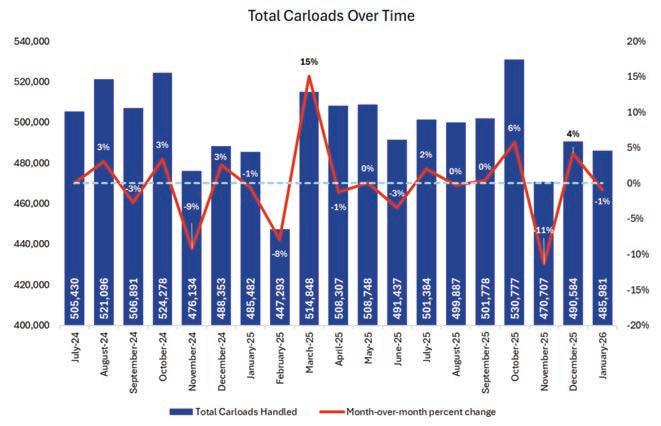
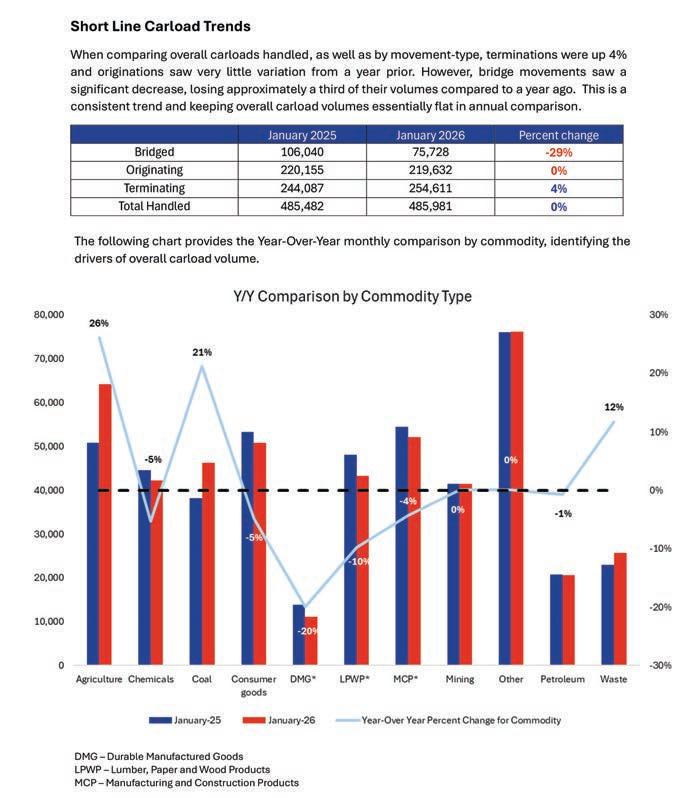
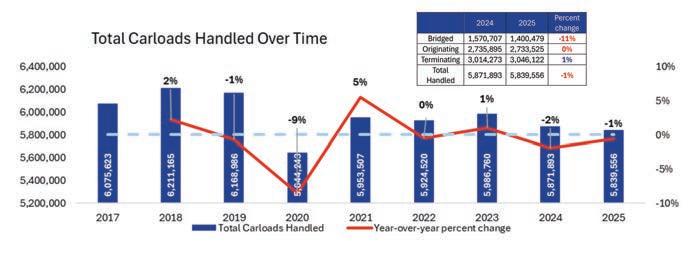
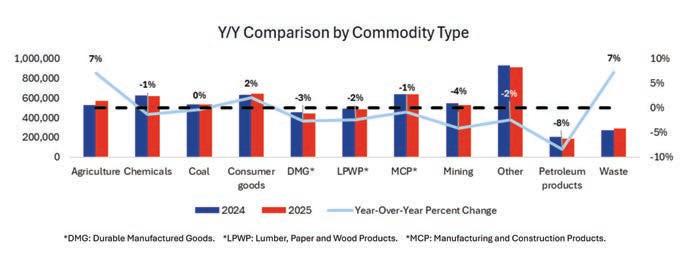
Total carloads handled calculates the total number of individual carloads that were either an origination, termination or a bridge movement, on at least one U.S. short line. This total will generally be smaller than the sum of originated, bridged and terminated movements as some individual carloads experience more than one of these events.
This short line carload data report is created by the American Short Line and Regional Railroad Association in cooperation with Railinc, based on waybill data submitted by railroads. A detailed report is published each month via ASLRRA’s Views & News. Visit www.aslrra.org/carload to learn more.
Industry Outlook
STB Aims to Reform Rail Permitting
required under the law, the process would be considerably shorter and less expensive to railroads and taxpayers.
The unanimous vote by Republican Chairperson Patrick J. Fuchs, Republican Michelle A. Schultz, and Democrat Karen J. Hedlund makes clear this is not a politically partisan decision but another overdue effort to reduce regulatory burdens and lower regulatory costs.
“The proposed permitting reform would lead to more expeditious and cost-effective environmental review by focusing on appropriate analyses rather than unnecessary paperwork.” – STB Chair Patrick Fuchs
IN THE OPINION OF THE LATE PRESIDENT RONALD REGAN, “THE NINE MOST TERRIFYING WORDS IN THE ENGLISH LANGUAGE ARE, ‘I’M FROM THE GOVERNMENT AND I’M HERE TO HELP.’”
Among railroaders, the phrase rang painfully and expensively true for most of the 20th century when the former Interstate Commerce Commission (ICC) regulated railroads into the years the locust hath eaten. Things they have been a changin’ under ICC successor Surface Transportation Board (STB).
existing regulations written long ago by the ICC, an environmental assessment is required, typically taking a year and jointly paid for by the short line
Or, consider a Class I branch line with no existing traffic but connected to a short line serving an auto plant. Were the Class I wishing to rehabilitate the line to facilitate new traffic from the short line, no environmental review would be required. But if the short line purchased or leased the unused branch line, an environmental
In crafting its 69-page proposed permitting reform, the STB says it took guidance from the Council on Environmental Quality (CEQ) and the Supreme Court’s May 2025 decision in “Seven County Infrastructure Coalition v. Eagle County.” The Court held that the STB has discretion to determine the scope of environmental analysis, and the CEQ guidance prods agencies to reform their categorical exclusion process. The NPRM’s new categorical exclusion for connecting track along existing rail rights-of-way segments does that, allow ing what the Board considers a more sensible approach.
Take, for example, the 1970 National Environmental Protection Act (NEPA), whose intent is commendable but appli cation often flawed.
Consider a 150-foot-wide main line right-of-way owned by a Class I railroad near an under-construction steel plant. Were the railroad asked to construct a connecting stub track over its land or that of the steel plant to serve the plant, neither Board approval nor environ mental review would be required.
Clearly, partial railroad economic deregulation that commenced in the mid-1970s and accelerated in 1980 by the Staggers Rail Act wasn’t complete.
But what if the Class I wished to sell or lease to a short line that right-of-way from which the nearby steel plant requested the connecting stub? Under
The proposed permitting changes affect deadlines and page limits for environmental assessments where proj ects are unlikely to have significant environmental effects.
But on March 15, 2026, the STB removed another roadblock to railroad efficiency with a proposal to reform its permitting process to accelerate approval of rail infrastructure projects (Docket EP 779, Permitting Reform –Environmental Review Process ). Public comment is sought.
In a separate expression, Hedlund said, “This NPRM proposed categorically to exclude abandonments from environmental review unless the abandoning carrier announces an intention to conduct salvage operations that would occur prior to consummation of the abandonment or entry into an interim trail use agreement. I encourage stakeholders to submit comments on this aspect of the NPRM, given that it proposes to reverse the Board’s prior understanding of governing law.”
Under proposed revisions in the Notice of Proposed Rulemaking (NPRM), certain reviews would be eliminated, while, for those specifically
Fuchs told Railway Age that “the proposed permitting reform would lead to more expeditious and cost-effective environmental review by focusing on appropriate analyses rather than unnecessary paperwork.”
– Frank N. Wilner
W OMEN IN RAIL AILWAY
Railway Age and RT&S present the fourth annual Women in Rail Conference!
Women in Rail 2026 empowers individuals to grow, lead, and thrive in the rail industry. The conference unites women and allies to share strategies for career advancement, leadership development, and workplace success.
Through panels, peer discussions, and networking, attendees gain insights on compensation, skillset enhancement, and economic trends. The event also supports workforce engagement and leadership pipelines, benefiting both individual professionals and the organizations they represent.
Women in Rail 2026 is a must-attend industry event, highlighting diverse experiences and practical methods for moving the industry forward.
OPENING SPEAKER:
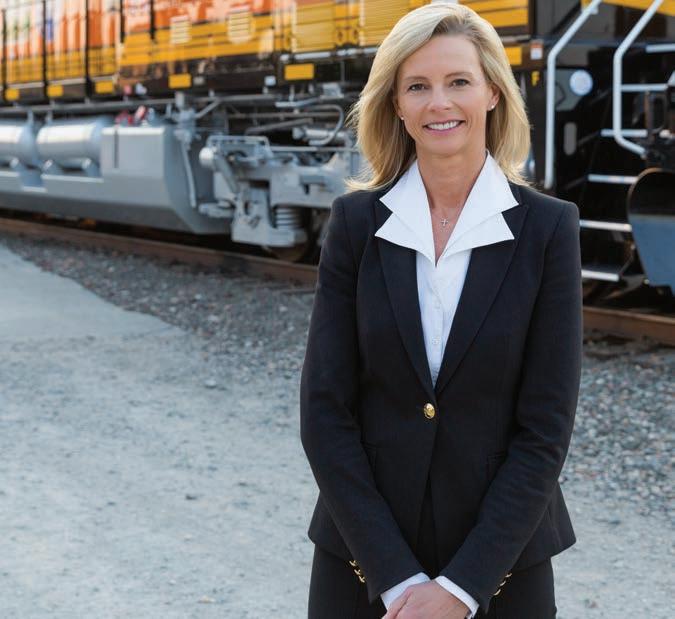
Maryclare Kenney Senior Vice President & Chief Commercial Officer CSX
New York MTA Issues ‘Historic’ Subway Car RFP
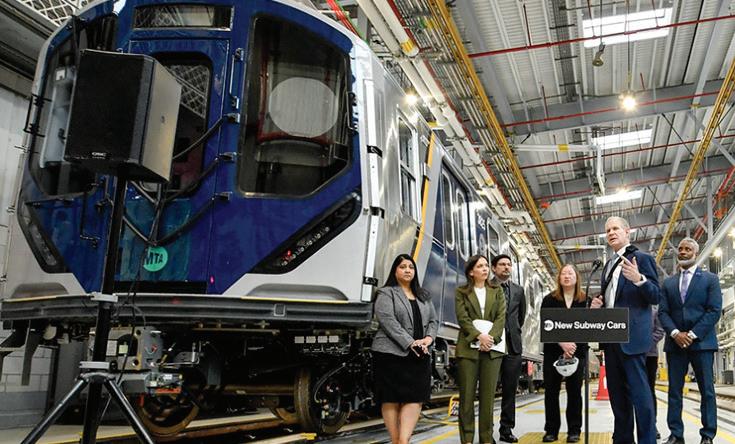
The New York Metropolitan Transportation Authority (MTA) is seeking proposals from railcar manufacturers for what it describes as its “largest subway car contract in history” with a base order of 1,140 cars to replace the R62 and R62A fleets operating on New York City Transit’s (NYCT) 1, 3 and 6 lines, and if an option to purchase an additional 1,250 cars is exercised, to replace the R142 and R142A cars on the 2, 4 and 5 lines. In total, the contract includes 2,390 model R262 cars for the “A” (numbered) Division. Proposals are due Sept. 8, 2026, and a contract is expected to be awarded by early 2028. The contract will be funded by MTA’s $68 billion 2025-29 Capital Plan. The purchase also includes funds made available through the 2020-2024 Capital Plan, which is supported by congestion pricing revenues, according to MTA. The transit agency said its RFP (Request for Proposals) outlines that the future order will contain a “to be determined” number of open-gangway cars, which would be a first on the A Division. It also outlines “technical specifications that are designed to enhance efficiency, security, performance and the customer experience.” These include “higher quality announcement systems, and assistive listening devices that allow hearing-impaired passengers to connect to personal devices, like hearing aids.” Efficiency upgrades, it noted, include installation of an automatic passenger counting (APC) system and electric braking control “to achieve savings through fewer parts.” Security specifications include onboard cameras like those currently installed on the existing subway fleet and onboard platform edge CCTV, along with an electronic lock to prevent unauthorized cab access. With a new Rolling Stock Program in place—announced in February and led by MTA veteran Jessie Lazarus to manage the purchase of all new subway, bus and commuter railcars, including the $12 billion investment from the 2025-29 Capital Plan to replace the MTA’s aging fleets—the MTA said it “has approached this contract differently, modernizing the terms and conditions and encouraging innovation by giving manufacturers greater flexibility to propose new ideas.” The agency noted that more than 60% of the technical specifications are also now “performance-based, rather than design-driven,” and for the first time, the terms request proposers to submit “total cost of ownership projections.” These efforts, MTA said, “result in a streamlined contract that adopts a balanced approach between the current challenges that contractors face and ensuring that the Authority retains the necessary tools at its disposal to ensure the timely delivery of quality cars that riders deserve.” This “historic” car contract could replace up to 36.4% of NYCT’s entire subway fleet—17.3% with just the base order alone, MTA said. The subway’s entire fleet comprises 6,574 cars. “The new cars will significantly improve reliability with a higher mean distance between failure,” MTA noted. “The R262 has an MDBF requirement of 200,000 miles, compared to the R62/R62A’s average of 89,000 miles. This upgrade will reduce the number of problems customers experience en route and decrease the amount of time cars are taken out of service.”
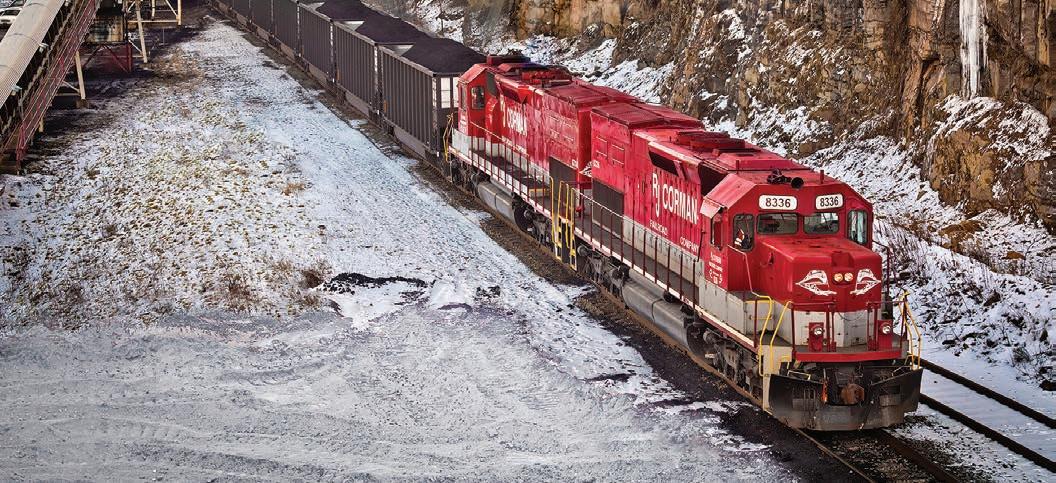
INTRAMOTEV on March 30 announced that it has entered into a commercial agreement with R. J. CORMAN RAILROAD COMPANY. Intramotev’s TugVolt railcars will be utilized in industrial switching operations on the R. J. Corman MEMPHIS LINE. The agreement adds R. J. Corman, which operates 19 short line railroads in 11 states and serves all major North American railroads, to a growing roster of commercial partners, noted Intramotev, which currently has active TugVolt deployments under way with CARMEUSE AMERICAS and WATCO. In February, Intramotev announced that Ray Betler, former CEO of WABTEC, has joined its Board of Directors.
CANDO RAIL & TERMINALS has executed a definitive agreement to acquire SAVAGE RAIL in a “mutually beneficial deal that will make Cando North America’s market leader in first- and last-mile rail operating services and terminal infrastructure, and positions Savage for strategic growth opportunities by refining its business portfolio,” according to the companies. Savage Rail is a U.S. rail provider with operations across the U.S. and a platform of rail assets in key markets, including along the Midwest, Gulf Coast and Southeast corridors. The transaction, Cando said, “will accelerate our company’s U.S. expansion plans, while strengthening our existing network in Canada.” The
combined company is expected to operate a coast-to-coast network of assets in North America “with no geographic overlap” that will include 36 railcar storage, staging and/or transload terminals; three short line railways; and 80 first- and last-mile rail service operations, as well as access to all six Class I railroads. Combining the two businesses also aligns with Savage’s goals of growing its businesses and its people, “both by creating new opportunities for its rail services team by joining a large, rail-focused company and also by obtaining capital from the sale to invest in expanding its existing food and fuel-focused businesses,” the company said.
UP-NS Job Pledge Fragments Labor
Ru le No. 1: If you don’t define an objective, events will define it for you. Rule No. 2: Hope is not an objective. Rule No. 3: In union there is strength.
Members of the Transportation Division of the International Association of Sheet Metal, Air, Rail and Transportation Workers (SMART-TD) allege their union bucked those rules in voicing support for a Union Pacific (UP)-Norfolk Southern (NS) merger.
Asked by UP and NS to back the marriage proposal in exchange for a “no job losses” pledge, SMART-TD President Jeremy Ferguson figuratively borrowed as his response Molly Bloom’s declaration in the final lines of James Joyce’s novel, Ulysses: “Yes I said yes I will yes.”
Now asked of Ferguson is, “Where’s the beef?” Members cite the absence so far of explicit and enforceable job protection provisions relating to new technology, seniority retention, relocation, assignments outside their craft, and unforeseen, extraordinary disruptions in traffic volume.
In putting the SMART-TD imprimatur on this merger before negotiating an implementing agreement to define the enforceable “who, what, where and how” of a nebulous promise, members say Ferguson put a cart (of hope) before the (iron) horse (of fulfillment).
By contrast, the Brotherhood of Locomotive Engineers and Trainman (BLET) and Brotherhood of Maintenance of Way Employes (BMWE)—the second and third largest UP and NS unions (behind SMARTTD)—oppose the merger, presumably as leverage when negotiating their implementing agreements. BLET and BMWE term the railroads’ job retention promise as “mostly hollow,” alleging it allows UP and NS “complete control over who is protected, who is left out, and when any commitments can be changed or taken away.”
Other unions are fragmented—some supportive, some opposed and most so far not taking a position.
Missing is union solidarity, and it is not a one-off. SMART-TD and its predecessor United Transportation Union (UTU) own a history of being first in reaching agreements
The law is clear that merging railroads are entitled to realize labor-related economic benefits so long as employees are not placed in a worse position—the floor being New York Dock and the ceiling what labor may successfully negotiate.”
that establish patterns other unions (often grudgingly) follow—the incentive for being first a more favorable carrier relationship known as “soft power.”
As for labor protection, its roots stretch to the Transportation Act of 1920. The 1933 Emergency Railroad Transportation Act imposed a two-year job freeze, while the collectively bargained 1936 Washington Job Protection Agreement substituted income protection for job protection. The Transportation Act of 1940 established four-year minimum income protection, while the 1976 Railroad Revitalization and Regulatory Reform (4-R) Act upped it to six years, which is imposed by the STB through a 1979 decision known as New York Dock.
Notably, the Supreme Court held in 1991 that when the parties fail to reach a timely agreement on protection, binding arbitration may be invoked, and the ICC (now STB) may “cram-down” on the parties the award as being “in the public interest.”
The law is clear that merging railroads are entitled to realize labor-related economic benefits so long as employees are not placed in a worse position—the floor being New York Dock and the ceiling what labor may successfully negotiate.
Under the STB merger rules by which a UP-NS merger application will be reviewed, if there is no negotiated protection agreement, the Board will provide for it at the level mandated by law (New York Dock). Only if “unusual circumstances are shown,” will the
Board impose “more stringent protection”
An involved union officer, asking anonymity, told Railway Age, “Labor is most effective when it acts from a position of coordinated leverage rather than splintered bargaining that weakens its ability to define enforceable standards across crafts.”
If the STB accepts a UP-NS merger application expected to be filed by April 30, labor fragmentation in translating a vague “no furloughs” promise into a member-acceptable implementation agreement could be problematic. Waiting impatiently like a Sword of Damocles will be the STB, with statutory authority to cram-down protections no better than New York Dock. UP and NS will be allowed to enjoy fully the economies of merger.
Railway Age Capitol Hill Contributing
Editor Frank N. Wilner is author of “Understanding the Railway Labor Act” and “Railroads & Economic Regulation,” available from Simmons-Boardman Books, www. railwayeducationalbureau.com/product/ railroads-economic-regulation-an-insidersaccount/, 800-228-9670.
FRANK N. WILNER
Capitol Hill
Contributing Editor
Rail Equipment Finance 2026: Let’s Get Back to ‘Business Being Business’
The 40th R ail Equipment Finance Conference (REF) was held in March 2026 in Laquinta, Calif. More than 460 gathered to update the state of the industry and prognosticate on what will happen in North American rail in 2026. Here is a summary, with key takeaways.
UCLA economist Lee Ohanian gave an economic overview of the U.S. and the world. Key takeaways: Even with the Middle East war, Mr. Ohanian worked to quell worries about the impact on the U.S. economy, noting that even considering recent events, the U.S. remains the best economy in the world. The biggest worry? U.S. fiscal policy and spending in excess of tax revenue. He sees adaptability for our future with AI (artificial intelligence) and cautioned against panic.
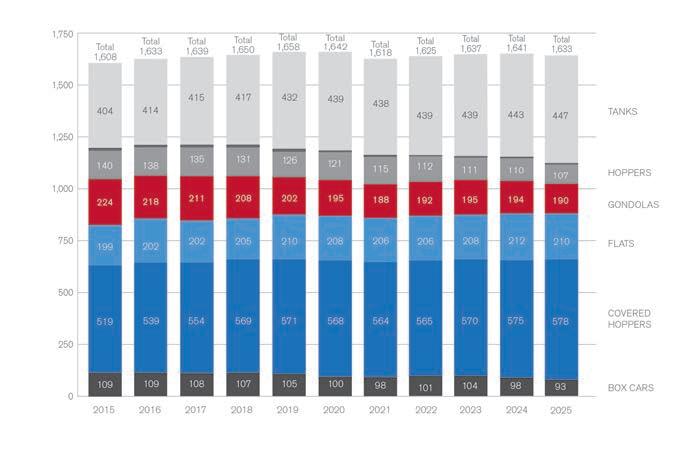
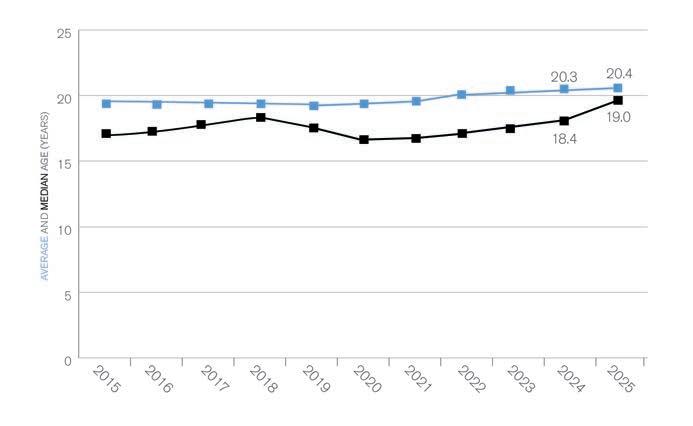
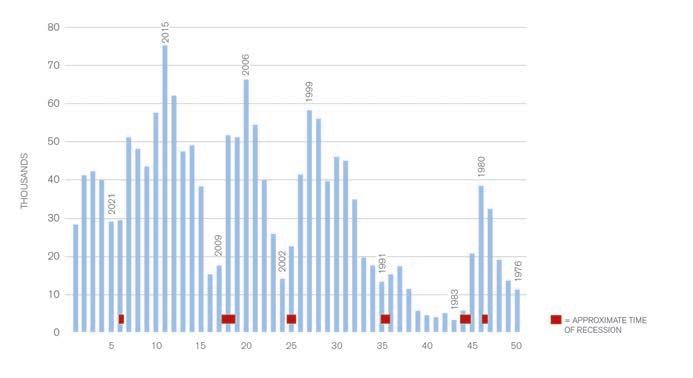
David Humphrey of Railinc, REF’s “Railcar Guru,” gave an update on the North American railcar fleet. Key takeaways: While there were increases in tank railcars in 2025, the total North American railcar fleet decreased by about 8,000 cars. Age matters: About 8.5% of the national fleet (135,000 railcars) reaches its maximum interchange life in the next five years. (See p. 42.)
Brian Smalley, National Steel Car, discussed the North American rail manufacturing outlook. Key takeaways: Railcar delivery rates are expected to be at or above replacement level (roughly 35,000 cars annually) in 2027 or 2028. Mr. Smalley sees continued manufacturing headwinds from trade uncertainty, ongoing economic struggles with inflation, and higher interest rates.
Norfolk Southern’s John Orr (Railway Age’s 2026 Railroader of the Year) and Mina De Olivera held a Q&A session and discussed the impact of safety on NS’s performance. Key takeaways: Mr. Orr noted that it was his job to make working for NS attractive to keep a talented group of professionals engaged as railroading’s “next generation.” Ms. De Olivera noted that the railroad is advancing its use of technology and data analytics to improve
train handling and customer service.
Anthony “Tony” Hatch, ABH Consulting, gave an overview of all things railroad and merger related. Key takeaways: “Rail transport is a derived-demand business; [therefore] uncertainty breeds statis.” That is brevity at its best. Mr. Hatch feels that POTUS 47 is not tipping the scales in the Union Pacific/NS merger.
Taylor Robinson, PLG Consulting, discussed the energy landscape for rail commodity moves. Key takeaways: PLG sees rail growth potential in chemicals, propane/butane and renewable diesel. Lithium opportunities remain on the horizon. Investment in railcar storage opportunities is high.
Dan Anderson, Trinity Industries, discussed all things tank railcar. Key takeaways: Mr. Anderson highlighted cost increases in tank railcar maintenance and operation. Since 2016, the AAR Labor Rate CAGR is 3.5%. Tank car loadings have outperformed general carload volumes and Industrial production over the past 12 years.
Sam Sexus, Oliver Wyman, discussed a great conundrum, creating growth in North American rail. Key takeaways: Shippers tell Oliver Wyman that their priorities in choosing transportation are price, reliability and speed. Shipper customer service metrics are sporadic and oddly scattershot. Single-line moves provide better service but not always cost improvements.
Ron Sucik, RSE Consulting, discussed the intermodal market. Key takeaways: Mr. Sucik sees loadings increasing if tariffs settle in 2026. Mr. Sucik raised concerns about the intermodal fleet to serve projected volume increases proposed in the UP/NS merger.
Alex Lookatch, Nucor, discussed steel and scrap metals. Key takeaways: Scrap consumption has stayed relatively stable during the past four years. Steel production capacity of almost 7 million net tons will be added in the U.S. in the next three years. Steel consumption from 1984 to 2023 as a percentage of GDP (gross domestic product) has decreased
by 2.3%. Tariffs will decrease imported steels in 2026.
John Ward, National Coal Transportation Association, talked about the “coal renaissance.” Key takeaways: Coal loadings have rebounded year over year by approximately 6%. Tech demand for power (AI data centers) has caused planned coal fired generating station decommissioning to be reversed. Five-year projected electricity demand is higher than any period since the 1960s.
On boxcars, Doug Driscoll, Genesee & Wyoming Railroad Services, Inc.; David Horowitz, GATX; and Anthony Petrillo, Packing Corporation of America, discussed this often-contentious market. Key takeaways: Mr. Driscoll said in a clear statement that “there is no cliff in the North American boxcar fleet.” Mr. Horowitz advocated for growth in “stickier” rail freight that gets committed to boxcars and stays on rail promoting investment. Mr. Petrillo noted that his company’s challenges in shifting to rail from truck were reliability, service consistency and price.
On the valuation panel, Sean Hankinson, Adaptive Rail Solutions; Pat Mazzanti, Railroad Appraisal Associates; Greg Schmid, RESIDCO; and Bryan Vaughn, Modern Rail Capital, checked 12-month changes in car values. Key takeaway: Car values yearover-year are increasing, including coal cars. Surveyors believe 2026 growth will be in a narrow range. Johanna Biggs, Biggs Appraisal, proposed the idea that in-service railcar retirements may lead to a surprise on the upside for new car builds.
On Tuesday at REF, Eric Starks, FTR Transportation Intelligence, forecast rail economy difficulties for 2026. Key takeaways: Mr. Starks expressed skepticism regarding UP/NS merger claims for removing 2 million trucks (vs. truckloads) off the highways. Mr. Starks noted that “uncertainty hurts growth.” Furthermore, concerns about future growth remain prevalent.
Nick Randall, FreightCar America, discussed the future of railcar building, the new railcar market, and technology. Key takeaways: Trust the process. Mr. Randall feels transparency generates credibility
and stronger customer relationships. He sees AI optimizing manufacturing, such as root cause analysis from the shop floor, improved scheduling and inventory management, and better predictive maintenance analytics.
Farah Lawler, BNSF, addressed the current operational landscape at BNSF and the Class I’s point of view on the UP/NS merger. Key takeaways: Safety and logistics developmental improvements are making railroad operations more efficient and benefiting customer growth. BNSF is concerned that the proposed merger may cause service problems and does not fit within the Surface Transportation Board-defined requirements for improved rail-to-rail competition.
Jon Mudronja, AITX, updated the covered hopper market and discussed rail system fluidity. Key takeaways: Covered hopper fleet health (excluding smallcube hoppers) remains viable and strong. Barring overinvestment, the fleet balance of availability and storage should remain at appropriate levels. Systemwide railcar fluidity remains a positive metric with elasticity to support reasonable demand increases in the current build environment.
Tuesday concluded with Paul “The Closer” Titterton, GATX, discussing the operating lessor’s perspective on the market. Key takeaways: Material carload growth in North America is unlikely for the foreseeable future. However, investment in railcars using a disciplined and data-driven approach allows for profitable investment and growth. And remember, it is always better to be happy than right. (Shoutout to author Douglas Adams).
Wednesday at REF is all locomotives and began with “Locomotive Guru” David Humphrey, Railinc. Key takeaways: There are roughly 37,600 locomotives in the North American fleet. Roughly 8,000 will hit their 25- or 15-year anniversary for new and rebuilt units, respectively, in five years, possibly impacting future locomotive demand.
Don Graab, Triangle Brothers, discussed the current state of the locomotive market. Key takeaways: Railroads need to embrace Tier 4 technology, even though they may have made missteps in their technological choices. A return to more aggressive emissions standards seems unlikely.
Graciela Trillanes, HGmotive, discussed
the hydrogen fuel market for locomotives. Key takeaways: In conjunction with Canadian Pacific Kansas City, HGmotive continues to advance the case study for the successful use of hydrogen as a locomotive fuel in linehaul service. The volume of units in service will grow over the 2026 calendar year.
Robert Bremmer and Woody Woodman, Wabtec, provided a manufacturing update. Key takeaways: Wabtec’s approach to the North American locomotives market focuses on the most viable fueling options for current and future growth and investment: BE (battery-electric), internal combustion, and hybrid.
Greg Hall, Knoxville Locomotives Works, and Sree Masabattula, CN, discussed their activities in repowering CN’s yard switcher fleet. Key takeaways: The battery-hybrid rebuild added 12 years to a locomotive’s service life and reduced fuel consumption by 44%. Weather-proofing the units for the Canadian winter was a challenge that helps to deliver a reliability uplift (55% reduction in unplanned downtime).
Joseph Stack, Cummins, updated his company’s activities in the space. Key takeaways: Cummins continues to deliver and implement the QSK95 engine with more than 300 delivered and 225 locomotives in service. Cummins advances technology on its fuel-agnostic engine and continues to see hydrogen commercialization across all transportation modes.
Luuk von Meijenfeldt, Nexrail, discussed using hybrid and alternative fuel locomotives in Europe. Key takeaways: Nexrail chooses the replacement unit fueling style based on the kind of service, and has adapted unit design to its service, such as a three-axle switcher. In many cases, battery life can reach 20 years!
Michael Faust, Railpower, discussed motive power technology alternatives. Key takeaways: Depending on the type of service, Railpower (in many cases in conjunction with California’s Sierra Northern Railroad) favors hydrogenbattery hybrid or HFC (hydrogen fuel cell) locomotives. Far lower emissions is more favorable for the area where Sierra Northern operates.
Jason Kuehn, Oliver Wyman, updated the overall locomotive market. Key takeaways: With older units becoming more costly to repair and parts becoming
Financial Edge
less available, the locomotive replacement cycle is inevitable. There is no silver bullet in North American rail for future locomotive technology development. The industry should focus on improving efficiency rather than on unit replacement.
Stuart Biggs, Biggs Appraisal, updated the locomotive backlog. Key takeaways: 272 six-axle locomotives were built in the past 12 months, with the Wabtec Evolution series showing the largest increase (about 265 of the units added were included in this group). BNSF maintains the largest Class I locomotive fleet at approximately 7,500 units.
Steve Bomba, Motive Power; Pat Mazzanti and Greg Schmid discussed locomotive values. Key takeaways: Locomotive values rose; newer units showed larger increases than older units. Values of older switching locomotives remain strong, while the cost of new battery or hybrid switching units is getting more expensive.
Overall, the presentations at the 40th REF showed hesitation and determination about the railcar market and its future. While there are consistent concerns about loadings growth, new car build rates, and opportunities for investment, among the parties already committed to investment in the industry, there is a quiet resolve that things will improve and that North American rail will continue to be a desirable sector in which to make investments and deploy capital.
One clear takeaway is that the uncertain economic landscape of tariffs and penalties is not viewed as being good for North American rail. Owners and operators would prefer to move beyond those issues and get back to business being business.
Three great days of data and information from the industry’s best thinking. Interested in REF 2027? Keep an eye on the website: wwww.railequipmentfinance.com. Got questions? Set them free at dnahass@ railfin.com.
DAVID NAHASS President Railroad
STABILITY
& ADAPTABILITY
In a changing market, stability matters. FreightCar America is your steady partner— working with customers to adapt, respond, and move forward with confidence.
Proud to be Purpose-Built for You.
Scan to discover our Purpose-Built approach.
CUSTOMER EXPERIENCE TRUTRACK™ QUALITY PROCESS PURE PLAY MANUFACTURER
LEADERSHIP
orth America’s freight rail industry is sharply focused on the future as the 21st century is well into its third decade. For this annual special report, leaders from North American freight rail industry companies have crafted exclusive, insightful essays for Railway Age on growing and sustaining our vibrant industry, which has helped shape our society and is the backbone of transportation. Here are what they believe are their organizations’ most significant achievements.
Flexible, Agile, Growing — and Safe
ABy Katie Farmer, President and CEO, BNSF
t BNSF, we’re proud of the progress we’ve made over the past year to add value to the global supply chain while growing with our customers. Our safety and service improvements are key evidence of that.
In 2026, we’re building off our service momentum from last year, where we set a new record in our dwell performance. Our railcars spent an average of three fewer hours at our terminals compared with the previous year. Because of this, we also made big gains in velocity: We saw a 10% increase in 2025 across our network.
The increase in network efficiency has allowed us more room to grow, adding 60,000-plus additional days of service across 615 customer locations.
We accomplished all this while continuing to operate as the safest railroad in the industry over the past decade with the fewest rail equipment incidents. Last year, we had the safest year for employee
injuries in our company’s 177-year history.
Our exceptional service levels are how we continue to be the industry’s intermodal leader, consistently handling more intermodal units in North America than any other railroad.
We have strong partnerships with the West Coast ports, offering the fastest transit times to the largest, fastest-growing inland markets. Last year, we hit a record 1.6 million lifts at our Southern California On-Dock facilities at the ports of Los Angeles and Long Beach, 125,000 more than the previous year.
been so successful that we recently launched our Quantum de Mexico service product.
Our state-of-the-art logistics parks ensure we can stay ahead of demand and have the capacity needed to be more truck-like, all while driving significant supply chain savings to cargo shippers. Permitting continues for our Barstow International Gateway project, and we continue to make progress on our new logistics park project in Denver. We also recently broke ground on an intermodal facility in Phoenix, where we ultimately intend to have a logistics park to serve this rapidly growing market. Other recent growth developments include our new intermodal facilities now open in Salt Lake City and Oklahoma City.
Our multi-year expansion project at our Chicago intermodal facility in Cicero concluded late last year, adding 175,000 annual lifts to our capacity, improving safety and efficiency, and an enhanced-customer experience. Amid one of the densest urban areas in the country, the entire project was also done sustainably, offsetting the carbon equivalent of planting 120,000 trees.
Exciting developments for our carload customers include the continued expansion of our logistics centers and certified sites programs with the recent opening of our North Houston logistics center, as well as work under way on our newest logistics center in North Dallas. These locations provide access to rail-served origins and destinations where customers may not be able to utilize the benefits of rail today. We currently have four operational logistics centers, four in the pipeline, and 38 certified sites across 17 states and one Canadian province. Eight short lines are now part of our Shortline Select initiative where together we provide superior service and leverage additional efficiencies for our customers.
At our core, we are a railroad that is flexible and agile in every decision we make. We are moving forward through 2026 with a continued focus on long-term growth, efficiency, and innovation while delivering the safest, most reliable, and consistent service for our customers. Above all else, what has always set us apart as an industry leader is our people, who remain dedicated to delivering industry-leading service and putting customers at the center of everything we do. I’m looking forward to seeing all we can accomplish together this year to further strengthen the supply chain and provide even greater optionality for our customers.
Our Quantum intermodal service with J.B Hunt, which launched in late 2023, has grown exponentially over the past two years. Quantum is targeted to customers with the most service-sensitive highway freight, that prior to our launch, was thought of as infeasible to move via intermodal. We’ve proven the art of the possible through our integration processes and 24/7 watchtower oversight with J.B. Hunt, consistently meeting the demands of customers’ most complex freight, up to a day faster or more than traditional intermodal service. It has BNSF
Serving Customers Reliably, Efficiently and Safely
By Keith Creel, President and CEO, Canadian Pacific Kansas City
As we reach the third anniversary of Canadian Pacific Kansas City (CPKC), we are proud to have delivered on our commitment to introduce innovative service offerings and customer-focused solutions that drive growth and value across our unrivaled network.
Through strategic investments in supply chains, industrial development, sustainability, and safety, we are helping shape the future of rail transportation while creating long-term benefits for our customers, our communities, and our railroaders across three great nations.
CPKC’s focus on providing rail customers new transportation options has resulted in industry-first rail solutions such as our successful Mexico Midwest Express (MMX), the first single-line, truck-competitive rail service linking Mexico with the U.S. Midwest. Building on the MMX’s momentum, we have introduced the Southeast Mexico Express (SMX), a collaborative effort with CSX, creating an east-west Class I rail corridor linking Mexico, Texas, and the Southeastern U.S.
By collaborating with customers, we are changing entire supply chains. One highlight is our strategic partnership with Americold, the world’s largest owner of temperaturecontrolled warehousing and logistics. Together, we are building a premier cross-border cold chain network for North America.
In August 2025, we marked the grand opening of Americold’s approximately $120 million, 335,000-square-foot facility in Kansas City, Mo., its first on the CPKC network. This modern hub enables seamless movement of refrigerated goods between the United States and Mexico on our MMX service, a move exclusively dominated by trucks before now. Earlier last year, Americold broke ground on its first Canadian import-export hub at Port Saint John, New Brunswick, a key gateway slated to open in 2026, leveraging the combined strengths of DP World’s marine logistics and CPKC’s rail solutions. These Americold sites are more than warehouses; they are critical for intermodal gateways unlocking new efficiencies for temperature-controlled products across the continent.
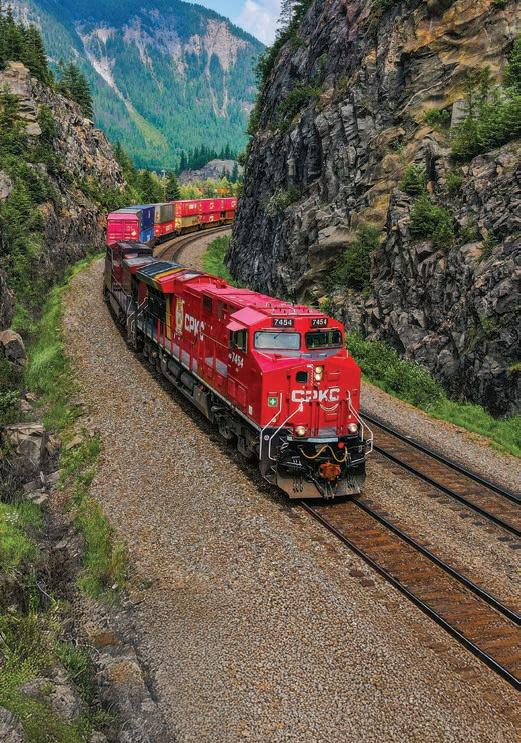
To support our expanding operations, we continue to invest in state-of-the-art equipment and sustainable technology. In 2025, we received 100 Tier 4 locomotives from Wabtec, with 70 more scheduled for 2026, as well as 30 additional units from Progress Rail. These new locomotives feature the latest traction control, efficient cooling systems, and EPA-certified engines, significantly reducing emissions while enhancing network reliability and operational performance. Our locomotive purchases represent a more than $800 million investment in U.S. manufacturing in 2025 and 2026, with locomotives being built in Texas and Indiana. We are also investing to unlock the full potential of our previously under-utilized north-south corridor through the heartland of America. With our capacity expansion projects between Minnesota and Louisiana, we’ve added double-track sections, new sidings, and siding extensions, and installed centralized traffic control.
At the same time, safety remains at the core of everything we do. In 2025, CPKC for the third straight year achieved the lowest Federal Railroad Administrationreportable train accident frequency in the industry. At CPKC, we are upholding our industry-leading standards for safety and operational excellence.
Through our investment in predictive analytics and smart infrastructure management, we’re making significant improvements in maintenance and equipment reliability. Our Geotechnical Engineering team has developed an advanced waterbody monitoring system, harnessing artificial intelligence and satellite data to detect waterrelated hazards across more than 12,600 miles of track. By proactively identifying and mitigating risks such as flooding, we enhance safety, reduce costs, and enable smarter asset management. In addition, our Track Evaluation Cars, deployed continent-wide, allow us to maintain a thorough understanding of track health, contributing to a decrease in track-related derailments and enhancing delivery reliability.
Guided by our Precision Scheduled Railroading model, we continue to serve customers with reliability, efficiency and safety. Even in a challenging economic environment, CPKC remains committed to building our solid foundation and finding new ways to move products, exercising disciplined control and transforming challenges into new opportunities.
For much of America’s 250 years, G&W railroads have ser ved a diverse range of American industries — from family-owned lumber yards and Midwest grain elevators to paper mills and global mining companies — handling any commodity — from automobiles and agricultural crops to wind turbine blades and construction materials.
Powering the North American Economy
By Tracy Robinson, President and CEO, CN
We power the economy. That is what we do every day at CN, and it is how I think about the value we create.
Our role is to provide transportation solutions that meet our customers’ needs at every stage of their businesses. That may mean moving critical inputs into their facilities. It may mean helping them reach established markets or enter new ones. It also means ensuring the products people rely on every day are where they need to be, when they need to be there. We create value by delivering this work in a way that is predictable, reliable and efficient.
A large part of that comes back to operational strength and agility. We are
running a strong operation and staying close to our customers so we can respond quickly as markets and trade flows evolve. In today’s environment, that matters. Supply chains are shifting and trade patterns can change quickly. Our customers need a partner that can move with speed, confidence, and consistency and that is exactly what we are focused on delivering.
When trade flows shift, we need to be positioned to respond quickly across the entire organization.
We have completed a major investment cycle and added meaningful capacity over the past several years. We have put that capacity in place at a much lower cost per unit than we have in the past. That matters because it is not just about one round of investment. It is about building a discipline and a repeatable capability that strengthens CN over time.
Looking forward, I am confident about the growth potential of CN’s network, which sits on top of a tremendous natural resource base across Canada and the United States. There are significant opportunities. That includes agriculture products such as grain. It includes mining and critical minerals, potash and metallurgical coal. It also includes frac sand and a range of energy products, including NGLs, refined fuels and crude oil.
We also have an unparallelled port network that provides access to every major global market.
What stands out to me about many of these commodities is that they are not tightly linked to the consumer cycle or the economy of the moment. They are tied to the long-term needs of the world. They reflect the resources North America can supply and the role this continent will continue to play in supporting global demand. That gives CN a strong foundation for sustainable growth.
When I think about how we are adding value and positioning the company for growth, it comes down to a few core elements. We deliver dependable transportation solutions for our customers. We continue to strengthen the railroad so we can serve them better and more efficiently. We are becoming more productive and more agile, enabling us to respond quickly as markets and trade flows change. And we are anchored by a network that is deeply connected to the resources and supply chains the world will need for the long term.
Over the past 18 months, we have also leaned in heavily on operational productivity, and we are seeing real improvement. That work is continuing as we move deeper into yards and terminals. The benefits extend well beyond efficiency alone. Greater productivity makes us more resilient. It allows us to move faster. It makes us more nimble. In this environment, nimbleness matters. CN
That combination gives us confidence in the value creation for customers, and in CN’s ability to grow by helping our customers grow, while continuing to power the economy.
THE VISION
THOROUGHBREDS POWER MORE.
From digital tools that give you more visibility into your shipments to systems that monitor track conditions in real time, our rail innovations are designed to move what matters—safely, reliably and more efficiently than ever.
LEADERSHIP PERSPECTIVES
Supporting the U.S. Economy
By Steve Angel, President and CEO, CSX
At CSX, we are in an excellent position to benefit from the re-industrialization of the United States. This is a fundamental part of our growth strategy, and as federal, state, and local governments continue to encourage investment within the U.S., our aim is to ensure that this new industrial capacity utilizes the advantages of CSX rail wherever possible.
Our CSX Select Sites® initiative is the most important element of our Industrial Development program because it allows us to play a direct role in bringing valuable capital investment to the region we serve.
We launched the CSX Select Sites
initiative in 2012 as the first railroad-sponsored industrial site certification program that would help customers navigate the challenges of site selection for development of substantial new manufacturing facilities. Since then, we have certified dozens of sites that meet clear standards for rail access, proximity to infrastructure, environmental readiness, and workforce availability. This has been a great benefit to shippers by reducing execution risk and shortening their effective time to market.
help our customers see the clear economic and sustainability advantages of rail-served sites from the start, we know that they are more likely to locate their projects on the CSX network.
We have continued to make enhancements to this initiative over time. In 2023, we launched an online portal that provides real-time access to vetted select sites. The searchable platform allows users to quickly identify properties that meet their specific requirements. That same year we also introduced a framework of Platinum, Gold, Silver, and Bronze ratings to clearly signal site readiness, making it easier for customers to distinguish between constructionready, large-scale sites and earlier-stage opportunities with high potential.
Today, the CSX Select Sites portfolio continues to expand in both scale and geographic reach. In 2026, CSX added 21 new rail-served properties across a dozen states, bringing the total to 80 certified sites across all tiers. This expansion reflects sustained customer and community interest and reinforces the strategic value of CSX’s network footprint.
Since its launch, the CSX Select Sites program has delivered tangible real-world results. Through 2025, select sites-certified locations have helped drive more than $16 billion in reported private capital investment and will support the creation of more than 12,000 jobs across CSX’s network. Critically, CSX’s long-term growth profile has also gained as our customers build out productive assets across our service area.
One great example is Owens Corning’s announcement of a major investment at South Industrial Park, a Silver CSX Select Site in Prattville, Alabama. After years of collaborative planning with local partners to position the site for success, we’re excited to see the benefits of those efforts. The Owens Corning project is expected to create 100 skilled manufacturing jobs, strengthen the local economy, and further expand CSX’s industrial footprint across the region.
I’m proud of what the CSX team has built with this effective, commercially focused program. CSX Select Sites is a critical component of our overall industrial development effort that truly stands out in the marketplace, supports profitable growth, and reinforces CSX’s role as a long-term partner in supporting the U.S. economy.
By highlighting select sites that are immediately rail-ready, this program also helps shippers understand all their transportation options from the early stages of the development process. When we can CSX
BUILT TO DELIVER
Turning Finders into Fixers: How Technology Is Advancing Rail
By Mark George, President and CEO, Norfolk Southern
What is Norfolk Southern’s most important technol ogy initiative? The short answer is AI. Our team of data scientists are leveraging AI to elevate safety and reliability across our network. Running a nearly 200‑year‑old railroad comes with unique challenges, including how to honor the craftsmanship and discipline that built this industry while modernizing at the pace required to serve today’s fast‑moving economy. At NS, we have focused on thoughtfully integrating technology into our day‑to‑day operations to strengthen resilience and equip our railroaders with better tools so they can do what they do best, safer and more effectively.
We have built an integrated digital inspection ecosystem designed to close the gap between defect detection and action, empowering our teams to shift from finding defects to fixing at scale. By layering AI over our world class Digital Train Inspection (DTI) portals, our Wheel Integrity System (WIS) scanners and our Auton omous Track Geometry Measurement Systems (ATGMS), we are fundamentally changing how defects are detected, prioritized, and repaired, strengthening safety for our employees, our
customers, and the communities we serve across our 22‑state network. Technology gives us the opportunity to be more precise and proactive.
Our DTI portals are a cornerstone of that transformation. These systems use stadium‑level lighting and dozens of ultra‑high‑resolution cameras to capture roughly 1,000 images of every railcar as trains pass through at full speed, day or night, in any weather. Our in‑house data scientists have built more than 85 AI algorithms that analyze those images in real time, identifying defects that the human eye simply cannot see.
Today, more than 75% of the defects we identify on our railroad are first detected by technology. These systems can pinpoint microscopic changes imperceptible to the human eye long before they become visible problems. The result is tangible: we recently recorded one of the safest operating years in our company’s history – a testament to the powerful combination of our frontline rail roaders and smart investments in technology that supports their work.
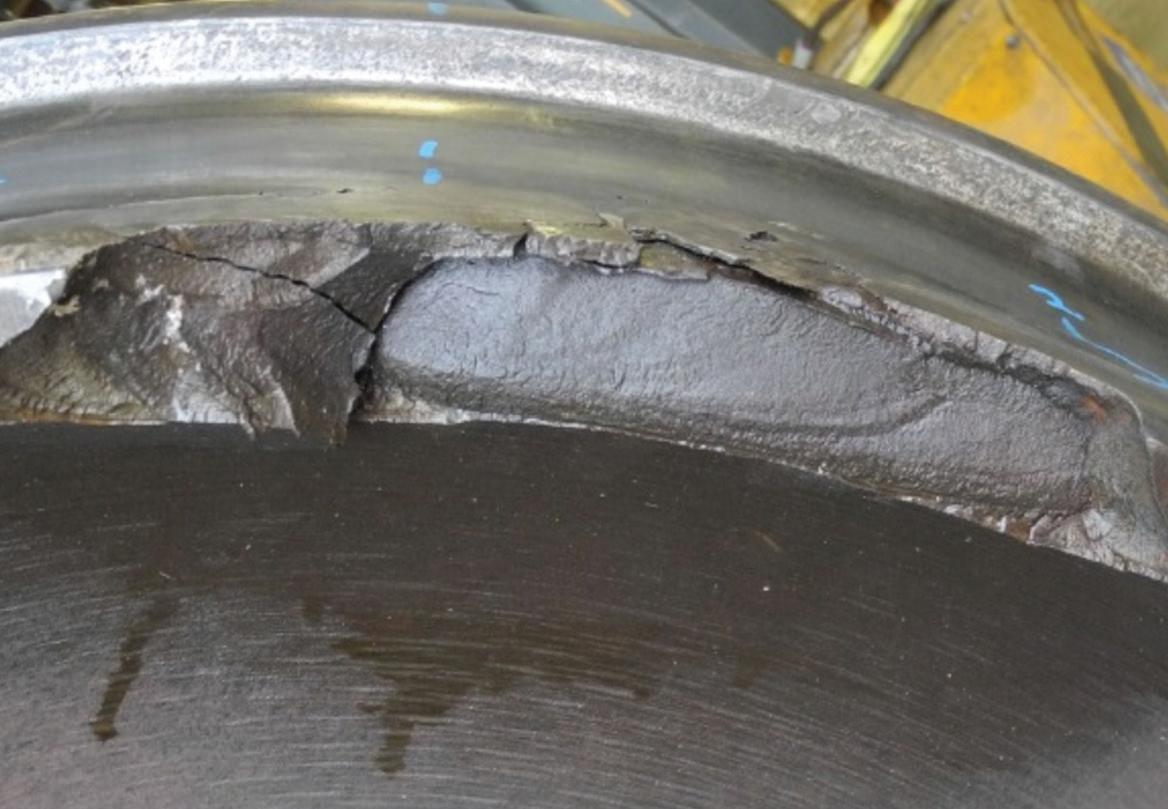
Wheel failures can have serious consequences if they go unnoticed. That’s why we built on the success of DTI with our more specific WIS, a technology designed specifically to identify
cracks and flaws in steel wheels. Using special ized camera angles and lighting, the WIS and our advanced AI algorithms recently detected and confirmed a cracked wheel before it could fail. That early detection led to root‑cause analy sis, an external vendor recall and identification of similar defects elsewhere. This technology is preventing incidents before they occur.
Equally important is what’s happening beneath our trains with our track infrastructure. Through ATGMS, we’ve equipped locomo tives with lasers and sensors that continuously measure alignment, gauge and subtle changes in track structure as they move across the network, using AI to analyze images and find exceptions. Instead of relying solely on scheduled walking or hi rail inspections, we now have a near‑real‑time digital view of track health to help identify broken rails, deteriorating ties, and issues earlier and with greater accuracy.
Across all these systems, the philosophy is the same: technology excels at detection; people are essential for judgment and repair. Our railroaders’ expertise is invaluable. By allowing technology to handle more of the finding, we can redeploy skilled inspectors to focus on reducing risk, improving reliability and keeping freight moving safely.
This emphasis on technology enabled inspec tion, repair, and asset visibility will be espe cially important as we plan to merge strengths with Union Pacific and create the country’s first truly coast to coast railroad; a network of that scale must deliver not only reach, but consis tent, predictable service customers can trust. These technologies and others give us a shared, data driven view of asset health, allowing issues to be identified earlier, addressed more quickly, and managed more uniformly across a broader geography. For customers, that translates directly to fewer disruptions, stronger network fluidity, and greater confidence that freight will move safely and reliably from origin to desti nation. As we look ahead, these systems will be foundational to building a railroad that is more resilient, more dependable, and designed to perform at the highest standard every day.
Modernizing rail isn’t about chasing novelty. It’s about responsibility. When you move heavy freight and a wide range of materials through communities every day, safety must remain the value that guides every decision. By embracing digital inspection technologies that augment human expertise, we’re moving our industry into the 21st century while staying true to the values and the railroaders who built it.
Adding Value to the Global, Multi-Modal Supply Chain
By Jim Vena, CEO, Union Pacific
I’m focused on the facts. Railroads are the safest form of land transportation, and we continue to get better. But as an industry, the fact is we need to grow, and if we don’t change, we will get left behind. The U.S. deserves the best transportation system in the world. One that gives customers optionality and the ability to compete globally. Canada has a great system: two coast-to-coast railroads. Its government is investing in places
like the ports to entice Canadian businesses, but this takes opportunity away from the U.S.
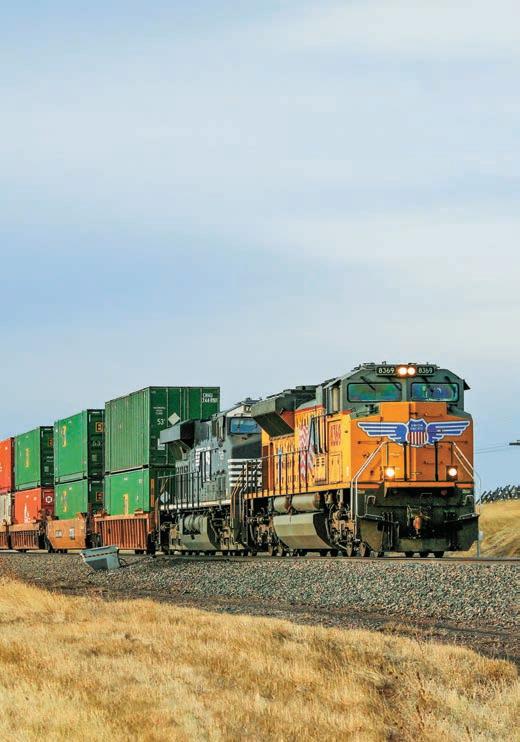
That’s why our merger with Norfolk Southern to create America’s first transcontinental railroad is so important. The benefits of this end-to-end combination are simple: faster service, a more reliable network and lower costs. It will also open up new opportunities to move goods in and out of underserved markets and allow us to compete with long-haul trucking.
For example, farmers rely on rail to reach processing facilities and export terminals. Today, interchange delays slow things down and add cost. A seamless transcontinental railroad changes everything. Soybean meal from western crush plants would move directly to East Coast markets. Grain originating east of the Mississippi would reach Gulf Coast export ports more efficiently.
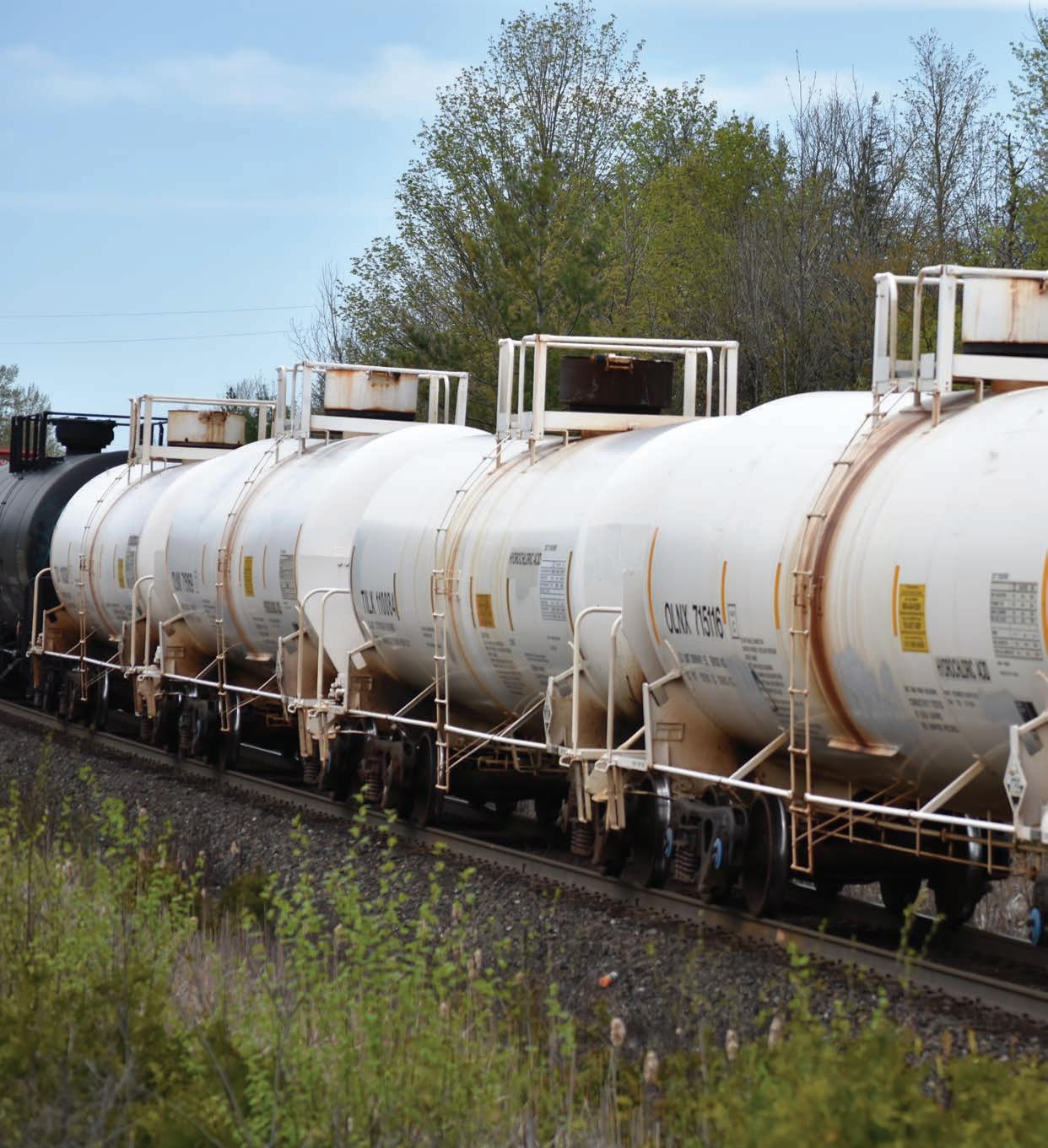
America’s chemical industry is another good example. Our chemical customers operate specialized and expensive equipment. Efficient railcar use creates real value. Faster and more predictable transit times allow them to reduce expensive inventories. Shifting freight from road to rail reduces touches and lowers risk.
As manufacturing comes back to the U.S. and supply chains shift, a unified network would put us in the right place at the right time. Businesses would have single-line access to 100 ports and 10 international gateways in North America, giving them more options to respond to changing global markets. That means more business here at home, and more American jobs.
This merger stands out from previous combinations in our industry because it is fundamentally about growth. Some skeptics question our projections. What they miss is that no previous merger has offered customers the benefits of cross-country single-line service, stronger competition with long-haul trucking, and a solution for decades-old bottleneck challenges.
Looking to the future, we see growth opportunities in every major segment: agriculture, automotive, chemicals, foods, forest products, industrial development, intermodal and metals. On our own, Union Pacific will continue to invest in our railroad, provide the service we promise, and grow with our customers, but that growth is incremental. The transformational opportunities we see are only possible with seamless transportation coast to coast.
This is a moment when the railroad industry must think bigger about its role in the American economy. Today, Union Pacific and Norfolk Southern represent less than 11% of the transportation market. By building the first transcontinental freight network, we can grow the railroad sector, strengthen supply chains, attract new business to U.S. ports, and help American companies compete in global markets. The opportunity is enormous, and we intend to deliver.
GAIN A COMPETITIVE ADVANTAGE & WIN WITH BNSF
SUPPLY CHAIN EXPERTISE YOU CAN COUNT ON
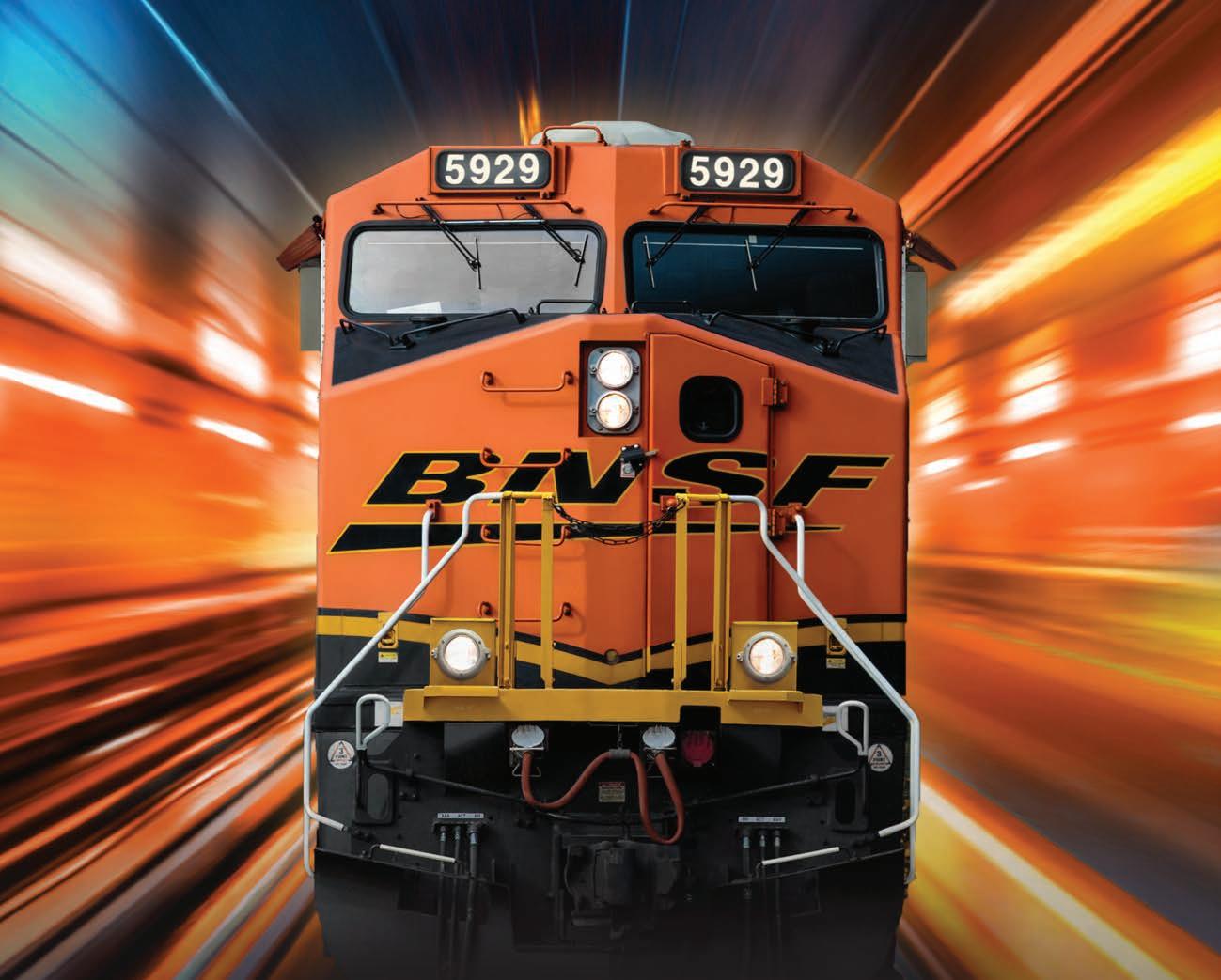
Not all railroads are the same. At BNSF, our enduring commitment is to be the best transportation partner for our customers. Our dedication ensures you can count on us to deliver the supply chain solutions your business needs to succeed. Because when you win, we win together. We call this the BNSF Advantage.
LEADERSHIP PERSPECTIVES
Delivering for the Nation, 199 Years and Counting
By Ian Jefferies, President and CEO, Association of American Railroads
Freight rail—approaching its own milestone anniversary with next year’s bicentennial, nearly as old as the nation itself—remains a foundational pillar of the U.S. supply chain. Each year, railroads move roughly 1.5 billion tons of freight over 140,000 miles of track, linking ports, farms, factories and markets nationwide. From raw inputs to finished products, freight rail underpins industrial production and commerce. By moving large volumes of goods with exceptional fuel efficiency, rail also helps keep transportation costs—and ultimately consumer prices—more affordable across the economy. Today’s rail network is not just infrastructure but a modern economic engine— supporting high-skilled jobs, enabling efficient supply chains, and strengthening the global competitiveness of U.S. industry.
Flexible, data-driven policies and smart regulation underpin railroads’ multi-billion-dollar annual economic output—$233.4 billion in economic activity—while helping keep transportation costs low across the supply chain. Railroads are actively engaged in the affordability discussion, working to ensure policy decisions continue to support investment, innovation, and cost-effective freight movement for shippers, businesses, and consumers.
With surface transportation reauthorization approaching, the industry is actively shaping the congressional debate around policies that strengthen a resilient, competitive, and affordable multimodal supply chain. At the same time, the association is pressing for regulatory modernization at the Federal Railroad Administration to ensure safety rules and standards keep pace with technology—priorities that together support sustained investment, innovation, and long-term growth across the freight rail sector.
First and foremost, railroads are calling upon lawmakers in Washington to catalyze freight rail’s historic advances in safety by backing results-based rules over one-size-fitsall mandates. Like the U.S., railroads are at their best when technology fuels innovation. Prescriptive rules that lock in outdated technologies risk limiting progress at a time when new tools are rapidly emerging.
“Safety policy shaped by accommodation rather than evidence rarely delivers durable results,” says Patrick McLaughlin of the Hoover Institution, who recently previewed new analysis showing that long-term economic growth depends on continued reductions in per-unit transportation costs. His research finds that when regulation slows deployment of proven technologies or adds friction that raises rail
shipping costs, productivity declines, freight volumes fall, and those losses compound across agriculture, manufacturing, energy, and exports—undermining safety, affordability, and economic performance rather than reallocating commerce to other modes.
Second, the rail industry is urging Congress to advance meaningful permitting reform to ensure critical infrastructure projects can move forward in a timely, predictable manner. Freight railroads invest tens of billions of dollars each year in privately funded infrastructure upgrades—from bridges and terminals to new track and capacity improvements—yet these projects can face years of delay due to overlapping federal reviews and inconsistent regulatory requirements. Targeted reforms to laws such as NEPA and the Clean Water Act would help streamline reviews, establish clearer timelines and create a more transparent and consistent process across agencies. By modernizing the permitting framework, Congress can accelerate investment in rail infrastructure, strengthen supply chains, and support the efficient movement of freight across the national economy.
Beyond Capitol Hill, AAR is pushing federal agencies to jettison or modernize outdated standards that have failed to keep pace with advances in technology. A clear example is FRA brake inspection regulations. AAR recently submitted data supporting its long-pending petition to adopt Electronic Air Brake System (eABS) technology to track car-level brake data in real time—an approach similar to modern digital brake monitoring frameworks already being implemented by railways in Canada. By revising existing regulations to reflect today’s realities, freight rail would not only improve the network’s safety and service but also save an estimated $1.076 billion in regulatory relief over the next 10 years.
Smart regulation, not symbolic mandates, is key to unlocking long-term growth, sustaining historic private investment and fueling innovation across the industry. Taken together, these policy priorities form the foundation for longterm growth and innovation across the freight rail sector. They are essential to maintaining a strong, interconnected supply chain that supports U.S. competitiveness.
Freight rail has played a defining role in America’s story, and its next chapter is just beginning. As the nation looks toward its next 250 years, railroads work every day to deliver efficiency, safety, and innovation to keep the supply chain moving and the U.S. economy strong.
The Best Bang for the Public Buck
By Chuck Baker, President and CEO, American Short Line and Regional Railroad Association
Short lines have continued to navigate market ups and downs by focusing intently on the customers right in front of them, serving as the crucial connection for those shippers in small town and rural America to the U.S. and global markets. Short lines are the face of freight rail in many communities, serving as the first and last mile of the journey and the retail arm of a wholesale business.
Short lines are resilient and scrappy small businesses that do more with less. We have proven to be growth drivers—the national data shows that, as does the data from each of our Class I partners. The resources being committed to short line growth opportunities by the Class Is also demonstrates that we are critical to the success of the broader U.S. freight rail network.
Based on our origin story, being the formerly unprofitable branch lines of larger railroads with a small customer base, low traffic density, and marginal yet expensive infrastructure, one would have expected a slow, spiraling end to many of the nation’s 603 short lines. Yet, to steal a quote from Jurassic Park, “life finds a way.” For short lines, carloads are life and we have driven carload growth one carload and one customer at a time.
To further ignite growth for the economy
and improve safety on short lines, Congress should support robust and predictable infrastructure funding, particularly through the Consolidated Rail Infrastructure and Safety Improvements (CRISI) program and a modernized 45G tax credit. Both tools have already been successfully deployed to improve short line track and bridges to modern 286,000-pound standards, and both stand ready to do much more.
Upgrading track to the 286K standard provides three important benefits:
• Drives efficiency for shippers and our Class I partners—slower speeds and lightloaded cars delay shipments;
• Lowers costs for shippers and consumers—consistent 286K-capable track across the network will improve system fluidity, throughput, and efficiency—enhancing capacity and improving service;
• Improves safety, as most short line derailments are due to broken rail and wide gauge—basically worn out track and ties.
To fully maximize rail and its inherent environmental benefits as an option for shippers, we must be efficient in price and consistent in delivery.
Short lines have also felt the benefits of CRISI’s power to ignite change in the delivery of services and programs for work force development and safety training, including
a grant to ASLRRA and the Iowa Northern to create a short line-specific training center, with programs that can be delivered in person or virtually. To date the Short Line Training Center has touched more than 1,200 employees. This training, including locomotive simulator and other virtual reality training, ensures that employees are compliant with regulations and understand the safety implications of their actions.
Through annual appropriations to the FRA, Congress has also seen fit to consistently fund the Short Line Safety Institute (SLSI). Created after the tragic Lac Megantic accident in 2013, the SLSI is the educational, training and research source for the short line industry on safety culture. With more than 179 Safety Culture Assessments conducted, the SLSI has reached more than 25,000 railroaders and transformed the understanding of safety culture in the short line industry.
The result of these efforts is evident in safety statistics reported by the FRA—in 2024, a record 387 ASLRRA member railroads reported zero injuries. Zero! 2025 numbers will be reported out in short order and we anticipate another record year.
When operations are safe, shippers are more confident that they will be well-served, and can commit to more volume on rail vs. on truck.
2026 will undoubtedly be an interesting year in our industry, with Congressional surface transportation reauthorization and the possibility of a major Class I combination both standing out as hot items of discussion. Both events have the potential to significantly affect short lines and present both opportunities and threats.
As always, short lines will look to step up, lean in, and engage with these possibilities to maximize opportunities to serve our customers and the country. We will step up to the plate and look to grow carloads by hitting lots of singles, and the occasional home run, serving our customers with the creativity and dedication we are known for. We will lean in, building momentum to ask Congress to support the CRISI grant program and a modernized 45G tax credit that will enable more public and private dollars to be spent on critical infrastructure. And then we will engage, delivering the very best bang for the public buck to deploy those funds effectively and efficiently, growing our shippers’ business, the economy of the communities we serve, and the entire rail industry.
LEADERSHIP PERSPECTIVES
Reimagining Rail Growth
By Peter Gilbertson, President and CEO, Anacostia Rail Holdings Company
Railroad traffic has been flat for more than a decade, and rail’s share of the market continues to decline. Union Pacific has proposed reversing this trend through a merger with Norfolk Southern, while others pursue coordinated service models to show similar outcomes can be achieved without consolidation. The fact that competition is intensifying is a positive sign for the industry.
In an idealized vision of rail operations, all traffic would move as long-haul, non-stop unit trains scheduled between terminals with standardized equipment, uniform train length and balanced loads. Yards, interchanges, road locals and block swapping would largely disappear. For intermodal, this has been partially achieved.
But the benighted “loose-car railroading” operates very differently. Even excluding coal, Class I carload traffic peaked in 2006 and has steadily lost market share to trucking. It would be easy to conclude that the complexity of yards, local service and short lines make carload railroading inherently inefficient.
Yet the data tells a more nuanced story.
In fact, short lines, which primarily handle carload traffic, continue to grow volume even though they interchange nearly all their traffic. Although involving a short line can be perceived as adding friction, it often adds the value of entrepreneurship, local expertise, and tailored service, connecting regional customers to the national rail network and capturing freight that might otherwise move by truck. Just as important, short lines succeed because they maintain personal connections with customers, which has become increasingly rare in the industry.
Short lines also measure success somewhat differently than larger railroads. While operating ratio matters, growth, return on assets and cash flow often receive greater emphasis. There is also a clear recognition that most potential rail traffic is already moving by truck, meaning new traffic may initially carry a higher operating ratio but still create long-term value. We need to go to where the market is. That “follow the freight” mindset reflects an entrepreneurial approach: short lines are often willing to take calculated risks, invest in new customer facilities and design customized service offerings to win freight that might otherwise never touch rail. Class I’s are clear beneficiaries.
While short lines often serve a strategic purpose, improving handoff efficiency remains essential. If the industry wants to grow carload traffic, rather than simply manage its decline, we must focus on improving interchange performance. It should be scheduled and measured in a consistent, fact-based way, with transparent reporting and incentives for consistent performance. Technology such as RailPulse can improve visibility into railcar location and dwell times, helping railroads manage handoffs more effectively. Interchange frequency should also be designed around growth objectives and customer needs, not just operating convenience.
Industrial development is another area where short lines play a critical role in driving rail growth. Short lines actively pursue new railserved customers, working with communities, economic development partners, and site selectors to attract businesses that can ship by rail. This often requires direct investment in track, transload facilities, and rail-served industrial
sites, as well as the willingness to work closely with prospective customers as projects move from concept to operation. As entrepreneurial, customer-focused risk takers, short lines are often the ones identifying opportunities, developing sites and bringing new traffic onto the network.
At Anacostia Rail Holdings Company, we understand the value short lines bring: flexible service, competitive rates, personal attention, and an approach that views every single carload as precious. The workforce of a short line lives and operates in the communities it serves, gaining a deep understanding of local supply chains. This insight helps navigate market dynamics, unlocking new ways to grow freight volumes.
Short lines effectively function as a valueadded service between local customers and the national network, assembling carloads, switching customers, and providing the flexibility many shippers require. In truckheavy markets, this local engagement often determines whether rail can compete at all. It is not simply the presence of a short line that matters, but the customer-first mindset that drives these operations. We prioritize service, problem solving, and long-term growth over short-term operating metrics alone.
This dynamic becomes even more important as the industry considers future structural changes. A practical model has been validated by years of success: Class I railroads focus on efficient long-haul movements between major hubs, while short lines provide responsive firstand last-mile service, aggregating freight and feeding it into the national system. Importantly, there is nothing inherent that limits this customer-focused approach to short lines alone. The strategies that allow short lines to capture truck traffic—close customer relationships, tailored service, and a willingness to pursue new freight—are available to any railroad that chooses to prioritize them.
As the industry seeks to regain market share, the lesson is clear: growth depends less on mergers or structural change and more on delivering the service shippers value. That means reconnecting railroading with the people and customers it serves, combining the efficiency of long-haul operations with the enterprising, customer-driven mindset that has allowed short lines to grow even in a challenging market. By improving the handoffs between railroads and focusing relentlessly on customer needs, the industry can provide competitive, reliable options that win traffic even in markets historically dominated by trucking.
The Right Tech Tools, at the Right Time
By Dan Smith, CEO, Watco
Railroads in recent years have become more data‑driven and automated, thanks to technology. At Watco, tech nology has never been about chasing trends for their own sake. It’s about using the right tools, at the right time, to help our customers move their businesses forward—more safely, efficiently, and reli ably. Today, we’re applying technology in practical ways across our operations to improve visibility, support our teams, and make better decisions in real time.
Just as important, we’re being intentional about what comes next. We’re actively exploring emerging technologies: how they can strengthen service, empower our people, and create long‑term value.
I’m excited to highlight some of the ways technology is in use and being explored at Watco. I’ll start with the implementation of AI and the ways it helps us gather, analyze, and act on information.
AI works with dashcams and telemat ics installed on company vehicles, helping us measure driver behaviors. Telematics is plugged into some of our operating equipment, too. We have security cameras at most of our facilities now to provide surveillance. These cameras
are continuously guarding against trespassers, watching for any unsafe work conditions, and sending alerts that help us get ahead of issues.
We’re exploring other ways AI can help manage risk and minimize incidents. We’re looking at how we might use satellite imagery to enhance track inspection, and how we can collect and process LiDAR data to get better information to help us improve our tracks. We’re investigating new ways to monitor bridges and use telematics to help us keep an eye on the health of our equip ment for maintenance purposes.
A component in our new railcar inventory system rolling out this year is a digital assis tant that will create efficiency and empower customers, crews, and customer service reps. Some examples: This AI agent can act as a CSR’s research assistant to help analyze our rail network and perform tasks. It can answer some customer questions and perform actions without CSR support. Crews will perform certain tasks with it that historically required making a phone call for assistance.
GIS is making all kinds of detailed informa tion more accessible to customers and team members. Our GeoConnect portal shows customers the places in our network where we can offer railcar storage or transloading or
provide industrial or greenfield sites for their expansion. Our teams are using location data in dashboards to visualize current and histor ical track information, helping us identify and prioritize where we want to make track infra structure improvements.
Watco has identified GIS as a key technology tool not only for rail infrastructure but also for ports. Right now, we’re evaluating a potential GIS solution for our multimodal terminal and port operation on the Houston Ship Channel, Greens Port. Similar to the rail side using GIS for inspection and maintenance data, Greens Port could leverage GIS to enhance efficiency and make more strategic infrastructure invest ments. This solution could map real time data like vessel location and water depths at differ ent docks as well as support asset maintenance by showing current condition of assets and when they were last serviced. This type of GIS application has potential for use at the rest of our terminals and ports.
Our Safety team is working toward the rollout this year of an enhanced check ride solution for engineers. We’re working with an outside software company to create digital check ride testing for our locomotive simula tors that will complement or even be an alter native to in cab testing. It will provide greater ability to evaluate engineers’ skills for FRA compliance. Right now, we’re tweaking our existing checklist to submit to the FRA. Our plan is to outfit our simulators with new soft ware containing FRA approved checklists before the year is out. When everything is finalized, we’ll have this software in two fixed simulation units and in two mobile units that can travel to any of our short lines.
Earlier this year, we began testing a semi autonomous car mover at our transload terminal in Wood River, Illinois. Intra motev’s TugVolt equipment is installed on a conventional, standard hopper. It’s self propelled by battery driven motors, with a ground based operator directing all move ments. After we evaluate this pilot, we’ll consider whether there are other opportuni ties elsewhere in our network.
As our industry continues to evolve, Watco will keep investing thoughtfully—piloting new ideas, learning quickly, and scaling what works. Our commitment is simple: to remain a trusted partner by combining operational excellence with smart, forward‑looking technology. That balance will continue to guide how we operate today and how we prepare for what’s ahead.
LEADERSHIP PERSPECTIVES
Investing With Customers for Growth
By Michael Miller, CEO, Genesee & Wyoming
Industrial development projects are a critical piece of Genesee & Wyoming’s—and rail’s—growth strategy. Recent projects along the G&W footprint show that customers are constructing new plants, expanding existing facilities and even re-opening shuttered sites in healthy numbers. So, our job is to demonstrate the safety, efficiency and economic benefits that go hand-inhand with using rail for their transportation needs. And the success of these projects often hinges on a commitment to invest on our end—whether through track or siding buildouts, rehabilitation and other improvements, or equipment purchases to handle associated traffic.
Two of the most significant initiatives in recent years—one on each coast—are Hyundai’s electric/hybrid vehicle plant near Savannah,
located on our Georgia Central Railway (GC; Railway Age’s 2026 Regional of the Year), and Ag Processing Inc.’s (AGP) export terminal expansion in Hoquiam, Wash., served by our Puget Sound & Pacific Railroad (PSAP).
In 2022, a location at the Bryan County Megasite along the GC was selected to house a new, $5 billion, state-of-the-art Hyundai electric/hybrid vehicle-manufacturing facility.
GC was an ideal partner for this massive and transformational project for a few reasons. G&W has a longstanding presence serving the Port of Savannah (through sister operation Savannah Port Terminal Railroad). GC offers access to the broader North American freightrail network via dual Class I connections with CSX and Norfolk Southern, which primed GC to haul not only outbound finished vehicles once the facility was online but also inbound materials to support the plant’s construction.
Moreover, the railroad had previously demonstrated a strong commitment to long-term growth through investments that upgraded capacity to 286k along the entire route and increased track speeds to 25 mph.
After several years of collaboration with local economic development councils, Hyundai, the respective Class I’s, and others, GC began hauling finished vehicles from the site last March—undoubtedly contributing to the railroad’s 41% growth in carloads over the past five years.
With growing demand for renewable fuels, soybean crush capacity has skyrocketed as crush plants are rapidly coming online across the country. AGP approached PSAP and the Port of Grays Harbor for additional export capacity and access to expanded global markets. AGP has had a solid relationship with the Port of Grays Harbor and the PSAP, so both partners were a natural choice for them to leverage the service and relationships they have enjoyed for many years.
Making this expansion possible required significant groundwork on the railroad side. While the port carried out its own investments to accommodate the project, PSAP invested substantially to ensure it could support AGP’s future volume targets. Work included the rehabilitation of more than 200,000 feet of rail; upgrades to 24 main line turnouts, 43 crossings and 19 bridges; and major improvements at Blakesly Yard to allow flat switching while handling unit trains. Additional upgrades are under way at PSAP’s Montesanto Siding, which will be lengthened to hold unit trains and enhance fluidity on the line. These improvements will ultimately minimize dwell time, improve speed of operations and ensure AGP can count on reliable unit train service from the day railcars start shipping.
From conception to operation, the project will have spanned roughly four years—with start-up of AGP’s new soymeal export facility expected mid-year this year. Once online, it is expected to double PSAP’s annual carloads and transform the railroad into one of G&W’s highest-volume operations.
Projects of this scale only work if a railroad is willing to listen to and invest alongside the customer. And when we lean in with a commitment to safety and tailored service specific to a project, we not only move more freight but help fuel the growth of American businesses and, in some cases, entire regions across the country.
Genesee & Wyoming
Industrial Development for Sustained Growth
By Justin Broyles, President and CEO, R. J. Corman Railroad Group
As President and CEO of R. J. Corman Railroad Group, I am pleased to share our approach to industrial development. With capital investment decisions growing more competitive and project timelines continuing to compress, success in industrial development increasingly hinges on an integrated approach with three key factors: speed, partnership, and execution. In my view, industrial development is no longer simply about location. It is about readiness and the ability to move from concept to operation without unnecessary friction.
Visibility Is the First Competitive Advantage: Effective industrial development starts long before a customer issues a formal site search. Too often, rail served sites are overlooked because they are not easily discoverable or lack due diligence. That reality has driven our focus on working closely with economic development partners to identify, catalogue, and actively market rail accessible properties along our 19 short lines.
By investing in a publicly searchable database
of R. J. Corman-served sites, we are removing barriers from the site selection process and giving customers and consultants faster access to locations that can support long term growth. This effort has already uncovered sites that were previously unknown, allowing us to add to our inventory of marketable sites and support site readiness initiatives that materially improve competitiveness. In a compressed decision cycle, visibility and preparedness are often what separate winning sites from those left behind.
Shifting from Reactive to Proactive Partnerships: Equally important is how we engage the broader industrial development ecosystem. Proactive collaboration with site consultants and economic development organizations has fundamentally reshaped our opportunity pipeline.
Through targeted outreach and consistent communication, we are no longer reacting to projects—we are helping shape them. By clearly articulating the value of our short line rail operations—flexibility, responsiveness, and local market expertise—we can control the narrative and demonstrate why short line railroads should be part of the
solution, regardless of project size.
This approach has expanded both the scale and scope of the opportunities we see, from modest expansions to billion dollar greenfield investments. The common denominator is early involvement, and a shared understanding of what success looks like for the customer.
Execution Is Where Strategy Proves Its Value: Strategy alone does not win industrial projects—execution does. These projects are complex, capital intensive, and time sensitive. By dedicating industrial development resources to manage projects from initial concept through the start of operations, we provide customers with clarity and accountability at every stage.
A defined project management process reduces delays, aligns stakeholders, and allows rail volumes to materialize sooner—benefiting both the customer and the railroad. Customers consistently tell us they value having a single point of contact who can help them navigate the technical, operational, and commercial aspects of a rail served project.
A Real-World Example of Rail-Led Development: One recently announced project, Washington Penn Plastics’ decision to locate a new manufacturing facility in Winchester, Ky., underscores the impact of this integrated approach. The Winchester, Kentucky, site was not originally included in the initial site selection package provided by the State’s Cabinet for Economic Development. However, our understanding of the customer’s requirements— combined with knowledge of available rail served properties—allowed us to introduce a compelling alternative site in Winchester.
Recent state investment had transformed the site into a pad ready location, enabling faster construction and reduced risk. Additionally, we were able to offer an incentive package on track construction for the rail project. These advantages ultimately secured the project and positioned it for long term success.
Looking Ahead: Industrial development will only become more competitive in the years ahead. Railroads that invest in site intelligence, build trusted partnerships, and can execute across multiple disciplines will be best positioned to win.
It is clear to me that industrial development is critical to enabling sustained growth and delivering long term value for customers, communities, and the rail industry alike. Our commitment to creating value for those stakeholders is unwavering.
Adapting, Evolving to Serve a Changing Market
By Lorie Tekorius, President and CEO, The Greenbrier Companies
Recently, Greenbrier expanded what we offer through a multi-facility insourcing initiative in Mexico, bringing more primary parts and sub-assemblies in-house. The expansion advances Greenbrier’s broader strategy of targeted vertical integration and footprint flexibility, ensuring that production capacity can be shifted or scaled as market conditions change.
Market Shifts and Resiliency:
The COVID-19 pandemic gave us an opportunity to adapt and evolve to meet the needs of a changing market. Severe supply chain disruptions across sectors made business difficult, in our industry and beyond. We saw rail shipments sharply drop early in the pandemic due to weak consumer demand. Then, demand rebounded quickly, resulting in significant material delays and shortages as suppliers ramped back up.
Greenbrier’s successful recovery was in many ways due to our sourcing team, which handled these disruptions exceptionally well. Their work enabled Greenbrier to meet demanding production schedules while withstanding industrywide shortages.
These disruptions underscored the value of targeted vertical integration within our North American footprint.
Insourcing at Scale: At our 2023 Investor Day, we announced plans for an insourcing program across multiple facilities to bring more primary parts and sub-assemblies in-house. We conducted a make-vs.-buy analysis to determine which parts to insource and which to continue outsourcing.
Highlights:
• Timeline: Project planning through completion occurred over three years, and notably, the construction of the new insourcing building was completed in 10 months from breaking ground to making pieces.
• Workforce Impact: Introducing additional types of production in Greenbrier’s facilities means we are not only providing the job itself, but we are also offering specialized training to run these new machines, meaning employees can learn new skills.
The results of these efforts have been promising, including reduced waste, greater control over quality standards and lead times, lower trucking emissions, and lower inventory levels. We achieved the following benefits at our Central Mexico facilities:
• Modernized Equipment: The pieces of equipment are new, so they have enhanced safety features and more precision when cutting, bending and drilling. The Greenbrier Companies
• I n-house Processing: A 225% increase in steel processed in-house.
• I mproved Supplier Proximity: 52% of suppliers are now within
a 40-mile radius.
• Reduced Emissions: CO₂ reduced by an average of 44.7 tons per month.
Vertical Integration and Footprint Flexibility: Insourcing is one dimension of our efforts to strengthen operational and supply chain resilience. Another is railcar maintenance and restoration work that maximizes flexibility across our North American footprint.
Today, our North American new railcar manufacturing facilities also offer railcar restoration services, such as rebodying and requalifying railcars at scale.
In addition to being accretive to Greenbrier, these programs also support our efficient use of capacity. By strategically leveraging our manufacturing facilities for larger-scale railcar restoration work, we can ensure our resources are effectively deployed and maintain the flexibility to adapt to varying market demands. Railcar repair and requalification work can be performed at our manufacturing facilities or maintenance locations, depending on various factors such as the nature of the work and the order size.
This allows us to create as much flexibility as possible within our operations. By prioritizing capacity and process control, we can efficiently manage workflows across our facilities, maximizing output while maintaining quality.
Positioned for Today’s Trade Environment: Amid global trade uncertainty, tariffs, and an upcoming USMCA review, our pivot to insourcing
and footprint optimization could not have come at a better time. While many companies across industries, including rail, are grappling with tariffs or seeking North American suppliers, Greenbrier divested from countries of concern years ago. Our steel is sourced primarily in the U.S. and shipped to our U.S. or Mexican facilities for assembly, reinforcing our supply chain firmly
within our North American network.
As we reflect on our journey, it’s clear that our vertically integrated model reduces exposure to tariff swings and global supply disruptions. At Greenbrier, we support 24,000 North American workers and manufacture and maintain railcars across 32 states. That impact is possible thanks to a well-integrated North American rail network and an effective strategy.
Rail’s Imperative: Building Resilience and Value
By Jean Savage, President and CEO, Trinity Industries, Inc.
Rail’s role in the global, multi-modal supply chain will be defined by asset productivity. Network velocity, equipment reliability, and capital efficiency now matter more than fleet size alone. The industry’s ability to move more freight with the infrastructure already in place will determine rail’s competitive position.
The global supply chain has reset. Trade flows are regionalizing. Energy and industrial production are shifting.
Customers are recalibrating inventory strategies. In this environment, rail must deliver consistency. Service variability is cost. Dwell is cost. Extended shop cycles are cost. The multi-modal ecosystem rewards reliability and penalizes friction.
The opportunity is clear. Improve car cycle times. Reduce interchange delays. Shorten repair turns. Increase visibility across networks. These are not incremental gains. They directly improve return on invested capital and strengthen rail’s position against highway competition.
At Trinity, our investments are aligned to those priorities.
We are modernizing our manufacturing footprint to increase efficiency, improve quality, and enhance flexibility. Automation, advanced welding systems, robotics, and digital production controls are reducing cycle times and strengthening safety performance. These investments are not about expansion for its own sake. They are about delivering fit-for-purpose equipment with greater precision and consistency, enabling railroads and private car owners to deploy capital more efficiently.
Fleet flexibility is equally critical. As commodity flows evolve—whether in energy, agriculture, chemicals, or construction materials—equipment must adapt. Our engineering focus remains on modern railcars that enhance reliability and support evolving regulatory and operating requirements. Static fleets constrain network performance. Modern fleets enhance it.
Maintenance velocity is an industrywide lever, and it is an area where we are investing directly. We continue to expand and upgrade our maintenance network, increase shop capabilities, and deploy mobile repair resources to reduce outof-service time. Shop cycle time directly affects network performance. Improving turnaround improves asset velocity. That strengthens both railroad fluidity and customer service.
Digital integration must also accelerate. We are advancing telematics integration, predictive maintenance tools, and digital customer interfaces that provide real-time visibility into asset location, condition, and lifecycle status. Earlier diagnostics reduce unplanned downtime. Better data improves planning across Class I and short line networks. Transparency reduces surprises, and fewer surprises translate into stronger service performance.
Lifecycle alignment remains foundational. By integrating manufacturing, leasing, maintenance, and asset management, we align incentives around uptime and productivity rather than transaction volume. That coordination improves accountability and supports the broader objective of network fluidity.
The industry also faces increased capital scrutiny. Investors expect disciplined
allocation and durable returns. Expanding fleets without improving velocity dilutes returns. Improving asset turns strengthens them. Our capital program reflects that reality—modernizing facilities, enhancing repair capacity, and investing in scalable digital systems designed to support longterm productivity.
Sustainability reinforces this direction. Rail’s lower greenhouse gas emissions per ton-mile remain a structural advantage. Modern, higher-capacity equipment further enhances that profile. Reliable service ensures freight remains on rail, supporting both environmental and economic objectives.
Resilience is built through alignment. Lessors, manufacturers, Class I carriers, and short lines share responsibility for improving network performance. We are investing alongside our railroad partners in modern production, expanded maintenance infrastructure and digital transparency, because strengthening rail’s competitive position requires
coordinated execution.
LEADERSHIP PERSPECTIVES
Rail remains indispensable to a durable global supply chain. Building resilience and value across that system depends on disciplined investment, operational rigor, and measurable improvements in asset productivity.
That is how we are contributing— by improving the performance of the network itself.
Engineering Reliability in a Changing Rail Industry
By Nick Randall, CEO, FreightCar America
The future of freight rail will be shaped by manufacturers who can combine innovation with operational discipline, advanced technology with human expertise and engineering precision with manufacturing consistency. Companies that build systems capable of reducing error and limiting variability will play an increasingly important role in supporting global supply chains.
Freight rail remains one of the most
efficient and sustainable ways to move goods across the global supply chain. From raw materials and energy to finished products that support everyday life, the movement of freight underpins economic activity in ways that are often invisible but deeply essential.
For companies that manufacture equipment to support this network, the responsibility extends beyond building railcars. It requires continuously improving how those assets contribute to safety, reliability and efficiency across
the transportation ecosystem.
At FreightCar America, that responsibility begins with a simple principle: the reliability of the equipment we build starts with the discipline of the systems used to design and manufacture it.
Safety provides the clearest example of how this discipline works in practice.
In heavy manufacturing environments, risk rarely emerges from a single failure. It often develops when layers of protection break down. At FreightCar America, our safety programs focus on identifying highrisk tasks and strengthening the layers of protection around them to reduce the probability of error before incidents occur.
The tools used to accomplish this extend well beyond safety. When organizations analyze work through the lens of layers of protection, they develop systems that improve consistency across the entire operation. Processes become clearer. Tasks become more repeatable. Opportunities for variation are reduced.
Reducing variability is not just an operational improvement; it is a strategic capability. When manufacturing systems produce consistent outcomes, organizations can scale production, adapt to changing demand and respond to customers without sacrificing quality or reliability.
The same structured thinking that reduces the likelihood of workplace incidents also strengthens engineering discipline and improves manufacturing quality. When teams design processes that remove error-prone conditions, the result is more predictable production outcomes and more consistent product performance. Safety becomes a leading indicator not only for workforce protection, but for engineering rigor, quality and reliability.
This approach is particularly important in an industry shaped by changing market dynamics. Demand for rail equipment can fluctuate with commodity cycles, economic conditions and evolving freight patterns. Manufacturers must be able to adjust to these changes while maintaining stable operations and consistent product performance.
Organizations that rely primarily on individual expertise can struggle to scale or respond quickly under these conditions. Those who invest in disciplined processes and systems that reduce variability create
something far more valuable: the ability to respond with agility while maintaining operational control.
At FreightCar America, we believe this disciplined agility is one of the most important ways we serve our customers. By building manufacturing and engineering systems that limit variability, we can scale production, adjust to market shifts and deliver consistent quality across changing demand cycles.
Technology plays an important role in enabling this capability. Rail manufacturing is a legacy industry with long product lifecycles and deeply embedded operational knowledge. At FreightCar America, we believe the most effective path forward is not replacing that experience but augmenting it. Targeted automation, digital tools and improved production systems allow us to apply greater engineering precision and repeatability while ensuring that experienced professionals remain central to decision making.
The combination of skilled people and
LEADERSHIP
well-designed systems creates a manufacturing environment capable of delivering both consistency and adaptability. This approach reflects the engineering discipline and operational rigor that have long been central to FreightCar America.
As the freight rail industry evolves and we
expand into new product areas, disciplined systems, advanced technology, and experienced people will remain essential to delivering the reliability modern supply chains demand. At FreightCar America, reducing error and variability through well-designed processes is central to that future.
Proud to Keep America Moving
Your partner in rail, transloading, and logistics
Transformation: A Unified Stucki Offers Customers Stronger End-to-End Experience
By Ron Port, CEO, A. Stucki Company
Two years ago, we began the process of changing the identity and culture of the A. Stucki Company to better serve a changing rail market. That’s not unusual; companies evolve as their markets and strategies evolve. Here’s why it was necessary at Stucki—and why it’s working.
For more than a century, we’d
been known as a trusted provider of engineered products and services for the international rail transportation market. In more recent years, however, our focus had been on growth and diversification. We acquired several accomplished suppliers of machined components, springs, bearings, and other products, as well as critical manufacturing and logistics services. We often referred to our “family”
of companies, which was an accurate description of our versatile combination of manufacturing capabilities, engineering excellence, superior products and services, and outstanding people. Although we took great pride in the power our brands held in the marketplace, we wanted to leverage those collective capabilities under a single, strong brand identity. We brought them all together under the Stucki name, to amplify our capabilities and deliver even greater value to our customers.
Our goal was simple: to become a highly engineered components manufacturer and service provider focused on improving safety, reliability, uptime and delivery for customers. To that end, we established several key priorities, including targets like focused growth, operational excellence and stronger inventory management. Each of these priorities is designed to improve reliability and deliver a superior experience for our customers.
We chose to build on our stellar reputation for reconditioning services as a core part of our business model and aftermarket growth strategy. That eventually led to our acquisition last fall of Wheelworx, one of the largest wheel shops in North America, which expanded our reconditioning capacity and strengthened our ability to deliver faster, more reliable service to customers. We also invested in our people and reaffirmed our commitment to safety in the workplace. Businesses with high safety standards deliver superior results across their critical metrics.
Far from being a regional operation, Stucki now operates from more than 15 facilities strategically located in North America and Brazil. As we have adhered to these priorities, our teams across our organization are aligned around common goals and working together more effectively than ever.
Our sales teams have been integrated and cross-trained to represent the full Stucki product portfolio, providing our customers with access to that portfolio through a more coordinated and unified approach. Across our operations, we strengthened execution around safety, quality, delivery, and cost, with a clear
focus on the customer. Our engineering teams began delivering practical, innovative solutions to market faster, working closely with commercial and manufacturing teams. By aligning sales, inventory, and operations planning, we better matched customer demand with production, improving availability and delivery performance.
Each function now contributes to a seamless, end-to-end customer experience, strengthening customer partnerships and supporting our longterm growth.
Today’s Stucki is focused on providing end-to-end solutions for our customers. We have concentrated our energy and resources on opportunities that strengthen our core capabilities and lead to sustainable results. When we set out to transform Stucki, we knew big goals would produce big results. By pursuing those goals as a unified company, we are delivering a more reliable, responsive and integrated experience for our customers.
LEADERSHIP
LEADERSHIP PERSPECTIVES
Investing in Capacity, Technology and People
By Michael Carter, President, Amsted Rail
At Amsted Rail, we supply the rail industry with reliable, high-performance undercarriage systems and components, working to deliver them consistently, at scale and across market cycles that can change quickly. We support the rail networks that keep goods and passengers moving safely, reliably and efficiently, while helping sustain the global, multimodal supply chain. With the majority of our manufacturing based in North America, our operations are anchored by a strong domestic footprint and supported by strategic relationships with global sources for raw materials, components and logistics. To operate at scale across global networks and fulfill our responsibility to the industry, we
must invest deliberately in capacity, technology and people.
One of our most significant capital programs today encompasses a broad expansion of manufacturing capacity to ensure that we can support the industry during periods of peak demand. At the same time, we have invested in our North American facilities to establish the unique capability to produce larger, more complex castings, particularly those required for transit and heavyduty freight applications. Together, these efforts strengthen our role as a dependable supplier, giving railcar builders and transit authorities a partner they can count on for critical components and systems, regardless of where the market stands in the cycle.
Capacity alone, however, is only part
of the equation. We are also expanding applications of advanced automation throughout our manufacturing processes to ensure greater consistency in production. Technologies ranging from automated delivery of materials within a manufacturing facility to robotic placement and physical finishing of parts are combined with sensors and vision systems to improve precision and throughput. Automated systems execute critical production steps the same way each time, ensuring every component leaving our facilities meets the rigorous standards of quality and reliability that drive consistent performance for our customers.
Automation also makes our facilities safer by handling the most physically demanding tasks in the harshest environments. With an unrelenting focus on safety, reducing risk for our workforce makes Amsted Rail a more attractive place to build a career and a more resilient operation as labor markets shift. Given the nature of the North American market, stable and predictable performance from critical component suppliers is not just a preference, but an expectation that Amsted Rail is positioned to meet.
Alongside the capital improvements and technological advancements we’re pursuing across our operations, we continually invest in the people who form the backbone of our organization. We have recently created an Amsted Rail Operations Academy to build a pipeline of future operations leaders for modern manufacturing. The program develops the technical knowledge, process discipline and leadership capabilities required to manage complex industrial operations and adapt as technologies and manufacturing methods continue to evolve.
These efforts reflect Amsted Rail’s broader mission to improve the safety, reliability and efficiency of railways. Whatever the market demands, our investments in manufacturing capabilities and people ensure we are ready to meet it—giving customers the consistent, dependable support they need to keep rail networks, and the communities and economies they serve, moving forward.
Amsted Rail
JOIN US AT OUR CONFERENCES
Women In Rail
October 6–7, 2026 | Schaumburg, Il
Railway Age / RT&S Women in Rail empowers professionals to grow and take on leadership roles in the rail industry. The conference brings together women and allies for practical conversations on career advancement and leadership development. Panels and peer discussions address mentorship, compensation, employee resource groups, and emerging industry trends. The event supports both individual growth and stronger workforce pipelines.
Next-Gen Rail Systems
October 21–22, 2026 | Philadelphia, Pa
Railway Age Next-Gen Rail Systems is a technical conference focused on the future of train control and signaling. Designed for engineers and technology leaders, the event provides a rigorous forum for understanding system design, as well as the emerging and proven technologies shaping safety, reliability and performance.
Light & Heavy Passenger Rail
November 4–5, 2026 | Philadelphia, Pa
Railway Age / RT&S Light & Heavy Passenger Rail equips transit professionals with the knowledge and connections to improve light rail systems across North America. Peer-led sessions focus on practical solutions for planning, design, operations, and maintenance. Case studies explore AI-driven operations, sustainability, electrification, and next-generation rolling stock.
Next-Gen Freight Rail
March 2027 | Chicago, Il
Railway Age Next-Gen Freight Rail convenes senior leaders to examine the forces shaping freight rail’s future. Fireside conversations with Class I executives, regulators, and financial experts explore revenue growth, service performance, engineering excellence, and workforce leadership. The conference also recognizes emerging talent through the "Fast Trackers" 25 Under 40 Awards.
TANKS UP, HOPPERS DOWN
Railinc’s analysis of the North American revenueearning fleet reveals that the total fleet decreased in 2025, with more than half of all car types accounting for the loss. One of the smallest car
types—hoppers—continued to decline in 2025. The average age of cars in the revenue-earning fleet was up, and new cars continued to trend large, with the majority having gross rail loads (GRLs) of 286,000 pounds.
This report from Railinc represents
the period ending Dec. 31, 2025. It provides an industry overview of the North American railcar fleet, detailing essential rail equipment statistics and overall rail equipment trends. Railinc compiled all data in the report from its Umler® system.
William C. Vantuono
BY DAVID HUMPHREY, PH.D., SENIOR DATA SCIENTIST, RAILINC
The Umler equipment registry contains the physical characteristics, transportation management, and pool assignments of more than two million pieces of rail equipment in North America. It is updated nearly one million times each month.
The revenue-earning fleet is a subset of the North American rail fleet—which is largely composed of freight cars that can be used in interchange service and against which an interline waybill can be placed. The North American rail equipment fleet also includes locomotives;
intermodal trailers and containers; end-of-train (EOT) devices; and maintenance equipment; etc., which are not included in this report. In context, the revenue-earning fleet totaled 1.63 million units, while the total count for railroad equipment of all types was 2.10 million units.
The revenue-earning fleet is made up of six subfleets: hoppers; covered hoppers; gondolas; flats; tank cars; and boxcars. Because not all intermodal trailers and containers are registered in the Umler system, Railinc does not report them as part of the revenue-earning fleet.
RAIL EQUIPMENT TRENDS IN 2025
Detailed analysis reveals the following trends:
1) The size of the revenue-earning fleet decreased in 2025. The total fleet size was down 0.5% from year-end 2024 to year-end 2025, compared with a 0.2% increase the previous year.
2) Only two car types recorded gains in the revenue-earning fleet: tanks and covered hoppers. It was the sixteenth consecutive year of decline for hoppers, down nearly 3%, while more than half of the remaining car types saw losses.
3) The average age of the revenueearning fleet continued to climb in 2025. The average age of the fleet rose to 20.4 years, continuing to suggest new cars were joining the fleet at a slightly lower rate than older cars were exiting last year.
4) The trend of GRL 286 cars predominating among additions to the revenueearning fleet continued in 2025. The number of GRL 286 cars added to the fleet decreased by about 10% in 2025. These cars accounted for almost 90% of all new additions in 2025 and about 89% in the last decade. Larger cars enable operational efficiencies that reduce costs and ease logistics challenges.
The revenue-earning fleet realized a net decrease of 7,700 cars in 2025. At the end of 2025, the revenue-earning freight car fleet totaled 1.63 million units, down about 0.5% from the previous year (Figure 1).
Boxcars decreased by 5.2% over 2024. Only two car types increased in 2025, with tanks leading gains by around 0.8%.
RAILINC 2026 FREIGHT CAR REVIEW
The average age of railcars in the revenue-earning fleet in 2025 was 20.4 years, a 0.1-year increase from 2024. The average age continues to hover around 20 years as it has for the past decade (Figure 2). The slight increase in the age of the fleet in 2025 suggests that new cars are being added at a slower rate than old cars are exiting.
About 69,000 new cars have joined the revenue-earning fleet in the past two years (Figure 3). The number of new cars added in 2025 decreased 32% over 2024. Railcars with a GRL of 286,000 pounds have made most of the new additions to
the revenue-earning fleet in the last 30 years. Over that time, GRL 286 cars have accounted for 83% of all new additions to the fleet. This trend continued in 2025, as 90% of new equipment were GRL 286 cars (Figure 4). The number of GRL 263 cars added in 2025 increased by about 730 cars from 2024.
GRL 286 cars dominate among recent additions to the fleet because they enable operational efficiencies that reduce costs and ease logistics challenges. The fleet continues to add GRL 263 and GRL 268 cars, but at a much lower rate than GRL 286 cars. 2025 saw a decrease in GRL 220
cars added to the fleet after three years of growth. The last year non-GRL 286 cars led among new additions to the fleet was 1992.
SUBFLEET TRENDS
More than 620 equipment type codes (ETCs) appear in the Umler equipment registry. Of those, 10 ETCs accounted for 53% of the revenue-earning fleet in 2025. For the ninth time since Railinc began producing this report in 2011, eight of the top 10 car types were either tank cars or covered hoppers—the two largest car types in the revenue-earning fleet.
Several equipment types comprise the revenue-earning fleet. The following section of this report presents select car types by the kinds of commodities they carry. This provides a more nuanced view of these car types. For example, while covered hoppers carry grain, sand, plastic pellets, and other commodities, the types of covered hoppers that transport each commodity are very different in their characteristics.
This report takes a deeper look at a few of the car types, including covered hoppers, gondolas, open hoppers, and boxcars. These car types were selected because they carry commonly shipped commodities and make up a sizable percentage of the revenue-earning fleet.
Plastics: Covered hoppers are commonly used to ship plastic pellets. This commodity subfleet added about 8,100 cars in the past two years—about 16% of what was added in the previous 10 years combined. Cars with equipment type code C214 comprise nearly the entire commodity subfleet, as defined here, and make up 9% of the revenueearning fleet. They are the second-largest equipment type. New railcars have trended larger. Of the cars added to the commodity subfleet in the past 20 years, about 92% have had a capacity of 6,000 cubic feet or more.
Grain/Fertilizer: Railroads move grain and fertilizer in large, covered hoppers. The grain and fertilizer subfleet added about 16,700 new cars in the past two years and make up about 17% of the revenue-earning fleet. Two types of covered hoppers—C114 and C113— account for about 96% of the commodity
FIGURE 1: NORTH AMERICAN FREIGHT CAR FLEET, BY CAR TYPE COUNTS AT YEAR-END, SHOWN IN THOUSANDS
FIGURE 2: NORTH AMERICAN FREIGHT CAR FLEET AVERAGE AND MEDIAN AGE
subfleet and are in the top five of the most populous equipment types in the revenue-earning fleet. Larger covered hoppers with capacities of at least 5,000 cubic feet have made up nearly 86% of the additions to the commodity subfleet in the past 20 years.
Sand and Cement: Railroads move sand and cement using small, covered hoppers. Over the past 10 years, the revenue-earning fleet has added about 16,200 covered hoppers with an equipment type code of C112. About 96% of the subfleet is comprised of C112s, which was the thirdlargest equipment type in 2025. Because of the density of sand and cement, the cars that carry these commodities tend to be smaller. Of the cars in the subfleet, almost all have a capacity of just over 3,000 cubic feet. Only about 3% of the sand and cement cars have capacities less than 3,000 cubic feet, and practically no cars of this size have been added to the subfleet in almost 25 years.
Coal: This commodity is shipped primarily in gondolas and open hoppers. These cars still made up a sizable portion of the revenue-earning fleet—9%, or 156,000 railcars—in 2024 and 2025. About 77% of those cars were added between 1990 and 2013. In the last 10 years, about 300 of these cars have joined the fleet. Nearly all the coal-carrying railcars added in the past 30 years have been GRL 286 cars.
Aggregates: Aggregates such as limestone and crushed stone are shipped in gondolas and open hoppers. The number of these car types added to the revenueearning fleet in 2025 and 2024 was about 37% greater than those added in the previous two-year period. Nearly half the cars in the aggregate commodity subfleet have been added in the past 16 years, though they make up only 3% of the total revenue-earning fleet. About 96% of all cars added to this commodity subfleet in the past 12 years have been GRL 286 cars.
Boxcar Commodities: Boxcars are used to ship a wide variety of products—from consumer goods to automotive parts. The boxcar fleet is older than other car types. As older and smaller boxcars continue to age out of the fleet, new larger boxcars continue to be added. Boxcars with a GRL of less than 286,000
RAILINC 2026 FREIGHT CAR
pounds make up about 21% of this car type, but most of those were built more than 40 years ago.
CONCLUSION
The North American railcar fleet shrank in 2025. The total size of the revenueearning fleet decreased 0.5% from yearend 2024 to year-end 2025.
The revenue-earning fleet added cars in two of its subfleets—tanks increased the most, up 0.8%, followed by covered hoppers at 0.5%. Boxcars and hoppers contracted, decreasing by 5.2% and 2.8%,
respectively. The average age of cars in the revenue-earning fleet increased to 20.4 years, suggesting new cars are joining the fleet at a slightly lower rate than older cars are exiting. GRL 286 cars continue to predominate among new additions to the revenue-earning fleet. This size of car accounted for about 90% of all new additions to the fleet in 2025. Railinc is a wholly owned subsidiary of the Association of American Railroads. For more information and to download this report and related materials, visit www.railinc.com.
FIGURE 3: NORTH AMERICAN FREIGHT CAR FLEET NUMBER OF CARS BY AGE
FIGURE 4: NORTH AMERICAN FREIGHT CAR FLEET NUMBER OF CARS BY AGE AND GRL
ASLRRA ANNUAL CARLOAD REPORT
2025 SNAPSHOT
The American Short Line & Regional Railroad Association (ASLRRA) standard carload report (p. 5) compares data in a monthly fashion, but this special report focuses on annual trends and volumes.
Figure 1 shows the long-term trends for carloads handled by short lines and the respective year-over-year percent change.
As shown, 2025 figures were remarkably consistent with 2024 and remain close to the annual totals post-2020. For the carload figures (inset), total handled refers to the total number of individual
carloads that were either an origination, termination, or a bridge movement moved by at least one short line.
As shown in Figure 2, 2025 carload volume consistency carried through to 2025 specific movement types when compared to 2024 volumes. The overall slight net loss was driven by a decrease in bridged carloads, but originations and terminations were both relatively flat. Additionally, Figure 2 presents carloads split by commodity and shows 2025 carloads being led by agricultural and waste products.
In all cases, short lines continue to work with customers to grow their businesses.
ASLRRA reached out to a group of members to comment about what they have experienced on the ground and how it compares to the data. Their responses were in line with the data at both the annual and monthly levels. Most of the responses indicated that overall volumes were generally flat compared to 2024. If there was measurable change, it was up or down by only about 5%. In terms of trends railroads saw, one cited by several was the impact that tariffs and their associated uncertainty were having on carload volumes. This was especially evident with regard to agricultural products, but despite this, carloads for agricultural products trended upward for the year. Some railroads had decreases that reflected changing consumer tastes—wine as an example is experiencing a decline in consumption—or customer impacts such as plant closures.
One additional theme cited: Commodity volume associated with heating (energy or products) rose due to the significant impact of this past winter’s temperatures. Looking forward, most railroads shared that they plan for 2026 to be on par with 2025 and their volumes have not significantly changed so far this year. In all cases, short lines continue to work with customers to find new opportunities for rail shipment.
Carload data is based on a custom short line carload report created in cooperation between ASLRRA and Railinc based on waybill data submitted by railroads. This work product may not be disseminated without permission granted by ASLRRA. Contact ASLRRA at foelsner@aslrra.org for all inquiries.
FIGURE 1
FIGURE 2
ENGAGED STAYING TECHNOLOGY
Suppliers are supporting railroads—and track—with crossties that not only maintain track gauge but also remain in service longer.
BY MARYBETH LUCZAK, EXECUTIVE EDITOR
Crossties have been the foundation of railroad infrastructure since the early 19th century.
From wood—the tried-andtrue mainstay—to concrete, composites and steel, millions support track across the continent.
BNSF, which operates a rail network of 32,500 route-miles in 28 states and three Canadian provinces, has installed some 2.5 million crossties per year over the past three years as part of its capital program. In 2026, the Class I is devoting $2.83 billion for maintenance, which includes 13,100 miles of track surfacing and/or undercutting work and replacement of approximately 2.5 million ties and 409 miles of rail.
For Lake State Railway Company (LSRC),
which has 375 miles of operating track running throughout Michigan, about 55,000 ties will be replaced as part of its 2026 maintenance program, according to Mark A. Rosner, Executive Vice President and Chief Operating Officer. Primarily sourced from Stella-Jones and Koppers Inc., roughly 35,000 will be on the Huron Subdivision and 7,000 apiece on the Mackinaw and Dean subdivisions. This is double what the regional generally replaces, Rosner says, due to the obligation late last year of some $27 million in FY 2023-24 CRISI funding from the FRA. Work will start in 2026 on the $54 million Huron Subdivision Track & Service Improvement Program between Pinconning and Alpena, Mich., replacing 52 miles of jointed rail with continuous welded
rail, plus crossties; renovating 34 highwayrail grade crossings; upgrading signals at 13 crossings; and replacing track switches.
LSRC sends used ties to a cogeneration facility, also known as a combined heat and power plant, which converts biomass and other organic waste into energy. According to Rosner, at least 10,000 will be sent to the facility this year.
For our annual crossties report, Railway Age asked Koppers, Stella-Jones, NISUS Corporation, NARSTCO, Evertrak, voestalpine Railway Systems Nortrak (Nortrak), and WVCO Railroad Solutions for their viewpoints on short- and long-term market conditions, as well as updates on their products and services to help heavy-haul and passenger railroads keep traffic moving safely.
BNSF locomotives passing by maintenance-of-way track work in Glacier National Park near Whitefish, Mont.
TECHNOLOGY FOCUS –
KOPPERS
“Short-term demand forecasting has been challenged as our customers contend with some economic uncertainties,” Koppers tells Railway Age. “The backdrop of 2026 includes a potential transcontinental merger, USMCA renegotiations and a hardwood industry distressed by tariffs. That said, our industry has proven resilient and we are grateful for support that comes from our long-term partnerships as we navigate a dynamic environment.”
Koppers recently made the “difficult decision” to idle production later this year at its treating facility in Florence, S.C., following what it calls “a significant decline in demand from the site’s largest customer and continued challenging conditions within the rail market.” To ensure continuity, it says, production will be transitioned to its Guthrie, Ky., facility. “This transition allows us to strengthen our long-term competitiveness by better aligning capacity with demand while leveraging a more geographically advantaged footprint,” the supplier reports. “Equally important, we remain fully committed to meeting customer needs without disruption.”
Long term, Koppers tells Railway Age it is “bullish on wood ties continuing to be the cornerstone of heavy-haul track construction.” Wood, it says, remains “the leading sustainable and renewable resource, with natural
“Short-term demand forecasting has been challenged as our customers contend with some economic uncertainties,” Koppers says.
properties that make it perfect for building and maintaining track.”
As part of an enterprise-wide effort to improve overall performance, Koppers Railroad Products & Services is undertaking numerous projects aimed at reducing waste and boosting efficiency and productivity, the company notes.
“We pride ourselves on exceeding customer expectations by going beyond the standard protocols for treated wood products,” Koppers says. “For example, our in-house R&D team recently completed a UV and water repellency study for new and legacy industrial preservative systems for biological efficacy, resistance to weathering, and water repellency. Results to date have helped clarify the role of oil composition, color and formulation in providing inherent UV resistance and maintaining surface protection. These findings support ongoing formulation optimization and provide a technical basis for addressing railroad concerns related to UV degradation, weathering performance and long-term tie durability.
“We remain committed to continuous improvement as we focus on new preservative formulations, end-of-life tie solutions, and other core-adjacent products and services that our customers demand. We do so while maintaining a Global ISO 9001 Certification and employing a robust sustainability strategy
focused on life-cycle management and longterm energy efficiency and decarbonization.”
STELLA-JONES
Stella-Jones in 2025 unveiled what it describes as “a renewed mission and vision to support the infrastructures that connect communities across North America and to be a partner of choice for the railroad industry.” Over the course of its history, the company says it has “consistently positioned itself to meet the evolving repair and maintenance needs of the rail industry, building a legacy of reliability and expertise.”
That readiness starts with scale, it tells Railway Age. Drawing on a network of treating facilities and hundreds of sawmill providers, Stella-Jones says it sources and delivers crossties and switch ties in a wide range of sizes, with treatment options— creosote, borate, and copper naphthenate— suited to both mixed hardwoods and oak. Custom solutions are also available.
“We want to be more than a supplier—we want to be a true partner,” Vice President of Global Railway Tie Sales Jim Raines says. “That means showing up with great products and reliable delivery, but also being willing to roll up our sleeves alongside customers when there’s an opportunity to innovate or solve a problem together.”
Stella-Jones last year advanced a series of operational investments aimed at strengthening both safety and long-term performance. Among them: treating plant upgrades at its facility in Alexandria, La., as well as “state of the art pre-plating services,” according to the company. “Reinvesting in our infrastructure is how we protect the quality our customers count on,” Raines says. “It’s how we stay ready for whatever the future brings.”
NISUS
NISUS manufactures copper naphthenate (QNAP®) and Disodium Octaborate Tetrahydrate borate products (such as CelluTreat®) to preserve wood crossties, switch ties, bridge timbers and pilings. QNAP can be used as a stand-alone or as a dual treatment with Cellu-Treat, which can also be employed as part of a dual treatment with other selected preservatives.
According to Jeff Lloyd, Corporate Senior Vice President of Innovation and Sustainability, copper naphthenate use, already
Koppers
common in the U.S., is extending into Mexico, which he notes is a “high hazard” environment. NISUS is also going through the registration process for the product’s implementation in Europe, where continued use of creosote is no longer possible.
The company has been focusing on moisture content. “You must air-dry crossties for about six months,” Lloyd tells Railway Age. “If ties are wet and have a high-moisture content, they still may be protected if treated with borate, but creosote or copper naphthenate penetration and uptake is poor, leading to premature failures, especially in high hazard areas.” At the same time, he says, crossties cannot be left to dry too long, or the wood will rot or decay. “There’s a narrow window between when it’s too wet to treat and when it’s already rotten,” Lloyd says. “There is an interest to bring forward the protective borate treatment to the sawmill for some tie supply. Hundreds of thousands of ties have been lost prematurely due to ‘over-drying’ (decay) without borate protection and yet under-drying (treating ties in excess of 40% or 50% moisture content), and the resulting poor penetration has likely caused the loss of a far greater number of ties.”
NISUS continues to work on new technologies to improve preservative penetration. “With a borate-creosote tie or a borate-copper naphthenate tie, you expect a 10-year performance based on the borate and then another 10-year performance based on the primary preservative in a high-biological hazard location,” Lloyd says. “But the newer technologies we’re looking at now get the copper naphthenate into those heartwood portions of the tie that are harder to penetrate and protect and significantly extend that life.” This is key, he says, since most wood crossties fail when the heartwood—the darker and denser inner wood—deteriorates. The results have been “very positive,” according to Lloyd, who says, “we welcome railroads and treaters that would like to work on this with us.”
NARSTCO
The rail industry is undergoing a noticeable shift in priorities, NARSTCO tells Railway Age. Instead of focusing solely on short-term cost savings, it says, today’s rail operators place greater emphasis on lifecycle performance— “seeking infrastructure and technology that deliver environmental responsibility, enhanced safety for workers and the public,
and strong long-term financial returns.”
NARSTCO has positioned its product portfolio to support this evolving approach. It says its steel ties, turnouts and “e” clip fasteners are designed to provide “measurable lifecycle cost savings while supporting sustainability goals.” Manufactured from “high-quality recycled U.S. steel,” NARSTCO says its products are engineered for extended service life, consistent track gauge retention and reduced track maintenance requirements.
General Manager Kristin Ward notes that environmental performance is a key part of the equation. “Unlike traditional materials that may involve chemical treatments, NARSTCO steel ties contain no harsh chemicals,” she says. “That significantly reduces the risk of soil and groundwater contamination and contributes to improved stormwater management in rail yards and port environments.” At the end of their service life, the products are fully recyclable.
During a recent AREMA Committee 1 meeting, participants toured the Camp Hall project in partnership with Palmetto Railways. The new industrial rail line serving Camp Hall Commerce Park in Berkeley County, S.C., includes 23 miles of NARSTCO steel ties and turnouts. Ward says projects like Camp Hall demonstrate how modern rail infrastructure can deliver durability and sustainability at scale. “These kinds of developments show how lifecycle-focused materials can support growing freight demand while maintaining long-term reliability,” she notes.
That demand continues to rise, NARSTCO says, particularly in sectors tied to construction
materials and logistics. Across the United States, aggregate- and transload-related rail projects are accelerating as domestic demand for construction materials, energy products and consumer goods expands, according to the company. NARSTCO says it has supported several transload facilities and aggregate-related rail projects throughout Texas and Louisiana.
Ward expects that trend to continue. “These sectors will remain a key focus for NARSTCO as we move through 2026.”
EVERTRAK
The Evertrak 7000 composite crosstie is made with a Glass Fiber Reinforced Polymer manufactured from recycled plastic. It is “engineered to perform reliably in track for up to 50 years in high rot regions,” vs. an average of 8-12 years for wood ties in those same zones, the company reports. The tie is also fully recyclable.
Since its installation in 2018 at MxV Rail, the Evertrak tie has surpassed 1,000 MGT of in-track testing—the equivalent to 50 years of use on a heavy-haul line.
Evertrak Founder and CEO Tim Noonan tells Railway Age that in 2026, “we saw wood ties coming out of the ground in the Southeast that were installed in 2015. With ties failing in 10-12 years in high decay zones, the case for composite ties is obvious.”
For years, the debate around composite crossties centered on whether they could deliver the durability railroads require, Evertrak notes. As the field data has matured, that issue is settled, it says, and the central question now is one of economics.
This new industrial rail line serving Camp Hall Commerce Park in Berkeley County, S.C., has 23 miles of NARSTCO steel ties and turnouts.
TECHNOLOGY FOCUS – M/W
In high decay zones, the economics are increasingly compelling, according to Evertrak. “Where wood ties require replacement in roughly 10 years, a composite tie can reduce repeat installation cycles, maintenance disruptions, disposal costs and traffic interruptions,” it says. “As composite products become more cost-competitive and railroads place greater emphasis on lifecycle value rather than upfront purchase price alone, the economic advantage can become significant, five to ten times more than wood.”
That does not mean composites should replace wood everywhere. Evertrak’s go-tomarket approach, it says, is targeted deployment in environments where wood struggles most and where the costs of repeated replacement are most acute.
“Unlike concrete ties that require intensive engineering assessments, enhanced ballast support and specialized mixing patterns, Evertrak’s composite ties maintain interoperability with wood—track crews can install them using existing equipment and procedures,” the company says.
Evertrak has partnered with Union Pacific, and its ties have been installed “in areas where the average wood tie lifespan is 8-15 years due to decay associated with heat, humidity and subgrade, compared to other areas of the railroad where wood tie life averages 25 years,” and “to meet UP’s specifications, which are designed to achieve a 50-year lifespan.”
Evertrak ties are also entering the transit market, where agencies face the same maintenance challenge, often with even
less room for disruption, according to the company. It recently completed a three-year pilot installation of 400 ties at Washington Metropolitan Area Transit Authority.
NORTRAK
Nortrak entered into a distribution agreement with Sekisui Chemical Co., Ltd. of Japan at the beginning of this year to support the sales and distribution of Fiber-reinforced Foamed Urethane (FFU) synthetic wood ties for Class I’s and some transit agencies in the North American market.
According to John Stout, Senior Vice President of Strategy and Development–Fixation, the collaboration underscores the company’s “continued commitment to advancing and investing in innovative rail fixation technologies.” He tells Railway Age, “This partnership marks a sizable step in Nortrak’s commitment to offering comprehensive system solutions with advanced track materials and engineered solutions to extend the maintenance intervals and drive value for railroads and transit customers.”
“Sekisui’s synthetic wood ties have demonstrated exceptional performance in some of the most challenging applications in railroading for more than 45 years—from their launch in Japan in 1980 at the now privatized Japan Railway Group to their adoption in 2003, first in Taiwan and then across Europe, Australia, and North America, and now including 15 years in the U.S. heavy-haul and passenger systems,” Nortrak reports. “Today, several million FFU synthetic wood ties—equivalent
to approximately 1,300 miles of track—are in use across 37 countries. Engineered with significantly lower flammability and reduced thermal expansion compared with conventional wood-alternative ties, Sekisui’s synthetic wood ties provide a highly stable, durable solution ideally suited for bridges, tunnels, and special trackwork installations.”
Nortrak tells Railway Age that it sees “considerable opportunity” to grow its business through continued product advancement, including the development of its Transition Keyway Tie. “The Transition Keyway Tie builds on the proven benefits of the Interspersed Keyway Tie—such as superior gauge stability—while introducing a design specifically engineered to serve as a buffer between wood tie track and concrete tie track,” Stout says. Multiple installations of the Transition Keyway Tie have already been completed, he notes, and are delivering “excellent results in eliminating plate cutting and ballast degradation within transition zones.”
Together, these initiatives underscore Nortrak’s broader strategy “to deliver highperformance system solutions that meet the evolving needs of the rail industry,” the company says. It also continues to expand its portfolio, which includes main line and turnout concrete ties, LVT blocks, special trackwork, switch drives and track monitoring and asset performance solutions—supported by vertically integrated manufacturing capabilities across steel, concrete, ductile iron and engineered components.
WVCO RAILROAD SOLUTIONS
WVCO Railroad Solutions offers wood and composite tie repair and dispensing systems, as well as elastomeric coatings to protect hopper cars.
“Our solutions for the railroad maintenanceof-way market segment remain very strong, and we expect continued growth in the coming year as we leverage our world-class field service to support our customers,” reports Rob Loomis, Vice President of the Transportation and Infrastructure Division at Eugene, Ore.based The Willamette Valley Company (WVCO), which was acquired earlier this year by Arclin. “Our products deliver reliable, timetested performance while helping customers save track time and provide the lowest installed cost for the application. Our SpikeFast® products, introduced in 1999, continue to show
Evertrak targets its composite tie deployment in environments where wood struggles most and the economics of replacement are the least forgiving.
robust sales as a reliable, high-quality solution for our customers. Our recent release into the market of SpikeFast® IJ-30 is a prime example of our dedicated in-house R&D department collaborating with our customers to develop solutions to meet their needs.”
SpikeFast® IJ-30 for insulated joint repair is designed to help reduce disruptions and extend the time between joint replacements, according to the company. Insulated joints, it says, are typically constructed with nylon inserts that maintain insulation between adjacent rail sections. Wear and environmental exposure can lead to “failures that compromise both functionality and safety,” the company notes. That’s why it developed SpikeFast® IJ-30, “a rapid-setting, two-part polyurethane.” It is said to create a “seamless bond” that provides electrical isolation, enhances the overall stability of the joint and minimizes displacement; absorbs shocks and vibrations; resists moisture, temperature extremes and UV exposure; and helps reduce the frequency of maintenance and repair.
BKRIC — $80.00* Pre-publication price (Regular price: $100.00) Plus $21.25 s&h in USA ($44.10 Canada, all other countries call for shipping).
Railroad Infrastructure Cyclopedia
A Historical and Contemporary Reference to Tracks, Structures, Signaling, and Related Fields
By Christopher F. Schulte
This book is a defining journey from animal-drawn tramways to today’s high-speed rail, offering an in-depth exploration of the rich history and cutting-edge advancements that have shaped North America’s railroads. With over 750 pages of meticulously researched content, this Cyclopedia is an essential guide and resource for students, railroad professionals, historians, and enthusiasts alike.
Written by veteran FRA inspector Christopher F. Schulte, it draws on over four decades of firsthand experience to decode 4,188 entries spanning critical areas, including track structure, signals, bridges, electrification, and other related topics. This book doesn’t just explain terms; it brings to life the evolution of rail infrastructure, from the early days of strap rails to the modern marvels of asymmetrical switch rails. Readers gain a deeper understanding of past innovations and present-day developments through contemporary and historical terms, expert insights, and hundreds of photos and diagrams.
*Offer good through May 31
Sekisui’s Fiber-reinforced Foamed Urethane (FFU) synthetic wood ties installed on a Norfolk Southern bridge.
UNDERSTANDING VSR WHEEL FAILURES
BY ACACIA REBER, HEAD OF BRAND STRATEGY & ENGAGEMENT, ENSCO, INC.
Wheel failures are rare, but when they occur, the consequences can be catastrophic. A broken wheel can lead to severe damage to rail equipment and, in some cases, derailments.
Wheels can fail for a variety of reasons. One failure type that the rail industry has focused on due to its prevalence and consequences is called a vertical split rim (VSR). A VSR occurs when sub-surface horizontal tread cracks grow and reach a critical location within the rim of the wheel. The crack then turns in a “vertical” direction and propagates towards the wheel tread resulting in a loss of wheel material.
In 2016, the Federal Railroad Administration (FRA) launched a multi-phase research program to better understand and reduce the risks associated with wheel failures including VSRs. The work, conducted in collaboration with Class I railroads, wheel manufacturers, and technical experts, has been carried out in part at the Transportation Technology Center (TTC) in Pueblo, Colo., operated by ENSCO. The program
currently focuses on two questions:
• W hy do these cracks form?
• W hy do some cracks turn into vertical split rim failures?
The goal of the FRA research program is to develop practical, data-driven prevention strategies that improve wheel performance and safety across the industry.
WHY CRACKS ARE DIFFICULT TO PREDICT
During manufacturing, wheels are heat treated to create beneficial compressive stresses near the tread surface. This “squeezing” stress helps slow crack growth. However, the internal stress pattern within a wheel is not uniform. Wheels operate under demanding conditions with heavy vertical loads, repeated impacts with the rail, and heat generated during braking. Under certain combinations of stress and braking heat, a crack can enter a region where it grows much faster, increasing the risk of failure. This combination of factors makes predicting the likelihood of VSRs difficult.
WHAT EARLIER RESEARCH PHASES FOUND
The first three phases of the FRA research program established important groundwork. Phase I gathered existing industry knowledge and identified key gaps in understanding VSR and shattered rim failures [Ref. 1]. Phase II evaluated whether wheel impact load detector (WILD) data and wheel temperature readings could identify wheels at risk for failure. Efforts during this phase of the program led to the conclusion that WILD measurements alone cannot reliably predict a VSR failure before it occurs [Ref. 2]. Phase III used advanced computer modeling to simulate how cracks behave under wheel loads and braking heat. Two important findings emerged from this phase of the study: braking heat can greatly increase the chance of a VSR, and many subsurface cracks grow outward toward the tread, sometimes creating an out-of-round wheel. However, cracks that grow inward and lead to a split rim appear to require a strong heat influence [Ref. 3].
CLOSER LOOK AT HEAT, CRACKS AND RIM WEAR
The most recent phase of the FRA study employs a detailed three-dimensional wheel model developed and evaluated through the TTC. The model simulates manufacturing heat treatment, heavy wheel loads, braking heat, and cracks of different sizes and depths.
One important finding is surprisingly simple: A subsurface crack can act like insulation. During braking, heat is conducted through the wheel rim. But a crack interrupts that heat flow. The result is a hot spot above the crack and a temperature change across the crack. In the simulations a oneinch crack deep in the rim caused about a 100˚F temperature difference across the crack. When the same size crack was closer to the tread surface, the temperature change across the crack increased to about 130˚F. A larger crack at the same depth pushed the temperature change across the crack up to about 170˚F.
Why do these temperature differences and crack locations matter? Wheels wear over time. As the rim gets thinner, an existing
crack gets closer to the tread surface, even if the crack itself has not grown. In plain terms, wear can make a crack behave like a shallower crack, increasing hot spot intensity during braking.
The recent phase of the study also compared heat due to braking in new and worn wheel rims. In worn wheel cases, peak temperatures due to braking were higher than those in new rims, reaching a little over 900˚F in some modeled scenarios. This does not mean that all wheels will reach that temperature, but it did illustrate how thinner rims respond differently to braking heat.
The heat, in turn, influences how cracks grow. Even when a crack remains mostly closed under the wheel load, the two crack faces can still slide against each other. That sliding motion contributes to crack growth. The simulations showed increased sliding when braking heat was included.
WHAT THIS MEANS FOR PREVENTION
The findings reinforce a clear message: Heat and wear are critical factors to the development of a VSR when a crack is already present.
Braking heat is a major driver in crack growth. In this study, crack driving force was characterized using the J-integral, a fracture mechanics measure of how strongly a crack is pushed to grow. In the modeled new wheel, braking heat increased the crack driving force by more than 30%. In a modeled worn wheel, braking heat increased the crack driving force more than in the modeled new wheel, compared with the same cases without braking heat.
Crack size and depth are important to the prevention of VSRs, but they are not the only factors. The study also evaluated the influence of contact conditions by shifting the contact area off-center toward the rim and toward the flange. Centered loading was often the least severe case in terms of crack driving force, compared to off-center loading. In worn wheel cases, some off-center cases raised the peak crack driving force to almost double that observed during the case with the contact point located at the center of the tread.
WHAT COMES NEXT
Detection of imminent internal wheel failures remains extremely challenging. If a crack starts below the surface, it may not show up as a clear visual defect. It may also not pose
a large failure risk until it grows in a certain direction. That is why the program continues to look at design and material considerations, in addition to inspection methods, to mitigate risks of wheel failures. By working to understand the effect of braking heat, rim wear, residual stresses and hidden subsurface crack behavior on VSR development, the research being conducted at the TTC is helping build a clearer path toward prevention.
The next research phase will focus on laboratory testing to support material and inspection decisions. This includes metallurgy reviews, wheel steel chemistry testing and mechanical testing. The team will consider chemistry changes such as lowering the carbon content and small alloy additions as ways to combat crack growth. The goal of the effort is to confirm how these changes affect mechanical properties and crack growth under load.
It is expected that these initiatives will lead to practical guidance that supports more effective inspections and fewer wheel failures.
REFERENCES
1. M. Dick, N. Sundaram, and E. Sherrock, Wheel Failure Investigation Program: Phase I, U.S. Department of Transportation, Federal Railroad Administration, Washington, DC, USA, 2020.
2. S. Chrismer, E. Sherrock, D. Stone, and A. Alvarez-Reyes, Wheel Failure Investigation Program: Phase 2, U.S. Department of Transportation, Federal Railroad Administration, Washington, DC, USA, 2021.
3. E . Sherrock, R. Gagnon, S. L. Dedmon, and A. Alvarez-Reyes, Wheel Failure Investigation Program: Phase 3, U.S. Department of Transportation, Federal Railroad Administration, Washington, DC, USA, 2024.
Figure 1: Typical VSR Defect (Reference 2)
888-888-5909
888-333-6370
William Strickland and the Foundation of U.S. Railroading
Two hundred years ago, the Pennsylvania Society for the Promotion of Internal Improvement published Reports on Canals, Railways, Roads, and Other Subjects. In it, William Strickland summarized conclusions from his intensive eight-month stay in Great Britain, studying state-of-the-craft technologies.
It is one of the most significant documents in American business and transportation history. It also represents one of the most misunderstood, least examined and underappreciated hinge moments in the creation of modern America. Its effects were far reaching—just not in ways its sponsors anticipated.
Strickland was a gifted artist. He trained as an architect under Benjamin Latrobe (designer of the U.S. Capitol), and had extensive experience as a civil engineer. The book—51 pages of text and 72 illustrations—is impressive. Strickland’s analysis is astute, his prose crisp and detailed, and the engravings (made from his field notes and sketches) are sublime.
There were likely fewer than 500 copies produced. Lehigh University digitized its copy, which means we all can assess its significance. The book went on sale in mid-September 1826 for $10, or roughly $350-$400 in today’s dollars. By the 1820s, we had taken the first halting steps in our version of the Industrial Revolution. We were already part of a world market, supplying raw materials (foodstuffs, cotton, timber) and importing finished goods—and slaves. That would catch up with us 40 years later.
Pennsylvania understood the need to connect tidewater at Philadelphia with Pittsburgh (meaning the Mississippi Valley and Great Lakes) to assure its prosperity. The U.S. already knew much about railroads in Great Britain. It simply didn’t have the talent, technology, capital or law/business structures to follow suit.
The Society was a basic advocacy group/ think tank of 40 to 50 private citizens. It used substantially all of its resources (about $250 in 1825) to send Strickland and an assistant to Great Britain. His instructions were explicit: “The first subjects to which the Agent …. was directed to give his attention, was the construction, and use, and expense of railways.” He sailed for Liverpool on March 20, 1825.
Strickland gathered data to determine what technologies might work in the
IP address for Lehigh University’s digital copy of Strickland’s report: https://preserve.lehigh.edu/ digital-special-collections/rare-books/reports-canals-railways-roads-other-subjects-made
Commonwealth. He sent back several tranches of reports, which the Society quickly shared widely with American engineering, political and other interested communities. The earliest report, dated June 5, 1825, and sent from Edinburgh, was prescient:
“I feel it a duty … to state distinctly my full conviction of the utility, and decided superiority, of railways over other modes as a means of conveyance …” That was after only six weeks on the ground in Great Britain. And it represented a consensus opinion among British engineers and logistics experts.
When Strickland returned in December 1825, the Society lacked funds to publish his findings. The solution was typically American. It issued a call for subscribers, and the response was swift. The book lists 252, who ordered 313 copies. They included prominent citizens, canal companies, booksellers, institutions and military officers. Some were notable. Joseph Henry was a scientist. Isaac McKim was a member of Congress and future Director of the B&O Railroad. A few years later, Jonathan Knight became the first Chief Engineer of the B&O.
Major Stephen H. Long helped plan the B&O Railroad. Major J.G. Totten later was appointed Chief Engineer of the U.S. Army, serving until his death in 1864. West Point ordered four copies. The project had the full attention of the American engineering community.
The Governor of Louisiana needed four copies, the College of South Carolina two, and DeWitt Clinton, Governor of New York, one. The largest single subscriber was the U.S. Government. The House of Representatives ordered 25 copies. The War Department bought five, the U.S. Military four, the
Navy one, and the Post Office Department one. Together they represented more than 10% of the total.
It is hard to overstate what this largely forgotten, seemingly small visit accomplished. It demonstrates how and why the debate regarding the importance of internal communication was unfolding. It engaged engineers, business interests, politicians and others who understood the need for mobility. The media of the day were supportive, and Americans followed the reports closely
By late 1825, Strickland had made a convincing case for a two-track railroad across Pennsylvania. More conservative interests instead chose a mixed canal/railroad option, delaying by 20 years the effective creation of the mighty Pennsylvania Railroad.
Strickland lived to see the outlines of national railroad and inland marine networks. The Society dissolved after about a decade, never realizing its goal of an effective Commonwealth Board of Public Works.
I only wish the Society’s members, and the people they deeply influenced, had been more formally recognized for their work. We are still assessing what they accomplished, and the ways the Society, and Strickland, laid the foundations for the U.S. railroad industry. But then, isn’t that what anniversaries are for?
JOHN HANKEY
Contributing Editor; curator, railroad historian and railroad preservation project consultant
We’re current, are you? FRA Regulations
Mechanical Department Regulations
216 Emergency Order Procedures: Railroad Track, Locomotive and Equipment Updated 7-1-25
217 Railroad Operating Rules Updated 7-31-25
218 Railroad Operating Practices - Blue Flag Rule Updated 7-1-25
221 Rear End Marking Device-passenger, commuter/freight trains Updated 7-1-25
223 Safety Glazing Standards Updated 7-31-25
224 Reflectorization of Rail Freight Rolling Stock Updated 1-27-26
225 Railroad Accidents/Incidents Updated 7-22-25
229 Locomotive Safety Standards Updated 7-1-25.
231 Safety Appliance Standards Updated 7-1-25.
232 Brake System Safety Standards Updated 7-1-25
25 or more and pay only $35.50 each
There are no new proposals or final rules to report for this issue. Be sure to check back next month to see if there are any changes to FRA regulations.
Railroad Operating Rules & Practices
49 CFR 217 to 218. Part 217: Purpose, Application, Definitions, Penalty, Operating Rules, Program of Operation Tests and Inspections; Program of Instruction on Operating Rules, Information Collection. Part 218: General Blue Signal Protection of Workers, Protection of Trains and Locomotives, Prohibition against tampering with safety services, Protection of occupied camp cars. Softcover. Spiral bound. Part 217 updated 7-31-25, Part 218 updated 7-1-25.
Railroad Operating Rules & Practices $16.00
Order 50 or more and pay only $14.50 each
BKFSS
Part 215: Freight Car Safety Standards
49 CFR 215. Prescribes the minimum safety standards for freight cars allowed by the FRA. Includes safety standards for freight car components, car bodies, draft system, restricted equipment and stenciling. Softcover, spiral. Updated 7-1-25
Freight Car Safety Standards $12.00
Order 50 or more and pay only $10.80 each
Part 232: Brake System Safety Standards
49 CFR 232. Regulations and general requirements for all train brake systems, inspection and testing, periodic maintenance and training requirements, and end-of-train devices for Class I, II, and III railroads. Plus the introduction of new brake system technology. Softcover. 155 pages Updated 7-1-25
Part 231: Railroad Safety Appliance Standards
49 CFR 231. General requirements for safety appliances including: handbrakes, brake step, running boards, sill steps, ladders, end ladder clearance, roof handholds, side handholds, horizontal end handholds, vertical end handholds, and uncoupling levers. 106 pages. Softcover.