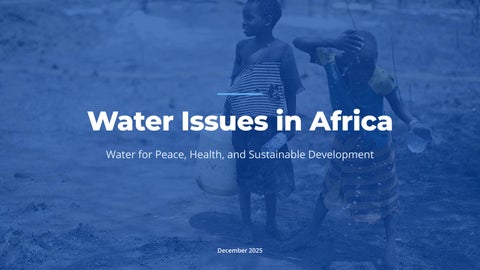
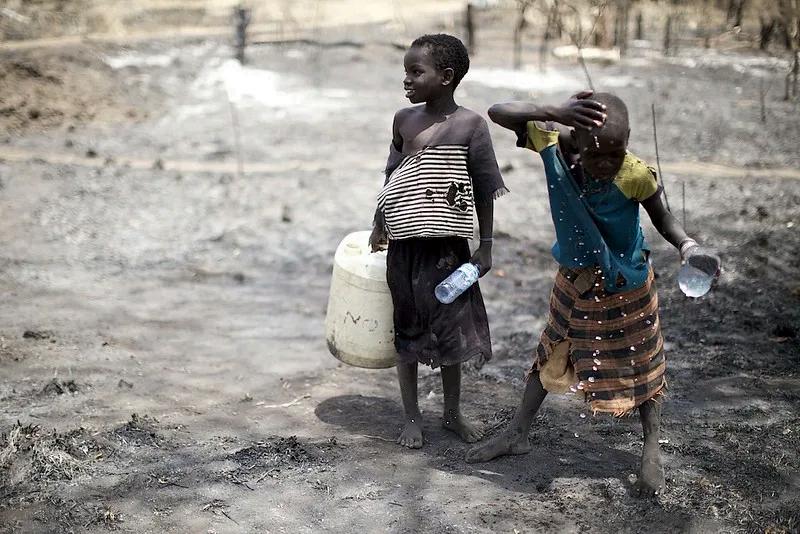
Water Issues in Africa
Water for Peace, Health, and Sustainable Development December
The Crisis at a Glance
Understanding the scale of water insecurity across Africa
1
in 3
People in Africa affected by water scarcity
411M
People lack basic drinking water services
Most Affected Regions
779M
People lack access to basic sanitation
839M
People lack access to basic hygiene facilities
Severe Scarcity High Risk Moderate Risk
Horn of Africa, Sub-Saharan regions, and North Africa most impacted
Root Causes of Scarcity
Four interconnected factors driving Africa's water crisis
Climate Change
Unpredictable weather patterns, prolonged droughts, and extreme floods disrupt water supply and damage infrastructure
Water Pollution
Industrial effluent, agricultural runoff, plastics, and untreated sewage contaminate rivers and groundwater sources
Loss of forest cover disrupts natural water regulation, increases soil erosion, and reduces rainfall infiltration
Poor Management
Leaky infrastructure, underinvestment, inefficient irrigation, and inequitable access limit water availability
Human and Economic Impacts
The devastating consequences of water scarcity across Africa
Health Crisis
842,000
Annual deaths from diarrheal diseases linked to unsafe water Outbreaks of cholera, typhoid, and dysentery disproportionately affect children and vulnerable populations.
Economic Devastation
95%
Of Sub-Saharan agriculture relies on rainfall. Droughts cause massive crop failures, livestock mortality, and industrial disruptions, threatening food security and livelihoods
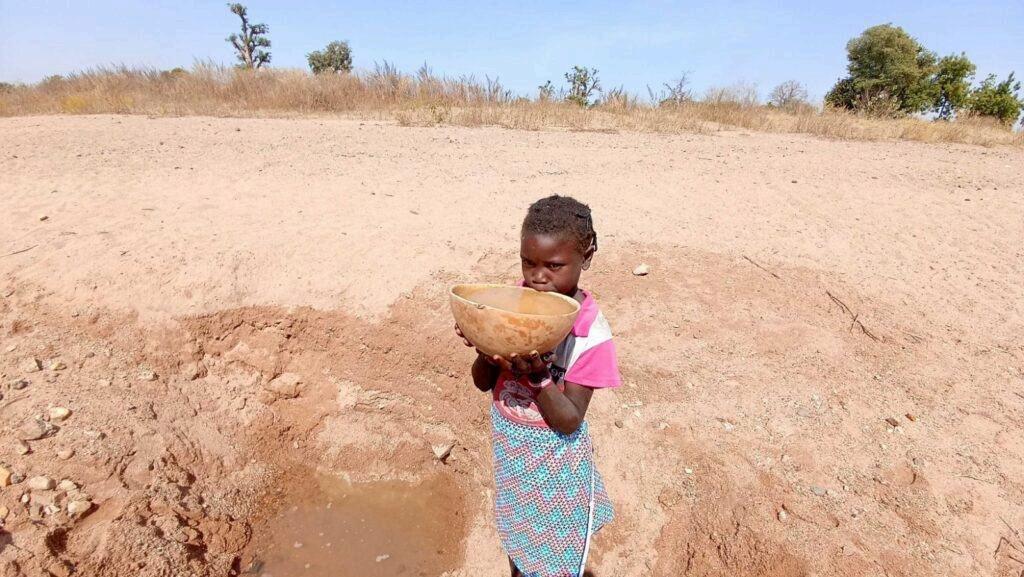
Education
& Gender Gap
40 Billion
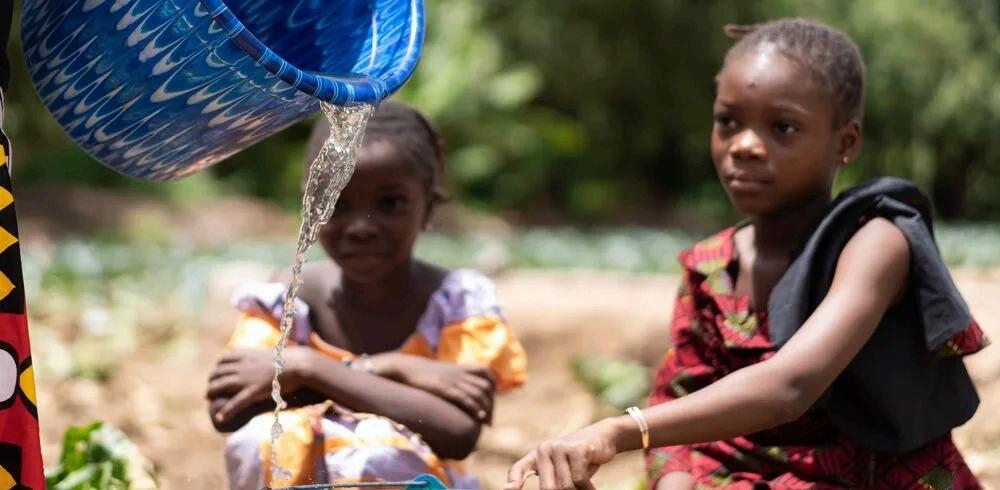
Hours spent annually by women and girls in Sub-Saharan Africa collecting water. This burden limits educational opportunities, perpetuates poverty, and widens gender inequality.
Displacement & Conflict
700M
People could be displaced by water scarcity by 2030 Competition for scarce water resources escalates tensions, triggering migration and violent conflicts over access.
Solutions and Hope
Multi-level approaches to address Africa's water crisis
Community Action
● Rainwater harvesting systems to capture and store seasonal rainfall
● Drought-tolerant crops reducing water demand in agriculture
● Regenerative agriculture with mulching and notillage approaches
● Community water management through local cooperatives
Government Policy
● Infrastructure upgrades to fix leaky pipes and reduce water loss
● Pollution controls enforcing industrial and agricultural standards
● Wastewater treatment facilities in urban centers like Windhoek
● Water governance ensuring equitable access to resources
Global Partnership
● WASH financing from UNICEF, EIB, and DBSA for infrastructure
● Solar-powered pumps and smart metering technologies
● Blended financing models combining grants with investment
● Climate adaptation programs prioritizing water resilience
"
Every Drop Counts
Secure Water, Secure Peace
Take Action Today
Conserve water in your daily life and promote sustainable practices
Together, we can endAfrica's water crisis andsecure a sustainable future for all
Support WASH organizations working to provide clean water access
Advocate for SDG 6 investment and increased funding for water infrastructure
Demand climate action and sustainable water governance from leaders