
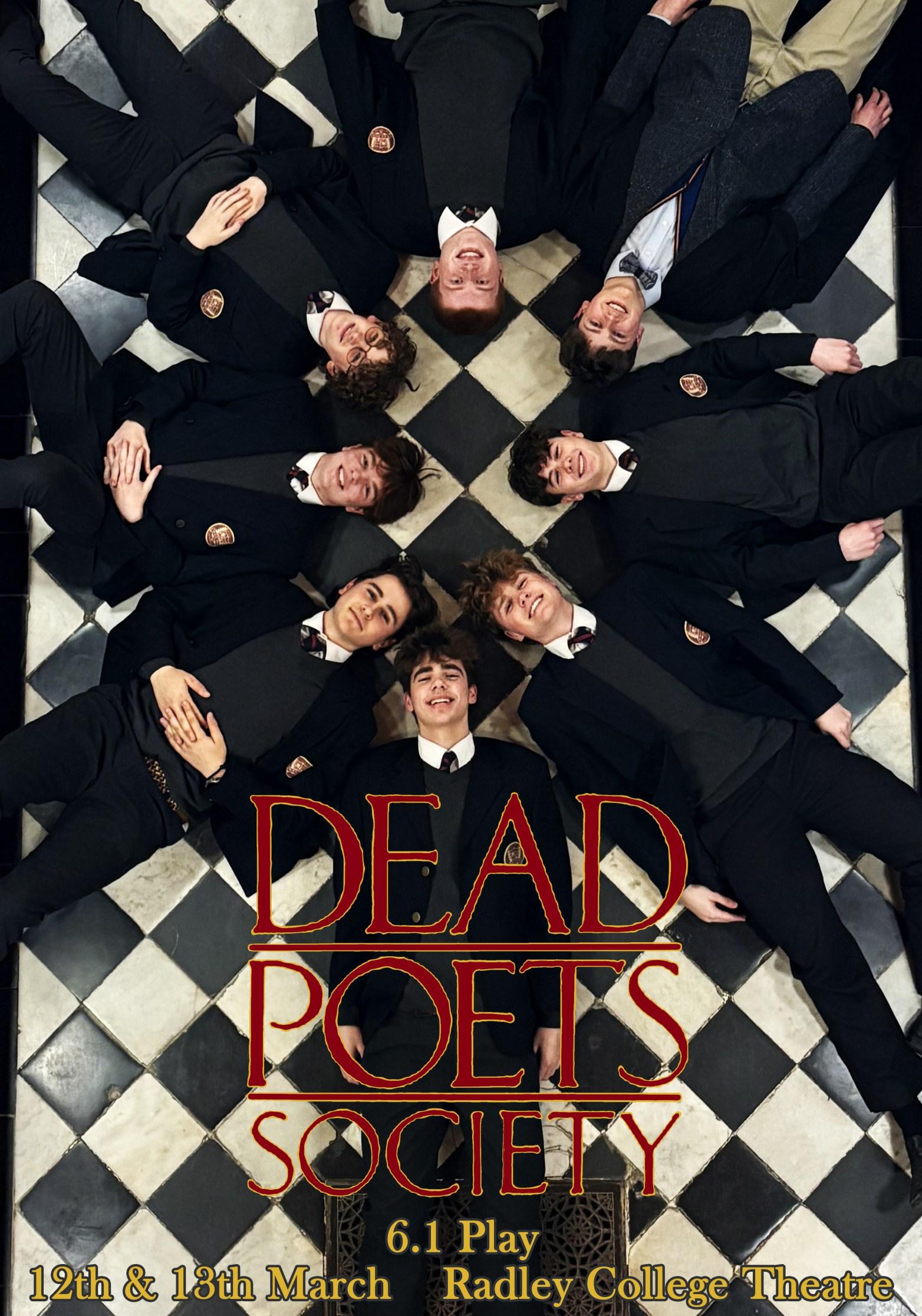

When Dead Poets Society premiered in 1989, it arrived quietly a period drama set in a conservative New England boarding school in 1959 — yet it quickly became a cultural touchstone. The film tells the story of an unorthodox English teacher, John Keating, who inspires his students to seize the day and discover their own voices through poetry.
Though set in the fictional Welton Academy, the story’s emotional terrain is universal: the tension between conformity and individuality, authority and rebellion, tradition and self-expression. Upon release, the film resonated deeply with audiences and critics alike. It received four Academy Award nominations, with Schulman winning the Oscar for Best Original Screenplay. Its box-office success far exceeded expectations, and it has since endured as one of the most beloved films about education and adolescence.
Over the decades, Dead Poets Society’s evocation of poetry, from Whitman to Shakespeare, rekindled interest in verse for a generation of viewers, while its central message remains timeless: that life is fleeting, and that each of us must strive to make it extraordinary.
As this story moves from screen to stage, it carries with it a rich cinematic legacy. Yet theatre offers its own immediacy, a living, breathing space where words once again echo in real time. In returning to Welton Academy together, we honour not only a cherished film, but the enduring power of storytelling to challenge, awaken, and remind us to stand up on our desks and see the world anew.
"Carpe diem. Seize the day, boys. Make your lives extraordinary."
In memory of Buddha Hunt


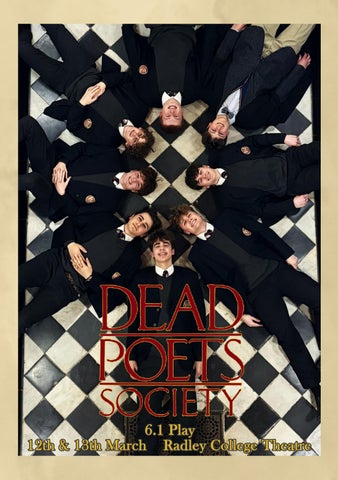
There was a buzz of excitement among the 6.1 cohort once the play had been announced, and I was surprised by how many of the boys already knew and loved the film. I hadn’t ever really thought about the movie whilst teaching here, but whilst exploring scenes and characters, the parallels between Radley College and Welton Academy became increasingly clear and perhaps this is why it had touched the hearts of so many Radleians; they could not only relate to the environment (such as the chapel-centred campus and Victorian inspired architecture), but also the emotional experiences of the Weltonians on a personal level. For some cast members, this is their first experience of treading the boards (except of course, for their Haddon Cup debut as Shells almost over four years ago!), whilst others are seasoned pros on the Radley stage. Regardless of experience or parts, there has been a real sense of community in the cast, a silent bond uniting us all in this theatrical undertaking, and it has been a great privilege and joy to work with the boys throughout the process.