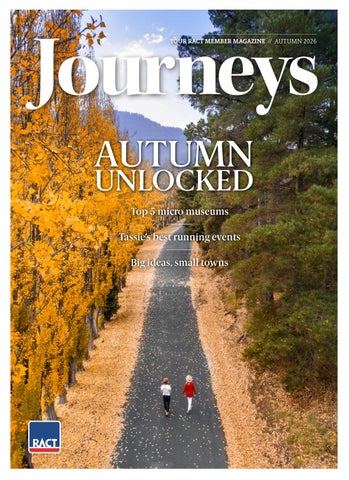
AUTUMN UNLOCKED
Top 5 micro museums
Tassie’s best running events
Big ideas, small towns
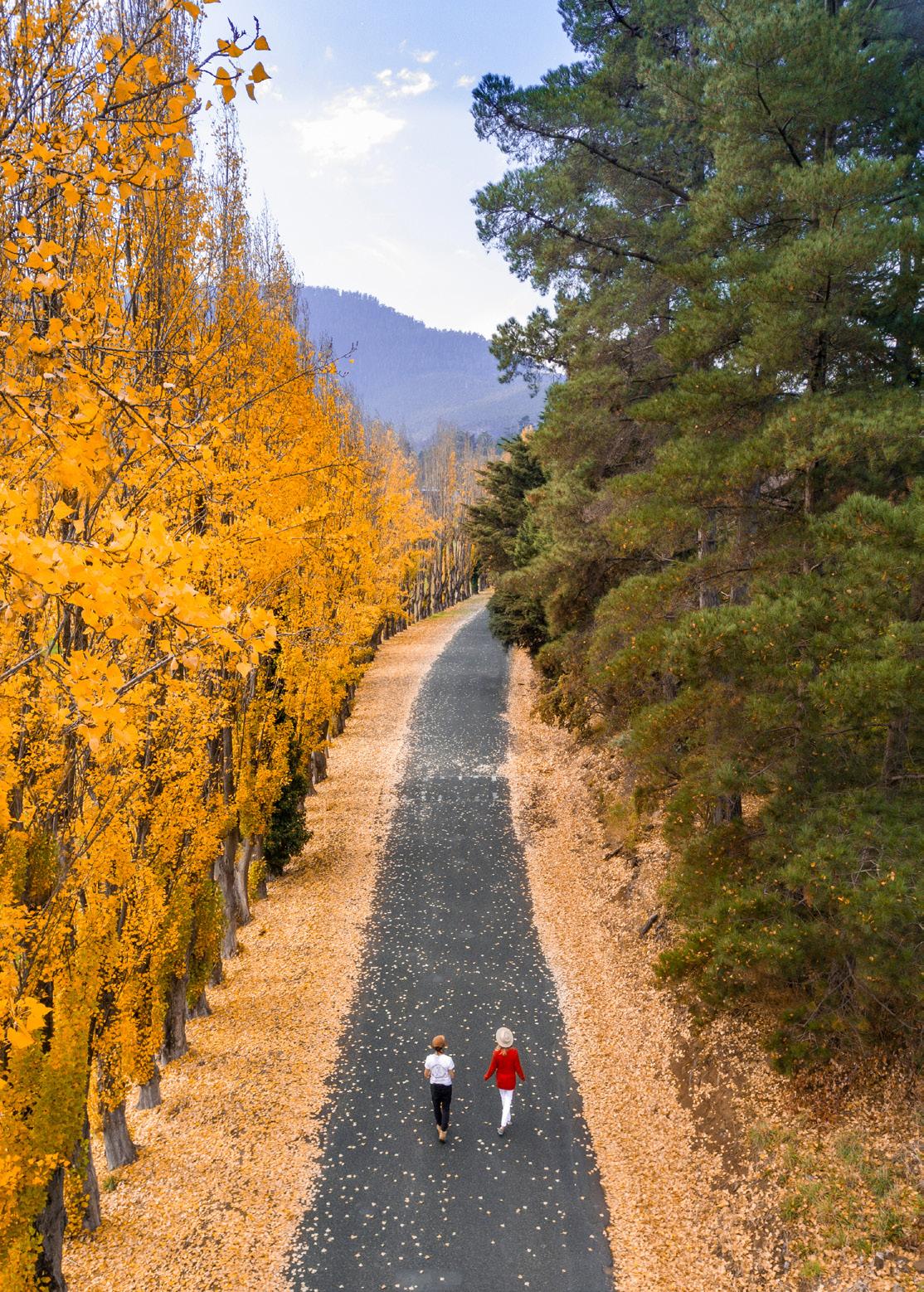
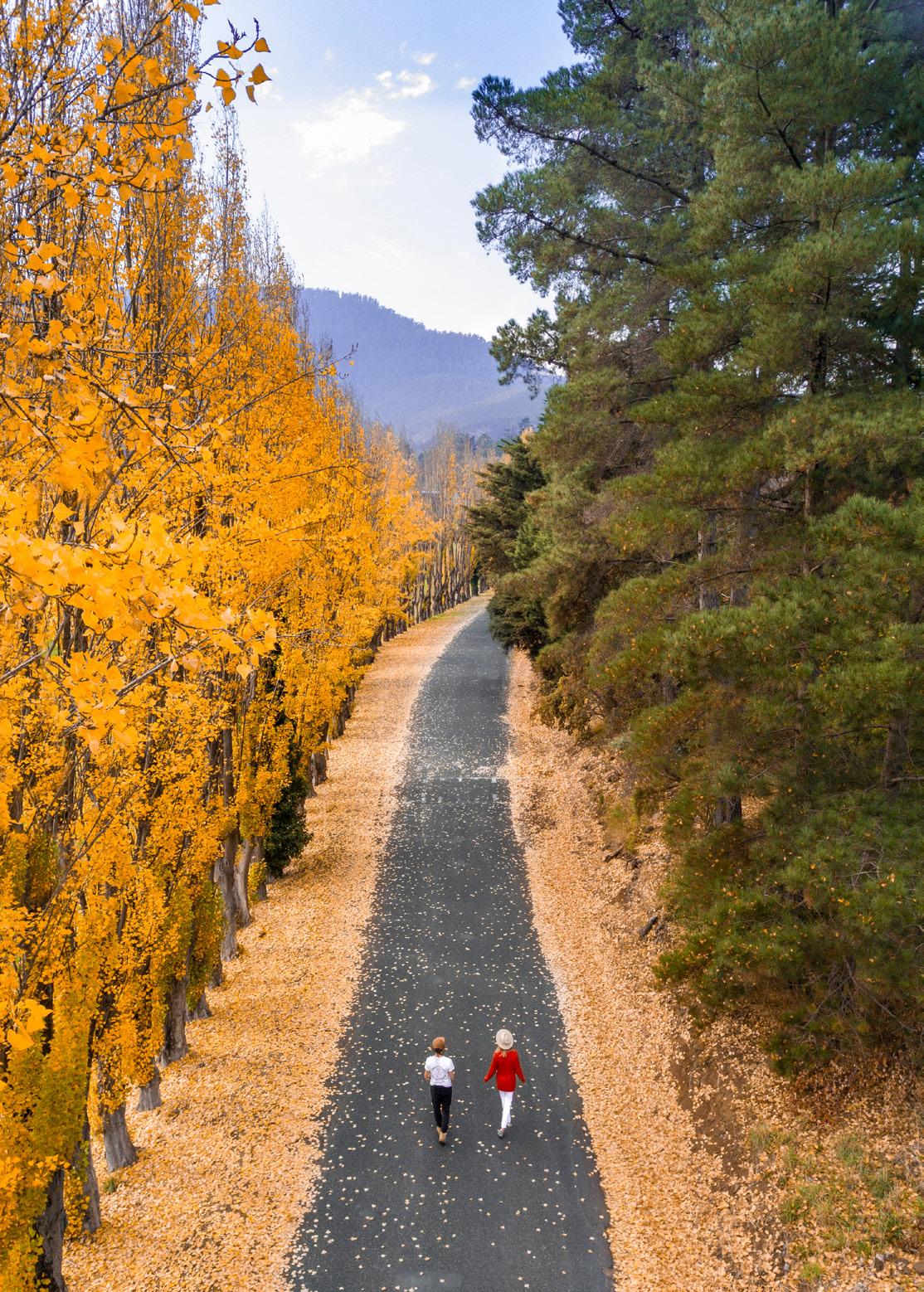
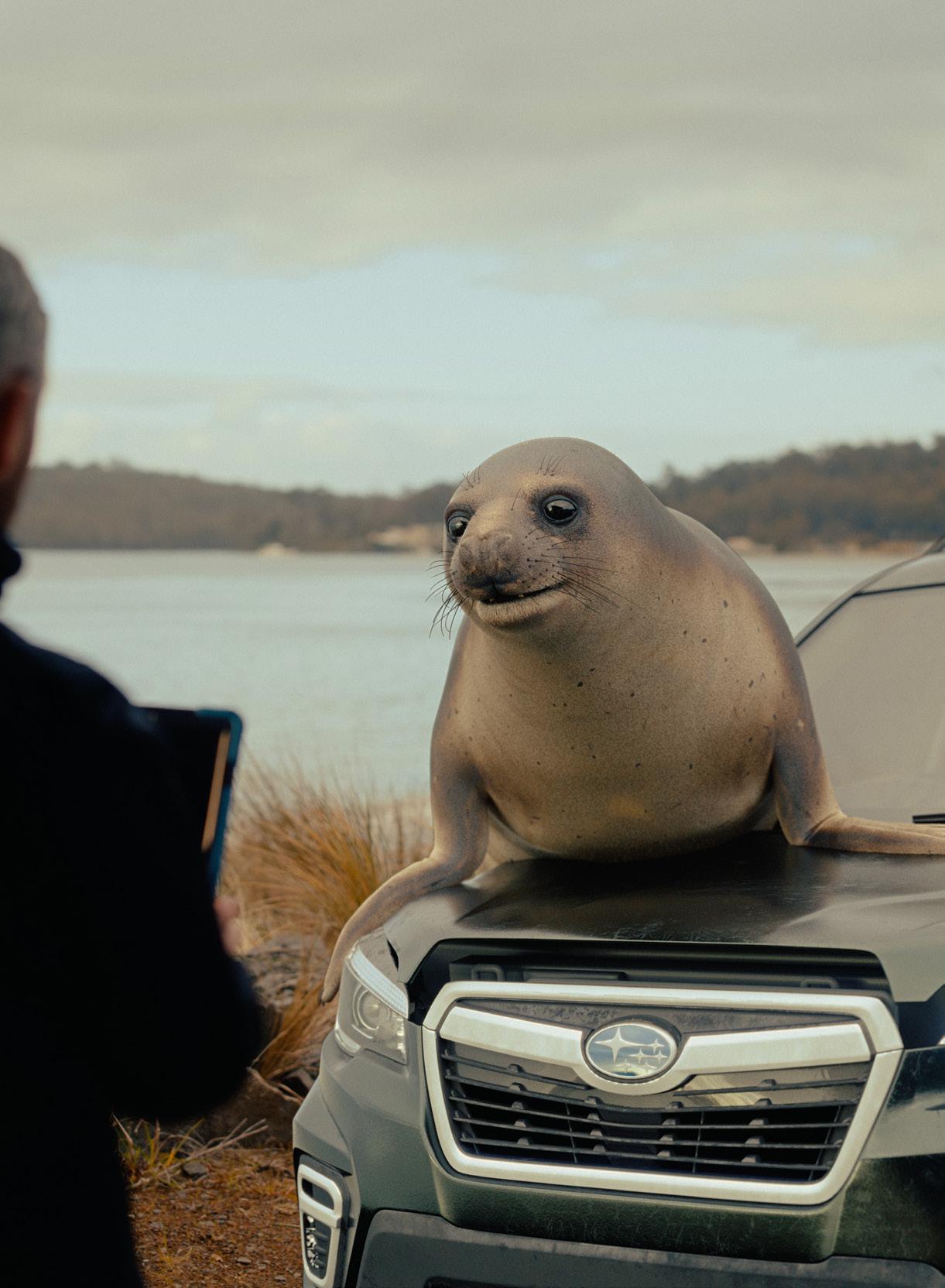
When Tasmania happens.

acknowledge the ancient history of the Traditional Owners of Lutruwita, and their continuing connection to family, community, and the land, sea, and waterways. We pay our deepest respects to those who have passed before us and acknowledge today’s Tasmanian Aboriginal people, and their enduring connection to this island. We stand for a future that profoundly respects and acknowledges Aboriginal perspectives, culture, language and history.
the events that make the Apple Isle a runner’s paradise
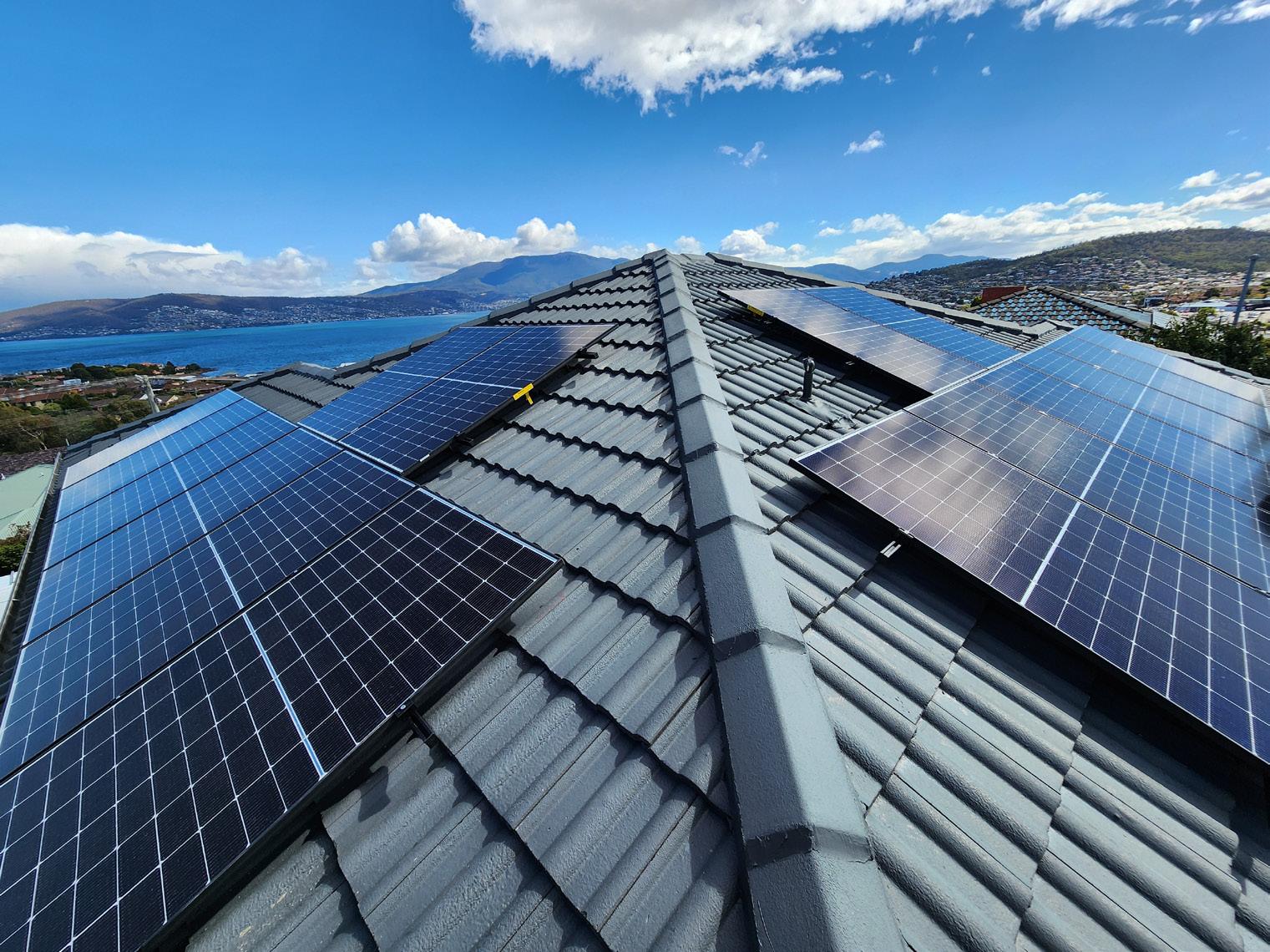
BAT TERY REBATES ARE REDUCING
Install sooner. Save more
Australia’s home battery rebate is changing from May 2026 and waiting could cost your thousands!
ACT NOW!
Up to 30% off battery systems via the federal rebate
Premium batteries like Sigenergy, FranklinWH and Tesla Powerwall
10% off your installation costsExclusive for RACT Members
Whether you’re upgrading your existing system or starting fresh - now is the time to take control of your energy.

Visit our showroom today at 62 Hopkins Street, Moonah!

Tasmania’s #1 ranked solar retailer in Hobart (2025) and #2 installer statewide (2024). We know what it takes to deliver smart , reliable, government-backed energy solutions.

Scan the QR code to find out more and request your free quote!
welcome.
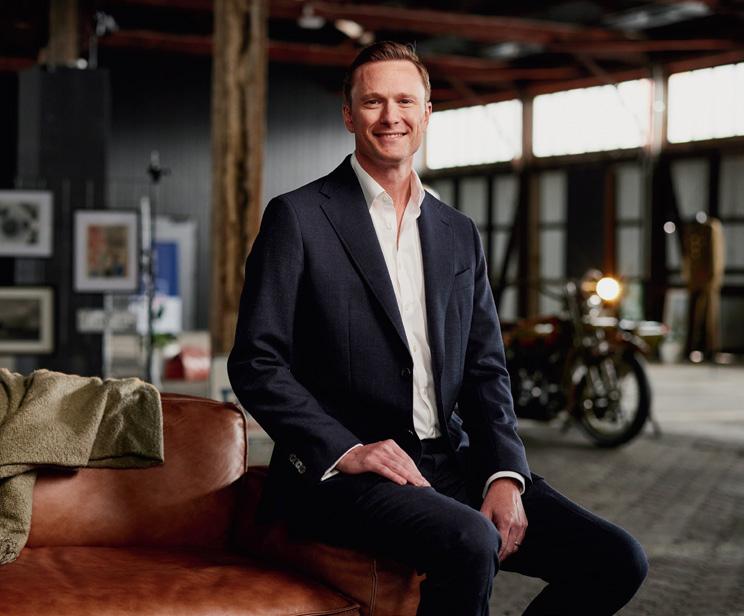
A word from our GCEO
As we look forward to autumn and Easter, you may be heading out to explore our beautiful state. It’s paramount to us that when you venture out on the roads, you get home safely.
In 2025, 44 people were killed on Tasmania’s roads. That’s a devastating number, 16 more than in 2024 and the highest road toll since 2022, when 50 people lost their lives. At the time of print there have already been eight fatal road accidents across the state this year, including one that resulted in the tragic loss of two teenagers in the Huon Valley. These are more than just statistics; they are Tasmanian lives tragically cut short.
We welcome Minister for Infrastructure and Transport Kerry Vincent’s call for a community-wide reset and acknowledge our shared responsibility to make our roads safer.
As an organisation committed to road safety for more than 100 years, we refuse to accept that it is impossible to eliminate road trauma. It’s why we are deeply committed to our Youth Road Safety Project, delivered in partnership with the Tasmanian Government.
The YRSP project team has already conducted significant research and consultation throughout 2025 to better understand the learner-driver journey and identify strategies to embed lifelong safe driving habits in the next generation.
We are now developing pilot programs that will roll out later this year. By investing in our young people, we hope to break the cycle of
road trauma that continues to tear families and communities apart. Another major focus for RACT this year is supporting Tasmanians to prepare for and respond to increasing natural disasters, which is closely linked to insurance affordability. Our teams on the ground in the aftermath of the Dolphin Sands fires (page 54) saw how important it is to help the community get back on their feet. Our ultimate goal is to help communities build resilience and prevent major losses. That’s why we’re investing $1.2 million in a partnership with the UTAS Fire Centre for bushfire mitigation research (page 52) and working with the Tasmanian Government to develop policy responses to insurance affordability. RACT’s comprehensive submission to the government on this issue proposes a partnership approach to sustainable, targeted solutions that protect Tasmanians without unintended consequences and additional budget risks. Look out for our Community team (page 6) sharing educational resources in schools and community groups across the state. send your feedback on the stories we share to journeys@ract.com.au.
Mark Mugnaioni // RACT Group CEO
PRESIDENT Keryn Nylander
VICE PRESIDENT Ian Gillespie
BOARD
Tony Coleman, Alex Costabile, Craig Ellis, Natasha Fenech, Pieter Kolkert, Tracy Matthews, Alex McKenzie RACT GROUP CEO Mark Mugnaioni
JOURNEYS MANAGING
Jen Murnaghan
hardiegrant.com
insider.
INTRODUCING OUR COMMUNITY TEAM
As part of our commitment to Tasmania and our goal of having a strong relationship with all Tasmanians, we’re growing our Community team. Meet Alison, our Community Coordinator, and Lily, our Community Education Lead.
What are your roles and what do they involve?
We have an amazing team of community coordinators who connect with childcare centres, schools, groups and clubs to organise the delivery of RACT’s Road Safety programs. In these programs, we cover a diverse range of topics from seatbelt safety and zebra crossings to practical driving tips for both new learners and experienced drivers.
Teaching and supporting different groups state-wide is a big part of our job, and so is having real discussions with real Tasmanians. We love our role and the opportunities it brings!
What attracted you to your roles and RACT?
Working for RACT means acknowledging its legacy as a trusted Tasmanian business and as a network of support for members. Connecting with the community – in ways that are seen and felt – is a real drawcard.
Our role in the Community Education team allows us to follow through on this promise, and travelling to different

local communities across the state is a fun perk! We love being on the road, encouraging people to stay safe and to lean on us when they need.
What can members expect from a Community event/experience?
We offer a range of free road safety education programs for everyone from small children to experienced drivers. Our programs are up to date, engaging and combine key safety messages with practical activities. We come to you –wherever you are in Tassie – bringing our knowledge and resources with us. All programs include time for questions, as well as helpful resources.
Do you encourage members of the public to come and have a chat?
Yes, we are all active members of our own local communities and also enjoy working within the wider community!

Please feel free to come have a chat, ask us any road safety questions, or inquire about our programs.
Our team is keen to meet every Tasmanian, regardless of whether they are members of RACT. We believe that community is at the heart of the Tasmanian spirit, and the more we know about the people around us, the more we can give to support our community.
What are you planning and hoping to deliver for our members this year?
We will continue to show up wherever the call takes us, delivering high-quality programs across age groups. We have plenty of state-wide trips coming up this year, so stay tuned! We will also be present at various community events, especially during Road Safety Week in May.
If you’d like to get in touch to arrange a program for your school or community group or if you have any further questions, email education@ract.com.au.



Photos: Dearna Bond
Lily
Alison
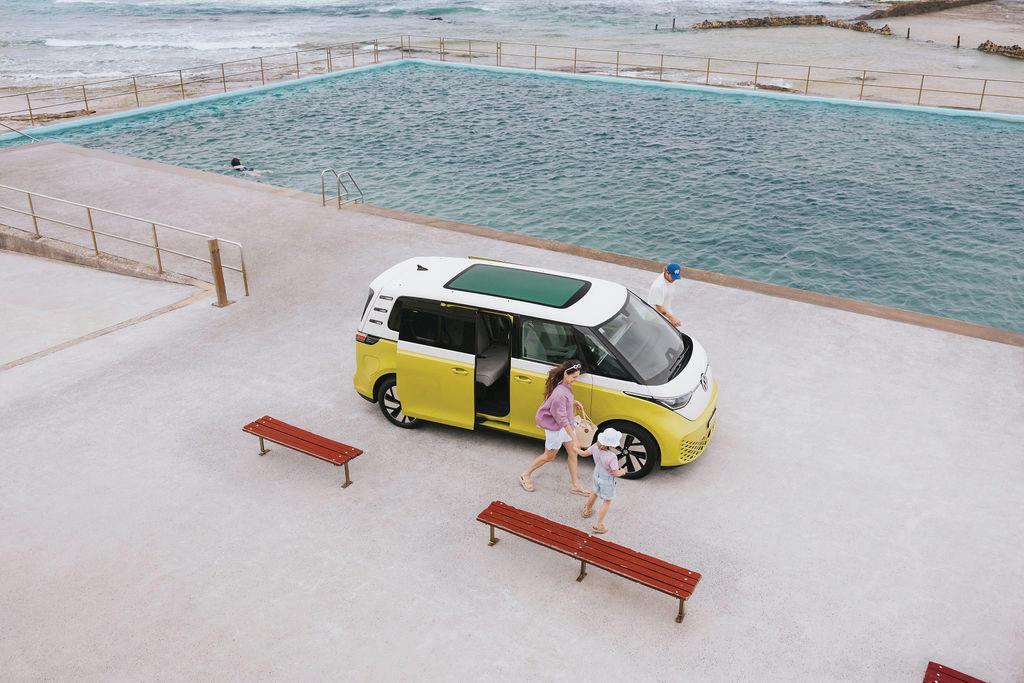
ID. Buzz Pro LWB
ID. Buzz Cargo
/
/ CHANGE MAKERS
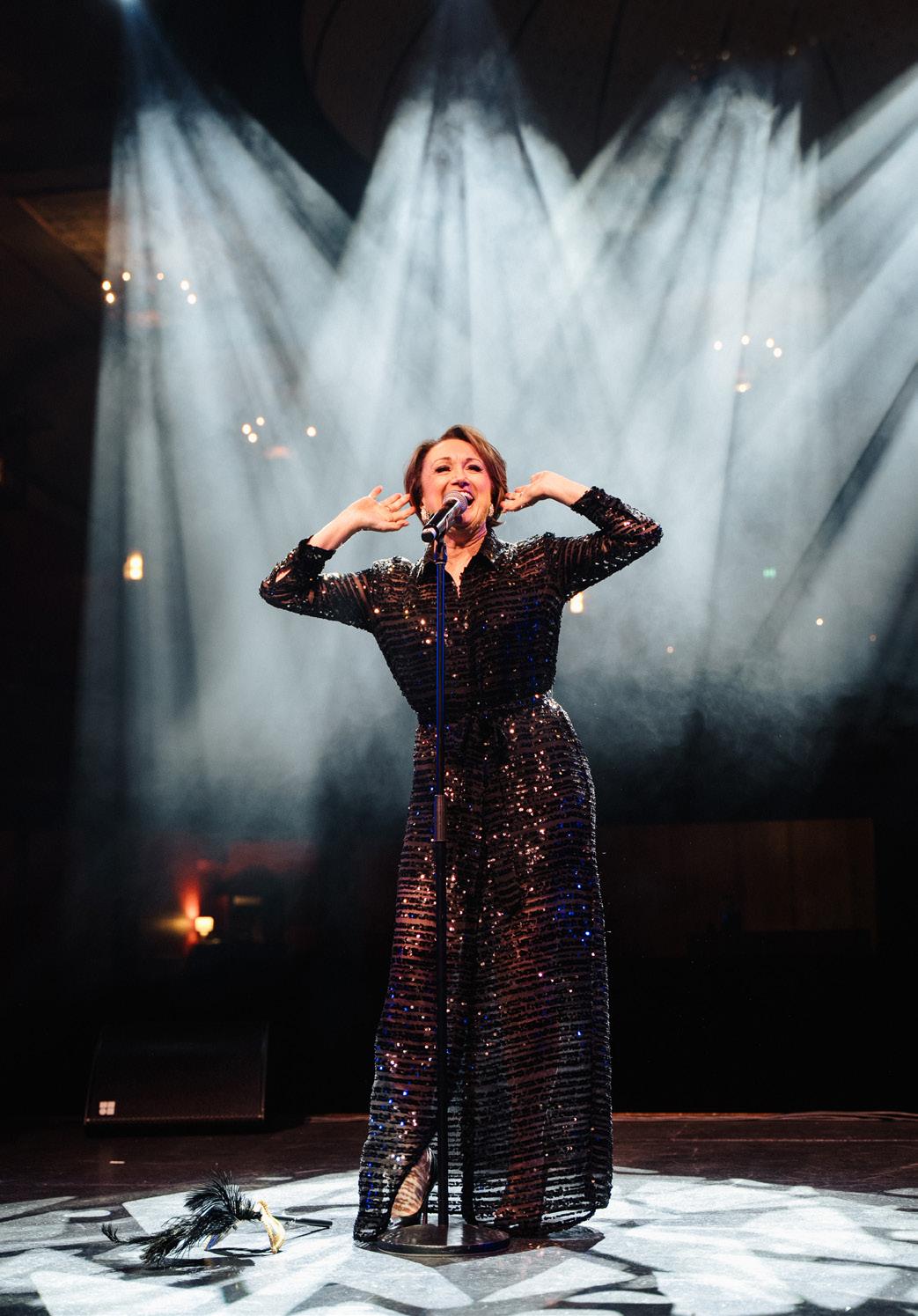
The Australian Musical Theatre Festival
Celebrate the magic of musicals with five days of performances, workshops and masterclasses across Launceston from 20 to 24 May. From the opening night gala at Albert Hall – featuring Guys and Dolls star Annie Aitken and actor Nadine Garner – to a free live-streamed audience with one of Australia’s most beloved musical theatre icons, Nancye Hayes AM, at Dill Pickle Club, the festival brings together big voices, bold stories and behind-the-scenes insights you won’t find anywhere else. For the full program, head to amtf.org.au
what’s on.
13–15 MARCH
ECHO FESTIVAL
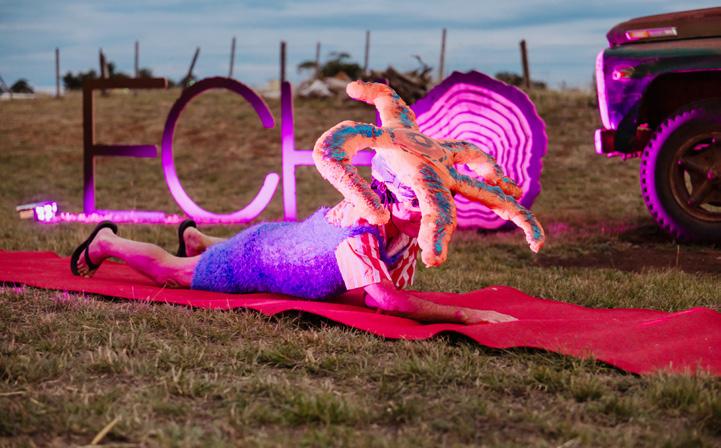
Returning with the theme Layers: Woven in Time, this boutique cultural festival celebrates food, art, music and storytelling at Redbanks in Swansea. Highlights include Bush Foods and Medicine with Trish Hodge, wine masterclasses, the ECHO Makers Market, and live music. echofestival.com.au

18–22 MARCH
Hobart Festival of Comedy
This five-night laughfest is back for its third run. Headliners include Stephen K Amos, Gen Fricker, Kirsty Webeck, Anisa Nandula (pictured above) and more, with performances at the Odeon, Hanging Garden and Altar Bar. festivalofcomedy.com.au
14–17 MAY
Stanley & Tarkine Forage Festival
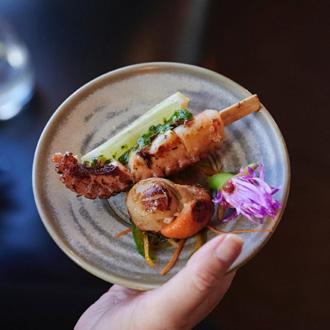
Centred around the idyllic town of Stanley and drawing inspiration from the wilds of the Tarkine, this weekend festival celebrates NW Tassie’s world-class beef, crayfish, oysters, abalone, honey, cheese and thriving micro-distilleries. foragefestival.com.au
27–28 MARCH
The Big Chill Out
Join Judah Kelly, winner of The Voice Australia 2017, and Asabi Goodman, star of Chicago and Hairspray, at Launceston’s Albert Hall and Hobart’s The Theatre Royal to celebrate the legendary Big Chill soundtrack and the Motown revival it sparked.
2–12 APRIL
Ash Grunwald
Aussie blues maestro Ash Grunwald brings his Glide tour to Du Cane Brewery in Launceston (2 April), Queenstown’s Paragon Theatre (4 April) and Franklin’s Palais Theatre (12 April).
8–23 MAY
Uni Revue 2026
Tasmania’s longrunning political satire stage show is back for 2026, promising toe-tapping tunes, powerhouse vocals and choreography that could outstep a backbencher.
Want to tell us about your event or product? Reach us on journeys@ract.com.au
22 MARCH
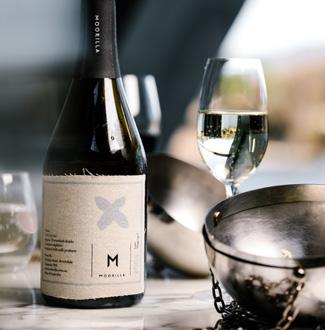
Moorilla Harvest on the Lawns
In celebration of the winery’s 64th birthday and the release of some limited-edition 2012 vintages, Mona will be hosting wine tastings, music and more from 10am to 5pm on the lawns. Entry is free; though you’ll need the usual ticket if you want to get into the museum. mona.net.au
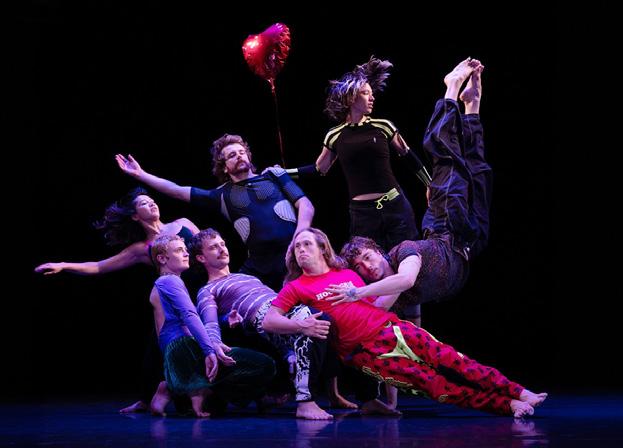
9–11 APRIL
Lighting the Dark
Led by Kaurna dancer and choreographer Chris Dyke, this work mixes solo performance and ensemble movement with pop culture cues from Banksy, David Bowie and Freddie Mercury. Performed with the Dancenorth Ensemble, it’s a visually driven piece about imagination and identity. theatreroyal.com.au
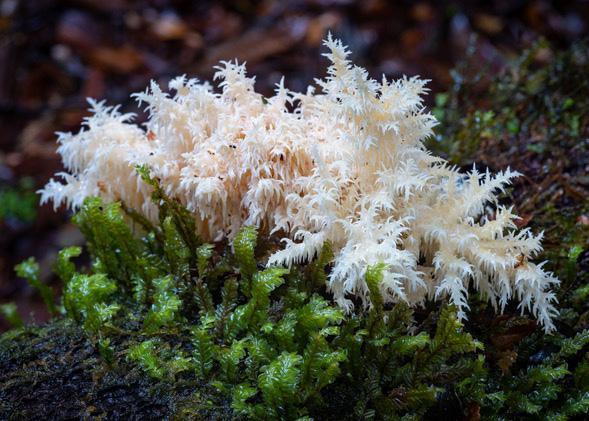
27–29 MAY
Fun with fungi
In celebration of all things ’shroom, Corinna Wilderness Lodge will host a three-day fungus photography retreat with renowned Tasmanian photographer Luke O’Brien. Practice your skills during the Tarkine rainforest’s peak mushroom season, then edit and refine shots in a post-processing session. corinna.com.au/fungi-month
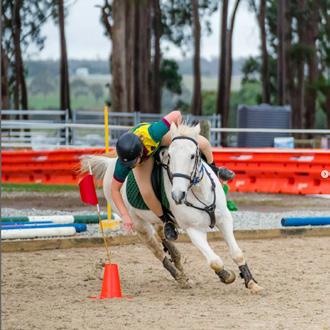
7–9 MAY Agfest
There’s more to Agfest than livestock and tractors: the Heritage Display is a fascinating look at the evolution of agriculture and rural life, while the Craft Pavilions and Craft Market host some of Tasmania’s finest handmade goods and artisan creations. agfest.com.au
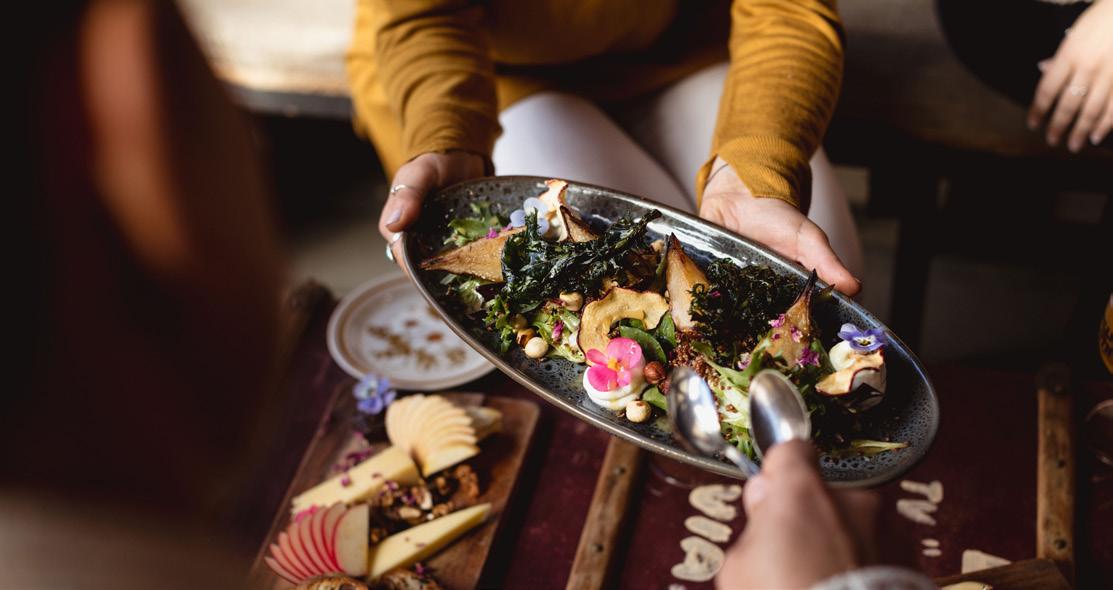
MICRO MUSEUMS
Part pit stop, part time travel, Tasmania’s best micro museums offer history, culture and local flavour in modest doses, writes Nola James.
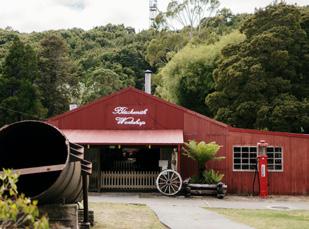
1 Willie Smith’s Apple Shed, Huon Valley
Take a 20-minute self-guided tour in the Apple Shed’s museum to learn about the rise, fall and recovery of Tasmania’s apple industry. The collection contains picking, grading and box-making equipment from the late 1800s to the 1970s, along with photographs and local artefacts. After soaking up some history, head to the restaurant for a slice of apple pie with a shot of Apple Pommeau liqueur or sit on old packing crates sipping local ciders.
2 West Coast Heritage Centre, Zeehan
Explore the West Coast’s colonial history at one of four historic buildings: the former School of Mines and Metallurgy, post office, police station and Gaiety Theatre Grand Hotel. The 30 exhibition spaces range from a simulated underground mine to a pioneer women’s gallery. Climb aboard historic trains, visit photographic galleries tracing Zeehan’s past, drop in to a courtroom ripe for re-enactment or explore the oncesecret world of Freemasonry.
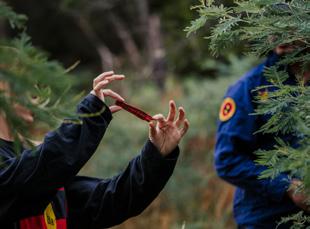
3 kipli takara (bush tucker) experience
Tasmania’s pre-colonial history is best explored outside of traditional museum walls. This 90-minute bush food tour takes place across culturally significant
lands at Risdon Cove in Hobart, the site of the first British settlement in Tasmania (1803) and of the first Palawa deaths at British hands. Led by Palawa guides, you’ll sample native tucker straight from the bush while hearing about the history of the land. The experience ends with a shared platter of native foods from Aboriginal catering company palawa kipli.
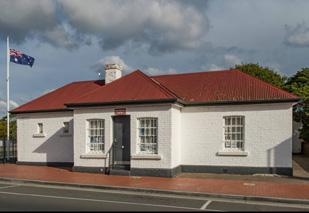
4 George Town Watch House
Learn about life as an early settler (or convict) at this gallery and museum in the town’s old jail building. Explore the model village that depicts the township in the early 19th century and see a real jail cell to get an idea of conditions prisoners faced long ago. A dedicated gallery space hosts contemporary art exhibitions in partnership with Creative George Town Gallery Program.
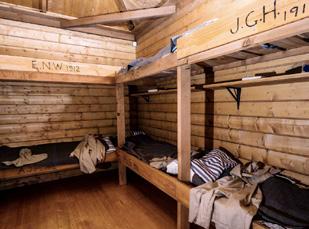
5 Mawson’s Hut Replica Museum
Just 200 metres from the wharf where Douglas Mawson and his crew departed for the Australasian Antarctic Expedition of 1911–14, this replica hut painstakingly recreates the ‘home’ where Mawson’s group of photographers, writers and geologists slept, shared meals and developed their photos through two dark winters of exploration. All profits go towards the conservation of the original huts in Antarctica.
Photos:
Tasmania; Alamy; Moon Cheese




BIGideas,
small towns
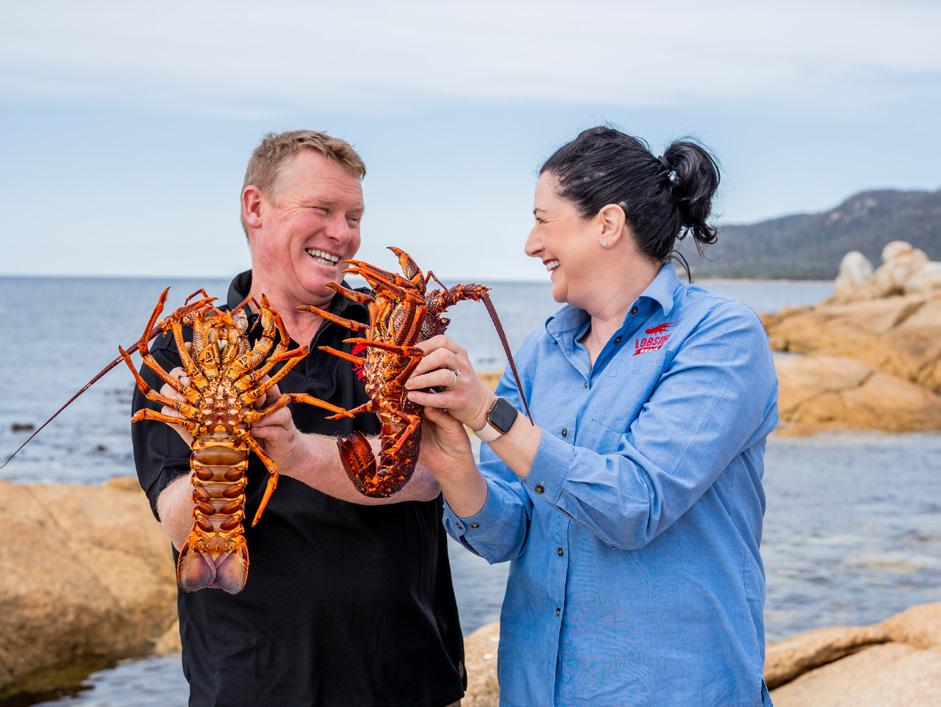
Meet the Tasmanian founders choosing community, commitment and the long game by building businesses that draw crowds from far beyond their postcode, writes Nina Hendy.
when Sara and Marcus Walkem launched Lobster Shack in the small beachside community of Bicheno in 2017, the fact that the township was home to just 1049 people didn’t particularly faze them.
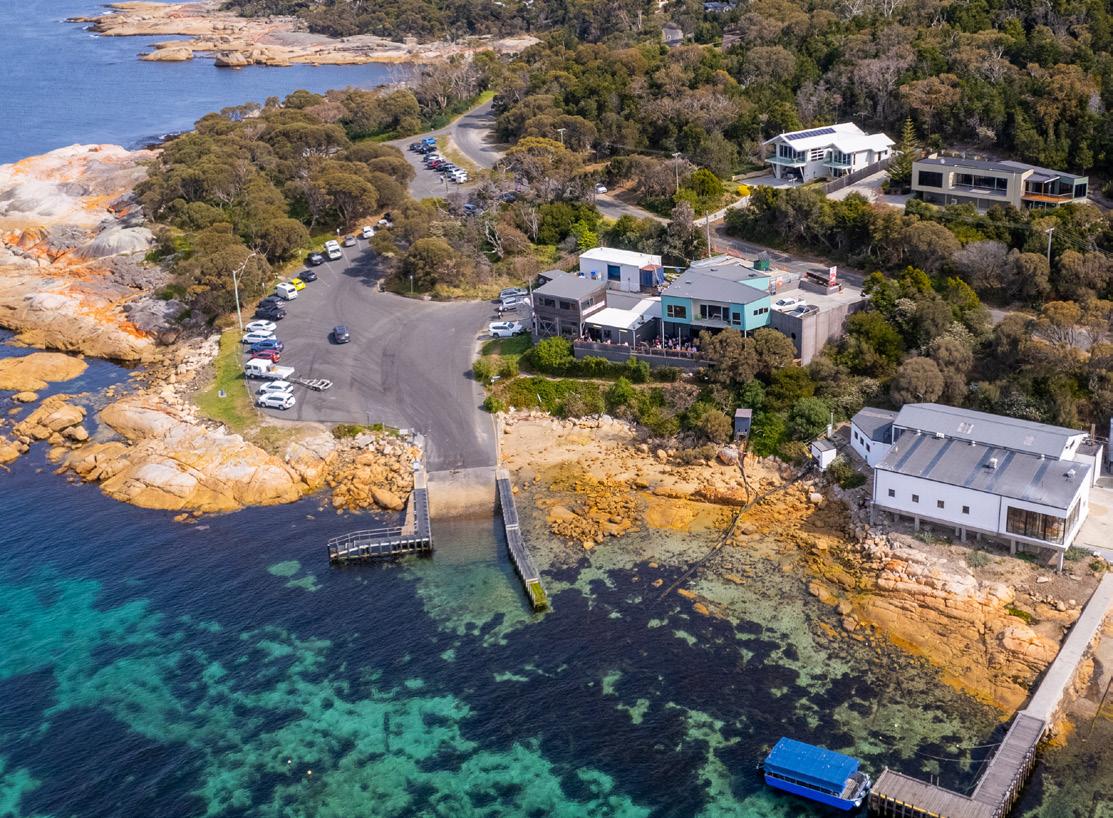
Located on the cusp of the gulch overlooking Governor Island, the site was home to a couple of sheds on the crystal-blue waters for many years. The vision for Lobster Shack Tasmania was to celebrate local seafood and produce in a restaurant overlooking the water.
The idea for the business came through their shared plan to expand their live Southern Rock Lobster export processing facility into an oceanto-plate experience, allowing people to enjoy their premium seafood products on site. The business now employs 25 locals, making it a big deal in a small town.
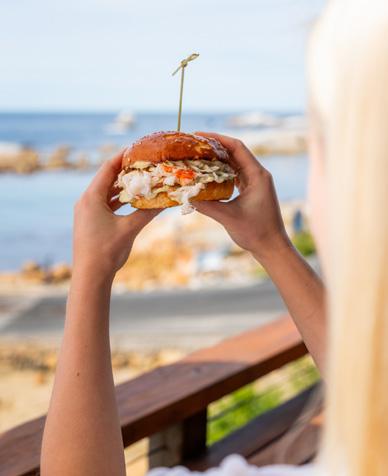
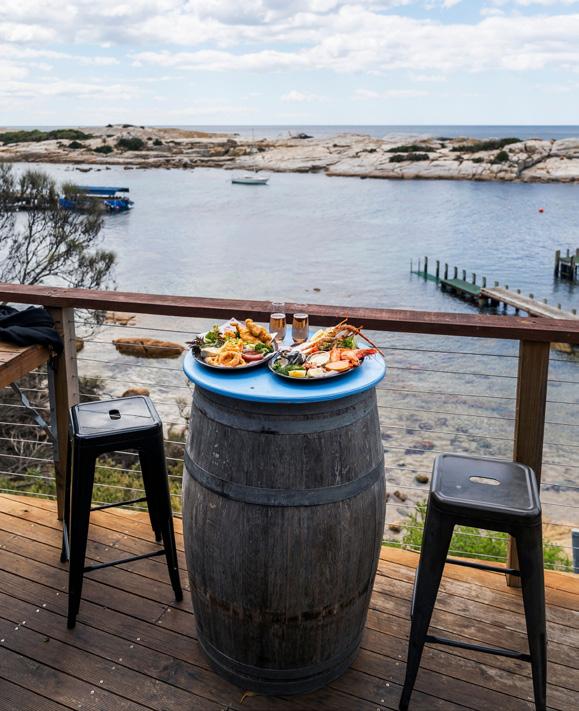
Clockwise from left Waterside dining at Lobster Shack; Sara and Marcus Walkem; a famous lobster roll.
As word spread and tourists also began lining up at the front door for one of their famous lobster rolls drizzled with homemade sauce, the dynamic duo soon struggled to keep up with demand. As a result, their business has undergone significant growth to meet their customers’ needs.
Sara admits that opening Lobster Shack was a brave move, but the couple always knew they had the produce to back it up. “The way people respond when they arrive makes us stop and remember that what we’ve got here is unique. You can see whales, dolphins or seals from the restaurant.”
Today, Lobster Shack is open seven days a week and serves more than 1000 people every day. The team regularly plays host to celebrated culinary personalities and film crews from around the world.
“Sticking to consistent hours so that visitors know when they can walk in and get a meal is so important when you’re in a small town. You’ve got to build that confidence so people know that when they drive two hours to see us that the front door will be open,” Sara says.
Photos: Nina Hendy; Tourism Tasmania
Bold vision
Beyond the city limits, bold visionaries are choosing to open grand retail and hospitality ventures in regional townships, rural areas and our smaller islands, like Bruny.
These risk-taking entrepreneurs and business owners have found incredible success by heading outside the big city areas that are more often home to audacious retail and hospitality ventures, and luring locals and visitors into their playground – despite the more rural setting.
These unlikely locations for ambitious businesses have been chosen by founders who subscribe to the ‘build it and they will come’ theory.
Sara says opening in one of Tasmania’s cities was never even an option.
“We knew we had something special here, and that people would therefore hop in their car and come here to visit us. But every day, we are so grateful for the support.”
Small island, big idea
Another visionary with a daring plan didn’t think twice about opening a business representing Tasmanian whiskies and gins on the small southern island of Bruny.
Home to the most extensive known range of purely Tasmanian single malts, limited and exclusive collaboration releases, Bruny Island House of Whisky is a celebrated first stop for many visitors and locals arriving on the island, which relies heavily on tourism.
The building was originally a smoke house and restaurant but, as the local industry began fluctuating more than a decade ago, Raven Vass saw an opportunity to focus on whisky.
The growth in the local whisky and gin sectors buoyed her decision to focus on topshelf products alone. Today, the retail store stocks 223 different Tasmanian single malt whiskies – including a collector bottle priced at $4500 –offering tastings to those stopping by.
“With more distilleries popping up in Tasmania and winning awards, every time a new release pops up, I will stock it and add it to the tastings we offer. I really like supporting smaller distilleries,” she says.
Launching such a bold business on Bruny Island didn’t strike her as brave when she opened in 2011. There may be considerably more foot
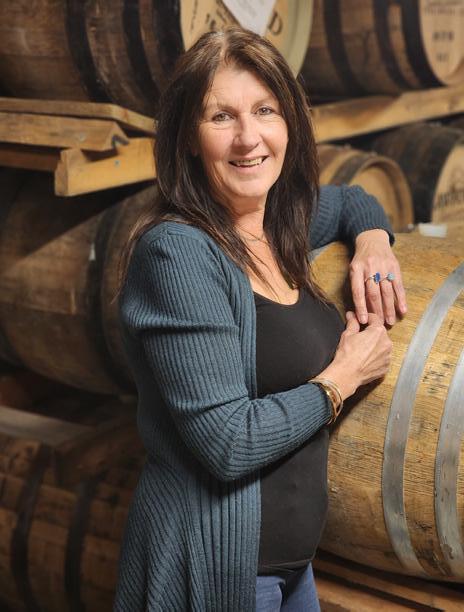
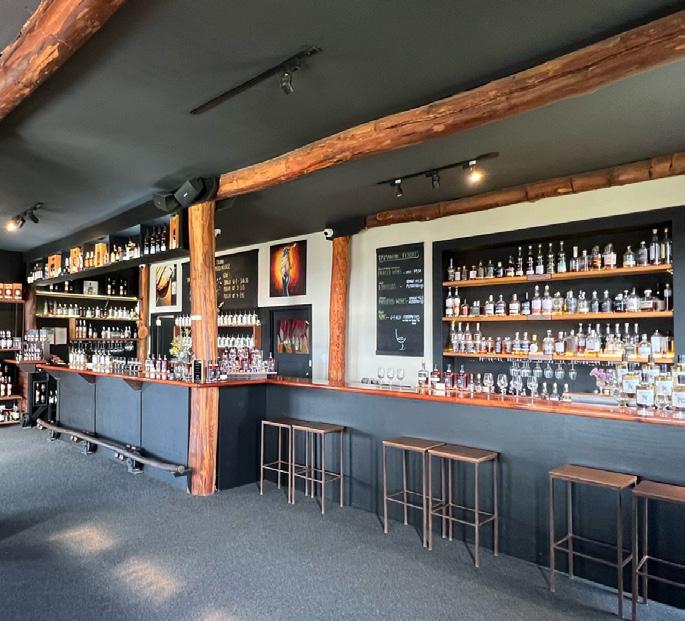
Clockwise from top left Lobster Shack; Raven Vass; the tasting bar at Bruny Island House of Whisky; a feast at Lobster Shack.
traffic in the city, but she didn’t even consider opening the venture in the centre of Hobart.
“Our shop has a completely different appeal being where we are,” she says. “It’s in a really great location because everyone has to drive past us twice, getting off the ferry and going back to the ferry.”
Toy story
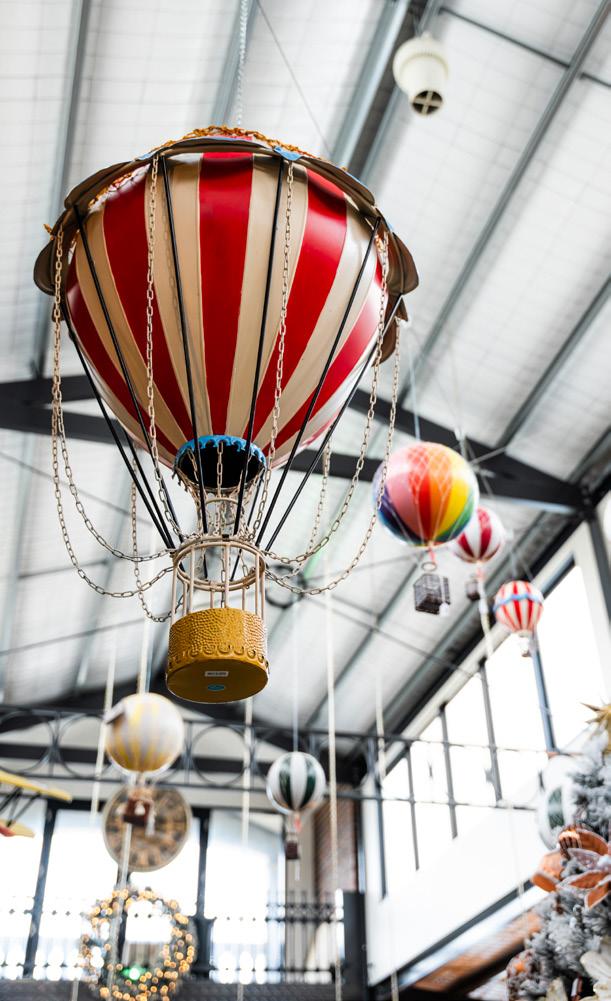
One of the most incredible toy stores in the state also happens to be located in the small township of Latrobe. Owned by local couple Lauren and Luke Vaessen, Reliquaire is a unique toy and gift store featuring a maze of themed rooms that leaves both young and old visitors openmouthed from the moment they step inside the front door.
In October 2024, the young couple took over the business from Lauren’s parents, who had started the business as an antiques and coffee store in the old brick building in 1995.
Today, Reliquaire is a retail experience brought to life by several carefully curated

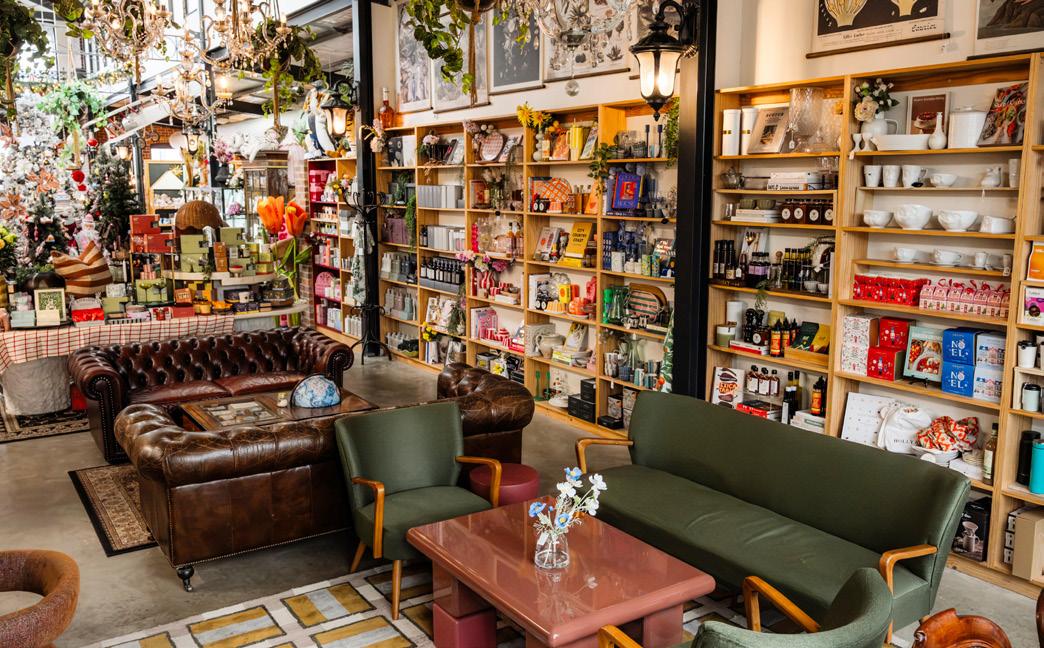
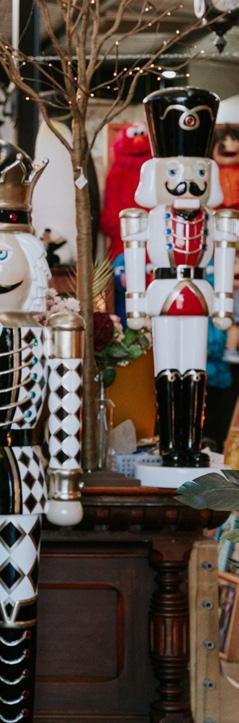
themes throughout the space. Featuring Alice in Wonderland, a year-round Christmas room, Harry Potter, and dinosaur and science sections, the ever-changing displays in the store attract visitors from across the state and beyond.
The business employs 13 people and with a newly opened online store, future growth looks promising.
“You don’t expect to find a store like this in a little town. People always tell us that it looks like it belongs in Paris or New York, but Latrobe has always been our home,” Lauren says.
Filled with carefully curated items sourced from Europe, the US and across Australia, it’s impossible not to wander around Reliquaire in complete awe. “We search high and low for really unique and exciting things that you don’t see anywhere and try and keep it really special and exclusive.”
ADDRESS BOOK
Lobster Shack Tasmania If you’re in Bicheno on the East Coast, head to the waterfront to find some of the best seafood in the state.
40 Waubs Esplanade, Bicheno lobstershacktasmania.com.au
Reliquaire
Be prepared to lose at least a couple of hours wandering through this retail treasure in the township of Latrobe on the north-west coast.
139 Gilbert Street, Latrobe reliquaire.com
Bruny Island House of Whisky
This shop features a spectacular representation of the Tasmanian single malt whisky industry, including some of the hard-to-find brands no longer stocked in other retail outlets.
360 Lennon Road, North Bruny tasmanianhouseofwhisky. com.au
Clockwise from top left Beautiful displays at Reliquaire; a true toy and gift wonderland; shop owners Lauren and Luke Vaessen.

drive
Where the wild things are
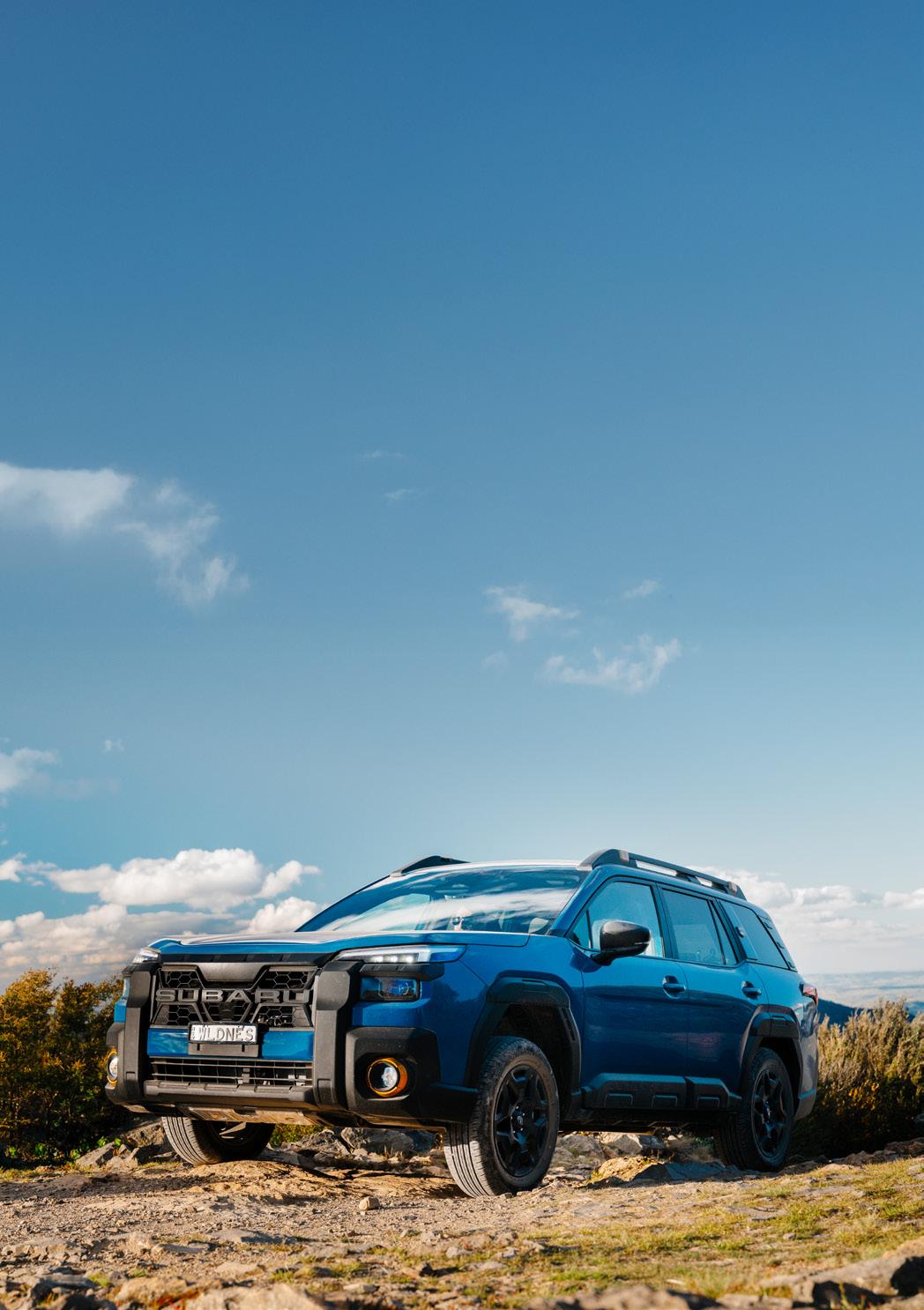
With their all-wheel drive grip and reputation for quality and reliability, Subarus have long been a favoured ride for Tasmanians, given our often wet and slippery road conditions. The new year sees the arrival of the seventh-generation Outback wagon, with the lineup including two new Wilderness variants described as the most adventure-ready and capable models Subaru has produced.
While the Outback AWD, Premium and Touring variants retain their positioning as versatile and capable all-rounders, the Wilderness variants feature bespoke styling and enhanced capability, courtesy of extra ground clearance plus improved approach and departure angles. Also included is Subaru’s X-Mode enhanced traction control system, which gives drivers the option to choose specific modes for different driving conditions, plus a revised final reduction ratio and improved torque split control for the all-wheel drive system, all aimed at improving rough road capability.
22/ AUTO NEWS
24/ 0-100: HYUNDAI PALISADE CALLIGRAPHY
25/ IN REVERSE: MERCEDES-BENZ
26/ ROAD TEST: TOYOTA CAMRY HYBRID
Other notable Wilderness upgrades include electronically controlled dampers linked with the X-Mode system and the extra oomph of an upgraded 2.4-litre turbocharged four-cylinder ‘boxer’ engine, which makes an extra 11kW and 32Nm over the outgoing model to reach 194kW/382Nm. Drive is sent to all four wheels via a Lineartronic CVT with eight-speed manual mode and Subaru’s symmetrical all-wheel drive system. Range-wide updates to the five-variant Outback lineup include a stronger body structure, quieter interior, new 12.1-inch horizontal infotainment touchscreen and a 12.3-inch digital instrument cluster, plus a range of safety improvements.
Prices are up across the board: the entry-level (non-turbo) Outback AWD starts from $48,990, and the taller and tougher Wilderness and Wilderness Apex tip the scales at $59,690 and $62,690 respectively. For more, visit subaru.com.au
auto news.
Reporting for duty
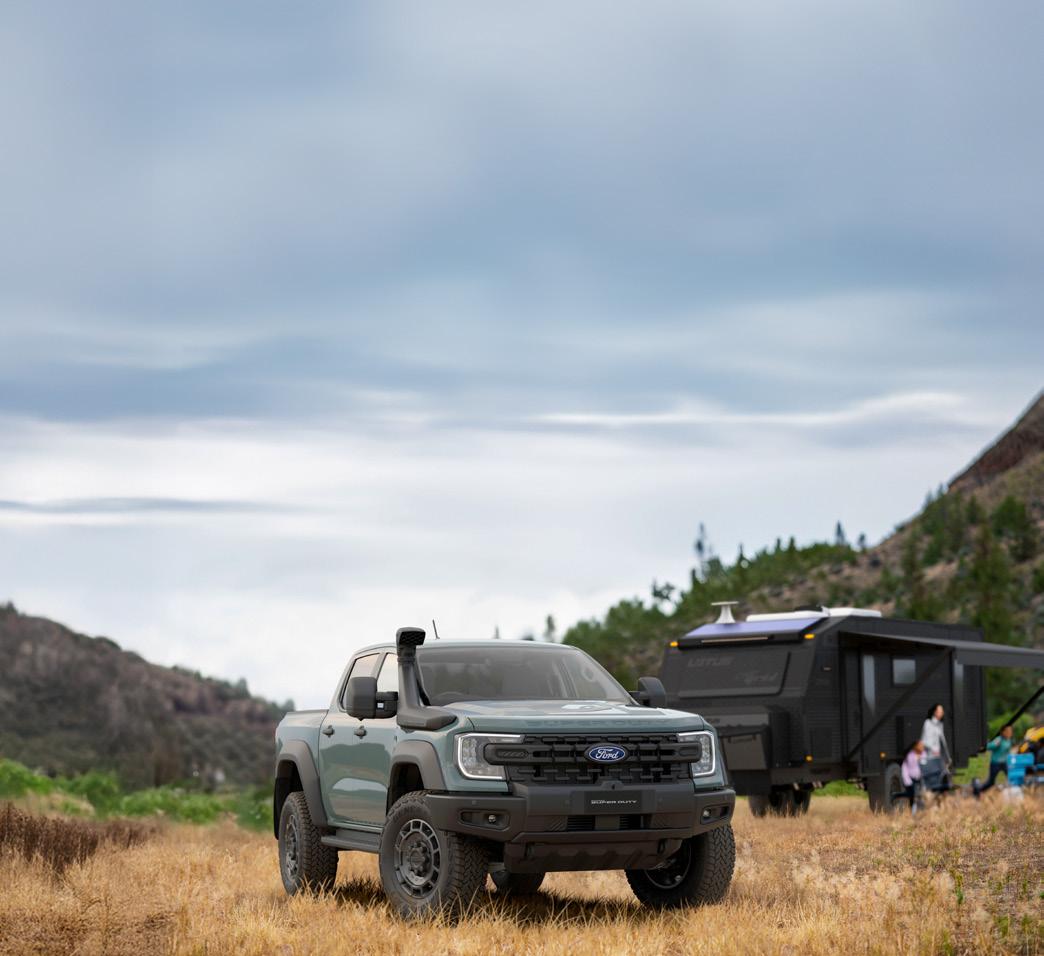
Australia’s ultra-competitive ute segment welcomed three new entrants in the final weeks of 2025, including a Nissan Navara, Toyota’s ninthgeneration HiLux, and (most exciting) an addition to the Ford Ranger lineup.
Featuring a heavily re-engineered chassis, suspension and drivetrain, the Ford Super Duty is positioned as a rival to the heavy-duty LandCruiser 70 Series, targeting rural, mining and recreational users who require hardcore towing, load carrying and off-road capability thanks to its 4500kg tow rating, 8000kg Gross Combined Mass, and a payload up to 1982kg. This means the new variant may not
be welcomed by Australia’s GVMupgrade industry, which has been doing good business converting utes from their standard 3500kg braked tow rating to the 4500kg benchmark set by US pickups. Unlike over-sized US offerings, the Super Duty keeps the same basic footprint as a regular Ranger, but its beefed-up chassis and suspension endow it with more heavyduty capability.
The new Ranger is built for extreme off-road driving, with up to 299mm of ground clearance and an impressive 850mm water-wading depth. Add a sealed snorkel, front and rear differential locks, high- and low-range
gearing, upgraded axles, suspension and chassis, and the Super Duty can tackle any terrain. Under the bonnet is the same 3.0-litre V6 turbo-diesel engine found in high-grade Ranger and Everest variants, but with an upgraded cooling system and AdBlue diesel exhaust emissions technology. The engine has been re-tuned, retaining its 600Nm of torque at 1750rpm but shedding 30kW of power for 154kW at 3,250rpm. Pricing starts at $82,990 (single cab-chassis) and rises through five variants to $99,990 (XLT double-cab pickup).
For more, visit ford.com.au






























Belt and braces
In 1959 Volvo became the world’s first carmaker to introduce lifesaving three-point seatbelts to its vehicles, so it seems fitting that the Swedish brand should remain at the forefront of seatbelt and safety technology today.
The latest step in Volvo’s history of safety innovations came in January of this year when it revealed its all-electric EX60 SUV featuring the world-first multi-adaptive safety belt. Recognised by TIME as one of the Best Inventions of 2025, the safety belt better protects occupants by adapting to the traffic conditions and the person wearing it.
It’s a far cry from the innovative but basic threepoint design invented by Swedish engineer Nils Bohlin and fitted to Volvo’s 1959 PV544 two-door sedan. Bohlin’s design vastly improved existing seatbelt technology by securing both the upper and lower body in a single, simple-to-use strap, distributing the impact force across the strongest parts of the body (the chest, hips and shoulders).
This new design leverages real-time data from the car’s advanced interior and exterior sensors, customising protection by adjusting to the situation and the unique personal profile of drivers and passengers, such as their height, weight, body shape and seating position. Australians will get their hands on the technology when the Volvo EX60 launches here in mid to late 2026.
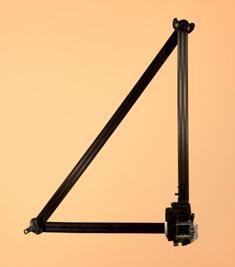
For more, visit volvocars.com


JAGUAR’S ANNUS HORRIBILIS
Queen Elizabeth II famously called 1992 her “annus horribilis” (Latin for ‘horrible year’) after a turbulent 12 months for the British royal family. For Jaguar Land Rover, a brand that holds the coveted Royal Warrant, 2025 may come to be seen as its own horrible year. It started in December 2024 with the reveal of the Jaguar 00, an electrically powered GT concept car marking the brand’s move to electric-only models. Chief Designer Gerry McGovern’s new ‘leaper’ logo and daring “Exuberant Modernism” design concept, along with the accompanying marketing campaign featuring non-binary models and abstract slogans, signalled a radical shift from Jaguar’s past.
The car received a mixed reception and the campaign drew heavy criticism and ridicule. Instead of reinvigorating the brand, sales collapsed, due partly to a major cyberattack that halted production for weeks. The shockwaves saw CEO Adrian Mardell resign, while McGovern was reportedly shown the door in December.
The year ended with Jaguar’s last internal combustion engine vehicle, a black F-Pace SVR with 5.0-litre supercharged V8, rolling off its production line on December 19. The new electric Jaguar, a fourdoor GT car inspired by the Type 00 concept, will have its full reveal in 2026, with the first deliveries scheduled for late 2026 or early 2027.
For more, visit jaguar.com



Fine penmanship drive
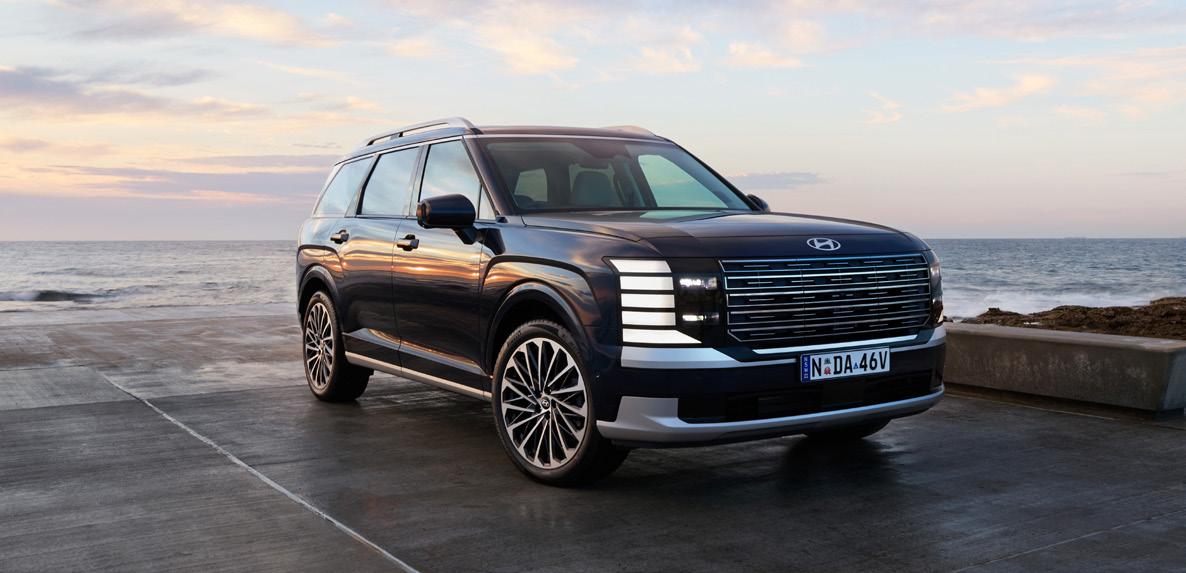
The Hyundai Palisade Calligraphy Hybrid offers a sophisticated drive with luxury SUV energy for a ‘masstige’ price.
Story Harry Weller
If imitation is the sincerest form of flattery, then Land Rover should be very flattered indeed by Hyundai’s latest full-size family SUV, the Palisade. From various angles the big seven- or eight-seater gives off strong Range Rover vibes, which is no bad thing given that at $89,900 the Palisade is priced closer to a mid-size Range Rover Evoque than the circa-$272k full-size luxury SUV it emulates.
This is Hyundai’s second-generation Palisade and the first to be offered exclusively with a fuel-efficient turbocharged hybrid fourcylinder powertrain, its drive channelled to all four wheels via a six-speed automatic.
Available at launch in a single high-spec Calligraphy variant, the Palisade is positioned as the halo model of Hyundai’s ICE-powered SUV range, sitting above the Santa Fe. A more muscular-looking off-road-focused version, the XRT Pro, will be offered in the first half of 2026 but for now the main consideration for buyers will be paint and trim colours (four available) and whether to have it configured with the standard eight-seat layout, or the seven-seat design with ‘captain’s chairs’ in the second row. Either way, there’s space aplenty, as this new model is bigger in most dimensions than its predecessor.
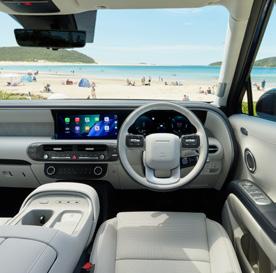
The plush interior design is inspired by modern furniture, with soft curves matched by tactile woven fabrics and generous swathes
THE SPECS
MAKE/MODEL Hyundai Palisade Calligraphy Hybrid
BODY STYLE Large SUV
RETAIL PRICE $89,900 (RRP)
WARRANTY 5 years/unlimited kilometres (extendable to 7 years/ unlimited kilometres if serviced within the Hyundai dealer network).
SEATING 7 or 8
ANCAP SAFETY RATING Five star (2025)
DRIVETRAIN Turbocharged 2.5-litre inline four-cylinder petrol, hybrid, all-wheel drive, combined outputs 245kW/460Nm.
TRANSMISSION Six-speed automatic
KERB WEIGHT 2258kg
FUEL CONSUMPTION 6.8L/100km (combined cycle)
RANGE 1058km
0-100KM/H 7.5 secs (estimate)
For more, visit hyundai.com.au
of leather-like trims on the dash and doors. The seats are clad in perforated Nappa leather with the front pews boasting heating and cooling, electric calf support and a massage function. The second and third rows are likewise electrically operated, as is the tailgate, so raising and lowering the seats to expand cargo space to the maximum 2081 litres is a cinch.
An impressive dual panoramic 12.3-inch screen display stretches across the dash with the list of luxury kit including 14-speaker Bose premium audio, sat nav, dual sunroofs, Head Up Display, suede headlining and a biometric fingerprint option for starting the vehicle.
The move from four-cylinder turbodiesel and V6 petrol power in the old model to the new hybrid four-cylinder delivers fuel economy of 6.8L/100km, better than you might expect for a vehicle of this size and around 0.5L/100km better than the turbodiesel. Performance is also livelier, thanks to the hybrid system’s twin electric motors, which assist the combustion engine to fill in any torque deficits.
Power and torque are boosted by 98kW and 20Nm over the superseded turbodiesel, with the only real downside being you can hear the engine working under load, which seems at odds with the otherwise stately levels of refinement. Local tuning of the fully independent suspension, which includes frequency selective front and self-levelling rear dampers, ensures polished ride and handling.
All up, Hyundai’s new Palisade Calligraphy is a refined and technically sophisticated addition to the large SUV market, offering attractive mass market prestige at an obtainable price for luxury-minded Aussie families.
Photos: Supplied
Patently brilliant
Visitors to the world-class Mercedes-Benz museum in Stuttgart, Germany, take an immersive journey through the history of a brand that has had a huge influence on the automotive world.
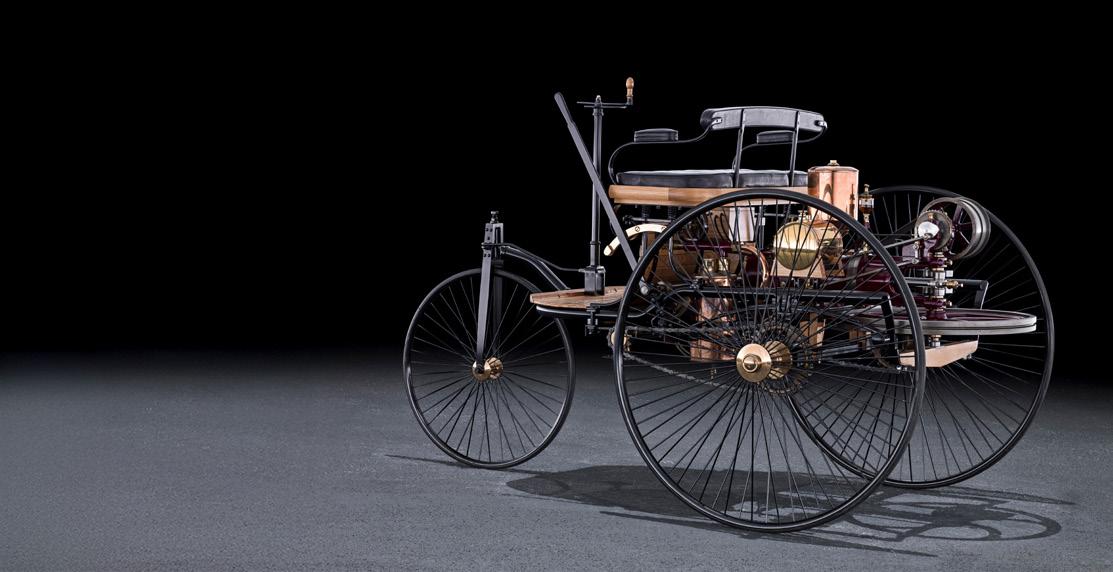
Situated on the top floor of the striking double-helix-shaped building that houses the Mercedes-Benz Museum in Stuttgart, Germany, is something quite remarkable. There, perched on skinny, wire-spoked wheels and looking more likely to be hitched to a horse than driven, is the world’s first automobile.
With its curious-looking hand-tiller and rear-mounted, single-cylinder engine, the replica of the ungainly three-wheeled 1886 Benz Patent-Motorwagen (the original was donated to Munich’s Deutsches Museum in 1906) looks entirely underwhelming against the 160-plus exhibits housed elsewhere in what is one of the world’s finest automobile museums.
But among the many stunning vehicles, the Benz Patent-Motorwagen is undoubtedly the most significant. Designed by Karl Benz, who filed for a patent on 29 January 1886 under the name “vehicle with gas engine operation”, the ensuing patent is regarded as the birth certificate of the automobile.
The Patent-Motorwagen’s three-wheel design came about because Benz was unconvinced by the drawbar steering used for horse-drawn carriages, the primary means of transportation at the time. The vehicle’s single-cylinder engine boasted a displacement of 954cc and produced a miserly 0.55kW (0.75 hp) at 400rpm, enough to propel it to a top speed of around 16km/h.
A good horse was faster over a shorter distance, but the Patent-Motorwagen could maintain its pace for longer periods, as evidenced in August 1888 when Karl’s wife Berta arrived at her parents’ home in
THE SPECS
CLAIM TO FAME This year marks the 140th anniversary of the world’s first automobile, the 1886 Benz PatentMotorwagen. This groundbreaking vehicle created by Karl Benz laid the foundation for modern automotive engineering as we know it.
YEAR OF CONSTRUCTION 1886 (faithful reconstruction)
CYLINDERS 1
DISPLACEMENT 954cc
OUTPUT 0.55kW (0.75 hp) at 400rpm
TOP SPEED 16km/h
For more, visit mercedes-benz.com.au
Pforzheim, Germany, after an epic 12-hour, 106km journey. Berta may not have realised it at the time, but she had just completed the world’s first long-distance drive in the world’s first automobile.
Her husband’s decisive achievement was the systematic implementation of his vision of the “horseless carriage”. Karl Benz came up with the idea of the motor car, he patented it, designed it, built and tested it. Later, he launched his creation on the market, mass-produced it and further developed it to improve usability. His awkward-looking three-wheeled Motorwagen revolutionised personal transportation, paving the way for the sophisticated, safe and stylish massproduced cars we drive today.
WORDS Harry Weller
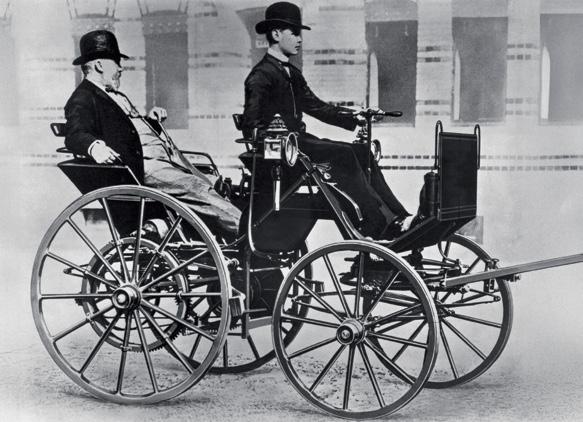
From top The Benz Patent-Motorwagen; the Daimler Motorised Carriage.
ROAD
test
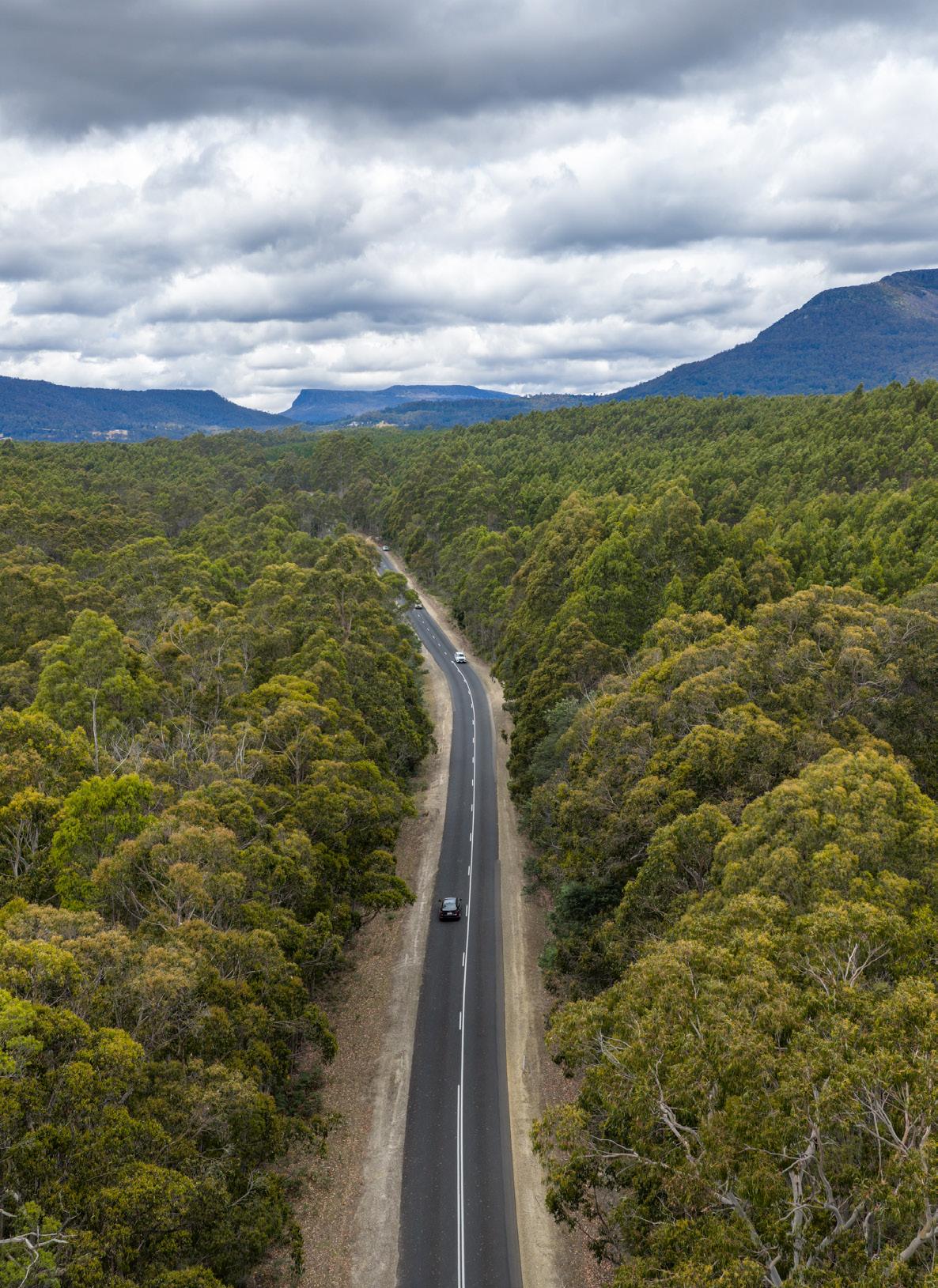
A slow arc through northern Tasmania, from Carrick to the Great Western Tiers, puts the Camry Hybrid somewhere between past and present.
Words Andrew Bain Photos Prime Perspectives
From left
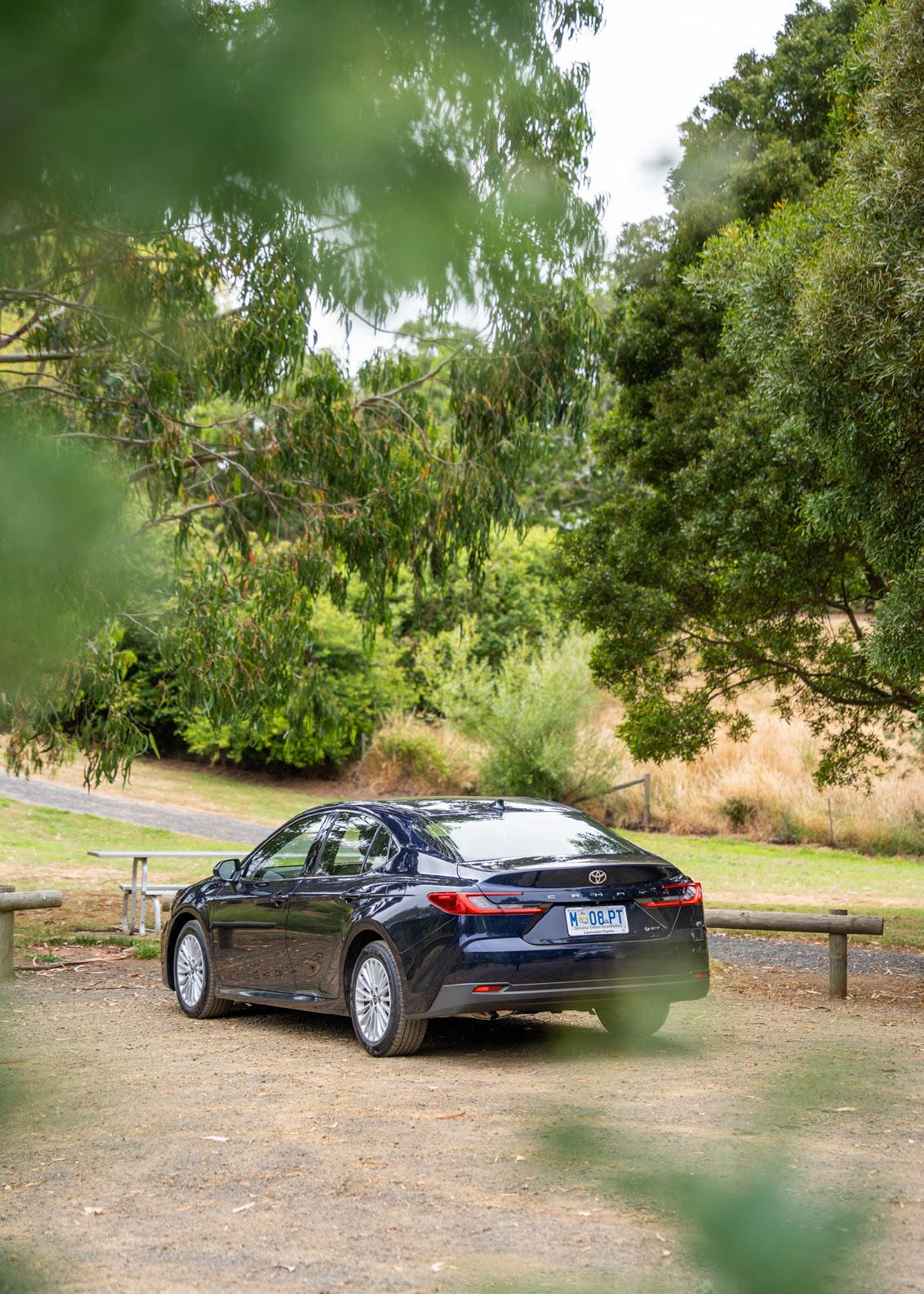
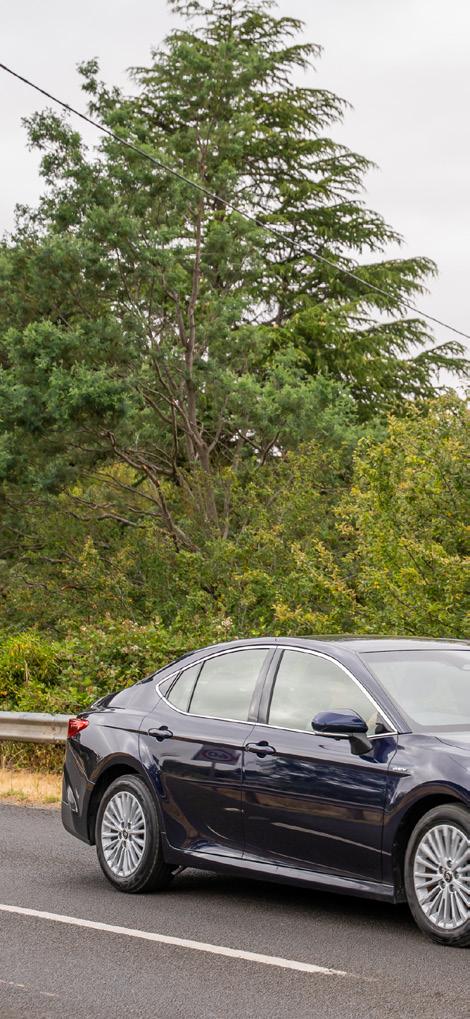
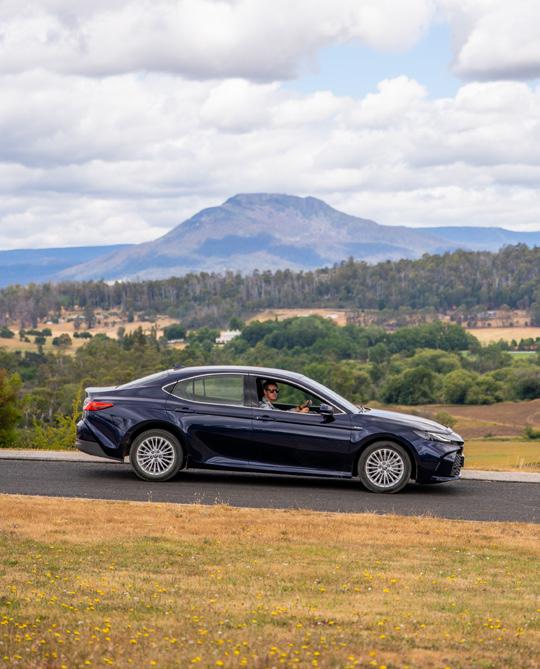
The Camry tackles northern Tasmania’s scenic drive; the modern Camry is a sleek vehicle.
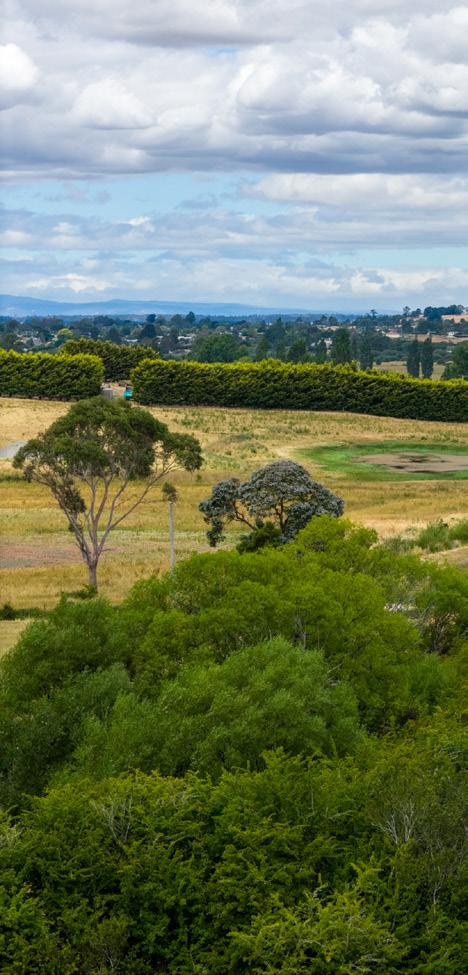
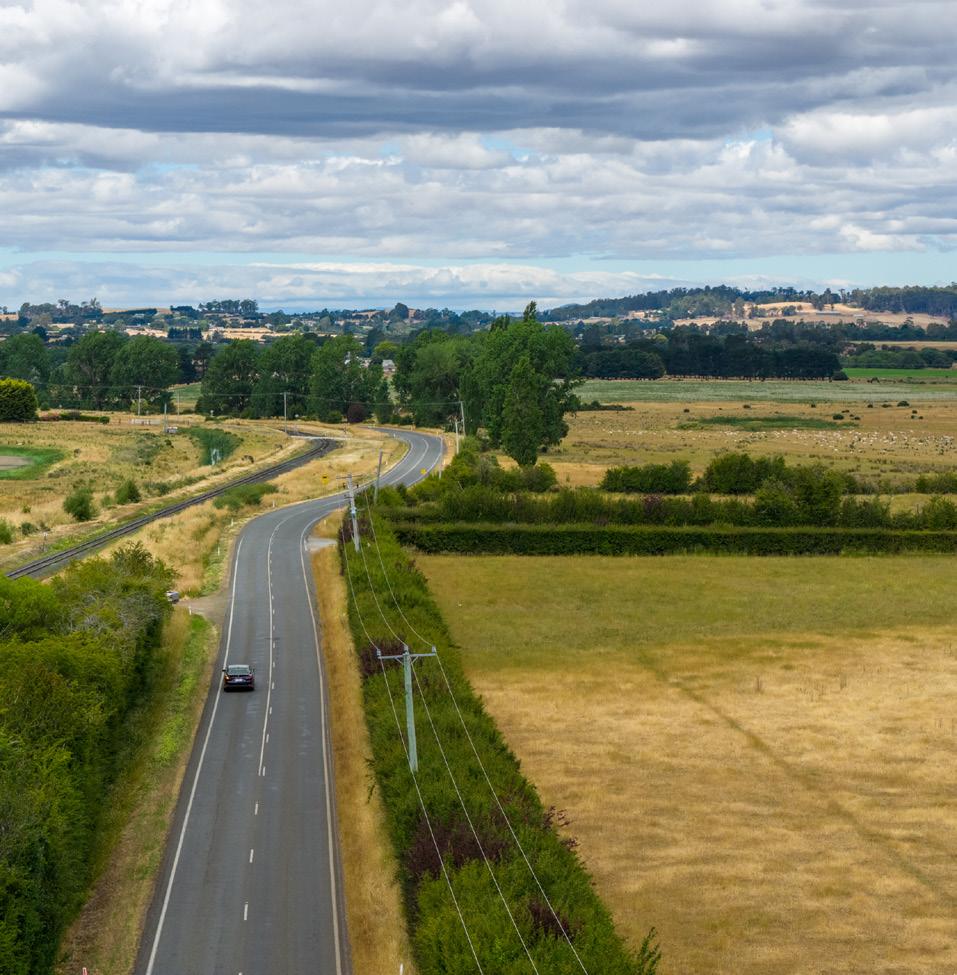
In the farmland around Carrick, the roads are framed by hawthorn hedgerows and the fields are dotted with hay bales. As I drive towards the Great Western Tiers, I feel almost as though I’m motoring across the set of an English period drama. It’s a timeless rural scene, and I’m suitably viewing it from a timeless sort of vehicle.
The Toyota Camry has been on Australian roads for more than four decades, and for many people its reputation remains solidified as a sensible car for sensible families. But as I head across this farmland, there’s a surge of power each time I tap the accelerator, and digital readouts keep me briefed on my fuel economy and use of EV power. With this new-breed Camry upgraded to a ‘fifthgeneration’ hybrid electric system in 2025, is it still just a car as comfortable as a knee blanket, or has the Toyota Camry come back to the future?
My vehicle today is the Camry Ascent Sport, the middle tier of the Camry’s three models: Ascent, Ascent Sport and SL. All three are available only as hybrid vehicles, and they defy modern trends by the fact that they’re all sedans. As I drive out of Launceston, I’m seemingly the lone sedan in a pack of SUVs and utes, happily
unfashionable as I head towards the belt of historic colonial towns – Hadspen, Carrick, Westbury – to the south of the city.
Turning onto the Bass Highway, there’s a moment to open out the throttle, and the car responds beautifully, before I turn off this modern motorway into history’s lanes.
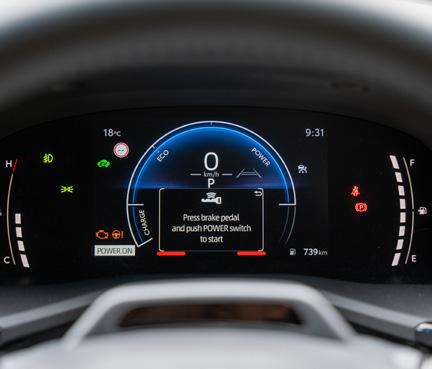
In Carrick, I pause by the Liffey River and take my first literal gauge on the drive. When I turn off the engine, the Camry’s simple but sufficient digital instrument panel provides an overview of the drive segment just completed. Data displayed includes percentage of time spent in EV mode –at up to 60% on this day, it’s often surprisingly high – and average fuel consumption. Toyota claims that the Camry’s 2.5-litre engine sips just four litres per 100 kilometres, which would give the fuel tank a range in excess of 1200 kilometres,
though today it’s running at around five litres per 100 kilometres.
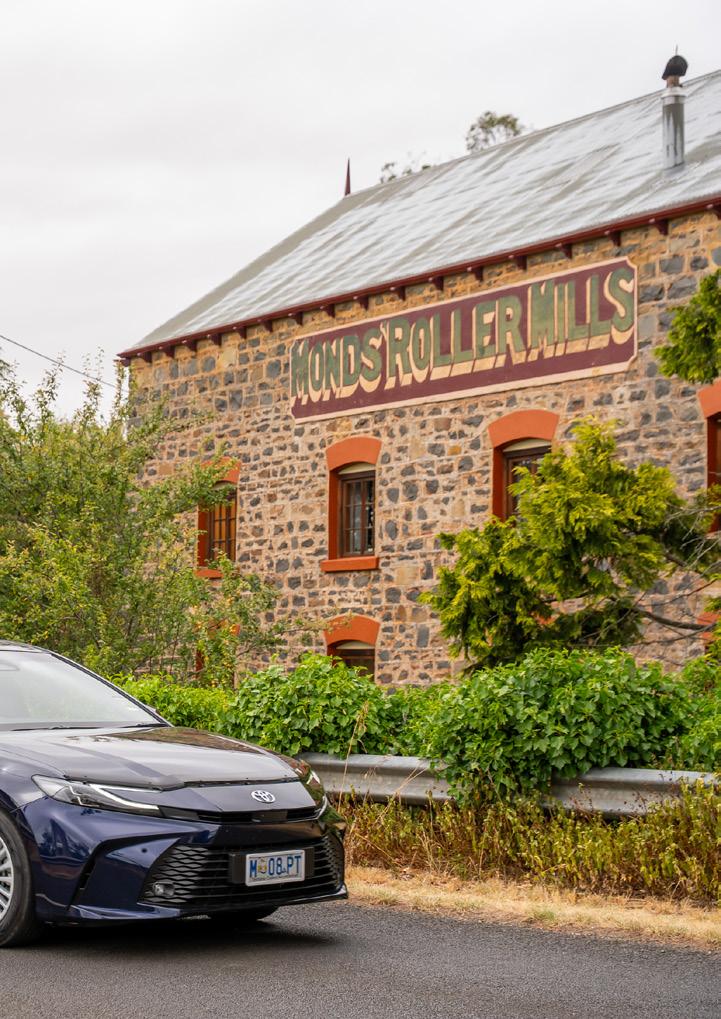
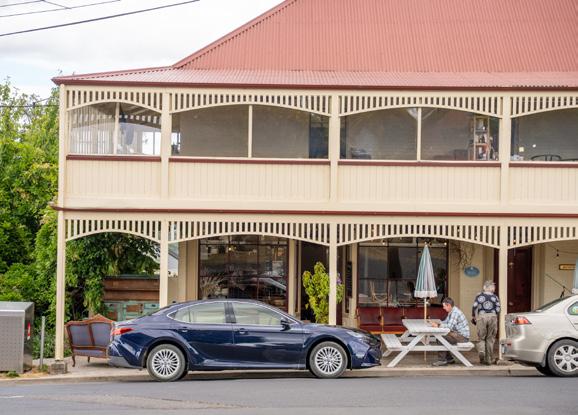
Carrick has all the accoutrements of an historic Tasmanian town: a 19th-century inn and flour mill, and the almost Gothic ruins of a grand home, built by John Archer in 1847 (and forever known now as Archer’s Folly). But in the hinterland behind Carrick there are different histories, from a touchstone of Tasmania’s conservation movement to the full flow of natural history at Liffey Falls. It’s here that I steer next, turning south from Carrick and weaving through Bishopsbourne and Bracknell to the foot of the Great Western Tiers.
As the road returns to the bank of the Liffey River, the world is transformed, with forest suddenly replacing farmland as I pull into Oura Oura. Backed by the high escarpment of Drys Bluff, the 25-hectare block was once the home of
into nature;
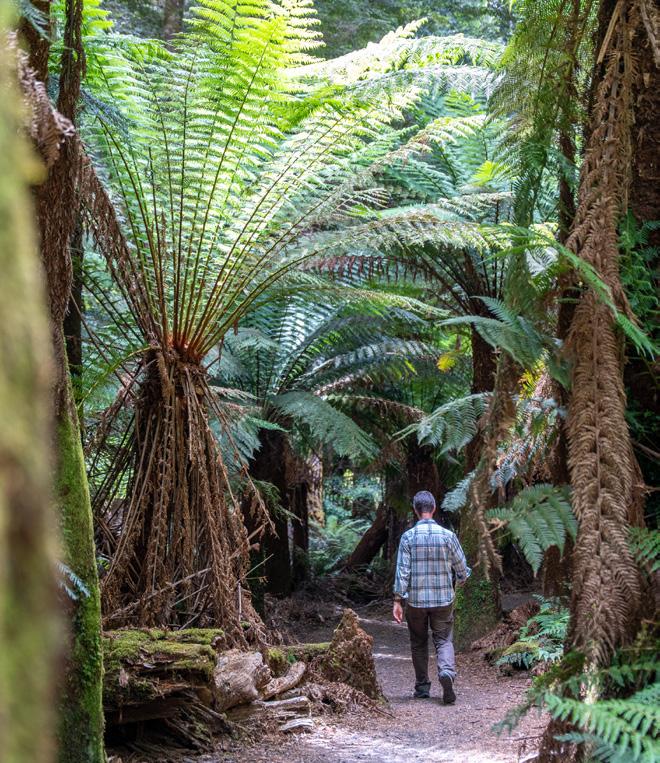
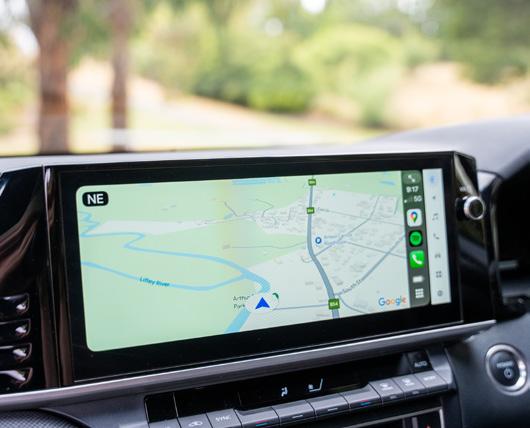
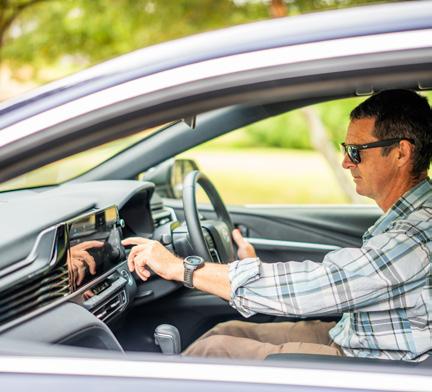
19th-century flour mill; enjoying the modern updates to the Camry; the detailed digital instrument panel; the built-in infotainment screen.
Clockwise from far left Getting
Carrick’s
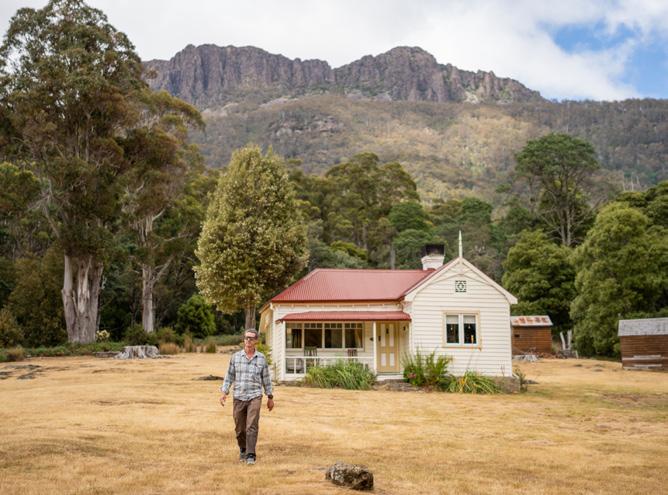
Australian Greens leader Bob Brown, who donated the land to Bush Heritage Australia to ensure its ongoing protection.
As I return to the vehicle after a walk around Oura Oura, I’m struck by the twin personalities of the Camry. It’s both powerful and efficient, and the shift from electric power to petrol when driving is barely perceptible. Seen front-on, the car appears angular and racy, looking styled for fun, while sideon it still looks styled for a family. It doesn’t turn heads but drive it and it feels like you’re harbouring a secret – the Camry is cool.
This newest model is also slightly longer than past iterations of the Camry, giving the interior a smidge more room, while opening the spacious 524-litre boot is like meeting the Tardis.
From Oura Oura, the road and the river wriggle west together for a few kilometres, the road turning to gravel as it begins up the slopes of the Great Western Tiers. It’s not the natural terrain for a midsize sedan, but the Camry glides up the hill unfazed, riding smooth even over the few corrugations and small washouts as I ascend to the top car park at Liffey Falls. On foot, I follow the river’s cascading journey through the tall timber to the base of one of Tasmania’s signature waterfalls.
I turn back north at the falls, driving down the slopes towards Deloraine. It’s a serpentine drive on Highland Lakes Road, coiling through the forest. The Camry is low-slung and grippy, making for a fun descent, and my sense of nostalgia spikes each time I notice the cloth seats and the doors’ plastic lock buttons. Yet there’s also a 12.3-inch
THE SPECS
PRICING from $47,340
MAX TORQUE 221Nm
MAX POWER 138kW
BODY STYLE Sedan
TRANSMISSION Automatic
DRIVE TYPE Front-wheel drive
SEATING 5 seats
FUEL CONSUMPTION 4L per 100km
0–100KM/H 7.2 seconds
touchscreen display, a wireless phone charger neatly housed under the dashboard, and five USB-C charge outlets, enough to make the car feel like a mobile power bank.
After a late lunch stop at Frank & Lotti in Deloraine – where I score its last empanadas – my final date with history is in Westbury. Entering town, past its cottages and village green, it’s like I’ve returned to the period-drama set. And as the Camry boots away from town, back towards Launceston, at a touch of the accelerator – and I check my driving stats on the instrument display – I’ve forgotten my preconceived notions of the Camry as a car for Uber drivers and cardigans. For the moment, I feel like the most modern thing in town.
With thanks to Launceston Toyota for the test drive. For more, visit launcestontoyota.com.au
COMPARABLES

from $64,900
• fuel efficient; 570-litre boot
• price; less stylish interior than some rivals

•
•
Honda Accord Priced
Hyundai Sonata Priced from $55,750
powerful turbo engine; sexy styling
fuel efficiency; smaller boot
34 / TRAVEL NEWS
36 / THE PIT STOP
38 / AUTUMN UNLOCKED
44 / TIME TO RUN
Fresh pours in the Coal River Valley
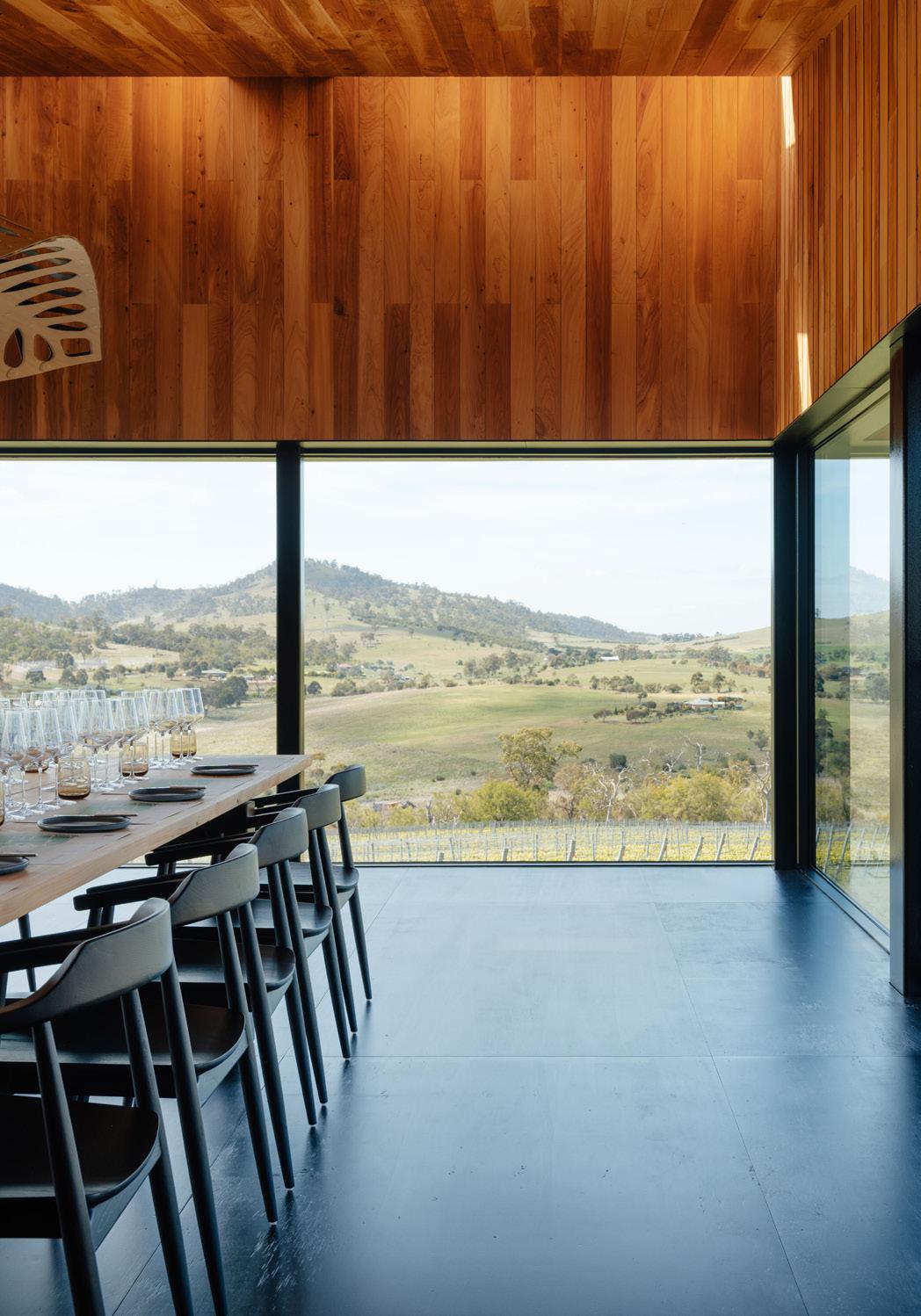
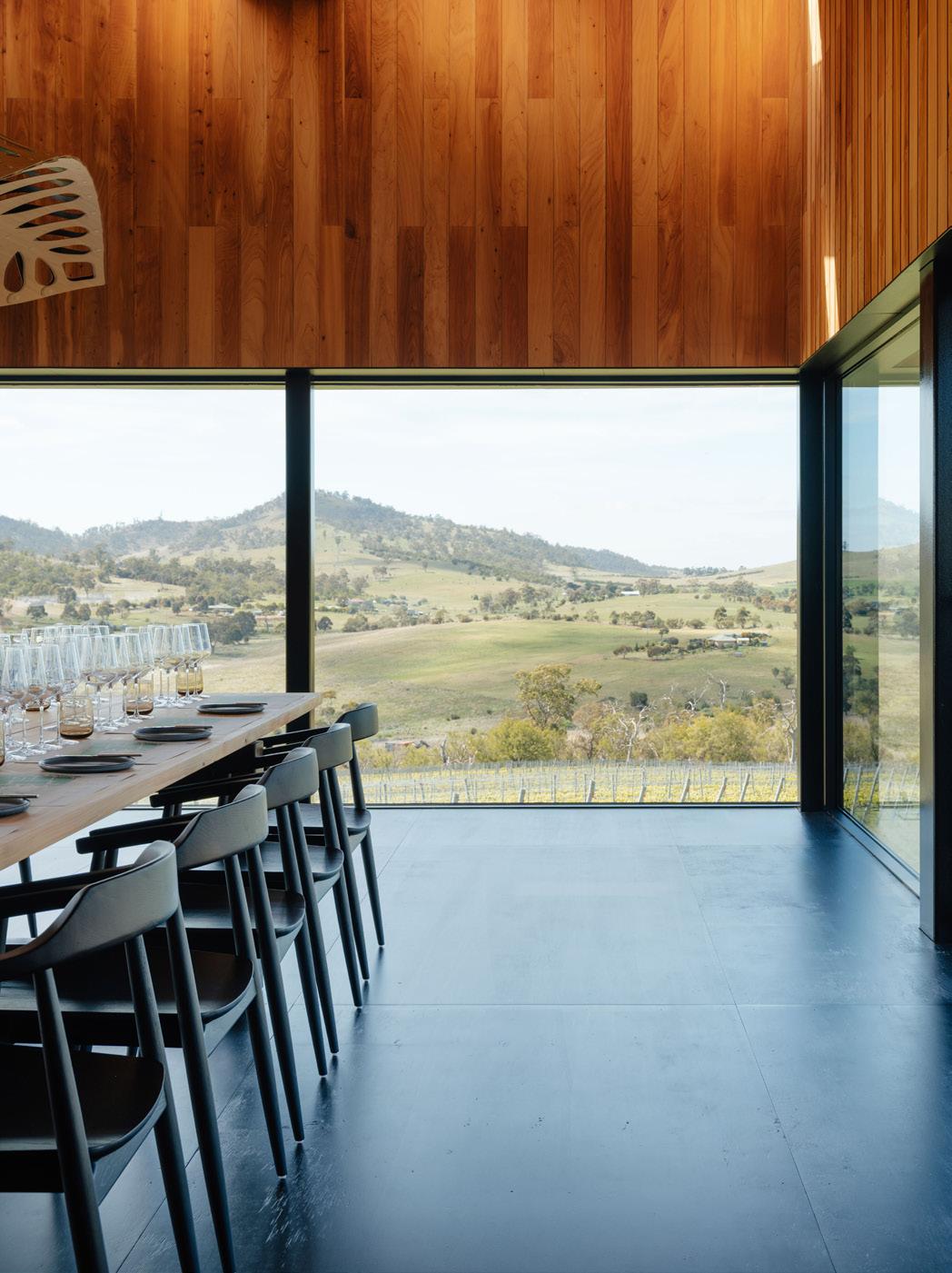
Southern Tasmania has two new wine destinations, with SISU wines and Stargazer both recently opening cellar doors. SISU’s cellar door is situated alongside the label’s 25-hectare vineyard and single-site winery in Campania. It’s designed for long, unhurried tastings, with a limited food menu and indoor and outdoor seating around Tasmanian blackwood tables. At Stargazer Wines in Tea Tree, guided tastings are conducted at a bespoke communal table overlooking the Palisander Vineyard. Hosted by award-winning winemaker Samantha Connew, the $35 per person experience features a curated selection of currentrelease wines with occasional surprises drawn from the cellar. Bookings are essential. For more, visit sisuwines.com.au, stargazerwine.com.au
travel news.
Explore our state with Nola James
PET-FRIENDLY ESCAPE
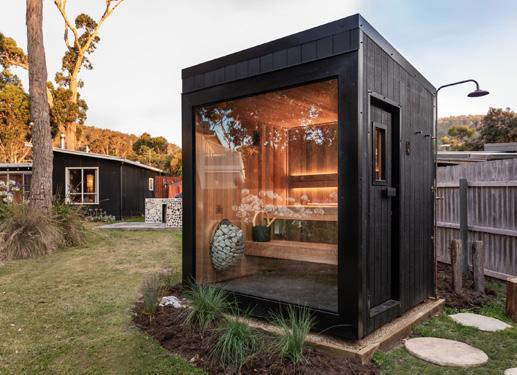
All are welcome at Dune Shack, a petfriendly two-bedroom 1970s bungalow with private beach access on the Tasman Peninsula. The self-contained property features a renovated bathroom, wellequipped kitchen and a cosy living area with a wood fire. In the garden you’ll find a fire pit and outdoor shower, with a custom-built hot stone sauna providing the perfect pit stop between swims. instagram.com/duneshack_

Tassie beaches are having a moment
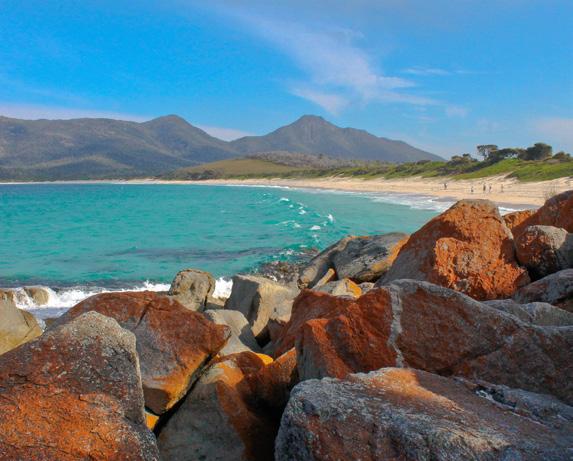
Two Tassie favourites have muscled their way into Australia’s top five beach lists, with Binalong Bay at the Bay of Fires earning a nod for camping and Wineglass Bay (pictured left) in Freycinet making the cut for bushwalking. Named by Lonely Planet in the new book Best Beaches Australia, the picks put the Apple Isle in good company nationwide, and confirm what locals already know: when it comes to beaches that reward a bit of effort, Tassie leads the pack. lonelyplanet.com.au
Photos: Supplied; Tourism Tasmania (Wineglass Bay); Jon Gazzignato (Rude Boy); Facebook (Albert Road Store); Natasha Mulhall
DINNER IS SERVED
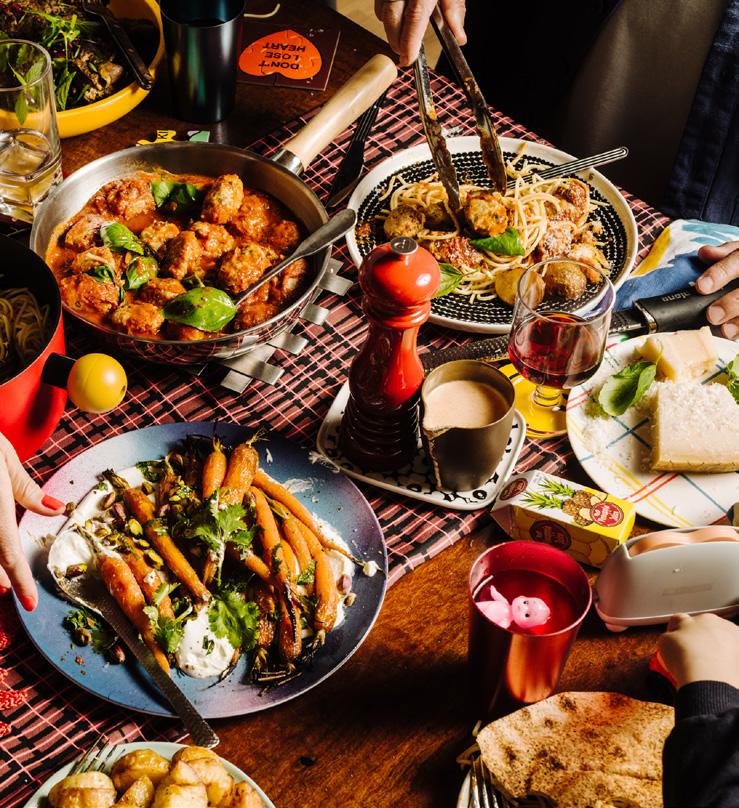
Sydney-based meal delivery service The Dinner Ladies is now available in Tasmania. These heat-and-serve meals arrive snap frozen, perfect for stocking the freezer with timesaving, post-work solutions or ordering up big for a family vacation at the shack. Crowd favourites include the chicken and roast vegetable pot pie, slow-cooked beef stroganoff and a classic beef bolognese. Delivery to Hobart, Launceston and surrounds is $15, with a minimum order of $150. dinnerladies.com.au
ALFRESCO EATS
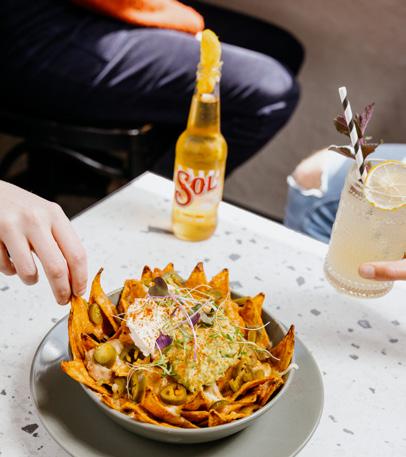
Hobart’s Hanging Garden precinct has welcomed two new food vendors, with Queen Sheeba Ethiopian joining Anju Kitchen (Korean) in the upper tier and Cantina de Valle (Cali-style Mexican) joining Pizzeria down in the cathedral. At Queen Sheeba, expect warming spices, slowcooked stews and injera made for tearing and sharing, while Cantina de Valle brings tacos, quesadillas and enchiladas to the table. inthehanginggarden.com.au
TOT
3
C HICKEN HOPS
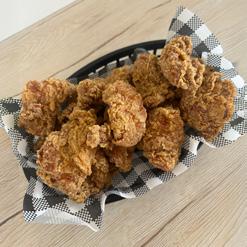
Uncle Chicken
At this Launceston spot, pick your yangnyeom (seasoning) level – mild, hot, garlic soy or chipotle – then add sides like house-made kimchi or a Korean-style egg roll.
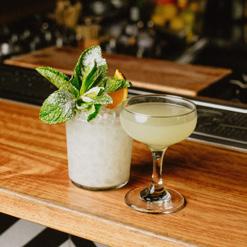
Rude Boy
One of Hobart’s best cocktail bars, Rude Boy, serves USstyle fried chicken that’s also available in a vegan option.
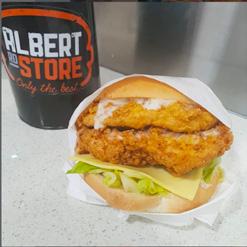
Albert Road Store
This Moonah takeaway shop turns out crispy, juicy fried chicken from 6am. Try the beer-battered fries topped with fried chicken, bacon, cheese and gravy.
Strahan
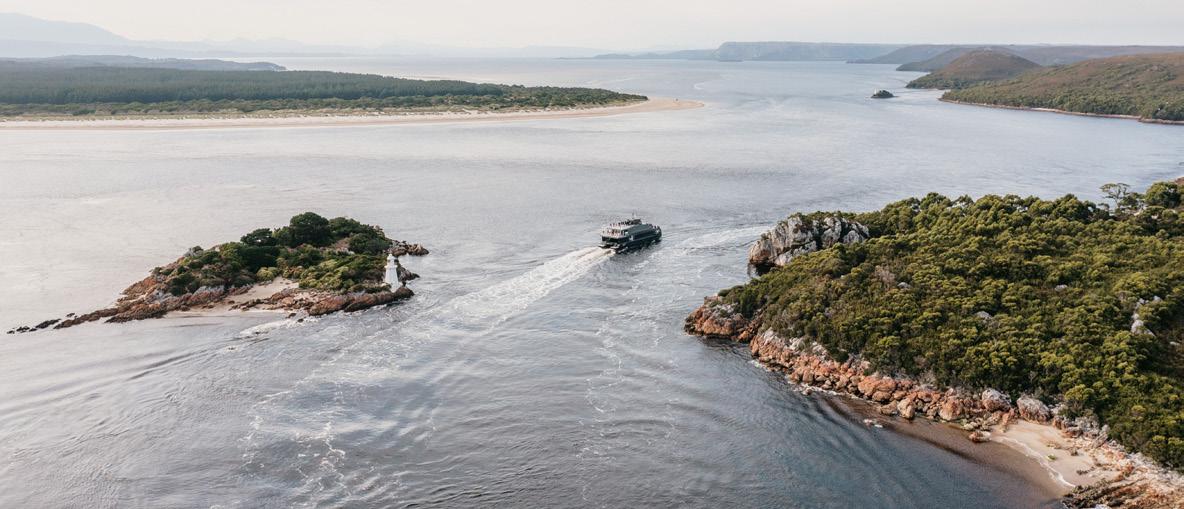
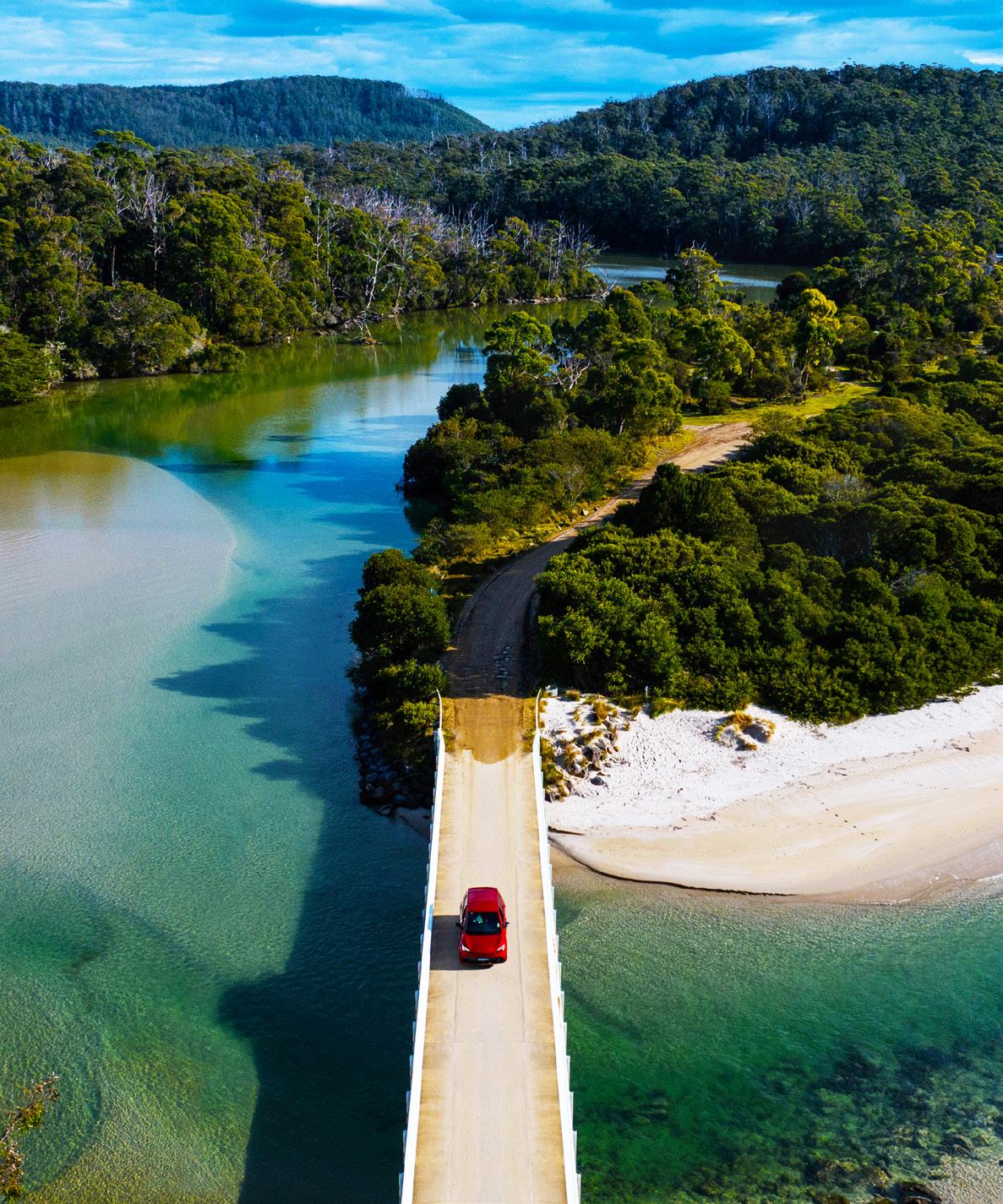
This harbour-side village is dominated by nature. Take a river cruise through World Heritage-listed forest, scale a sand dune or watch Southern Ocean waves roar ashore, then relax in town, writes Andrew Bain.
SEE
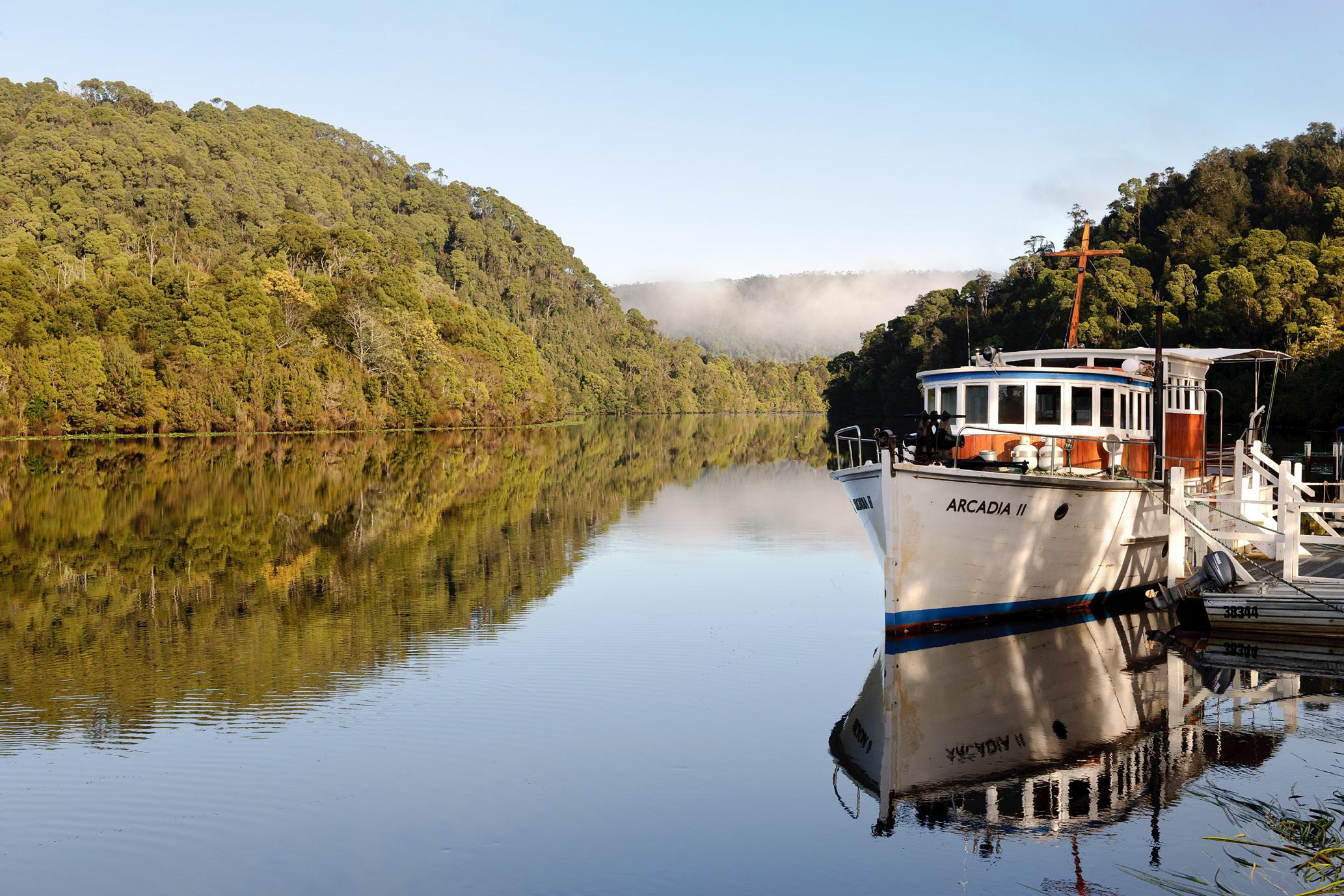
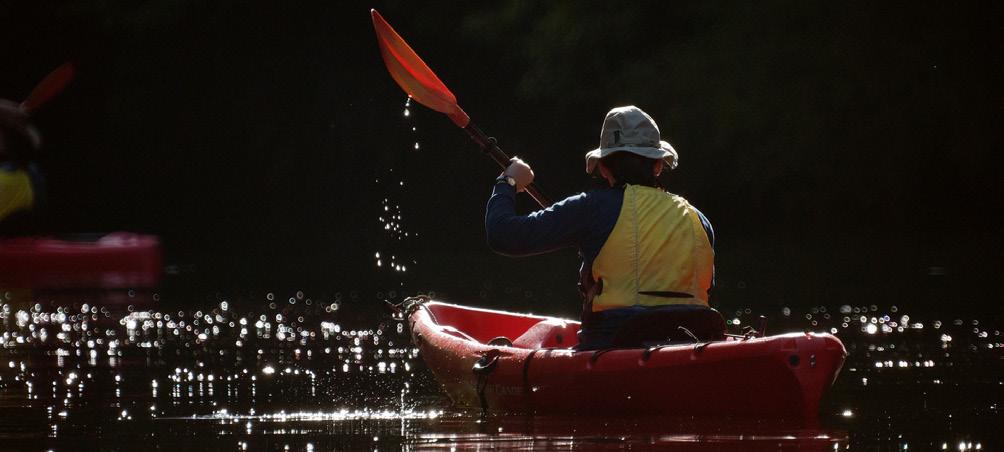
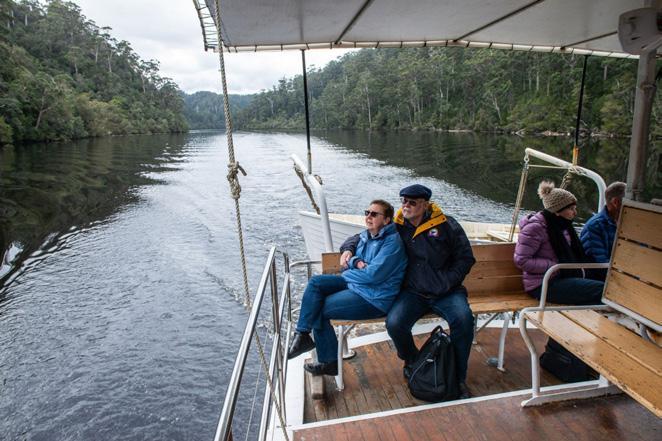
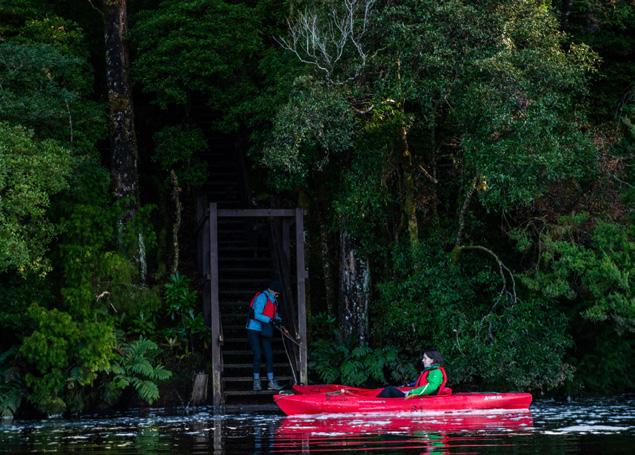
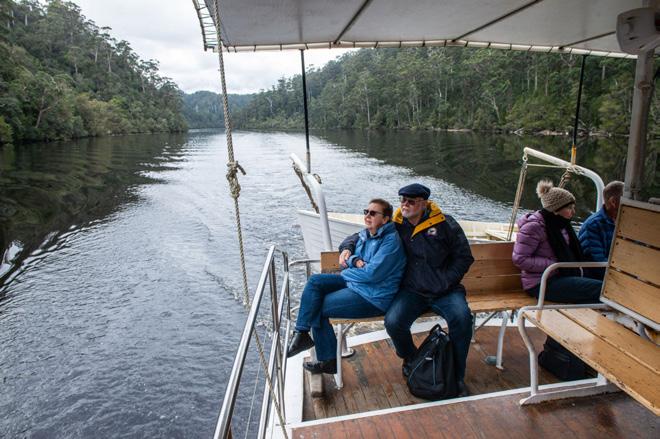
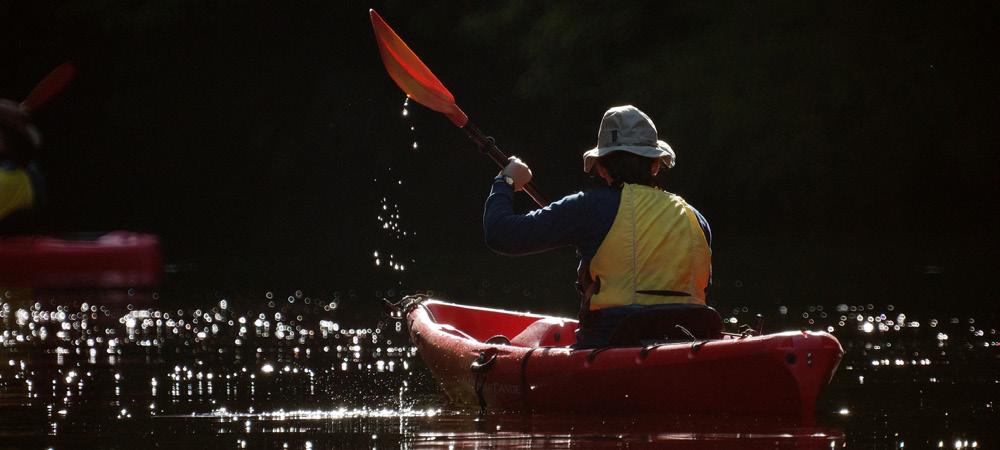
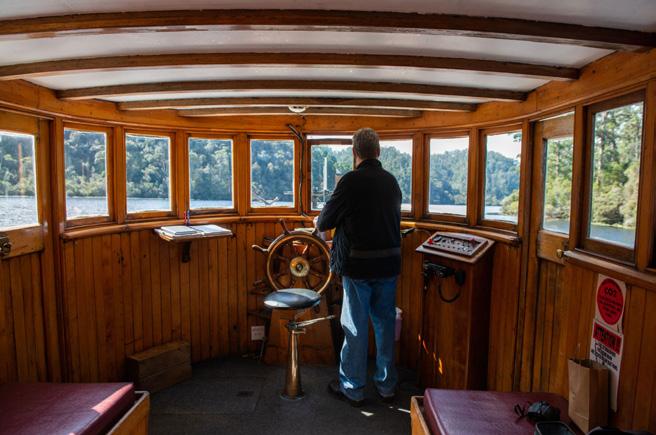
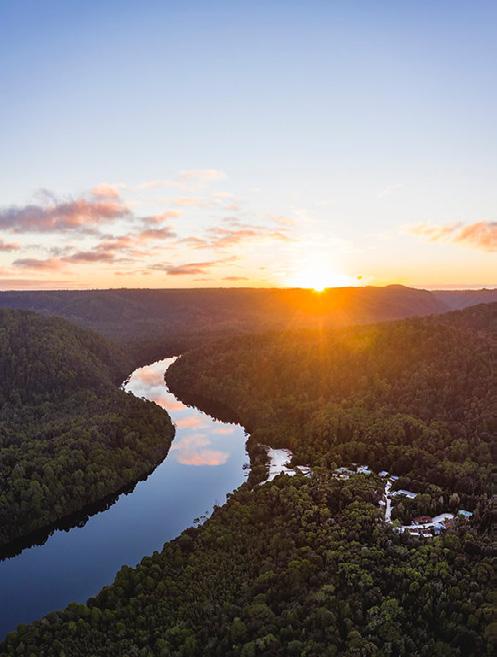
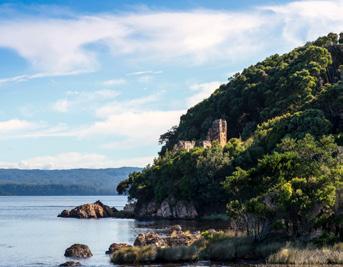
Strahan’s finest natural feature is its backyard pool – the Gordon River. Sail across Macquarie Harbour with World Heritage Cruises or Gordon River Cruises (see page 59) to float through the river’s mirror-like reflections of the rainforest that crowds its banks. Disembark for a stroll through the forest at Heritage Landing, while a final stop brings Sarah Island’s hellish convict history to life.
EAT
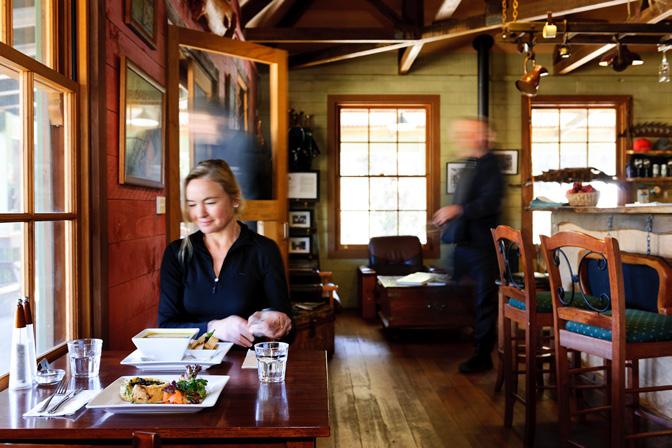
Aim for a window table at Risby Cove, peering across the water to Strahan’s wharf as you dine. The menu is seasonal and local, from Cape Grim beef to Bruny Island wallaby, with a drinks list that’s equally faithful to the island.
SHOP
Gordon River boats return to Strahan in time for a free milling demonstration at wharf-front Morrison’s Huon Pine Sawmill, complemented by the presence of the Huon Pine Shop & Gallery in front of the mill. Stock ranges from rolling pins and cheese knives to exquisite custom-made furniture. Head inside the mill to find Huon
pine (and other) slabs if you fancy making your own piece.
DRINK
Handily situated across the road from the Gordon River cruise offices, The Coffee Shack is the morning go-to for a caffeine fix or Art of Tea loose-leaf tea. The colourful tin shack bakes up sweet treats to go with your coffee, as well as great toasties.
SLEEP
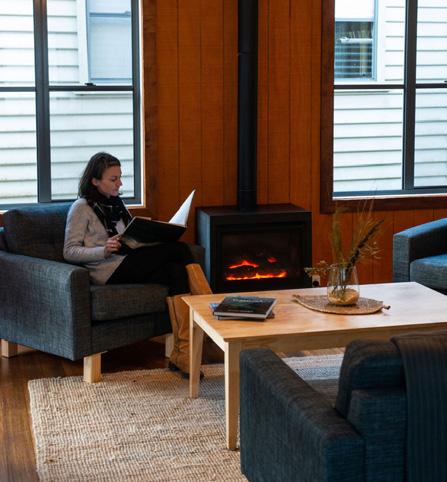
Scoot around the corner from Regatta Point into Lettes Bay, where early last century mine workers built a collection of shacks from salvaged materials. Today, several of the waterfront shacks are shortterm rentals – try Captain’s Rest, perfect-in-pink Rosy Summers or Salt Box Hideaway.
ESSENTIAL STOPS
• Risby Cove
• Morrison’s Huon Pine Sawmill
• The Coffee Shack
• Captain’s Rest
• Salt Box Hideaway

Photos:
Tourism Tasmania (Gordon River, Sarah Island); Instagram (Risby Cove)
The PIT STOP LETTES
LONG BAY
STRAHAN
From top Gordon River; Risby Cove; Sarah Island.


autumn unlocked: insider tips from Tasmanians
As Tasmania slips into cooler days and softer light, autumn reveals itself as the island’s gentlest season – a time for slowing down, tuning in and finding comfort. We meet four locals who share what they love about this very special time of year, writes Ruth Dawkins.
Photos: Tourism Tasmania; Omotenashi (fruit)
Cooking by the calendar
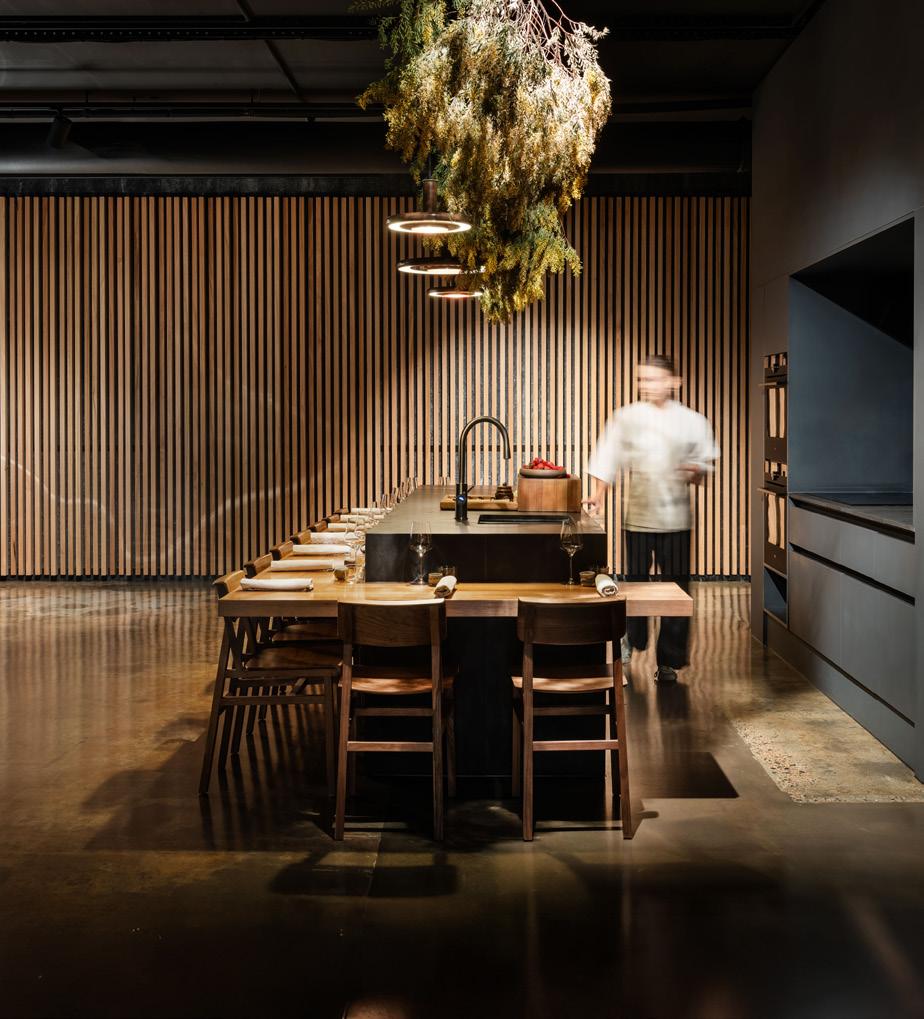
For Sophie Pope, co-founder of Hobart’s awardwinning restaurant Omotenashi, autumn brings a sense of calm. The winds drop away, the cold hasn’t quite settled in and the light feels soft enough to linger in. From her home in Lenah Valley, Sophie and her partner and fellow restaurateur, Lachlan Colwill, walk daily along the New Town Rivulet Track and into Wellington Park. It’s a ritual that keeps them connected to the landscape that shapes their work, a place where the season is impossible to ignore.
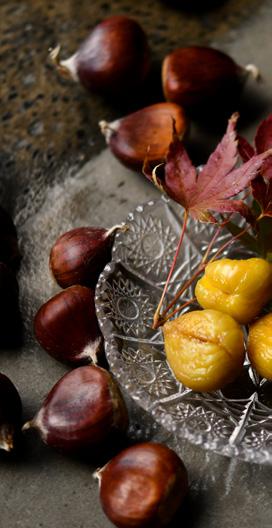
“There’s so much you can forage along there,” Sophie says. Flowers and foliage often make their way from that walk into Omotenashi, where the pair scatters Japanese maple leaves – momiji –as a delicate, fleeting marker of the season. When the leaves shift into golds and reds, guests step through them like a miniature forest floor. “It’s magical at that time of year. Everything just starts to change. It’s beautiful.”
Autumn defines the menu too, although not in a rigid way. As a kaiseki restaurant, Omotenashi responds to what the farmers’ markets, backyard growers and local producers bring each week.
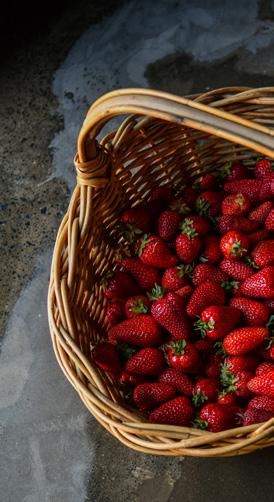
Tomatoes might still appear, alongside mulberries and blackberries, but nothing is guaranteed. Sophie embraces the small windows – ingredients that peak for just one or two weeks, then disappear. “You just adjust as things come and go,” she says. “You’ve got to try and make the most of it.”
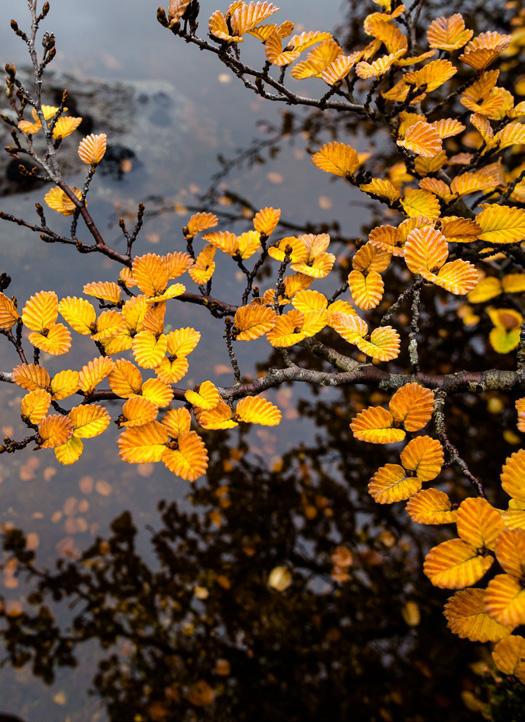
Sophie admits that long days in hospitality mean she and Lachlan get less time to roam than they once did. Before committing to Tasmanian restaurant life, they explored widely and enjoyed hiking places like the Hartz Mountains, but those bigger trips have become harder to fit in. Still, one goal remains: witnessing the autumnal turning of the fagus at Mt Field. Sophie hasn’t seen it yet and jokes she won’t feel like a “true Tasmanian” until she does.
For now, she’s content to return to the rivulet, to the leaves underfoot and to the quiet rhythm of a season she believes to be Hobart’s best.
Photos: Supplied; Adam Gibson (Omotenashi); Dexter Kim (Sophie Pope); iStock (quince); Tourism Tasmania (Cape Raoul)


Seeing autumn differently
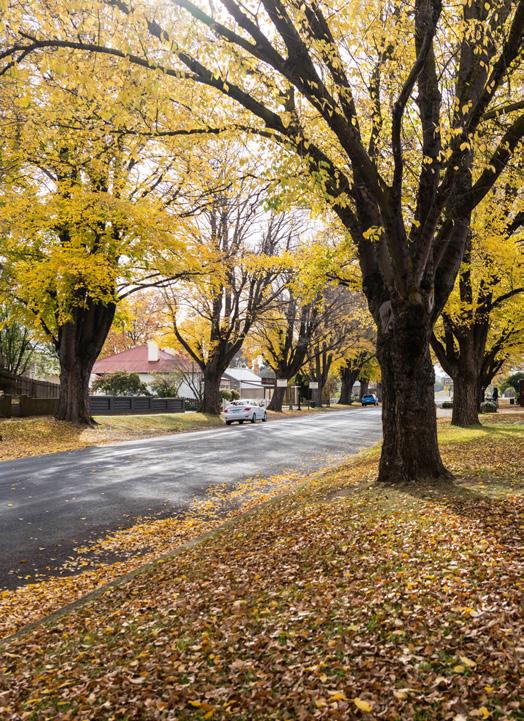
On the Tasman Peninsula, autumn often arrives in a blaze of colour. Around Port Arthur, European oaks and elms turn spectacular – a legacy of colonial plantings – and visitors come looking for golds, oranges and reds.
Koonya-based writer Erin Hortle knows the display is beautiful; it unfolds right outside her window. But she experiences it differently. Colour blind, she notices the leaves changing and falling, yet never quite sees the palette that others marvel over. “Autumn is the one season where I feel slightly short-changed by my vision,” she laughs.
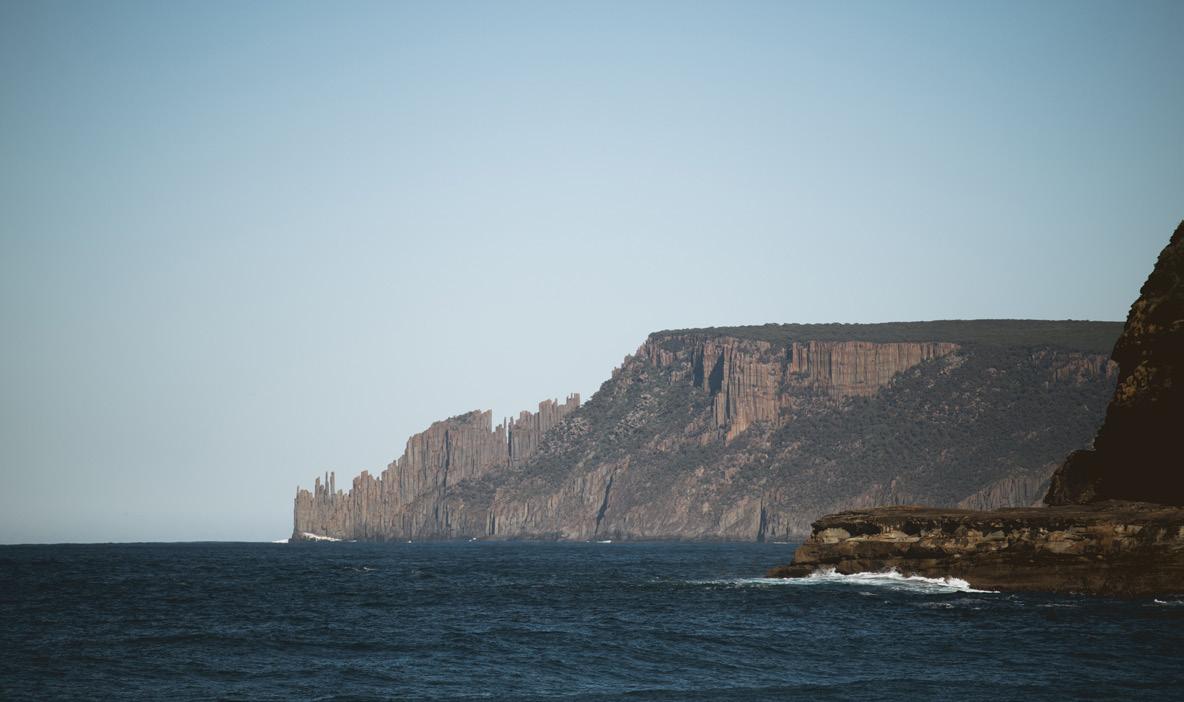
Instead, Erin’s autumn is ocean blue. Not the deep indigo of winter, but a pale, glassy blue that appears on still days. The water smooths into a sheet that stretches out to the southern horizon – visible from Erin’s favourite walks, which include Cape Raoul and Crescent Bay – and the air is cool while the sun remains warm. “A lot of people see the autumn trees,” Erin says. “But I see the autumn water.”
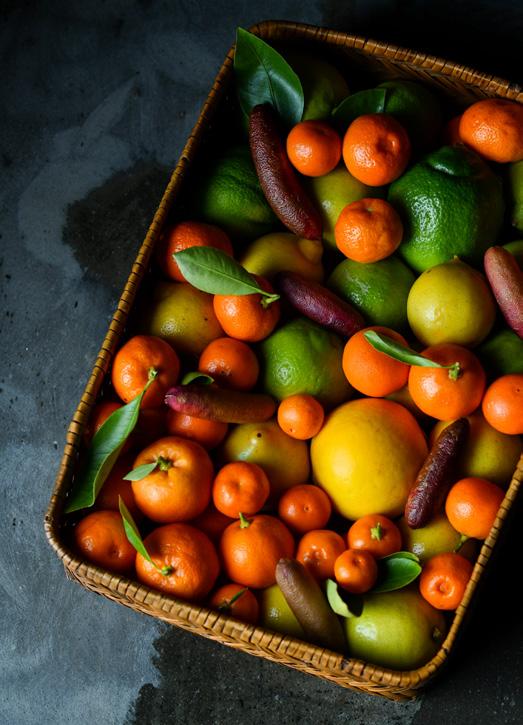
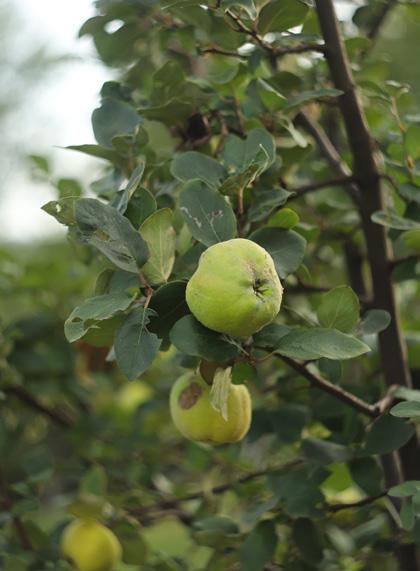
This is when she and her family spend long hours on boats, in the surf and diving for scallops as the season opens. On land, Erin witnesses the season unfold in the kitchen: quinces ready for stewing, her husband’s apple pies, and the last glut of tomatoes that turns March into chutney-making season. By late autumn, the garlic goes into the ground too, a ritual tied closely to life in Koonya.
These seasonal rhythms are key to Erin’s writing. Both her novels, The Octopus and I and A Catalogue of Love, unfold in autumn, driven by the migrations of short-tailed shearwaters and by Erin’s deep pull toward this period of change. “It does feel like my season,” she says. “It always has been. I just adore it.”
Clockwise from left Omotenashi’s dining table; autumn harvest at Omotenashi; quince ripening on the tree; Cape Raoul.

The quiet season
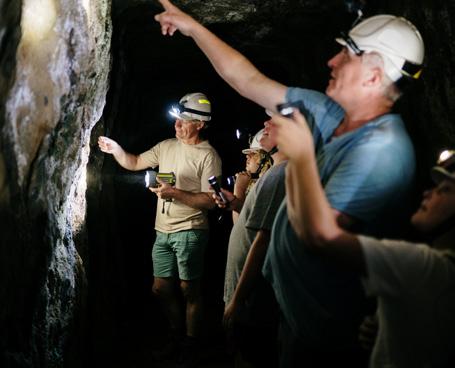
On Tasmania’s west, autumn brings a welcome exhale. The busy summer period eases, visitor numbers drop and Queenstown settles into a slower, calmer rhythm. For Joy Chappell, coowner of the Paragon Theatre and co-founder of RoamWild tours with her partner Anthony Coulson, it’s the season she looks forward to the most, because there’s finally a chance to step away from work and into the landscape. “Things in the town are winding down,” she says, “but the forest is starting to really come alive. It’s at its best during autumn and winter.”
With the World Heritage Area right on their doorstep, Joy and Anthony use their rare breaks to head into the mountains and forests, taking in the smell of damp leaves and decaying timber. Autumn brings more rain, but Joy says the weather isn’t a problem. “It’s quite rare for us to get much wind here in Queenstown,” she explains. “If we do, it’s often overnight – and then it’s nice and calm the next day.”
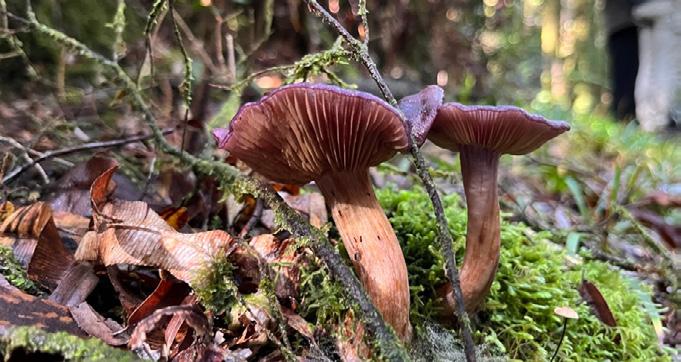
This quieter time of year is also when the small details come into focus. Autumn is peak season for fungi, and one of RoamWild’s guides, Chris Wilson, is what Joy affectionately calls a ‘fungi nut’. Chris spends much of her spare time wandering with a camera, photographing and identifying Tasmania’s remarkable fungal life – names and all – drawing attention to a world many walkers pass straight by.
When the autumn days do turn wet, Queenstown’s indoor life comes to the fore. There are galleries, op shops and cafes that Joy returns to again and again. JJ’s Coffee Shop has been there the longest, still turning out “those wonderful old cakes you grew up with”, she says, baked fresh and comforting in the best possible way. Newer spots like Moonscape Wine Bar and Cafe, Queenies Cribs and Orangepete’s have added to the mix. And at the Paragon, autumn nights are anchored by regular screenings of Franklin and the occasional live event –a reminder that on Tasmania’s west, the quieter season has a richness all its own.
In different corners of the island, from city rivulets to coasts and forests, autumn offers the same gifts: space to breathe, time to connect and the simple pleasure of paying attention.
AUTUMN ESSENTIALS
Chase the waterfalls
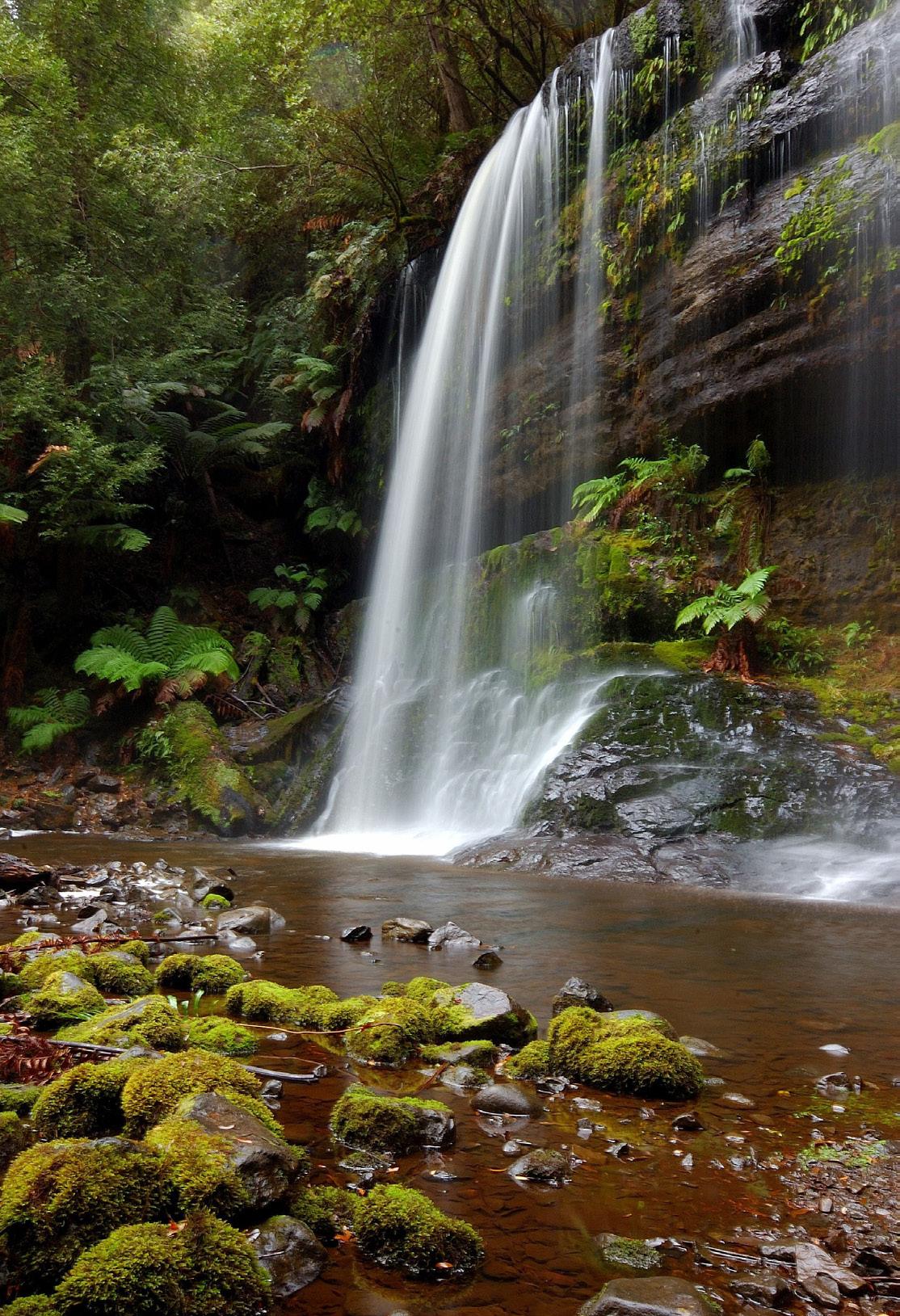
After the first autumn rains, Tasmania’s waterfalls come back to life. Short walks to Russell Falls, Liffey Falls or Philosopher Falls are at their best now, with cooler air, fuller flows and fewer people.
Book a farm gate stop
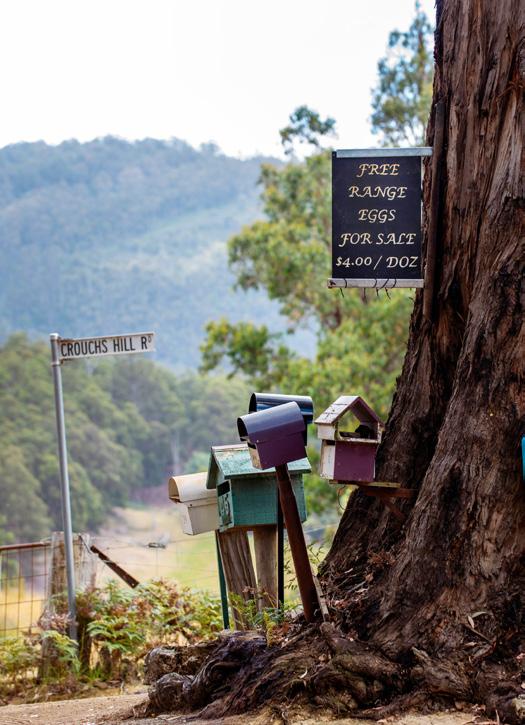
Autumn is peak harvest season. Look for roadside stalls and farm gates selling apples, pears, hazelnuts and late-season berries – perfect for simple cooking or an impromptu picnic.
Walk at golden hour
As days shorten, the light softens. Take an early evening walk along a beach or bush trail and watch the colours change as the sun drops lower and the air cools. It’s every photographer’s dream.
Photos: Supplied; Joy Chappell
(fungi, RoamWild); Tourism Tasmania (oysters); Sammy Jones
Photography
(ECHO Festival)

Where harvest meets harmony
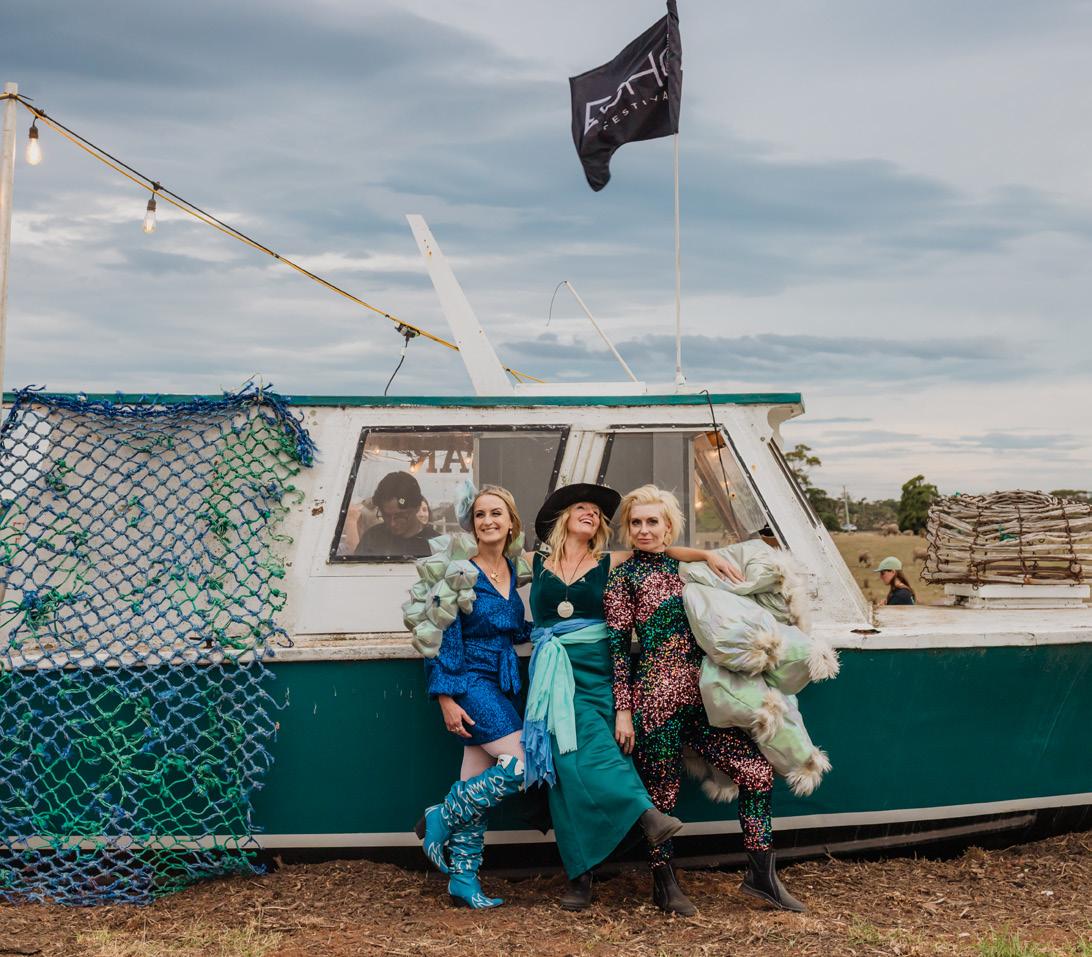
For singer-songwriter and ECHO Festival founder Ange Boxall, autumn on Tasmania’s East Coast is a season of balance between calm and celebration, effort and recovery. “Autumn is my favourite time of year,” she says, drawn to the settled weather, big blue skies and cooler nights that still deliver some of the island’s best days. It’s also why ECHO is held in autumn: a time of harvest and vintage, when “you see all the months of hard work paying off”.
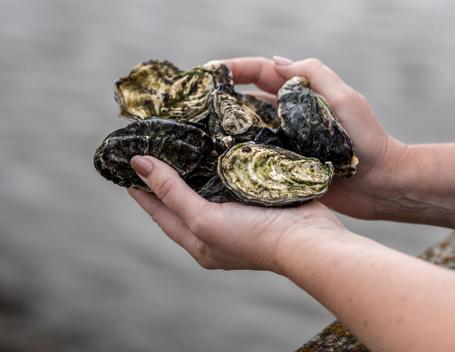
Food and drink anchor the season. Ange loves that you can drop into any vineyard on the East Coast and find not only quality wine – shaped by sunny days and cool nights – but wildly different settings, from coastal views to old barns and quiet ponds dotted with ducks. Meals out become markers of the season too: a standout dinner at the Waterloo with new chef David Moyle, long lunches at Piermont, Spring Vale’s kitchen, and –always – oysters. “We love our oysters up here,” she says with a laugh.
Autumn also carries the emotional arc of the festival itself. The intense build-up and adrenaline of ECHO is followed by an inevitable crash, which Ange meets head-on. Paying artists and producers brings real joy, then comes the slower work of tidying up, moving into the next round of grant applications, and accepting that creativity doesn’t simply switch back on.
Restoration comes outdoors. Cold-water swims – often with her daughter – long family walks and the turning leaves all feed back into her sense of the season. “For me, autumn is about calm,” Ange says. “Purity. Peacefulness. Yet celebration on home turf – and truly connecting. That’s what the East Coast community is all about.”
Clockwise from left Autumnal fungi; a RoamWild tour; fresh oysters; ECHO Festival’s Boat Bar.
run time to
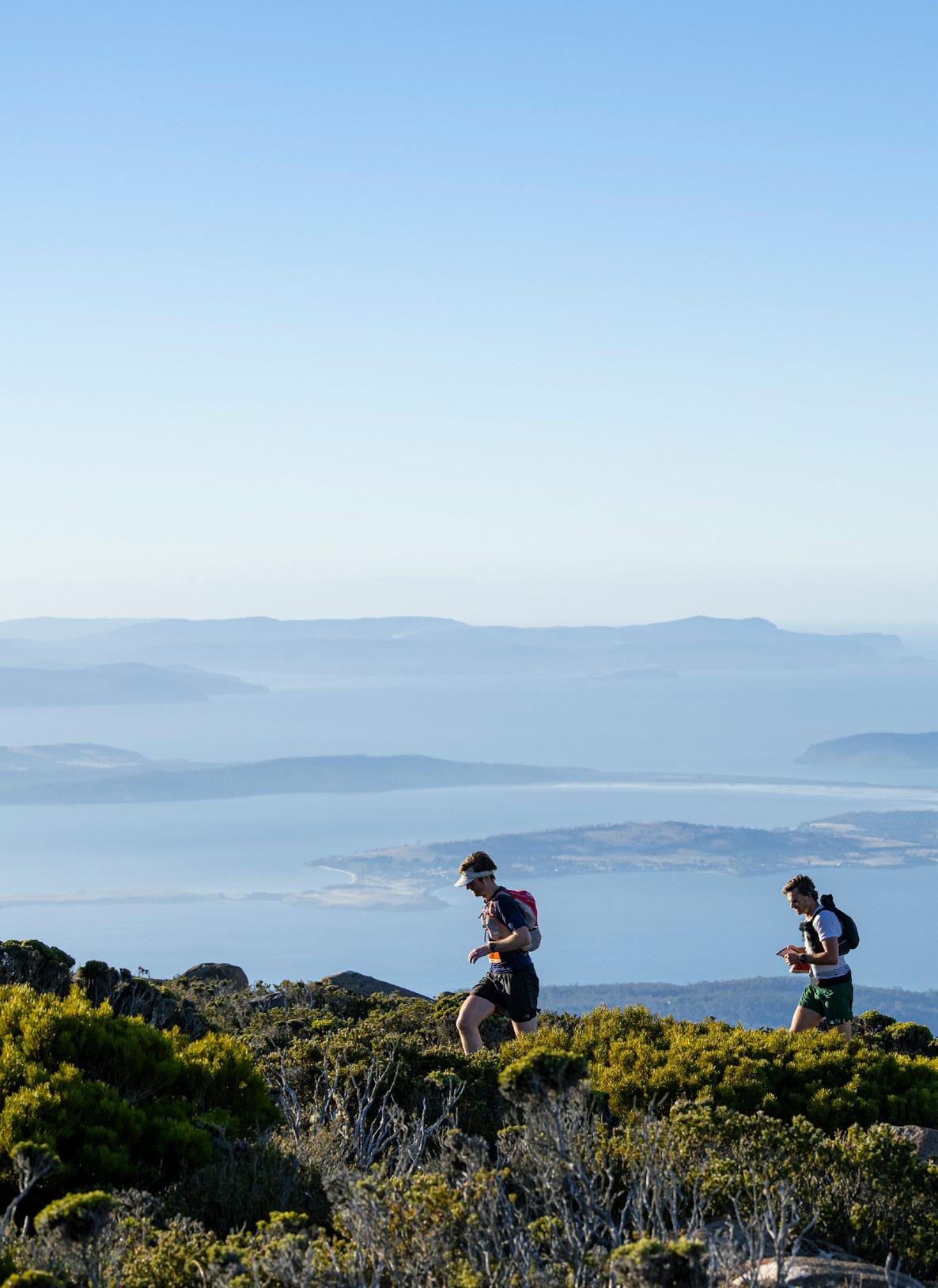
Cool air, scenic routes and stunning wilderness make Tasmania a favourite for runners of all types. Sarah Aitken laces up her sneakers and rounds up some of our best running events this autumn – from the adventurous to the more straightforward. On your marks, get set, go!
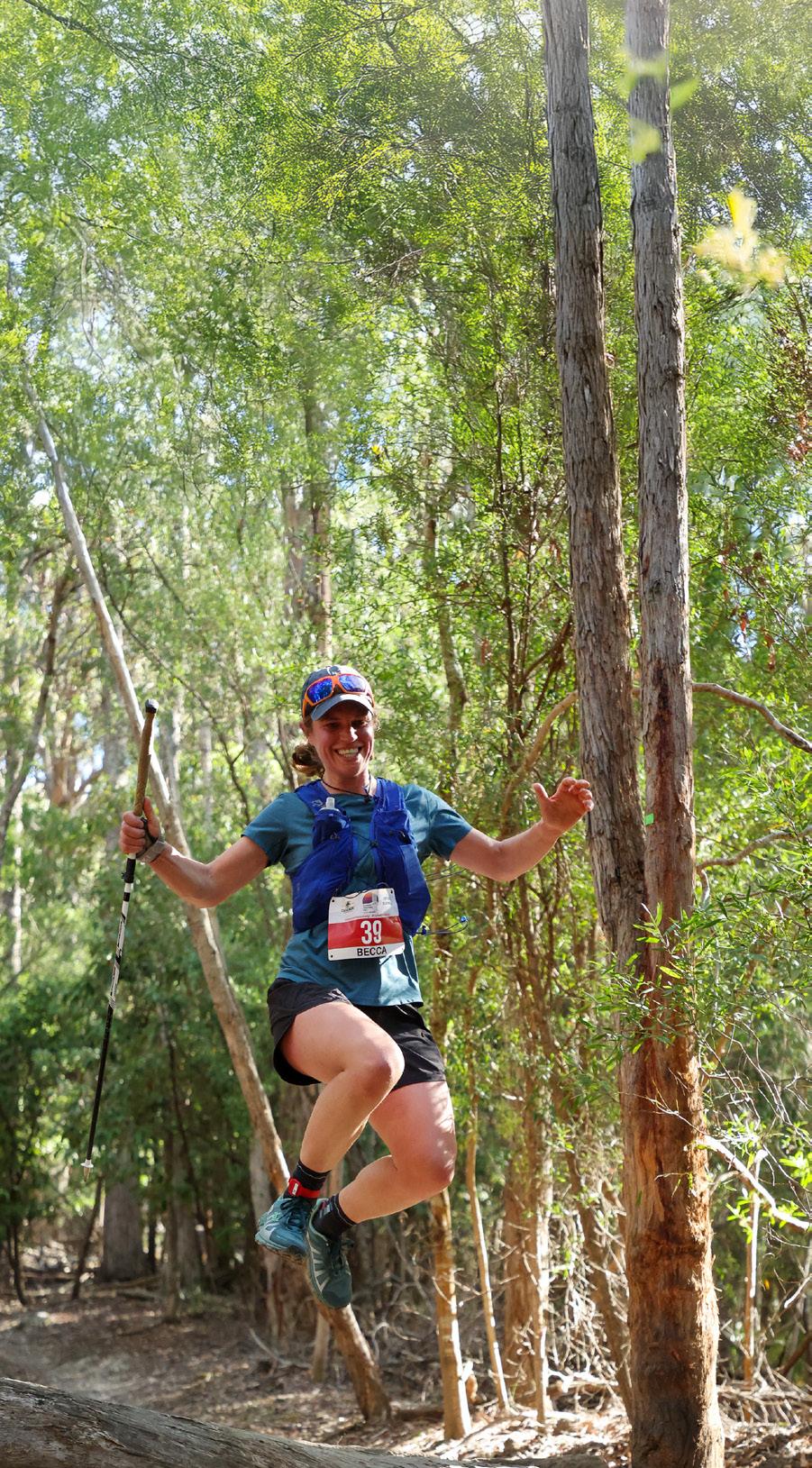
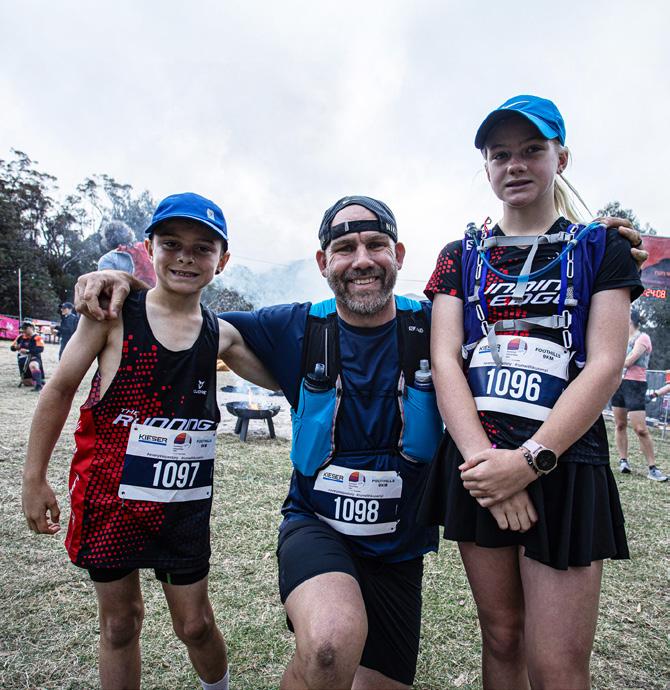
Lincoln Quilliam loves running in Tasmania so much that he’s made a job out of founding and directing trail-running events here, from the now-famous Kunanyi Mountain Run to regular local trail runs in Hobart and now a brand-new autumn event on the West Coast. He’s run all over the mainland and the world, and rates Tassie trails as the best.
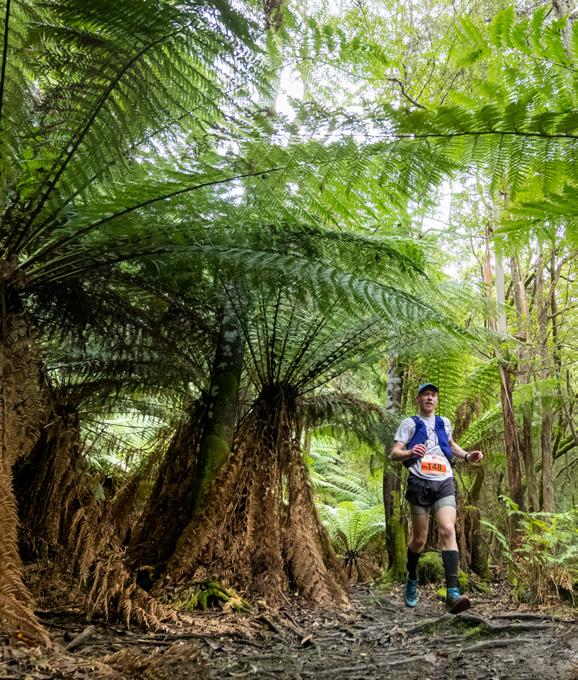
“Tassie definitely feels wild,” he says. “The landscape itself is just wild compared to a lot of Australia. You quickly feel deeply immersed in the wilderness. I really thrive on that; being connected to nature on its terms. You’ve got to strip back your
own ego and any societal pressures melt away so quickly because you need to focus on yourself and how you move through the landscape.”
This year will be a big one for Lincoln and the team, with the fifth Kunanyi Mountain Run (KMR) event in March and the new DIVERGE Skyruns event in and around Queenstown in May.
Then, for runners who prefer to pound the pavement or want to mix it up a little, there’s also the Launceston Running Festival, the Hobart Marathon Festival and the Great Train Race in Devonport.
Kunanyi Mountain Run 27–29 March 2026
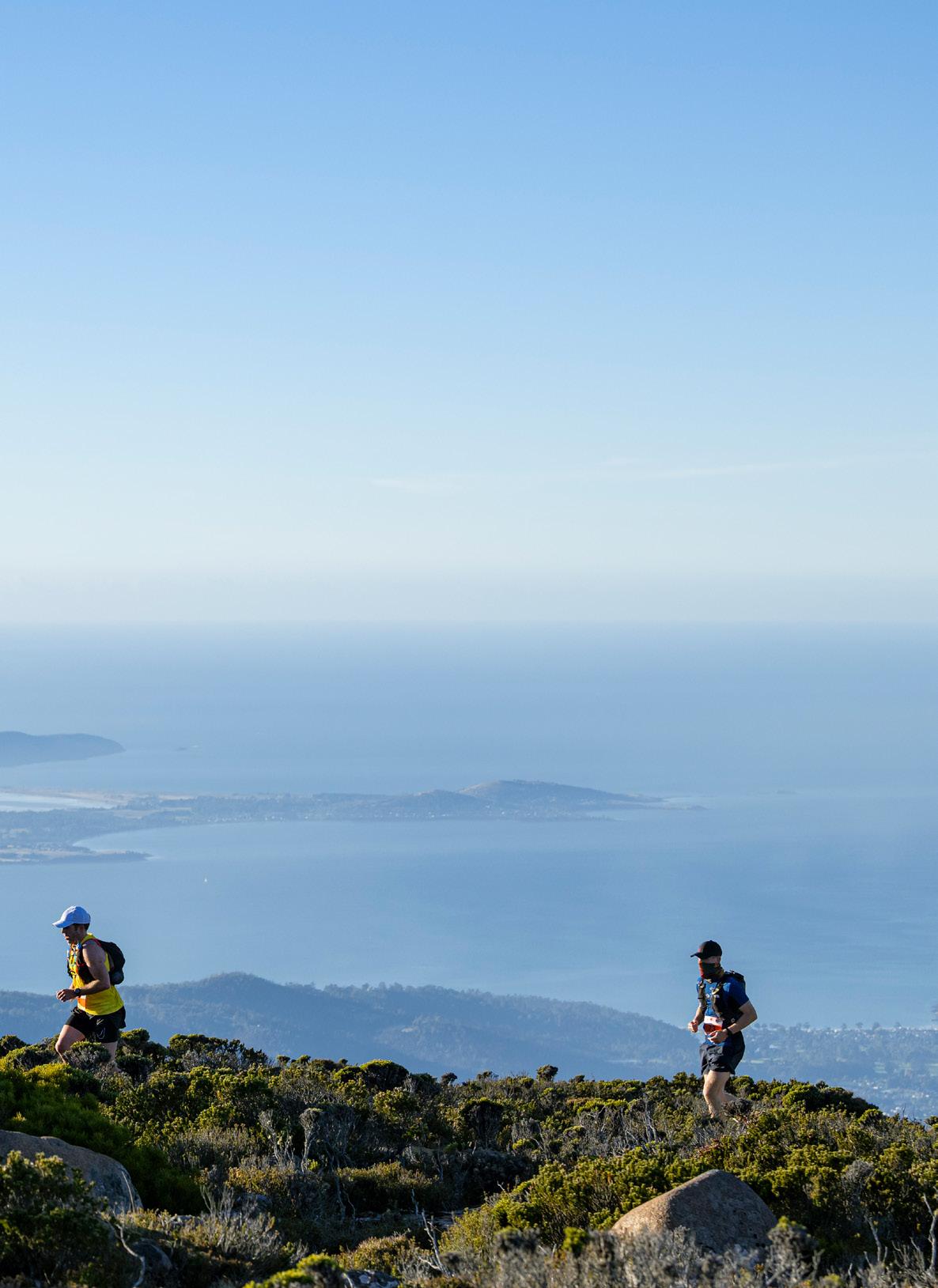
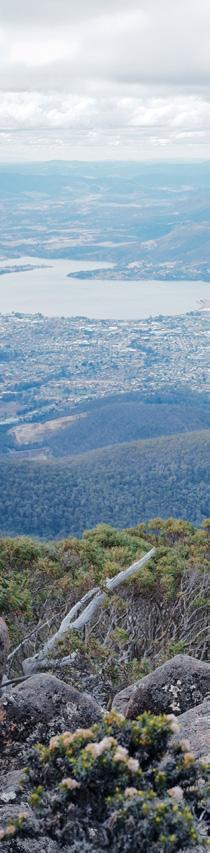
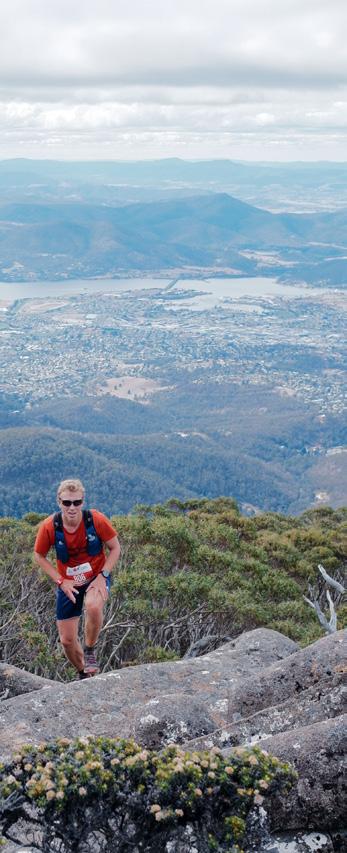
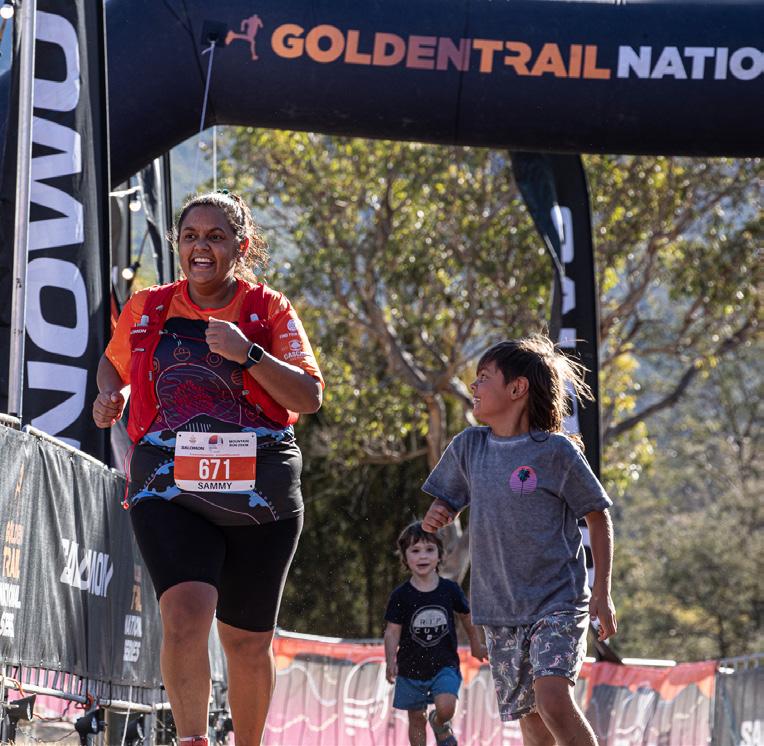
KMR is a festival that celebrates running, community and the famous mountain – Kunanyi/Mount Wellington – that overlooks Hobart. Back for a fifth year, the event offers a 66km ultra marathon or relay of the same distance, a 46km alpine marathon, a 25km mountain run or walk, a vertical kilometre, foothills runs at 5, 9 and 14km, and kids’ activities.
“It’s a celebration of the epic mountain on the doorstep of Hobart. We are so, so lucky,” says Lincoln. “We’ve got real mountains in Tassie, and the rest of the country is generally kind of lacking, particularly around the major cities. The mountain’s nature, and how big and steep the climbs are… they just keep on going, which is interesting for people. The other feedback we get is that our community is so positive and welcoming and really does celebrate the mountain and the community that surrounds it.”
The event is also unique for its continuous collaboration with the Palawa community: “We aim to provide an open and supportive platform for Palawa or Tasmanian Aboriginal community, to share culture and story on their terms. And so that’s been a really powerful and positive connection to the land and country from the outset, five years ago. We also have cultural walks on the mountain in small, guided groups as part of the festival.” kunanyimountain.run
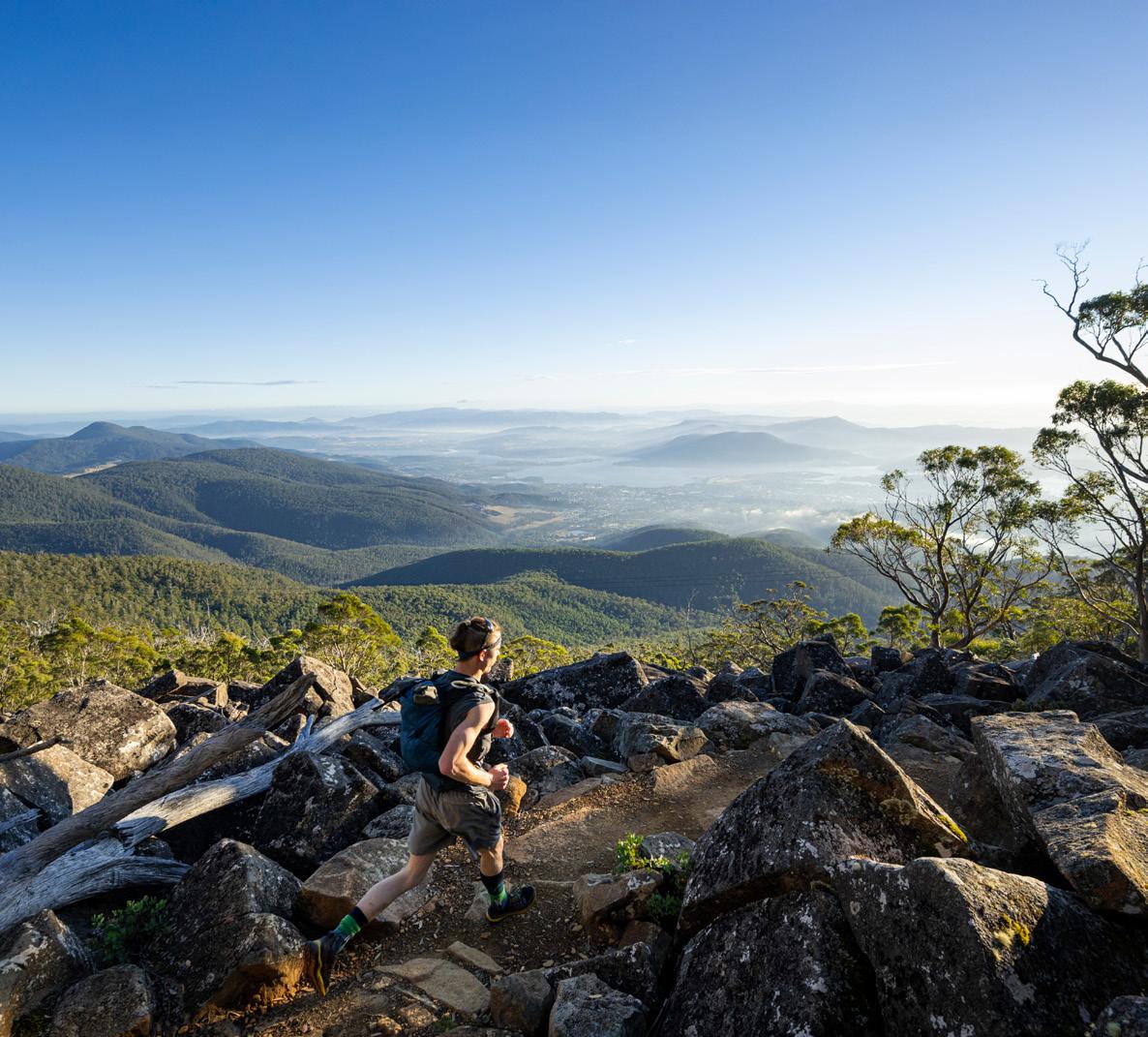
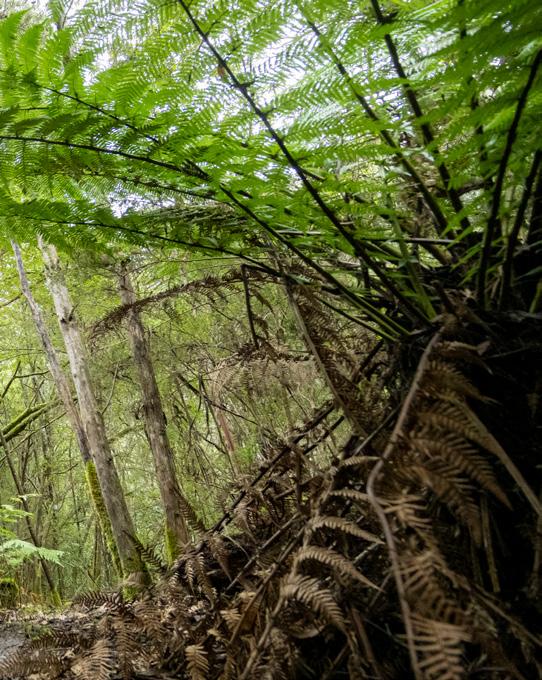
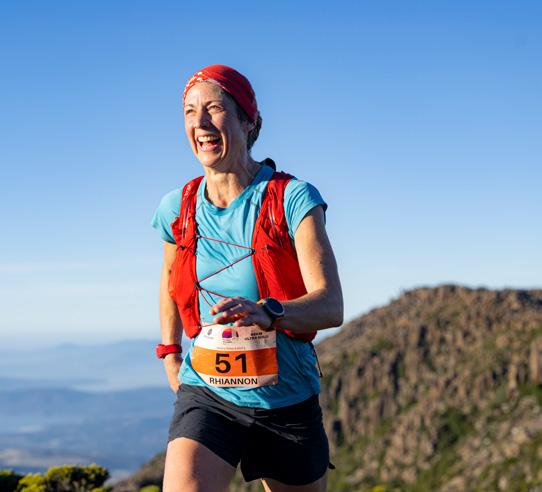
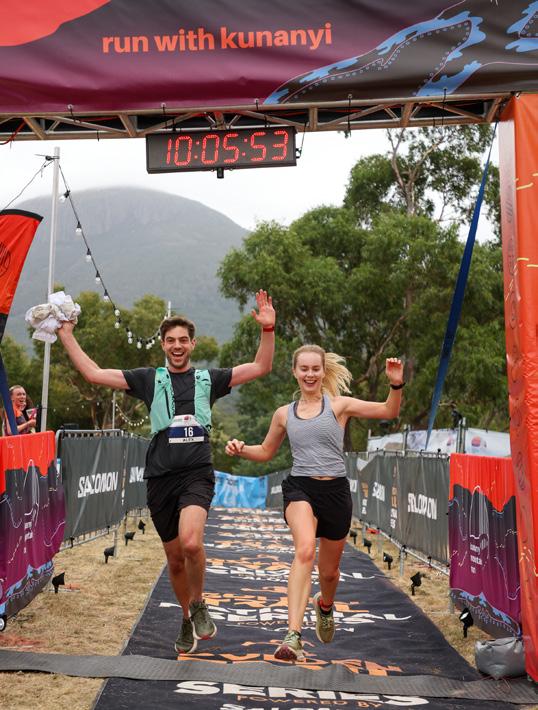
Clockwise from below The view from the top of Kunanyi; the spectactular bushland on the KMR; a runner at the summit; the KMR finish line.
DIVERGE Skyruns
1–3 May 2026
The DIVERGE Skyruns festival is a new entry on the Tasmanian running calendar catering to those who like their runs to be truly wild and want to feel like they’re running in the clouds. Based in Queenstown, with a mix of existing and newly created tracks, it is billed as offering “Australia’s most serious skyruns”: the Mt Lyell Skyrun 50km and the Mt Owen Skyrun 25km.

12 April 2026
If you’d rather run on footpaths and roads closer to sea level, the Hobart Marathon Festival offers a bunch of races along the Derwent River and Salamanca wharves that will take you past heritage buildings and picturesque waterways with bushland and mountain views. There are five distances on offer: the full marathon, half marathon, 10km, 5km run or walk and the 2km fun run/walk.
The event raises much-needed funds for Variety Tasmania and is proudly open to all abilities and age groups, and caters to all those wanting to take part, including families and those with physical and intellectual disabilities. The 2km event is suitable for prams and wheelchairs. hobartmarathon.com.au
“The skyruns are all about running where the feet meet the clouds,” explains Lincoln. “So, you’re traversing exposed ridge lines, the most direct routes up and down mountains and across the tops of the mountains. It’s pretty gnarly! This is the most serious skyrunning event in Australia.”
There are also gentler runs on offer, from the Airfield 5km and 10km (where you can run on the actual airfield at Queenstown), to the kid-friendly Queenie Rogaine through town.
An exciting element for younger (or, ahem, 43-year-old) runners is the chance to hop on the iconic West Coast Wilderness Railway heritage steam train and then run back in the Lynchford Express Run 5km, with the aim of beating the train. diverge-skyruns.au
Hobart Marathon Festival
The Great Train Race (Devonport) 24 May 2026
Speaking of racing trains, it’s not a new thing in Tasmania. The Great Train Race in Devonport is a long-running event for the whole family. Gather at the iconic Don River Railway to finalise your stretching then go head-to-head against the Don River Railways steam train as you make your way along the beautiful Devonport walking track and the Don River all the way to Coles Beach and return. With a choice of anything from 400m to 7km, this family-friendly running event caters to almost all, with children’s specials such as the Kids Hot Lap (400m), the Kids 2km, a general 3.5km and the full 7km. Choo choo!
thegreattrainrace.com
TOP TIPS FOR BEGINNER RUNNERS
By running coach David Bailey
Become a scholar
“Read a lot of articles, do your research about nutrition, training methods and gear. If you’re really interested in running, and you can get all that background knowledge, that’ll really help with your running journey.”
Enjoy the build up
“Sign up to things that excite you, but all within reason: you don’t really want to be signing up to a marathon when you’ve just started! You want to build your way up there. Don’t worry about pace so much, the main thing is just about being out there and enjoying it.”
Join a club
“If you’re uncertain about training it’s good to join a running club. There are so many different running groups and clubs around Tassie now. If you feel like it, you can always look out for coaches as well.”
Go slow on the gear
“You don’t need as much gear as other sports but you do want good shoes. Call into a local running store and get fitted for a good pair. When you get a bit more advanced, look at a running vest so you can take water, food and a snake bite kit out on the trails.”
Photos:
Robert
Groom
(KMR
Upper
Luge track);
Pengfei Yang
(vertical kilometre); Calumn Hockey
(KMR finish line and family)
Launceston Running Festival 31 May 2026
Last but certainly not least on the autumn race calendar is “Australia’s fastest running course”, the Launceston Running Festival. Starting as simply The Launceston 10, the event now includes a half marathon, a 5km and a one-mile event as well as the 10km. It appeals to those trying for a particularly fast time. Runner and running coach David Bailey says it’s one of the best run events around.
“The Launnie Running Festival is an awesome event, it’s very well organised and you get a big crowd,” says David.
“It’s an extremely fast course, so you get runners from the mainland who come down and participate. But the best thing about it is, because of the big field, you’re always going to have a group of runners around you at any given pace, so it just helps you hit your target paces. As well as having people around you to keep pushing you, the crowd support on the course is awesome as well.”
launcestonrunningfestival.com.au
Clockwise from left Kunanyi Mountain Run upper luge track; KMR vertical kilometre; finishers of the KMR; family participants.
Dive into more stories and inspiration online. Whether you’re planning your next getaway, curious about Tasmania’s food scene or looking for ways to explore the island in every season, we’ve got fresh content waiting for you.
/
56/ CHANGING GEARS
57/ STATE GROWTH
58/ MEMBER REWARDS
61/ PUZZLES
62/ REAR VIEW
community

Showing up with Pride
RACT staff joined TasPride events across Tasmania to celebrate inclusion and community.
RACT aims to support the wellbeing of everyone in the Tasmanian community, which included participating in this year’s TasPride Parade. On Saturday 14 February, RACT staff, family and friends joined the central Hobart celebration of love, diversity and inclusion, while colleagues attended the Small Queer Market in Launceston and a Pride film screening in Burnie.
Grace Ring, RACT’s Events Manager, reflected on the significance of the day: “More than ever, it’s important to show up for our community in tangible and meaningful ways. At RACT, we believe small, everyday interactions help strengthen Tasmanian
communities, and we’re proud to continue supporting events like these as part of our broader community initiatives.”
RACT’s participation in the TasPride Festival reflects our values of fostering a welcoming, inclusive community both within the workplace and across Tasmania. Events like these remind us of the importance of celebrating diversity and standing together in support of equality.
To learn more about our age-appropriate community education programs or register your school, team or group, visit ract.com.au/community
TURNING FIRE SCIENCE INTO ACTION
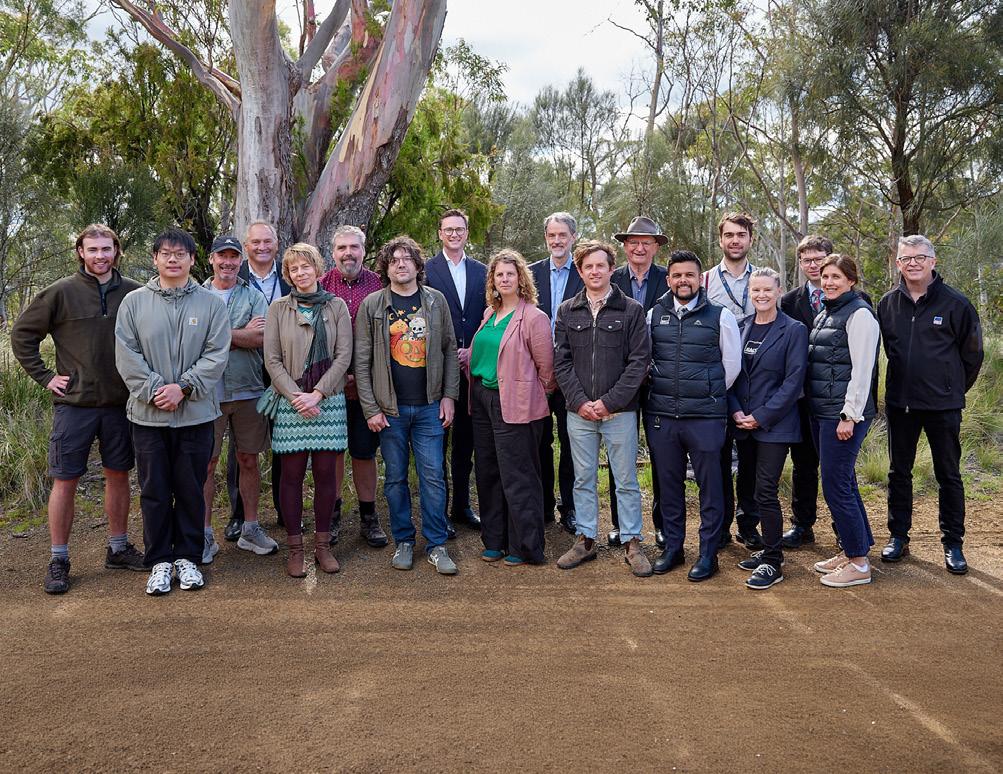
Fire is Tasmania’s biggest natural hazard, with climate change increasing its frequency and intensity. At the end of last year, we launched our partnership with The University of Tasmania Fire Centre that will help Tasmanians stay ahead of the escalating fire risks driven by a changing climate. The agreement will fund the university’s Fire Centre and a series of co-designed projects that translate fire science into tools and advice people can use in their homes and communities, ensuring research directly benefits communities by supporting households and councils to strengthen property resilience, reduce local fire risk and make informed decisions when fire threatens.
“By joining forces with Tassie’s own world-leading bushfire experts, we can make communities safer and address
long-term insurance accessibility issues – issues our members have said they want to see action on,” said RACT Group CEO Mark Mugnaioni. The collaboration will focus on local research into bushfire, practical mitigation strategies, and householdlevel and business-level programs to reduce the risk and impact of bushfire, he said.
RACT will invest up to $1.2 million in the partnership over four years, which will support research focused on real world implementation led by the Fire Centre, headed by Professor David Bowman, as well as trials of innovative household preparedness programs designed to incentivise risk-reducing actions.
“Tasmania is facing increasing extreme weather and bushfire risks, and we know that prevention is the
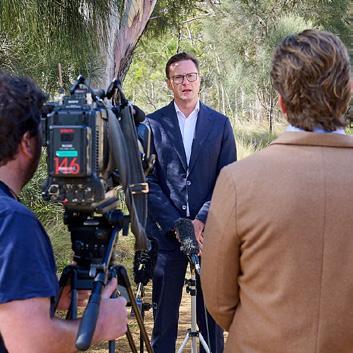
most effective way to protect lives, property and communities,” said Professor Bowman.
The Fire Centre combines natural and social sciences to study fire behaviour and community resilience. Its work focuses on turning research into practical information that helps Tasmanians stay safe.
To learn more about how to prepare for fire danger, visit ract.com.au/community/ readytogether
Designing safer roads together
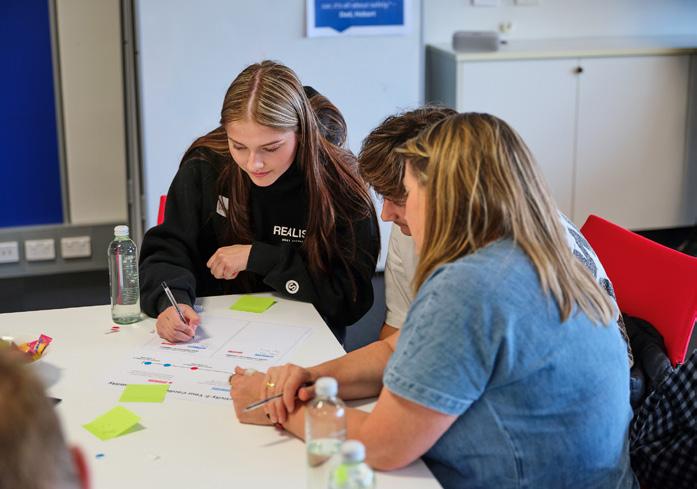
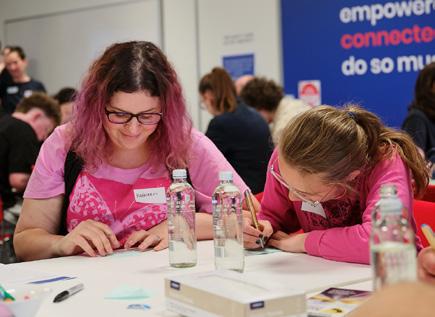
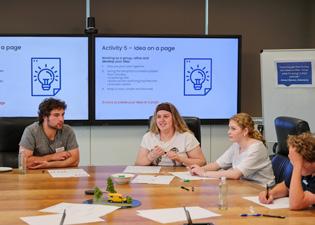
Spirited, collaborative discussions of experiences and ideas erupted between learner and P plate drivers and their driver supervisors during our November co-design event, which will begin to shape support for the next generation of learners and their supervisors. As part of the RACT Youth Road Safety Project, a five-year program that is funded through an $8 million grant from the Tasmanian Government, 27 people – including 13 learner drivers and their 12 driver supervisors, RACT team members, and design experts from our sister club in WA – gathered in Hobart to collaborate on road-safety solutions.
Pippa, a learner driver from Hobart, attested that it’s “good to get input from young people, because we’re the ones it’s most affecting”.
The session highlighted the types of support both learners and supervisors need, as well as the ways they would like to see and engage with road safety information and resources.
“I feel more confident when I have a supervisor who keeps me calm, gives
me clear feedback and helps guide me through situations I haven’t experienced before,” said Luca, a new P plater.
Georgie, a mother attending with two learner drivers, shared the other side of the wheel: “The first thing that came to my mind was educating the supervisors. When you’re teaching someone to drive you just don’t know what you don’t know.”
Insights such as these will guide the project’s evolution this year. We’ll be working with teachers, providing resources for the Tasmanian curriculum and schools and delivering more codesign events, including on the West Coast later this year.
Each year, around 300 Tasmanians are killed or seriously injured on our roads, with around a third of those under 25.
To get involved with future events, contact advocacy@ract.com.au

Scan to watch highlights from the co-design session in action
“The RACT Community team delivers impactful education and engagement to strengthen Tasmanian communities. The team understands that small, everyday interactions create the foundation for great outcomes. Our team (see more on page 6) is set to deliver education sessions and community engagement activities across the state to increase road safety awareness and provide support to members and non-members alike.”
– Amanda French, Manager, Community
the latest .
A NEW CHAPTER IN KINGSTON
On the ground when it mattered
We had just welcomed the first days of the Tasmanian summer when the Bureau of Meteorology forecasted severe weather, including high fire danger and wind warnings. The RACT Large Event Response Group was activated for a potential fire event and smoke from the Glenlusk fires became increasingly visible from the Hobart office.
It wasn’t long before multiple blazes burned across the state, fires particularly engulfing land and assets in Dolphin Sands, followed by Stieglitz. RACT staff went into action behind the scenes and on the ground to support our members.
“Wind is the most complex weather to forecast, and in Tasmania the topography makes it even harder to forecast fire-scale impacts,” said Angus Reynolds, insurance pricing manager.
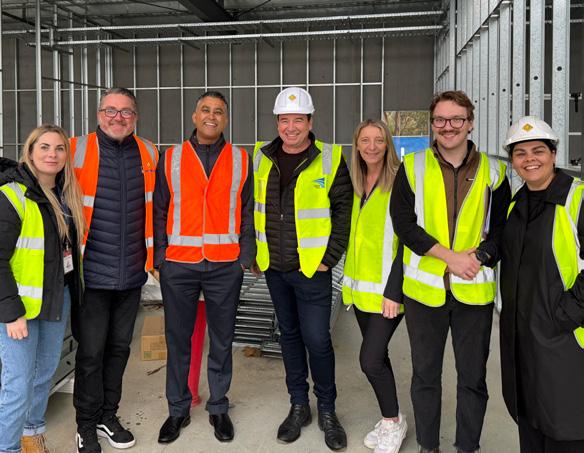
We’re excited to announce that our Kingston store will have a brand-new home from May, when we move into Spring Farm Village.
The new location, just down the road, is a fresh space designed to better serve our members.
Whether you’re updating or claiming on your insurance, joining roadside assistance or taking a driving lesson, the new store is being created with your needs in mind. Inspired by Tasmania’s natural beauty, it features contemporary design with forest greens and timber detailing, mirroring our modern Eastlands location.
The space includes private areas for personalised consultations and a welcoming guest lounge with complimentary coffee. We’re also building our Driver Training services from this location to support learners across Kingston and surrounding areas
Spring Farm Village, at 200 Channel Highway, will have ample parking and easy access. Construction is progressing well and we can’t wait to welcome you in May. Until then, our friendly team will continue to assist you at our Channel Court location.
The days that followed were intense and confronting. While Tasmanian Fire Service teams continued to battle the fires on the ground in Dolphin Sands, Hobart and further up the East Coast in Stieglitz and surrounds, RACT teams answered calls in the claims centre, monitored changing conditions, evaluated and processed pay claims for devastating losses, and provided claims support, emergency essentials (including snacks, toothbrushes and grocery vouchers) and a shoulder to lean on for those visiting the Swansea Recovery Centre.
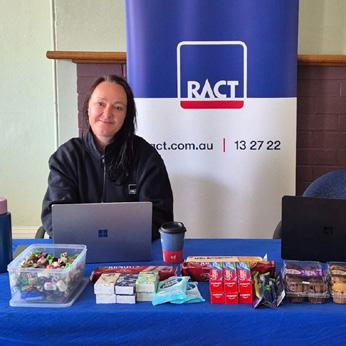
Elena Gough, Insurance Marketing Coordinator and Sharna Crombie, Incident Control Operation Lead – both long-term RACT employees – were first on the ground in Swansea in the days following the fire’s blaze.
“We met people who had lost homes,
caravans, treasured keepsakes and decades of memories, and others who were shaken but grateful to be standing,” Elena said. “Some returned the next day just to say thank you. What stayed with us most was the strength of this community, people helping strangers to safety, checking on neighbours, and finding meaning in the smallest things that survived, and how much it mattered to them that someone showed up, listened and cared.”
Sharna’s particular commitment to the community didn’t go unnoticed. At Christmas she received a card from an East Coast resident, a simple gesture that meant so much to one of our most experienced and kind-hearted employees.
A total of 19 buildings and almost 200 other assets were lost during the fires, with four home total losses belonging to RACT members.
Photos: RACT
From left RACT staff with Scott Spanton, CEO of developer Tipalea Partners, and Lewis Dostine, Architect from Rosevear Stephenson, on site.
Rethinking bushfire risk in Tasmania
Bushfire risk is rising and old approaches no longer cut it, writes Mel Percival, RACT GM Advocacy and Government Relations.
Living close to nature is part of what makes life in Tasmania so special. It also brings challenges, particularly bushfires, which are our most significant natural hazard.
Tasmanians are experiencing more frequent, intense events like those we saw at Dolphin Sands and St Helens this past summer, or the wind event across the north of the state the year prior. The last 15 years have been one of the most impactful and financially significant periods in Tasmanian climate history, resulting in over $2 billion of economic damage.
We’re proud to be Tasmania’s largest household insurer, owned by members and providing coverage to about a third of Tasmanian homes. We are committed
to supporting solutions that help people adapt to the increasing risk of bushfires and other extreme weather events.
Our focus is on understanding and responding to the current and future risks facing our state. One in three Tasmanians live in a high-risk bushfire area and 98 per cent of Tasmania is prone to bushfire. Investing in prevention and preparedness reduces risk to our homes and communities and, critically, supports our firefighters’ work protecting lives and property during fires.
Reducing risk and minimising property losses also directly affects the cost and availability of insurance. How we reduce bushfire risk needs to evolve to meet the challenges of our changing climate,
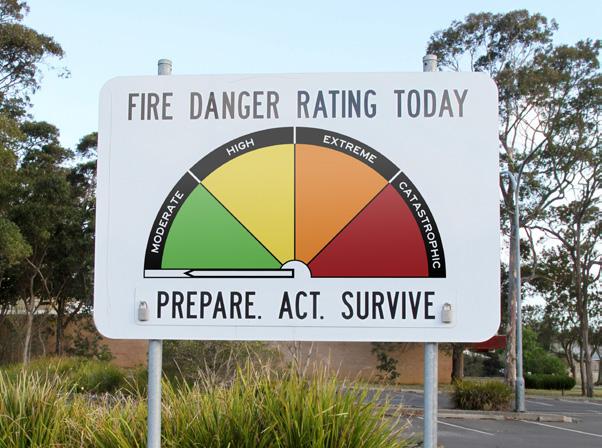
because approaches that have been successful in the past may not be as effective in the future.
That’s why RACT has partnered with the University of Tasmania’s Fire Centre.
We are investing up to $1.2 million over four years in this partnership to support research into ways to reduce bushfire risk and to trial innovative household preparedness programs that encourage risk-reducing actions.
Preparedness saves lives, reduces damage and supports emergency services, which is why we’re investing in the state we’ve served for more than a century.
The Fire Centre, led by Professor David Bowman, is internationally recognised for its bushfire research, which combines natural and social sciences to better understand fire behaviour and community resilience. This powerful partnership combines world-leading research with RACT’s deep local knowledge, insurance risk insights and strong connections to Tasmanian households.
Together, RACT and the University of Tasmania will deliver co-designed projects that translate fire science into practical tools and advice Tasmanians can use in their homes and communities. We will focus on supporting households, councils and communities to strengthen property resilience, reduce local fire risk and make informed decisions when fire threatens.
Professor Bowman is passionate about Tasmania’s opportunity to demonstrate how a small jurisdiction can combine science, local insight and community engagement to become one of the most fire-resilient places in the world. That ambition aligns with our commitment to reinvest in Tasmania’s future.
As a Tasmanian-owned organisation with more than 220,000 members, we are focused not just on supporting our members after a natural disaster, but also on helping reduce risk before it occurs. This exciting partnership reflects our belief that by investing locally, working collaboratively and planning for the long term, Tasmania can not only adapt to a changing climate but also lead the way.
For more, visit ract.com.au/community/ readytogether
State growth
The choices that cost lives
Last year’s road toll – 44 deaths on Tasmanian roads – was shaped less by extreme behaviour and more by everyday decisions. Scott Tilyard, Chair of the Road Safety Advisory Council, reflects on what the latest figures reveal and why vulnerable road users remain at risk.
As 2026 unfolds, we should all pause to reflect on the year that was. Last year was another confronting year for road safety in Tasmania. Forty-four people died on Tasmanian roads and 278 were seriously injured. That’s up from 31 deaths in 2024, with 308 people seriously injured.
In road safety we often talk about numbers because they help us understand the scale of the problem and guide the actions we take to prevent death and serious injuries on our roads. But numbers never tell the whole story. Behind each fatality is a person who didn’t make it home: a mother, father, child, friend or colleague. For many, the day would have begun like any other day, with a familiar road, a routine drive, a short trip. Most of these crashes were not the result of extreme or deliberately reckless behaviour.
Of the fatalities, 17 were drivers and nine were passengers. Twelve motorcyclists were killed, including two pillion passengers, while five pedestrians and one person riding a bicycle also died on Tasmanian roads. Vulnerable road users – those without the protection of a car – made up just over 40 per cent of
all fatalities. Fatalities occurred across all regions and across all age groups, from 12 to 86 years old. Males accounted for nearly 80 per cent of last year’s fatalities. The sad reality is that every life lost could have been avoided. Together with our road safety partners we remain focused on reversing this trend. Many serious and fatal crashes were the result of everyday driving choices, such as driving too fast, failing to drive to the conditions, being impaired by alcohol or drugs, or driving while tired. Inattention and distraction were also major factors. It’s easy to assume crashes happen to other people, or that being a “good driver” will keep you safe. However, last year’s statistics show that crashes do not discriminate. Changing these behaviours is challenging, and lasting improvements in road safety depend on sustained, long-term commitment.
If there is any positive that we can take from a year in which so many people lost their lives, it’s that overall serious crashes were actually down five per cent on 2024. Governments continue to work to make roads safer through how they are designed, built and maintained and our vehicles also continue to improve.
Our road safety strategy is built on a Safe System approach – safe roads and roadsides, safe vehicles, safe road users and safe speeds – but no system can work without public understanding and participation. Safe roads, vehicles and speeds all reduce risks but everyday choices still play a vital role.
The current Towards Zero – Road Safety Strategy 2017-26 concludes at the end of this year and planning for the next phase has already begun. Development of the new Strategy will be guided by a comprehensive review of the existing action plan and crash data, and be based on evidence about what works when it comes to reducing road trauma. The next phase will continue to be underpinned by a Safe System approach, strengthening the systems that protect people on our roads while reinforcing the role that every road user plays in preventing serious injury and loss of life.
As we navigate the year ahead, I encourage all road users to stay focused on everyday road safety matters, because all crashes are largely preventable and our choices can make all the difference.
Explore your Member Rewards


Elevate your look and make sure you can see clearly with a new set of prescription glasses from OPSM.
Save 20% on lenses and lens extras.* Go to ract.com.au/opsm

Ready to bring your DIY ideas to life? Get the house looking great and save with Wattyl Paints. Save 10% on paints, stains and accessories.* Go to ract.com.au/wattyl-paints
Get your car ready to go with plenty of deals and discounts at Repco.
Save 5% every day, plus receive exclusive members’ offers and discounts.* Go to ract.com.au/repco

Village Cinemas
Head to Gold Class and treat yourself to a new flick and an indulgent experience with gourmet food, a perfect way to celebrate. Pay just $38 for Gold Class movie eVouchers.*
Go to ract.com.au/village-cinemas

Woolworths Group eGift Cards
Save more every day on your shopping. Choose from Everyday WISH, Woolworths, Big W and more to save extra on your essential purchases. Save up to 5%.*
Go to ract.com.au/ woolworthsgroup-egift-cards
Treat yourself to extra savings
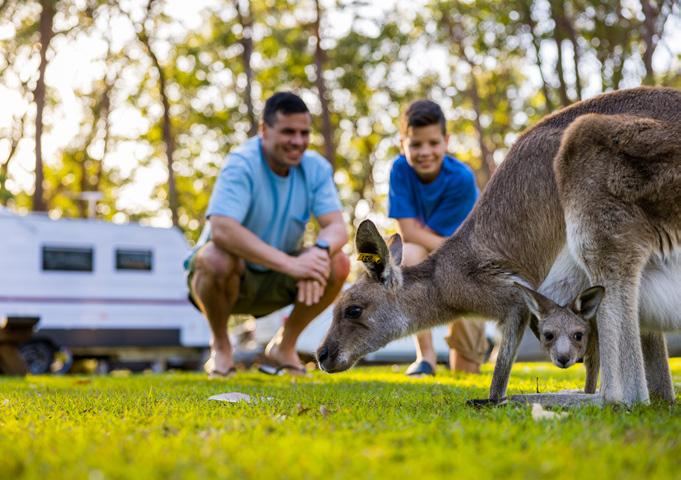
EXPLORE AND SAVE
NRMA Parks and Resorts
Reconnect with nature and create unforgettable holiday memories with your family at all NRMA Parks and Resorts across Australia.
Save 10% on stays at NRMA Parks and Resorts.* Go to ract.com.au/nrma-parks-and-resorts
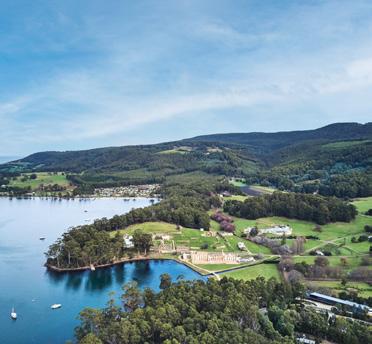
HOLIDAY AT HOME
Port Arthur Holiday Park
Enjoy a peaceful retreat at Port Arthur Holiday Park, nestled in nature on the stunning Tasman Peninsula.
Save 10% on stays at Port Arthur Holiday Park.*
Go to ract.com.au/port-arthurholiday-park
CRUISE IN STRAHAN
Gordon River Cruises
Enjoy the tranquil surrounds of the Gordon River on a cruise through the wilderness with Gordon River Cruises.
Save 15% on the Lunch or Evening Dinner Cruise.*
Go to ract.com.au/ gordon-rivercruises

CITY EXPLORING Experiences VIC
Explore the best Victoria has to offer with savings on a range of things to do across the state.
Save up to 10% off all experiences in VIC.*
Go to ract.com.au/experiences-vic
CAR HIRE
Holiday Drives
Heading on a holiday but want to get out and see even more? Save on car hire with Europcar, Hertz, SIXT, Thrifty and Dollar.
Save up to 15% on car hire.*
Go to ract.com.au/car-hire
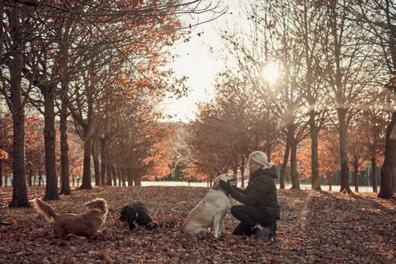
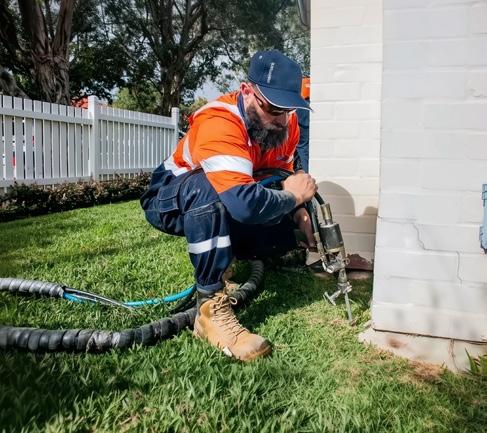
Local Tasmanian Team + Office
We Handle Building Permits
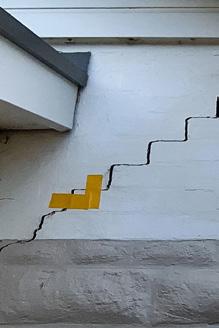
25 Clean by brushing away dirt or litter (5)
Across
Down
1 Smaller woody plants (6)
7 Tall, fast-growing narrow tree with yellow leaves in autumn (6)
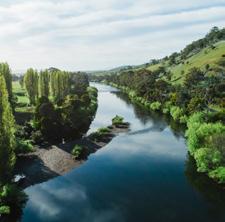
1 Which Aussie singer had a hit with the song “I Honestly Love You”?
2 What is the common name for the femur bone?
3 John Olsen is well known in which field of the arts?
4 How many cities does Tasmania have?
5 Which early aviator was known as The Lone Eagle?
6 Where is the world’s largest and driest desert?
1 Feeling of excited or anxious uncertainty about what may happen (8)
4 Semiaquatic monotreme (8)
10 Object made to resemble a human figure in a field (9)
11 Ornamental tree with lobed leaves (5)
12 Distinct, memorable period (5)
13 Showing a lack of physical grace (9)
2 Based on logic or good sense (8)
14 Operation, or set of circumstances (colloq.) (7)
16 Harvest (4)
3 Large deciduous tree with smooth grey bark (5)
19 Tall deciduous trees (4)
21 Spring flowering corm (7)
24 Bound bundle of harvested straw (4,2,3)
5 Transmission setting for steep hills (3,4)
6 Mild, moderate, or restrained (9)
7 Tall, fastgrowing narrow tree with yellow leaves in Autumn (6)
26 Fruit grown in Tasmania (5)
27 Expressing praise and commendation (9)
28 Person who actually uses a particular product (3,5)
29 Alloy of copper and tin (6)
Down
8 Person who investigates crimes; a detective (6)
1 Feeling of excited or anxious uncertainty about what may happen (8)
20 Specialist in a particular branch of study (7)
8 Person who investigates crimes; a detective (6)
9 Difficult or annoying; hard to endure (6)
21 Protection granted to a political refugee (6)
15 Anyone who chooses to take part in an activity (3-6)
17 Place of one’s birth or early life (8)
18 New convert to a religion (8)
20 Specialist in a particular branch of study (7)
2 Based on logic or good sense (8)
9 Difficult or annoying; hard to endure (6)
3 Large deciduous tree with smooth grey bark (5)
5 Transmission setting for steep hills (3,4)
22 Sphere flattened at the poles (6)
21 Protection granted to a political refugee (6)
22 Sphere flattened at the poles (6)
23 Ran away to marry (6)
6 Mild, moderate, or restrained (9)
15 Anyone who chooses to take part in an activity (3-6)
17 Place of one's birth or early life (8)
18 New convert to a religion (8)
23 Ran away to marry (6)
25 A set of steps (5)
25 A set of steps (5)

7 What is the name of the river that Hobart lies along?
8 High Voltage was the first album of which rock band?
9 Where was actress Nicole Kidman born?
10 What is the name of the Tasmanian men’s state cricket team?
Want to find out how you did? Find the answers online at ract.com.au/puzzles
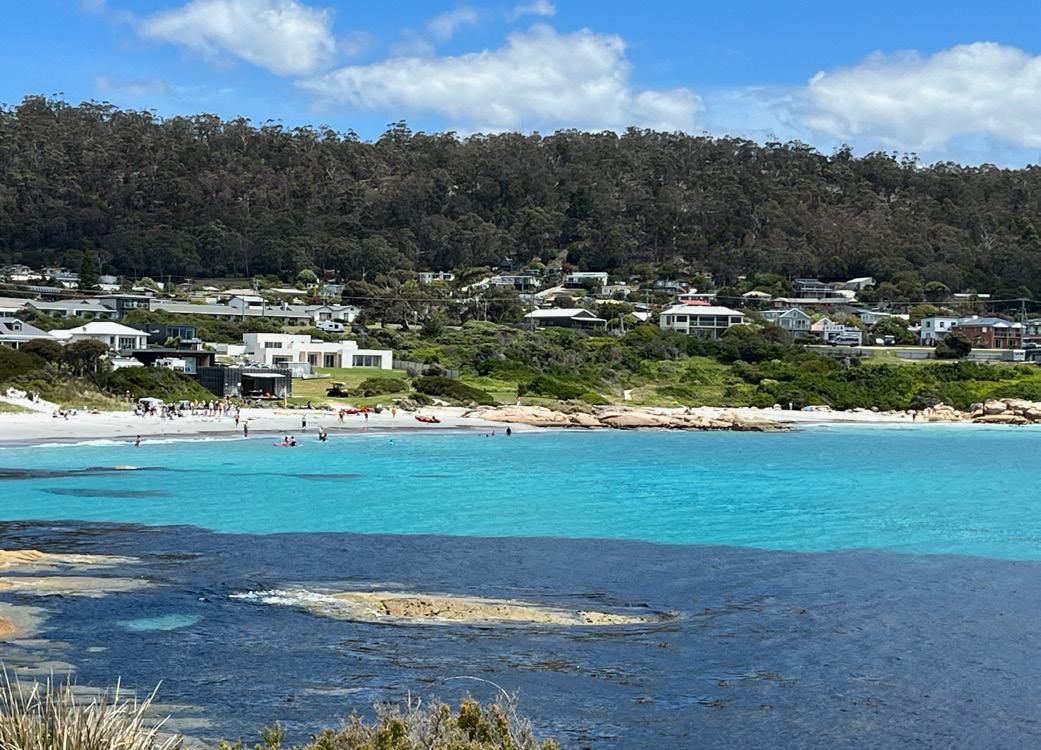
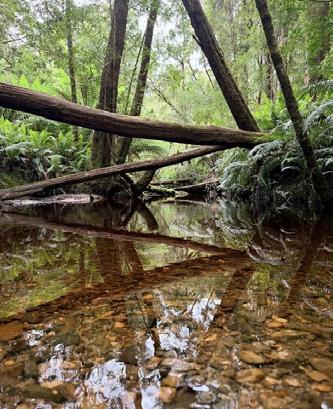
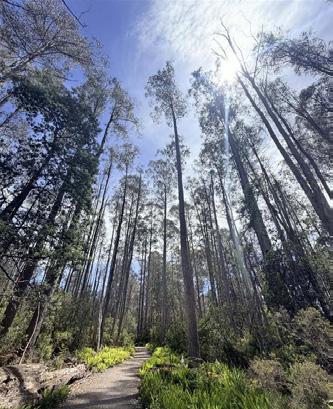
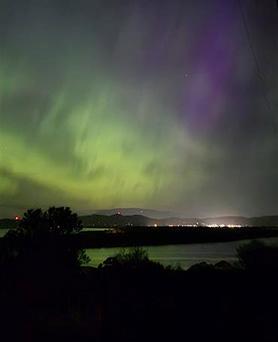
Want to see your photo here? Send your shots of our beautiful island to journeys@ract.com.au or tag us with both @ractofficial and #yourjourneys on lnstagram, Facebook or LinkedIn.
CLOCKWISE FROM TOP // Jodie Clingeleffer snapped this gorgeous shot of Waubs Beach; Elena Gough was lucky enough to catch a glimpse of Aurora Australis from Lewisham; Sharon Springer took this lovely photo while out and about in Lake St Clair National Park; she also caught this crystal clear reflection at Hogarth Falls, Strahan.