
Region 2 Education and Research Center (NYNJERC) Pilot Project Research Training Program
Region 2 Education and Research Center (NYNJERC) Pilot Project Research Training Program
Newsletter Issue No. 1 | October 2025
From pilot project to impact: Dr. Nimit Shah’s research on firefighter health

“This project gave me the chance to dive into research that has immediate implications for first responders on the ground and gave us an opportunity to protect those who protect us!”
When we think of community strength, firefighters often come to mind rushing into danger to protect others. Yet behind this courage, especially among Volunteer Firefighters, lies a quieter challenge: Protecting their own health.
This fall, through the Region 2 ERC Pilot Project Research Training Program, we spoke with Dr. Nimit Shah, now an Epidemic Intelligence Service Officer at the Centers for Disease Control and Prevention (CDC). His ERC-funded pilot project, “Exploring the Challenges and Facilitators to Physical Health in Volunteer Firefighters across Their Tenure, ” continues to shed light on the health risks these community heroes face and how research can strengthen the link between service, health, and community wellbeing.
Dr. Nimit Shah’s pilot study focused on physical activity, cardiorespiratory fitness (CRF), and organizational influences among volunteer firefighters. What began as a focused project in Toms River, New Jersey (with 138 participants), expanded into a multidepartment national cohort offering one of the most detailed looks yet at the hidden health risks faced by these community heroes.
Using a mixed-methods design (survey-based quantitative assessments, and focus groups), the study found tenure-related health declines in estimated cardiorespiratory fitness, increased prevalence of overweight/obesity, organizational and temporal barriers to fitness, and the facilitating role of “fitness advocates”.
This ERC pilot project led to an NIH F31 predoctoral fellowship, multiple manuscripts, and integration with a larger firefighter health consort (e.g., Firefighter Cancer cohort study) Research findings underscored the need for tenure-tailored, department-aligned strategies rather than isolated, individual-level interventions
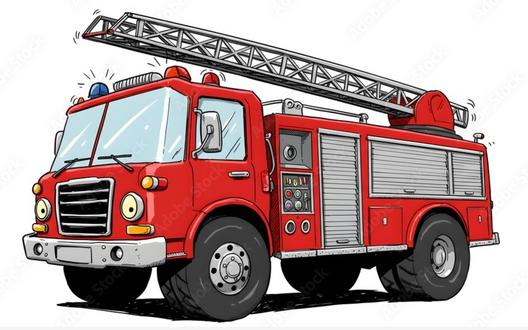
Volunteer firefighters face a unique set of challenges irregular schedules, dual employment demands, family responsibilities, unpredictable call cycles, and long-term health risks from repeated exposures often without structured support for health and wellness available to career firefighters.
Recognizing this gap, Dr. Nimit Shah, alongside his mentor Dr. Judith Graber, PhD, MS, and colleagues Olivia Wackowski, PhD, MPH, Michael Steinberg, MD, MPH, and Iris Udasin, MD, set out to address what the literature had overlooked: the differences in fitness and health between volunteer and career firefighters. The project used a mixed-methods approach guided by three key aims:
Quantify the prevalence and predictors of physical health among volunteer firefighters
Identify firefighter-level and departmental challenges and facilitators that influence fitness across tenure.
Integrate findings to inform the design of tailored public health interventions for volunteer firefighter fitness.
One of Dr Shah’s key insights is that declines in fitness over a firefighter’s tenure are not simply a natural result of aging they are shaped by organizational and time-related pressures that can be addressed to improve overall health.
From government leaders to front-line departments, low-cost, culture-driven strategies such as peer advocates and integrated fitness activities can help close structural gaps and strengthen preventive health measures. Investing in the wellness of volunteer firefighters is, in essence, investing in community safety. Modern approaches to measuring physical activity are also critical to ensure that real occupational demands are properly understood and interventions are effective.
Sustainable improvements require aligning individual motivation with departmental support and fostering peer-driven reinforcement, framing fitness as a shared professional responsibility rather than a purely personal endeavor.
Viewed through this systems-based lens, maintaining the health of volunteer firefighters becomes a dynamic, essential effort one that links personal habits, department structures, and organizational culture. Departments that embrace these insights can transform silent declines in fitness into supported, managed trajectories, enhancing both the well-being and operational readiness of those who dedicate themselves to protecting our communities.
Dr. Shah and his team conducted in-depth interviews with firefighters across varying years of service tenure, including both volunteer and career firefighters. They employed a mixed-methods design, combining quantitative data analysis (e g , multilevel mixed-effects modeling) based on survey assessments with qualitative interviews and focus groups
The qualitative narratives helped explain the quantitative trends, particularly the association between declining cardiorespiratory fitness and years of service, as well as training quality.
“This project has shaped how I think about health equity – when you improve the health of first responders, you improve the resilience of entire communities.”

The key findings of this study led by Dr. Shah were:
1. Physical activity levels
30% of volunteer firefighters reported vigorous physical activity
25% reported NO or LOW activity
2. Cardiorespiratory fitness (CRF)
80% of volunteer firefighters did not meet the National Fire Protection Association (NFPA) recommended benchmark of 12 METs (metabolic equivalents)
30% of volunteer firefighters were classified as having low CRF (≤8 METs)
Career firefighters in early to mid-tenure often met or exceeded 12 METs, while volunteer firefighters consistently averaged below, revealing structural disparities
3 Workload and hidden exertion
Gear-intensive training demanded multiple hours weekly, but this strain was not fully captured in standard physical activity measures, suggesting an underestimation of functional load on volunteer firefighters.
Themes and patterns documented from qualitative analysis:
1.Early resilience vs. Later health decline - Injuries and chronic conditions accumulate without consistent health support.
2.Uneven resource access - Some departments provide fitness programs and health checks, while Volunteers had to navigate care independently on their own.
3.Community as strength and stressor - Shared purpose motivates firefighters, but family and work commitments add mental and physical stress.
4.Responsibility of departments - Firefighters emphasized the role of leadership in supporting fitness, training drills, and wellness initiatives.

Improving fitness among volunteer firefighters requires a shared effort from the fire department, individual firefighters, and the community.
Departments can support this by including fitness discussions in regular meetings and training sessions and by encouraging fitness advocates.
Providing accessible resources such as exercise equipment, wellness programs, or partnerships with local gyms can further help volunteer firefighters stay active and healthy
“The people who rush into burning buildings for us often struggle to find time to take care of themselves.”
Dr. Shah said, “That contradiction was at the heart of what we wanted to study.”
For Dr. Shah, the ERC pilot project was far more than a research study it was a pivotal stepping stone in his journey as a public health leader and an early-stage PhD scholar. Now serving at the CDC, he continues to apply science to protect communities, with a particular focus on occupational health and preventive strategies.
Dr. Shah also highlighted the critical mentorship of Dr. Judith Graber (Professor in the Department of Biostatistics and Epidemiology at the Rutgers School of Public Health - pictured) who, alongside a multidisciplinary team of clinicians and exposure scientists, guided the project from methodology to multilevel modeling and translational framing. Her support ensured that the pilot study not only produced robust findings but also translated into actionable strategies for improving firefighter health
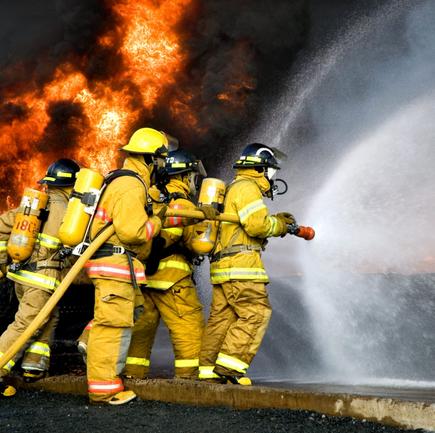

Judith Graber, PhD, MS, Professor in the Department of Biostatistics and Epidemiology at the Rutgers School of Public Health; served as mentor on Dr. Shah’s ERC pilot project
The Region 2 ERC Pilot Project Research Training (PPRT) Program funds early-stage, innovative research in occupational health and safety often giving young investigators their first chance to turn ideas into impact.
“This project gave me the chance to dive into public health research that has both academic impact and very real implications for first responders on the ground,” said Dr Nimit Shah, who encourages early-career researchers to view pilot awards and programs like this as a pathway to expand their own ideas into meaningful studies
The project became a cornerstone in Dr. Shah’s journey supporting his successful NIH F31 predoctoral fellowship and leading to multiple peer-reviewed publications, with more underway.
With the ERC’s support, what began as a hypothesis evolved into actionable science bringing the ERC mission to life: “Advancing Research that Protects those Who Protect Us.”
1.https://www.mdpi.com/2571-6255/8/8/319
2.https://journals.lww.com/joem/fulltext/2024/12000/firefighter and fire department level barriers.24.aspx
3 https://pmc ncbi nlm nih gov/articles/PMC11951304/