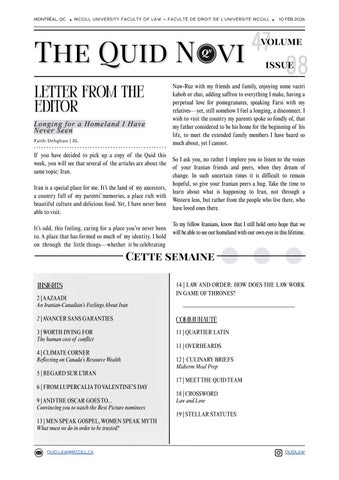
If you have decided to pick up a copy of the Quid this week, you will see that several of the articles are about the same topic: Iran.
Iran is a special place for me. It’s the land of my ancestors, a country full of my parents’memories, a place rich with beautiful culture and delicious food. Yet, I have never been able to visit.
It’s odd, this feeling, caring for a place you’ve never been to.A place that has formed so much of my identity. I hold on through the little things—whether it be celebrating
Naw-Ruz with my friends and family, enjoying some vaziri kabob or chai, adding saffron to everything I make, having a perpetual love for pomegranates, speaking Farsi with my relatives—yet, still somehow I feel a longing, a disconnect. I wish to visit the country my parents spoke so fondly of, that my father considered to be his home for the beginning of his life, to meet the extended family members I have heard so much about, yet I cannot.
So I ask you, no rather I implore you to listen to the voices of your Iranian friends and peers, when they dream of change. In such uncertain times it is difficult to remain hopeful, so give your Iranian peers a hug. Take the time to learn about what is happening to Iran, not through a Western lens, but rather from the people who live there, who have loved ones there.
To my fellow Iranians, know that I still hold onto hope that we willbeabletoseeourhomelandwithourowneyesinthislifetime.
Aazaadi
An Iranian-Canadian’s Feelings About Iran
Heeva Chavoshi Nejad | 2L
I don’t have the words to express what’s in my heart these days, but I know I want to write something.
To my Iranian community, in Montreal or elsewhere, I know we understand each other wordlessly. I know the first thing you do every morning is check the news, wishing that, this time, a headline will inspire hope rather than report the evermultiplying death toll. I know you anxiously wait for the next time your family in Iran connects to the internet, as you hold your breath to hear if anyone you love has been killed. I know you feel guilt when compartmentalizing the sorrow, the anger, the nausea, in order to move about in our free life, in our distant world.
I know because I do it too.
This—revolution, democide, whatever the most accurate descriptor is—is complex, stems from a long history, and difficult to grapple with. But what is not complicated is this:
Avancer sans garanties
Naomi Yao | 1L
Ce qui rend le rejet difficile, ce n’est pas seulement l’absence d’une offre, mais l’écart entre ce que l’on nous dit de prévoir et ce que l’on espère malgré tout. Même en sachant que les refus sont fréquents, on entretient l’idée que le travail sérieux, la motivation et les bonnes intentions devraient suffire. Lorsque ce n’est pas le cas, le rejet prend une dimension personnelle, même lorsque l’on sait rationnellement qu’il ne l’est pas.
On nous le répète dès le début de la première année : surtout en 1L, les emplois sont rares. Les postes sont peu nombreux, les candidatures abondantes, et le rejet fait partie intégrante du parcours. Intellectuellement, on le sait. On se le dit entre collègues, on se le rappelle pour se rassurer. Mais comprendre la normalitédurejetn’enatténuepasnécessairementl’impact.
Pour ma part, j’ai envoyé plus d’une douzaine de courriels à des cliniques juridiques, des fermes, des ONG etc. J’ai obtenu trois entrevues, mais aucune offre à date. On sait que cette expérience est courante en première année de droit. Pourtant, même en le sachant, il serait malhonnête de nier le poids émotionnel du
the Islamic Republic of Iran is massacring thousands of Iranians every day. Call me short-sighted, but I am not interested in entertaining conversations surrounding the nuances or the politics of this statement. It is harrowing. It is abominable. It is evil.
Surely, I have no answers to whether the monarchy should be reinstated, whetherWestern intervention is our best (or perhaps our only) hope for change, or what the path forward is. So, instead, I want to tell you what I do know.
I know Iran’s people—their never-ending generosity, their love for food and for each other, their resilience, their hope.
I know Iran’s beauty—the green hues of the Mughan plain cascading into each other, the vibrant fibres of intricate handwoven Persian rugs, the warming aroma of the perfectly steeped cup of cardamom tea.
I know Iran—and I hope, one day soon, you will be able to too.
To my non-Iranian community, I want to thank those of you who have checked in on us and who have taken the time to inform yourself on what is going on. To those of you who haven't, I implore you to question whether you have been allowing yourself tostaysilentandaskyourselveswhythatmaybethecase.
I am in awe of the bravery and resilience of my people. Please, keep talking about them, keep asking questions, and keep giving your Iranian friends a hug.
rejet. La déception est réelle, parfois envahissante.Apprendre à composer avec cette incertitude est peut-être l’un des apprentissages les plus difficiles et les plus utiles, non seulement en droit mais, plus largement dans la vie
En ce moment, malgré les nombreux moments de déception, je me rappelle que cela fait partie intégrante du parcours. Ces refus, aussi difficiles soient-ils, contribuent à forger une certaine résilience, une peau plus épaisse qui devient nécessaire dans ce milieu. Le silence qui suit une candidature refusée ou ignorée laisse beaucoup de place à l’interprétation. En l’absence de rétroaction, il est facile de combler le vide par des doutes sur ses compétences, sa légitimité, ou même sa place dans ce milieu. Le rejet ne crée pas nécessairement le syndrome de l’imposteur, mais il lui donne un terrain fertile.
Si le rejet fait partie du parcours, ce n’est pas parce qu’il est formateur en soi, mais parce qu’il nous oblige à avancer sans garanties. Apprendre à composer avec cette incertitude est peut-être l’un des apprentissages les plus exigeants (et les plus utiles) de la première année de droit.
À celles et ceux qui sont dans le même bateau : ce n’est pas la fin du monde. Le chemin n’est pas linéaire, et les détours, eux aussi, font partie de l’apprentissage à long terme.
Worth dying for
The human cost of conflict
Leyla Bilgi-Bérard | 1L
I’ve been thinking about what happened to Alex Pretti, the man killed on January 24th while seemingly attempting to help a stranger in the United States.
If you’ve been stepping back from news and social media lately,Alex Pretti was a 37-year-old intensive care nurse at a Veterans Affairs hospital in Minneapolis. On that fatal day, federal immigration agents were running an operation in the streets and started interacting with a woman. According to videos of the incident, Alex Pretti intervened in the altercation and appeared to step between the woman and the agents. He was then pepper-sprayed, wrestled to the ground, and shot multiple times. His death, in the larger context of growing unrest in the United States, has sparked national outrage. Public debate is polarized, notably between those believing that law enforcement should be allowed to use lethal force against potential threats during civilian operations, and those framing Alex Pretti’s killing as an emblem of revolt.
His death resonates particularly with me because I find him relatable. Nurses, specifically critical care nurses, will always hold my reverence. In my experience, they embody two main principles: clinical excellence and a gritty will to fight for others. Indeed, it takes a certain type of personality to face death every day and drag back souls to the realm of the living.A mix of fighter spirit, nerves of steel, and humanity.
How obscene it is that the same characteristics that made him a good nurse killed him.
It makes me think about how people, throughout the ages and around the world, have stepped up in situations they knew could come at a heavy price, and yet chose to do so out of principle. Ideas so strong they acquire a fighting, frightening power.
“I have cherished the ideal of a democratic and free society in which all persons live together in harmony and with equal opportunities.It is an ideal which I hope to live for and to achieve. But if needs be,it is an ideal for which I am prepared to die.’’
–Nelson
Mandela
The Canadian Armed Forces have a similar version of the concept, to be ready to die for a greater cause—a mission— that most military personnel are fully indoctrinated into, myself included. Dying to protect my patients and team doesn’t shock me. But I am so sick of seeing people die.
I don’t believe we should accept death as a necessary price to pay for righteousness. Furthermore, from a legal perspective, whether constitutional or based on human rights, most legal traditions place the right to life at their core and protect it through charters and international conventions. The right to life, and the possibility for people to be governed in a way that preserves that life, should not be a polarizing question.
Alex Pretti is an example among too many of victims being killed by a moral certainty—the belief that law enforcement needs to use force, and that this force, once rationalized, doesn’t need to be restrained. But civilians are not the only ones being killed in the name of a greater cause. The slippery slope takes us promptly to anticipated and institutionalized deaths. While the legal framework of armed conflict law differs, the moral logic treating deaths as acceptable collateral is disturbingly similar.
During the last years of my military career, I became part of the Canadian Medical Council. We were tasked with reforming and developing new health services assets. After the invasion of Ukraine by Russia in 2022, Canada and the rest of the world realized they were very ill-prepared for the next world war. There was much to do, and that’s where my perspective began to shift to a much higher macro level.
In strategic warfare, peer-to-peer conflicts (e.g., Russia and Ukraine) differ tremendously from counterinsurgency conflicts (e.g., Afghanistan), reframing the entire operational dynamic. For example, not having air superiority would mean no casualty evacuations or resupply. Canada has little recent experience with such high-intensity conflict.
Because we were the medical branch, our strategies revolved around casualty management. How many people were we expecting to get injured? The attrition rate for casualties in modern warfare is estimated at around 20 percent, meaning that for every 100 casualties, 20 will die. We know about this. We plan and budget for this. But those lost lives are more than just numbers, they are one of the many jarring costs of military conflict—not even accounting for the casualties who may be left without the possibility of evacuation, or the toll this takes on the personnel sworn to protect them. 1
People are willing to fight for principles, perhaps even to die or kill for them. But then aren’t we treating death and violence as a kind of moral currency, a price to pay for societal change? It seems we have become so apathetic, or so overwhelmed, that we fail to realize our shared vulnerability. How is it that we can accept ideological deaths as necessary, and why is it always the same few groups who pay this terrible cost? If we long for change and justice, I am convinced that we can fuel our fights by means other than outrage and innocents dying.
1
Colonel T. N. Dupuy, Attrition: Forecasting battle casualties and equipment losses in modern war (Virginia: Nova publication, 1995) at 106.
So I left the Forces and came here.
I refused to believe that civilian or military attrition is always unavoidable; that conflict—serious conflict, even state-level ones—cannot be solved without corpses. Dying or killing are not the highest proof of conviction, and the sacrifice of life should never be treated as inevitable when it can be avoided.
Like Lord Denning, I believe there must be another way, a better way.And I am betting on the law. Not because the law is magical and will solve all our problems, but because it is one of the few tools humanity has ever built that can restrain power without bloodshed. It doesn’t always succeed. It doesn’t always want to. But the law has the potential to transform outrage into an intentional process and frame accountability. It contains conflict. Violence can therefore be slowed down long enough for humanity and collective reason to resurface.
For bullets not to be fired.
I think the principles of justice must be the tools to frame resistance and discord. While it is true that there is much grey in conflicts, we collectively need to push for less violence, even if it means other sacrifices, discomfort, and complexity. Politicians must be braver. Bridges must be built. Jurists need to find their inner nurse, their fighter spirit, and lead the better way. This long, painful process is what will keep people like Alex Pretti alive. It keeps the twenty percent alive.
Water, Heat, and the “Rules-Based International Order”: Reflecting on Canada’s Resource Wealth
How cold is your apartment nowadays?The price you pay for living in a charming 19th century townhouse in Montreal is that the winter wind inevitably whistles through all those charming cracks that are the result of decades of landlord neglect. For a famously cold city, the number of poorly insulated buildings I have frequented in Montreal is both baffling and amusing. And as I hatefully crank the thermostat one degree higher, picturing the ticking numbers on my electricity bill, I think about how energy costs have been a hot ticket news item of late.
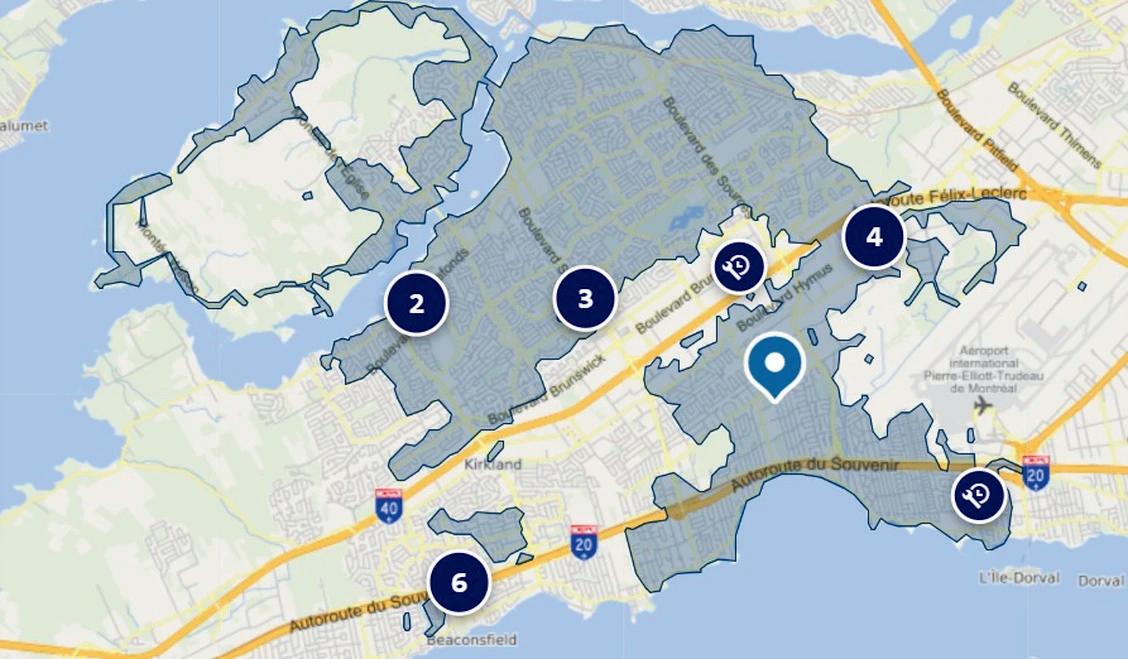
Near and far from my drafty apartment, the strain of an increasingly intense climate on our energy systems is being felt. In Montreal, recent power outages in the West End during a cold snap led to millions of dollars in property damage, and is also allegedly the cause of two deaths (see the impending lawsuit against Hydro Quebec). The company says part of the reason the outage was so persistent is that as power was restored, people understandably maxed the heat to thaw their freezing apartments. This led to extreme strain on the grid, making it harder to restore power to those still affected. Customers were urged to stall energy-intensive activities to protect their neighbours. This is a rare occurrence for those who have lived in Canada their whole lives, as most Canadians are accustomed to the extreme wealth of resources that allow us to expend energy without really thinking about collective impact.This most recent winter storm is yet another reminder that our current lifestyle is unsustainable when considered in theglobalcontext. 1 2
A poignant story is that of Tehran, where decades of poorly planned water infrastructure interacted with droughts caused by climate change, resulting in a“water bankruptcy” previously unforeseen globally. Currently,Tehran is hovering on the brink of “day zero”—the day where the city’s water resources officially run dry. Sources say that this water crisis is a significant but under-reported driving force behind the political uprising and instability of the Islamic regime; when the taps run dry, people have no choice but to take to the streets. Recent research from South Korea warns that three- 3
3
1 Annabelle Olivier, CBC News, “Power outage and snowfall warning in Montreal” (26 January 2026), online: CBC News <https://www.cbc.ca/news/canada/montreal/power-outagesnowfall-warning-montreal-9.7060772>.
Benjamin Shingler, CBC News, “Hydro-Québec class action investigation after outages linked to deaths”(30 January 2026), online: CBC News <https://www.cbc.ca/news/canada/montreal/hydro-quebecclass-action-investigation-9.7067422>.
2 Fanack Water Editorial Team,“Thirst and Turmoil: Iran’s Water Crisis Meets Economic Collapse” (2026), online: Fanack Water <https://water.fanack.com/iran-water-crisis-economic-collapseprotests/>.
Adele Wechsler, 3L for the MJSDL
Map of the recent Montreal power outages (Credit: The Montreal Gazette)
quarters of the world’s most drought-prone regions will be at risk of “day zero”by the end of the century, and a third of them will be hit before 2030.4
We don’t have to look to other continents to see the political and social impacts of the resource crisis. Indigenous communities living on reserves are also suffering from an unprecedented scarcity in energy supply, with Northern communities being the most impacted. 32% of Indigenous peoples living in Canada are experiencing energy poverty; meaning they must significantly reduce the amount of energy they use in order to meet basic needs like food and shelter. Due to government neglect, many of these communities continue to rely on diesel gas, leading to higher energy costs, insecure energy systems, and negative health impacts. This crisis has been longstanding, and multiple projects are currently underway on Indigenous reserves to make the move to renewable energy systems. While they aren’t often front-page news, these communities are on the front lines of the political and environmental crisis that is Canada’s energy policy. Because energy costs don’t increase relative to income, the price of energy always takes up a larger percentage of household income for those who are poorer, meaning energy issues will always disproportionately impact the bottom and not the top.
camping in Temagami. Paddling through seemingly endless systems of serene lakes fringed with pine forests inspires an awe, underscoring the sheer scale of our natural resources. While we may believe we will be the last affected by the world’s resource inequality, the political impacts will hit us before our taps run dry or our lights turn off.The first signs of scarcity are beginning to surface in the popular consciousness, and I think we need to be able to identify these essential links between the current climate of political instability and the climate crisis.
4 Earnscliffe Strategies,“Energy insecurity among Indigenous peoples: A persistent and overlooked crisis”(21 May 2025), online: Earnscliffe <http://earnscliffe.ca/insight/2025-05-21-energy-insecurity-amongindigenous-peoples-a-persistent-and-overlooked-crisis/>.
James Meadway, “How ‘Day Zero’Water Shortages in Iran Are Fuelling Protests” (15 January 2026), online: The Guardian <https://www.theguardian.com/world/2026/jan/15/how-day-zerowater-shortages-in-iran-are-fuelling-protests>.
5 Jordan Omstead & Liam Casey,“Why northern First Nations still rely on diesel fuel — and what could power the coveted Ring of Fire”GlobalNews(10December2025),online:
“Feds invest in clean energy for Indigenous communities in Quebec”Environment Journal (2026), online:
Carney’s speech at Davos, while laudable for its intellectual ambitions, is a stark reminder of how much Canada has rested on the laurels of its geography. Quote: “our old, comfortable assumptions that our geography and alliance memberships automatically conferred prosperity and security… are no longer valid.” While “geography” here likely refers to our limited land borders and our physical distance from the continents where Western wars are waged, it also calls to mind how much Canada’s“peace” is contingent on the land itself. As the climate crisis intensifies, we have to imagine the unimaginable; that Canada’s natural resources will make us a target for bigger, more aggressive powers who are seeking to outrun resource scarcity.
Many of us can call to mind mental images of Canada’s resource wealth. Personally, I think of my experiences canoe
Mark Carney, “Principled and pragmatic: Canada’s path” (speech delivered at the World Economic Forum Annual Meeting, 20 January 2026), Prime Minister of Canada, online: <https://www.pm.gc.ca/en/news/speeches/2026/01/20/princip led-and-pragmatic-canadas-path-prime-minister-carneyaddresses>.
Regard Sur l’iran
Nick Mohammadpour | 1L
À première vue, parler de l’Iran suscite souvent une réaction immédiate et presque réflexe. Le pays est fréquemment réduit à ses dirigeants, à ses slogans officiels ou à des images de confrontation avec l’Occident. Dans ce récit dominant, l’Iran apparaît comme un État fermé, autoritaire et figé, dont la réalité serait entièrement contenue dans ses institutions politiques. Cette lecture, rassurante par sa simplicité, évacue pourtant l’essentiel. Elle efface la vie quotidienne de millions de personnes et transforme une société complexe, vivante et traversée de contradictions en une abstraction commode.
Or, l’expérience iranienne contemporaine ne se résume ni à la géopolitique ni aux rapports de force internationaux. Elle est marquée par une tension constante entre une population diverse, largement éduquée et profondément politisée, et un
Image of a drained reservoir in Tehran, Iran (Credit: CNN)
système normatif qui encadre étroitement l’expression, le corps et la parole. La contrainte ne s’exerce pas uniquement par la sanction visible ou spectaculaire. Elle s’installe aussi, plus insidieusement, par une normalisation de la peur. Lorsque les règles sont floues, appliquées de manière arbitraire et sans cesse redéfinies, l’incertitude devient un mode de gouvernance. Le silence, dans ce contexte, n’est pas une neutralité prudente, mais une stratégie de survie.
Cette violence n’est pas abstraite. Des milliers de morts ont été rapportés lors des vagues de manifestations, tandis que les arrestations massives et les disparitions forcées ont durablement marqué la société civile. À cela s’ajoutent des coupures répétées et prolongées d’Internet, utilisées comme instruments de contrôle politique. En suspendant l’accès à l’information et aux communications, le régime ne s contente pas de réprimer la contestation. Il cherche à isoler, à désorganiser et à faire taire. La répression ne vise alors pas seulement les corps, mais aussi la mémoire et la possibilité même de témoigner.
Sensibiliser à la situation iranienne exige donc un déplacement du regard. Il ne s’agit ni d’additionner les faits ni de hiérarchiser les souffrances, mais de reconnaître leur portée humaine. L’autocensure devient un réflexe quotidien. Les aspirations individuelles se heurtent à des limites invisibles mais omniprésentes. Les femmes, en particulier, voient leur existence constamment régulée par des normes qui transforment l’apparence, les déplacements et les comportements en objets de contrôle juridique. Dans ce contexte, la liberté cesse d’être un principe abstrait pour devenir une réalité fragile, sans cesse négociée.
From Lupercalia to Valentine’s Day
Nicholas Bailey | 3L
La tentation demeure forte, depuis l’extérieur, de réduire l’Iran à un théâtre de révolte spectaculaire ou de résistance héroïque. Cette lecture, bien qu’animée de bonnes intentions, risque de masquer l’essentiel. La résistance n’est pas toujours visible ni collective. Elle s’exprime souvent dans des gestes discrets, des choix personnels, des refus silencieux qui permettent de préserver une dignité minimale. Reconnaître ces formes moins visibles, c’est refuser que seules les images de confrontation définissent ce que vivent celles et ceux qui continuent, chaque jour, à habiter cet espace contraint.
Apporter un message de soutien, enfin, ne signifie pas parler à la place des personnes concernées. Cela implique d’abord de reconnaître, d’écouter et de refuser l’indifférence. Lorsque la répression cherche à rendre une société invisible, l’attention devient une forme de solidarité. Prendre le temps de regarder autrement, de ne pas réduire l’Iran à un régime ou à une crise lointaine, c’est affirmer que ces vies comptent. Non pas de manière abstraite, mais ici et maintenant, dans la continuité d’unmondeoùladigniténedevraitjamaisêtreconditionnelle.
Every February 14th, a celebration of romantic love is marked with cards, flowers, and proposals. A tradition we trace to St. Valentine, a priest martyred for secretly marrying soldiers under an imperial marriage ban. This is an inspiring story of a man facing an empire, conscience opposing command, and love triumphing over law. However, it probably didn’t happen that way.
The earliest record of Valentine’s martyrdom, from the 8thcentury chronicler Bede, mentions a priest arrested, beaten, and beheaded by Roman authorities, but says nothing about a marriage ban or secret weddings. That narrative appears to be a medieval invention that retrofitted a legal drama onto a saint’s sparse historical record. Yet the legend persisted, as it spoke to something very real: the long struggle over control of marriage and romantic love
The month of February took its name from februum/februa, referring to purification instruments. For Romans, it was no ordinary month, but a time when the boundary between the living and the dead grew permeable. Two major festivals
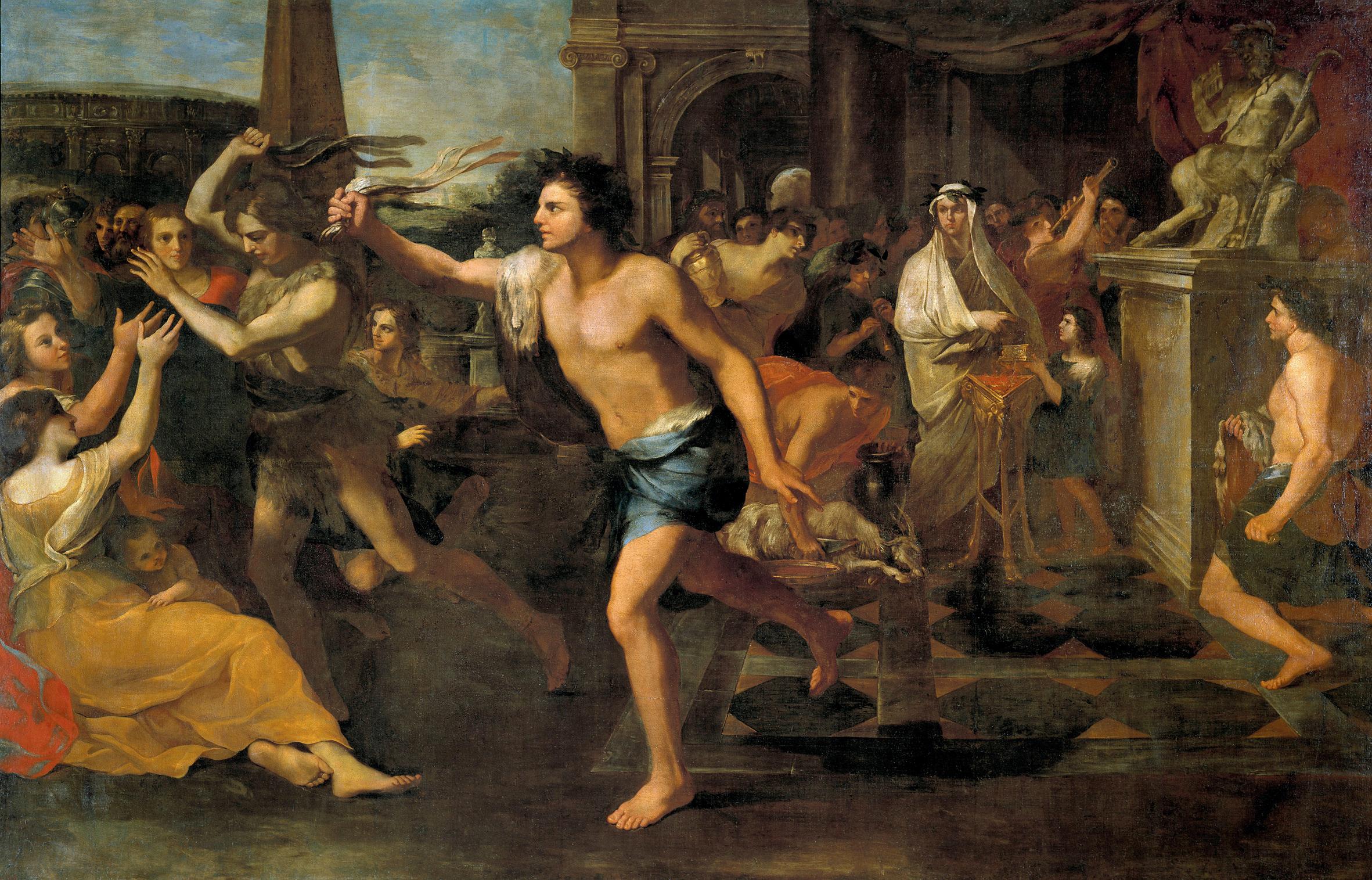
defined it: Lupercalia (February 15th), a fertility rite where naked priests struck onlookers with goat-skin thongs to purify them and bless them with fruitfulness; and Parentalia (February 13th–21st), nine days of private obligations to honor the dead, culminating in the public Feralia on February 21st, where offerings were made to the dead, and capped by Caristia, a celebration of love of family on February 22nd. As the poet Ovid explains:“Themonthissocalled,because the Luperci cleanse the earth with strips of purifying hide, or because the time is pure, having placated the dead, when the days devoted to the departed are over.”
Two sides of the same ritual, February spoke at once to cleansing, renewing, and managing the space boundary between thelivingandthedead.
What made the month dangerous, however, was a deep belief that during Parentalia, the boundary with the underworld dissolved. The consequences of neglecting proper rites would be catastrophic, as Ovid vividly describes: “ancestral spirits / Came moaning from their tombs in the still of night, / And misshapen spirits, a bodiless throng, howled / Through the City streets, and through the broad fields.” During Parentalia, temples closed, magistrates removed their formal togas, courts suspended business, and crucially, no marriageswereperformed.
Under Roman law, two people of suitable age and capacity, with no legal impediments, could legally exchange marriage vows in February as readily as any month. No statute prohibited it, and no magistrate would void such a marriage. Yet no respectable Roman would marry in February. Ovid makes this bluntly clear in pleading to the women of Rome: “while these rites are
enacted, girls, don’t marry: / Let the marriage torches wait for purer days [...] Hymen,hideyourtorches,andcarrythem far / From these dark fires! The gloomy tomb owns other torches.” Setting the marriage torch, symbol of a household’s beginning, against the“dark fires”of the tomb,thepoet’somenisevident.
Although this taboo carried no legal enforcement, it was backed by the force of social consequence. A marriage in February faced the disapproval of priests, the suspicion of neighbors, and the anxiety of offending the sacred order of the city. An augur might read grave omens; a woman might fear she was cursed, that she would die in childbirth, or that the gods had doomed her marriage from the start. Thus, the emotional and social weight of these concerns kept most Romans, especially theelite,awayfromFebruaryweddings.
Marriage gestures toward life, fertility, and hope. Parentalia and Feralia are moments of death, ending normal life. To marry during these festivals would be to mix categories that must remain separate. The Romans were not simply being superstitious; they relied on sacred time to maintain social and psychological coherence.
So how did a month marked with caution and death become the month of romanticlove?
Medieval Christians inherited St. Valentine with a thin historical record and a date, February 14th, that fell squarely in the old Roman month of purification and death. Ostensibly, they constructed a legend that made moral and legal sense to them: a priest who put divine law (the sanctity of marriage) above human law (an imperial ban) and died forhisconviction. Indoingso,they
narrated a real medieval preoccupation: the struggle between ecclesiastical and secular authority over marriage itself. The Church had claimed marriage as a sacrament, had established its own rules about impediments and form, and had claimed jurisdiction over dissolution through annulment. An emperor claiming power to regulate who could marry would have been, from the Church’sperspective,atyrant.
The Valentine legend thus allowed Christians to claim February 14th as a day when love, divinely ordained marriage, and ecclesiastical law triumphed over worldly authority. They created a Christian saint-day precisely where Rome had marked a moment to avoid weddings and recontextualized. Even as its meaning inverted, the underlying logic persisted that February is a month when we cross thresholds, when we move from one state to another, when we face what is dangerous in humanconnectionandtrytobringorder toitthroughritual,law,orfaith.
Modern Valentine’s Day bears little conscious relation to Lupercalia, or Parentalia. Most people celebrating it have probably never read Ovid.What was once a month of liminality is now a month in which one date has been claimedforromance.
The Romans maintained their taboos because they believed the boundary between the dead and the living was genuinely permeable in February, requiring careful ritual management. Medieval Christians maintained restrictions on February weddings because the month was penitential and tied to Lent in the liturgical calendar. In modern secular culture, February is neither dangerous nor sacred; it is simply a calendar month. But the underlying
pattern persists. We have designated February 14th as the day for romance and declarations of love. Without intention, we have thus inherited the Roman logic of February as ‘special’ and charged with meaning.
The St. Valentine legend teaches that law is not only what is written in codes and pronounced in courts. It includes the stories we tell about law, the narratives that give legal concepts resonance and moral meaning. The historical Valentine may never have defied an edict, but as his legend spread, people believed it, and that belief shaped opinions about state (and institutional) authority over bonds.
The Roman calendar teaches that law operates through time and ritual, not only rules and coercion. By marking certain days as unsuitable for weddings, priests and magistrates regulated marriage more powerfully than any edict could have. By linking purification, fertility,andthemanagement of thedead
tospecificmonths,theRomansnormalized a calendar-based system of legal and social constraint. The transformation from Lupercalia’s festivities to Valentine’s Day romance teaches that law and meaning are evertobecontestedandremade.
When you receive aValentine’s Day card on February 14th, you participate in a ritual whose roots run deep.You reverse the old Roman taboo but perpetuate something they understood well: that marking life’s moments in time and ritual matters as much as the form.
February, whether a month to avoid or a month to embrace, remains one that has wrestled with questions about law, love, and human connection. Hopefully, knowing a little more makes us more consciousof thechoiceswemakewhenwe regulate intimacy, mark time, and tell storiesaboutlaw.
To all, a happy Valentine’s Day (and Februa)! And good luck not getting hauntedbyyourancestorsthis Parentalia!
Further Reading
Beard, Mary, John North, and Simon Price. Religions of Rome. 2 vols., Cambridge University Press, 1998. Bede, Martyrology. c. 700–730.
Feeney, Denis. Caesar’s Calendar: Ancient Time and the Beginnings of History. University of California Press, 2007.
Fowler, William Warde. The Roman Festivals of the Period of the Republic. London, Macmillan & Co., 1899.
Gardner, Jane F. Women in Roman Law and Society. Indiana University Press, 1986.
Ovid. Fasti. Translated by A. S. Kline, Poetry inTranslation, 2003, www.poetryintranslation.com/PITBR/ Latin/OvidFastiBkTwo.php.
Rawson, Beryl, editor. Marriage,Divorce, and Children in Ancient Rome. Oxford University Press, 1992.
Scullard, H. H. Festivals and Ceremonies of the Roman Republic. Cornell University Press, 1981.
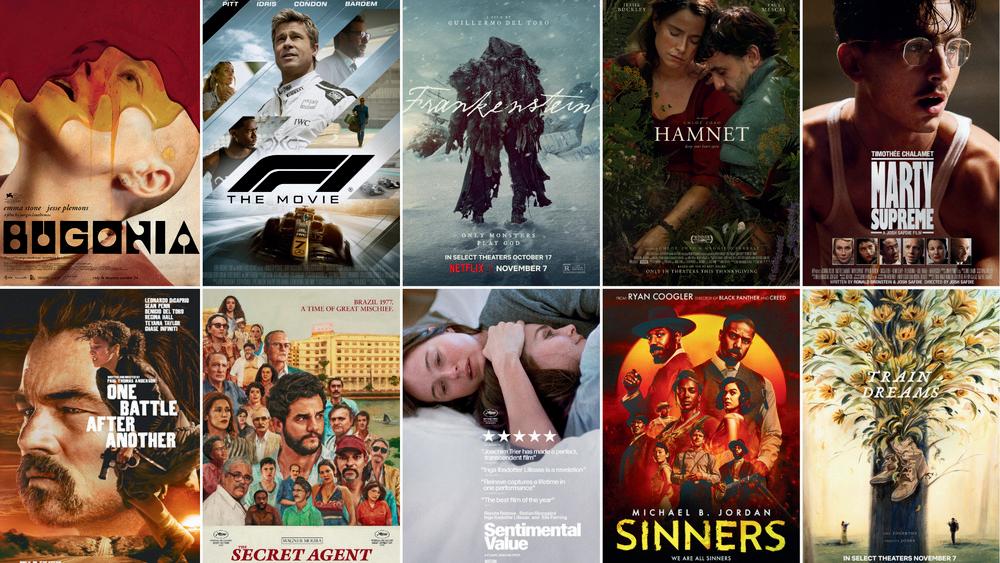
If you’re anything like me, you’ve been eagerly counting down the days for the Oscar nominations. As a devoted film lover, I even made my own predictions, and yes, I’ve watched every single Best Picture nominee this year. I’m here to guide you through them, offering recommendations so you can take a well deserved break from reading and outlining (some of you may have already started, I certainly have not).
The Nominees for Best Picture are…
Hamnet
This film is a masochist’s dream. There wasn’t a dry eye in the theatre and the final scene completely broke me. It may be the most devastatingly honest portrayal of grief I’ve ever seen on screen. Jessie Buckley and Paul Mescal deliver performances of such rawness that they linger long after the credits roll. Like many period films, it fully immersesyouinitsworld,whichgivesit
it a slower pace, but that deliberateness only deepens what is ultimately an extraordinary character study.
Must watch if your favourite 1L class is: Any class that made you cry (and you liked it?)becausethisfilmwilldothesame.
Must watch if you like these films: All Quiet on the Western Front (2022), Finding Neverland (2004), Atonement (2007).
Sinners (preferred winner)
Sinners was my absolute favorite film of 2025 and went on to become the mostnominated film at this year’s Oscars. I went in with no expectations, and it completely floored me. Everything about it feels meticulously crafted. The music is phenomenal (I still listen to several tracks unironically), and the cinematography is stunning.The film also plays with shifting aspect ratios to mark key moments (something I won’t spoil) that subtly but powerfully enhances the experience. Every performance is excellent, and I’d go as far as to call it the best horror film of the
decade (and it’s not overly scary, even if horror isn’t usually your thing).
Must watch if your favourite 1L class is: Foundations(historicalfilm).
Must watch if you like these films: US (2019), Django Unchained (2012), Get Out (2017).
MartySupreme
This film was a complete wild ride—I was on the edge of my seat the entire time, never knowing what would happen next. It’s so much more than a movie about ping pong: it’s dark, hilarious, unhinged, and chaotic. The theatre was full of loud gasps (including mine), because the moments unfolding on screen were so absurd they were impossible not to react to. The film simply wouldn’t work without Timothée Chalamet, who completely steals the show. I truly believe this role makes him deserving of an Oscar, finally, because he’s a phenomenal actor. And I have to give credit where it’s due: the marketing was impeccable. I want the Marty Supreme jacketASAP.
Must watch if your favourite 1L class is: Torts(thiswholefilmisatort).
Must watch if you like these films: Uncut Gems (2019), Challengers (2024), La Haine (1995).
Frankenstein
This film is my second favourite of the year, which comes as no surprise given my love for Guillermo del Toro’s work and for Mary Shelley’s Frankenstein. The result feels like a perfect marriage of both. The cinematography is breathtaking, every detail is intentional, right down to the colour palette of the costumes (I could genuinely write an entire article on that alone). Jacob Elordi is phenomenal as the Creature; the way he channels emotion almost entirely through his eyes gave me chills and awakened an unexpected protective instinct in me.As someone who is deeply drawn to period pieces and gothic cinema, I loved every aspect of the film’s aesthetic. Even viewers unfamiliar with the novel will find themselves captivated by this masterpiece, which feels less like a film and more like a work of art brought to life.
Must watch if your favourite 1L class is: Constitutional law (if you like to see things come together (like the Canadian Constitution?).
Must watch if you like these films: Nosferatu (2024), Crimson Peak (2015), Dracula (1992).
F1
I’ll admit I went into F1 with fairly low expectations, I don’t know much about the sport beyond a handful of driver names, but I was pleasantly surprised. The film is genuinely thrilling, with racing sequences that are dynamic and exceptionally well executed. The soundtrack was one of my favourite elements (all hail my king Hans Zimmer), but the cinematography is what truly stands out. While it wouldn’t have been my first pick for a Best Picture nomination, I’m glad it made the cut, and I would absolutely recommend it, even to viewers with little to no interest in Formula 1.
Must watch if your favourite 1L class is: Torts(thereissomespeedinggoingon).
Must watch if you like these films: Ford v Ferrari (2019), Rush (2013), Creed (2015)
Bugonia
Yorgos Lanthimos and Emma Stone are one of my favourite director–actor pairings in the industry, and this film only reinforces that. It’s intelligent, dark, deeply unsettling, and unapologetically twisted in the way only Lanthimos can pull off. If you didn’t like Poor Things and found it too strange (which is completely fair), I’d honestly recommend skipping this one. While the story is different, the level of weirdness is very much the same. That said,forfansof hiswork,thisisafeast.
Must watch if your favourite 1L class is: Contracts(sheisaCEO).
Must watch if you like these films: The Lobster (2015), The Killing of a Sacred Deer (2017), Poor Things (2023).
One Battle After Another (predictedwinner)
Honestly, this isn’t usually my genre, but everyone insisted it was the film to see, so I gave in, and I’m glad I did. While I can still confidently say the genre itself isn’t my favourite, the film exceeded all my expectations. The cast is phenomenal, the script is razorsharp, and the humour is consistently witty and smart. There’s also a carchase sequence near the end (not a spoiler) that stands out as one of my favourite scenes of the year purely from a cinematography standpoint. Given how thoroughly this film has dominated the major awards this season, I wouldn’t be surprised at all if it takes home Best Picture as well.
Must watch if your favourite 1L class is: CriminalLaw(alotof crimesgoingon).
Must watch if you like these films: Inglourious Basterds (2009), No Country for Old Men (2007), There Will Be Blood (2007).
SentimentalValue
This film is undeniably heavy, but it explores family trauma, and particularly the weight of fractured parent–child relationships, with remarkable tenderness. Much like Hamnet, it’s the kind of film that quietly devastates you, likely leaving you in tears as it reaches straight for the heart. It captures the lasting impact of broken family bonds while also underscoring the profound importance of connection and forgiveness. You’ll either leavethetheatrefeelingdeeplygratefulfor the people in your life, or quietly questioning your relationships, perhaps both. It’s a beautiful, introspective film that lingers long after it ends, gently forcing you to rethink not just family, but lifeitself.
Must watch if your favourite 1L class is: Anyclassthatgaveyoutrauma.
Must watch if you like these films: Manchester by the Sea (2016), Aftersun (2022), The Squid and theWhale (2005).
SecretAgent
This film delves into Brazil’s political unrest in the 1970s, a period I wasn’t very familiar with, but found utterly fascinating to learn about. It’s both thrilling and somber, unfolding as a deliberate slow burn that steadily builds its tension. Wagner Moura is magnetic, delivering a performance that anchors the film with intensity and quiet power. Beyond that, the film radiates a profound love for Brazil, its people, its history, and its culture, which I deeply appreciated as a history buff. It’s best experienced going in completely blind; the ending is genuinely surprising and leaves a lasting impression.
Must watch if your favourite 1L class is: Criminal law (also a bunch of criminal activities).
Must watch if you like these films: Sicario (2015), The Departed (2006), Caught Stealing (2025).
Train Dreams
This film is a meditation on both the beauty and the pain of life. It’s quietly devastating, achingly heartbreaking, yet undeniably beautiful at the same time. The natural landscapes that surround the characters don’t just serve as a backdrop; they envelop the story, mirroring the emotional transformations unfolding within it.As time passes, people change, and so does the Earth, and the film captures that parallel with remarkable sensitivity. Every frame feels carefully composed, like paintings, and that visual precision is one of my favourite aspects of the film. I have a deep love for beautifully tragic stories, the kind that hold your gaze and refuse to let go.This film does exactly that.
Must watch if you like these films: Brokeback Mountain (2005), Past Lives (2023), We Live in Time (2024).
QUARTIER LATIN
Catherine Zhang | 3L
Nota bene: HappyTuesday, everyone! Haha, it’s February already? Ha. Ha. Hahahaha. Time is fake. Speaking of time, I’ve been reminiscing recently about my 1L days. To employ a cliché, they feel like they were just yesterday, and yet I’ve also lived five lifetimes since. (Don’t get me wrong, I’m not nostalgic for 1L—the very thought! It’s just that it’s February! 2026! Sedate me.) Today, then, we’ll be looking at two phrases I was introduced to in spry old 2023: Restitutio in integrum and Terra nullius
Restitutio in integrum
| I’m sure everyone knows this one. The object of compensation is to put parties back to the position they were in before the harm occurred, blah blah blah. This is a Roman law idea, meant to be an extraordinary equitable remedy. I S/U’ed Remedies in 2L, go easy on me: you can read Liesbosch Dredger v. Edison Steamship yourself to finagle the details. Restitutio is simply a noun meaning “reinstatement,”“rebuilding,” and indeed “restoration.” Integrum is an adjective: “whole,” “complete,” “intact.” Think of words like “integrity,” “integral,” or even the usual form of this word, integer, which has been adopted wholesale in English. I hate math, though, so I try not to.
1
Liesbosch Dredger v Edison Steamship, [1933] UKHL 2. Did you know that many older UK cases have retroactively been assigned neutral citations on BAILII? See E-7.1.1.2 of the McGill Cite Guide. Thank you, BAILII, for saving me a parallel citation.
Overheards
4L: “I’m like a... what’s it called... an unc?”
3L: "I'm so. Happy." *hand gestures*
Prof: “an unhappy American can be leverage to beat up on a Canadian ”
S¼bl· · ·he Q¼ld OÐe«hea«d¯
Terra nullius
| “Nobody’s land,”or “land belonging to no one,”this refers to land that supposedly belongs to no state, and that may be acquired by any state via occupation. I’m not interested in disseminating the meaning of this doctrine so much as highlighting its past and present role in dispossessing people, including the Indigenous peoples of Turtle Island, from their lands. Perhaps the Latin language lends the legal concepts we discuss in this column a veneer of neutrality, of imperviousness, as if they stem from ancient and wiser times. Is it truly wise, however, to accept unthinkingly a definition that is at its core a colonial doctrine of racial superiority? (Rhetorical question, duh.)
In learning the language behind Latin maxims, we get the opportunity to examine them: how they’re constructed, how they’re interpreted, and their effects in practice. Sure, nullius is in the genitive here and terra gives rise to the English words “terrain” and “terrestrial.” But what does it really mean to be“nobody’s land”?
CULINARY BRIEFS
Midterm Meal Prep
Caroline Homet | 2L
I cannot believe that it’s already February!The days are slowly getting longer (finally!), and so is my to-do list. Between backlogged readings (already), prepping for summer internship plans, and midterm assignments peeking at me from right around the corner, I feel like there isn’t a creative bone left in my body.All my extremities are busy juggling tasks that I tell myself I can get to tomorrow.This is particularly sad for you, dear Culinary Briefs reader, because my most consistent creative outlet is cooking.
When I have the time and energy, I love to think up new flavour combinations and turn a random Monday night into a dinner party with me, myself and my roommate’s cat. Unfortunately, I’ve only written a proper grocery list once since the New Year and have been living on the vestiges of my pantry and freezer since then. The good news is, when I did cook good food, I cooked to feed an army and stocked up my freezer with nutritious meals for future me. Thank you, past me. The not so good news is that I had no idea what recipe to share with you guys to shake off the February blues.
I texted my friends to ask if they had any special requests. Mostly vegetarian, they asked for chickpea-based wraps and burgers, tofu marinades and easy-peasy peanut butter noodles. My non-vegetarian friend wanted to have a meal featuring a versatile veggie. The bottom line is that we’re all in the same boat looking for budget-friendly, vitamin-packed and freezable meals. Because if we’re going to take the time out of our chaotic schedules to cook, we’re going to make it worth it.
Thus, I present to you, the veggie loaf. You could probably eat it warm like you would meatloaf, but I use it up as a super convenient sandwich stuffer. I could probably re-name the recipe“veggie pâté”, but the recipe was gifted to me by a friend as a loaf and so loaf it shall remain. This recipe is ideal for meal-prep: once the loaf is cooled, slice it up into inch-wide pieces and freeze with strips of parchment paper between the slices. That way, you can take out one slice at a time to make yourself your last-minute sandwich to fuel your grueling day at the Faculty.
My favourite sandwich add-ons include goat cheese, pesto, pickled eggplants, sun-dried or fresh tomatoes, lettuce, pickled eggplants, mustard, a spicy mayo, pickled eggplants, and caesar salad dressing: pick and choose or stuff them in all at once! And again, I cannot stress how amazing pickled eggplants pair with this awesome veggie loaf.
Ingredients:
1 cup sunflower seeds
1 cup oatmeal
Veggie Loaf
1 cup whole wheat flower
3 large carrots, in chunks
3 onions, in chunks
2 potatoes, in chunks (try sweet potatoes if you're feeling freaky)
200-250 g of thawed frozen spinach
1/4 cup sesame oil
1/4 cup olive oil
1 tbsp lemon juice (plus the zest if you're zesty)
1 tsp tamari or soy sauce
1 tsp each of mustard powder, garlic powder, oregano, basil, salt (you can also swap for fresh mustard and garlic)
1/2 cup nutritional yeast
Instructions:
1.In a food processor or blender, thoroughly blend the seeds, oatmeal and flour and put into a large bowl. Process raw veggies and liquids together.
2.Add to the oatmeal mixture with the rest of the ingredients and mix thoroughly.
3.Line 2 loaf pans with parchment paper and divide mixture. Bake at 350 F for one hour. o
4.Let cool completely, then slice up and freeze with parchment strips between the slices for a quick lunch option.
Now, you don't need fancy equipment to make good food. I do not have a food processor nor a big enough blender. I chop my veggies as small as I can, mix all the ingredients together in a big bowl and pulse with my immersion blender to homogenize the texture a bit more. However, if you don't mind little veggie chunks in your loaf, I'm sure you can skip all the power tools and it will taste lovely.
Men Speak Gospel, Women Speak Myth
What must we do in order to be trusted?
Maddie Adams Alexander | 2L
I had a conversation with a friend recently that I think exemplified how no amount of accomplishment and certification women may have in a particular field or profession will prevent their opinions and their knowledge from being perceived, by some people, as secondary to a man’s. And not even a man who shares that woman’s education and specialization; literally any man.
The conversation I was having was with a friend who is currently in medical school. We were casually talking about our experiences in our respective programs when he stated that he understands when people tell him that law school is a uniquely and exceptionally competitive environment, even as a medical student himself, because everyone will have to interact with a medical professional at some point in their lives, but not everyone will have to interact with a lawyer.
I wasn’t entirely opposed to this observation. Legal services and legal advice can, notoriously, be inaccessible to many. But I did remind him that many people do end up having at least some interaction with legal professionals throughout their lives, even just for small things, telling him that everyone who buys a house will need a lawyer, for example. He responded, “Well, I would definitely get one to protect myself, but you don’t actually need one.” I told him that, actually, yes, any person purchasing a house, at least where we live, will require one.
This friend knows that I have worked in real estate law in recent years, both as an administrative assistant and as a summer student. Rather than believing me or even making any further inquiries with me to satisfy his doubt, he turned to our mutual friend and asked whether a lawyer is required every time someone purchases or sells a house. Our mutual friend is a banker. The mutual friend confirmed what I had already told him, paused, looked to me, and asked,“That’s right, right?”I confirmed that yes, what he said was right, just as it was right when I said it first.
The fact that our mutual friend had consulted me for verification must have only inspired further doubt in him (because why would a man seek confirmation from a woman?), and so he turned to another of our mutual friends who was in attendance that evening. He asked that friend, also a man, to again confirm what I had already told him. When this friend confirmed that a lawyer is necessary when purchasing or selling a house, (because why would a man seek confirmation from a woman?), and so he turned to another of our mutual
friends who was in attendance that evening. He asked that friend, also a man, to again confirm what I had already told him. When this friend confirmed that a lawyer is necessary when purchasing or selling a house, I doubled down and asked why he couldn’t possibly have just believed me first. He explained that our other mutual friend had “more experience”with property law. The mutual friend in question is a chemical engineer. The “experience” he was referring to was a singular real estate transaction last year, when that mutual friend purchased his first home.
Maybe my friend just likes to triple-verify all information he receives. Maybe I am interpreting his actions too harshly. I know my friend is a good person. I know that he did not consciously intend to deny my education and experience, and I have absolutely no desire to shame or embarrass him. Rather, I think this is illustrative of a larger issue. I think the lack of intent is actually how this problem gets perpetuated. Even if it was not my friend’s intention, all I felt I was able to leave that exchange with was the knowledge that, in some people’s eyes, and perhaps without them even realizing it, a man with little to no relevant experience or knowledge is always a more legitimate source of information than a woman with the most possible relevant knowledge and experience.
I want to disclaim that I do not, in any way whatsoever, believe this to be a problem that all men share or that is exclusive to men. I also don’t think the experience I had is necessarily unique to women; I imagine many minorities have experienced similarly frustrating interactions However, I do think there is a particular and unfortunate prevalence of men devaluing the knowledge of women, specifically.
Women in professions like ours are always encouraged to take up space, to not shrink. I think that the true embodiment of that advice can really only occur once we stop being consistently and regularly doubted. Even if the doubt we encounter is unconscious, or“benign”, it is still doubt. Doubting is not inherently bad, and in fact, healthy doubt permits us to be usefully critical. But when we find ourselves doubting others, I think we could all benefit from asking ourselves,“Who am I doubting right now?And why do I doubt them?”
While I have only grown more capable of asserting my knowledge and experience as I have progressed through my education, once in a while experiences like these leave me wondering how much more trust and confidence in myself I might have now if there weren’t so many little, normalized “hurdles” consistently in the way. How much faith might all women, in any profession, have in themselves, if we weren’t being regularly and casually reminded that our knowledge is being perceived as inherently less reliable and less valuable, merely because it came from us?
Law and Order: How Does the Law Work in Game of Thrones?
Erin Porter | 2L
If you haven’t already heard, there is a new spin-off set in the Game of Thrones universe (I will be referring to the series by their book name, A Song of Ice and Fire or ASOIAF). It follows the adventures of Ser Dunk theTall and Egg —a hedge knight (that is, a knight unsworn to any lord, like a mercenary or landsknecht) and his squire. Since the show’s release on January 18th, watching the newest episode in bed on Sundayshasbecomemynewritual.
If you are interested in watching the show and don’t want any spoilers, take this moment as my strong endorsement to do so (and read the novella!) and stop reading here. In fact, beware general spoilers for the books and shows of the universefromhereforward.
Since the show has been airing, I have totally been sucked back into the world of ASOIAF and the principle setting, Westeros. A Knight of the Seven Kingdoms has found itself squarely in the centre of my venn diagram of interests. The show depicts a colourful and immersive world inspired by medieval Western Europe (hello interests number one and two: the Middle Ages and colourful period costumes). Our protagonist, Dunk, has just buried his former master and decided to take up the mantle of knighthood and try his mettle at a tournament. He finds himself among peasantfolk, knights, lords, and a royal entourage of Targaryens. Dunk finds one of these princes–who is, by all accounts, hated by both the people and his own family–breaking the fingers of a puppeteer (a woman who Dunk has a crush on).
Overcome with anger at the prince’s
behaviour, Dunk lashes out and hits him, knockingoutatoothintheprocess.
Like in our world, assault is a crime. Assault on a member of the royal family is especially offensive. Dunk knows that if he submits to a trial, he will surely be found guilty and maimed, if not sentenced to death. Opting for a trial by combat, will almost certainly spell his death. Instead, he is given another option: a trial by seven. In Westeros, those in the southern regions follow a religion with seven gods, who each represent an archetype. The Trial by Seven is linked closely with this faith, and has each party select seven champions to fight against each other in a melee. Whichever side prevails proves their case (hello third second interest: obscurelaws).
Because I have been reabsorbed by the lore and world building in ASOIAF, I wanted to explore the function of law as described in the books, which have no shortage of peculiarities in their structure and execution. Much of the series, being so focused on the high politics of the lords and ladies of Westeros, necessarily gives us a sense of how Westerosi society is organized and the laws which uphold this regime. However, I was surprised to find that, while there is a good deal of discussion of punishment, the legal regime in Westerosremainsunderdeveloped.
In Westeros, we do not see the presence of a legal profession, something that is quite incongruous with the medieval Western European history that inspired the setting. Instead, justice is meted out
by the lords, or perhaps their vassals when they have obtained leave. All justice, it seems, is pursued in the name of the King. It is unclear exactly what the basis of the legal system is, namely whether common or customary law versus a legal code reigns supreme.
Many of the examples of laws relate to succession, treason, murder, and various othercrimes.Muchof theprocedurewesee is from the perspective of a King, who would hear cases of sufficient import before the court and proclaim his sentence. In a few situations, we are shown several methods of trials, both those in court and those by combat. We also have a few situations where there has been reform. Disappointingly,especiallyforhowrichthe world building is in the universe, the mechanisms of the law are underexplored; thereappearstobenojudiciaryotherthan the proclamation of Lords, who seem to have nearly-unlimited power in sentencing. Certainly, there are world building issues with the ASOIF universe (the time scales are probably the most glaring issue), but the lack of consideration for the role of how the law is communicated and disseminated certainly detracts from the immersion. Western European Kingdoms throughoutthemiddleageshadrobustand complex legal systems and, although they may not make a lot of sense to us today, still had mechanisms for achieving justice, punishment,deterrence,orotherobjectives throughtheirjudicialinstitutions.
Briefly, to introduce those unfamiliar (or who watched Game of Thrones many years ago) Westeros is made up of seven different kingdoms (at the time of the main series and A Knight of the Seven
Kingdoms), which were conquered by King Aegon Targaryen on dragonback some 300 years before the main series. When Aegon arrived, he made no attempt to impose new laws onWesteros, amalgamating six formerly-independant kingdoms into one under his rule (Dorne, the southernmost, was integrated by marriage much later). He also introduced‘the King’s Peace’, which required lords to settle their disputes before the King rather than raising arms against each other. This system, which respected the laws and traditions of each respective kingdom, appears similar to a common law structure. However, there appears to be no state mechanism for a judiciary, and all judgements are either given directly by the lord in his territory, or by knights or other lower-ranked individuals granted leave to judge on behalf of their lord. At no point in the books do we ever see jury trials, which were foundational in medieval English common law. As such, the general impression I surmised from this period is a blend between the un-codified common law approach to justice and the inquisitorial civil system, which is supported by the liberal use of torture to extractconfessions.
Fifty years after Aegon’s reign, his grandson Jaehaerys (known as the Concilliator) attempted to codify and reform the laws of the entire kingdom. This process, as they often were in real life, was long and arduous. The King, Queen, and his advisors travelled throughout the kingdom to hear from lords and commonfolk alike on what their traditions and practices were, so that they may be written down or subject to reform by the king. We know that certain regional practices were abolished, but it is unclear if this legal code set the same standard for all six kingdoms or if it maintained the diversity in practices that existed at the time of Aegon’s
Conquest. Unfortunately, to my chagrin and that of many other legal nerds, we do not know the contents or implications of Jaehaerys’reforms.
Under Jaeharys, we also see an attempt to succession laws. Owing to the death of his sons, he gathered the realm together to vote on whether the Crown should pass to his eldest son’s daughter, Rhaenys, or to his second-born son’s son, Viserys (if you have seen House of the Dragon, you will be familiar with these characters).The realm decided that male successors will ultimately succeed over females.This event clearly resembles the real-life Salic council, where French succession was clarified to privilege male heirs. However, the endurance of this decision was ultimately challenged by the same Viserys, who proclaimed his firstborn daughter heir to the throne, and maintained this position even after he had sons. Other attempts to clarify rules of succession were made later in time, where it was made clear that daughters can succeed where there are nosons,andwillinheritoveranuncle.
One exception to the rules of succession —and the primacy of the law of the Crown generally—is Dorne. Unlike the rest of the Seven Kingdoms, it was brought into the realm through marriage, on the condition that it maintains its historic laws. In Dorne, the gender of successors does not matter, and thus all children will inherit accordingtotheirbirthorder.
Beyond succession, we do see a good deal of justice being delivered for crimes, real or otherwise. However, as pointed out above, it is unclear if there is something resembling a criminal code, or whether all crimes are common law. Further, the procedure through which crimes are prosecutedandsentencingisorderedisnot clear.Thenatureof prosecutionisalsonot
well established, as we see judgements given by cases brought by the Crown, Lords, or common folk who are victims. The descriptions we see of crimes brought before a lord—like theft, smuggling, and assault— generally receive some kind of corporal punishment, like losing a hand or being given a facial scar. More serious crimes—like murder or treason —are met with a death sentence, usually carried out immediately. We do see some formal trials, so we know the institution of a court of law exists, but we do not see the accused receiving counsel. Often, a confession is sought from the accused (such as with Ned Stark, the protagonist of the first book/season), either under torture or compelled in other ways. Overall, the picture painted of the criminal law is a largely arbitrary one that is handed out that is handed out without much due process. There are some real world parallels to judgements from the Starry Chamber, a 15th and 16th century English legal institution wherein a council of lords would hand down judgements without the presence of a judge or jury.
We do, however, see that there is a mechanism for trials. In the main series, Tyrion Lannister participates as the accused in two. Both times, he invokes a trial by combat. In the first instance, he is taken prisoner and brought before the Lord of theVale to answer for his alleged role in the death of Bran Stark. When he is there, he demands a full trial, believing he will be sent to King’s Landing where his sister is Queen. However, he is refused this. He realizes that if he is tried in the Vale, they will certainly find him guilty (likely because of the lack of protections for the accused or procedure for evidence). Thus, he instead invokes a trial by combat.
Later in the series, Tyrion is accused of playing a role in the assassination of his nephew, the King Joffery. Again, he is aware the trial is stacked against him, and requests a trial by combat. Interestingly, although Joffery is dead, Tyrion’s opponent is the champion of Joffery himself, and not the Crown. Perhaps this indicates that even where there is great public interest in a crime, all criminal justice is carried out as a private action. The ensuing trial by combat, which is fought by two size-mismatched opponents (atypical for historical trials) ends in a draw when both succumb to their wounds. In fact, both trials end in the death of one of the opponents, which was not the goal of historical trials.
To circle back to Dunk’s Trial by Seven, there is no historical legal equivalent. However, the goal of such a trial is not for the champions to die. Rather, the purpose is for one side to prevail over the other, forcing them to yield. The logic, like with real life trials by combat, is that the righteousness of one side will prevail if the Gods will them to win, and thus necessitate evenly-matched opponents. However, like with all other criminal proceedings we see in Westeros, Dunk receives no counsel or opportunity to defend himself. Had he not opted for a trial by combat, the punishment for striking a prince would either be maiming (like losing a hand, teeth, or an eye) or death. Although his actions were committed to defend an innocent person from assault, he has no opportunity to mount a defence, and feels a Trial by Seven is his only option.
From this (very brief) overview, I’ve gotten the impression that there is really is no rule of law in Westeros. While this is not an in-depth examination, nor does it cover all of the different states we are introduced to in the ASOIAF universe, this is certainly an area of world building that I feel is lacking. In my research for this article, I discovered that I am not alone in this opinion—there are several lawyers and legal historians who have written comprehensive analyses of the function of law in the ASOIAF universe. It goes to show that no matter how well you write your fictional universe, some lawyer will be more than happy to poke holes in it.
I do find it interesting that, given how well-developed the political structure and characters are, there is little thought given to the legal structures that support the regime. Law is so intrinsic to human society, and there are a wealth of interesting, arcane, and sometimes brutal examples of law from medieval Europe. If we ever get more entries in the series, I hope that we might see a better exploration of not just the mechanisms for crime and punishment, but how the duties between the Crown, Lords, knights, and common people function. Until then, I am just thankful that I will never have to stand trial inWesteros.
DEAR QUID...
GOT A BURNING QUESTION ABOUT LAW SCHOOL? EXISTENTIAL DREAD? NEED REASSURANCE, OR JUST SOMEONE TO SAY
“SAME” ?
SUBMIT TO QUID NOVI’S ANONYMOUS ADVICE COLUMN, TO GET ANSWERS FROM UPPER YEARS
Meet the QUIDTEAM
Nom: Heidi Zahiri
Year of Study: 3L
Position: Columnist
Briefly, what drew you to the Quid:
I love writing and being creative! I found that it would be an opportunity to do cool things and speak to cool people for my column. I also just have loved the Quid since I've started law schoolsoIfeltitwasmydutytoparticipateatsomepoint.
Qu'aimes-tu faire quand tu n'étudies pas?:
Read books, listen to music, go to concerts, watch TV, play music, hang out with friends, party!
Give us a rec for your favourite Montréal café, resto, metro station, or hidden gem. Pas de gatekeeping!:
Majestique is the best bar in town, Hayat is my fav resto in the city(butexpensivesoonlyforspecialoccasions),PastaPookshas the best pasta in town, CafeTeta and Kahwa Cafe for budgetfriendly food. Ontario Street in the summer is amazing and has suchgreatfindsforrestaurantsorvintageshopping.Voilà!
Nom: RaeAquino
Year of Study: 3L
Position: Art Director
Briefly, what drew you to the Quid:
Having come from an arts background, I've always appreciated how the Quid gives students an opportunity for creative expression, which can be few and far between in law school. I've really enjoyed my work asArt Director so far for that same reason.
Qu'aimes-tu faire quand tu n'étudies pas?:
Music! I sing in a choir at McGill and I love music of all kinds. I try to see as many concerts as I can each year. My personal best so far is 15.
Give us a rec for your favourite Montréal café, resto, metro station, or hidden gem. Pas de gatekeeping!:
Cha Do Raku is a lovely, cozy little Japanese teahouse serving light meals and desserts alongside a selection of amazing teas. I love dropping by just to look at their ceramics too
Nom: Heeva Chavoshi
Year of Study: 2L
Position: Columnist
Briefly, what drew you to the Quid:
Having a creative escape.
Qu'aimes-tu faire quand tu n'étudies pas?:
Baking with questionable ingredients.
Give us a rec for your favourite Montréal café, resto, metro station, or hidden gem. Pas de gatekeeping!: Osmo Cafe.
Nom: NaomiYao
Nom: Jagnoor Saran
Year of Study: 3L
Position: Copy Editor
Briefly, what drew you to the Quid:
I was drawn to the Quid because I think it exemplifies the best of McGill Law - it’s earnest, insightful, humorous, and ultimately an indicator of its strong community. I so admire that students take the time to foster their creative pursuits, and wascompelledtojoinateamthatcelebratestheseendeavours.
Qu'aimes-tu faire quand tu n'étudies pas?:
My roommate and I have two little frog figurines that sit on one of the doorframes in our apartment and we like to dress them up, so honestly if I’m not studying I’m probably crafting themlittlehats.
Give us a rec for your favourite Montréal café, resto, metro station, or hidden gem. Pas de gatekeeping!:
Get a sandwich from Kahwa Café!! I used two exclamation pointstoconveyhowstronglyIfeelaboutthis.
Year of Study: 1L
Position: Columnist
Briefly, what drew you to the Quid: Being able to express myself without too many restraints. Qu'aimes-tu faire quand tu n'étudies pas?: MMA/MuayThai.
Give us a rec for your favourite Montréal café, resto, metro station, or hidden gem. Pas de gatekeeping!: L’esplanadeTranquille.
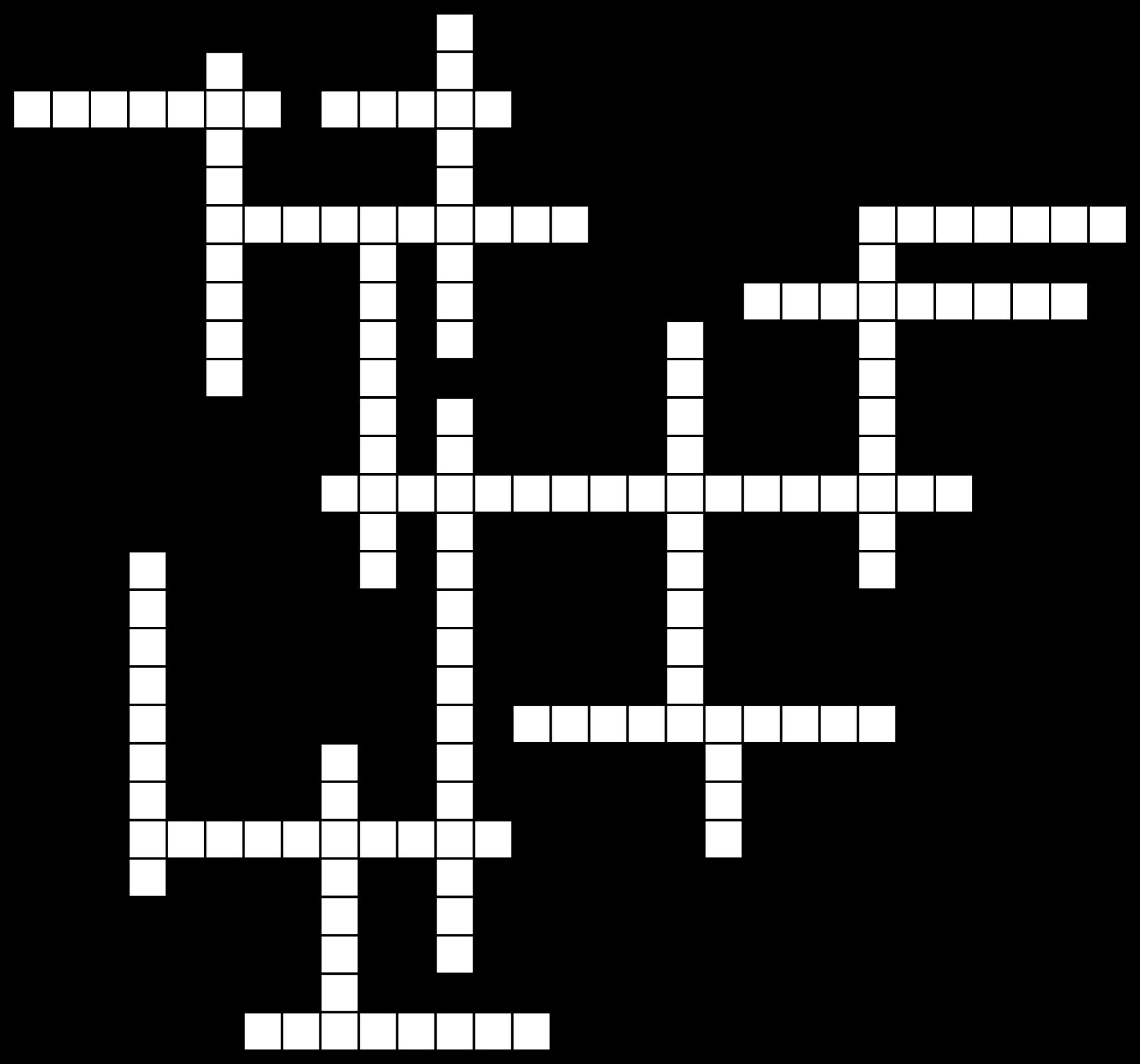
CROSSword Answers
CROSS
La and Loe
Across
[3] The remedy for a broken promise, in law but not in love
[4] Exclusive right to possess land—or someone’s heart
[5] A court order compelling action—what you wish you could get after a bad breakup
[7] The constitutional protection against unreasonable government intrusions—emotional or otherwise
[8] Meeting of the minds—essential to contracts and healthy relationships
[10] What courts seek when balancing rights—also vital in relationships
[11] A doctrine preventing unfair advantage—no leading people on
[13] The point where a promise becomes enforceable—and feelings get real
[16] Standard of care expected from a hypothetical person who never forgets anniversaries
[17] A promise relied upon, even without consideration— romantic but risky
Down
[1] An offer accepted without coercion—key to both contracts and consent
[2] A constitutional challenge claiming unequal treatment— love should be equal too
[6] Failure to exercise reasonable care—bad in torts and relationships
[7] Property law concept meaning “use and enjoyment”— not just for date night
[9] A relationship that creates legal rights and duties— business or romantic
[12] The duty to act in another’s best interests—stronger than love
[14] A wrongful act that isn’t criminal, but still breaks hearts
[15] A legally binding promise—stronger than a Valentine’s pinky
STELLAR STATUTES
Céleste Star | 3L
ARIES TAURUS GEMINI
This month, you're getting a fresh start whether you asked for it or not. It's time to commit to who you're becoming. This isn't about fixing yourself, it's about building something that lasts. The beginning of the month highlights your creativity and romance, so let yourself be seen and go on that date! By mid-month, your dreams feel closer. Trust your instincts, Aries!
CANCER
This month, you're dealing with relationship dynamics and home life responsibilities. There's a lot happening beneath the surface, and you might feel like you're processing emotions privately while managing public expectations. Something is preparing to shift in your world. Rest is also productive right now. You're almost there, Cancer!
This month, you might feel torn between holding on and letting go. Change is coming and you can't avoid it anymore. Ask yourself what needs to evolve. People are noticing you in professional spaces, so it’s the perfect time to innovate and step outside your comfort zone. It's uncomfortable but necessary, Taurus!
This month, everything is expanding. You might be planning a trip, diving into new studies, or questioning everything you thought you knew. The beginning of the month brings attention to your communication skills. People are listening! By the end of the month, double-check travel plans and be as present as you can. Stay curious, Gemini!
LEO VIRGO
This month, you're the main character. The beginning of the month is like a spotlight you didn't ask for but absolutely deserve. You're being seen, recognized, and maybe even celebrated. However, there's tension between being yourself and meeting others' expectations. Stand your ground. You're getting serious about your long-term vision. Own it, Leo!
This month, you're preparing for something big. The beginning of the month asks you to rest and reflect. Something is ending to make space for what's next. You're being called to adopt new, healthier habits, and maybe even explore a work opportunity. Old conversations could resurface by the end of the month. Pace yourself, Virgo!
LIBRA SCORPIO SAGITTARIUS
This month, your friendships and community are front and center. New people are entering your life, or existing groups are being brought back to ignition. You might be collaborating on something innovative or joining a cause you care about. The beginning of the month highlights your social life. Old friends or unfinished group projects could come back around. Stay magnetic, Libra!
This month, you're being asked to step into the spotlight professionally. The beginning of the month is your moment for recognition. You're getting serious about your work-life balance and daily structure. Innovation is happening in your home and family life. Don't be afraid to lead and leap, even if it feels vulnerable. You've got this, Scorpio!
This month, your beliefs are evolving. You're reading, writing, and speaking your truth. The beginning of the month lights up your travel and education zone. You might be planning an adventure or finally committing to something you’ve been thinking about for a while. You're taking your creative projects more seriously. Keep exploring, Sagittarius!
CAPRICORN AQUARIUS GEMINI
This month, you're releasing what's draining you. You're focused on your finances and self-worth. The beginning of the month brings attention to intimacy or transformation. Something needs to be released. Your focus is shifting to home and family. Old money matters could resurface. Be honest with yourself, Capricorn!
This month, it's all about you. You're feeling decisive, expressive, and ready to take up space. The beginning of the month highlights your partnerships. Someone is mirroring back what you need to see. Your communication game is leveling up. It is your season, so you might feel like new beginnings are ashore. Own it, Aquarius!
Most likely to . . .
This month, you're looking inward. You're finally able to articulate what's been on your mind. You're being asked to rest, reflect, and finish what needs to be finished before next month's big shifts. The beginning of the month activates your work and health routines. The end of the month is perfect for journaling and inner work. Be gentle with yourself, Pisces!
Accidentally call the professor "your honour":Aries, Leo, Libra. UseValentine's Day as an excuse to skip class: Cancer, Pisces,Taurus. Start a study group that immediately becomes a therapy session: Gemini, Sagittarius,Aquarius. Bring up their midterm grades in an unrelated conversation:Virgo, Scorpio, Capricorn.
Every item appearing in the Quid Novi is an opinion piece that reflects only the views of the person(s) submitting the item. Neither the Quid Novi, the LSA, nor the Faculty of Law endorse any of the material or views contained therein. Given the nature of the publication and its limited resources, the Quid will not undertake to evaluate the factual accuracy of submissions. Submissions are presumptively publishable unless they do not conform to the guidelines contained in the Quid constitution
EDITORS-IN-CHIEF RÉDACTRICES EN CHEF
Faith Dehghan
Catherine Zhang
SOCIAL MEDIA DIRECTOR
DIRECTRICE DES RÉSEAUX SOCIAUX
AnyaAbbes
ART DIRECTOR
DIRECTRICE ARTISTIQUE
RaeAquino
LAYOUT EDITORS
ÉDITEURICES DE MISE EN PAGE
Carina Cutillo
Isabella Drzemczewska Hodson
EDITORS
SECRÉTAIRES DE RÉDACTION
Liam Hunt
Jerod Miksza
Jagnoor Saran
COLUMNISTS CHRONIQUEUR.EUSES
MaddieAdamsAlexander
Nicholas Bailey
Heeva Chavoshi Nejad
Caroline Homet
Erin Porter
NaomiYao
Nick Mohammadpour
Céleste Star
Catherine Zhang
CONTRIBUTORS CONTRIBUTEUR.ICES
Leyla Bilgi-Bérard
Angel Drouin
AdeleWechsler for the MJSDL
Special thanks to RaeAquino and SouangWu for designing the layout.
Envoyez vos commentaires ou articles avant mercredi 17h00 à quid.law@mcgill.ca .Toute contribution doit indiquer le nom de l’auteur, son année d’étude ainsi qu’un titre et un sous -titre pour l’article. L’article ne sera publié qu’à la discrétion du comité de rédaction, qui basera sa décision sur la politique de rédaction disponible sur notre Instagram @quidlaw