
Two ORT directors resign ahead of the arrival of 5300 incoming students
Meghrig Milkon Editor in Chief

Two ORT directors resign ahead of the arrival of 5300 incoming students
Meghrig Milkon Editor in Chief
Jonathan Reilly Senior News Editor
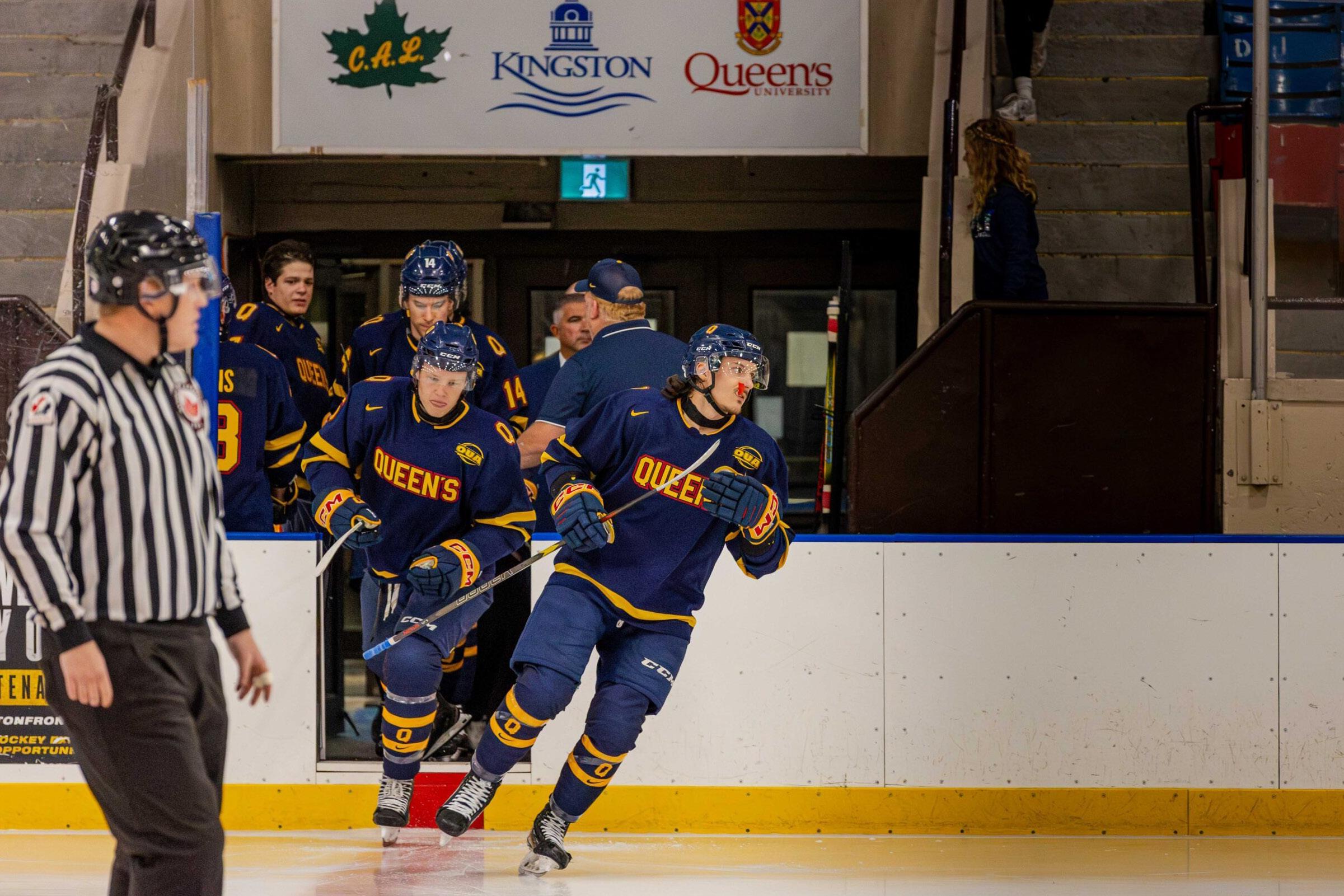
This fall, first-year students won’t be crowding Miller Hall’s lot for a surprise show.
The Orientation Mystery
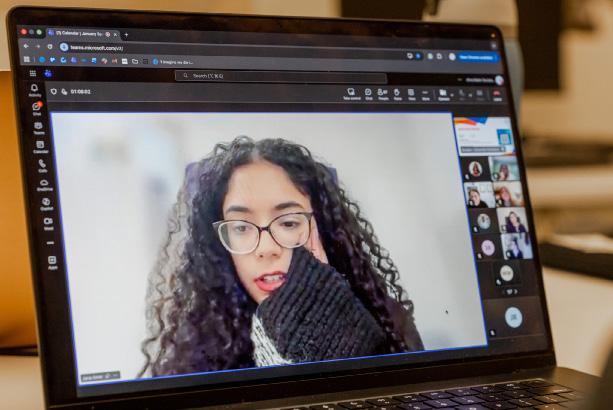
Concert, a long-standing event featuring a surprise headliner exclusively for incoming first-year students, has been removedfromthisyear’sorientation schedule. Past years have included headliners such as Yung Gravy,
Lilly Meechan & Yael Rusonik Journal Staff
DAN School of Drama and Music students say recent cuts have undermined their education and left the school in crisis.
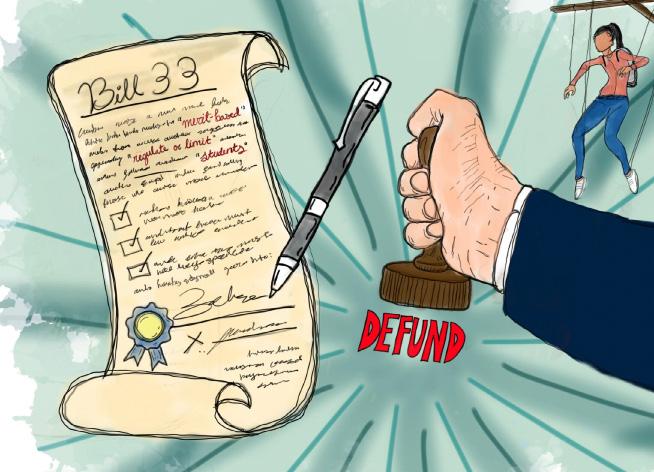
On June 16, students were informed by Director and
Associate Professor Julia Brook of new changes coming to their programs. Cuts to the DAN School have resulted in the amount of applied music lessons—oneonone lessons with professors—being reduced by half or converted to group formats, according to DAN School student council presidents. Some students
are reporting that, with this reduction in individual lessons, the music program at Queen’s no longer meets industry and educational standards. The cuts have also resulted in the departure of multiple professors and key staff members, with some being let go and some making the choice to depart.
Jonathan Reilly
Marianas Trench, and, most recently, DJ Dillon Francis. The event was reassigned to the Campus Affairs Commission (CAC) during the January AMS Assembly and was originally set tobe restructured into a non-mysterystyle concert.
FAS Interim Dean Bob Lemieux Prematrely departs Queen’s
Meghrig Milkon Editor in Chief
Student voices concerns with revised Fine Arts program
Yael Rusonik Assistant News Editor
Design teams report decreased funding from Dean’s Donation Fund
Jonathan Reilly
The Dean’s Donation Fund, a yearly fund from Smith Engineering provided to Queen’s engineering groups, is facing criticism as design teams speak out against apparent underfunding.
According to an anonymous source that’s involved in design teams at Queen’s, multiple teams received under half of the funds they’ve requested. The source
provided data that alleged aQuatonomous received $8,700 despite requesting $18,000, that Queen’s Rocket Engineering Team (QRET) received $23,200 despite requesting $53,500 and being granted $35,000 the year prior, and Aerospace received $24,600 despite asking for $75,000.
The Journal reached out to the aforementioned teams to confirm the numbers, but didn’t receive a response relating to their validity.
Emmet paradis Assistant News Editor
A troubled individual in a ‘mental health crisis’ broke into Waldron Tower early on Oct. 25, shattering glass doors and leaving blood throughout the building before being apprehended by police.
A Journal reporter living in Waldron heard yelling and slamming around 5 a.m. before calling police at 5:28 a.m., when the sound of breaking glass echoed from the dorms’ open windows. Within minutes, a police cruiser arrived, followed by multiple fire trucks, ambulances and Campus Security and
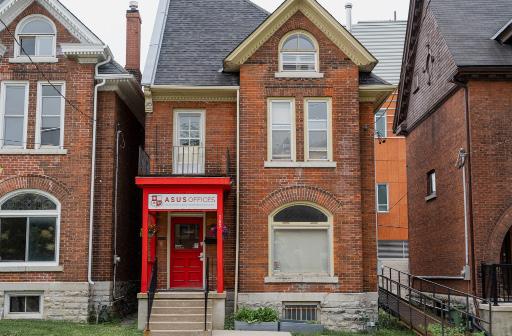
Anti-abortion organization draws criticism at ASUS
Sidewalk Sale
Emergency Services. “Officers arrived on scene at approximately 5:35 a.m. and located a male in a mental health crisis,” Kingston Police wrote in a statement to The Journal. “The male had used his hands to break numerous windows on the first and second floors of Waldron Tower.”
Jonathan Reilly Senior News Editor
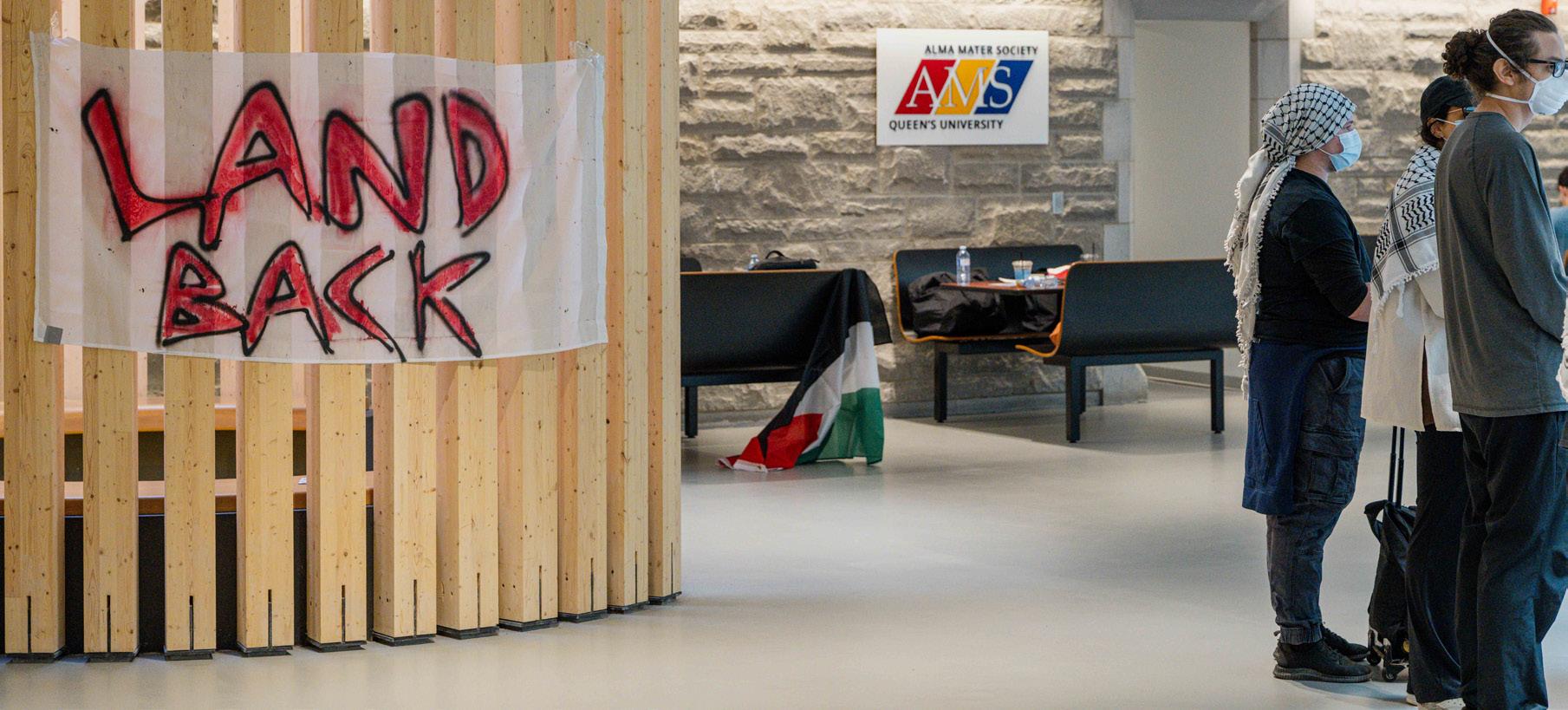
Lecture exploring conflict on campuses interrupted by student protestors
Yael Rusonik Assistant News Editor
After $6 million spent on repairs, a new academic model is set for Bader College
Jonathan Reilly Senior News Editor
16 students and one Professor stranded in Qatar return home safely, Queen’s says
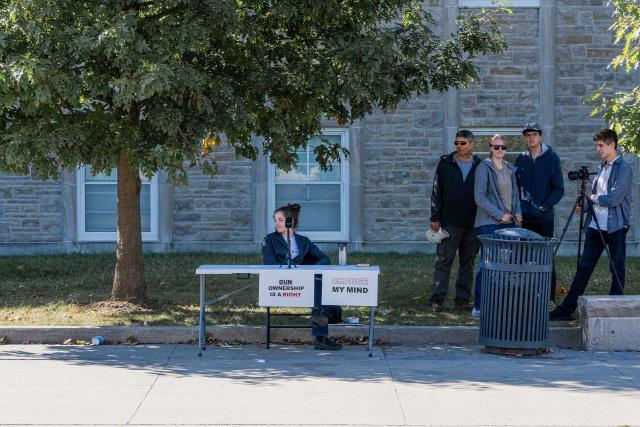
Gun rights advocate sets up “Change my mind” booth on campus
19-year-old left in critical condition following a hit and run steps from campus
Emmet Paradis Assistant News Editors
Undergraduate students will have free summer access to the Athletics & Recreation Centre (ARC) beginning this year. The update comes after years of work between the AMS,
Athletics & Recreation (A&R), and the University Council on Athletics and Recreation (UCAR) to address student concerns about paying an extra summer fee despite lower costs for SGPS members.
The change will take effect this upcoming summer,
granting all current AMS members free access until the fall term begins. Intramurals sports, program registrations, and other summer activities will continue to carry their usual fees, with policies and pricing remaining unchanged due to staffing levels and reduced operating hours.
Jonathan Reilly
Senior News Editor
The School of Kinesiology and Health Studies (SKHS) has been forced to cut over half of the Teaching Assistant (TA) hours in multiple courses according to SKHS faculty.
According to internal data shared with The Journal by SKHS Associate Professor Stevenson Fergus, some of the largest reductions in Fall Term TA hours include HLTH 101, which lost half its allocation, dropping from 1,660 to 840 hours after bi-weekly tutorials were cut. By percentage in the fall courses, HLTH 102 saw a decline of 52 per cent, while HLTH 200, HLTH 237, and KNPE 335 reduced their hours by 20 per cent, 28 per cent, and 17 per cent, respectively
Concerns raised that OUAC personal information
forces disclosure of trans identity
Lilly Meechan Assistant News Editor
Student states that after applying to law school, her gender was changed to ‘other’ on SOLUS.
Queen’s student Emma* has raised concerns about how the Ontario Universities’ Application Centre (OUAC) collects gender identity information and how it’s recorded in Ontario University
systems. Currently, when applying to universities on the OUAC website, all students must complete a personal information form, including a mandatory question about gender.

Sarah Adams Editor in Chief
Queen’s professor sarah Tsiang’s poem abouT sexual harassmenT’s aT The hearT of a naTional censorship debaTe
Eva Sheahan Features Editor
What began as a Calgary-based regional poetry recitation quickly evolved into a censorship controversy that has captured national attention.
Josephine Trigg, a Grade 12 student at Bishop Carroll High School—a Catholic school in Calgary—prepared to recite Queen’s Creative Writing professor, Sarah Yi-Mei Tsiang’s feminist poem “Dick Pics” for the regional Poetry in Voice competition. Despite support from the parents
and her English teacher, Tyler Perry, her school administrators forbade her from performing the poem at the recitation because of the poem’s explicit language regarding penises.
The Calgary Catholic school’s decision to ban the poem from the Poetry in Voice recitation has sparked conversation surrounding the importance of intellectual freedom and the rising trend of Albertan censorship that, in this case, directly correlated with Freedom to Read week on Feb. 22 to 28 which is an annual week dedicated to Canadian’s freedom of thought and expression.
The hidden realiTy of working sTudenTs on financial aid
Julia Ludden Production Manager
Eva Sheahan & Lauren Nicol Journal Staff
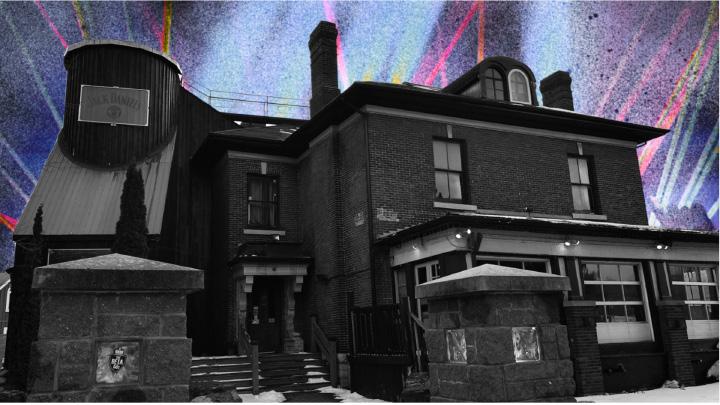
Boxes, posters, and decades of memories filled The Journal house one last time this July, as Volume 153 staff packed up the red brick home that had long been the heartbeat of student journalism at Queen’s.
Given to The Journal as a temporary newsroom in 2006, the red brick house at 190 University Ave., quickly became the heartbeat of Canada’s oldest student newspaper. Nearly twenty years
later, the paper is moving to a new office room A620 of the Queen’s Centre—a shift that, for alumni, feels like more than a change of address. To past Journal staff, leaving the house symbolizes not just the end of an era, but echoes the broader struggles facing student journalism nationwide.
Now, as the University cites accessibility needs and long-term planning, the house that once nurtured generations of student journalists is being repurposed for student housing.
Aaniqa Karmali


Journal Editorial Board
Academic integrity’s increasingly important in the age of ChatGPT.
A senate approved report from Jan. 29 found that only 1.34 per cent of students departed from academic integrity in the 2024-25 academic year. Interestingly, unauthorized content generation, including Artificial Intelligence (AI) use is classified as a breach of academic integrity, something 55 per cent of students have anonymously reported doing. The discrepancy between the senate report and selfreported data highlights the need for better regulation regarding AI use.

Journal Editorial Board

Bader College is costing students more than it’s worth
Journal Editorial Board
Journal
Editorial Board
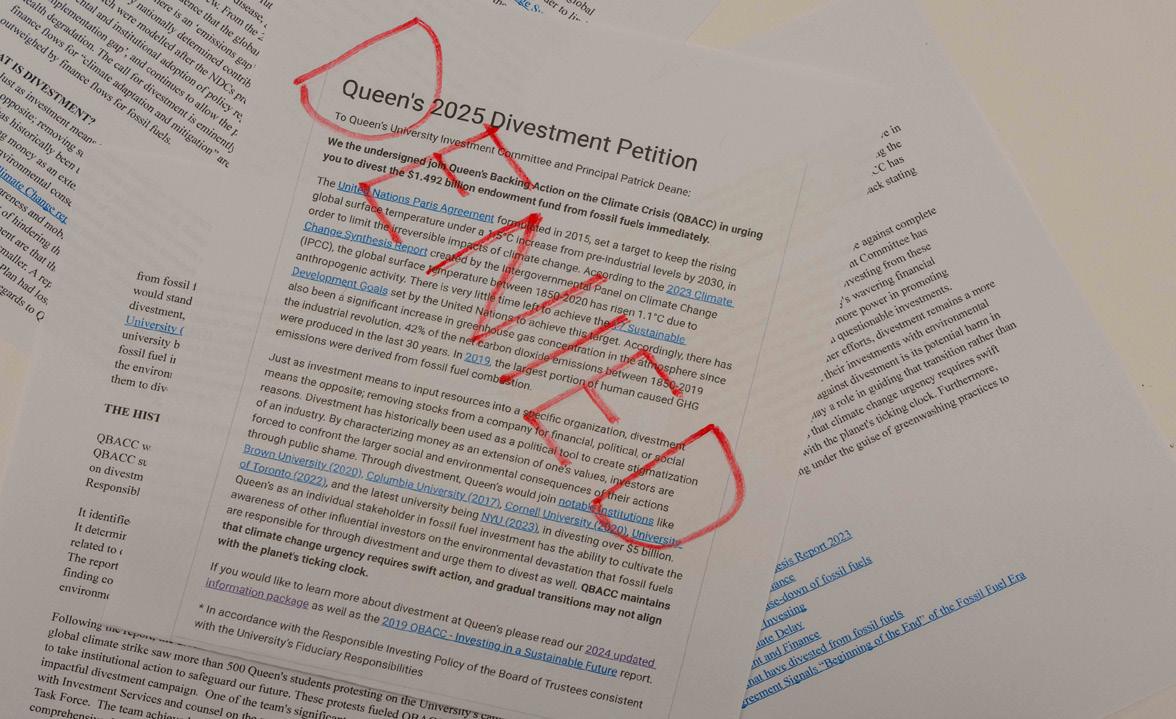
Queen’s is avoiding the divestment conversation—again.
In spite of 630 signatures from students, staff, and politicians, on Dec. 16 Queen’s decided against divesting 2.2 per cent of their endowment portfolio from fossil fuel intensive corporations. The special request was made under dowment portfolio from fossil fuel intensive corporations. The special request was made under Procedure 2 (Special Requests), a process for members of the University to request investigations by the Board of Trustees. Queen’s Backing Action on the Climate Crisis (QBACC) filed the request in March, and were only consulted once, informally, prior to the decision. The lack of consideration from the University administration is disappointing, but not surprising given its history of denying divestment requests.
Between spreadsheets and strategy, Queen’s forgot to consult its own students on proposed alterations to faculty funding.
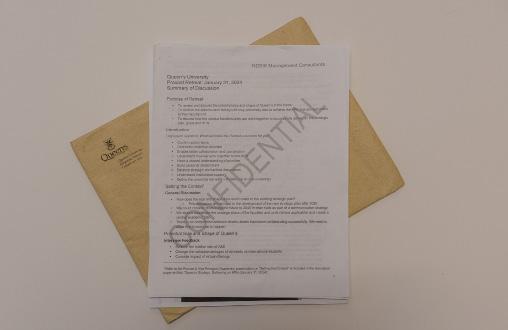
The Journal obtained consultant documents detailing a proposed restructuring at Queen’s, including an increased focus on research and graduate education, online continuing education offerings,
and the likely slimming of arts departments. While the potential for accessible education via the internet is exciting, the documents validate the worst fears of both Faculty of Arts and Science (FAS) students and faculty members, as well as appearing disingenuous in their sudden interest in graduate students.
The documents detail a desire to increase enrolment to 40,000 students by 2040, 10,000 of which

increase in funding presents new barriers to higher education
Journal Editorial Board

would attend online through a new school entitled the School of Professional and Continuing Education (SPACE). While the idea of continuing education is exciting, offering more opportunities for mature students to return to school, it raises questions about the effectiveness of online learning. There’s definitely a market for online education, but the jury’s still out on if it can replace the classroom.
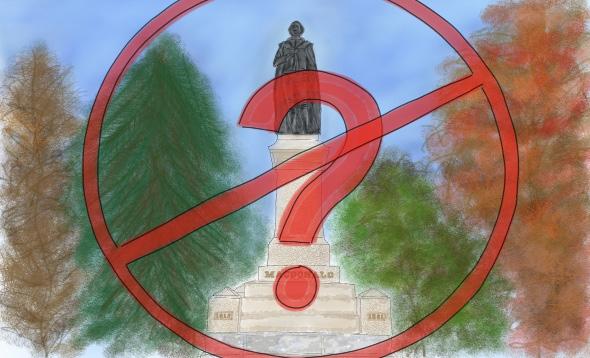
Reinstalling Macdonald’s statue isn’t preserving history, it’s glorifying cultural genocide
Journal Editorial Board
Statues aren’t history lessons, they’re celebrations, and not everyone deserves to be celebrated.
On Jan. 9, The Kingston Whig Standard published an opinion piece by Mark Johnson, arguing for the reinstatement of the John A. Macdonald statue in City Park. The statue was removed due to Macdonald’s role in the residential school system, which murdered over 10,000 Indigenous children, and left lasting impacts on the rest—a system that’s now considered the largest cultural genocide in Canadian history.
Bernice Yeboah Contributor
Dylan
Rietze & Camron Hare
Contributors
There is a lot of research happening at Queen’s that’s led by and involves Indigenous students and community members, but you wouldn’t always know it. Indigenous students areleading projects, supporting communitybased work, contributing to labs, writing theses, and buildingnew ideas across health, science,engineering, education, history, culture, policy, and beyond. However, there’s no shared space where this workis regularly highlighted to all students,and many
research conversations on campus still default showcasing Western ways of doing research. Our “Voices of Indigenous Research Column” series aims to be a small step toward shifting this reality.
Here, “Western” refers to the dominant research and education traditions that came out of Europe and were later built into Canadian institutions through processes of colonization. In this piece, we’re using Western” as shorthand for the mainstream academic systems and assumptions that often set the rules for what counts ascounts as valid research and knowledge.
Ella Marrie Campeau Contributor
Nolan Su-hackett Contributor
Keira Spurrell Contributor
Canada’s falling on the International stage, despite the positives.
On Sept. 21, Prime Minister Mark Carney announced that Canada would formally recognize the State of Palestine.
In his statement, Carney said the decision was “an affirmation of Canada’s long standing support for a two-state solution, grounded in peace, security, and mutual recognition.” He
argued Palestinian statehood was essential for “lasting peace in the region,” with the requirement that Hamas disarm, anddemocratic reforms take place in Palestine.
The statement uses the diplomatic style of wording that Canada has long favoured:meas ured,conditional,and cautious. But this recognition comes after decades of delay, and after one of the worst humanitarian crises in recent memory has devastated Gaza. As a politics student andas a human being, I
can’t help but see this moment as precisely what it is: too little, too late.
To understand why timing matters, you have to confront the current reality in Gaza. According to the United Nations’ (UN) Office for the Coordination of Humanitarian Affairs (OCHA), more than 90 per cent of Gaza’s population has been displaced over the past year, many multiple times. Families shelter in rubbleorovercrowdedUNschools, only to facebombardment there as well.
Emily Ma Contributor
Christina Frendo Contributor
Maya Galvin Contributor
Alex Mcdonald Contributor






Ananya Sharma Business, Science, & TechnologyEditor
Katarina Krivokapic Business, Science, & TechnologyEditor
Katarina Krivokapic Business, Science, & TechnologyEditor
Katarina Krivokapic Business, Science, & TechnologyEditor
Many students’ first encounter with democracy doesn’t happen at a ballot box in a provincial or federal election, but instead through their undergraduate student government.
Student governments levy mandatory fees, run multimilliondollar budgets, employ permanent staff, and provide extracurricular services that can decide whether a student eats, sees a doctor, or finishes their degree. Yet, for years,
Sarah Adams Editor in Chief
Katarina Krivokapic Business, Science, & TechnologyEditor
Katarina Krivokapic Business, Science, & Technology Editor
In his mother’s basement, a childhood pretend restaurant hinted at his path ahead.
Jeffrey Fenton, Comm ’13, has brought Toronto’s De Mello coffee shop to Kingston’s Market Square, opening a downtown café he describes as ‘a moment.’ Now
a partner in the company, Fenton first dreamed up the idea more than a decade ago as a student wishing for a warm, student-friendly coffee spot in Kingston.
Fenton’s passion for hospitality runs deep. As a child, he transformed his mother’s basement into a pretend hotel and restaurant—an early hint of the career to come. After graduating with a Queen’s
Katarina Krivokapic Business, Science, & TechnologyEditor
commerce degree in 2013, he built a marketing career before finding his way back to hospitality through entrepreneurship.
For Fenton, coffee was a natural fit. “Coffee felt like an incredible way to pursue hospitality. Coffee shops are places where people have very tangible, meaningful experiences,” he explained in an interview with The Journal.
student governments across Canada have also been riddled with financial scandals, uncomfortable questions about accountability, transparency, and what kind of democratic culture students are being introduced to.
From a legal and financial standpoint, student governments are unusual. Generally incorporated as not-for-profits under provincial law, they function as quasi-corporate bodies with budgets that can exceed $10,000,000. They’re also formally independent from universities, yet financially dependent on
compulsory and optional fees collected from students. This autonomy has long been defended as necessary to effective advocacy and student self-governance. It can also create a well-funded and often poorly supervised environment with limited oversight, inconsistent enforcement, and slowly materializing consequences. These claims aren’t speculative, for instance, in 2009, the Concordia Student Union launched a lawsuit against a former employee over alleged negligent behaviour involving more than $350,000.
Katarina Krivokapic Business, Science, & TechnologyEditor

Business, Science, & TechnologyEditor
Cure CanCer ClassiC raises over $720,000 For the CanaDian CanCer soCiety
Noah Cyr Senior Sports Editor
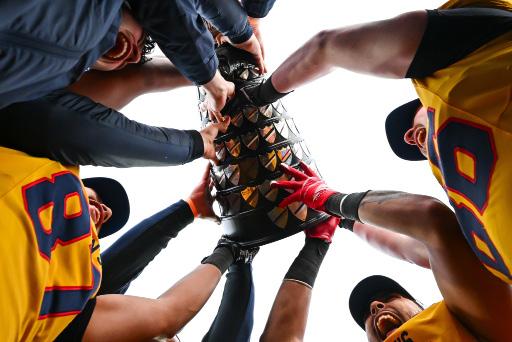
Men’s football makes history, winning their 24th Yates Cup
Noah Cyr Senior Sports Editor

McGill’s massive cuts to majority of varsity sports signal a larger trend of financial concerns in university athletics
Queen’s defeats RMC in thrilling 38th annual Carr-Harris Cup Jude Wheeler-Dee ends illustrious career with double gold at USports National Championships

Men’s Volleyball wins at home, earning National Championship berth
Noah Cyr Senior Sports Editor
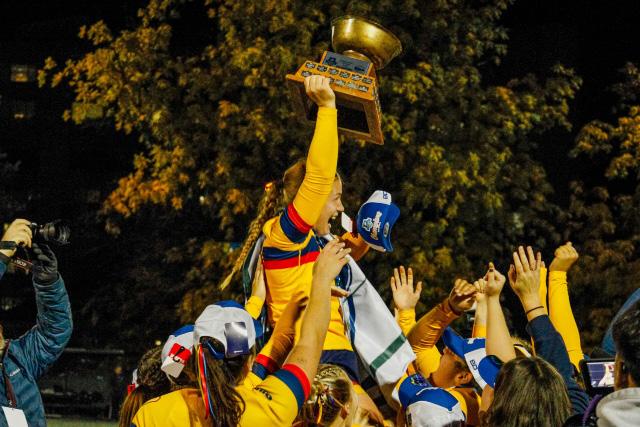
Taahaa Lone Staff Writer
Noah Cyr Senior Sports Editor
Former Gael Darien newell suspenDeD From CFl For one year, six years in u sports aFter DruG poliCy violation
Sarah Adams Editor in Chief
A drug test at the CFL Combine has sidelined a former Queen’s football standout.
On March 19, former Queen’s Men’s Football defensive lineman, Darien Newell, ArtSci ’25, was selected for random drug testing
while taking part in the CFL Combine. According to a press release published by the CFL, Newell’s sample tested positive for nine banned substances, including GW501516, Ibutamoren, SARM Ostarine (S-22), SARM LGD4033, Testosterone, Nandrolone,n Drostanolone, Norclostebol, and Oxandrolone.
Newell was deemed ineligible to sign a CFL contract for one year under the CFL and Canadian Football League Players Association (CFLPA) joint drug policy. Heappealed the impending suspension but withdrew the appeal on April 30, triggering an immediate one-year suspension

Sarah Adams Editor in Chief
Rainbow headbands, ribboned ponytails, and a packed gym signaled that this wasn’t just another game night—it was the Volleyball teams first-ever Pride Night.
On Jan. 10 at 6 p.m., the Women’s and Men’s Volleyball teams gathered at the ARC’s Main Gym to have Pride Night in collaboration with Trellis—a Kingston-based community care centre that
provides stigma-free HIV/AIDS education, harm reduction, and support services—and the Yellow House Student Centre for Equity and Inclusion. The event marks Queen’s Volleyball teams first Pride Night at the ARC.
After running the Women’s Hockey team’s pride game last year, the night was organized and promoted in three weeks by both Holly Biasi, ArtSci ’26, and Chris Zimmerman, ArtSci ’27, who run the Queen’s Queer and Gender Diverse Student Athlete Association
founded in 2023 by former Gaels Women’s Hockey captain, Charlotte Melindy, ArtSci ’25. At the start of each game, a write-up was read to the crowd for them to understand what Pride Night was and why it was happening.
“Pride Night recognizes and celebrates the contributions, identities, and experiences of 2SLGBTQIA+ athletes, students, staff, alumni, and supporters. Sport has the power to build community, belonging...”
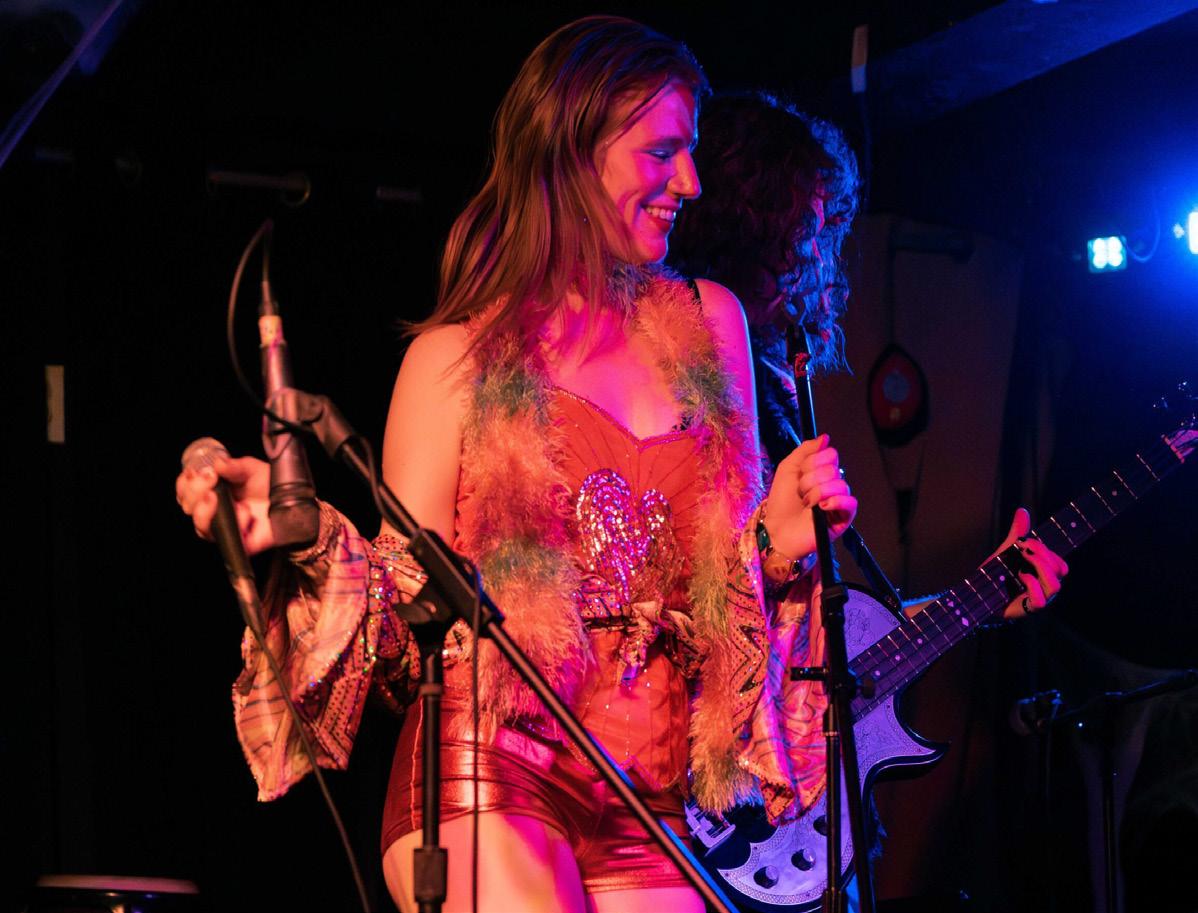
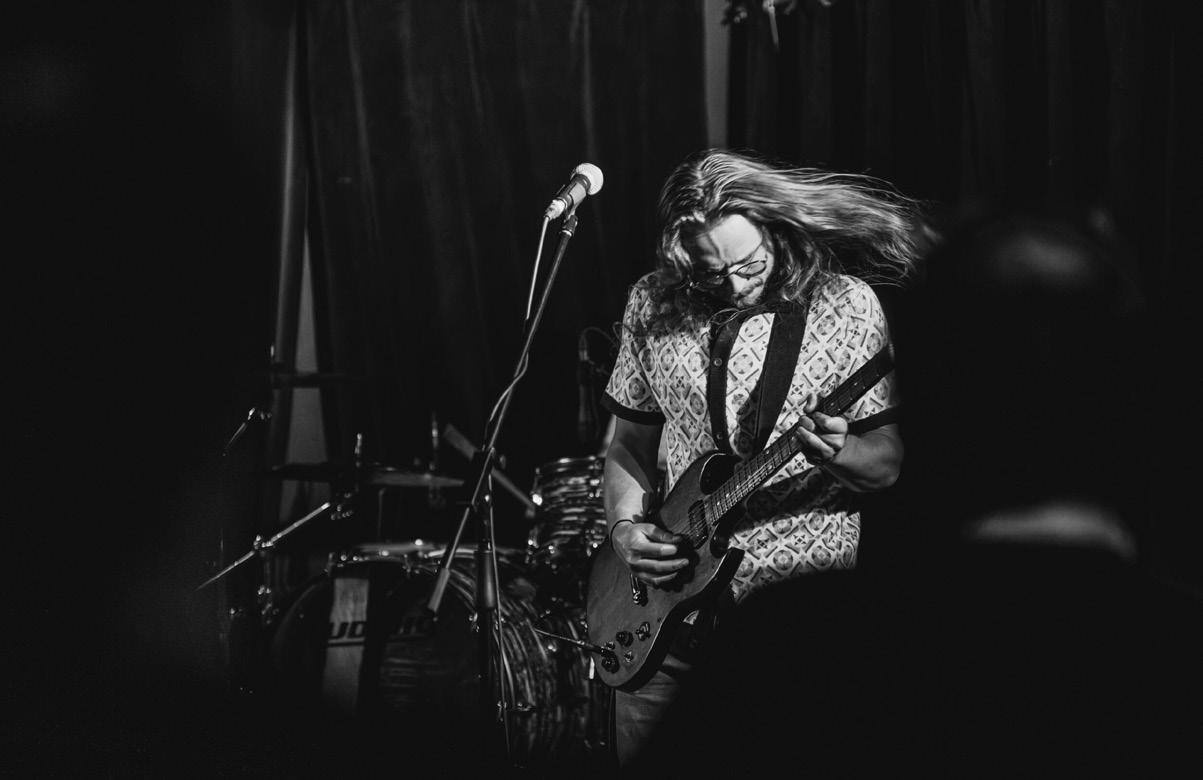
From vinyl’s revival to what’s next: Brian weighs in on the future of physical media
S arah a dam S Editor in Chief

The Union Gallery features Indigenous art for the fourth year in a row with ‘Waabanjigaazo’ d aniel G ill -S ito S ki Assistant Arts & Culture Editor
S arah a dam S Editor in Chief
m arijka V ernooy
Queen’s Black Studies professor longlisted for 2025 Giller Prize
m arijka V ernooy
Senior Arts & Culture Editor
Naked by 9,
m arijka V ernooy Senior Arts & Culture Editor
Through reconstructed school desks, haunting sounds, and stories of stolen childhoods, one art exhibit reflected on the l asting impacts of Canada’s residential school system.
From Sept. 11 to 30, the Isabel Bader Centre for the Performing Arts hosted Tom Wilson’s powerful installation Fading Memories of Home in the Arts and Media Lab. Wilson, a Canadian musician,
songwriter, acclaimed Mohawk storyteller, and visual artist, used the space to confront the lasting trauma of residential schools. The exhibit featured nine reconstructed school desks, each adorned with photographs of children’s families, transforming the gallery into a haunting reimagining of a colonial classroom.
The Journal joined a docentled tour of Fading Memories of Home to better understand the story behind the exhibition. The tour began by asking us what we
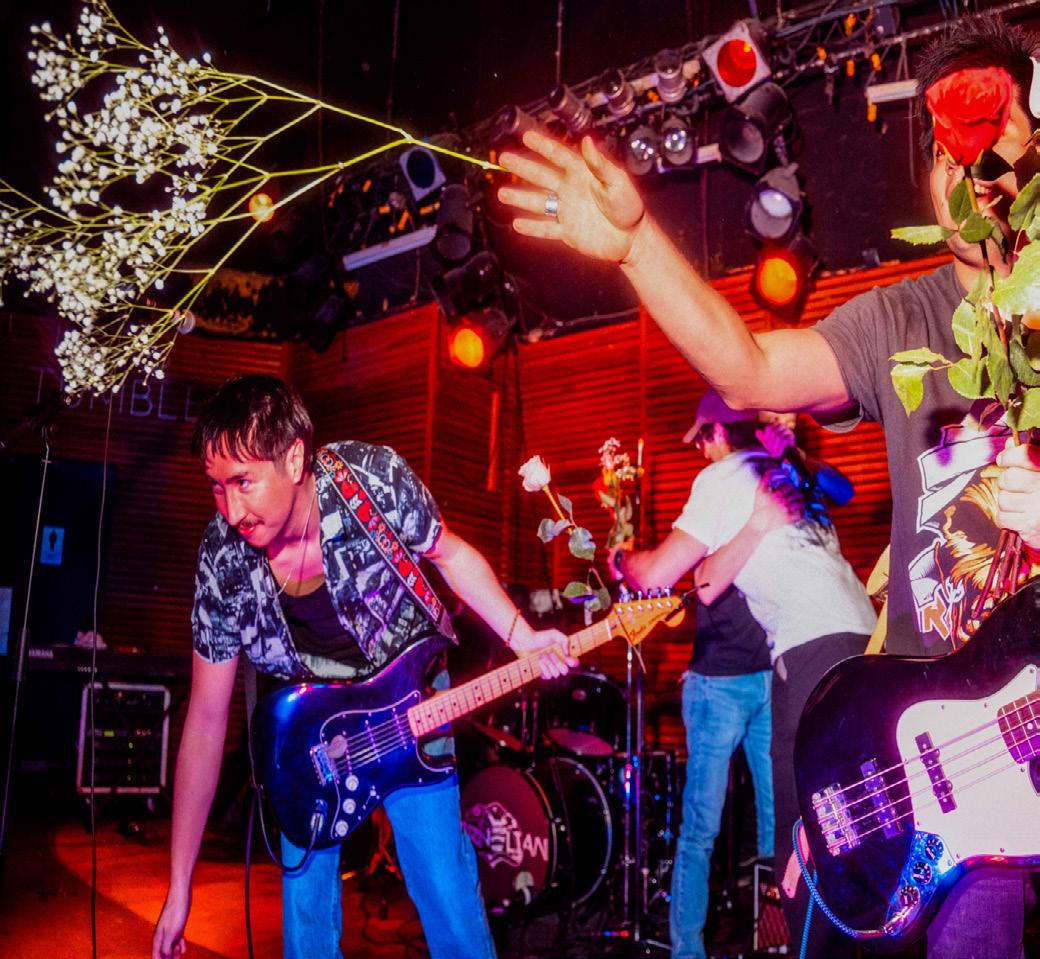
It’s the end of an era for Carnelian at Ales n Amps Vol. 3
Union Gallery’s ‘the black experience…time & memory’ exhibit revisits Queen’s overlooked past
V eer B halla Assistant Arts & Culture Editor
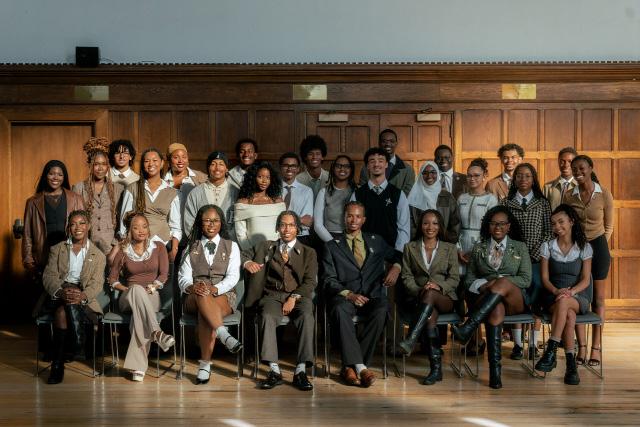
Union Gallery’s ‘the black experience…time & memory’ mixed media exhibition spotlights decades of Black history at Queen’s University.
Running from Jan. 20 until Feb. 11, the exhibition reflects on the Black community at Queen’s complicated history. The
multi-media showcase includes article clippings, poetry, photography, and other art forms.
Heading in from the exhibition’s outside wall, viewers see the space adorned with images and newspaper clippings atop a visual by @2being.ca, welcoming you to the space.
A collage highlighting the forgotten legacies of Queen’s Black medical students, along with
progress made over time, is made up of images, newspaper clippings, and a transcript of PhD Candidate Edward Thomas’s interview with the Yellow House Student Centre for Equity and Inclusion d iscussing his role in bringing attention to the 1918 ban, a motion barring Black medical students’ entry to Queen’s, which hadn’t officially been rejected until 2018.
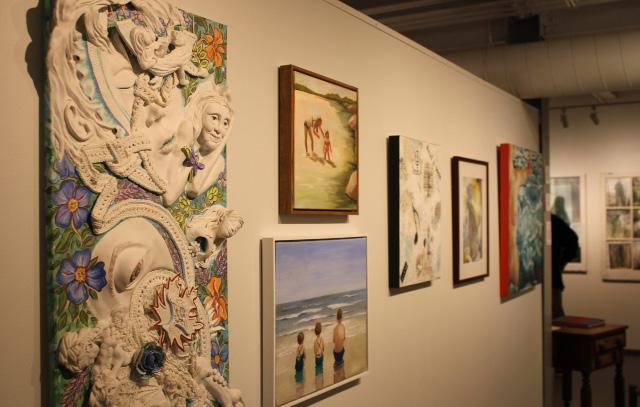
In “Seeing Ourselves,” female artists explore identity at the Tett Centre
know about Wilson as an artist. My own answer was humbling, not much. The guide filled in the gaps, recounting how Wilson discovered at 53 that he had been adopted and that his birth parents were Kahnawake Mohawk. Like many Indigenous children during the Sixties Scoop—a governmentled practice of forcibly removing children from their families and placing them in residential schools before adoption—Wilson had been separated from his community at a young age.
‘Love Island USA’ star Nic Vans performs DJ set at Stages Nightclub
‘Journal’ alum Omar El Akkad’s nonfiction debut wins U.S. National Book Award
e V a S heahan Features Editor
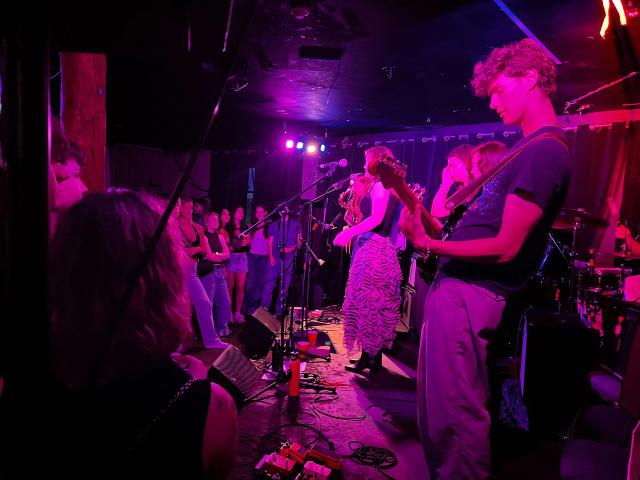
RevZed releases debut EP, ‘Welcome to the Real World’
m arijka V ernooy Senior Arts & Culture Editor
Kingston crowned its ‘most performative male’ at Lay Low Cafe
y ael r u S onik Assistant News Editor
‘Elbows Up! And After’ puts literature in political discussion at Kingston WritersFest
m arijka V ernooy
Senior Arts & Culture Editor
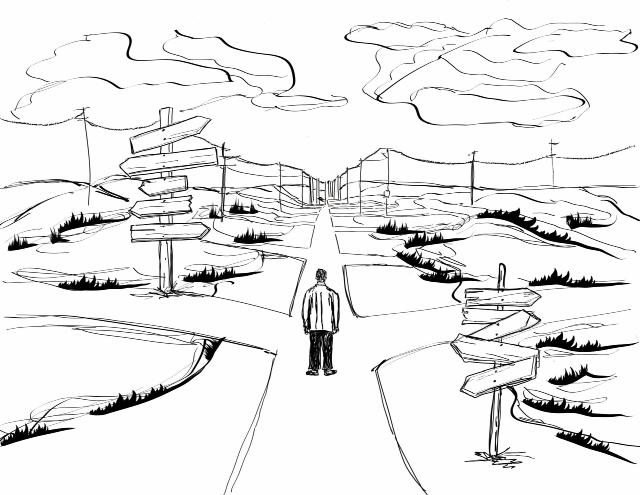
Why I’ve never had any goals in my life
Sarah Adams Editor in Chief
I’ve never had a goal before and let alone achieved one.
Loving who you are starts with loving where you were
Isaac-Paul Hofbauer Opinions Editor
I don’t know what I want to be when I grow up
Aaniqa Karmali Staff Writer
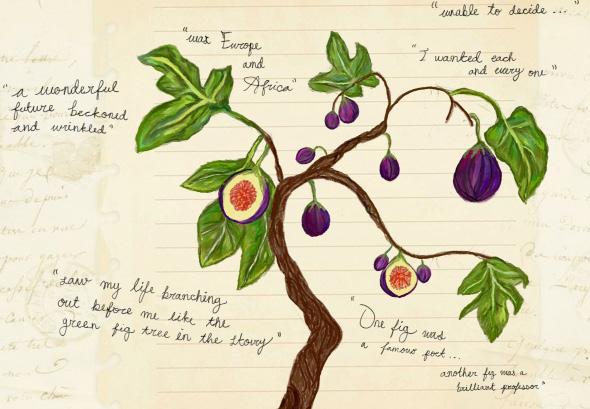
From the very first time I was asked, “What do you want to be when you grow up?” the endless possibilities left me awestruck without an answer. In elementary school, I would’ve told you I wanted to be a doctor. But it all started in grade one, when I was assigned a school project about my future career. Leading up to the deadline, I changed my mind short of a hundred times about what I wanted to proclaim as my dream job. I wanted to be a
teacher and also a scientist … and a lawyer, and detective, and doctor, and author. Although the stakes truly couldn’t have been lower, declaring my dream job on a poster board felt like sending a crucial message into the universe—like placing a bid on my destiny. Eventually, after days of ruminating on what felt like the most important decision of my life, I landed on wanting to be a doctor. My uncle was a doctor, and my time on the family computer was limited, so I relied on his expertise and the few glimpses I caught of House M.D. to make this monumental decision.
I’m not a goal-avoidant person. I know what I want to do. I move toward it with consistency, discipline, and care. From the outside, my life often looks like asequence of achievements; things completed, milestones reached, boxes ticked in the correct order. The problem isn’t that I don’t have direction. The problem is that none of it feels like an accomplishment.
Everything I do feels like something that was supposed to be done anyway.
This is a difficult thing to
explain, because we live in a culture that treats achievement as both evidence of desire and proof of fulfillment. If you accomplish something, the logic goes, you must’ve wanted it, and if you wanted it, you should feel proud. Gratified. Accomplished. But for me, achievement arrives stripped of ceremony. Not as a victory, but as a quiet sense of compliance. As if the work were never optional enough to be celebrated. When other people congratulate me, I feel an odd dissonance. Not discomfort exactly, but confusion. They see an endpoint; I see a requirement met. They see success; I see inevitability. It’snot false modesty.
Eva Sheahan Features Editor

Julia ludden Production Manager & Editorials Illustrator
Ishita rikhi Contributor
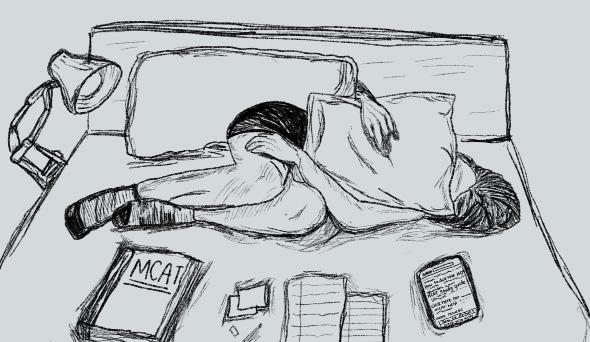
I don’t know if the Kaplan MCAT prep bundle actually weighs fifteen pounds, or if I’m just not that strong. Either way, when I set those seven books on my desk at the start of summer, I felt the weight of them. Physical weight I could measure. The rest—the weight I’d carry through June, July and into August—I couldn’t have anticipated, even though I should’ve. I started with the behavioural sciences book since it made sense to me. I’ve always been drawn to how our brains work; the psychology behind why we do what we do.
Better to begin with something I’d actually want to study before facing the subjects I absolutely hate. A few days in, I reached a chapter that made me stop. The opening paragraph was about eating disorders. I remember feeling something close to relief. Finally, representation of a mental illness that’s truly difficult to understand—one I’d lived with for three years. One I thought I’d left behind. I kept reading, waiting for the depth, the nuance, the acknowledgment that eating disorders have the highest mortality rate of any mental illness. But that was it—just the opening paragraph.
Like the lotus flower, I too, am at ease in muddy waters
Shae Soeterik Copy Editor
It’s all too easy for me to spiral. Whether that be in worry, dread, or despair, I used to feel like my life was dictated by the next bad thing that was going to happen to me. I could never find peace, always anxious that each time I felt good, it would be the last.
And when something inevitably did go wrong, it would consume me. Every thought would lead back to what went wrong, making even the smallest things feel like disasters that I would never come back from.
Every problem, big or small,
didn’t feel like regular everyday parts of life, but instead they felt like they defined me. Issues around navigating who I was, my relationships with the people around me, and day-to-day stresses would often turn into uncontrollable and static rumination. I knew I had to let go, I just didn’t know how. I would hear phrases like “rejection is redirection” or “the only way out is through”, and while both are true and helpful, they weren’t strong enough to overcome my catastrophizing nature. I needed to shift my entire mindset around trials and tribulations, but nothing ever seemed meaningful enough to help me do so.
Home’s where the kitchen is
Cloey Aconley Editorials & Features Editor

GRAPHIC BY CLOEY ACONLEY