Hernia Repair Mesh: A Modern Solution for Hernia Treatment
Hernia is one of the most common medical conditions affecting millions of people worldwide. It occurs when an internal organ, such as the intestine, pushes through a weak spot in the muscle or surrounding tissue. While hernias can appear in various parts of the body such as the groin, abdomen, or diaphragm—their treatment often requires surgical intervention.
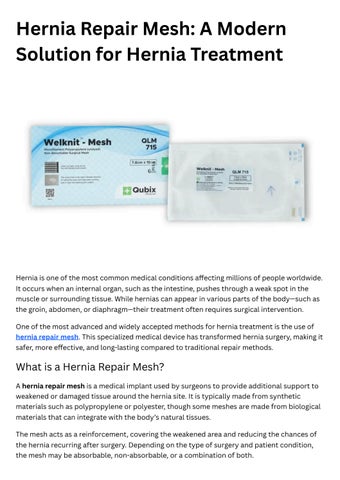
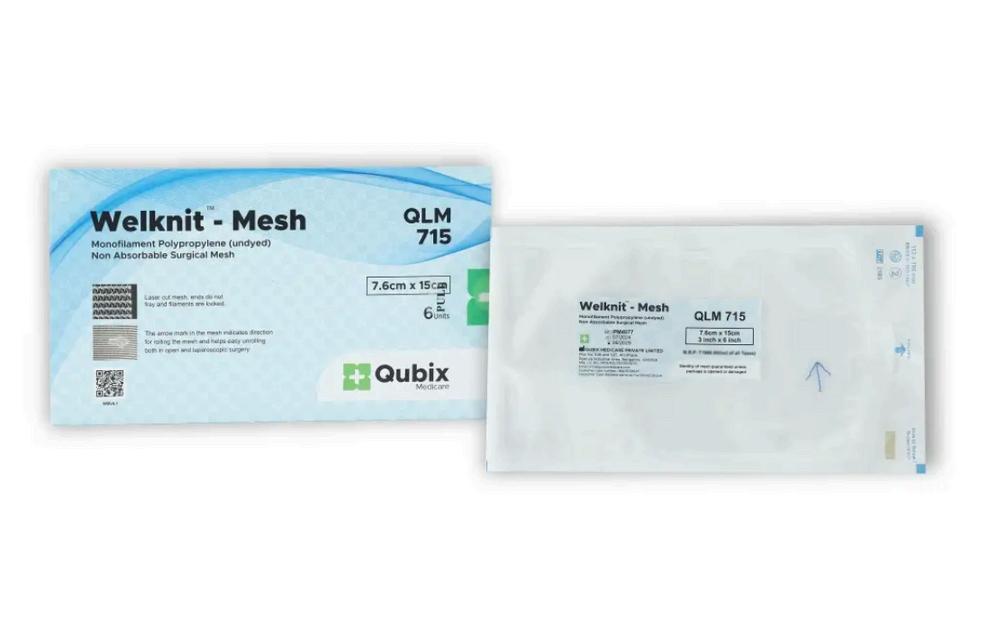
One of the most advanced and widely accepted methods for hernia treatment is the use of hernia repair mesh. This specialized medical device has transformed hernia surgery, making it safer, more effective, and long-lasting compared to traditional repair methods.
What is a Hernia Repair Mesh?
A hernia repair mesh is a medical implant used by surgeons to provide additional support to weakened or damaged tissue around the hernia site. It is typically made from synthetic materials such as polypropylene or polyester, though some meshes are made from biological materials that can integrate with the body’s natural tissues
The mesh acts as a reinforcement, covering the weakened area and reducing the chances of the hernia recurring after surgery. Depending on the type of surgery and patient condition, the mesh may be absorbable, non-absorbable, or a combination of both.
Why Use Hernia Repair Mesh?
Before mesh technology, hernia surgeries often relied on sutures to close the weakened area. However, this approach had a high recurrence rate because the repaired muscles could weaken again over time. Hernia repair mesh offers several advantages over traditional methods:
1. Reduced Recurrence Rate – Studies show that mesh repairs significantly lower the chances of hernia recurrence compared to sutured repairs
2. Faster Recovery – Patients generally experience less post-surgical pain and return to daily activities sooner
3. Long-Term Support – The mesh provides durable reinforcement to the abdominal wall, making it a long-lasting solution.
4. Minimally Invasive Options – Mesh can be used in both open and laparoscopic surgeries, giving patients flexible treatment options.
5 Customization – Modern meshes come in different shapes, sizes, and materials to suit the specific type of hernia and patient’s medical needs.
Types of Hernia Repair Mesh
Hernia meshes are available in different forms, each serving unique surgical requirements:
1. Synthetic Mesh
Made from materials like polypropylene or polyester
Can be non-absorbable (permanent support) or partially absorbable (gradually breaks down as the body heals).
2. Biological Mesh
Made from processed animal or human tissues
Useful for patients where synthetic mesh might not be suitable (e.g., infections or contaminated surgical fields).
3. Lightweight vs. Heavyweight Mesh
Lightweight mesh offers more flexibility and comfort. Heavyweight mesh provides stronger support but may be less flexible
How is Hernia Mesh Surgery Performed?
Hernia repair using mesh can be carried out through different surgical techniques:
1 Open Hernia Repair – The surgeon makes an incision near the hernia site, places the mesh over the defect, and secures it with sutures or staples.
2. Laparoscopic Hernia Repair – A minimally invasive method where small incisions and a camera are used to place the mesh inside the abdomen. This approach usually results in
quicker recovery and less pain.
Benefits of Hernia Repair Mesh for Patients
Strengthens Weak Tissue – Prevents future protrusions. Minimizes Pain – Patients often report less post-operative discomfort.
Improves Quality of Life – Enables faster return to work and normal activities. Proven Track Record – Hernia meshes have been used successfully worldwide for decades.
Risks and Considerations
While hernia repair mesh has many benefits, it is important to understand potential risks, which include:
Infection at the surgical site.
Mesh migration or shrinkage (rare with modern technology).
Chronic pain in some patients.
Reactions to certain mesh materials
Surgeons minimize these risks by carefully selecting the appropriate mesh type and surgical technique for each patient
Future of Hernia Repair Mesh
Medical technology continues to evolve, and the future of hernia repair looks promising with advancements such as:
Next-Generation Biocompatible Materials – Designed for better integration with human tissue.
3D Mesh Designs – Offering improved coverage and flexibility.
Antimicrobial Coatings – To prevent infections.
Customized Meshes – Tailored to individual patient anatomy using 3D printing technology
These innovations are expected to make hernia repair surgeries even safer and more effective in the coming years
Conclusion
Hernia repair mesh has revolutionized the way surgeons treat hernias. By providing durable reinforcement and reducing the risk of recurrence, it has become the standard choice in hernia surgeries worldwide. Though risks exist, the benefits far outweigh them when the procedure is performed by skilled surgeons using high-quality mesh materials.
For patients, choosing hernia repair mesh means choosing faster recovery, long-term relief, and a better quality of life. As technology advances, hernia repair meshes will continue to
evolve, offering even more reliable and patient-friendly solutions in the field of surgical care.
Know More At:- https://qubixmedicare com/