VICTORIA YAU 黛文洵美
EXPO Chicago 2026 | April 9 – 12, 2026
VICTORIA YAU 黛文洵美
b. 1939, Shanghai, China
d. 2023, Evanston, Illinois, USA
Victoria Yau trained in calligraphy and landscape painting in Taipei under some of the leading figures in twentieth-century ink painting, including Sun Duoci and Fu Chuan-fu. She moved to the United States at the age of twenty-one and, over the following six decades, produced more than seven hundred works across abstract ink painting, watercolor, multimedia collage, printmaking, and textiles. Following a devastating studio flood, fewer than three hundred of these works remain.
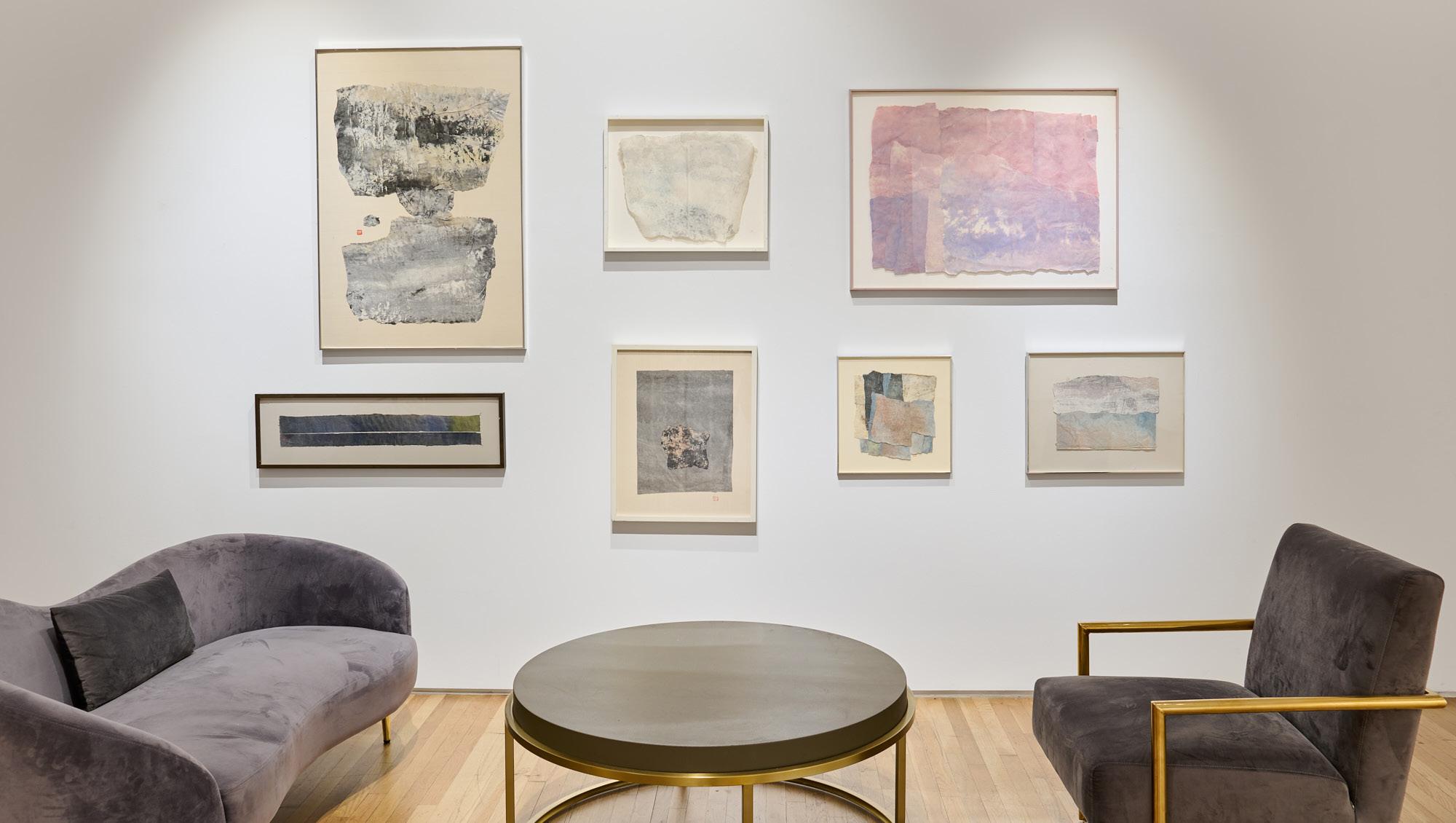
As an early figure in Asian American abstraction, Yau carried shanshui sensibilities into abstraction, emphasizing rhythm, repetition, and bodily presence over representational fidelity. Her work explores the threshold between representation and abstraction, reducing landscapes and seascapes to their most elemental characteristics, with subject matter revealed or clarified through poetic, evocative titles. In collage and mixed media works, Yau treated paper like a sculptural medium through cutting, crumpling, folding, and layering.
Her poetic reimagining of the classical shanshui, which she called “Mountain Cloud,” positions landscape as a mutable, embodied practice shaped by migration, gender, and the experience of making art across cultures and disciplines. An avid reader and writer, Yau also studied philosophy and wrote poetry. Yau described her artworks as “truly her daughters,” the daughters she “never had in her physical life.”
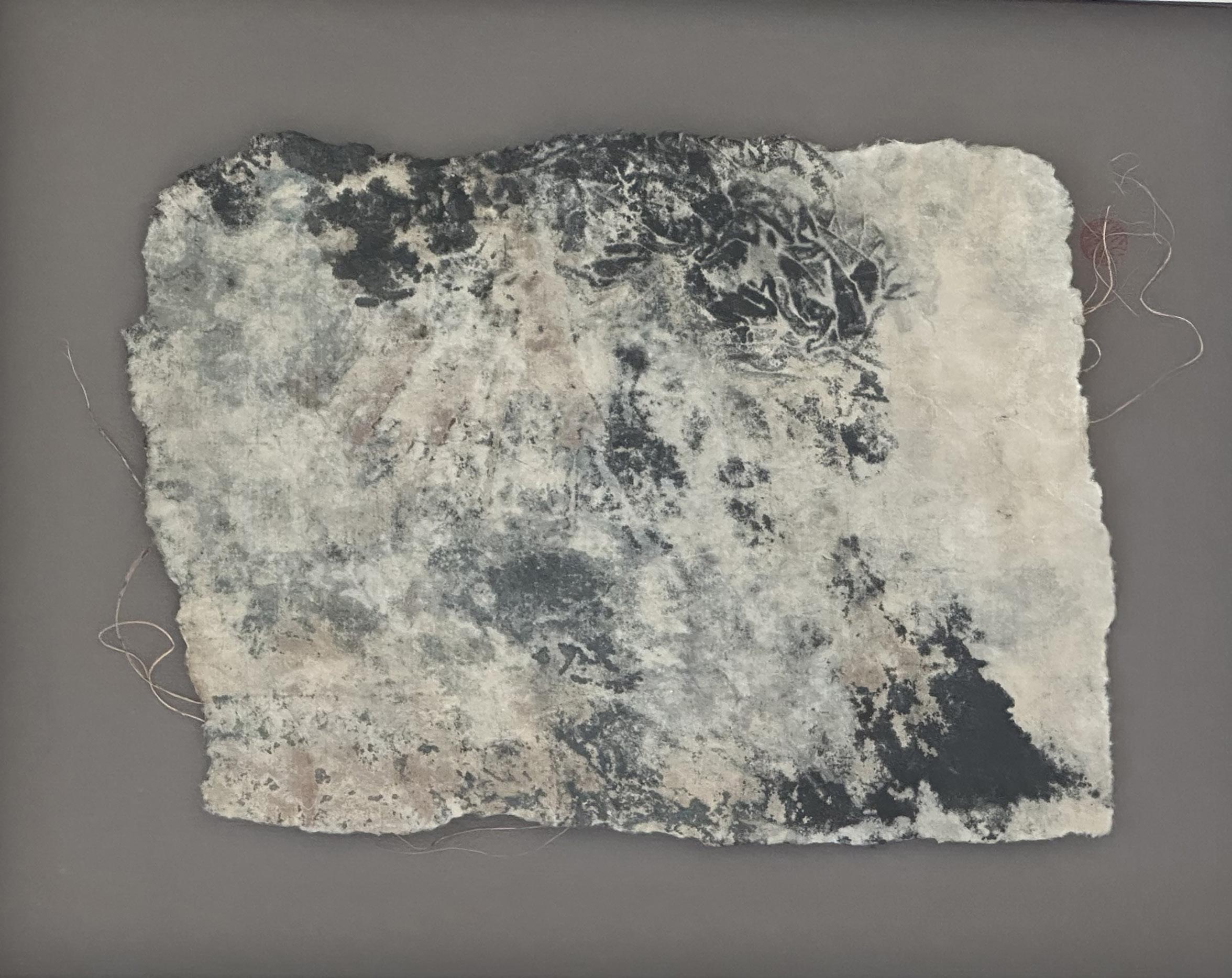
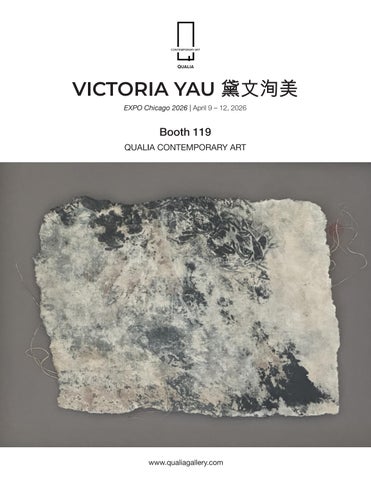
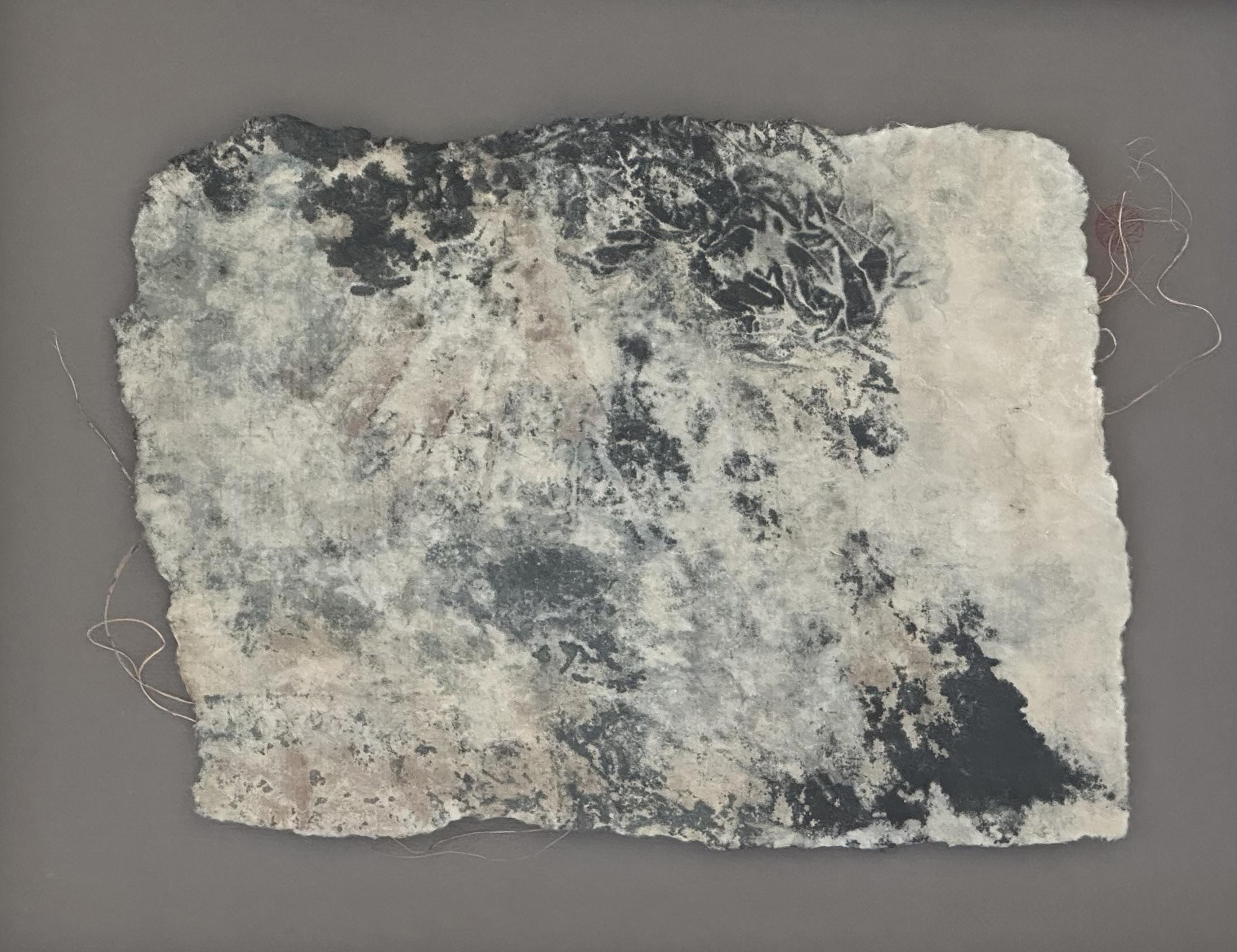
Mammoth Rock, 1984
Watercolor and thread on paper mounted on paperboard
15.5 x 12 in
VICTORIA YAU 黛文洵美
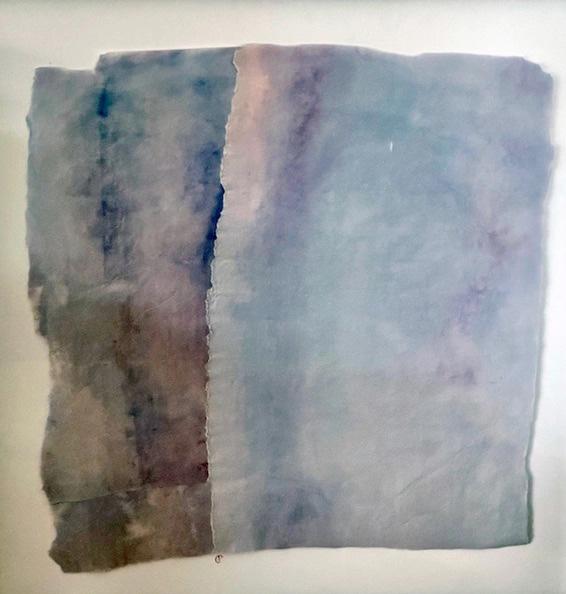
Watercolor collage on paper mounted on paperboard
29.5 x 28 in
VICTORIA YAU 黛文洵美 Evening Shadow, 1980
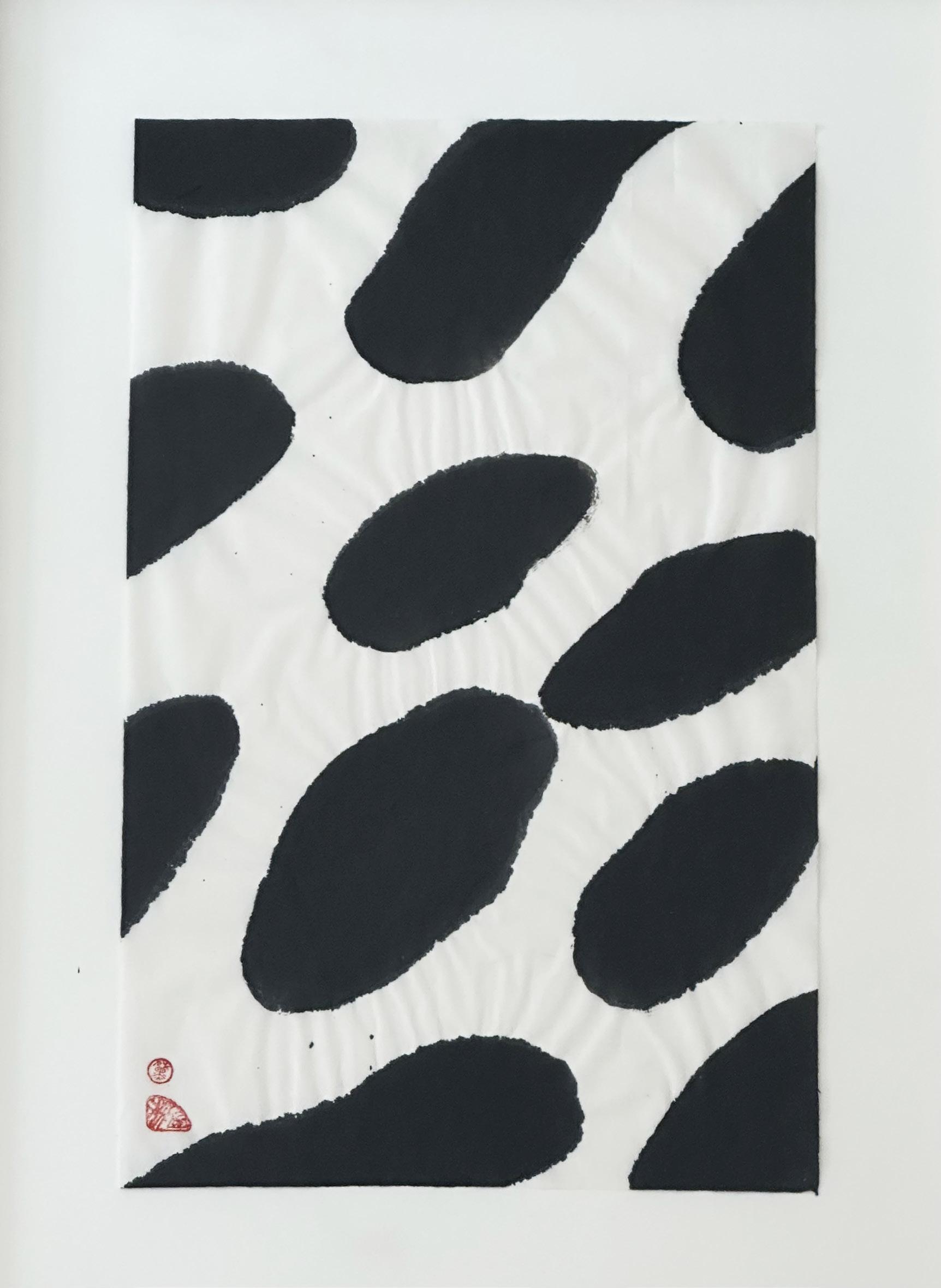
Ink on rice paper
19 x 11.75 in, Framed: 25.75 x 19 in
VICTORIA YAU 黛文洵美
Kissing Stone, 1995
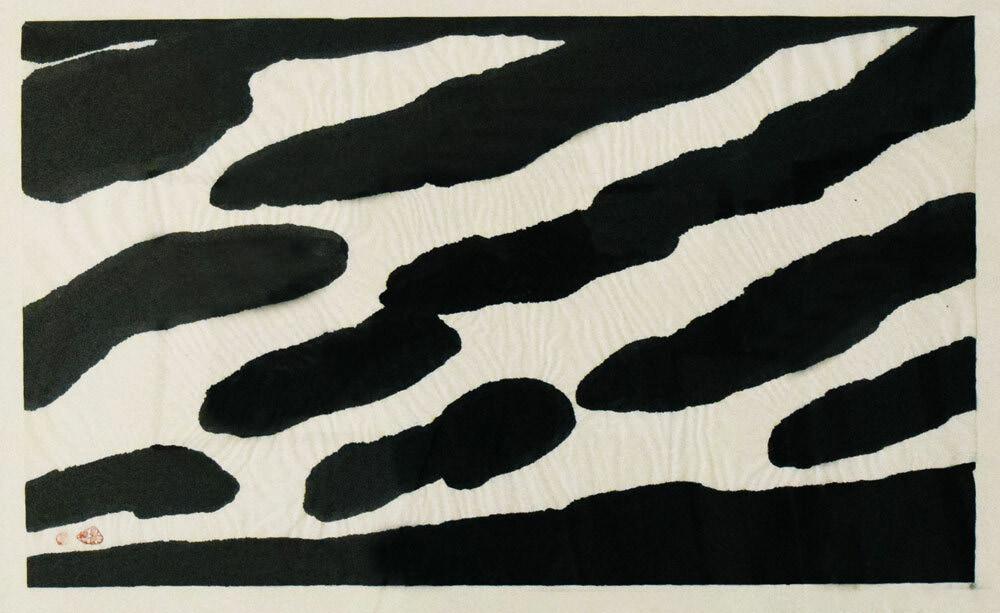
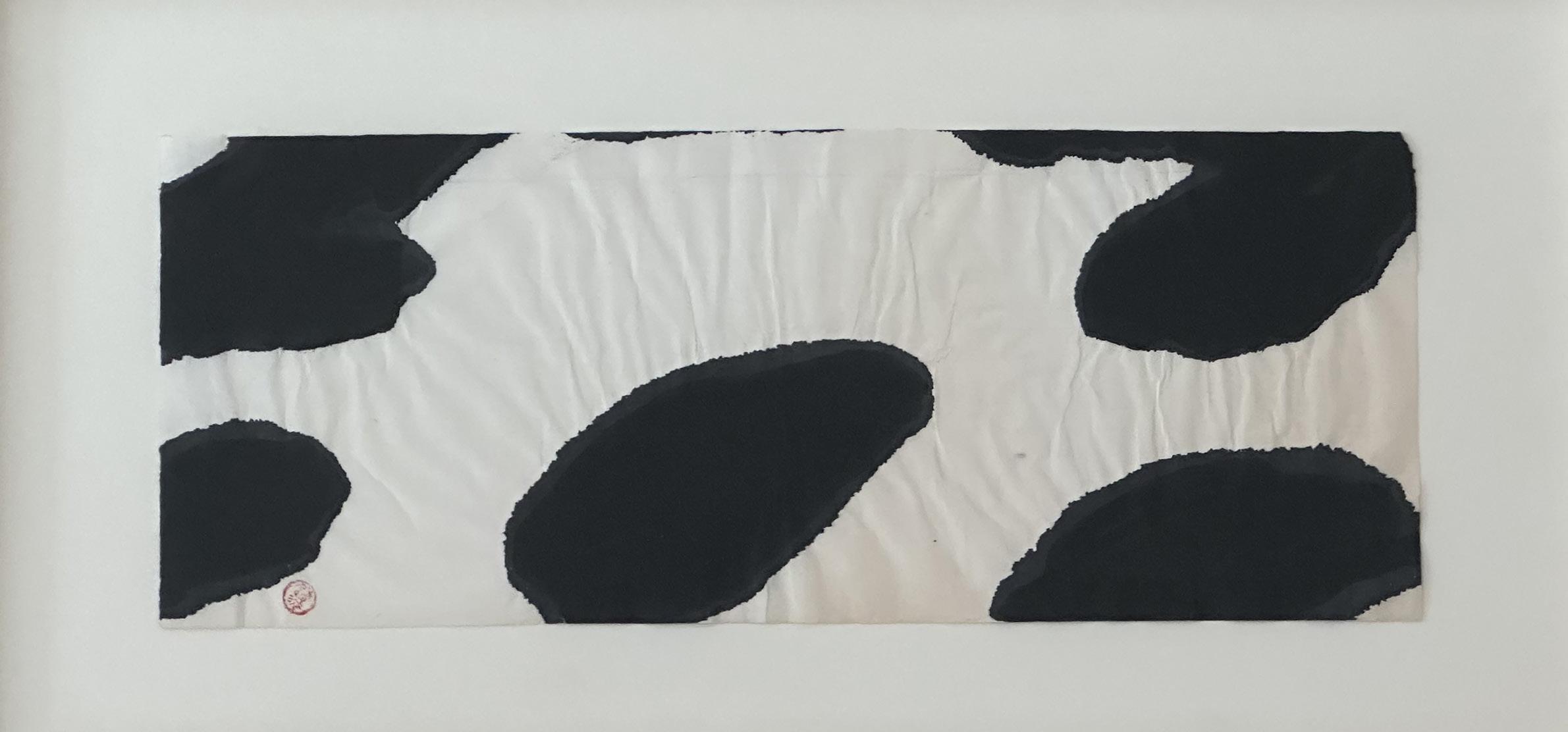
Passing River, 1996
Sumi ink on rice paper
18.5 x 31 in
VICTORIA YAU 黛文洵美
EXPO Chicago 2026 | April 9 – 12, 2026
16.125 in
VICTORIA YAU 黛文洵美
Beach Pass, c. 1998
Chop Mark Bottom Left, Ink on rice paper Sheet: 6.25 x
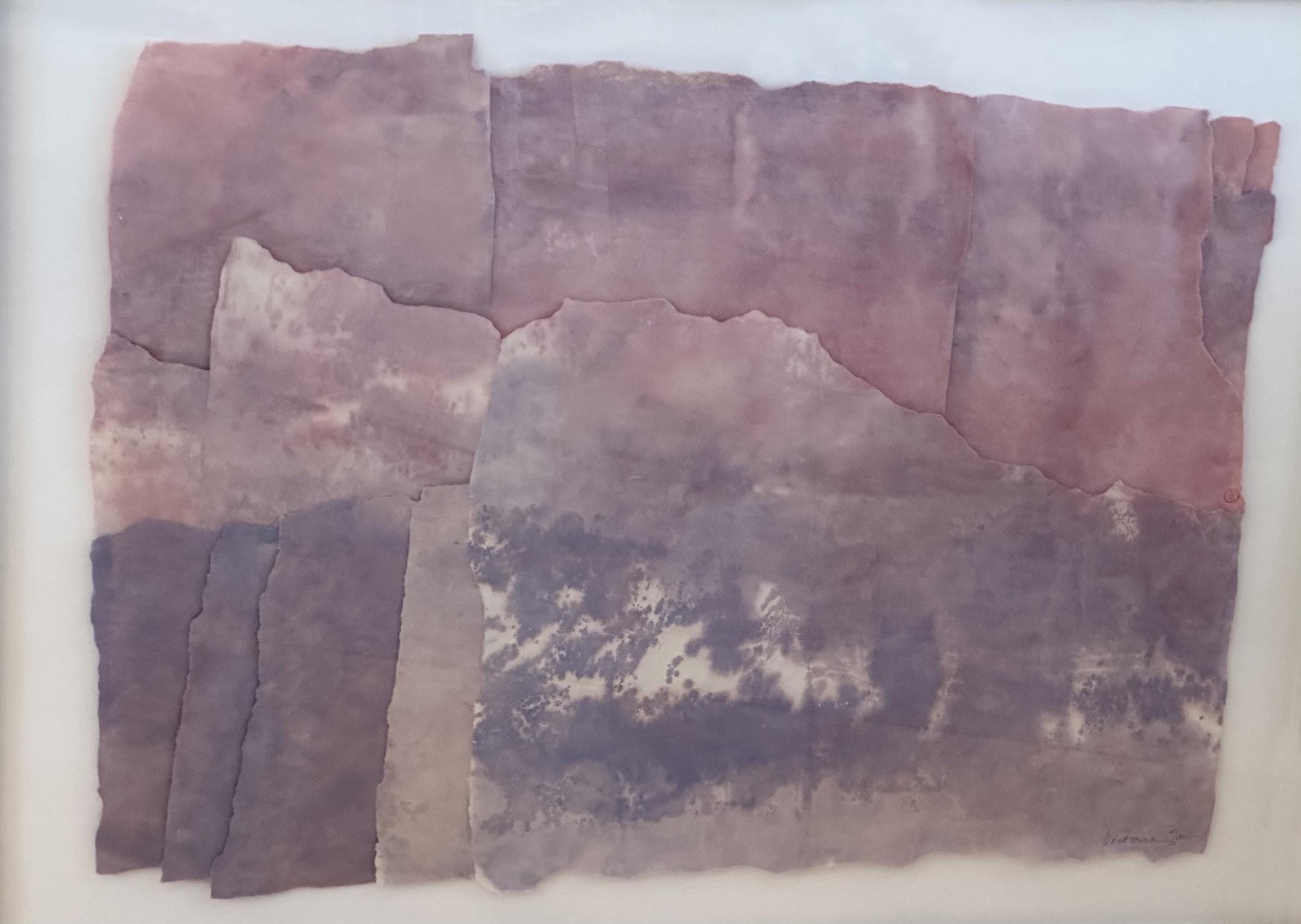
Canyon From The Side, 1988
Watercolor collage on paper mounted on paperboard
Paperboard: 27.75 x 37.25 in
VICTORIA YAU 黛文洵美
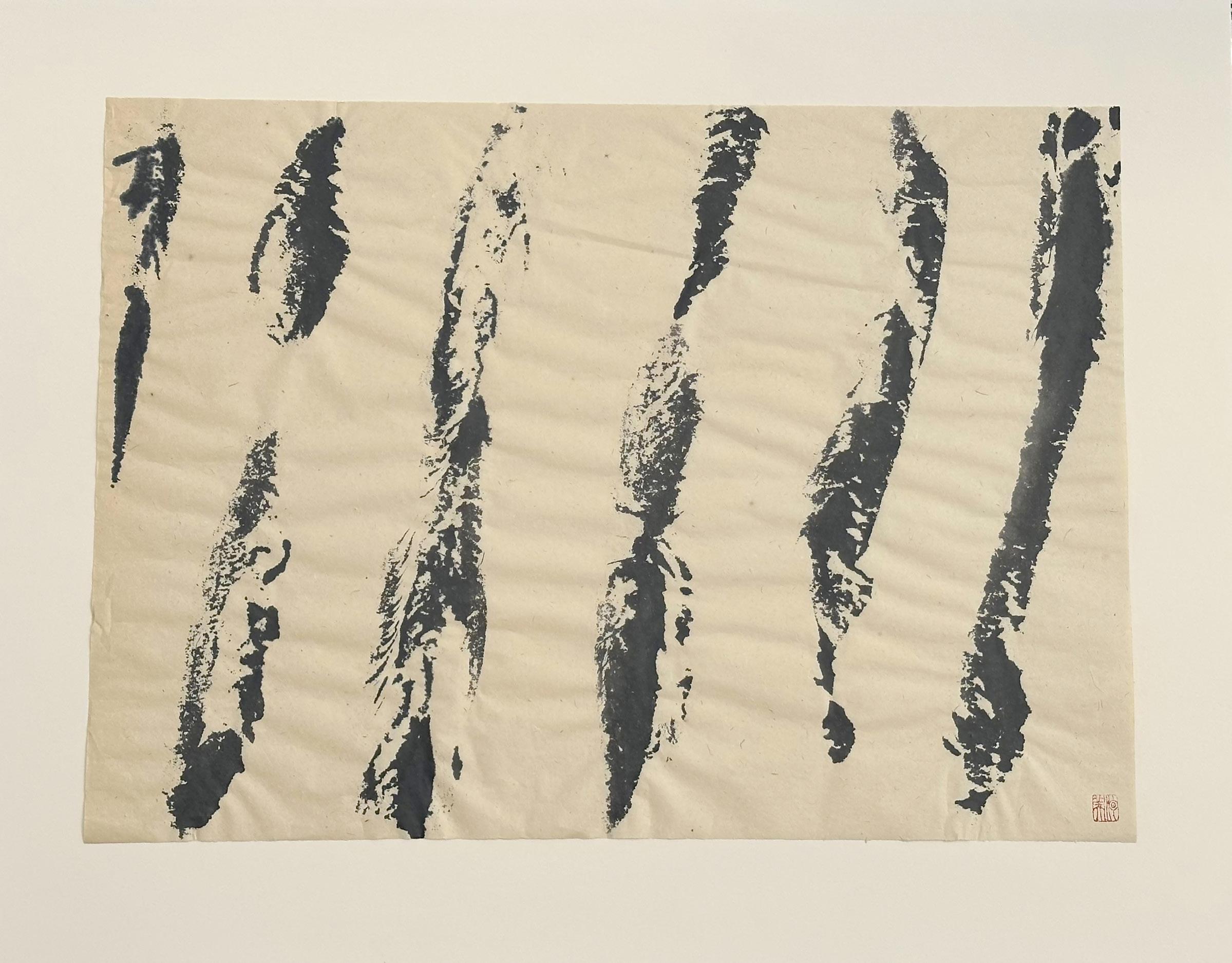
Chop Mark Bottom Right, Monoprint on paper
18.75 x 27 in
VICTORIA YAU 黛文洵美
Bamboo Garden, 1994
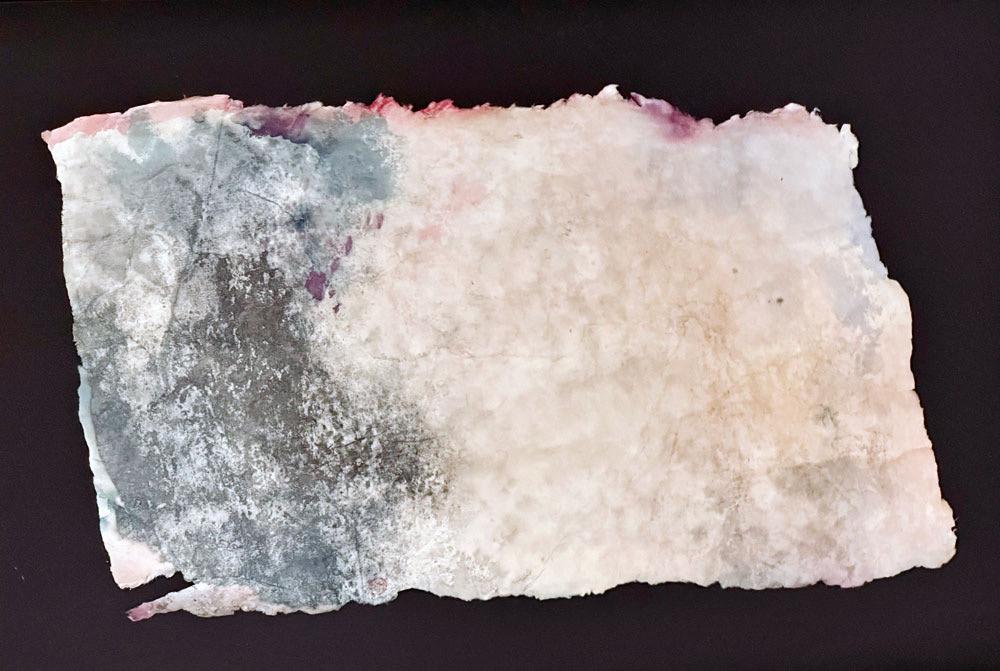
Watercolor on rice paper
17 x 27 in
VICTORIA YAU 黛文洵美
Desert Sand, 1997
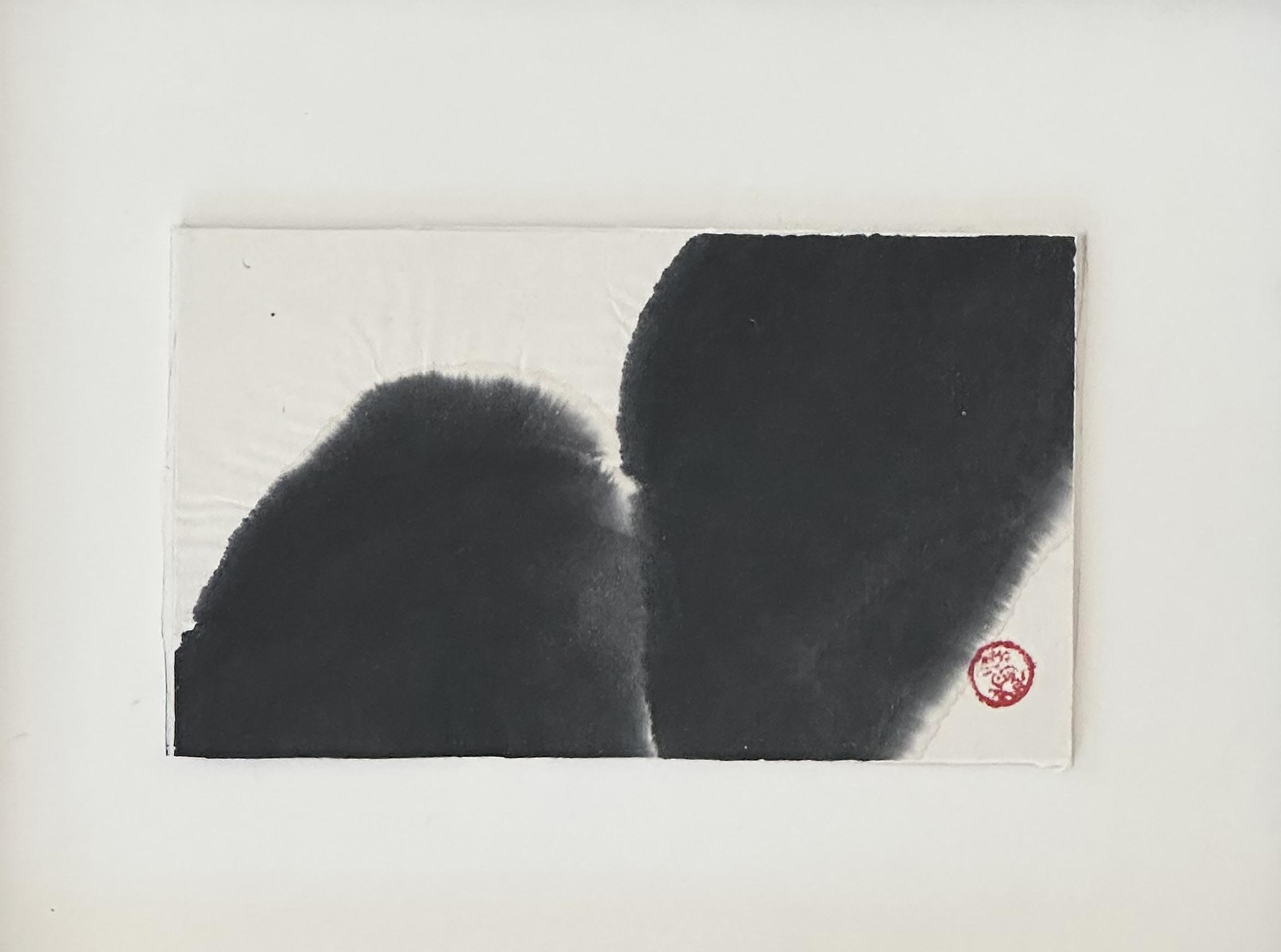
Sumi ink on rice paper
3.5 x 6 in
VICTORIA YAU 黛文洵美
Dewdrops, 2000
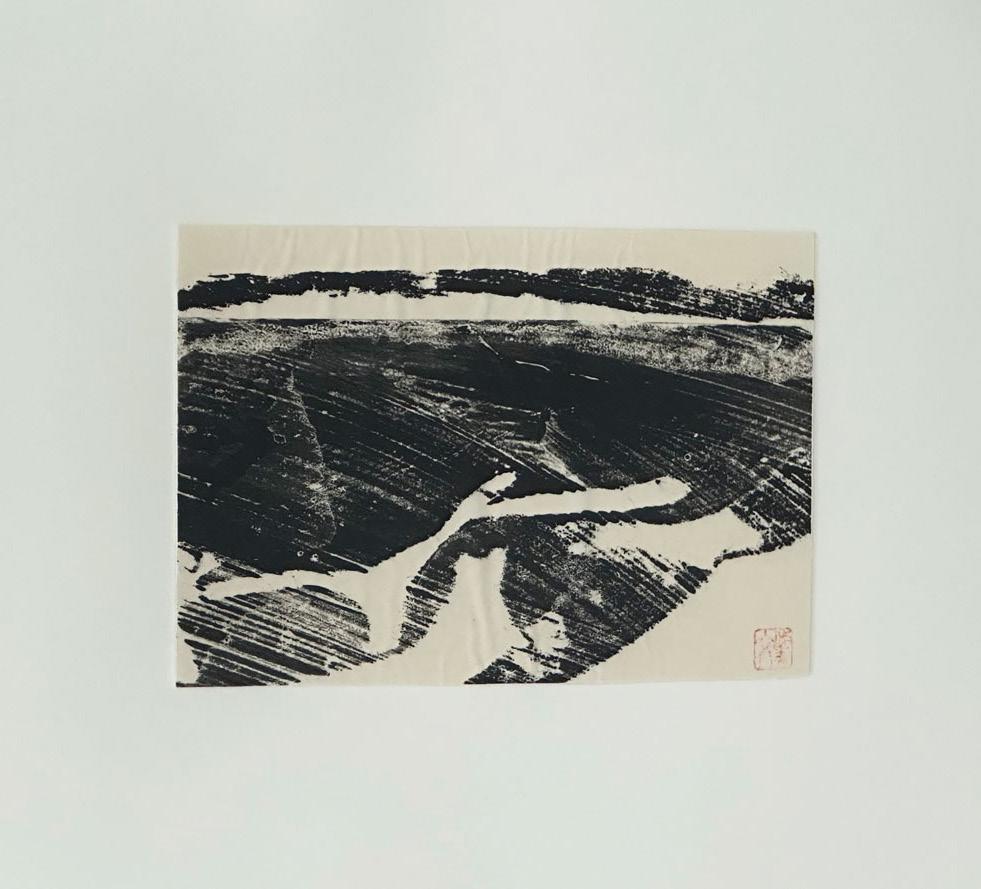
Dogs on the Beach, 1990
Chop Mark Bottom Right, Mono Print
5 x 7 in
VICTORIA YAU 黛文洵美
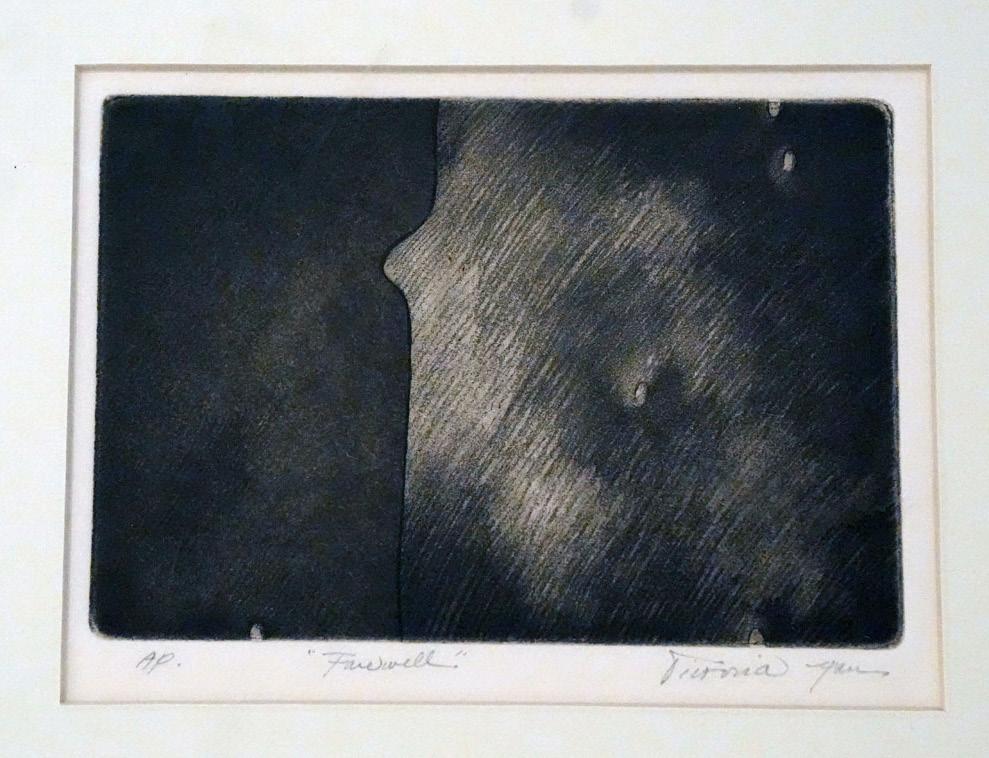
Farewell, 1982
Print, AP (no editions)
5 x 6.5 in
VICTORIA YAU 黛文洵美
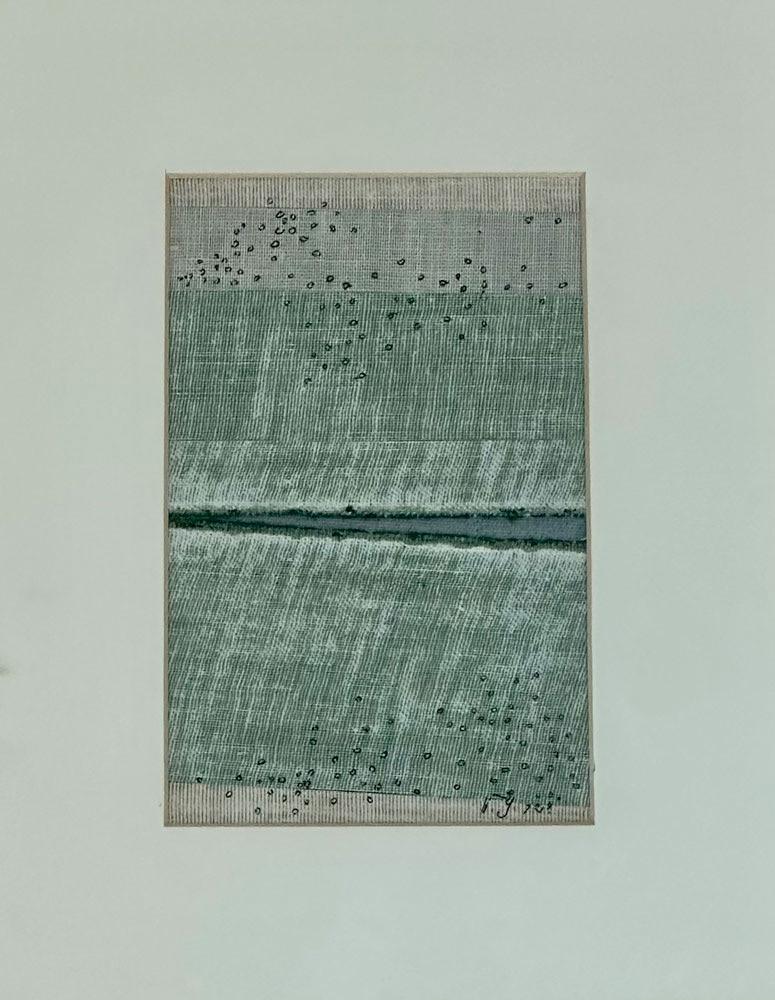
Flight, 1976
Fabric collage mounted on paperboard
7 x 4.5 in
VICTORIA YAU 黛文洵美
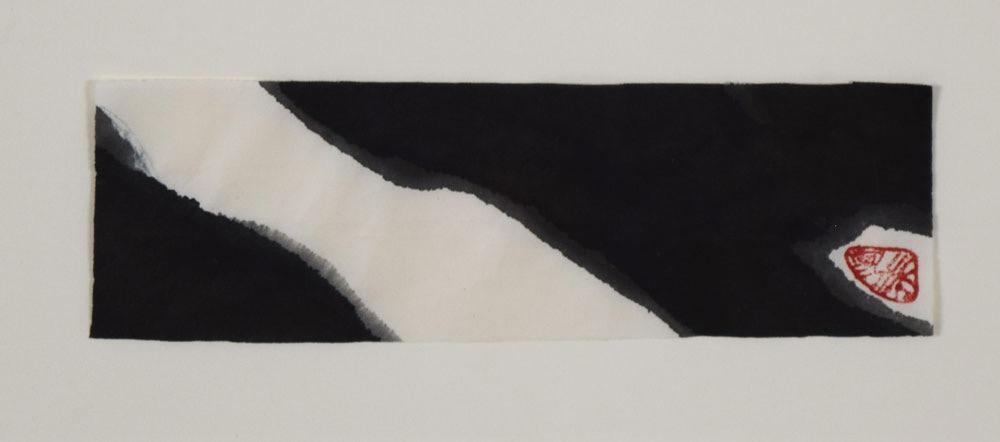
Flowing, 1994
Sumi ink on rice paper
9 x 14.75 in
VICTORIA YAU 黛文洵美
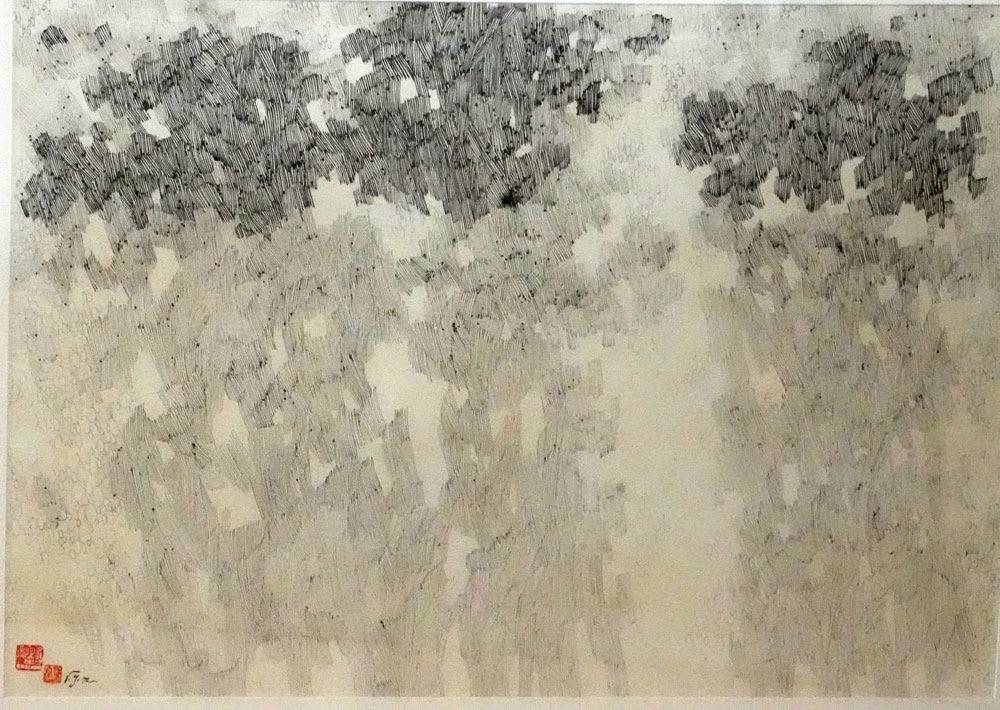
Forest through the Tree, 1980
Ink on rice paper
19.5 x 27.5 in
VICTORIA YAU 黛文洵美
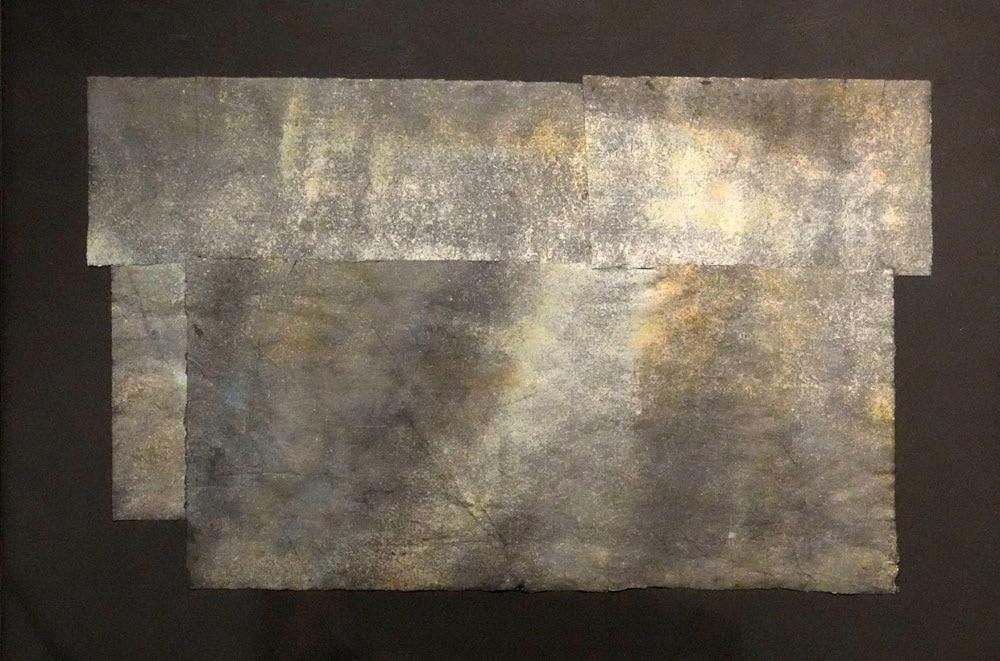
Fossils in Granite, 1994
Watercolor collage on paper mounted on paperboard
23.25 x 32.25 in
VICTORIA YAU 黛文洵美
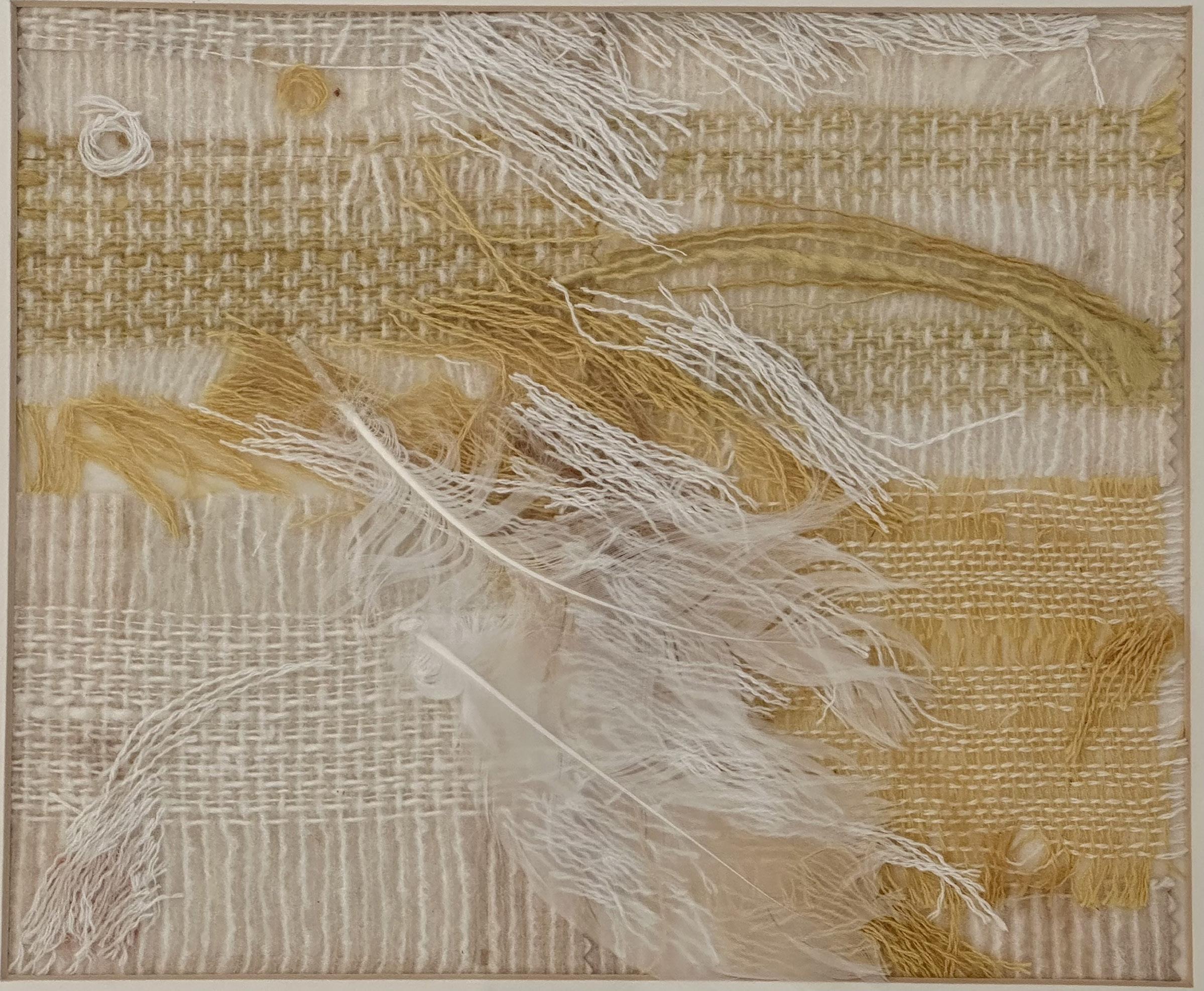
Fabric collage mounted on paperboard
7.875 x 9.5 in
VICTORIA YAU 黛文洵美
Golden Weaves, c. 1974
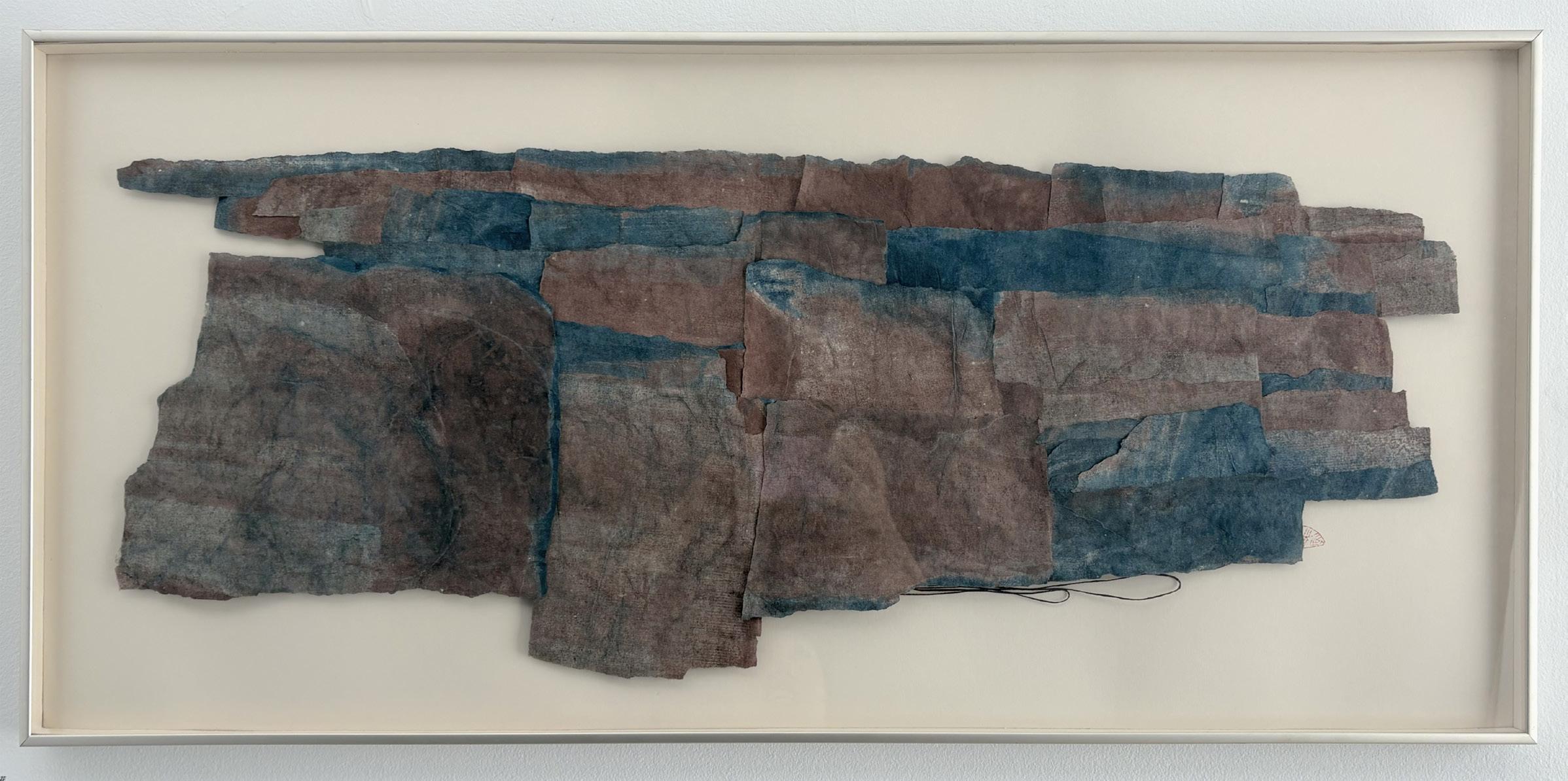
Grand Canyon, 1993
Watercolor collage and thread on paper mounted on paperboard
17.5 x 39.5 in
VICTORIA YAU 黛文洵美
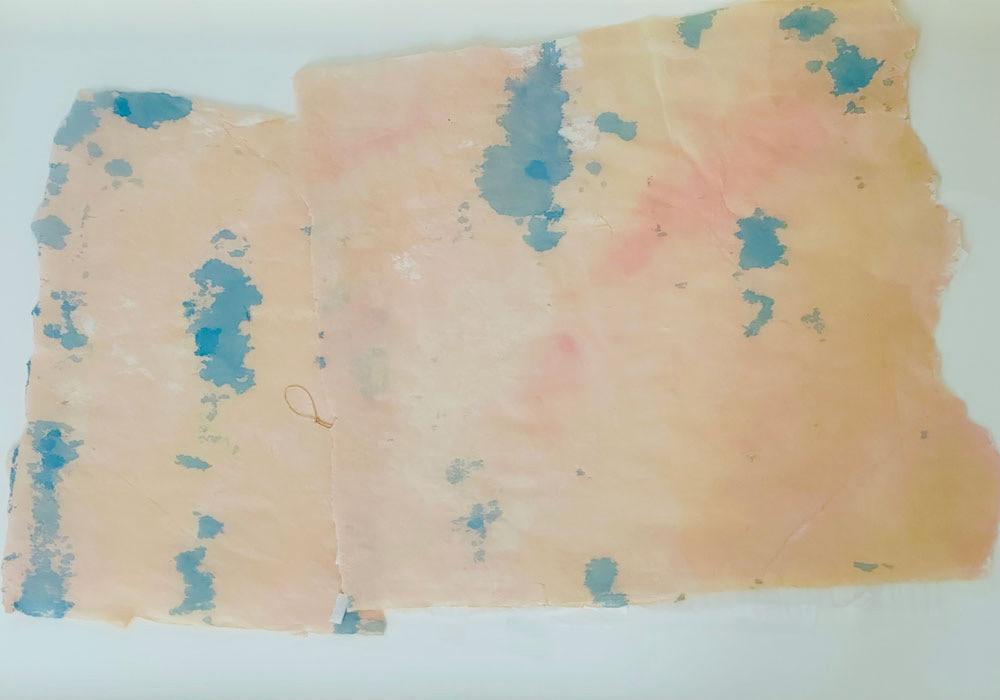
Hazy Light, 1995
Watercolor collage and thread on paper mounted on paperboard
21.5 x 31 in
VICTORIA YAU 黛文洵美
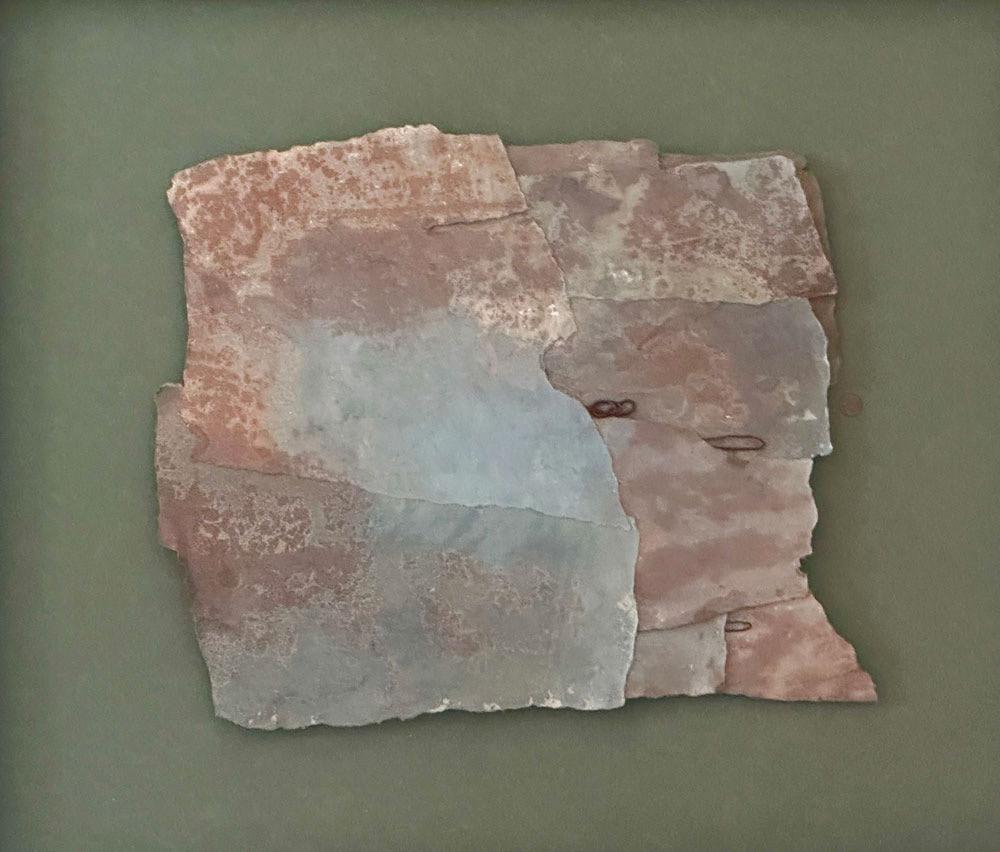
Key, 1985
Watercolor collage and thread on paper mounted on paperboard 16 x 19 in
VICTORIA YAU 黛文洵美
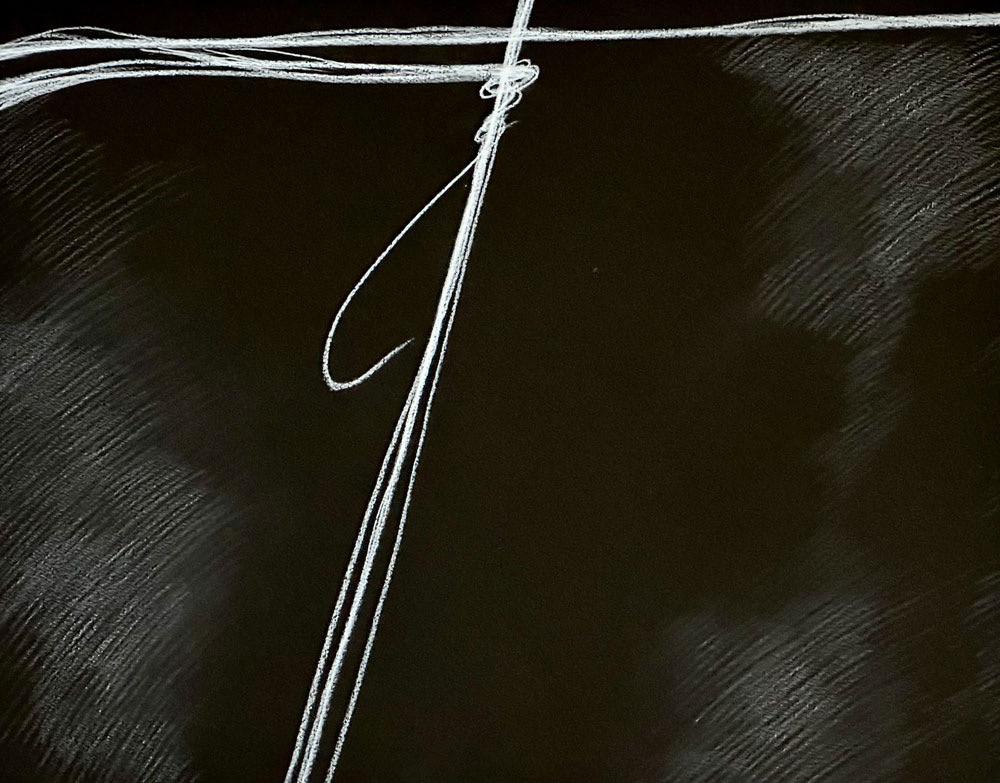
Lure, 1985
Chalk on black paper mounted on whiteboard
15 x 19 in
VICTORIA YAU 黛文洵美
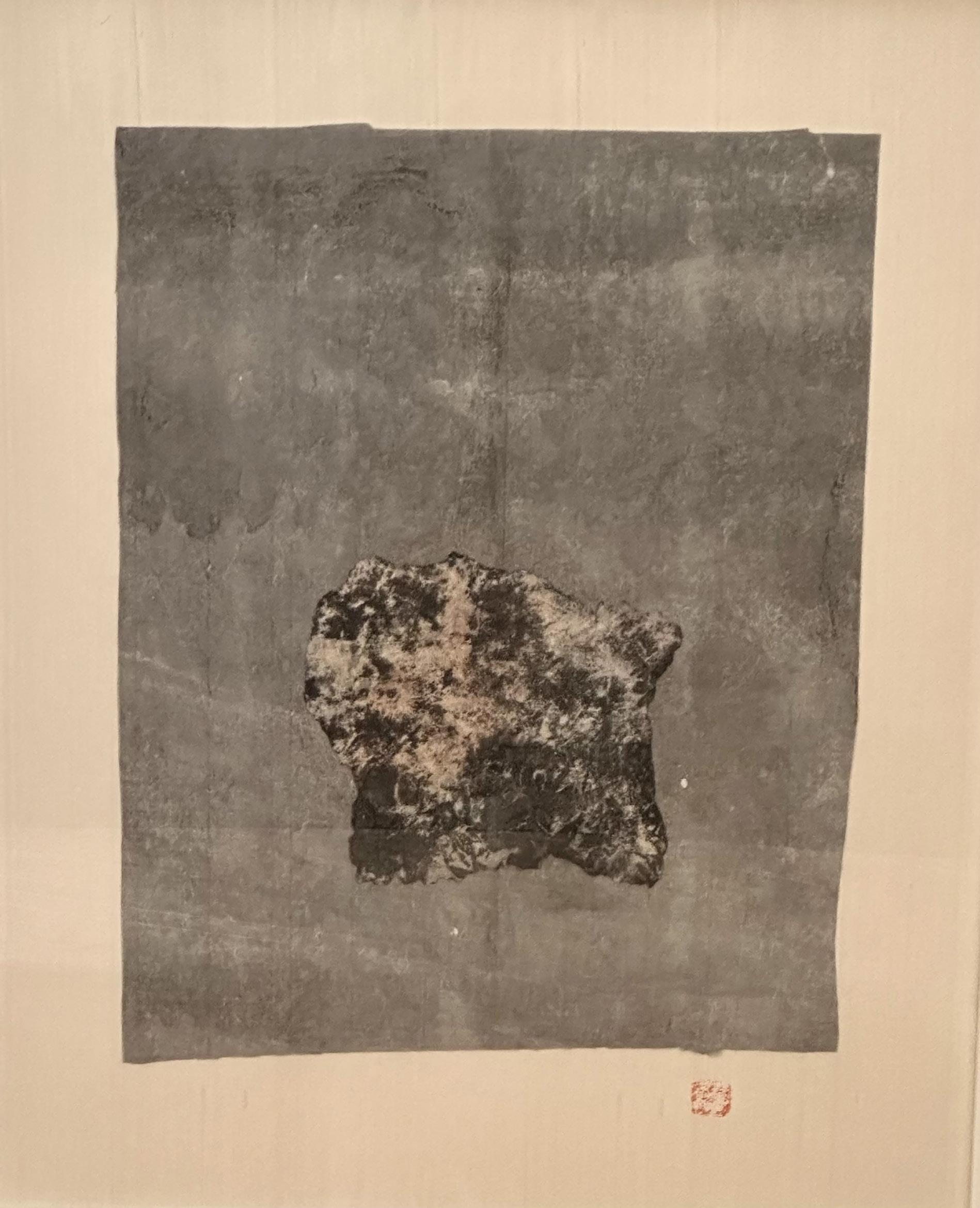
Pause, 1984
Watercolor collage on paper mounted on paperboard
23.5 x 19 in (mounted)
VICTORIA YAU 黛文洵美
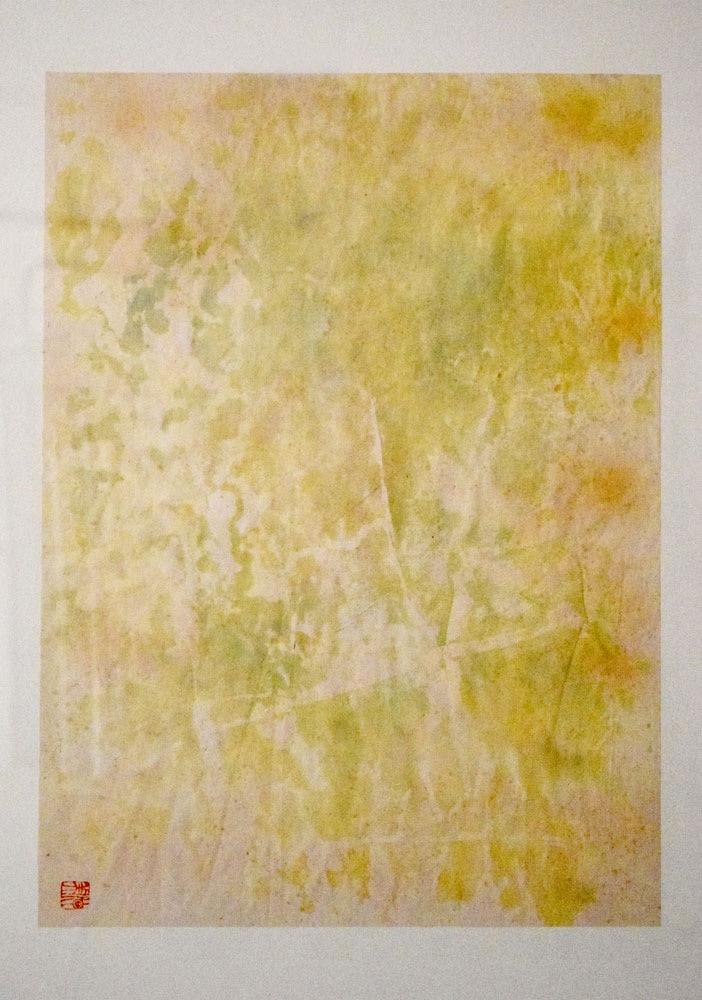
Sunny Day, 1989
Watercolor on rice paper
27.5 x 21 in
VICTORIA YAU 黛文洵美
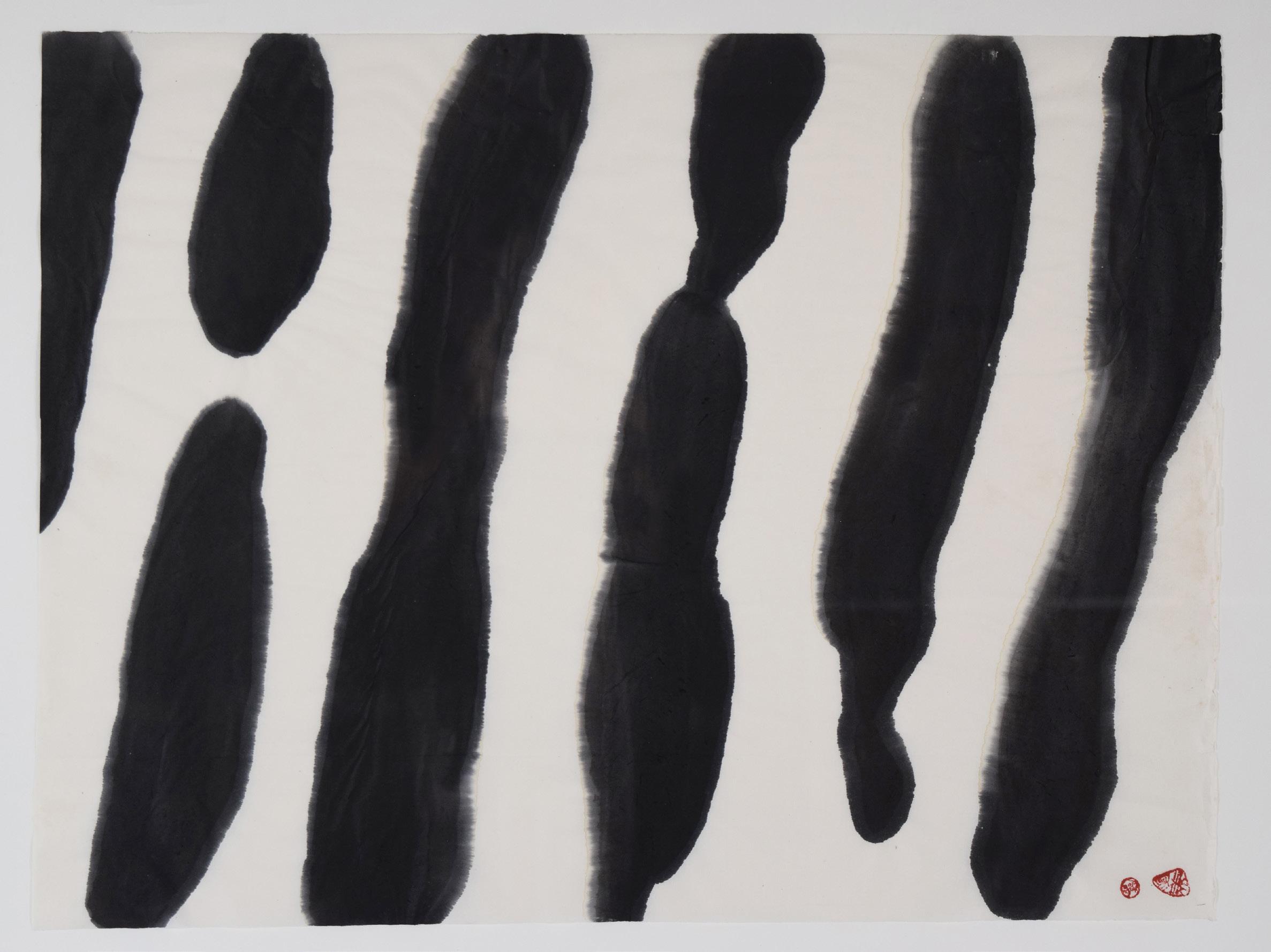
Ink on rice paper
18.5 x 27 in
VICTORIA YAU 黛文洵美
Tall Stones, c. 1997
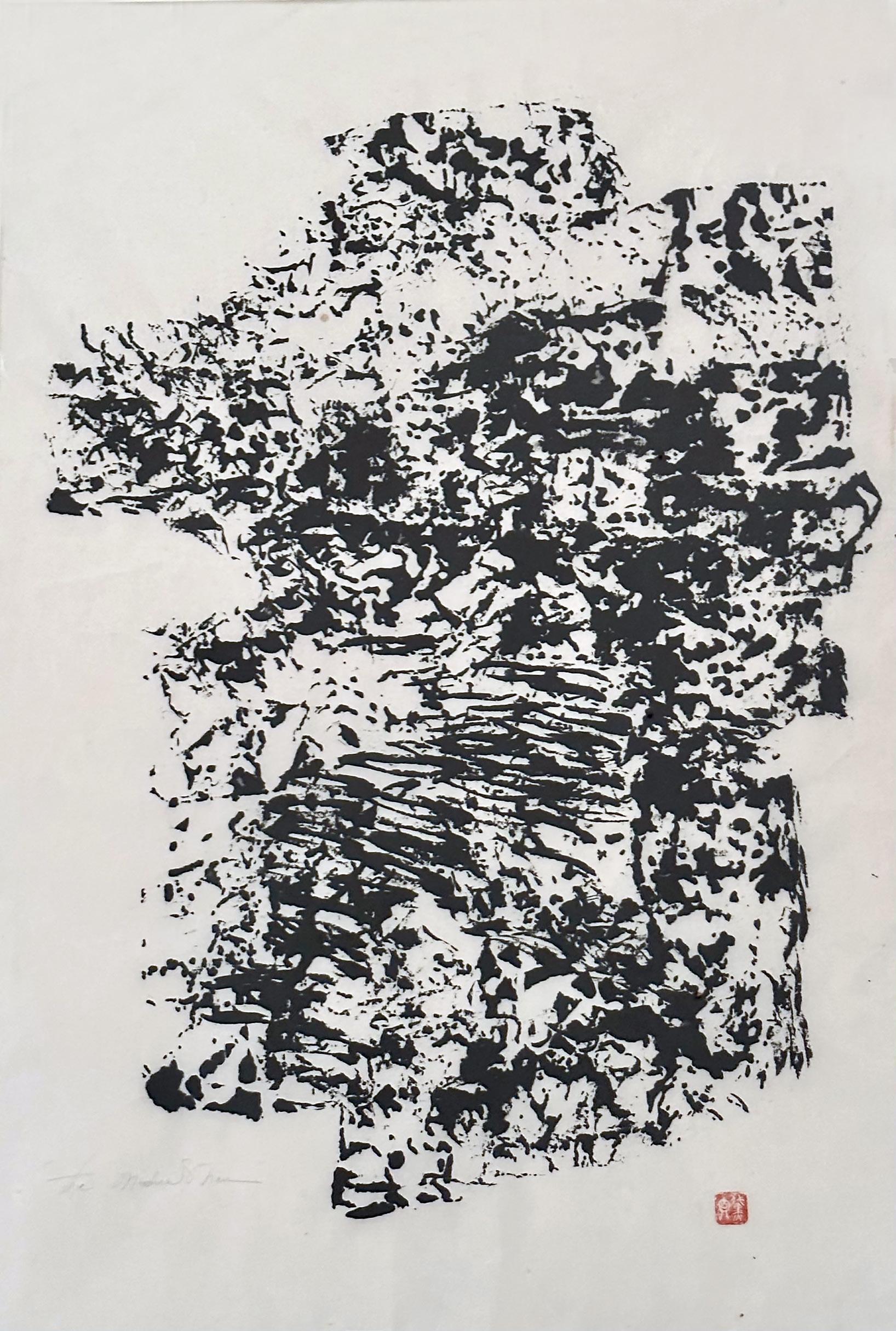
The Modern Man, 1981
Monoprint on paper
34.25 x 23.25 in
VICTORIA YAU 黛文洵美
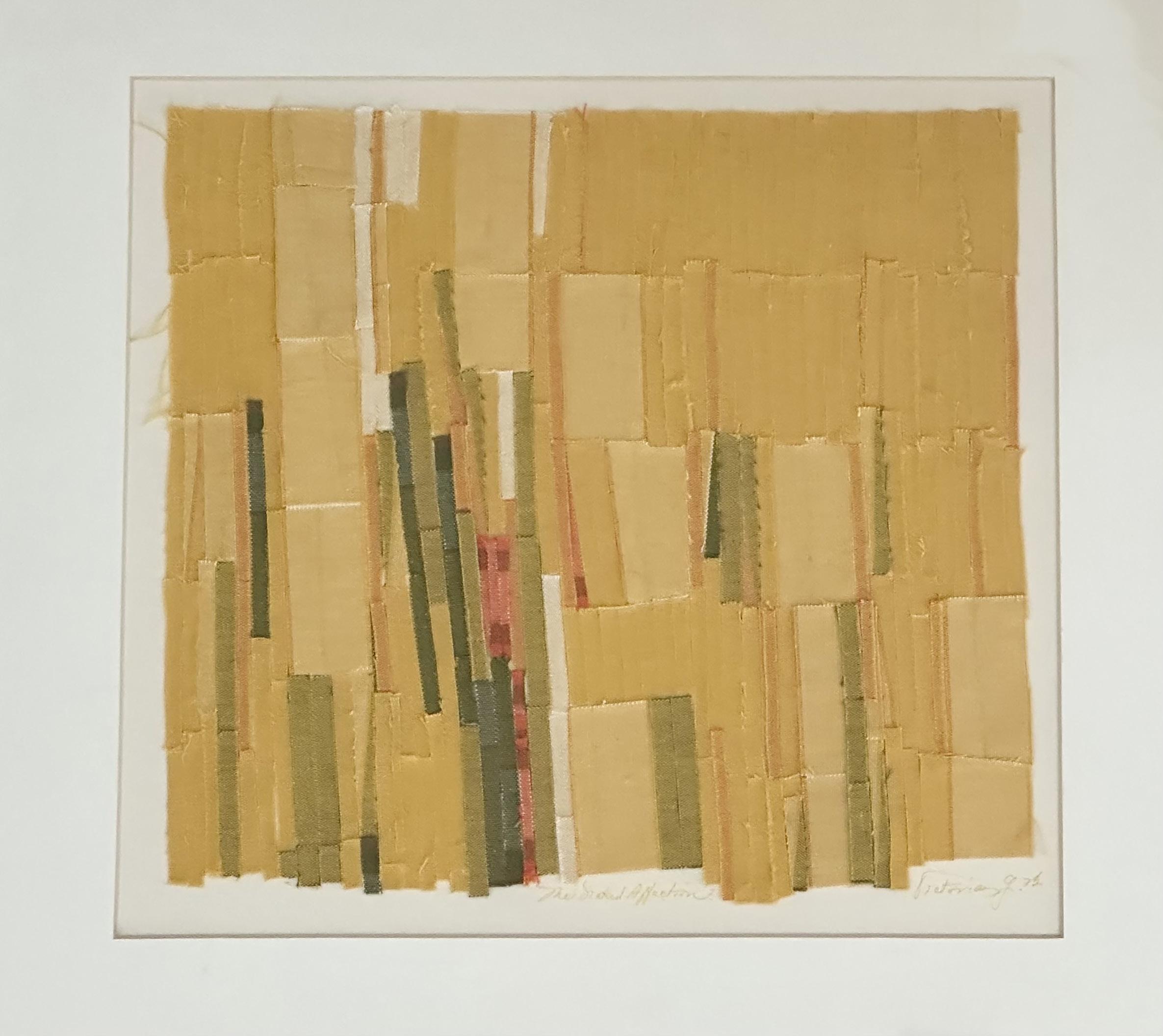
The Naked Affection, c. 1972
Fabric collage mounted on paperboard
Paperboard: 11.375 x 12.25 in
VICTORIA YAU 黛文洵美
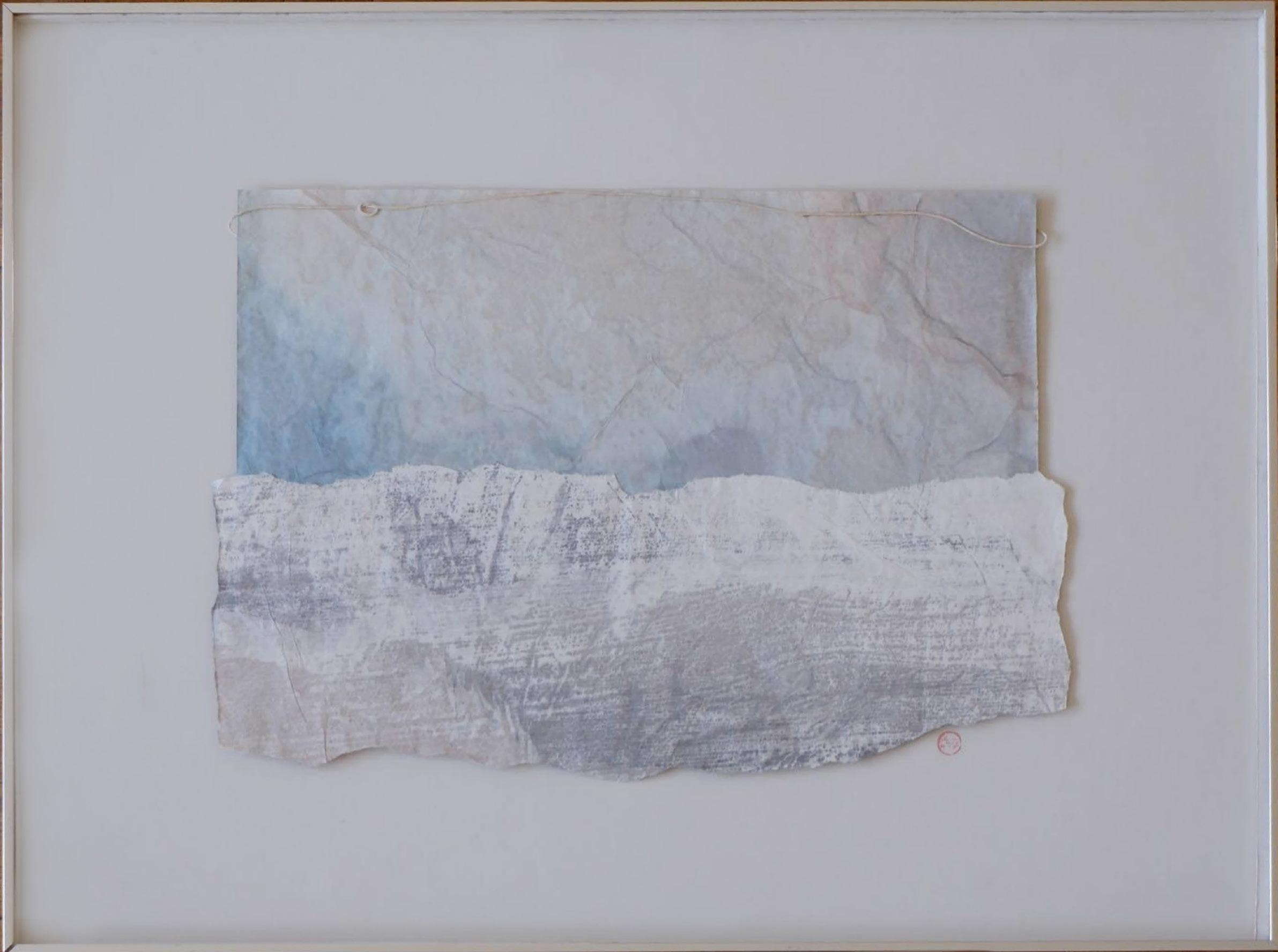
The Sea Washed, 1990
Watercolor collage and thread on paper mounted on paperboard
Paperboard: 16.75 x 22 in
VICTORIA YAU 黛文洵美
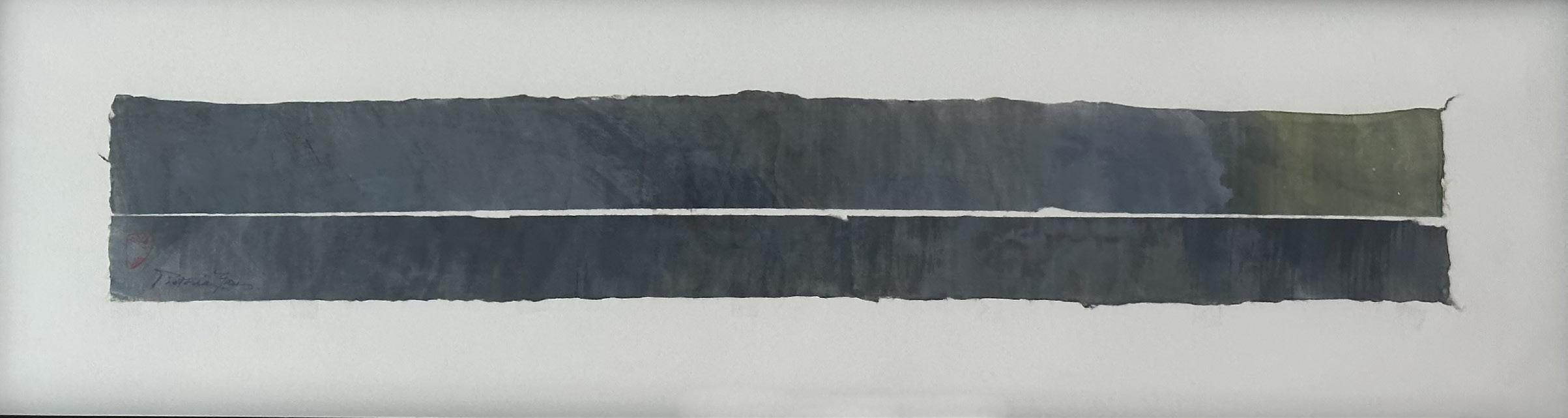
Watercolor collage on paper mounted on paperboard
Paperboard: 9.75 x 35 in
VICTORIA YAU 黛文洵美
Trail, c. 1992
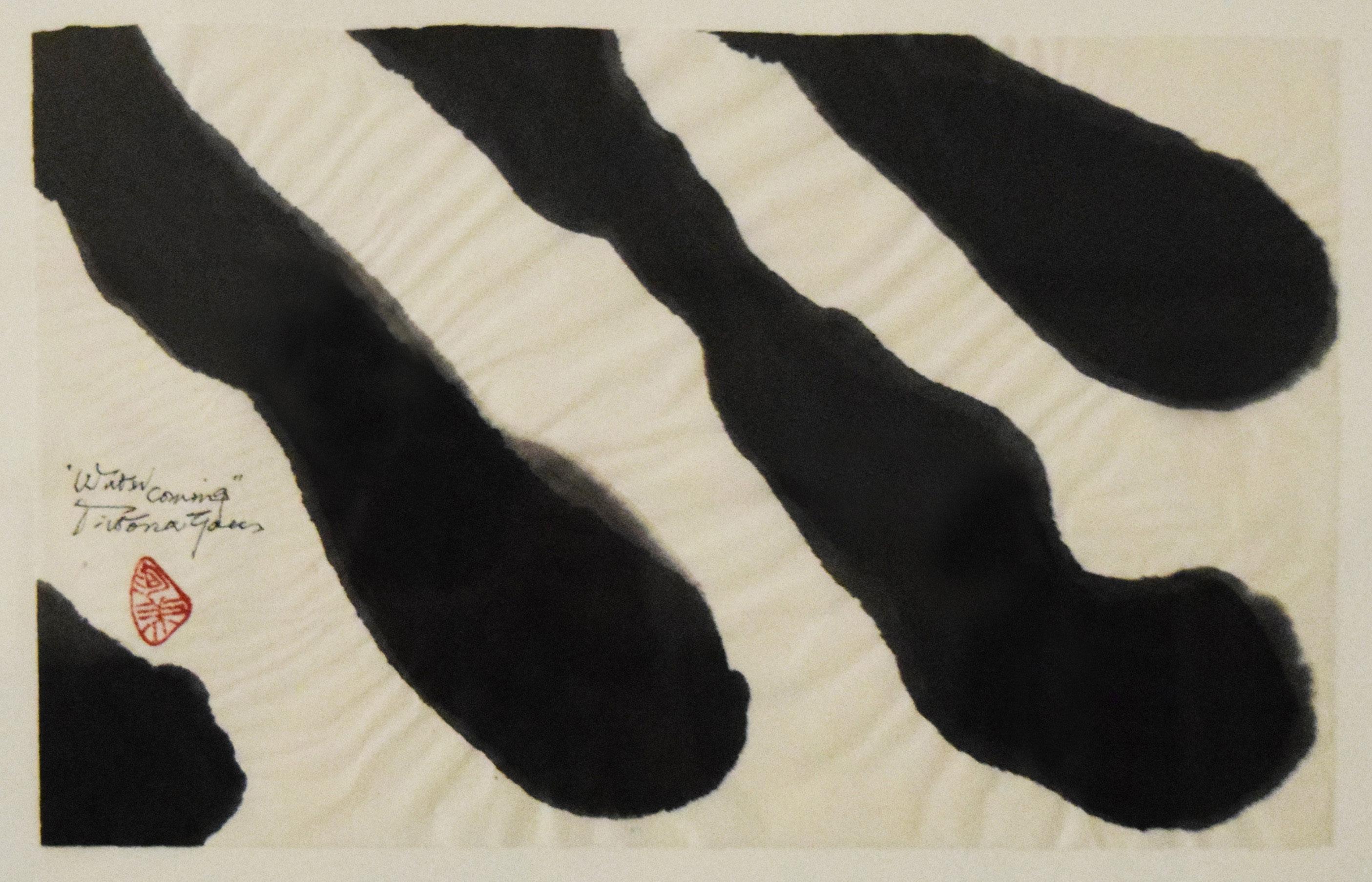
Winter Coming, c. 2000
Ink on rice paper
8.125 x 13 in
VICTORIA YAU 黛文洵美
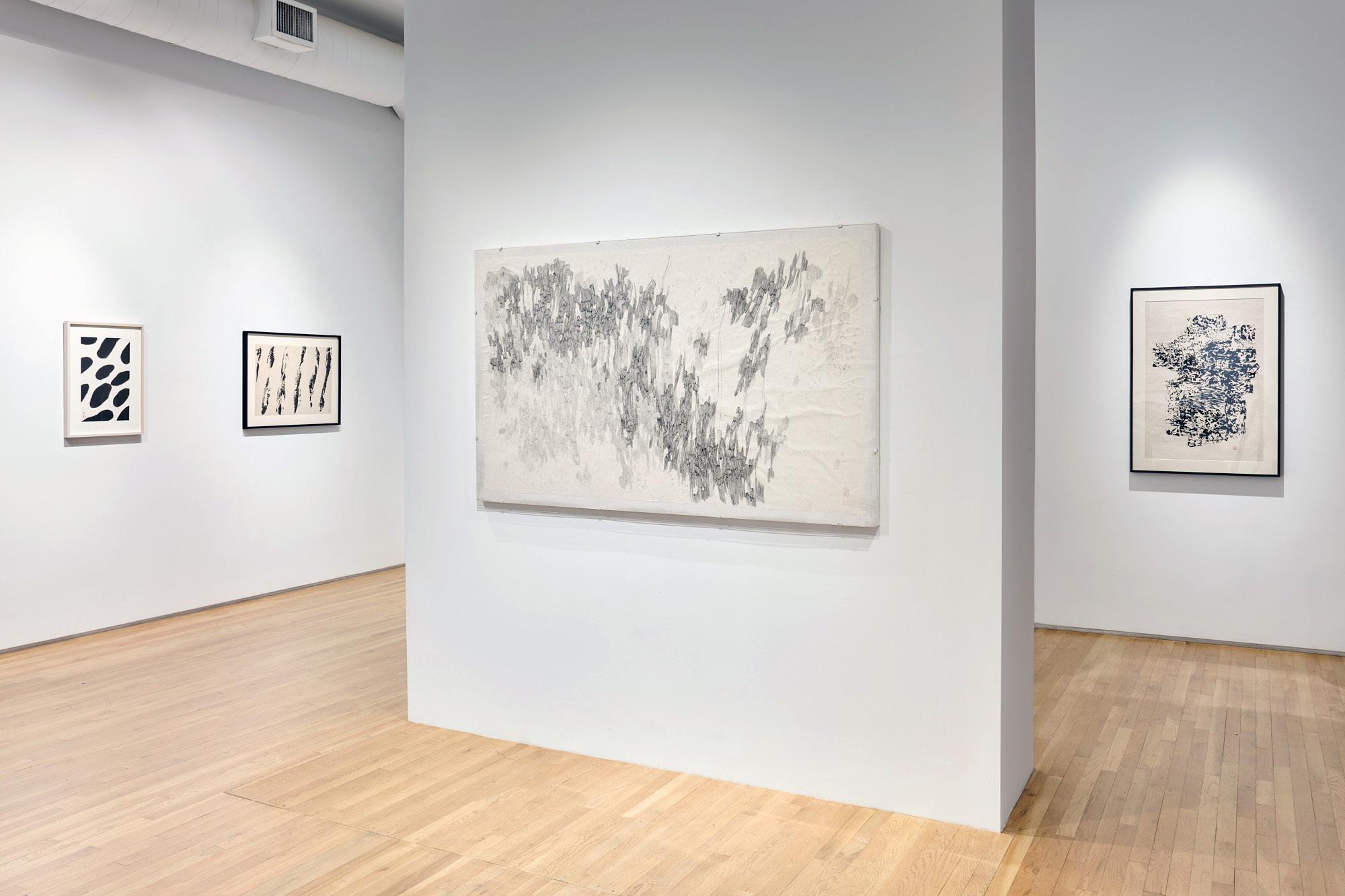
– Mar
Installation View: Mountain Cloud (On view Jan 11
1, 2025) | Photo by Glen Cheriton
VICTORIA YAU 黛文洵美
1939–2023; Shanghai, China – Evanston, Illinois, USA
Education
National Taiwan University, Philosophy
University of Puget Sound, B.A., Fine Arts, 1961
Additional study at UCLA
Solo Exhibitions
2025
Victoria Yau: Mountain Cloud: Qualia Contemporary Art, Palo Alto, CA
Victoria Yau Retrospective: Evanston Art Center, Evanston, IL
2024
黛文洵美:山水記憶 / Victoria Yau: “I slept in the mountain cloud”: East Asia Library / Stanford University Libraries and Center for East Asian Studies, Stanford University, Stanford, CA
Selected Group Exhibitions / Museum Presentations
2025
Pouring, Spilling, Bleeding: Helen Frankenthaler and Artists’ Experiments on Paper
The Block Museum of Art, Northwestern University, Evanston, IL 2024
In the House 3: Pen + Brush, New York, NY
Selected Fair Presentations 2026
Qualia Contemporary Art at EXPO CHICAGO, Chicago, IL 2025
Victoria Yau: Near the Edge of Your Soul: Qualia Contemporary Art at San Francisco Art Fair, San Francisco, CA
Public Collections
Mary and Leigh Block Museum of Art, Northwestern University, Evanston, IL
Acquisitions
2024
Mary and Leigh Block Museum of Art, Northwestern University
Close Encounter, n.d., monoprint on paper
Walk at Dusk, n.d., watercolor on paper
Water Steps, n.d., ink on paper
River Swell, n.d., ink on paper
Large Stones, n.d., ink on paper
VICTORIA YAU 黛文洵美
1939–2023; Shanghai, China – Evanston, Illinois, USA
Selected Publications
1994
Yau, Victoria. “Use of Colour in China.” The British Journal of Aesthetics 34, no. 2 (April 1994): 151–162.
Selected Institutional Exhibition History
Art Institute of Chicago, Chicago, IL
Smithsonian Institution, Washington, DC
American Academy of Design, New York, NY
Illinois State Museum, Springfield, IL
Fairweather Hardin Gallery, Chicago, IL
Dorothy Rosenthal Gallery, Chicago, IL
Earlier Exhibition History
Solo exhibitions in the United States, Taiwan, Japan, and China
WAYS OF WATER:
VICTORIA YAU’S TRANSPACIFIC WATERSCAPES
BY SIHAN WANG
In 1960, Victoria Yau (1939–2023) moved from the shores of Taiwan to the West Coast of the United States, sojourning through art programs in Washington and Los Angeles before making her home in Evanston, Illinois, near the expansive waters of Lake Michigan. Uprooted from her homeland at the age of twenty, Yau navigated the complexities of American society, culture, and a predominantly white art world on her own as one of the earliest Asian American women artists. Yau’s transpacific journey across waters, in turn, shaped her multimedia artistic practice. Yau’s oeuvre spans diverse themes and subjects, but many of her works contemplate, experiment with, and play upon the fascinating forms and ways of water—an essential, life-giving element.
Many of Yau’s works visualize water’s liquid rhythms: the way a stream cuts through rock, a wave crests and falls, or mist blurs the boundary between air and earth. Among her collections, “Raindrops” directly engages with water’s shifting forms, though her exploration of aqueous themes extends beyond a single series. Water, for Yau, is not just a subject but both an artistic metaphor and method: unbounded, adaptable, and inherently dynamic. Water’s multiform nature, along with its capacity to flow, transform, and connect, permeates her variegated experimentation with ink, watercolor, oil, fabric, and acrylic. Among the twenty-five pieces carefully selected and curated by Emma Rose Gudewicz here at the Evanston Art Center, the ink work Big Steps (1995) shows Yau’s signature play with ink techniques in traditional Chinese paintings. Steps of water take form in blurry, geometric blots of ink; they press toward the negative white space, poised, shifting, and drawn into a near-connection, their edges rippling across the paper as they reach and stretch. Their shapes, though abstract, evoke both the Chinese inkstone and its pool of ink in the literati studio, now seemingly animated, as though coming to life from a classical Chinese strange tale where non-human beings become spirited.
Receding (1998) visualizes the essence of withdrawal, an ebbing motion formed in both restraint and release. The watercolor Water Shadows (1993) gives water a tangible presence and projects its shadows onto the paper as if onto a weathered wall, dappled and mottled with dusk-lit mossy greens. The acrylic Shoreline (2001) and Water of Spring (2001) illustrate the shimmering, rippling, and folding of water’s movements, rendered in blue, violet dashes and a contemplative dynamism created by the layered brushstrokes. Fast River (1996) conjures the blur of rapid flows. The dark, misty layers in River Bend (2003) hint at the bending of water and a moment of deepening currents both aqueous and affective: translucent, fluid emotional currents swirling up in shadows of blues. These works exhibit a striking affinity and bond with water; they are abstract waterscapes that capture the full spectrum of water’s forms—mist, cloud, raindrops, dewdrops, tide, and sea foams— while embodying its protean physicality and remarkable adaptability.
Such affinity with water is at once artistic, deeply personal, and cultural. Living at the edge of Lake Michigan (where she painted and volunteered at the old Evanston Art Center by Lighthouse Beach), Yau had regularly expressed in the 1970s a wistful desire to “return to Formosa” (the “beautiful island,” Taiwan), where she spent her teenage years. Water, however, was more than a connection to a geographical home; it was a conduit to Chinese cultural philosophy. Yau’s 1993 Taipei exhibition was titled “Chapter of Delight in Water (Yishui pian),” with its English counterpart, “Chapter of Tranquility.” The phrase “Delight in Water” references a Confucian teaching: “The wise find joy in water, the benevolent find joy in mountains (zhizhe le shui, renzhe le shan),” which links water to wisdom, adaptability, and movement. It also evokes the well-known Daoist saying, “The highest goodness is like water (shangshan ruo shui),” which highlights water’s virtue of effortless flow and quiet nourishment.
Yau’s aesthetics—bold, abstract, and experimental—integrate these philosophical elements from traditional Chinese thought. In her essay “My Space and My Art,” she draws on the classical trope of “living water,” borrowed from a Song Dynasty poem by a prominent Neo-Confucian philosopher. She writes, “Changing environment is important, because the mind can get [stale]. Keep [it] from [becoming] monotonous. I try to keep my visual experience continue circulating as a living water as active spring.”1 For Yau, making art is akin to circulating a visual experience like a “living water.” She describes the artistic process itself as “mountains and waters” (shanshui, the classical term for Chinese landscape painting), a dynamic and life-making space shaped by fluidity and transformation.2 To feel at home with water, then, is to feel at home with art and the expansive space it creates.
Water also entered Yau’s works in unexpected ways, sometimes beyond her control. In late 2022, when Yau was sadly away in hospice, water pipes burst in her Evanston home, which also served as her primary studio, tragically damaging many of her pieces. Yet in the works that survived, rescued and preserved by the staff of the Heritage Museum of Asian Art, water left its own mark not as destruction, but as an extension of Yau’s artistic vision. Her pieces that drew from traditional Chinese ink and paper techniques, in particular, reveal a striking transformation: the water, rather than simply damaging them, reaccentuated the paper’s textures, echoing the very processes Yausought to explore in her art. The movement of ink across paper mirrors water’s rhythms as it carves through landscapes and reshapes terrains over time, absorbing, diffusing, settling. In these water-altered works, the ink appears to have continued its free movement and reinforced Yau’s hydro- aesthetic vision: fluid, porous, ever-moving, and ever-changing.
www.qualiagallery.com
QUALIA CONTEMPORARY ART
Praised by renowned art historian Alexander Nemerov as “a hidden gem in Silicon Valley,” Qualia Contemporary Art presents a diverse program of emerging and established artists working across a wide range of media and is dedicated to facilitating dialogue between Asian and international contemporary practices.
Since opening in Fall 2020, the gallery has mounted over 30 exhibitions: highlights from these presentations include the U.S. debuts of Pan Hsinhua, Lyu Peng, and Xu Hongming; local artists like Younhee Paik, Stella Zhang, Nick Dong, and Joe Ferriso; and internationally-recognized artists including Paul DeMarinis, Guillermo Galindo, Yang Jiechang, and Wang Tiande.
The gallery has also collaborated with leading Chinese artists such as Xu Bing, Wang Dongling, Gu Wenda, and Gu Gan, as well as with prominent scholars including Alexander Nemerov, Richard Vinograd, Ouyang Jianghe, and Xie Xiaoze.