
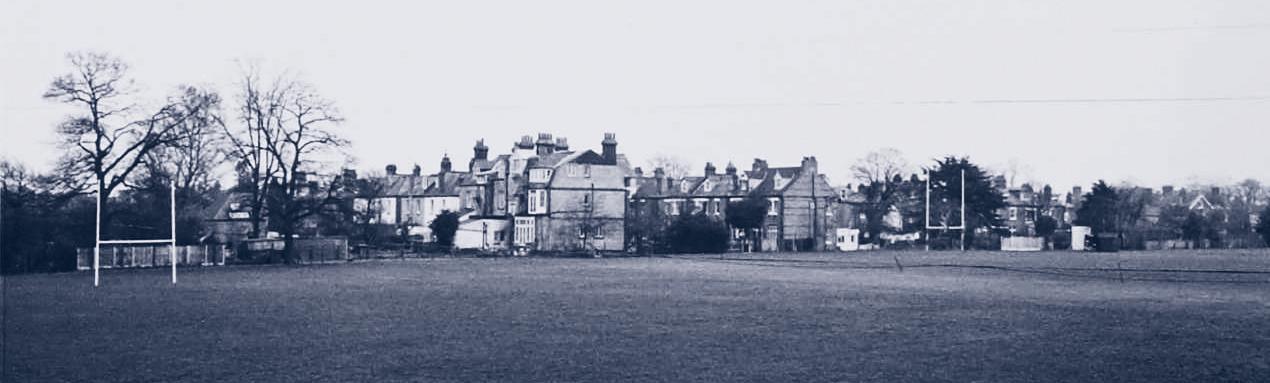
From the archives Debt, property developers and marauding sheep: the story of Stapylton Field
After sweeping Victorian education reforms, Queen Elizabeth’s School reopened in 1875 on its historic Wood Street site with a larger playground, but still no playing fields. This changed the following year, when QE started renting a six-acre field on land now occupied by Ravenscroft Park Road.
In July 1876, new Headmaster Rev. John Bond Lee wrote to the Governors bemoaning the field’s “unusually high rent” – £48 p.a.. Accounts show Mr Lee personally subsidising it to the tune of £30. At Speech Day the following July, Chairman of Governors Henry Edward Chetwynd Stapylton enters the story – with a gentle admonishment.
“It was true [the pupils] had licked the Hertford boys, but they ought to play more together in their own field and not go to play in other clubs.”
The first reports of the depredations of property developers came in March 1880: “We believe… that a portion of the cricket field is going to be sacrificed to the requirements of the age.” March 1882 brought more bad news – together with the revelation
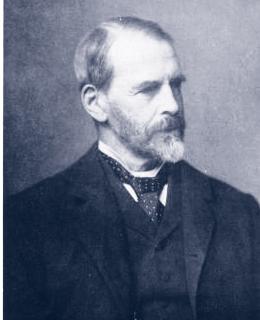
that livestock once grazed on QE’s notso-hallowed turf. “The debt has increased £7…chiefly owing to the loss of our grazing tenant, the destruction of our fences by the builders having made it impossible for him to keep his sheep within bounds.” There was, however, news of a “new field”, which was duly secured, and at a lower rent. This was what was later known as Stapylton Field.
Within a couple of years, developers were at it again. In 1884, the Headmaster wrote to the Governors: “I have received notice to quit our present field at Christmas next…” Deliverance was, however, soon at hand. In November 1885, the Headmaster confirmed in his Annual Report to Governors: “…The danger of losing our Cricket Field, which last year seemed imminent, has been averted by the generosity of Mr Stapylton, who has
purchased the field [from] its former owner and has let it out...on liberal terms for the use of the School.” In 1898, Mr Stapylton confirmed to the other Governors that he would sell for £2,000 “but only on condition...that the field would become the unencumbered property of the Governors at the end of 30 years”. When he died on 21st January 1900, his son, H G Chetwynd Stapylton, proceeded with the sale.
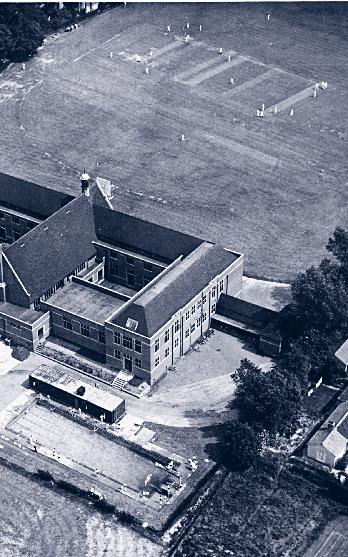
And so, finally, the School owned its own playing field, which, of course, was adjacent to the land to which QE moved in 1932. In due course, it acquired its current name, honouring one of the School’s greatest benefactors.

Ambassador Avi
Year 10’s Avi Aggarwal was elected to Barnet’s Youth Assembly after running on a platform of improving financial education in schools across the borough and beyond. Avi secured one of the two Youth Ambassador seats, seeing off a challenge from four other candidates.

World-beater
Aaryan Prabhaker, of Year 10, took first prize in the 2026 World Math Hackathon with his essay on using maths to reduce poverty. And his essay on AI was in the top 10% of more than 15,000 entries to the Cambridge Re:think Essay Competition.

Medical marvel
Sixth-former Devansh Jha’s idea for a handheld medical device that scans wounds to monitor healing won first prize in his age group in Samsung’s Solve for Tomorrow competition. His rewards included a London work experience placement from Samsung.