Reconciliation in action
From the Principal
Welcome to the Pymble Ladies’ College Reconciliation Plan. It is a joy to celebrate some of the partnerships we have established with First Nations people and communities, and to affirm our commitment to strengthening relationships between Aboriginal and Torres Strait Islander peoples and non-Indigenous peoples for the benefit of all who call Australia home.
We recognise that reconciliation is an ongoing journey and, while some gains have been made, there is always more to learn and more that can be done. We undertake this work with open hearts and minds, believing that every Australian deserves to feel seen, heard and respected for who they are and what they bring to our country.
As a school of the Uniting Church in Australia, we champion diversity as the path to unity and the understanding that our differences become our collective strengths when shared in a safe, supportive and inclusive environment. This is who we are as a community.
Next year marks 20 years of our First Nations Scholarship program, which began humbly with one student back in 2007. Since then, the
program has grown quietly and steadily into a 21-strong cohort of First Nations students from all over Australia. As our inaugural First Nations Scholar Dr Jessica Johannsen (Ah Chee, 2010) states so eloquently in her story on page 12, “There is power in the quiet. In the moments that aren’t seen. In the steady work that continues even when no one is watching.”
Our aim is to continue the quiet, steady work of educating our First Nations and non-Indigenous students, shoulder to shoulder, to grow in understanding, awareness, leadership and community spirit, together.
Jessica and each of the 86 First Nations scholars who followed in her footsteps have contributed
to the education of our community in their own unique way. These impressive young women and their families have taught us to prioritise listening, learning and reflecting on mistakes we make along the way to provide an environment where our First Nations students feel safe, confident, free to be themselves and proud of their culture.
Our community is stronger, wiser and richer for having the opportunity to share their journeys.
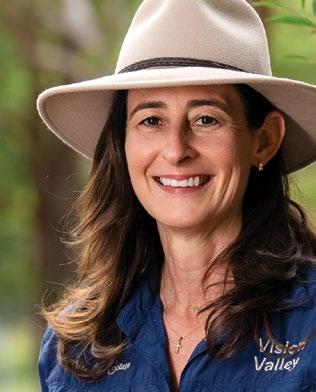

DR KATE HADWEN PRINCIPAL, PYMBLE LADIES’ COLLEGE
ACKNOWLEDGEMENT OF COUNTRY
We acknowledge the Traditional Custodians and caretakers of the Land on which Pymble Ladies’ College is built, the Durramurragal and Dharug people, and pay respect to their Elders past and present. We pay respect to the knowledge embedded within the First Nations peoples’ connections to land, waterways, skies and community. We extend our acknowledgement to Aboriginal and Torres Strait Islander students, staff and families and thank them for sharing their cultures with our community.
Reconciliation is everyone’s business
Pymble’s Reconciliation Working Group commenced meeting formally in 2017, with a small group of motivated staff from all areas of the College embracing the guidance of Reconciliation Australia and the framework of Narragunnawali – Reconciliation in Education to implement the 27 actions identified in our Reconciliation Action Program (RAP).
However, it’s fair to say our steps towards reconciliation commenced long before the Reconciliation Working Group convened. In the mid 2000s, former Chair of College Council, Mrs Kate Mason, fellow Council members and Principal Mrs Gillian Moore AO stepped up to address the national goal of “closing the gap” identified in outcomes of Aboriginal and Torres Strait Islander children and their non-Indigenous
peers. Mrs Mason and Mrs Moore recognised that supporting individual Aboriginal and Torres Strait Islander girls was one practical way in which Pymble could contribute to reconciliation.
With the establishment of the Indigenous Scholarship Program in 2007, our reconciliation journey began under the guidance of our program Patron, Mrs Evonne Goolagong Cawley AC MBE.
The importance of Aboriginal and Torres Strait Islander voice, cultural safety and mentorship have been cemented at Pymble over many years and evidenced by our First Nations Advisory Group, (formerly Indigenous Advisory Group), the employment of First Nations alumni in the Boarding School and, more recently, strong representation by our First Nations alumni as cultural mentors for the 21 girls currently enrolled.
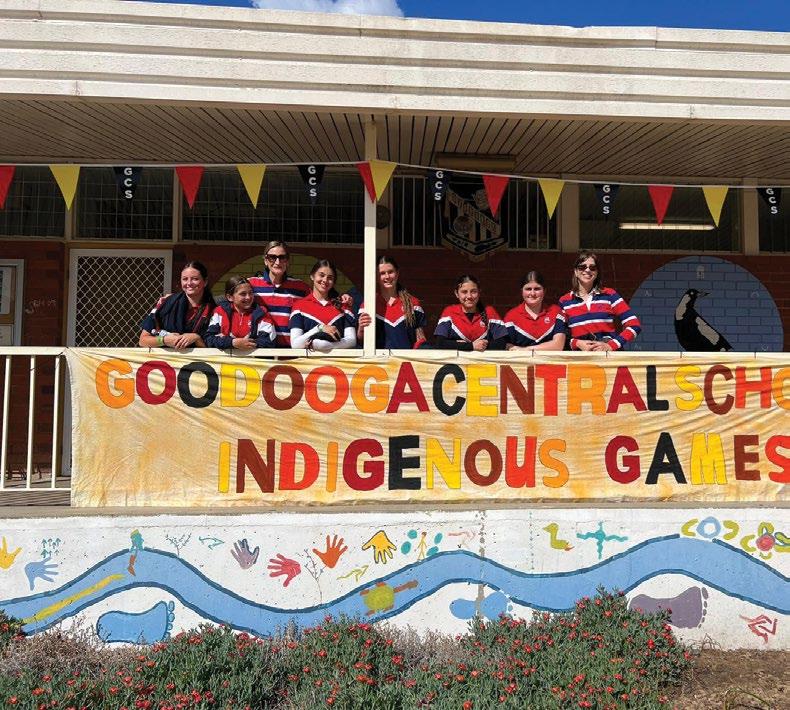
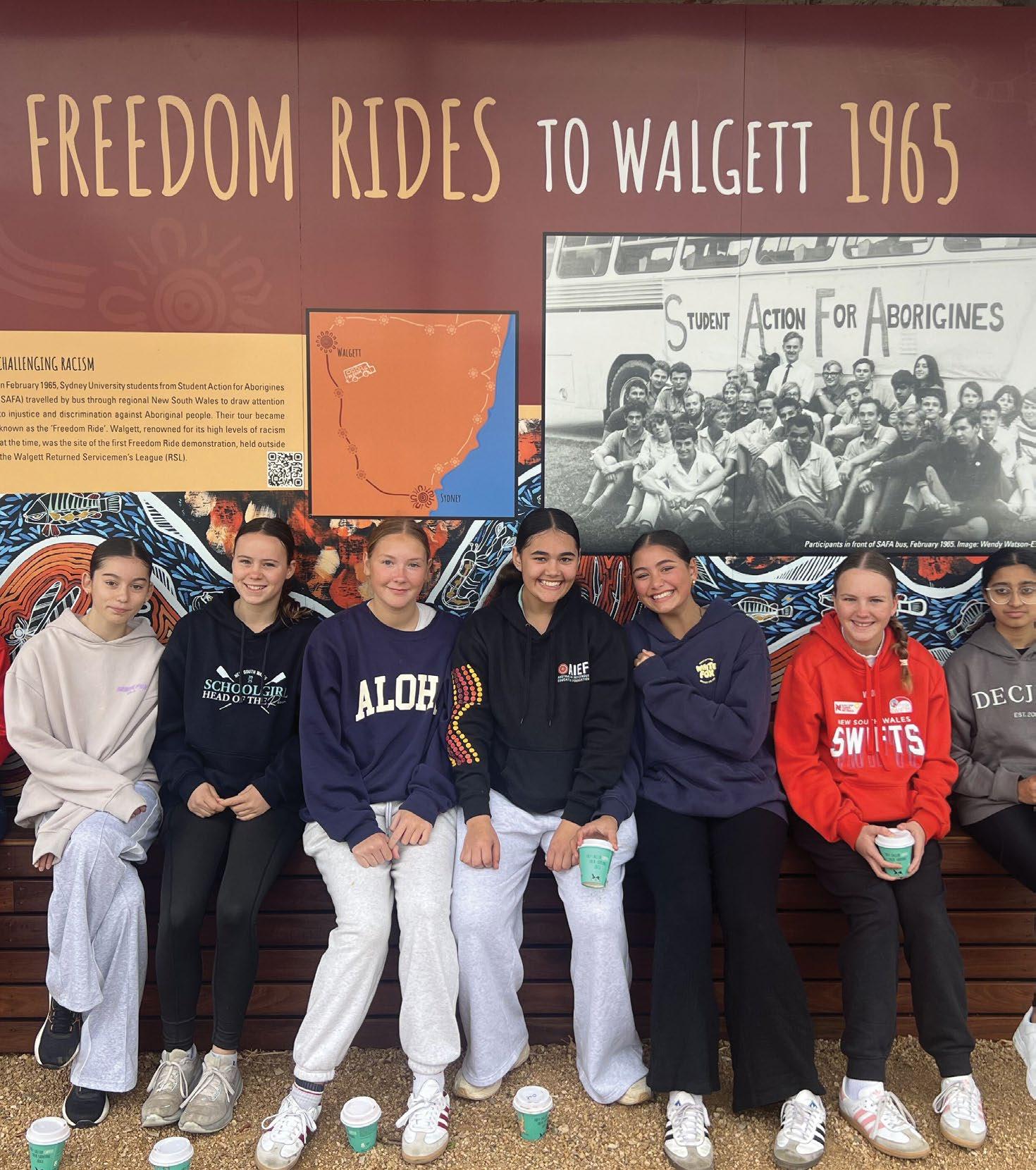
Our cultural understanding and learning comes from those Indigenous parents who have chosen to send their daughters to Pymble, our partner communities such as Gapuwiyak and Milingimbi in the NT, rural and remote partner schools such as Enngonia, Hermidale, Goodooga and St Joseph’s Walgett in NSW, along with our invaluable relationships with the Australian Indigenous Education Foundation, GO Foundation and Independent Schools NSW’s Waratah Project with its 45 member schools.

Membership of our Reconciliation Working Group has changed over the years; I thank each member for their commitment to improving outcomes for First Nations Australians and guiding the the important part every Australian must play. A special mention to Ms Cara Foley and Ms Kate Howie, founding members without whom this RAP may not exist.
This document stands as a testament to our ongoing commitment to learning and growing together with our First Nations students and families, and affirms our belief that reconciliation is everyone’s business.
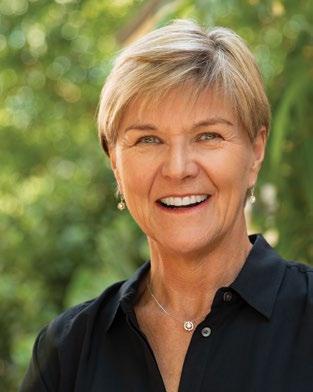
MRS JULIE SHAW HEAD OF SOCIAL IMPACT
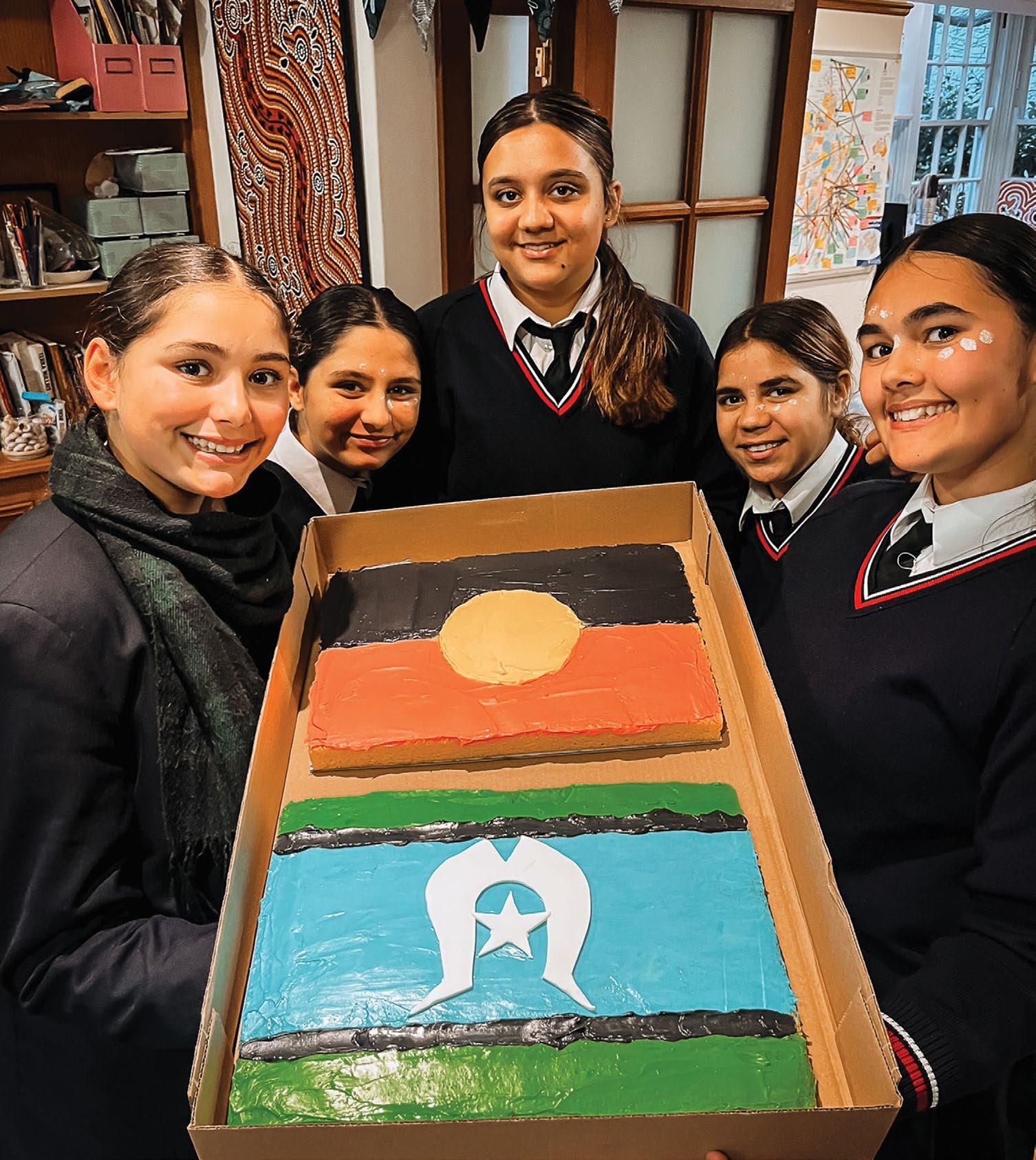
Shoulder to s houlder, step by step
Our community recognises and appreciates the inestimable value of First Nations and non-First Nations students sharing an education, learning and growing together. This journey began more than 20 years ago.
• Pymble has partnered with remote school communities since 2006, including Gapuwiyat and Milingimbi Schools in NT; Tagai State College in the Torres Strait Islands; and Goodooga, Brewarrina, St Joseph’s, Walgett and Moree East in NSW.
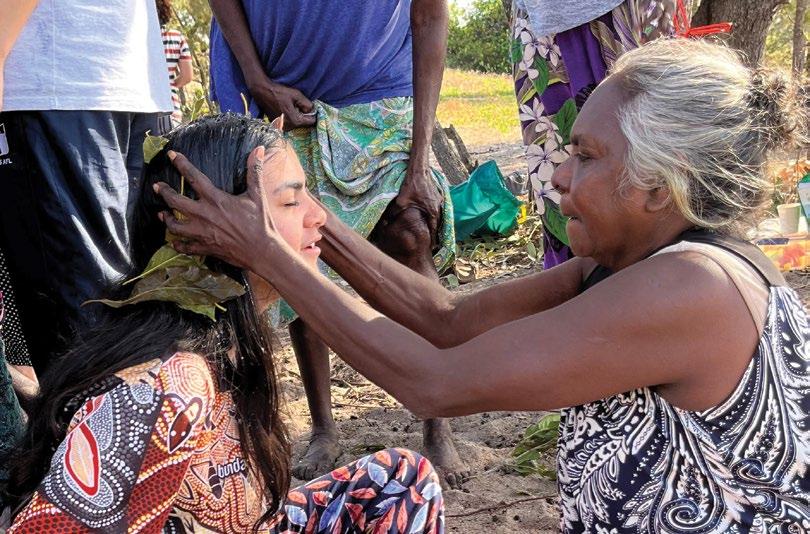
• We share reciprocal learning opportunities, such as GARMA Youth Leadership Forum; Learning on Country experience in Cape Stewart, NT; collaborative art projects in Cairns; Yolngu students join Pymble’s Year 9 residential program with Milingimbi School; staff and student exchanges between Milingimbi and Pymble

First Nations Scholarship Program was established in 2007.
• Pymble is one of the four original member schools of the Independent Schools NSW’s Waratah Project established in 2017. Today, 45 schools are involved, and Pymble leads one of four hubs.
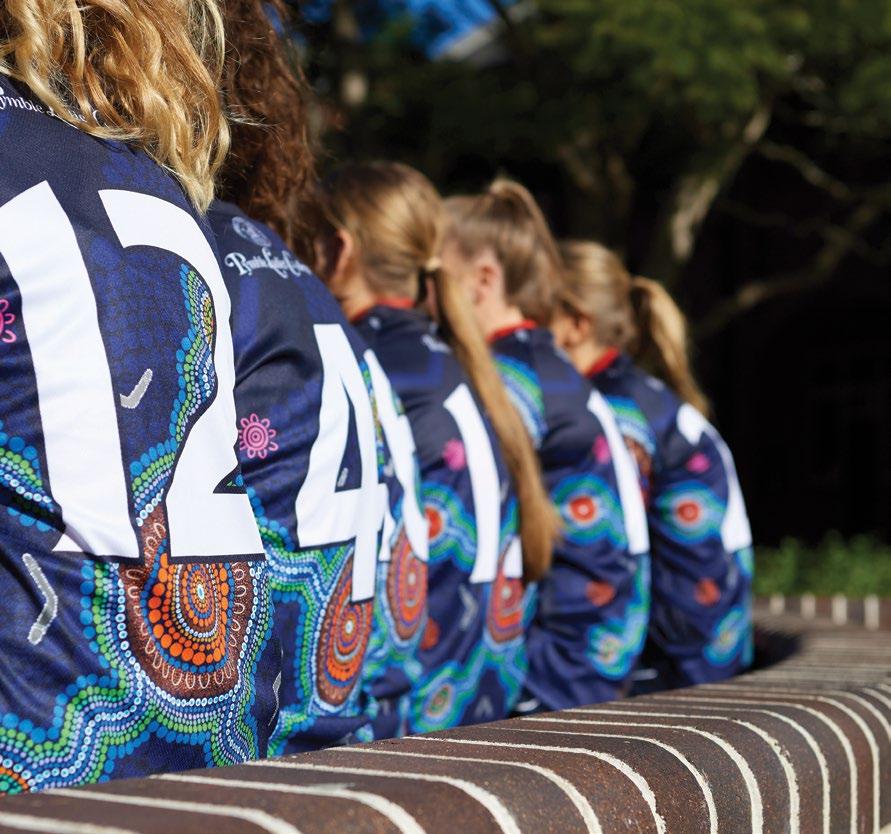
• Our annual First Nations Round of Sport was established in 2018.
• Aboriginal Studies is offered in Years 8, 10, 11 and 12. Pymble girls have excelled in this HSC subject: Lucy Robinson 7th in state (2023) and Abigail Barfield 1st in state (2024).
• First Nations student leadership
2010 Prefect: Jessica Ah-Chee
2017 Head Boarder: Bridget Titasey
2019 Head Prefect: Onyi Nwamadi
2023 Co-Head Boarder: Amarley Bron
2024 Co-Head Boarder: Aspen Moore
• Secondary School library book collection has been decolonised.
• Yarning Circle opened in 2023.
• First Nations Advisory Group was re-established in 2024 to make culturally informed recommendations and guidance to the College about all matters relating to our First Nations students. The group includes:
– First Nations alumni
– Current and past First Nations parents and grandparents
– First Nations staff
– First Nations community member
– Current members of the staff team.
• First Nations alumni serve as mentors for our current First Nations students.
• Reconciliation and NAIDOC weeks are celebrated in assemblies and school activities.
• Acknowledgement of Country is a regular part of assemblies, events and Board meetings.
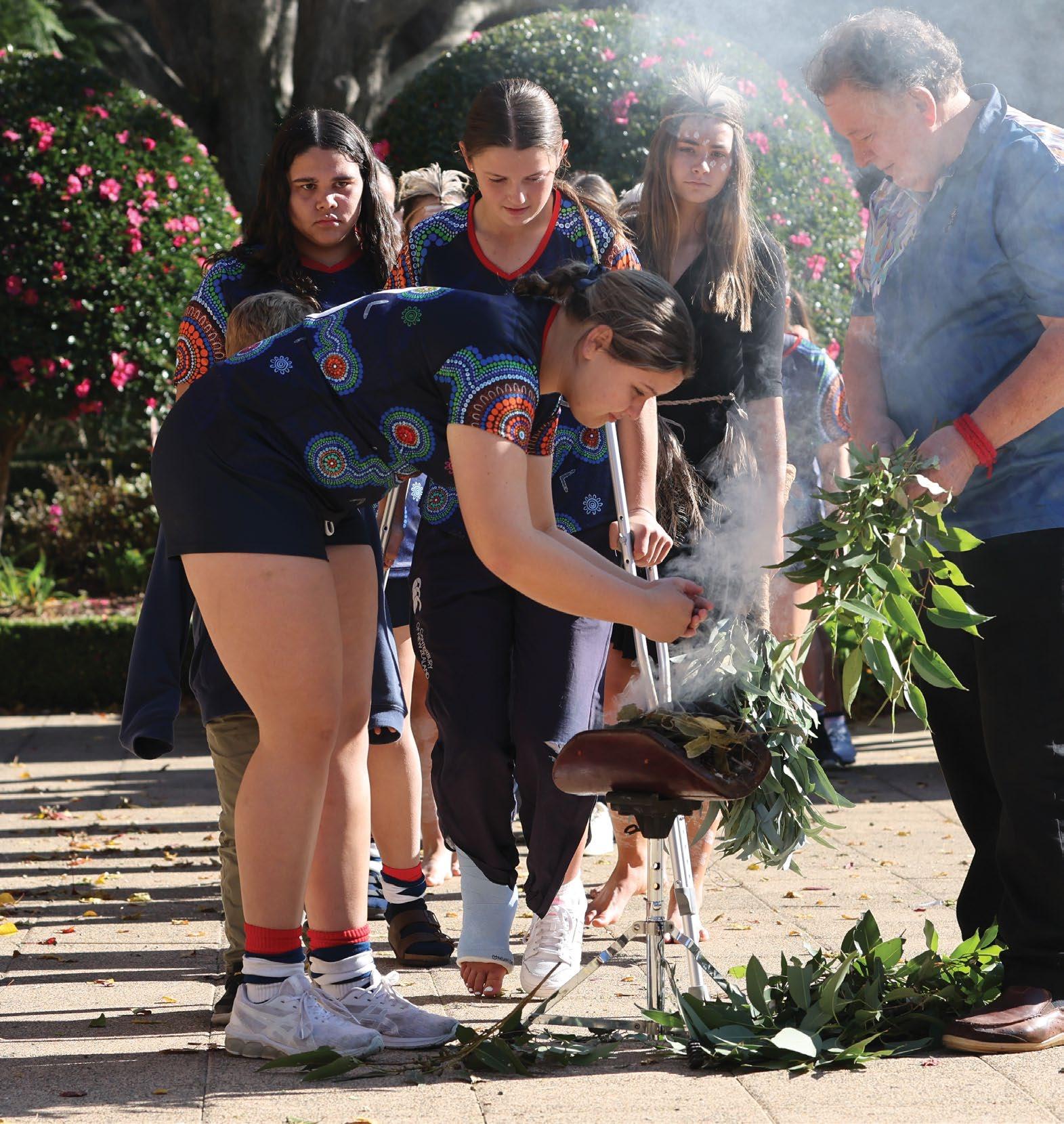
• Smoking ceremonies are held at the commencement of our Vision Valley Residential Program, and at the opening of new buildings and facilities.
• First Nations symbolism is present through commissioned art works, murals, flags and adornments in Chapel.
Jessica’s journey
Dr Jessica Johannsen (Ah Chee, 2010) was an outstanding athlete and scholar who was introduced to Pymble by Evonne Goolagong Cawley AC MBE. She has been an ongoing supporter and mentor of our First Nations scholars since graduating from the College and establishing a career as a GP in her community.
Strength doesn’t always announce itself. Sometimes it lives quietly, in small, steady rhythms. In the sound of my grandmother’s laugh. In the warmth of my parents’ hands as they reach for my children. In the red earth that stains your shoes no matter how often you clean them. For me, that quiet strength has always been the truest kind.
My grandmother is 93 years old. She still lives alone and speaks three Aboriginal languages as fluently as English. She remembers the stories of our people and tells them with light in her eyes. She talks about travelling with camels through the ranges, camping under the stars and how her father taught her to listen to the land. She has lived through
hardship most of us will never know, yet she carries it gently. She doesn’t dwell on the pain, she chooses joy, humour and purpose in the way she lives. Watching her, I see that endurance is more than mere survival. It is a memory stitched through generations. It’s not about how much you can bear, but how softly you can hold your past and still move forward with pride.
Her spirit runs through everything I do. I feel it when I walk through the streets of Alice Springs, where the mountains hold the light just before dusk. When I was younger, I couldn’t name what I felt for this place. I left home for Pymble, then for study and work, but it wasn’t until I returned that I understood what that feeling truly meant. It was belonging. I remember my
dad saying, “You’re on Country again,” and I knew exactly what he meant. Far greater than geography, it was a deep knowing. I was back where I was meant to be.
My journey has never been loud. It began on a dusty tennis court, under the sun, with a racquet that was too big and a calling I didn’t yet understand. I was 13 when Evonne Goolagong Cawley and her husband, Roger, offered me a scholarship through their foundation. That opportunity changed everything. It took me from the red centre of the country to the gates of Pymble. Sport was the doorway, but the larger game at play extended beyond winning matches. It was about education, discipline and courage.
At Pymble, I discovered that ambition could coexist with humility. I met teachers who believed in potential, not perfection, and friends who inspired me with their drive. I didn’t want to be defined only by tennis. I wanted to learn, think deeply and make a difference.
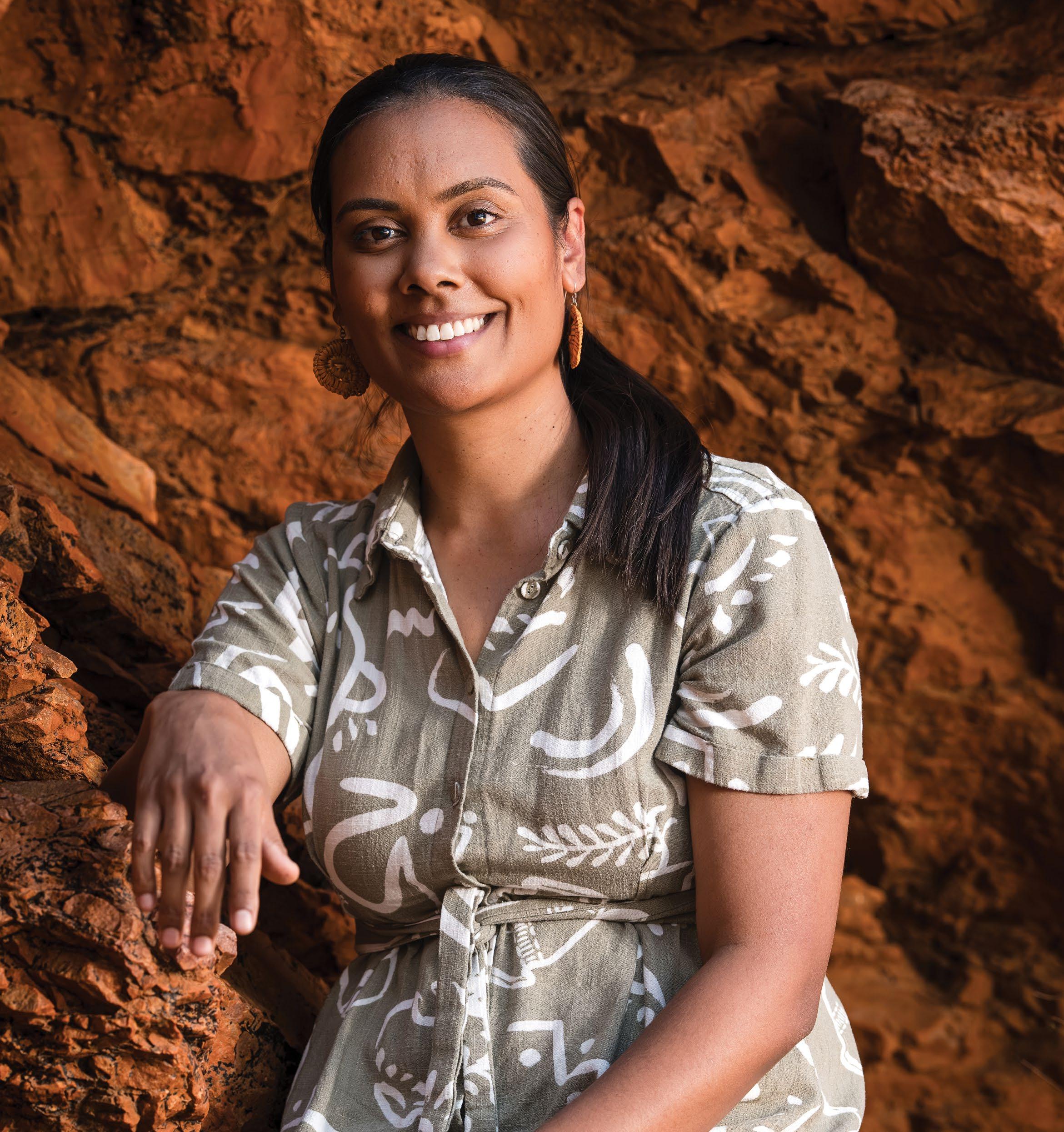
“I remember my dad saying, ‘You’re on Country again,’ and I knew exactly what he meant. Far greater than geography, it was a deep knowing. I was back where I was meant to be.”
“I wanted to learn, think deeply and make a difference. Pymble nurtured that part of me and showed me what was possible...”
Pymble nurtured that part of me and showed me what was possible for a young Aboriginal girl from the desert. It gave me a sense of belonging to something bigger, yet reminded me to hold tight to where I came from.
Studying medicine felt like a natural continuation of everything I had learned. Both tennis and medicine demand patience, discipline and empathy. In their own ways they are both about understanding and seeing people. My mother worked in Aboriginal health, and I grew up watching what happened when people felt heard and respected. Now, as a GP, I carry that same belief into my own work.
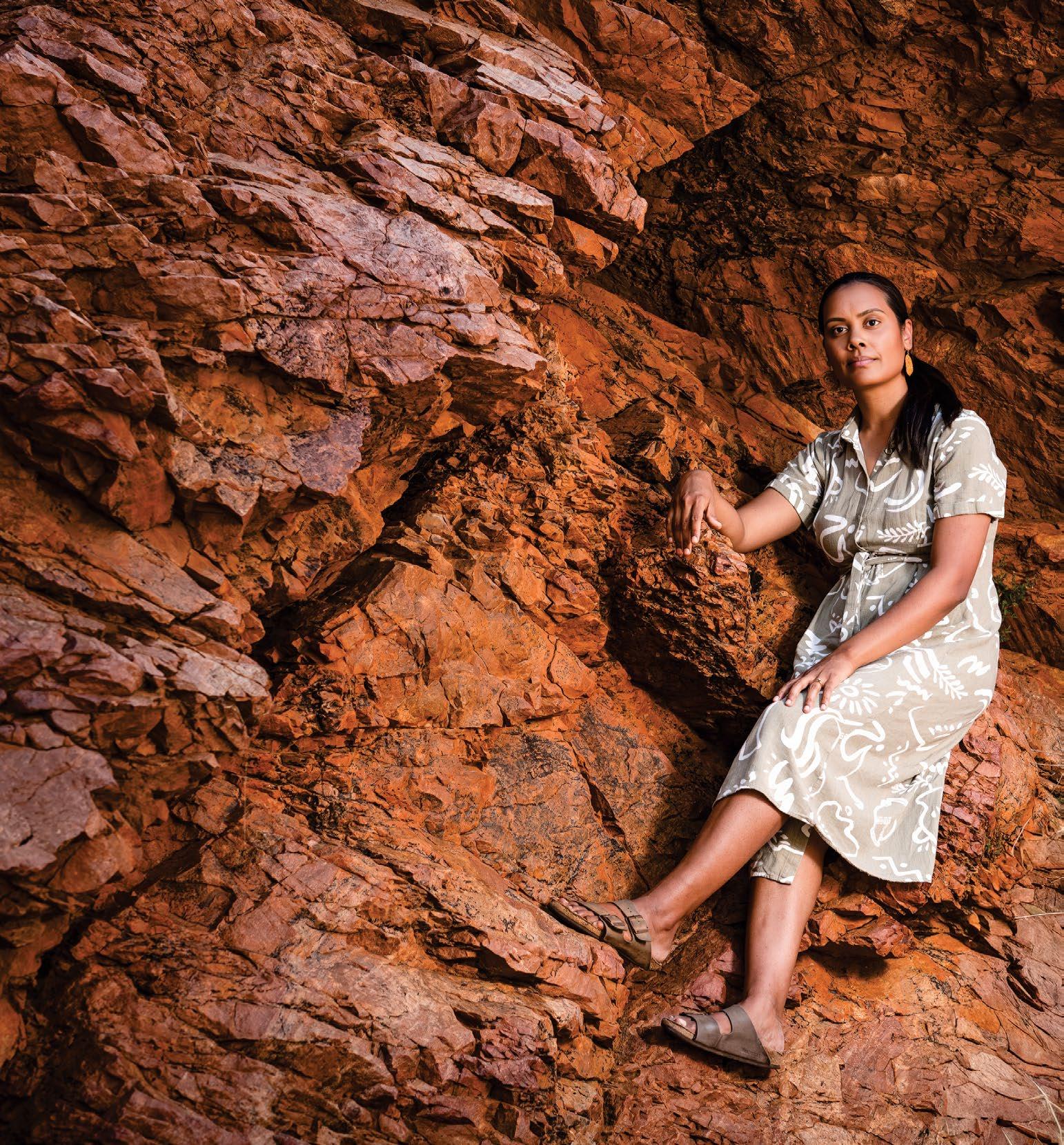
“Walking between the two worlds of Western medicine and cultural knowledge is who I am.”

My job isn’t only to treat illness. It is to help people feel seen.
Walking between the two worlds of Western medicine and cultural knowledge is part of who I am. There are days when that balance feels effortless, and others when it feels impossible. I have learned to find peace in the middle. My grandmother’s wisdom sits beside my medical training. One teaches healing through science, the other through story and care. Both matter because real healing happens when knowledge and compassion meet. One keeps the body alive, the other keeps the spirit whole.
Motherhood has deepened that understanding. It changes how you see everything and everyone. It has taught me to slow down, pay attention and find meaning in the smallest moments. It has also sharpened my sense of purpose. I want my sons to grow up proud of who they are; to know that they belong to a long line of strength and resilience. When the Voice referendum failed, something in me broke.
It felt like the country had turned its back on a truth that should have been simple. It also lit a fire: a determination to keep working, to keep teaching, to keep hoping.
Some people lead with speeches or activism, but that is not me. My advocacy lives in smaller spaces. I have learned that you don’t have to raise your voice to make change.
There is power in the quiet. In the moments that aren’t seen. In the steady work that continues even when no one is watching. That is the kind of life I want to live, one that builds bridges slowly, gently, but with purpose. Strength doesn’t have to be loud to be lasting. Sometimes the softest voices are the ones that carry the furthest.
“I have learned that you don’t have to raise your voice to make change.”
Freya’s journey
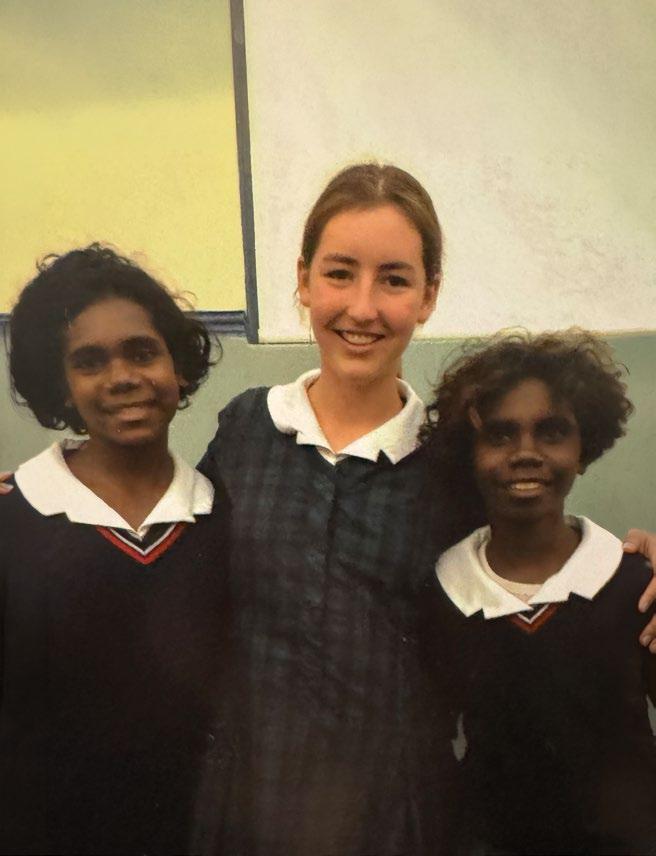
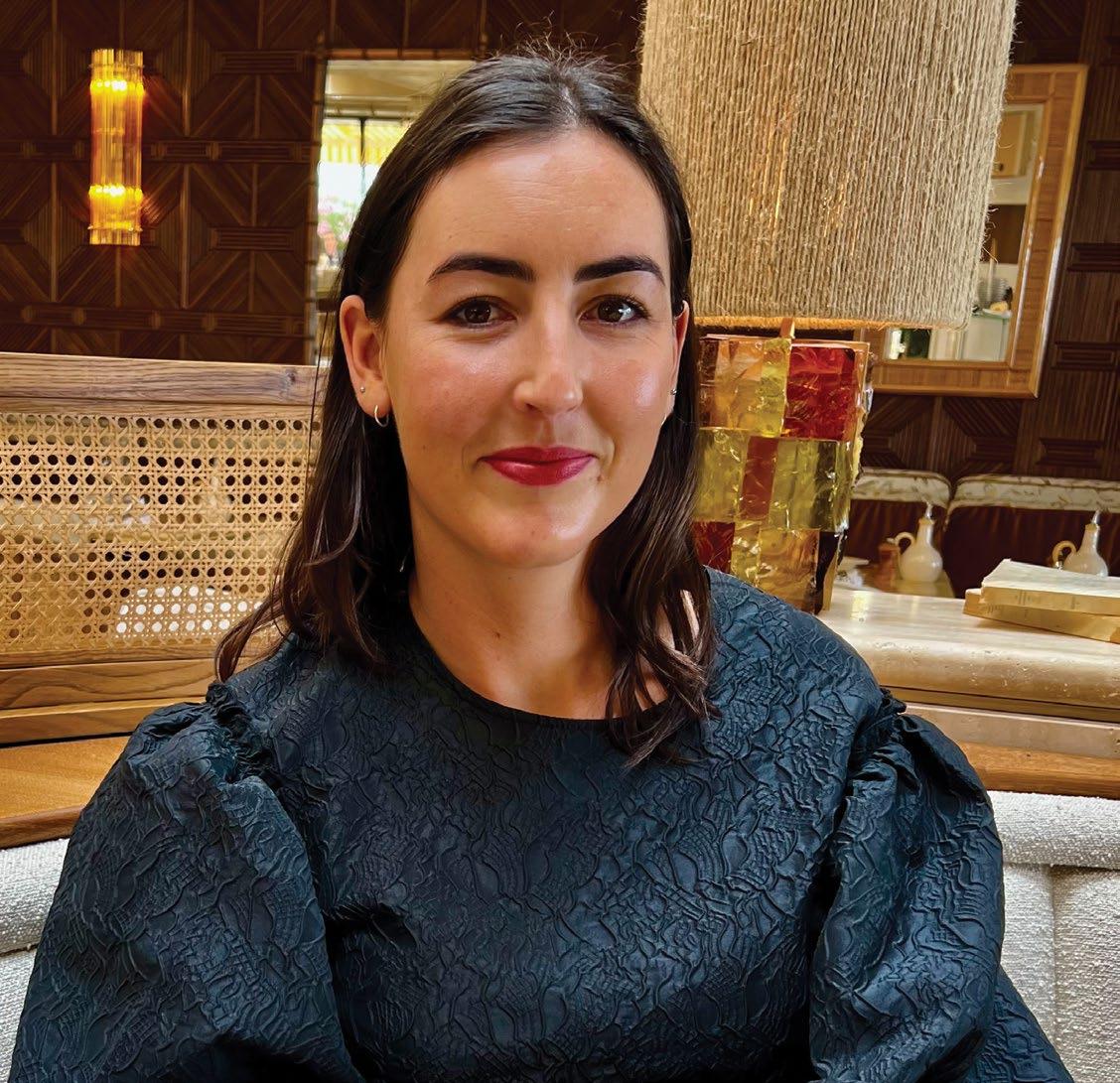
Freya Finocchiaro (McGahey 2012) commenced at Pymble in Year 7 2007, having come from a small Steiner school. Our College values, together with an eye-opening trip to Gapuwiyak in Arnhem Land, Northern Territory, became the catalyst for a life spent working towards reconciliation, truth-telling and equality for First Nations peoples.
Before I started at Pymble, my mum gave me simple advice: if I was fortunate enough to attend a school like this, I had an obligation to take up every opportunity it offered from day one. I took that seriously. If there was a sign-up sheet, I put my name on it. I felt strongly that being at Pymble was a privilege, and that participation was both a way to find belonging and a way to give back. Those years taught me to step forward, to contribute, and to make the most of the opportunities in front of me.
While I didn’t leave school with a fixed career plan, Pymble played a defining role in shaping my values. Through the Duke of Edinburgh Award, I travelled to Gapuwiyak in Arnhem Land in the Northern Territory. That experience was
profoundly formative. It opened my eyes to communities and histories I had previously not understood and exposed me to both the cultural
strength of Aboriginal communities and the systemic inequities they continue to navigate. It sparked a lasting desire to contribute meaningfully to reconciliation, truth-telling and equality.
At university, alongside my Communications degree, I selected electives in Aboriginal Politics and Cultural Studies. In my first year, I secured a role as a production assistant with Deadly Vibe Group, then Australia’s only Indigenous media production company. Balancing full-time work with study, I gained practical industry experience while remaining grounded in purpose-driven work.
I later held positions in Indigenous-led creative organisations before moving into freelance roles across music, arts and cultural institutions, developing experience in partnerships, funding strategy and stakeholder engagement. I transitioned into philanthropy when I was appointed Philanthropy Manager at the Australian Brandenburg Orchestra, then Bangarra Dance Theatre.

“It sparked a lasting desire to contribute meaningfully to reconciliation, truth-
I am now Associate Director of Indigenous Philanthropy at the University of Sydney, working to cultivate long-term funding partnerships that advance Indigenous education, leadership, truth-telling and cultural initiatives. In many ways, this role represents a full-circle return to and deepened in Gapuwiyak, a commitment to service, cultural respect and contributing to meaningful change. My career reflects an ongoing dedication to arts, culture and community, grounded in early experiences that challenged my perspective and shaped my sense of responsibility.
Our Vision
Our vision for reconciliation at Pymble Ladies’ College is for everyone across our school to respect the rich, living cultures of First Nations people and embrace the responsibility to be part of change in creating a more just and reconciled Australia. We commit to learning from and with First Nations students, families, staff and community members as we work to build respectful relationships and achieve reconciliation through education. With open hearts and by taking courageous action, we seek to build a community of compassionate and influential people who will positively impact current and future generations through a commitment to reconciliation. We will develop and share our knowledge of Aboriginal and Torres Strait Islander peoples and cultures through teaching and learning within the College.
Reconciliation Action Plan (RAP)
Pymble’s Reconciliation Action Plan (RAP) is our formal statement of commitment to reconciliation. This living, breathing document has been developed by our RAP working group of teachers, professional services staff and representatives of the Uniting Church in Australia.
RAP GROUP MEMBERS
MS STEPHANIE ATTLEY
REV PUNAM BENT
MRS KATE BROWN
MRS CAROLYN BURGESS
MRS ALEX CAMPBELL
MISS KATRINA CLUFF
MISS MELISSA COOPER-FINDLAY
MS CARA FOLEY
MS MADELEINE GARDINER
MS MELISSA GILMOUR
MS SOPHIE HARPER
MRS KATIE HAYNES
MS KATE HOWIE
MS ALEXANDRA IBBOTSON
MISS NIKKI KIDDLE
MR ADAM LEVIN
MRS LORA LIM
DR SARAH LOCH
MR SHANNON LOKER
MRS EDWINA O’BRIEN
MRS JENNY ODONNELL
MRS JULIE SHAW
MS FIONA STEVENSON
DR RYAN STEWART
MRS CLAIR STOCK
MRS MICHELE WILSON
MS TESSA ZWAR Relationships

Relationships IN THE CLASSROOM
ABORIGINAL AND TORRES STRAIT
ISLANDER PEOPLE IN THE CLASSROOM
Foster an openness to learning by bringing First Nations voices from within and beyond the College community into curriculum and wellbeing programs to create authentic learning opportunities.
• Include First Nations authored and designed resources in curriculum to authenticate cultural learning.
• Equip the College’s libraries with a wide range of media authored by First Nations people and showcase these resources regularly.
• Invite a diverse range of First Nations people into the College to share their stories.
• Encourage First Nations students to seek paid employment in the College’s OSHC centre and share cultural knowledge through arts, crafts and play.
• Invite First Nations students to share their knowledge and stories with Junior School students at several points across the school year.
OPPORTUNITIES FOR ABORIGINAL AND TORRES STRAIT ISLANDER STUDENTS AND CHILDREN
Nurture opportunities for personal journeys to occur which allow both individual and collective celebrations of identity, spirituality and culture.
• Provide and encourage all First Nations students to participate in cultural activities and celebrations such as the Dance group, First Nations Round of Sport, National Reconciliation Week (NRW) and NAIDOC Week assemblies.
• Provide opportunities for First Nations students to continue to learn about their cultures and the diverse First Nations cultures of Australia, such as immersion trips, excursions, incursions, workshops, curriculum subjects and activities.
• Include cultural learning opportunities and goals as part of the First Nations students’ Personalised Learning Plans.


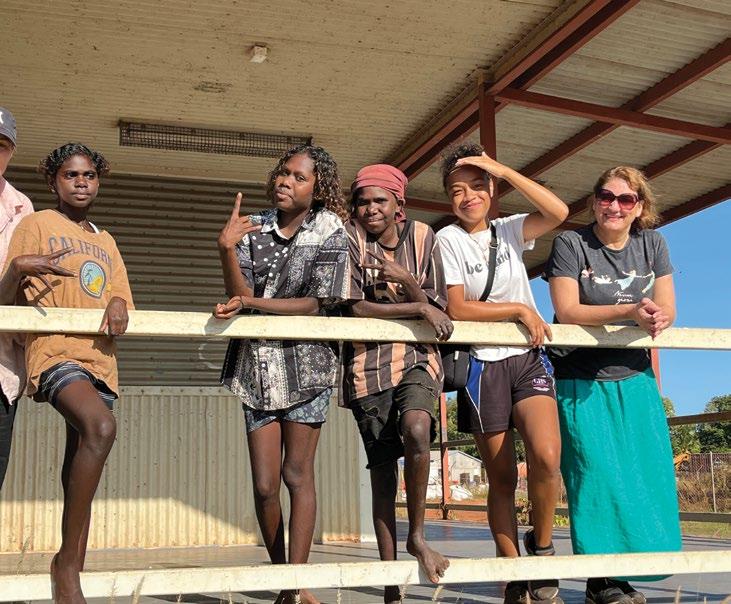
AROUND THE SCHOOL
ABORIGINAL AND TORRES STRAIT ISLANDER REPRESENTATION ON COMMITTEES
Provide opportunities for First Nations students, ex-students, family members and staff to have a voice on a range of committees across the College.
ELDERS AND TRADITIONAL OWNERS
SHARE HISTORIES AND CULTURES
Establish and nurture ongoing, meaningful relationships with local First Nations Elders and community-recognised Traditional Custodians.
CULTURAL RESPONSIVENESS FOR STAFF
To increase the cultural awareness of all Pymble staff through engagement in a range of internal and external learning opportunities.
• Sustain the First Nations Advisory Group with First Nations representatives from the school and broader community at semesterised meetings.
• Actively encourage First Nations staff to join the RAP group.
• Promote and encourage family members to join parent representative groups such as the Boarding Parent Group.
• Actively encourage and hold a place for First Nations students to be part of the Intercultural Committee.
• Regular attendance at local Aboriginal Education Consultative Group (AECG) meetings and provide opportunities to connect with and hear from the local community.
• Invite local Elders and significant community members to College events. Renumerate Elders for their time and knowledge sharing at events, such as First Nations Round of Sport and NAIDOC celebrations.
• Provide opportunities for students to engage with local Elders and community members through excursions/incursions to significant sites.
• Establish and nurture ongoing relationships with Elders and Traditional Custodians of the home towns and communities of our First Nations students.
• An annual budget to be assigned for Professional Learning (PL) to build knowledge and understanding of First Nations cultures for all staff.
• Compulsory PL provided to all teachers and those who work closely with First Nations students and families.
• Optional internal and external PL opportunities provided for those staff keen to learn more.
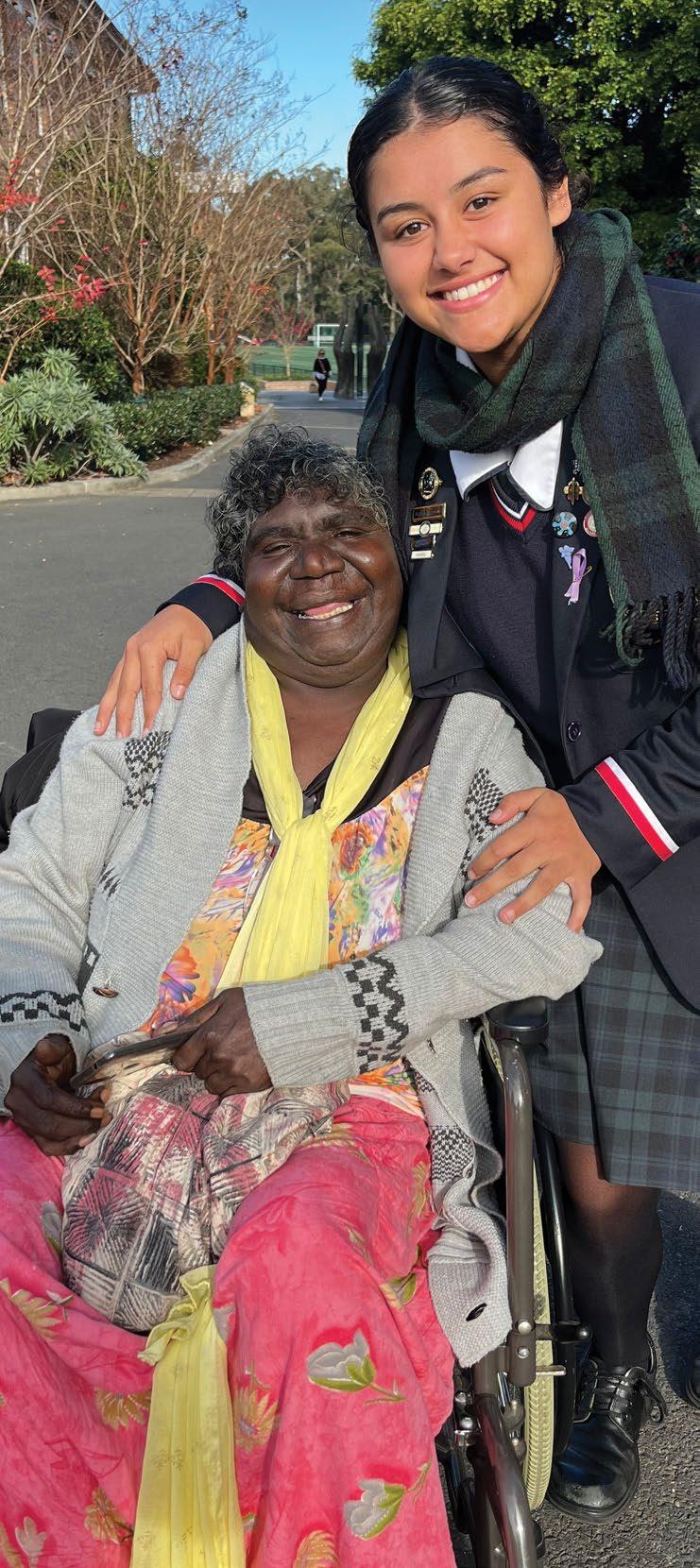
WELCOME TO COUNTRY
CELEBRATE NATIONAL RECONCILIATION WEEK Relationships WITH THE COMMUNITY
To build partnerships and foster relationships with local Elders in order to include a Welcome to Country at significant College events.
Celebrate National Reconciliation Week (NRW) across the College and within the wider community through hosting and participating in a range of activities.
• Invite local Elders to College events.
• Provide opportunities for local Elders to give a Welcome to Country.
• Remunerate local Elders for their time and knowledge sharing.
• Celebrate NRW across K-12 by allocating combined and school assemblies and Chapel services exclusively to reconciliation
• Celebrate NRW in the OSHC with a range of activities.
• Hold an annual First Nations Round of Sport and invite local schools and clubs to participate.
• Provide opportunities within the curriculum and mind body spirit time for learning about and celebrating NRW.
BUILD RELATIONSHIPS WITH COMMUNITY
Build authentic and ongoing relationships through communication, collaboration and consultation.
CULTURAL RESPONSIVENESS FOR STUDENTS AND CHILDREN
Develop student leadership and learning opportunities through formal and informal curriculum, wellbeing and outdoor education programs which prioritise cultural competence, truth-telling and First Nations owned and produced content.
FAMILY AND COMMUNITY ROOM

Provide a designated safe space within our College where First Nations students, families and community members can spend time, catch up, meet with staff, other students or hold meetings.
• Regular attendance at local AECG meetings to provide opportunities to connect and hear from the local community.
• Attend and promote events such as NAIDOC and NRW activities in the local community.
• Provide opportunities for First Nations businesses and knowledge holders to lead meaningful workshops and events with staff and students.
• Establish and nurture ongoing relationships with the First Nations communities of our Aboriginal and Torres Strait Islander students.
• Maintain Acknowledgement of/Welcome to Country and cultural learning activities as key components of our outdoor education programs K-9.
• Provide opportunities within the Curriculum and Mind, Body, Spirit time for learning about Aboriginal and Torres Strait Islander perspectives, contributions and cultures.
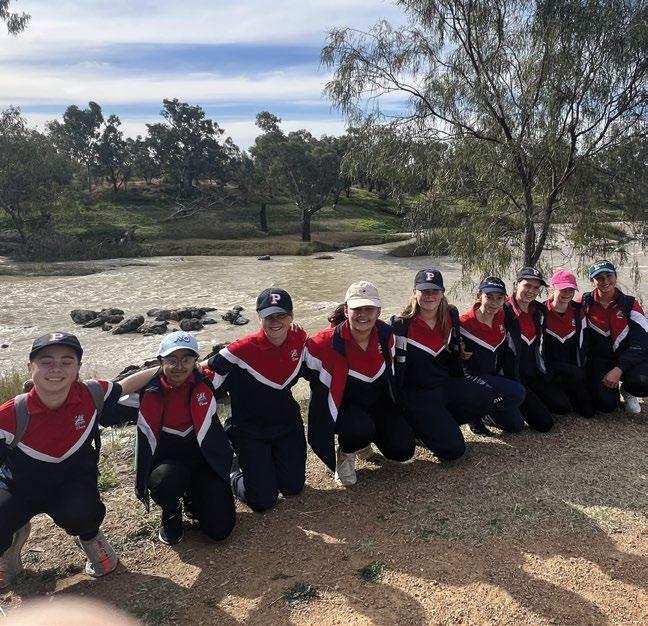
• Provide on-Country immersions and excursions for students to culturally rich areas, such as the Northern Territory, Sydney City, Central Coast, South Coast and Western NSW.
• A culturally sensitive space will be provided within the College for First Nations students and family members.

Raise awareness through the education and empowerment of Pymble students and staff with knowledge-based understanding of histories, ongoing lived experiences and relationships between First Nations Peoples and other Australians.
• Continue to provide learning experiences within and beyond the classroom that teach about Australian history, reinforcing the perspectives of First Nations people and truths, previously told by settler perspectives.
• Maintain currency regarding the geopolitical context of events happening in Australia such as the Uluru Statement of the Heart, the 2023 Referendum, Aboriginal incarceration and injustice through curriculum, assemblies and chapel services.
• Share reconciliation events happening in the local area with students, staff and Pymble community members.
TEACH ABOUT DAYS OF NATIONAL SIGNIFICANCE
Provide students and staff with an understanding of First Nations cultures, histories and events in order to develop knowledge and deepen understanding.
EXPLORE CURRENT AFFAIRS AND ISSUES
Provide relevant opportunities for staff and students to explore current affairs and issues relevant to First Nations Peoples.
• Create and share a list of Days of National Significance on College portal and in the student diary.
• Celebrate National Reconciliation Week and NAIDOC annually and link to curriculum activities.
• Include First Nations stories when celebrating ANZAC day and other days of significance.
• Maintain currency regarding the geopolitical context of events happening in Australia, such as the Uluru Statement of the Heart, the 2023 Referendum, Aboriginal incarceration and injustice through curriculum, assemblies and chapel services.
AROUND THE SCHOOL
ACKNOWLEDGEMENT OF COUNTRY
To ensure Acknowledgements of Country are given at all formal events, and that members of the school community understand how to express their own Acknowledgements in their own authentic contexts and ways.
• Ensure an Acknowledgement of Country is included in all College assemblies and formal events.
• Offer opportunities for students and staff to learn about and write their own Acknowledgement of Country.
VISIBLY
DEMONSTRATE RESPECT FOR ABORIGINAL AND TORRES STRAIT ISLANDER CULTURES
To show respect for First Nations cultures through the visible demonstration of meaningful and culturally appropriate signs and symbols.
• Sustain and refresh First Nations cultural signs and symbols around the College, such as artworks, symbols and spaces (Gunyah, Yarning Circle).
Respect WITH THE COMMUNITY
CELEBRATE DAYS OF
NATIONAL SIGNIFICANCE
Ensure days of National Significance are celebrated to show pride in, and respect for First Nations histories and cultures, and raise the awareness of all students and staff.
ABORIGINAL AND TORRES
STRAIT ISLANDER FLAGS
Fly and maintain both the Aboriginal and Torres Strait Islander flags in the correct manner at several key locations on College campuses.
PHYSICAL ACKNOWLEDGEMENT OF COUNTRY
Proudly display physical Acknowledgements of Country in a prominent place to show awareness of and respect for Country and First Nations peoples.
• Create and share a list of Days of National Significance on College portal and in the student diary.
• Celebrate NRW and NAIDOC Week annually making sure First Nations students, staff and family members can contribute where they wish.
• Fly and maintain both the Aboriginal and Torres Strait Islander flags at the flagpole, in the Chapel, at the OSHC and in the gym.
• Maintain an Acknowledgement of Country on the College website and staff email.
• Include in Master Plan a physical Acknowledgement of Country at the College in prominent areas such as entries.
TAKE ACTION AGAINST RACISM
To continually develop the College’s culture of inclusion by fostering confidence to speak up about racism and prejudice through the development of accessible policies, procedures and educational opportunities.
• Assess student and staff awareness of the steps to follow should they experience or witness racism and/or prejudice at the College.
• Map the Mind, Body, Spirit program (K-12) to show evidence of learning experiences that foster an age-appropriate understanding of racism and unconscious bias and encourages students, victims and/or allies to speak up.

Opportunities IN THE CLASSROOM
CURRICULUM PLANNING
Ensure the College meets requirements through the teaching of First Nations histories and cultures in all areas of curriculum.
AUSTRALIAN PROFESSIONAL STANDARDS FOR TEACHERS
Provide support for teachers to understand and meaningfully engage with the Australian Professional Standards that relate to teaching First Nations students and teaching about Aboriginal and Torres Strait Islander histories and cultures.
• Provide professional learning opportunities for curriculum planning that supports teachers to deliver First Nations histories and cultures in all areas of curriculum. This professional learning may include working with the College’s Learning Leader for First Nations History and Culture or external experts.
• Map the Stage 4 and 5 curriculum to determine omissions, overlaps and inconsistencies.
• Provide professional learning opportunities and coaching for staff doing accreditation.
• Offer meetings for staff undertaking accreditation with members of the First Nations team, including the Learning Leader for First Nations History and Culture.

AROUND THE SCHOOL
INCLUSIVE POLICIES
All College policies and procedures will be reviewed and enhanced to be inclusive of First Nations perspectives. Procedure will offer clear steps to ensure compliance as a certified equal opportunity employer (EOE).
• As new policy updates are released members of the RAP group will review with a First Nations and inclusive lens and report any inconsistencies or deficits to HR.
• Seek the feedback of the First Nations Advisory Group about policies that refer to equal opportunities.
STAFF ENGAGEMENT WITH RAP
To achieve authentic staff engagement with Pymble’s RAP through providing regular and ongoing opportunities for participation in planning, development and delivery.
RAP BUDGET ALLOCATION
Advocate for an annual RAP budget to be included in the College budget as part of the RAP group’s planning process.
• Hold a termly RAP group meeting with a specific agenda.
• Provide opportunities for new staff to join the RAP group.
• Share and celebrate the story of our RAP journey.
Ensure a RAP budget is included in the
Opportunities WITH THE COMMUNITY
EMPLOYMENT STRATEGY
To create and implement an employment strategy to assist in attracting First Nations candidates to reflect the diversity of Australia’s multicultural society.
CELEBRATE
RAP PROGRESS
To recognise and celebrate progress, including completion of the first RAP document, so that we raise awareness to the existence, purpose and achievements of the RAP in the College community.
• Create a First Nations employment strategy.
• Provide opportunities for First Nations people to undertake work experience or teacher practicum placements at the College, as an employment strategy.
• Invite First Nations graduates to the Think Pymble employment event.
• Launch the inaugural RAP document and celebrate in a RAP meeting, assembly or staff meeting.
• Launch and celebrate the RAP document by publishing in the College newsletter, website and portal.
• Create a video about the RAP story and document that recognises the contributions of all group members over the years.
• Update the RAP on ISSUU on a termly basis with highlights and stories to retain interest and engagement with the College’s reconciliation actions and progress.
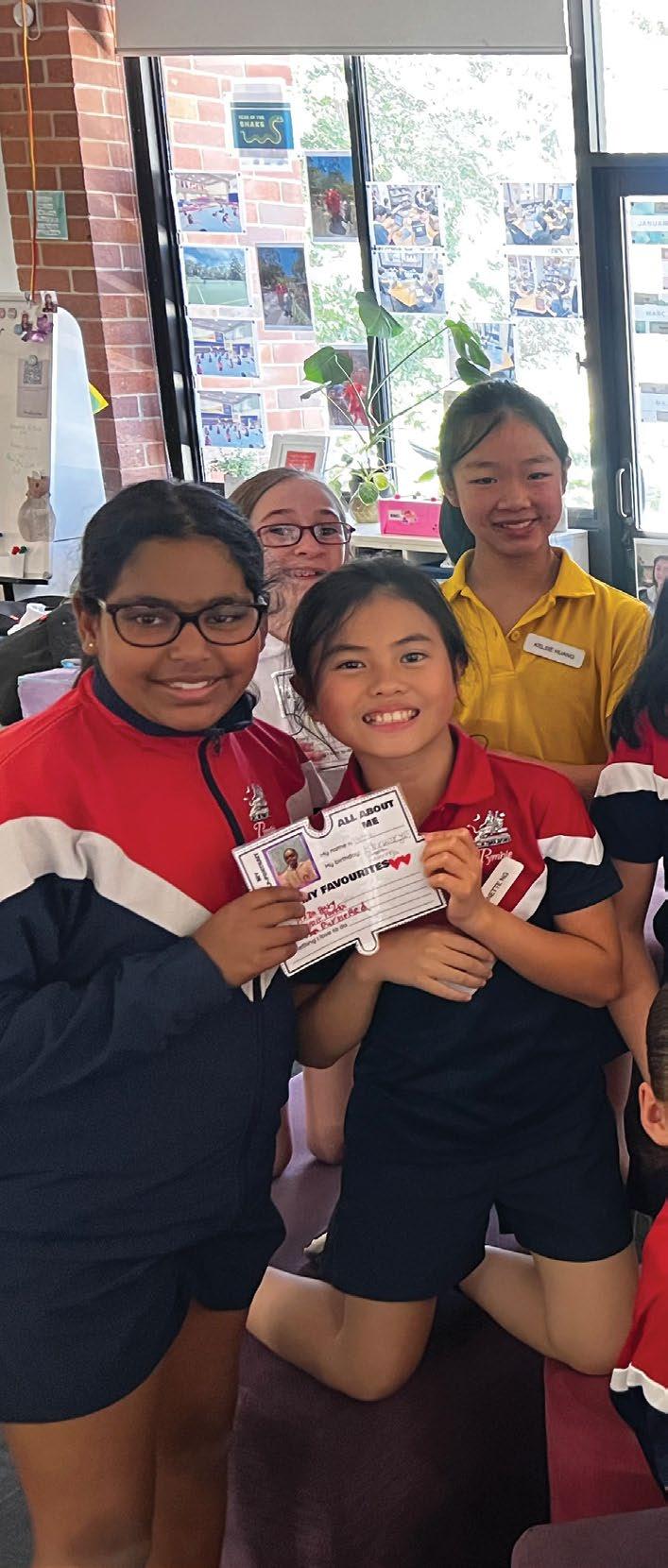

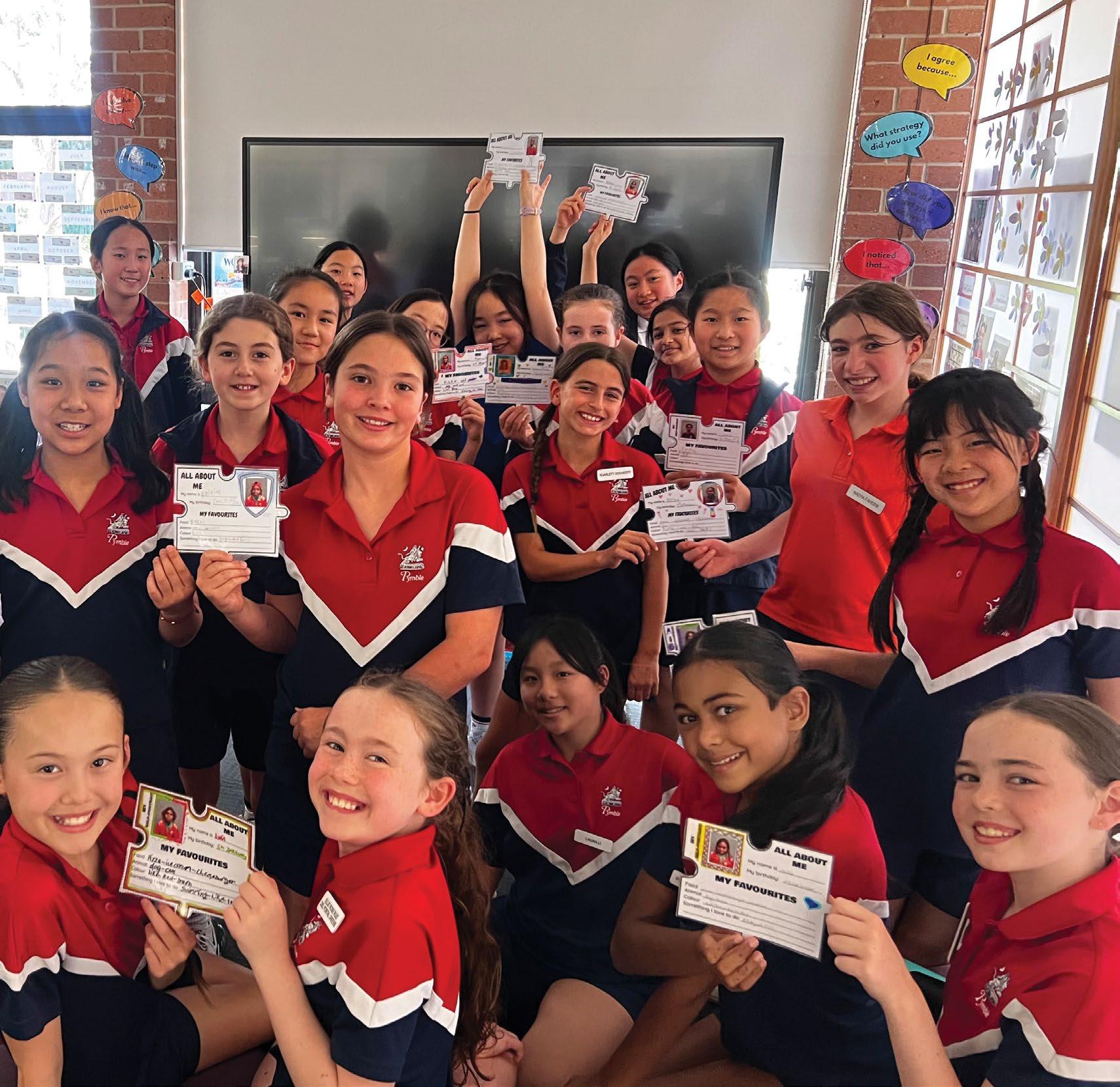
“I really valued connecting with our Milingimbi friends through letter writing, postcards, artworks and story telling. To meet them later in person at Pymble was very special.”
NADYA FAHEEM, YEAR 6
where different perspectives are encouraged and valued. Our students care for, listen to, and learn from people of all backgrounds, including our First Nations People. Through developing skills in cultural connectivity, Pymble girls foster respectful, resilient and inclusive relationships, and harness the power of diversity to enrich their worldview.
Putting our plan into action
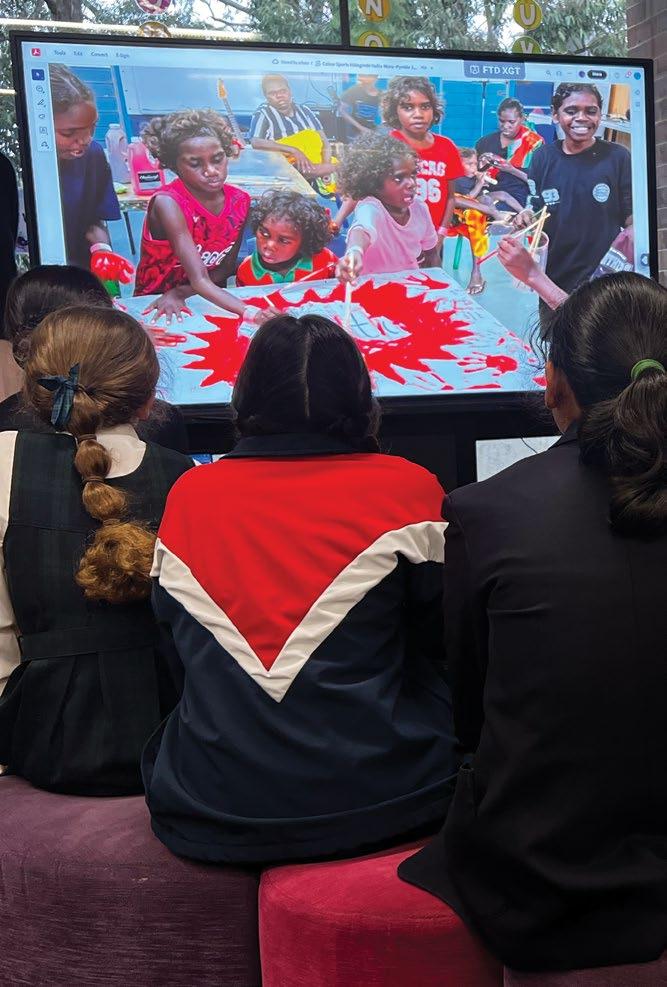
MILINGIMBI LUNCH GROUP
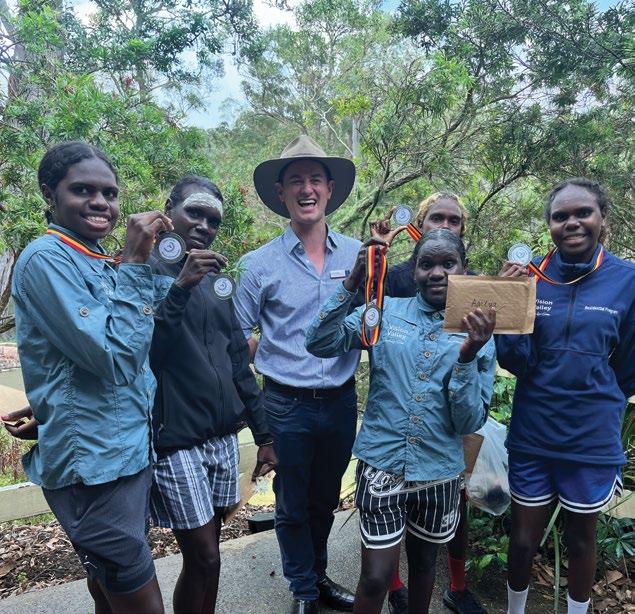
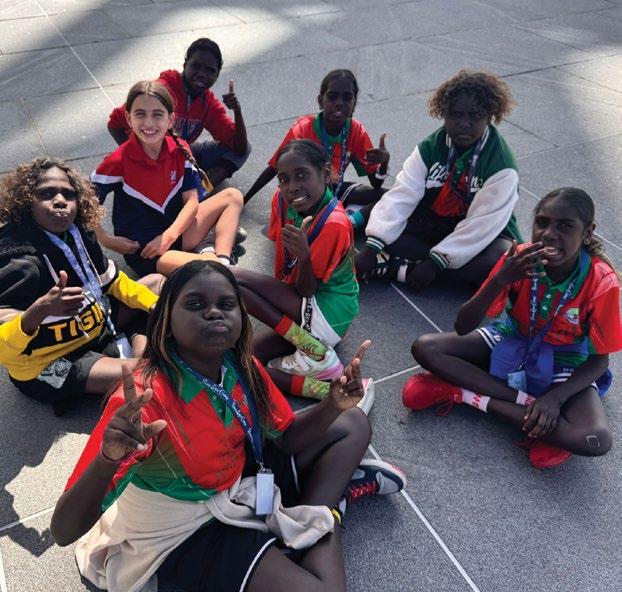
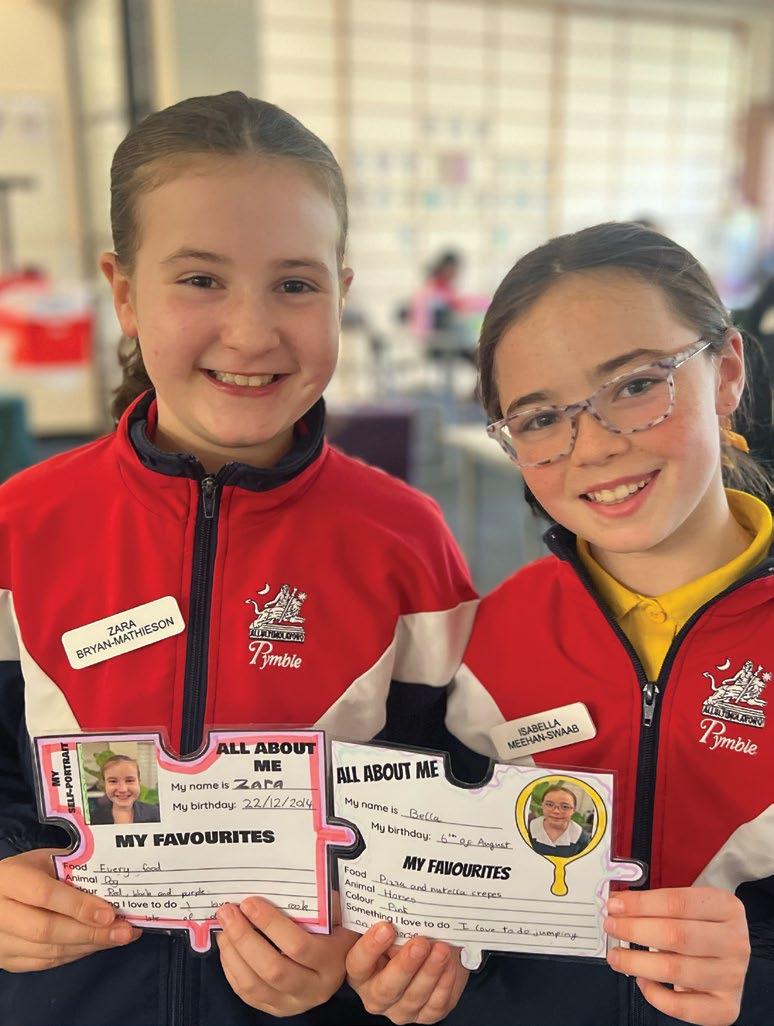
Each Wednesday at lunch during term time in 2025, 30 keen students in Year 5 attended the Year 5 Milingimbi Lunch Group. The program connected Pymble and Milingimbi students via Teams after an in-person meeting, with the aim of fostering cultural understanding and perspective, empathy and strong relationships between the two schools. Sessions included:
• storytelling and literacy exercises
• learning about Milingimbi Island’s location, languages and history
• writing pen pal letters, exchanging “all about me” puzzle postcards and creating photo profile boards
• artistic projects inspired by the Djambarrpuyngu rain story, Därrpa (king brown snake) and Water Lily
• watching a video celebrating 50 years of bilingual education at Milingimbi and practicing Yolngu Matha greetings
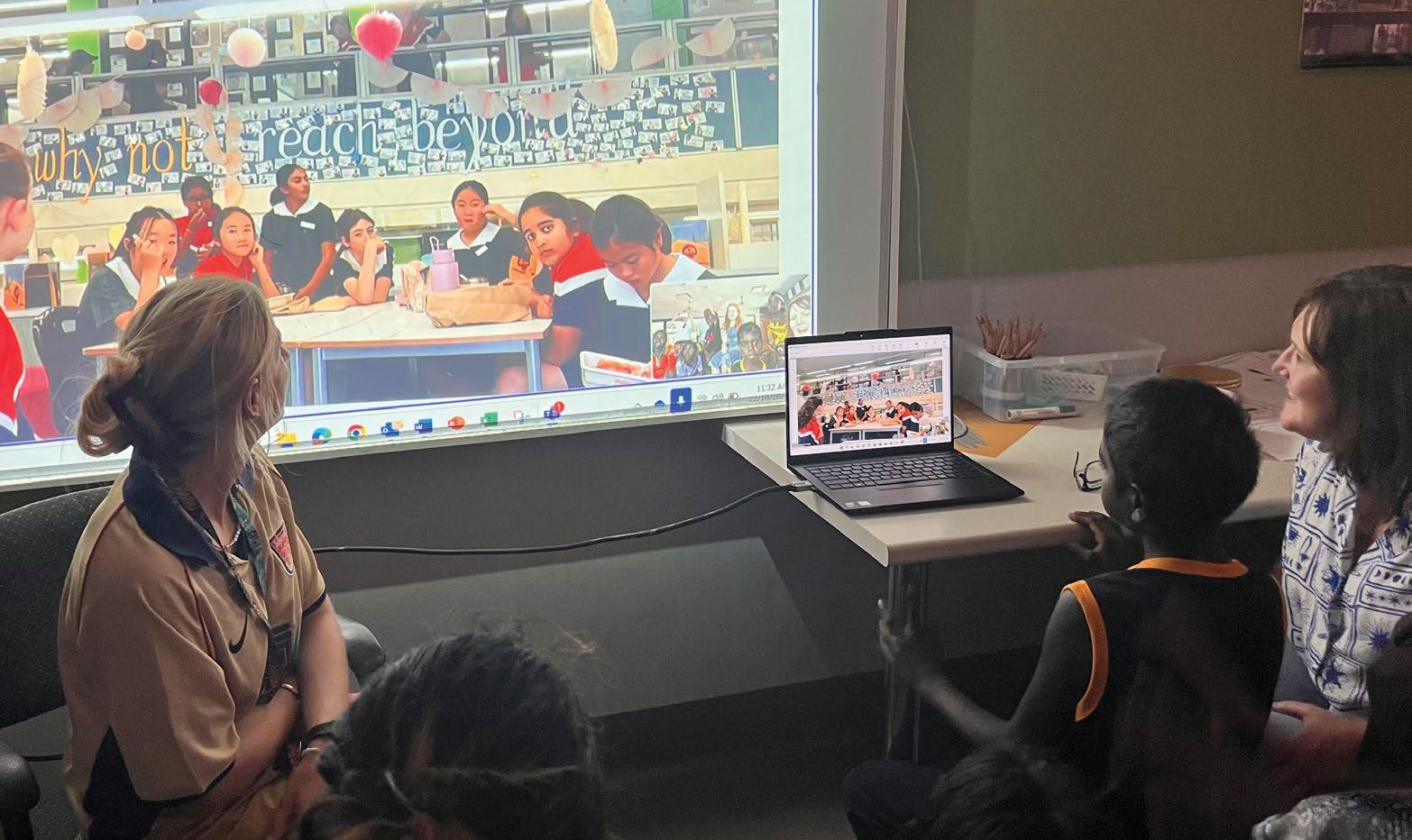
• student-to-student peer reading
• asking questions and sharing knowledge.
Additional cultural connections included Learning Lunches with Year 10 Pymble students, who spoke about their experience of attending a Learning on Country immersion at Cape Stewart near Milingimbi Island.
Year 5 also enjoyed visits from Year 9 Milingimbi girls prior to their Vision Valley Residential Programs and a presentation about Milingimbi students’ participation in sports activities through ‘Colour Sports’.

Inspired by these sessions, our Year 5 girls instigated a football boot drive to support our Milingimbi friends in their weekly AFL games.
MRS MICHELE WILSON
YEAR 5 COMPASS TEACHER AND MILINGIMBI LUNCH GROUP LEADER
ACTIONS 1 9
MITI NUKANG IN COLOUR
WEAVING PROJECT
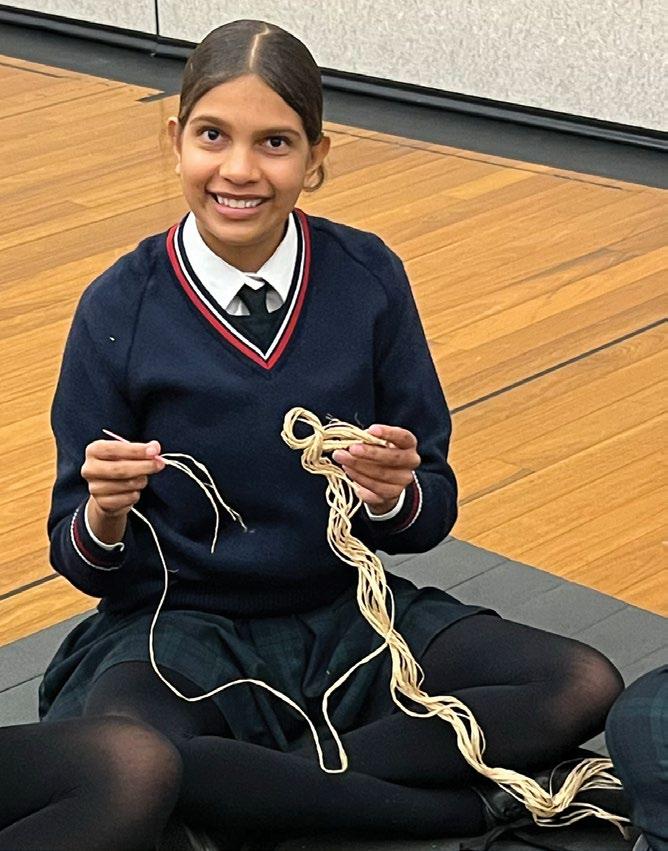
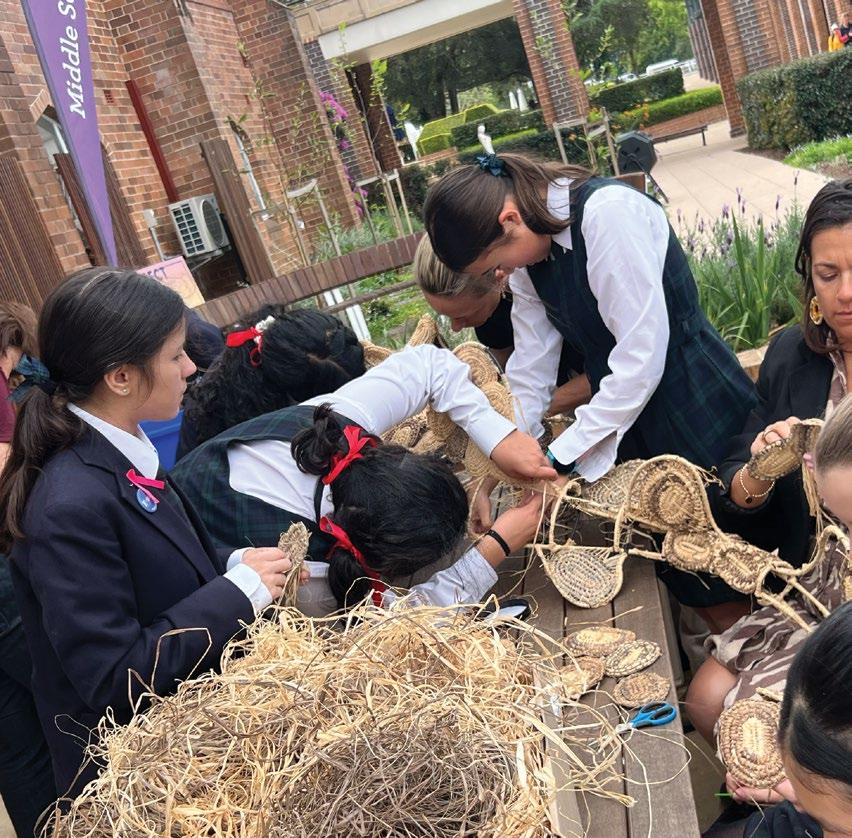
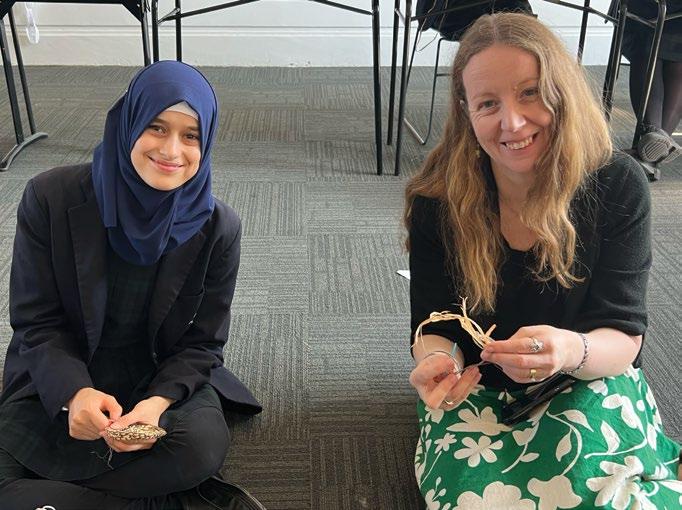
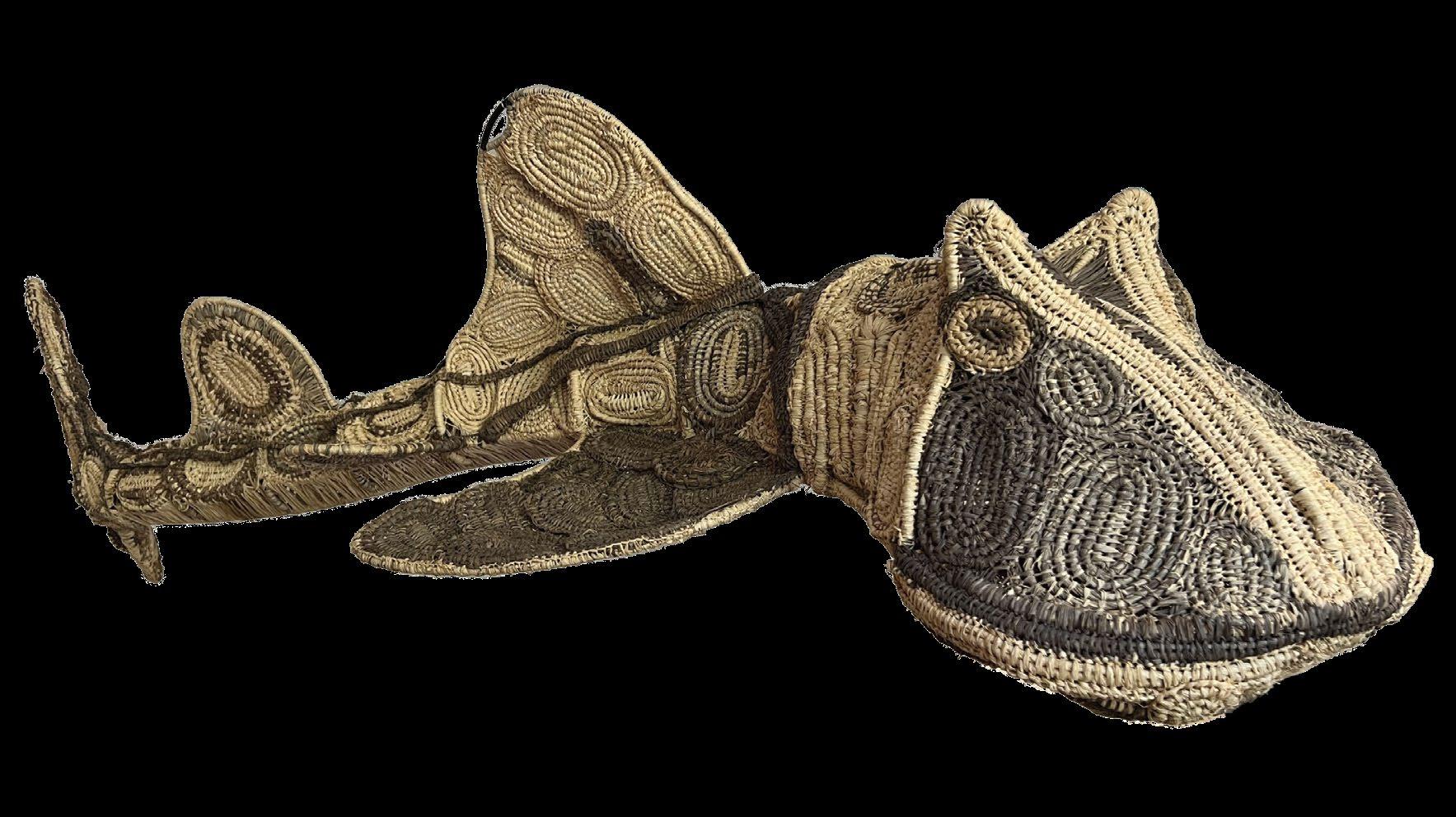
The College recently engaged Miti Nukang in Colour to work with 30 Middle School students of diverse backgrounds on a collaborative weaving project. Miti Nukang in Colour is a not-for-profit organisation that works in conjunction with Newcastle University to deliver culturally sensitive programs that build knowledge of First Nations historical practices and share skills based on weaving traditions.
Across 10 workshops, students used different techniques to craft a variety of woven shapes, which were then used to form a three-dimensional representation of the Port Jackson shark that is native to Sydney’s harbours. Our girls were thrilled to have First Nations students from Milingimbi join one of the workshops, where they generously shared their own cultural traditions whilst contributing to the collaboration.
This rewarding act of working together and sharing skills can be celebrated when visiting the Middle School Office, where our Port Jackson shark is on permanent display.
ACTIONS 1 2 8 9 15
“I liked that the non-First Nations girls were learning about our culture. I liked sitting with the girls and weaving to relax.”
KYILISTA GIBBS, YEAR 7


“During the weaving workshop, I felt a calmness flowing through my veins and patience building within my bones. Every push and pull of the needle felt like a heartbeat of peace and focus.”
“The time we spent together not only saw us develop and appreciate the art of weaving, but it allowed for us to share time and stories with each other. Weaving is creative, productive, meditative and reflective all in one!”

MALALAI KARIMI, YEAR 8
MRS KELI STAPP, HEAD OF YEAR 8

Aboriginal Studies has been one of the most Pymble
It gave me the opportunity to learn about and celebrate my culture in an environment that encouraged open conversations and understanding. For me, this subject was more than just academic; it was about identity, pride and the chance to share my family’s stories through my major work. It allowed me to connect with my heritage more deeply while helping others build their awareness and appreciation for First Nations histories and perspectives.
When I learned that a non-First Nations student had advocated for Aboriginal Studies to be , I was deeply touched. It reminded me that reconciliation isn’t solely the responsibility of First Nations people; it’s a shared journey we all play a part in. Their advocacy was a powerful act of allyship and showed how education can unite people and foster
One of our 2023 graduates, Amarley Bron is a proud Biripi and Worimi woman who says, ‘The Yarning Circle’s a place where everyone can come together, listen to stories and really understand what culture means; it’s about learning from each other.’ Her words sum up what Aboriginal Studies is all about for me: sharing, connecting, and growing together through respect and conversation.
DEZI MAGANN-JONES (2025) PROUD GAMILAROI WOMAN
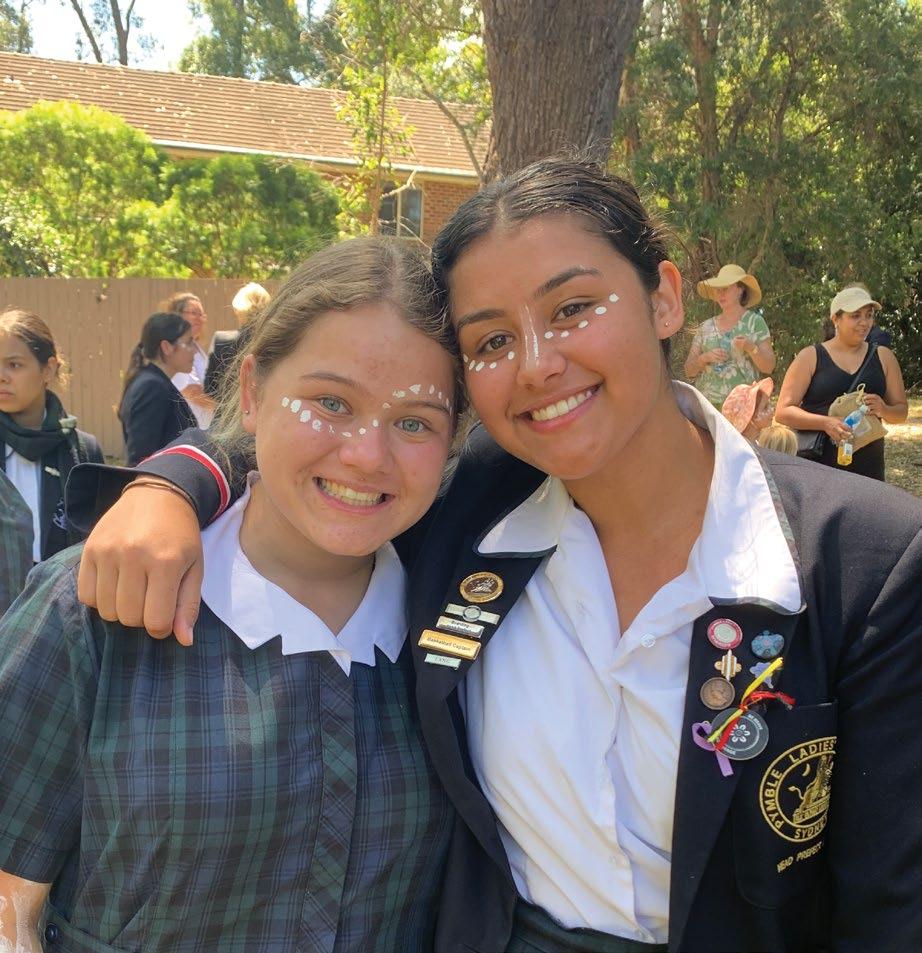
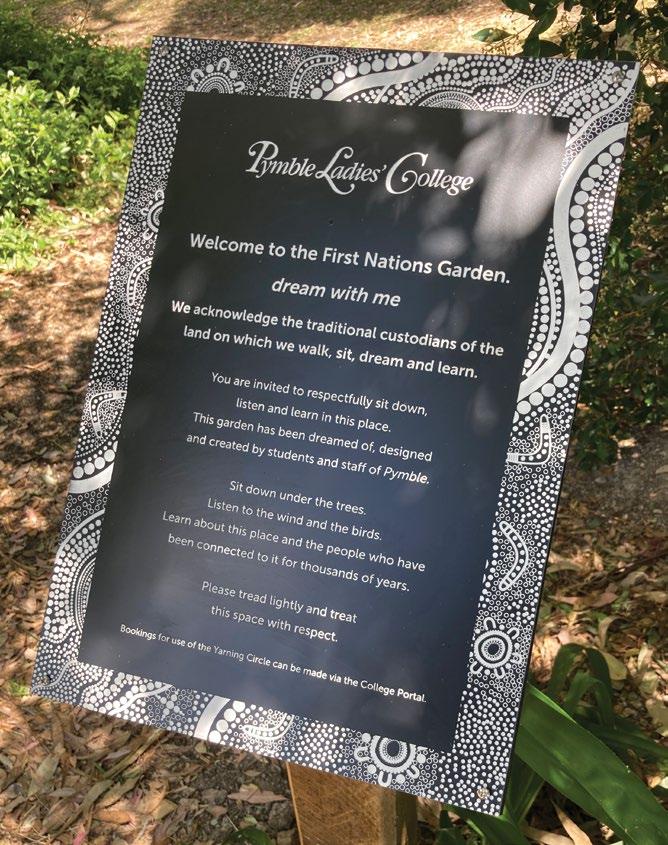
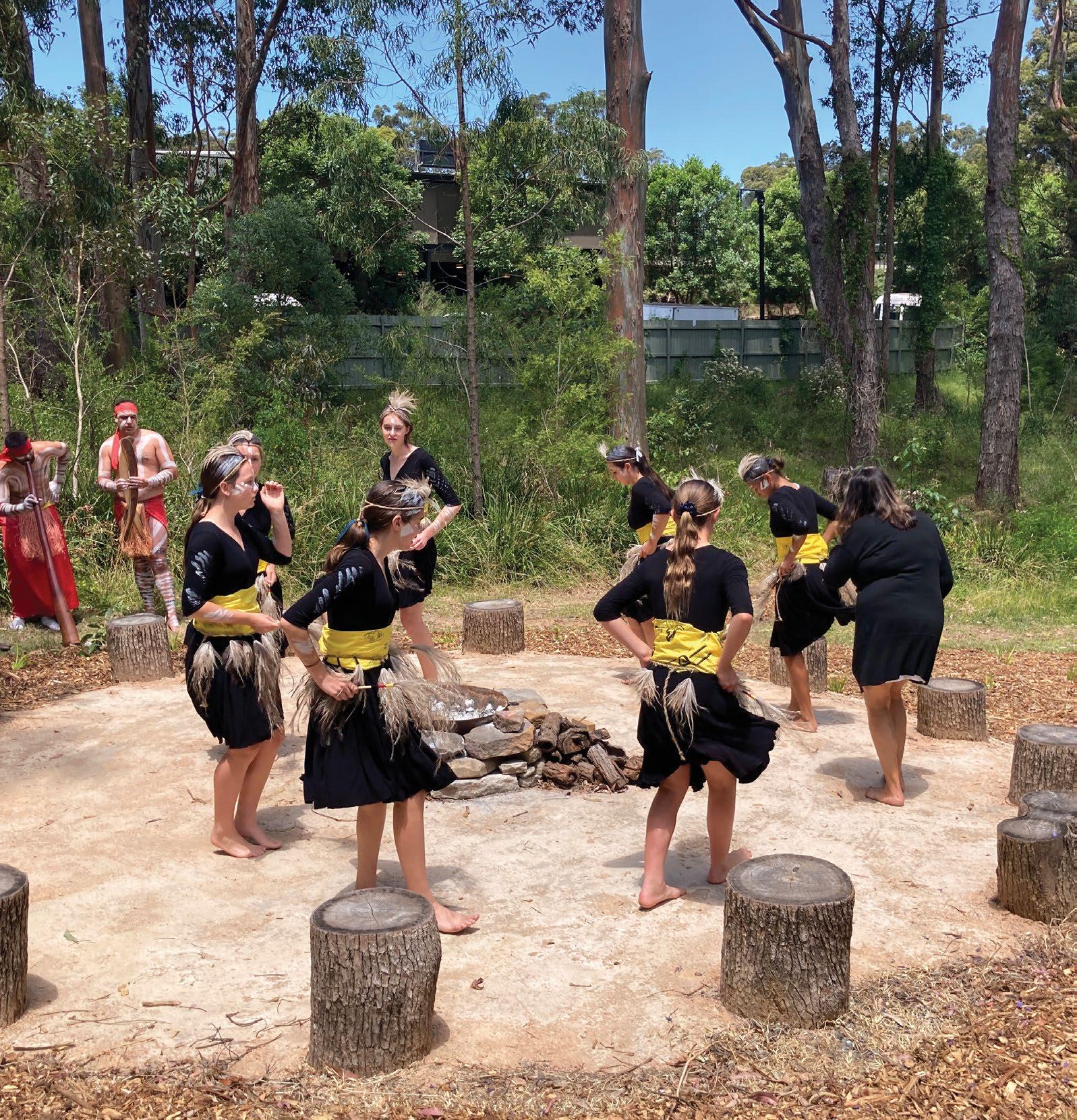
The impact of the subject has reached far beyond the classroom. The first Aboriginal Studies cohort designed and built the Yarning Circle and First Nations garden, a space where all students and staff can gather, reflect and connect. Seeing others use and respect this space reminds me that the work we do in Aboriginal Studies creates lasting change.
“The impact of the subject has reached far beyond the classroom.”
DEZI MAGANN-JONES (2025)
PROUD GAMILAROI WOMAN

Deeper learning, greater understanding
The Learning Leader for First Nations History and Culture is responsible for strengthening, enriching and celebrating Aboriginal history and culture across the curriculum in all learning areas, for all students. This role involves collaborating with teachers and Heads of Learning to reflect on existing programs and deepen the strong work already occurring across the College.
In 2024–2025, I worked closely with Stage 4 teachers across the College to review teaching and learning programs that incorporate First Nations perspectives. I then analysed the curriculum audit to identify key themes, including the Eight Ways of Learning and Grant’s Indigenous Framework, as well as opportunities for greater alignment and continuity across subject areas. The findings from this review were shared with Heads of Learning to inform future planning and support the development of deeper, more connected learning experiences for students.
Teachers actively engaged with these resources to enhance their practice.
In Geography, I worked with Ms Joanne Rule to strengthen the Landscape and Landforms unit. These revised resources supported students in developing a deeper understanding of the totem system and its interconnection with caring for Country, living things and sustainability practices.
Year 8 students investigated specific totems from Nations represented by our students, including Dharug, Wiradjuri, Kamilaroi and Yuin.


ACTIONS 2 9 15 18
In Music, Ms Sarah Ashton developed a new Year 7 unit focused on First Nations music in contemporary Australian society. This thematic study was extended into a composition unit, enabling students to effectively connect theoretical understanding with practical application.
In Science, Dr Kim Bunny redeveloped resources in Stage 4 to embed First Nations people’s enduring and sophisticated knowledge systems about Country into the new syllabus. By embedding these perspectives within Science at Pymble, we ensure our students engage with multiple ways of knowing and develop an appreciation of the depth and significance of First Nations knowledge in understanding and caring for the natural world.
I look forward to Professional Learning with Dr Kevin Lowe, who has been engaged by the College to strengthen First Nations perspectives across all faculties, and continuing my work to ensure that all teaching and learning is ethically sourced, contextually appropriate and respectful of Aboriginal histories, cultures and knowledges.
MS SOPHIE HARPER LEARNING LEADER FOR FIRST NATIONS HISTORY AND CULTURE

Honouring stories, enabling belonging
The Pymble Libraries aim to provide safe, welcoming and inclusive spaces in which all students see themselves and their experiences reflected.
Literature and research related to Australia’s First Nations people can be fraught due to historical biases, inaccurate portrayals, missing voices and outright racism. As a team, we considered how to ensure that our First Nations students feel at home in our libraries and know that their knowledge and experiences are accurately represented and celebrated in quality resources.
As a result, in 2022 we embarked upon a ‘decolonisation’ of the Pymble Libraries collection. This involves evaluating resources related to First Nations people to ensure that they are culturally appropriate, accurate in representation and inclusive of First Nations’ voices. The evaluation process to assess existing and new resources uses the following
key criteria, with guidance from the Australian Institute of Aboriginal and Torres Strait Islander Studies (AIATSIS):
1. Authenticity
2. Balanced nature of the presentation
3. Aboriginal and/or Torres Strait Islander participation
4. Accuracy and support
5. Exclusion of content of a secret or sacred nature
6. Appropriate terminology
We are now focused on ‘indigenising’ the collection by mindfully curating resources that are culturally inclusive and respectful of First Nations history and culture. This includes:
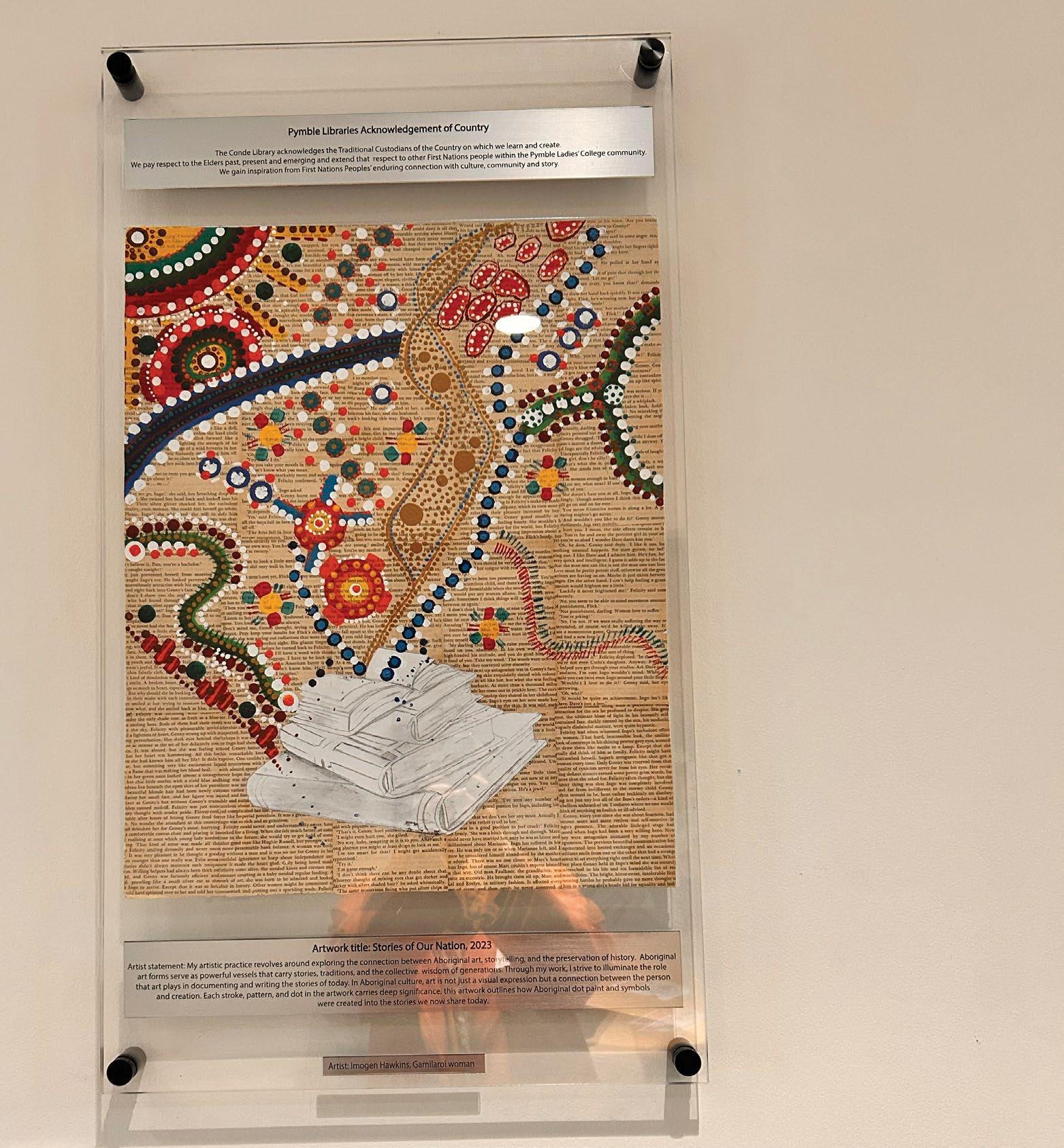
• The creation of a Library-specific Acknowledgement of Country focusing on the importance of story and storytelling in First Nations’ culture. This was created in consultation with First Nations people and features an original artwork by our former First Nations scholar, Imogen Hawkins (2024).
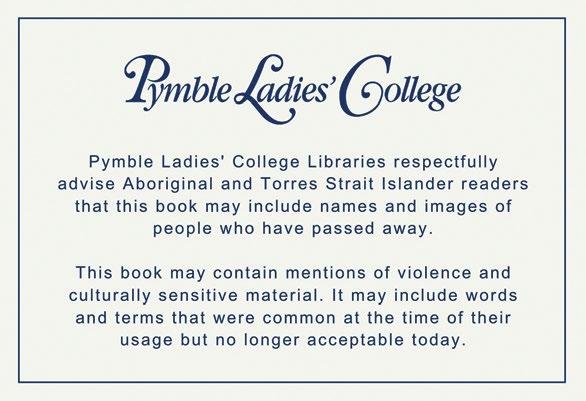
• Installing cultural sensitivity warnings on the shelving in parts of the collection and at the front of relevant books.
• Ongoing refinement of our descriptions of metadata and subject headings in the library management system to ensure cultural appropriateness.
• A permanent display in the Conde Library space celebrating polycultural First Nations voices. This is regularly updated to shift the focus to different First Nations authors and artists.
The Pymble Libraries team is committed to continuing to champion First Nations voices, reconciliation and inclusivity. While we are proud of what we have achieved thus far, this is still an area of progress and refinement, and we welcome suggestions from our community, especially our First Nations students and staff.
MS
TESSA ZWAR HEAD OF LIBRARY AND RESEARCH SERVICES K-12
“As a team, we considered how to ensure that our First Nations students feel at home in our libraries...”
Celebrating culture on-Country
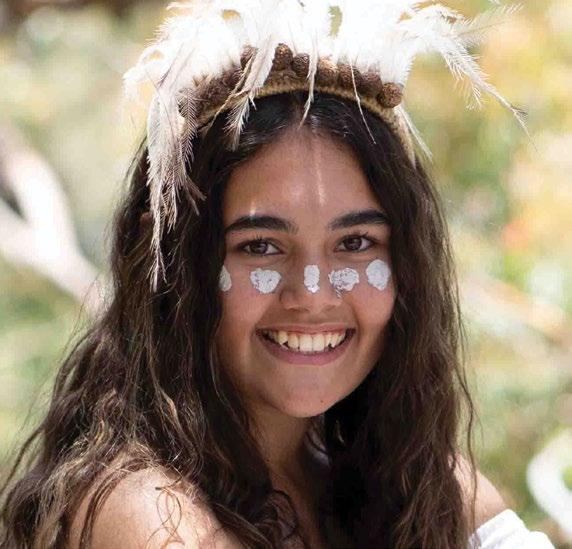
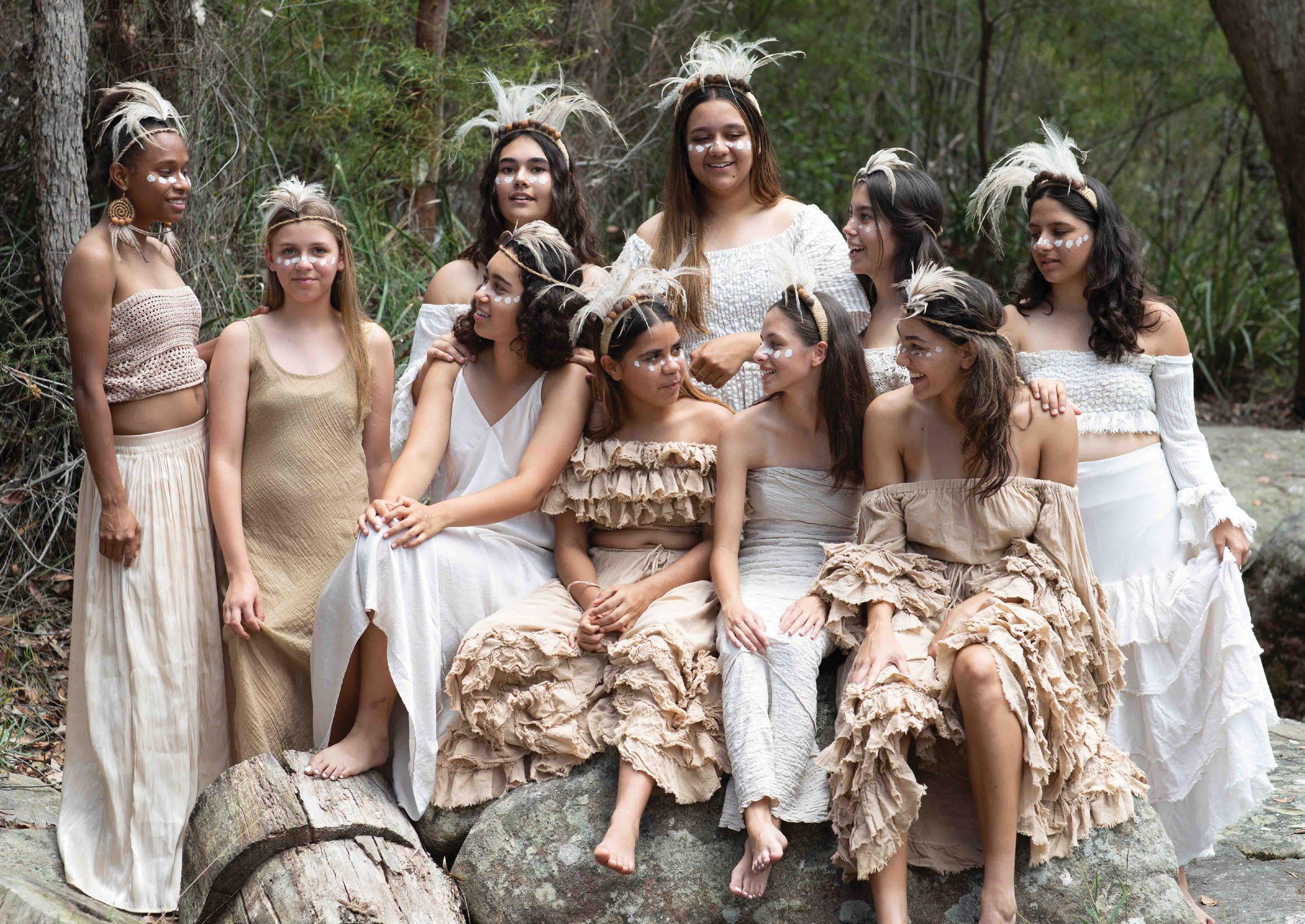
In Term 4, 2025, our First Nations students were offered the opportunity to take part in Ochre Up, a cultural photography program led by Alicia Frail, a proud Wiradjuri and Kamilaroi woman from the Central-West and North-West of NSW.
Ochre Up provides a powerful opportunity for students to explore and celebrate their cultures. Spending time on Country through this program was a chance to reconnect with culture, Country and each other. Alicia created a space where students felt safe, supported, and proud of who they are, encouraging them to recognise their
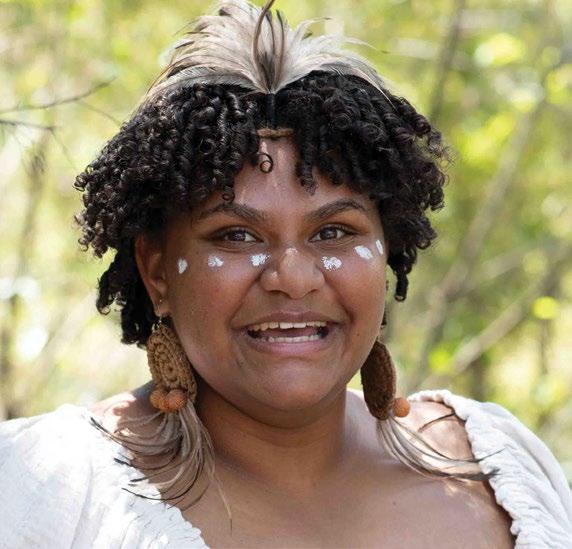
strength, beauty and deep cultural connections. She also shared the importance of ochre in ceremony and invited students to paint each other, making the experience even more meaningful. The workshop also gave students
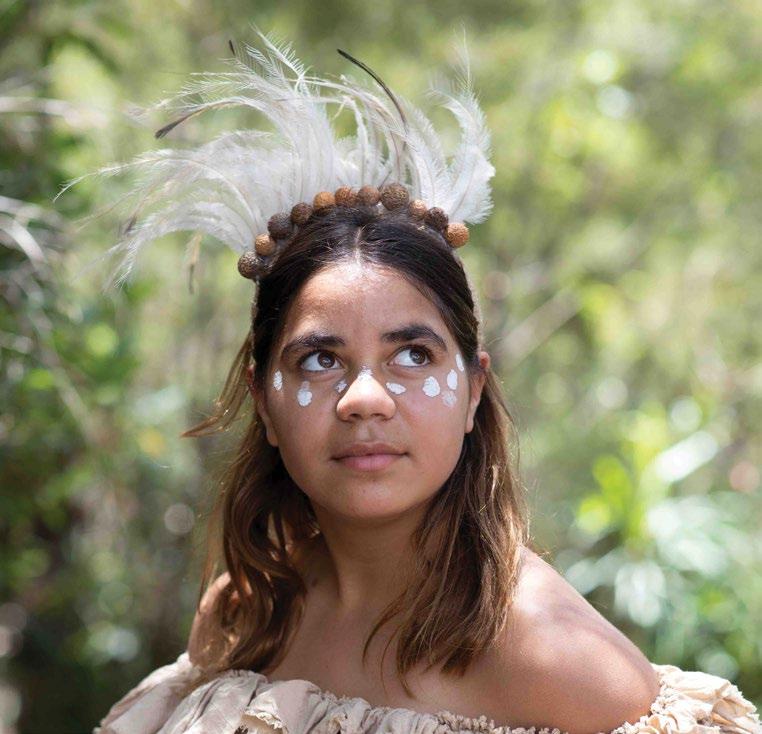
“I loved participating in the cultural workshop, Ochre Up run by my cousin. The workshop was a way to explore identity and belonging with deep conversations.”
HAVANA GREENTREE-FULLER, PROUD WIRADJURI WOMAN AND YEAR 9 STUDENT
ACTION 2