Building Brains: Exploring the Intersection of Neuroscience and Architecture to position the Built Environment as a strategy for Brain Health

This is a crowdsourced, living document and will evolve over time.
cities
The Building Brains Coalition is a global network dedicated to advancing neuroarchitecture through collaborative research, professional education, policy advocacy, and public engagement. Its mission is to deepen scientific understanding of how environments affect the brain, develop evidence-based design methods, and implement practical solutions that enhance cognitive potential and well-being. The coalition’s strategic objectives include standardizing research protocols, integrating neuroscience into design education, shaping supportive policy frameworks, and raising public awareness. By fostering transdisciplinary collaboration and launching demonstration projects, the coalition aims to transform architectural practice, establish neuroarchitecture as a public health intervention, and create environments that consistently support brain health and human flourishing.
9.1.
9.2. Office Workplace Environments: Productivity Enhancement and Cognitive Sustainability
9.3. Healthcare Environments: Therapeutic Design and Recovery Optimization
9.4.
10.1.

Can the built environment be a strategy to address global challenges around brain health?
This state of the field review, co-authored by many invited experts of the Building Brains Coalition, synthesizes emerging evidence from neuroscience, environmental psychology, and architectural practice to establish the theoretical and empirical foundations of neuroarchitecture as a distinct transdisciplinary field that can contribute to brain health. Through systematic analysis of neurobiological responses to environmental stimuli across multiple spatial scales, we demonstrate that architectural design parameters constitute measurable determinants of cognitive function, affective regulation, and physiological homeostasis. Our investigation reveals that the built environment operates through complex multisensory integration processes and chronic allostatic mechanisms to fundamentally shape brain health trajectories. It also outlines some key contemporary movements both in industry and academia that are worth tracking, to achieve meaningful impact.
As global economic paradigms shift, a new impact driven field is emerging that sits at the convergence of public health imperatives, environmental sustainability, inclusion, and economic productivity. We propose a coalition of minds and institutions, with guardrails of a clear theoretical framework, to position evidence-based environmental design as an essential intervention for addressing neurological health disparities, climate-related cognitive vulnerabilities, and societal resilience challenges.

1.2.
The built environment constitutes a fundamental yet underrecognized determinant of neurobiological function, operating through measurable psychophysiological mechanisms that influence cognitive performance, emotional regulation, and systemic health outcomes across individual, community, and population scales. The working thesis for the Building Brains coalition is that through the systematic integration of relevant evidence into architectural practice and capital investment —spanning urban design, building design, and interior environments— we can slow down the trajectory of neurological disease and cognitive decline, enhance adaptive human capacity, and create built environments that build brain health to impact better human economic and ecological outcomes.
The global challenge of brain health is intensifying: the World Health Organization (2024) estimates that over 3 billion people lived with a neurological condition in 2021, making such disorders the leading cause of illness and disability globally. Lowand middle-income countries bear more than 80% of related deaths and years lived with disability (WHO, 2024). The WHO’s Intersectoral Global Action Plan calls for prevention, treatment, and research through multi-sectoral efforts (WHO, 2023). The World Economic Forum (2024) warns that brain disorders cost the global economy USD 5 trillion annually and urges cross-sector collaboration to protect workforce productivity and societal resilience. What is less explored in the literature is how the vast amount of investment that already goes into the creation of cities, neighborhoods, homes, workplaces, educational institutions, and hospitals can be informed (through research and a robust evidence base) to design environments that can improve brain health outcomes.
Neuroarchitecture is a transdisciplinary field that interrogates the bidirectional relationships between environmental design and neurobiological function. This emerging discipline synthesizes advances in cognitive neuroscience, evidence-based design, environmental psychology, architectural theory, and public health to establish evidence-based frameworks for optimizing human-environment interactions. Acknowledging the critique that neuroscience has been superficially applied to architectural concerns without sufficient empirical grounding (Coburn, Vartanian, & Chatterjee, 2017), the present synthesis emphasizes the necessity of rigorous experimental methodology in neuroarchitecture. Rather than treating neuroscience as prescriptive, the approach adopted must establish evidencebased frameworks through systematic measurement and analysis of neurobiological responses to environmental design, thereby contributing to the maturation of the field as a distinct, empirically grounded discipline.
Neuroarchitecture as a field seeks to establish quantitative relationships between specific architectural parameters and measurable neurobiological outcomes. This approach enables the development of evidence-based design protocols that systematically enhance cognitive function, emotional wellbeing, and physiological resilience while addressing broader societal challenges including, educational effectiveness, healthcare delivery, workplace productivity, and urban mental health.

The theoretical foundation is supported by the premise that architectural environments constitute active agents in neuroplasticity, stress regulation, and cognitive development rather than passive containers for human activity (Edelstein & Macagno, 2011).
The field’s emergence responds to mounting evidence that environmental factors significantly influence neural development, cognitive performance, and mental health outcomes through mechanisms previously unrecognized in traditional architectural practice. Contemporary urbanization patterns, technological acceleration, and climate
change intensify the complexity and magnitude of human-environment interactions, necessitating systematic investigation of how physical spaces modulate neurobiological systems across the lifespan. 1.4.
The historical evolution of neuroarchitecture reveals a progression from intuitive design principles toward systematic scientific investigation. Early philosophical foundations, including phenomenological approaches to environmental experience and ecological psychology frameworks, provided conceptual groundwork for contemporary empirical methodologies. In the early 1960s, James Gibson proposed that the senses are not separate passive channels but perceptual systems active in detecting structure in ambient energy. He introduced ideas like affordances and ecological perception that remain influential today (Gibson, 1966).
The advancement of scientific studies of neurophysiology—the function of the neural system innervating the brain and body—and clinical findings from human neurology and neurosurgery continue to expand our understanding of how sensory, perceptual, emotional, cognitive, and behavioral actions are measurably linked. Since the 1960s, scientists and medical doctors, too numerous to mention in this summary, have revealed the top-down, bottom-up, and lateral connections that feed-forward, feedback, and across neural networks coursing through the brain and body (Kandel et al., 2021).
Research demonstrating that enriched environments are associated with brain growth inspired Norman Koonce, JP Eberhard, and others to collaborate with colleagues at the Salk Institute of Biological Studies, the University of California, San Diego, and other institutions.
The Academy of Neuroscience for Architecture (ANFA) was founded in 2003 by the San Diego Chapter of the American Institute of Architects (AIA). A board of directors was established and an executive committee including John Paul Eberhard, ANFA’s first president, was elected. During its
infancy, from 2003 to 2005, the ANFA was funded in part by a LaTrobe Fellowship awarded by the AIA’s College of Fellows. Utilizing this money, President Eberhard conducted research relevant to ANFA’s mission (Eberhard, 2009).
Learn more about ANFA: https://anfarch.org/
Advanced neuroimaging technologies, computational analysis capabilities, AI, and environmental monitoring systems have enabled unprecedented precision in measuring brain-environment interactions. Several studies using virtual reality (VR) simulations have mapped brain and behavioral responses using electroencephalography (EEG) and eye tracking to demonstrate how people respond in immersive interior, architectural, and urban representations of built settings (Edelstein & Macagno, 2012; Djebbara et al., 2019; Bower, Hill, & Enticott, 2023; Kim et al., 2025). Additional mobile EEG studies with head-mounted virtual or augmented reality systems enable subjects to move through ecologically relevant settings (Gramann et al., 2010; Zhang et al., 2010), while magnetic resonance imaging (MRI) offers additional information about specific neural responses while subjects view controlled, repeated images that reveal design elements of interest or that attract attention.
Contemporary developments include the establishment of specialized research centers, the integration of neuroarchitectural principles into professional education curricula, and the emergence of evidencebased design standards within healthcare, educational, and commercial architectural practice. This institutional maturation reflects growing recognition of neuroarchitecture’s potential to address complex societal challenges through environmental intervention. Some of these institutions are highlighted at the end of the paper (see Chapter 10 for a detailed list). However, this is a growing, shifting landscape, and one of the key motivators of the coalition is to create a broad understanding of initiatives spanning this intersection.
The emergence of brain capital as a central economic construct reflects fundamental shifts in post-industrial economic paradigms that prioritize cognitive capabilities, creative capacity, and adaptive intelligence as primary drivers of productivity and innovation. The World Economic Forum (WEF) and McKinsey Health Institute’s Brain Economy Action Forum conceptualization of brain capital synthesizes two interdependent components: brain health, encompassing neurological integrity, mental health status, and cognitive function optimization; and brain skills, comprising cognitive flexibility, emotional intelligence, creative problem-solving capacity, and adaptive learning capabilities (McKinsey Health Institute, 2025). The intersection of brain health and brain skills is positioned as a critical determinant of economic productivity, societal resilience, and competitive advantage within knowledge-based economies. Brain capital’s economic significance extends beyond individual performance metrics to encompass collective intelligence, social cohesion, and adaptive capacity at community and national scales. The quantified economic potential of brain capital optimization, estimated at USD26 trillion annually in global economic opportunities, reflects the transformative impact of cognitive enhancement on workforce performance, innovation ecosystems, and quality-adjusted life years (McKinsey Health Institute, 2025).
Contemporary global challenges create unprecedented demands on collective brain capital while simultaneously threatening neurobiological health through multiple mechanisms. Social polarization, technological disruption, climate change, geopolitical instability, and migration pressures generate chronic stress conditions that impair cognitive function, emotional regulation, and adaptive capacity across populations. Simultaneously, the prevalence of neurological and mental health conditions— affecting over three billion individuals globally according to recent Lancet Neurology analyses—
represents a critical impediment to brain capital development and economic productivity (Steinmetz et al., 2024). The intersection of these challenges with rapid urbanization creates particular vulnerabilities, as urban environments can either enhance or degrade cognitive function depending on design quality, environmental conditions, and social infrastructure. This context establishes environmental design as a critical leverage point for brain capital optimization and population health improvement years.
The WEF-McKinsey Brain Economy Action Forum (2025) has articulated five strategic levers for advancing brain capital development: 1) safeguarding brain capital through integrated health services and structural determinant interventions; 2) fostering brain capital through lifespan development programs; 3) studying brain capital through improved data collection and assessment methodologies; 4) investing in brain capital through targeted research and program funding; and 5) mobilizing stakeholders around coordinated action frameworks.
This strategic framework positions environmental design as a cross-cutting intervention capable of supporting multiple levers simultaneously. Evidence-based architectural practice can safeguard brain capital by reducing environmental stressors and enhancing cognitive restoration; foster brain capital by optimizing learning environments and workplace conditions; facilitate brain capital study through controlled environmental research platforms; attract investment through demonstrated return-on-investment metrics; and mobilize stakeholders through tangible demonstration projects.

Climate change represents a fundamental threat to global brain health through multiple interconnected mechanisms that affect neurobiological function, cognitive performance, and mental health outcomes across populations. Rising global temperatures exacerbate symptoms of existing neurological and psychiatric conditions while creating new vulnerabilities through heat-related cognitive impairment, sleep disruption, and behavioral dysregulation (Sisodiya et al., 2024; Romanello et al., 2023; Burrows & Kinney, 2016).

Prolonged heat exposure impairs critical cognitive functions, including working memory, attention regulation, executive control, and decision-making capacity, through mechanisms including cerebral blood flow reduction, neurotransmitter system disruption, and thermal stress response activation (Okamoto-Mizuno & Mizuno, 2012). These cognitive impairments increase risks of impulsive behavior, aggressive responses, and compromised judgment that have implications for individual safety and social stability (Meidenbauer et al., 2024; Thompson et al., 2024).
Air quality degradation associated with climate change, including increased particulate matter, nitrogen oxides, and ozone concentrations, demonstrates direct neurotoxic effects that increase risks of stroke, dementia, cognitive decline, and mental health disorders. These pollutants cross the blood-brain barrier and generate neuroinflammatory responses that impair neuroplasticity, disrupt neurotransmitter systems, and accelerate neurodegenerative processes (Livingston et al., 2024; Kulick et al., 2018).
Vector-borne disease expansion associated with climate change introduces additional neurobiological risks through diseases including malaria, Zika virus, dengue fever, and tick-borne encephalitis that have direct neurological effects and contribute to cognitive impairment, developmental delays, and long-term neurological complications (Araujo et al., 2020; Lozada & Leon-Rojas, 2025). Beyond these direct physiological pathways, climate change also contributes to climate-induced psychological
trauma and chronic stress responses arising from extreme weather events, forced displacement, and ecological loss, which interact with underlying neurobiological vulnerability through sustained stress-response activation and impaired neuroplastic regulation (Walinski et al., 2023; McEwen & Morrison, 2013; Bany-Mohammed et al., 2025).
Despite escalating climate-related neurobiological threats, emerging evidence demonstrates that targeted environmental interventions can protect and restore brain health through neuroplasticity mechanisms that enable recovery from environmental damage. The brain’s adaptive capacity provides opportunities for intervention that can mitigate climate-related neurological harm while building resilience against future exposures.
Environmental restoration strategies that reduce harmful exposures while increasing beneficial environmental factors demonstrate measurable improvements in cognitive function, emotional regulation, and neurobiological health. Examples include air quality improvement programs that show reduced depression rates and slower cognitive decline, urban greening initiatives that demonstrate stress reduction and attention restoration benefits, and noise reduction interventions that improve sleep quality and cognitive performance.
The neurobiological mechanisms underlying environmental restoration effects include neuroinflammation reduction, stress hormone normalization, neuroplasticity enhancement, and neurotransmitter system optimization. These physiological changes support cognitive recovery, emotional regulation improvement, and increased resilience against future environmental stressors (Jimenez et al., 2021).
Climate adaptation strategies that integrate brain health considerations include urban design for thermal comfort and air quality, building design for climate resilience and indoor environmental quality, and community design for social cohesion and stress reduction. These comprehensive approaches address multiple climate-related brain
health threats while building adaptive capacity at individual and community levels.
Recent research published in Nature by a large collective of researchers suggests that the relationship between the environment and the human brain is bidirectional, defined by two paths: 1) Environment to Brain where Environmental factors (like extreme weather, poor air quality, stress, exposure to nature, and virtual strategies) directly impact brain health and mental states; and 2) Brain to Environment where the way our brains process information, make decisions, and communicate how climate change influences our behaviors which, in turn, affect the environment (e.g., pro-environmental actions, investment decisions, consumer choices, etc.). The work is posited on how climate change affects cognitive and affective processes in the brain, and how these processes can, in turn, either facilitate or hinder climate action (Doell et al., 2023). Examples include climate anxiety, risk perception, and behavioral change communication, all of which are linked to specific brain regions and psychological mechanisms.
Work by Gifford (2011) and others argue for how significant psychological barriers (“Dragons of Inaction”) can limit climate change mitigation and adaptation, such as limited cognition, deeply held beliefs, social comparisons, sunk costs, distrust, perceived risks, and a lack of time and money.
The reciprocal relationship between healthy environmental factors and healthy brains suggests that we need to design for not just direct environmental factors, such as air quality, heat, noise mitigation, and urban greening, but also indirect factors, such as place-attachment (creating stronger connections between people and the places they live in) and developing co-benefit communication frameworks (Nanda, 2024; Houghton et al., 2021).
Beyond the reciprocal climate–brain framework, interdisciplinary evidence from neuroscience, psychology, and climate science strengthens the
case for environmental–cognitive co-design. Authoritative assessments demonstrate that climate change–related stressors, including extreme weather events, air pollution, and ecological degradation, have direct and quantifiable impacts on mental health, cognitive functioning, and emotional regulation, resulting in outcomes, such as climate anxiety and diminished psychological resilience (IPCC, 2022). Experimental neuroimaging studies indicate that exposure to natural environments reduces maladaptive rumination and alters neural activity in regions involved in affect regulation and stress processing, thereby highlighting the cognitive benefits of healthy environmental conditions (Bratman et al., 2015). Simultaneously, research in neuroscience and neuroeconomics has established that neural mechanisms underlying risk perception, valuation, and affective forecasting are integral to decision-making processes, including those related to financial, consumption, and pro-environmental behaviors relevant to climate mitigation and adaptation (Knutson & Bossaerts, 2007). Taken together, these findings suggest that climate action represents not only a technological or policy challenge but also a neurocognitive one, requiring environments and communication strategies that support adaptive brain processes, reduce psychological barriers to action, and foster sustained pro-environmental behavior.

Mapping of the ‘connectome’ and ‘synaptome’ reveals at a microscopic scale, the extensive network that underlies the brain’s interpretation of the environment (Grant, 2019). Built environments modulate neurobiological function through multiple sensory and cognitive mechanisms that produce measurable physiological responses within seconds to minutes of exposure. These acute responses reflect adaptive mechanisms evolved for environmental assessment and threat detection, but some contemporary built environments may often trigger these systems inappropriately, and generating chronic exposure may lead to stress response conditions that impair health and cognitive function.
Photic environmental parameters directly influence circadian rhythm regulation through the suprachiasmatic nucleus, with implications for sleep quality, mood stability, cognitive performance, and metabolic function. Natural light exposure during appropriate circadian phases enhances serotonin synthesis, optimizes melatonin regulation, and supports cognitive alertness, while inappropriate artificial lighting can disrupt these essential neurobiological rhythms (Zeitzer et al., 2000; Viola et al., 2008; Edelstein, 2008).
Acoustic environmental conditions demonstrate profound effects on stress response systems, with excessive noise exposure or poor acoustic design activating hypothalamic-pituitary-adrenal axis responses that elevate cortisol concentrations and impair working memory, attention regulation, and emotional stability. Both impulse and chronic exposure to occupational or recreational sounds may result in noise-induced hearing loss (NIHL). By 2050, nearly 2.5 billion people are projected to have some degree of hearing loss, and more than 700 million will require hearing rehabilitation (WHO, 2021). The WHO reports that the age at which hearing loss begins in young men (20-39yrs) now equals that in older men (40-59yrs), with women catching up (WHO, 2024).
Conversely, appropriate acoustic environments— characterized by natural soundscapes, controlled reverberation, and effective noise masking—may
promote parasympathetic activation and cognitive restoration (Evans & McCoy, 1998; Mehta et al., 2012). Importantly, such sounds also mask speech, and care must be taken to ensure that communication is not masked or that alarms or body sounds are not made less perceptible in health and care environments (Edelstein et al., 2024).
Spatial configuration parameters, including ceiling height, visual access, and spatial enclosure, directly modulate neural networks associated with creative cognition, anxiety regulation, and social behavior. High-ceiling environments with extensive visual access have been shown to promote abstract and divergent thinking (Meyers-Levy & Zhu, 2007) and are associated with more positive affect and approach tendencies in neuroimaging studies (Vartanian et al., 2015). Conversely, more confined environments may heighten arousal and anxiety-related responses, potentially engaging limbic stress circuits, such as the amygdala.
Repeated exposure to suboptimal environmental conditions generates cumulative physiological stress through allostatic load mechanisms that fundamentally alter immune system function, neural plasticity, and cognitive capacity. This chronic neuroinflammatory state represents a paradigm shift in understanding environmental health impacts, as sustained architectural stressors can reshape brain health trajectories through persistent immune activation and neuroplasticity impairment.
Chronic environmental stressors, including disorienting wayfinding systems, visual discontinuities, sensory overload, and thermal discomfort, activate pro-inflammatory immune responses characterized by elevated interleukin-1 β (IL-1β), tumor necrosis factor-α (TNF-α), and other inflammatory mediators (Slavich & Irwin, 2014). These immune changes create feedback loops with neural function that can persist long after environmental exposure ends, establishing lasting vulnerabilities to cognitive decline, mood disorders, and neurodegenerative conditions (Valentine et al., 2025).

The systemic nature of chronic environmental stress effects necessitates comprehensive design approaches that address multiple environmental parameters simultaneously. Interventions targeting single environmental factors may provide limited benefits if other stressors remain active, highlighting the importance of integrated design strategies that optimize the complete sensory environment.
Understanding individual differences in environmental stress susceptibility—including genetic variations in stress response systems, developmental history, and current health status—enables personalized environmental design approaches that maximize therapeutic benefits while minimizing adverse effects for vulnerable populations.


Contemporary environmental design practice has traditionally prioritized visual aesthetics while inadequately addressing the fundamentally multisensory nature of human environmental perception. Cognitive neuroscience research reveals that environmental experiences result from complex multisensory integration processes that synthesize visual, auditory, tactile, olfactory, and proprioceptive information through interconnected neural networks (Spence, 2020; Chen & Spence, 2017).
Multisensory integration effects in environmental contexts include crossmodal interactions that significantly influence perceived environmental quality beyond the sum of individual sensory inputs. For example, acoustic environmental characteristics substantially influence visual perception of spatial openness, thermal comfort, and aesthetic appeal, while lighting color temperature affects perceived acoustic comfort and social atmosphere (Spence & Zampini, 2006; Velasco et al., 2016).
Crossmodal effects have profound implications for environmental design practice, as optimization of individual sensory modalities may produce suboptimal overall experiences if intersensory relationships are not systematically considered. Effective environmental design requires understanding and orchestrating sensory interactions to create coherent multisensory experiences that support desired cognitive, emotional, and behavioral outcomes.
Some of the work on multi-sensory integration has focused on how attention is distributed between different senses based on the position of the body, intention, and priming. This sensthetic framework suggests close attention to concurrence, congruence, and coherence of sensory stimuli to develop a cohesive sensory perception (Nanda, 2012).
Material selection in architectural environments demonstrates particularly robust crossmodal effects that influence both immediate user experiences and longer-term physiological responses. Wood surfaces provide visual warmth while generating acoustic properties that promote stress reduction compared to visually similar synthetic materials, demonstrating the importance of authentic material properties in environmental neurobiology (Burnard & Kutnar, 2015; Tsunetsugu et al., 2007).
Textile materials influence both tactile comfort and acoustic environmental quality while affecting thermal regulation and emotional associations (Li, 2001). Natural textile materials typically provide superior multisensory experiences compared to synthetic alternatives, supporting both immediate comfort and longer-term stress reduction through mechanisms including improved thermal regulation, reduced static electricity, and enhanced tactile satisfaction.
Additionally, synthetic petrochemical building materials include unhealthy additives and coatings that remain persistent in the environment, such as antimicrobials that impact the gut-brain microbiome (Rosenfeld, 2017). Some flame retardants are associated with lower IQ. Neurodevelopment disorders, such as hyperactivity, anxiety, depression, and aggression, have been linked to Bisphenol A (BPA), as well as heart disease (Mustieles & Pérez-Lobato, 2015). Cognitive and behavioral problems have been linked to prenatal and early life exposure to phthalates (Whyatt et al., 2012). Both of these chemicals are included in the product design to strengthen and increase the flexibility of plastics. Exposure to solvents may lead to headaches, dizziness, brain fog, and other temporary nervous system symptoms. Drinking water contaminated with perchloroethylene is associated with adverse neurodevelopmental effects (Getz et al., 2012). Early developmental exposure to some metals, like mercury, arsenic, cadmium, and lead, can cause health harm, including impeding brain development, which may result in learning and/or behavioral challenges. Mercury and arsenic are associated with nervous and cardiovascular system health impacts.
Lead exposure can cause high blood pressure and decreased brain function. Regulatory limits to exposure of these and other harmful substances are not consistent globally, and the current consumer is not well-educated on health risks and the persistence of chemicals of concern in their daily lives (Lanphear et al., 2018; Grandjean & Landrigan, 2014).
Surface texture and pattern design significantly influence visual comfort, spatial perception, and stress responses through mechanisms including visual processing efficiency, attention capture, and aesthetic preference activation (Christofi & Hollander, 2025). Fractal patterns derived from natural forms demonstrate optimal visual processing characteristics that reduce cognitive load while enhancing aesthetic appreciation and stress recovery (Taylor et al., 2011; Hagerhall et al., 2015).
The temporal dynamics of material interactions with human sensory systems reveal both immediate contact effects and longer-term environmental conditioning that influences user behavior, stress levels, and space utilization patterns. Understanding these temporal patterns enables material selection strategies that provide sustained benefits while avoiding sensory adaptation effects.



The emerging field of NeuroArts provides crucial insights into the neurobiological mechanisms through which aesthetic experiences influence cognitive function, emotional regulation, and physiological homeostasis (Chatterjee et al., 2014). Empirical investigations utilizing functional magnetic resonance imaging (fMRI), electroencephalography (EEG), and psychophysiological monitoring reveal that aesthetic processing activates multiple neural networks simultaneously, including reward systems, attention networks, memory consolidation mechanisms, and emotional regulation circuits (Vessel et al., 2019; Belfi et al., 2019).
Art integration within architectural environments demonstrates measurable effects on clinical outcomes (Nanda et al., 2011), educational performance (Barret et al., 2010), and workplace productivity (Knight & Haslam, 2010; Küller et al., 2006) through mechanisms including stress hormone reduction, attention restoration, positive affect induction, and social cohesion enhancement (Miles & Paddison, 2005). Healthcare environments incorporating evidence-based art interventions show significant improvements in patient recovery times, pain management effectiveness, staff satisfaction, and family experience metrics (Cardillo & Chatterjee, 2025). These findings establish aesthetic environmental design as a therapeutic intervention with quantifiable health and economic benefits.
The neurobiological impact of aesthetic experiences varies significantly based on individual differences, cultural context, and environmental factors, necessitating personalized and culturally-responsive design approaches. Contemporary research investigates optimal aesthetic parameters for diverse populations, including considerations of age, neurodevelopmental differences, cultural background, and health status.
Architectural aesthetic processing engages complex perceptual and cognitive systems that evaluate spatial relationships, proportional harmony, material properties, and environmental coherence through both conscious and unconscious mechanisms. Beyond the established effects of mathematical proportions—such as golden ratio relationships, fractal geometry, and biomorphic forms—recent empirical research has identified coherence, fascination, and “hominess” as core psychological dimensions mediating aesthetic responses to the built environment (Coburn et al., 2020). Notably, these findings have been behaviorally and neurally replicated by independent laboratories, most prominently by Hugo Spiers and colleagues (Gregorians et al., 2022), underscoring their robustness and generalizability.
Neuroimaging studies implicate not only reward-related regions such as the orbitofrontal cortex and anterior cingulate cortex, but also occipital, cuneus, and lingual gyrus involvement in the processing of architectural aesthetics (Coburn et al., 2025). Conversely, architectural environments characterized by harsh geometric transitions, discordant proportional relationships, or sensory conflict generate measurable stress responses, including elevated cortisol levels, increased sympathetic nervous system activation, and impaired cognitive performance. These findings establish objective criteria for aesthetic evaluation that extend beyond subjective preference to encompass neurobiological compatibility and health optimization.
The temporal dynamics of architectural aesthetic processing reveal both immediate neural responses and longer-term adaptation effects that influence chronic stress levels, cognitive fatigue, and emotional regulation capacity. Understanding these temporal patterns enables the design of environments that provide sustained neurobiological benefits while avoiding habituation effects that diminish therapeutic impact.


Contemporary neuroarchitecture research employs sophisticated multimodal assessment methodologies that enable real-time measurement of neurobiological responses to environmental stimuli with unprecedented temporal and spatial resolution. These methodologies combine neuroimaging technologies, physiological monitoring systems, and computational analysis frameworks to establish quantitative relationships between architectural parameters and biological outcomes.
Functional near-infrared spectroscopy (fNIRS) provides non-invasive measurement of prefrontal cortex oxygenation changes associated with cognitive load, attention regulation, and executive function during naturalistic environmental exposure. This technology offers advantages, including portability, resistance to movement artifacts, and compatibility with real-world environmental assessment, making it particularly suitable for architectural research applications (Curtin & Ayaz, 2018; Piper et al., 2014).
Electroencephalography (EEG) enables measurement of cortical electrical activity with millisecond temporal resolution, capturing immediate neural responses to environmental stimuli, including attention orienting, emotional processing, and cognitive load changes. Advanced EEG analysis techniques, including event-related potentials, spectral analysis, and connectivity assessment, provide detailed insights into specific neural mechanisms underlying environmental responses (Aspinall et al., 2015; Mavros et al., 2015).
Functional magnetic resonance imaging (fMRI) offers superior spatial resolution for identifying specific brain regions activated by environmental features, enabling detailed mapping of neural networks involved in aesthetic processing, spatial navigation, emotional regulation, and social cognition. While fMRI requires controlled laboratory conditions, virtual reality technologies enable realistic environmental simulation within imaging environments (Vartanian et al., 2013; Banaei et al., 2017).
Physiological stress responses provide complementary information about environmental effects on autonomic nervous system function and hypothalamic-pituitary-adrenal axis activation. Heart rate variability (HRV) analysis reveals autonomic nervous system balance and stress resilience, with high-frequency HRV components indicating parasympathetic activation associated with relaxation and recovery states (Thayer & Lane, 2009; Kim et al., 2018).
Electrodermal activity (EDA) measurement captures sympathetic nervous system arousal responses to environmental stimuli, providing sensitive indicators of emotional engagement, stress responses, and attention capture. EDA demonstrates particular utility for assessing immediate responses to environmental changes and identifying optimal environmental parameters for stress reduction (Boucsein, 2012; Choi et al., 2019).
Salivary biomarker analysis enables non-invasive assessment of stress hormone levels, including cortisol and alpha-amylase, providing objective measures of hypothalamic-pituitary-adrenal axis function and sympathetic nervous system activation. These measures offer insights into both acute stress responses and chronic stress adaptation that complement real-time physiological monitoring (Hellhammer et al., 2009; Nater & Rohleder, 2009).
The integration of multiple physiological measures provides a comprehensive assessment of environmental stress effects while accounting for individual differences in stress response patterns and baseline physiological function. This multimodal approach enables the identification of environmental interventions that consistently promote optimal physiological states across diverse populations.
Advanced computational methodologies enable quantitative characterization of environmental design parameters and statistical modeling of relationships between design features and neurobiological outcomes. Computer vision algorithms extract measurable architectural parameters, including spatial frequency distributions, symmetry indices, fractal dimensions, contrast ratios, and complexity metrics from built environments (Coburn et al., 2020; Banaei et al., 2017).
Machine learning approaches identify patterns in large datasets that link specific environmental features with physiological and behavioral outcomes, enabling the prediction of environmental effects and the optimization of design parameters for desired outcomes. These methodologies support evidencebased design by providing quantitative guidelines for environmental interventions (Djebbara et al., 2021; Mavros et al., 2017).
Agent-based modeling and computational simulation enable the prediction of environmental effects before construction, reducing costs and risks associated with environmental design decisions. These approaches combine empirical data on human-environment interactions with architectural design parameters to simulate user experiences and optimize environmental conditions (Penn & Turner, 2004; Hillier & Iida, 2005).
The integration of artificial intelligence methodologies with empirical neurobiological data creates opportunities for personalized environmental design that accounts for individual differences in environmental preferences, stress susceptibility, and cognitive needs. This approach enables optimization of environmental conditions for specific populations while maintaining general principles that benefit all users.
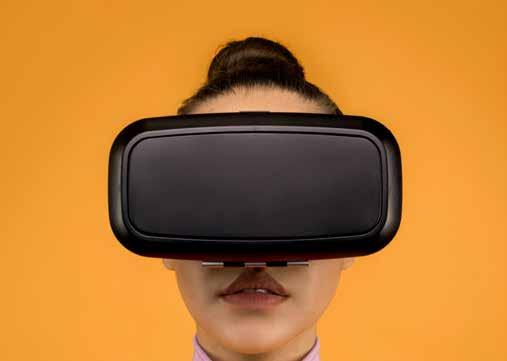
Virtual reality (VR) technologies provide controlled experimental environments for investigating environmental effects while maintaining ecological validity and experimental control. VR enables systematic manipulation of environmental parameters while measuring neurobiological responses, providing insights into causal relationships between design features and physiological outcomes (Riva et al., 2019; Slater & Sanchez-Vives, 2016).
Augmented reality (AR) applications enable realtime environmental modification and assessment, supporting both research applications and practical design optimization. AR technologies can overlay environmental modifications onto existing spaces, enabling testing of design interventions before implementation and real-time optimization based on user responses (Dunston & Wang, 2005; Wang et al., 2014).
The limitations of VR and AR technologies include potential differences between virtual and realworld environmental experiences, technological constraints that may affect realism, and individual differences in virtual environment adaptation. However, these technologies provide valuable research tools that complement real-world environmental assessment while enabling controlled investigation of specific environmental parameters (Slater, 2018).
Contemporary developments in VR and AR technologies, including improved visual resolution, haptic feedback systems, and multisensory integration capabilities, continue to enhance the ecological validity of virtual environmental research while maintaining experimental control advantages.

Urban environmental morphology exerts profound influences on population-level neurobiological function through mechanisms including navigation complexity, sensory load management, stress system activation, and cognitive restoration opportunity provision. Research in landscape neuroscience demonstrates that urban design parameters, including visual complexity, spatial legibility, green infrastructure integration, and environmental predictability, significantly influence neural activity associated with stress regulation, attention restoration, and emotional processing (Olszewska-Guizzo et al., 2021; Bratman et al., 2012).
Dense urban environments characterized by high traffic density, excessive noise levels, visual complexity overload, and poor wayfinding legibility generate sustained sympathetic nervous system activation and hypothalamic-pituitary-adrenal axis stimulation, resulting in chronic hypervigilance states that impair cognitive function and emotional regulation. Neuroimaging studies reveal increased amygdala activation and perigenual anterior cingulate cortex activity in urban compared to natural environments, indicating heightened stress and social stress processing (Meyer-Lindenberg & Tost, 2012).
The cumulative effects of chronic urban stress exposure include increased vulnerability to anxiety disorders, depression, cognitive decline, and neurodegenerative conditions. These population-level health impacts reflect the systematic effects of environmental stressors on neuroplasticity mechanisms, immune function, and stress adaptation capacity.
Conversely, urban environments designed with evidence-based principles, including green infrastructure integration, coherent wayfinding systems, appropriate density gradients, and multisensory restoration opportunities, demonstrate measurable improvements in population stress markers, cognitive performance, and mental health outcomes (Gonzalez et al., in press). The Contemplative Landscape Model (CLM) and Therapeutic Landscape Index (TLI) developed by NeuroLandscape provide quantitative assessment tools for evaluating urban
environmental impacts on brain health, revealing that generic green space provision is insufficient without attention to specific design qualities that support cognitive restoration (Olszewska-Guizzo, 2025).
Optimal urban design strategies include proximity to high-quality green spaces featuring layered vegetation, water elements, acoustic buffering, and immersive natural experiences that promote parasympathetic nervous system activation and stress recovery. These design interventions support attention restoration, memory consolidation, emotional regulation, and cognitive resilience while contributing to urban climate adaptation and environmental sustainability.
In a position paper the Milken Institute speaks to how cities are the “exposome” that can support brain health and longevity by improving access to food systems and nutrition, doubling down on thermal comfort and air quality, ensuring affordable access to housing and healthcare, and ensuring community support and shared decision-making (Milken Institute, 2024).
Street-level environmental design parameters, including building height-to-width ratios, façade complexity, pedestrian infrastructure quality, and sensory stimulation levels, directly influence locomotor behavior, attention allocation, and cognitive fatigue through mechanisms that can be measured using mobile neuroimaging technologies. Optimal street enclosure ratios between 1:1 and 1:3 (heightto-width) promote human-scale environmental experiences that enhance thermal comfort, visual coherence, and walking behavior while reducing cognitive processing demands (Gehl, 2013; Ewing & Handy, 2009).
Both excessive sensory stimulation—characterized by chaotic façades, visual clutter, competing signage—and unpredictable environmental elements—and insufficient environmental engagement—characterized by monotonous streetscapes, repetitive architectural elements, and sensory deprivation—generate measurable cognitive
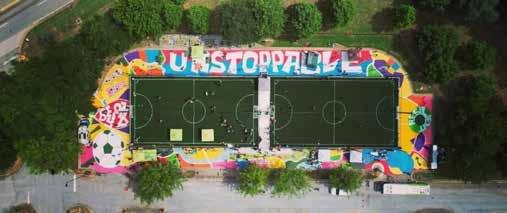
strain through attention regulation mechanisms. EEG studies reveal increased beta wave activity in high-stimulation environments and decreased alpha wave activity in under-stimulating environments, both indicating suboptimal cognitive processing conditions (Aspinall et al., 2015; Mavros et al., 2016).
The relationship between street scale design and thermal comfort has additional neurobiological implications, as elevated temperatures associated with urban heat island effects in poorly designed street environments impair cognitive function, increase aggressive behavior, and compromise decision-making capacity. Street design strategies that optimize building-to-street ratios, provide adequate shading, and incorporate cooling elements support both thermal comfort and cognitive performance (Crank et al., 2023).
Effective street design balances sensory engagement with cognitive comfort through strategies including rhythmic façade organization, appropriate visual complexity, natural element integration, and clear wayfinding cues. These design approaches support sustained attention, positive affect, and social engagement while facilitating efficient navigation and reducing environmental stress.
Building-scale design parameters, including massing relationships, proportional systems, material transitions, and architectural geometry, engage neural networks associated with aesthetic evaluation, approach-avoidance behavior, and environmental preference through mechanisms that reflect evolutionary adaptations for environmental assessment and threat detection. Mathematical proportions consistent with natural patterns, including golden ratio relationships, fractal geometries, and biomorphic forms, activate reward processing regions, including the orbitofrontal cortex, while reducing amygdala activation associated with environmental threat assessment (Banaei et al., 2017; Coburn et al., 2020).
The neurobiological basis for proportional preference reflects optimal visual processing character-
istics that minimize cognitive load while maximizing aesthetic appreciation and positive affect. These preferences appear consistent across cultures and age groups, suggesting fundamental neurobiological mechanisms that can inform universal design principles while accommodating cultural variation in specific aesthetic expressions.
Building designs that violate natural proportional relationships, incorporate harsh material transitions, or generate visual tension through discordant geometric relationships activate stress response systems, including increased cortisol release and sympathetic nervous system activation. These responses impair cognitive performance, reduce environmental satisfaction, and contribute to chronic stress accumulation in frequently used environments.
Contemporary research investigates optimal building scale design parameters for diverse functional contexts, including healthcare, education, workplace, and residential environments. Findings indicate that context-specific optimization strategies can enhance building design effectiveness while maintaining universal principles that support neurobiological health and user satisfaction.
Interior environmental conditions demonstrate the most direct and immediate neural effects through sensory input modulation, spatial perception influences, and microenvironmental control over physiological comfort parameters. Ceiling height variations significantly influence creative cognition, with higher ceilings promoting divergent thinking and creative problem-solving while lower ceilings support focused attention and detail-oriented tasks (Skov et al., 2022; Meyers-Levy & Zhu, 2007; Vartanian et al., 2015).
Visual access to natural environments through windows or skylights activates the default mode network and supports attention restoration, stress reduction, and cognitive recovery. The neurobiological mechanisms underlying these effects include circadian rhythm regulation, stress hormone reduction, and attention network restoration through
Table 1:
Multiscalar design elements and their links to neurobiological mechanisms and cognitive outcomes as discussed in this manuscript.
Environmental Scale
Urban Scale
Street Scale
Building Scale
Interior Scale
involuntary attention engagement with natural stimuli (Kaplan, 1995; Ulrich, 1984).
Biophilic design elements, including natural materials, plant integration, natural lighting, and fractal patterns, demonstrate measurable effects on prefrontal cortex activation, stress reduction, and cognitive performance enhancement. These effects appear to result from evolutionary adaptations that promote restoration and positive affect in natural environments while reducing stress and cognitive fatigue (Holzman et al., 2025; Browning et al., 2014; Ryan et al., 2014).
The integration of multiple biophilic elements provides synergistic benefits that exceed the sum of individual interventions, supporting comprehensive interior design strategies that optimize multiple environmental parameters simultaneously. Current research investigates optimal biophilic design parameters for specific populations, including children, older adults, and individuals with neurodevelopmental differences (check Table 1).
Primary Design Elements Priority Focus
High-quality green infrastructure (layered vegetation, water, biodiversity)
Noise control and acoustic comfort
Spatial legibility and wayfinding (predictability, coherence)
Density gradients and access to open space
Natural soundscape
Access to healthy food, mobility options, and green spaces
Access to culture and art
Sensory load regulation (noise, visual density, complexity)
Climate-responsive urban form (heat mitigation, shade, airflow)
Geopolitical and perceived environmental stability
Height-to-width ratios
Human-scale proportions
Façade rhythm, articulation, and coherence
Texture and materiality (haptic and multisensory cues)
Pedestrian thermal and acoustic comfort
Spaces for social interaction
Access to greenery
Balanced sensory stimulation
Appropriate contrast ratios
Clear wayfinding and cues
Massing coherence and proportional systems
Balanced spatial frequency distributions (fractal dimensions, biomorphic geometry, proportional harmony)
Material transitions (soft-hard, warm-cold)
Architectural coherence
Balance between predictability and novelty
Ceiling height variation
Natural light and circadian alignment
Acoustic and thermal control
Visual accessibility and optimization
Biophilic elements (plants, materials, patterns)
Tactile variety and material selection
Sensory zoning
Multisensory integration
Spaces for focus, ideation, collaboration, rest, and socialization
Access to spaces for nutrition, movement, and art
Legibility of layout
Features that support or encourage movement
Stress regulation at population scale
Navigation efficiency
Reduction of cumulative allostatic load
Neuroplastic resilience
Cognitive load management
Walkability
Perceptual fluency
Thermal and sensory comfort
Neurobiological/ Cognitive Outcomes
Reduced threat-related limbic reactivity
Reduced chronic stress and hypervigilance
Improved attention restoration
Enhanced emotional regulation and affective stability
Reduced cognitive fatigue
Improved sustained attention
Improved thermal comfort
Enhanced navigation efficiency
Aesthetic processing
Affective response multisensory coherence
Immediate neural and psychophysiological response
Task performance
Circadian and hormonal regulation
Enhanced aesthetic valuation and reward-related processing
Reduced threat-related processing
Increased positive affect
Reduced cognitive load
Increased creativity or focus (task-dependent)
Reduced cortisol and stress
response
Improved cognitive performance
Enhanced attention restoration
Changed stress and cortisol levels
Increased neuroplasticity


Educational environment design significantly influences learning outcomes, attention regulation, and neurodevelopmental trajectories through mechanisms that affect both immediate cognitive performance and longer-term brain development. Neurodivergent individuals demonstrate particular sensitivity to environmental factors, with thoughtfully designed learning spaces showing measurable improvements in attention span, behavioral regulation, and academic performance (Vartanian et al., 2021; Gaines et al., 2024; Barrett et al., 2025; Cusick & Georgieff, 2016).
Optimal educational environment design principles include acoustic control through sound-absorbing materials and mechanical system noise reduction, visual environmental optimization through natural lighting, glare control, and spatial organization that provides both collaborative and individual learning opportunities with clear visual boundaries and way-finding support (Cheryan et al., 2014).
Sensory regulation strategies include provision of quiet retreat spaces, tactile variety in furniture and materials, and olfactory control through natural ventilation and elimination of strong artificial scents. Sensory affordances of compression, quietness, tactility, and proprioception are preferred by neurodivergent high school students on the autistic spectrum (Park et al., 2020). These interventions support sensory processing differences while benefiting all learners through reduced environmental stress and enhanced cognitive comfort (Ashburner et al., 2008; Liss et al., 2006; Park et al., 2020).
Outdoor learning environment access provides essential opportunities for attention restoration, stress reduction, and sensory regulation that support optimal cognitive development. Effective outdoor educational spaces incorporate natural materials, varied topography, vegetation diversity, and quiet zones that enable multisensory learning experiences while supporting emotional regulation and social skill development (Kuo et al., 2019; Bratman et al., 2019).
Contemporary workplace design increasingly recognizes the relationship between environmental quality and cognitive performance, employee satisfaction, and organizational productivity. Evidencebased workplace design strategies demonstrate significant impacts on attention regulation, creative problem-solving, stress management, and collaborative effectiveness through environmental optimization of lighting, acoustics, spatial organization, and biophilic integration.
Circadian lighting systems that adjust color temperature and intensity throughout the day support optimal alertness patterns, improve sleep quality, and enhance mood regulation among office workers. These systems demonstrate particular effectiveness in reducing seasonal affective symptoms and supporting cognitive performance during winter months when natural light exposure is limited (Zeitzer et al., 2000; Viola et al., 2008).
Acoustic design strategies, including sound masking, reverberation control, and speech privacy optimization, significantly influence cognitive performance, stress levels, and communication effectiveness. Open office environments require particular attention to acoustic design to maintain the collaborative benefits of spatial openness while minimizing cognitive disruption from speech distraction and environmental noise.

Biophilic workplace design, including natural lighting, plant integration, natural materials, and views to nature, demonstrates improvements in stress reduction, cognitive restoration, and job satisfaction. These interventions provide particularly significant benefits in high-stress work environments where cognitive demands are sustained over extended periods.
Spaces for ideation, focus, collaboration, rest and socialization have been identified as core design affordances that can improve the BrainHealth Index, a metric established by the Center for BrainHealth, especially when combined with individual brain health training (Zientz et al., 2023).
Healthcare environments provide compelling evidence for neuroarchitecture effectiveness due to measurable clinical outcomes that enable quantitative assessment of environmental interventions. Evidence-based healthcare design demonstrates significant impacts on patient recovery times, pain management effectiveness, infection rates, and patient satisfaction through environmental optimization strategies (Ulrich et al., 2018; Nanda et al., 2017).
Biophilic design integration in healthcare settings, including natural lighting, garden views, plant integration, and natural material selection, demonstrates consistent improvements in patient outcomes through stress hormone reduction, immune function enhancement, and pain perception modulation. The neurobiological mechanisms underlying these therapeutic effects include parasympathetic nervous system activation, cortisol reduction, and endogenous opioid system stimulation that support natural healing processes (Steininger et al., 2025).
Neurodiverse design considerations in healthcare environments address sensory processing differences through environmental predictability, sensory zoning, acoustic comfort, and escape space provision. These design strategies support individuals with autism spectrum disorders, sensory processing disorders, and other neurodevelopmental differences while benefiting all patients through reduced environmental stress and enhanced comfort (Mostafa, 2014; Gaines et al., 2016).
Sleep quality optimization in healthcare settings through circadian lighting, noise control, and thermal comfort regulation significantly influences recovery outcomes, immune function, and cognitive clarity. Environmental design strategies that support natural sleep patterns demonstrate measurable improvements in healing trajectories and patient experience metrics.
Staff performance and well-being in healthcare environments show significant improvements with evidence-based design implementation, including reduced burnout, improved job satis-
faction, decreased turnover rates, and enhanced care delivery quality. These benefits reflect environmental support for healthcare workers’ cognitive demands, emotional regulation needs, and stress management requirements.
Residential environment design influences daily neurobiological function through sustained exposure effects that shape stress levels, sleep quality, cognitive performance, and emotional well-being over extended time periods. Home environments provide unique opportunities for personalized environmental optimization while serving as restoration spaces that support recovery from external environmental stressors.
Natural lighting optimization in residential settings through window placement, light shelf design, and artificial lighting integration supports circadian rhythm regulation, mood stability, and cognitive alertness throughout daily activity cycles. Bedroom environments require particular attention to lighting control for optimal sleep quality and morning awakening support.
Acoustic comfort in residential environments includes both external noise control and internal acoustic design that support conversation, privacy, and quiet activity needs. Urban residential design must address traffic noise, neighbor noise transmission, and mechanical system noise while maintaining a connection to desired outdoor sounds, including natural soundscapes (ISO, 2014).
Biophilic residential design strategies include indoor plant integration, natural material selection, outdoor space access, and natural pattern incorporation that provide daily contact with nature-based restoration opportunities. These interventions demonstrate particular importance in urban residential settings where access to natural environments may be limited (Zhong et al., 2022).
Spatial organization that supports both social interaction and individual retreat needs enables residents to regulate their social and sensory expe-
riences according to personal needs and daily rhythms. Flexible space design allows adaptation to changing needs while maintaining environmental stability that supports neurobiological regulation (Gifford, 2014).


The rapid expansion of neuroarchitecture research reflects growing institutional recognition of the field’s scientific significance and practical applications. Leading academic institutions have established specialized research centers that integrate neuroscience expertise with architectural and environmental design capabilities to advance both theoretical understanding and practical applications.
The Centre for Neuroarchitecture and Neurodesign is a UCL (Hugo Spiers, Fiona Zisch and Isabella Sjövall) and RISE research institues of sweden centre, represents a pioneering institution that combines spatial cognition research with environmental design applications. The center’s research program investigates fundamental mechanisms of spatial navigation, environmental preference, and cognitive restoration while developing practical design guidelines for diverse environmental contexts.
https://www.nandcentre.com/
Cambridge University’s NeuroCivitas Lab, directed by Michal Gath Morad and Koen Steemers, focuses on urban-scale neuroarchitecture applications, including city design for cognitive health, environmental psychology of urban spaces, and computational modeling of human-environment interactions. The lab’s transdisciplinary approach integrates architecture, neuroscience, and urban planning perspectives.
https://neurocivitas.group.cam.ac.uk/
Stanford School of Medicine’s research program, led by Eve Edelstein, investigates clinical applications of neuroarchitecture with particular emphasis on healthcare environment design, therapeutic landscape development, and evidence-based design for health outcomes. This program demonstrates the translational potential of neuroarchitecture research for improving health and healthcare delivery.
http://www.neuro-architecture.com/
Penn Center for Neuroaesthetic, is one of the first research center in the US dedicated to studying the neuroscience of aesthetic experiences- across people, places, and things (art).
https://neuroaesthetics.med.upenn.edu/
Additional research centers, including Georgia Institute of Technology’s Institute of Neuroscience, Neurotechnology, and Society, Texas Tech University’s Coalition for Natural Learning, and various international institutions, contribute to the growing global research infrastructure supporting neuroarchitecture advancement.
https://neuro.gatech.edu/
https://www.depts.ttu.edu/hs/coalition_for_ natural_learning/

Leading architectural and design firms increasingly integrate neuroarchitecture principles into professional practice through evidence-based design methodologies, post-occupancy evaluation programs, and collaboration with neuroscience researchers. This practical integration demonstrates the field’s maturation from academic research toward mainstream professional application.
HKS Architects has developed comprehensive neuroarchitecture practice protocols, including pre-design research, evidence-based design decision-making, and post-occupancy neurobiological assessment.
Perkins&Will’s research program focuses on educational environment design optimization, workplace cognitive performance enhancement, and evidence-based design methodology development.
Additional firms, including Corgan, Boulder Associates, MASS Design, ARUP, JLL, and others, and international practices demonstrate growing professional adoption of neuroarchitecture principles across diverse project types and geographic contexts. This professional integration reflects
market demand for evidence-based design and client recognition of environmental quality impacts on organizational performance and user satisfaction.
Visit the Building Brains Coalition webpage for full list:
https://www.buildingbrainscoalition.org/
The Centre for Urban Design and Mental Health (UDMH) serves as an international think tank that advocates for mental health integration into urban planning and design practice. UDMH’s research and advocacy efforts highlight the population-level mental health implications of urban design decisions while providing practical guidance for mental health-informed city planning.
https://www.urbandesignmentalhealth.com/
NeuroLandscape represents a specialized research organization focused on landscape and urban environment impacts on brain health through transdisciplinary research combining neuroscience, landscape architecture, and computational analysis. The organization’s development of assessment tools, including the Contemplative Landscape Model and Therapeutic Landscape Index, provides quantitative methodologies for evaluating environmental impacts on neurobiological function. These organizations contribute to field development through research funding, professional education, policy advocacy, and public awareness initiatives that build support for neuroarchitecture applications across diverse sectors and geographic contexts.
https://neurolandscape.org/
Image:

• Academy of Neuroscience for Architecture (ANFA) – Established in 2003 in San Diego, CA. Serves as a central hub for architects, neuroscientists, and professionals interested in how built environments influence human cognition, perception, and behavior.
https://anfarch.org/
• Centre for NeuroArchitecture and NeuroDesign (University College London and RISE Research Institutes of Sweden) – Isabelle Sjövall, Hugo Spiers, Fiona Zisch, Cleo Valentine, this transdisciplinary center unites cognitive neuroscience with architecture and design, focusing on healthier, more inclusive environments.
https://www.nandcentre.com/
• Centre for Urban Design and Mental Health (UDMH) – Global think tank dedicated to integrating mental health research into city design through transdisciplinary collaboration.
https://www.urbandesignmentalhealth.com/
NeuroLandscape (Poland/International) – A nonprofit NGO that investigates how natural and built environments affect brain health and wellbeing through neuroscience, landscape architecture, and computational modeling.
https://neurolandscape.org/
• International Arts + Mind Lab (IAM Lab, Johns Hopkins University School of Medicine) –Founded and directed by Susan Magsamen; Intentional Spaces Initiative:The Intentional Spaces initiative, developed by the International Arts + Mind Lab, Center for Applied Neuroaesthetics at Johns Hopkins University, is a specialized focus area within the broader NeuroArts field building efforts lead by the NeuroArts Blueprint Initiative. It brings together researchers, architects, designers, technologists, social scientists, and community leaders to strategically explore how the built and natural environment can advance human health, wellbeing, learning, belonging and more.
• This initiative focuses on translating neuroscience and evidence-based design into actionable strategies and implementation plans that strengthen practice, inform policy, and drive measurable impact. It reflects a growing recognition that space is not neutral; what we build shapes how we feel, function, and flourish.
https://www.artsandmindlab.org/
• The Pedersen Foundation / Pedersen Collaborative – Directed by Jenny Pedersen with Kara Hourihan and team; focuses on design, neuroscience, and wellbeing-centered environments.
https://pedersenpf.org/
• Intentional Spaces / Mind Arts Lab (Johns Hopkins University) – Led by Susan Magsamen with collaborators such as Ivy Ross (Google Design VP); explores how arts and intentionalized built spaces affect cognition and wellbeing.
https://www.hopkinsmedicine.org/pedersen-brain-science-institute/international-arts-mind-lab
Spatial Cognition Lab (University College London) – Led by Prof. Hugo Spiers and Dr. Fiona Zisch; investigates navigation, spatial memory, and the role of built environments on cognition.
https://www.ucl.ac.uk/brain-sciences/pals/ research/experimental-psychology/research/ behavioural-neuroscience/spatial-cognition-lab
• NeuroCivitas Lab / Cambridge Cognitive Architecture Lab (University of Cambridge) –Directed by Michal Gath-Morad and Prof. Koen Steemers; Cleo Valentine as Head of Applied Research; research at the intersection of architectural design, sustainability, and cognitive science.
https://neurocivitas.group.cam.ac.uk/
• University of Pennsylvania – Anjan Chatterjee Lab (Neuroaesthetics & Cognitive Neuroscience Lab) – Led by Dr. Anjan Chatterjee; studies how the brain perceives aesthetics, architecture, and art.
https://neuroaesthetics.med.upenn.edu/
Department of Architecture, Design & Media Technology (Aalborg University, Denmark) – Dr. Zakaria Djebbara; research focus on embodied cognition and built environments.
https://www.create.aau.dk/
• IUAV Venice & Politecnico di Milano (Italy) –Davide Ruzzon; research in neuroarchitecture, education, and experiential design of urban environments.
https://www.davideruzzon.it/
• Harvard T.H. Chan School of Public Health (Dept. of Environmental Health) – Prof. Jack Spengler and Dr. Linda Tomasso; research into environmental exposures, indoor air quality, and links between health and design.
https://hsph.harvard.edu/department/environmental-health/
• Tongji University (China) – Prof. Jie Yin; focuses on biophilic design, the psychology of built/ natural environments, and VR applications in architectural research.
https://caup.tongji.edu.cn/caupen/4d/4f/ c11080a281935/page.htm
• University of Waterloo (Canada) – Prof. Colin Ellard directs a research lab on environmental psychology, wayfinding, and neuroscience of architecture.
https://uwaterloo.ca/urban-realities-laboratory/
• Columbia University – Neuro-Climate Working Group – transdisciplinary team exploring climate change, environment, and neurological/ mental health impacts.
10.6.
https://www.publichealth.columbia.edu/ research/programs/global-consortium-climate-health-education/global-member-network/working-groups/ neuro-climate-working-group
Stanford University School of Medicine – Dr. Eve Edelstein, who focuses on applied neuroscience for design and healthcare environments.
https://profiles.stanford.edu/eve-edelstein
• Georgia Institute of Technology; Prof. Christopher Rozell (Neuroscience, Neurotechnology & Society Program).
https://siplab.gatech.edu/
• Dr. Hui Cai (SimTigrate Design Center, applying simulation and design for healthcare spaces).
https://simtigrate.gatech.edu/
• Texas Tech University – Department of Design – Prof. Kristi Gaines; involved in the Coalition for Natural Learning, focusing on child development and environmental design.
https://www.depts.ttu.edu/hs/dod/gaines.php
McKinsey Health Institute (MHI) – Global think tank examining wellbeing, health, and workplace design impact at societal scale.
https://www.mckinsey.com/mhi/overview
• Milken Institute - Science Philanthropy Accelerator for Research and Collaboration (SPARC), part of the Institute’s Strategic Philanthropy pillar, leads initiatives across the biomedical ecosystem to improve health outcomes. Its wide-ranging work includes initiatives in
neuroscience and cross-disciplinary fields, one of which explores how philanthropic investment can advance neuroarchitecture to create healthier environments. The Milken Institute is a nonprofit, nonpartisan think tank focused on accelerating measurable progress on the path to a meaningful life.
https://milkeninstitute.org/philanthropy/ science-philanthropy-accelerator-research-and-collaboration-sparc
• Research Institutes of Sweden (RISE) – Developing neuroarchitecture applications in sustainable city design and University College London – Centre for NeuroArchitecture and NeuroDesign – Recently launched as a flagship in this emerging field.
https://www.ri.se/en
HKS – Sheba Ross, Rachel Rome (research/ design in healthcare, urban design, and wellbeing).
https://www.hksinc.com/people/sheba-ross/ https://www.hksinc.com/people/rachaelrome/
• Perkins&Will – Debbie Beck (architecture, health, and cognitive design integration).
https://perkinswill.com/person/debbie-beck/
• JLL (Jones Lang LaSalle) – Ben Hamley; workplace design and cognitive neuroscience integration for productivity and wellbeing.
https://www.jll.com/en-sea/people/ bio-broker/ben.hamley
Corgan – Julia Calabrese; architecture with a focus on neuro-informed design research.
https://www.corgan.com/hugo
• Ewing Cole – Adrienne Erdman; healthcare and workplace design informed by neuroscience.
https://www.ewingcole.com/person/adrienne-erdman/
Humanise – Abigail Scott Paul, Dr Anna Kim, Thomas Heatherwick, Matt Bell; applications of behavioral and brain science in organizational and architectural contexts.
https://humanise.org/the-future
• Rice University – Juan José Castellón; architecture faculty collaborating with neuroscience and biodesign.
https://profiles.rice.edu/faculty/juan-josecastellon
• Steelcase (to be confirmed) – Workplace and furniture systems research informed by cognitive ergonomics and neuroscience.
https://www.steelcase.com/insights-research/
Arup – Engineering and design consultancy with a recent push into neuro-informed design strategies.
https://www.arup.com/en-us/

The successful implementation of neuroarchitecture is hindered by chronic underinvestment, largely due to traditional financial frameworks that overlook the long-term cognitive, health, and productivity benefits of evidence-based environmental design. Current funding models typically prioritize immediate construction costs and aesthetics, neglecting quantifiable outcomes such as reduced healthcare expenditures, enhanced educational attainment, increased workplace productivity, and improved population health. To address this, the Building Brains Coalition advocates for a “brain lens” investment paradigm that incorporates metrics like cognitive performance, stress reduction, and population health into standard evaluation criteria, thereby making the economic value of neuroarchitecture explicit and justifiable.
Unlocking the field’s economic potential requires innovative financial instruments. Brain capital bonds, for example, can fund comprehensive upgrades— such as lighting, acoustics, biophilic integration, and air quality improvements—with returns linked to measurable gains in brain health and productivity. Impact investment funds and public-private partnerships can further distribute costs and benefits among stakeholders, leveraging tools like tax incentives and regulatory adjustments to facilitate broader adoption.
Moreover, accurately valuing neuroarchitecture’s benefits demands sophisticated assessment frameworks that capture both immediate user experience and long-term health and productivity outcomes. Building evaluations should integrate brain health metrics, environmental measurements, and user feedback to provide a comprehensive understanding of performance. While real estate markets are beginning to recognize the value of high-quality environments through elevated rents and occupancy rates, current methodologies still underestimate the full economic impact, underscoring the need for improved market education and valuation strategies. Continuous performance tracking of neurobiological outcomes will be essential for verifying benefits and guiding ongoing optimization, thereby supporting sustained investment in neuroarchitecture.
Future directions in neuroarchitecture hinge on technological innovation, transdisciplinary collaboration, and robust policy development. Advances in portable neuroimaging (such as fNIRS and wireless EEG), artificial intelligence, and high-fidelity virtual and augmented reality will allow researchers to measure and simulate brain-environment interactions with greater precision and accessibility, moving studies out of the lab and into real-world settings. These tools will help analyze complex relationships between environmental features and neurobiological outcomes, enabling the design of spaces tailored to diverse populations and individual needs.
Progress also depends on expanding collaboration across fields like environmental psychology, public health, urban planning, and landscape architecture, as well as forging partnerships with industry leaders in technology, materials, and design. International cooperation will be vital for sharing knowledge, conducting cross-cultural studies, and addressing global challenges, such as climate change’s impact on brain health. Community engagement and participatory research will ensure that neuroarchitecture solutions are relevant and widely supported.
Effective implementation requires policy frameworks at local, national, and international levels that recognize the built environment as a public health intervention. This includes integrating brain health into building codes, healthcare and educational standards, and urban planning regulations, as well as coordinating efforts through organizations like the World Health Organization and United Nations. By aligning research, industry, and policy, neuroarchitecture can be widely adopted, supporting healthier, more resilient societies and environments.
A leading example of this translational work is Project WHY ( https://www.hksinc.com/project-why/ ), a global research initiative led by HKS and funded by The Pedersen Foundation. The project investigates how architecture shapes emotion, cognition, and well-being through three interconnected work streams: Awareness, a crowdsourced study titled, How Buildings Make Us Feel, which gathers stories and images from people worldwide to explore experiences of awe, belonging, and creativity; Experiment, a series of immersive VR and clinical biomarker studies examining how different façades influence stress and focus; and Engagement, an
interactive neuroarchitecture exhibition that visualizes physiological responses to design elements like light, form, and texture. Together, these strands aim to make the science of neuroarchitecture tangible, connecting public participation, experimental research, and design practice to reveal how buildings impact health and human flourishing.
The Building Brains Coalition continues to bring together leading institutions, organizations, and thought leaders working at the intersection of neuroscience, health, and the built environment. Anchored by a shared mission to advance brain health through design, the coalition fosters collaboration across academia, practice, policy, and industry to develop evidence-based frameworks that make cognitive and emotional well-being central to how we build.
Coalition Founders
The coalition was co-founded by organizations at the forefront of neuroscience, architecture, and policy innovation:
Brain Capital Alliance
• Center for BrainHealth
• Center for Advanced Design Research and Evaluation (CADRE)
• HKS
• Rice University’s Baker Institute Neuro-Policy Program
Together, these founding institutions established the coalition’s foundation by uniting science and design to enhance cognitive resilience, creativity, and wellbeing at individual, community, and societal levels.
Coalition Partners
Our partners represent a diverse network of organizations that contribute specialized expertise and extend the coalition’s impact globally:
Academy of Neurosciences for Architecture (ANFA)
Brain Health ACTION, a collaborative from AARP
The Centre for Conscious Design
• Euro-Mediterranean Economists Association (EMEA)
• Georgia Institute of Technology’s SimTigrate Design Lab
Humanise
International Interior Design Association (IIDA)
Pedersen Foundation
Perkins&Will
• UsAgainstAlzheimer’s Business Collaborative for Brain Health
These partners strengthen the coalition’s transdisciplinary reach, connecting policy, education, design research, industry innovation, and community wellbeing.
The coalition’s growing membership includes more than 50 institutions and organizations dedicated to advancing the science and practice of neuroarchitecture and neurodesign. Members contribute through research collaborations, pilot projects, advocacy, and dissemination of new knowledge.
Coalition Members include:
Ackerberg · American Cancer Society · American Heart Association · American Institute of Architects (AIA) Dallas · ARUP · Avanti Senior Living · BioNTX · BioSitu · Boulder Associates · Carnegie Mellon University School of Architecture · Center for School Study Councils @PennGSE · Centre for Urban Design and Mental Health · Corgan · City of Dallas · Communities Foundation of Texas · Creativity America · Delos Labs · Design Trust for Public Spaces · Fischer CRE · Five Points Community Capital · George W. Bush Presidential Center (SMU) · Global Brain Health Institute · Harvard Center for Work, Health, and Wellbeing · Harvard University · Highland Homes · Hoffmann Homes and 4Tree Development LLC · Imaginator Academy · Inclusive Wellness Design · Interior Architects · International Neuro Climate Working Group · International WELL Building Institute (IWBI) · Jones Lang LaSalle (JLL) · Mahlum Architects · MASS · Meadows Mental Health Policy Institute · Mental Wealth Initiative (University of Sydney) · North Central Texas Council of Governments · Organization for Identity and Cultural Development (OICD) · Pedersen Foundation · Populous · Rice University Creative Ventures Fund · San Antonio Spurs · Slalom HabLab · Steelcase · Terrapin Bright Green
· Texas A&M University · Texas Health Resources · Texas Trees Foundation · The Encompass Group · The IDEAS Institute · Tolleson Wealth Management · University of Pennsylvania · Urban Land Institute (ULI) DFW · U.S. Green Building Council (USGBC) Texas · UT Dallas · UTA CAPPA
If you’d like to join the Building Brains Coalition, please visit:
https://www.buildingbrainscoalition.org/
Ahuja, R., Nanda, U., & Eyre, H. (2024). Shaping Environments to Shape Us: The Case for Longevity Cities [Report]. Milken Institute. https://corealberta. ca/resources/report-shaping-environments-toshape-us-the-case-for-longevity-cities
Araujo, D. M., Cabrera Santos, D. C., & Marconi Pinheiro Lima, M. C. (2020). Cognitive, language and motor development of infants exposed to risk and protective factors. International Journal of Pediatric Otorhinolaryngology, 138, 110353. https://doi. org/10.1016/j.ijporl.2020.110353
Ashburner, J., Ziviani, J., & Rodger, S. (2008). Sensory Processing and Classroom Emotional, Behavioral, and Educational Outcomes in Children With Autism Spectrum Disorder. The American Journal of Occupational Therapy, 62(5), 564–573. https://doi. org/10.5014/ajot.62.5.564
Aspinall, P., Mavros, P., Coyne, R., & Roe, J. (2015). The urban brain: Analysing outdoor physical activity with mobile EEG. British Journal of Sports Medicine, 49(4), 272–276. https://doi.org/10.1136/ bjsports-2012-091877
Banaei, M., Hatami, J., Yazdanfar, A., & Gramann, K. (2017). Walking through Architectural Spaces: The Impact of Interior Forms on Human Brain Dynamics. Frontiers in Human Neuroscience, 11, 477. https:// doi.org/10.3389/fnhum.2017.00477
Bany-Mohammed, M., Asim, S., Elalami, M., & Agrawal, D. K. (2025). Trauma, Stress, and Mental Health Outcomes. Journal of Psychiatry and Psychiatric Disorders, 9(5), 276–288. https://doi. org/10.26502/jppd.2572-519X0260
Barrett, A., Ke, F., Zhang, N., & Sokolikj, Z. (2025). Implementation fidelity of an evidence-centered maker education intervention in a virtual world for
neurodiverse adolescents. Computers & Education: X Reality, 7, 100106. https://doi.org/10.1016/j. cexr.2025.100106
Barrett, P., Davies, F., Zhang, Y., & Barrett, L. (2015). The impact of classroom design on pupils’ learning: Final results of a holistic, multi-level analysis. Building and Environment, 89, 118–133. https:// doi.org/10.1016/j.buildenv.2015.02.013
Belfi, A. M., Vessel, E. A., Brielmann, A., Isik, A. I., Chatterjee, A., Leder, H., Pelli, D. G., & Starr, G. G. (2019). Dynamics of aesthetic experience are reflected in the default-mode network. NeuroImage, 188, 584–597. https://doi.org/10.1016/j.neuroimage.2018.12.017
Boucsein, W. (2012). Electrodermal Activity. Springer US. https://doi.org/10.1007/978-1-4614-1126-0
Bower, I. S., Hill, A. T., & Enticott, P. G. (2023). Functional brain connectivity during exposure to the scale and color of interior built environments. Human Brain Mapping, 44(2), 447–457. https://doi. org/10.1002/hbm.26061
Bratman, G. N., Anderson, C. B., Berman, M. G., Cochran, B., de Vries, S., Flanders, J., Folke, C., Frumkin, H., Gross, J. J., Hartig, T., Kahn, P. H., Kuo, M., Lawler, J. J., Levin, P. S., Lindahl, T., Meyer-Lindenberg, A., Mitchell, R., Ouyang, Z., Roe, J., … Daily, G. C. (2019). Nature and mental health: An ecosystem service perspective. Science Advances, 5(7), eaax0903. https://doi.org/10.1126/sciadv.aax0903
Bratman, G. N., Hamilton, J. P., & Daily, G. C. (2012). The impacts of nature experience on human cognitive function and mental health. Annals of the New York Academy of Sciences, 1249(1), 118–136. https://doi.
org/10.1111/j.1749-6632.2011.06400.x
Bratman, G. N., Hamilton, J. P., Hahn, K. S., Daily, G. C., & Gross, J. J. (2015). Nature experience reduces rumination and subgenual prefrontal cortex activation. Proceedings of the National Academy of Sciences, 112(28), 8567–8572. https://doi. org/10.1073/pnas.1510459112
Browning, W. D., Ryan, C. O., & Clancy, J. O. (2014). 14 Patterns of Biophilic Design: Improving Health & Well-Being in the Built Environment (p. 84) [10th Anniversary Edition]. Terrapin Bright Green. www. terrapinbg.com/report/14-patterns
Burnard, M. D., & Kutnar, A. (2015). Wood and human stress in the built indoor environment: A review. Wood Science and Technology, 49(5), 969–986. https://doi.org/10.1007/s00226-015-0747-3
Burrows, K., & Kinney, P. (2016). Exploring the Climate Change, Migration and Conflict Nexus. International Journal of Environmental Research and Public Health, 13(4), 443. https://doi.org/10.3390/ ijerph13040443
Cardillo, E. R., & Chatterjee, A. (2025). Benefits of Nature Imagery and Visual Art in Healthcare Contexts: A View from Empirical Aesthetics. Buildings, 15(7), 1027. https://doi.org/10.3390/buildings15071027
Chatterjee, A., Coburn, A., & Weinberger, A. (2021). The neuroaesthetics of architectural spaces. Cognitive Processing, 22(S1), 115–120. https://doi. org/10.1007/s10339-021-01043-4 20
Chatterjee, A., & Vartanian, O. (2014). Neuroaesthetics. Trends in Cognitive Sciences, 18(7),
370–375. https://doi.org/10.1016/j. tics.2014.03.003
Chen, Y.-C., & Spence, C. (2017). Assessing the Role of the ‘Unity Assumption’ on Multisensory Integration: A Review. Frontiers in Psychology, 8. https:// doi.org/10.3389/fpsyg.2017.00445
Cheryan, S., Ziegler, S. A., Plaut, V. C., & Meltzoff, A. N. (2014). Designing Classrooms to Maximize Student Achievement. Policy Insights from the Behavioral and Brain Sciences, 1(1), 4–12. https://doi. org/10.1177/2372732214548677
Choi, B., Jebelli, H., & Lee, S. (2019). Feasibility analysis of electrodermal activity (EDA) acquired from wearable sensors to assess construction workers’ perceived risk. Safety Science, 115, 110–120. https://doi.org/10.1016/j.ssci.2019.01.022
Christofi, M., & Hollander, J. B. (2025). Urban façades and human stress: Evaluating façades’ texture and layout. Building Research & Information, 53(8), 1039–1057. https://doi.org/10.1080/09613218. 2025.2506065
Coburn, A., Vartanian, O., & Chatterjee, A. (2017). Buildings, Beauty, and the Brain: A Neuroscience of Architectural Experience. Journal of Cognitive Neuroscience, 29(9), 1521–1531. https://doi. org/10.1162/jocn_a_01146
Coburn, A., Vartanian, O., Kenett, Y. N., Nadal, M., Hartung, F., Hayn-Leichsenring, G., Navarrete, G., González-Mora, J. L., & Chatterjee, A. (2020). Psychological and neural responses to architectural interiors. Cortex, 126, 217–241. https://doi. org/10.1016/j.cortex.2020.01.009
Crank, P. J., Middel, A., Coseo, P., & Sailor, D. J. (2023). Microclimate impacts of neighborhood redesign in a desert community using ENVI-met and MaRTy. Urban Climate, 52, 101702. https://doi. org/10.1016/j.uclim.2023.101702
Curtin, A., & Ayaz, H. (2018). The Age of Neuroergonomics: Towards Ubiquitous and Continuous Measurement of Brain Function with fNIRS. Japanese Psychological Research, 60(4), 374–386. https://doi.org/10.1111/jpr.12227
Cusick, S. E., & Georgieff, M. K. (2016). The Role of Nutrition in Brain Development: The Golden Opportunity of the “First 1000 Days.” The Journal of Pediatrics, 175, 16–21. https://doi.org/10.1016/j. jpeds.2016.05.013
DeMeester, T. R., & Johnson, L. F. (1975). Evaluation of the Nissen antireflux procedure by esophageal manometry and twenty-four hour pH monitoring. American Journal of Surgery, 129(1), 94–100. https://doi.org/10.1016/0002-9610(75)90174-9 31
Djebbara, Z., Fich, L. B., Petrini, L., & Gramann, K. (2019). Sensorimotor brain dynamics reflect architectural affordances. Proceedings of the National Academy of Sciences, 116(29), 14769–14778. https://doi.org/10.1073/pnas.1900648116
32
Djebbara, Z., Jensen, O. B., Parada, F. J., & Gramann, K. (2022). Neuroscience and architecture: Modulating behavior through sensorimotor responses to the built environment. Neuroscience & Biobehavioral Reviews, 138, 104715. https://doi. org/10.1016/j.neubiorev.2022.104715
Doell, K. C., Berman, M. G., Bratman, G. N., Knutson, B., Kühn, S., Lamm, C., Pahl, S., Sawe, N., Van Bavel, J. J., White, M. P., & Brosch, T. (2023). Leveraging neuroscience for climate change research. Nature Climate Change, 13(12), 1288–1297. https://doi. org/10.1038/s41558-023-01857-4
Dunston, P. S., & Wang, X. (2005). Mixed Reality-Based Visualization Interfaces for Architecture, Engineering, and Construction Industry. Journal of Construction Engineering and Management, 131(12), 1301–1309. https://doi.org/10.1061/ (ASCE)0733-9364(2005)131:12(1301)
Eberhard, J. P. (2009). Applying Neuroscience to Architecture. Neuron, 62(6), 753–756. https://doi. org/10.1016/j.neuron.2009.06.001
Edelstein, E. A. (2008). Building Health. HERD: Health Environments Research & Design Journal, 1(2), 54–59. https://doi. org/10.1177/193758670800100208
Edelstein, E. A., & Macagno, E. (2012). Form Follows Function: Bridging Neuroscience and Architecture. In S. Th. Rassia & P. M. Pardalos (Eds.), Sustainable Environmental Design in Architecture (Vol. 56, pp. 27–41). Springer New York. https://doi. org/10.1007/978-1-4419-0745-5_3
Edelstein, E. A., Macagno, E., & Horowitz, J. (2024). Soundscapes in healthcare environments: Balancing restorative sound, speech intelligibility, and safety. Building Acoustics, 31(1), 3–18.
Estrada Gonzalez, V., Li, S., Cardillo, E. R., & Chatterjee, A. (2025). Murals and Neighborhoods: The Impact of Public Art in Philadelphia. SSRN. https://doi. org/10.2139/ssrn.5177490
Evans, G. W., & McCoy, J. M. (1998). WHEN BUILDINGS DON’T WORK: THE ROLE OF ARCHITECTURE IN HUMAN HEALTH. Journal of Environmental Psychology, 18(1), 85–94. https://doi.org/10.1006/ jevp.1998.0089
Ewing, R., & Handy, S. (2009). Measuring the Unmeasurable: Urban Design Qualities Related to Walkability. Journal of Urban Design, 14(1), 65–84. https://doi.org/10.1080/13574800802451155
Gaines, K., Bourne, A., Pearson, M., & Kleibrink, M. (2016). Designing for autism spectrum disorders. Taylor & Francis.
Gaines, K., & Rodrigues, R. (2024). Smart Design and AI for Developmental Disabilities: Characteristics of People with Autism Spectrum Disorders and Other Developmental Disabilities. In The Routledge Companion to Smart Design Thinking in Architecture & Urbanism for a Sustainable, Living Planet (1st ed., pp. 333–344). Routledge.
Gehl, J. (2010). Cities for People. Island Press. 45
Getz, K. D., Janulewicz, P. A., Rowe, S., Weinberg, J. M., Winter, M. R., Martin, B. R., Vieira, V. M., White, R. F., & Aschengrau, A. (2012). Prenatal and Early Childhood Exposure to Tetrachloroethylene and Adult Vision. Environmental Health Perspectives, 120(9), 1327–1332. https://doi.org/10.1289/ehp.1103996 46
Gifford, R. (2014). Environmental Psychology Matters. Annual Review of Psychology, 65(1), 541–579. https://doi.org/10.1146/annurevpsych-010213-115048
Grandjean, P., & Landrigan, P. J. (2014). Neurobehavioural effects of developmental toxicity. The Lancet Neurology, 13(3), 330–338. https://doi. org/10.1016/S1474-4422(13)70278-3
Grant, S. G. N. (2018). The Synaptomic Theory of Behavior and Brain Disease. Cold Spring Harbor Symposia on Quantitative Biology, 83, 45–56. https://doi.org/10.1101/sqb.2018.83.037887
Gregorians, L., Patai, Z., Velasco, P. F., Zisch, F. E., & Spiers, H. J. (2025a). Brain dynamics during architectural experience: Prefrontal and hippocampal regions track aesthetics and spatial complexity. Neuroscience. https://doi. org/10.1101/2025.01.09.631831
Gregorians, L., Patai, Z., Velasco, P. F., Zisch, F. E., & Spiers, H. J. (2025b). Brain Dynamics during Architectural Experience: Prefrontal and Hippocampal Regions Track Aesthetics and Spatial Complexity. Journal of Cognitive Neuroscience, 1–25. https:// doi.org/10.1162/JOCN.a.104
Gregorians, L., Velasco, P. F., Zisch, F., & Spiers, H. J. (2022). Architectural experience: Clarifying its central components and their relation to core affect with a set of first-person-view videos. Journal of Environmental Psychology, 82, 101841. https://doi. org/10.1016/j.jenvp.2022.101841
Hagerhall, C. M., Laike, T., Küller, M., Marcheschi, E., Boydston, C., & Taylor, R. P. (2015). Human physiological benefits of viewing nature: EEG responses to exact and statistical fractal patterns. Nonlinear Dynamics, Psychology, and Life Sciences, 19(1), 1–12.
Hellhammer, D. H., Wüst, S., & Kudielka, B. M. (2009). Salivary cortisol as a biomarker in stress research.
Psychoneuroendocrinology, 34(2), 163–171. https://doi.org/10.1016/j.psyneuen.2008.10.026
Hillier, B., & Iida, S. (2005). Network and Psychological Effects in Urban Movement. In A. G. Cohn & D. M. Mark (Eds.), Spatial Information Theory (Vol. 3693, pp. 475–490). Springer Berlin Heidelberg. https:// doi.org/10.1007/11556114_30
Holzman, D., Meletaki, V., Bobrow, I., Weinberger, A., Jivraj, R. F., Green, A., & Chatterjee, A. (2025). Natural beauty and human potential: Examining aesthetic, cognitive, and emotional states in natural, biophilic, and control environments. Journal of Environmental Psychology, 104, 102591. https://doi.org/10.1016/j. jenvp.2025.102591
Houghton, A., Nanda, U., & Ekman, R. (2021, October). Unlocking the Value Proposition of ESG in Design. Building Design + Construction (BDC Network), Biophilic Design. www.bdcnetwork.com/home/ news/55154144/unlocking-the-value-proposition-of-esg-in-design
Intergovernmental Panel on Climate Change (IPCC). (2022). Climate Change 2022: Impacts, Adaptation and Vulnerability. Contribution of Working Group II to the Sixth Assessment Report of the Intergovernmental Panel on Climate Change [AR6 Working Group II report]. Cambridge University Press.
International Organization for Standardization. (2014, reviewed 2025). ISO 12913-1:2014—Acoustics—Soundscape—Part 1: Definition and conceptual framework. International Organization for Standardization. https://www.iso.org/standard/52161.html?utm_source=chatgpt.com
Jimenez, M. P., DeVille, N. V., Elliott, E. G., Schiff, J. E., Wilt, G. E., Hart, J. E., & James, P. (2021). Associations
between Nature Exposure and Health: A Review of the Evidence. International Journal of Environmental Research and Public Health, 18(9), 4790. https:// doi.org/10.3390/ijerph18094790
Kaplan, S. (1995). The restorative benefits of nature: Toward an integrative framework. Journal of Environmental Psychology, 15(3), 169–182. https://doi. org/10.1016/0272-4944(95)90001-2
Kim, H.-G., Cheon, E.-J., Bai, D.-S., Lee, Y. H., & Koo, B.-H. (2018). Stress and Heart Rate Variability: A Meta-Analysis and Review of the Literature. Psychiatry Investigation, 15(3), 235–245. https://doi. org/10.30773/pi.2017.08.17
Kim, S. (2025). Cognitive efficiency in VR simulated natural indoor environments examined through EEG and affective responses. Scientific Reports, 15(1), 33398. https://doi.org/10.1038/s41598-02518629-z
Knight, C., & Haslam, S. A. (2010). The relative merits of lean, enriched, and empowered offices: An experimental examination of the impact of workspace management strategies on well-being and productivity. Journal of Experimental Psychology: Applied, 16(2), 158–172. https://doi.org/10.1037/ a0019292
Knutson, B., & Bossaerts, P. (2007). Neural Antecedents of Financial Decisions: Figure 1. The Journal of Neuroscience, 27(31), 8174–8177. https://doi. org/10.1523/JNEUROSCI.1564-07.2007
Küller, R., Ballal, S., Laike, T., Mikellides, B., & Tonello, G. (2006). The impact of light and colour on psychological mood: A cross-cultural study of indoor work environments. Ergonomics, 49(14), 1496–1507. https://doi.org/10.1080/00140130600858142
71
Kuo, M., Barnes, M., & Jordan, C. (2022). Do Experiences with Nature Promote Learning? Converging Evidence of a Cause-And-Effect Relationship. In R. Jucker & J. Von Au (Eds.), High-Quality Outdoor Learning (pp. 47–66). Springer International Publishing. https://doi.org/10.1007/978-3-03104108-2_3
Lanphear, B. P., Rauch, S., Auinger, P., Allen, R. W., & Hornung, R. W. (2018). Low-level lead exposure and mortality in US adults: A population-based cohort study. The Lancet Public Health, 3(4), e177–e184. https://doi.org/10.1016/S2468-2667(18)30025-2
Lederbogen, F., Kirsch, P., Haddad, L., Streit, F., Tost, H., Schuch, P., Wüst, S., Pruessner, J. C., Rietschel, M., Deuschle, M., & Meyer-Lindenberg, A. (2011). City living and urban upbringing affect neural social stress processing in humans. Nature, 474(7352), 498–501. https://doi.org/10.1038/nature10190
Li, Y. (2001). THE SCIENCE OF CLOTHING COMFORT. Textile Progress, 31(1–2), 1–135. https://doi.org/10.1080/00405160108688951
Liss, M., Saulnier, C., Fein, D., & Kinsbourne, M. (2006). Sensory and attention abnormalities in autistic spectrum disorders. Autism, 10(2), 155–172. https://doi.org/10.1177/1362361306062021
Livingston, G., Huntley, J., Liu, K. Y., Costafreda, S. G., Selbæk, G., Alladi, S., Ames, D., Banerjee, S., Burns, A., Brayne, C., Fox, N. C., Ferri, C. P., Gitlin, L. N., Howard, R., Kales, H. C., Kivimäki, M., Larson, E. B., Nakasujja, N., Rockwood, K., … Mukadam, N. (2024). Dementia prevention, intervention, and care: 2024 report of the Lancet standing Commission. The Lancet, 404(10452), 572–628. https://doi.org/10.1016/ S0140-6736(24)01296-0
72
73
74
Martínez Lozada, P. S., & Leon-Rojas, J. E. (2025). Neurological and mental health in the era of climate change: Mechanisms, clinical impacts, and adaptation. Frontiers in Public Health, 13, 1630975. https://doi.org/10.3389/fpubh.2025.1630975
Mavros, P., Coyne, R., Roe, J., & Aspinall, P. (2012). Engaging the Brain: Implications of Mobile EEG for Spatial Representation. 657–665. https://doi. org/10.52842/conf.ecaade.2012.2.657
Mavros, Y., Gates, N., Wilson, G. C., Jain, N., Meiklejohn, J., Brodaty, H., Wen, W., Singh, N., Baune, B. T., Suo, C., Baker, M. K., Foroughi, N., Wang, Y., Sachdev, P. S., Valenzuela, M., & Fiatarone Singh, M. A. (2017). Mediation of Cognitive Function Improvements by Strength Gains After Resistance Training in Older Adults with Mild Cognitive Impairment: Outcomes of the Study of Mental and Resistance Training. Journal of the American Geriatrics Society, 65(3), 550–559. https://doi.org/10.1111/jgs.14542
75
76
McEwen, B. S., & Morrison, J. H. (2013). The Brain on Stress: Vulnerability and Plasticity of the Prefrontal Cortex over the Life Course. Neuron, 79(1), 16–29. https://doi.org/10.1016/j.neuron.2013.06.028
McKinsey Health Institute. (2025). Brain economy and economic opportunity overview [Report] [Institutional report]. McKinsey Health Institute.
McKinsey Health Institute, & World Economic Forum. (2025). Brain economy and brain capital: Conceptual overview [Institutional report]. World Economic Forum.
Mehta, R., Zhu, R. (Juliet), & Cheema, A. (2012). Is Noise Always Bad? Exploring the Effects of Ambient Noise on Creative Cognition. Journal of Consumer
Research, 39(4), 784–799. https://doi. org/10.1086/665048
79
80
81
82
83
84
Meidenbauer, K. L., Schertz, K. E., Li, P., Sharma, A., Freeman, T. R., Janey, E. A., Stier, A. J., Samtani, A. L., Gehrke, K., & Berman, M. G. (2024). Variable and dynamic associations between hot weather, thermal comfort, and individuals’ emotional states during summertime. BMC Psychology, 12(1), 504. https:// doi.org/10.1186/s40359-024-02005-z
Meyer-Lindenberg, A., & Tost, H. (2012). Neural mechanisms of social risk for psychiatric disorders. Nature Neuroscience, 15(5), 663–668. https://doi. org/10.1038/nn.3083
Meyers-Levy, J., & Zhu, R. (2007). The Influence of Ceiling Height: The Effect of Priming on the Type of Processing That People Use. Journal of Consumer Research, 34(2), 174–186. https://doi. org/10.1086/519146
Miles, S., & Paddison, R. (2005). Introduction: The Rise and Rise of Culture-led Urban Regeneration. Urban Studies, 42(5–6), 833–839. https://doi. org/10.1080/00420980500107508
Moose, A., Enomoto, K., & Eyre, H. A. (2024, September). Brain Gain: How Improving Brain Health Benefits the Economy. [Online post]. World Economic Forum. https://www.thefreelibrary.com/ Brain+gain%3a+How+improving+brain+health+benefits+the+economy.-a0808168858
Mostafa, M. (2014). ARCHITECTURE FOR AUTISM: Autism ASPECTSS™ in School Design. International Journal of Architectural Research: ArchNet-IJAR, 8(1), 143. https://doi.org/10.26687/archnet-ijar. v8i1.314
Mustieles, V., Pérez-Lobato, R., Olea, N., & Fernández, M. F. (2015). Bisphenol A: Human exposure and neurobehavior. NeuroToxicology, 49, 174–184. https://doi.org/10.1016/j.neuro.2015.06.002
Nanda, U. (2008). Sensthetics A Crossmodal Approach to Sensory Design. AV Akademikerverlag GmbH & Company KG.
Nanda, U. (2017). A Sensthetic Approach to Designing for Health. Journal of Interior Design, 42(2), 7–12. https://doi.org/10.1111/joid.12098
Nanda, U. (2024). Why climate action is a human perception problem [Conference Presentation]. Living Future Conference 2024.
Nanda, U., Eisen, S., Zadeh, R. S., & Owen, D. (2011). Effect of visual art on patient anxiety and agitation in a mental health facility and implications for the business case. Journal of Psychiatric and Mental Health Nursing, 18(5), 386–393. https://doi. org/10.1111/j.1365-2850.2010.01682.x
Nater, U. M., & Rohleder, N. (2009). Salivary alpha-amylase as a non-invasive biomarker for the sympathetic nervous system: Current state of research. Psychoneuroendocrinology, 34(4), 486–496. https://doi.org/10.1016/j.psyneuen.2009.01.014
Okamoto-Mizuno, K., & Mizuno, K. (2012). Effects of thermal environment on sleep and circadian rhythm. Journal of Physiological Anthropology, 31(1), 14. https://doi.org/10.1186/1880-6805-31-14
95
96
97
Olszewska-Guizzo, A. (2024, October 23). Designing for Well-Being: How the Contemplative Landscape Model Transforms Urban Spaces. NEUROLANDSCAPE. https://neurolandscape.org/2024/10/23/ designing-for-well-being-how-the-contemplative-landscape-model-transforms-urban-spaces/
Olszewska-Guizzo, A., Mukoyama, A., Naganawa, S., Dan, I., Husain, S. F., Ho, C. S., & Ho, R. (2021). Hemodynamic Response to Three Types of Urban Spaces before and after Lockdown during the COVID-19 Pandemic. International Journal of Environmental Research and Public Health, 18(11), 6118. https:// doi.org/10.3390/ijerph18116118
Park, G., Nanda, U., Adams, L., Essary, J., & Hoelting, M. (2020). Creating and Testing a Sensory Well–Being Hub for Adolescents with Developmental Disabilities. Journal of Interior Design, 45(1), 13–32. https://doi.org/10.1111/joid.12164
Park, Y., Cádiz, M. D., Nagle, K. F., & Stepp, C. E. (2020). Perceptual and acoustic assessment of strain (Park et al., 2020). 175070 Bytes. https://doi. org/10.23641/ASHA.13172252
Penn, A., & Turner, A. (2004). Movement-generated land-use agglomeration: Simulation experiments on the drivers of fine-scale land-use patterning. URBAN DESIGN International, 9(2), 81–96. https:// doi.org/10.1057/palgrave.udi.9000120
Piper, S. K., Krueger, A., Koch, S. P., Mehnert, J., Habermehl, C., Steinbrink, J., Obrig, H., & Schmitz, C. H. (2014). A wearable multi-channel fNIRS system for brain imaging in freely moving subjects. NeuroImage, 85, 64–71. https://doi.org/10.1016/j.neuroimage.2013.06.062
Riva, G., Wiederhold, B. K., & Mantovani, F. (2019). Neuroscience of Virtual Reality: From Virtual Exposure to Embodied Medicine. Cyberpsychology, Behavior, and Social Networking, 22(1), 82–96. https://doi.org/10.1089/cyber.2017.29099.gri
Romanello, M., Napoli, C. D., Green, C., Kennard, H., Lampard, P., Scamman, D., Walawender, M., Ali, Z., Ameli, N., Ayeb-Karlsson, S., Beggs, P. J., Belesova, K., Berrang Ford, L., Bowen, K., Cai, W., Callaghan, M., Campbell-Lendrum, D., Chambers, J., Cross, T. J., … Costello, A. (2023). The 2023 report of the Lancet Countdown on health and climate change: The imperative for a health-centred response in a world facing irreversible harms. The Lancet, 402(10419), 2346–2394. https://doi.org/10.1016/S01406736(23)01859-7
Rosenfeld, C. S. (2017). Gut Dysbiosis in Animals Due to Environmental Chemical Exposures. Frontiers in Cellular and Infection Microbiology, 7, 396. https://doi.org/10.3389/fcimb.2017.00396
Russo, F. B., & Beltrão-Braga, P. C. B. (2017). The impact of Zika virus in the brain. Biochemical and Biophysical Research Communications, 492(4), 603–607. https://doi.org/10.1016/j. bbrc.2017.01.074
Ryan, C. O., Browning, W. D., Clancy, J. O., Andrews, S. L., & Kallianpurkar, N. B. (2014). BIOPHILIC DESIGN PATTERNS: Emerging Nature-Based Parameters for Health and Well-Being in the Built Environment. International Journal of Architectural Research: ArchNet-IJAR, 8(2), 62. https://doi.org/10.26687/ archnet-ijar.v8i2.436
Sisodiya, S. M., Gulcebi, M. I., Fortunato, F., Mills, J. D., Haynes, E., Bramon, E., Chadwick, P., Ciccarelli, O., David, A. S., De Meyer, K., Fox, N. C., Davan Wetton, J., Koltzenburg, M., Kullmann, D. M., Kurian, M. A.,
108
Manji, H., Maslin, M. A., Matharu, M., Montgomery, H., … Hanna, M. G. (2024). Climate change and disorders of the nervous system. The Lancet Neurology, 23(6), 636–648. https://doi.org/10.1016/S14744422(24)00087-5
109
Skov, M., Vartanian, O., Navarrete, G., Modroño, C., Chatterjee, A., Leder, H., Gonzalez‐Mora, J. L., & Nadal, M. (2022). Differences in regional gray matter volume predict the extent to which openness influences judgments of beauty and pleasantness of interior architectural spaces. Annals of the New York Academy of Sciences, 1507(1), 133–145. https:// doi.org/10.1111/nyas.14684
Slater, M. (2018). Immersion and the illusion of presence in virtual reality. British Journal of Psychology, 109(3), 431–433. https://doi.org/10.1111/ bjop.12305
Slater, M., & Sanchez-Vives, M. V. (2016). Enhancing Our Lives with Immersive Virtual Reality. Frontiers in Robotics and AI, 3. https://doi.org/10.3389/ frobt.2016.00074
Slavich, G. M., & Irwin, M. R. (2014). From stress to inflammation and major depressive disorder: A social signal transduction theory of depression. Psychological Bulletin, 140(3), 774–815. https:// doi.org/10.1037/a0035302
Spence, C. (2020). Senses of place: Architectural design for the multisensory mind. Cognitive Research: Principles and Implications, 5(1), 46. https://doi.org/10.1186/s41235-020-00243-4
Spence, C., & Zampini, M. (2006). Auditory contributions to multisensory product perception. Acta
Acustica United with Acustica, 92(6), 1009–1025. https://www.neuroscience.ox.ac.uk/publications/15441
Steinmetz, J. D., Seeher, K. M., Schiess, N., Nichols, E., Cao, B., Servili, C., Cavallera, V., Cousin, E., Hagins, H., Moberg, M. E., Mehlman, M. L., Abate, Y. H., Abbas, J., Abbasi, M. A., Abbasian, M., Abbastabar, H., Abdelmasseh, M., Abdollahi, M., Abdollahi, M., … Dua, T. (2024). Global, regional, and national burden of disorders affecting the nervous system, 1990–2021: A systematic analysis for the Global Burden of Disease Study 2021. The Lancet Neurology, 23(4), 344–381. https://doi.org/10.1016/S14744422(24)00038-3
Steininger, M. O., White, M. P., Lengersdorff, L., Zhang, L., Smalley, A. J., Kühn, S., & Lamm, C. (2025). Nature exposure induces analgesic effects by acting on nociception-related neural processing. Nature Communications, 16(1), 2037. https://doi.org/10.1038/s41467-025-56870-2
Taylor, R. P., Spehar, B., Van Donkelaar, P., & Hagerhall, C. M. (2011). Perceptual and Physiological Responses to Jackson Pollock’s Fractals. Frontiers in Human Neuroscience, 5, 60. https://doi.org/10.3389/fnhum.2011.00060
Thayer, J. F., & Lane, R. D. (2009). Claude Bernard and the heart–brain connection: Further elaboration of a model of neurovisceral integration. Neuroscience & Biobehavioral Reviews, 33(2), 81–88. https://doi.org/10.1016/j.neubiorev.2008.08.004
Thompson, C., Ferrie, L., Pearson, S. J., Highlands, B., & Matthews, M. J. (2024). Do extreme temperatures affect cognition? A short review of the impact of acute heat stress on cognitive performance of firefighters. Frontiers in Psychology, 14, 1270898.
119
120
https://doi.org/10.3389/fpsyg.2023.1270898
Tsunetsugu, Y., Park, B.-J., Ishii, H., Hirano, H., Kagawa, T., & Miyazaki, Y. (2007). Physiological Effects of Shinrin-yoku (Taking in the Atmosphere of the Forest) in an Old-Growth Broadleaf Forest in Yamagata Prefecture, Japan. Journal of PHYSIOLOGICAL ANTHROPOLOGY, 26(2), 135–142. https://doi.org/10.2114/jpa2.26.135
Ulrich, N., Gastmeier, P., & Vonberg, R.-P. (2018). Effectiveness of healthcare worker screening in hospital outbreaks with gram-negative pathogens: A systematic review. Antimicrobial Resistance & Infection Control, 7(1), 36. https://doi.org/10.1186/s13756-018-0330-4
Ulrich, R. S. (1984). View Through a Window May Influence Recovery from Surgery. Science, 224(4647), 420–421. https:// doi.org/10.1126/science.6143402
Valentine, C., Mitcheltree, H., Sjövall, I. A. K., & Khalil, M. H. (2025). Architecturally Mediated Allostasis and Neurosustainability: A Proposed Theoretical Framework for the Impact of the Built Environment on Neurocognitive Health. Brain Sciences, 15(2), 201. https://doi.org/10.3390/brainsci15020201
Vartanian, O., Navarrete, G., Chatterjee, A., Fich, L. B., Gonzalez-Mora, J. L., Leder, H., Modroño, C., Nadal, M., Rostrup, N., & Skov, M. (2015). Architectural design and the brain: Effects of ceiling height and perceived enclosure on beauty judgments and approach-avoidance decisions. Journal of Environmental Psychology, 41, 10–18. https://doi.org/10.1016/j.jenvp.2014.11.006
Vartanian, O., Navarrete, G., Chatterjee, A., Fich, L. B., Leder, H., Modroño, C., Nadal, M., Rostrup, N., &
Skov, M. (2013). Impact of contour on aesthetic judgments and approach-avoidance decisions in architecture. Proceedings of the National Academy of Sciences, 110(supplement_2), 10446–10453. https://doi.org/10.1073/pnas.1301227110
Vartanian, O., Navarrete, G., Palumbo, L., & Chatterjee, A. (2021). Individual differences in preference for architectural interiors. Journal of Environmental Psychology, 77, 101668. https://doi.org/10.1016/j.jenvp.2021.101668
Velasco, C., Carvalho, F. R., Petit, O., & Nijholt, A. (2016). A multisensory approach for the design of food and drink enhancing sonic systems. Proceedings of the 1st Workshop on Multi-Sensorial Approaches to Human-Food Interaction, 1–7. https://doi.org/10.1145/3007577.3007578
Vessel, E. A., Starr, G. G., & Rubin, N. (2012). The brain on art: Intense aesthetic experience activates the default mode network. Frontiers in Human Neuroscience, 6, 66. https://doi.org/10.3389/fnhum.2012.00066
Viola, A. U., James, L. M., Schlangen, L. J., & Dijk, D.-J. (2008). Blue-enriched white light in the workplace improves self-reported alertness, performance and sleep quality. Scandinavian Journal of Work, Environment & Health, 34(4), 297–306. https://doi.org/10.5271/sjweh.1268
Walinski, A., Sander, J., Gerlinger, G., Clemens, V., Meyer-Lindenberg, A., & Heinz, A. (2023). The Effects of Climate Change on Mental Health. Deutsches Arzteblatt International, 120(8), 117–124. https://doi.org/10.3238/arztebl.m2022.0403
Wang, X., Truijens, M., Hou, L., Wang, Y., & Zhou, Y. (2014). Integrating Augmented Reality with Building Information Modeling: Onsite construc-
tion process controlling for liquefied natural gas industry. Automation in Construction, 40, 96–105. https://doi.org/10.1016/j.autcon.2013.12.003
Weinberger, A. B., Garside, E. W., Christensen, A. P., & Chatterjee, A. (2022). Effects of expertise on psychological responses to buildings and natural landscapes. Journal of Environmental Psychology, 84, 101903. https://doi.org/10.1016/j.jenvp.2022.101903
Whyatt, R. M., Liu, X., Rauh, V. A., Calafat, A. M., Just, A. C., Hoepner, L., Diaz, D., Quinn, J., Adibi, J., Perera, F. P., & Factor-Litvak, P. (2012). Maternal Prenatal Urinary Phthalate Metabolite Concentrations and Child Mental, Psychomotor, and Behavioral Development at 3 Years of Age. Environmental Health Perspectives, 120(2), 290–295. https://doi.org/10.1289/ehp.1103705
World Economic Forum. (n.d.). Brain Economy Action Forum – Home [Organizational website]. https://initiatives.weforum. org/brain-health-action-forum/home
World Economic Forum, & McKinsey Health Institute. (2025). Brain Economy Action Forum: Conceptual framework for advancing brain capital [Conceptual / policy framework report].
World Health Organization. (2023). Intersectoral global action plan on epilepsy and other neurological disorders 2022-2031 (p. 84) [Global Report]. https://iris.who.int/server/api/core/bitstreams/ a5fa2e1e-f2ce-4c54-94df-2676ffc90d66/content 132
World Health Organization. (2024a). Global health estimates 2021: Disease burden by cause, age, sex, by country and by region, 2000–2021 [Data set] [Institutional health information webpage]. World Health Organization. https://www.who.int/data/glob-
al-health-estimates?utm_source=chatgpt.com
World Health Organization. (2024b, March). Over 1 in 3 people affected by neurological conditions, the leading cause of illness and disability worldwide [Institutional health information webpage]. World Health Organization. https://www.who.int/ news/item/14-03-2024-over-1-in-3-peopleaffected-by-neurological-conditions--the-leading-cause-of-illness-and-disability-worldwide
World Health Organization. (2025). Deafness and hearing loss [Fact sheet] [Institutional health information webpage]. https://www.who.int/news-room/ fact-sheets/detail/deafness-and-hearing-loss
World Report on Hearing (1st ed). (2021). World Health Organization.
Yin, B., Fang, W., Liu, L., Guo, Y., Ma, X., & Di, Q. (2024). Effect of extreme high temperature on cognitive function at different time scales: A national difference-in-differences analysis. Ecotoxicology and Environmental Safety, 275, 116238. https://doi.org/10.1016/j.ecoenv.2024.116238
Zampini, M., & Spence, C. (2012). Assessing the Role of Visual and Auditory Cues in Multisensory Perception of Flavor. In M. M. Murray & M. T. Wallace (Eds.), The Neural Bases of Multisensory Processes. CRC Press/Taylor & Francis. http://www.ncbi.nlm.nih.gov/books/NBK92852/ Zeitzer, J. M., Dijk, D., Kronauer, R. E., Brown, E. N., & Czeisler, C. A. (2000). Sensitivity of the human circadian pacemaker to nocturnal light: Mela -
tonin phase resetting and suppression. The Journal of Physiology, 526(3), 695–702. https:// doi.org/10.1111/j.1469-7793.2000.00695.x
Zientz, J., Spence, J. S., Chung, S. S. E., Nanda, U., & Chapman, S. B. (2023). Exploring how brain health strategy training informs the future of work. Frontiers in Psychology, 14, 1175652. https://doi. org/10.3389/fpsyg.2023.1175652
Zhong, W., Schröder, T., & Bekkering, J. (2022). Biophilic design in architecture and its contributions to health, well-being, and sustainability: A critical review. Frontiers of Architectural Research, 11(1), 114–141. https://doi.org/10.1016/j. foar.2021.07.006
The authors gratefully acknowledge the contributions of colleagues and partners whose insight, collaboration, and institutional support helped shape the development of the Building Brains Coalition and this paper.
We acknowledge the distinct and complementary contributions of the HKS team. Dr. Upali Nanda provided senior leadership, strategic direction, and sustained intellectual guidance throughout the development of the Building Brains Coalition and this report. Dr. Cleo Valentine led the conceptual development and primary writing of the manuscript. Dr. Mike O’Neil provided thoughtful review and editorial input. Kyle Sellers and the HKS Communications team contributed critical engagement, design leadership, and strategic insight.
We thank Dr. Deborah Wingler and Dr. Susan Chung for guiding and editing this work under the aegis of CADRE.
Finally, we extend particular thanks to Dr. Maria Christofi, whose substantial contributions were central to the report’s completion. Maria led the report writing, editing, and formatting, and oversaw the final synthesis and production of the document. Her rigorous editorial leadership and attention to structure and clarity were instrumental in bringing the report to its finalized form.
Together, these contributions have been essential in advancing the coalition’s mission to bridge research, design, and public impact.
Taylor Evans , Milken Institute
Kyle Sellers , HKS
Deborah Wingler , HKS
Hui Cai , Georgia Institute of Technology
Gayle Souter-Brown , Greenstone Design Limited
Maggie Calkins , IDEAS Institute
Anne Palmer , Johns Hopkins International Arts +
Mind Lab
Susan Magsamen , Johns Hopkins International
Arts+Mind Lab
Agnieszka Olszewska-Guizzo , NeuroLandscape
Ishita Das , Milken Institute
Nelida Quintero , FIT
Sheba Ross, HKS
Theo Edmonds , Creativity America
Elizabeth (Zab) Johnson , University of Pennsylvania
Rebecca Charbauski , Steelcase
Rome Rachael , HKS
Susan Chung , HKS
Evie Xinqi Guo , HKS
Haeeun Lee , NeuroLandscape
Mitchell S. V. Elkind , American Heart Association
Evie Guo , HKS
Juan José Castellón , Rice University
Julia Calabrese , Corgan
Tim Foxx , University of Pennsylvania
Adrienne Erdman , EwingCole
Upali Nanda HKS
Harris Eyre
Global Brain Economy Initiative / UTMB
Cleo Valentine HKS
Burcin Ikiz
EcoNeuro
Julie Hiromoto HKS
Margaret Tarampi ANFA
Maria Christofi
University of Houston
Eve Edelstein
Stanford University
Deborah Beck Perkins&Will
Erin Sharp-Newton UD/MH
Kristi Gaines
Texas Tech University
Anna Kim Humanise
Ryan McCreedy Slalom
Anjan Chatterjee
University of Pennsylvania