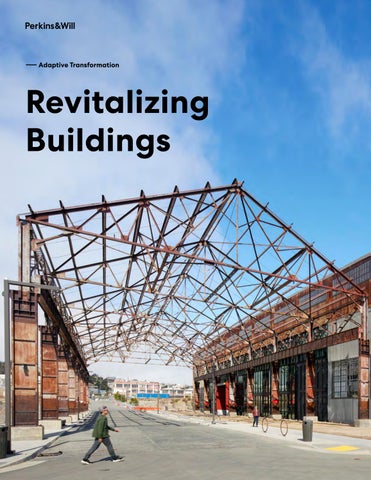
Front Cover: Building 12, San Francisco, California
Left: The McClintock Building, San Francisco, California
Our portfolio embodies this philosophy, blending old and new to create a diverse, vibrant landscape that honors the story of every structure.
Existing buildings present an extraordinary opportunity for meaningful renewal. Factors like production, distribution, and repair zoning, historic registry rules, and a desire to preserve history drive adaptive transformations. This approach addresses evolving needs while maintaining both the tangible and intangible heritage of these spaces, requiring a careful balance of economic viability and innovative design that respects a building’s past and future.
More than just a design ethos, adaptive transformation presents a number of financial and operational incentives. Building renewal creates opportunities to pursue historic tax credits, minimize energy demands, and lower operational and embodied carbon. Compared to new buildings, construction timelines are often truncated, expediting occupancy, compressing carrying costs, and maximizing financial returns.
Adaptive reuse and transformation projects consistently demonstrate some of the lowest global warming potential (GWP) intensities, reinforcing the notion that the greenest building is the one that’s already built. Our research proves that reusing any portion of the existing structural “skeleton” is the best strategy for immediate carbon reduction — on average, adaptive reuse projects save about 39% of total GWP when compared to equivalent new construction.
MEAN GLOBAL WARMING POTENTIAL (GWP) INTENSITY OF TYPICAL PROJECTS, STRUCTURE AND ENCLOSURE, SHOWING IMPACT OF ADAPTIVE REUSE
Projects by Building Use Type
Core & Shell or Simple Structure
Laboratory
Mass Timber (full or hybrid)
New with Interiors
Other
Other Carbon
Intensive Program
Outlier
Reuse or Addition
Reuse with Timber Structure
We are leading adaptive transformation in San Francisco and beyond. In the city alone, we have reused nearly 4 million square feet of building area.
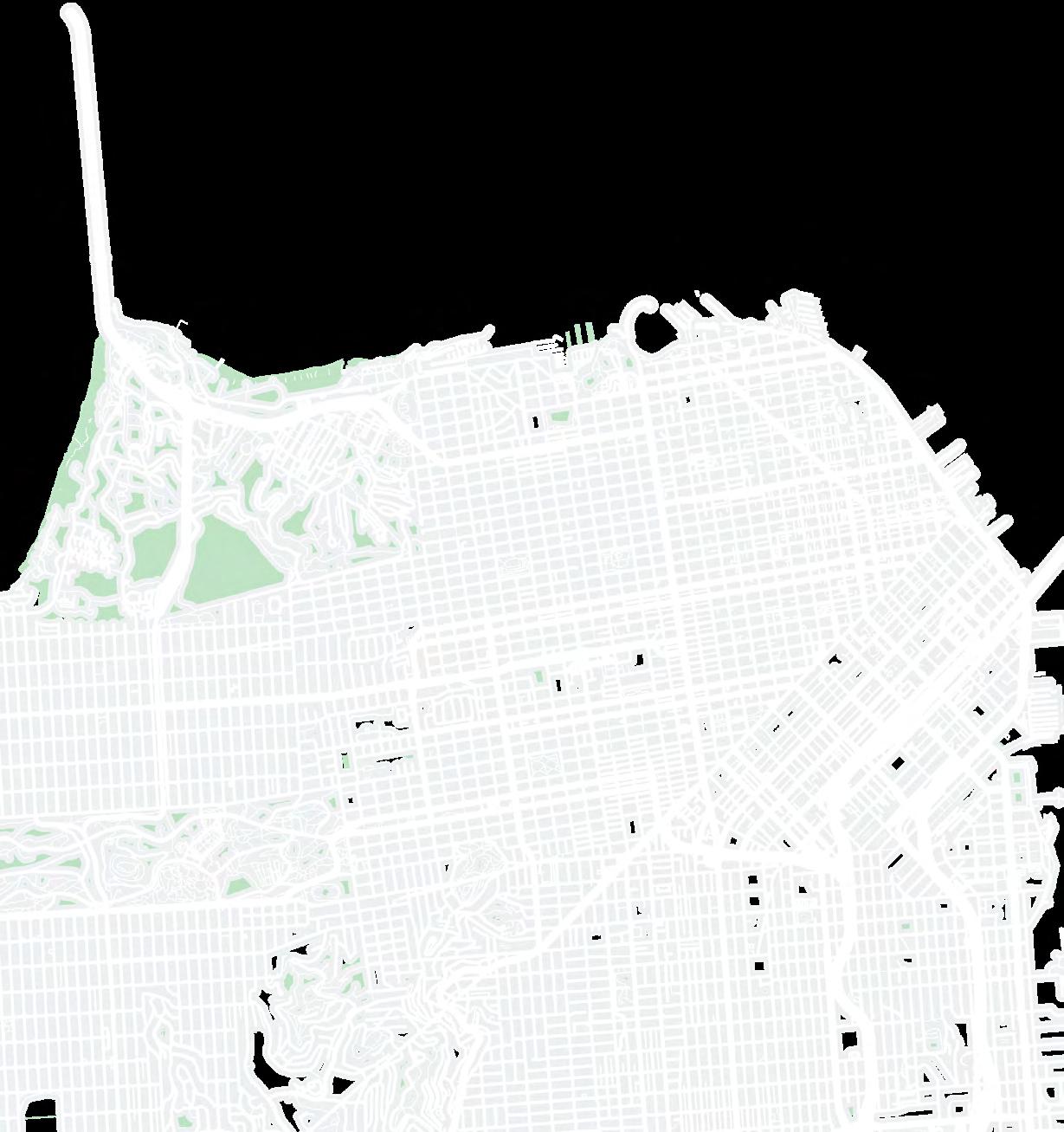
0‑50k square feet
50-150k square feet
150-250k square feet
250‑500k square feet
Ferry Building

Bay Area Metro Center
140 New Montgomery
275 Brannan
475 Brannan
The McGuire Building
The McClintock Building San Francisco Friends School
ODC Theater
200 Rhode Island Conservatory of Music Building 12 ― Our Impact
SQUARE FEET OF EXISTING BUILDING AREA WE HAVE REUSED
3.9 million
SAVING AN ESTIMATED EQUIVALENT TO
109,000
METRIC TONS OF CARBON EMISSIONS
280 million
MILES DRIVEN BY AN AVERAGE GASOLINE POWERED CAR
Any building can be transformed for new purposes if we’re willing to imagine it’s capacity to change. There’s no one-size-fits-all solution. Reuse strategies are inherently flexible and can be tailored to each project’s context, goals, and constraints. From repurposing structural elements to salvaging finishes or fixtures, the possibilities are broad and adaptable.
1. Parks Canada. (2010). Standards and Guidelines for the Conservation of Historic Places in Canada (2nd ed.). Parks Canada.
2. The American Institute of Architects (AIA) (2020). Adaptive Reuse Guide - A Framework for Creating CommunityCentered Architecture. The American Institute of Architects.
Light Intervention Renovation
Improving, updating, or restoring an existing building within the existing envelope can extend the useful life, enhance performance, and align the space with current needs.
Envelope Performance
Optimizing energy efficiency and making buildings more user-friendly through strategies such as highperformance curtain walls and window glazing, opening new entrances, and introducing daylight.
Systems Compliance & Energy Upgrade
Repairing and making a building usable again while allowing for some updates and alterations to meet modern requirements. Upgrades retain the building’s existing features while incorporating systems that allow it to serve contemporary uses.1
Major Intervention Addition
By merging an existing, underutilized structure with a new architectural extension, older buildings can serve new purposes.
Change of Use, Program, & Market Adaptive Reuse
Repurposing an existing building for a use distinctly different from its original design while maintaining its character. This extends the life of the building by giving it new functionality through significant changes to the use and program of the original building.2
San Francisco, California
Client: UC Law SF
Size: 276,000 square feet
Completion Date: Ongoing, est. 2028
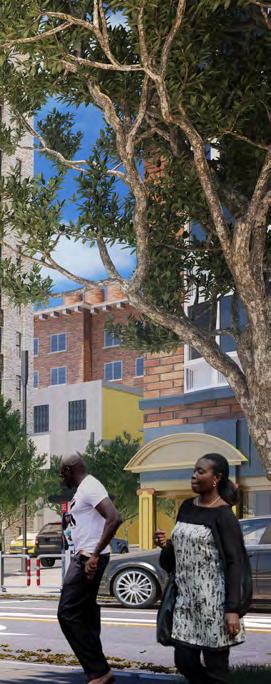
Located at the intersection between San Francisco’s Civic Center and Tenderloin neighborhood, the rejuvenation of the 100-year-old building at 100 McAllister embodies UC Law SF’s mission to promote diverse social engagement by generating new opportunities for community connection.
The building has a rich and varied history, having served multiple purposes over the past century. Built in 1930, 100 McAllister was originally conceived as both a high-rise hotel and a church, opening as the William Taylor Hotel and Methodist Temple, with hotel profits used to support church operations.
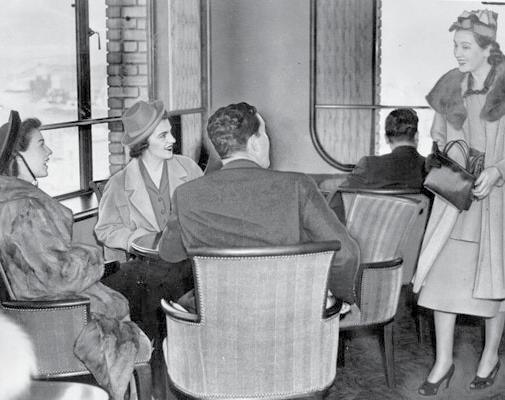
The Great Depression forced the hotel to close. In 1937, it was purchased and renamed the Hotel Empire, with the 24th floor transformed into the Sky Lounge. Despite these efforts, the hotel continued to struggle, and in 1942, the U.S. Treasury acquired the building. It remained under government ownership until 1977, when it was transferred to Hastings College of the Law — now UC Law San Francisco.
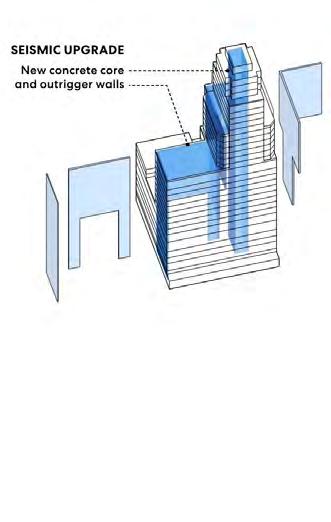
Today, our team is revitalizing the space to meet current seismic standards and to better serve UC students and the surrounding community.
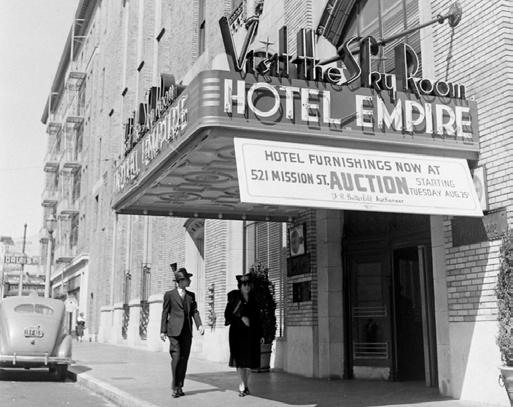
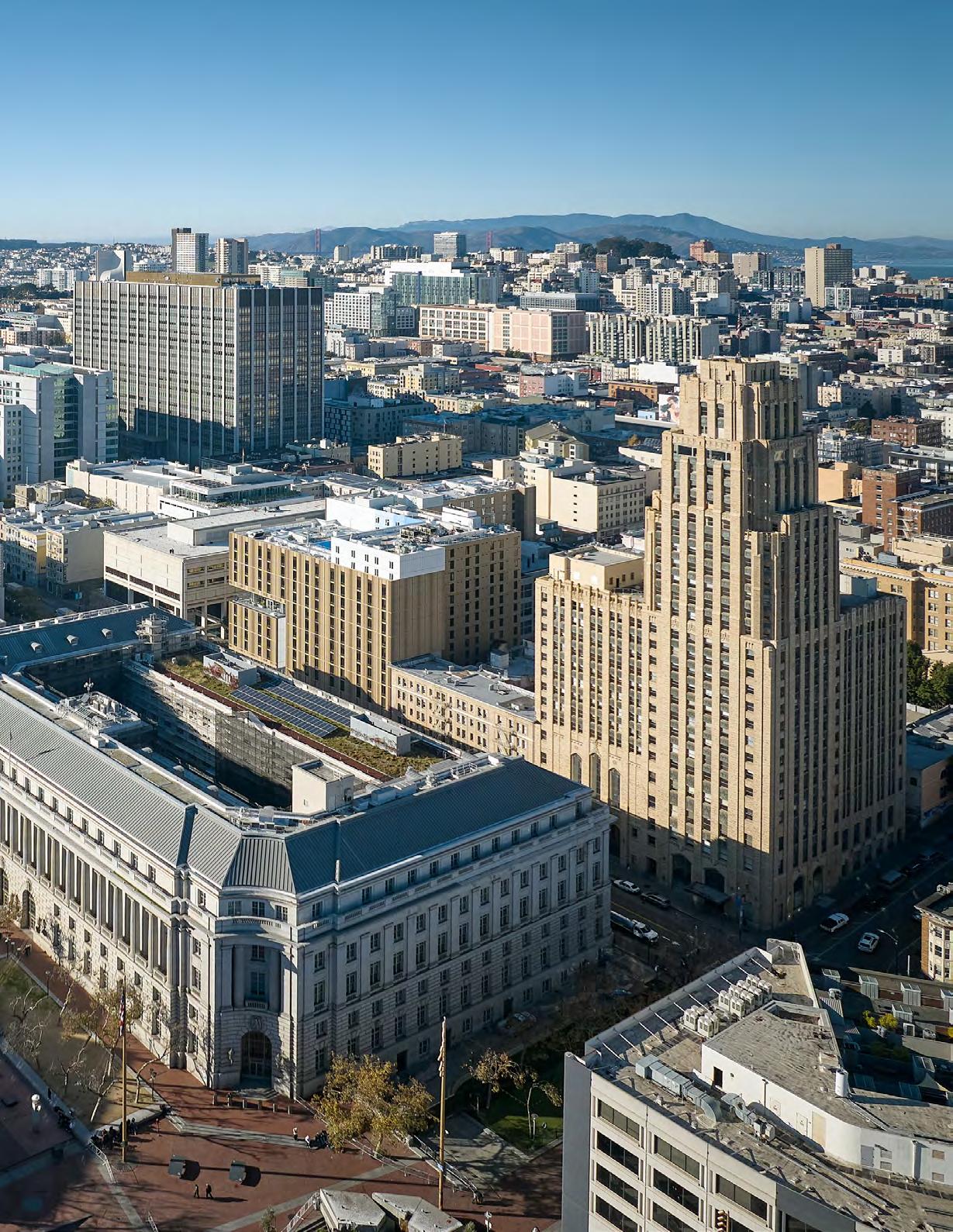
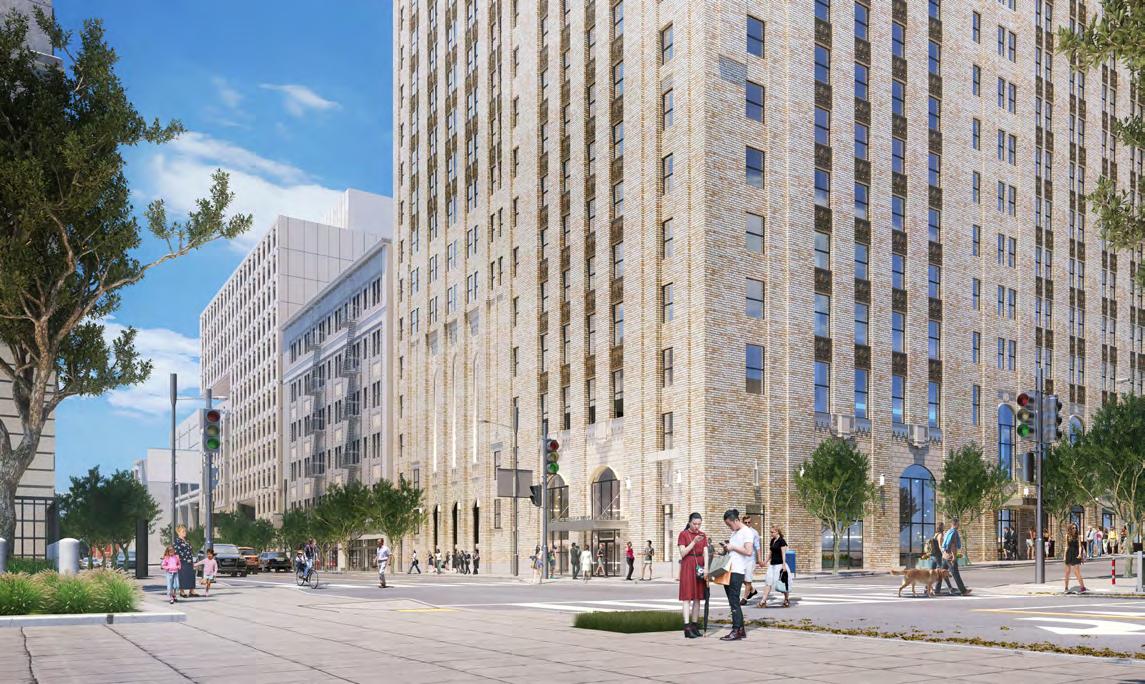
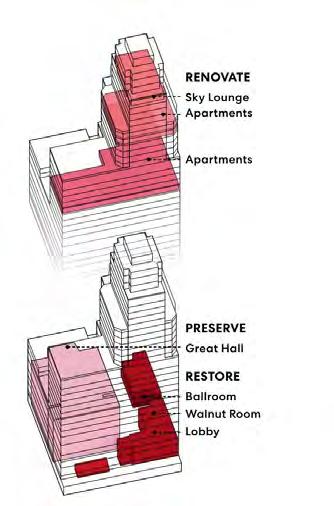
The adaptive reuse of the tower will introduce a range of new unit types while revitalizing its signature spaces to support diverse programming. For decades, UC Law has used the building for student housing, but these renovations present an opportunity to modernize the space and celebrate its nearly 100-year history by reintegrating some of its most iconic rooms into daily campus life.
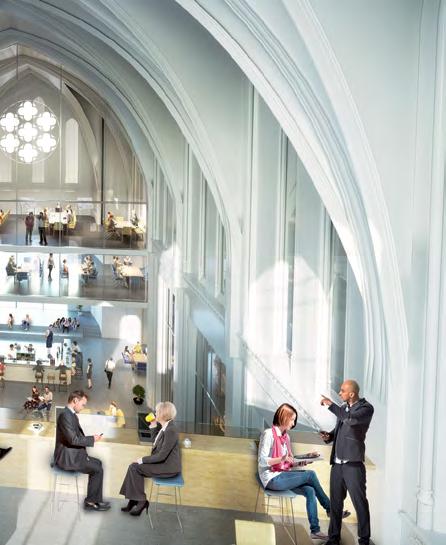
The formerly concealed Great Hall will be restored, transforming its dramatic five-story Gothic volume into a central hub where students and the broader community can gather, collaborate, and connect. The Sky Lounge will also be reimagined, and the project will add 280 new beds to meet growing housing needs.
This transformation reflects an innovative approach to housing for multidisciplinary learners — one rooted in intentional placemaking and community connection. More than a renovation, it is a bold investment in the future, designed to catalyze growth and provide affordable living in an economically challenged neighborhood.
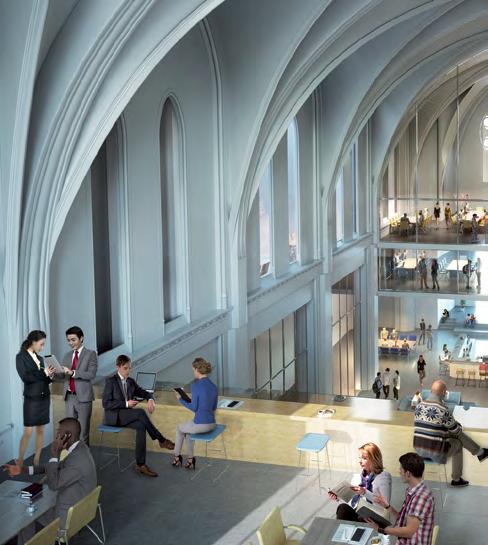
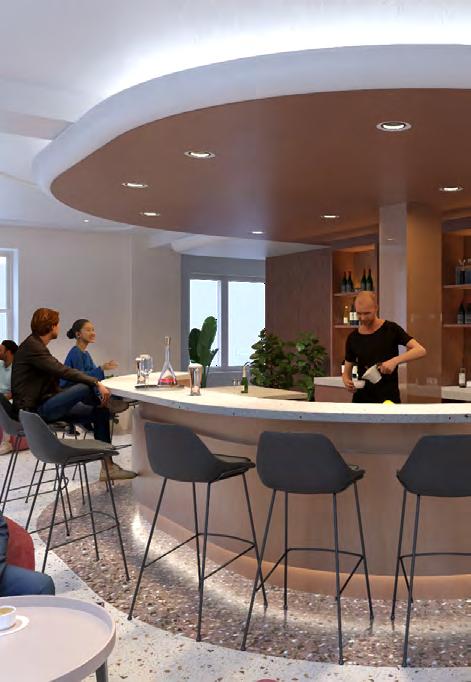
The historic Sky Lounge will be renovated for students and staff.
The diagram illustrates the restoration, programmatic changes, and seismic upgrades that are planned for the structure.
San Francisco, California
Client: Brookfield Properties
Size: 230,000 square feet
Completion Date: 2022
Sustainability: LEED Gold ®
Awards: WAN Award, Adaptive Reuse - Big, 2023, AIA California, Honor Award, 2024, AIA SF, Honor Award, Adaptive Reuse, 2024
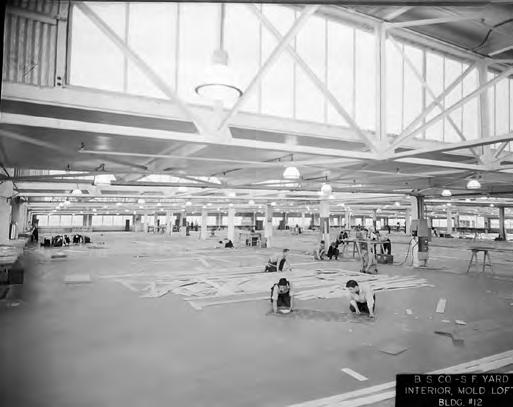
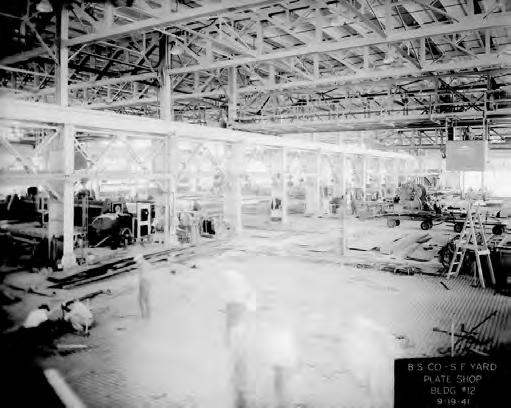
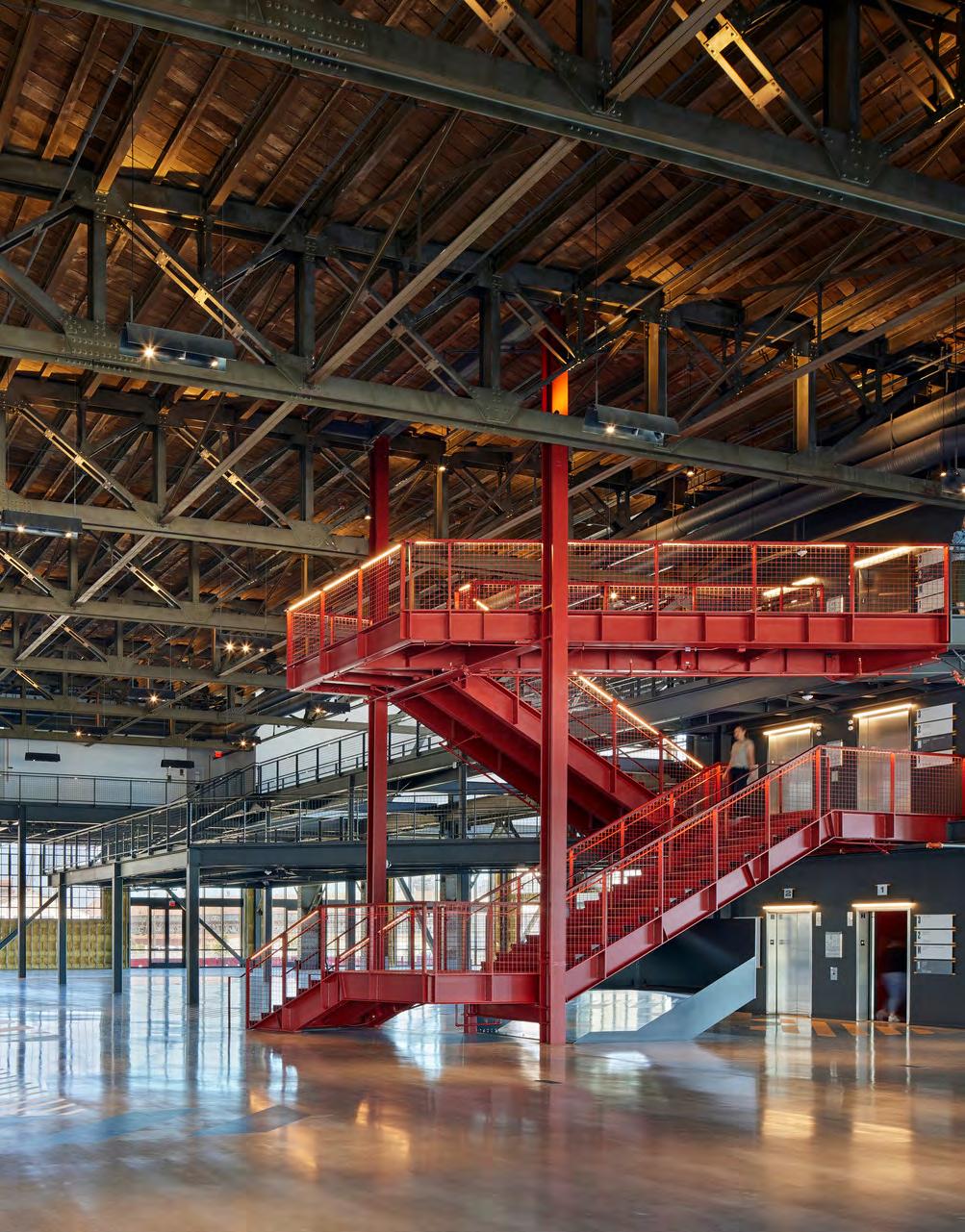
Originally built in 1941, Building 12 is part of a complex of buildings on Pier 70 that, during World War II, was one of the most productive shipyards in the country. Though still home to a few dry docks, most of the Pier 70 buildings had fallen into a state of disrepair during the ’80s and ’90s, and for public safety, access to Pier 70 and the waterfront was disallowed. As one of only a handful of historic structures on Pier 70 to be retained, our challenge in renovating Building 12 was to make visible that rich local history and to translate it for today’s new use.
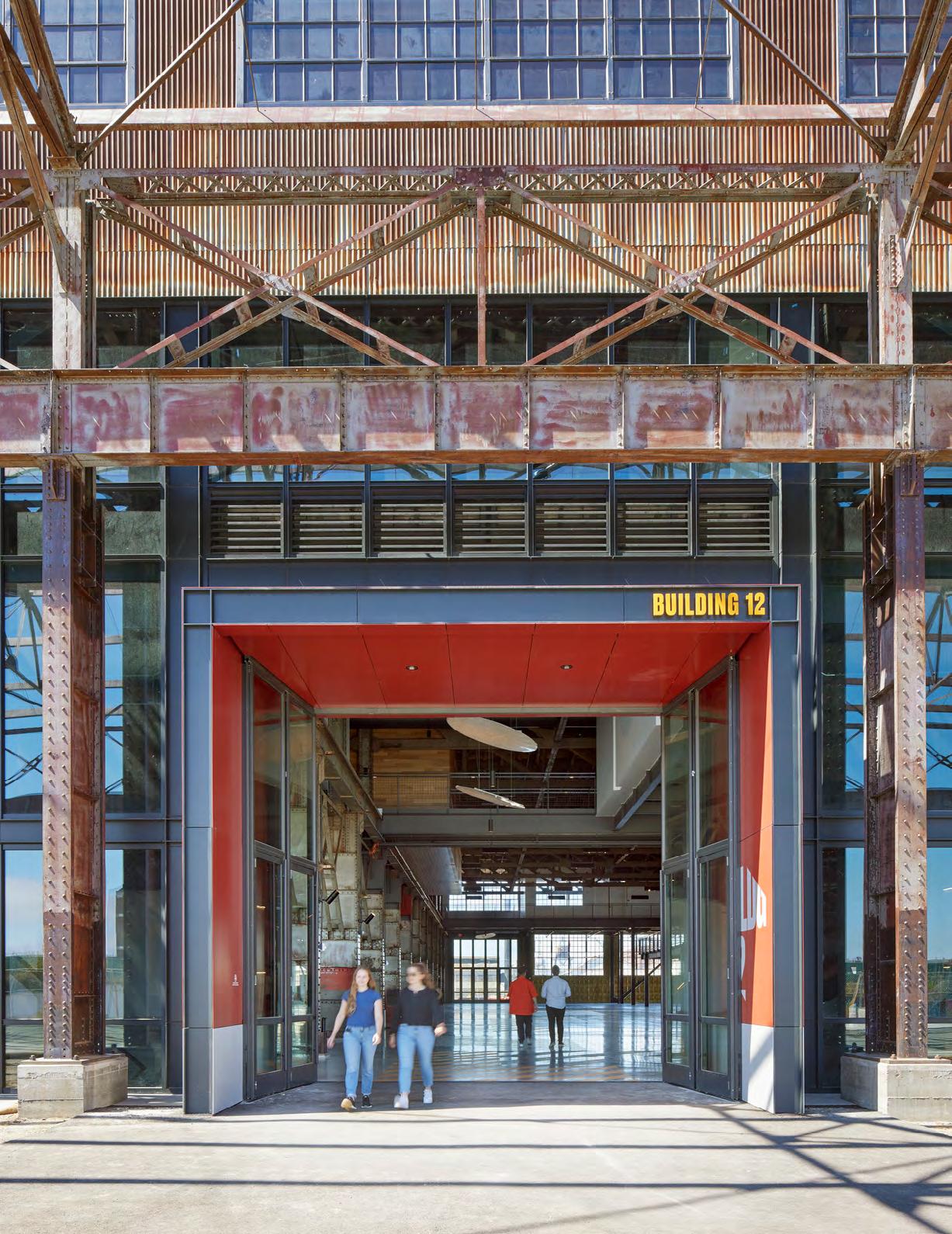
Building 12’s renovation creates a vibrant community gathering and event space that is integral and connected to the landscape and overall site, offering spectacular views of San Francisco and the Bay. Visitors are welcomed to the grand market hall via three colossal red portals, while fully operable window walls along key facades to provide maximum porosity between the interior market hall, the surrounding pedestrian plazas and parks, and the new Pier 70 neighborhood. While the ground floor market hall and new mezzanine are open to the public, the new second level houses artisan and maker studios and the former Mold Loft on the upper floor will be designed for workplace.
Client: Beacon Capital Partners
Size: 240,916 square feet
Completion Date: 2022
Perkins&Will renovated an existing business park to create a strong campus identity through landscape improvements, tenant improvement, and rebranding. Located in Emeryville, the renovation and adaptive reuse of 6401 Hollis Business Center into Ratio: Innovation Campus targeted the bustling life science economy. The updated campus was designed to foster innovation and creativity amongst scientists and researchers.
The campus consists of multiple structures built over the last century. The original wood truss warehouse was built in the ‘40s. In the early ‘00s, a steel building and parking structure were added to convert it into an office space. Our team renovated the campus to convert the buildings into a life science campus with labs and new amenities. The existing lobby was upgraded into a two-story open space to create a welcoming and bright entryway. Our team also updated the restrooms and the fitness center, and retrofitted the building core to allow for lab development. Additionally, Perkins&Will completed an interior layout, planning and fit-out, including lab with finishes, fume hoods, and equipment, as well as open office spaces and flexible communal areas.
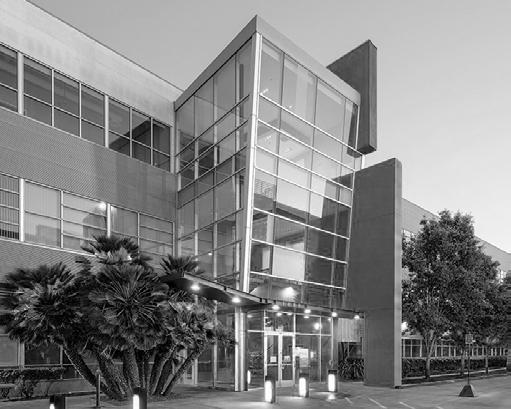
The office is located right off the 580 Highway and is surrounded by other science and technology businesses. The prime location encouraged a renovation so that the building could host a life sciences tenant.
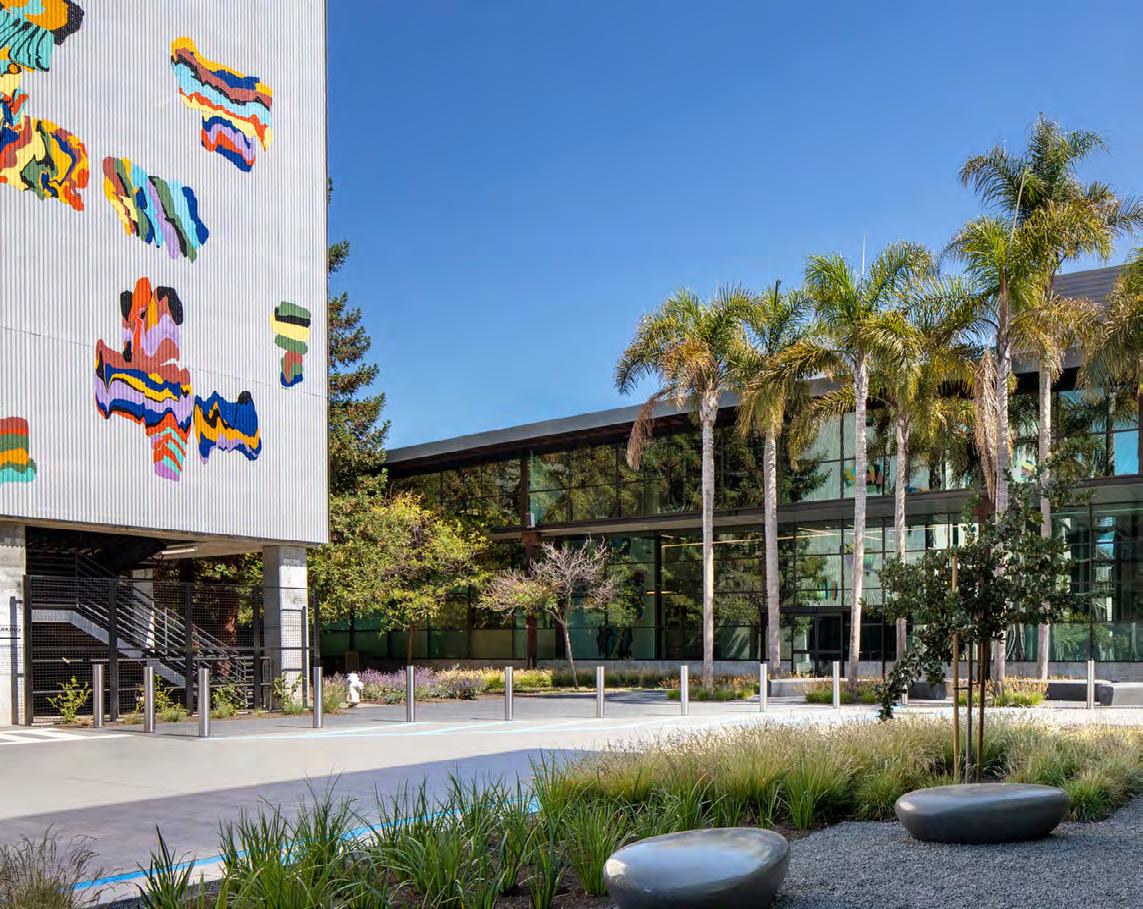
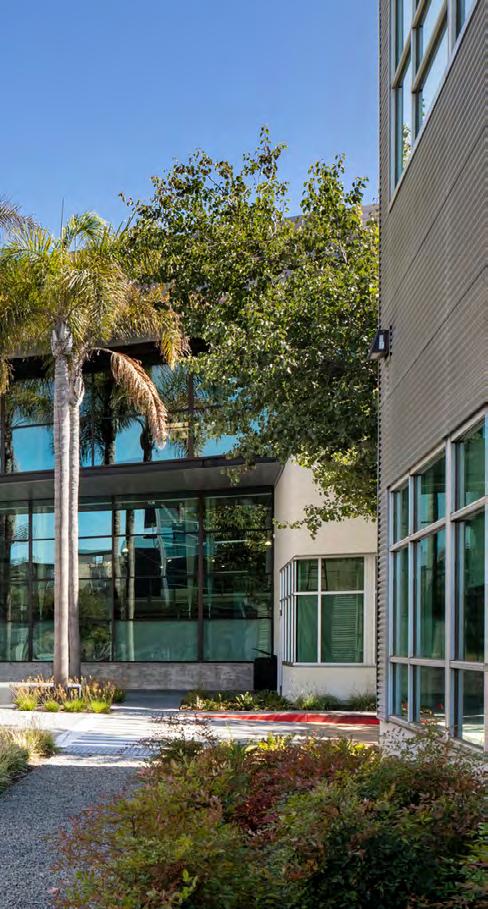
Our team leveraged amenities to encourage in-person work. New features such as a fitness center and flexible communal spaces were introduced to support daily employee activity and collaboration. Outdoors, the surrounding landscape was thoughtfully redesigned with native plants, quiet private gardens, and comfortable lounge seating. These improvements were guided by a wellbeing-focused approach: to create an accessible, restorative environment where employees can take breaks, recharge, and feel more connected to the workplace community.
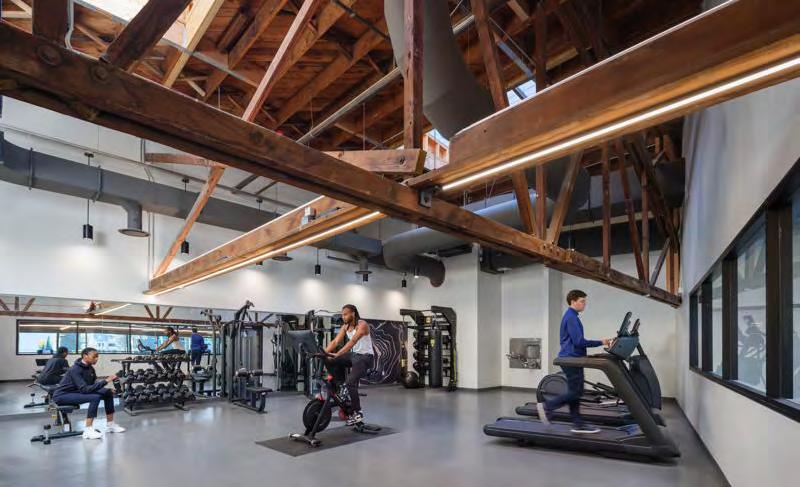
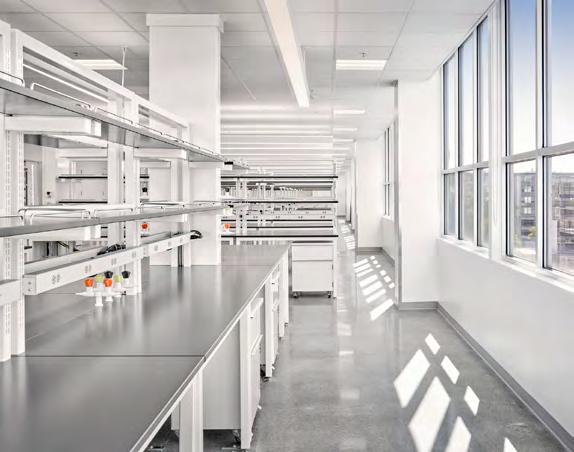
Labs were added to support life science tenants.
← The adjacent garage and landscape were transformed to make the office more inviting and energetic.
San Francisco, California
Client: Metropolitan Transportation Commission
Size: 525,000 square feet
Completion Date: 2016
Sustainability: LEED Gold ®
Awards: ENR California Best Project, Northern California Award, Renovation/Restoration Category, 2016; Building Design+Construction, Silver Reconstruction Award, 2016; San Francisco Business Times, Real Estate Deals of the Year, Renovation Category, 2017
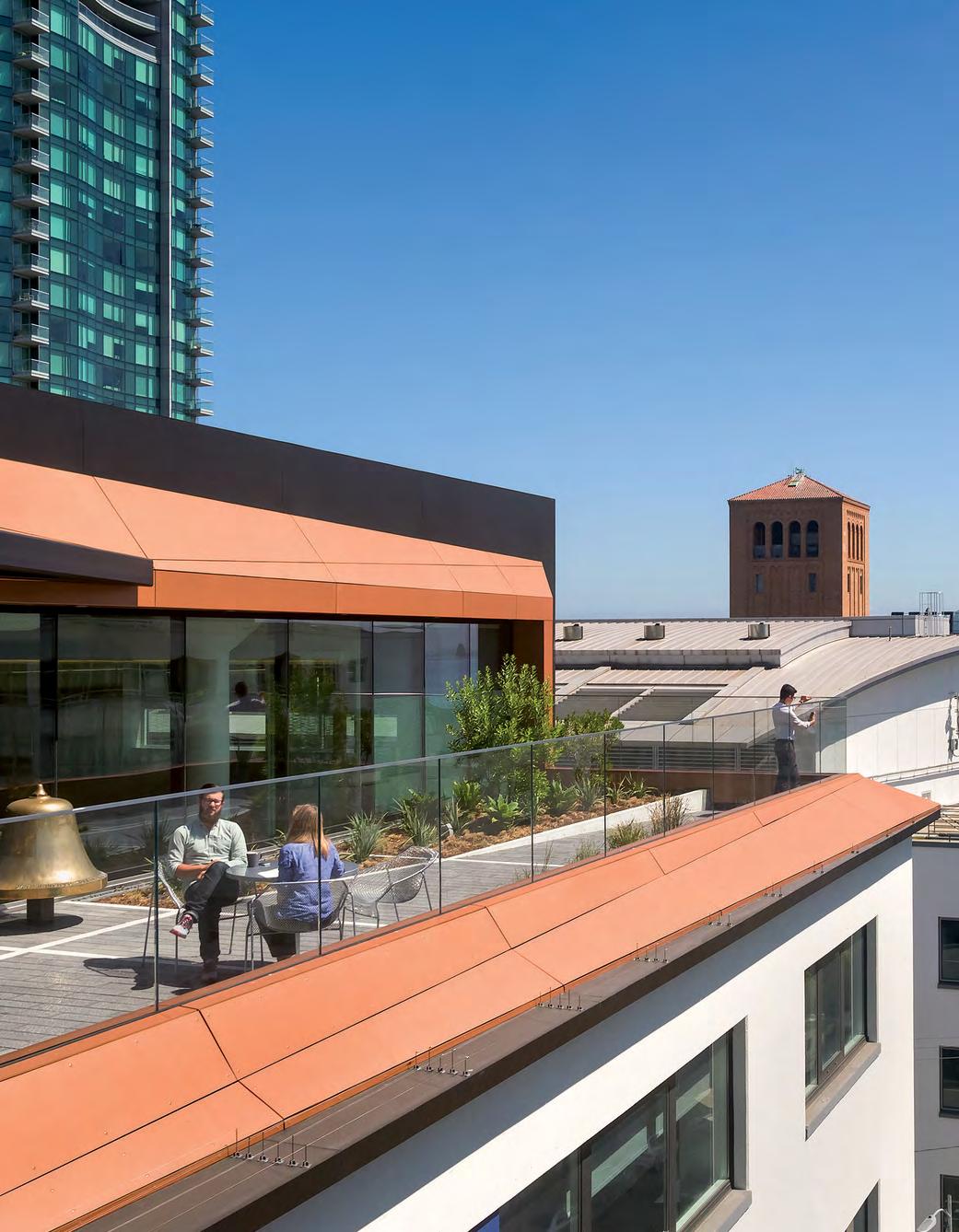
In San Francisco’s Rincon Hill and Transbay neighborhoods, Perkins&Will led the transformation of an unused, 1940s-era U.S. Army warehouse into a bustling, modern-day headquarters for some of the Bay Area’s most progressive government agencies.
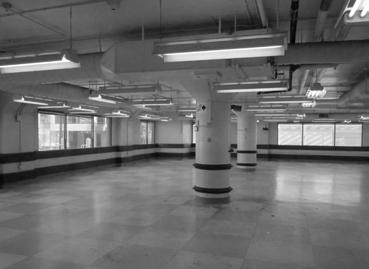
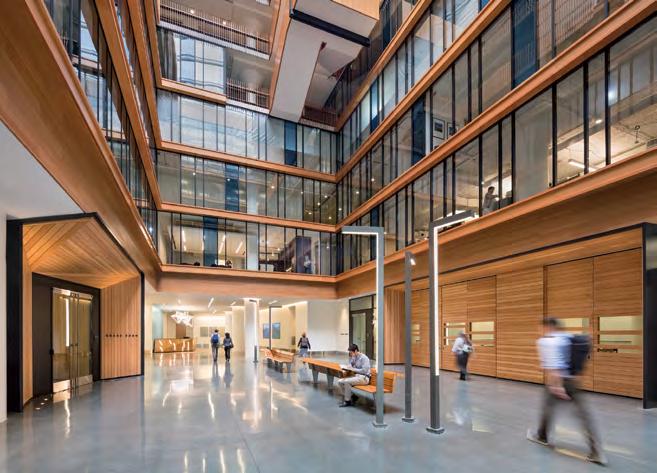
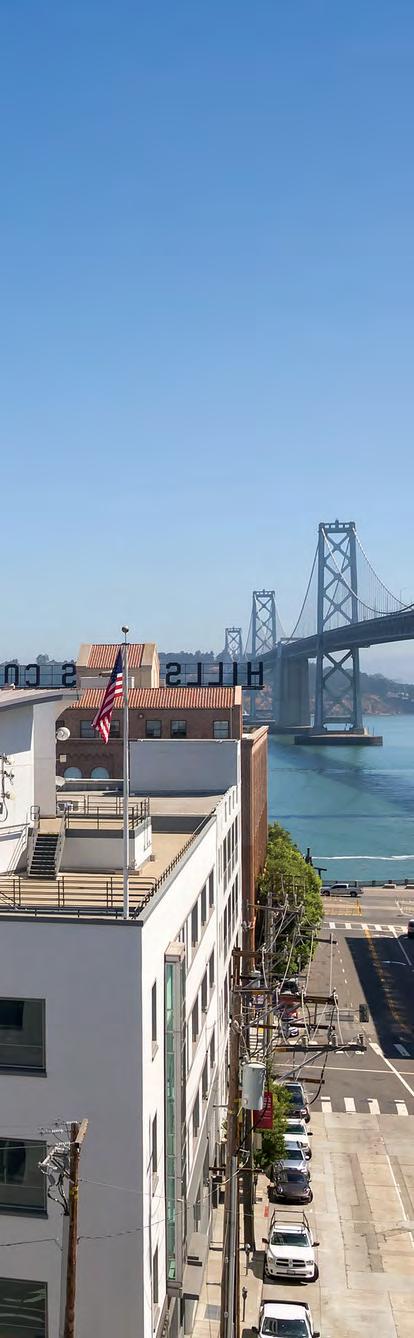
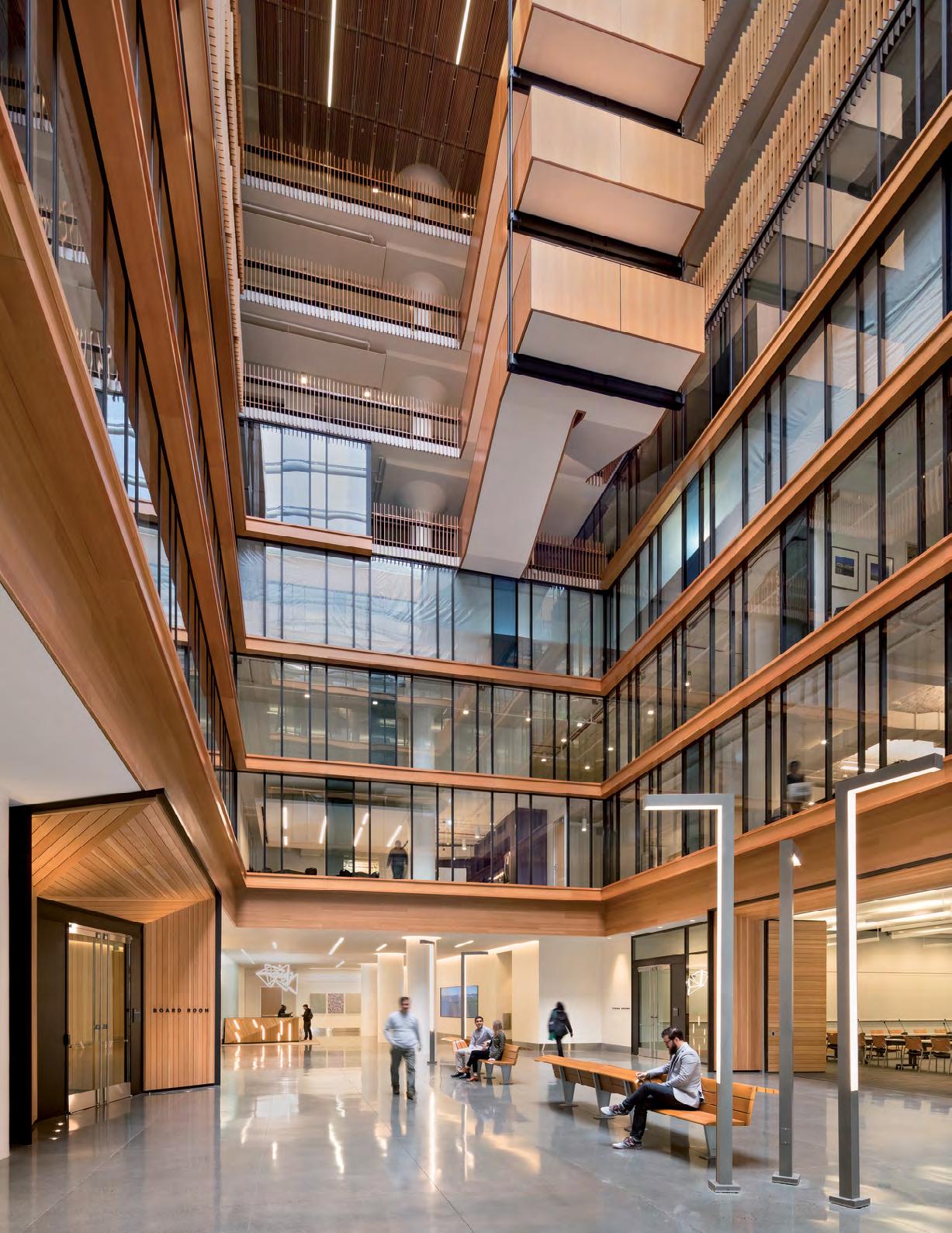
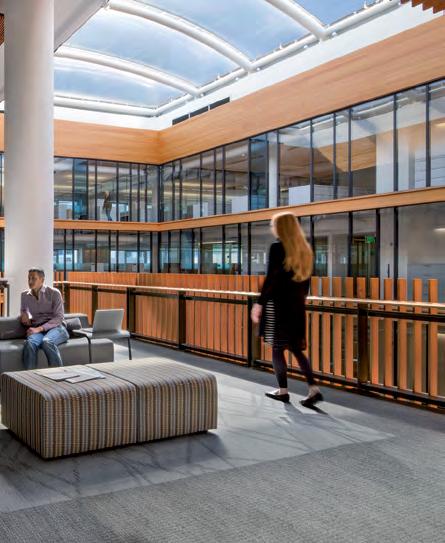
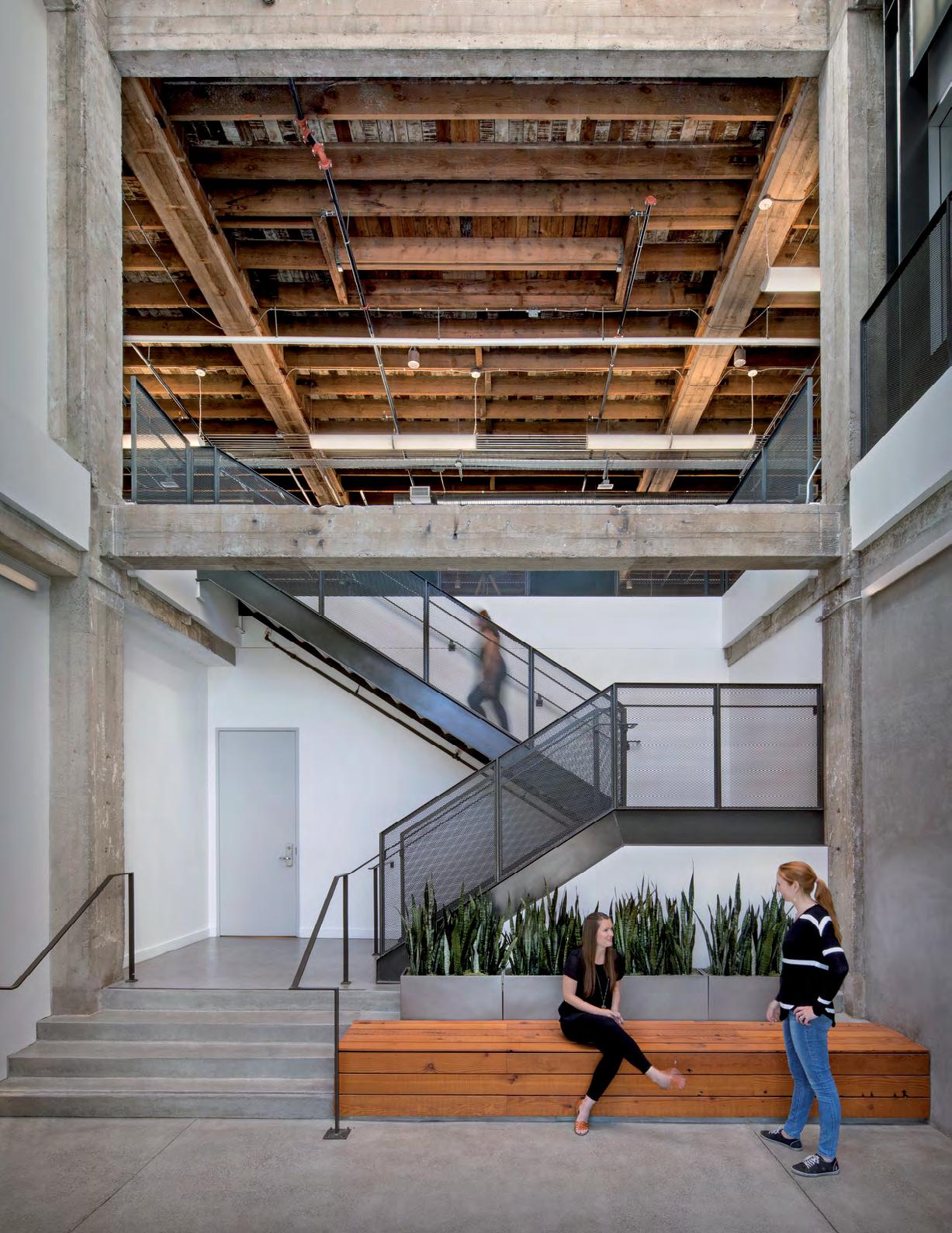
Before the renovation, the building was dark with large floor plates that were indicative of a typical office layout, which hindered the Metropolitan Transportation Commission’s (MTC) goal for connectivity. Our team carved out a light-filled atrium of glass and wood, connected by an open, floating staircase. The result connected the floors visually and functionally, facilitating interaction among the agencies. On the upper level, a landscaped rooftop terrace was added, creating a space for staff to rest with spectacular views of the Bay Bridge.
Now, MTC, the Bay Area Air Quality Management District, and the Bay Conservation and Development Commission work together. Our creative reinterpretation of the old space allows for a level of inter-agency collaboration and cooperation never before possible, creating efficiencies through space- and resource-sharing. The new Bay Area Metro Center gives a muchneeded public face to the public agencies that call it home.
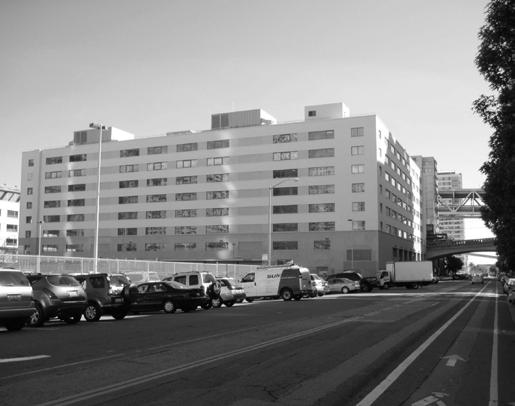
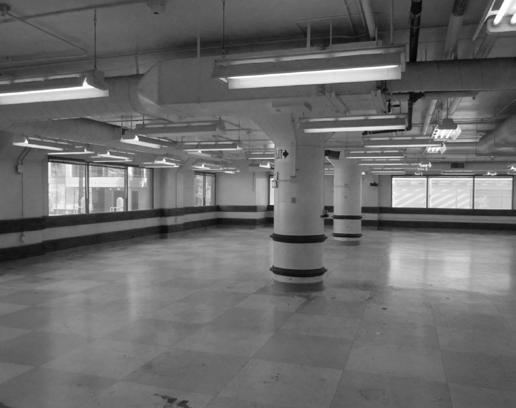
The building, formerly known as 390 Main Street, has adapted to a variety government uses over the last 70 years, serving the U.S. military, postal service, mint, and treasury.
the street level, the atrium is the centerpiece of an expansive lobby destined to become an indoor crossroads for the four regional agencies occupying the building.
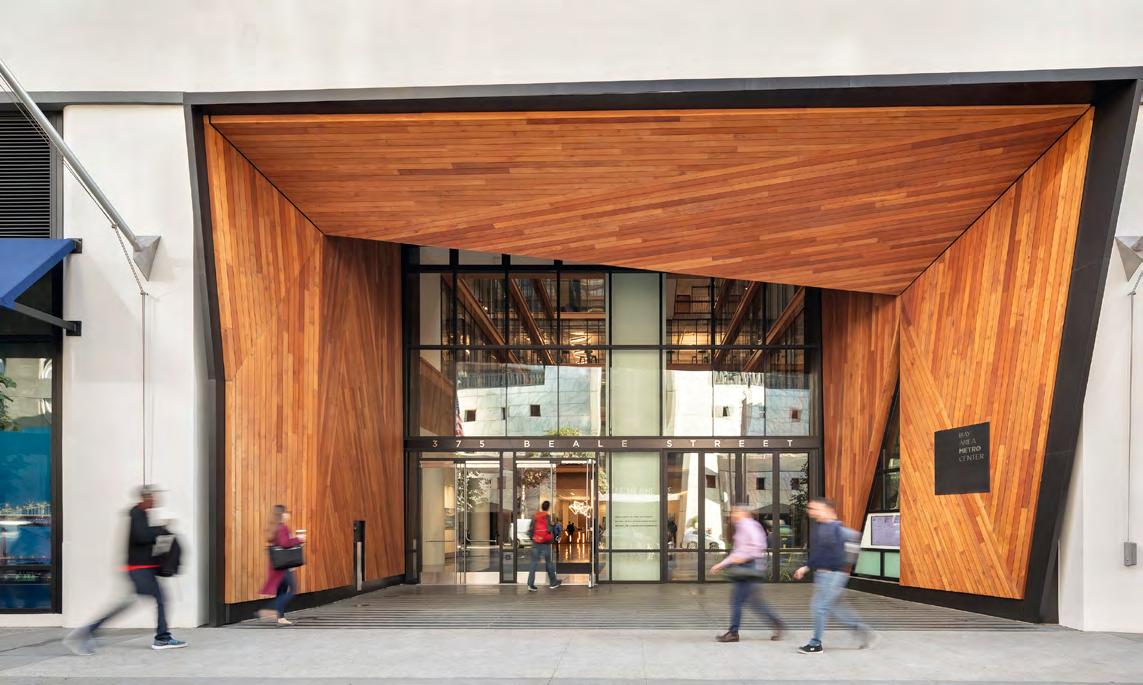
The plan for transforming the building formerly known as 390 Main Street into the regional agency headquarters called for relocating the front entrance to the opposite side of the building to take advantage of streetscape improvements and create a more inviting and accessible entryway.
The new address — 375 Beale Street — pays tribute to Senate Bill 375, landmark 2008 state legislation that charted a path toward sustainability and dramatically reducing greenhouse gas emissions.
In a nod to the neighborhood’s past, the building makes ample use of wood from 40-foot-long Douglas fir logs that served as pilings for the old Transbay Terminal, which was demolished to make way for a modern new facility. Full of character from 70 years of sitting below the water line, this salvaged wood has been incorporated into the floor lobby security desk, the board room dais and wall paneling, coffee bars, and each department’s lobby paneling.
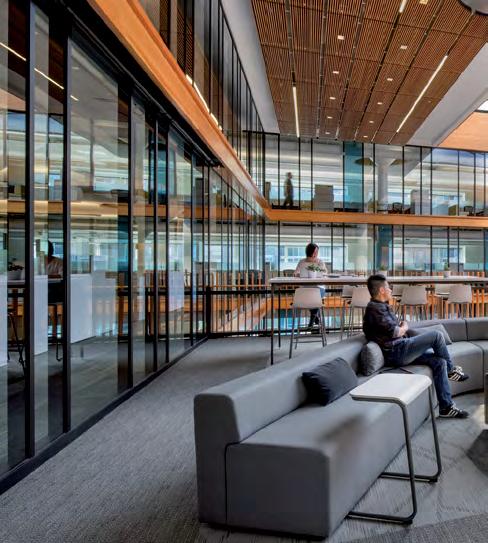

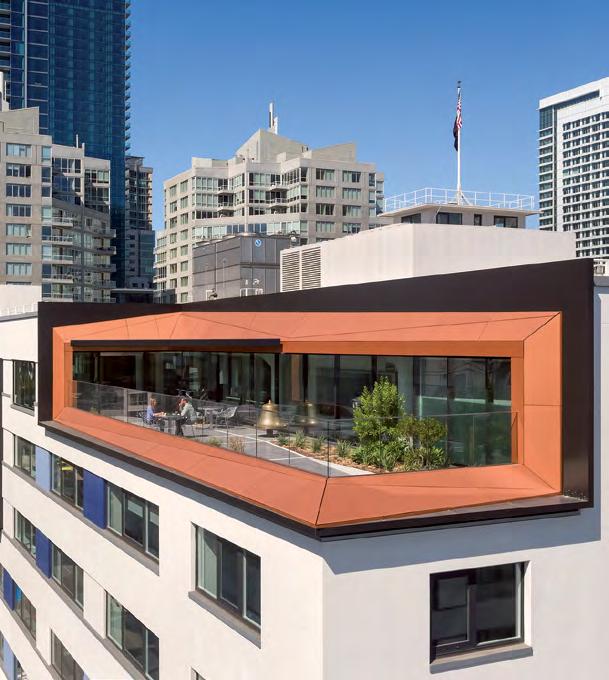
An outdoor seating area was added to the top floor.
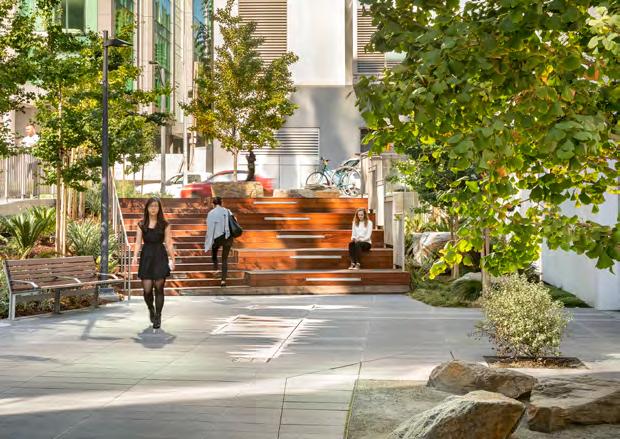
The surrounding area was landscaped to provide employees an outdoor space to relax.
San Francisco, California
Client: SKS Partners
Size: 139,082 square feet
Completion Date: 2017
Sustainability: LEED Silver ®
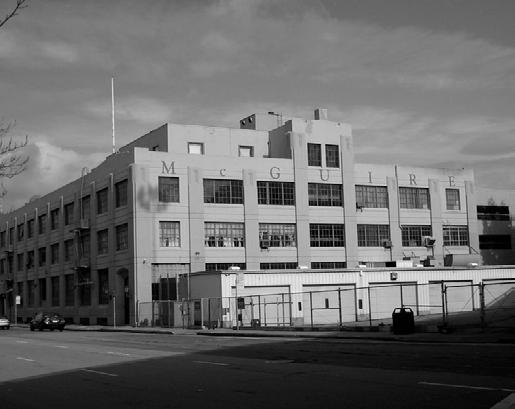
Located at the intersection of San Francisco’s SOMA, Mission, and Potrero Hill neighborhoods, the McGuire Building has been home for manufacturing since its original construction in 1927. It originally housed the legendary McGuire Furniture Company and later served as a concrete factory.
The renovation repositioned the building to reintroduce it in “like-new” condition to meet its Production, Distribution, and Repair (PDR) zoning. The old mechanical units and corrugated steel sheds on the outside of the building were removed to reveal the art deco facade and create a new exterior entrance. The new service core includes new restrooms, shower rooms, bike storage and MEP building service rooms with all new fixtures and finishes. The exterior of the building also received a face lift, refurbishing all historic steel windows, replacing coiling service doors with glasslite garage doors, and new paint.
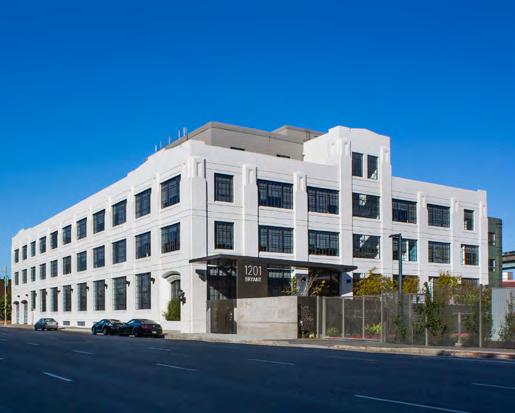
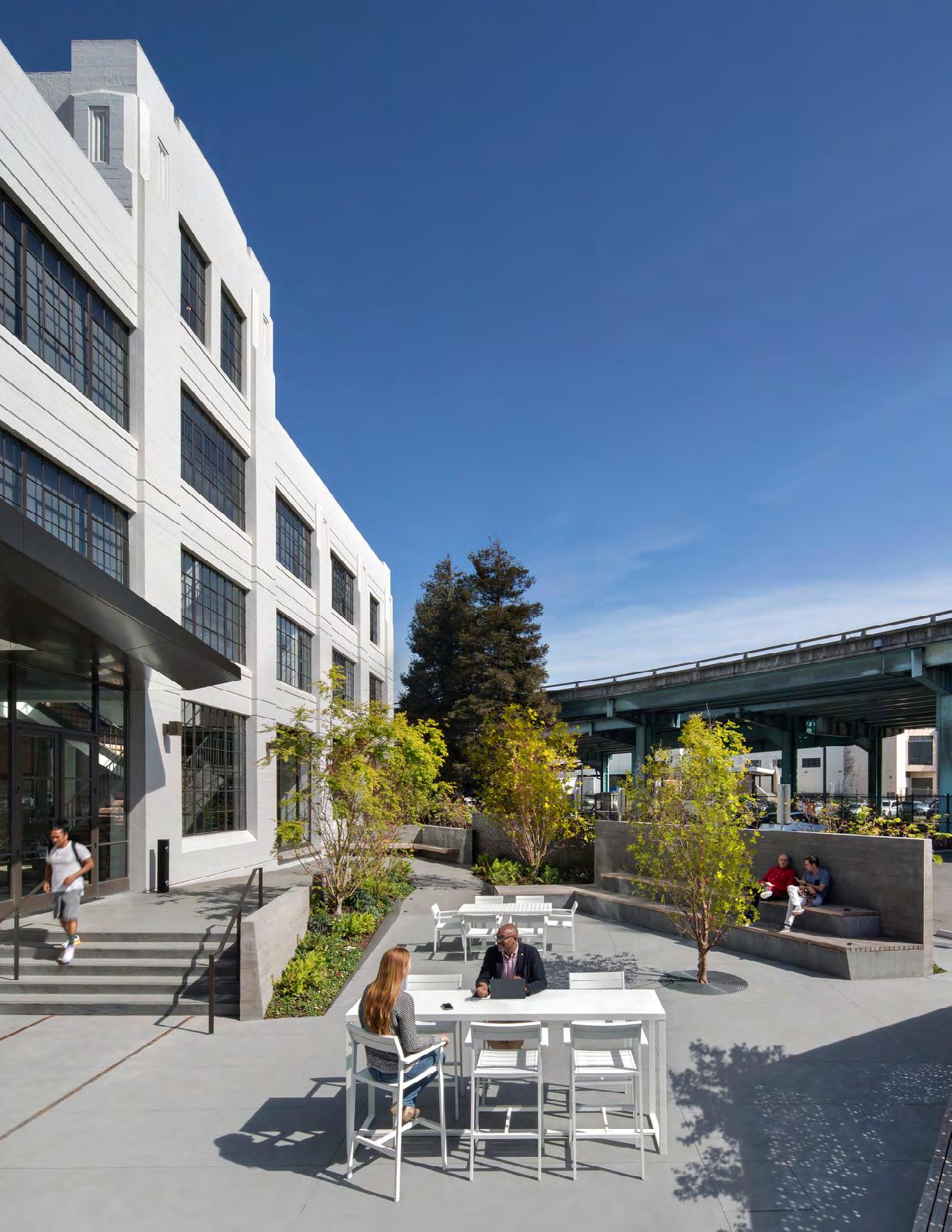
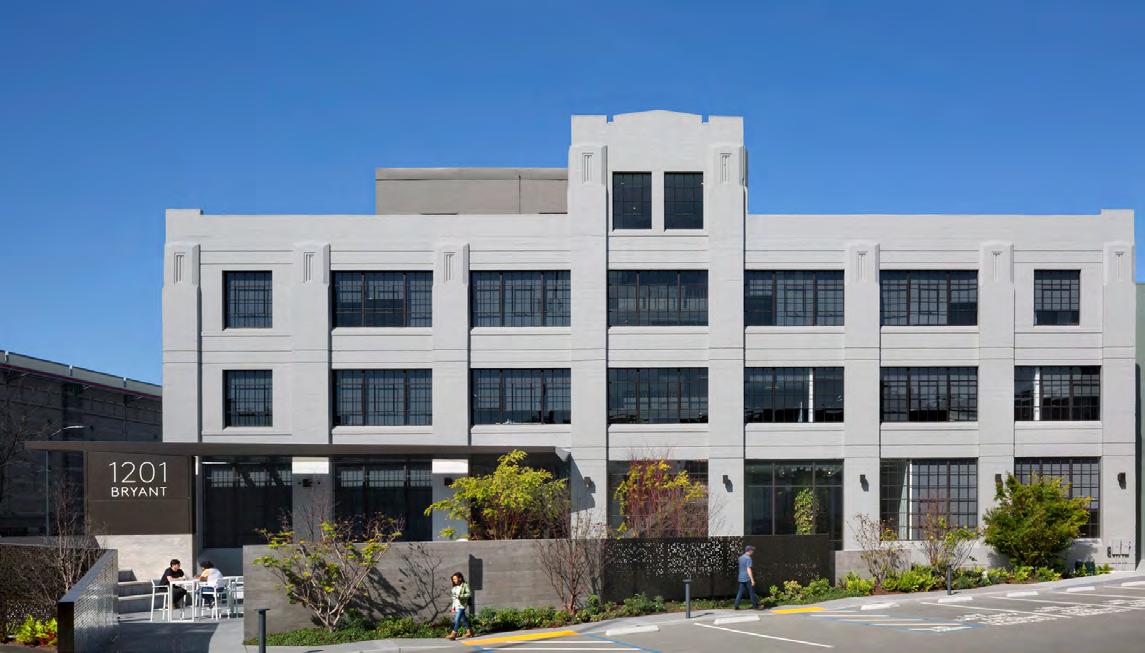
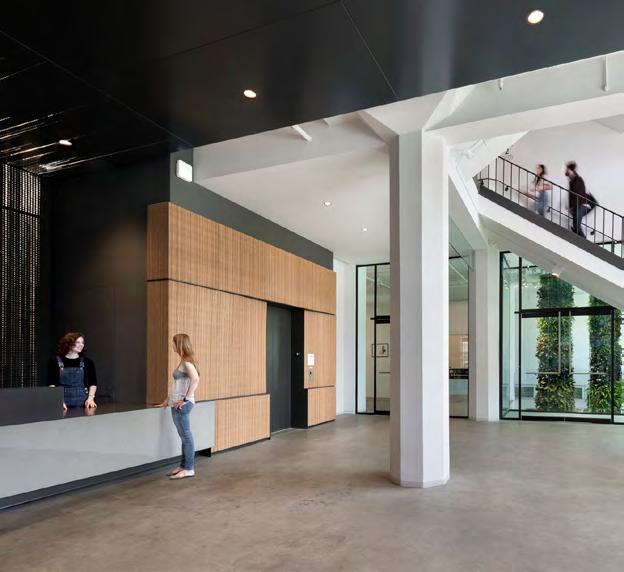
The entrance garden begins at the sidewalk adjacent to the old entrance and is marked with a sweeping canopy overhead which draws your eye into the garden and up a set of stairs or sloped pathway into the new main entrance to the building. The canopy continues inside of the building and transitions down the rear wall of the lobby to create a feature wall and focal point. Beyond the main stair in the lobby is a new hanging garden feature, connecting the exterior garden inside and open to the lower level below.
San Francisco, California
Client: SKS Partners
Size: 100,850 square feet
Completion Date: 2015
Sustainability: LEED Gold ®
For four decades, this building served as the headquarters and production center for the prom gown designer Jessica McClintock. She purchased the property in the ‘70s from a chemical company that had originally developed the compact Art Deco warehouse in the ‘30s and expanded it in the ‘50s. When our client acquired the long-vacant building, it presented an opportunity to revitalize both a historic structure and the surrounding neighborhood — creating a space designed to foster connection and engagement.
Our goal for the McClintock Building was to preserve the distinctive character of the original Art Deco architecture while treating the 1950s addition with a more playful, contemporary sensibility. Beyond necessary modernization, the adaptive reuse strategy focused on promoting social interaction and innovation.
We approached the project with respect for the building’s existing “cast of characters,” enhancing what was already there rather than introducing entirely new elements. The result is a thoughtful blend of preservation, renovation, and addition that honors the site’s legacy while providing modern amenities and a renewed sense of community.
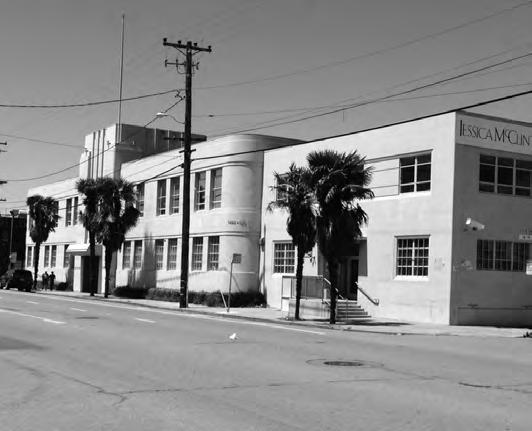
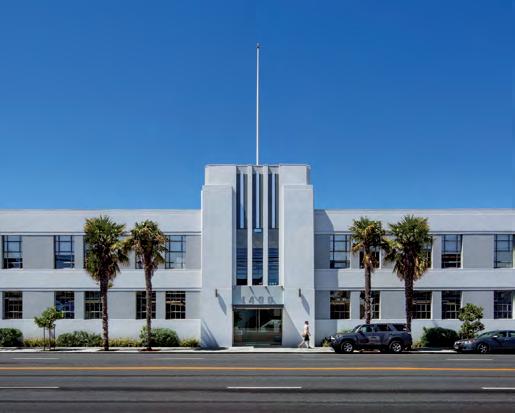
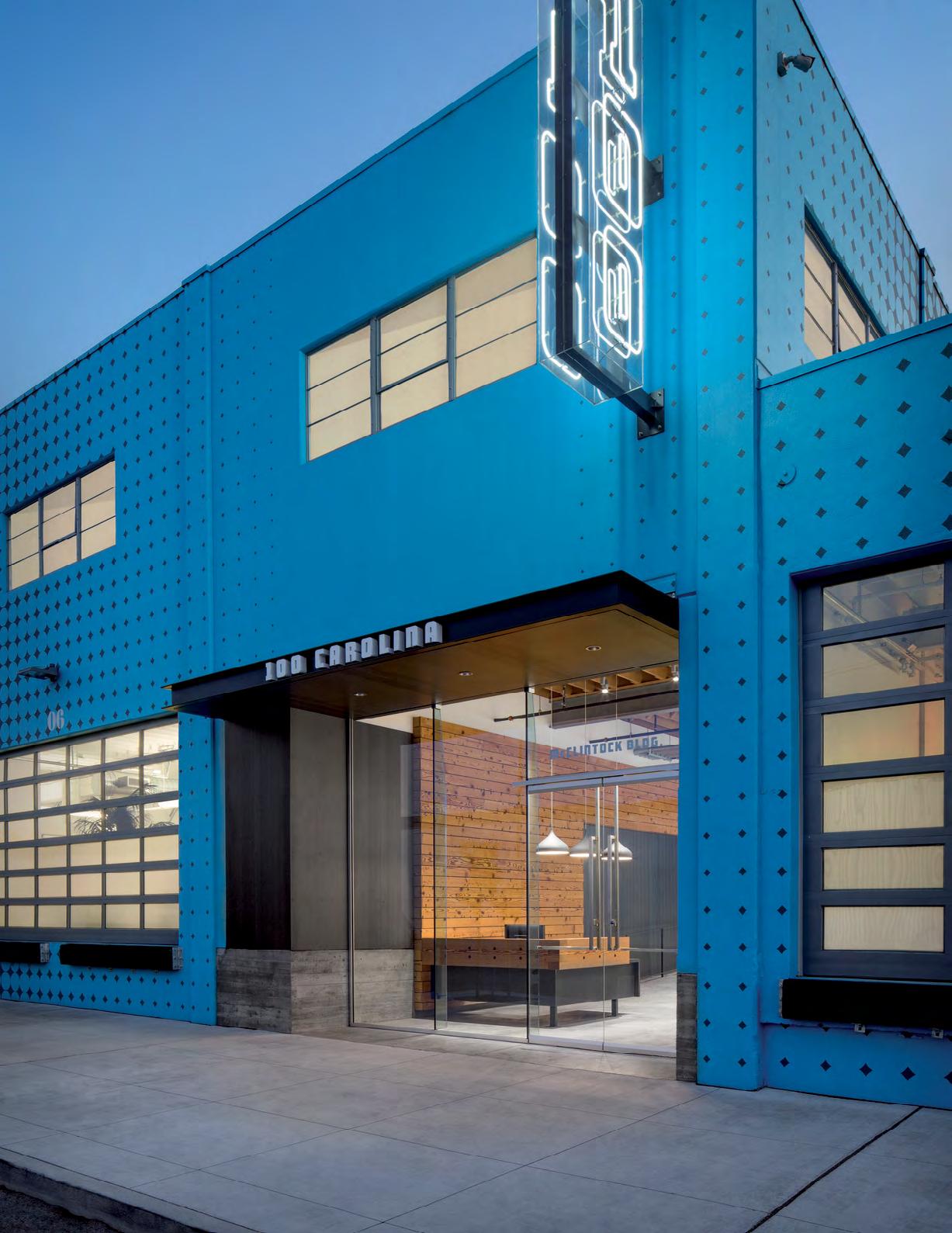
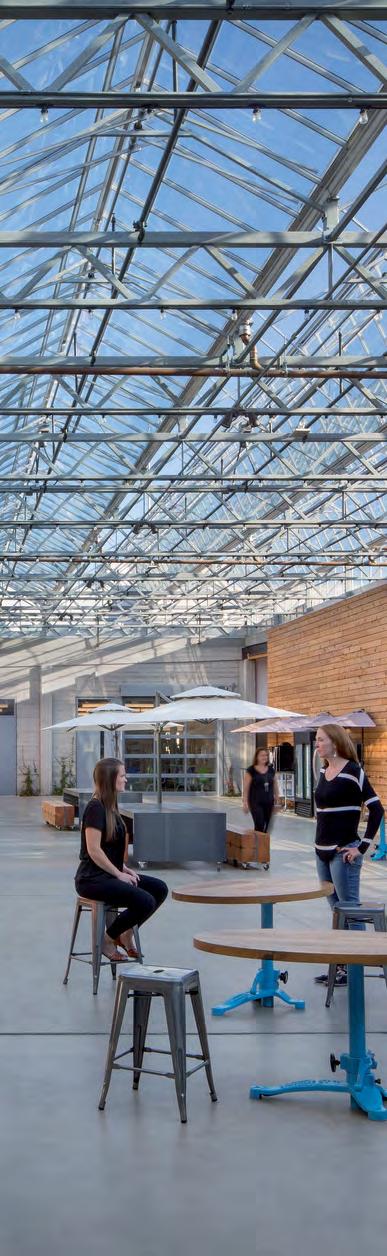
We carefully preserved the historic structure fronting 16th Street to maintain its relationship with neighbors, but inside we carved a hole in the center of the existing roof. This allowed us to design an operable glass roof that dramatically yawns open to bring in light and fresh air. It also draws in people and it is this spectacular central space that now performs as the social hub of the workplace. The social emphasis on interaction continues around the periphery of the atrium, where flexible unit spaces face into the center, each with an operable roll-up door.
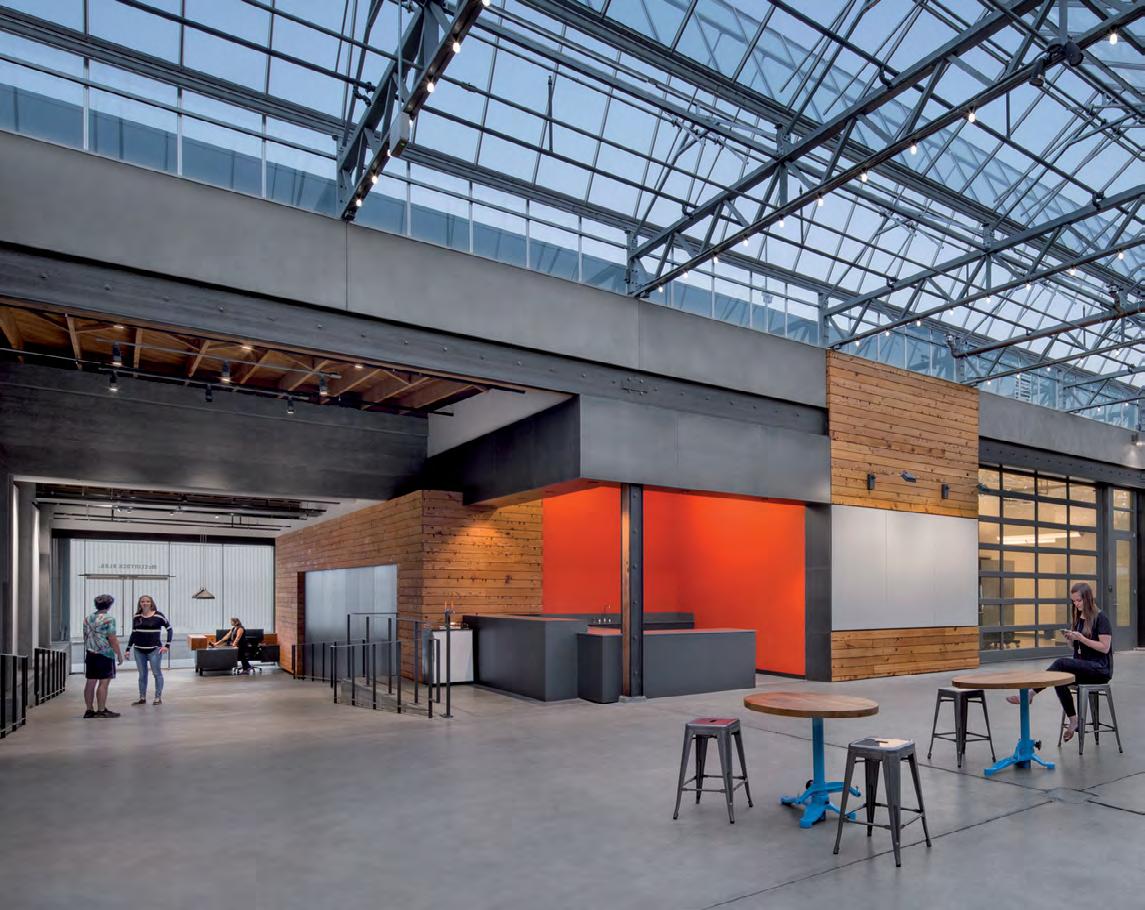
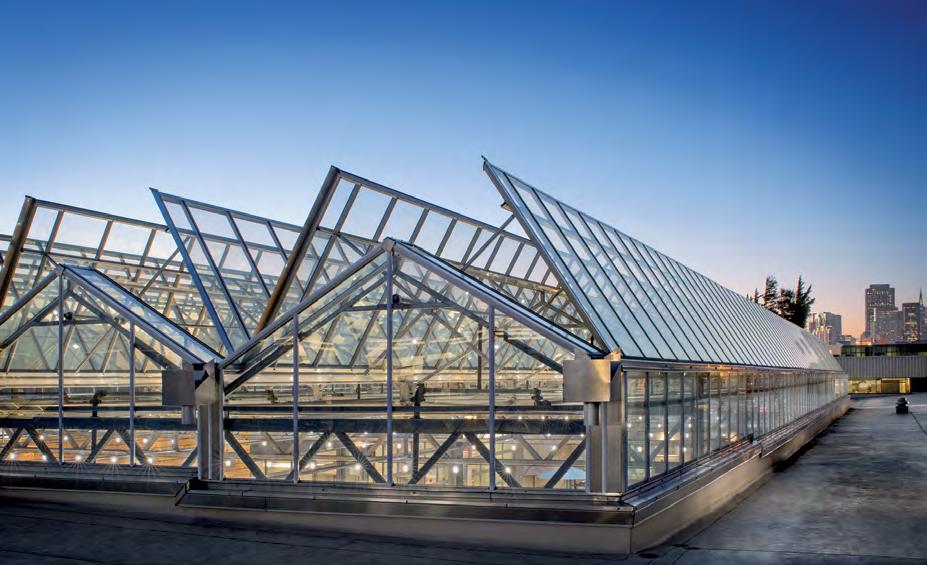
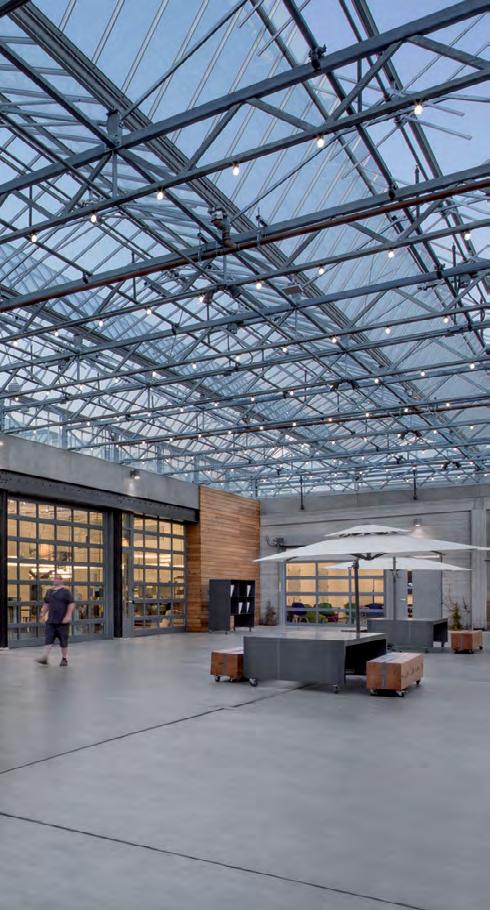
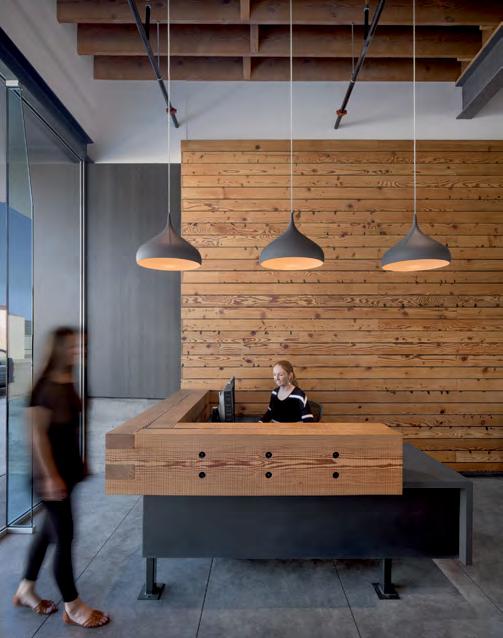
The operable greenhouse roof brings natural light and air into the center atrium of the
a comfortable social and work center.
San Francisco, California
Client: Wilson Meany
Size: 340,000 square feet
Completion Date: 2014
Sustainability: LEED Gold ® (Core and Shell)
Awards: Governor’s Historic Preservation Award, 2014; California Preservation; Foundation Preservation Design Award, 2014; Rehabilitation Category ENR California Best Project Winner in the Renovation and Restoration Project, 2014
Designed by noted art deco architect Timothy Pflueger, 140 New Montgomery was one of the tallest skyscrapers on the West Coast at the time of its construction in 1925. Originally home to the Pacific Telephone & Telegraph Company, this 26story terracotta and granite building, with its richly detailed historic facade and dramatic lobby, is one of the most iconic structures in downtown San Francisco. Wilson Meany purchased the building and engaged us in revitalizing, restoring, and positioning it as a state-of-the-art contemporary office building. Our preservation strategy incorporated contemporary details and systems while highlighting the building’s unique character and preserving key spaces. Along with the repair and renovation of the lobby, we transformed the former service courtyard behind the building into a sculpture garden and dining area for two groundfloor restaurants.
Now that 140 New Montgomery celebrates “The Art of Work” and 21st century technology, it has become a highly sought after address for visionary tenants seeking flexible, efficient and innovative workspace in an extraordinary legacy building.
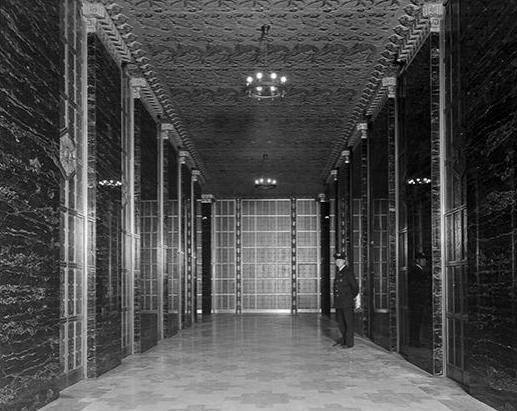
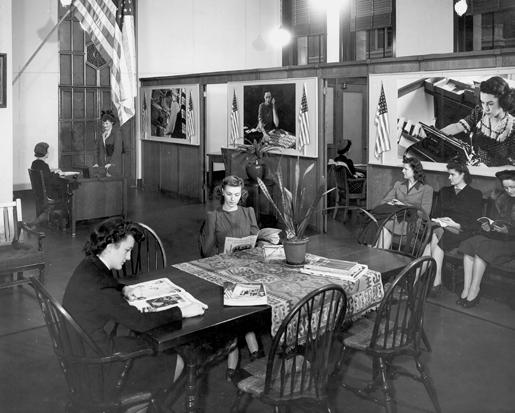
Pacific Telephone and Telegraph Company was a pioneer of tech adoption. The tower was equipped with the most advanced technology at the time and its program reflected the specific needs of the company.
The 26-story tower was the largest building on the Pacific Coast to consolidate and accommodate its employees at the time.
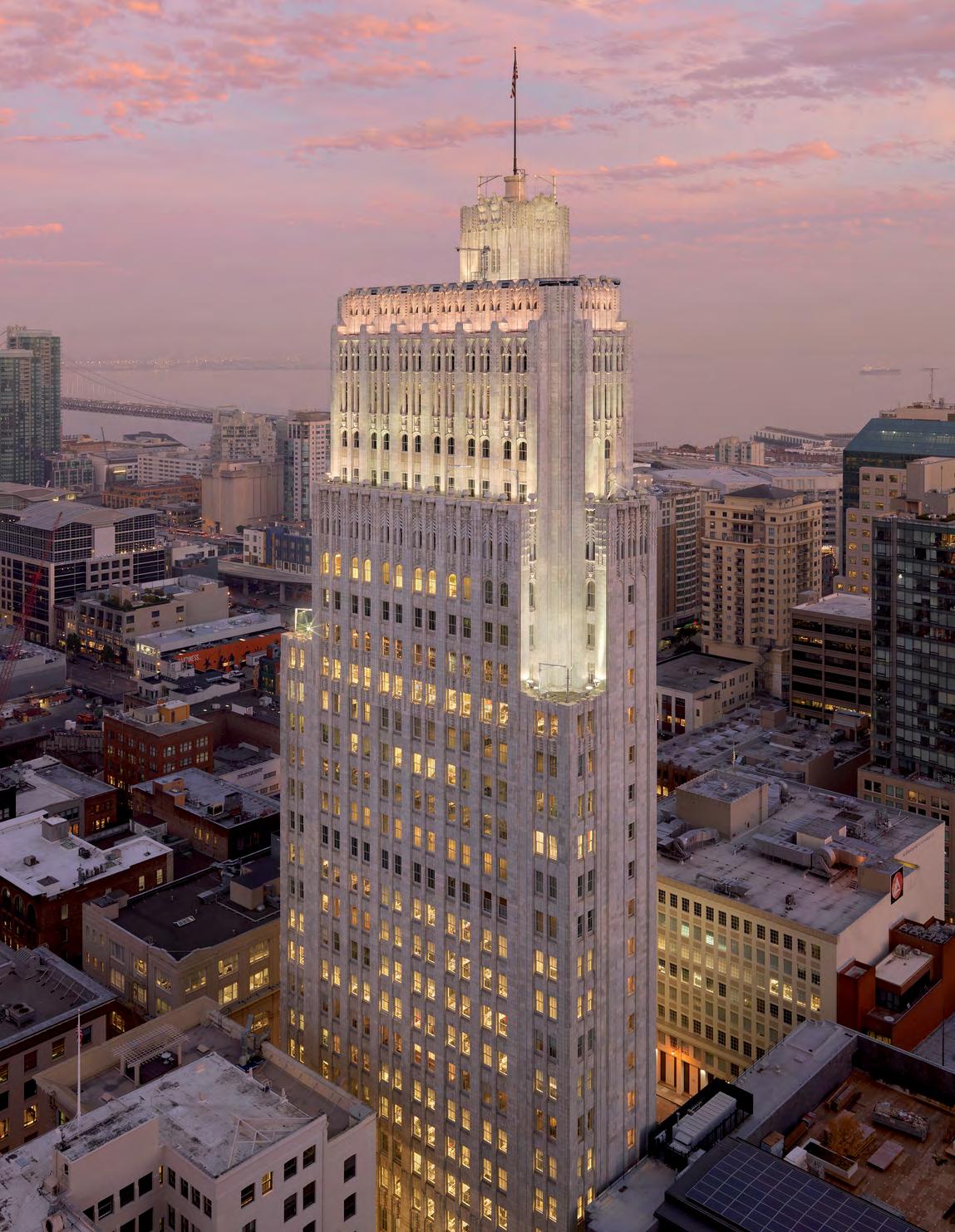
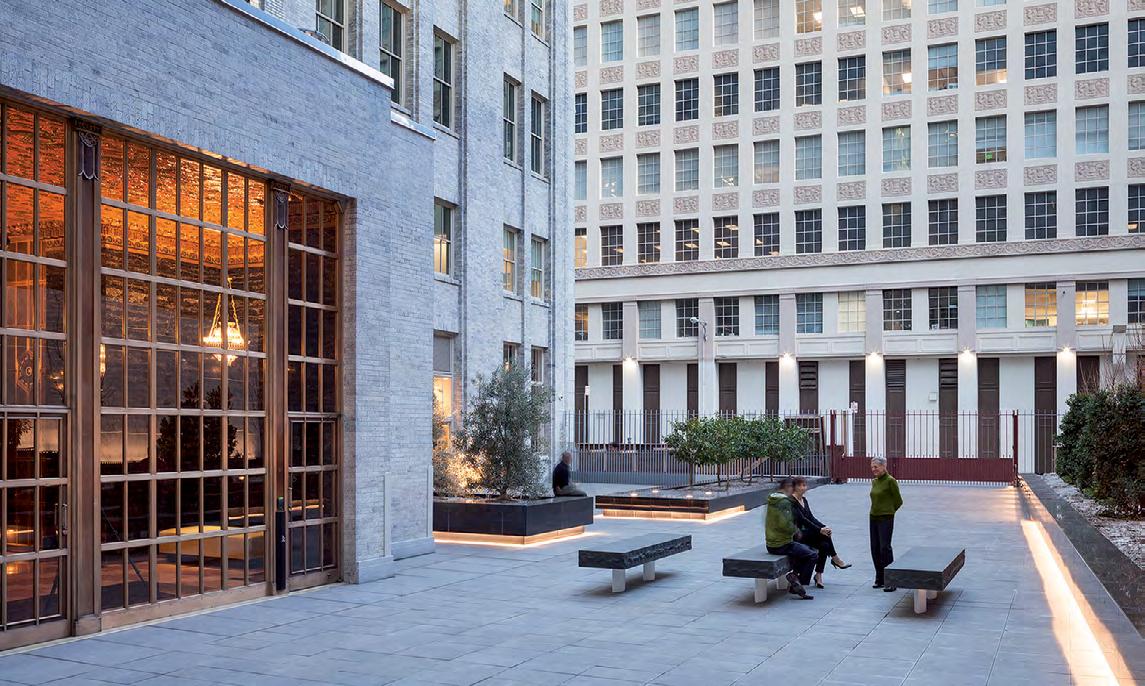
Our team preserved much of the original building while integrating modern upgrades to improve performance and functionality. Key improvements included seismic strengthening, new life-safety and mechanical systems, high-performance operable windows, and restoration of the brick and terracotta façade. The building’s historic character was carefully maintained — its bronze arched entryway and ornate lobby were fully restored, and new restaurant entrances were designed to complement the original architecture. Interior rehabilitation figuration improved circulation and elevator efficiency, and window replacements enhanced thermal performance without altering appearance. The exterior was cleaned, repaired, and repainted to match the building’s historic color palette, ensuring the renewal of a San Francisco landmark with respect for its past and resilience for the future.
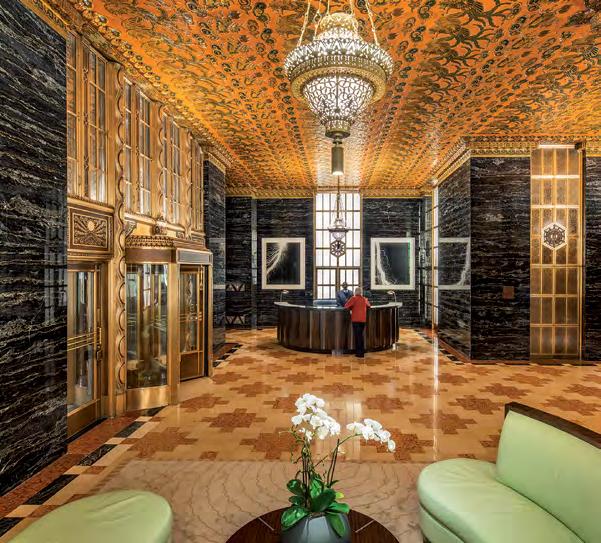
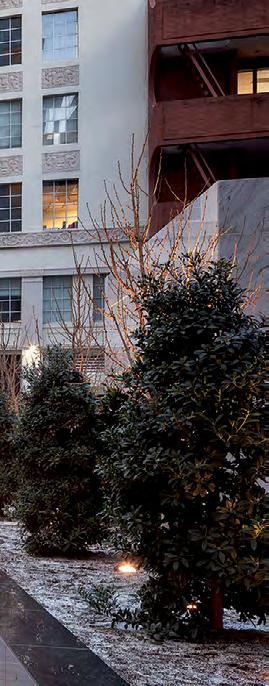

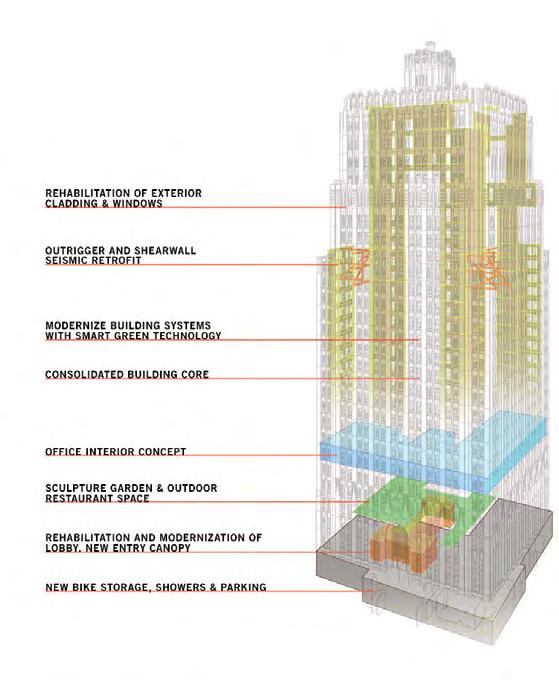
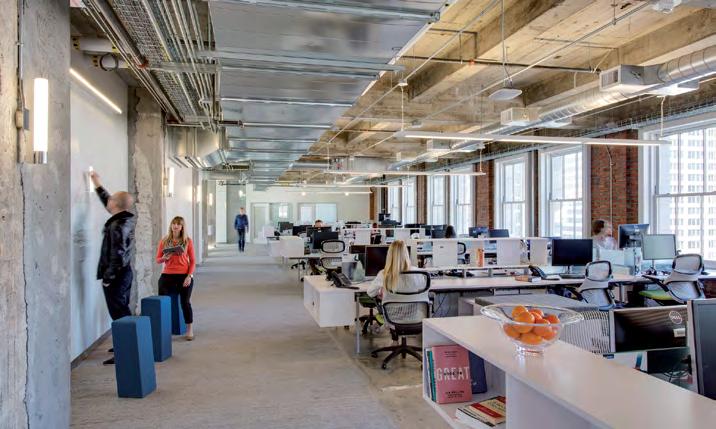
The new tenant spaces were designed to maximize natural light.
San Francisco, California
Client: San Francisco Friends School
Size: 80,000 square feet
Completion Date: 2013
Sustainability: LEED Silver ®
Awards: Energy and Sustainability Design Citation Award, AIA SF Design Awards, 2009; One of the City’s Top Green Projects, Office of the Mayor and AIA, SF, 2009; Award of Merit, AIA CC Savings by Design Awards, 2009
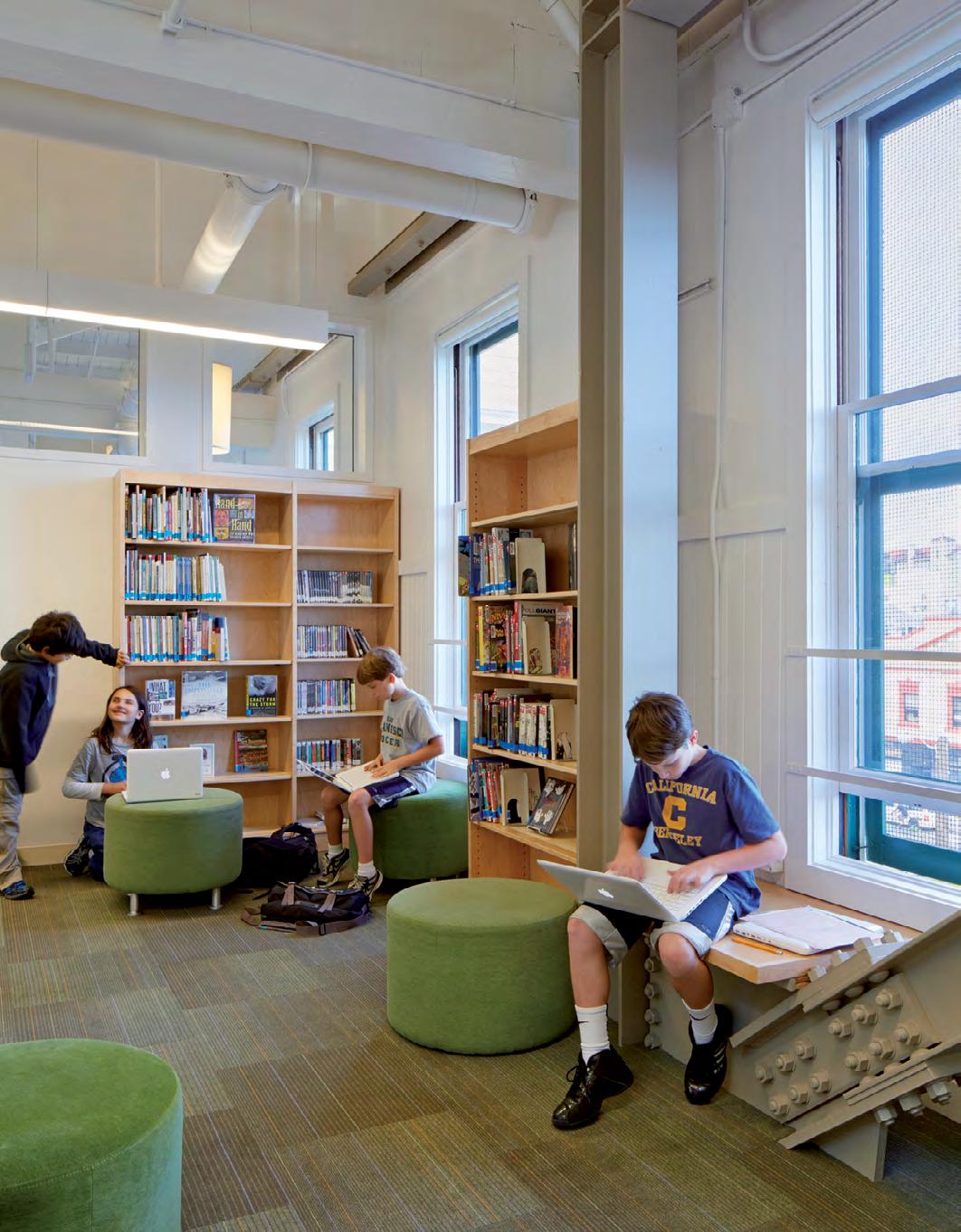
The Friends School is an independent K-8 school, with a curriculum based on the Quaker educational tradition. Due to the school’s increasing student population, the school could no longer function in its old location and subsequently purchased the historic Levi Strauss Blue Jean Factory in the Mission District. Originally built in 1906 after the earthquake, the building has a rich history that the school wished to respect with the design of their school. The design objectives were to create a positive learning environment out of the historically significant manufacturing building, express the school’s Quaker values through the simplicity and restraint of the design, and demonstrate a high level of environmental stewardship. Great care was taken in creating a positive learning environment aligned with the mission of the school’s values such as community life, social responsibility, academic excellence, and attention to the emotional growth of the individual.
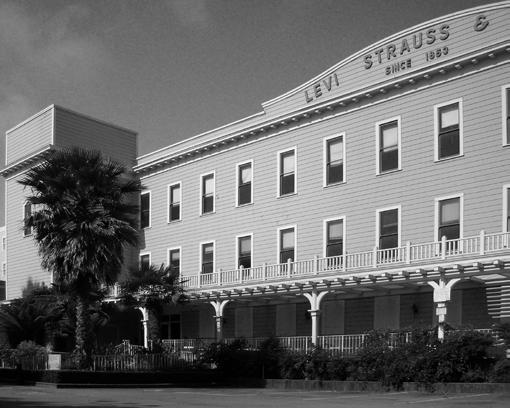
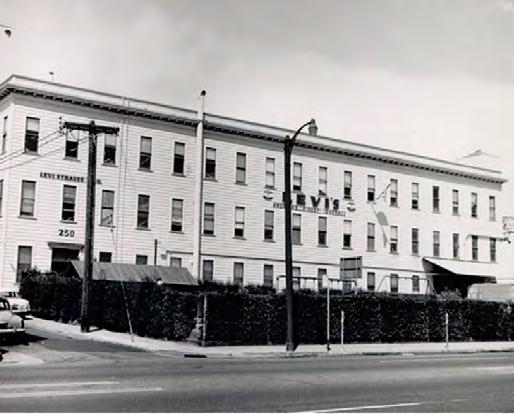
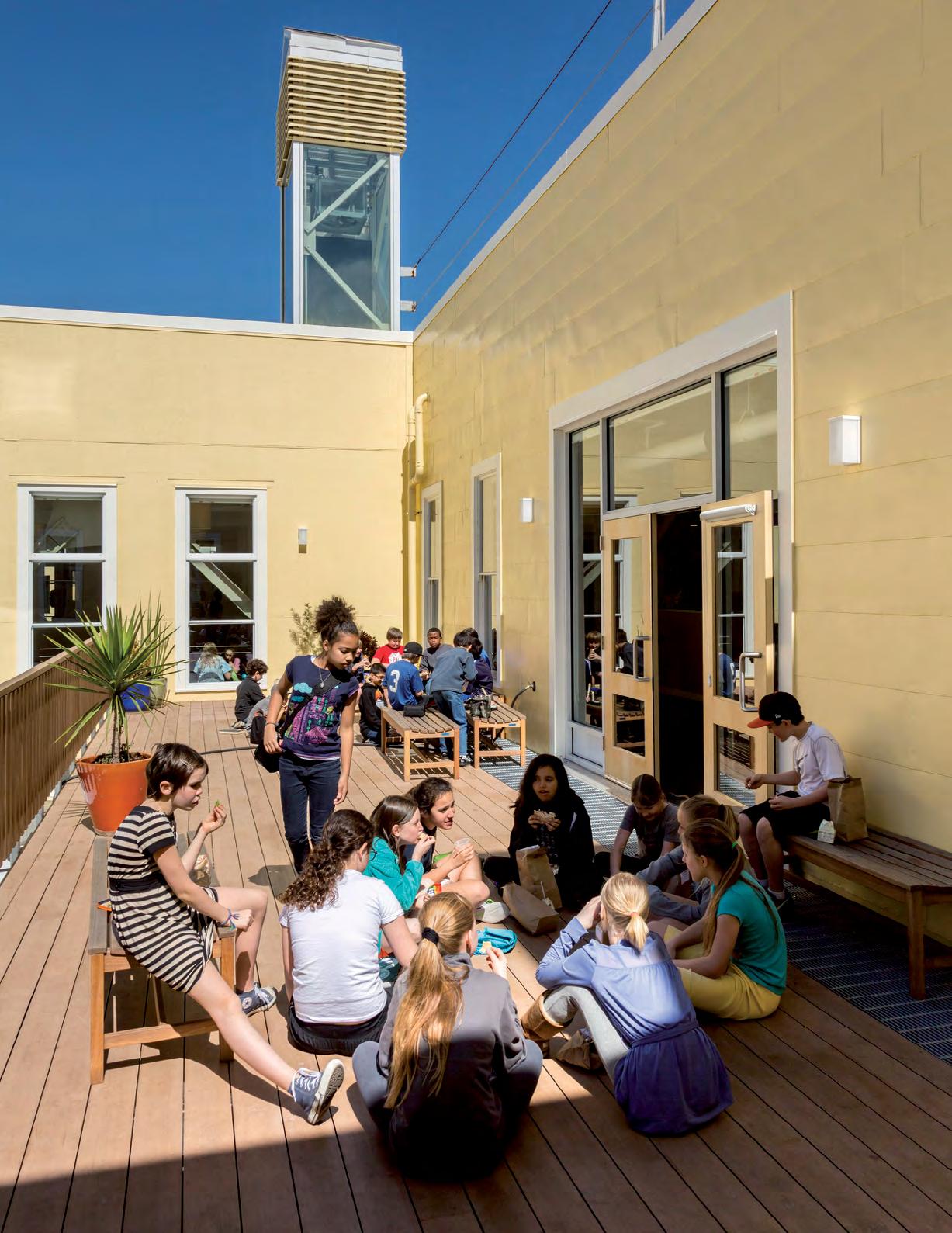
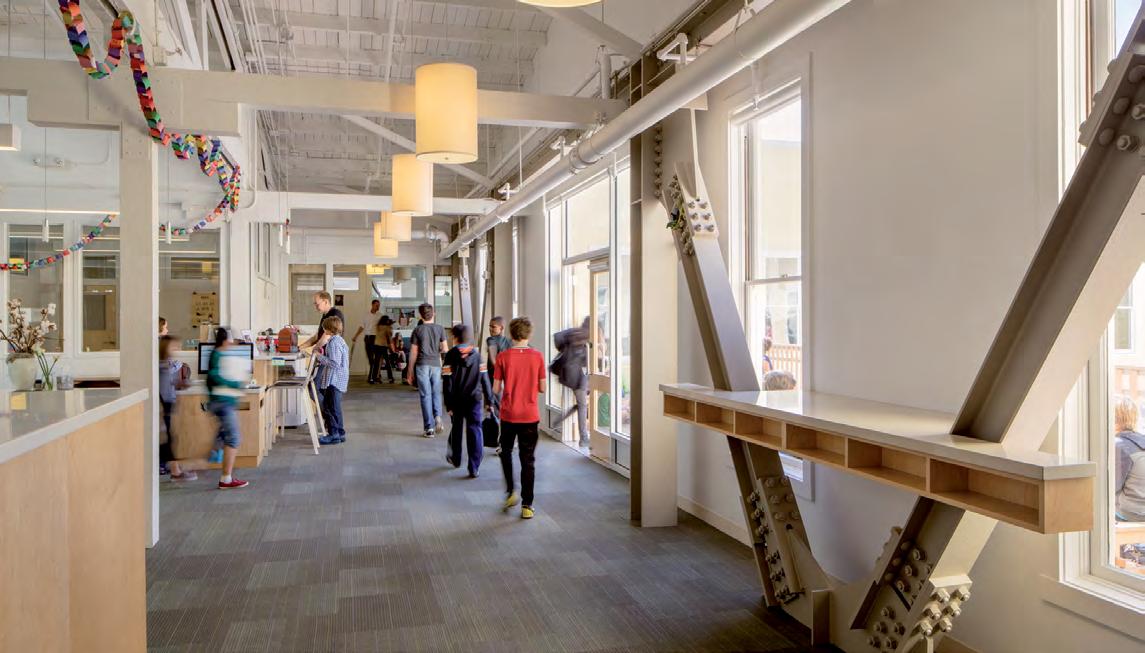
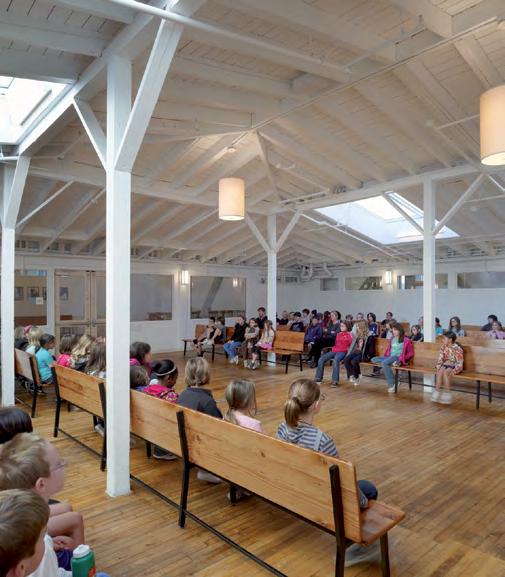
The 80,000 square foot building contains classroom commons, meeting rooms, a dining area, library, a gymnasium, a black box theatre, art/performance commons, and a student art gallery.
Sustainable design has been implemented as well as sensitivity to the existing historical building, which contains features such as all-wood construction, oversized columns and trusses, high ceilings, openness, and natural light all features which are in harmony with the school’s Quaker heritage.
Some elements of the original Levi Strauss factory building were intentionally preserved. Most notably, the wooden factory floor, which Levi Strauss had his employees install rather than lay them off during the Great Depression. The scuffed surface remains as a symbol of the building’s history and a reminder of the years of hard work that happened there.
Client: Forest City Residential West
Size: 220,000 square feet, 154 units
Completion Date: 2010
Sustainability: LEED Gold ®
Awards: National Trust for Historic Preservation, National Trust/Advisory Council on Historic Preservation Award for Federal Partnerships in Historic Preservation, 2013; AIA San Francisco, Honor Award, Historic Preservation and Rehabilitation, 2011; San Francisco Business Times, Deal of the Year, Rehab/Renovation, 2011; California Preservation Foundation, Preservation Design Award, 2011
Originally built in the early 1930’s, and added onto in the early 1950’s, the Public Health Service Hospital had stood vacant at the southern edge of the Presidio since its closure in 1982. Perkins&Will led the adaptive reuse of this historic hospital complex into 154 apartment units with supportive amenity spaces. The centerpiece of this historic tax credit project was the rehabilitation and conversion of the main Colonial Revival brick and stone hospital building. Non-compatible additions were removed and the historic wood windows and brick and stone facades refurbished. All new MEP systems and a narrow concrete shear wall seismic resistance system were introduced. A three-story addition was added at the rear of the building, as well as underground parking for residents.
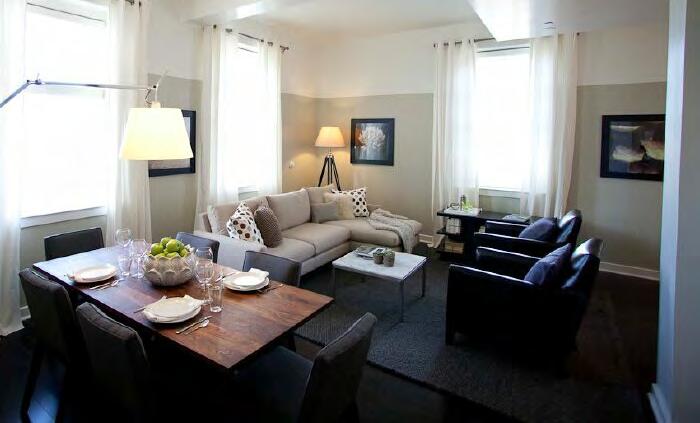
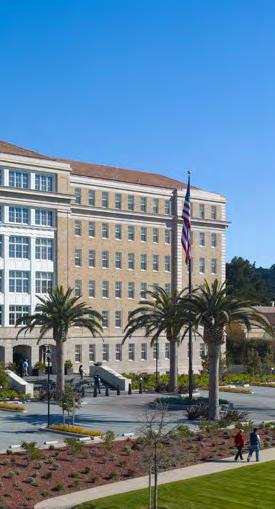
Utilizing the building’s narrow wings to their best advantage, the new apartments are oriented to maximize their window exposure, resulting in dramatic ocean and city views. Newly landscaped courtyards are complemented by natural habitat restoration and the insertion of hiking and biking trails, making the project an integral part of the park. Natural ventilation, radiant heating and onsite treatment of storm water are some of the many sustainable components of this LEED Gold project.
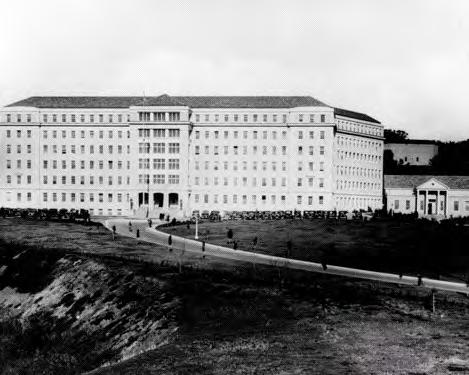
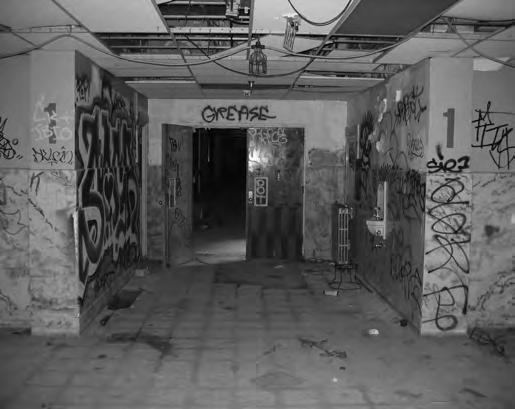
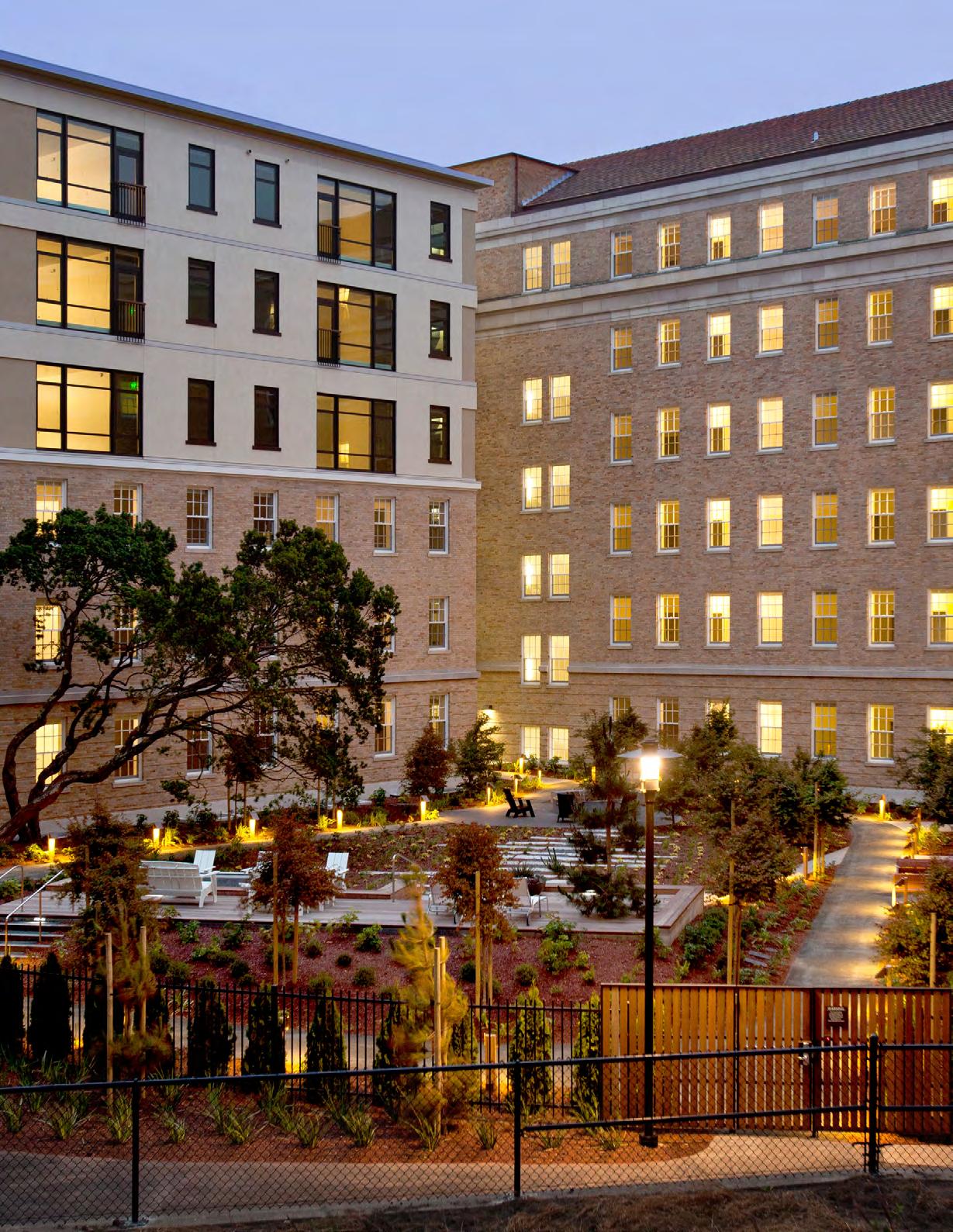
We developed a concept for the Landmark’s adaptive reuse that respected its history and character while modernizing its systems and bringing its living spaces into the present day. To connect the building to its historic campus context and the overall park, we removed two incompatible wings that were built in the 1950s, creating a welcoming foreground landscape and grand stair reminiscent of the building’s original formal approach. We designed apartment layouts that take full advantage of the building’s narrow wings and unusual footprint, with long walls of windows that flood interior space with natural light.
A key project goal was to develop the building and site in the most sustainable way possible. Field investigations, historic research and sustainability analyses identified opportunities for maintaining the integrity of the original structure while bringing it up to LEED Gold standards for energy and resource use. The original clay tile roof and wood windows were rehabilitated while insulation was added to exterior walls. The innovative mechanical system shares heat between room heating and domestic hot water, providing significant energy savings.
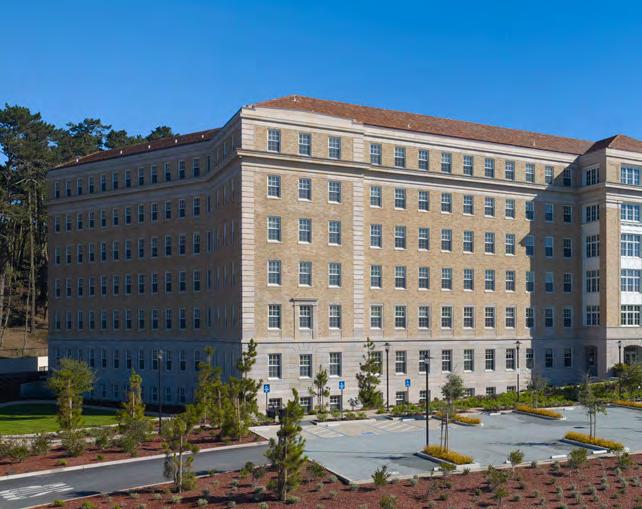
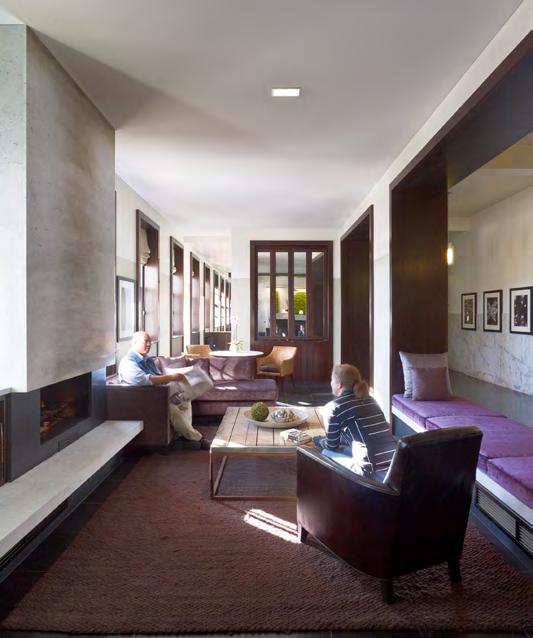
The main building lobby has a reception desk and informal seating areas for building residents to meet and connect.
The former hospital was fully converted into a residential building, with old hospital rooms expanded to provide generous daylight and views to the surrounding park.
San Francisco, California
Client: Wilson Meany
Size: 238,000 square feet
Completion Date: 2003
Awards: Merit Award for Design, AIA California Council, 2004; Excellence in Architecture Restoration + Rehabilitation, AIA San Francisco, 2004; National Preservation Honor Award, National Trust for Historic Preservation, 2003
In the early 20th century, tens of millions of travelers took their first steps in San Francisco in the Ferry Building. Though the 1898 Beaux Arts structure had survived a 1906 earthquake and fire, it could not outrun the advent of the automobile. Ferry ridership plummeted with the opening of the Golden Gate and Bay bridges in the 1930s. A mid-20th century conversion of the transit hub into generic office space literally covered its interior and exterior grandeur. The construction of the Embarcadero Freeway dealt a near-fatal blow, cutting it off further from downtown. The freeway’s collapse and demolition following the 1989 Loma Prieta earthquake represented an opportunity to turn the building into the iconic San Francisco landmark it once was.
Our adaptive transformation restored the Ferry Building as a quintessential San Francisco destination. We brought new life to the historic landmark by elevating its original design and introducing a diverse mix of commercial uses. Through the city’s economic swings, the project has continued to thrive. Filled with companies occupying its Class A offices, patrons of its farmer markets, artisan food merchants, and independent restaurants, passersby enjoying its promenade, and passengers of a reinvigorated ferry service, the Ferry Building has a long future ahead as the jewel of the waterfront.
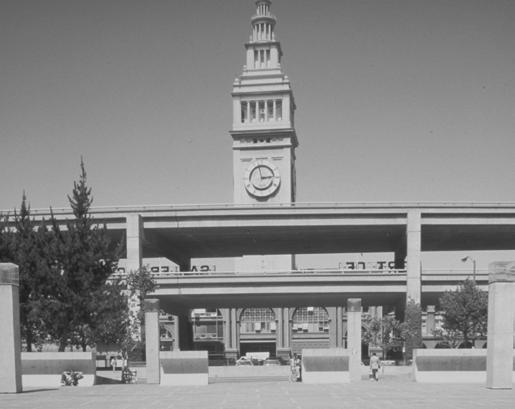
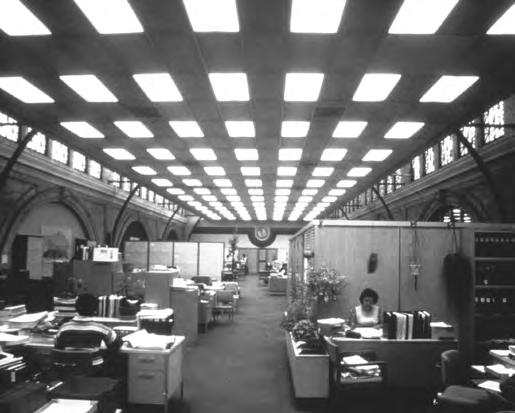
When ferry ridership plummeted, the Ferry Building was converted to offices. The Embarcadero Freeway was built in front of it, blocking access to Market Street
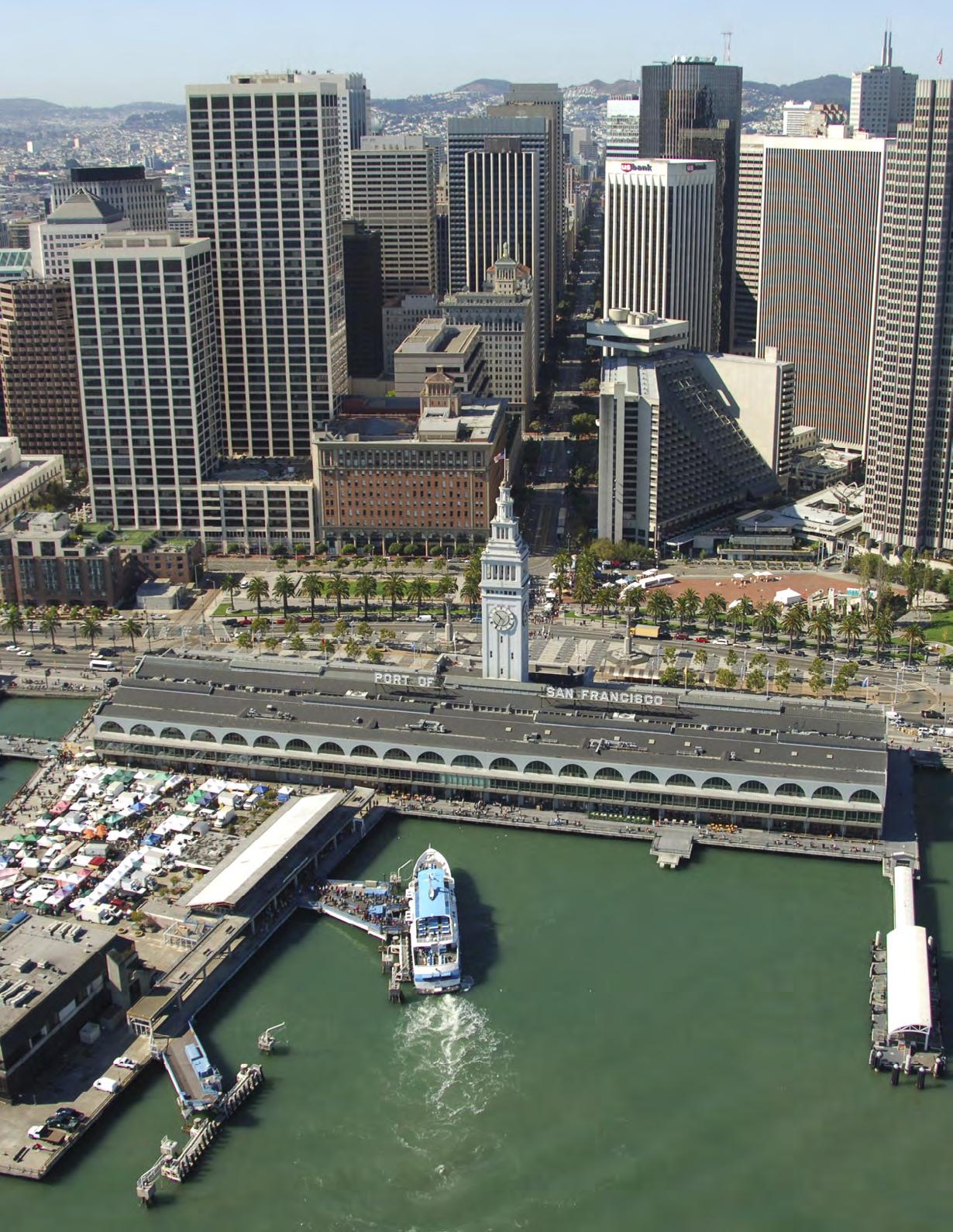
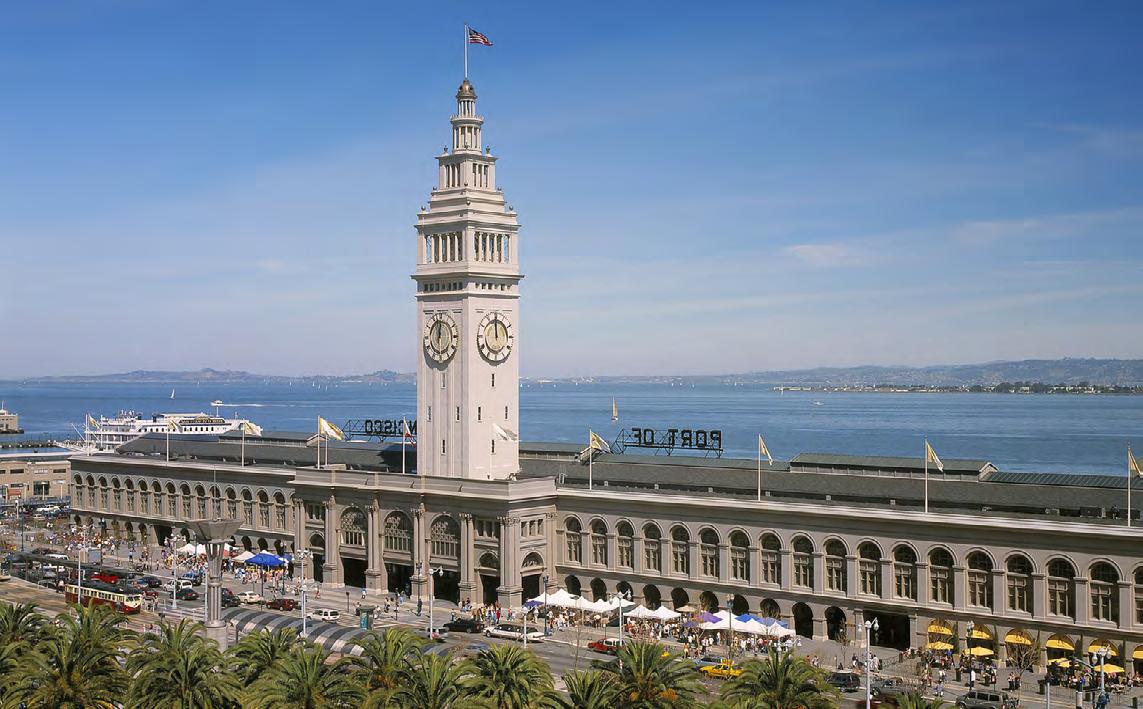
To optimize circulation and access to the water, our team restored the historic Grand Nave, opening up the second floor, reconstructing the generous skylights, and exposing the elegant steel trusses and rich interior facades. These actions reintroduced the public to the building’s warmth, beauty, and gracious essence. To attract world-class office tenants to lease space on the second and third floors, we developed two creative ways to increase capacity and incorporate floor-to - ceiling windows with bay views: a 10-foot-wide, 660-foot-long cantilever and a newly reclad third-floor façade on the building’s east side. A new public hearing room for the Port Commission celebrates the Port’s historic role in the city.
Today, the Ferry Building — a vibrant, renewed host to daily commuters, food-loving shoppers, and users of its contemporary office space — has once again become one of San Francisco’s most recognized structures.
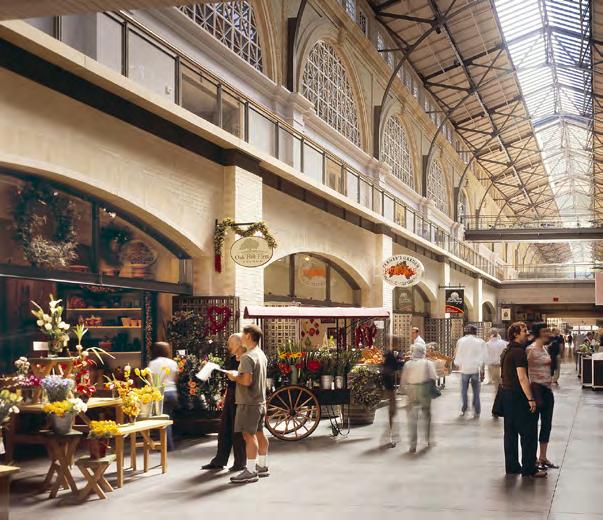
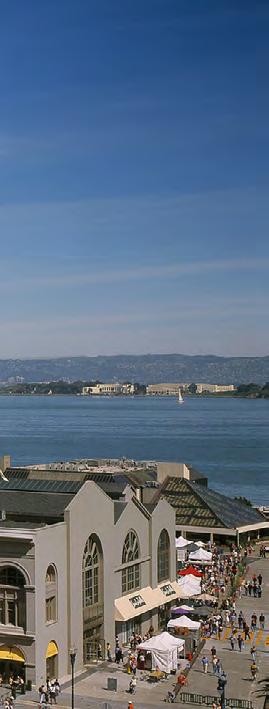

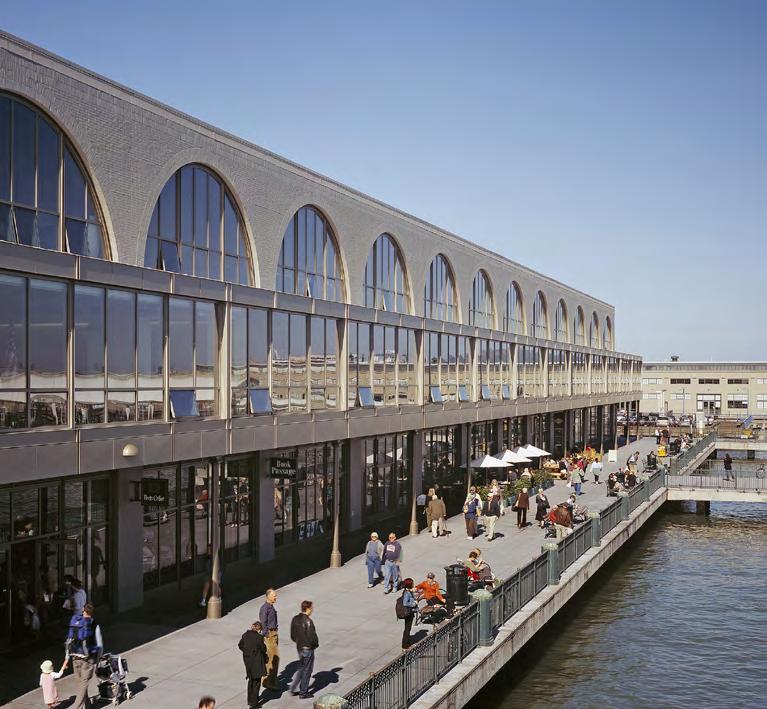
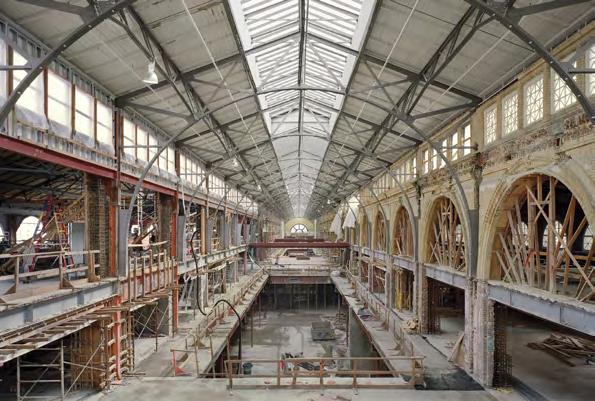
After Ferry ridership declined in the 1950’s, a floor was added in the Nave for office space. As part of the renovation, the floor was removed and openings were made in the Nave floor to bring daylight into the ground floor retail space.
Peter Pfau Design Principal
John Long Principal
Anders Carpenter Associate Principal
Ariane Fehrenkamp Senior Project Manager

Matt Covall Associate Principal
Dalton Ho Senior Regenerative Design Advisor