

RISE Message from the Vice President


Magesh T. Rajan, Ph.D., P.E., M.B.A.
Vice President, Research & Innovation
Prairie View A&M University
The Division of Research & Innovation (R&I) remains steadfast in its mission to strengthen the culture of research and creative inquiry at Prairie View A&M University. Through the Faculty-RISE Undergraduate Research Grant Program, R&I supports and promotes faculty-mentored undergraduate research, scholarship, and innovation across all disciplines. This program provides students with meaningful opportunities for academic growth, professional development, and collaborative engagement, preparing them to become the next generation of researchers and leaders.
In this compendium, R&I proudly presents the research accomplishments of Faculty RISE Undergraduate Research Grant recipients. Each report reflects the collaborative efforts of faculty and students working in interdisciplinary teams to explore complex questions and contribute new knowledge. Representing all seven colleges and two schools, these projects exemplify the diversity and depth of PVAMU’s research enterprise.
This year, R&I also celebrated several key milestones achieved by our RISE undergraduates. 55 students presented their research progress during Student Research Day as part of the 2025 Research & Innovation Month, held in partnership with the Conference for Interdisciplinary Student Research under the Texas Juvenile Crime Prevention Center. Six RISE students earned awards for excellence in research, and more than 150 PVAMU students participated in this university-wide celebration of discovery.
Through the annual Faculty-RISE Undergraduate Research Report, the Division of Research & Innovation proudly recognizes the hard work, creativity, and dedication of our undergraduate researchers. Their achievements embody the university’s commitment to fostering innovation, interdisciplinary collaboration, and academic excellence.

School of Architecture......................................................................Error! Bookmark not defined.
Wakabayashi Nights: Creating Nostalgia Based Media Utilizing Modern Tools 108 Beyond Brawlers and Boxers: Utilizing Design and Computer Graphics to Expand the Lens of Black Identity and Portrayal in Video Games. 113
Animating for Awareness: Developing a 3D Animation Series to Illustrate Fast Fashion's ....117 Integration of version control for team projects, online collaboration, and project management in video game development and animation 121
Agriculture, Food, and Natural Resources
AGRICULTURE, FOOD, AND NATURAL RESOURCES
Crop Yield Prediction in the Northern High Plains of Texas Using Machine Learning
Akeilia Thompson, Ripendra Awal, Ph.D.
Cooperative Agricultural Research Center, College of Agriculture, Food, and Natural Resources
Abstract
Climatic factors are widely recognized as critical determinants of crop yield. Yet, their relative importance and specific correlations with the yield of major crops in the Northern High Plains of Texas remain largely unexplored. A comprehensive analysis of these relationships is essential for better understanding regional yield variability. Additionally, incorporating remote sensing-derived vegetation indices, such as the Normalized Difference Vegetation Index (NDVI), along with soil moisture data, drought indices, and atmospheric CO₂ levels, can significantly enhance the accuracy and performance of crop yield prediction models. The specific objectives of this study are: a) To analyze the relationship between weather variables and crop yield in the Northern High Plains of Texas using machine learning (ML) techniques, such as random forest, and b) To enhance the predictive performance of ML models by integrating vegetation indices, drought indices, and annual average atmospheric CO₂ levels. The crops considered in our analysis are corn, cotton, and sorghum. The methodology involves collecting and preprocessing various datasets, including climate data, vegetation indices, drought indices, and historical crop yields. Machine learning (ML) techniques are employed to develop crop yield prediction models. These models are tested and validated by comparing predicted yields with observed data, and the findings are mapped spatially. Finally, the performance of different ML models is evaluated to identify and recommend the most accurate approach for predicting crop yields. The results indicate that the variables used in this study are critical for quantifying yields. The multilinear regression analysis indicated that temperature and precipitation significantly predict crop yield before a two-month period. This study will provide insight into the various climatic factors that impact crop yield across the Northern High Plains of Texas.
Introduction
Climatic factors are well established as key influencers of crop yield, yet their relative significance and precise associations with the yields of major crops in the Northern High Plains of Texas remain insufficiently understood. A thorough examination of these relationships is crucial to improve our understanding of regional yield variability.
The specific objectives of this study are to:
• analyze the relationship between weather variables and crop yield in the Northern High Plains of Texas using machine learning (ML) techniques.
• to predict the crop yield using climate variables of different months (e.g., 5-
Materials and Methods
The Northern High Plains of Texas is a subregion of the Texas Panhandle, characterized by flat terrain and a semi-arid climate. The region is a major hub for irrigated agriculture, particularly for crops like corn, cotton, and sorghum (Figure 1).
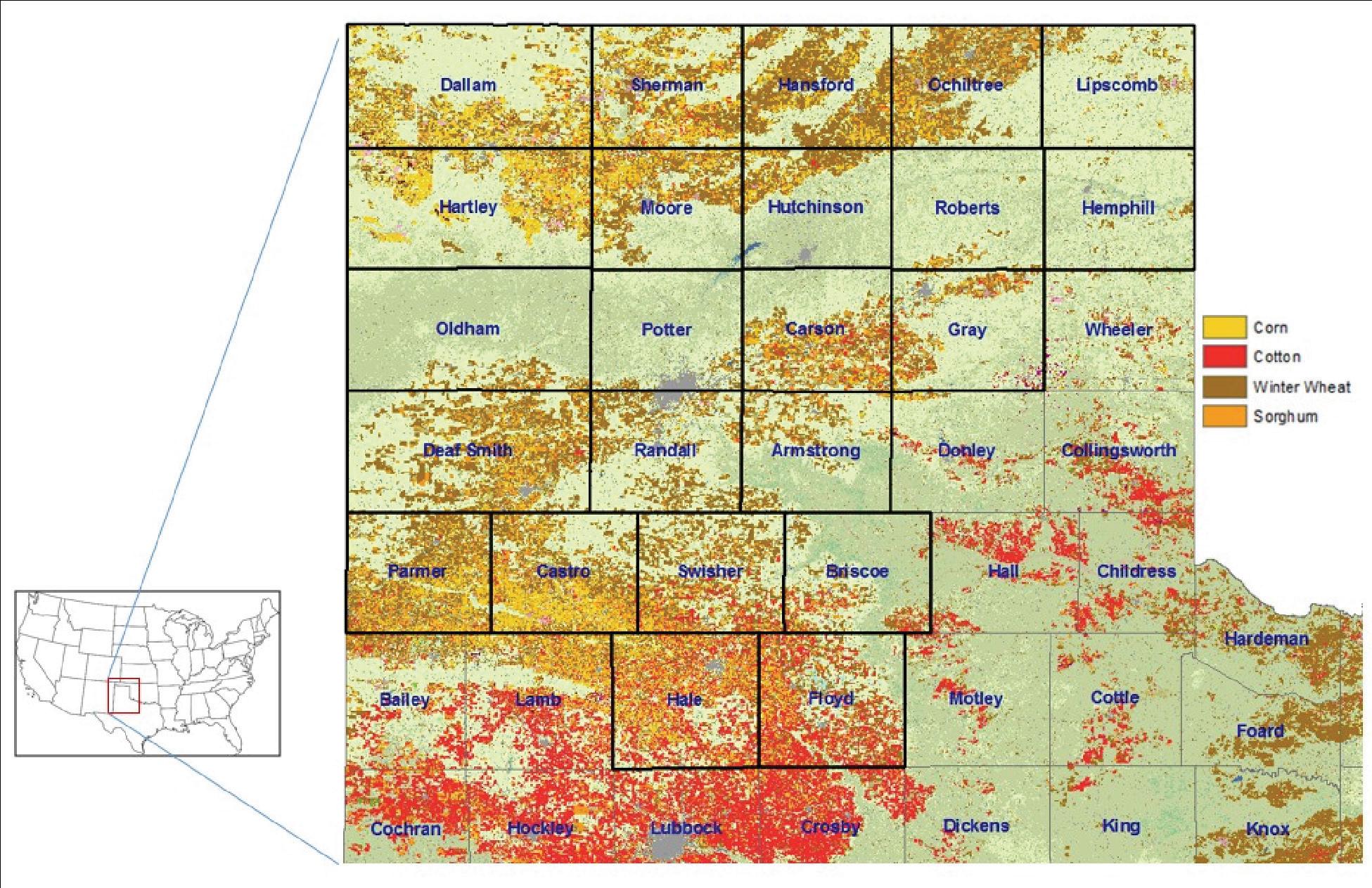
Figure 1: Location of the Northern High Plains of Texas and major agricultural crops.
Data Source, ML Method, and Software used:
• Climate Data: NCEI NOAA
• Crop Yield Data: USDA NASS
• Machine Learning Method: Multilinear Regression � Software: RStudio
Results and Discussion
Crop yield was predicted using climate variables from different months, based on weather data spanning 5-month, 3-month, and 2-month periods. Predictions were conducted separately for the total yield from both irrigated and non-irrigated fields, as well as for non-irrigated fields alone. (a) Prediction of total yield from both irrigated and non-irrigated fields
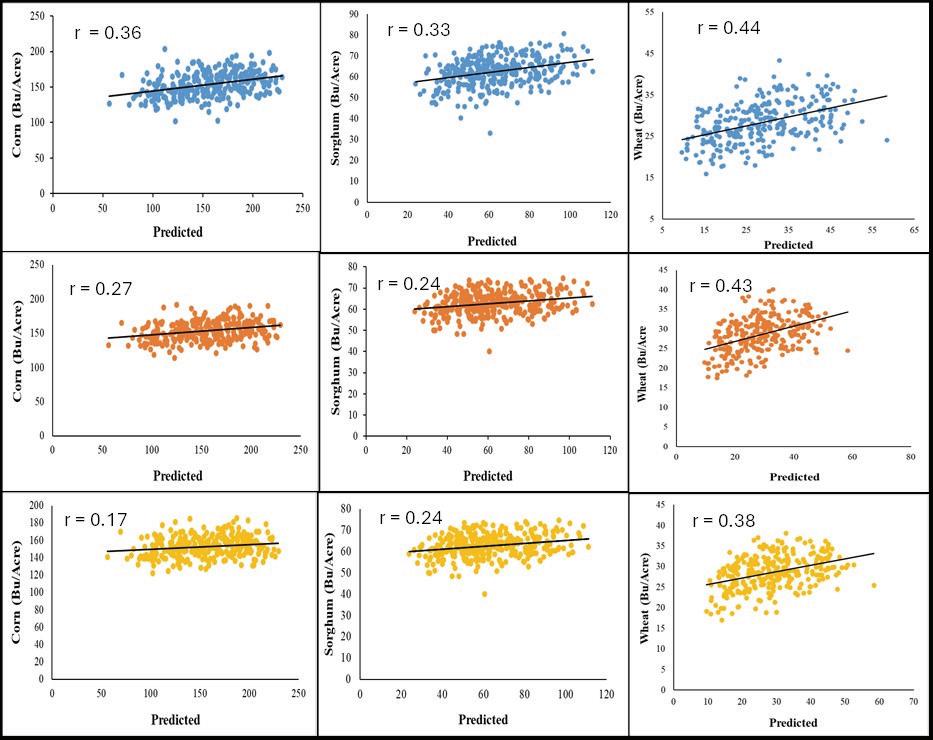
Figure 2: The results of the yield prediction for each crop are illustrated from top to bottom, representing 5-month, 3-month, and 2-month data.
Here, we considered the total yield from irrigated and non-irrigated fields. A higher r-value is observed for the wheat crops. Also, the r-value is decreased for prediction using 2-month data
The corn and sorghum are grown from April to August. The wheat is grown from October to February.
(b) Prediction of yield from non-irrigated fields
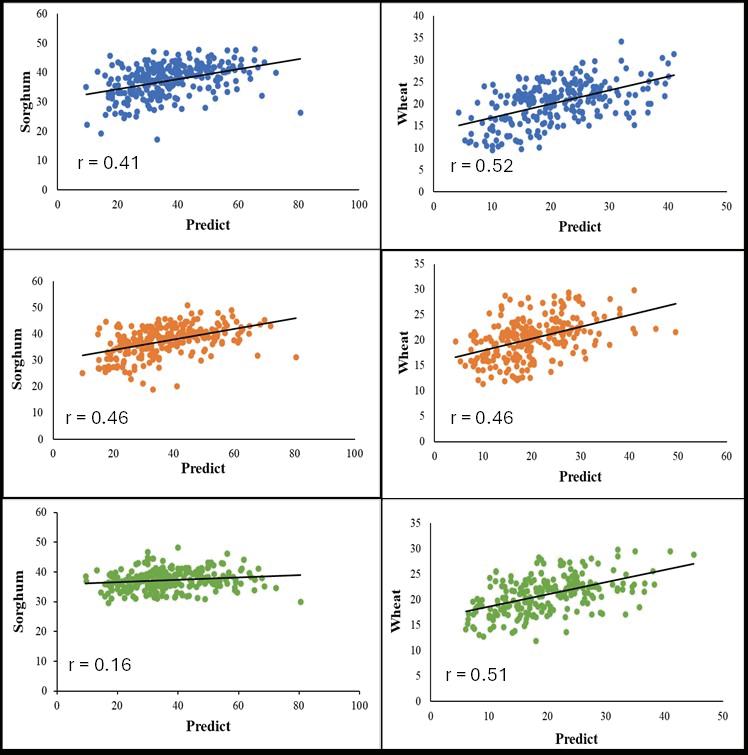
Figure 3: The results of the yield prediction for sorghum and wheat are illustrated from top to bottom, representing 5-month, 3-month, and 2-month data. Here we considered the yield from non-irrigated fields.
Similar to the total yield, a higher r-value is observed for the wheat crops. Also, the r-value for 2-month data for wheat was significantly higher than for sorghum.
Summary
• The major weather variables considered in this study are monthly temperature (average, minimum, and maximum), precipitation, and heating and cooling degree days.
• Precipitation and average temperature are identified as the most significant in most cases.
• The highest r-value is observed for wheat crops in all the scenarios.
• We observed an increase in r-values for crop yields in non-irrigated fields compared to the combined irrigated and non-irrigated fields.
• The minimum r-value is observed for the sorghum non-irrigated field for the prediction using 2-month data.
• The non-irrigated corn is comparatively insignificant for the northern high plains.
Future Works
• The analysis will be performed for all the climate divisions of Texas, considering the major crops in the region.
• Currently, we have applied only machine learning in the analysis.
• We will apply more precise algorithms, such as random forest, generalized additive models, and deep learning-based approaches in the future.
• In addition, we will include more predictive variables, such as drought indices, NDVI, and annual mean CO2 emissions, to better predict the yield.
Acknowledgement
This work was supported by RISE-Undergraduate Research from the Office of Research & Innovation, Prairie View A&M University, and partially funded by the Evans-Allen project 7007447 from the USDA-NIFA.
References
1. Awal, R., Veettil, A. V., et al (2023). Predicting Crop Yield of Major Crops Using Machine Learning Techniques in Northern High Plains, Texas.
2. Veettil, A. V., & Mishra, A. K. (2023). Quantifying thresholds for advancing impact-based drought assessment using classification and regression tree (CART) models. Journal of Hydrology, 625, 129966.
3. Van Klompenburg, T., Kassahun, A., & Catal, C. (2020). Crop yield prediction using machine learning: A systematic literature review. Computers and electronics in agriculture, 177, 105709.
4. Champaneri, M., Chachpara, D., Chandvidkar, C., & Rathod, M. (2016). Crop yield prediction using machine learning. Technology, 9(38).
Comparative Analysis of Soil Moisture Data from SMAP and Soil Climate Analysis Network (SCAN) Sites in Texas
Kate Anne Barnes, Ripendra Awal, Ph.D. Cooperative Agricultural Research Center, College of Agriculture, Food, and Natural Resources
Abstract
Background: Soil moisture data is essential for agriculture, hydrology, and climate studies, as it influences plant growth, water availability, weather patterns, and drought. A comparative study of SMAP and Soil Climate Analysis Network (SCAN) sites’ soil moisture data in Texas is essential to evaluate the accuracy and reliability of satellite-based measurements against ground-based observations. Objectives: The main goal of this study is to evaluate the accuracy of SMAP soil moisture data compared to SCAN sites’ measurements across diverse soil and climatic conditions in Texas. The specific objectives are (1) to assess the correlation between SMAP satellite-derived soil moisture estimates and SCAN ground-based observations across various regions in Texas and (2) to analyze the impact of soil texture, land cover, and climate variability on the agreement between SMAP and SCAN soil moisture measurements. Material and Methods: Data from fifteen SCAN sites in Texas were collected from the USDA Natural Resources Conservation Service website. SMAP soil moisture data for these locations were obtained from Crop Condition and Soil Moisture Analytics (Crop-CASMA), a web-based geospatial application. Statistical analysis was performed to compare SMAP and SCAN data. The impact of soil texture, land cover, and climate on data agreement was evaluated using regression models. Results: The preliminary results showed that the correlation coefficient varies from 0.354 to 0.802 at different SCAN sites. Soil moisture is influenced by soil texture, land cover, and climate variability. Conclusions: SMAP offers consistent soil moisture data, assisting farmers in making better water management decisions.
Introduction
Soil moisture is a key variable influencing crop productivity, hydrological cycles, and climate dynamics. Its variability depends on soil texture, land cover, and climate conditions. Texture determined by the sand, silt, and clay proportion affects water retention and infiltration. Finer particles like clay retain more water due to reduced pore space, while coarser textures like sand drain more quickly. Accurate soil moisture monitoring is essential to manage water resources and support climate resilience. Ground-based networks like SCAN (Soil Climate Analysis Network) provide highresolution, localized data, while satellite systems like SMAP (Soil Moisture Active Passive) deliver broader spatial coverage. However, these systems differ in measurement accuracy and spatial resolution. Comparing SCAN and SMAP data helps evaluate their reliability, supports model calibration, and enhances our understanding of soil moisture patterns. Such
comparisons are critical for improving agricultural planning, drought prediction, and environmental management under changing climate conditions.
Objective
The main goal of this study is to evaluate the accuracy of SMAP soil moisture data compared to SCAN site measurements across diverse soil and climatic conditions in Texas. The specific objectives are:
1. to assess the correlation between SMAP satellite-derived soil moisture estimates and SCAN ground-based observations across various regions in Texas and
2. to analyze the influence of soil texture, land cover, and climate variability on the agreement between SMAP and SCAN soil moisture measurements.
Materials and Methods
Soil moisture and rainfall data from fifteen SCAN sites in Texas were obtained from the USDA Natural Resources Conservation Service website. Corresponding SMAP soil moisture data were retrieved from Crop Condition and Soil Moisture Analytics (Crop-CASMA), a web-based geospatial application. Dominant land use data for each location were collected from the USDA's National Agricultural Statistics Service (NASS) CropScape tool.
Statistical analyses were conducted to compare SMAP and SCAN soil moisture measurements. Regression models were used to evaluate the influence of soil texture, land cover, and climate on the level of agreement between the two datasets. The coefficient of determination (R²) between SMAP and SCAN data was calculated for each location. The slope of the fitted regression line was used to determine whether SMAP overestimated or underestimated soil moisture relative to SCAN observations. Additionally, R² values were analyzed in relation to soil particle size distribution, annual rainfall, and dominant land use to assess factors affecting the accuracy of SMAP and SCAN estimates.
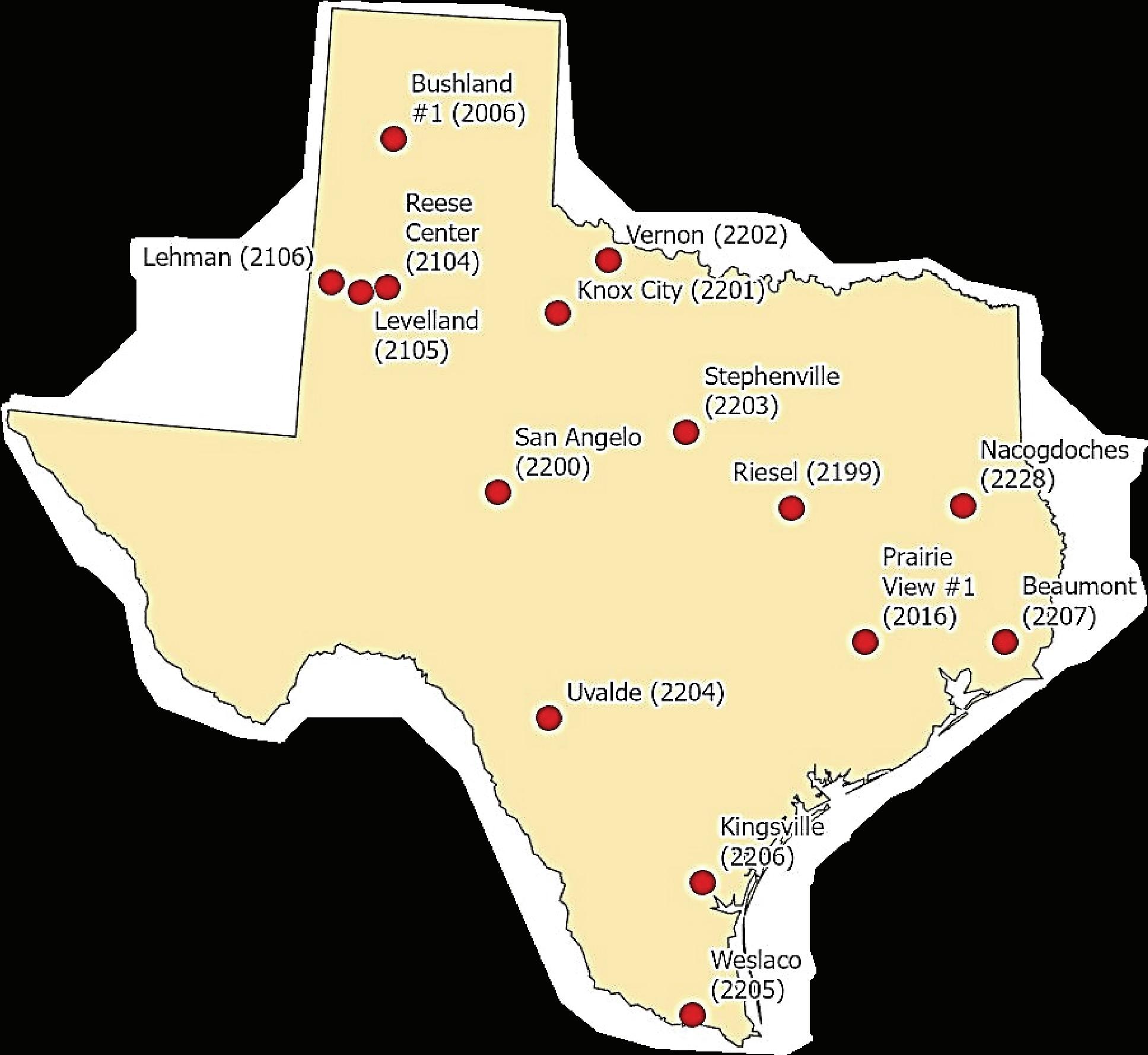
Figure 1: Map showing the locations of fifteen SCAN stations in Texas used in this study
Results
j. The results indicate that the coefficients of determination (R²) across different locations ranged from k.lmn to k.okp, with values closer to one indicating a stronger correlation between SMAP and SCAN soil moisture estimates (Table j).
2. The slopes of the fitted regression lines revealed whether SMAP over- or underestimated soil moisture relative to the 1:1 line, with nine out of fifteen sites showing underestimation (Figure 2).
3. A slight positive correlation was observed between R² values and annual rainfall, while no clear relationship was found with soil particle percentages. In areas with very low or high a. of 156
4. annual rainfall, the R² value is lower compared to areas with moderate annual rainfall (Figure 3).
5. Sites where the dominant land use was grass or pasture tended to exhibit higher R² values on average.
Table 1: Results Summary
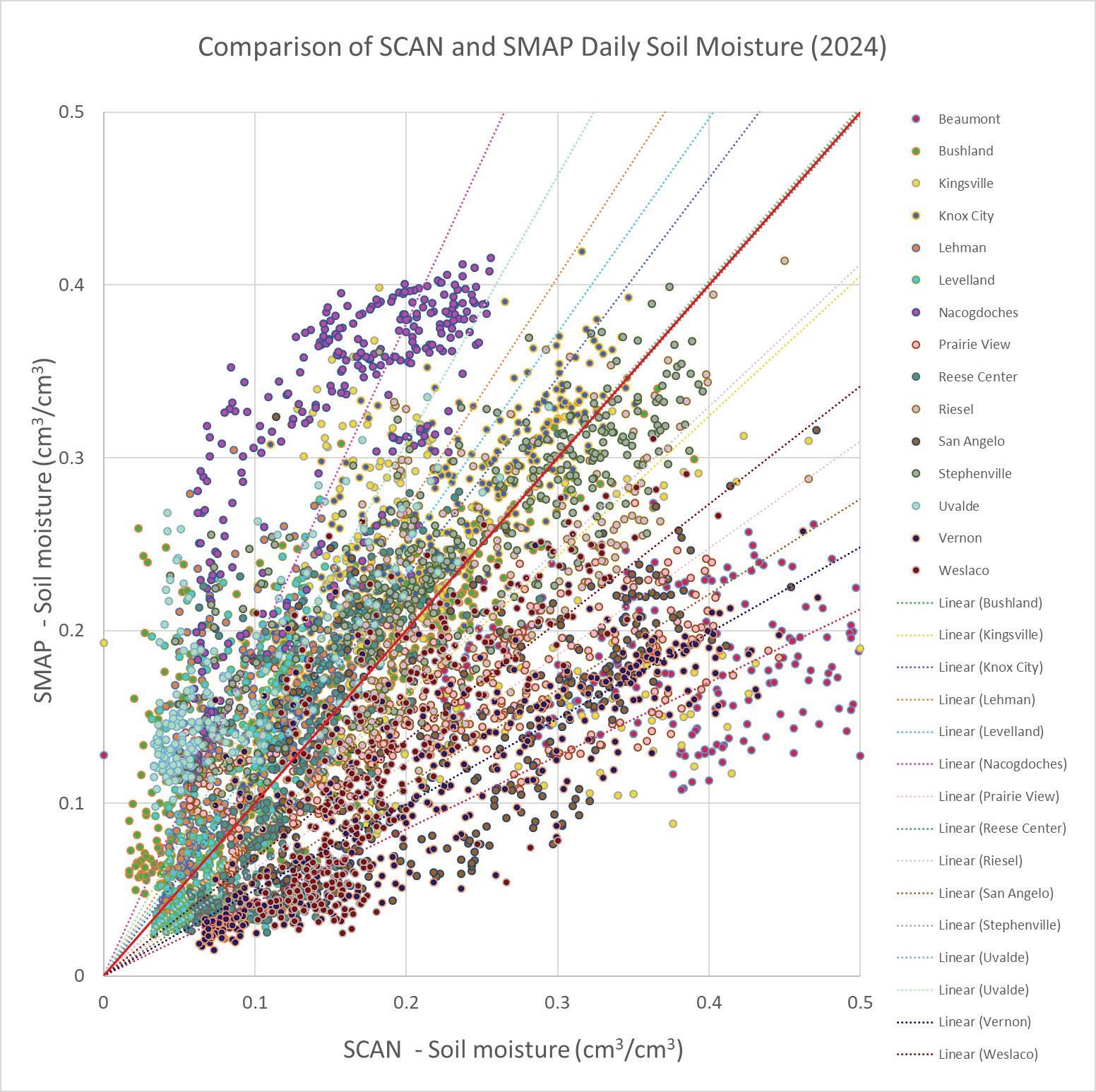
Figure 2: Comparison of SCAN and SMAP Daily Soil Moisture (2024) at different locations
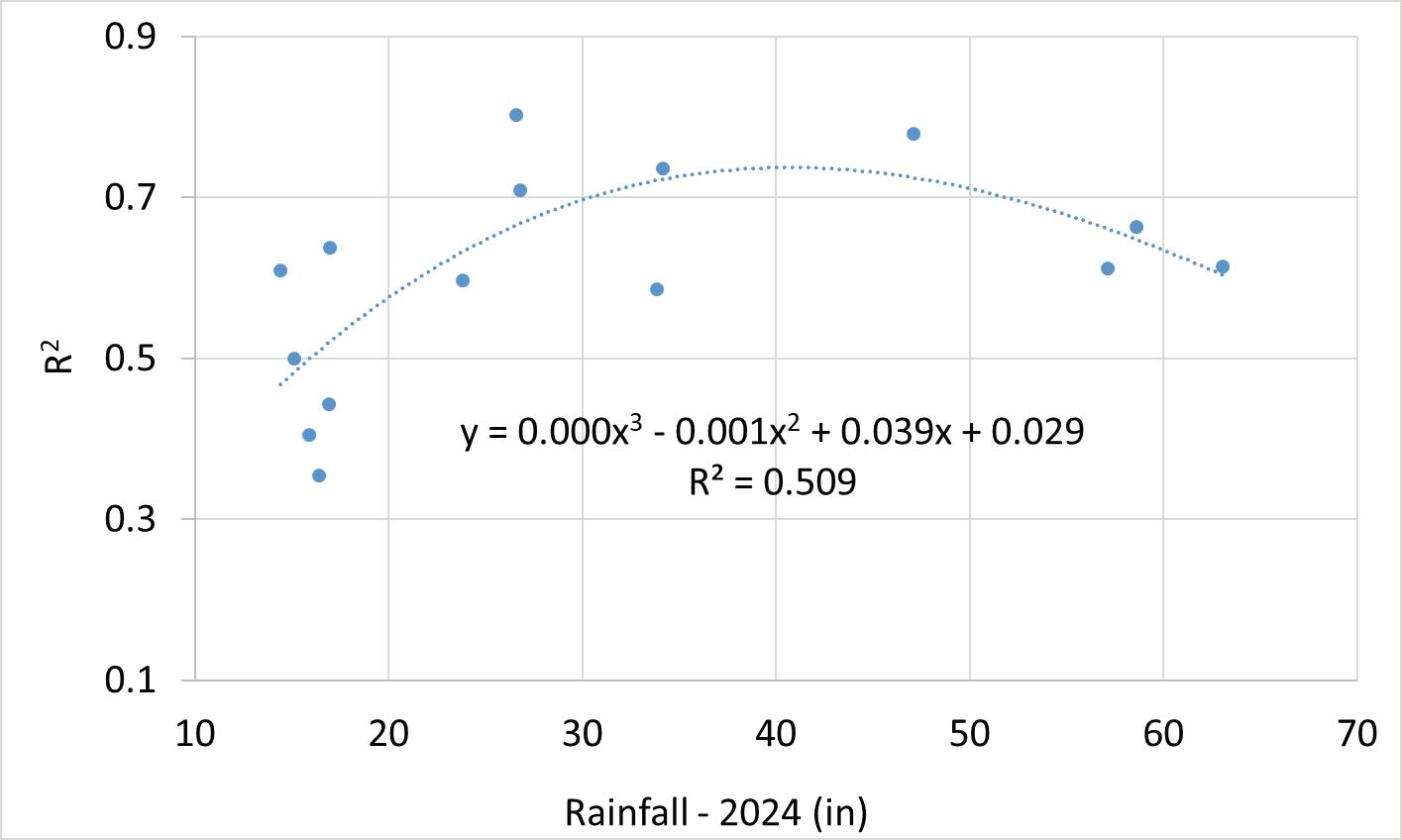
Figure 3: Relationship between rainfall (2014) and coefficient of determination (R2) at different locations
Conclusion
• Comparing SMAP and SCAN measurements provides valuable insights into data accuracy and soil moisture dynamics across Texas. Coefficients of determination (R²) vary between 0.354 and 0.802, indicating differing levels of agreement.
• Land use, particularly pasture and grassland, and annual rainfall influence these relationships.
• While SMAP provides soil moisture estimates averaged over 9 km grids, SCAN stations offer point-based measurements. Collecting soil moisture data from multiple points within the SMAP grid can help better approximate the average moisture value.
• Future analyses will incorporate long-term data from SCAN stations and additional data from other weather networks, including the West Texas Mesonet, TexMesoNet, and the U.S. Climate Reference Network.
Acknowledgment
This work was supported by the RISE Undergraduate Research Program of the Office of Research & Innovation at Prairie View A&M University and partially funded by the Evans-Allen Project No. 7007447 from the USDA-NIFA.
References
1. SMAP Handbook. (2014). SMAP Handbook: Mapping soil moisture from space. NASA.
a. RetrievedApril 7, 2025, from 2. https://178_SMAP_Handbook_FINAL_1_JULY_2014_Web.pdf
3. SMAP Mission. (n.d.). NASA SMAP mission description. Retrieved April 7, 2025, from https://smap.jpl.nasa.gov/mission/description/
4. USDA Crop-CASMA. (n.d.). Crop-CASMA: Crop Condition and Soil Moisture Analytics. Retrieved April 7, 2025, from https://nassgeo.csiss.gmu.edu/CropCASMA/
5. GMU CropScape. (n.d.). CropScape - Geospatial data applications. Retrieved April 7, 2025, from https://nassgeodata.gmu.edu/CropScape/
6. National Soil Moisture Network. (n.d.). Welcome to the National Soil Moisture Network. Retrieved April 7, 2025, from http://nationalsoilmoisture.com/
Synthesis and Characterization of Chitosan-Silver-Zinc Oxide Nanocomposites: Evaluating their Potential for Food Safety Applications
Leandrea Stovall and Laura Carson, Ph.D. Cooperative Agricultural Research Center, College of Agriculture, Food, and Natural Resources
Introduction
The increasing global emphasis on environmental sustainability and food safety has catalyzed the search for innovative materials in food packaging. Traditional petroleum-based packaging materials, while effective in preserving food, pose significant environmental challenges due to their non-biodegradable nature and contribution to plastic pollution. As a result, there is a growing demand for ecofriendly, biodegradable, and functional alternatives that not only reduce environmental impact but also enhance food preservation. Nanotechnology has emerged as a transformative approach in this context, offering novel solutions to improve the mechanical, barrier, and antimicrobial properties of packaging materials. Among the various nanomaterials explored, biopolymer-based nanocomposites have shown considerable promise. Chitosan, a natural polysaccharide derived from chitin found in crustacean shells, is particularly attractive due to its film-forming ability, biodegradability, biocompatibility, and intrinsic antimicrobial activity. These properties make chitosan an excellent candidate for developing active packaging systems that can extend the shelf life of food products. To further enhance the antimicrobial efficacy of chitosan-based films, the incorporation of metal nanoparticles such as zinc oxide (ZnO) and silver (Ag) has gained attention. Both ZnO and Ag nanoparticles are known for their broad-spectrum antibacterial activity, acting through mechanisms such as disruption of microbial cell membranes, generation of reactive oxygen species, and interference with microbial DNA replication. Importantly, when synthesized through green methods using plant extracts or other environmentally benign processes these nanoparticles offer a sustainable and less toxic alternative to conventional chemical synthesis routes. The integration of green-synthesized ZnO and Ag nanoparticles into a chitosan matrix can result in a multifunctional nanocomposite with synergistic properties. Such a composite material not only leverages the individual strengths of its components but also addresses key challenges in food packaging, including microbial contamination, spoilage, and environmental sustainability. By developing and characterizing these nanocomposites, this research aims to contribute to the advancement of safe, effective, and sustainable food packaging technologies that align with global health and environmental goals.
Objectives
This study focuses on the development of novel nanocomposites composed of chitosan, silver (AgNPs), and zinc oxide (ZnO NPs), synthesized using Thymus schimperi leaf extract as a green reducing agent. Also evaluate the antioxidant,
antidiabetic, and antimicrobial activity of the synthesized nanoparticles/nanocomposites and explore their potential for food safety and packaging applications.
Materials and Methods
The overall methods used in this study are summarized in Figure 1.
Plant Extraction: Leaves of medicinally important plant namely thyme (Thymus schimperi) was obtained from the African market in Houston, respectively. The leaves were freeze-dried and grinded using a mortar and pestle. Next 15gs of the dried T. schimperi leaves each were added to 250 mL of deionized water separately. It was then stirred and heated for 30 minutes. After heating, the mixture was sonicated under ultrasonic bath (Bransonic® MHseries, CPX-952-217R) for 90 min at 25 ◦C. The resulting solution was further filtered using polyvinylidene fluoride syringe filter with a pore size of 0.45 μm. The filtrate was stored at 4oC.
Biosynthesis of nanoparticles: To synthesize silver nanoparticles briefly, a .01M silver nitrate (AgNO3) solution was made. Then 20mL of the silver nitrate solution was added to 5ml of each extract. The pH was measured, and a 1M NaOH solution was used to raise the pH to a more basic level to optimize nanoparticle synthesis. After the pH was optimized the two solutions were stirred and heated at approximately 40℃ for 30 minutes. Once the flask cooled down, it was wrapped in aluminum foil and topped with parafilm and aluminum foil to prevent photo activation while being stored. Following the same procedures by using zinc nitrate hexahydrate as precursor zinc oxide nanoparticles were synthesized through calcination.
Characterization of biosynthesized nanoparticles/nanocomposites: UV–Vis spectrophotometer (SpectraMax® PLUS 384) was employed to further monitor and confirm the formation of AgNPs and in the absorption spectra ranged from 200 to 750 nm. Dynamic light scattering (DLS) was employed to determine the average particle size and distribution, polydispersity index (PDI) and zeta potential of the biosynthesized AgNPs with Litesizer™ 500 (Anton Paar, Austria). To characterize the functional groups of phytochemicals serving as reducing and stabilizing agents, FTIR spectra of plant extracts and AgNPs were acquired using a JASCO/FTIR-6300 spectrophotometer, covering the range of 4000–500 cm−1 with a resolution of 4 cm−1 via the KBr disc technique. In a similar way the characterization of the nanocomposites will be carried out. Their antidiabetic, antioxidant, and antimicrobial activities were evaluated using established assays. The antioxidant capacity was assessed through the DPPH assay, while the alpha-amylase assay was employed to determine antidiabetic activity. Antimicrobial efficacy was tested against both gram-negative and gram-positive bacteria using the well diffusion method.
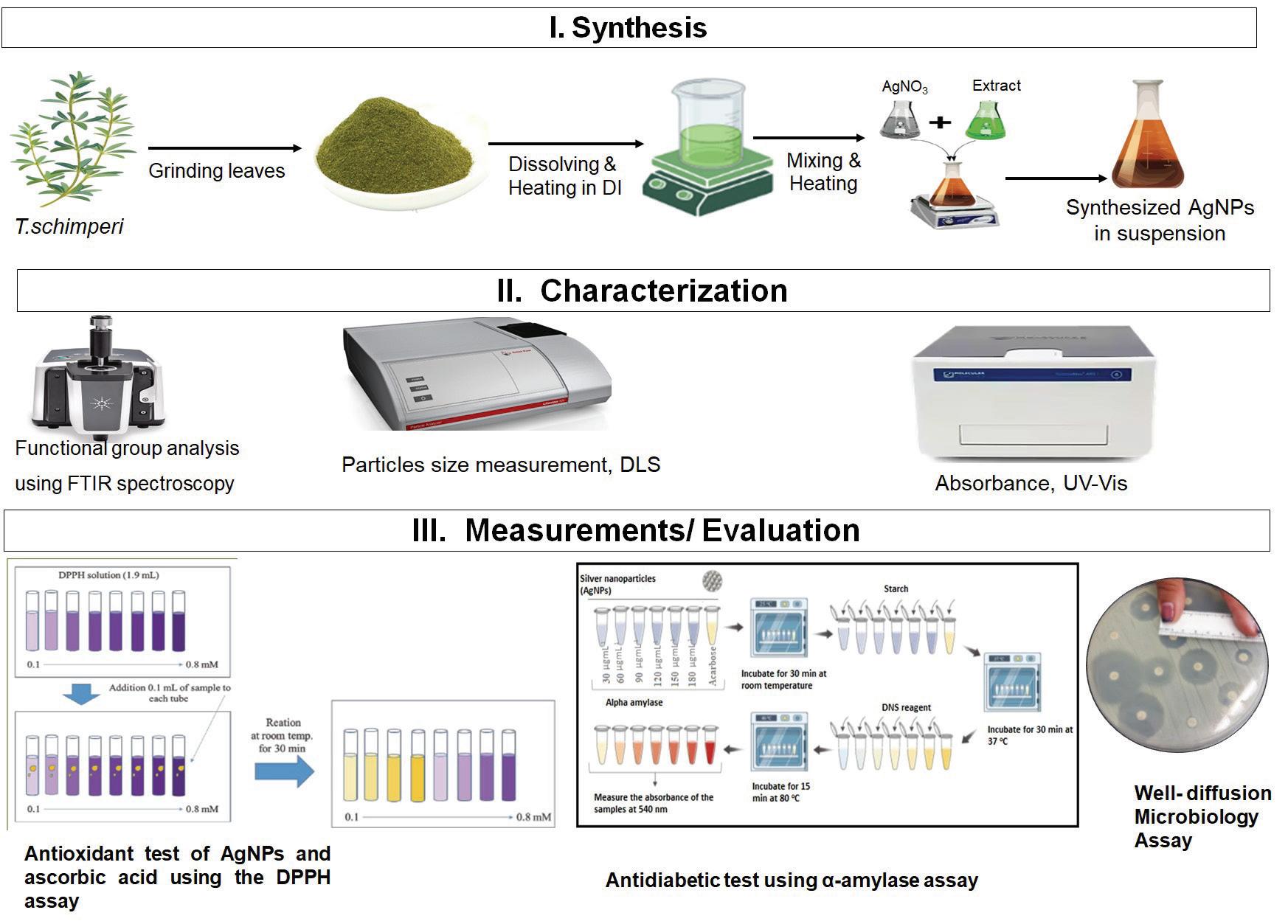
Figure 1. Summary of biosynthesis of nanoparticles and their biological applications.
Results and Discussion
Characterization of the nanoparticles was performed using UV–Vis spectroscopy, which confirmed nanoparticle formation with characteristic absorbance peaks at 330 nm (Figure 2).
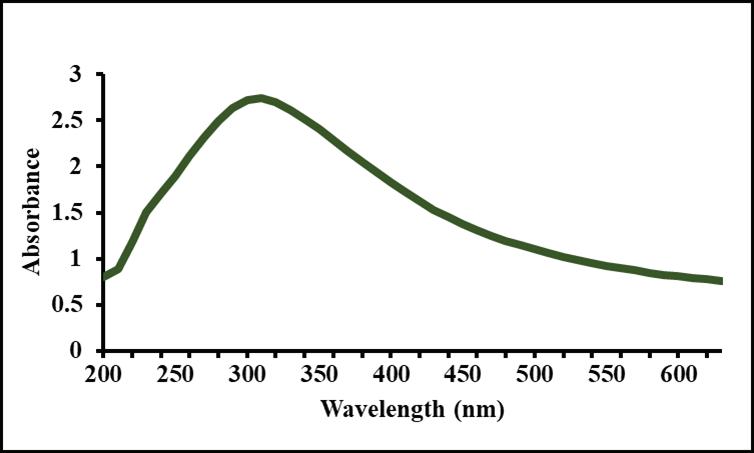
Figure 2. UV-Vis absorbance properties of thymus silver nanoparticles (T-AgNPs). DLS revealed monodispersed particles with an average size of 27.3 nm. It is noteworthy that nanoparticles with sizes below 100 nm are recognized as being suitable for biological applications and cellular uptake. This characteristic is of particular significance for applications in the food safety and biomedical fields, owing to the nanoparticles’ capacity to efficiently penetrate cell membranes and disrupt microbial cells.
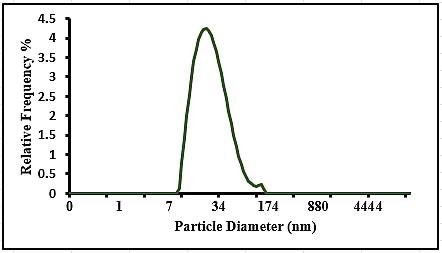
Figure 3. Particle size distribution of T-AgNPs from DLS analysis.
Figure 4 displays the spectra of fabricated T-AgNPs, highlighting key vibrational bands in 2001, 2982 and 3501cm−1, corresponding aldehyde (C=O), aliphatic alkane (C-H) and hydroxyl (O-H) functional groups, respectively (Geremew et al., 2022, 2024), indicating phytochemical involvement in nanoparticle stabilization.
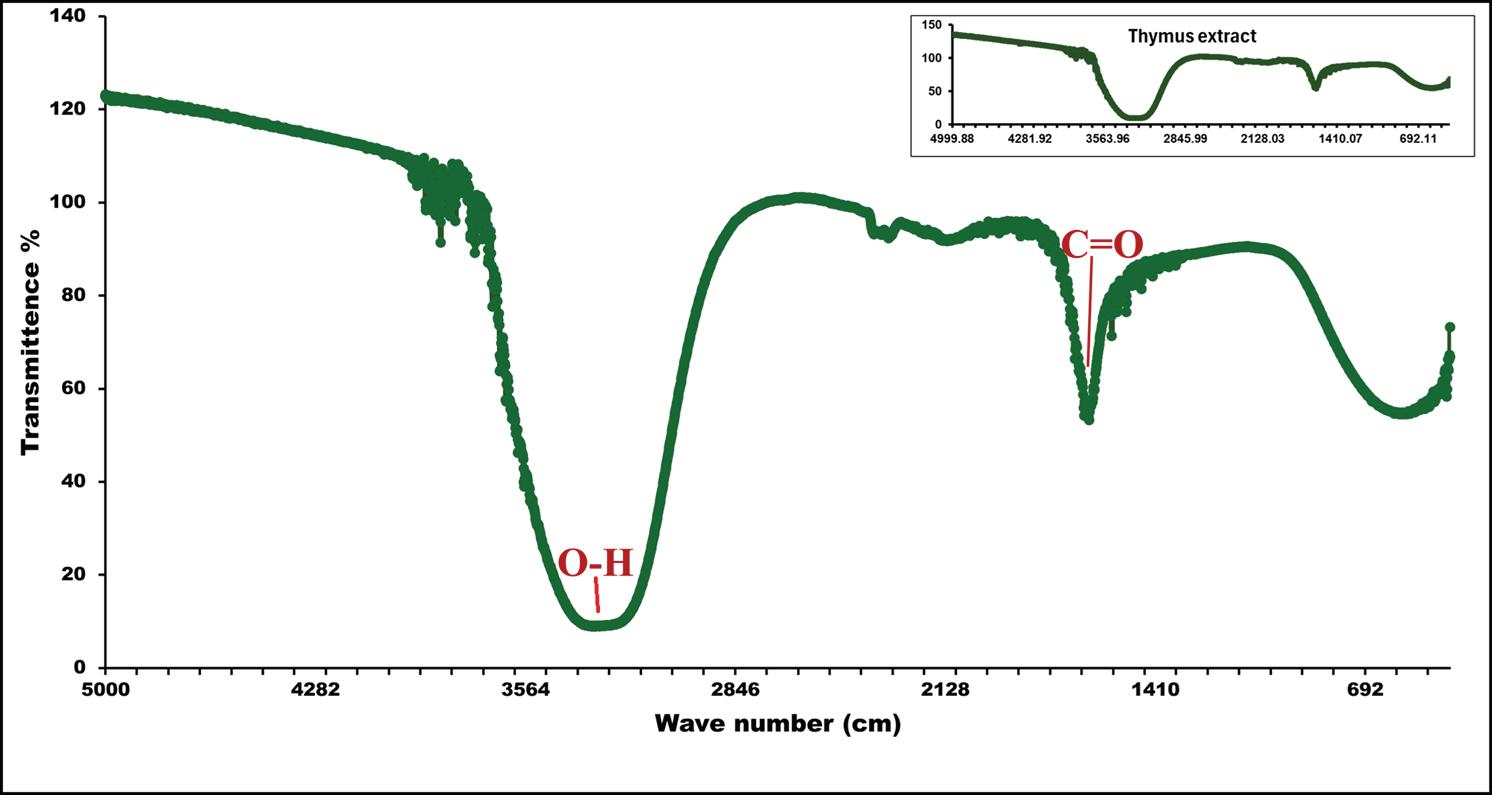
Figure 4. FTIR spectra of T-AgNPs.
The biological activity of the nanoparticles was evaluated through antioxidant and antidiabetic assays, which showed stronger activities increasing with concentration compared to the standards (Figure 5).
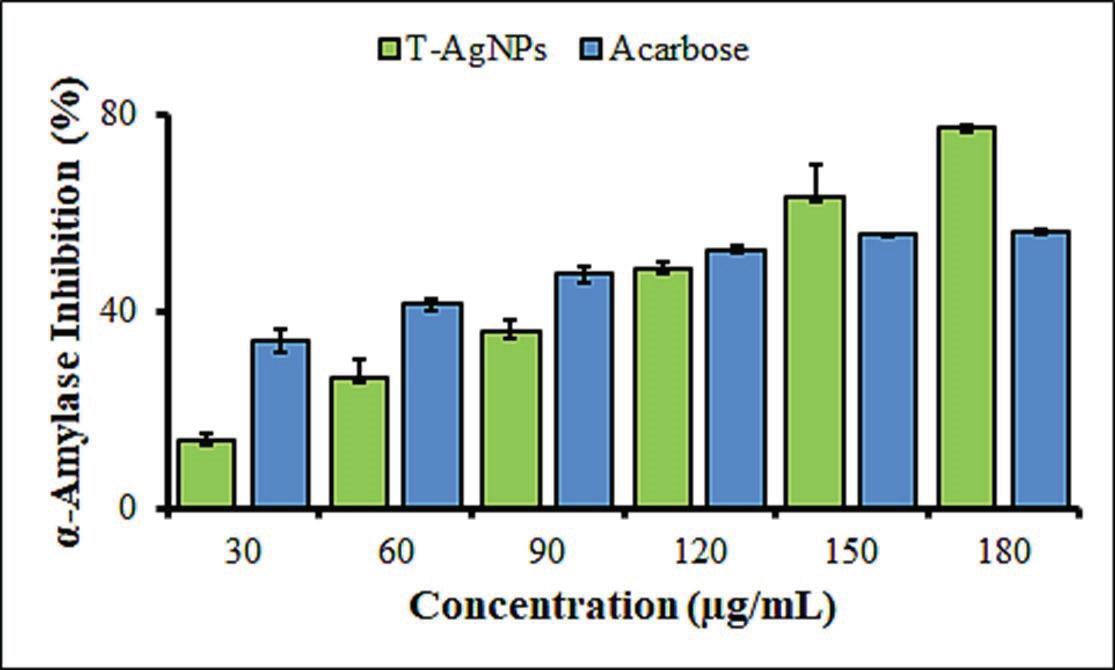
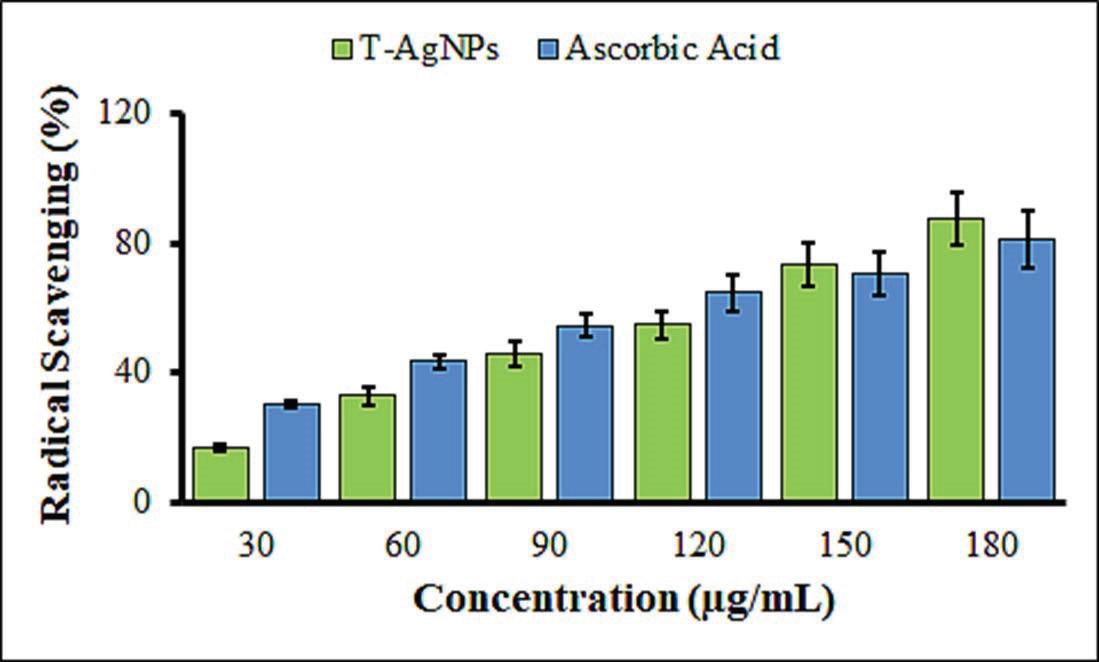
Figure 5. Antidiabetic (left panel) and antioxidant activities of T-AgNPs compared to standards.
6 Antimicrobial testing demonstrated effectiveness against both gram-positive (Staphylococcus aureus) and gram-negative (Escherichia coli) bacteria using well diffusion methods (Figure 6 and 7).
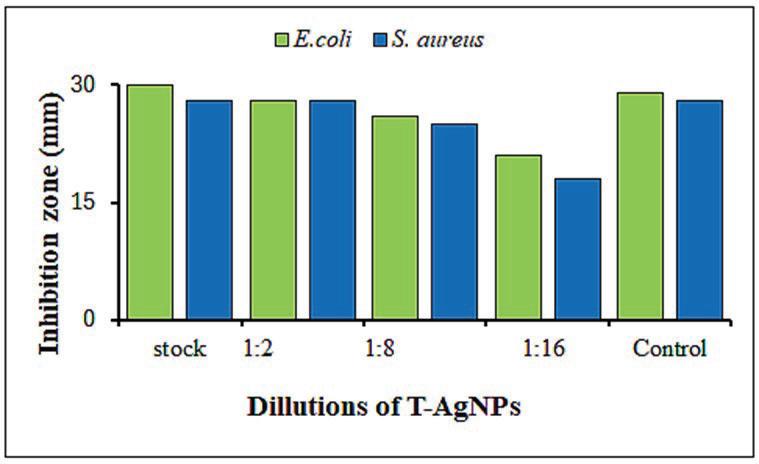
Figure 6. Zone of Inhibition of T- AgNPs against gram positive and gram-negative bacteria.
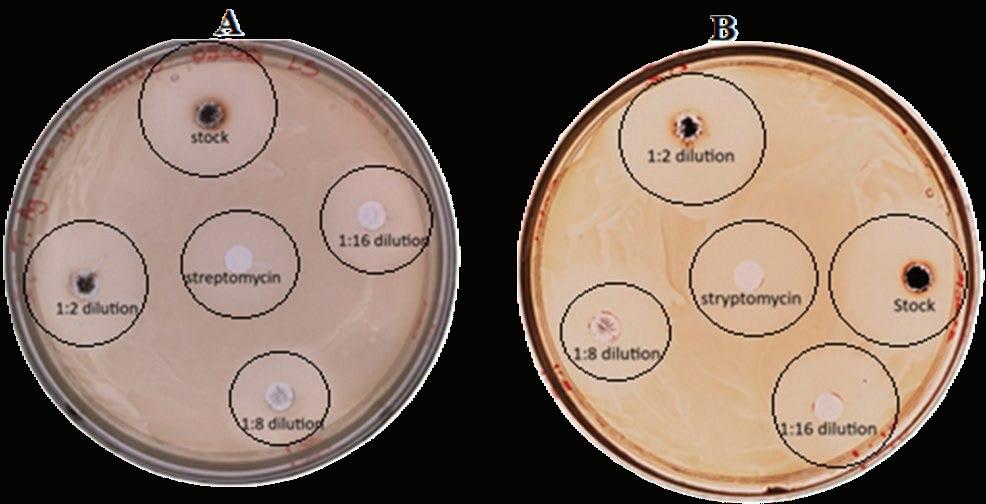
Figure 7. Antimicrobial results of T-AgNPs against Staphylococcus aures (A) and Escherichia coli (B).
Conclusion and Future Perspectives
The study successfully demonstrated the green synthesis of AgNPs using Thymus schimperi. The nanoparticles exhibited promising antioxidants, antidiabetic, and antimicrobial properties. Their size and bioactivity make them suitable for food safety applications. Future work will for mechanisms and minimum inhibitory concentrations, exploring molecular mechanisms, and scaling up integration into packaging materials by making nanocomposites with zinc oxide and chitosan. 7
References:
1. Geremew A, Carson L and Woldesenbet S (2022), Biosynthesis of silver nanoparticles using extract of Rumex nepalensis for bactericidal effect against food-borne pathogens and antioxidant activity. Front. Mol. Biosci. 9:991669. doi: 10.3389/fmolb.2022.991669.
2. Geremew, A.; Gonzalles, J., III; Peace, E.; Woldesenbet, S.; Reeves, S.; Brooks, N., Jr.; Carson, L. Green Synthesis of Novel Silver Nanoparticles Using Salvia blepharophylla and Salvia greggii: Antioxidant and Antidiabetic Potential and Effect on Foodborne Bacterial Pathogens. Int. J. Mol. Sci. 2024, 25, 904.
3. https://doi.org/ 10.3390/ijms25020904.
ARTS AND SCIENCES
Arts and Sciences
Direct Cell Interactions in Biocomposite Scaffold Vascularization for Bone Tissue Engineering
Anisa Cole, Saif Mohammed and Naznin Sultana, Ph.D.
Undergraduate Medical Academy, College of Arts and Sciences
Abstract
Vascularization is crucial in bone tissue engineering to deliver nutrients and oxygen. Mesenchymal stem cells (MSCs) enhance this process via paracrine signaling of angiogenic factors such as VEGF, which leads to endothelial cell differentiation and vascular formation. It remains unclear if paracrine signaling alone suffices or if direct interactions, through gap junctions for example, are equally critical. This distinction could improve scaffold design in bone tissue engineering. To determine whether vascularization in biocomposite scaffolds containing endothelial cells relies solely on paracrine factors like VEGF released by surrounding stem cells or if direct interactions with surrounding cells are also critical. Biocomposite scaffolds were fabricated using freeze-drying techniques with chitosan and pectin to create porous structures suitable for cell growth. Fibroblasts were seeded to confirm biocompatibility before co-culture experiments with MSCs and Human Umbilical Vein Endothelial Cells (HUVECs). Four experimental groups evaluated the roles of direct cell interactions and MSC-secreted factors in vascularization, assessed using fluorescence microscopy and CD31 expression. The freeze-drying technique effectively created three-dimensional scaffolds with an interconnected porous structure, high porosity (71%-80%), and water uptake exceeding 2312%. In vitro experiments demonstrated the nontoxic nature of these scaffolds, as human skin fibroblast (HSF) cells successfully grew on them. Preliminary results indicate that these chitosan-pectin scaffolds with ideal porosity and water uptake are suitable for vascularization studies. These scaffolds will support HUVEC-MSC co-cultures to further investigate the role of paracrine signaling versus direct cell interactions in vascularization.
Background
Vascularization plays an essential role in tissue engineering, particularly in the development of bone scaffolds, by facilitating the delivery of oxygen and nutrients, which are critical for tissue survival and function. Without proper vascularization, large tissue constructs will fail to integrate with the host’s circulatory system, limiting their functionality (Jiang et al., 2020). In bone tissue engineering, this becomes particularly challenging, as the oxygen diffusion limit of 100–200 μm prevents cells from surviving without an internal vasculature. Vascularization is key for maintaining the metabolic needs of engineered tissues, especially as the tissue grows and becomes more complex. The process of vascularization is primarily driven by angiogenic growth factors, such as Vascular
Endothelial Growth Factor (VEGF), which promote endothelial cell differentiation, migration, and the formation of blood vessels (Olsson et al., 2021).
Mesenchymal stem cells (MSCs), known for their regenerative properties, are often used in tissue engineering due to their ability to secrete a range of angiogenic factors, including VEGF, that enhance vascularization (Mauro et al., 2020). MSCs are particularly useful because they share similarities with perivascular cells, supporting endothelial cell migration and the formation of blood vessels. However, it remains unclear whether paracrine signaling alone, driven by the secretion of VEGF and other factors, is sufficient for angiogenesis, or whether direct interactions between MSCs and endothelial cells are also critical for the formation of mature vascular structures. This distinction between soluble factor signaling and direct cell–cell interactions has significant implications for scaffold design in tissue engineering, particularly in optimizing materials for vascularized bone tissue regeneration.
Objective
The goal of this study is to explore the effectiveness of different biopolymers and fabrication methods for creating vascularized scaffolds. Additionally, the study aims to determine whether vascularization in tissue scaffolds containing endothelial cells depends primarily on paracrine factors like VEGF secreted by MSCs, or if direct cell-to-cell interactions between MSCs and endothelial cells are necessary for effective vascularization in these scaffolds. The findings will provide valuable insights into how to improve scaffold designs for enhanced vascularization in bone tissue engineering applications.
Methodology
Scaffold Fabrication
Both Chitosan and Gelatin biopolymer scaffolds were fabricated by dissolving 0.5g of polymer in 20 ml of 2% acetic acid, resulting in a 2.5% polymer solution. This solution was then freeze-dried to create highly porous 3D scaffolds, which were crosslinked using glutaraldehyde (GTA) to enhance scaffold stability and mechanical properties. For gelatin electrospun scaffolds, 25% gelatin was dissolved in glacial acetic acid and electrospun at 26 kV, while 60% PVP was dissolved in ethanol for electrospinning PVP scaffolds at the same voltage. After electrospinning, the PVP scaffolds were crosslinked with GTA. Both scaffold types were characterized for mass, volume, density, porosity, and water uptake to assess their suitability for cell growth and vascularization. The nanofiber structure of the electrospun scaffolds was further examined using scanning electron microscopy (SEM), and fiber size and morphology were quantified using ImageJ software to assess their potential for mimicking the extracellular matrix (ECM) and supporting cellular interactions.
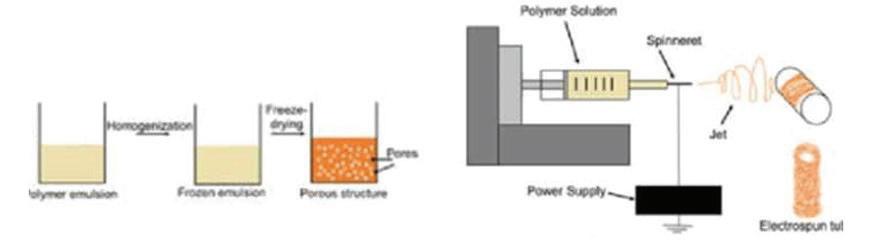
Figure 3. Schematic of the freeze drying and electrospinning process for Chitosan and PVP scaffold fabrication. (Ang et al., 2020)
Experimental Groups and Culture Conditions
To assess the role of paracrine signaling and direct cell interactions in vascularization, the study will use four experimental groups, with human umbilical vein endothelial cells (HUVECs) and mesenchymal stem cells (MSCs) seeded at a density of 1 × 10⁵ cells per cm² on various scaffold types. The scaffolds will be maintained in endothelial cell growth medium (ECGM), and the cell culture conditions will include media changes every 2–3 days to support optimal cell growth and interactions. Prior to the co-culture experiments, scaffolds will be seeded with human skin fibroblasts (HSF) to test biocompatibility. MTT assays will be conducted to assess the viability of the cells on the scaffolds, confirming that the scaffolds do not produce toxic effects and are conducive to cell growth (Song et al., 2021).
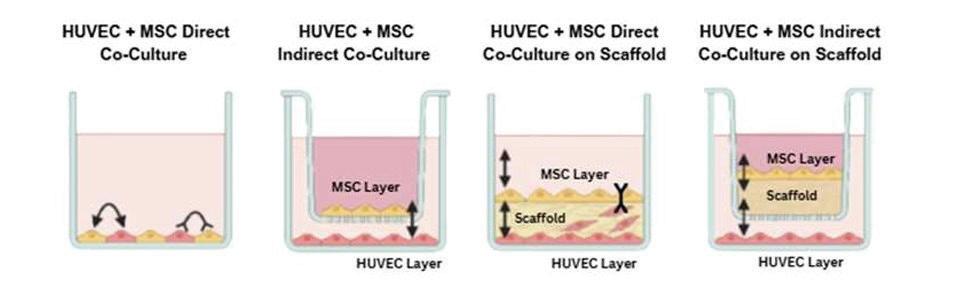
Figure 4. Experimental groups and culture conditions for HUVECs and MSCs on chitosan scaffolds.
Characterization of Scaffold Properties
The scaffolds used in this study will be characterized for various physical properties, including mass, volume, density, porosity, and water uptake. These properties are crucial for determining the ability of the scaffolds to support cell infiltration and nutrient diffusion, which are essential for tissue survival and function. Porosity and water uptake are particularly important because they affect the scaffold’s ability to mimic the extracellular matrix (ECM) and facilitate the movement of cells and nutrients within the scaffold (Yang et al., 2020). Nanofiber electrospun scaffolds will be further examined using scanning electron microscopy (SEM) to evaluate fiber size and morphology, with measurements taken using ImageJ software. The nanofiber diameter is expected to mimic the ECM at the nanoscale, potentially enhancing cellular interactions at the molecular level and promoting more efficient vascularization (Ang et al., 2020).
Results and Discussion
Preliminary results from the characterization of chitosan scaffolds indicate that they possess high porosity (71%–80%) and significant water uptake (>2312%), which are ideal for supporting cell growth and nutrient exchange. Human skin fibroblasts seeded on these scaffolds remained viable, indicating that the scaffolds are biocompatible and suitable for further use in co-culture experiments with HUVECs and MSCs. In addition, initial experiments with HUVECs on chitosan scaffolds showed that the cells remained viable, further confirming the suitability of the scaffolds for supporting endothelial cell growth.
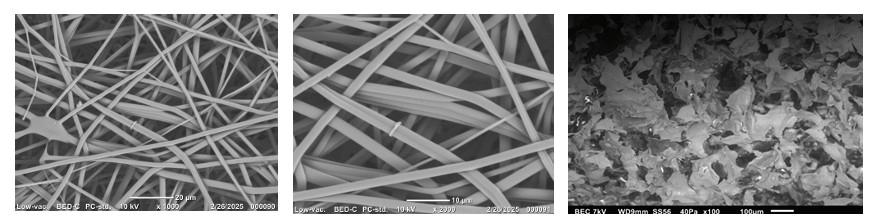
For the electrospun PVP scaffolds, the SEM analysis revealed that the nanofiber diameters ranged from 2–3 nm, which may help mimic the nanoscale structure of the ECM and promote enhanced cell–matrix interactions. At magnifications of 1000x and 2000x, the nanofiber arrangement appeared uniform and wellstructured, suggesting that the electrospinning process was successful in producing high-quality scaffolds. The electrospun scaffolds are expected to provide a more biomimetic environment for endothelial cells and MSCs, potentially enhancing cellular interactions at the molecular level and improving vascularization outcomes.
Conclusion
This study is expected to provide critical insights into the role of paracrine signaling and direct cell–cell interactions in promoting vascularization within tissue-engineered scaffolds. The preliminary results suggest that the chitosan scaffolds are biocompatible and support cell viability, while the electrospun PVP scaffolds may offer nanoscale mimicry of the ECM, which could enhance cell interactions and vascular formation. The findings from this research will help refine scaffold designs to optimize vascularization in tissue engineering applications, with particular emphasis on improving scaffold performance for bone tissue regeneration. By understanding the roles of soluble factors and direct cell interactions in vascularization, the study will contribute to the development of more effective strategies for engineering functional vascular networks in tissue-engineered constructs.
Figure 5. SEM image of PVP nanofiber electrospun scaffolds at 1000x and 2000x magnification and Image of Gelatin Scaffolds at 100x.
Future Directions
Future research will focus on expanding this study to investigate the long-term viability and vascularization in 3D scaffolds. Additional studies will explore the impact of cross-talk between MSCs and endothelial cells by using fluorescence microscopy, Western blotting, and RNA-Seq to assess angiogenesis in greater detail. Further optimization of scaffold crosslinking using glutaraldehyde (GTA) will also be explored to improve scaffold stability and enhance cell adhesion. These studies will build on the current findings to refine scaffold designs and promote more effective vascularization in tissue-engineered bone grafts.
References
1. Ang, W. T., Lee, J. S., & Tan, H. S. (2020). Electrospun PVP nanofiber scaffolds for tissue engineering. Materials Science and Engineering, 40, 2005-2012.
2. Chen, H., Xie, Y., & Li, X. (2021). VEGF receptor signaling in angiogenesis and bone tissue engineering. Cellular and Molecular Bioengineering, 14(5), 125-134.
3. Jiang, S., Zhang, L., & Wu, M. (2020). Vascularization in bone tissue engineering: challenges and strategies. Bone Research, 7(1), 1-10.
4. Li, C., Wang, X., & Liu, Q. (2020). The role of CD31 in endothelial cell differentiation and vascular formation. Journal of Molecular Medicine, 99(5), 573-585.
5. Mauro, M., Pannunzio, F., & Cipriani, G. (2020). Mesenchymal stem cells in tissue engineering and regenerative medicine. Stem Cells and Development, 29(3), 237-249.
6. Olsson, M., Greenhalgh, D., & Frankel, M. (2021). The role of VEGF in bone tissue engineering. Journal of Tissue Engineering and Regenerative Medicine, 15(1), 2-12.
7. Song, J., Kim, T., & Lee, J. (2021). MTT assay for cell viability assessment in tissue engineering. Tissue Engineering Part C: Methods, 27(5), 412-419.
8. Wang, Y., Liu, M., & Zhang, W. (2021). Role of CD31 in endothelial cell differentiation and vascular formation. Journal of Molecular Medicine, 99(5), 573-585.
9. Yang, G., Liu, X., & Wu, F. (2020). Characterization of scaffold materials in tissue engineering:
10. Porosity and water uptake. Journal of Biomaterials Science, Polymer Edition, 31(12), 1593-1606.
11. Zhao, H., Yang, J., & Wang, Z. (2020). RNA-Seq analysis of gene expression in angiogenesis.
12. Frontiers in Bioengineering and Biotechnology.
Stability and Solitary Wave Dynamics of Higher-Dimensional Nonlinear Schrödinger Equation with Time-Dependent Potential
Ian Ainomugisha and Lanre Akinyemi, Ph.D. Department of Mathematics, College of Arts and Sciences
Published Journal: Nonlinear Dynamics: An International Journal of Nonlinear Dynamics and Chaos in Engineering Systems
Doi: https://doi.org/10.1007/s11071-025-11325-7
Introduction:
This study explores the dynamics and stability of soliton solutions to a higherdimensional nonlinear Schrödinger equation (NLSE) under the influence of time dependent external potentials. Considering the central role of NLSEs in fields such as nonlinear optics, quantum mechanics, and fluid dynamics, gaining a deeper understanding of how external potentials impact soliton behavior is essential. This work not only advances the theoretical framework of soliton dynamics in complex environments but also enhances their practical applicability in real-world systems, such as optical communication networks, Bose-Einstein condensates, and water wave modeling.
Objectives
1. To analyze the stability of soliton solutions in higher-dimensional NLSEs under time-varying external potentials.
2. To derive exact analytical solutions, including bright, dark, mixed bright-dark, singular solitons, and periodic waveforms.
3. To introduce and validate an energy-like functional as a global stability measure.
4. To explore how different external potentials (constant, linear, bounded) influence soliton structure and behavior.
Methods
Two analytical techniques were employed:
1. Separation of Variables Method:
a. Assumes solutions of the form u(x, y ,t)=Φ(x, y)T (t).
b. Leads to solutions like bright, dark, periodic, and singular solitons.
2. Solitary Wave Ansatz Method:
a. Introduces a traveling wave transformation with time-dependent phase. � Supports more complex, localized, non-separable wave solutions.
3. Stability Analysis:
a. Linear Stability: Perturbation and dispersion analysis. � Energy-like Functional: Global criterion based on E (t )=∫ ∫|u ( x, y ,t )|2dxdy.
Results
Exact Analytical Solutions Derived:
Solution Type
Bright Solitons Yes Yes
Dark Solitons Yes Yes
Mixed Bright-Dark Yes Yes
Singular Solitons Yes Yes
Periodic Waveforms Yes Yes
Traveling Phase Waves No Yes
Spatially Separable Solutions Yes No
Significance / Impact
This published work highlights the robustness of higher-dimensional solitons in the presence of varying external potentials, demonstrating their stability and adaptability across complex environments. It introduces analytical techniques that are broadly applicable to a range of physical systems, including optical fibers, Bose-Einstein condensates, and shallow water wave modeling. The findings not only deepen our theoretical understanding of soliton behavior but also provide practical insights into their control and modulation in dynamically evolving settings.
Future Work
• Extend to coupled systems and higher-order nonlinearities.
• Perform numerical simulations for verification.
• Investigate soliton interactions under variable potential.
Educating, Training and Mentoring of Future Underrepresented and Minority Geoscientists.
Educating, Training and Mentoring of Future Underrepresented and Minority Geoscientists.
Bolande Raji Aluka Innocent Department of Chemistry and Physics, College of Arts & Sciences
Bolande Raji Aluka Innocent Department of Chemistry and Physics, College of Arts & Sciences
Introduction
Introduction
The progress report is on the research titled, “Educating, Training and Mentoring of Future Underrepresented and Minority Geoscientists.” The research focuses on the application of Petrel software powered by dongle in the interpretations of geophysical and geological data, particularly seismic and well log data to increase the efficiency and accuracy of geological analysis and subsurface modelling in geological and geophysical studies.
The progress report is on the research titled, “Educating, Training and Mentoring of Future Underrepresented and Minority Geoscientists.” The research focuses on the application of Petrel software powered by dongle in the interpretations of geophysical and geological data, particularly seismic and well log data to increase the efficiency and accuracy of geological analysis and subsurface modelling in geological and geophysical studies.
Objectives
Objectives
The project is designed to educate, train and mentor minority students in geoscience through research to achieve the following objectives and goals among others,
The project is designed to educate, train and mentor minority students in geoscience through research to achieve the following objectives and goals among others,
1. Familiarization with industrial practices using state-of-the-art Petrel and IHS Kingdom software to analyze geoscience data from exploration to development.
1. Familiarization with industrial practices using state-of-the-art Petrel and IHS Kingdom software to analyze geoscience data from exploration to development.
2. Acquisition of relevant knowledge through research, teaching, learning and mentoring to secure employment in geosciences in the industries, laboratories, private sectors, pursue graduate programs; and become future leaders and innovators in geosciences.
2. Acquisition of relevant knowledge through research, teaching, learning and mentoring to secure employment in geosciences in the industries, laboratories, private sectors, pursue graduate programs; and become future leaders and innovators in geosciences.
3. Increase in the number of minority and underrepresented geoscientists with sound undergraduate knowledge which will enable them to seek more knowledge through research and pursue advanced degrees in geosciences.
3. Increase in the number of minority and underrepresented geoscientists with sound undergraduate knowledge which will enable them to seek more knowledge through research and pursue advanced degrees in geosciences.
4. Acquisition of the knowledge which will propel them to leadership positions and professional skills.
4. Acquisition of the knowledge which will propel them to leadership positions and professional skills.
5. Entrance to geosciences’ workforce, and broadening participation of underrepresented and minorities.
5. Entrance to geosciences’ workforce, and broadening participation of underrepresented and minorities.
6. Students will be familiar with the styles of writing journal articles and will have opportunities to present research results at conferences.
6. Students will be familiar with the styles of writing journal articles and will have opportunities to present research results at conferences.
7. Increase in the number of students pursuing advanced degrees in geosciences.
7. Increase in the number of students pursuing advanced degrees in geosciences.
Method
Method
The method involves using Petrel’s advanced features, such as seismic interpretations, reservoir characterization, seismic inversion, visualization, fault mapping, horizon picking, attribute analyses, 3D geological and subsurface modeling for geophysical and geological data analyses
The method involves using Petrel’s advanced features, such as seismic interpretations, reservoir characterization, seismic inversion, visualization, fault mapping, horizon picking, attribute analyses, 3D geological and subsurface modeling for geophysical and geological data analyses
The interpretations are done with a double screen/ monitor PC available in our workstation in the department. The workstation is configured with high-end
The interpretations are done with a double screen/ monitor PC available in our workstation in the department. The workstation is configured with high-end
precision components that ensure high performance, found in faster processors, memories and larger hard drives, geared specially for specialized geological applications. The workstation has high scalability which allows for expansion in the future.
Results
Figures 1 to 17 below are the results of data analyses, utilizing petrel software. The significance, benefits and impact of the results are discussed in the next section.
Significance and Impact
The results of the research show that by applying Petrel software, the processes of interpreting seismic and well data obtained from geophysical and geological explorations become simplified, leading to better visualization, analysis, and modeling of subsurface structures. Furthermore, the result will show reliable structure and stratigraphy of subsurface geology, mitigate risk, improve reservoir characterization and decision-making in exploration and production processes.
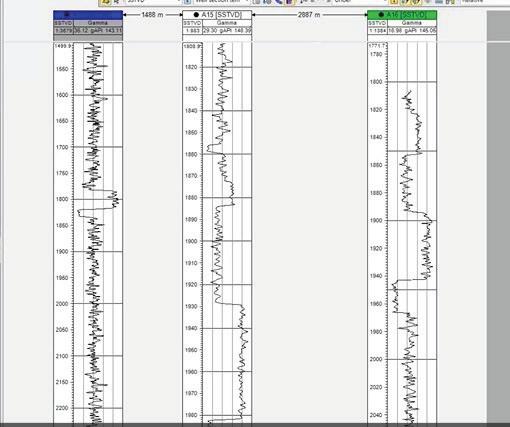
Figure 1: Creating Tops on Well Logs for Correlations
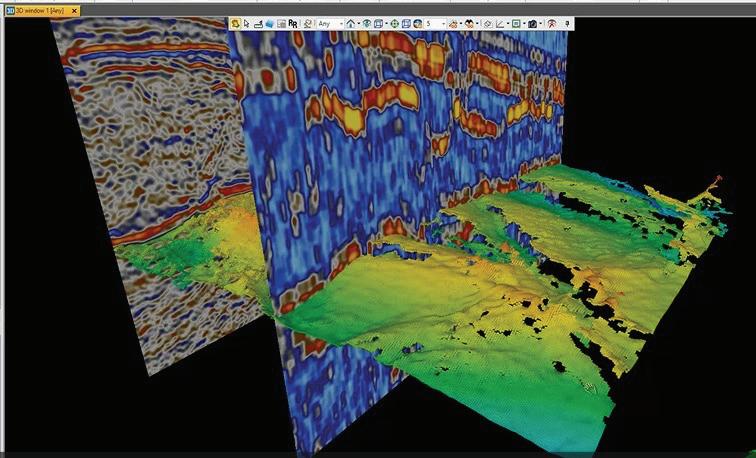
3: Geobody Interpretation Step 1 Using Amplitudes
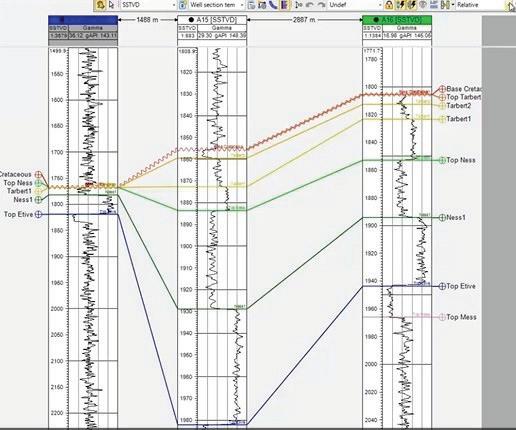
Figure 2: Correlated Well Logs After Creating Tops.
Figure
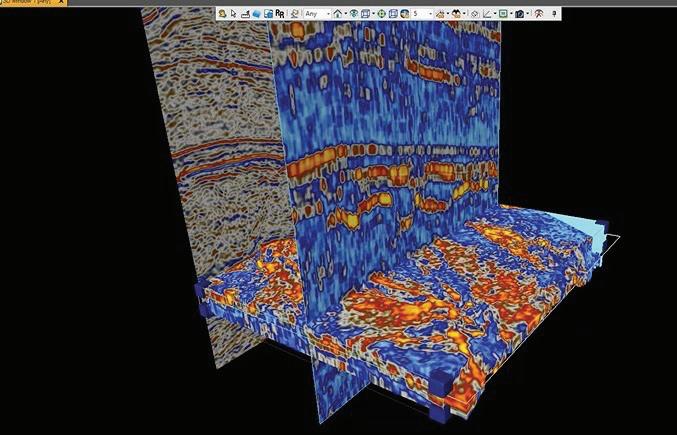
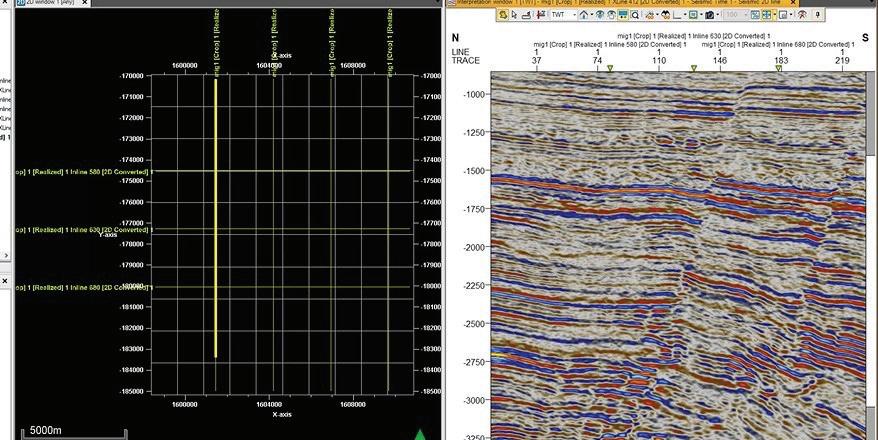
Figure 4: Figure 3: Geobody Interpretation Step 2 Using Amplitudes
Figure 5: Seismic Fault Interpretation Step 1 in 2D Seismic Data
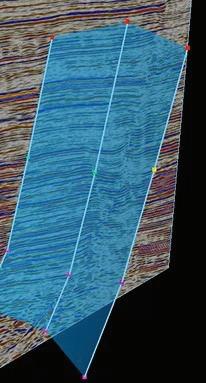
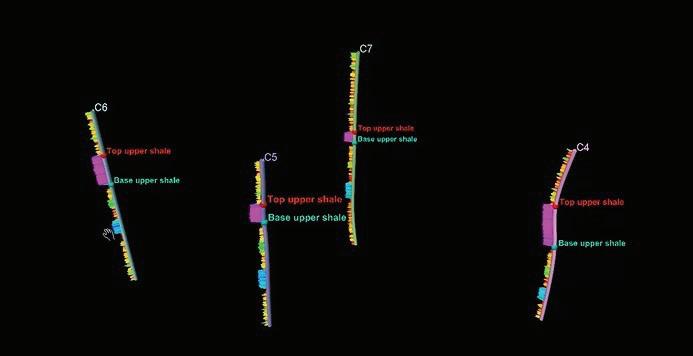
Figure 6: Seismic Fault Interpretation Step 2 in 2D Seismic Data
Figure 7: Creating Isochores (Vertical Map) Step 1 From Well Tops

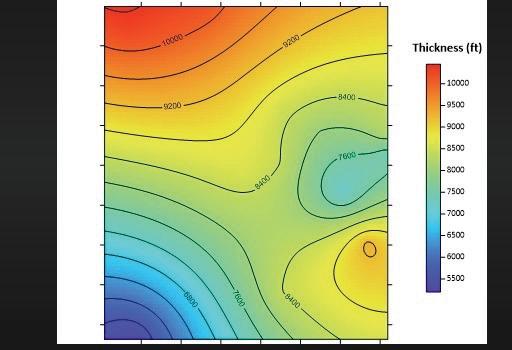
Figure 8: Creating Isochores (Vertical Map) Step 2 From Well Tops
Figure 9: Isopach (Sedimentary Rock Thickness Map) Created with Petrel Software
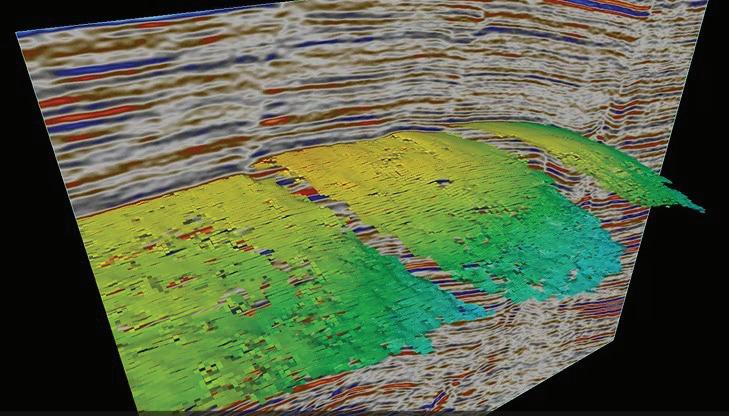
Figure 10 : Seismic Stratigraphic Spectral Analysis Step 1
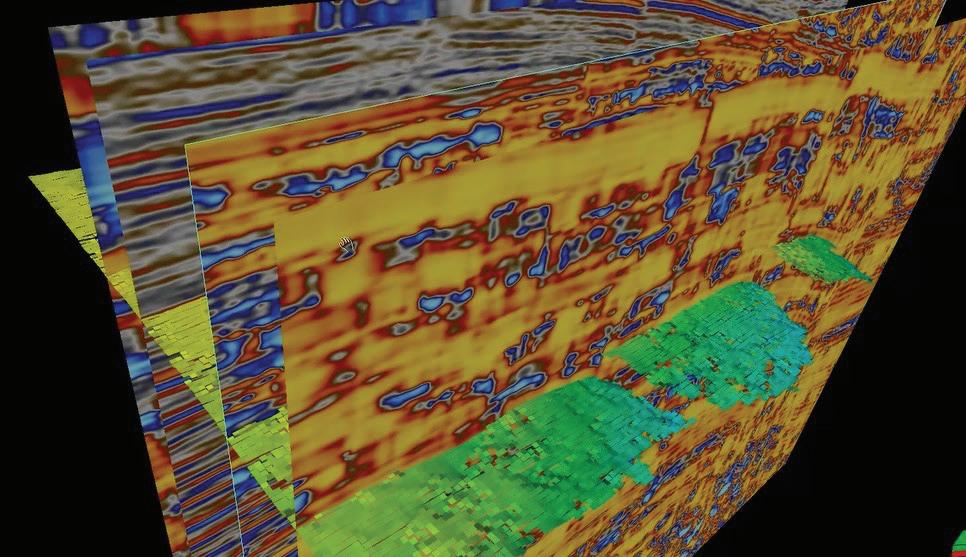
Figure 11: Seismic Stratigraphic Spectral Analysis of Seismic Data Step 2
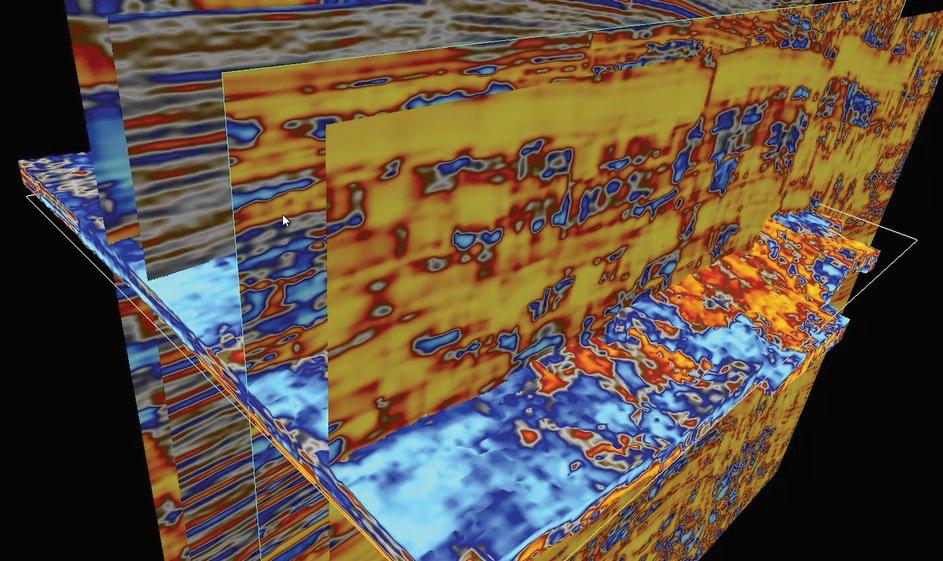
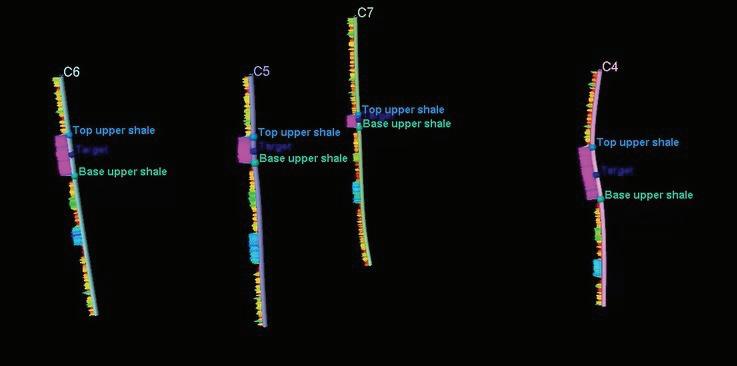
Figure 12: Seismic Stratigraphic Spectral Analysis of Seismic Data-Insertion of Horizon Step 3
Figure 13: Making Stratigraphic Surfaces From Well Data Step 1
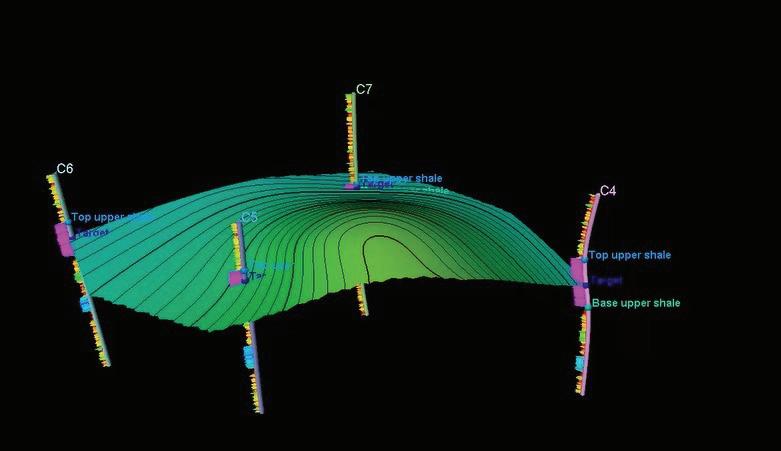
Figure 14: Making Stratigraphic Surfaces From Well Data Step 2
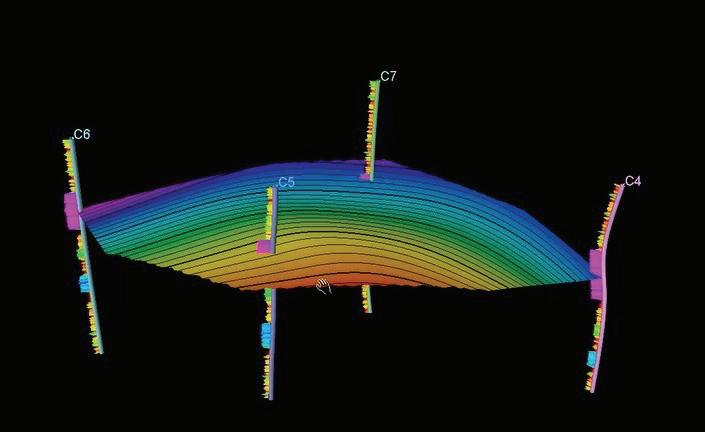

Figure 15: Making Stratigraphic Surfaces From Well Data Step 3
Figure 16: Seismic Fault Interpretation in 3D Step 1.
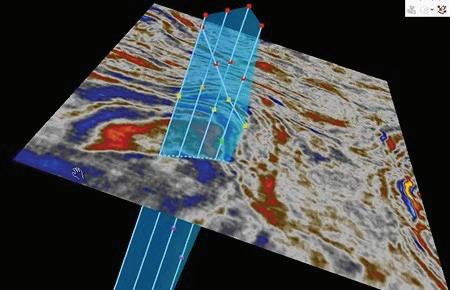
Figure 17: Seismic Fault Interpretation In 3D Step 2
Dynamic Algorithms for Time-to-event Processes
Oluwatobiloba Lawuyi and Emmanuel Appiah, Ph.D. Department of Mathematics, College of Arts and Sciences
Introduction
The “Dynamic Algorithms for Time-to-event Processes” project develops new mathematical models and computational tools for analyzing time-to-event data across diverse scientific domains. Our innovative approach uses hybrid dynamic modeling that integrates continuous and discrete-time states without requiring closed-form solution distributions, making it suitable for complex processes influenced by rapid technological changes and time-dependent covariates.
Cybersecurity and Application
We applied this methodology to cybersecurity breach prediction, addressing a critical contemporary challenge. In 2023, the United States experienced over 3,205 data compromises affecting more than 353 million individuals. Traditional cybersecurity metrics focus on binary outcomes without incorporating the crucial temporal dimension of when breaches occur. Our approach provides a foundation for proactive security strategies.
Objectives
Primary Goals
1. Develop innovative dynamic modeling approach for time-to-event processes using hybrid dynamic systems
2. Create flexible models independent of specific survival distribution assumptions
3. Integrate time-dependent covariates for complex dynamic studies
4. Validate models using real-world datasets from diverse domains 5. Demonstrate utility through practical applications
Cybersecurity-Specific
Within this broader framework, the cybersecurity application serves as a key proof-ofconcept, addressing the following specific research questions:
1. Analyze how system characteristics (updated vs. legacy systems, patch management) influence time until security breach
2. Examine relationships between attack patterns (phishing, malware, ransomware) and breach success rates
3. Assess predictive capability of survival analysis techniques adapted through hybrid dynamic modeling
4. Compare traditional survival analysis methods with proposed dynamic modeling approach
Methods
Hybrid Dynamic Modeling Framework
Our approach integrates continuous and discrete-time states, offering advantages over traditional methods:
• Distribution-free approach without requiring closed-form solutions
• Naturally accommodates time-dependent covariates
• Robust against deterministic and stochastic perturbations
• Broad applicability across scientific domains
Survival Analysis in Cybersecurity
Survival analysis provides a statistical approach for analyzing the time until an event of interest occurs. In this cybersecurity context:
• Event Definition: System security breach
• Time Variable: Duration from system deployment/last security update until breach occurrence
• Censoring: Systems that remain unbreached during the observation period
Key Statistical Measures
• Survival Function ����(����):
• Represents the probability that a system survives (remains unbreached) beyond time t.
Hazard Function ℎ(����):
• Represents the instantaneous rate of breach occurrence at time t, given survival up to time t.
Data Simulation and Study Design
Table 1: Simulation study parameters
Parameter Value Description
Sample Size n = 100 Number of simulated systems
Distribution Exponential Rate parameter = 0.1
Observation Period Variable Until event or censoring
Event Rate 47% Proportion experiencing breach
Variable Definitions
System Characteristics:
• System Type: Updated (60%) vs. Legacy (40%)
• Patch Management: Good (70%) vs. Poor (30%) Attack Vectors:
• Malware: 40% of attacks
• Phishing: 30% of attacks
• Ransomware: 30% of attacks
Statistical Analysis Methods
1. Kaplan-Meier Estimator: Non-parametric survival curve estimation (Kaplan and Meier 1958)
2. Log-rank Tests: Comparison of survival distributions between groups
3. Cox Proportional Hazards Model: Multivariate analysis of risk factors (Cox 1972)
4. Model Validation: Concordance index and residual analysis
Results
Table 2: Study Population Characteristics
Survival Analysis Results
The overall survival curve demonstrates a consistent decline in system survival probability over time, with the steepest decline occurring in the first 20 days of observation. The median survival time across all systems was 15.3 days.
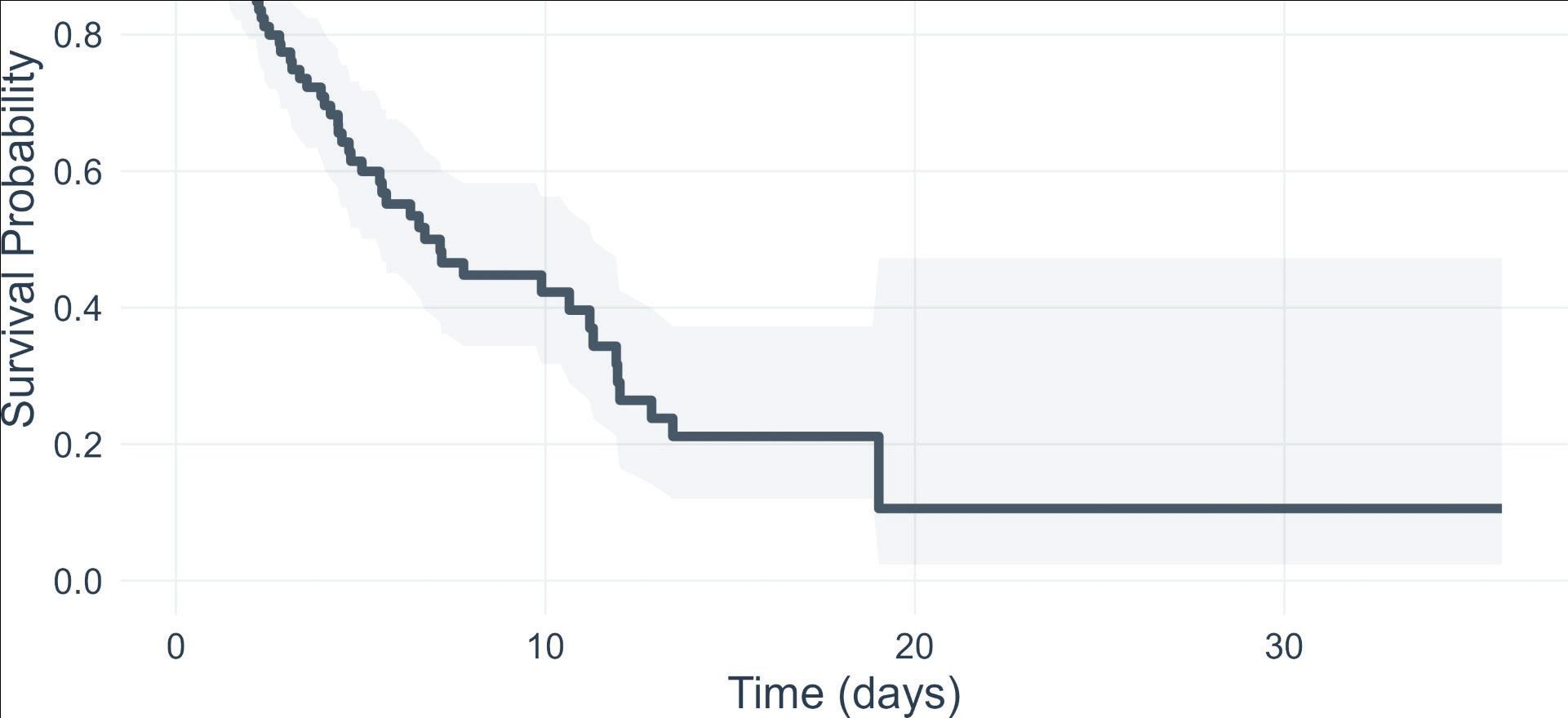
Figure 1: Overall Kaplan-Meier Survival Curve
Key Findings
• Legacy systems demonstrated consistently shorter survival times compared to updated systems, with median survival times of 12.1 days vs. 18.7 days, respectively.
• Phishing attacks demonstrated the most aggressive breach patterns, with a median survival time of only 8.9 days compared to 22.4 days for ransomware attacks.
• Poor patch management associated with reduced survival times (11.5 vs. 17.8 days)
Cox Proportional Hazards Model Results
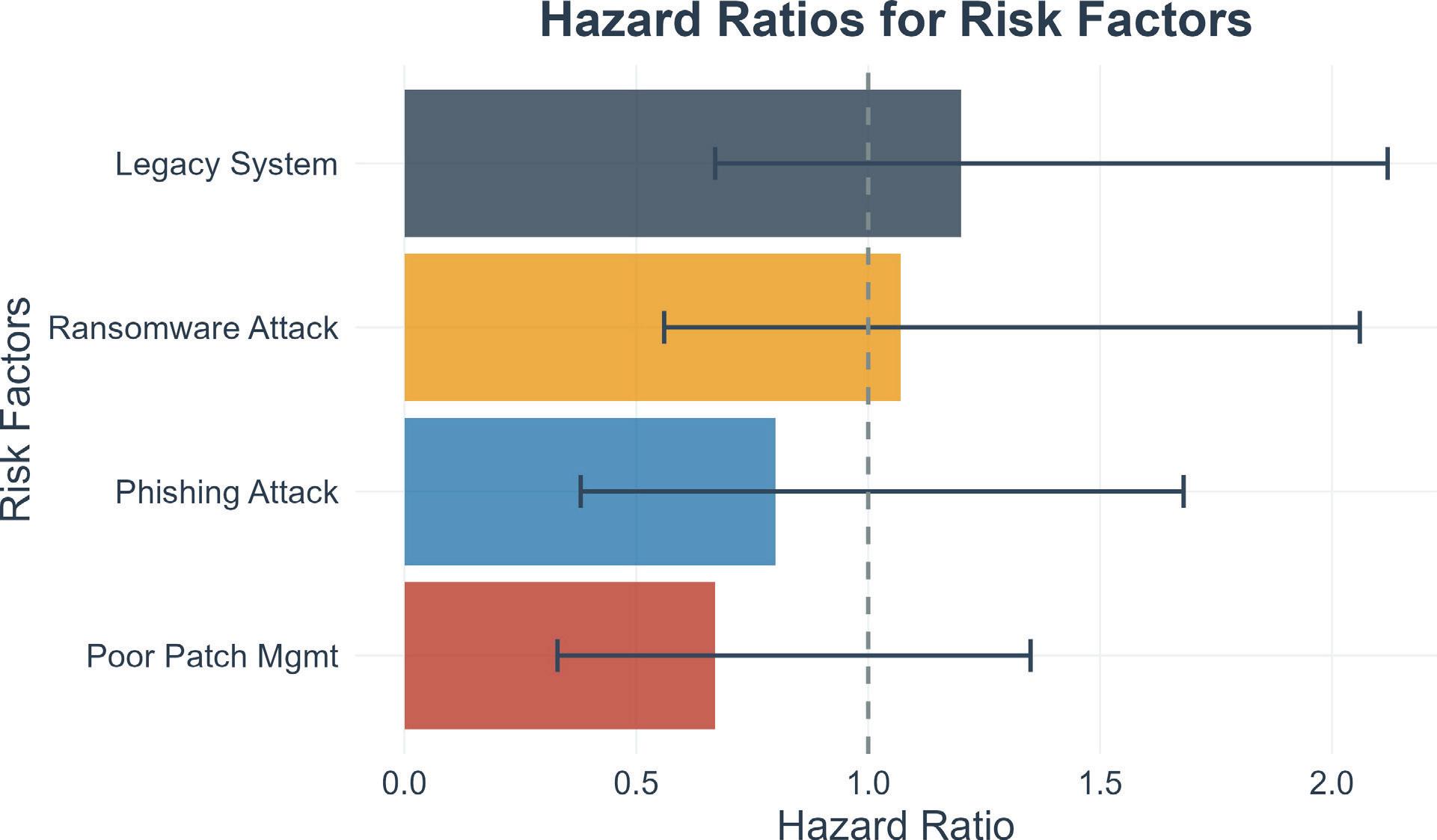
Table 3 presents the results from the Cox proportional hazards model analyzing risk factors for cybersecurity breaches.
Table 3: Cox Proportional Hazards Model - Risk Factor Analysis
Risk Factor Hazard Ratio (HR) 95% Confidence Interval p-value Interpretation
4.4.1Model Performance
• Concordance Index: 0.68 (indicating good predictive ability)
• Overall Model Significance: Highly significant (p < Log-rank tests confirmed significant differences in survival distributions.
Significance and Impact
Educational and Academic Impact
Undergraduate Research Excellence
Successful student progression from coursework to conference presentation demonstrates effective mentoring. Interdisciplinary Collaboration: Partnership between Computer Science and Mathematics departments exemplifies successful cross-departmental research.
Future Research Pathways
NSF Research Experiences for Undergraduates (REU) Program Submission Building on this RISE success, we are preparing an NSF REU submission (deadline August 2025) for a three-year, $405,000 program titled “Interdisciplinary Research in Pure and Applied Mathematics with Scientific Computing.” This will expand our dynamic modeling framework to support 8-10 undergraduate re- searchers annually from institutions nationwide, scaling our individual mentorship into a comprehensive summer research program.
Figure 2: Hazard Ratios Visualization
Conclusion
This progress report demonstrates significant advancement in applying survival analysis to cybersecurity applications. The work successfully achieves its primary objectives of developing a statistical framework for temporal risk assessment and provides actionable insights for cybersecurity practitioners. The collaboration between Computer Science and Mathematics departments exemplifies effective interdisciplinary research, and the successful conference presentation highlights the quality and impact of this undergraduate research initiative.
The findings support continued investigation in this area and position the research team well for future funding opportunities, including our upcoming NSF REU submission, and publication in peer-reviewed venues. The work contributes meaningfully to both the statistical methodology literature and practical cybersecurity applications.
Next Steps
1. Submit NSF REU proposal by end of August 2025
2. Manuscript preparation for journal submission based on cybersecurity results
3. Expansion to real-world dataset analysis
4. Development of software tools for practical implementation
5. Continued undergraduate research mentoring and training
References
1. Cox, David R. 1972. “Regression Models and Life-Tables.” Journal of the Royal Statistical Society: Series B (Methodological) 34 (2): 187–220.
2. Kaplan, Edward L, and Paul Meier. 1958. “Nonparametric Estimation from Incomplete Observations.” Journal of the American Statistical Association 53 (282): 457–81.
Novel Antiviral Target Development for Rotavirus Treatment
Alexis Thomas, Jada Henry and Lori Banks, Ph.D. Department of Biology, College of Arts and Sciences
Introduction
Ion channels are fundamental for the regulation of cellular ionic content and transmission of molecular signals within and between cells. As a testimony of their crucial importance, ion channels are found ubiquitously throughout all domains of life, including viruses. Viral encoded ion channels are called viroporins and are a diverse and growing family of viral virulence factors and are found in many important pathogens, including influenza, polio, HIV, SARS and hepatitis C virus. A few viroporins are part of the virus particle itself and these viroporins are important for virus entry and exit. In contrast, most viroporins are only synthesized in virus-infected cells and are designed to activate host signaling pathways necessary for virus replication, but the resulting aberrant cell function leading to clinically important diseases. My research focuses on the rotavirus (RV) nonstructural protein 4 (NSP4) viroporin, which is a fascinating and clinically important model system for viroporin-mediated disease. NSP4 specifically exploits host calcium (Ca2+) signaling pathways to promote RV replication. This increased Ca2+ signaling causes life-threatening diarrhea and vomiting, which kills more than 250,000 children each year even with wide-spread vaccination (1). There are no antiviral or antidiarrheal drugs available that can protect these children, but since NSP4 is both necessary for RV replication and RV diarrhea, my work to understand the mechanics of the NSP4 viroporin will produce candidate NSP4 inhibitors to lessen RV disease and to help save lives worldwide (1-3) (Fig 1).
Objectives:
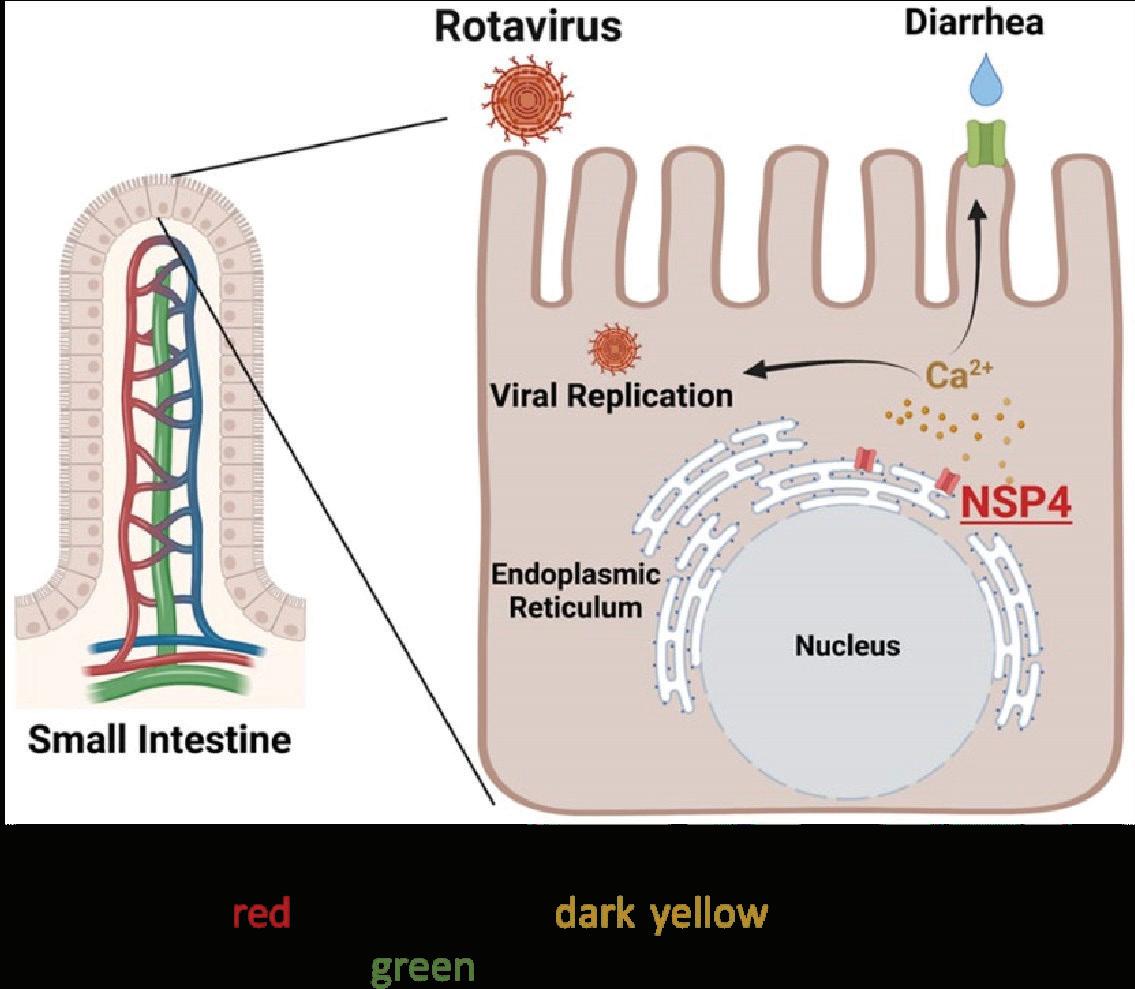
Aim 1) determine the effect of selected naturally occurring mutations on viroporin function, and Aim 2) determine the effect of selected mutations on NSP4 protein stability. Because of the overlap in data from the lab strain (SA11), and clinical reports suggesting a mechanistic role for Asn 77, we focused on point mutants for that position.
Methods:
Viroporin Assay
The viroporin activity of NSP4 truncation mutants was as previously described by Taube et. al. Plasmids encoding WT SA11 NSP4 residues 47-146 were transformed into BL21 (DE3) pLysS E. coli cells (Novagen) via heat shock at 42°C for 30 seconds and then recovered at 37°C for 1 hour, prior to plating onto LB agar (Research Products International) containing 1% glucose, 50 mg/mL carbenicillin, and 37 mg/mL chloramphenicol. Following overnight incubation at 37 °C, colonies from each permissive and control plate were counted to determine the percentage of loss-of-function mutants in the pool. The plates were then stored at 4 °C prior to kit plasmid DNA extraction in preparation for next-generation sequencing.
Western Blot
Plasmids encoding a single NSP4 variant were transformed into E. coli BL21 (DE3) pLysS as described above. Single colonies were picked and grown overnight at 37°C in LB broth containing 1% glucose, 50 mg/mL carbenicillin, and 37 mg/mL chloramphenicol, and shaken at 200 rpm overnight. The overnight culture was diluted 1:50 into fresh media with the same composition and grown until the optical density (OD) at 600 nm reached the range of 0.4-0.6. Next, Isopropyl ß-D-1-thiogalactopyranoside (IPTG) was added at a final concentration of 1mM, and cultures were monitored for changes in OD600 for 90 minutes. Measurements are reported as a fraction of the starting density of each culture. Whole cell lysate samples for NSP4 detection were collected at the 1 hr timepoint. Samples were diluted in Laemmli buffer to normalize for cell density. 15ul of each sample were loaded onto 4-20% gradient polyacrylamide gels for SDS-PAGE resolution. Separated proteins were transferred to PVDF membranes using the semi-dry Trans-Blot Turbo Transfer System (BioRad). NSP4 steady state levels were detected with custom rabbit NSP4 primary antibodies (Bethyl Laboratories) diluted 1:5,000 in TBST plus 1% powdered milk, then alkaline phosphatase-tagger secondary goat-anti-rabbit antibodies diluted to 1:10,000 TBST plus 1% powdered milk. Proteins were visualized with BCIP/NBT resuspended in water, and the reaction was stopped by replacing the solution with plain water.
Results
Our previous data suggested that Asn 77 was important for the pathogenic function of NSP4 without affecting protein insertion into the target membrane or protein stability. In the background of selected mutants identified in clinical surveillance reports of rotavirus outbreaks from Mexico and Iran, we also see a role for Asn 77 in viroporin (hole-poking) function as we saw loss of function phenotypes in single position 77 mutants. Later students will continue this work to increase the number of replicates and to identify the effect of these mutations on protein stability by Western blot. Students working on this project conducted the bacterial culturing, quantification of loss-of-function colonies, DNA extraction, data analysis, and preliminary manuscript section drafting.
Significance/Impact
These results suggest that Asn 77 is still a potentially viable small-molecule target for drug discovery studies as it can affect pathogenesis-related functions in NSP4 sequences from different rotavirus isolates. This is of particular interest as our sequences come from real, circulating populations of rotavirus generated with the selective pressures of infected human patients with complete immune systems. Future studies will address other positions of interest to complete a larger functional landscape of the protein. In parallel, graduate students are determining where these positions lie in relation to the membrane interface of the protein and monomer-contact points of the NSP4 pore complex.
Preparation of environmentally friendly transition metal complexes containing amino acids and aldehydes and their possible catalytic uses
Erin LeFleur and Gina Chiarella, Ph.D. Department of Chemistry and Physics, College of Arts & Sciences"
Introduction:
The persistent conflict between environmental sustainability and technological advancement presents a serious threat to the future of our society.1
Conventional technologies often contribute to environmental degradation by releasing pollutants, depleting natural resources, and disrupting ecosystems. This imbalance stems from numerous chemical processes and substances, including reactive radicals and ions generated during hydrocarbon combustion, industrial operations, and, to a lesser extent, within biological systems. In biological contexts, such harmful species are commonly formed through enzyme-catalyzed redox reactions, particularly those mediated by oxidoreductases.2 Among these reactive species, reactive oxygen species (ROS) and reactive nitrogen species (RNS)are especially notable for their deleterious effects.3 These compounds are implicated in a variety of pathological processes, including oxidative damage to nucleic acids, carcinogenesis, chronic inflammation, protein denaturation, and accelerated aging. Moreover, they contribute to environmental damage such as ozone layer depletion,4 aquatic toxicity, and soil contamination.5
ROS include oxygen-based radicals such as superoxide (O₂•₂), hydroxyl radical (•OH), hydroperoxyl radical (HO₂•), and peroxyl radicals (RO₂•), as well as non-radical species like hydrogen peroxide (H₂O₂), ozone (O₂), and hypochlorous acid (HOCl).6 RNS comprise compounds such as peroxynitrite (ONOO₂), peroxynitrous acid (ONOOH), nitrogen dioxide (NO₂•), and nitrosoperoxycarbonates.7
- Although biological systems have evolved mechanisms to manage these reactive species, the current levels of environmental pollutants far exceed natural detoxification capacities. This excess contributes to global climate change and poses significant risks to ecological stability and human health.
- A major source of organic peroxide contamination is the polymer industry, where these compounds serve as initiators in chain polymerization reactions.8 Common examples include hydroperoxides, ketone peroxides, peresters, monopercarbonates, dialkyl peroxides, perketals, diacyl peroxides, and percarbonates, along with their mixtures.
- Emerging research indicates that Fenton’s reagents may offer an effective method for degrading these persistent pollutants.9 Accordingly, the initial objective of this research project is the synthesis of transition metal complexes that mimic the active sites of oxidoreductase enzymes. These biomimetic compounds, designed to function in an environmentally benign manner, aim to facilitate the degradation of industrial organic peroxides, thereby contributing to pollution mitigation and enhanced sustainability.
Objectives
1. Design and explore the synthesis of metal complexes incorporating amino acids and aldehyde-based ligands.
2. Prepare transition metal complexes with various amino acids and aldehydes, followed by comprehensive chemical and physicochemical characterization.
3. To reduce the reaction time (from 144 hours to 30 minutes) using an environmentally friendly technique
4. Provide undergraduate students with hands-on training in synthetic methodologies, analytical instrumentation, and computational modeling, while fostering foundational and advanced research skills in bioinorganic, computational, and environmental chemistry.
Methodology
Synthesis of L-Histidine-Acetyl Acetone Ligand
The experiment was carried out using a Discover 2.0 microwave synthesizer. A 1:1 molar ratio of Lhistidine and acetylacetone was reacted at 100 °C for 30 minutes in a water/ethanol solvent system to synthesize the L-histidine–acetylacetone (ACAC-HIS) ligand. Following microwave irradiation, the reaction mixture was cooled to room temperature, and the solvent was evaporated until crystalline material formed.
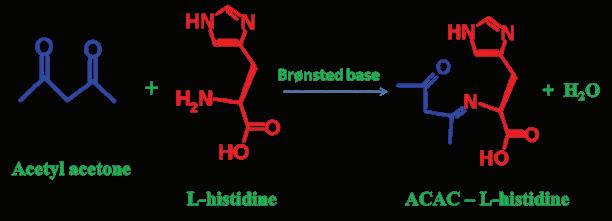
In a subsequent step, the ACAC-HIS ligand was reacted with acetate salts of zinc(II), copper(II), nickel(II), and cobalt(II) in a 2:1 ligand-to-metal molar ratio using ethanol as the solvent. This reaction was also performed under microwave-assisted conditions at 70 °C for 20 minutes. The resulting metal complexes were then removed from the synthesizer, dried, and subjected to further characterization.

Results and Discussion
The ACAC-HIS ligand was synthesized in significantly reduced time compared to traditional methods reported in the literature, utilizing a microwave-assisted technique. The identity and structural features of the ligand were confirmed by Fourier-transform infrared (FTIR) spectroscopy. The FTIR spectra revealed characteristic changes consistent with ligand formation, indicating that the microwave-assisted synthesis, which typically requires up to 144 hours under conventional conditions, was successfully completed in approximately one hour.
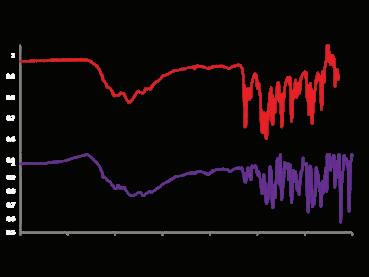
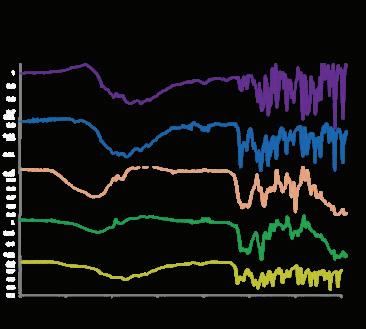
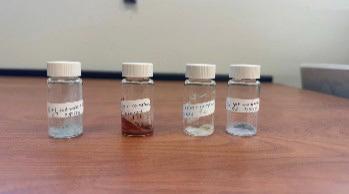
The synthesized ACAC-HIS ligand was subsequently reacted with four different metal ions copper(II), zinc(II), cobalt(II), and nickel(II) to form coordination complexes. These reactions were also carried out under microwave-assisted conditions, with reaction times ranging from 15 to 20 minutes. The resulting metal complexes were characterized by FTIR spectroscopy.
Nickel, Cobalt, zinc, and copper complexes
The products exhibited distinct color changes compared to their respective metal precursors, suggesting the formation of new compounds. The FTIR spectra of the metal complexes differed notably from those of the free ligand and starting metal salts, confirming the occurrence of coordination reactions and the successful synthesis of the desired metal-ligand complexes.
Impact/Benefit
This project demonstrated the superiority of the microwave-assisted synthesis technique compared to traditional reflux-based methods. The advantages of microwave-assisted synthesis include significantly reduced reaction times, lower solvent consumption, decreased energy usage, and the formation of purer products. These benefits were clearly observed in the preparation of the ACACHIS Schiff base and its corresponding metal complexes, highlighting the potential of microwave irradiation as a more sustainable and efficient synthetic approach.
In this study, the Schiff base ligand L-histidine-acetylacetonimine (ACAC-HIS) was successfully synthesized and subjected to preliminary characterization, along with its coordination complexes containing copper(II), nickel(II), cobalt(II), and zinc(II).
Preparation of environmentally friendly copper and nickel complexes containing Lhistidine and ketones and their possible catalytic uses
Kenton Moore and Gina Chiarella, Ph.D. Department of Chemistry and Physics, College of Arts & Sciences
Introduction
Metal ions are fundamental components of all living organisms and play essential roles in numerous biochemical processes.10 Many enzymes key biological catalysts contain metal centers critical to their function.11 For metal ions to be integrated into biological systems, they must be soluble in aqueous or hydrogenated solvents, typically through the formation of salts or coordination compounds that can subsequently interact with biomolecules. While metal–biomolecule interactions are vital for cellular processes, certain interactions, particularly involving heavy metals, can be toxic and lead to cellular poisoning or intoxication.
Despite these risks, metal ions are indispensable in various physiological pathways, including enzymatic reactions and drug interactions in medicinal chemistry. Metal complexes are also employed as enzyme inhibitors in the treatment of specific diseases.12 Beneficial metal ions are often incorporated into or associated with bioorganic ligands, such as those found in membrane transport proteins (transportomes) that regulate ion movement across cell membranes.13
Complexation of metal ions with proteins is known to mitigate the formation of reactive oxygen species (ROS), thereby preventing oxidative damage.14 Amino acids, acting as Lewis bases, serve as effective ligands in metal coordination, a principle observed in metalloenzyme structures. Research has shown that amino acids with multiple donor atoms are especially prone to metal binding. Notably, L-histidine,15 Laspartic acid, and L-glutamic acid each possess three donor atoms oxygen from carboxyl groups and nitrogen from amino or imidazole groups making them particularly effective in metal coordination.16 Transition metal ions, especially those of the first row, exhibit dual roles in biological systems: they are essential cofactors in enzymatic catalysis but can also contribute to toxicity and protein misfolding. In vertebrates, such misfolding is linked to neurodegenerative disorders, including Alzheimer’s disease, which currently affects over 50 million people globally and is projected to rise to 150 million by 2050.17 Once symptoms appear, significant protein conformational changes have typically already occurred, and no effective treatment currently exists. In plants, protein misfolding is often associated with evolutionary adaptation to environmental stressors, including exposure to heavy metals. One focus of this project is the role of heavy metal-induced stress in protein misfolding. Interactions between metal ions and amino acid residues are fundamental to protein structure and function. Disruption of these interactions can lead to protein denaturation, altered activity, and the onset of disease or adaptive responses.
The objective of this research is to investigate the coordination chemistry of firstrow transition metal ions with amino acids. This includes the synthesis and characterization of metal–amino acid complexes, with emphasis on their spectroscopic signatures, redox properties, optical behavior, and structural features. Ultimately, we aim to enhance understanding of the relationship between metal-induced protein misfolding and its implications in both disease progression and biological adaptation.
Objectives
1. The project aims to prepare different transition metal complexes using the Schiff bases containing ophenylenediamine, salicylaldehyde, and acetylacetone.
2. Prepare a nano compound version of nickel histidine.
3. To use a green chemistry synthetic technique, as microwave-assisted synthesis
4. to reduce energy consumption and solvent, and reduce the reaction time (from 48 or 72 hours to 5 to 10 minutes)
5. Train undergraduate students in synthetic, analytical, and computational techniques, as well as in basic and advanced research in bioinorganic, computational, and environmental chemistry.
Methodology
All experiments were performed using a Discover 2.0 microwave synthesizer. The Schiff base ligands SAL-o-phen and ACAC-o-phen were synthesized in ethanol under microwave-assisted conditions, with stirring for 5 minutes at 30 °C. The resulting ligands were filtered, dried, and stored for subsequent coordination reactions with transition metal ions.
The prepared SAL-o-phen (in blue color) and ACAC-o-phen (in pink color) ligands were then reacted with metal(II) acetate salts in ethanol at 40 °C for 30 minutes using the microwave synthesizer. Following irradiation, the reaction mixtures were removed from the instrument, the solvents were evaporated, and the products were filtered. Preliminary chemical characterization was conducted on the resulting metal complexes.
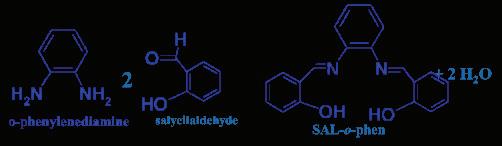
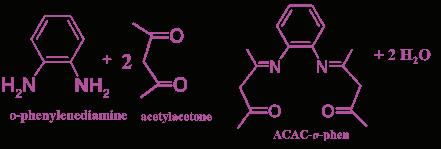


Additionally, a nickel–histidine nanocomposite was synthesized via a microwaveassisted method, demonstrating the versatility of this technique in preparing coordination compounds and nanomaterials.
Results and Discussion
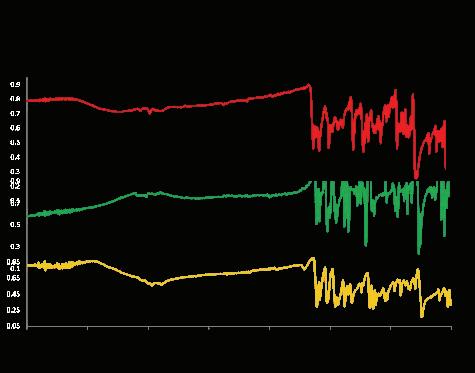
The ligands SAL-o-phen and ACAC-o-phen were synthesized using a microwave-assisted technique, which significantly reduced reaction times compared to conventional methods reported in the literature. Ligand identity and structural features were confirmed by Fourier-transform infrared (FTIR) spectroscopy.
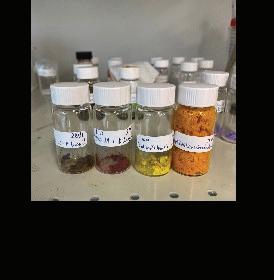
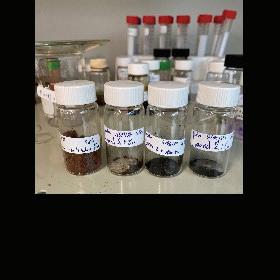
The FTIR spectra exhibited characteristic vibrational shifts indicative of successful Schiff base formation. Notably, the microwave-assisted synthesis, which conventionally requires up to 72 hours, was completed in approximately five minutes under the optimized conditions.
Following ligand synthesis, SAL-o-phen and ACAC-o-phen were reacted with three transition metal ions —copper(II), zinc(II), and nickel(II)—to form coordination complexes. These reactions were also performed under microwaveassisted conditions, with reaction times ranging from 5 to 210 minutes, depending on the metal-ligand system. The resulting metal complexes were isolated and characterized by FTIR spectroscopy, confirming successful coordination and the formation of new metal–ligand bonds.
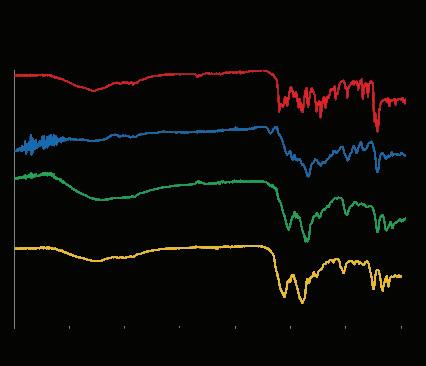
The products exhibited distinct color changes compared to their respective metal precursors, suggesting the formation of new compounds. The FTIR spectra of the metal complexes differed notably from those of the free ligand and starting metal salts, confirming the occurrence of coordination reactions and the successful synthesis of the desired metal-ligand complexes.
Impact/Benefit
This project demonstrated the clear advantages of microwave-assisted synthesis over traditional refluxbased methods. The microwave approach offers significantly reduced reaction times, lower solvent consumption, decreased energy usage, and the formation of higher-purity products. These benefits were
evident in the efficient synthesis of the Schiff base ligands SAL-o-phen and ACACo-phen, as well as their corresponding metal complexes, underscoring the potential of microwave irradiation as a more sustainable and efficient synthetic strategy.
In this study, the Schiff base ligands SAL-o-phen and ACAC-o-phen were successfully synthesized using microwave-assisted techniques and underwent preliminary characterization. Their coordination complexes with copper(II), nickel(II), and zinc(II) were also prepared and characterized, demonstrating the effectiveness of this method for rapid and clean synthesis of metal–ligand systems.
References
1. Chege, S. M., Wang, D. Technology in Society 2020, 60, 101210
2. McCord, J. M.; Fridovich, I. J. Biol. Chem. 1969, 244, 6049. (b) Miao, L.; St. Clair, D. K. Free Radical Bio. Med. 2009, 47, 344.
3. Requena, J. R. ; Groth, D.; Legname, G.; Stadtman, E. R.; Prusiner, S. B.; Levine, R. L. P. Natl. Acad. Sci. USA. 2001, 98, 7170.
4. Stadtman, E. R.; Oliver, C. N. J. Biol. Chem. 1991, 266, 2005
5. Ren L, Zhang J, Zou Y, Zhang L, Wei J, Shi Z, Li Y, Guo C, Sun Z, Zhou X, Silica nanoparticles induce reversible damage of spermatogenic cells via RIPK1 signal pathways in C57 mice, International Journal of Nanomedicine, 2016, 11, 2251-2264, 6 Bayr, H. Reactive oxygen species. Soc. of Critical Care Medicine. 2005, 33, S498.
6. Phaniendra A., Babu Jestadi D., Periyasamy L. Free Radicals: Properties, Sources, Targets, and Their Implication in VariousDiseases. Indian J. Clinical Biochem.2015, 30, 11.
7. L-C Tsai, Y-T Tsai, C-P Lin, S-HLiu, T-C Wu, C-M Shu. Isothermal versus non-isothermal calorimetric technique to evaluate thermokinetic parameters and thermal hazard of tert-butyl peroxy-2-ethyl hexanoate . J Therm Anal Calorim, 2012, 109, 1291– 1296
8. K. Barbusiński, K. Filipek. Use of Fenton's Reagent for Removal of Pesticides from Industrial Wastewater. Polish Journal of
9. Environmental Studies. 2001, 10 (4), 207-212
10. Shoaib et al., J Proteomics Bioinform 2013, 6:7
11. Kathryn L. Haas and Katherine J. Franz. Application of Metal Coord. Chem. To Explore and Manipulate Cell Biol. Chem. Rev. 2009, 4921
12. Angelique Y. Louie and Thomas J. Meade. Metal Complexes as Enzyme Inhibitors. Chem. Rev. 1999, 99, 27112734
13. Dietrich H. Nies Metallomics, 2016, 8, 481
14. Debbie C. Crans, Kateryna Kostenkova Communications Chemistry, 2020, 3:104
15. R. Jj. Sundberg and R. B. Martin Chemical Reviews, 1974, Vol. 74, No. 4
16. B. Corradia, G. Lusvardia, L. Menabuea, M. Saladinia, P. Sgarabotto Polyhedron 18 (1999) 1975–1982 17 https://www.sciencedaily.com/releases/2019/10/191015140243.htm
Counting the Future: Navigating the Impacts on Texas Population
Sandra Wambaa and Aliakbar Montazer Haghighi, Ph.D. Department of Mathematics, College of Arts and Sciences
Abstract
Population growth modeling is essential for urban planning, resource allocation, and policymaking. In this study, the population of Texas is analyzed to determine the most accurate distribution model for predicting future population trends. Various statistical distribution types, such as Logistic, Linear, and Exponential are compared using data obtained from the Census Bureau, along with a conducted simulation to predict Texas’s population in 2040. Preliminary results indicate that several models yield similar estimates, suggesting a close alignment in their predictive capabilities. However, further regression analysis is being conducted to refine these predictions and determine which model provides the most precise and reliable forecast for future population growth in Texas.
Keywords: Migration; Demography; Population Density; Simulation Growth; Exponential Growth; Linear Growth; Logistic Growth 1
Introduction
The U.S. Census mainly measures the country’s total population, with additional demographic data, such as race and immigration status. When data is recorded, the growth of a population, whether negative or positive, helps the state of Texas and national politicians and administrators to analyze changes, make necessary plans and/or improvements needed to be implemented. Most populations studies use quantitative methods, for example census data and surveys, along with qualitative methods, which may include case studies, Ethnographic studies, and focus groups. This study compares mathematical models: exponential, logistic, and linear, along with simulation to predict Texas' future population growth using data from the U.S. Census Bureau (specifically, from 2010 to 2020).
Methodology
To analyze Texas population growth, we utilized MATLAB to simulate and predict future population trends based on similar past data from the U.S. Census Bureau. Three modeling approaches were applied: Linear Growth, Exponential Growth, and Logistic Growth. Each model was used to generate projections for 2040, with results visualized through comparative graphs.
Modeling Approaches
1. Simulation: MATLAB simulations were used to explore potential future scenarios, incorporating the exponential growth formula and varying conditions such as migration, economic trends, and policy shifts. This method allowed for dynamic forecasting beyond deterministic models.
2. Linear Growth: Linear regression was applied to assess trends in population growth based on historical data. This model is effective for identifying steady, long-term trends but may oversimplify during periods of rapid change
3. P(t) = mx +b
4. Exponential Growth: This model assumes a constant growth rate, ideal for short-term projections in rapidly expanding regions. It highlights how population can accelerate under favorable conditions but lacks consideration for resource limits.
5. P(t) = p0 ekt
6. Logistic Growth: To account for environmental constraints and carrying capacity, the logistic model was employed. It provides a more realistic longterm outlook by modeling how growth slows as resources such as land, water, and infrastructure become limited especially relevant for fast-growing urban centers like Austin and Houston. 2 where


This multi-model approach allowed for a robust comparison of growth patterns and supported more nuanced insights into Texas’s potential demographic future. In summary, this study will analyze population growth in Texas using linear regression, exponential growth models, and logistic regression, while also using MATLAB simulations to forecast the state’s population in 2040. This approach will help us understand the complexities of population dynamics and provide valuable insights for future planning and decision-making.
Texas Population from 2010 and 2020
Data gathered from Census Bureau (2010 & 2020)
Projected Population for Texas in 2040 with Linear Regression
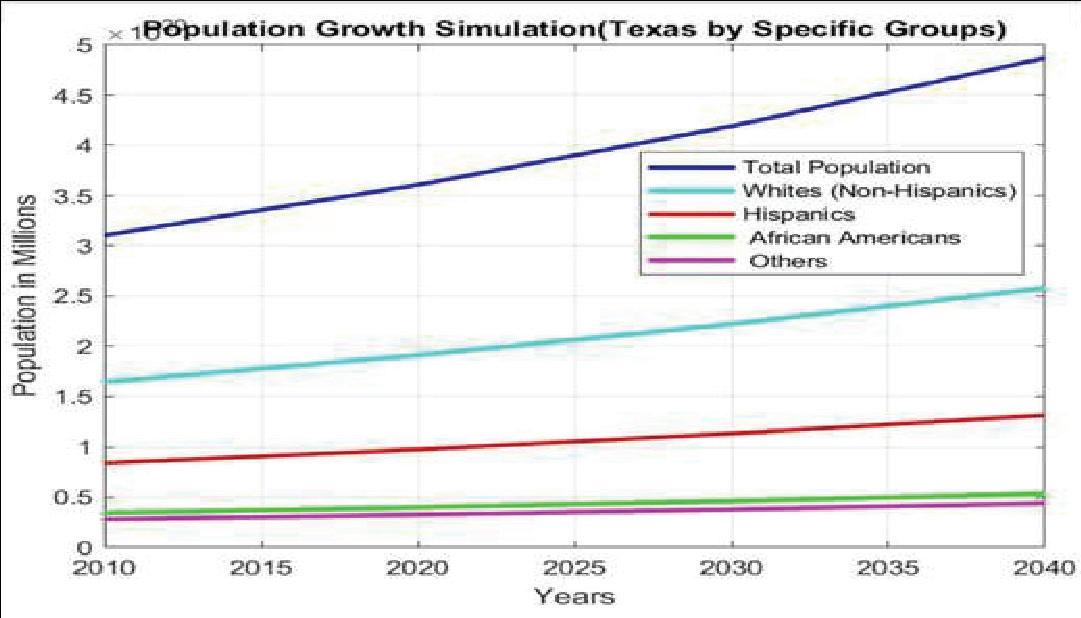
1
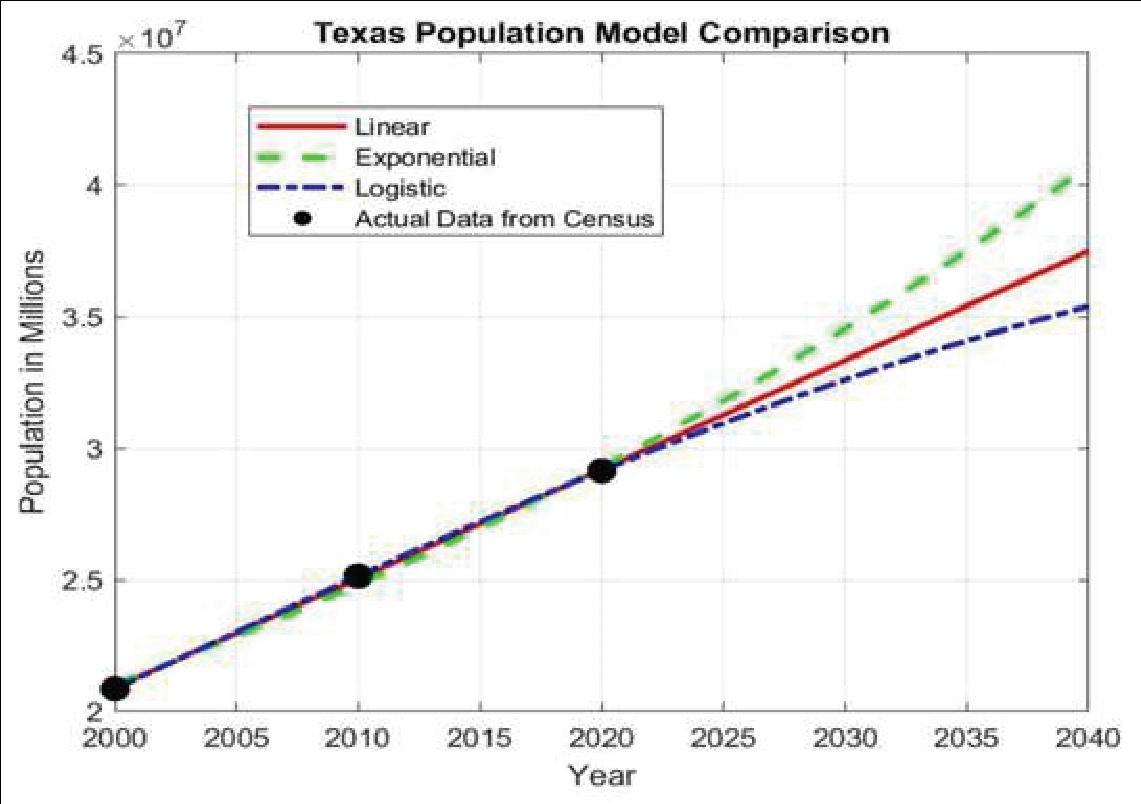
2
Results
Based on the calculations and simulations conducted for predicting the population of Texas in 2040, the exponential growth model produced the closest result to the simulated population estimate. This model's projections aligned most accurately with the observed data trends, demonstrating its effectiveness in modeling the population growth patterns observed between 2010 and 2020. However, error analysis is still ongoing to further assess the accuracy of these predictions. The analysis is focused on identifying potential sources of error and determining whether any discrepancies between the model outputs and the simulated results are due to assumptions made in the modeling process, data limitations, or other external factors. As part of this, we are carefully reviewing each model’s residuals and considering potential adjustments to improve predictive reliability.
Conclusion
This study explored various models to predict Texas' population growth by 2040, with the exponential model providing the most accurate prediction based on simulated results. The findings emphasize the importance of selecting the appropriate growth model to ensure reliable future projections. Future research will focus on a more detailed analysis of the specific demographic groups that make up Texas' population. By examining factors such as age groups,
Figure
Figure
ethnicities, and migration patterns, a deeper understanding of how different segments contribute to overall growth can be achieved. Additionally, investigating the effects of rapid population growth in Texas will provide valuable insights for policymakers and urban planners in managing resources and infrastructure in the years ahead. Another potential area for future exploration could involve analyzing the impact of technological advancements and urbanization on population distribution. Understanding how innovations in transportation, housing, and employment could influence migration patterns and regional population growth would provide further insight into the dynamics of Texas' future population trends.
References
1. Bureau, U. C. (2025, January 21). History of the U.S. Census Bureau Census.gov. https://www.census.gov/about/history.html
2. Doe, A. and White, P. (2018). Exponential vs. logistic models in population studies: A case study of Texas. Texas Journal of Population Studies, 12(3), 45-56.
3. https://doi.org/10.5678/tjps.2018.12
4. Haghighi, Aliakbar Montazer and Wickramasinghe, Indika R. (2020). Probability, Statistics and Stochastic Processes for Engineers and Scientists, by Taylor & Francis Group, LLC/ CRC Press.
5. Smith, J. and Brown, L. (2019). Modeling population growth in urban areas: A comparative approach. Journal of Demographic Research, 34(2), 112-130.
6. https://doi.org/10.1234/jdr.2019.034
7. Texas population by year, county, race, and more. USAFacts (2025, January 27). https://usafacts.org/data/topics/people-society/populationanddemographics/ourchangingpopulation/state/texas/?endDate=2020-0101&startDate=2010-01-01
8. U.S. Census Bureau. (2020). Texas Population Data 2010-2020. Retrieved from
Degradation of Dye by Graphitic Carbon Nitride
Jared London and Yingchun Li, Ph.D. Department of Chemistry & Physics, College of Arts & Sciences
Introduction
This experiment investigates the effectiveness of photocatalysts in breaking down dye molecules in solution. Photocatalysis is a promising method because it uses light to activate a catalyst, which can degrade harmful organic compounds. For this study, we tested graphitic carbon nitride (g-C₃N₃) with hydrogen peroxide (H₃O₃) to evaluate how well it could degrade methyl orange dye. Understanding these reactions is important because similar processes could one day be applied in industry to reduce dye pollution and make consumer products safer.
Methodology
1. Measured 85 mL of deionized water in a graduated cylinder.
2. Weighed 0.20 g of graphitic carbon nitride.
3. Combined 10 mL of hydrogen peroxide with the 85 mL of deionized water in a beaker.
4. Added 0.20 g of catalyst to the H₃O₃–water solution.
5. Measured 5 mL of methyl orange dye in a separate beaker.
6. Mixed the dye with the catalyst solution in a petri dish placed on a hot plate.
7. Collected the first sample (300 μL) into a cuvette, then diluted with 700 μL of deionized water.
8. Repeated sampling every 15 minutes for all vials.
Results

Analysis
Each cuvette was scanned using a spectrophotometer set at 468 nm. The absorbance readings indicate how much light passes through the solution. A gradual decline in absorbance over time would confirm that the catalyst is actively degrading the dye, since the solution becomes less concentrated in color as degradation progresses.
Racial Microaggressions and Bystander Intervention at an HBCU
Delicia Drain and Anne Lippert, Ph.D. Department of Psychology, College of Arts and Sciences
Introduction
Racial microaggressions are subtle insults, invalidations, or offensive behaviors that demean people of color, often in ways that are difficult to confront directly (Sue et al., 2019). Research has consistently shown that persistent exposure to racial microaggressions contributes to “racial battle fatigue” (Smith et al., 2011), which is linked to psychological distress, harmful behavioral coping strategies, and negative physical outcomes (Marks et al., 2021, 2022; Nadal et al., 2019; Wong et al., 2014). On college campuses, both interracial and intraracial microaggressions are widespread, impacting students’ well-being and academic persistence (Harwood et al., 2012; Palmer & Maramba, 2015; Brown et al., 2005).
Although bystander intervention has been identified as a key strategy for disrupting racial microaggressions (Sue et al., 2019; McMahon & Banyard, 2012), prior research has primarily focused on predominantly White institutions. Bystander responses to racial microaggressions at historically Black colleges and universities (HBCUs) remain unexplored, despite the likelihood that the context, including the greater prevalence of intraracial microaggressions, differs from other institutional settings (Proctor-Reyes, 2023). In addition, factors such as ethnic identity and trauma history may uniquely influence HBCU students’ likelihood to intervene (Clayton et al., 2023; Kistler et al., 2022; Reynolds et al., 2024).
Objectives
The overarching goal of this project is to increase understanding of racial microaggressions and bystander intervention within an HBCU context. To achieve this, the study pursues the following objectives:
O1: Identify the prevalence and characteristics of racial microaggressions on an HBCU campus.
O2: Characterize bystander responses and barriers to responsiveness regarding racial microaggressions occurring on an HBCU campus.
O3: Determine whether factors such as intra- versus inter-racial microaggressions, gender, ethnic identity, and trauma history influence a student’s likelihood to intervene.
Method
Participants were recruited from an HBCU campus to complete a comprehensive survey assessing experiences with racial microaggressions, observed microaggressions, and bystander responses. The survey also measured individual difference variables such as gender, ethnic identity, and trauma history. Both closed- and open-ended items were used to capture quantitative and qualitative dimensions of the phenomenon. The study is currently in the data analysis phase. Planned analyses include descriptive statistics to establish prevalence rates, regression models to examine predictors of bystander intervention, and thematic analysis of open-ended responses to identify common barriers and strategies.
Results
At this stage, no results are available because the project is in the data analysis phase.
Significance and Impact
This project addresses a critical gap in the literature by being among the first to systematically examine racial microaggressions and bystander intervention at an HBCU.
Findings will:
• Provide a detailed account of both interracial and intraracial microaggressions in a context where they are under-studied.
• Clarify barriers and facilitators of bystander action, with attention to individual difference factors.
• Inform the development of tailored bystander intervention training programs for HBCU students.
• Contribute to institutional efforts to improve campus climate, promote student wellbeing, and support academic persistence.
Improve the Performance of Liquid Crystalline Elastomer for Anisotropic Tissue Engineering Scaffold Applications
Haneen Thamer Abdulridha and Yunxiang Gao, Ph.D. Department of Chemistry, College of Arts and Sciences
Introduction
Liquid crystals (LCs) are molecules composed of a rigid, aromatic, rod-like core and flexible aliphatic tails. Due to this molecular structure, LC molecules interact strongly and generate long-range molecular order even in the liquid state, a phase between crystalline solids and isotropic liquids. The LC molecules forming liquid crystalline phases are referred to as mesogens. When lightly crosslinked, liquid crystalline elastomers (LCEs) form. These unique materials combine the long-range molecular order of liquid crystals with the elasticity of polymers, resulting in extraordinary physical properties not typically observed in other synthetic materials. LCEs are capable of large, reversible shape transformations driven by temperature changes, making them promising candidates for artificial muscles in soft robotics, actuators, smart scaffolds, and anisotropic tissue engineering.1
Objective
This project investigates how modifying the pre-crosslinking molecular alignment of LCE monomers, achieved through a subtle adjustment in the conventional synthesis process, can significantly influence the post-synthetic performance of LCE-based anisotropic tissue engineering scaffolds. The goal is to establish better strategy to improve LCE robustness for enhanced cell alignment control in anisotropic tissue engineering.
Method
The research introduced a modified chemical mixing sequence during LCE synthesis. Instead of adding elastic molecules to cooled molten LC molecules for co-polymerization as all literatures followed,2 we mixed elastic molecules and LCE molecules together for melting. The resulting materials were systematically characterized using tensile analysis to evaluate mechanical strength, differential scanning calorimetry (DSC) to measure the nematicisotropic phase transition, Raman mapping to study molecular alignment at the microscopic level, and atomic force microscopy (AFM) to probe nanoscale structural features. These analyses provided insights into how molecular alignment prior to crosslinking controls the structural and functional properties of LCEs.
Results
Our modified synthesis produced LCE polymer chains that were ten times longer than those obtained by conventional methods. In shorter chains, the same mass corresponds to a greater number of chains and chain termini, which increases
the presence of dangling, un-crosslinked ends. In contrast, the significantly extended chain length achieved in our method minimizes these un-crosslinked defects, resulting in enhanced mechanical strength, a higher nematic– isotropic transition temperature, and improved crystalline alignment. As illustrated in Scheme 1, when elastic molecules are added to cooled molten LC molecules for copolymerization, the LC molecules self-assemble into crystalline microdisks (left vial). The inter-disk regions contain fewer crosslinking monomers, leading to weaker network formation. Conversely, when elastic molecules and LC molecules are mixed together prior to melting, the elastic molecules insert between the LC molecules, preventing self-assembly into microdisks upon cooling (right vial), which enables the formation of a more uniform and robust polymer network. Overall, our findings demonstrate that even subtle adjustments to pre-crosslinking molecular alignment can produce substantial LCE performance improvements.
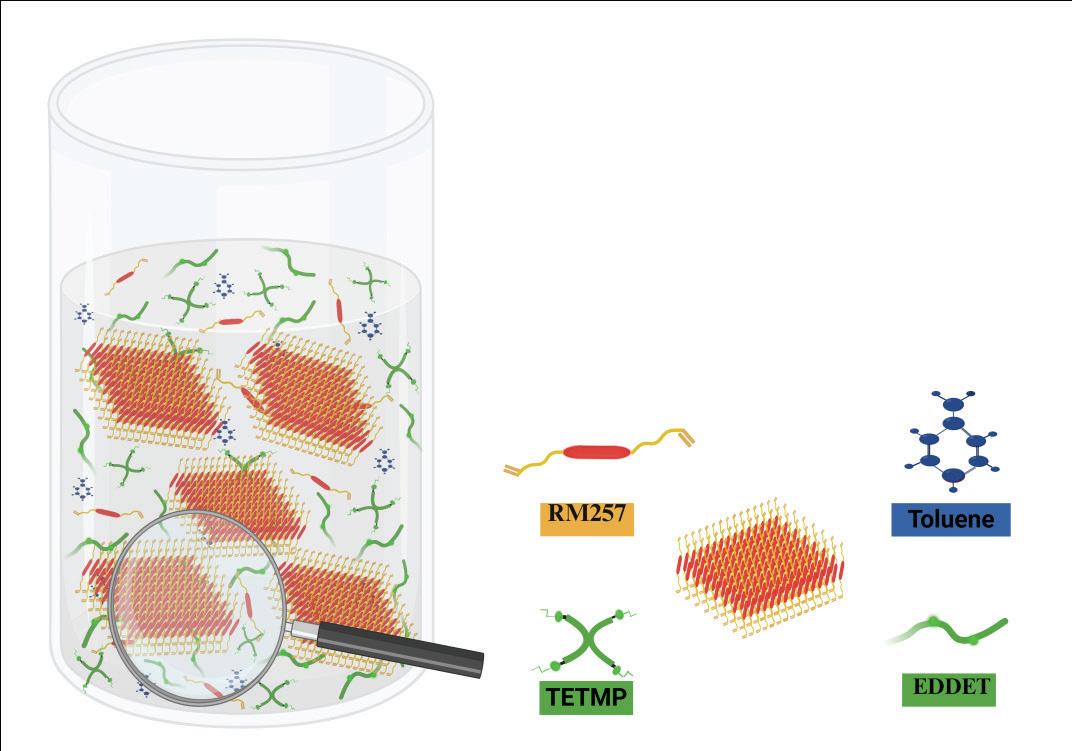

Scheme 1. Conventional synthesis forms self-assembled LC microdisks before crosslinking (left), while our modified co-melting approach prevents microdisk formation and yields a uniform precrosslinking molecular distribution (right). Cartoons are drawn by the RISE-supported undergraduate student Haneen Abdulridha via BioRender.
Additionally, the presence of self-assembled LC microdisks in the conventional method commonly used in the field, and their elimination in our modified approach, have been confirmed through Raman mapping and AFM tensile tests, providing strong support for our proposed mechanism.
Significance and Impact
This study represents an important step toward designing performance-improved LCE materials. By refining the synthesis process with the RISE-supported undergraduate student, we can unlock new pathways for developing chemically anisotropic scaffold for tissue engineering. The findings highlight a simple yet powerful strategy to control LCE properties, offering broad implications for smart materials, biomedical scaffolds, and responsive systems where precision molecular engineering translates directly into enhanced macroscopic performance.
Current Grant-Seeking and Publication Activities
We are collaborating with RISE student Haneen Abdulridha to prepare a manuscript for submission to a flagship chemistry journal. In parallel, we are working with a bioengineering researcher, Dr. Feng Zhao, at Texas A&M University to develop a proposal for the NSF HBCU Research in Excellence program, with a submission deadline in mid-October. Letter of Intent has been submitted in July 2025.
References
1. Ula, S. W.; Traugutt, N. A.; Volpe, R. H.; Patel, R. R.; Yu, K.; Yakacki, C. M. Liquid Crystal Elastomers: An Introduction and Review of Emerging Technologies. Liq. Cryst. Rev. 2018, 6 (1), 78–107.
2. ResDeticD, A.; Dolinar, B.; Kralj, S.; Slugovc, C. Shape Programming of Liquid Crystal Elastomers: A Review of Current Methods and Applications. Commun. Chem. 2024, 7, 78.
Emotional Childhood Abuse and Adult High-Risk Behaviors in Women
Sydnie Harris and Darron Garner, Ph.D. Department of Social Sciences, College of Arts and Sciences
Abstract
Early maltreatment predicts maladaptive outcomes, yet the independent impact of specific abuse subtypes is understudied. Using survey data from 201 community-dwelling women in the southcentral United States, we examined whether emotional, physical, and sexual childhood abuse differentially forecast five adult high-risk behaviors. Participants completed multi-item Likert indices of childhood abuse and adult self-injury, substance misuse, school/work disruption, and misdemeanor and felony offending. Ordinary-least-squares regressions tested simultaneous effects of the three abuse subtypes; standardized betas, 95 % confidence intervals (CIs), and variance-inflation factors (VIFs) were reported. Emotional abuse uniquely predicted self-injury (β = .15, 95 % CI =.01–.29), substance misuse (β = .20, CI =.06–.34), school/work problems (β = .38, CI =.13–.63), misdemeanors (β = .14, CI =.05–.23), and felonies (β = .04, CI =.01–.07). Physical and sexual abuse were non-significant after emotional abuse entered, and multicollinearity was low (all VIFs < 1.6). Emotional maltreatment explained 4–27 % of outcome variance, underscoring its cross-domain influence and supporting emotion dysregulation models. Routine screening for emotional abuse and emotion-focused interventions (e.g., DBT, STAIR) may mitigate multiple behavioral risks in trauma-exposed women.
Keywords: emotional abuse; adverse childhood experiences; women; self-injury; substance misuse; justice involvement Author & Affiliation
Introduction
Large epidemiological studies (Felitti et al., 1998; Merrick et al., 2019) demonstrate a graded, dose–response relationship between adverse childhood experiences (ACEs) and later mental health and behavioral disorders. Meta-analyses report that childhood physical and sexual abuse elevate odds of substance dependence two- to four-fold (Choi et al., 2022), whereas emotional abuse has been linked to self-injury and suicidality via deficits in emotion regulation (Liu et al., 2020). Still, evidence is mixed. Some population surveys find that controlling for co-occurring abuse types attenuates sexual-abuse effects (Maniglio, 2010), whereas others uphold sexual abuse as the single strongest predictor of adult violence (Walsh et al., 2019). Methodological heterogeneity fuels these inconsistencies: many studies rely on single-item ACE checklists that reduce complex trauma histories to binary “yes/no” responses, which can oversimplify both severity and context (Bethell et al., 2017; Briggs et al., 2021; Ford et al., 2014). Others collapse distinct abuse subtypes such as emotional, physical, and sexual maltreatment into aggregated “total adversity” scores, which obscures the unique psychological and behavioral sequelae associated with each
type (Briggs et al., 2021). Furthermore, justice-system outcomes (e.g., arrests, convictions, or incarceration) are frequently excluded or only superficially measured in trauma studies, despite being critical markers of behavioral risk and systemic involvement. These methodological limitations hinder the field’s ability to detect specific pathways from early trauma to adult functioning, particularly among high-risk populations such as women with intersecting experiences of abuse, marginalization, and institutional contact. In addition, women’s experiences are often analyzed together with men’s despite gendered pathways to harm (Curran et al., 2021).
Addressing these gaps, the present study applied multi-item scales to a womanonly, urban sample, allowing a fine-grained test of the relative contributions of emotional, physical, and sexual abuse to five discrete adult risk domains. Emotion-focused theories (Linehan, 1993; Teicher & Samson, 2016) posit that chronic emotional maltreatment including repeated exposure to belittling, humiliation, rejection, or emotional unavailability can lead to lasting disruptions in neural circuitry related to emotion regulation, impulse control, and executive functioning. Neurobiological studies show that such experiences are associated with alterations in the development of the prefrontal cortex, amygdala, and hippocampus, regions critical to stress response and behavioral regulation (Teicher & Samson, 2016; McCrory, Gerin, & Viding, 2017). As a result, individuals subjected to sustained emotional abuse may develop heightened reactivity to stress, reduced tolerance for distress, and maladaptive coping strategies such as self injury, substance use, or aggression. These disruptions can have cross-domain effects, meaning they manifest across multiple areas of functioning including mental health, interpersonal relationships, education, and legal involvement regardless of whether physical or sexual trauma also occurred. Importantly, emotional abuse may be more pervasive and insidious than other trauma types, often occurring in early attachment relationships and being harder to detect or validate socially and clinically. This may contribute to its under-recognition in research and practice, even as it exerts profound and persistent influence on developmental and behavioral trajectories.
The purpose of this study is to examine whether emotional, physical, and sexual childhood abuse differentially predict a spectrum of adult high-risk behaviors among urban women. Specifically, the study seeks to determine whether each form of abuse contributes uniquely to outcomes such as self-injury, substance misuse, educational and vocational disruption, and involvement with the justice system. By isolating the independent effects of these trauma subtypes, the study moves beyond cumulative adversity models and provide a more nuanced understanding of how early relational harms shape later behavioral risks. This targeted approach is particularly important for informing gender-responsive, trauma-informed interventions that address the root causes of adult behavioral health challenges. The findings have implications for assessment protocols, suggesting the need for comprehensive screening tools that capture the full emotional landscape of early abuse experiences. This study elevates the visibility of emotional maltreatment, a historically under-examined trauma domain, while contextualizing its impact alongside more widely recognized forms of childhood abuse.
Objectives
Objectives of this study was to:
a. estimate the prevalence and severity of each abuse subtype, and quantify how commonly emotional, physical, and sexual abuse occurred in the childhood histories of the women in the sample, as well as to measure the intensity or chronicity of those experiences.
b. Describe the distribution of five adult behavioral outcomes by examining how these behaviors are distributed within the sample, using metrics such as means, standard deviations, and prevalence rates; the study provides a comprehensive profile of the behavioral health landscape among communitydwelling women with trauma histories.
c. Test multivariate associations between abuse subtypes and adult outcomes to examine the unique and combined effects of emotional, physical, and sexual abuse on five distinct adult behavioral outcomes. Research questions 1. Which childhood abuse subtype(s) independently predict adult selfinjury, substance misuse, school/work problems, misdemeanor crime, and felony crime?
2. Do the strengths of these relationships differ across outcome domains?
Hypotheses
• H1: Childhood emotional abuse will exhibit significant positive relationships with each adult outcome after controlling for physical and sexual abuse.
• Ho: Physical and sexual abuse will not independently predict adult outcomes once emotional abuse is entered.
Method
A quantitative, cross-sectional study design was employed to analyze secondary data obtained from the Trauma Research survey, administered in March 2025. This design was selected to facilitate the exploration of associations between childhood trauma subtypes and various adult behavioral outcomes at a single point in time, without manipulating variables. The data, originally collected for program evaluation and exploratory research purposes, consisted of selfreported responses from a convenience sample of adult behavioral health service users. Data collection spanned a six-week period, during which participants completed a Qualtrics survey with a unique pin number following informed consent procedures. The cross-sectional nature of the design allowed for a snapshot of lifetime experiences and current behaviors, providing the basis for testing multivariate relationships between early abuse exposures and adult functioning within a real-world community mental health context.
The target population for this study consisted of adult behavioral health service users affiliated with a community-based mental health and trauma recovery agency located in the south-central region of the United States. These
individuals were either currently receiving or had recently accessed outpatient or supportive services related to trauma, emotional distress, or behavioral concerns. The sampling frame was bounded by the agency’s active client roster during the study window and included individuals who had been identified by staff as appropriate for participation based on preliminary screening for trauma history. Eligibility Criteria – To participate in the study, individuals had to meet the following criteria: (1) be 18 years of age or older, ensuring adult consent and alignment with legal definitions of adulthood; (2) self-identify as female, aligning with the study’s gender-specific focus on women’s trauma and behavioral outcomes; (3) report a history of any form of childhood adversity, including abuse, neglect, or household dysfunction; and (4) possess sufficient English literacy to read and complete the study materials independently or with minimal assistance. These inclusion criteria were designed to ensure conceptual relevance and the ability to understand and accurately respond to the survey instruments.
The study employed a consecutive convenience sampling strategy; whereby eligible participants were approached by trained staff or study personnel as they presented for routine appointments or group sessions. No randomization was employed. Out of 249 individuals initially invited, 201 (83.7%) met the gender inclusion criterion (self-identified as women), agreed to participate, and provided informed consent. Specifically, with three predictor variables (emotional, physical, and sexual abuse) entered simultaneously in each model, the study retained 86% power to detect an effect size of f² ≥ 0.25, assuming a significance level of α = .05. This suggests good sensitivity to identify meaningful relationships between trauma subtypes and adult behavioral outcomes, while recognizing that smaller effects may have gone undetected due to sample size limitations. All participants resided in a large metropolitan region of the southcentral United States. These demographic and geographic factors should be considered when interpreting external validity, as patterns of abuse exposure and help-seeking may differ in other regions or cultural contexts.
Instruments
Construct Scale (items) α
Emotional abuse 3 abuse + 2 neglect items (1 = Never, 5 = Always) .84
Physical abuse 5 abuse items .79
Sexual abuse 5 abuse items .88
Self-injury 6 suicide-ideation/attempt items .85
Substance misuse 4 alcohol/drug items .80
School/work problems 5 absenteeism/suspension items .82
Misdemeanor crime 8 non-violent offenses .77
Felony crime 7 violent/property offenses .75
All measurement scales used in the study were adapted from well-established instruments, specifically the Adverse Childhood Experiences (ACEs) questionnaire and various Lifetime Risk Behavior Inventories commonly used in trauma and behavioral health research (Dahlberg et al., 2005; SAMHSA, 2014). These instruments have been widely validated across diverse populations and are known for their utility in assessing early life adversity and subsequent risk-
related behaviors. For this study, item sets were selected and modified to ensure they were developmentally appropriate, contextually relevant, and aligned with the lived experiences of urban dwelling women receiving behavioral health services. Each abuse subtype emotional, physical, and sexual was represented by multiple Likert-scale items capturing frequency, severity, and relational context. Similarly, outcome domains such as self-injury, substance use, school/work problems, and criminal behavior were assessed using multiple behaviorally specific items. Composite scores were calculated by averaging responses across each domain. Internal consistency was evaluated using Cronbach’s alpha, and all scales demonstrated acceptable to strong reliability coefficients (α = .75–.88), supporting their use in subsequent analyses. This rigorous approach to scale development ensured both psychometric integrity and sensitivity to the multidimensional nature of trauma and its effect (Briere & Spinazzola, 2005; Ford et al., 2014; Cloitre et al., 2009).
Procedures
The study protocol received approval from the Prairie View A&M University Institutional Review Board (IRB #2025-062). Participants provided written informed consent, were assured of anonymity, and received a unique PIN to access the Qualtrics survey on a clinic computer or personal device. Average completion time = 25 minutes. Once the six-week data collection period concluded, all responses were exported from Qualtrics into SPSS (Statistical Package for the Social Sciences) for cleaning and analysis. In the transfer, the researcher assured data integrity, including proper variable labeling, recoding of categorical responses, handling of missing data, and computation of composite scores. SPSS allowed for efficient data management, reliability testing, and descriptive and inferential statistical analyses, including the multivariate regression models used to assess the relationships between childhood abuse subtypes and adult behavioral outcomes.
Data Analysis
SPSS 28 and statsmodels (Python 3.11) were used. Composite scores were means of valid items (≥ 80 % item completion). Pearson correlations screened bivariate relations. Five separate OLS regressions regressed each adult outcome on the three abuse predictors; p < .05 (two-tailed) denoted significance. Multicollinearity diagnostics (tolerance and VIF) were examined for all predictors; values indicated low overlap (VIF range = 1.15–1.58), supporting the stability of regression estimates.
Results
Among the 201 women in the sample, reported exposure to childhood abuse was widespread, with particularly high rates of physical and emotional maltreatment. When applying a threshold of “Sometimes” or more frequent on the 5-point Likert scale (1 = Never, 5 = Always), the following prevalence rates emerged: Emotional abuse: 70% of participants reported experiencing verbal attacks, rejection, or emotional neglect at least "sometimes" during childhood, suggesting a significant
burden of psychological harm. Physical abuse: 89% reported being subjected to acts of physical aggression such as hitting, pushing, or threats with objects meeting or exceeding the same frequency threshold. This underscores the high rate of direct bodily harm within this clinical sample. Sexual abuse: 51% of respondents indicated exposure to unwanted sexual contact or coercion at least "sometimes" in childhood, confirming that over half of the sample endured sexually invasive trauma during their formative years.
In addition to measuring abuse histories, the study assessed current or lifetime engagement in five high-risk behavioral domains, also on a 5-point frequency scale. The mean scores for each outcome were as follows: Self-injury (e.g., suicide ideation or attempts): M = 2.78, indicating that, on average, participants reported self-harming behaviors between "rarely" and "sometimes." Substance misuse (e.g., alcohol or drug problems): M = 1.53, suggesting low but present levels of engagement, with responses typically falling between "never" and "rarely." School/work problems (e.g., suspensions, job loss): M = 1.65, pointing to occasional disruptions in educational or vocational functioning. Misdemeanor criminal activity (e.g., shoplifting, disorderly conduct): M = 1.15, indicating infrequent but notable involvement in lower-level legal infractions. Felony criminal behavior (e.g., assault, theft): M = 1.05, reflecting minimal endorsement of more serious criminal activity, though still present in the sample. These descriptive statistics confirm that while not all participants exhibited the same levels of behavioral risk, many experienced overlapping patterns of trauma and dysfunction. The high prevalence of abuse particularly emotional and physical and the measurable presence of risk behaviors across domains, support the need for a trauma-informed framework to guide both clinical practice and further analysis.
To assess the unique contribution of each childhood abuse subtype to adult behavioral outcomes, five separate ordinary least squares (OLS) regression models were conducted one for each outcome variable: self-injury, substance misuse, school/work problems, misdemeanor crime, and felony crime. Each model included emotional abuse, physical abuse, and sexual abuse as simultaneous predictors. The standardized beta coefficients (β) and corresponding p-values for each predictor are summarized below, along with the adjusted R², which indicates the proportion of variance in the outcome explained by the model, accounting for the number of predictors.
Table 1
Regression Results for Abuse Subtypes Predicting Adult Outcomes
Across all five behavioral outcomes, emotional abuse emerged as the only statistically significant and consistent independent predictor, even when controlling for the effects of physical and sexual abuse. This finding supports the hypothesis that emotional maltreatment plays a central role in shaping later risk behaviors among women exposed to trauma. For self-injury, emotional abuse was positively associated with lifetime incidents (β = .15, p = .045), while physical and sexual abuse were unrelated, suggesting that internalized distress and dysregulation may stem primarily from emotional harm. In the substance misuse model, emotional abuse again showed a strong positive relationship (β = .20, p = .007), implying that emotional trauma may underlie the development of maladaptive coping mechanisms like drug and alcohol use. School and work disruptions were most strongly predicted by emotional abuse (β = .38, p = .005), with physical abuse showing a marginally significant inverse association (β = −.32, p = .08), potentially reflecting variability in adaptive functioning across different abuse profiles. For misdemeanor criminal behavior, emotional abuse retained a robust positive association (β = .14, p = .002), while neither physical nor sexual abuse reached significance, indicating a behavioral pathway from emotional harm to externalized, non-violent legal infractions. In the model for felony crime, emotional abuse remained a modest but statistically significant predictor (β = .04, p = .029), and physical abuse approached significance (β = .04, p = .09), suggesting a potential interaction or shared contribution for more serious offenses.
The adjusted R² values ranged from .04 (self-injury) to .27 (misdemeanor crime), indicating that while abuse histories account for a modest to moderate amount of variance in adult behavioral outcomes, emotional abuse consistently contributed to those effects. Notably, sexual abuse was non-significant across all five models, reinforcing the importance of disaggregating abuse types in trauma research rather than assuming equal impact across domains. These findings provide compelling evidence that emotional abuse, often underrecognized in both clinical and research settings, may exert a more pervasive and crosscutting influence on adult behavior than physical or sexual abuse alone.
Discussion
Consistent with the directional hypothesis, the findings revealed that emotional maltreatment was the only abuse subtype to remain a statistically significant predictor across all five adult behavioral outcomes. It uniquely explained between 4% and 27% of the variance, depending on the specific outcome, underscoring its broad and pervasive impact. These results align closely with biosocial models of emotion-dysregulation (Linehan, 1993), which theorize that individuals who experience chronic emotional invalidation in early life such as being ignored, belittled, or chronically criticized develop impaired emotion regulation systems. This emotional dysregulation can manifest in a wide range of externalizing behaviors (e.g., aggression, substance use, legal involvement) and internalizing behaviors (e.g., self-injury, withdrawal, academic disengagement) as maladaptive attempts to manage distress.
From this perspective, emotional abuse is not simply a co-occurring trauma but may be a core developmental disruptor, laying the groundwork for behavioral patterns that persist into adulthood. The robust and consistent effect of emotional abuse, even when physical and sexual abuse are statistically controlled, suggests that the psychological damage caused by emotional maltreatment may have deeper or more enduring consequences than previously acknowledged in trauma research. This has important implications for theory, suggesting that emotion dysregulation pathways may serve as a key mechanism linking early emotional harm to later functional impairments across multiple life domains. Contrary to findings from some large-scale population-based studies that have positioned childhood sexual abuse as one of the most potent predictors of long-term behavioral and psychological harm, the present study found that sexual abuse lost its explanatory power in every multivariate model once emotional abuse was included as a covariate. This suggests that the unique variance attributable to sexual abuse may, in part, be accounted for by co-occurring emotional maltreatment, which often accompanies or follows sexual trauma particularly when the abuse is ignored, minimized, or disbelieved by caregivers. This finding reinforces Maniglio’s (2010) proposition that the psychological impact of trauma may be shaped less by the type of traumatic event itself and more by how that trauma is processed and validated (or invalidated) within interpersonal and familial contexts. Emotional invalidation such as neglect, denial, or shaming in response to a child’s disclosure may mediate or even amplify the downstream effects of other trauma types by exacerbating shame, confusion, and emotional disconnection. In this way, emotional abuse and neglect are not merely coexisting adversities but may function as critical contextual factors that intensify the severity or chronicity of trauma responses, including those originating from physical or sexual abuse. These findings challenge the traditional trauma hierarchy that places sexual abuse at the top in terms of predictive value and suggest a need for integrative models that account for the emotional context in which all forms of abuse occur. They also underscore the importance of screening for and addressing emotional maltreatment in both research and clinical practice, even when more overt forms of abuse are present. While gender-specific analyses were central to this study, the intersection of gender with race/ethnicity and socioeconomic position likely shapes both exposure to emotional maltreatment and access to protective resources. For example, structural racism and poverty may amplify the consequences of childhood emotional invalidation by limiting supportive school environments or trauma-informed care. Future work should employ intersectional frameworks to clarify how multiple identities jointly moderate the pathways observed here.
Limitations
The use of a convenience sample drawn from a single community behavioral health agency in the south-central United States and predominantly composed of Black and Latina women limits the generalizability of findings to other racial/ethnic groups or geographic regions. Participants may differ systematically from other trauma-exposed women in ways that affect both their abuse histories and behavioral outcomes (e.g., help-seeking tendencies, treatment exposure).
However, this sample also represents a critically underserved population often excluded from trauma research. Including women of color from communitybased care settings offers valuable insight into the real-world manifestations of abuse and behavioral outcomes among populations disproportionately affected by systemic inequities. These findings may have particular relevance for tailoring trauma-informed interventions in urban, racially diverse communities. All data were collected via self-report surveys, which introduces the potential for response bias. Participants may have under-reported sensitive or stigmatized experiences such as childhood sexual abuse or criminal activity due to shame, fear of judgment, or memory distortion. Conversely, over-reporting may occur in individuals who overattribute current struggles to past trauma or who seek validation through clinical settings. These biases could lead to either under- or overestimation of the true prevalence and severity of abuse and its behavioral correlates. Nonetheless, self-report remains a widely accepted method in trauma research, particularly for capturing subjective experiences that may not be accessible through administrative or observational data. The anonymity and privacy of the survey format likely increased disclosure relative to in-person interviews.
The study did not include several potentially important covariates that could confound or moderate the relationships under investigation. For instance, variables such as current mental health diagnoses (e.g., PTSD, depression), protective factors (e.g., social support, resilience), and treatment history were not assessed. These factors could significantly influence both the likelihood of reporting trauma and the expression of adult behavioral outcomes. Their omission limits the ability to fully understand the contextual and interactive effects that shape trauma recovery or risk pathways. Despite this limitation, the study’s focus on disaggregating abuse subtypes offers a novel and parsimonious approach that lays important groundwork for future multivariate and longitudinal research. The clarity of this design enhances interpretability while providing direction for subsequent studies to incorporate more complex biopsychosocial models.
Implications
The findings strongly support the integration of routine screening for emotional maltreatment into behavioral health assessments, particularly when working with adult women. While many practitioners rely on standard ACEs checklists, these tools often reduce emotional abuse to a single item or omit it entirely, failing to capture its frequency, intensity, and relational context. Clinicians should consider using expanded trauma inventories or structured interviews that explore emotional invalidation, rejection, and verbal aggression more comprehensively. In terms of intervention, the results highlight the utility of evidence-based therapies such as Dialectical Behavior Therapy (DBT) and Skills Training in Affective and Interpersonal Regulation (STAIR), which directly target emotion dysregulation a likely mechanism linking emotional abuse to behavioral outcomes. Because emotional abuse was associated with diverse forms of risk (e.g., self-injury, substance misuse, legal involvement), such interventions may produce broad-spectrum benefits when tailored to trauma survivors' regulatory challenges.
From a policy standpoint, the study underscores the need to elevate the prevention of emotional abuse to the same level of urgency typically afforded to physical or sexual maltreatment. Funding streams and legislative initiatives should prioritize the development and dissemination of parent-training programs, positive discipline curricula, and early childhood interventions that promote emotionally supportive caregiving and discourage verbal hostility, shaming, or neglect. Programs like Nurturing Parenting, Triple P (Positive Parenting Program), and Circle of Security can be particularly effective in breaking intergenerational cycles of emotional harm. Additionally, mental health and child welfare policies should encourage trauma-informed system reforms that recognize the cumulative effects of non-physical abuse and support traumaresponsive screening and service delivery in schools, juvenile justice, and healthcare setting.
This study opens several avenues for future investigation. To establish causal pathways and strengthen theoretical models, researchers should pursue larger, longitudinal designs that track individuals from childhood into adulthood. Such studies could identify mediating mechanisms such as emotion dysregulation, attachment insecurity, or neurobiological stress reactivity through which emotional abuse leads to behavioral dysfunction. Additionally, future research should examine moderating variables that may buffer or exacerbate these effects, including social support, race/ethnicity, socioeconomic status, and access to trauma-informed care. Expanding the sample size and diversity would also allow for subgroup analyses that illuminate how cultural, gendered, and systemic factors interact with personal trauma histories. Ultimately, a more nuanced and intersectional approach is needed to inform effective, equitable interventions and policies aimed at reducing the long-term burden of emotional abuse.
References
1. Correspondence concerning this article should be addressed to Darron Garner, Department of Social Work, Prairie View A&M University, Prairie View, TX 77446, USA. Email: dgarner@pvamu.edu
2. Bath, H. (2015). The three pillars of trauma-informed care: Strengthening the therapeutic milieu in residential treatment. *Reclaiming Children and Youth, 23*(4), 17–24.
3. Choi, K., DiNitto, D., & Choi, B. (2022). Childhood abuse and adult substance use: A metaanalysis. *Addictive Behaviors, 130*, 107266. https://doi.org/10.1016/j.addbeh.2022.107266
4. Curran, E., Adamson, G., Stringer, M., & Rosato, M. (2021). Adverse childhood experiences and risky behaviors in adulthood: Sex-specific pathways. *Child Abuse & Neglect, 119*, 104721. https://doi.org/10.1016/j.chiabu.2021.104721
5. Felitti, V. J., Anda, R. F., Nordenberg, D., Williamson, D. F., Spitz, A. M., Edwards, V., ... & Marks, J. S. (1998). Relationship of childhood abuse and household dysfunction to many of the leading causes of death in adults. *American Journal of Preventive Medicine, 14*(4), 245–258. https://doi.org/10.1016/S0749-3797(98)00017-8
6. Linehan, M. M. (1993). *Cognitive-behavioral treatment of borderline personality disorder*. Guilford Press.
7. Liu, R. T., Trout, Z. M., Hernandez, E. M., Cheek, S. M., & Gerlus, N. (2020). Emotional abuse and non-suicidal self-injury among college women: The mediating role of emotion dysregulation. *Journal of Affective Disorders, 273*, 247–254. https://doi.org/10.1016/j.jad.2020.04.026
8. Maniglio, R. (2010). Child sexual abuse in the etiology of violence: A systematic review. *Trauma, Violence, & Abuse, 10*(1), 31–44. https://doi.org/10.1177/1524838008320269
9. Merrick, M. T., Ford, D. C., Ports, K. A., & Guinn, A. S. (2019). Prevalence of adverse childhood experiences from the 2011–2014 Behavioral Risk Factor Surveillance System. *JAMA Pediatrics, 173*(3), e190740. https://doi.org/10.1001/jamapediatrics.2019.0740
10. Teicher, M. H., & Samson, J. A. (2016). Annual research review: Enduring neurobiological effects of childhood abuse and neglect. *Journal of Child Psychology and Psychiatry, 57*(3), 241–266. https://doi.org/10.1111/jcpp.12507
11. Walsh, K., Koenen, K. C., Aiello, A. E., Uddin, M., & Galea, S. (2019). Childhood sexual abuse and adulthood interpersonal violence risk in women. *Journal of Consulting and Clinical Psychology, 87*(1), 106–118. https://doi.org/10.1037/ccp0000362
Utilizing Data Science to Explore Heart Disease Health Disparities with All of Us
Kiano Kelly, Tobenna Okezie, and Kiesha Pierre, Ph.D. Department of Mathematics, College of Arts and Sciences
Introduction
We live in the digital age where vast amounts of data are generated daily. The interdisciplinary field of data science provides the tools and techniques to extract meaningful insights and make predictions from data. This project will utilize data from the All of Us Research Program. The goal of All of Us is to increase minority participation in biomedical research to improve the health outcomes for everyone in our diverse population [1].
Historically, people of color are underrepresented in medical research. One main reason for the lack of representation is mistrust of the health care system [2].
While this mistrust stems from the unethical practices employed in biomedical research involving people of color like the Tuskegee Syphilis study and the unauthorized use of Henrietta Lacks’ cells. It is reinforced by the current disparities in health outcomes and health care experiences [3].
According to the U.S. Centers for Disease Control and Prevention (CDC), heart disease is the leading cause of death for adults in Texas [4]. Heart disease encompasses any condition that affects the heart and blood vessels. The most common type of heart disease is coronary artery disease (CAD).
Objectives
The objectives of this study are:
• Examine the incidence of CAD based on demographics among Black participants
• Identify risk factors associated with CAD in Black participants.
• Develop machine learning models to predict the occurrence of CAD in Black participants.
• Evaluate the models based on accuracy, specificity, sensitivity, and the Area Under the Receiver Operating Characteristic Curve (ROC AUC) score.
Methods
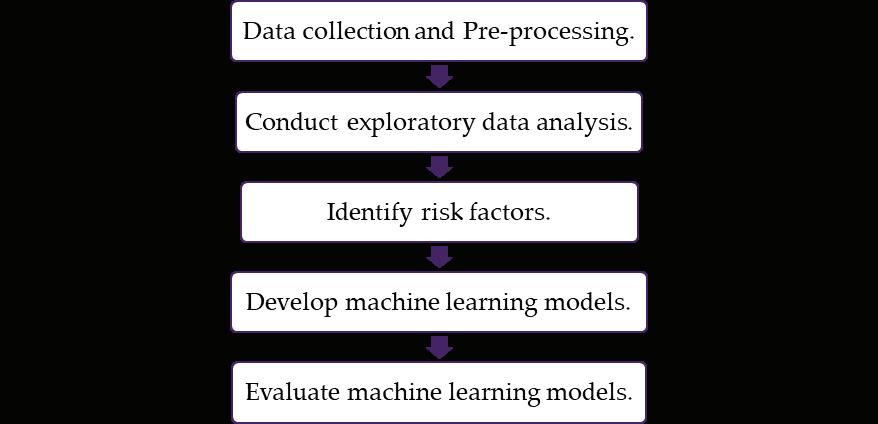
Results
To date, this study has conducted an exploratory data analysis on the demographics of the 7078 Black participants diagnosed with CAD. Approximately 55 % were assigned female at birth and the majority were identified as non-Hispanic or Latino. The mean age of the participants was 66 years. Most had completed high school and some college but had not earned a college degree. About 75 % reported annual income below $25,000 or provided nonsubstantive responses regarding income. The largest number of participants (n = 1411) were from Illinois, while Texas ranked 11th with 183 participants.
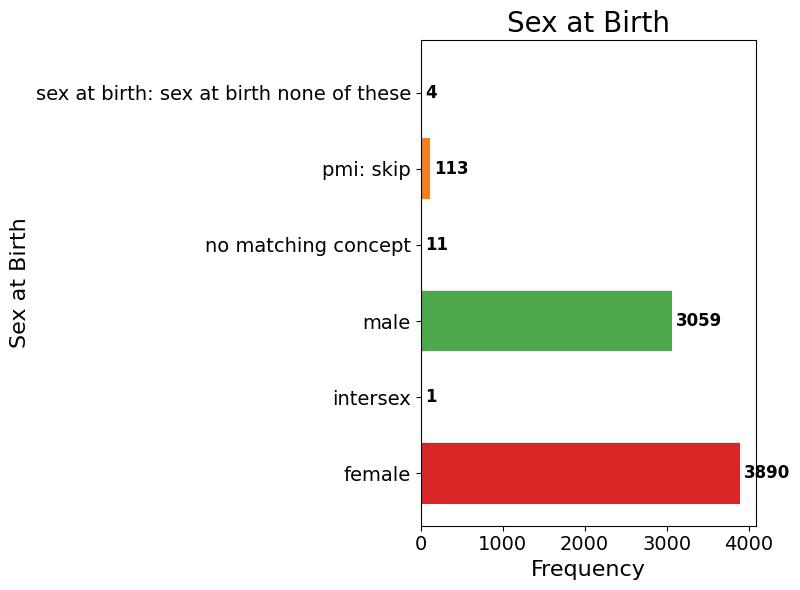
Figure 1: Sex at Birth of Black Participants with CAD
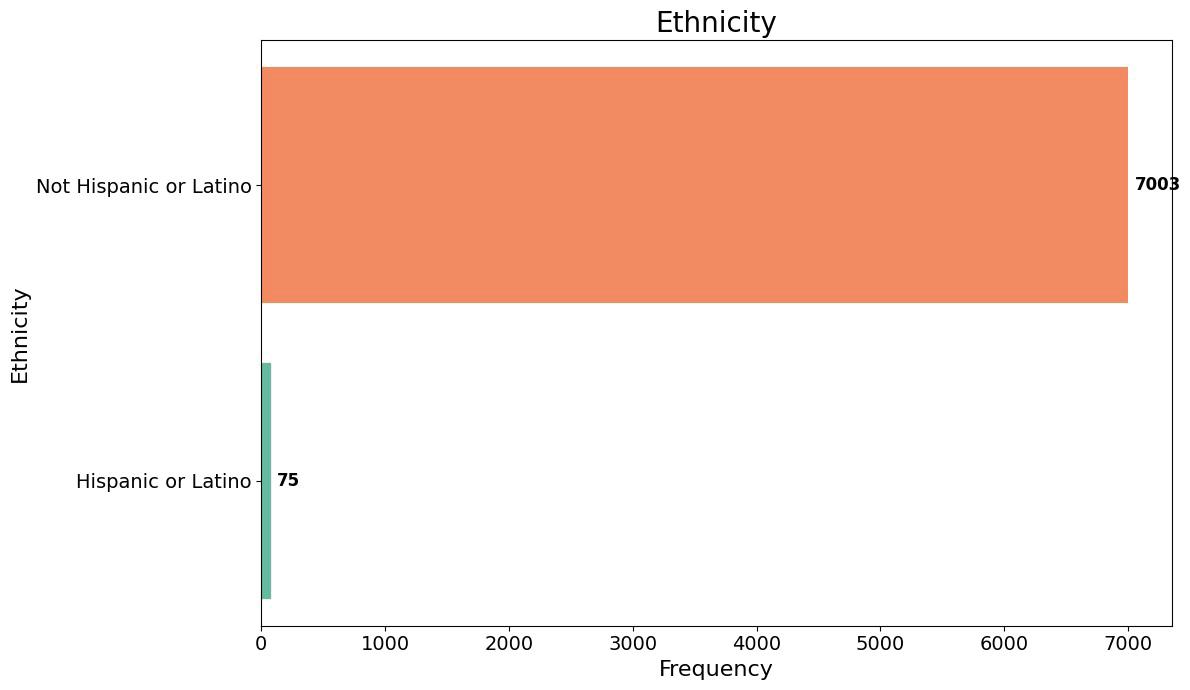
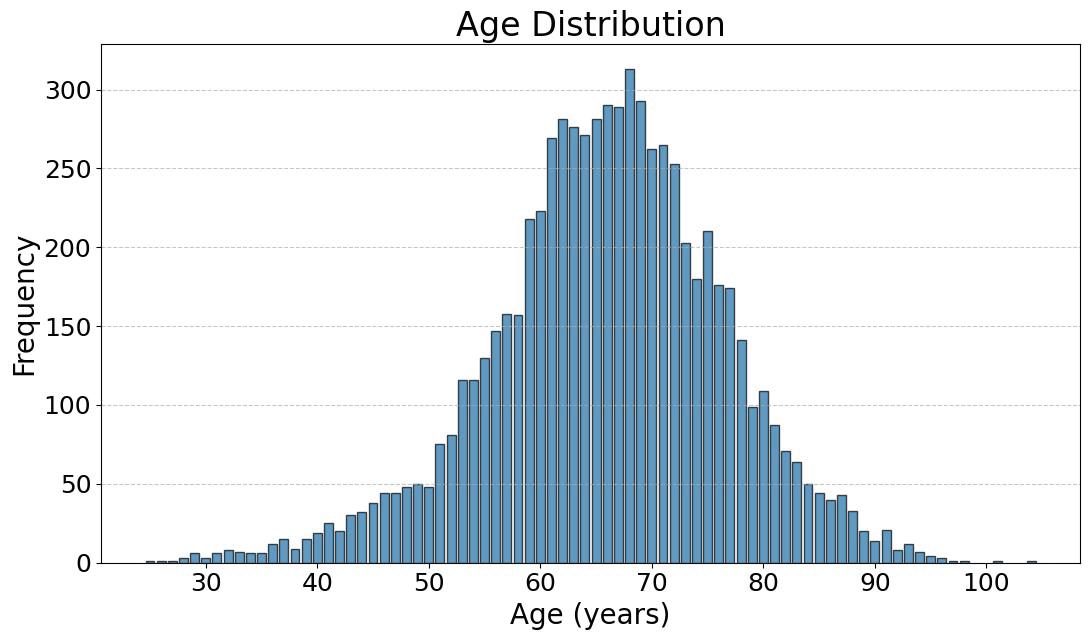
Figure 2: Ethnicity of Black Participants with CAD
Figure 3: Age of Black Participants with CAD
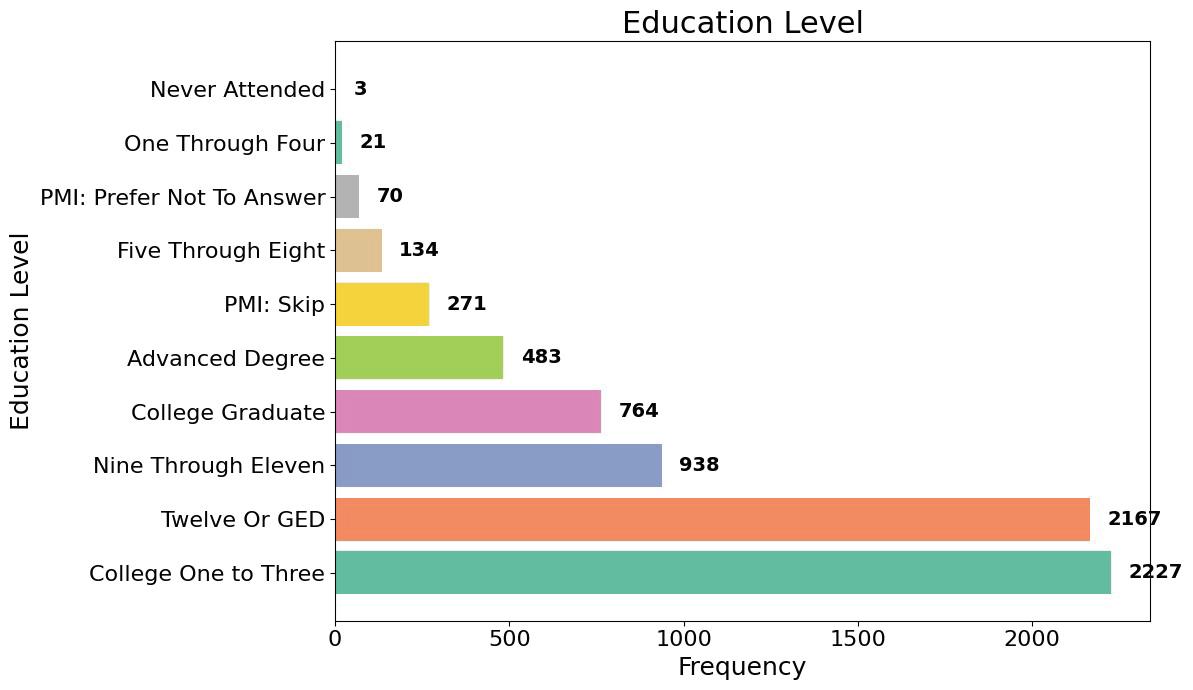
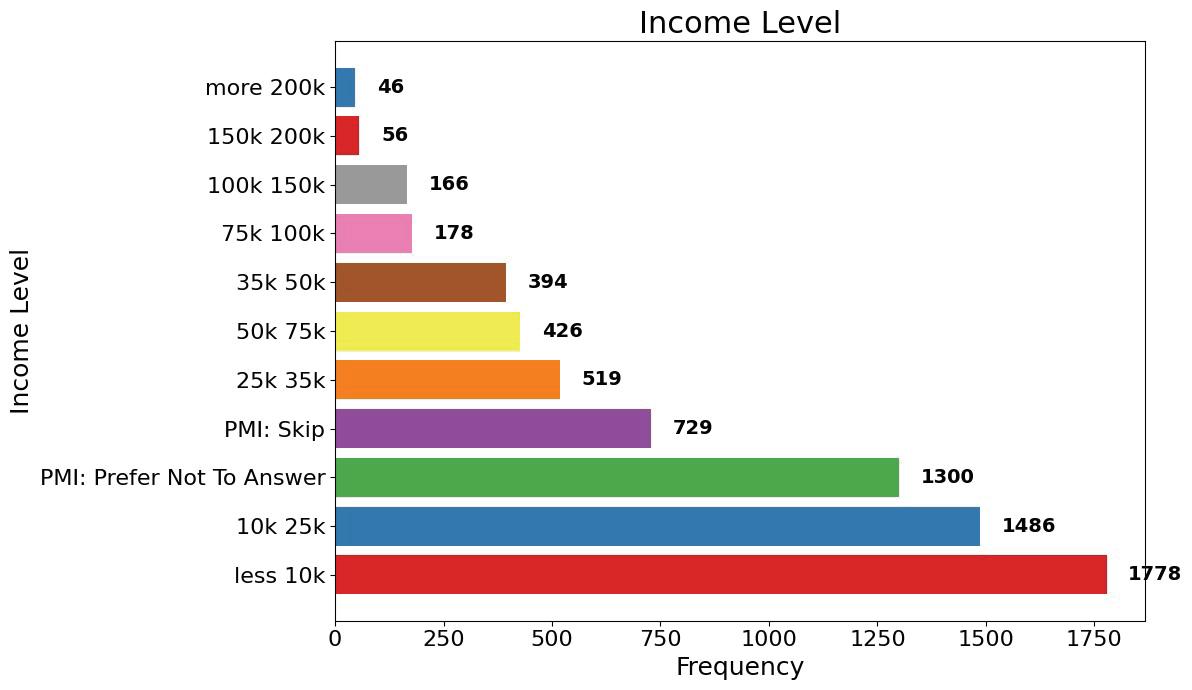
Figure 4: Education Level of Black Participants with CAD
Figure 5: Income Level of Black Participants with CAD
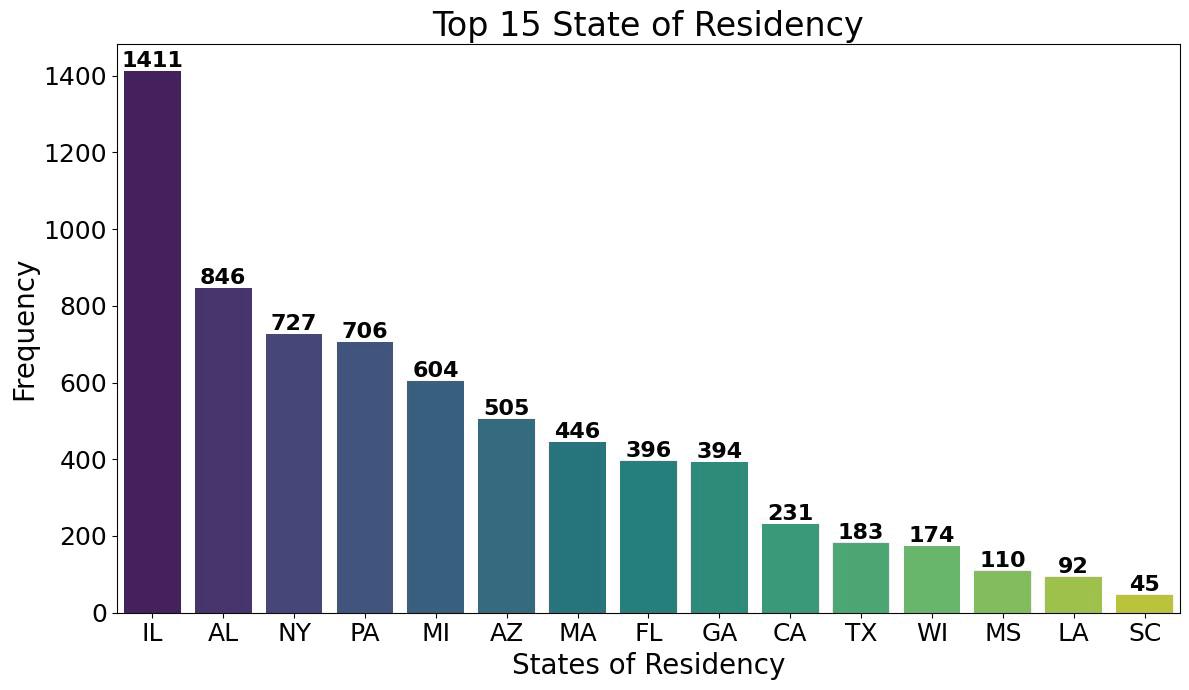
Future Work
• Conduct an exploratory data analysis on the demographics of Black participants without CAD.
• Use Pearson’s Correlation to identify risk factors associated with CAD in Black participants.
• Develop machine learning models to predict the occurrence of CAD in Black participants.
• Evaluate the machine learning models based on accuracy, specificity, sensitivity, and the Area Under the Receiver Operating Characteristic Curve (ROC AUC) score.
Significance/Impact
Machine learning and data analytics offer powerful tools for identifying risk factors and predicting disease, thereby enabling more personalized approaches to healthcare. By uncovering these risk factors, medical professionals can tailor treatment plans to individual patient needs. Furthermore, patients can actively collaborate with their healthcare providers to implement preventive strategies and improve their overall health and well-being.
Figure 6: Top 15 State of Residence for Black Participants with CAD
References:
1. National Institutes of Health. (2023, October 18). All of Us Research Program Overview. Retrieved June 20, 2024, from https://allofus.nih.gov/about/program-overview
2. Scharff, D. P., Mathews, K. J., Jackson, P., Hoffsuemmer, J., Martin, E., & Edwards, D. (2010). More than Tuskegee: understanding mistrust about research participation. Journal of health care for the poor and underserved, 21(3), 879–897. https://doi.org/10.1353/hpu.0.0323
3. Egede L. E. (2006). Race, ethnicity, culture, and disparities in health care. Journal of general internal medicine, 21(6), 667–669. https://doi.org/10.1111/j.1525-1497.2006.0512.x 4. U.S. Centers for Disease Control and Prevention (CDC): National Center for Health Statistics. (2024, May 28). Texas. Retrieved June 20, 2024, from https://www.cdc.gov/nchs/pressroom/states/texas/tx.htm
Synergistic
Effects of Photothermal Therapy and Graphene Oxide–Silver Sulfide Nanoparticles on
RL95-2
Endometrial Cancer Cells
Autumn Sinclair, Alexis Richardson, Gururaj Neelgund, Ph.D. Gloria C. Regisford, Ph.D. Department of Biology, Department of Chemistry and Physics, College of Arts and Sciences
Photothermal therapy (PTT), a minimally invasive and highly specific therapy, has emerged as a alternative for targeting cancer, especially tumors resistant to conventional treatments, such as chemotherapy and surgery. Photothermal therapy (PTT) depends on electromagnetic radiation, used in conjunction with nanoparticles, to trigger hyperthermia and consequent death of cancer cells. Previous studies have shown that the use of graphene oxide (GO)-based composites in PTT has shown enhanced efficacy in treating cancer cells. Endometrial cancer represents the most prevalent gynecologic malignancy in developed nations, with incidence rates steadily increasing worldwide in parallel with obesity and population aging. Furthermore, epidemiological data indicate that the majority of cases are diagnosed in postmenopausal women, with peak incidence observed between 55 and 65 years of age.
Therefore, the objective of this project was to determine the effect of PTT on the viability of endometrial cancer cells, using GO, Ag₂S, and GO-Ag₂S nanocomposites.
We hypothesized that the endometrial cancer cell line, RL95-2, treated with GOAg₂S nanocomposites, followed with PTT in the infrared region will experience a high cell mortality rate. To evaluate this hypothesis, RL95-2 cells were exposed for 48 hours to one of the following conditions: (1) 250 ng GO, (2) 250 ng Ag₂S, (3) 250 ng GO–Ag₂S, or (4) untreated control. Each group was subsequently subjected to photothermal therapy at a 980 nm wavelength for 5 minutes, applied twice, or maintained without irradiation. Cells were then subjected to an MTT assay to determine cell viability. Preliminary results indicated that cells treated with the GOAg₂S nanocomposite and exposed to PTT had the highest mortality rates, compared to other treatment groups. The results indicate that these GO–Ag₂S nanocomposites, used in combination with PTT may represent a promising platform for the treatment of endometrial cancer and merit further exploration within the context of targeted cancer nanomedicine
Zero
Generative AI and Student Success: A Data-Driven Study
Zero Nelson, Trenton Jeffers and Shannon Solis, Ph.D. Department Mathematics, College of Arts & Sciences
Nelson Senior, Computer Science Major
Zero worked with me from Spring 2025 and Summer 2025. She completed several research tasks in 8 months.
Zero presented at the Research Symposium in April 2025.
The projects Zero worked on were Artificial Intelligence and Math for her presentation, titled The Double-Edged Sword of Generative Artificial Intelligence in
Education:
Challenges and Solutions for Student Performance. She helped design some great examples of problems to use in our linear algebra class. These projects are real world applications that use matrices to complete. A great example would be a traffic flow problem that we all deal with on busy University days like graduation or homecoming events.
Trenton Jeffers
Senior, Mathematics major
Trenton worked for me Fall 2024, Spring and Summer 2025
Trenton submitted three IRBs to the research office, and we are in waiting mode for approvals.
1st project involved Calculus and AI in the classroom
2nd project involved Student Athletes and Suicide among African American males
3rd project involved The Double-Edged Sword of Generative Artificial Intelligence in
Education: Challenges and Solutions for Student Performance
Both students will present at the National Association of Mathematicians
MATHFest Conference held in October 10-12, 2025, in Nashville Tennessee at Tennessee State University.
We have not completed our research as we are waiting for IRB approvals.
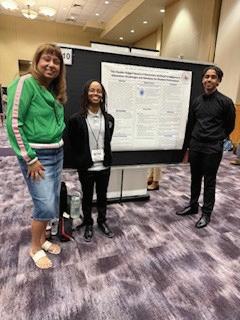
Title: Generative AI and Student Success: A Data-Driven Study
We are asking you to be a part of this research study. Please read the information below and ask questions about anything you do not understand before making a choice.
The Double-Edged Sword of Generative Artificial Intelligence in Education: Challenges and Solutions for Student Performance
WHO IS DOING THIS STUDY?
Trenton Jeffers and Zero Nelson will lead this study with the help of our advisor, Dr. Solis.
WHY IS THIS STUDY BEING DONE?
The purpose of this study is to find the positive and negative impacts that Generative AI has on student performance in the classroom. We want to find a way to integrate Generative AI into the classroom to aid professors and
instructors in enhancing the learning experience for the students. We will record data from two different perspectives, from the students and faculty. We will record data from two different perspectives, from the students and faculty.
WHO CAN BE IN THIS STUDY?
The participants will have to be:
1. A current student, instructor, or professor at Prairie View A&M University
2. Students must be enrolled in STEM classes.
WHAT WILL HAPPEN TO ME IN THIS STUDY?
This study involves participating in a survey on Generative Artificial Intelligence. If you agree to be in this study, you will take a survey that is approximately 10 –15 minutes long.
WHAT ARE THE RISKS OF THE STUDY?
There is a low risk of participating in this study. Your confidentiality will be fully protected possible. If you have any concerns or changes in the way, you feel about participating in the study, you should tell the study team as soon as possible. Participating in this study is completely voluntary, and you can discontinue participation at any time.
WHAT ARE THE BENEFITS OF BEING IN THIS STUDY?
There will not be any direct benefit from participating in this study. Participants are aiding the researchers in gaining insight on how Gen AI can be integrated into the classroom.
PROTECTING MY INFORMATION
Your information will be protected by:
• The researcher will not ask for specific identifiers from you when completing the survey.
• Using de-identified information: All direct personal identifiers have been permanently removed from the data. No code or key exists to link research information to your identifiable information.
• All resource records will be kept securely in an external hard drive.
• Research records will be seen only by authorized research team members.
• No identifiers linking you to this study will be included in any report that might be published or presented. Once data analysis is complete, your identifiers will be deleted from the research data. Your information collected as part of this research will not be used or distributed for future research studies, even after identifiers are removed.
WHAT ABOUT EXTRA COST?
Participation in this study will not result in extra costs for you. You will not have to pay anything extra if you are in this study aside from personal time.
WHAT ARE THE ALTERNATIVES TO BEING IN THIS STUDY?
Instead of being in this study, you may choose not to participate.
WHAT ARE MY RIGHTS AS A STUDY PARTICIPANT?
Being in this study is voluntary. You do not have to be in this study. If you choose not to participate, there will be no penalty or loss of benefits to which you are otherwise entitled. What if I change my mind? You may withdraw from this study at any time without a penalty. If you withdraw from the study early, the information that has been collected will be kept in the research study and included in the data analysis. No further information will be collected for the study.
WHO SHOULD I CALL IF I HAVE QUESTIONS OR CONCERNS?
You may email Trenton Jeffers (tjeffers2@pvamu.edu) or Zero Nelson (jnelson50@pvamu.edu) if you have any questions about the survey. You may also email Dr.Shannon Solis (shsolis@pvamu.edu) if necessary.
ENGINEERING
Engineering
Investigating Greener Efforts in the Food Industry
Temitope Esan and Emmanuel Dada, Ph.D. Department of Chemical and Electrical Engineering, College of Engineering
Abstract
The food industry, covering everything from processing to the transporting and disposal of food, is responsible for nearly a third of global greenhouse gas (GHG) emissions. In response to this significant environmental impact, the sector is transitioning toward sustainable practices, with an emphasis on reducing its carbon footprint and promoting environmental stewardship. This significant shift has sparked cross-sector solutions and transformative innovations aimed at achieving sustainability. This study aims to explore regenerative farming techniques and alternative practices in food production that mitigate climate change. The primary focus is on environmentally sustainable grocery products, addressing the anticipated 60% increase in global food demand by 2050. In this qualitative study, data from corporate publications and peer-reviewed academic journals were analyzed to comprehensively evaluate GHG emissions and innovative sustainable agricultural practices shaping the global food industry. Additionally, case studies from other countries were examined to showcase the diverse approaches companies took to address the same issues of enhancing eco-friendliness in food production. Significant progress was noted across diverse regions, illustrating how geographic and resource differences shape the success and adaptability of ecoconscious practices. In the United Kingdom, the supermarket chain Morrisons took a big step toward sustainability by offering carbon-neutral eggs, achieved by feeding hens insects instead of soybeans and implementing a carbon sequestration program to offset greenhouse gas emissions. Meanwhile, in the United States, Kipster farmers developed creative feeding solutions by turning leftover food production waste into a valuable feed source for the hens, cutting both food waste and greenhouse gas emissions while meeting the Carbon Neutral Protocol standards. Similarly, Morgan Scale Farms in West Wales produced carbon-neutral potatoes by using cover crops and crop rotation, tackling emissions at every stage of the supply chain, from the field to the dinner table. These groundbreaking efforts show how circular feeding systems, renewable resource integration, and meeting international carbonneutral standards can reshape the food industry. Not only do these practices cut emissions in commercial operations, but they also give consumers eco-friendly grocery options, playing a key role in the fight against climate change.
Keywords: Decarbonization, Food Production, Innovation, GHGs, Climate Change, NetZero
Introduction
The urgency for a more sustainable food industry has become a critical component in addressing climate change, as the “food manufacturing sector was
found to be responsible for the highest environmental impacts,” [1] contributing nearly one-third of global greenhouse gas emissions. With increasing focus through government incentives, research innovations at conferences, and international agreements; food companies are implementing strategies to reduce their environmental footprint, recognizing that a “large share of carbon impacts occur in the early stages of the supply chain” [2]. This shift toward sustainability is not just a response to environmental concerns but also a growing expectation from consumers and policymakers worldwide.
The adoption of greener practices in the food industry reflects a broader trend of corporate accountability, as businesses face growing scrutiny over their contributions to global emissions. From sourcing raw materials to reimagining production processes, companies are integrating advanced technologies and sustainable methodologies to address these challenges. International cooperation is also playing a key role in fostering sustainable practices across the food supply chain. By addressing inefficiencies and reducing emissions, the industry can contribute significantly to global climate goals while ensuring longterm viability in an increasingly eco-conscious world.
Objectives
The primary objective of this research is to investigate the technical solutions available to reduce carbon emissions within the food industry. Climate change remains an enduring global challenge, with its effects becoming increasingly pronounced through extreme weather events, rising sea levels, and widespread disruptions to ecosystems. “With the global population expected to climb up to 9.3 billion people by 2050” [1], the surge in food demand places significant pressure on the supply chain, emphasizing the critical need for decarbonization to mitigate the sector’s environmental impact. The urgency for action has been further underscored by recent global crises, such as the COVID-19 pandemic, which exposed vulnerabilities in the food supply chain while intensifying the need for resilient and sustainable practices. Additionally, the study examines how these strategies align with international sustainable organizations and initiative. By tackling this crisis, it “forces us to reinvent the ways to get our food, with the grocery sector becoming a leader for more sustainable food production” [2].
Background
The Story of Kipster Farms
Kipster Farms, an innovative agricultural initiative, originated in the Netherlands with the vision of creating the world's first carbon-neutral egg farm [5]. Founded in 2017, the farm was established in response to growing concerns about the environmental impact of traditional poultry farming and the urgent need for sustainable food production practices. The founders, a group of environmentally conscious entrepreneurs and farmers, were driven by a mission to revolutionize the egg production industry by addressing critical issues such as carbon emissions, animal welfare, and food waste.
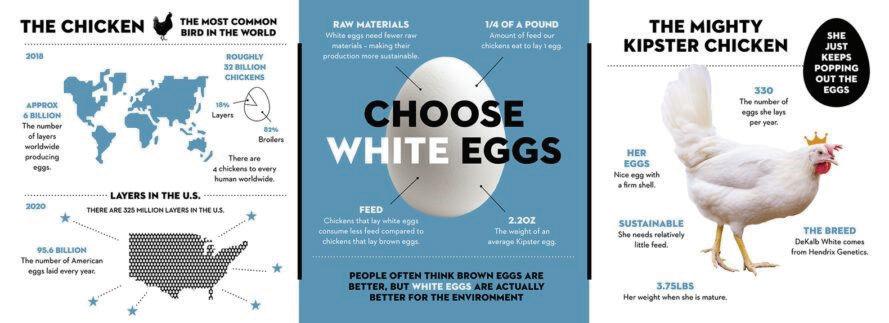
“This infographic highlights the sustainability benefits of white eggs and the remarkable productivity of theKipster Chicken.”
Expansion to the U.S.
Since its inception in the Netherlands, Kipster Farms has expanded its influence, inspiring similar sustainable farming models worldwide. The farm's success has demonstrated that sustainability and profitability can coexist in modern agriculture. By addressing some of the most pressing challenges in the food industry, Kipster Farms has become a trailblazer in the global movement toward sustainable food production. Once a successful reception was received, the company set their sights on expanding their market to the US. Through a partnership with MPS Eggs Farms, they were able to construct the first U.S. based Kipster farm in North Manchester, Indiana.
The Story of Morrisons
Morrisons, one of the largest supermarket chains in the United Kingdom, has positioned itself as a leader in sustainability within the retail and grocery sector. Recognizing the urgent need to address climate change and reduce environmental impacts, the company has implemented a series of ambitious initiatives aimed at transforming its operations and supply chains. These efforts align with global sustainability goals and reflect Morrisons’ commitment to achieving net-zero emissions by 2040, a decade ahead of the UK government’s 2050 target. Through comprehensive sustainability efforts, Morrisons is not only addressing environmental challenges but also demonstrate how large retailers can lead the way in creating a more sustainable future for the grocery industry.
The Story Behind Better Origins
Better Origin is a UK-based agritech company founded in 2019 with the mission of addressing food waste and creating a sustainable food supply chain using innovative technology. The company focuses on transforming organic food waste into nutrient-rich insect feed, which is then used to enhance the efficiency and sustainability of animal farming. By installing X1 units on farms, the company empowers farmers to produce their own high-quality feed, reducing dependency on global supply chains. The company has formed partnerships with major food retailers and producers, including Morrisons, to integrate their
technology into existing food systems. Their work aligns with global sustainability goals and highlights the potential of insects as a key resource in combating climate change and ensuring food security.

“This figure shows the Better Origin X1 unit, a modular and AI-powered insect farming system designed to convert food waste into sustainable, nutrient-rich feed for livestock.” 5
Methods
Carbon-Neutral Eggs within the United States
Upon research, the company Simple Truth introduced the world’s first carbonneutral eggs in the United States. The key innovation lies in their approach to chicken feed, which is produced entirely from surplus food that would otherwise go to waste. By repurposing food waste, Kipster Farms not only reduces dependency on resourceintensive crops like soybeans but also actively combats food waste a major contributor to global greenhouse gas emissions. By striving for sustainability, “Kipster achieves carbon neutrality by reducing its greenhouse gas (GHG) emissions by producing the carbon neutral egg and then offsetting any remaining emissions through external energy sustainability projects.” An example of this carbon reduction is shown through the farm being powered by solar panels installed on its rooftops, ensuring that its energy consumption is renewable and carbon-neutral. This grants them the Carbon Neutral Protocol, “allowing them to make carbon neutral claims that are recognized internationally amongst other businesses and organizations.” [4] “Kipster is a forwardthinking award-winning Dutch egg farmer” [3] that values the health and welfare of animals and humans.
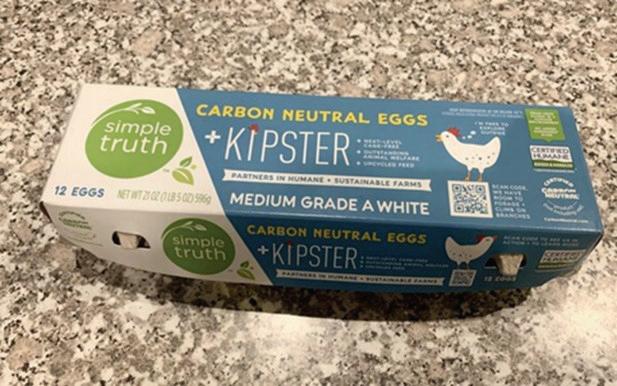
“Figure 2: Simple Truth + Kipster carbon-neutral eggs, showcasing a partnership promoting humane and sustainable farming practices, with a focus on reducing environmental impacts.”
Humane Commitment Initiative
Originally, Kipster launched their Carbon Neutral-certified eggs to the Netherlands, but later expanded to the US market through a partnership with MPS Eggs Farms, they were able to construct the first U.S. based Kipster farm in North Manchester, Indiana. Following the establishment, “the eggs were available at Kroger in Michigan and the Cincinnati area – with rapid scaling nation-wide in the near future. Animal welfare is another cornerstone of Kipsters philosophy. The farm was designed to provide optimal living conditions for its hens, with spacious indoor and outdoor areas, natural light, and enrichment features to encourage natural behaviors. This commitment to animal welfare has set Kipster Farms apart from conventional egg producers, earning them the Certified Humane® logo on their cartons and are recognized by Shop with Your Heart®, a program by the ASPCA® that helps shoppers identify and find more humane groceries.” [3] This has led to Kipster Farms leading the way to a greener, better future.
Carbon-Neutral Eggs within the United Kingdom
As a way for searching for greener ways to supply food, “a leading supermarket chain (called Morrisons) says it can produce carbon-neutral eggs by feeding hens insects instead of soya beans” [2]. The carbon-neutral egg program reflects Morrisons' commitment to transforming agricultural practices and creating a more sustainable food supply chain, showcasing innovative approaches to tackle greenhouse gas emissions associated with egg production. Traditional chicken feed, which often includes soybeans, has a substantial environmental impact. To address this, Morrisons partnered with farming experts from Better Origins to develop a groundbreaking alternative: feeding hens a diet rich in insects. These insects are cultivated on food waste that would otherwise be discarded, creating a circular system that reduces reliance on resource-intensive feed and combats food waste simultaneously.
AI-Powered Insect Farming
Better Origin leverages artificial intelligence (AI) to revolutionize insect farming through its flagship product, the Better Origin X1. This modular, self-contained unit, designed to resemble a shipping container, transforms food waste from local sources like supermarkets and farms into sustainable insect protein. Inside
the X1, black soldier fly larvae (BSFL) renowned for their rapid growth and efficiency in converting organic waste into high-protein biomass are raised under precisely controlled conditions. AI algorithms regulate factors such as temperature, humidity, and feeding schedules to optimize larval growth and maximize productivity. Once matured, the larvae are harvested and repurposed as a nutrient-rich, eco-friendly feed for livestock, poultry, and fish. By replacing traditional animal feeds like soy and fishmeal, which are associated with deforestation and overfishing, Better Origin’s insect-based feed offers a sustainable solution with a significantly reduced environmental footprint. By introducing this substitution of food source, this “reduces deforestation and carbon emissions linked to the production and transportation of soya to the farms” [2]. This allows for not only reducing carbon emissions on the commercial side, but it also gives consumers an option to purchase products that are beneficial for the planet. This is a breakthrough as Diary is one of the biggest categories in grocery revenue that also emits a large share of the industries GHG footprint.

“Figure 1: Morrisons' free-range eggs marketed as 'Better for our Planet,' highlighting their carbon-neutral certification and commitment to sustainable practices in food production.”
Additionally, the farms supplying Morrisons' carbon-neutral eggs incorporate carbon sequestration techniques to further offset emissions. These farms employ sustainable land management practices such as planting trees and maintaining hedgerows, which act as natural carbon sinks. By absorbing carbon dioxide from the atmosphere, these methods contribute to the overall carbon neutrality of the eggs. The company also adheres to stringent carbon accounting methods to certify the eggs as carbon-neutral, aligning with internationally recognized protocols. This initiative not only addresses environmental challenges but also reflects changing consumer preferences. With growing demand for sustainable and ethically produced food, Morrisons' carbon-neutral eggs provide customers with a tangible way to support eco-friendly practices. The program has set a benchmark for the grocery industry, demonstrating how innovative solutions and partnerships can drive meaningful change.
Morrison’s New Carbon-Neutral Potatoes
In addition to the climate change reduction efforts, Morrisons has introduced carbonneutral potatoes as part of its broader commitment to sustainable food production. This initiative is centered around innovative agricultural practices such as crop rotation, the use of cover crops, and carbon sequestration
techniques. By planting cover crops and maintaining healthy soil ecosystems, Morrisons' partnered farms significantly reduce greenhouse gas emissions associated with traditional potato farming. Additionally, the implementation of carbon offset measures, such as tree planting and hedgerow maintenance, helps absorb residual carbon dioxide from the atmosphere. These efforts align with international sustainability goals and provide consumers with an eco-friendly product that supports climate-conscious choices.

"Root Zero's carbon-neutral potatoes, sustainably grown in Wales and packaged in plastic-free materials, represent an innovative approach to reducing the environmental impact of food production.
Conclusion
In conclusion, there are many ways to help decarbonize the food industry and our research focuses on a small aspect of that. Each of the following distributors introduced the pioneering of circular feeding schemes, integrated renewable energy sources into their daily operations, and met a series of international standards for their carbon neutral products. These options allowed for reduced carbon emissions on the commercial side and gave consumers an option to choose more environmentally friendly products that benefit the planet. Overall, this is still an ever-growing field for sustainability and as more awareness is brought forth, more integration can take place to hopefully achieve the global goal of net zero by 2050.
Future Goals of the Study
To build upon the findings of this study, future research should expand to include case studies from other regions, such as Morgan Scale Farms in the U.K., which employs sustainable practices like cover crops and crop rotation to produce carbon-neutral potatoes. Additionally, examining sustainable approaches in other food production sectors, such as meat production, could provide valuable insights into their potential for achieving carbon neutrality. Collecting more detailed quantitative data on greenhouse gas (GHG) emissions reductions achieved by companies implementing these practices will help assess their effectiveness and scalability. Furthermore, exploring advancements in
agricultural technology can uncover new opportunities to enhance sustainability across the food industry. Based on these findings, actionable recommendations can be developed for policymakers and industry leaders to accelerate the transition to sustainable food production systems.
References
1. Sovacool, B. K., Bazilian, M., Griffiths, S., Kim, J., Foley, A., & Rooney, D. (2021). Decarbonizing the food and beverages industry: A critical and systematic review of developments, sociotechnical systems and policy options. Renewable and
2. Sustainable Energy Reviews, 143,
3. 110856. https://doi.org/10.1016/j.rser.2021.110856
4. World Economic Forum Agenda. "Carbon-neutral eggs: how a climatefriendly food industry is taking shape." World Economic Forum, www.weforum.org/agenda/2022/08/carbon-neutral-eggs-climate-food/
5. "World's First Carbon-Neutral Eggs Drop in US." Kipster, www.kipster.farm/blog/worlds-first-carbon-neutral-eggs-drop-in-us
6. CarbonNeutral. "The CarbonNeutral Protocol - Introduction." CarbonNeutral.com, https://www.carbonneutral.com/the-carbonneutralprotocol/introduction
7. “MPs Kroger Kipster.” MPS Kroger Kipster, www.hartmannpackaging.com/northamerica/think-news/mps-kroger-kipster/
Numerical Quantification and Prediction of Mast Cell Desensitization Rate
Franck Kouoba and Kazeem Olanrewaju, Ph.D. Department of Chemical Engineering, College of Engineering
Introduction:
Allergies rank as the 6th leading cause of chronic illness in the United States, affecting over 50 million individuals annually and incurring an annual cost exceeding $18 billion [1]. Among children, allergic conditions are notably prevalent, with more than 90,000 emergency room visits annually due to anaphylaxis, a severe and sometimes fatal allergic reaction if not treated promptly [1]-[3]. The most common indoor and outdoor airborne allergens triggering immune inflammatory responses include pollen from trees, grass, and weeds. While a complete cure for allergic reactions remains elusive, they can be managed to significantly reduce the frequency and severity of episodes [4]. Current methods for diagnosing and treating allergies face several challenges, such as an uncertain recovery rate from immunotherapy and lengthy treatment durations. Other issues include unpredictable interactions between species and various physiological units, difficulties with species delivery rates, and bioavailability concerns [5]. These challenges stem from limited realtime accessibility to immune system studies using in-vivo and in-vitro experimental approaches [6]. Key processes involved include the transport, transformation, and interaction of species (such as mast cells and allergens) at different physiological levels (systems, organs, tissues, and cells) [7]-[9]. Moreover, the current therapeutic approach, which focuses on the desensitization of mast cells to allergen immunogenicity, struggles with unpredictable temporal adaptability between the cells and allergens.
This research project aims to address some of these challenges through computational modeling of the immunodynamics of mast cells and airborne allergens within virtual microvascular and interstitial systems, combined with the use of machine learning algorithms. A detailed process flow scheme is formulated to outline the steps involved in species transport and transformation mechanisms leading to immunogenicity and adaptability. These mechanisms are numerically defined to establish an immunogenicity and adaptability numerical scheme on a computational platform. The physiological effects of the various species involved in sensitization, effector, and adaptability phases as depicted in the mechanistic models are quantitatively assessed. Numerical experiments on mast cells' inflammatory response and desensitization to allergens show significant potential to enhance the predictive accuracy of mast cells' temporal adaptability to allergens.
Objective
The objective of this research is to accurately quantify the immunogenic (allergenic) response of mast cells and predict their temporal adaptability to airborne allergens through advanced numerical modeling techniques.
Methodology
Create a detailed mechanistic flow chart that outlines the steps involving species transport and transformation mechanisms leading to mast cell hypersensitivity to allergens, as well as the desensitization mechanism. Specifically, identify and numerically define the distinct transport and transformation mechanisms involved in both the sensitization and desensitization phases. Set up the modeling scheme in MATLAB to quantify these processes. Assess the pathophysiological effects of various variables, including pollen, dendritic cells, antigens, and inflammatory mediators (cytokines, chemokines, etc.), as specified in the mechanistic models. The flow chart has been developed, and the relevant equations to model the mechanisms are currently being formulated. Incorporate the estimated desensitization period derived from numerical experiments into a machine learning algorithm that has already been trained and validated with real data. This integration will help generate simulated predictors for further analysis.
Results and Discussion
A mechanistic flow chart to delineate steps involving species transport and transformation mechanisms leading to mast cells hypersensitivity to allergen and the desensitization mechanism was developed as depicted in figure 1. The mathematical model to quantify specific transport and transformation mechanisms in both the sensitization and desensitization modeling scheme has been formulated to be deployed in MATLAB platform. Evaluation of the various biomarkers in the modeling scheme and the pathophysiological effect of these immunological biomarkers (pollen, dendritic cells, antigen, inflammatory mediators (cytokine, chemokine, etc) are in progress. Numerical experimentation of the causative mechanism of the immunogenicity and adaptability of mast cells to innocuous pollen is to help improve the predictability of Allergen –Specific Immunotherapy as it relates to patients’ recovery.
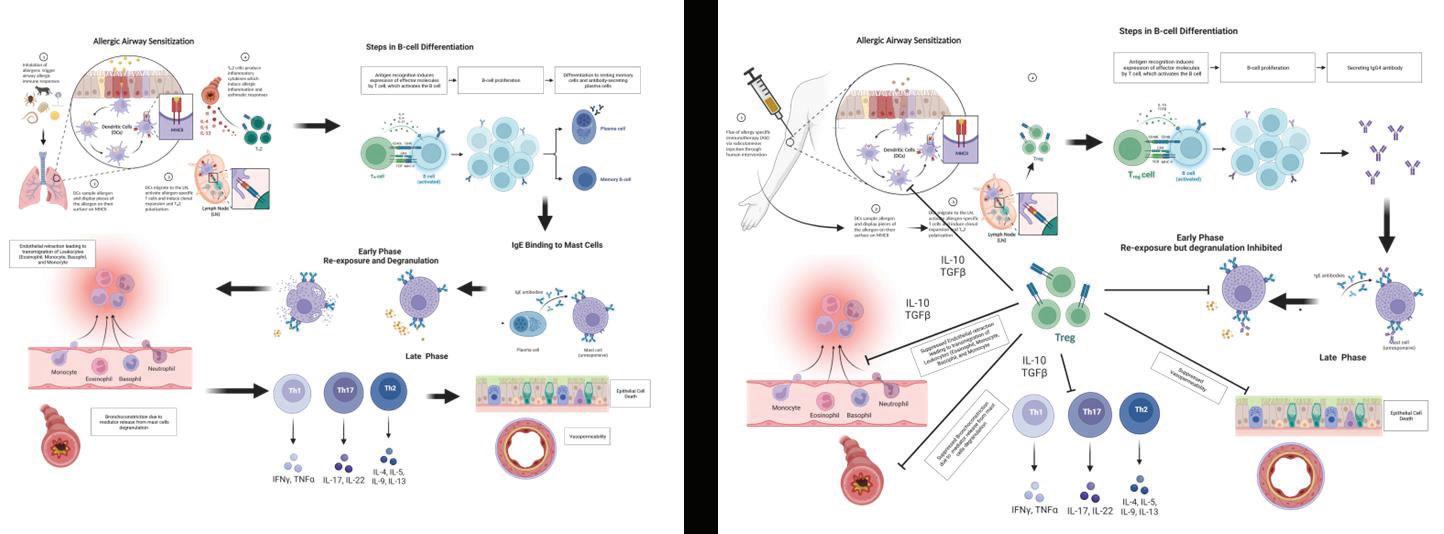
Figure 1: Immune cells sensitization and adaptability to allergens
Development of an equation-based modeling rate scheme for the first half of the sensitization phase
In the first phase of sensitization, the mechanisms are modeled within a physiologicallybased framework. This includes the transformation of dendritic cells (DC) into antigenpresenting cells (APC) through chemokine inducement. The DCs are transported to the exposure site where they phagocytose pollen grains (allergens) to produce APCs. Subsequently, the APCs interact with naïve T-cells in the lymph node, secreting interleukin 4 (IL-4) to activate and differentiate the T cells into T-helper cells (Th2). This results in the expansion of allergenspecific Th2 cells that secrete various cytokines and factors, enhancing immune cell activity during allergic reactions.e model also considers the transport of Th2 cells to the exposure site to activate naïve B cells through interactions with cytokines like interleukin 4 (IL-4) released by Th2 cells. These mechanisms are incorporated into a partial differential equation (PDE) to model the immune responses involved in the first half of immune cell sensitization to the antigen. The mathematical model quantifies the immune response players such as allergens, DCs, APCs, T cells, cytokines, chemokines, and B cells based on mechanistic rates like secretion, activation, decay, uptake, diffusion, chemotaxis, and regulation.
Predicting Desensitization Biomarker with ARIMA Model in the Orange Data
Mining Platform
Figure 2 indicates that successful induction of clinical tolerance is accompanied by distinct immunological shifts. Regulatory T cells and regulatory B cells increase, coinciding with reduced activation of effector pathways. The Th1/Th2 cytokine balance moves away from Th2 dominance toward a more balanced or slightly Th1-skewed profile, signaling therapeutic progress. Antibody patterns also change: IgE typically decreases or stabilizes, while IgG4 rises markedly, reflecting the emergence of blocking antibody activity that supports tolerance. Clinically, this is mirrored by a gradual downregulation and reduced activation of key effector cells, activated eosinophils, basophils, mast cells, and degranulated mast cells over time. The prediction of desensitization biomarkers (Tregs, Bregs, Immunoglobulin E (IgE) and G4 (IgG4), mast cell and basophil are perform using the orange data mining pipeline below, and the predicted cure are show in figure 4.
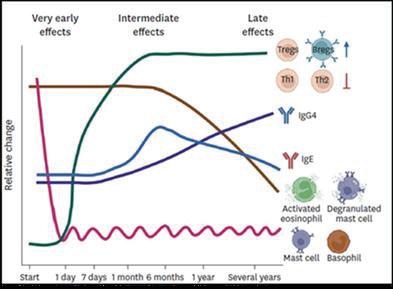
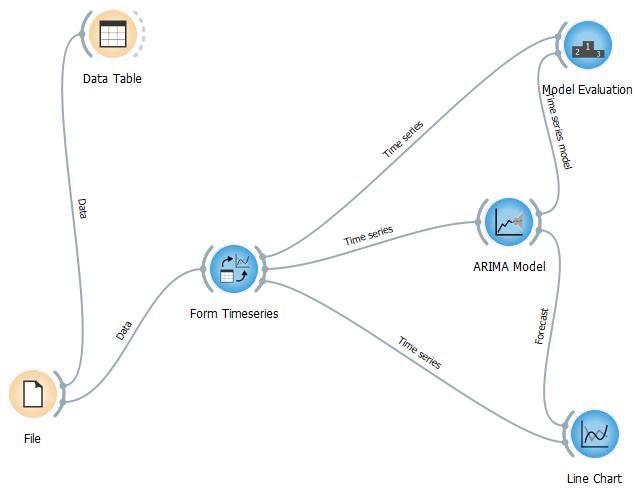
3: Orange Data Mining for Predicting/Forecasting Desensitization Quantity
Figure 2: kinetics of immune tolerance induction
Figure
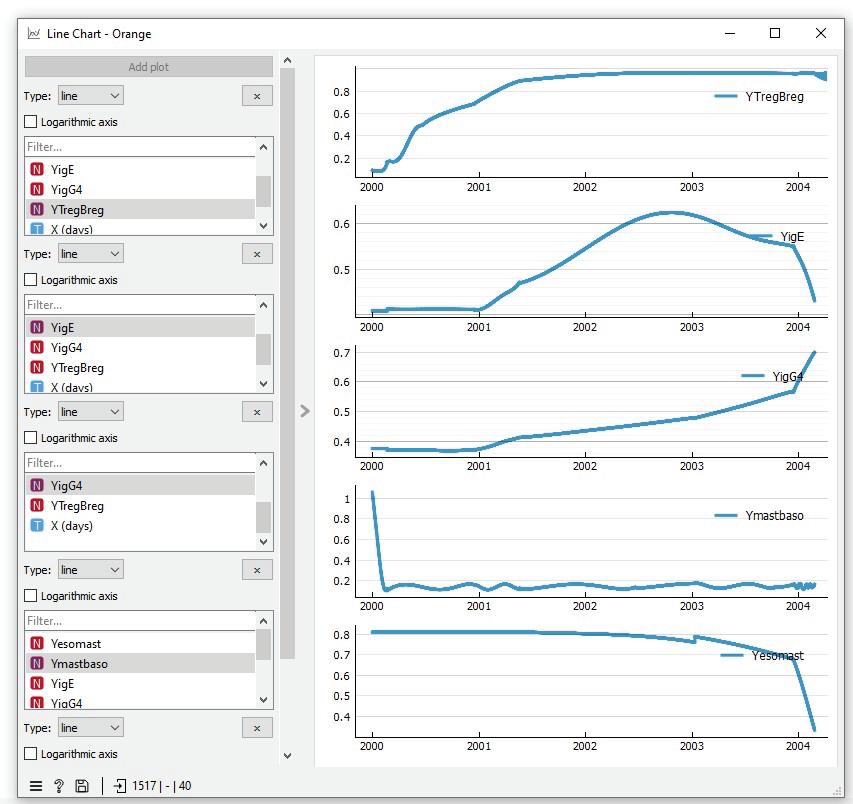
Figure 4: Showing the Desensitization Biomarker (Mast Cell) forecasted Time trend Curve Significant and Impact:
The model will be used as a virtual platform to systematically assess the immunodynamics of mast cells' interaction with an allergen, the resulting inflammatory response caused by cytokine release, and the desensitization of immunogenicity of mast cells through a gradual subcutaneous influx of allergen insufficient to initiate an allergic reaction. The outcome of this project will exceed current multiscale modeling for hypersensitivity of mast cells to pollen grain by incorporating the bio-physicochemical mechanisms and desensitization timeframe prediction of mast cells to the allergens. The project will improve on the conjecture approach, premised on historical observation, of predicting the timeframe for patients to recover to a more deterministic and quantifiable
recovery rate prediction. By utilizing biomedical and computational science research, this project aims to enhance science education across different academic levels and advance the understanding of allergy treatment. Allergies are the 6th leading chronic illness in the US, affecting over 50 million people and costing more than $200 million annually in allergy skin tests. The treatment of allergies and patient recovery often face significant uncertainties regarding when a patient may become entirely free of allergic reactions. This project seeks to enhance the current conjecture-based approach, which relies on historical observations, to predict more precise recovery timelines for patients.
References
1. Allergy Facts. Available: https://acaai.org/allergies/allergies-101/facts-stats/.
2. S. Clark et al, "Frequency of US emergency department visits for food-related acute allergic reactions," J. Allergy Clin. Immunol., vol. 127, (3), pp. 682-683, 2011.
3. P. J. Turner et al, "Fatal anaphylaxis: mortality rate and risk factors," The Journal of Allergy and Clinical Immunology: In Practice, vol. 5, (5), pp. 11691178, 2017.
4. N. Allergy and Asthma. (). Allergy Statistics in the US | Allergy & Asthma Network. Available: https://allergyasthmanetwork.org/allergies/allergystatistics/.
5. S. Hurst et al, "Impact of physiological, physicochemical and biopharmaceutical factors in absorption and metabolism mechanisms on the drug oral bioavailability of rats and humans," Expert Opinion on Drug Metabolism & Toxicology, vol. 3, (4), pp. 469-489, 2007.
6. C. Ekmekcioglu, "A physiological approach for preparing and conducting intestinal bioavailability studies using experimental systems," Food Chem., vol. 76, (2), pp. 225-230, 2002. Available: https://www.sciencedirect.com/science/article/pii/S0308814601002916. DOI: https://doi.org/10.1016/S0308-8146(01)00291-6
7. Blaustein P. Mordecai, Kao P.Y.Joseph , and Matteson R. Donald, Cellular Physiology and Neurophysiology. (2nd ed.) St.Louis, Missouri 63043: Elsevier, 2011.
8. G. A. Truskey, F. Yuan and D. F. Katz, "Transport in organs," in Transport Phenomena in Biological SystemsAnonymous Upper Saddle River, New Jersey: Pearson Prentice Hall, 2009, pp. 461-71.
9. J. S. Ultman, H. Baskaran and G. M. Saidel, Biomedical Mass Transport and Chemical Reaction: Physicochemical Principles and Mathematical Modeling. Hoboken, New Jersey: John Wiley and Sons, 2016.
JUVENILE JUSTICE
Juvenile Justice
Toward an Understanding of What Works in How Non-STEM Adult Learners Master STEM Cybersecurity Concepts
Alicia Lacy, Walter Williams IV and Camille Gibson, Ph.D. Department of Justice Studies, College of Juvenile Justice
Introduction
Although the United States has become substantially racially, ethnically, and culturally diverse, the cybersecurity workforce has not kept pace. Per 2021 data, although women were almost half of the US population they were only a third of the STEM workforce and Blacks were 9% (NSF, 2023). Noted in 2024 Blacks are 14.4% of the population (Pew Research Center, 2024). The National Science Foundation and the National Security Agency, recognizing this, have funded initiatives to encourage the cyber education of students in both STEM and nonSTEM toward a diverse cybersecurity workforce.
Non-STEM students must be cyber-ready for their sectors which will require more STEM-related knowledge in the future (West, 2023). This effort will focus on Business and Criminal Justice majors pursuing industry credentials to succeed in the cybersecurity workspace. There is considerable interest in expanding the number of Americans studying STEM toward the United States maintaining a competitive scientific edge in the world. There is also interest in enlarging the diversity of the STEM workforce.
This study examined what works best for a diverse sample of students at a university with an interdisciplinary cybersecurity minor designed to prepare nonSTEM majors to become credentialed and competitive in cybersecurity. The theoretical framework is the 1984 version of Knowles’ adult learning theory which posits that adults learn best when invested in the learning enterprise. This tends to occur when they perceive it as relevant. In this, learning through solving realworld problems is more transformative than mere memorization. Further, the circumstances of the learners and their context must be recognized. As Vanslambrouck et al. (2018) noted in their study of blended and online learning, for many students, the cost of higher education is an obstacle to many learning activities such as group projects as the student’s cost-value assessment can often lead to decisions not to persist given the realities of needing to be employed. This is common for many HBCU social science majors
Objective
To determine what instructional approach works best in non-STEM students' mastery of cybersecurity STEM concepts.
Method
This study has involved a systematic literature review of how best to instruct adult learners in STEM content. This work occurred during the fall into the summer semesters. For the systematic literature review search terms included “teaching science in university,” “teaching science,” “science learning,” “how to teach science,” “how to teach technical topics,” “human centric learning.” Databases included Google, Springer Nature Link, EBSCO, Proquest, JSTOR, ERIC, PsycArticles, Psychology database, PsycINFO, Sage Journals, Newsbank, Natural Science Collection. Articles were examined for content and these are still being quantified.
The faculty researcher is hopeful that the National Science Foundation (NSF) will fund the second phase of the project in the 2025-2026 academic year. This will involve data collection from faculty engaged in cross-field collaborative instruction between STEM and non-STEM areas to more thoroughly understand what works best. This summer after IRB approval, data collection is planned from non-STEM majors who recently passed the CompTIA Security + cybersecurity examination regarding what worked best for them in mastering non-STEM concepts. The targeted students/graduates experienced a variety of learning approaches. They will be asked about their perceptions of the effectiveness of each pedagogical strategy. The limitations of the study will be noted.
Results
The results indicate that the circumstances of the learners and their context must be recognized. Given different learning styles and academic preparations, a mixture of approaches is important. The literature, however, emphasizes that learning through solving real-world problems is more transformative than mere memorization. It is also important for the instructor to communicate to the students that they can master challenging material. Indeed, communicating to students that maintaining an ability to re-learn and upskill by understanding their adult learning processes is important in the future workforce that is likely to require this of its employees to stay productive in shifting technological landscapes (Galagan et al., 2020; Rothwell, 2020). This belief can come once the instructional process is embraced as a collaborative effort where the instructor shares and openly learns from others what works (Jenlink, 2022).
As Vanslambrouck et al. (2018) noted in their study of blended and online learning, for many students, the cost of higher education is an obstacle to many learning activities such as group projects as the student’s cost-value assessment can often lead to decisions not to persist given the realities of needing to be employed. This is common for many HBCU social science majors. Nevertheless, the collaborative learning model between STEM and non-STEM faculty and students that promotes project-based learning and working in cross-field teams over time to solve problems seems highly promising. It focuses on the influence of the social interaction aspects of the learning process as important to staying engaged. Staying engaged long enough to pursue industry recognized
cybersecurity credentials and to access real-world learning opportunities would be ideal to expand a highly competent cybersecurity workforce. In other words, careful attention must be given to mechanics and the social aspects of learning.
Significance/impact
With advances in artificial intelligence making it increasingly easier to use technology to deceive and defraud people the need for a capable cybersecurity workforce has only increased. This study’s findings can inform efforts by both STEM and non-STEM faculty about effectively instructing non-STEM majors in their cybersecurity classes on how to master less familiar STEM content. For the non-STEM student, being able to obtain a more competitive and influential position in cybersecurity tends to require some mastery of relevant STEM content. This includes subjects such as networks, coding, and technological infrastructure. Mastering the relevant foundations of this content will assist the student in obtaining specific industry credentials hence facilitating an impactful expansion of the cybersecurity workforce. The right instruction will prepare graduates who are workforce ready.
References
1. Galagan, P., Hirt, M., & Vital, C. (2020). Capabilities for talent development: Shaping the future of the profession. Association of Talent Development Press.
2. Jenlink, P. M. (2022). STEM teacher preparation and practice for the 21st century: Researchbased insights. Information Age Publishing.
3. Knowles, M. (1984). Andragogy in action. Jossey-Bass.
4. NSF (2023). Diversity and STEM: Women, minorities and persons with disabilities. https://ncses.nsf.gov/pubs/nsf23315/report
5. Pew Research Center (2024). Facts about the US Black population. https://www.pewresearch.org/ social-trends/fact-sheet/facts-about-the-usblack-population/.
6. Rothwell, W. J. (2020). Adult learning basics, 2nd edition. Association of Talent Development Press.
7. Vanslambrouck, S., Zhu, C., Lombaerts, K., Philipsen, B., & Tondeur, J. (2018). Students' motivation and subjective task value of participating in online and blended learning environments. The Internet and Higher Education, 36, 33-40.
8. West, D. M. (2023, July). Improving workforce development and STEM education to preserve America’s innovation edge. Brookings. https://www.brookings.edu/articles/improving-workforcedevelopment-andstem-education-to-preserve-americas-innovation-edge/
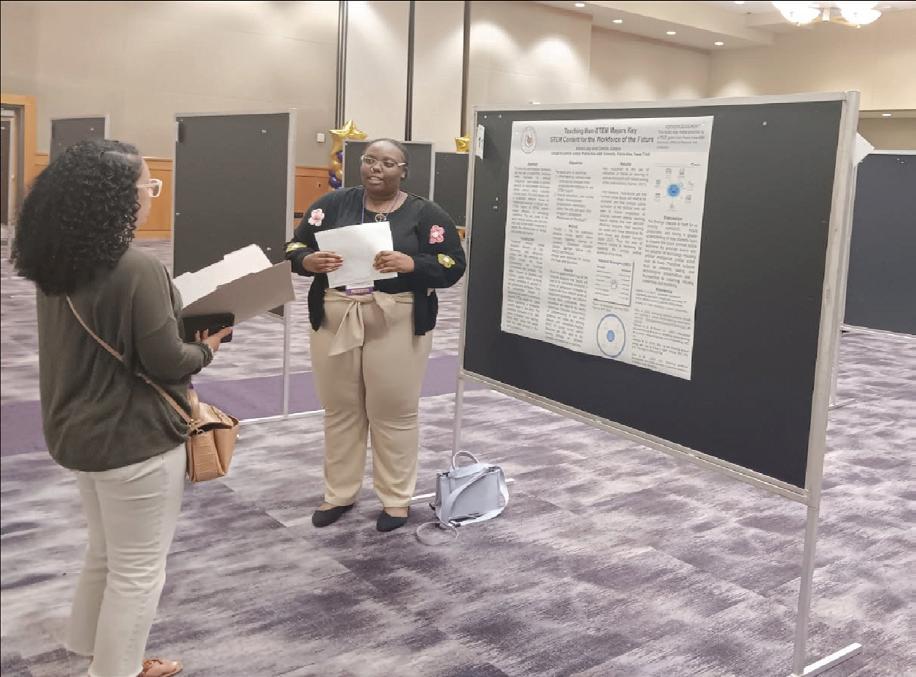
Criminal Justice Graduating Senior Ms. Alicia Lacy presenting at the Spring 2025 Student Symposium during Research Month 2025. For November 2025, Mr. Walter Williams, sophomore criminal justice major will present on his contributions to the project through a poster on Workforce Development: Teaching Criminal Justice Majors Technical Content Effectively that has been accepted for the American Society of Criminology Conference in Washington D.C.
Impact of Changes in Admission Requirements in US Higher Education
Jada Norman and Serita Whiting, Ph.D. Department of Justice Studies, College of Juvenile Justice
Introduction
Race-conscious college admission practices were implemented to combat the challenges that minorities faced when applying for higher education. The most notorious method, affirmative action, was broadened federally on September 24, 1965, by President Lyndon B Johnson through Executive Order (E.O.) 11246. By 1978, the Supreme Court ruled in University of California v. Bakke that while racial considerations in admissions were permissible, the use of explicit racial quotas was unconstitutional. This ruling was upheld until June 29, 2023, in the landmark Students Fair Admission Inc. (SFFA) v. President & Fellows of Harvard College case, which overturned affirmative action. This study aims to critically examine the effects of overturning affirmative action by highlighting how shifts in admission practices influenced underrepresented individuals and their collegiate decision-making process.
Objectives
This study seeks to answer the following research questions:
1. To what extent has removing affirmative action policies affected enrollment trends at Historically Black Colleges and Universities (HBCUs)?
2. To what extent has removing affirmative action policies affected enrollment trends at Ivy League institutions?
3. Additionally, it aims to understand how these changes impact students opting for an HBCU experience compared to previous years.
Methods
This study utilized secondary data from the Integrated Postsecondary Education Data System (IPEDS) and self-reported data from eight Ivy League institutions and ten HBCU institutions. Data compared enrollment and admission trends preand post-affirmative action (classes of 2027 and 2028). The selected HBCUs were chosen for their geographic diversity and varying enrollment sizes, allowing for a more comprehensive analysis of institutional outcomes.
Results
Following the removal of affirmative action, findings suggest that while most Ivy League institutions remained relatively stable in applicant numbers, a majority of HBCU institutions experienced exponential growth in applicants. Despite stable Ivy League enrollment, HBCUs showed greater variance in enrollment figures. Findings also indicate that every Ivy League institution examined except Yale and Dartmouth saw an increase in Asian American students. Black and Native
American enrollment declined across institutions, while Hispanic/Latino enrollment showed mixed patterns. Notably, the percentage of students identifying as 'Other' increased across all Ivy League institutions.
Significance/Impact
These findings highlight the immediate impacts of the Supreme Court’s ruling on affirmative action. The observed applicant and enrollment shifts underscore the importance of monitoring the long-term consequences of this policy change. They also suggest that HBCUs may play a growing role in absorbing academically strong minority students who feel excluded from Ivy League opportunities.
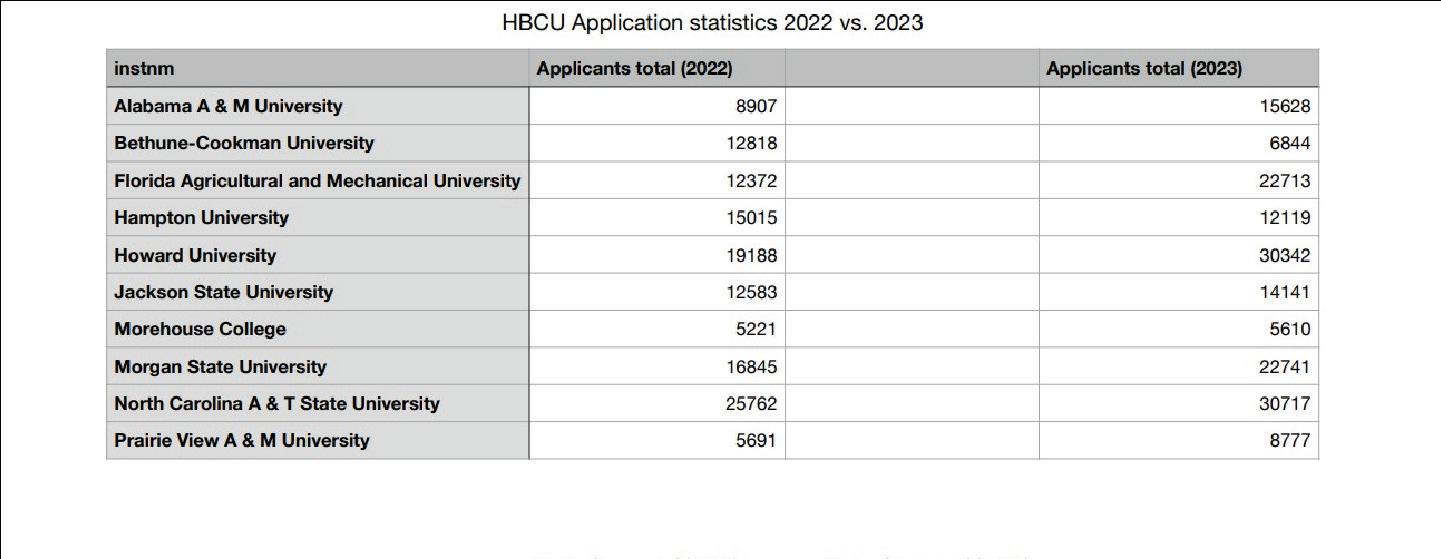
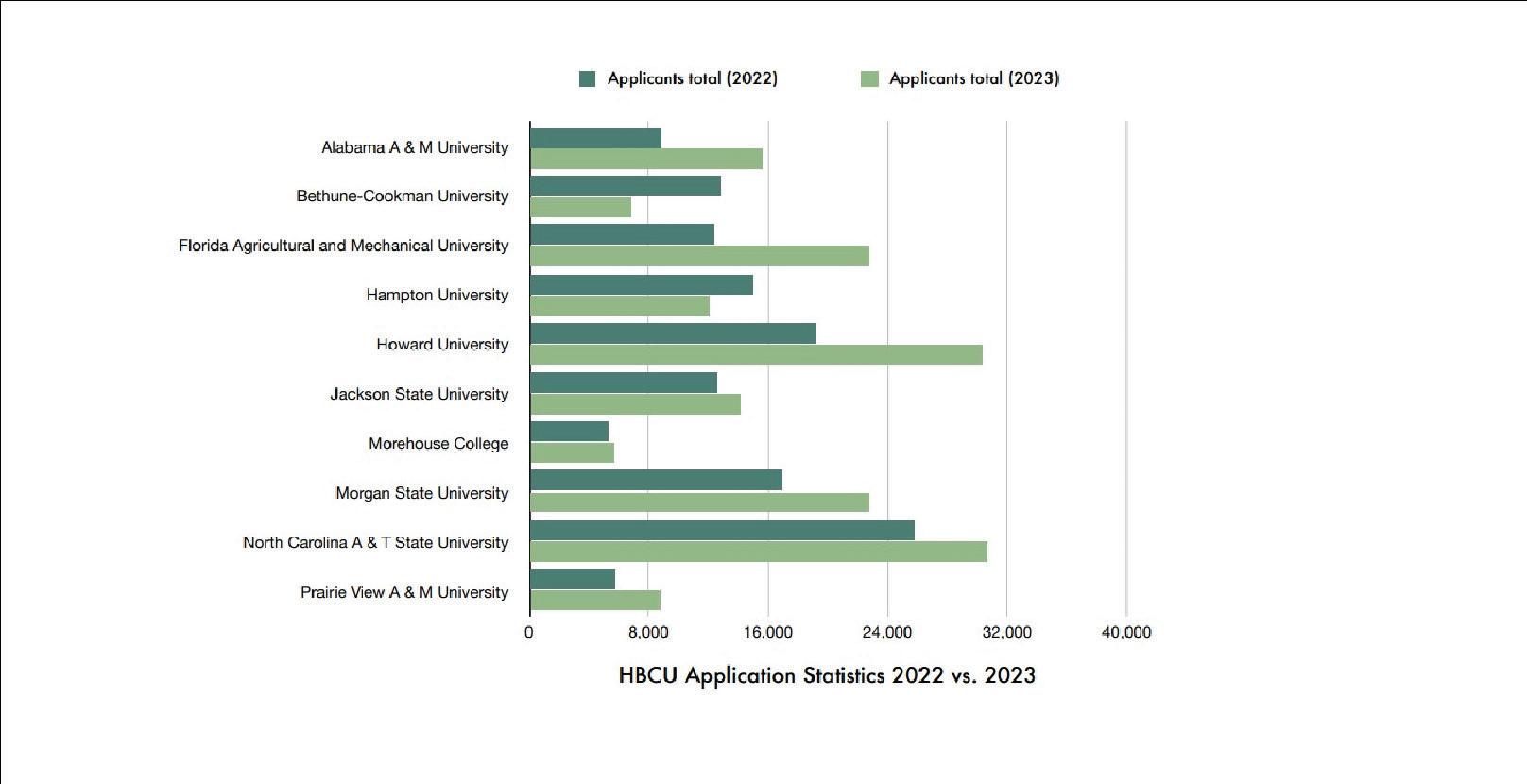
SCHOOL OF ARCHITECTURE
Wakabayashi Nights: Creating Nostalgia Based Media Utilizing Modern Tools
Victoria Baronville and Tracey L. Moore, Ph.D. Department of Digital Media Arts, School of Architecture
Abstract
Background: Manga, or Japanese style comic books (and subsequently anime, or Japanese animation), have become a major aspect of popular culture since the 1980s. Many types of artists have openly been inspired by the medium for storytelling and subsequently brought these influences into Western Media over time. In some circumstances, this is because manga (and anime) can be regarded as nostalgia driven media. Many adults born from the 80s to the 00s have been motivated by the likes of Toriyama’s Dragonball or Takeuchi’s Sailor Moon. These cultural influences have inspired many novices to create their own stories and comics.
Aims: The aim of this project is to analyze pre-existing manga to utilize modern tools alongside traditional manga principles and processes to write and illustrate a single volume nostalgia-based manga for both print and web-based viewership.
Materials and Methods: To create Baronville’s manga, the following applications and materials were used: Clip Studio Paint, a screen drawing tablet and InDesign. CSP is a drawing program used to create illustrations, comics, and animations. It offers a library of 2D and 3D materials that may be imported to be used in the program such as 3D models of buildings and humans that can be used for reference and creating accurate and consistent proportions. Adobe InDesign is a publishing software that can be used to format various forms of printed materials such as publications, presentations, and posters.
Results: After the process of creating a concept, outline, script, thumbnails and line art, I was able to complete the prologue and first chapter of my manga. This process took approximately 9 months in total.
Conclusion: In conclusion, utilizing modern assets and techniques to create a nostalgia-based manga influenced by Japanese comics of the past and present was moderately successful. Additional time would be useful to create a more polished story and comic overall.
Keywords: Fiction, Creative Thinking Process, Storytelling Process, Comic, Manga
Introduction
Manga and anime, within about the last half century have come to be solidified with the Western mainstream. Popular titles have been remade into films and shows, and many
artists from animators to video game producers have had their works influenced by stories written by Japanese mangaka (comic artists). Nostalgia plays a large factor in audience reliability and connection. When we are able to experience a sense of familiarity and belonging, we can connect to an article of media easily.
Manga and comics are literary mediums traditionally done with pen, pencil and ink. With the introduction of drawing tablets, digital artists are able to emulate traditional mediums on the screen, such as those pens, pencils, and inks. Alongside this tool is the internet, which individuals are able to use to share their stories with the world in a matter of minutes. As time has progressed, tools catered towards the demographic of comic artists have further developed to streamline the work process. Programs like Clip Studio Paint are catered towards digital artists who work with illustrations, painting, animations and comics alike both in cost and functionality. They have built a large community of artists globally who create assets to share within the program library such as 3D models, textures, and brushes.
The objectives of this study are to: 1. Research the practice of creating an original story, including the development of characters, world-building, and story writing techniques. Analyze and research pre-existing media – primarily manga, anime, and western cartoons in the slice-oflife genre in order to create an original short slice-of-life manga; 2. Utilize research to write a story summary, outlines and scripts. 3. Utilize modern tools, such as Clip Studio Paint and inprogram assets to successfully create a one-chapter manga.
Aims and tools
This aim of this study is to utilize modern tools along with traditional manga principles to create a nostalgia-based slice-of-life manga for both print and web-based viewership. As with creating any story in any medium, an understanding of storywriting is necessary, therefore much preliminary research was necessary before beginning. I started my research by reading Manga in Theory and Practice: The Craft of Creating Manga by Araki Hirohiko, mangaka for the popular series Jojo’s Bizarre Adventure This book explains the author’s method of successfully creating a palatable story (from world-building, to writing characters, to story writing, to character designs and determining the flow of panels). From this book, I was able to extrapolate the information I needed in order to begin writing. To gauge understanding and the context of nostalgia-based media, I read The Impact of Nostalgia Based Media by Gabriella Ferrara, a study conducted by a student for the Story Brook Media Showcase in February 2024.
After this, I began to conceptualize my manga by plotting out the characters, their goals, and the story itself. Once I established these key points, I read various manga and watched a small handful of anime based on manga in order to determine what the feeling of my story should be. These manga and anime included: The Way of the Househusband, Princess Jellyfish, Haikyu! and A Sign of Affection. After analyzing
these stories, I was able to consider the very bare bones of what my story would be: a slice-of-life story that focused on looking back on one’s adolescent youth. From there, I began to draft my story and created a very brief story summary. I then wrote a simple outline for the arrangement of how the story would go. I utilized a small group of betareaders to go over my writing for critiques, suggestions and corrections. I adapted the feedback I received at every stage into my final detailed script (that included dialogue and all character actions). After completing my script with a final critique from the beta-readers, I utilized a sketchbook and pencil to start creating my thumbnails. These thumbnails were used to determine panel placements and speech bubbles. To better understand the language of paneling, I referenced the Comic Devices Library. Once my story was planned out from script to page layout, I began to use Clip Studio Paint.
Clip Studio Paint’s comic tools were especially useful during this entire process. I was able to create panels with ease based upon my thumbnails. I also used the story editor to add each item of dialogue to every page where necessary. Using preset 3D models and a few from Clip Studio’s asset library, I used models to assist me with poses and perspectives. For a few backgrounds, I made use of my copy of the Sims 4 to build “sets” where I could place 3D models to my liking. After completing these steps, I began to sketch my characters over the models to gauge their expressions alongside their speech bubbles to make room for flowing text. After completing sketches, I utilized a drawing brush that emulated a thick inking pen to draw my characters in clean, crisp lines. For 3D items, I used ‘covert object into lines and tones.”
After my pages were completed, I moved into Adobe InDesign to create a proper layout, alongside filler pages. As in following the project concept of nostalgia-based media, I referenced physical copies of manga in order to facilitate the proper use of layout. Upon viewing my document proofs, my beta-readers came to the same conclusion, that it read as a volume of manga that would have been found in the 00s.
Results and conclusion
Overall, I believe I was able to successfully create a short chapter run of an original nostalgia driven manga. After showing it to a small group of individuals, all with an interest in the medium and no implicit bias (as they have not met one another and each have varying degrees of knowledge in the process of creating manga), I have concluded that I was able to make a palatable character-driven story within the sliceof-life genre. As the timeframe for creating this manga was relatively short compared to the time it would typically take (as also considering I am a novice), in retrospect I would have given myself more time to study principles that would have aided me in the creation process. In terms of using modern tools to create my comic, this was also a success. Most of my work was done in Clip Studio paint with peripheral aids from stock images and The Sims 4 video game. While Clip Studio has a large assets library full of brushes, stock images, backgrounds, and 3D models, many of their assets are locked behind membership paywalls. It was due to this that I improvised with The Sims 4. Clip Studio has many useful facets to it which I did not get to utilize for this project, so I am
sure when I continue working on this comic, I will discover more useful tools to streamline and/or improve my workflow.
As the world of art expands, there is a good breadth of programs and mediums to choose from to create one’s own form of manga or comic. From drawing traditionally, to using an iPad or Wacom, to even drawing with your finger on your smartphone, the use of modern tools allows manga to grow more as a global medium.
Acknowledgements
I would formally thank my friends: Olivia Garro, Cathy Le, Isabella Reeves, and Nicholas Defreitas for beta-reading my manga and giving me invaluable advice (both practical and motivational) throughout the near year long process. I would like to thank my classmates within my DGMA degree program for constantly encouraging me and giving me the initial push to begin the process of trying to create a comic of any kind. Finally, I would like to thank my supervisor and professor, Tracey Moore for facilitating my research, furthering my education and for the almost four years of encouragement as my professor. Thank you very much.
Keywords: Fiction, Creative Thinking Process, Storytelling Process, Comic, Manga
Wakabayashi Nights, Episodes
Digital Media Arts 2025 Senior Showcase Online Exhibit

Beyond Brawlers and Boxers: Utilizing Design and Computer Graphics to Expand the Lens of Black Identity and Portrayal in Video Games.
Lawson Smith and Tracey L. Moore, Ph.D. Department of Digital Media Arts, School of Architecture
Abstract
Background: in 1979 a game called “Basketball” came out for the Atari 800, featuring the very first black person in a video game; his name was “John Q basketball.” Based on a survey of Black video game characters that have emerged since that time, most Black characters took on one of these roles: a gangster/thug, sports player, or a law enforcement officer. Common stereotypical design tropes were utilized in the creation of these characters and original designs were lacking.
Aims: The aim of this project is to develop a roster of Black video game characters, all who fill a unique role in the game in which they belong, expanding on black character design to inspire others around me to challenge the status quo and develop a diverse range of characters who are Black.
Materials and Methods: For this project I will be using clip studio to create silhouettes and character art. I will then use Maya and other 3D modeling projects to create a stage for my characters to be placed in. Illustrator will be used as well to create character cards. Conclusion: By the end of this project, I hope to successfully create some interesting and memorable characters that expand the possibilities of what can be envisioned. I plan to take the knowledge I gain here into future projects as well.
Keywords: video game characters, role-playing games, 3D modeling, computer graphics, game design, character design
Introduction
My name is Lawson Smith, and I’m from Fort Worth, Texas. Coming from a family of artists and creatives, I’ve always felt a strong drive to create. As a child, I spent hours drawing simple cars with pencils and crayons. My passion for art truly ignited during my early teens, when I realized drawing realistically was essential for communicating my ideas. I understood that to share my vision with the world, I needed to master depicting people and objects accurately. Since then, I’ve dedicated myself to learning anatomy and various artistic techniques. This journey has been both challenging and rewarding. I’m driven by the desire to effectively translate my imagination into tangible art. Ultimately, I aspire to achieve the ambitious goals I’ve set for my artistic career, and to share my visions with others. One day, I hope to own my own animation company that excels in creating fantasy stories starring people of color in various settings.
Project development
For my thesis, I’m developing ‘Rupture Rumble,’ a mock fighting game set in a meticulously crafted fantasy world that I started working on in the summer of 2024. This project serves as a platform to challenge and expand Black representation in fantasy, showcasing characters beyond stereotypical narratives. I’ve dedicated years to building this world, and now, I’m bringing its inhabitants to life through this game.
The game features three distinct characters, each embodying a classic fighting game archetype, all while being people of color. I prioritized diverse visual designs, ensuring each character stands out. To achieve this, I immersed myself in character design principles, studying shape language, color theory, and anatomy. This rigorous process allowed me to create characters that visually communicate their personalities and backstories.
My favorite character, affectionately referred to as ‘the fat man’ for now, was a particular joy to design. He challenged my creative process in the best way, and the lessons learned from his creation will undoubtedly influence my future work. His design, like the others, emphasizes unique silhouettes and vibrant color palettes.
The game’s title, ‘Rupture Rumble,’ reflects the intense, dynamic nature of the fighting genre. I designed the logo and font myself, using an existing font as a base and refining it through multiple iterations. This personal touch adds a unique visual identity to the project. This project is more than just a game; it’s a statement. I aim to demonstrate that Black characters can inhabit diverse roles in fantasy without being confined to narratives of hardship. By creating visually compelling and narratively rich characters, I hope to contribute to a more inclusive and empowering representation within the genre. The ‘Rupture Rumble’ project, from its worldbuilding to its character designs, is a testament to the power of diverse storytelling and visual representation.
Conclusion
In conclusion, the development of ‘Rupture Rumble’ represents a significant step in my thesis, embodying a commitment to expanding Black representation within the fantasy genre through the dynamic medium of a fighting game. From the foundational worldbuilding initiated in the summer of 2024 to the meticulous character design and unique visual identity, this project underscores the potential for diverse storytelling and empowering visual representation to challenge existing stereotypes and enrich the landscape of fantasy.
This project has helped me understand character design in a new way. I hope to continue working on “Rupture Rumble” and other projects to further my skills and create memorable and interesting characters. My aspiration is to one day develop this project into a fully fleshed-out game with more than just a handful of characters, each possessing distinct designs and backstories.
Keywords: video game characters, role-playing games, 3D modeling, computer graphics, game design, character design
Digital Media Arts 2025 Senior Showcase Online Exhibit
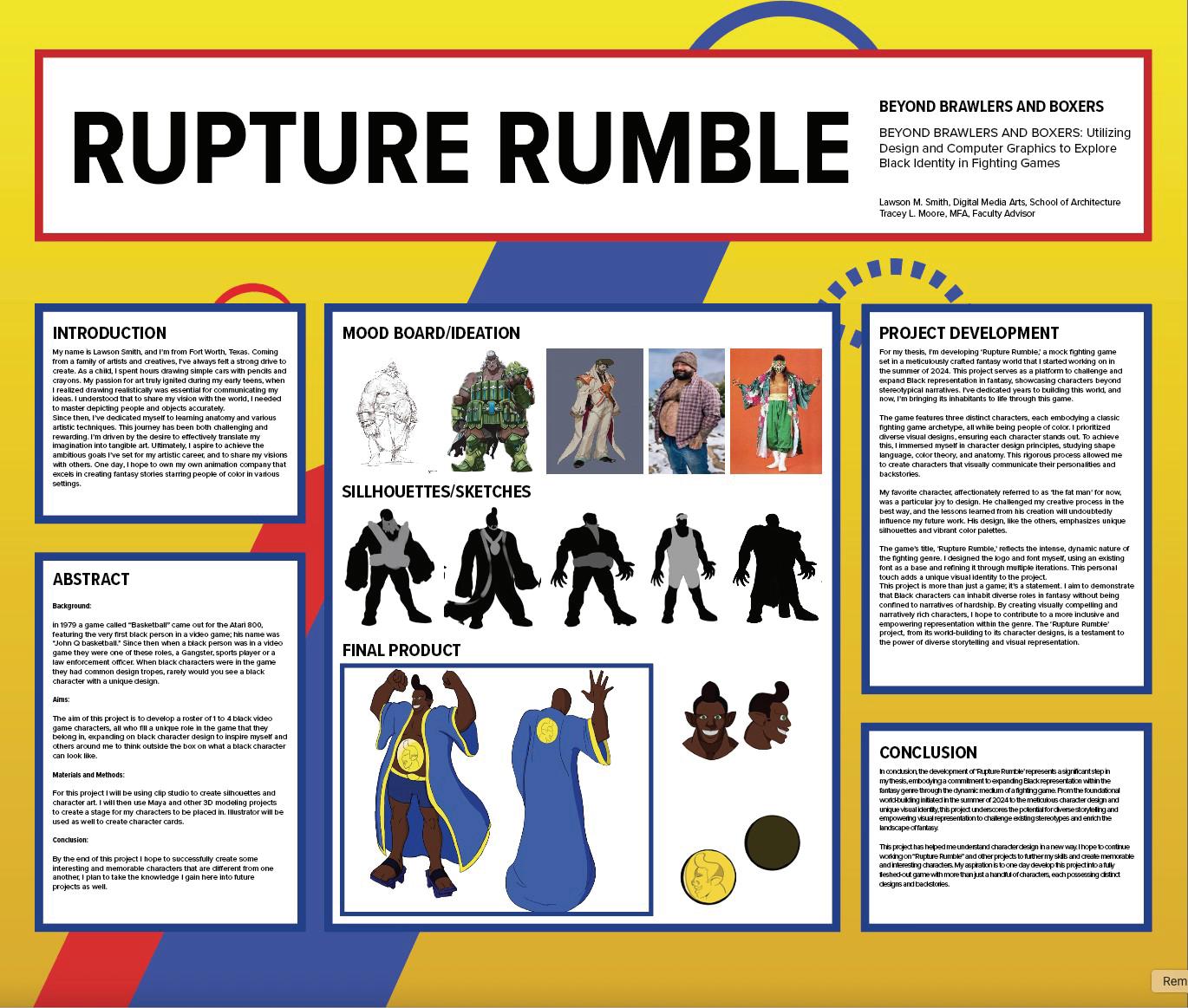
Abstract
Animating for Awareness: Developing a 3D Animation Series to Illustrate Fast Fashion's
Animating for Awareness: Developing a 3D Animation Series to Illustrate Fast Fashion’s
Jordan White and Tracey L. Moore, Ph.D. Department of Digital Media Arts, School of Architecture
Background: Fast fashion is an approach to create clothing that allows low to middleincome families to purchase at affordable prices. Due to the poor quality, fast fashion clothing is not made durable for long-lasting wear and is quickly discarded after a few uses. This causes a domino effect in the increase of hazardous gases, pesticides, and water adulteration, which then affects the population's health and, in some cases, death.
Aims: The expected outcome is to create an awareness campaign on the environmental impact of fast fashion utilizing 3D animation and modeling. Through the work, the audience is expected to feel sincerity and be persuaded to change their behaviors in disposing of clothes, which will positively impact our lives. Reducing the disposal of clothes and textiles into our environment can spark an interest in finding other ways to help clean our Earth and make our everyday lives more sustainable.
Materials and Methods: Surveying potential target audiences through questionnaires or focus group interviews will steer the project in the most appropriate direction. Research various technology applications between Maya, Blender, Zbrush, & Substance Painter to decide the most suitable medium to complete the animation.
Results: Maya is an excellent medium for creating low poly mesh models, and Zbrush is suitable for sculpting and refining. But, after sculpting for smoothness to create a high poly model, Maya experienced difficulties in executing the UV mapping and retopology for each model for the next step of rigging, animating, and rendering. Switching to Blender, a 3D/2D modeling and animating platform, was the best decision to move forward.
Conclusion: Maya is an excellent software for creating animations, and Zbrush is a great software for sculpting. However, with high poly models, Maya struggles to capture each face of the 3D model and crashes. Blender works well to model and sculpt in the same software simultaneously, the character model had to be recreated with a reduced number of subdivisions for faster modeling, rigging, and rendering.
Keywords: 3D modeling, Animation, fast fashion, computer graphics
Introduction
Fast fashion is a method of producing affordable clothing for low to middle-income families, but it often results in disposable garments that contribute to poor consumer habits. These items are typically low in quality and quickly discarded, fueling environmental pollution and unsustainable practices. Numerous studies have shown that textile waste significantly contributes to global issues such as hazardous gas emissions, pesticide overuse, water contamination, and ultimately, public health risks including cancer, respiratory diseases, and even death.
The goal of this project is to develop a 3D animated short film campaign that raises awareness of the harmful effects of fast fashion and careless consumer behavior. The campaign will address how the overproduction and disposal of clothing impact our environment, filling landfills, polluting waterways, and occupying valuable ecosystem space. Globally, fast fashion contributes to 8–10% of annual CO₂ emissions and is responsible for around 11 million tons of textile waste in the U.S. alone.
The short film will incorporate all stages of 3D animation storyboarding, animatics, modeling, rigging, animation, and sound design. A strong brand identity will accompany the film, using clear visual language and messaging to connect with viewers emotionally. This campaign aims to encourage audiences to consider alternatives such as donating or repurposing clothing, reducing textile waste, and ultimately contributing to a more sustainable future.
By highlighting the connection between consumer choices and environmental health, this project hopes to inspire meaningful change and spark interest in preserving our planet through mindful fashion consumption.
Aims and Materials
This study aims to explore a variety of 3D modeling software programs in the development of a short, animated film, while also raising awareness about the environmental and societal impacts of fast fashion. The project combines artistic storytelling with technical experimentation, using digital tools to bring the narrative to life in a visually compelling way. By integrating these tools into my pipeline, I was able to construct a stylized yet meaningful visual narrative that not only showcases my technical skills but also communicates the urgent message behind the film encouraging audiences to reflect on the often-overlooked consequences of fast fashion. This project highlights the intersection of digital art, animation showing how 3D modeling can serve as both a creative and educational medium
Maya
Maya is good for modeling low topology models has a pluggin feature, Substance painter, which is useful is useful for adding materials to your model powered by Adobe. But Maya struggled to UV map high dense models in order to add on materials after re-topology.
Zbrush
Zbrush is an Academy Award-winning and industry-leading tool for digital sculpting, modeling and painting. It offers a fluid, intuitive features that allows you to model 3D shapes just like sculpting with real clay letting you create with precision and control. Zbrush was good for my personal model, but Maya couldn’t handle the subdivisions my model had after sculpting which delayed the rest of my process.
These programs are good for making complex models, but blender was a better choice for me to model, sculpt, rig with their add-on features, add materials, all in one without having to redirect my files so much.
Results and conclusion
Overall, Blender is an incredibly powerful and versatile software program for 3D modeling and animation, as well as 2D animation. It offers a wide range of tools that are both beginner-friendly and professional-grade, making it a great choice for artists at any level. For me personally, Blender made it much easier to model, sculpt, and texture assets without needing to switch to other programs like Substance Painter. I was able to create custom materials and textures directly within Blender, which helped bring originality and style to my models while saving time.
One of the things I love most about Blender is its support for add-ons, including those that integrate with AI-generated content or automation tools to speed up the creative process. A great example is the Rigify add-on, which allows users to generate full rigging systems for characters automatically eliminating the hassle of building FK/IK bone setups from scratch. Another incredibly helpful add-on is Flow Studio Character Validator, which helps validate models to be compatible with Wonder Dynamics a web-based tool powered by Maya Autodesk that provides AI-assisted animation workflows.
Wonder Dynamics offers features like body motion capture, lighting, compositing, and rendering, which are all valuable tools for creating and finalizing short films or animated sequences. Another powerful tool I’ve used is Rokoko, which assists with motion capture and works well with rigs generated by Mixamo, allowing for retargeting and layering multiple animations efficiently.
To support my 3D environment scenes, I also used external resources like Fab.com and Poly Haven. These platforms offer free, high-quality 3D models, materials, and textures that integrate seamlessly with Blender and even work well in Epic Games’ Unreal Engine. These assets helped speed up the development of my environments while maintaining a polished, professional look.
Keywords: 3D modeling, Animation, fast fashion, computer graphics
Digital Media Arts 2025 Senior Showcase Online Exhibit

Integration of Version Control for Team Projects, One Collaboration, and Project Management in Video Game Development and Animation
Jaden Jones, Keniuh Russel, Hira T. Roberts Department of Digital Media Arts, School of Architecture
Introduction
This RISE-funded project aimed to enhance collaborative workflows in the Digital Media Arts curriculum by integrating Version Control Systems (VCS) into 3D modeling, animation, and game development courses. By simulating industry-standard practices within the classroom, the project sought to prepare students for professional pipelines through collaborative learning environments. The use of VCS tools such as GitHub allows both students and instructors to manage, monitor, and troubleshoot project development in real time within platforms like Unreal Engine.
Objectives
• Enhance collaborative workflows in the Digital Media Arts curriculum by integrating Version
• Control Systems (VCS) into: 3D modeling, Animation, Video game development courses
• Simulate industry-standard team practices in the classroom to prepare students for real-world production pipelines.
• Utilize VCS tools such as GitHub to:
o Enable instructors to manage and monitor student progress in real time within platforms like Unreal Engine.
o Improve error tracking by identifying when and where mistakes occur.
o Allow restoration of earlier versions and maintain current working builds in the cloud.
Methods
Testing and Implementation
Methodology and Outcomes Chart
1. Week 1 Onboarding: Students were introduced to GitHub and trained in core version control practices, including repository creation, collaboration setup, committing, and pushing changes.
2. Ongoing Use: Students utilized GitHub throughout the semester for managing and collaborating on team projects.
3. Informal Surveys: Feedback was collected from students to assess ease of use and engagement.
4. Research Presentation: The project’s design and findings were shared at the PVAMU Student Research Day.
Results Challenges
Several technical and pedagogical hurdles were identified:
1. File Size Restrictions: GitHub’s 100MB file limit required the use of Git Large File Storage (LFS). Clear documentation and instructions for LFS setup need to be integrated into future curriculum.
2. Branch Merging Difficulties: Students had difficulty managing merges and resolving conflicts, which highlighted a need for deeper instruction on versioning workflows.
3. Software Integration Awareness: Many students did not initially realize that VCS tools could be used beyond Unreal Engine, such as for Maya and Photoshop file
Conclusion and Impact
The project successfully established a foundation for using version control systems in creative production courses, with one student using GitHub uncoventionally for their 3D modeling project. Students were also familiarized with collaboration via GitHub. Informal class surveys demonstrated that they found version control useful and would like to learn more about merging branches in case of conflicts. Students gained practical experience with industry-relevant tools and workflows, equipping them with skills necessary for team-based digital media production environments.
Future Implementations
1. Update instructional material to include LFS setup for large file handling.
2. Introduce dedicated workshops on resolving merge conflicts and advanced branching strategies.
3. Expand VCS application across the curriculum, including integration with Adobe and Autodesk software.
4. Test rendering optimization workflows using Nanite in Unreal Engine for better realtime performance.
Research VCS Tools
Research VCS Tools
Evaluate GitHub, Perforce, and Anchorpoint
Evaluate GitHub, Perforce, and Anchorpoint
Identify the best tool for classroom use
Identify the best tool for classroom use
Classroom Integration Create a model project using GitHub Streamlined project setup
Classroom Integration
GitHub was selected due to accessibility and compatibility
GitHub was selected due to accessibility and compatibility
Successfully demonstrated and used by students
Create a model project using GitHub Streamlined project setup Successfully demonstrated and used by students
Project Management Test MS Office tools for tracking progress
Project Management Test MS Office tools for tracking progress
Generate task timelines and milestones
Generate task timelines and milestones
Pipeline Extension Build on the prior RISE project Incorporate VCS into the existing workflow
Pipeline Extension Build on the prior RISE project
Incorporate VCS into the existing workflow
Discontinued due to tool overload
Discontinued due to tool overload
Not fully tested. Successful transfer of models, new methods such as Nanite, will be tested for further optimization.
Not fully tested. Successful transfer of models, new methods such as Nanite, will be tested for further optimization.
5. Develop formal IRB-approved surveys to collect student data for evaluating the effectiveness of VCS integration in design-based coursework and team project outcomes.
5. Develop formal IRB-approved surveys to collect student data for evaluating the effectiveness of VCS integration in design-based coursework and team project outcomes.
6. Implement Multi-user (Live server connection) with version control, where students can work on the same scene file in real time.
6. Implement Multi-user (Live server connection) with version control, where students can work on the same scene file in real time.
Acknowledgements
Acknowledgements
I would like to thank my student workers, Jaden Jones and Kenniuh Russell, who tested the model projects and helped develop and disseminate the work conducted under my supervision. They were also instrumental in assisting students in the lab if they struggled with GitHub.
I would like to thank my student workers, Jaden Jones and Kenniuh Russell, who tested the model projects and helped develop and disseminate the work conducted under my supervision. They were also instrumental in assisting students in the lab if they struggled with GitHub.
References
References
1. Fiksel, J., Jager, L. R., Hardin, J. S., & Taub, M. A. (2019). Using GitHub Classroom To Teach Statistics. Journal of Statistics Education, 27(2), 110–119. https://doi.org/10.1080/10691898.2019.1617089
1. Fiksel, J., Jager, L. R., Hardin, J. S., & Taub, M. A. (2019). Using GitHub Classroom To Teach Statistics. Journal of Statistics Education, 27(2), 110–119. https://doi.org/10.1080/10691898.2019.1617089
2. Nelson, M.A., & Ponciano, L. (2021). “Experiences and insights from using Github Classroom to support Project-Based Courses.” In 2021 Third International Workshop on Software Engineering Education for the Next Generation (SEENG), pp. 31-35. IEEE, 2021.
3. Khazra, N. (2023). Facilitating Scaffolding and
2. Nelson, M.A., & Ponciano, L. (2021). “Experiences and insights from using Github Classroom to support Project-Based Courses.” In 2021 Third International Workshop on Software Engineering Education for the Next Generation (SEENG), pp. 31-35. IEEE, 2021.
3. Khazra, N. (2023). Facilitating Scaffolding and
4. Team Projects in Non-Computer Science Courses with GitHub Classroom. In deNoyelles,
4. Team Projects in Non-Computer Science Courses with GitHub Classroom. In deNoyelles,
5. A., Bauer, S., & Wyatt, S. (Eds.), Teaching Online Pedagogical Repository. Orlando, FL: University of Central Florida Center for Distributed Learning.
5. A., Bauer, S., & Wyatt, S. (Eds.), Teaching Online Pedagogical Repository. Orlando, FL: University of Central Florida Center for Distributed Learning.
Appendix
● Informal in-class student survey data (Not IRB approved)
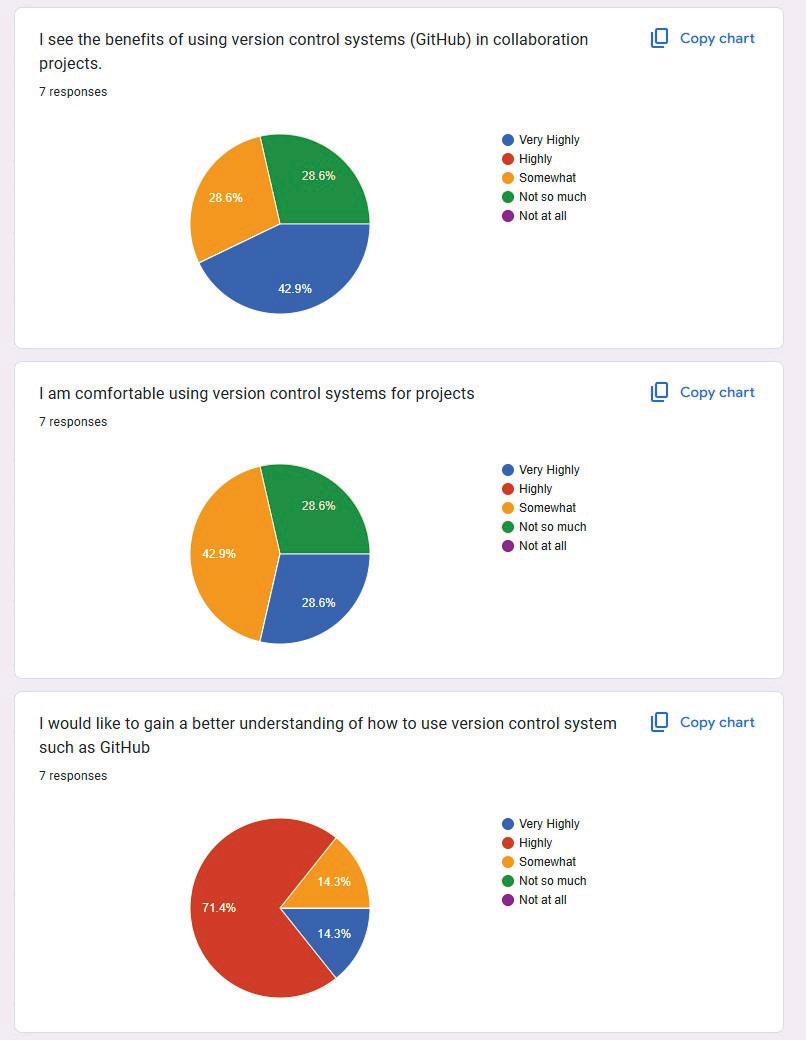
● Please click on the link to access the student presentation.
● Student GitHub projects: