























The arrest of seven Toronto police officers following a months-long corruption probe has prompted a review of the province’s police services and boards.
Is the corruption scandal simply a matter of a “few bad apples”? Not according to SFU criminology expert Marie Ouellet, who says that this familiar explanation overlooks how misconduct emerges and spreads within police organizations.
“Policing is not only about policies or procedures – it is about relationships,” says Ouellet, assistant professor, School of Criminology.
“Seldom is corruption down to individual bad actors, but rather the network in the middle. Whether an officer upholds ethical standards or bends to group pressures depends not just on formal rules, but on the network of peers shaping their daily decisions.
“Recognizing this reality suggests that meaningful change in policing requires more than top-down policies – it requires reshaping the very networks that define the profession.”
In a recent paper published in the Annual Review of Criminology, Ouellet highlights that police corruption, and
PUNJABI
the silence that can protect it, often follows informal officer networks: the workgroups, trusted partners, and tightly knit “crews” that can develop in departments.
Ouellet suggests network science – the process of mapping informal connections between officers – can bring hidden dynamics into view.
Traditionally, police early-warning systems to prevent misconduct have focused on individual histories, such as past complaints.
A network approach adds a critical new layer by asking different questions: Who is this officer connected to? Are high-risk behaviours concentrated within particular peer groups?
Ouellet says this would enable leaders to address issues early, provide targeted support and prevent problematic behaviour before it escalates.
“When we start from a ‘bad apples’ framework, the solution is often to remove a few individuals and assume the problem is solved,” Ouellet says.
“But if misconduct is embedded in networks, removing one officer may do little in changing the conditions that produced it.”
Chief Editor/Publisher : Dr. Andy Sidhu | General Manager : Dave Sidhu | Administration Executive : Ronnie Sidhu
Punjabi Editor

Gurdeep Singh Grewal
Shingara Shergill
Gurmeen Banipal
Gurjeet Kaur Muhar
Assistant : Gurneet Sidhu
CHANGE $70.00 Winter Special


Unit #24 - 3275 McCallum Road Abbotsford B.C. V2S
bI[sI[ dI ivsv-pwDrI dI mfnqf nMU kfiem rwKidaF ividafrQIaf nMU DoKfDVI krn vfilaF qoN surwiKaq rwKxf
bI[sI[ srkfr aMqrrfsLtrI iswiKaf Kyqr
dI ingrfnI mjLbUq krn aqy aMtrrfsLtrI ividafrQIaF dI ibhqr surwiKaf XkInI
bxfAux leI nvF ivDfn pysL kr rhI hY.
“sfzI srkfr aMqrrfsLtrI ividaFrQIaf dI surwiKaf nMU qrjIh dy rhI hY, aqy asI
bI[sI[ dI guxvwqf vflI iswiKaf dI ivsLv Br ivwc mfnqf nUM kfiem rwK rhy hF,” postsYkMzrI aqy BwivK dy hunr mMqrI, jYsI suMnV ny ikhf. “ ieh ivDfn srkfr nMU Auh
sfDn muhweIaf krdf hY ijnHF nfl DoKfDVHI
krn vfilaF iKLlfPL sKLq kfrvfeI kIqI jf
sky aqy ieh XkInI bxy ik sMsQfvF sB qo
vDIaf imafrF nMU pUrf krdIaF hn. aMqrrfsLtrI ividafrQIaF nMU Auh AuWc-imafrI
iswiKaf imlxI cfhIdI hY ijsdf AunHF nfl
vfadf kIqf igaf sI, aqy asIN ies leI
qurMq kdm cuwk rhy hF.”
EQA pRogrfm Auh imafr inrDfrq krdf
hY ijnHF nMU inwjI aqy srkfrI sMsQfvF nMU
pRmfixq hox aqy stwzI primt vfly aMqrrfsLtrI ividafrQIaF dI myjLbfnI krn leI
pUrf krnf lfjLmI hY. ieh imafr vrqmfn
ivwc nIqI rUp ivwc mOjUd hn. pRsqfivq
ivDfn ies nIqI nMU kfnMUn ivwc drj krygf.
mOjUdf mfpdMzF nMU kfnMUn bxfAuxf
ieh pRsqfivq ivDfn Auh kfnMUnI loVF
inrDfrq krygf ijnHF nMU sMsQfvF nMU pRmfixq
hox leI pUrf krnf lfjLmI hovygf. nvF kfn-
MUnI ZFcf ieh drsfeygf ik ikhVIaF sMsQfvF
arjLI dy skdIaF hn aqy AunHF nMU pRmfixq
hox aqy Aus nMU kfiem rwKx leI kI sfbq
krnf hovygf, qF jo isrPL Auh sMsQfvF hI
aMqrrfsLtrI ividafrQIaF dI myjLbfnI kr
skx jo ieh imafr pUry krdIaF hn aqy guxvwqf vflI aMqrrfsLtrI iswiKaf leI asl vcnbwDqf idKfAuNdIaF hn.
inXmF dI pflxf aqy lfgUkrn leI nvyN sfDn pysL krnf
pRsqfivq ivDfn srkfr nMU sMsQfvF dI jFc krn aqy DoKfDVI krn vfilaF nMU ijMLmyvfr TihrfAux leI kfrvfeI krn df kfnMUnI aiDkfr dy ky ingrfnI aqy lfgUkrn nMU mjLbUq krygf.
jy keI sMsQf imafrF ‘qy KrI nhIN AuqrdI jF sLrqF, hdfieqF jF afdysLF dI pflxf nhI krdI, qF srkfr Ausdf zYjLIgnysLn srtIiPkyt rwd kr skdI hY, ijs nfl AuhdI aMqrrfsLtrI ividafrQIaF dI myjLbfnI krn dI smrwQf vI rwd ho jfvygI. aYkt iewk vfjb, aiDkfrk aqy pfrdrsLI apIl pRikiraf vI qYa krygf.
gYr-pRmfixq sMsQfvF nMU stwzI primt vfly aMqrrfsLtrI ividafrQIaF df dfKlf krn qoN rokxf
pRsqfivq ivDfn gYr-pRmfixq sMsQfvF nMU AunHF aMqrrfsLtrI ividafrQIaF dI BrqI, dfKlf jF pRogrfmF dI pysLksL krn qoN rokdf hY ijnHF nMU stwzI primt dI loV huMdI hY. iksy vI sMsQf nMU ivigafpn , dfKlf jF pRogrfm clfAux qoN pihlF zYjLIgnysLn lYxf pvygf.
ieh ivDfn aMqrrfsLtrI iswiKaf ivwc sLfsn nMU mjLbUq krygf, srkfr dI AuWc imafrI iswiKaf dI vcnbwDqf nMU pUrf krygf aqy aMqrrfsLtrI ividafrQIaF nMU DoKfDVI krn vfilaF qoN bcfeygf.






With 2026 underway, recent changes to BC's Employment Standards Act and the Canada Labour Code make this the perfect time to review and refresh your HR policies. From expanded leave entitlements to new rules for gig workers, these changes affect how businesses manage compliance and people. Is your organization ready?
For employers operating across provinces, remember that Alberta, Ontario, and the federally regulated sectors, such as transportation, have also introduced updates. Staying ahead means aligning your policies now. Our HR professionals at Trimark are locally based and ready to support you and your business.
BC now limits when employers can request a doctor's note. For short-term absences of up to five consecutive days, employees are not required to provide medical documentation. These absences may relate to the employee's own health or that of an immediate family member. Notes can still be requested for more prolonged absences or after repeated short-term leaves.

When managing sick leave, employers must remain mindful of human rights and privacy requirements, ensuring that requests for information are necessary and proportionate, and that they do not seek medical diagnoses or details beyond what is required to support the absence.
Employees may now take up to 27 weeks of job-protected leave within a 52-week period for serious illness or injury. This leave can be taken in segments rather than consecutively, offering flexibility during recovery. A medical certificate from a health practitioner is required. Employers should
update policies and train managers on these changes.
BC now classifies app-based gig workers as employees under both the Employment Standards Act and the Workers' Compensation Act. This means businesses must provide minimum employment standards and WorkSafeBC coverage. If your organization uses gig talent, review agreements and compliance practices now to avoid risk.
WorkSafeBC has introduced several updates that employers must incorporate into their 2026 safety programs. Recent amendments to the Occupational Health and Safety Regulation, new guidance on mental disorder claims, and revised exposure limits all require policy and training updates. Employers working with volunteer firefighters or gig economy workers should also review their obligations under the Workers' Compensation Act. These changes reinforce the importance of proactive safety planning and clear documentation. Updating your HR and safety practices now will help ensure compliance and reduce risk throughout the year.
Some immediate action items include:
Review and update your OHS program to reflect 2026 regulatory changes
Train supervisors on revised mental disorder claim definitions
Audit exposure control plans and update TLVs where required
Confirm payroll reporting practices align with WorkSafeBC's updated directive
Review governance and insurance obligations for volunteer firefighters
Ensure gig-economy workers are correctly classified and covered
If you operate in banking, telecommunications, interprovincial transportation, or other federally regulated sectors, new entitlements came into effect on December 12, 2025:
1. Pregnancy Loss & Bereavement Leave
Three paid days for pregnancy loss (including for a spouse or common-law partner)
Up to eight weeks unpaid for stillbirth
Bereavement leave expanded from 10 days to eight weeks for the death of a child, spouse, or common-law partner
2. Adoption & Surrogacy Leave
A new 16-week unpaid leave applies when a child is placed through adoption or surrogacy. This aligns with upcoming Employment Insurance changes expected in 2026.
3. Proposed Ban on Non-Competes
The federal government has announced plans to restrict non-compete clauses in employment contracts for federally regulated businesses, similar to Ontario's ban. Formal amendments are anticipated in 2026.
4. Accessible Canada Act – Reporting Reminder
Federally regulated employers with 100 or more employees must complete annual accessibility progress reports. These reports demonstrate progress toward accessibility goals and are mandatory.
According to preliminary data, 1,826 people have lost their lives in 2025 due to unregulated drug toxicity, as reported by the BC Coroners Service.
While still representing a profound loss of life, this reflects an approximate 21% decrease from 2024 (2,315), and the first time since 2020 that deaths due to unregulated drug toxicity have totalled fewer than 2,000 people within a year.
There were 136 and 141 suspected unregulated drug deaths in November and December 2025, respectively. The number of unregulated drug deaths in November and December equates to about 4.5 deaths per day. In 2025, deaths among those between the ages of 30 and 59 accounted for 69% of drug-toxicity deaths in the province, and 77% were male. Forty-eight per cent of deaths reported occurred in a private residence, compared with 20% outdoors.
By Health Authority, in 2025, the highest number of unregulated drug deaths were in the Fraser and Vancouver Coastal Health Authorities (533 and 484 deaths, respectively), making up 56% of all such deaths.
Fentanyl and its analogues continue to be the most common substance detected in expedited toxicological testing. Dece-
dents who underwent expedited testing in 2025 were found to have fentanyl (69%) in their systems, followed by fluorofentanyl (54%), cocaine (53%) and methamphetamine (52%). Smoking is the most common mode of consumption (65%), followed by nasal insufflation (11%), injection (9%) and oral (4%).
The unregulated drug dashboard has been updated to include data for 2025.
It is important to note that data from the report is preliminary and subject to change as additional toxicological results are received and investigations conclude.
Additional key findings in 2025 include: By local health area, the highest rates of suspected unregulated drug deaths were in Vancouver-Centre North, Lillooet, Greater Campbell River, Terrace and VancouverCity Centre.
Youth (18 years old and younger) suspected drug-toxicity deaths have increased from 21 deaths in 2024 to 26 deaths.
Among deaths where occupation industry is known, the two most common industries of current or past employment continue to be trades, transport and equipment operators, and sales and service.


jy qusIN dMd lvfAuxy hn jF iPr lgvfey hn dMd purfxy hn aqy nvyN lvfAuxy hn
quhfzy lvfey dMd iZqly hn jF tuwt gey hn blrfj nfl apfieMtmYNt bxfE aqy Kfxf
cMgI qrHF KfE jy quhfzy sfry dMd nhIN inkly pr Kfxf TIk qrHF nhIN Kf huMdf qF blrfj nUM imlo ieh quhfzI syvf leI srI ivwc hn.


kuafltI bOzI aqy pyNt rIpyar syvfvF
Prym vrk aqy XUnIbOzI rIpyars
pUrIaF pYNt jObs (sOilzs, mYtfolks, trfeIkots, kuaYzkots)
afeI.sI.bI.sI klym aqy prfeIvyt klym hYNnzlz promptlI
muPq aYstImyts
kstm pyNt
kmplIt rIstorysLn
kstm kfr afzIE/ vIzIE
sfrIaF puKqF syvfvF
ijLMdgI Br leI ilKqI grMtI
smrwQ aqy dosqfnf syvfvF
OPEN

2ND LOCATION AT ABBOTSFORD
#1, 32056 SOUTH FRASERWAY (ABOVE MEDICAL CLINIC) CALL DR. SHVETA SAINI MBBS, MD, DHMHS (ONTARIO) PRACTICE SINCE 15 YEARS 604-304-2236
holI dy iqAuhfr sfry Bfrq hI nhIN blik ivdyÈF ivc vI DUm Dfm qy ÈrDf Bfv nfl mnfieaf jFdf hY. rMgF dI mirafdf ivc AuqÈfh dy nËfry swqrMgI pirBfÈf Cwzdy hn. KuÈI, AumMg, qrMg, AuqÈfh, BfeIcfrf, dyÈ BgqI aqy rMg rUp, jfq-pfq qoN Aupr AuTky ieh iqAuhfr mnfieaf jFdf hY. ieh iqAuhfr Pwgx dI pUrnmfsI nUM mnfieaf jFdf hY. ies idn sfry afdmI, aOrqF aqy bwcy buwZy holI df pUjx krdy hn. pUjf arcnf qoN bfad holIkf nUM jlfieaf jFdf hY. ies idn vrq rwKxy ÈuwB mMny jFdy hn. ies idn hnUMmfn jI, BYroN jI afid dyviqaF dI vI pUjf kIqI jFdI hY. ijnHF sQfnF Aupr Bgvfn dIaF lIlf pRsMg ikirafvF hoeIaF AuQy AuQy mMidr sQfpq hoey jo ik qIrQ sQfn df rUp bx gey. holI ies ieiqhfs nfl vI juVI hoeI hY. vYsy qF holI df mMglfcrx bsMq ruwq ivc hI ho jFdf hY. sfrf brj (ikRÈn sQfn) alOikkqf nfl Br jFdf hY. jgHf-jgHf Aupr gulfl dI holI ÈurU ho jFdI hY. DrqI df kx-kx holImey ho jFdf hY.
sRI ikRÈn dI lIlf sblI brj dI holI df nËfrf hI kuJ hor huMdf hY. brj dy vrsfnf mMQurf, ivRMdfvn aqy nMdgfv dI holI dI pRiswdqf
hfs-ivlfs, ÈRI
ikRÈn, rfDf dI rfs lIlf
aqy nfcBMgVy BjnsMgIq, hwsITyTlIaF, KuÈIafqimk ÈorÈrfbf aqy mnorMjn df iek vwKrf nUr Jlkdf hY.

agr iËMdgI ivc, kudrq ivc suMdr rMgF dI hoNd nf huMdI qF Èfied sfrI dulIaF, sfrI iËMdgI inrrQk huMdI. vwK-vwK rMgF dI idlkÈ idwK vI pRfxIaF dy idl-idmfg aqy ijsm dy
Aupr gihrf pRBfv Cwzdy hn. rMg nf huMdy qF
jIvn ivc imTfs nf huMdI, jIvn iPwkf-iPwkf huMdf. rMgF ivc moh-ipafr huMdf hY. rMgF ivc
Bgvfn vwsdy hn. rMgF ivc hI alOikkqf hY. rMg hI suMdrqf dy arQ dwsdy hoey jMnq dy rsqy KolHdy hn. suMdr idRÈ hI jMnq dy

prfeyvfcI
hn. rMgF df pRBfv iËMdgI dy hr iek kfrj
Aupr pYNdf hY. ijs dy nqIjy pRBfv pUrvk huMdy hn. rMgF dI suMdrqf hI kudrq df nFa hY. rMgF dy smUh nUM
hI kudrq ikhf jFdf hY. awKF ivc AuBrdy
rMgF dy pRqIibMb idmfg, ihrdy nUM qfËgI
aqy ÈFqI bÉÈdy hn. rMg qF krUp nUM vI
srUp bxf idMdy hn. dunIaF ivc ijMnIaF vI ÉUbsUrq cIËF hn sB rMgF dI bdOlq hI qF hn. rMgF ivc hI sfrf sMsfr suMdr lgdf hY. suhxf lgdf hY. cfhy rMg sMjIv hn jF inrjIv. rMg afkrÈx pYdf krdy hn. rMg ipafr-muhwbq Auqpn krdy hn. rMg imlfp-myl vDfAuNdy hn. hr iek dyÈ rMgF dI pihcfx nfl hI jfixaf jFdf hY. rMg dyÈ dI agvfeI krdy hn. rMg nf huMdy qF
bflm gurdfspur AuNkfr ngr, gurdfspur pMjfb mo[ – 98156-25409
iËMdgI dy ZMg vI nf huMdy. ihrdy-msqk nUM rMg hI jcdy hn ijs dy kfrn mnuwK afpxI aMdrUnI-bfhrI ÈkqI nUM qoldf hY. rMgF krky hI ‘qUM aqy mYN’ dI hoNd hY. rMgF krky hI ipafr pnpdf hY. rMgF krky hI AuplBdIaF, AupfDIaF, afdIaf-vfdIaF hn. holI dy iqAuhfr nfl anyk hI ieiqhfsk, imiQhfisk, ivÈvfs mwq, pRyrk pRsMg, dMd kQfvF juVIaF hoeIaF hn. ivÈvfÈ mOq hY ik iek smyN dI gwl hY ik Bfrq vrÈ ivc iek ivrXokiÈpU nfm df rfkÈ rfj krdf sI. Aus df ihk puwqr pRihlfd sI jo Bgvfn ivc aQh ivÈvfÈ rwKdf sI. Ausdf ipqf Bgvfn nUM nhIN sI mMndf. Auh afpxy afp nUM Éud hI Bgvfn smJdf sI. Auh afpxy rfj ivc Bgvfn df nfm nhIN, kyvl afpxf hI nfm jwpx nUM kihMdf. pr pRihlfd Bgvfn ivc ivÈvfs rwKdf sI. Auh idn rfq Bgvfn dI pUjf krdf sI pr Aus dy pfpI ipqf nUM ieh sB kuJ cMgf nhIN sI lgdf. Auh pRihlfd nUM Bgvfn df nfm jwpx qoN rokdf sI pr pRihlfd tws qoN mws nf hoieaf qF Aus ny pRihlfd Aupr keI awiqafcfr kIqy. jfnoN mfrn dI vI koiÈs kIqI pr pRihlfd df vfl ivMgf nf hoieaf. aMq ivc Ausdf ipqf boilaf

• Corporate Tax (T2)
•
ik myrI BYx holIkf nUM bulfE aqy Aus nUM kvo ik pRihlfd nUM awg ivc lY ky bYT jfvy, ijs nfl pRihlfd qF sV ky mr jfvygf aqy holIkf df awg vI kuJ nhIN ivgfV skdI ikAuNik holIkf nUM ieh vrdfn sI ik Aus nUM awg nhIN sfV skdI. afiÉr holIkf nUM bulfieaf igaf.
Ausny afpxy Brf dI gwl mMnI aqy awg dy BFbV ivc Auh pRihlfd lY ky bYT geI. pRihlfd nUM kuJ nf hoieaf. Auh jIivq irhf. Aus idn qoN ieh holIkf jlfeI (sfVI) jFdI hY. Bgvfn afpxy BgqF dI hr hfl rwiKaf krdf hY Bfv ik swcfeI aqy inmrqf dI hI ijwq huMdI hY.
holI dy idn Zol, ngfry, nfc, igwDy, BMgVy pfey jFdy hn. ies idn duÈmx vI imwqr bxy jFdy hn. rMgf dI brsfq huMdI hY. KuÈI pwbF Bfr ho ky nwcdI hY. ies idn pUjf arcnf dy bfad jl, rolI (hldI cUny nfl bxI hoeI lfl rMg dI bukqI ijs df iqlk lgfieaf jFdf hY) molI, cOl, Puwl, pRÈfd, gulfl, cMdn, nfrIal afid cVfey jFdy hn. Qfl ivc rwKy dIivaF nfl afrqI krky zMzOq krnf ÈuwB mMinaF jFdf hY qF ik mnuwK ivc inmrqf bxI rhy. iPr sB dy rolI nfl iqlk lgfieaf jFdf hY. vwK-vwK ZMgF-mirafdf nfl holI dI pUjf kIqI jFdI hY. holI ivc awg
• prsnl tYks
• pRoprfietr
• kOrporyt tYks
• pfrtnrisLp
• jI[aYs[tI, pI[aYs[tI & aYc[aYs[tI
• zbilAU[sI[bI[
• sI[afr[ey irvIAUjL
• ibjins plYinMg


lgfAuNdy hI Aus zMzy jF lwkVI nUM bfhr kwZ ilaf jFdf hY. Aus lwkVI nUM Bgq pRihlfd mMinaf jFdf hY.
iKzOxy rUp ipckfrIaF, bfltIaF afid nfl
rMgF df sMvfd, adfn-pRdfn huMdf hY. iek mukMml mËf. KuÈI dI aiBivakqI ies idn vDIaf pkvfn, imÈTfx, Bojn, nmkIn, Pl afid df syvn kIqf jFdf hY. mihmfn invfËI aqy jjmfnI dy afdrÈk qOr qrIky apxfey jFdy hn.
holI df iqAuhfr sRI afnMdpur sfihb (pMjfb) ivc vI DUm-Dfm aqy ÈrDf nfl mnfieaf jFdf hY. Kyz-ikirafvF, GOV ikrafvF aqy
BfrI mylf lgdf hY. lwKF dI qfdfd ivc ÈrDflU phuMcdy hn. keI rfjnIiqk, Dfrimk pfrtIaF dy mMc vI lgdy hn. kQf, kIrqn, Èbd gfien, ZfzI jQy iviKafn aqy BfÈx huMdy hn. sfrf afnMdpur sfihb holI dy rMg ivc rMigaf jFdf hY. Éflsy df jlHO alOikk aqy lOikk rUp vyKx nUM imldf hY. lwKF rMg
ibrMgIaF pgVIaF holI dy rMg ivc rMg ky suMdrqf dy idRÈ ibKyrdIaF hn.
iPr vI ies idn kuJ lok nÈf krdy hn, jUaf Kyzdy hn, jo burI gwl hY. smfj nUM glq idÈf imldI hYy. iPr vI holI df iqAuhfr rMgF dy ËrIey mfnvqf df sMdyÈ idMdf rvygf.
Are you expecting an income tax refund this year? If so, there are strategies to use it in ways that will make your money go a long way:
Paying down debt
Make a list of your debts. Include the interest rates, as well as how much each is costing you monthly, and over the long term. Paying off higherinterest and compound-interest debts, such as credit card debt, should be the priority.
Building an emergency fund
It’s important to expect the unexpected, such as a surprise vet bill, car repair or loss of income. An emergency fund can be a key support for when life throws you a curveball, and a much less costly option than relying on credit.
It is never too early or too late to put aside money for retirement. This is especially true if you don’t have a pension through your employer. A tax refund can be a great way to put a lump sum aside in a Tax-Free Savings Account (TFSA) or Registered Retirement Savings Plan (RRSP).
You can speak with a financial professional to figure out what savings tools and products suit your needs to save for your retirement.
There are resources available to help you make informed financial decisions. For example, the Financial Consumer Agency of Canada has unbiased information and tools on topics such as choosing a financial advisor, calculating credit card debt repayment options and setting financial goals.
Review by Veeno Dewan.


Originally introduced in Canada in limited numbers in 2923, the Lexus RZ EV 450e is a premium version of the cross shared Subaru Solterra and the Toyota BZ4X Crossover. Now it is back with much better EV range, faster charge times, and major revisions. Key updates include an 11kW AC charger for faster home charging, better performance, and new variants. Lexus says that the RZ can accomplish a 10-80% fast charge in 30 minutes now – even in a temperature of -10ºC.
The important revisions are the use of a larger battery with a 77-kWh unit under the floor instead of a previous 71.4 kWh unit, while the onboard charger has been improved for faster Level 2 sessions. 240-volt Level 2 charging times is now reduced to seven hours, according to Lexus — more than 25 per cent quicker than previously. In term of fast charging - a 10-to-80 per cent charge should take the same 30 minutes through the North American Charging System (NACS) charge port.
EV driving range has also been improved, with the RZ 450e providing an estimated 420 km on a full charge — 66 km more than before. Lexus has also added a front-wheel-drive trim to the Canadian model range for the first time, which increases range to 486 km. Then there’s the new RZ 550e F Sport trim that prioritizes performance on its way – but with just 366 km to provides much quicker acceleration and top speeds.
Design wise, the 2026 Lexus RZ 450e has the distinctive “Spindle” motif architecture common to Lexus with some refining aesthetics tweaks. It is sleek and aerodynamically efficiency.
Signature Lighting: Features the “Twin L-Signature” LED headlights and a full-width rear light bar. A cool touch is the new illuminated and heated front emblem. Wheel options range from 18inch machine-finish dark grey wheels to 20-inch aero-ventilated split-spoke alloy designs for better brake cooling.
The 2026 model also expands the Canadian RZ to a total of five models: that long-range front-drive RZ 350e entry model; the RZ 450e in Signature, Luxury, and Executive trims; and the RZ 550e with its 4.4-second acceleration figure. The 2026 Lexus RZ 450e model comes in 2 trim levels.

Canadian pricing ranges from $66,990 to $82,960 Freight and PDI is $2,205.
RZ Interior features include as standard: 14-inch Touchscreen: Lexus Interface with wireless Apple CarPlay/ Android Auto, Wireless Charging: Standard on all trims, Panoramic View Monitor: 360-degree camera for parking, Power Back Door: Hands-free kick sensor available. The 2026 Lexus RZ 450e Signature Vehicle is equipped with a 10-speaker audio system and features voice-activating capabilities.
Higher level trims add luxury and convenience as: Heated Rear Seats and Head-Up Display, Audiophile quality: Mark Levinson Audio: Premium 13-speaker system, Dynamic Sky Panoramic Glass Roof, dimming feature for light control. Our tester’s cabin looked wonderfully upmarket with its Thunderstorm Ultrasuede Trim. Cool details included laser-etched patterns on the trim panels and ambient lighting, There is also an Advanced Park System with Automated parking assistance plus a Digital Key: For phone-based vehicle access. Typical Lexus luxury with premium materials is present throughout.
Lexus RZ 450e offers 988 L (34.9 ft³) of trunk space behind the rear seats and that opens up to 1,515 L (54 ft³) with the rear seats folded down. Key Standard Features safety systems include: Lexus Safety System+ 3.0:
with Digital Latch & Safe Exit Assist: Electronic door release with cyclist/ vehicle detection, Intuitive Parking Assist with Auto Braking: Parking sensors and automated braking. On the road, the 2026 Lexus RZ is steady on the road and feels. Lexus has also upgraded the suspension and stiffened the body for better ride and handling. Thes traction system is improved now for faster response, apportioning power between the front and rear wheels for superb grip. RZ feels light, quick and agile. It also takes corners with aplomb, thanks to the new suspension setup.
Downside are few the drivers’ digital instrument cluster remains -dated. However, there is an available headup-display to mitgate this. Electric driving range although improved from before is still short of its contemporaries. A lot is improved with the new RZ and it is a great addition to the Lexus portfolio as a dedicated EV. The exceptional ride comfort, awesome Lexus build quality and a comfortable cabin and a choice of models including front wheel Drive, AWD and performance variant add to the excellent choice. Highly recommended if a Lexus Crossover Electric Vehicle is on your shopping list!
2026 Lexus RZ 450e price as tested - $84,365 plus $2,205Freight and PDI.
More info at www.lexus.ca.
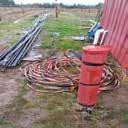
We install septic tanks asI s pitk t k lfA Nd hF
• Irrigation Installation
• Post Pounding
• Drip and Sprinkler Systems
• Ditch Digging and Cleaning
• Farm Drains
• waste water treatment

Workers Wanted: Welder & General helper good wages, must speak English, knowledge of Punjabi will be an asset


Today’s provincial budget charts a course toward reducing the deficit while preserving some key public services, the BC Federation of Labour said today. But they warned British Columbians will feel the impact of cuts and program pauses, and the government left key revenue-generating opportunities on the table.
“It’s good to see BC making a historic commitment to skills training, opening up great, well-paid careers in the trades for thousands of people. The $54 million lift for Skilled Trades BC will increase apprenticeship seats and build a stronger trades labour force,” said BCFED President Sussanne Skidmore.
“But the budget lacks a defined strategy to address BC’s struggling postsecondary sector — a key piece of economic infrastructure in building a
stronger and more diverse economy — amid wide-spread program cuts and layoffs.”
British Columbians expect public services to be there when we need them, said BCFED Secretary-Treasurer Hermender Singh Kailley, yet the government has announced staffing cuts.
“We need more clarity on where those 15,000 jobs will be cut, and that they won’t have an impact on front-line delivery,” he said. “The public wants services to be improved, and government should reinvest management-level cuts back into front-line services.”
An additional $300 million for childcare demonstrates an ongoing commitment to affordable spaces, and to the early childhood education workers who deliver for kids and families,
Skidmore said. “This is one of the government’s most important initiatives for working families,” she said, “and the BCFED will continue to advocate for full access for all British Columbians.”
The province’s planned cut in funding for the Employment Standards Branch (ESB) represents “an unacceptable reduction in much needed support for BC’s most vulnerable workers,” said Kailley.
“We’ve been calling for more funding for the ESB for years. These cuts put low-income workers at risk of wage theft and mistreatment. In the midst of an affordability crisis, we must make sure workers aren’t losing access to their paycheques or being taken advantage of. Cuts like this hurt.”
The BC NDP government acknowledged the need to focus on revenue generation, not just belt tightening. “We support modest tax increases on those British Columbians who can afford to pay more,” said Skidmore. “But with income inequality growing, the government should have focused its tax measures on our province’s wealthiest, and done more to address affordability pressures on low- and middle-income British Columbians.”
Acknowledging the government faced difficult choices in drawing up the budget, Skidmore added “It’s a tough time to govern. But it’s an even tougher time to make ends meet as a worker in BC. Working people need to know our government is there for them and this budget could have done more.”


4th
jy qusIN srHI, zYltf, lYNglI jF aYbtsPorz dy pirvfrF nUM puwCo ik Auh ishq pRxflI qoN sB qoN vwD kI cfhuMdy hn, qF bhuqy iewko gwl kihMdy hn: iewk pirvfrk zfktr jo AunHF nUM jfxdf hovy. koeI aYsf ijsnUM Auh iewk qoN vwD vfr iml skx. koeI aYsf jo AunHF dy ipCokV nUM smJy aqy ieh vI jfxy ik ishq roËfnf dI iËMdgI nfl ikvyN juVdI hY. ies mksd vwl iewk kdm ieh hY ik BivwK dy zfktrF nUM AuhnF hI muhwlf klIinkF ivwc qflIm idwqI jfvy ijwQy mrIË pihlF hI ielfj lYNdy hn.
iehI idRÈtIkox sfeImn PryjLr XUnIvristI dI nvIN skUl afP mYzIisn dy ipwCy hY, jo srHI, bI[sI[ ivwc siQq hY, aqy ijsdf iqMn sflf MD pRogrfm PRyËr Kyqr dIaF kimAUintI klIinkF nfl juiVaf hoieaf hY. mYzIkl iswiKaf nUM kyvl lYkcr hflF jF vwzy hspqflF qwk sIimq rwKx dI bjfey, ieh pRogrfm pRfiemrI kyar aqy asl klIinkF ivwc lMby smyN dI qfienfqI Auwqy kyNidRq hY. ividafrQI AuwQy iswKdy hn ijwQy blwz pRYÈr cYwk huMdf hY, nvIaF ibmfrIaF dI ivafiKaf huMdI hY aqy lMby smyN dIaF ibmfrIaF df pRbMD kIqf jFdf hY.
ies qrIky nfl iswKx nfl mYzIisn pVHfAux df ZMg bdldf hY. ividafrQI vwK-vwK axjfx sQfnF ivwc qyËI nfl rotyÈn krn dI bjfey, iewko klIink ivwc vfr-vfr vfps afAuNdy hn. Auh vyKdy hn ik Pflo-awp ikvyN huMdf hY. Auh iswKdy hn ik jdoN dvfeI kfrgr nhIN huMdI, pirvfrk qxfa ishq nUM pRBfivq krdf hY jF roËmrrf dI iËMdgI rukfvt bxdI hY, qF ielfj Xojnf ikvyN bdldI hY. Auh nrsF, PfrmfisstF, soÈl vrkrF, kONslrF aqy kimAUintI sfQIaF nfl iml ky iswKdy hn, ikAuNik pRfiemrI kyar idnpRqIidn iesy qrHF kMm krdI hY. mYN aYbtsPorz ivwc plf-bVf hF aqy iewk aMqrrfÈtrI ividafrQI vjoN afierlYNz ivwc mYzIkl skUl dI pVfeI pUrI kr irhf/rhI
hF. mYN irhfieÈI qflIm leI loar
mYnlYNz vfps afAux dI Xojnf rwKdf/ rwKdI hF. afpxy anuBv qoN mYN vyiKaf hY ik lgfqfrqf ikMnI mhwqvpUrx hY. jdoN ividafrQI mhIinaF qwk iewko klIink ivwc rihMdy hn, Auh mrIËF nUM isrÌ smwisaf nhIN, sgoN iensfn vjoN smJx lwgdy hn. ies qrHF dy mfzl snfqkF leI AuhnF hI kimAUintIaF ivwc rih ky syvf krn dI pRyrxf idMdy hn ijwQy AuhnF ny iswiKaf pRfpq kIqI—aqy iehI ibRitÈ kolMbIaf nUM loV hY.
dwKxI eyÈIafeI pirvfrF leI ieh gwl bhuq ivvhfrk hY. ielfj qdoN vDIaf kMm krdf hY jdoN Auh Gr dI rsoeI, Kfxy dIaF afdqF, bolcfl aqy pirvfrk PYslf pRikiraf nfl myl KFdf hovy. iewk ividafrQI jo iewko klIink ivwc keI mulfkfqF dOrfn bYTdf hY, Auh suxdf hY ik bËurg Guwtx dy drd bfry ikvyN gwl krdy hn, vyKdf hY ik iÈPt izAUtI dy nfl ieMsuiln ikvyN smFbwD kIqI jFdI hY aqy smJdf hY ik iks Gr leI ikhVIaF slfhF hkIkqpsMd hn. smyN dy nfl ieh afdqF swiBafcfrk qOr ‘qy surwiKaq syvf df ihwsf bx jFdIaF hn.
ividafrQI ÈurU qoN hI asl klIinkF ivwc smF ibqfAuxgy aqy AuhnF hI sQfnF ‘qy vfr-vfr vfps afAuxgy, pirvfrk zfktrF aqy kimAUintI tImF nfl iml ky iswKdy hoey.
XUnIvristI anusfr ividafrQI CotIaF kysafDfirq gruwpF ivwc pVHfeI krngy, jldI
klIinkl anuBv ÈurU krngy aqy keI mhIinaF qwk iewko sfeItF ‘qy vfpsI krdy rihxgy, nfl hI ismUlyÈn lYbF aqy kimAUintI-aDfirq pRojYktF rfhIN aiBafs krngy. ieh phuMc PRyËr Kyqr dI idn-ciraf pRfiemrI kyar nUM drsfAuNdI hY. ies qrHF dI lgfqfr hfËrI nfl ividafrQI smJdy hn ik pirvfr smyN dy nfl blwz pRYÈr, ÈUgr, cotF aqy dvfeIaF df pRbMD ikvyN krdy hn. mIrf afnMd, jo SFU dI skUl afP mYzIisn ivwc aisstYNt zIn hn, ies Xojnf bfry kihMdy hn:
“SFU skUl afP mYzIisn ividafrQIaF nUM kimAUintIaF ivwc hI qflIm dyvygI, qF jo Auh pRIsYptrF, mrIËF aqy vwzI afbfdI nfl lMby smyN dy sMbMD bxfAux dy mOky pRfpq kr skx. iqMn sflF dy MD pRogrfm dOrfn Auh pirvfrk mYzIisn klIinkF aqy kimAUintI hYlQ sMsQfvF rfhIN mrIËF nfl juV ky aslI jIvn dIaF mYzIkl siQqIaF ivwc afpxI iswiKaf lfgU krngy. kimAUintIaF ivwc iswDy qOr ‘qy ividafrQIaF nUM joVn nfl Auh vwKvwK swiBafcfrF aqy ishq loVF nUM smJxgy aqy swiBafcfrk qOr ‘qy surwiKaq ZMg nfl pRfiemrI kyar pRdfn krn dy Xog hoxgy.”
jdoN ieh Xojnf aml ivwc afeygI, mrIË kI noits kr skdy hn? kdy-kdy quhfzI mulfkfq dOrfn koeI ividafrQI mOjUd ho skdf hY. quhfzI mnËUrI qoN ibnF koeI vI Èfml nhIN hovygf. jy qusIN sihmq hovogy, qF
mulfkfq hor vI ivsQfrpUrx ho skdI hY. ividafrQI pUrI dvfeI sUcI iekwTI krn, Gr dy rIizMgË cYwk krn jF zfktr leI svfl ilKx ivwc mdd kr skdy hn. ieh vfDU iDafn CotIaF smwisafvF nUM jldI pCfxx ivwc mddgfr ho skdf hY. iewk hor lfB tIm-afDfirq syvf nUM mËbUq krnf hY. bhuq sfry bËurg iekwTy hI Auwc rkqcfp, ÈUgr aqy joVF dy drd nfl jIvn bqIq krdy hn. koeI iekwlf zfktr ieh sfrf Bfr nhIN Jwl skdf. nrsF, PfrmfisstF aqy soÈl vrkrF nfl iml ky ividafrQIaF dI qflIm afDuink klIinkF dy kMm krn dy ZMg nUM drsfAuNdI hY. pirvfrF leI iesdf arQ hY vDIaf sihXoijq syvf jo smF bcfey aqy mhwqvpUrx svflF dy jvfb dyvy.
lMby smyN ivwc, ijwQy ividafrQI qflIm lYNdy hn, aksr AuhI QF Auh awgy jf ky syvf krdy hn. jy iswiKaf PRyËr Kyqr ivwc hovygI, qF hor snfqk iewQy rihx dI cox kr skdy hn. ieh kmI nUM qurMq Kqm nhIN krygf, pr ijwQy lok rihMdy hn, AuwQy pRfiemrI kyar nUM mËbUq krn df iek iQr ZMg hY. ieh sB kuJ ieko kdm ivwc nhIN hovygf. iewk nvIN skUl dI sQfpnf, pihlI klfs df svfgq aqy kimAUintI sfeItF dI iqafrI leI smF lwgdf hY. pr jldI hI pirvfr kuJ Coty bdlfa vyK skdy hn: jFc kmry ivwc iewk ividafrQI, nyVly syvfvF nfl vDIaf joV aqy ielfky nUM cMgI qrHF jfxn vfly sQfnk qOr ‘qy iqafr zfktrF dI hOlI-hOlI vfDf. jy quhfnUM iksy ividafrQI nUM afpxI mulfkfq dOrfn bYTx dI pyÈkÈ kIqI jfvy, qF “hF” kihx bfry ivcfr kro. qusIN aglI pIVHI nUM isKlfeI dyx ivwc Xogdfn pfEgy—aqy ho skdf hY ik quhfzI mulfkfq ivwc quhfzy leI mhwqvpUrx gwlF leI hor QoVHI jgHf bxy.

nvyN mrIËF df svfgq hY
Dr. Mukesh Kumar Krishanani is a trained Family Physician who has successfully completed the Practice Ready Assessment – British Columbia (PRA-BC) p and has recently joined the Abbotsford community as a Family Physician.

He is dedicated to delivering comprehensive, patient-centered primary care and fostering lasting relationships with individuals and families in our community.
Dr. Krishanani will be working 5 days a week at the clinic and is accepting new patients.
Languages Spoken:
English | Punjabi | Hindi | Urdu | Arabic | Sindhi
zf[ mukyÈ kumfr ikRÈnfnI iewk isKlfeI pRfpq pirvfrk zfktr hY ijsny pRYkits rYzI asYsmYNt - ibRitÈ kolMbIaf (pIafrey-bIsI) pRogrfm nUM sPlqfpUrvk pUrf kIqf hY aqy hfl hI ivwc aYbtsPorz BfeIcfry ivwc iewk pirvfrk zfktr vjoN Èfml hoieaf hY.
Auh ivafpk, mrIË-kyNidRq pRfiemrI dyKBfl pRdfn krn aqy sfzy BfeIcfry ivwc ivakqIaF aqy pirvfrF nfl sQfeI sbMDF nUM AuqÈfihq krn leI smripq hY.
zf[ ikRÈnfnI hÌqy ivwc 5 idn klIink ivwc kMm krngy aqy nvyN mrIËF nUM svIkfr kr rhy hn.
bolIaF jfx vflIaF BfÈfvF: aMgryËI | pMjfbI | ihMdI | AurdU | arbI | isMDI


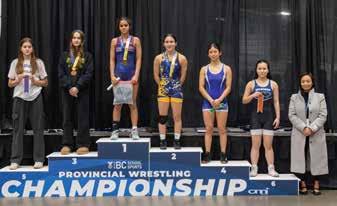
The 2026 BCSS Provincial Wrestling Championships took place at the PNE Forum in Vancouver from February 19–21, bringing together more than 700 athletes from 155 schools across British Columbia. The prestigious event featured competitors from Grades 8–12.
Miri Piri Wrestling Club delivered an outstanding performance, sending seven athletes to the BCSS Provincials — and remarkably, all seven finished in the Top 6 of their respective weight classes. Coached by Sucha Mann, the club earned three gold medals, two silver medals, one fifth-place finish, and one sixth-place finish. In addition, three Miri Piri athletes competed at the Onni Open tournament, a new division for Grade 8 and 9 athletes.
Provincial Champions
Reet Toor (47kg Girls)
Grade 9 student representing Dasmesh Punjabi School, Reet Toor captured the provincial title in just her second year of wrestling. She went 4-0, outscoring her opponents 36-8. In the final, she defeated last year’s U17 Canadian National Team member in a thrilling 7-5 match and was awarded Most Outstanding Match of the Finals.
After winning bronze at provincials last year with only six months of training, Reet’s dedication and hard work propelled her to gold this season. She is also a U15 Canadian Nationals bronze medalist from last year.
Gurshar Johal (57kg Boys)
Grade 12 student representing Rick Hansen Secondary, Gurshar Johal became a three-time provincial champion and five-time provincial finalist with a dominant performance. He went 5-0 and did not surrender a single point, outscoring opponents 46-0. In the final, he pinned last year’s provincial champion in the first round.
Gurshar is also a two-time National Champion, further solidifying his place among the province’s elite wrestlers.
Gurkaran Gill (110kg Boys)
Grade 11 student representing Rick Hansen Secondary, Gurkaran Gill claimed gold after earning bronze last year. He went 4-0 and outscored opponents 37-0 without giving up a single point. His semifinal featured a rare and impressive five-point hip toss — particularly remarkable in the heavyweight division.
Gurkaran is also the reigning National Champion in both freestyle and GrecoRoman wrestling.
Gurshar and Gurkaran played a key role in helping Rick Hansen Secondary secure a third-place team trophy overall.
Silver Medalists
Gurnoor Mangat (54kg Boys)
Grade 9 student representing W.J. Mouat Secondary, Gurnoor earned silver in one of the tournament’s toughest weight classes. Building on his bronze medal performance from last year, he advanced to the finals and was leading before being caught and pinned. He also helped W.J. Mouat secure a second-place team trophy. Gurnoor is a Canadian National bronze medalist from last season.

Gurpartap Ghuman (100kg Boys)
mIrI pIrI rYsilMg klwb ny 2026 bIsIaYsaYs cYNpIaniÈp ivwc 3 sUbfeI iKqfb ijwqy 2026 bIsIaYsaYs pRoivMÈIal rYsilMg cYNpIaniÈp 19-21 PrvrI qwk vYnkUvr dy pIaYneI Porm ivKy hoeI, ijs ivwc ibRitÈ kolMbIaf dy 155 skUlF dy 700 qoN vwD aYQlItF nUM iekwTf kIqf igaf. ies vwkfrI eIvYNt ivwc gRyz 8-12 dy pRqIXogI Èfml sn.
mIrI pIrI rYsilMg klwb ny Èfndfr pRdrÈn kIqf, swq aYQlItF nUM bIsIaYsaYs pRoivMÈIalË ivwc Byijaf - aqy kmfl dI gwl hY ik, sfry swq afpxy-afpxy Bfr vrgF dy isKrly 6 ivwc rhy. suwcf mfn duafrf koc kIqy gey, klwb ny iqMn sony dy qgmy, do cFdI dy qgmy, iewk pMjvyN sQfn 'qy smfpqI, aqy iewk CyvyN sQfn 'qy smfpqI pRfpq kIqI. ies qoN ielfvf, iqMn mIrI pIrI aYQlItF ny EnI Epn tUrnfmYNt ivwc ihwsf ilaf, jo ik gRyz 8 aqy 9 dy aYQlItF leI iewk nvF izvIËn hY.
sUbfeI cYNpIan
rIq qUr (47 iklogRfm kuVIaF) dÈmyÈ pMjfbI skUl dI numfieMdgI krn vflI gRyz 9 dI ividafrQx, rIq qUr ny kuÈqI dy afpxy dUjy sfl ivwc hI sUbfeI iKqfb afpxy nfm kr ilaf. Ausny 4-0 nfl ijwq drj kIqI, afpxy ivroDIaF nUM 36-8 nfl hrfieaf. PfeInl ivwc, Ausny ipCly sfl dI U17 kYnyzIan nYÈnl tIm dy mYNbr nUM iewk romFck 7-5 mYc ivwc hrfieaf aqy AusnUM PfeInl df sB qoN vDIaf mYc idwqf igaf.
ipCly sfl isrÌ Cy mhIinaF dI isKlfeI nfl sUbfeI KyzF ivwc kFsI df qgmf ijwqx qoN bfad, rIq dy smrpx aqy sÉq imhnq ny AusnUM ies sIËn ivwc sony df qgmf ijwqx leI pRyirq kIqf. Auh ipCly sfl dI U15 kYnyzIan nYÈnlË dI kFsI df qgmf jyqU vI hY. gurÈyr jOhl (57 iklogRfm lVky) irk hYnsn sYkMzrI dI numfieMdgI
krn vflf gRyz 12 df ividafrQI, gurÈyr jOhl pRBfvÈflI pRdrÈn nfl iqMn vfr df pRoivMÈIal cYNpIan aqy pMj vfr df pRoivMÈIal PfeInilst bixaf. Auh 5-0 nfl awgy viDaf aqy iewk vI aMk nhIN guafieaf, ivroDIaF nUM 46-0 nfl pCfV idwqf. PfeInl ivwc, Ausny pihly dOr ivwc ipCly sfl dy pRoivMÈIal cYNpIan nUM hrfieaf.
gurÈyr do vfr df rfÈtrI cYNpIan vI hY, ijsny pRFq dy kulIn pihlvfnF ivwc afpxI jgHf hor mËbUq kIqI.
gurÈyr igwl (110 iklogRfm lVky) irk hYnsn sYkMzrI dI numfieMdgI krn vflf gRyz 11 df ividafrQI, gurÈyr igwl ny ipCly sfl kFsI df qgmf ijwqx qoN bfad son qgmf ijwiqaf. Ausny 4-0 nfl awgy viDaf aqy iewk vI aMk Cwzy ibnF ivroDIaF nUM 37-0 nfl pCfV idwqf. Ausdy sYmIPfeInl ivwc iewk durlwB aqy pRBfvÈflI pMj-puafieMt ihwp tfs sI - Kfs qOr 'qy hYvIvyt izvIËn ivwc Èfndfr.
gurÈyr jOhl PRIstfeIl aqy gRIko-romn kuÈqI dovF ivwc mOjUdf rfÈtrI cYNpIan vI hY. gurÈr aqy gurkrn ny irk hYnsn sYkMzrI nUM kuwl imlf ky qIjy sQfn dI tIm trfPI surwiKaq krn ivwc muwK BUimkf inBfeI. cFdI df qgmf jyqU
gurnUr mFgt (54 iklogRfm lVky) zblXU[jy[ mUafq sYkMzrI dI numfieMdgI krn vfly gRyz 9 dy ividafrQI, gurnUr ny tUrnfmYNt dy sB qoN aOKy Bfr vrgF ivwcoN iewk ivwc cFdI df qgmf ijwiqaf. ipCly sfl dy afpxy kFsI dy qgmy dy pRdrÈn dy afDfr 'qy, Auh PfeInl ivwc phuMicaf aqy PVy jfx aqy ipMn kIqy jfx qoN pihlF mohrI irhf. Ausny zblXU[jy[ mUafq nUM dUjy sQfn dI tIm trfPI surwiKaq krn ivwc vI mdd kIqI. gurnUr ipCly sIËn qoN kYnyzIan rfÈtrI kFsI df qgmf jyqU hY.
gurpRqfp GuMmx (100 iklogRfm lVky)
aYmeIafeI dI numfieMdgI krn vfly gRyz 12 dy ividafrQI, gurpRqfp ny cFdI dy qgmy nfl afpxf pihlf sUbfeI qgmf hfsl kIqf. swt kfrn ipCly sfl dy sUbfeI qgmy qoN ipwCy htx leI mjbUr hox qoN bfad, Auh ies sIËn ivwc idRVqf aqy lckqf nfl pozIam dy isKr 'qy phuMcx leI vfps afieaf.

Grade 12 student representing MEI, Gurpartap earned his first provincial medal with a silver finish. After being forced to withdraw from last year’s provincials due to injury, he returned this season with determination and resilience to reach the top of the podium.
Other Provincial Placers
Jorawar Dhadwal – 5th place, 100kg Boys
Jindan Bhangal – 6th place, 75kg Girls
Onni Open Results
Three Miri Piri athletes also competed in the Onni Open tournament:
Stany Ponce – 1st place, 100kg Boys
Ekam Dhaliwal – 5th place, 51kg Boys
Jashen Dhaliwal – Competed strongly in the 60kg Boys division, finishing with a 2-2 record
hor pRoivMÈIal plysr
jorfvr Zzvfl - 5vF sQfn, 100 iklogRfm lVky
ijMdn BMgl - 6vF sQfn, 75 iklogRfm lVkIaF
mIrI pIrI rYsilMg klwb afpxy aYQlItF, kocF, mfipaF aqy smrQkF dI idloN pRÈMsf krdf hY ijnHF dI vcnbwDqf aqy sÉq imhnq ny ienHF pRfpqIaF nUM sMBv bxfieaf.
Miri Piri Wrestling Club extends sincere appreciation to its athletes, coaches, parents, and supporters whose commitment and hard work made these achievements possible.
The team now turns its focus to the upcoming BCWA Club Provincials in Cowichan Valley at the end of March, followed by the U15, U17, and U19 Canadian National Championships in Grande Prairie, Alberta at the end of April
EnI Epn nqIjy
iqMn mIrI pIrI aYQlItF ny vI EnI Epn tUrnfmYNt ivwc ihwsf ilaf:
stYnI poNs - pihlf sQfn, 100 iklogRfm lVky
eykm DflIvfl - 5vF sQfn, 51 iklogRfm lVky
jÈn DflIvfl - 60 iklogRfm lVikaF dy vrg ivwc Ëordfr mukfblf kIqf, 2-2 dy irkfrz nfl smfpq kIqf

tIm hux afpxf iDafn mfrc dy aMq ivwc kfAuivcn vYlI ivwc hox vfly afAux vfly bIsIzblXUey klwb pRoivMÈIalË vwl moVdI hY, ies qoN bfad apRYl dy aMq ivwc gRFzy pRyrI, albrtf ivwc U15, U17, aqy U19 kYnyzIan nYÈnl cYNpIaniÈpF vwl moVdI hY.

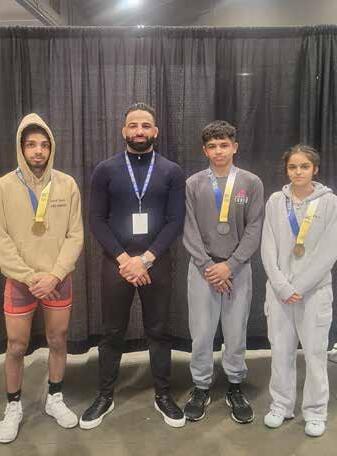
Three local wrestlers delivered an impressive showing at the 2026 BC Provincial Wrestling Championships, bringing home two gold medals and one silver after months of disciplined preparation and early-morning training sessions.
Coach Jasmit Singh Phulka, who has worked with all three athletes for the past two years, said their performances reflect both commitment and character.
“The countless hours of hard work, 5:00 a.m. workouts, and the relationships we’ve built are truly paying off,” Phulka said. “I’m incredibly proud of them.”
Gurshar Johal (57kg) captured his third provincial title, further solidifying his status as one of the top prospects in the graduating class of 2026. Known
for his composure, Johal controlled his matches with confidence and maturity.
“Watching his journey from a hungry young wrestler to the composed athlete he showed this weekend has been special,” Phulka said. “With his work ethic and natural talent, he’s a legitimate U20 national medal contender.”
Gurnoor Mangat (54kg) earned silver after battling older competitors throughout the tournament. After placing fourth last year, Mangat focused on adding strength and refining his technique — adjustments that paid off.
“He’s the hardest worker in the room,” Phulka said. “The loss stings, but setbacks can become the greatest gifts in an athlete’s career. The sky is the limit for him.”
Reet Toor (47kg) continued her rapid rise in the sport, winning gold just
a year and a half after beginning her wrestling journey. She was also awarded Most Outstanding Match of the Finals and made history by earning the first BC Provincial gold medal for Dasmesh Punjabi School.
“She never quits and never cuts corners,” Phulka said. “I’ve always wanted to develop a female athlete who inspires young girls in sport. I couldn’t be prouder.”
With strong performances across the board, the future looks bright for all three athletes
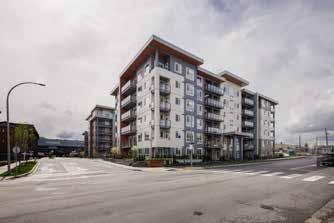
aYbtsPorz dy pwCmI ihwsy dy idl ivwc siQq hfeIstRIt ivlyj afDuink kimAUintI jIvn leI iewk nvF imafr kfiem kr irhf hY. AB Wall vwloN iqafr kIqf igaf ieh 12 eykV df mfstr-plfnz pRojYkt vYst kost afrkItYkcr, itkfAU kfrIgrI aqy mËbUq smudfiek juVfa nUM iekwTf krdf hY, ijs nfl iewk rOxkBrf mohwlf iqafr huMdf hY jo afAux vflIaF pIVHIaF leI vsnIkF dI syvf krygf. ienfm-jIqU Collaboraitve Deisgn Stuido vwloN iqafr kIqy ieMtIrIar hr


Gr ivwc soc-ivcfr nfl bxfeI geI Xojnf aqy afDuink KUbsUrqI nUM drsfAuNdy hn.
131 tfAUnhom aqy nO imz-rfeIË kMzomInIam iemfrqF ‘qy muÈqiml hfeIstRIt ivlyj nUM ies qrHF izËfien kIqf igaf hY ik inwjI rihx-sihx aqy sFJy sQfnF ivc sMquln bixaf rhy, jo kimAUintI dI Bfvnf nUM mËbUq krdf hY. tfAUnhomF dI afKrI
ikÈq hux ivkrI leI AuplbD hY. kuJ Gr qurMq rihx leI iqafr hn aqy hor 2026 dI ÈurUafq ivwc mukMml hoxgy.
ieh KuwlHy qy ivÈfl Gr afDuink pirvfrF leI Kfs qOr ‘qy iqafr kIqy gey hn, ijnHF
ivwc iqMn bYwzrUm aqy 2[5 bfQrUm vfly lyafAut qoN lY ky cfr bYwzrUm aqy 3[5 bfQrUm
vfly ivklp AuplbD hn. GrF df afkfr
lgBg 1,300 qoN 1,650 vrg Puwt qwk hY.
ਓpn-kMsYpt ilivMg eyrIaf roËfnf jIvn
aqy mihmfnnvfËI leI sugm pRvfh pYdf
krdy hn, jdik inwjI gYrfj suivDf aqy
surwiKaf pRdfn krdy hn. suMdr lYNzskyp
kIqIaF KuwlHIaF jgHF nfl iGry ieh tfAUnhom mohwly dI KUbsUrqI nUM hor inKfrdy hn.
tfAUnhom vsnIkF nUM afDuink jIvnÈYlI aqy
smfijk juVfa leI iqafr kIqIaF Èfndfr
suivDfvF dI phuMc imldI hY. do mMiËlF vflI
aYmYintI iemfrq ivwc pUrI qrHF sijaf
iPtnYws sYNtr, vrcual mIitMg rUm aqy
sfl Br bwicaF leI ieMzor Kyz Kyqr Èfml
hn. do mnorMjn leI iqafr kIqIaF ikcnF
aqy lfAUNj iekwTF dI myËbfnI leI QF pRdfn
kMzomInIam vsnIkF nUM vI kMm, mnorMjn aqy pirvfrk jIvn leI ivafpk suivDfvF pRfpq huMdIaF hn. vrcual mIitMg rUm GroN kMm krn leI suivDfjnk ivklp idMdy hn, jdik mnorMjn leI pUrI qrHF sijaf ikcn aqy lfAUNj kudrqI iekwT sQfn bxfAuNdy hn. sFJy gfrzn plft aqy afAUtzor zfieinMg eyrIaf imlx-julx nUM AuqÈfihq krdy hn. bwicaF leI Kfs qOr ‘qy iqafr kIqf igaf
Kyz Kyqr, ijs ivwc plyhfAUs aqy nrm rbV sqh ‘qy stYipMg stMp Èfml hn,

krdy hn, jdik sFJy gfrzn plft vsnIkF
nUM AugfAux aqy sFJf krn leI AuqÈfihq
krdy hn. ivÈfl rUPtfp pyitE ‘qy afAUtzor
Pfierplys afrfm krn jF guaFZIaF nfl
juVn leI suhfvxf mfhOl pYdf krdf hY.
hfeIstRIt ivlyj dy iqafr-rihx Xog kMzomInIam pihlI vfr Gr KrIdx vfilaF, Gwt spys cfhuMdy pirvfrF aqy invyÈkF leI vDIaf mOkf pyÈ krdy hn, jo Gwt rwK-rKfa
vflI jIvnÈYlI dy nfl guxvwqf ‘qy smJOqf nhIN krnf cfhuMdy. iewk, do aqy iqMn bYwzrUm
vfly lyafAut lgBg 500 qoN 800 vrg Puwt qwk AuplbD hn. hr Gr ivwc KuwlHf lyafAut, afDuink ikcn aqy inwjI bflknI Èfml hY, jo rihx dI jgHf nUM bfhrlI KuwlHI hvf aqy kudrqI roÈnI nfl joVdI hY.
nMny vsnIkF leI surwiKaq aqy mnorMjk QF pRdfn krdf hY.
80 PIsdI qoN vwD kYnyzIan sroqF qoN pRfpq smwgrI aqy mËdUrI nfl iqafr kIqf igaf hfeIstRIt ivlyj, AB Wall dI itkfAUpx, guxvwqf BrI inrmfx pRikiraf aqy lMby smyN dI kimAUintI muwl pRqI vcnbwDqf nUM drsfAuNdf hY. vYst aYbtsPorz ivwc iewk pRqIkfqmk ivkfs vjoN, ieh isrÌ GrF df smUh nhIN, sgoN soc-ivcfr nfl iqafr kIqf igaf aijhf mohwlf hY ijwQy izËfien, rihxXogqf aqy juVfa iekwTy ho ky pirvfrF, pyÈyvrF aqy irtfierz lokF leI BrosymMd BivwK df inrmfx krdy hn.



•
• Mortgages
• Wills &
• Power of Attorney
• All Notarizations
• Affidavits
• Sponsorship Letters
•
• rIal aYstyt trfˆsÌr
• mfrgyj
• vsIaq aqy jfiedfd dI plYinMg
• muÉiqafrnfmf
• sfrIaF notrI syvfvF
• aYPIzYvt
• rfhdfrI
• asl kfpIaF qsdIk krnf
ien F a K simaF iv c vI asI q hfzI s vf iv c hfj r hF, sfiraF n s P r Kx leI ikrpf krk sfz nv sfeIin g krfA x d nv qrIk n jffnx leI P n kr .







All four lanes on the staləwasəm (Riverview) Bridge opened to vehicle traffic on Saturday, Feb. 14, marking a milestone for people travelling between Surrey and New Westminster.
“The staləwasəm Bridge is a new regional landmark,” said Mike Farnworth, Minister of Transportation and Transit.
“I’d like to thank the crews tasked with the monumental job of building this major piece of infrastructure for their hard work and for delivering a bridge that is going to support safe, reliable travel for commuters, truck drivers, pedestrians and cyclists.”
The new bridge features four wider lanes with a centre median and barrierseparated walking and cycling lanes. It optimizes the use of the existing road network and travel patterns to improve
safety, reliability and efficiency for everyone and is built to modern seis mic, structural and roadway-design standards.
Work on the multi-use path connections to the bridge will continue. Access for pedestrians and cyclists will be available via the multi-use path on the east side of the staləwasəm Bridge in spring 2026. For more information about pedestrian and cyclist access, visit: pattullobridgereplacement.ca/active-transportation.
First Nations bridge name






were in qiqéyt, an important village site near the base of the bridge in Surrey. The hənqəminəm name is featured on the bridge’s crossbeam, and First Nations art is being installed across the project.
Pattullo Bridge demolition
The staləwasəm name can be understood as “a space where you can view the river.” The English name is Riverview. The name recognizes First Nations’ historical and current connections to the area. Former Musqueam Indian Reserve No. 1 and Kwantlen Indian Reserve No. 8
With the staləwasəm Bridge open, deconstruction of the Pattullo Bridge is now underway.
This is necessary to complete construction of the Columbia Street on-ramp,

Highway 17 off-ramp and some connections for the new multi-use paths.
Crews have mobilized equipment and are conducting preparatory activities ahead of concrete and steel removal.
Removal of the Pattullo Bridge will take approximately two years to complete. The staləwasəm Bridge is a vital link for people in the regional transportation network, and an important component of the goods movement network, serving local and national needs.



As the Province looks to reduce its reliance on the United States for trade, legislation before the house, if passed, will provide the Province with the tools needed to directly invest in high-impact private-sector projects through a $400-million B.C. Strategic Investment Fund.
“As the federal government looks for projects to boost forestry, defence and shipbuilding, our goal is to make British Columbia businesses are at the front of the line,” said Premier David Eby. “By incentivizing large privatesector projects and participating in the upside, we can make sure people in our province are benefiting through high paying jobs and revenue for stronger services.”
Currently, government’s ability to support private-sector companies is limited to providing grants, with little to no direct revenue upside for the Province.
Other jurisdictions, including Ontario, Quebec, the governments of Canada and the U.S., have more funding flexibility, such as:
taking equity in companies
issuing loans
signing profit-sharing agreements providing conditionally repayable grants
These investments can generate significant benefits for these jurisdictions. This new legislation proposes similar tools, allowing British Columbians to share in the success of projects that receive provincial support.
“People and communities across B.C. are at the heart of everything we do to grow our economy,” said Ravi Kahlon, Minister of Jobs and Economic Growth. “With new financial tools, and through our Look West strategy, we can support high-impact private-sector projects, attract federal investment, and advance B.C.'s priority sectors, creating good jobs and protecting the critical services people depend on every day.”
The goal of the Strategic Investment Fund is to co-invest in projects that would be in line to secure up to $20 billion in federal defence investments through Canada’s new Defence Industrial Strategy, as well as critical mineral projects and other major economic endeavours. The fund is a critical tool to help B.C. realize its Look West target of securing $200 billion in new private-sector investments.
This new legislation, and the tools it would provide, is meant to ensure B.C. businesses get their fair share of this funding.
“B.C. companies offer world-class, dual-use abilities that can support Canada’s military commitments,” said Darlene Rotchford, parliamentary secretary for armed forces development and veterans affairs. “This new tool kit complements existing supports for businesses, while building new opportunities to create more good, highly skilled jobs here in British Columbia.”
Building on existing success
The fund would complement existing, successful programs, such as the B.C. Manufacturing Jobs Fund (BCMJF).
With $153 million committed so far for 154 projects, the BCMJF has leveraged $1 billion in investment, and created or protected more than 4,800 jobs.
During the construction phase of these projects and in their first few years of expanded operations, the BCMJF is expected to generate $17 billion in new economic activity, nearly $7 billion to B.C.’s gross domestic product, and $714 million in provincial revenue.
This legislation – Bill 3: budget measures implementation act (No. 2), 2026 – builds on the Province’s Look West strategy to deliver major projects, create good jobs and strengthen B.C.’s and Canada’s economic security.
Quotes:
Jen Riley, president and CEO, BC Chamber of Commerce –
“We welcome the Province’s commitment to advancing major infrastructure, and strengthening B.C.’s trade and economic capacity. Through our chamber network, we see both the opportunity these projects create provincially, and their direct impact on local communities. For communities to succeed beyond the lifecycle of a single project, housing, transportation and economic capacity must be planned with long-term resilience in mind.”
Alex Rueben, executive director, Association of British Columbia Marine Industries –
“Investments made through the B.C. Strategic Investment fund will build
on the rapidly growing and capable marine and defence industry in the province through driving innovation and creating great jobs for B.C. workers, while strengthening local supply chains and increasing exports. The fund will provide the tools to enable government to work with industry in bringing federal investment to the province as targeted in the Province's Look West strategy, and leverage the opportunities presented in Canada’s Defence Industrial Strategy.”
Carl Hansen, founder and CEO, AbCellera –
“British Columbia is the epicentre of Canadian biotechnology and home to world-class innovation that is directly relevant to national defence and resilience. This $400-million fund sends a bold signal that B.C. is ready to play a leading role in advancing dual-use technologies and building industries of national strategic importance.”
Wendy Hurlburt, president and CEO, Life Sciences BC –
“The B.C. Strategic Investment Fund is a significant opportunity for our province’s life-sciences sector, which has a deep history of developing worldleading innovation. This new fund provides our companies with opportunities to leverage federal programs and global capital. In an increasingly competitive environment nationally and globally, this kind of strategic partnership will support B.C. companies across their stages of growth, and enable local discoveries to be developed and manufactured here at home.”
B.C. farmers are getting support to enhance their businesses and boost local food security with new technology, which will help increase production, efficiency and competitiveness.
The B.C. On-Farm Technology Adoption Program funds projects that address labour shortages and improves processes for labour-intensive tasks to help farming operations grow, raise, harvest, pack or store food more effectively.
“This program is helping farmers in British Columbia adopt new technologies that directly address the unique challenges they are facing,” said Heath MacDonald, federal Minister of Agriculture and Agri-Food. “By providing access to innovative and practical solutions, our governments are ensuring that farmers have the tools they need to stay efficient and competitive.”
Lana Popham, B.C. Minister of Agriculture and Food, said: “Farmers and producers throughout B.C. are embracing cutting-edge technology to grow food more sustainably and
provide our communities with fresher, more flavourful food. This program helps these innovators adopt agritech so they can work more efficiently, stay competitive and strengthen local food systems and economies.”
Applications for this round of funding are open from Feb. 24 until April 6, 2026.
Farmers can use the funding to buy new technology, such as equipment and robotics that can operate independently and adapt to the environment around them. This includes:
autonomous robotic arms for packing, stacking and wrapping machines for planting seeds and plant material, precisely and repeatably automated harvesters for gathering crops
Results of adopting labour-saving technologies
The University of British Columbia (UBC) and the Association of Administrative and Professional Staff (AAPS) have reached a tentative agreement consistent with the Province’s Balanced Measures Mandate.
AAPS is a member services organization representing about 6,500 management staff and professionals in their employment relationship with UBC.
Further details about the tentative agreement will be available following
the ratification process that will soon be underway.
Negotiations under the 2025 Balanced Measures Mandate support government’s key priorities to protect and strengthen critical services in B.C.’s public sector, to maintain labour stability in a complex round of bargaining and to support the Province’s efforts to find operational efficiencies that preserve front-line services.
The program previously supported companies like Northland Farms in Chilliwack. The business invested in an automated radish harvester that can remove radishes from the soil, cut the tops and put them in bins, reducing manual labour and supporting the expansion of the farm business.
“At Northland Farms, we believe the future of food is local, fresh all year round,” said Jordan Voorhorst, farm manager, Northland Farms. “By moving beyond costly and repetitive hand-harvesting, the state-of-the-art technology supported by this program is ushering in a new era of agricultural innovation for our farm and the sector.”
In Summerland, Laughing Coyote Orchards Ltd. received help to buy an autonomous vehicle equipped with a mower. The Burro manages the mowing of the orchard throughout the growing season and is set up to transport materials, reducing manual labour for staff.
“We’re thrilled to add a Burro Grande to the orchard this season. It was made
possible by the program’s funding,” said Joel Carter, owner and operator, Laughing Coyote Orchards Ltd. “We are hoping to save significant fuel and labour during the apple and cherry seasons, while getting comfortable with the latest autonomous tech.”
Collaborating to help secure a brighter future
Through the Integrated Marketplace initiative delivered by Innovate BC, a Crown agency of the Province of B.C., the B.C. On-Farm Technology Adoption Program is funded by the Sustainable Canadian Agricultural Partnership. The partnership is a five-year, $3.5-billion investment by federal, provincial and territorial governments to strengthen the competitiveness, innovation and resilience of Canada’s agriculture, agrifood and agriculture‐based products sector. This includes $1 billion in federal programs and activities, and a $2.5-billion commitment that is cost-shared 60% federally and 40% provincially/territorially for programs that are designed and delivered by provinces and territories.
The Health Employers Association of BC (HEABC) has reached a tentative agreement with members of the Community Bargaining Association (CBA).
The parties reached a tentative agreement under an enhanced mandate that includes additional increases linked to low-wage redress.
Since 2014, enhanced bargaining mandates have been used in B.C.’s public sector to address unique challenges threatening critical service delivery at specific tables. This has included the low-wage redress mandates in the community health and community social services sectors.
Further details about the tentative agreement will be available following the ratification process that will soon be underway.
The CBA represents seven unions and just over 25,000 workers, 60% of whom are members of the BC General Employees’ Union and provide healthcare support services in a variety of community settings including private homes, group homes, residential community living homes, supported employment programs, child development centres, adult day programs, mental-health centres, community service agencies and health authorities throughout B.C.
Negotiations under the 2025 Balanced Measures Mandate support government’s key priorities to protect and strengthen critical services in B.C.’s public sector, to maintain labour stability in a complex round of bargaining and to support the Province’s efforts to find operational efficiencies that preserve front-line services.
mMmI ny bfgL dI PoLto ByjI, vyKidaF sfr hI bfg rcyqf dI ijMdgI df iewk pMnf Kwuilaf, iewk vrqfrf aYNvy df vfpiraf ik jy ieh AuNJ nf vrqdf qF awj sfzy Gr irsLiqaF dI ivAuNqbMdI ieMJ nf huMdI. awj myrI pVdfdI sws dy pirvfr ‘c asIN suwKL nfl 60 ku mYNbr aF, mYN AuhnF dI cOQI pIVHI dI nMUh rfxI aF. ieh bfgL myrI pVdfdI sws ny afpxy hwQF nfl kwiZaf hoieaf ‘qy AuhnF dfdI sws nMU vrI ‘c idwqf sI, mMmI (sws) ny hux nvyN pfey Gr ivwc bVI rIJ nfl kMD ivwc sLIsLy ‘c jVvf ilaf Xfd vjoN, pytI ivwco kwZ ky sFB ilaf igaf ieh bfgL.
purfxf jLmfnf ikMnf vDIaf sI, pVHfeIaFilKfeIaF qoN kohF dUr ‘qy kZfeIaF-buxfeIaF dy ieMny nyVHy. poR: mohn isMG dI rcnf Xfd af geI[[[[[ sB sMsy qyry dUr hoey,
ihwk-KUMjy nUro-nUr hoey, pr pVH-pVH pusqk Zyr kuVy, myrf vDdf jfey hnHyr kuVy.
khfxI dI muwK nfiekf myrI pVdfdI sws af ‘qy khfxI ivclf mfmf myrf pVdfdf suhrf sI, ipMz mhfmdpur (sMgrUr) rMDfivaF dy
iewk Gr dIaF do skIaF BYxF mfmy-Bfxjy nMU ivafhIaF geIaF. purfxy simaF ‘c ieh mfmf-Bfxjf hfxI hoxf afm gwl sI, afm vFg alokfrI gwl nI sI koeI, mfmf ipMz
DUlkot (luiDafxf) ‘qy Bfxjf ipMz kmflpur ivwc. iksmq df koeI cwkr cwldf ‘qy
DUlkot ivafhI BYx iewk jvfk kuVI ipwCy Cwz
ky dunIaF qoN clI jFdI ‘qy kuJ smyN bfad
kmflpur ivafhI BYx df Grvflf dunIaF qoN ruKLsq jo jFdf. ipwCy rih geI aOlfd nMU koeI kwbI mF nf iml jfvy, mfsI nMU hI mF bxf ilaf igaf. pihlF dohF BYxf df irsLqf mfmI
‘qy Bfxj nMUh vflf sI pr hux ieh irsLqy
bdl gey. mfmI bxI BYx qF hYnI sI hux pr
bfkIaF nfl irsLiqaF dy nF ‘qy mfieny bdl
gey. aOrq vrgf iqafg vI koeI nI kr
skdf. afpdy puwq dy muwk jfx mgroN aOrq dy duwK nMU smJidaF pVdfdf jI dI BYx ny afpxI nMUh afpxy Brf dy Gr vsfeI. ikwzf jyrf sI AuhnF aOrqF df swcI !
aOrq ipafr df mujwsmf huMdI. sB irsLqy Auh ikMnI sfdgI ‘qy scfeI nfl inBfAuNdI, iehdI
imsfl ny myry pVdfdI sws mfqf rfey kOr sMDU.
mYN isrjk hF, muhwbq hF, mukMml hF
qdy hI qF bjLfqy-KuLd myrf snmfn myrf iesqrI hoxf.
(sunIl cMidafxvI)
Xogqf pRfpq sInIar mYnyjrF qy POjIaF nUM imlygf pwky hox df mOkf, kuwk, KyqIbfVI kfmy aqy zrfeIvr sfiml nhIN torFto, 19 PrvrI (sqpfl isMG jOhl)-kYnyzf dI ieMmIgRysLn mMqrI lInf izafb ny torFto ivKy bIqy kwlH aYlfn kridaf afiKaf ik dys dI rojLgfr mfrikt dIaf loVF anusfr aYkspRYWs aYNtrI isstm ‘c kYnyzIan aYkspIrIaYNs klfs rfhI pwkI ieMmIgRysn leI ikwiqaF dIaF 3 nvIaF kYtygrIaF sLfiml kIqIaf jf rhIaf hn. ies nfl hux aYkspRYWs aYNtrI ‘c pRoPfiel bxfAux vfsqy kuwl 10 kYtygrIaF ho geIaF hn. kYnyzf ivc sInIar mYnyjr pwDr dy kMm df qjbrf gRihx kr cuwky Xogqf pRfpq ivdysIaF nUM hux pihl dy afDfr qy pwky
hox df mOkf iml skdf hY. ies ivc ishq, iswiKaf, XUnIvristI pRoPYsr, lYkcrfr, pfielt, jhfjLF dy mkYink, ivwqI syvfvF, Koj, sMcfr, pRsfrn, vpfr, mkfn AusfrI, afvfjfeI, trwk qy bws dy mkYink, zfktr, Auqpfdn aqy jnqk shUlqF (ibjlI, pfxI Kyqr) afid ikwqy sfiml hn, ijnHF ivc pRoPfiel bxfAux dI qrIk qoN pihlF 3 sfl ipwCy qwk kYnyzf ivc Gwto Gwt kuuwl 1 sfl kMm df qjbrf gRihx kIqf hovy. vrnxXog hY ik kMm dy qjrbyy dI sLrq hux qwk 6 mhIny sI ijs nUM vDf ky 1 sfl kIqf igaf hY. kYnyzf dy rwiKaf pRbMDF ivc mfihrF dI loV anusfr dys dI POj ivc kMm df qjrbf hfisl krn aqy Xogdfn pfAux vfly (sikwlz) POjIaF
AuhnF ny ieh bfgL ipMz cwk 16-1/L AukfVf (Okara) imMtgumrI (pfiksqfn) rihMdy hoeieaf kwiZaf, myrf pVdfdf suhrf jI ny pihlI sMsfr jMg lVI sI, AuhnF nMU pfiksqfn ivwc jLmIn alft hoeI sI ‘qy Auh AuWQy hI rihMdy sn, pr jwdI ipMz DUlkot hI sI. mn krdf ik pVdfdI dy pihly suhry Gr iksy sky-sodVy nMU toilLaf jfvy pr kOx hovygf AuWQy ‘qy iks nMU Xfd hoxgy Auh? ‘qy mfhmdpur, AuWQy vI kOx jfxdf hoAUgf hux? koeI iksy nMU lwBy vI ikvyN jdo lok afh zfielOg df guxgfx krdy hox. “lY dws! kOx vrqdf ieMnI dUr qwk?”
nUM vI hux aYkspYRs aYNtrI isstm rfhI
pwkI iemIgRysn lYx df mOkf iml skdf hY ijs ivc nYsnl afkUpysLnl klfsIiPkysLn (nOk) dy koz 40142, 42102, aqy 43204 bxfey gey hn. ies kYtygrI ivc Xog hox leI kYnyzf ivc kMm dy 1 sfl dy qjbry qoN ielfvf, ivdysL (arjIkrqf dy afpxy dys dI) POj ivc 10 sfl df qjbrf, kYnyzIan POj qoN 3 sflF dI Puwl tfeIm jOb afPr, kflj jF XUnIvrIstI pwDr dI iswiKaf vI pRfpq kIqI hoxI jrUrI hY. kYnyzf dI prmfnYNt rYjIzYsI (pI afr) leI kYtygrIaF ivc
vfDf kIqy jfx nfl kYnyzf ivc vrk primt dI imafd Kqm hox vfly ivdysLI nOjvfnF nUM rfhq imlx dI sMBfvnf hY. ies dy nfl
pfqr afAuNdy ny ‘qy afpo-afpxf rol inBf ky styj qoN cly jFdy ny. keIaF nMU AuhnF dy ichry, keIaF nMU AuhnF dy kry kMm, keIaF nMU AuhnF dy bol cyqy rih jFdy ny. mfqf rfey kOr sMDU aqy bfbf rqn isMG sMDU jI nMU AuhnF dIaF aglIaF pIVHIaF vwlo pRxfm
hI aYkspRYs aYNtrI rfhIN pI afr leI kwuk, KyqIbfVI kfmy aqy zrfeIvr nhIN rwKy gey. bIqy smy dOrfn ienHF kuJ ikwiqaf ivc pRmuwKqf nfl BfrqI nfgirkF vwloN vrk primt lYx aqy pwky hox dI koisLsL kIqI jFdI rhI qy ies dOrfn AunHF nUM eyjMtF aqy kfrobfrIaF vloN imlIBugq nfl vrk primt aqy pI afr dIaF arjIaF krn leI icwTIaF vycx bfry srkfr qwk iskfieqF puwjdIaF rhIaF hn. mMqrI izafb ny ikhf ik aYkspRYs aYtrI dy zrfa kwZy jfxf jfrI rhygf aqy kYnyzf ivc kMm df qjLrbf hfisl kr cuwky zfktrF leI iek zrfa iesy hPqy kwiZaf jfvygf.
pihlI sIhrPLI
lfgI ry lfgI bl bl jfvy| ies lfgI ko kOx buJfvy| alPL-
awlHf ijs idl pr hovy, mUMh jLrdI awKIN lhU Br rovy, jIvn afpxy qoN hwQ Dovy, ijs nUM ibrhoN awg lgfvy| ies lfgI ko kOx buJfvy? by-
bflx mYN qyrf hoeI, iesLk njLfry afx vgoeI, roNdy nYx nf lYNdy ZoeI, lUx PwtF qy kIkr lfvy| ies lfgI ko kOx buJfvy? qy-
qyry sMg pRIq lgfeI, jIAU jfmy dI kIqI sfeI, mYN bkrI quD kol ksfeI, kt kt mfs hwzF nUM Kfvy| ies lfgI ko kOx buJfvy? sy-
sfbq nyhMu lfieaf mYnUM , dUjf kUk suxfvF kIhnUM, rfq awDI AuWT iRTldI nYN nUM, kUMjF vFg peI kurlfvy| ies lfgI ko kOx buJfvy? jIm-
jhfnoN hueI sF inafrI, lgf nyhMu qF hoey iBKfrI, nfl sroH dy dfxy bxy psfrI, dUjf dy imhxy jwg qfvy| ies lfgI ko kOx buJfvy? hy-
hYrq ivc sLFq nfhI, jLfhr bfqn mfrn ZfeIN, Jfq Gwqx nUM lfvx vfhIN, sIny sUl pRym dy Dfvy| ies lfgI ko kOx buJfvy? KLy-
KLUbI hux Auh nf rhIaf, jb kI sFg klyjy shIaf, afeIN nfl pukfrF khIaF, quD ibn kOx jo afx buJfvy| ies lfgI ko kOx buJfvy? dfl-
dUro duwK dUr nf hovy, Pwkr PLrfkoN bhuqf rovy, qn BwTI idl iKwlF Dnovy,iesLk awKF ivc imrcF lfvy| jLLfl-
jLOk dunIaF qy ieqnf krnf, KLOPL hsLr dy QINL zrnf, clxf nbI sfihb dy srnf , AVk jf ihsfb krfvy| ies lfgI ko kOx buJfvy? ry-
rojL hsLr koeI rhy nf KLflI, lY ihsfb do jwg df vflI, joLr jLbr sB Buwlx aflI, iqs idn hjLrq afp Cuzfvy| ies lfgI ko kOx buJfvy?
jLLy-
jLhd kmfeI cMgI krIey, jykr mrn qoN awgy mrIey, iPr moey BI Aus qoN zrIey, mq moieaF nUM pkV mMgfvy| ies lfgI ko kOx buJfvy?
sIn-
sfeIN ibnf jf nf koeI, ijq vl vyKF AhI AhI, hor ikqy vl imly nf ZoeI, mursLd myrf pfr lMGfvy| ies lfgI ko kOx buJfvy?
sLIn-
sIhrPLIaF
sLfh ienfieq mursLd myrf, ijs ny kIqf mYN vl Pyrf, ruwk igaf sB JgVf JyVf, hux mYnUM Brmfvy qfvy| ies lfgI ko kOx buJfvy?
suafd
sbr nf afvy mYnUM KwlIH vsq bfjLfr, kfsd lY ky ividaf hoieaf jf viVaf drbfr, awgoN imilaf afie ky AuhnUM sohxf sLyr svfr, rsqy ivc aMgusLqrI afhI ieh vI idl bihlfvy| ies lfgI ko kOx buJfvy?
jLLafd-
jLrUrI Xfd aWlHf dI kry svfl rsUl, nwvy hjLfr klfm suxfeI peI drgfh kbUl, ieh mjfjLI jLfq hkIkI vfsl vsl vsUl, PLfrg ho ky hjLrq AQy afvy Kfxf Kfvy | ies lfgI ko kOx buJfvy?
qoeyqlb dIdfr dI afhI kIqf krm swqfr, jlvf Pyr ielfhI idwqf hjLrq nUM gwPLfr, hwQ nUrfnI gLYboL afvy muMdrI df cmkfr, buwlHf Klk muhMmdI kIqo qF ieh kI khfvy| ies lfgI ko kOx buJfvy?
jLoey-
jLfhr mflUm nf kIqf hoieaf dIdfr blfvy, rl ky seINaF Kfxf KfDf jLrf aMq nf afvy, Auh aMgUTI afp pCfqI afpxI afp jqfvy, buwlHf hjLrq ruKsq ho ky afpxy Xfr suhfvy| ies lfgI ko kOx buJfvY?
aYn-
anfieq AulPLq hoeI suxo shfboN XfroN, ijhVf jp nf krsI hjLrq JuTf rhy srkfroN, Pyr sLPLfaq asF hY krnI sfihb dy drbfroN, buwlHf ikbr nf kr duinaF qy iewkf njLrI afvy|, ies lfgI ko kOx buJfvy?
gLYn-
gLlfm grIb qusfzf KLYr mMgy drbfroN, rojL hsLr dy KLOP suxyNdf swd hosI srkfroNL, kul KLlfiek qlLKI aMdr sUrj dy cmkfroN, buwlHf asF BI AQy jfxf ijwQy igaf nf Bfvy| ies lfgI ko kox buJfvy?
PyL-
PLkIrF iPLkr jo kIqf ivc drgfh ielfhI, sLPLIa muhMmd jf Kloqy ijwQy byprvfhI, nyVy nyVy af hbIbf ieh muhwbq cfhI, iKrkf pihn rsUl awlHf df isr qy qfj lgfvy| ies lfgI ko kOx buJfvy?
kuafPL-
klm nf imty rwbfnI jo asF pr afeI, jo kuJ Bfg asfzy afhy Auh qF muVdy nfhINL, bfJ nsIboN dfavy kyzy bMnyH kul KudfeI, buwlHf loh mihPUjL qy iliKaf EQy kOx imtfvy|
ies lfgI ko kOx buJfvY?
kfPL-
klfm nbI dI swcI nbIaF dy sfeIN, sUrq pfk nbI dI ijhf cMd sUrj BI nfhIN, hIry moqI lfl jvyhr phuMcy AQy nfhIN, mjls As nbI dI bih ky Buwlf kOx khfvy| ies lfgI ko kOx buJfvy?
lfm-
lf iewlfH df ijLkr bqfE, ielielf iesbfq krfE, muhMmd rsUl-awlHf myl krfA, buwlfH ieh qohPf afdm nUM afvy| ies lfgI ko kOx buJfvy?
mIm-
muhMmdI ijsm bxfE, dfKLl ivc bihsLq krfE, afpy mgr sLYqfn pucfE, Pyr EQoN inkl afdm afvy. ies lfgI ko kOx buJfvy?
nUn-
inmfxf ho mujrm afieaf, kwZ bihsLqoN jLmIN rulfieaf, afdm hwvf judf krfieaf, buwlHf afp ivCoVf pfvy| ies lfgI ko kOx buJfvy?
vf-
vfh vfh afp muhMmd afpxI afdm sLkl bxfvy, afpy rojL ajLl df mfilk afpy sLPIh ho afvy, afpy rojL hsLr df kfjLI afpy hukm suxfvy, afpy cf isLPfieq krdf afp dIdfr krfvy| ies lfgI ko kOx buJfvY?
hy-
hOlI bolIN eyQy BfeI mq koeI suxy suxfvy, vwzf ajLfb kbr df idwsy jy koeI cf Cuzfvy, pulsrfq dI aOKI GftI Auh vI KLOP zrfvy, rK AumYd PLjLl dI buwilHaf awlHf afp bcfvy| ies lfgI ko kOx buJfvy?
lfm-
lfhm nf koeI idwsy ikq vl kUk suxfvF, ijq vwl vyKF njLr nf afvy iks nUM hfl ivKfvF, bfJ pIaf nhIN koeI hfmI, hor nhIN koeI QfvF, buwlHf mwl drvfjLf hjLrq vflf Auh eI qYN Cuzfvy| alPiekwlf jfvyN eyQoN vyKx afvx Zyr, sfhF qyiraF dI igxqI eyQy afeI hoeI nyV, cl sLqfbI cl vV buwilaf mq lwg jfvy zyr, pkVIN vfg rsUl aWlfH dI kuJ ijwQoN hwQ afvy| ies lfgI ko kOx buJfvy?
Xy-
XfrI hux mYN lfeI, aglI Aumrf Kyz vMjfeI, buwlHf sLOh dI jLfq eI afhI ,klmf pVHidaF ijMd iljfvy, lfgI ry lfgI bl bl jfvy| ies lfgI ko kOx buJfvy?
Pwgx mhIny dOrfn hr iewk rfsLI leI sLuB-asLuB Pl :
myK : vFq-ipwq KrfbI, mn sLfq, GrylU JgVy sulJxgy. Dn lfB, inwjI jn sihXog, sMpqI suwK, sMqfn pr Krc ivsLysL, iesqrI swuK, kfrobfr TIk . PrvrI, 20,21,28 mfrc, 1,9,10,11 asLuB.
ibRK : ishq TIk, Dn lfB, inwjI jn sihXog, sMpqI lfB, sMqfn ksLt, rog, zr, iesqrI swuK, kfrobfr TIk. PrvrI 13,14,22,23 mfrc 2,3,4,12,13 asLuB.
imQun : ishq TIk, Dn lfB, bMDU ksLt, sMpqI JgVf, sMqfn ksLt, iesqrI suwK, kfrobfr TIk. PrvrI 15,16,24,25 mfrc 5,6 asLuB.
krk : ishq Krfb, Dn hfnI, inwjI jn- icMqf, sMpqI JgVy, sMqfn pwK sLuwB, iesqrI suwK ivwc kmI, kfrobfr gVbV . PrvrI 17,18,19,26,27 mfrc 7,8 asLuwB.
isMG : ishq Krfb, Dn lfB, inwjI jn ksLt, sMpqI qy sMqfn pwK sLuB, iesqrI ksLt, kfrobfr ivwc qrwkI. Pr 20,21,28 mfrc 1,9,10,11 asLuB.
kMinaf : ishq TIk, mfnisk suwK, GrylU JgVy, imwqr-bMDU qoN shfieqf imly, sMpqI lfB, Drm-krm ivwc vfDf, kfrobfr TIk. PrvrI 13,14,22,23, mfrc
2,3,4,12,13 asLuB.
qulf : mn dI sLFqI, Dn lfB, bMDU suwK, sMpqI lfB, sMqfn icMqf, iesqrI suwK, kfrobfr TIk rhygf. PrvrI 15,16,24,25, mfrc 5,6 asLuB.
ibRsLick : ishq TIk, iesqrI pwKo Dn lfB, sMqfn suwK, dusLmx kmjLor, iesqrI pwKo suwK, kfrobfr TIk. PrvrI 17,18,19,26,27 mfrc 7,8 suLB.
Dn : ishq TIk, Krc ivsLysL, Brf dI icMqf, suwK, sMqfn ksLt, sLwqrU kmjLor rhy. iesqrI pwK sLuB, kfrobfr ivwc Pyr-bdl. PrvrI 20,21,28, mfrc 1,9,10,11 asLuB.
mkr : ishq TIk, Dn lfB, inwjI jn-sihXog, sMpqI suwK, sMqfn pwK sLuB, iesqrI suwK, kfrobfr ivwc rukfvt. PrvrI 13,14,22,23 mfrc 2,3,4,12,13 asLuB.
kuMB : vfXU rog, Dn lfB, inwjI jnF nfl JgVf, sMpqI suwK, sMqfn sLuB, iesqrI ksLt, kfrobfr ivwc qrwkI. PrvrI 15,16,24,25 mfrc 5,6 asLuB.
mIn : ishq TIk, GrylU JgVy sulJx, inwjI lokF nfl myk imlfp, sMpqI suwK, sMqfn swuK, iesqrI pwKoN icMqf, kfrobfr TIk. PrvrI 17,18,19,26.27 mfrc 7,8 asLuB.

The Full Moon this week occurs in your sign. If there is any time to be noticed for something, it is now. The position you might want to take when it comes to any situation will be made quite clear by you. This won’t necessarily fit in with what others might want or expect, generating the need for them to reconsider.


You could suddenly begin to realise that somebody else isn’t planning to be as agreeable as you have presumed. This may make you wonder about exactly what might be building up behind the scenes that might prove difficult. Focus on what gives you greatest enjoyment and any decisions you need to make in these directions.

Something you have been putting your energy into over the last 2 weeks might now require some rethinking, especially if you feel certain obligations take up too much of your time and might be better dropped. Look at this as a first stage up to late October. Developing greater personal freedom in the long term will be important.

What is possible in the long term could become clearer, making you realise that what once seemed important might need to be rethought. This could be as a result of what someone else now wants or expects. You must not put your wishes to one side as there is the opportunity to fulfil those eventually, even if it is not obvious right now.

There can be much to enjoy this week though there will be other situations that will provide some challenges. You need to be creative with thinking or decision making to late October, especially if you are being put under pressure when it comes to the expectations of somebody else. Your focus will be to bring something to an end.

Don’t hesitate to either challenge or bring something to an end with somebody else if this will generate greater peace, balance or harmony to you on a personal level. This could bring some surprising things to the surface that you didn’t expect, making it necessary to rethink, to late September, the decisions you should make.

Your focus will move to finances to late September and this can have some sort of new beginnings attached, though this is a first stage. There could be final details you need to sort out so that you will be in a good position to handle any increase in responsibilities. The true position of somebody else could become more obvious.

Somebody else could become surprisingly generous, which you might find hard to trust. When it comes to any definite decision making you need to take your time to late September. Matters will require careful contemplation especially in any situations where you need to scale back obligations rather than take new ones on.

You could come to the realisation, from now to late September, that it is better to scale down ideas you might have had late July to mid August to be able to take these things into the future successfully. Others might have bigger ambitions but you can be happier with small steps, allowing you to have a feeling of better control.

You are in a position to late Sep- tember to contemplate future plans and possibilities that you may have wanted from late July to mid August but could not finalise. You have the opportunity to engage with others and get a response. This could also have a lot to do with leaving the past behind up to 20th November so you can move on with a new life direction.

Something you thought had become evident since mid August where someone else’s decision making is concerned could again become more unknown to late September. It could be that they need to withdraw to make final decisions. These could involve taking your priorities into account as well as generating some sort of pleasure in life.
Interactions with other people can be pleasant on one hand but challenging on another when it comes to any situation where personal commitment from you is expected. What should be aimed for in the long term can be communicated to late September, though this is a first stage. Winding things up is part of the process.

zy-kyar

General farm worker required for seasonal work in Abbotsford. 40-50 hours per week. Work starting the first week of May until November. Duties incudes weeding, pruning, tying and harvesting of raspberries and blueberries. Will train no experience or education required.
$17.85/ hour
Government has introduced legislative amendments that will improve the fairness, clarity and efficiency of civil forfeiture in B.C. and support the pursuit of illegally acquired criminal assets to ensure that crime does not pay.
“Today, we’re introducing amendments to strengthen British Columbia’s civil forfeiture law — ensuring that those who profit from crime cannot keep their unlawful gains,” said Nina Krieger, Minister of Public Safety and Solicitor General. “These changes will give law enforcement stronger tools to target criminal proceeds, disrupt organized crime and reinvest recovered funds into initiatives that support victims and improve public safety in communities across British Columbia.”
The Civil Forfeiture Amendment Act introduces practical changes to reinforce the Province’s ability to disrupt organized crime and money laundering. These crimes have grown more complex and the Cullen Commission called for a more proactive approach to
civil forfeiture.

This legislation aligns with a commitment in Budget 2026 to expand the proactive operations of the Civil Forfeiture Office so it can strengthen the forfeiture of assets acquired through unlawful activity and continue to serve communities effectively and fairly.
Improving the civil forfeiture process
The proposed legislation addresses gaps that have caused delays and increased costs during litigation.
Changes include: streamlining litigation while preserving fairness updating timelines and dispute rules
cutting costs and preserving asset value
improving informationsharing with safeguards
adding fairness safeguards for recordgathering
Amendments will lower costs, create a clearer, fairer process for respondents and ensure the Civil Forfeiture Office is not losing value on assets that could be used to support community safety grants and victim supports.
Money laundering and organized crime are significant and pervasive issues in British Columbia, and these amendments will reduce litigation costs, improve clarity and strengthen fairness safeguards while ensuring recovered
funds continue to support communities and victims throughout the province.
Civil forfeiture is a legal tool that allows the province to seek the forfeiture of assets acquired through unlawful activity, independent of any criminal prosecution. Funds recovered through civil forfeiture are directed toward crime prevention programs, services for victims and community safety initiatives throughout British Columbia.
Since its inception, the Civil Forfeiture Office has recovered more than $221 million in unlawfully acquired assets. More than $93 million has been invested in crime prevention and community safety grants, including grants to police for specialized training and equipment and $1.7 million in victims’ compensation.
Grants support crime prevention, restorative justice, gender-based violence supports, anti-hate and Indigenous-led healing initiatives.
The Province has identified Northisle Copper and Gold Inc.’s North Island Project, Surge Copper Corp.’s Berg Project and Defense Metals Corp.’s Wicheeda Project to work with the Critical Minerals Office to support early co-ordination as the projects prepares for environmental assessment and future permitting processes.
The Critical Minerals Office works with selected advanced project proponents to accelerate their permitting processes by helping co-ordinate First Nations and community engagement, identify regulatory requirements early, align permitting pathways and support readiness for future environmentalassessment and regulatory processes. This co-ordination supports projects in advancing through to operating mines through efficient processes and early preparedness without changing permitting standards or regulatory decisions.
“The Critical Minerals Office provides key services to help take promising
projects and move them forward faster, ensuring that B.C. continues to rapidly grow the sector,” said Jagrup Brar, Minister of Mining and Critical Minerals. “By supporting early co-ordination for projects like North Island, Berg and Wicheeda, we are helping ensure communities, First Nations and project proponents have clearer information and stronger alignment as projects move into environmental assessment and permitting.”
Supporting project readiness
Northisle Copper and Gold has completed a preliminary economic assessment and continues technical and planning work as it prepares for the environmental-assessment process. Early co-ordination through the Critical Minerals Office helps identify requirements and timelines sooner, supporting efficient entry into permitting processes.
Surge Copper is advancing the Berg copper-molybdenum project and con-
tinues technical and baseline work to support the imminent release of its pre-feasibility study and entry into the environmental-assessment process.
Defense Metals Corp. has completed a pre-feasibility study. It is undertaking the environmental baseline, confirmatory metallurgical studies and engineering planning work required to advance the Wicheeda Project through feasibility-level studies and into environmental-assessment and permitting processes. Dedicated project-specific support secures advanced alignment on a transparent and efficient regulatory pathway for all parties involved.
Projects are selected for the Critical Minerals Office based on established criteria, including working relationships with local First Nations, geological potential, project readiness, commodity type and other factors.
Working with communities and partners
Brar met with the mayor and council of Port Hardy and Chief James Nelson of the Quatsino Nation, who expressed support for the project proceeding into regulatory processes.
Northisle, Surge Copper and Defense Metals join FPX Nickel Corp. in receiving dedicated support services from the Critical Minerals Office.
B.C.’s mining sector supports more than 40,000 good-paying, familysupporting jobs.
B.C. contributes around 50% of Canada’s copper production and is Canada’s only producer of molybdenum.
B.C. produces or has good potential to produce at least 22 of the 34 critical minerals on Canada’s critical-minerals list as of January 2026.
By 2040, new and expanded criticalminerals projects in B.C. could represent an opportunity of as much as $44 billion.
More seniors in B.C. communities are benefiting from virtual supports, helping them stay independent and connected to their community longer.
“Meeting the needs of a growing and aging population means delivering care in smarter, more flexible ways, including right in seniors’ homes,” said Josie Osborne, Minister of Health.
“This innovative expansion will help more seniors remain safely at home, reducing pressure on hospitals while improving health and well-being for seniors and their families.”
Long-term Care at Home (LTC@ Home) program equips seniors’ homes with monitoring technology for virtual care and provides proactive care management and home-support services. Initially launched in July 2024 at KinVillage in South Delta and Saanich’s Broadmead Care Society, the pilot phase of the program is supporting more than 275 seniors.
More seniors can stay at home longer
The program is expanding to support as many as 2,700 seniors in B.C. by 2028. Growth in Vancouver Coastal Health, Fraser Health and Island Health is underway and discussions for expansion in Northern Health and Interior Health have begun. While the initial pilot was focused on seniors living near the participating long-term care communities, the next phase will be delivered through health authority teams, expanding access and improving co-ordination with existing homeand community-care supports.
“Seniors prefer to live in their own home, receiving supports and assistance in a space that is familiar and comfortable,” said Susie Chant, parliamentary secretary for seniors’ services and long-term care. “Knowing that loved ones are monitored and caretakers alerted in the event of an emergency gives families peace of mind and helps to alleviate caregiver burnout.”
Through use of technology, the program remotely monitors seniors in their homes to track falls, activity
levels, medication adherence, indoor temperature and wandering. Devices include wearable pendants with twoway emergency-calling capability, wall-mounted devices and discreet sensors throughout the home. No cameras or microphones are used as technology is designed to respect clients’ privacy.
The program is funded through the Canada-British Columbia Aging with Dignity agreement, which provides as much as $47 million through 2028. Funding flows to health partners to support implementation and operating costs, hiring program management and implementation staff, technology procurement and contracts for program evaluations.
Quotes:
Rick Gill, participant, KinVillage –“Respite and remote monitoring have offered enhanced safety. They go above and beyond.”
Leah Hollins, board chair, Island Health –
“Using technology to keep people safe and comfortable at home is a key part of helping individuals age in place. Long-term Care at Home is an effective service for eligible seniors who are nearing the need for long-term care or waiting for placement in a care home. It enables community health teams to monitor clients for changes in their condition, respond quickly and adjust care plans as needed.”
Dan Levitt, B.C. seniors advocate –
“The vast majority of older adults want to age in their own homes, and expanding the Long-term Care at Home program will help more people achieve their goal of aging in place. The additional monitoring, home support and respite care associated with the program will also help family caregivers avoid burnout and provide vital care for their loved one at home as long as possible. Seniors should be able to choose how they want to live in their later years, and this program provides another important option in the continuum of care.”

For Tamannaah Bhatia, jewellery is far more than an accessory, it is a powerful form of self-ex- pression and an extension of her personality. Whether she is attending a red carpet event, stepping out cas- ually, or preparing for a film role, her jewellery plays a defining role in shaping her overall look. "I've always felt that the right kind of jewel- lery can add so much glamour to any outfit," she shares. "Whether it's casual wear, a festive celebration, or a red carpet appearance, jewellery changes how an outfit is perceived. For me, it has always been an integral part of styling." Her connection to fine jewellery is also deeply personal. Coming from a family where her fath- er has been in the jewellery business, the craft has long been part of her life. Today, she designs many of her own pieces and enjoys wearing cre- ations that reflect her evolving style. The actor, known for films like Jailer and Aranmanai 4, says jewellery helps her effortlessly embody different moods; from minimalistic to max- imalistic. Even on relaxed days in track pants, she believes the right jewels elevate her look. For Tamannaah, every piece tells a story, one that mirrors her mood, identity, and sense of glamour.

Bollywood actor Neil Nitin Mukesh recently revealed his decision to quit as the brand ambassador of the music reality show, Universal Idol, after facing payment-related issues from the organisers. He took to social media to announce his decision and flag HMC events. Neil took to social media to reveal that three of the cheques issued by the organisers were bounced. He added that when he and his team reached out to them, it yielded no result. His social media post read, "This is to formally announce my exit as Brand Ambassador from 'The Universal Idol' associated with HMC events. Despite repeated assurances, my agreed payments were not honoured. Three cheques issued towards the same have been returned unpaid/bounced, constituting a serious breach of trust and commitment. Multiple follow-ups by my team and me personally and opportunities to resolve the matter amicably were made, unfortunately, without result." On the work front, Neil was last seen in the black comedy thriller Ek Chatur Naar, written by Himanshu Tripathi and made under the direction of Umesh Shukla. Along with Neil, the movie also stars Divya Khossla Kumar as the lead. The film was set against the backdrop of a quirky small-town Indian landscape, and revolves around the tale of a seemingly charming woman with a naivety that masks her razor-sharp wit.
Fatima Sana Shaikh was recently seen getting candid about her approach to relationships and the realities of dating in the public eye. In a recent conversation with Cosmopolitan India, the actor described herself as a "serial monogamist," revealing that she has largely been in long-term relationships. I'm a serial monogamist (I've mostly been in very long-term relationships")," she said, offering a glimpse into her personal life. However, she also admitted that dating as a celebrity comes with its own set of challenges. Reflecting on her experiences over the past decade in the spotlight, Shaikh noted

that fame can often complicate genuine connections. "You either have some- one who has preconceived notions of what an actor is like or they are just too intimidated," she shared. According to the actress, navigating these perceptions has not always been easy. Recalling a blind date from a few years ago, Shaikh described how the interaction quickly took an unexpected turn. "He was asking a lot of questions and it didn't feel like a conversa- tion. At one point, I could hear myself giving diplomatic answers and that was the end of that date," she revealed. The anecdote highlights the fine line public figures often walk between personal authenti- city and guarded responses.
Actor and global icon Priyanka Chopra Jonas aka PeeCee turned emotional while addressing students during an India Week session at Harvard Business School. She was invited to deliver a fireside key- note. The theme of the session was "The India We Imagine." Priyanka later shared her experience on social media, writing, "So, this is how my day started. I was supposed to give a fireside keynote address to conclude India Week at the prestigious Harvard Business School.... no big deal, I thought. You can do this, Priyanka." The actress said

her emotions shifted the moment she saw the audience dressed in sarees and kurtas, "But looking out into the audience today, I only had one thought, you are the India I imagined. Let me explain." Priyanka told the crowd that she felt immense pride seeing so many young Indian students and Desi allies filling the auditorium. She said the sight reminded her of how representation and belonging have evolved. Expressing her pride further, she added, "To see an auditorium full of students, dressed in sarees and kurtas, at the campus of HBS harvard) in Boston, Mas- sachusetts, where I grew up... to see so many people from my commun- ity at one of the best schools in the world, made my heart burst with pride. You are the future."
Rakul channels her inner singer
Actress Rakul Preet Singh made the most of her time during her shoot amidst the wild in low temperatures. Rakul took to her official Insta- gram account and treated her In- staFam with a fun behind-the- scenes video from her recent shoot diaries. The clip opened with her putting her face in a bowl of cold water. Next, Rakul shared a glimpse of herself walking barefoot on the grass in between shots. The De De Pyaar De ac- tress was also seen singing and dancing to the Bahara Ba- hara track from Imran Khan and Sonam Kapoor's I Hate Luv Storys. Channeling her
inner sing- er further, she also crooned the Andekhi Anjaani song from the movie Mujhse Dosti Karoge, featuring Hrithik Roshan, Rani Mukerji, and Kareena Kapoor. Rakul further confessed that the beauty of the place reminded her of the quintessential Bollywood ro- mance. "BTS ki full masti, some dramatic singing and lots of memorable moments, (sic)" she captioned the post. Rakul keeps on shar- ing such entertaining glimpses from her pro- fessional life on social media.

We are proud to share that a groundbreaking piece of equipment recently arrived in Mission Memorial Hospital (MMH) thanks to a joint initiative between the Fraser Valley Health Care Foundation, Mission Health Care Auxiliary, the community of Mission, and Fraser Health.
The idea was sparked by recently retired Mission doctor and former site director of MMH, Andrew Edelson, who learned about the device from a Doctors of BC publication. He thought the opportunity was “too good to pass up” and immediately contacted the Fraser Valley Health Care Foundation to gain their support in finding funding.
“I’m very excited about it. Everyone I’ve talked to thinks it is great. Healthcare workers are thrilled. This is groundbreaking for Mission and for Fraser Health.”
Dr. Andrew Edelson
What is The ALTA Platform?
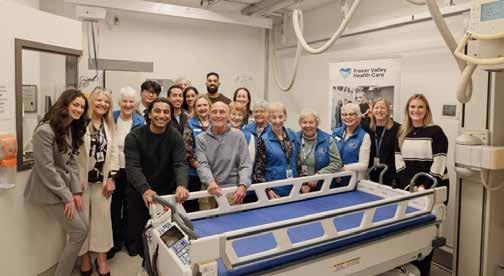
telligence to help move a patient from one platform to another (stretcher to bed or imaging table, bed to stretcher, etc.)
Some Fun Facts About the ALTA:
Developed by Canadian company Able Innovations, the ALTA is designed and manufactured in Canada.
Mission is one of the first hospitals in BC to purchase one. It is the second hospital in BC to have the device, and the first small community hospital in the world to have one.
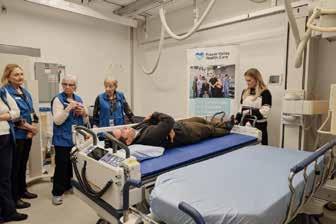
The ALTA can reduce the amount of staff needed for a transfer from up to 8, to just one operating the ALTA!
This intelligent device also includes features such as the SmartMoov™ augmented driving suite that integrates LIDAR with haptic touch sensitive inputs to effortlessly transport patients.
Why It’s Important:
“Imagine you have an elderly or injured patient laying on their back,” says Dr. Edelson.
“Perhaps they have broken limbs or had a stroke. You need to move them from a stretcher to an xray table and then into their bed. You need 2-4 attendants to move them across a 4-6 foot space. There is poten-
tial for staff back injury, not to mention jostling the patient and causing pain. The ALTA will improve patient safety during transfer, improve patient comfort, dignity, and stability of their injury, meaning less pain. The equipment will also benefit staff, by pulling less staff away from other duties each time a patient needs to be transferred. It should significantly reduce injury rate, and decrease staff work days lost
to injury. It should make the job of staff easier and faster and will soon pay for itself.”
“We were able to fund the ALTA from money raised at The Cottage Thrift Store and MMH gift shop (both run by Auxiliary volunteers). It is important for the public to know how the items they donate to The Cottage Thrift Store end up benefitting the community.”
Alice Campbell, President of Mission Health Care Auxiliary
We are so thankful to all community members who worked together to deliver the ALTA to Mission Memorial Hospital!
“This has been a team effort. I heard of this piece of equipment as a member of the community, got support from Fraser Valley Health Care Foundation, and received funding from the Mission Heath Care Auxiliary, all with the support of Fraser Health.” Dr. Andrew Edelson





We’re
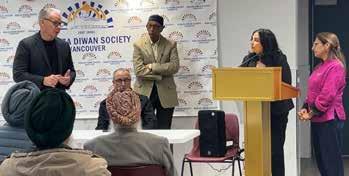
juigMdr isMG suMnV (vYnkUvr) : 20 PrvrI sLuwkrvfr nUM Kflsf dIvfn susfietI vYnkUvr ivKy asQIaF pRvfh kn dI jgHf bfry jfxkfrI dyx vfsqy zYltf dy myar jfrj
hfrvI qy izptI pRimIar
inwkI sLrmf qy lMgyrf hlky
dI ivDfiek sunIqf DIr phuMcy. ies ivc vwK-vwK gurduafiraF dy nuMmfieMidaF qy iPAUnrl hom dI pRbMDk kmytI ny Bfg ilaf. mIitMg
dI pRDfngI Kflsf dIvfn
susfietI dy pRDfn rxjIq isMG hyar ny kIqI. Kflsf
dIvfn susfietI inAUvYst qoN lKvIr isMG
aOjlf, akflI isMG gurduafry qoN pRbMDk
kmytI aqy iPAUnrl hom dy vfeIs pRDfn, aqy iPAUnrl hom dy pRDfn lYNbr rfE, gurU
rvIdfs sBf brnbI qoN pRDfn sohpfl, gurU nfnk invfs qoN pRbMDk kmytI dy mYNbr, bruwksfeIz gurduafrf srI qoN suirMdr isMG jwbl nfl hor nuMmfieMdy, ros gurUGr dy pRbMDk, Kflsf dIvfn susfietI Xork sYNtr srI qy ihMdU mMdr dy mYNbr hfjLr sn. ipCly sfl 20 jnvrI 2025 nUM zYltf dI imAUNsIpl kmytI ny srb-sMmqI nfl iPAUnrl hom qoN 3-4 blfk dI dUrI ‘qy PryjLr irvr ivc asQIaF pRvfh krn dI jgHf dI mnjLrI dy idwqI sI. Aus smyN sUby dy vjLIr kfhloN ny ies ivc afpxf Xogdfn srkfr vloN pfAux df vfadf kIqf sI. hux inwkI sLrmf izptI pRImIar ny ies ivc pUrn sihXog krn
df vfadf kIqf hY. zYltf dy myar jfrj hfrvI ny ies nUM kuJ ku hPiqaF ivc mukMml iqafr hox df bcn idwqf hY. ies dIaF muwZlIaF kfrvfeIaF sLurU ho cuwkIaF hn. Bfrq srkfr ny asQIaF Bfrq nUM iljfx sbMDI kuJ ihdfieqF idwqIaF hn, ies krky afpxI kimAUintI kfPI iPkrmMd sI jo afpxy ipafiraF dIaF asQIaF Bfrq iljfx vfsqy idwkqF df sfhmxf krngy hux AunHF ny vfadf kIqf hY ik afpxy irsLqydfrF dIaF asQIaF ieQy PryjLr irvr ivKy jlpRvfh kr skxgy. smUh gurduafiraF dIaF pRbMDk kmytIaF qy mMdrF dy pRqIinDIaF ny myar qy izptI pRImIar df DMnvfd kIqf.

aYbtsPorz (gurdIp isMG gryvfl) kYnyzf dy vwK-vwK sUibaF dy kfljF qy XUnIvristIaF ‘c pVHdy vfqfvrx pRymI ividafrQIaF dI hOslf aPjLfeI krn vflI sMsQf stfriPsL kYnyzf ny 7 pMjfbI ividafrQIaF nUM klfeImyt PYloisLp 2026 dyx df aYlfn kIqf hY. sMsQf vloN kYnyzf Br ‘coN 75 ividafrQI

ivc PYloisLp vfsqy cuxy gey hn ijnHF ivc 7 pMjfbI ividafrQI armfn QFdI, anIsLf Buwlr, jsLn igwl, imhrmq kOr, sreIaf isMG, pfiel mihqf qy smr dyvrfj sLfml hn. stfriPsL vloN ieh PYloisLp AuhnF ividafrQIaF nUM idwqI jFdI hY ijnHF ny kYnyzf dy vfqfvrx sMBfl ivc aihm Xogdfn pfieaf


hovy. armfn QFdI vYnkUvr dI sfeImn PryjLr XUnIvristI ivKy ibjLns aYzminstrysLn dI pVHfeI kr irhf hY. anIsLf Buwlr vfqfvrx sMBfl sYikMz rfeIjL sMsQf dI sih sMsQfpk hY. jsLn igwl mYkmfstr XUnIvristI ivKy bI[aYs[sI[ dI pVHfeI kr irhf hY. 18 sflf imhrmq kOr pwqrkfr
aqy vfqfvrx qy smfijk inaF dI aYzvokyt hY. sreIaf isMG XU bI sI vYnkUvr ivKy bI[aYs[sI[ kudrqI sroq dI ividafrQx hY. pfiel mihqf klfeImyt aYzvokyt aqy smr dyvrfj kMbo aYnrjI gruwp df pROjYkt koafrzInytr hY.
iemIgRysLn aqy istIjLn syvfvF ivBfg dy aMkiVaF muqfbk 2025 dOrfn 21 lwK tYNpryrI rYjLIzYNs dy primt aYkspfier hoey aqy ies sfl 18 lwK lokF dy vIjLy Kqm ho jfxgy. sB qoN vwzf Kqrf kONmFqrI ividafrQIaF qy mMzlf irhf hY aqy 2 lwK 65 hjLfr vIjLy mOjUdf vrHy dOrfn Kqm ho rhy hn. iemIgRysLn vkIl mfrIE bYiljLmy df kihxf hY ik vIjLf jF vrk primt aYkspfier hox df aMkVf bhuqf hYrfnkuMn nhIN ikAuNik kYnyzf srkfr cMgI qrHF jfxdI sI ik DVfDV jfrI vIjLy
jF vrk primt iek nf iek idn Kqm vI hoxgy. 40 lwK ivcoN ijLafdfqr ivdysLI nfgirk kYnyzf ivc pwkf hox dy ierfdy nfl afey. ienHF ivcoN ivjLtr vIjLf vfilaF nUM kwZ
idwqf jfvy qF vI aMkVf 2 imlIan ny nyVy bxdf hY aqy 2026 ivc isrP 3 lwK 80
hjLfr prmfnYNt rYjLIzYNsI imlxI hY. lwKF dI
igxqI ivc ivdysLI nfgirk pihlF hI kYnyzf ivc gYrkfnUMnI qOr ‘qy rih rhy hn aqy hux
aijhy pRvfsIaF df aMkVf vD ky duwgxf ho skdf hY.
hflfq dI gMBIrqf df aMdfjLf ies gwl qoN
lfieaf jf skdf hY ik nvMbr 2025 dOrfn
kYnyzf vloN isrP 2,485 stwzI vIjLf hI
jfrI kIqy gey jd ik do sfl pihlF ieh
aMkVf 90 hjLfr qoN Auqy drj kIqf igaf.
iemIgRysLn vkIlF dy dPqrF ivc afvfjfeI
Gt cuwkI hY aqy kYnyzf df stwzI vIjLf lYx
dy iewCk lokF dI igxqI vI awDI qoN hyTF af cuwkI hY. iemIgRysLn ivBfg dy aMkiVaF Auqy
Jfq mfrIey qF dsMbr 2024 ivc 5 lwK
98 hjLfr ieMtrnYsLnl stUzYNt kYnyzf ivc
mOjUd sn pr ipCly sfl ieh aMkVf 4 lwK
76 hjLfr rih igaf aqy moty qOr ‘qy svf lwK dI kmI dyKI jf skdI hY. AuDr vrk primt ‘qy mOjUd lokF dI igxqI ivc vfDf drj kIqf igaf hY. dsMbr 2024 ivc 14
lwK 61 hjLfr pRvfsI vrk primt ‘qy sn aqy ies sfl ieh aMkVf 14 lwK 91 hjLfr ho igaf.