
!is issue, our second last as PULP 4, we became obsessed with the notion of ‘pearls of time’, re ecting upon ever- owing currents in our waters.
From the dissection of the sneaker loafer, to musings on the funerary urn, each piece was selected to entice you (yes, you) to think about the things that convey the elusive speeds at which time ebbs and ows in our world. Fashion trends, rituals of death, the water lapping against the wharves at popular shing spots, psychics (inaccurately) predicting the future. Does heaven exist? Does hell? Who knows.
All this talk of beginnings and endings has outlined the elephant in the room: our time as PULP 4 is slowly coming to an end. I would like to savour each moment with grace, but unfortunately I am a human, which means that instead, I will probably run around like a headless chicken until our very last launch party draws to a close at the end of May. Nevertheless, I will have enjoyed every moment.
Until then, come to our launch parties, chat to us in the o$ce, and devour this wonderful issue!
Sasha
We went home to brainstorm ideas for our editors’ note. Each of us, in our separate lives, spent the next half an hour, doc open and blank before us, scrolling our instagram feeds:
Portia: DIY sewing project, Adobe fonts I love, wax versus nail polish squish things, the Japan e%ect, the art of pool tables, Christian man skipping
Jayden: Intersectionality meme, Pokemon Leaf Green gameplay, critique of world events
Sophie: !e Pitt, hampter, BakuDeku fan art, how it feels to chew 5 Gum, horse videos, dog doing BMX tricks, gorilla on swing
Jess: Courtney Love, AI slop reels about cell division with charli xcx backing track, Alyssa Liu, Amber Glenn
Rosanna: Openlygay animals, Aptour, MCA, Savecantonese_ccsf, how the oldest cra& in China just walked into high fashion
Sasha: Mediaeval music memes, children getting stuck in furniture, French man reviewing Meredith Valley Cheese, extreme hikes, Russian swimming instructor
At the very start of our tenure, we wanted to resist the pull of short form content and sensationalised, simple pieces. To treat time as a pearl, dive into the water to nd precious moments, or thread them one by one on a shimmering chain. !is issue urges you to devote some of your precious time to ghting your way out of a sleeping pod, getting directions from a fortune teller, ubering to the nearest PULP stand, planting your ass down on a chair, opening our issue and reading some awesome pieces.
We love you PULP reader, in this minute and the next one,
Jess, Jayden, Portia, Rosanna & Sophie.
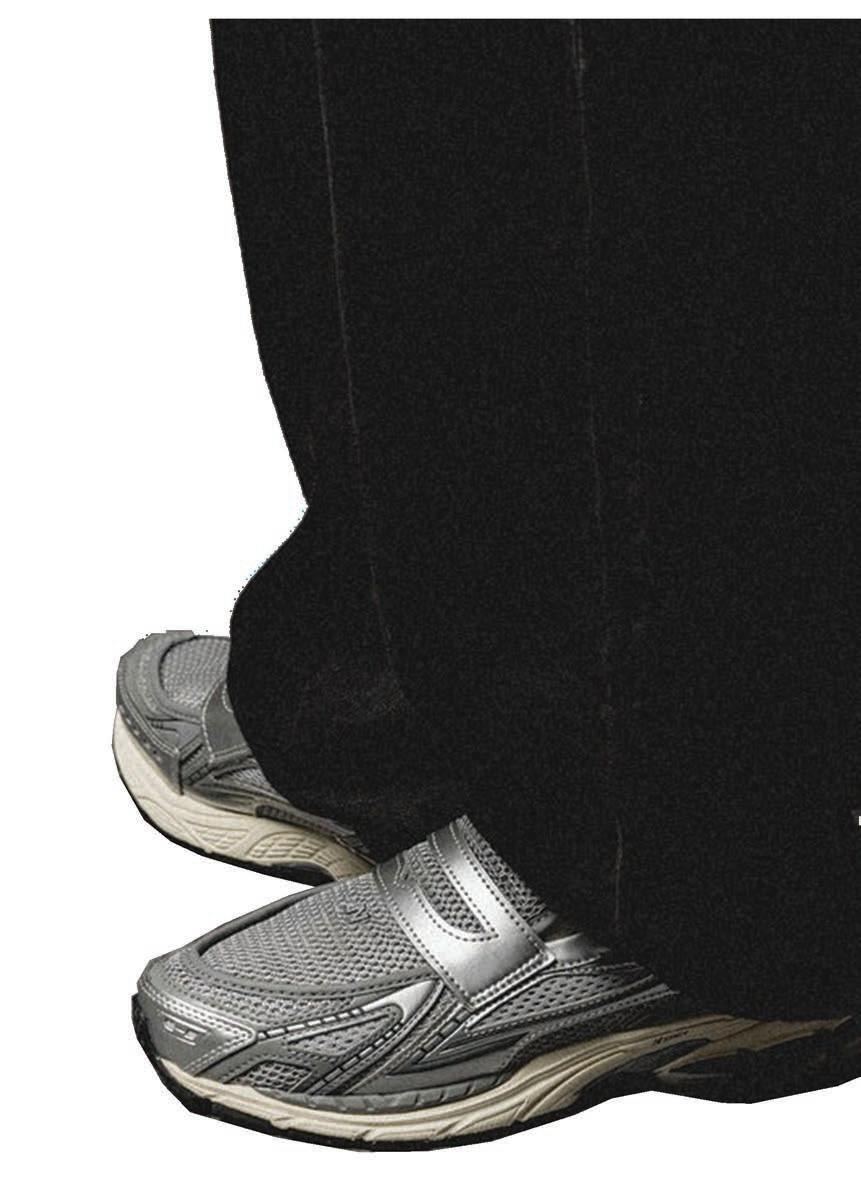
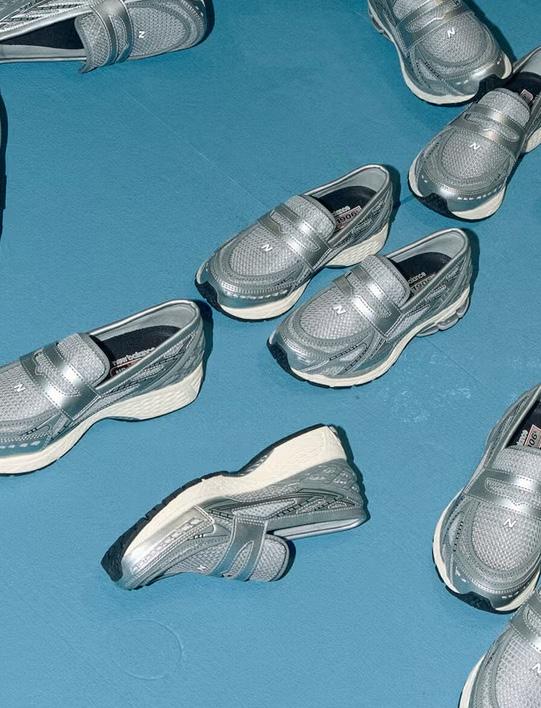
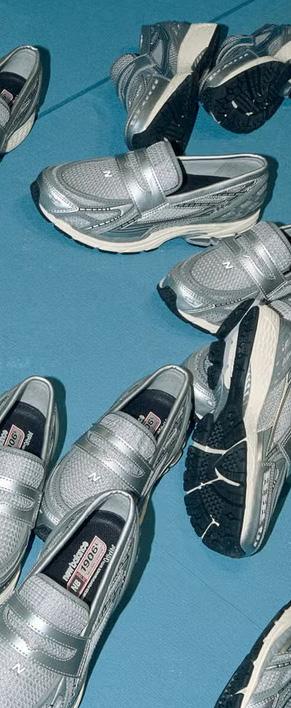
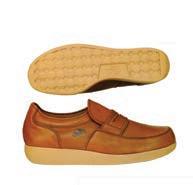
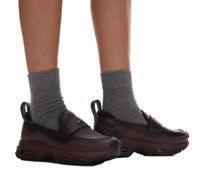
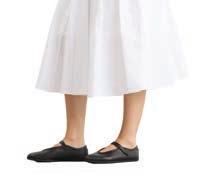
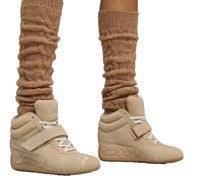
Sneaker loafers are a highly confusing shoe. !ey o%er the materials and (presumed) comfort of a sneaker, with a Frankenstein-ed idea of a loafer wedged in there too. !e ease of styling sneakers but with a loafer silhouette to feign formal footwear. !is shoe is the ultimate sartorial confusion. It is marketed as a fashion forward sneaker, capitalising on the increase of loafer and formalwear popularity to provide the ultimate win-win: you get to look like you’re wearing funky creative sneaker loafer hybrid shoes, and you don’t have to go through the month of hell that is breaking in loafers. But that’s just what the ads tell you. We come to PULP to read what I have to tell you. And I will tell you this: I have questions. What are these shoes? Why are they so popular with so many di%erent people? Will they last or be banished to the archives waiting to be picked apart in a journal article in like 40 years or so? Sneaker loafers vex me. I don’t know who they’re for. I know I don’t like them, but should we respect them regardless of personal taste? !orstein Veblen is spinning in his grave over the sneaker loafer, and to be honest, I’m spinning now and I’m not even dead yet.
!e history of the sneaker loafer dates back a lot further than you think, if you choose to trust unreliable sources. Some guy with a wordpress (for his “psychological over ow”) said that in as early as 1982 Nike released the Vagabond1. It looked interesting. Just imagine a sneaker loafer with a sneaker part that screams nurse shoe, and a loafer part that is… divorced dad from Maine in 1982. Wordpress guy was backed up by a singular tweet from user @NiceKicks of which I can assure you the Nike Vagabonds are not, and apart from those two, there is no other proof that the Nike Vagabond actually was the rst sneaker loafer in existence. So I will call it a pure outlier, and a fun tangent. If anyone is able to style those in the year of our Lord 2026, I commend them. !at is of course, if they were a real shoe at all.
!e known history of the sneaker loafer began rather recently. Like Miranda Priestly heralded, any great moment in fashion starts at the top, on the runway (then it ltered down through the Incus and then trickled on down into some tragic HYPE DC where you, no doubt, shed it out of some A&erpay Sales Week clearance bin). In the Junya Watanabe MAN Fall 2024 menswear show, look 34 was the rst glimpse humanity caught of the sneaker loafer. Styled in a patchwork grey-black suit complete with tails and a pair of black sweatpants pulled up at the ankles, a spiky haired twink modelled what was going to prove the most divisive yet popular shoe of the show.
!e Junya Watanabe x New Balance 1906L( alongside the later released all silver New Balance 1906L in 2024 marked the beginning of a new sneaker age.
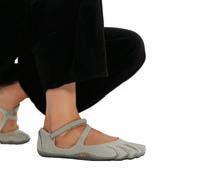
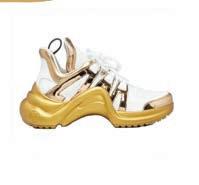
!e Sneaker Loafer Arms Race began the second that lanky spiky haired twink walked anemically down the industrial warehouse that was the Junya Watanabe MAN Fall 2024 show. I just know it was a state of sartorial emergency in the sneaker companies. Except for maybe the Vibram FiveFingers) people. !ey live on their own planet. Mizuno released the Wave Prophecy Moc4 in the end of 2024, and in 2025, the oodgates opened. Hoka Speed Loafers5 came out in January, Nike’s long awaited Air Max Phenomena, came out in July, and quickly a&er its fashion week and subsequent instant sell out success, countless brands hopped on the New Balance 1906L hype. Ganni-, Junya Watanabe MAN (again), and Jaden Smith. all had their spin on the 1906L silhouette to varying success. Sadly, that gave Jaden Smith ideas to keep exploring his passion for footwear and just look at Christian Loubiton/ now.
!e Sneaker Loafer Arms Race continues (at time of writing, but I do note the ballet sneaker is catching up) and I have no doubt that we will be seeing more sneaker loafers from other powerhouse brands. Adidas, Puma, and Asics have been remarkably silent, and I commend them for that. !ere is something to be said for not mindlessly shu0ing between trends at every possible chance. While each brand has fallen victim to trend chasing (I’m looking at you Adidas Stan Smith Ballet11, Puma Wedge11, and the absolutely horrendous $400 Asics Gel Kinetic SP1(), I commend them for, just once in their existence, not ocking to the sneaker loafer like ies to a weird lamp.
However, shu0ing to the sneaker loafer trend in particular is proving to be a highly e%ective cash grab for brands. New Balance, as the founder and kingpin of the Sneaker Loafer craze, grew their pro ts by 19% between 2024 and 2025. !is was the highest growth in pro t for any major footwear brand, in a time where the industry as a whole stagnated.
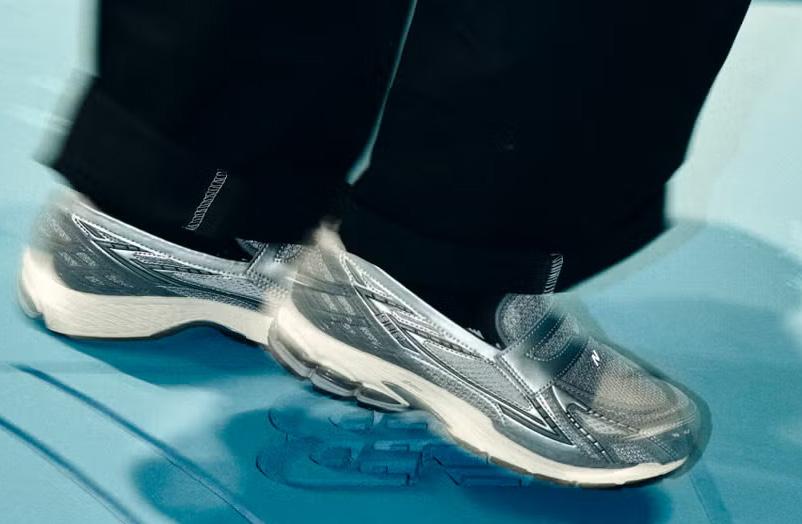
!ough New Balance can’t attribute a 19% growth in pro t solely to a single shoe, I would argue a combination of the 1906L’s insane virality alongside a year’s long e%ort to carve out a more creative place for the brand rehabilitated its former 2010s image as a Dad Shoe Brand to a 2020s creative, fun, yet still co-worker friendly shoe. But regardless of all that, the sneaker loafer for all of its commercial success and worship, is just a fundamentally ugly shoe.
Look. In my opinion, it’s daggy. It’s not an e%ective hybrid. !e sleek lines and material elegance of a loafer are destroyed by the chunky sneaker-iness. Likewise, the creativity and cohesion of a sneaker is destroyed by conforming so heavily to the loafer silhouette. It’s nice that it’s a successful hybrid—I can successfully gure out what it’s trying to do, but in the end, if it looks awful, what is the point? Sure one can create a hybrid shoe of a thong and an UGG boot1), or a brogue PUMA Speedcat wedge or any number of things, but should one do such a thing? Even if it stands as a successful hybrid, it’s still ugly.
It sticks out like a sore thumb, and not in a good way. It’s a shoe only complimented for its shock value because it doesn’t look good on its own. It’s not exciting visually. It combines two opposing things and our brains nd that funny or interesting or compelling. And it seems that this understanding of style has existed for a while, something that DOAT (diva of all time) !orstein Veblen had something to say a lot about. Veblen argued two things that I think help us understand the sneaker loafer better. First, that in most people, fashion is about conforming to how we understand taste and how our community wears certain garments. I know all you contrarians are about to burn me at the stake arguing that wearing your TNs, selvedge denim, and Vivienne Westwood together is a subversive hit no one but you could’ve made, but I hate to tell you: there is no such thing as an individual style. Everything we wear is just a combination of ideas we’ve seen elsewhere (see: Hans Eijkelboom). But that’s okay! Everyone’s combination of fashion ideas ends up being di%erent and that is where personal style exists, but to say that the vast majority of people have an entirely unique personal style and don’t conform to communal tastes and trends would be categorically insane. !e sneaker loafer exists in part because of this idea.
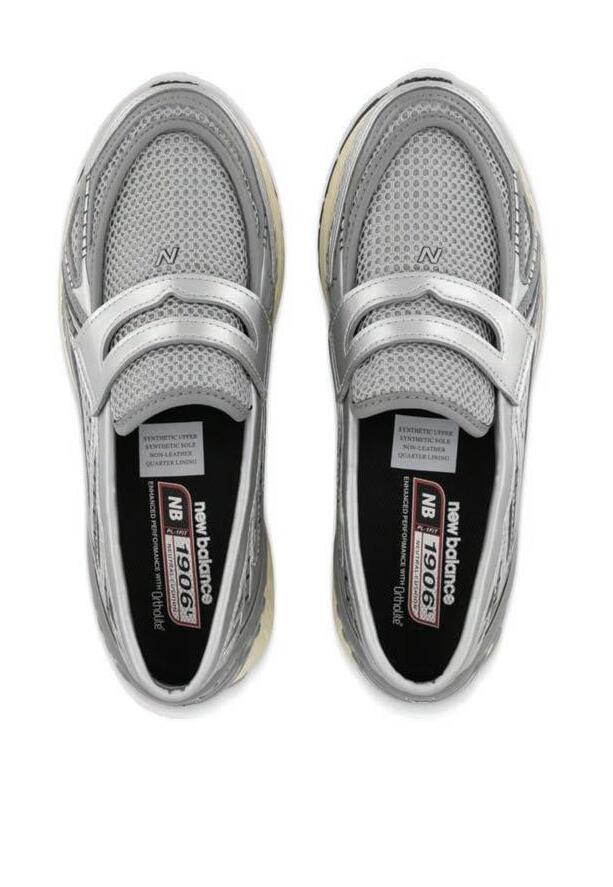
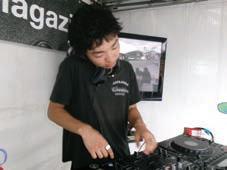
!e way the sneaker loafer was styled was something a lot of people got behind, and so more people wore it, and so it got more viral, so there were new ways of wearing it, so more people wore it. And on and on and on. Fashion exists because multiple people agree on it, and then enshrine di%erent ideas of wearing it, which communities of people end up adopting. But why do we choose items like a sneaker loafer that is wildly impractical, and all in all, a little wacky? Veblen says that in the modern era, fashionable dress for the gentry (it was 1920 give him a rest) needs to be expensive and signify that the wearer “is not engaged in any kind of productive labour.” Although this idea has dated, I think that there is a certain element of class analysis that one could conduct on the sneaker loafer. !e shoe isn’t for anything more than walking around cities or maybe a light hike if you’re feeling adventurous. It’s a shoe that arguably signi es a bit of a sedentary lifestyle if I’m being totally honest. Veblen argues that fashion exists to show society who you are and what you do. What the sneaker loafer is showing society is that you are a male manipulator and what you do is DJ poorly at the Abercrombie.
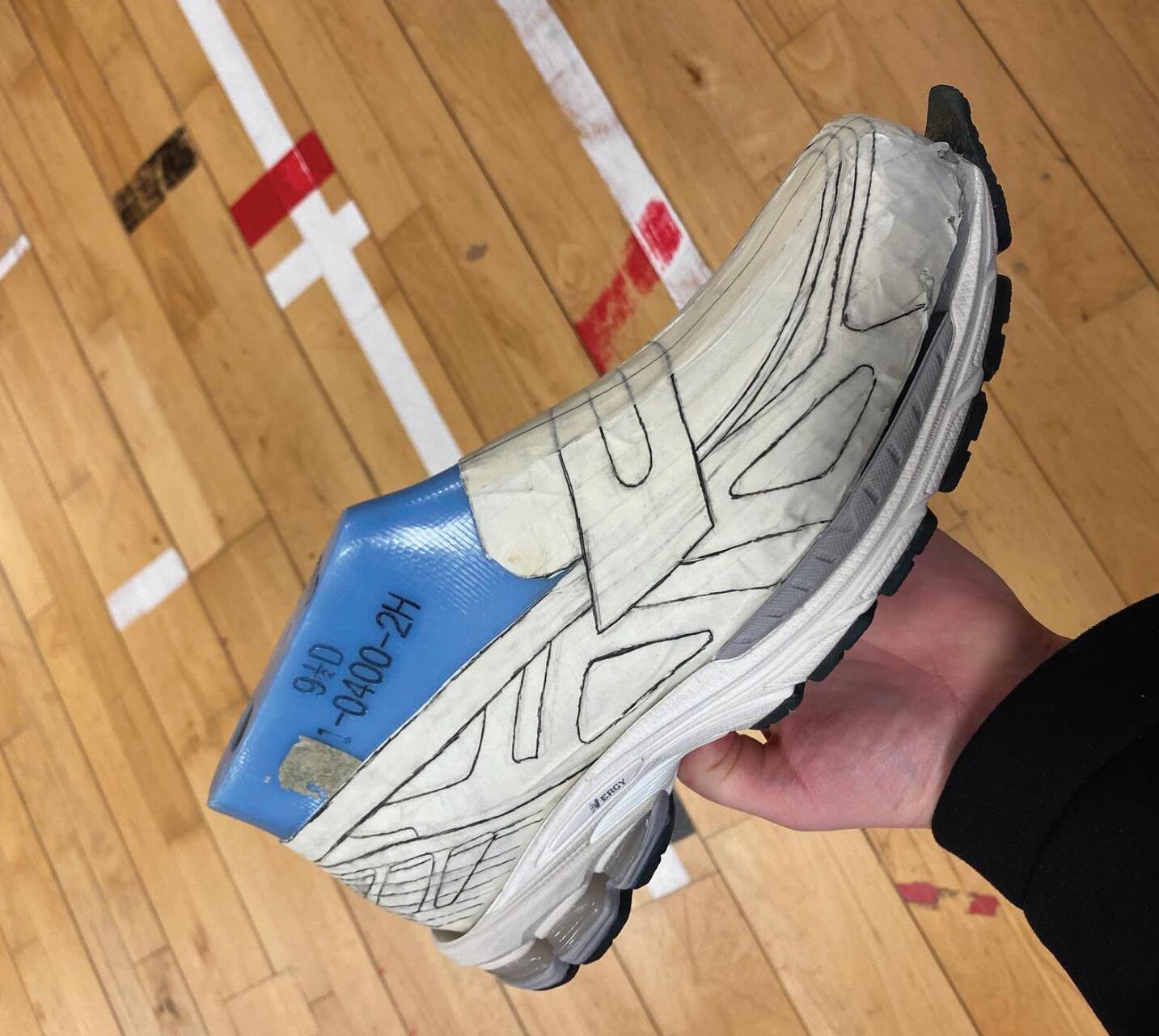
But in the same breath, I know a lot of people adore the sneaker loafer. Its wide demographic success is honestly uncanny. Gym bros, performative men, performative lesbians, swagged out old heads, and people who hate formal shoes but have to go to a wedding all love the sneaker loafer. And while I personally nd its existence abhorrent, unfortunately I can’t bring myself to hate them.
In a world of re-releases, archive pulls, collaborations, and beating a dead sneaker with new colourways until it’s even deader, the 1906L was the rst truly new sneaker we’d seen in a long time. It was a silhouette that had not ever been done before. When nearly everything has been explored in the sneaker, to the point that most of GQ’s writers were declaring the whole shoe genre dead, seeing an entirely new shoe injected some much needed life and innovation to the eld (if you can call sneaker making a eld).
In a time where people are creating AI slop dresses and having the audacity to call it couture, or referencing past fashion innovation to the point where nothing new is made at all (see: Louis Vuitton menswear), there is a need to at the very least respect any creation of something sartorially unique. When the content we doomscroll, the entertainment we unwind with, and the information we use to posture with is all being decided by algorithms made by actual insane people or slowly being infected by AI nonsense made by other insane people, the clothes we wear each day are maybe the last thing we have that we decide for ourselves. Dressing ourselves everyday is a decision about who we are and what we want other people to see about us. So while I nd the sneaker loafer not that visually amazing to look at, I cannot discount the fact that they are a truly new design. I’m sorry everyone. I’m just… not a true hater.
On April 25, 2024, in the lead up to the 1906L’s release, New Balance designer, and the creator of the sneaker loafer, Charlotte Lee posted a photo dump of the 1906L launch event and her process of designing the shoe with the caption,
A wild concept idea that came to reality, the 1906 Loafer, my proudest moment so far. Special thanks to all the believers at NB.
Charlotte Lee did something that not a lot of people can say they have done. She made an entirely new shoe. And that truly takes guts. I commend her for it. I sit behind my laptop thinking about the sneaker loafer, discussing it with my coworkers, laughing at its existence, but she and many others actually made it exist. However, sneaker loafers will continue to be the bane of my existence.
Sneaker loafers will continue to be an eyesore, a sartorial confusion, a slightly wankery shoe, a cash grab, a polarising topic for @artifaxing or @hidden.ny instagram comments sections to bicker about,
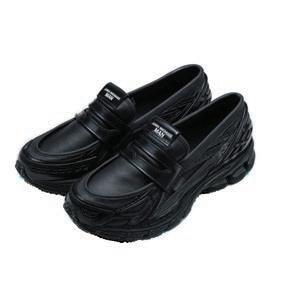
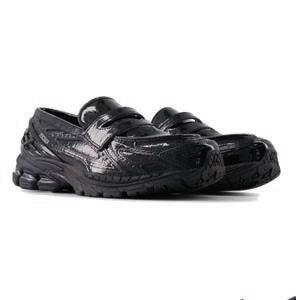
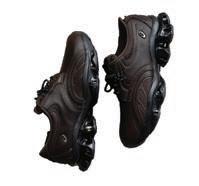
and will continue to probably be worn by a small cross section of nearly every kind of person. But I wouldn’t wish for the sneaker loafer arms race to end just cause I hate the shoe.
It’s something new that at least in its concept isn’t actively harming anyone (there is still so much to be said for the labour conditions in the footwear industry alongside the environmental impacts of the fashion industry globally and especially in peripheral countries). But as an idea of a shoe, the sneaker loafer, as far as I’m aware of, isn’t doing much harm. We can’t say that about all of the new things we have. Most new things are awful. !is new thing is just visually awful. We can live with that.
It’s a creative piece of design in a world of recreation, or worse, arti cial generation. So. Let them wear awful shoes I guess! 1 2 3 4 5 6 7 8 9 10 11 12 13
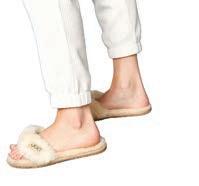
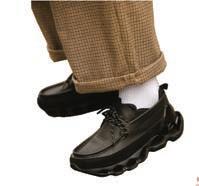
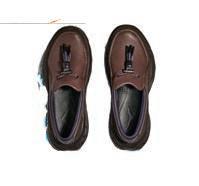
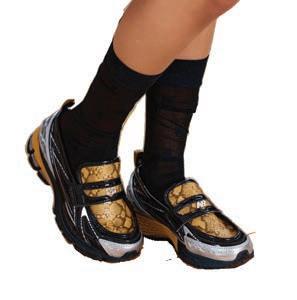
Elle Ngo
Quasi-cyclical with air, pulled in lulls by the moon, water holds the impossible capacity of chaos and order—of in nity. !ough its patterns are recognisable on the surface, its rhythms are never replicable. Contingent on the bodies that hold it, the power of water lies in the all-encompassing truth that it can never wholly be contained.
It is in this space—of contained and non-contained—I call blue space.
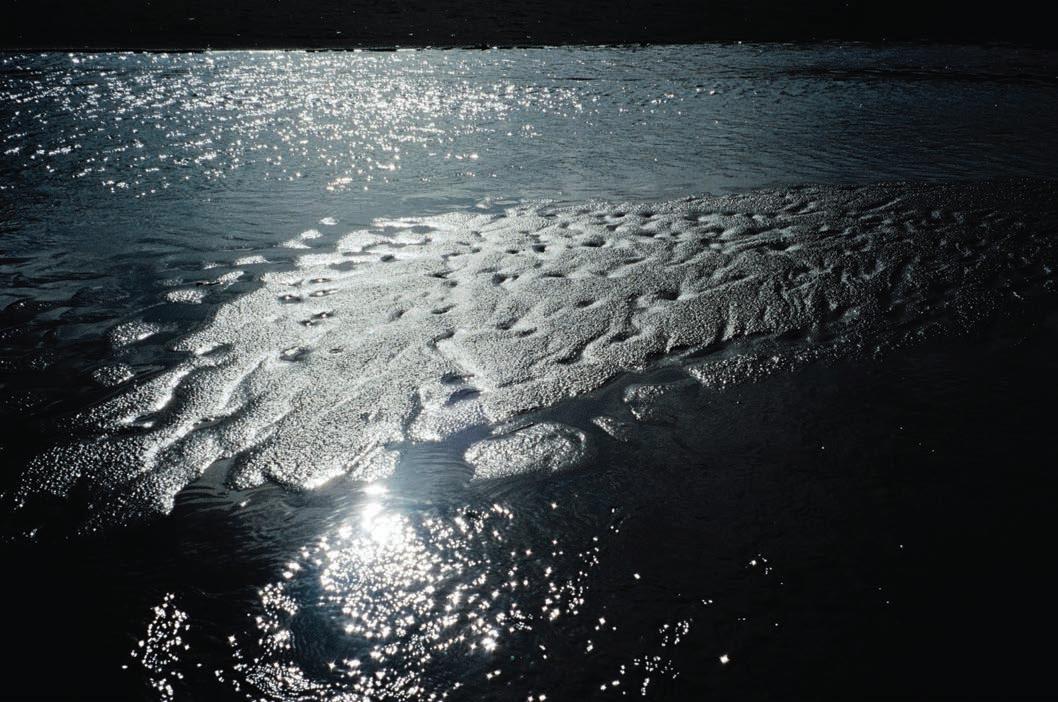
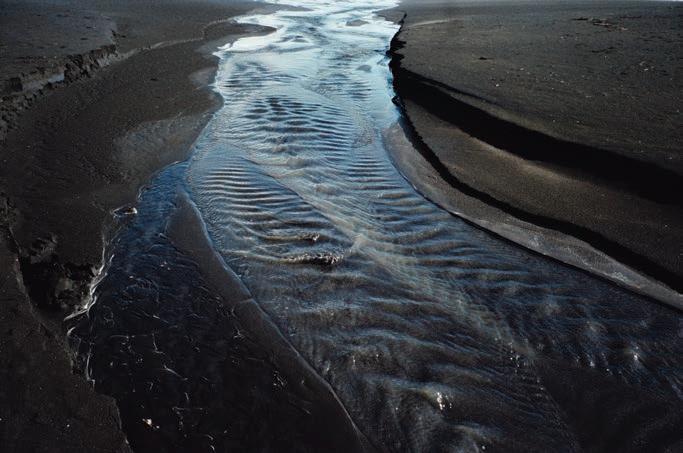
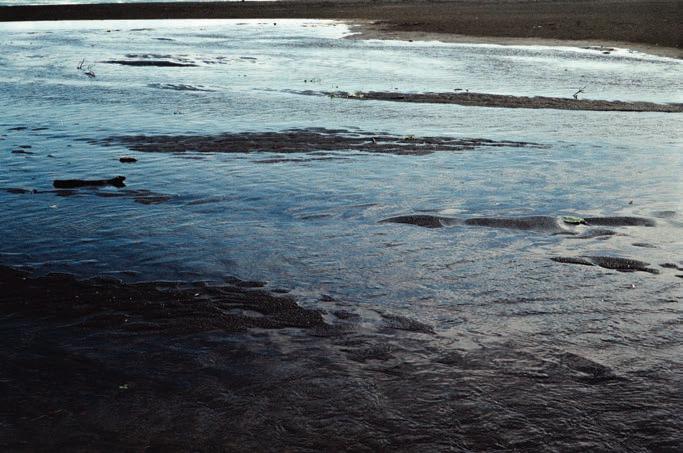
Te Piha translates to Lion Rock in M2ori, which describes the divided ripple at the prow of a canoe, also speaking to the force of the waves meeting the volcanic coastline. With the guidance of a local conservationist, I learnt Te Piha is the residing place of many M2ori spiritual guardians.
Sitting with the waters of Te Piha lead to a ow of introspection. My own understanding of n34c and the oceanic spirits I associate with it met—in great humility—the ancestral presence of Te Piha’s coastline.
In Vietnamese, n34c embodies multiple meanings: both water and nation. Our ancient mythology describes the water gods and ocean spirits as the driving source of our collective sovereignty. Our consciousness of peoplehood is governed by our monsoon seasons, oods and extensive river networks, and their inhabiting deities.
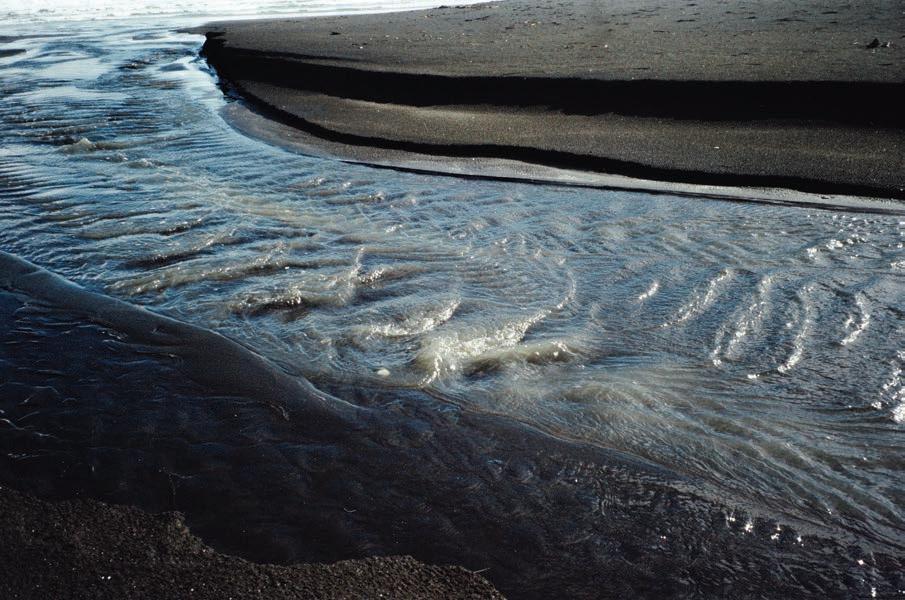
Living amongst Te Piha’s waters is one particular taniwha—a spirit messenger—the M2ui dolphin. !e M2ui dolphin, gracious and reverent, is a taonga tuku iho—an ancestral treasure. Named a&er the demigod M2ui, appearing as a shared deity across Polynesian cultures, known particularly for his mischievous and adventurous demeanour. Depending on the region, the M2ui dolphin has various M2ori names. !eir ecological protection and sanctity is intrinsic to the essence of its peoples.
!at morning, the guide and I celebrated the M2ui dolphins’ physical endurance, and in the process, mourned its foreboding threats. Water functioned as a site of mediation. Together, we stood both within and outside its blue space.
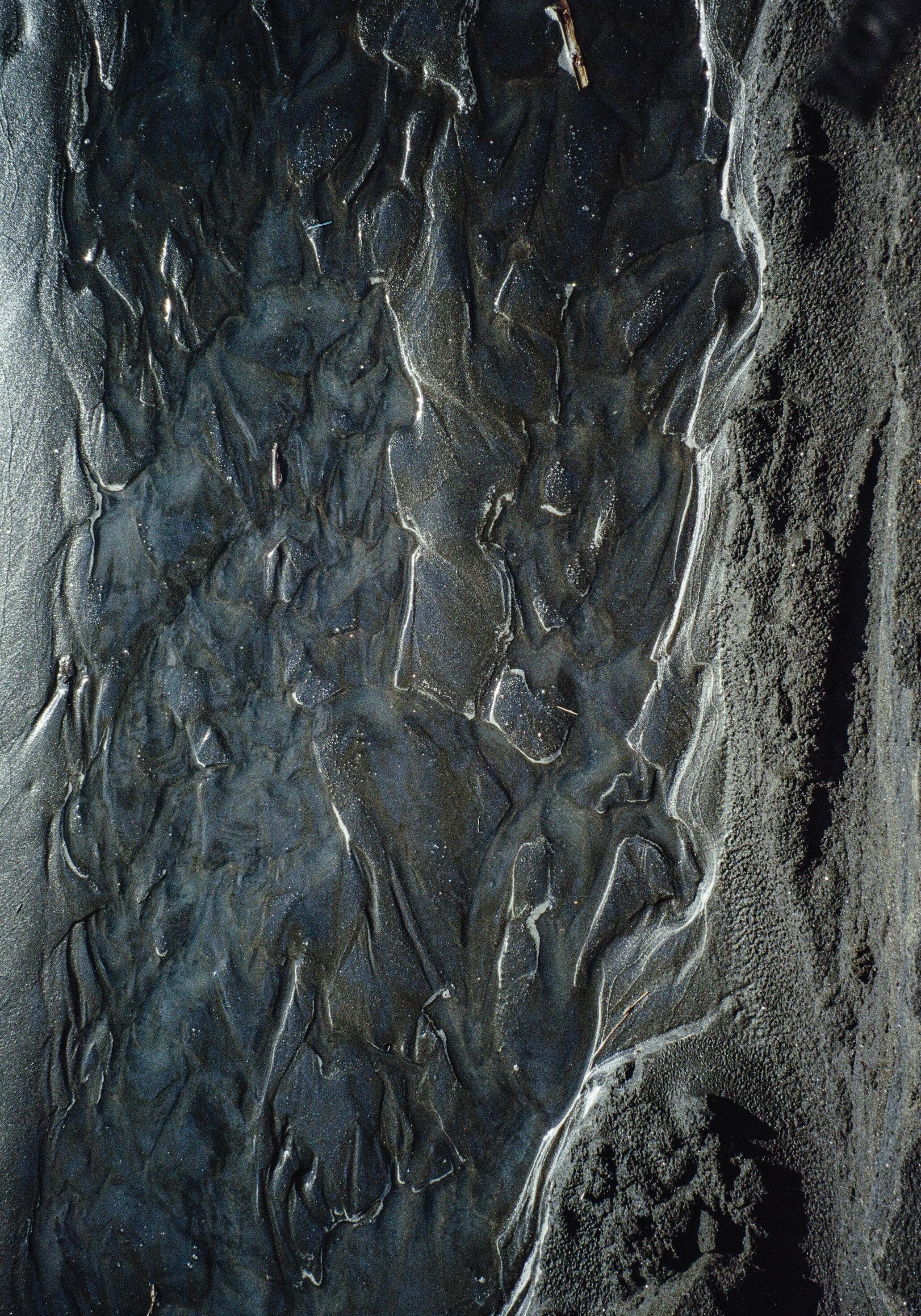
Using lm, I documented my time in Te Piha as it unfolded somatically: meeting the black sand and watching it re ect the sun, exchanging knowledge and curiosities; and then in solitude, following the ocean as it trickled in paths both new and old. !e series records my singular encounter with Te Piha’s immense power, as a witnessing of water’s irreproducible choreography, and of the cultural, geological and mythic forces that shape the region and its peoples.
I understand my life through movement, before place. I was born in Bangalore, raised in Indonesia, and now measure time by the distance between Sydney semesters and late night family calls from Vietnam. For most of my life those movements felt ordinary, the so& dri& of a middle class family following work and weather across Southeast Asia. Airports were uorescent and interchangeable. School corridors smelled of ink and humidity. Home rearranged itself every few years. It was only much later, sitting in a university library in Sydney, that I realised my life had been quietly tracing older routes. !e sea lanes that carried me from India to Indonesia and later to Vietnam once carried Tamil merchants, temple envoys, traders, and sailors who travelled under the insignia of the Cholas, a South Indian dynasty that looked out across the Bay of Bengal and did not see a border.
Between the ninth and thirteenth centuries, the Cholas consolidated power in Tamilakam and extended their in uence across the Indian Ocean. Under rulers such as Rajaraja I and Rajendra I, !e Cholas built a maritime network, reaching Sri Lanka and parts of Southeast Asia, including the Malay Peninsula and the Indonesian Archipelago. Tamil inscriptions found in these regions record the activities of merchant guilds such as the Ainnurruvar, also known as the Five Hundred, who negotiated trading rights and established commercial networks across the Bay of Bengal. Other inscriptions detail donations to Shiva temples funded by overseas merchants and royal o$cers, linking commerce with religious patronage. Some even proclaim the authority of Chola rulers in newly reached territories. Together, they point to an ambition both geopolitical and devotional, concerned with securing trade and extending cultural presence.
!e same impulse to secure presence across the sea also sought permanence on land, in stone. !e Brihadisvara Temple in !anjavur, completed in the early eleventh century, stands with an assurance that feels almost unreasonable.
Its granite tower rises in measured proportion, each stone placed with attention to weight and angle. It is devotional architecture in which mathematics is made visible.
!e Cholas did not invent the intellectual traditions that made such feats possible. In the &h century, Aryabhata calculated the Earth’s circumference by observing the changing angles of shadows and applying geometric reasoning to the arc between distant locations, arriving at a gure that approximates modern measurements with striking closeness. He proposed that the Earth rotates, and used observation to explain the stars’ apparent motion. Astronomical treatises such as the Surya Siddhanta, composed in late antiquity and revised over generations, modelled planetary motion and predicted eclipses through cyclical time-keeping and sustained sky-watching. By the time the Cholas ruled, these systems of knowledge were already embedded in the scholarly life of a subcontinent where astronomy and astrology coexisted.
It would be easy to turn this into a story of uncomplicated pride. I resist that turn. Nor do I want to replace one hierarchy with another by framing these histories as proof of civilisational superiority; knowledge, like power, moved across oceans through assertion as much as exchange. Chola expansion involved warfare and extraction. Economies were entangled with caste hierarchies. !e sanctum did not open equally to all.
To inherit this history as a Tamil woman is to inherit a contradiction. !ere is beauty in the bronze Nataraja, and there is unfortunate structure in the society that sustained it.
What compels me is not the grandeur, but the way di%erent epistemologies seemed to share the same air. !e Vedic corpus, composed long before the Cholas, contains hymns that contemplate the origin of the universe with an austerity that feels startlingly modern. !e Nasadiya Sukta in the Rig Veda asks whether existence emerged from non existence, and whether even the creator knows how it began. !e hymn admits the possibility of not knowing. Reading it now, a&er courses in history and biology and the sciences that shape contemporary thought, I am struck less by any claim of foresight than by its intellectual humility.
I grew up without feeling that these currents required separation. In Indonesian classrooms I learned about evolution, about common ancestry, about fossil records and genetic inheritance. At home I heard stories of Vishnu’s avatars that begin in water and move through amphibian and mammalian forms before arriving at human gures. Scholars are clear that the Dashavatara is a symbolic narrative rather than a scienti c model. !e progression from sh to tortoise to boar to human does not constitute evolutionary theory. Still, as a child, I felt a quiet recognition when I saw evolutionary diagrams unfold in textbooks. !e movement from sea to land to upright life felt familiar. It did not threaten the stories I had been told.
I am not studying cosmology. My days are not spent solving equations about distant galaxies. Yet when I read about the age of the universe or the shared genetic code of living beings, I do not experience rupture. I experience enlargement. !e idea that the elements in my body were forged in ancient stars does not unsettle whatever remains of devotion in me. !e suggestion in the Upanishads that the self is made of the same substance as the cosmos nds an unexpected echo in contemporary science, not because one predicted the other, but because both attempt to grapple with scale.
!ere was a moment in Bali when I stood on a beach at dusk and watched the sky darken into a dense violet, the sea insistently moving. I tried to imagine Chola vessels crossing that same horizon a thousand years earlier, guided by monsoon winds and stars read with practised attention. !e Indian Ocean then was fuller, a corridor of trade and encounter, linking South India with Southeast Asia and beyond. A region shaped by exchange, negotiation, at times violence, always by movement.
My own migrations are smaller, gentler. !ey were shaped by job contracts and school calendars rather than imperial ambition. Yet I sometimes feel that history resides in the body as much as in archives. !e ease with which my family moved between Bangalore, Jakarta, and Da Nang does not feel entirely new. !e airports and container ships of our era follow patterns established long ago.
In Vietnam we cook Tamil food in kitchens where another language presses at the windows. In Sydney I attend lectures and write essays, then call relatives who recount epics with unselfconscious authority. Each world feels complete. Each world feels partial. I am wary of the way discussions of Hindu scienti c insight can slide into competitive comparison. Civilisations across the globe developed astronomy, mathematics, and medicine in parallel and through exchange. Greek, Arab, Chinese, and Indian scholars read the sky with seriousness. To situate Indian contributions within that wider human conversation feels honest. It avoids the need to prove primacy. It allows for interdependence.
What returns to me, quietly, is the sense that curiosity itself is inheritance. !e Chola ships required it. !e temple architects required it. !e poets who composed hymns about the origin of the universe required it. My biology teacher required it. So do I. When I read about black holes or the slow unfolding of evolutionary time, I do not feel that I am stepping outside my cultural inheritance. I feel that I am extending it.
I think of evenings in Bangalore when temple bells rang at dusk and the sky shi&ed from gold to indigo. I think of Indonesian science fairs where I built imperfect models of the solar system from painted foam balls that never quite balanced on their axes. I think of nights when the power ickered and the sky sharpened into a scatter of stars, the same constellations once read by sailors and now diagrammed into textbooks. None of these moments demanded that I choose between story and evidence. !ey asked only that I pay attention.
I continue to locate myself somewhere between the Chola seas and the modern classroom. History complicates pride. Doubt sharpens belief. Evidence does not silence memory. It changes the light in which memory is held. I stand in that altered light, aware that the ocean once carried ships from Tamil ports to Southeast Asia, and that the stars those sailors watched are still burning, distant and indi%erent, above the places I now call home.
MEET ME YONDER: Two porn stars strewn on an up-holstered lounge. It’s all faux-fur and hot pink velvet. !e downlights are making their upper-lips sweat. A singular bead of the stu% crystallises into a Monroe piercing by the cupid’s-bow. (It’s symbiotic and calculated.)
!ere’s a man over there, o% to the corner and dressed in a robe. In fact, there are men everywhere, crawling over the set. !ey dress in black and avoid eye contact. We are in between takes, they say, just relax, enjoy each other’s company chat between yourselves, try not to slip into any kind of quiet for it is any kind of quiet that will ruin the director’s vision and we do not want to ruin the director’s vision, must not let it seem incongruous, anything less than provocative, or god forbid… amateur. Can we get you a glass of water? How ‘bout a straw for the ladies? Haha.
HERE: In the op-shop I found a pretty jar for $8.99.
THERE: Fascinating stu%
HERE: Before realising it was an urn. Urn, yes. But I suppose the lady at the counter already had the thought when she saw me pick it up, right? When I unscrewed the pewter lid to discover another seal. I thought - how strange! Must be a very well insulated lunchbox. We just don’t make things with such high quality anymore. Couldn’t exactly t a sandwich… no. But I suppose it didn’t matter anyway because by that time I had sworn o% sandwiches. What were they to me anyway? What business did two slabs of bread and a slice of overprocessed meat have hanging around in my lunchbox without paying any kind of rent?
THERE: Do you think we’ll start shooting again soon or are we moving onto the next set? !e one with the funny title? In Space No One Can Hear You… Cream? Something tacky like that. I suppose they’ll paint us silver. My back aches sitting like this. You’d think they’d at least—
HERE: No, now I eat soups. All kinds. If my proximity to beauty is what makes me feel more attractive then my proximity to soup must also be of beauty. Goddess-sent. !is, this urn, is the perfect vessel for a soup cause it’s round like the word soup, you see? !e mouth has to make a round shape to even say the word. If you pucker your lips, like this, see—
THERE: I can feel it here, in the small of my back. It’s extending to the very base of my spinal cord. Tell them I’ve got meningitis. I don’t see why we have to stay spread out like this when He gets to prance about. Don’t you suppose he’s tired?
HERE: Something about continuity.
A beat. !e man grazes over a tray of nger sandwiches. Classy. Slick with homebrand margarine and thinly sliced meat; ground from the best of the o%-cuttings and oor scraps. He’s not thinking about ending up in the ground or a well-insulated lunchbox but perhaps, rather, wishes to be frozen amongst the rich ones. Yes, frozen. Just like how he keeps his plastic bags of mixed stir fry vegetables and white bread. He’s imagining being interviewed on national television about being the rst Adult Film Performer to be stuck in the freezer. Yeah, that’s it.

THERE: Wouldn’t you be scared you’d be drinking somebody’s grandmother?
HERE: I’d wash it rst, of course. I’m no animal.
THERE: A thing like that could haunt you.
HERE: I don’t believe in ghosts.
THERE: Really? I do.
HERE: I don’t have time for ghosts.
THERE: You don’t feel at least the slightest bit haunted? What with all of these men coming and going and coming and going like it’s nobody’s business? !ey tell you where they want you, you know. I remember this one guy, nameless, like the rest of them, body made from zeros and ones and nothing in between. He had no… meat to him. I asked him if he had ever been in love—
HERE: Silly question.
THERE: He wanted me in all kinds of ways, he kept saying I want you THERE, I want you there!
HERE: It’s over there…the jar. I could paint it?
THERE: !e urn, you mean.
HERE: Yeah, the urn. You know, now that I think of it, there was something strange engraved on the bottom of the jar. Even before I realised the substance of the thing. I thought it might’ve just been the company mark, but the more I mull it over the more I see it for what it truly is—
THERE: And then they say they want you there, but when you get there you are no longer there but here, which is a di%erent space altogether. And then he paused, and asked me if I knew how to get to yonder. I answered by telling him I am not sure what he meant by this, to which he replied with a nod and an it’s okay, it’s okay, it’s just down yonder! But I have to pause because this word, yonder, catches itself in my
hair and I can’t brush it out and it’s pulling me this way and that when the producer whispers in my ear “it’s a lexicological problem, obviously, not a problem with the apparatus.”
HERE: How could it not be a problem with the apparatus? !e body, you mean. !e jar. !e urn. !e play bow, the ass in the air and the hands outstretched on the mattress is nothing but the structure of boredom. !at’s the rst thing you learn in pilates. !e instructor sits up the front in her matching active wear; the mandala tattoo hidden just beneath the surface of all that viscose and she asks you to bring intention to your practise?
THERE: Meet me yonder, he says, but how can that be? Yonder exists over there. If I had to picture it it’d be an empty car lot, and once I’m in that car lot I am no longer in yonder, for yonder has moved, slipped between my ngers all slick and unbecoming. Like you, like me. I turn around; behind me there is another car lot, further away, labelled yonder. !e body, the apparatus can never exist in yonder. So then what is this? !is display of the body; you in your black panties and me in my balconette bra with my nipples blinking at the world and not to any mewling child. !is is not yonder; this is not any kind of time. What are we doing?
HERE: Filming a threesome; you move your body when they say you should.
Allegra Pezzullo
It exists inside sentences and renaissance paintings; mouths prised open by angels, bodies arranged like furniture with the aesthetic restraint of oil paint. Hell is never within four walls. It has never occupied my mind the way other people claim it does: an atmosphere, a pressure system, an ongoing threat. I have never not done something out of fear of going to hell. Hell has never had jurisdiction over my behaviour. If anything, it arrives as something less divine and more administrative: imposed guilt. Cultural residue. A bureaucratic a&ertaste.
For as long as I can remember, I have been incredibly confused about my relationship with ‘God’. Not in the dramatic way that earns a conversion story; no great rupture, no argument won, no rejection performed, just a quiet inability to take it seriously. Like trying to believe in a childhood monster when you can already see the zipper on the costume.
And yet I was baptised, allegedly
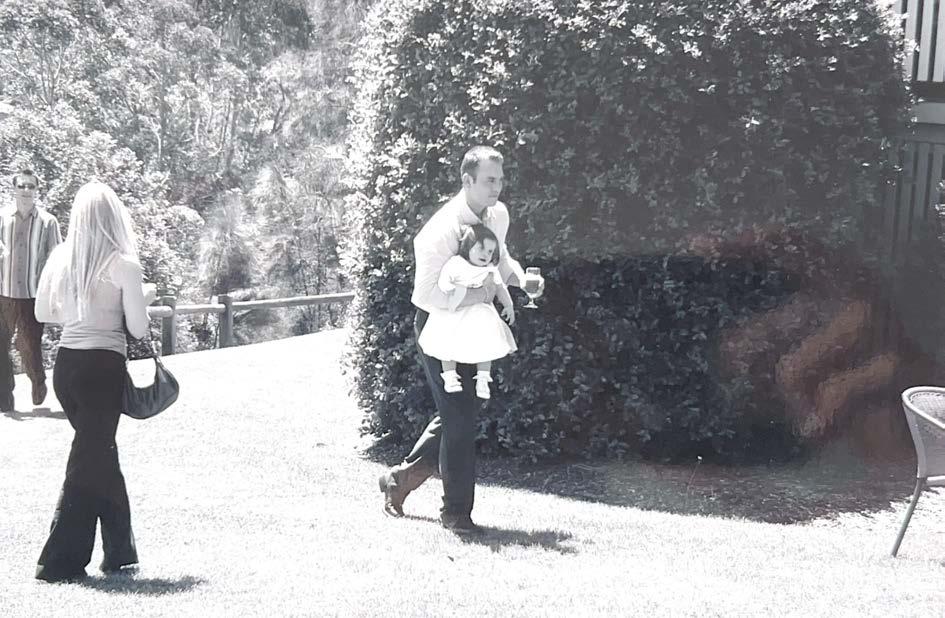
!e year is 2005, when I was being baptised I ran out of the church. !ere are photographs: my body mid-motion, small and determined, my uncle—my godfather—chasing me down the aisle and outside to the garden. !e whole thing reads like an omen if you’re the sort of person who believes in omens. Even now, the image makes me laugh.
A child trying to outrun initiation, outrun belonging. A child already suspicious of ritual.
My parents believed I never got properly baptised because I was not fully submerged. Something about the priest, something about technique. !e logic of it is absurdly tender: if there wasn’t full submersion, the sacrament didn’t “take.” I wasn’t sealed correctly. Not fully washed into the faith. Like they were worried my soul was a surface-level stain.

Water is, of course, the symbol: renewal, rebirth, salvation, repentance. !e body made clean. But my relationship with water has never been that gentle. Water is not only blessing. Water is also demand. It lls your mouth. It erases your voice. It teaches you the body has thresholds, and the world will cross them anyway.
It has never been salvation to me—not in the easy, rinsed sense religion promises—but a kind of indi%erent theology, endlessly withholding certainty. I have always been frightened of water and drawn toward it with the same animal devotion. !e ocean with its uncertainty, its refusal to be known; a pool, sterile and isolating, a clean blue loneliness you can’t bargain with; a bathtub, small as a co$n, domestic and ordinary and still capable of disaster. Once, when my mother was pregnant with me, our bathtub over owed and the water reached the laundry downstairs, a quiet apocalypse in a house that hadn’t yet met me, as if my arrival was foreshadowed by excess, by ooding, by the body’s inability to contain what it carries. In that house I never used the shower, only that bathtub: ritualised submersion, repetition, a private liturgy performed without belief. Death by Water is not an image I inherited from Eliot so much as a condition I recognise: the ocean’s deep swell is not romantic, it is procedural; an undersea current will pick your bones in whispers with the same calm it gives to gull-cry and pro t and loss. !e comfort of baptism is that water makes you new, but the older truth is that water doesn’t care whether it renews you or erases you.
Maybe this is the shape of my faith. It’s not that I reject the idea of salvation. I reject the premise that salvation can be performed as a single act, completed, signed o%. I reject the idea that you come up from the water as a new person, and stay that way. !e body doesn’t work like that. !e mind doesn’t. And the shame certainly doesn’t. !ere is a kind of religion that survives without belief. A religion of re ex. A religion of gestures performed because they are available, because they have been rehearsed into you like choreography. Services are performed with a constrained panache: kneeling, standing, speaking on cue, priests in hauntingly extravagant garb. !e body remembers even when the mind refuses. !e performance persists, elegant and automatic, the way a trained pianist still plays scales even while dissociating from the room.
I think this is how tradition works too.
T. S. Eliot wrote, in the kind of authoritative voice that makes you feel like you’re being scolded from beyond the grave: “In English writing we seldom speak of tradition, though we occasionally apply its name in deploring its absence.” Tradition becomes a word you can only say when you’re unhappy: too traditional, not traditional enough. A word used as a weapon and a compliment at the same time. But Eliot’s point is sharper than that. It’s not that tradition is optional, or even desirable. It’s that it is inescapable.
“No poet, no artist of any art, has his complete meaning alone… His signi cance, his appreciation is the appreciation of his relation to the dead poets and artists.”
!e dead.
!at sentence reads like theology, like a warning, like a commandment: you are not alone, you have never been alone, your hands are not only your hands. Your words are not only your words. You write with a chorus of ghosts leaning over your shoulder, and what they want is not exactly for you to succeed. !ey want you to join them. Maybe this says something wider about my relationship with faith. Writing is not something I do, it’s something I am periodically inducted into and something I am periodically expelled from. It has rites. It has o%erings. It has a vocabulary of purity and failure. It has an invisible audience that feels godlike in its ability to judge.
And it has hell.

Not the hell of re and pitchforks and frescoes, but a smaller hell: blankness. Not writing. !e inability to make language obey you. !e sense that the part of your body that connects you to the world has been removed without anaesthetic. Like waking up and discovering the tendon is gone, and you can still move your ngers, technically, but nothing carries through.
I used to think of writing as a kind of over ow, a surplus of thought that needed somewhere to go. A ooding. But lately it feels like drought. My brain becomes a room with all the windows shut. Even the guilt doesn’t feel productive. I start bargaining with myself like a person trying to negotiate with God despite not believing in Him: If you let me write, I’ll be good. I’ll stop wasting time. I’ll stop wanting to be witnessed so badly.
People o&en tell me to “write about the guilt,” to write about not being able to write, as if I should become a esh covered Ouroboros—expected to feed o% myself and mistake it for progress. But why would I memorialise it—inscribe it into my body? Will these words, these commands, only serve to contain me?
!e sick joke is that I don’t believe in hell, but I do believe in being cut o%. I do believe in exile. I do believe in losing access to the thing that makes me feel alive. Maybe this is why baptism fascinates me, not because I want God, but because I want renewal. I want immersion. I want proof that a body can be remade through a ritual act. I want to go under and come up di%erent.
But art doesn’t work like that.
Art is not salvation. It is sacri ce: the ongoing o%ering of your own interior to something larger than you. It is not water poured over your head. It is the slow tearing away of skin.
Now, in a gesture quite self-indulgent, I shall self-reference: “How do I sever the umbilical thread between creator and creation?” I could frame the problem like a question and make it solve itself. But it doesn’t. As if the cord was simply a cord and not a living attachment, like a vein or a tether. It’s easy to romanticise creation as birth; how gorgeous, how maternal, how miraculous. But birth is not only love. Birth is also blood. It is also splitting. It is also the body being made into a threshold. It is the body as machine, compelled to produce what it cannot keep.
Sometimes I hold a guitar and feel its body as a kind of reliquary: hollow, made to resonate, made to contain sound the way a church contains prayer. !e guitar is both an instrument and architecture. It is both object and ritual. You cradle it like a child. It vibrates and sings to you like confession. You tune the strings like penance. You o%er your hands to repetition until repetition becomes belief. Piano is di%erent. You press lightly, you breathe into it, and it still answers with violence. A hammer strikes the string to make it speak: a small sanctioned lashing. !is is retribution. When the apparatus ages, the strings slacken, thin, and dri& out of tune. It insists that: no matter how gently you beg, the end point is not always salvation.
But what happens when the body doesn’t resonate?
What happens when you are not submerged? When the water never fully covers you, when the ritual doesn’t take, when you keep running out of the church before anyone can hold you still?
Maybe writing ruts are a kind of unbaptism. And I still don’t know whether I’m afraid of drowning, or of never going under at all. And tradition—the dead—stand at the edge of the font, watching, as if waiting to see whether you will return to the water willingly this time.
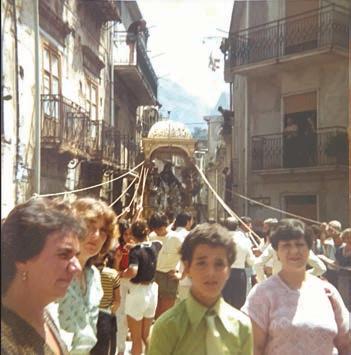
Carina Fisk
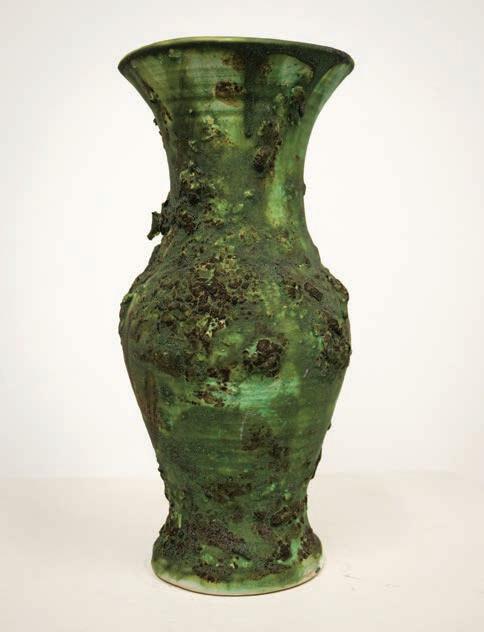
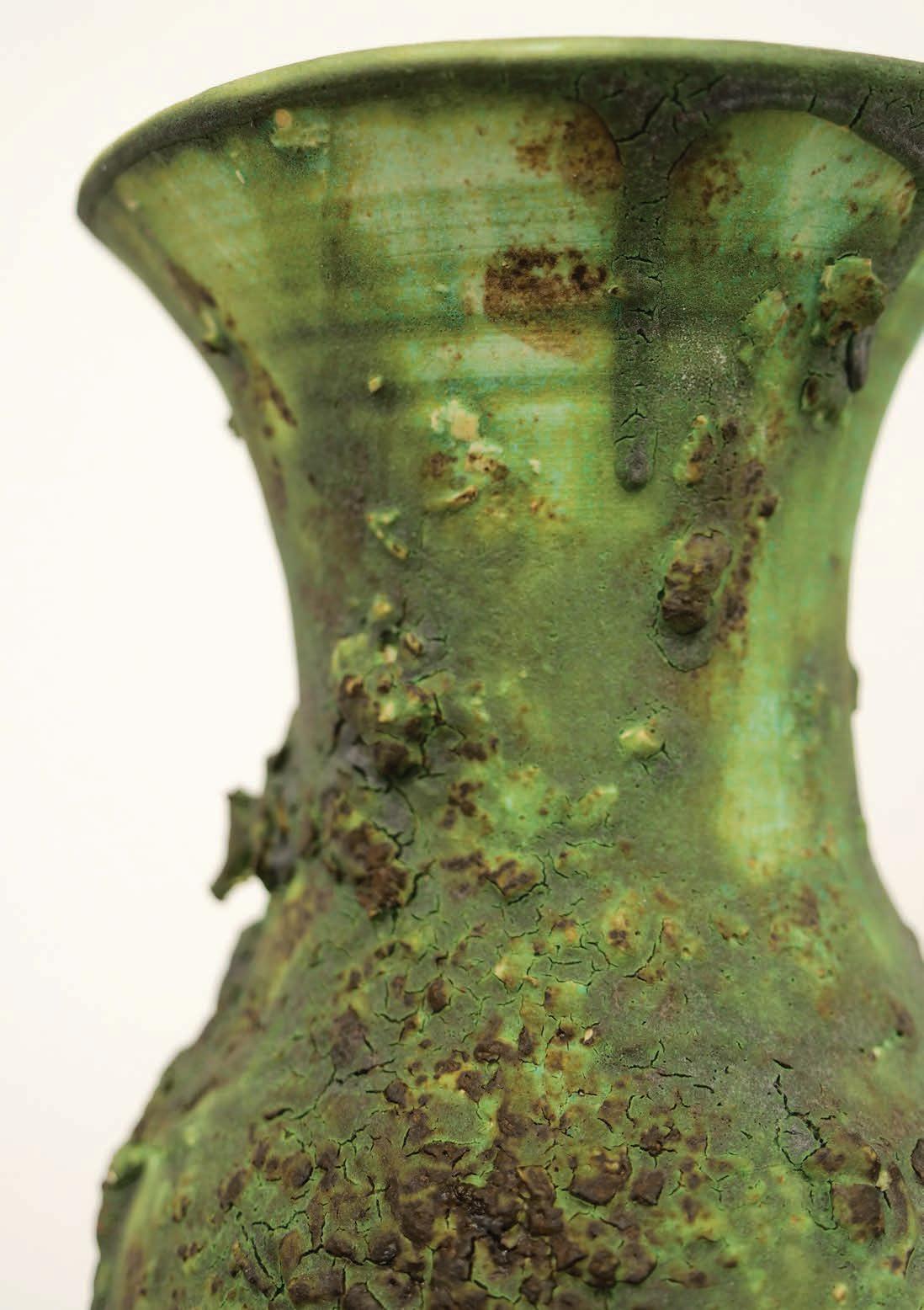
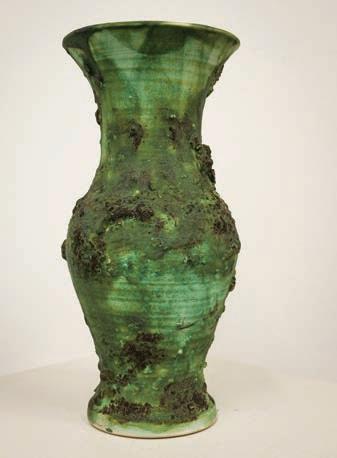
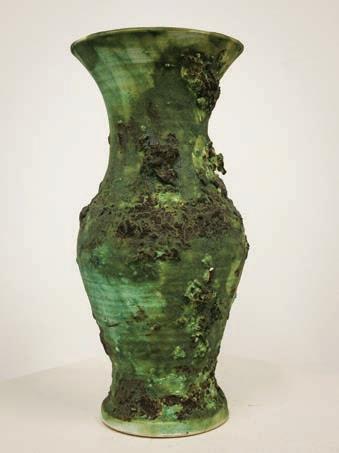
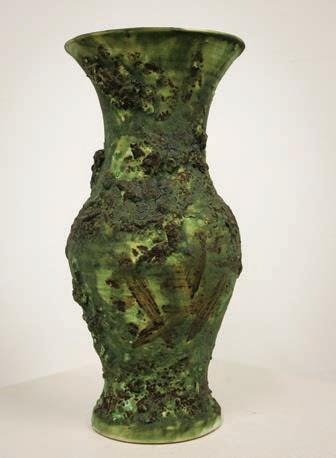
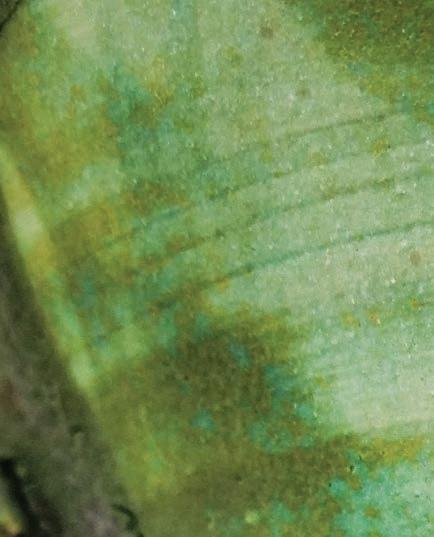
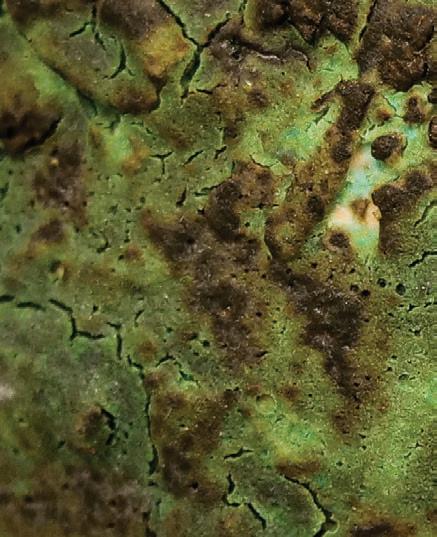

Amelia Elliott
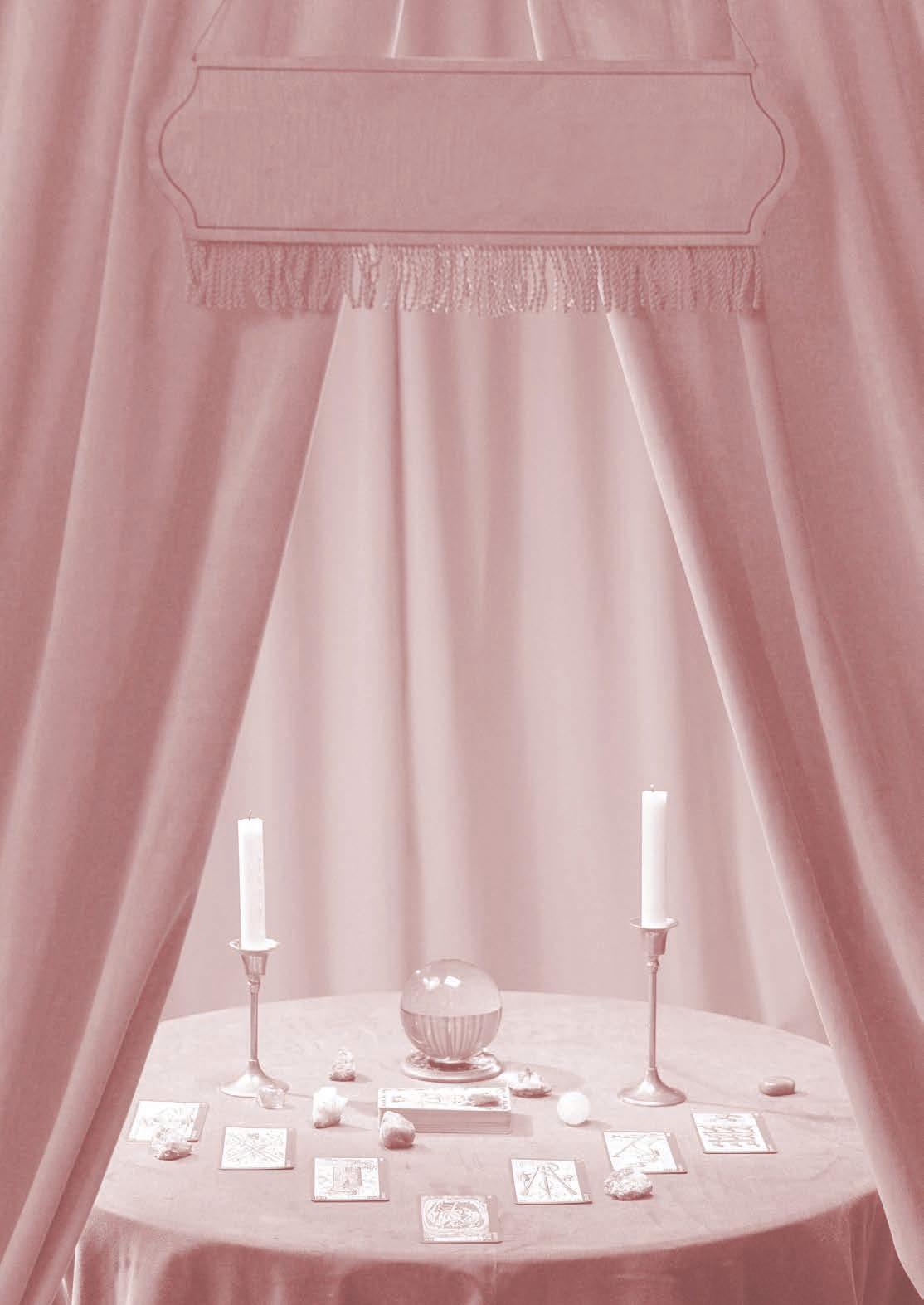
He met me at the door and ushered me into a dim room. It was cluttered with an assortment of wooden trinkets and had patches of black mold growing on the ceiling. Two chairs sat on either side of a tiny white table that was furnished by a lone candle and one of those acrylic shields they have on the counter at the bank—a sneeze guard, if you will. It struck me as slightly out of place amongst the dusty bric-a-brac, but I cast that thought aside and sat down feeling unexpectedly excited.
It was a breezy a&ernoon and I was in a terrace house nestled between Salisbury Road and Campo. I was there to see a psychic. !e session was a gi& from my woo-woo but well-meaning friend J.
In my awkward tween years I identi ed as a witch myself—I’d charge my crystals under the light of the full moon and took a strong interest in seeing into the future. I suspect this was symptomatic of underlying anxiety; nevertheless I was desperate to have my future read. By the time I was old enough to do so my interest had waned, but when this opportunity with the psychic arose, I knew my younger self would curse me if I didn’t go.
In a deep, melodic voice, the man asked me to lay out my palms. I did as told, eager for the reading to start, but received a generous pump of hand sanitiser instead. “ !ere’s a bit of a virus going around,” he exclaimed sheepishly as I rubbed it in, smiling in confusion.
As the hand sanitiser soaked in, so did the rst problem. Why was the psychic sitting across from me an ordinary middle-aged man instead of a beautiful woman wearing furs and chunky silver rings? Could a man really possess the intuition needed to see into the future? None that I’ve met seem to. My tween self ashed through my mind, I reminded myself to stay open minded in her honour.
He traced the creases of my palm with a stubby lead pencil. “You have a good life line, a very good life line. Your career line is also strong, I’m seeing you have the potential to make a lot of money. Happy to hear that?”

I gave him a nod, temporarily casting aside my anticapitalist values.
“You have a very plump quality to your hands.” He prodded the eshy bit of my palm below my thumb. “ !at suggests you’re going to have a girl career.”
My earlier smile dropped.
“Sorry?”
“What I mean is you’re not going to do something that men tend to do. What do you want to do when you’re older?”
“I’m not sure yet, but something in the arts.”
“See, that’s a girl career.”
I began to interject, but he cut me o%. “ !ere are of course exceptions; every once and a while you get a female carpenter, but it’s not common.”
All hope of this man being genuinely clairvoyant, let alone having a vaguely 21st century attitude, drained out of me. A horrid feeling swelled in my gut; if the psychic session hadn’t already been paid for on my behalf, I would have demanded a refund and marched out then and there.
He continued. “Your love line has three knots in it, which signi es di%erent partners you’ll have throughout your life.”
More than anything else he’d said so far, it felt di$cult to believe that information of this nature lay in my palm. I scrunched my nose and furrowed my brow skeptically.
“Now, Amelia, I’m seeing here that you’re going to marry a man. Are you okay with that?”
I hesitated.
Feeling my silence he added, “We’re in Newtown a&er all, so if you think you’re gay I understand.”
Taken aback, I mumbled it’d be ne.
“ !is man is going to be VERY attractive, more attractive than you. Not to say you’re not good looking, but this guy will be close to a 10.”
Feeling incredibly uncomfortable now, I wondered about the kinds of standards this middle-aged man measured attractiveness with, and whether those standards were the same for all genders.
I asked if we could talk about my family.
“No, that’s too di$cult,” he replied indignantly.
I didn’t think psychics were allowed to say that.
Shi&ing his weight in his seat, he removed the pencil from my palm and for the rst time in the session looked into my eyes. He frowned.
“Do you get itchy?”
“What?”
“You know, your skin, does it get itchy?”
“Sometimes.”
“How o&en do you get itchy?”
“Maybe slightly more than average.”
“Do you have any food allergies?”
“No…,” I say.
“Are you sure?”
“I’m pretty sure.”
“When do you get itchy?”
I felt like Elijah Wood in the “Do you wear wigs” interview.
“I don’t know, in the evenings, I guess?”
“So a&er you eat dinner.”
“Well, yeah.”
He twiddled the pencil in his ngers. “I’m just sensing something here. About you being itchy. Keep an eye on it.”
!e rest of the session continued normally. Or as close to normal as you can get in a psychic consultation. With the help of a deck of tarot cards, he walked me through the next decade of my life. “By 22 or 23 you’ll be engaged to the very good looking man I mentioned earlier. At 24 or 25, you’ll be married, you’ll have a house by 27, and two kids by 29. It’ll be a boy and a girl.”
I couldn’t believe I was still sitting there. Has this guy ever heard of the cost of living crisis? Or an independent woman?
“Oh, that’s great!” I said sarcastically, crossing my arms in front of my chest.
“Another thing. !ere’s something coming up here about some dishonesty with your friends. Do you have any very good looking close friends?” (????!!!!)
“I think all my close friends are good looking.”
“Do you have a photo?”
!e friend that sent me had warned me he likes to see photos of the people you’re talking about in the session. “It helps him read with more accuracy,” she’d said. Reluctantly, I showed him a few photos.
“Mmm, no. None of them,” he declared as he swiped through my camera roll. He passed me back my phone. With his elbows on the table and ngertips touching, he said “ !ere’s a female friend that you trust who’s going to betray you. I would advise you to be careful about what you tell your girlfriends. Come back to me in six months.”
By the time the session was over, the rising outrage I’d felt sitting across from him had morphed into a laugh-out-loud disbelief that I’d been pro led as a conventional, itchy young woman who only desires what the patriarchy prescribes to live a happy life. Although my belief in psychics had petered out since my days of witchhood, I couldn’t help but feel disappointed that it wasn’t even slightly believable.
“How did it go?” My friend asked when I saw her the next day.
“It was total bullshit!” I explained what happened.
“ !at’s so strange!” she said. “He’s never said anything like that to me.”

At the foot of the cli% are the remains of a bon re, bearded with rocks like some ritual site. On one of these rocks, you can nd the sketch of a bow aiming its arrow back the way you came.
Every time I go out to one of these places, it is as though I am expecting to nd solace in something external from myself; that I may meet some minister of life—maybe a monk or a Heraclitus, who abominates social toils. !ey would tell me some “enlightenment lies within” rhetoric, but was Eve not plucked from Adam’s rib? Not that it’s bullshit, but we honour what is perceived through the senses; thus, we uncover truths like a caramel core. !e Aztecs would clap before the Temple of Quetzalcoatl, and its architecture would di%use the sound and echo back the call of a quetzal bird—their god’s Venusian answer. Now and then, on the trail, I would clap in all directions, hoping some bird would sing in return, but the forest hushed and heaped a malignant silence instead.
As I idle around the clearing and hop across loose stones, nding cobwebs in the crevices covered in dewdrops like a city of pearls, the sudden sight of a half-buried dark coil nearly trips me over my feet and traps the air in my larynx. I stand at a distance: the red-bellied snake is dead but cryptic still in its death, in the brilliance of its eyes and scales.
Like a dead star, whose obsidian light still glimmers, At once dead and dying, divided by light-years.
While resting on a log listening to the lyrebirds— oooo-wik, oooo-wik—a sparrow emerges. !e black of its blunt bill moustachioed the ringlets round its eyes, with reddish-gravel plumes on the back. !e underbelly is white, fanned with black wa&s. Never had a sparrow been still for so long. In the excitement of it all, I lean forward and reach my hand slightly.




At every turn, the wildlife appeared before me through a keyhole, and I would need a keener eye for this sort of thing. !e eyes of a falcon weigh an ounce each, and its fovea is several times more magnifying than ours.
On I climb. Now and then, I hear the invisible kangaroo clumping and thumping through the thickets just beyond my reach. I count fourteen alternate paths on the way up (in nity to the Minotaur) until, veering o% the trail through thickets, I come to a massive at rock overlooking Bowral. Rivers of lichen covered it like the veins in marble. !e sky was a dome welding of cold adamantine clouds. Wind pulled my clothes around. !e poplars surrounding Old Mick’s hybrid house, the fenced-o% quarry next to it, the chimney for the brick supplier with its white fuck-o%-sized ‘Bowral Brick’ running down the side, the water tanks that overshadowed the lower Gib; Bowral now possesses a precision and rough casing that reminds me of a miniature tabletop model, made painterly through the frame of eucalyptus trees.
Fuck, I need to get to Japan.
!e fact I’ve never been overseas tightens the desperation. Show me Himeji Castle! Niigata prefecture! Let it tip the scales of my ideas, quick! Before the cheese slides o% my cracker! If this walk doesn’t x my crisis, maybe the Appalachian Trail could. !is is a lie. !ose who seek that ultimate reality somewhere else deceive themselves in fear of their devouring circumstances. In his essay “Self-Reliance”, Ralph Waldo Emerson writes:
Travelling is a fool’s paradise. Our rst journeys discover to us the indi%erence of places.
At home I dream that at Naples, at Rome, I can be intoxicated with beauty and lose my sadness. [...] I a%ect to be intoxicated with sights and suggestions, but I am not intoxicated. My giant goes with me wherever I go.
!is is in agreement with Heraclitus, who said, “he who travels on every road would not nd out the limits of the soul in the course of walking, so deep is its account.” !e giant following us always, starves always. When ful lled, a larger one grows.
Perhaps I am an Ismael. Whereas the Ahabs will hunt the whale and command its severed head to speak, others will sit alone atop mastheads, listen to conches and think it the nostalgia of the universe.
I hear the thumping again behind me. !e thickets and underbrush rattle. I round the corner, and standing erect, frozen among the thickets, are two kangaroos staring at me, bubbles of dusk in their eyes, not ten metres away. I start to whistle the calls of tits and lyrebirds and watch as their puzzled ears rotate. At once I turn my head with them, and I begin to unconsciously mimic the movements of these animals and crouch as they lower themselves. I turn my head about, alert for the heads of people, swimming like jaded sharks in that sea of switchgrass. !ey watch me, gripping the neck of a sprouting weed. !e distance closes in behind them.
I look, it looks, we look; we live, we shun, We leave.

Soraya Moore
!e rain is wet. !ere is little else to think about. With my cheek against the windowpane, I slink to the marsh and let my skin go slimy. You wouldn’t dare touch me.
Today, I have woken up in a woman’s body.
I have yet to learn to use it. I squatted in front of the mirror, heels to the ground, and noted the so& esh that coats my belly and my thighs. At these times, you must treat memory as a venereal disease. !e decisions of the day must crosshatch until unreadable.
I think the mud would be milk-sweet.
!ere isn’t much to cast o% today, no plans to shake loose from. I nd guilt in this. You sigh against the doorframe, a bent lily-of-the-valley, and traipse into the billowing day. My man. With your gilded arms. I am le& to curdle in this light.
You hate to see me drag my feet around the garden, upturn hollyhocks, chew torn mint. I see your pleasure, pressing bills into the butcher’s palm; that is all there is for you. I haven’t the faintest clue of the price of meat. You must yield to the lamb’s o%er—his tongue weighed in ounces.


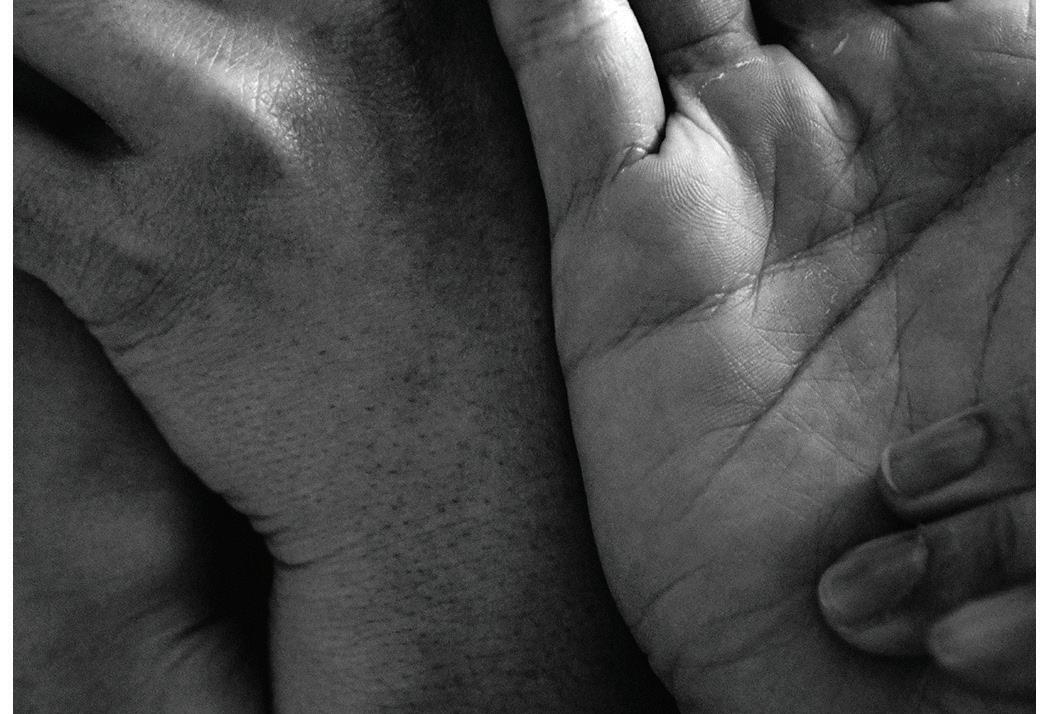
Studying my ngers, something squirms beneath the nails. !e memory of earthworms pinched between thumb and fore nger. !is was when a girl learned cruelty. When a boy’s eyes lit up. Rain crashed down with that inheritance; my wet hair clamped my scalp. Now, days drip by and who am I to distinguish them? I am still orbiting the day I found a pale blue robin’s egg, the length of half my pinky nger. Enough pressure from my nail and it collapsed. I must turn away, leave it to rot in the weeds. An addled treasure.
I wish I could love you with a spaniel’s eyes, press my drooling maw into your lap. !is would mean I’ll bring you anything. I run, only so you will nd me. Muscles taut as I race through the elds, bury my treasures beneath Cleeve Hill.
Sitting here, I am teetering on cracked ceramic, on the cabinet door that never quite shuts right. !e dust has been allowed to creep in. I am circling the edge—razor sharp. Touch me, while I’m still viscous and yielding. Be coddled by sunlight. Watch the robins ock to the eaves.
You return, wipe your boots, measure me in your gaze. !e slight crunch of a shell on the threshold. You nd me cellular. Only o%er me your mouth, a glass of water. Use the rough hands of the butcher. Turn your day over to my palms. Beget a body worth living in.
Jasmin Muhidin
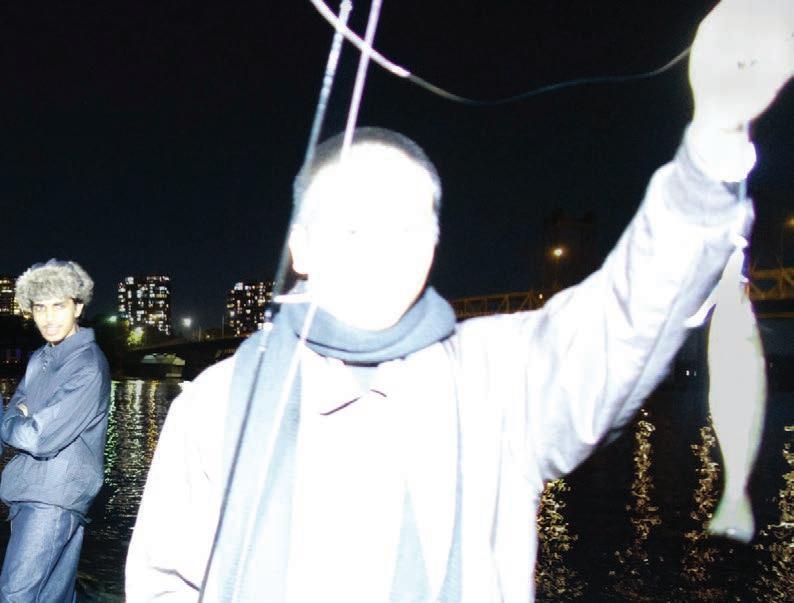
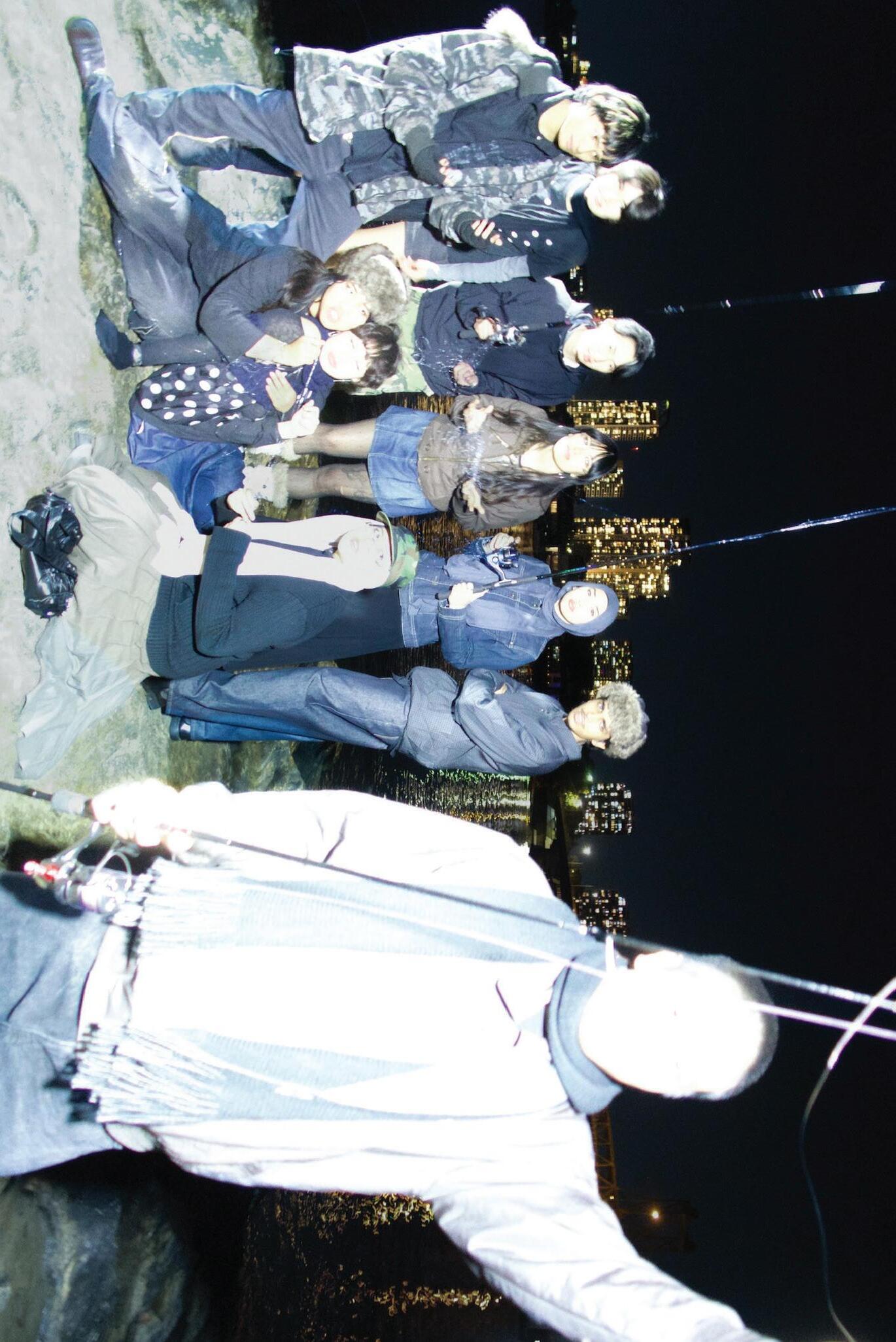
!e scent of salt and wet earth hangs in the air. !e river laps so&ly against the rocks, patient, indi%erent. Apartment lights tremble across the surface. Flatheads ghost somewhere below, tucked into the mud, wide-skulled and low-slung in the dark. Ferries hum around the tree-lined bend and mu0e into the distance.
It’s late. Too late to be out. Too cold to be comfortable. An impulsive hangout, restless from days spent clocking in and out, chasing deadlines, pretending urgency means importance. !e constant refresh of a feed, the frantic stacking of one more project onto a leaning pile. Finally, this is our rest.
We sit low, wedged into gaps in the rock, shoulders leaning into each other. Borrowed rods balanced between our ngers, lines disappearing into the dark like quiet questions.
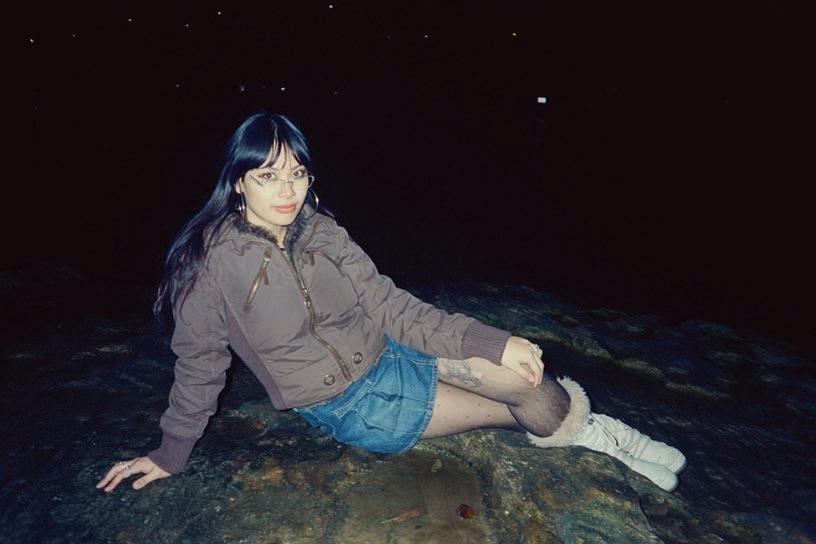
We sit low, wedged into gaps in the rock, shoulders leaning into each other. Borrowed rods balanced between our ngers, lines disappearing into the dark like quiet questions.
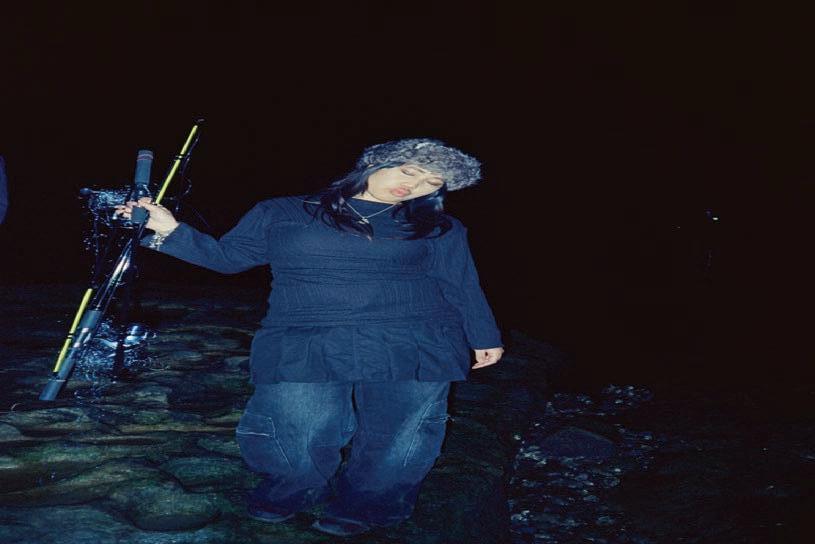
Cast. Wait. Reel.
We crack open our lives and lay them out like the evening news. Someone spills about a stupid romantic encounter and we’re already giggling, gasping, demanding details. We make half-serious prayers to lock in this year. To get rich. To get out. We ri% on who we were last year. Blurry. Awkward. And who we’re trying to be now. So&er. Steadier. Maybe a little wiser.
!e river laps at the rocks, faint as breath.
Cast. Wait.
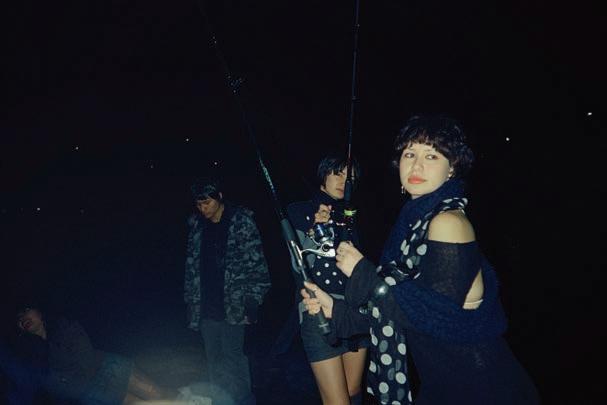
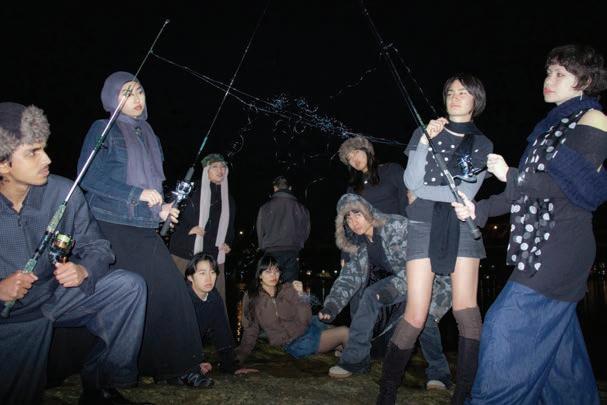
We fumble with the knots, ngers sti%, numb. Laughing, swearing, untangling the same mess over and over. !reads cross themselves. Plans knotting. A horizon refusing to take shape, an unwritten distance of unclaimed luck and sudden swells. Just wanting a sign that we aren’t reeling away at a shless lake.
“I could go for a burger and thickshake right now,” someone sighs.
We all groan in agreement. Early morning and responsibilities calling. Versions of ourselves waiting at home. And still, we cast again.
Wait. Reel.
Cold bites at our ngers and noses. !e city keeps its distance.
Wait.
!en the line jerks.
Water bursts. Hands scramble. Something small and silver thrashes at the end, alive and unbelievable. We stare, suspended between disbelief and joy.
“Wait… ew. Is that a sh?”
Jasmin Muhidin
Models: Hayden Chan
Alyssa Damara
Ti%any Lac
Adrian Li
Hansen Marudai
Jasmin Muhidin
Jessica Nuguid
Luisa Pulie
Hana Ravel
Carlos Vaskquez
EXT. Wynyard. Nighttime.
DRIVER is parked in the CBD, waiting for their next ride.
INT. Toyota Corolla.
DRIVER gets a notifcation. They click through: their next passenger.
DRIVER checks to make sure they’ve put fresh bottles of water in the backseat doors, then looks at the passenger profle and puts on a playlist called ‘indie-looking young person’. They drive a few minutes and park next to a fancy restaurant whose staff are packing up for the night. ILHAM (she/they) makes eye contact with DRIVER and gets in the back.
DRIVER
Ilham?
ILHAM
Yep.
DRIVER
I’ve got two more people to pick up as well.
ILHAM
Awesome.
Silence for a moment. ILHAM debates whether they do the thing where they put headphones on and politely tell DRIVER to play their own music, or chat. She doesn’t get long to decide.
DRIVER
Big night?
ILHAM
Oh sorta, caught up with some high school friends, it was nice. We lost track of time, ended up staying until the restaurant staff had to kick us out.
DRIVER
Sounds fun.
ILHAM
Yeah, I don’t see them enough honestly. Beat.
ILHAM (Cont.)
Doesn’t seem like I get to see anyone enough these days.
DRIVER
You too busy?
ILHAM
Yeah. I mean, I’ve been slammed with work lately, and I’m living alone for the frst time right now which is hitting me harder than I expected. I just… I knew I wanted independence, and something stable for a job, but I don’t know how people do that and have time to still be a person. ILHAM looks out the window and thinks about how she hasn’t said any of this out loud before, not even at dinner. She told her friends she loved her new solo life, mid-twenties and fnally in control, and she does. But that doesn’t mean she likes it.
ILHAM (Cont.)
Sorry, that’s so much to say.
DRIVER
Don’t apologise. I’m the best ear, I just drive all of your secrets into the night.
DRIVER waits for a moment before responding.
DRIVER (Cont.)
I hated my old job. I was holed up in an offce, and all of the people I worked with only talked about work. Work work work. I hated it. I like people. I always have, I like being around people, talking to them, helping them. I worked in security before that, but when I had kids it petrifed my wife, coming home so late, sometimes bruised and sometimes bleeding. So I stopped. An offce job, though… I thought that was what would kill me.
ILHAM
How did you end up here?
DRIVER
I wanted some extra money and to kill some time on weekends, so I started driving. Food at frst, cause it was easier, but then I realised I preferred driving people around. Hearing their stories.
ILHAM
That’s so lovely.
DRIVER
I enjoy it, and it’s still a job. It changes a lot, but I can provide for my family. All I can hope is that my kids never have to struggle. I want them to fght and earn whatever it is they want in life. I won’t raise spoiled kids. But I never want them to go without either. Me? I like these moments. If I can’t see my friends, I can at least see people. It’s important to see people. It’s important to see your friends too.
ILHAM
It’s true. I need to do it more. I don’t wanna get old and realise I have no one around me because I didn’t make time for them when I should have. God, I don’t know how this conversation got so heavy so quickly. I only had like two drinks.
DRIVER
There’s just something about a car at night that cracks people open.
ILHAM
Yeah, I can tell. ILHAM laughs quietly to herself. DRIVER’s phone dings as they approach the next passenger in the outskirts of the city. SPLEEN (she/her) is on the phone and waves down DRIVER. DRIVER points to the right side of the car, SPLEEN overly gestures to the right side with a quizzical face, leans over to see ILHAM on the left side, then does a big dramatic ‘ah!’ face and gets in on the other side. She’s carrying a bag and jacket in one hand, and holding her phone in front of her face as if talking into a speaker with the other.
SPLEEN
(On the phone)
Honestly she was such a cunt to me tonight, anyway gotta go I’m in the Uber, it’s a pool so it might take a bit, tell me when you’re home safe! SPLEEN hangs up the phone.
SPLEEN
Hi, sorry about that.
DRIVER
Spleen?
SPLEEN
Yeah.
ILHAM
Don’t apologise, sounds like you had a big night.
SPLEEN
I just… I had to accept tonight that someone I care about is no longer the person I thought she was.
ILHAM
That’s heavy.
SPLEEN
I’m sad, but she’s just toxic, and I can’t keep letting toxic people into my life. It’s not good for me. When did everyone stop being kind? I feel like no one is kind anymore. It’s all about getting where we need to go and saying whatever we want and leaving our friends behind and boy I can really feel the wine creeping up on me.
ILHAM
Was it good wine?
SPLEEN
It was. Some fancy sparkling red.
DRIVER parks next to a vibrant gay club, exotic dancers can be seen through the window and strobe lights poking out into the street. IMPY (he/ him), early twenties, eyes half-closed, jumps to alert himself, then sees the car. DRIVER points to the passenger seat, and IMPY clambers in. He smells of tequila shots and kissing boys.
DRIVER
You okay?
IMPY nods.
IMPY
Can I… can I open the window?
DRIVER
Yes.
IMPY sticks his head out the window like a dog. He’s intensely focused on not throwing up.
DRIVER (Cont.) Do you need water? There’s a bottle in the…
IMPY (Quick) No. Thanks.
SPLEEN
I remember those days.
DRIVER Me too.
ILHAM
I still have them sometimes.
SPLEEN
Not enough though, right?
ILHAM
Right. There’s never enough time.
SPLEEN
I don’t know when everyone my age started believing we didn’t have enough time. We have all the time in the world. The conversation dies down after this, everyone taking in the night or checking their phones. SPLEEN is dropped off next at her home in the Inner West. She hops out of the car.
SPLEEN
Thank you! Have a good night. Right after dropping SPLEEN off, DRIVER sees another rider pop up and accepts it.
DRIVER
We’re picking up one more person, it’s only a two minute ride.
ILHAM
Cool.
DRIVER pulls in front of a luxurious looking townhouse, the kind which is clearly historic but tastefully renovated. Out front is a grandiose woman in her 60s, JAG, full of chunky jewellery and life. Her friend, similarly luxurious, gives her a big hug, then kisses her hand goodbye like a princess and says something which makes JAG laugh. It’s not typical, but something about her commands the sort of respect which makes DRIVER get out of the car and open the door for JAG. JAG is surprised by this.
DRIVER Jag?
JAG
Yes. This is not the typical Uber service.
DRIVER
Maybe I’m not the typical Uber driver.
JAG
You’re sweet.
DRIVER closes the door and gets back in the DRIVER’s seat.
DRIVER
It’s a short ride for you tonight.
JAG
I live around the corner; I just didn’t want to walk home in these heels.
ILHAM
They are gorgeous heels. This whole outft, if I can just say, is ethereal. I’m living.
JAG
Oh honey, thank you. I’ve had this dress for years. Bought it in France in the 90s. Wish I remember where…
IMPY
(Slurred)
You’re an icon
JAG
Oh, thank you.
IMPY
(Hoarse)
Need water.
DRIVER
In the door!
IMPY grabs the bottle, takes a few little sips, then sticks their head out
the window again.
JAG
Is he okay?
DRIVER
He had a fun night.
ILHAM
Those were the days. JAG turns to ILHAM in the backseat.
JAG
You’re too young to be saying that. Wait until you’re my age. You’ll think it’s all over, and you’ll sit in your living room every night and count your coins, thinking about when you used to be in bed after 10pm.
ILHAM
You’re out late tonight though.
JAG
I’m not fnished. Then one day you wake up, you look in the mirror, and you see her again. The girl who didn’t believe she’d ever be too old for anything. And you’ll fnd all the clothes you used to wear when you were young and fun and out every night, drinking and firting, and realise you never had to stop. So you start again.
ILHAM
I hope I never stop.
JAG
You shouldn’t. Nothing is worth putting yourself on hold. She looks at ILHAM again, more intently this time.
JAG
You’re so beautiful. Don’t let it go to waste. DRIVER stops the car. JAG steps out and walks away, politely nodding at the car.
IMPY
I love her.
DRIVER
Alright kiddo, you’re next. They drive off into the night, ILHAM sitting with what just happened. DRIVER, after half an hour, gets to IMPY’s house and drops him off. He’s stumbling much less than he did before. ILHAM sits in the silence.
ILHAM
Just me now.
DRIVER Lucky last. Beat.
ILHAM
You must have a lot of stories.
DRIVER Stories?
ILHAM
Like of all the people you drive around.
DRIVER
Oh yeah. There’s some characters.
ILHAM
Are they all as chatty as we were?
DRIVER
Not really. Makes it nicer when I have rides like this.
ILHAM
How much longer will you work tonight?
DRIVER
Probably till around 4. Then I’ll head home and kiss the kids goodnight. ILHAM
That’s nice.
DRIVER
Soon enough it’ll be my daughter in that backseat. ILHAM
If she’s as kind as you seem, she’ll be fne.
DRIVER
I hope so.
Beat.
ILHAM
Just stop next to this traffc island.
DRIVER Here?
ILHAM
Perfect. Thank you so much.
DRIVER
Happy to help.
ILHAM
Goodnight!
DRIVER
Goodnight.
ILHAM gets out of the car. DRIVER watches as she pulls out her keys and opens the front door. She turns back before walking in, sees him looking, and waves goodbye. They won’t see each other again. This is by design. ILHAM will probably ponder the ride over the next few days, think about the girl who made her laugh, the boy who was so full of life, and the eccentric woman beside her who wished for her love. And the DRIVER.
For now, though, she takes off her dress, brushes her teeth, checks that the back door is still locked, and puts herself to bed, happily exhausted. DRIVER drives away. They get a notifcation. They click through: their next passenger. DRIVER checks to make sure they’ve put fresh bottles of water in the doors, then looks at the passenger profle and puts on a playlist called ‘2000s club classics’. They drive a few minutes into the next suburb and wait outside someone’s house. Destination: the city. MAHLI (they/she) walks out and gets in the car.
DRIVER Mahli?
MAHLI
Yep.
DRIVER
I’ve got two more people to pick up.
MAHLI
Awesome. They drive off.
!ey say snakes are an evolutionary asset to human beings. Developing our skills of perception, sharpening our survival instincts. !ey say we can sense a snake better than any other creature; enfolded in bushes, sidling against the gutter, slipping through cracks in walls. It is a shadow crawling in our proteins and our DNA. I imagine prehistoric people being swallowed by snakes and swearing they would never make the same mistake again. !rashing against the tubular walls of their intestines.
Lynne Isbell (2006) called this heightened perception Snake Detection !eory, which I feel is a banal name for something so strange and fundamental to human evolution. How can it be a kind of ‘detection’ when we sometimes don’t even notice the snake’s presence? Tectopulvinar pathways in the body, signals coursing through our nervous system before our brain is even cognisant of the snake. A study by Jensen (2019) shows increased physiological reactions—heart speeding, brain whirring as we scan for a glimpse of the elusive creature. We are ne-tuned machines, pitted against our lapsarian enemy forever.
and when the morning came, it was with a thrill of dread up the spine and the room was domed with thick grey light. the girl awoke with a sense of falling fast, eyes spiralled with dream fog. something warm curled around her neck, squeezing a little, and suddenly everything within her coalesced into a spindly and slippery feeling. mouth metallic with fear.
“lottie?”
oh, mother. oh bleary-eyed mother stretching her arms around the girl, a subconscious protective stance. tender sunbeams reaching through the bedroom.
the dream came back in ashes, yet it retreated from the surface of her mind the longer she was awake.
hot pit in her ear, only the embers of recognition oating further through the passages of the skull. the thin thing scar ng around her neck. it is smooth, it smoothes. it scorches. its body emanates a coldness, but the burning tongue pierces through all other sensations. yes, it pours and courses along her bloodstream, making a vessel out of her veins.
“lottie, are you awake?”
It stays with us. An inherited fear sits there in the base of our brains, unmoving for a whole lifetime, it doesn’t feel the need to move or stretch its legs.
Infants are strangely drawn to the coiled animal, whether their attention is born from fear. As if we are prepared to be afraid of snakes, readily accepting them as a threat. Scientists, like Bertels, Bourguignon, de Heering, et al (2020) have run various tests on both adults and children, generally concurring that the visual detection of snakes is more e%ective at instigating a fear response than other stimuli. But why do snakes stand out, so singularly as an evolutionary threat? Other animals camou age easily into trees and leaves, my friends spend ages directing my line of sight whenever they see an interesting bird; yet I usually cannot spot it.
Perhaps, LoBue and DeLoache (2008) suggest, it is their slithering movement which is unlike any other animal’s natural pattern of motion, or their uniquely narrow shape, a winding stripe of danger. Or maybe it is their ability to coil, another distinctive pattern. We sense something unnatural or unhuman in the snake’s body, foreign to everything a child learns is safe. !e wobbling curve of its movement is far from the slowness of human limbs.
“i’m awake.”
“aw, baby. another nightmare?” her mother ran a palm over her hair, clicking her tongue.
“does it ever stop?”
“aw, baby.” looking out the window, creases between the brows.
the girl recalls summers in garden beds, sts full of weeds and grime, her mother rocking on the porch with a silent wail spilling from her purple lips. and a cough turns into a month of sickness, one loss becomes a black chasm barricading you in every direction. the girl remembers seeing a snake twisting through wilting leaves and swallowing down her gasp. she turned to look at her mother and thought about teeth and venom. by the time she had looked at the dirt again, the snake was gone.
now, her mother was rubbing at her eyes, black smudging to the edges of her cheeks. the eyeliner lingered on her ngers, and it looked a little like mud stains.
the girl tried to forget about the dream. but when her mother bent down to press kisses to her earlobe, it stung a little. sharp like a forked tongue.
I’ve wondered whether spirals exist as a mystical or even dangerous symbol because of their likeness to a snake, or if it is vice versa. Lynne Isbell (2006) suggests mythological stories of snakes are another signi er of our evolutionary, inherited fear. !e Ouroboros image recurs in cult signatories, an endless circle like a chain; carried through generations and expanding outwards. Medusa and her hair of snakes—fear transformed into something monstrous. Snakes are symbols of duality and punishment in Abrahamic religions. Alternatively, in Native American, Nordic, and Aboriginal and Torres Strait Islander mythology, giant serpents hold the ultimate destructive or creative power over worlds. I personally don’t believe in the story of Adam and Eve, but I would like to. Christianity’s history of humanity spirals from that rst fatal encounter with a snake and its beady eyes. !e devil.
However, cultures across the world consider some of the most dangerous vipers to possess an incomparable beauty. Landová et al (2018) compared results from a sample of Azerbaijani and Czech students, concluding that groups across political and cultural borders similarly nd the most “fear-inducing” species the most aesthetically appealing. Vipers have these mane-like scales that are clearly intimidating, yet this unique feature is undeniably why they are the most revered species. Ultimately, humans are fascinated with things that unnerve and unsettle us. We are nothing if not creatures of habit.
I run my ngers over the slick scales and watch light ing o% them; its jewelled skin, tessellating. !e snake is mobile in my hand, straining to escape. I have it trapped. It hisses and agitates and braces its head back, as if preparing to bite.
the room had expanded into daylight. she sensed something burning.
her mother was frying eggs, and she was trying to carve the venom from her ear.
Mall music never sounded so good! Here lies the mask. Materialised from the wallpaper of playlistification. Through the hand that turns the meat grinder, The milquetoast tastes like truffle. But beware, for the pop canon has turned serpentine.
With the detonation comes the collapse of the scaffolding holding us together. Climb the hierarchy of needs so that all that remains is self-actualisation in the form of chimes on loop.
A loose sanguine thread dances on the wind. The romanticism of the midlands dissipates into abrasion.
The following track should be ripped and clipped out of an unbranded speaker in Camperdown Park.
Don’t be ashamed, wear the sonics as armour!
Nayraqat jutir luririnakarux yuspägarapxsma. Thanks to the creators who have come before us.
Implosionworld drops its souls into a dizzying cacophony of noise, set against blue skies. Through the settling rubble, an epic collage of pop singer-songwriting opus, Taylor Swift, chimes in and is unphased. The morning alarm abrades the listener out of the false lullaby and awakens them to world affairs. Meanwhile, the melodies keep blankness towards perception.
The use of Aymara is owed to Chuquimamani-Condori’s influence in the creation of this project. Their sonic worldbuilding, dubbed cinematic, dense digital collage, re-moulds pop culture with a sense of urgency and danger that I feel deeply. Aymara also juxtaposes with Taylor Swift being a signifier of colonial USA.
Lily Wroblewski
My dance with the Pink Masked Woman was my access point into a side of my feminine that had been curled into a ball, rolling from place to place. My soul dampened every time I revoked Pink. Every time I didn’t talk back, every moment I was le& feeling like my entire soul was being dragged through a pit of nails because I was dismissed, peered upon, gawked or leered at. In !e Second Sex (1949), Simone de Beauvoir states that “it is because femininity means alterity and inferiority that its revelation is met with shame.” !is encapsulated my experience of wanting to rid myself of Pink until I learned of its magic.
A year into my connection to Pink, I was drawn to reading Maureen Murdock’s novel e Heroine’s Journey (1990) which highlights the tension between the societal pressure of masculine values and a search for feminine wholeness. Reading it opened up feelings I had been carrying for years and validated the journey I was on. Murdock outlines the heroine’s journey as follows: rst, a separation from the feminine and masculine: then, a submersion and descent into the goddess; nally, when reached, the introduction of the dark feminine and the positive masculine. Pink, chosen as an expression of my wholeness, is my own world where all is mine.
When I think of Pink, I see myself in my childhood room: spinning in circles beneath a pink princess canopy, feet sinking into a pink rug, hands brushing against my pink chair.
!at version of Pink lives somewhere so& in my memory, a slice of girlhood I hold close. But eventually, a day before my 1656 birthday, I withdrew from the masculine and feminine, and the Pink washed away. De Beauvoir describes how “whether she is more or less prepared for [puberty], she foresees in these changes a nality that rips her from her self; thus hurled into a vital cycle that goes beyond the moment of her own existence, she senses a dependence that dooms her to man, child, and tomb.”
!e mothers who graced my life le&, never to be seen again. !e fathers became a ruse of performed masculinity.
In this colourless world I felt a rush, becoming aware of myself but feeling lost in my identity. Not long a&er my 1956 birthday, I moved to the city, I got my own keys. !e safety that I felt, coupled with regular therapy, gave me a foundation to nd my true self. A year in, I tried EMDR, a type of therapy helping to process trauma. It vividly reopened memories of my childhood self; that pink rug, my love of dance. Murdock describes how when we have “severed ourselves as spiritual daughters to the patriarchy, there is an urgent yearning to reconnect with the feminine, whether that be the Goddess, the Mother, or her own little girl within.” I sought to nd all three, and when I laid myself down in my Pink, I found they were all there, waiting for me to dri& back into myself.
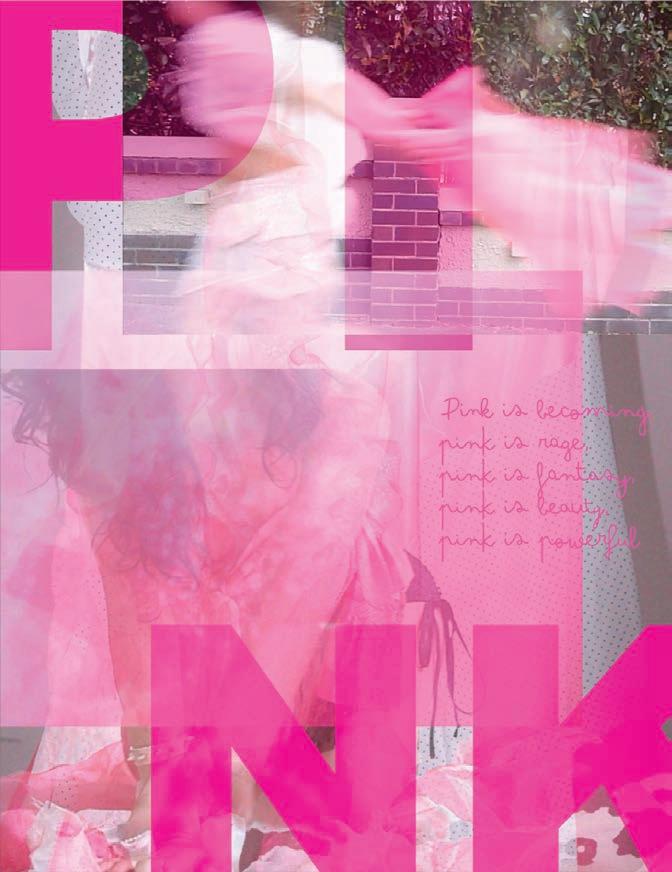
To become Pink is not to make all things in your life pink; it is a way of connecting with what already exists within. For me, accessing these parts of myself allows “the mysteries of the feminine realm to appear in her dreams; in synchronistic events; in her poetry, art, and dance.” (Murdock, 1990)
I gorge myself on red, juicy fruits that taste like my desire to be seen; mountains of cream- lled desserts that melt on my tongue and feel like my love. I sit at this table and look at the glorious feast of my life. A large pink cake sits at its centre, reminding me of the one I made for myself on my twentieth birthday. It billowed with frills and was caked in icing. I ate and ate and ate it all up. By the end, I did not feel hollow, distraught, or contemplative. I felt safe, knowing my body and my ability to trust my inner feminine would always lead me back to this table, to sit at my feast and eat it all up!
When I came to realise Pink, and exercised all my e%orts to adorn my life in Pink, a small, yet endearing, voice hummed in the back of my mind, telling me to perform, but for what stage? To create, but with what art? To cry, but for whom? To dance, but in what shoes? It grew louder. !e more I was pulled to my inner feminine, the more I felt what I actually wanted to become. I was able to cry for myself, and for the girl who lost Pink so many years ago. To allow the dark feminine to nally release in a urry of embers. To create art not because I could sew, perform, or dance, but because I trusted my own instinctual magic. !e trust in my body, my sexuality, my sadness, my spirit, and my thoughts. I nally fell into the pink rug in my room. I smelt the cheap perfume I used to make fairy potions. I danced away the strangeness of the day and chased a past version of myself I had once turned my back on.
Now I see the masked gure I have been dreaming of meeting. Her Pink is wrapped around her body, physically inextricable, taut enough to consume both what she is and what she is becoming. !e Pink Masked Woman is the Goddess, !e Mother, and my own little girl within. She was dreamt in the mystery of the feminine realm. !e Pink rests on my epidermis, lightly uttering along the hairs of my arms, contorted through tulle, beads, and ribbons.
She emerged from the water, as I sat on the shore, every shade of Pink, a gentle glistening on the surface of the water. Starlight trickled between each wave, twinkling brightly as it came and went, reaching the shore and retreating again. !e tide mirrored the rising emotions of pushing yourself away, only to glide back into yourself.
We met one another on the shore. She was Pink, and her mask, the same as her skin, re ected starlight as her body rippled through the water, droplets did not cling to the ribbons that fell from her ngertips, but melted into the fabric. Illuminated by the moonlight, she re ected all of my dark and beautiful feminine self. She held my hands and told me that whatever I wanted to become, I could. She took me under the waves, and we spent time getting to know one another. I watched her move beneath the surface, her pink strands falling weightlessly behind her. Her body owed and danced, and she gestured for me to do the same.
We danced together the way we had when I was younger. We fell to the oor laughing at how ridiculous we could be. She did not show me anything I did not already know, but she nally allowed me to release my largest cry. !e safety felt angelic. I trusted the journey that had brought me to actualising her. I felt the pain I believed I had to carry fall away from my body. She took me back up for air. I sat back on the shore and watched her stare back at me from the water.
We took one nal glance, knowing she would continue to guide me, knowing we had nally learned how to look at one another without hurting. I watched her slip back under the water. I had nally felt my separation of self stitch back together. I saw dreams I had sewn up, embroidered into her skin.
As I watched the starlight icker across the water and rise up onto my body, I no longer felt dampened. My feminine had been found, my emblem of Pink, my own fantasy of the feminine, the wholeness I sought feels, nally, whole.
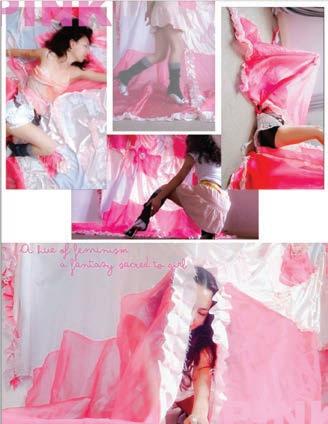
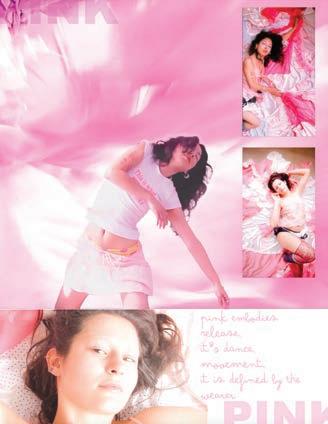
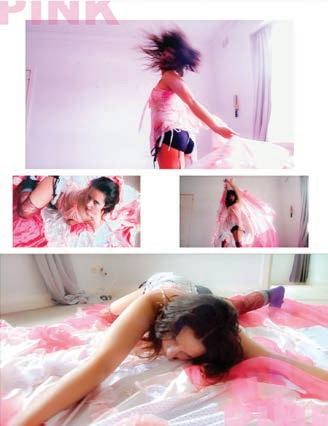
Alby Bennett

“I have so much to tell you.”
I throw it like a shing line, let it bob and sink into the uid space between our two rooms. I miss him more as we age, or maybe just the ability to pull the strings suspending him.
My hook snares, and he glides through double doors, his smooth stride attempting to hide the boy beneath the overgrowth. He ops onto the lounge chair across from me, we sit in the same rowboat, estranged knees eyeing each other.
I pick through my short-term memory for headlines to toss him. Less of me is transferrable the more worlds I dip my toes into. I tug on passing jokes, quote an old friend predicting his great escape the second he can drive himself away. He takes the line from me, painting pictures of sun and surf he is sure to seek.
I have been seeking something, deepening, but in moments like this only bubbles gasp at the surface. I sink into my chair, mirroring his manspread. His eyes wander and I watch them land on the phone in his pocket.
“Remember when we would pretend to be mermaids?”
His eyes are mine again in one swi& ick of unwashed golden locks, darkened and daring me to continue.
“I wrote something.”
Eyebrow raised, he smiles and says, “Okay,” not asking to hear it.
“A green blade dances through sand, spinning I propel past it. Follow
e sh scales Glitter, the sun Piercing Waves above.
A hook plummets past, Misses my ear by an inch. e sh gulps its Last meal. Death rows Above in a little wooden boat.”
His reaction arrives diluted. I’m losing him to the girl whose noti cations ood his phone. “How is she?” I tease, wiggling eyebrows, probably looking like mum.
He smiles, sighs and shakes his head. Phone in his lap, I watch him dri& from me. I have so much to tell you. I stare into his face, losing so&ness every day. His cheeks hollow where adolescence smacked him and chiselled o% the pieces that I once squished in my hands. He’d repeat phrases in his car seat until I reached over to grab him and scream “just shut up right now!”.
Now I want to tell him that he is my best friend. Instead, I re-enact the awkward man asking for my number at central station. I stand and over-play gestures, dodging between characters. He laughs at the familiar plot points I’ve waded him through before. Patterns of polite rejection. I have been oating about in too many waters, swallowing some that have turned sour within me.
I slip back into my seat, swaying. My eyes glaze over and my stomach gurgles. I readjust too fast, and re ux returns me my lunch. Sushi-salmon-rice-vinegaracid-air eats my mouth, but I gulp it back down. I have so much to tell you.
“I got a B on that assessment you helped me with.”
I swell and smother his passivity with excitement, he smiles at me a little longer before the blue-light whirlpool wins. I swallow the see-what-you-cando-if-you-try speech. !e guilt of never being home creeps up the back of my throat.
In primary school I had a project on endangered animals. I chose the butter y sh and made him the star of my live-action lm. He t head to toe on the width of our parents’ bed. Beneath him was a greenblue-turquoise doona ocean habitat. Decked out in the foam ns and chest plate I’d cut and sketched with texters, he swam. When I told him to “move like a sh,” he did. He even puckered his lips.
“One day I’ll see one.”
He looks tired of me, awaiting elaboration.
“A mermaid. Did you see the reel I sent you?”
“Yeah. You know, if mermaids are real, they’re evil.”
How many years did I sustain the Santa charade for him? He looks at me like a warped re ection, “Sometimes I feel like the older sibling.” !at will bruise.

!e one camping trip we took, I learnt to sh. It was the middle of winter. I was learning to throw out the line, watch it y. I watched it y right across the narrow river and land in the bush on the other side.
My mouth tastes like metal. I grasp at slippery topics to feed him, to keep him. I am opening and closing, empty. How o&en do I start my sentences with remember? If mermaids are real, they’ll be washing up soon. Wrinkled on the shore, crusty, naked, dying.
Someone calls him from the other room. Head turned, the hook slips from his mouth. He is carried away by the current. I have so much to tell you.
I am le& sitting in the room alone, bobbing in my tipping dinghy, swayed by the ripples in his wake.





I wake up in a Space Capsule Bed. Not in space—in a hotel in Potts Point. A space capsule bed is a white mattress surrounded by white plastic walls, white plastic door, and white plastic ceiling. My iPhone is screaming from outside the compartment. My alarm is always set for 8am. I try to pull open the sliding door, it moves only half a centimetre on its tracks. !e banging is out of rhythm with my alarm tune. ‘Morning Rise’ is a song which crescendos. !e longer you leave the alarm to play, the more irritating it can become. I turn on the light. !e door is the shape of an elongated hexagon, the ridges across its surface do seem space-like. Aesthetically, it is an interesting door but my increasing heartbeat distracts from any appreciation of thermoformed, space-themed polymer panels. !e door is stuck.



!e door won’t open. I’m locked inside. I’m trapped in a Space Capsule Bed. I can’t get out. I can’t open the door. I need to do something with my hands, I wobble the door three more times. My alarm is getting louder, I swallow rising nausea.
“Help.”
“HELP!”
“My door is stuck!”
!e noise of the alarm is screeching. It’s insistent, it’s ringing louder than my voice. Somebody else has to hear it. Someone has to nd me.


In any situation it is important to stay calm. Even if you have a regular bladder. I rock on my sit bones. I dget from side to side. I don’t know how long alarms keep ringing before they give up. !e bed has a control panel, where the title is written Space Capsule Bed.
!e panel includes:
USB-A charging port
USB-C charging port
Lighting control (of three di%erent light sources)




Ventilation controls
Key card slot to activate electricity

Unhelpful instructions, such as “keep quiet”
One particularly unhelpful button, which does not release the door lock, despite saying “Unlock”

!e USB-A charging port doesn’t work. If it had worked last night, I would’ve charged my phone inside the capsule. If I had charged it here, I would have my phone to call for help. If I could call for help, I wouldn’t have to be here. I turn on the button for “Anion Disinfection”. I turn o% the reading light. In near darkness I lie back down and listen to the persevering alarm.
Is it anions that are intended to be disinfected or are anions useful in the process of disinfection? Anion. Is only one lonely ion responsible for infecting/dis/infecting the co$n-sized volume of air around me? !e crack around the edges of the door shows daylight. Is it still a door if it won’t open? !e immovable hexagon has become another panel, another separation. I wonder if I’m getting used to it. I think I am. I wonder if everyone else is also getting used to it. To the alarm, to me being missing, to an unopenable door in Potts Point. I turn on the ceiling light, which is dimmer than the reading light was. I notice the dirt underneath my ngernails, but I leave it there. At the moment that seems the safest place for it. !e real question is how to pass the time.
bite on the corner of my ankle. If I didn’t need to pee. If the alarm would SHUT OFF.
!ings I am grateful for:


I am warm under the duvet I am clean and dry
I have the opportunity to re ect I have multiple choices of light sources !e giant lizard isn’t here I have space to stretch
I can see myself in the mirror
(entertainment)
I switch my lighting from overhead to mirror light. !e lights on the wall turn white rst, I press the button again, turning them yellow, next blue, then green, nally purple, and then o% again. I ick through my options a couple of times, settling on purple in the end. !e alarm is still going.

!e contents of the white cube are:
Foam mattress, white cover
Duvet, white wa0e sheet
Pillow, white pillowcase; wa0e texture on one side, plain on the other
Control panel
Mirror, re ecting white walls
Myself, red pyjama t-shirt, pink pj shorts
One notebook, green cover, white lined pages
One pen, Uni-ball AIR Hotel keycard.
Last night I slept badly. I was snu0ing and I had nightmares about a remorseless water monitor lizard. !e worst part was other lizards had the capacity of moral conscience, only this particular individual had a deviant personality. If I had slept well before, the whole issue would be bearable. If I didn’t have a mosquito

I decided to take notice of my breath. I start counting on the inhale. I only get to three before I realise. At ve I know for certain—I’m never getting out. !e time I spend here will elongate in nitely. Maybe the receptionist is walking up the stairs to check on me as I write this sentence. It doesn’t matter when I’m found. I will have been trapped forever. Time on the outside can continue, but inside we’ve already slipped into forever waiting. I’m drowning in time. It’s thick and sticky and it clogs my throat and it weighs every breath and I inhale, which lasts a lifetime and then I exhale and I’m on the edge of choking, trapped, reeling, falling and outside: the world spins, the sun rises and falls. Inside: the space capsule is adri& from time, untethered, full of emptiness. White walls, white ceiling, white mattress, white light. I wonder what happened...? In the end...to the outside…Was it nuclear warfare? Climate change? Anti-biotic resistance?
!ings I’m grateful for:
Once upon a time, getting trapped in a chamber with anion disinfection systems. Getting suspended in space and having the opportunity to exist forever outside of time. A still existence, sat propped up by a white pillow against the wall.


Annabelle Bullock
Circle all that apply: I’m at a party/pub/sharehouse full of straight people/millennial professionals/Inner West creatives and I’m feeling bored/insecure/under attack. So I say the magic words, “my girlfriend”, and watch my conversation partner’s head snap upright, like a dog locked onto a scent. I’m rendered immediately more interesting/avant-garde/titillating. I am the subject of rapt cultural attention. I’m cool again.
In case you missed it, heterosexuality is a bygone institution which serves only to mortify the straight women of the 21st century. !e now-classic Vogue article “Is Having A Boyfriend Embarrassing Now?”, which achieved a level of increasingly rare internet (and word-of-mouth) virality, con rms this. Writer Chanté Joseph diagnosed straight women as being in a peculiar dilemma of,
“wanting to straddle two worlds: one where they can receive the social bene ts of having a partner, but also not appear so boyfriend-obsessed that they come across quite culturally loser-ish.”
In the ensuing maelstrom of outrage, hysteria, glee and thinkpieces, something was missed. If having a straight boyfriend is embarrassing, isn’t the logical counterpoint—of having a gay boyfriend—actually super cool?
Obviously, on the whole, being gay never became cool. Australia’s dominant cultural and political discourses are shaped by Whiteness, heterosexuality, and private school attendance. Within these parameters, palatable queer expression is contingent on our sublimation— on being ‘normal’ (cis) (White) gays who get married and have kids, instead of those ‘weird’ ones who shout at police or take estrogen.
In the UK and US, trans rights are being rapidly eroded. !e same can happen in Australia, because our ‘acceptance’ is similarly conditional. For conservatives, transness represents the ultimate threat of non-normative expression; queerness made legible on the body. No wonder that the same talking points once used against the gays are now employed for trans people—that they want to turn your kids trans, invade bathrooms, have loads of freaky polycule sex, etc, etc.
But amongst some Inner West snow akes… some Arts-studying, Crumpler-wearing, lovely, well-meaning people… there’s been an almost imperceptible shi&. Like a tacit understanding that heterosexuality is no longer t for purpose.
And yet this rarely results in a meaningful interrogation of heterosexuality as a political identity. Or of gender roles. Or domestic labour. Or child-rearing, or unpaid parental leave, or why men don’t get owers for Valentine’s Day.
Heterosexuality is taken to be inherently, unthinkingly ‘normal’. How and why this is constructed is a political question.
Spare a thought for those well-dressed, nice-smelling straight men who are questioned about their sexuality, o&en by those same lovely, well-meaning people. He must be secretly gay. Because being gay is ne. And gay guys are great. Who wouldn’t want to be friends with them?
But since any deviations are incompatible with masculinity, something as ridiculous as good grooming is construed as political—since, in order for patriarchal power to be maintained, masculinity must always be typi ed, rigid and unceasing, to the detriment of men everywhere, including gay men, who have to wrestle with alternate forms of masculinity. And so, this guy must be gay. ‘Unmasculine’ straightness does not compute.
So—is being gay at least cooler now? Is this the fetishisation of gay ‘culture’, which cannibalised Black, Brown, and trans cultures in the rst place? Or maybe it’s not the fact of ‘gayness’ itself that’s cool, but the cultural cachet earned from having gay people in your social circle, however tenuous or protracted that proximity might be?
As I talked to friends, both straight and queer, about this phenomenon, the answers seemed further away. All I knew was that sometimes, some people turned to me with more attention once they knew I was gay. Would this still be happening if I was visibly butch, instead of vaguely-feminine-Clairo-gay? Or if I was not White—or if I didn’t have a partner?
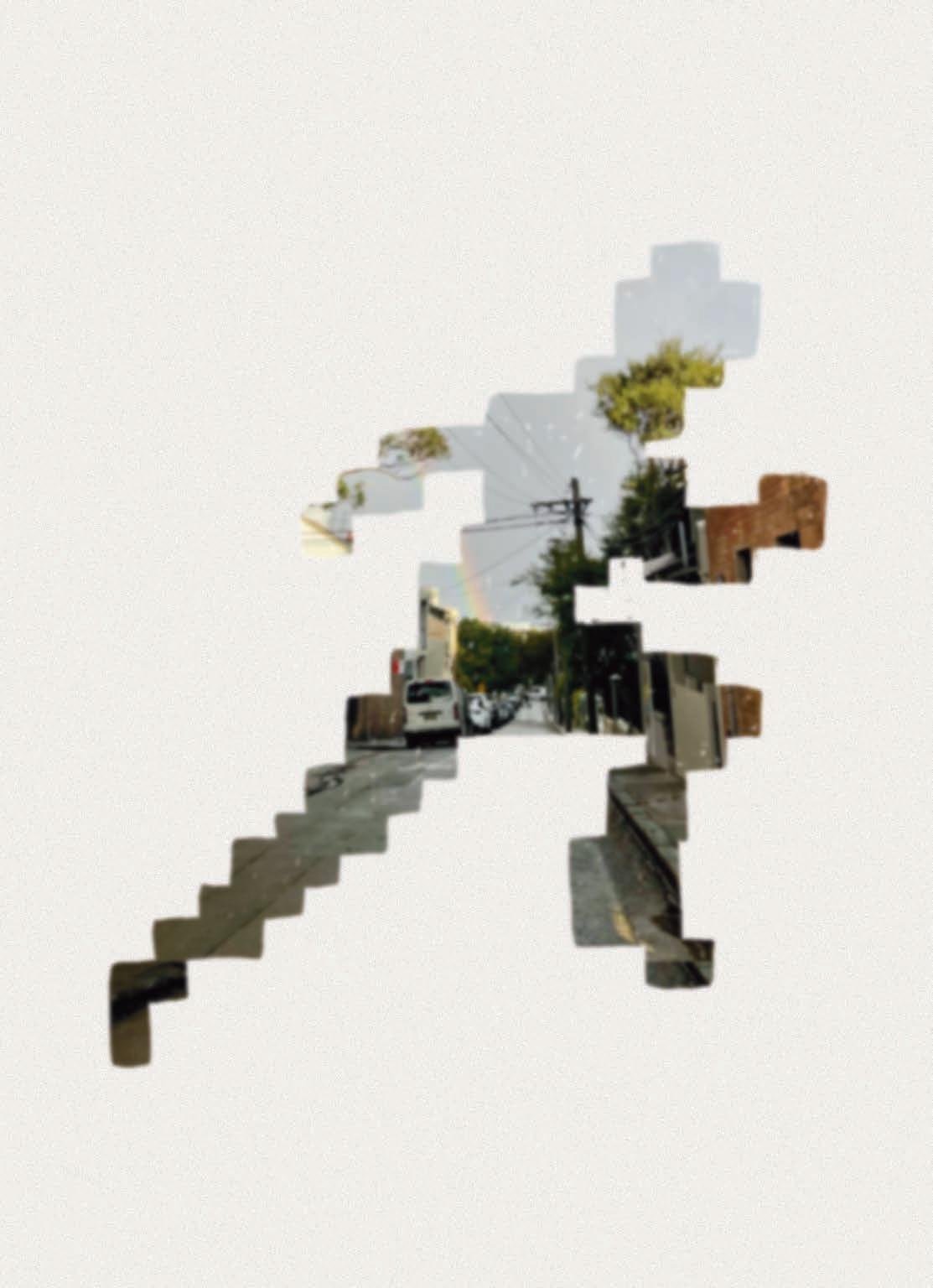
Why was it happening in the !rst place? Why did I feel a need to state my sexuality, regardless of the conversational outcome?
(I could talk about Foucault here, but I will instead direct you to any Gender Studies subject reading list.) Being gay can be cool if you’re an already legible subject—a wealthy, White, gay-looking one. And as long as it doesn’t represent any kind of meaningful liberatory politics. And if it lets the straight person talking to you say ‘diva’.
e theme of this year’s Mardi Gras was “Ecstatica”, with the tagline: “Our Joy is Power!” But what kind of joy is powerful, and what kind of power is palatable? It seems the commercial power of the gay community—mostly that of rich men in Darlinghurst, elevated by class, locality, gender and race—determines our aims and means, our parade, our modes of life, our ‘cool’. And that power couldn’t even save Sydney’s only dedicated queer bookstore, which closed late last year. And it was ON Oxford Street!!!!!
For Mardi Gras, I was added to group chats called things like Gaypointes Street and Dyke Mansion. It reminded me that for one night of the year, at least, we govern Sydney. I didn’t have to clarify my sexuality to a deluge of straight ears; everyone just assumed I was gay. I was made legible, and not just as a consumer.
Gay people are weird. A lot of them are not cool, not hot and not aspirational. At turns we are erratic, morally dubious, petty, annoying, and (yes, like the straight boyfriends) really embarrassing. e pressure to be the ultimate arbitrators of ‘taste’ and ‘cool’ will crumble, because a lot of us have horrible taste. is is our salvation—to be legible in all ways, even those that are unpalatable.
I champion the right of all queers to be outright bizarre, even—especially—when Greens-voting homeowners want to lap up our cultural know-how. Yucky queers have a proud history. Look at Larry Mitchell’s 1977 parable-fairy-tale-manifesto, e
Faggots & eir Friends Between Revolutions.
“!e strong women told the faggots that there are two important things to remember about the coming revolutions. !e rst is that we will get our asses kicked. !e second is that we will win.”
Dearest queer weirdo—I beg you. Instead of telling your next dinner party that you went to Japan with your girlfriend and had a nice normal time or whatever, tell them you went to the twenty-four-hour lesbian orgy that occurs in the stables behind Lismore Showground every New Year’s. !ey won’t see it coming.